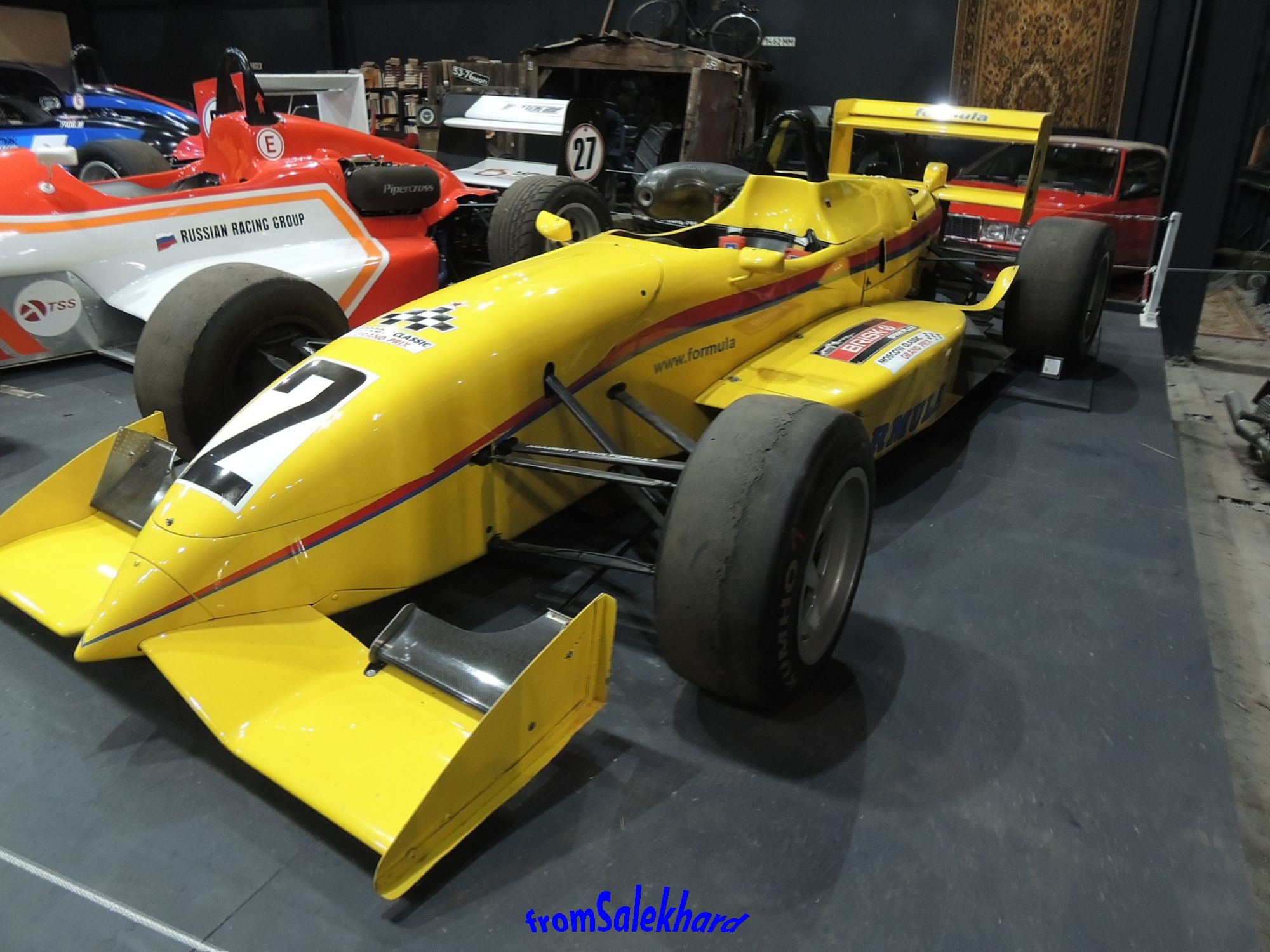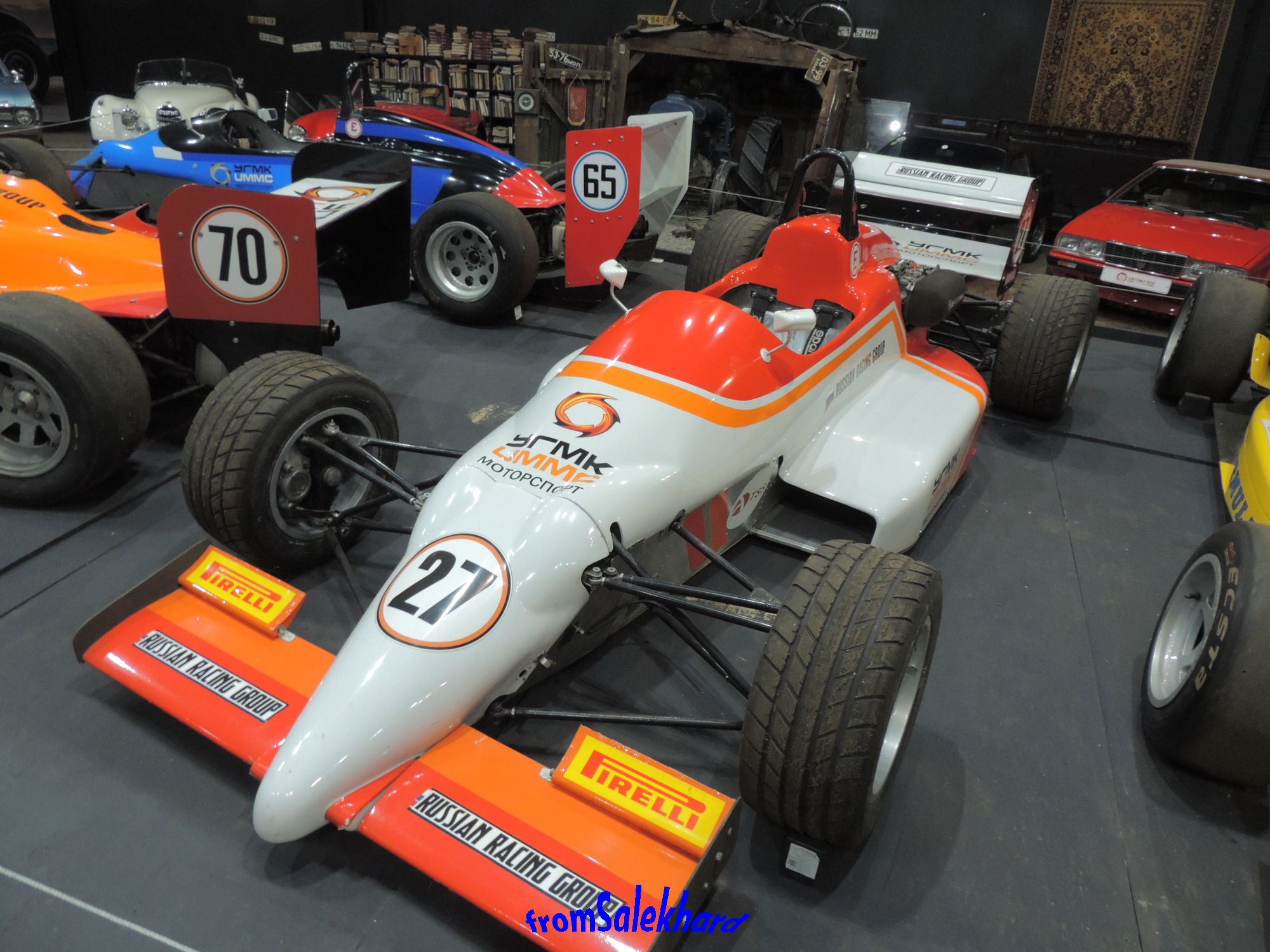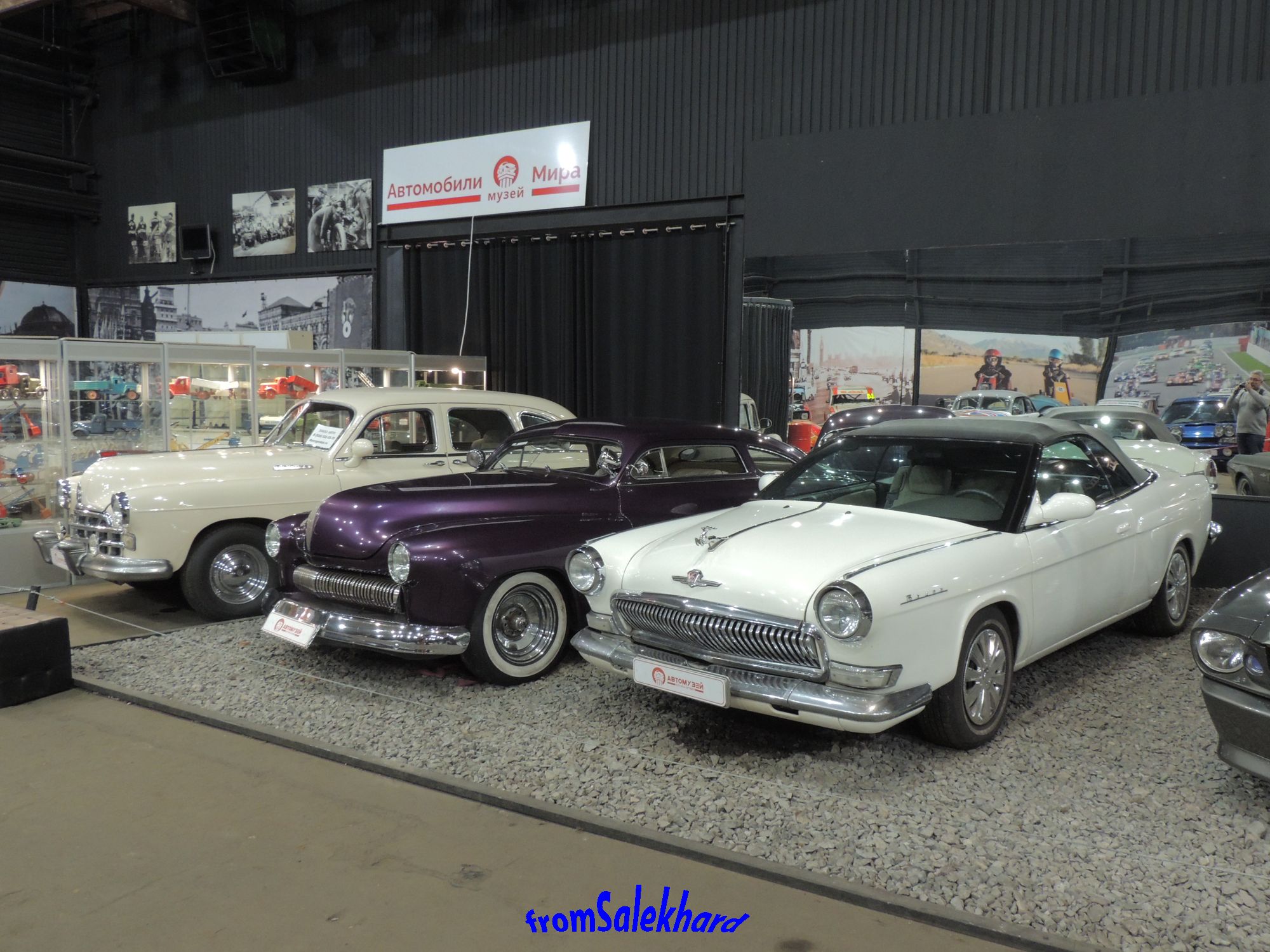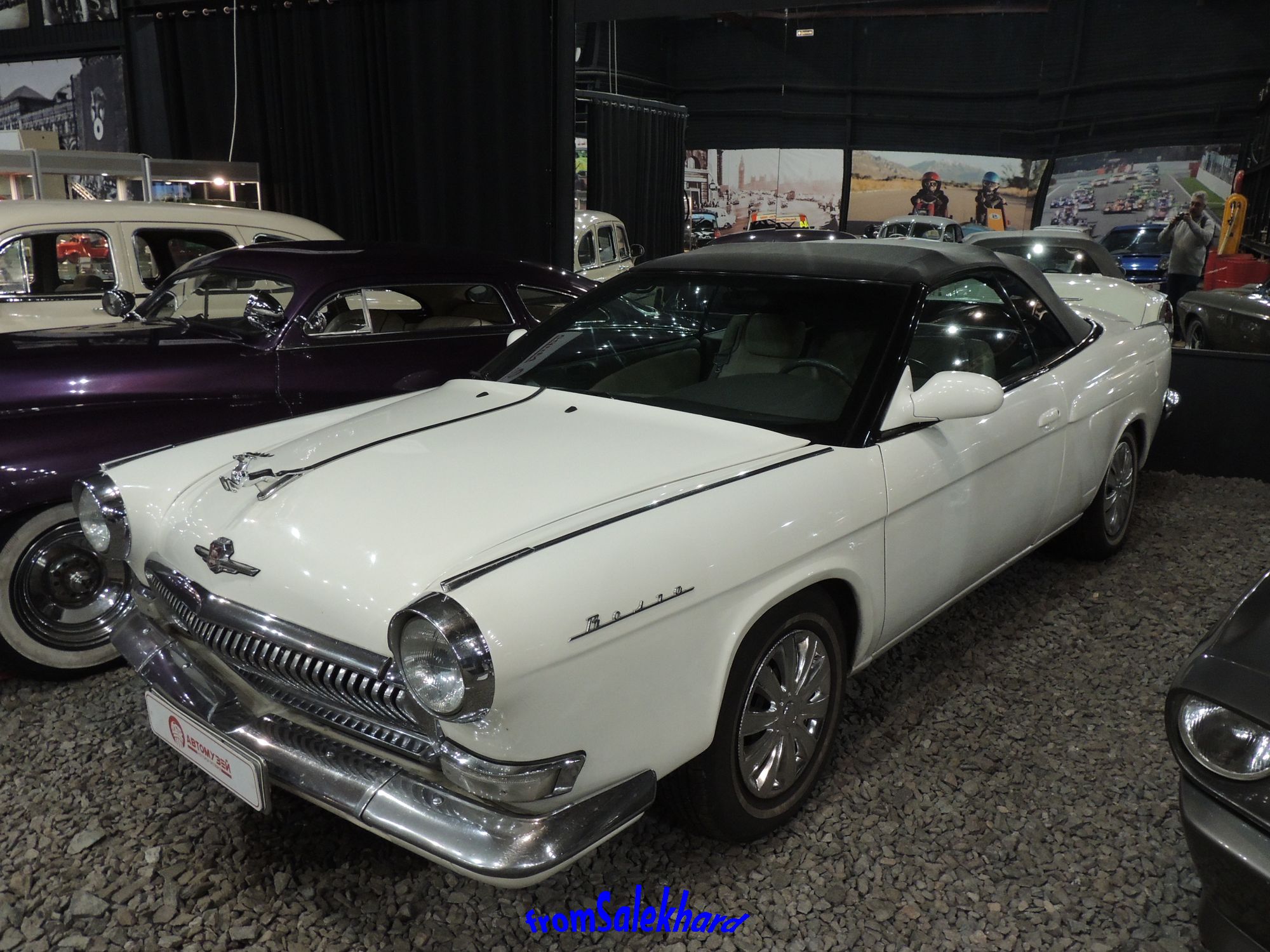
"Cars of the World" Museum (Moscow)

Introduction

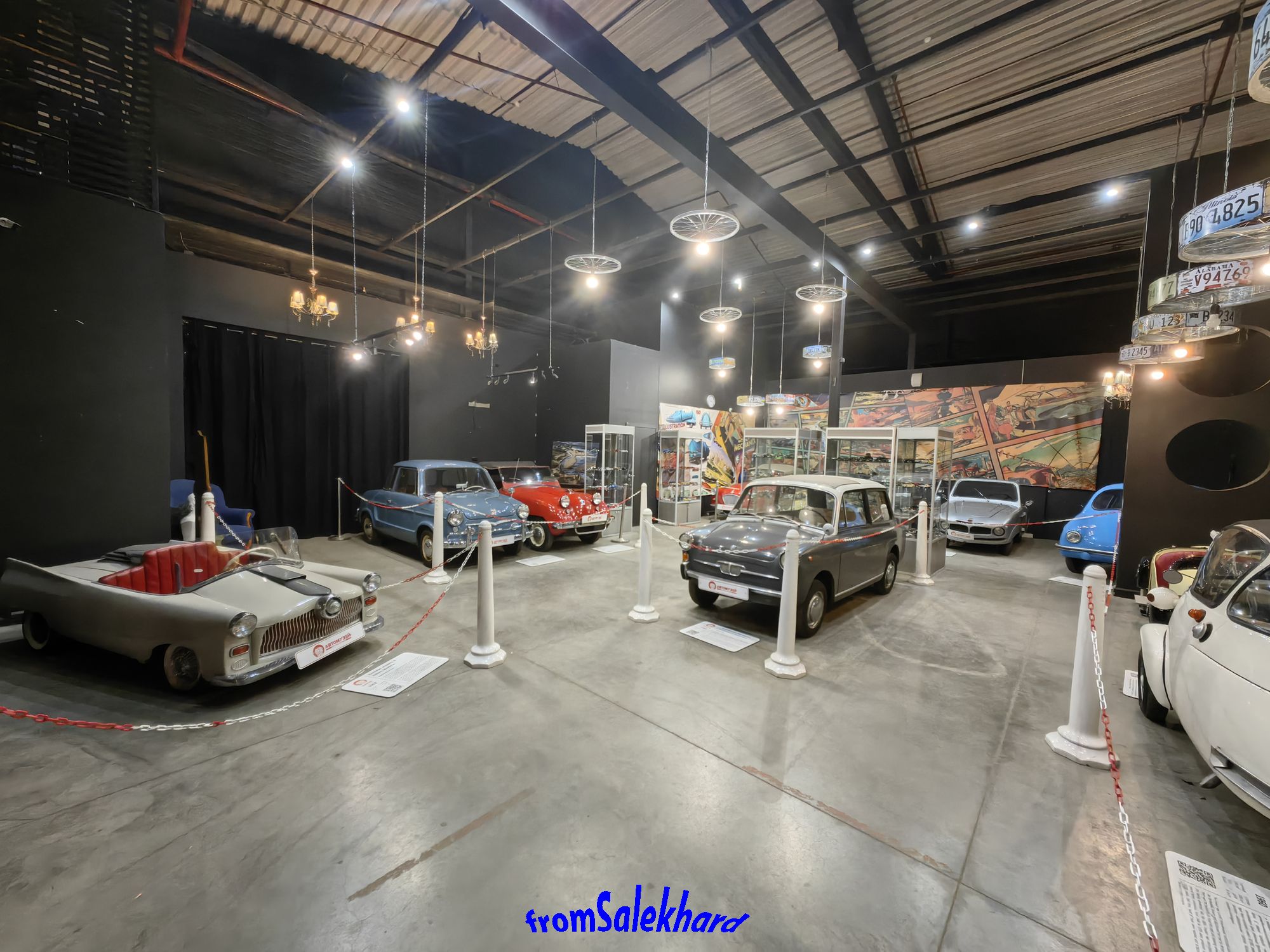
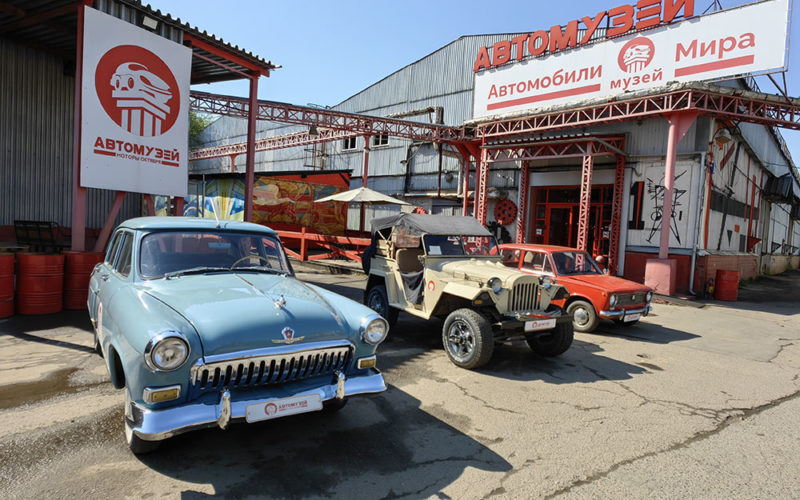
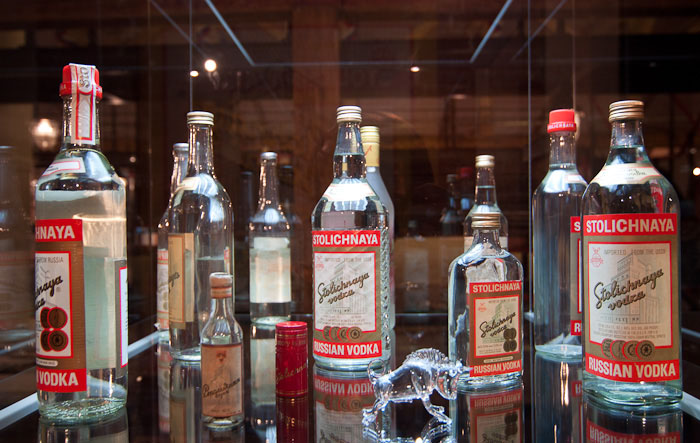
I invite you to join me for a leisurely stroll through the “Automobiles of the World” museum—the largest collection of vintage cars in Moscow. It is located on the grounds of the former “Kristall” factory, a site famous for its widely known products: vodka, including brands such as “Stolichnaya.”
The distance from it to the Kremlin is 3.5 kilometers in a straight line, but on foot or by car it is twice as far.
The museum first opened in 2005 under the name “Motors of October” (*Motory Oktyabrya*). The name might seem like a provocative reference to the October Socialist Revolution, but in reality, it is derived from the owner’s surname: Oktyabrsky.
I have several reasons for choosing to showcase this particular museum. First, it is truly expansive: spanning 7,000 square meters, it houses around 3,000 exhibits, 150 of which are automobiles. Second, today happens to be the museum’s birthday! And thirdly, the exhibits have bilingual signs, so I won’t have to struggle with translation, which takes a lot of time and doesn’t bring much pleasure.

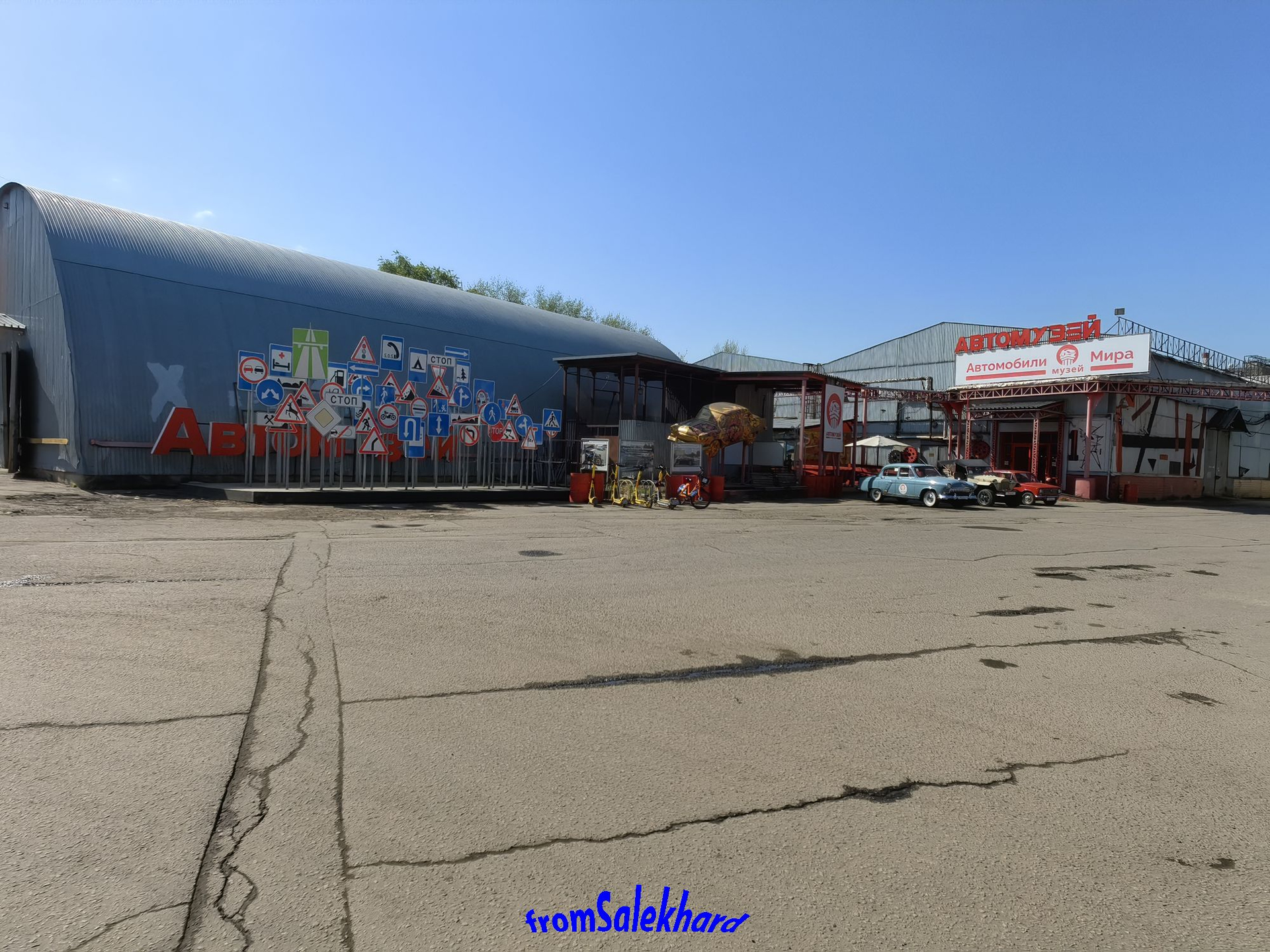
The fact that this is an old, former factory—built at the beginning of the last century—is evident both from the outside and from the inside.

I like this kind of architecture.
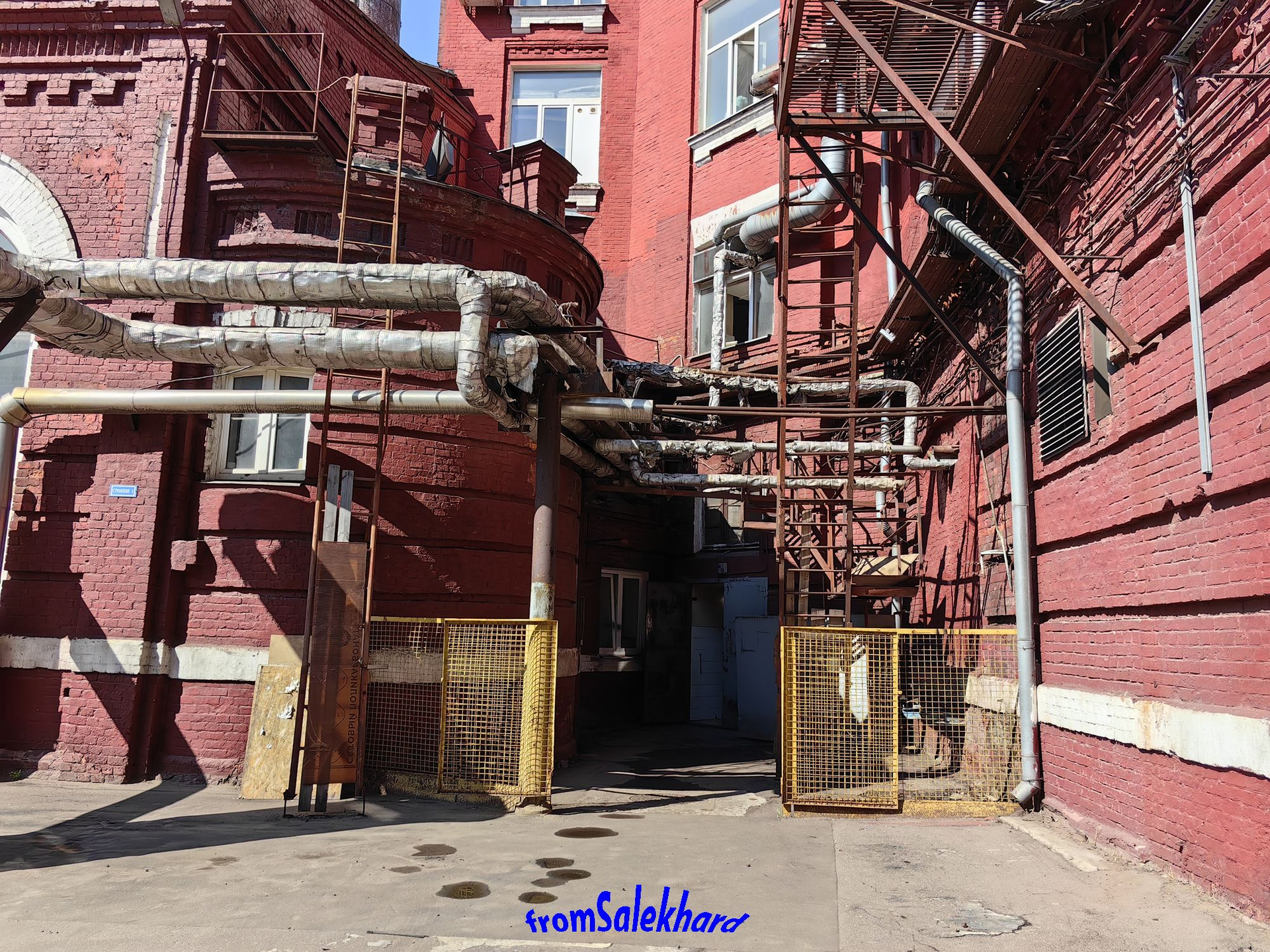
I visited it twice—in November 2022 and April 2025. It’s worth noting that, while the name and outward appearance have remained the same, these are actually quite different museums. Man, if they keep changing like this, I’ll have to go back and visit them all over again every two or three years.

But the essence and spirit of the museum have remained.
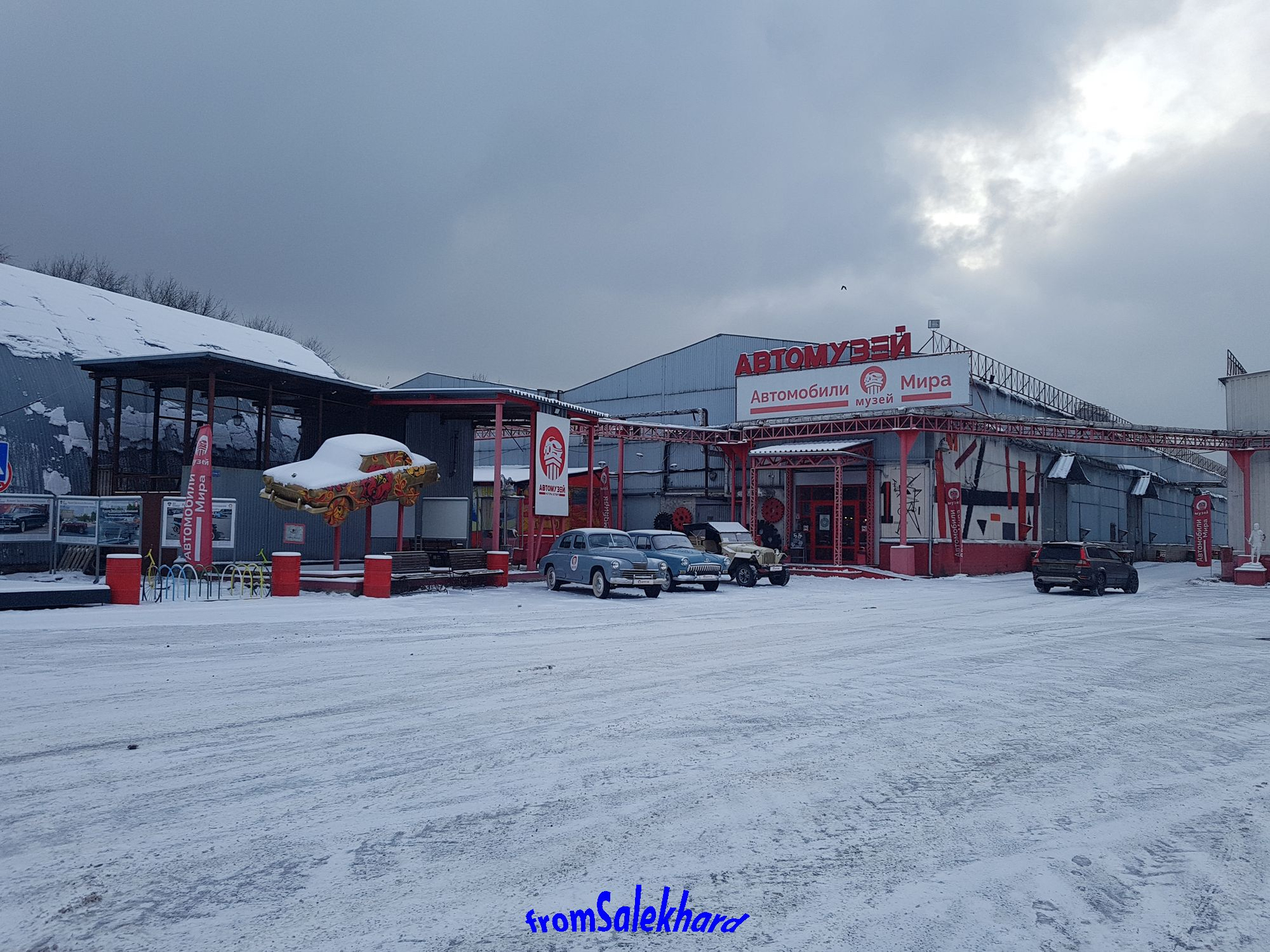
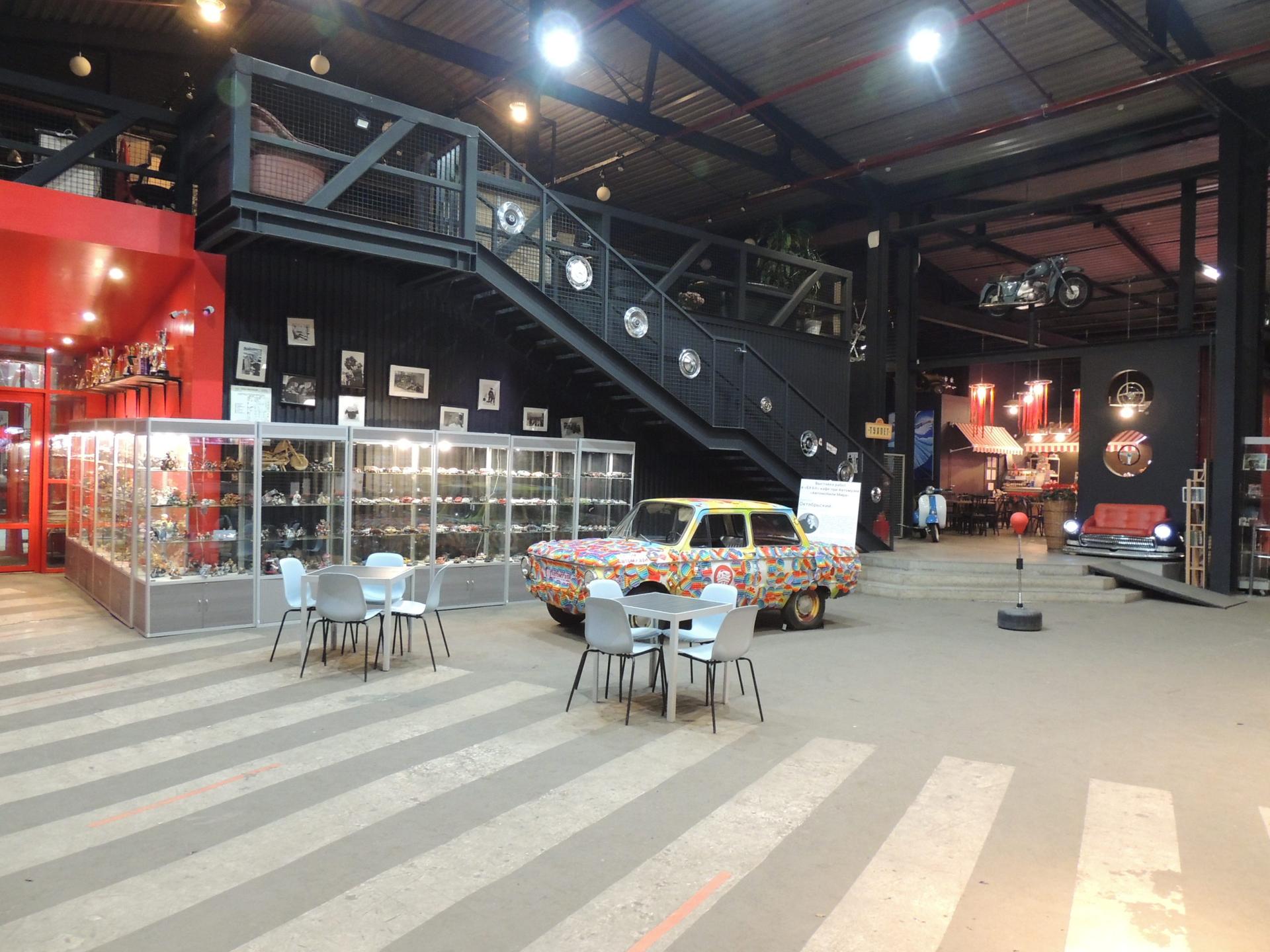
The entrance does not disappoint.

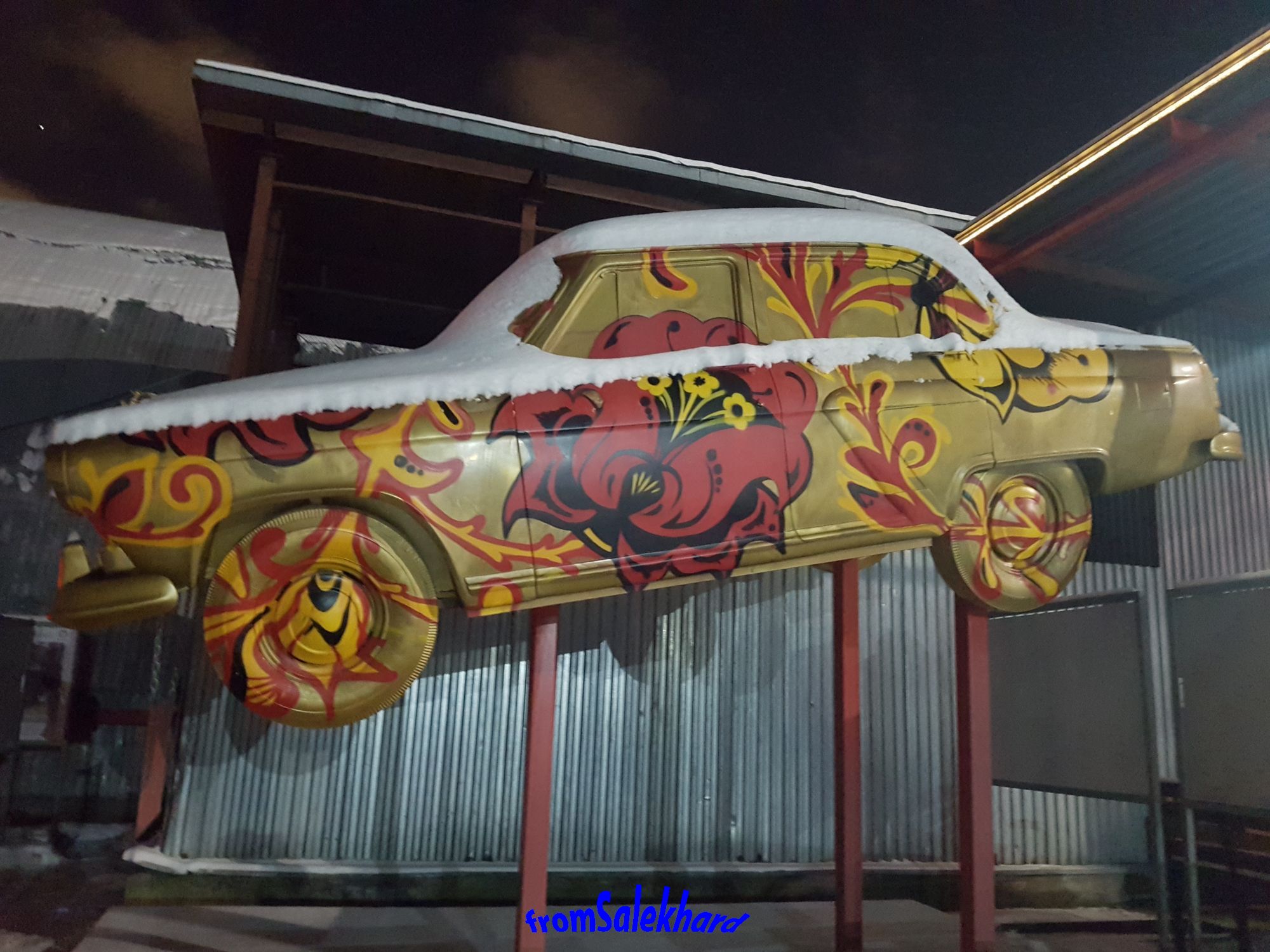
I don’t have a need for it myself, but I should mention that there is a designated smoking area. You can take your time there, enjoying the sight of “techno-khokhloma”—or, if you prefer, some modified park sculpture.

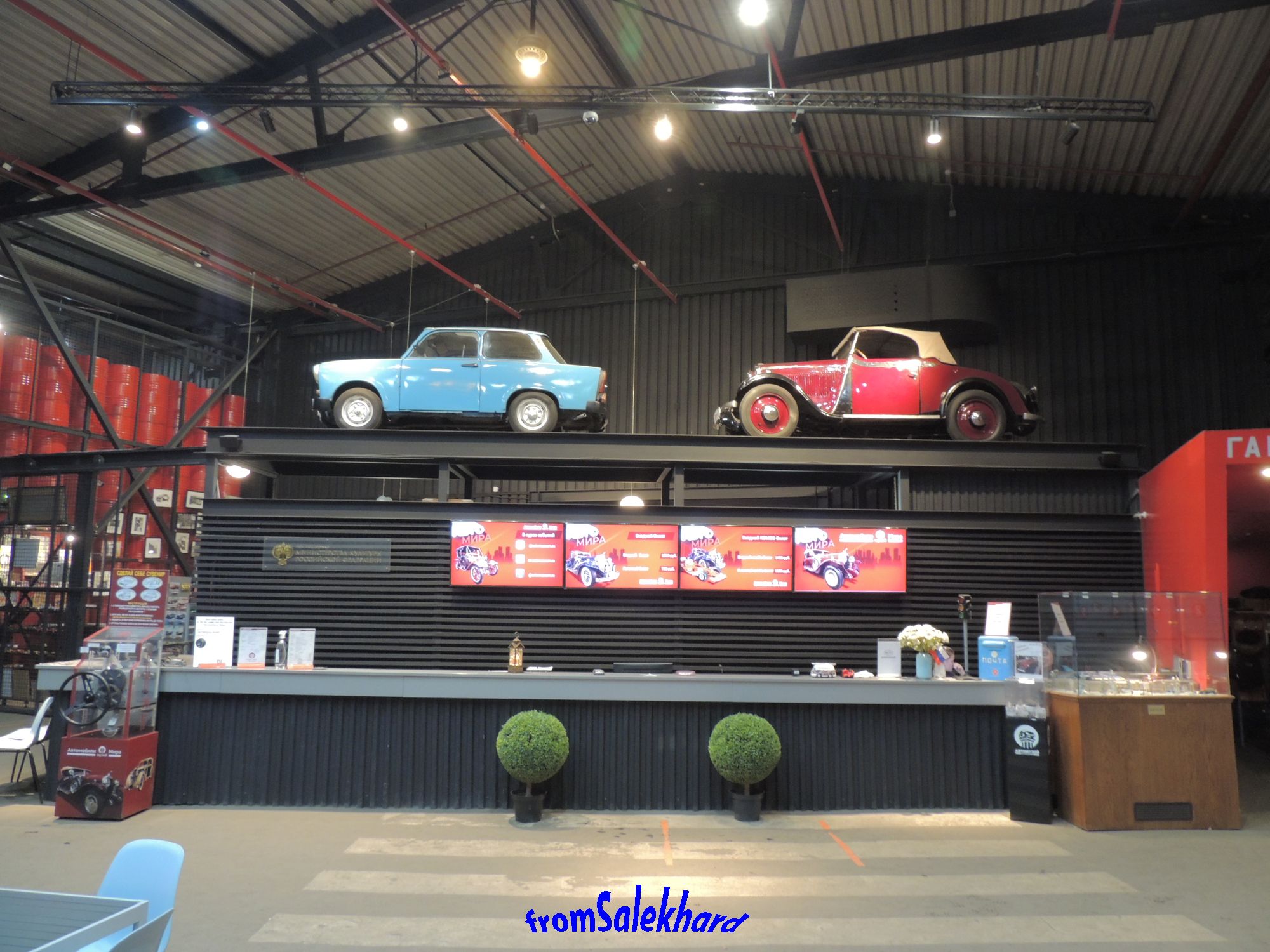
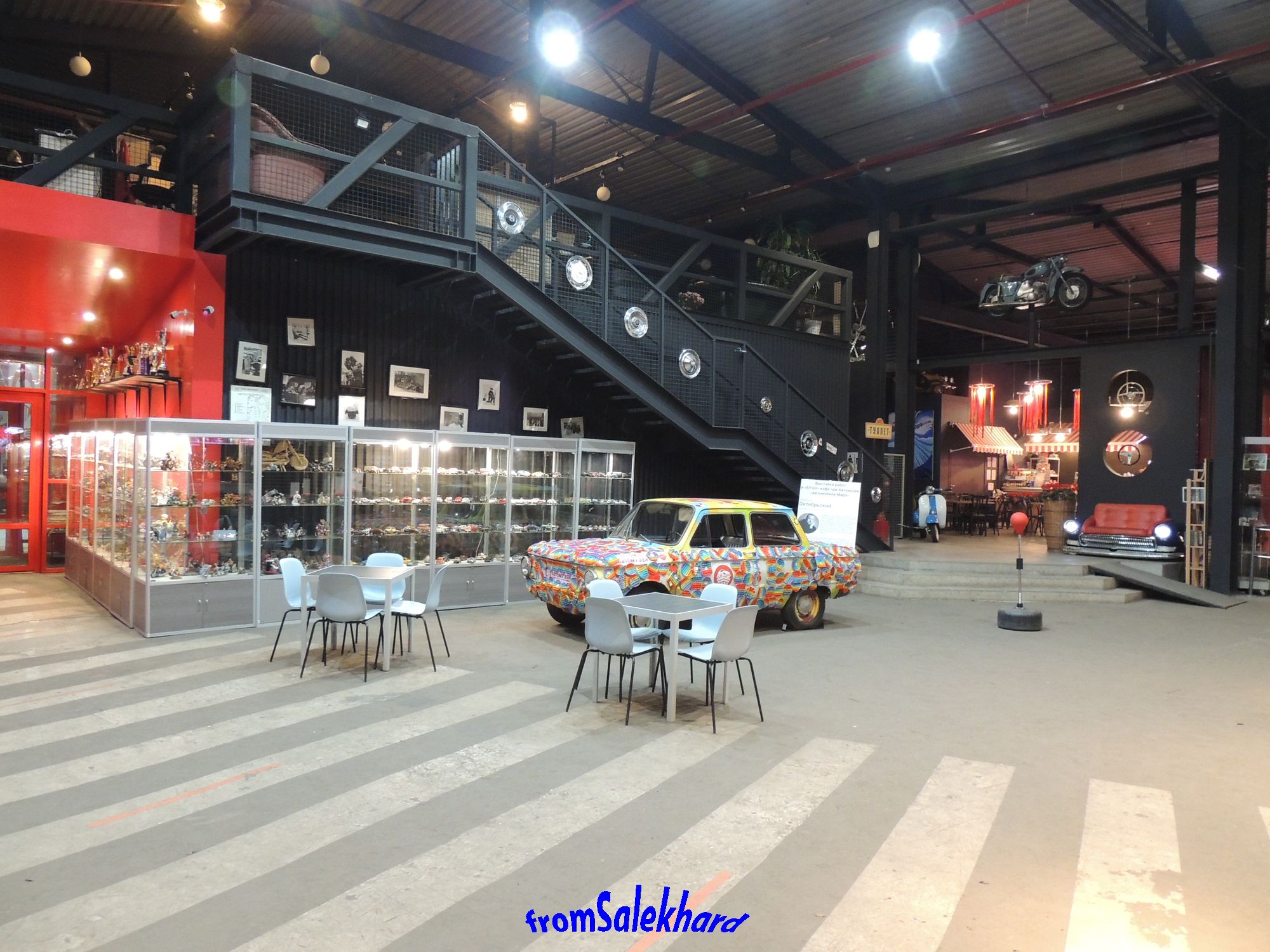
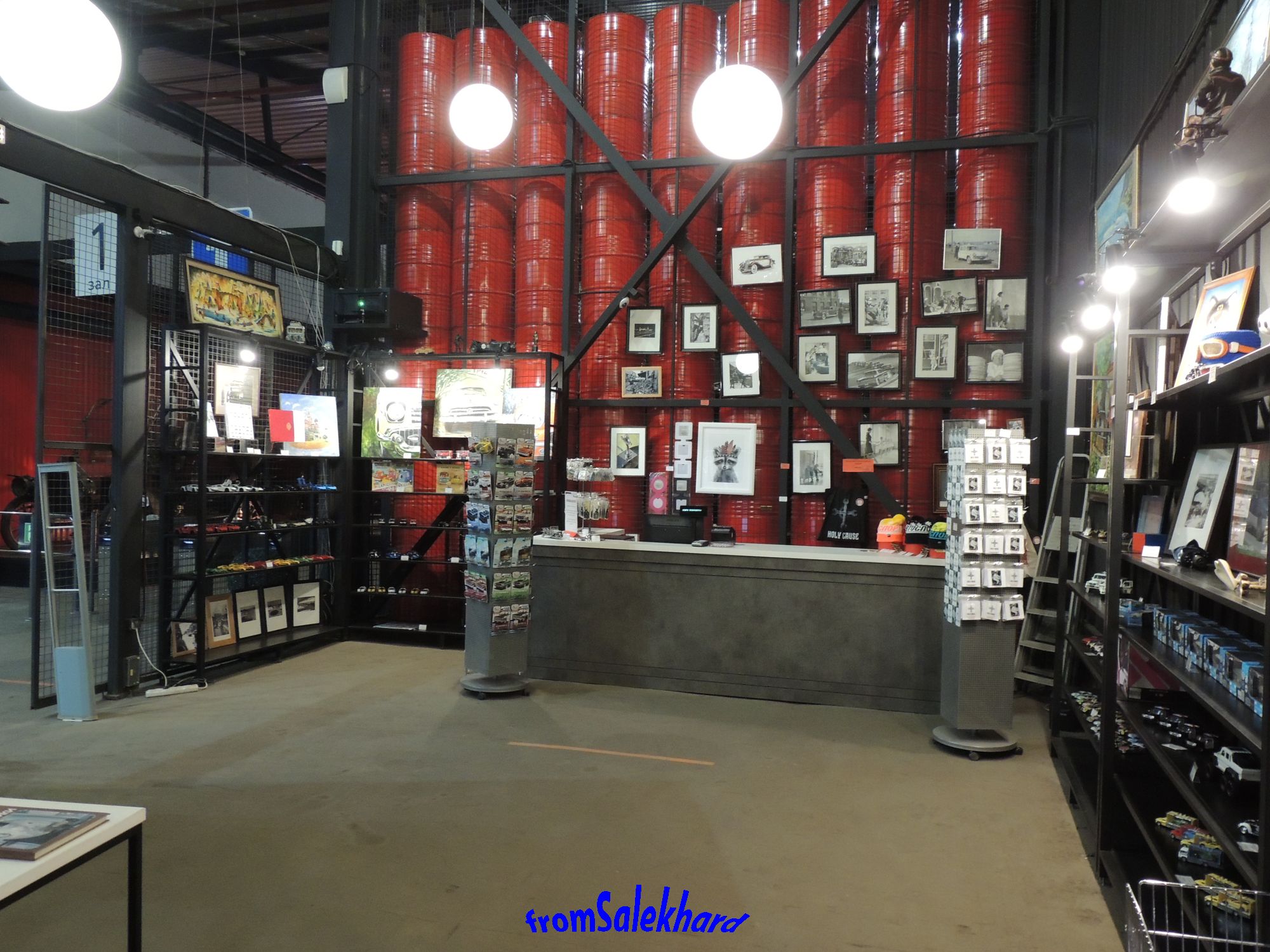
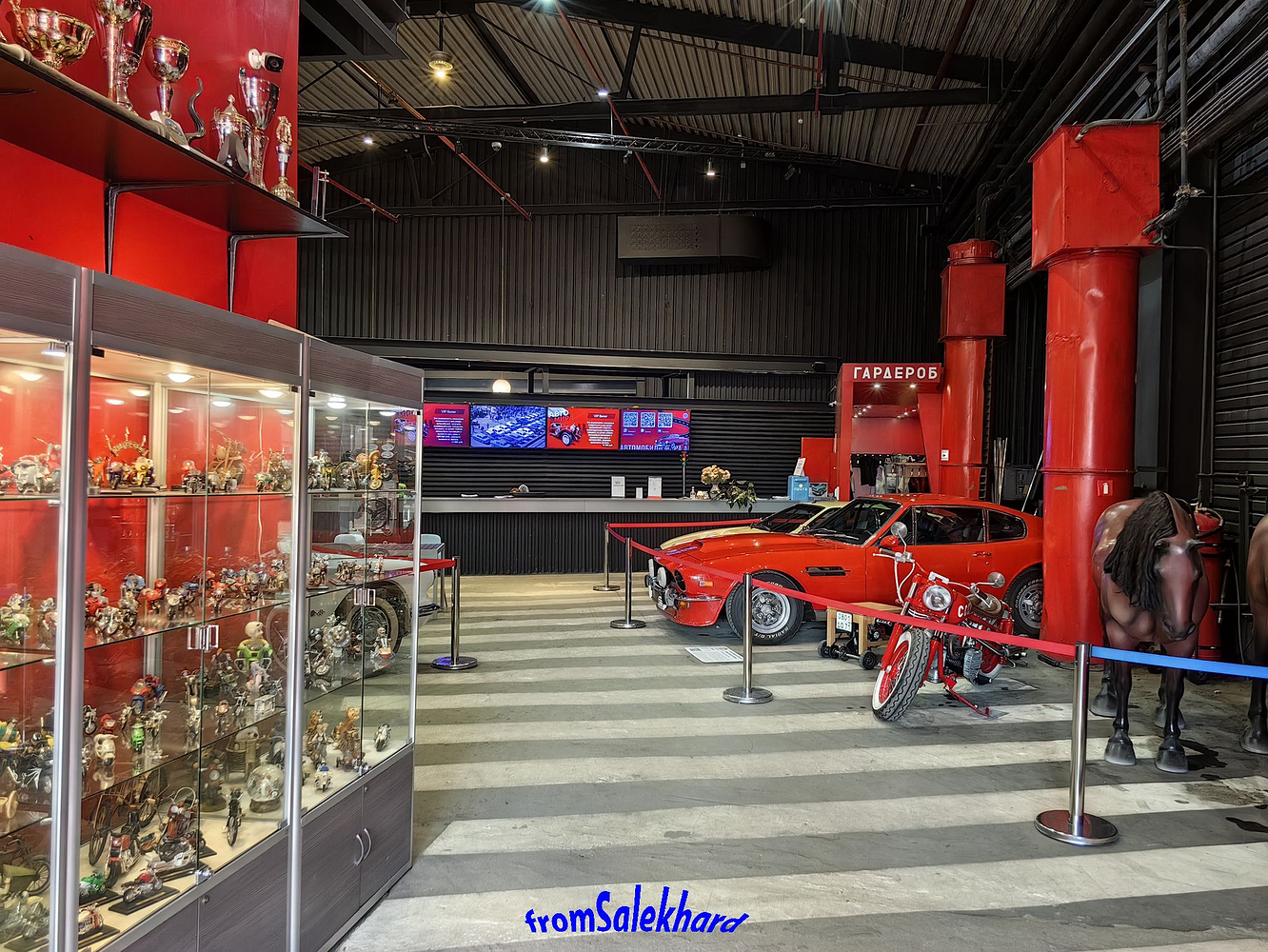
The foyer, however, also leaves a pleasant impression.
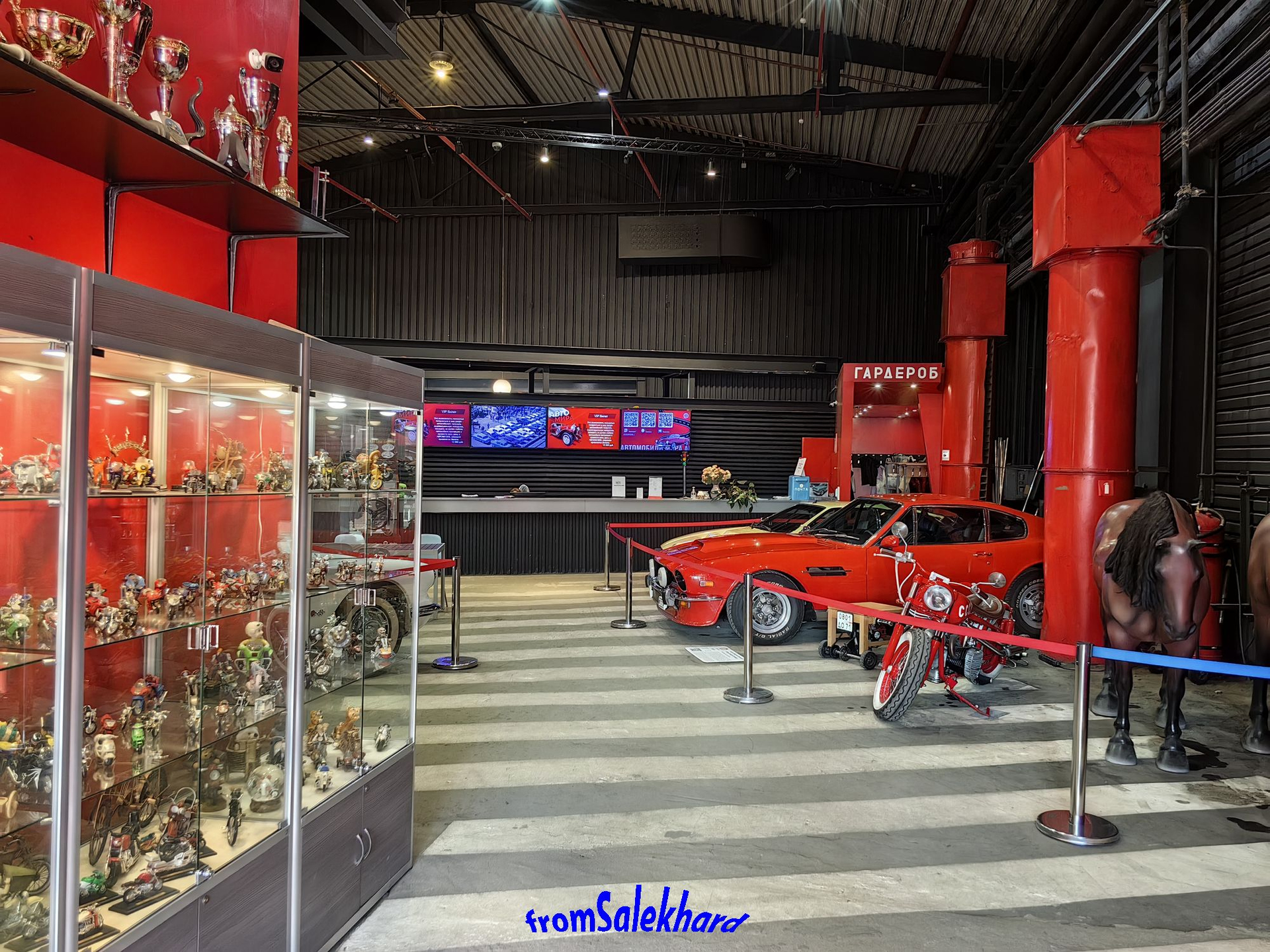
There’s even a snack bar there, it seems, but I didn’t have the time or the energy for it.
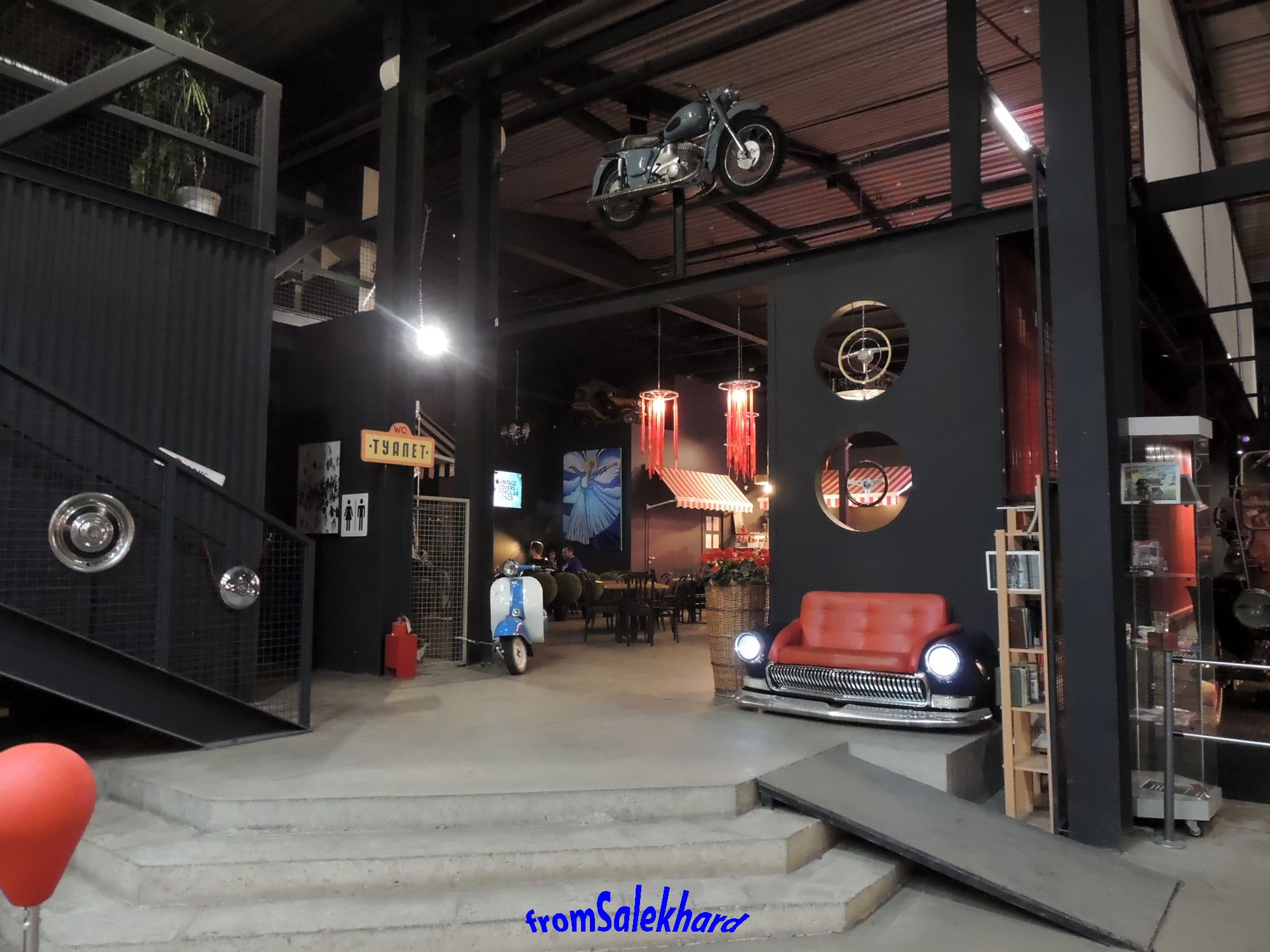
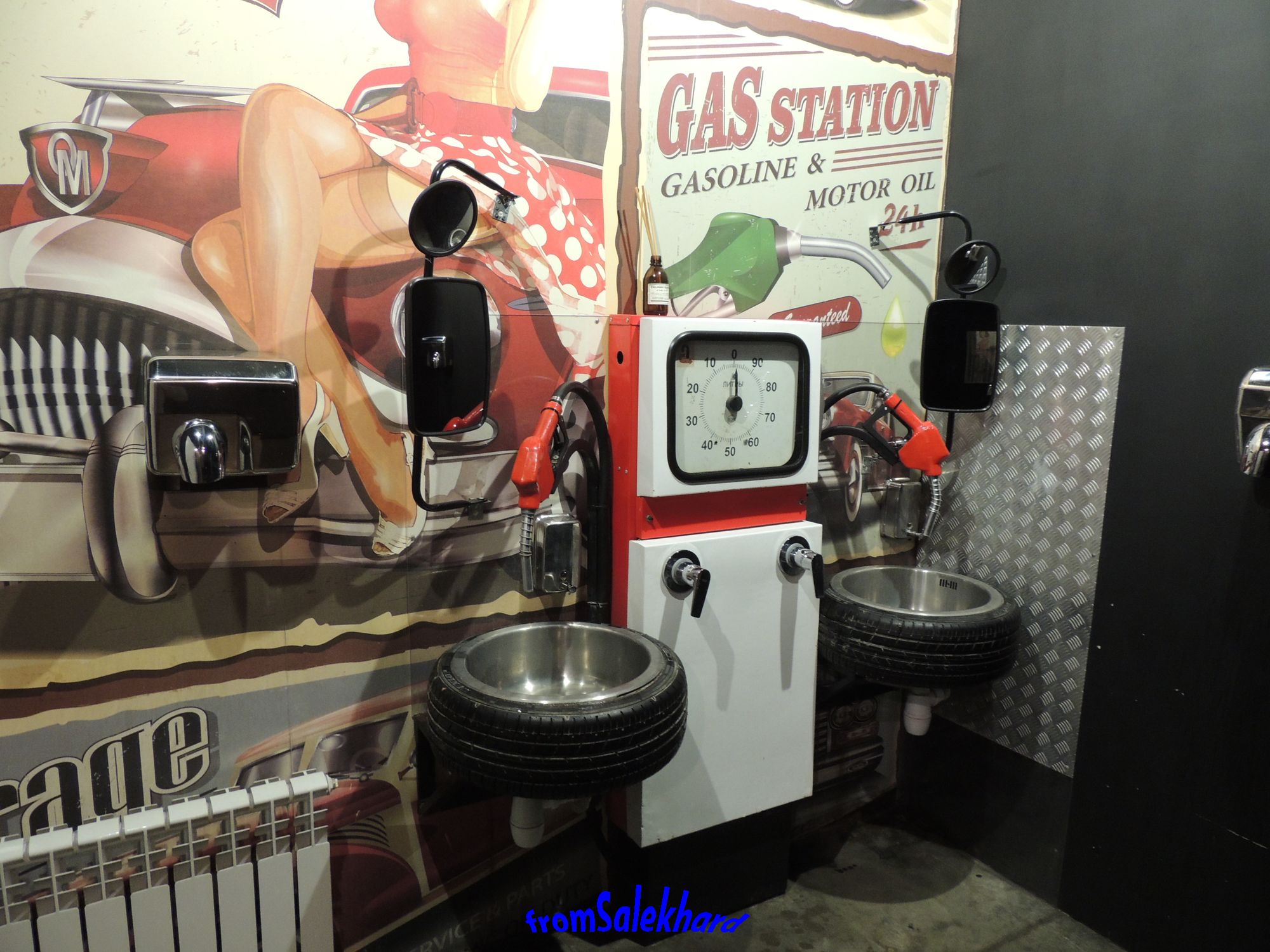
As for the restroom, I did end up going in. And it didn’t disappoint.
8 Likes

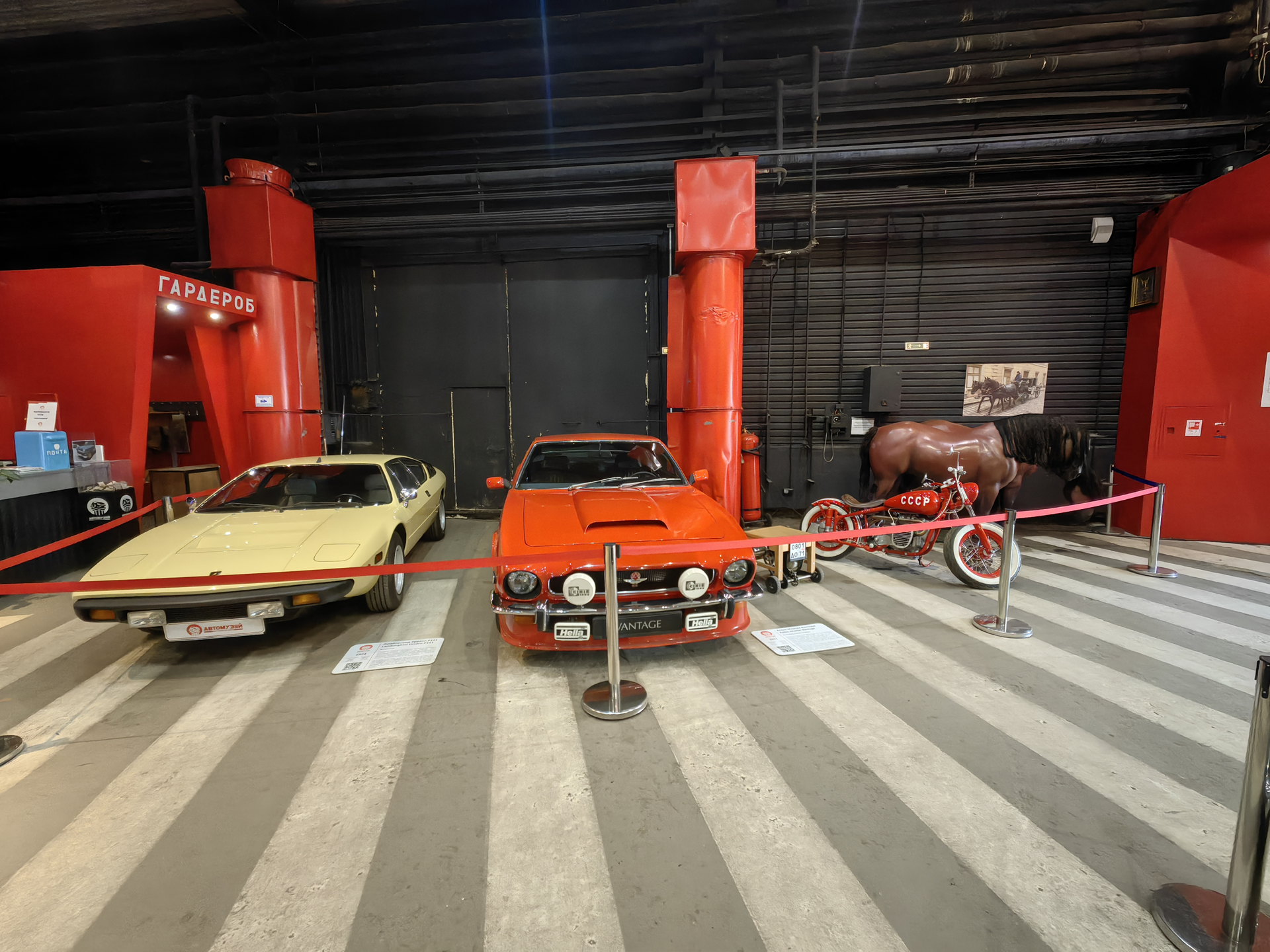
Interesting collection, I’d especially like to see more of this little jewel . . .

. . . can’t tell if it’s a Ferrari, a Mustang or what but it’s sexy!

Cajun :crocodile:

4 Likes


5 Likes

Ah, Aston Martin . . . an amusing personal account . . . I was leaving work one afternoon and noticed a nice looking little black car behind me and thought to myself “that’s a sweet little Toyota”, we pulled up to the approaching intersection simultaneously side by side turning opposite directions, as we each accelerated to travel on I was somewhat surprised when I heard the low rumbling growl of the 'Yota’s engine, " damn I thought, that sounds awesome!", I turned my head looking at the car’s tail end speeding away and saw the Aston’s badgeing and logo, yeah that’s more like it I said, you don’t see that every day.
Ya gotta love those fantasy performance cars! :smirking_face:

Cajun :crocodile:

1 Like

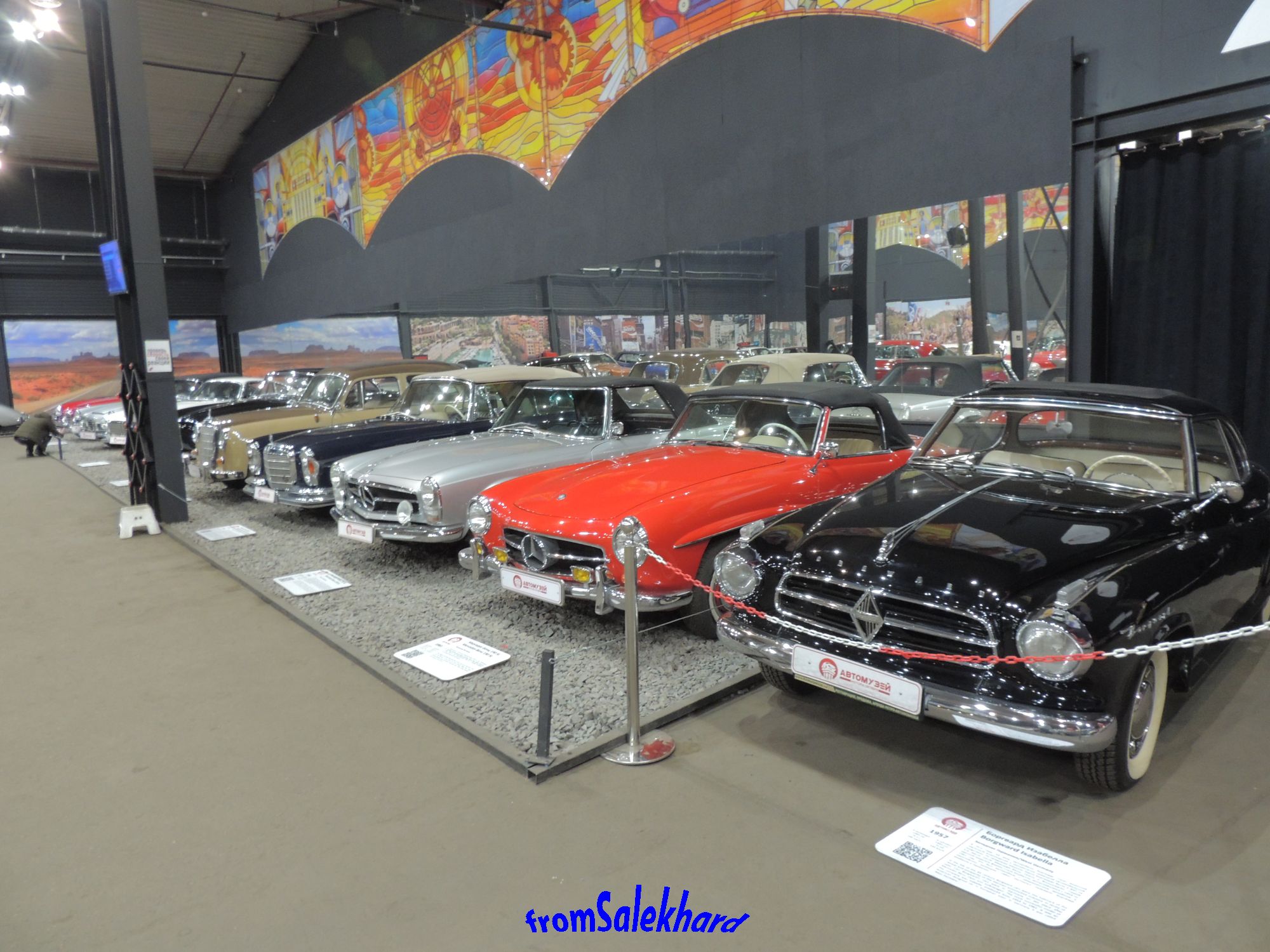
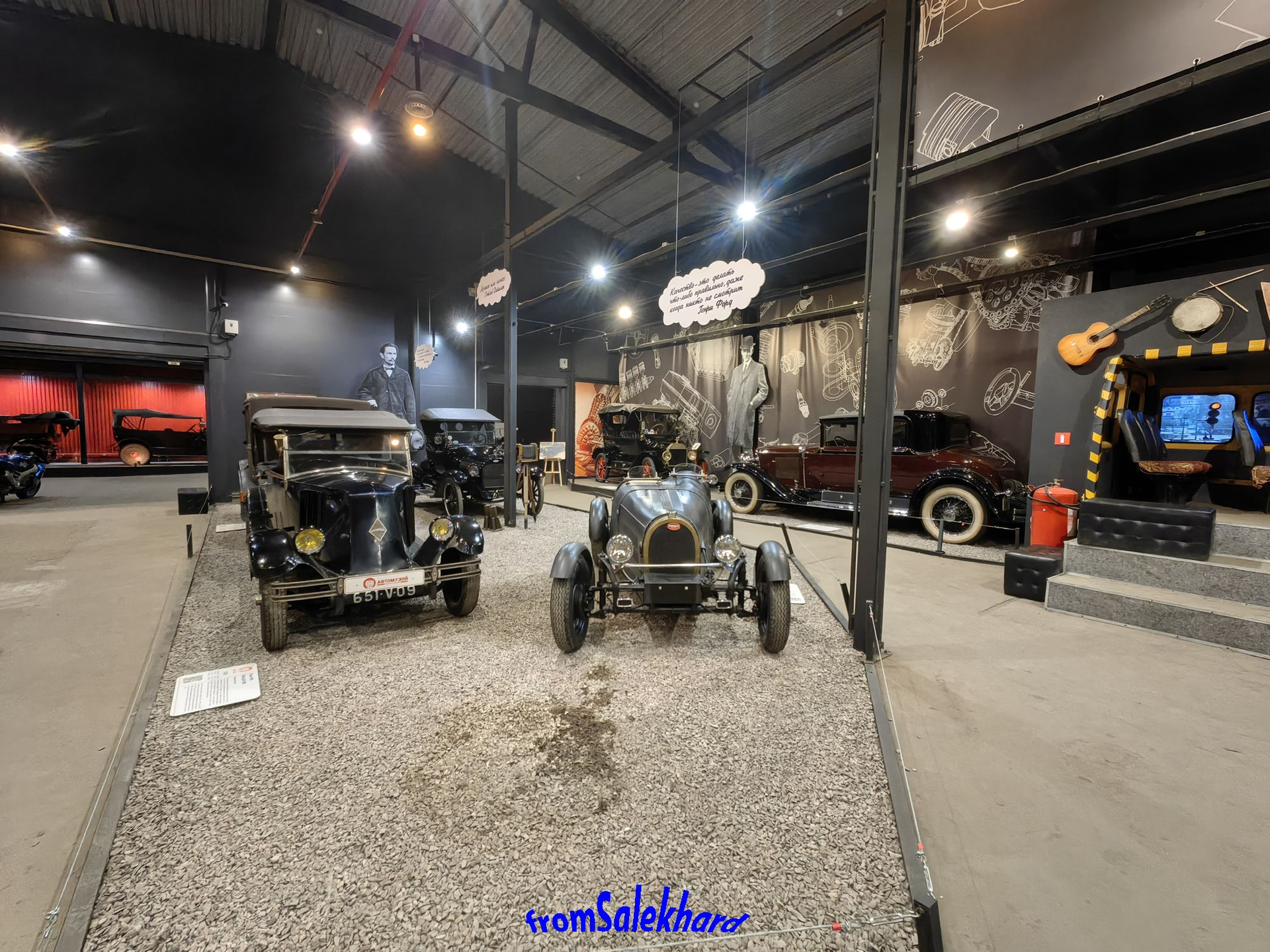
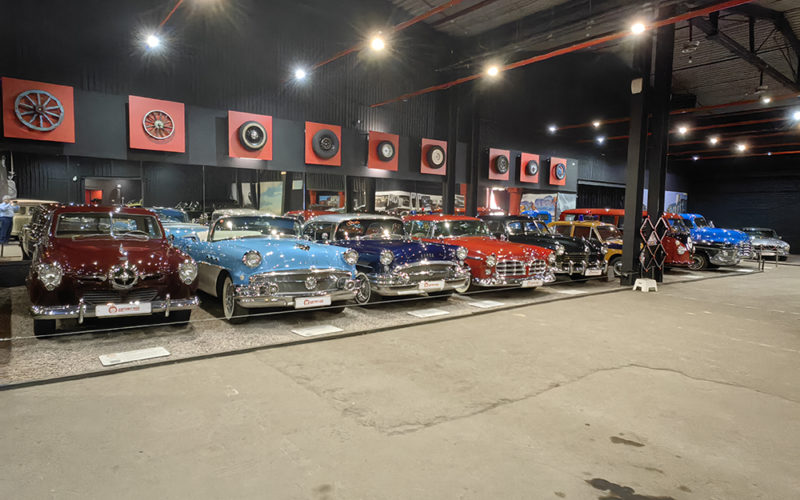
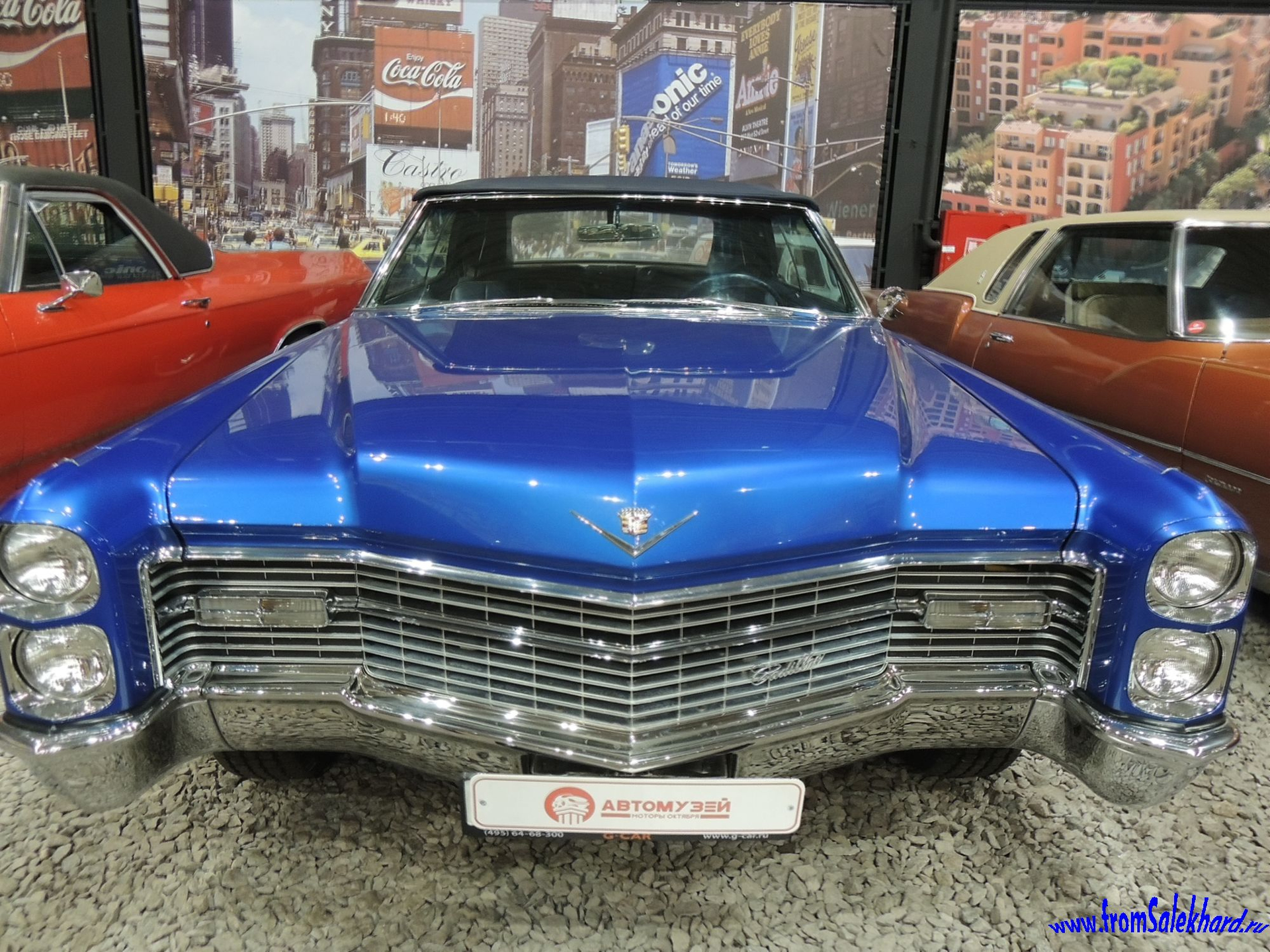
On my first visit, I was simply dazzled and overwhelmed by the gleam of chrome, glass, and polished hoods!

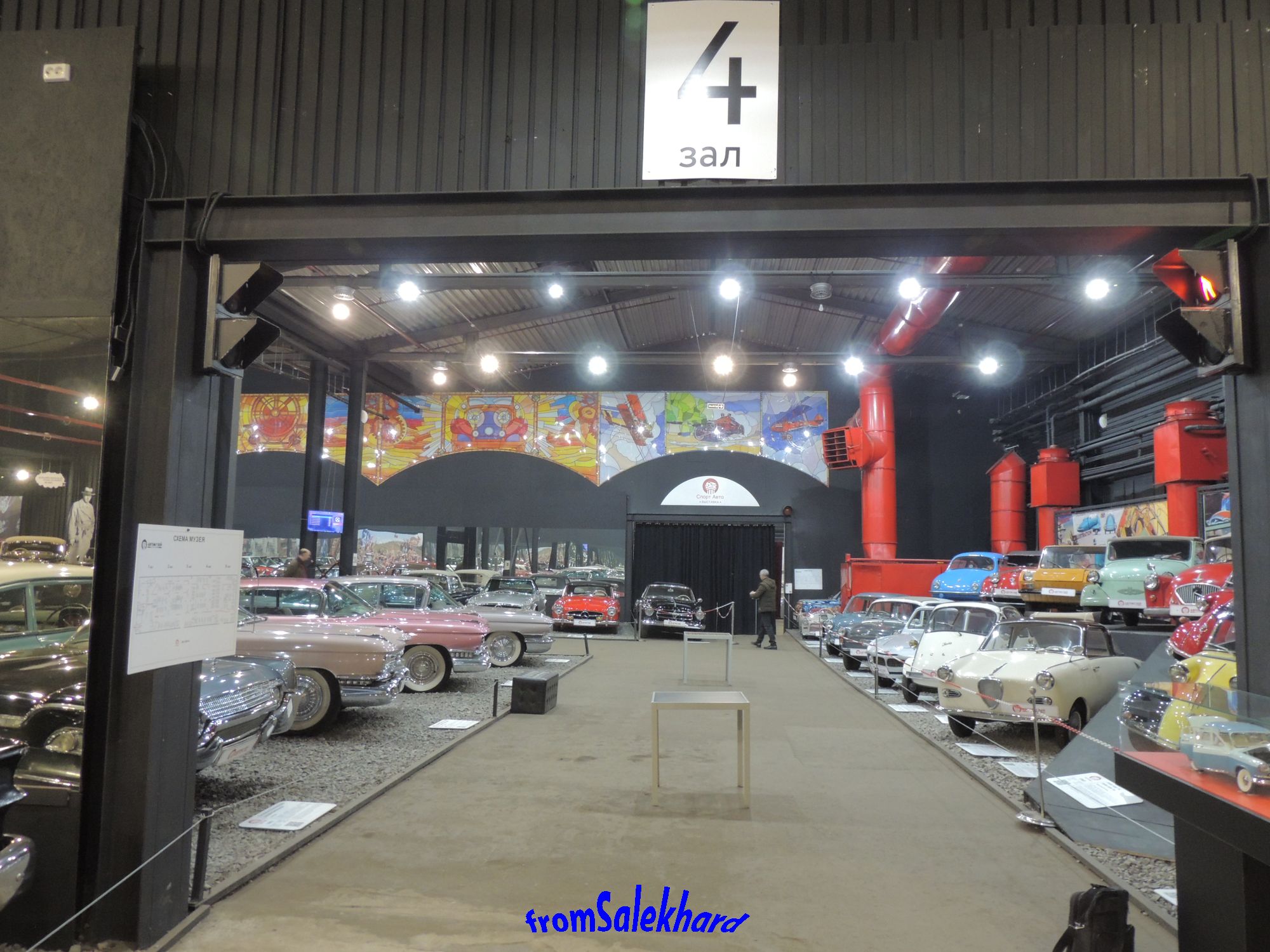
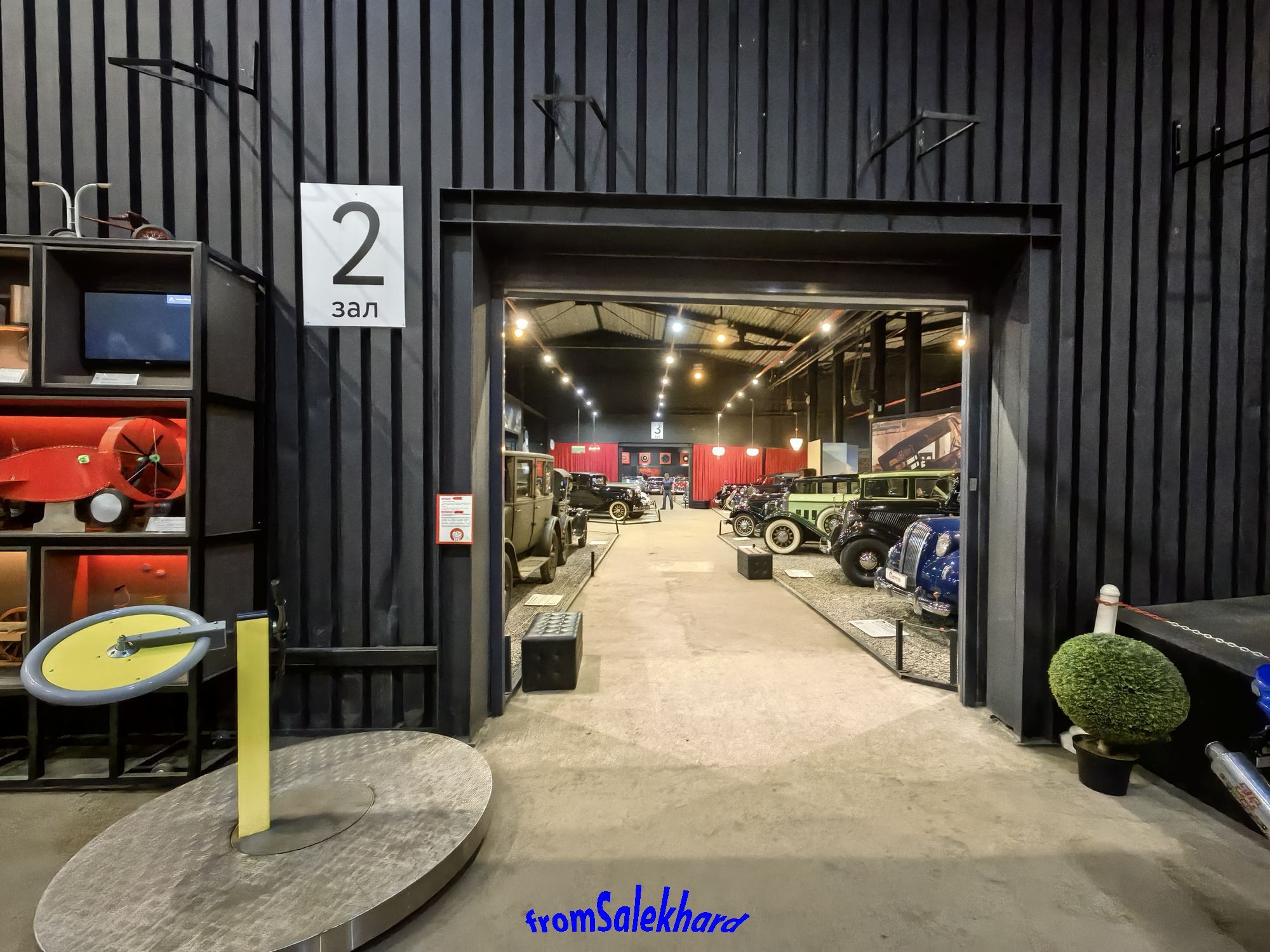
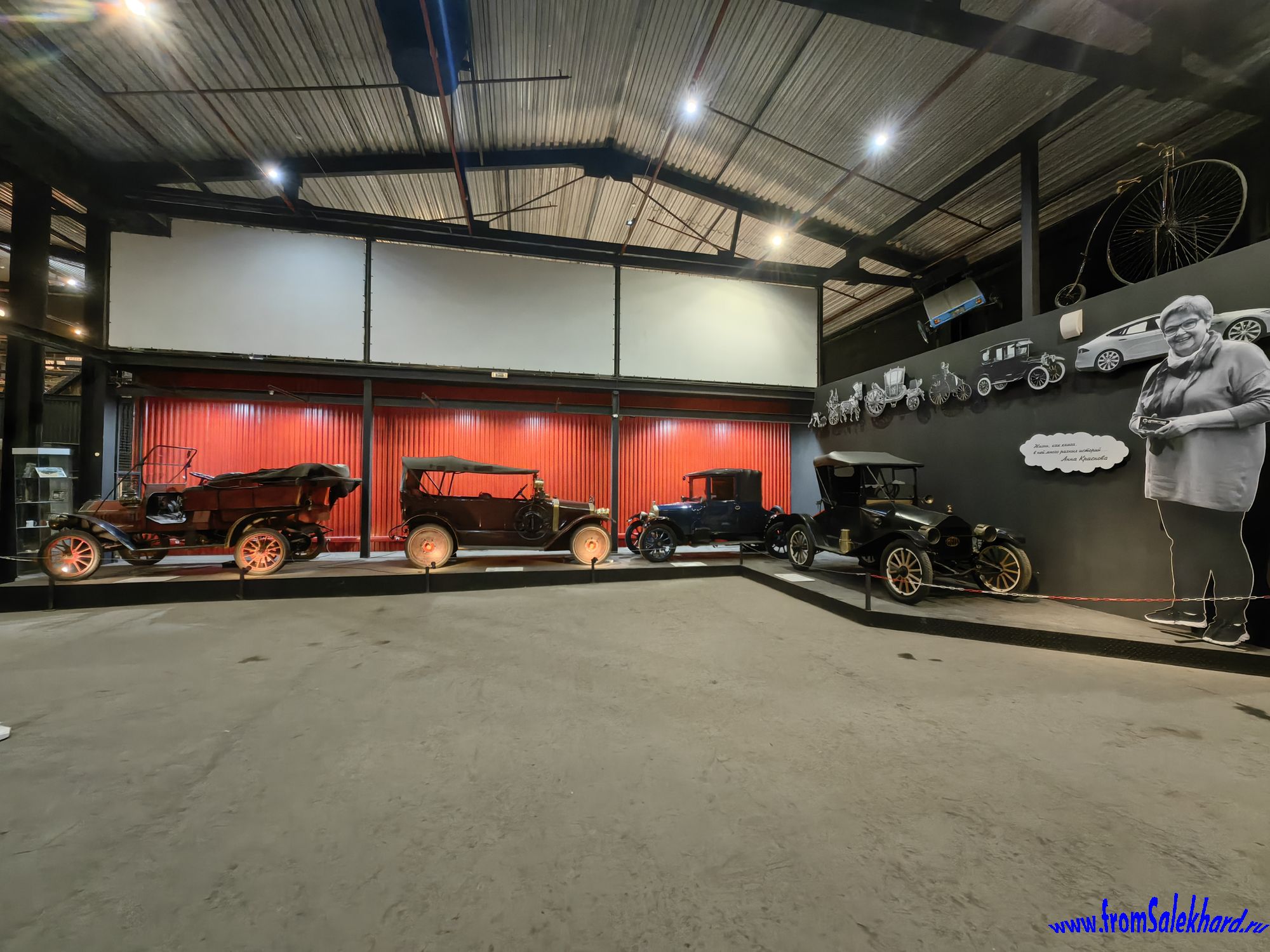
You aren’t immediately dazzled upon entering, as the older, more faded exhibits have been placed at the beginning.

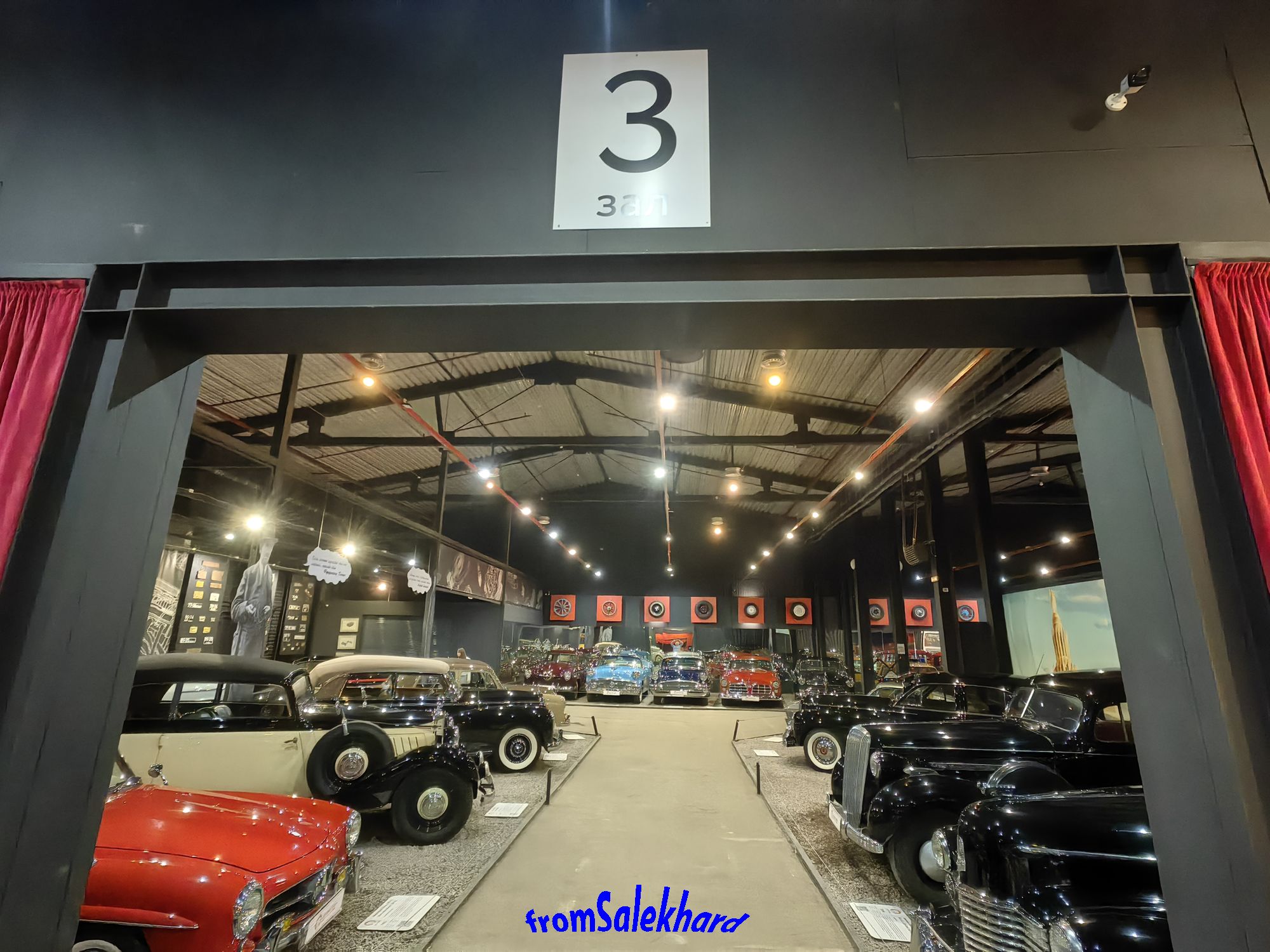
And all the glitter was located a little further away.

However, it is still enough.

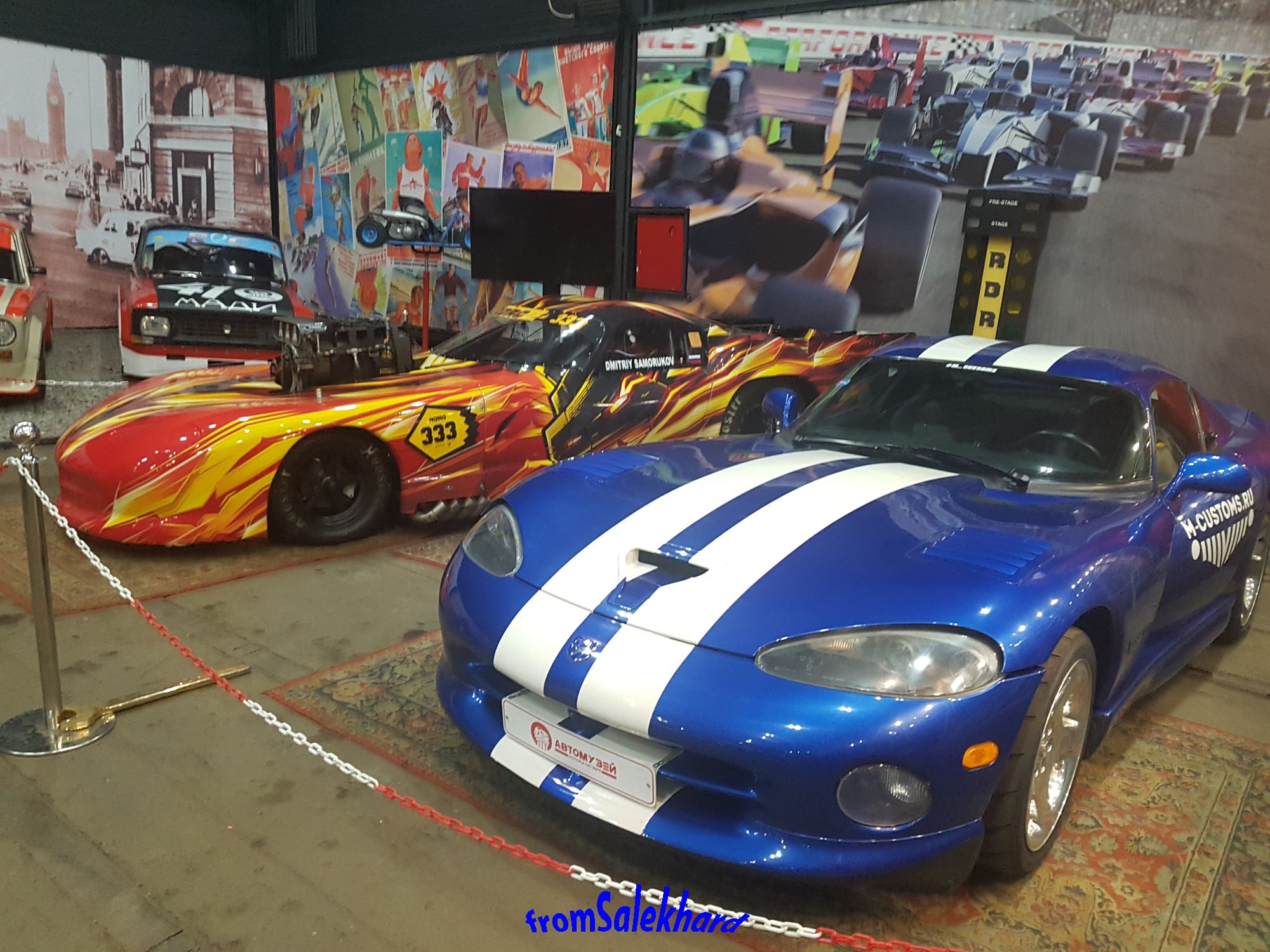
And if in 2022, as part of a separate sub-exhibition, sports cars were on display,

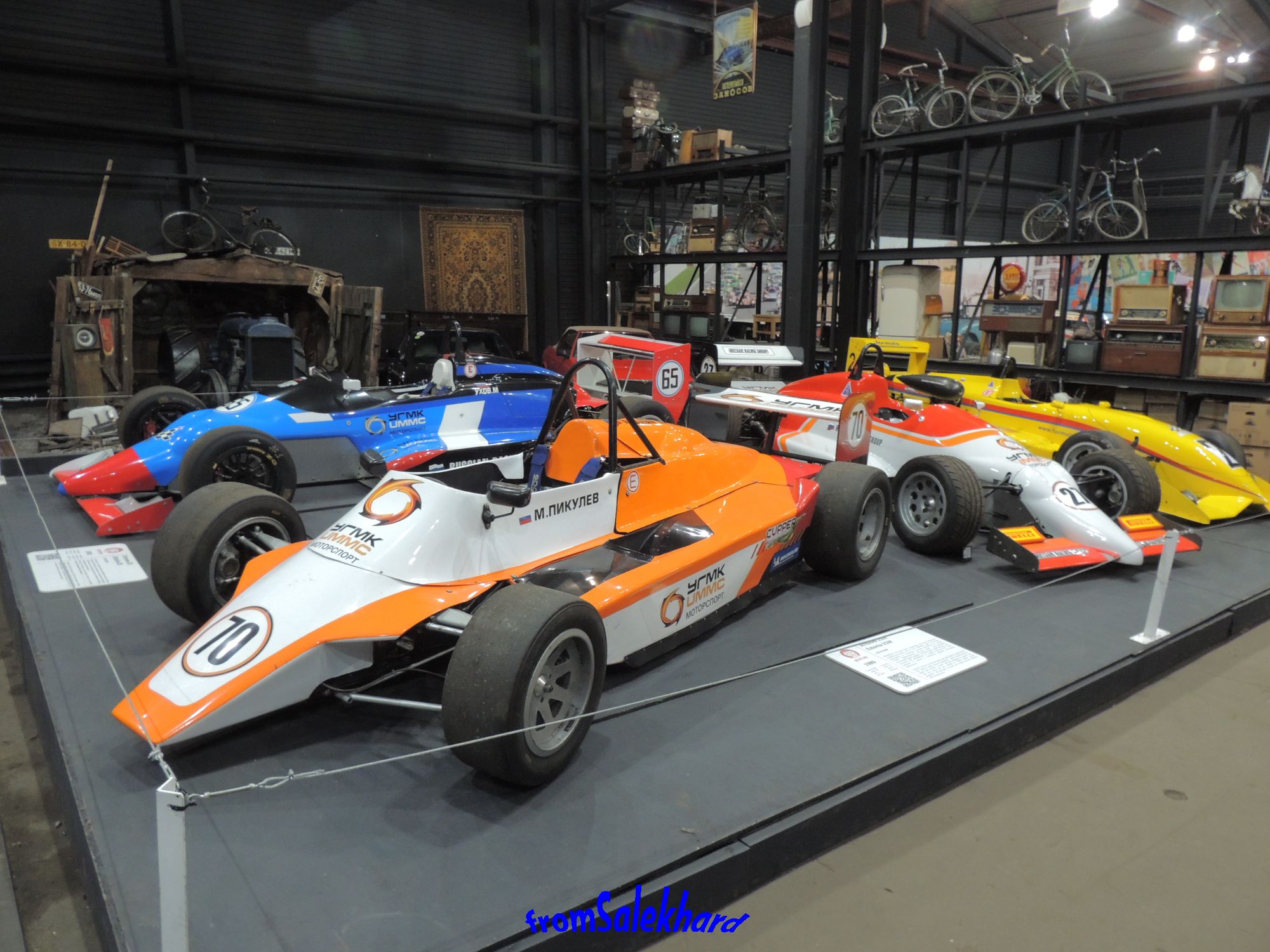
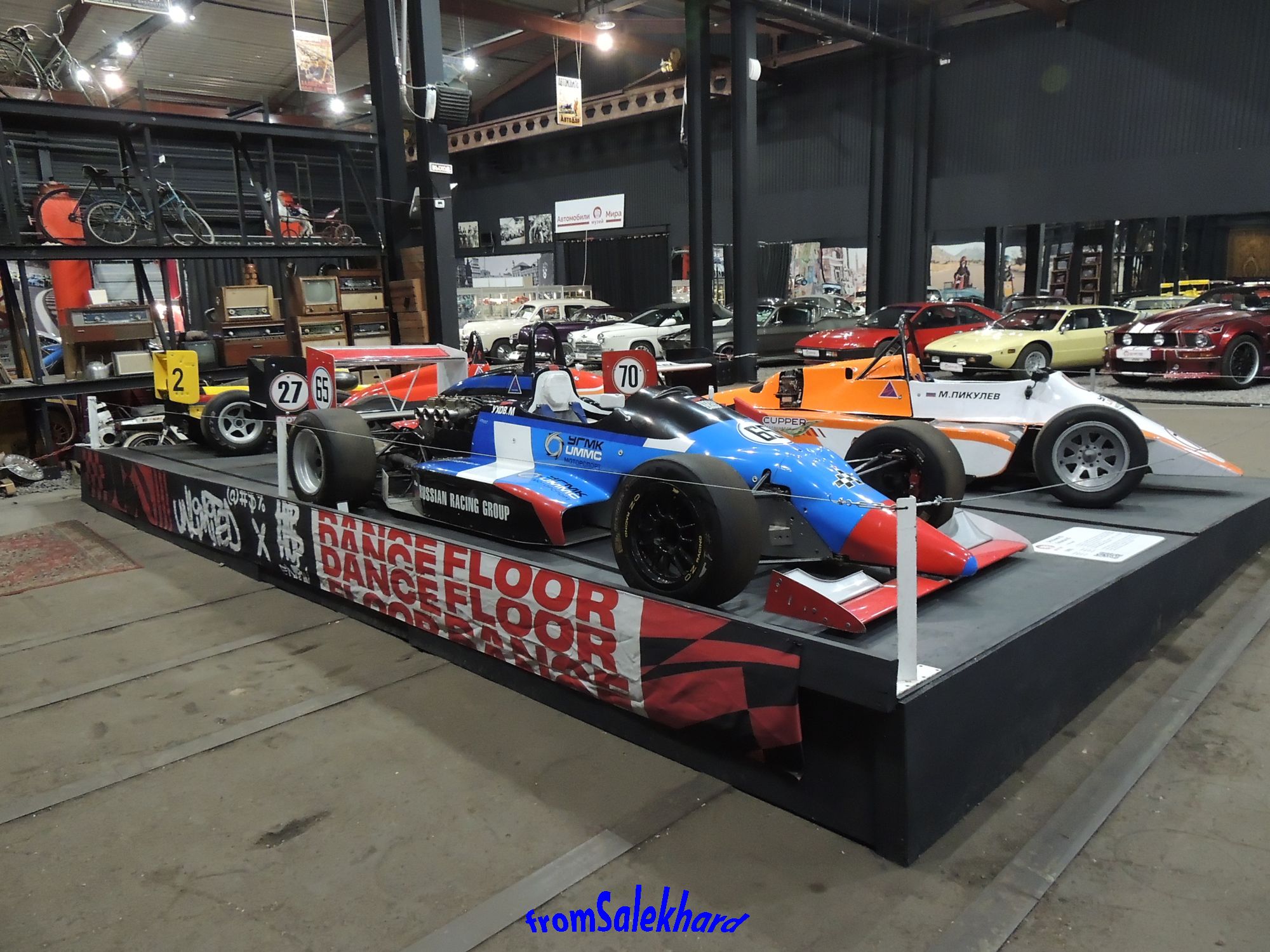
but now I somehow haven’t come across them. At the same time, the largest hall was completely fenced off. According to a local staff member, an exhibition/composition on a racing theme is being formed in this hall, with a probable bias toward Formula 1. Perhaps everything has migrated there.

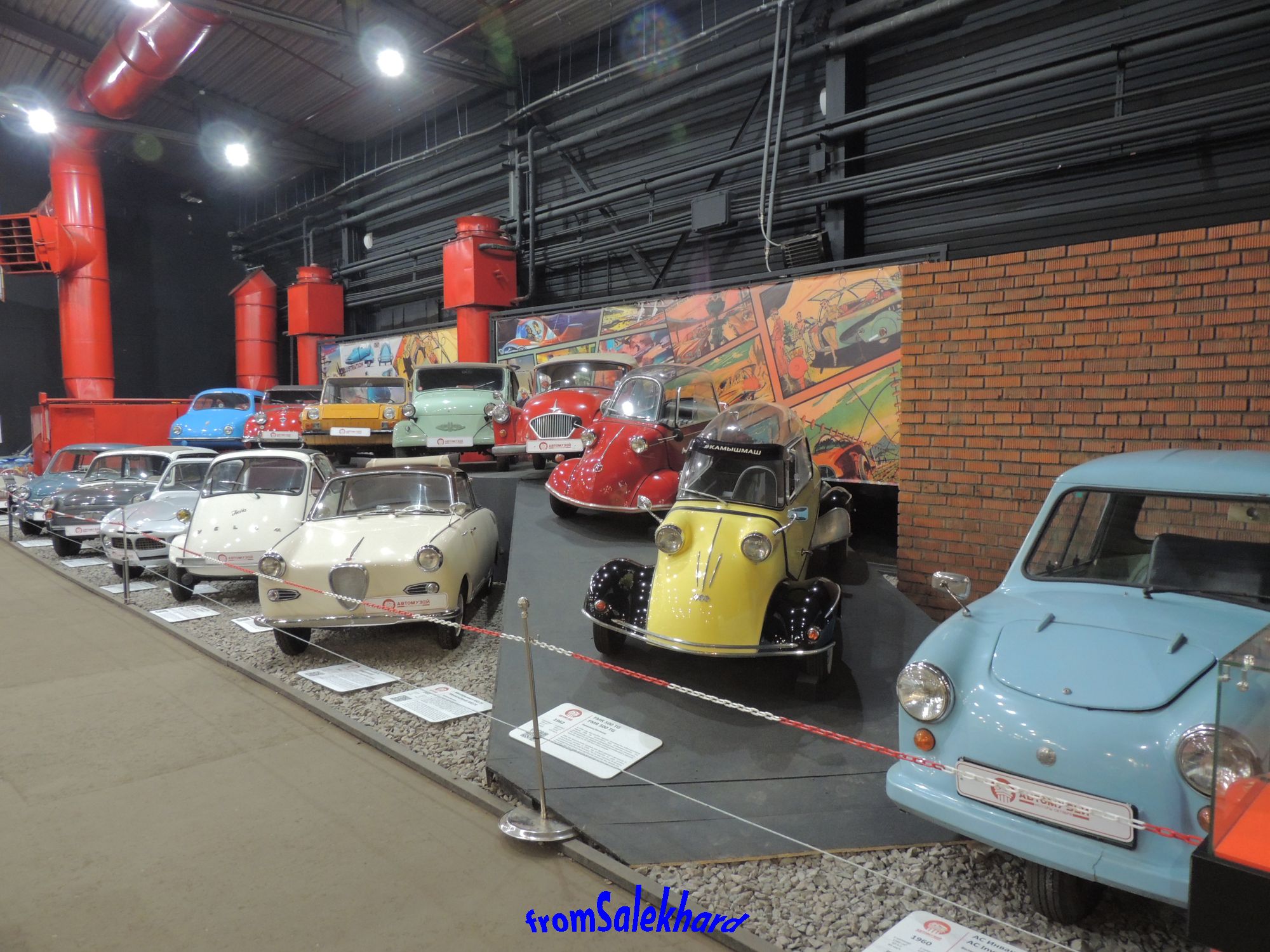
Whereas previously the small cars were part of the general exhibition…

Now they have been allocated to a separate room with an additional fee.

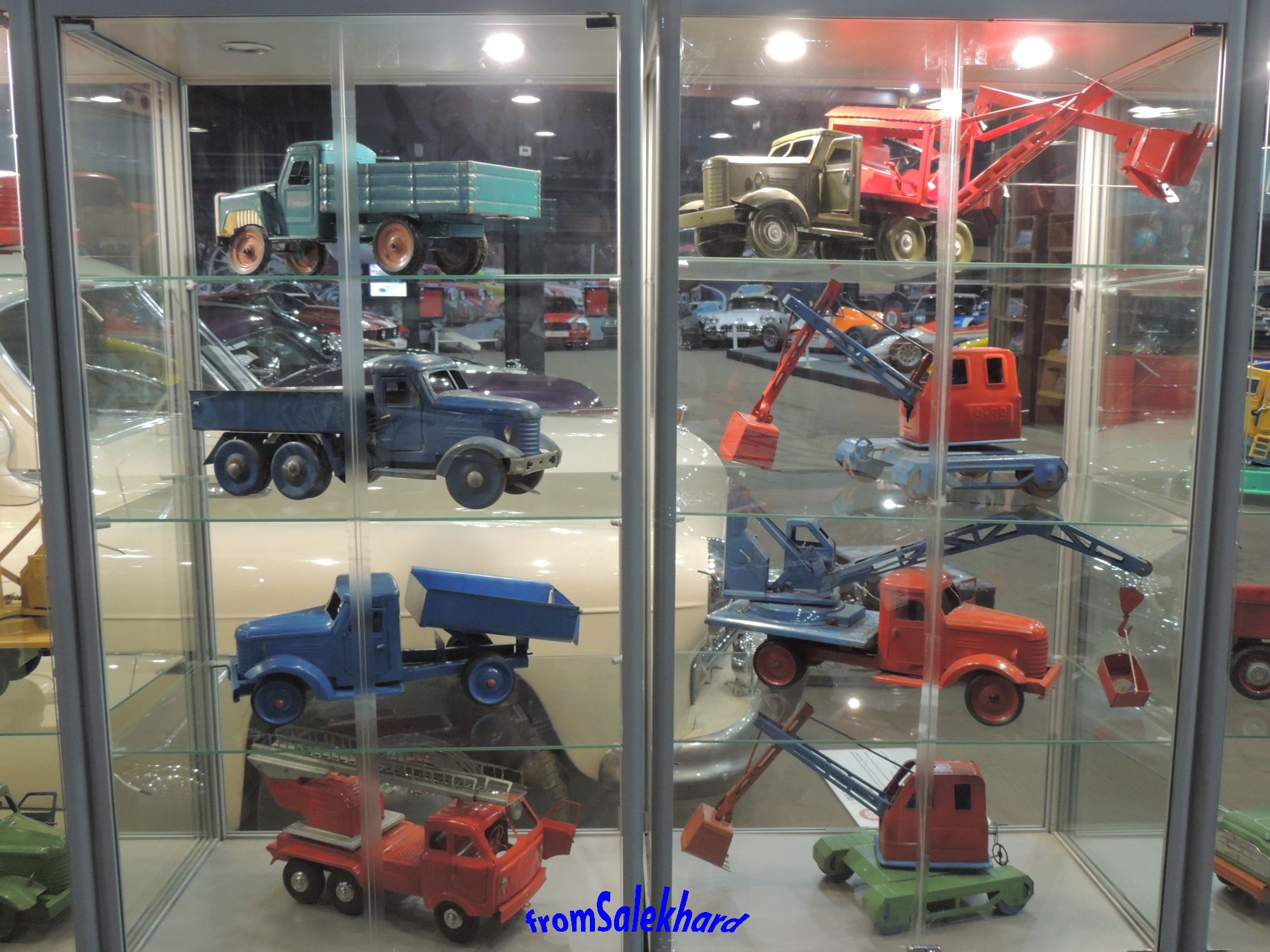
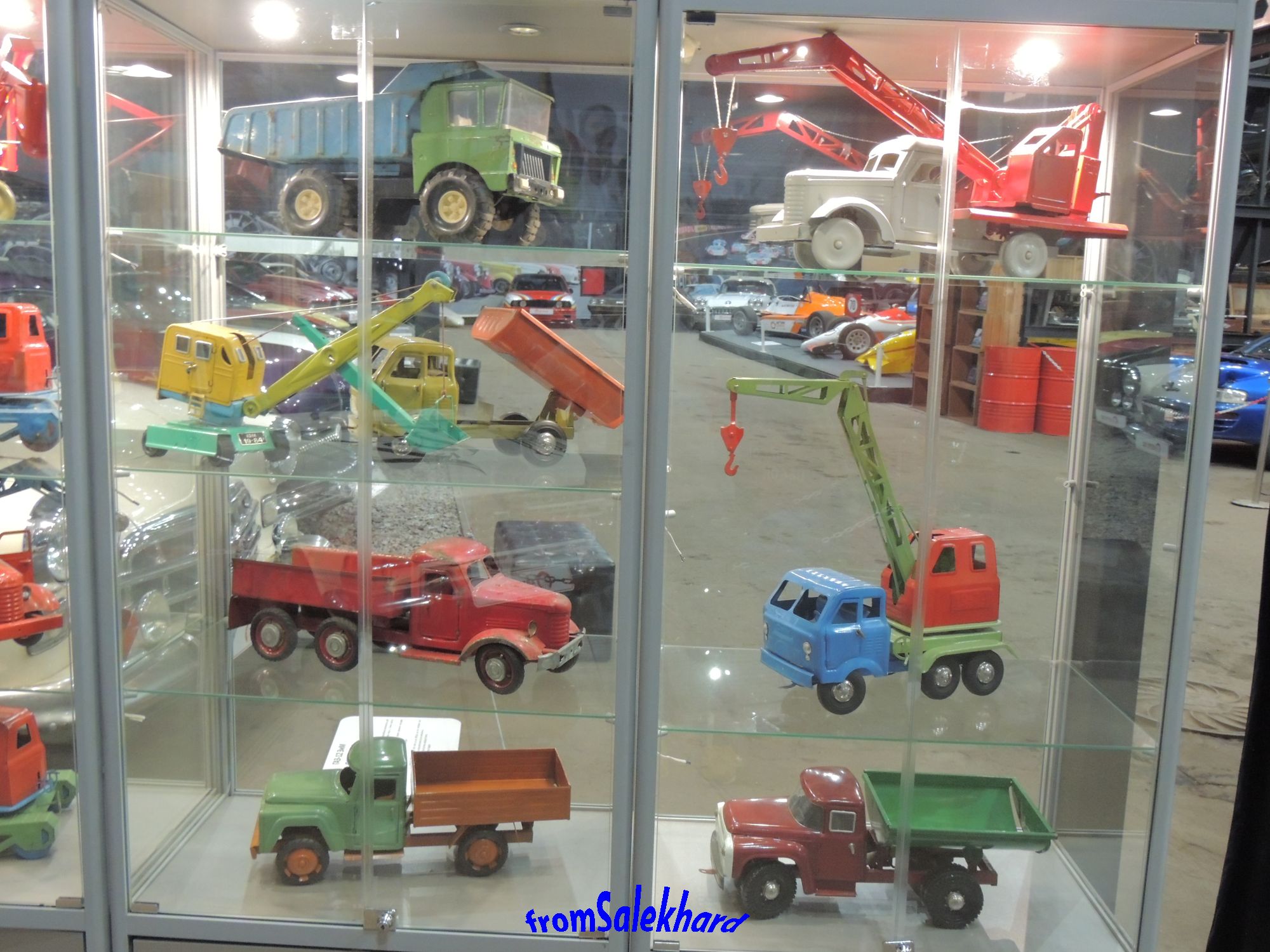
There are no more stands with naive Soviet toys,

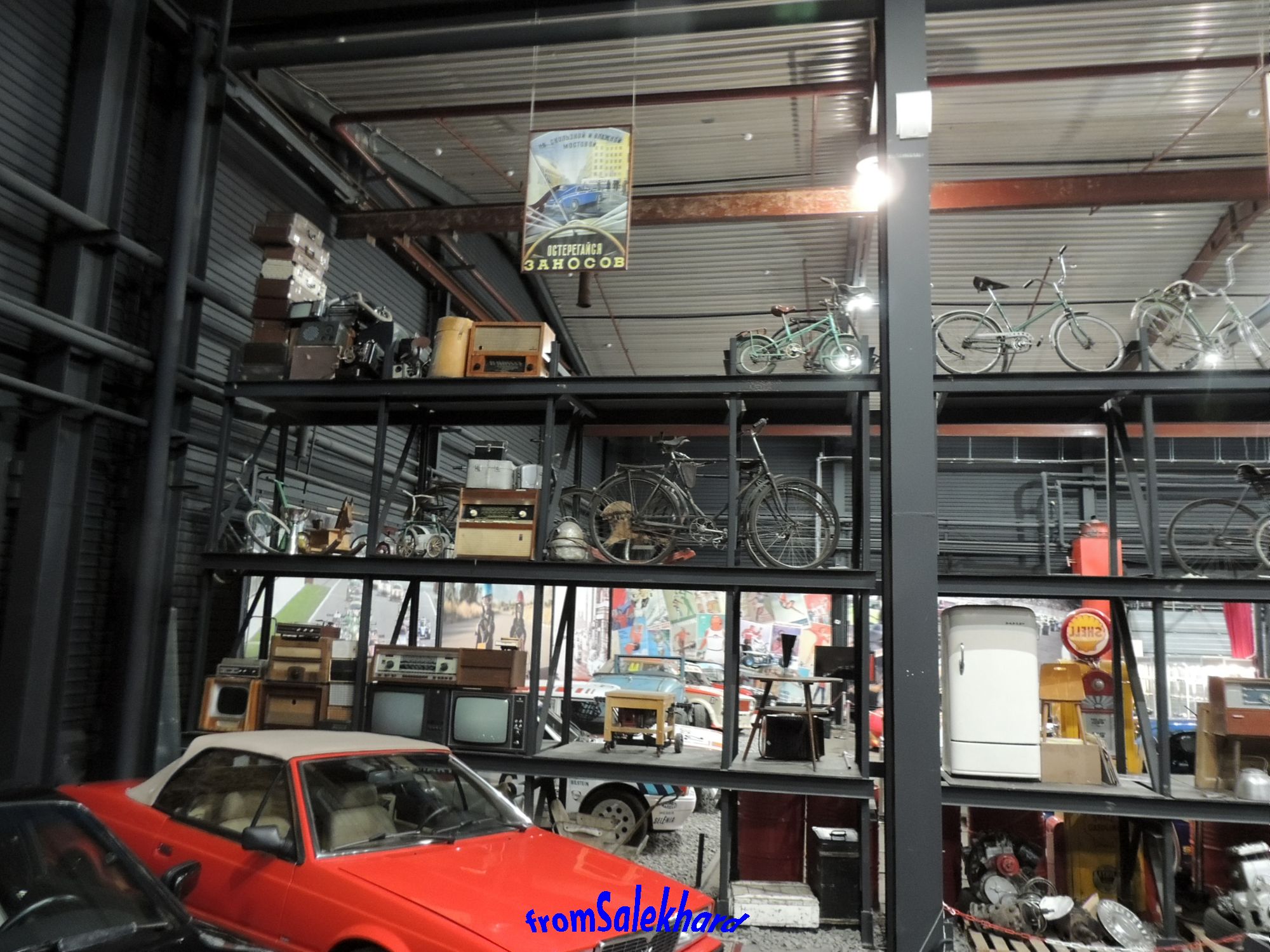
as, incidentally, with everything else Soviet.

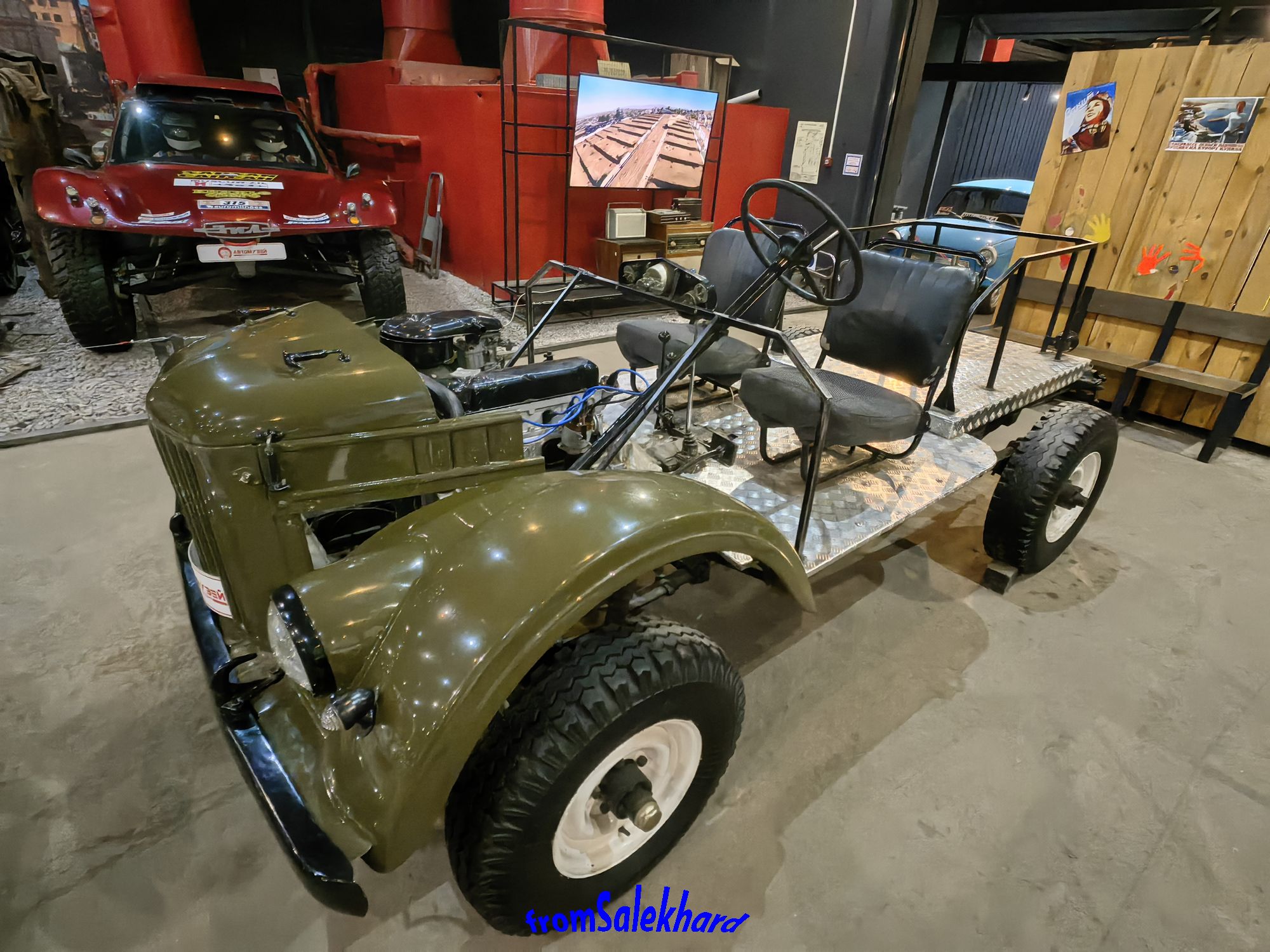
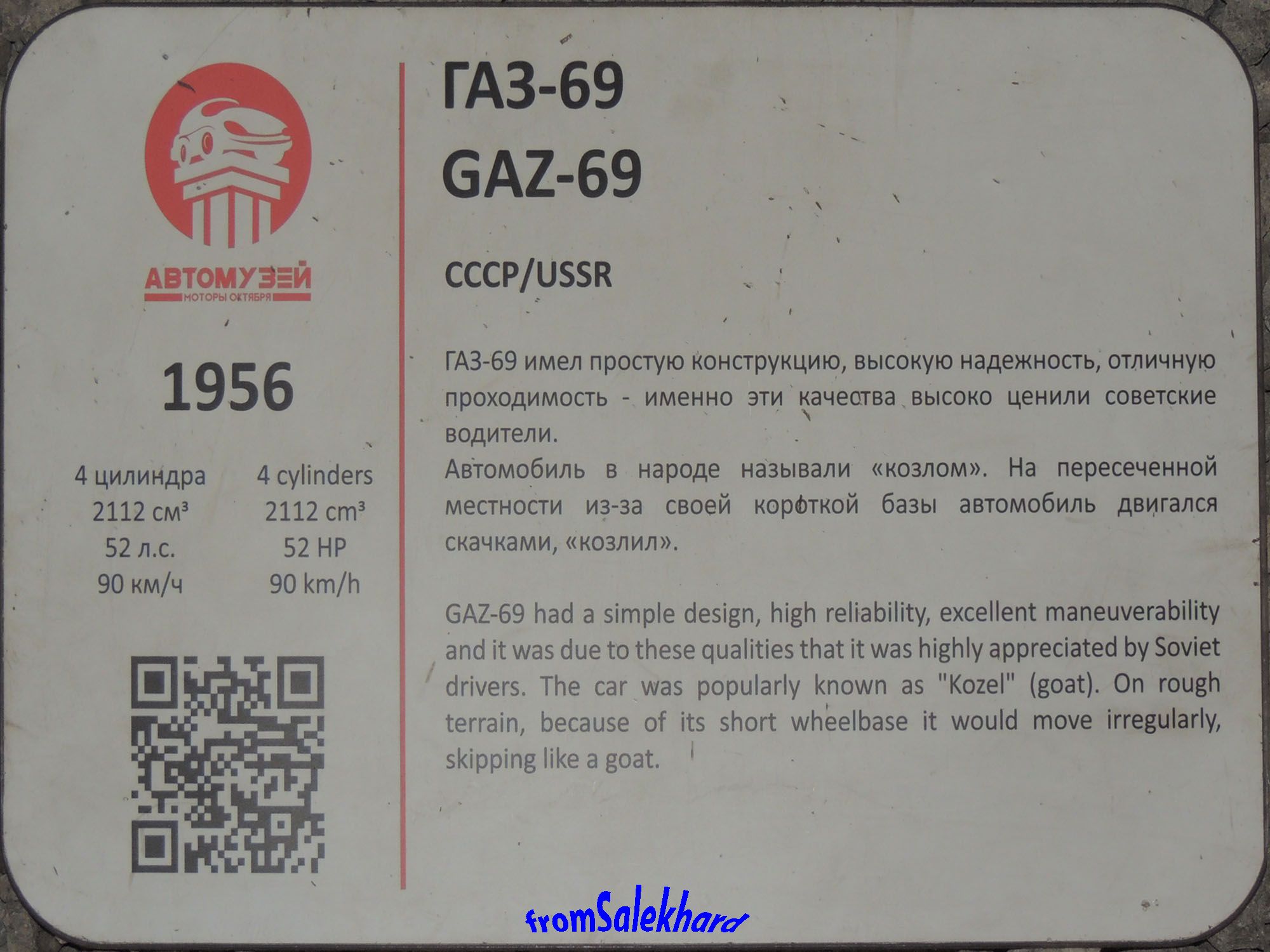
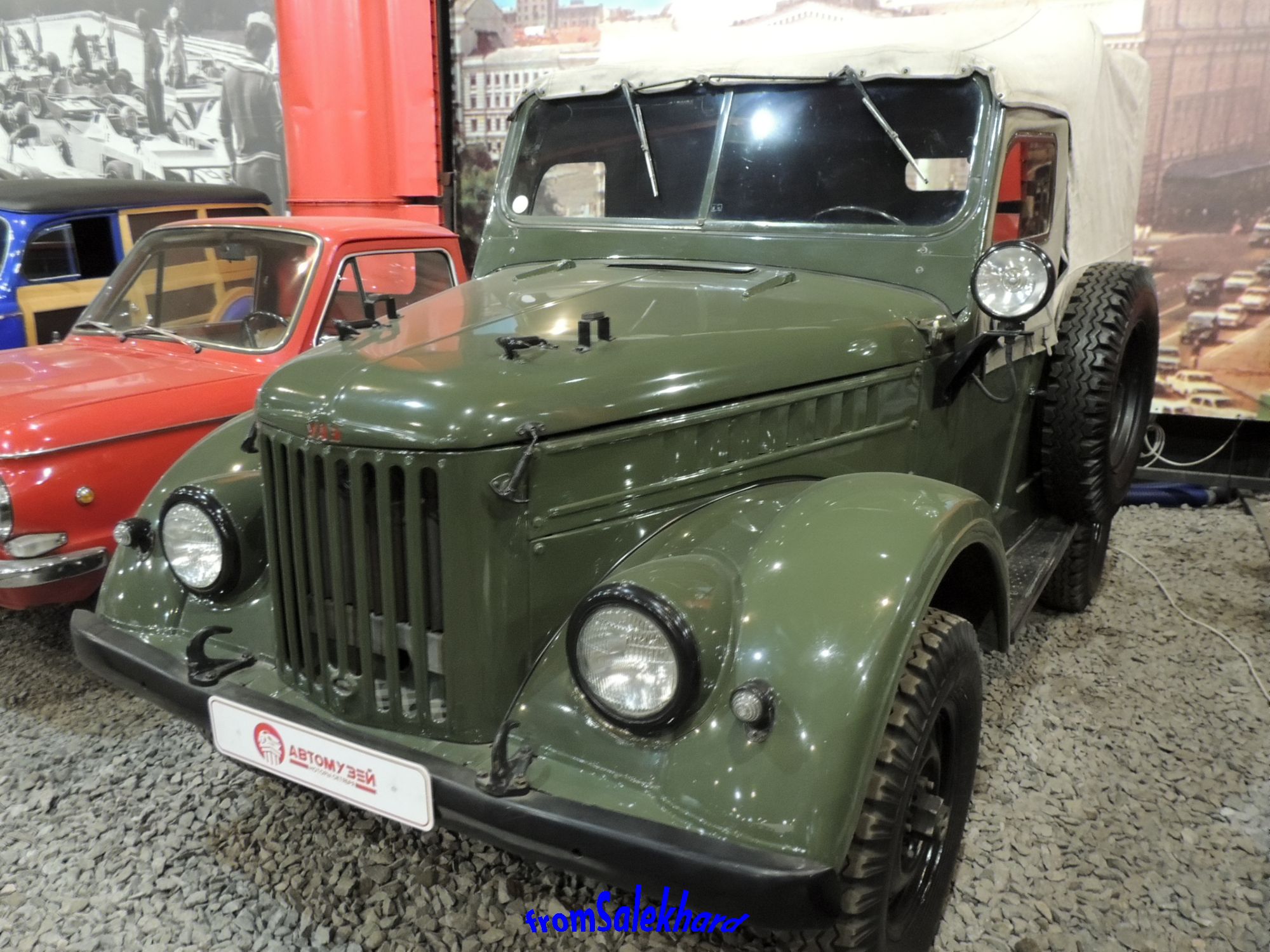
The partially dismantled “kozlik” [GAZ-69] remained firmly in its place.

and Fordzon continues his garage repairs, just as before.

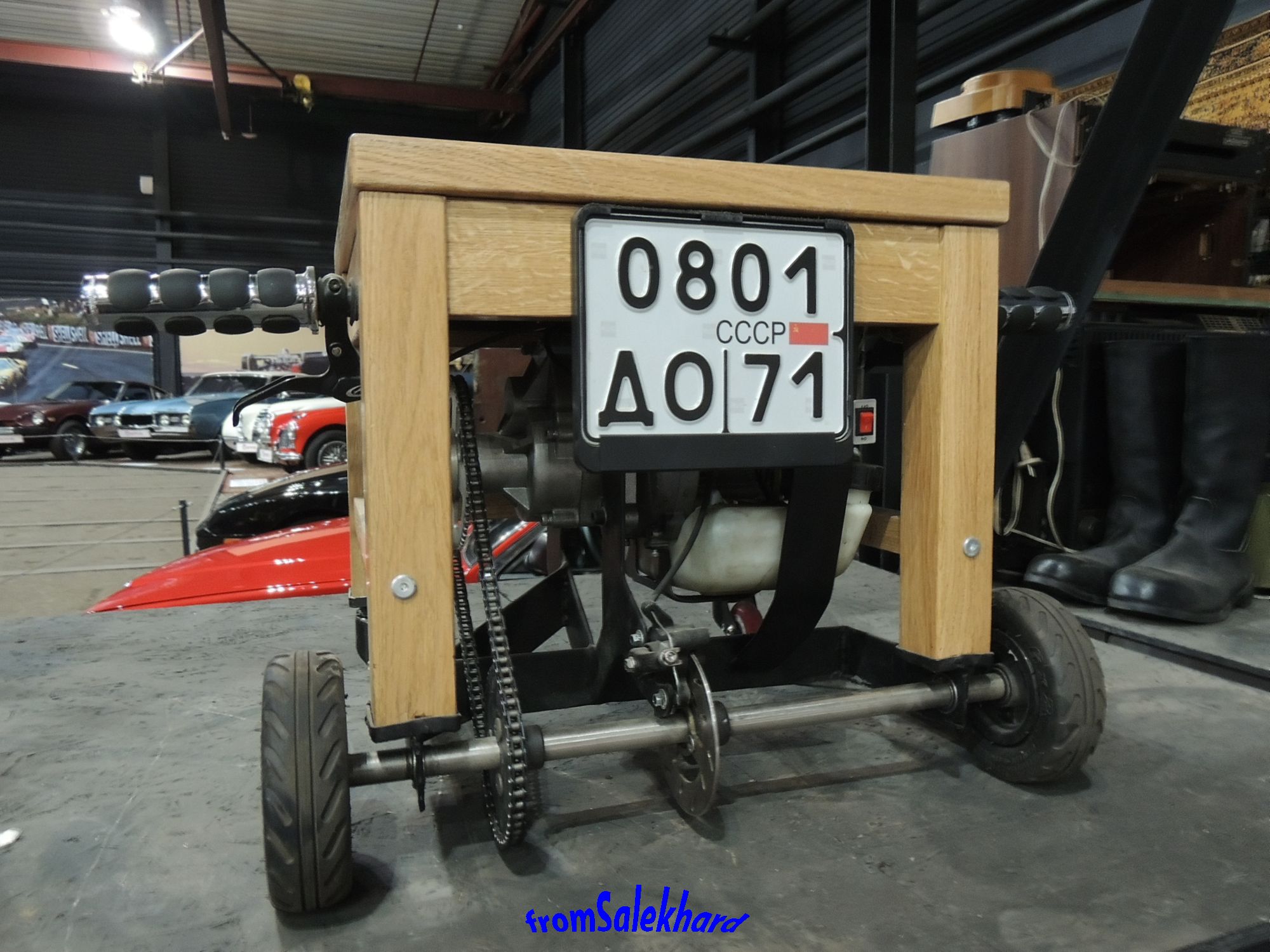
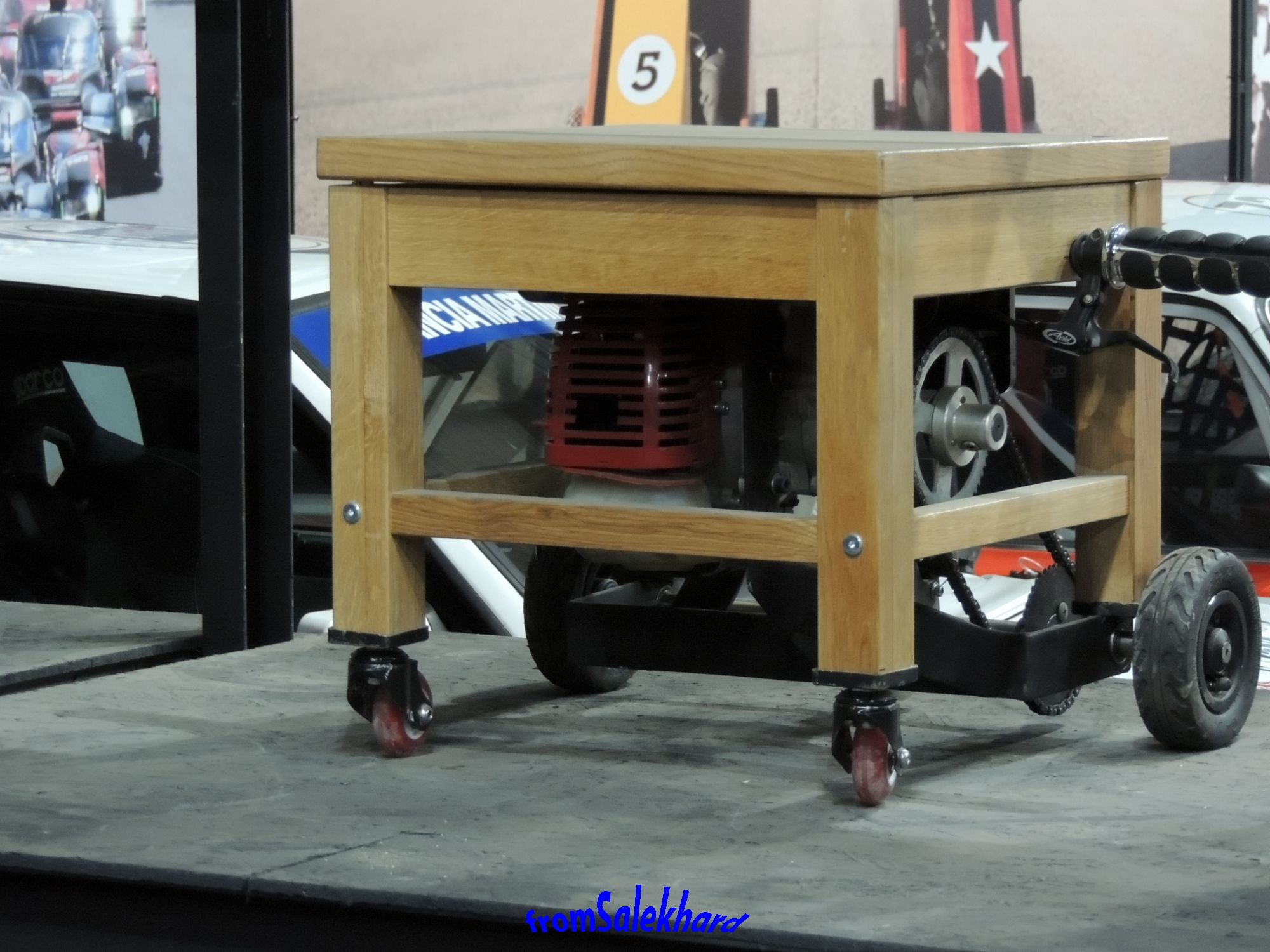
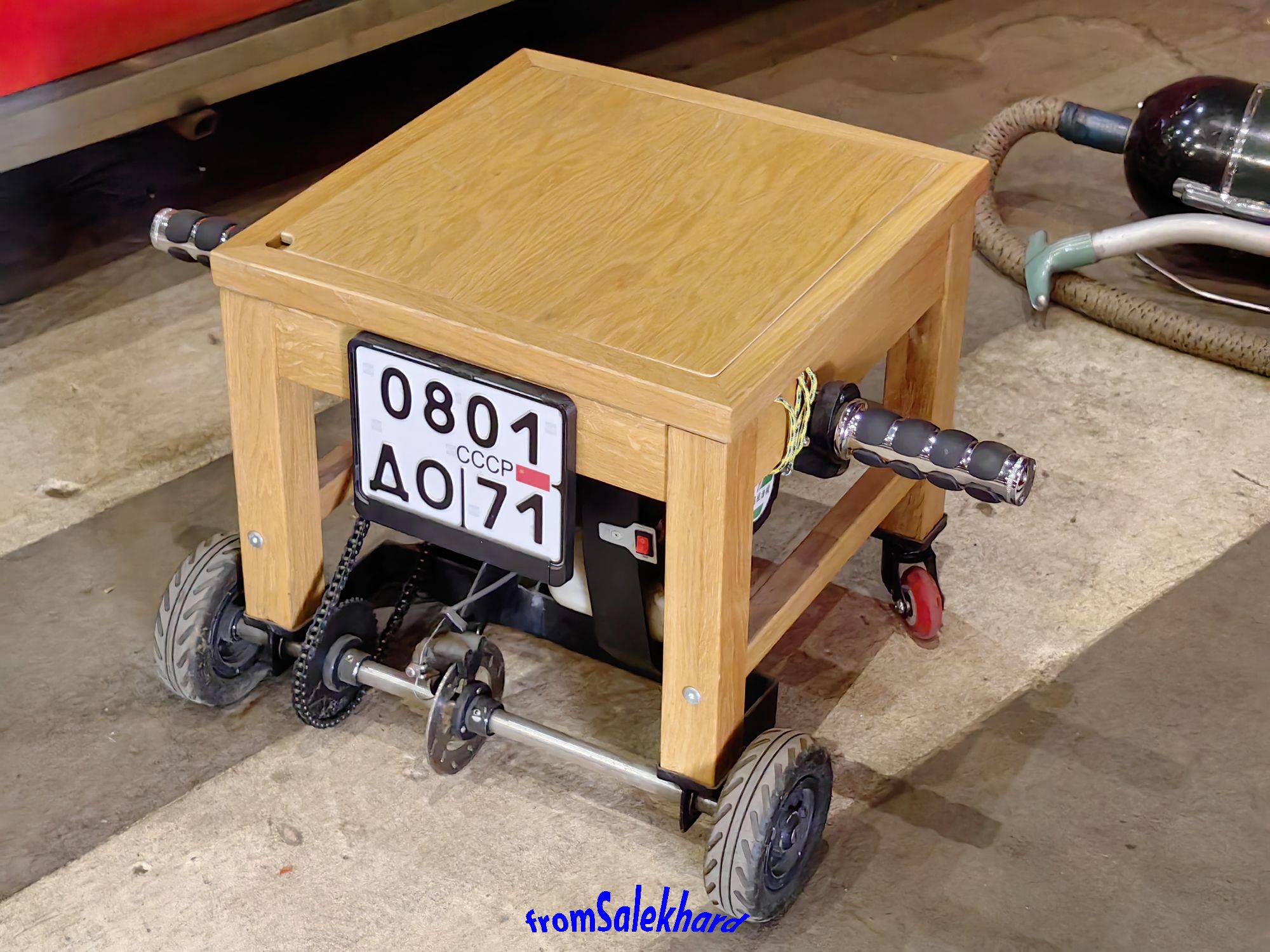
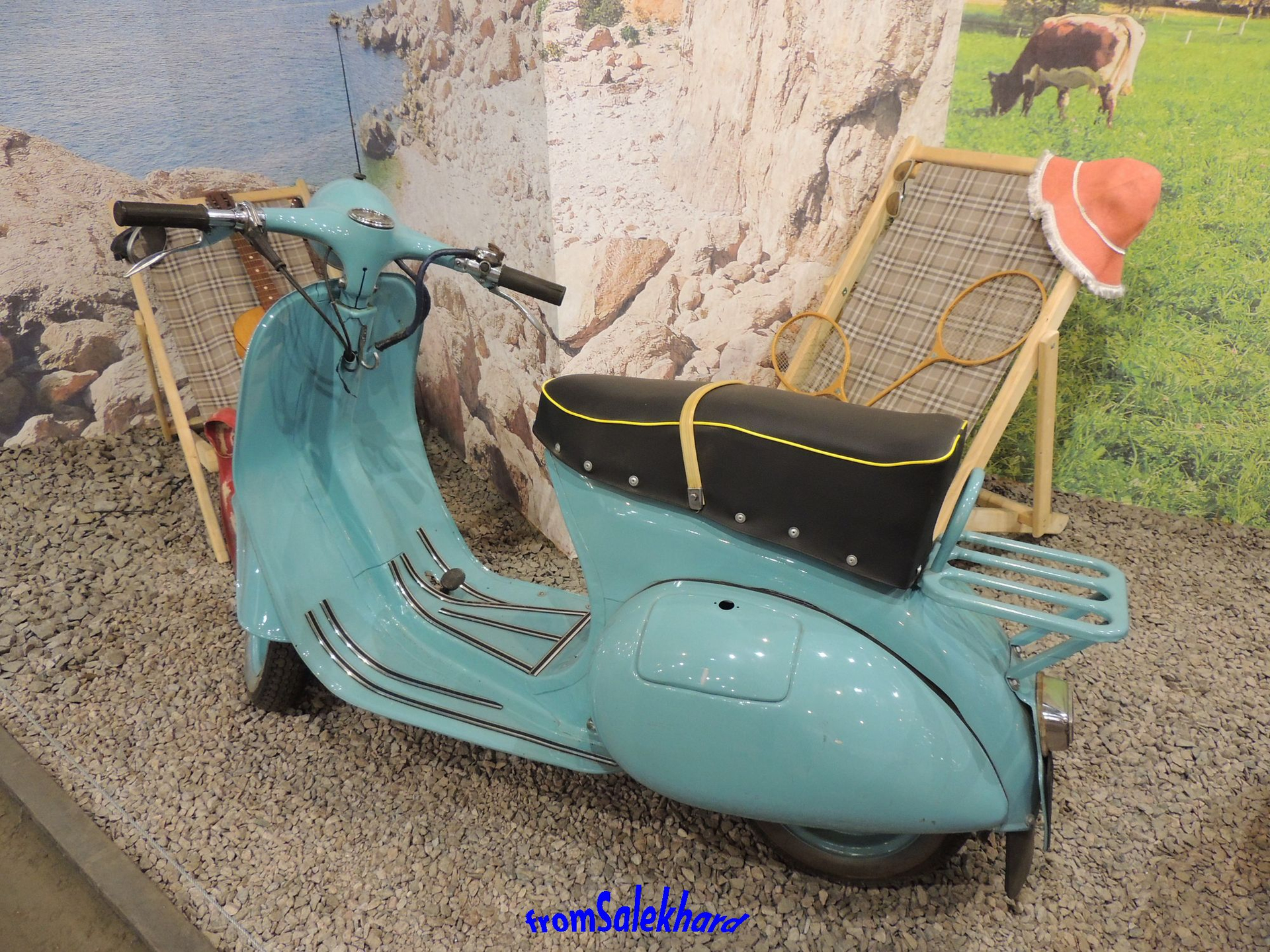
This time, however, I managed to get a better look at the “crazy stool” I’d spotted during my first visit.

A little later, according to a random schedule, I will begin to meticulously and tediously bring you photographs of individual exhibits of this wonderful museum.

12 Likes

Wow, that is a pretty cool looking museum. Whoever organized it has good taste and talent.
2 Likes

Cars of the USSR

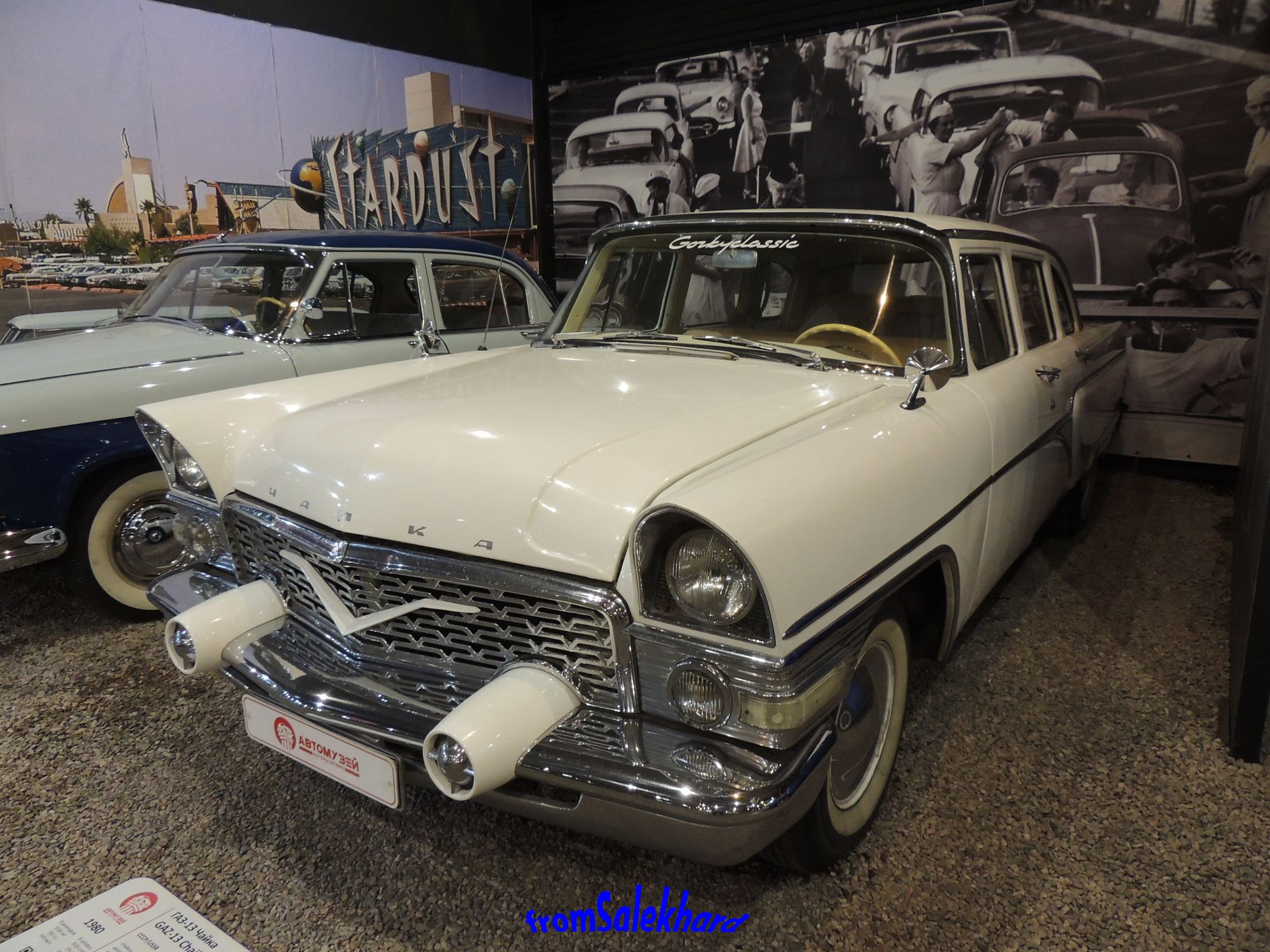
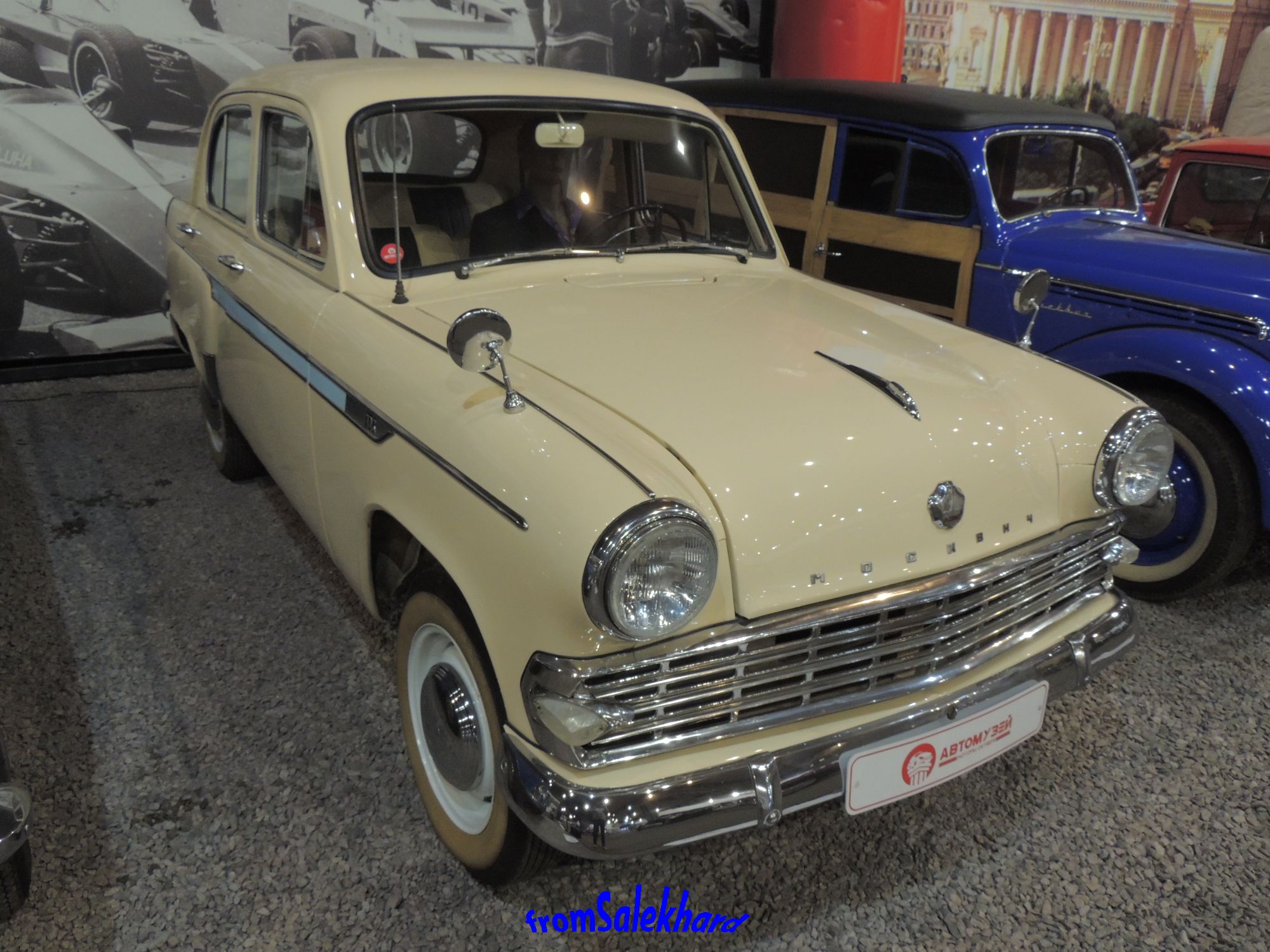
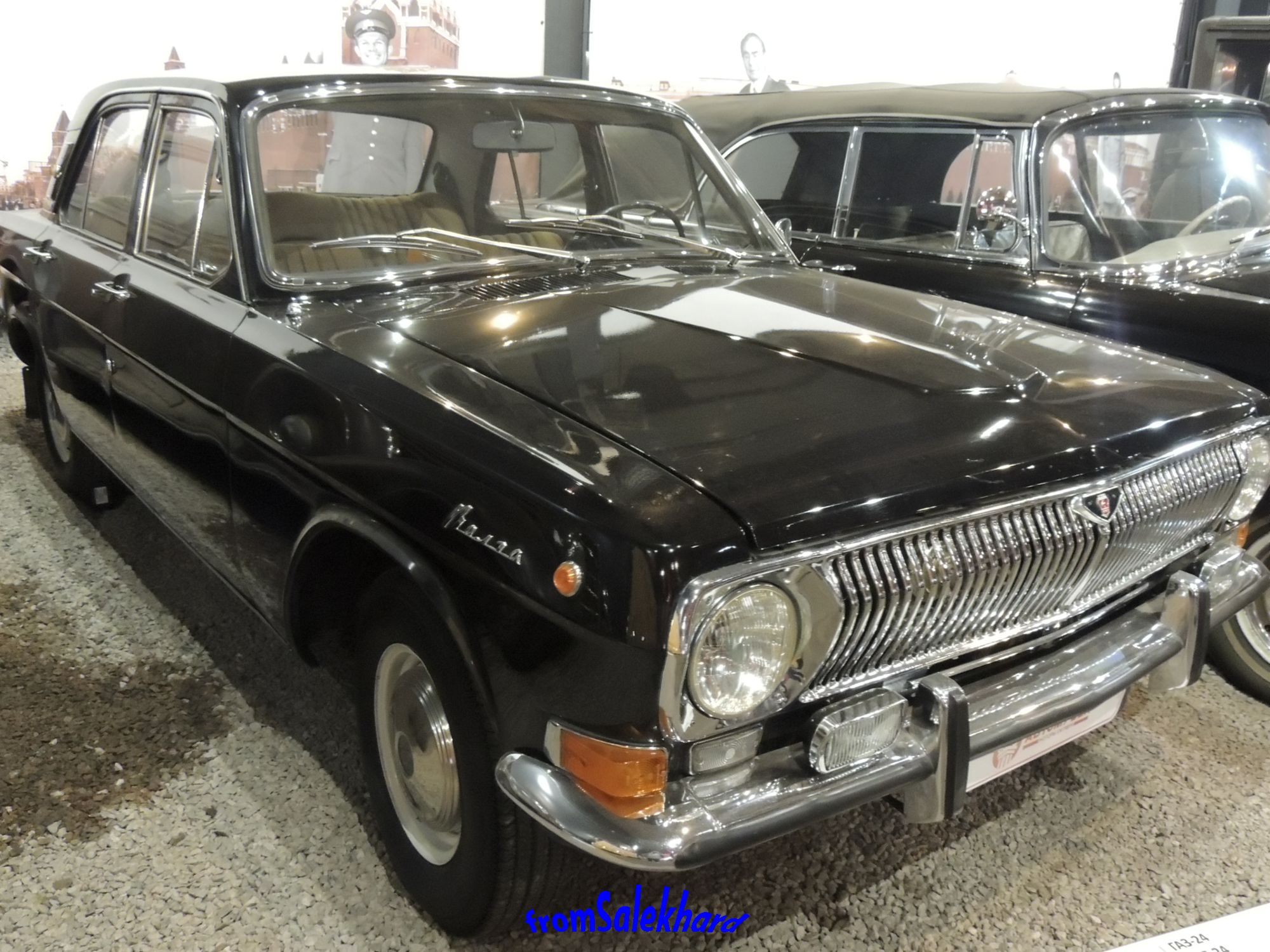
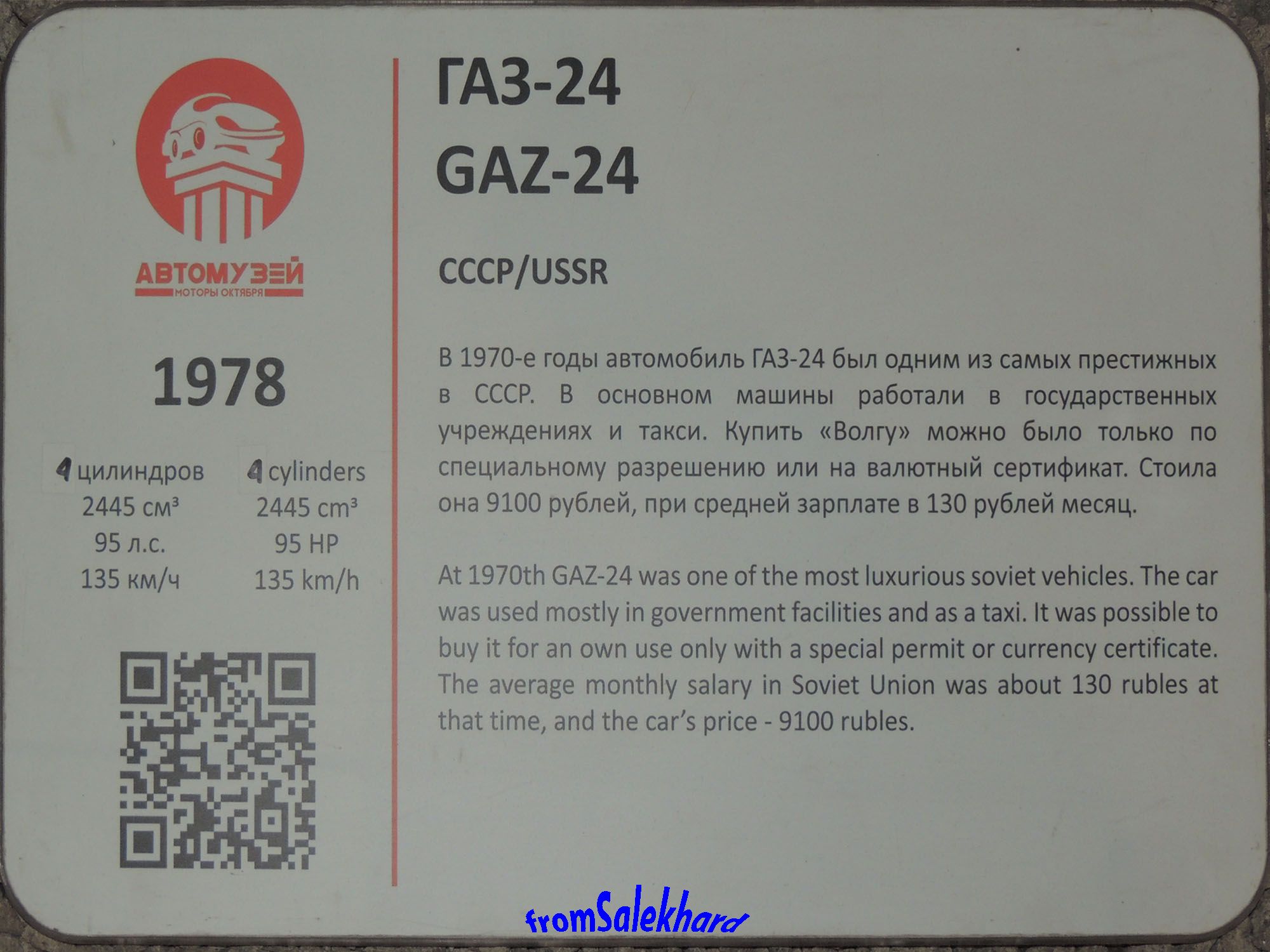
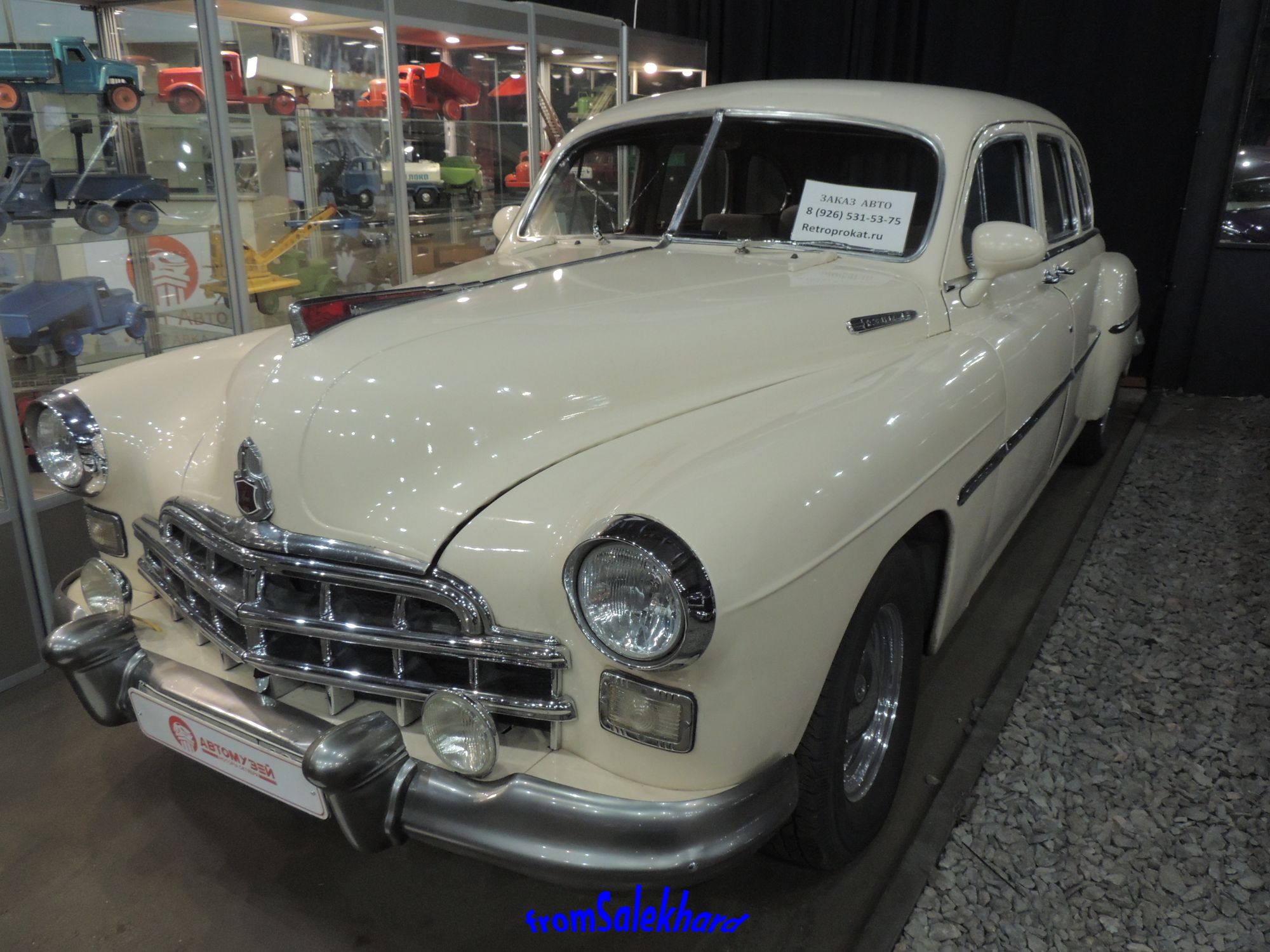
Let’s start looking at cars from the one that is most dear and familiar to me – from the cars of the USSR. There’s not much to brag about or show off about the Soviet auto industry, so this section is small.
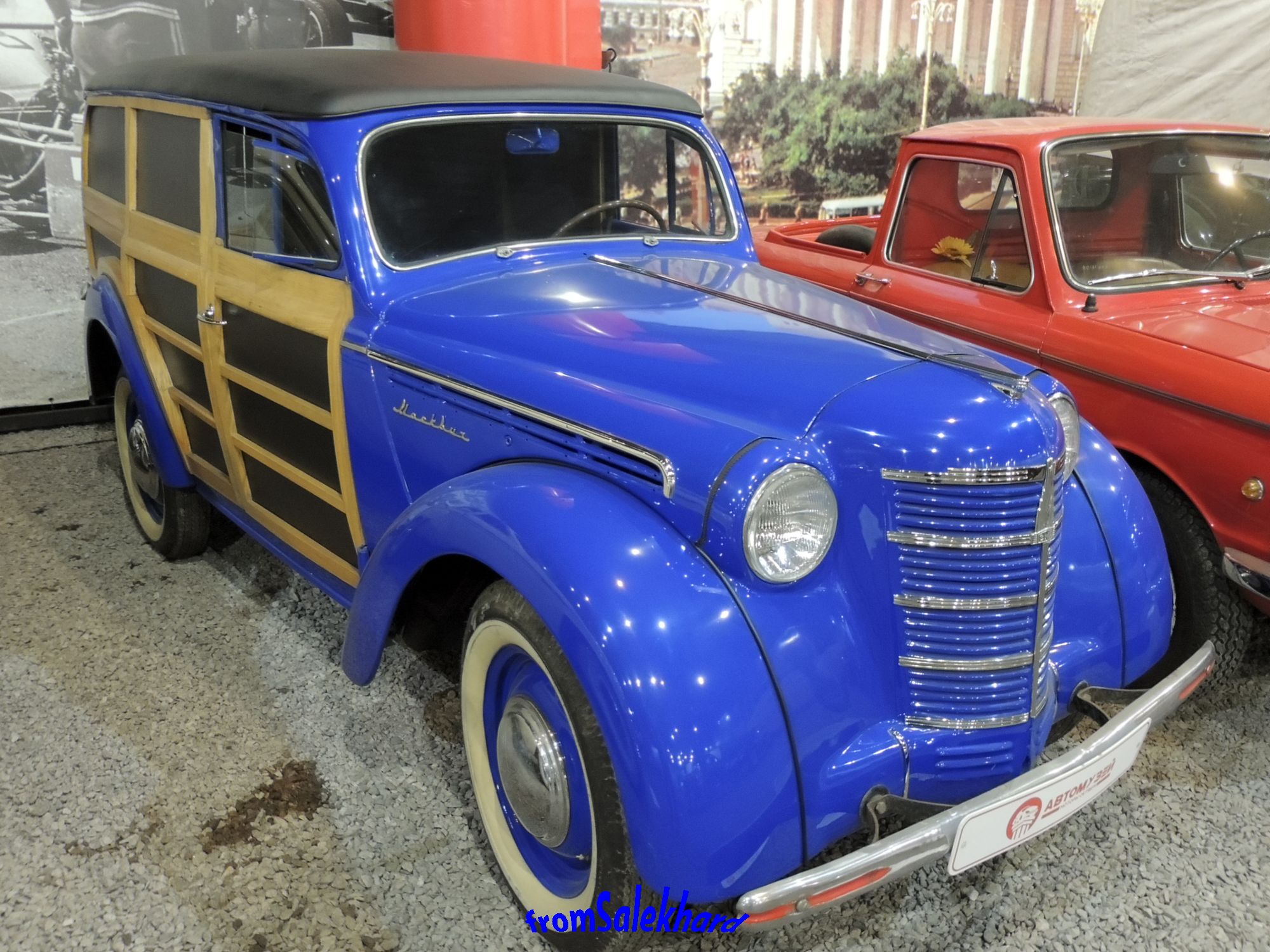
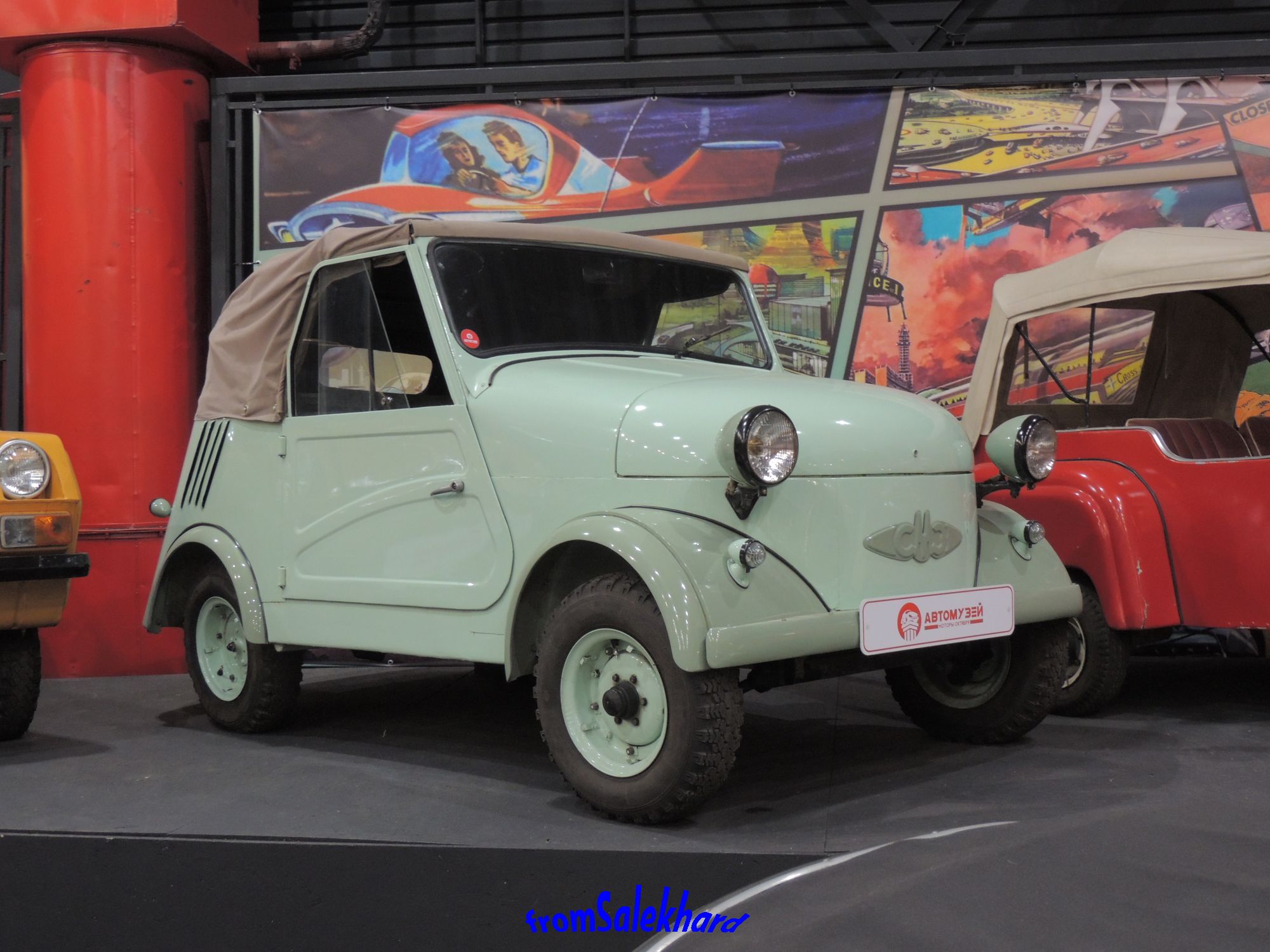
Although, as an acquaintance. Not only had I never seen this car before—I hadn’t even heard of it!

No, now the ones who are already familiar went on.

These can still be seen in city traffic today, where they are easily recognizable and stand out with their monumental appearance.

You’ve probably already guessed that I’m presenting them in chronological order—not based on the years shown on the plaques (which likely refer to the specific individual units), but rather based on the years when production first began.

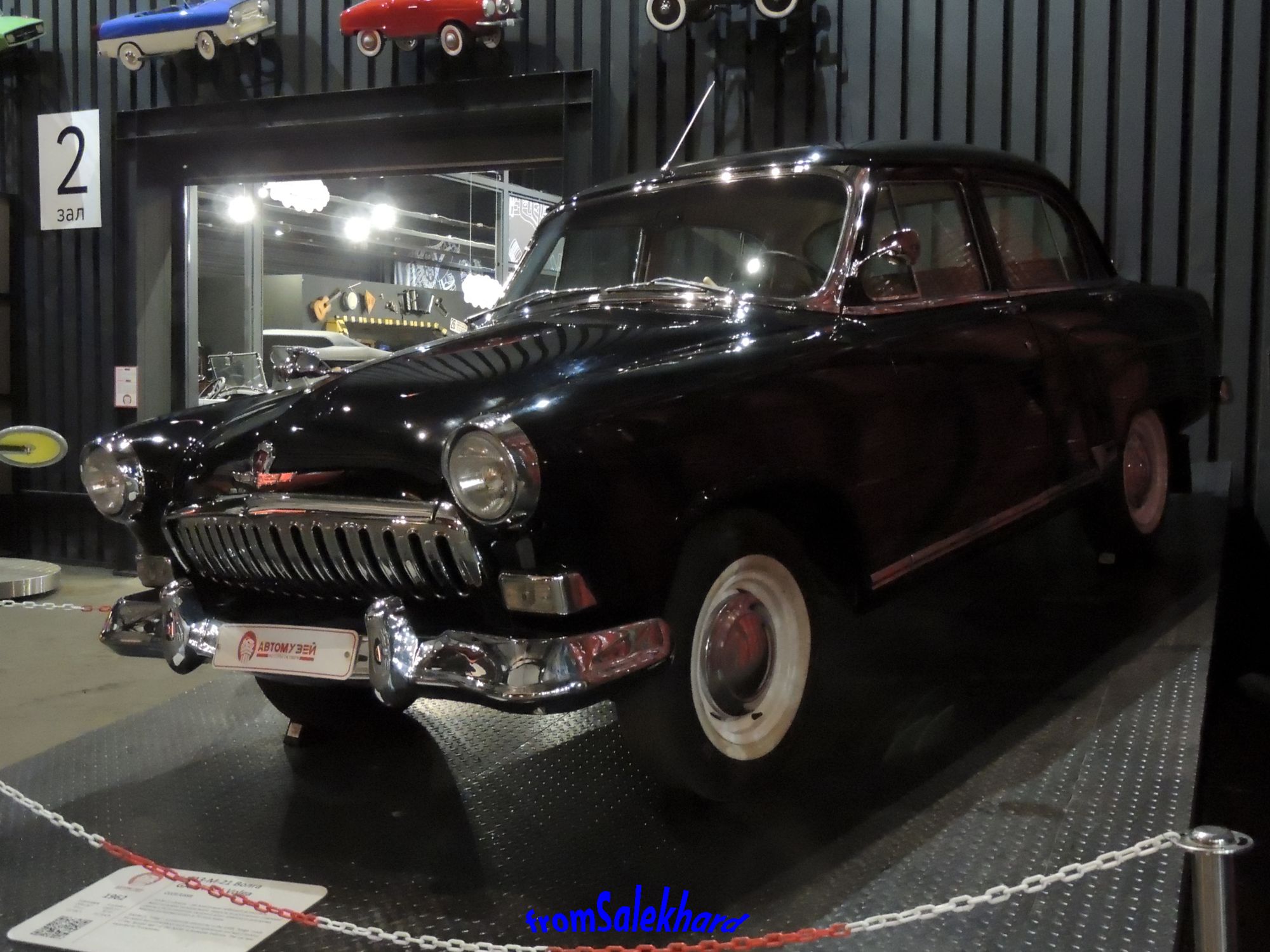
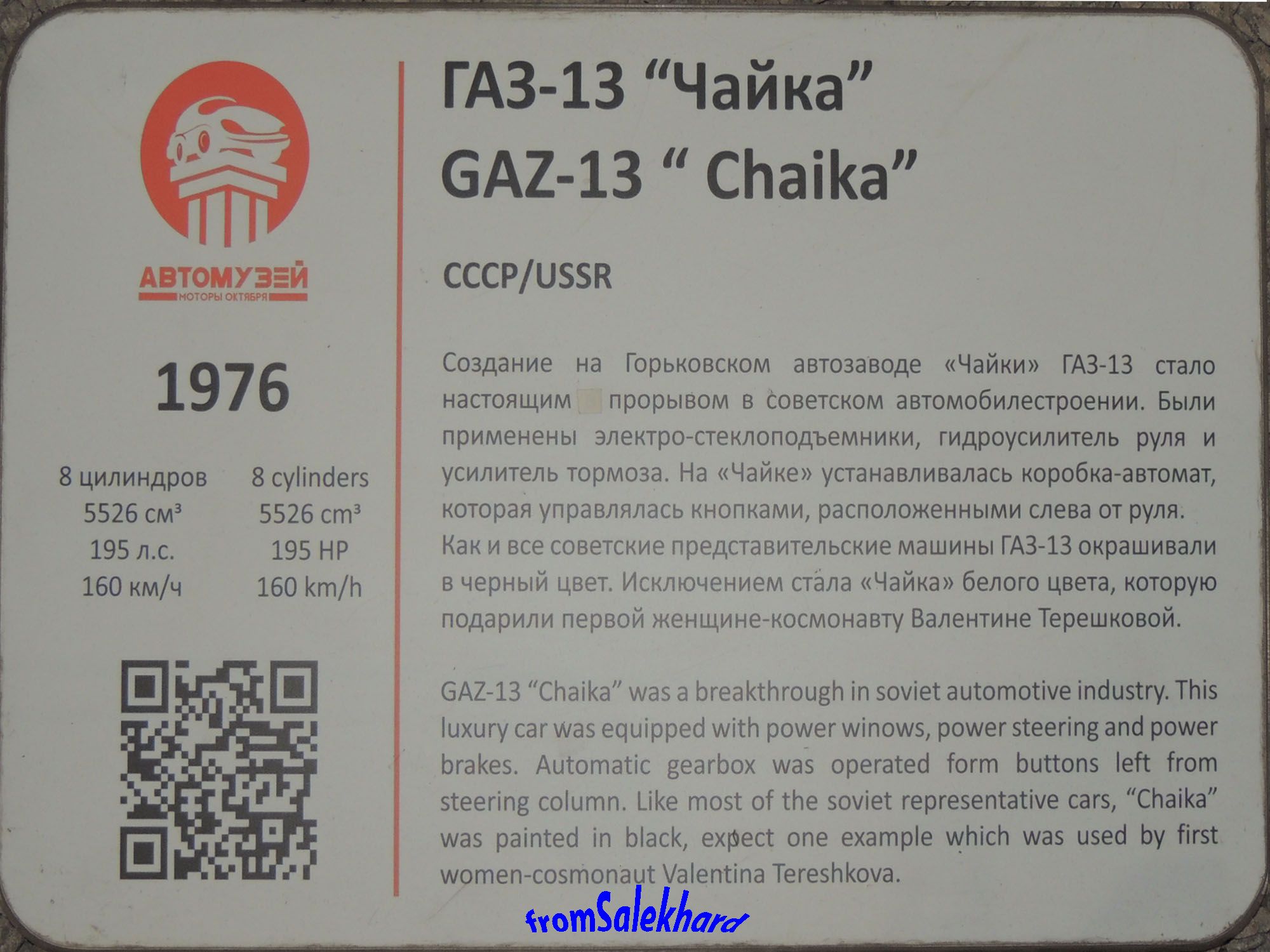
It comes as something of a surprise (to me) that the GAZ-21 was released before the GAZ-13.

Actually, there’s a pair here: a black one and a white one.

Oh, what a beautiful machine!

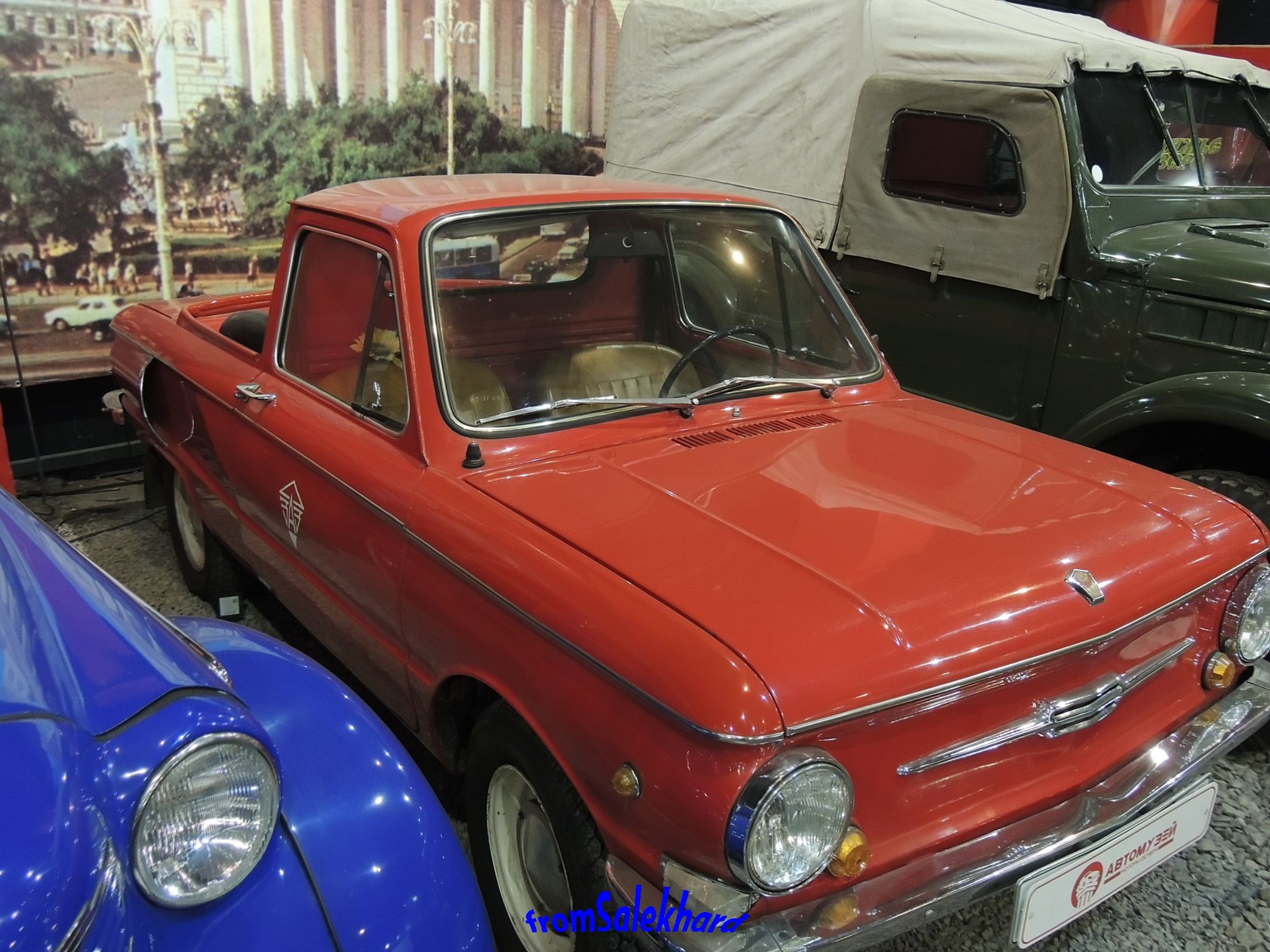
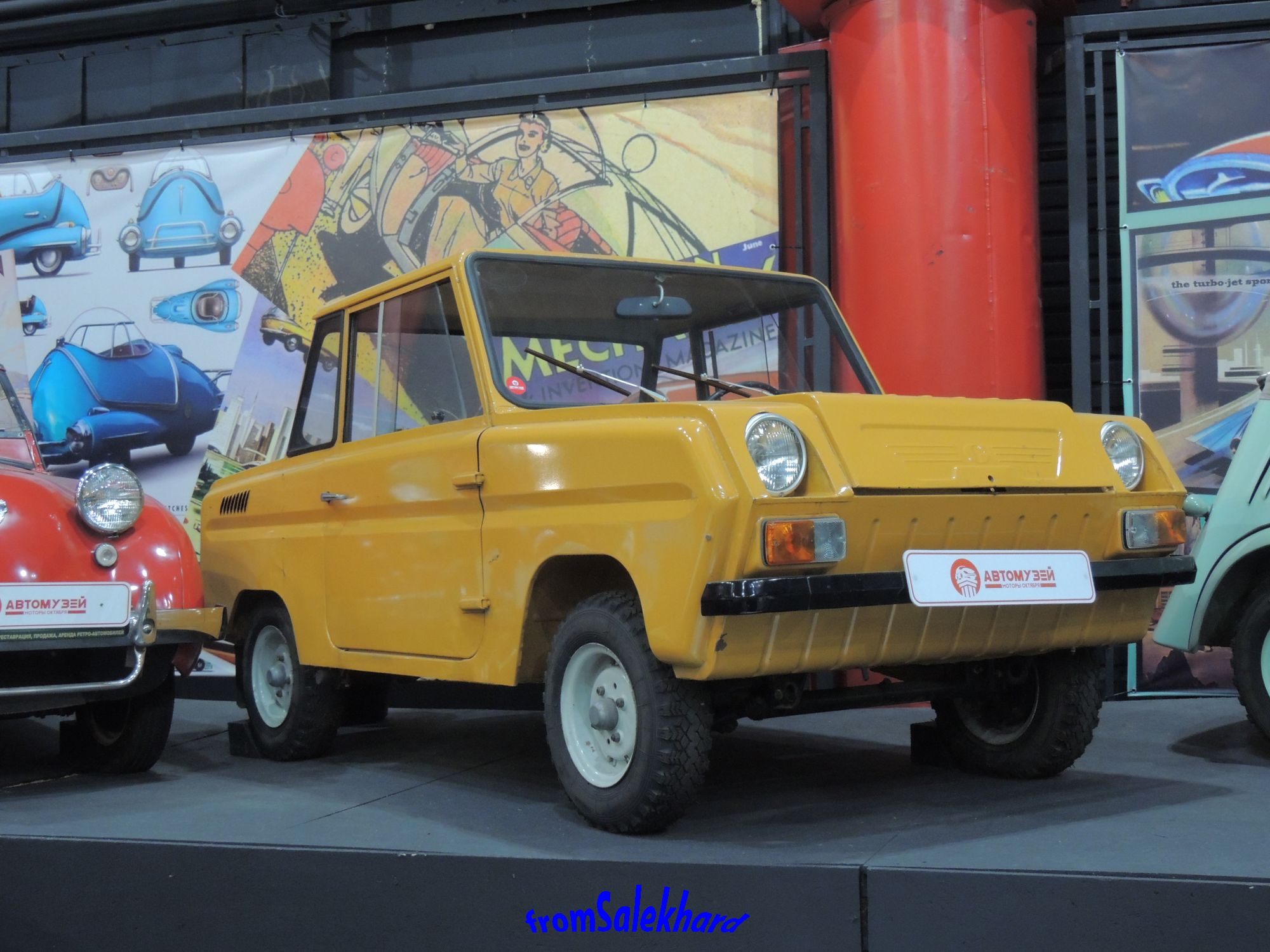
And here. Well, all kinds of cars are needed, all kinds of cars are important—there’s room for little ones too.

And so, the “barge”—long coveted by generations of Soviet officials—was born.

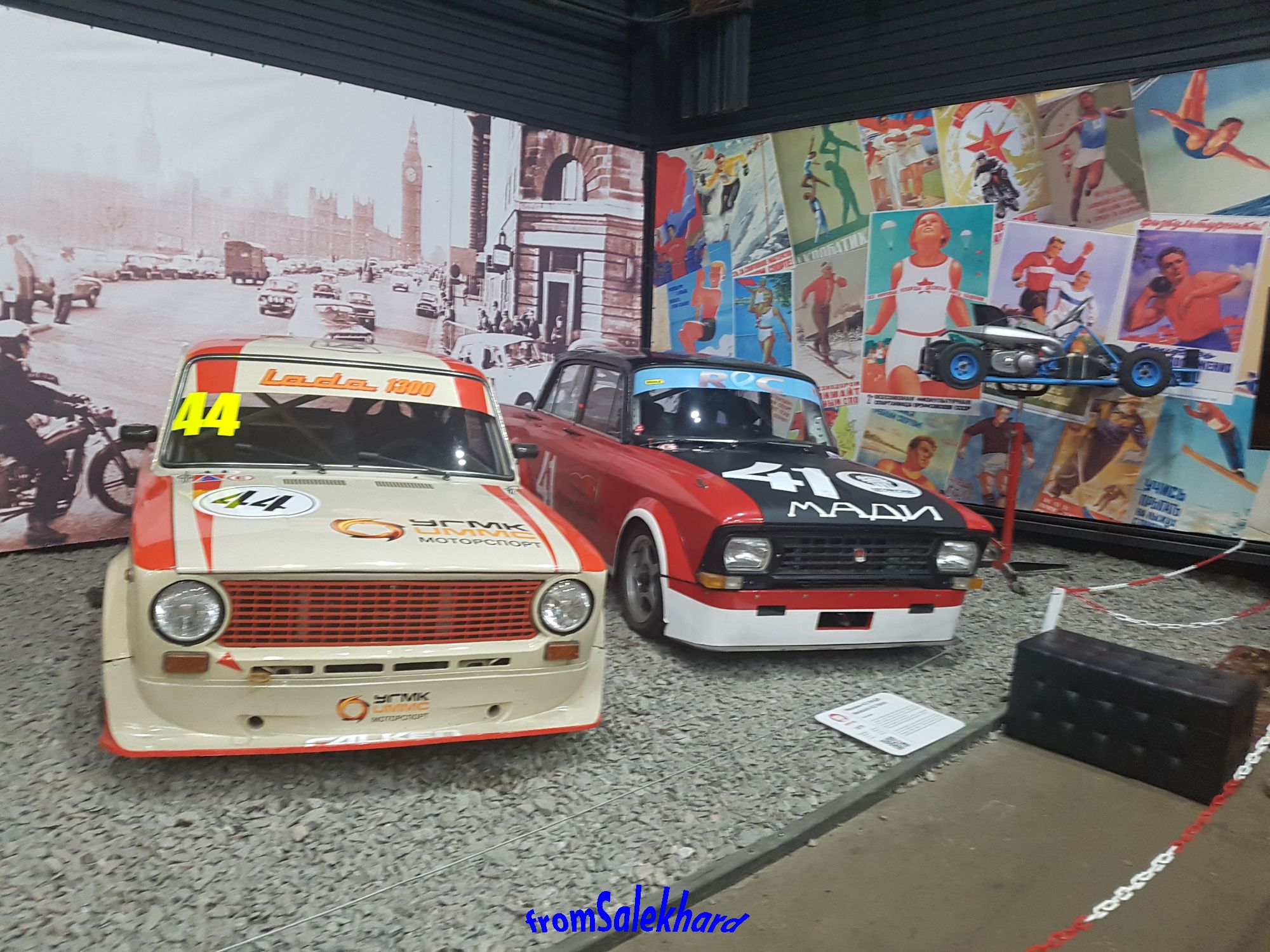
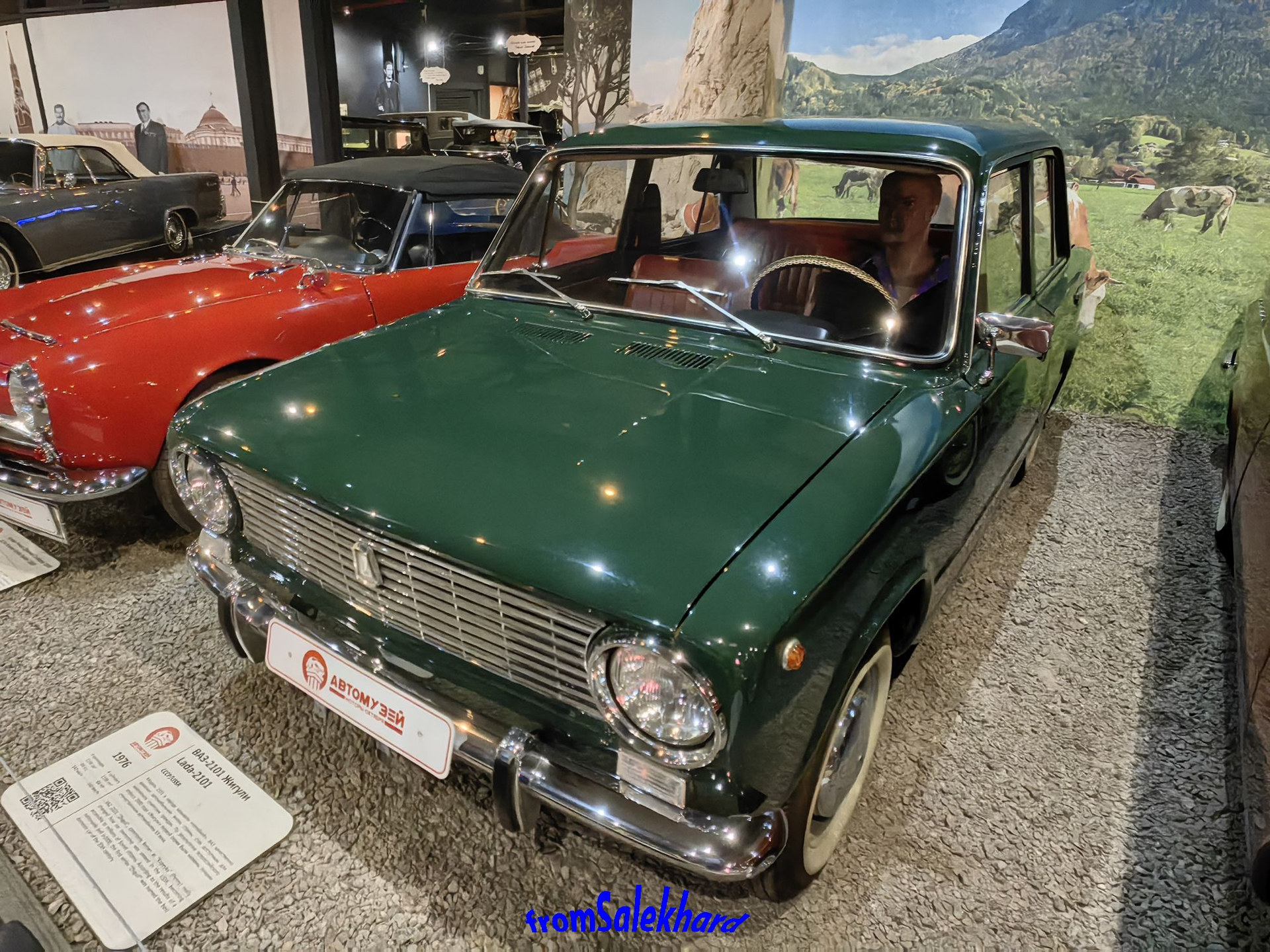
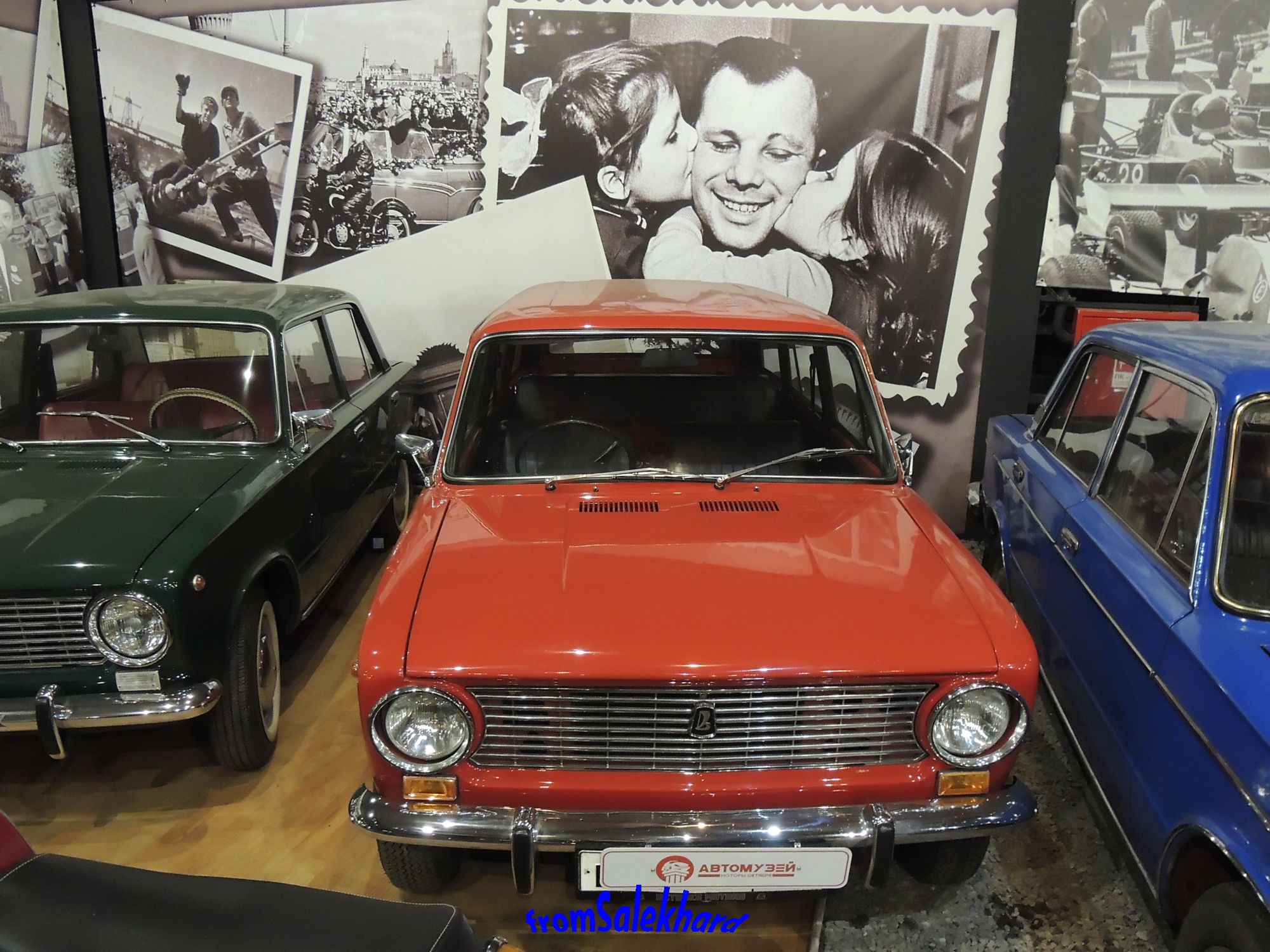
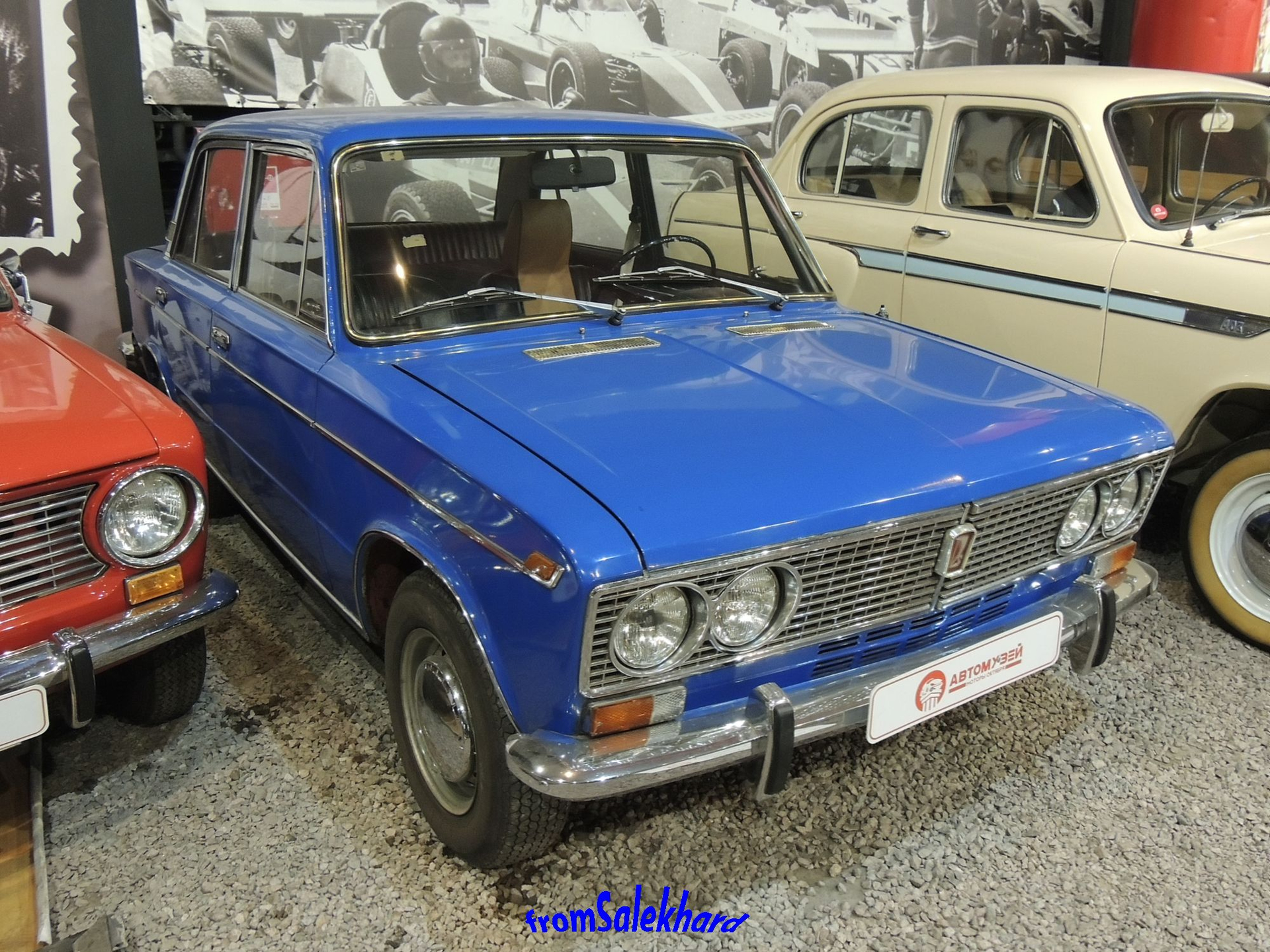
And here come the Zhigulis!

By the way, I haven’t seen any of those on the streets. Only in museums.

And such designer alterations are not seen on the streets,

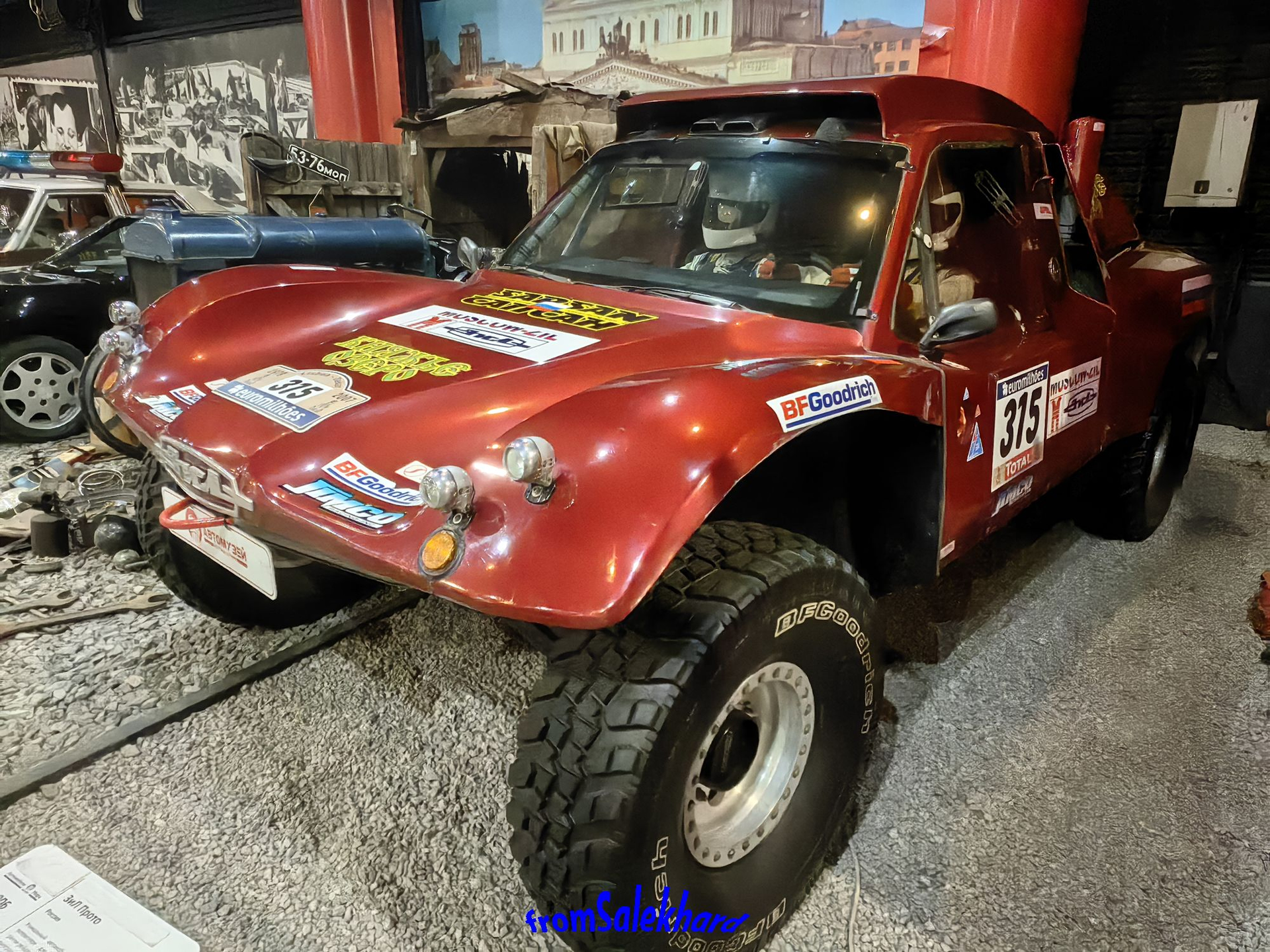
just like this exclusive.

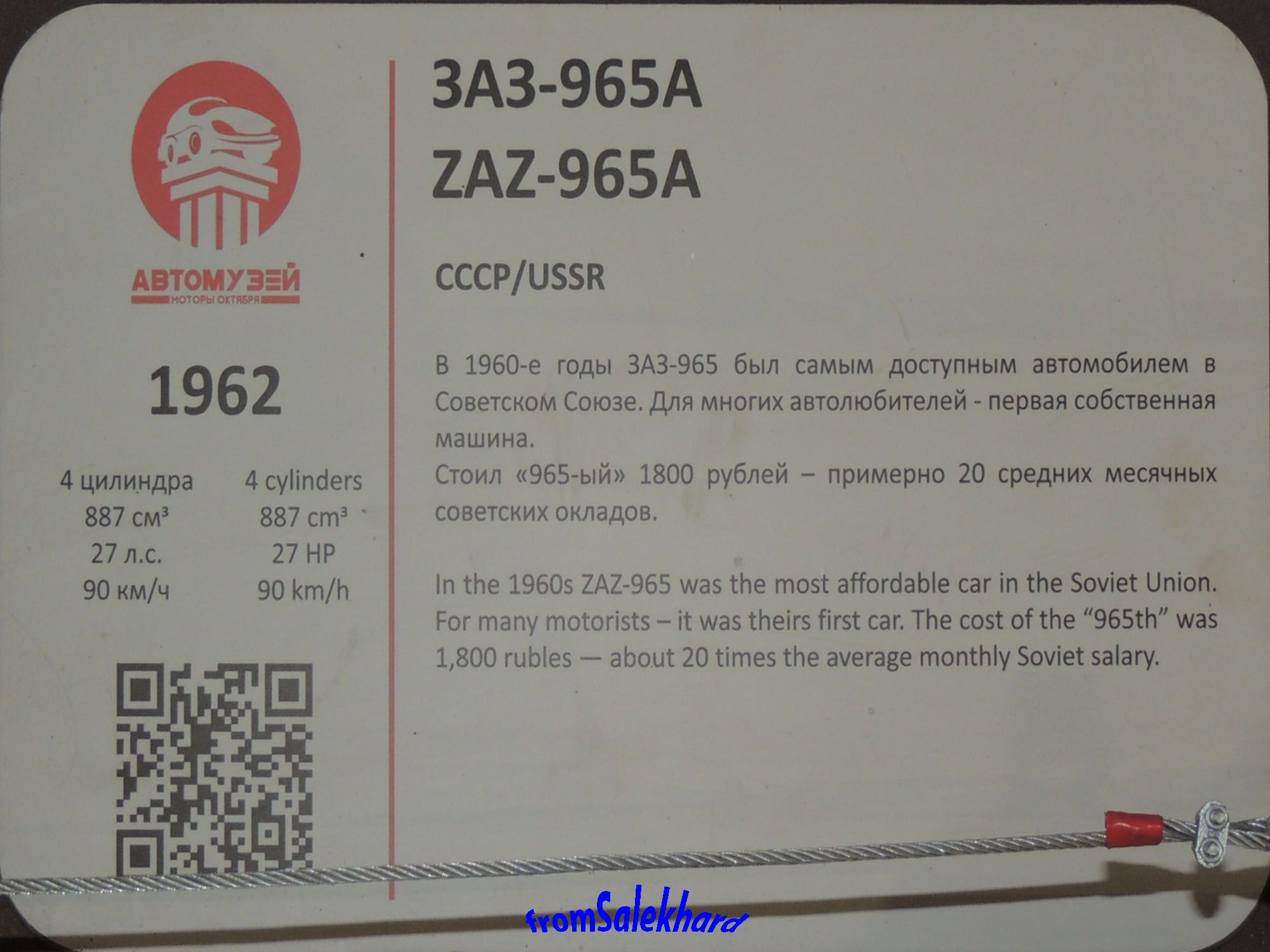
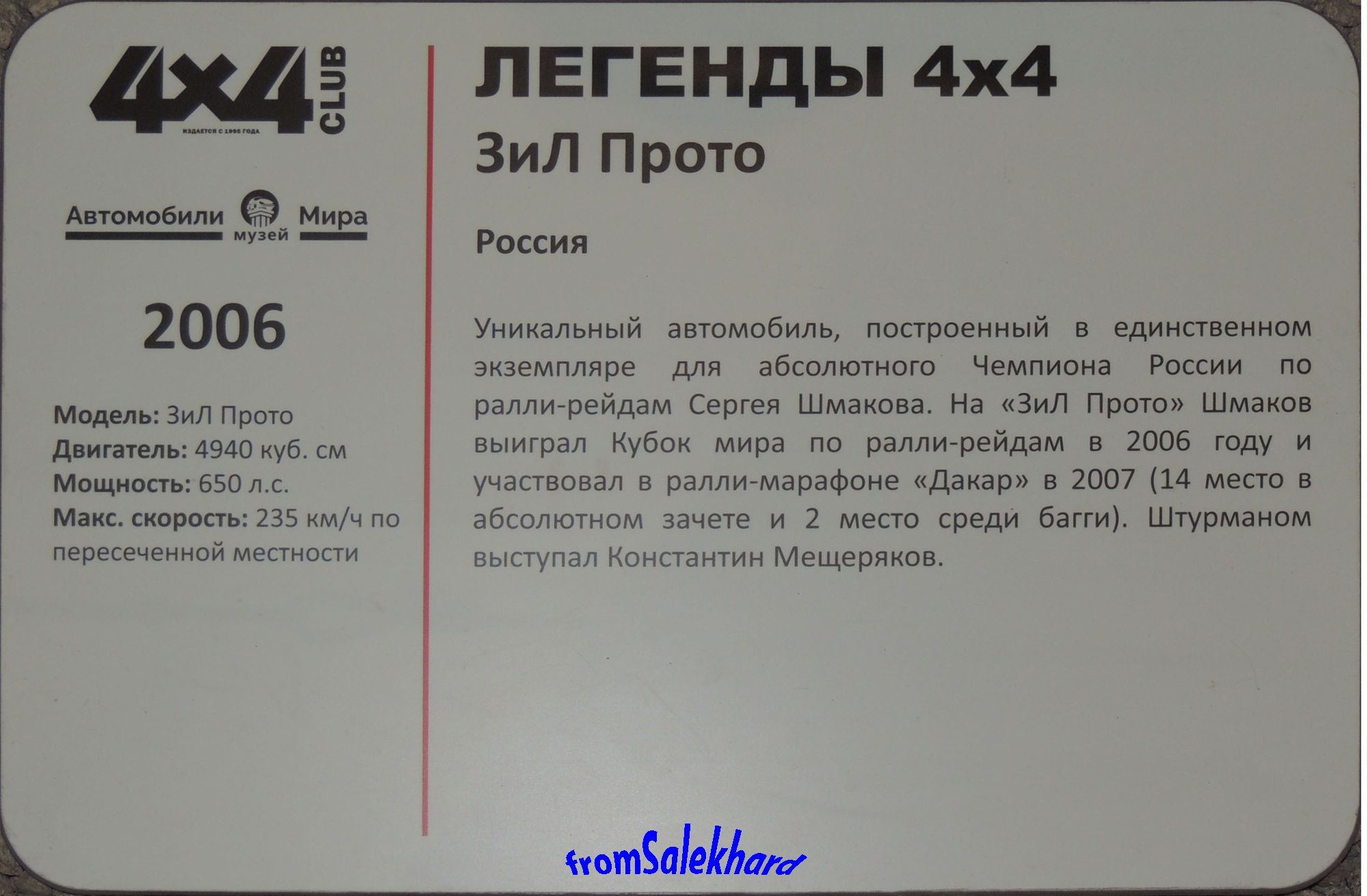
There are also vehicles that lack museum placards

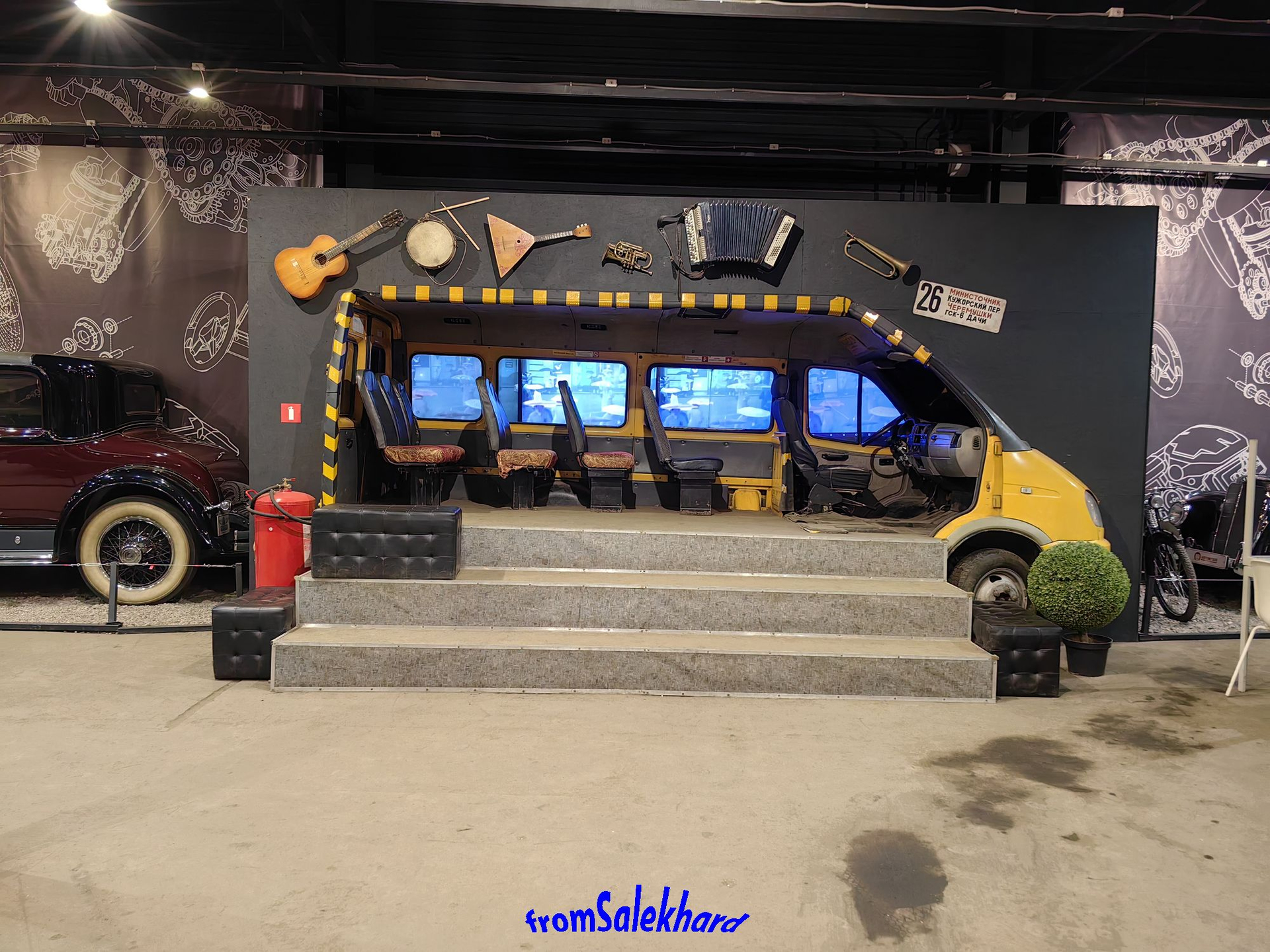
or being interior items,

or even by the interior itself.

Most of these cars were in the museum during my first visit and were absent during the second.

As I said, it wasn’t a long report.

To be continued…

8 Likes

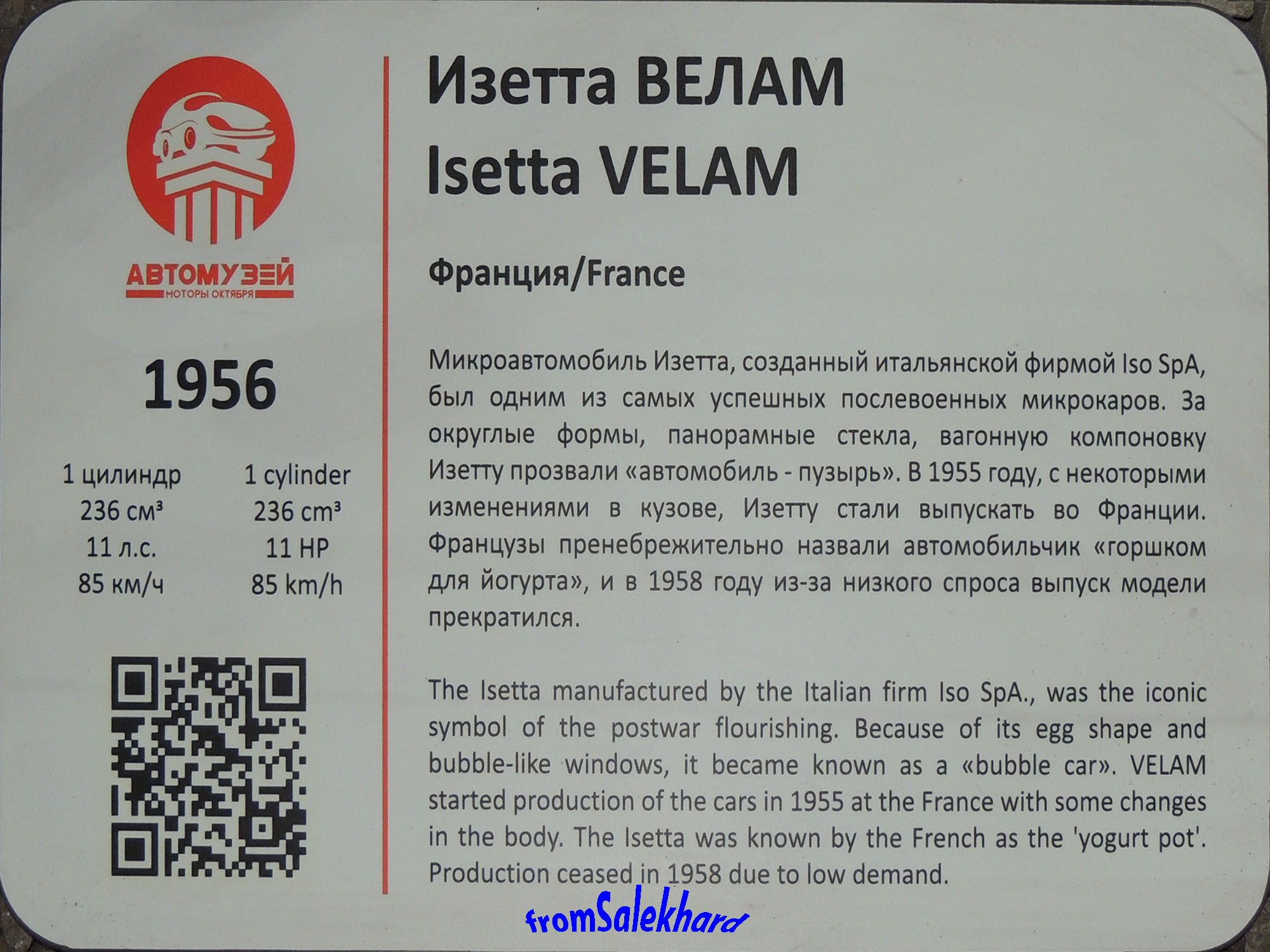
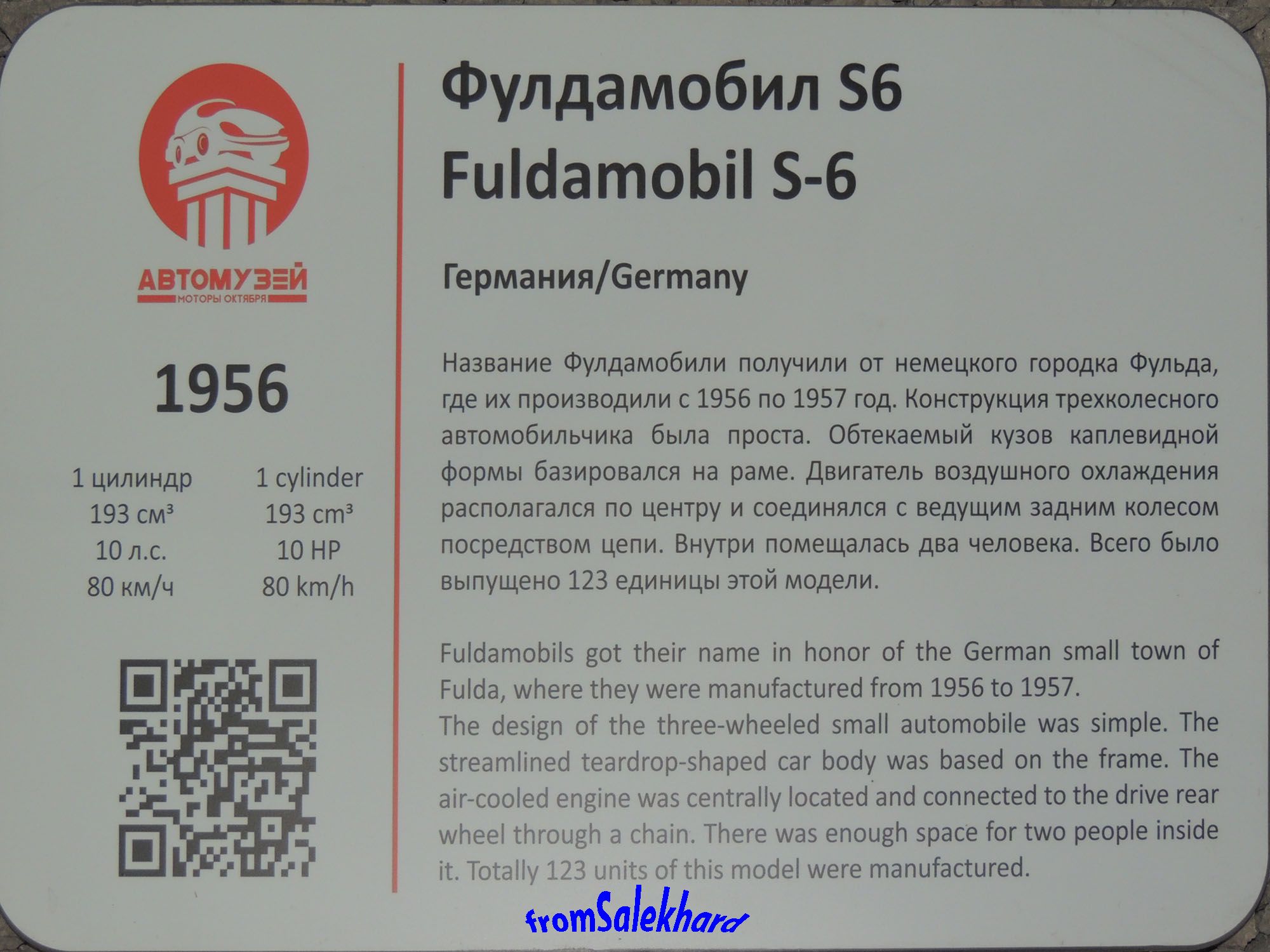
Small Cars of the World.
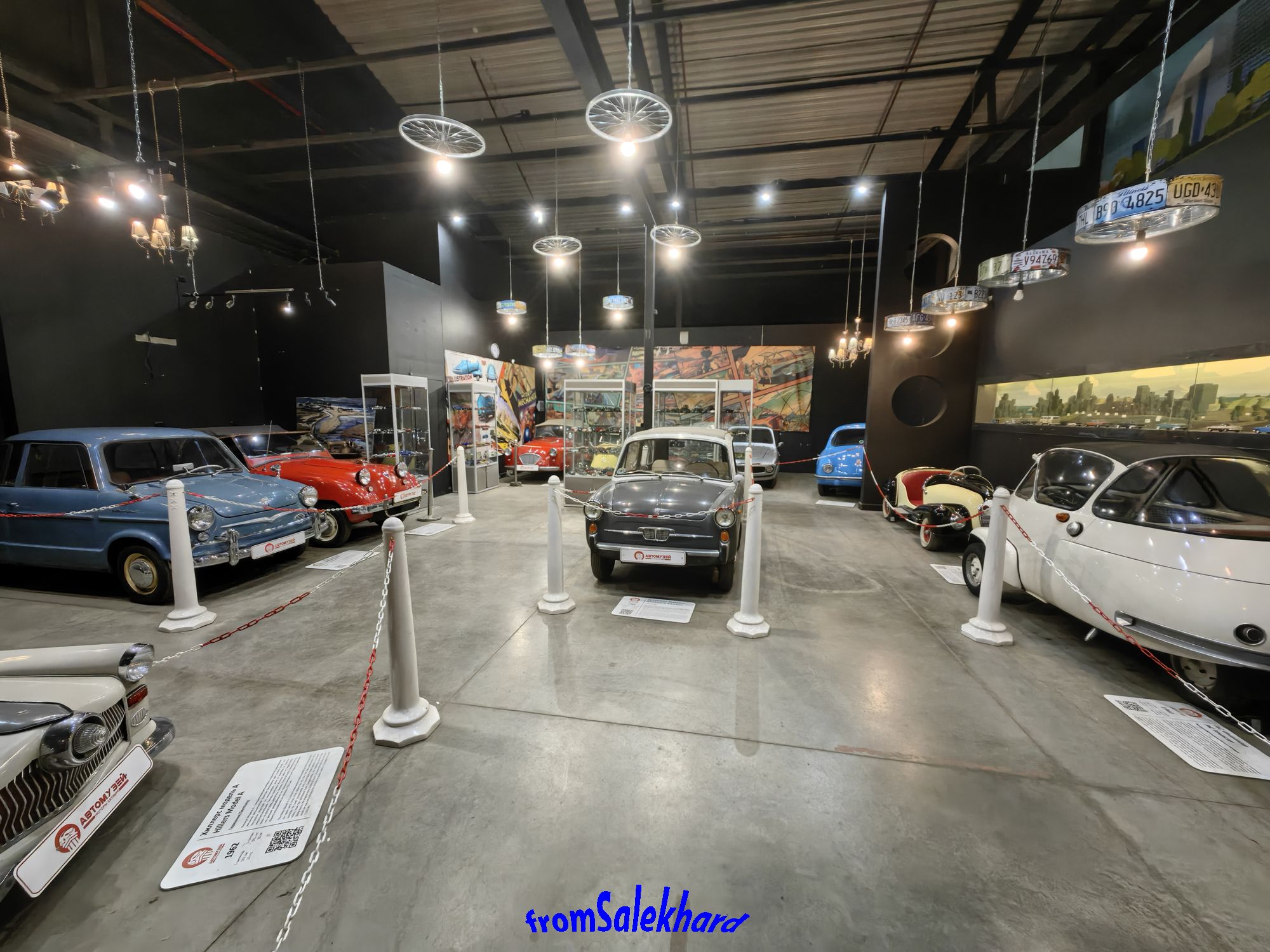
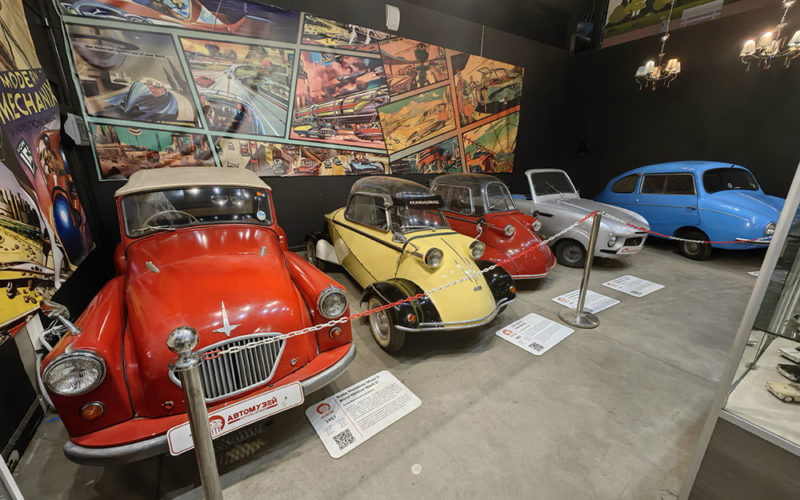
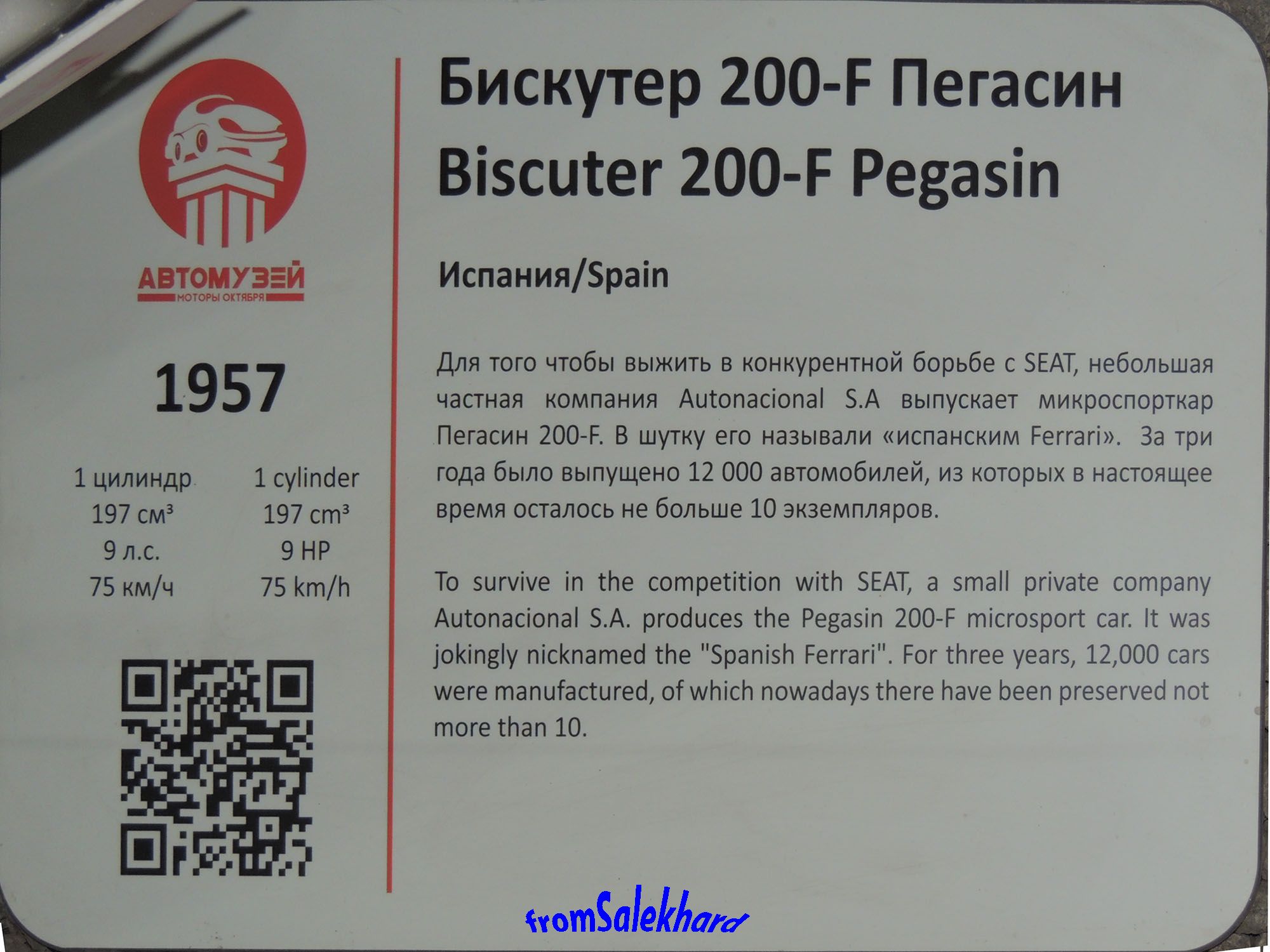
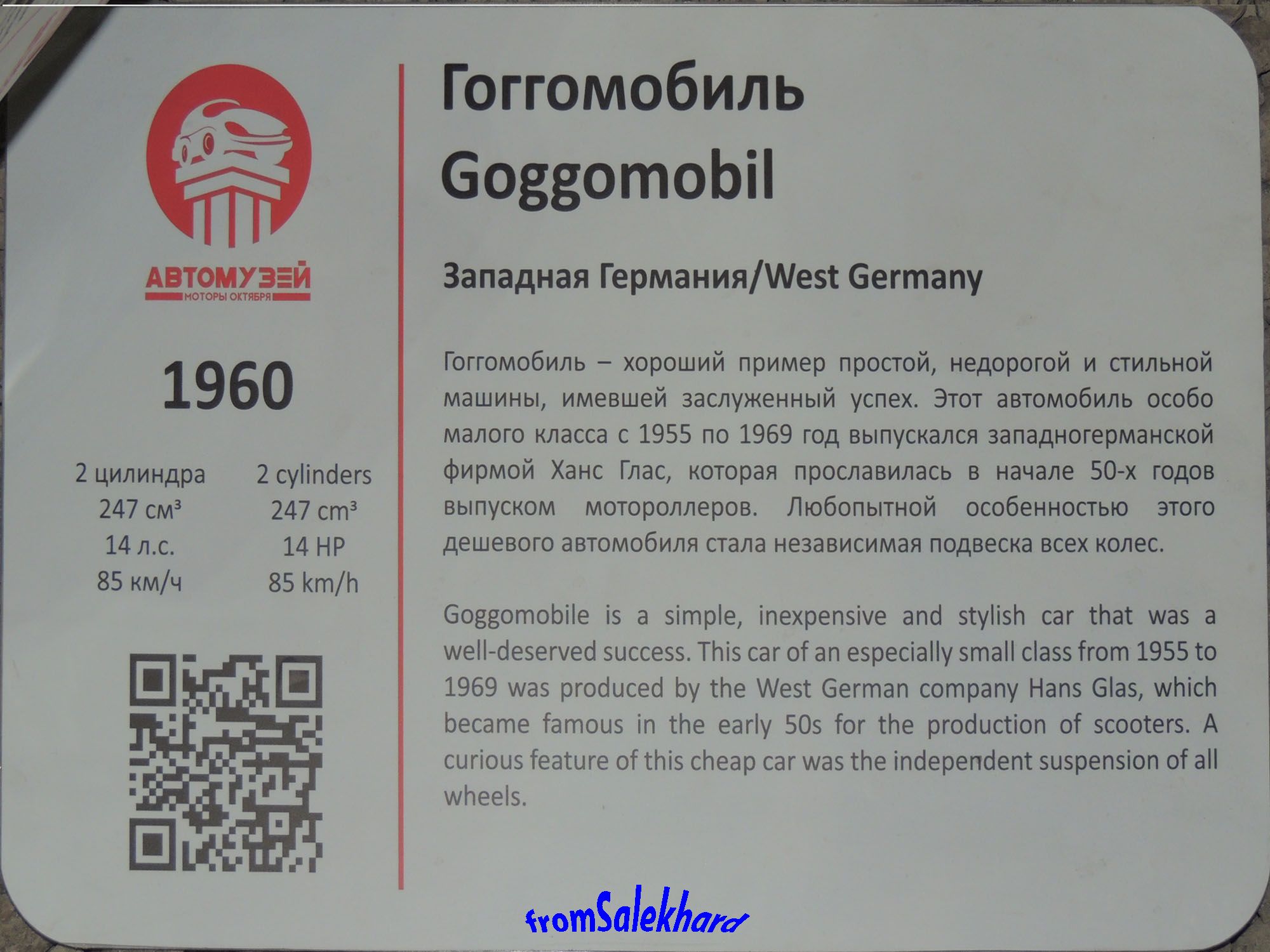
As I already mentioned, small cars, which were previously an integrated part of the main exhibition, have now been separated into a separate sub-exhibition with an additional fee.

It’s quite possible that their composition hasn’t really changed—I didn’t set out to track that—but visibility has clearly improved: you can now walk almost all the way around some of them, which was absolutely impossible before.

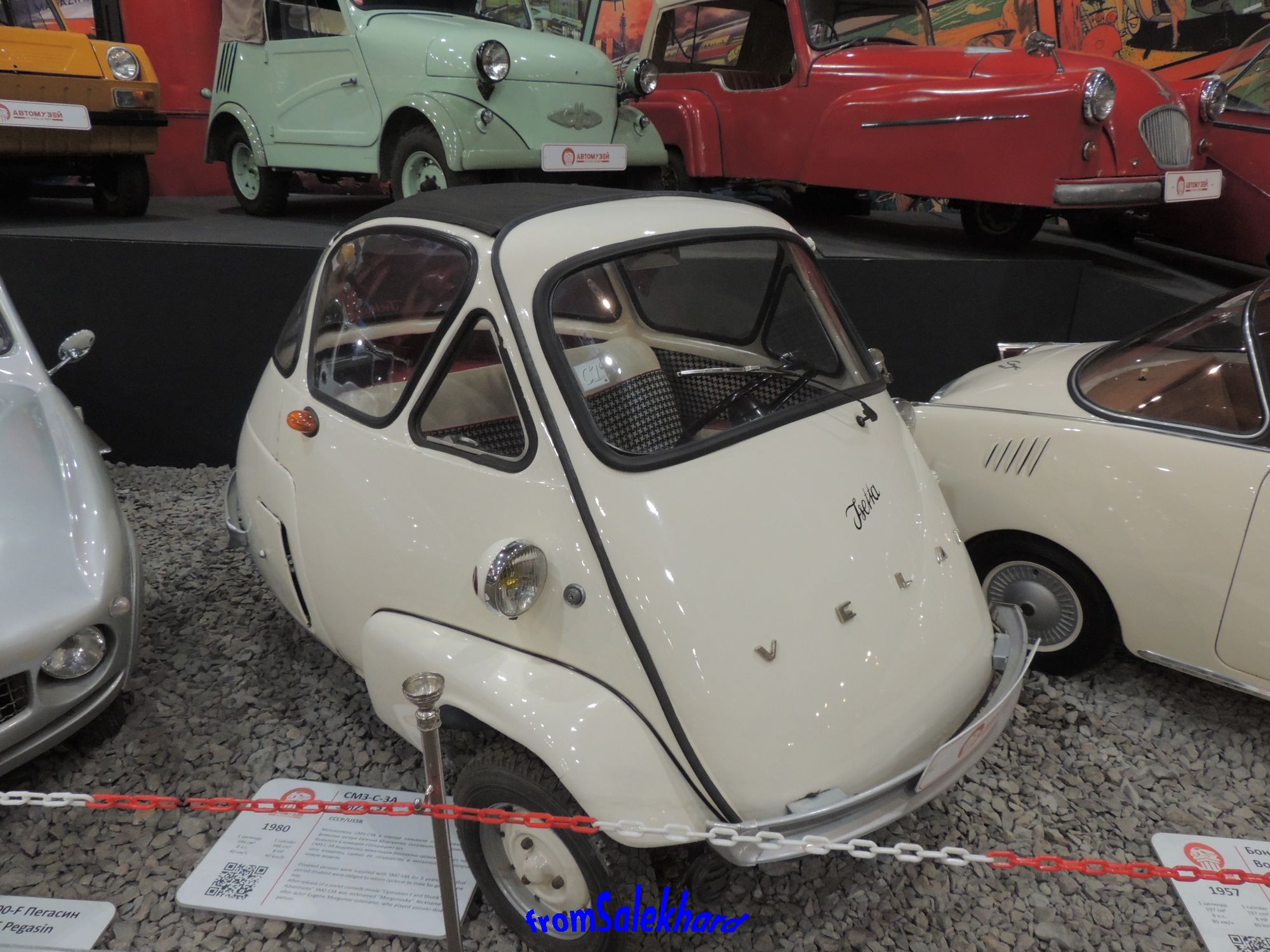
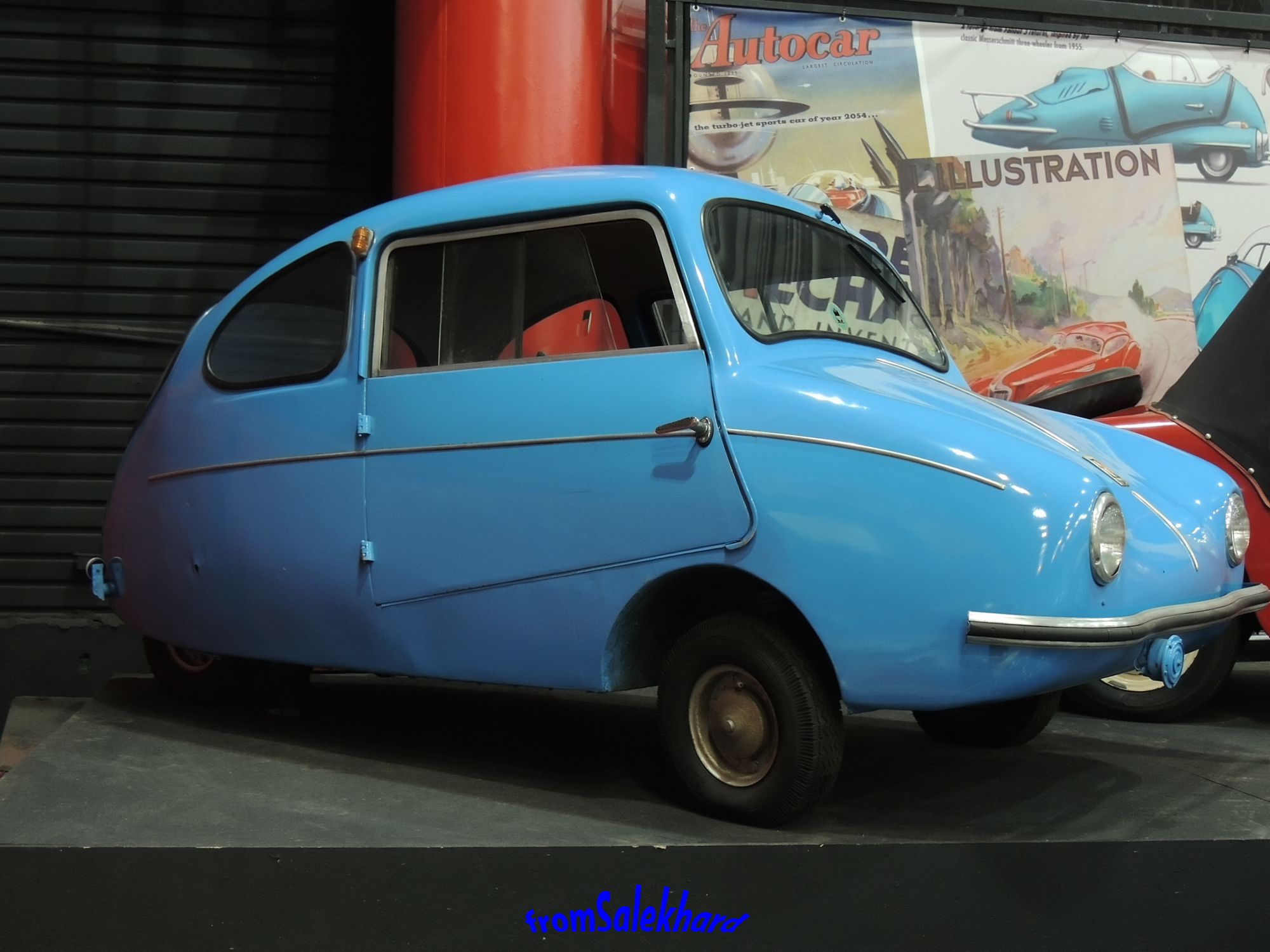
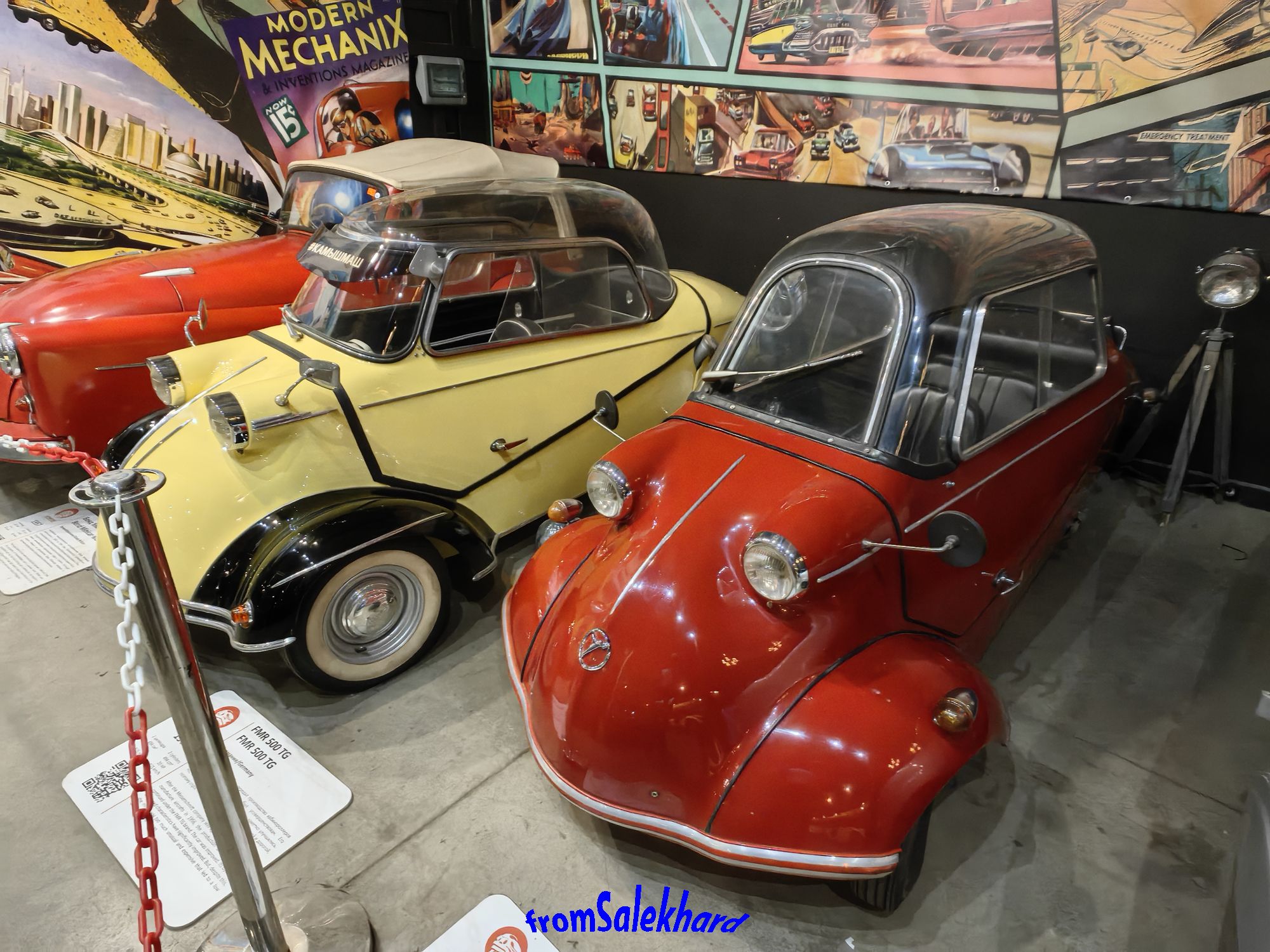
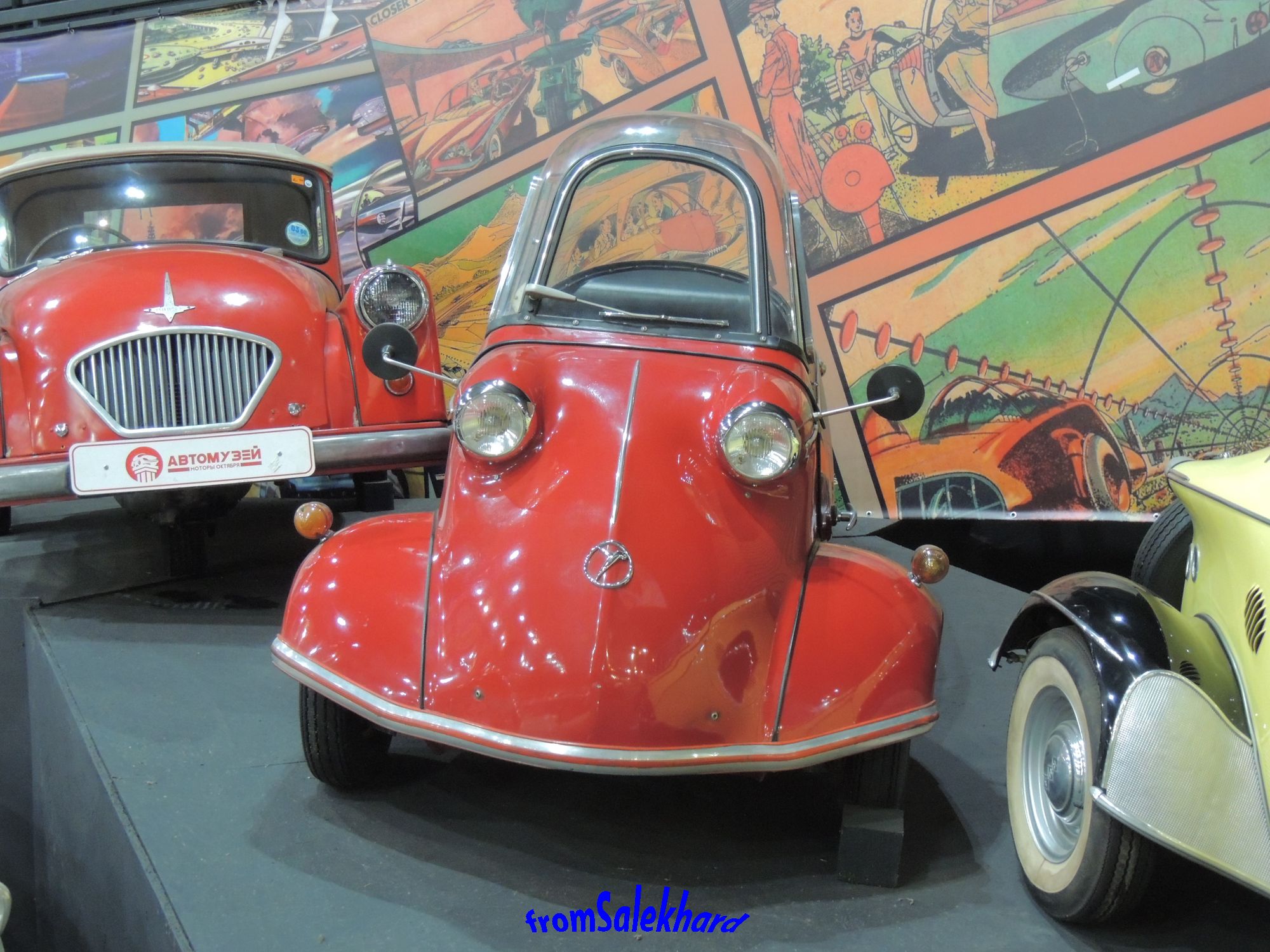
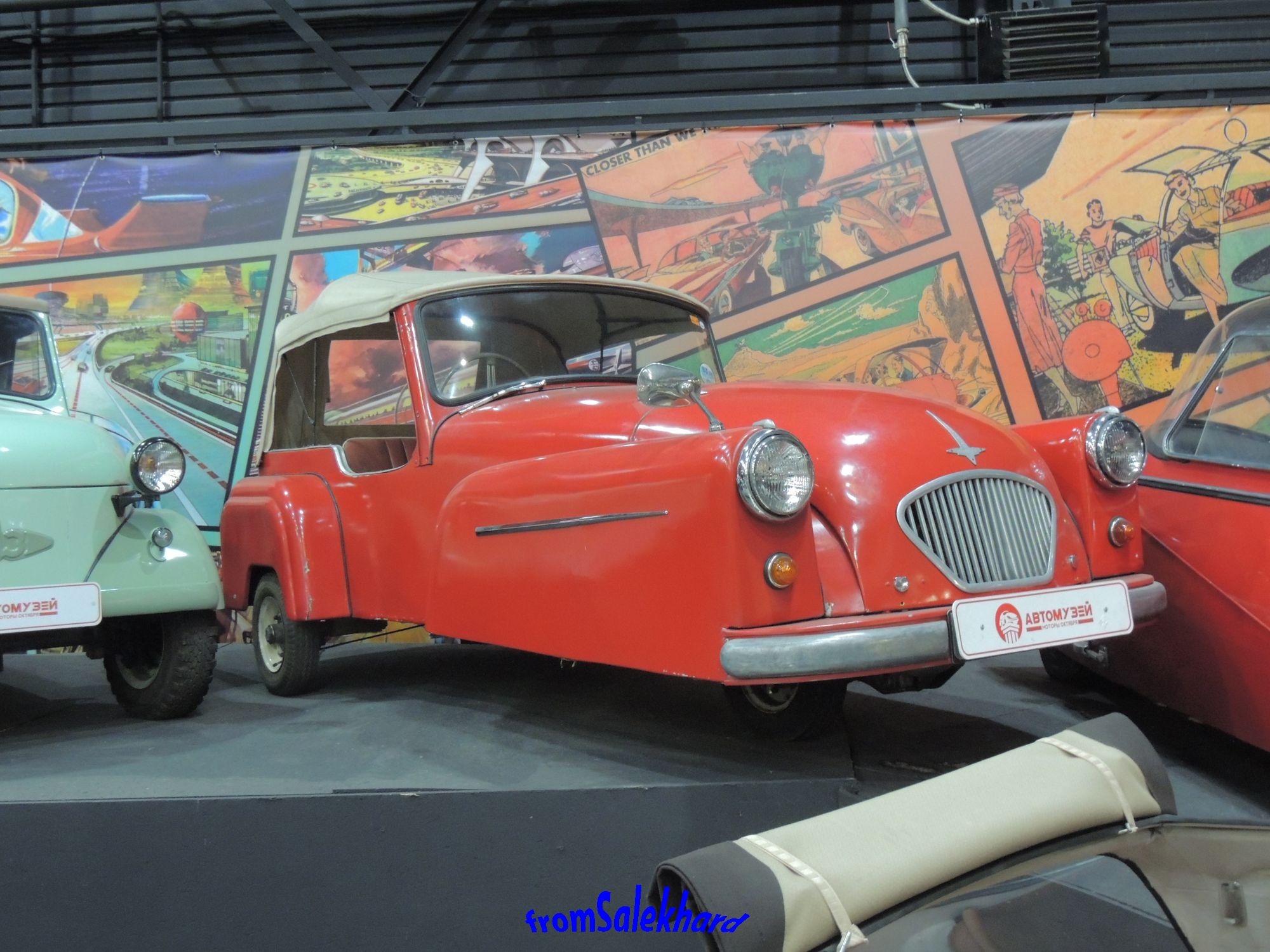
A significant portion of these vehicles were three-wheeled. They were small and couldn’t fit all four wheels.

Moreover, the two wheels could be positioned at the front.

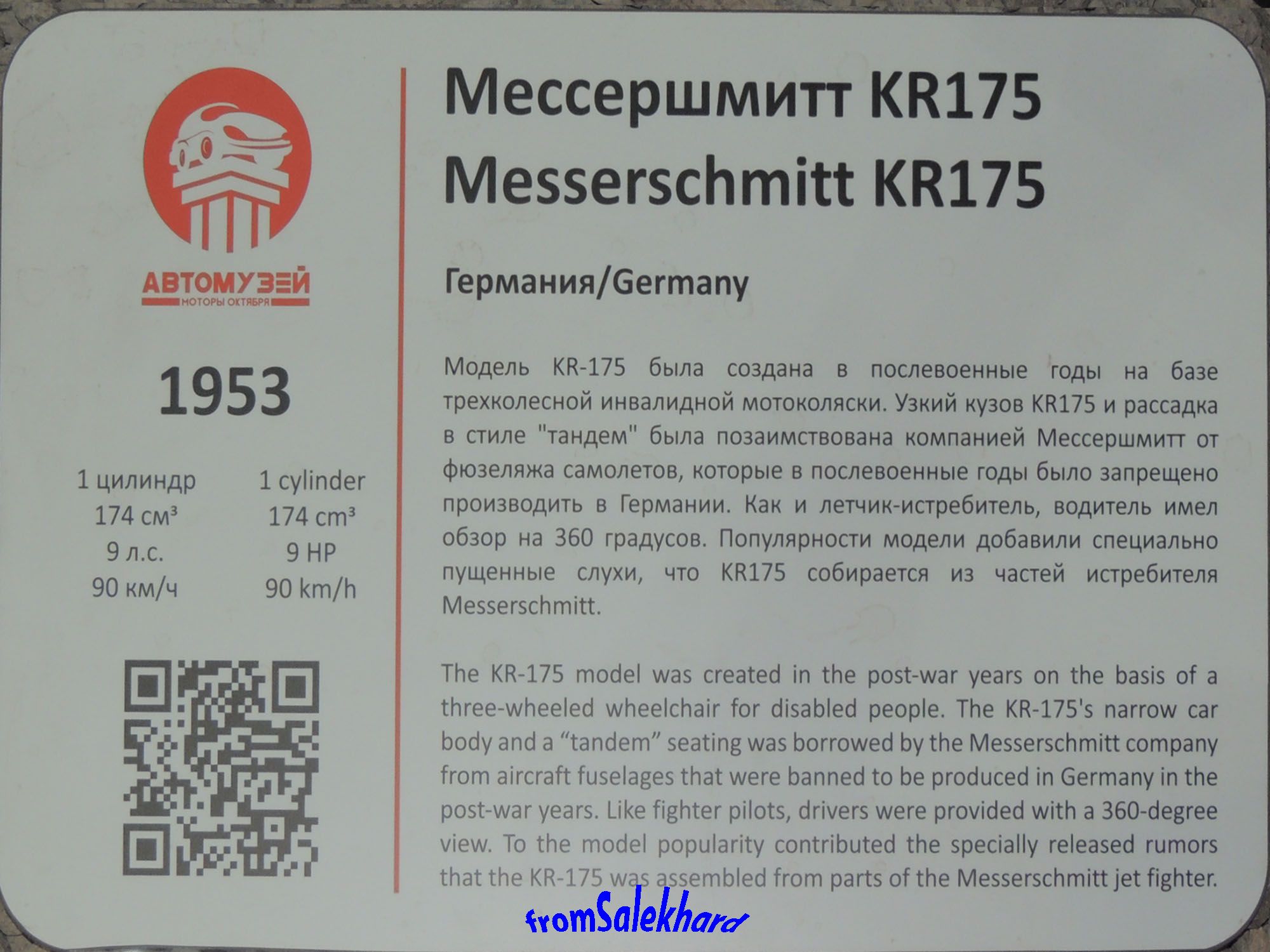
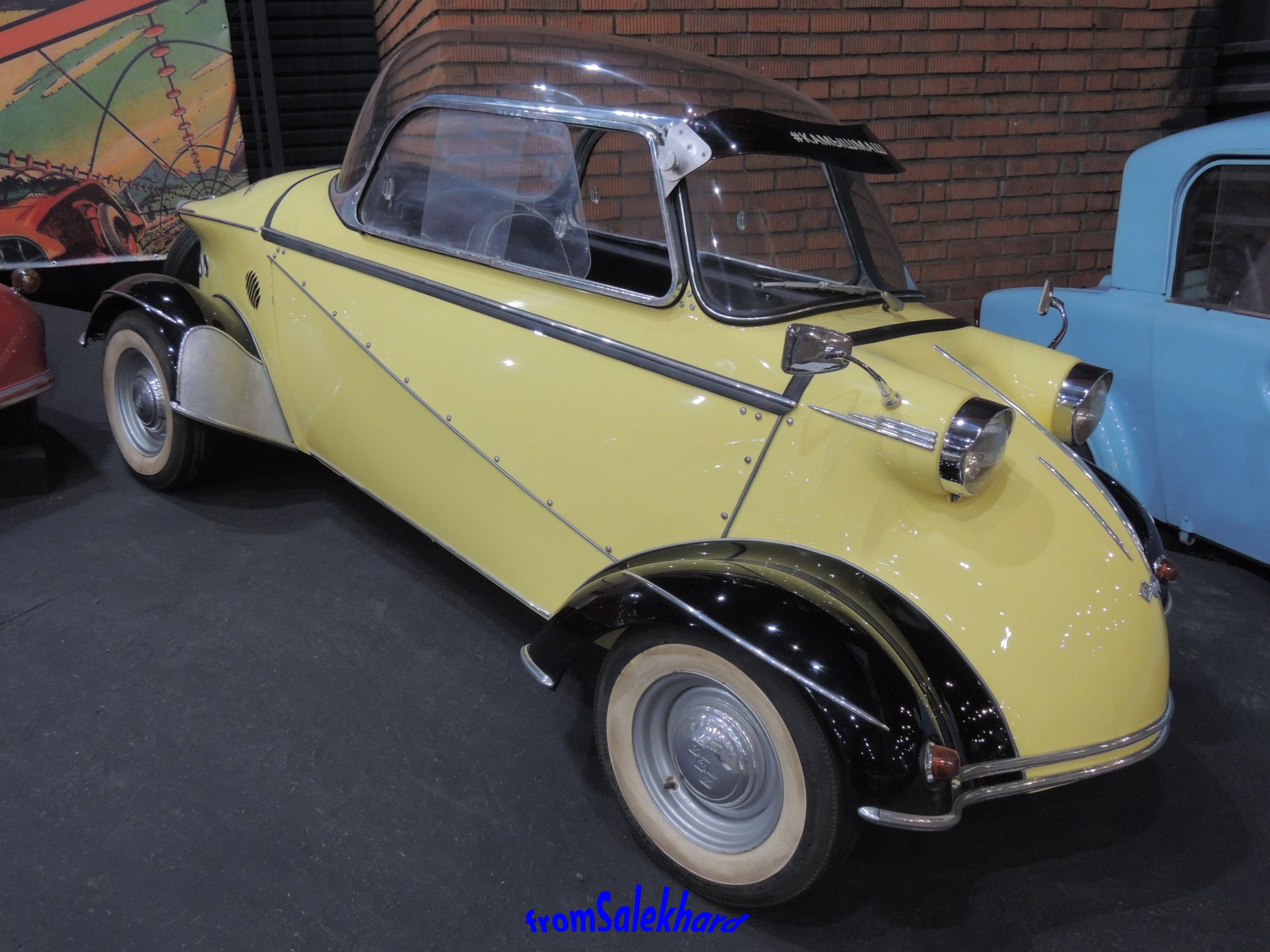
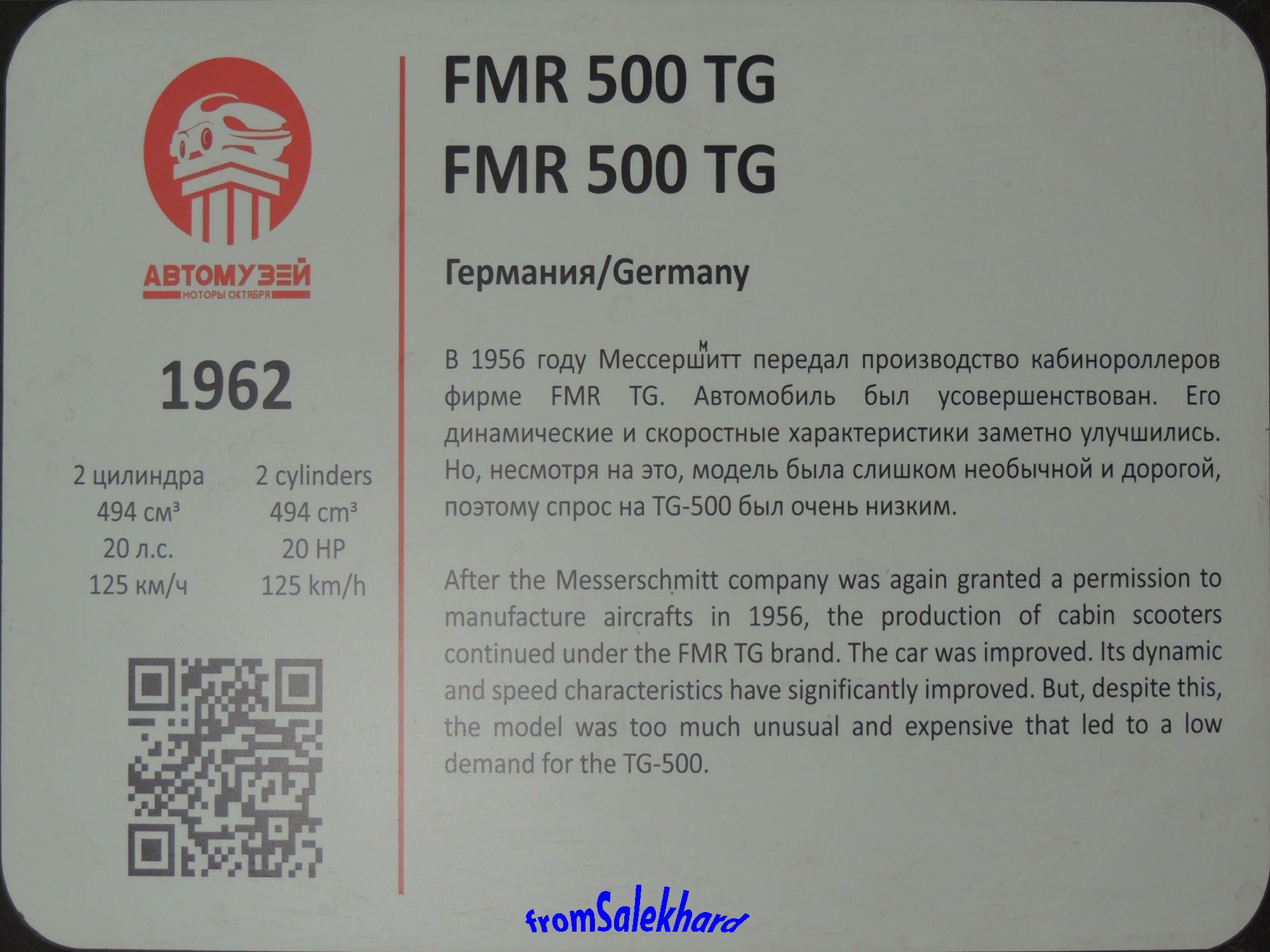
When someone tells you, “And so, he’s in a Messer…“, you need to clarify which one—because there are all sorts of Messerschmitts.

For some, it was the other way around: two wheels were placed at the back.

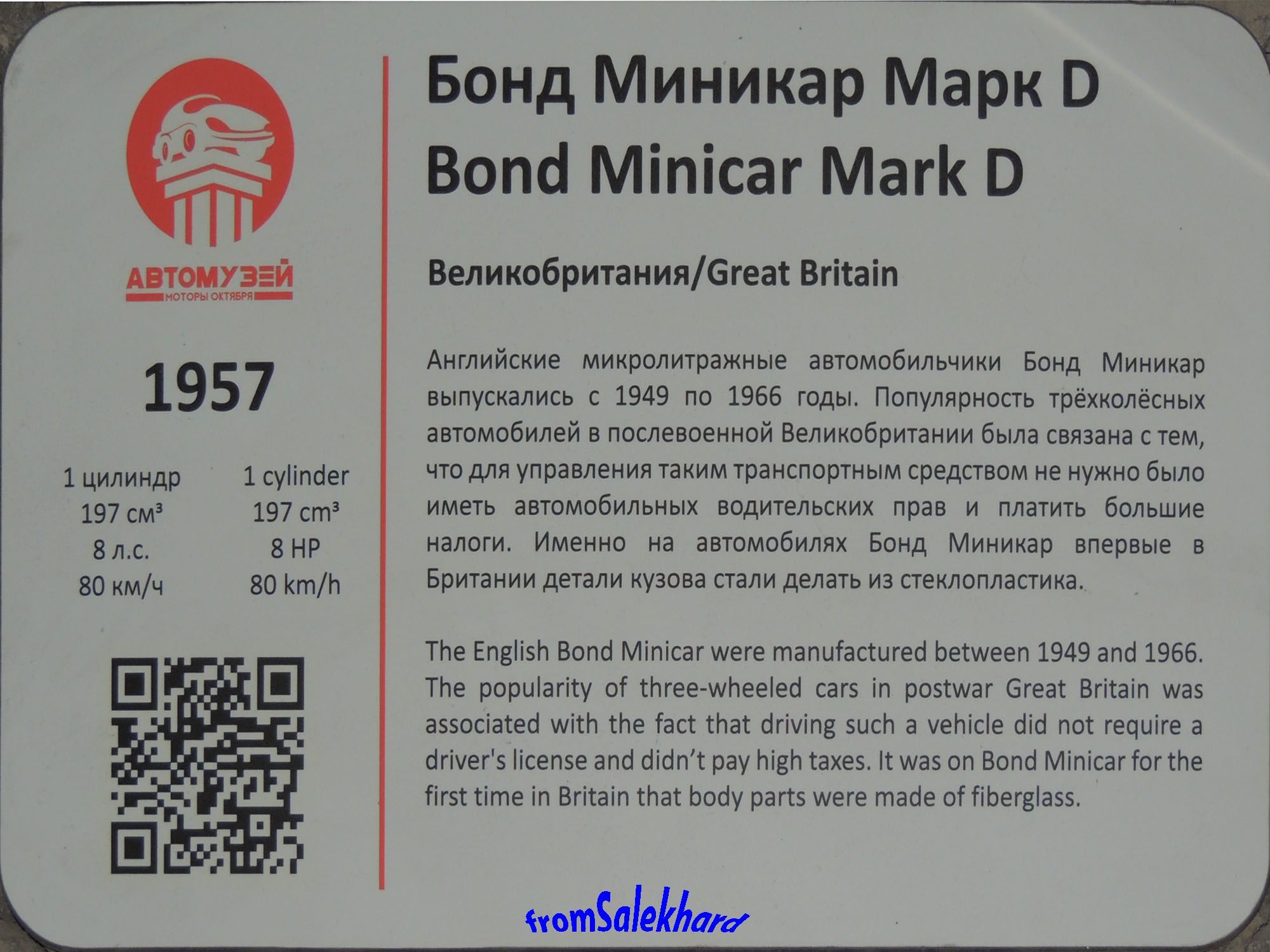
If Bond—James Bond—drove one of these, he wouldn’t have any of the girls from his films left.

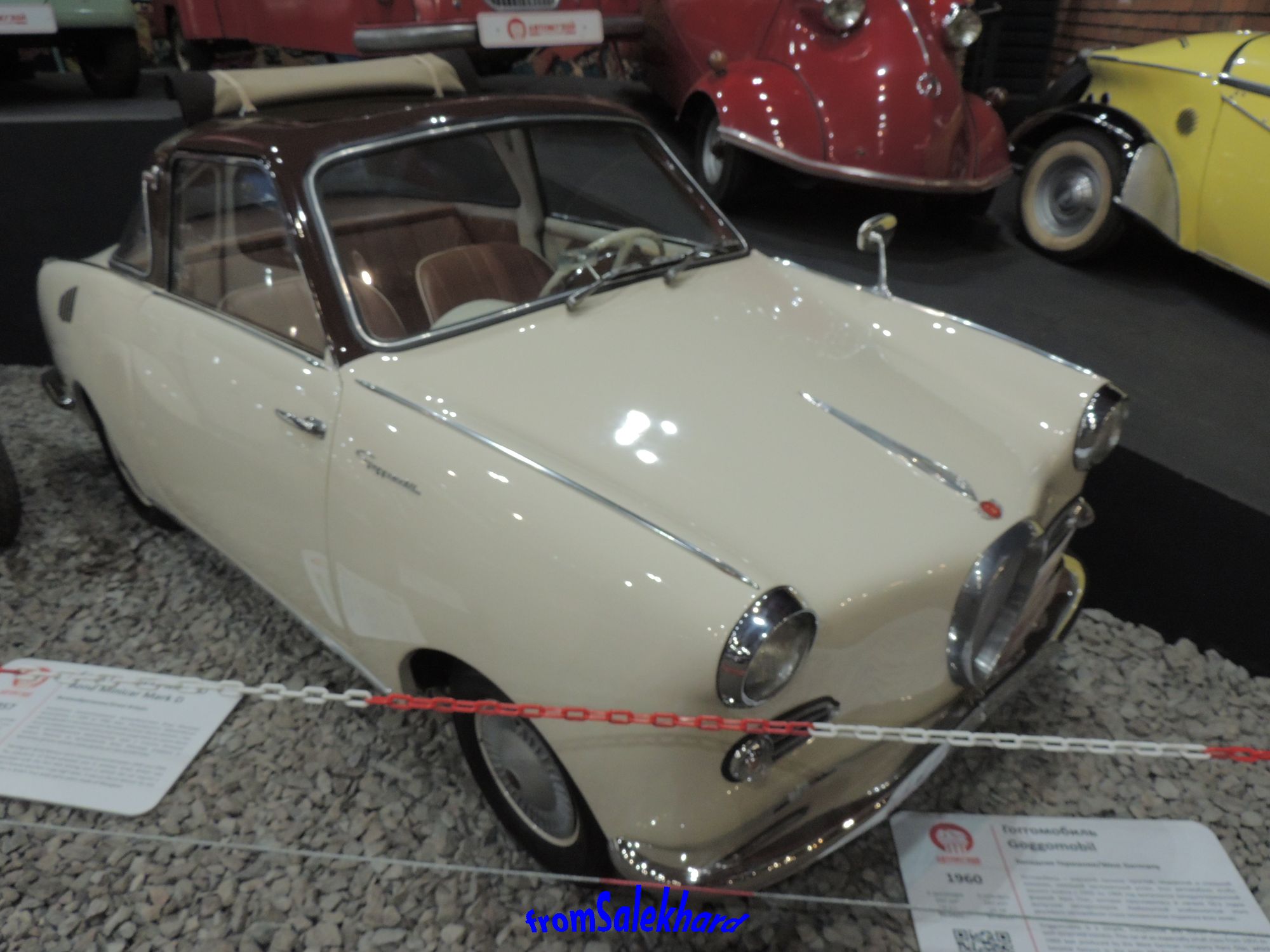
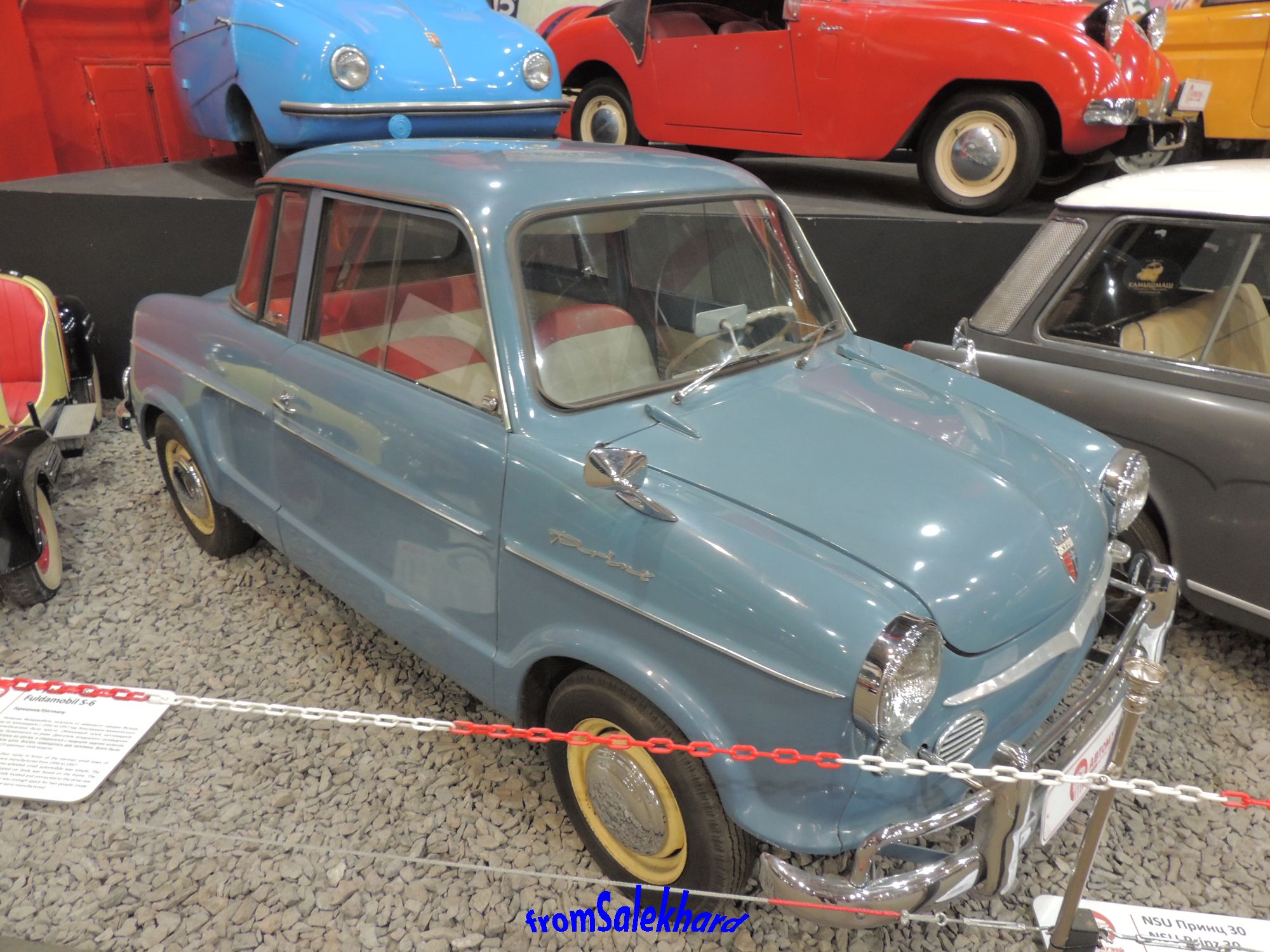
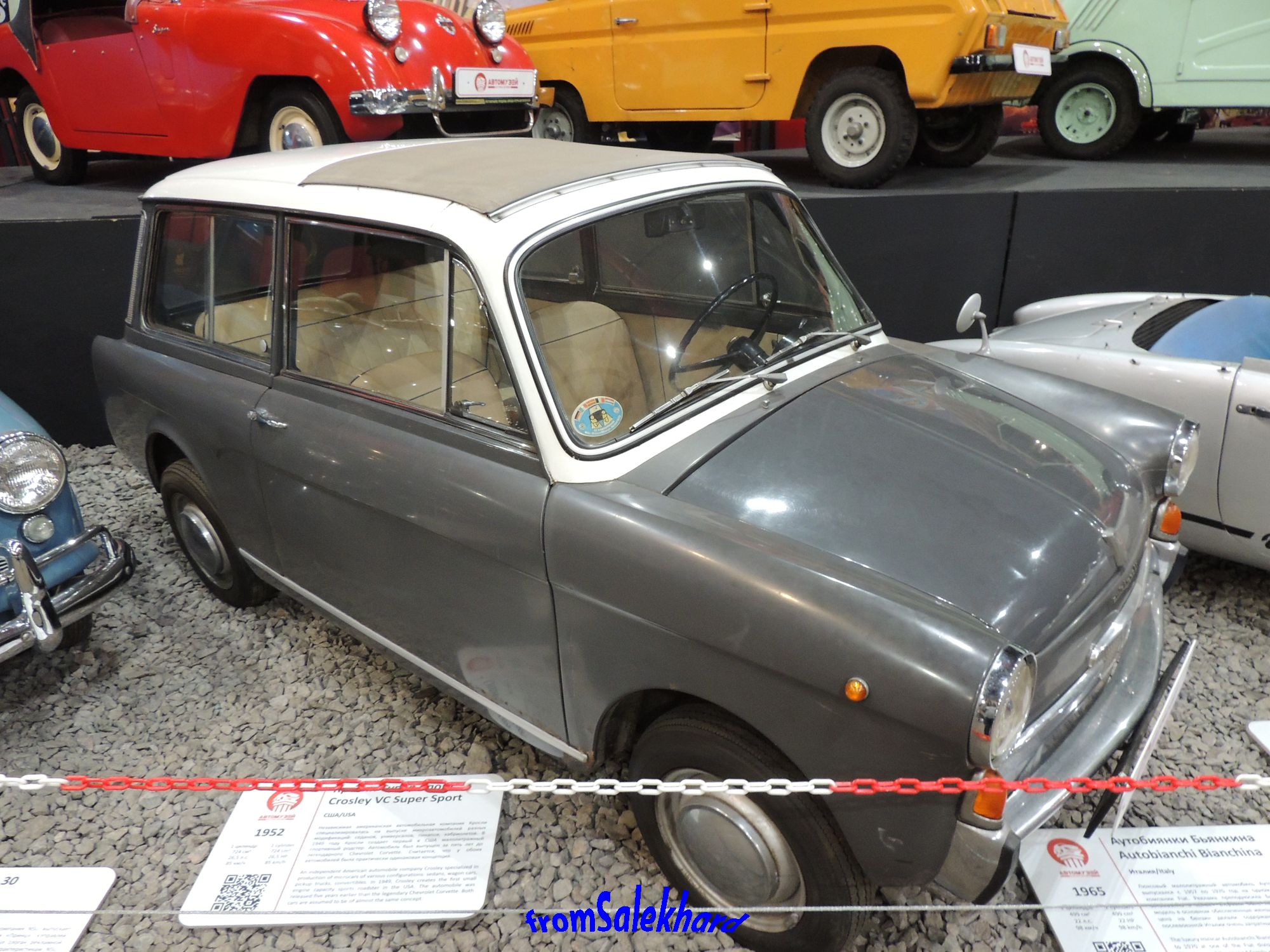
However, a significant portion of the exhibits look like a normal car, only small.
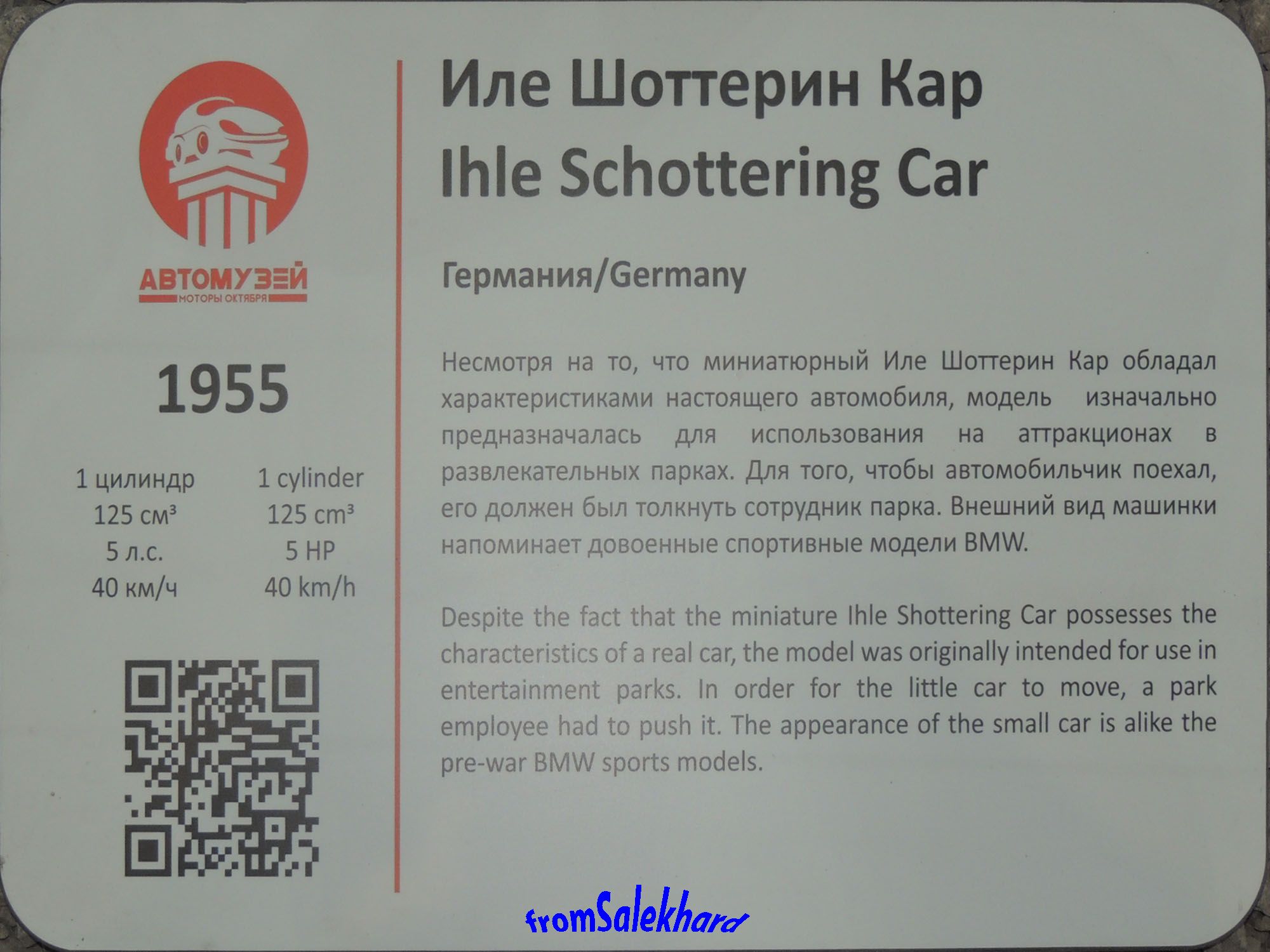
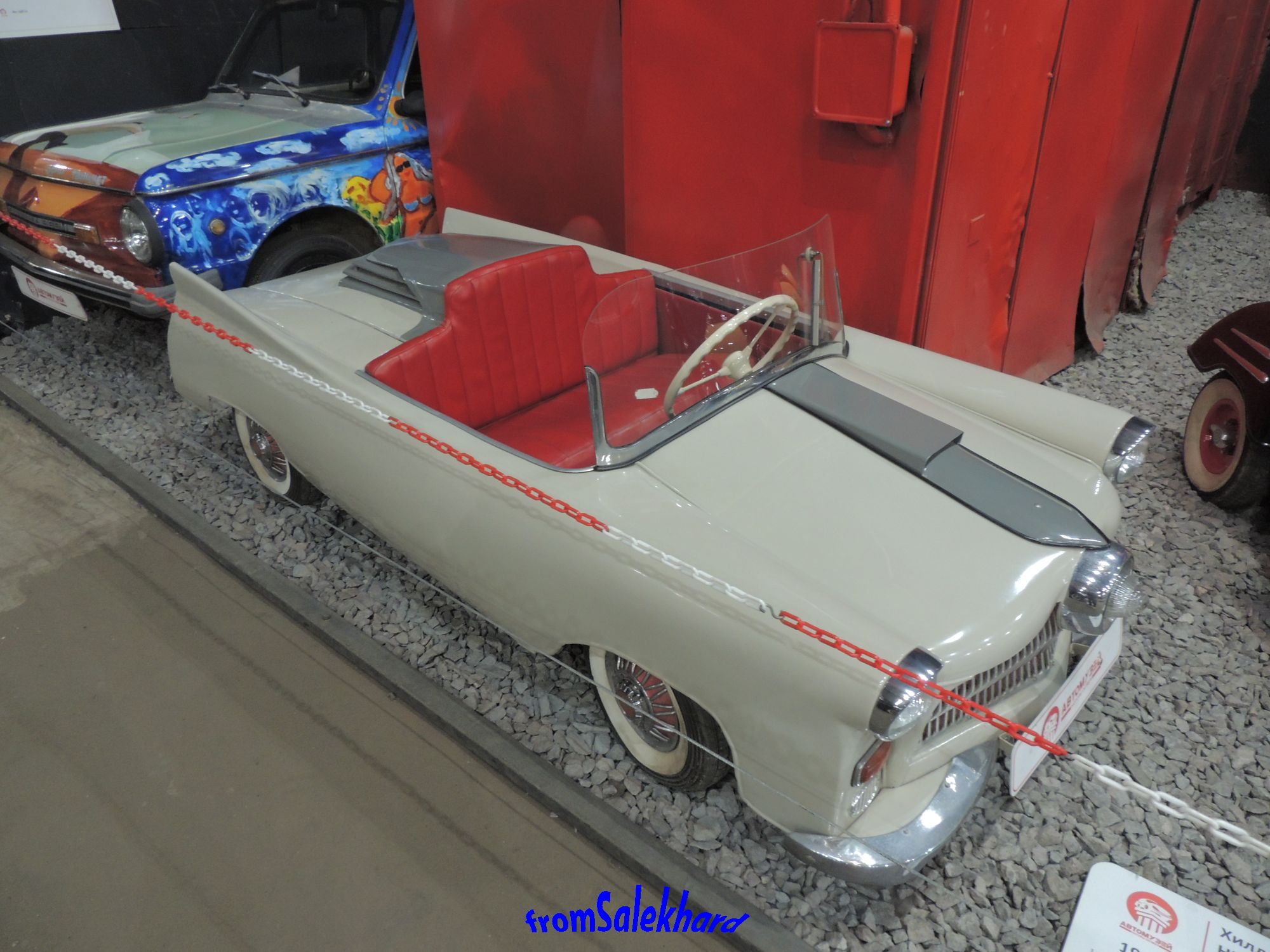
Others are also like small cars, but looking at them it is very difficult to shake off the impression that they are pedal cars.

Some are not pedal-powered, but they are not adult-sized either.

I have a couple of reports on the subject of pedal-powered toy cars for children. If you’re interested, I can tell you about them.

Interestingly, in our country, the motivations and target audience for such cars were strikingly different from those in the West.

These vehicles were intended for people with limited mobility. They were not sold, but rather provided free of charge, though only for a set period. After 5-7 years they were subject to exchange for a new car. Halfway through this period, the user was entitled to one free major overhaul. A driver’s license was not required to operate them.

P.S. People actually referred to them as “invalidki” — a term derived from the word “invalid” (disabled person).

To be continued …

6 Likes

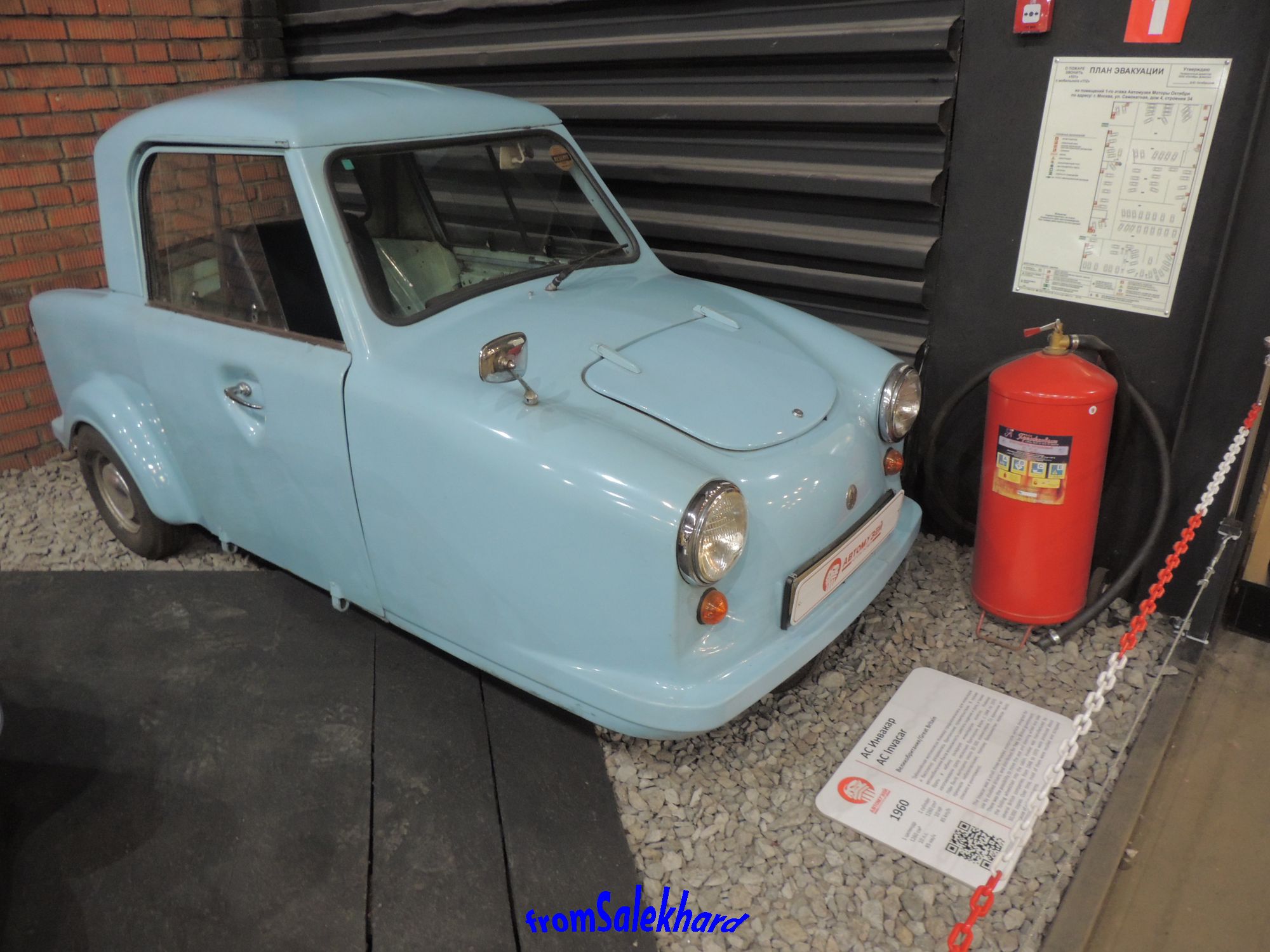
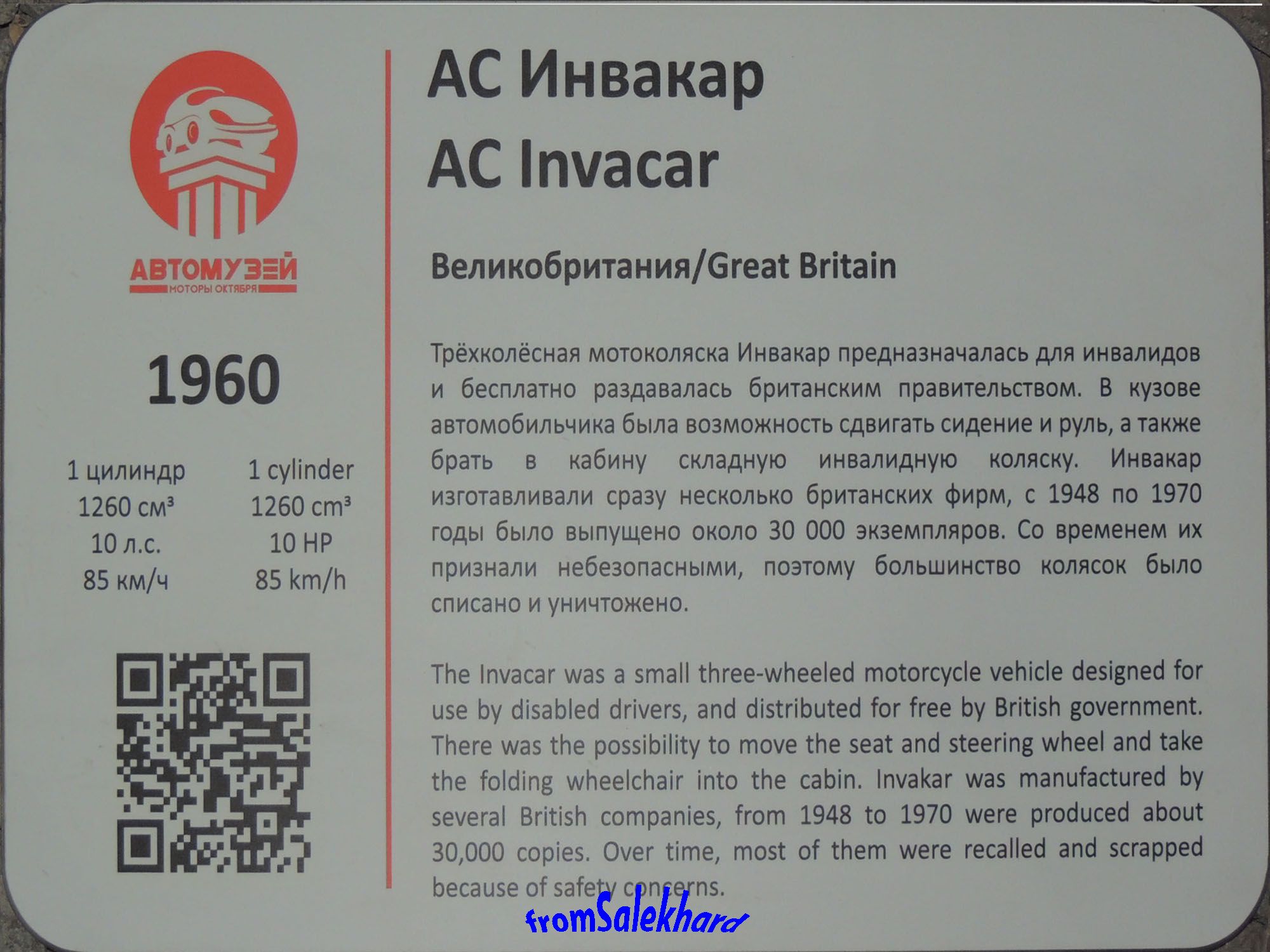
Pretty much the same story with the three-wheel pale blue (the only colour they were made in) “Invacar” shown earlier in the same post. It was designed in 1946 as a response to the large numbers of people left as wheelchair users after WW2 (your Great Patriotic War) and went into production in 1948, again as a free issue by the Government as part of the drivers’ disability benefits. There were around fifty variants (all single seaters with room for a folded wheelchair) and the last government production contract was issued in 1977, in line with the phasing-in of subsidies to allow the conversion of ordinary cars to have controls optimised for the particular driver. Although the Invacar could be tweaked to reach 80mph, handling was lousy and accidents common with survivability in crash tests being rated as very low. Nonetheless, it wasn’t until the end of March 2003 the government recalled the last of their stock for scrapping, and I understand they are no longer road legal.

Regards,

M

1 Like

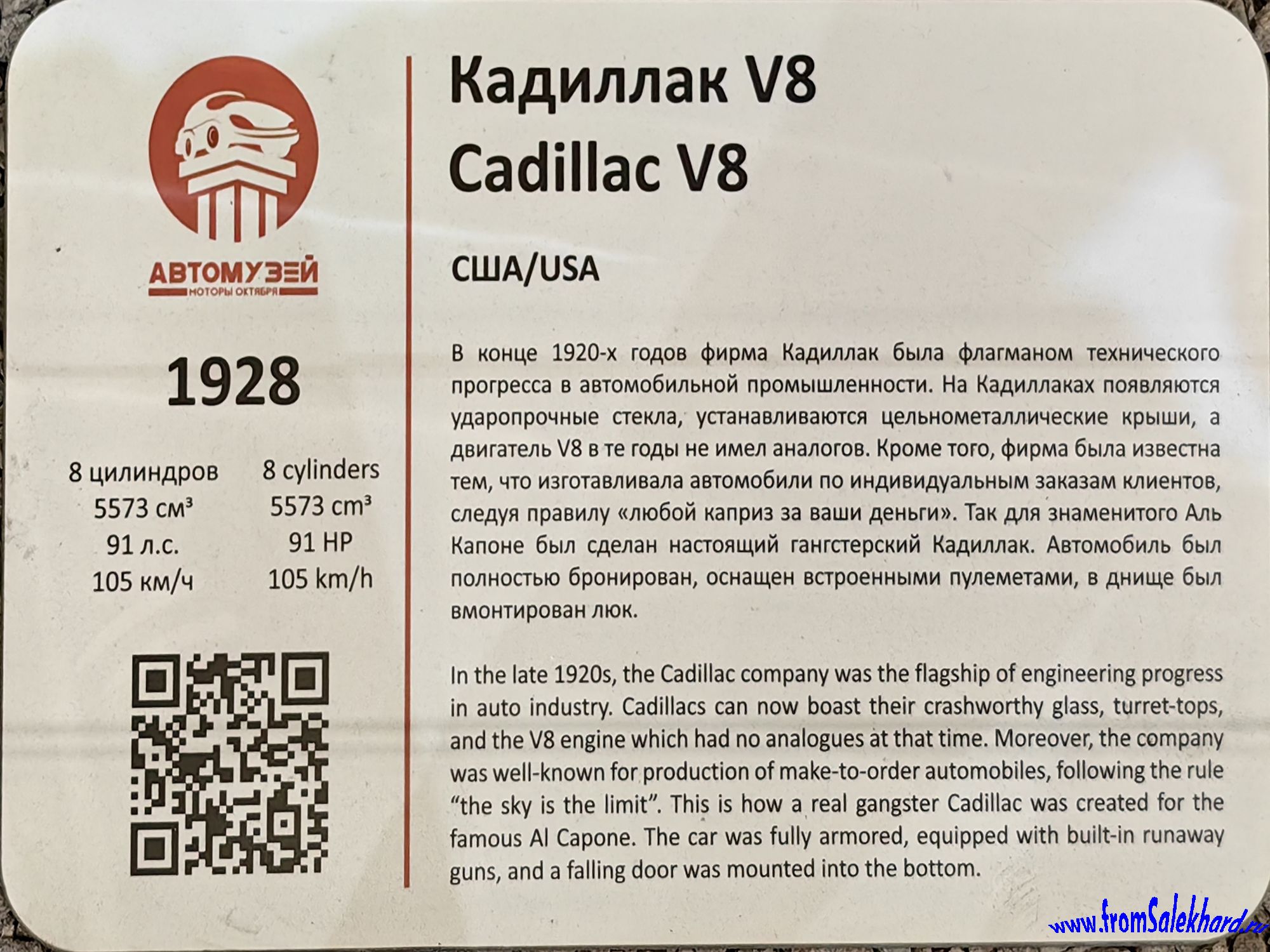
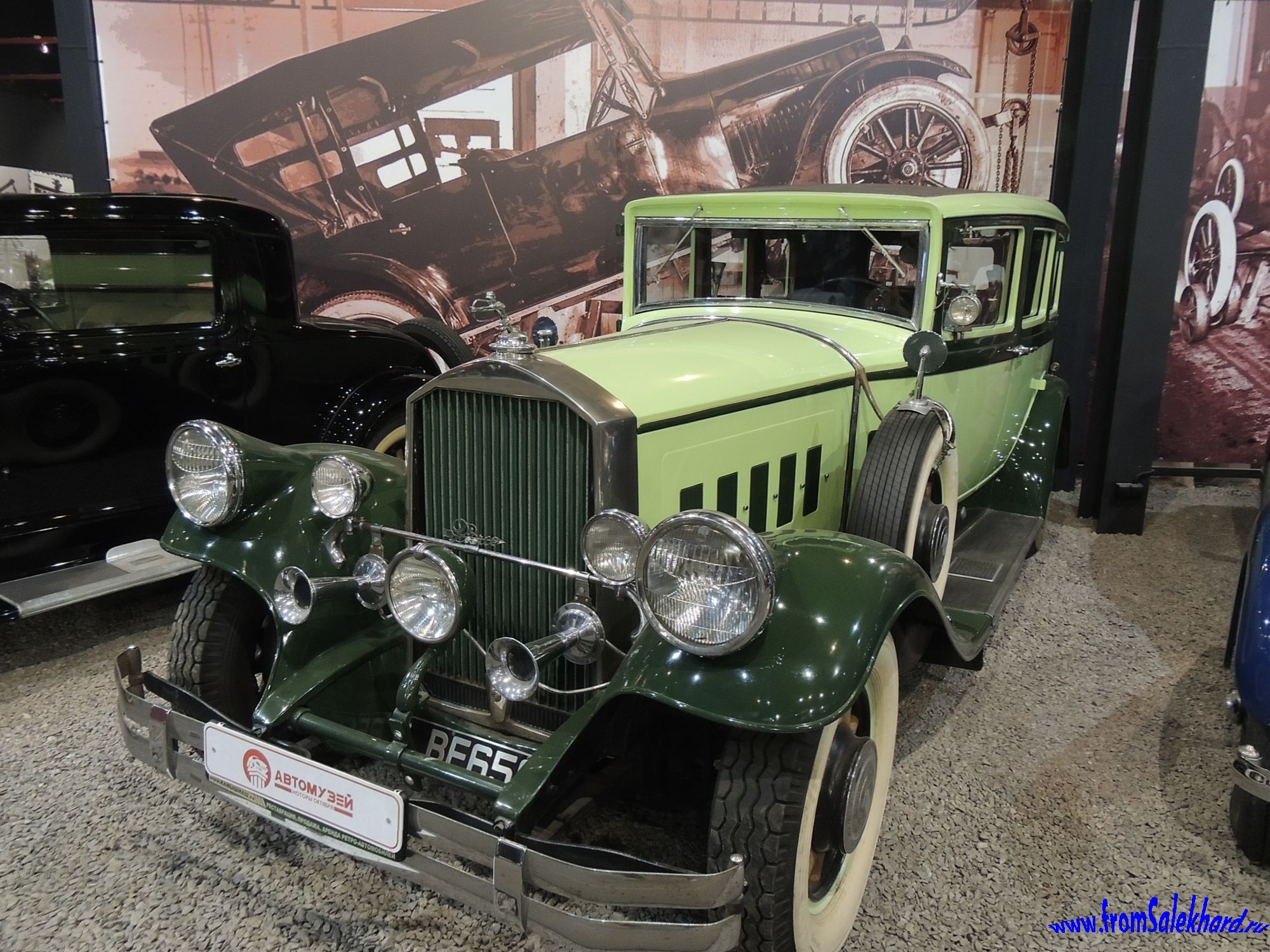
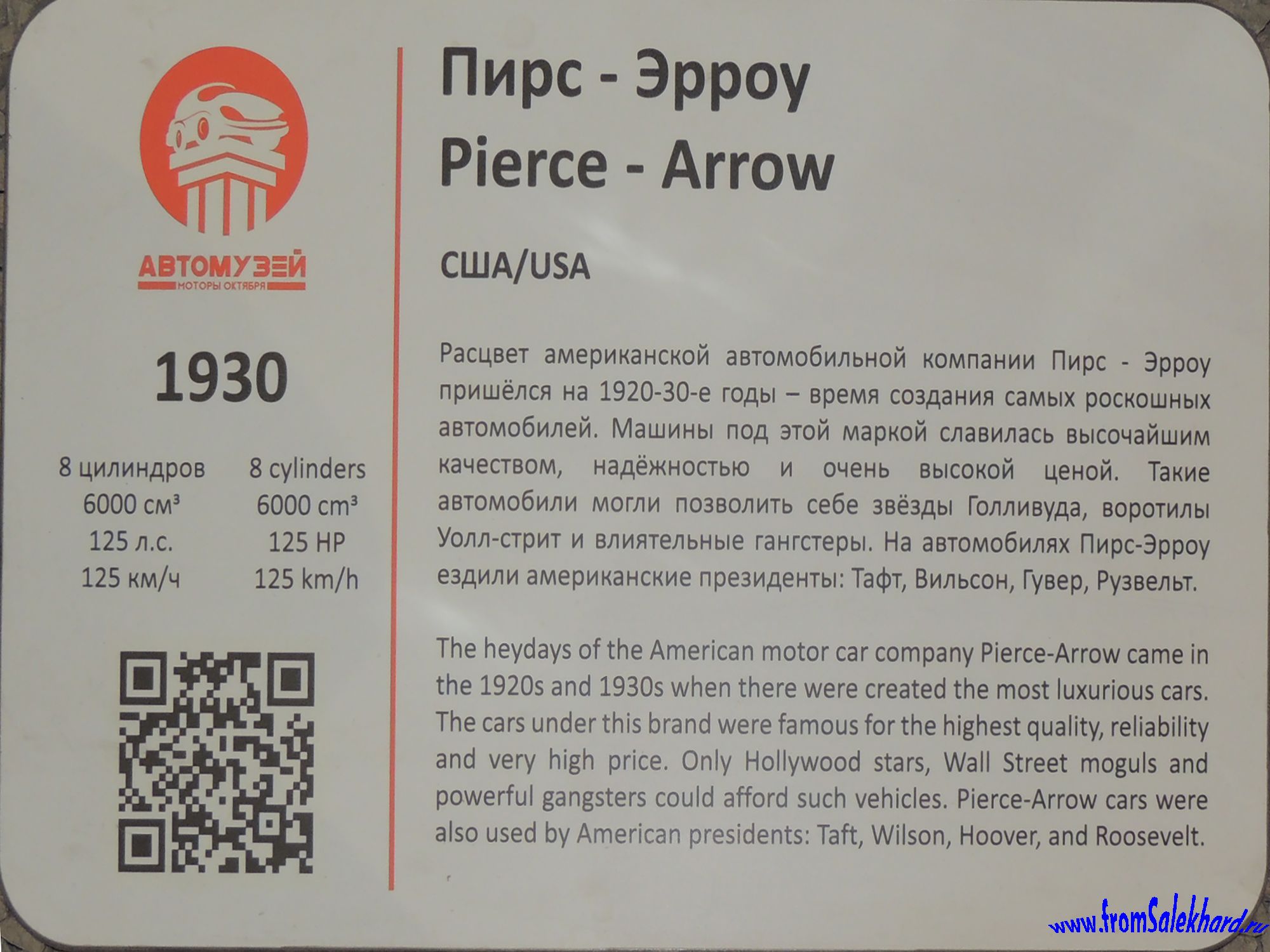
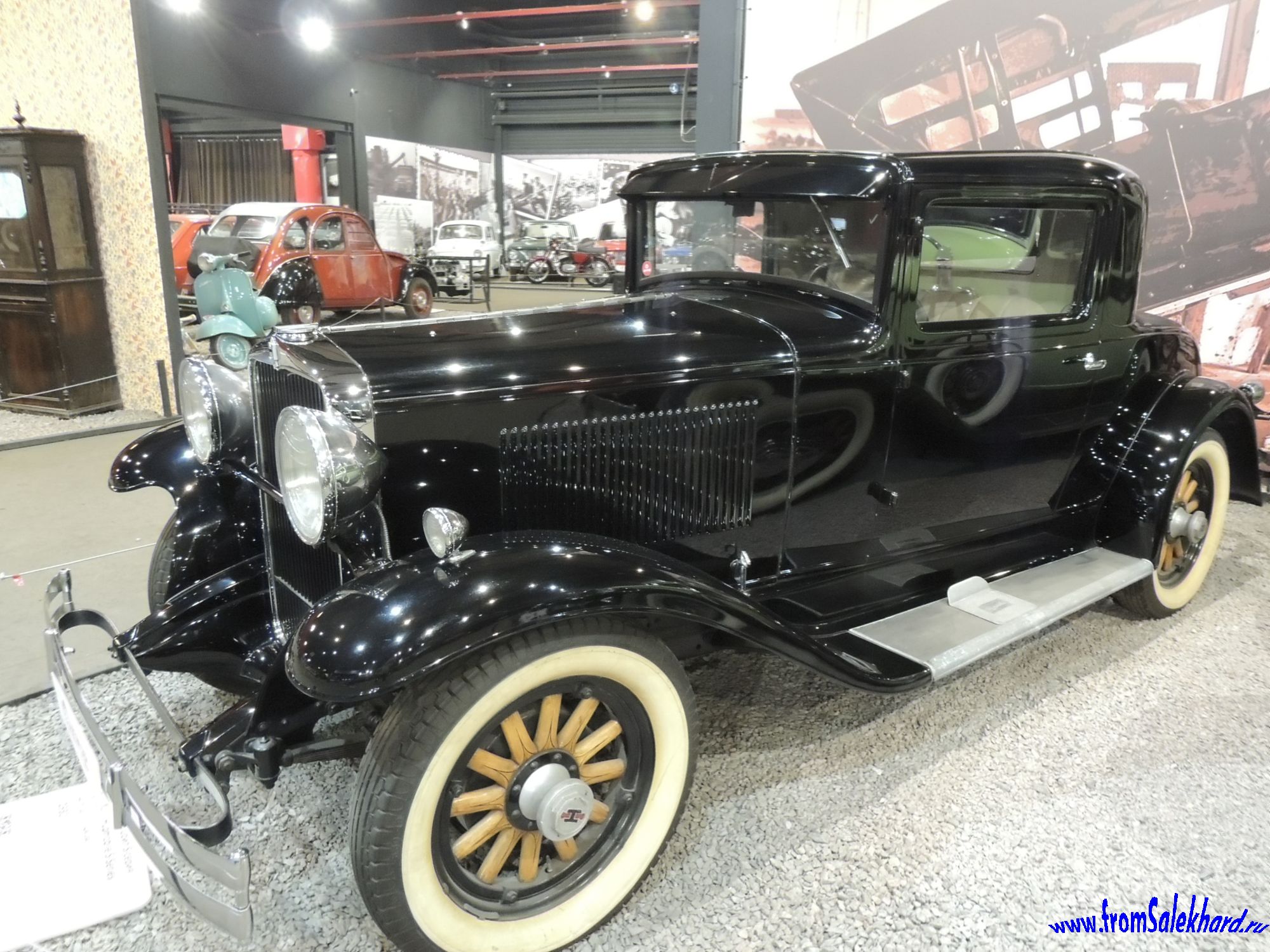
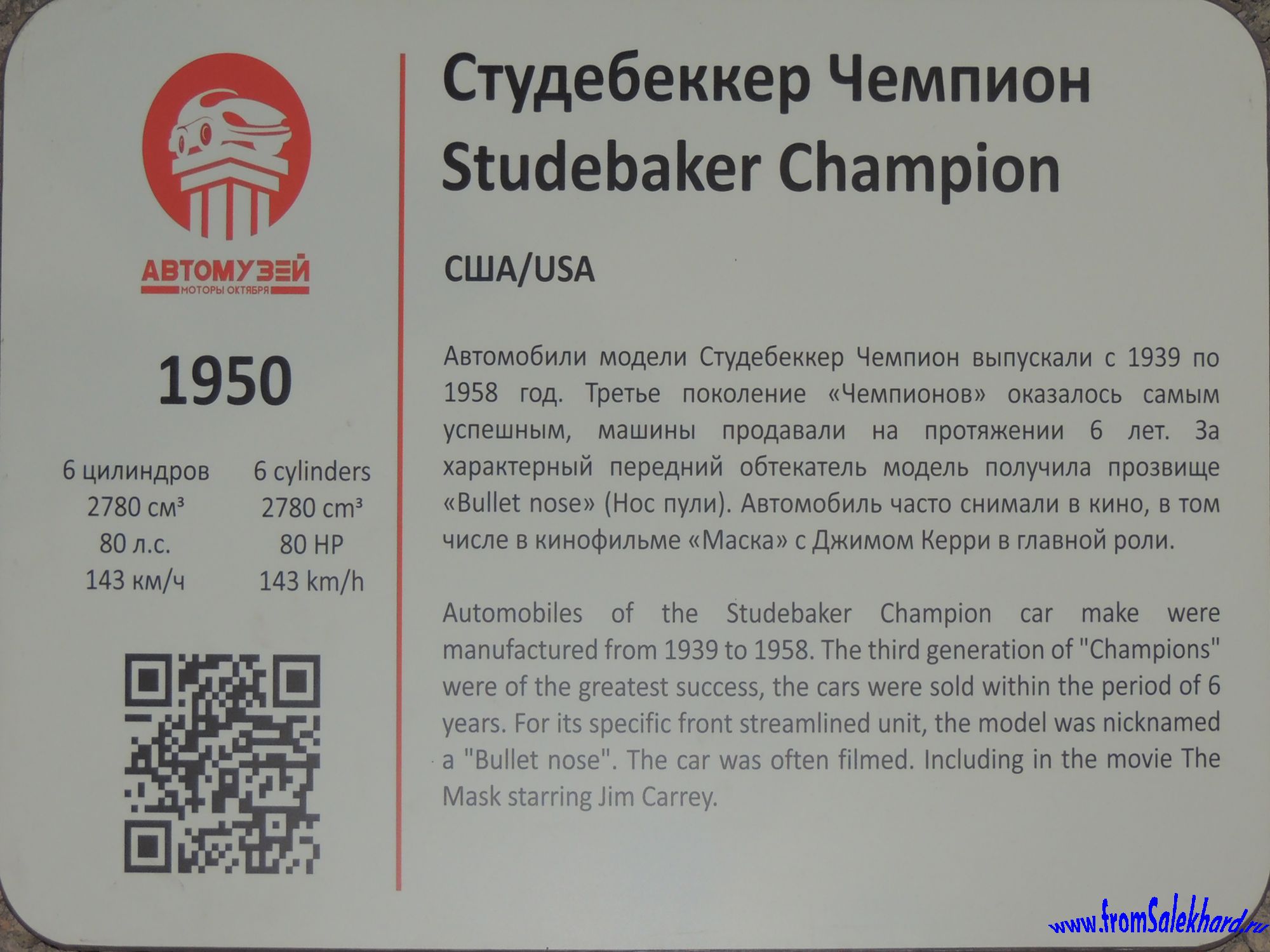
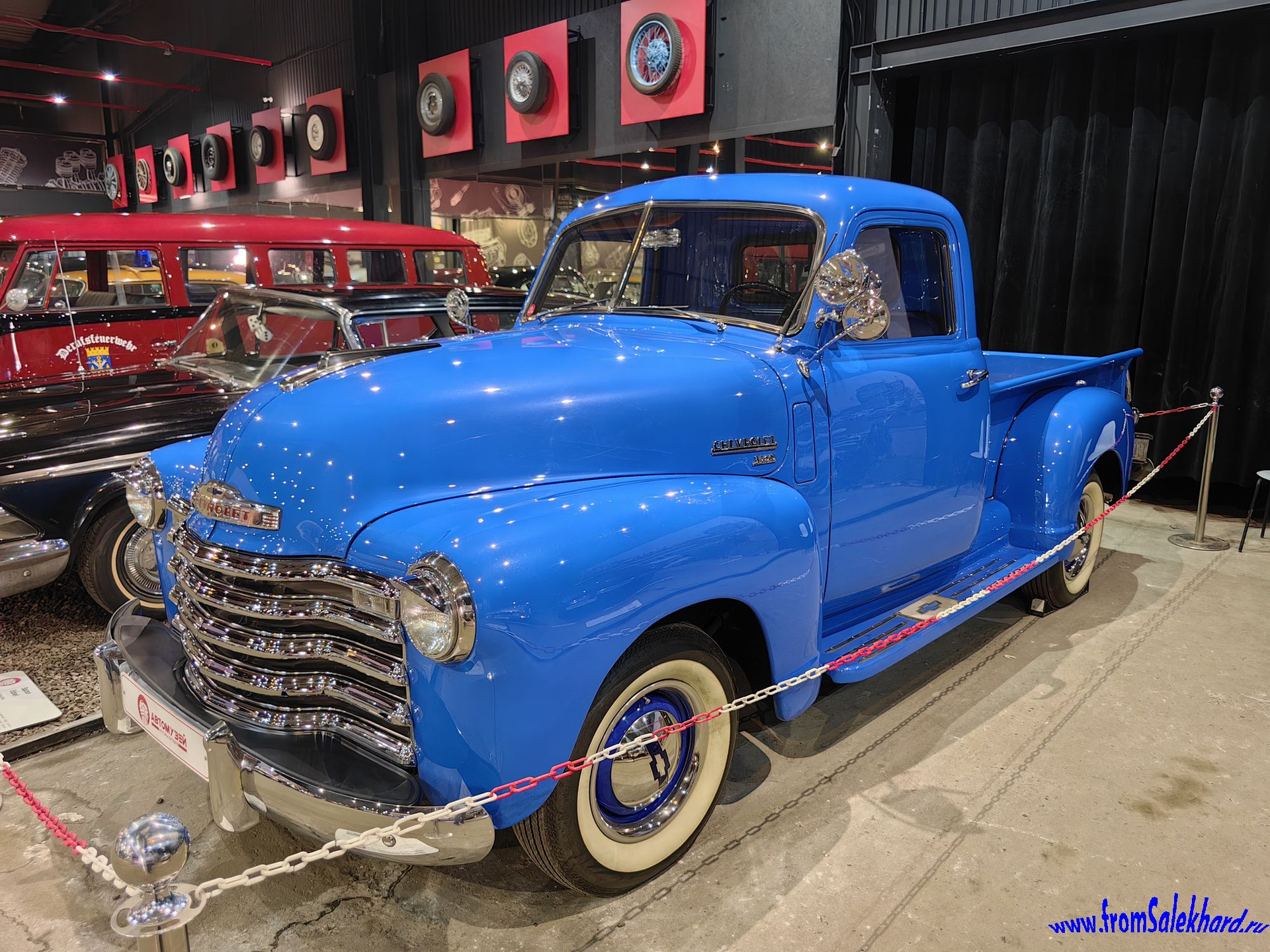
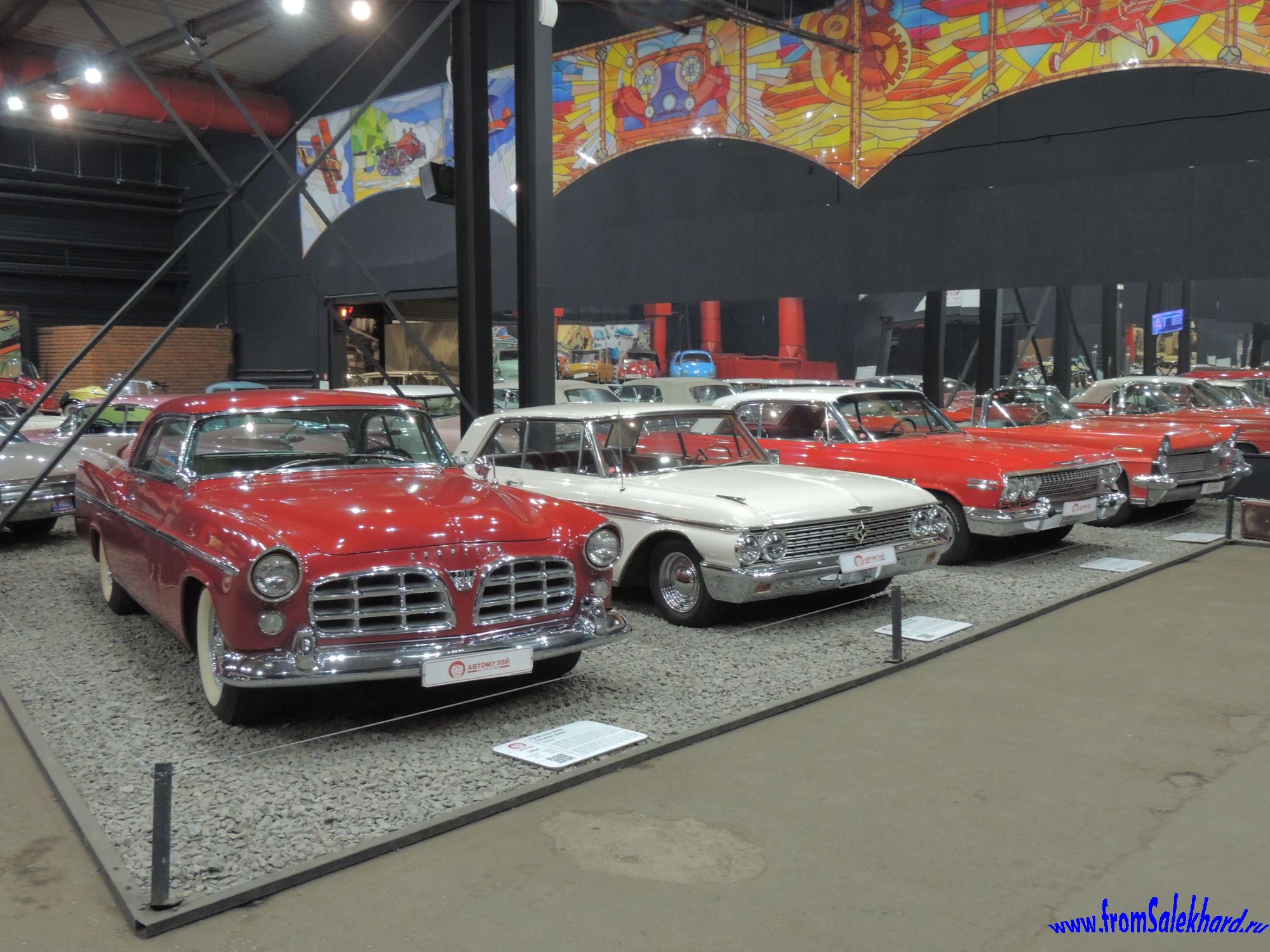
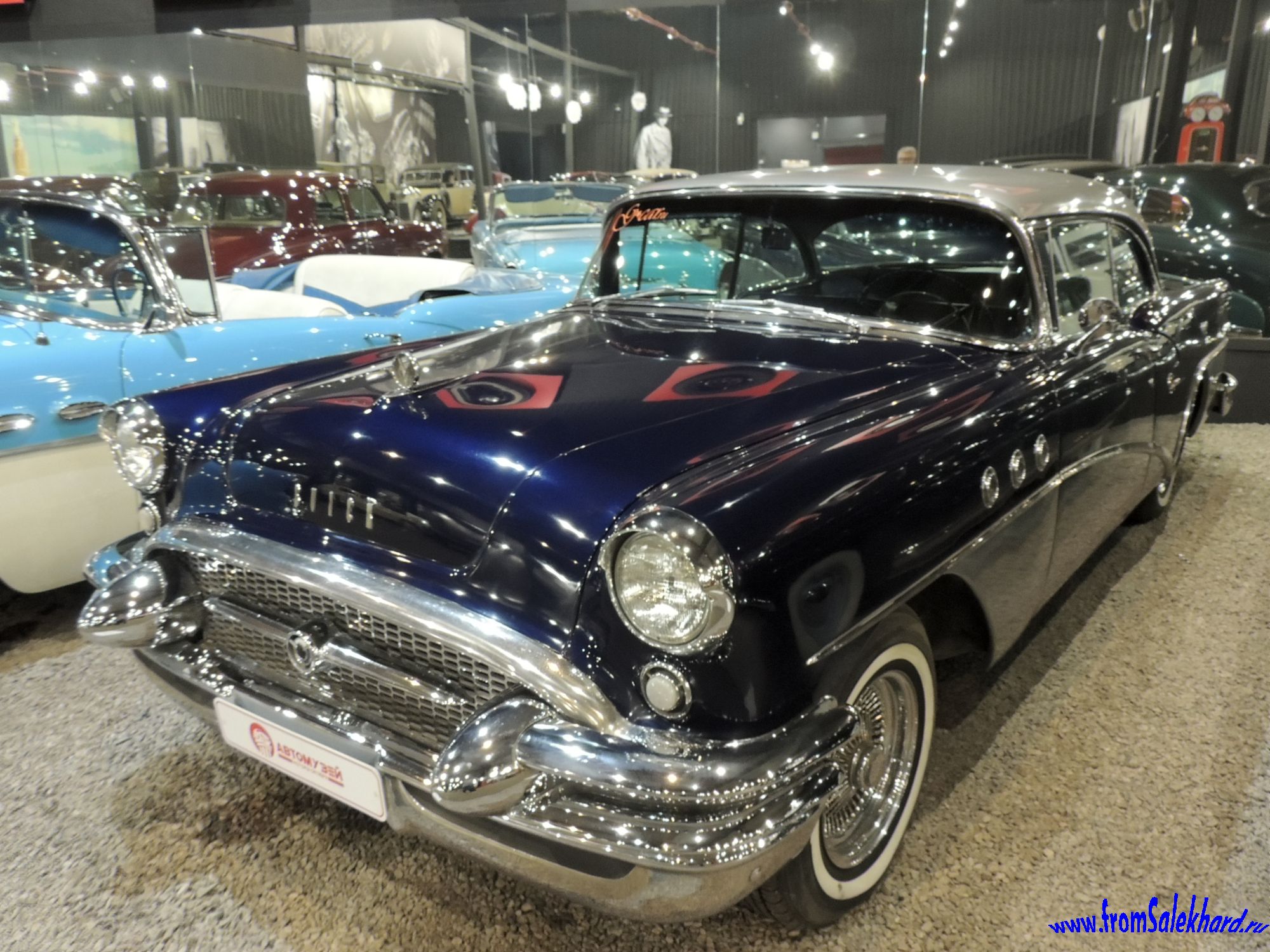
Cars of the World. USA.

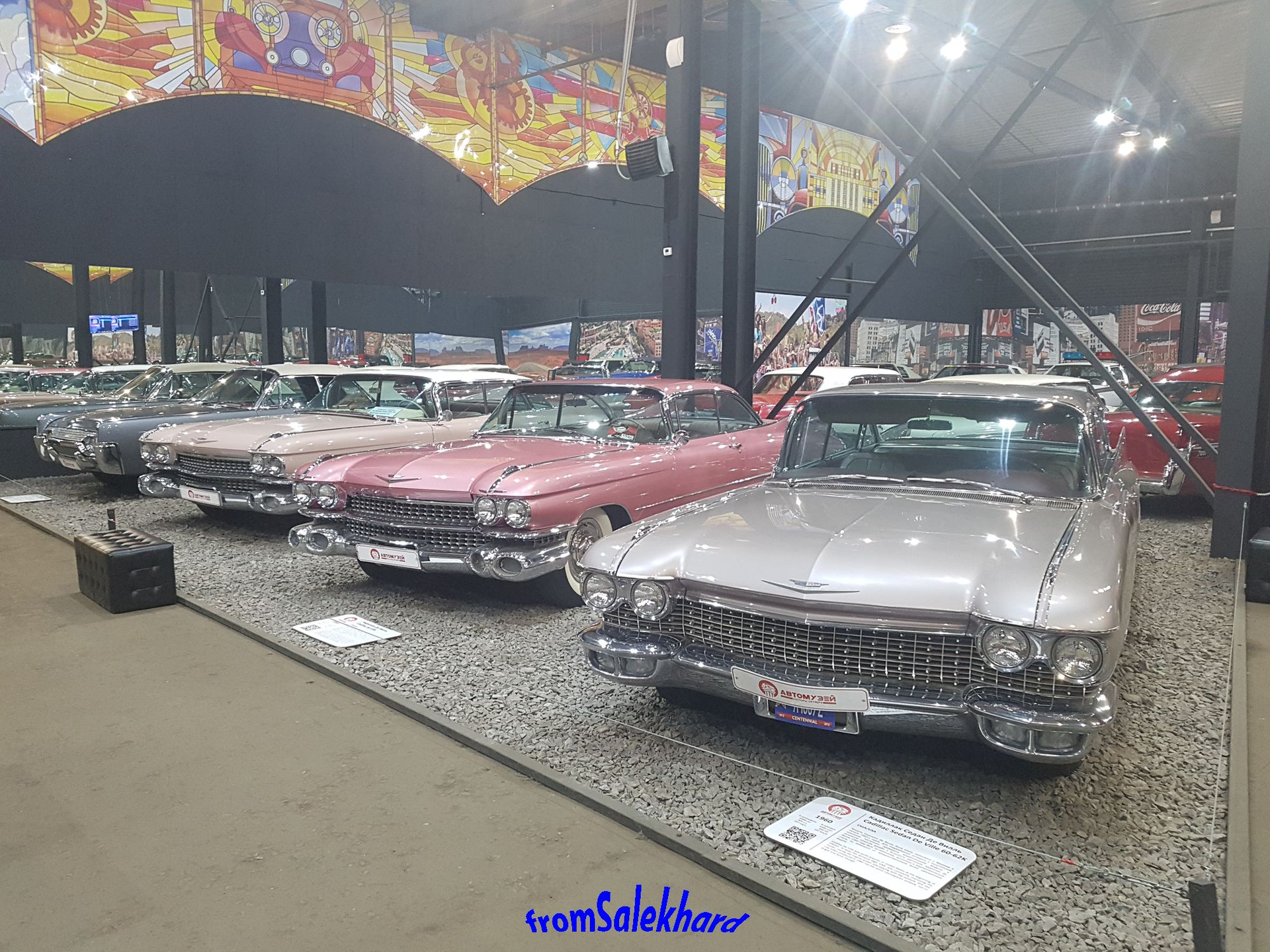
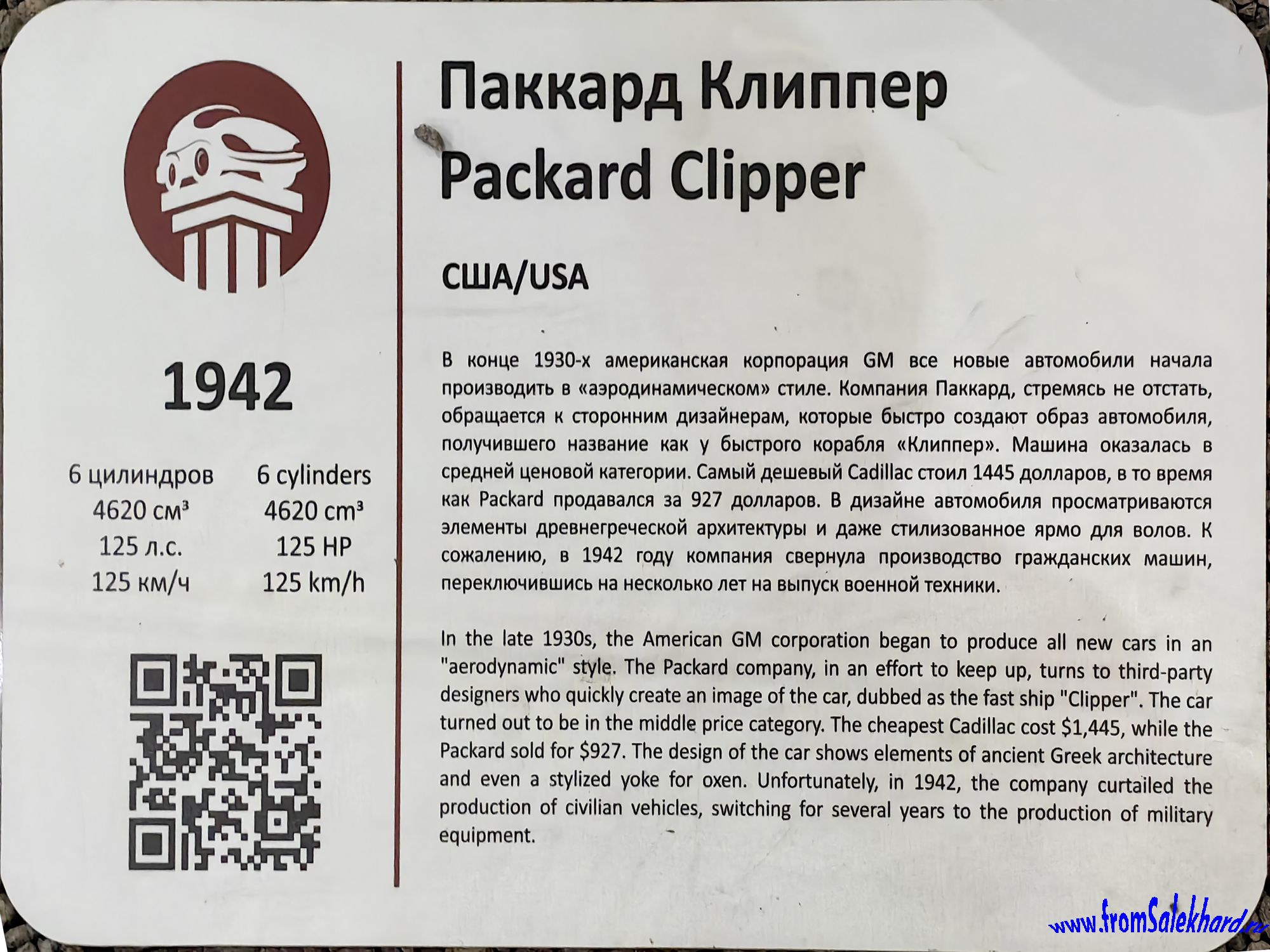
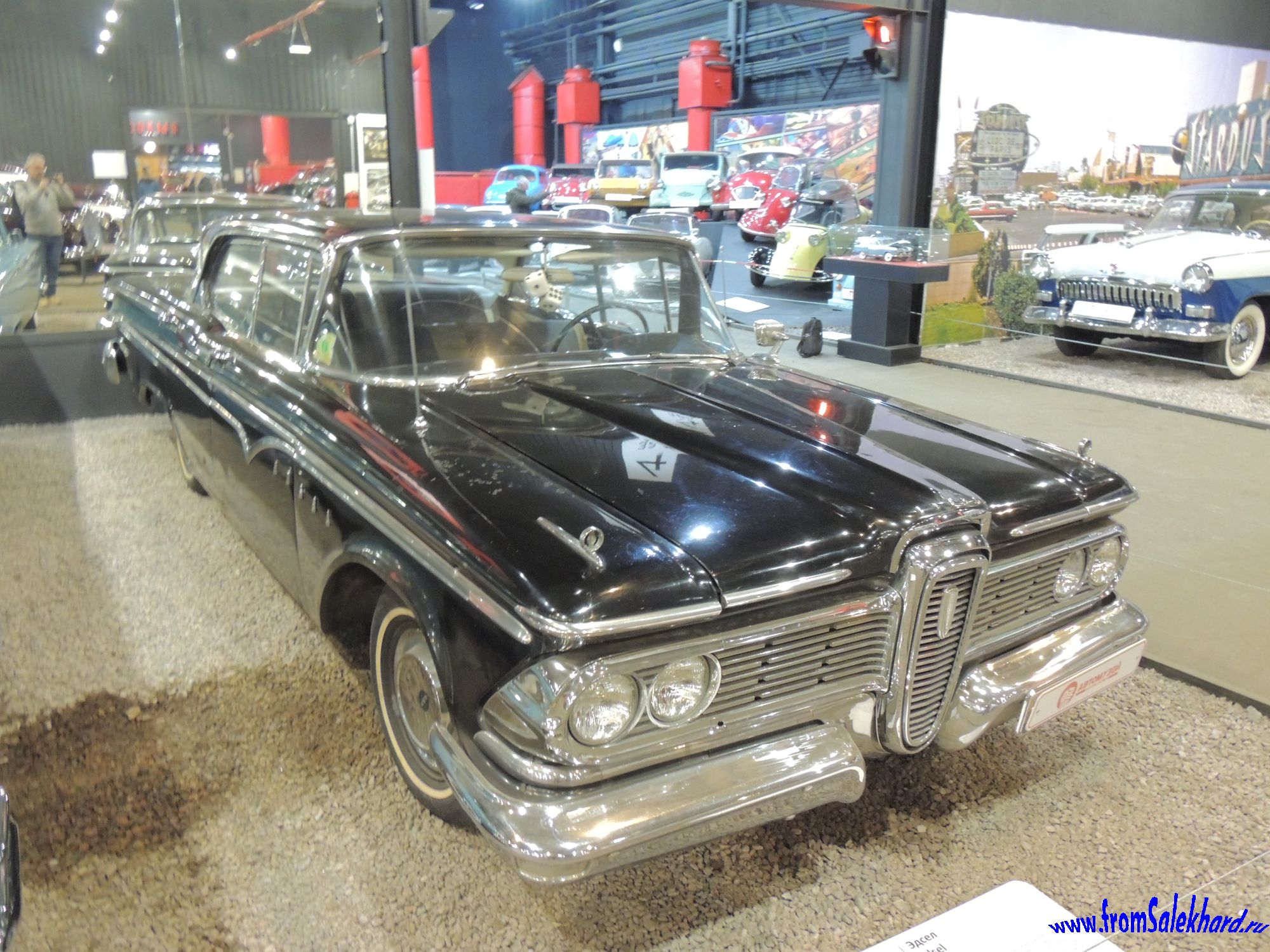
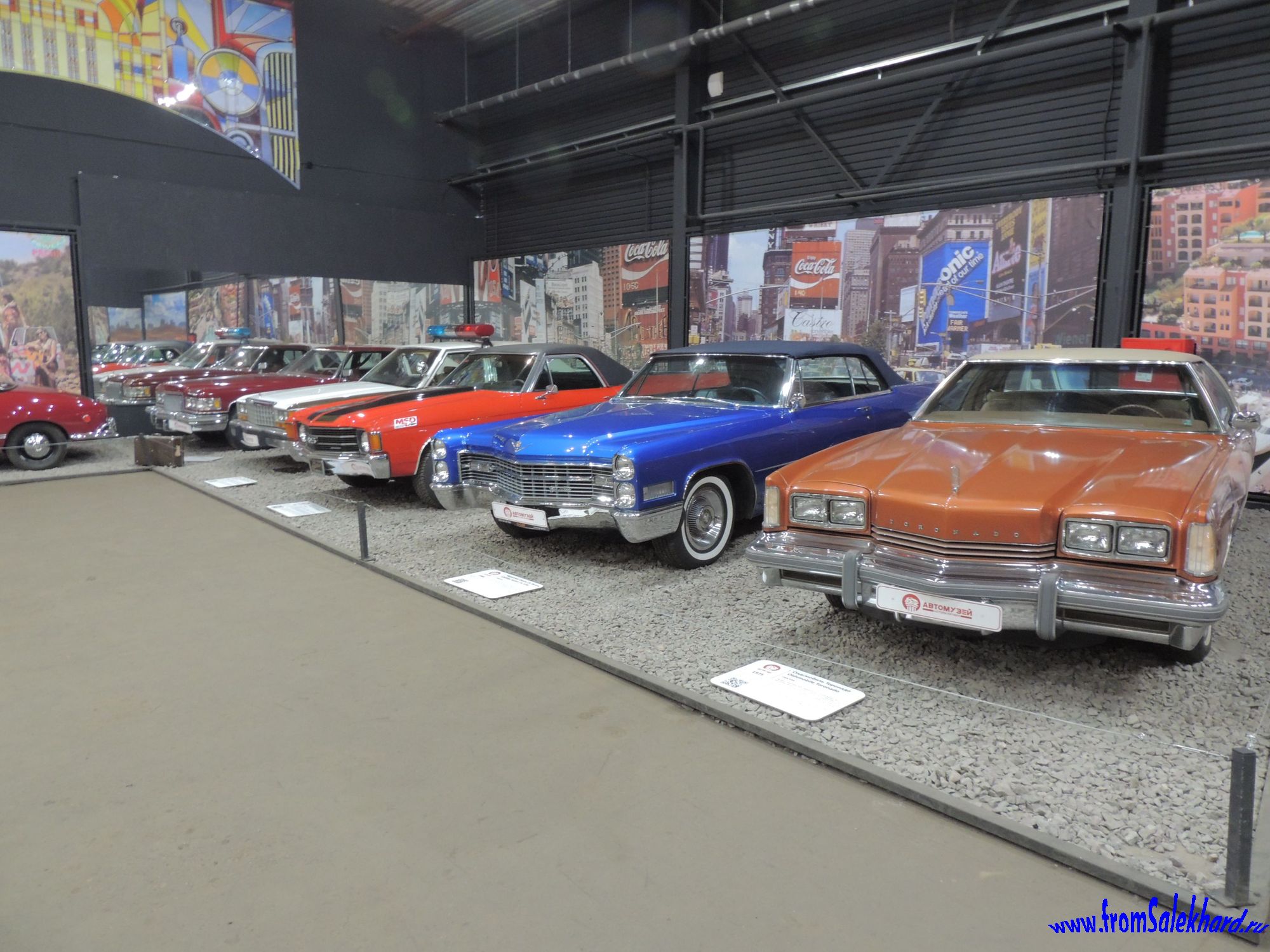
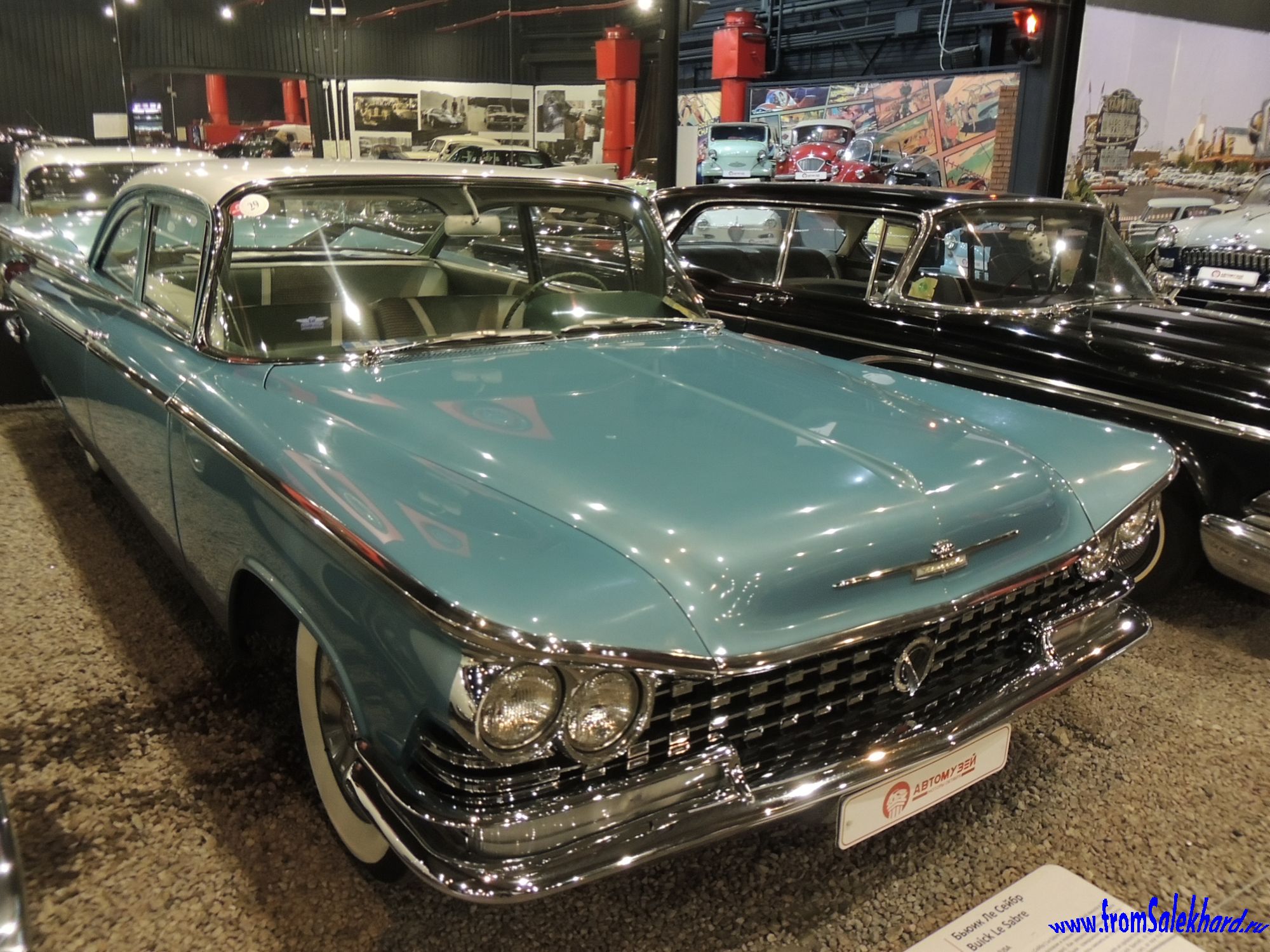
You can say a great deal about the United States, and there are many different things to say. But its automotive industry in the not-so-distant past was something truly powerful and unique.

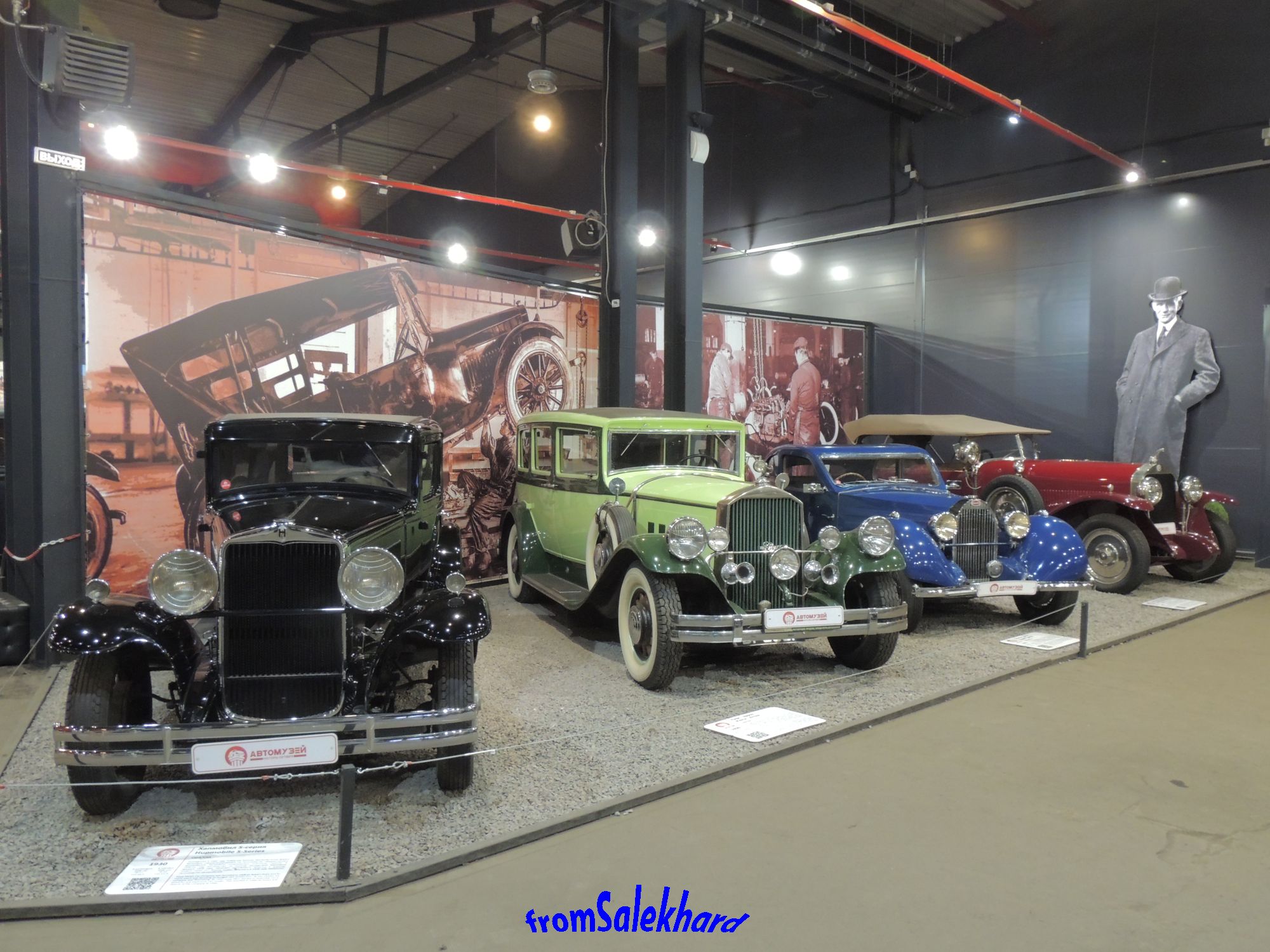
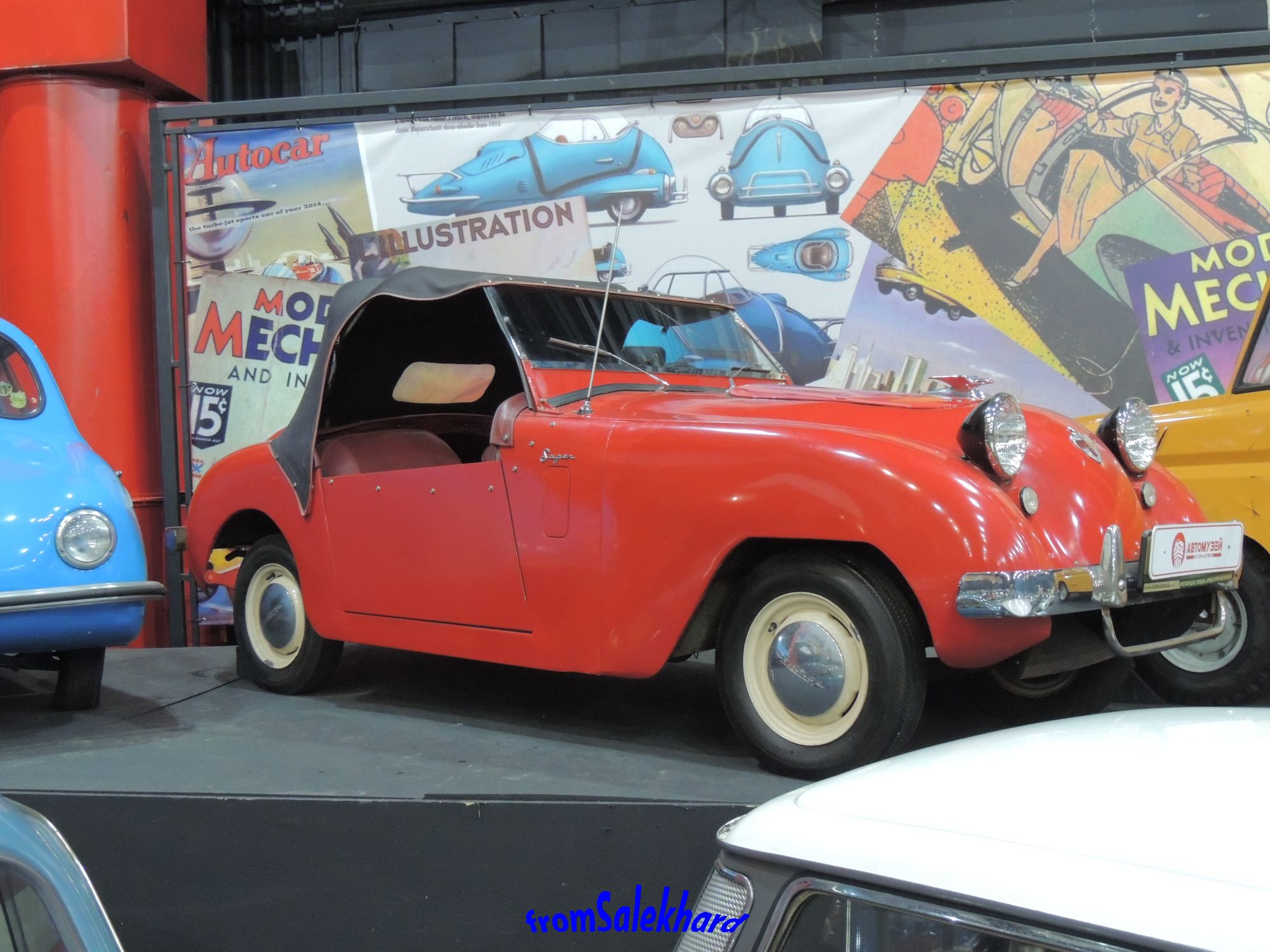
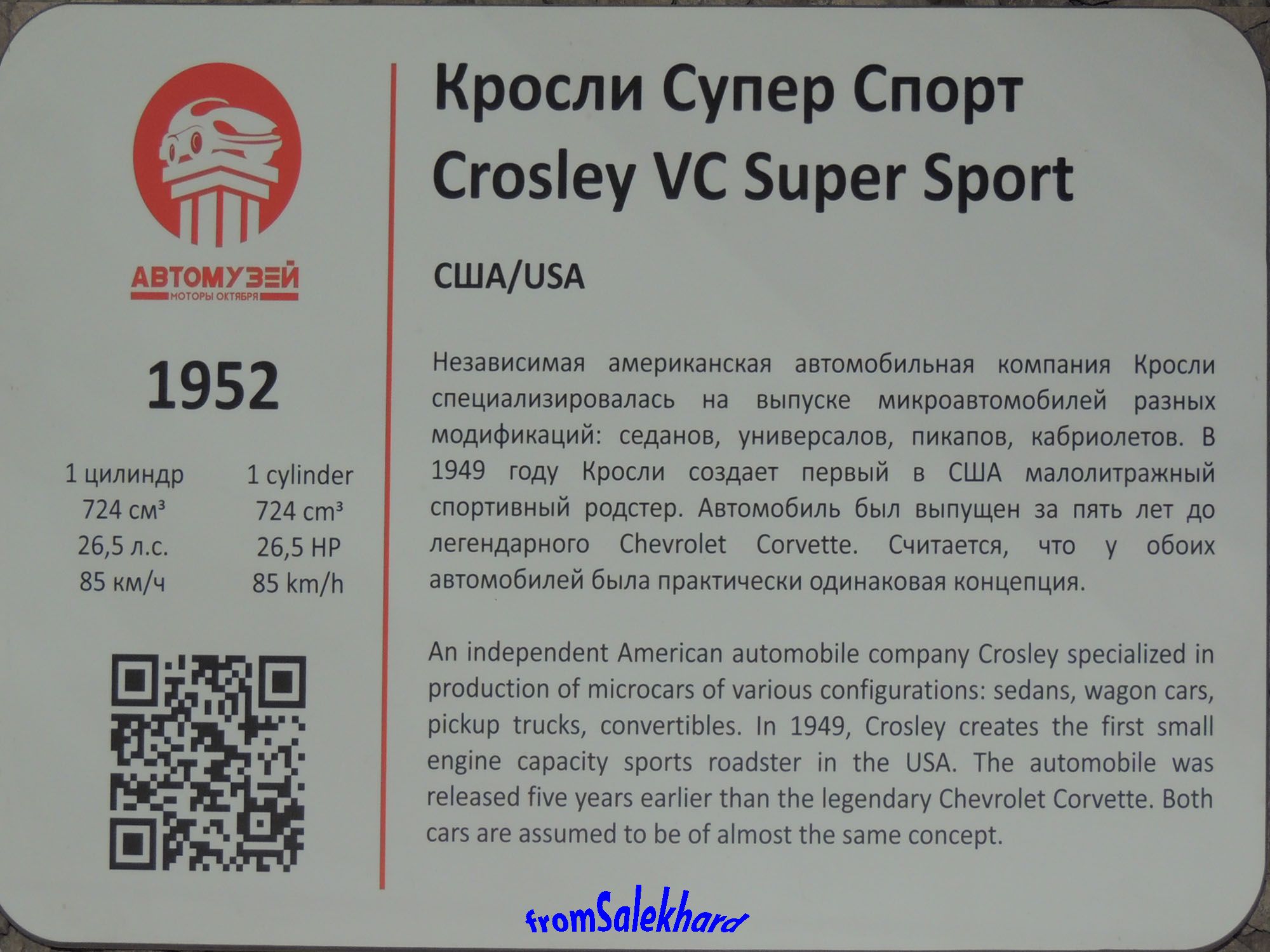
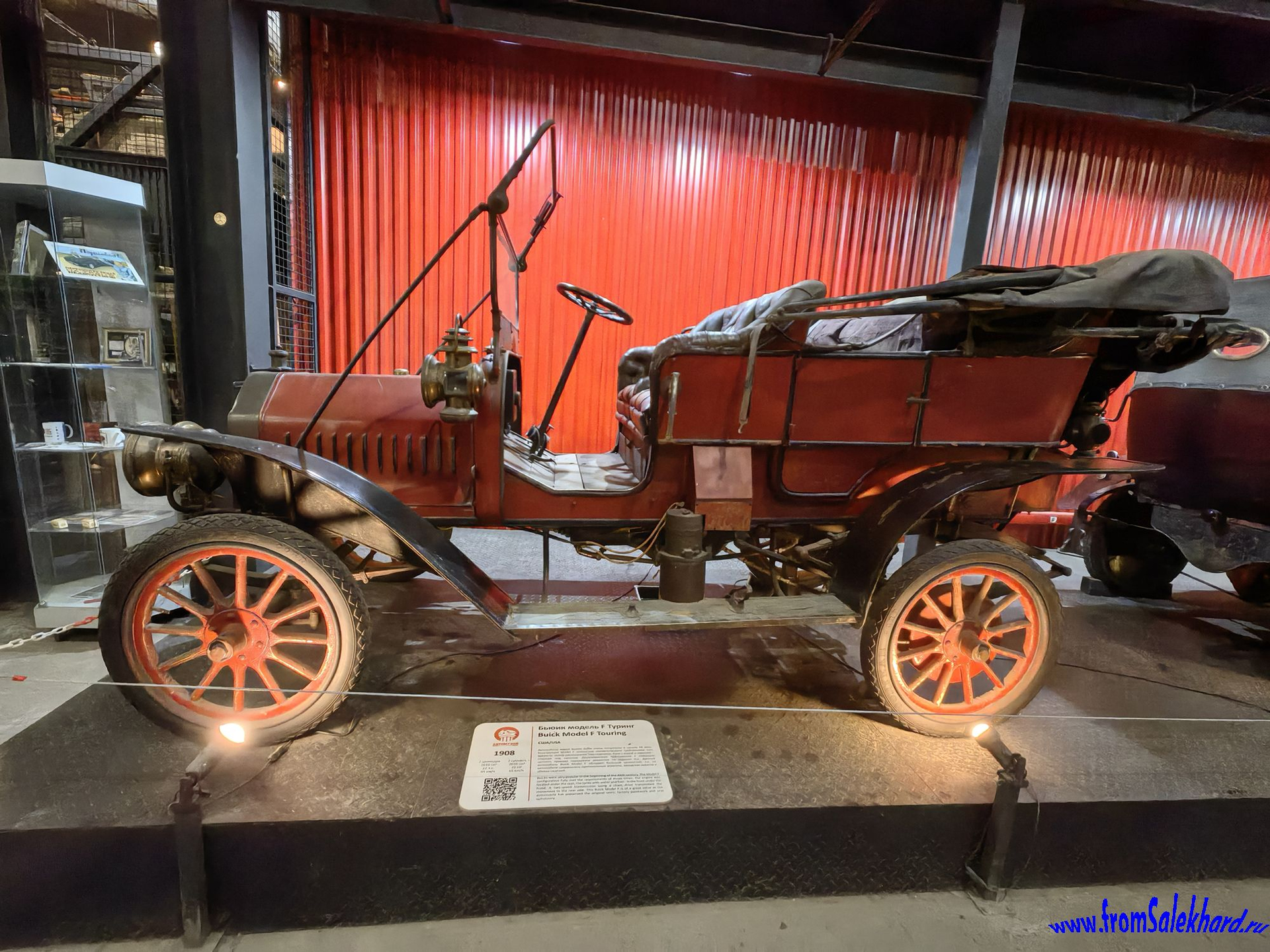
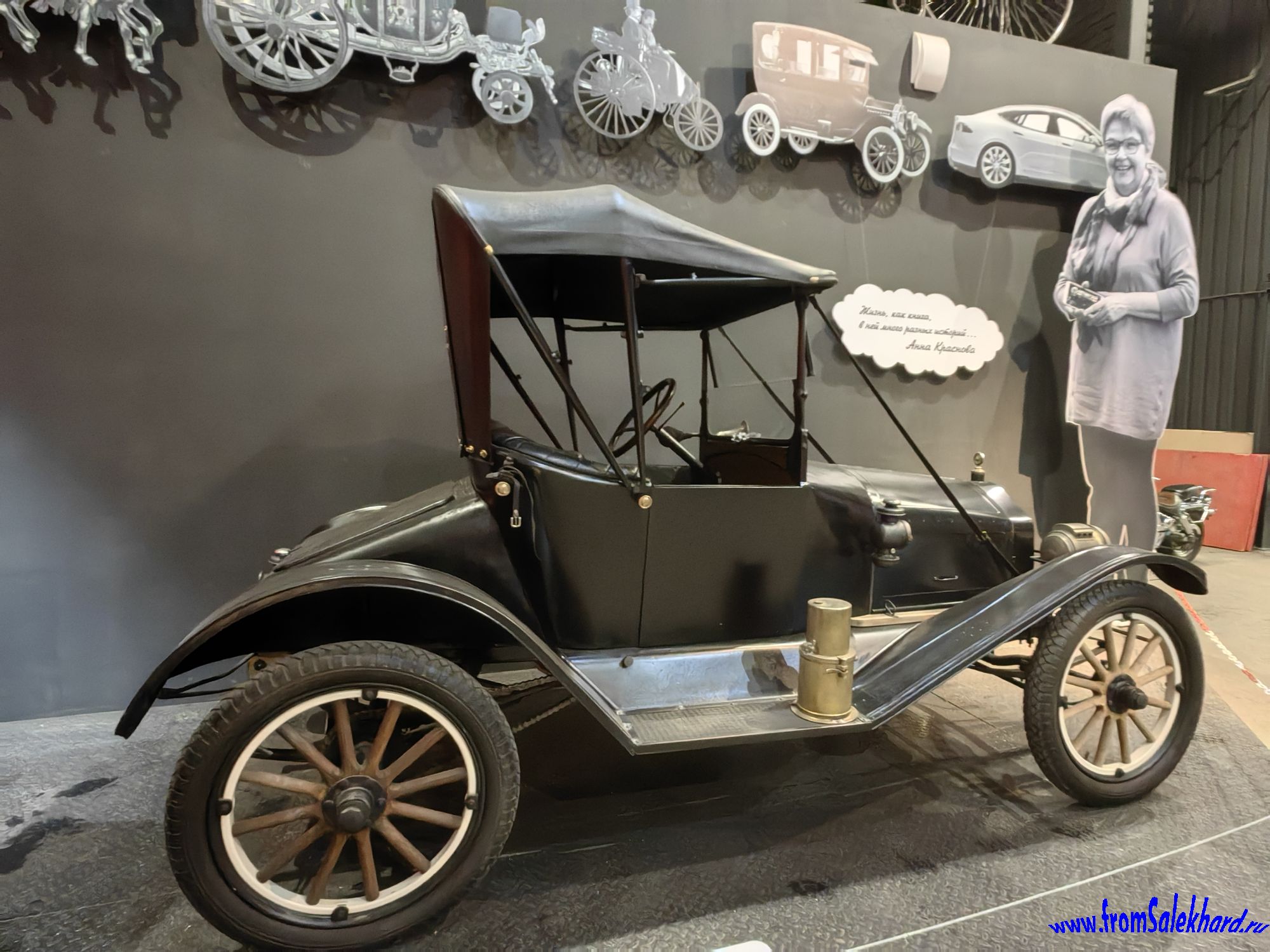
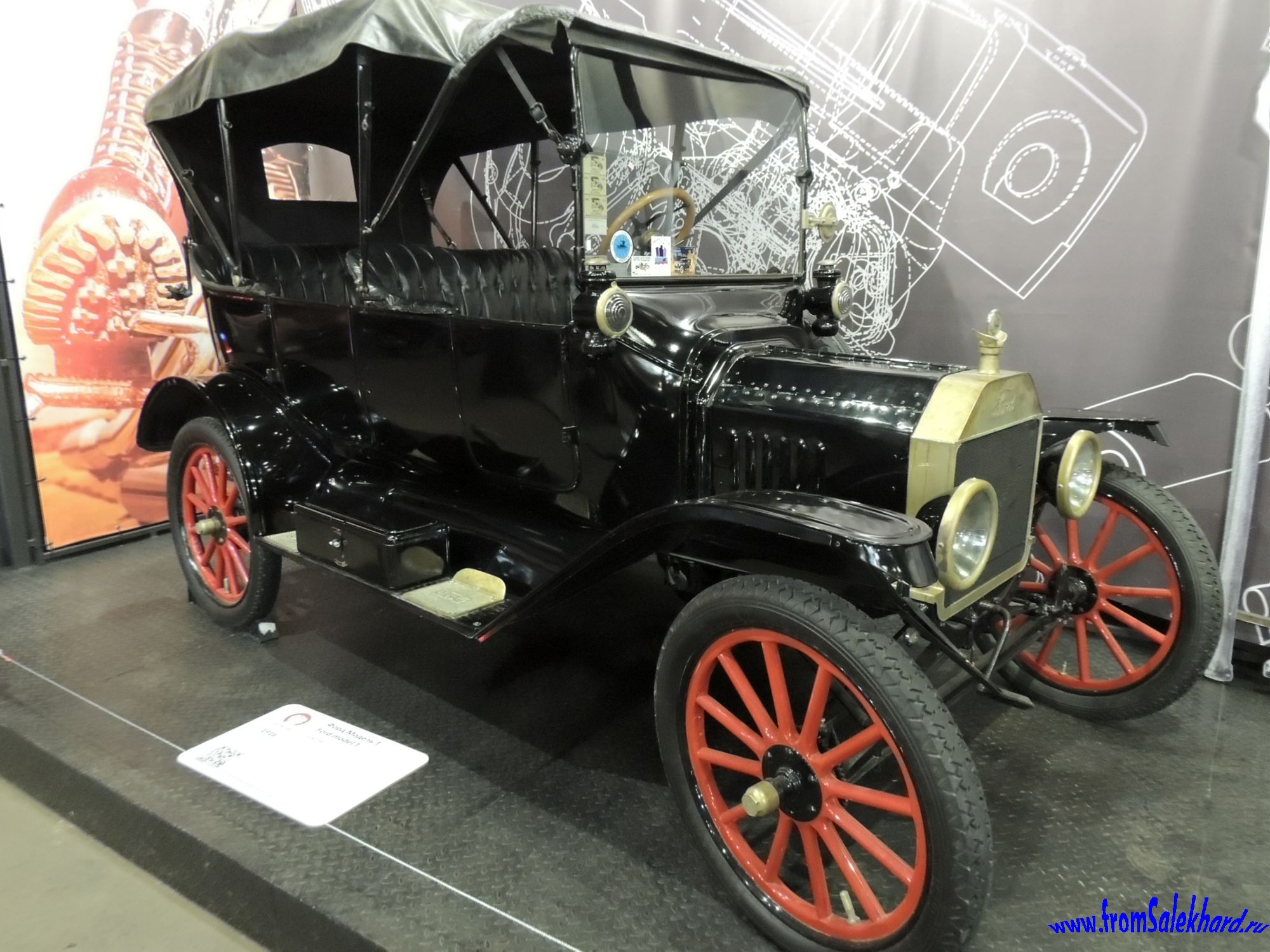
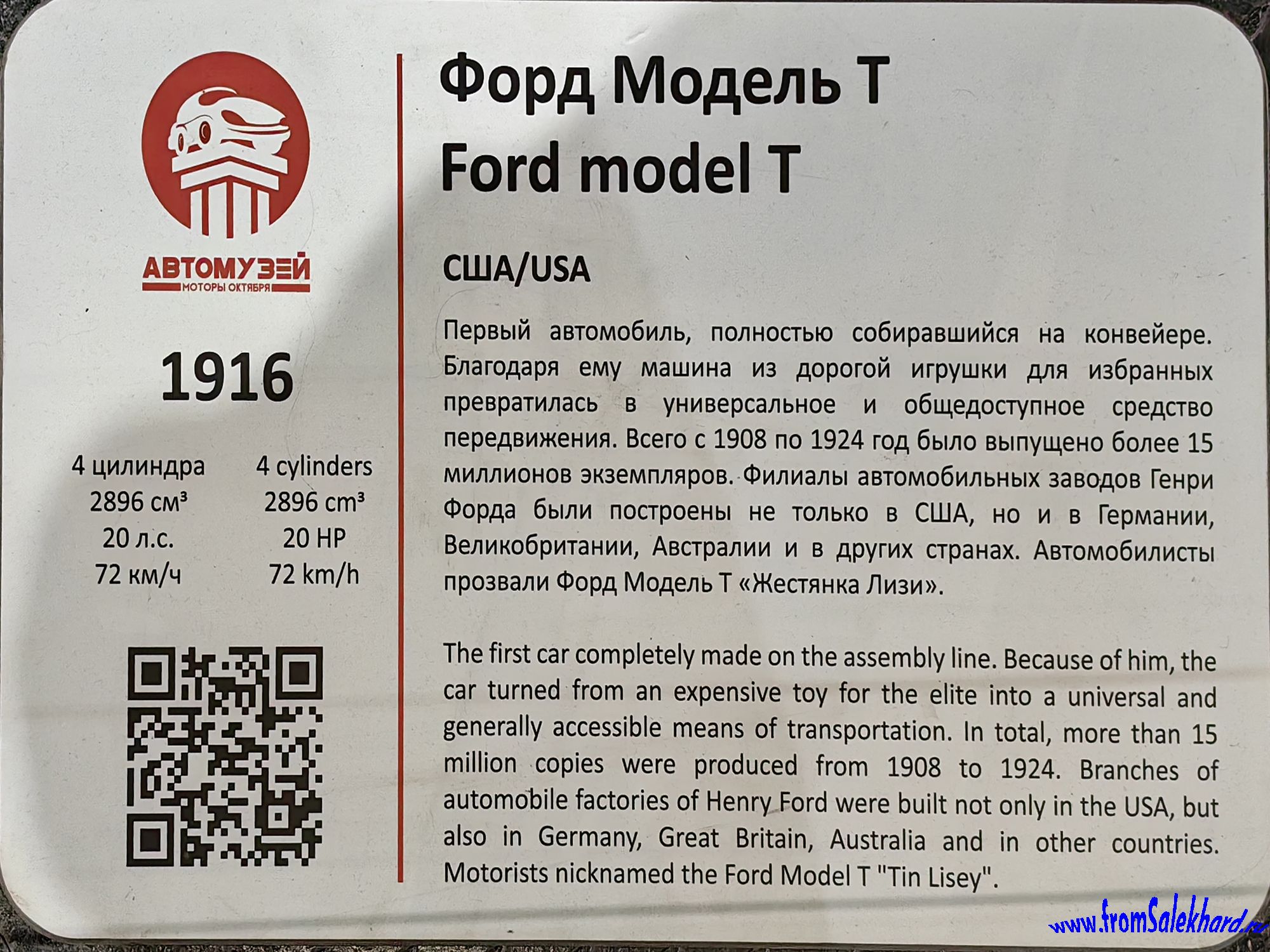
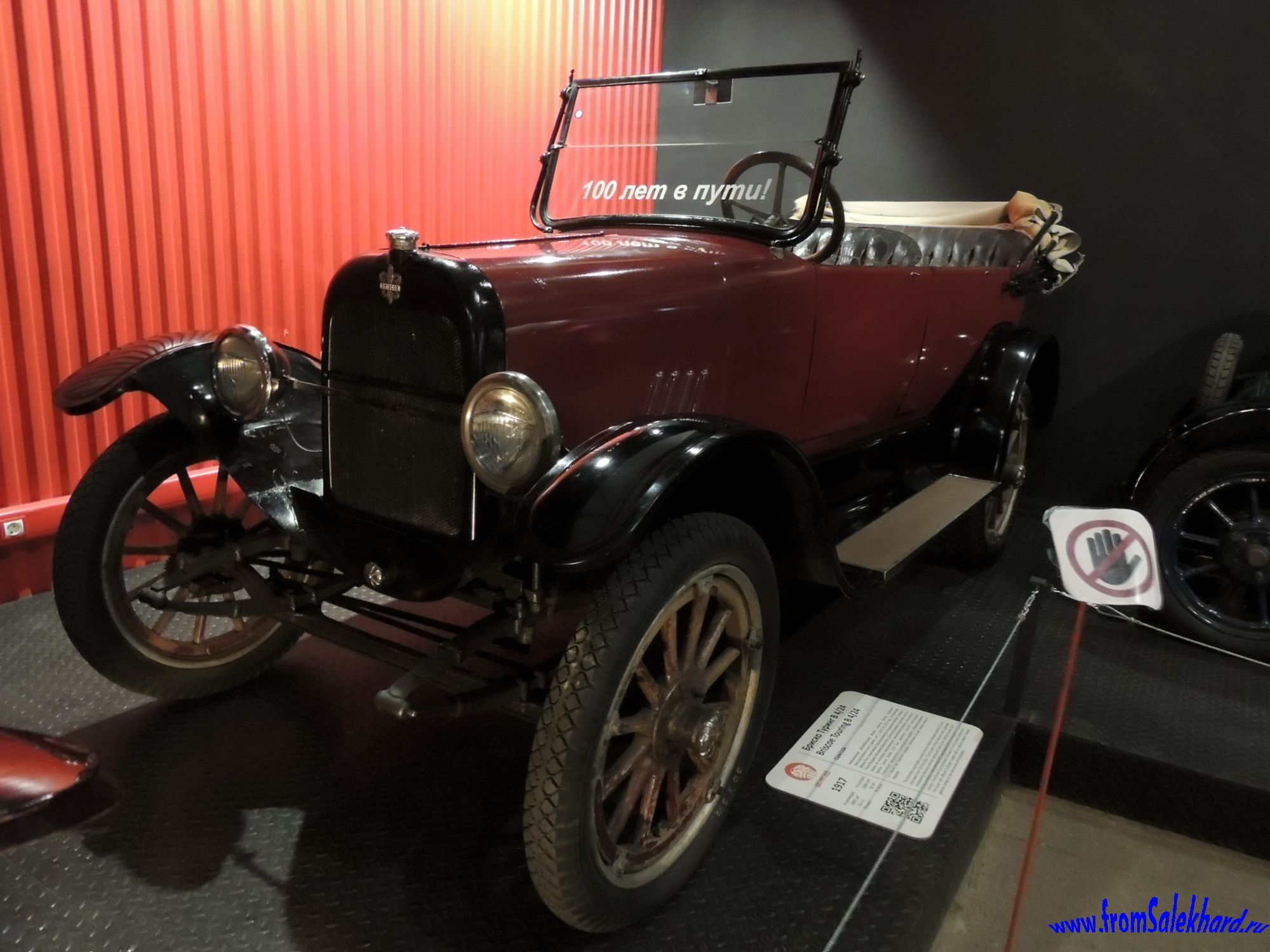
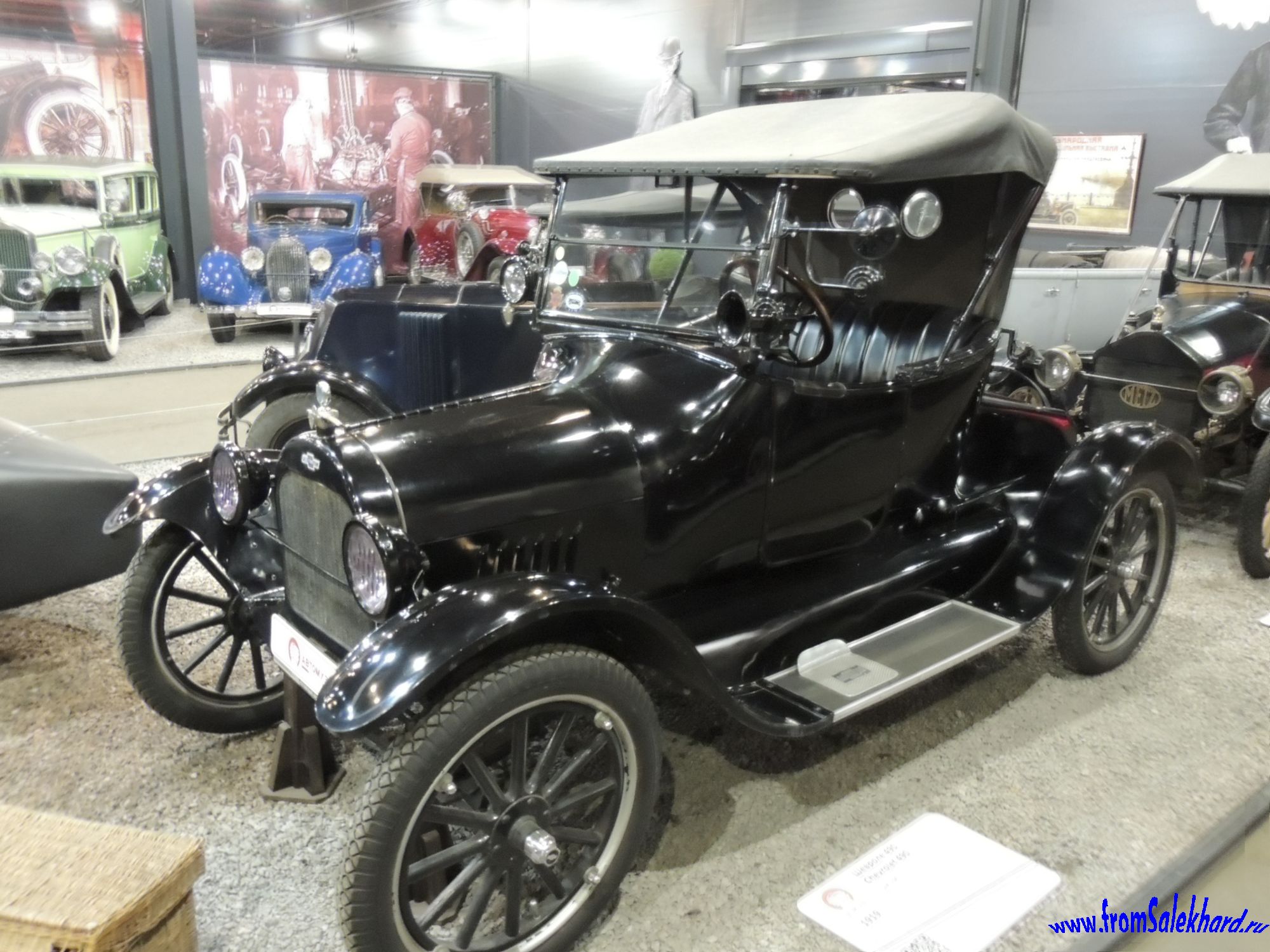
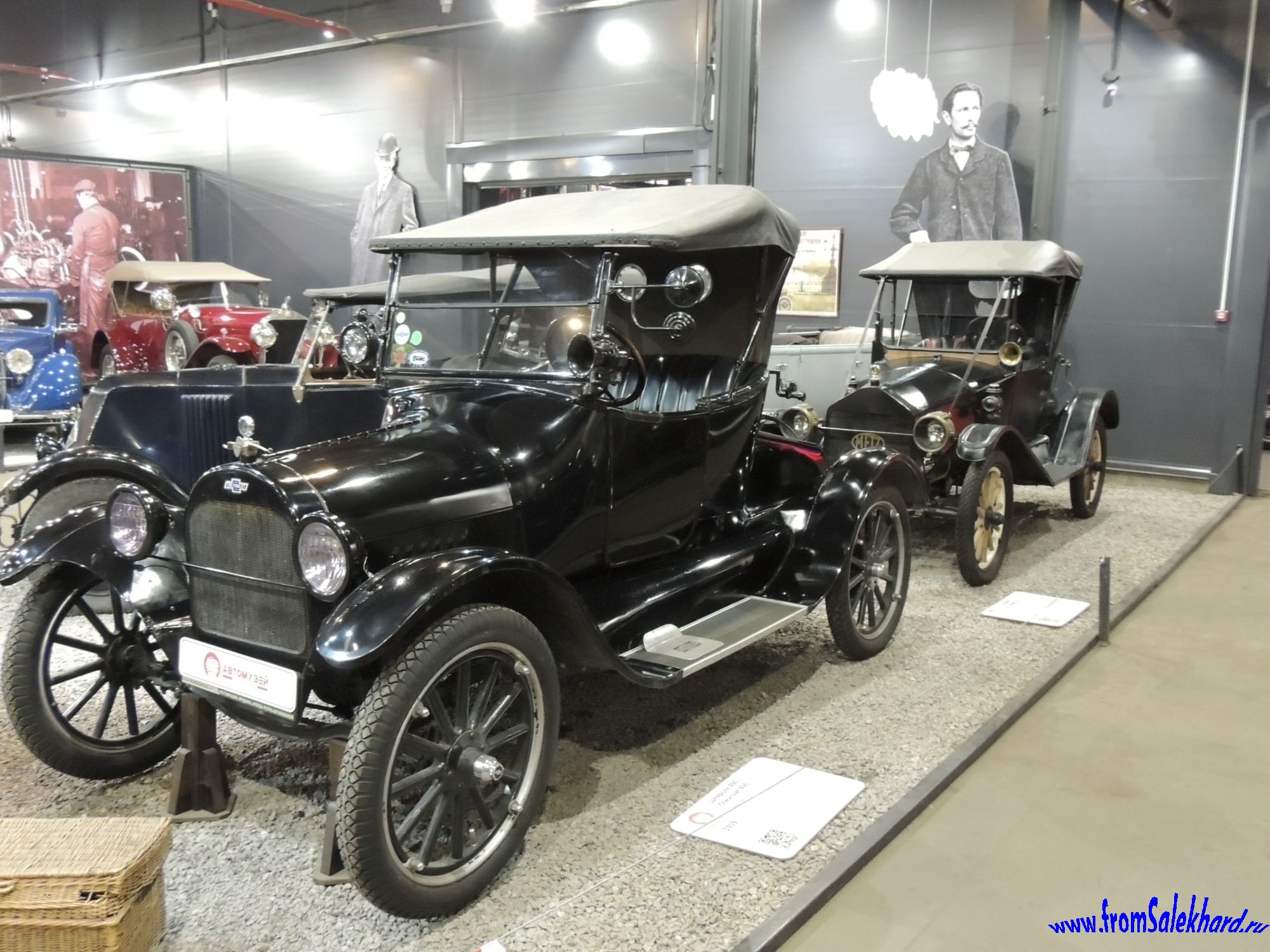
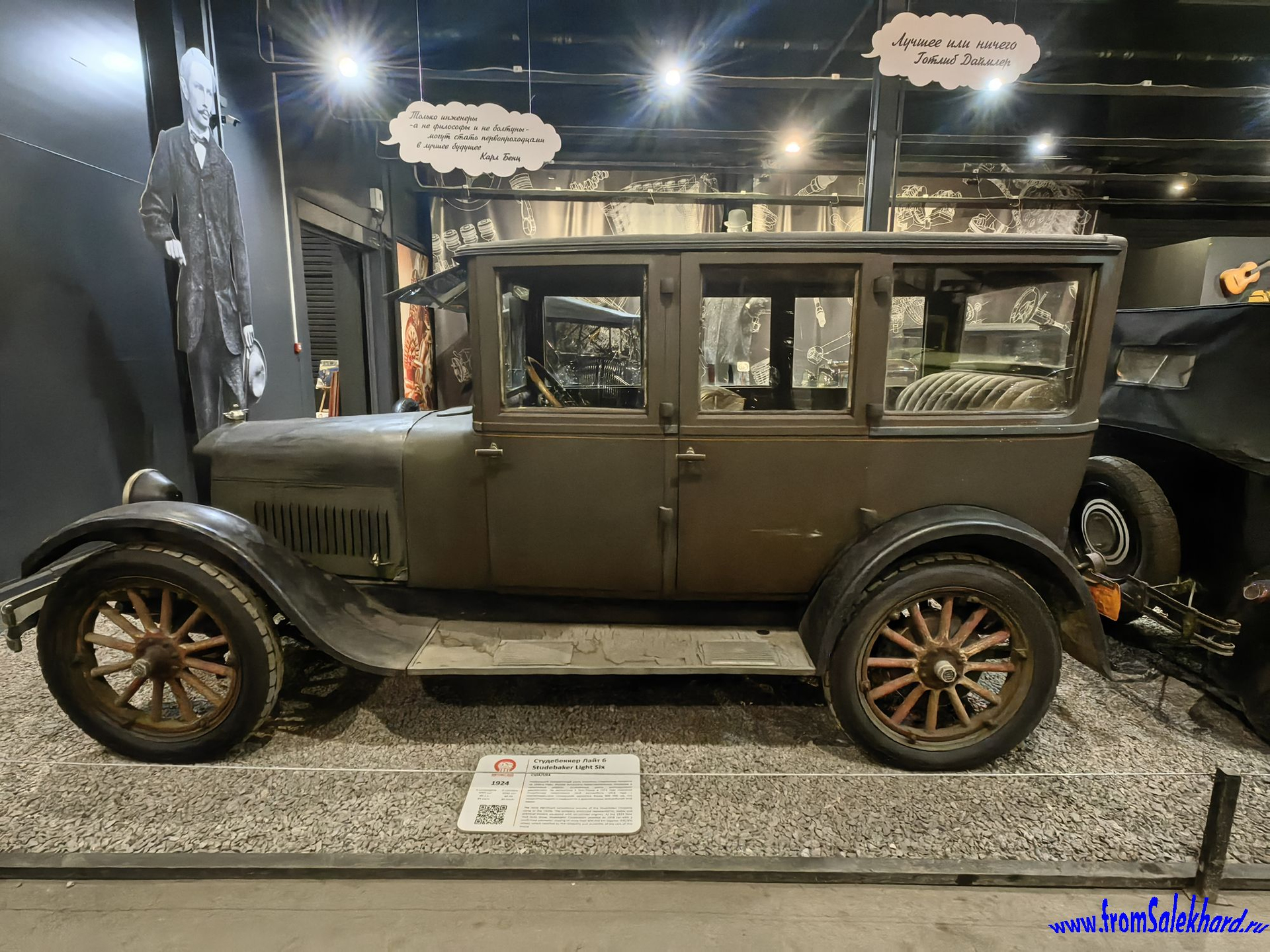
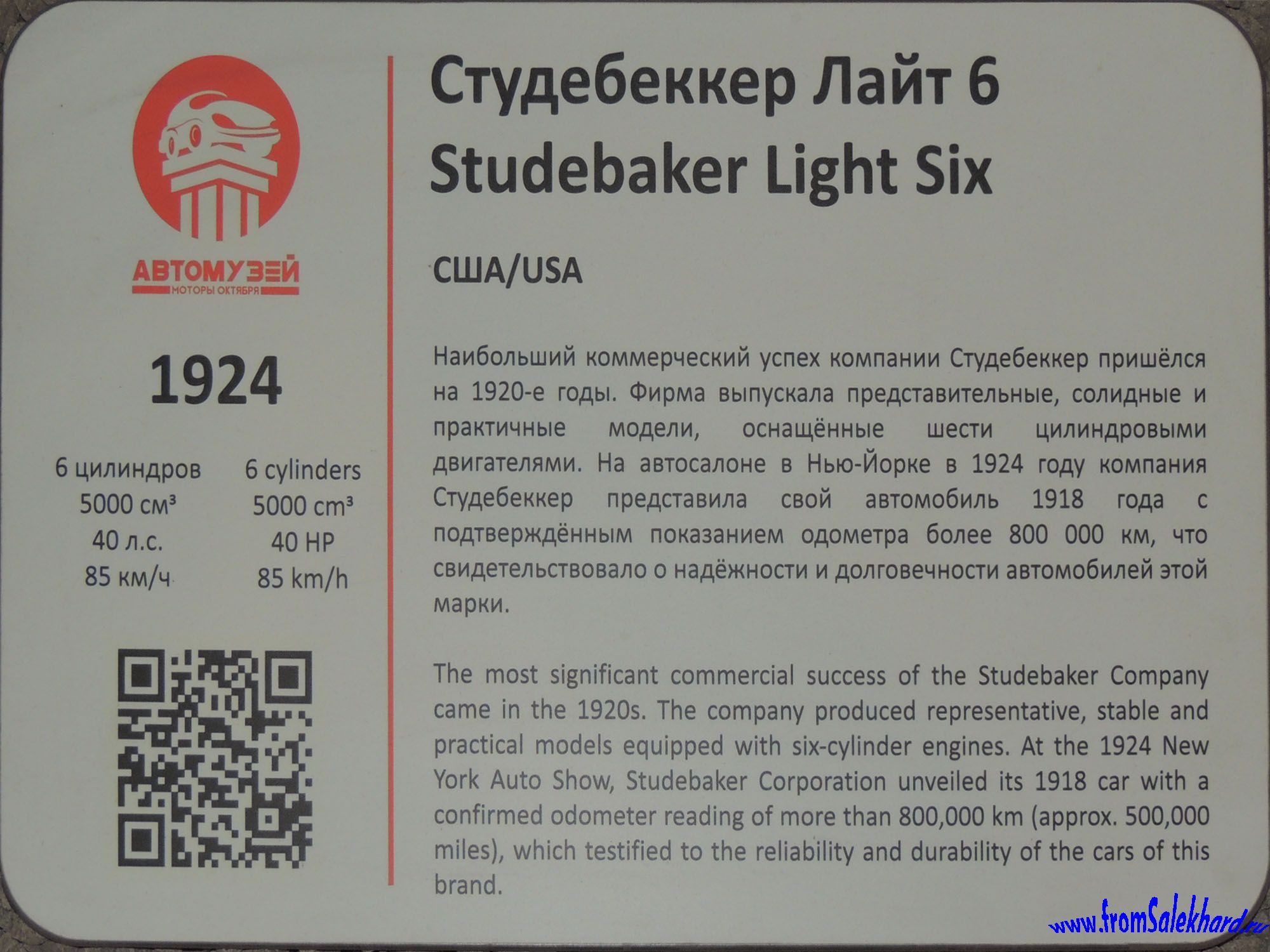
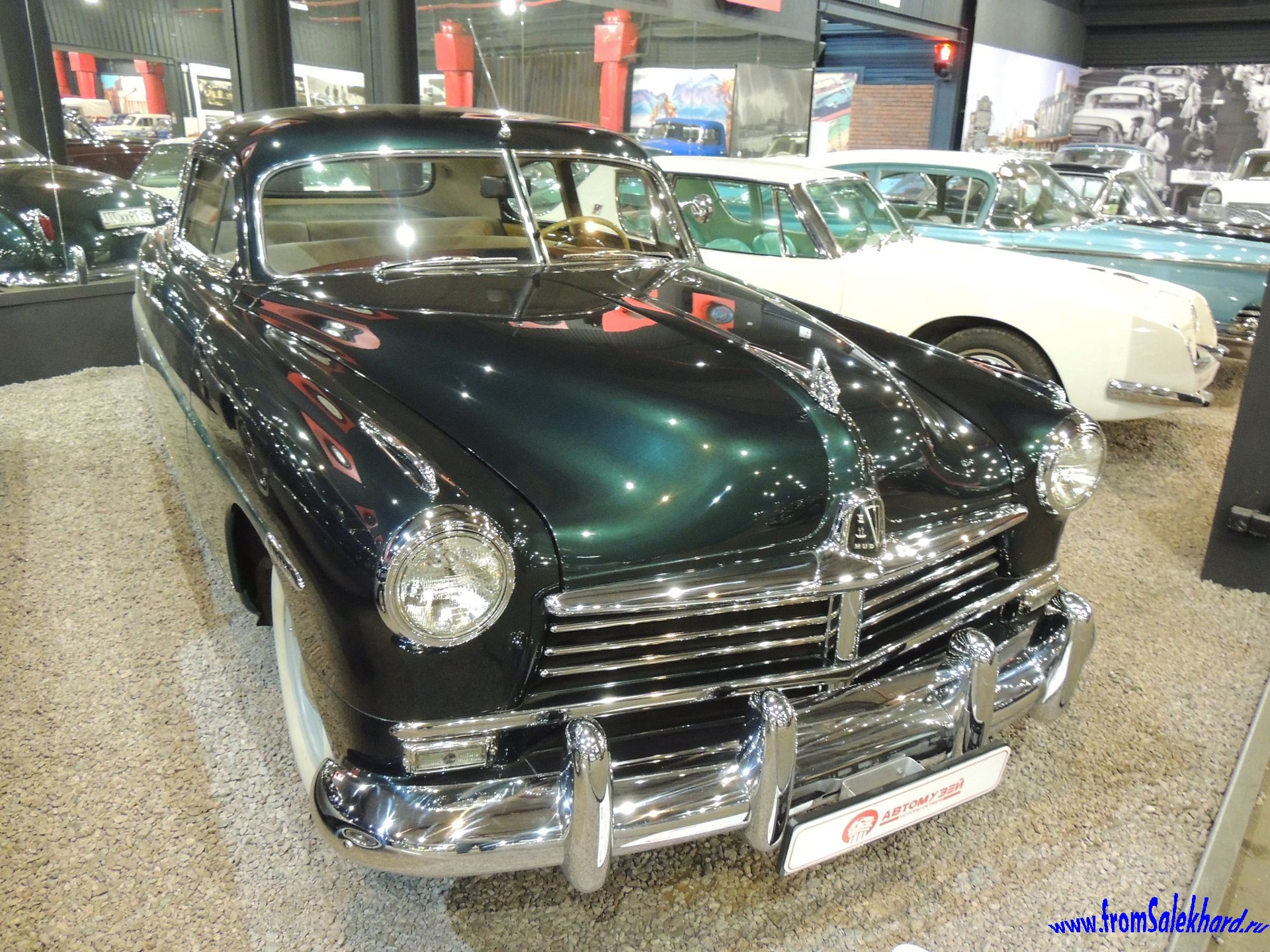
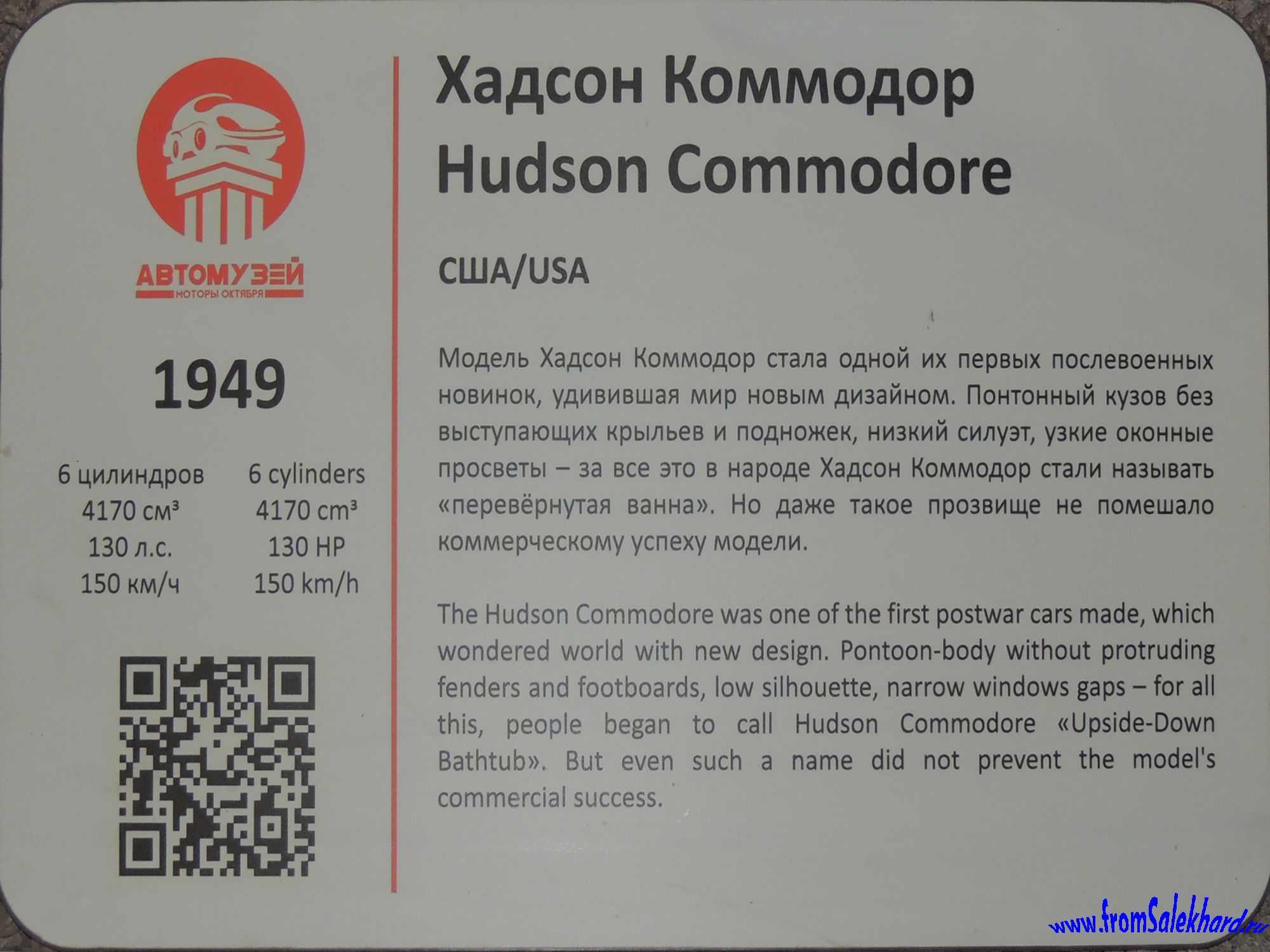
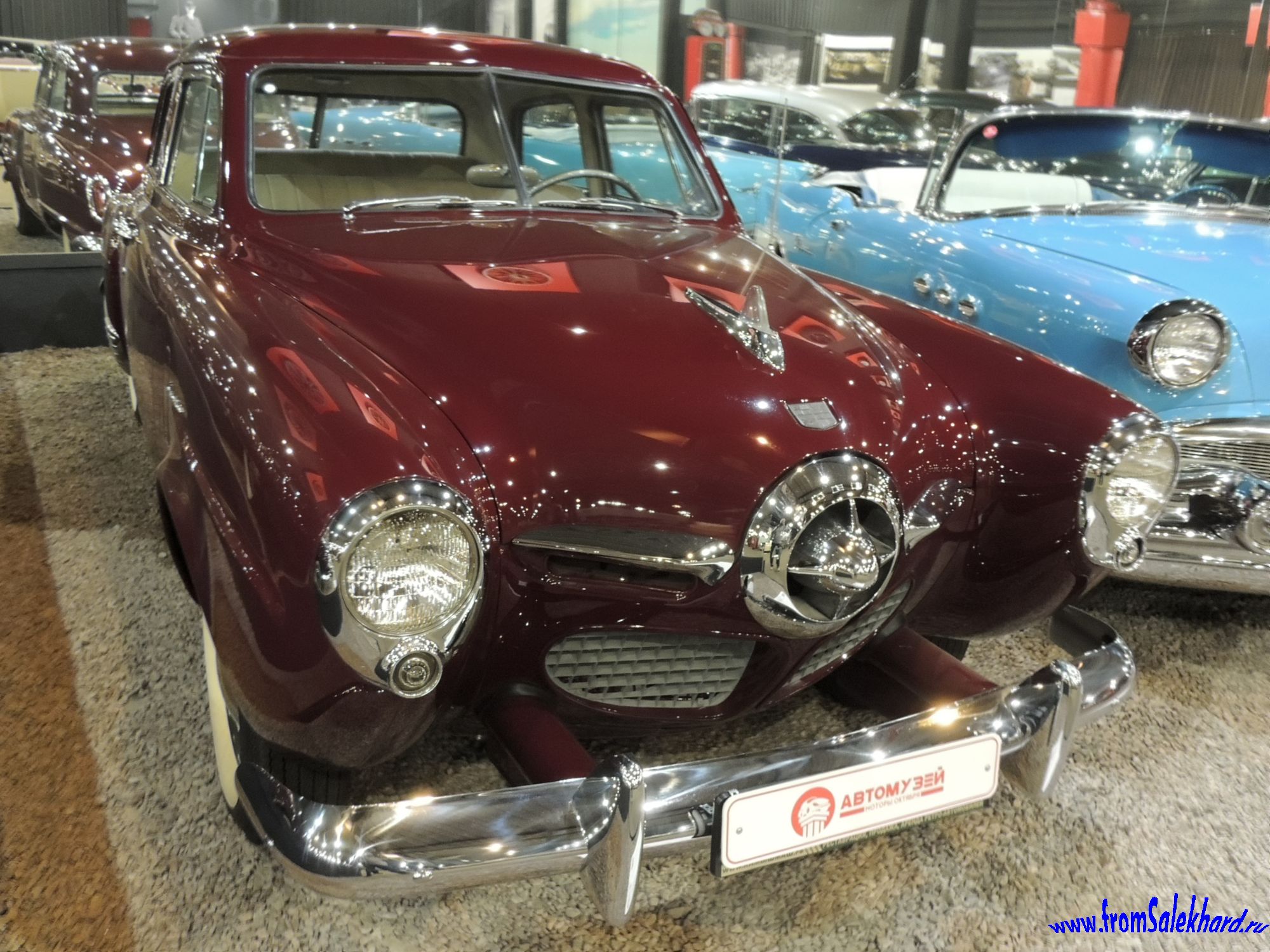
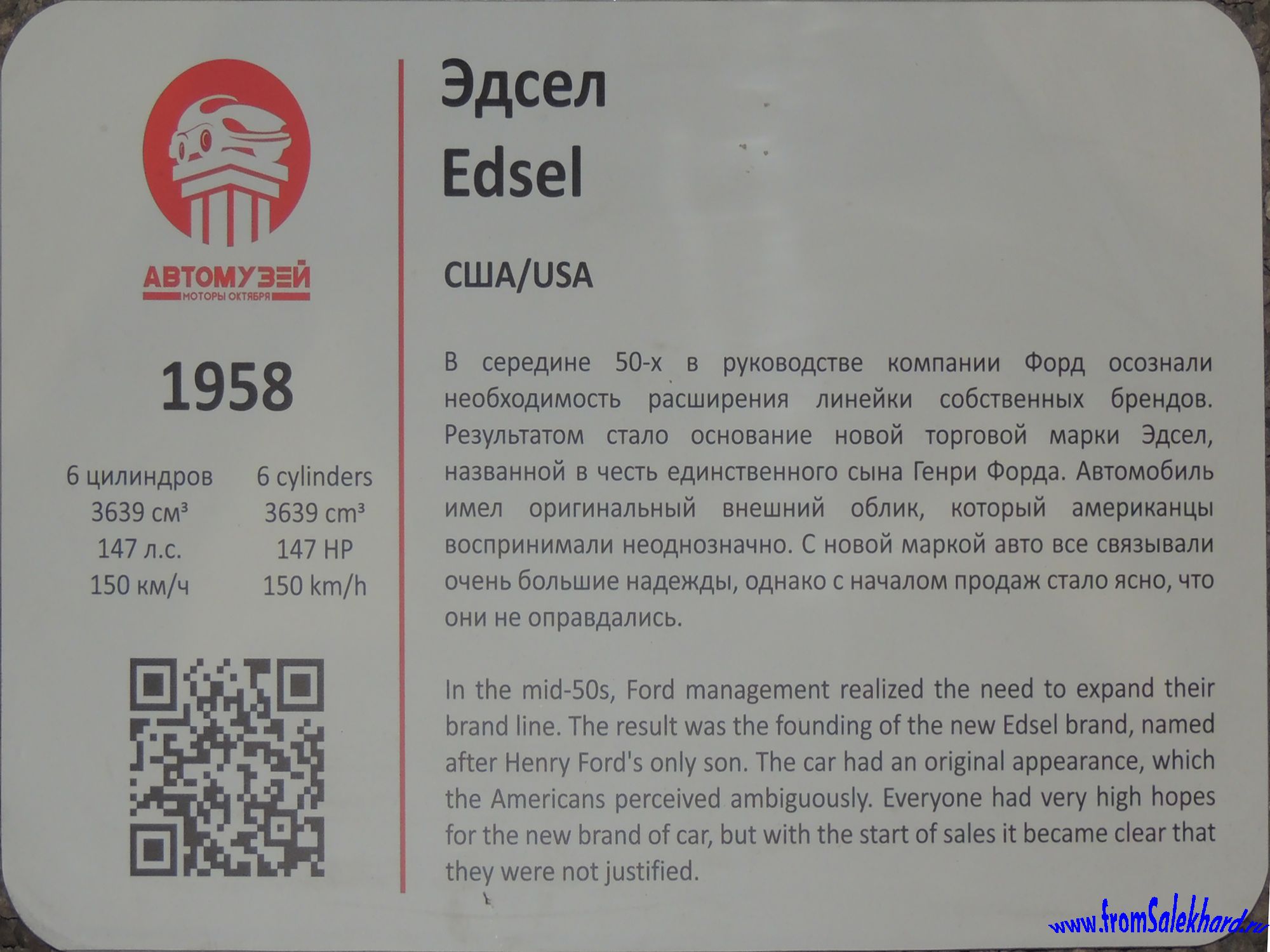
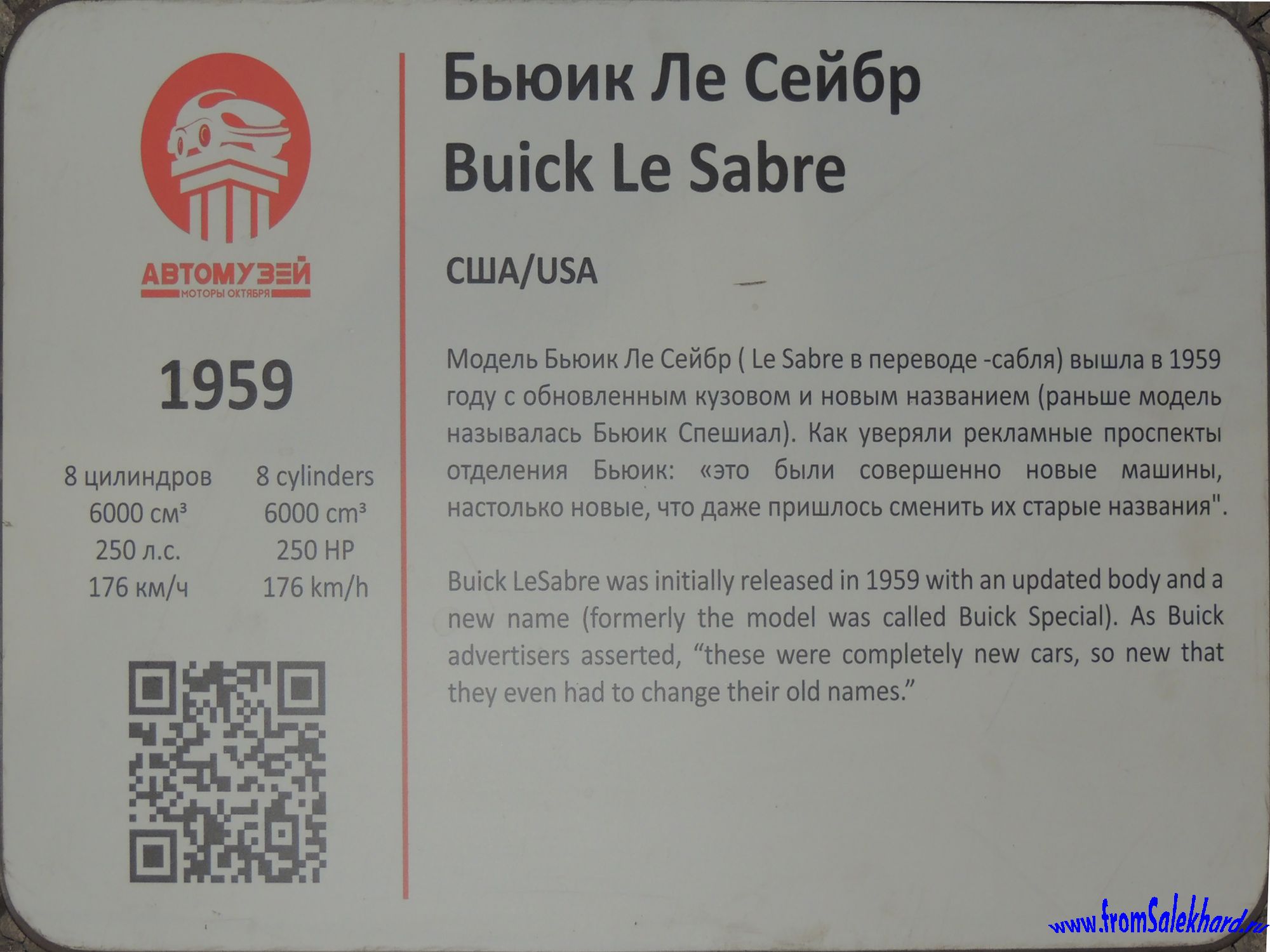
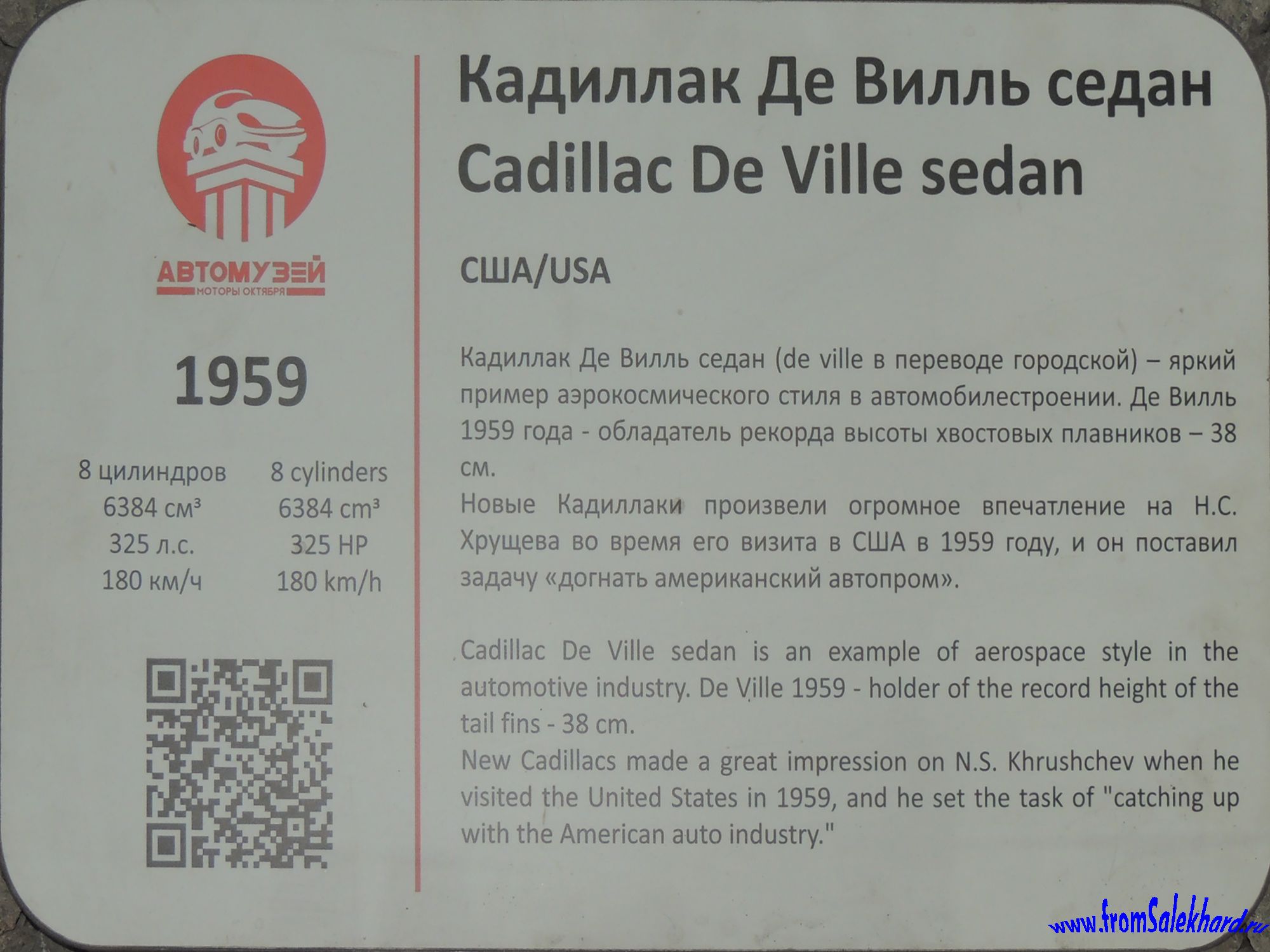
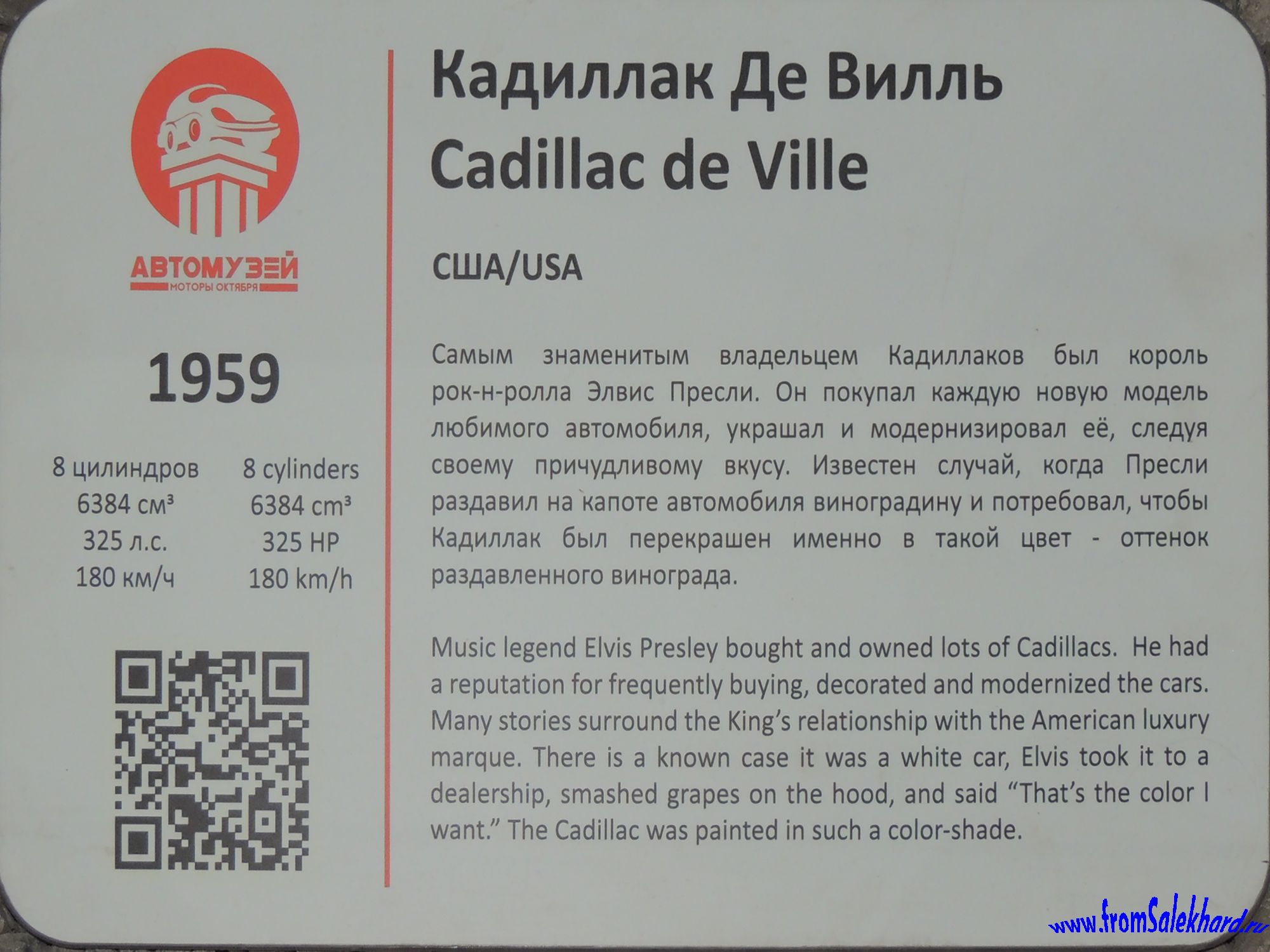
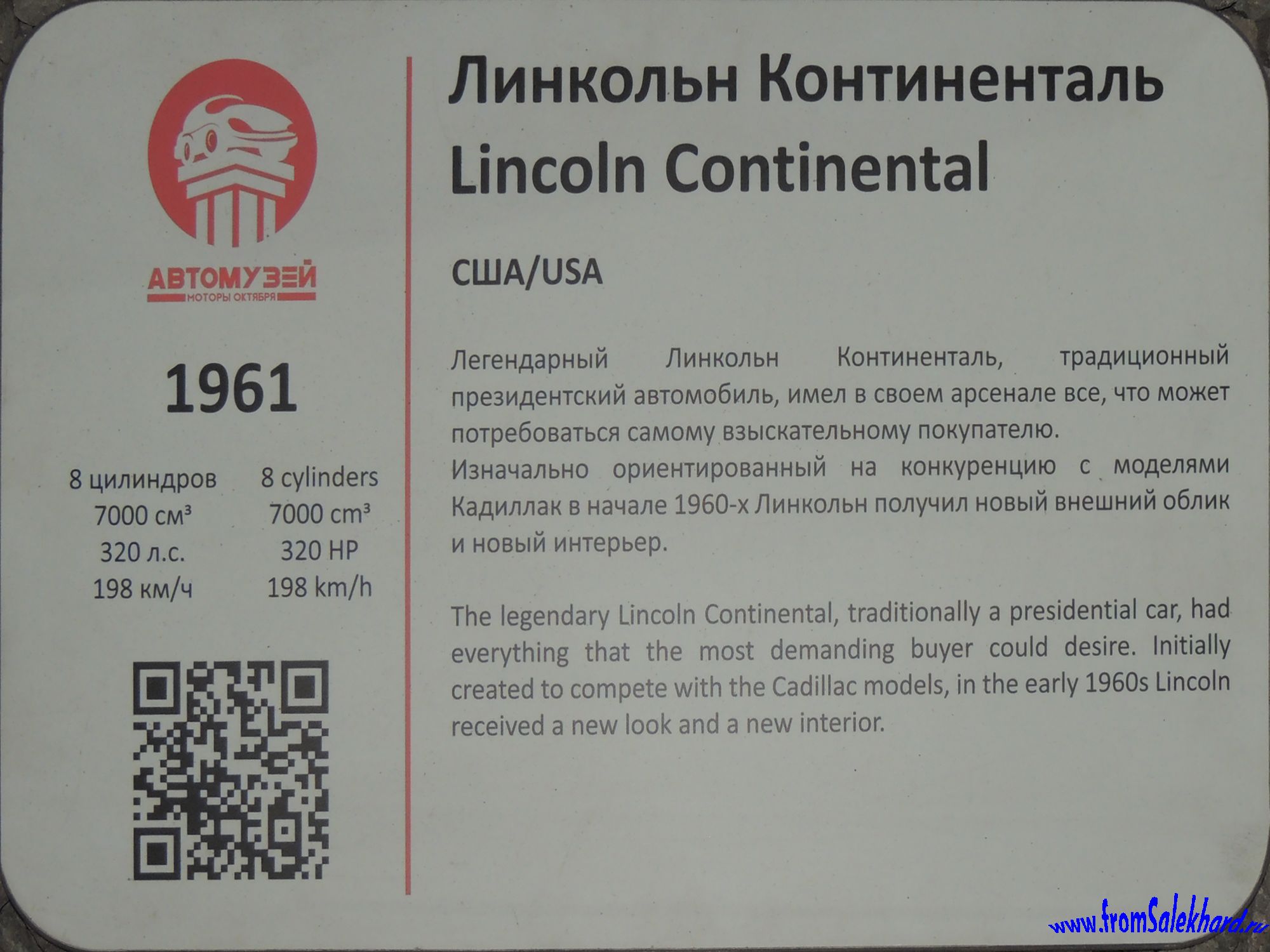
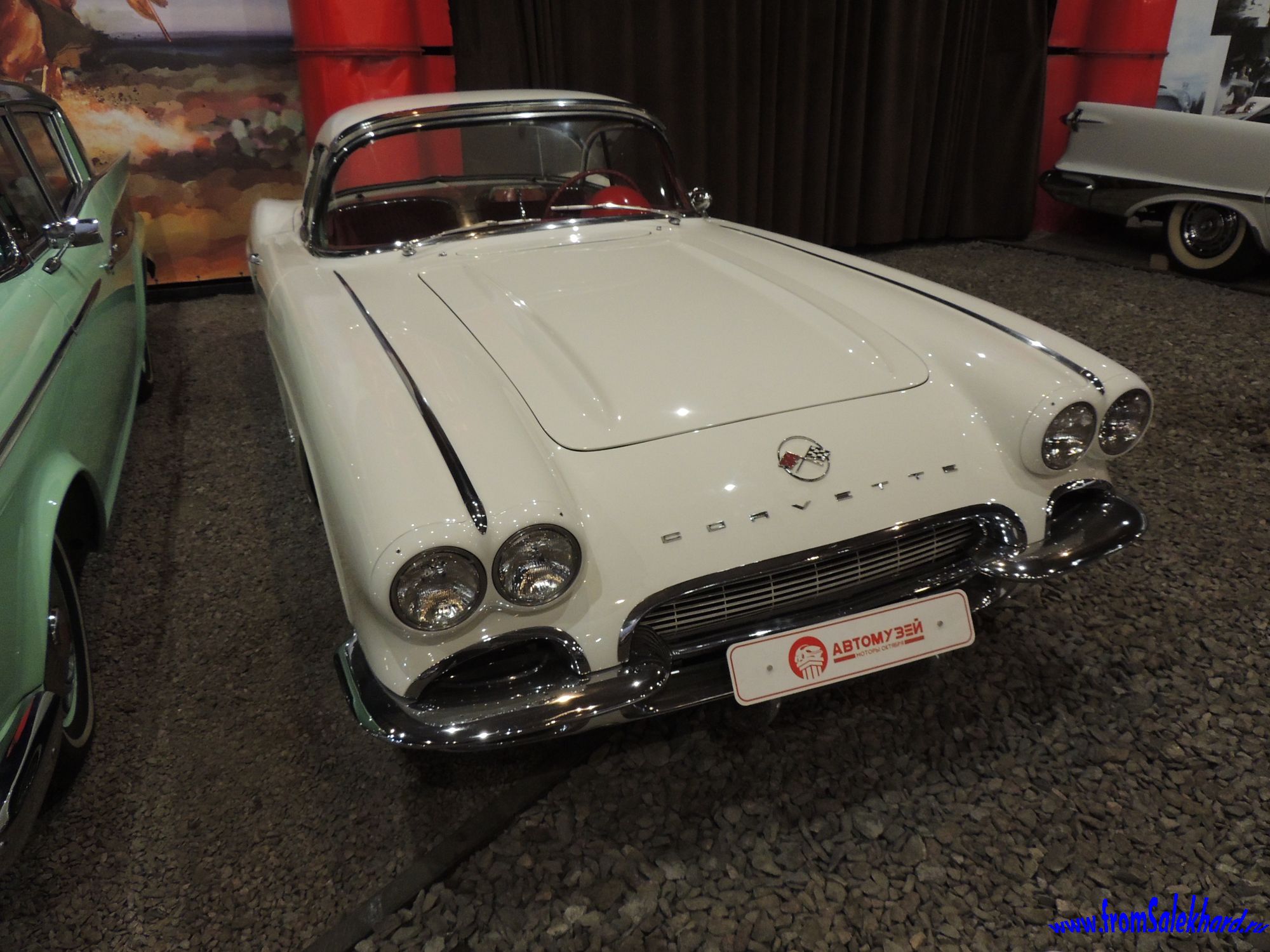
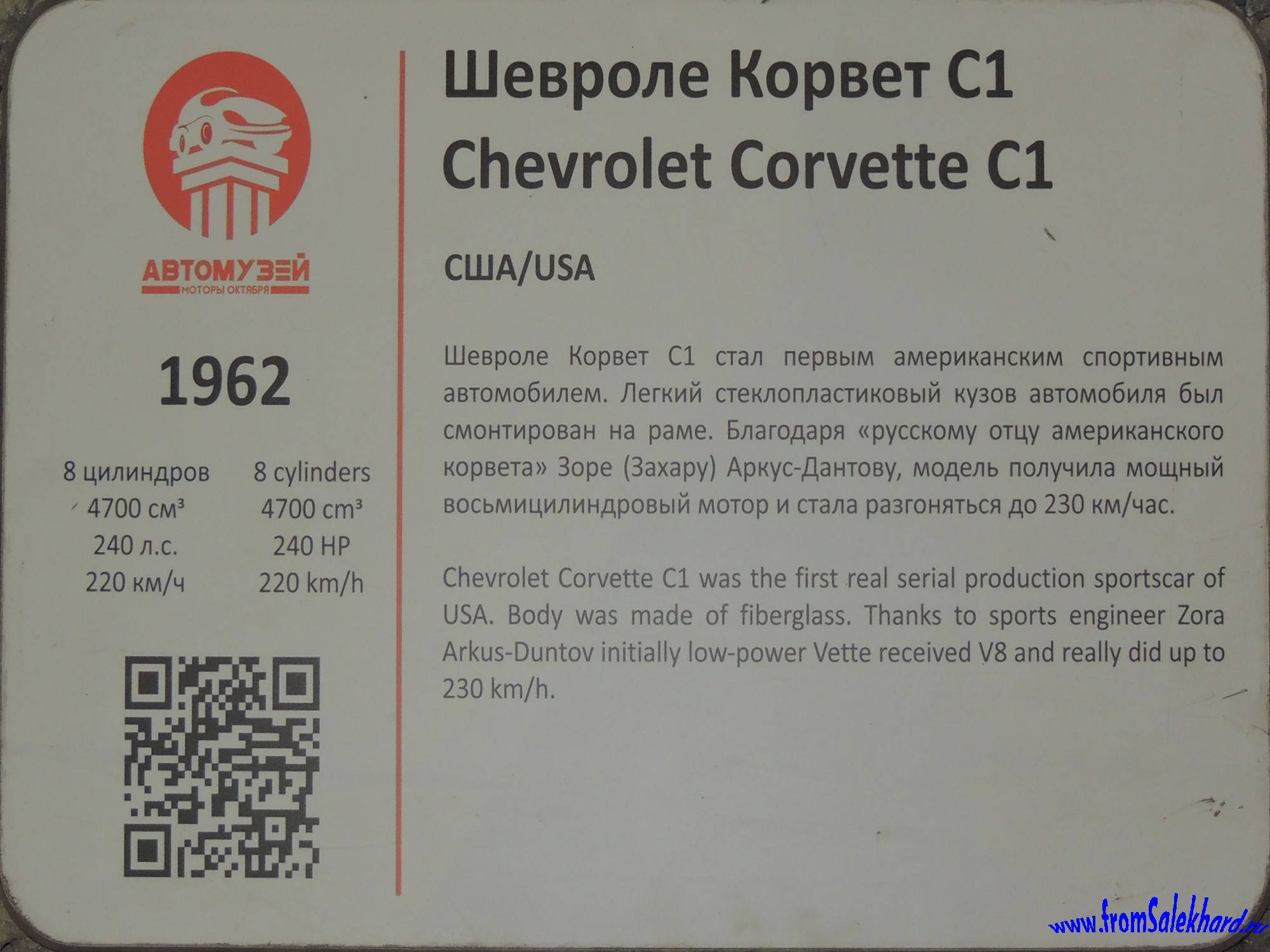
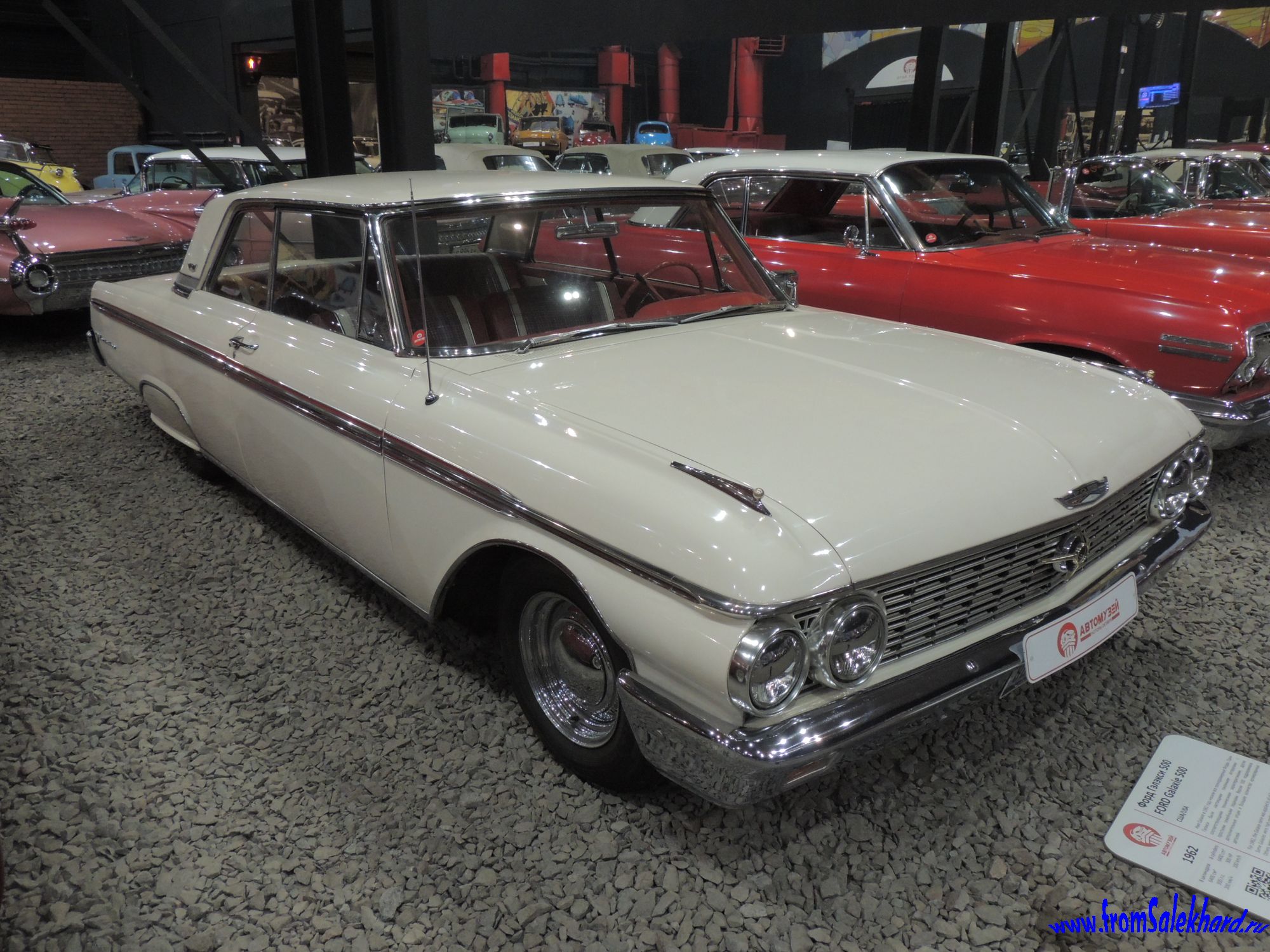
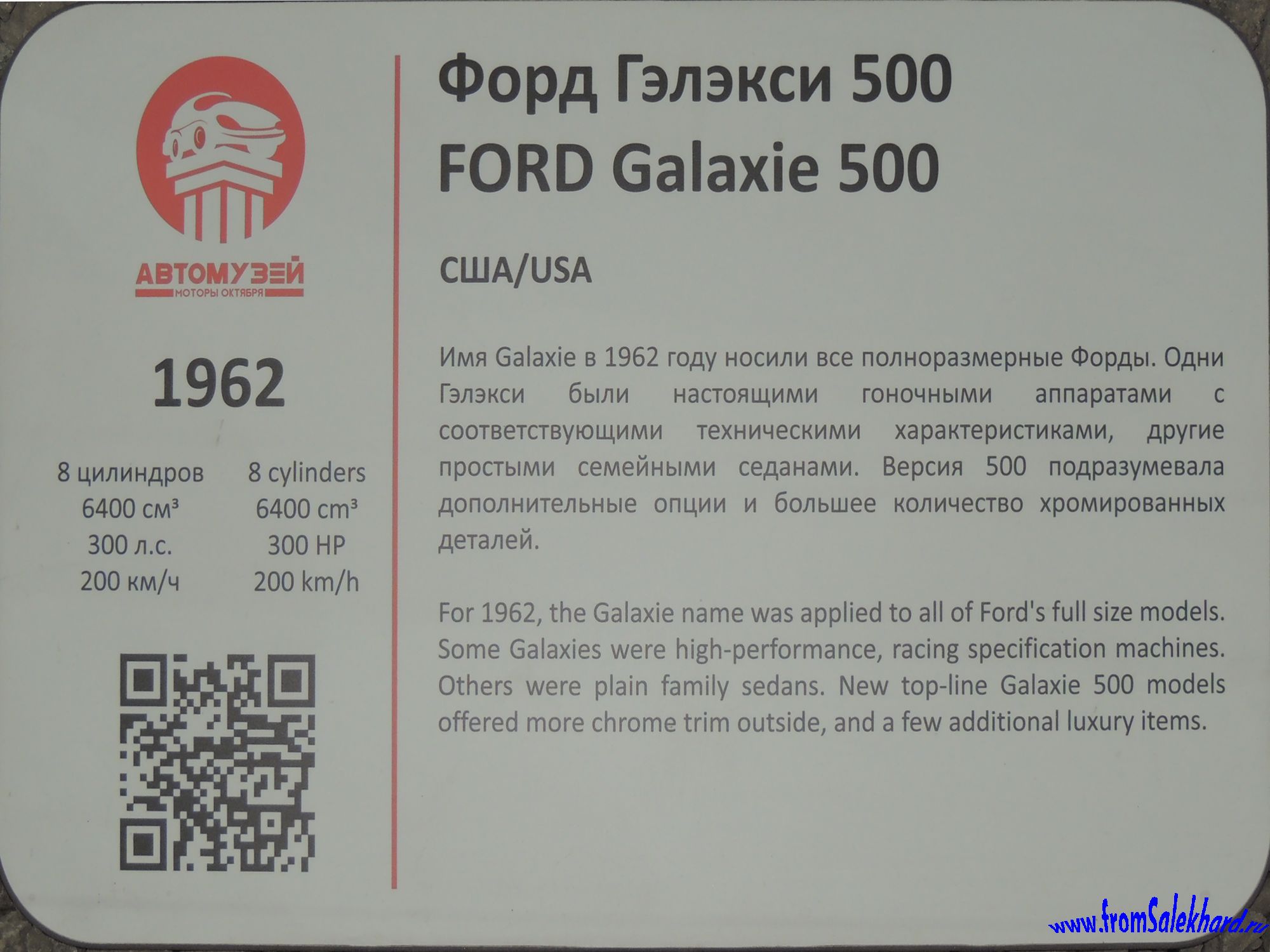
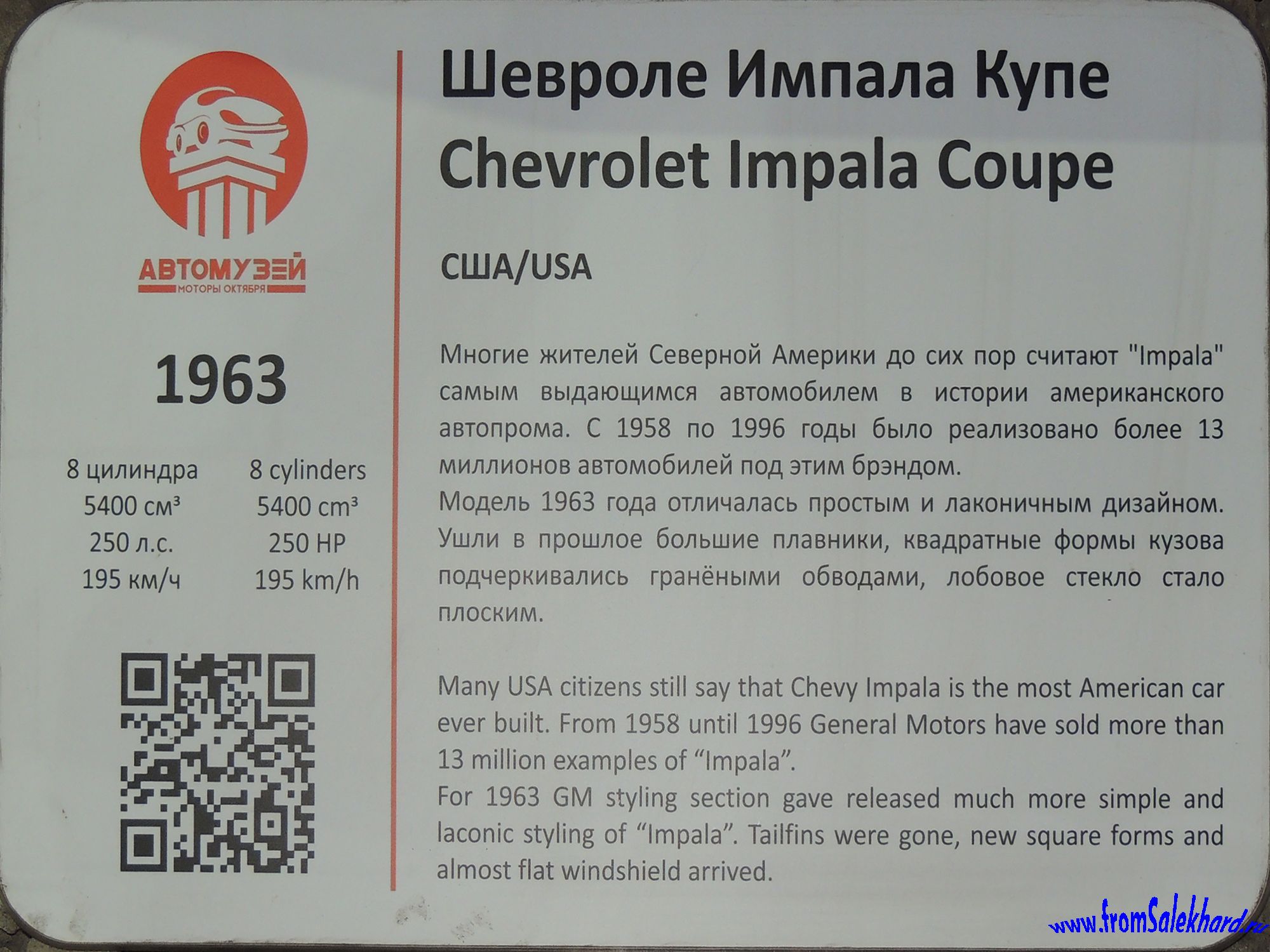
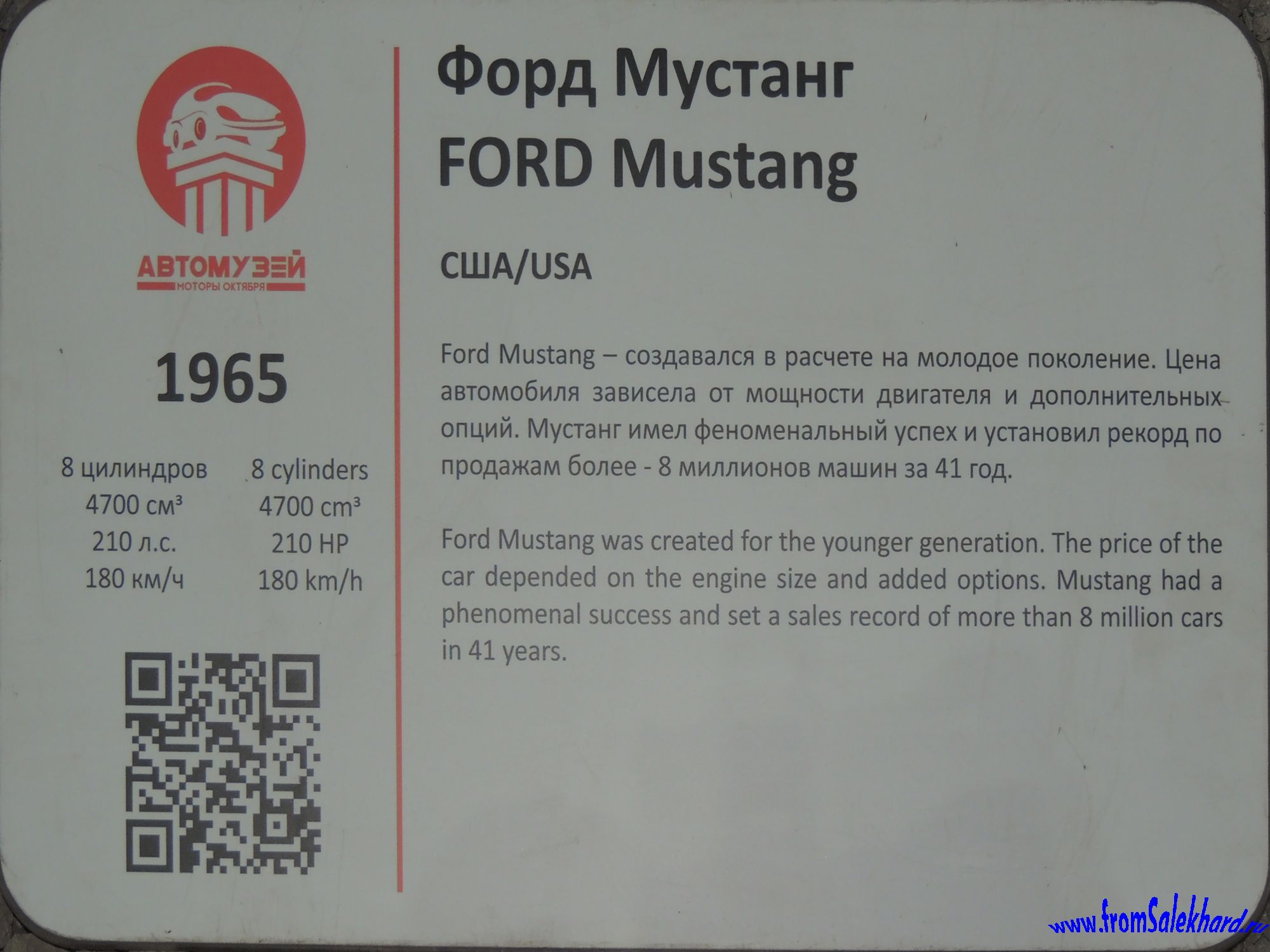
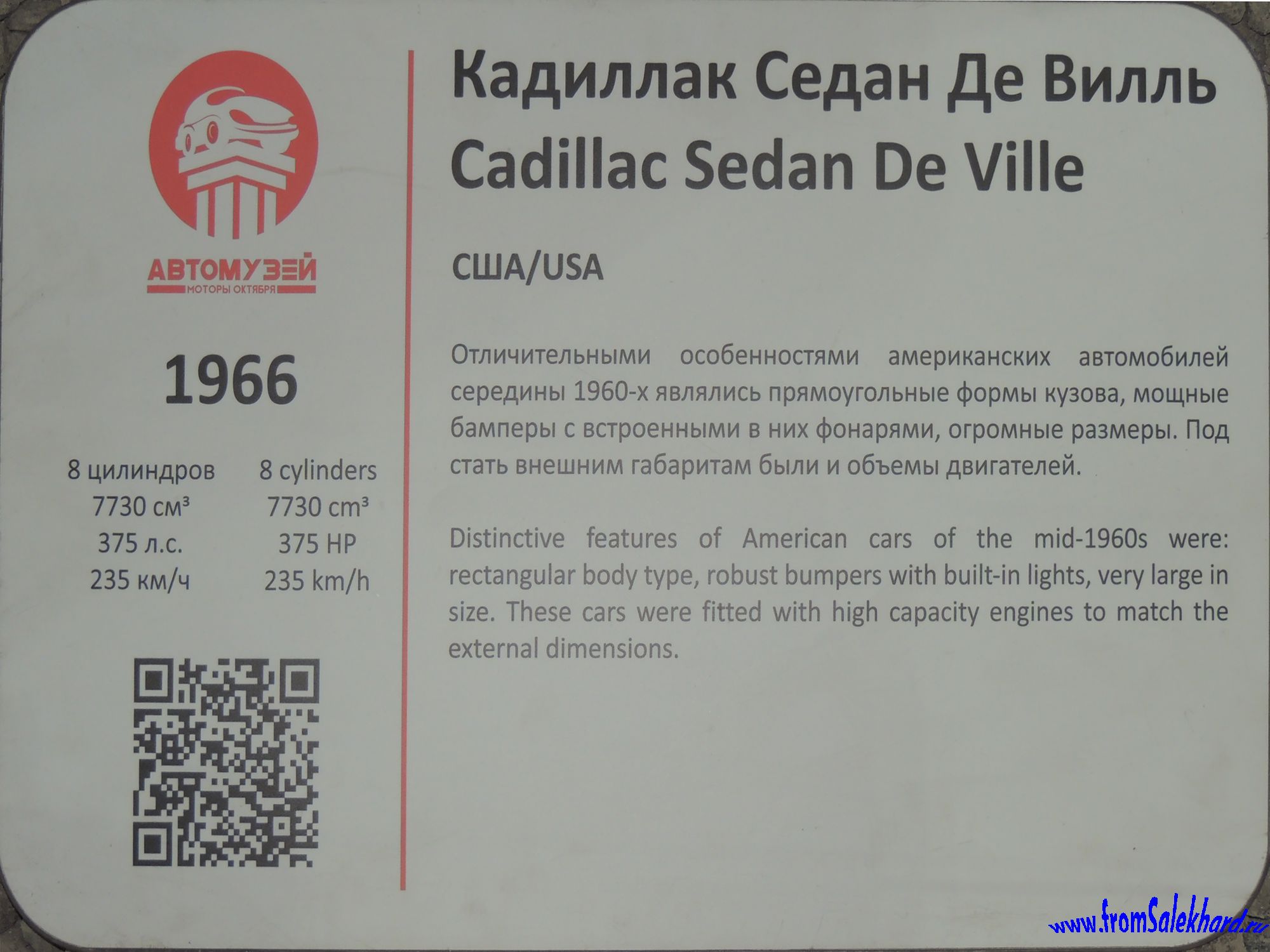
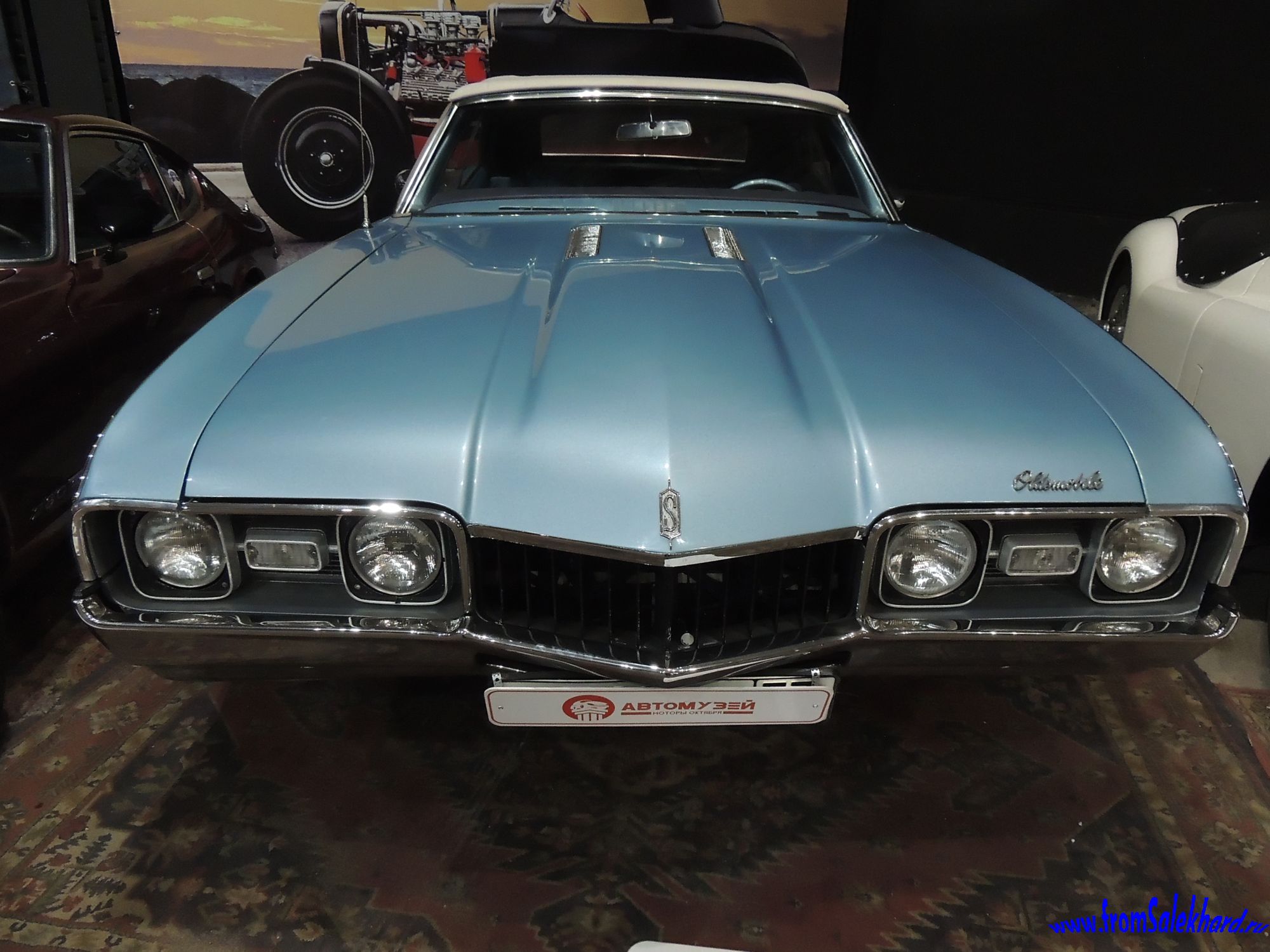
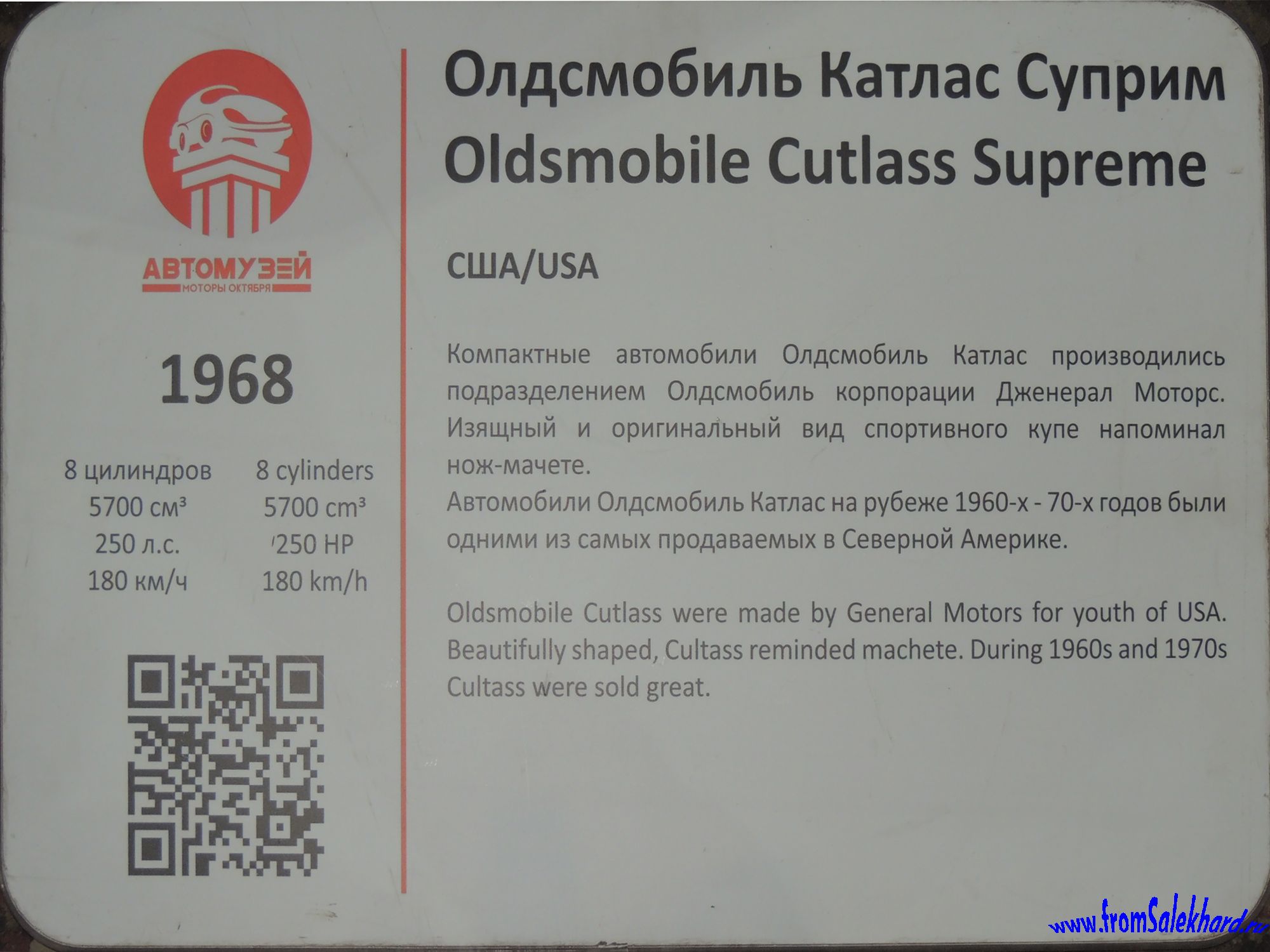
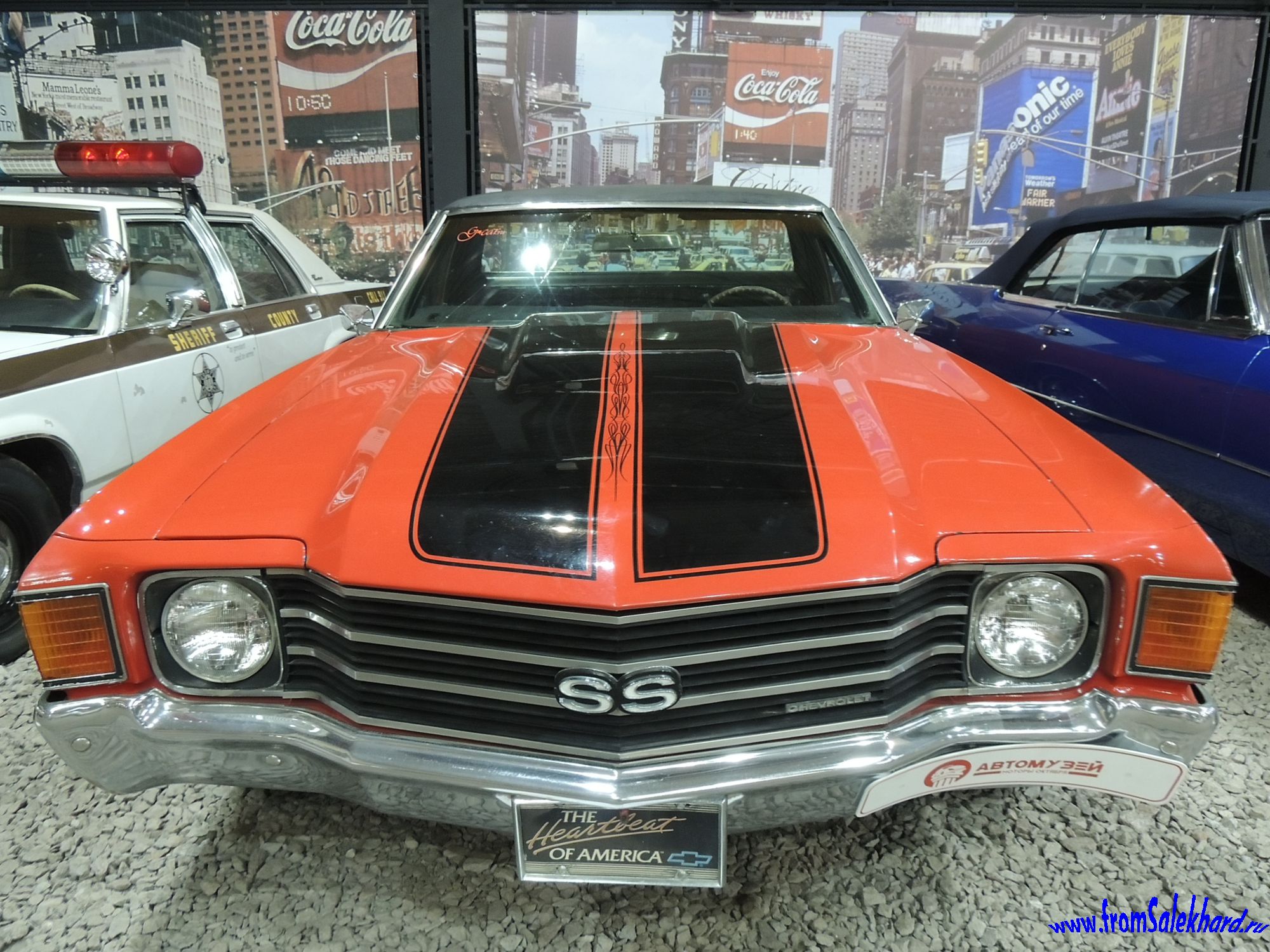
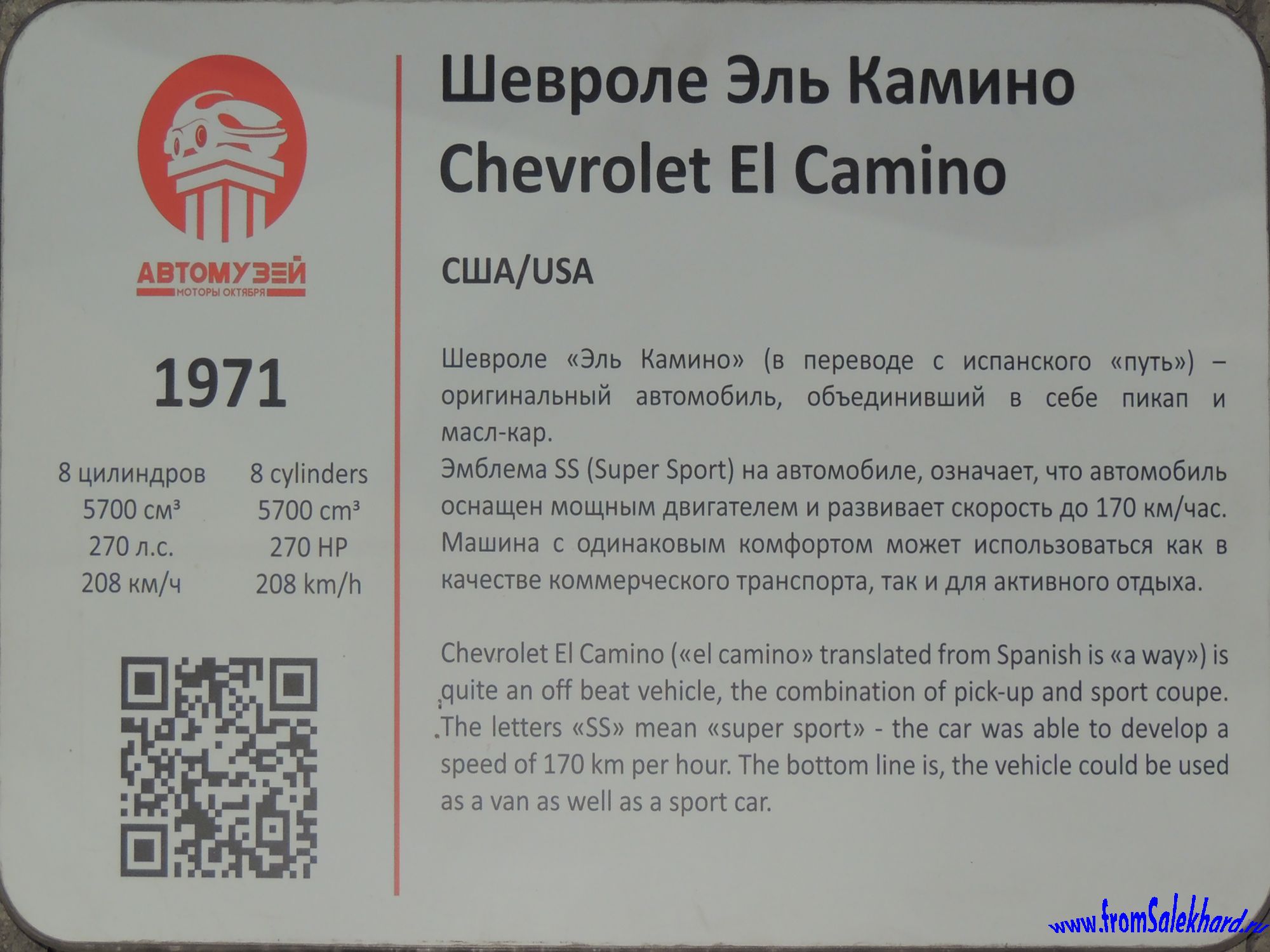
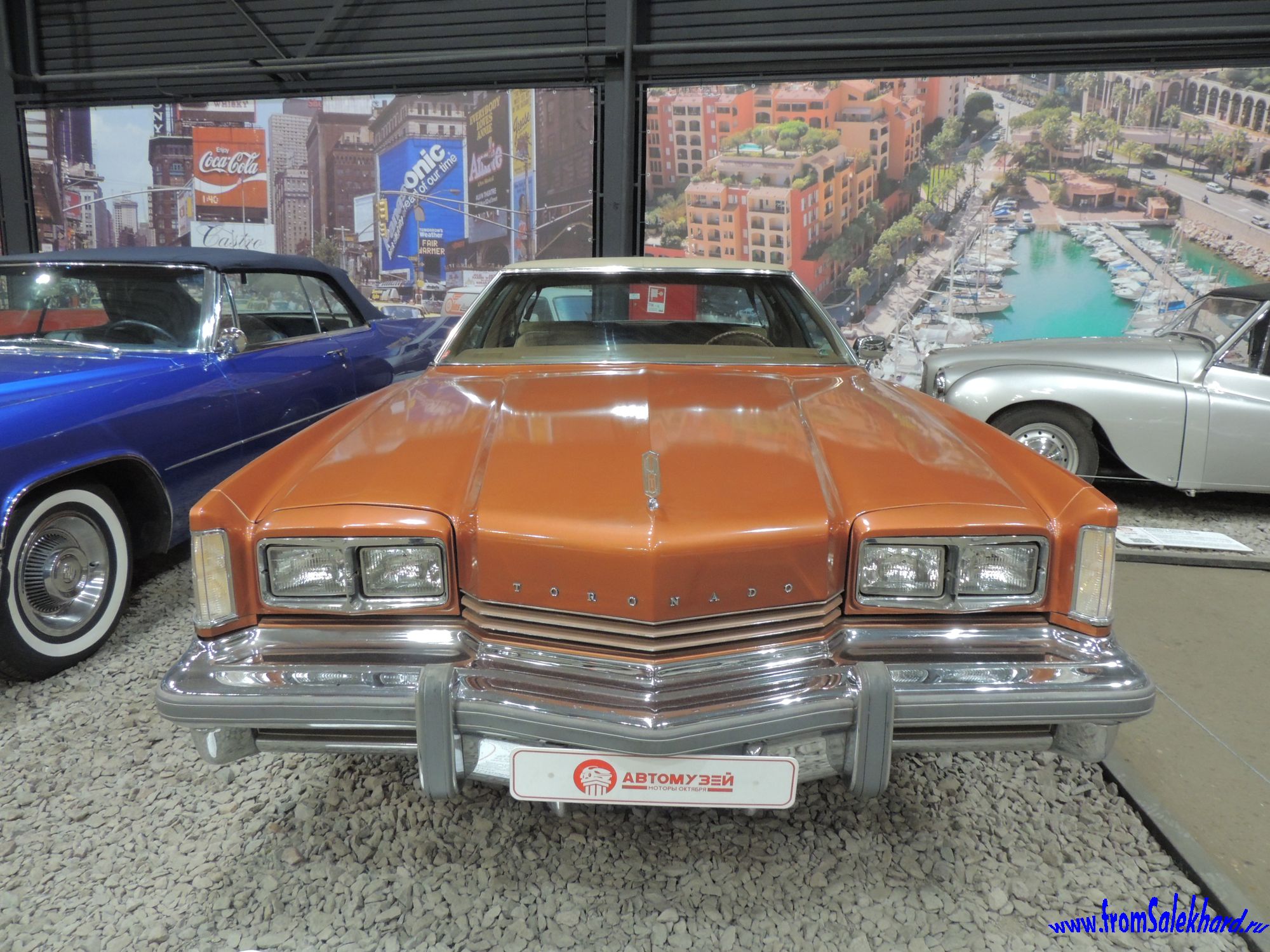
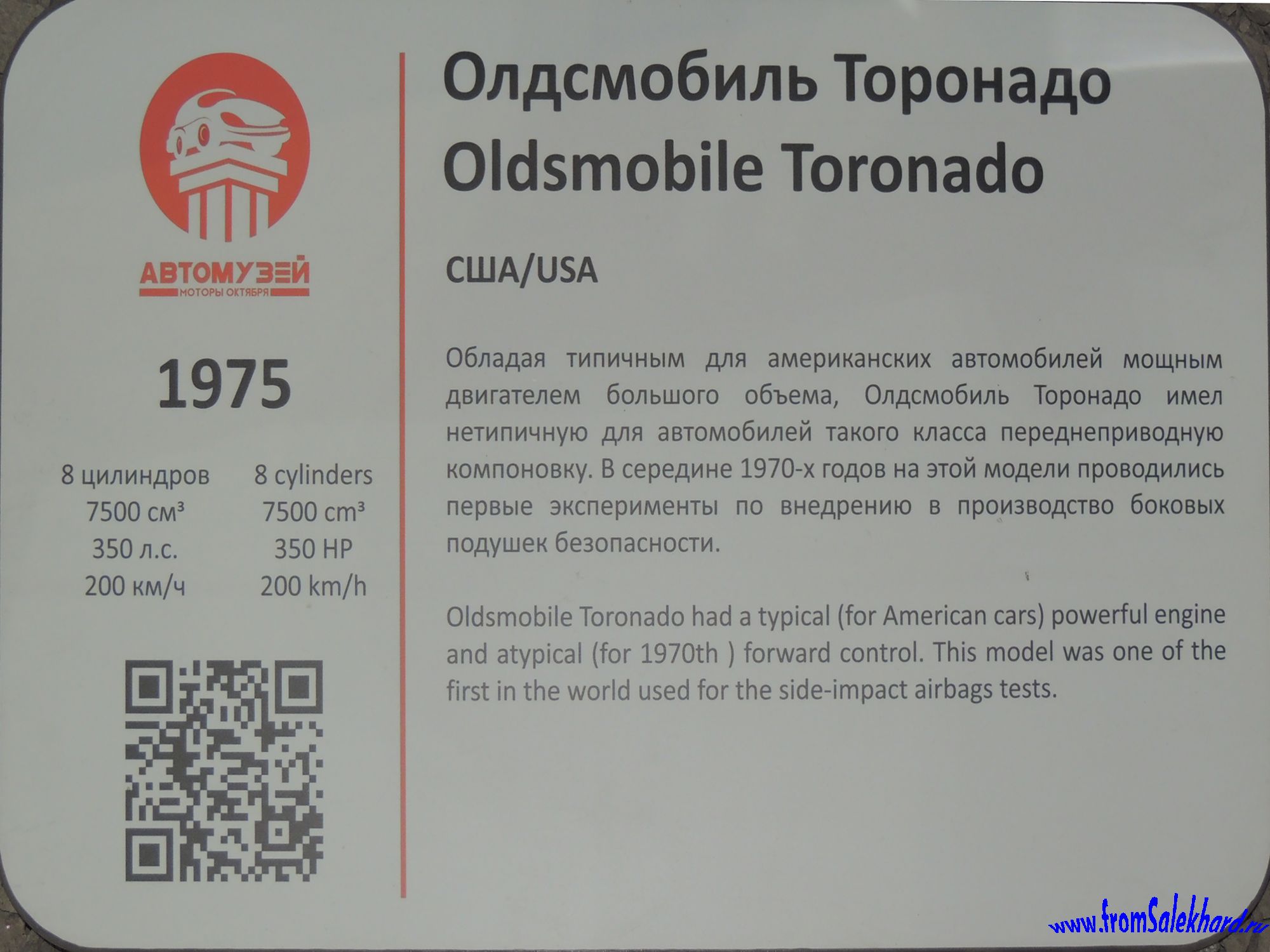
The cars in the museum are arranged in different ways. Here, however, I will present them in chronological order. If you read their information plates, you will get a little textbook on the history of the automobile in the United States. If you don’t, you can simply enjoy their beauty.

Compared with the Metz from five years earlier, these two cars are almost twins — or, at the very least, brothers.

Cars are gradually losing their resemblance to horse-drawn carriages and becoming automobiles in their own right.

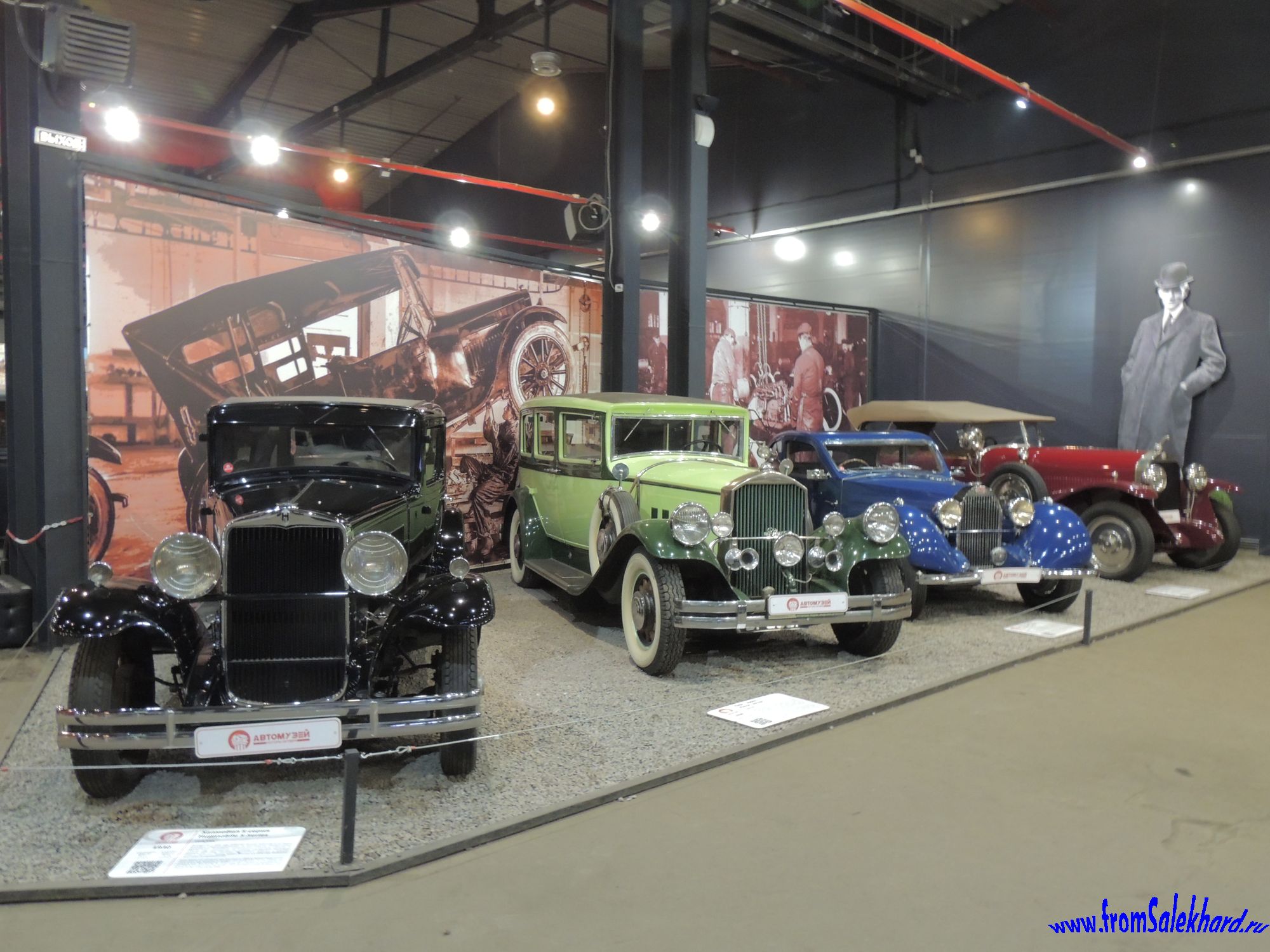
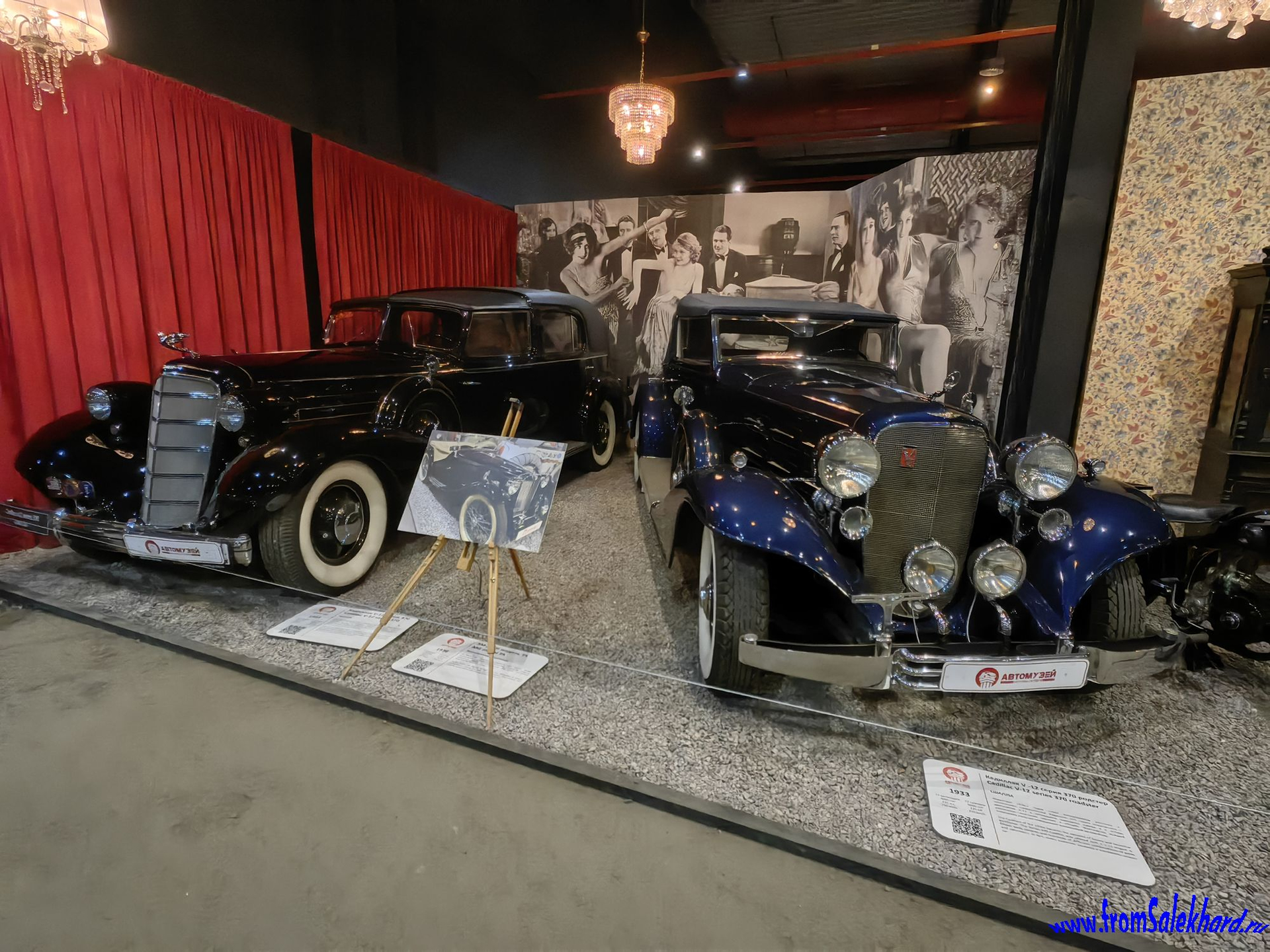
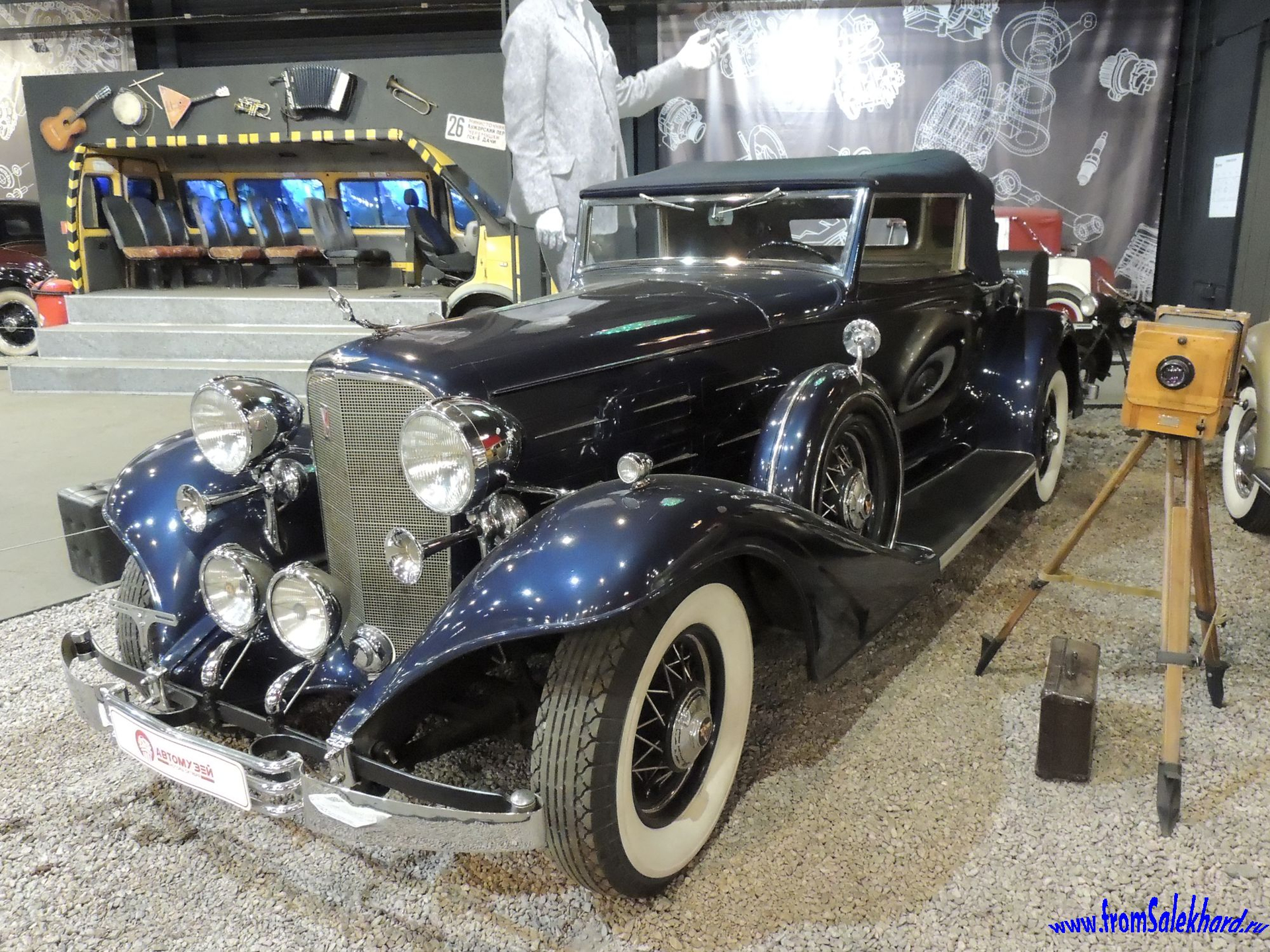
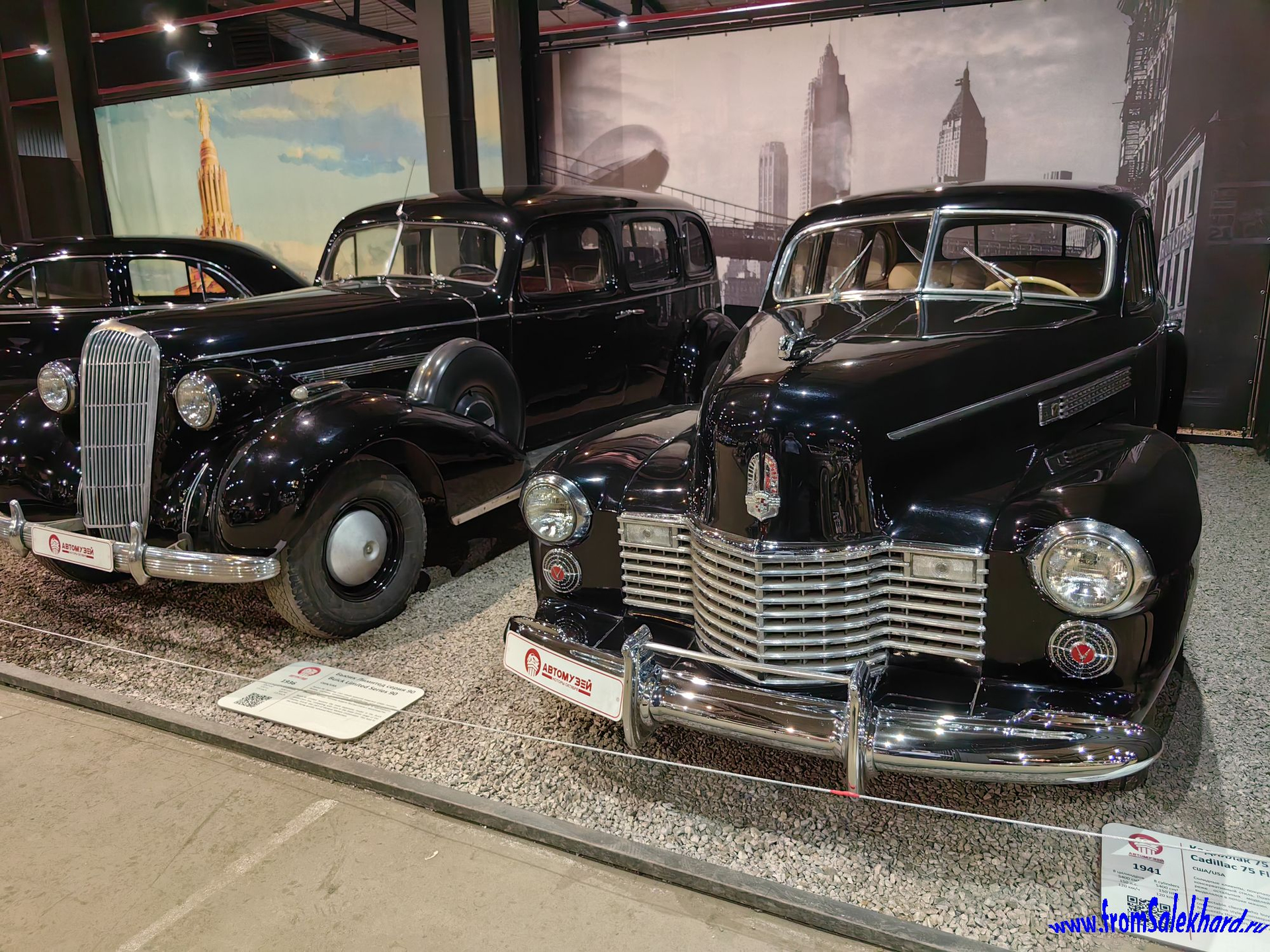
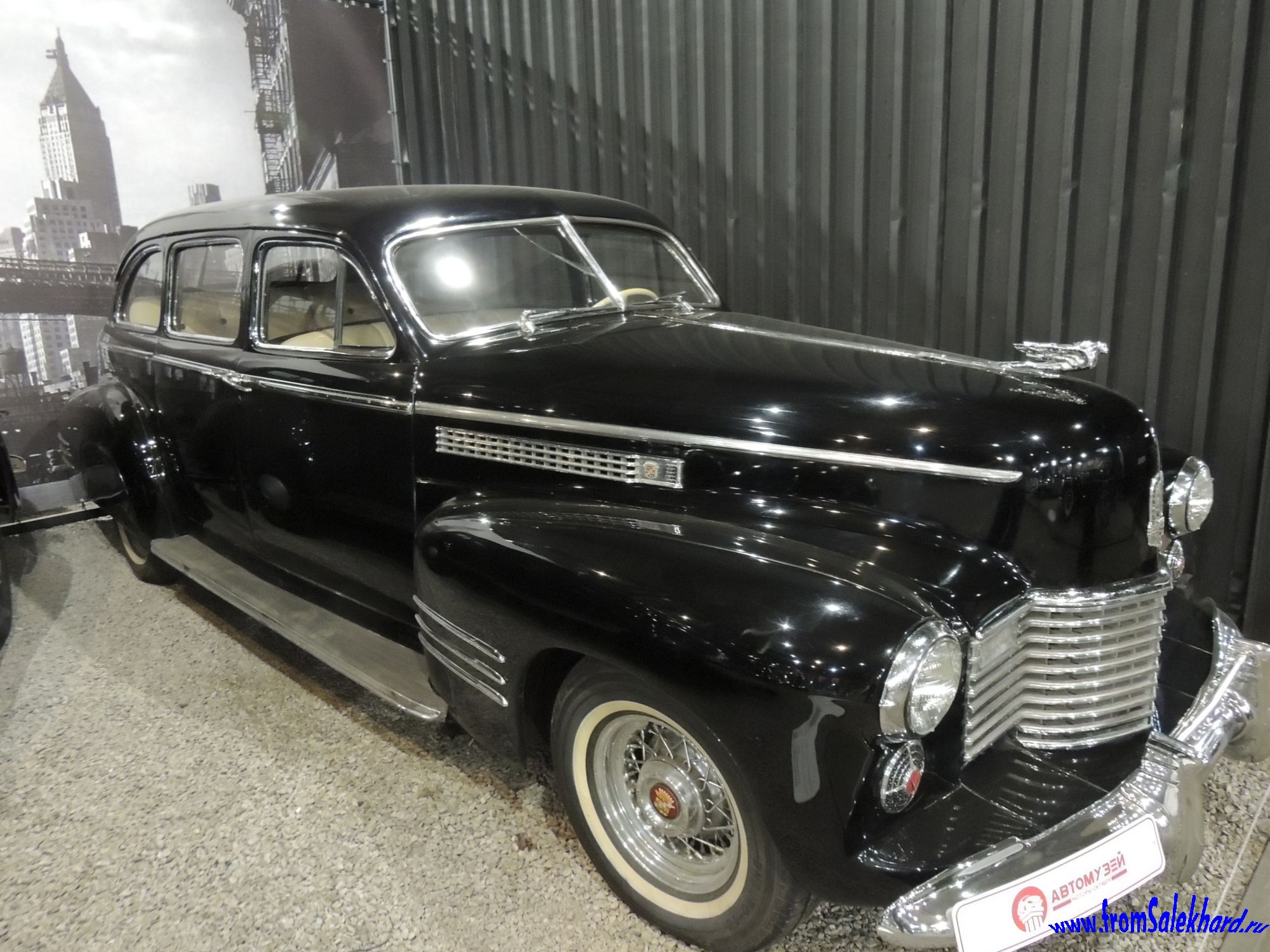
And now we come to a sweet couple. Or rather, a couple that represents the sweet life: here, a photograph of that lifestyle serves as their background, while in real life these cars would be the perfect backdrop for it.

And even today, anyone who owns a car like this is clearly doing rather well for themselves.

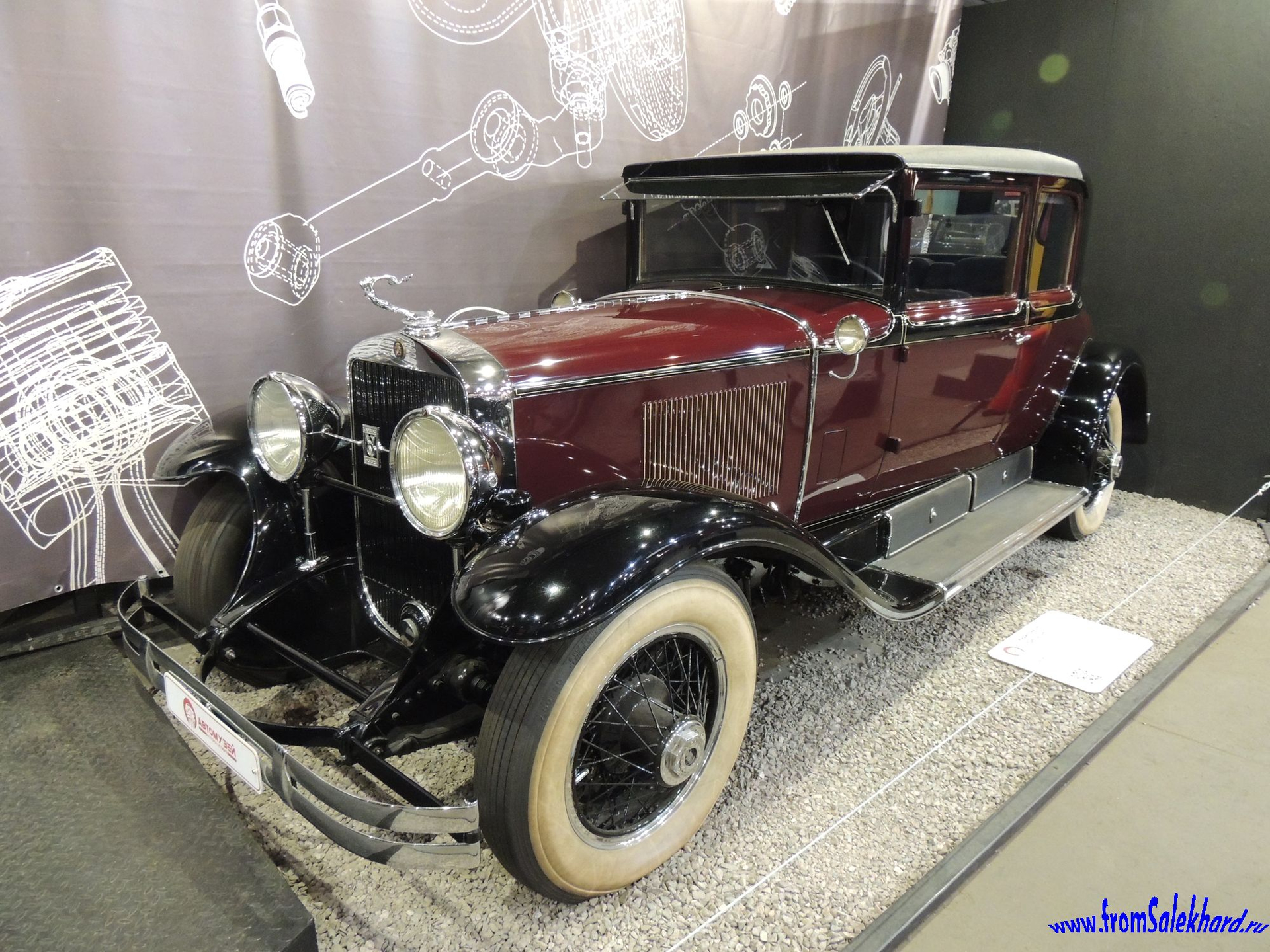
And the beauties just keep coming.

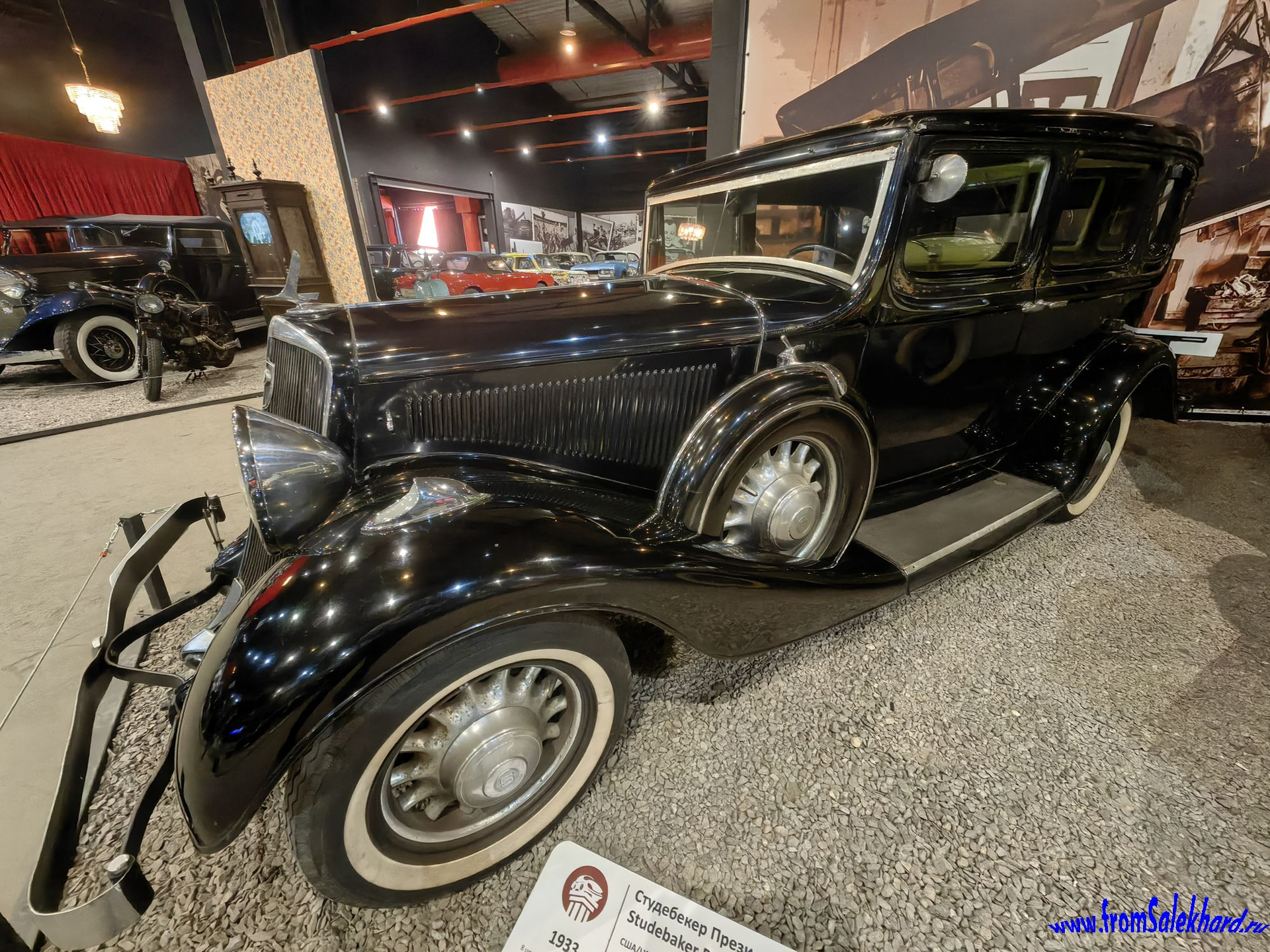
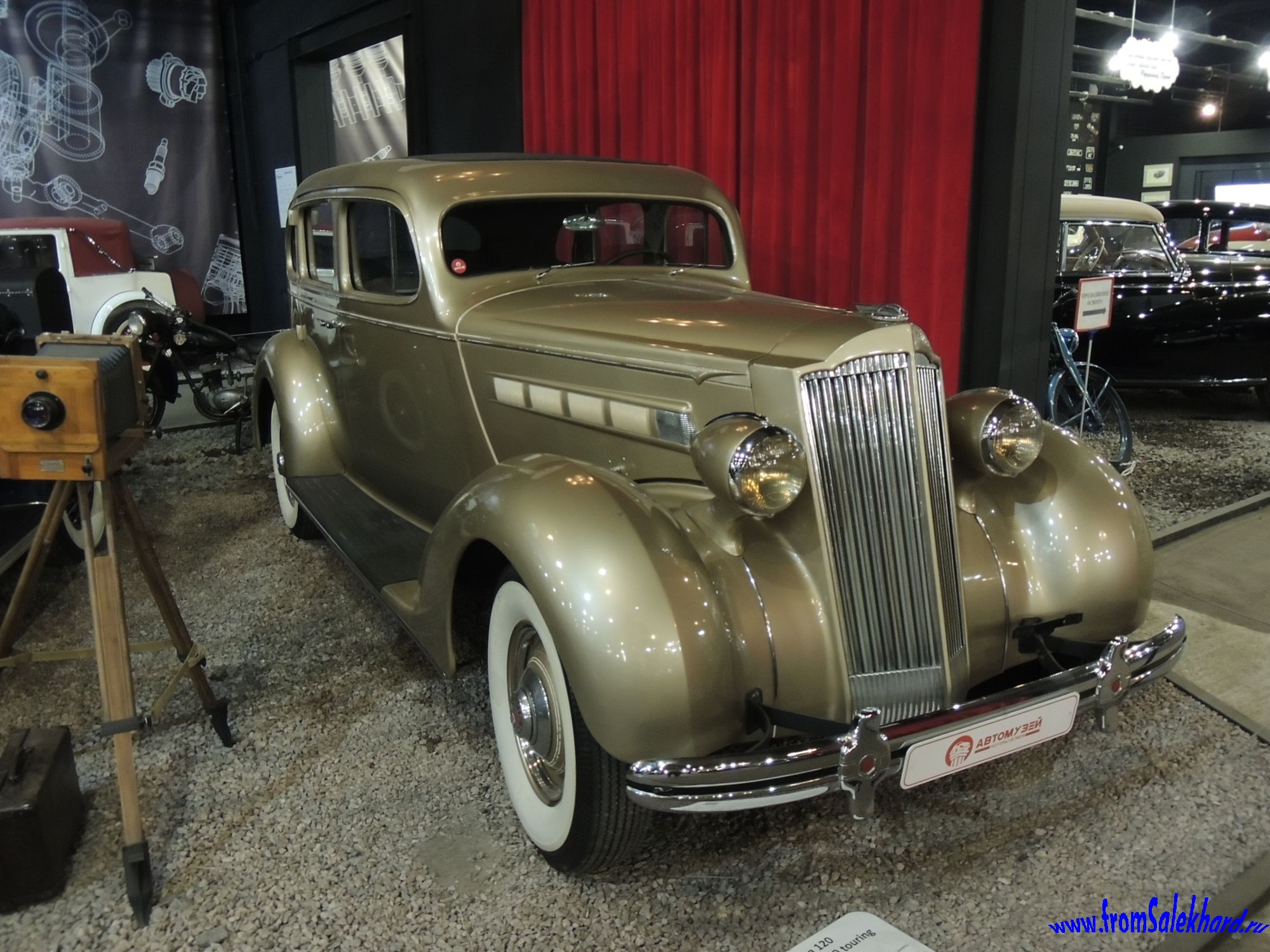
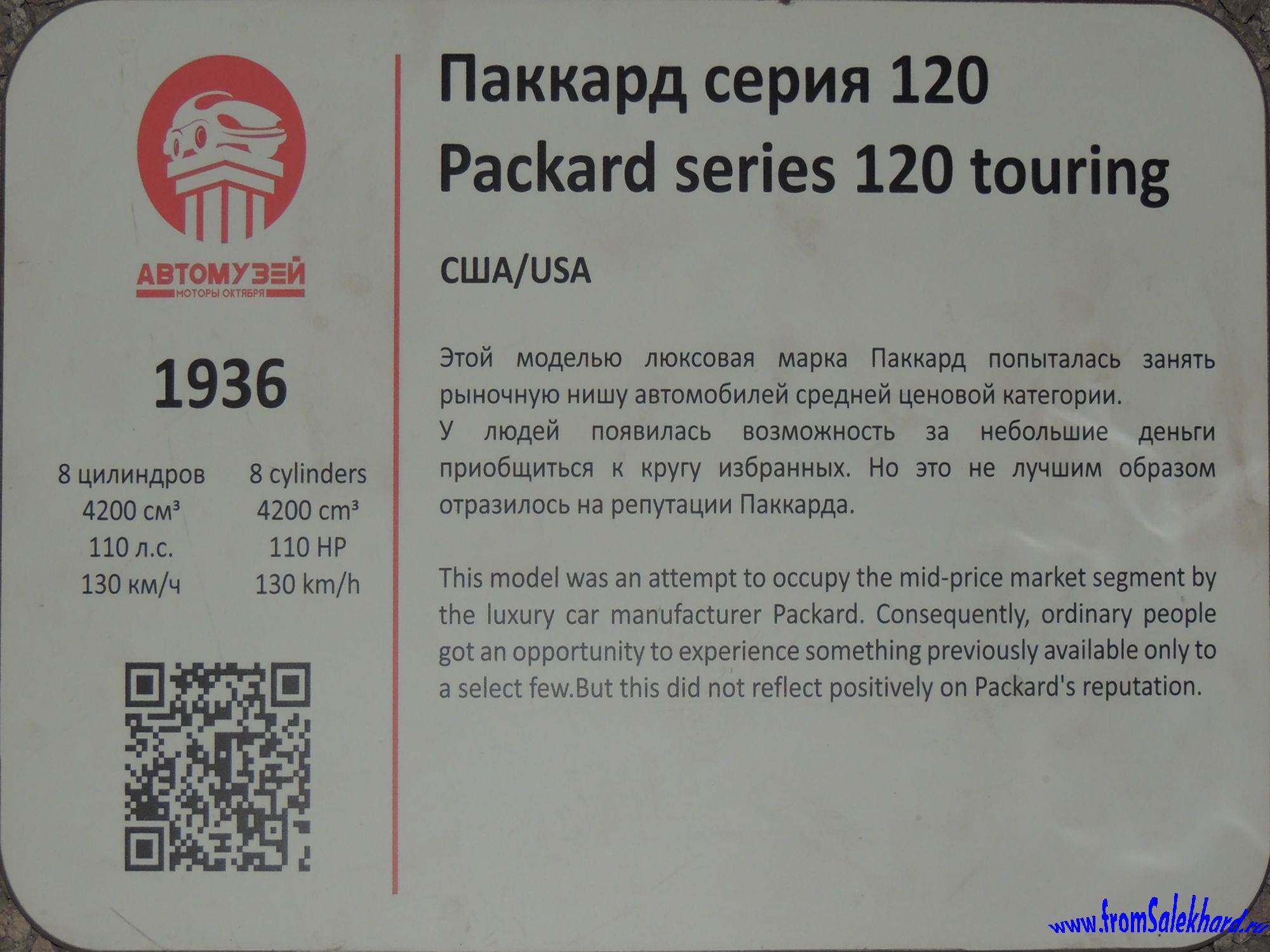
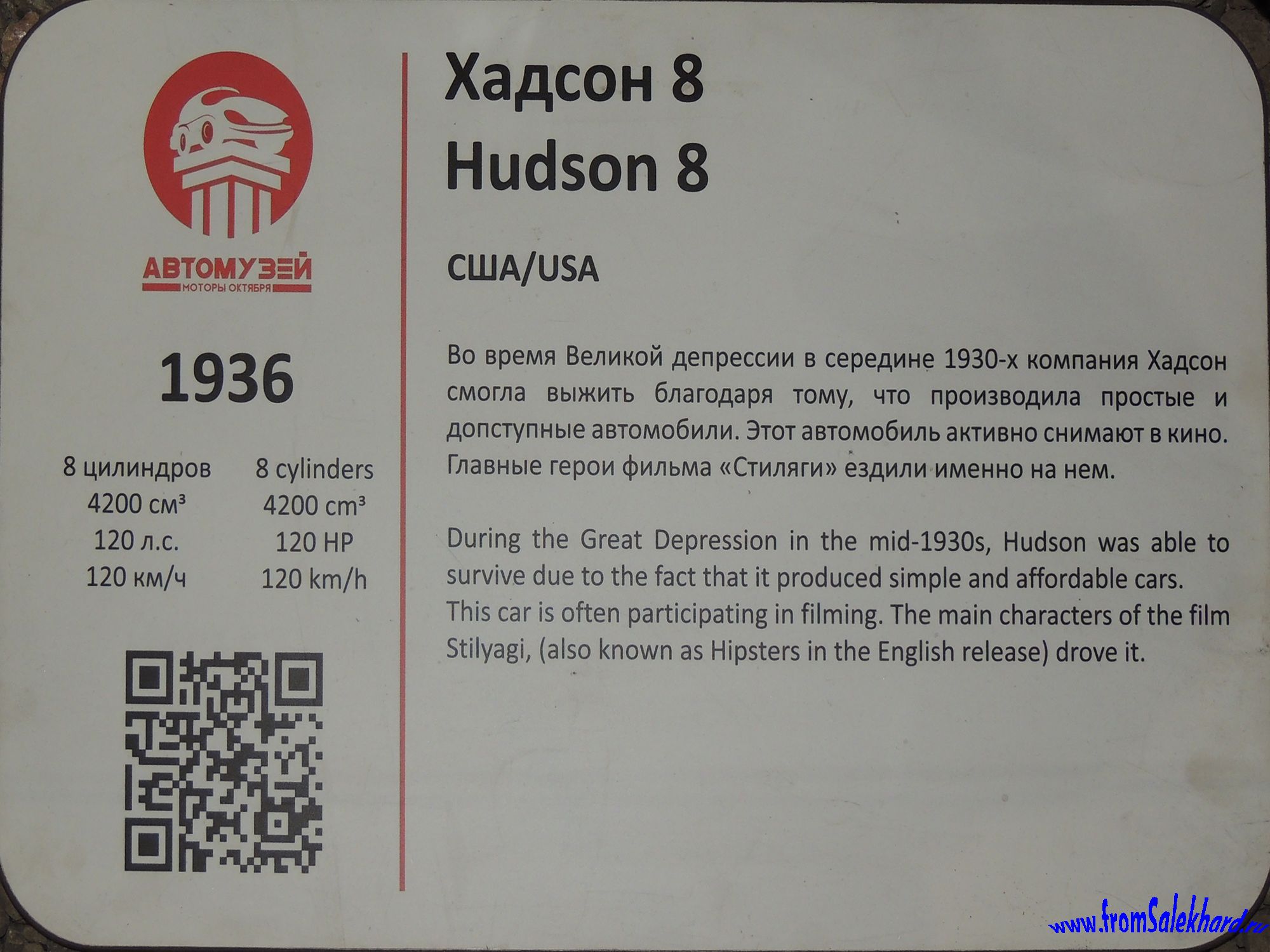
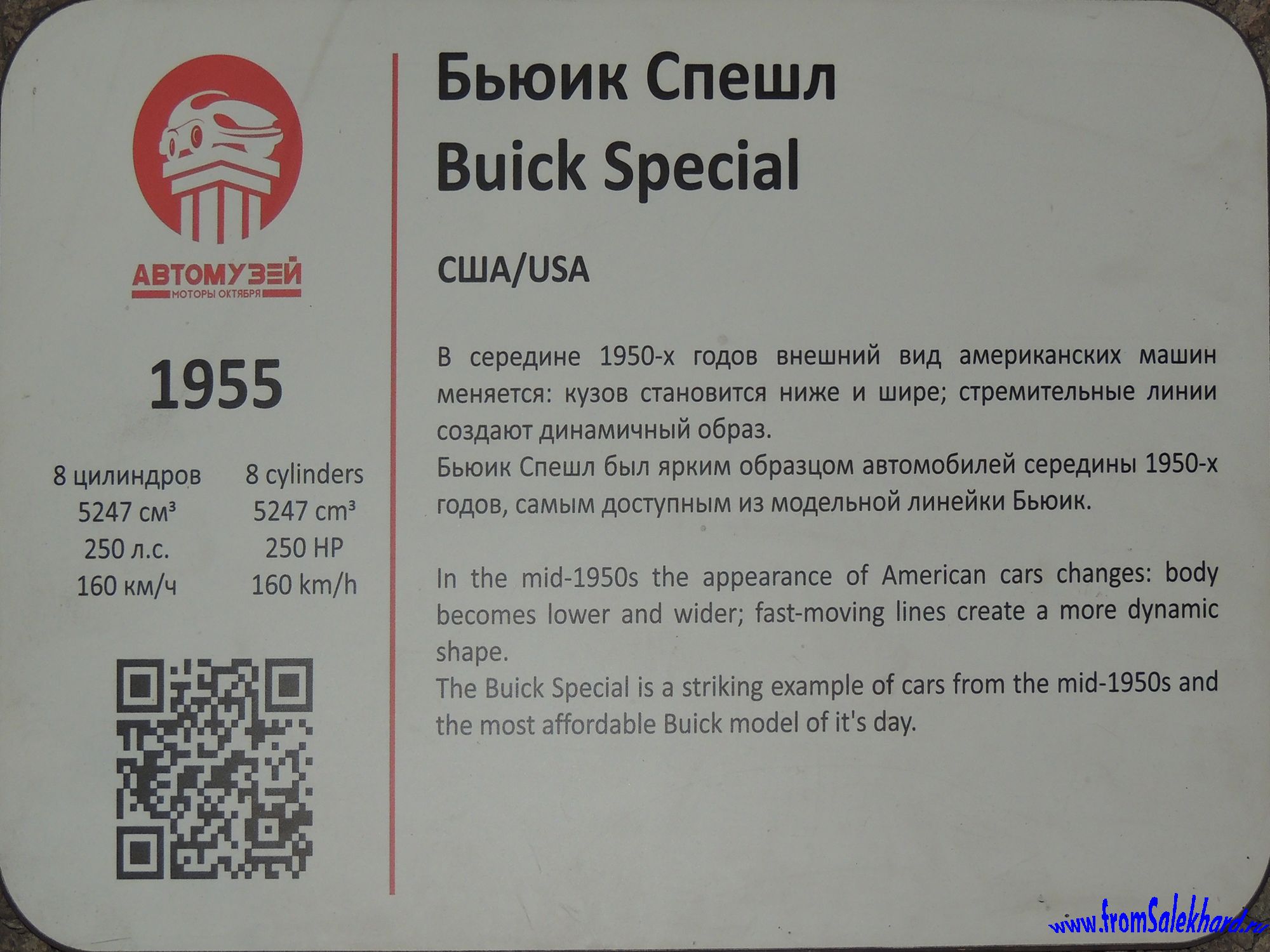
An affordable car! An affordable car with an engine of over four litres and eight cylinders!

6 Likes

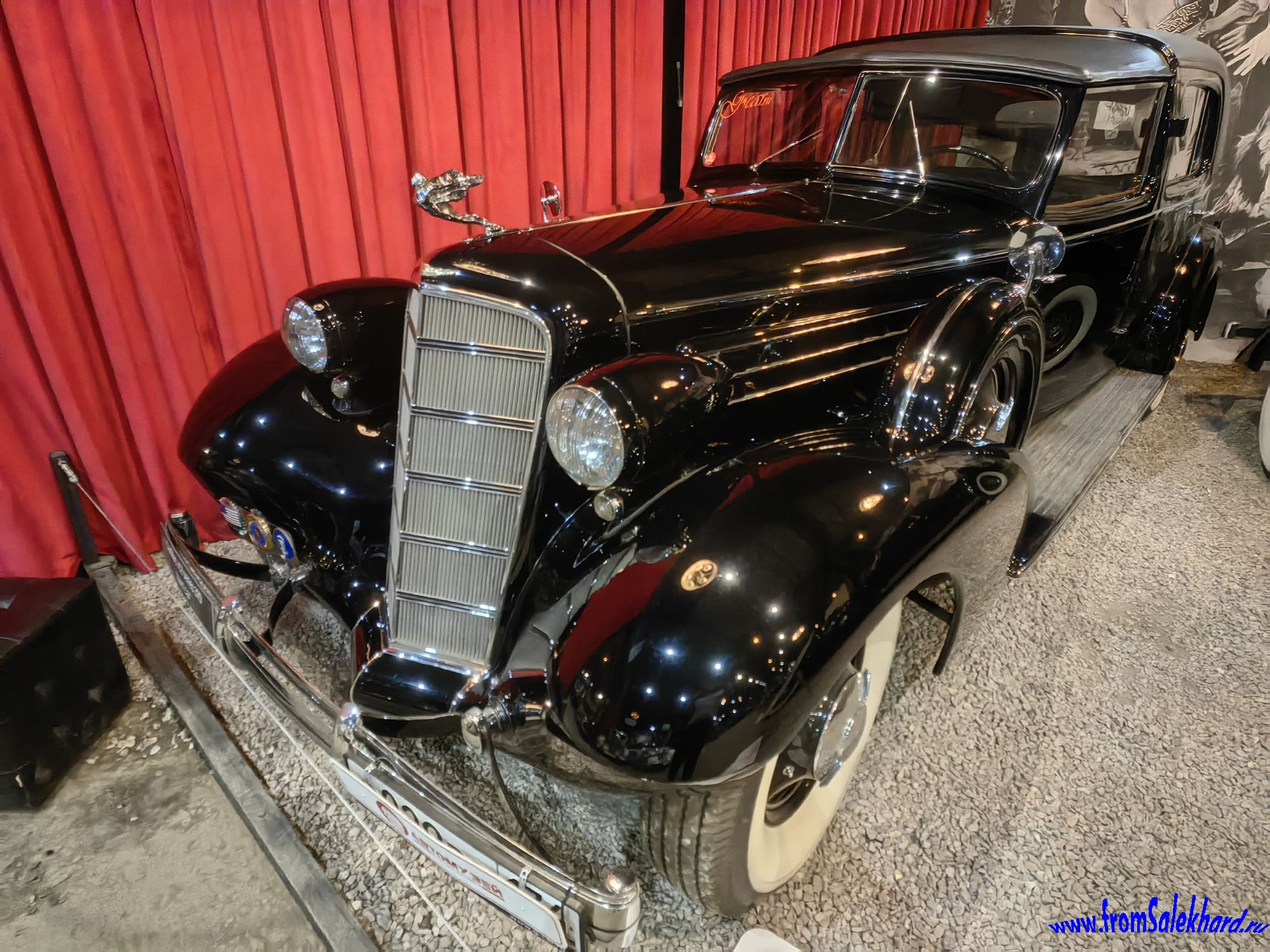
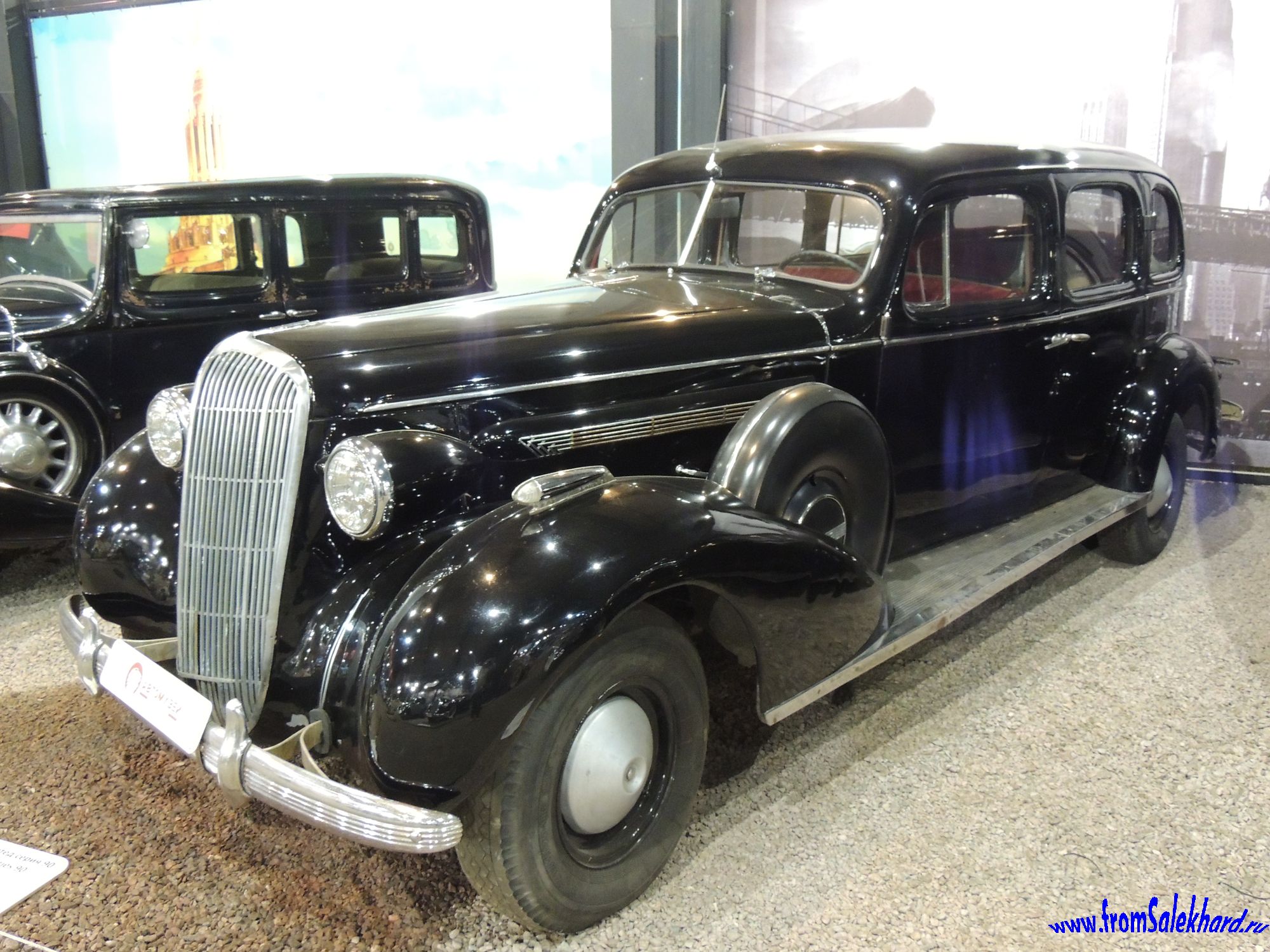
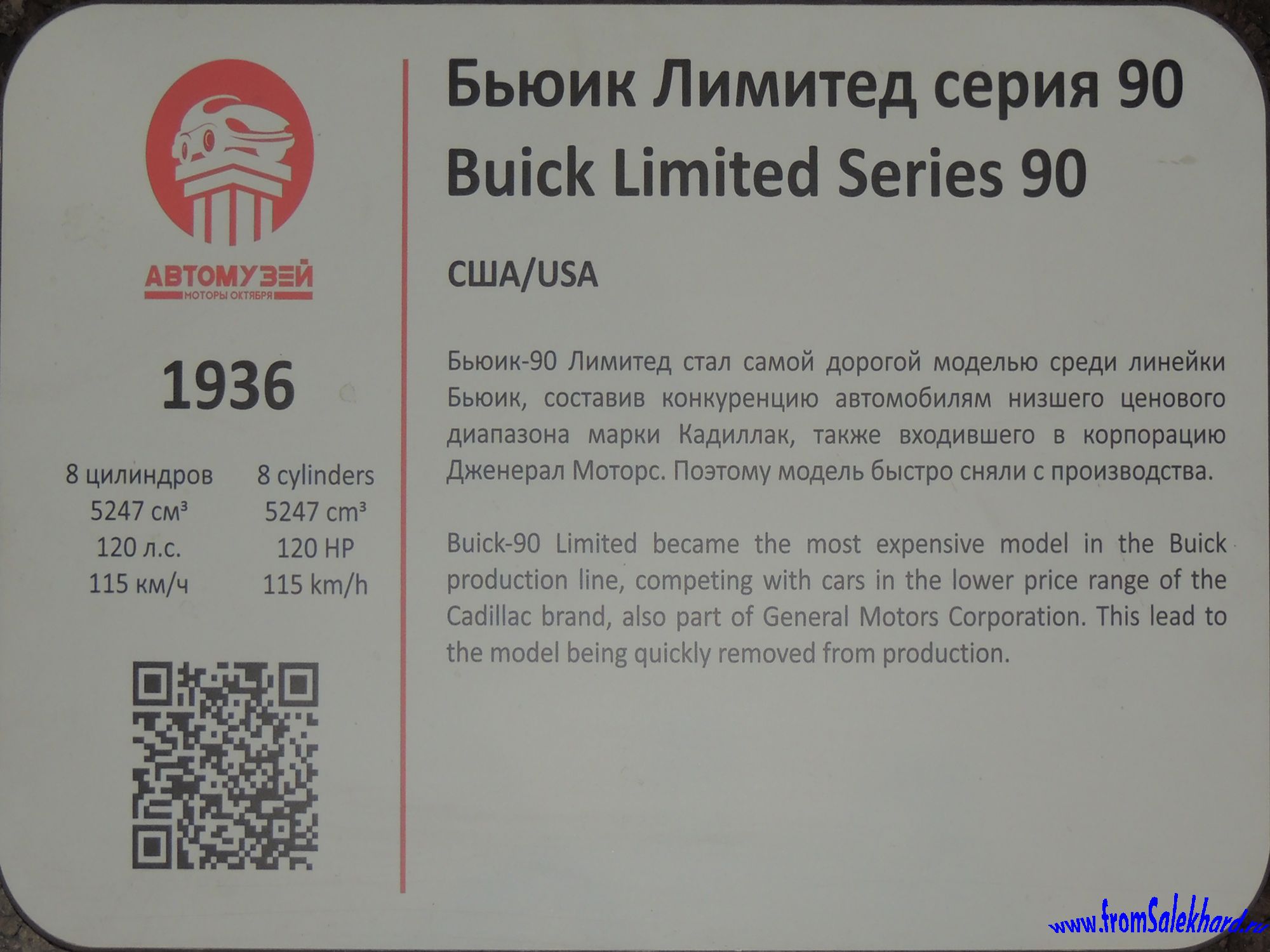
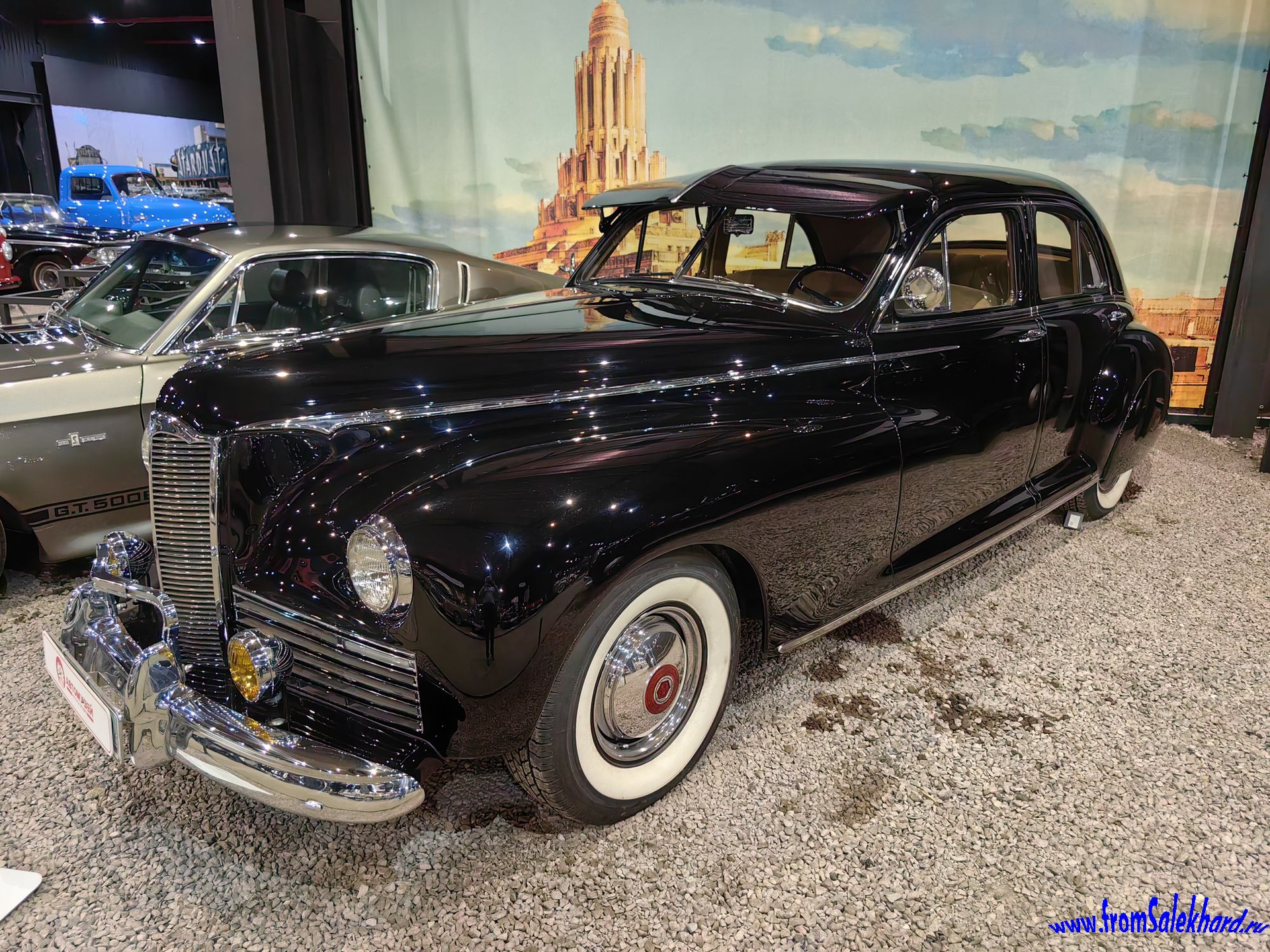
“Black raven, black raven, why do you circle above me?” (words from a sad Russian song)

Have you noticed the differences between pre-war, wartime and post-war cars? No? Neither have I.

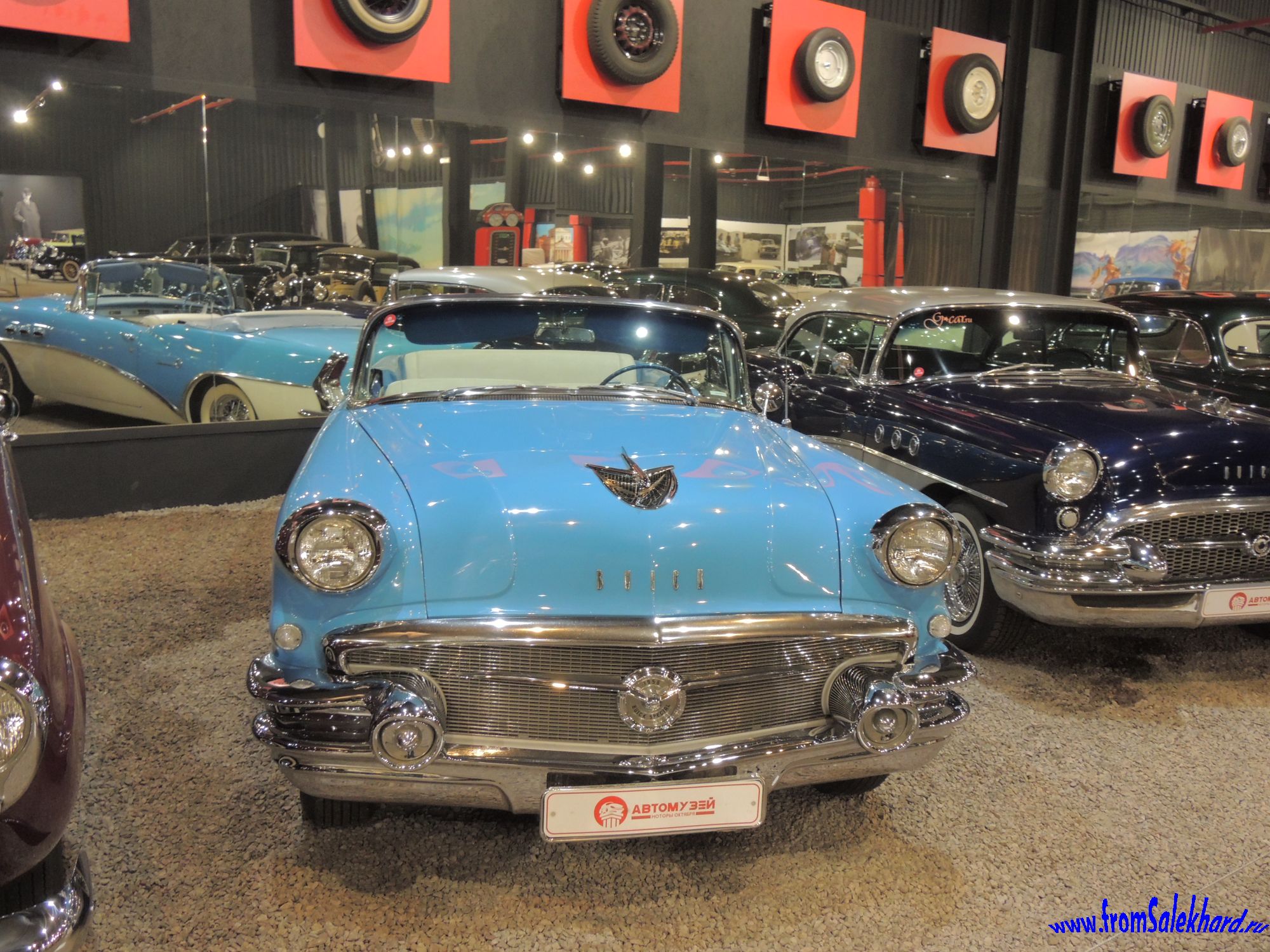
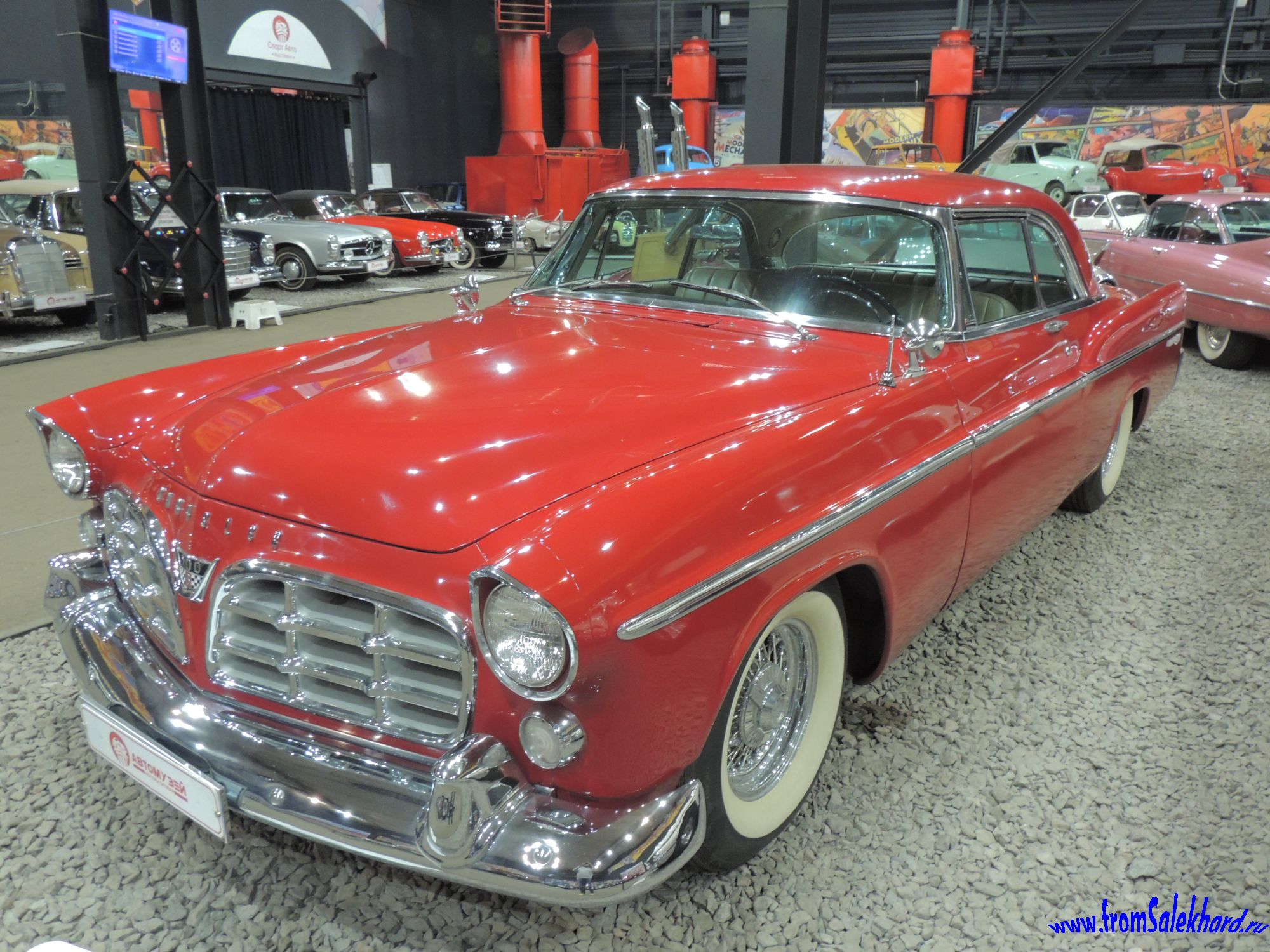
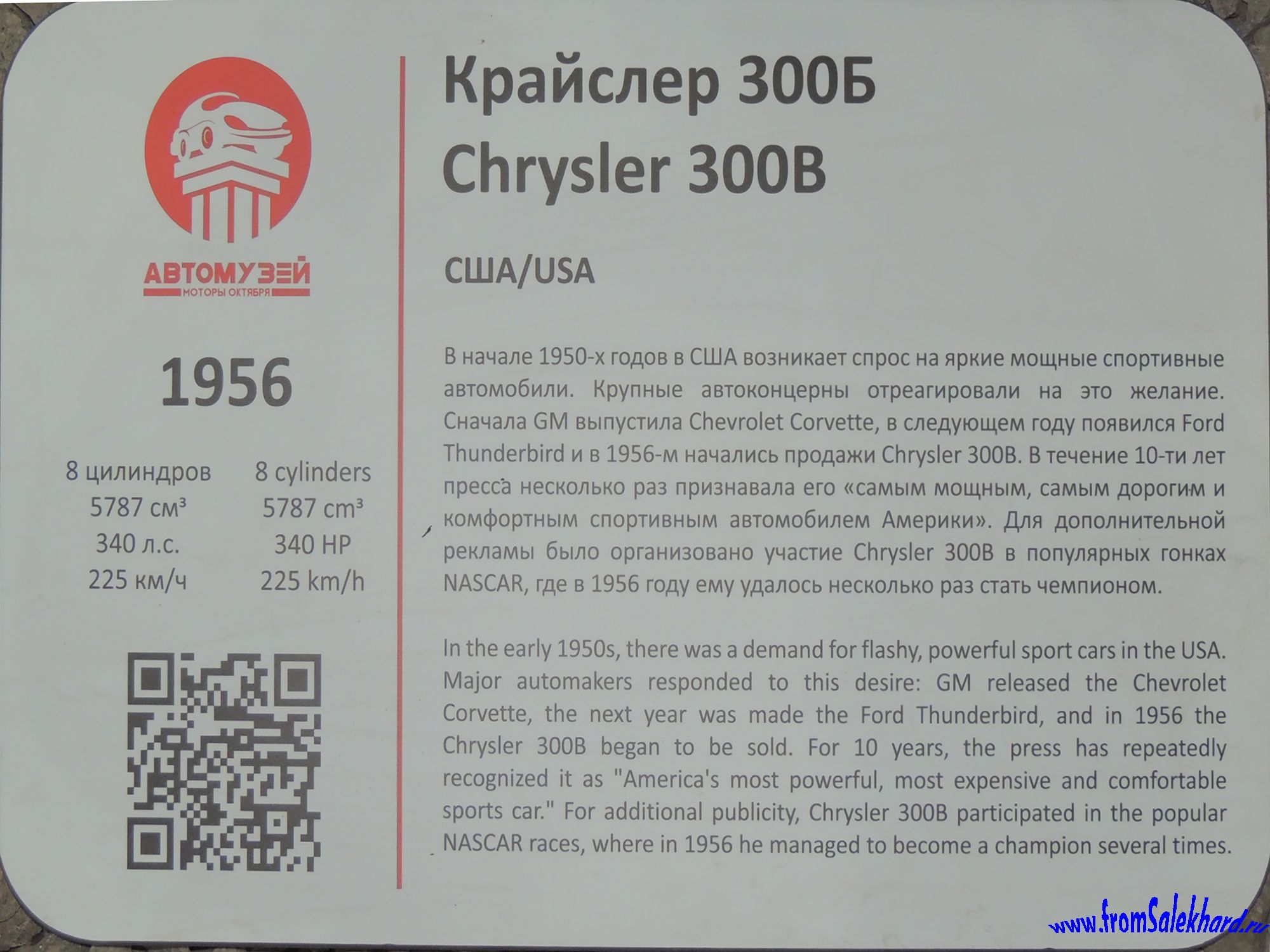
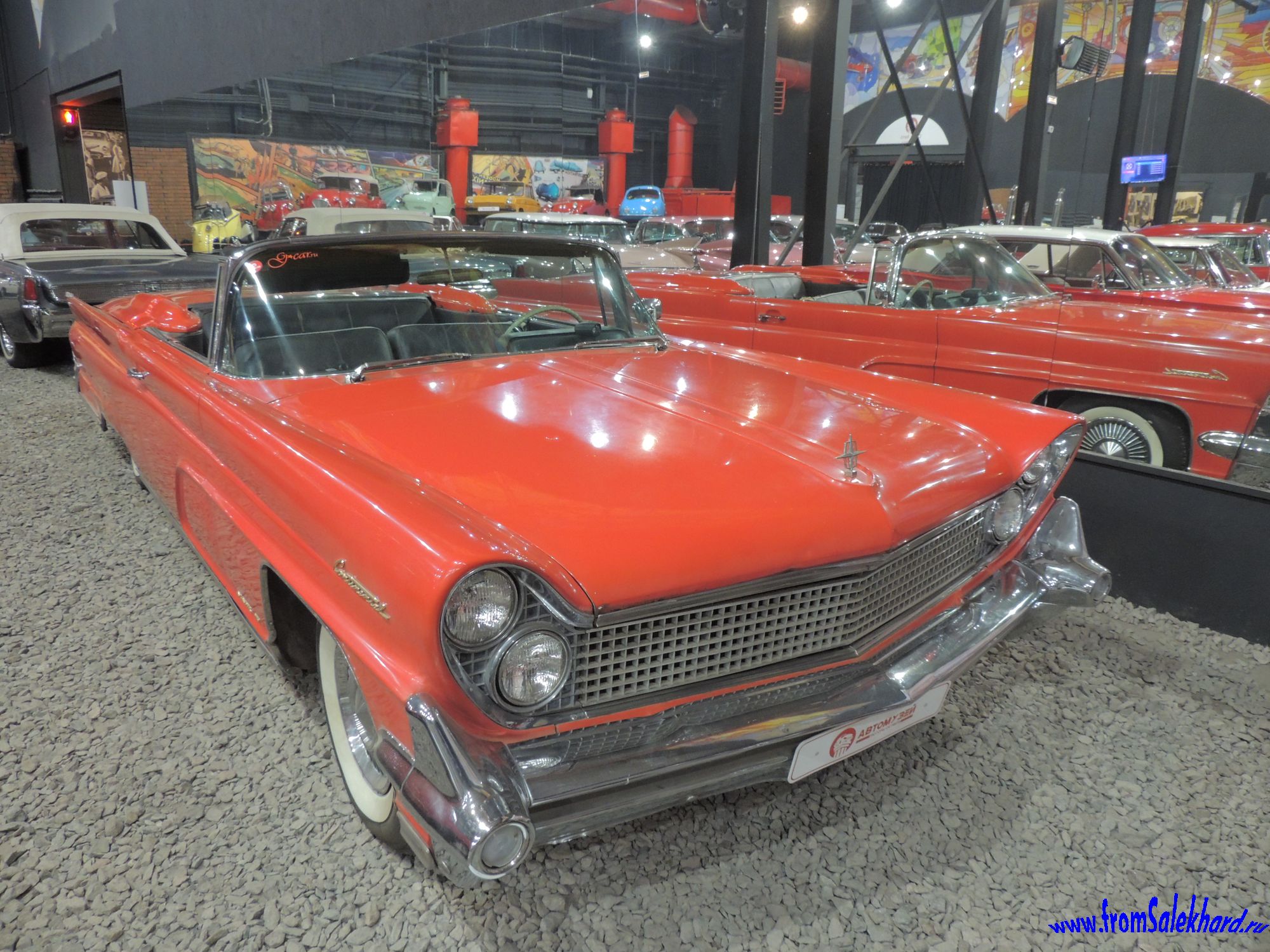
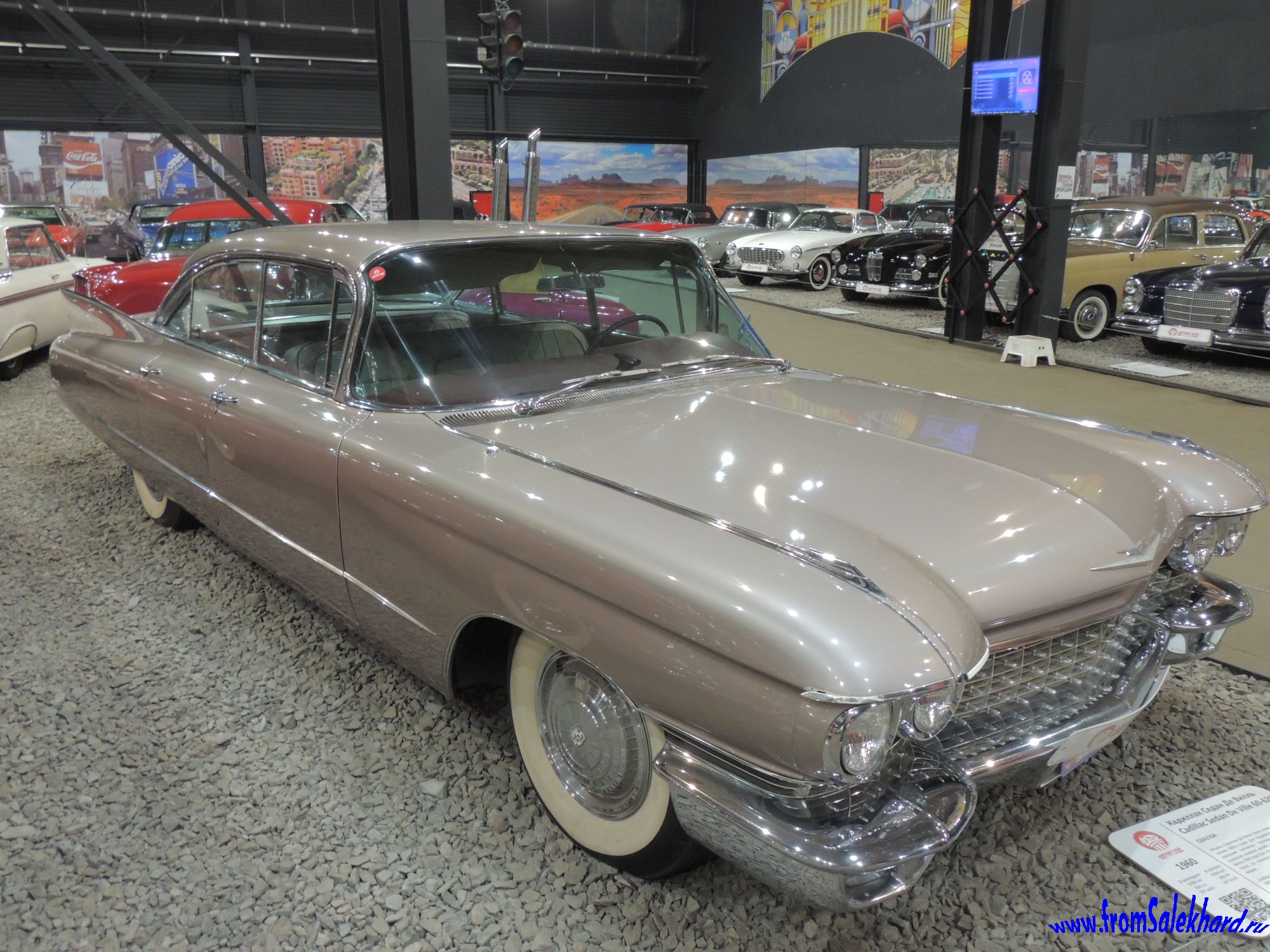
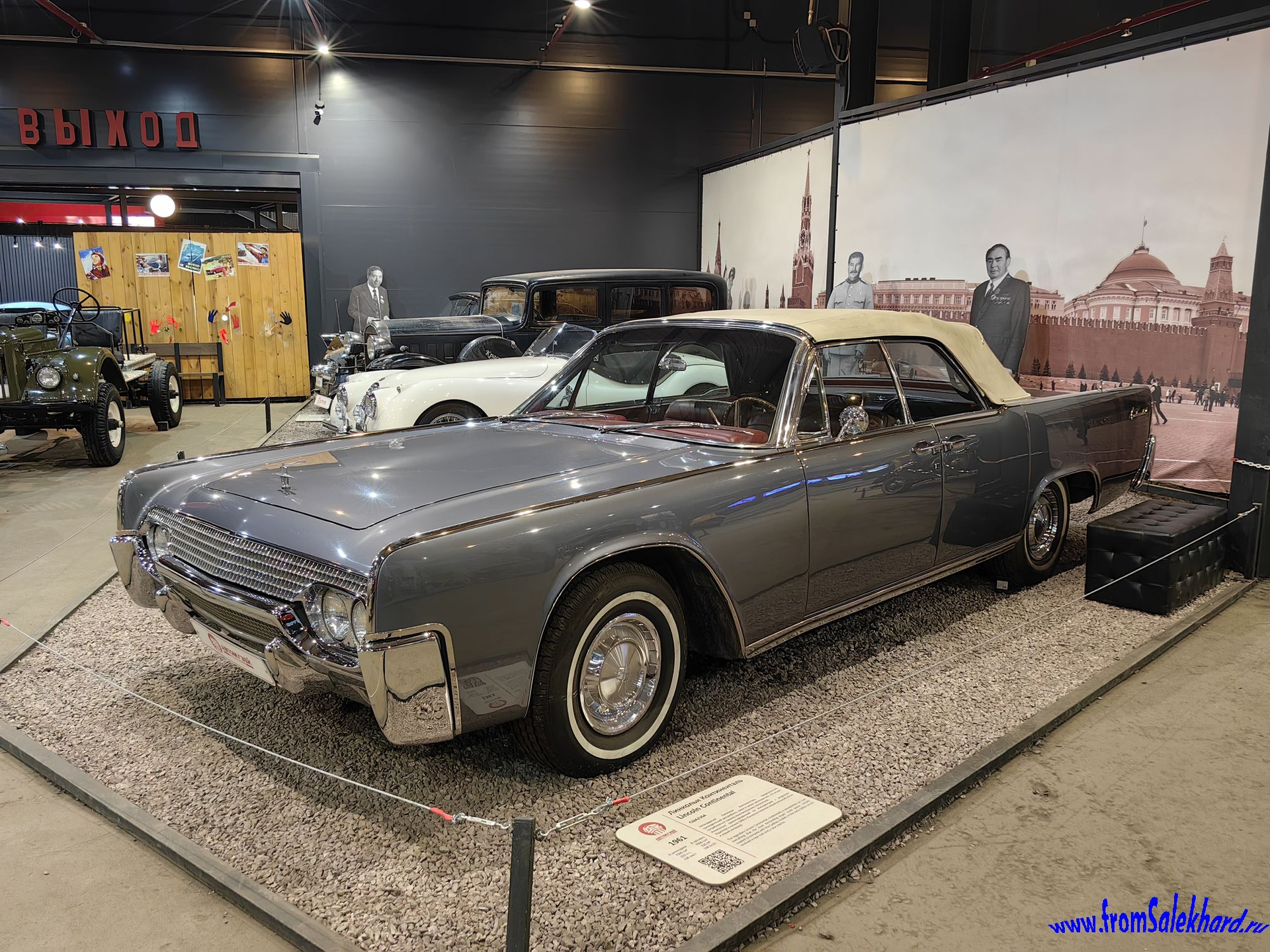
Now things are beginning to get interesting.

Any moment now…

Here we go!

I had been troubled by a vague suspicion. So I specifically looked it up online:

“In the 1950s, the United States really did experience a significant demographic surge that went down in history as the ‘baby boom’ ”

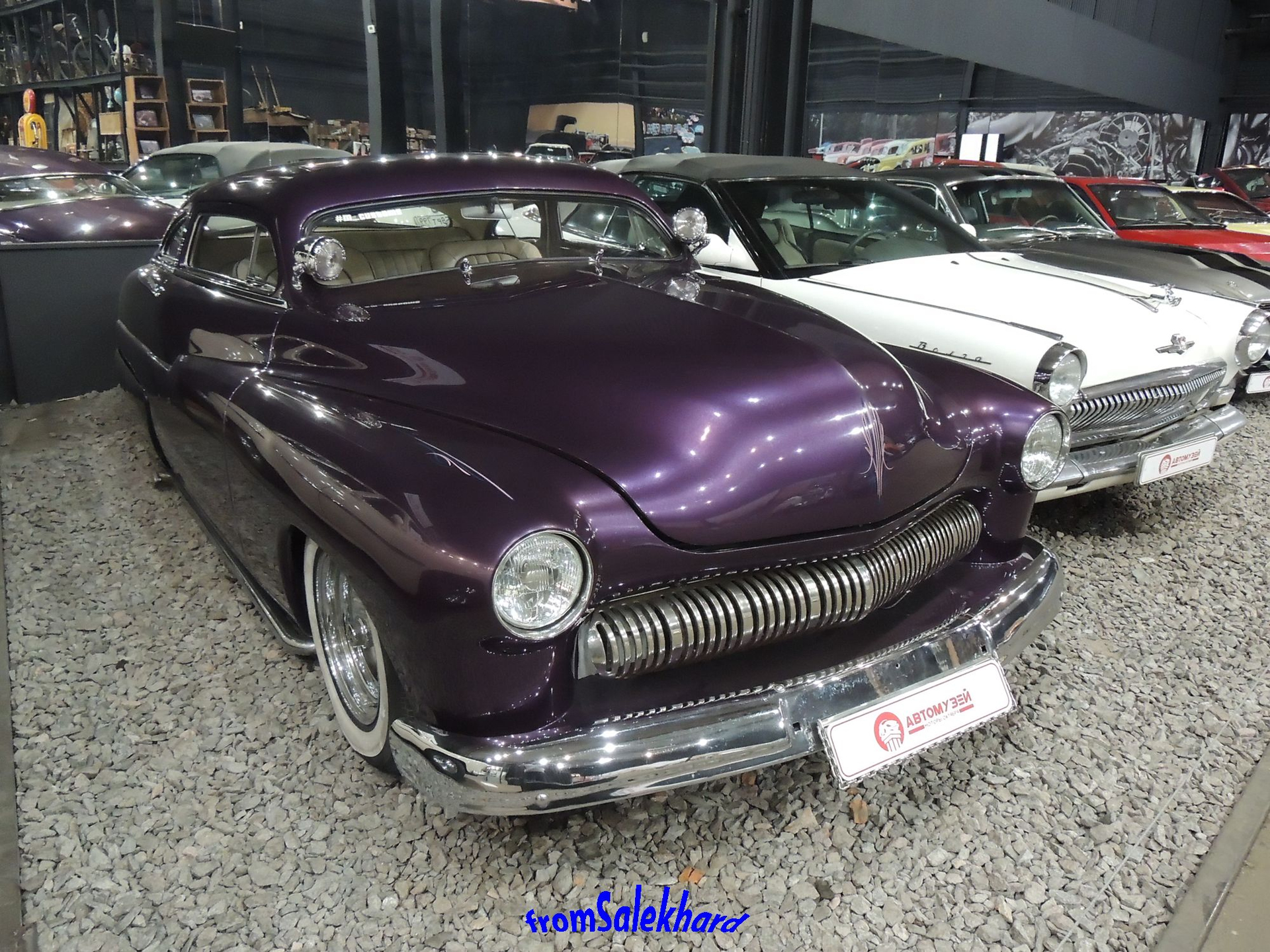
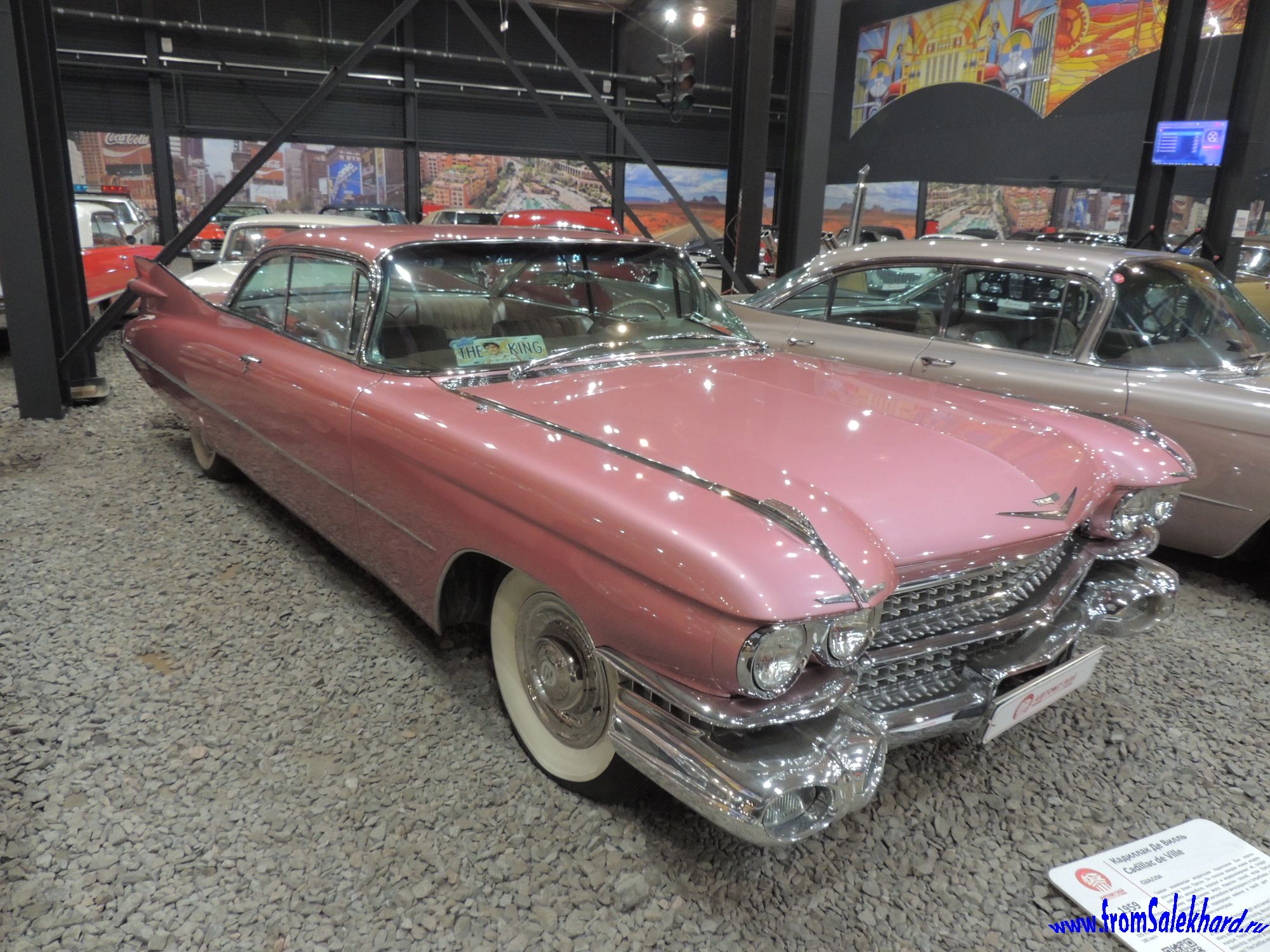
People give all sorts of reasons for it, but there was really only one: cars like these. Think of old American films featuring teenagers, or films about teenagers. All the romantic manoeuvring in those films seems to begin in cars just like these.

Now try doing something like that in the back seat of a classic Soviet compact car.

In some places, the leaders’ faces are too large to fit on banknotes. Here, the bonnet is too large to fit in the frame.

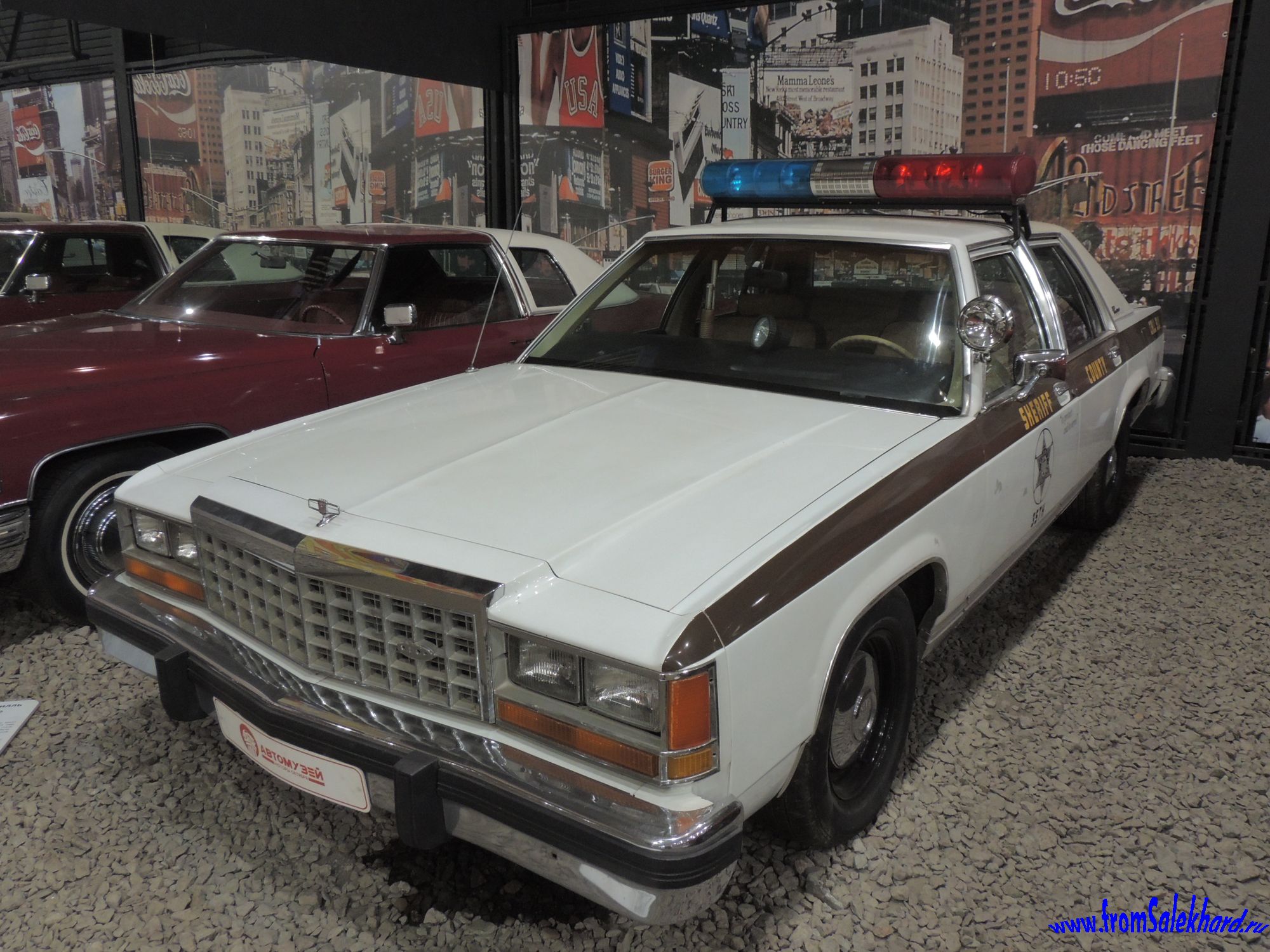
600 cars of this kind were purchased for the Moscow traffic police between 1993 and 1996.

There were plenty of explanations offered to justify the purchase of these unwieldy, fuel-hungry and enormous vehicles. But I remember reading a much simpler explanation at the time: you could get into them without taking off your peaked cap!

P.S. My brother lived in Moscow at the end of the USSR. He used to say that Muscovites had a particular pastime: going to the U.S. Embassy to look at the cars.
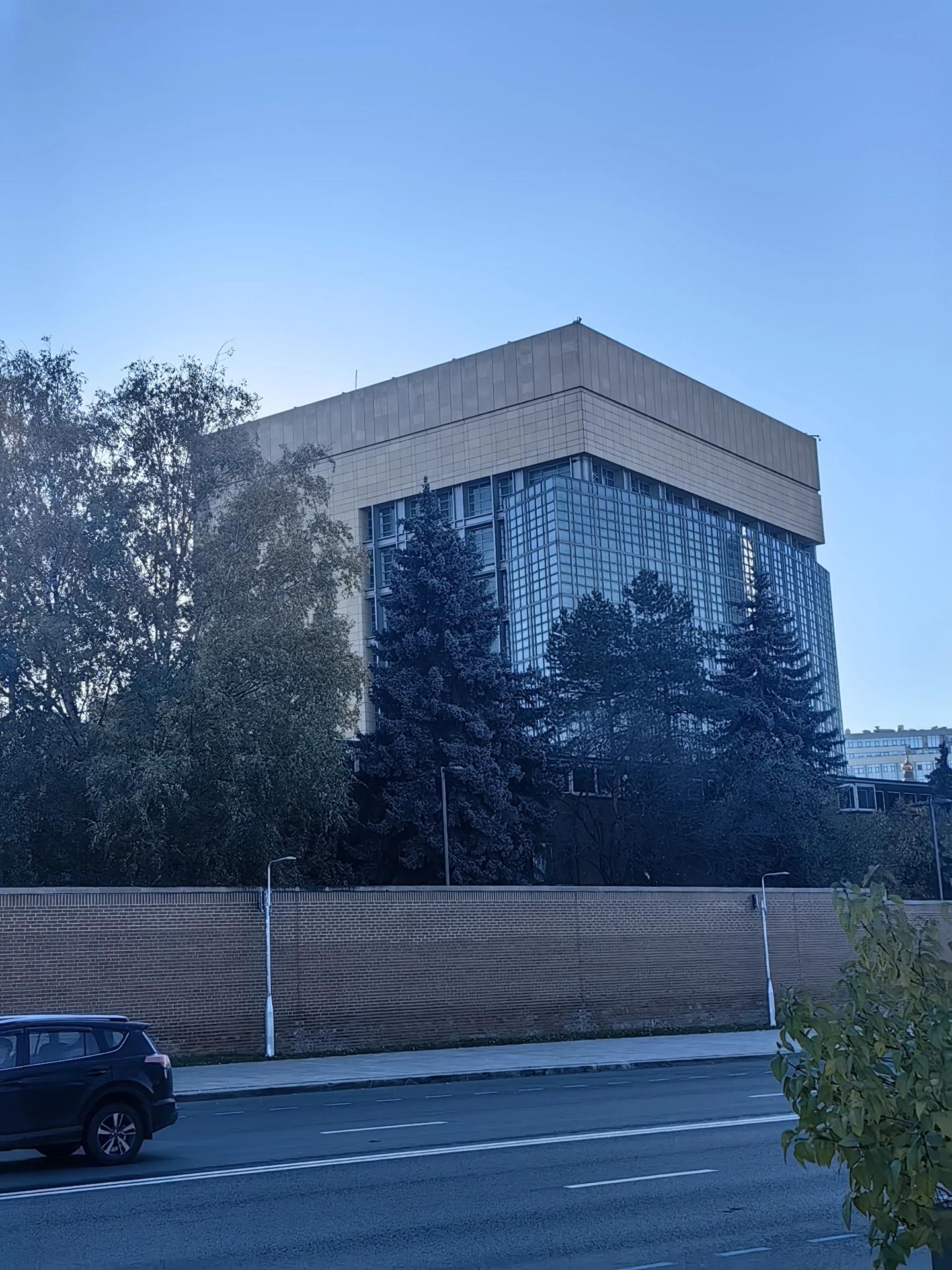
Just a couple of weeks ago, I happened to find myself near the embassy—there aren’t any cars there now worth looking at.

7 Likes

So funny, in the UK we called them Yank-Tanks. Utterly insane vehicles borne of an economic boom in the 50’s early 60’s while Europe & Russia were still in Intensive Care after the Great Patriotic War. What’s missing from that impressive collection are the cars with big tail fins made to look like jet fighters or spacecraft.

1 Like