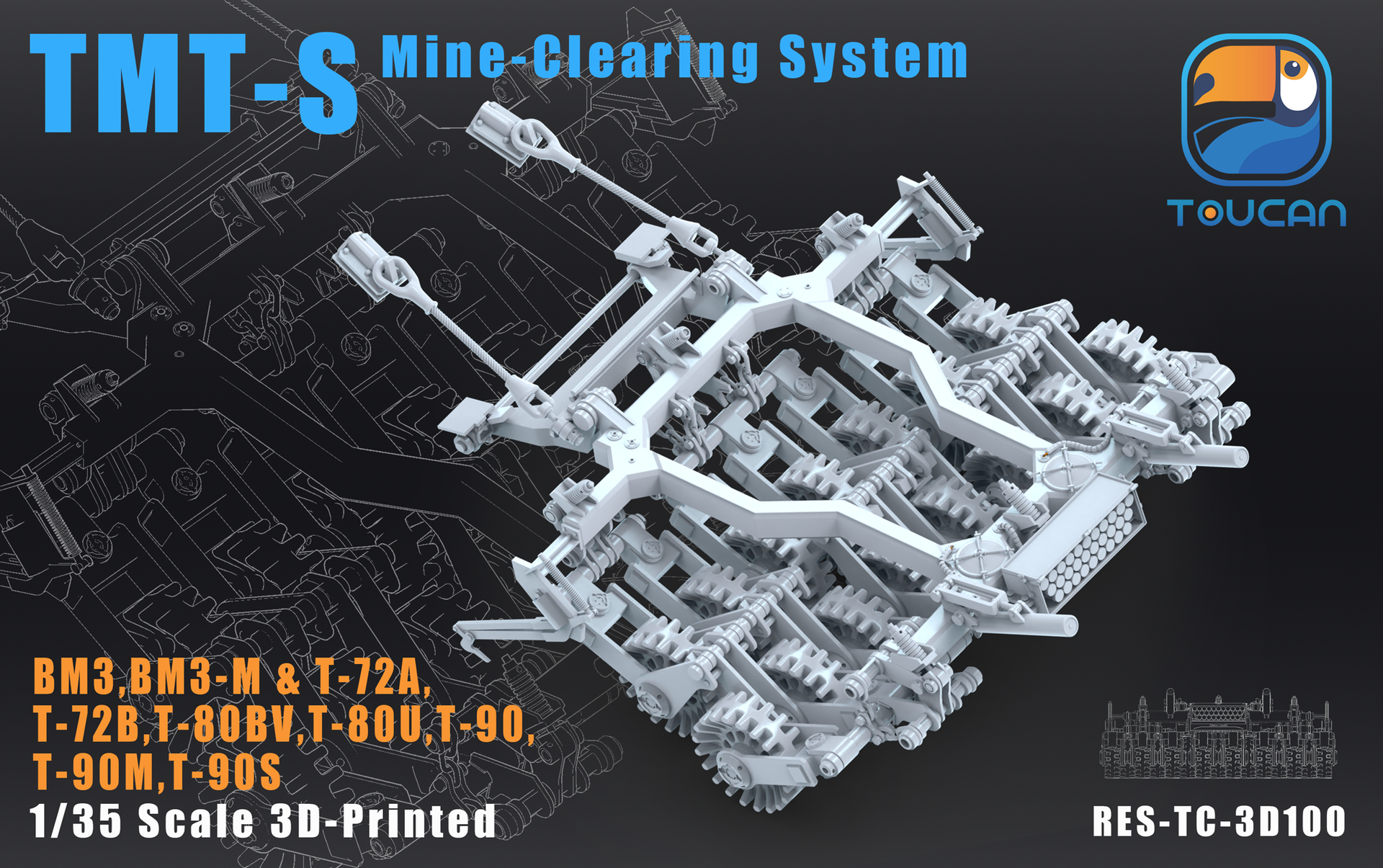
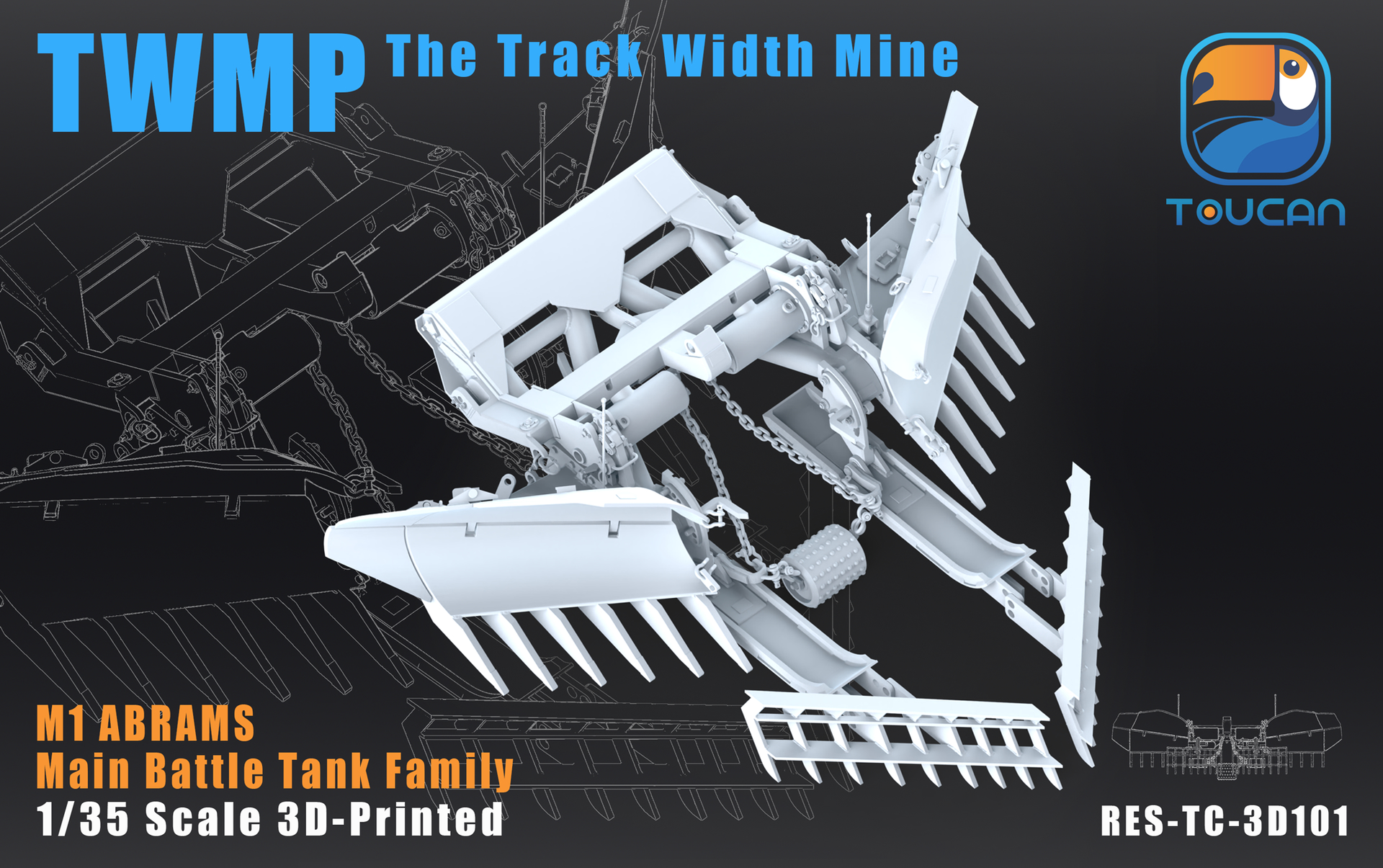
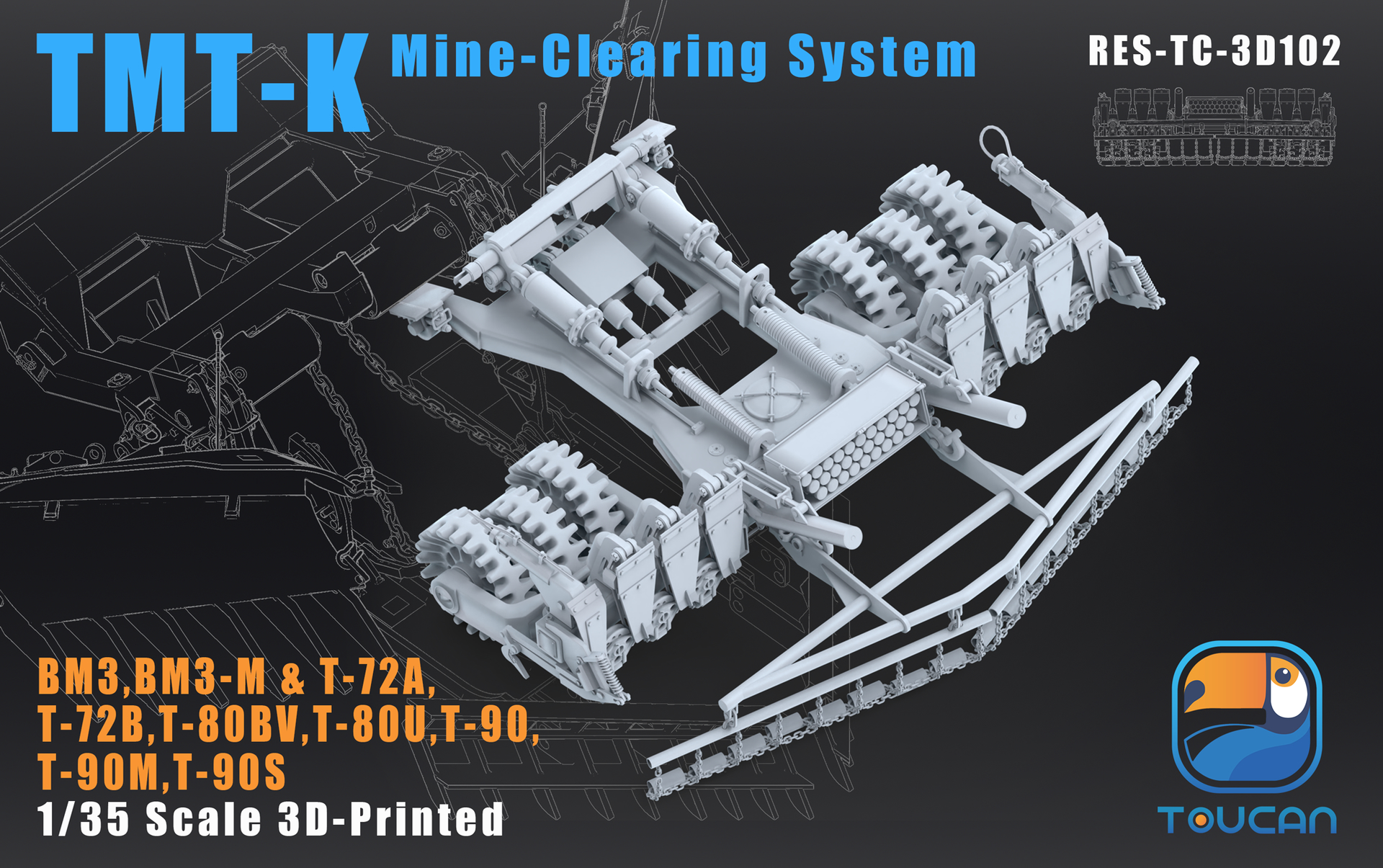
Very nice 
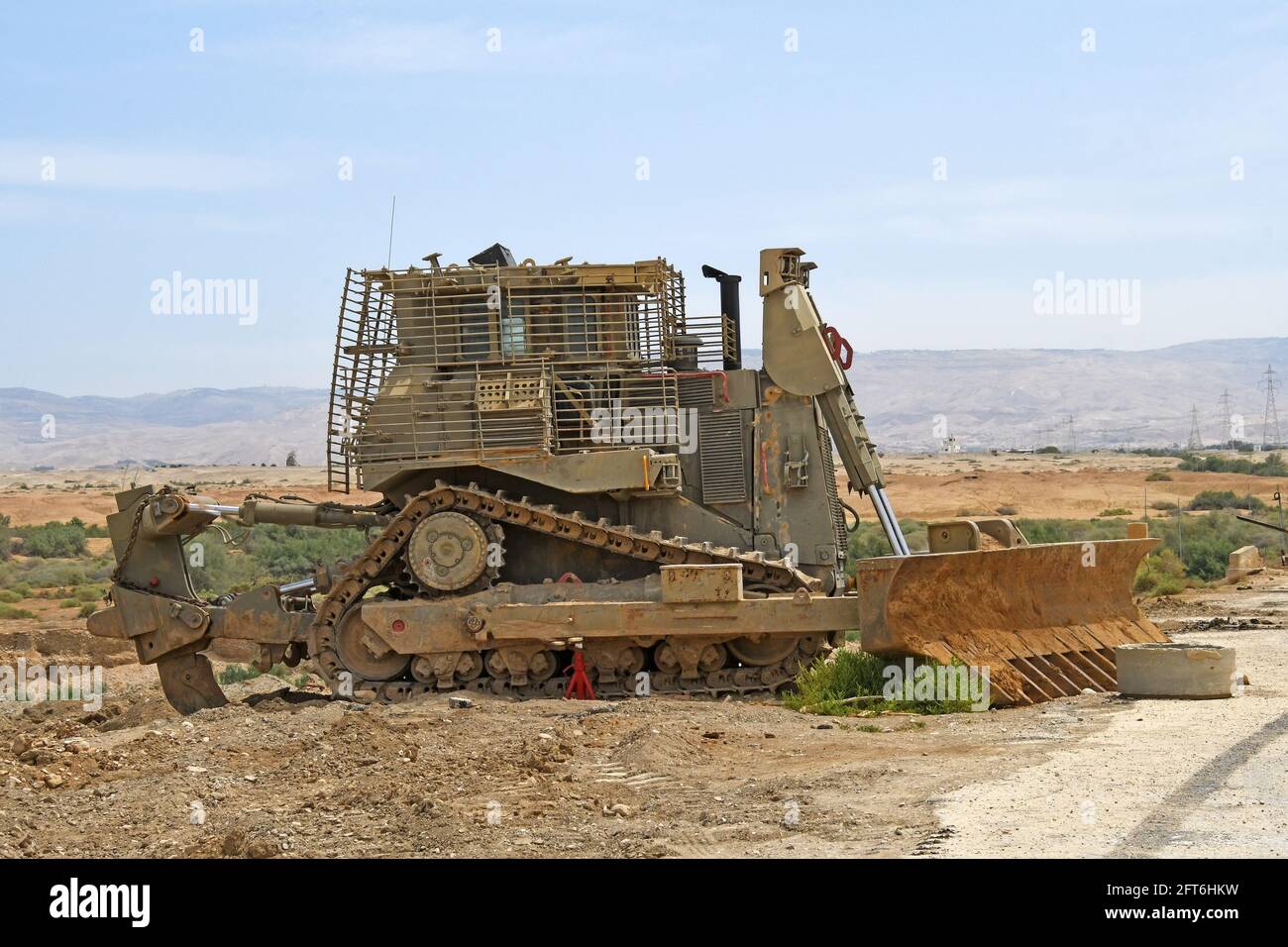
Now we need the Merkava variant 
Very nice
Now we need the Merkava variant
It is included in our plans. Please keep following our updates.
This looks quite interesting. We may proceed with its development provided we can get enough reference materials.
I can look up some pictures in necessary but would you be interested in making the RDS (Robot Delivery System) that was mounted on the back of some trucks for delivery of the Talon robots, and maybe the Red Pack that came with the Husky VMMD?
My next-to-last assignment in the Army was the training officer for the Joint IED Defeat Organization back when it was called a Task Force (2005-2006). It was the most heartbreaking assignment.
One of many threats we struggled with were IEDs used in built-up and urban areas, emplaced in walls, fences and on highways behind guardrails. Those weapons were elevated above ground and exploded horizontally. The detonation tends to drag other wall or guardrail debris into becoming their own penetrators. Mine rollers and plows were useless in those environments.
Another weapon we struggled with was explosives placed under manhole covers. When detonated, the manhole cover was turned into a penetrator that passed up and often through a vehicle. Mine rollers and plows were not useful against manhole weapons.
Among the most deadly IEDs were explosively formed penetrators (EFPs). EFPs are explosives used in a way to turn metal plates into a solid penetrating slug when detonated. The more powerful ones are capable of defeating most heavy armor.
IED detonators could be something as simple as two sawblades energized with a car battery with a cardboard spacer placed between them. Vehicle drives across the sawblades, the metal blades make contact with each other completing the circuit and setting off the explosives.
Other simple detonators include washing machine timers, clothes dryer timers, and a car’s airbag control unit (ACU). Rather than inflate an airbag when a car crashes, the ACU detonates the explosives or artillery shells in the car when a crash sensor triggers the ACU. Ram the car into a convoy…
IEDs are absolutely terrifying, extremely effective, can be shockingly simple in design, and are intensely difficult to detect and defeat.
Earlier in my career, I was commanding an engineer company and ours was the first company to use MICLICs during an NTC rotation. The Observer-Controllers were terrified we were going to detonate the explosive-laden cable while still on the trailer in its box. We did fine. We had used them earlier in Desert Storm.
EFPs were the most terrifying thing to me luckily they didn’t make a big appearance in Afghanistan. The detonator they were using there that scared me were the ones that were set to a military vehicle weight or the ones that counter a number of run overs before blowing up
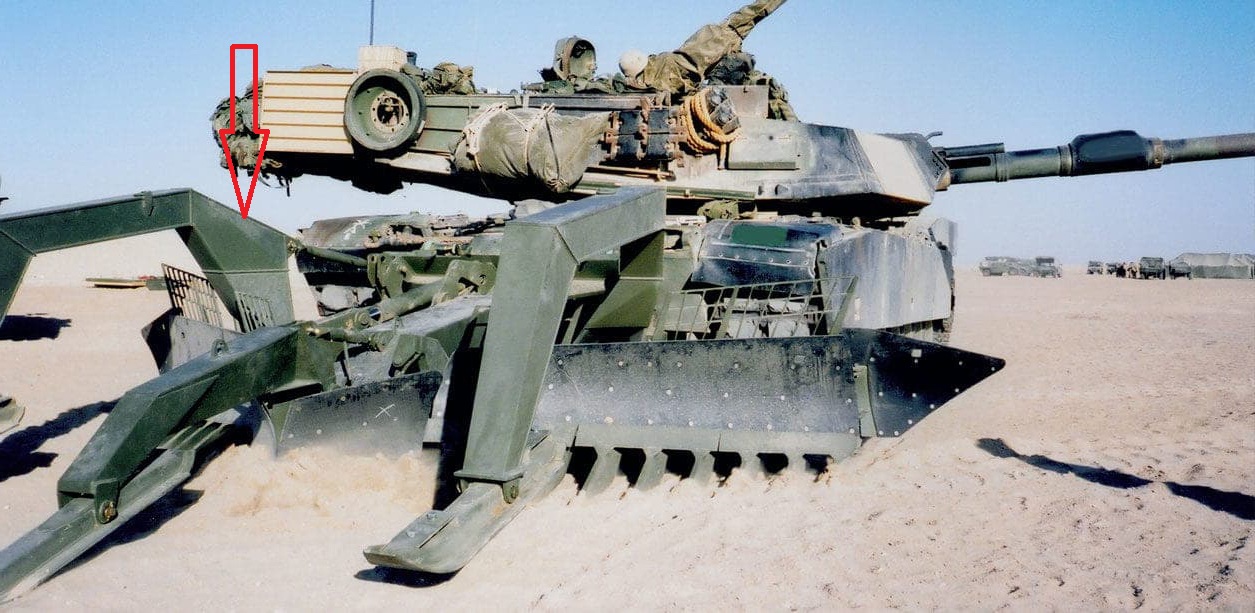
How about designing the route opening blade for the USMC M1A1? It looks similar to the M1/M1150 breacher but the two outer arms are different at the rear. In the first photo on the USMC M1A1 you can see the outer arms are solid, not open frame like on the M1/M1150. Second photo shows the M1/M1150 and you can see that the two outer arms are different with the open frames.
The one on the USMC M1A1 is the same as on the Romanian Dragor minesweeper. Here you can see it matches up with the one on the USMC M1A1.
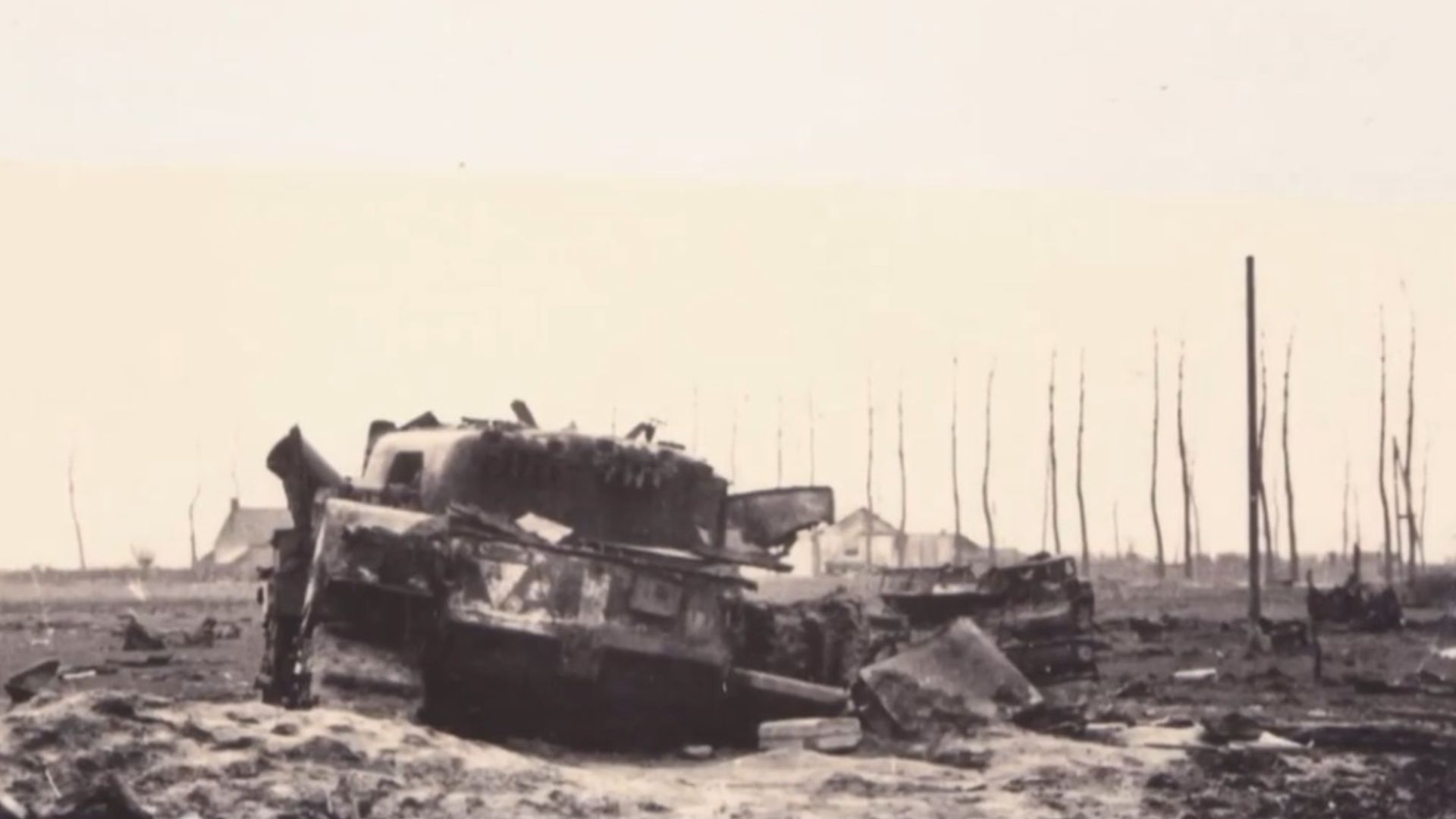
Not entirely an unfounded fear. Here’s some photos of the aftermath of an accident involving an early predecessor of the MICLIC on 20 October 1944:
OK, this probably wasn’t due to a Conger itself detonating, but most likely[1] a lorry carrying the nitroglycerine that was to be used for filling the hose after launching it across a minefield. Still, it killed 41 soldiers, wounded 43 more, turned a farm into a ruin and destroyed not just a whole bunch of softskins but two Churchill AVREs as well.
All of which is why 1) the British Army immediately banned the use of Conger, and 2) modern line charges don’t use nitroglycerine 
there was never any actual investigation launched ↩︎
so this is pearsons FWTMP used by loads of countries in two forms
electricaly driven and hydraulic driven , the adaptor plates are common so are the tines and arms what is not is the base plate whcich is special to the vehicle using the device and some do not use a base plate but common fixings on the front of the tank.
FWMP and be converted to TWMP by removing center set of tines and skid.
hope this helps ossie
Thanks for the info!
EFPs were terrifying. That copper slug could make easy work out of the underside of an M2 Bradley. The BUSK system was useless against an EFP.
Our Countermeasures could only do so much. Even with the DUKE and RHINO systems, the insurgents managed to clip us from time to time.
As the gunner in the lead gun truck, I always gave a wide berth to anything that looked hinky. We’d simply mark the location and notify Big Army on the FBCB2.
EFPs came directly from Syria, a stone’s throw from our team house. When I went on the PDDS (more as a way to get away from Dona Anna) the team we were replacing took us on a tour, including a trip to the top of a fourteen story grain elevator. While up there, I recorded two IED’s going off, I decided then that this tour was going to be no cakewalk. As the 18B who wrote the CONOPs, I never went the same way twice, although we were definitely hindered by the fact we could usually only use one gate for departure. Still, in spite of a few very close calls, we all made it back.
Essayons, brother
FWMP is on our development roadmap. We expect to kick off its development in December. Please stay tuned for our updates.
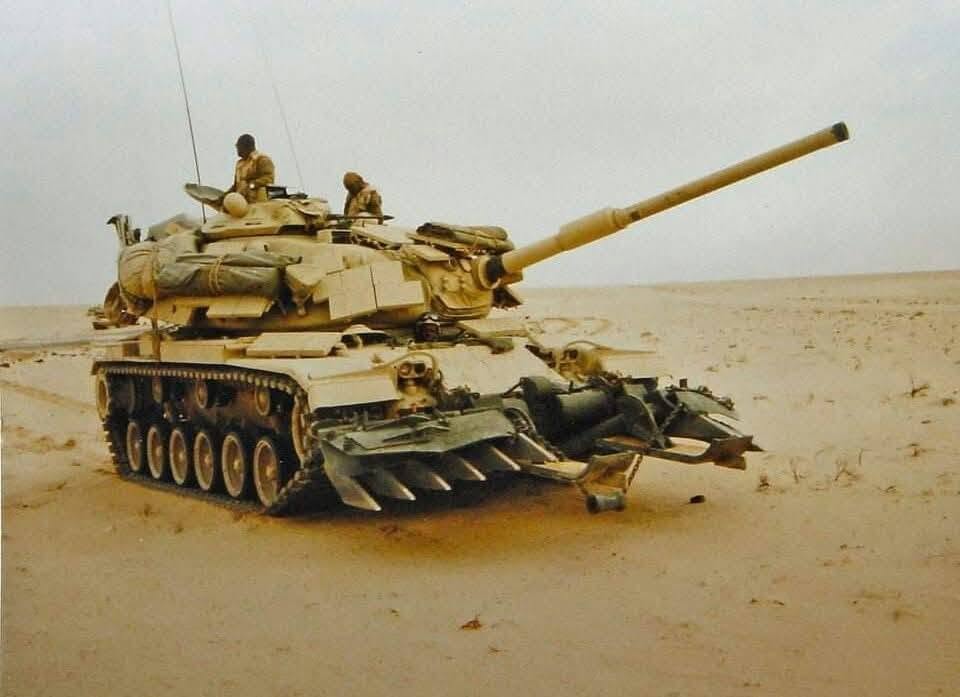
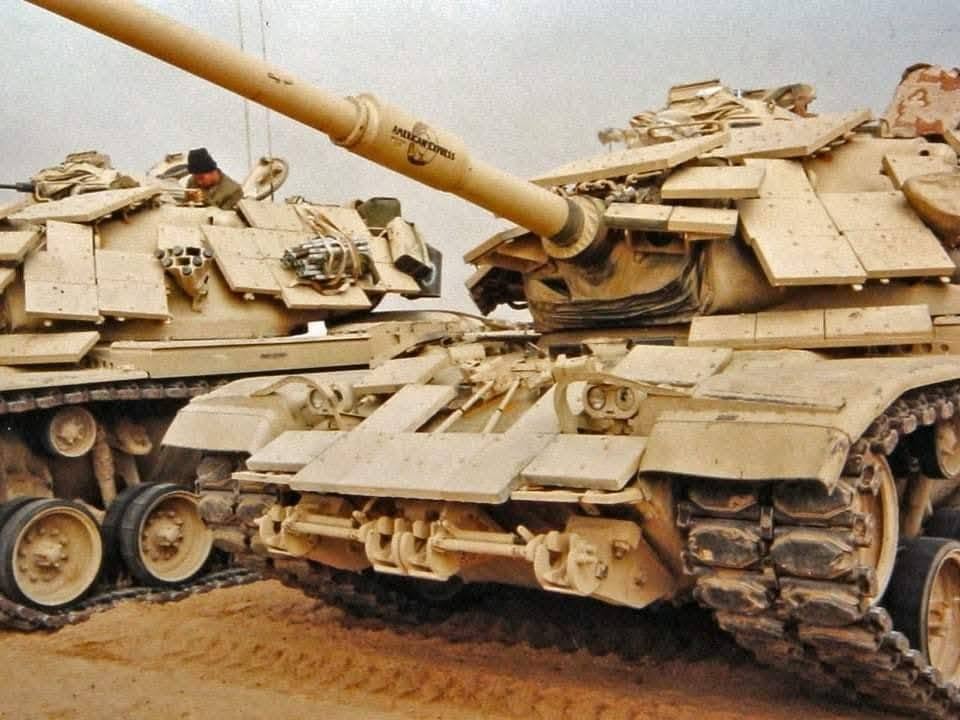
very interesting photos showing the US Army’s general adaptation capability
Thanks
no US Army, but US MARINES tanks in Gulf war