Jfrank,Jrutman,Mech, Thanks a lot
1 Like
And I have to wonder a bit — it’s certainly possible that there would still have been unused captured French tanks in 1943 or later, and the Germans would have grabbed everything that was still lying around to be thrown into the fight as the Normandy invasion approached — but when they were doing the majority of the conversions, would the three-color camouflage have been prescribed, or would they just be repainting equipment in dunkelgrau? The scene is magnificently done, and with no clear date indication in the scene could well be a ‘what can we scavenge?’ scene from the late war, and a rushed effort to get more vehicles rolled out could easily ‘justify’ being casual about keeping live munitions out of the work area.
2 Likes
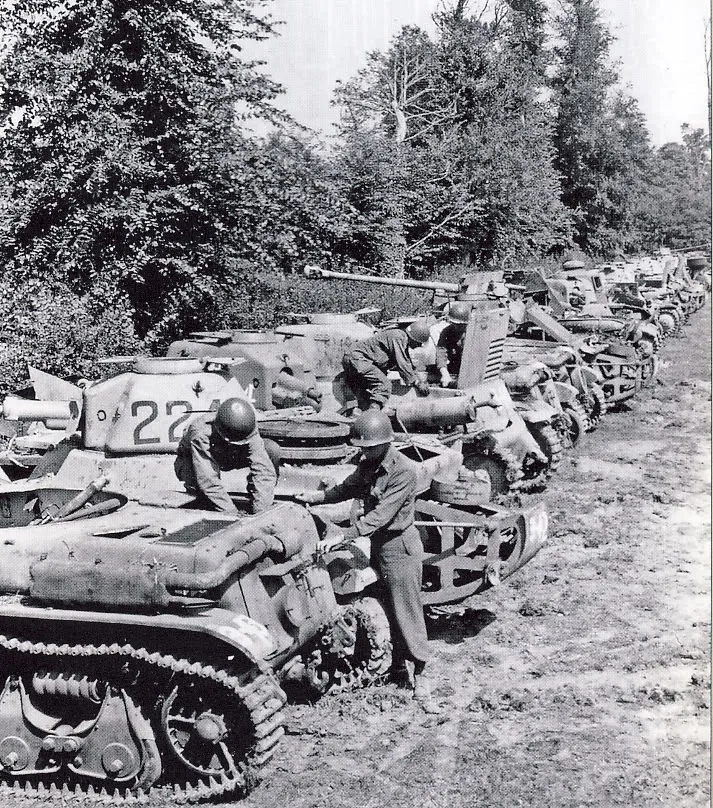
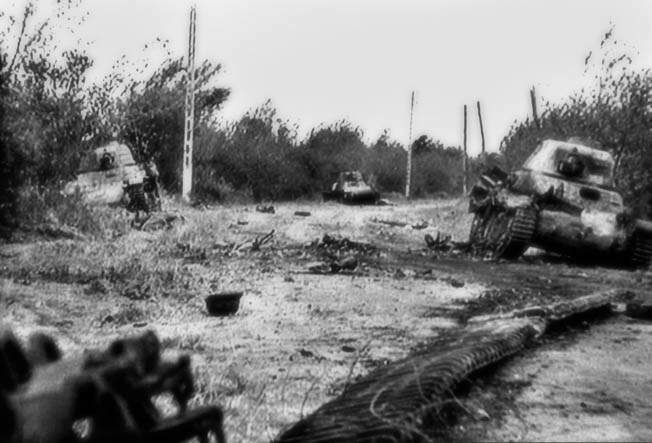
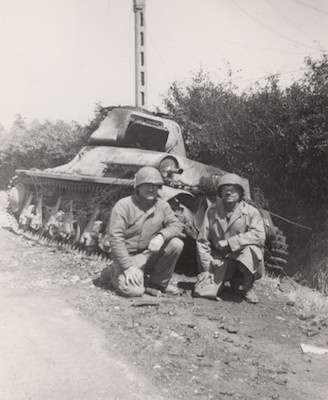
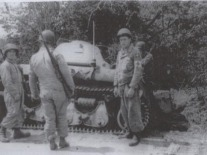
I really can’t agree with your justification for having live ammunition in a workshop; so we’ll just have to agree to disagree on that. As for colors and use, German second-quality troops were equipped with captured French tanks, repainted, and with new cupola’s. The German counterattack against US paratroops at LaFiere bridge was led by a couple of Renault tanks, and an unspecified German tank. The ex-French tanks would have looked something like these, and by their light color appear to be Dunkelgelb -


1 Like
1 Like
There is no need for any dispute, a diorama requires many techniques: directing, lighting, placement, use of materials, modeling, photography, painting skills, and above all, telling a story.
Historical knowledge is also necessary, but when it becomes a cause to ignore all the previus, it can only do harm to a modeler, especially when it concerns a minor detail.
Τhanks
2 Likes
Thanks,Dave
1 Like