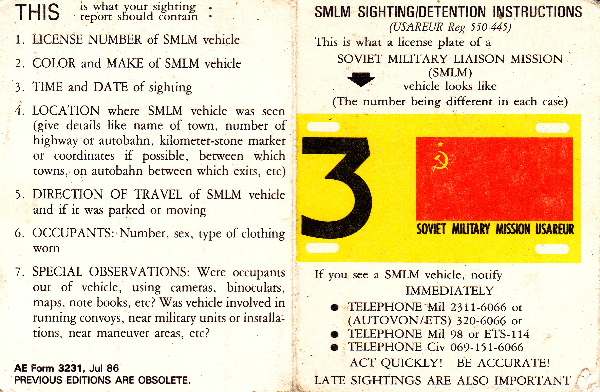
Without blowing the national trumpet too loudly, the Brits were very successful in countering the activities of the Soviet Military Mission – or SOXMIS – in the British Zone of the Federal Republic of Germany. The mission personnel, complete with wives, were ensconced in a married quarter compound in Bunde.
Their vehicles varied over the years as did their opposite numbers’ equipment in East Germany; I believe that only towards the end (of the Cold War) did they invest in 4 wheel drive vehicles. All their operatives were badged as other arms and services but they were all GRU in reality.
The staff branch responsible for monitoring what the Sovs got up to, was G Security, in Brit staff parlance back in the day - ie my day- and was part of the whole G Intelligence and Security staff branch in HQ British Army of the Rhine where I was one of the Chief Clerks; my opposite number was Chief Clerk of G Security, a good friend of mine called Billy.
The operational surveillance and ultimate detention if it all went well - that is well for us – not so good for the Soviets – was undertaken by a joint endeavour of a specialised Intelligence Corps unit and a dedicated Royal Military Police company, with the code name of “White Mice”.
Now, missions, within the spirit of the Robertson-Malinin Agreement (the respective Chiefs of Staff from the British and Soviet forces back in 1946), were, technically allowed to roam wherever they liked – this was for liaison purposes, not espionage, apart from permanent restricted areas (PRAs), and temporary restricted areas (TRA). PRAs would cover something like sensitive military locations, say missile sites, or the Special Ammunition Storage sites (SAS sites) – where nuclear weapons were kept. TRAs were, as their name suggests, only imposed for a short duration while say, an exercise took place. It was forbidden for the missions to break this ruling, but of course, as is the nature of intelligence gathering, there were prizes to be had. Just observing a unit deploying can provide a valuable insight into tactics for instance. Snooping around a village where a Headquarters had been deployed say, 12 hours previously, might reveal carelessly discarded classified information.
The mission in Bunde - as were their opposite numbers in the GDR, were often followed as soon as they left the compound. Sometimes this was overt, other times covert. The Federal German agencies also got involved in operations against SOXMIS; often the Russians would facilitate the insertion of agents from the East, or even RV with such agents, especially the long-term sleeper cells, so the Bundesamt für Verfassungsschutz for instance, would often liaise with the Brits to mount an operation.
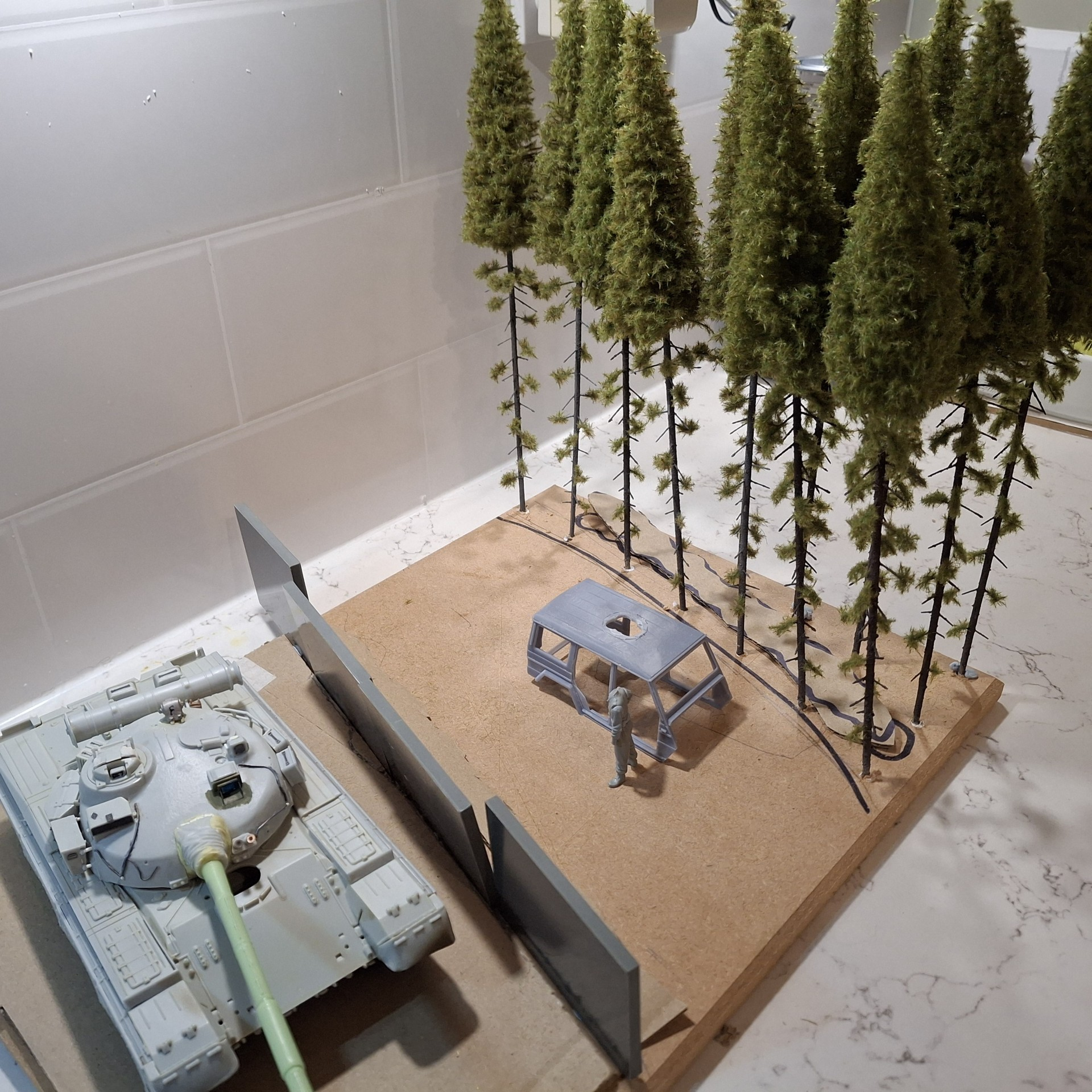
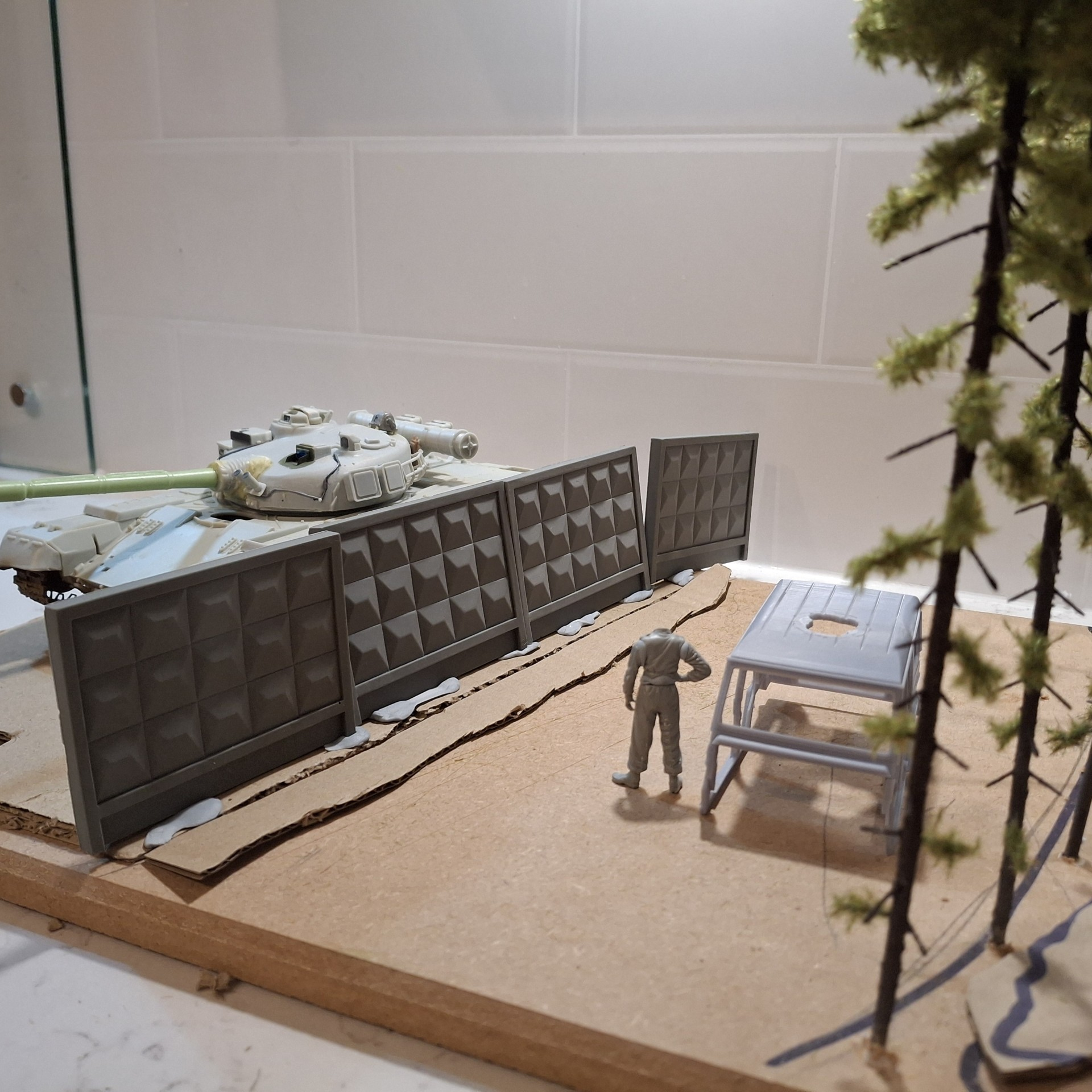
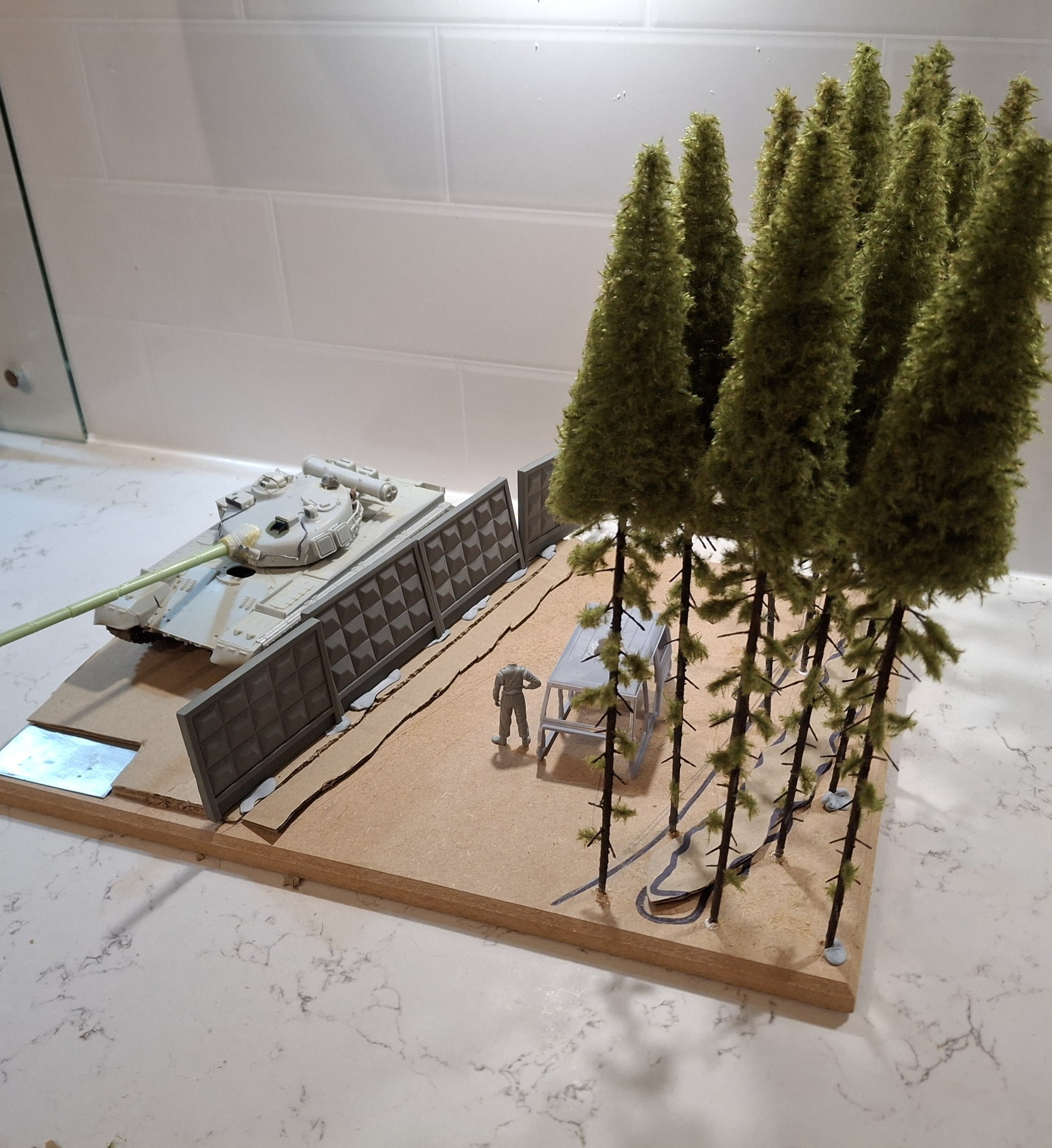
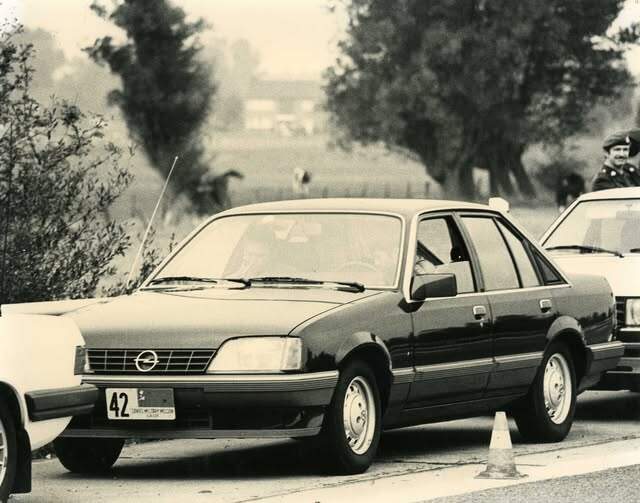
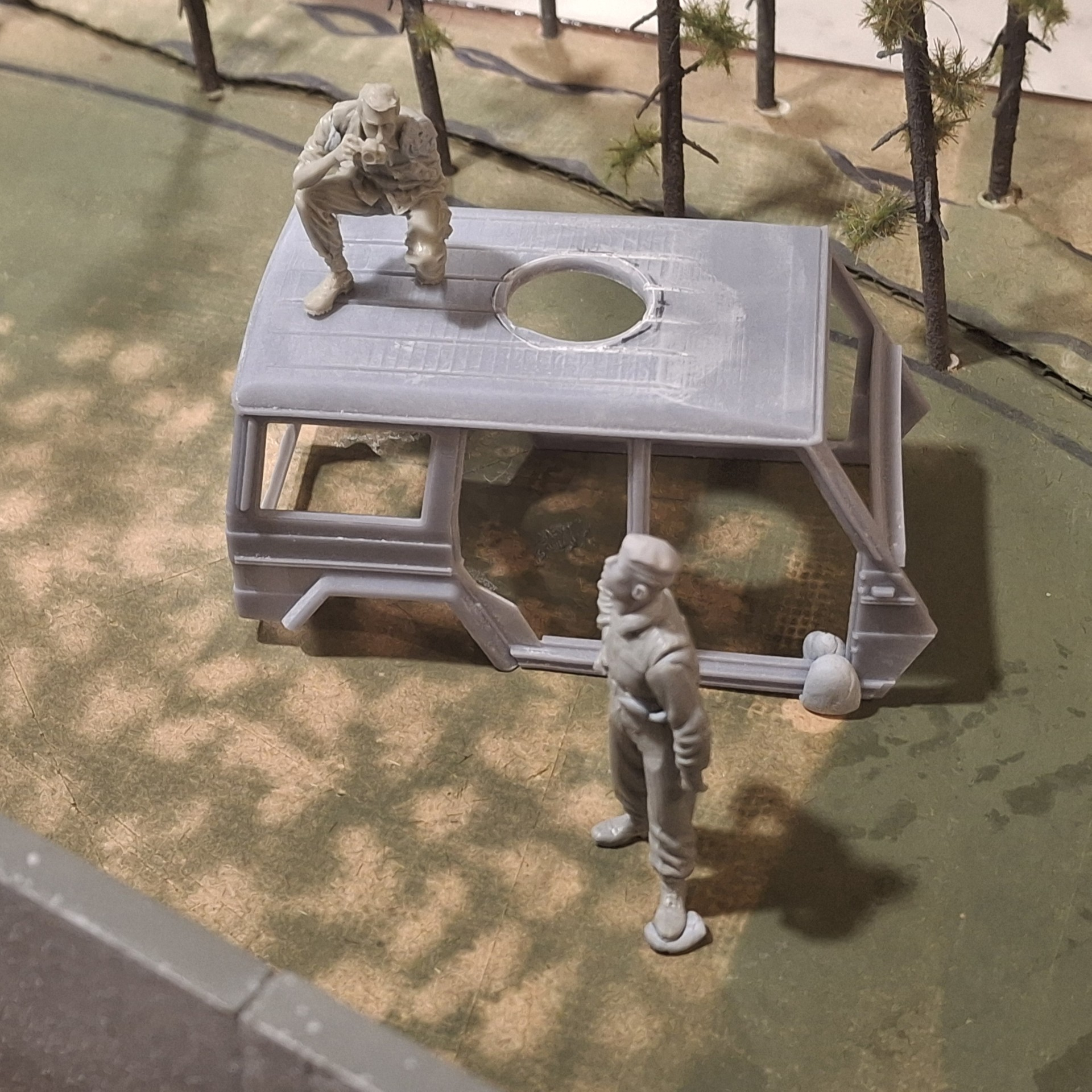
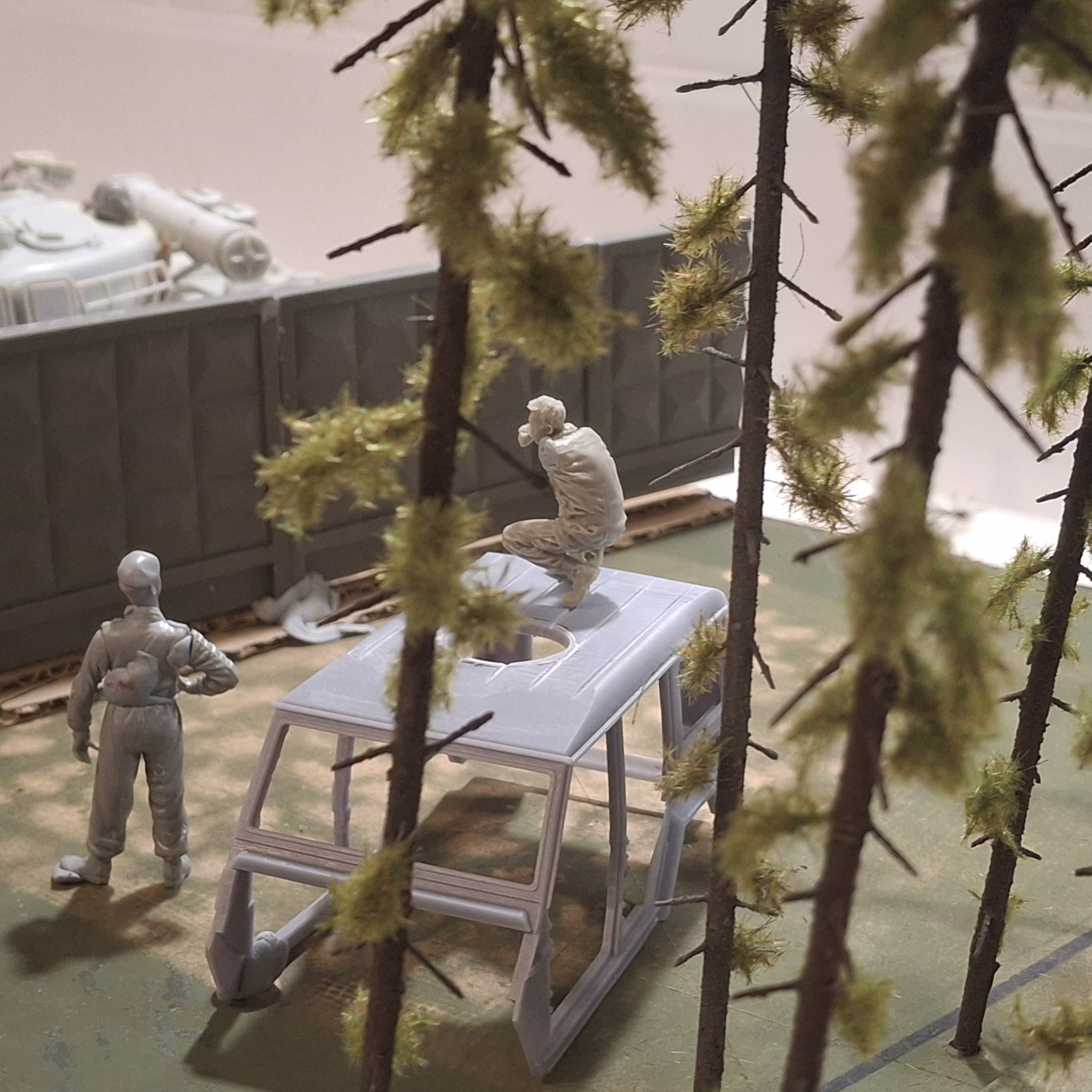
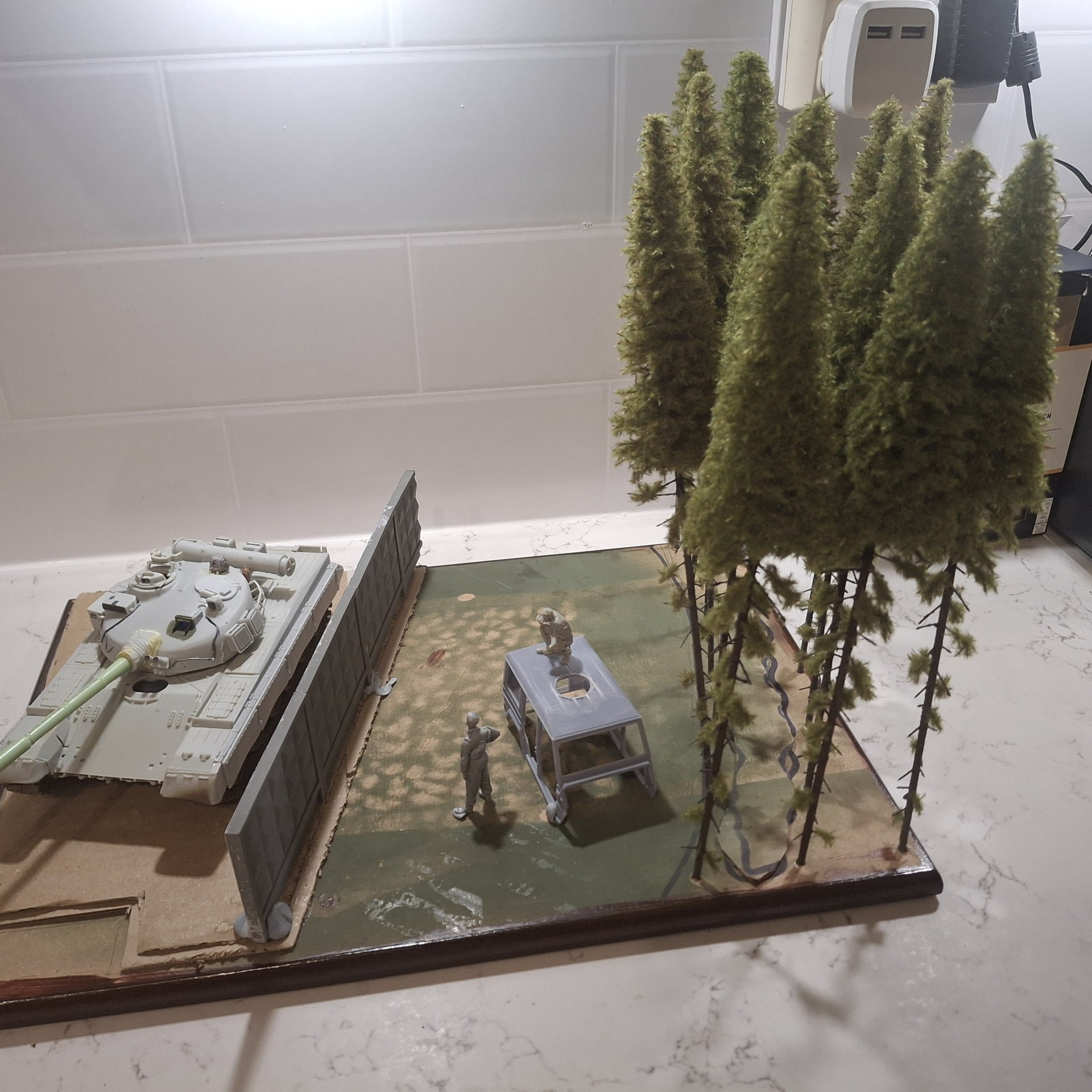
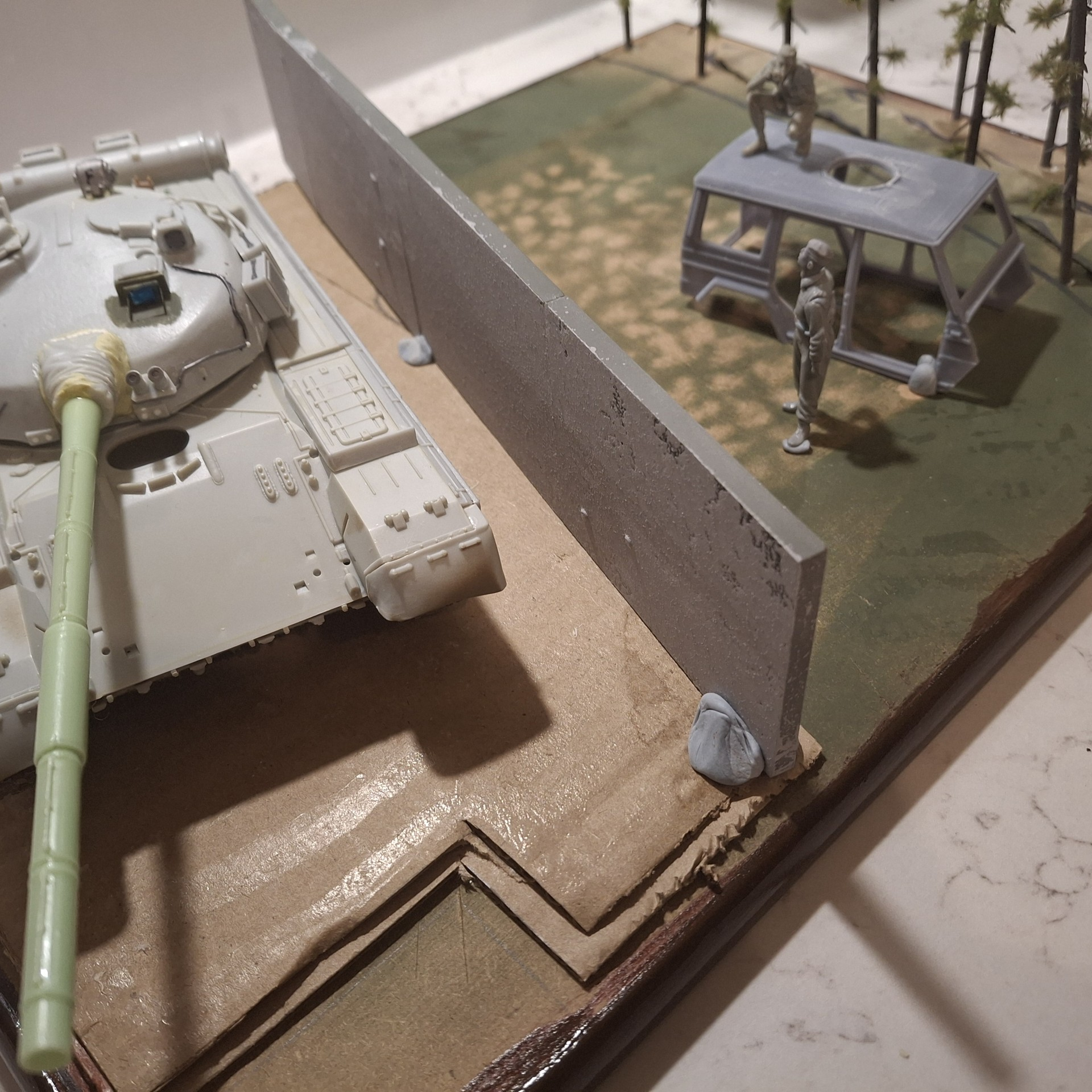
So, the missions could roam where ever they liked in theory, specifically autobahns were not out of bounds even on the PRA maps. If exercising units were alert, and identified a mission vehicle, if they were adept enough they would box them in with vehicles, often in conjunction with the White Mice RMP vehicles. Here’s one such detention:
All detentions were ramped up to the highest level, ie the respective Commanders’ in Chief, that is of the British Army of the Rhine, or the Group of Soviet Forces Germany. If the incident was deemed serious enough and most were – after all, clearly they had not been liaising - then a meeting would be arranged between the two luminaries. So, if a BRIXMIS tour had been apprehended snooping around a Soviet installation or exercise, and were detained, the British CinC would be summoned to Zossen-Wünsdorf to meet his counterpart, where they would discuss the incident and then repair to vodka. Depending on the meeting it might happen that a member of the mission would be declared persona non grata, and be whisked away.
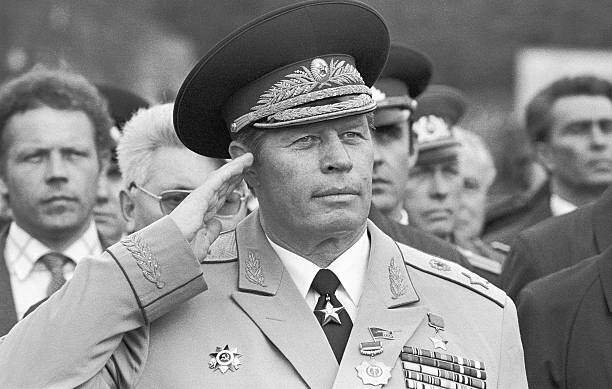
If a SOXMIS tour was secured, then, in my time, General Zaitsev – a hugely notable presence - would be summoned to the HQ at Rheindahlen, for a dressing down by the Brit CinC; they would then break out the Scotch. As an aside, who had to utilise the intelligence slush fund and trot up th the NAAFI (service canteen and military shop) to purchase the aforementioned Scotch? Well, little old me Folks, or sometimes my mate Billy.
Of course, such incidents went beyond the German theatre, and embassies, the Ministry of Defence and the Foreign Office were all involved, but that’s how it all went down in the British Zone as I remember it.
Finally, in case you’re wondering how the abbreviations were devised, here’s an extract from some time ago when I explained life at a Corps HQ in the Field:
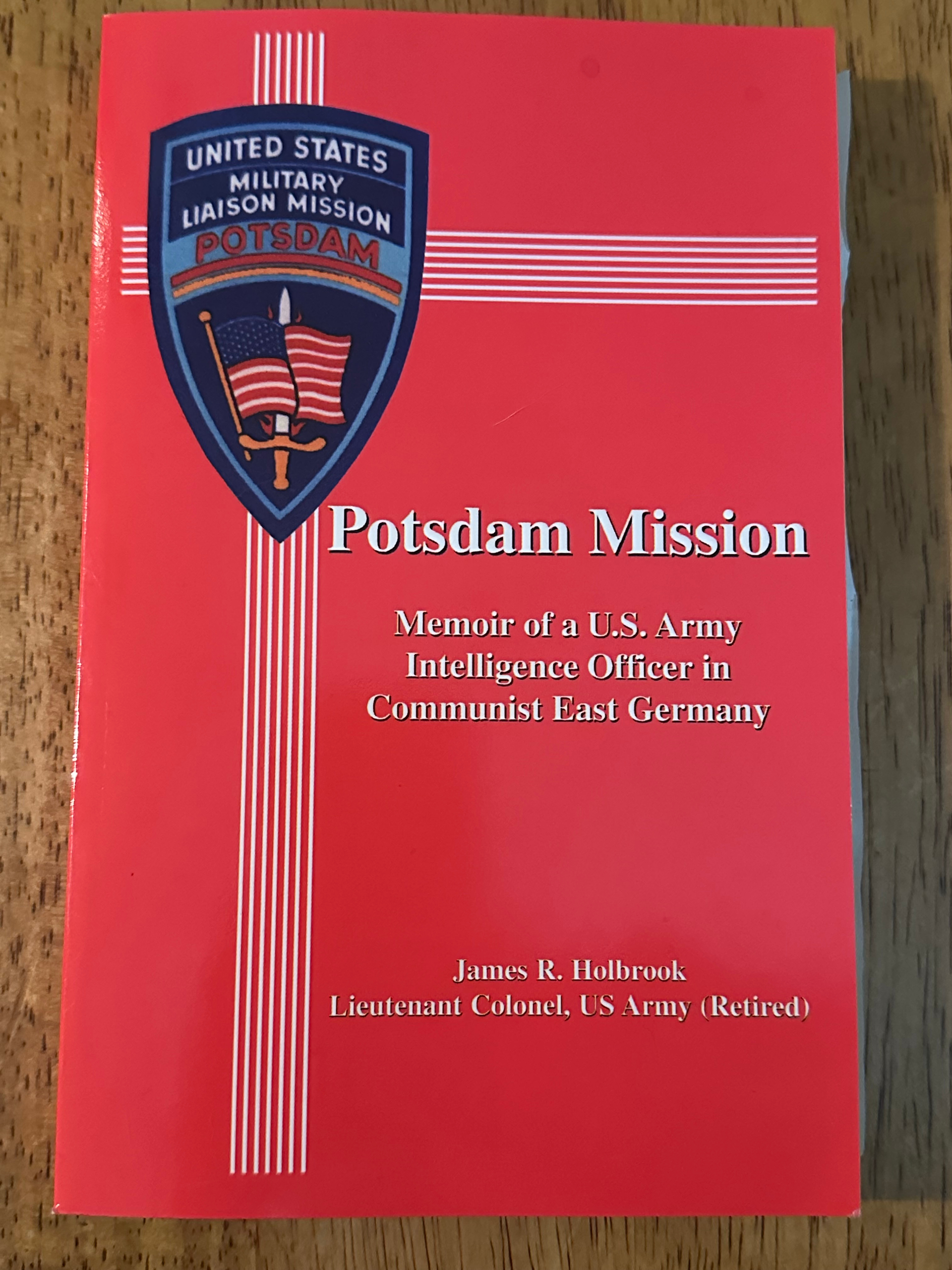
A note on the abbreviation. Defence loves initials and abbreviations but in attempting to abbreviate the full title ie “The Soviet Commander in Chief’s Military Mission” one comes up against the problem of making the abbreviation for “Commander in Chief’s” work; “CinC’s” is the norm, but this was considered too clumsy. If one attempts to articulate “CinC’s” one comes up with something approaching an “X” sound and so it was. The “Soviet Commander in Chief’s Military Mission” became “SOXMIS” and the “British Commander in Chief’s Military Mission” turned into “BRIXMIS”. Interestingly enough, the US and the French forces merely adopted a variation of “Military Liaison Mission” as their title.
So now you know.