12 Likes
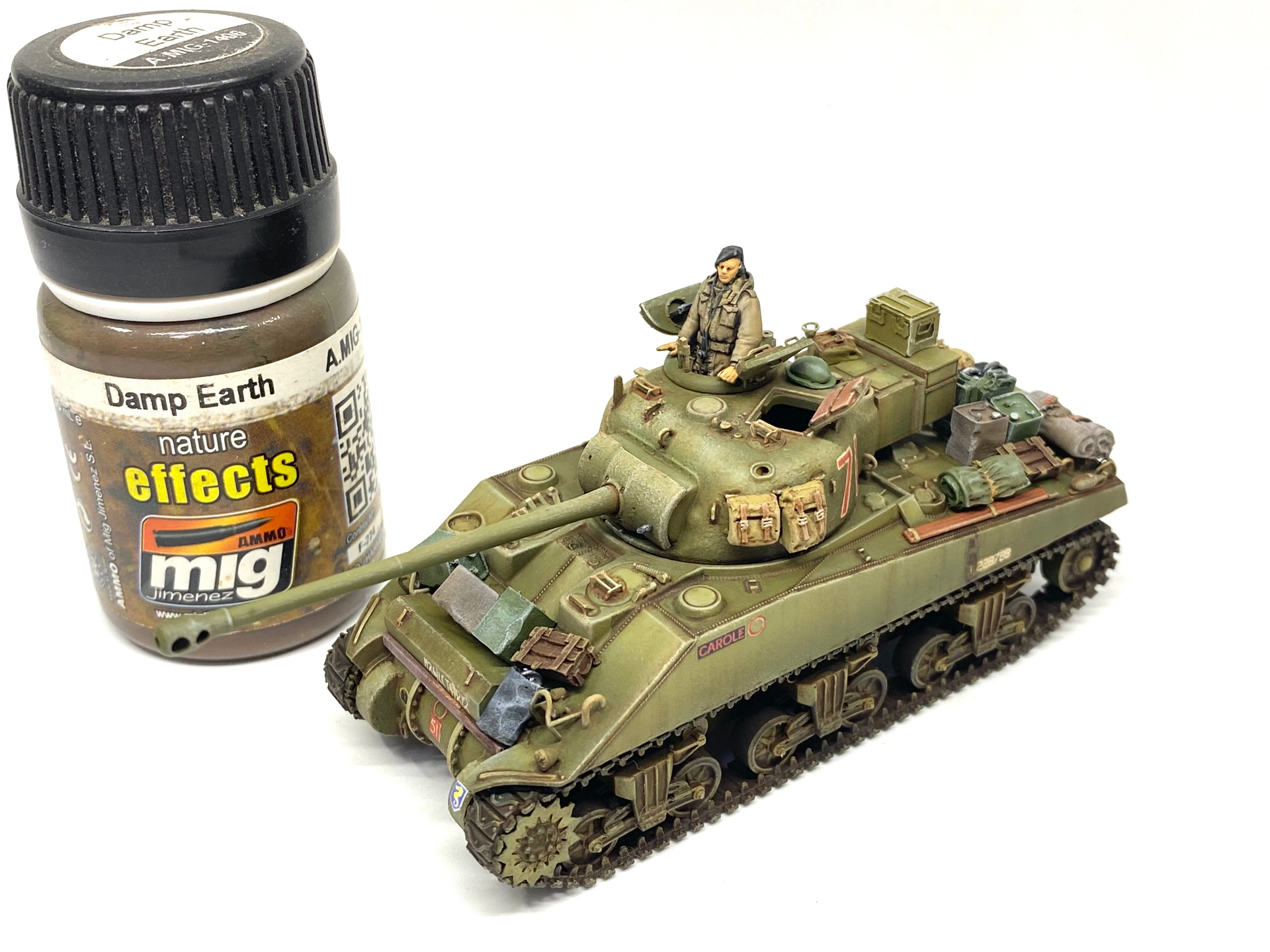
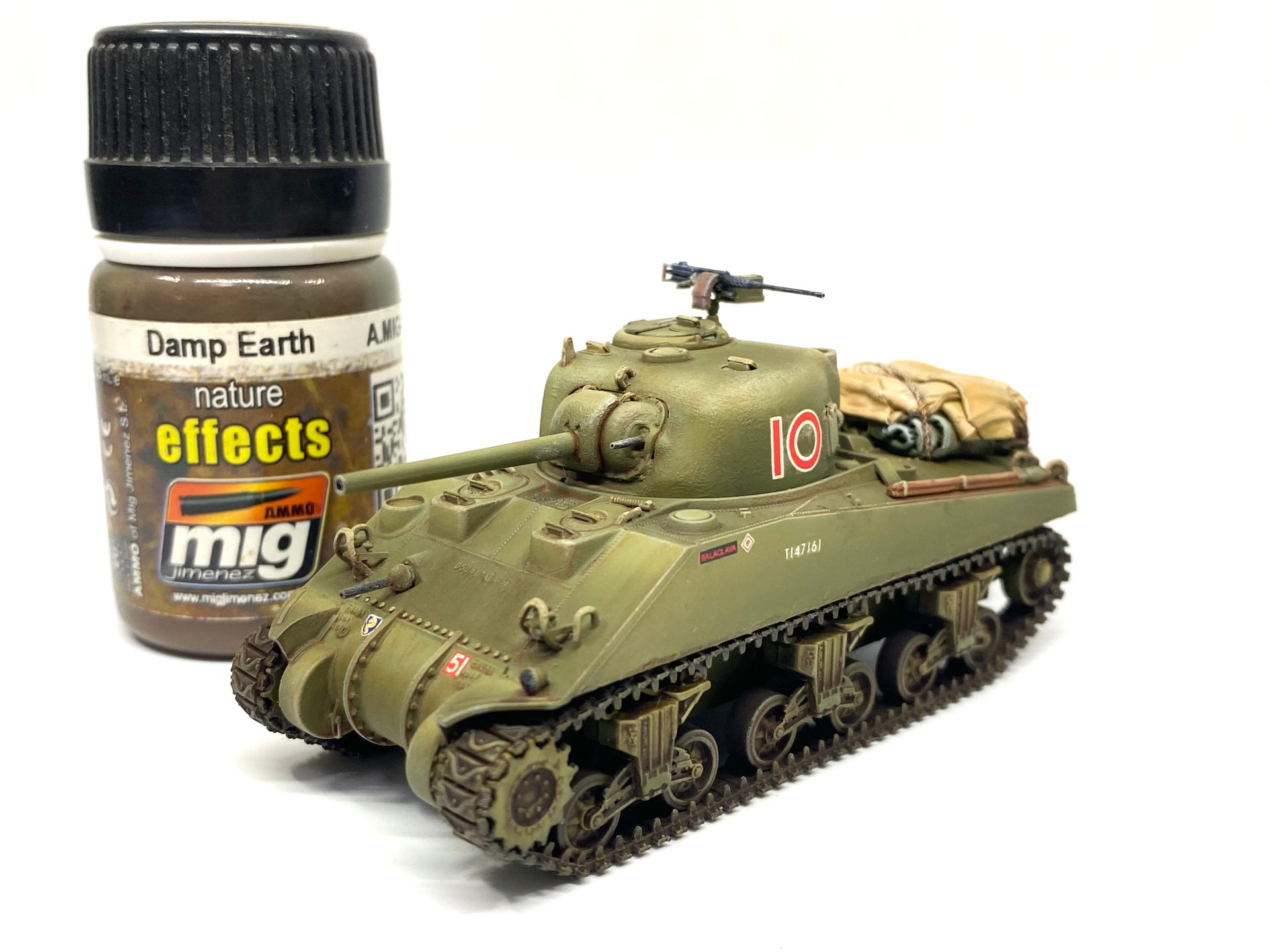
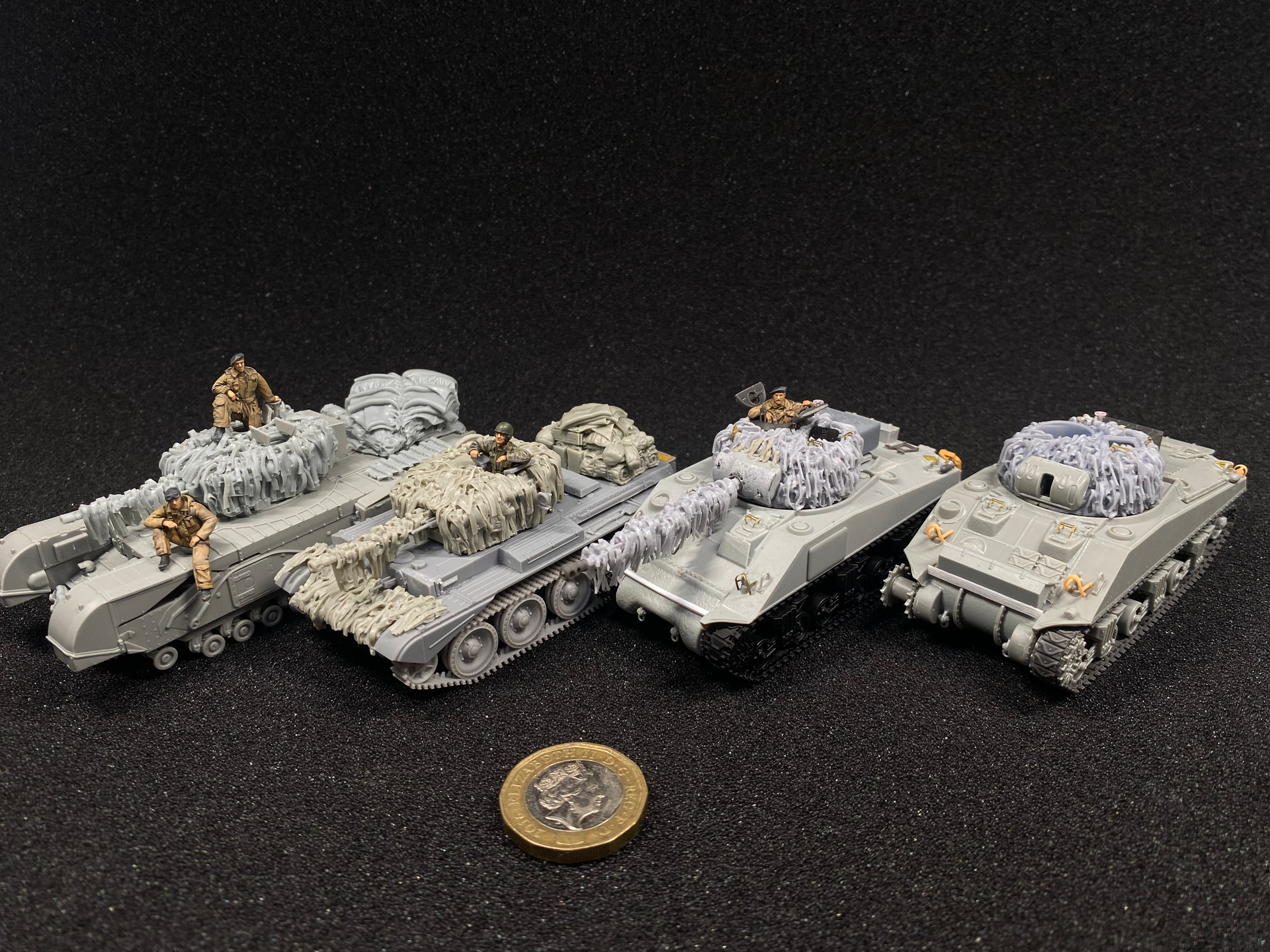

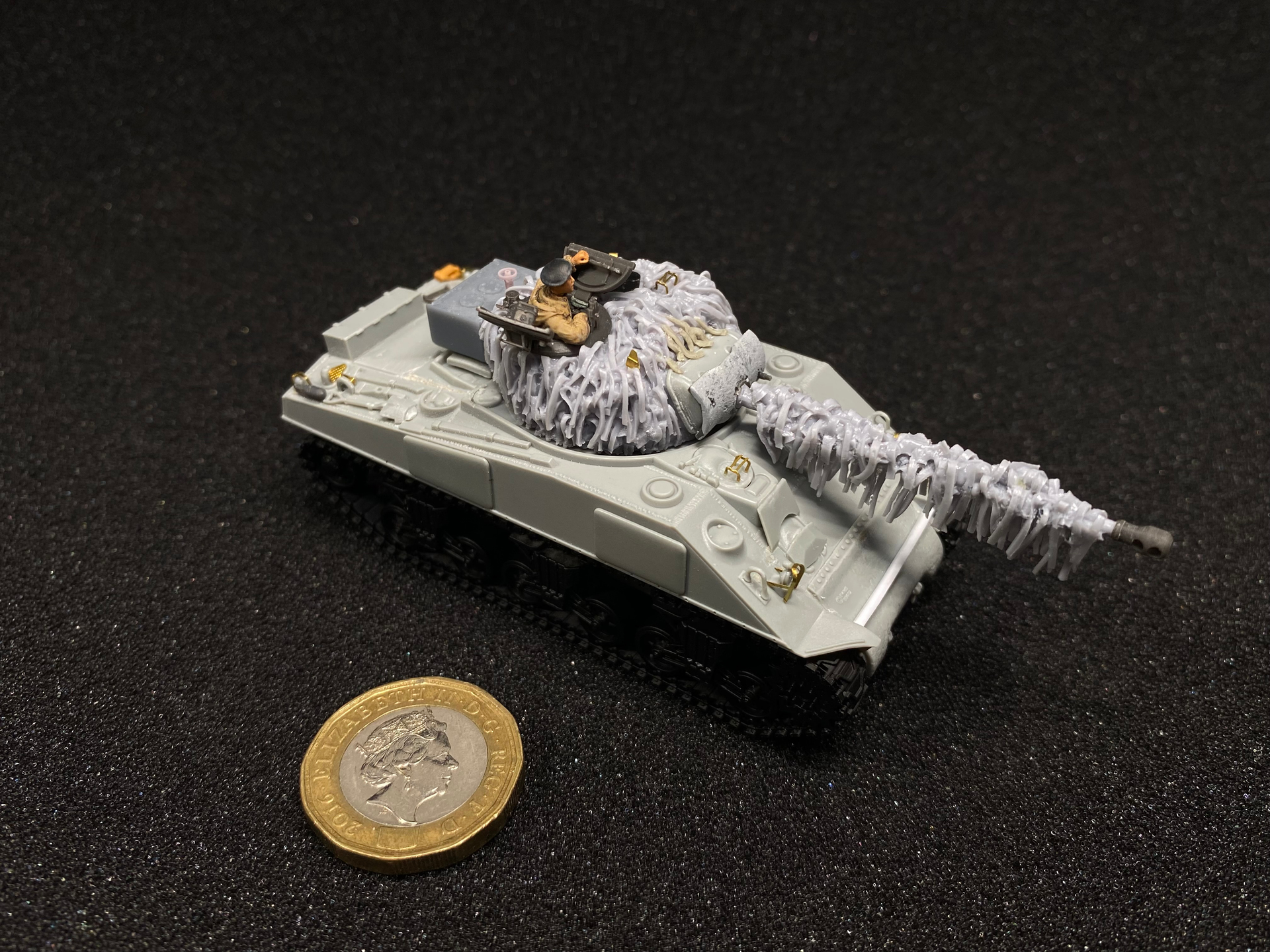

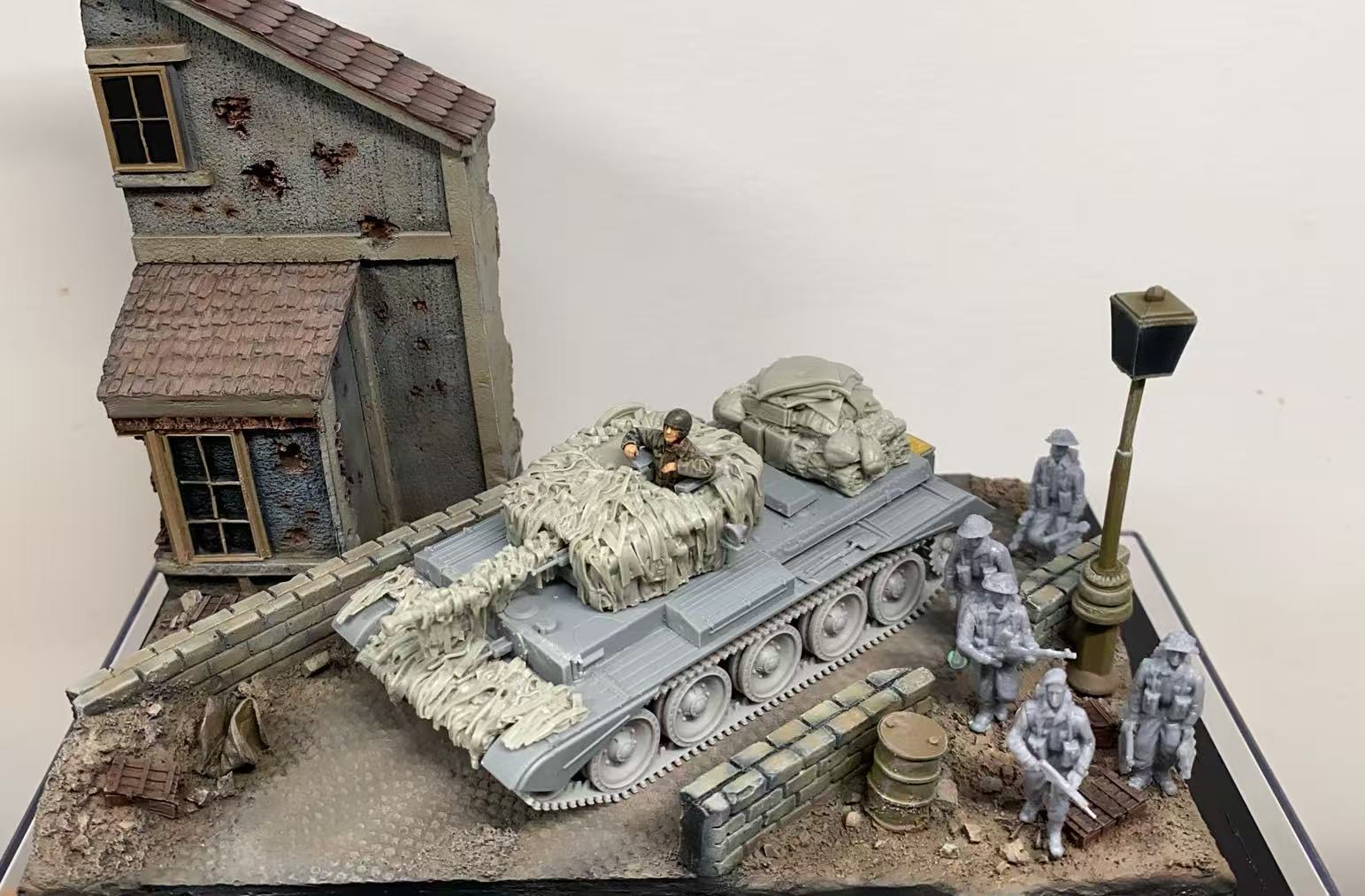
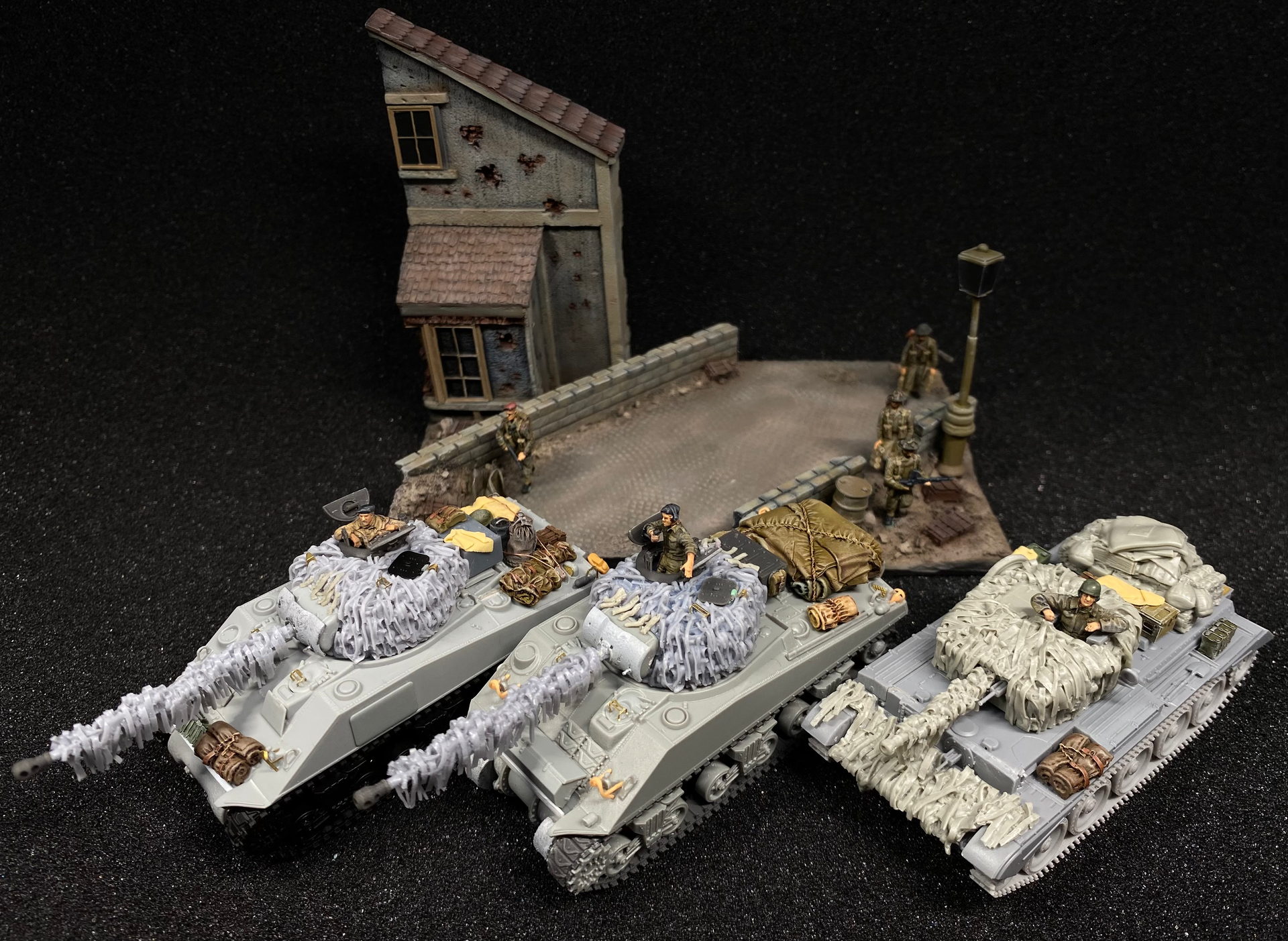
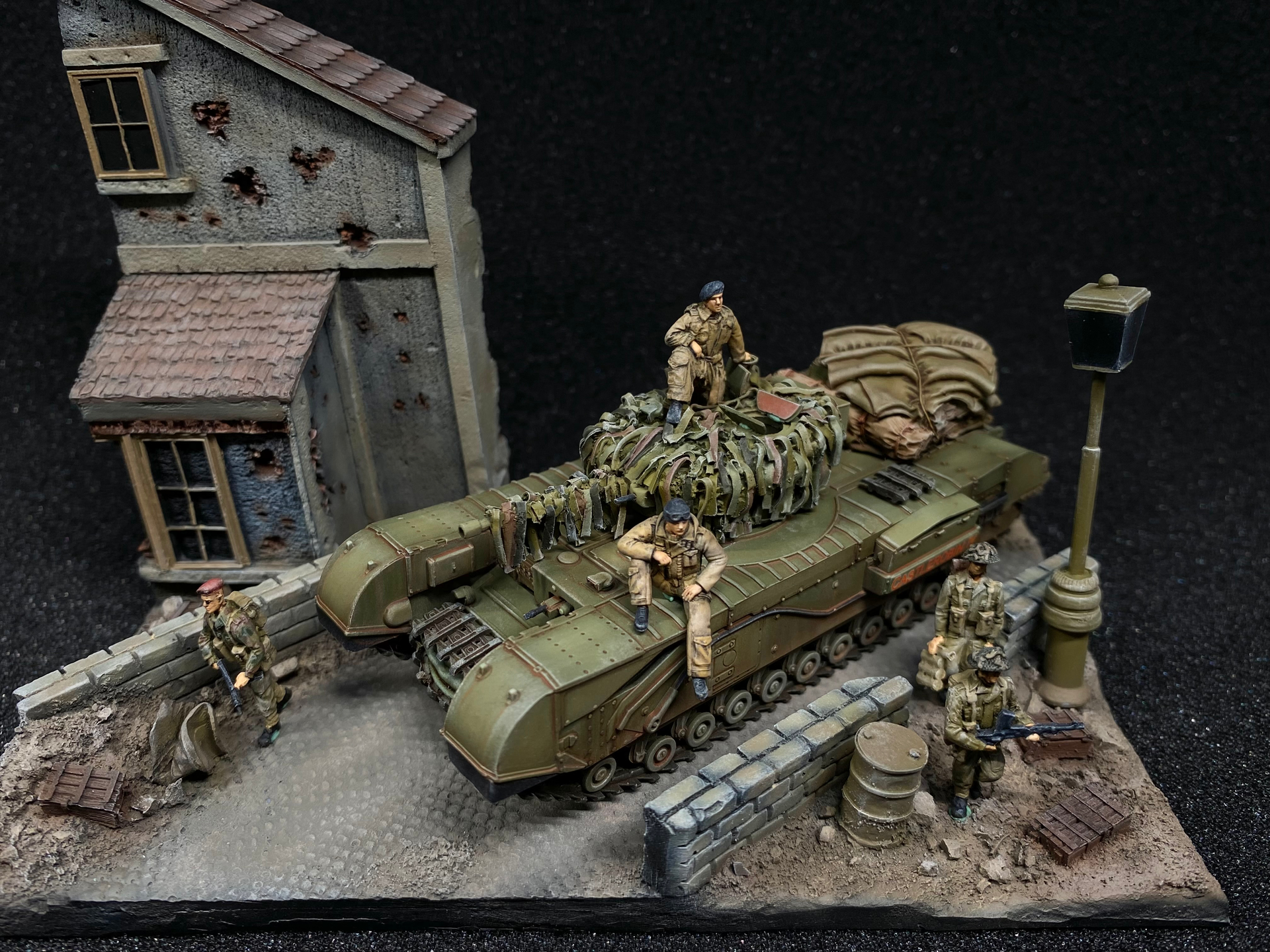
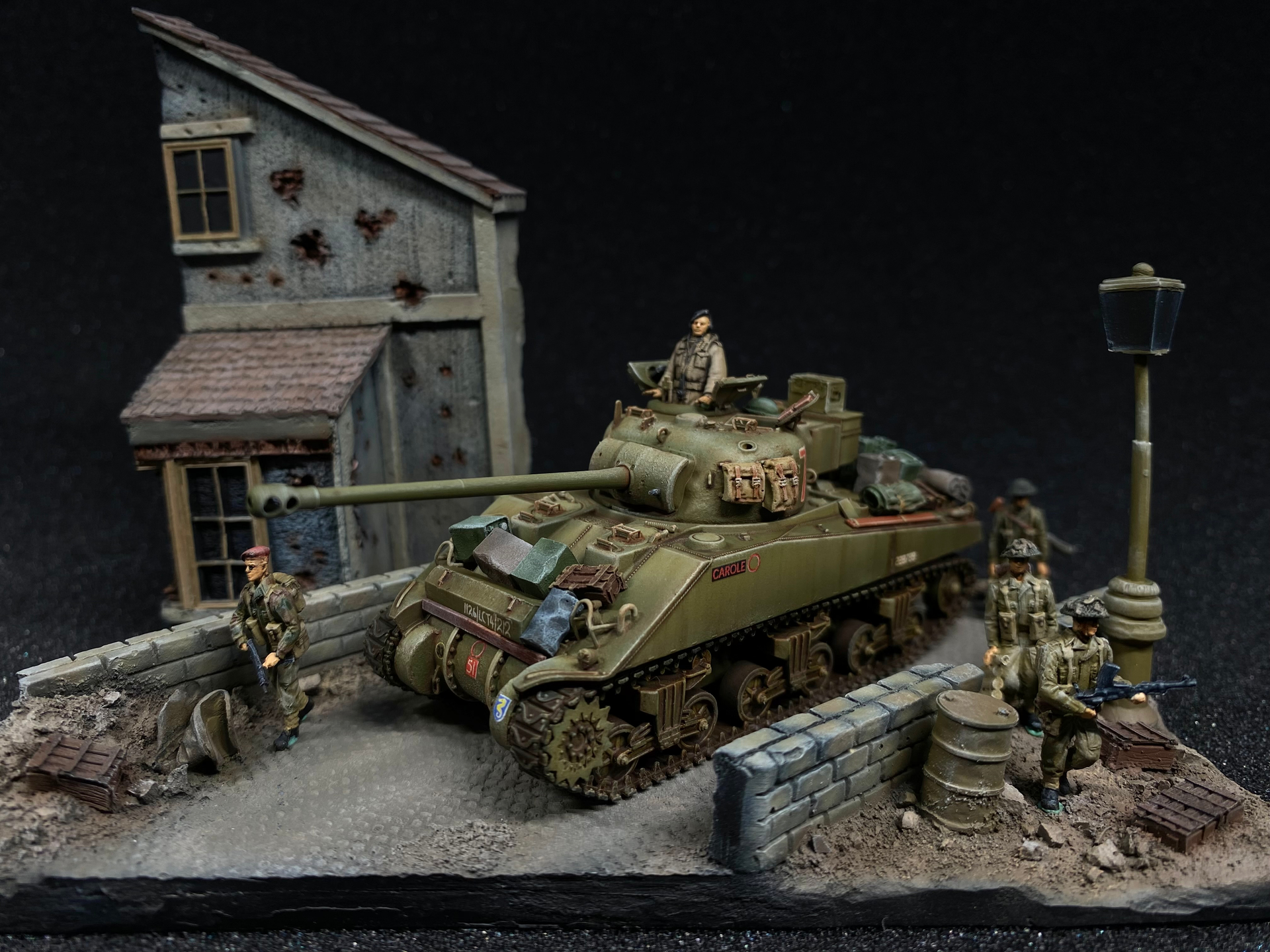
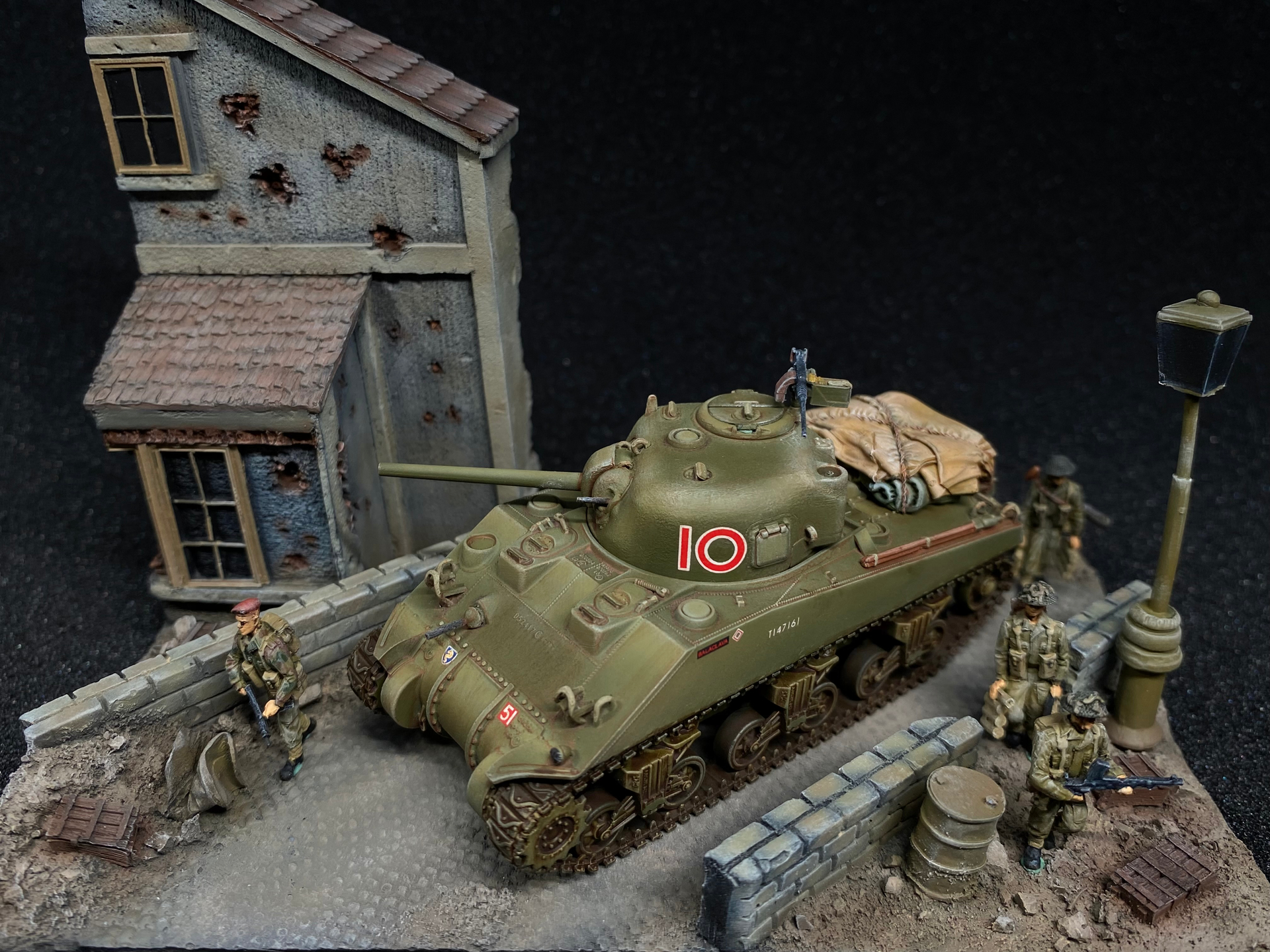
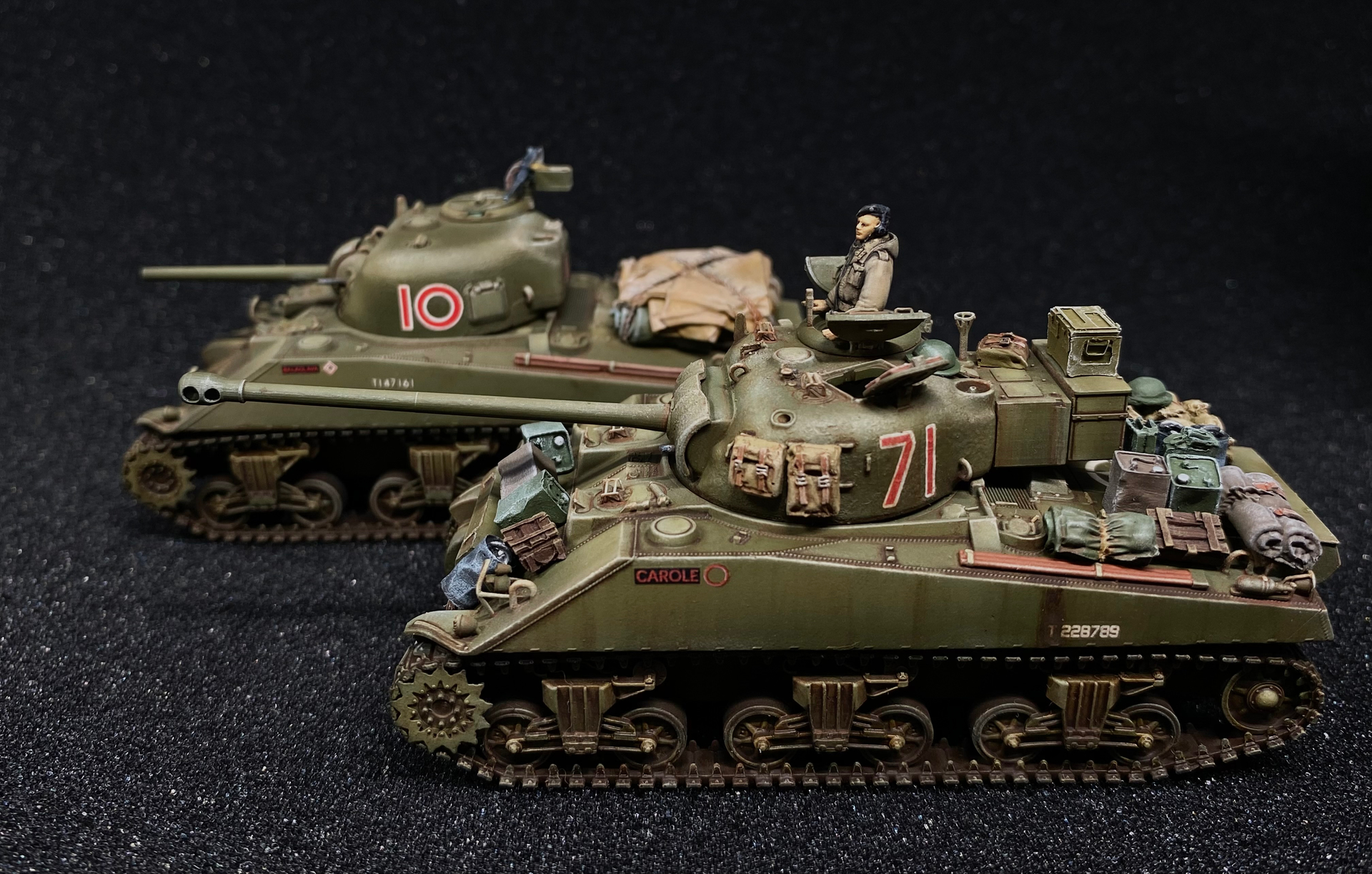
Those are very nice models, though I question the stowage a little  Especially the huge piles of stuff on the engine decks, which would make it very difficult for the crews to service their vehicles. The Sherman VC would even destroy one of those oil cans if it turns its turret to the right. Oh, and I hope you didn’t glue those two bedrolls in front of the stowage bin on the Cromwell — the bow gunner wouldn’t be able to get out of the tank with them there …
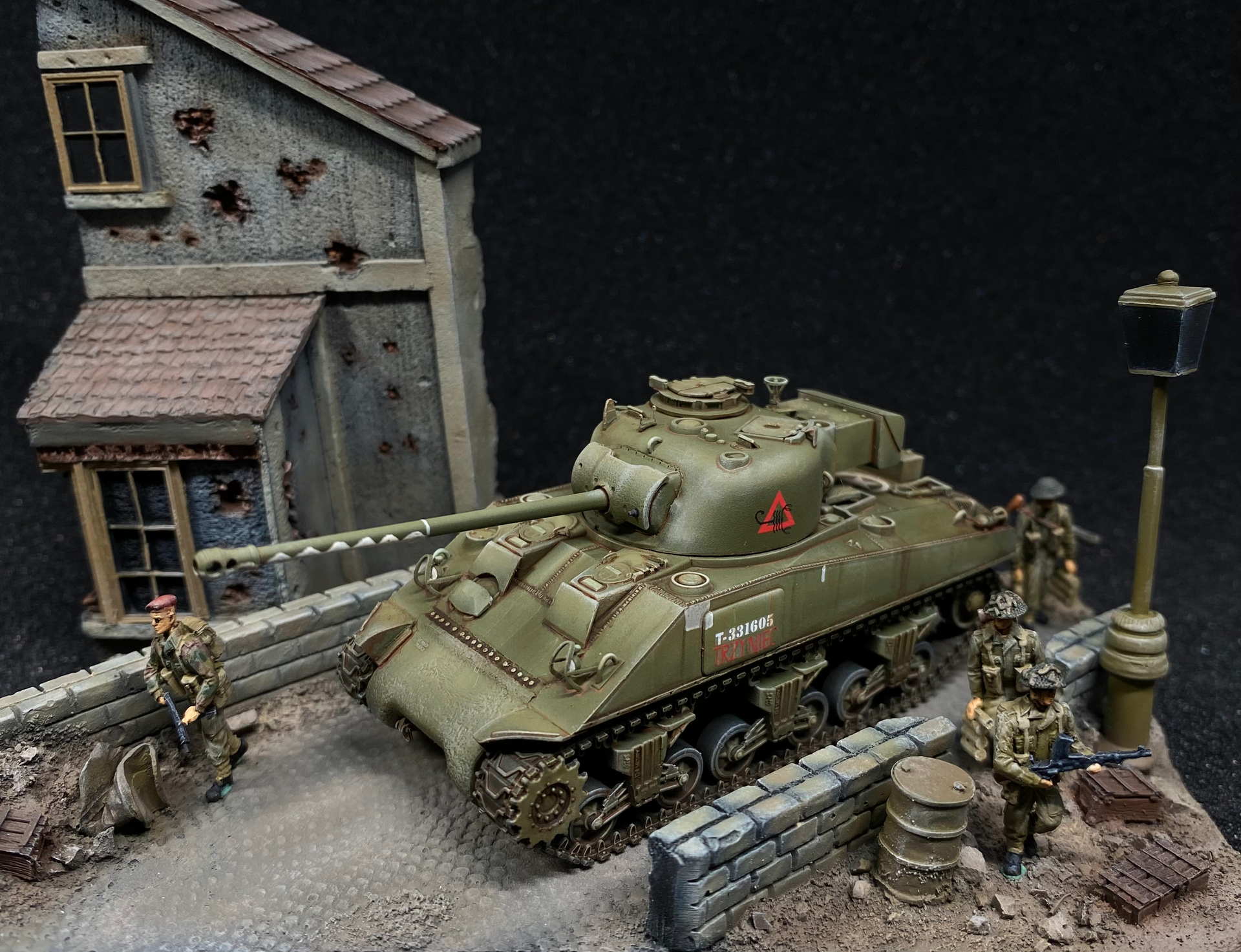
Talking of the VC, Carole was in Normandy but your commander figure appears to be wearing a tank crew oversuit (“pixie suit” or, back then, also “zoot suit”), which was only introduced in late 1944. It could be the tank survived that long, of course — I don’t know But by then the underside of the barrel probably would have had the wavy camouflage like on your IC.
3 Likes
Thank you for the reminder. The debris on the engine deck does indeed have an artistic tendency in its arrangement. However, no need to worry—all the debris is temporarily fixed using blue clay and can be removed at any time. As for Captain Carole’s uniform, your observation is correct: during the Normandy landings, the crew members wore khaki-colored British tanker uniforms. I chose this jumpsuit-clad figure because the client liked the look. Additionally, the wavy camouflage pattern on the Firefly IC’s barrel should only appear on the Italian front.
3 Likes
No, it was standard everywhere. The British War Office issued instructions in February 1945 to camouflage the gun barrel by painting the upper side black and the underside white, with an irregular band of either SCC 4 light brown or a light green between them. This for the last 1.60 m of the barrel, with a white line around the barrel at this point, then behind this the barrel underside would be painted black on the underside and the upper in the intermediate colour, both tapering off to about 60 cm beyond the white line. This is illustrated on page 55 of Mark Hayward’s Sherman Firefly, but this appears to get the colours slightly wrong according to page 36 of Mike Starmer’s British Army Colours & Disruptive Camouflage in the United Kingdom, France & NW Europe 1936-45.
In practice, most tanks with a 17-pounder gun (not just Shermans) instead got the forward 1.60 m or so painted white on the underside, with a wavy edge to the white. Eighth Army in Italy did a test to compare this “simplified” scheme to the official one, found the official one to be better and decided to adopt it instead.
3 Likes
Hi. Excellent work! The Churchill stowage would have caught fire if left on the hot exhausts there though.
2 Likes
Amazing for 1/72 scale!!!
2 Likes
Fantastic models and scenarios.
2 Likes
Ah, I see. Thank you for the information — now I’ve learned something new.
2 Likes
Haha, indeed! This is a resin model of black dog. I suppose the designers must not have considered this aspect when creating it.
1 Like
Black Dog’s stowage sets are notorious for just piling stuff on without any regard for whether it’s realistic or how it would even stay on the vehicle 
4 Likes
Haha  !Yeap!
2 Likes
Thank you very much, guys, so many new information! I appreciated it a lot, thank you. It seems both of you are real experts, my admiration! Anyhow, I´m not completely able to imagine everything, what you are writing about. Can you share some nice images, please? Thank you very much.
3 Likes
I would happily give you more information if I know it, but your question is a bit too vague. What exactly are you looking for more information on?
2 Likes
Hi Jakko, sorry for my vague question: I ment that camouflage colors rules and where the colors were in reality. Only to see it visually to understand it better.
Anyhow, I’m impressed with amount of knowledges both of you showed and it’s a pleasure to read it and to learn new facts even if I ‘m not building any british tank, nowadays.
Thank you very much.
3 Likes
If it’s British tank colours you’re after, the number one thing to do is buy Mike Starmer’s books — see here for information. They not only explain the colours and patterns used, but include drawings of the official patterns and come with colour chips of real paints, plus recipes to mix them, that the author has matched to original samples he’s examined.
Also, there are scans of Military Training Pamphlet No 46, Camouflage, Part 4: Vehicles, wheeled and tracked online, which explains how real soldiers were expected to paint real vehicles from 1941 to early 1944.
3 Likes
Thank you very much, Jakko.
Not only interesting book, but also very promissing forum, not known by me, till today. Great end of the year. Thank you very much and
HAPPY NEW YEAR!


3 Likes
They all look great.
2 Likes