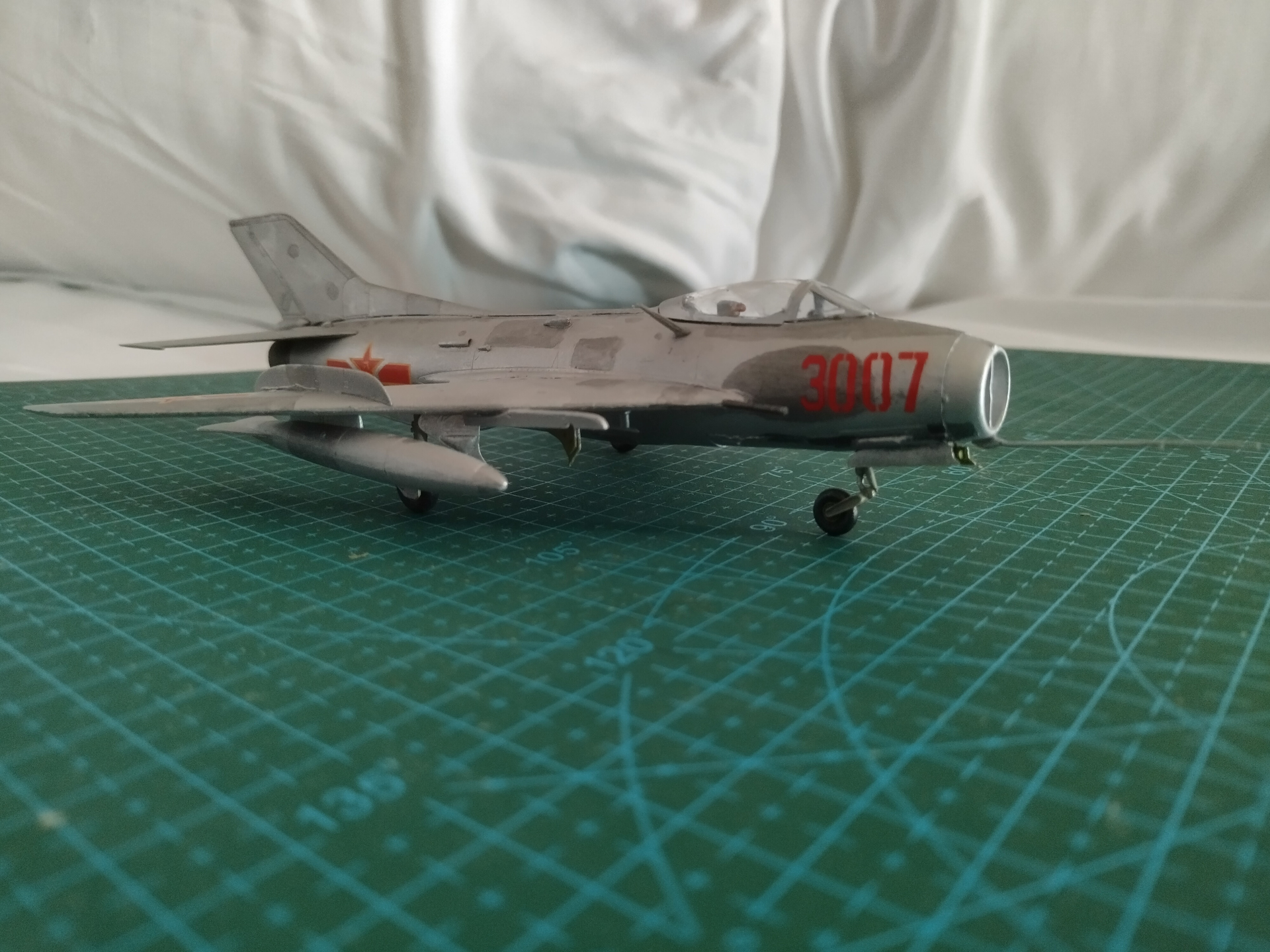
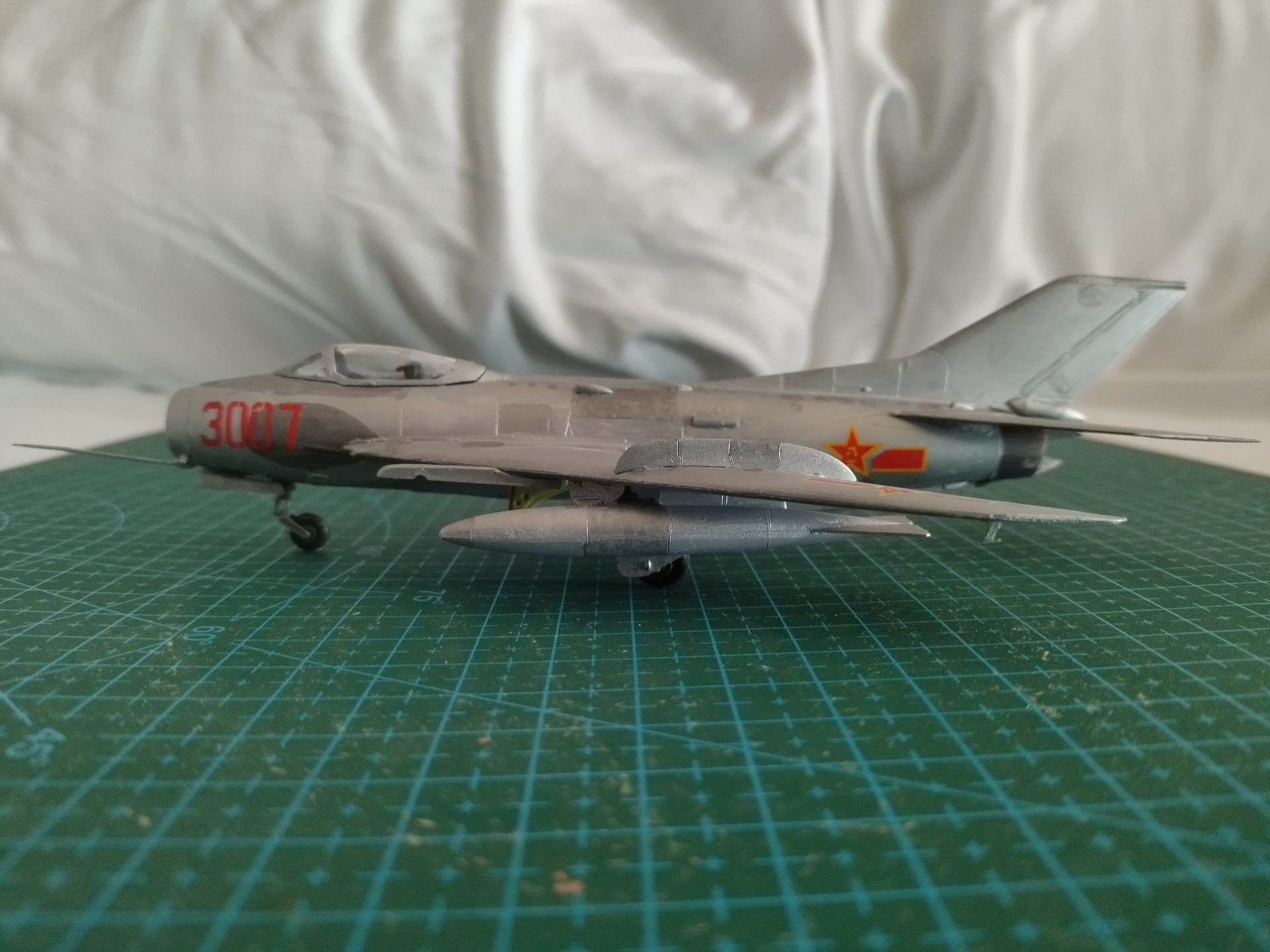
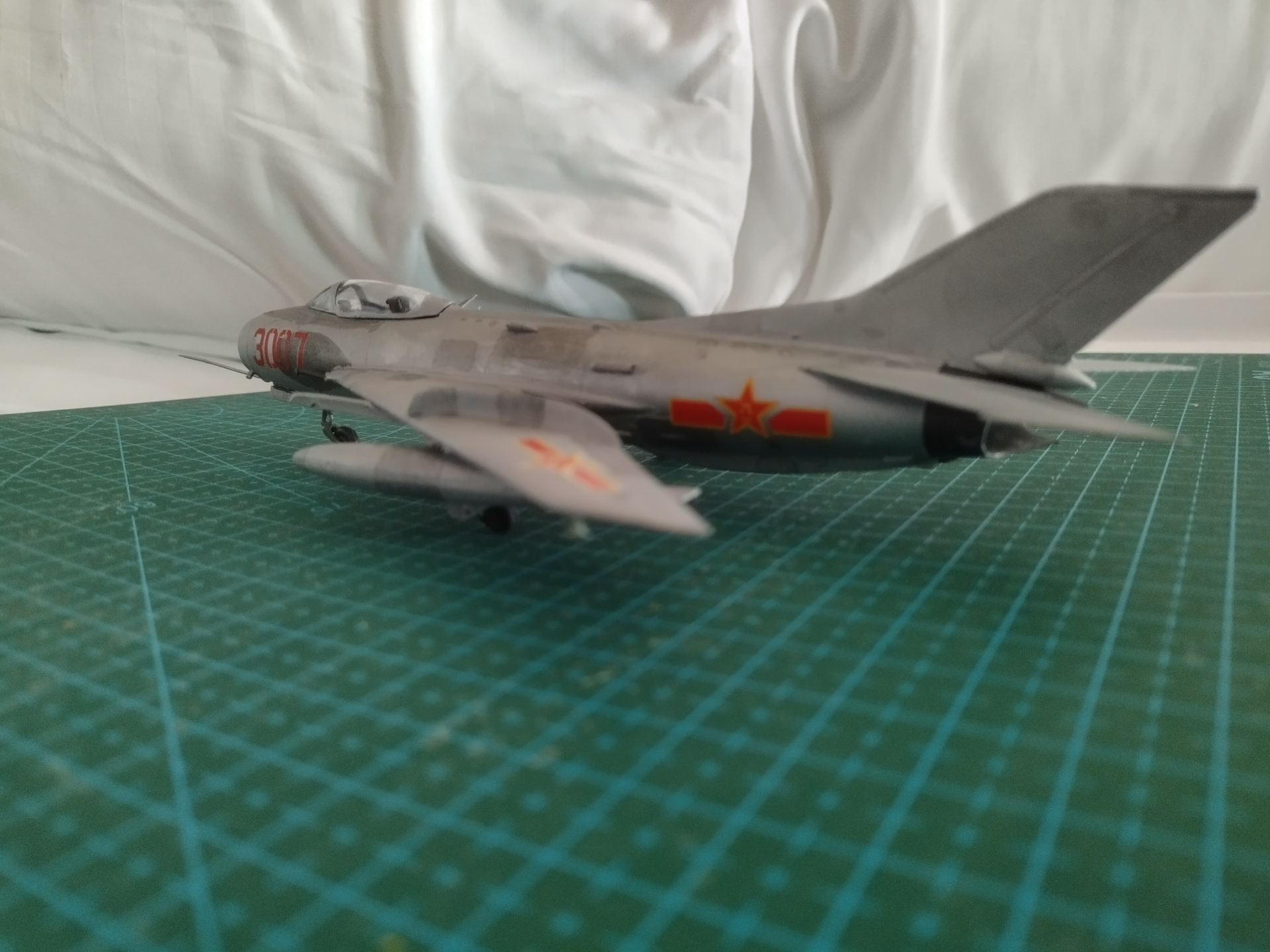
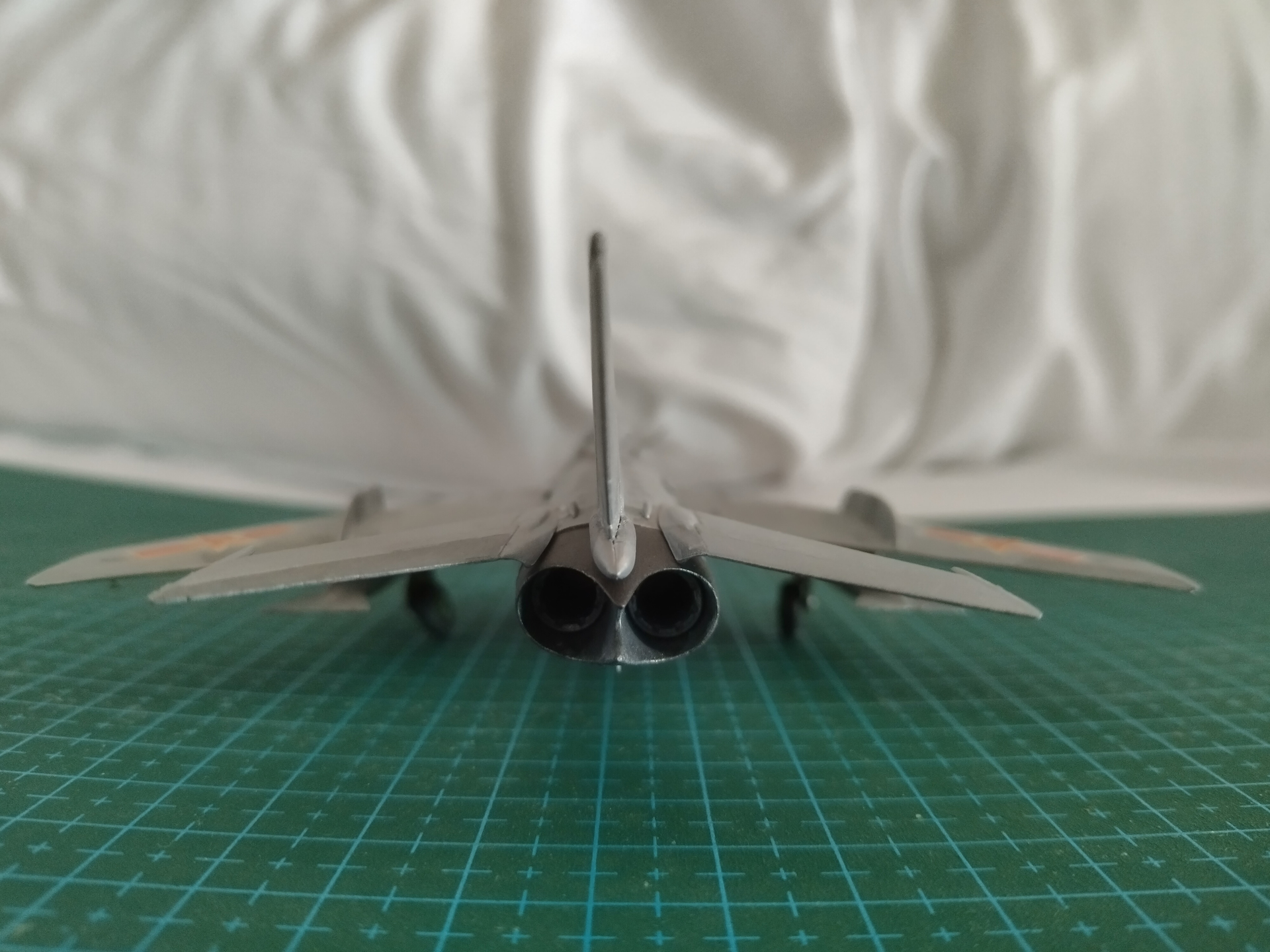
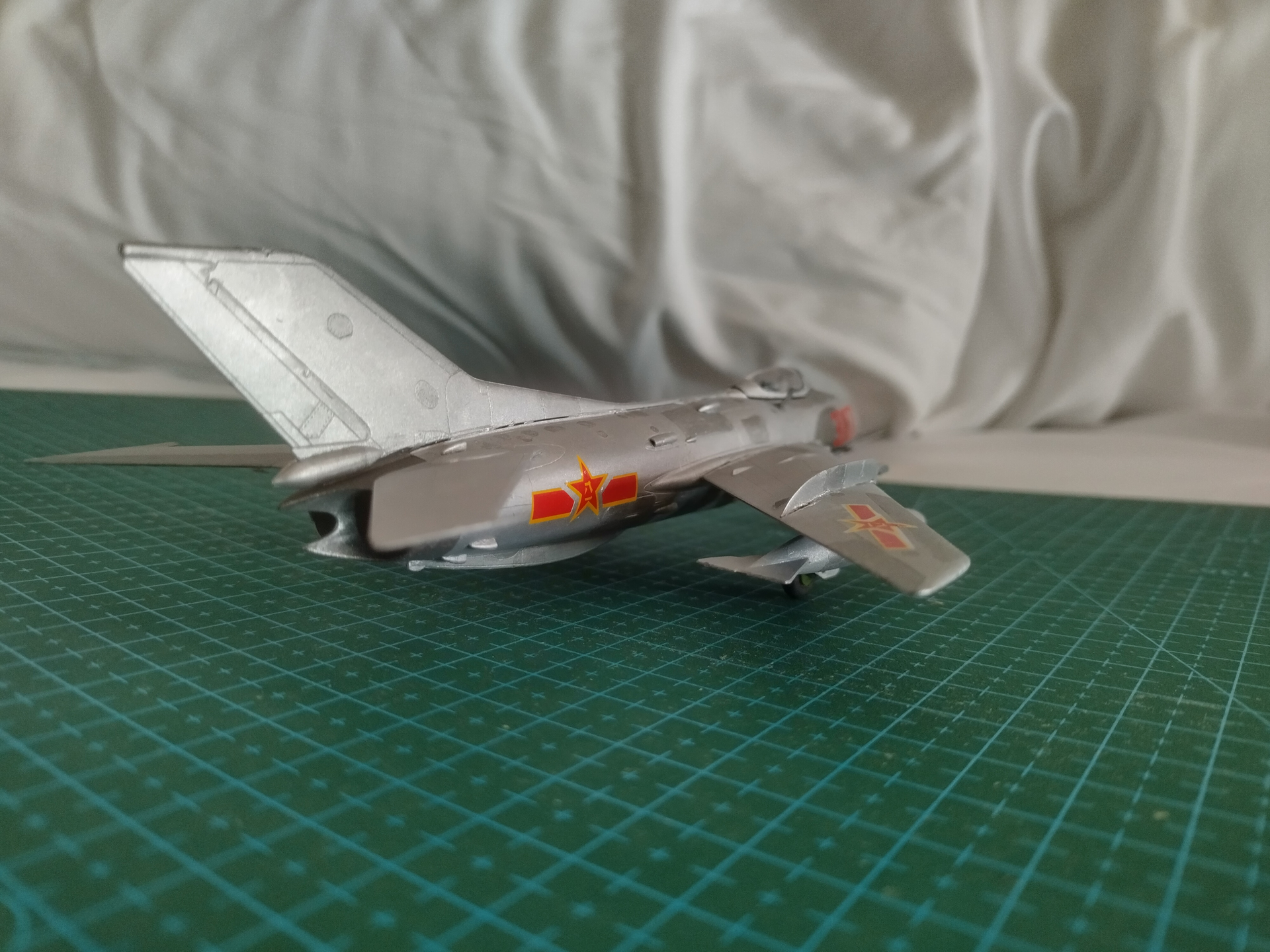
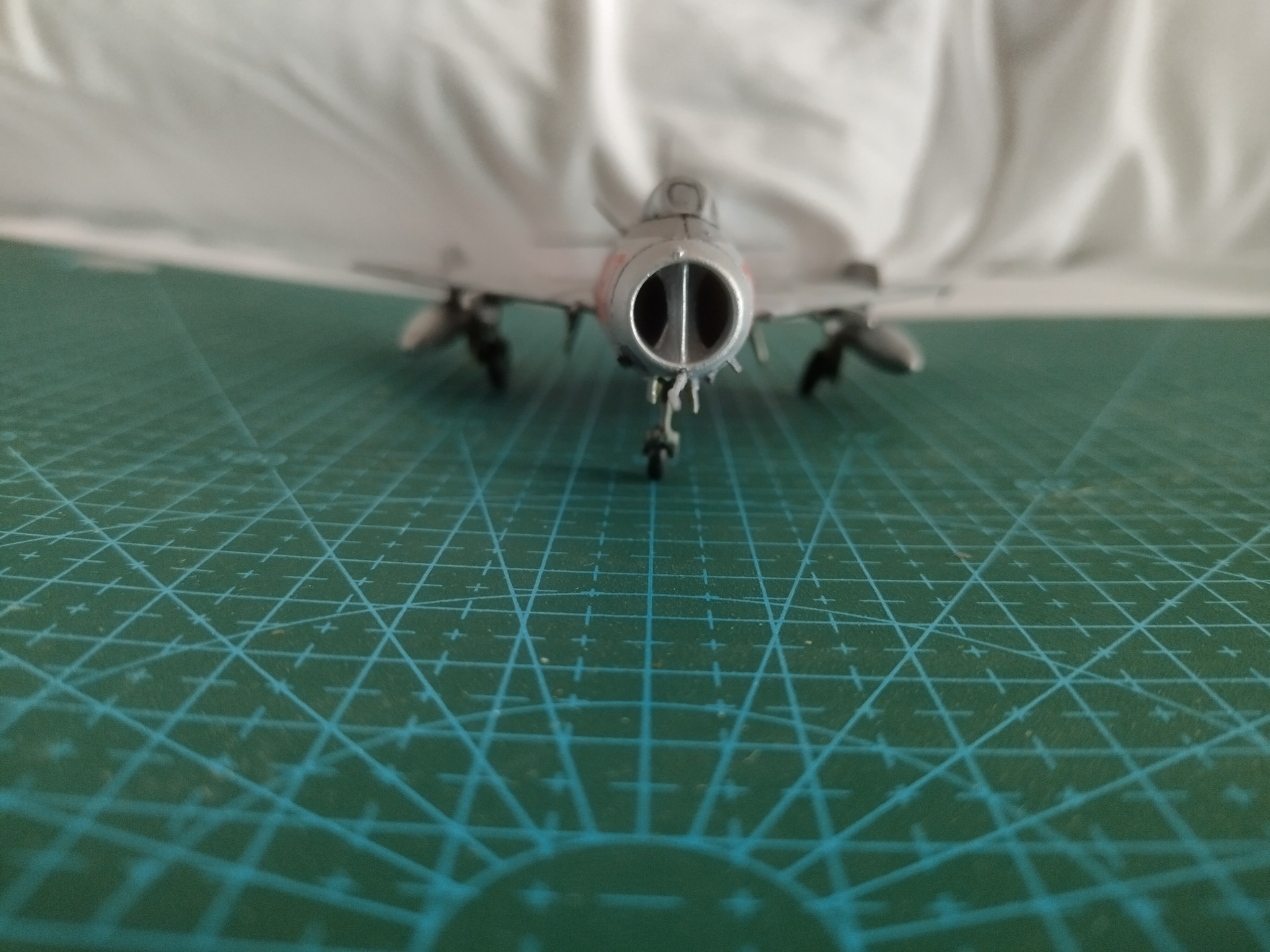
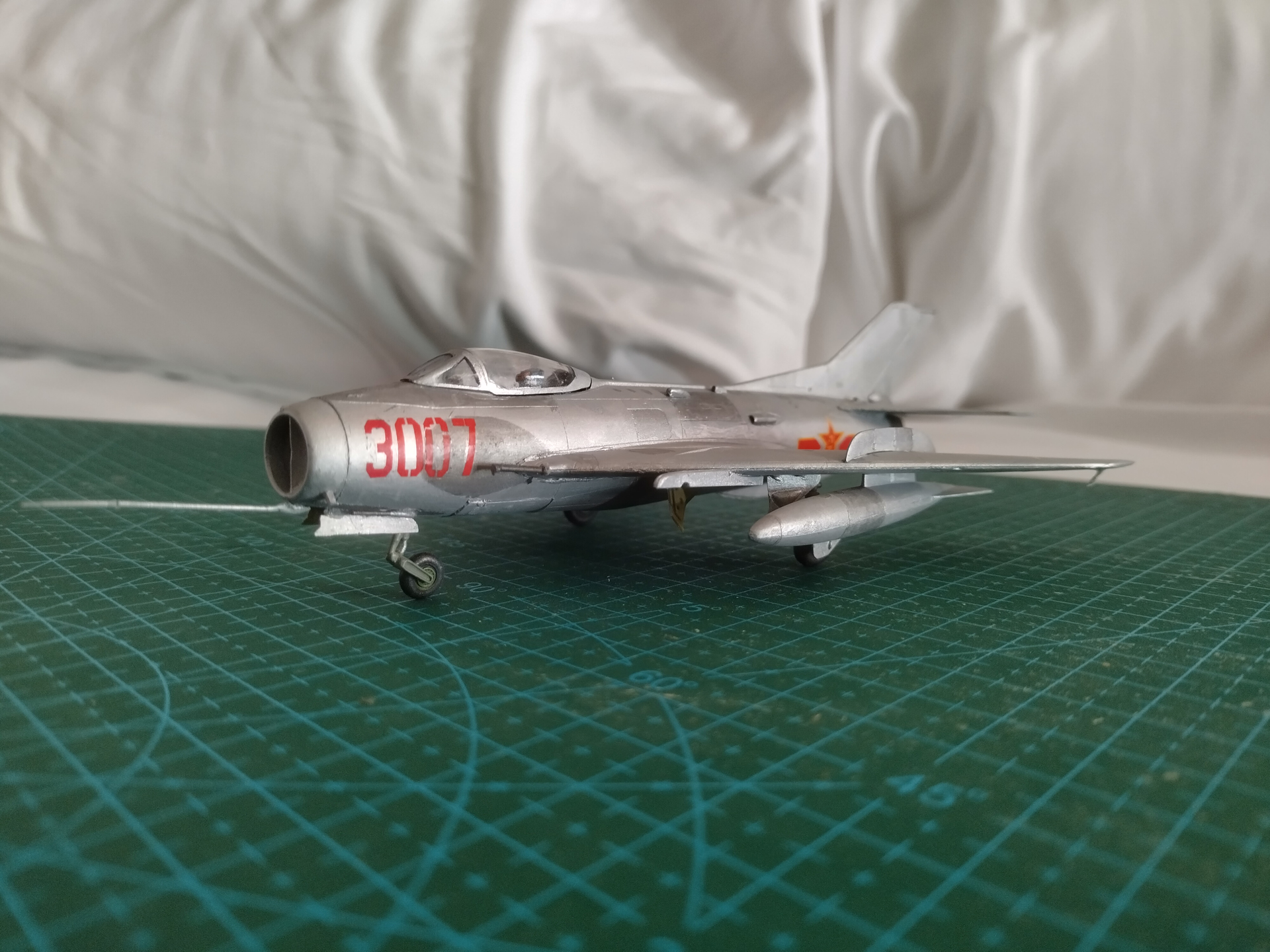
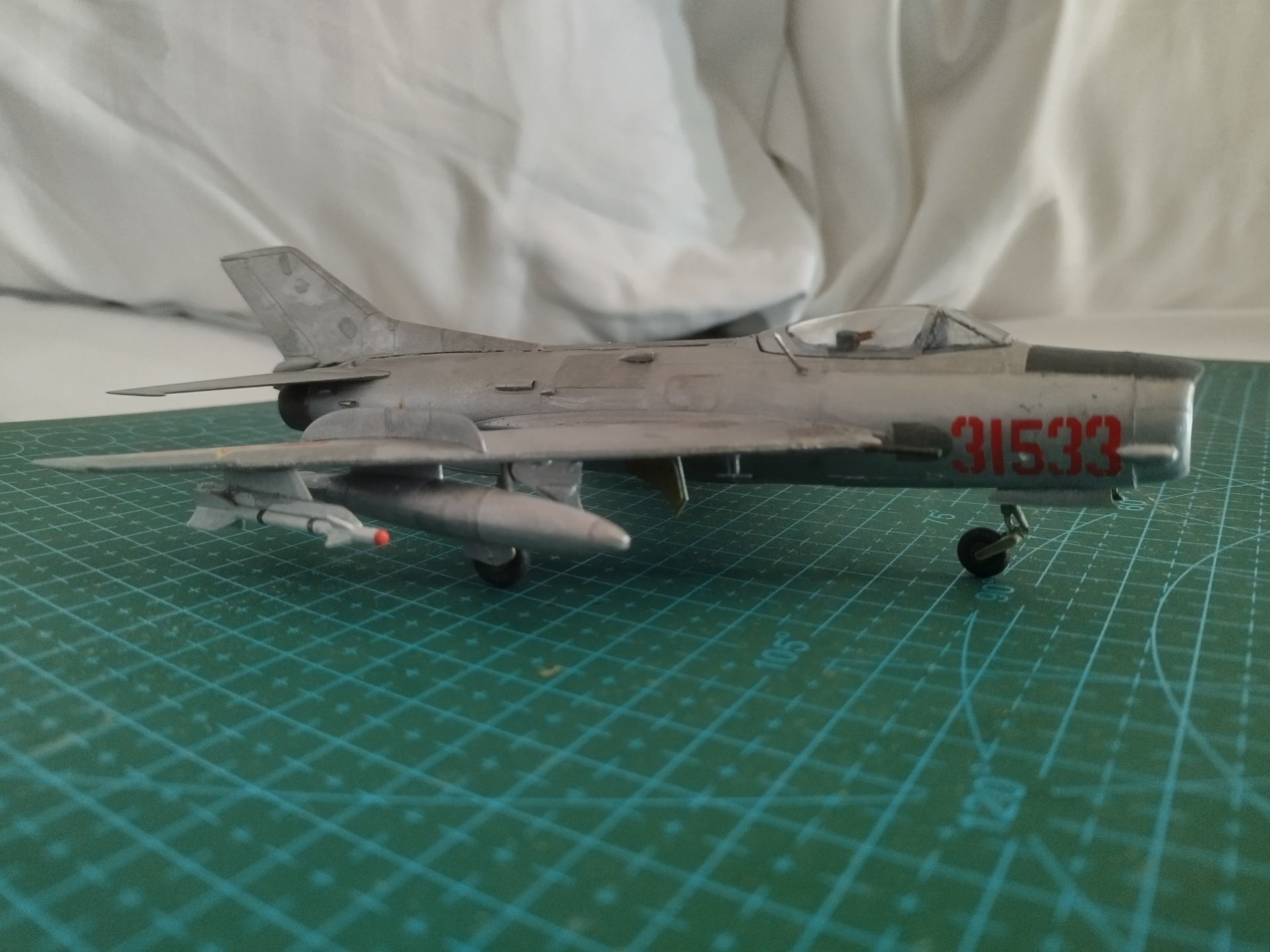
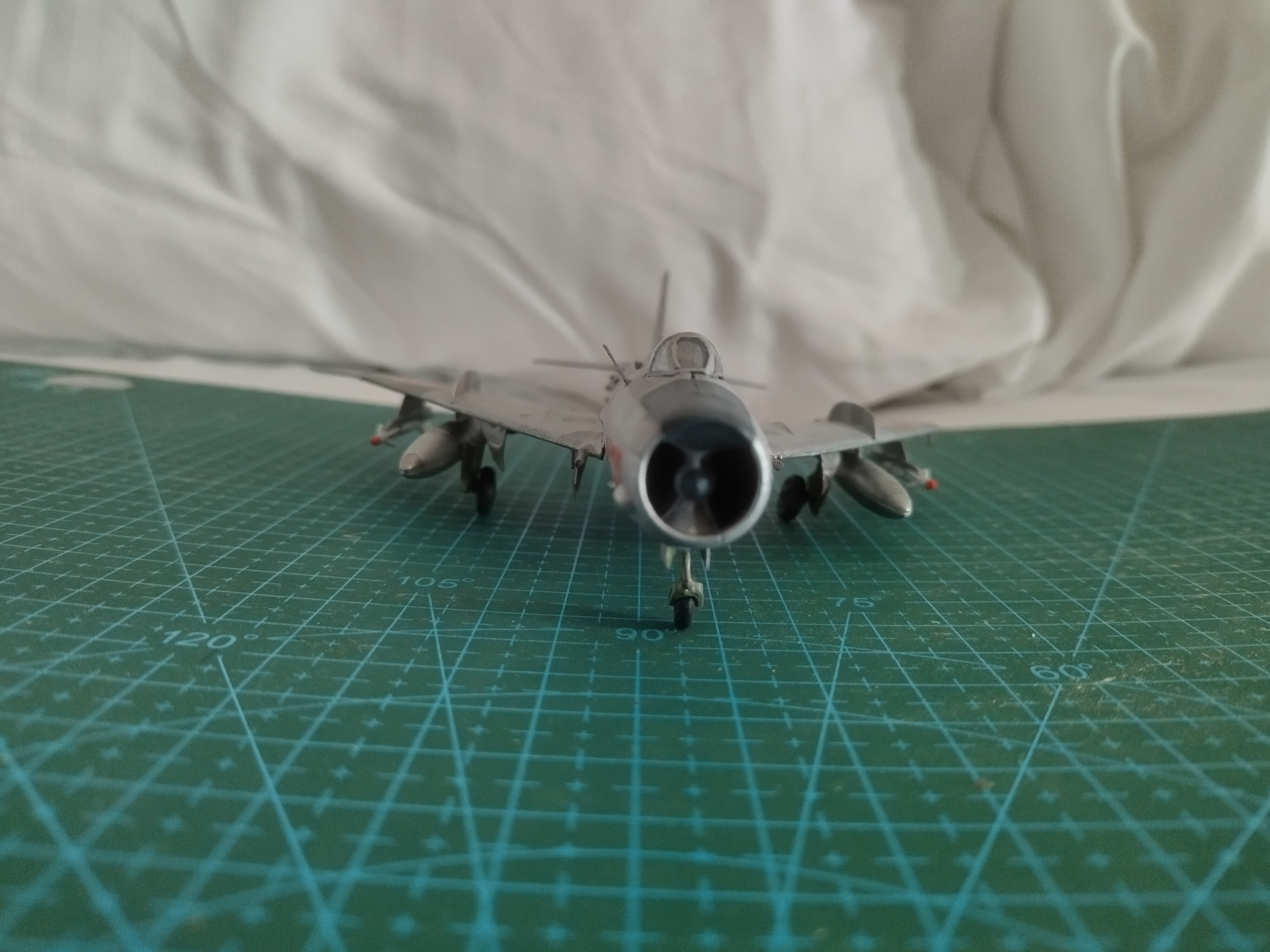
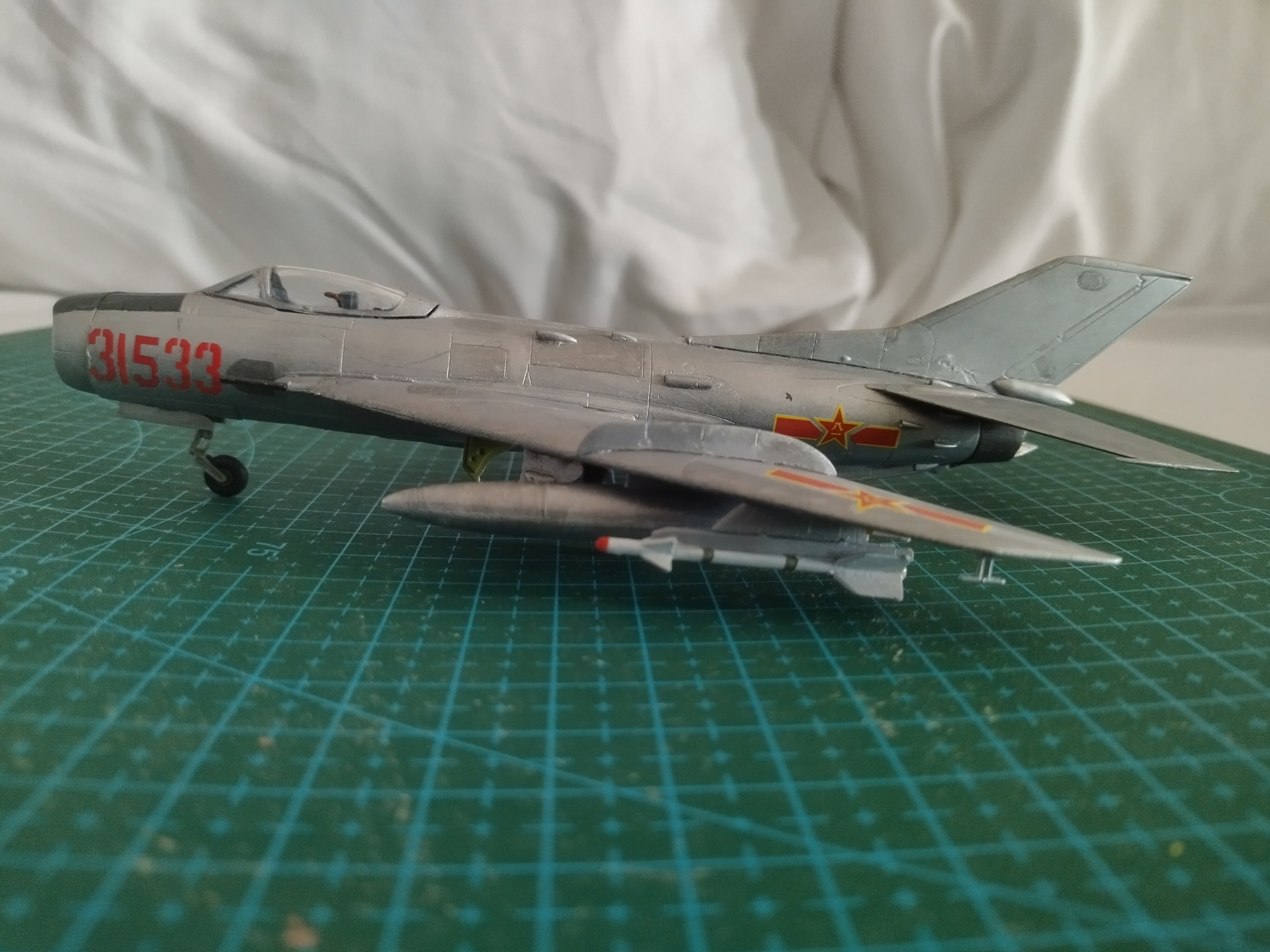
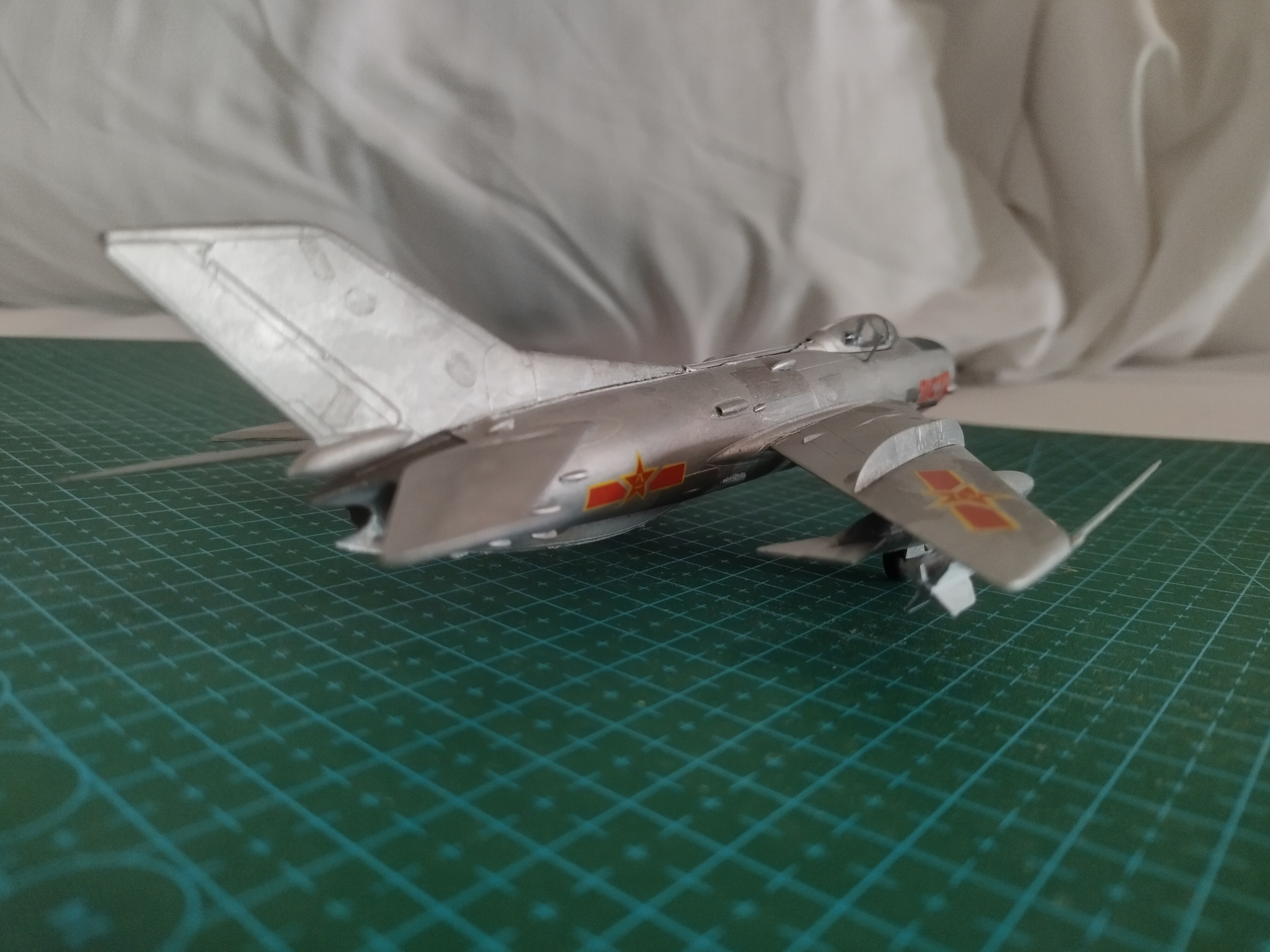
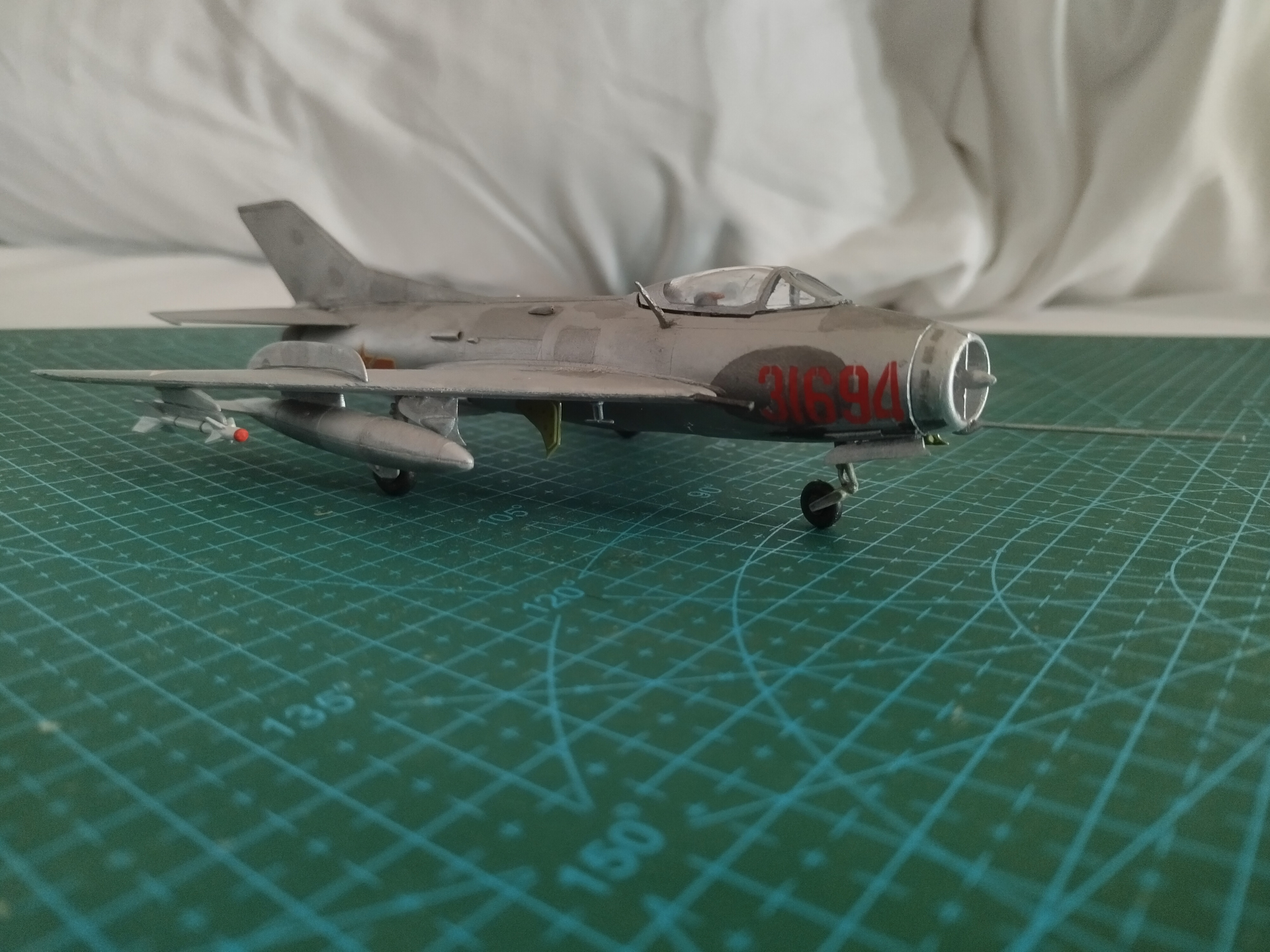
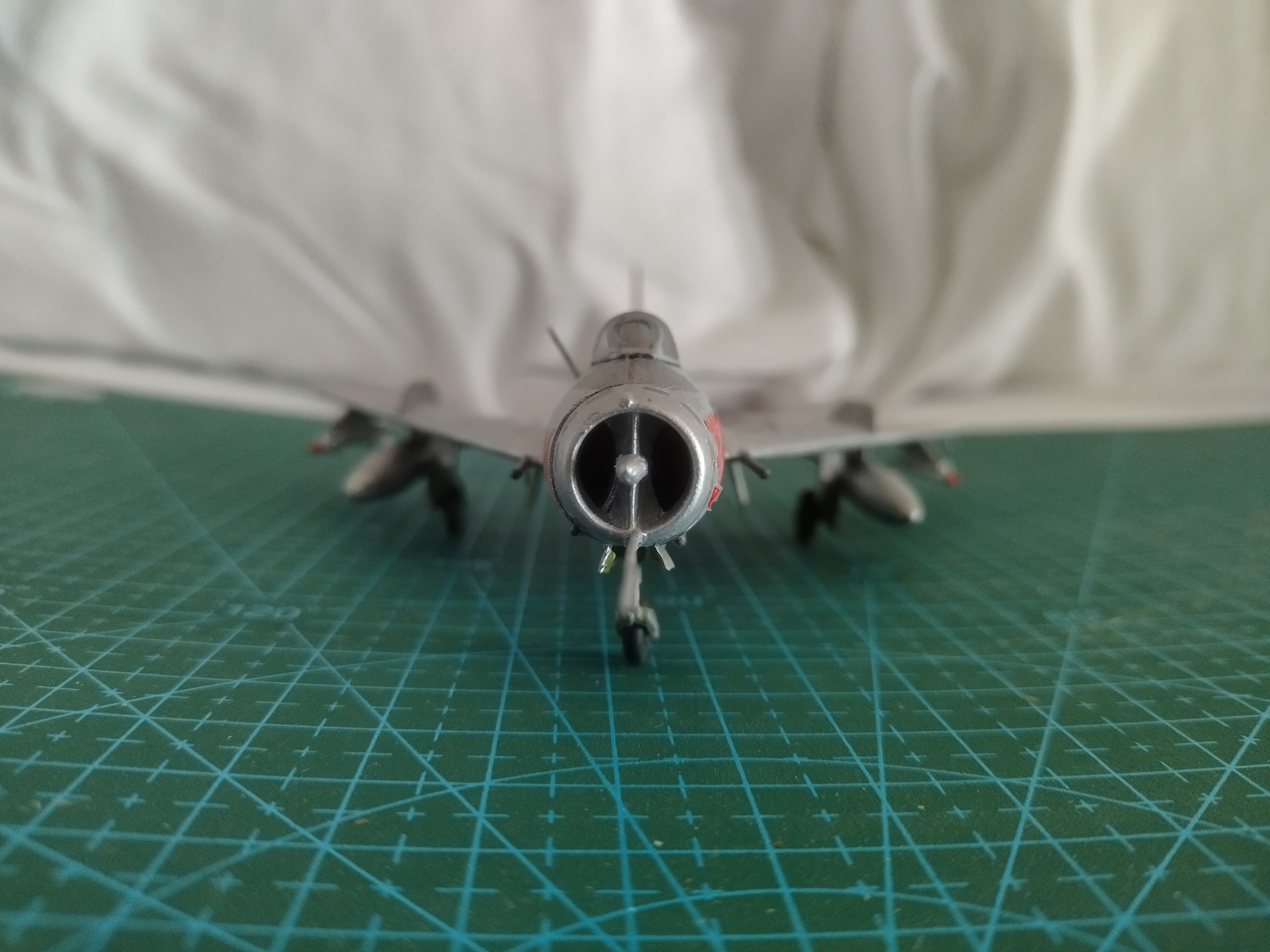
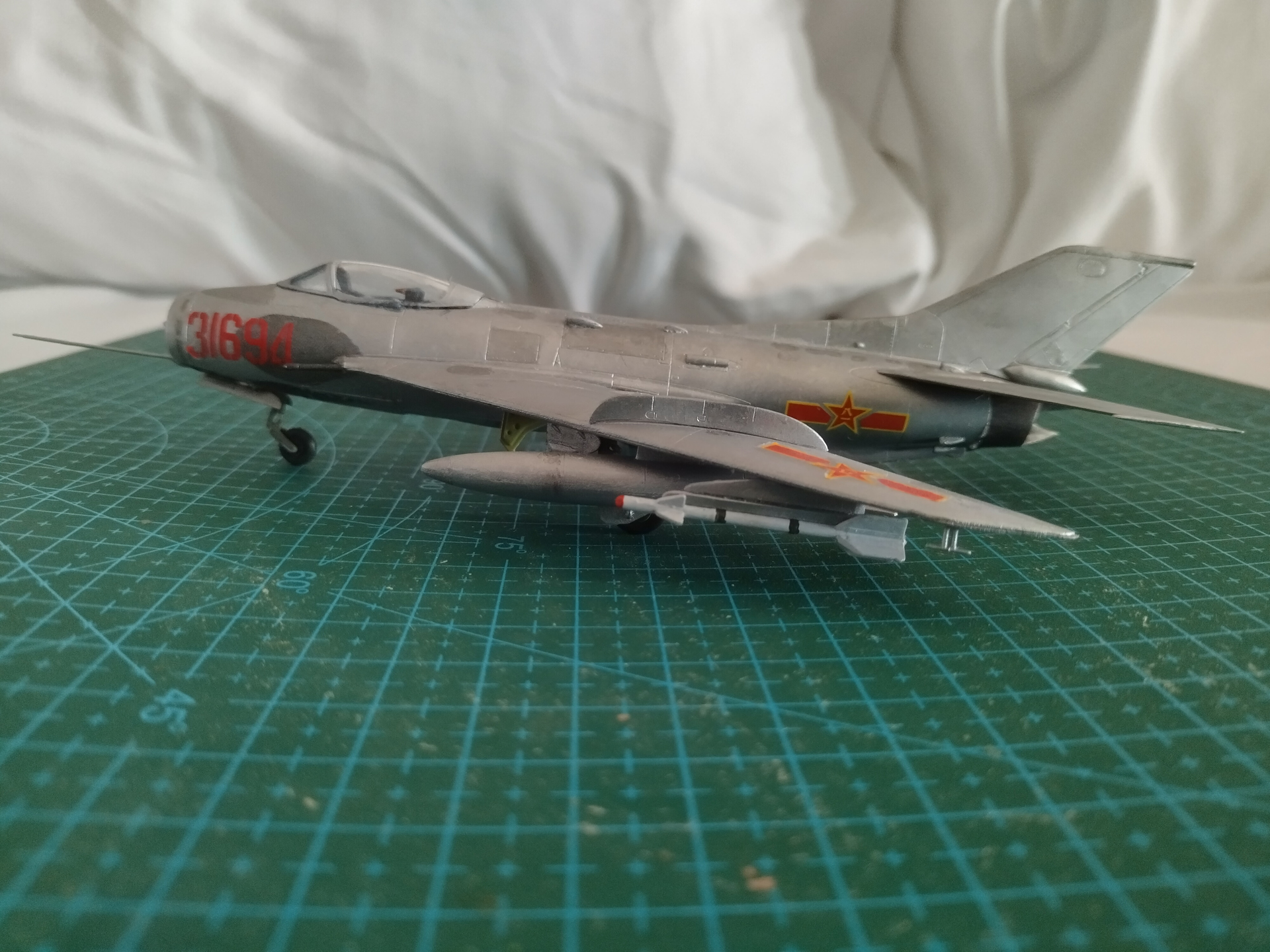
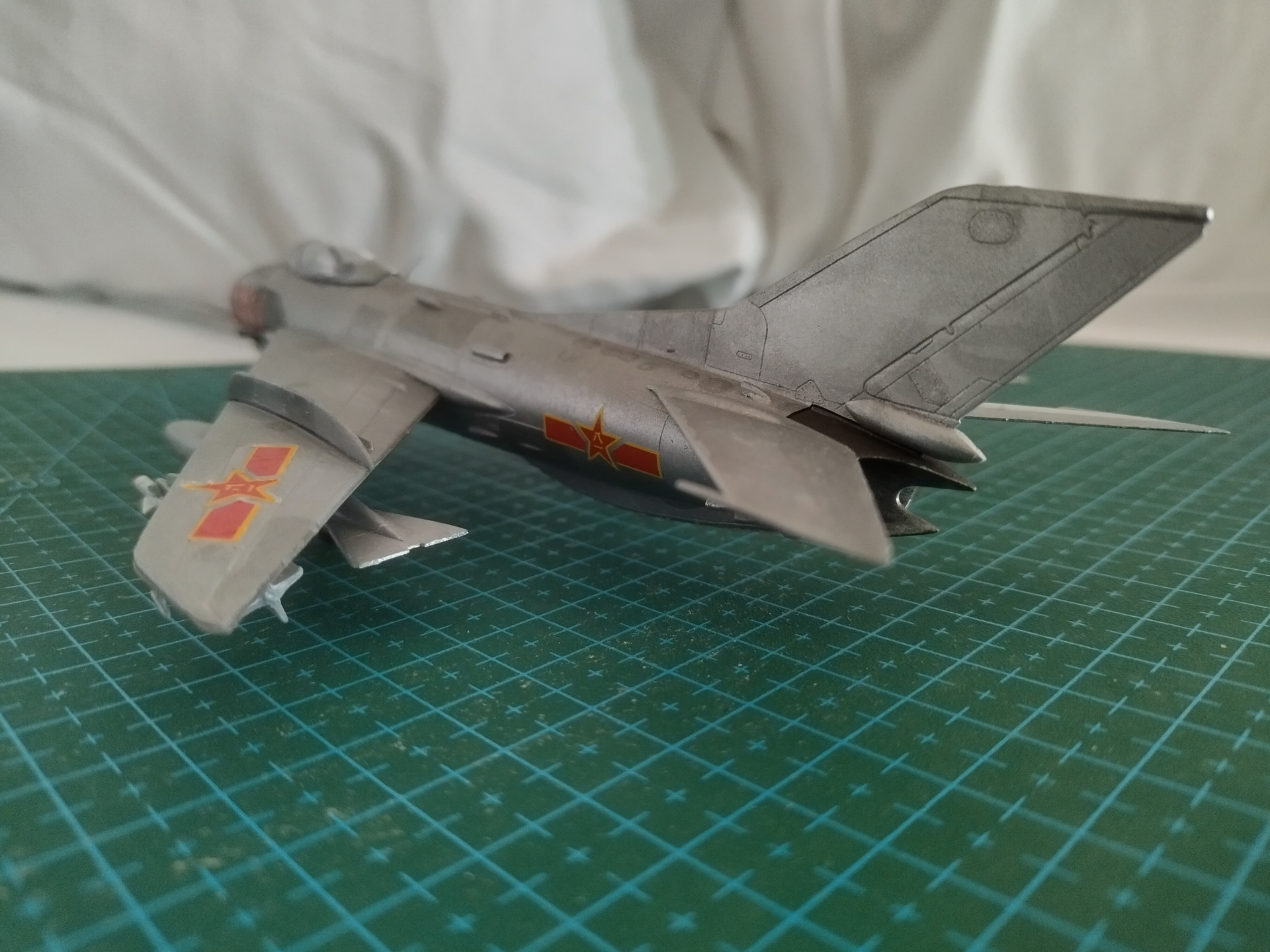
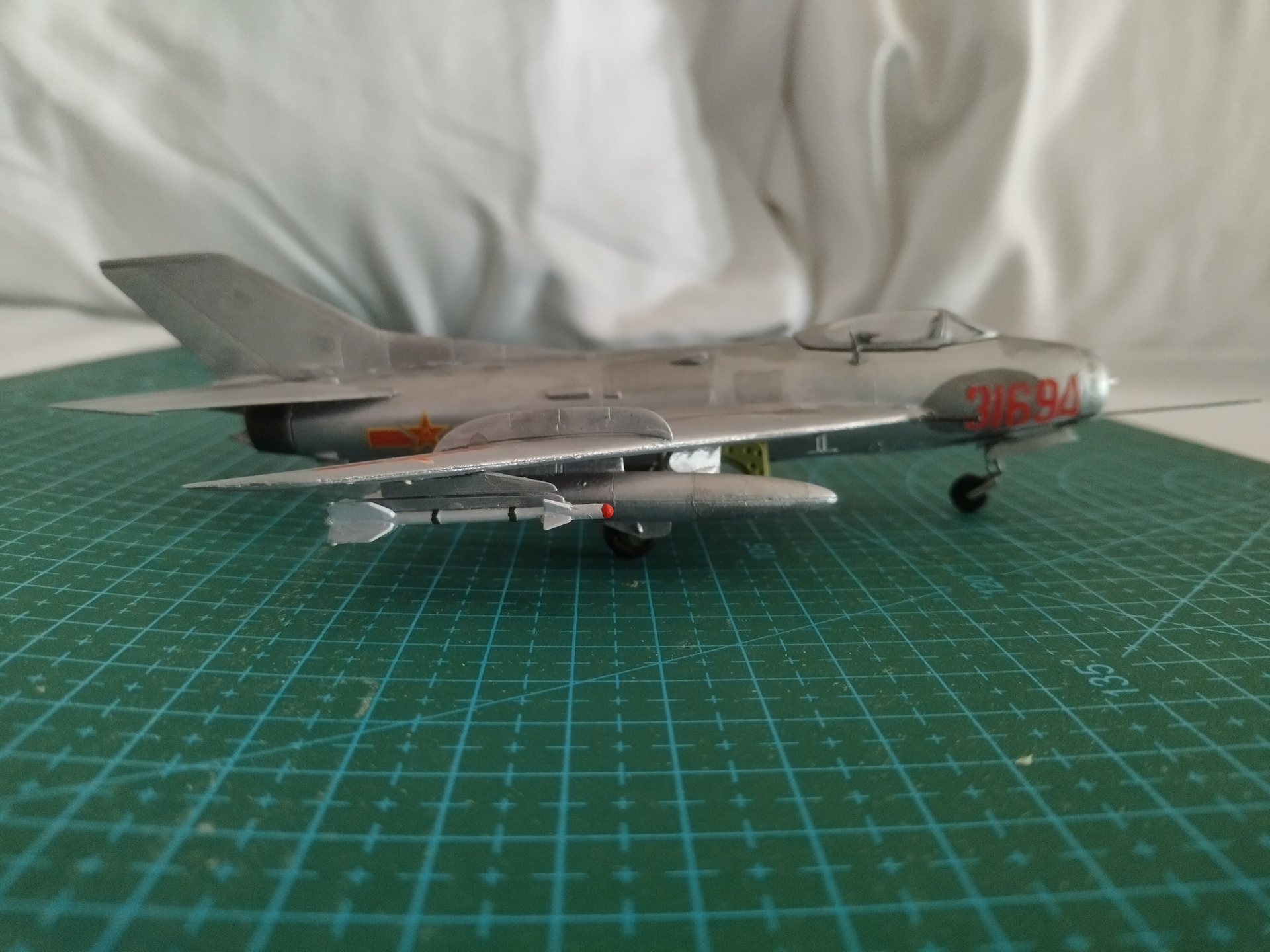
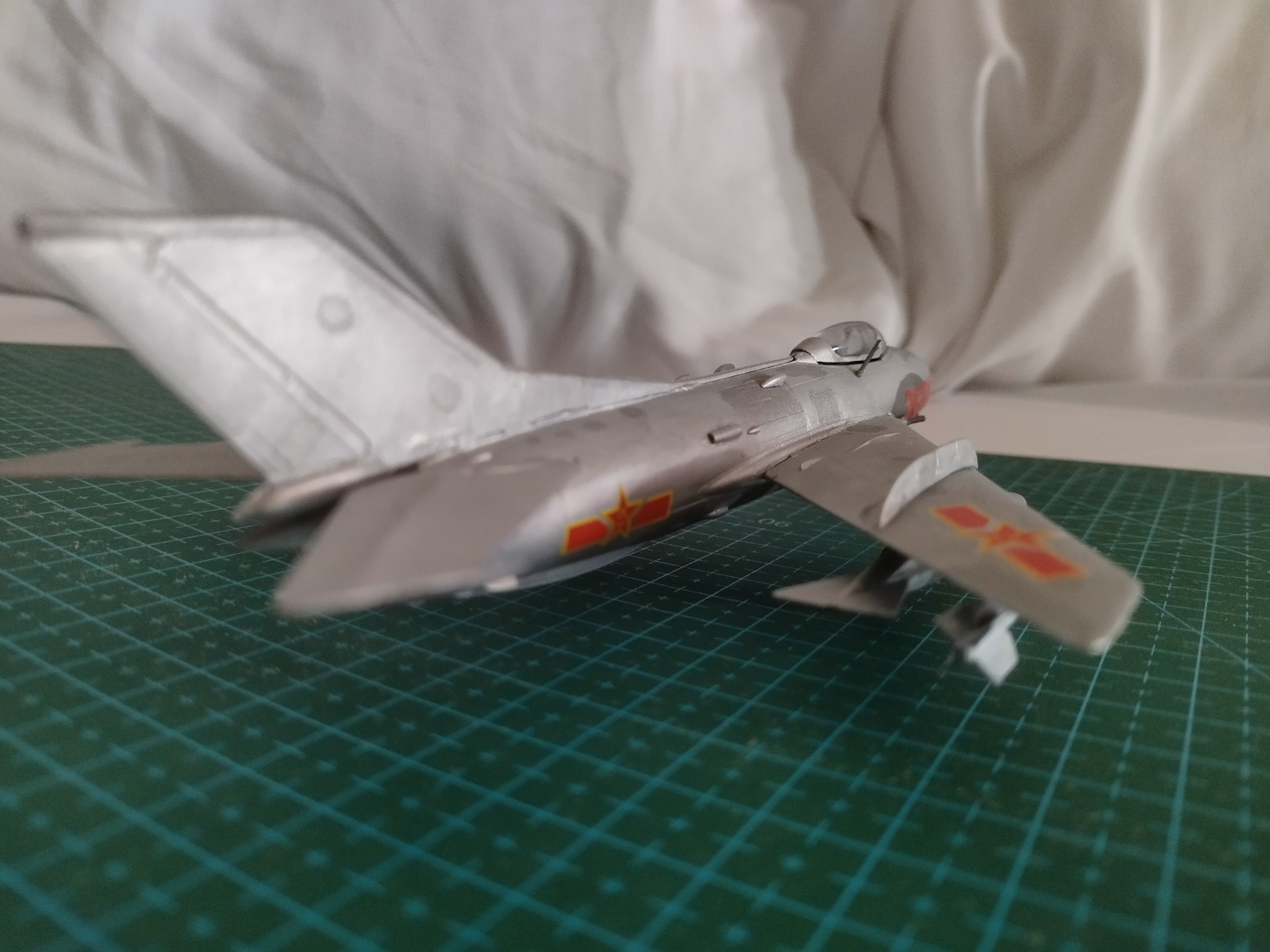
Herewith my post prior to the lunar new year, so I’ve done three Shenyang J-6 “Farmer”s in Chinese service to celebrate the upcoming festivities.
They’re KP kits KPM0160 Shenyang F-6C “Late”, KPM0389 MiG-19PM “Over Europe” and KPM0496 MiG-19S “Over Eastern Europe ”
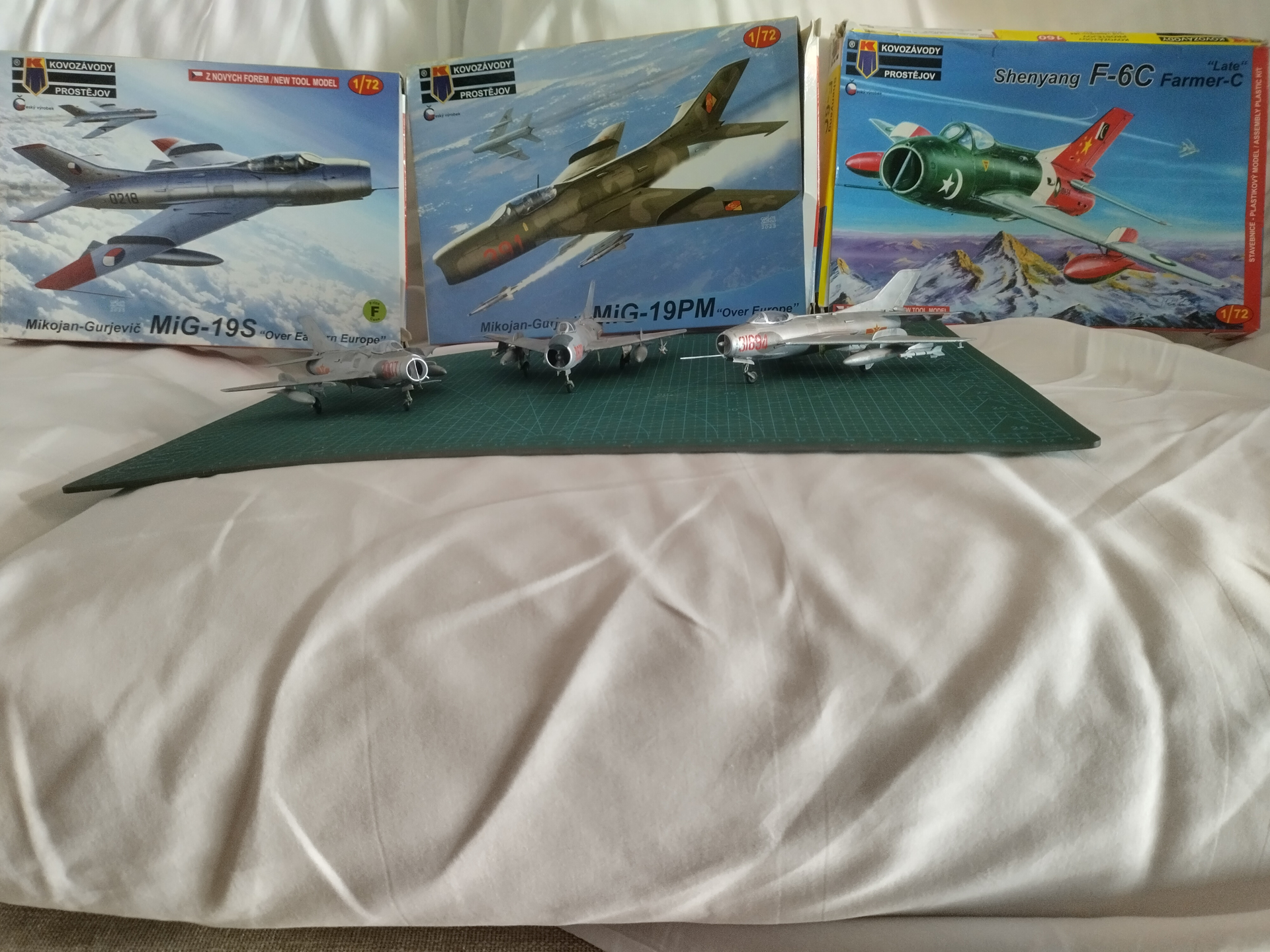
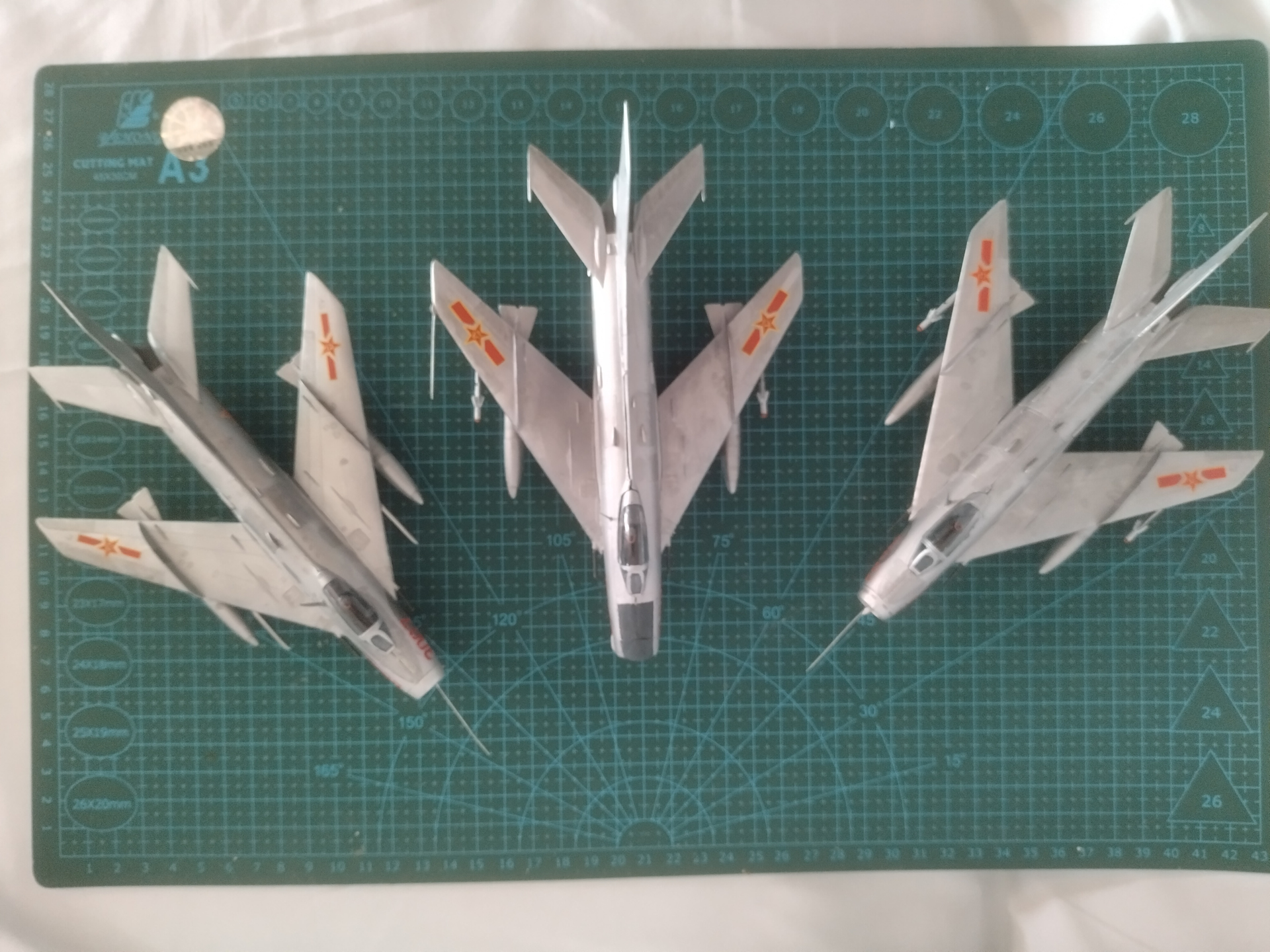
To convert them into Chinese built airframes, I’ve done some scratch building to make them unique Chinese “Farmers”. The Shenyang F-6C kit is converted to a Shenyang J-6III, the MiG-19PM is converted to a J-6A and the MiG-19S into a Shenyang J-6C basic version.
Some brief background on the Shenyang J-6 that most may know or unknown; Shenyang J-6 is a licensed production of the Mikoyan Guervich MiG-19 supersonic fighter, first manufactured by the Shenyang plant in 1957, and the J-6A was manufactured by Nanchang and Guizhou plants to free up Shenyang for newer fighter designs and manufacture. MiG-19S is designated as the J-6C and is the most numerous type, and J-6III is a development of the J-6C to improve performance, an adjustable shock cone and air inlets are installed in the nose intake to allow more airflow boosting the performance of the WP-6A turbojets. The J-6A is equiped with radar and all-weather capabilities. Both J-6A and J-6III have pylons installed under the wings and can be armed with the PL-2 heat seeking missile. J-6C has pylons in front of the main gear wheel well, but these are usually left unloaded or carries the UB-8 57mm rocket pods. J-6C, J-6A and J-6III has the landing brake parachute housed in a fairing below the rudder fin.
That’s it for the technical buff, and onto the models; the KP kits are much improvements from what little MiG-19 kits that are available in 1/72 scale at the time, so despite some fitting issues and lack of details, it certainly fulfills its place is the best kit of its class, and at a reasonable price range. Construction is fairly easy and some putty/filing are still required and along with my recent quest for knowledge on nose ballast, despite the instruction calling for 10g, I stuffed 14g of lead pellets in the cockpit cavity just to ensure that the aircraft will stand on its own. Most J-6 in Chinese service are in natural metal finish, although some late airframes serving the Guangzhou Military region are seen with camouflage and also late Naval Aviation Farmers are all-white overall. So to speed up the process, I’ve decided to do them all in NMF with Tamiya acrylics, primarily using XF-16 Aluminum and tinted other shades of metal with X-11 Chrome silver and X-10 Gun metal. Decals I’ve scoured from various old kits with the PLA insignia and finished off with a coat of XF-86 flat clear.