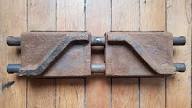
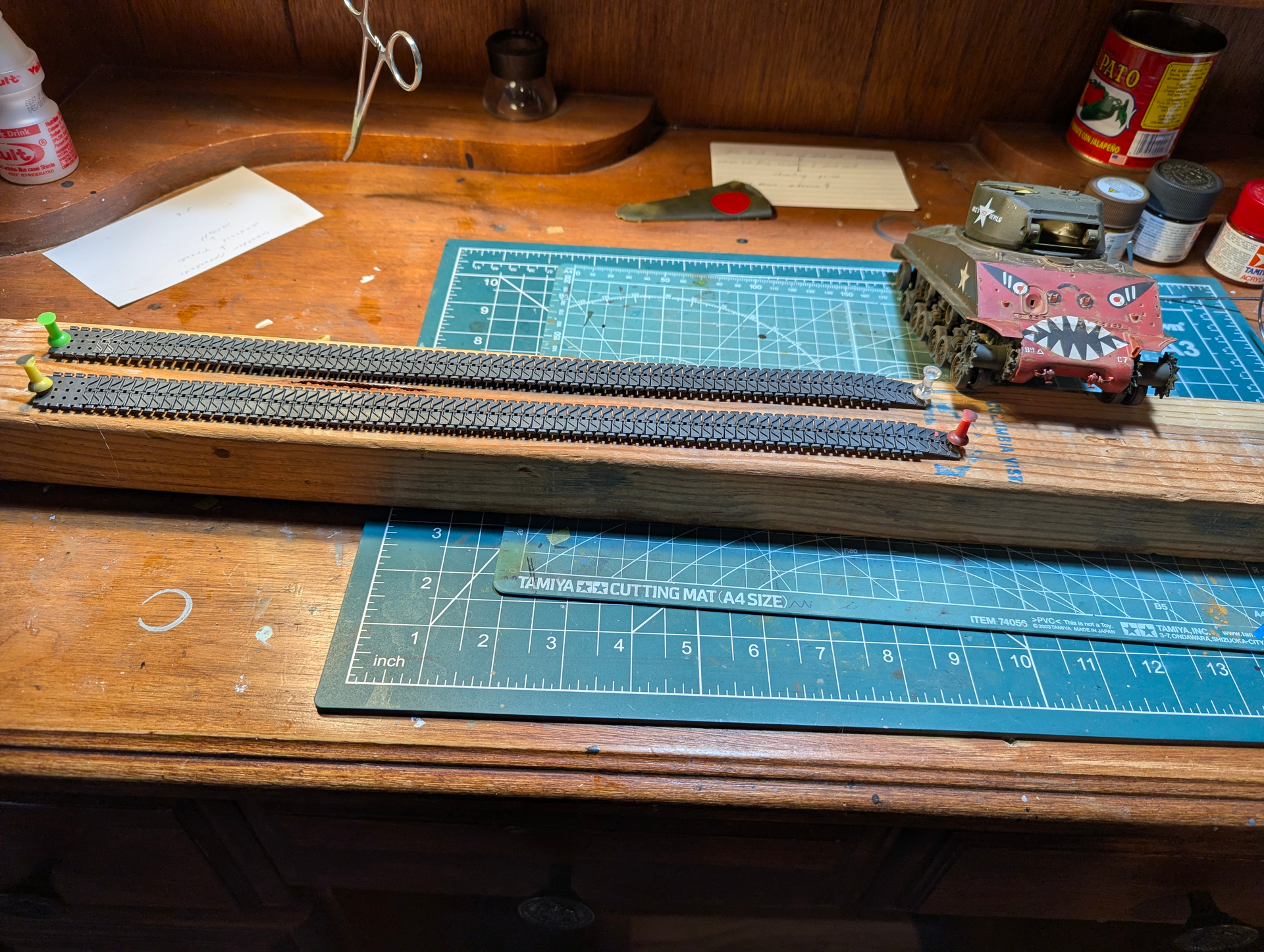
T80 tracks on an Tamiya Easy 8. Confused about images I see of the rubber backing looking as rusted as the steel traction Chevron? figure I might just use track brown and call it good? plan on presenting the model as a road dust covered summer season tank.
3 Likes

yep, but why does the rubber look rusted on my pic? maybe it absorbed the rust from the steel? I’m thinking about a weathered gray on the rubber and burnished steel on the lugs or whatever there called  then pretty much covered up with dust instead of random mud like the image below. I guess random is what I need to realize. thanks for the reply.
2 Likes
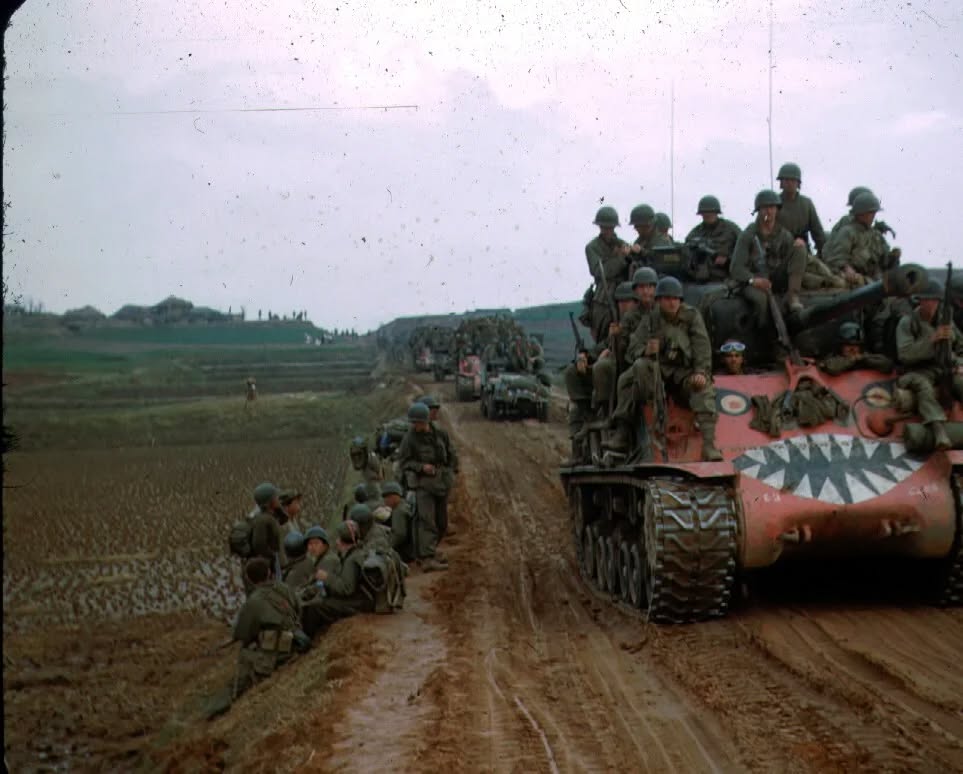
ok….I see! the entire front was steel not just the Chevron. that side pic resulted in my revelation. cool…thanks. shows you how much a sailor knows about armor 
5 Likes
VVSS tracks:
HVSS tracks:
Lots of other Sherman information:
5 Likes
Try Burnt Umber
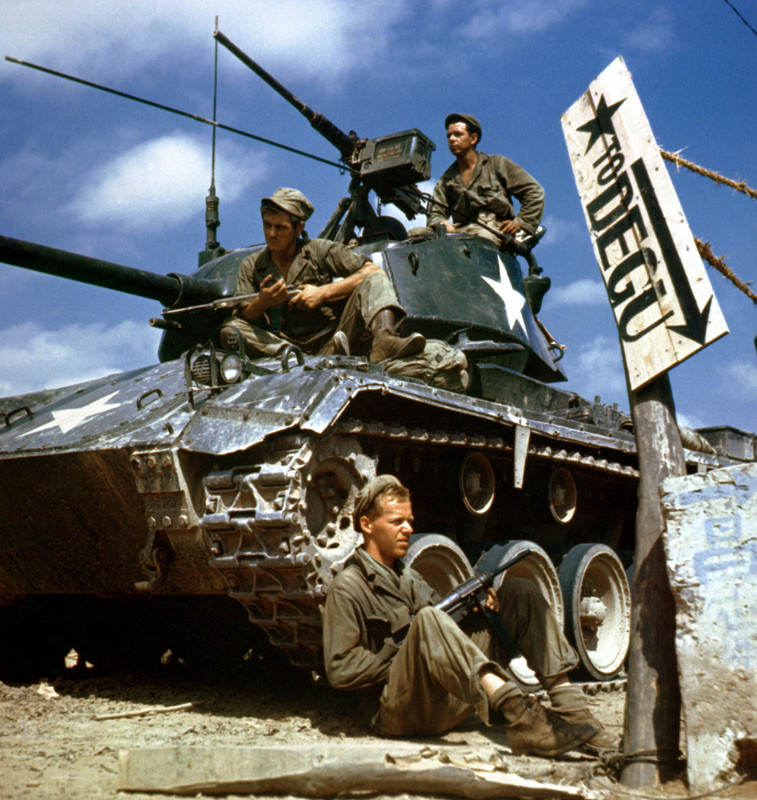
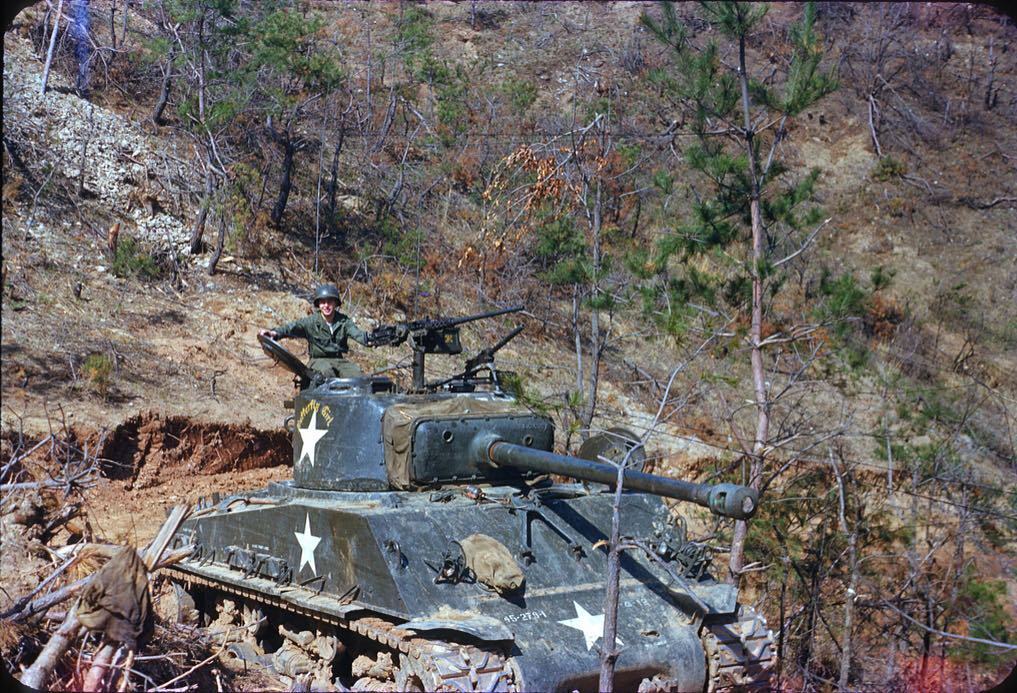
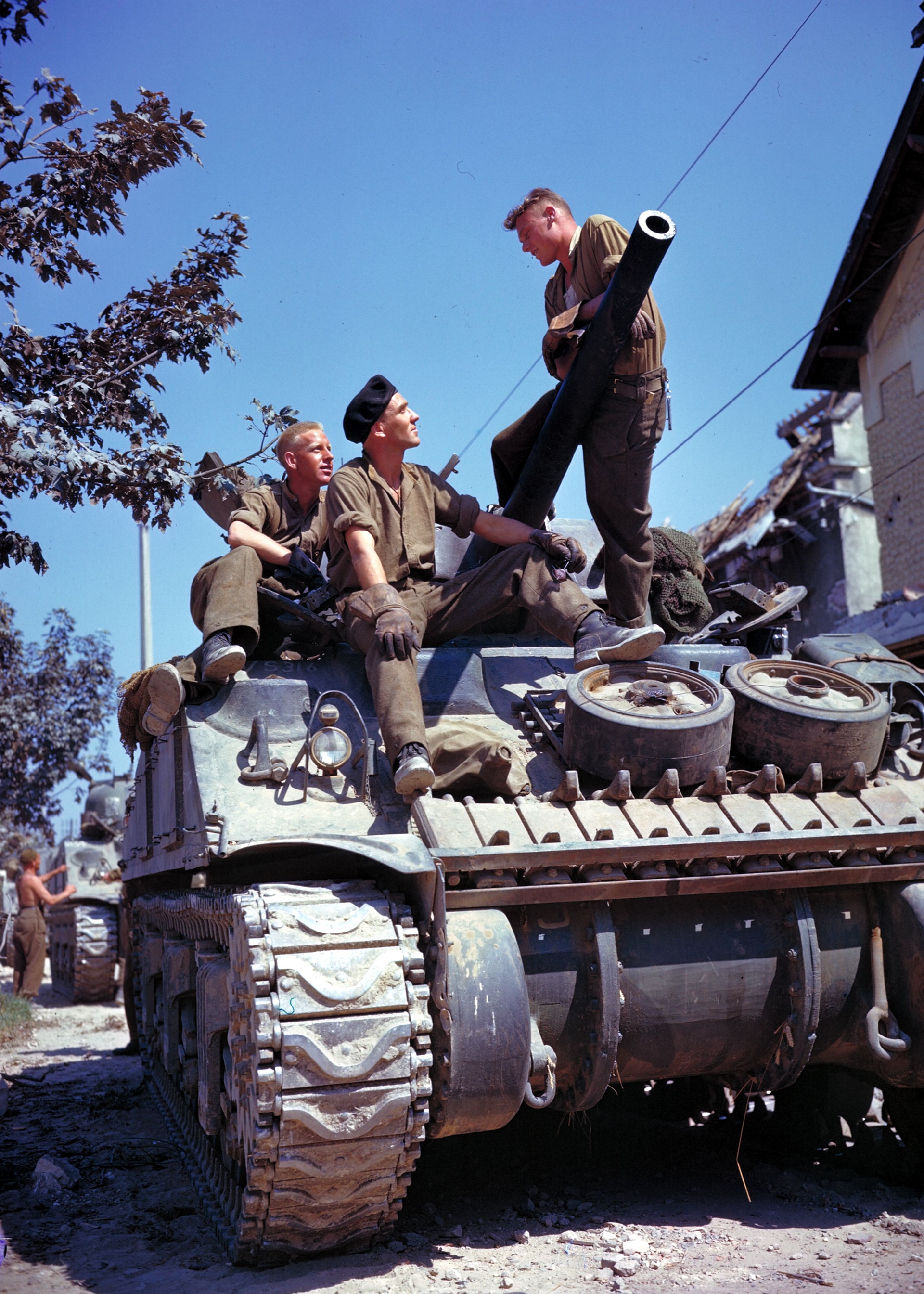
Try bare steel instead  A tank that’s running through dry soil will quickly end up with polished steel track links — your own post above shows a tank with clearly steel tracks, not rusted but with dirt on the links and polished chevrons.
One reason people paint tracks as rusted, if you ask me, is because they take museum tanks as examples. But those tanks 1) have been static for a long time and 2) have had even longer than that for the high-quality steel in their tracks to slowly turn a deep rust colour.
4 Likes
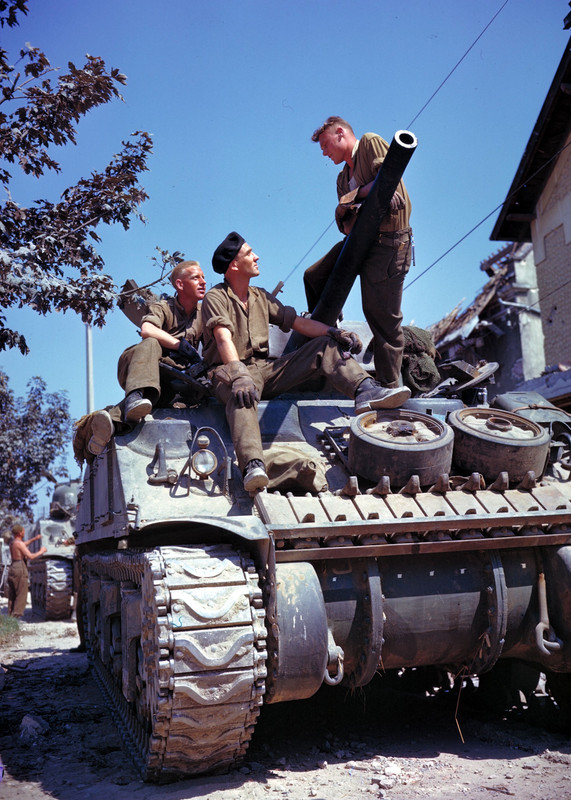
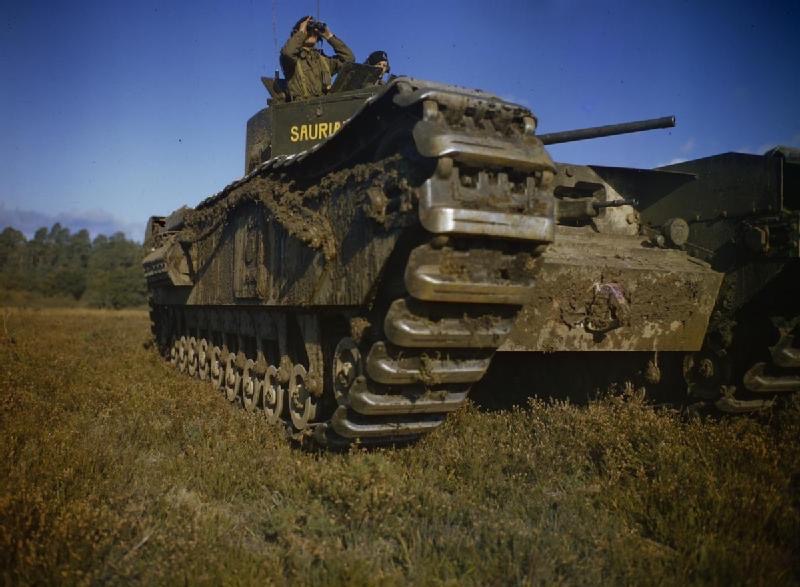
4 Likes
Bear in mind on a running Sherman the inner side of the track was full of ground-in dirt so that rubber wasn’t really very black after a few short miles! I paint mine dark grey, then apply liberal coats of dirt wash and dry-brushed Earth to get that “lived in” look…
4 Likes
It depends.
The color and consistency of the ground the tank is now and recently plays a significant part in the appearance.
Rubber chevron tracks. Note the color difference between the track and tire faces, namely that the tires are darker than the tracks.

Steel tracks. Polished metal with packed mud, tires are also muddy or dirty.
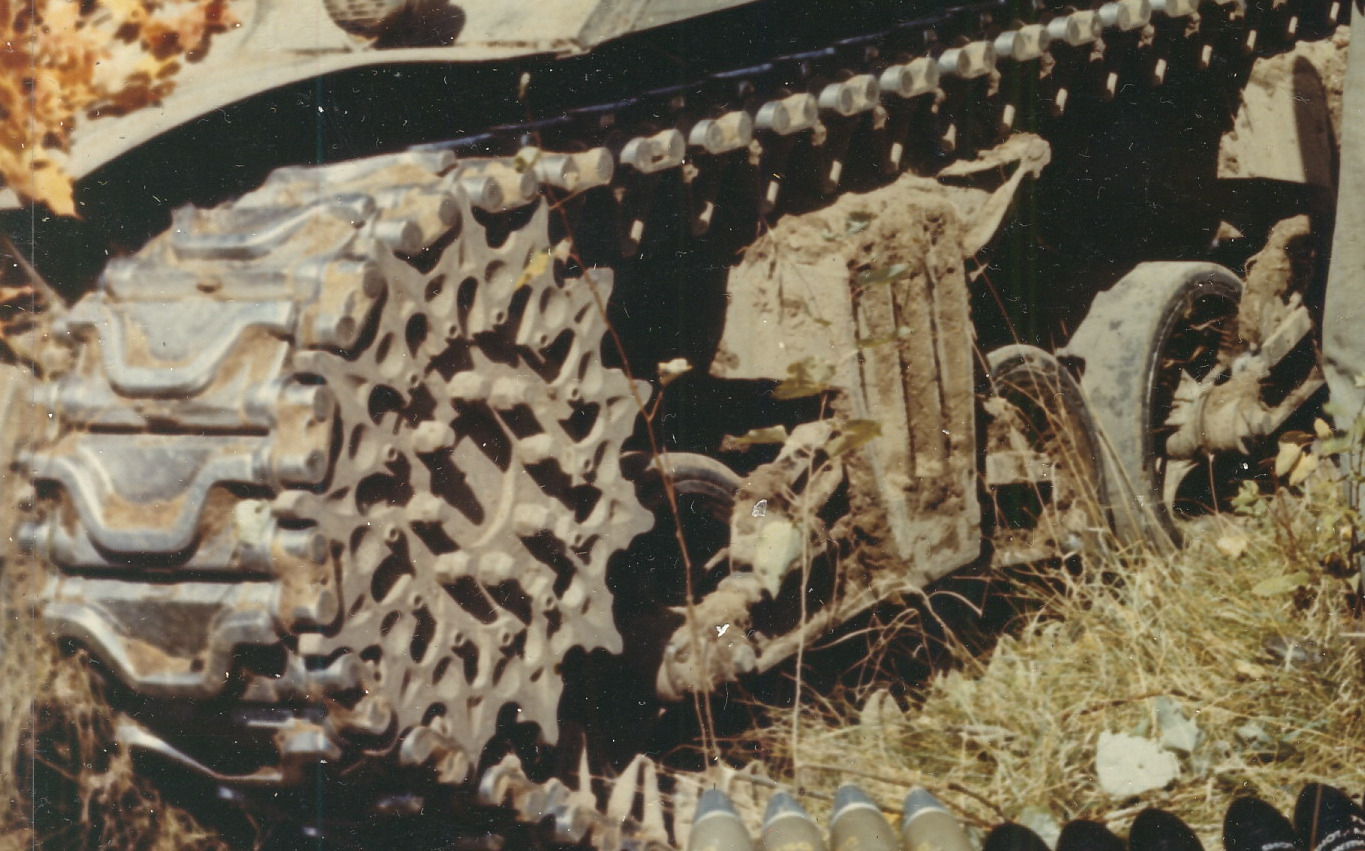
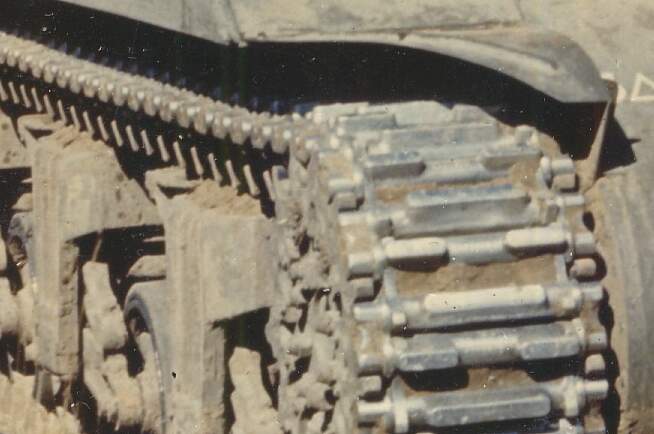
Rubber tracks on a factory course. Rubber color varies widely.
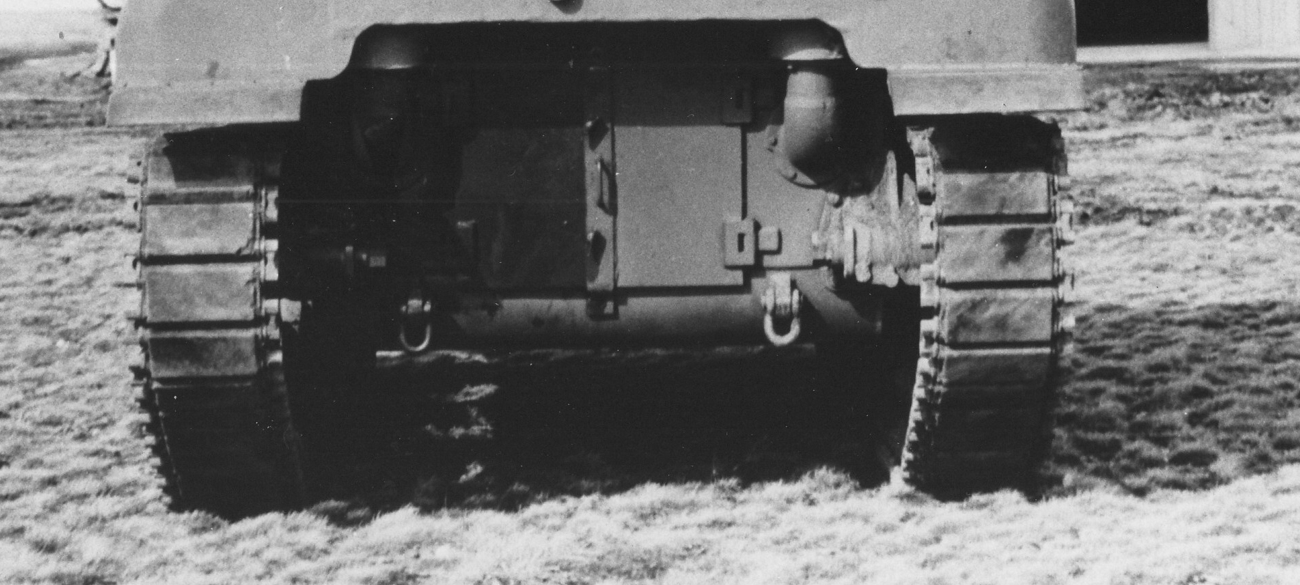
Rubber tracks carrying significant mud.
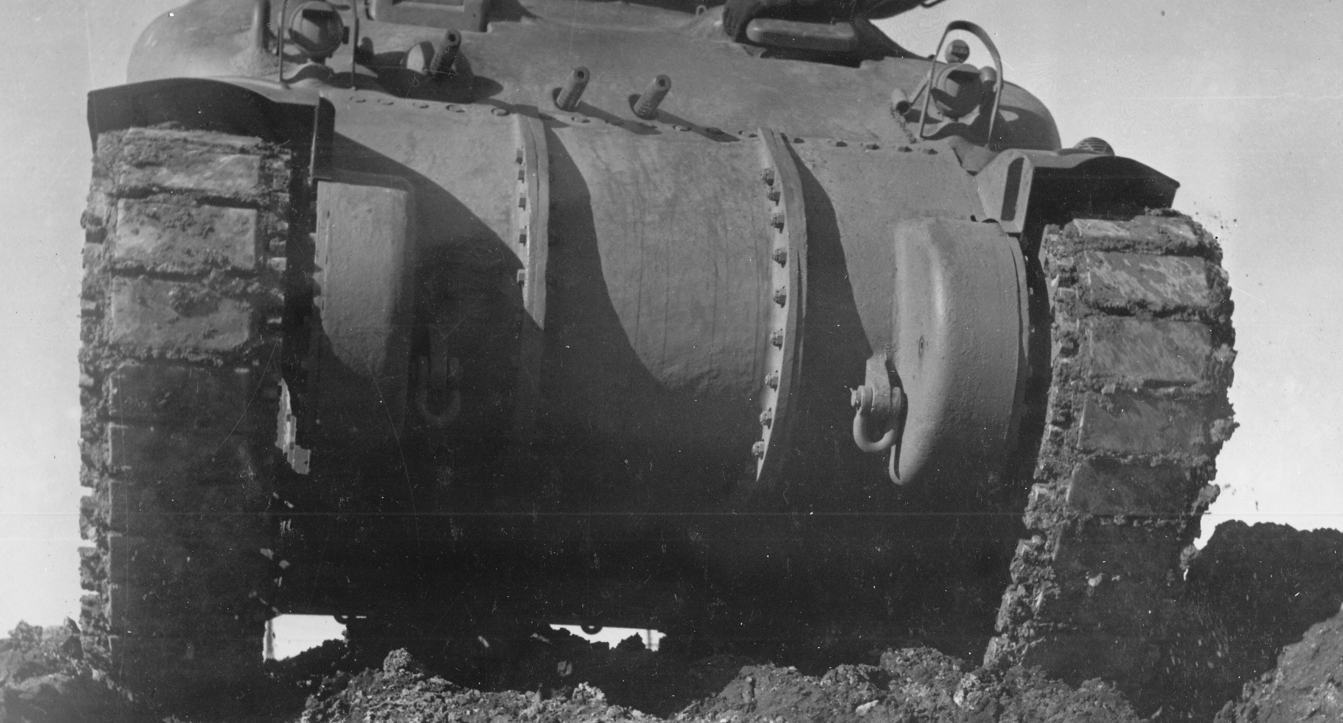
Rubber tracks, dry dusty ground. Again, track and bogie tire faces are different colors. Note also the varied appearance of the pneumatic tire on the left.

KL
6 Likes
This may be true to a degree. I think it is a function of climate. I used to work around heavy equipment including bulldozers in Pennsylvania and Maryland. In the morning the tracks had a patina of rust on them. At times they looked like the would snap or crumble went the dozer started to move. After some moment and continued use, the tracks would become highly polished. After worked stopped at the end of the day the tracks were highly polished if used all day. By next morning, the tracks had that same patina of rust. Pennsylvania is a temperate climate with lots of humidty.
5 Likes
Hesitant to open up the images, my security warns me about Shaddock?
1 Like
spot on, thank you.
2 Likes
yep, so far I have a base coat dark grey RLM66, and based on comments today will scale back on rust color and go with metal with burnished areas. Going for a hot dusty season. thanks for all the replies. Appealing that I gain knowledge from each of my builds. I guess I just need to add weathering to the grey base coat , treat inside rubber differently.
4 Likes
There is an article about M1 Abrams deep restoration (stripping down to bare hull and turret, bead blasting, then full rebuild); several of the pictures showed the tracks after removal, one with a coil of track three days after cleanup and replacement of damaged track pads, that showed bright orange rust on the track pin end connectors. A subsequent picture showing a restored tank during a two-hour checkout run over a test course shows the tracks having been scrubbed clean of any visible corrosion. So BillyBoy59 is correct that, in any environment with significant humidity, a tank that is stopped for even a day or so will pick up a patina of rust that is very quickly scrubbed off by contact with the ground. How you choose to paint them depends on how recently they’ve been driven on and how much crud they’ve picked up from the environment.
5 Likes
makes sense,I will depict a running tank no rust. I have some Ammo metal pigments and Tamiya LP steel I cantry.
1 Like
They don’t have all the security bells and whistles activated.
A website which only displays information without asking for any details doesn’t really need all the security stuff to protect visitors/customers.
I would stay away from an internet shop that doesn’t have all the certificates but this isn’t a shop …
3 Likes
Rust will stay on surfaces that are not polished by rubbing against dry or wet particles.
Dry sand will polish, clay and mud will also polish (wet polishing paste).
Rusted areas that do not get polished will still be rusty.
Accumulated time in service will also play a role, fresh off the boat in North Africa or Italy or a tired old tank which has been in service for 10, 15 or 30 years.
1 Like