Distribution of Holidays for the First Half of May in Russia
I believe it is necessary to offer my international readers one more clarification regarding Russian reality: specifically, what makes May 9th—aside from patriotism—such a compelling occasion for undertaking long-distance journeys.
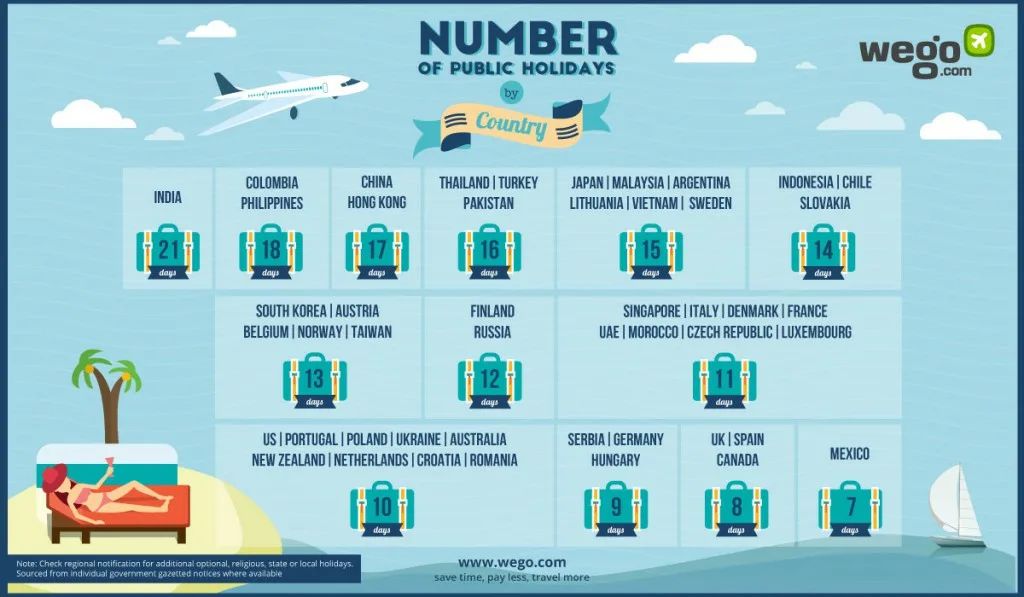
Russia isn’t the champion when it comes to the number of non-working holidays, but we have a rather clever way of organizing them: if a holiday falls on a non-working day (Saturday or Sunday), that non-working day is moved to another day.
The government decides which day it is moved to. At the end of each year, a special legal decree is issued, publishing the official schedule of holidays and weekends for the upcoming year.
In May, we celebrate two holidays: May 1st—International Workers’ Solidarity Day—and May 9th—Victory Day.
Early May in Russia is a good time for gardening for those with dachas (small country plots with small houses for temporary residence - if you don’t know this concept, it’s easier to look on YouTube, there are plenty of English-language materials on this topic) or for getting out into nature for recreation (passive and active). The government takes this into account and tries to organize as many days off as possible during this period.
It varies from year to year (see table), but even if the days off are not consecutive, you can take 2-4 days off from work and get almost two weeks off - practically a whole vacation.

Non-working days are highlighted in red.
During this time, the cost of transportation tickets and accommodation at vacation spots tends to rise; business activity grinds to a halt; liquor stores and garden centers see a massive surge in sales; and the streets of major cities become noticeably less crowded. The exceptions are Moscow and St. Petersburg—where, conversely, the crowds seem to grow even larger.
Business activity begins to wind down long before the holidays actually arrive, as everyone is busy making preparations. If they are planning to start some big project, they say, “Let’s do it after the May holidays.”
The situation is practically the same with the first weeks of January - we have New Year and Orthodox Christmas - a week and a half of non-working days.
P.S. If a workday immediately precedes a holiday, working hours are reduced by one hour.