1 Like
Yep, they were all the rage for new houses in NZ in the late 70’s & 80’s, but don’t often see them nowadays
Mal
2 Likes
Well that was some useless information I won’t forget! 
4 Likes
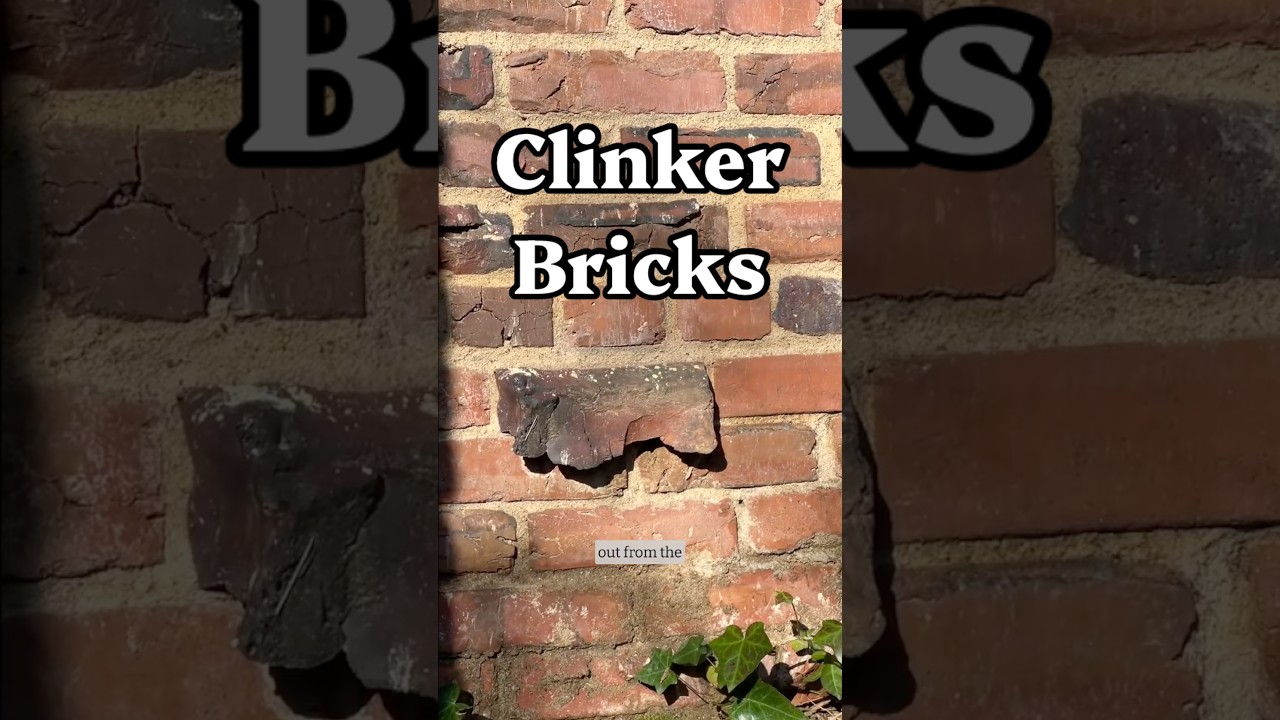
Clinker comes from Dutch klinker, literally “sounder”, due to the clear sound they make when hitting one with another — like he also explained just when I was typing that bit  Generally, these days, it means a brick used for paving rather than for constructing buildings.
But the irregular shape part is dubious, IMHO, unless that’s a specific American meaning attached to the word, since over here, klinker is used to refer to perfectly-shaped bricks as well.
2 Likes
I hate it when that happens to me
In Sweden ‘kilnker’ means a tougher ceramic tile to be used on floors.
Klinker is ceramics based on stone, the other tiles are based on clay
and fired at a lower temperature
2 Likes
Are you hinting at a future diorama?
Edro
2 Likes
No farking way

I don’t build dioramas and I don’t do figures.
I only bother with interiors if there are no hatches to close.
I don’t open truck doors. Steering wheels are going straight.
I have problems getting time and opportunity to build anything.
I have seen too many brick walls laid out in LEGO-style and I have
posted about the various bond types and how bricks would be laid.
If someone is doing a diorama they might as well get the bricks
right, just as important as fussing about the correct weld pattern
for a Sherman tank built by a particular factory.
5 Likes
I’m with you there, brother.
Edro
2 Likes
Several garden walls are built with these in my north London road. They were the ‘waste’ material left over where small-scale local brickworks were established as suburban London expanded rapidly in the Victorian era and subsequently
1 Like
Welcome to the forums Ken!
Cheers /
Your (mostly ) friendly local moderator
Robin
1 Like