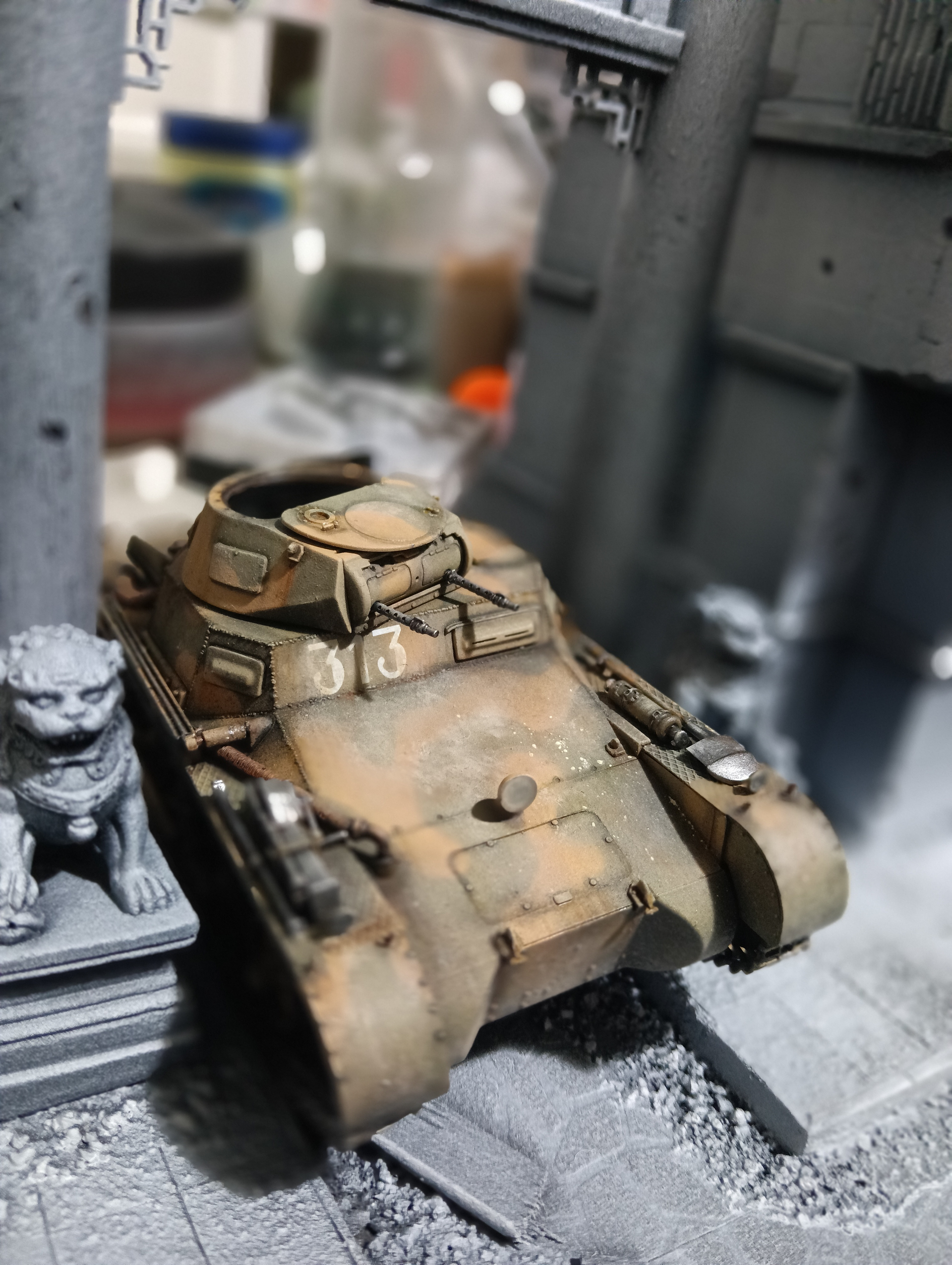
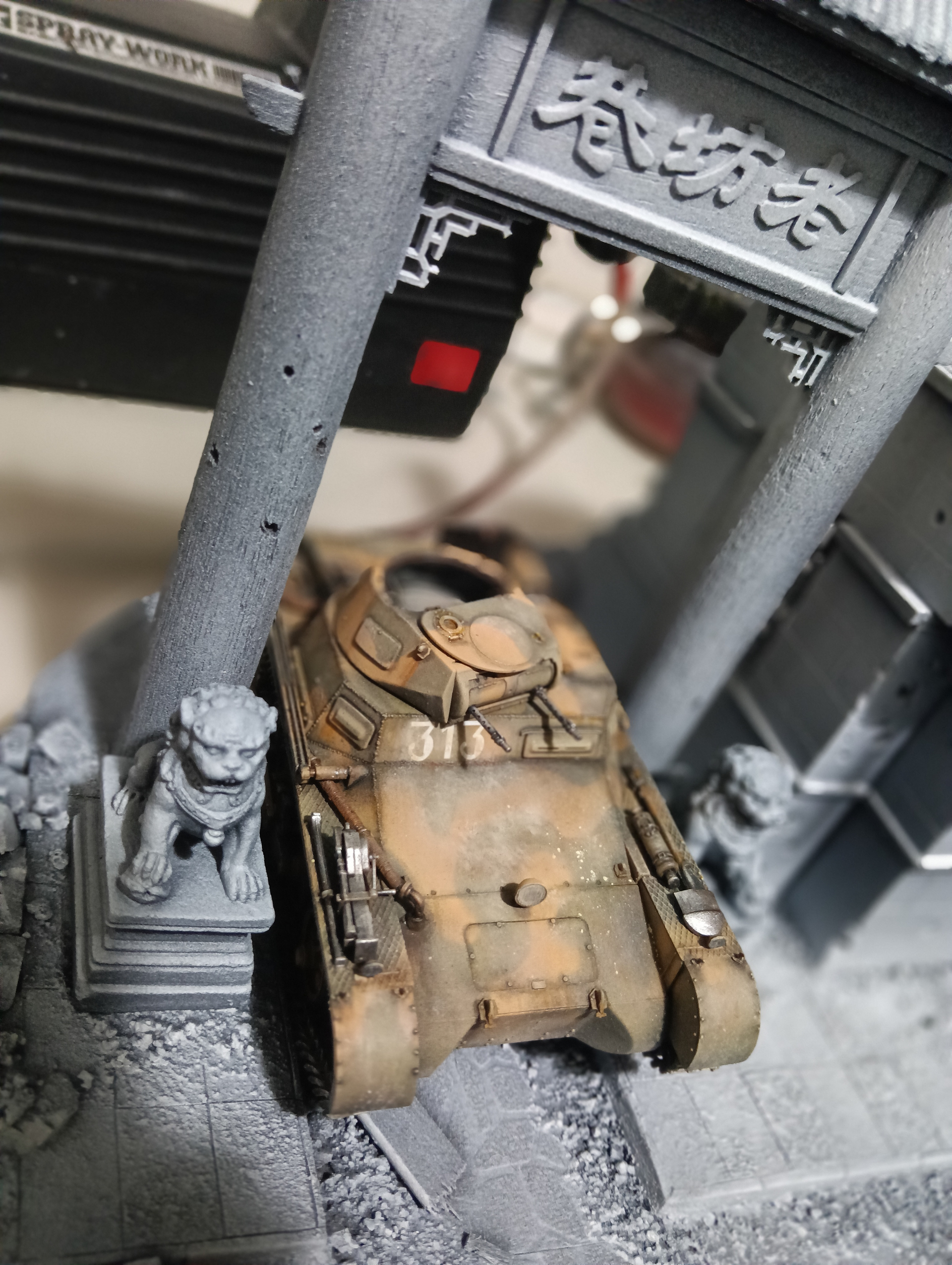
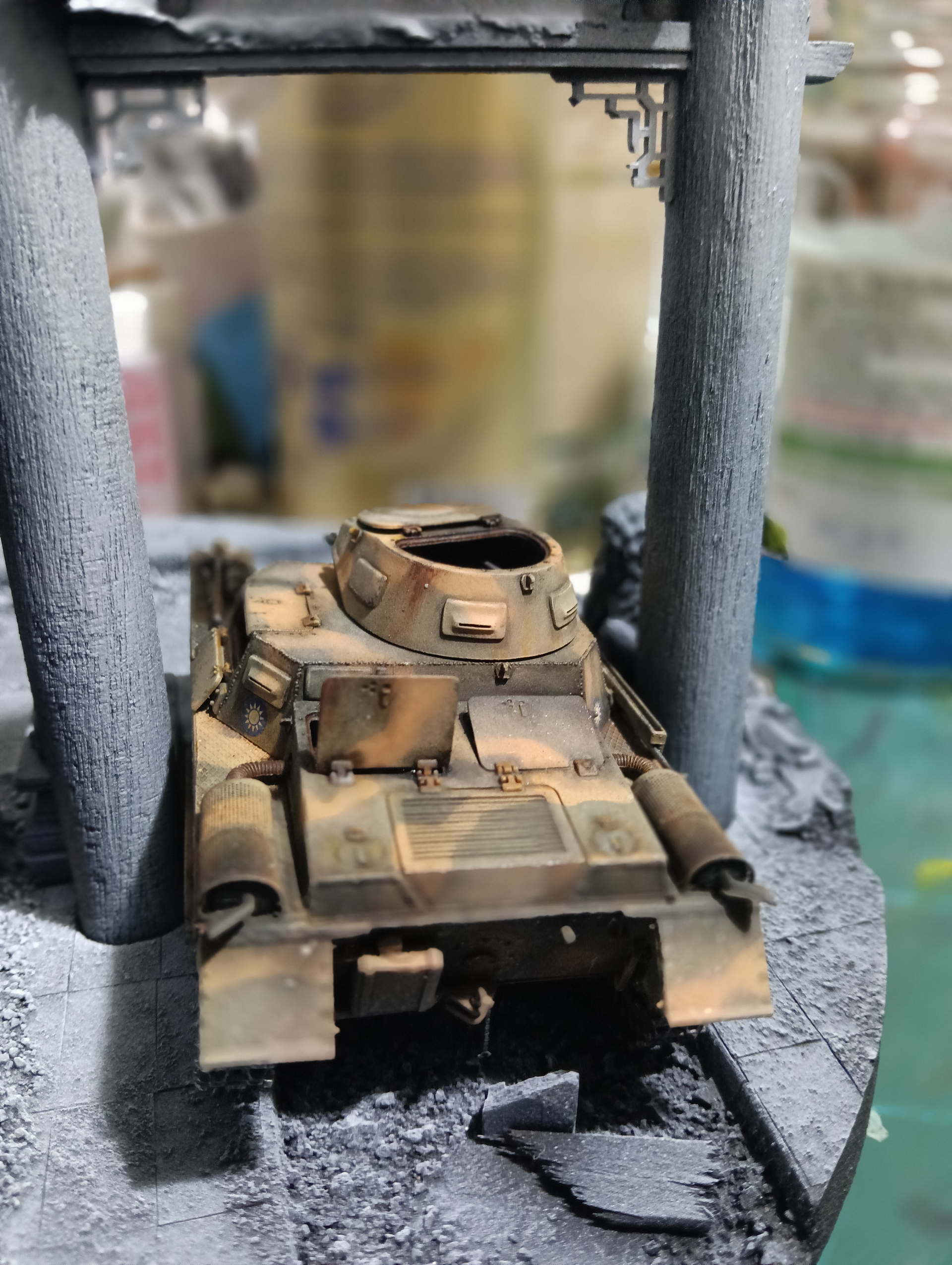
Hi all, I’d appreciate some community feedback on a contentious modelling topic: ROC Panzer I Ausf. A camouflage.
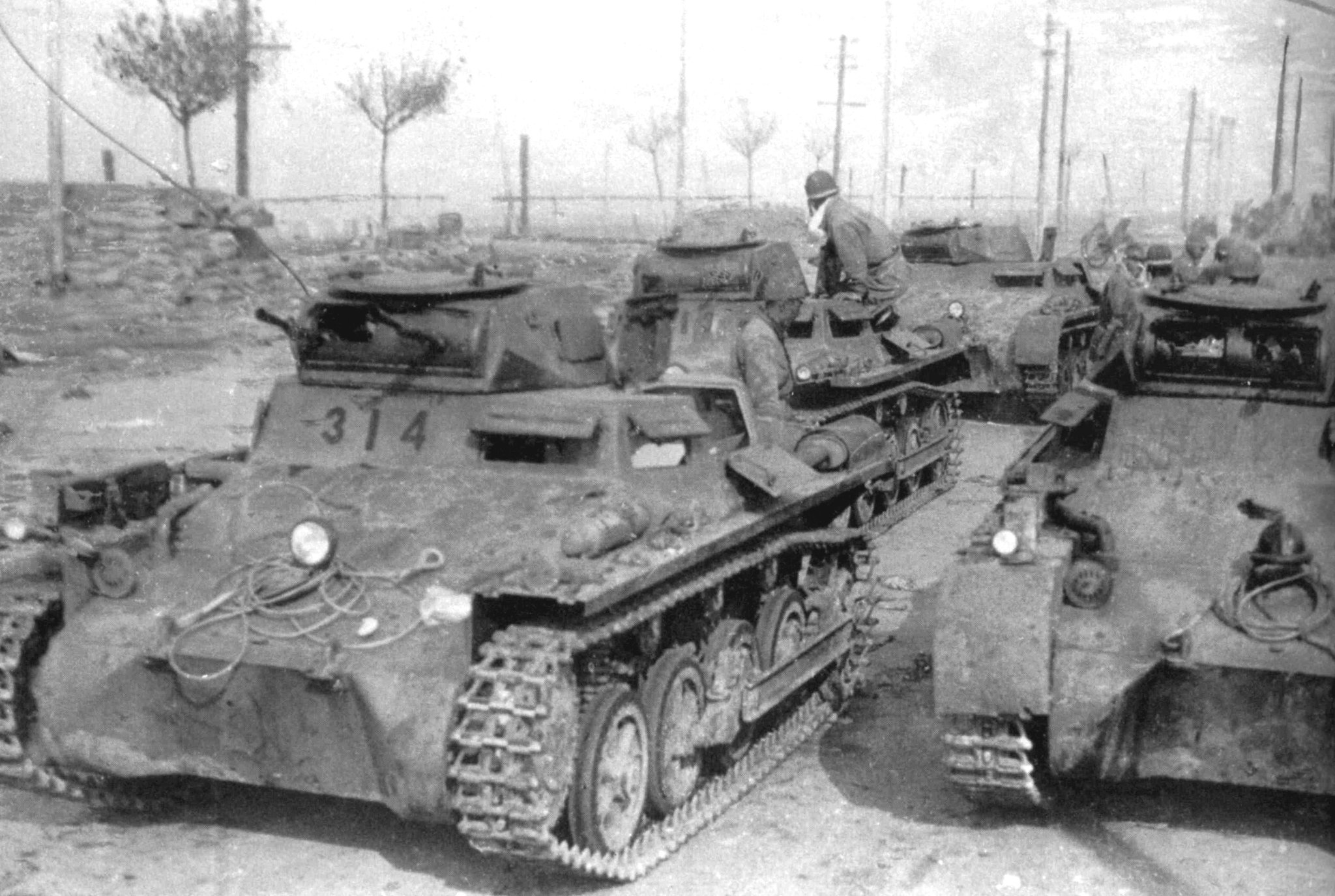
Sources suggest these tanks retained the German interwar three-colour camouflage scheme (Buntfarbenanstrich), but no known colour photos exist, and surviving B&W photos don’t clearly reveal the pattern. Many have suggested that battlefield dust and dirt in Nanking may have obscured the camouflage.
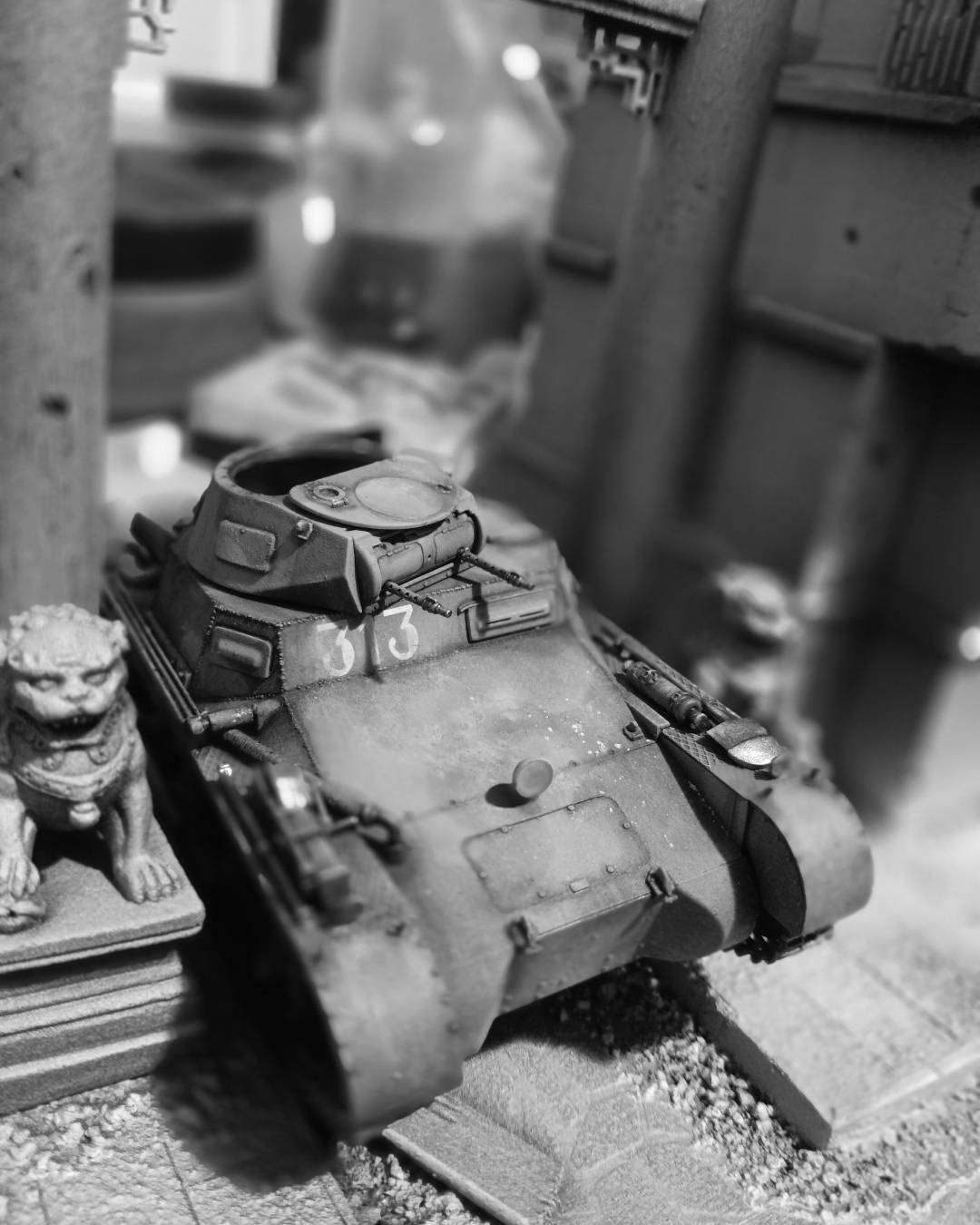
I’ve painted mine in the three-colour scheme, toned down with three layers of washable dust effects. I’ve also converted photos of the finished model to B&W.
How closely do you think the B&W images approximate the tanks’ likely appearance in 1937? I’d welcome your thoughts!
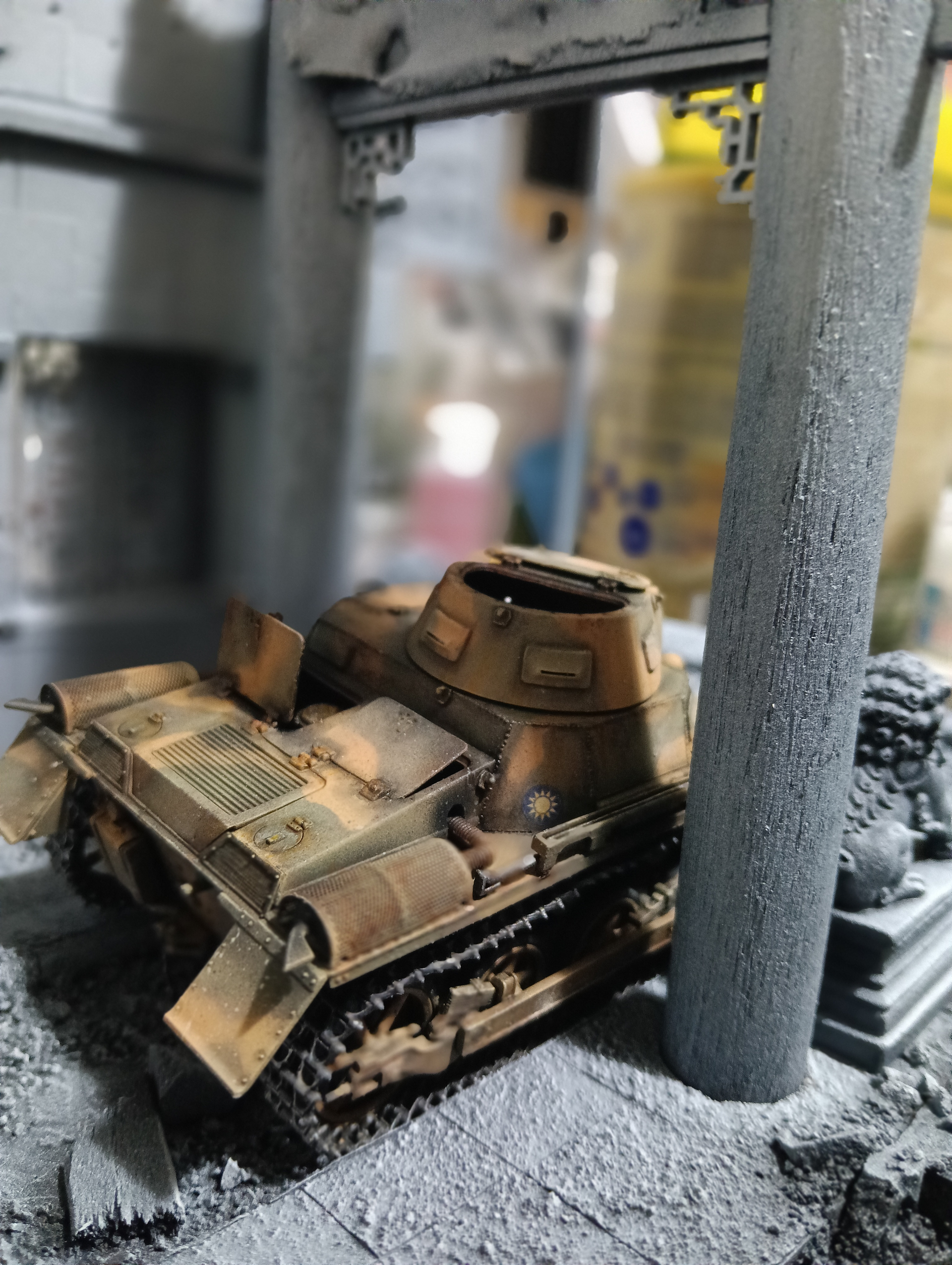
Thanks guys! I was torn between the familiar Panzer Grey and the original German three-tone camo. Hopefully the dust and weathering have dulled the colours enough to look convincing for Nanking, 1937. I also considered adding the KMT sun insignia on the front hull, but suspect it was a Japanese addition after capture, so left it off.
In 1936, when representatives of the German government sold armored cars, tanks, and other equipment to representatives of the Chinese government, the official paint scheme for German armored cars and tanks was three tone–dark green and dark brown over yellow ocher. In 1939, before the invasion of Poland, the paint scheme for German armored cars and tanks was changed to two tone–dark brown over dark gray. In 1941, the German paint scheme for armored cars and tanks was changed to dark gray.
The dark gray used on German armored cars and tanks came from the railroad industry. It was widely used on German locomotives and other railroad equipment from a very early date. In other words, the paint was around long before 1939.
We do not know the terms of the sales contract between China and Germany. It is possible the contract required delivery of the armored cars and tanks in some other color scheme. We do not know if the armored cars and tanks were repainted once they reached China.
We do know that training units beat up equipment. It is a normal function of maintenance units to fix such damage, including the paint.
The three tone scheme you chose is the safe bet. The very worn appearance you chose is also the safe bet. Tropical climates are very hard on machines and paint and there are plenty of photos showing these machines in very beat up condition.
In my opinion, as someone who did a lot of research on this subject in the distant past, you composed a very believable scene.
The jack and shovel head were probably painted black or the colors on the tank, not left bare metal. Stuff like that is painted to prevent the glint of bare metal from giving away the position of the vehicle. In my opinion, you are fine to leave the tools in bare metal.
I cannot remember what conclusion I reached on the sun markings. If I were to make the same model today, I would probably include them, just as you did.
Thanks for the detailed insight- Really appreciate the extra historical context! Good to know my colour choices aren’t too far off the mark. Always something new to learn with these builds
 The very worn appearance you chose is also the safe bet. Tropical climates are very hard on machines and paint and there are plenty of photos showing these machines in very beat up condition.

