Dragon 1/35 T-72 with ERA c.1984

It is probably wrong of me to continue to hijack David Myres’ (Klaus-Adler) topic with my build of the same model, and is certainly untidy, so I have started this one.

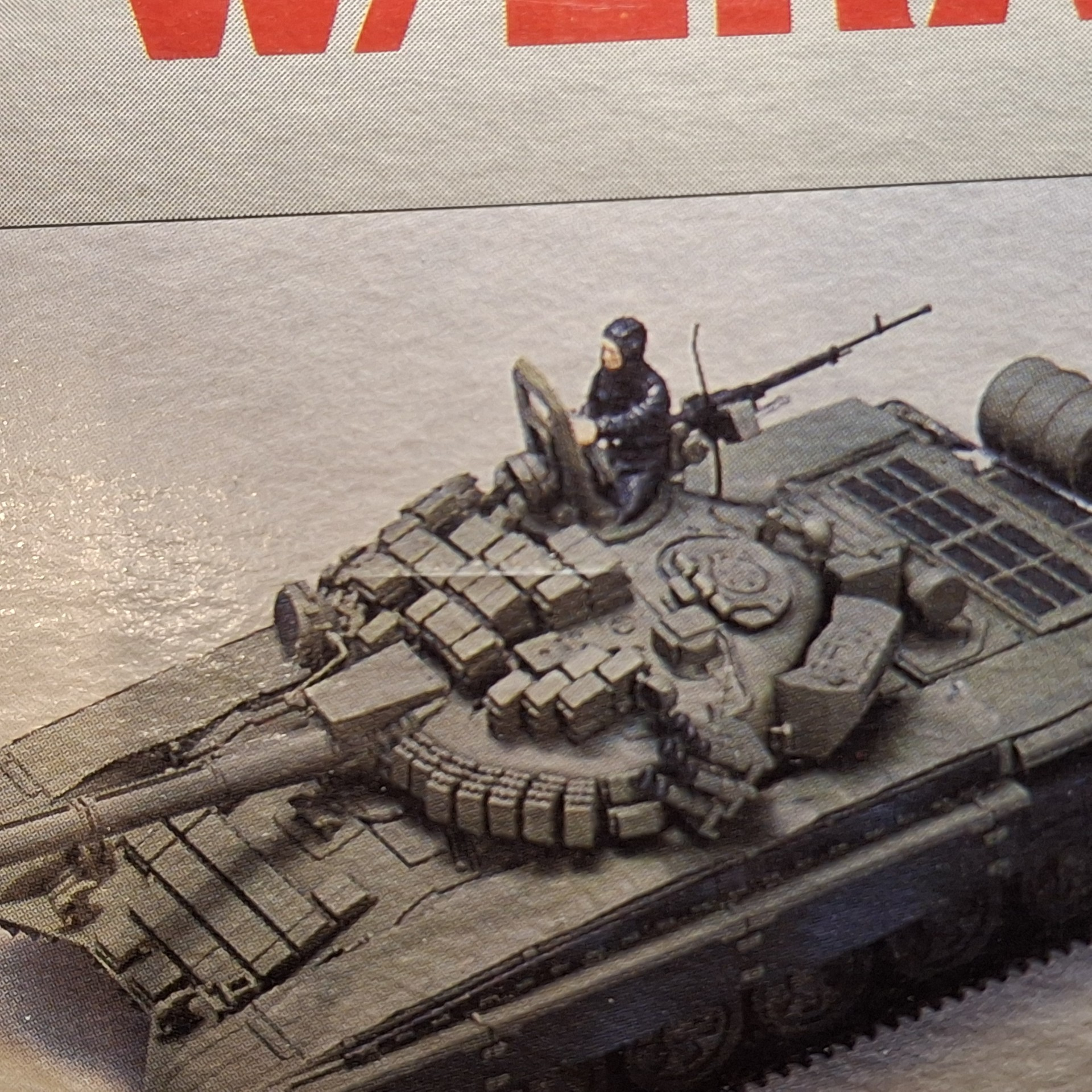
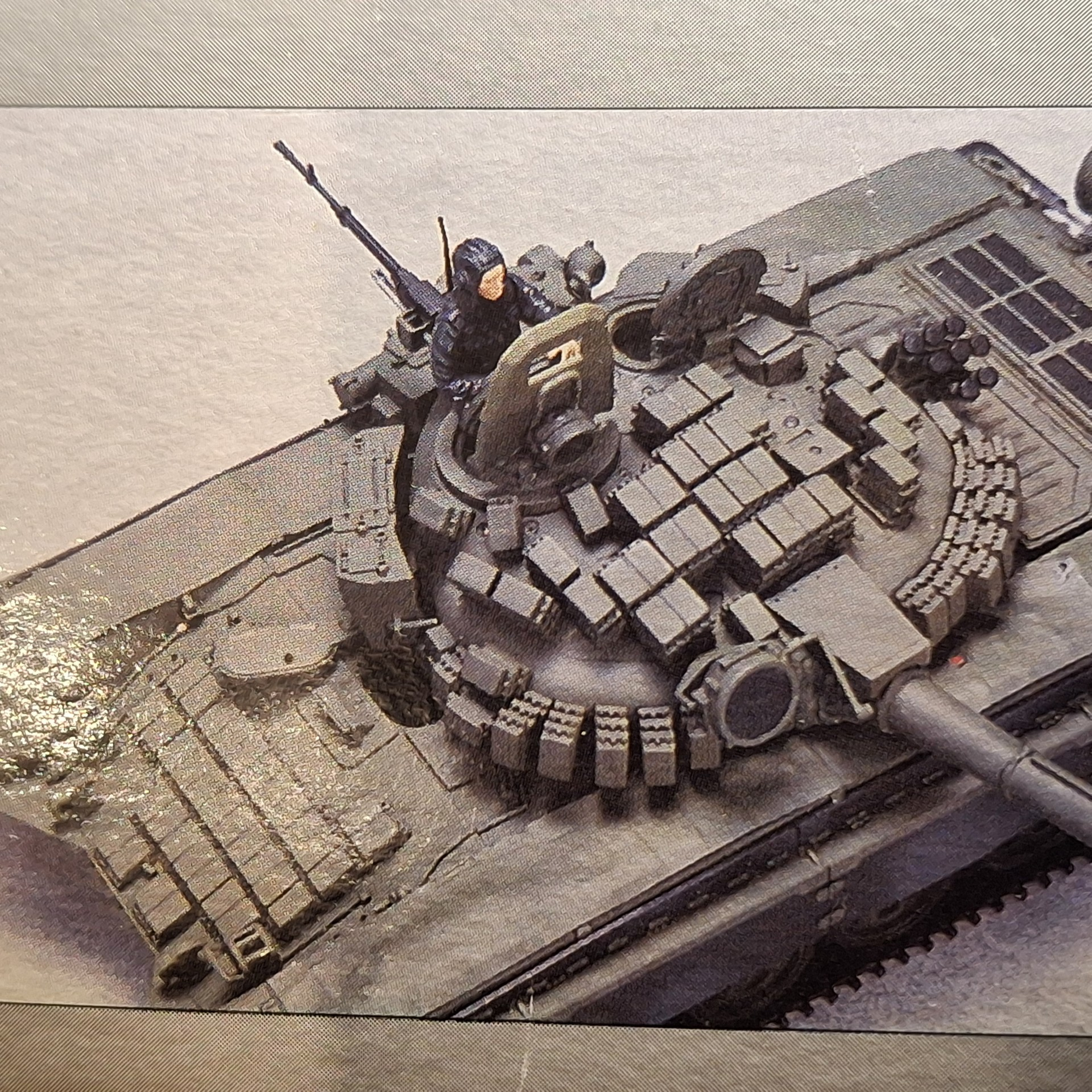
The kit is the Dragon one from 1990 marketed as “T-72 w/ERA SMT M-1988”, which reflects the early NATO designations of the T-72 range. As discussed, it is a relatively simple kit, apparently inaccurate in several areas, but to me, will suffice because a) I’m clearly easily pleased, and b) a sucker for Dragon’s box-art of the time, when I could only gaze at these models in the shops, with the bitter realisation that I could not, dare not even, attempt to make one during my tenure in the Regular Army (the medium is just too fragile for the hurly burly of military life). So, I obtained one several years ago, more than I care to remember, started it, then lost interest yet cannot remember why. I know you’re all probably aware of this box cover picture:

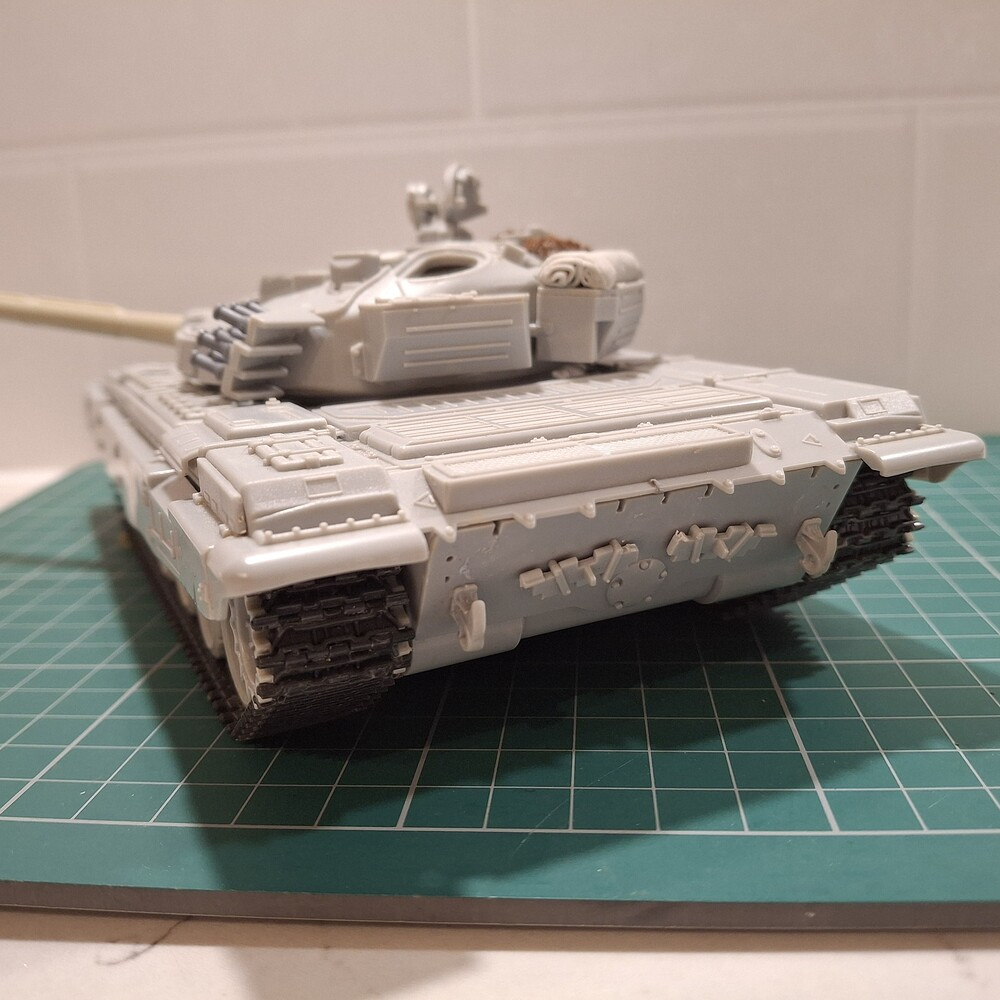
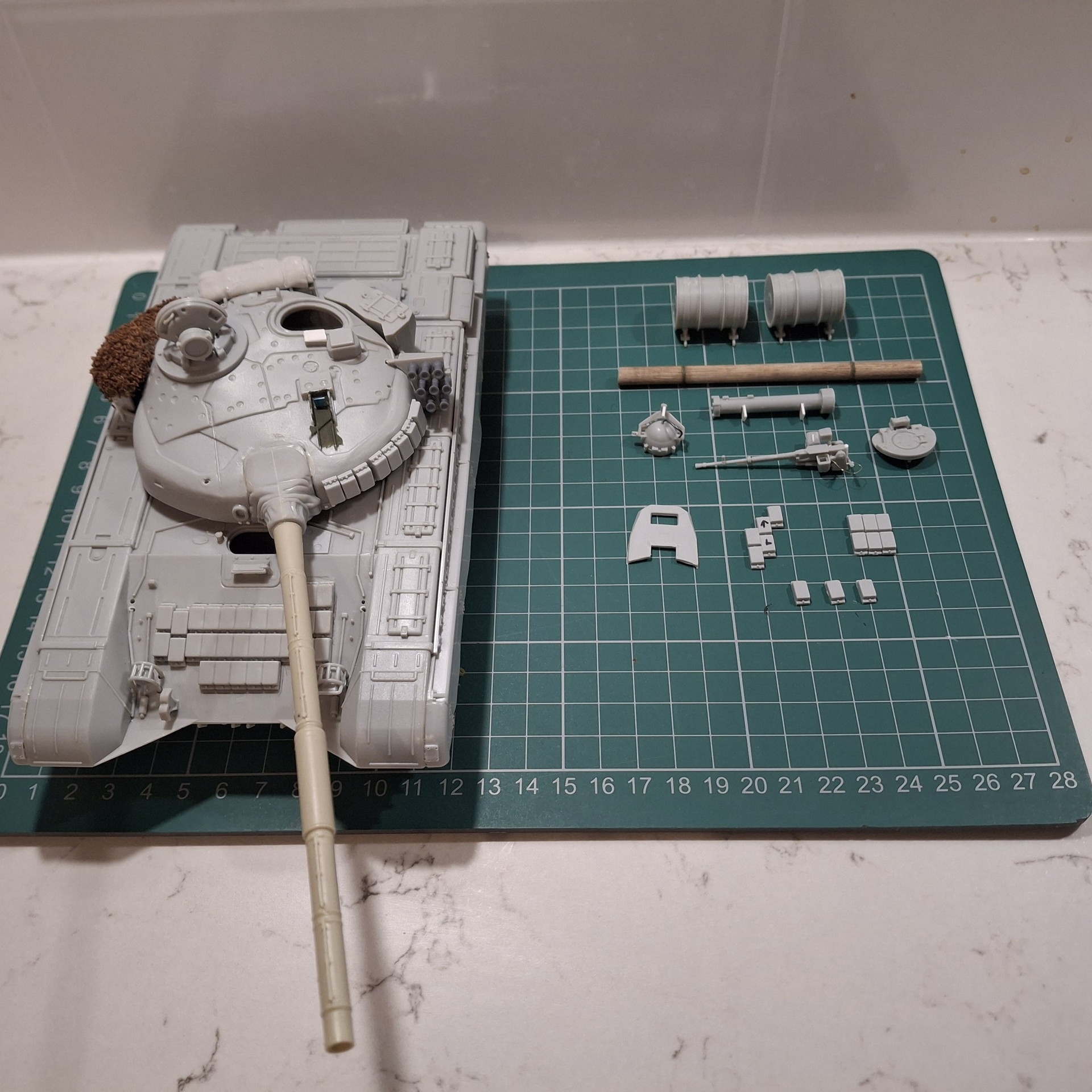
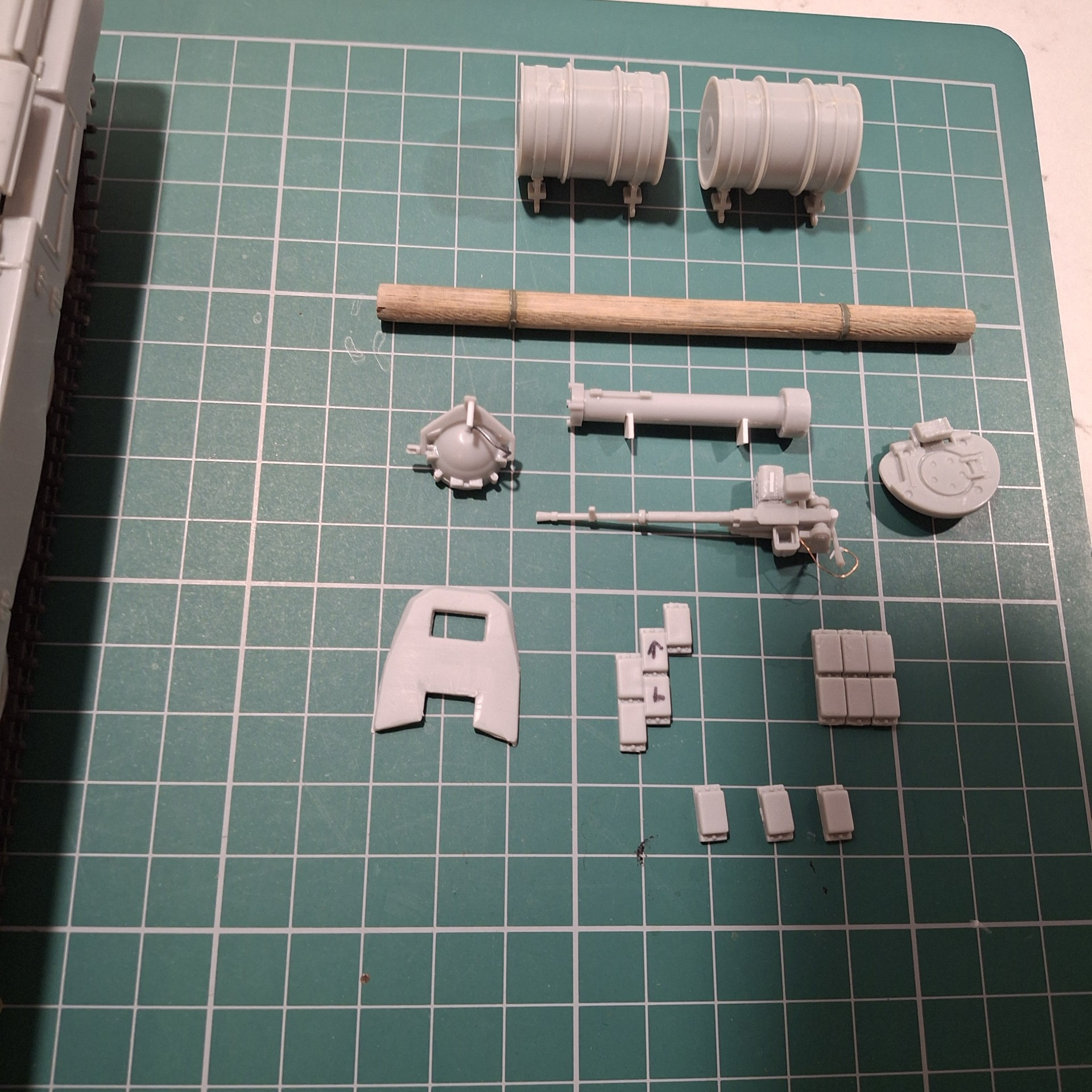
David’s topic reminded me that I had it, and despite the dismissal of it as a serious kit, I decided to locate it and dust it off for a closer look. Apart from being aghast at my modelling skills, or lack thereof back in whatever decade it was to wit: poor sanding-down, glue splodges where there clearly shouldn’t have been any, and other infractions of the modeller’s art, not only was it nearly completed, it wouldn’t take much to finish it off and I thought it worth doing. Of course, no plan survives contact with the enemy, and I ended up adding details, obtained some replacement lights, added some stowage, a crew, and some extra figures to help reinforce the story described towards the end of this build.

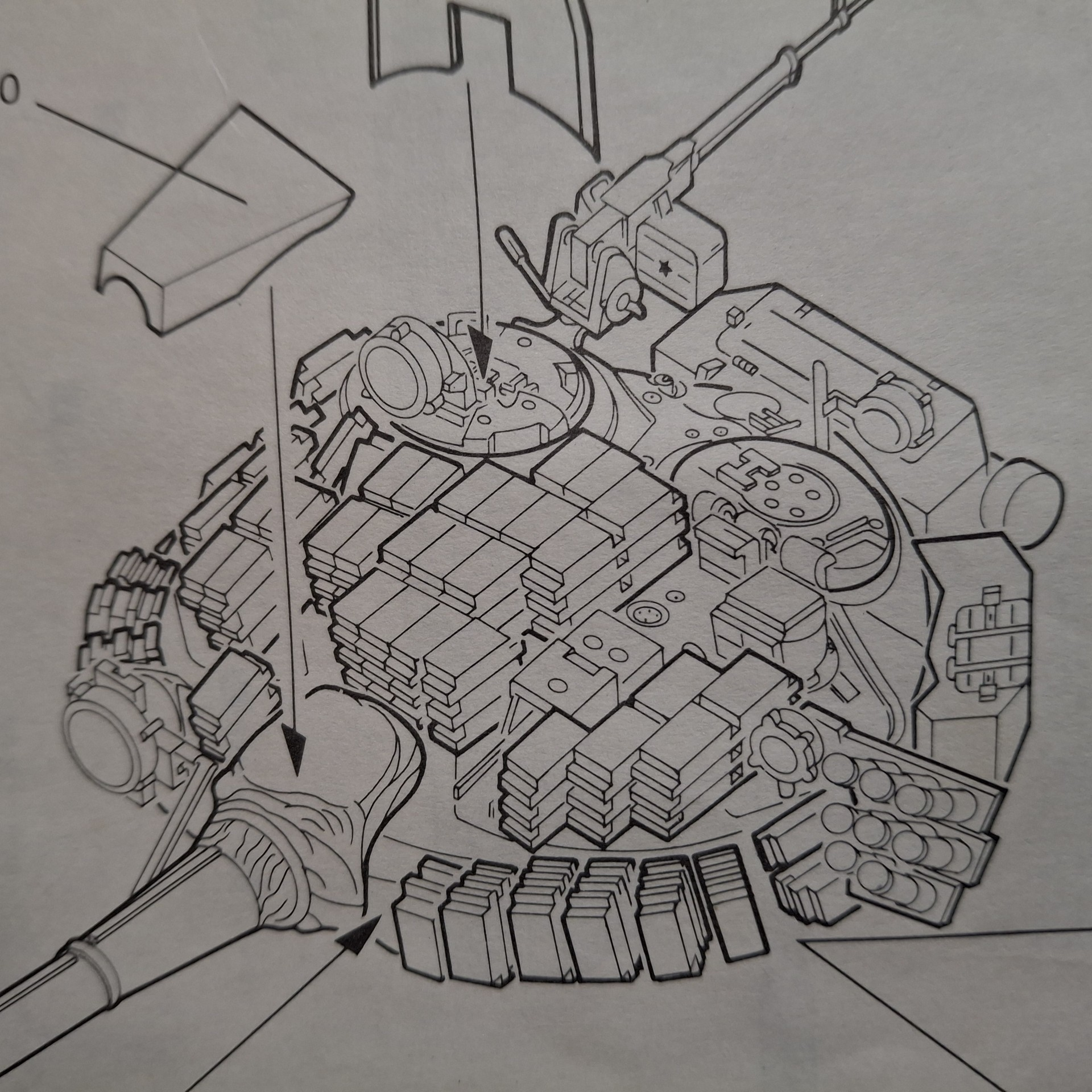
It appeared to have been an easy build but as I say, some details were a little clunky. I’m not too sure Dragon had the fit or even positioning of the ERA boxes quite right, but I pursued Option A on the instruction sheet; Option B had them triple -stacked which must have been a nonsense, and conceivably disinformation, or more likely a reflection of western intelligence agencies’ more fanciful interpretations at the time.

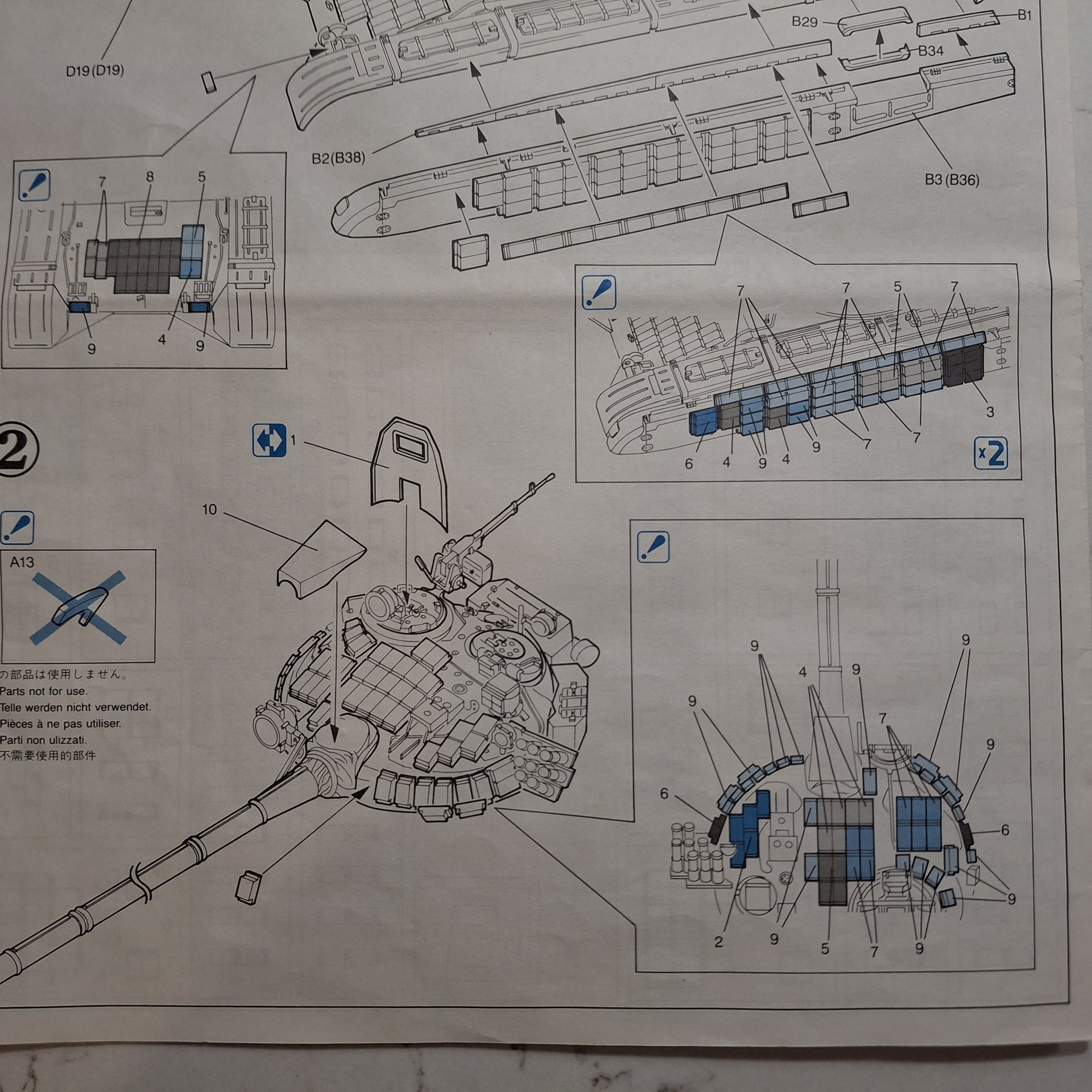
Note the triple-stacked ERA blocks on this one!

I decided to populate it with Dragon’s own set of tank crew figures, which seemed sort of appropriate
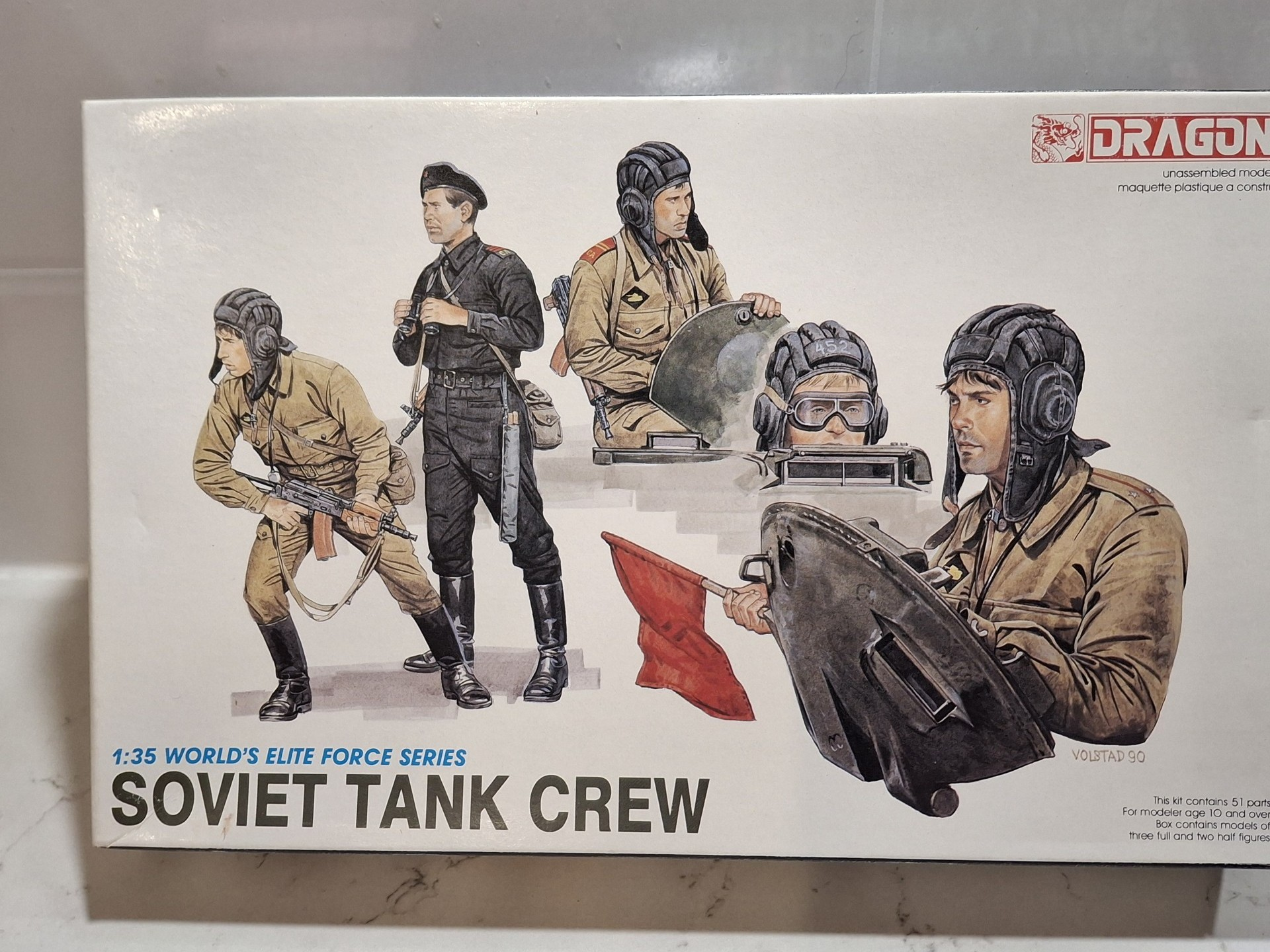
Also, a quick recap of progress pics in case you haven’t come across David’s post:
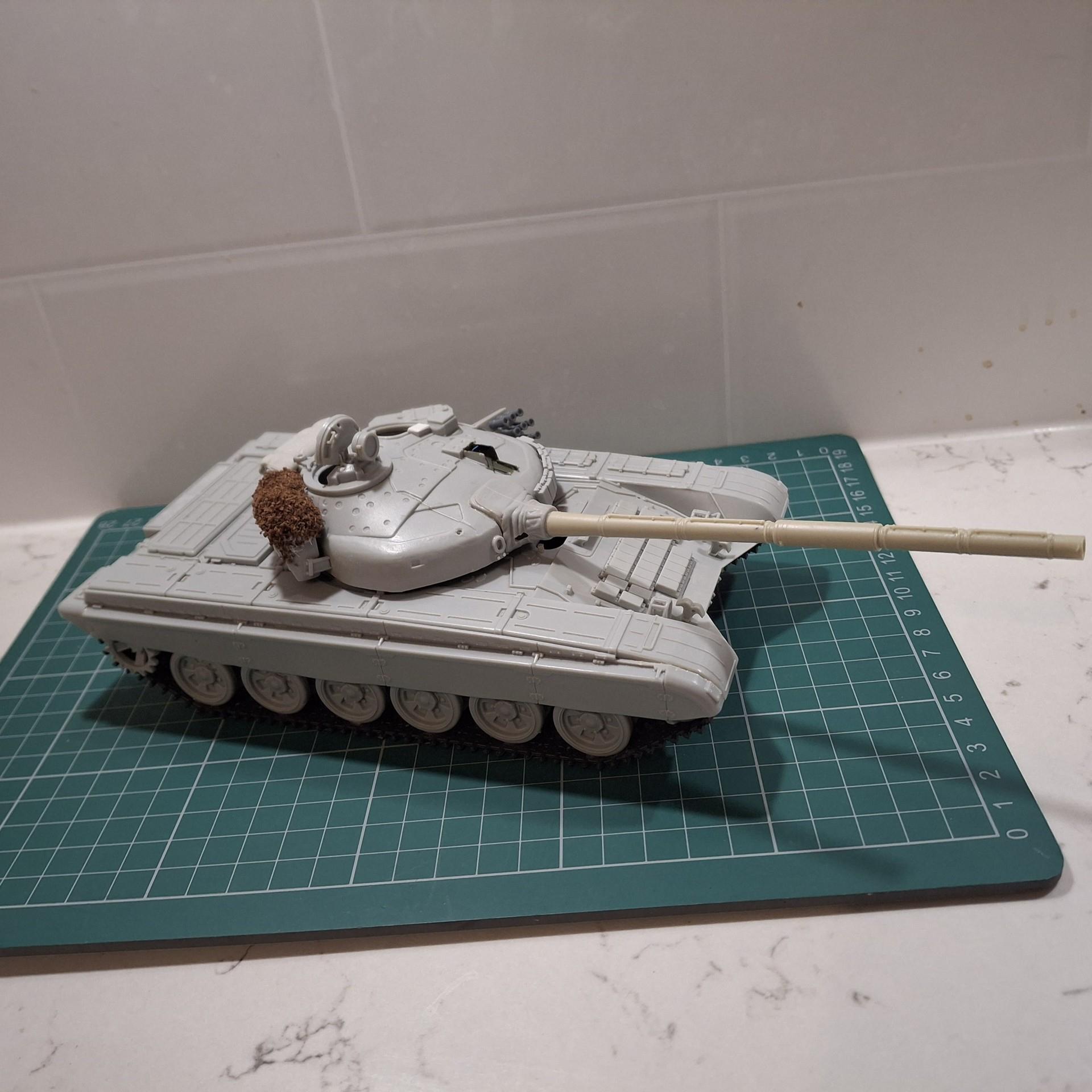
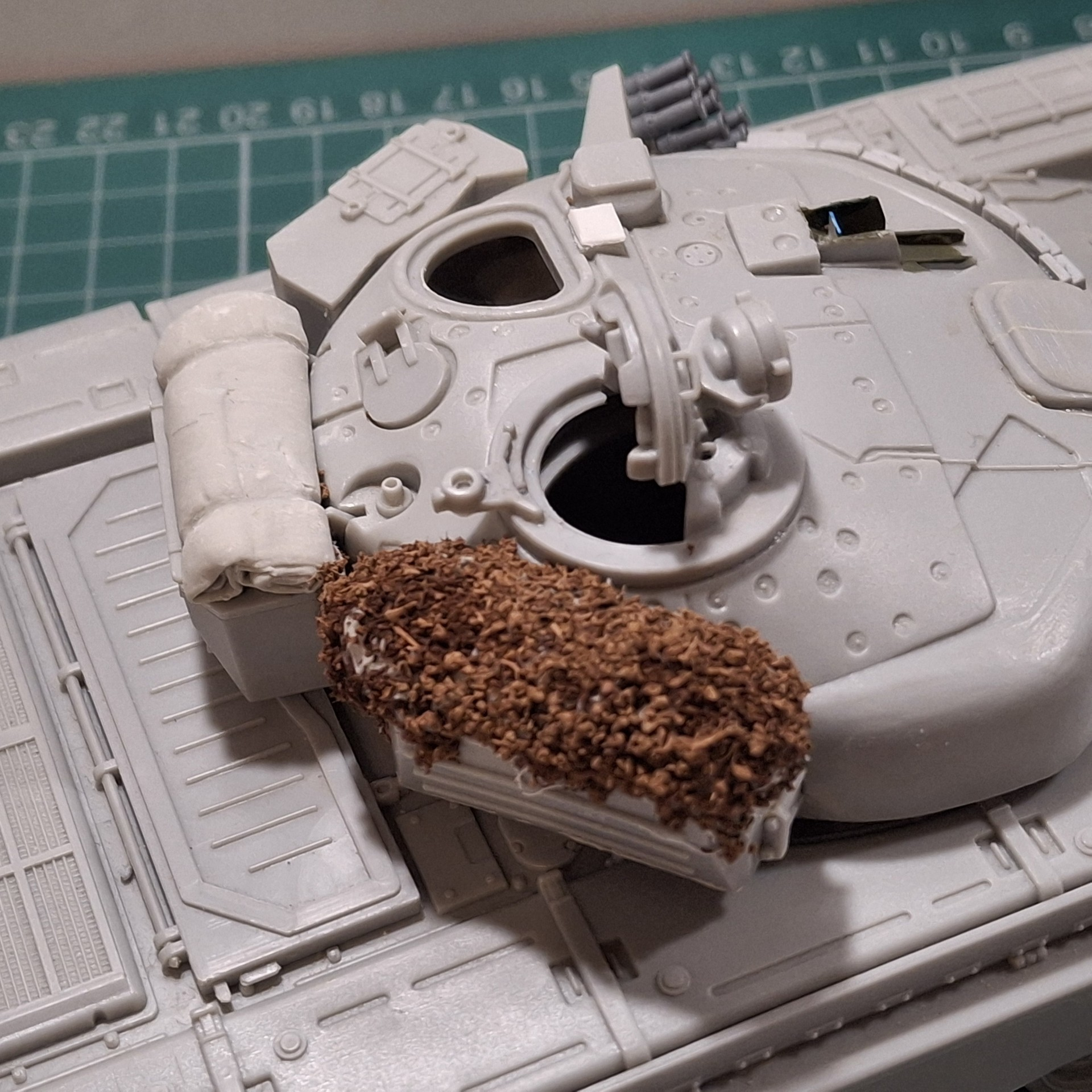
Hopefully, more progress tomorrow.
15 Likes

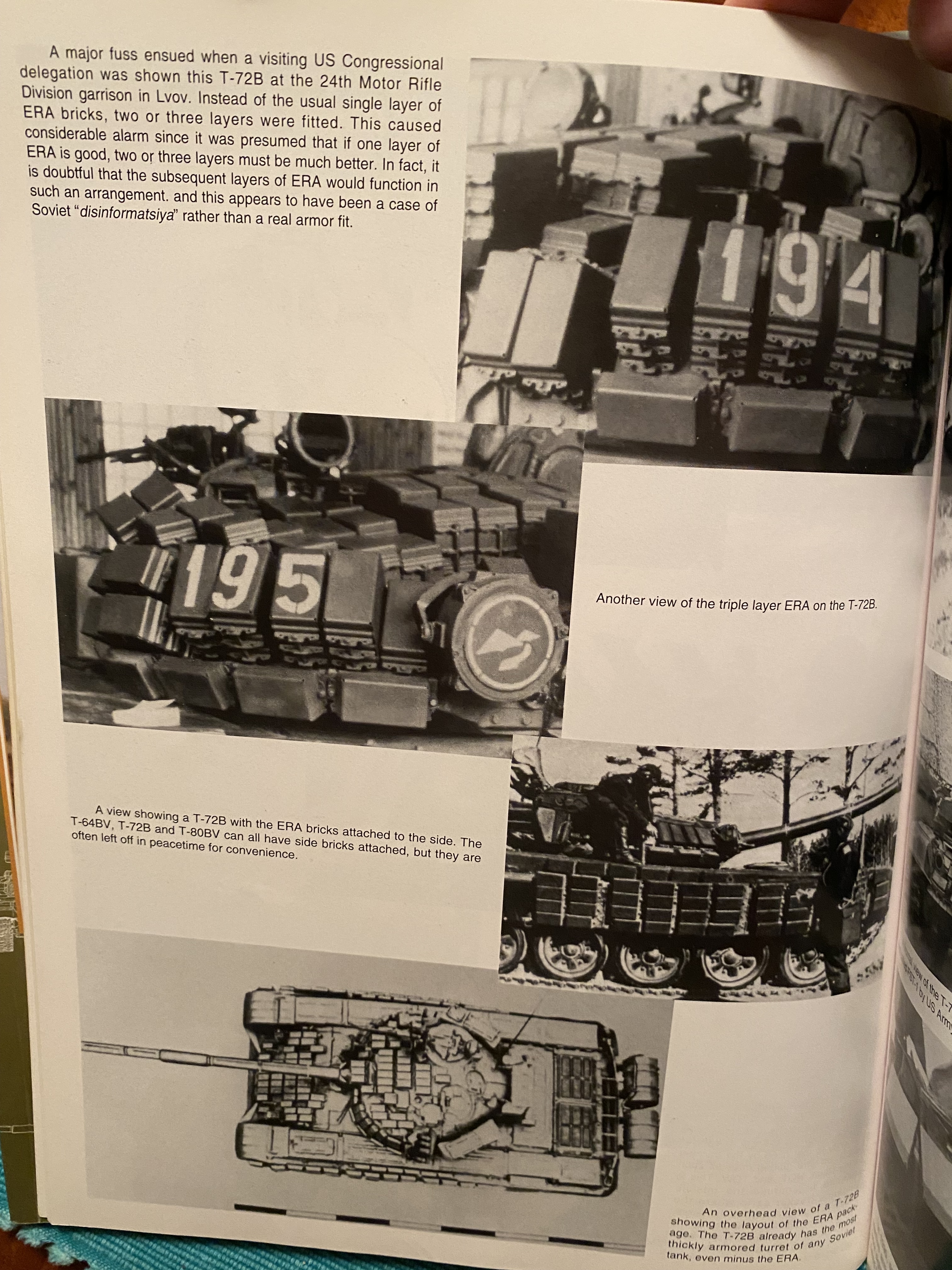
Regarding the triple stacked ERA blocks ,there’s a photo of just such a setup in the Concord Publications book on the T-72 but according to the caption it was recognized as bogus even at the time.

1 Like

In the pics of a completed kit with just such an array on it, it actually looks quite impressive, even if it is bogus; it’s almost worth doing one just for the laughs, but not this time around. These are 2 of the pics on the box side:

It would certainly look different!

7 Likes

4 Likes

That’s very interesting indeed; disinformation indeed - one hopes(!)

Well that three deep ERA fit hasn’t shown up yet in Ukraine…

As an aside, BRIXMIS - the UK military mission operating in East Germany, when out touring looking for, well, just about everything that moved that was part of the NVA or GSFG inventory, referred to the ERA by their own vernacular as “Mars bars” a retangular Brit confectionary of the time.

2 Likes

They might have been closer to the actual truth than they ever imagined (the filling in the ERA-blocks)

1 Like

YET… :index_pointing_up:

It hasn’t shown up… Yet.

1 Like

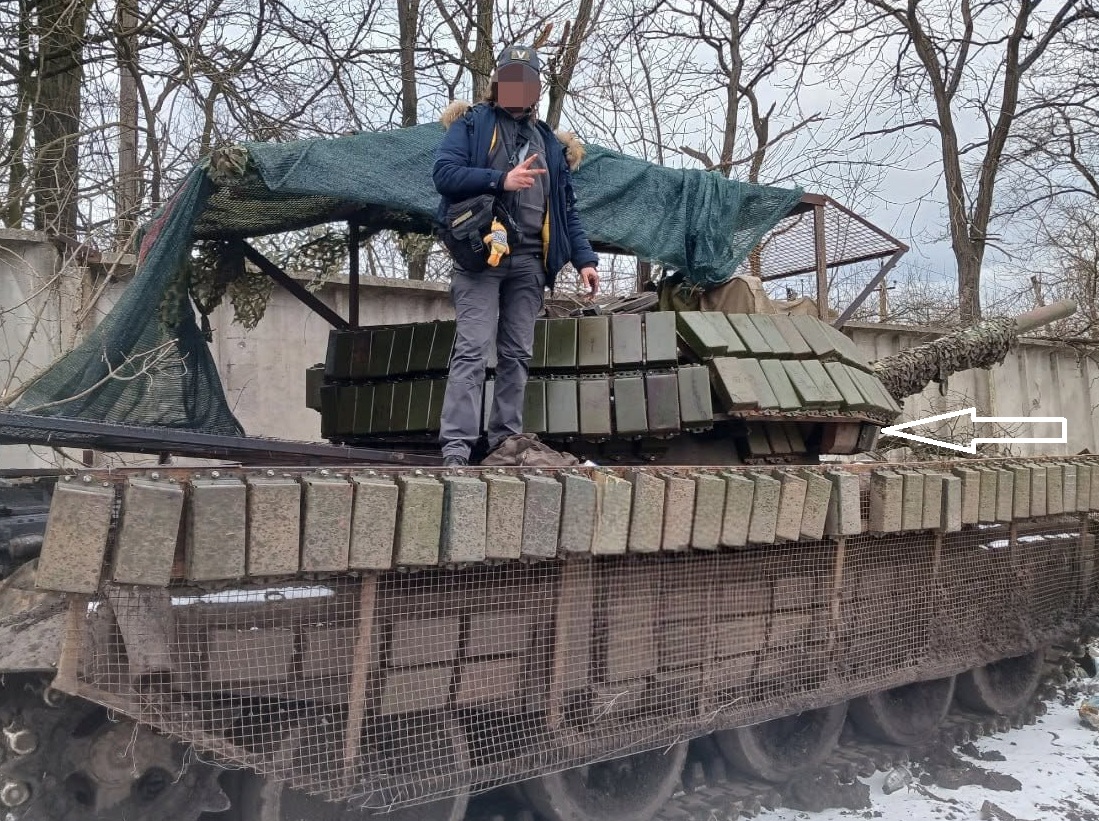
Not three deep yet but getting there. Here is a Russian T-62M somewhere in Ukraine with layered ERA. You can see an inner layer of ERA on the turret just under the outer layer.

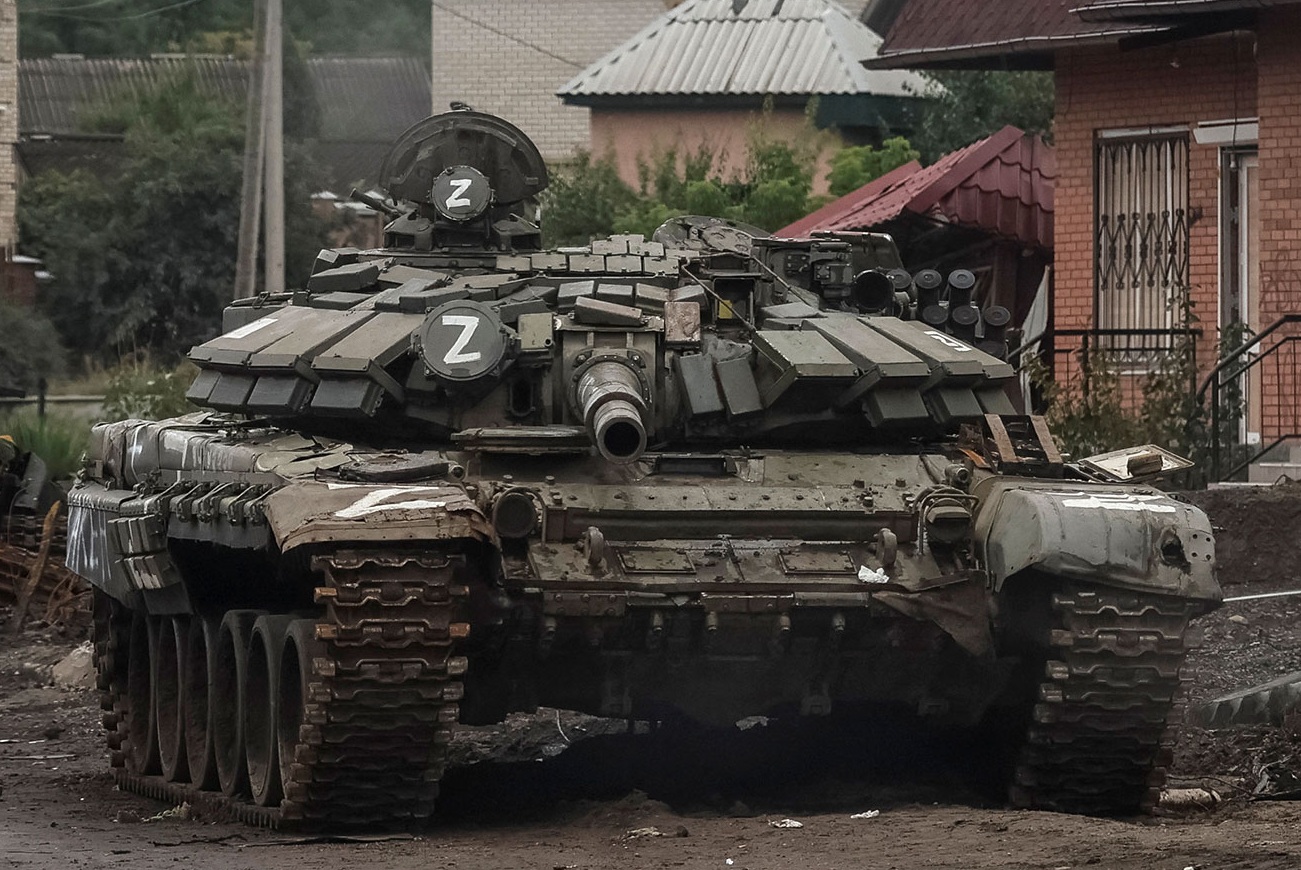
This Russian T-72, also in Ukraine, has Kontakt-1 under the Kontakt-5.

No idea where this one is from but was posted to Reddit three years ago. It shows three Kontakt-1 blocks on the front of the turret by the mantlet.

5 Likes

Wow; perhaps Dragon weren’t that wide of the mark after all.

I’m not sure how the physics of Soviet/Russian ERA work; feel free to enlighten me anyone. I mean, I know it’s all about disrupting the jet of HEAT-type ammo, but for instance, I don’t quite see how multiple layers of ERA could work, without successive explosions either causing sympathetic detonations all over the tank, or even affecting the occupants for instance.

1 Like

Like all other ERA:


(source)

Though the plates are angled relative to each other within the outer casing, when (AFAIK) western ERA usually has them both at the same angle.

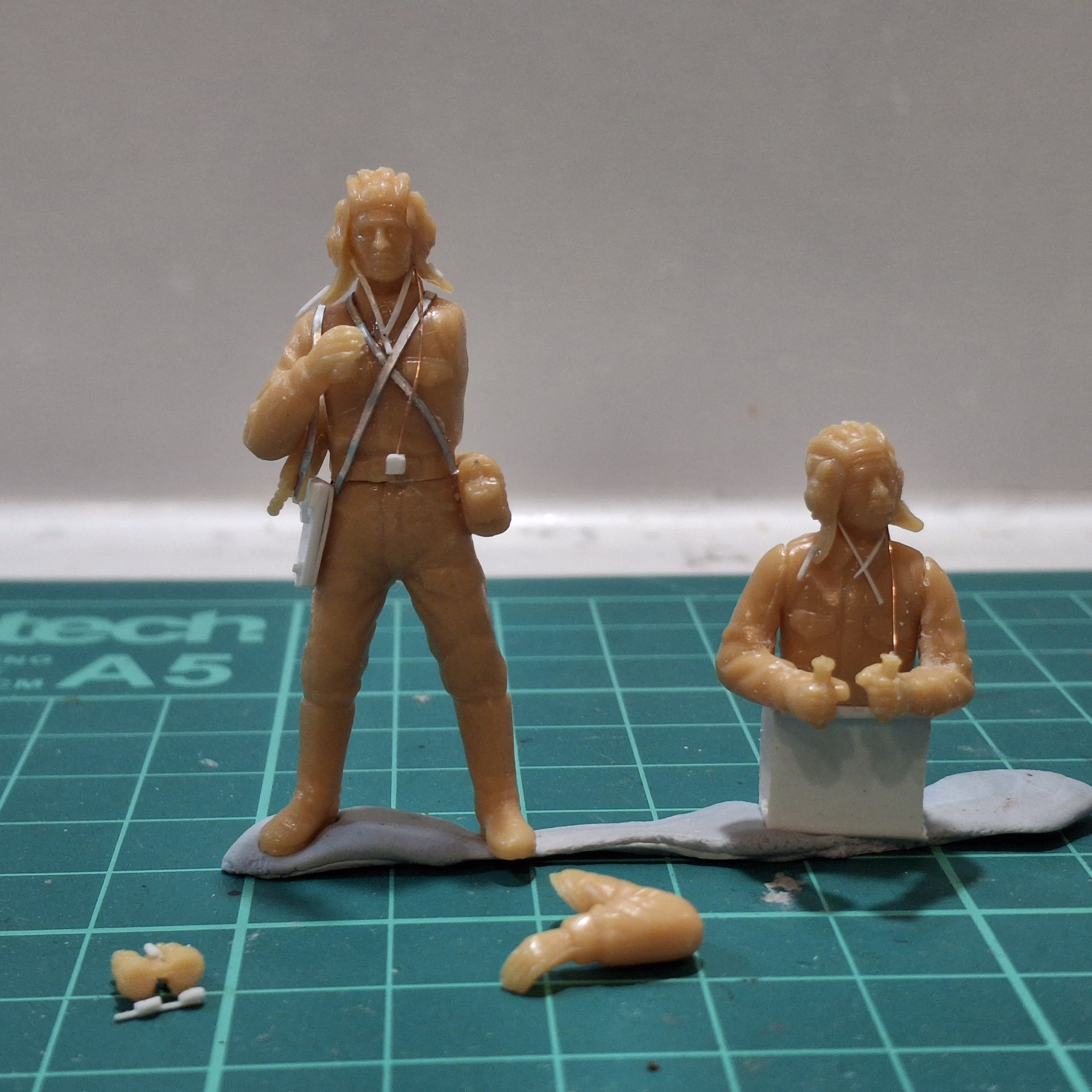
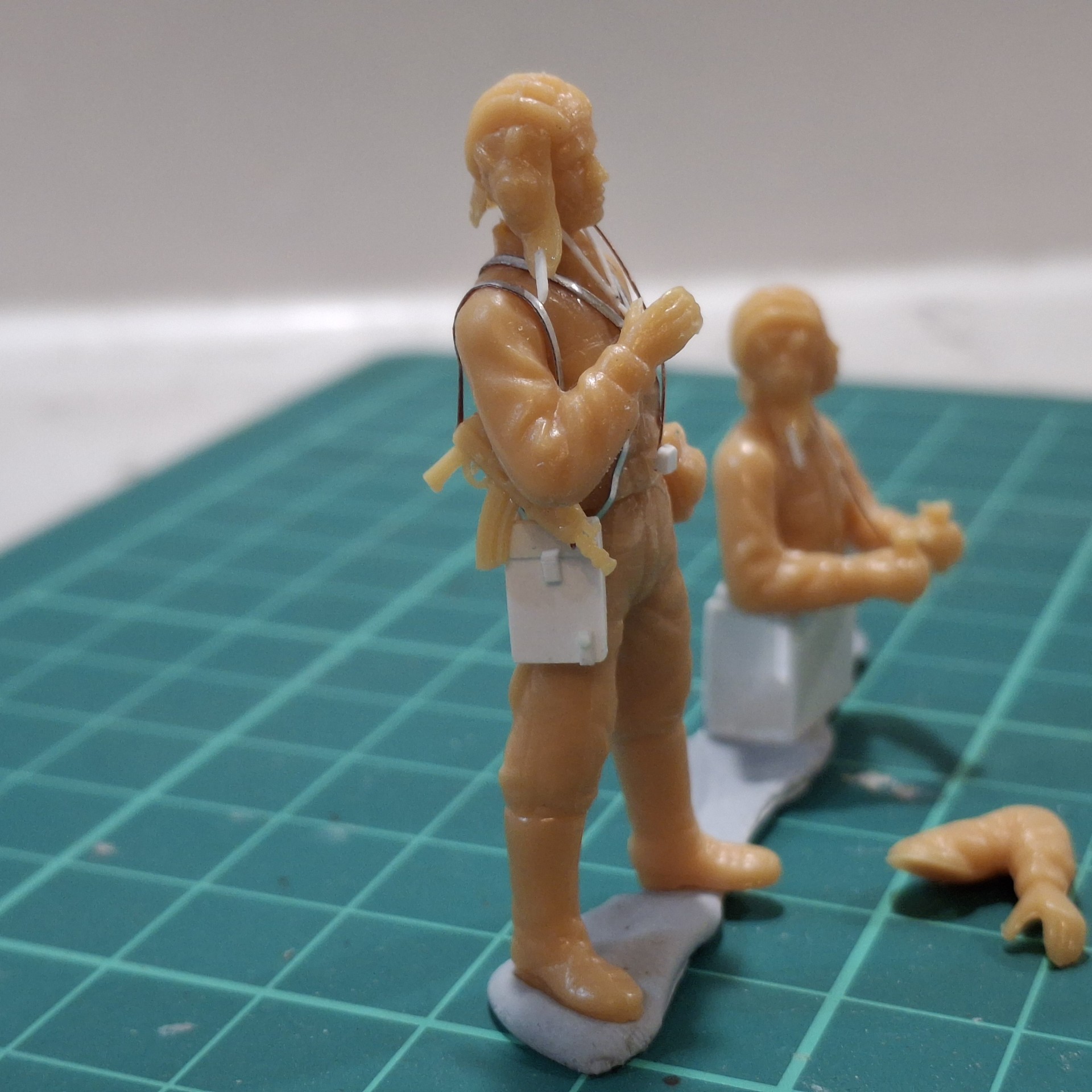
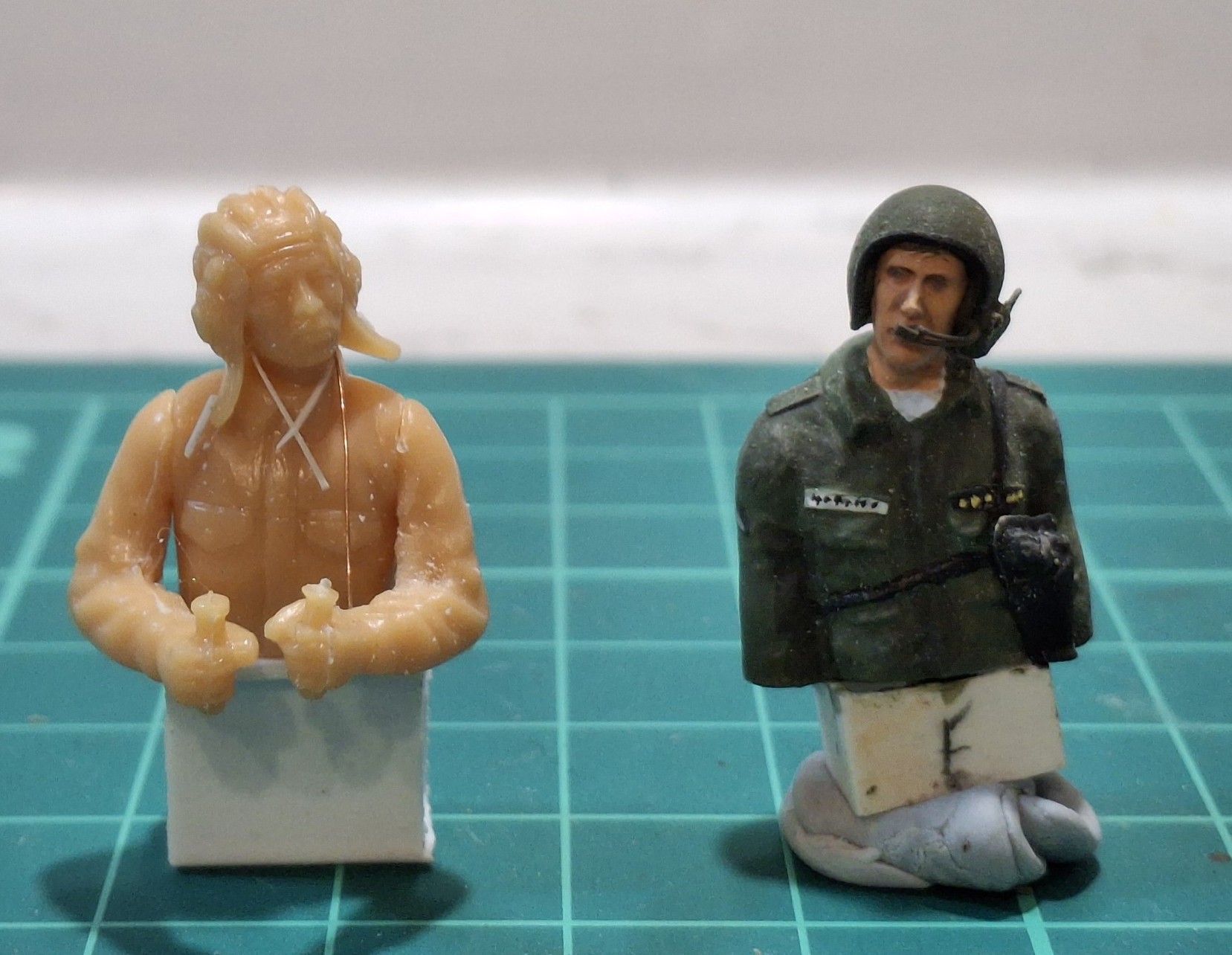
As usual, the figures have slowed me down a little; they need a few details:


And I thought you might like to compare the Driver with his US 1960s counterpart:

11 Likes

For pity’s sake Jakko, I left school at 15!

2 Likes

Rest assured that ERA-technology isn’t on the curriculum in later school years either …

3 Likes

There are different kinds of reactive armor, some of them are not explosive, and some of them can work together to increase total protection. I suspect the picture from the 1980s was some sort of spoof. However, the modern pictures may show tanks with non-explosive reactive armor layered beneath explosive reactive armor. The reverse is also possible.

For example, on a tank operating in close proximity to infantry, it might be useful to cover the entire vehicle in non-explosive reactive armor, then add explosive reactive armor to the forward and upper surfaces, over the other blocks. In this way, more of the tank is protected, side hits will be of less danger to nearby infantry, and forward hits will be resisted more strongly.

1 Like

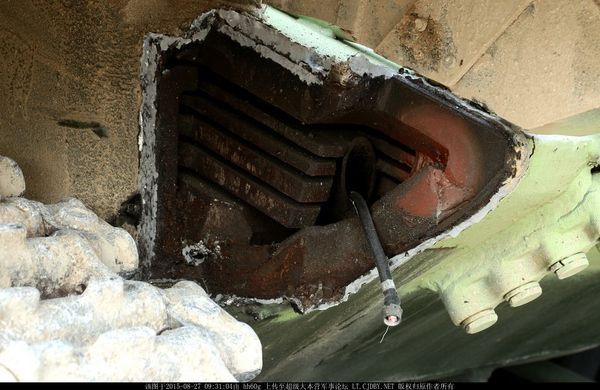
The main armour of modern tanks is nearly all NERA anyway :slight_smile: Since we’re talking about the T-72, here’s how its glacis armour is constructed:
1 Like

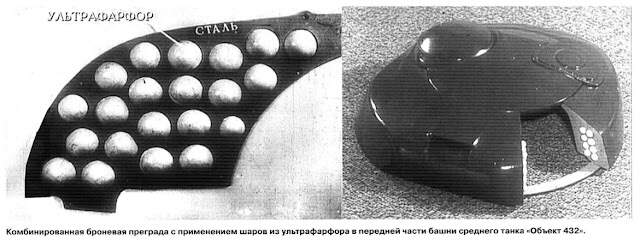
Is that the “filling” for want of a better word on the left of the picture? Ceramic balls? As, I believe, the same for the T-64.

Jakko’s photo shows the glacis armor lamination behind a broken of idler wheel mount from a T-72, the object in the left lower corner is a segment of the track.

1 Like

How disappointing! I thought it might be what was left (post impact) of this:

1 Like