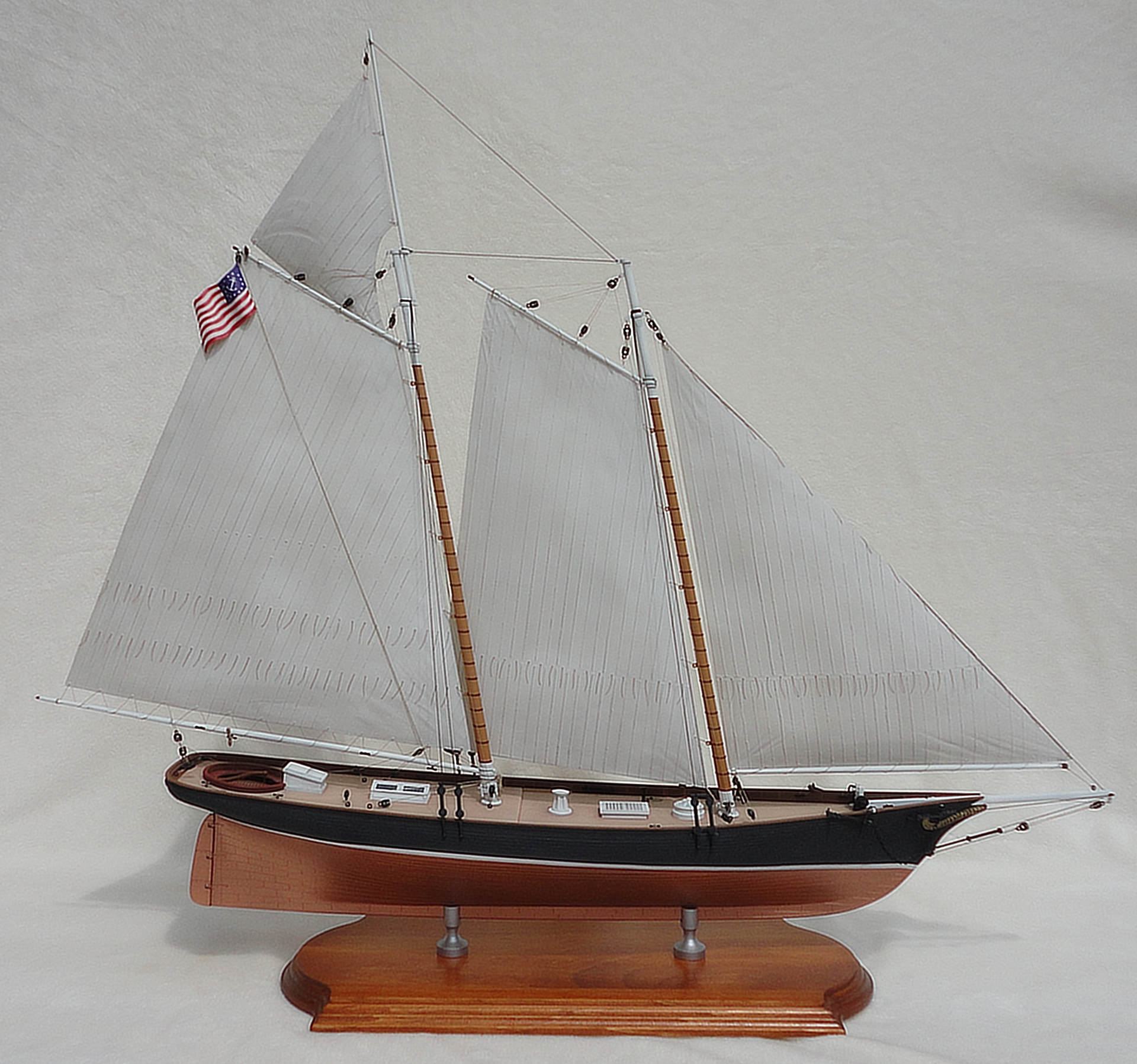
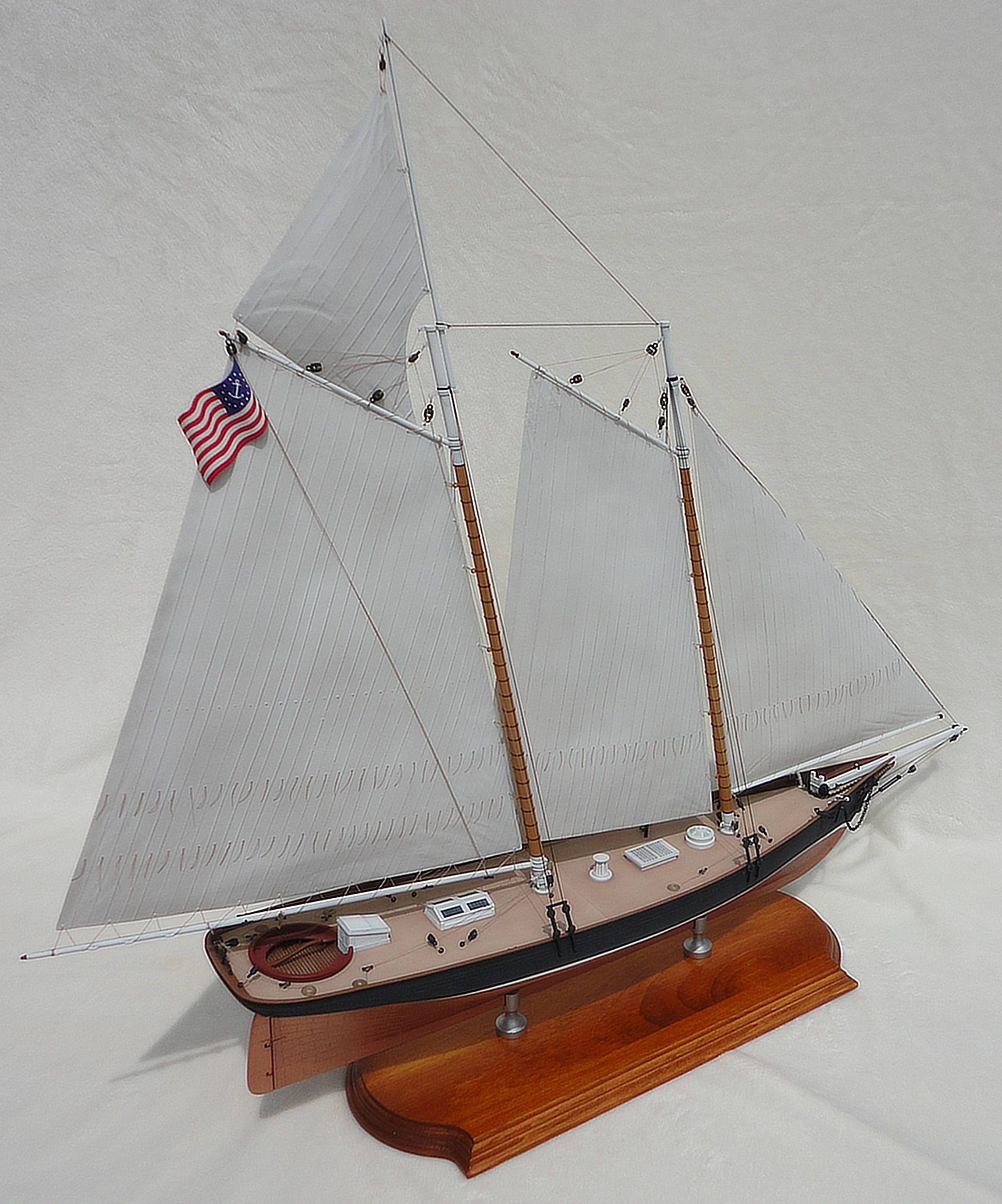
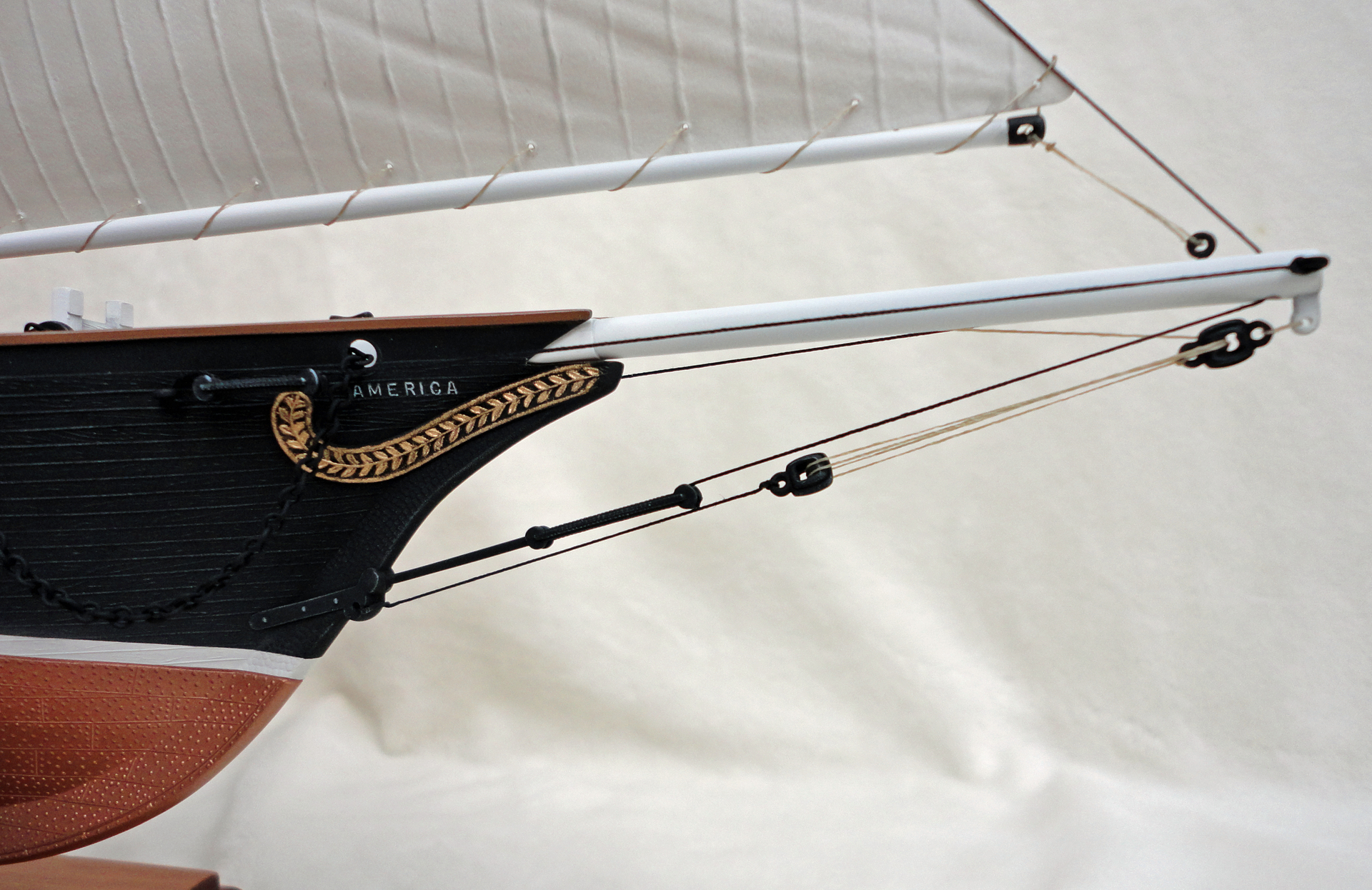
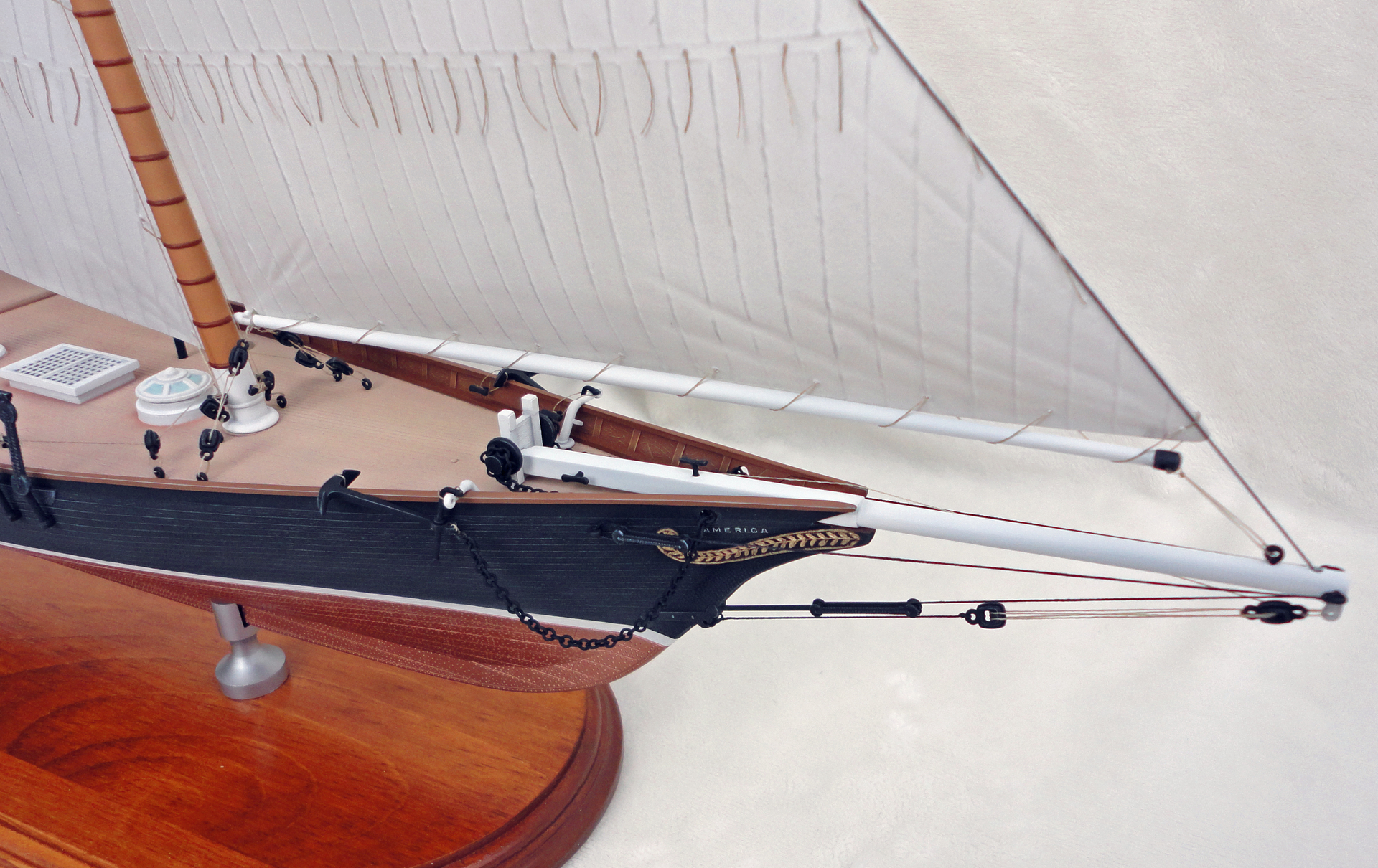
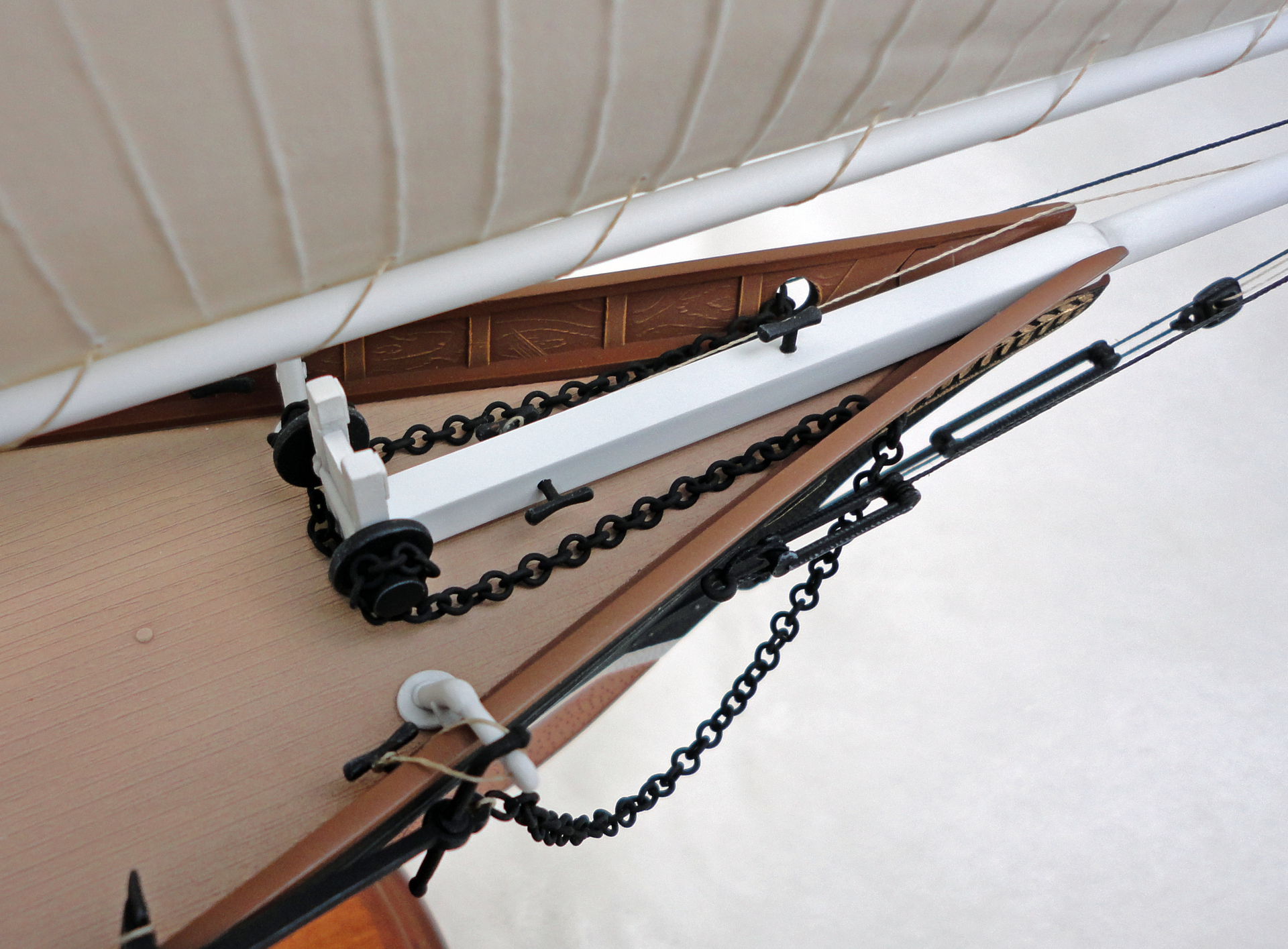
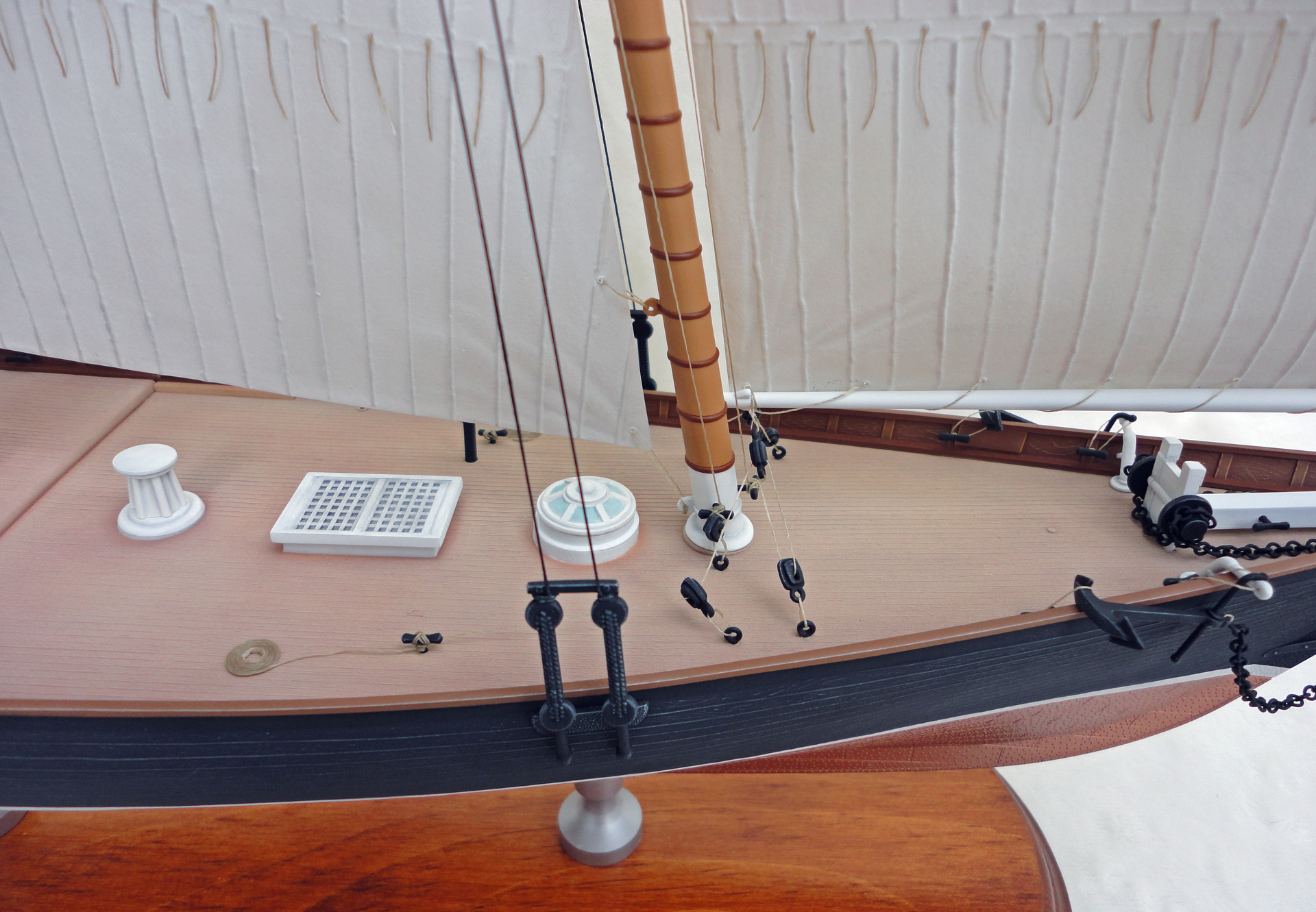
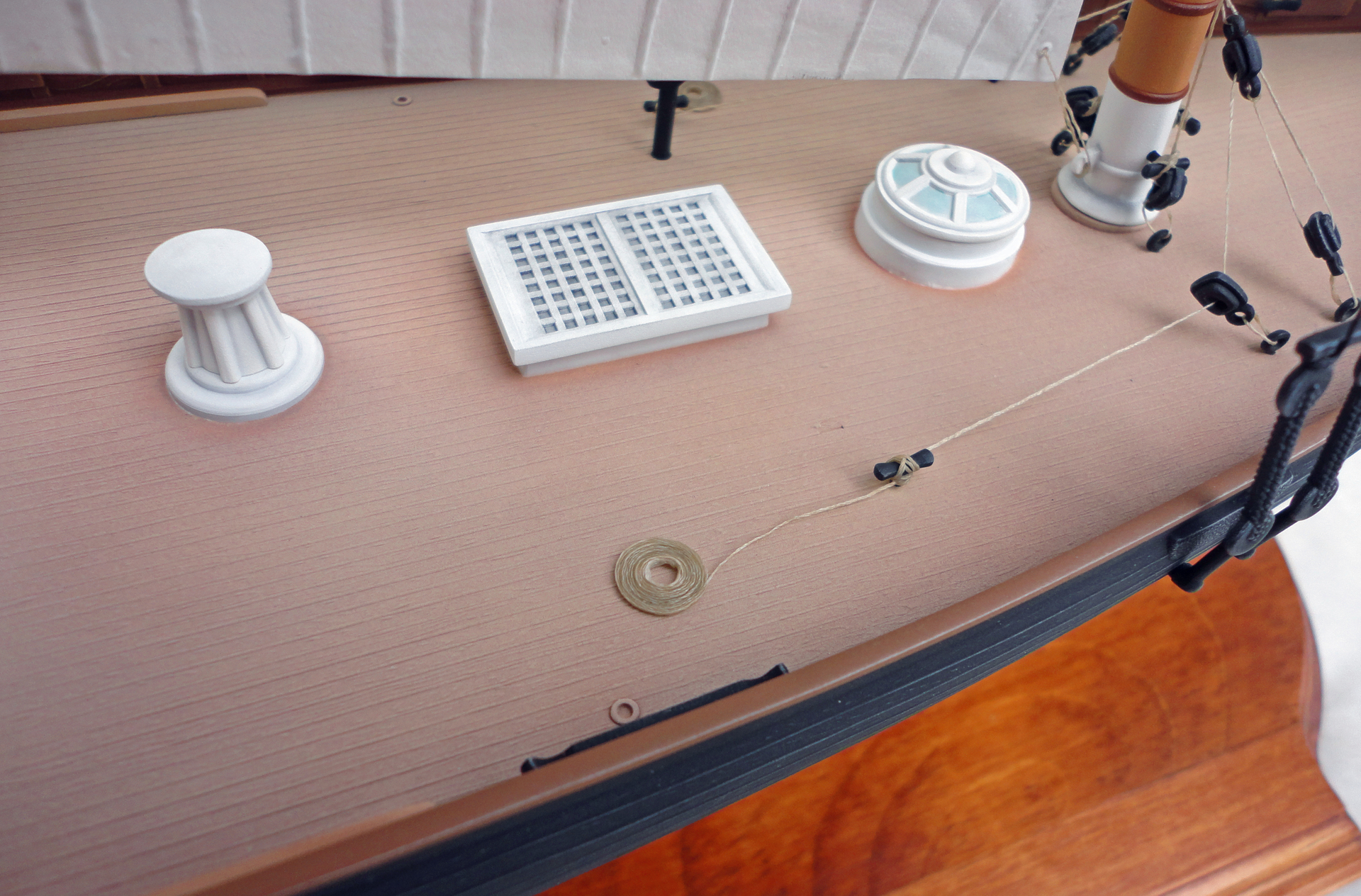
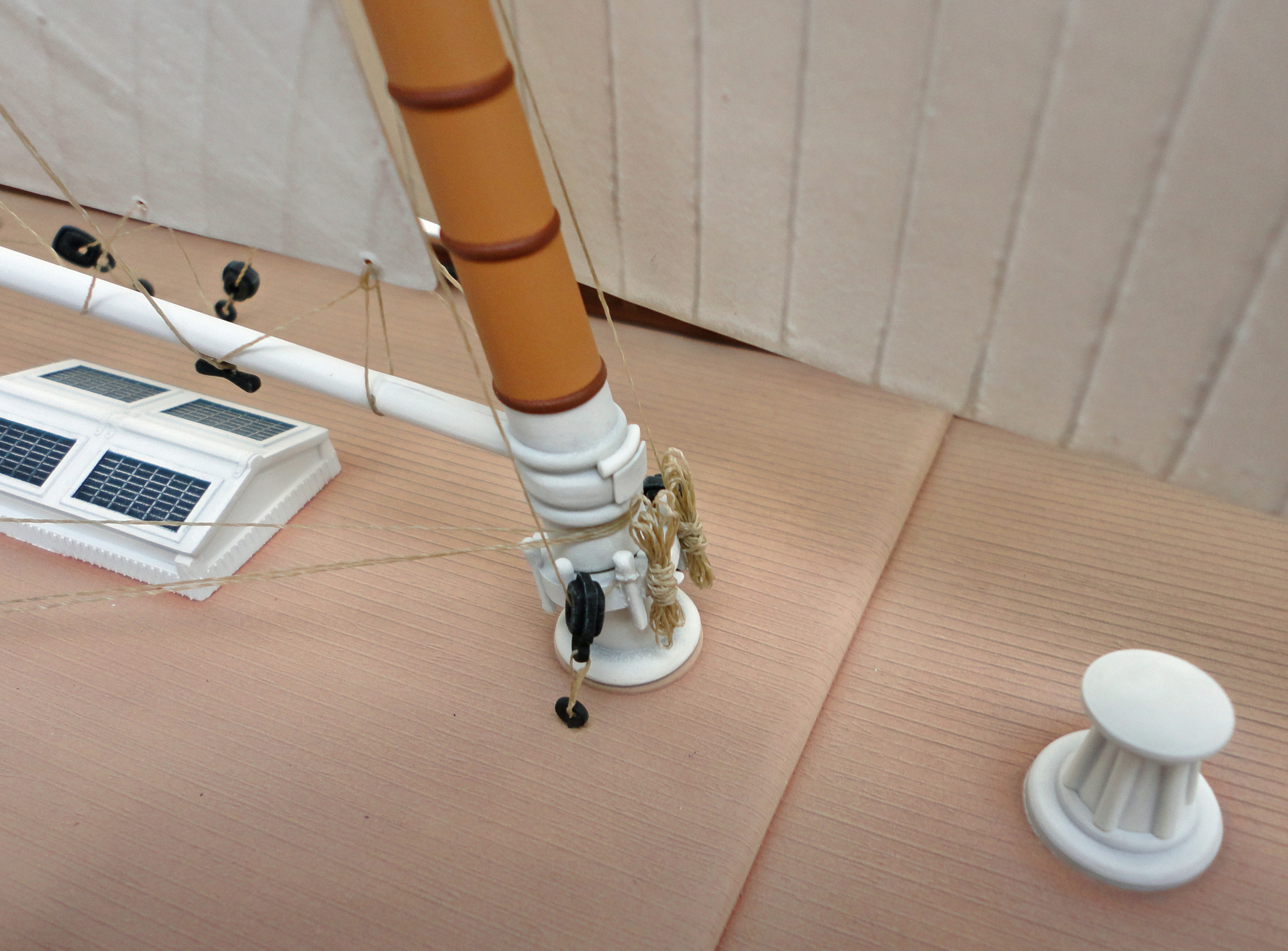
Finished Photos of Revell’s 1/56 Scale Yacht America (First Americas Cup Winner-1851/Served on Both Sides in Civil War!)

Fellow Modelers,

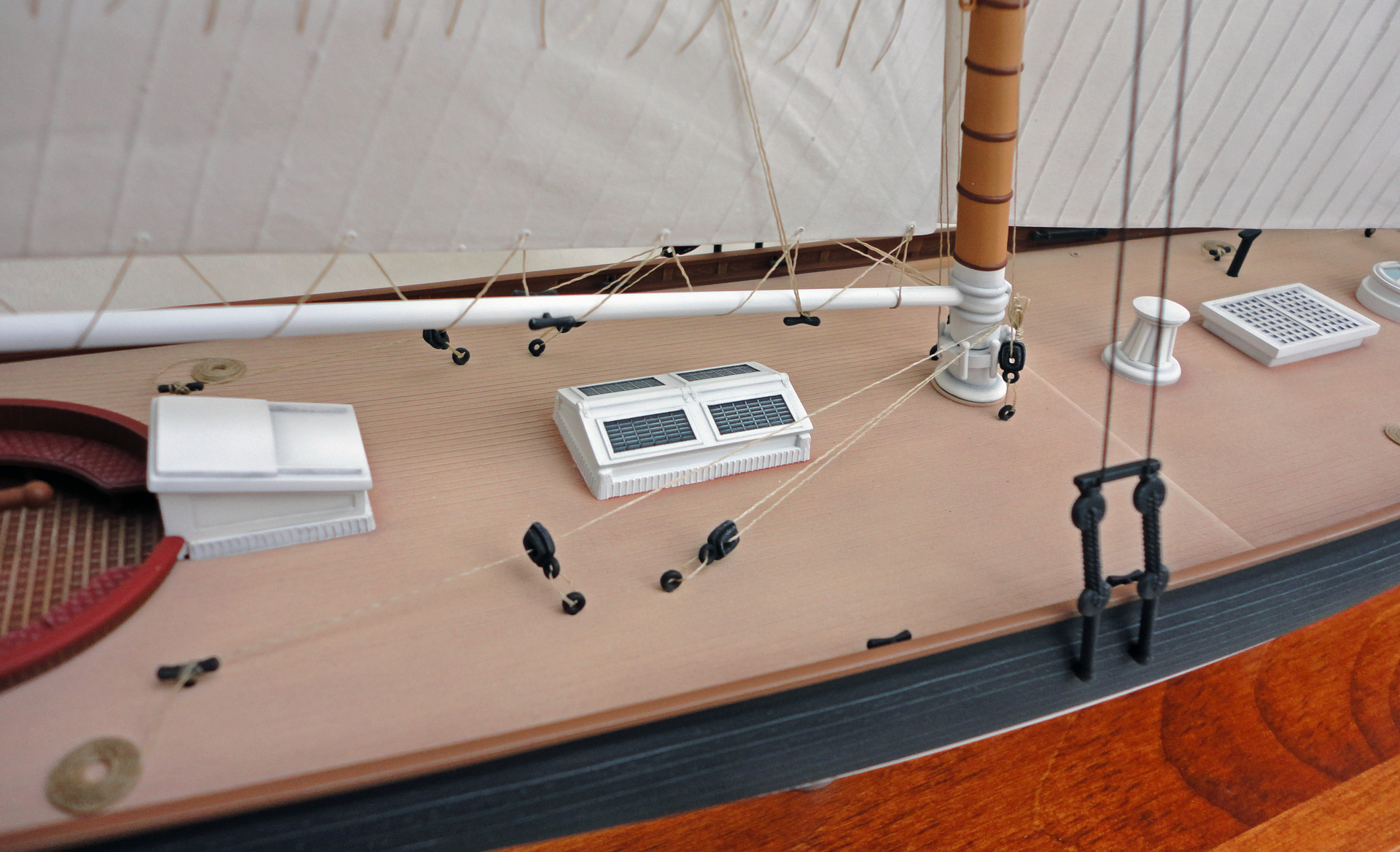
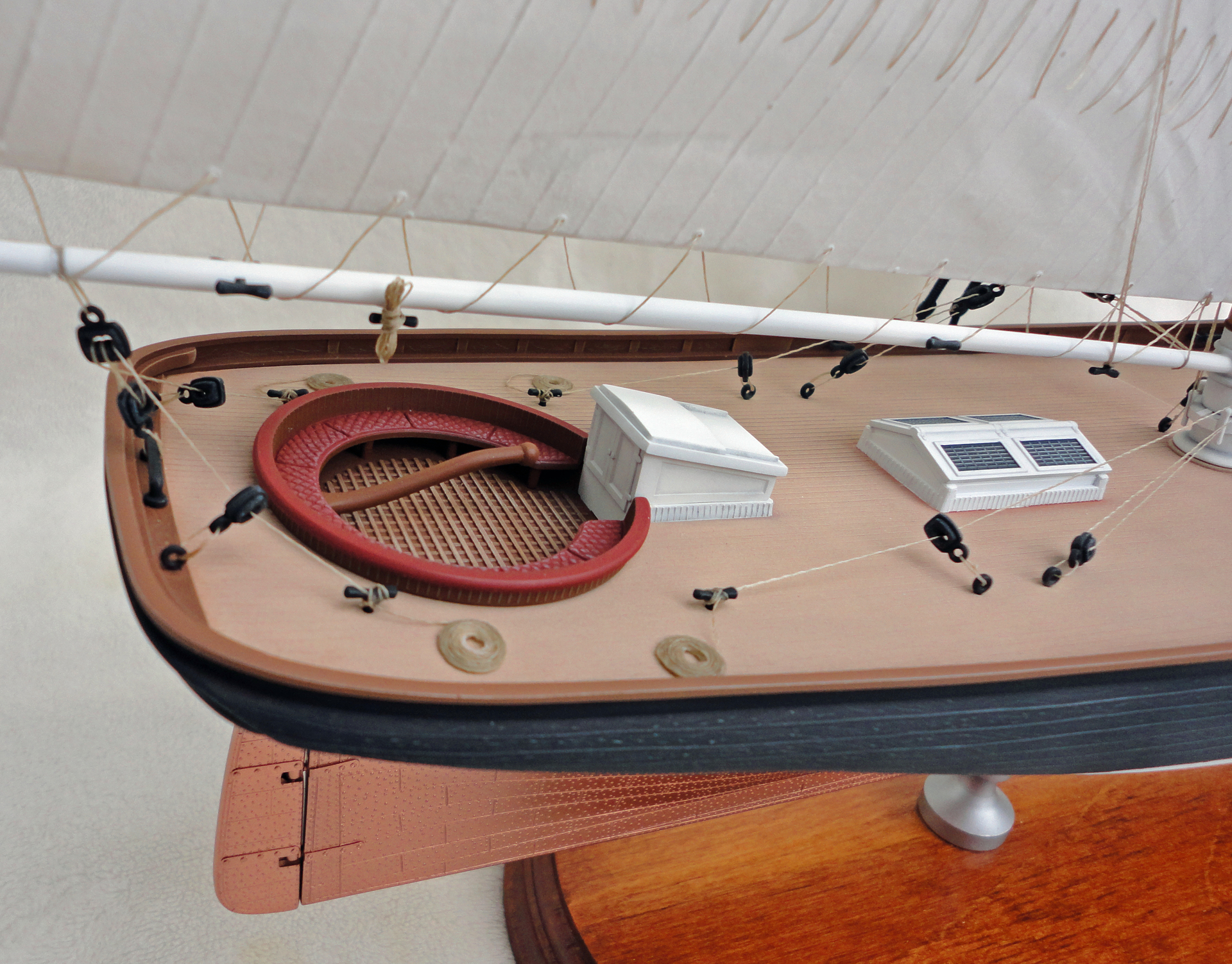
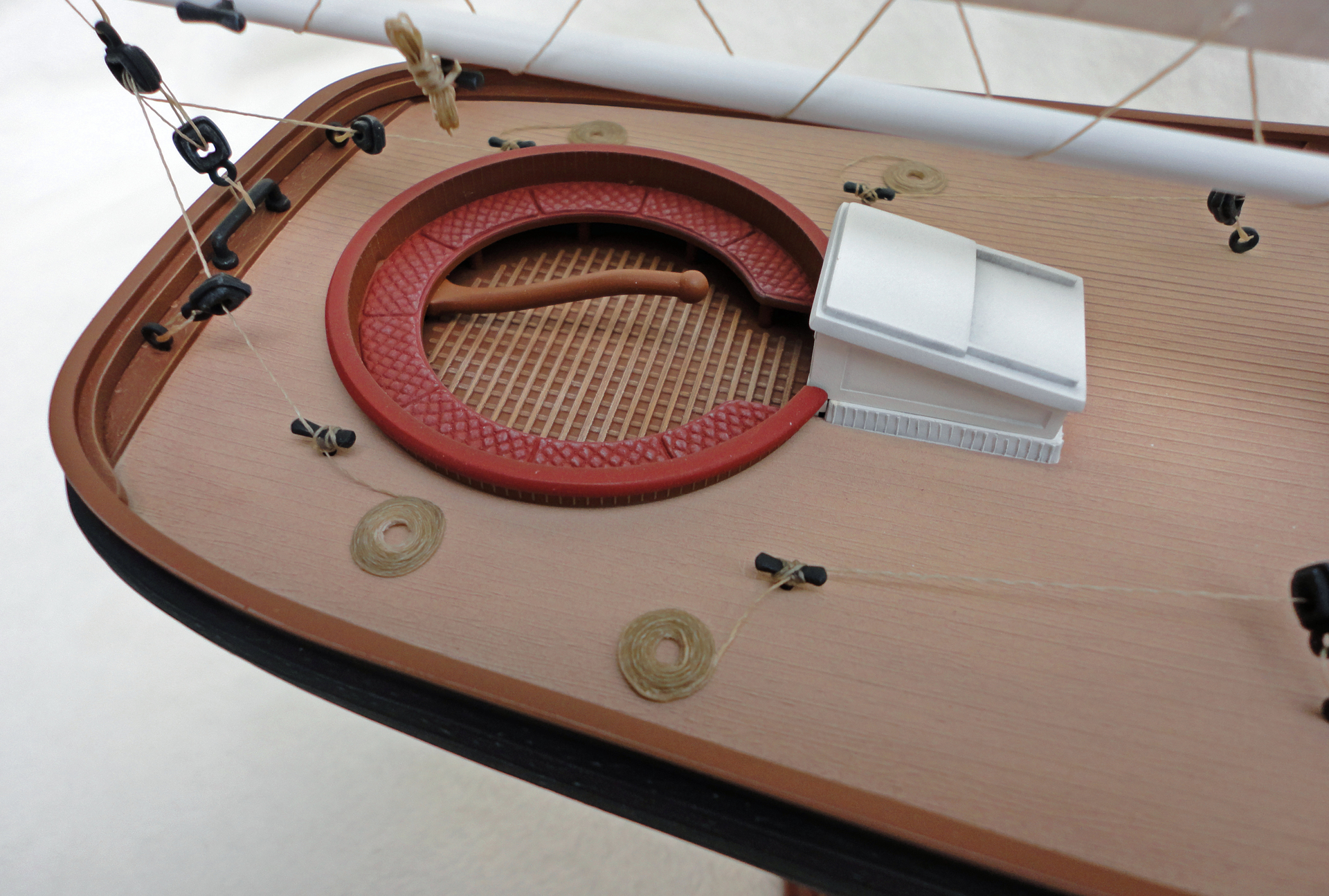
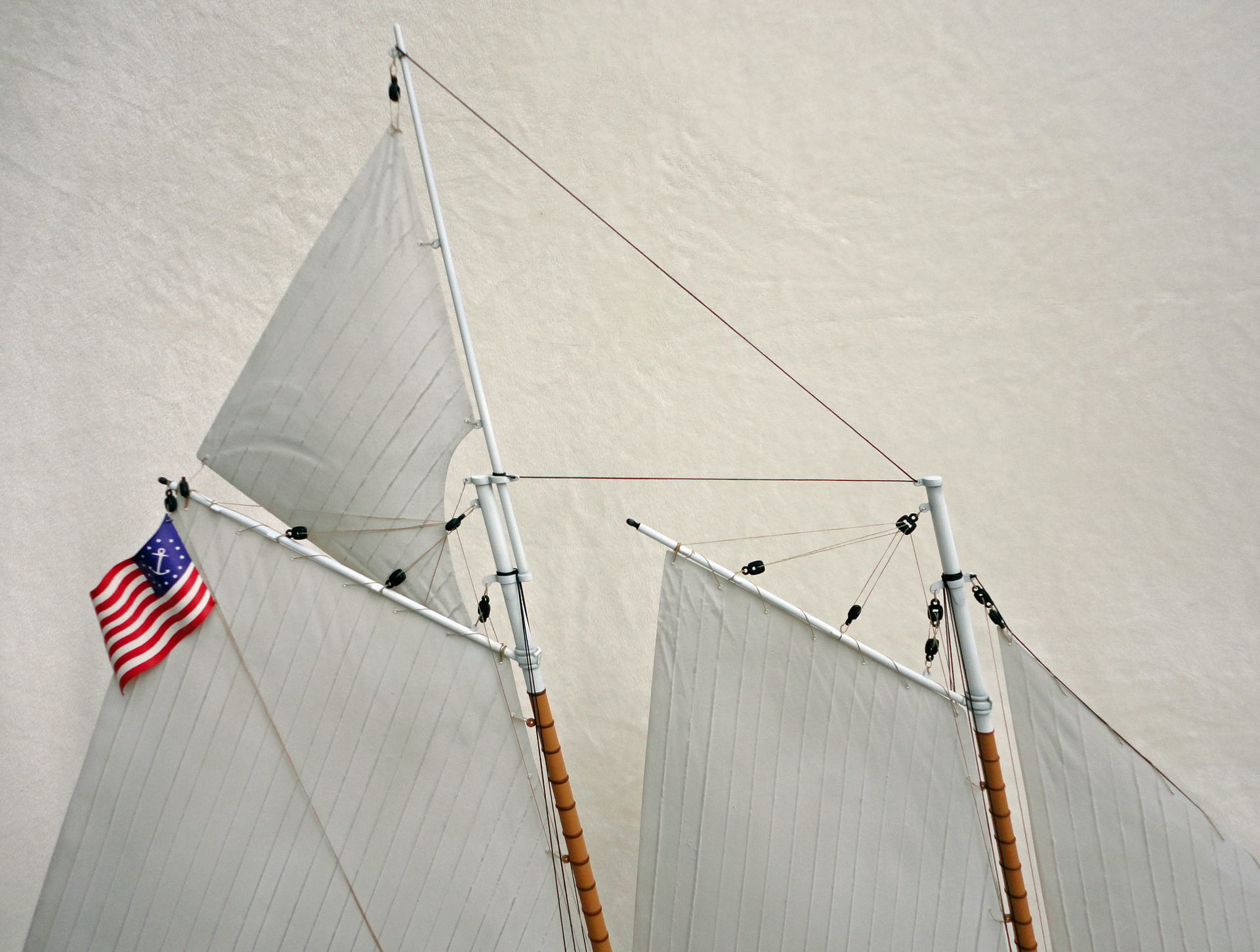
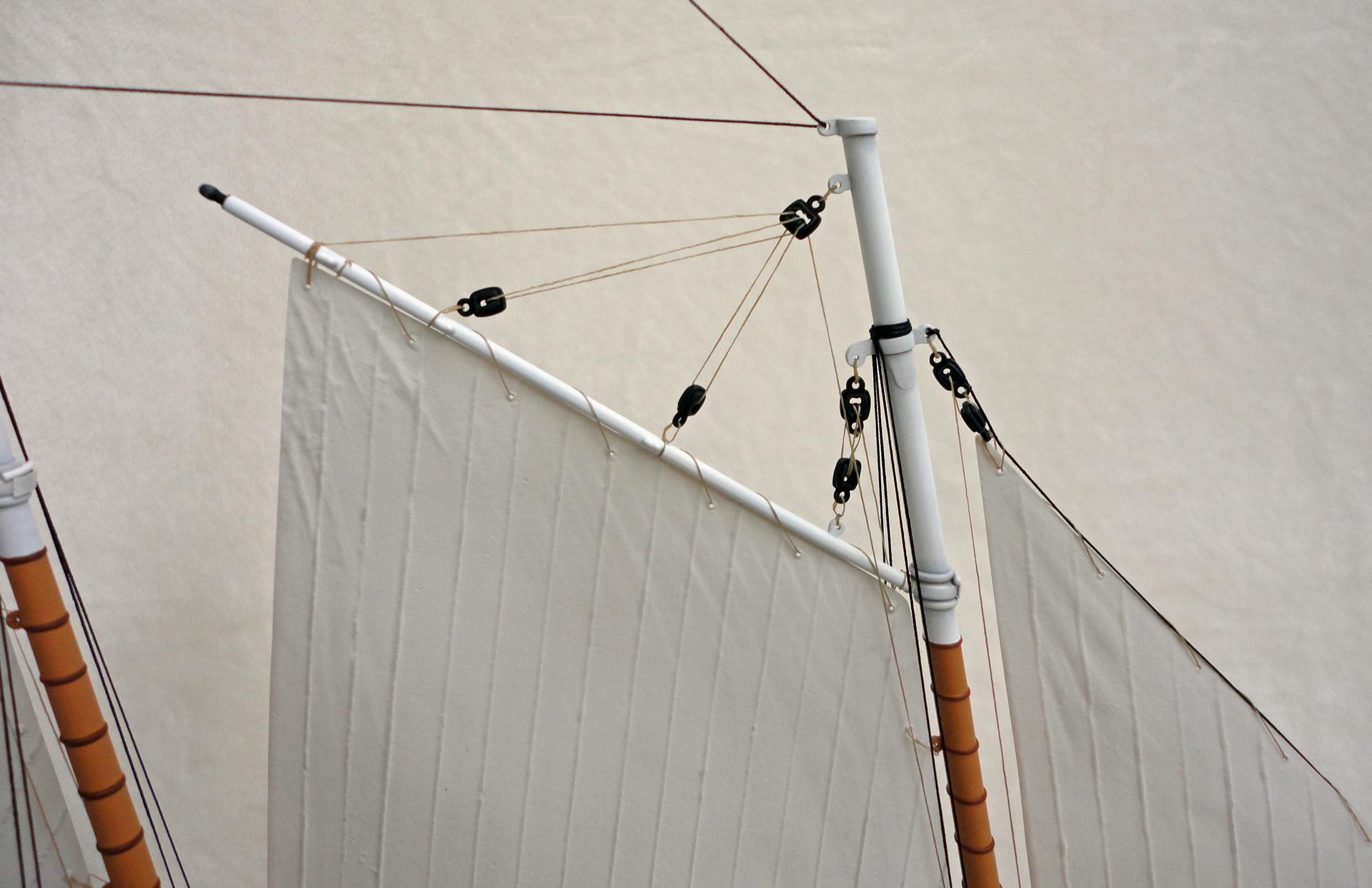
Below are photos of Revell’s 1/56 scale yacht America built in 2012. It was built pretty much straight from the box. The America is the perfect sailing ship starter kit, as it has few parts, only four sails and minimal rigging. From what I have read it is very accurate and considered one of the best sailing ships Revell ever made, although it measures closer to 1/62 scale. Certainly, it is a beautiful ship to look at. Revell first issued the kit in 1969 and came with vinyl sails. The molds were slightly modified and it was issued again in 1974 as a “Civil War Blockade Runner”, this time with vac-form sails.

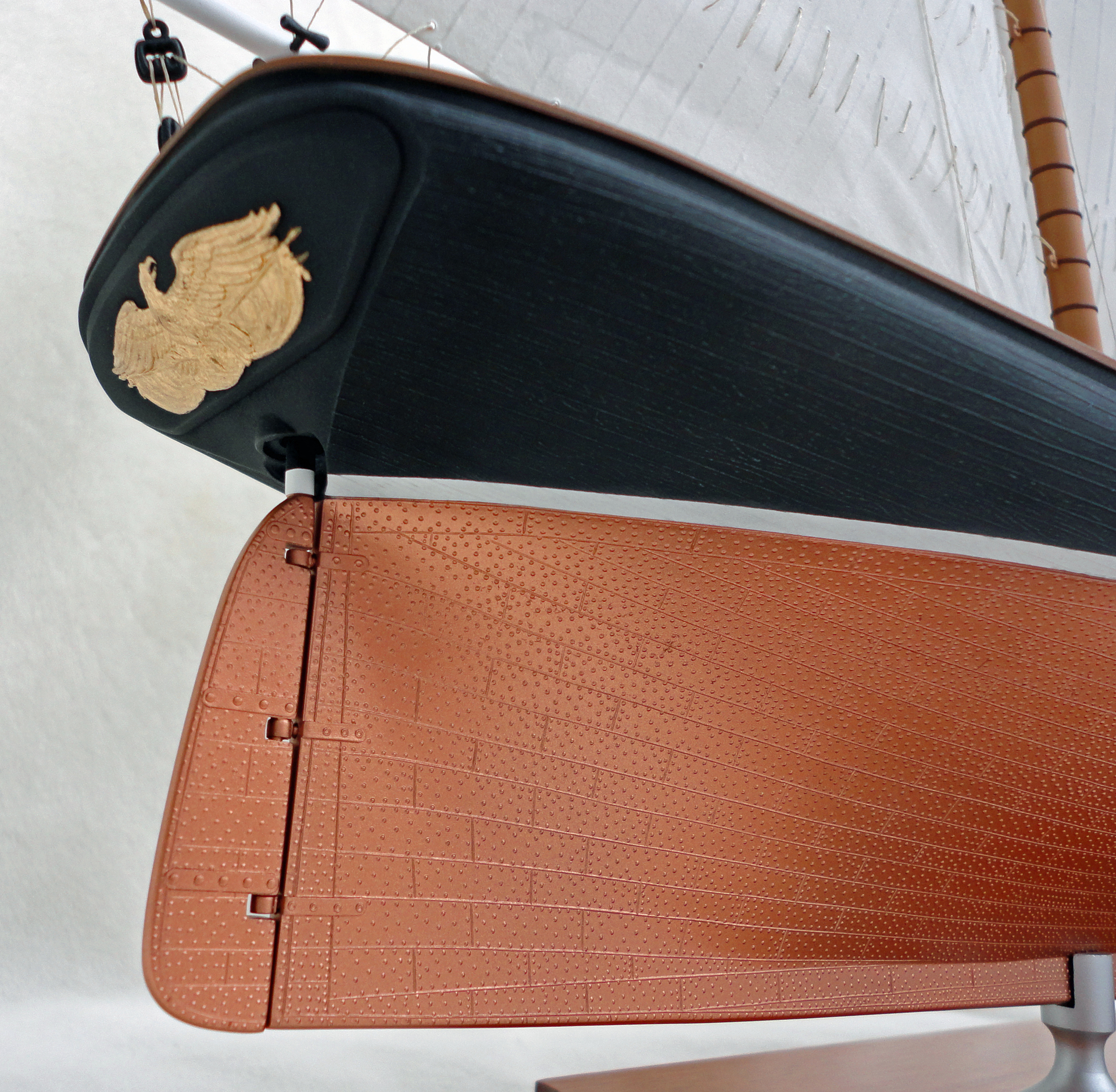
The actual America was designed by George Steers in 1851 and built to specifically answer the racing challenge issued by England’s Royal Yacht Squadron. It incorporated many radical shape changes when compared to contemporary schooners. When completed, it sailed to England to race any challengers in the “Hundred Guinea Cup” race. When the race did take place on August 22, 1851, America easily beat all of her British competitors by as much as eight miles. After the victory the name of the race was changed to “The Americas Cup”, which is still the name used today. Just ten days after the race America was sold to a British Lord. Over the next nine years the ship would be sold three more times and the named changed to Camilla. The golden eagle on the ship’s transom was removed during this period and eventually made its way to the New York Yacht Club where it is still on display today. In 1861, Camilla was taken to the United States with the intention of providing service to the South during the Civil War, and was purchased by the Confederacy that same year. Service with the Confederate Navy was short and the ship (renamed Memphis) was scuttled in 1862 when her area of operation was captured by Union troops. The Union Navy had her raised, repaired and renamed America. She was put into blockade service, and some accounts state she assisted in the capture of three ships. In 1863 America became a training ship for midshipmen at the U.S. Naval Academy. In 1870, America was refurbished by the government to participate in the “Americas Cup” race that year, finishing fourth out of fifteen entries. She was sold to private owners in 1873, but eventually donated to the U.S. Naval Academy in 1921. America was not well maintained and by 1940 was in a serious state of decay. During World War II she was stored in a shed, but was severely damaged when a snow storm caved in the shed’s roof in 1942. After several years of indecision what was left of America was finally scrapped and burned in 1945. I hope you enjoy the photos.

Phillip1

14 Likes

more photos1…

8 Likes

more photos2…

7 Likes

more photos3…

9 Likes

more photos4…

10 Likes

Hi Phillip,

Yours is a tidy rendition of that most beautiful ship. Thank you for posting the pics! :grin: :+1:

2 Likes

Tim-Thank you very much! Praise from Caesar is praise indeed!

Phillip1

3 Likes

Well done with building a model of this good looking yacht.
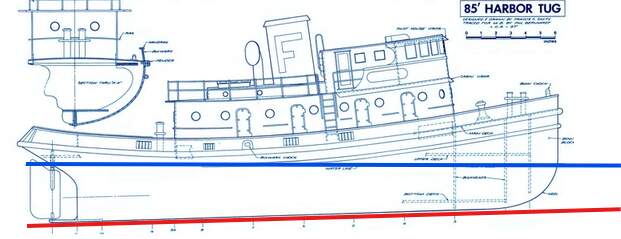
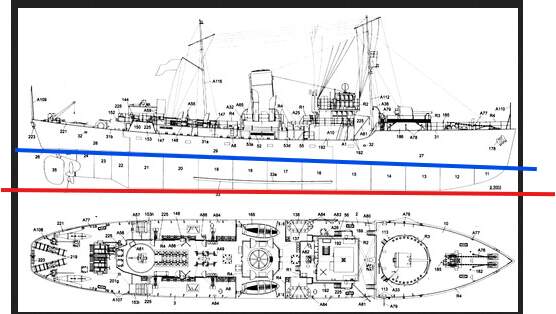
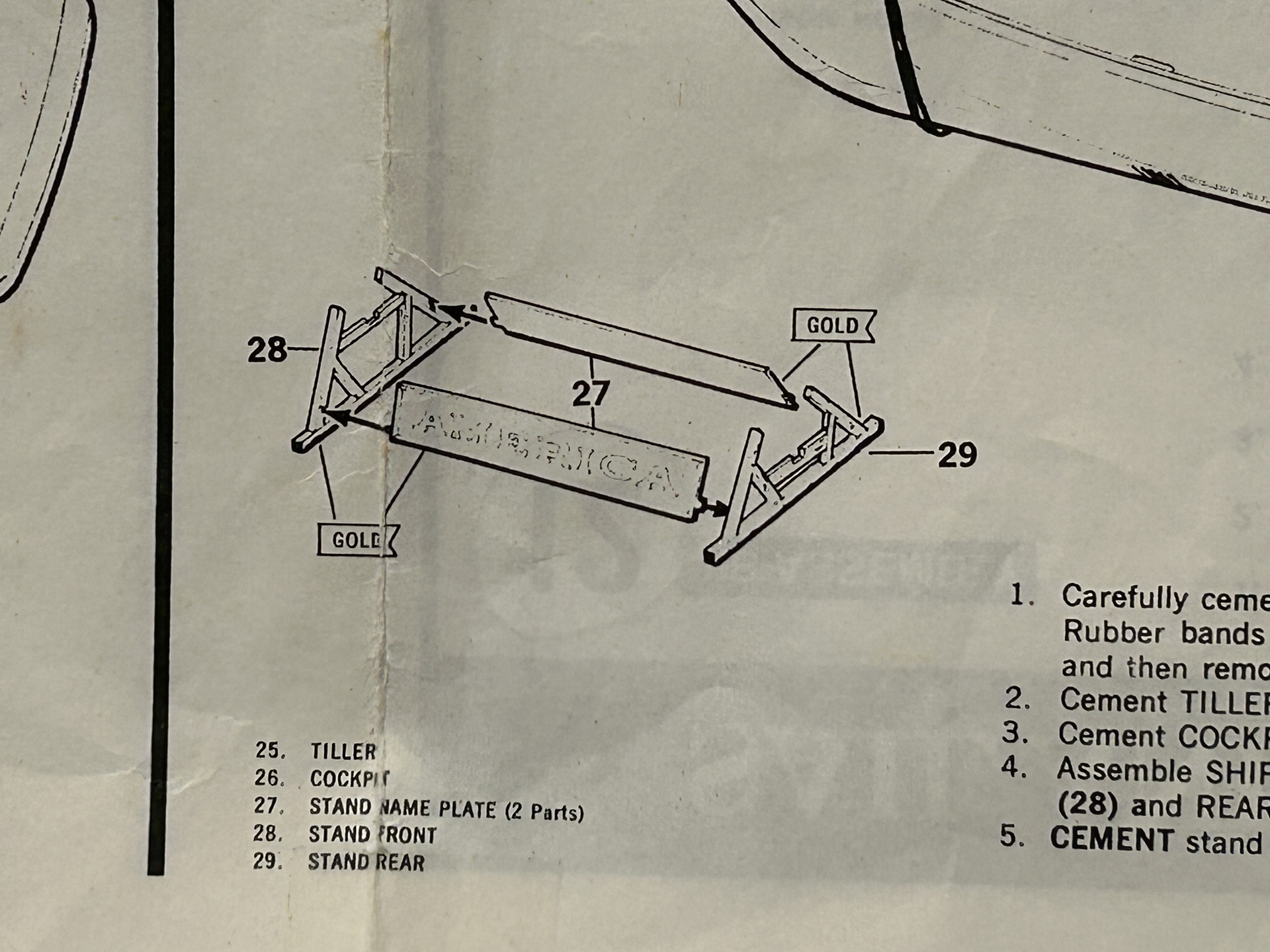
The only thing I wish had been differently is the plinths, the forward plinth could be higher to show her with a level waterline (even racier appearance)

2 Likes

Great looking yacht. Very well done.

Jim

2 Likes

Very nice build. I really like the look of her. You’ve done a magnificent job. Well done.

John

1 Like

Wow, you have done an incredible job and love the history lesson. I’m always fascinated by these old ships. Every ship, boat, or a yacht has its own personality and character. Thanks for sharing!

1 Like

Uncle-Heavy-Thank you for the compliment! Actually, other people have made the same comment you did-about the about the waterline needing to be parallel with the horizon. I will admit I am not a very knowledgeable sailing ship modeler and I was not aware of that detail when I built the model. If I was building it again I would correct this mistake. Trying to correct it now would most certainly damage the model.

Phillip1
Jim-Thank you very much.

Phillip1

John-Thank you for the great compliments!

Phillip1

Stryker45-Thanks for the compliment and support! I think it always makes models more interesting to look at if you can see a photo of the actual subject or read a short history of it.

Phillip1

1 Like

I presume Revell made two identical plinths, maybe they even used, or thought about using, them for other models where the keel and waterline are parallell.

No point in trying to change it now, since, as you say, it would probably damage the model.

Many harbour tugs are also “tail sitters”, need to get that large propeller down into the water …

Flower Class Corvettes with their ancestry from whaling ships and fishing boats are also “tail sitters”

1 Like

Uncle-Heavy-I re-checked the Revell kit instructions and the original kit parts DID allow for the fore and aft off-set to get the waterline parallel with the horizon (see photo below).

Phillip1

1 Like

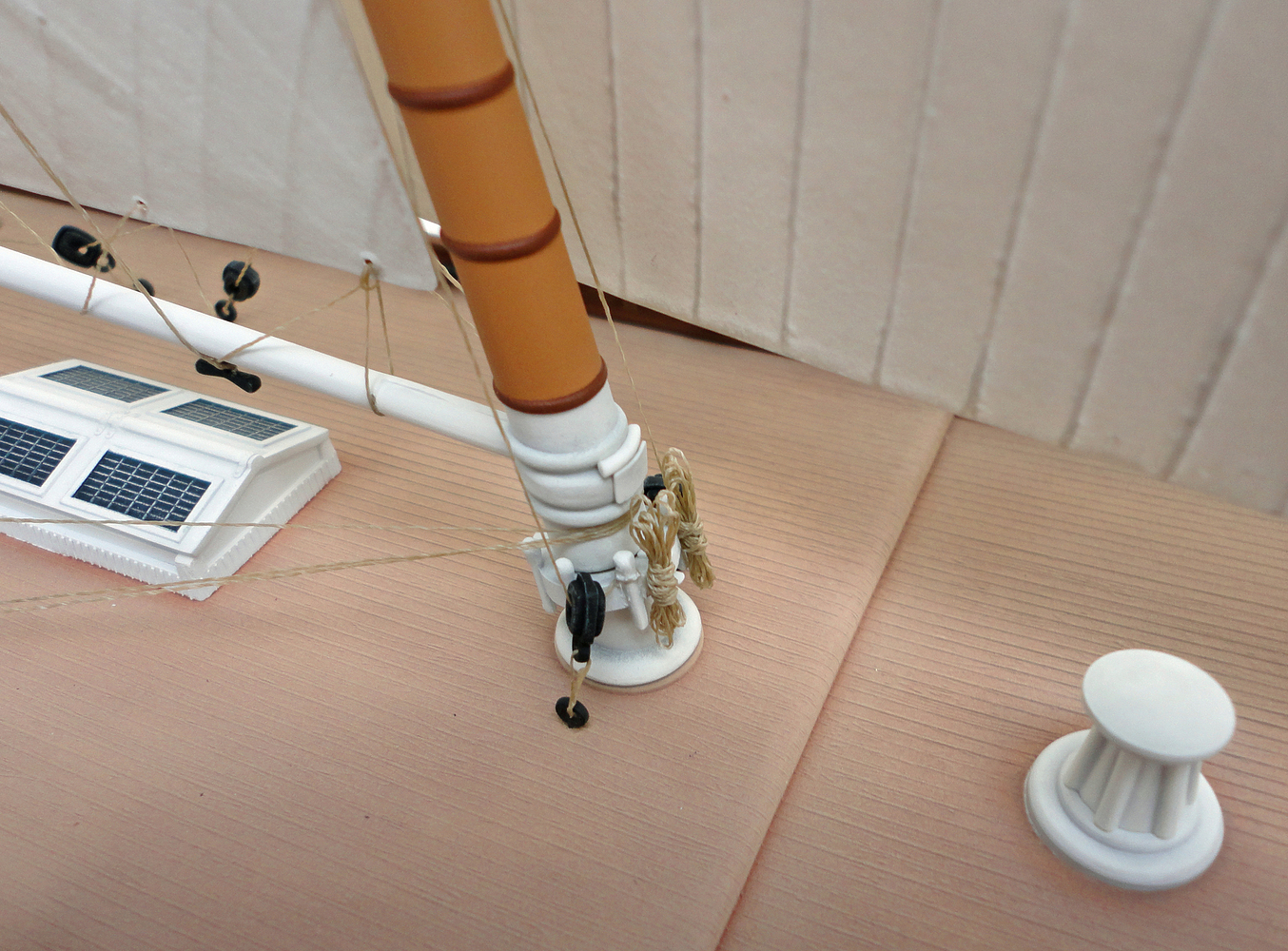
Is that cross-deck “step” an intentional part of construction, or just the result of ill-fitting parts from an older kit?

:grinning_face: :canada:

1 Like

Biggles50-The Revell deck is a one piece part and the rounded stepdown is correct for the actual ship. I have seen this same detail on other “wooden” Yacht America kits.

Phillip

A photo of the larger scale model by Bluejacket Shipcrafters

Instagram posting about visiting the real thing
View of the toe-stubber from the instagram post

2 Likes