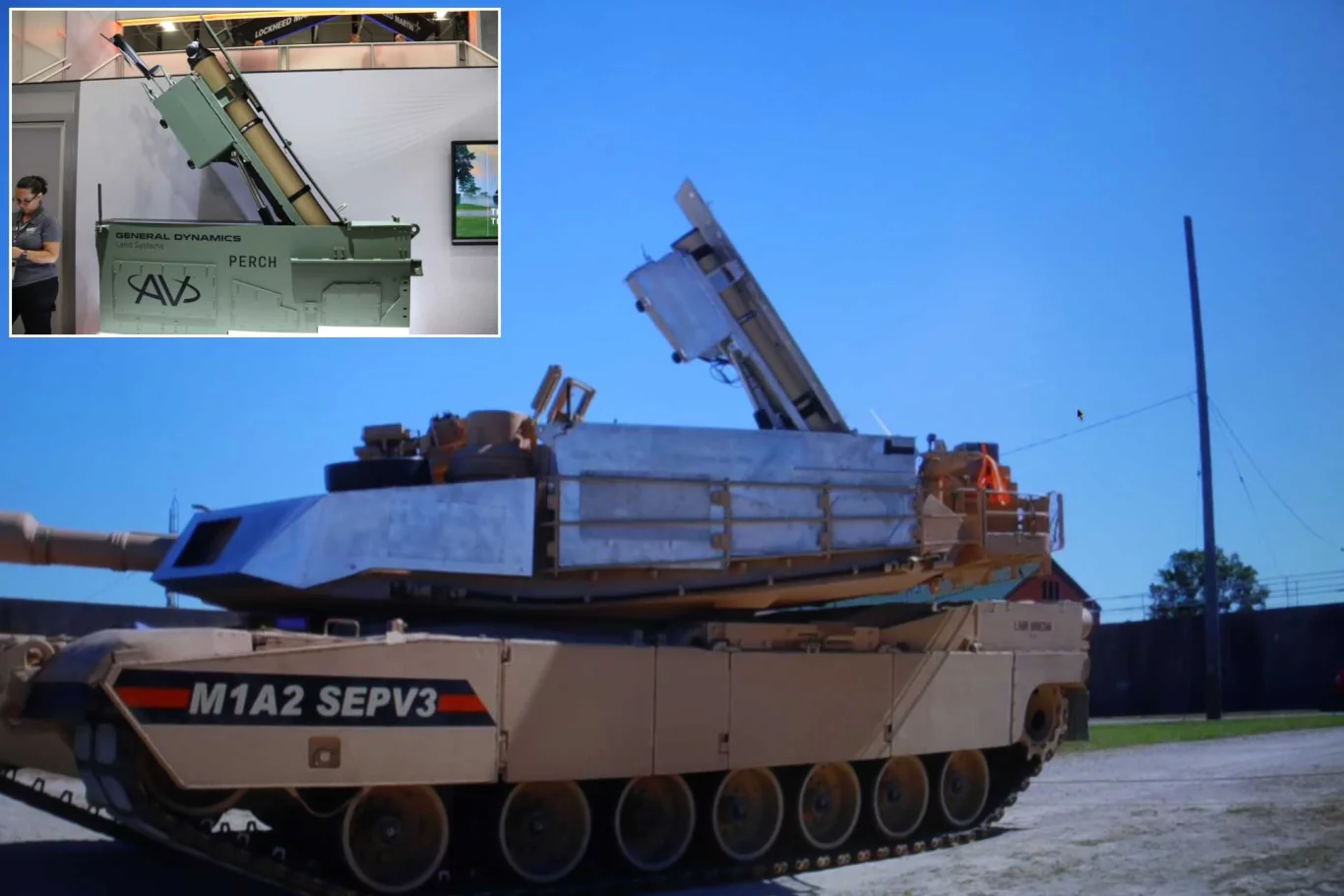
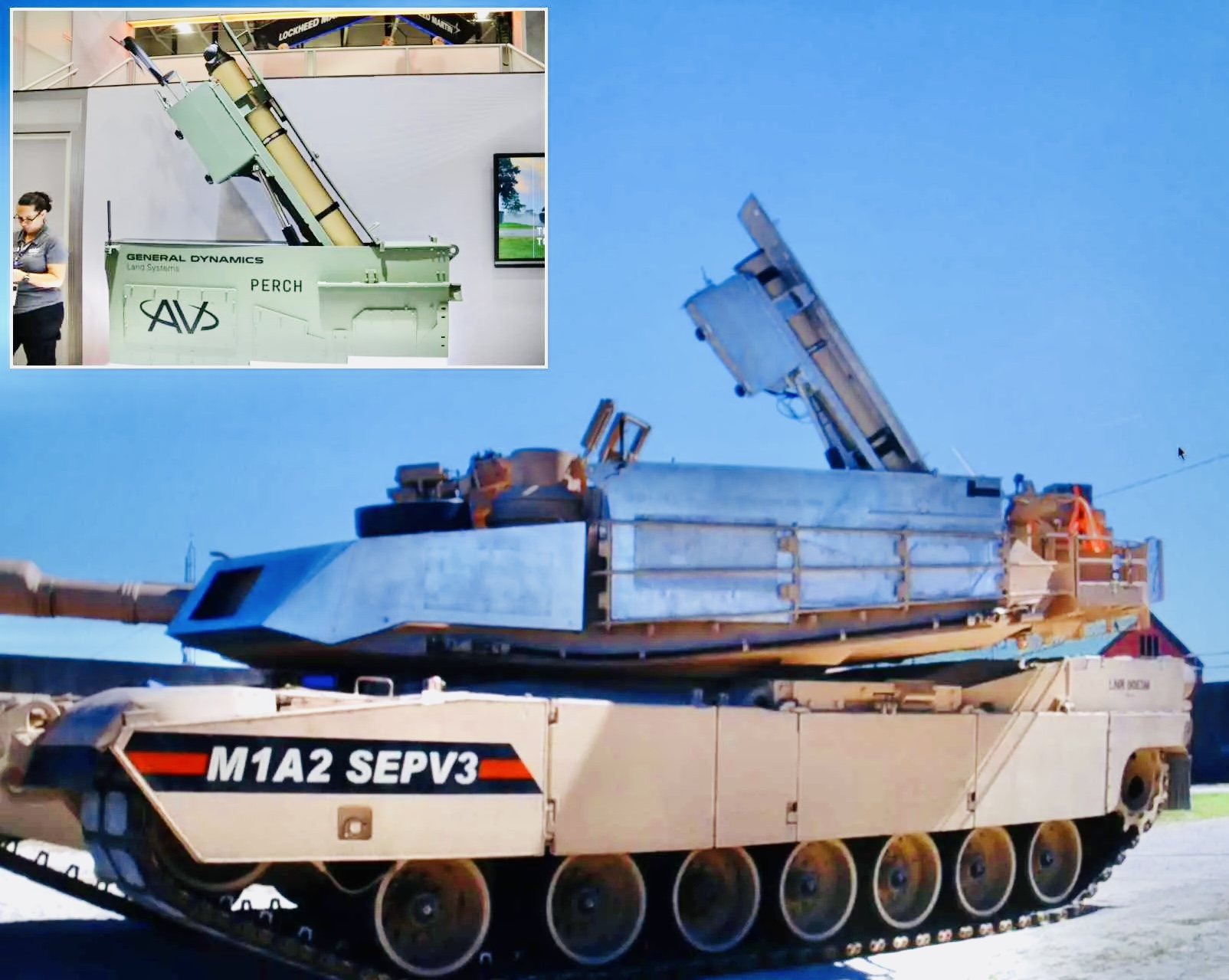
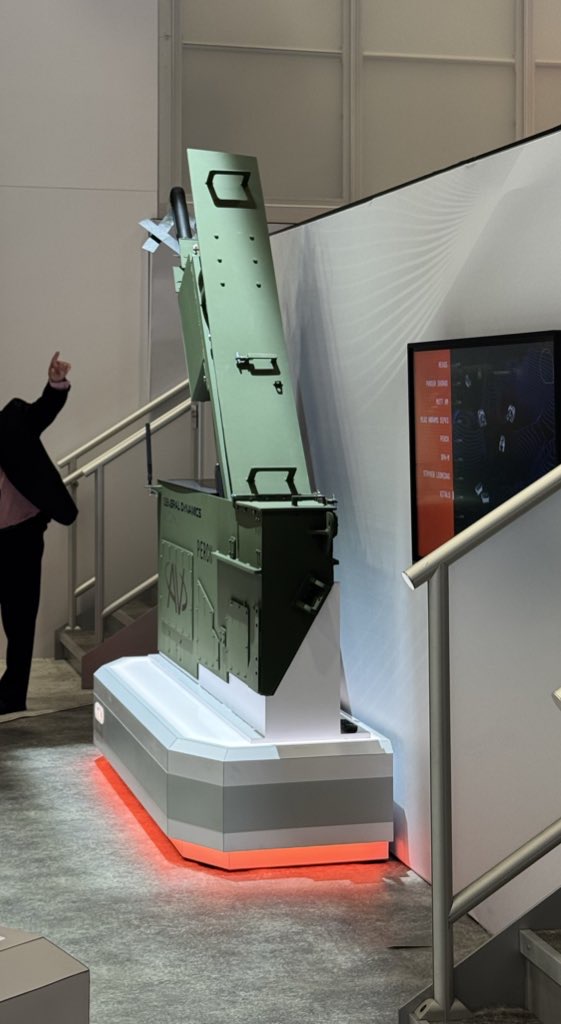
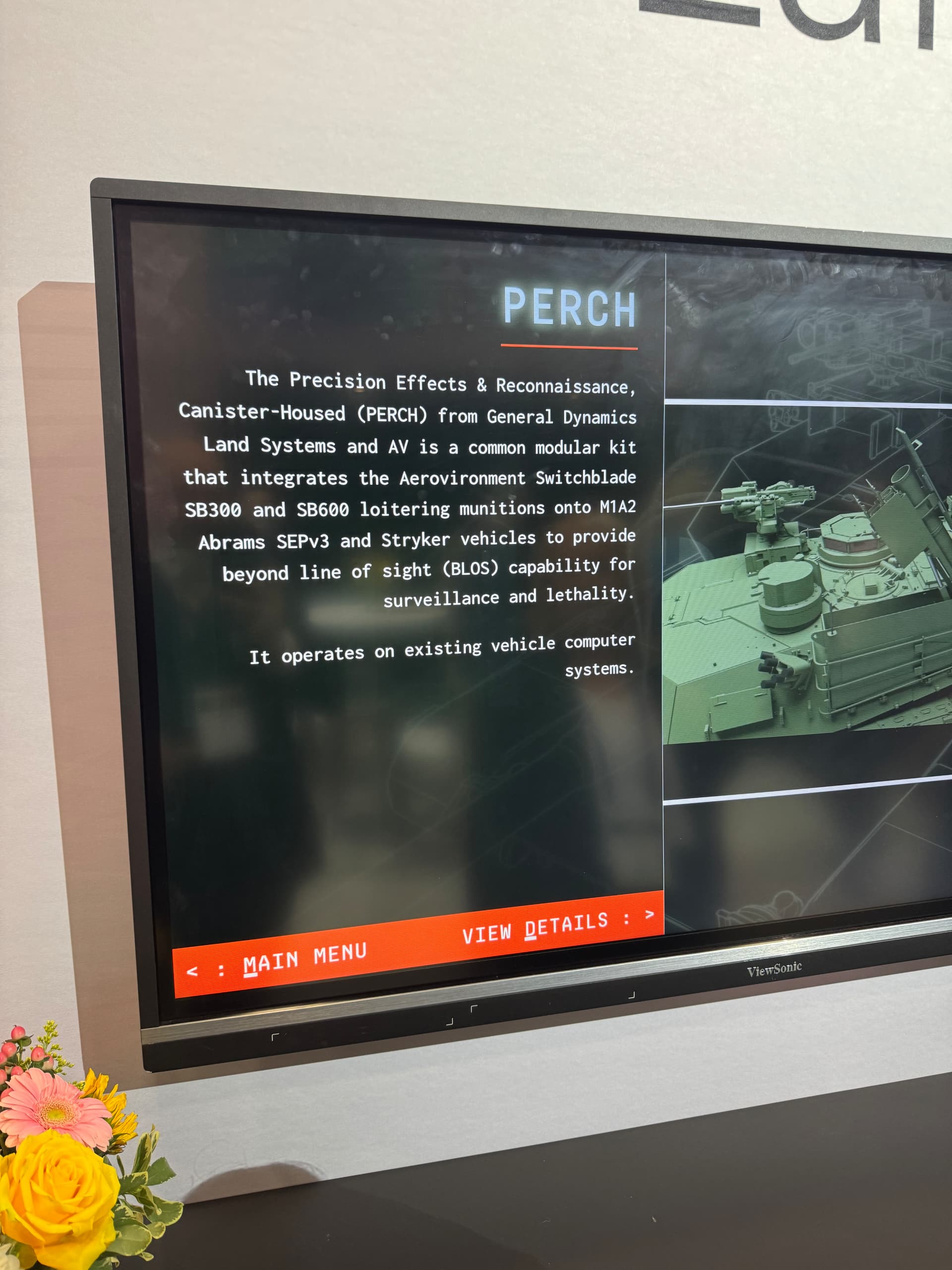
When GLDS displayed their PERCH switchblade launcher module for Abrams, they did so using a SEPv3 painted as a demo with some sort of spaced armor (speculation).
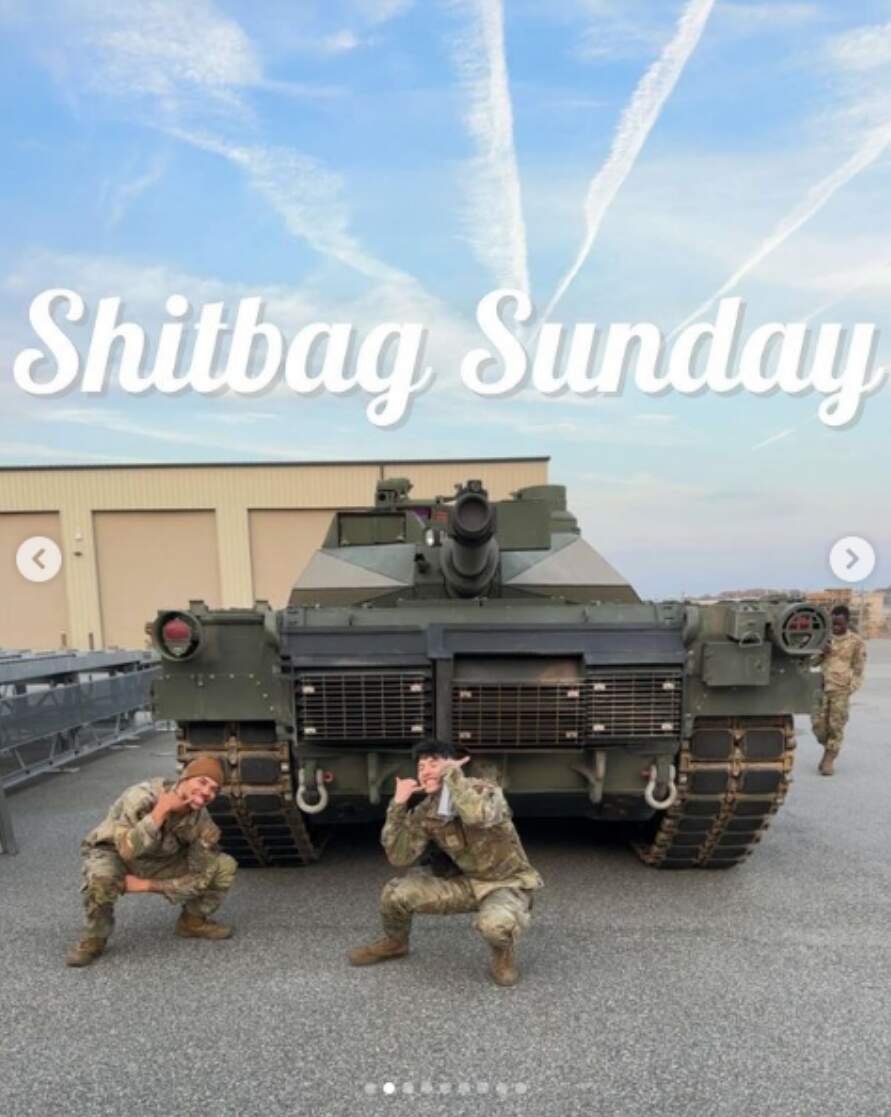
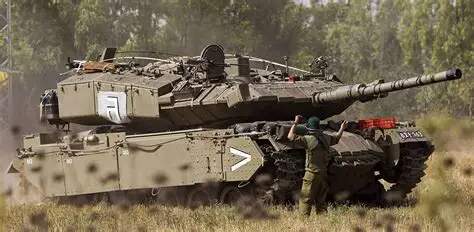
Anyone seen anything like it before, or know anything about it? Could this have been the same concept that resulted in what we saw with the turret cheeks in the alleged leaked SEPv4 photo?
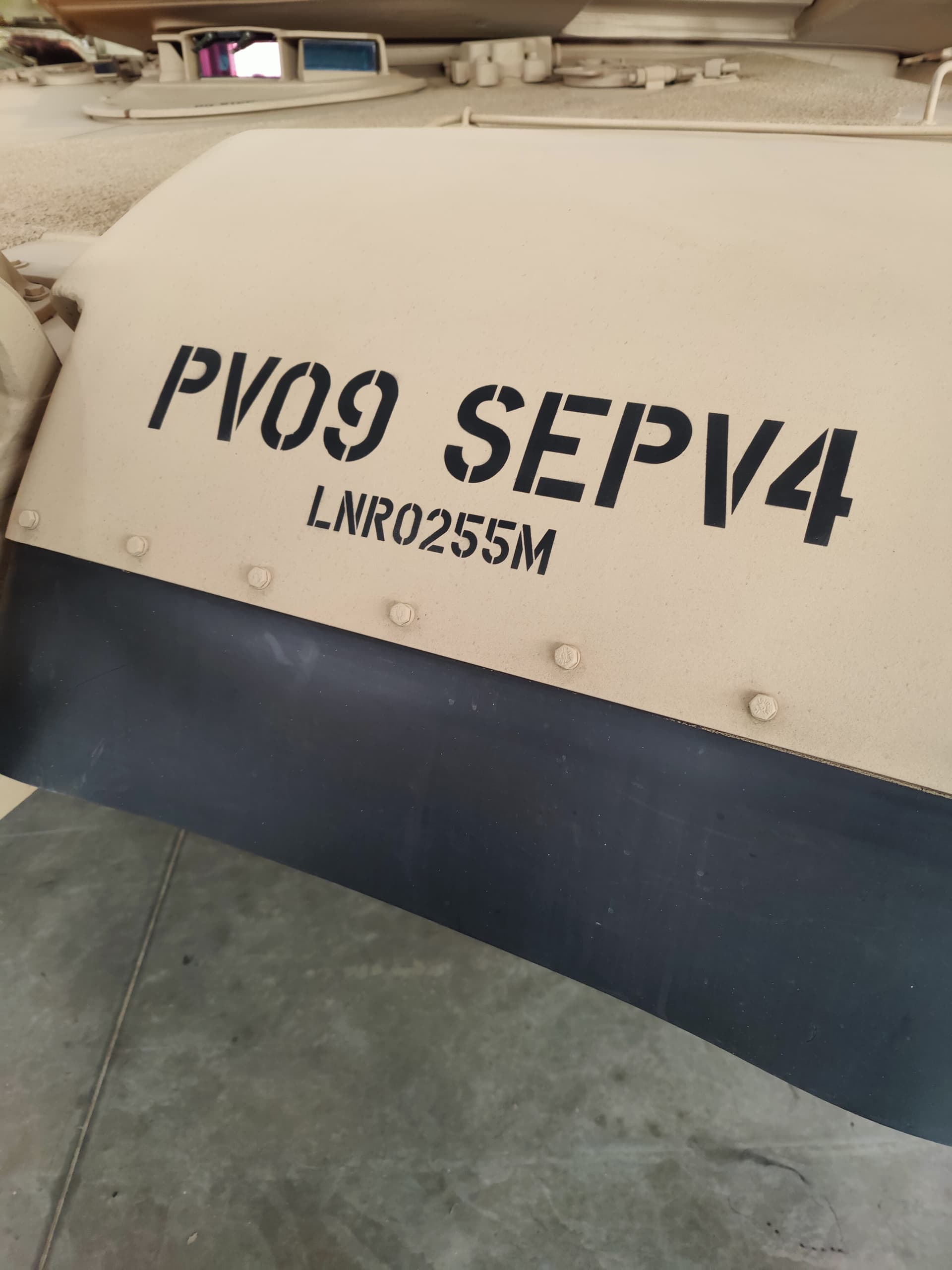
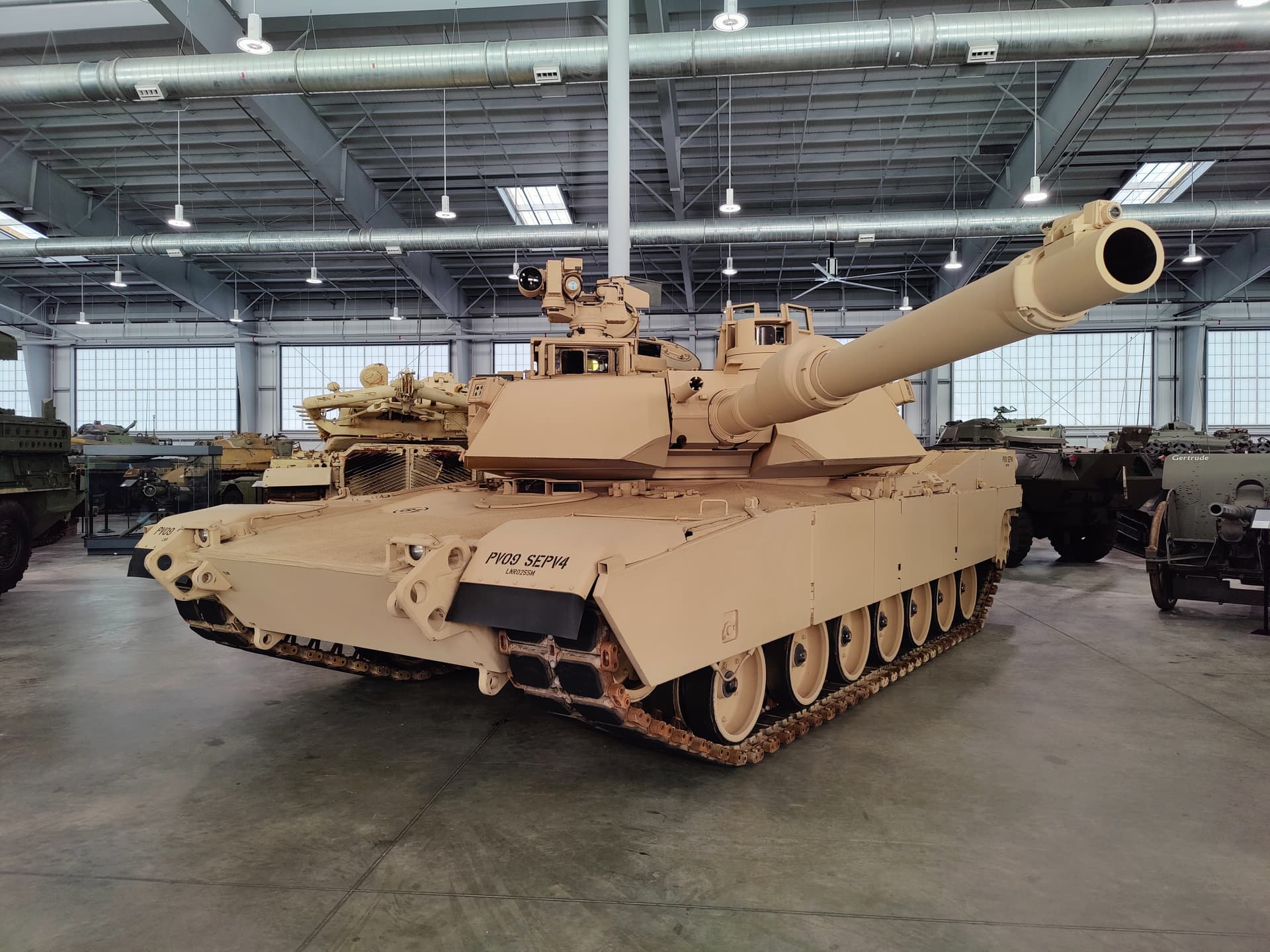
This is the past PV (pilot vehicle) SEPv4, and is representative of the turret shape envisaged when it was driven into the Tankodrome of the US Army Armor & Cavalry Collection.
GDLS displayed that PERCH package earlier this year at AUSA. They advertised it as modular, and able to mount to existing hard points, My first question is did they photoshop those turret pics? My second question is if PERCH is “perched” (I had to) on top of the bustle/ammo blowoff panels (BOPs), that sucks.
The pic appears to have been taken in the yard of the TACOM maintenance facility on Harmony Church, not far from the Collection. I’ll see if I can find any answers.
Looking here (I edited to eliminate unnecessary shadowing), the PERCH “might” sit on top of the turret sponson box, and not on the BOPs. The cheek also looks to be an appliqué onto existing structure, but I’d need a climb-aboard for more insight.
The SEPv4 didn’t field this package, and was contained to the up-armor, FCS, electrical distribution and battery management, and similar items. The PERCH was a bit like AbramsX: “Surprise!”
Then the specs for all the sub-components/processes of the SEPv4 program
The M1A2 System Enhancement Package Version 4 (SEPv4) was an upgrade program focused on increasing the lethality, accuracy, and survivability of the Abrams tank
. Although the U.S. Army ultimately canceled the program in 2023 in favor of the next-generation M1E3 Abrams, the technologies developed for the SEPv4 defined its major components.
Lethality upgrades
3rd Generation Forward Looking Infrared (3GEN FLIR): Advanced thermal sights for both the gunner and the commander would have provided enhanced target detection and recognition over longer distances, even in adverse conditions. The sights would also have included an improved laser rangefinder and a color camera.
Advanced Multi-Purpose (AMP) round: The fire control system would have been updated with a digital data link to communicate with the new XM1147 AMP 120mm munition. The AMP round was designed to replace four different rounds, capable of airburst, point detonation, and point detonation delay.
Meteorological sensor: The tank’s firing accuracy would have been improved with the addition of an onboard sensor to gather weather and atmospheric data.
Survivability and protection
Laser Warning Receiver (LWR): The tank was to be equipped with a system to detect incoming laser-guided threats, providing an alert for the crew to take defensive action.
Rapid Obscuring System (ROSY): A directional smoke grenade launcher, trialed for the SEPv4, would have offered enhanced protection against a range of guided anti-tank weapons.
Active Protection System (APS): The integration of an Active Protection System, such as the Israeli-made Trophy, was an optional enhancement to intercept and neutralize incoming threats.
Networking and reliability improvements
Improved onboard diagnostics: Enhanced systems would have enabled better troubleshooting and reduced the maintenance footprint of the tank.
Upgraded communications: New digital systems would have allowed for faster data sharing and better connectivity with other battlefield assets, improving overall situational awareness.
Enhanced thermal management: An upgraded cooling system was a critical component to handle the increased heat from new electronics and ensure crew comfort.
So, no laminate/add-on armor or PERCH (sic). The whole concern with SPEv4 was the cost of running two programs (v3 and v4 separately) but in parallel. The decision taken included folding the v4 Mods into the v3 package as each tank was procured.
Final word: here is the Directorate of Operational Testing and Evaluation Master Plan. It is silent on add-on (external) armor. The design resulted in a large mass increase, primarily due to upgrades of the internal armor design and arrangements.