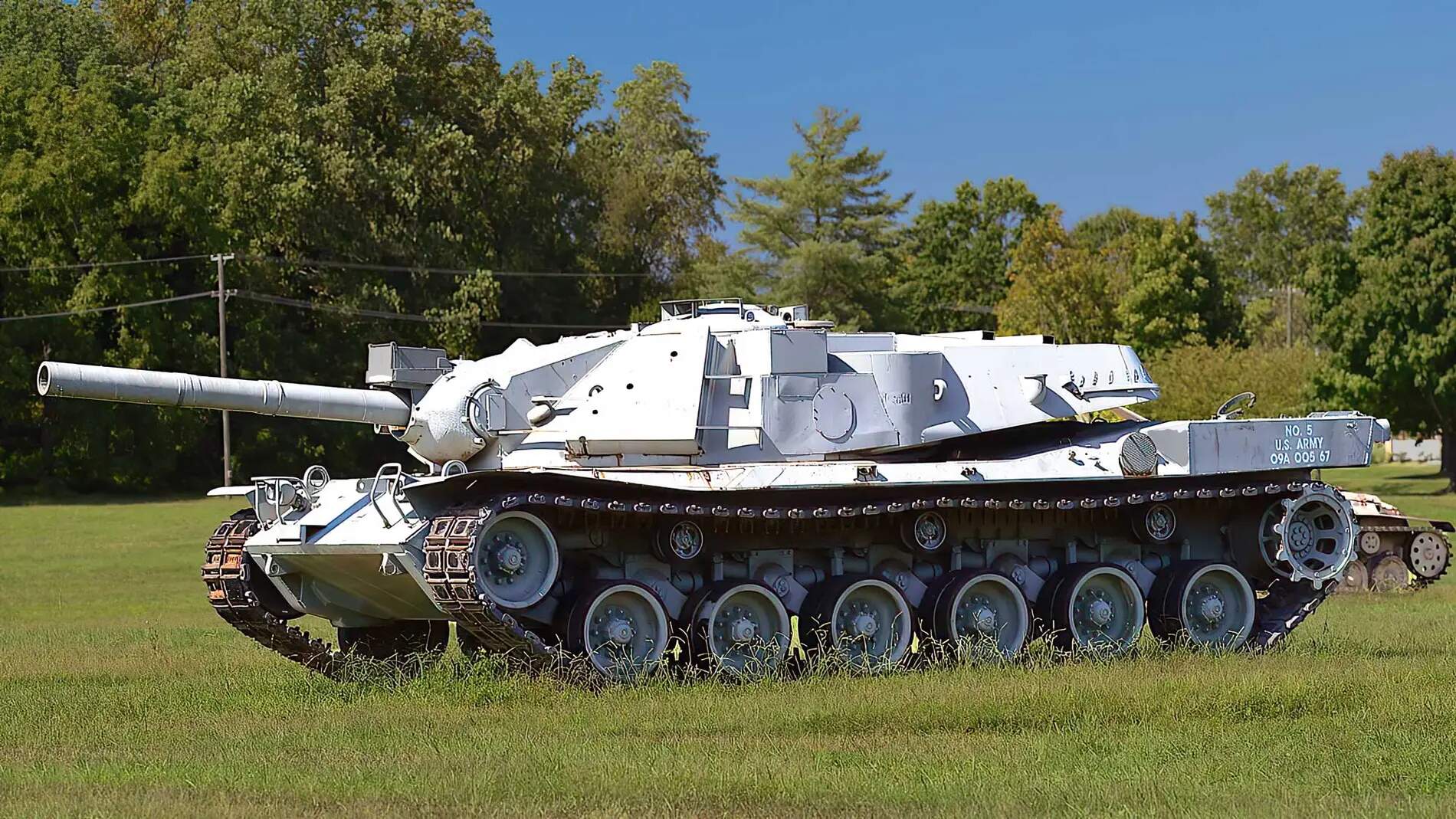
Modelling the MBT-70

Edro, I suspect you mean “conversion” kit for the Dragon Kpz-70 to make an MBT-70; that said, any model of either in my book is certainly a talking point(!)

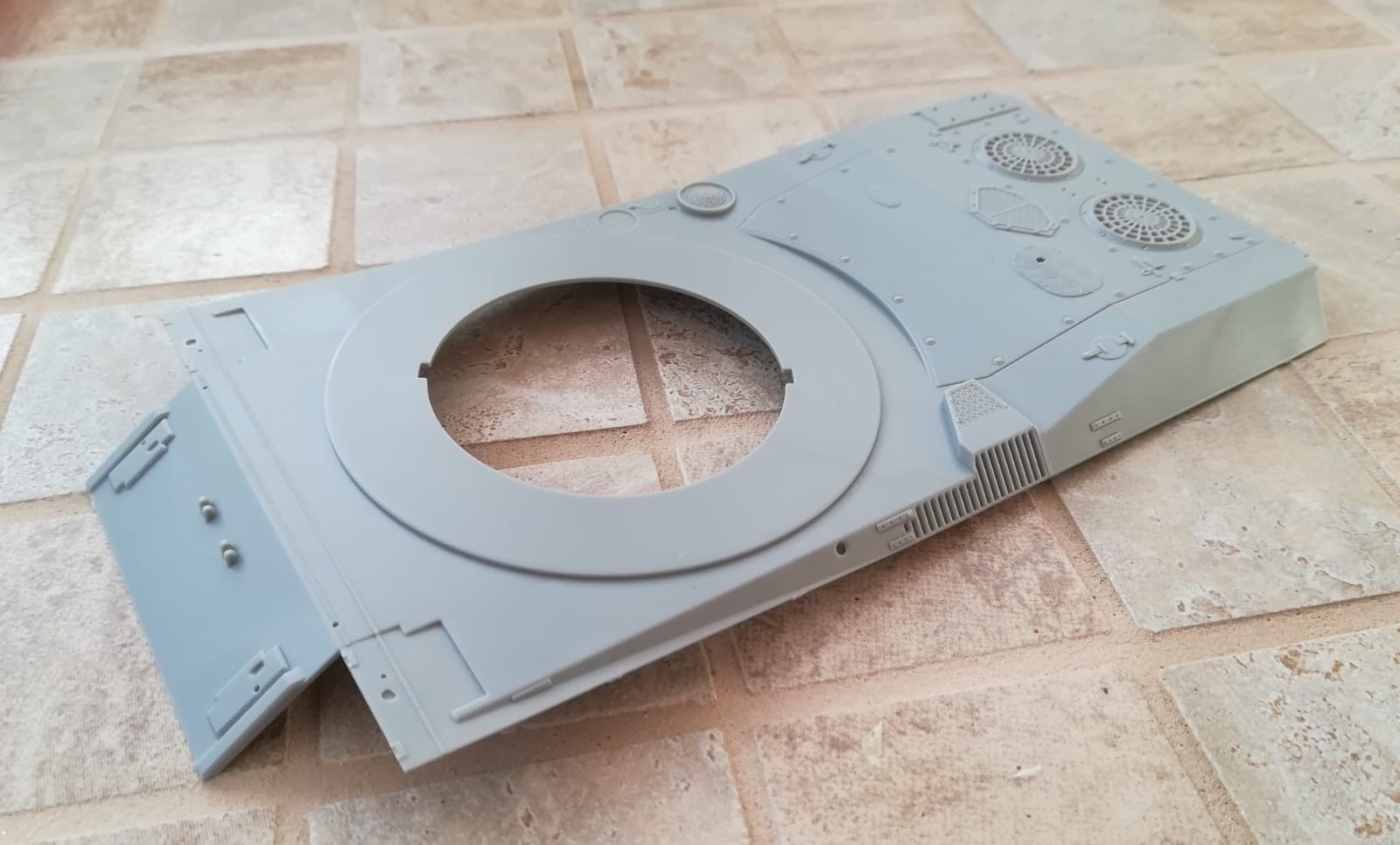
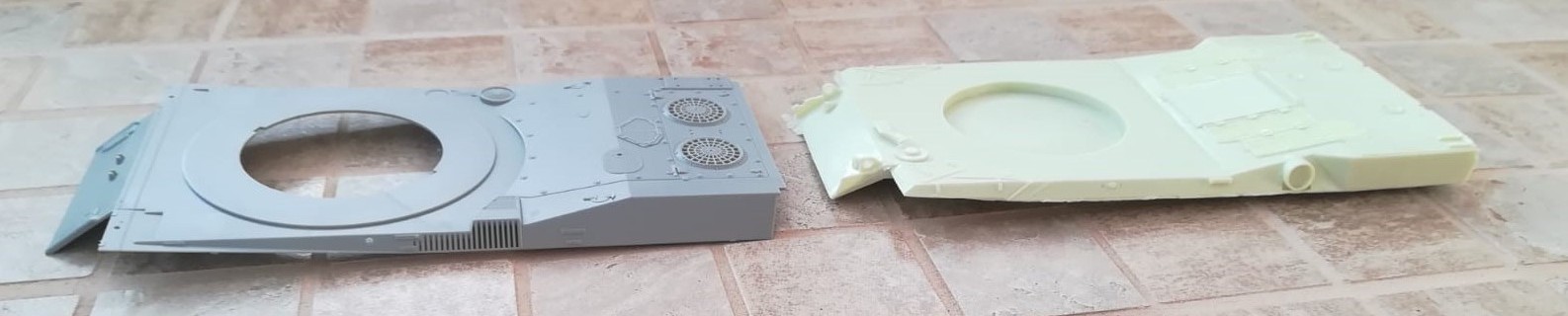
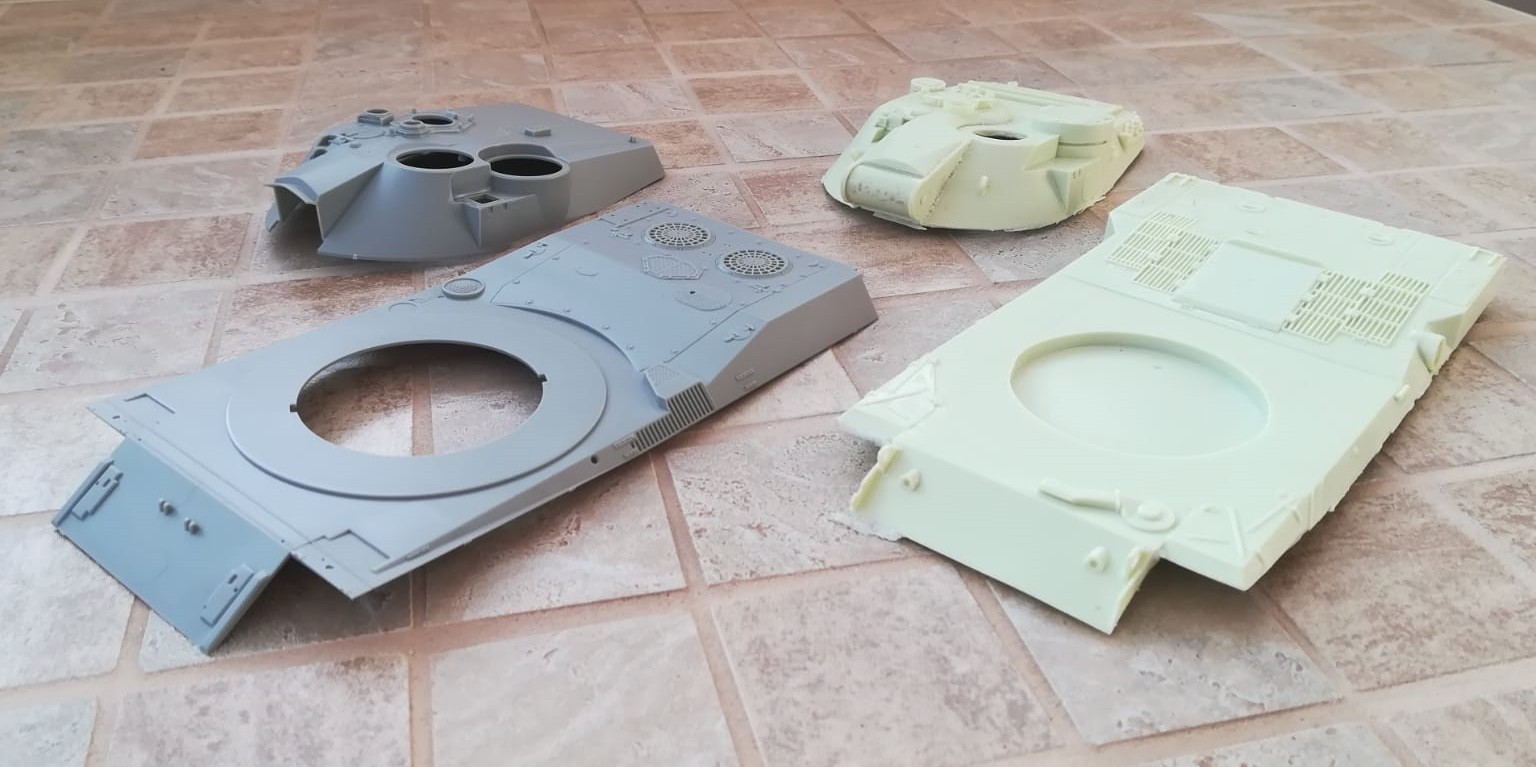
Anyway, as far as I’m aware there is no such modification kit. Sometime ago I posted the difference between the models although the the turrets being just about identical - of the Dragon Kpz-70 and the Commander Models MBT-70. Here they are (the grey is the Dragon kit):
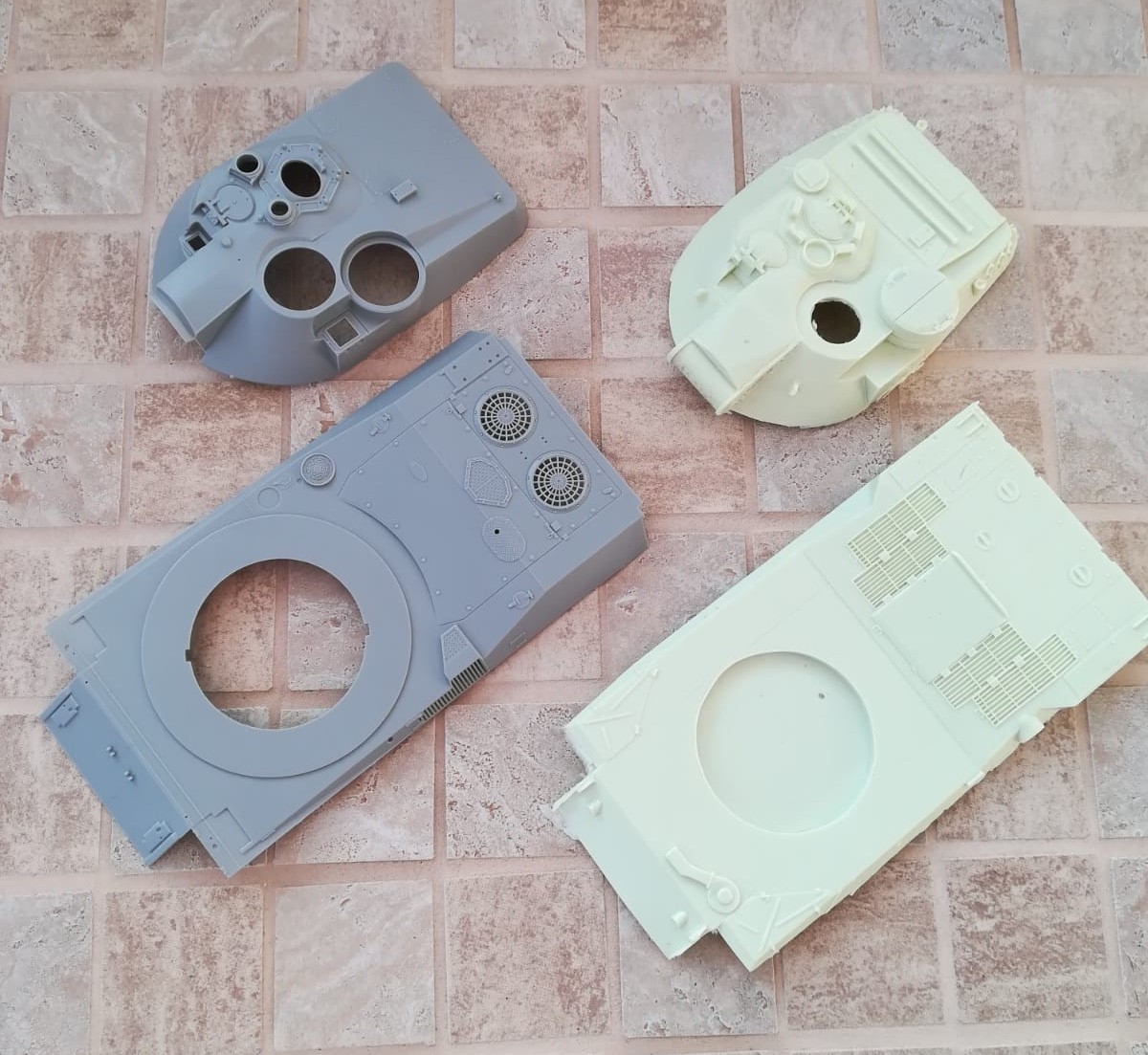
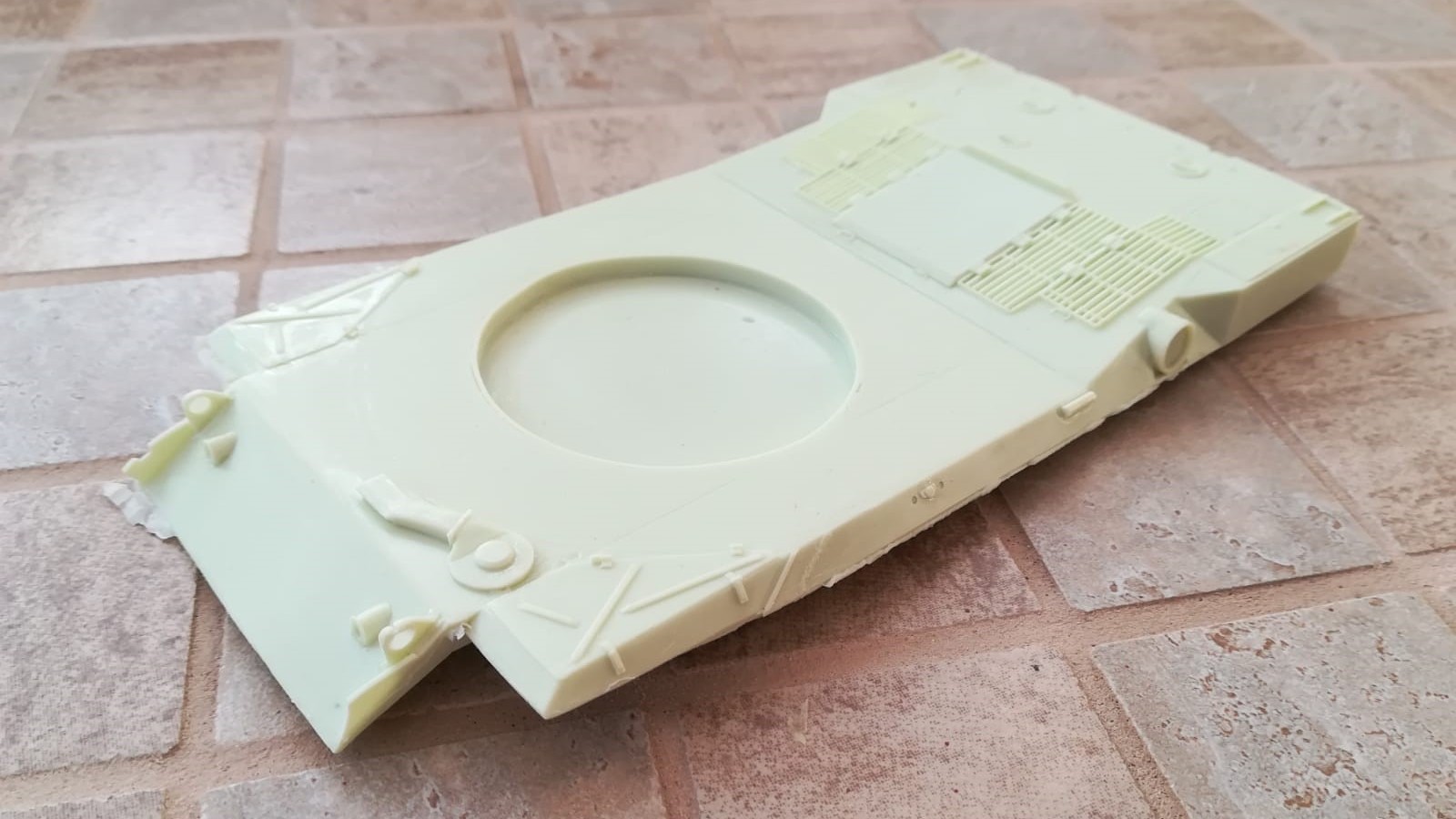
The cream version is the resin Commander Models product - now of course - long gone.

A lot of work to convert I feel though there were those on the site who opined that it was relatively easy(!)

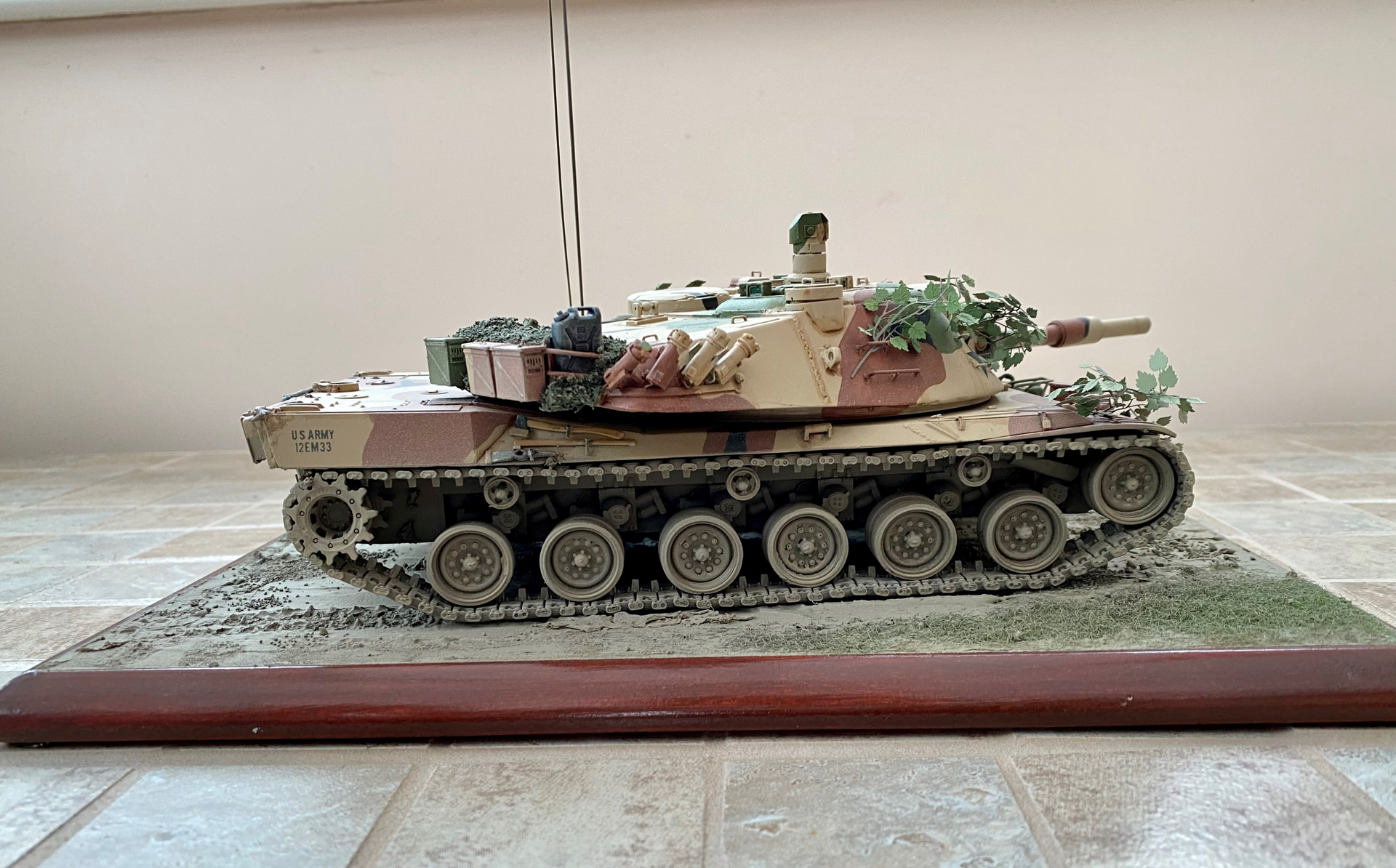
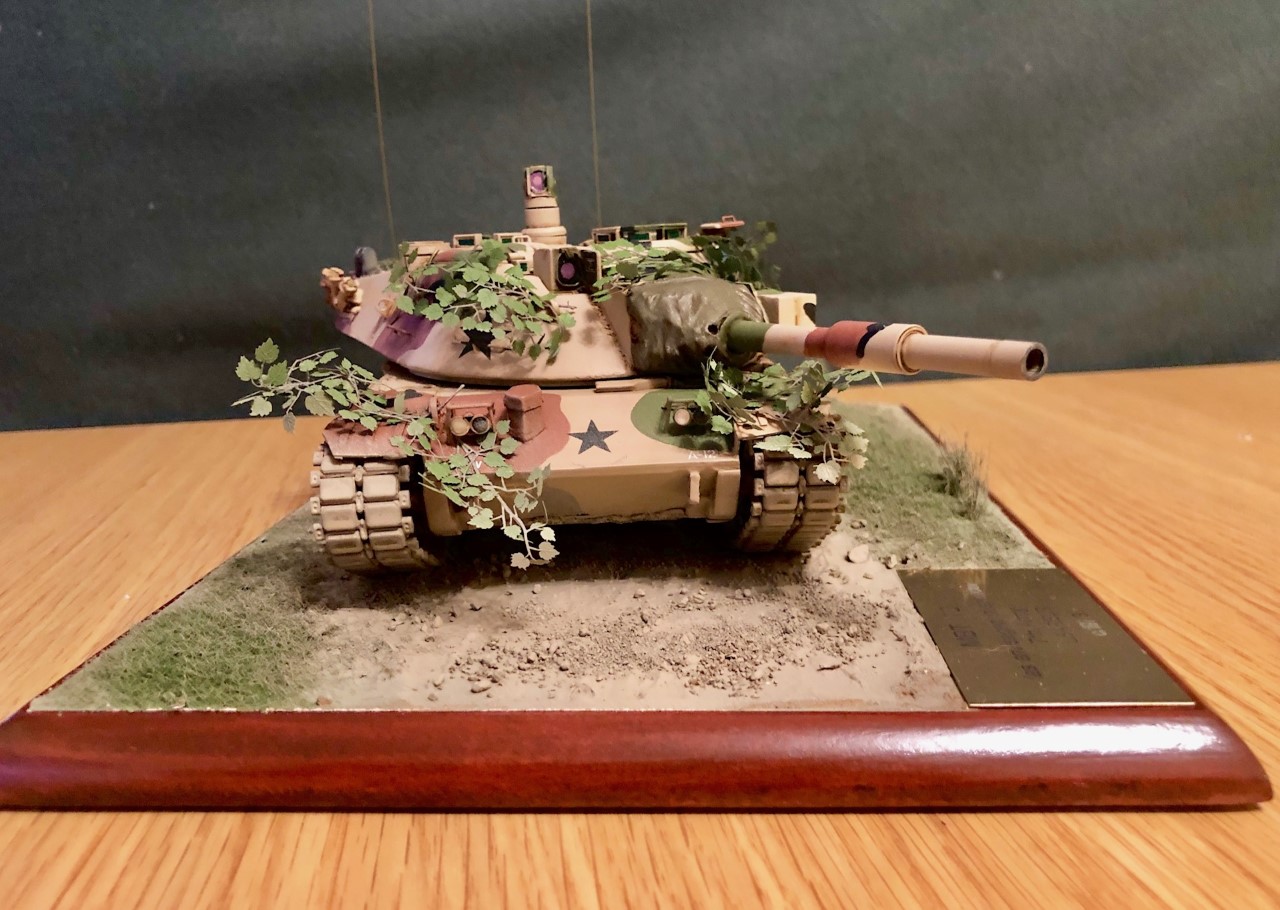
You may have seen what I did with the Commander Models’ version above.

There is some speculation that Amusing Hobby might come up with the beast, as their VT1-2 contained the road wheels for MBT-70; they do come up with some surprises that’s for sure, but I suspect that if that were indeed the case, it would have made its debut by now.

In the meantime, I’m working on the Dragon kit over on The Best Tank That Never Was campaign; feel free to swing by.
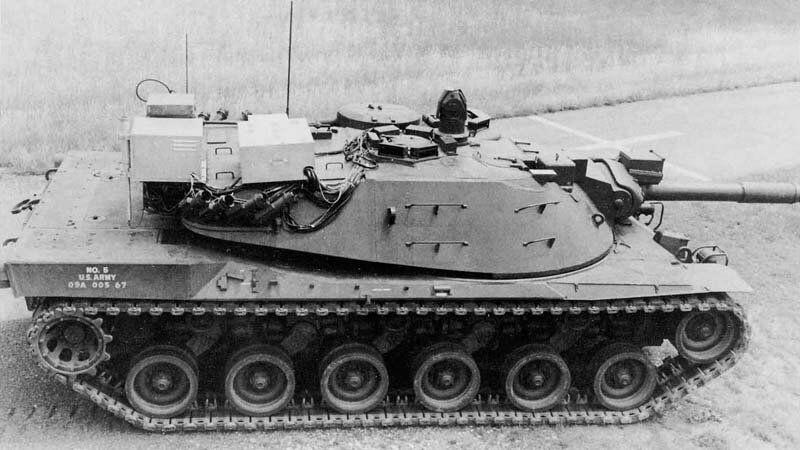
3 Likes

??—— Ah! I didn’t notice that my stupid spell check, picked the word conversation ….. yeah, it’s supposed to read conversion kit

Actually I saved those images as a reference, in the event I wanted to attempt converting it myself. It seems straight forward, but there is one part that seems like a mystery to me and it’s hard to tell by the photos.

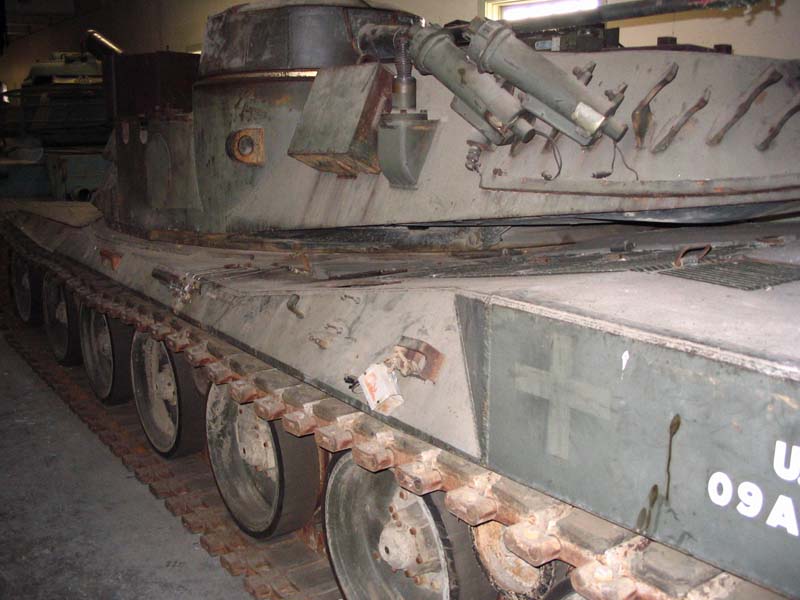
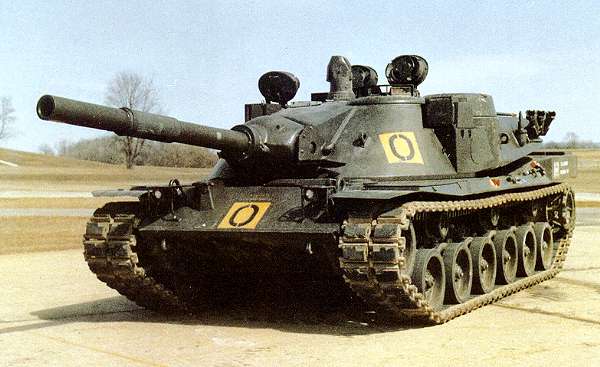
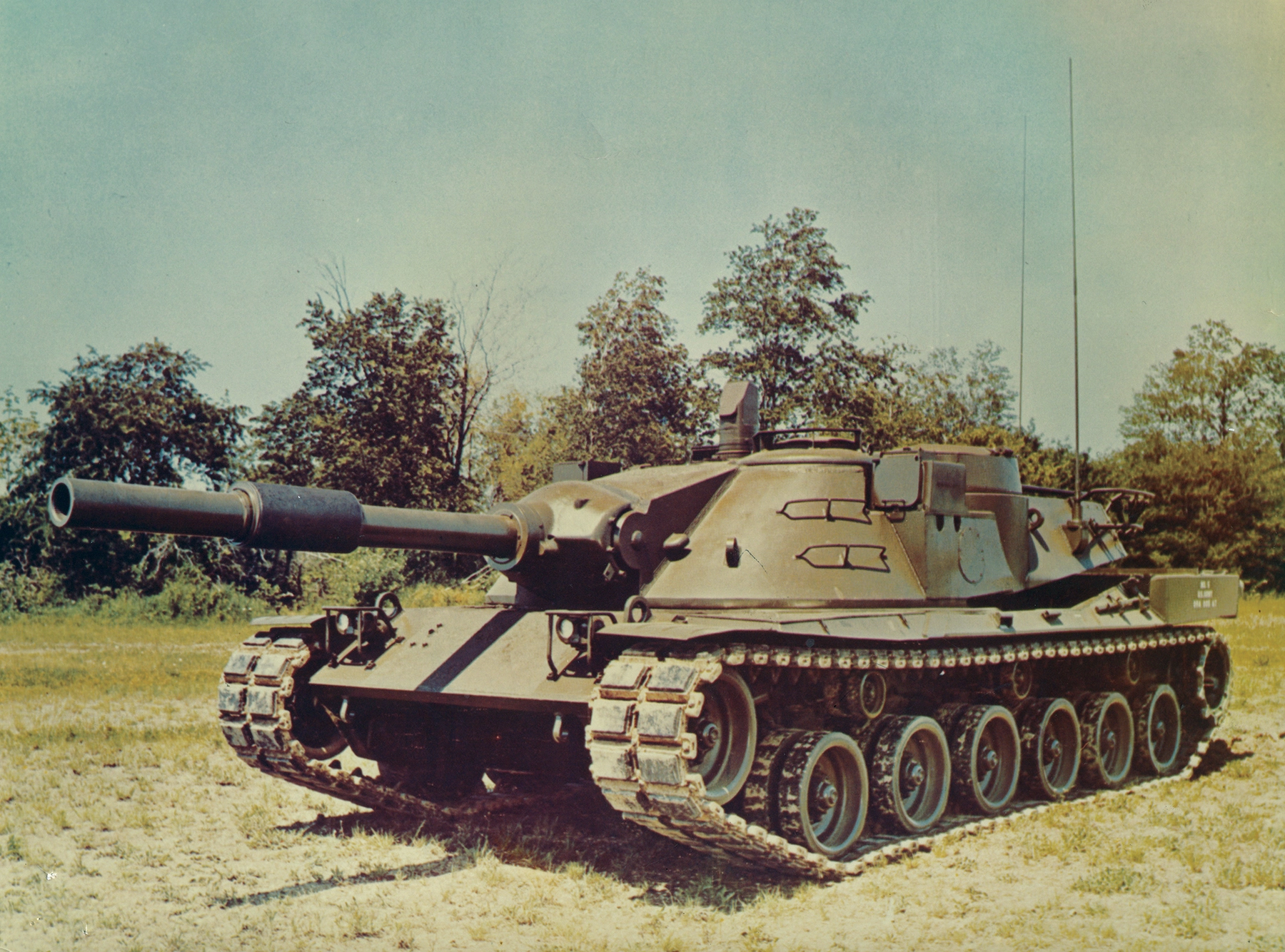
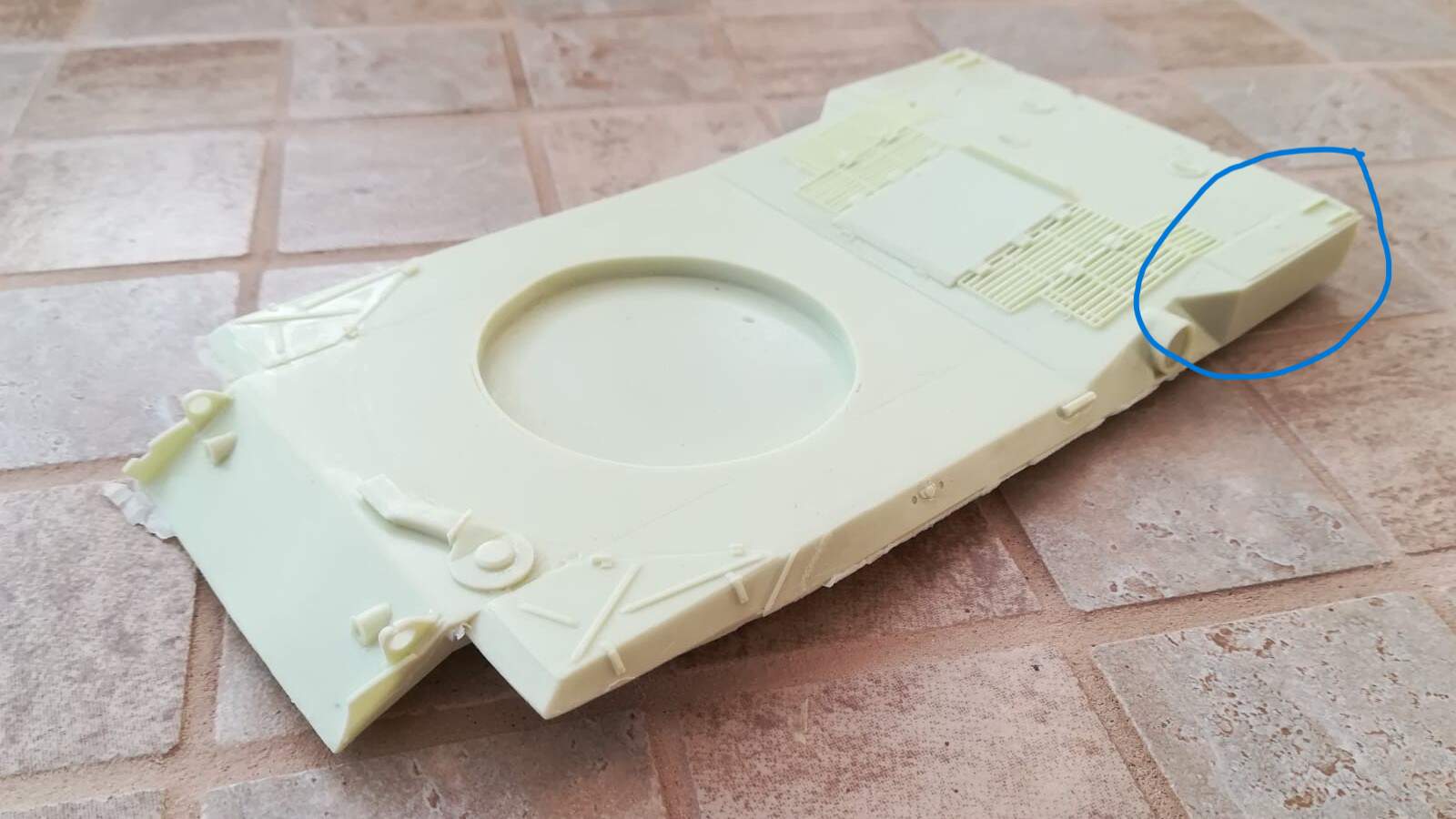
The U.S version looks like it has a pair of stowage boxes located at each front fender. From the side angle, the top of these boxes appear to rise very slightly above the surrounding hull, but you can see that they also have a given depth with angled walls. When you look at the German version, there are no stowage boxes. The top of the hull appears relatively flat and the sides of the hull from the side vent to the front corner tapers to a point.

I can scratch build a pair of stowage boxes but due to the taper on the German version, my intuition says that the stowage boxes will not have the necessary depth. I have studied other photos of actual XM70s but I can’t seem to reconcile the depth of the boxes against the taper. The only thing that makes sense is the top of the hull has a slight profile difference. It could be that the German version has a slightly lower profile between the turret ring to the front edge or the American version isn’t tapered. The rear of the hull doesn’t appear too difficult to convert. It looks very similar to the M1 Abrams in terms of profile.

Edro

1 Like

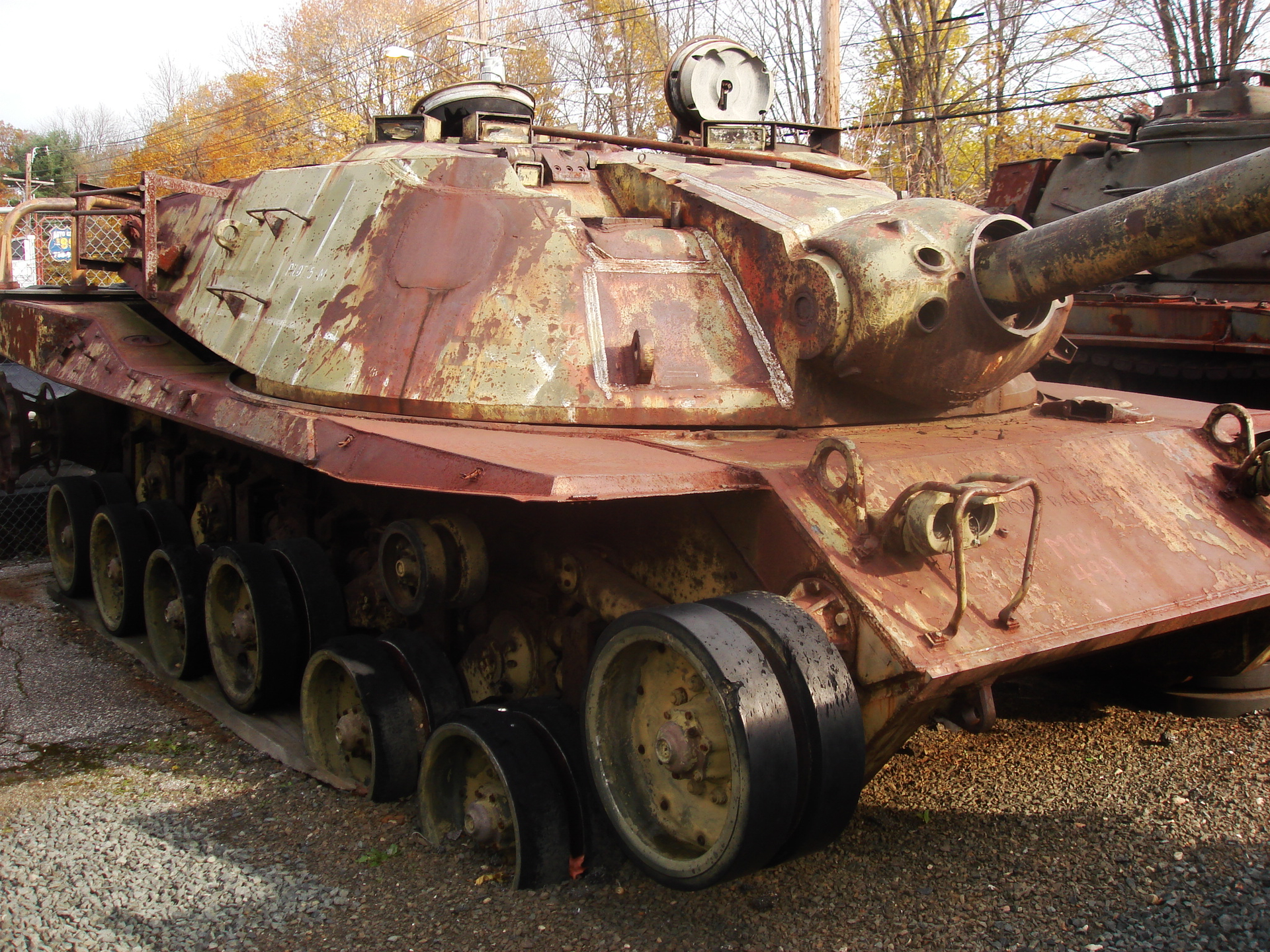
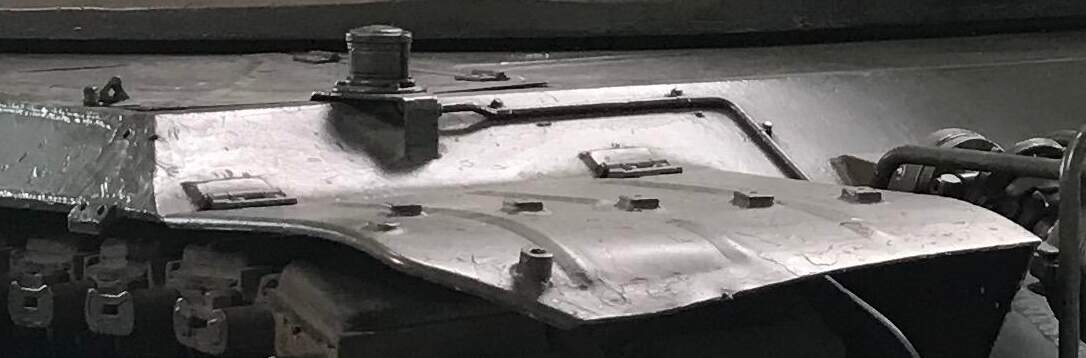
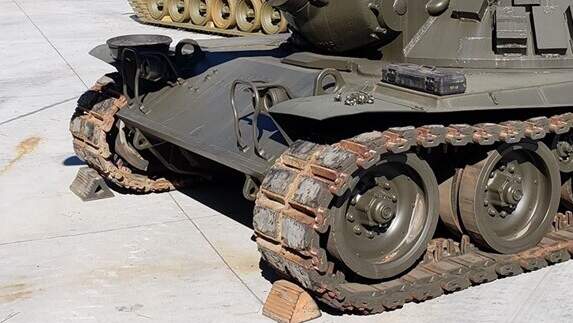
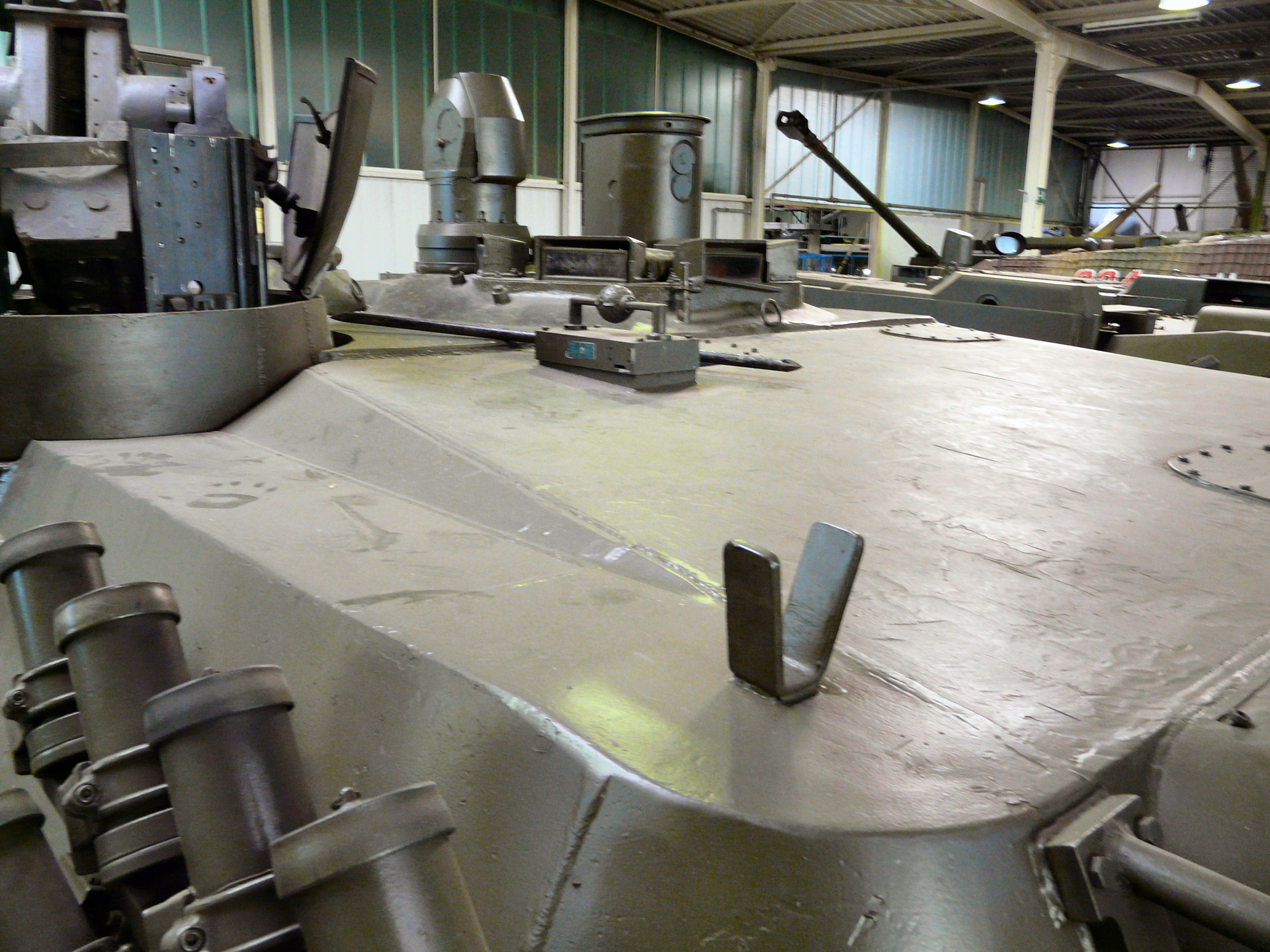
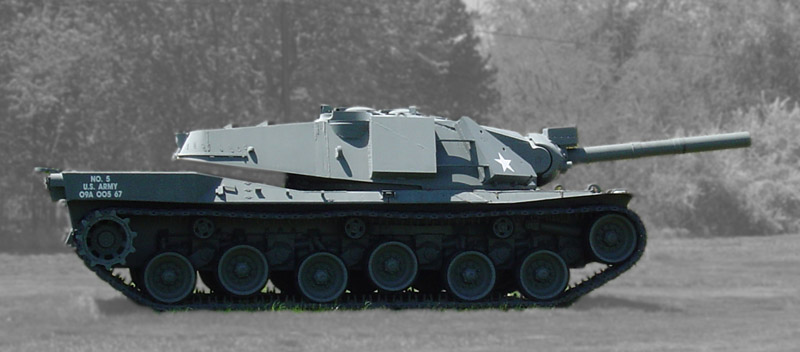
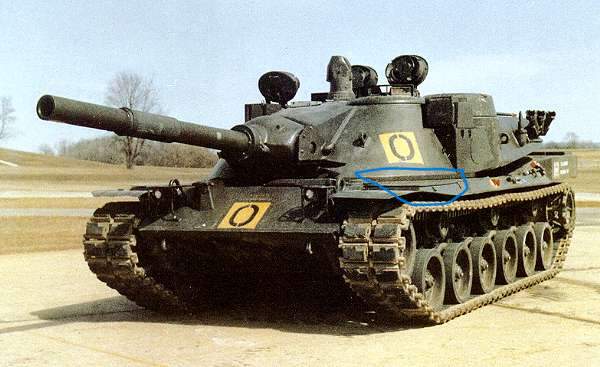
What is also noticeable - just - is that the US version has a very slight tilt upwards where the stowage boxes begin, perhaps best seen in this image:

This is replicated on the Commander Models’ hull - just(!)

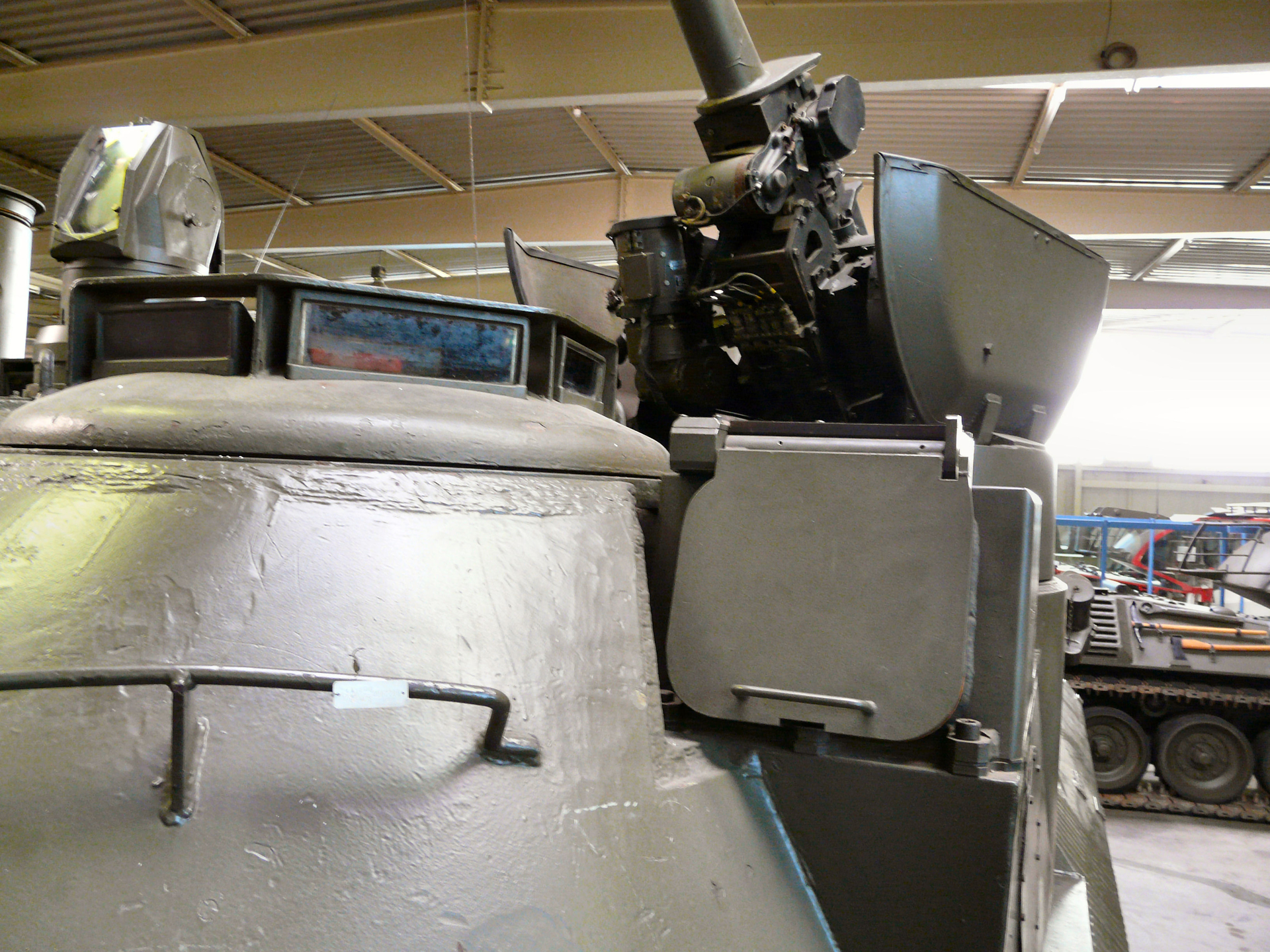
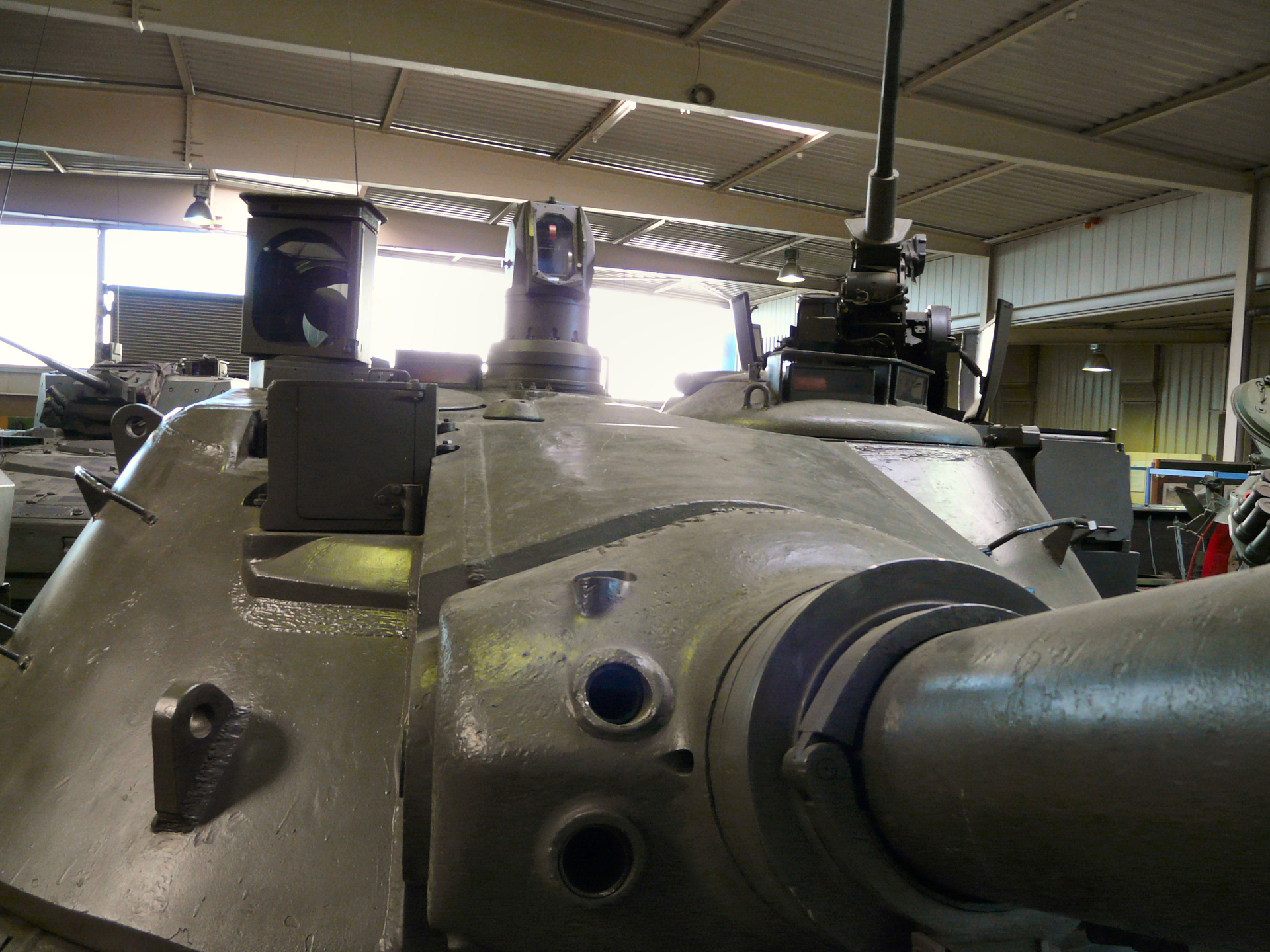
I note from studying a fair few pics that the stowage boxes were mocked up, or at least that’s my interpretation. Catches were fitted but the structures were merely denoted by weld lines:, so no actual hinges:

They were quite shallow too and I suspect only small tools could be kept in them, but also the folding fuel funnel as used by the Germans may have been a candidate, plus perhaps, a continental-type (European) road warning triangle - as it would have been suitably flat.

Anyway, all grist to the MBT-70 enthusiast’s mill I hope(!)

3 Likes

So this whole thing became a big learning experience. I knew that the U.S and Germany were collaborating on the MBT 70, but what I didn’t know was how different the U.S and German versions were to each other. I was to discover this by purchasing the Dragon kit. I simply assumed that the U.S version and German version was the same, When I took the model out of the box, I immediately realized that my assumptions were wrong. The first thing that jumped out was the German style engine deck. It has very Leopard-like twin fans. The rear exhaust as well looked much like a Leopard 2 exhaust. A few hours of research and studying photos gave me the education I needed.

So, I initially thought that the tank could easily be converted, and I had considered it, until I came across the Commander kit on the internet. But it’s a bit pricey and I put off the purchase until I had put some funds away. Had I acquired the Commander kit, I also would have built the Dragon kit as the German version. Having both would have been nice to tell the story of how the Leopard 2 and M1 Abrams eventually developed. But if I’m going to have one, I prefer the U.S version.

So I could wait until another kit comes along or take on the challenge. Now as I mentioned, the hull is sort of a mystery and it has crossed my mind that the dimensions of the Dragon kit could be off. Take a look at that Dragon hull again. The hull profile tapers down to a point, from the side vent to the very front, while the bottom lip, (above where the tracks would go) appears flat all the way across. But on the Commander kit, the hull doesn’t taper down. It appears that the top edge of the hull side is parallel to the bottom edge, until you get to the very front where it appear that the bottom edge tapers up, where the stowage box is located.

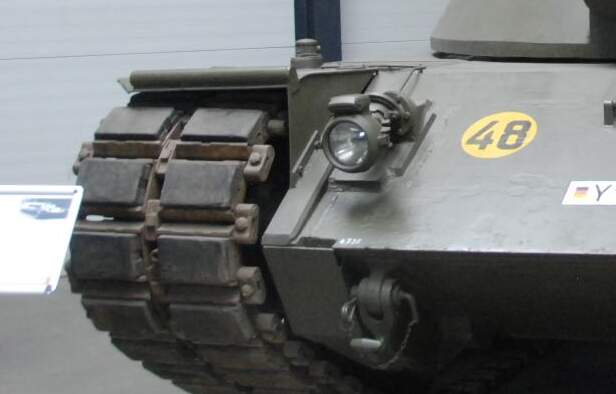
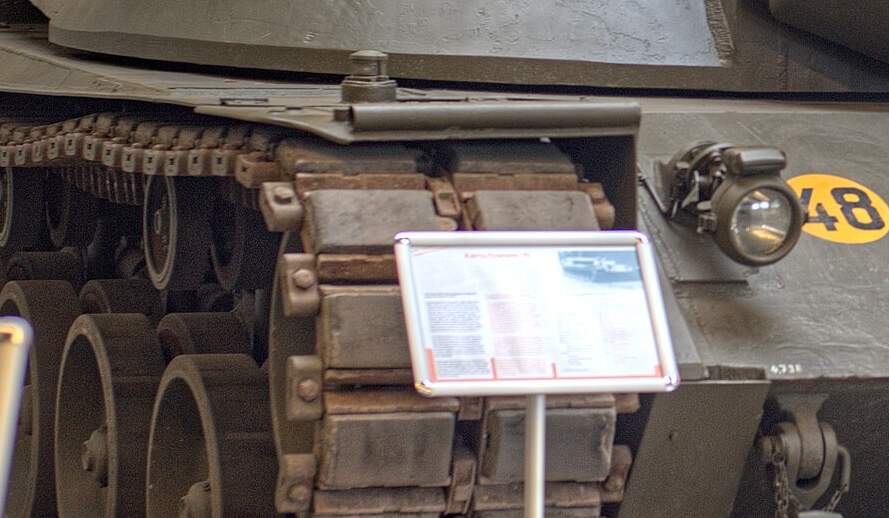
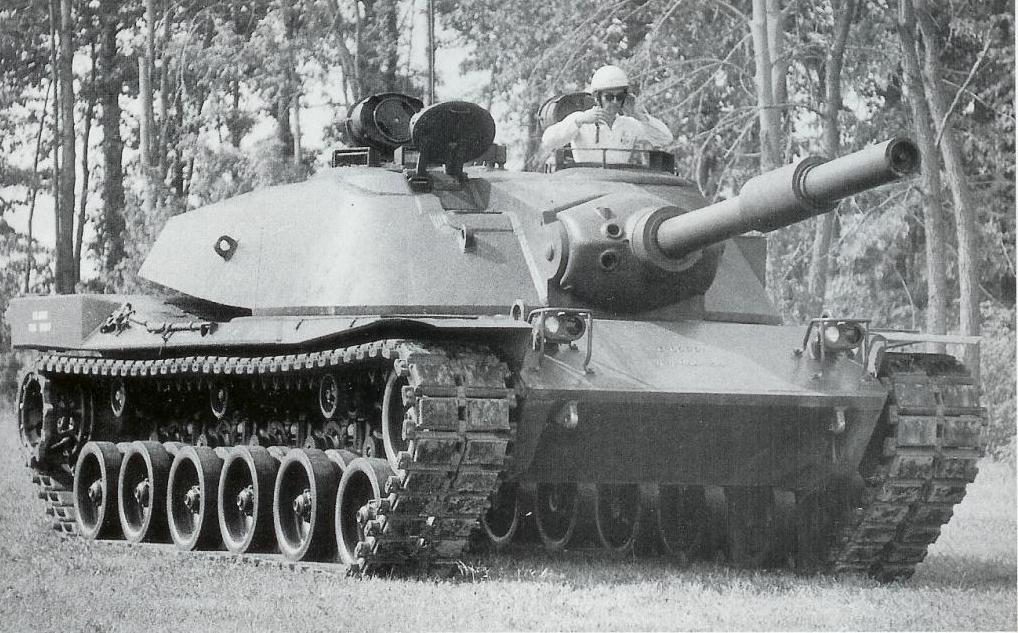
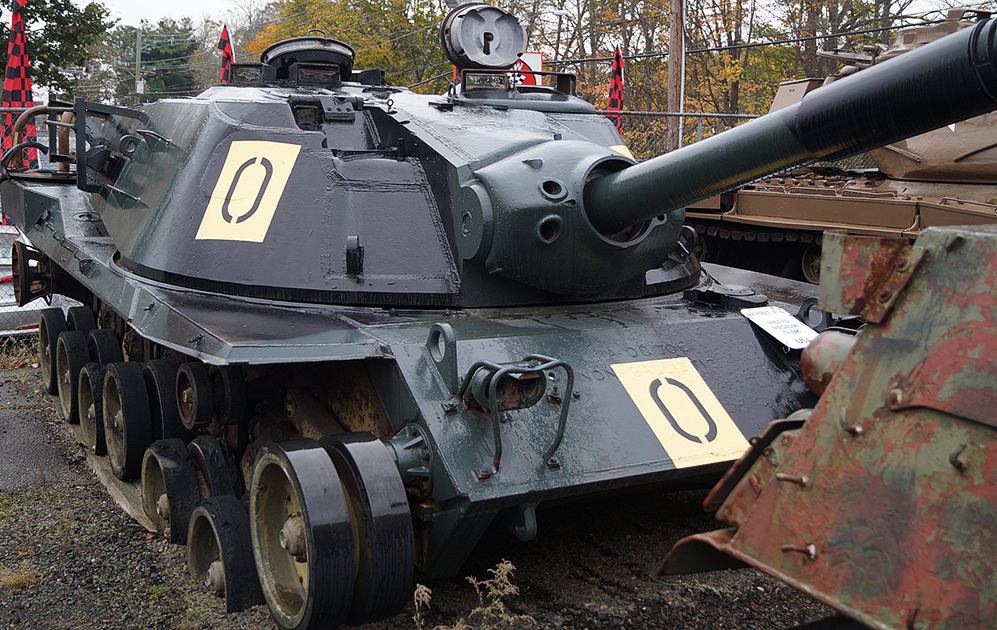
So I came across ths photo of the German version and as you can see, the hull doesn’t taper down to a point;

You’ll also notice that there is a simple flat fender where the stowage box of the U.S version would be. A closer look reveals that the upper glacis actually extends the full width of the tank and together, the fender appears to step down from the glacis …. So this tells me that the Dragon kit is off, and why I couldn’t reconcile the apparent difference

Edro

1 Like

And just when you think you have it figured out…. I find this image;

:roll_eyes:

So I can’t tell you what’s correct or what’s wrong

Edro

1 Like

I suspect there was more than one German prototype and more than one US prototype …

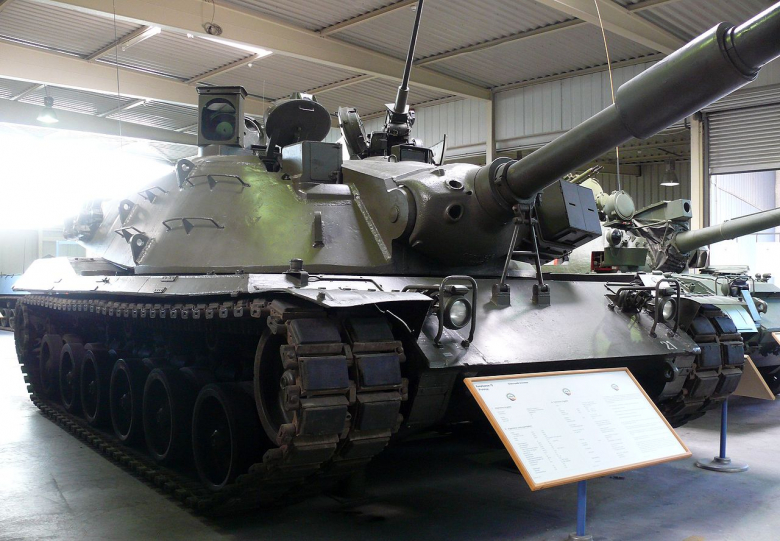
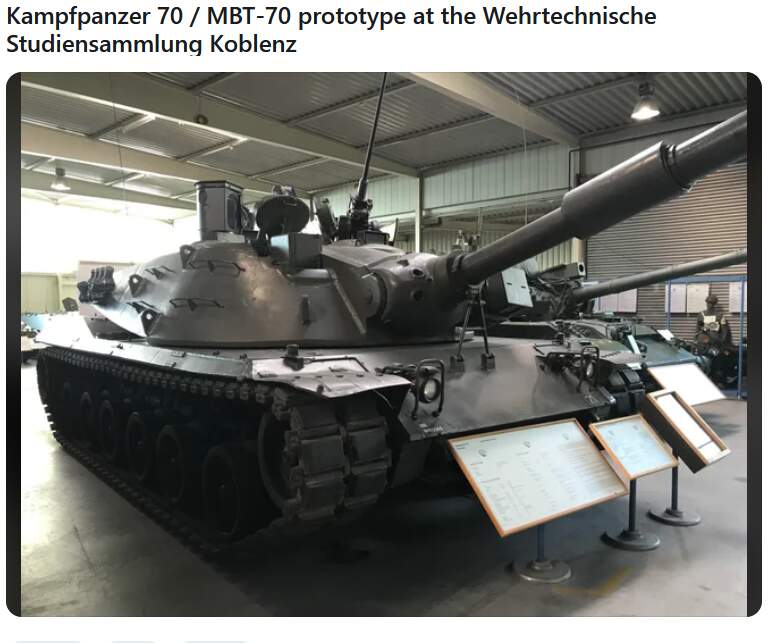
One in the collection in Koblenz


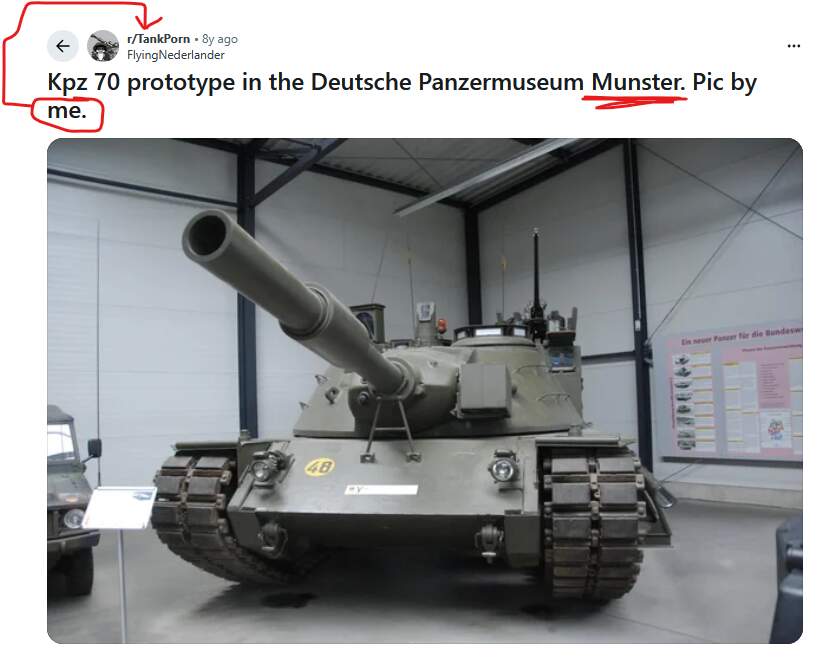
and another one in Münster


One of the US prototypes:


More at: MBT-70 Program (Museum Visit) | War Thunder Wiki

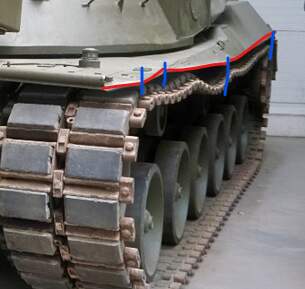
About the fender angles:
The width of the fenders is not the same front to rear end.
This will exaggerate other angles when the tank isn’t seen straight from the side,
particularly when seen slightly from above and slightly from the side.
The upward angle will also exaggerate the narrowing of the fender at the front.

2 Likes

I suspect there was more than one German prototype and more than one US prototype …

Of course, but from the many images I’ve gathered, it’s beginning to look like there were two general hull profiles. One in which the glacis appeared to extend the width of the tank and one without….. I am also beginning to suspect that the version which extends the width of the tank has a shallower glacis angle.

Looking at the side by side photos of the Dragon and Commander hulls, the Commander’s glacis just looks shorter, but it could also be an optical illusion as the tanks are photographed against a tile background….. but then I was staring at the full size vehicles and it seems like the glacis on those vehicles where the glacis extends the full width, appears a tiny bit steeper…..but that too could be an optical illusion. Without actual measurements, theres no way to confirm. So if I do this conversion, I will likely employ some “artistic license”. -But I am slowly formulating a plan

Edro

2 Likes

:+1: :smiley:

1 Like

I gather there were 14 protypes built so I’m assuming 7 each nation, although that may not be the case.

Here’s a random selection of pics which will probably continue to confound all(!) - anyway - German first:

(The “tapered down to a point piece”)

And some US shots:

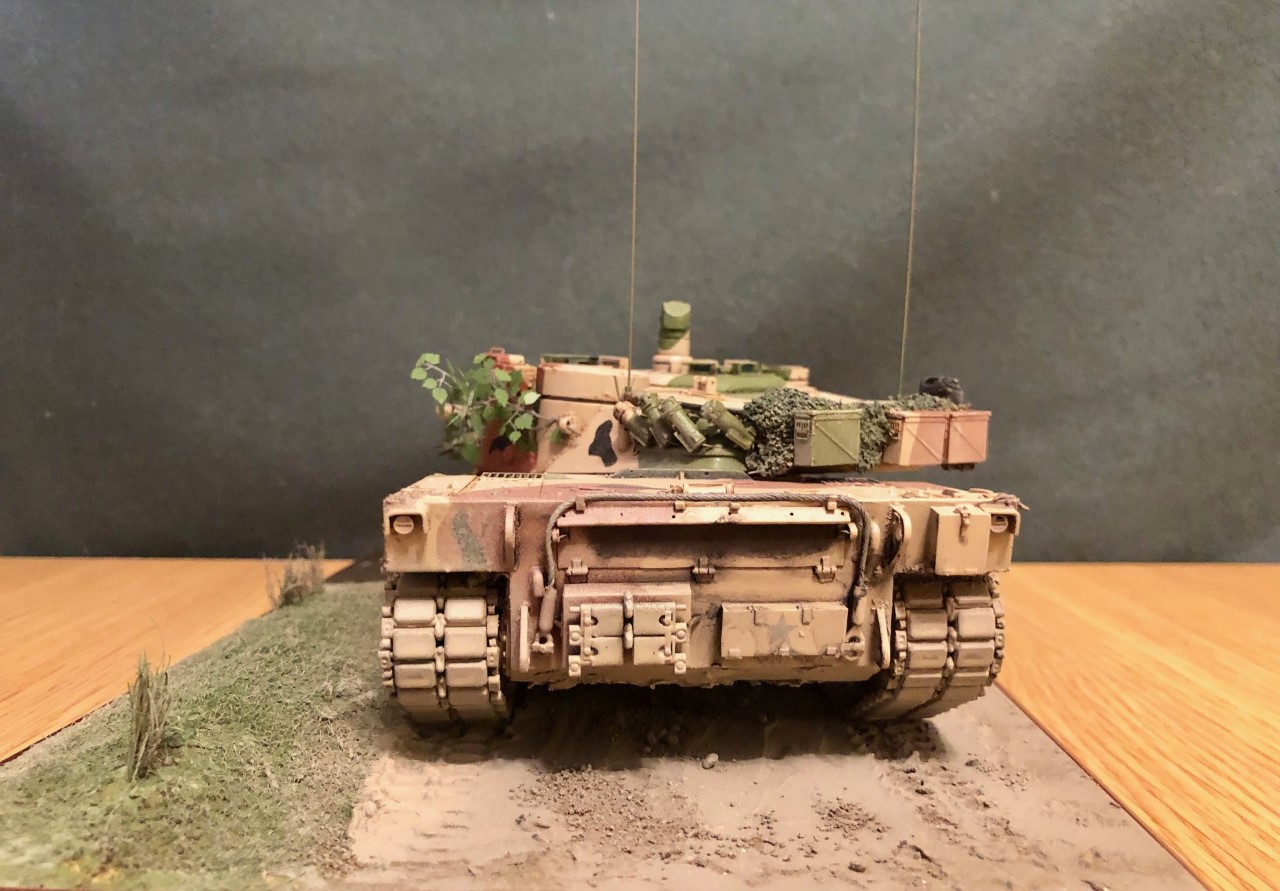
And at the risk of infuriating Armorama observers, a couple of more shots of my MBT-70 as rendered in-service, but this time from the rear and the RH side which I don’t think I’ve shown that often; anyway:

And one of my favourite shots “looking for prey” perhaps:

Obviously a What-If, but then my Kpz (NL) will also be the same; I do have plans to build a German version as well, but again, as envisaged in service, so any shortcomings in the Dragon model won’t actually affect me - which is always a nice place to be in(!)

5 Likes

Good discussion on the MBT70. Can this be split out from the Commander Models thread into its own thread?

2 Likes

That would make eminent sense.

1 Like

Takom, not Amusing Hobby :slight_smile:

It has. This is a feature of the first series of prototypes; the USA only built the first series, Germany built both first- and second-generation prototypes. The Dragon kit represents the second.

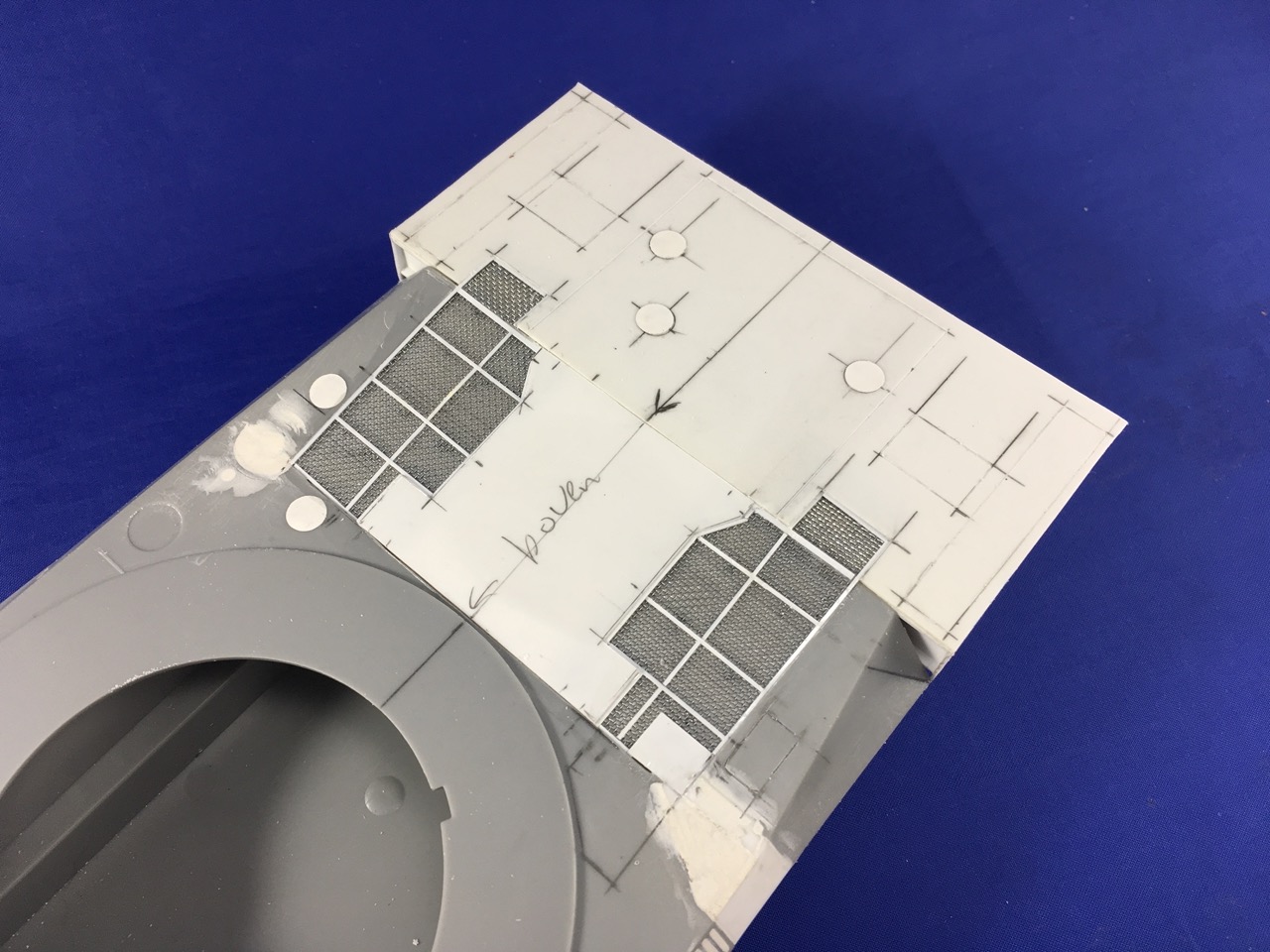
The taper is different at the front. On the second series the front has been made sharper and the bend in the underside moved backwards. This is how I corrected the Dragon kit to incorporate the stowage bins:

The white plastic begins where the bend in the underside was. I filed it out so I could put a piece of plastic card there to extend the rear part of the sponson floor forward, and then added a second piece of card that angles upward.

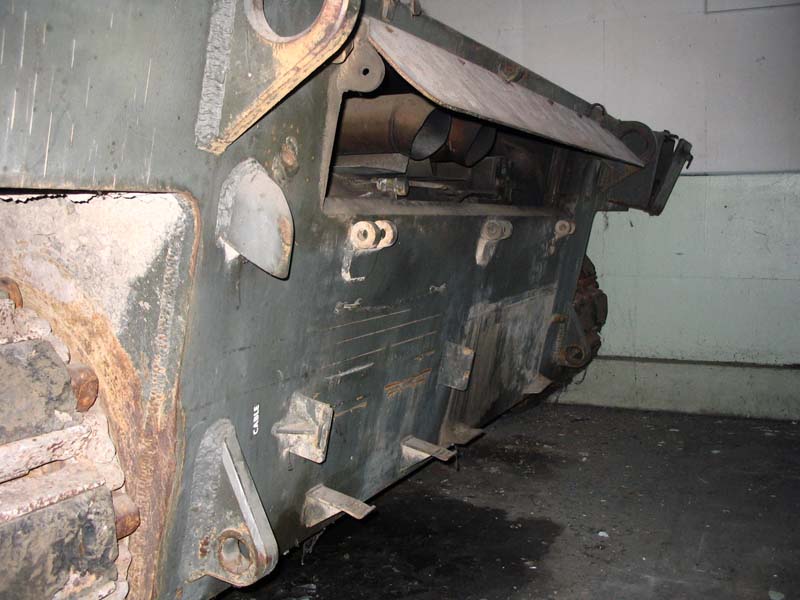
The MBT 70 rear hull is totally different from the KPz 70’s: it’s really just a flat plate with a rectangular slot in it, covered by a flap.

However, much more important is that the whole engine deck is different:

Don’t just cut out the German engine deck and build the American one in its place, though — the American one is slightly wider.

Also, to convert the Dragon kit to an American tank, you will want to know that the kit has second-generation roadwheels, which are bigger than those of the first: 700 mm diameter and 166 mm wide, vs. 660 mm and 156 mm. At the same time, the idler wheels were changed from 660 mm diameter to 600 mm, with the same increase in width as for the roadwheels. And then there’s the differences in the turret, mainly in the radio fit and the smoke launchers.

There were. The USA built seven prototypes, off the top of my head, and Germany, fourteen. And there were changes between different prototypes as well.


Probably the best source for the American version is Hunnicutt’s Abrams: A History of the American Main Battle Tank while, as I’ve said before, for the German one you will want Spielberger’s Waffensysteme Leopard 1 und Leopard 2 (which also includes a decent set of drawings of the American one).

8 Likes

Of course it was Takom! Mea culpa. Mind you, one never quite knows with Amusing Hobby.
4 Likes

It has. This is a feature of the first series of prototypes; the USA only built the first series, Germany built both first- and second-generation prototypes. The Dragon kit represents the second.

When you say “series” do you mean that the hull of each series has these two different taper lines?

If so, it looks like there is a U.S version with a taper similar to what the Dragon kit simulates as per one of a few images BootsDMS posted earlier. Note that this U.S version doesn’t have the stowage boxes.

The MBT 70 rear hull is totally different from the KPz 70’s: it’s really just a flat plate with a rectangular slot in it, covered by a flap.

However, much more important is that the whole engine deck is different:

In appearance, it looks similar to the Abrams. Yes, I noted that the angle of the sides. The sides transition from 40-50 degree to 90 degrees. On some versions, it looks like, only on the left side, there is a round object in the faceted area where the transition occurs. I don’t know what it is but it is present on the Commander kit too.

Also, to convert the Dragon kit to an American tank, you will want to know that the kit has second-generation roadwheels, which are bigger than those of the first: 700 mm diameter and 166 mm wide, vs. 660 mm and 156 mm. At the same time, the idler wheels were changed from 660 mm diameter to 600 mm, with the same increase in width as for the roadwheels. And then there’s the differences in the turret, mainly in the radio fit and the smoke launchers.

To me the wheels and especially the hubs look very much like the Abrams, I just don’t know what the M1’s road wheel dimensions are.

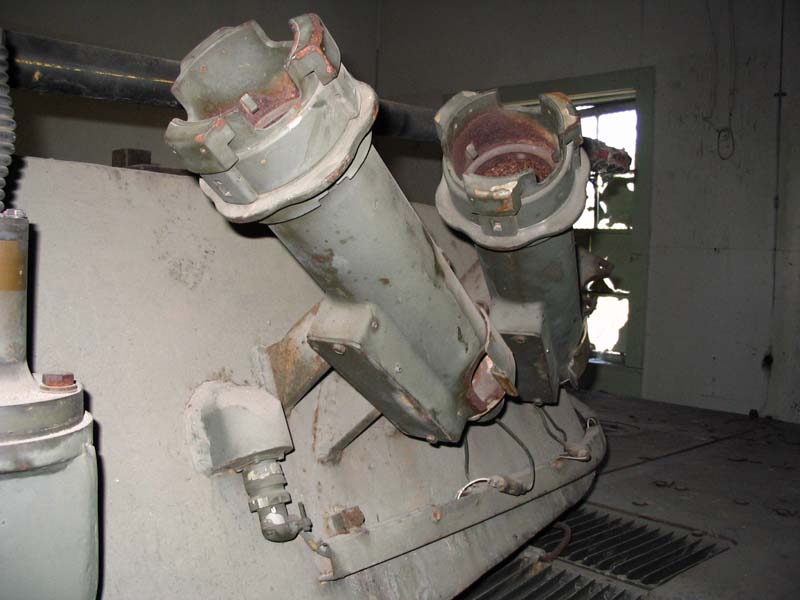
You say that there is a difference in the turret, due to the radio fit? Did the turret have a different shape? Do you have an image? It looks like the smoke launchers are similar to the M551 Sheridan.

And what about the auto cannon?

I think each nation was going to use their own 20mm auto cannons.

Thanks Edro

2 Likes

Edro, just to chip in before Jakko gives a more learned response; re the stowage boxes, flat though they are, they are present on that particular picture:

I’m pretty sure that the smoke dischargers on the US version are indeed the same as those on the Sheridan.

I think the 20mm cannon would have been one and the same weapon on both nations’ types. The US would have been familiar with 20mm firepower in the shape of the Hispano-Suiza cannon from their M114 series, and whilst the German 20mm is home-grown, the ammo is the same I believe. It strikes me that the Rh 202 would have suited both efforts, and I should think that the US would have been happy enough to take the German version; supposition I confess.

The round aperture on the (US) hull side is the NBC intake/filter, though I can’t remember where I picked that up from.

2 Likes

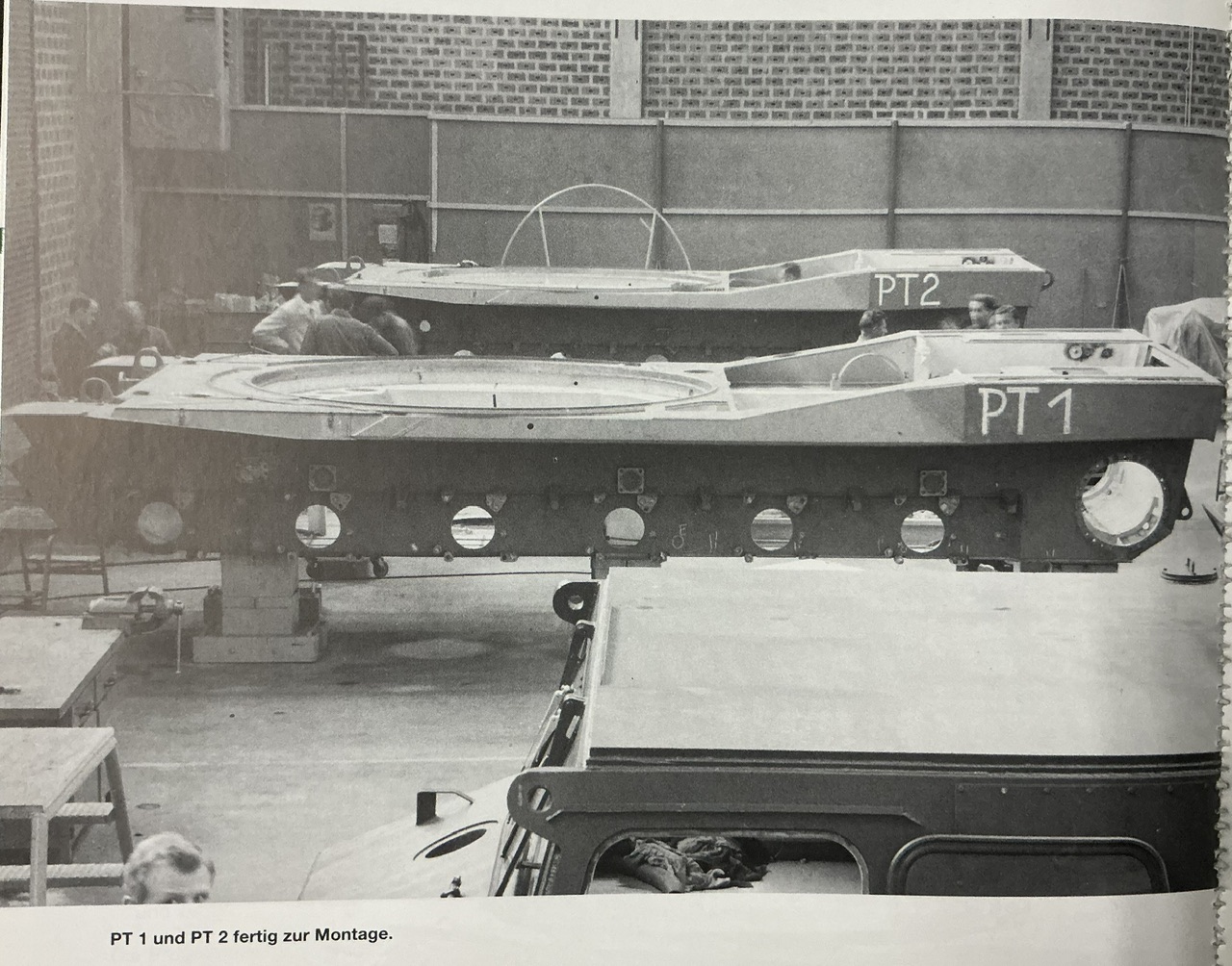
I mean that the first “production run” of prototypes had the stowage bins at the front, while the second didn’t.

These are the first two hulls for the German prototypes in Spielberger’s book, showing the stowage bins very nicely. Unfortunately, it doesn’t have any photos of the later tanks, but those seem to be the ones preserved in museums.
It does: you can see the latches for the lids :slight_smile:

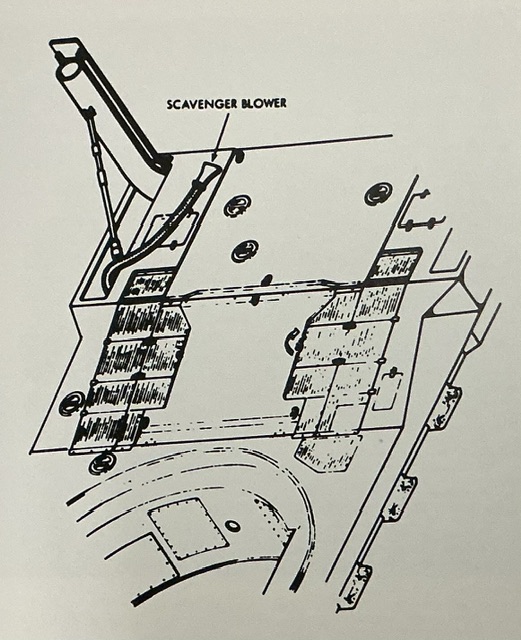
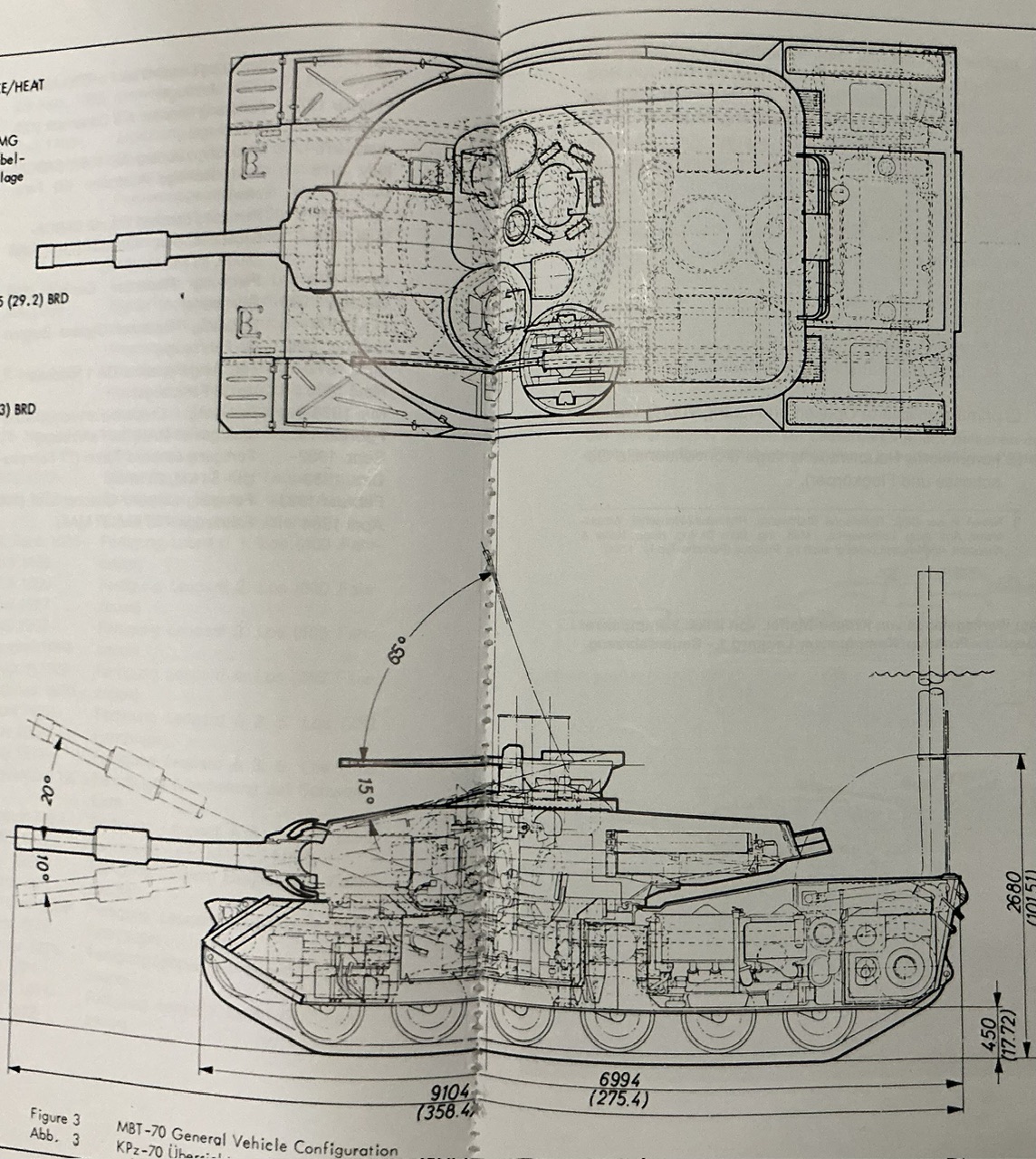
The sides of the engine compartment were vertical on the original German tanks (see the photo above) but later ones had sloping sides. All of the American ones had the vertical sides, AFAIK. The reason for that is:—


There were two snorkels integrally mounted inside the engine deck, under long, narrow lids. When those snorkels were deleted, the sides didn’t need to be vertical anymore, either. (The large drawing is of the American version, again from Spielberger’s book, the small one is from Hunnicutt’s.)

I don’t know what that is either, but I suspect it may have to do with the NBC system. The later German tanks had a grille in the same area for that, and American tanks had a grille on the left front of the engine deck just inboard of where this round object is — you can see it in the drawing of the raised snorkel.

I meant in the way the antennas etc. are installed. The German vehicles had large, rounded “blisters” on the sides and rear, with the antennas on those, while the American tanks had much simpler antenna bases.

No, both were going to use the German Rh 202. The coaxial machine gun was to be different, though: an M73 for the Americans and an MG 3 for the Germans. Both would use the German searchlight, like the one on Leopard 1, however.

2 Likes

Damn - those snorkel sketches have now got me thinking about a USMC version - I mean what the hell? One of my two stashed Commander MBT-70s would look just great in USMC green.

3 Likes

Does that mean you’d do the surgery to open the flaps so the snorkels can be raised?

1 Like

Well Tom, their positions are defined on the Commander kit - so why not? Some fairly radical slashing and burning admittedly, but possibly a goer. Possibly.

But like I need another tangent! At the moment my MBT- 70 plans are:

a. Dutch version of Kpz-70. Ongoing as I speak, or rather, type. Secondary vehicle of DAF YA-66.

b. Planned German version - Bundeswehr as in service - ammo replen. Secondary vehicle Munga.

c. Possibly another Kpz as on exercise - scrimmed up, tactical.

d. US MBT-70 - possibly upgrade as per mid-late 70s - MERDC finish, different searchlight, smoke dischargers etc.

e. MBT-70 - even further upgrade - NATO-flage? Or now, I’m thinking USMC.

However, by the time I get around to all or even, any of that, someone will have brought out an injected MBT-70!

4 Likes

I hope so! :slight_smile:

2 Likes