Thanks for those — the model engineering books aren’t really up my street, but the two by Chris Ellis look like good ones to try and add to my collection of old handbooks.
3 Likes
You’re welcome. I’m a big fan of hardcopy print. I know it takes up space and gets heavy if you move often so I just try to not move often 
2 Likes
Super interesting material. Thanks for that link.
2 Likes
I’m trying to learn figure painting. May have to try and find this one.
1 Like
Another classic from Kalmbach Books.
Building Plastic Models by Robert Schleicher
I learned how we are suppose to make operable door hinges for model cars.


6 Likes
And another classic from Kalmbach Books.
Hints and tips for plastic modeling from IPMS/USA
My buddy was heavily into aircraft model building so I tried to get in to it too but didn’t really take off
This one illustrates how to make operable hinges for folding wings.


6 Likes
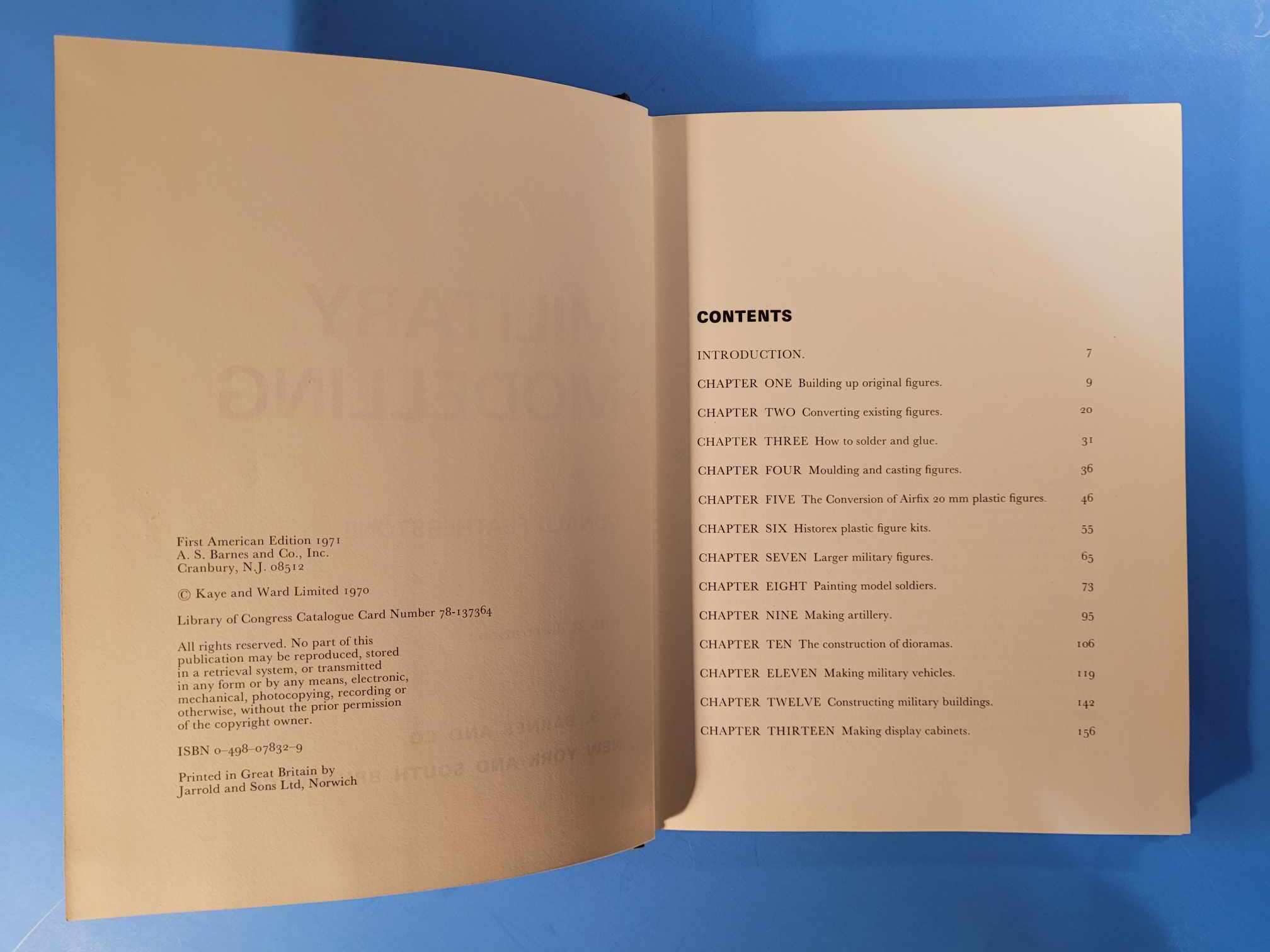
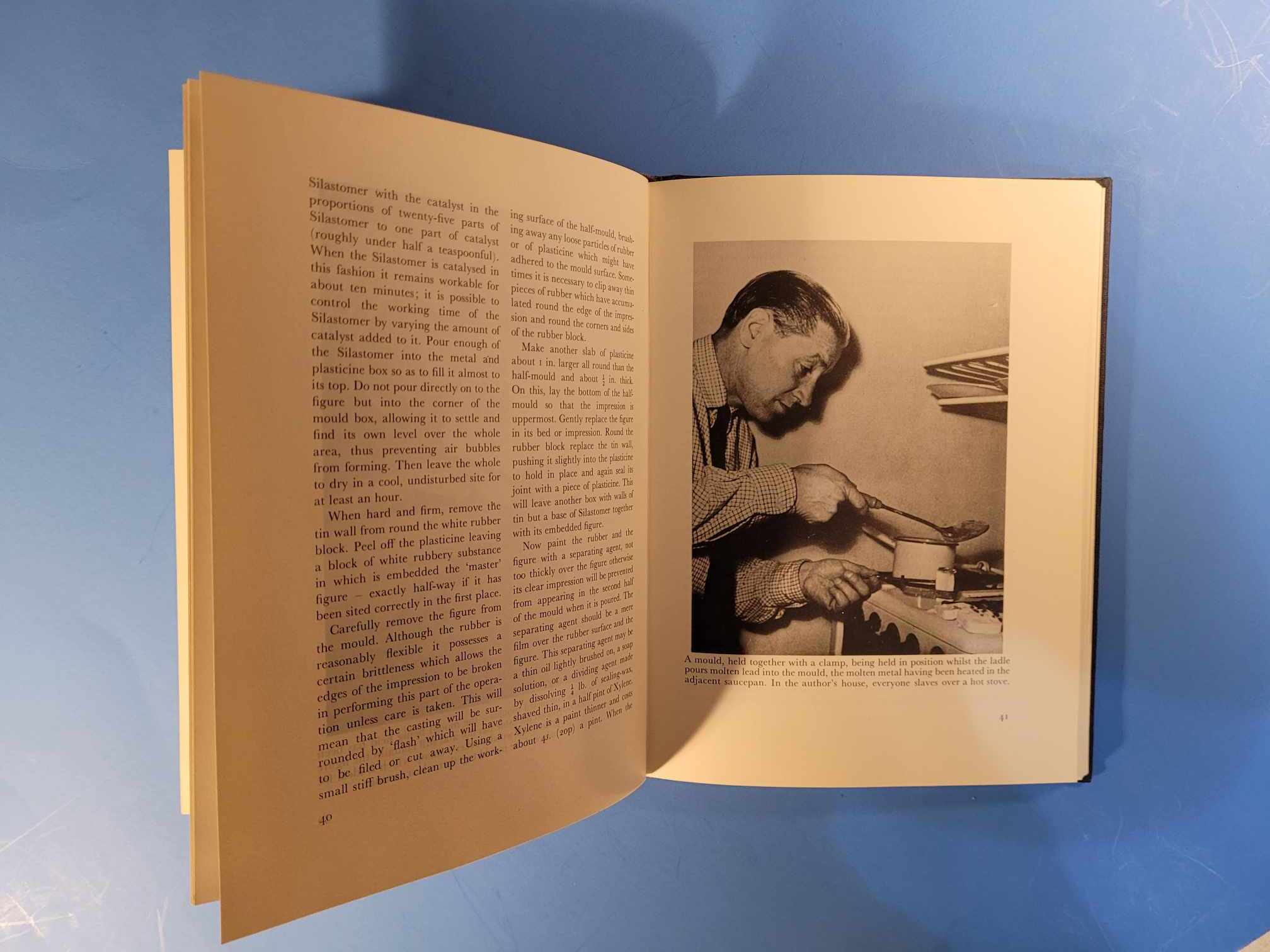
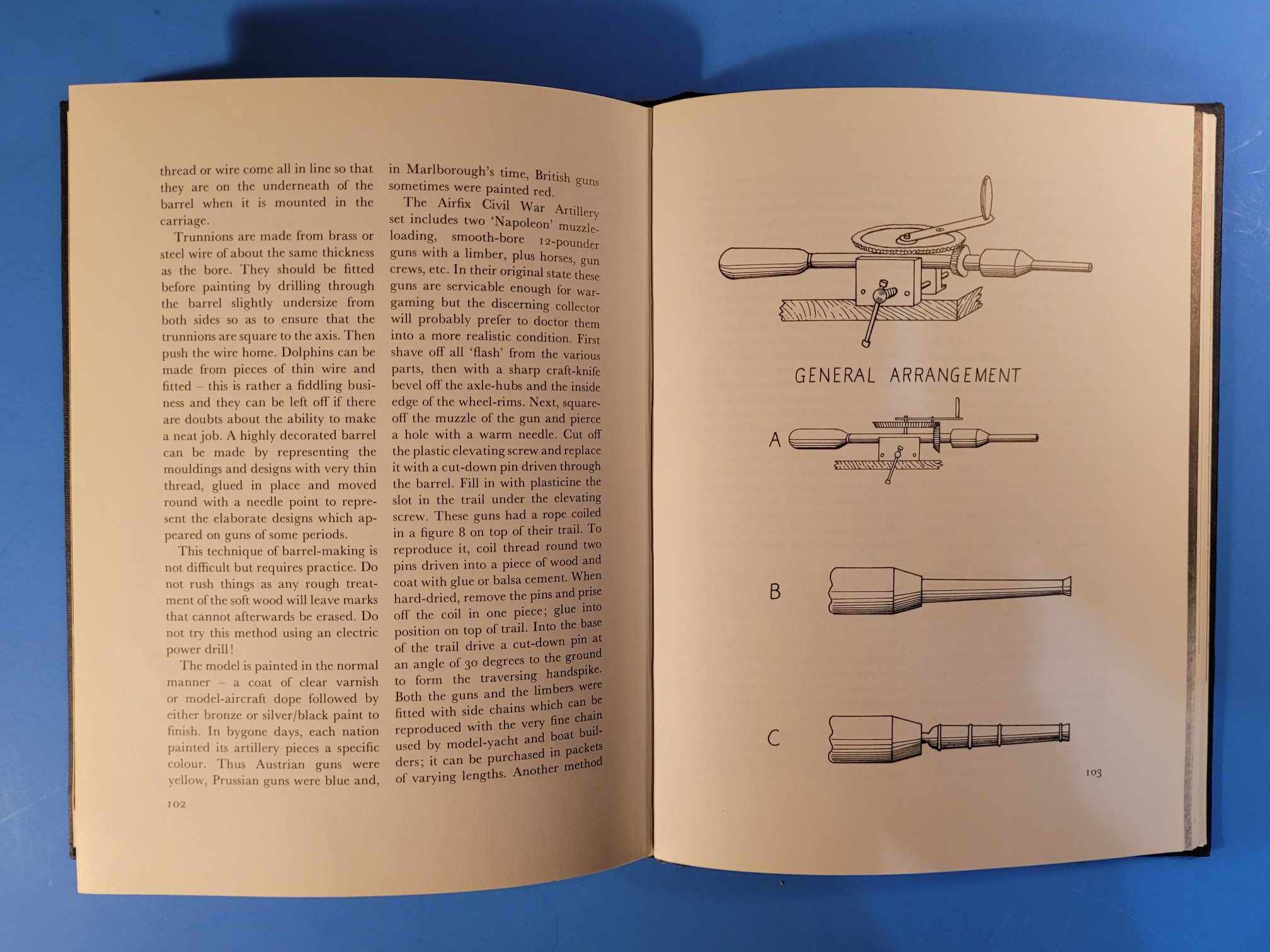
I got this one used back around 1991 or 1992. Has some interesting stuff in it for having been written in 1970.





7 Likes
Very interesting.
2 Likes
Same  I found and ordered the two Chris Ellis books you mentioned, once I’ve read them I’ll add short reviews for them here as well.
3 Likes
French modelling handbooks are/were not really thick on the ground…These two written by Daniel Puiboube used to be my bedside ones…Many moons ago 
Published in 1977
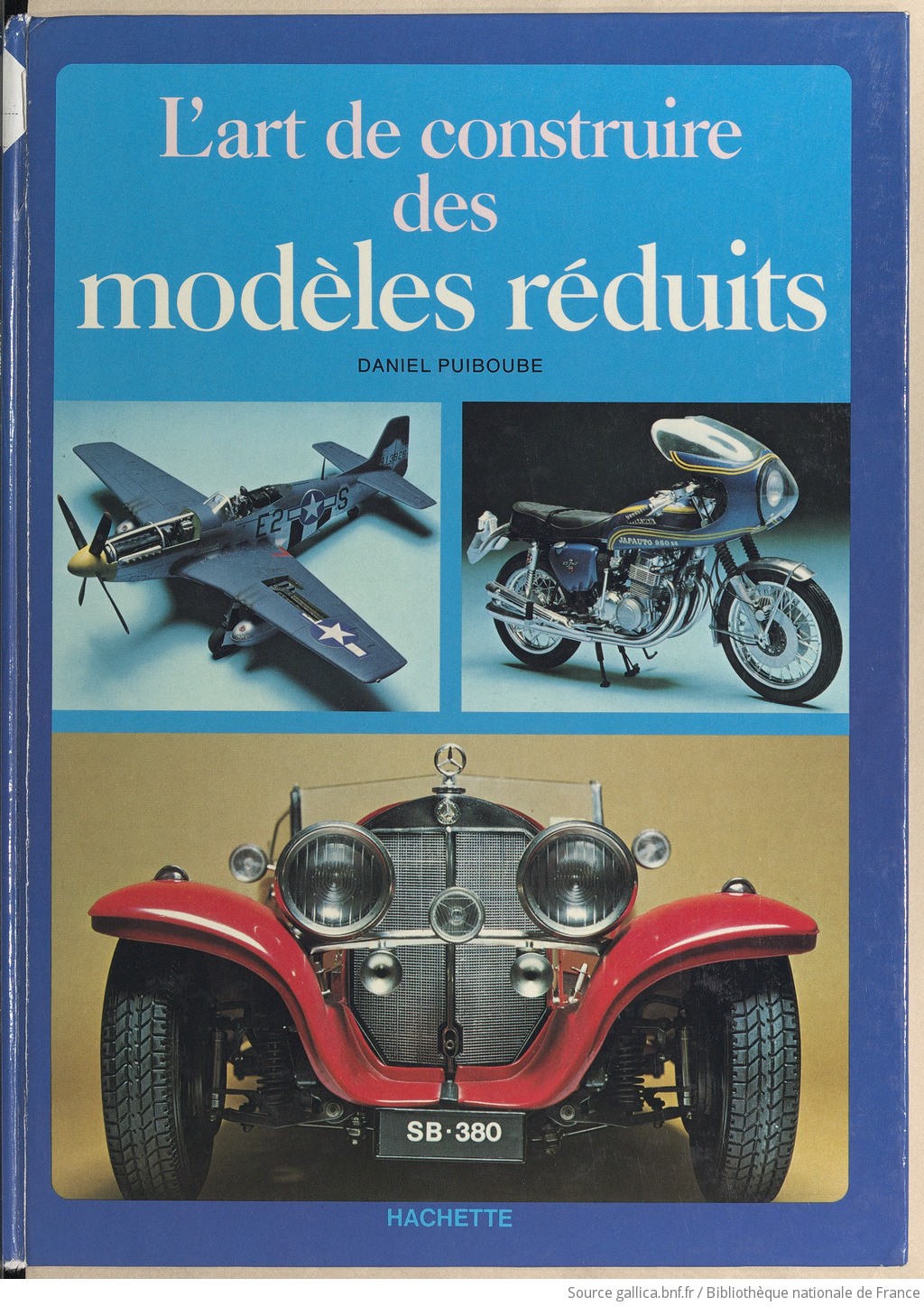
and 1980

Both are still available on Amazon…
H.P.
4 Likes


i still have a couple of old ones. The Bill Horan Figure modelling one is great
4 Likes
How To Go Plastic Modelling


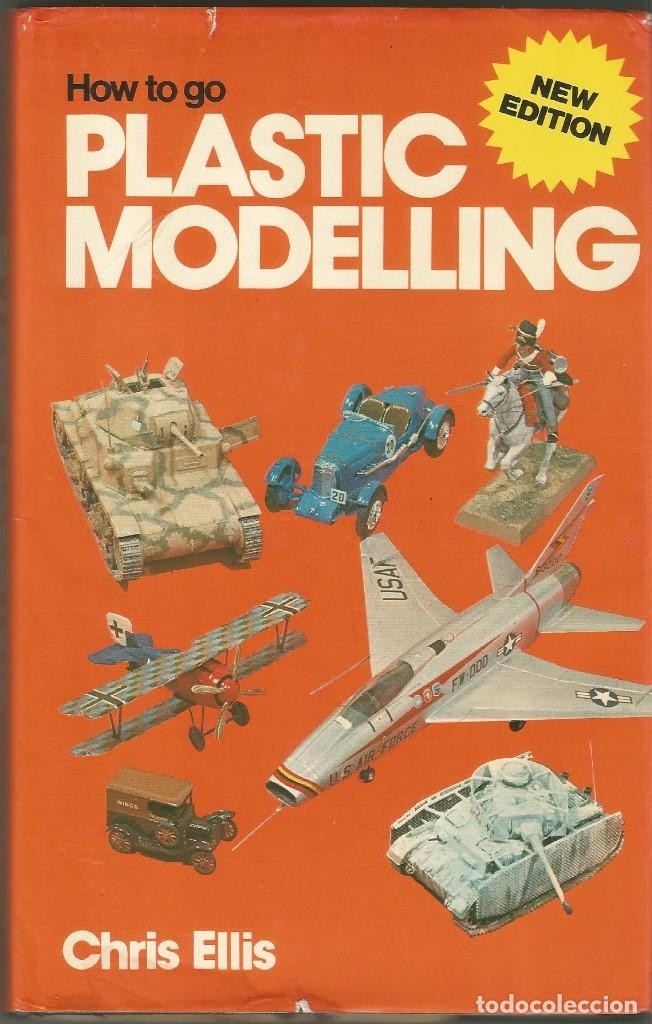

Written by: Chris Ellis
Publisher: Patrick Stephens Limited, 1968 (and beyond)
A very early guide to building plastic models, this has been published in several editions from 1968 until … I’m not sure, but probably over the following 15 to 20 years? The four covers above are what I managed to find, and what I know for certain — because it’s the one I have — is that the red one with the line art is the original 1968 edition while the blue one is from 1973; the other two look newer than that, with the red one with the photographs probably (based purely on how it looks) being more recent than the one with the chap pretending to paint the Harrier model.
Having now read it, following a recommendation above, I must say I find this a bit of an odd book. The title implies it’s aimed at novices and makes you expect it teaches about models in general and shows basic modelling and painting techniques for those who have little or no experience with the hobby at all. However, it appears to be aimed instead at people who already have some experience with building plastic kits and don’t need to be told about the very basics. Rather, it seems the author’s goal was to write a book to teach people to make better models than the poor-quality ones he apparently expected your average modelbuilder to make.
I suppose this may not have been a bad starting point in the late 1960s, though I don’t know for sure, as it’s a little before my time. However, it does rather limit the book’s usefulness to a modern modeller, whether a novice or a long-term AMS sufferer, exactly because it doesn’t really teach many practical skills that can still be useful today. Most of the actual techniques the book does teach, have been very much superseded by advances across the hobby in general, both in the quality of kits, the materials available, and in the techniques people use today.
Another thing that makes the book not very useful today is that nearly everything it discusses that you can use to make better models, is no longer available. A few of the brands mentioned are still around, but the vast majority of companies large and small whose products are recommended, and whose addresses are sometimes supplied, have been long, long out of business. The sample modelling projects in the back are interesting, but mainly from a historical perspective rather than as something you would probably want to try yourself today.
In all, a decent read if you like to see how far modelling has come since the times when “[f]or little over £1 a year you can build up a collection” but not a book you’ll absolutely have to track down for any other reason 
4 Likes
Thanks for the review!
I wonder if that is Chris Ellis 
This is what I look for in my old books and zines.
2 Likes
Hard to say … There’s an author picture on the inside of the rear flap of the dust jacket on the 1968 edition, but it shows him from the left with his head tilted slightly to the right (because he’s pretending to paint a model of a sailing ship), and with very short hair. It might be him on the cover of the other book, but it might just as well be someone totally different.
2 Likes
Seems that Tony Greenland book marked the swan song of drybrushing.
I have that book, it’s in a bin in the garage somewhere. As I recall, a Panzer Grey armored car got a little too much drybrushing, ending with a completely unrealistic white frosting.
I remember then thinking, this looks bizarre.
Camo was at times rendered in a very dainty manner as if we are to suppose that crews or factory workers spent many, many hours getting everything just so.
If I recall correctly, running gear was always sprayed Humbrol Dark Earth and that’s all that’s ever needed.
4 Likes
Chris Ellis has recently passed away.
https://www.facebook.com/groups/intmodco/posts/1826208351549989/
c. 1974 picture :
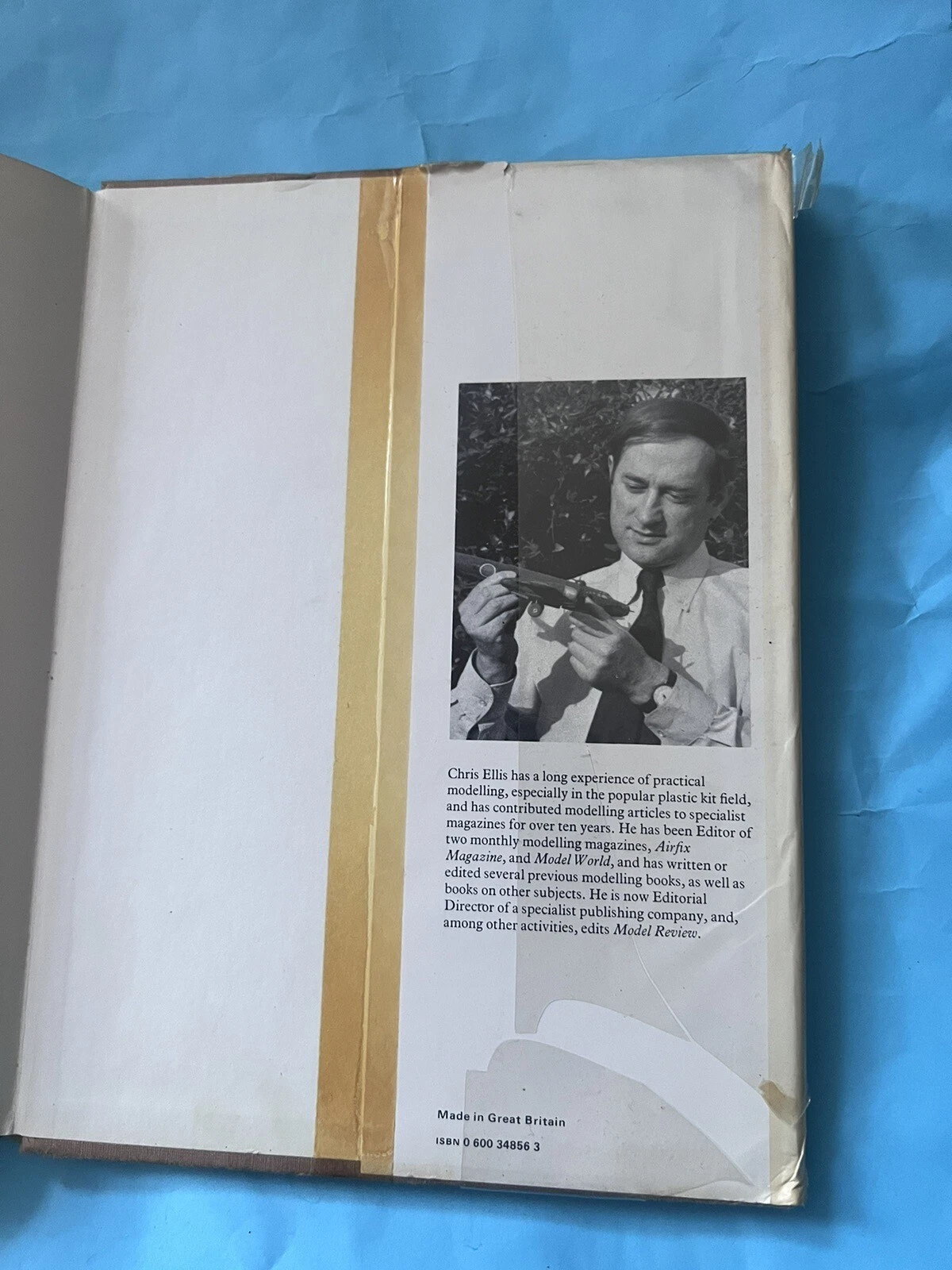
RIP
H.P.
6 Likes
Don’t forget the Model car handbooks, there were new ones every month it seems like.
1 Like
Very coincidental
1 Like
Chris Ellis was the one who had a monthly column in Airfix magazine back in the 60s, where he described an AFV conversion in every article. I tried to follow some of them but it was hard work; I was never quite sure if “card” meant “plastic card” (which was unobtainable or at least to me), or just, well, card. But those miniscule black and white photos of what he had done, were inspirational, even if my efforts never came near.
4 Likes