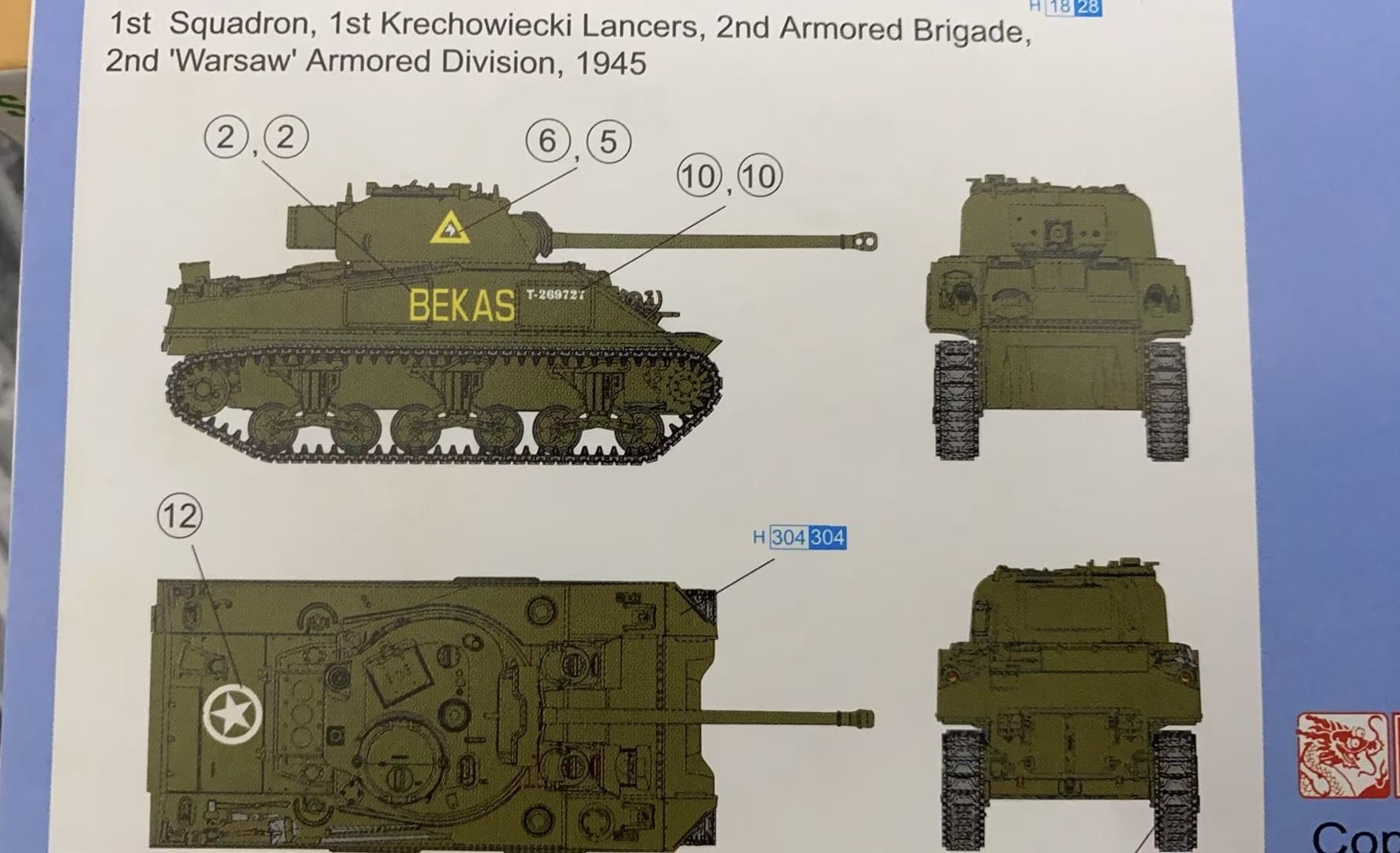
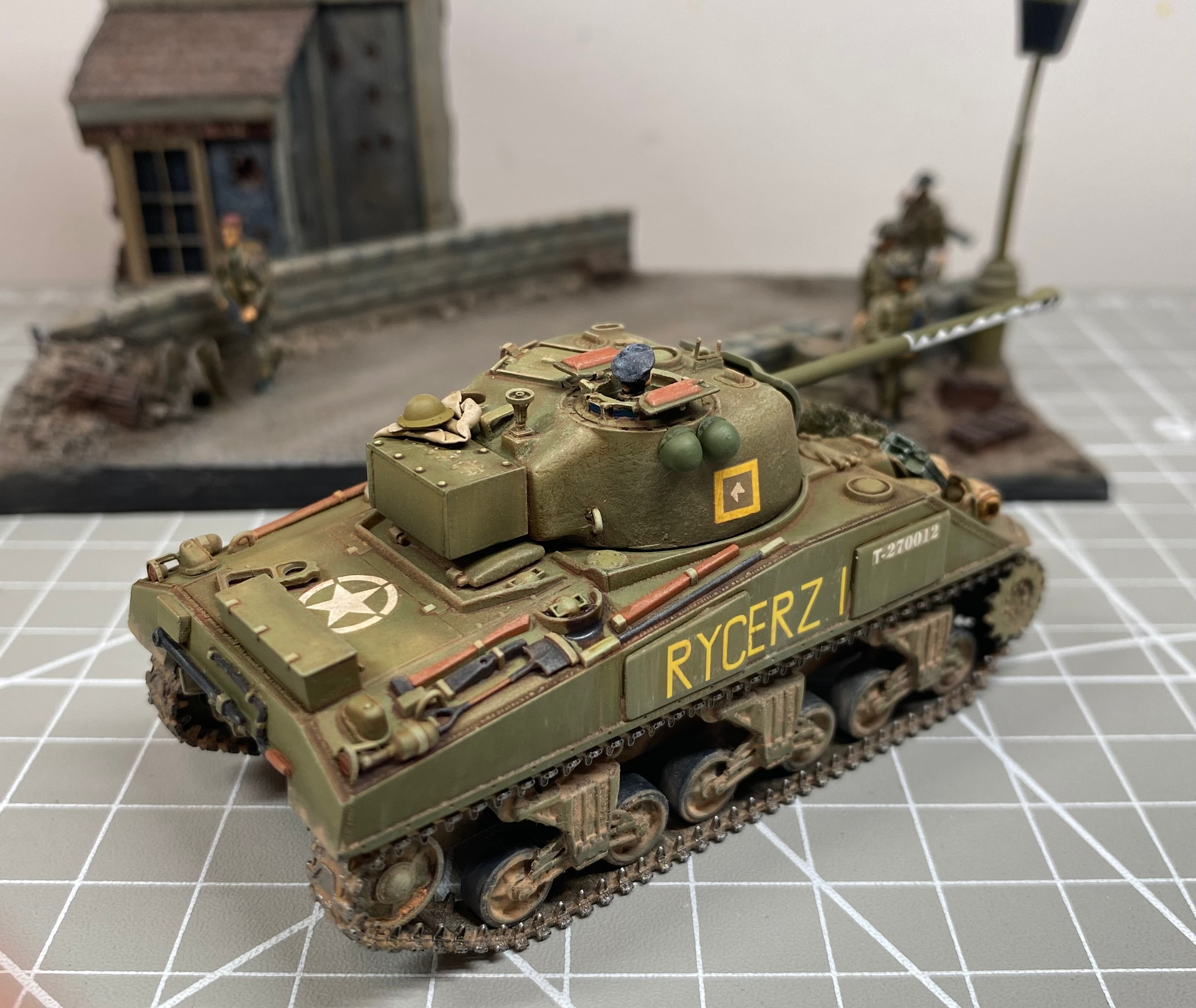
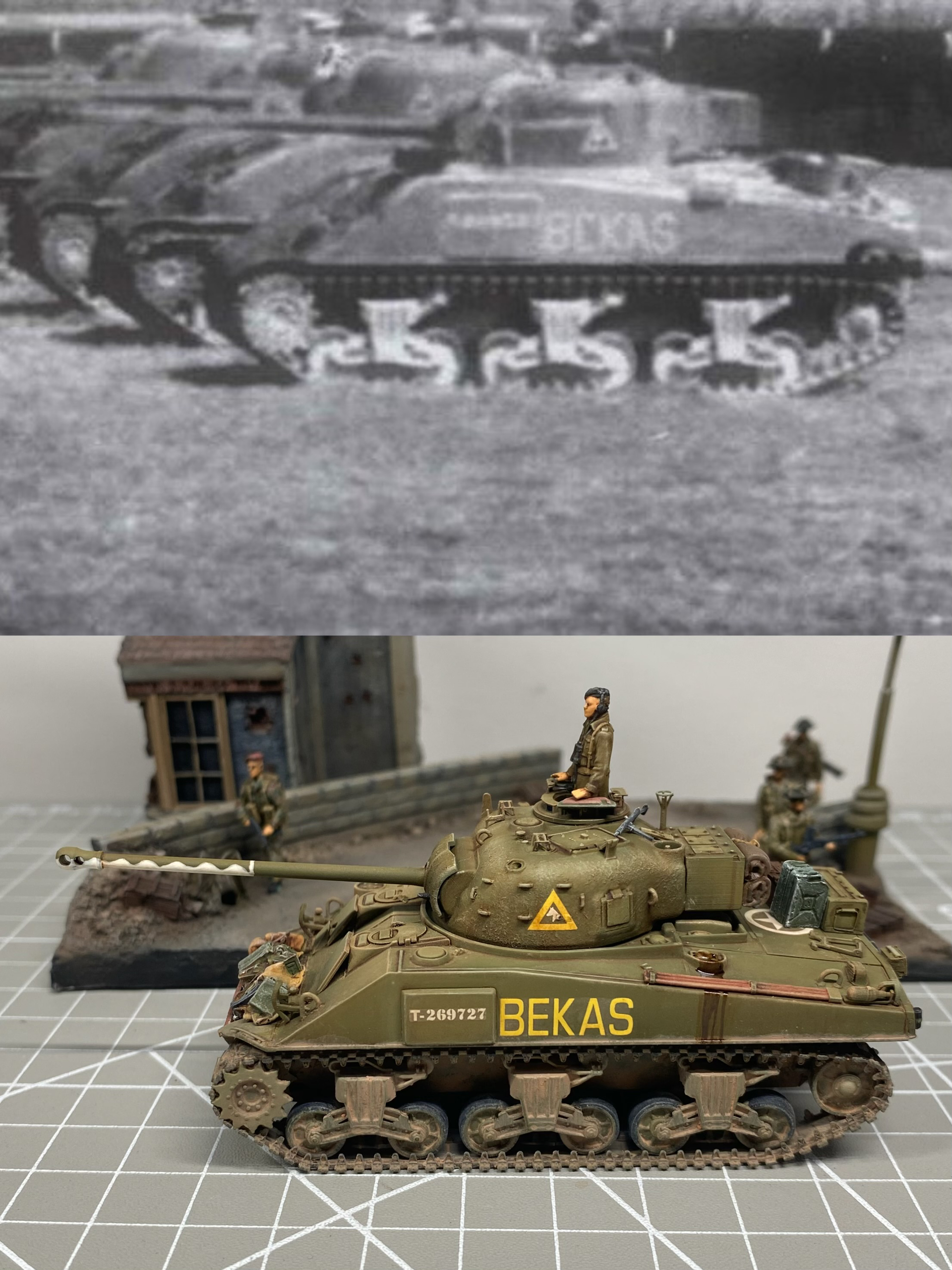
Recently, I’ve become obsessed with the Sherman Firefly tanks used by the Polish Army and started working on what is probably the most famous one, “RYCERZ I.” Additionally, I found that the instruction manual for the 1/72 Dragon Firefly IC kit provides painting guidelines for another Firefly from the same unit (1st Krechowiecki Lancers), named “BEKAS.” However, after searching through photos of the Polish 2nd Armored Division’s parade in Loreto, Italy, on August 15, 1945, I couldn’t find any information about this Firefly IC named BEKAS. So, I’d like to ask everyone for help.
2 Likes
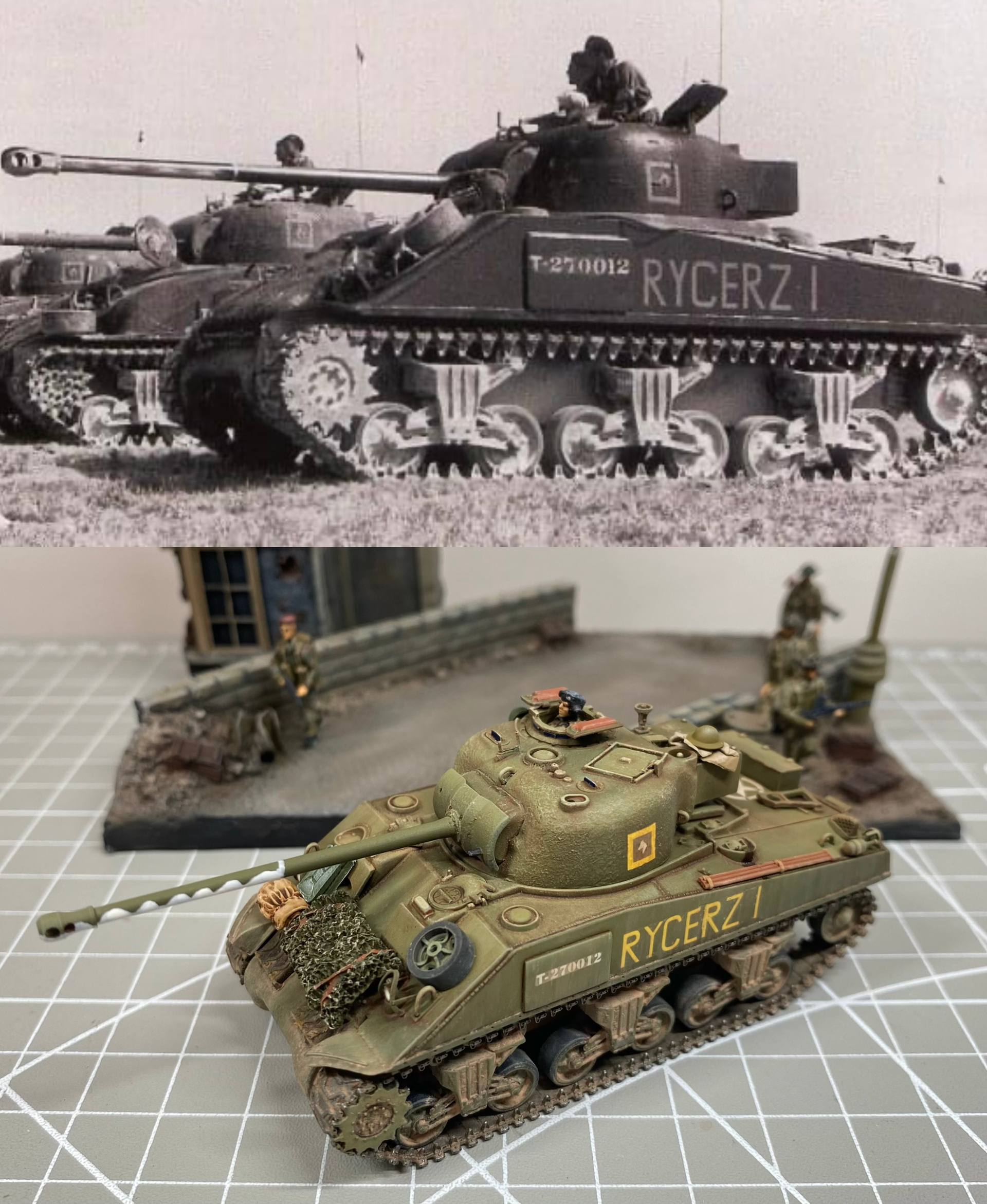
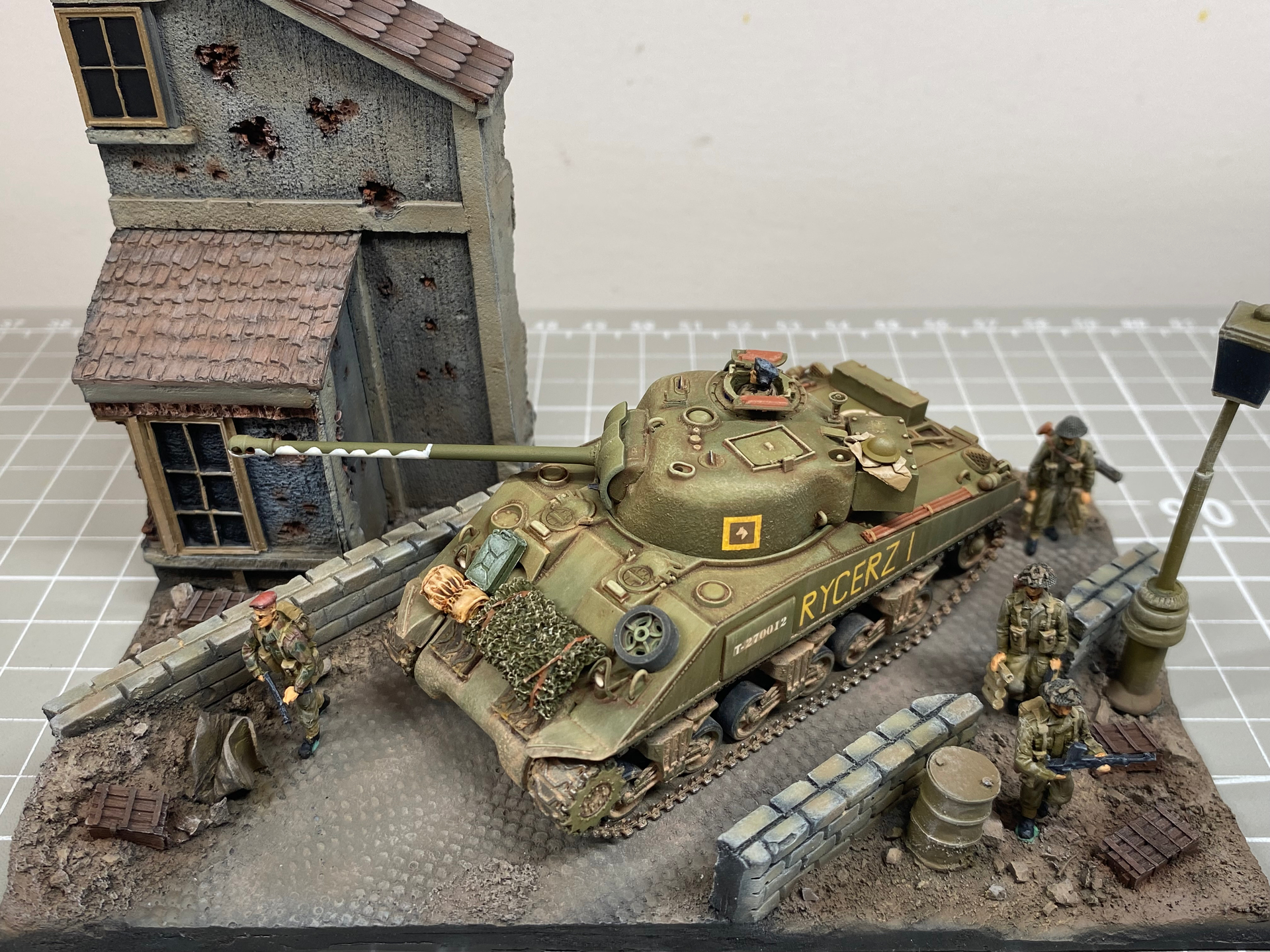
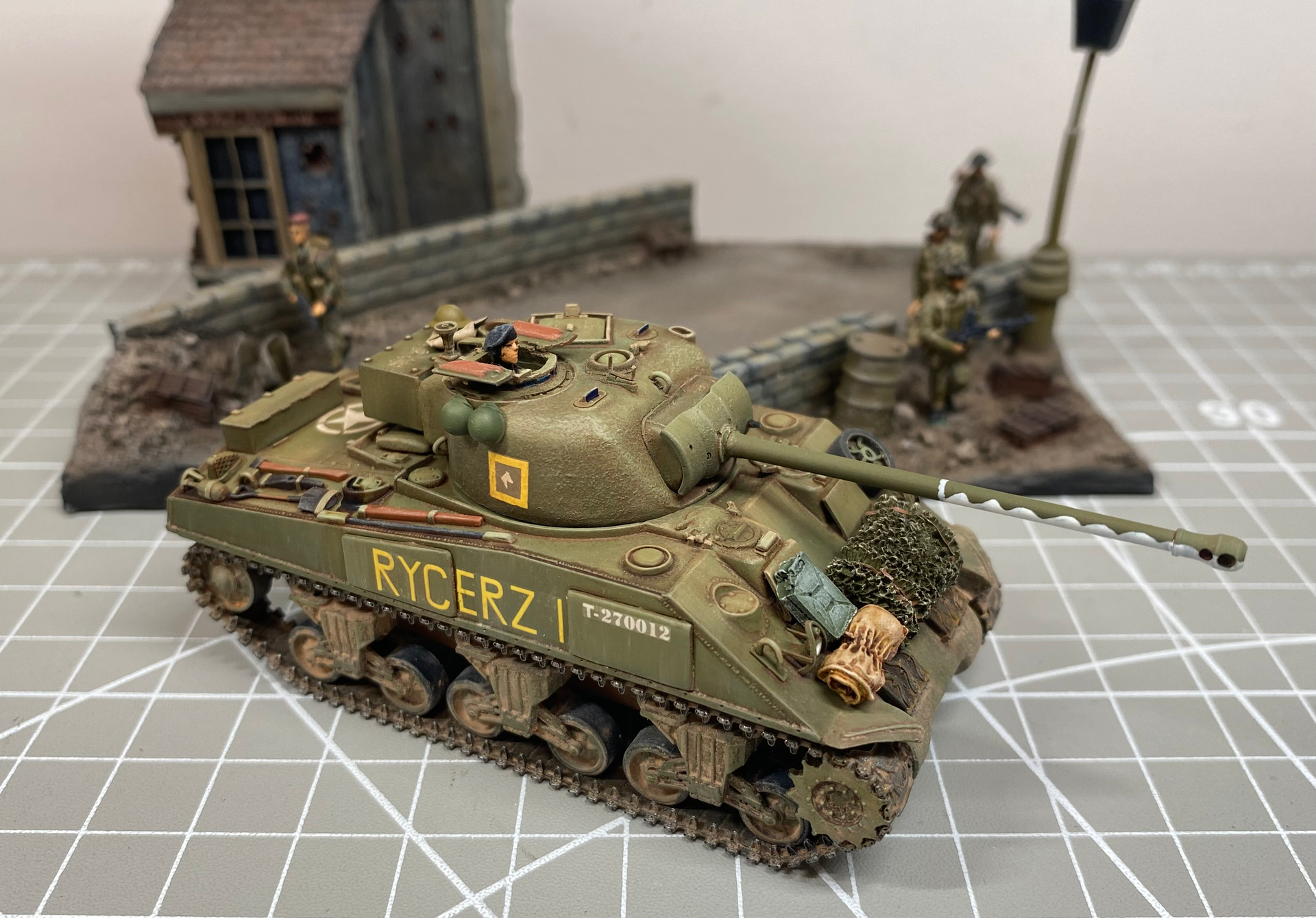

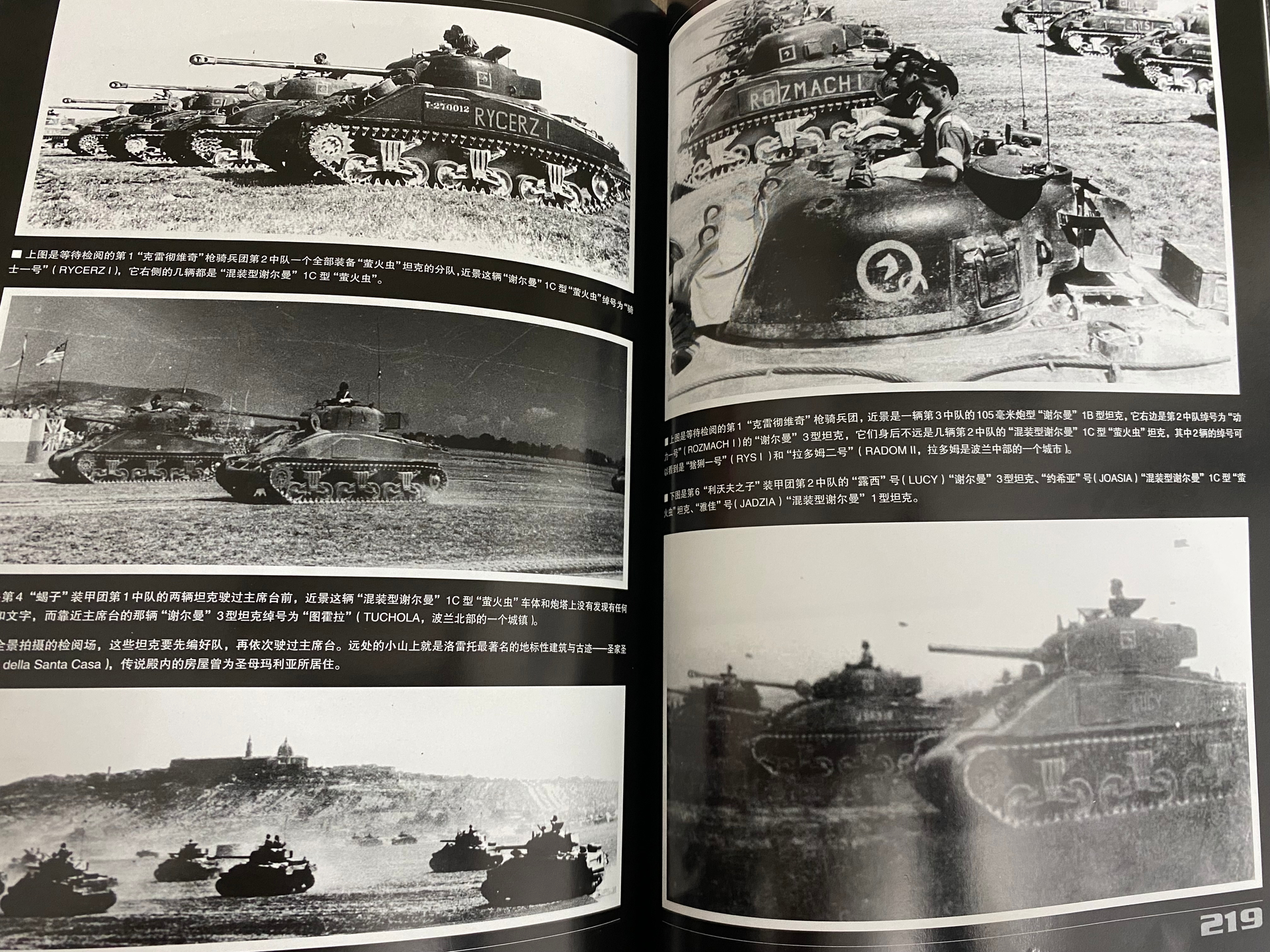

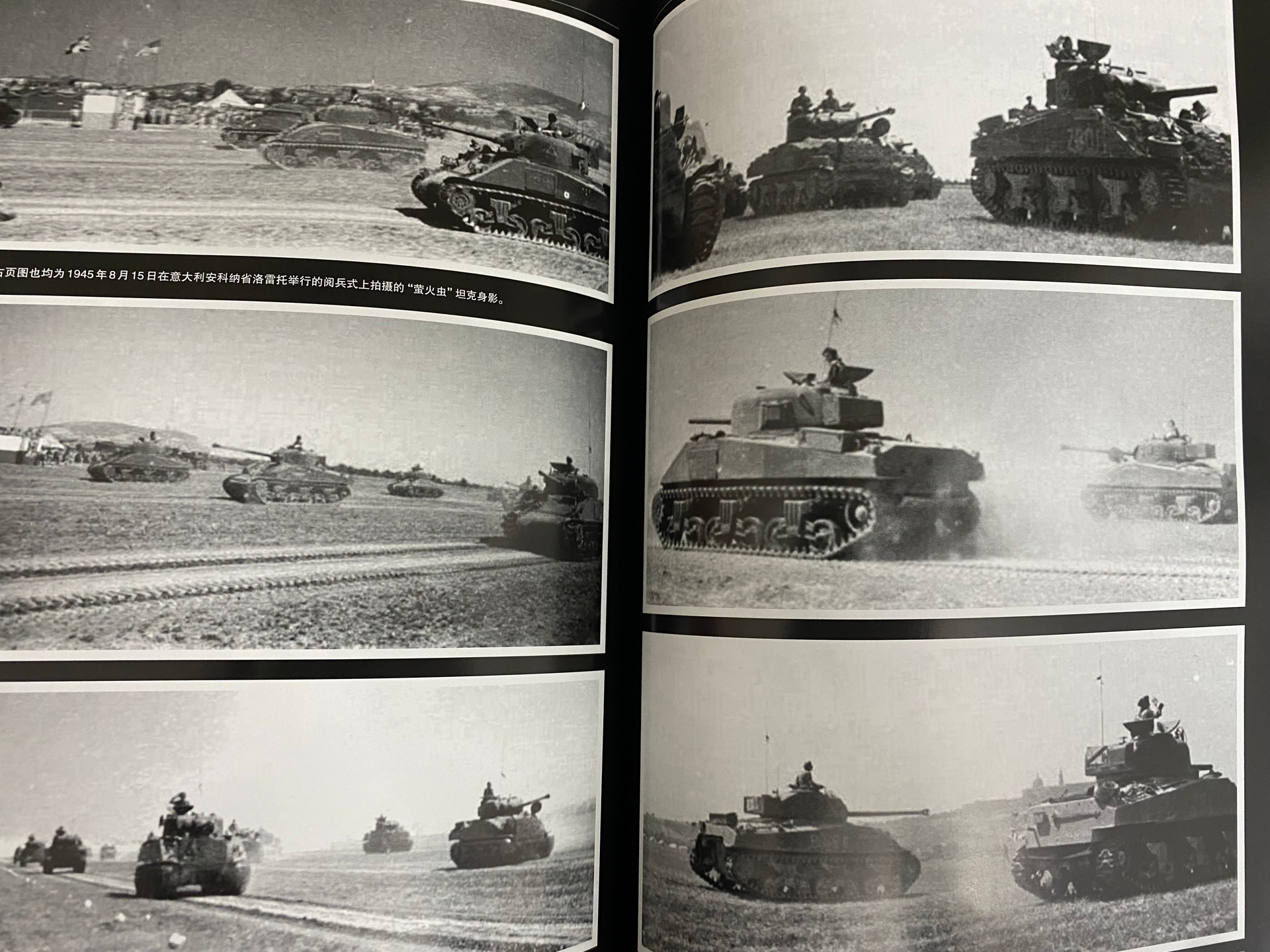
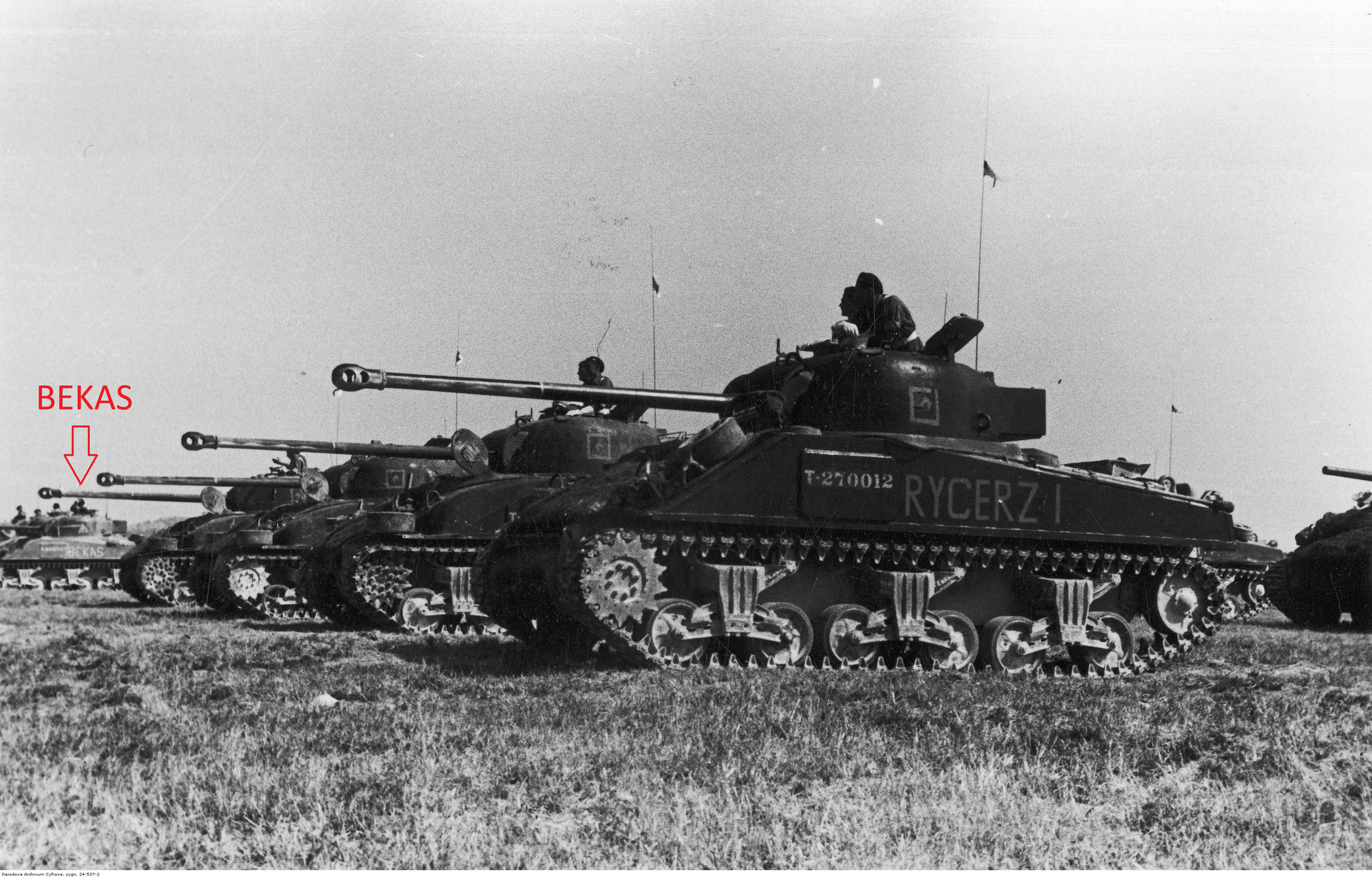
Thank you so much, Macias. By the way, welcome to the club . 
1 Like
Welcome aboard Macias.
1 Like
Thanks!
I make some research in my books and i found one more photo:
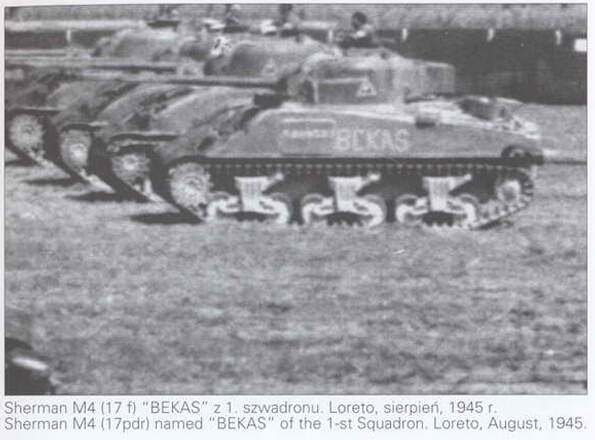
Photo from series (4) of books named “Od Acromy do Zwycięzcy”, i have other positions but my time is limited so if i can find somtheing else i will let you know.
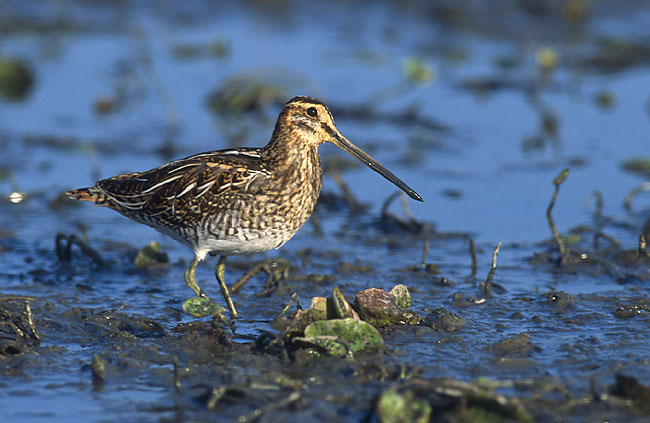
Sherman Ic T-269727 named “BEKAS” for a name of a water bird (Gallinago Gallinago):
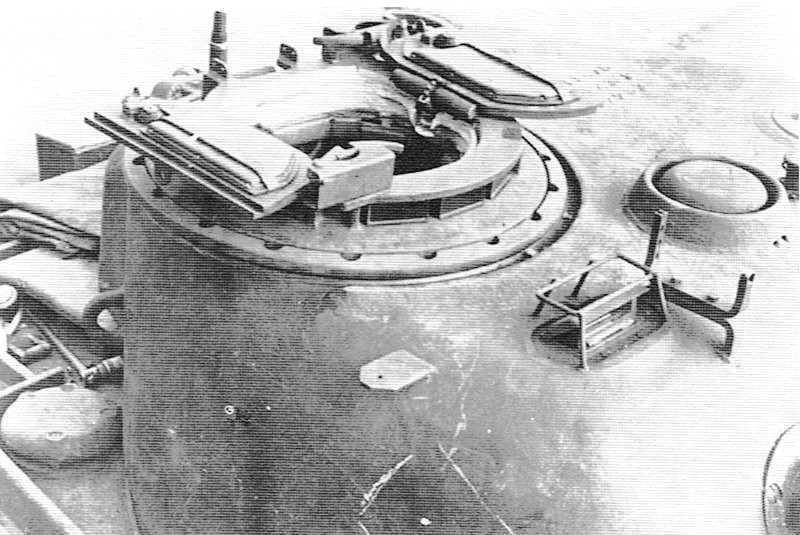
Very important think: this tank had a Commander cupoula british type Mk.II
I have no idea how familiar you are with the system of names in the 2nd Warsaw Armored Division.
There was a three armored regiments and one reco (orders of seniority in the brigade):
-
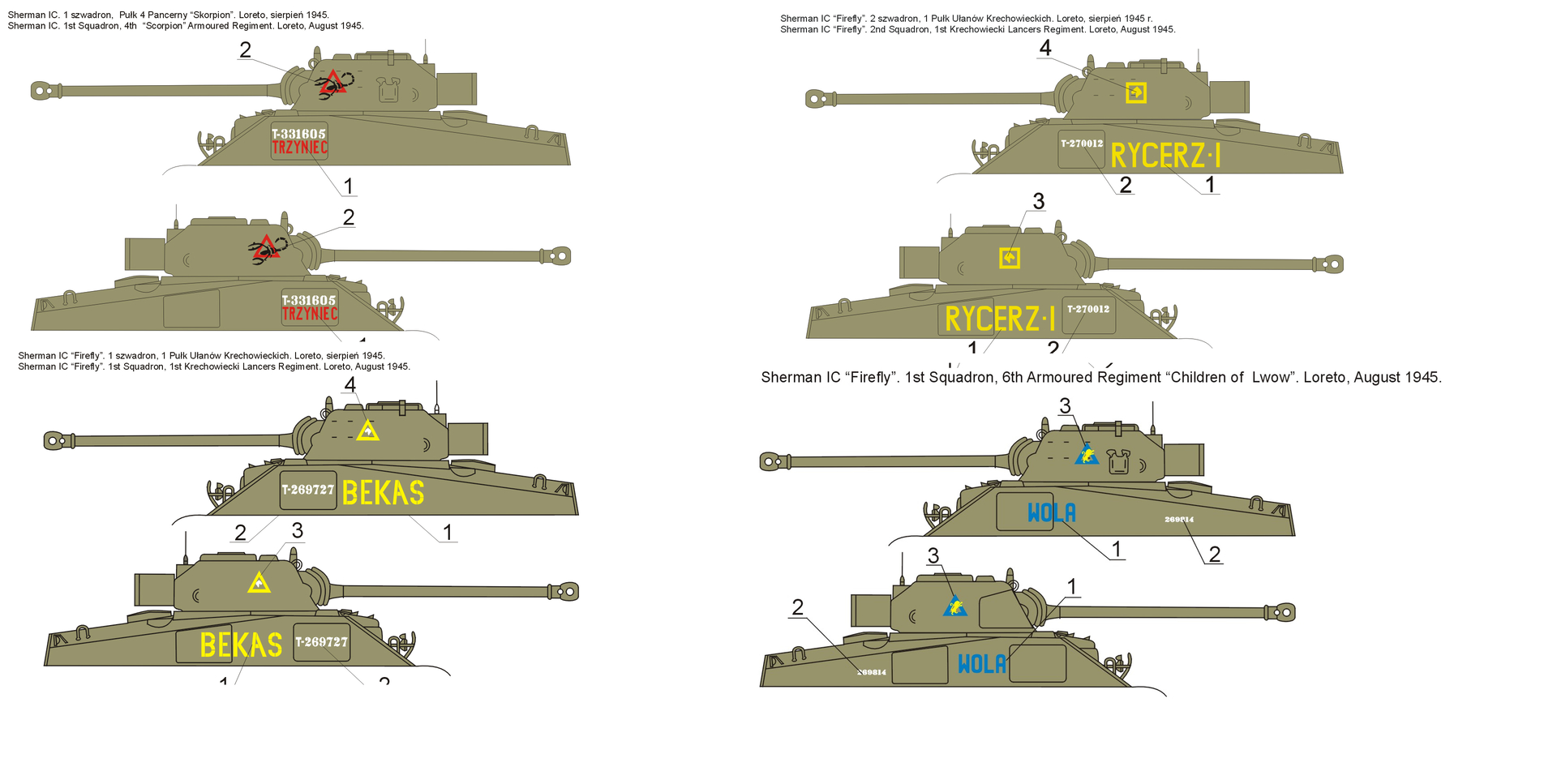
4th Armored Regiment “Skorpion” - Black scorpion in the red squadron sign on the turret, Red names with white outlines on the fusselage:
HQ squadron - G - “Grodno”, “Gustaw”, “Gdynia”…
1st Squadron - T - “Tobruk”, “Tempo”, “Trzyniec”…
2nd Squadron - P - “Pieść”, “Pazur”, “Pawian”…
3rd Squadron - S - “Sztorm”, “Sirocco”, “Sęp” -
1st Krechowiecki Uhlan Regiment - White horse head in the yellow squadron sign on the turret, Yellow names with white outlines on the fusselage
HQ squadron - K - “Krechowiak”, “Koziatyn”, “Krokodyl”
1st Squadron - B - “BEKAS”, “Burza”, “Bestja”
2nd Squadron - R - “Renifer”, “Rycerz”, Rekin"
3rd Squadron - Z - “Znicz”, “Zagłoba”, “Zawisza” -
6th Armored Regiment “Children of Lwów” - Yellow standing Lion in the blue squadron sign on the turret, Blue names on the fusselage
HQ squadron - L - “Lwów”, “Lech”, “Lot”
1st Squadron - W - “Wola”, “Wielki Walc”, “Wieluń”
2nd Squadron - J - “Jaskółka”, “Jeż”, “Janosik”
3rd Squadron - M - “Magnat”, “Morus”, “Mars” -
Carpathian Uhlan Regiment (Reco) - red and blue cavalry flag in white squadron sign on the turret, White names on the fusselage:
HQ squadron - names taken from cities of regiment odysey - “Cassino”, “Tobruk”, “Acroma”
1st Squadron - names of Polish great battles - “Grunwald”, “Chocim”, “Somosierra”
2nd Squadron – names from violent atmospheric phenomena - “Grom”, “Huragan”, “Zamieć”
3rd Squadron – names from the oldest Polish cavalry regiments - “Pomorzanin”, “Poznaniak”, “Kaniowczyk”(my grandfather served in the 6th Kaniv Uhlan Regiment - in the pre-war period and september 1939)
Examples of other polish FF Ic from 2nd Division
*Sorry for my raw english, but i’m not a native.
6 Likes
Once again, thank you so much for your help! This information has taught me a lot of new things. I don’t know much about the 2nd Polish Armored Division, but I have built a few of their Sherman Fireflies in the past, from two different regiments. Now, with your research materials, I can start working on the BEKAS Firefly. Thanks again!
And no worries about English — it’s not my first language either, and translators help me a lot. Also, if you ever have any questions about Chinese armored vehicles, feel free to ask me — I might be able to help.
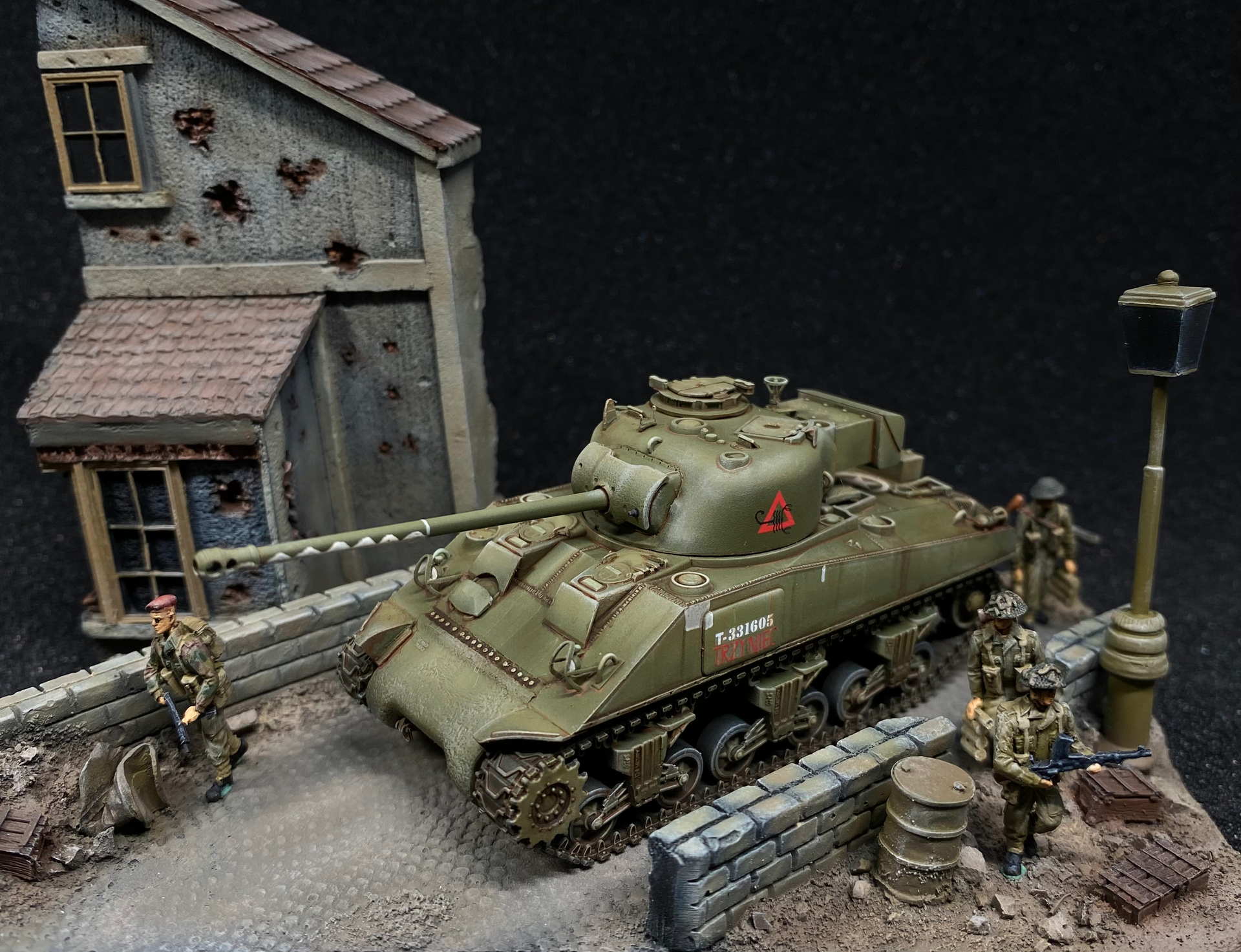
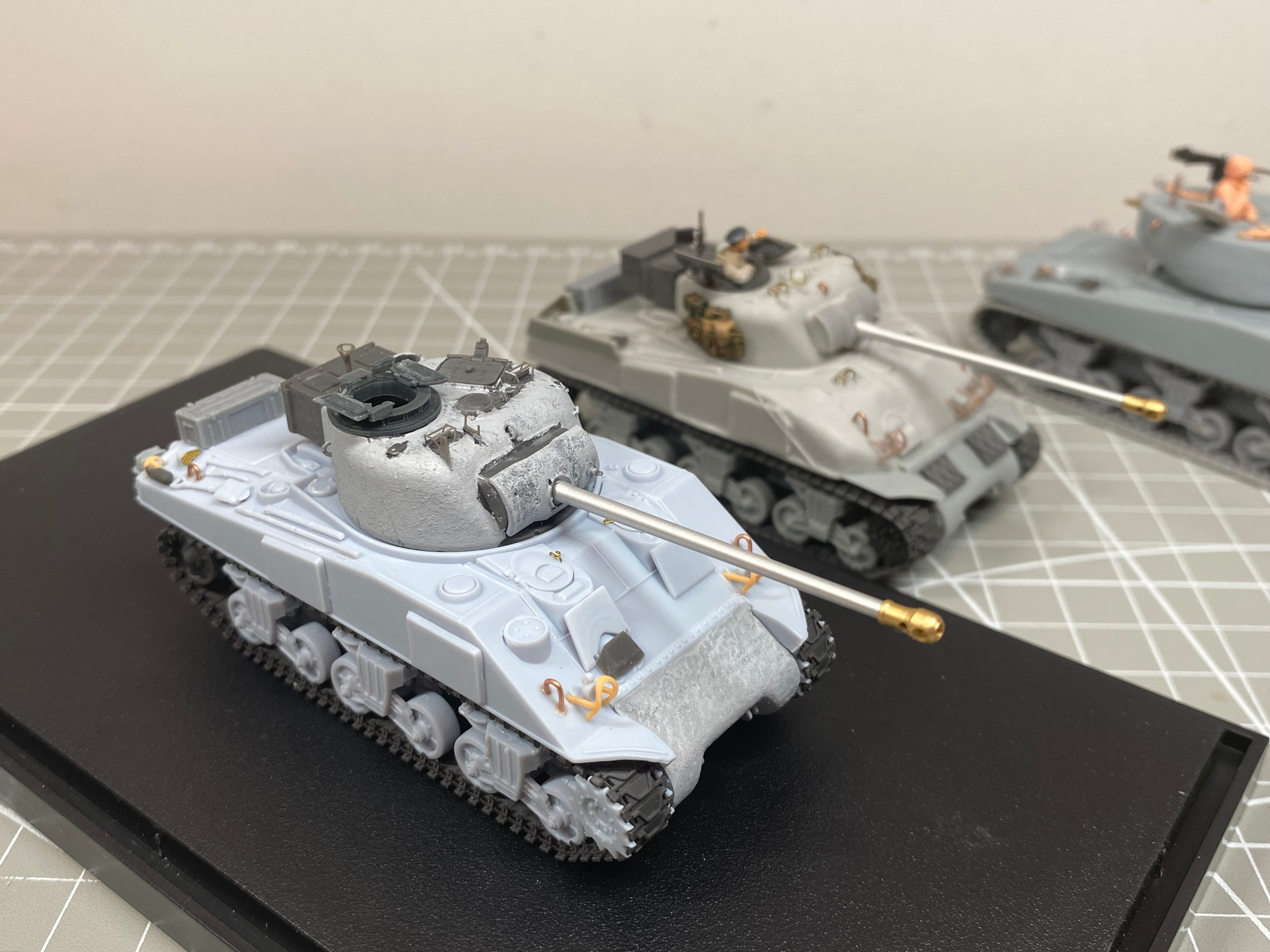
6 Likes
Great job!
For first.One more thing, I forgot to mention (you probably know this, but just to be sure…), all Fireflies were re-armed in the UK with the 17-pounder gun and were always repainted in SCC15. Other Shermans that were used may have had British or American olive drab paint (especially the Mk. IIa from the 1st Armored Division, if you decide to build another Polish Sherman).
An interesting fact about painting Firefly barrels – painting the barrels was more complicated than we now realize. I’m including the original British instructions from November 1944 and an older version.
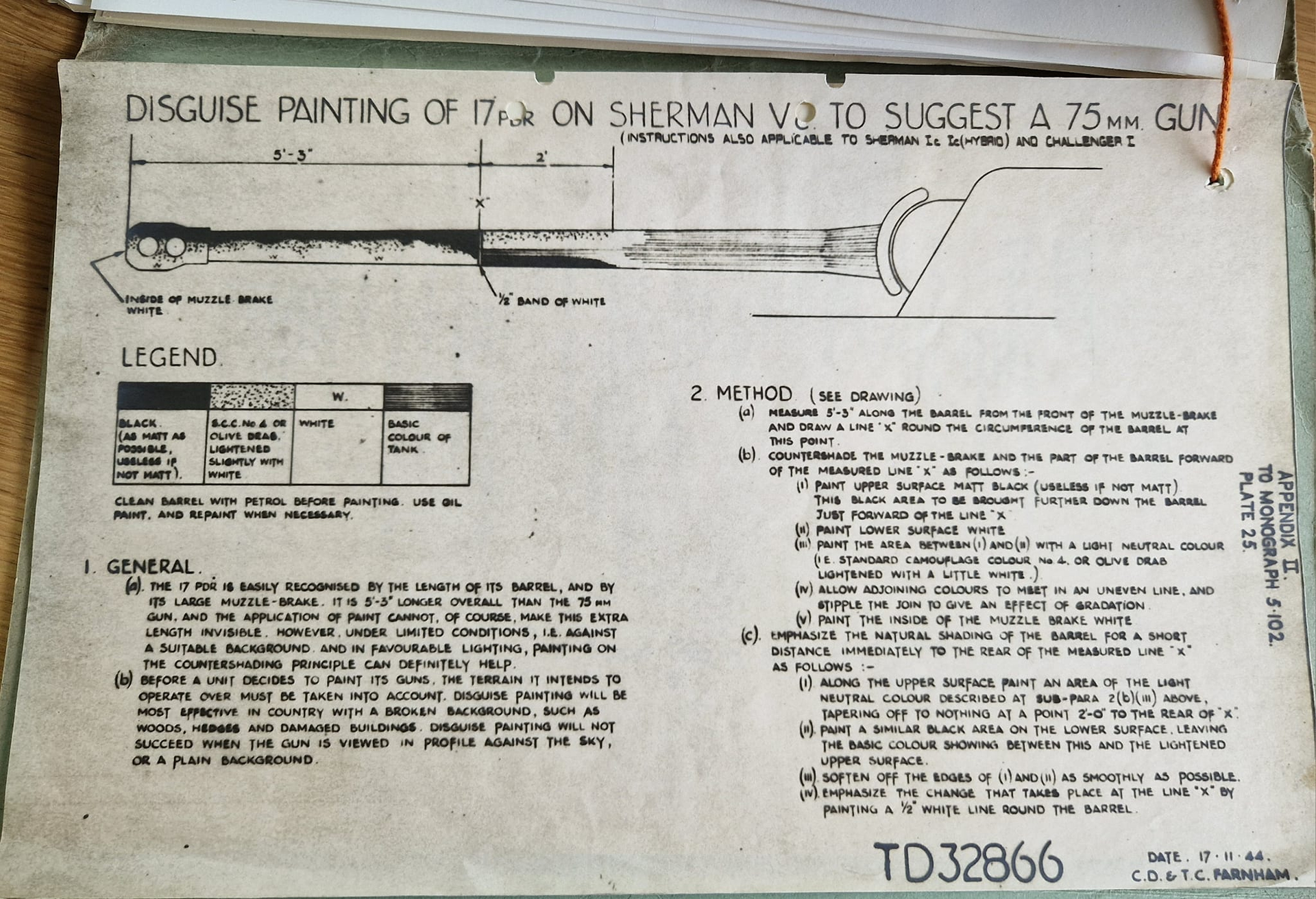
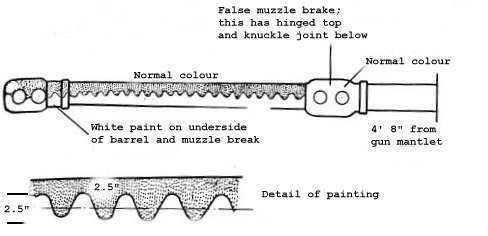
Second case: All the tanks before the Loreto parade were repainted in SCC15, but when we find really good photos, you can see that the shadows of the original camouflage (Light Mud SCC5 + Blue Black SCC14 or Dark Olive Green SCC7 ) show through the thin layer of SCC15.


The contrast between the colors is too low for it to be a light mud + OD
Please find a atachment below:
https://audiovis.nac.gov.pl/zespol/24/
https://www.szukajwarchiwach.gov.pl/jednostka/-/jednostka/5988964/obiekty/300269?refererPlid=20136
https://www.szukajwarchiwach.gov.pl/jednostka/-/jednostka/37670047?_Jednostka_delta=20&_Jednostka_resetCur=false&_Jednostka_cur=1&_Jednostka_id_jednostki=37670047
8 Likes
Notice here that the tank at the front is an M4 (105 mm), with a British stowage bin on the back of the turret that meant they had to remove the clasp for the .50-calibre machine gun stowage. Also, it has a ‘B’ antenna mount without the usual protective ring around it.
6 Likes
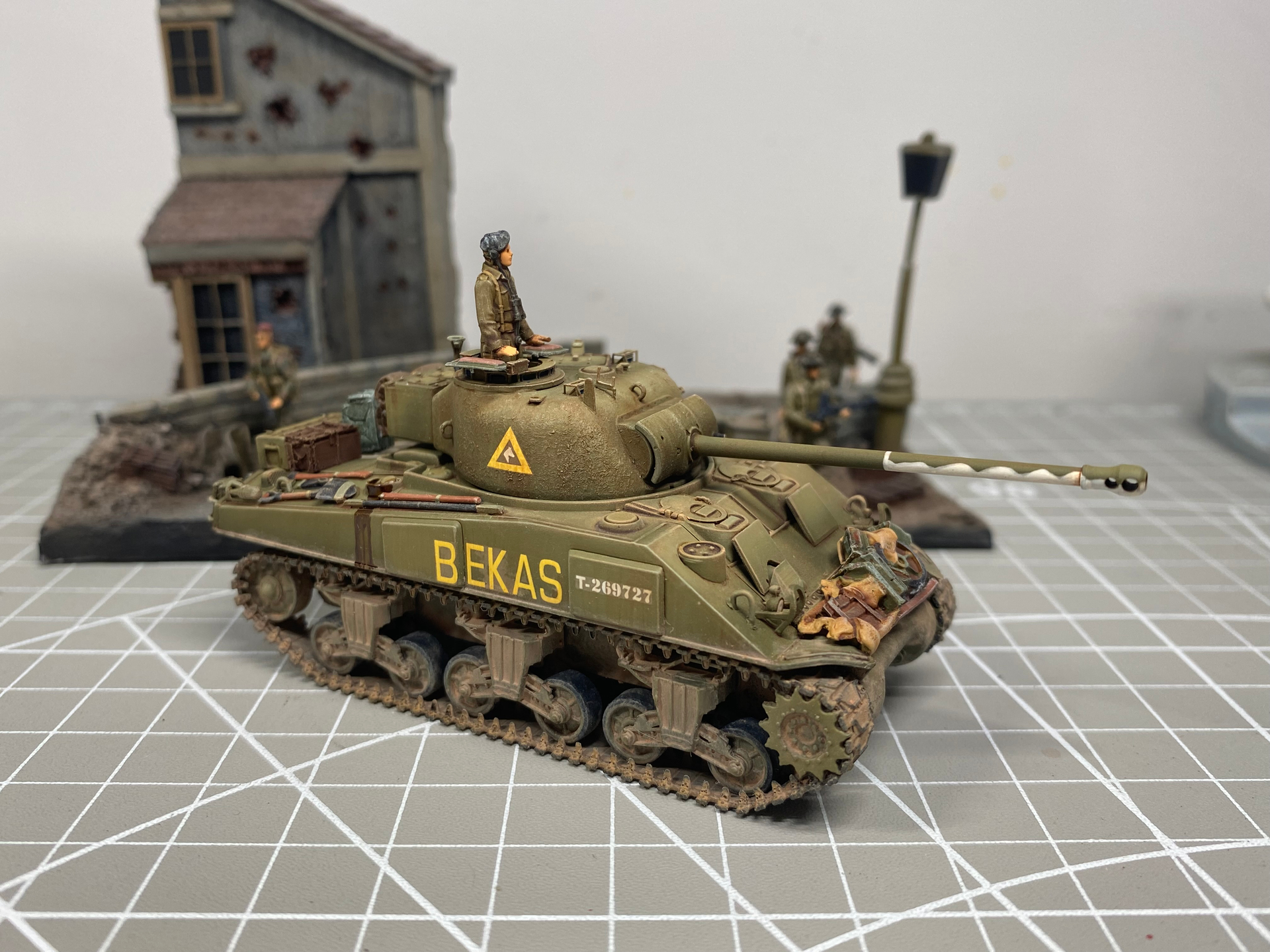
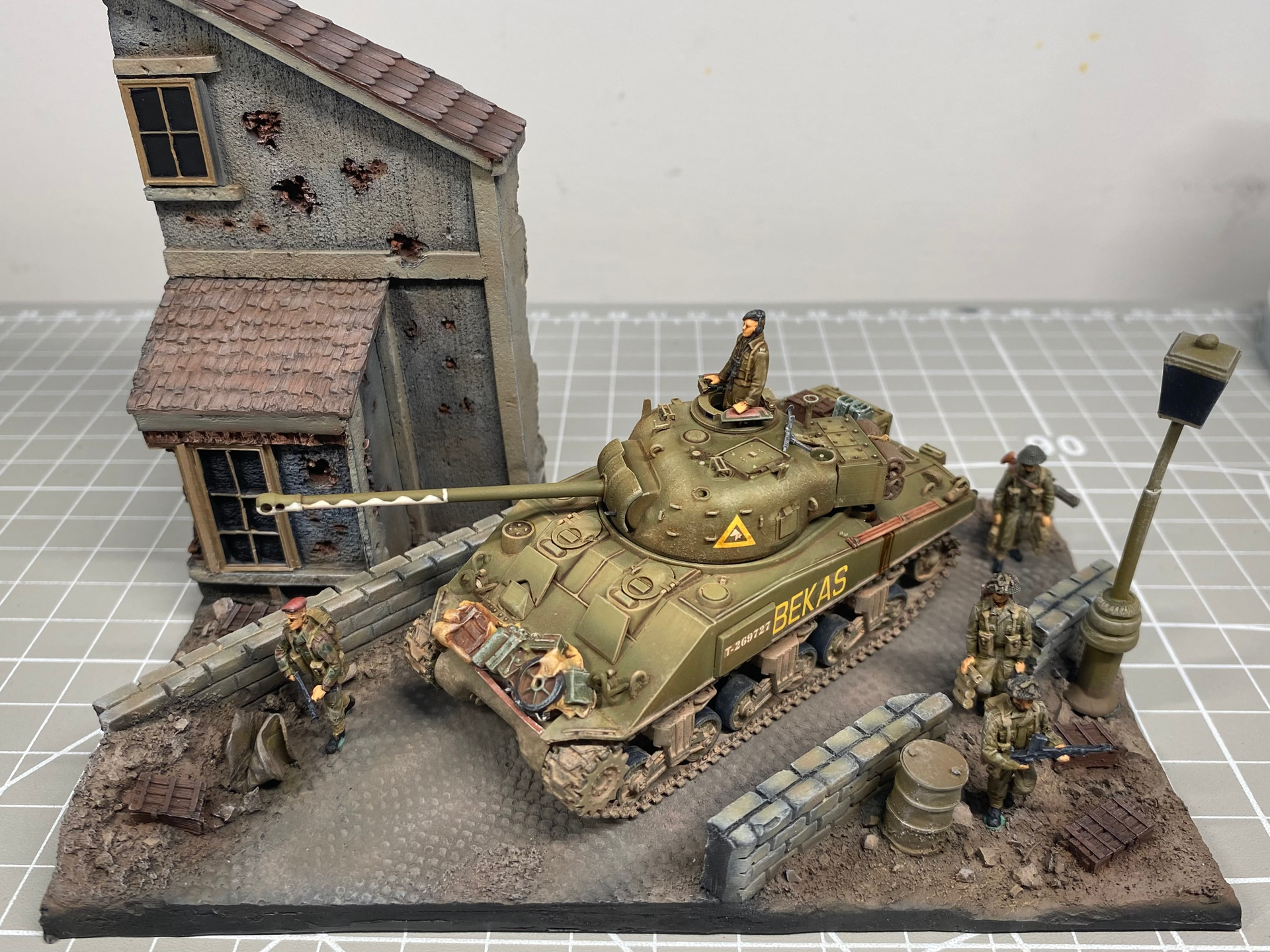
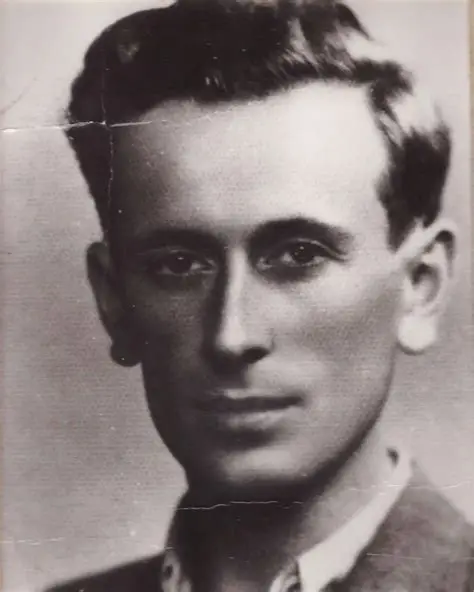
Hi Macias, thank you for the information. I’ve completed the model of the ‘BEKAS’ Firefly tank. After careful consideration, I decided to go with a single-color paint scheme. Additionally, I was wondering if you could share some information about the Polish tanker Roman Edmund Orlik and his TKS tank (20mm). So far, I haven’t been able to find any photos of his vehicle.

3 Likes
Hi Jim, sorry for the late reply, but I’m traveling. There’s very little information from September 1939 in Poland. It was a total disaster for us. German troops often advanced faster than Polish troops could retreat. Many documents were destroyed, and much was unprepared in the atmosphere of total defeat and chaos. The same applies to the French campaign of 1940. The first reliable information comes only from England. Documents, photos etc…
Alamost all of technical documentation was destroyed to prevent it from falling into enemy hands. This is best demonstrated by the fact that practically the only technical materials, descriptions, and documentation regarding the Polish 7TP and TKS come from the institute in Kubinka, and they concern equipment captured by the Soviets after September 17th and examined by them.
Regards
Damian
4 Likes
Thank you very much for your reply, Macias. I will look up more information about the TKS tank. Finally, I wish you a great trip!
1 Like
I hope that you had find my private message about TKS on the chat what i was sent to you.
1 Like
Hi Macias, sorry I haven’t logged into the site recently to reply to your messages — I’ve been busy with work. Regarding the private message you sent me, I did see the notification, but when I clicked on it, there was nothing there. Strange… Still, thank you for your help!
1 Like