Hello everyone,
I’m building a 1/72nd scale diorama of a A-10a in a Matainace hanger.
As you might know the walls, pipes trusses and the posts are painted white. So, my question to you is this how do you paint theses items white and yet make them look realistic?
I would like to know how to paint these items and somehow make sure that everything stands out and yet be all tied into each other?
Thank you.
Chris
Are you doing a specific hangar? If so, and everything in it is indeed white, you can ghost some shadows behind the piping with an airbrush.
If it’s a generic hangar - does everything really have to be white?
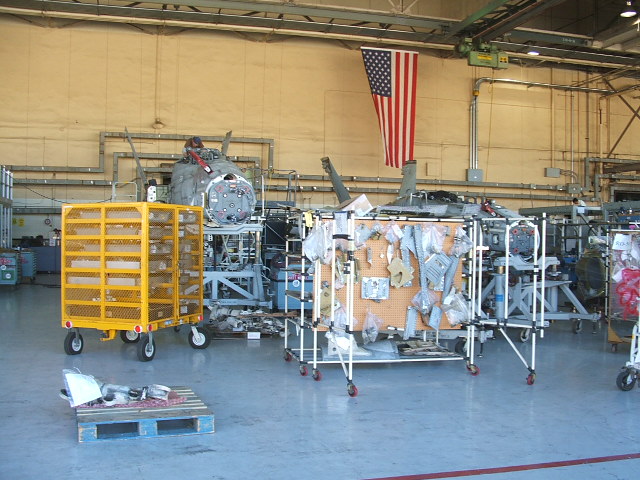
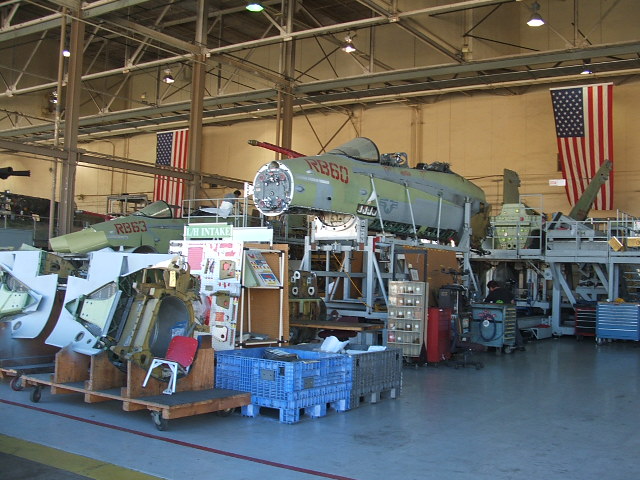
2 Likes
Even if it is all white, pin washes at joints and other raised detail are your friend. And you could vary the shade of white a little too - maybe mixing up a very light grey for the pipes? Not enough to say “those are grey” but just enough for them to stand out. And I’m sure the rafter beams might collect a little dust, as might the angle between wall and floor.
Got a pic of a typical hangar so we can see what scope there is?
1 Like
A gray filter or a gray wash
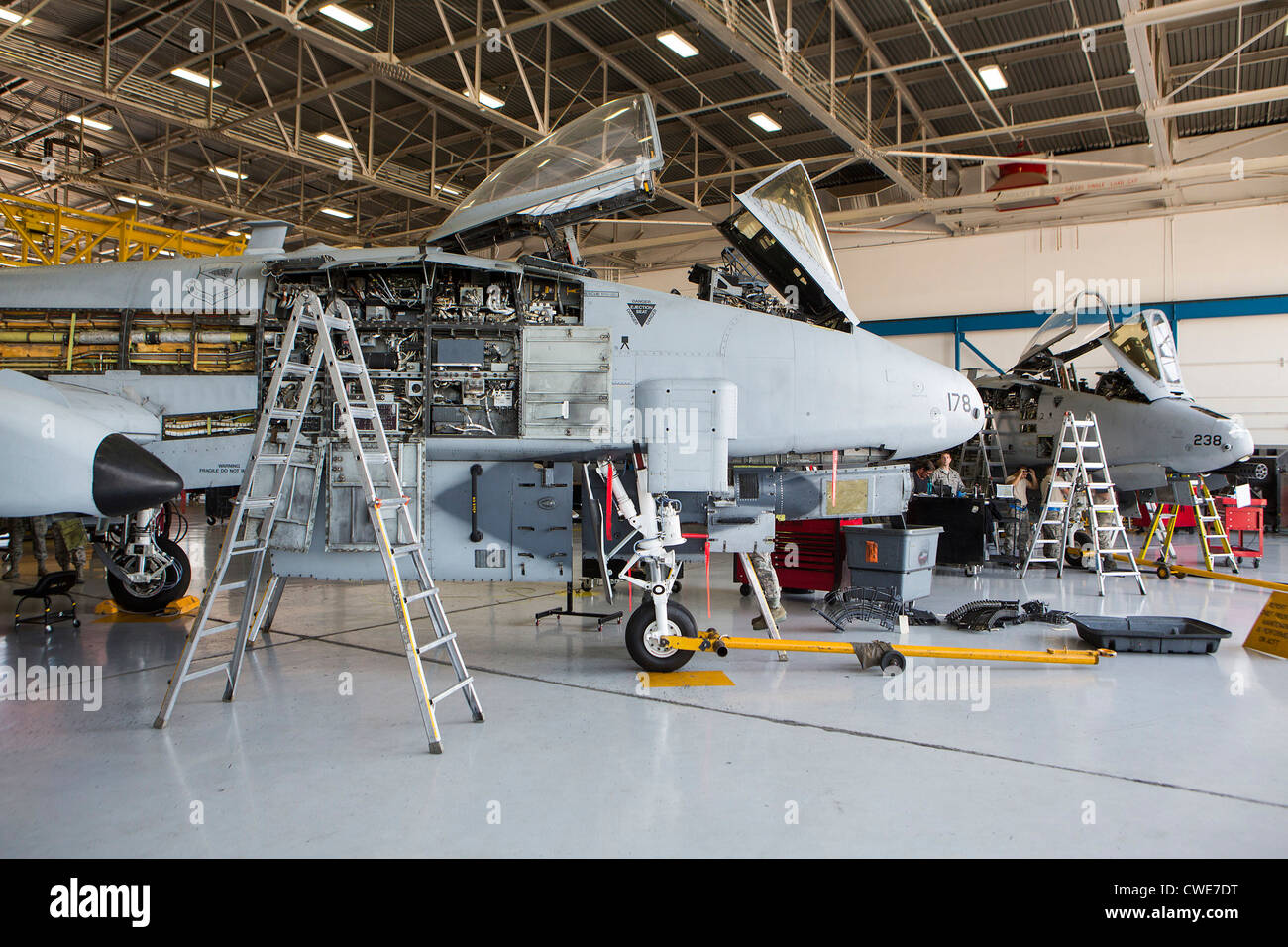
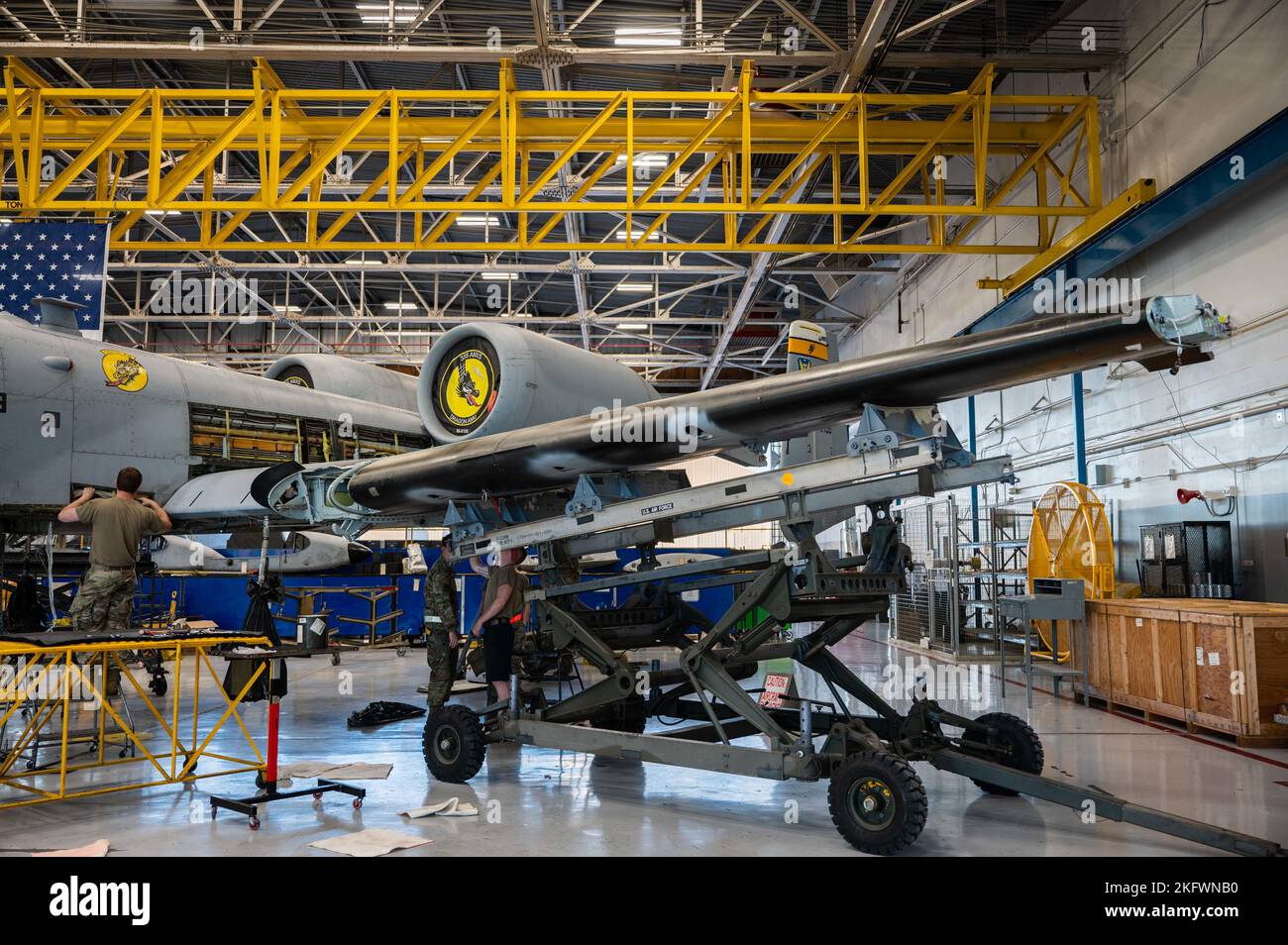
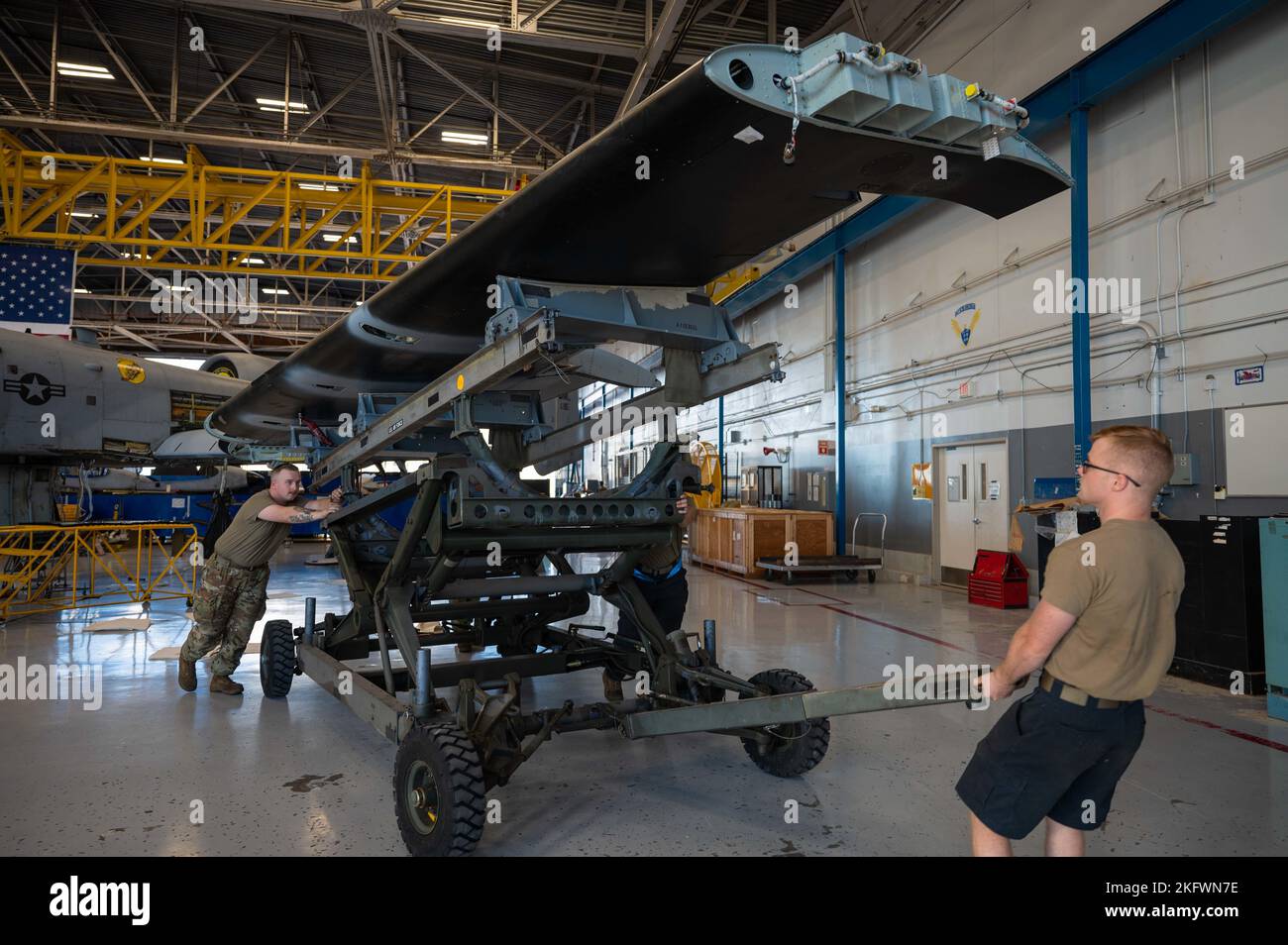
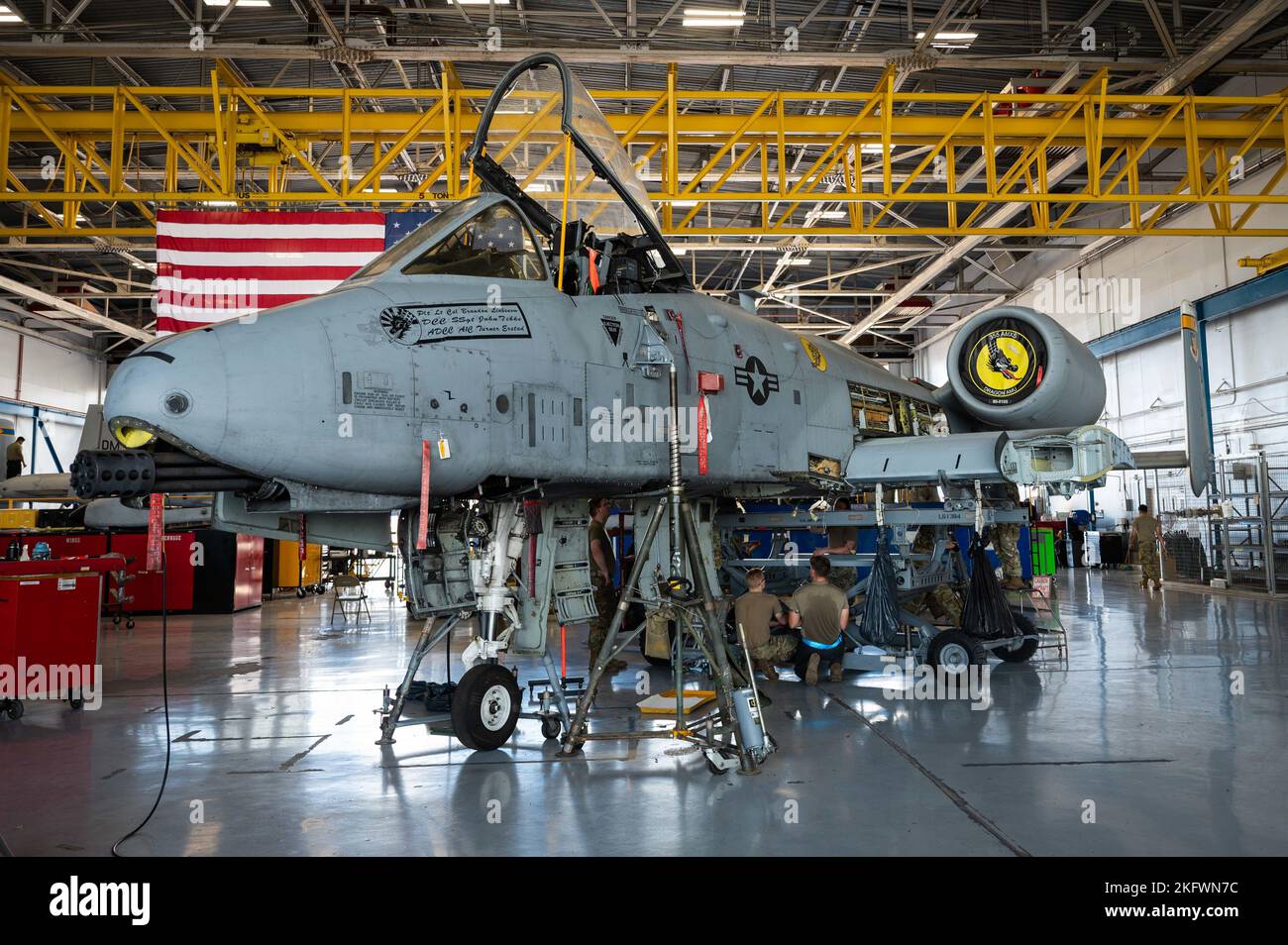
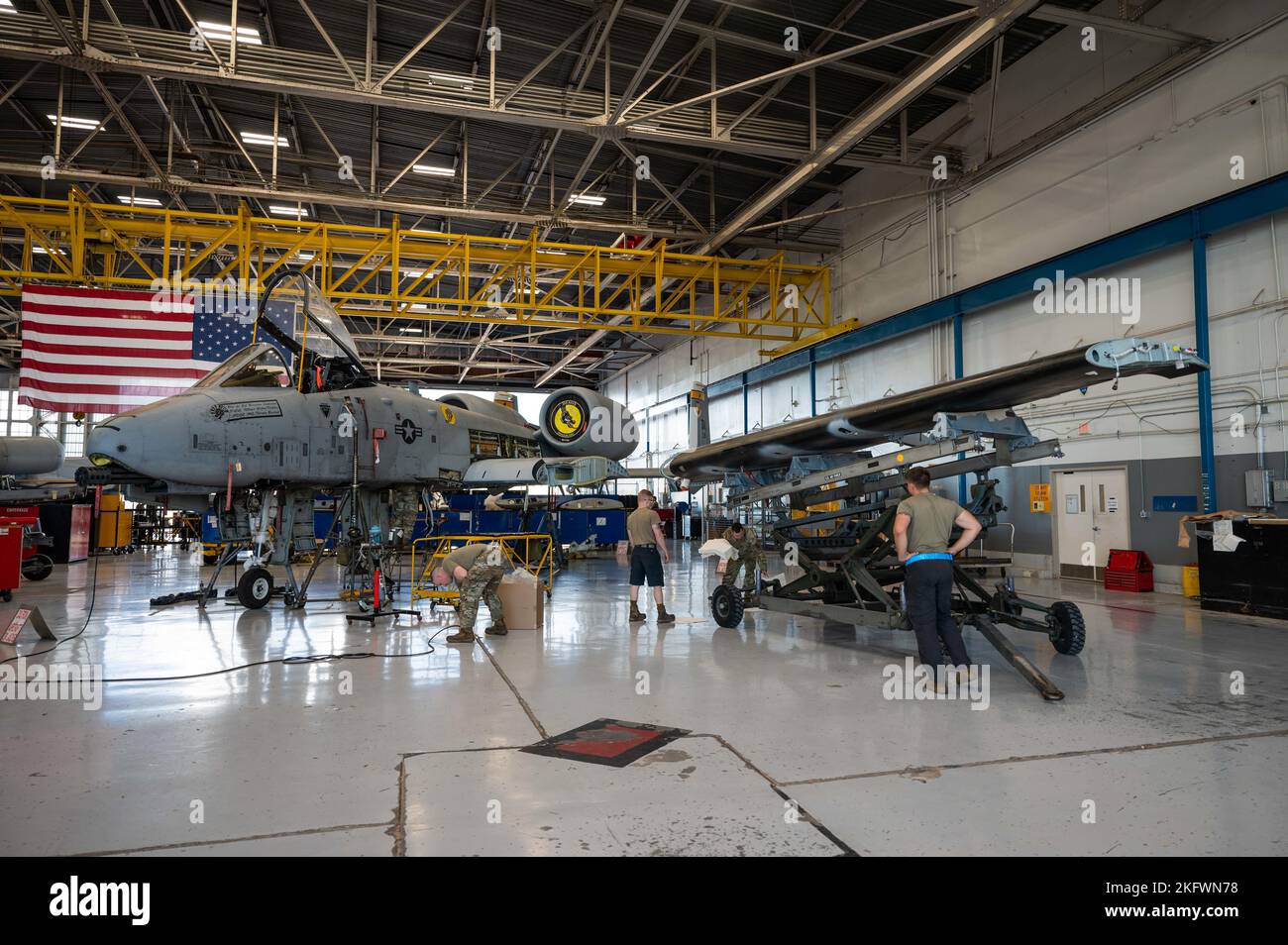
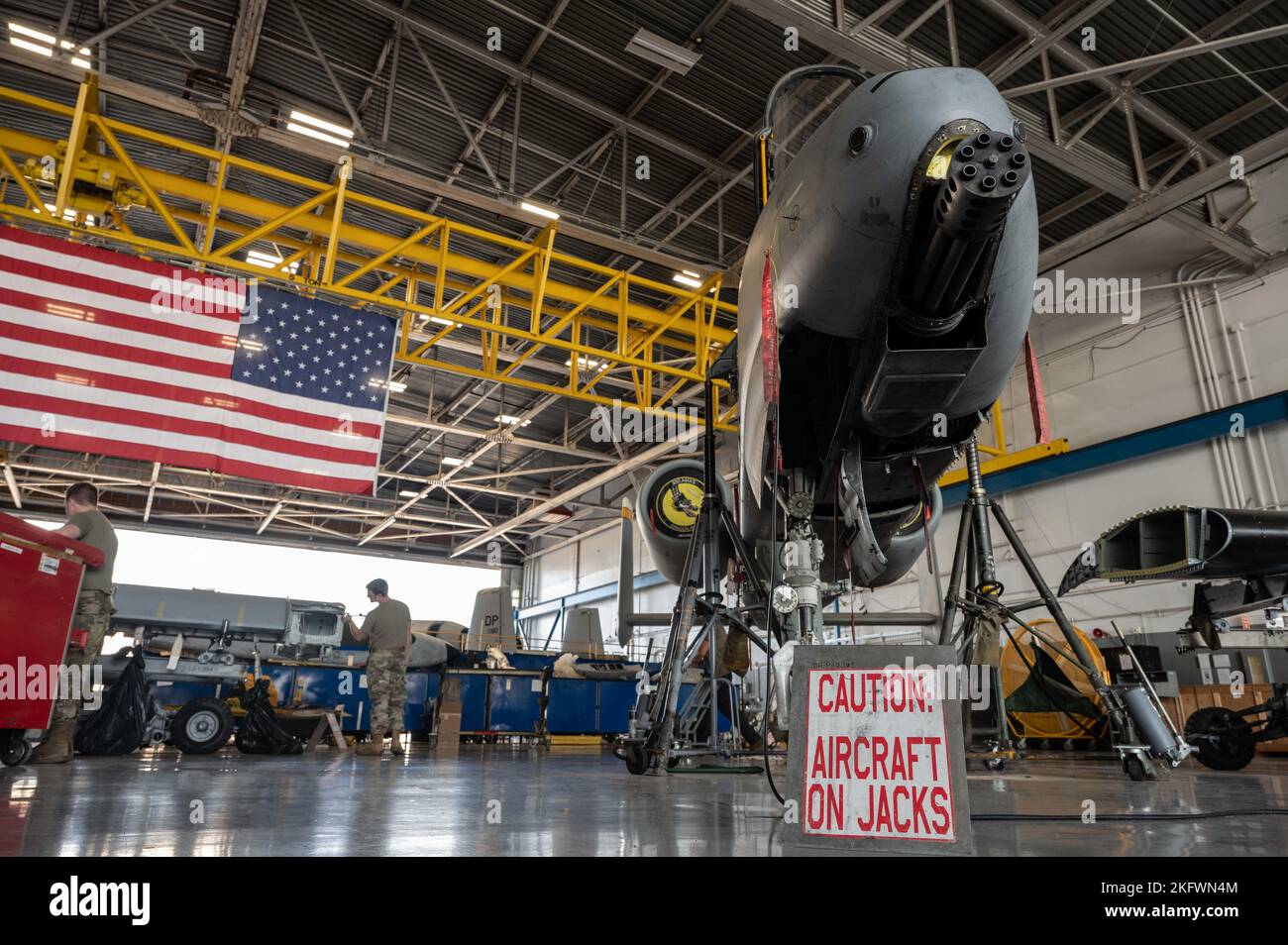
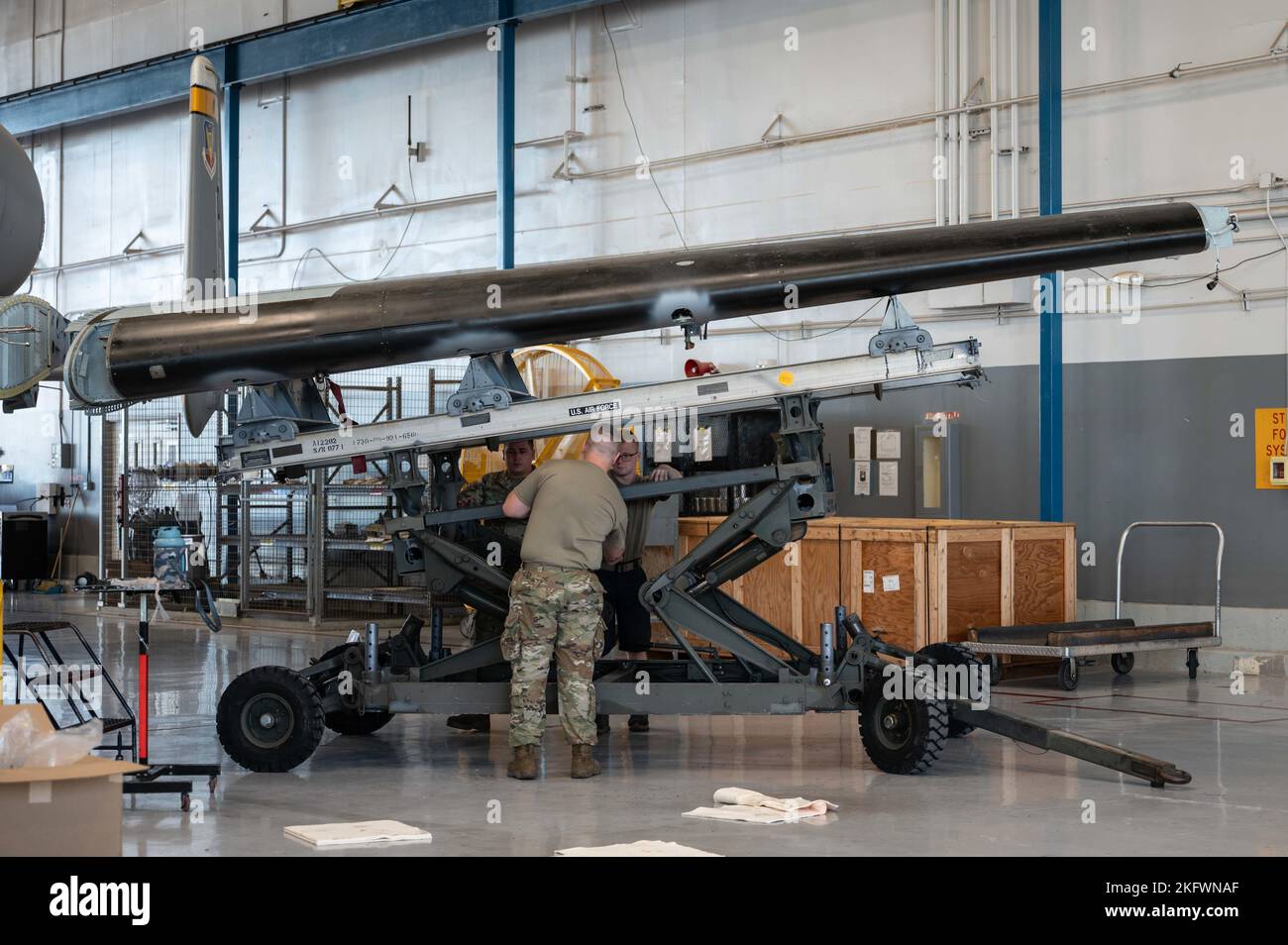
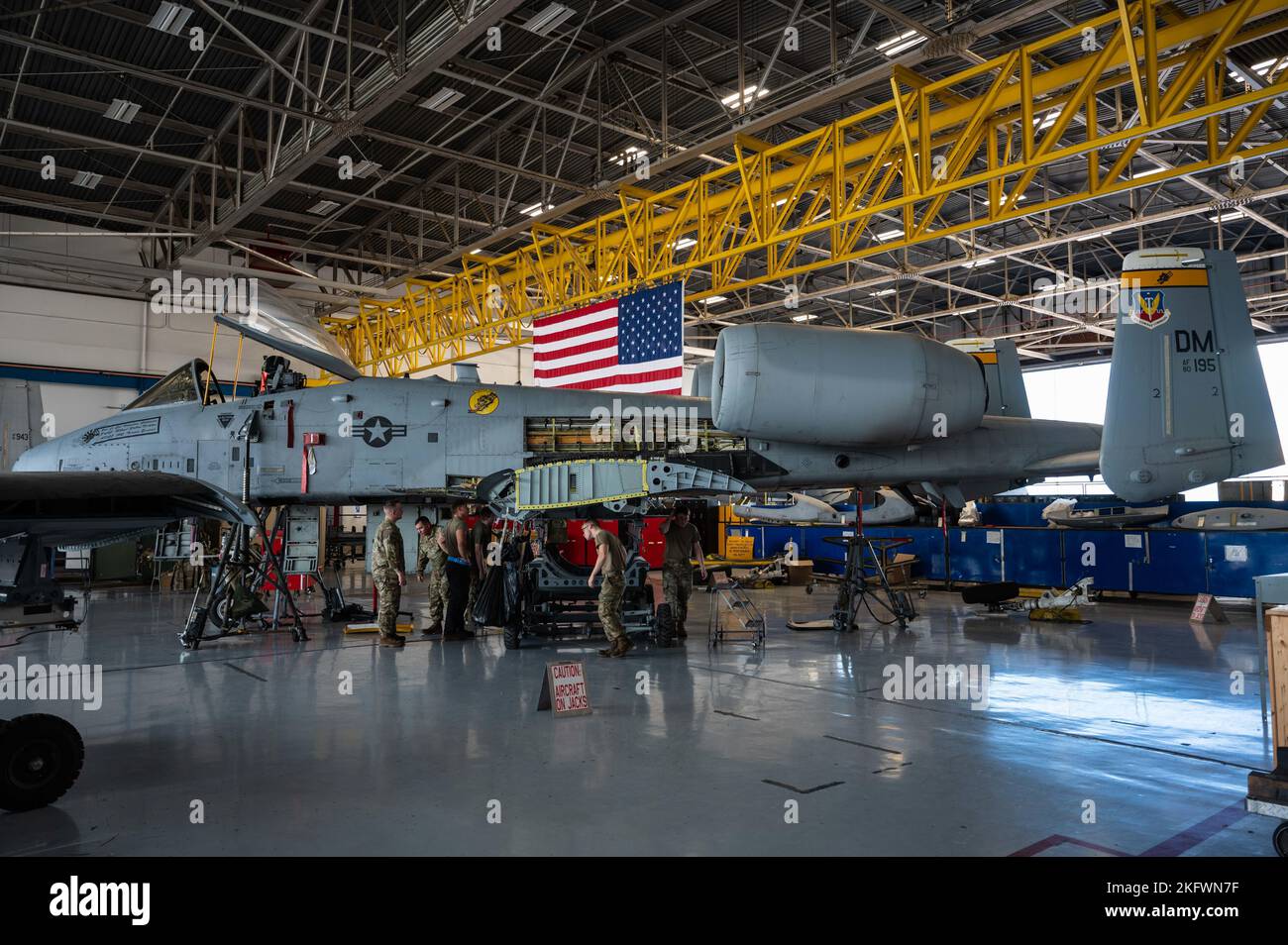
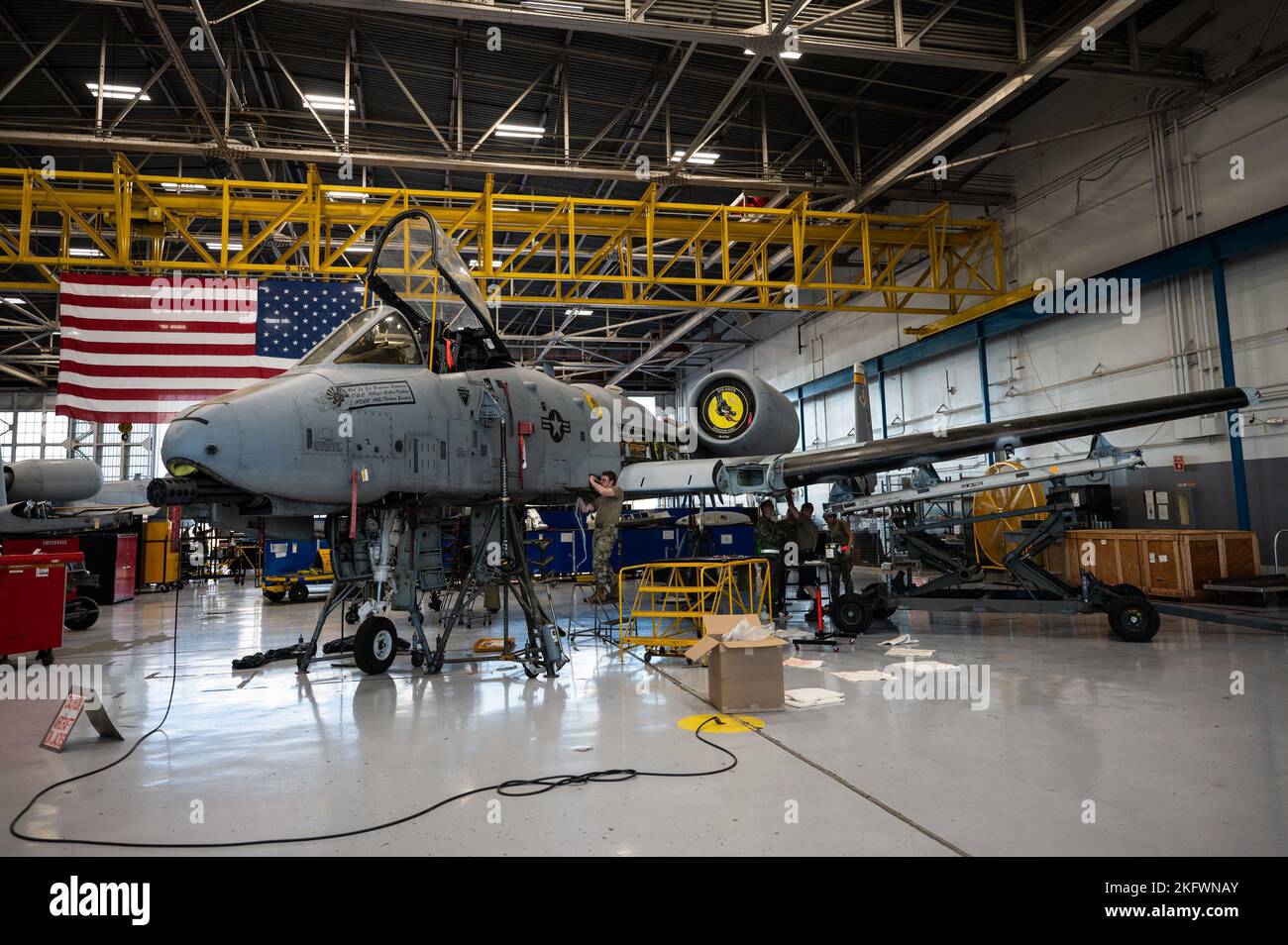
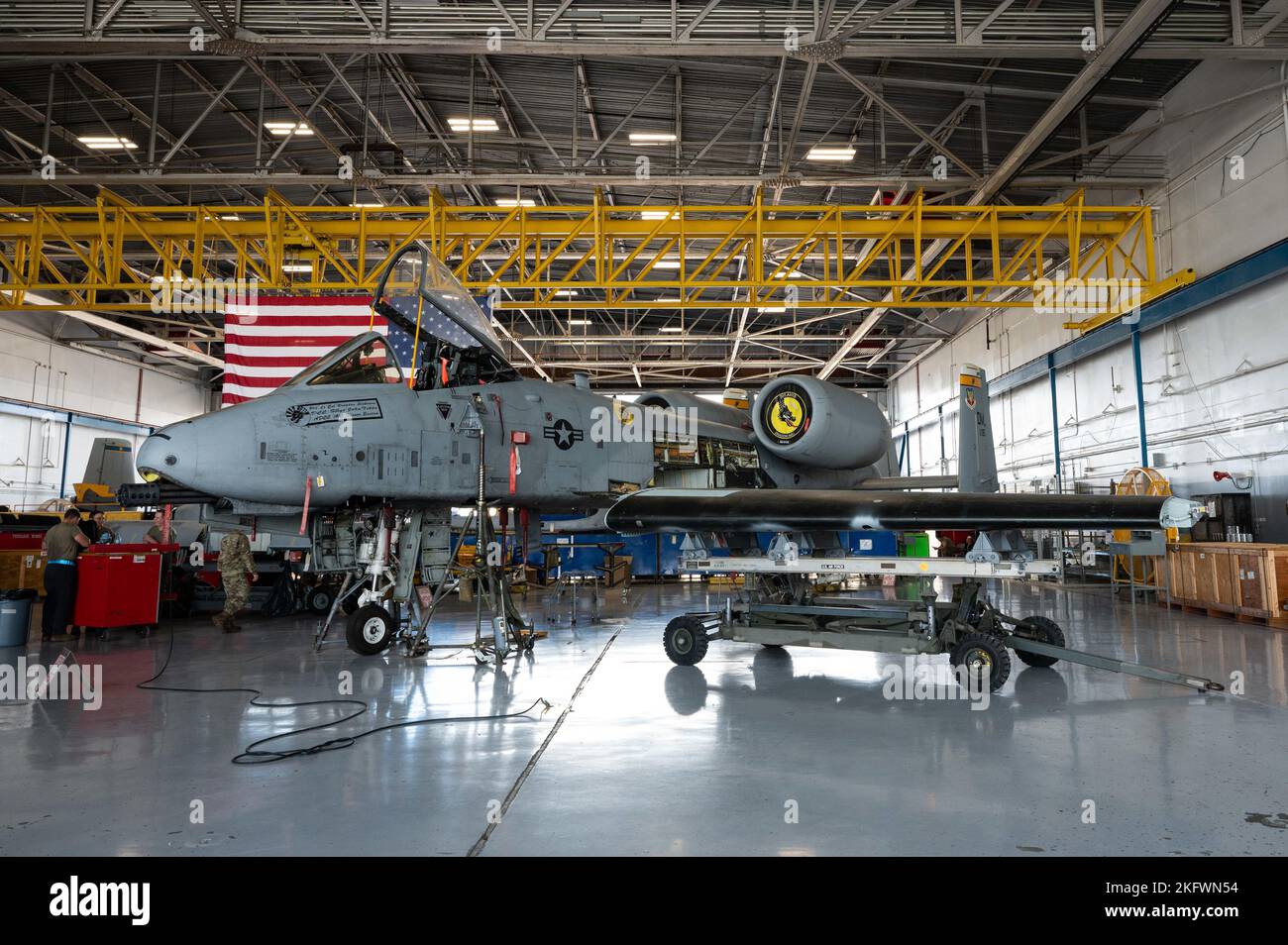
Enjoy
“White” is rarely true white in the real world. Even the whitest whites tend to degrade to less pure white shortly after application. There are several reasons for this, one of the biggest is UV light. UV does not affect most white pigment compositions, as they are mostly titanium dioxide, which is largely inert. It is also heavy, as pigments go, so it needs a thick, transparent binder (the actual polymer that holds things together.) Many of these organic polymers are yellowed by exposure to UV, which is a component of most light, both natural and artificial. There are polymers that have been formulated to resist this yellowing—but ultraviolet radiation is “powerful.” If you’ve had a sunburn, especially if you’ve gotten one when “protected” by a modern sunblock, you understand. So sooner or later, white will become faintly yellow.
Added to this, most white paints aren’t truly pure white. Other pigments get added to increase the ability of the paint to hide, or cover, the color of the substrate. You have probably noticed that white paints, applied alone, do not do a good job hiding the substrate color. Flat white, which has a higher pigment load, a different titanium white, and more secondary, opaque pigments, have much superior hide than gloss white, which needs more of the clear binder to make it appear shiny.
To make a surface appear white, paint it silver, then flat white, then a UV resistant clear.
Another trick is to add a very small amount of blue to the white. This is a trompe l’oeil, a visual trick for the eye. The human eye is sometimes easily deceived. The reason this works I leave to a neuroscientist yet to be designated … 
1 Like
Littlemarten,
I read your post and I would like to know how much blue do you add to the white color? Also, what do you recommend on what blue I should use?
Thanks.
Chris
I have seen cobalt blue recommended.
I don’ t know where I learned it, but I learned to add one drop of blue to UN white painted vehicles, but not for the same reason. It was supposed to keep the paint from yellowing.
How much blue to add depends on the blue, and to a lesser extent on the white. Dark blue, like a cobalt blue, is a good choice. Use a compatible paint! Generally, a very small amount is all that is necessary, like one drop in a typical airbrush cup. This is one of the few things I don’t measure precisely when dealing with paint. If you can see a blue tint in the paint, you’ve added too much. You may have to experiment with your brand.
Adding blue to white paint does not prevent yellowing of the binder. It increases the reflection of blue wavelengths, which counteracts the yellow appearance of the aging binder. There’s more to it than this simple explanation, but this is not the place.
well, it often starts as real white and then there is fading, dust, yellowing…
What the human eye perceives is not necessarily what is there. Case in point: adding a small amount of blue pigment to keep it looking white.
Titanium dioxide is a very heavy compound compared to most pigments. For this reason, it is hard to keep it adequately dispersed in a paint binder. The binder is the polymeric, film-forming part of the paint. This is one of the reasons white paints tend to have poor “hide,” the ability of the paint to conceal the surface to which it has been applied. This is why undercoating white with silver, or even a flat white paint, is often done. Most white paints made with TiOˇ2 also contain other, mostly colorless pigments to increase its opacity. Most yellowing of white paints doesn’t involve the pigment at all, just the binder. UV radiation tends to alter the color of the binder over time, causing yellowing of the cured paint. Some binders are more resistant to yellowing, but UV is powerful radiation. Flat whites, because they contain a higher pigment load and possibly less binder, are generally more resistant to yellowing.
Fading of a color usually results from changes to the pigment, or erosion of the paint surface. Titanium dioxide is essentially inert, so any fading of white paint is usually due to erosion.
1 Like
Silver under white? I might have to try that. Got some Star Trek ships that would work wonders for.
Titanium white is vulnerable to yellowing with exposure to light; a video I watched on mixing colors to lighten a color while preserving chroma observed that lead white did not have the problem of yellowing, but it was a) hard to get, and b) required careful cleanup and protection due to its toxicity, and was not recommended for use if there was any other option.
I don’t think Testors was putting lead in their paint back then. But if they were, it would certainly explain some things. 
The video was Better than Titanium White from the Harbinson Designs YouTube channel; it was showing tinting artist’s oils, not model paints; the issues the presenter raise apply to model paints as well, but I don’t know what paints you’d substitute for the oils she shows in the video.
Can also help with yellow, orange, or any light color that has poor hide. Some modern silvers do best when they are undercoated with a specialized black primer, which is fine even if a bit counter-intuitive.
1 Like
All good suggestions here, yet another factor is lighting. Will the dio have a roof section putting the wall into shadow, or open-topped?
Depending on the answer to that, you could try test panels of whatever above suggestions interest you and then pick a winner.