Sd.Kfz. 141/1 Ausf. J - RFM - 1/35

For this project, I chose to represent a Panzer III Ausf. J (Sd.Kfz. 141/1) used in the Tunisia campaign in 1943, during one of the final phases of the presence of German armored forces in North Africa. The chosen option will be the vehicle “3” from the 1st. Company, Panzer Regiment 7, using one of the markings provided in the kit itself.
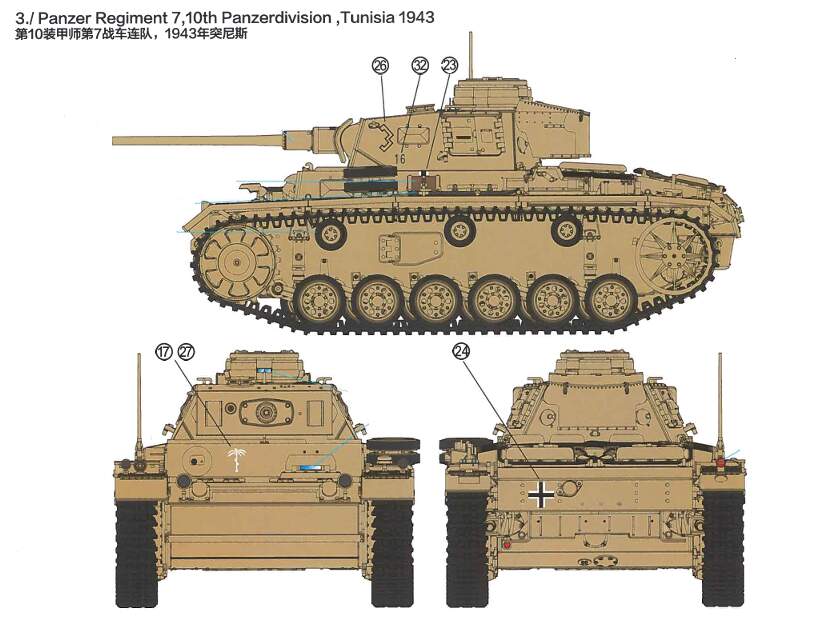
It is worth noting that the RFM reference is incorrect in the manual. It says that the color of the vehicle is RAL 7027, when its references point to RAL 8020, so I am using the reference image from another kit.

I opted for the late tropical scheme RAL 8020 Braun / RAL 7027 Sandgrau, considered more suitable for the Tunisian context of 1943. I am aware that vehicles still painted in the previous scheme RAL 8000 Gelbbraun / RAL 7008 Graugrün continued to be in service during this period, especially in units that received material from different production batches and theaters of operations. However, considering the period represented and the appearance of the references used, I understood that the RAL 8020/7027 scheme, strongly faded by the action of the sun and the dust of North Africa, constitutes the most coherent interpretation for this project.

The Ausf. J was one of the most produced variants of the Panzer III family and represented an important stage in the evolution of the project. Equipped with the 5 cm KwK 39 L/60 gun, it had significantly superior capabilities compared to the earlier versions armed with the short 50 mm gun. During the years 1942 and 1943, the Panzer III Ausf. J formed the backbone of many German armored units, being employed on the Eastern Front, in North Africa, and later in Tunisia.

In its late configuration, the Panzer III Ausf. It had a crew of five men (commander, gunner, loader, driver, and radio/loader operator), an approximate weight of 22 tons, and was equipped with a Maybach HL 120 TRM V12 gasoline engine, capable of developing around 300 hp. The transmission allowed speeds of up to 40 km/h on the road, while the range varied around 150 km. Its frontal armor reached a thickness of 50 mm, and the secondary armament consisted of two 7.92 mm MG 34 machine guns. This made it a balanced vehicle by the standards of the early war, although it was already beginning to face limitations against more modern Allied and Soviet armored vehicles.
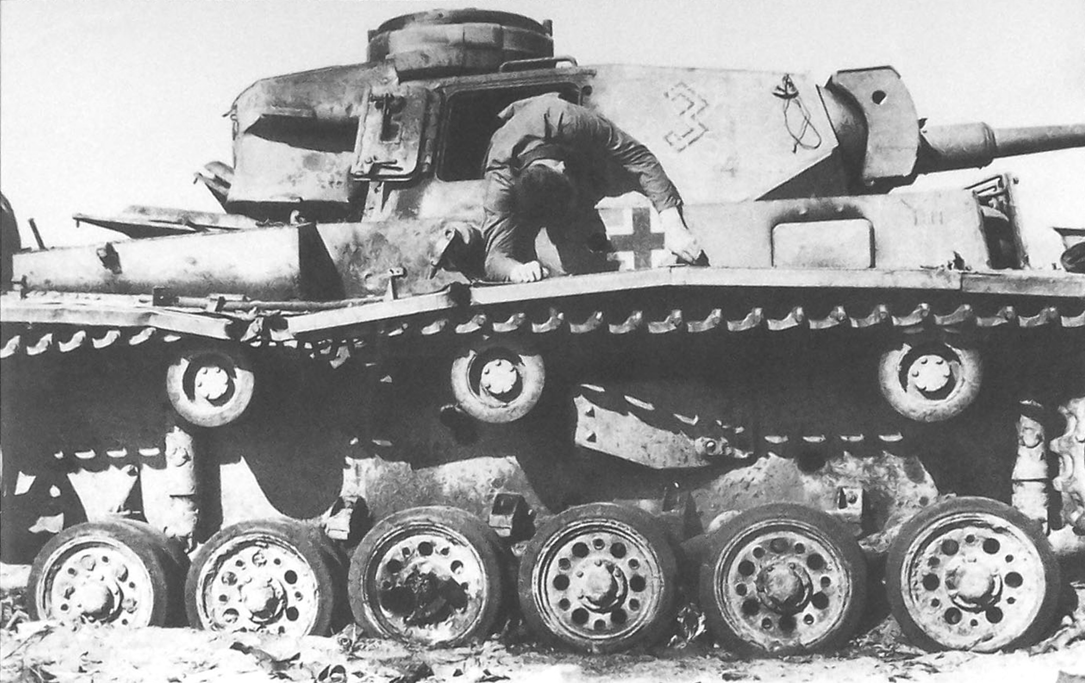
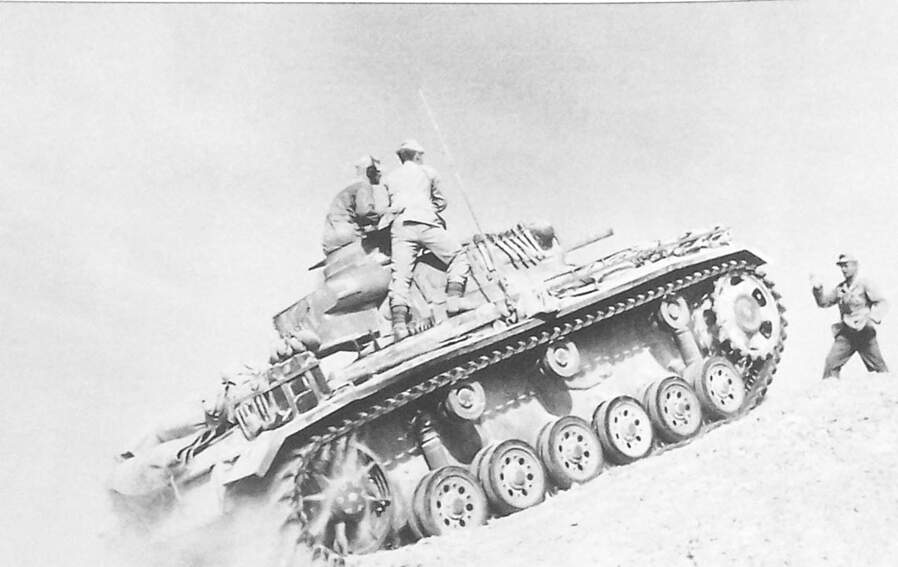
Historically, the Panzer III present in Tunisia participated in the intense battles fought between November 1942 and May 1943, operating alongside Wehrmacht units sent to contain the Allied advance after Operation Torch. The conditions of the North African theater imposed particular challenges on the armored vehicles, with strong sun exposure, abrasion caused by sand, and large amounts of fine dust accumulating on the suspension, tracks, and horizontal surfaces of the vehicle.
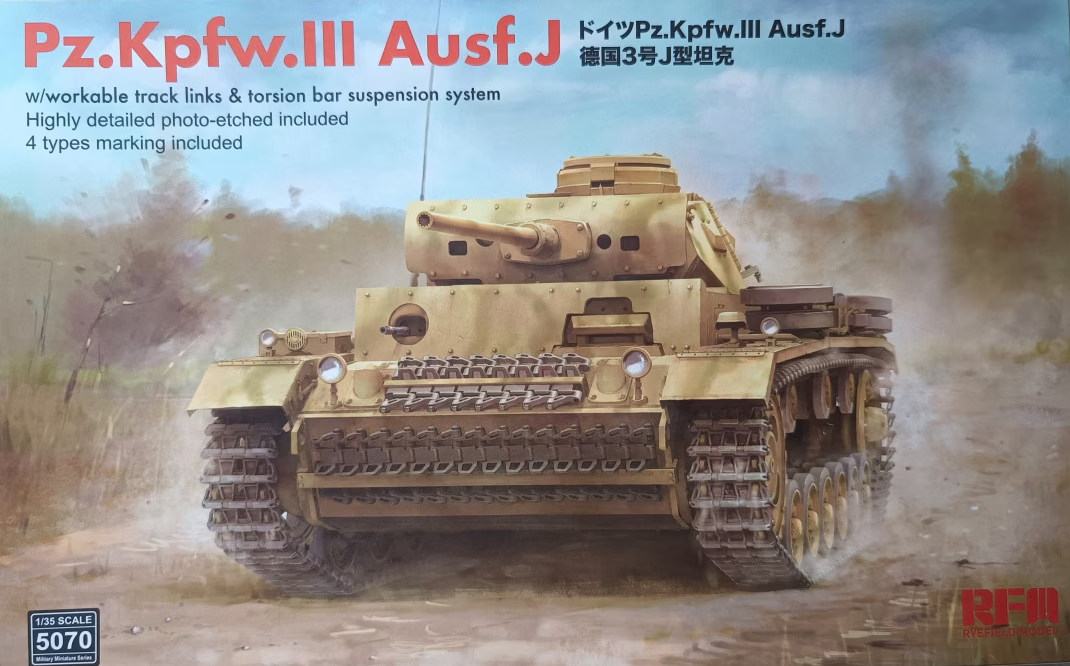
For the assembly, the RFM RM-5070 Pz. kit was chosen. Kpfw. III Ausf. J, released in 2020. The kit is widely recognized for its high level of detail and excellent engineering, representing one of the best options currently available for reproducing a 1/35 scale Panzer III. The kit does not have a complete interior, but it offers excellent external detailing, photo-etched parts, movable suspension, and articulated tracks, providing an extremely solid foundation for a historically accurate representation.
The construction will be essentially out of the box, with the main focus on painting and weathering, aiming to reproduce the characteristic wear of the German armored vehicles used in the last months of the North African campaign.

Comments, suggestions, and historical corrections will be very welcome throughout the assembly.
6 Likes

Your first comment flagged an alarm in my brain, so I checked with Google AI :

“The 10th Panzer Division was not part of the Deutsches Afrikakorps (DAK), though it did fight in the North African Campaign”

That’s what I thought.
So, either the decals are fictional, or the tank didn’t belong to 10 pd as Rye Field think.
You posted one photo of the real vehicle, but I’d like to see if the “palm tree” logo is really on it somewhere.

David

2 Likes

The 10th. Panzer Division participated in the North African campaign, but it was not part of the original core of the Deutsches Afrika Korps (DAK).Panzer Division participated in the North African campaign, but it was not part of the original core of the Deutsches Afrika Korps (DAK). The division arrived in Tunisia at the end of 1942, after Operation Torch, as a reinforcement for the German forces trying to hold back the Allied advance.The division arrived in Tunisia in late 1942, after Operation Torch, as a reinforcement for the German forces trying to contain the Allied advance.

It is important to make a distinction between “served in Africa” and "belonged to the Afrika Korps."It is important to make a distinction between “served in Africa” and “belonged to the Afrika Korps.” The divisions most associated with the DAK were the 15.The divisions most associated with the DAK were the 15th. Panzer Division and the 21st.Panzer Division and the 21st. Panzer Division, present since the early stages of the desert campaign.Panzer Division, present since the early stages of the desert campaign. Already the 10th.The 10th. Panzer fought mainly in the Tunisian campaign, participating in operations such as Sidi Bou Zid and Kasserine.Panzer fought mainly in the Tunisian campaign, participating in operations such as Sidi Bou Zid and Kasserine.

Another interesting detail is the issue of markings. The famous emblem of the palm tree with the swastika, usually associated with the Afrika Korps, was a characteristic insignia of the DAK. As the 10th. Panzer Division was employed in Tunisia under the 5th. Panzerarmee of Von Arnim, and not as an organic division of the Afrika Korps; I will not automatically assume the use of that emblem on their vehicles. The references are only from the side and the manufacturer’s suggestion is incorrect. In fact, RFM does not indicate placing the DAK emblem, but it does indicate the incorrect color. Dragon indicates the correct markings, but is confusing in color. This color scheme I posted I got from Scalemates, but I don’t remember which kit it was from. It indicates putting the DAK mark, but it’s wrong.

Many armored vehicles of the 10th. Panzers appear only with the Balkenkreuz and tactical numbers, without the palm tree of the DAK. Although documented exceptions may exist (which I have not yet found), the safest historical approach is to base the markings on photos of the specific vehicle. In the absence of photographic reference, I will follow the golden rule: using only the Balkenkreuz and tactical numbers is probably the most correct option.

4 Likes

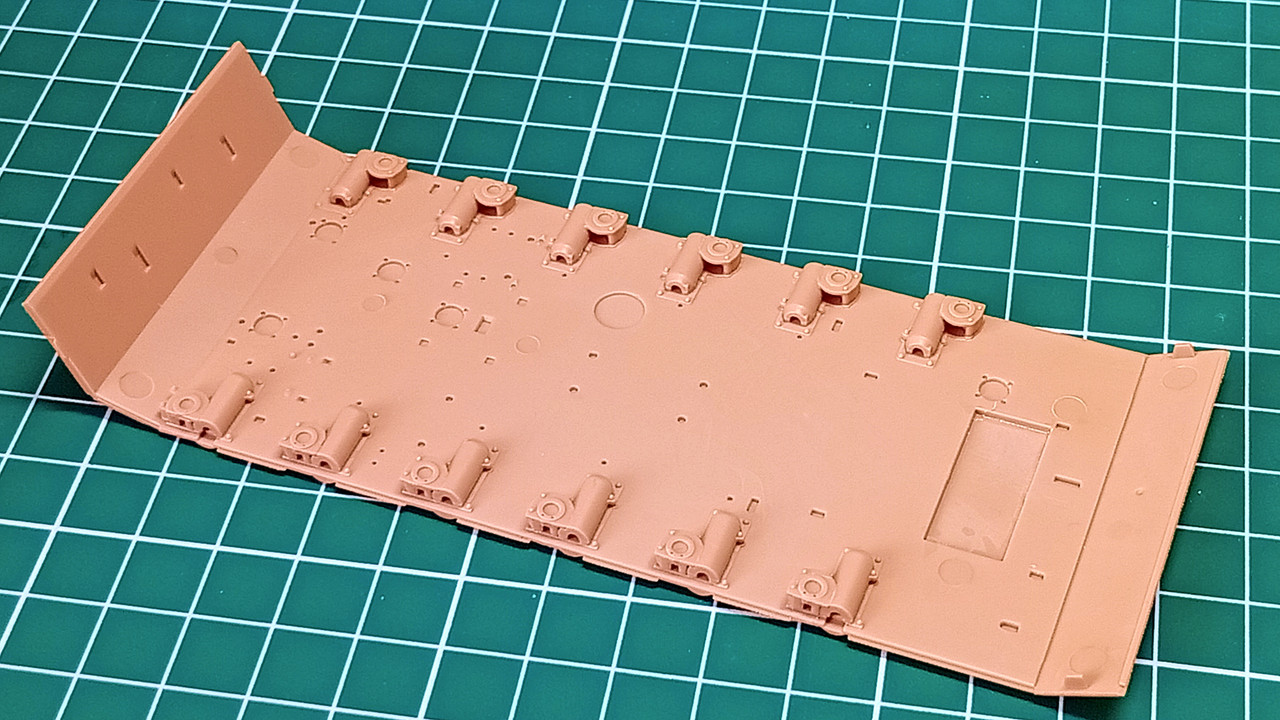
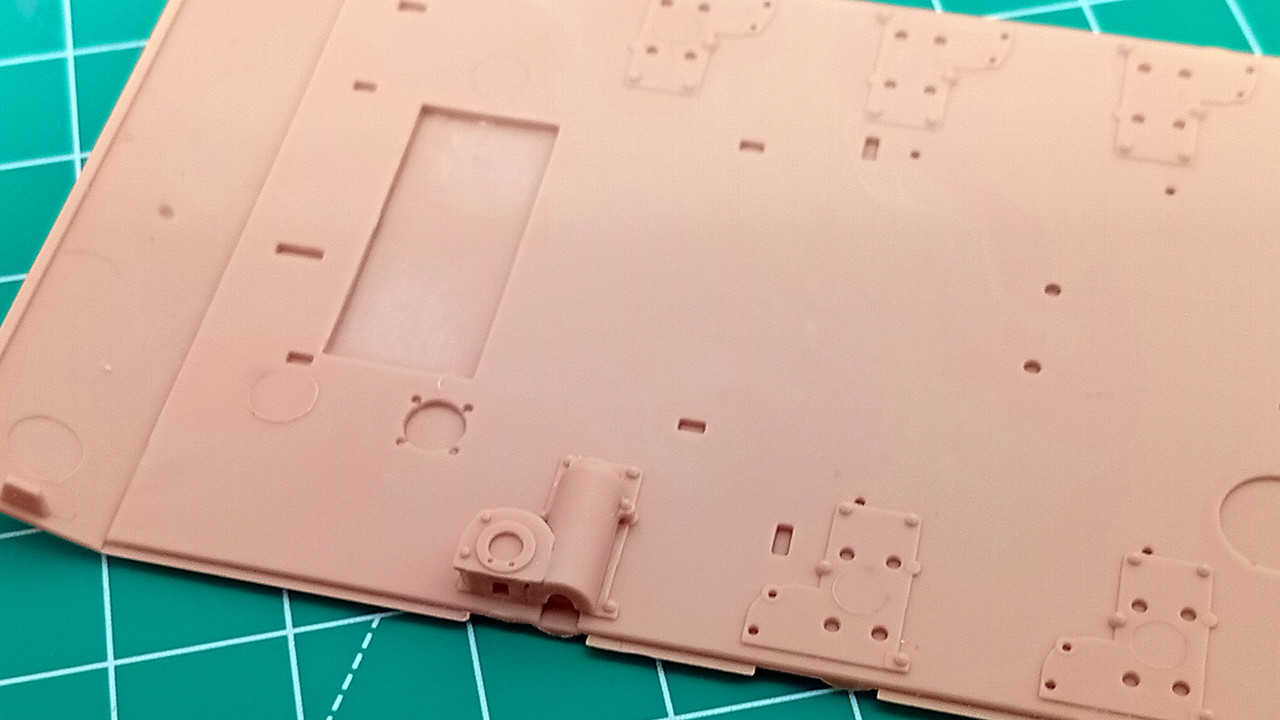
Phase 1 of assembly is complete.

Detail of the fittings through which the torsion bars should pass.

panzer-III-j-build-01

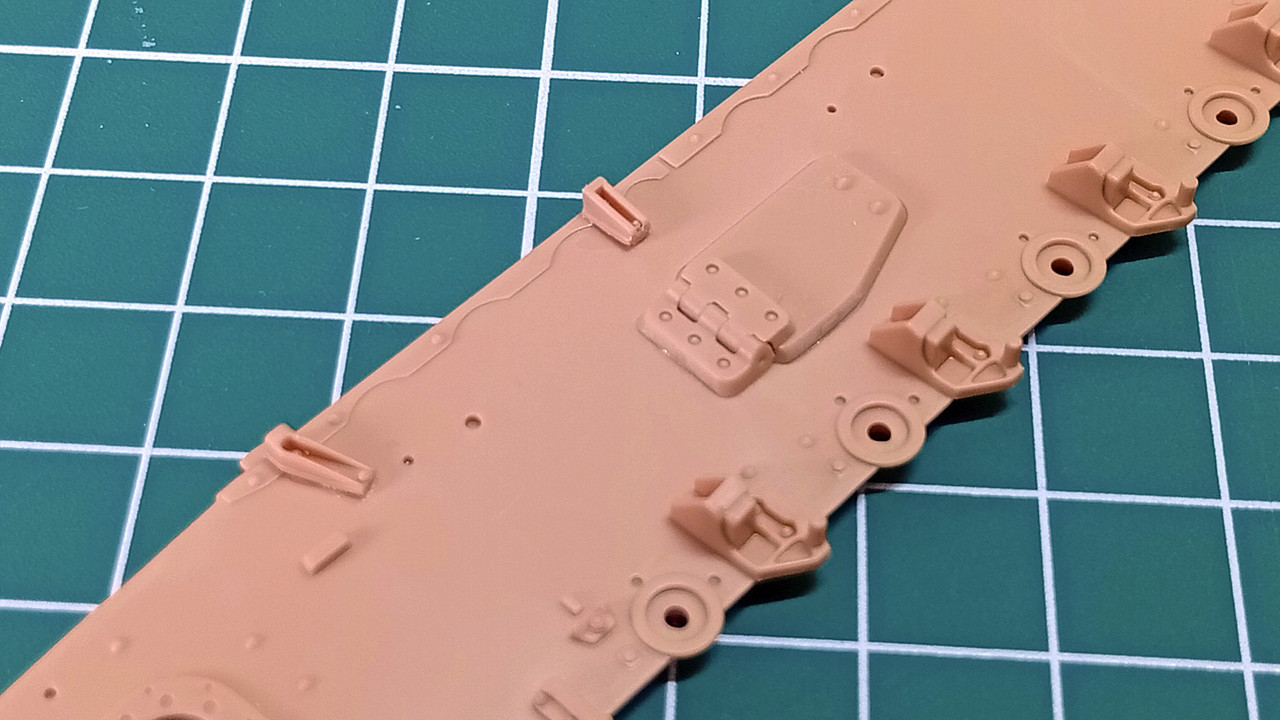
All the structure is finished. Attention at this stage to keep it as aligned as possible so that there are no issues when closing the hull later.

panzer-III-j-build-02

Beginning of stage 2. Detail of the escape hatch of the lower hull. There are two pieces on each side to later close the hull in step 3.

panzer-III-j-build-03

5 Likes

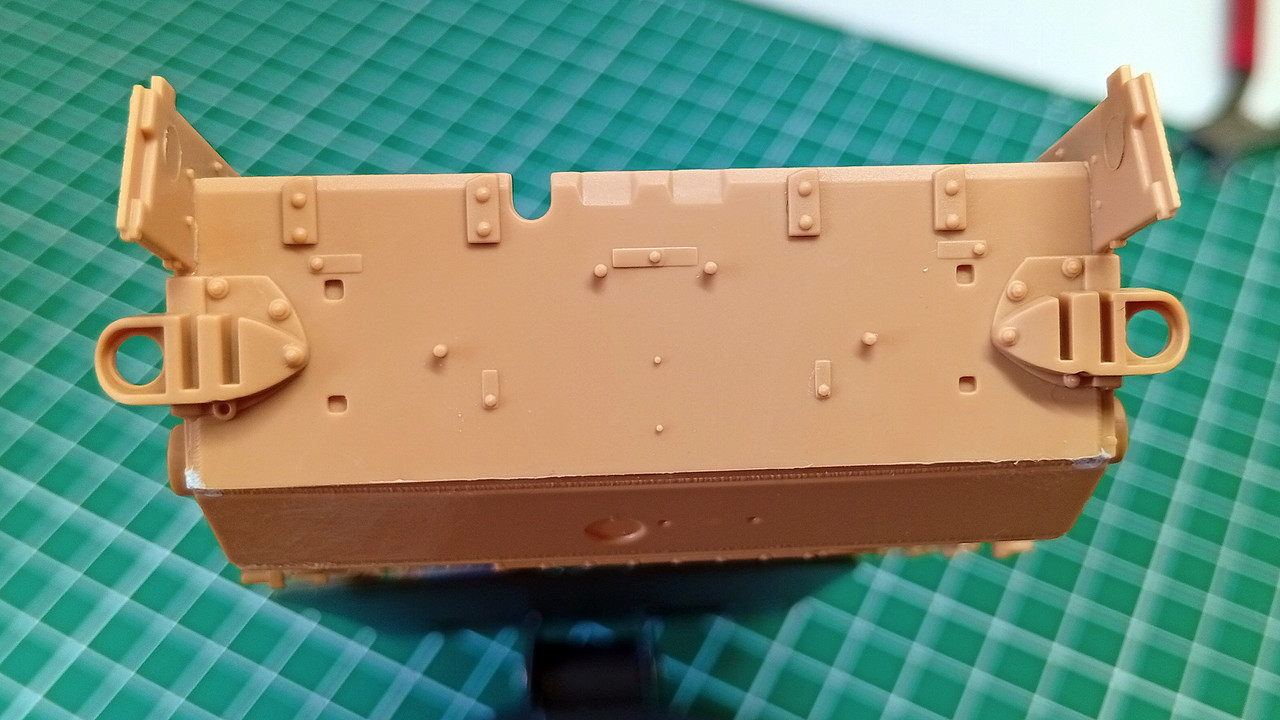
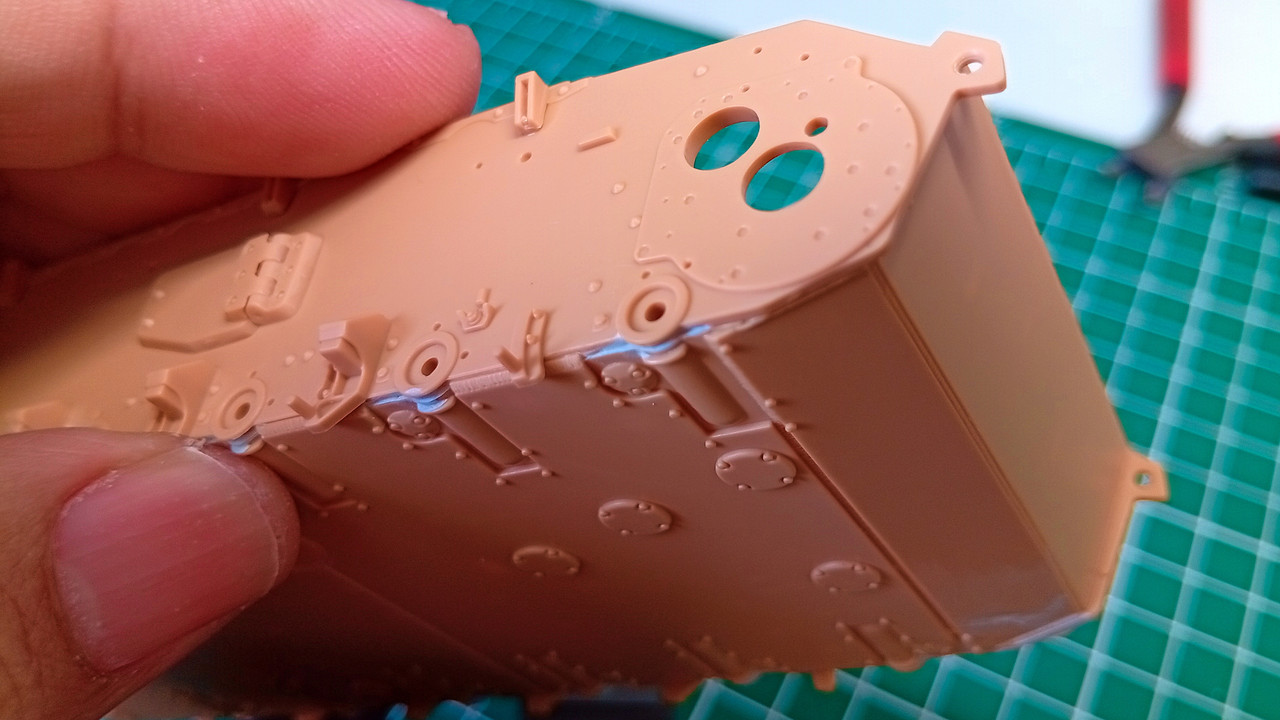
Phases 2 and 3 are completed.

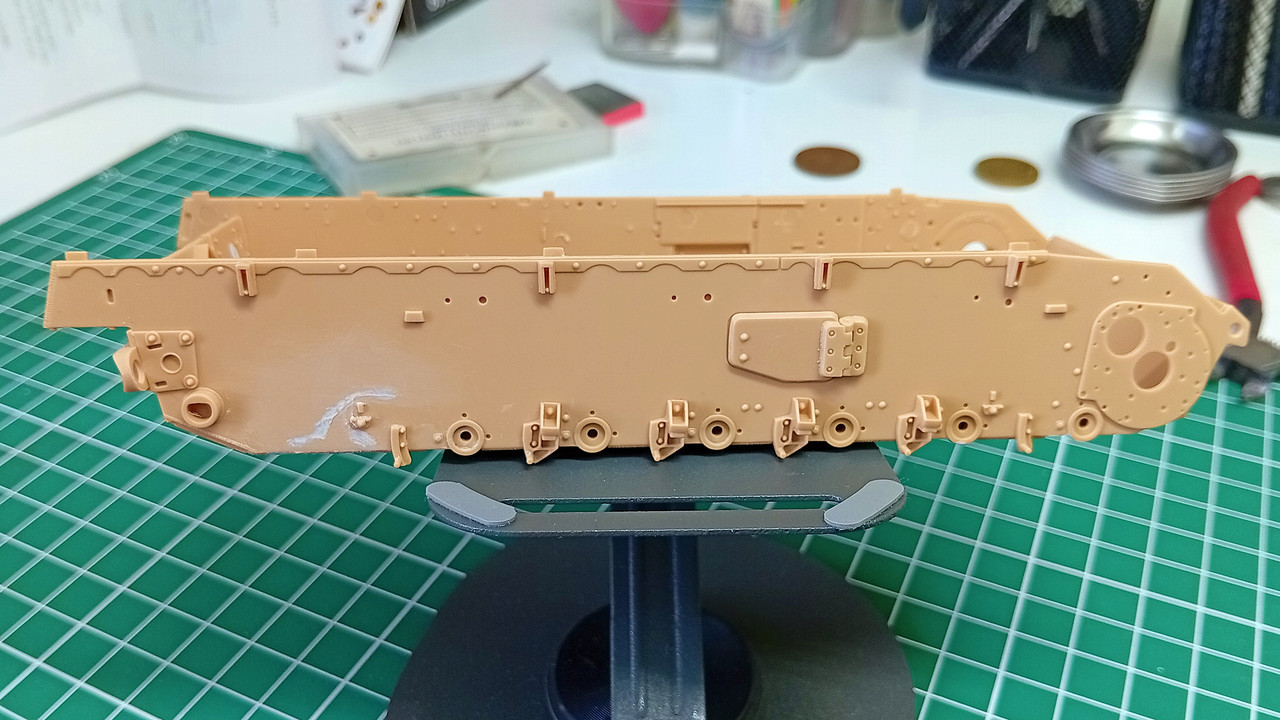
Once the sides were finished, I moved on to closing the lower hull. When it was time to glue, I misapplied the glue, and it overflowed a bit from the inside. This caused a slight melting of the hull. I filled it with Ammo’s fine primer putty (A.MIG-2047) and then sanded it.

The closure was smooth, with well-made fittings.
panzer-III-j-build-04

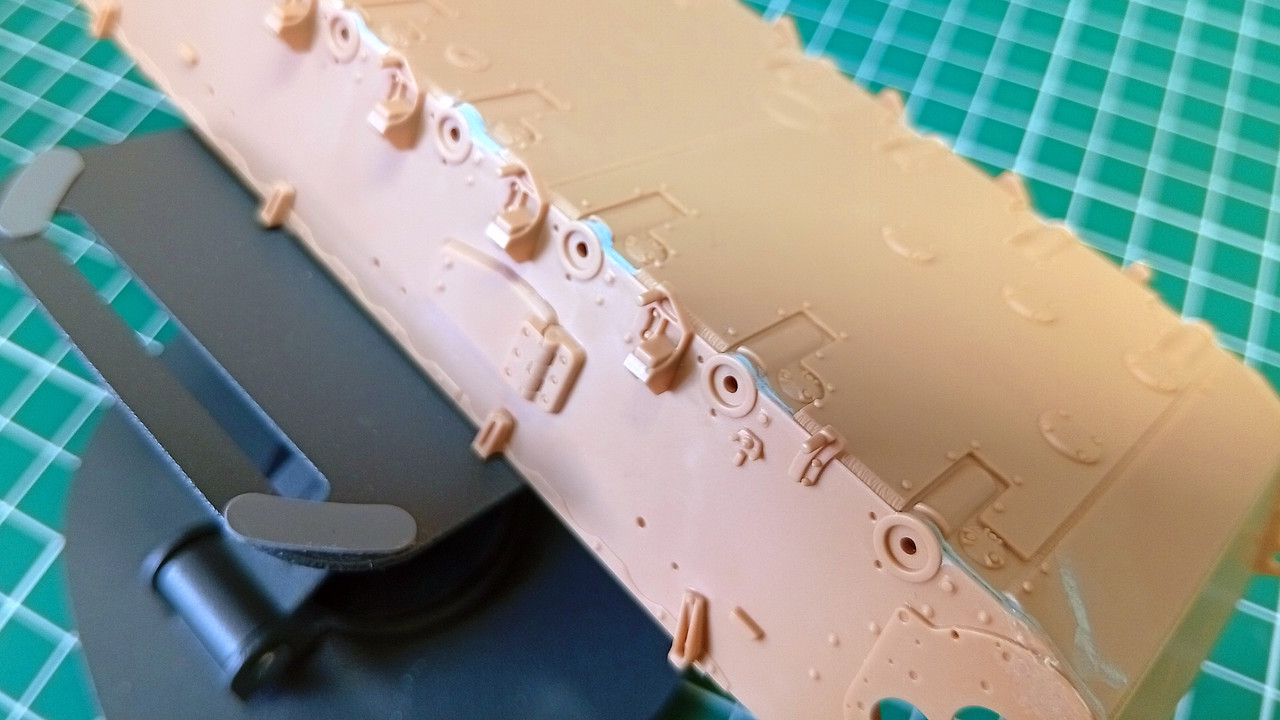
It was excellent to use this well-diluted putty, as it easily filled the small gaps that remained under the torsion bars of the wheels.
panzer-III-j-build-05

Rear part.
panzer-III-j-build-06

Detail of the putty applied, I didn’t even need to sand it. I gradually filled the gaps with the diluted putty. In the end, this will be dusty, and a bit of soil will be added. I don’t think I even needed to do that.
panzer-III-j-build-07

4 Likes

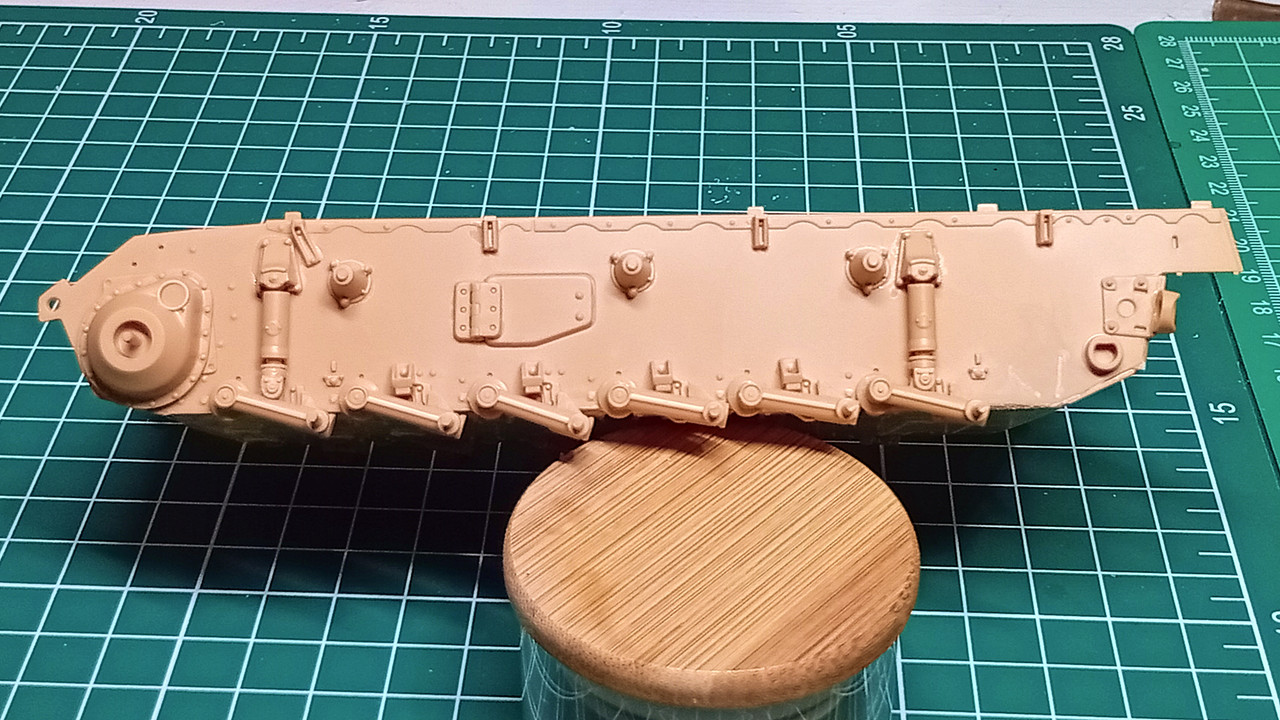
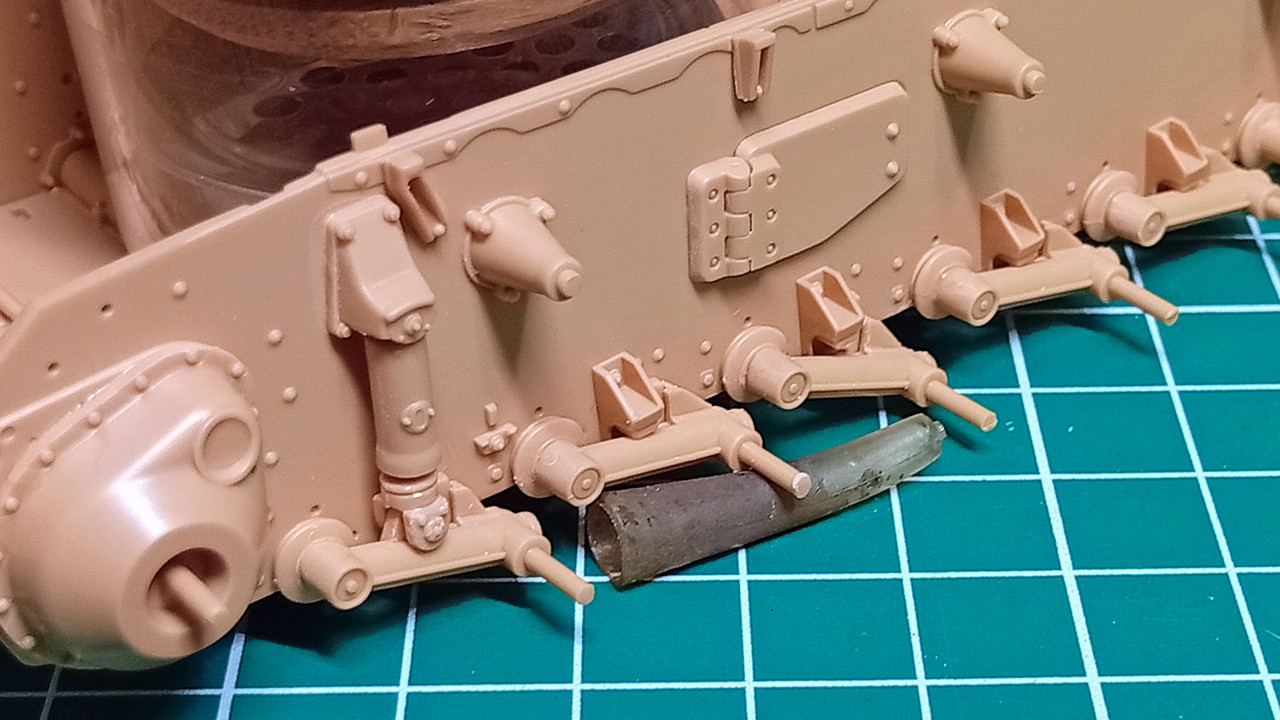
Phase 4 completed.

I left the suspension mobile. It had been a while since I spent time like this on a suspension.

panzer-III-j-build-08

panzer-III-j-build-09

2 Likes