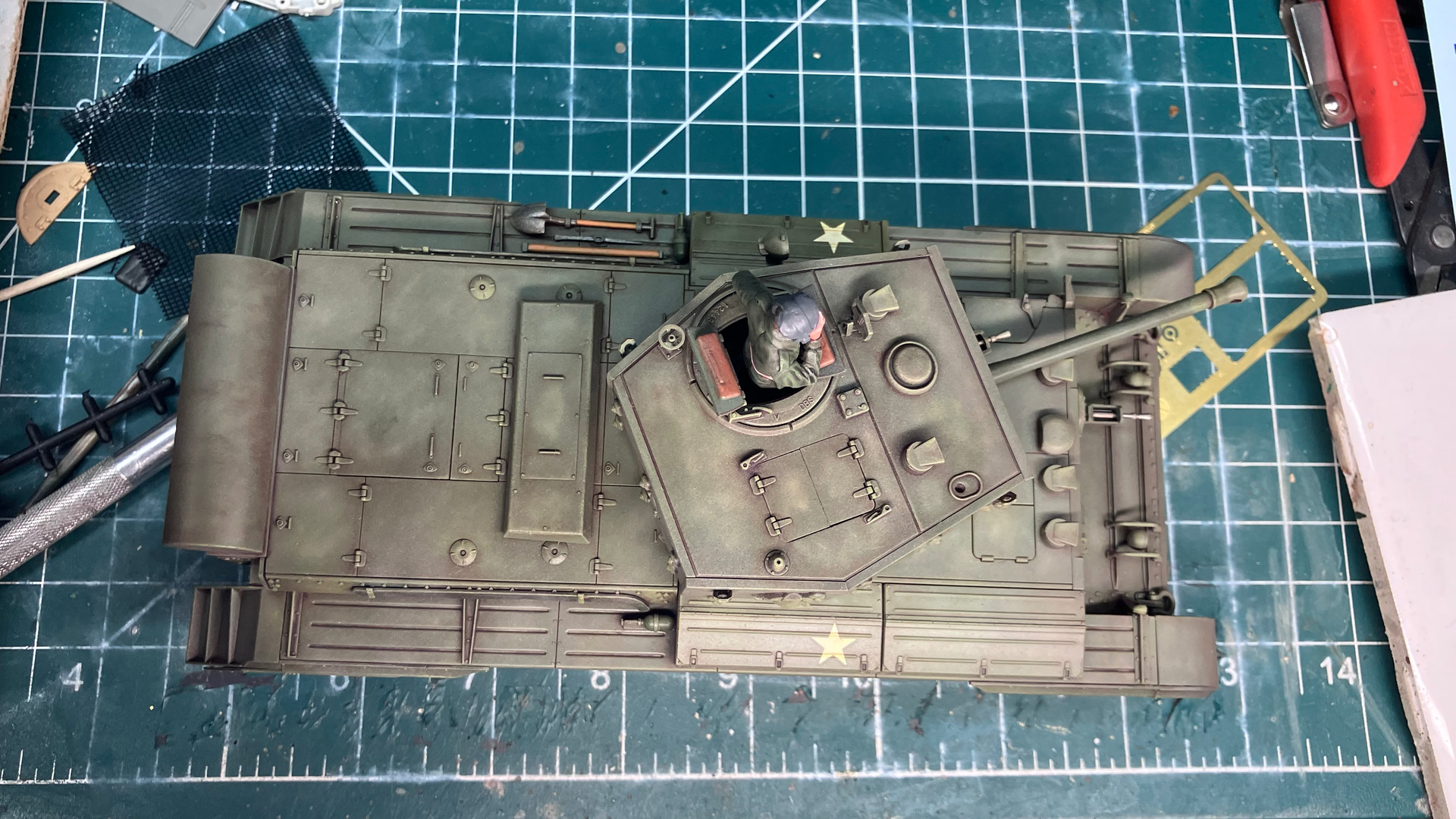
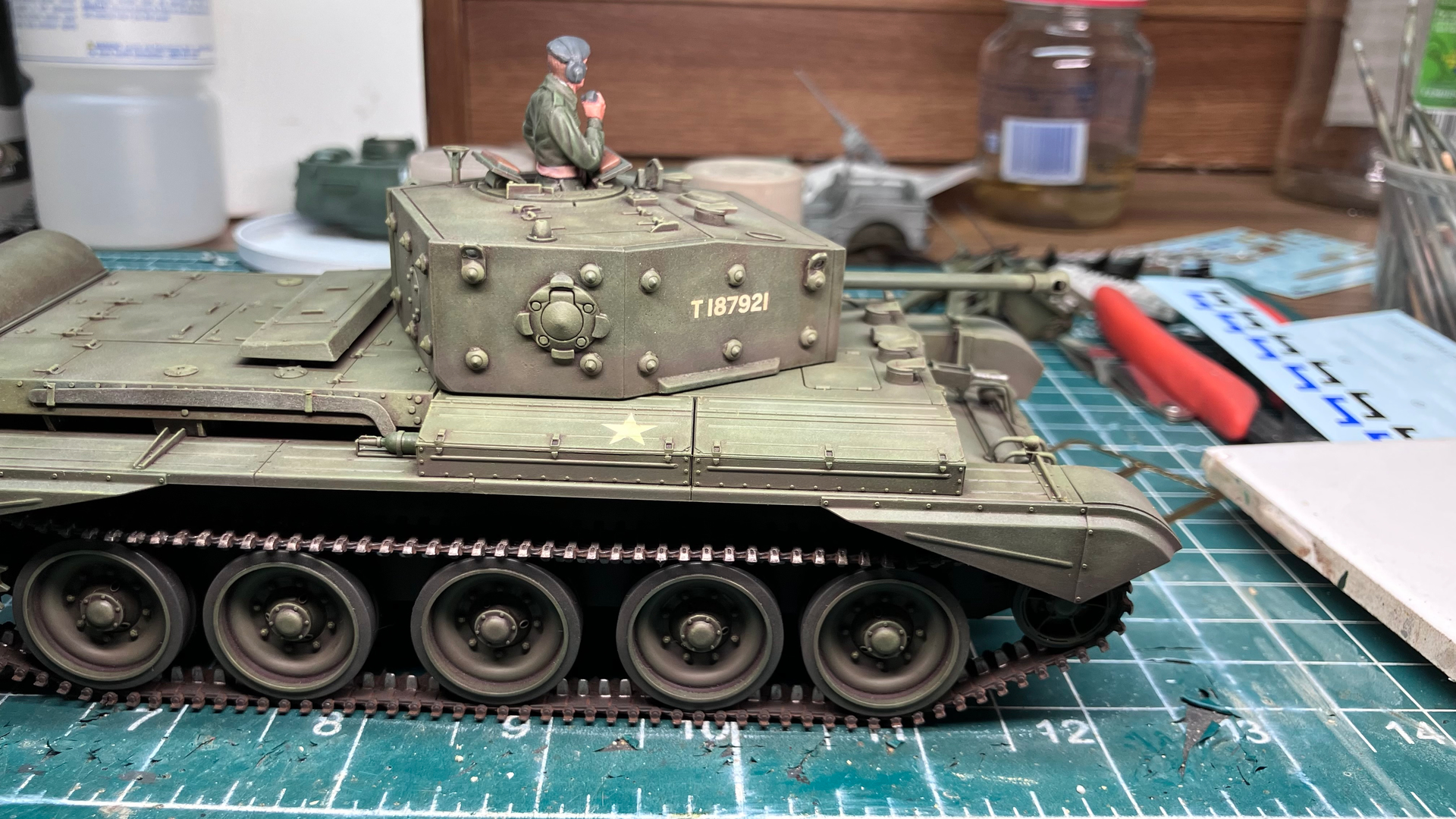
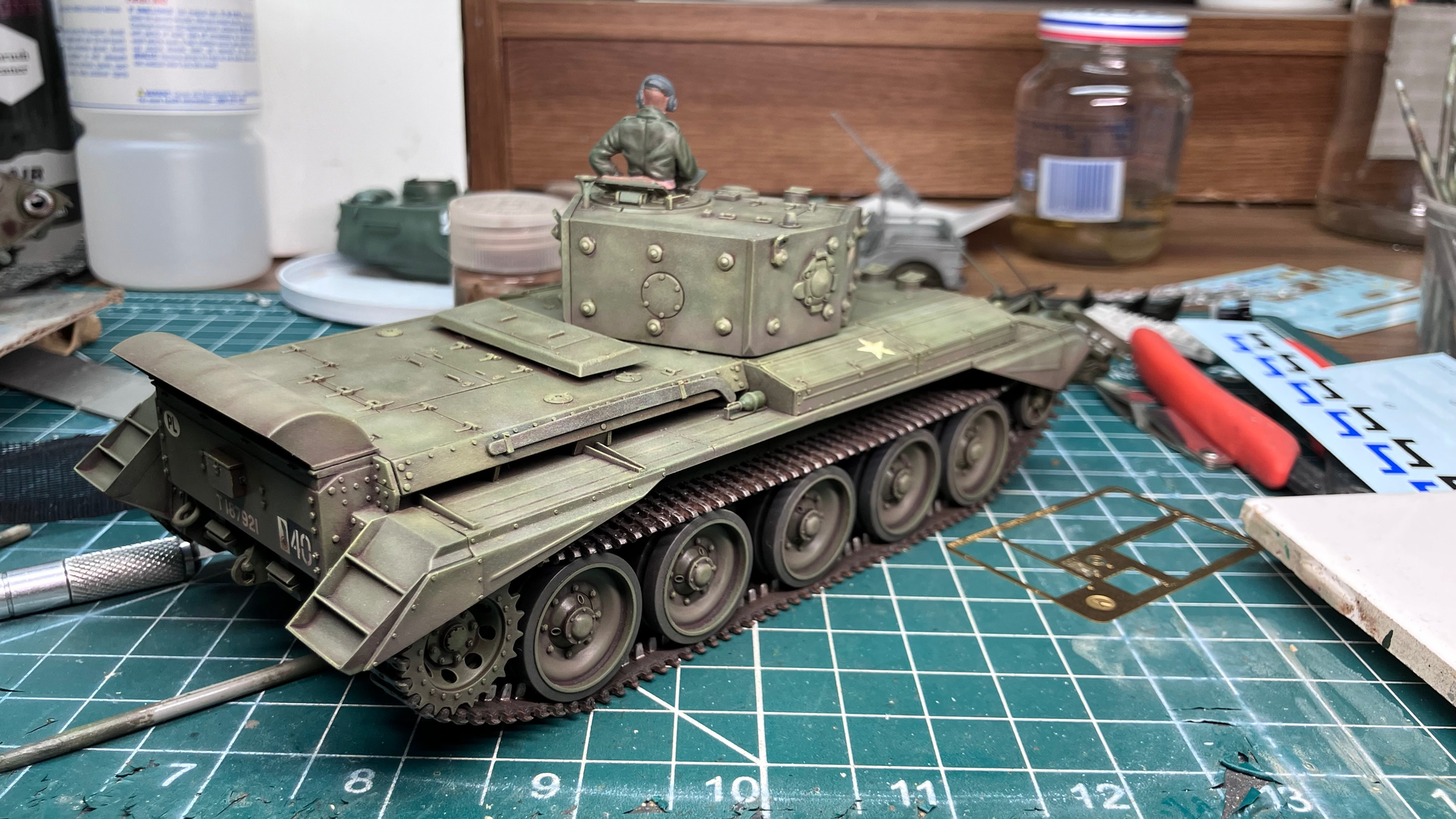
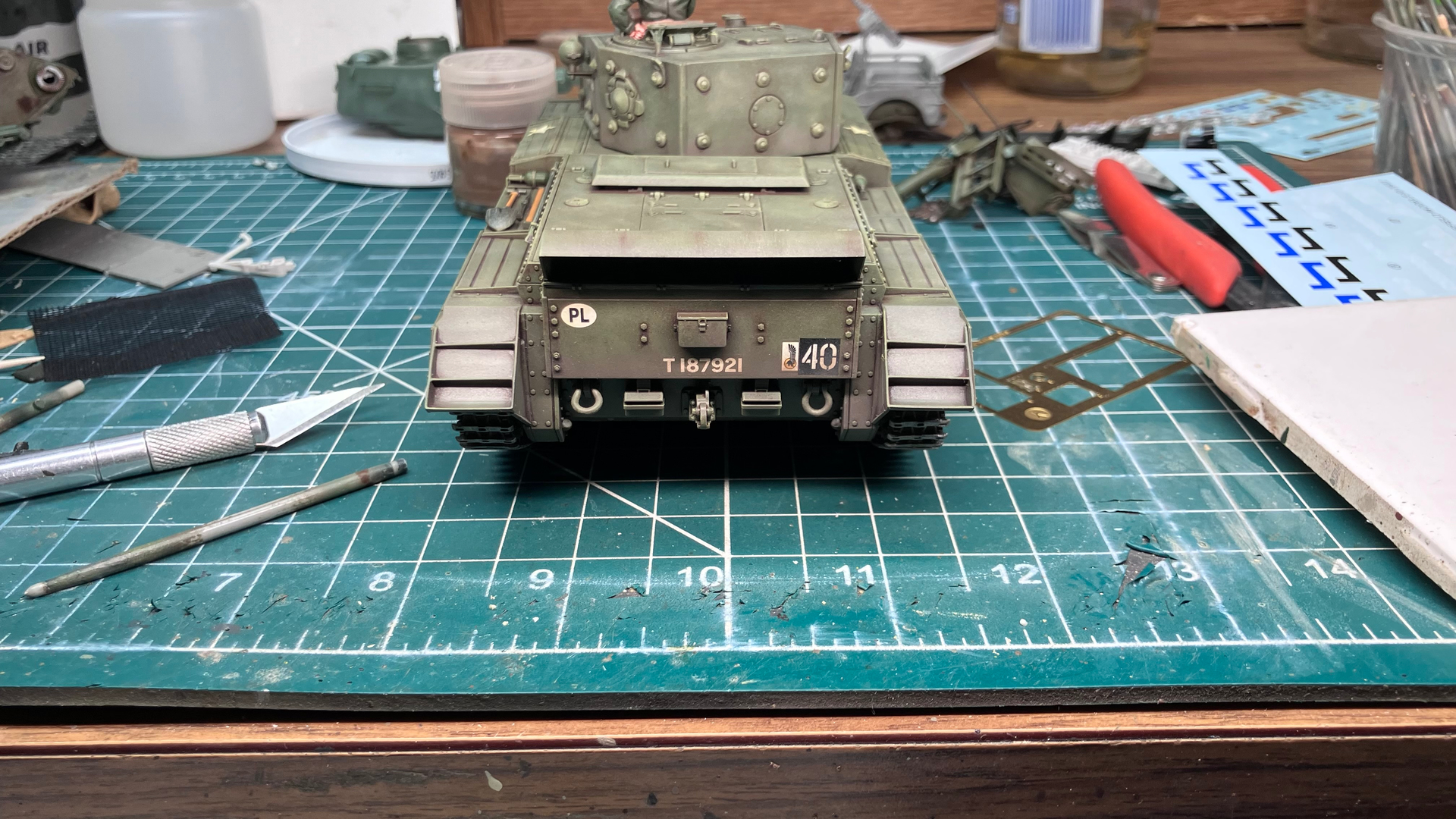
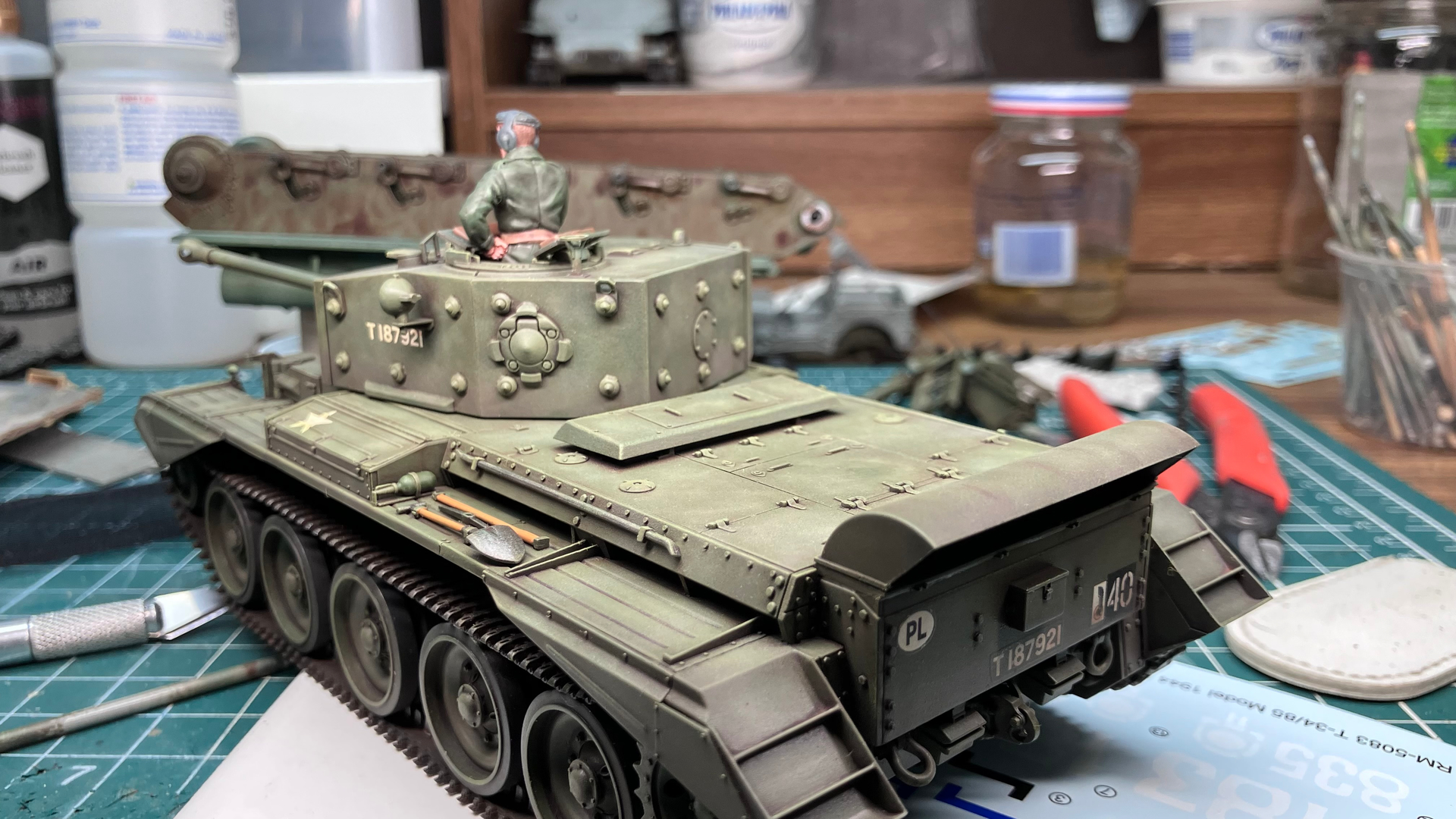
A palette cleanser. Only 5 sprues. OPB including the plastic mesh for the intake screen. Maybe about 4 hours build time. At least 2-3 times that for painting and weathering. Done as a Polish unit. Not a figure painter but gave it a shot. Very pleased with how it turned out. Used speed paint for the flesh tones. Dark green for the uniform color followed by speed paint again for the creases, then a light green dry brushed over the high spots. Details on the uniform are pretty good. Side arm holster and belt so so, as are the face and hands. Thanks for looking in.


37 Likes
Nice one!
High on my wishlist to do myself.
1 Like
Paint and weathering looks great. Figure looks good. Speed paint acrylic? I’m going to look it up
1 Like
Think so. Water based pretty sure. Used by miniature painters, Warhammer and the like. There’s are several lines, ArmyPainter, WarPaints. The speed paints are basically washed you apply directly to flat painted surfaces. Just learning to use them.
1 Like
Looks great! I’ll have to try those speed paints as figures are not my strong suit.
1 Like
You have done a great job there- I like the way you have weathered it. Gives a nice bit of character to the green paint. Grand job on the figure too- the speed paint has brought out the details of it very well.
2 Likes
Looks great DV! 
3 Likes
Believe the culinary term is “palate cleanser” but your quick build is the envy of many of us!
1 Like
Very well done! That is such a fun kit and the true example of Tamiya “shake & bake”. The perfect palette cleanser build.
1 Like
The palette cleanser is a when one uses up all the left over oil paints on the palette to make a piece of modern art.
Why waste paint …

1 Like
Thanks to all who have checked in.
3 Likes
Very nice DV …. Another great addition
2 Likes
Outstanding job on your Cromwell DV, the finish is just beautiful especially the light subtle weathering you did. The running gear really pops with the washes you did- if that’s how you achieved that look.
1 Like
Great work! Consider adding small copper wire for the commander’s head set. Should make that figure pop even more.
1 Like

3 Likes
Great model, outstanding paintwork and weathering, a few minor mistakes for exactly this vehicle - “HELA”, but only for orthodox modelers.
1 Like
Hi
They’re great build. Your weathering is good.
Recommend a wire to the spotlight, and you’re done!
Cheers
Andrew T
1 Like
I did some quick research:
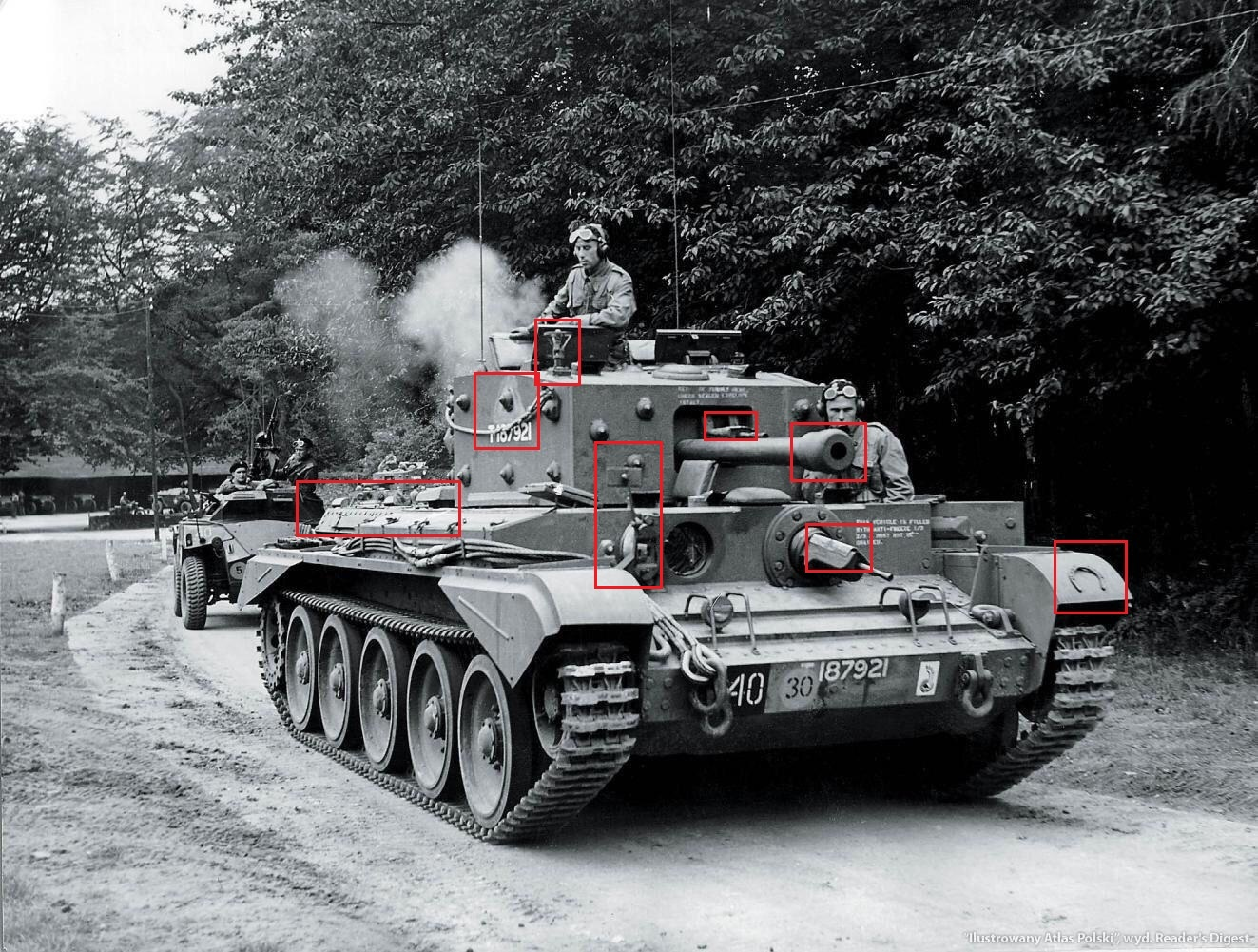
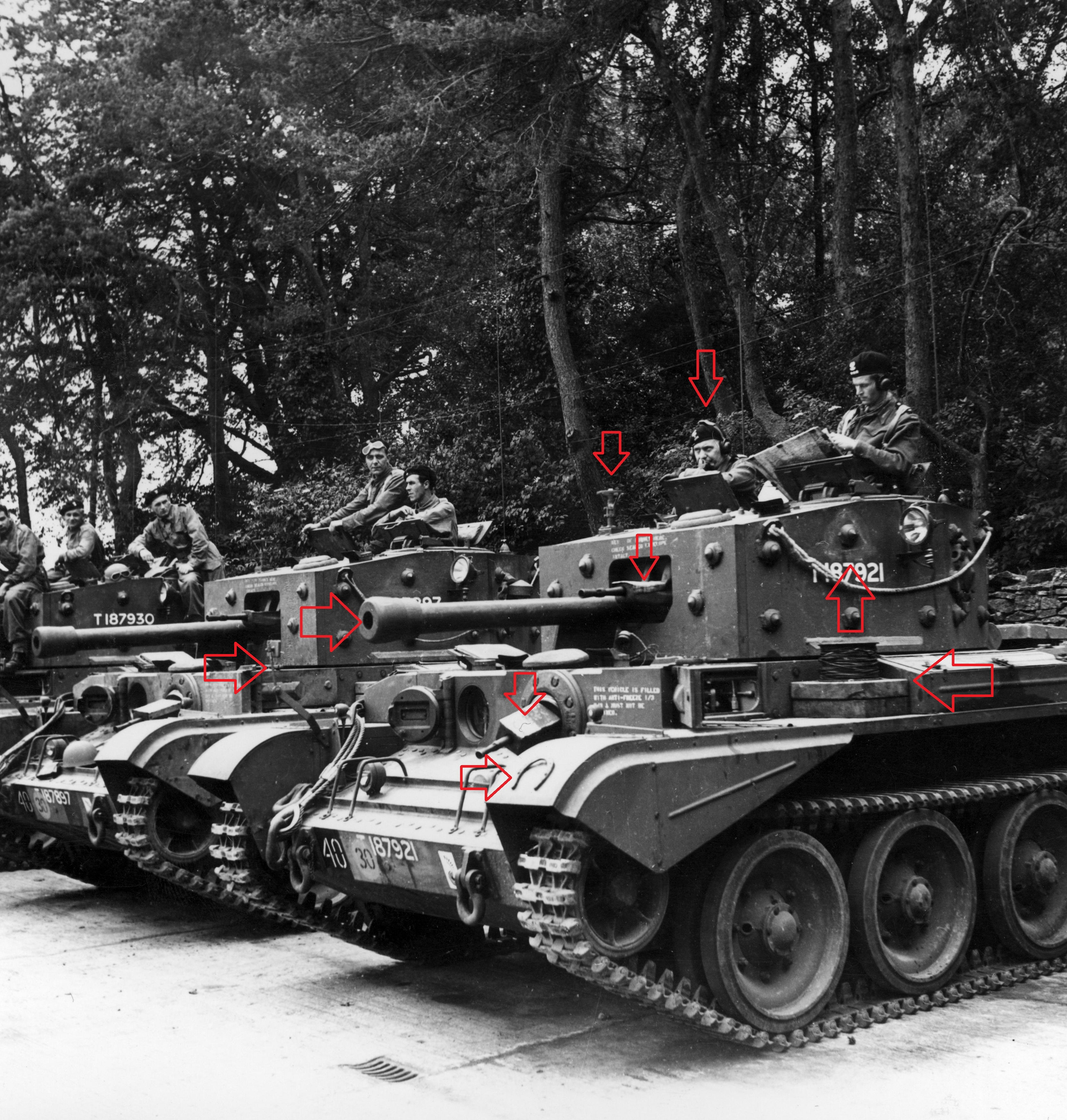
The “Hela” was the command tank, the personal vehicle of General Stanisław Maczek, commander of the 1st Polish Armored Division.
-
The gun was a dummy – made of wood to create more space in the turret, but it looked more like a regular tank.
-
It had an additional radio antenna on the roof in front of the grenade launcher.
-
The left fender of the track – a horseshoe – firstly, Maczek was a cavalryman – and secondly, for good luck, I suppose.
-
Repainted “A” Squadron markings.
-
MG’s Bessa had “roofs” – rain covers.
-
No exhaust deflector.
-
Hela – his wife’s name, for Helena – painted in August 1944 – when the Division arrived in Normandy.
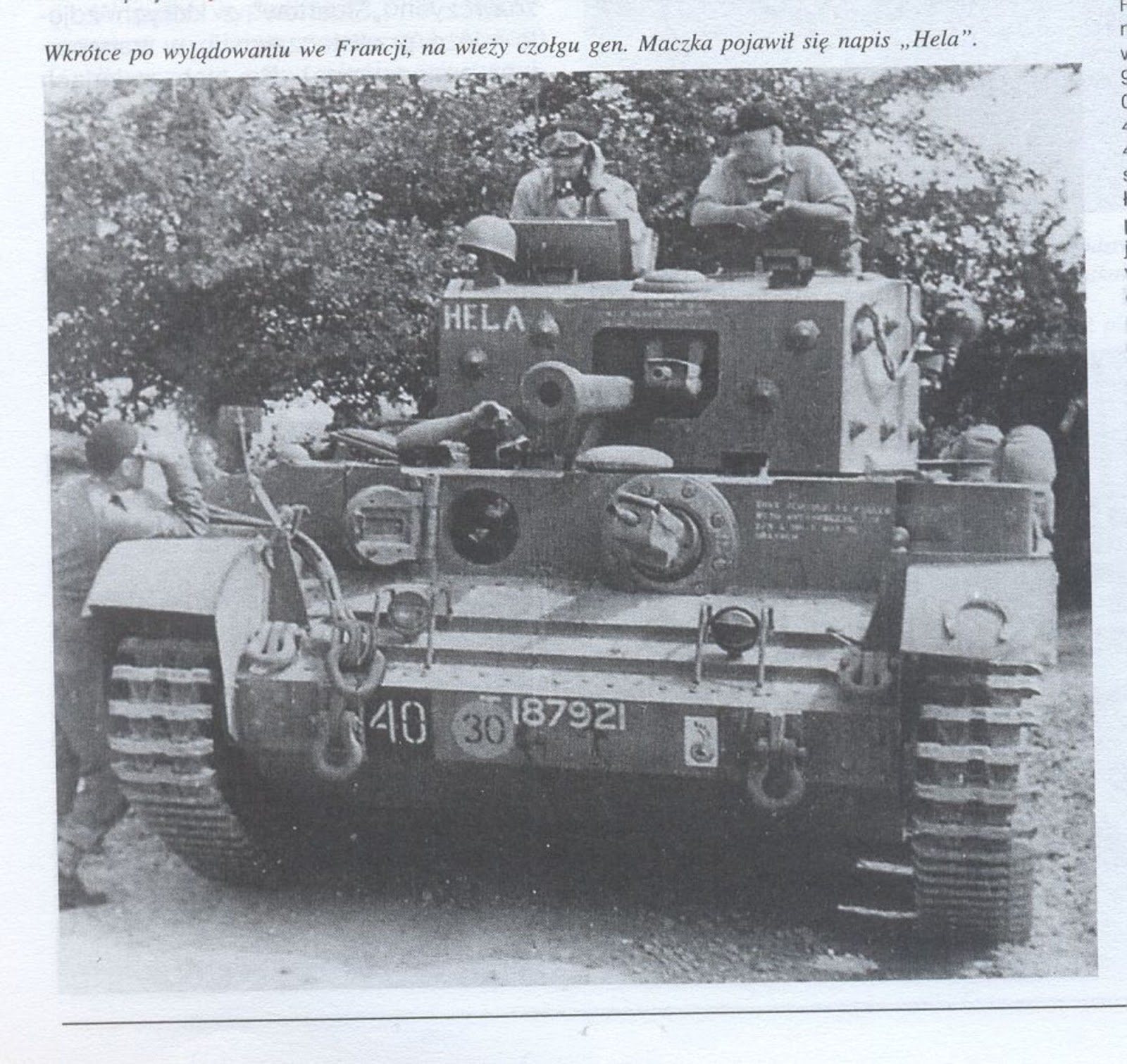
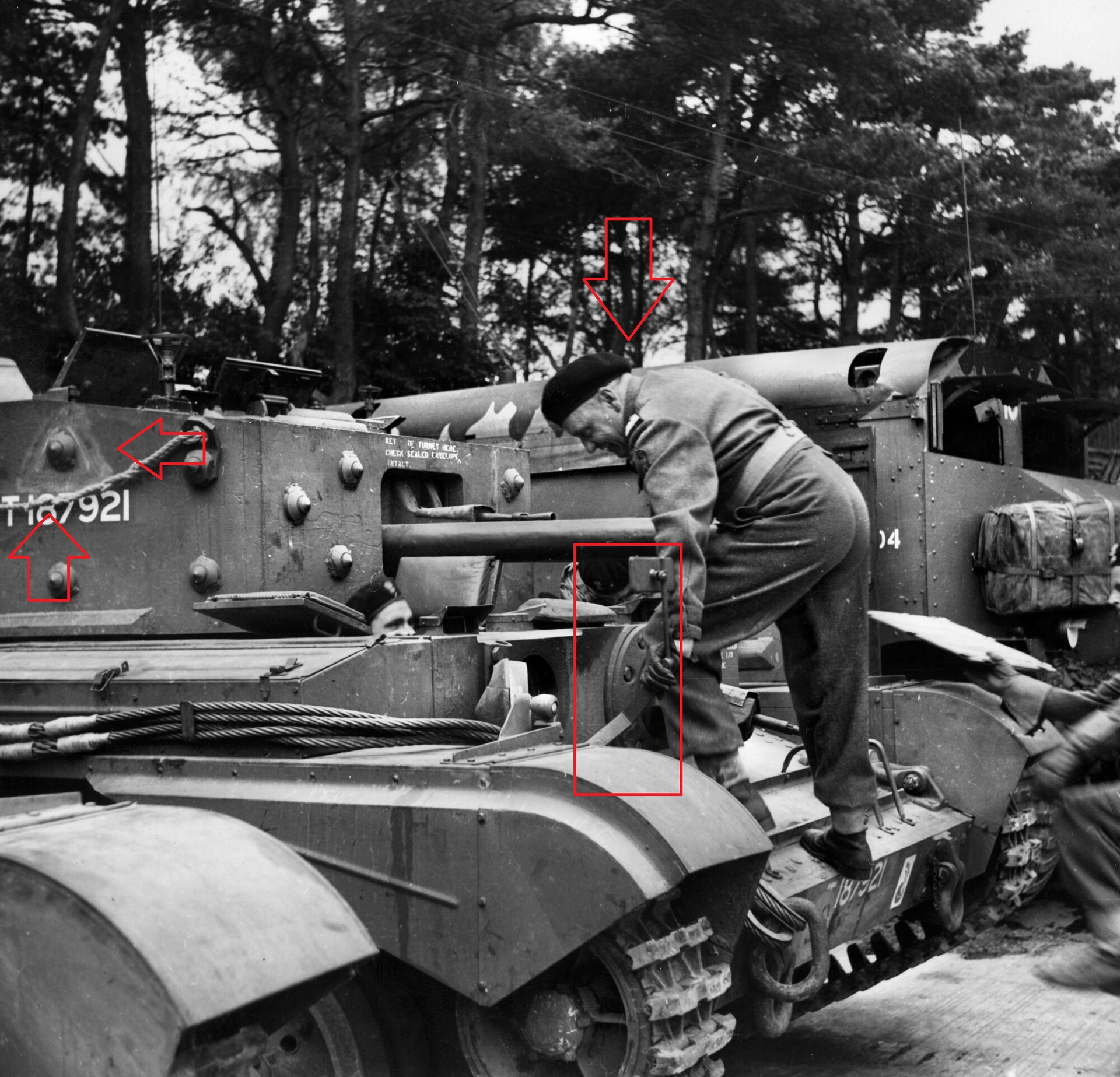
And a few extra things… rope railings on the turret, a raised driver’s mirror, a spool of telephone cable on the left fender.
In 2024, in the 10th Cavalry Brigade, the name “HELA”and markings of Cromwell T187921 was added to one of the Leopard 2A4 tanks modernized to the 2PL standard, in memory of General Maczek.

EDIT:
In case anyone wants to ask (I’ve been asked): Yes, we do the two-finger salute. No, it’s not offensive or disrespectful (we had some problems with it during World War II… with our allies). No one knows exactly why, but ACCORDING TO LEGEND:
In the period between the fall of the Polish-Lithuanian Commonwealth and the establishment of independent Poland (1795–1918), when Poland didn’t exist on maps, we had “several” uprisings against the occupiers. In one of the largest “November Uprising” of 1830–1831 against Imperial Russia, at the Battle of Olszynka Grochowska on February 25, 1831, a mortally wounded messenger or adjutant, who had lost his fingers to shrapnel, saluted his commander with his remaining two fingers to give him honors before death. From that moment on, in memory of this act, all Polish armed forces (army, navy, police, etc.) salute with two fingers.
7 Likes
Thanks for the explanation of the two-finger salute
4 Likes
Interesting!
1 Like