Good morning!
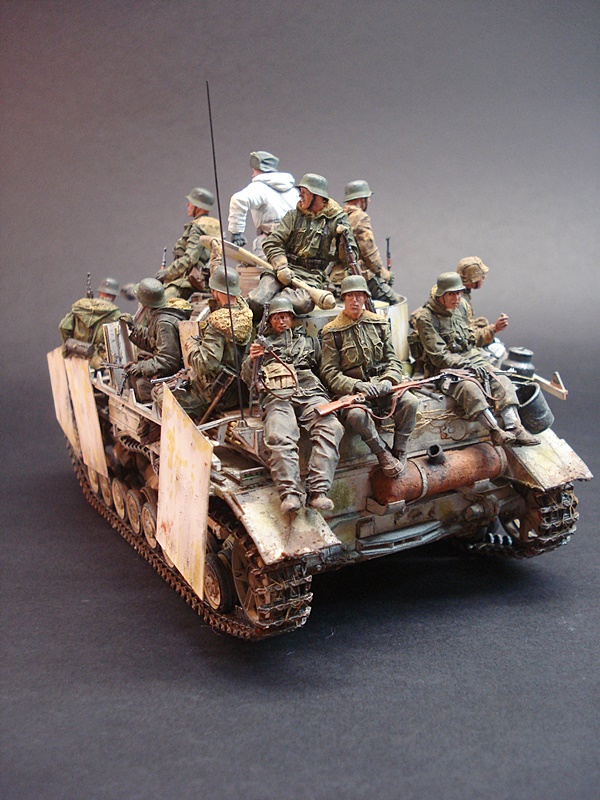
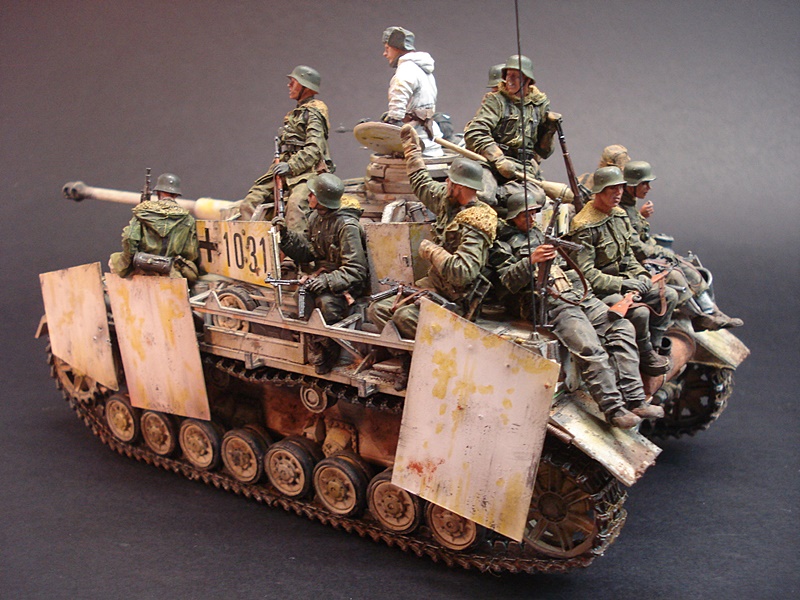
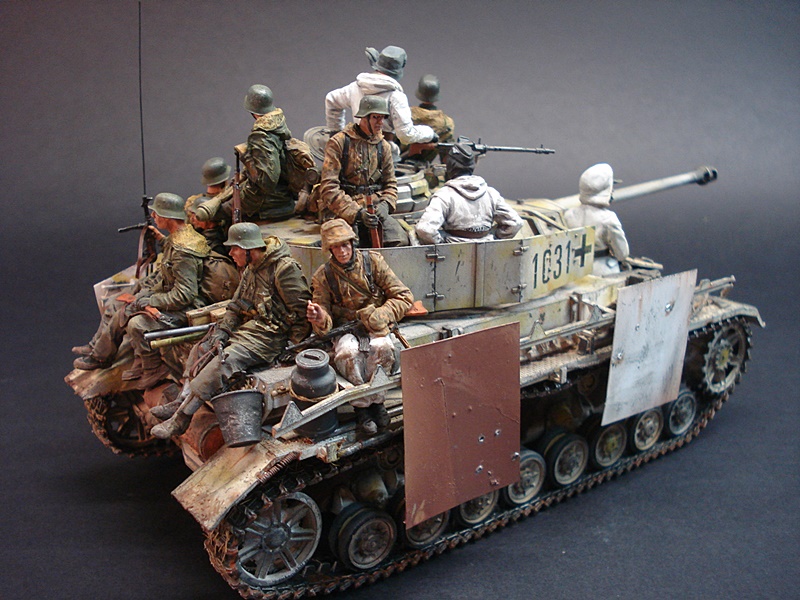
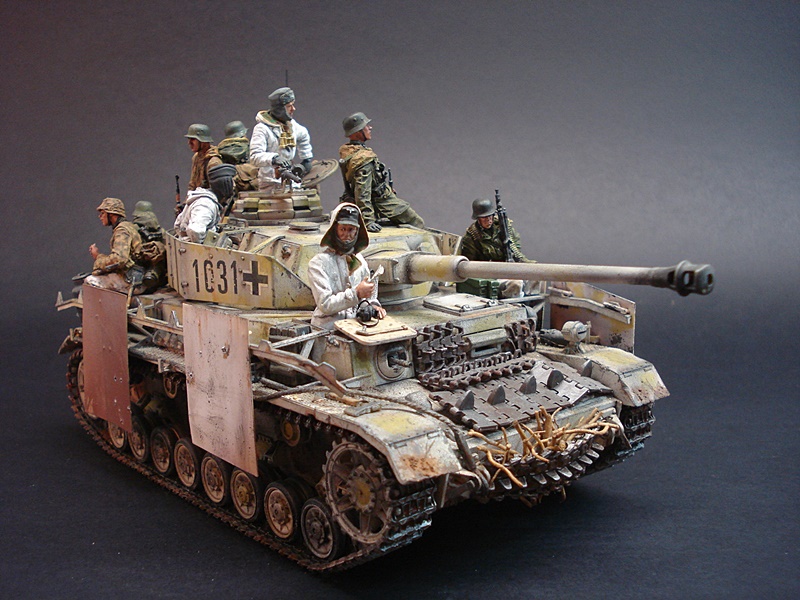
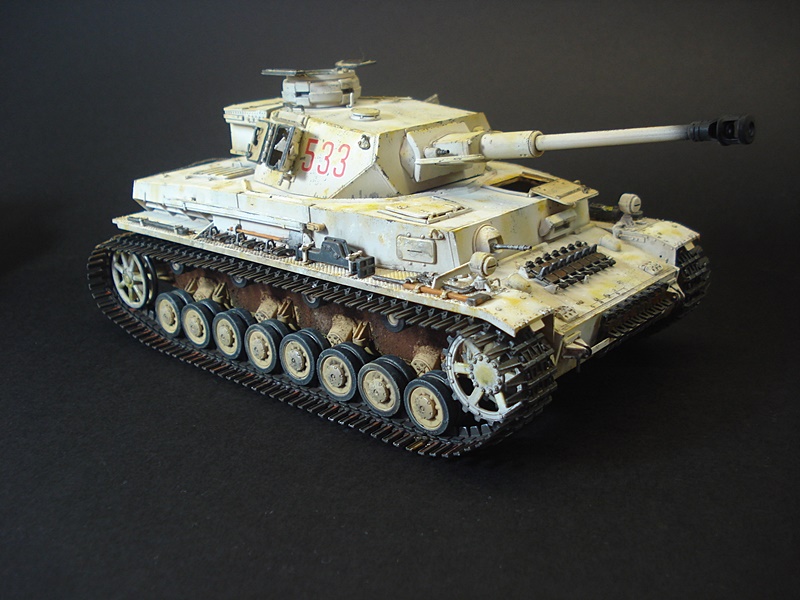
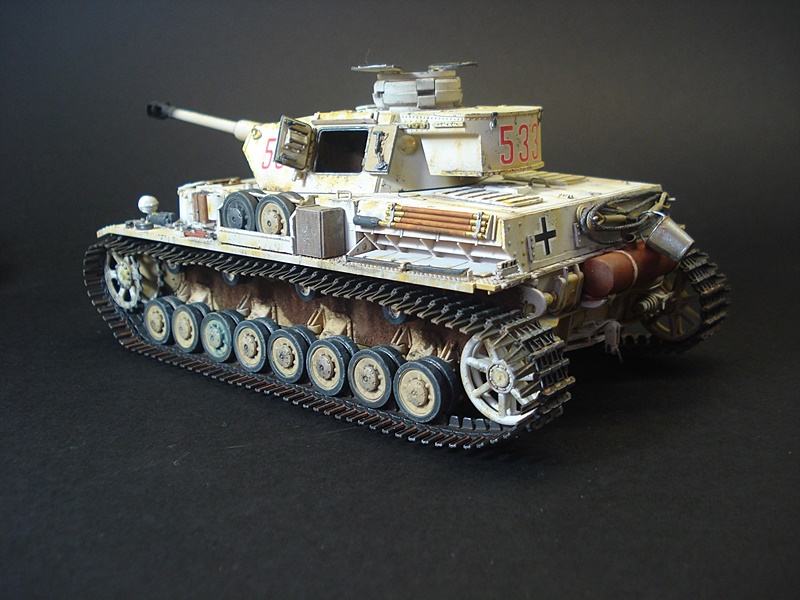
Placing the Östketten on the vehicle.
Thanks
Beautiful work !!!
I am so impressed with the figures on this model, the very well done tank with all the riders just makes you want to look at it in every direction so you don’t miss a single detail.
Glenn and SRAM,
thank you for the visit. 
At first I thought they were Stalingrad figures. They have similar figures in their range.. But this looks really great. The multitude of uniforms look really awesome and keeps you looking and discovering something new all the time…
Hi, Erwin! I had already assembled the Stalingrad ones back in 2022. It’s also a good set of figures to represent the events in Hungary in 1945. I used an old Panzer IV from Tamiya.
Thanks a lot.
Also very good!
Beautiful man , very busy , lots to see , all well done .
Dang. Amazing!
Erwin, Glenn and M70!
Thank you for the good words!
I can’t believe I didn’t see this before today. This is stunning work. I get cold looking at these fellahs..
Thanks a lot, Barney! Still a lot of work ahead!
Have a nice new year!
Nice artwork all around here.
That looks fantastic. You must have put a lot of time into it.
JRutman and mech,
thank you for coming aboard. 
Good afternoon, colleagues!
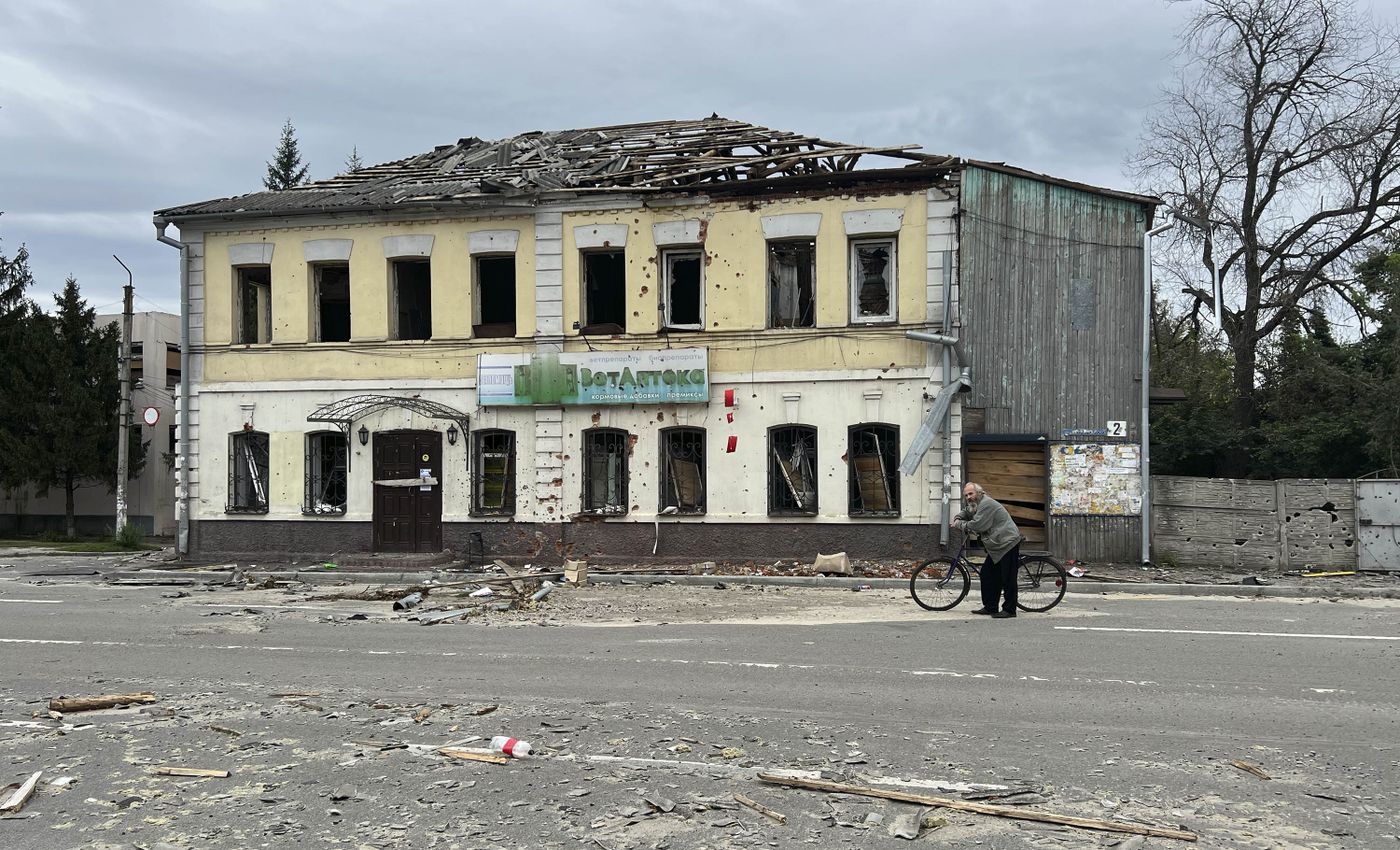
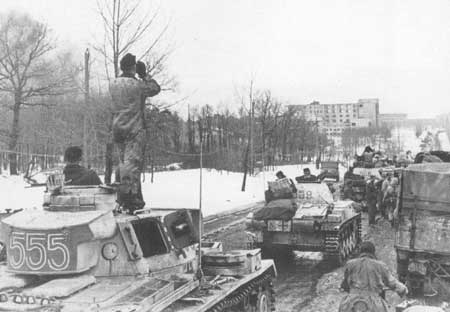
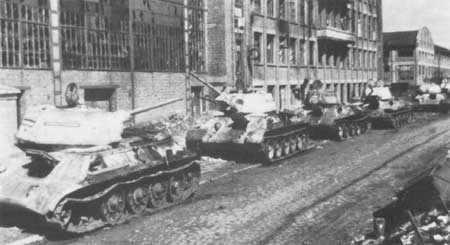
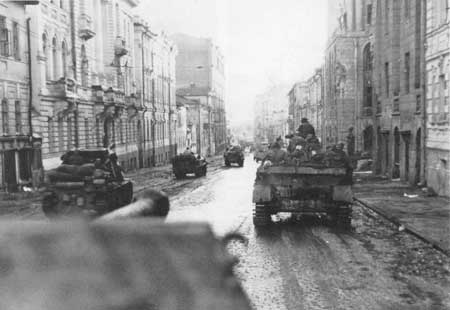
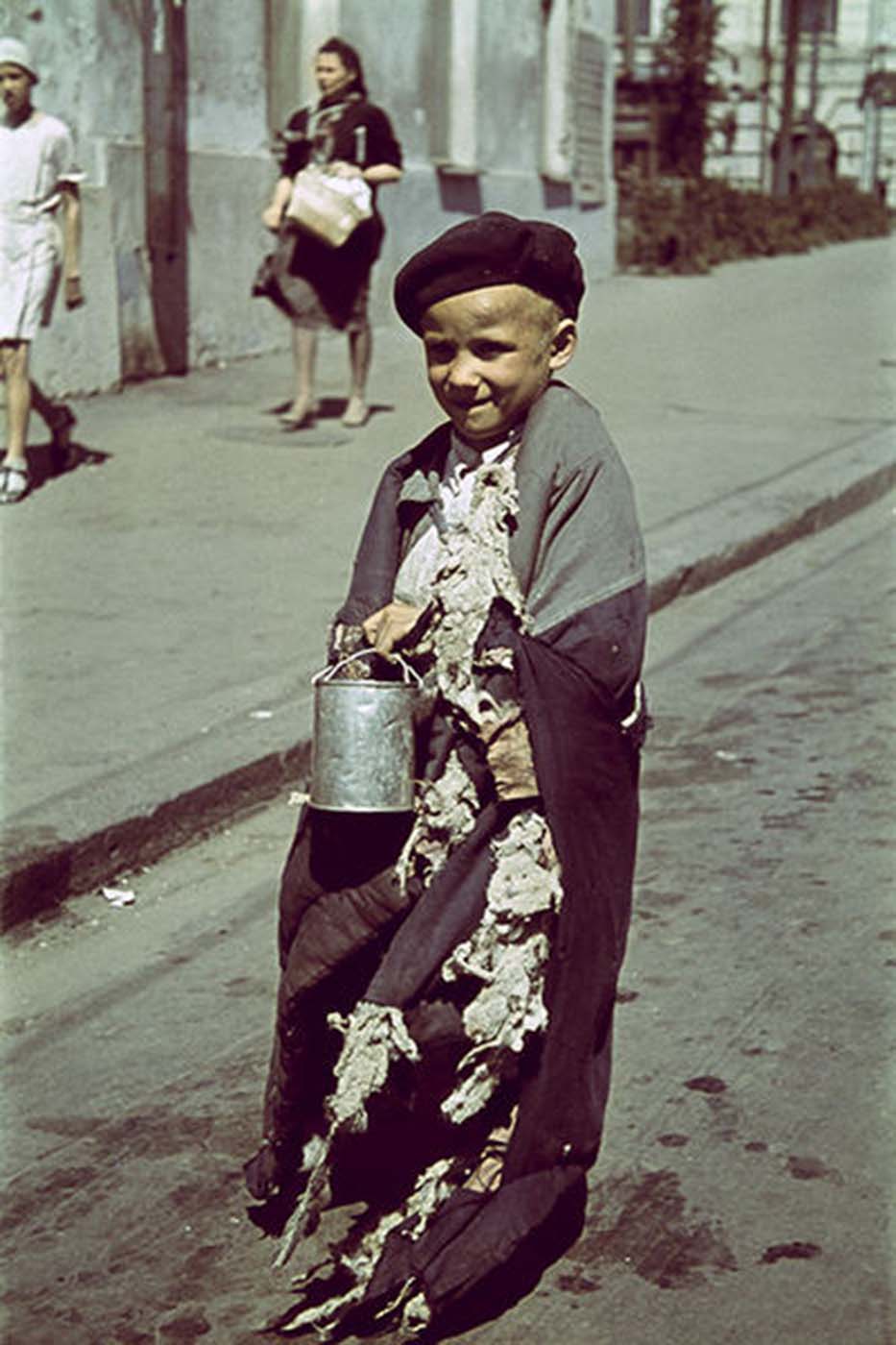
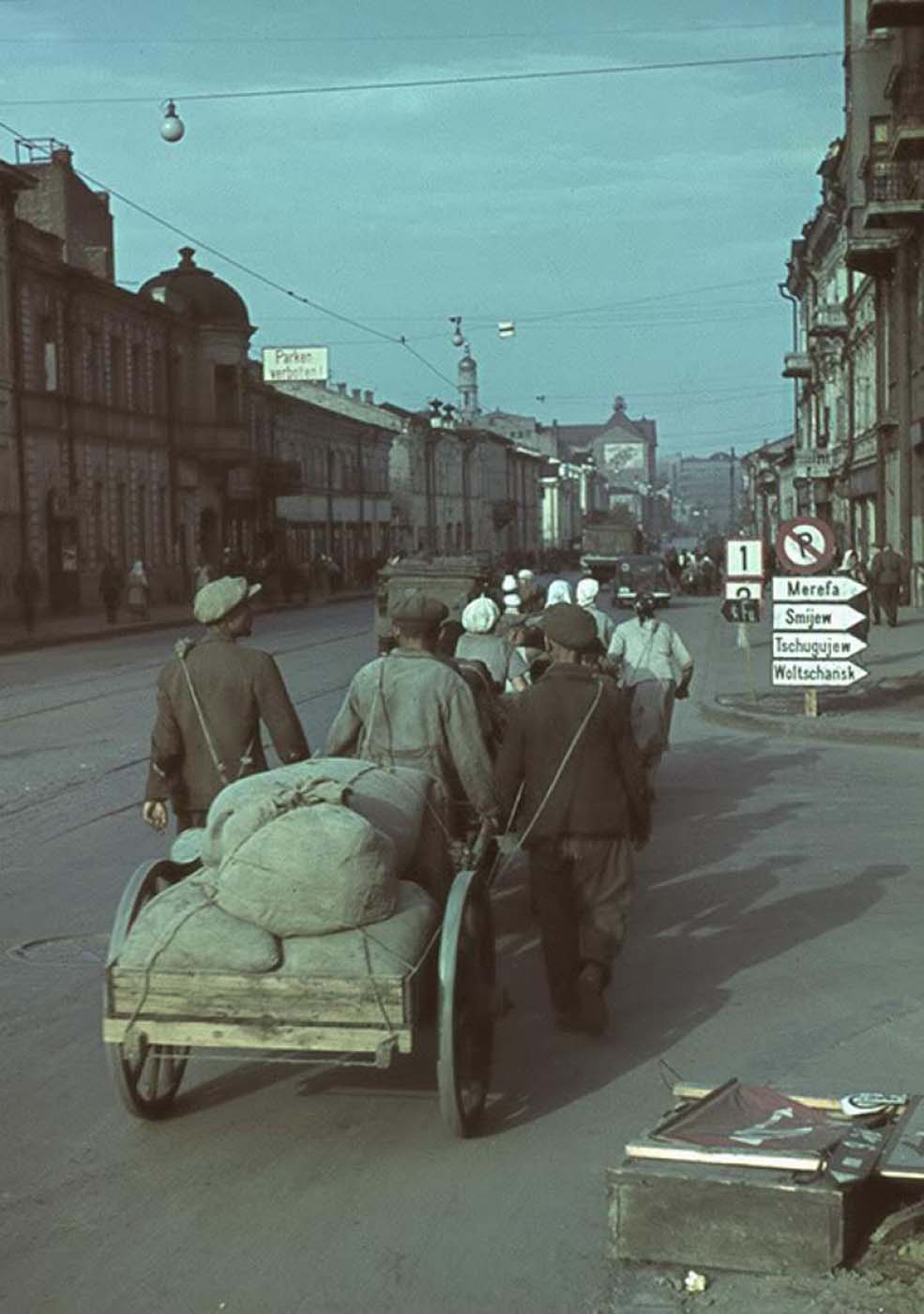
To create a setting for this story, I thought of using a ruined downtown building from the city of Kharkov. I intend to base it on these two images
to produce something similar. My question, even knowing that the city was modernized in the 1930’s, is about what kind of paving was used on its streets. Concrete, asphalt, stones or packed earth? If anyone can enlighten me on this subject, I will be eternally grateful because, from the WW2 photos, I couldn’t reach a conclusion.
Thank you very much.
Gelson that is looking very good thus far. Now to bring in the dio base!
For street materials; it depends. There were cobbles and pavers for the most part along the tram lines. At the side of the roads carrying tramways, which were generally around major thoroughfares, were stone kerbs to form the high side of the gutters. Footpaths in these areas were stone (in front of important buildings), tar over packed dirt (in other parts of the busier areas), packed dirt (for a lot of the city) or there wasn’t a formed pavement.
Across some bridges or on some raised roads (raised over a gulley or drain) for their surface, there were bricks packed tight ( narrow edge facing up). For other streets it was packed earth but with tanks and other factors, that was mostly turned into frozen mud with track marks.
Also, given the weather and time of year being portrayed, there could be lots of clean snow coverage or there could be dirty mushy snow or just mud. Any of that would cover a lot of surface details.
Lots of fresh snow;
Sort of muddy snow but you can see cobbles;
A road more clear of snow but likely still muddy;
And then under the snow;
I know they’re colourised but still they give an idea of how the roads in the busier parts of the city were formed as well as the shape and size of the kerbs and gutters if there were any
Hi, Sam!
Your information is very enlightening. Looking at the winter time photos it seems like there’s no pavement because the accumulation os snow and mud formed by the movement of vehicles covers almost everything. But, as you correctly pointed out, there really is a variety of materials used. I’ll try to make something convincing. I really appreciated your help and thank you for it.
Have a very nice new year!
Wow Just incredible. Everything that’s been stated - I absolutely concur.
I’ll be following your progress, thanks for sharing 
Cheers
Dave🙂
Thanks a lot, Dave!