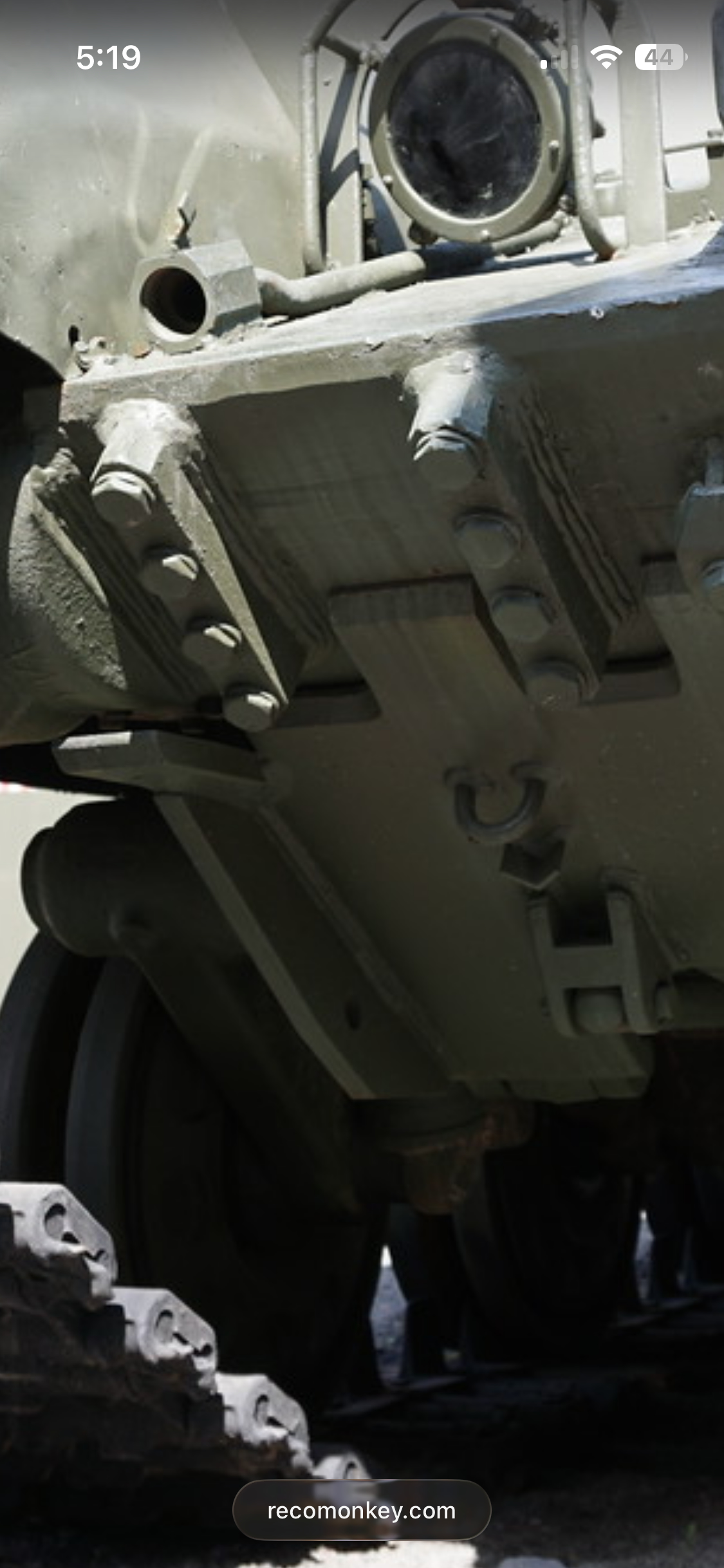
I am building the Trumpeter T-64Bv. Overall very nice kit with great fit! I am getting close to having all the major sub assemblies done, but to keep going I need to add some weld seams. I know how to do the stand C shaped type of welds with a cut off pop can or other curved sculpting tool. I plan to use Tamiya epoxy quick type for these but I am struggling with a creative idea for replicating these more linear Soviet seams
4 Likes
Something like green stuff and rolled thin, cut to small correct length strips and then add the lines once fitted to kit ?
4 Likes
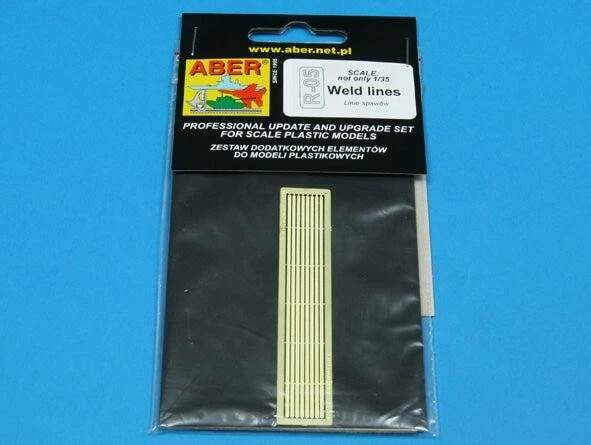
Long strips of very thin stretched sprue. Bathe it in liquid cement (no, not like that build) and when the strips are pliable enough you can manipulate them into slightly wavy shapes, and press them into each other.
8 Likes
Hi Mead!
I’m no welding expert but I’ve followed nightshift’s work and his extremely helpful video on his weld bead techniques: https://youtu.be/TW65lwwfJqk?si=O0_nLvvEYC3H1qaE
These type of weld beads which look more like lines than the usual C shape welds are called multiple pass welds. You can replicate these with Tamiya Epoxy putty by doing the usual rolling putty into a thin line, then setting it into place by using a tool to press down multiple thin lines (I don’t think they need to be perfectly connected) onto the putty. You can try to make a tool that’ll work by cutting out a section of sprue and then cutting and sanding down one end to create the finest wedge you can (like nightshift did), but I’ve done it myself and it’s a lot of work (and in my case didn’t work so well). I’d really recommend either cutting a long rectangular piece of metal either from a PE sprue lying around or from a copper/metal sheet, and then gluing it onto a toothpick or cut section of sprue as a handle. (Also if you don’t mind risking rusting up an exacto knife blade you could try just pressing it onto the putty)
I hope this helps, if you’d like I could make these tools myself before you commit to them and I’ll show you the results.  Make sure to reference and watch that Nightshift video whenever needed though, it’s really perfect for this stuff. Good luck!
5 Likes
Thanks! I did watch the night shift video but need to re-watch. Thanks for the name of the welds. That will make it easier to find more reference for photos!
4 Likes
No problem! Post your results here and let us know if you need anything else!
2 Likes
The issue is that these welds are large triangular cross-sections between two surfaces at right angles, called fillet welds. (The Nightshift video doesn’t address these.) No flat product is going to work, and a build-up or rod or stretched sprue will be tedious and never quite look right because the rods never flatten out enough. (It’s great for a single bead or for filling a groove, though.) For large fillet welds like those you pretty much have to go with putty and use a chisel edge tool to impress the bead configuration into the putty.
KL
4 Likes
I think this is the way I will go. I will use tamiy quick type epoxy and a chisel. I’ll either fashion one out of sprue or I may use a silicone brush
3 Likes
I have used one-component putty but the results using two-part epoxy putty are much better. Ideally you want something stiff but not tacky to form the basic shape and when detail contouring.
Metal works better for tools unless you have access to hard PTFE or polypropylene.
KL
3 Likes
I don’t have any really small metal chisels but perhaps it is time to invest in some
2 Likes
Hobby Lobby sells X-Acto Chisel blades. I like to cut them to different widths.
2 Likes
I have some xacto chisel blades. What you cut them to width with?
2 Likes
A Dremel cutting disk. Ceramic?
3 Likes
Okay, that’s what I was guessing, but wanted to check. Can’t believe I didn’t think to just just cut down the ones I already had 
2 Likes
I like to use old paintbrushes as a tool, I clear out the bristles from the ferrule by whatever means and file the tip so half is left. you can thin and work the leftover section of the tip into a shape quite easily to suit what you wish to achieve. Different size brushes give you a range of sizes to work with and once you get the knack its easy to use.
Keith
3 Likes
That’s a good idea! I have a lot of old brushes that aren’t useful for painting anymore
2 Likes
Sounds like you spend some time as a guest of the state.
4 Likes
I made my tools out of brass rod. I filed the ends to different shapes: chisel edge, various sizes of U, a radius for smoothing, and so on.
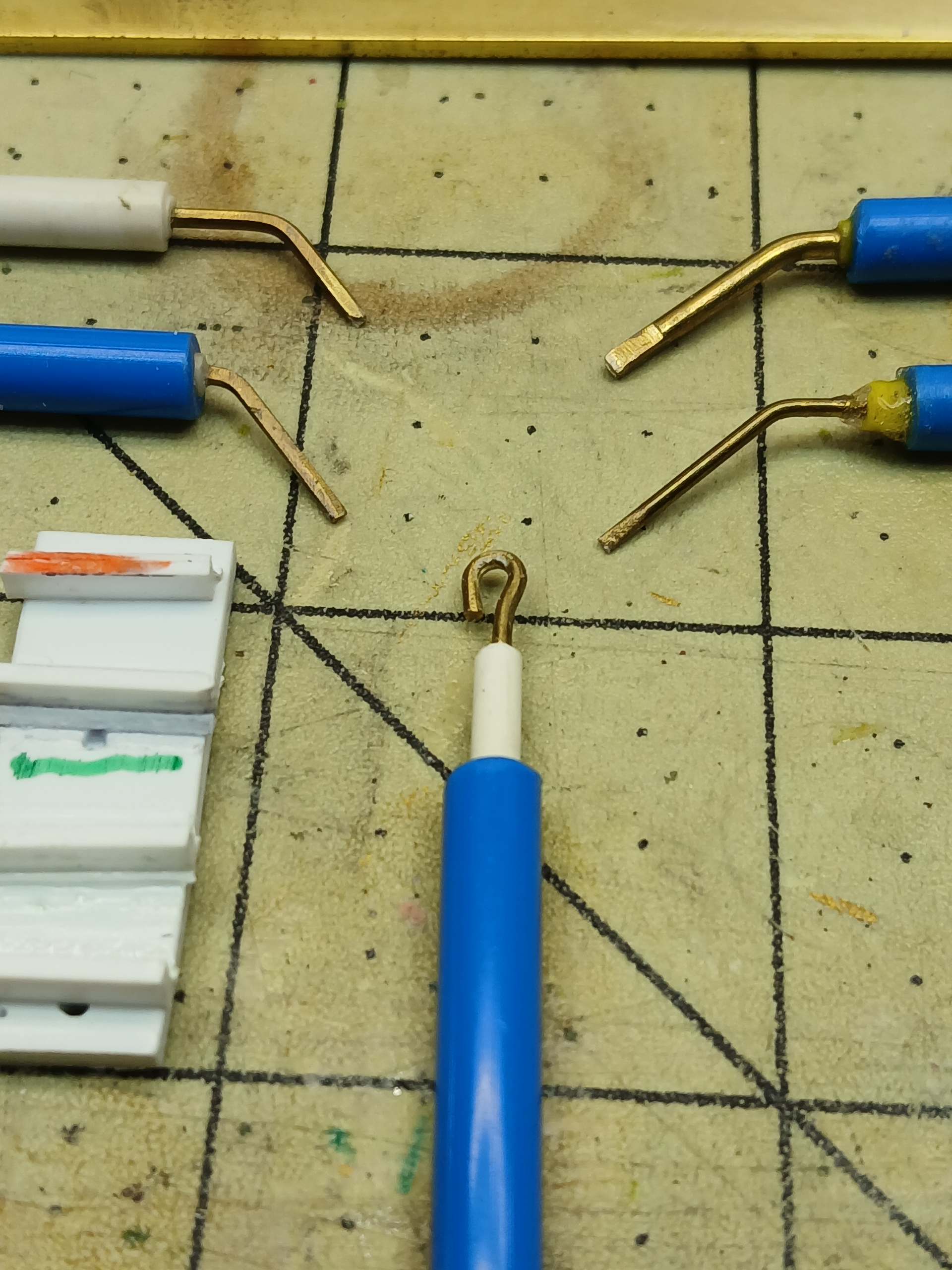
You don’t want a sharp edge like a knife, and you’ll get a better effect - and more access - if your tools are small.
KL
7 Likes
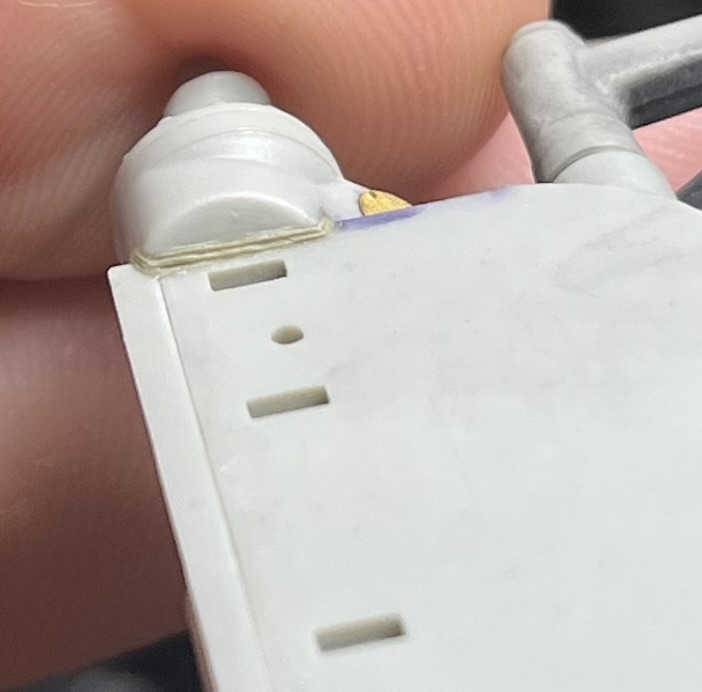
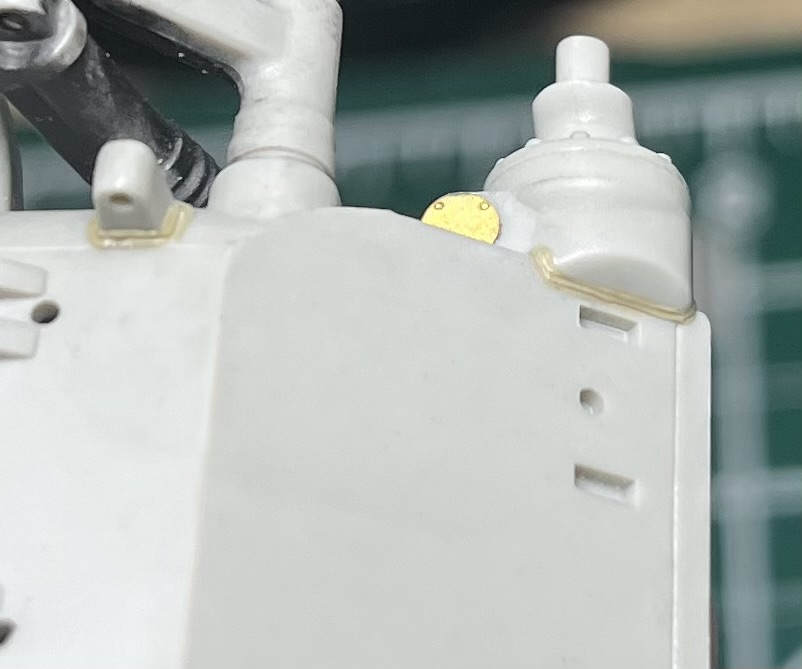
Finally got around to trying this technique. Used Tamiya quick type epoxy and a piece of soda can to scribe. Started in some inconspicuous areas. The eyes under the hull were my first attempt and a bit out of scale, but will be complete hidden under armor and road wheels. The idler wheel housing I did next, much happier with how these turned out and I think they look the part

6 Likes