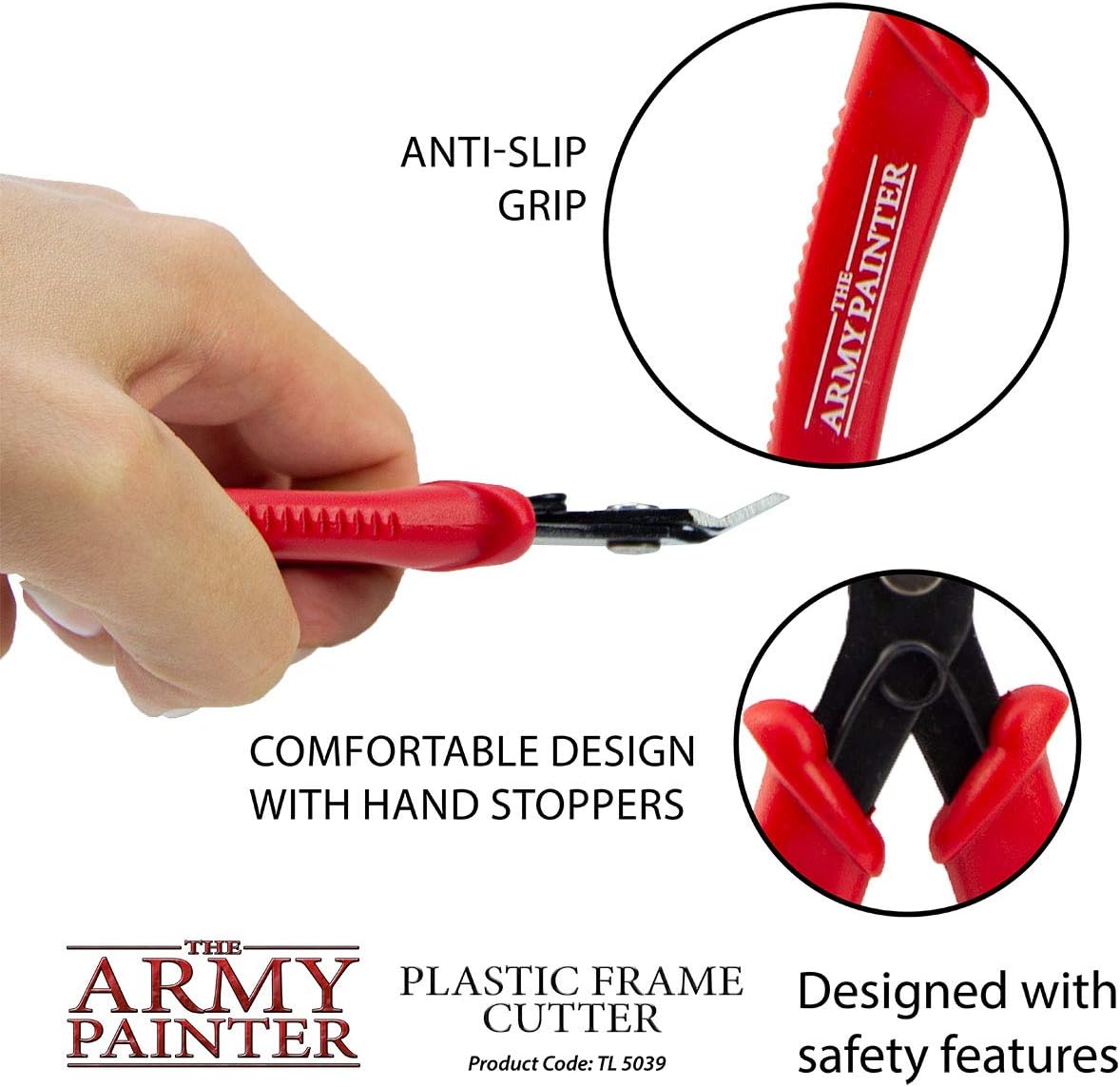
The only xacto handle I found on my Amazon was about 25 euro, pigments are like 3.50!
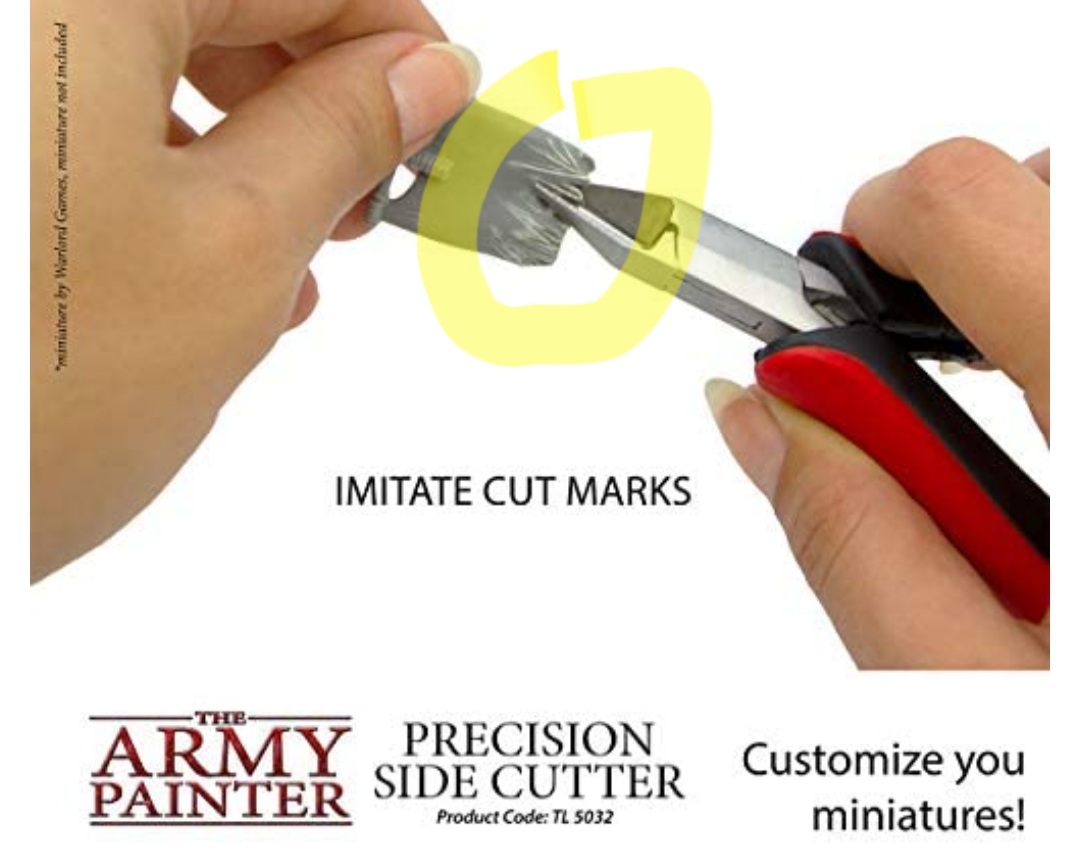
Anyway, that army painter handle I linked has xacto blades and costs 8 €.
The AK is a little more expensive but was way more spare blades.
I think I’ll get the AK as I can cumulate it’s cost to get free delivery on the whole order.
Although we are all glad to help here, sometimes you do not know you had to ask until it’s too late… these general guides offer good advice on a single place and beforehand.
Based on the $chool of hard knock$ and literally ten thousand wasted hobby dollars over the last fifty years.
My apologies if your favorite doodads are at or near the bottom of the priority hobby dollar list - I just call it based on my experiences.
Wade’s Priorty List For Best Spent Hobby Dolllar
SAFETY GEAR - Safety glasses, gloves, high quality respirator with correct high quality filters rated by your government’s lab testing, whole house fan etc, - what’s needed to ensure safe healthy well ventilated model environment. These are the most important items one will buy for the hobby.
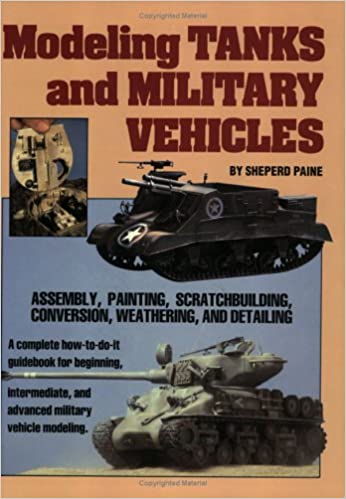
The basic bible of all afv modeling guide books.
Modeling Tanks and Military Vehicles by Sheperd Paine
You’ll out grow it It’s a relic by today’s standard.
That’s the whole point - it will help you grow and help you learn HOW to grow skills That’s the key part.
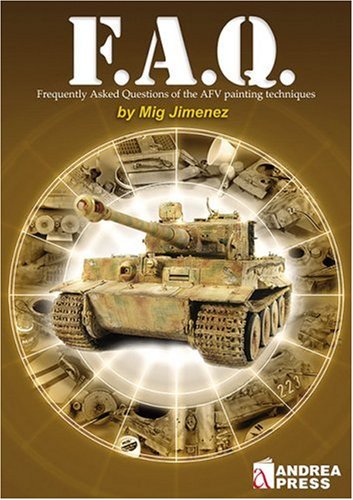
Mig’s original FAQ also makes this short list.
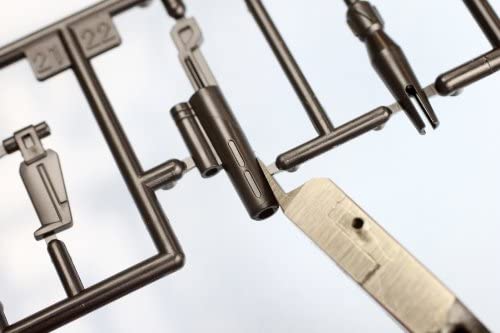
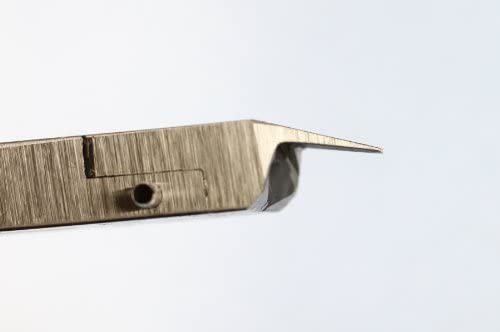
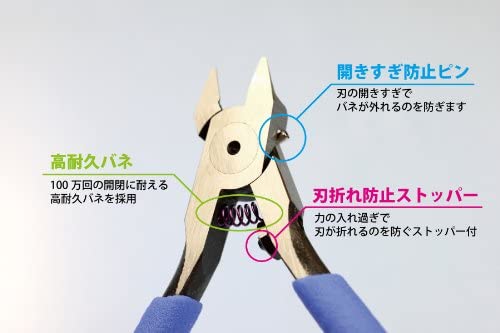
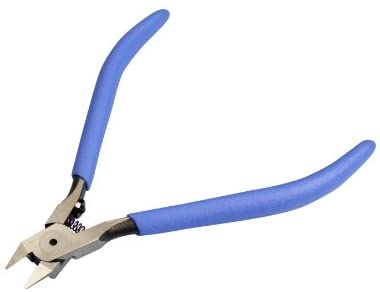
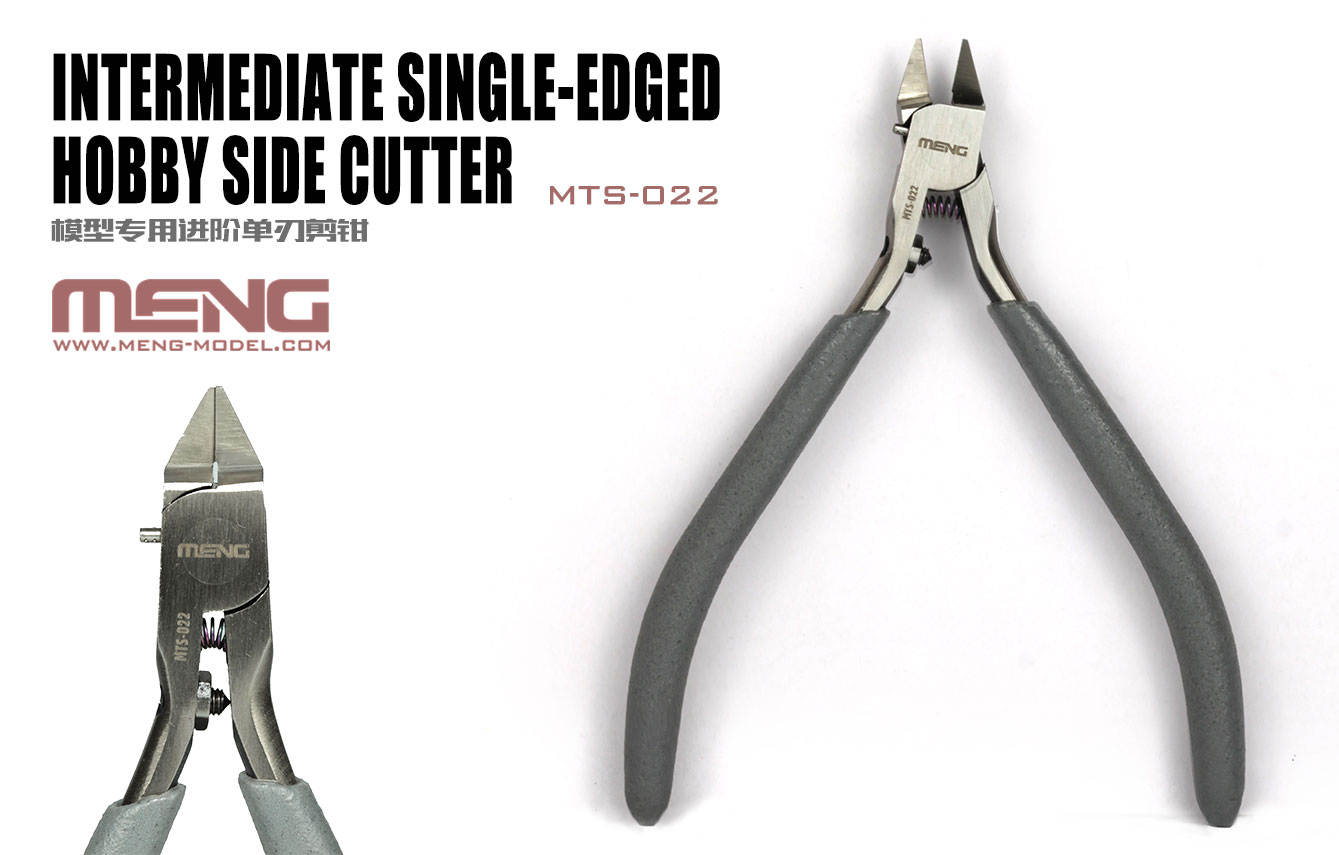
Very High Quality Basic Hobby Hand Tools - Tamiya Basic File set, Tamiya PE file, Meng or Godhand part cutters or equivalent, #11 & #15 scalpel blades, metal hobby handle for blades with antiroll heavy nut. Quality wet/dry sanding paper 400, 600, 800 etc. Equivalent sanding sticks. Medical grade iris tweezers, pin vise, drill bits, metal straight edge, 5.5 k lights, High Quality Liquid Cement (Testor’s, Tamiya & Mr Hobby) High quality putty (Molak Stucco Putty, Tamiya Basic, red Bondo Glaze Putty), high quality working fine point paint brush for Liquid Cement & Putty application. Several empty metal altoids mint boxes. Good assortment of Red Sable paint brushes and some cheaper good quality paint brushes.
Hobby Furniture - a good chair & decent desk/work table are critical. You’ll not enjoy working if your miserable in the work area. A standard desk is about 28 to 29 inches high - this is far too low for long sessions if your taller than about 5ft 8 inches. My desk sits on four milk crates to raise work surface to 35 inches high.
High Quality Airbrush & Electrical Tools - appropriate airbrush for current skill level typically Paasche H or VL or equivalent of preferred brand. Compressor, Spray Booth, UK MiniCraft/Proxxton or equivalent rotary tool. High torque low RPM. Dremel generally sucks by comparison having low torque and high rpm.
Hobby Chemicals & misc
High quality - Liquid Cement, craft/hobby paints, gloss coat, flat coat, thinners, super glue(s), accelerator, debonder, pipettes, small mix cups, white glue, decal setting solutions, oil paints, naptha, pastel chalk
One model kit to build
Bookshelf to display finished work
Starter stash - the ten kits you can’t live without. Example Sprue Brother’s sale $35 Full Interior 1/35 early-mid Panther A (full retail price $72 to $80 normally)
Storage/transport totes for model shows or club meetings
Reference books
Decal sheets & aftermarket parts
Fluff - products of convenience
Pigments, premixed washes
Nightgaunt, what nation are you in that XActo knives cost that much? I’m in the USA and a name-brand XActo with 5 #11 blades is 7.35USD and there are plenty of off-brand sets with a handle and a bunch of blades for even less. It really is a necessity in this hobby.
Thanks for the information guys, fortunately I already have most of the stuff from that list.
I can find several good quality blades around that price, that crazy overpriced one was that specific one from some reseller. Will get some by the end of the week.
Probably my airbrush is bottom tier quality, but for now it worked just fine, after all I really didn’t felt to blow so much money in a hobby I didn’t even knew if was good for me.
It’s been very gradual, I just started with a kit, an old brush of paint and some artist olive green paint.
Managed to find the Sheperd Paine book, looks like a very interesting read, I already got some useful tips from just skimming through it.
About the cutter, I ended up getting the Army Painter one on Amazon. I am not a fan of rubber too, but it was the only one coming with branded Xacta blades at decent price. Besides, I read that the review are excellent, and the Army Painter sprue cutter I got works great too
Those thin shears look really interesting. The ones I use came in a cheap jewlers tool set I bought at Princess Auto (similar to Harbour Freight). Mine are very similar to the Meng design
Depends what you want to do. Cutting stuff of Sprues a gentle sawing motion is good, though I rarely use a blade to remove stuff from sprue these days.
I mostly use the blades for cleaning up attachment points, by scraping with the blade a low angle (almost perpendicular) to the piece of plastic or by very carefully slicing the attachment point off at a high angle (almost parallel to the plastic)
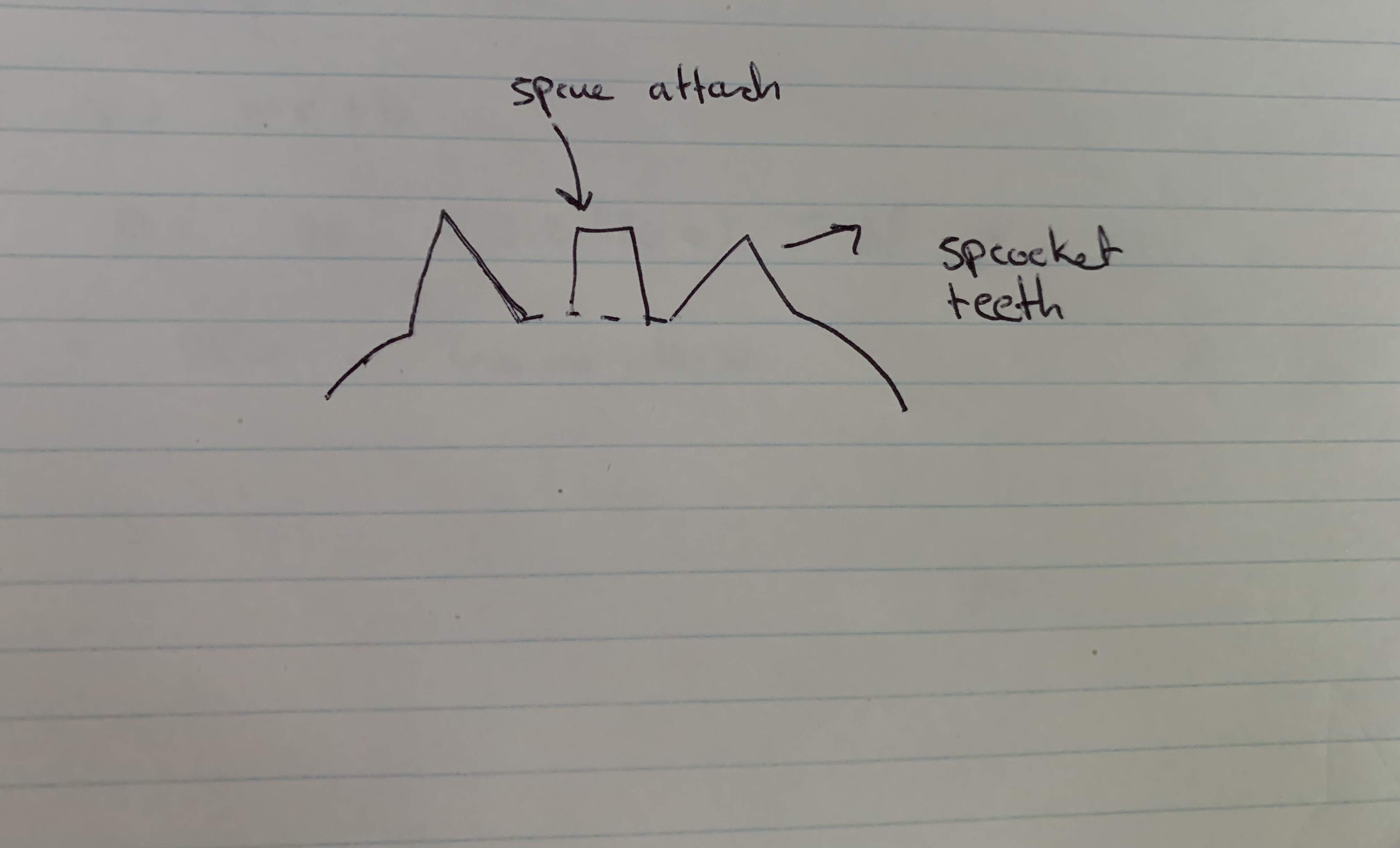
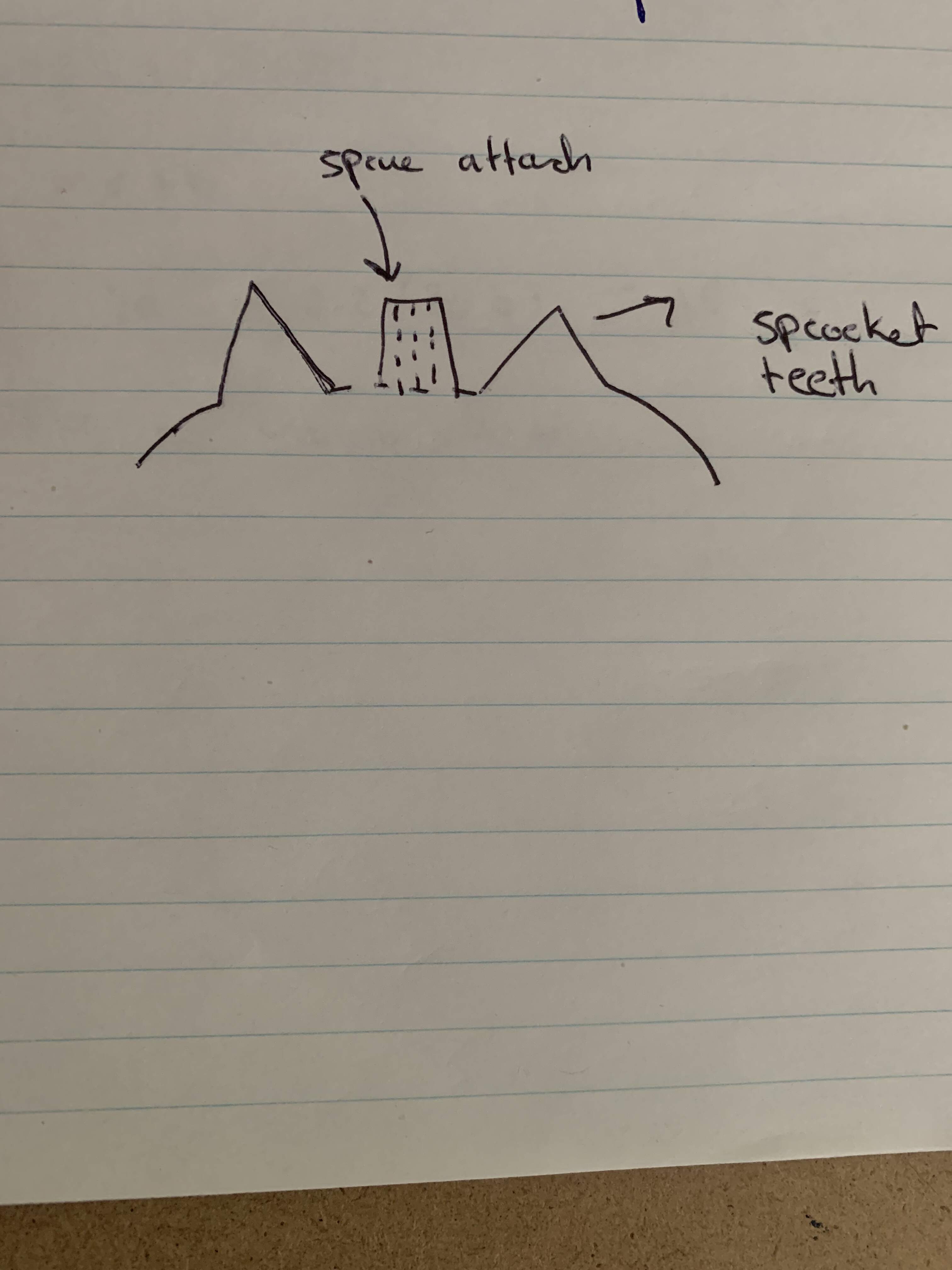
Here is what I would do. Using this crappy hand drawing as reference. The triangles are sprocket teeth. The square is the sprue attachment and the dotted line is the curvature of the sprocket under the sprue attachment. I would slice vertically into the square very carefully so you cut no deeper than the dotted line. Make a bunch maybe 5 or so vertical slices and then gently remove these slices with the knife. Next gently file the remaining scar
 It’s a relic by today’s standard.