H.P.
4 Likes
Bloody Hell! A Mini Moke on rails! It must be Australia…
Cheers,
M
2 Likes
This one’s an Australian Mini Moke 

https://nicdoncaster.com/sectioncars/types/tgrmm.htm
And this one is a M151 used by Burlington Northern
H.P.
5 Likes
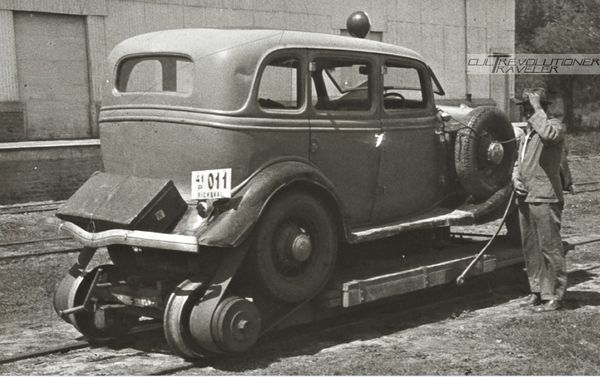
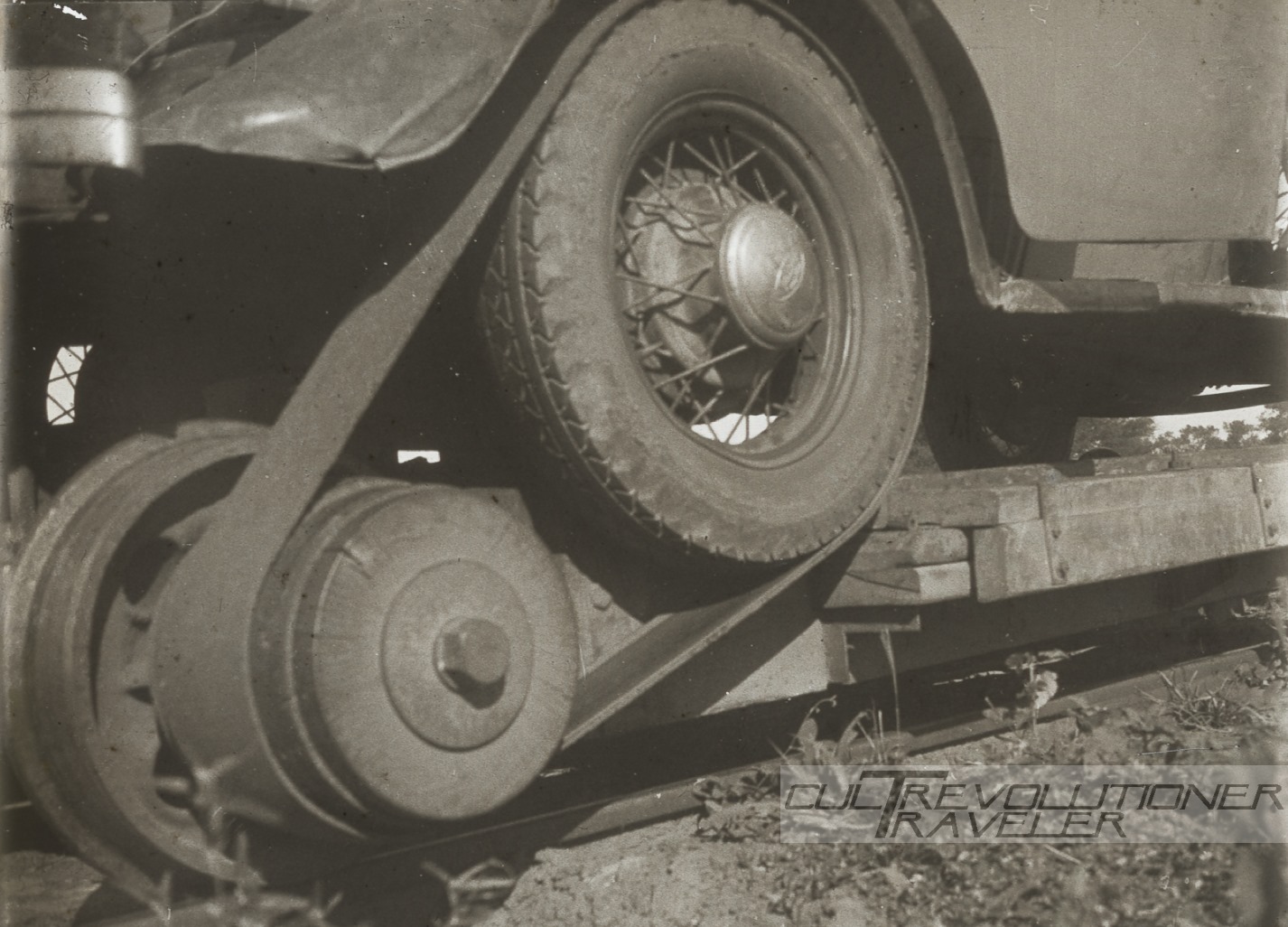
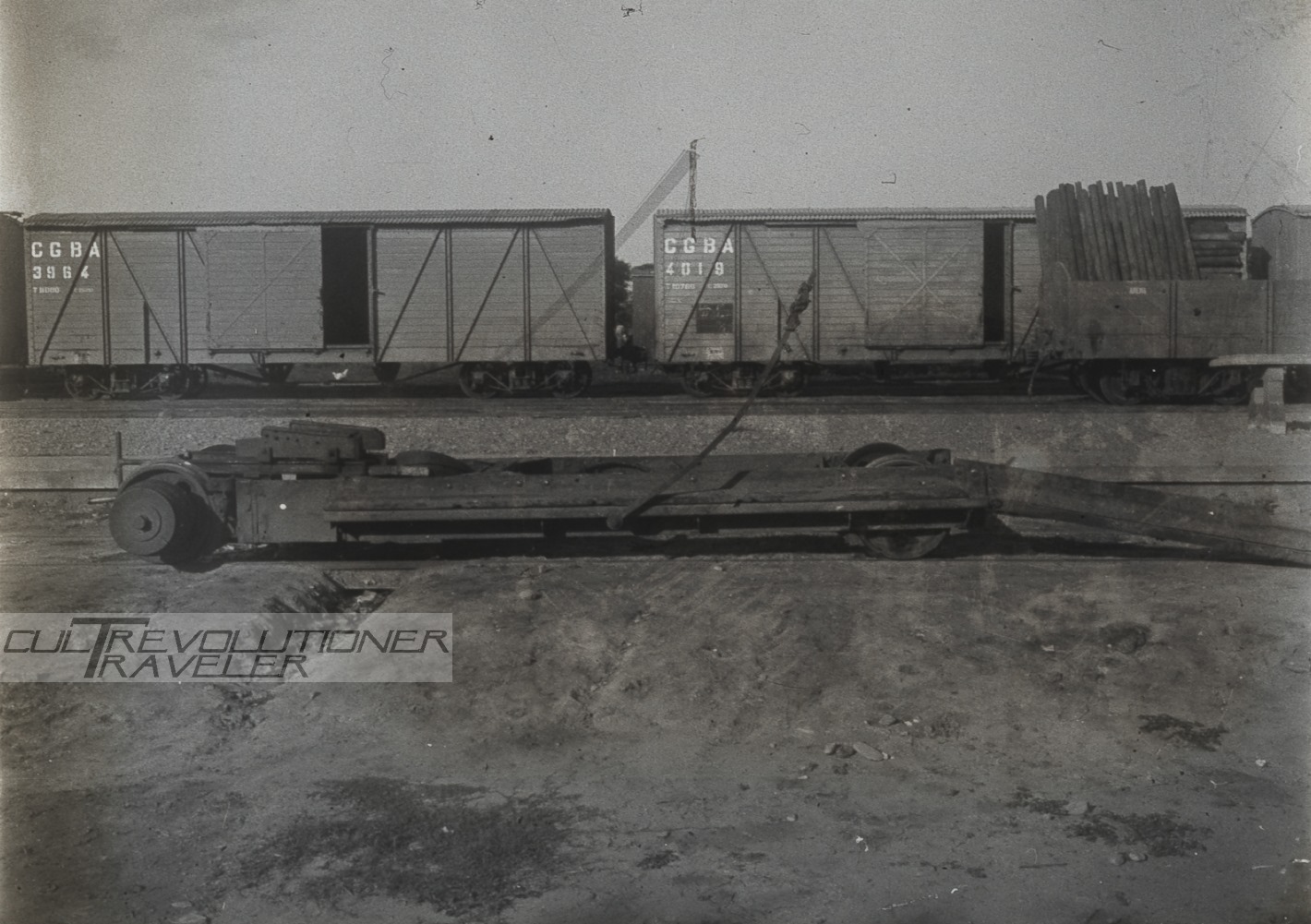
The belt powered rail car platform reminded me of this beast,
a similarly powered tank transporter for road (not rail) usage.
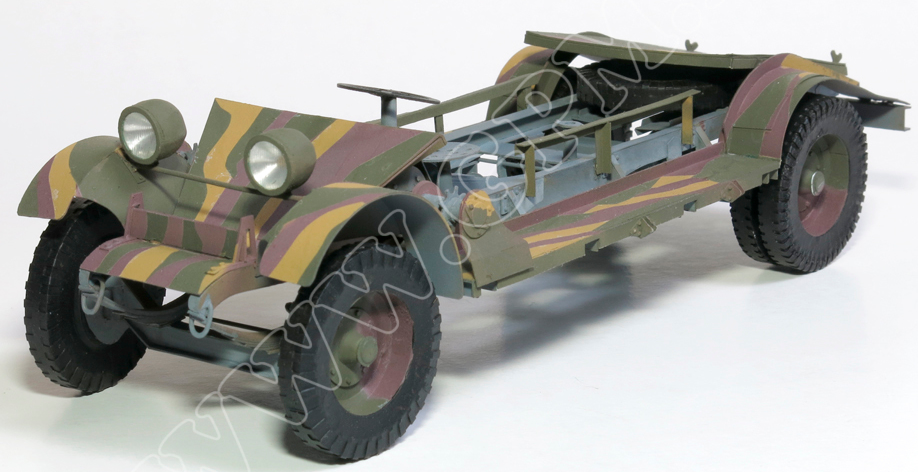
Available as 1/25th scale card model
Designed for the Polish TKS tankettes.
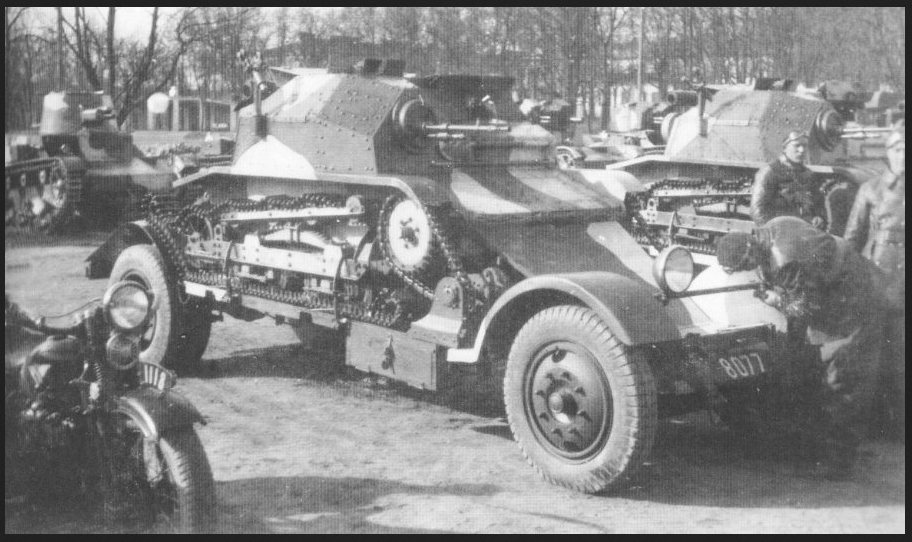
Could probably be converted for usage on rails …
2 Likes
Now that would be a wild conversion! Wayne
1 Like
A classic. Enjoy!
2 Likes
Wow!
One of the very rare depictions of the view through an old fashioned telescope
(image is upside down)
Oops! I stand corrected…

M


H.P.
4 Likes
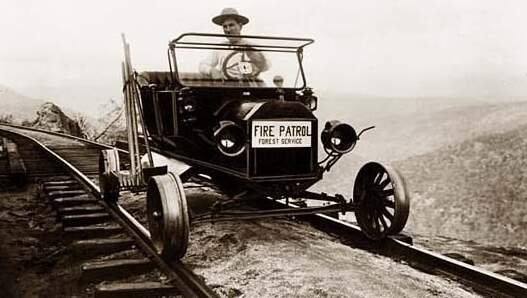
Why do some vehicles have single axle units while others have double axle units? Is that done to increase tractive power in mountainous areas?
This one (and the other similar one in my previous post above) was used by the Uintah Railway narrow gauge railroad company in Utah and Colorado.


H.P.
2 Likes
Tractive power depends on the friction between steel wheel and steel rail.
The friction depends on the weight pushing down on that axle.
Heavy locomotives need many axles to avoid overloading the rail or trackbed
in a single point. Railroads are designed and classified for maximum axle loads.
If the railroad has 10 tons axle load and you need to move load + wagon that
weighs 40 tons in total you will need at least 4 axles.
The Swedish-Norwegian railroad used to ship iron ore has a maximum axle load
of 31 tons.
I very much doubt that the rail inspection vehicles will get anywhere close to the
max axle load. They are also rather short so I don’t think they need pivoting bogies
to handle curves. It could be, I am guessing here, that a frontal bogie might give a
slightly smoother ride, make the whole contraption less jittery.
I could accept that the railroad workshops had double axle bogies lieing around
collecting dust and decided to reuse them.
I was about to call AI-slop on this but the photo does indeed exist in the Toronto archives (I had to check …)
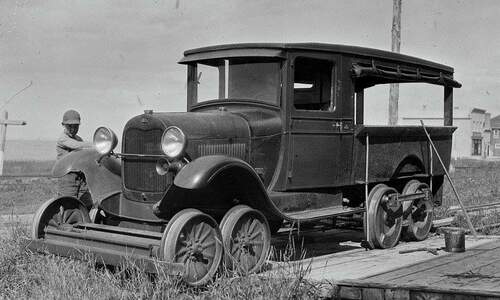
The problem with the bars/rods connecting the two rear wheels is that they need to be offset by 90 degrees, otherwise the driveline might lock up when the pivot points for the bars/rods are level with the axle (no leverage around the wheel axle), front or rear dead centre.
I would have used a chain drive to connect the “other axle” to the powered axle.
Some reading about quartering on some railroad forum
Going off the rails:
The crankshaft of a four cylinder engine has the cranks 90 degrees from each other,
it would still function with other angles if all the other components (cam axles) were adjusted accordingly but spreading the power inputs evenly around the circle makes it smoother.
I believe the characteristic Harley-Davidsson sound is caused by a “irregular”
firing intervals (some describe it as potato potato, bang-bang-silence-bang-bang-silence)
3 Likes

H.P.
1 Like
I do not think the extra axles are there for axle load. I wonder if it was done to prevent slippage on hills or perhaps icy rails. More contact points between vehicle and ground means that in any given situation, the vehicle has more surface to push off against. It seems like a light weight vehicle would especially benefit from more contact points with the ground.
Or maybe not. I like the look of the two and three axle designs and want to understand the why before I design something.
Definitely, way more attractive.
Frontal 2-axle bogie with smaller wheels and single rear axle with a larger wheel?
Resembling a Hot-Rod? Especially if a Ford model T is used …
Edit: The Hot-Rod style
1 Like
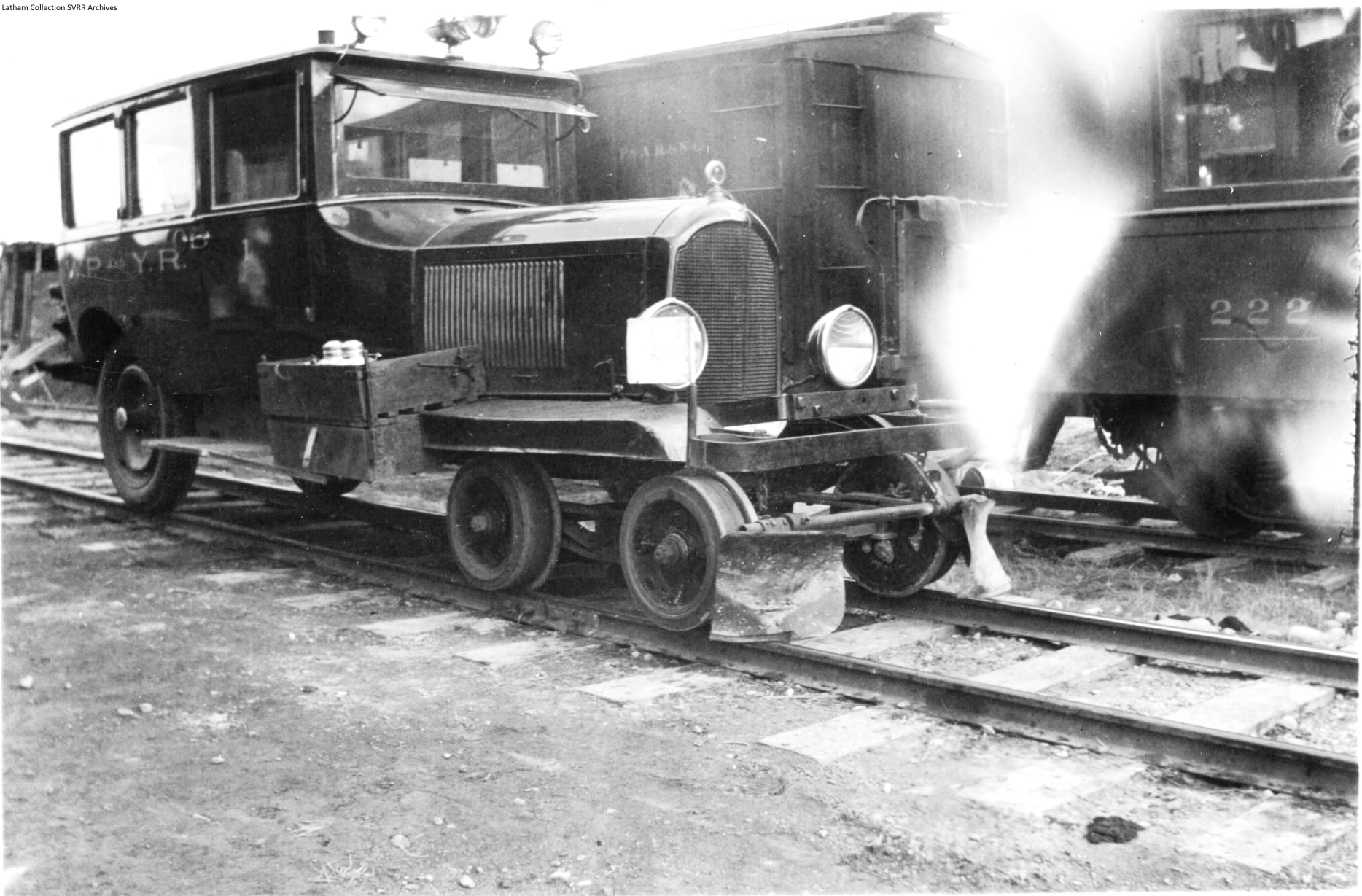
Another view of a Uintah Railway Ford T
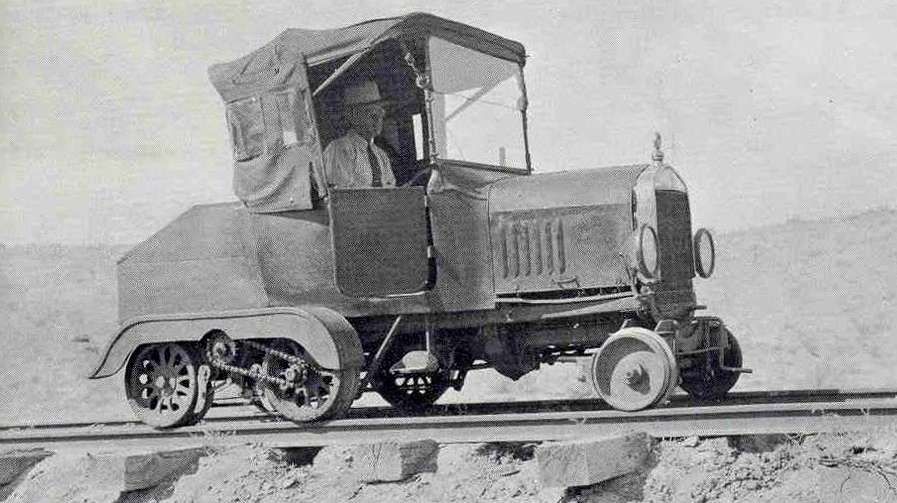
According to a caption I found, these Model T Ford coupes were fitted with a Chevrolet transmission and a universal joint to the four-wheel power bogie. Special wheels with wooden spokes were installed.
H.P.
2 Likes




H.P.
4 Likes
From Australia :


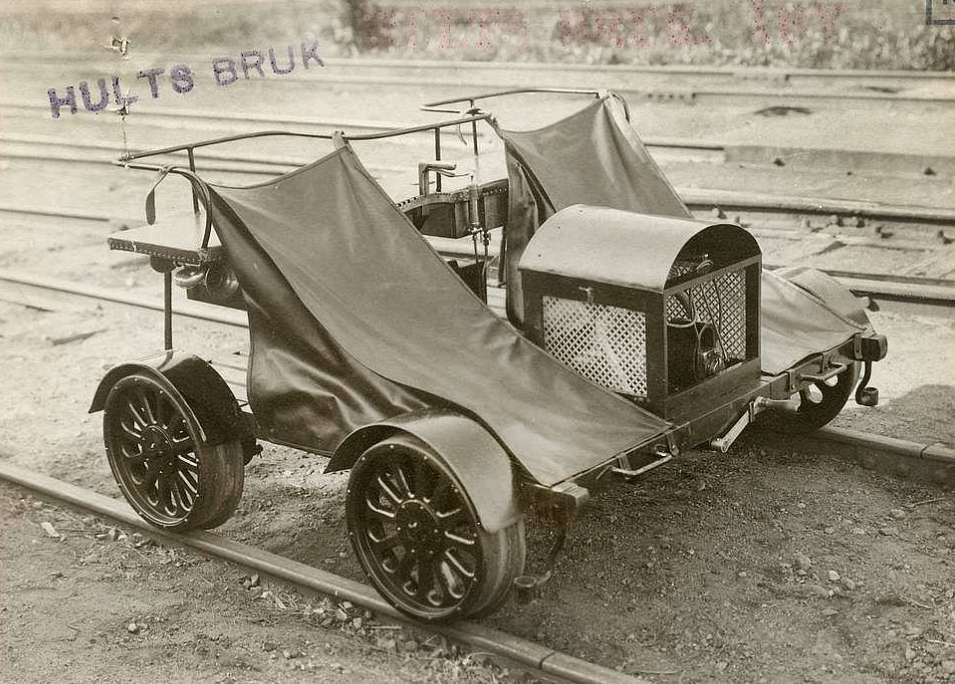
From Sweden


H.P.
3 Likes