Vietnam M113 Housekeeping Question

Hi Gang,

A buddy was in Vietnam. He rode on a few tracks but apparently never got inside them much. He’s building a 1/16 M113 and has this question.

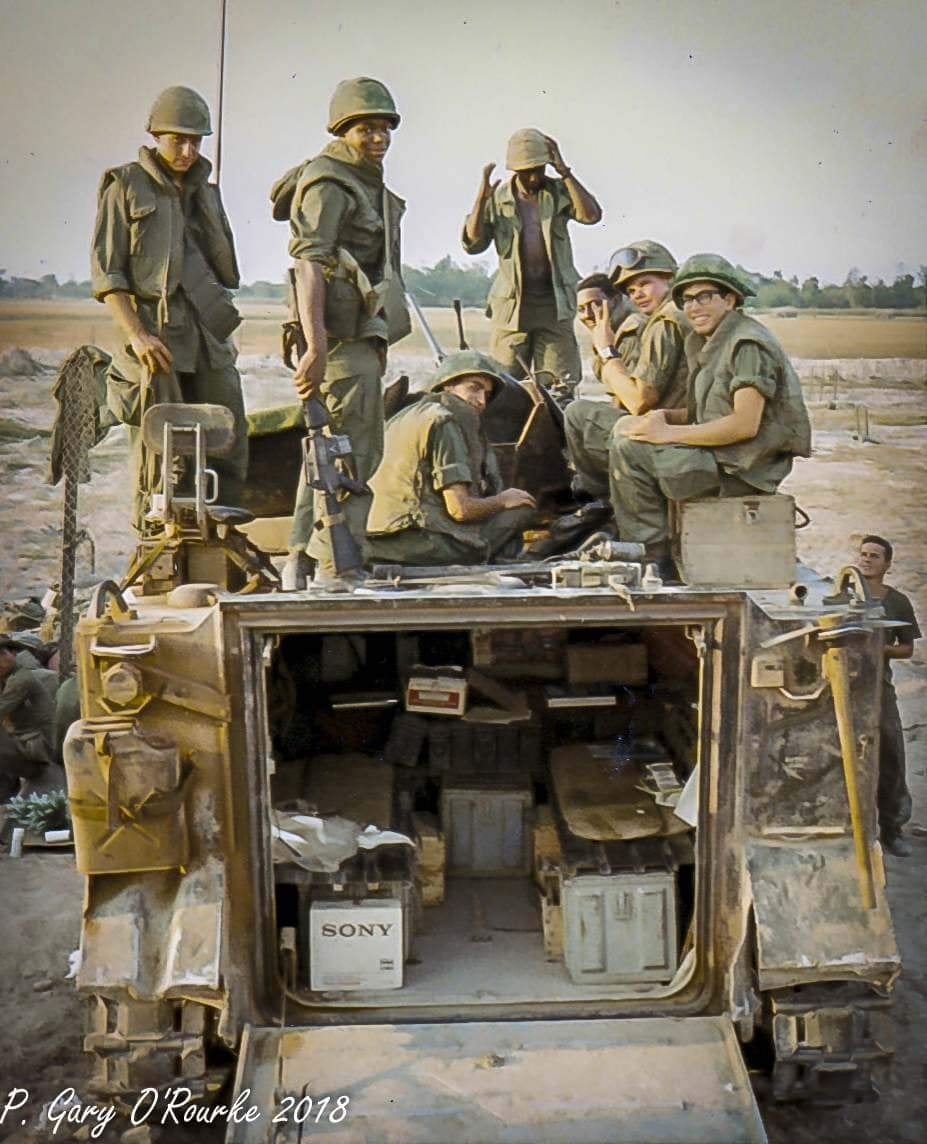
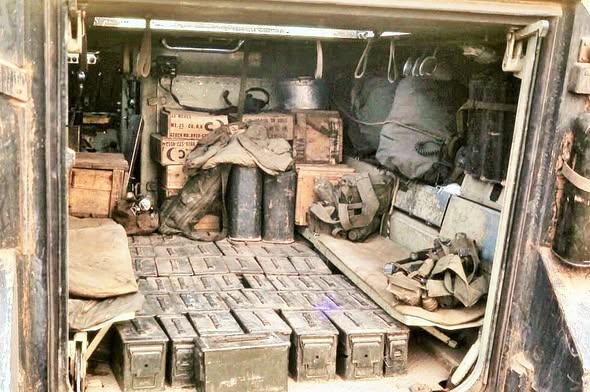
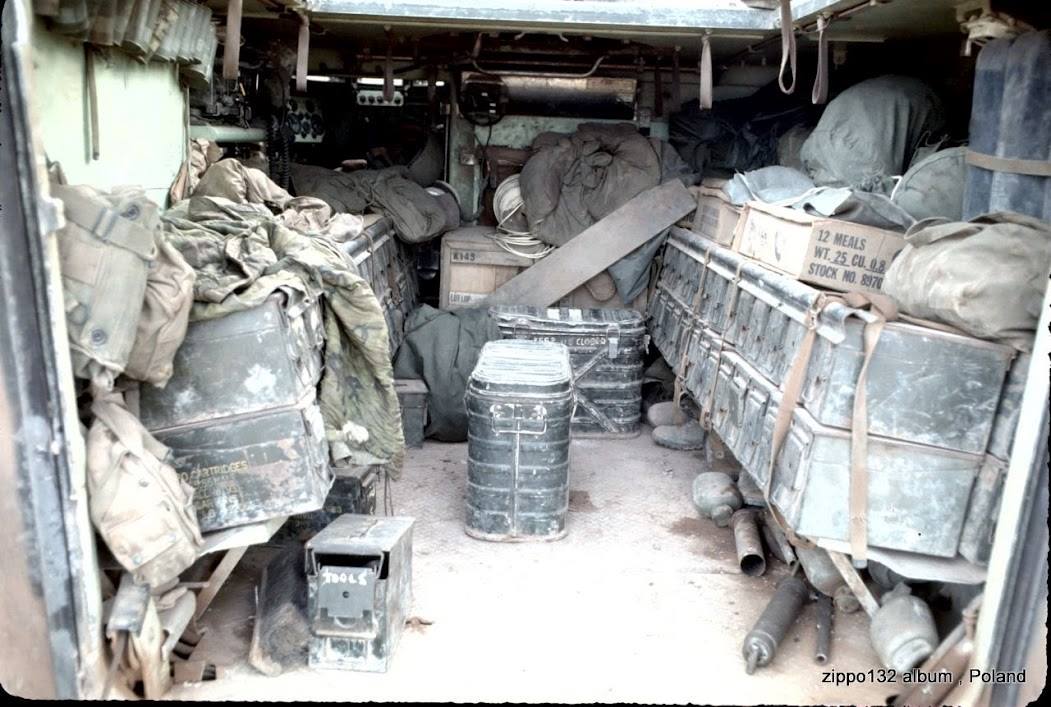
Yes was around armor but not enough to see how they lived day to day. Did they keep them somewhat clean? Or like you see some peoples car interiors full of trash?

Do any of you have a insight? I remember there were a couple members here who were in Vietnam, too.

Thanks, FB

2 Likes

I assume it would have been the same in Vietnam, but we kept the M113s and Bradleys I was on pretty clean. We would sweep them out every couple of days. If they are too dirty, it makes it harder to do maintenance and just harder to live in.

4 Likes

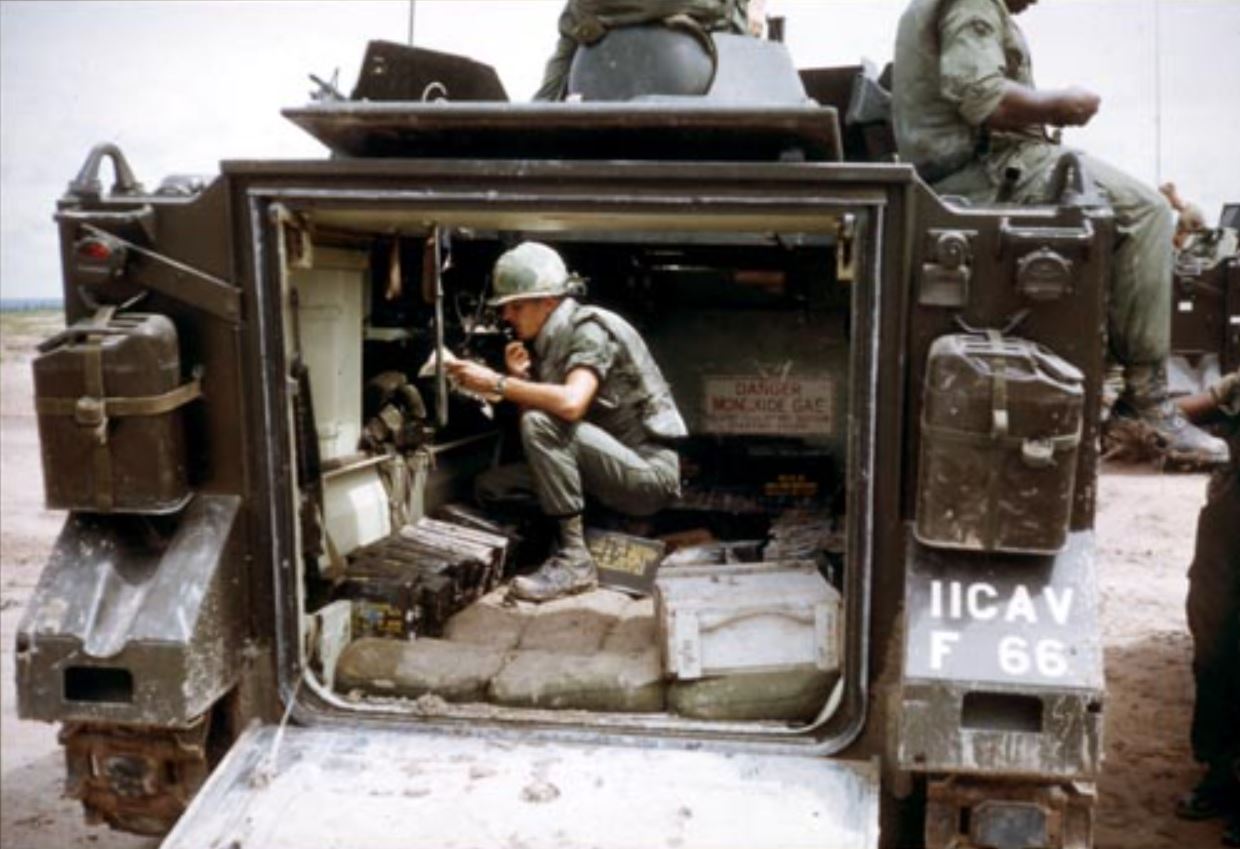
As per my conversations with guys who spent a lot of time in and on the M-113’s they layered sandbags over the floor minimum two layers for mine protection and their personal gear was place above the bagging nothing really helps you in a beer can with tracks but it was psychological

5 Likes

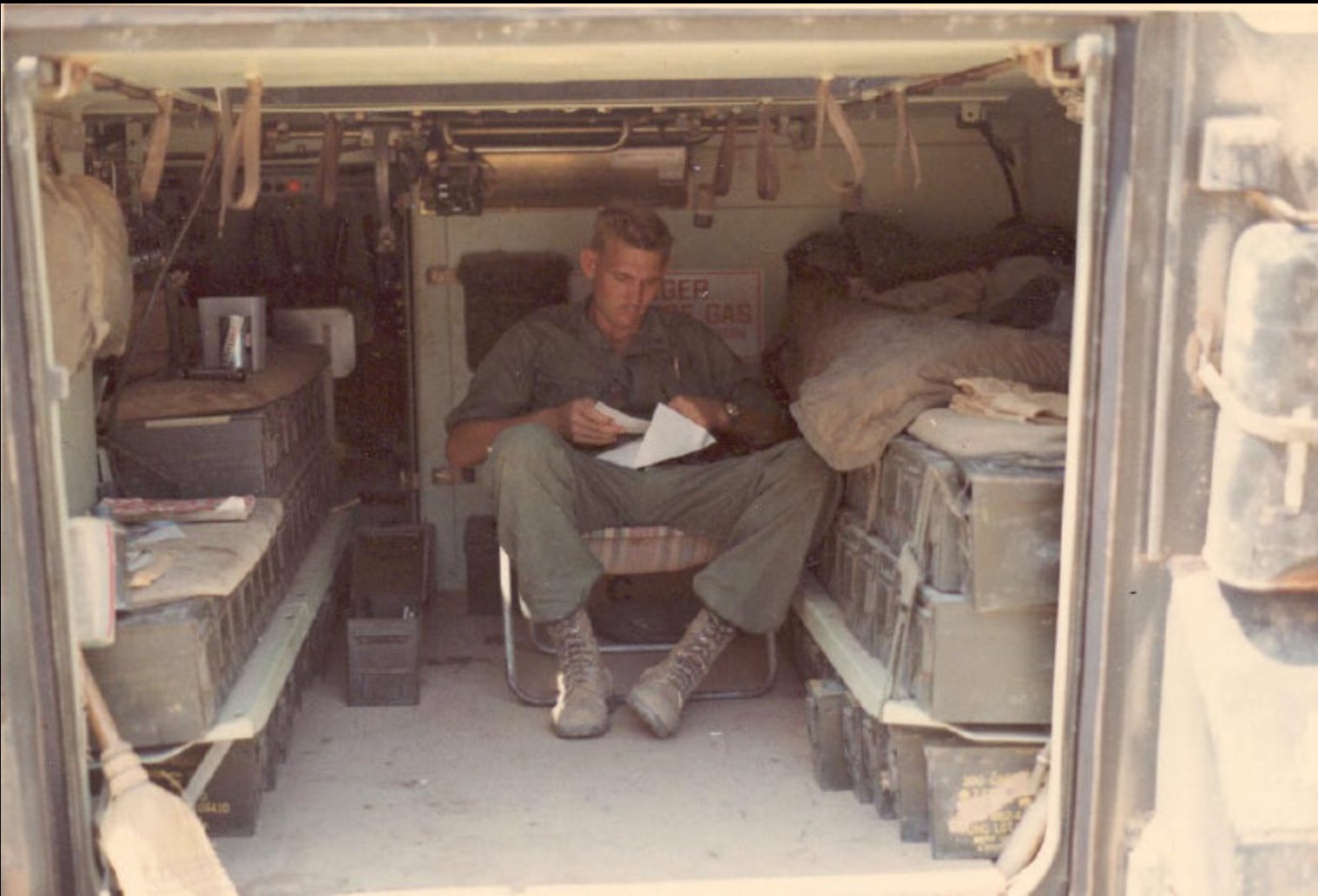
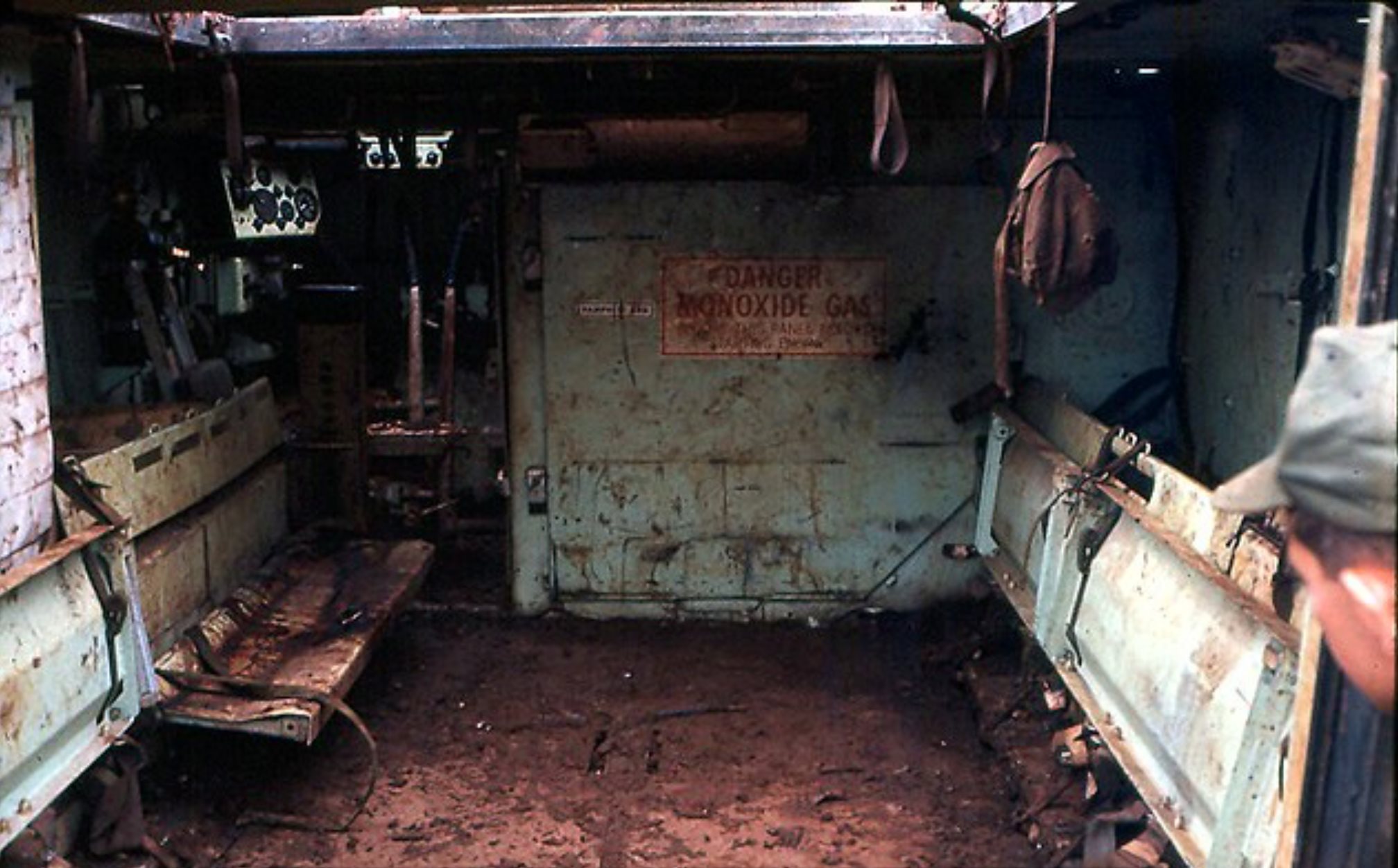
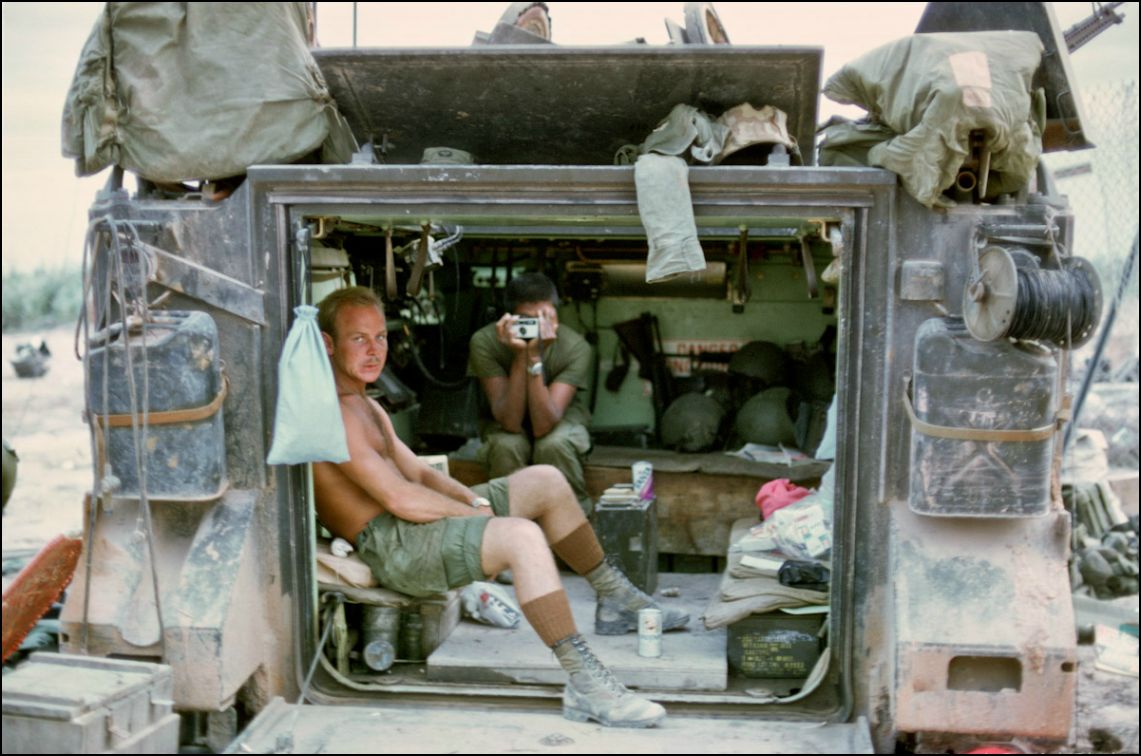
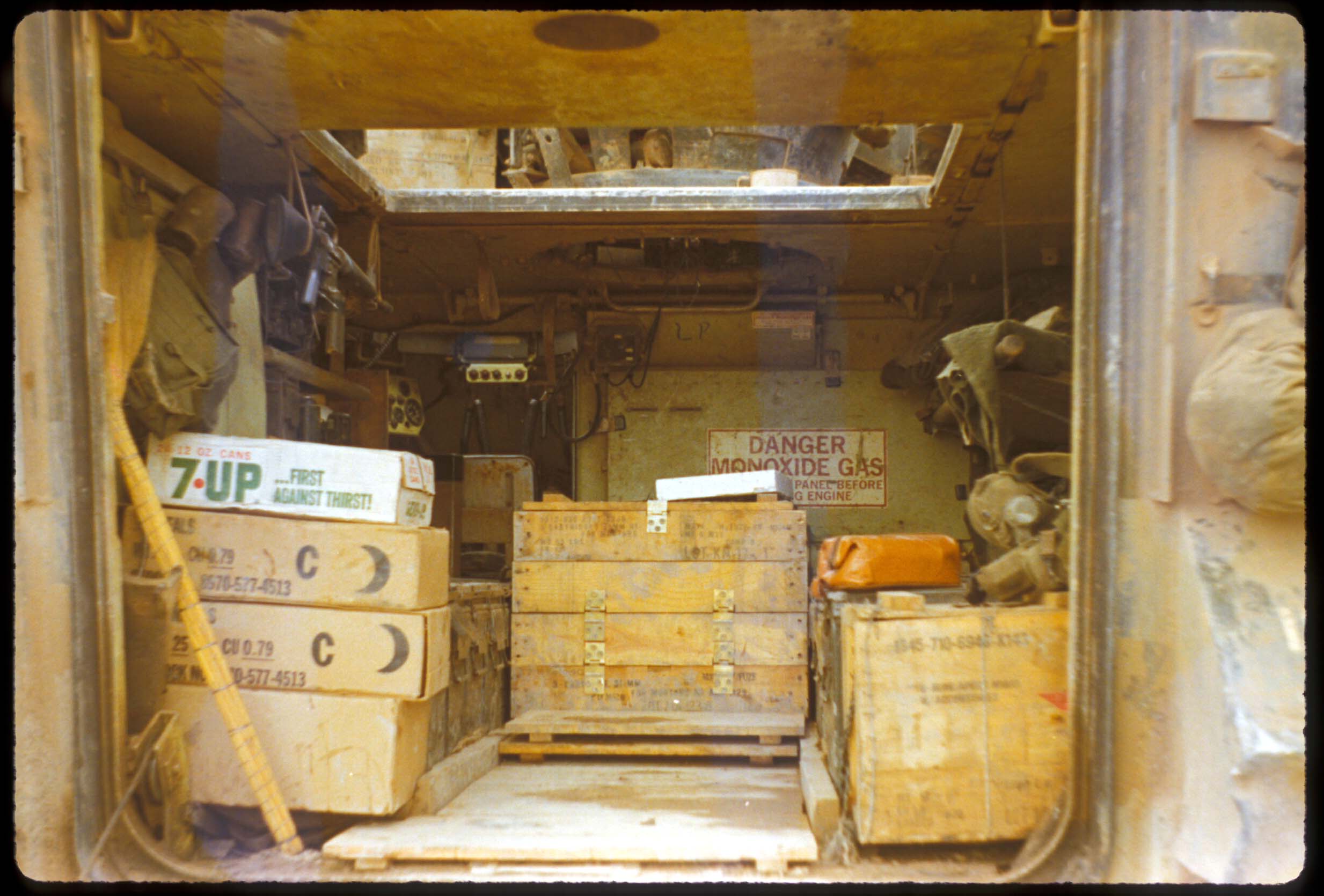
Just a few examples…

H.P.

12 Likes

H.P.

18 Likes

H.P.

4 Likes

Some units had load plan SOPs to maximize the space and to keep the location of standard items consistent among the tracks of the unit. This way if a Soldier got sent to help out another track that may have been down a few personnel, they would know where ammo was stored for the .50, the M60s, and any other weapon systems. The one that I am most familiar with is the SOP of 2d Battalion, 47th Infantry (Mechanized), 9th Infantry Division that was developed after their first couple of months in Vietnam. Each track replaced the troop seats with large wooden boxes. In the one on the right side as you are looking in, .50 ammo cans were double stacked in the forward section and 7.62 ammo was in the rear section of the box. It made sense since the .50 was forward and the M60s were at the troop hatch and having the boxes divided like they were made the possibility of grabbing the wrong can in the middle of a fight less likely. In the box on the left side were cans of 5.56 ammo towards the front. In the rest of the box, pyro, claymores, smoke and frag grenades still in their cardboard canisters, M79 rounds, and spare radio gear were stored in their assigned spots. In my diorama, “Breakfast in the Boonies” I depicted the track (C-14 which had the recoilless rifle mounted to it as well) belonging to my friend Bill Rambow and I rolled back the vinyl pads to show how the load plan was set up. I will try to find photos of that. In the meantime, here is a photo of Bill cleaning the .50 during standdown where you can see the boxes that his squad built.

This next photo is of the C-007 track that belonged to the Commo Section. They built theirs slightly different as you can see an opening in the end where the double stack of 7.62 ammo cans are visible.

The Battalion maintained this load plan until after the Cambodian Incursion when the unit returned to the US.

Cheers,

James

9 Likes

To go with what James said, figuring out how to show the interior would depend on the unit and if they spent the majority of their time in the field or worked out of a base camp. This would determine how much gear/ ammo etc. you carried. It would depend on the mission, a resupply run or an operation. Wayne

4 Likes

Keep them as relatively clean as possible. Given the dirt and dust of the Highlands. Is like being in the field all week during a Field training Exercise (FTX). You eat, sleep and train inside the vheicle and you try your best to keep it all organized; then the Supply people go in to serve hot chow and the unit takes time to pick up trash inside the vehicles that Supply takes back to post to dispose of (something I’m very familiar with).

3 Likes

Men, thank you. Really appreciate your photos and insight. So does my friend.

Fred

3 Likes