Hi all
here is the most demanding project I will build this year. I have already built a VBCI with a nearly full scratch interior. So I needed, I just wanted in fact, the command version. The conversion by KMT is long out of production however I managed to grab one from a fellow modeler.
The original intent was to build it with the interior like the VBCI. Unfortunately the conversion is not designed to have the rear doors open and I don’t feel brave enough to open the resin rear plate. However I will show the maximum through the open roof hatches.
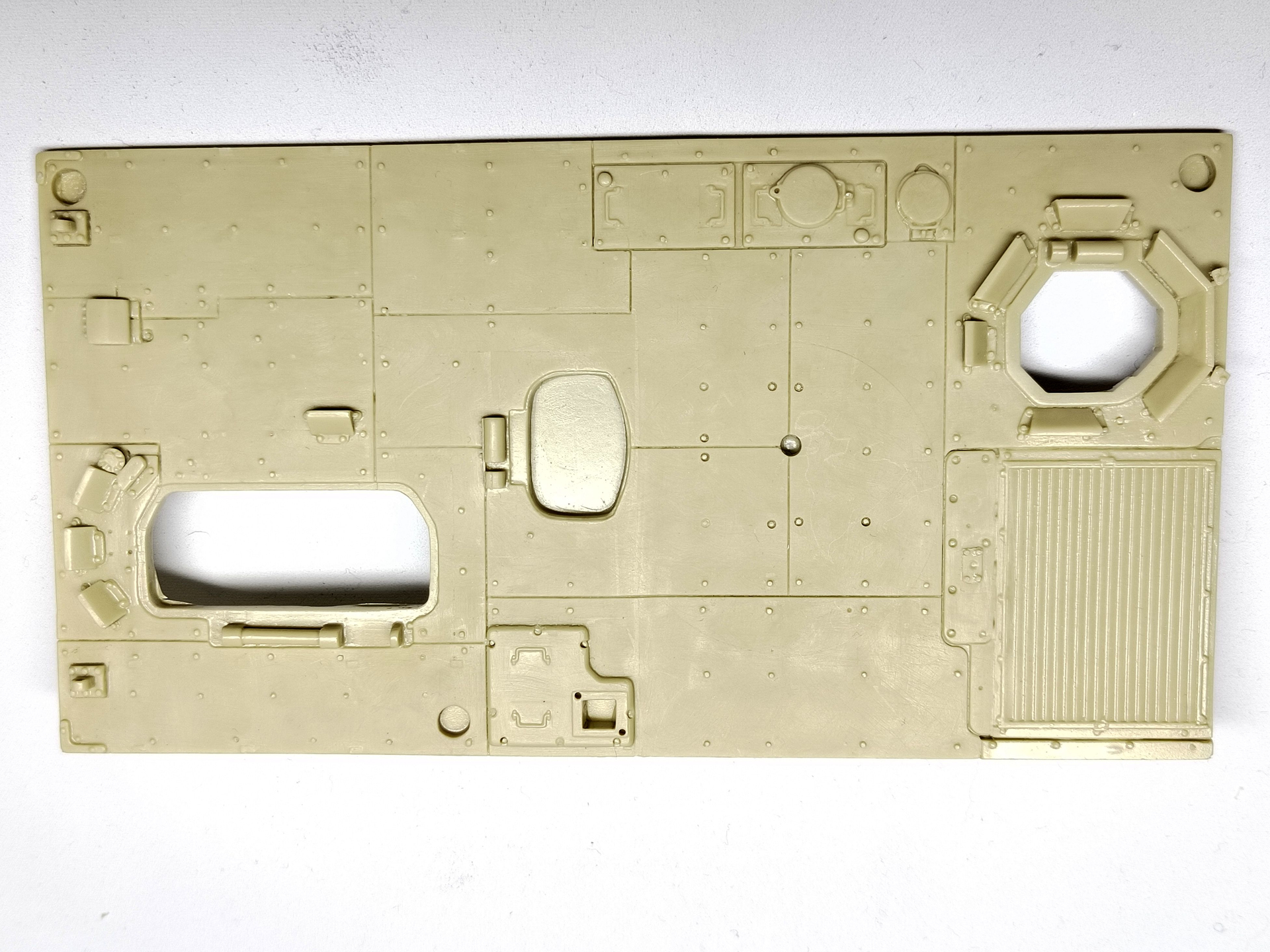
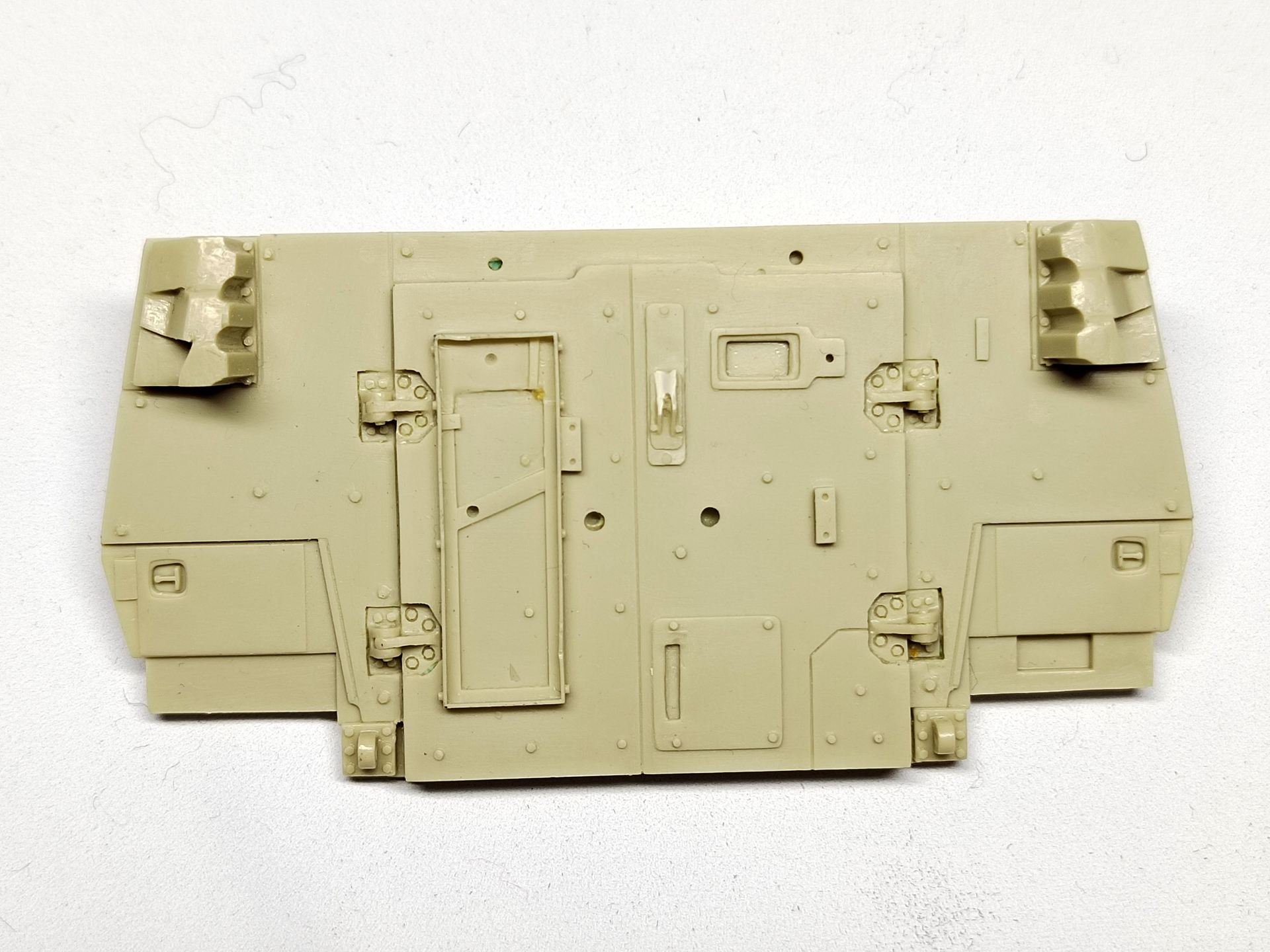
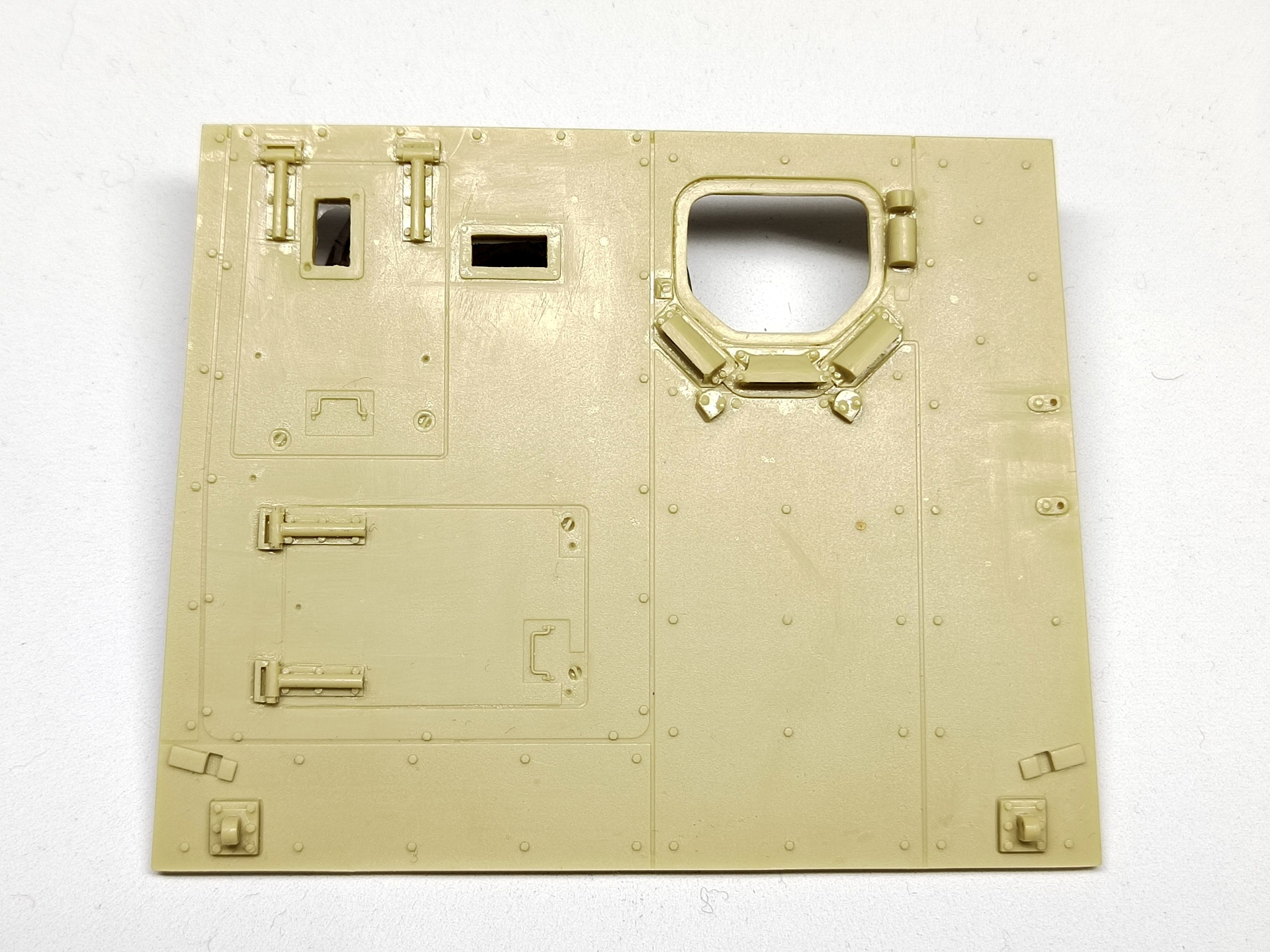
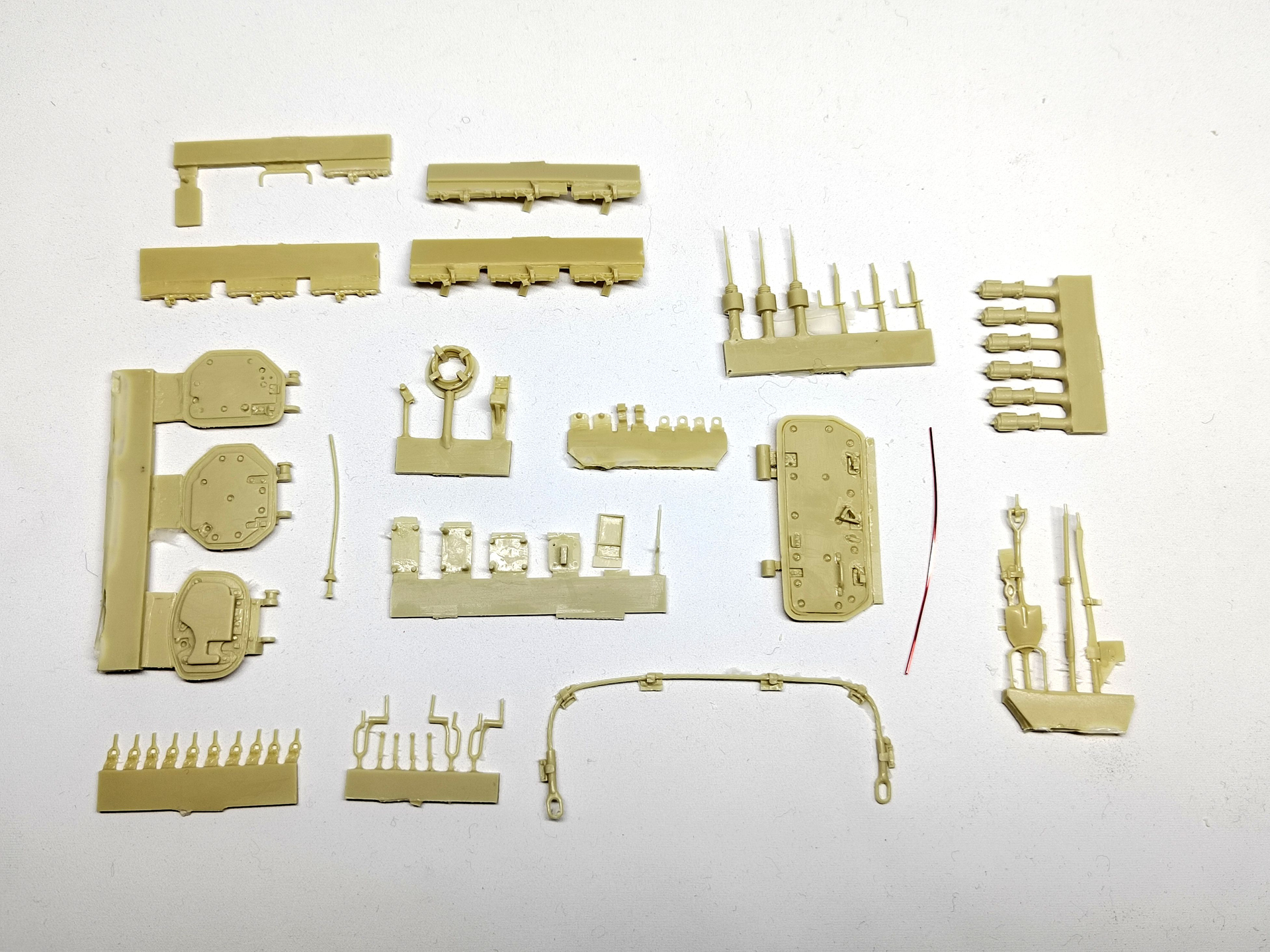
Here is what you get in the conversion set.
Before starting the build, I have to fix the main Heller flaws that is the front plate wrong design, some details omission and ill-represented shock absorbers sleeves.
I started with the front by cutting the lower part. Heller represented it too thick which is a mistake. The part was thinned from inside.
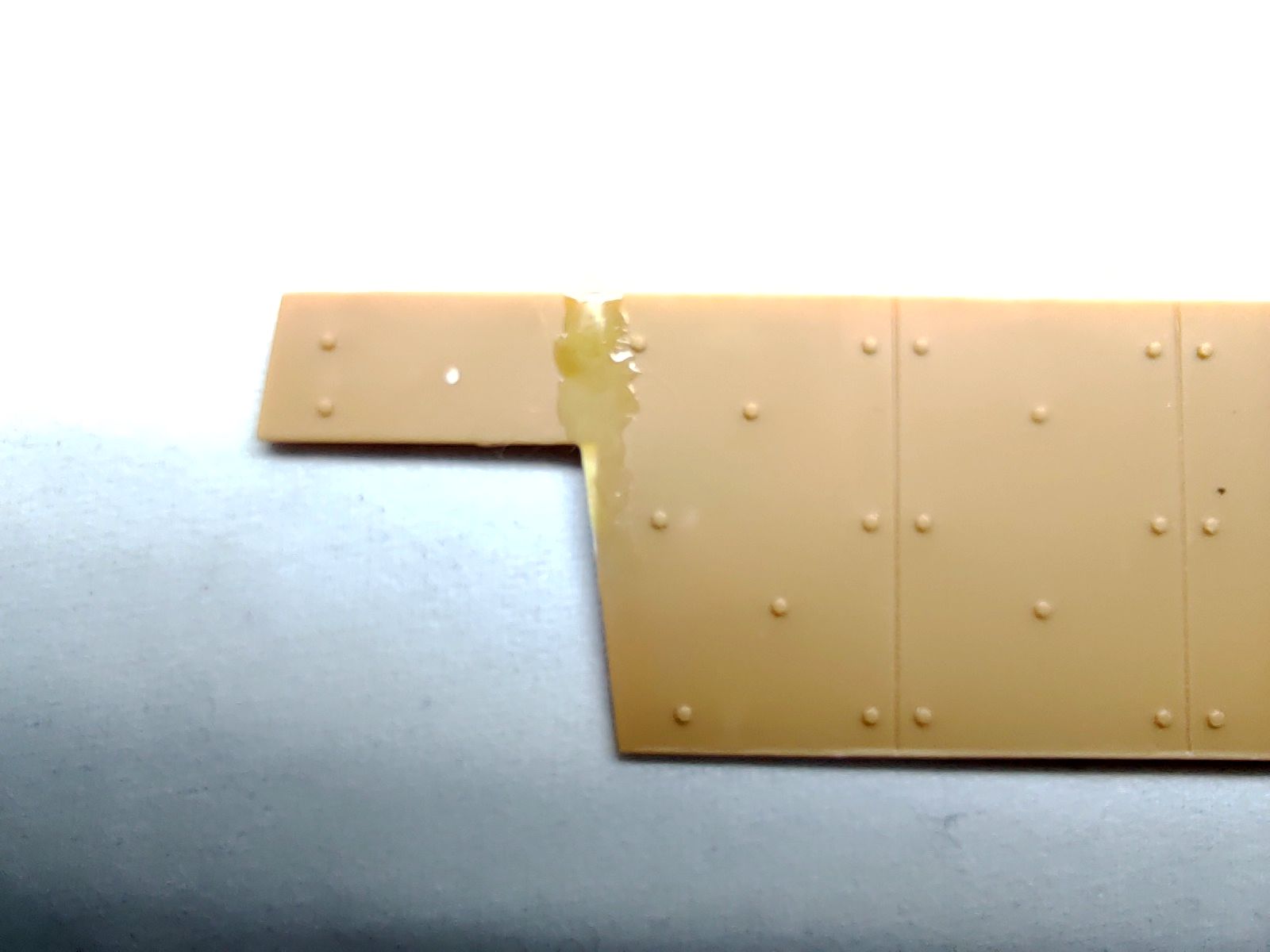
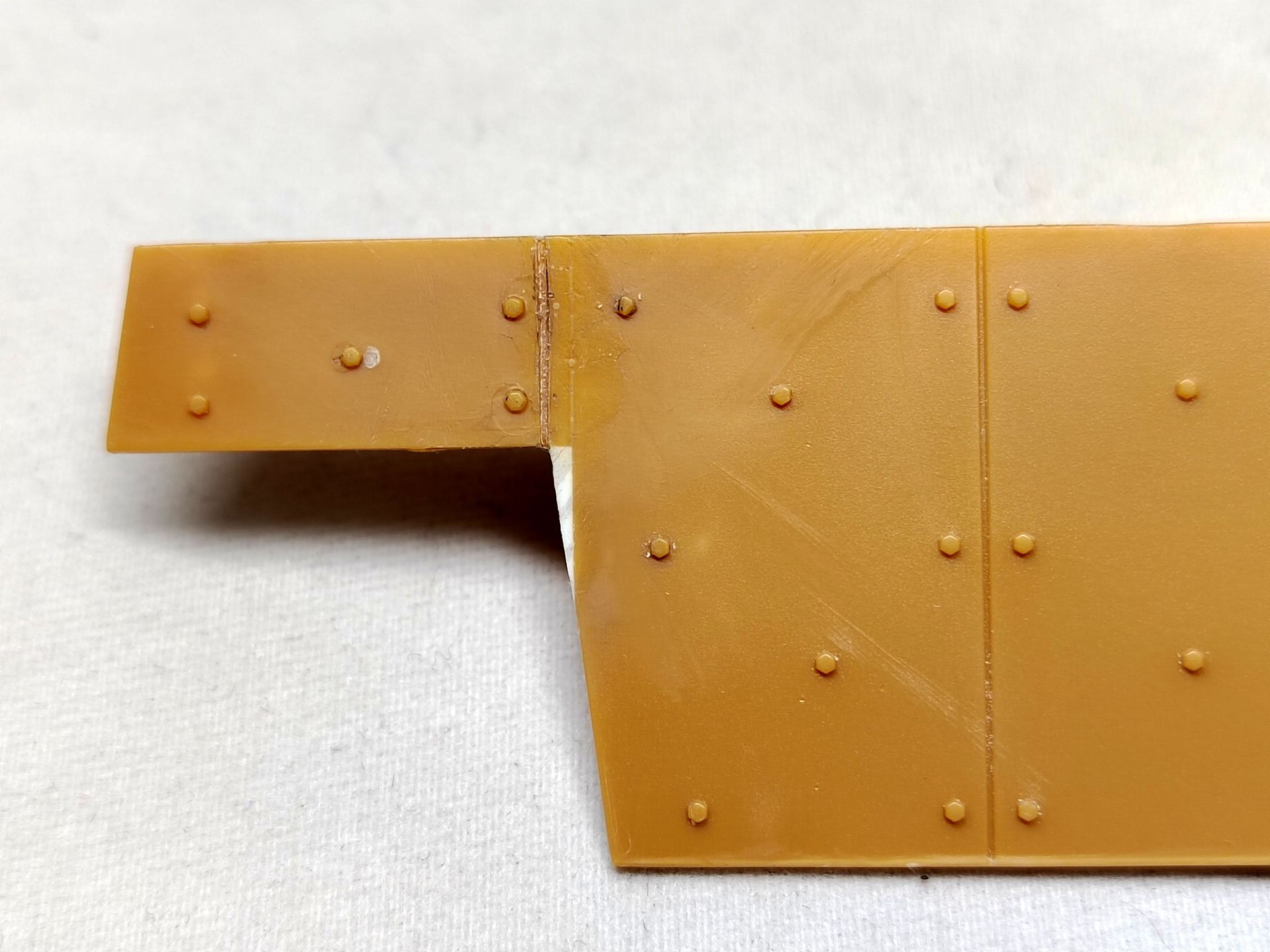
The “wings” should not have a 90° angle. So I added a piece of styrene and created the correct oblique shape. The boltheads were moved to the exterior and the original panel line has been filled and a new one engraved at the right place.
Heller omitted 12 bolted plates under the hull sides.
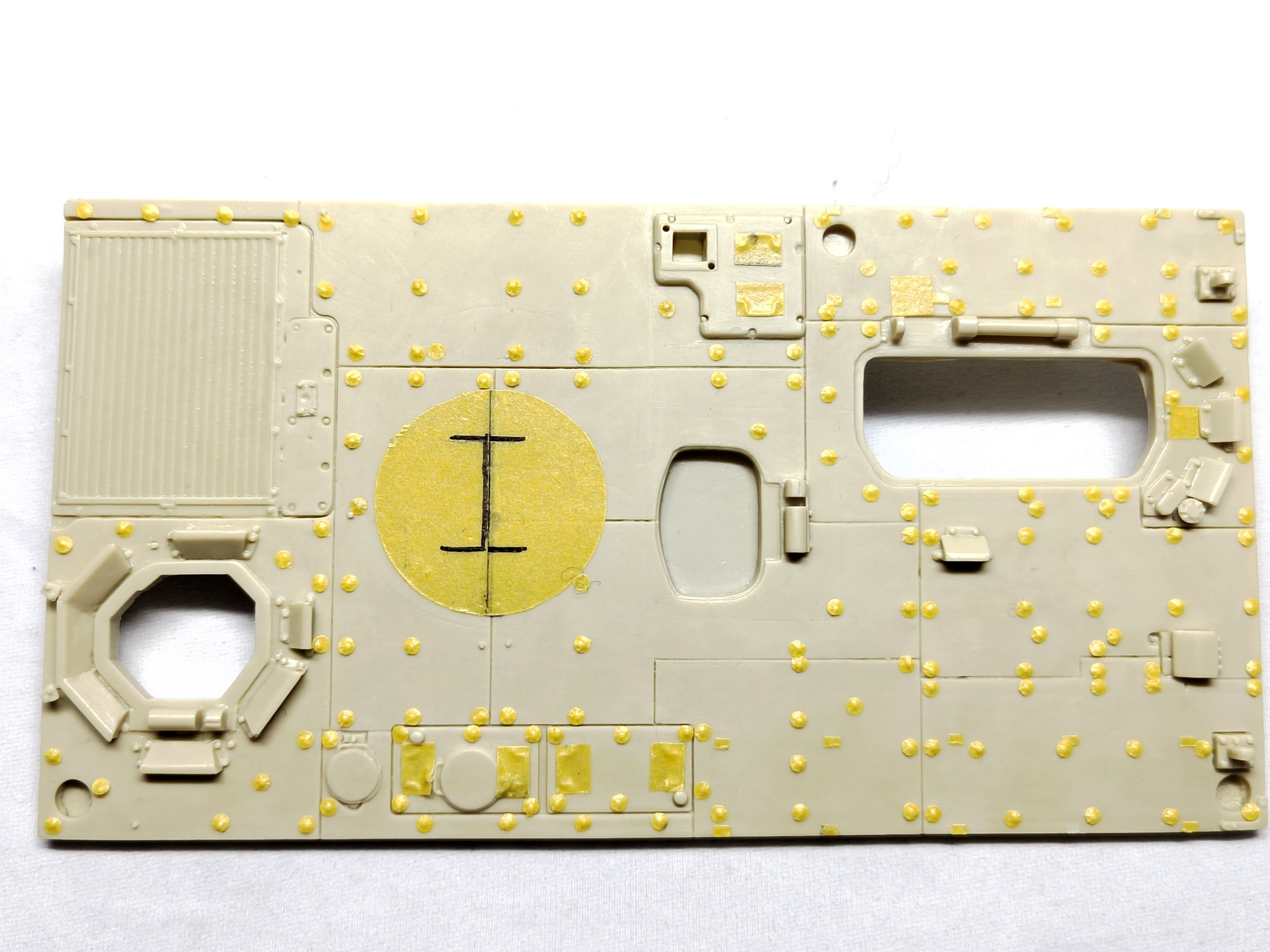
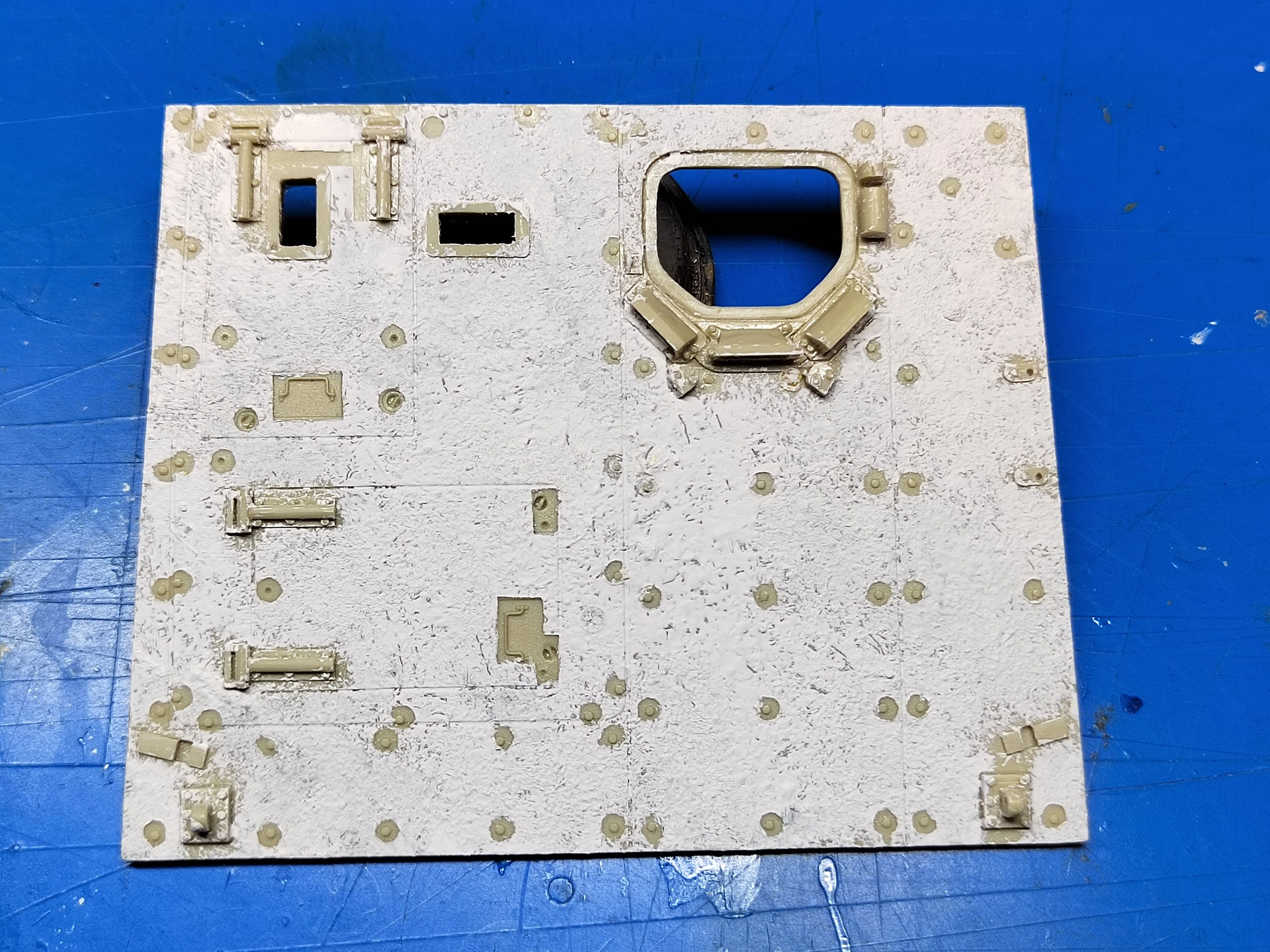
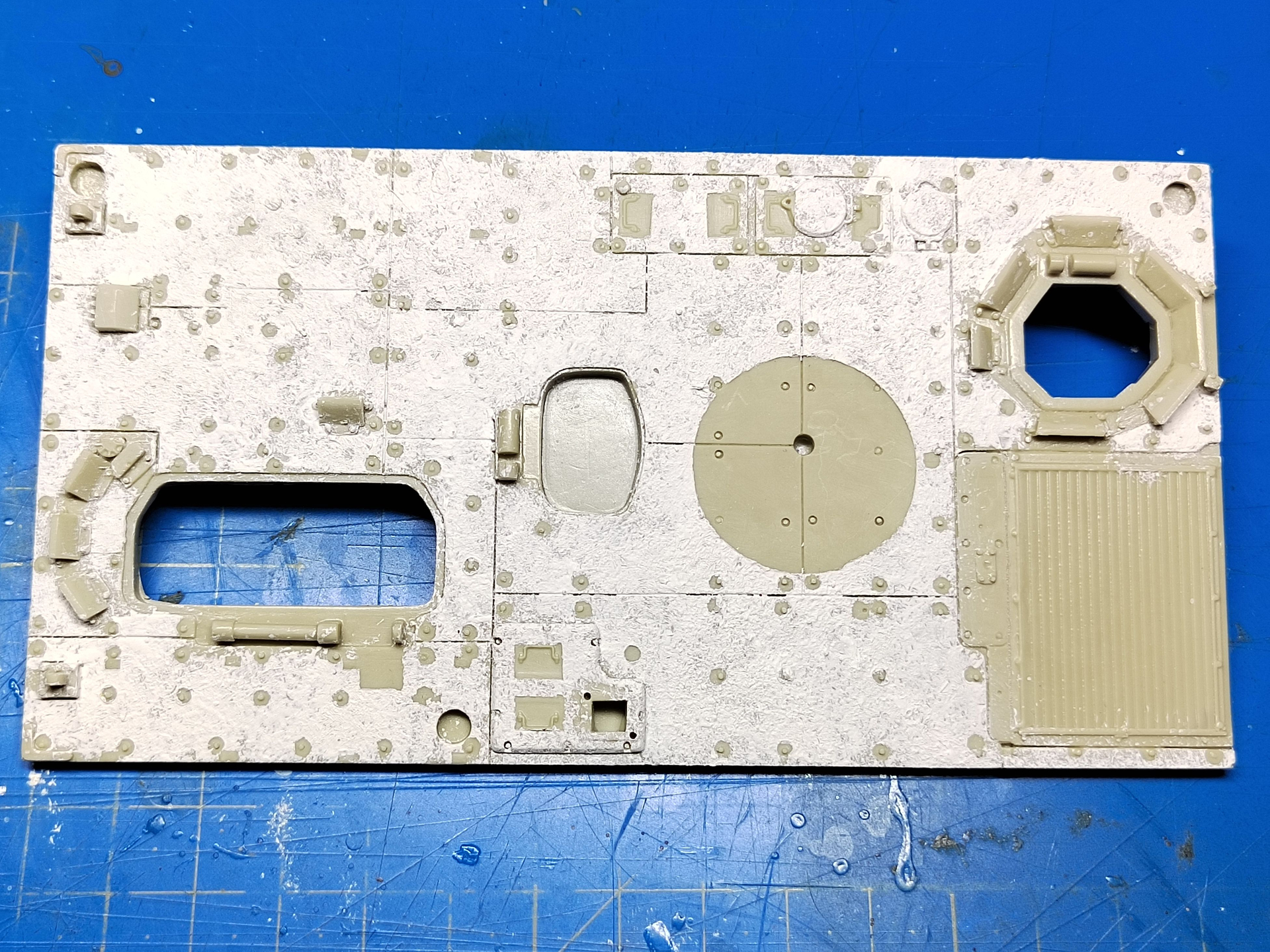
Then I prepared the KMT parts for the application of the antislip coating. The coating will be made from putty diluted with Tamiya extra thin glue and tapped with an old toothbrush.
Olivier
15 Likes
I’m waiting the rest of the build😘!!!
4 Likes
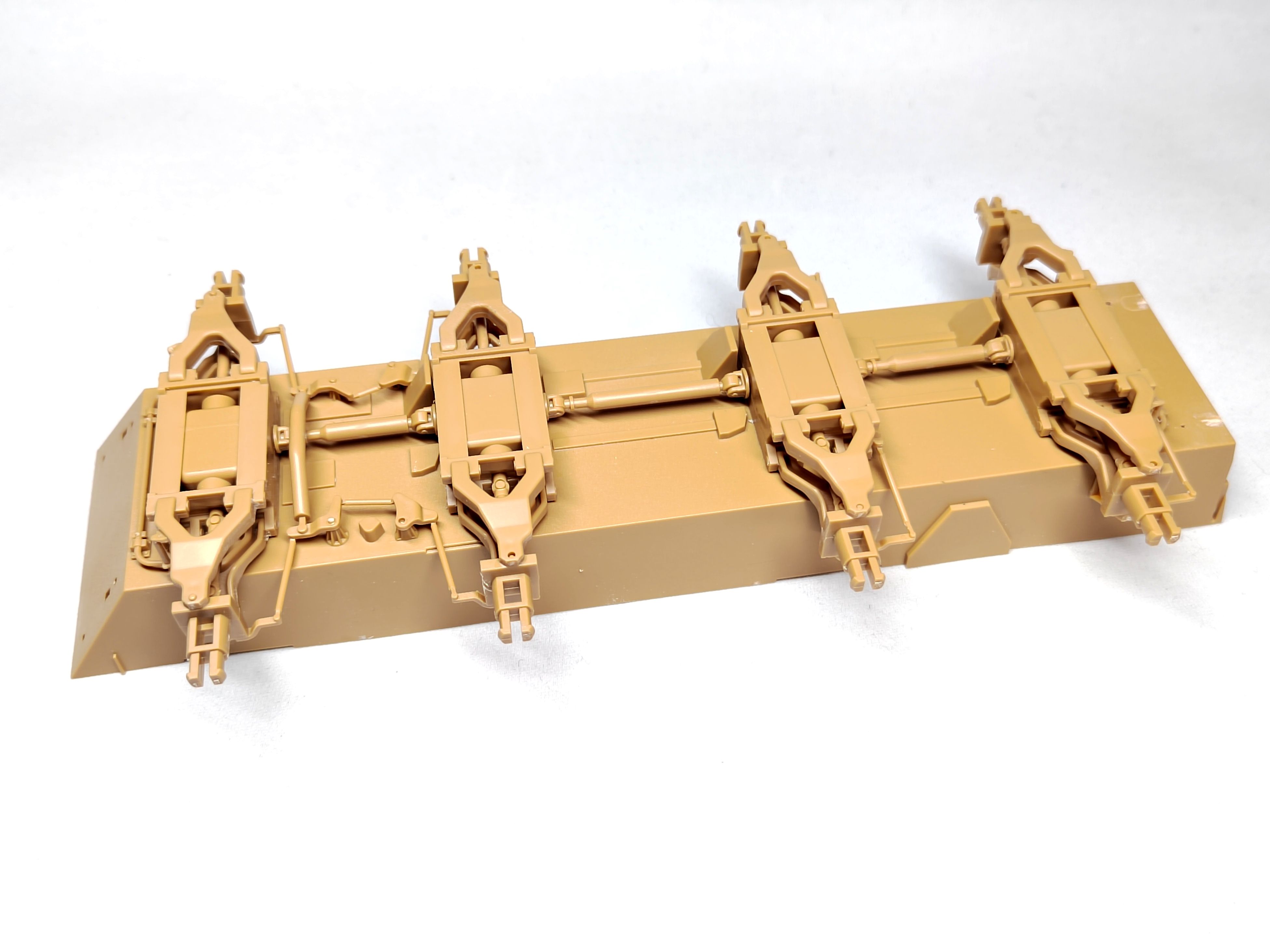
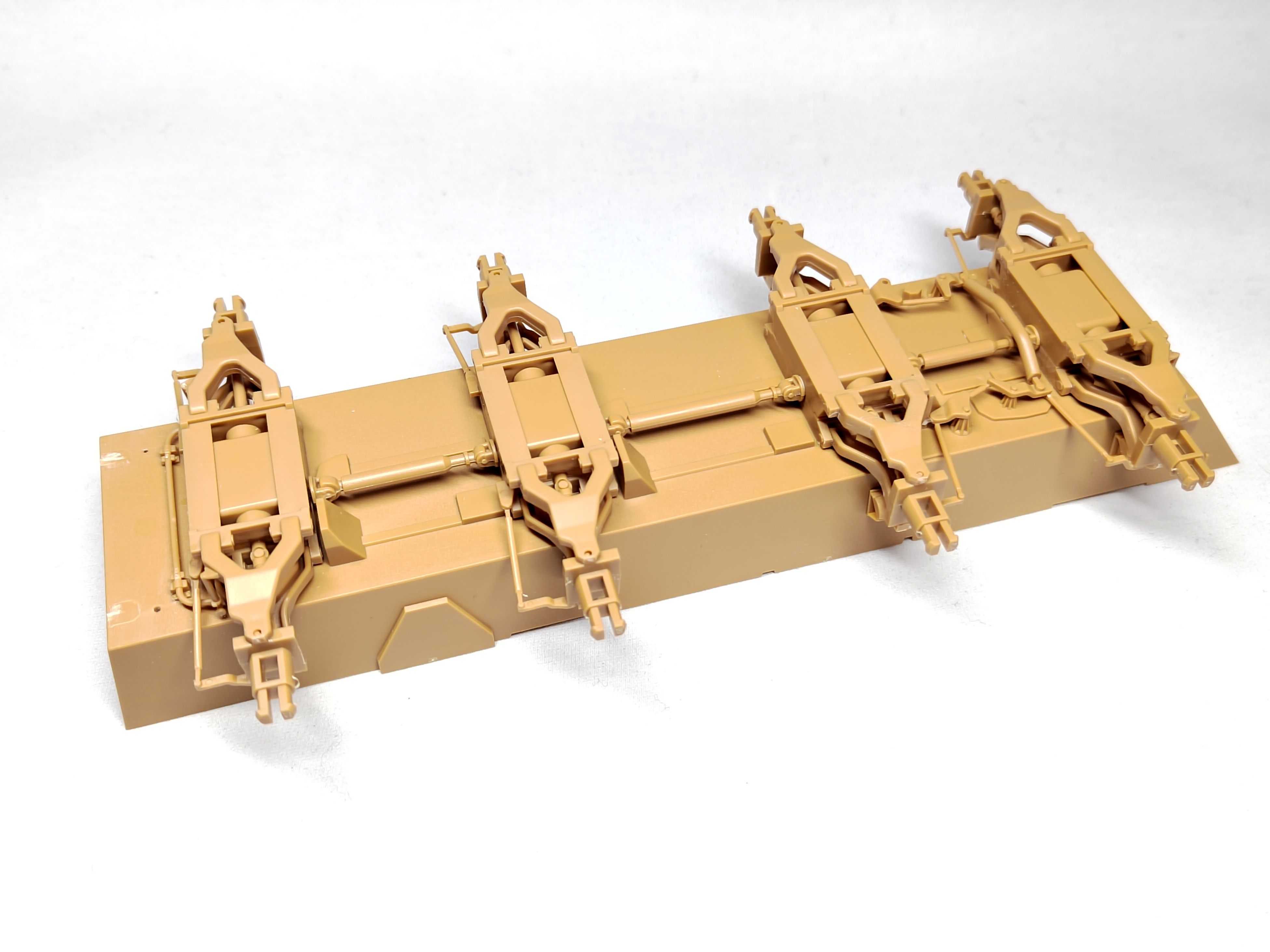
Rainy weather is your friend when you’re a modeler. So today I managed to assemble the transmission and the suspension.
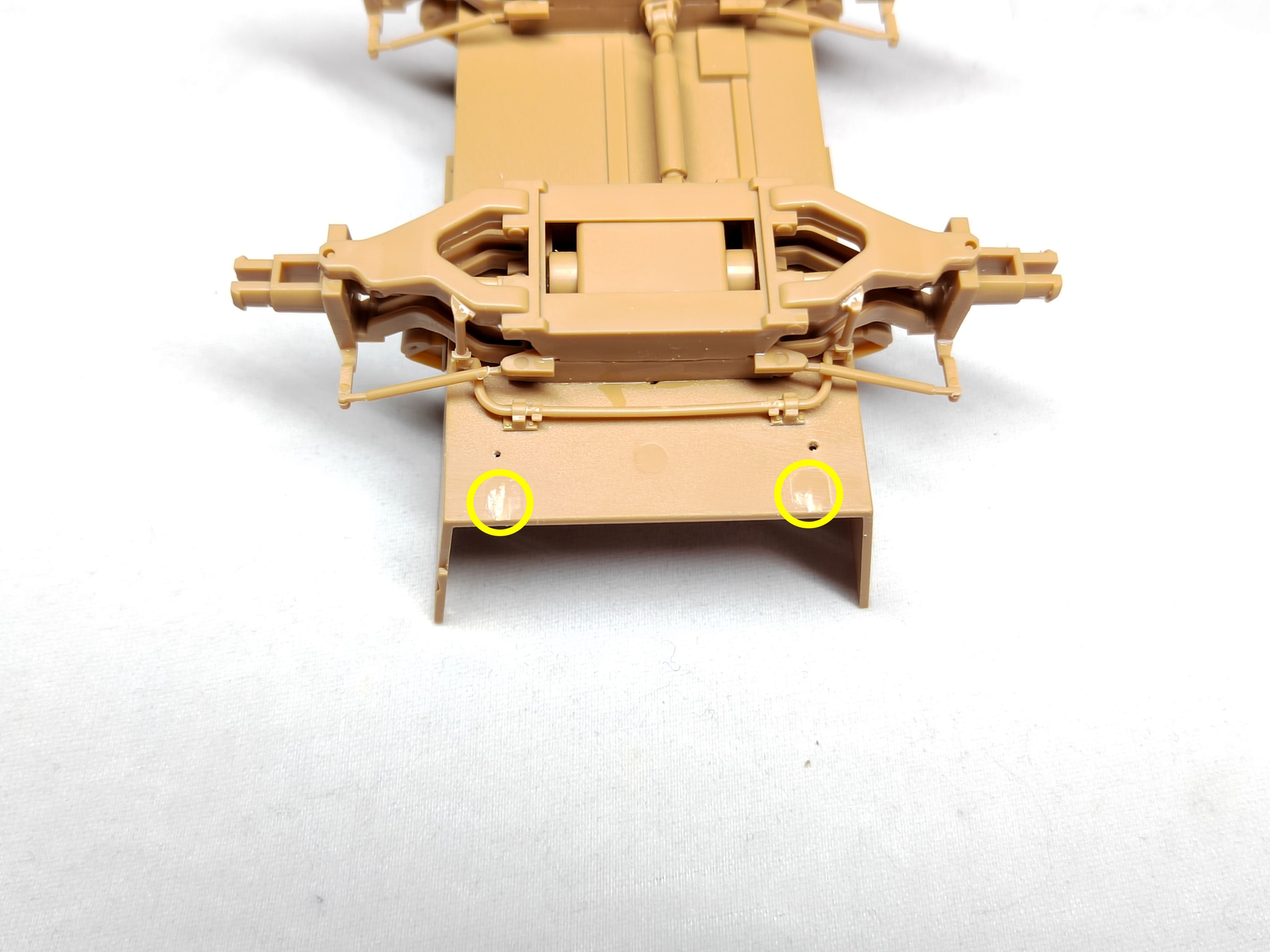
I also remove the ramp hinges under the hull since the VPC only have standard doors.
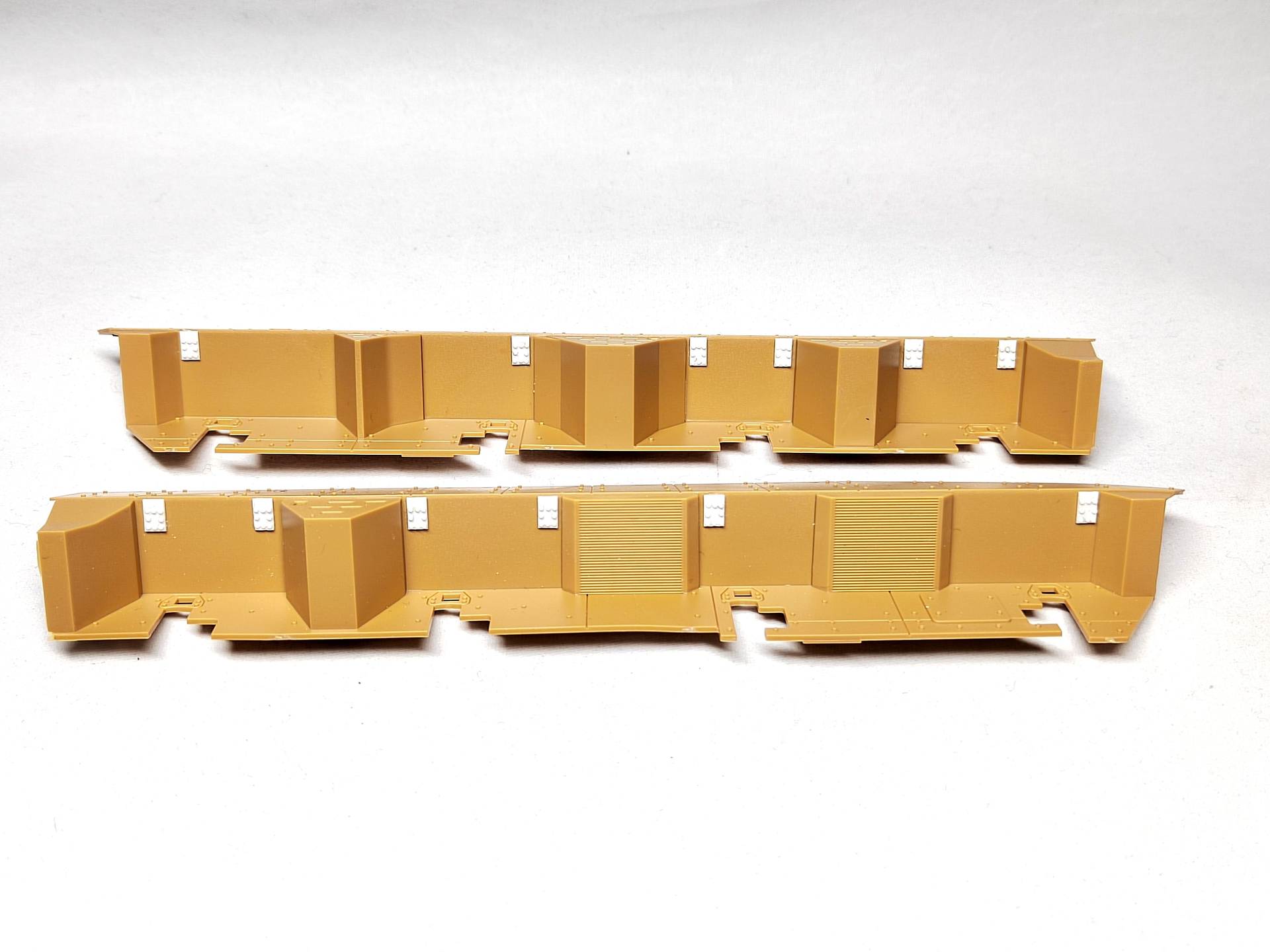
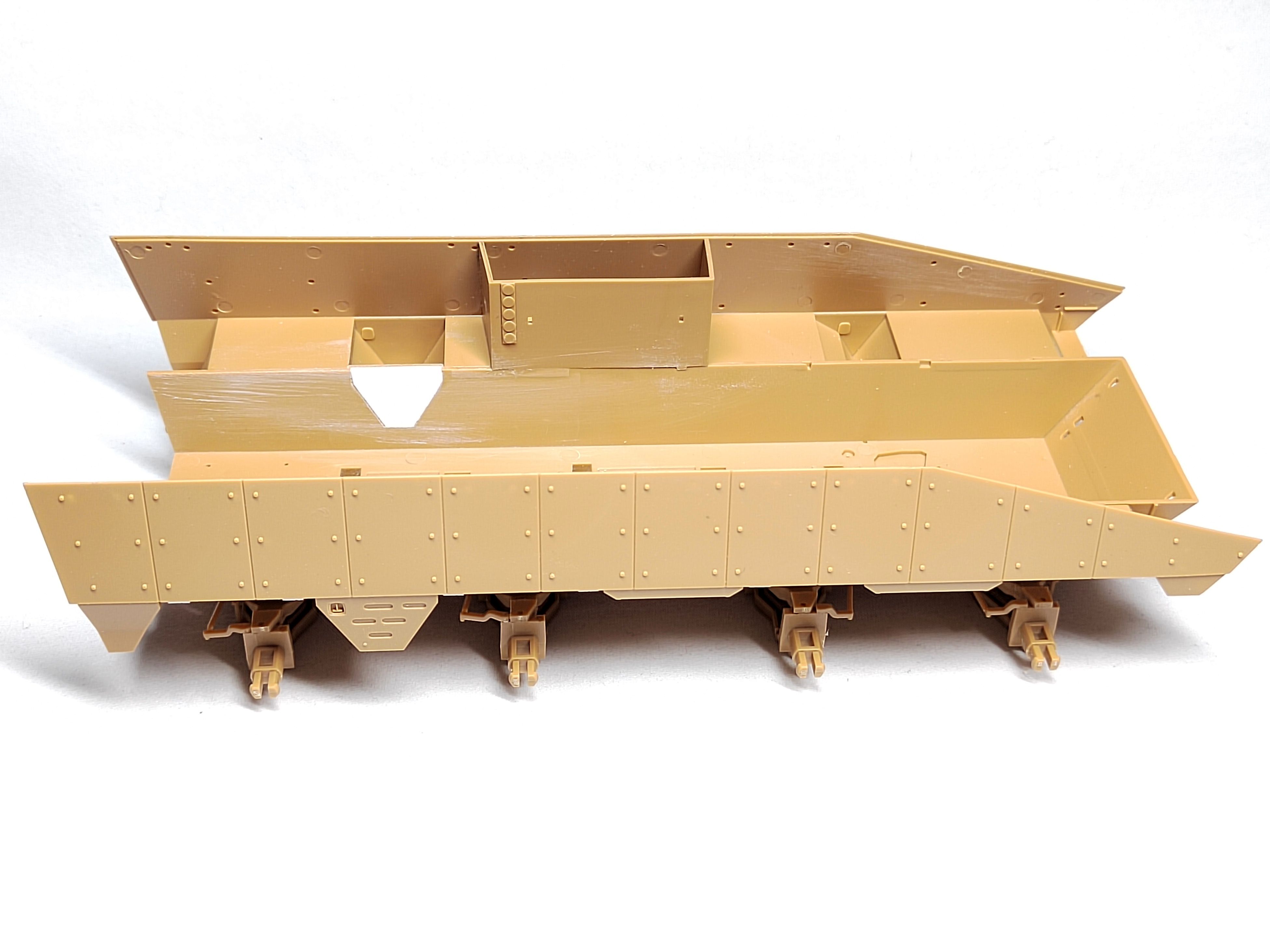
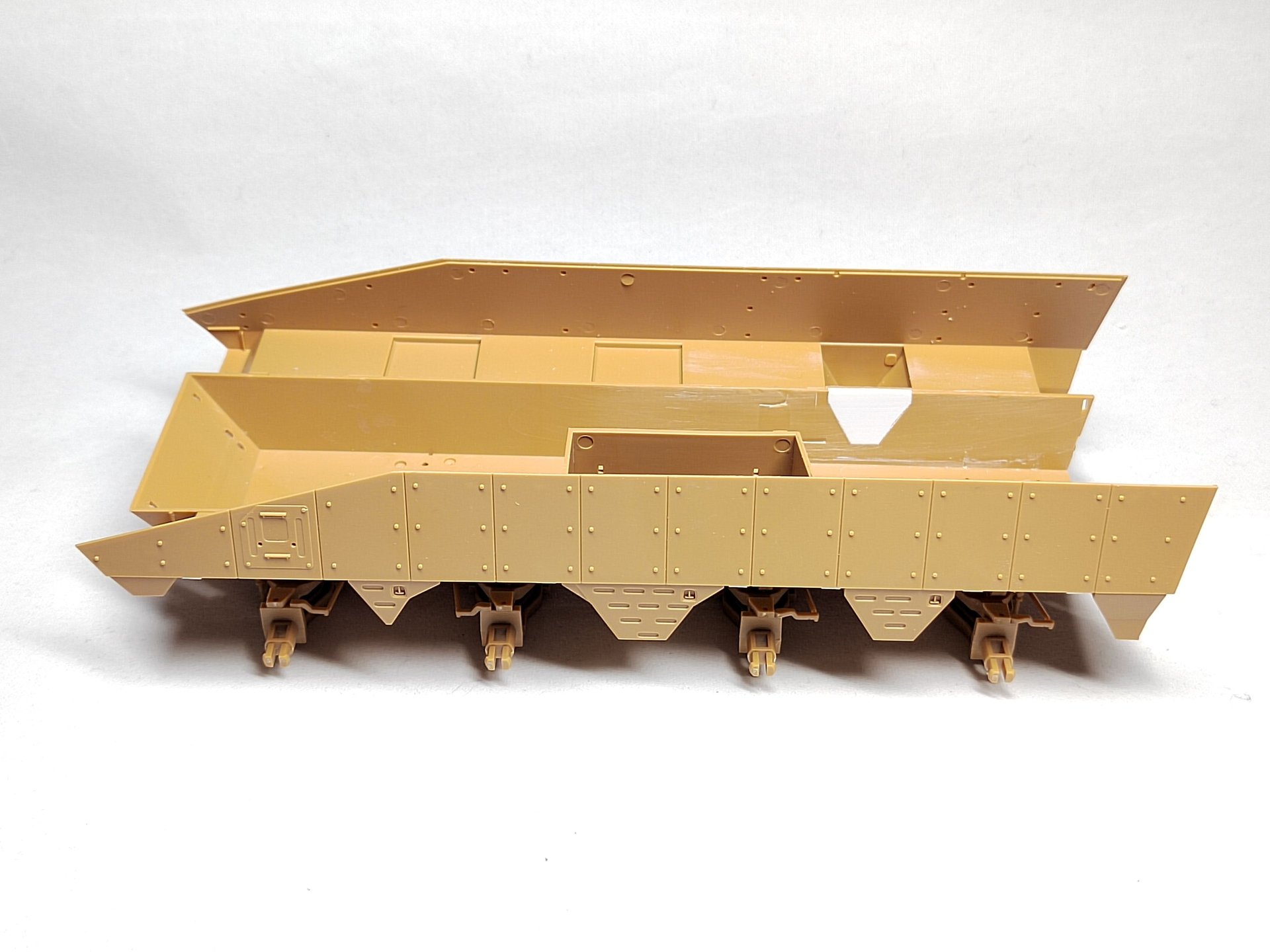
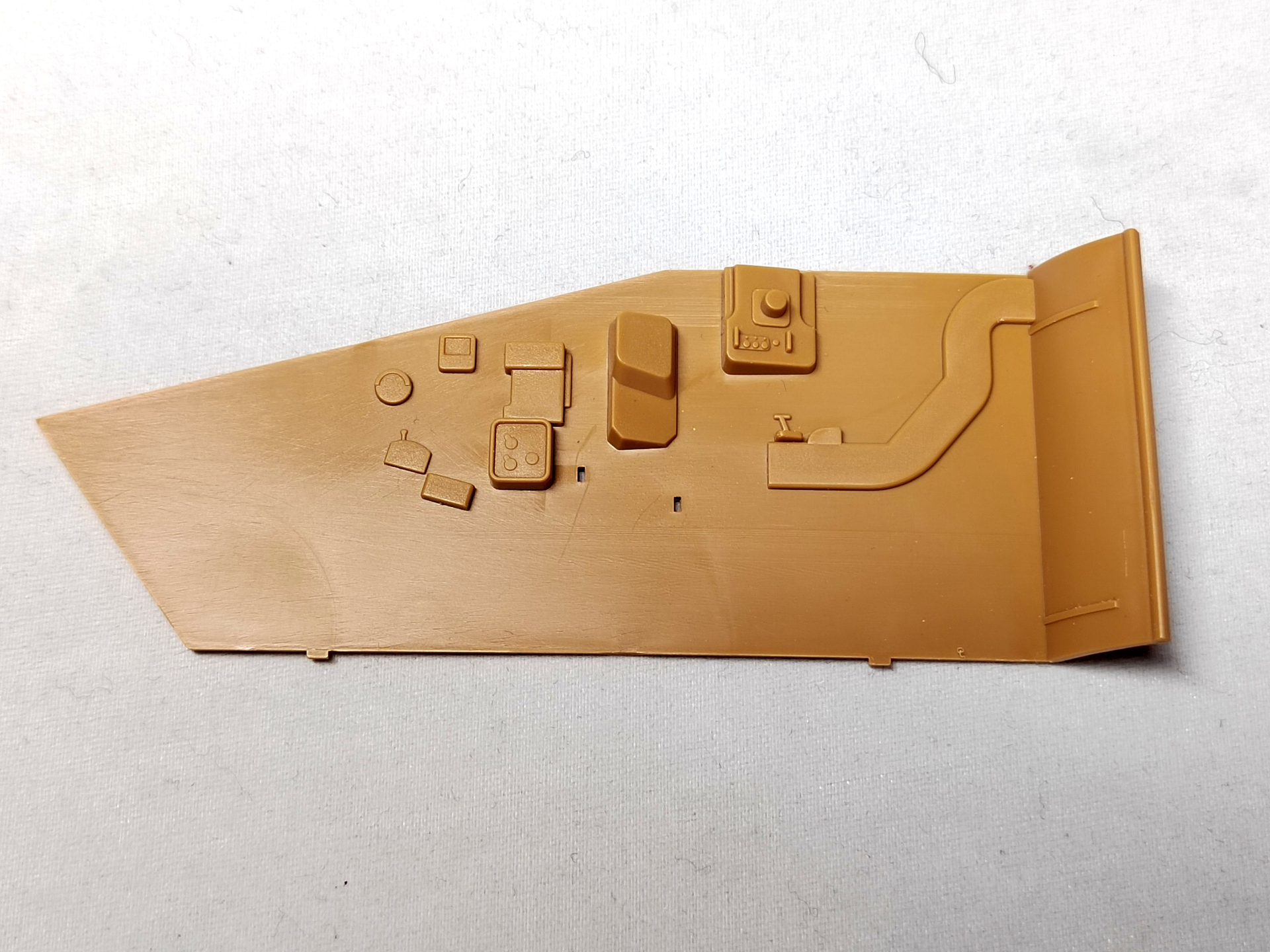
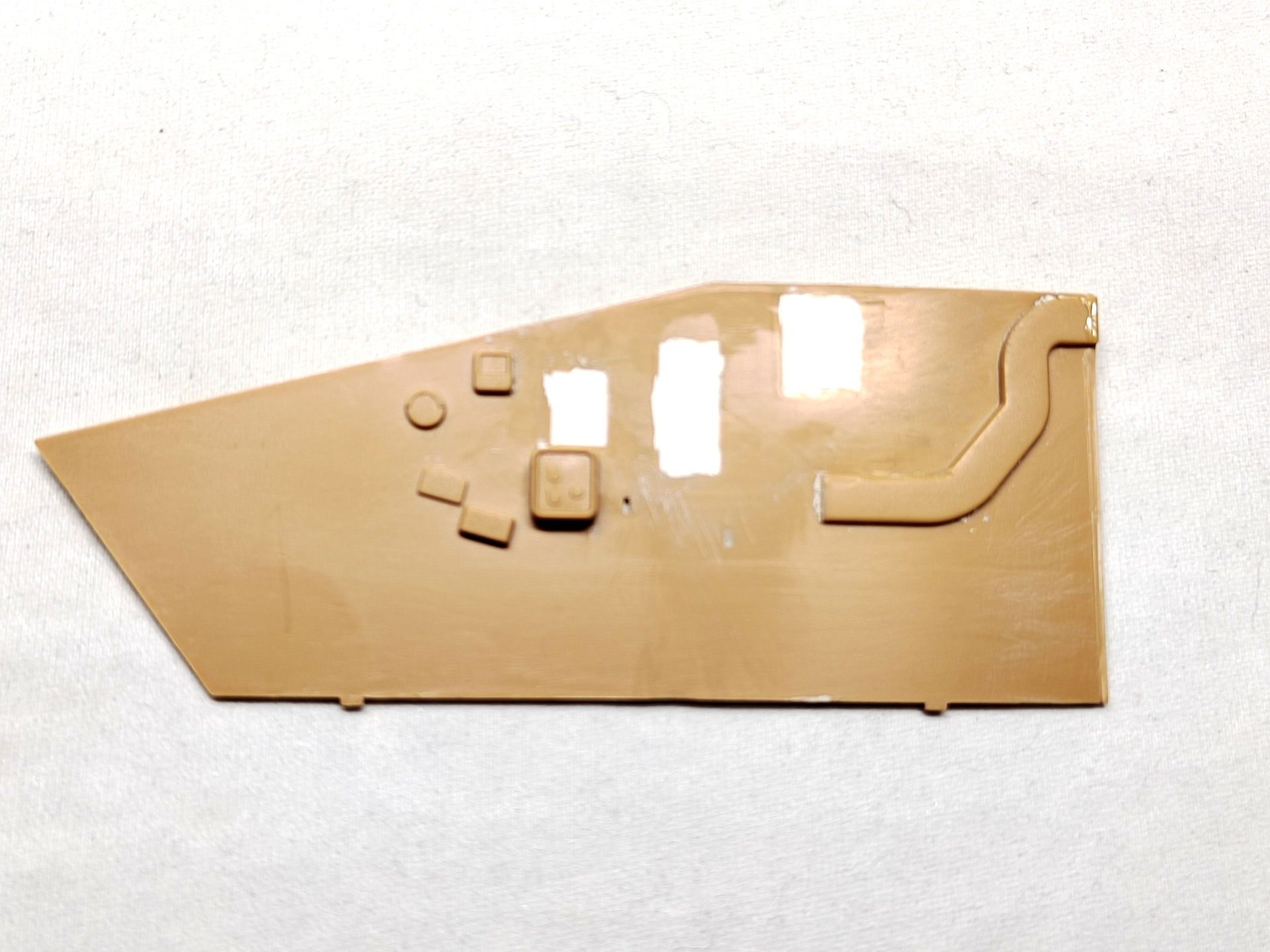
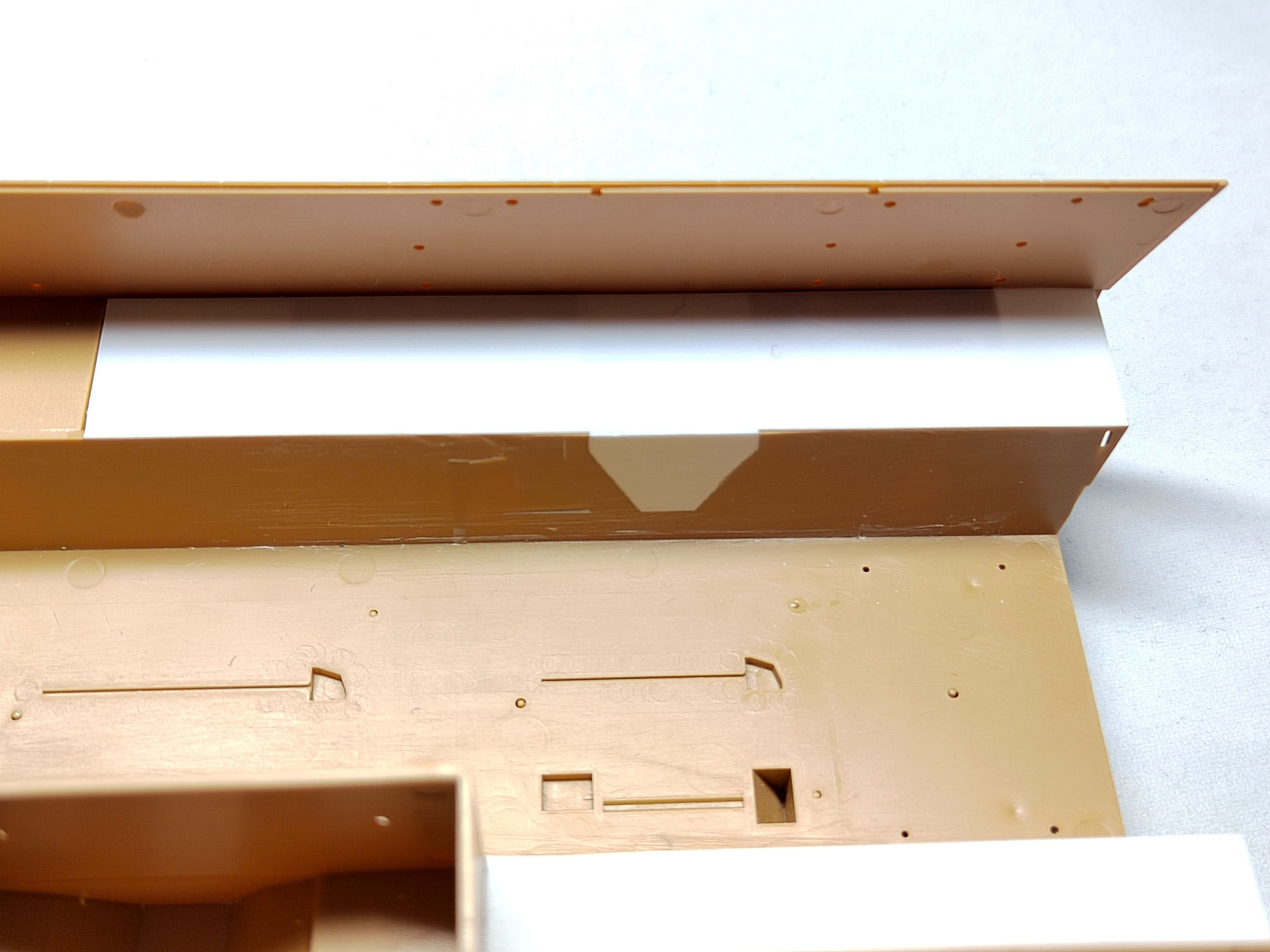
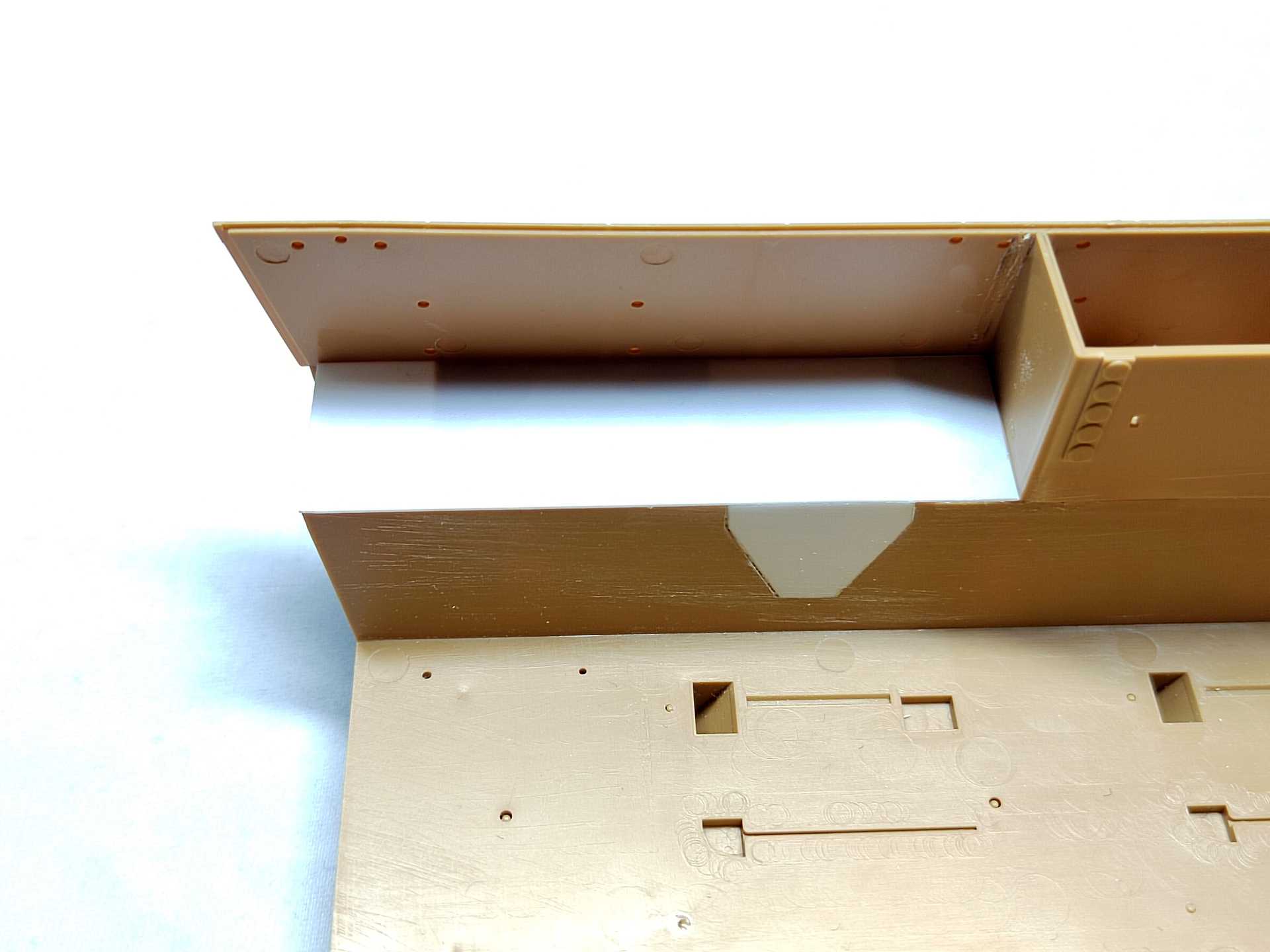
Then I glued the sides to the hull and began working on the inside. The RHS has some details molded on that must be deleted. And both sides have a recess to be filled.
The holes on the horizontal parts will be filled with 0.25 mm styrene sheet.
The antislip coat has been applied. I’ll show pictures tomorrow.
Olivier
8 Likes
Nice progress Olivier, will be following along 
3 Likes
Thank you Johnny for following the build.
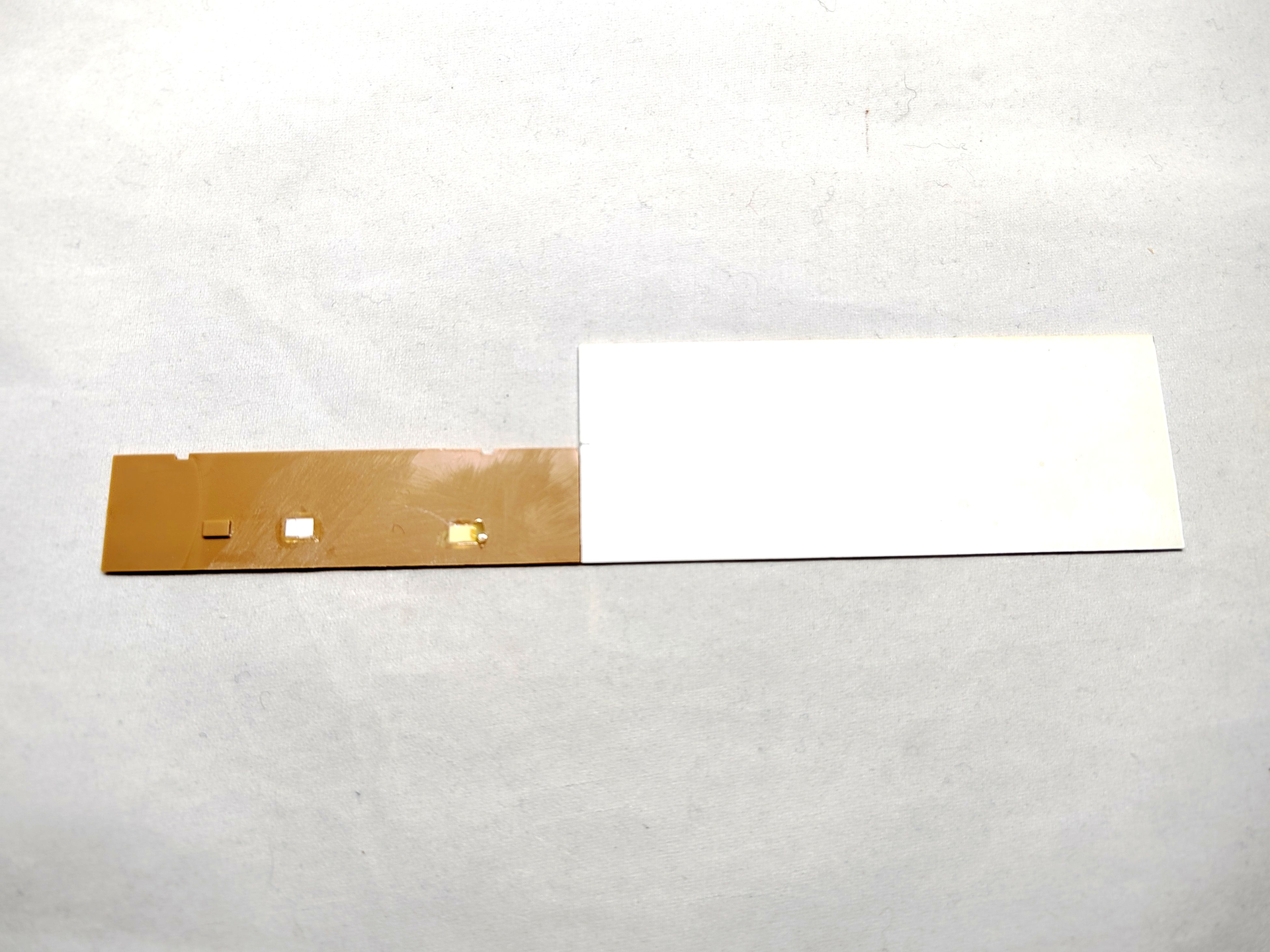
The preparation step for the interior is continuing. The engine wall which is wrong in the VBCI kit does not match the VPC variant. So I removed most of the details molded on. Nearly all the others will be modified. The turret wall needed to be removed too.
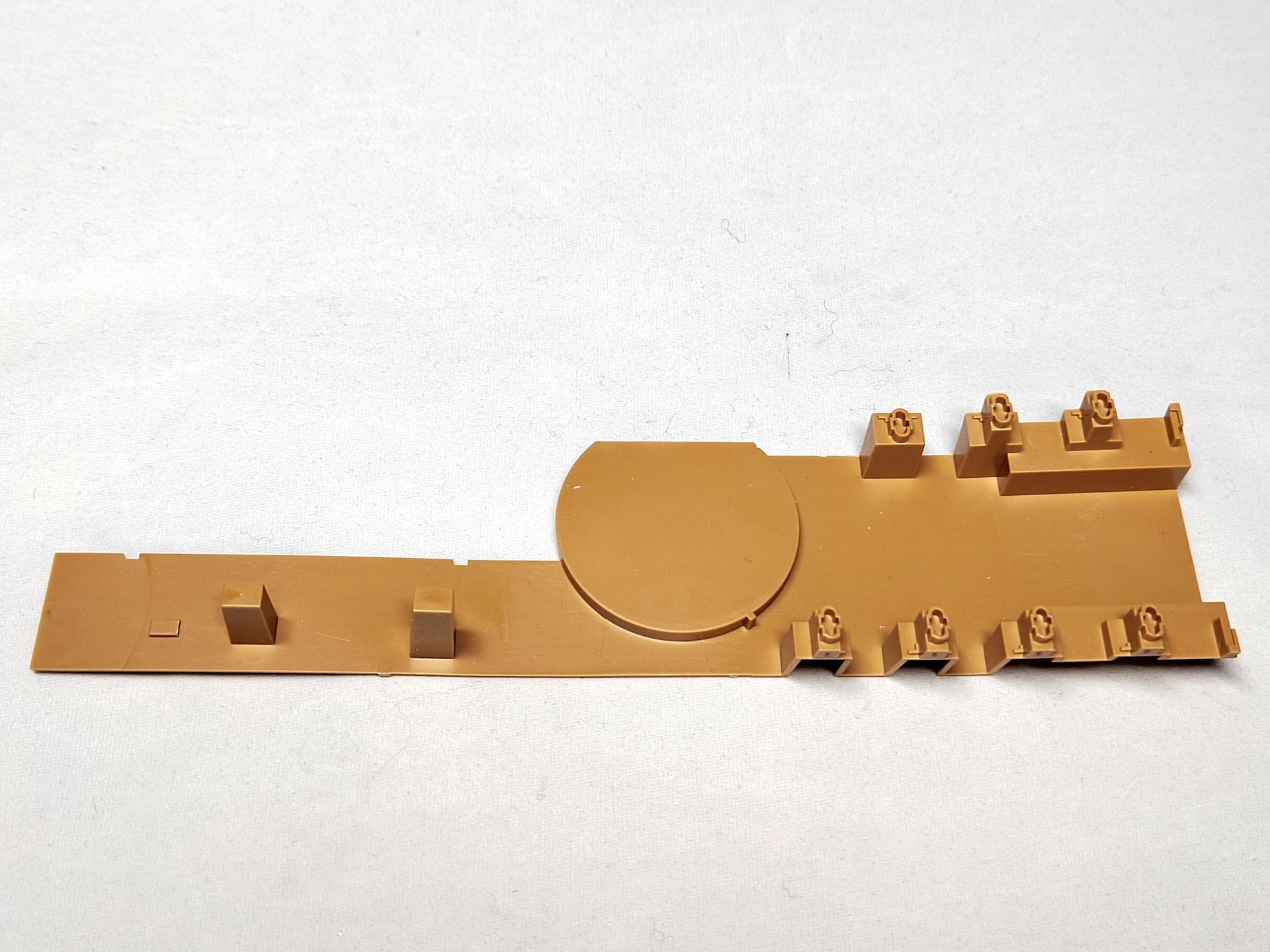
The vehicle floor is not correct either even for the VBCI. I cut it and only kept the front part because I wanted the notches to position the engine wall correctly. The fictitious seat supports are removed. The rear part is simply replaced by a large rectangle of plastic card.
The holes in the sponsons have been filled with pieces of 0.25 mm plastic card.
And here are 2 pictures of the antislip. I’m not totally happy with it to be honest.
Olivier
4 Likes