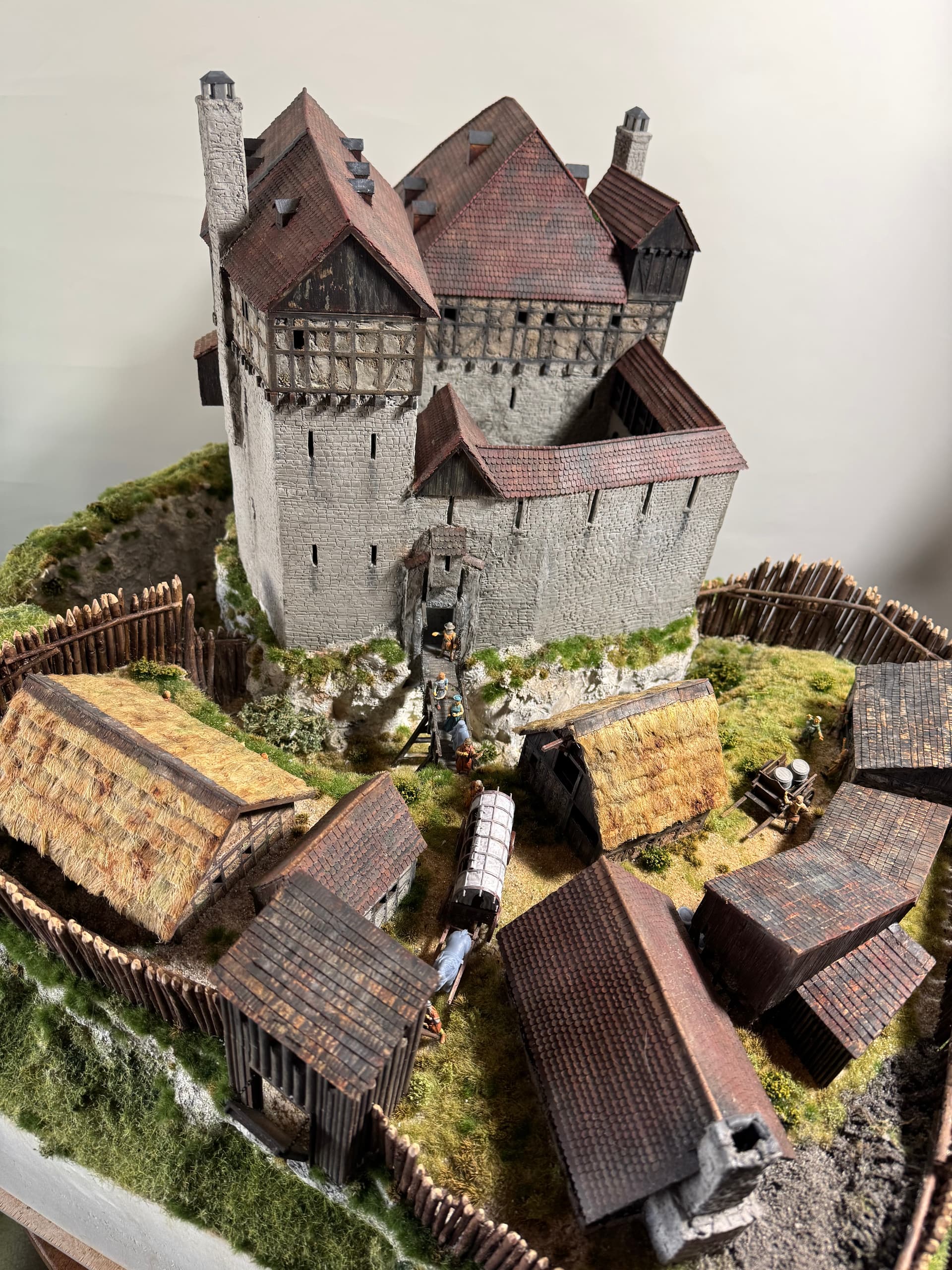
Greifenstein Castle on scale 1:72
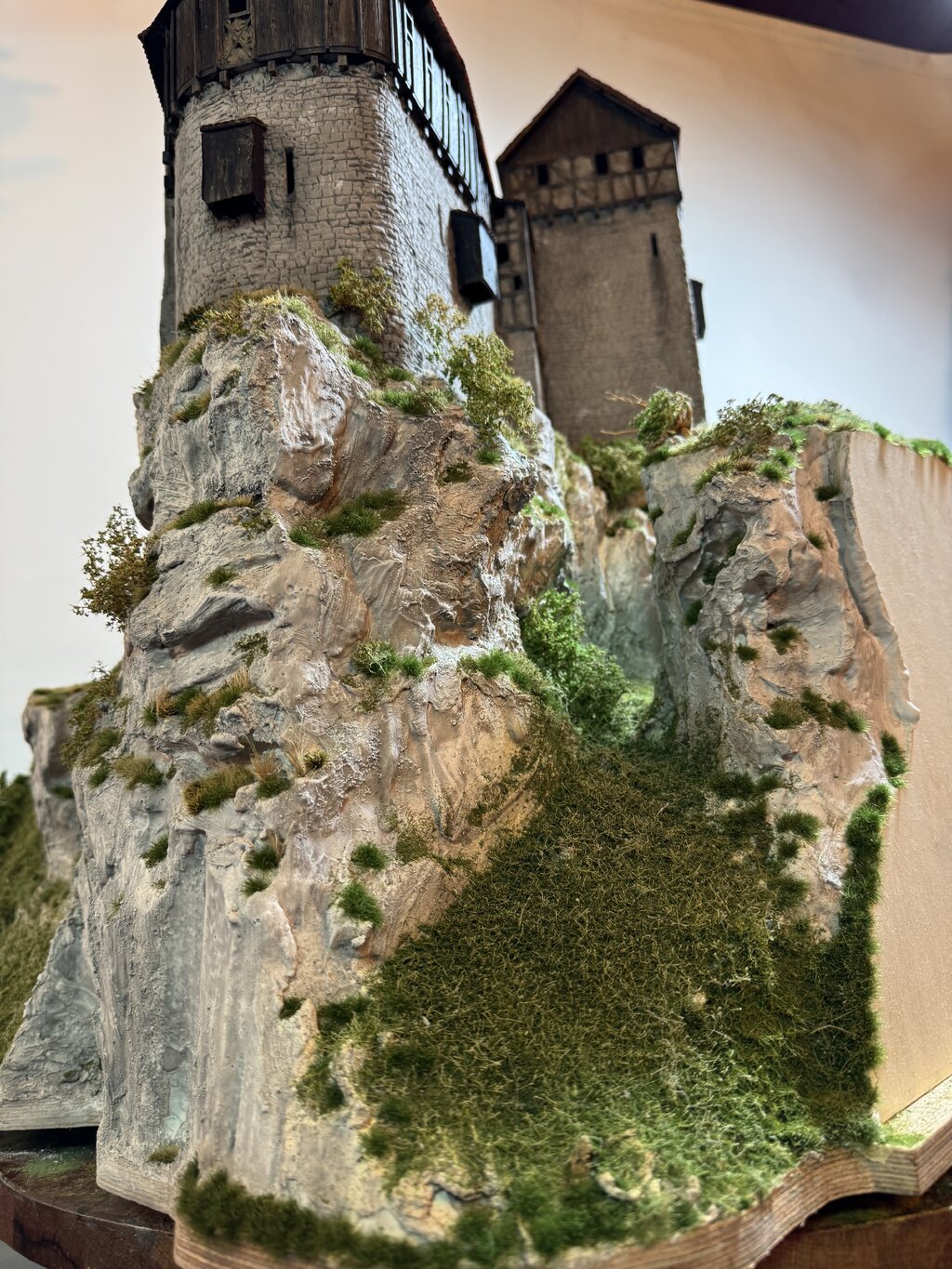
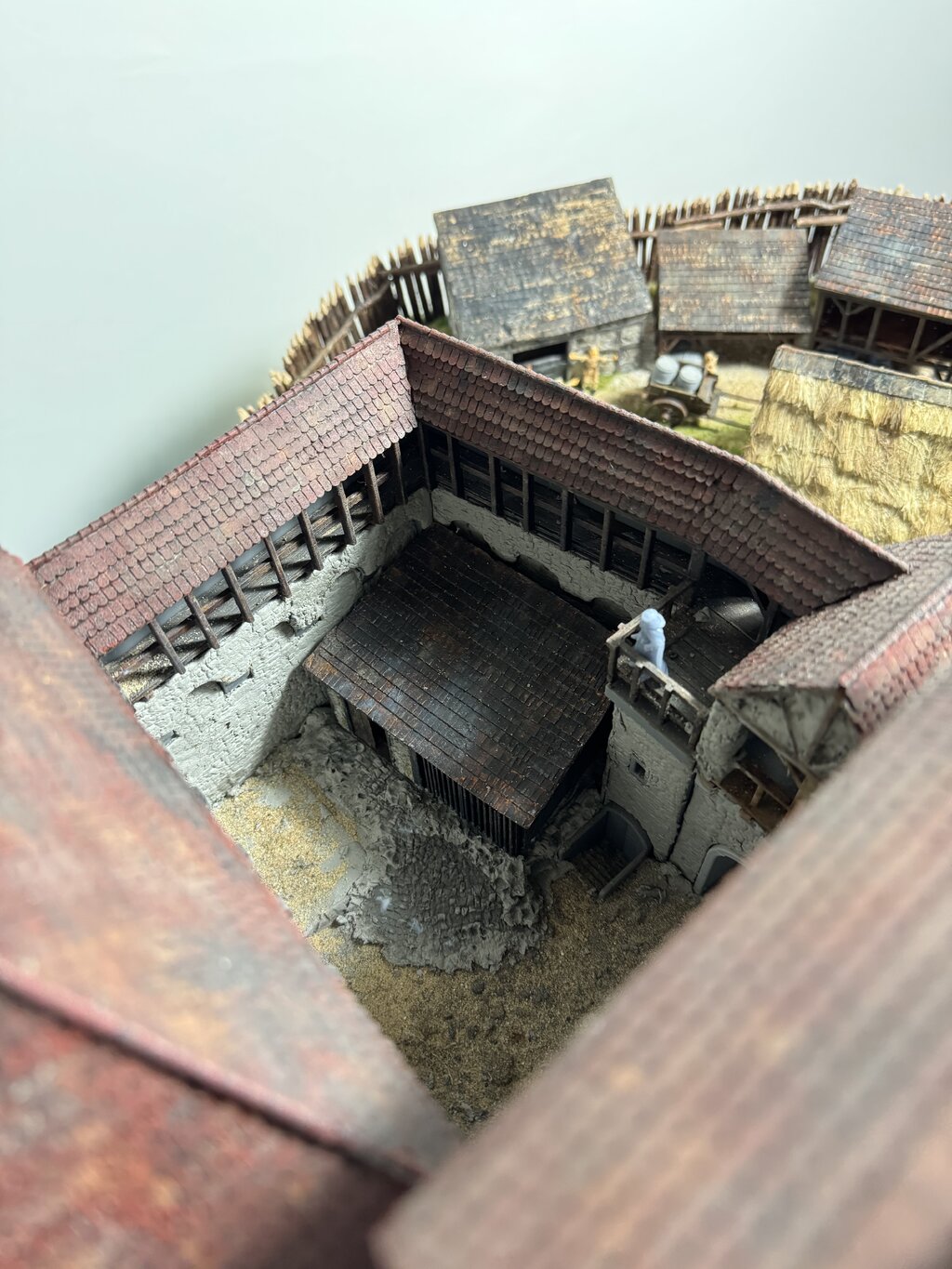
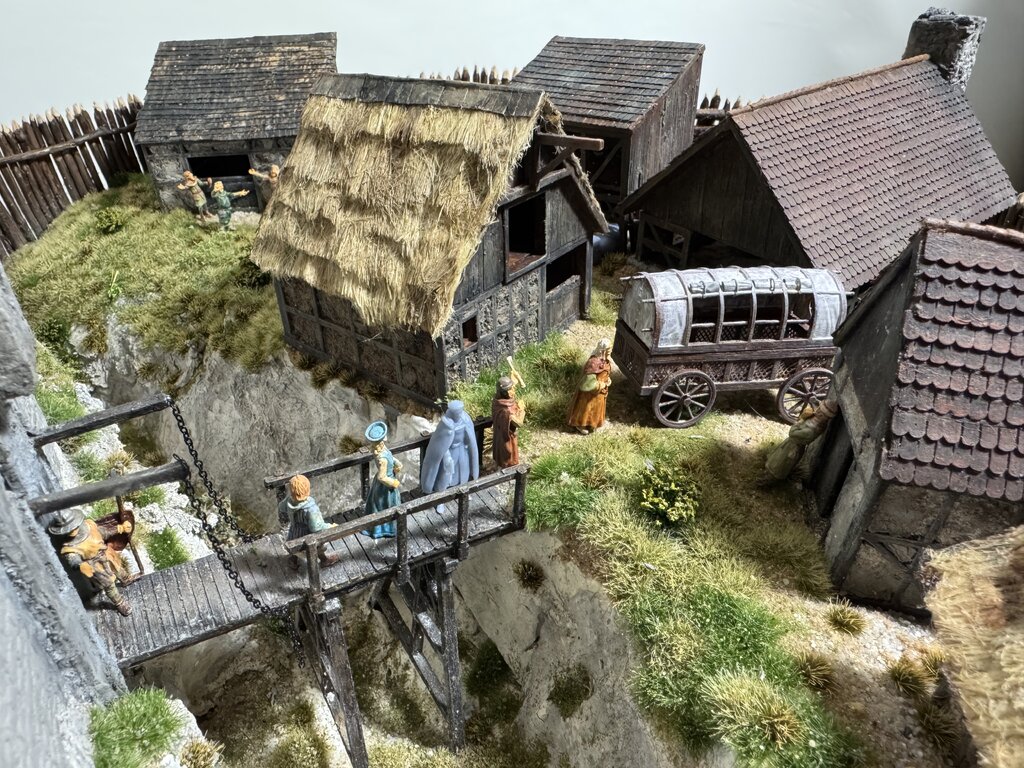
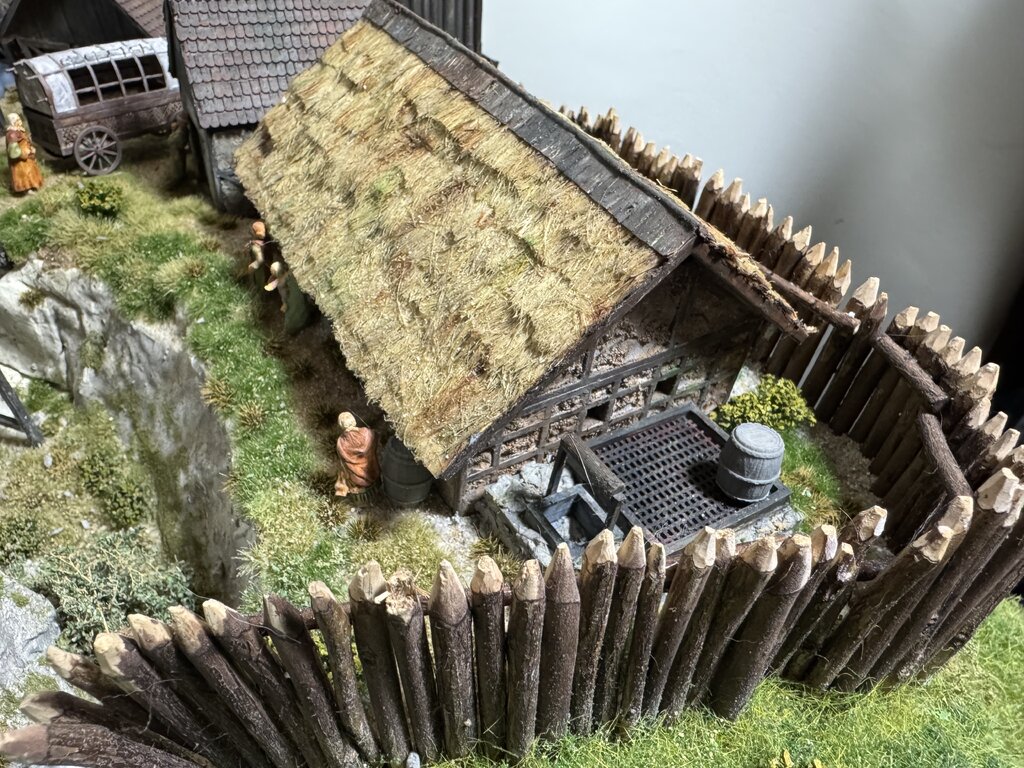
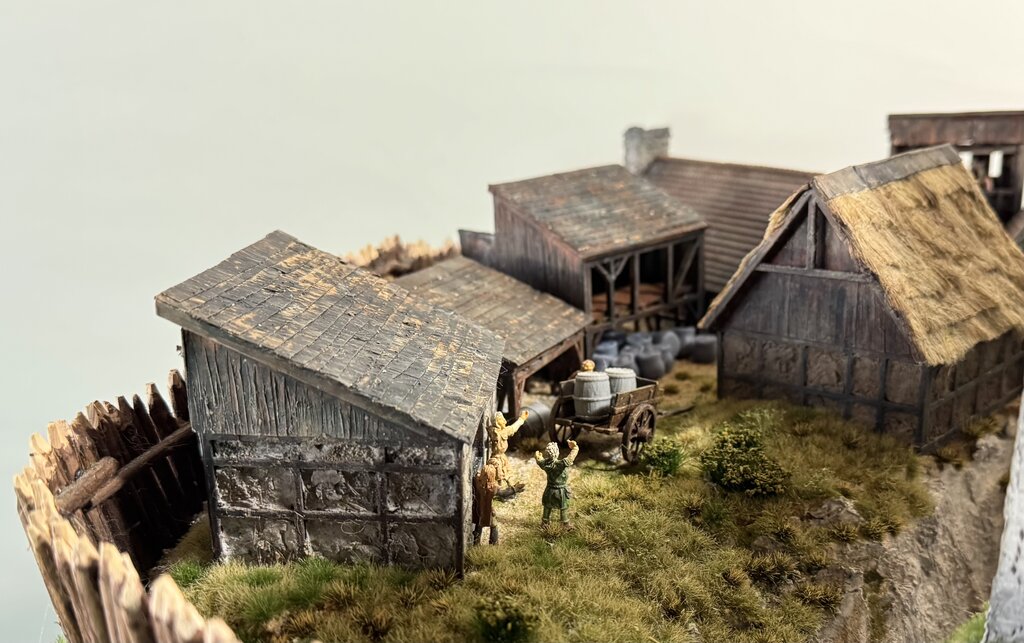
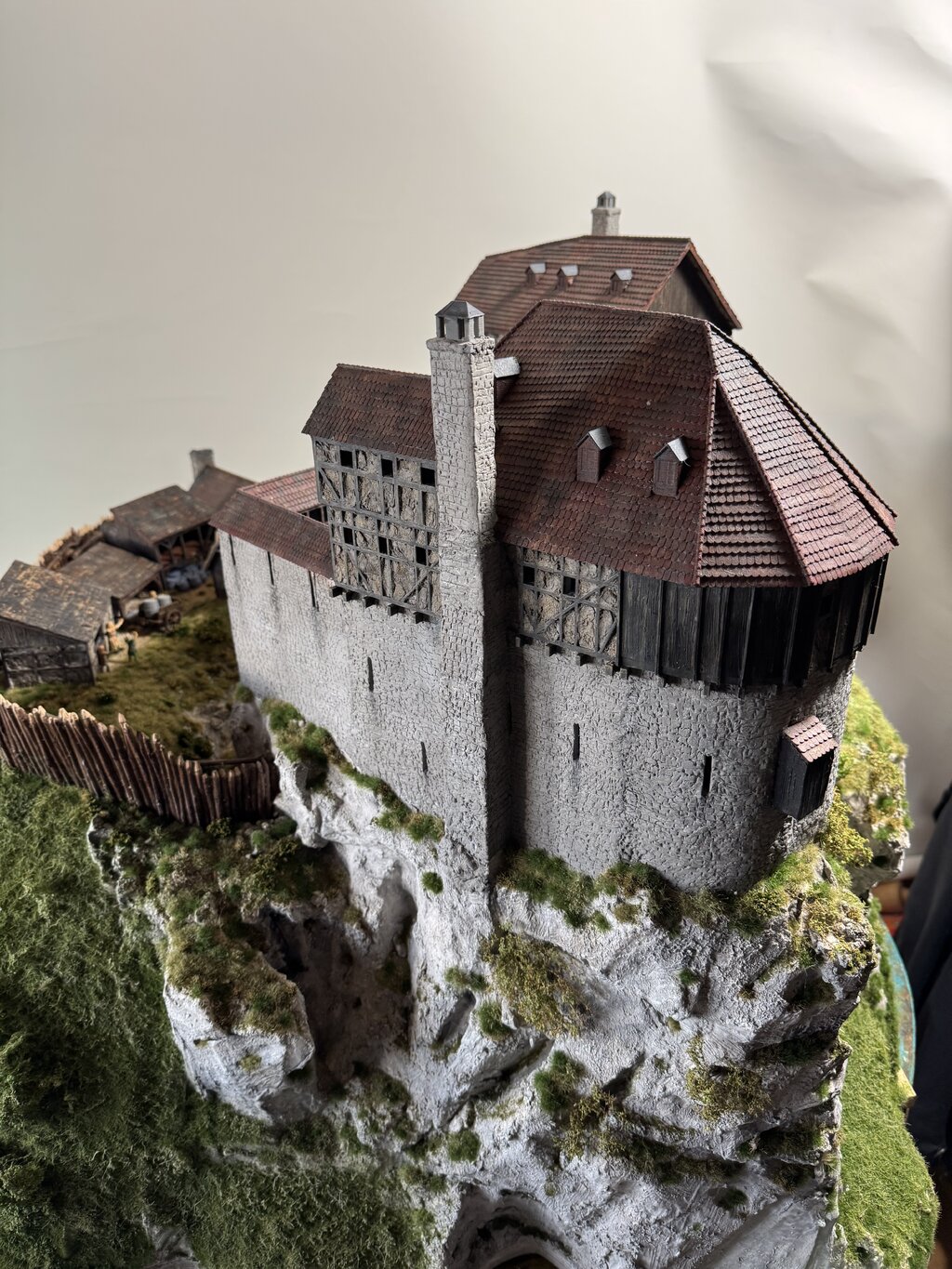
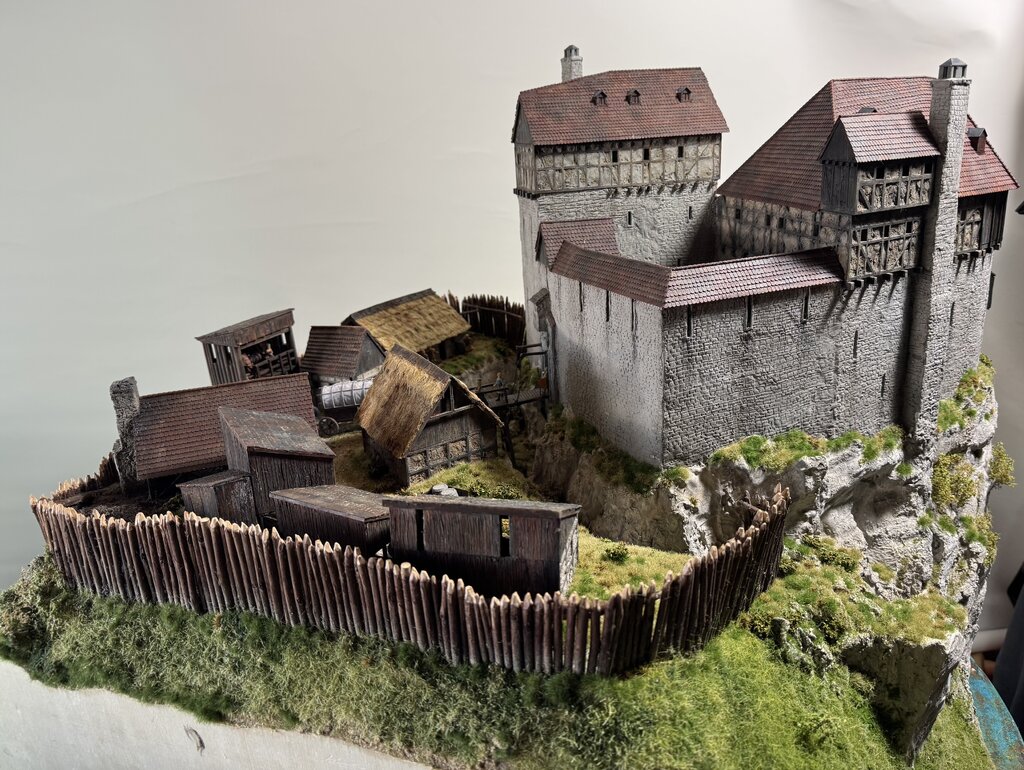
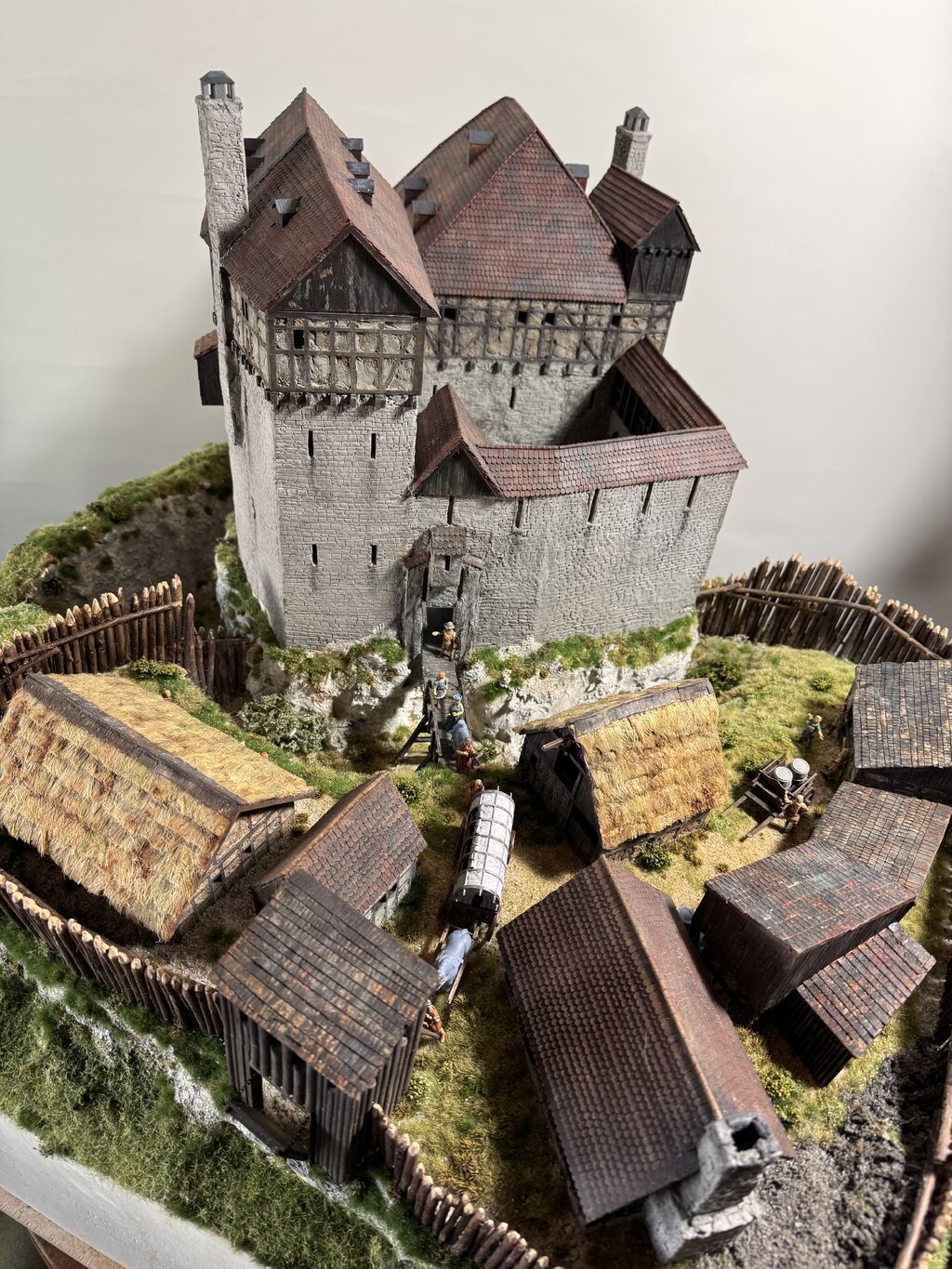
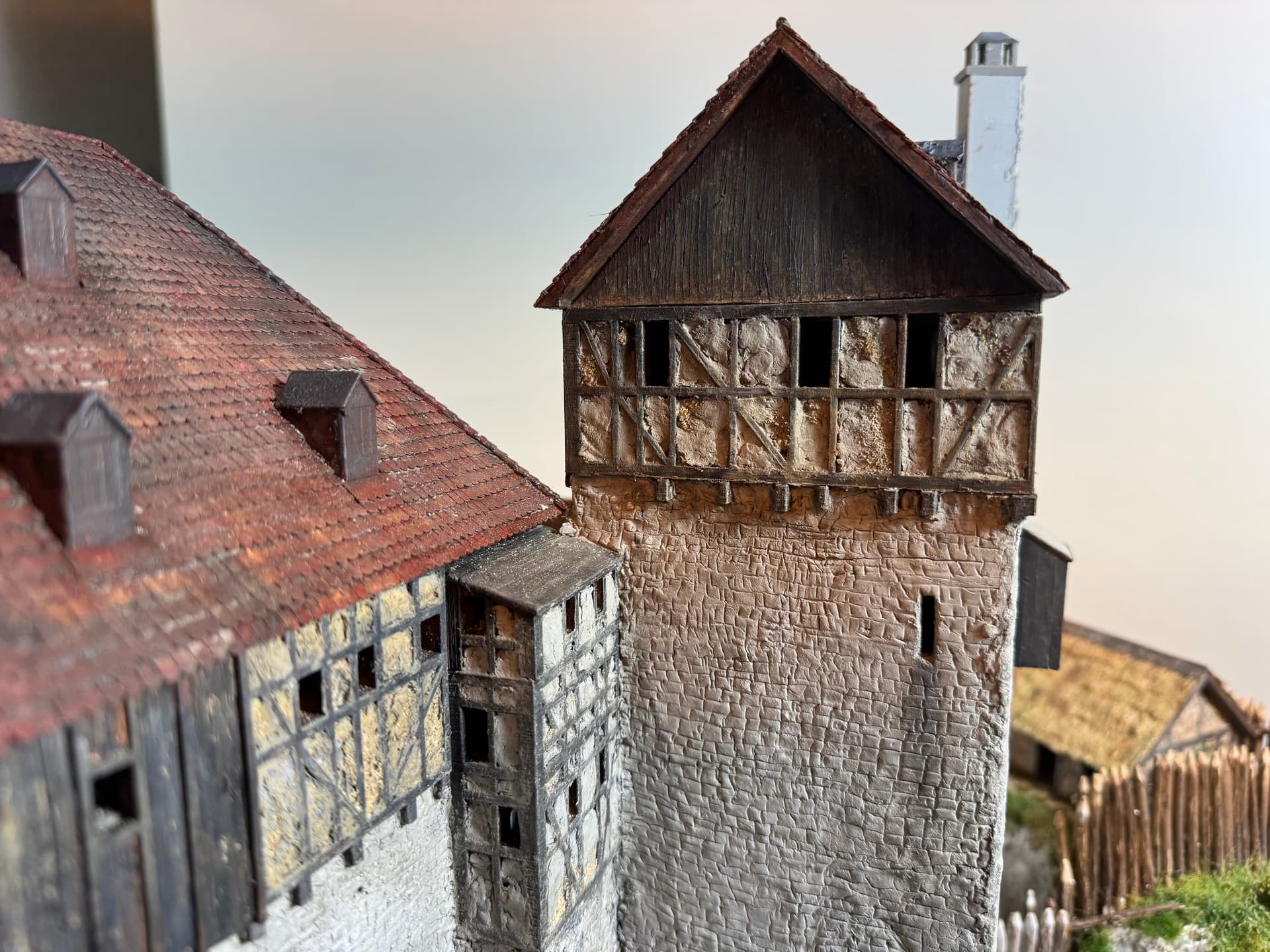
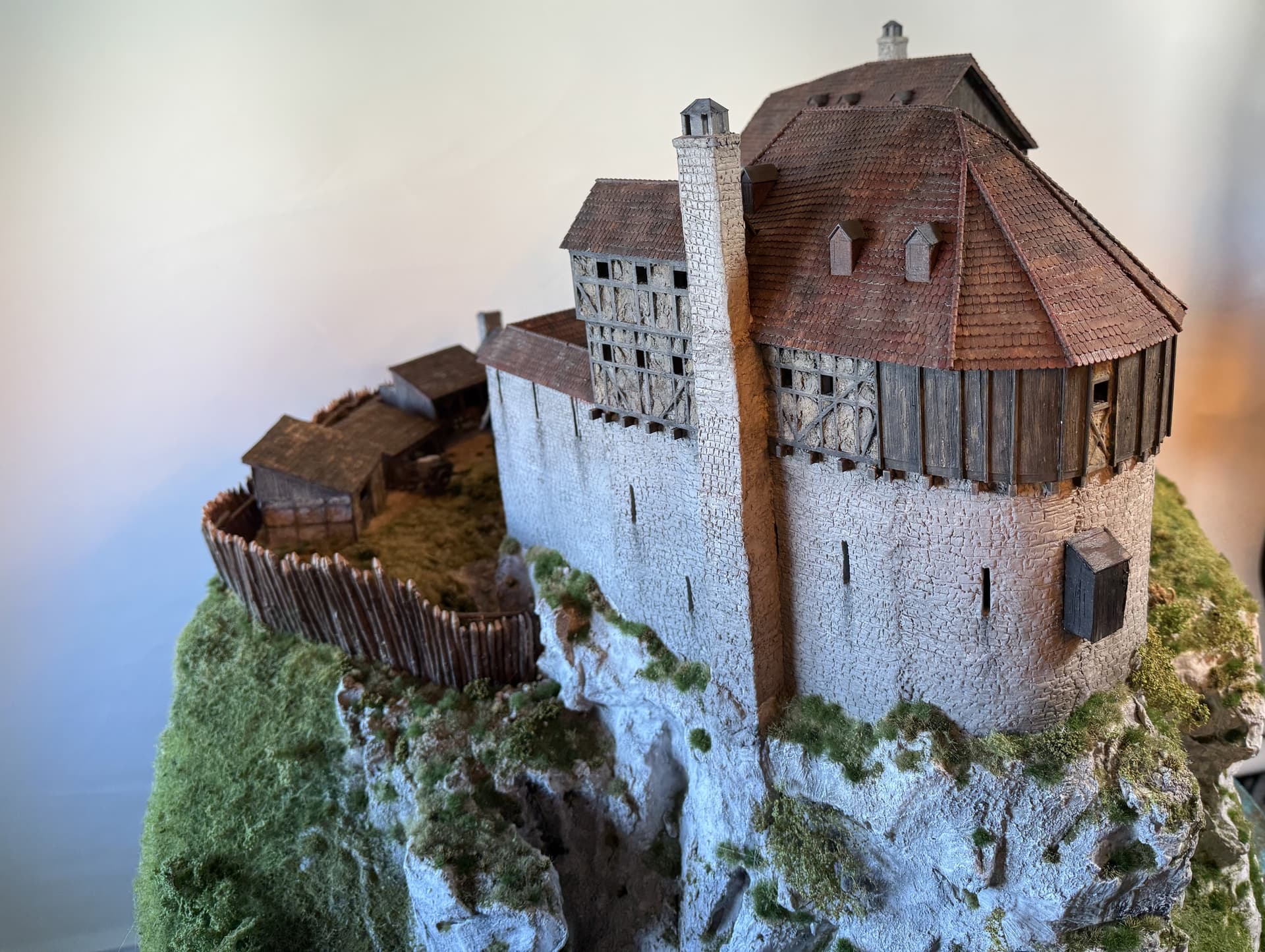
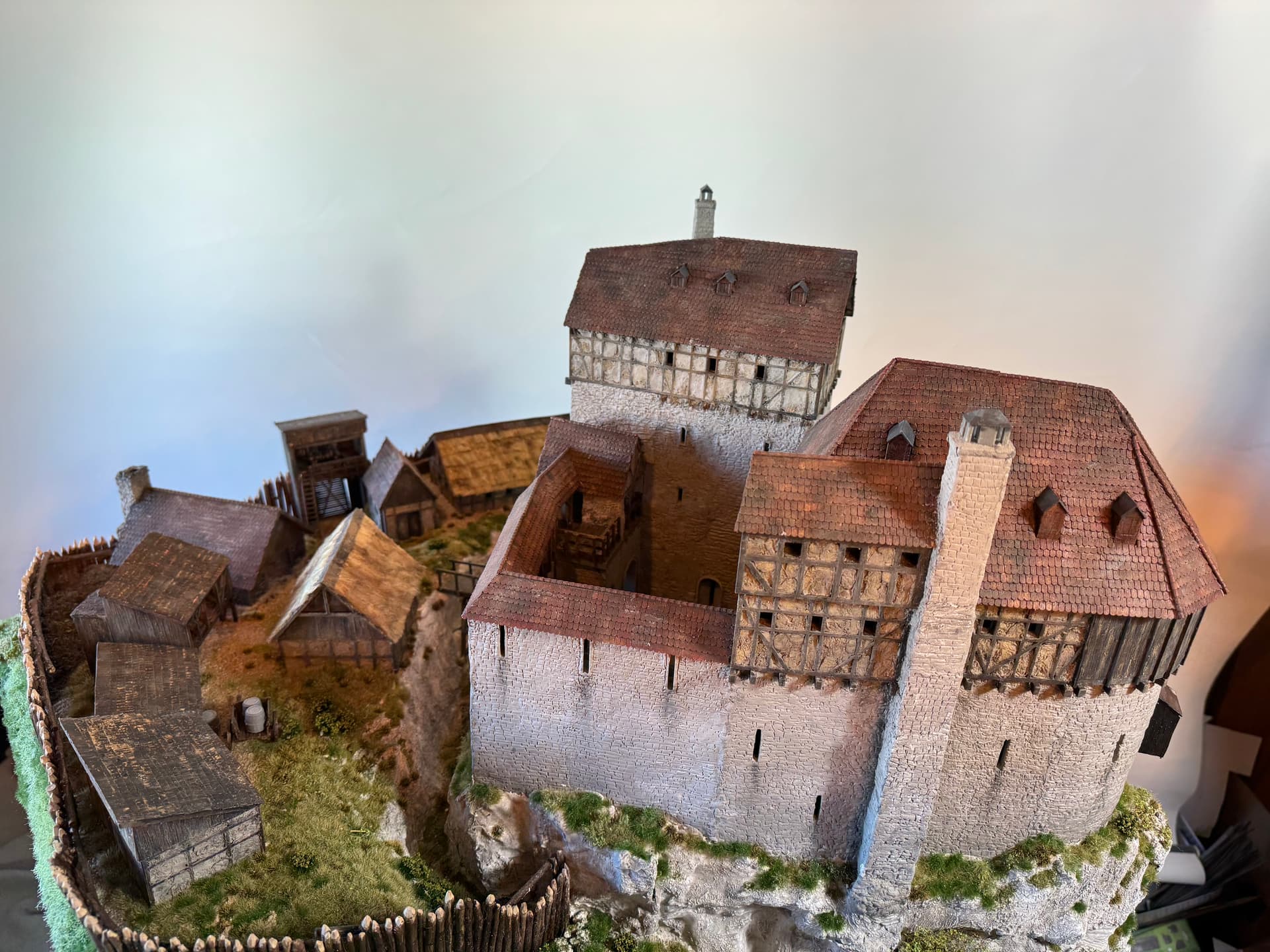
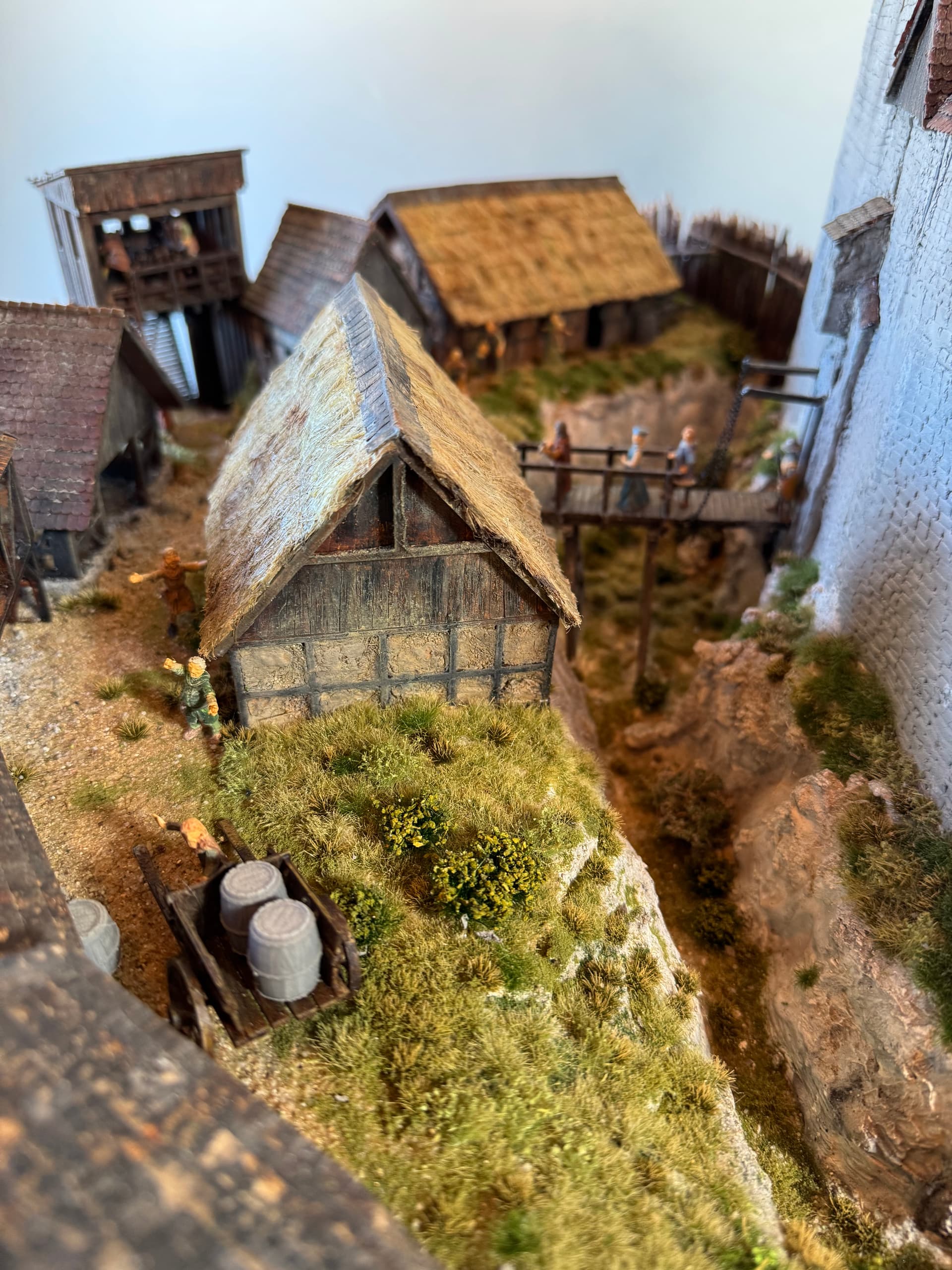
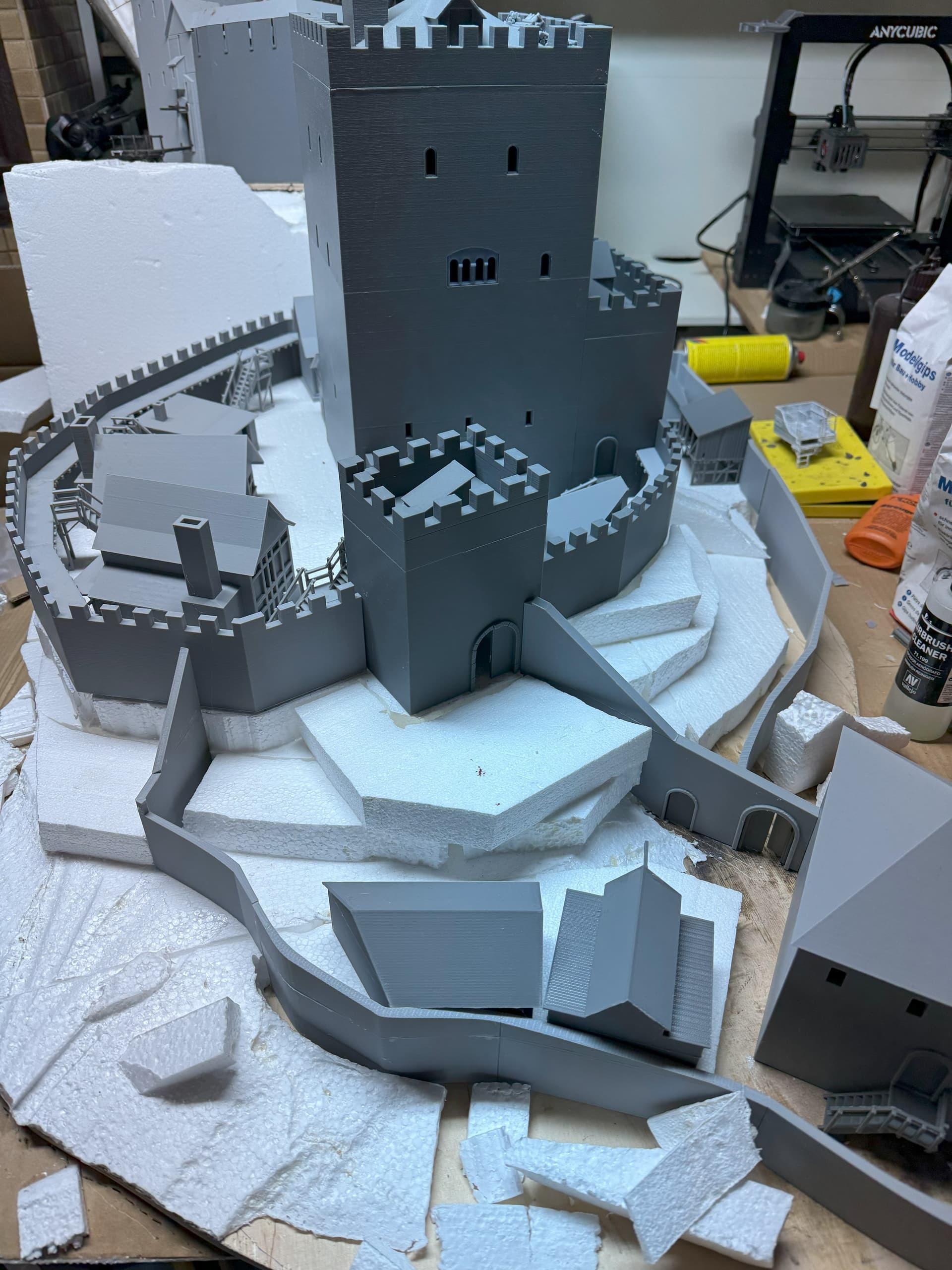
The new version of my diorama was built again in a more authentic reference to the original. The “basic structure” was printed this time with a 3D printer. It is largely completed. Only a few details and figures have to be supplemented or painted.



20 Likes
Wow Frank! It’s no wonder we haven’t seen you posting for some time. You’ve been working on this majestic piece! That is just amazing. Lovely looking build and great details! Excellent work!
May I ask how big it is? It looks imposing. Are you keeping it or is it for a museum or public display?
Thanks heaps for sharing!
8 Likes
Very very impressive and superb weathering.
3 Likes


2 Likes
Thank you very much for the great comments.
The size is about 74 x 70 cm. The height is about 55 cm. Due to the size, it is unfortunately difficult to transport.
Therefore, I will not be able to take it to exhibitions or modeling meetings.
I will keep it instead.
3 Likes
The diorama’s theme is a fictional scenario just before the destruction of the castle. This takes place during the Imperial War of 1311 to 1312, a conflict between the rising cities and the nobility. The certainty grows ever stronger that the nearby imperial city of Reutlingen is preparing to attack the surrounding castles. The castle lord’s wife and their young son are taken to safety with relatives while the castle lord stays behind to defend with his men. The castle was not rebuilt after its destruction due to lack of funds. To depict the financial situation, I have portrayed the castle in a rather dilapidated state.


12 Likes
And some added historical context! Love it!
You must have a massive house. I saw some of your other models but particularly the 1/16 scale builds (the King Tiger and the T-34s) as well as the other Burg builds. All spectacular but really big! Where do you fit them?!
I’m speaking here from my modelling space of the corner of the kitchen table so anyone that has a dedicated work space and a space as big as you must have, has my admiration!
3 Likes
A diorama tells a story. So to say a 3 dimensional photo.
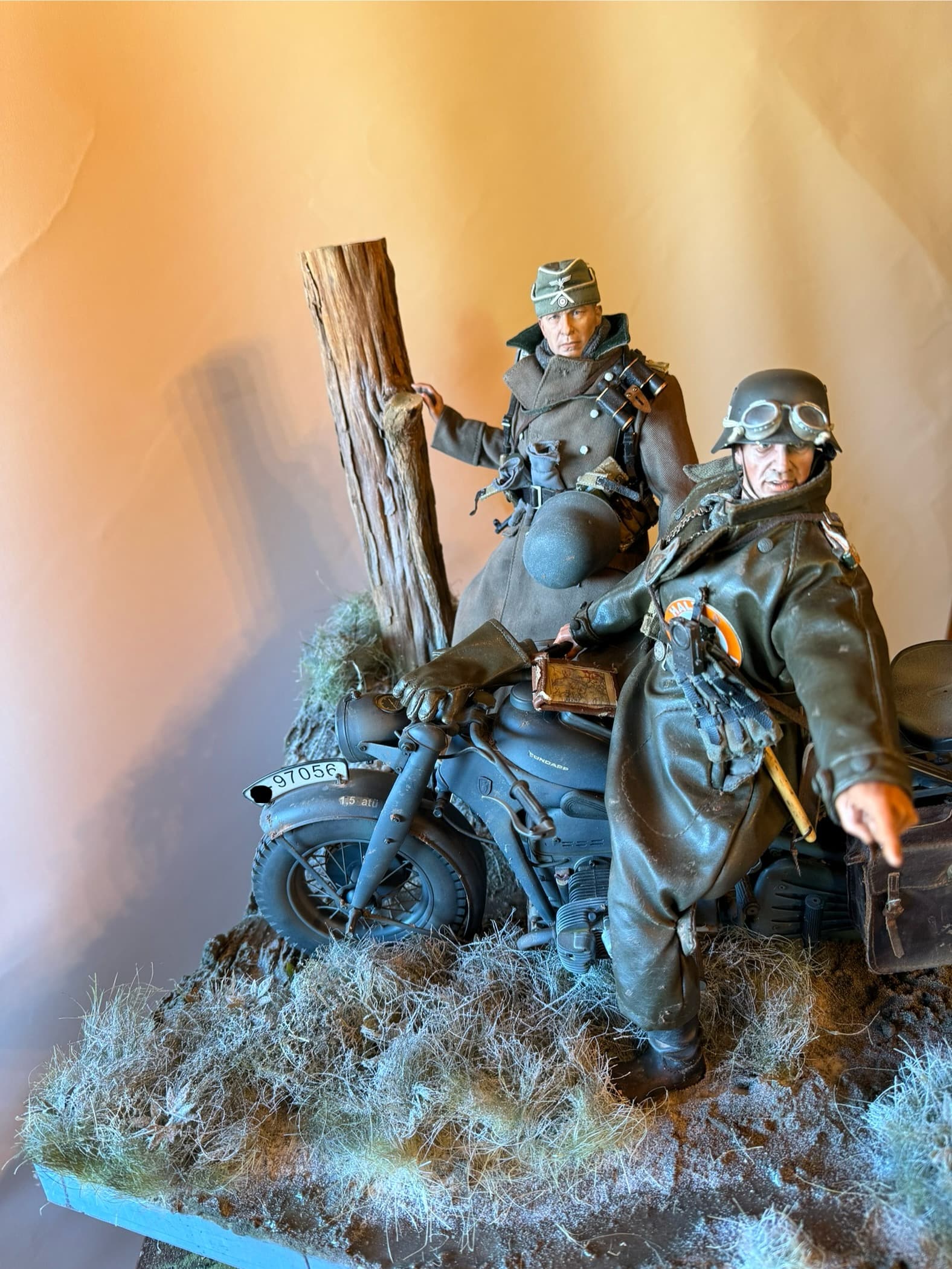
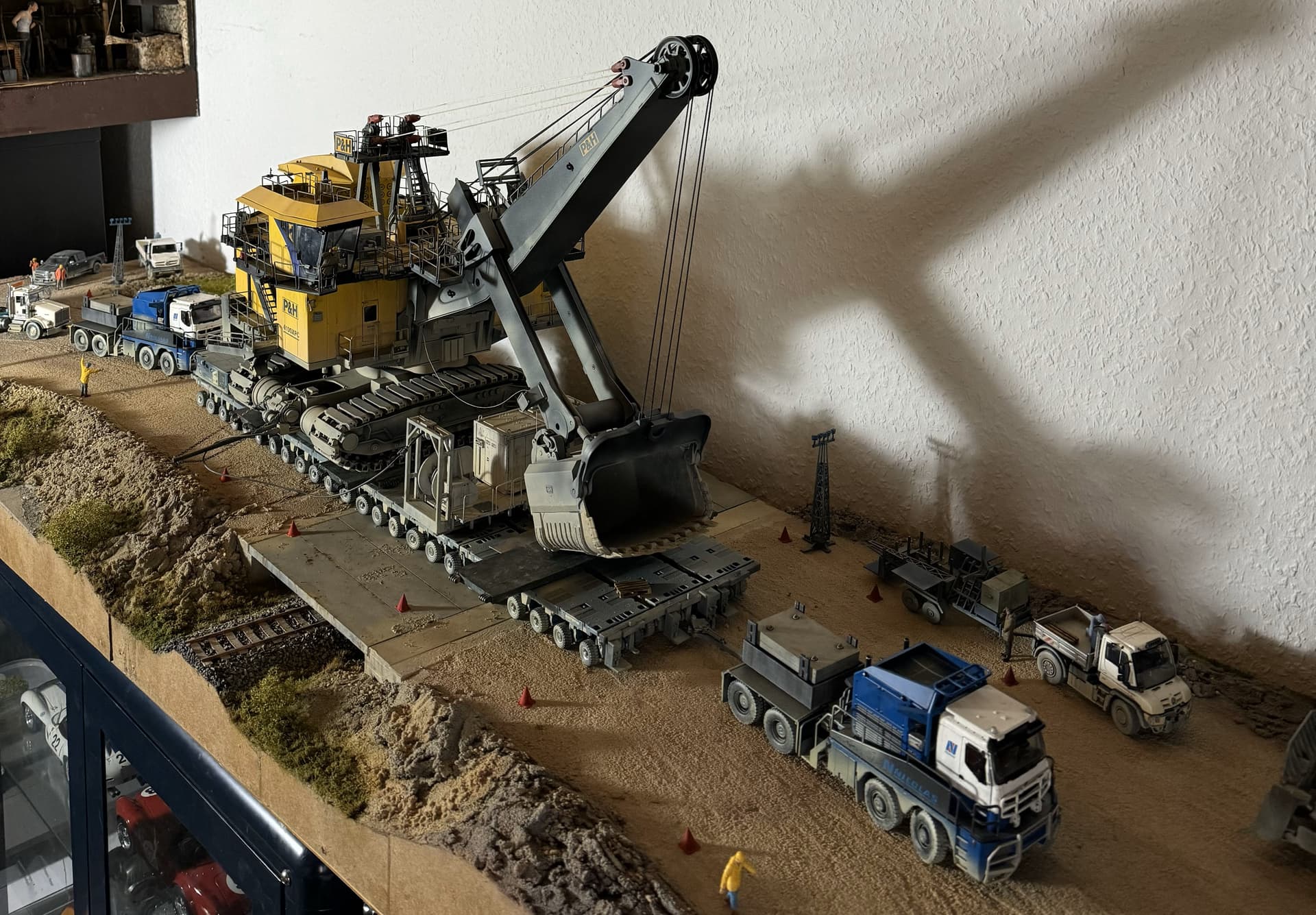
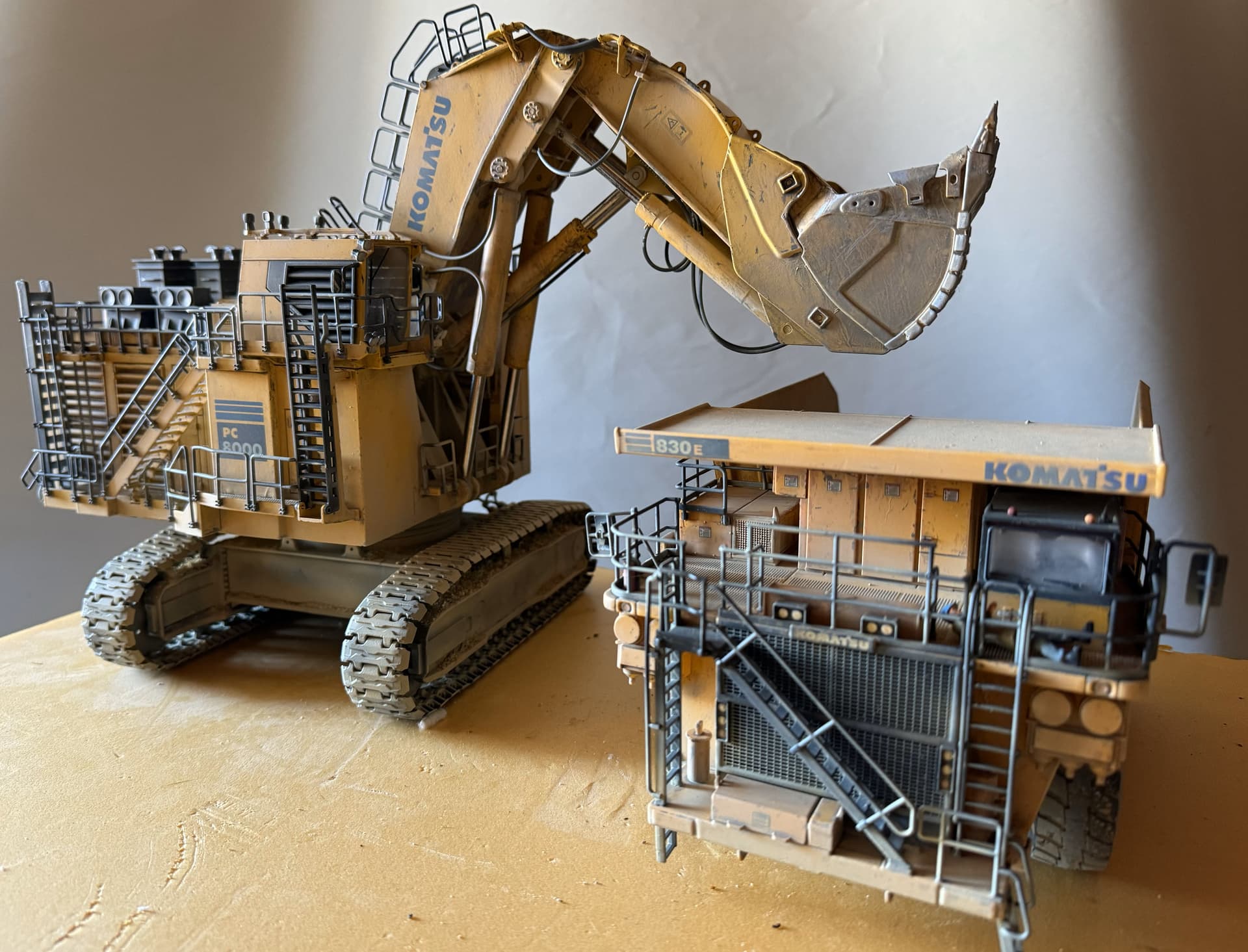
I wish there were enough space. I sold the T34 diorama with great regret. We only have a small house, and I have the attic and a small room. My wife supports my passion with great patience, and I still have so much planned. In addition to the dioramas, I also have two extensive diecast collections ( 1:50 open-cast mine and
1:18 classic racing car), and some airplanes and science fiction models hang from the ceiling. I also have three castle dioramas planned. My addiction is really bad.
11 Likes
Are you sure you don’t have a shrinking ray? As others have said, the weathering makes it so real (in addition to all the wonderful details). So very well done (all of it!).
4 Likes
I’ve always wanted to make a castle/fortress such as this. I just don’t have the patience, and attention span to finish one. 
You, sir, are truly a master modeler! 
4 Likes
Just go for it! I have these in a shed in the back yard:

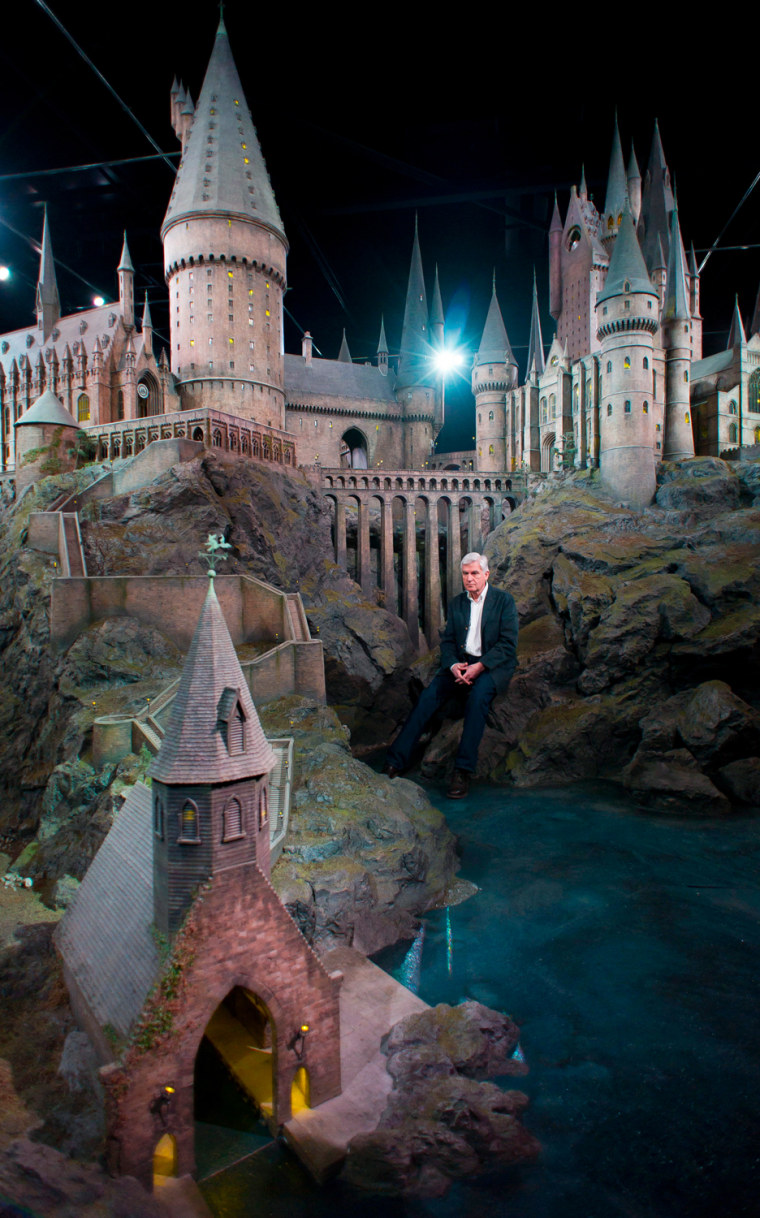
(O.K., I may have dreamed that bit…)
Somewhat more in contact with reality, I’m pretty sure this is a kit I have in the Deep Stash.
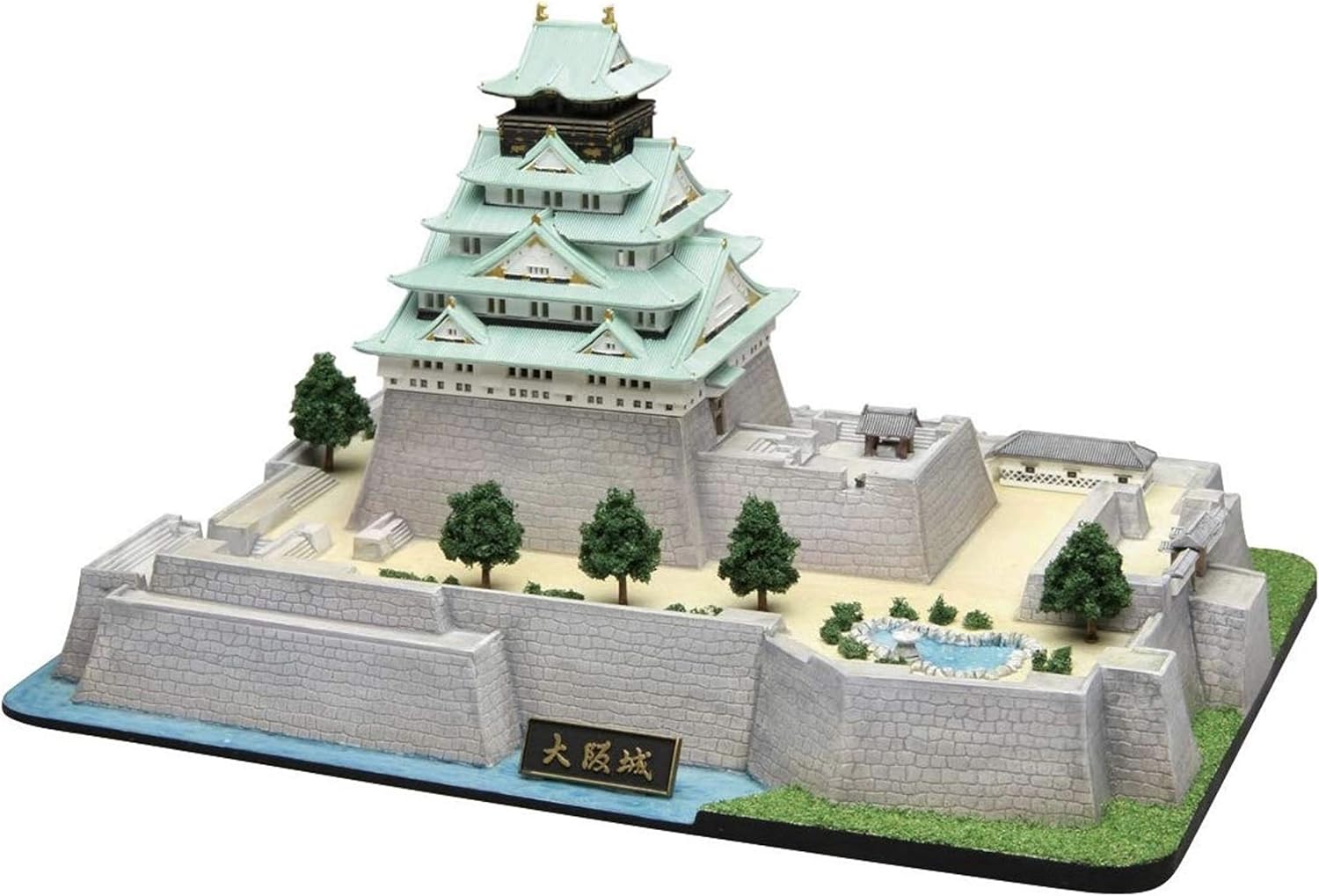
It’s 1:700th scale, so it will look good as a waterside feature with Hasegawa’s HIJMS Mikasa anchored in front of it. That’s assuming I don’t mount it on tracks as an oriental twist on “Mortal Engines”…
If you want to stay in the same ballpark, scale wise, as Greifenstein there’s always model railway scenery:
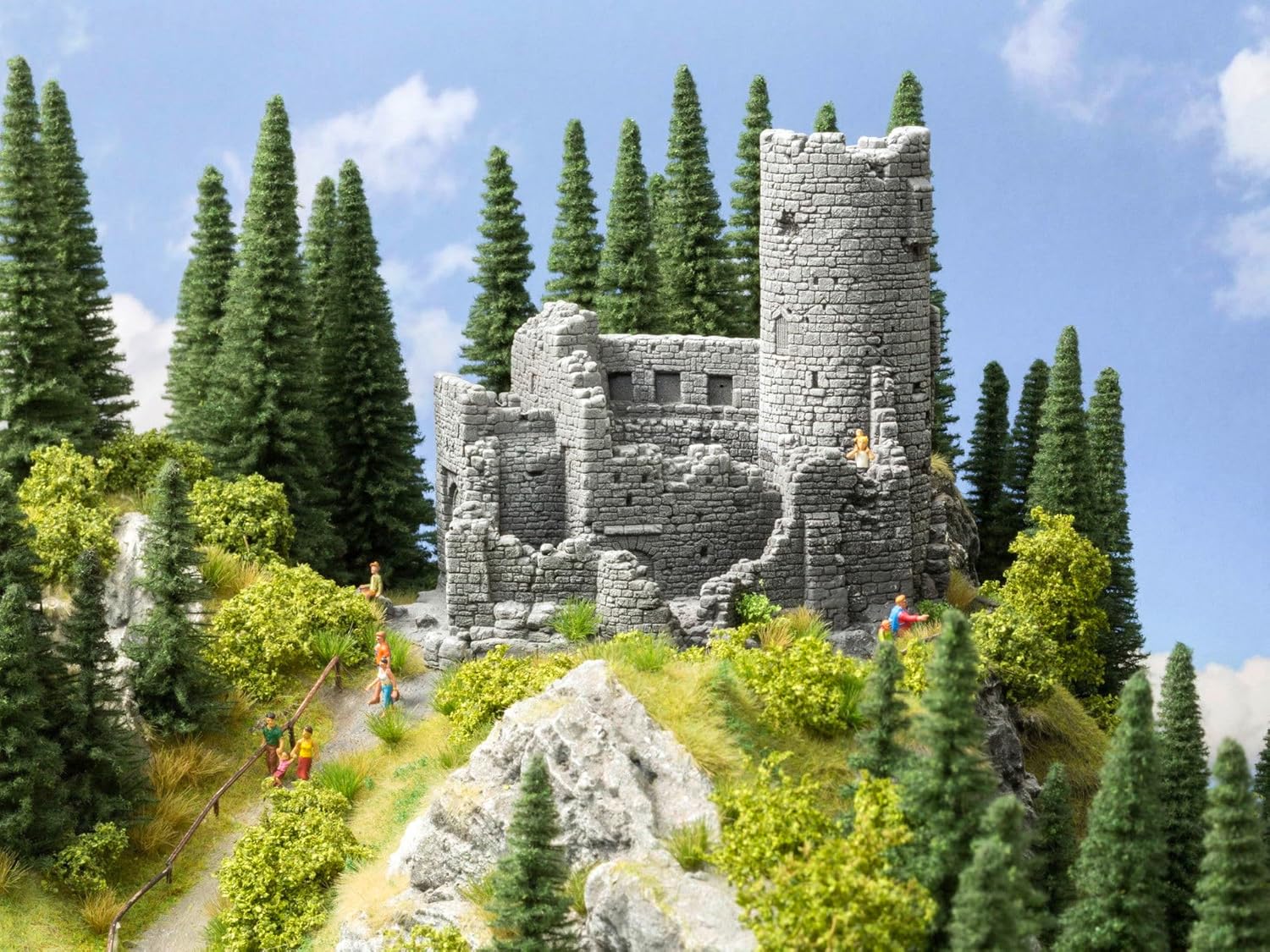
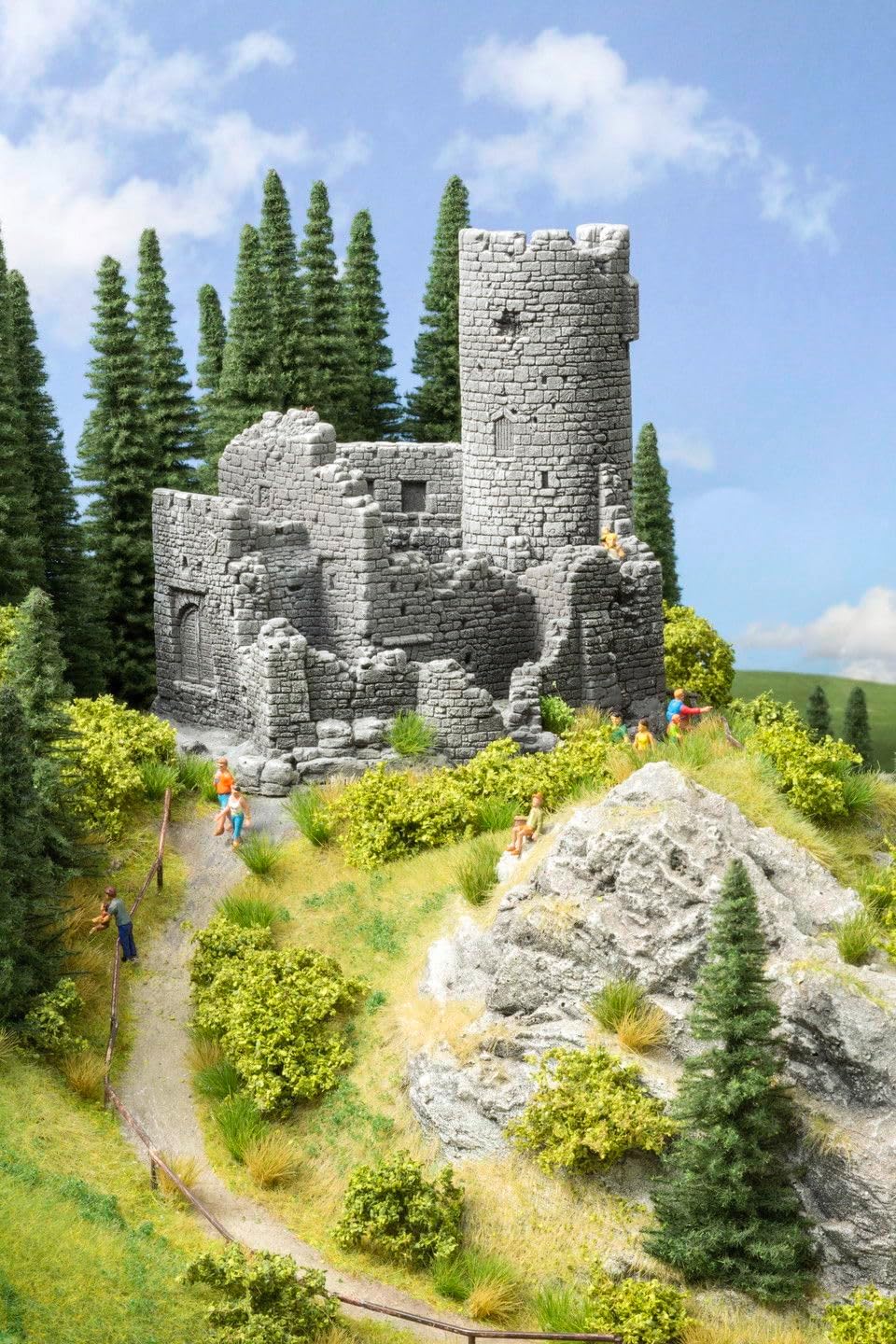
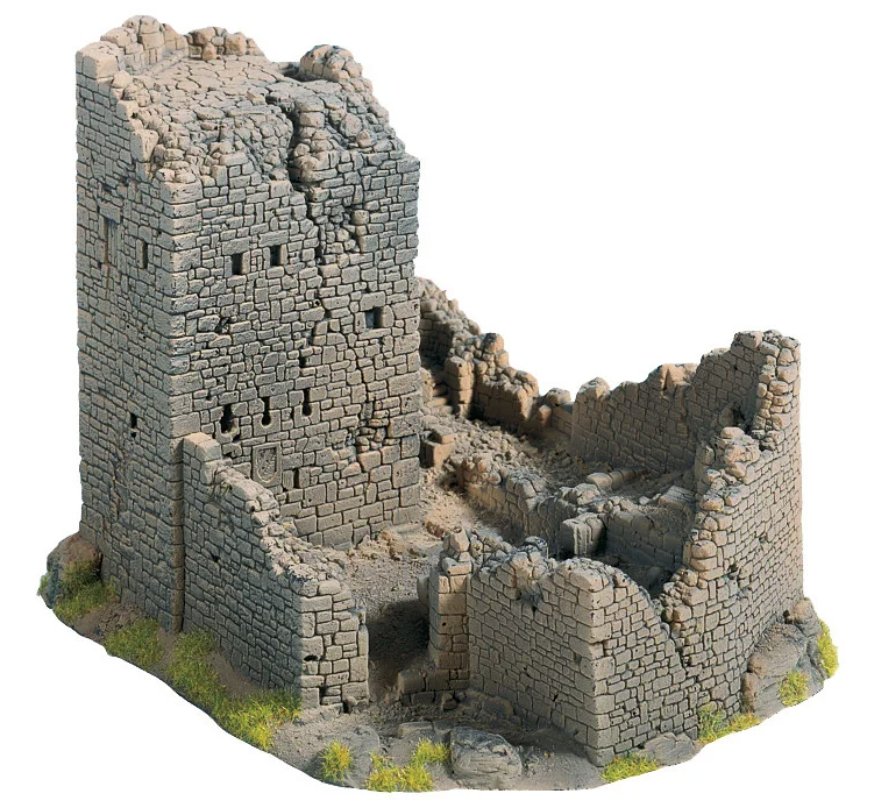
Some of these come ready built and painted, which I assume you would wish to avoid, but others are proper kits:
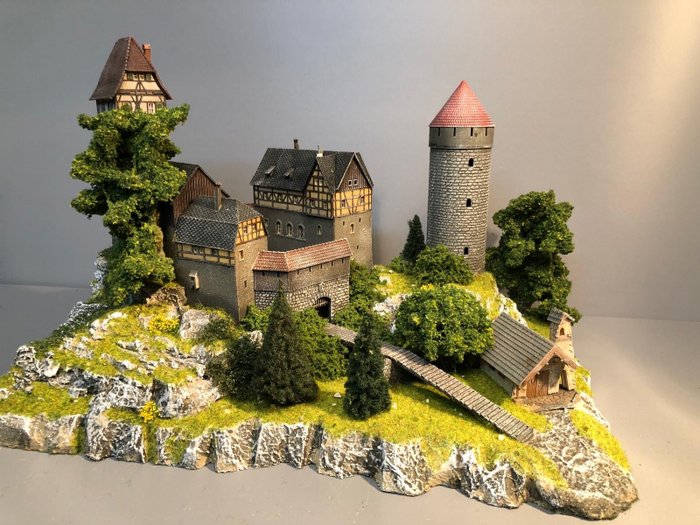
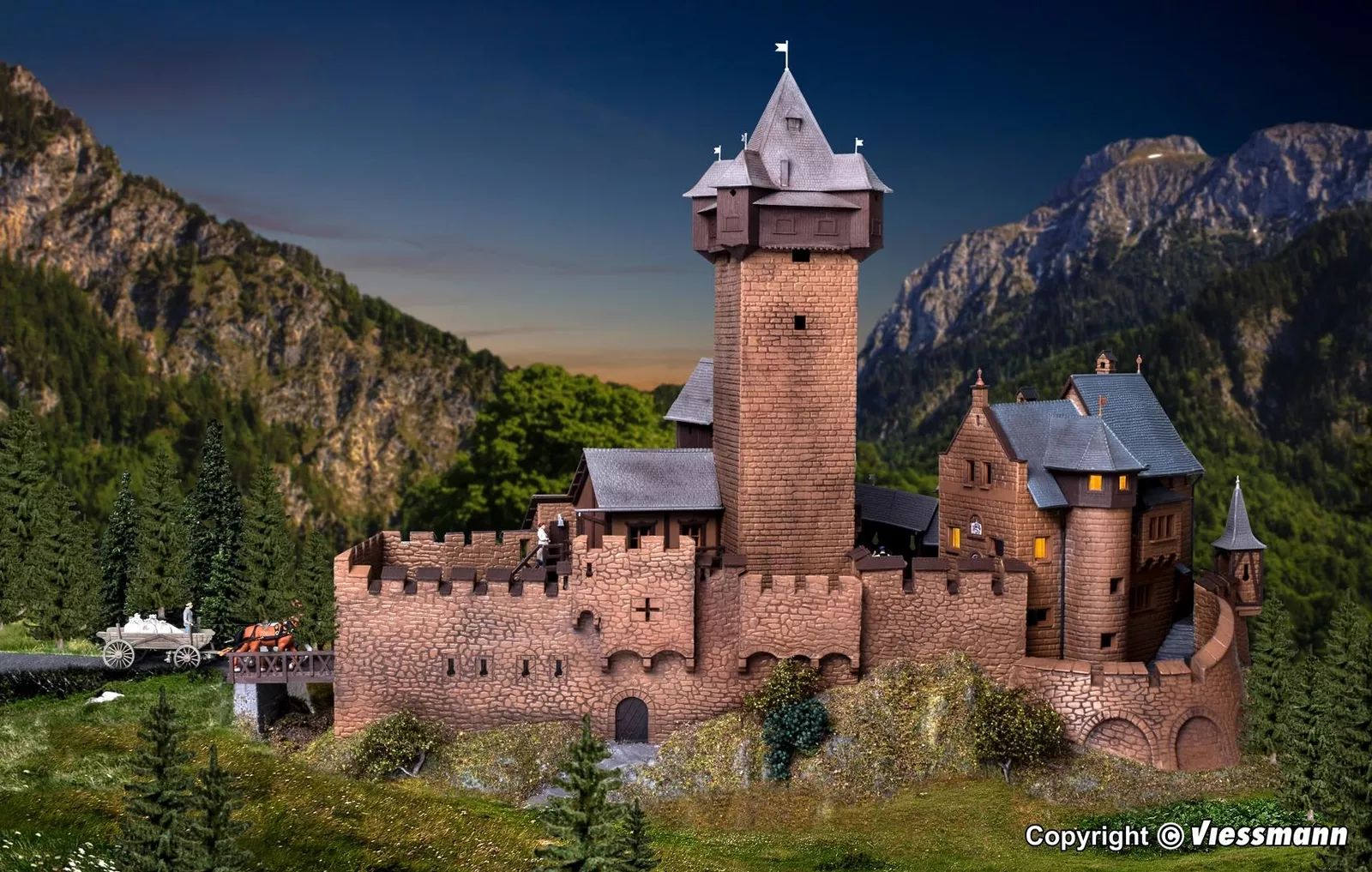

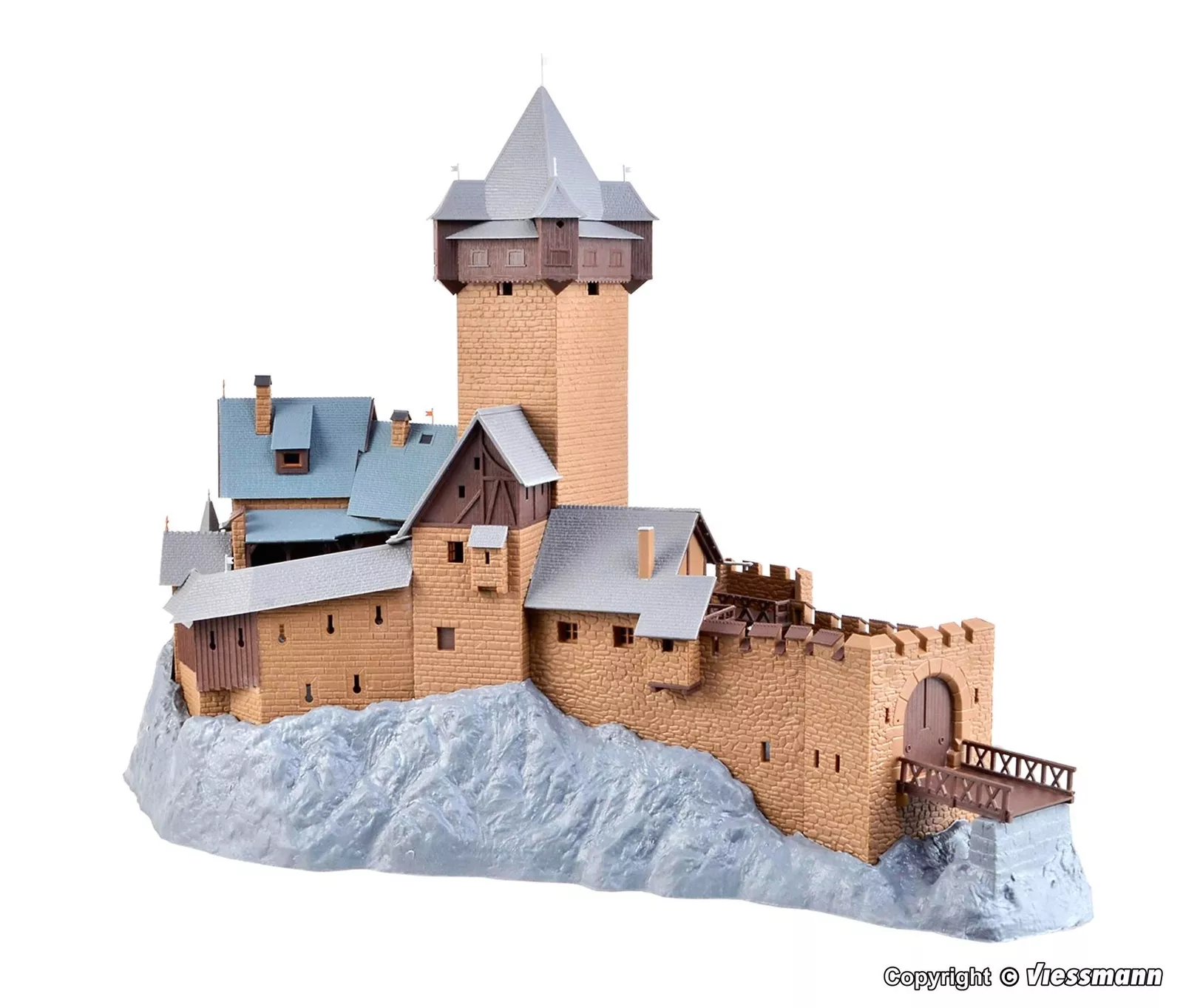
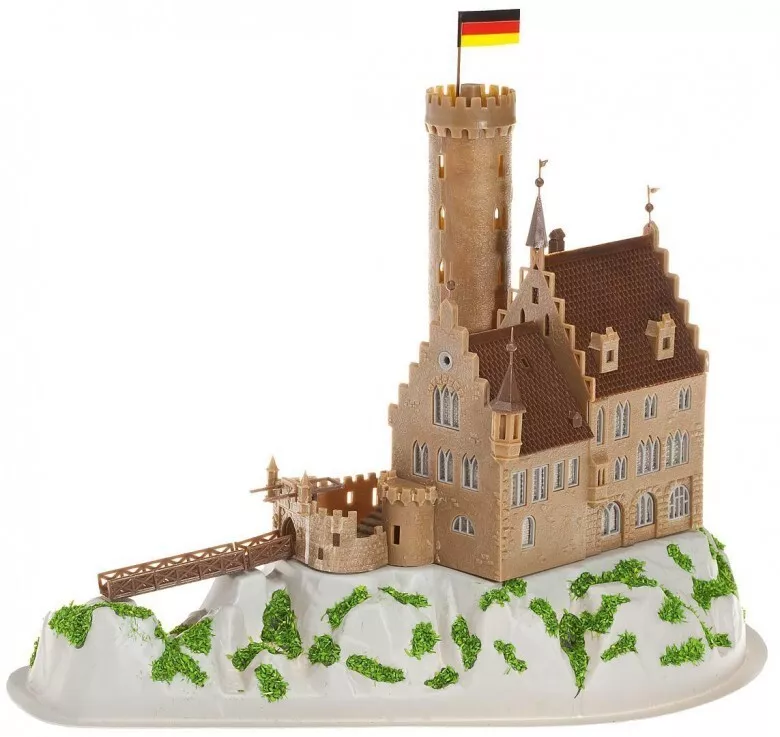

Lastly, ZVEZDA do a series of Castles/Fortresses/Strongholds which are constructed from standardised elements (walls/gates/towers) some of which were available as individual kits to facilitate modifications. They’re all pretty modular and would provide a good basis for building something to your own design.
Cheers,
M
6 Likes
Haha…Thanks.
But that’s not my world. I have to correct that…the last few are, of course, pretty mediocre castles from model making in 1:87. Unfortunately, they’re only suitable as background models, as they’re quite scaled down.
My Greifenstein Castle is in 1:72. Why?
Well…only medieval figures are available in 1:72. Except, of course, if you print figures yourself, which I sometimes did.
But unfortunately, all the models—except for the Japanese castle—have one thing in common that I definitely didn’t want…the models don’t resemble any medieval castle…at least in Europe.
My goal is to depict a scene from everyday life as realistically as possible. This includes a castle as it might have been. These weren’t dream castles like Neuschwanstein, Lichtenstein, or Hohenzollern…and certainly not Walt Disney or Lord of the Rings. A castle was a fortified, functional structure. Livestock was kept, horse stables had to be there, as well as blacksmiths and all sorts of other outbuildings. Court was held and the lands were administered from the castle. A castle was built according to the rock on which it stood, not the rock according to the castle. As a result, many castles had bizarre floor plans and were built on different levels. This is precisely what makes a model so interesting. If you ever come to Germany and want to see a real castle, don’t go to Lichtenstein Castle, Hohenzollern Castle or even Neuschwanstein Castle. Go to Marksburg Castle on the Rhine or Eltz Castle on the Moselle. This thread is getting too long, so I’ll end it. But I will attach some pictures and link to pages. Please remember one thing: limit yourself to a small castle in 1:72 scale. After all, 1 meter is only 72m in reality.
www.burgrekonstruktion.de
www.burgen-pfalz.de
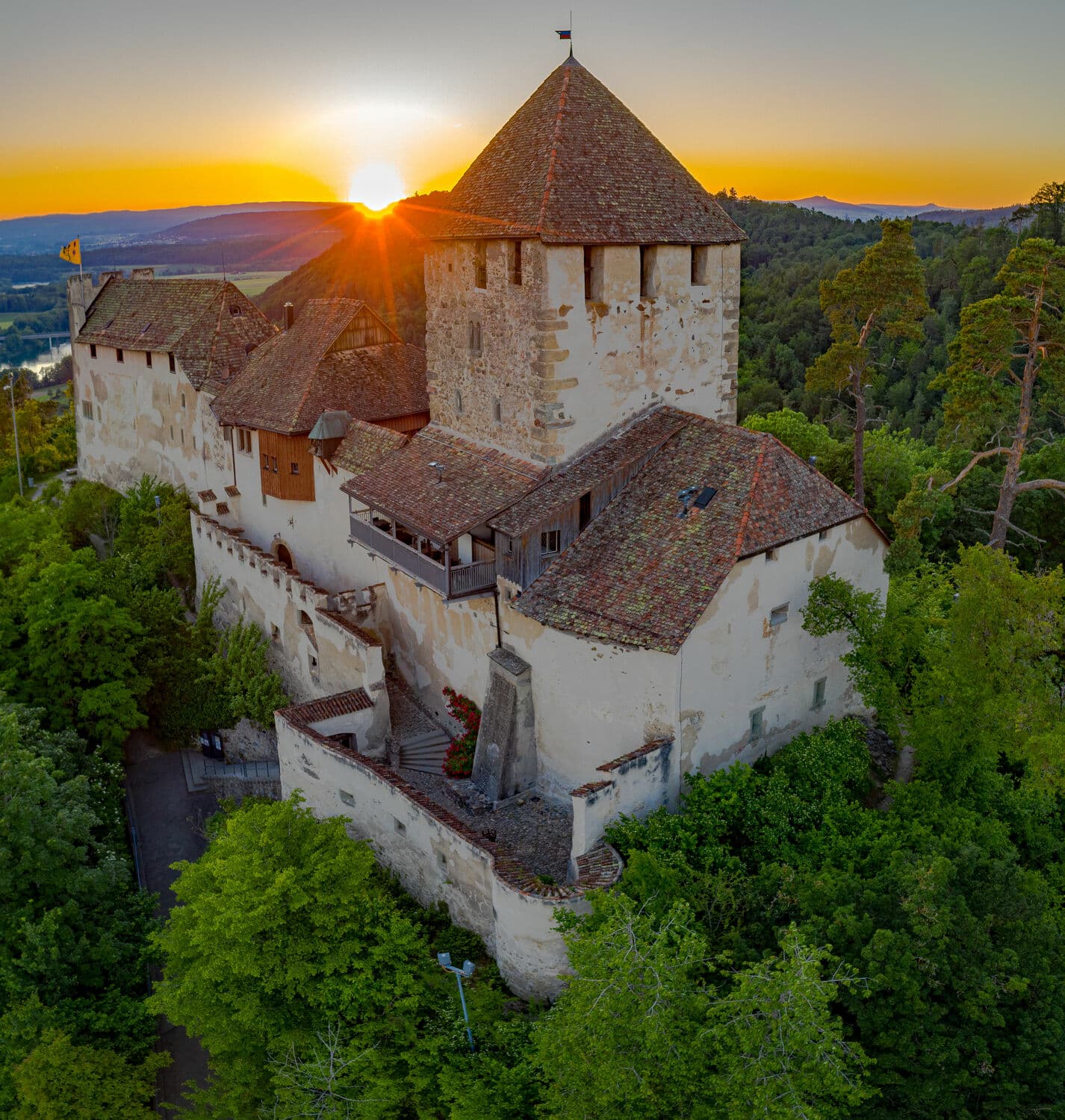
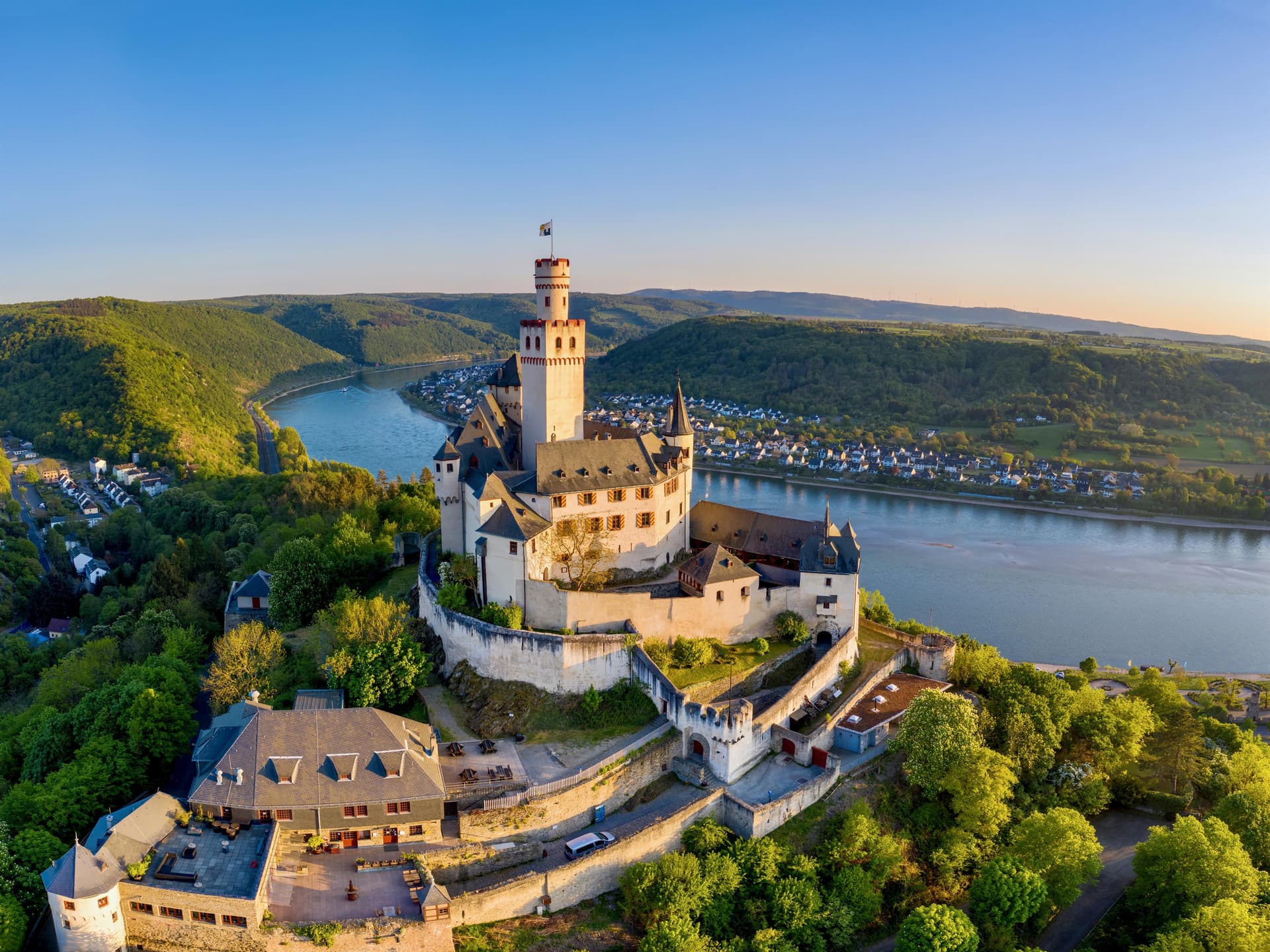
Marksburg
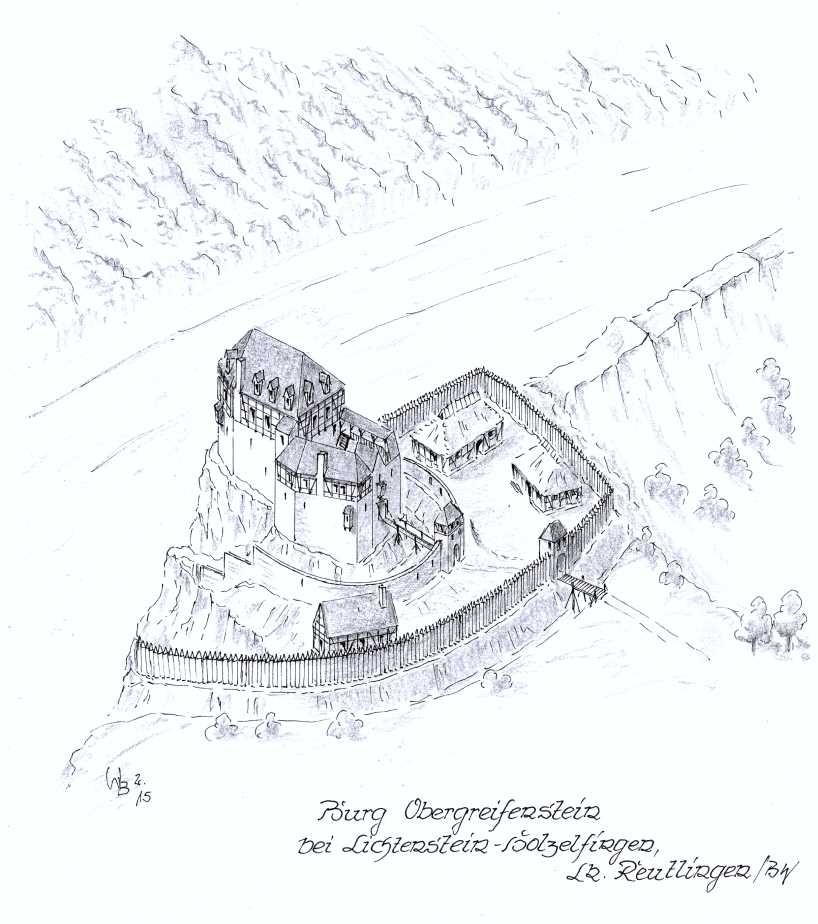
Burgrekonstruktion.de
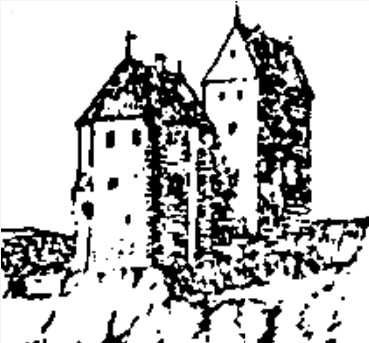
Reconstruction from 1925
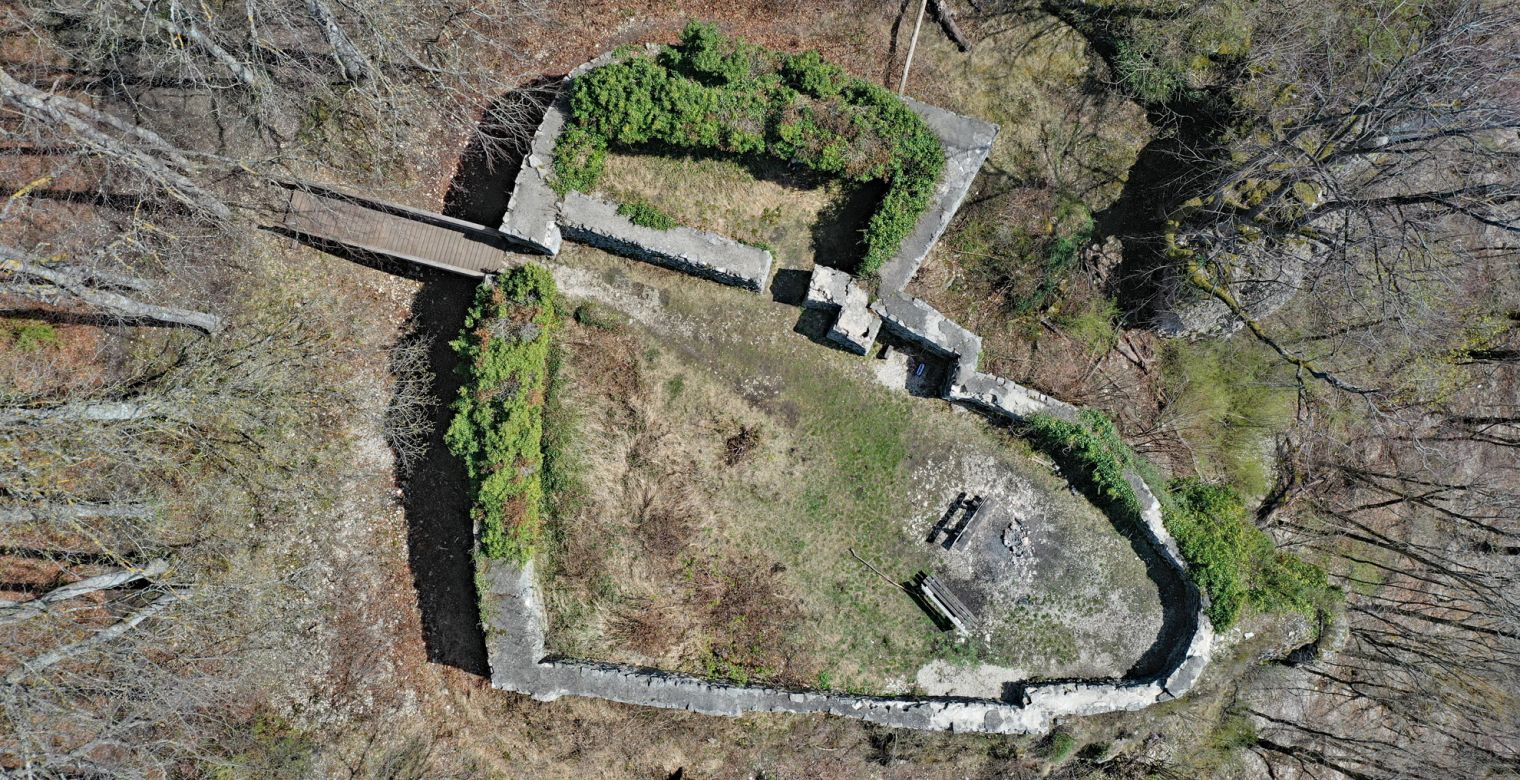
Drone photo from my DJI drone
6 Likes
A final description of conditions in the Medieval:
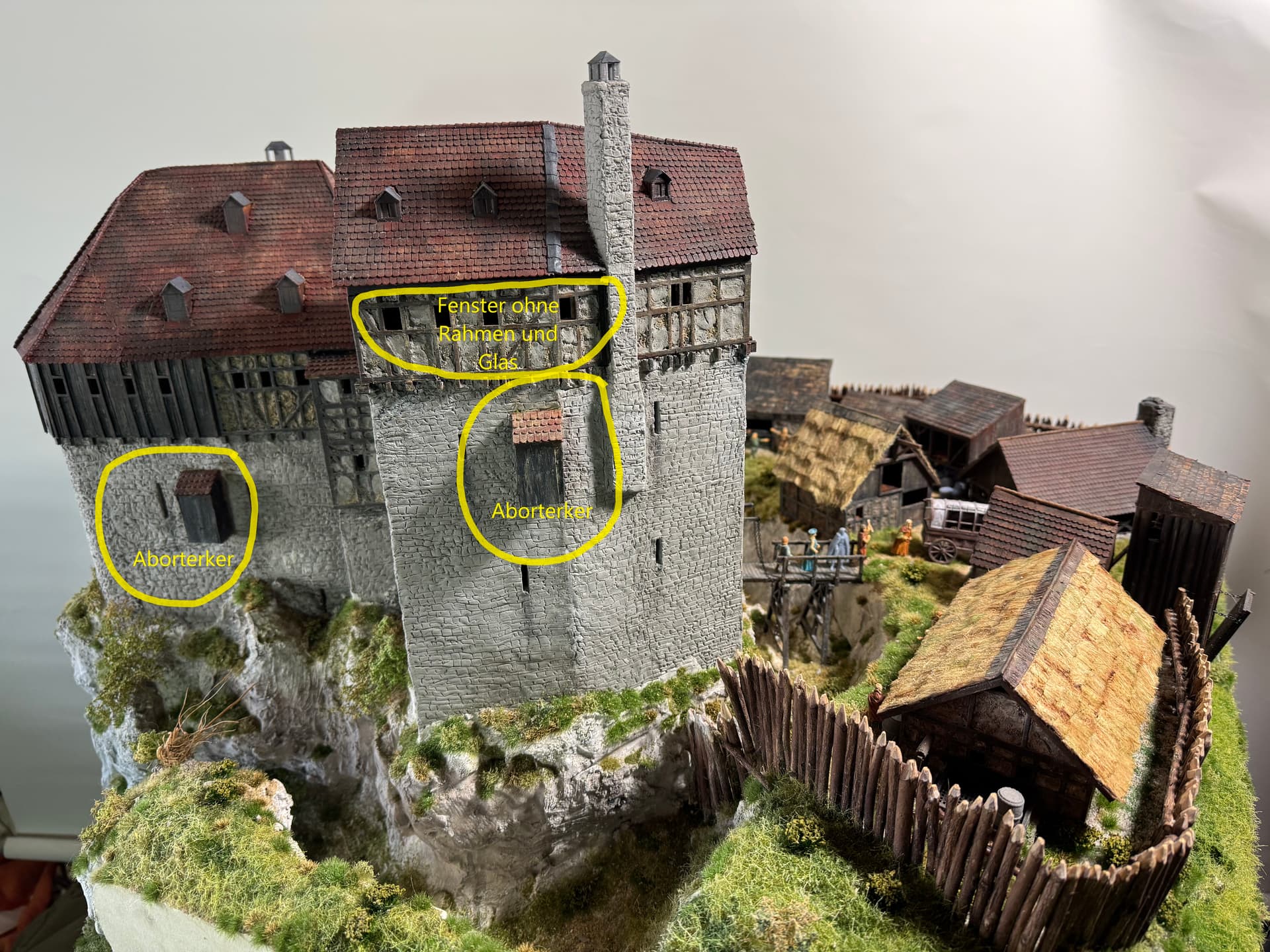
Hygiene was very poor. There was no sewage system. You could usually smell a castle or a town before you saw them. Feces were emptied through the toilet bay windows into the castle moat. Kitchen waste and other garbage were also emptied.
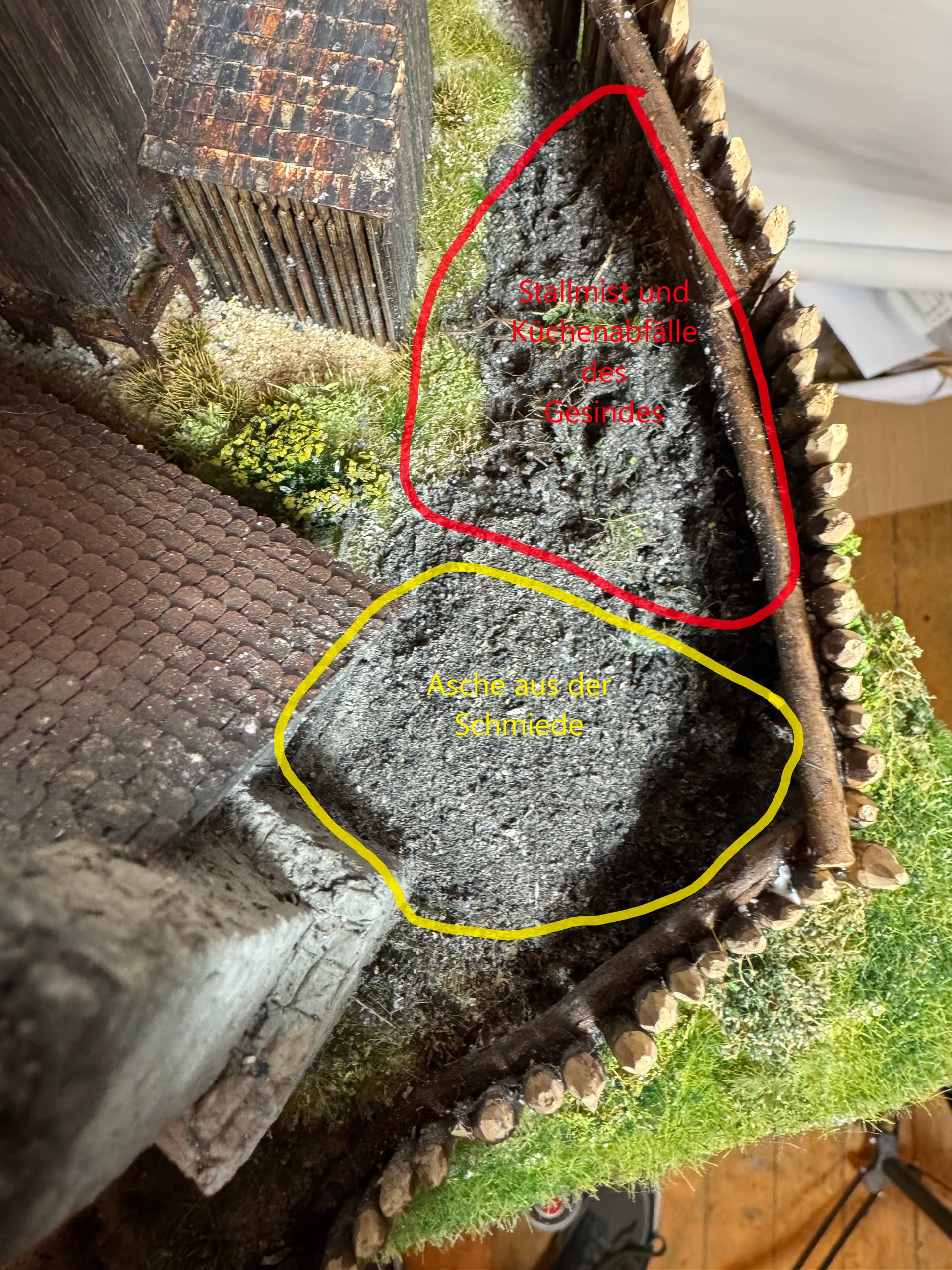
Ashes from the blacksmith’s furnace, stable manure, and the servants’ kitchen waste were emptied at a corner in the outer bailey or into the castle moat.
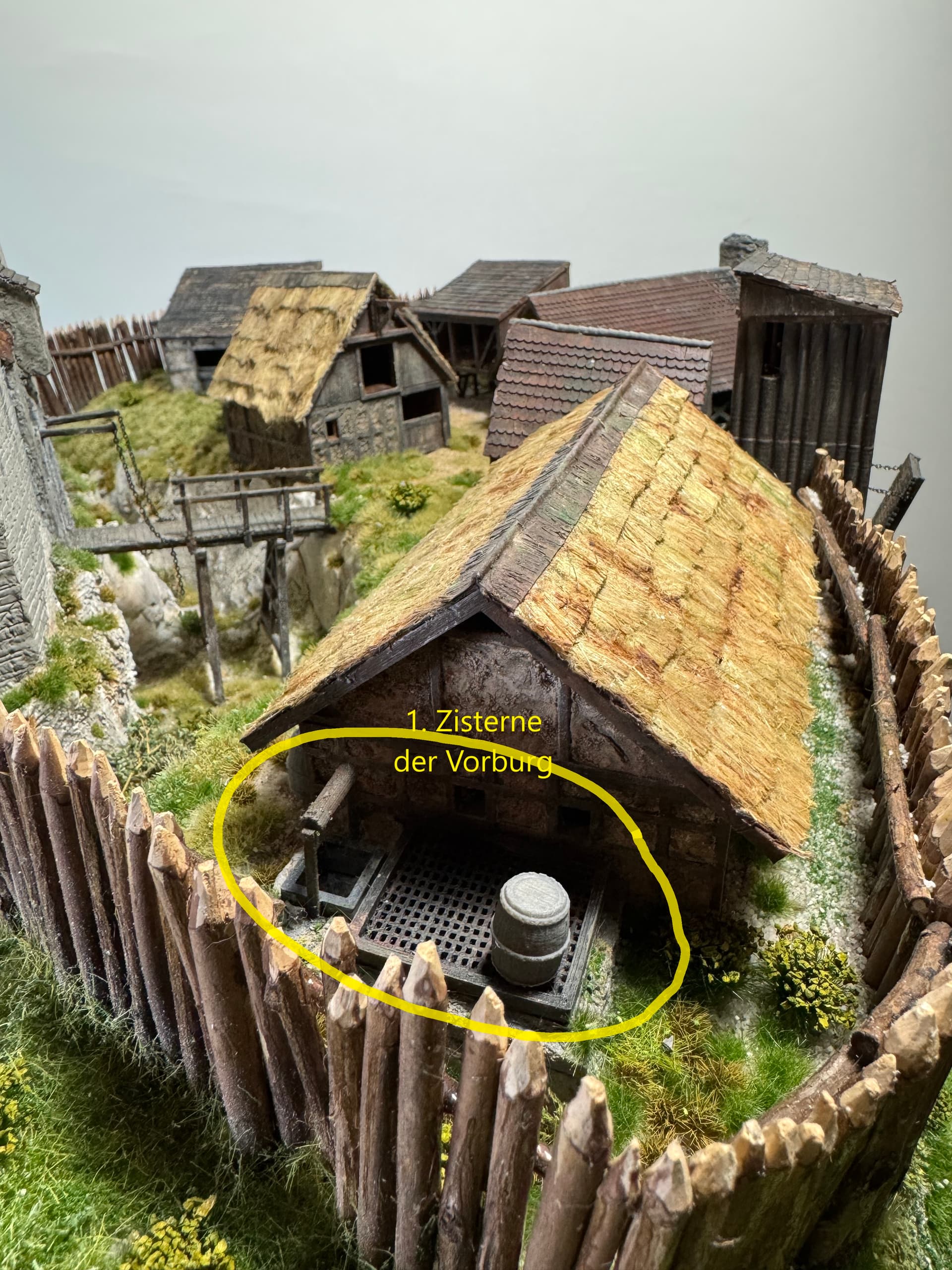
The water supply for a rock castle came from a cistern that collected rainwater. Digging a well shaft through the rock would have taken years. It would have required a depth of over 200 meters. This would have placed extreme strain on the workers. There was hardly any oxygen at depth, and then there was a torch that would have further consumed the scarce oxygen. Water wasn’t drunk anyway due to the impurities. This was one reason why beer with a lower alcohol content was consumed…even by children. Servants’ quarters usually had no chimney. Smoke escaped through openings under the roof ridge. Therefore, a lot of smoke was commonplace. Windows were not glazed, as glass was extremely expensive. During the cold season, the window openings were closed with hay, blankets, or rags. In castles, boards or parchment stretched over wood (very thin, sanded leather, which was also used for books in the Middle Ages) were used.
5 Likes
Hi Frank,
yes, life in a medieval castle was sure not what Hollywood wants to make us think.
Übrigens, das sind geniale Modelle.
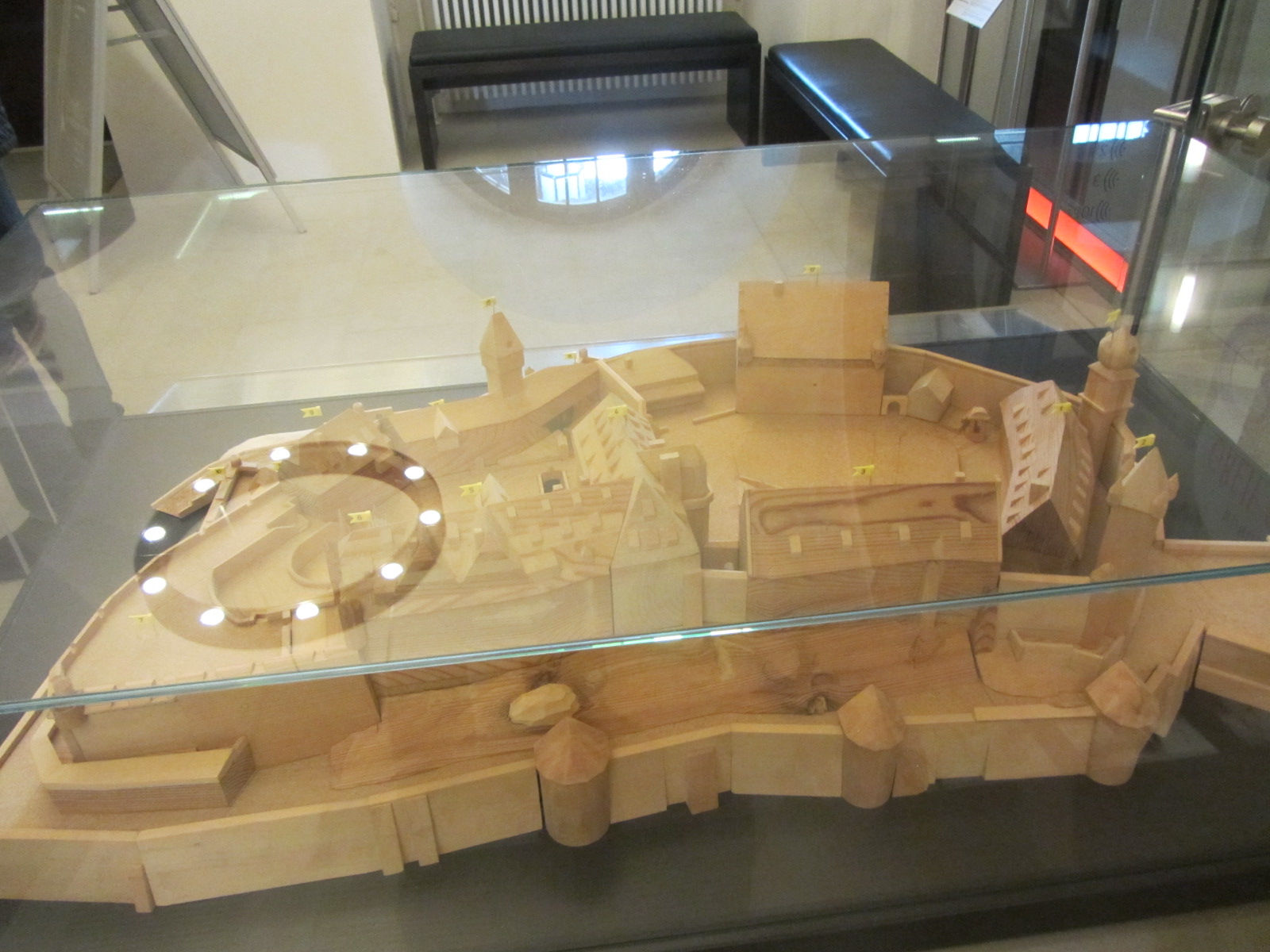
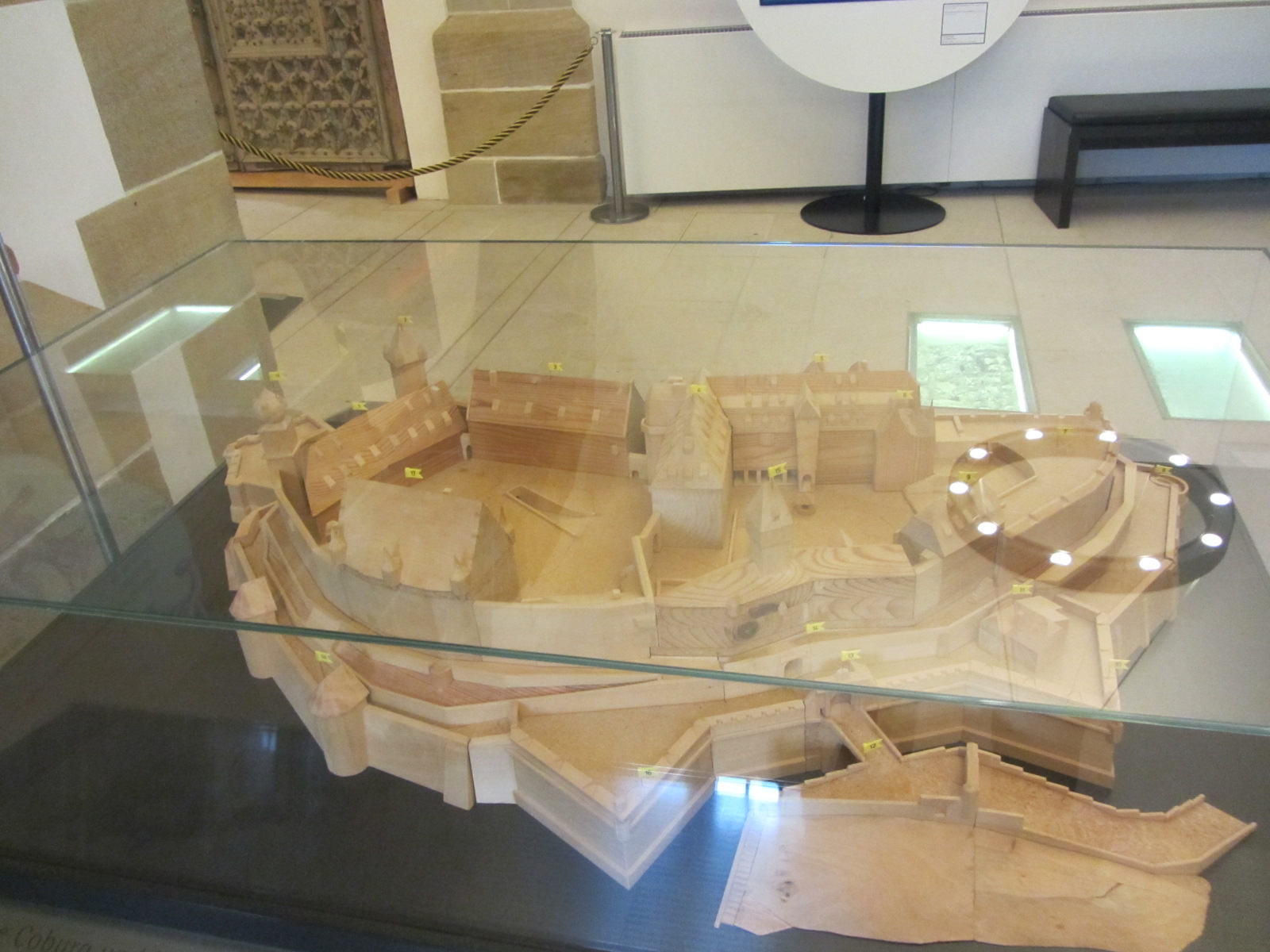
I live near Coburg Castle in Bavaria and they have some excellent models of the Burg.
4 Likes
Indeed it is not, I was simply trying to encourage @Biggles50 and others who lack your remarkable skills to have a stab at what can be a fun build.
There’s a lot more medieval stuff becoming available in “True” 28mm scale (1:56th) these days, often as injection-moulded hard plastic, and there have always been decent civilians of all periods available (along with some real dross).
Agreed. But the injection-moulded plastic kits contain the raw materials to enable a less-skilled modeller to try their hand.
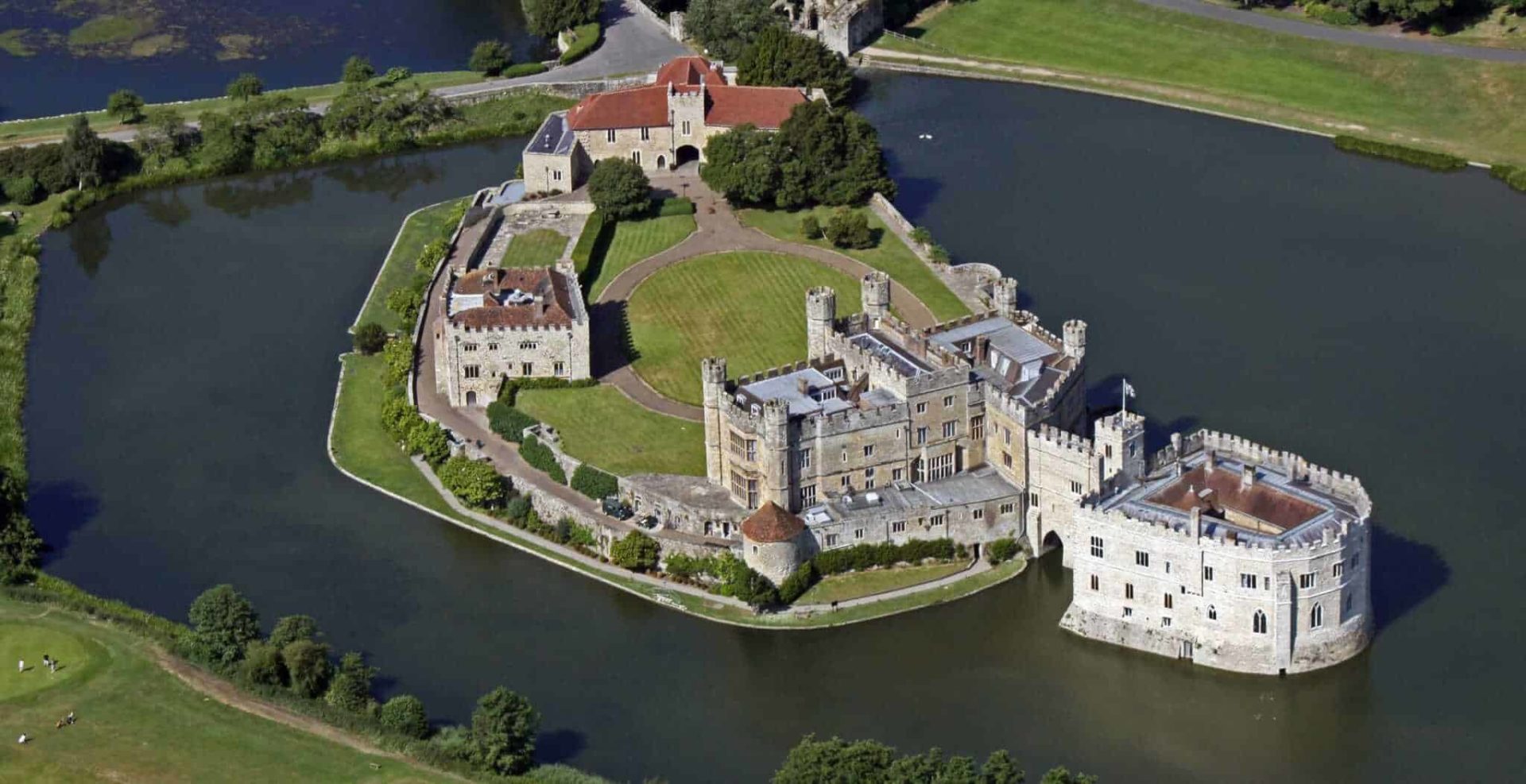
Again, very true. Defences have always sought even the slightest advantage from terrain. But there is a lot of land that is simply flat, and that’s where the components from Zvezda can come in useful as a basis for a project upon which higher levels of detailing can be superimposed. Castles such as Leeds
and Bodiam
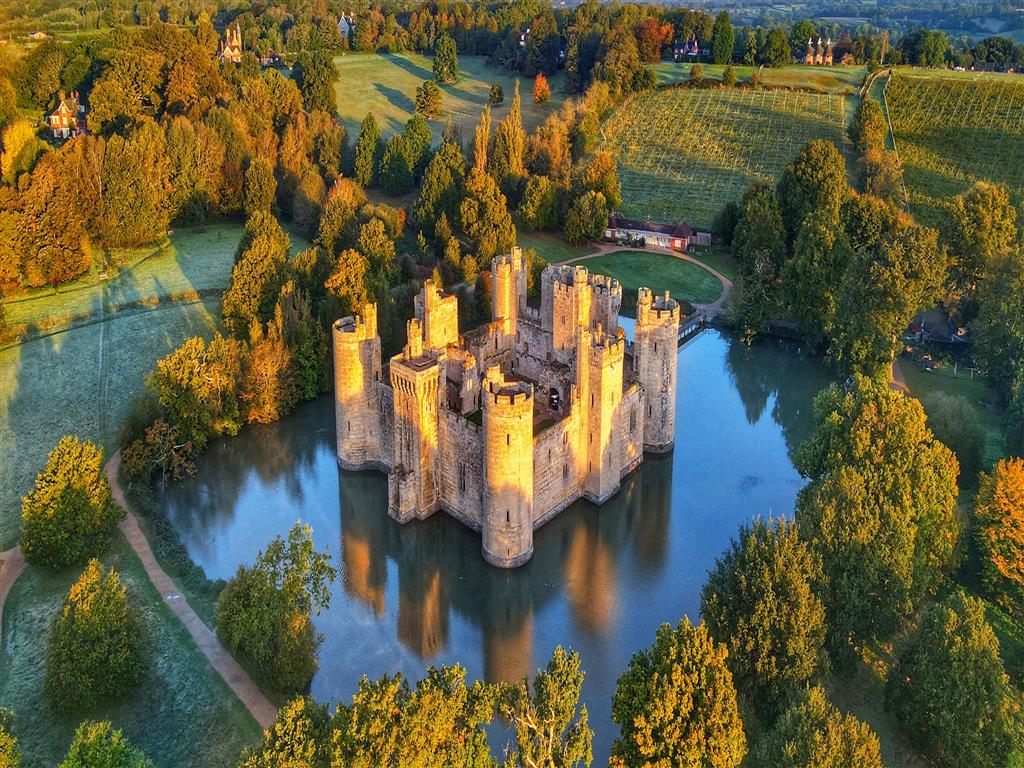
come to mind.
I’ve never been a great traveller and rarely stray far from home. But I’ve just been informed that Cockermouth Castle, the private residence of the Wyndham family (the Lords of Egremont), is having it’s annual weekend of guided tours; I suspect tickets will be sold out by now…
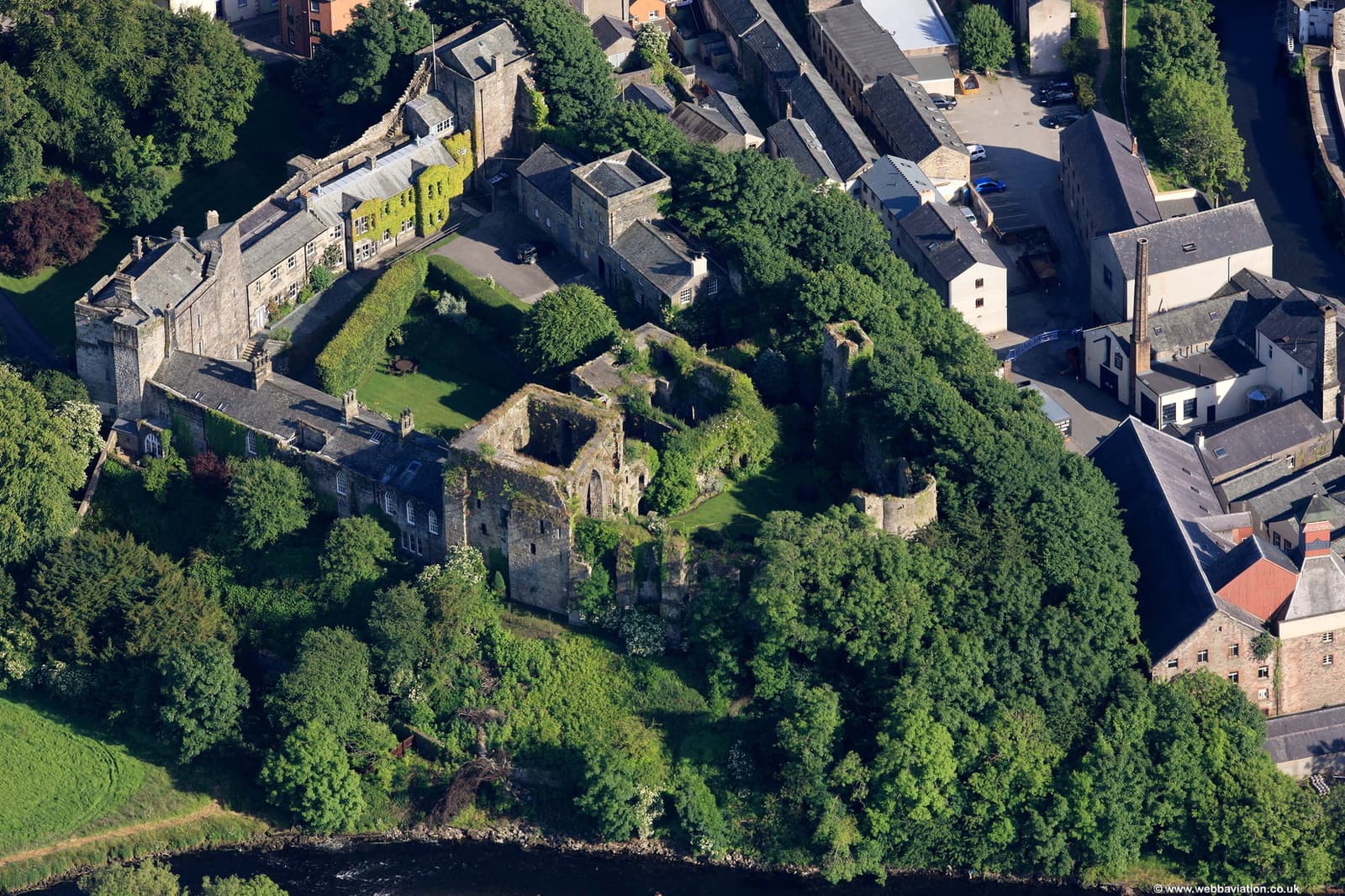
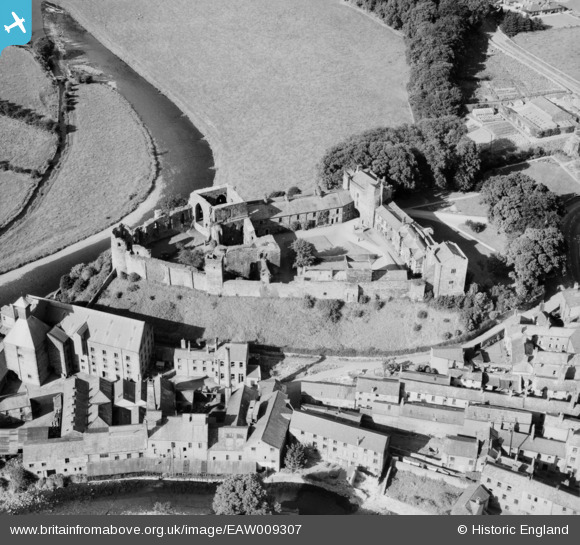
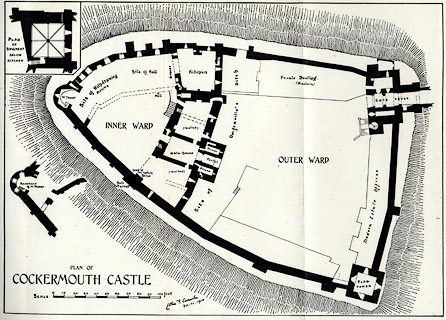
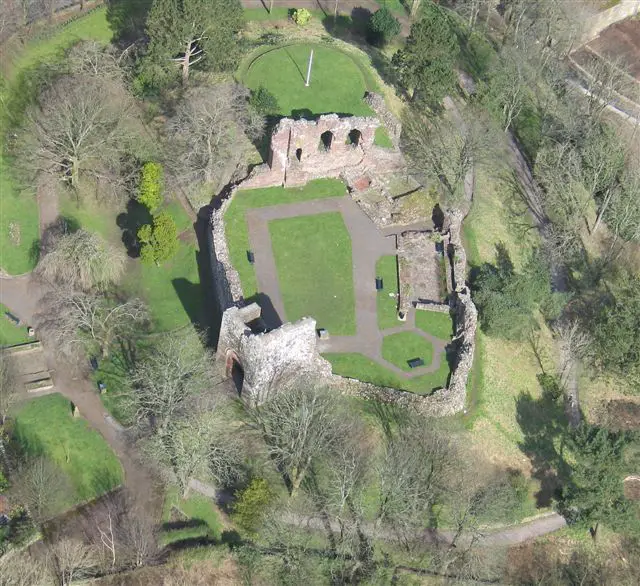
Egremont Castle
The Garderobe (or “privy”, “Jakes” etc.) could also empty into a pit, which when full would be emptied by a “Gong Farmer”… 
 I’ve always thought there should be a particularly verdant patch of vegetation below where one of these projects from the wall.


Cheers,
M
4 Likes
I developed a knack for castles and fortifications. We have some REALLY old buildings and ruins in the area.
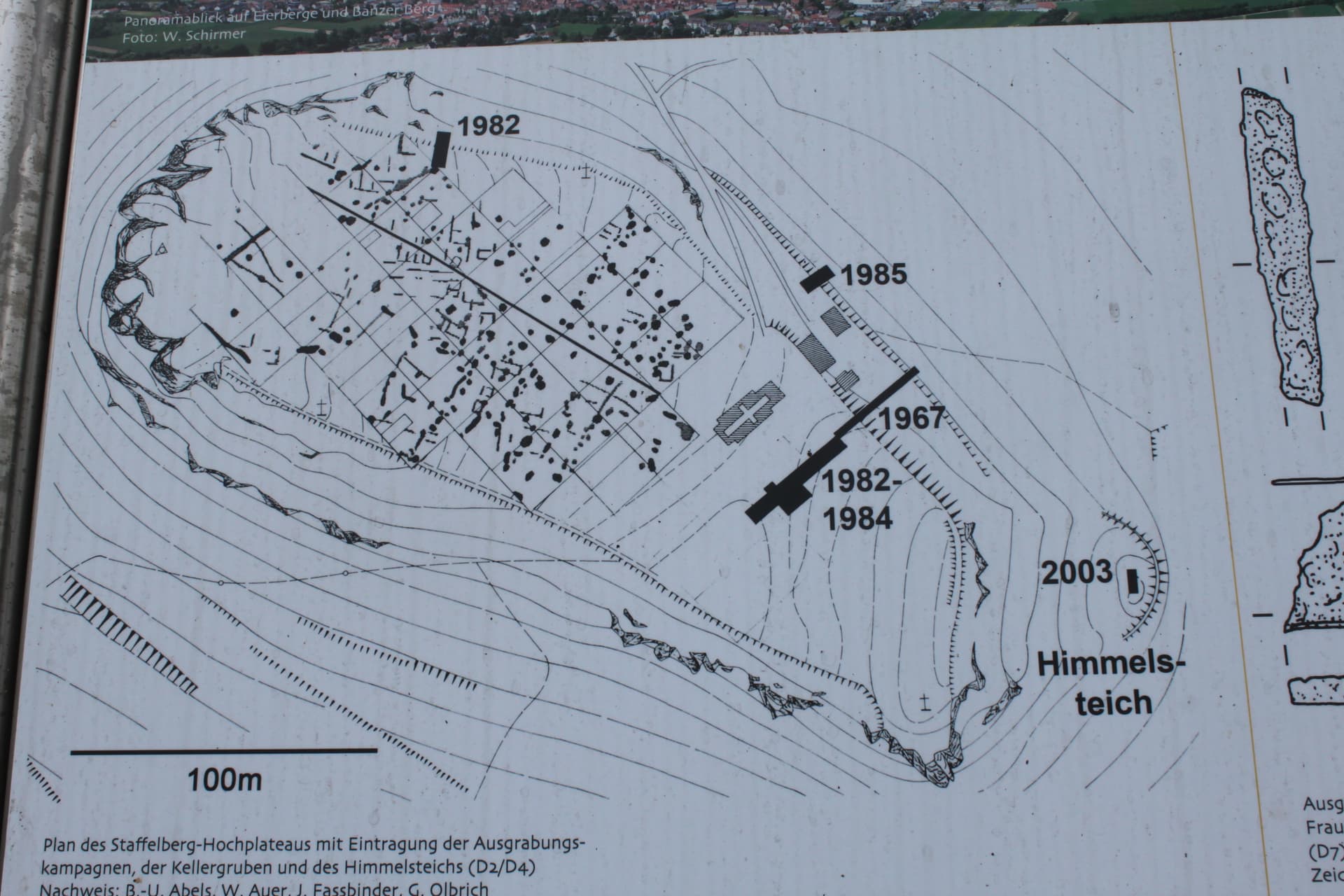
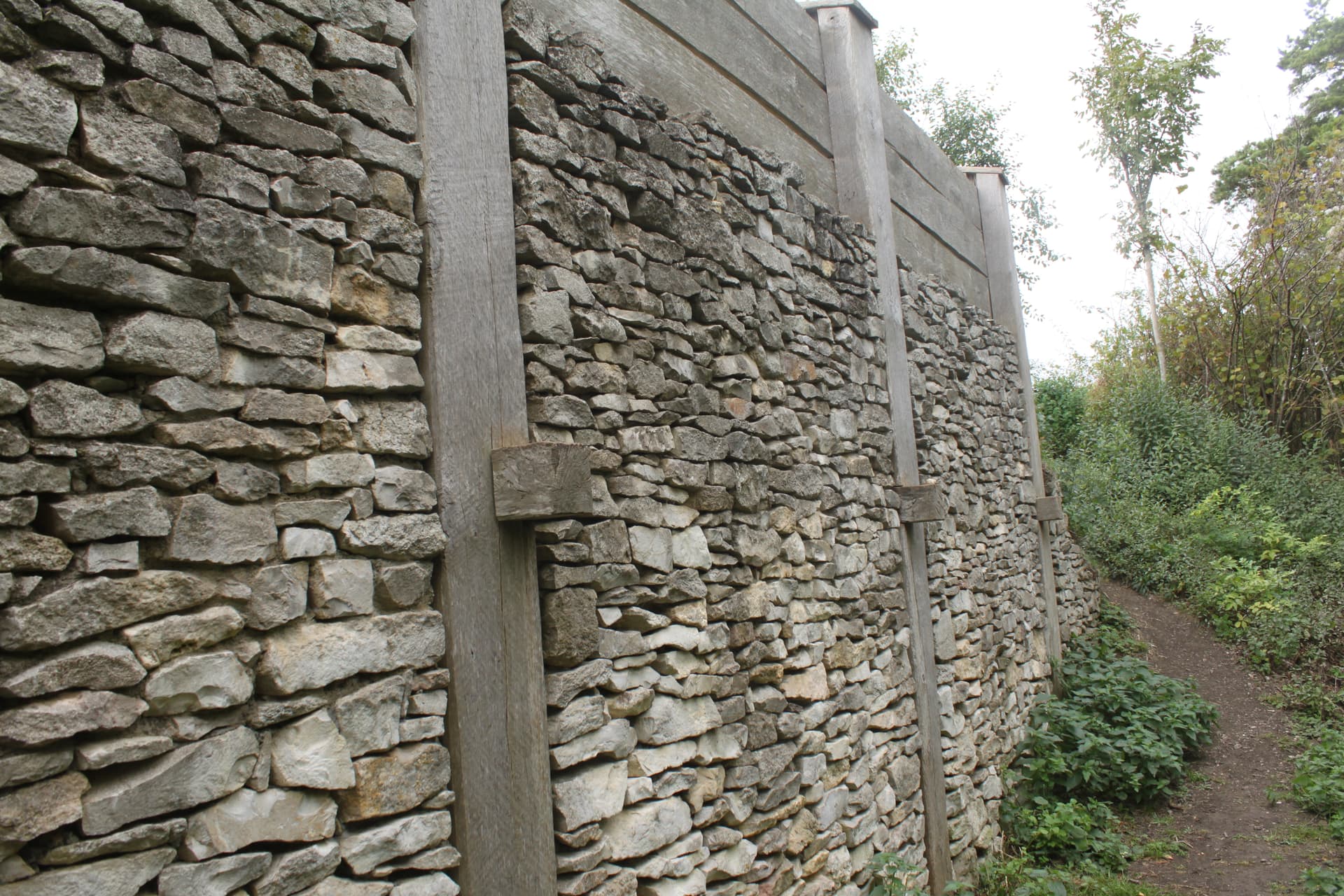
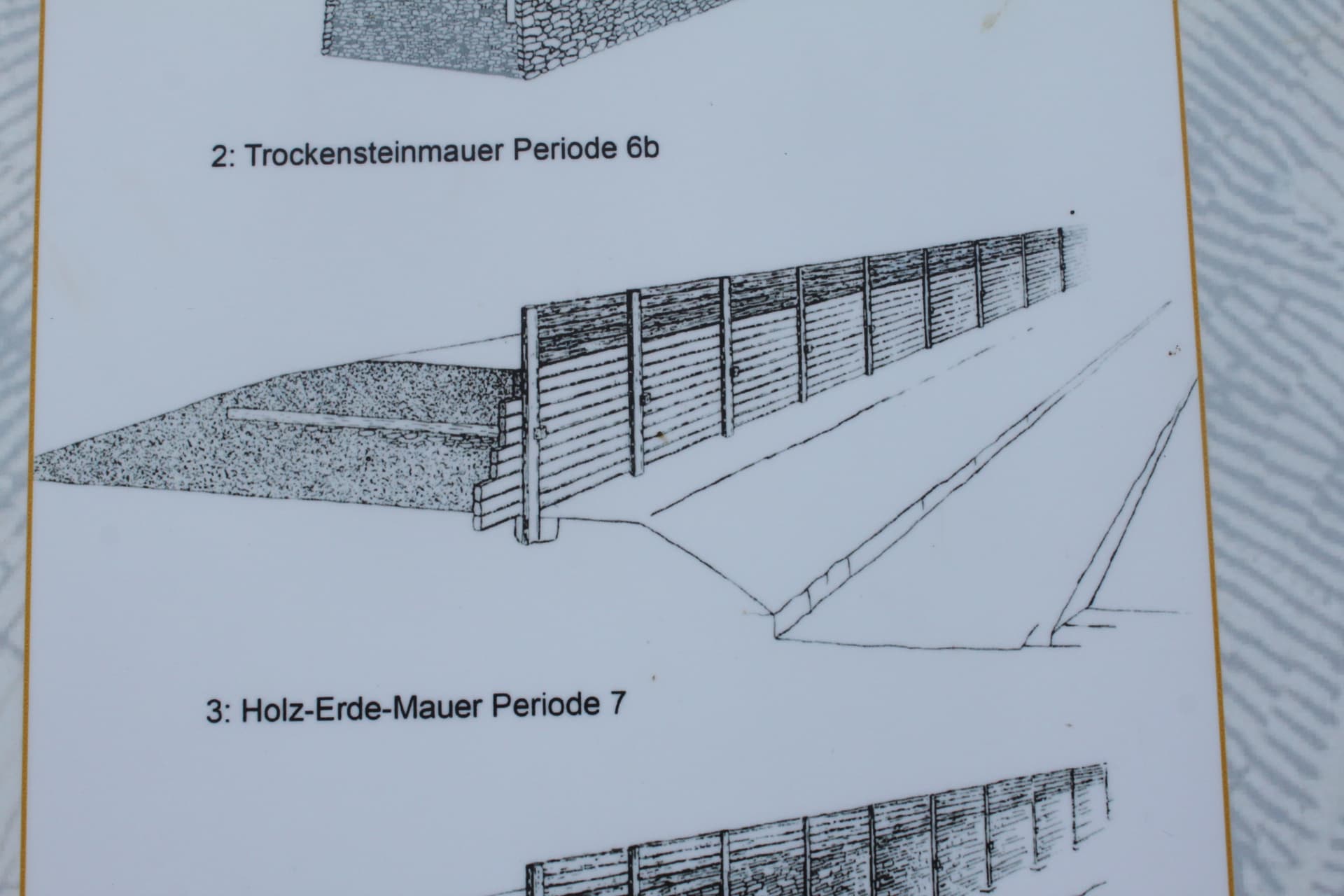
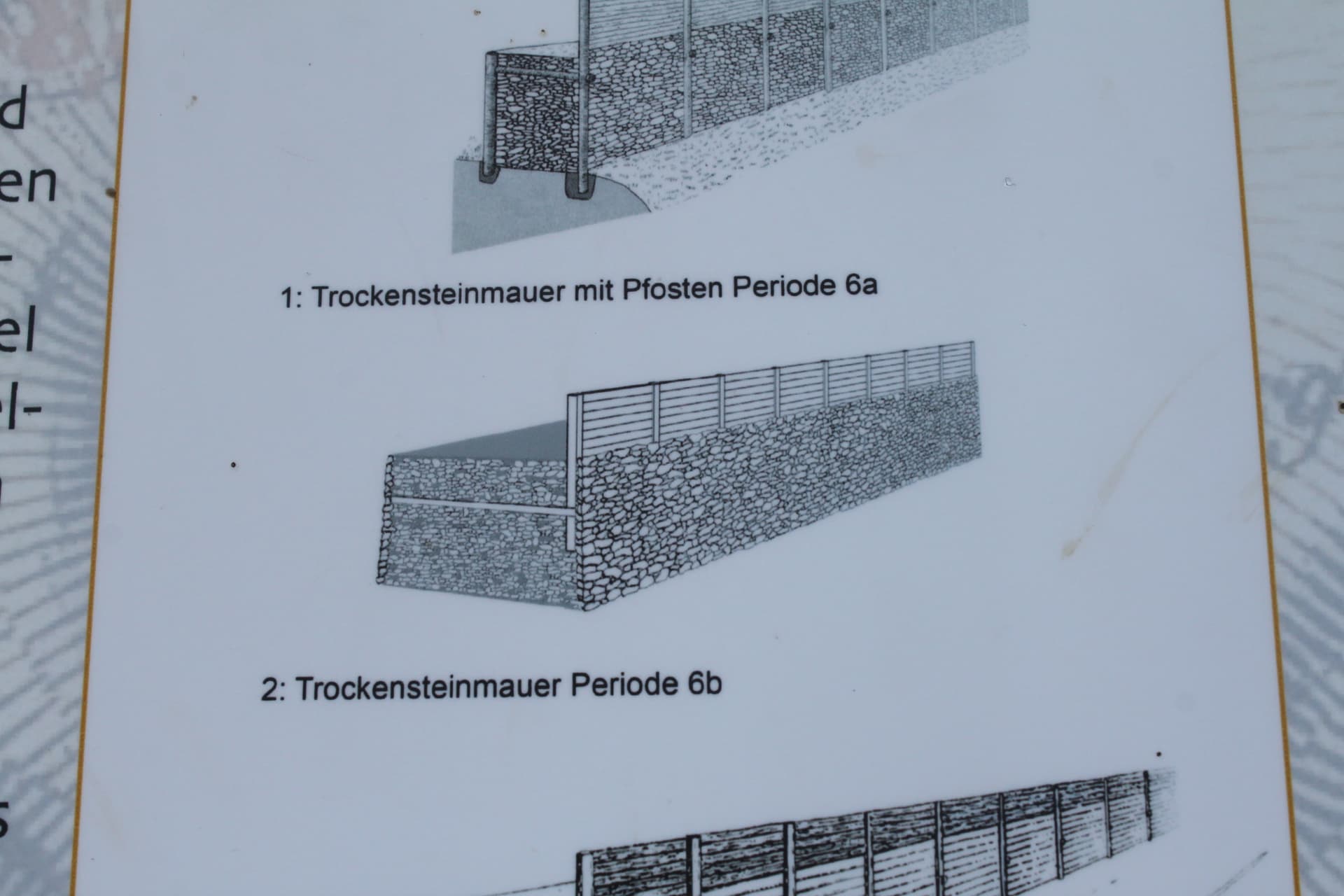
Heunischenburg is a recnstruction of a hillfort from around 1000 B.C.!
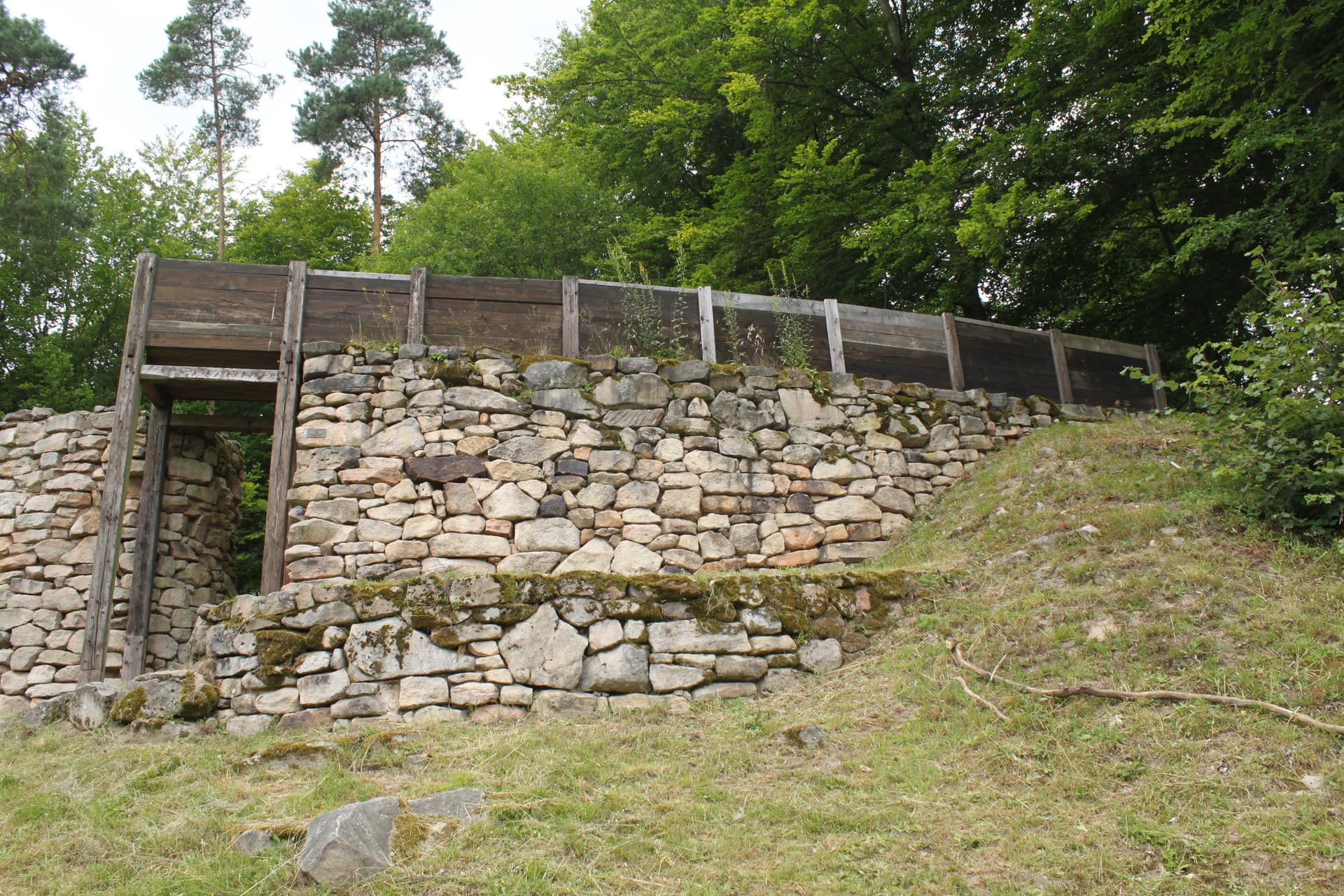
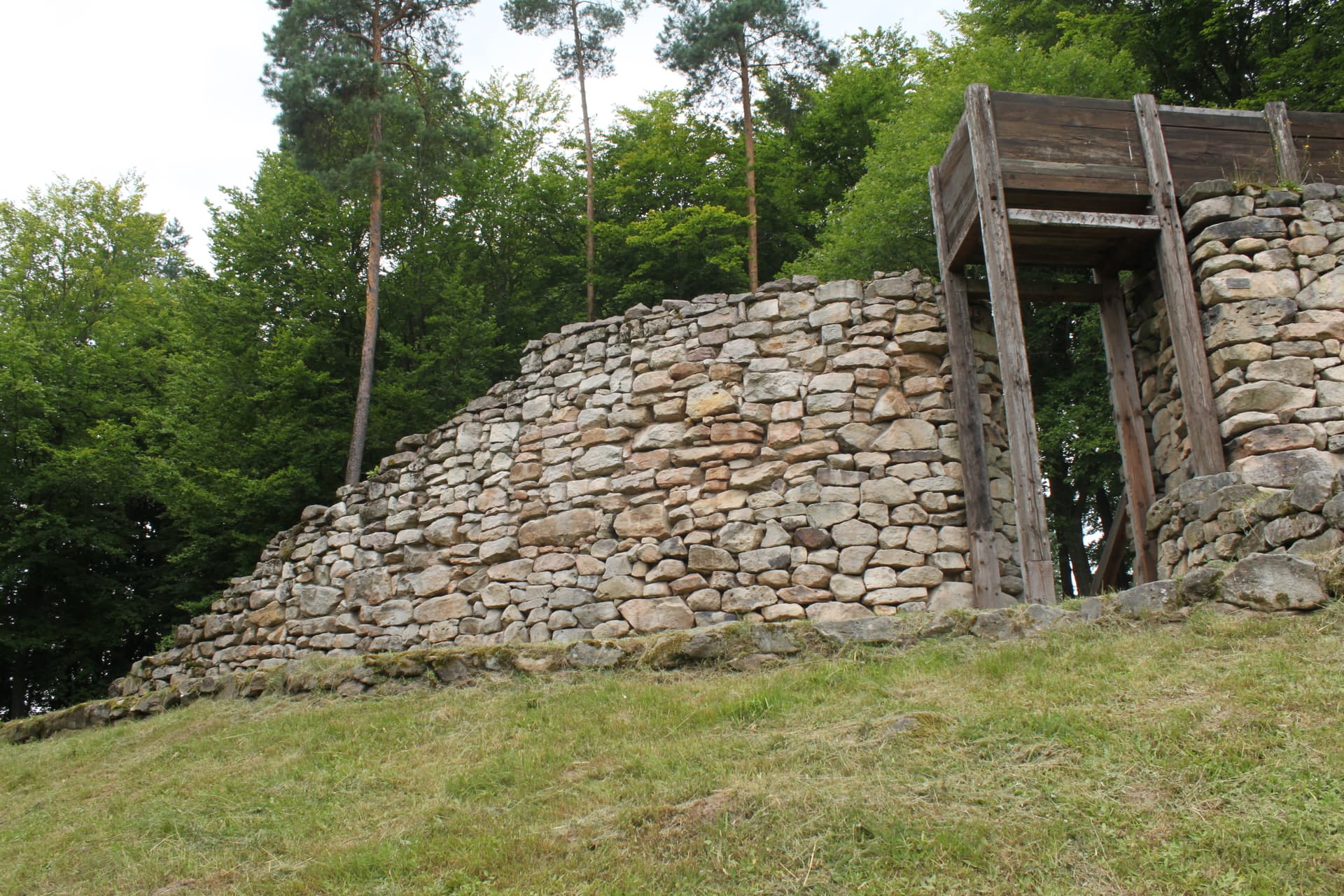

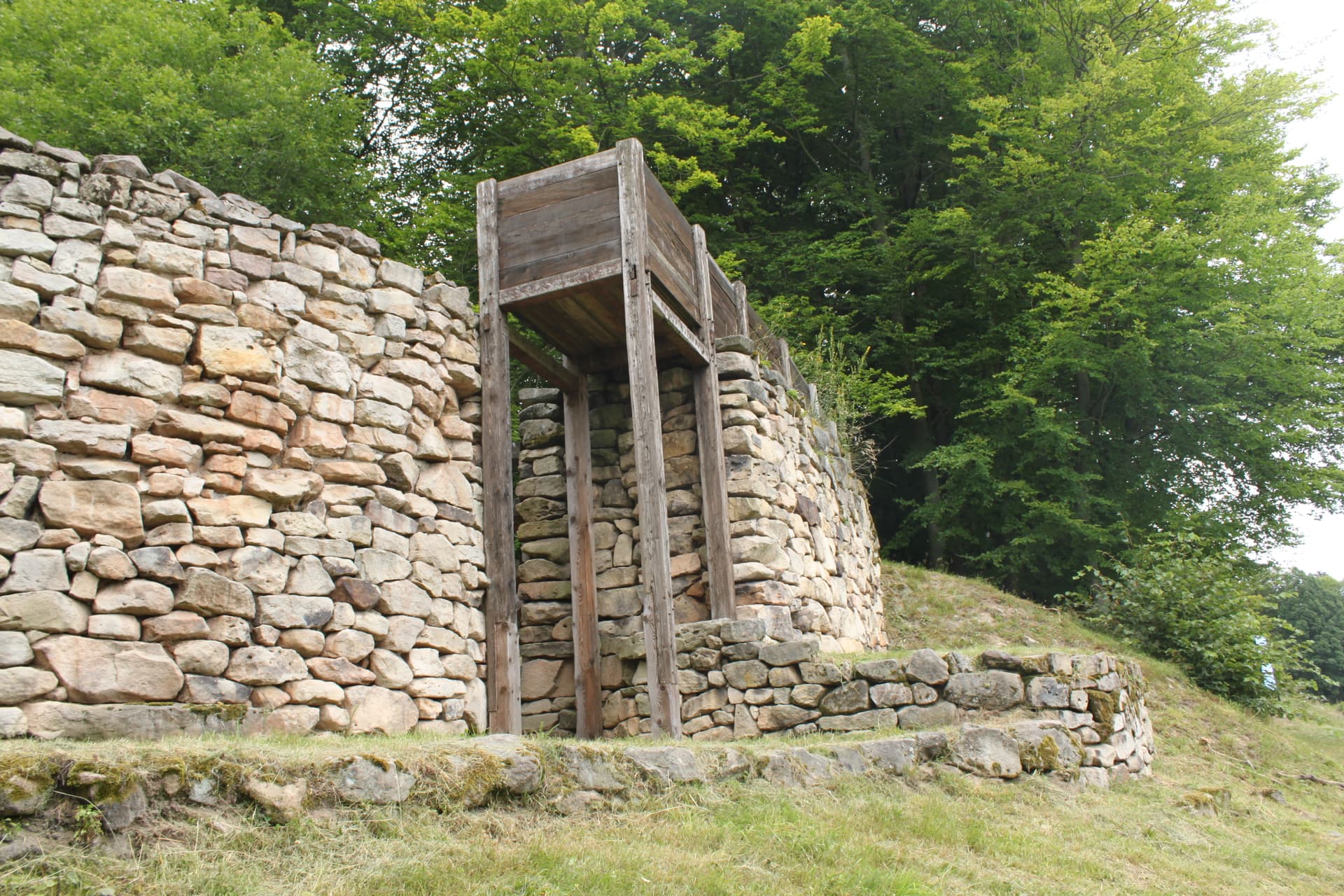
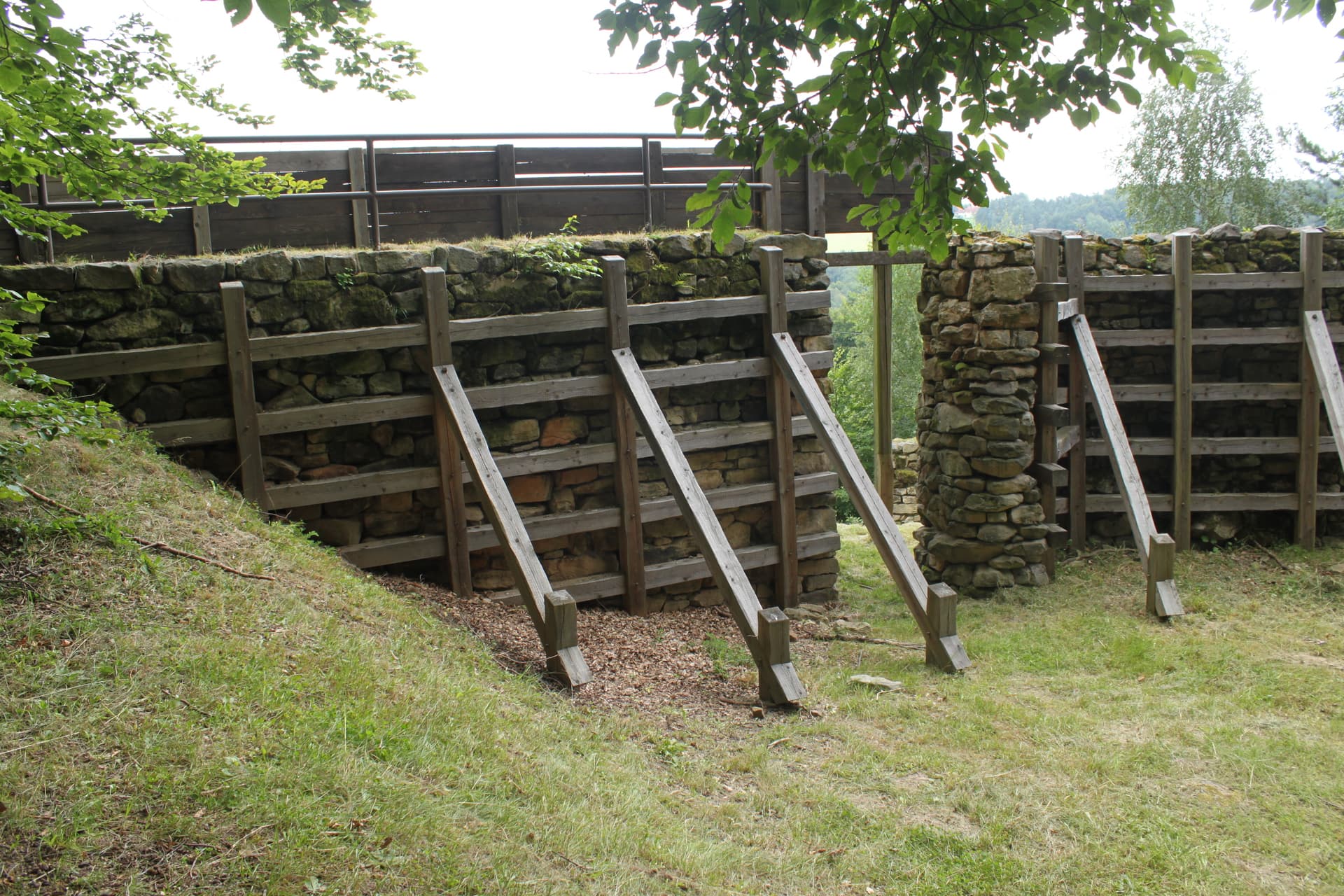
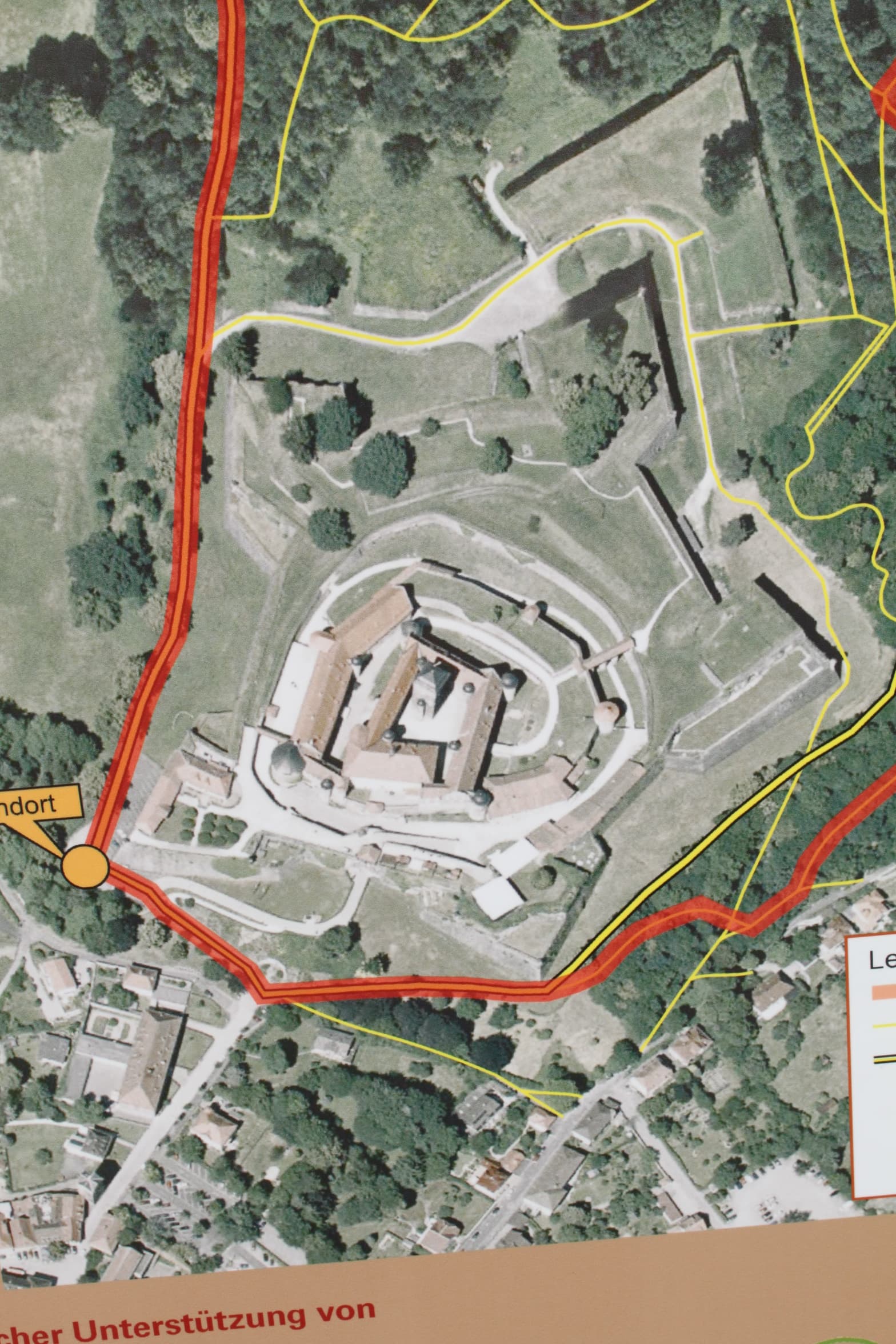
Festung Rosenberg in Kronach is classic castle that has been rebuild to 18th century fortress standard.

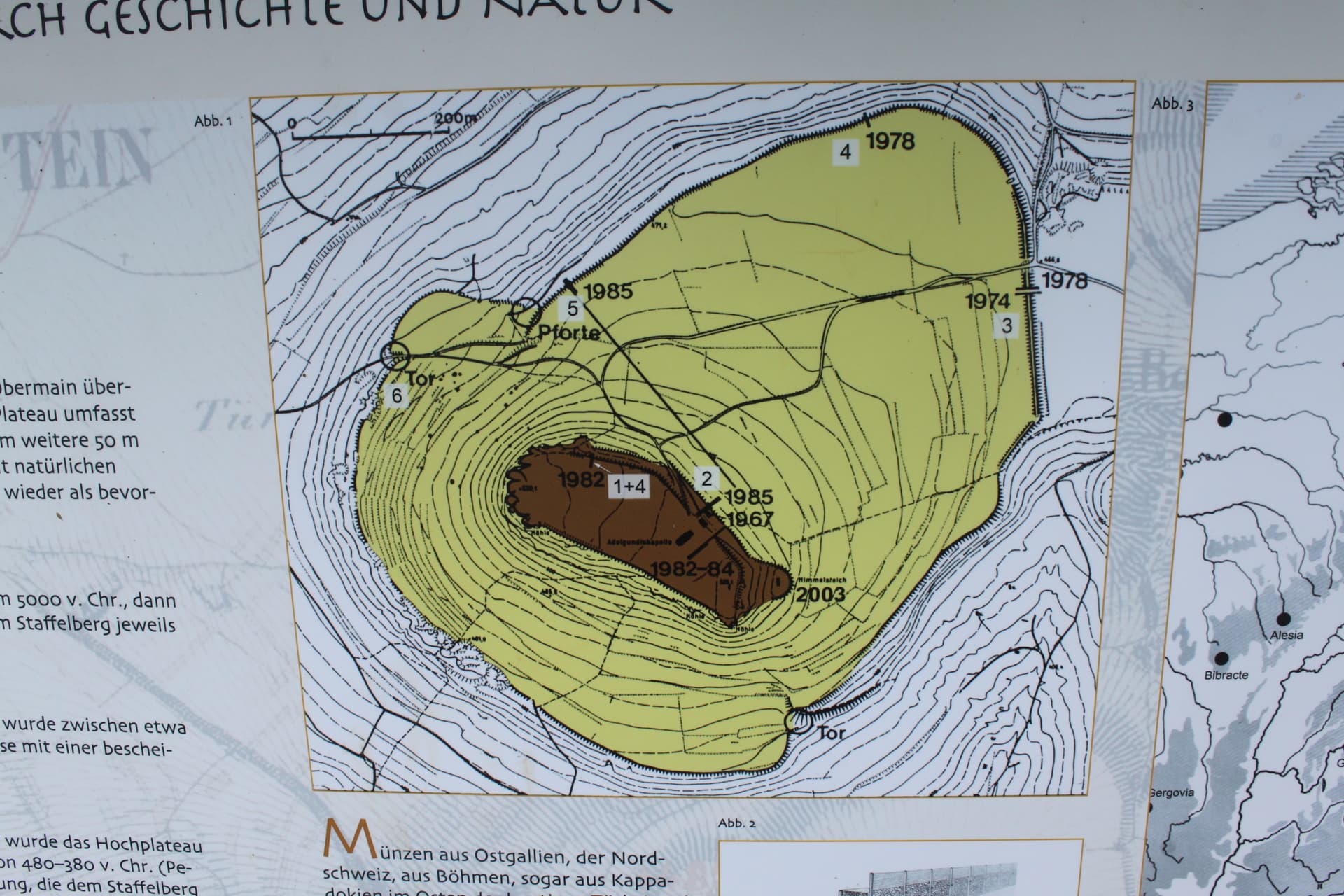
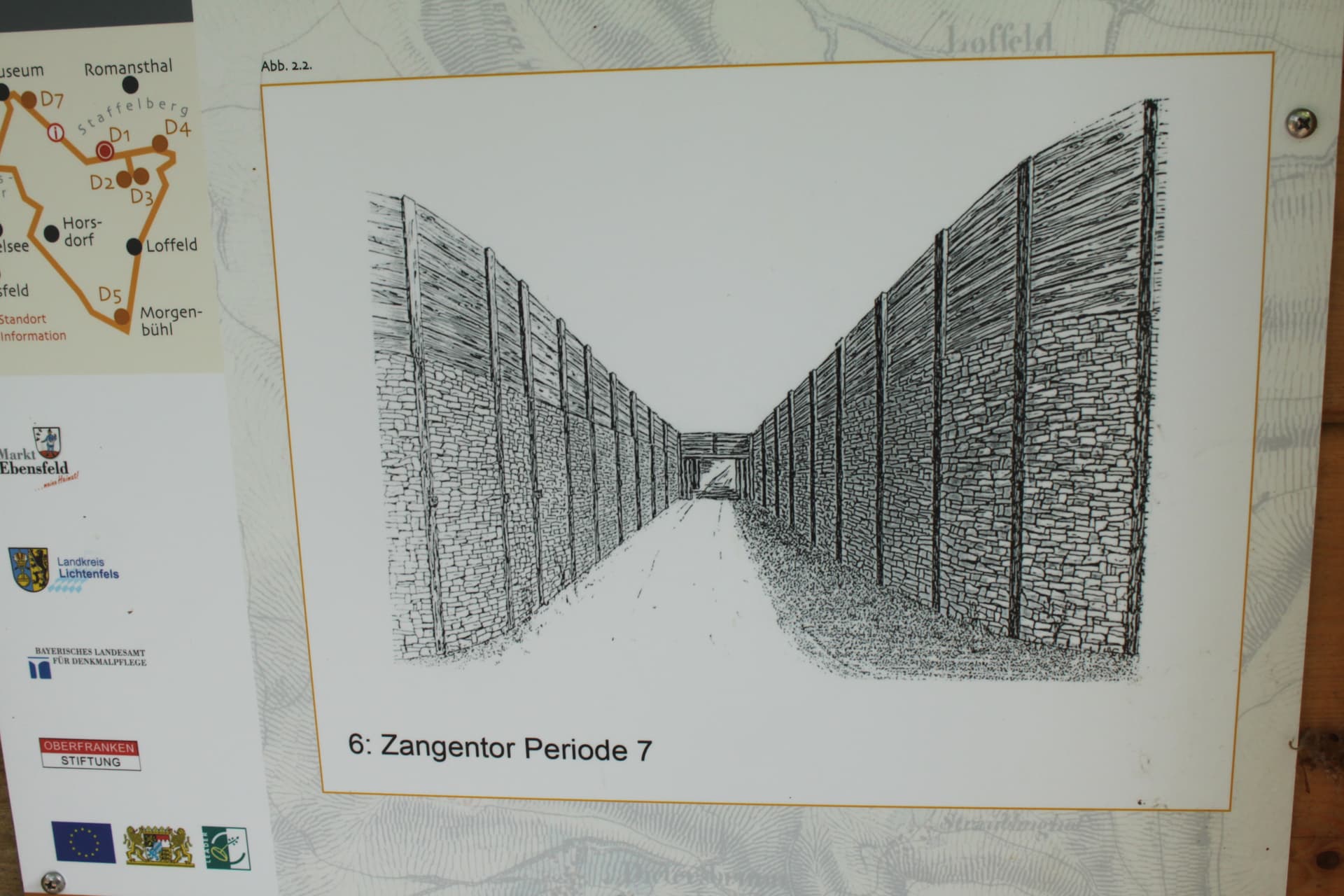
Menosgada is a celtic hillfort under reconstruction from around 100 B.C.
6 Likes
Thank you very much for your comment and the fantastic pictures. I should have been more precise. I was referring to hilltop castles. In the lowlands it is of course different. There nature does not impose so many limits. See, for example, Guedelon in France or German castles in Münsterland and northern Germany. In Germany, tourists mainly think of castles such as Neuschwanstein, Hohenzollern and Lichtenstein as synonymous with a castle. However, these were built in a romantic idealization of the Middle Ages and I wanted to prevent this prejudice. Of course, England in particular has a lot of castles…especially in the conflict with Wales, where many castles were built to counter resistance, or also in the Scottish Highlands. Europe in general impresses with a rich culture, especially with historic cities and castles. In Germany alone, the number of castles is estimated at 40,000 to 60,000.
4 Likes
Faller company from Germany released a kit of Burg Bran in HO gauge.
FALLER Schloss BRAN | Limited Edition | Bausatz Spur H0: Amazon.de: Spielzeug
My LHS has one of these but the pricetag is a little to steep. This would be the ideal opportunity to hone your weathering skills. 
2 Likes
Yes, I know.
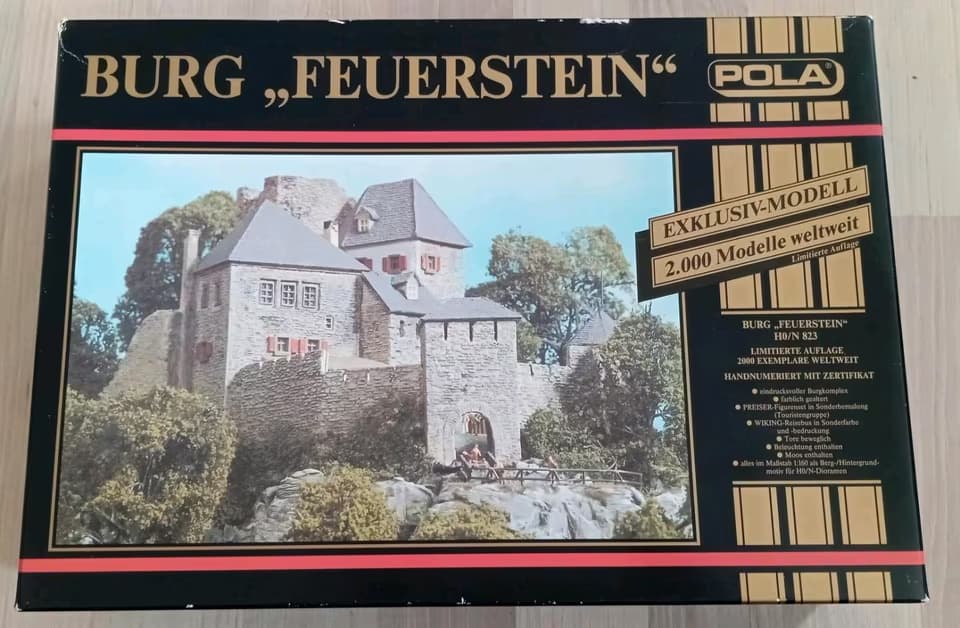
I’m familiar with almost all commercially available models. The best castle for model railways used to be Pola’s Feuerstein Castle (now from Faller). Although it was only a 1:160 scale, it was very realistic. The downside… it’s unusable for a medieval diorama, as it was partially dilapidated and had large, normal windows. Bran Castle definitely has modern innovations, as it’s intended for model railways.
I’d like to emphasize again that I build castles as they might have been, not as they look today. Furthermore, a 3D-printed castle costs only a fraction of the price of a model. Bran Castle costs about €480, if I’m not mistaken.
4 Likes
Frank you’re a grand master diorama-maker, thanks so much for showing your work here. It’s a shame the big ones are too difficult to transport – I can understand why the castles need to be built in one “mass”, but I wonder if you’ve ever considered making any in modular form which could be assembled (seamlessly of course) on site?
It’s probably the same in Germany and around the world, up until around 2010 there were many model/hobby shops which welcomed centre-piece dioramas to inspire customers. But the internet, while being an enormous benefit for modelmakers, has largely shut them down. These days I can’t think of anywhere that would allow you to exhibit your work publicly, apart from a local museum but that’s probably unlikely. And that’s a huge shame, your work is simply magnificent, bravo 
4 Likes