Fellow Modelers,
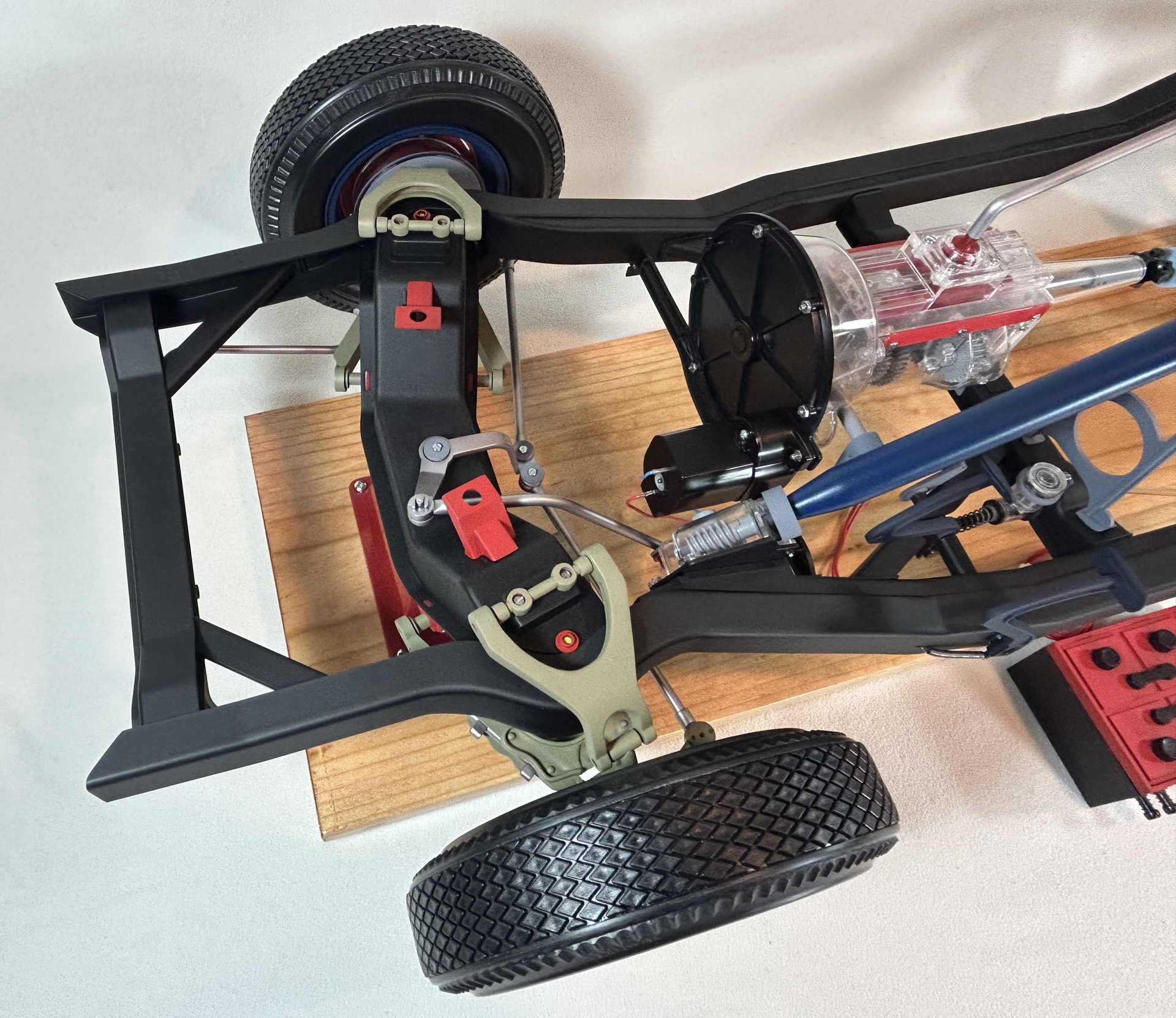
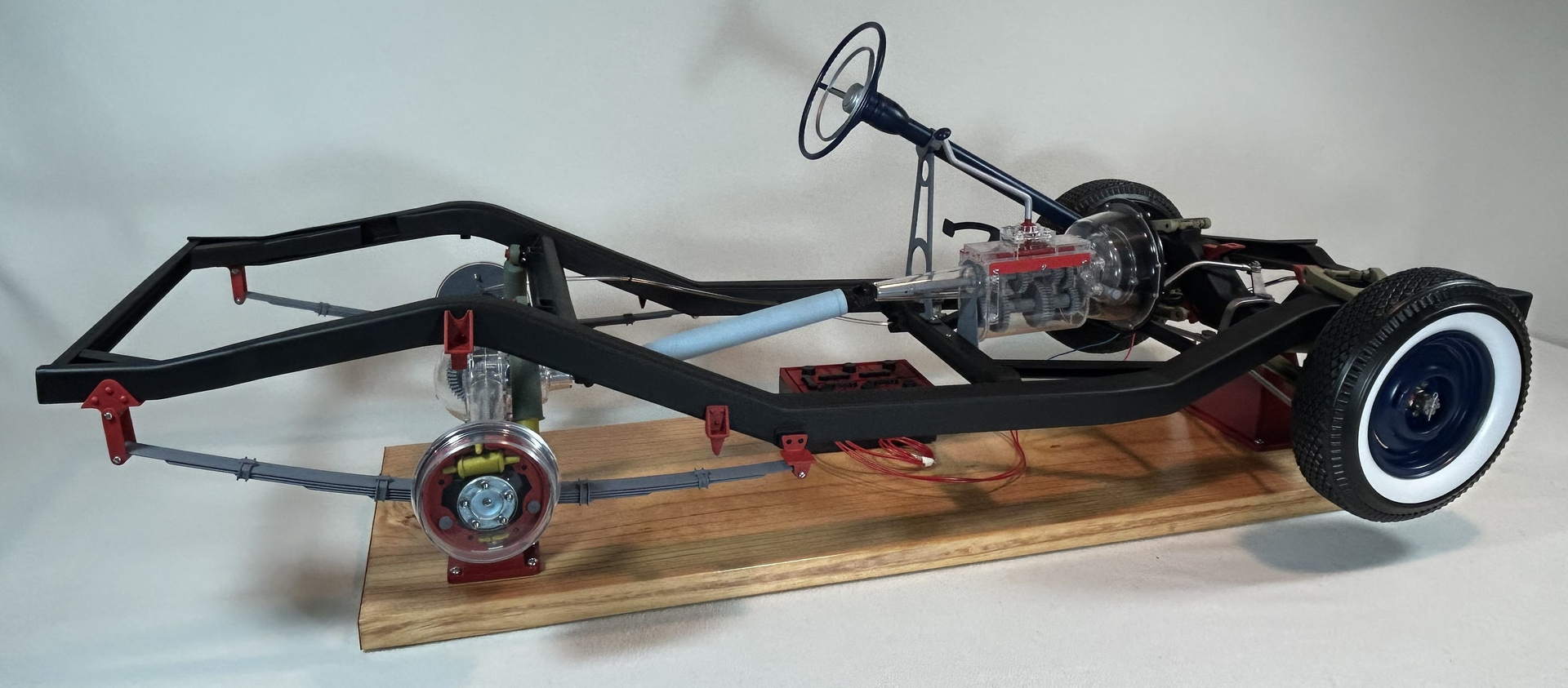
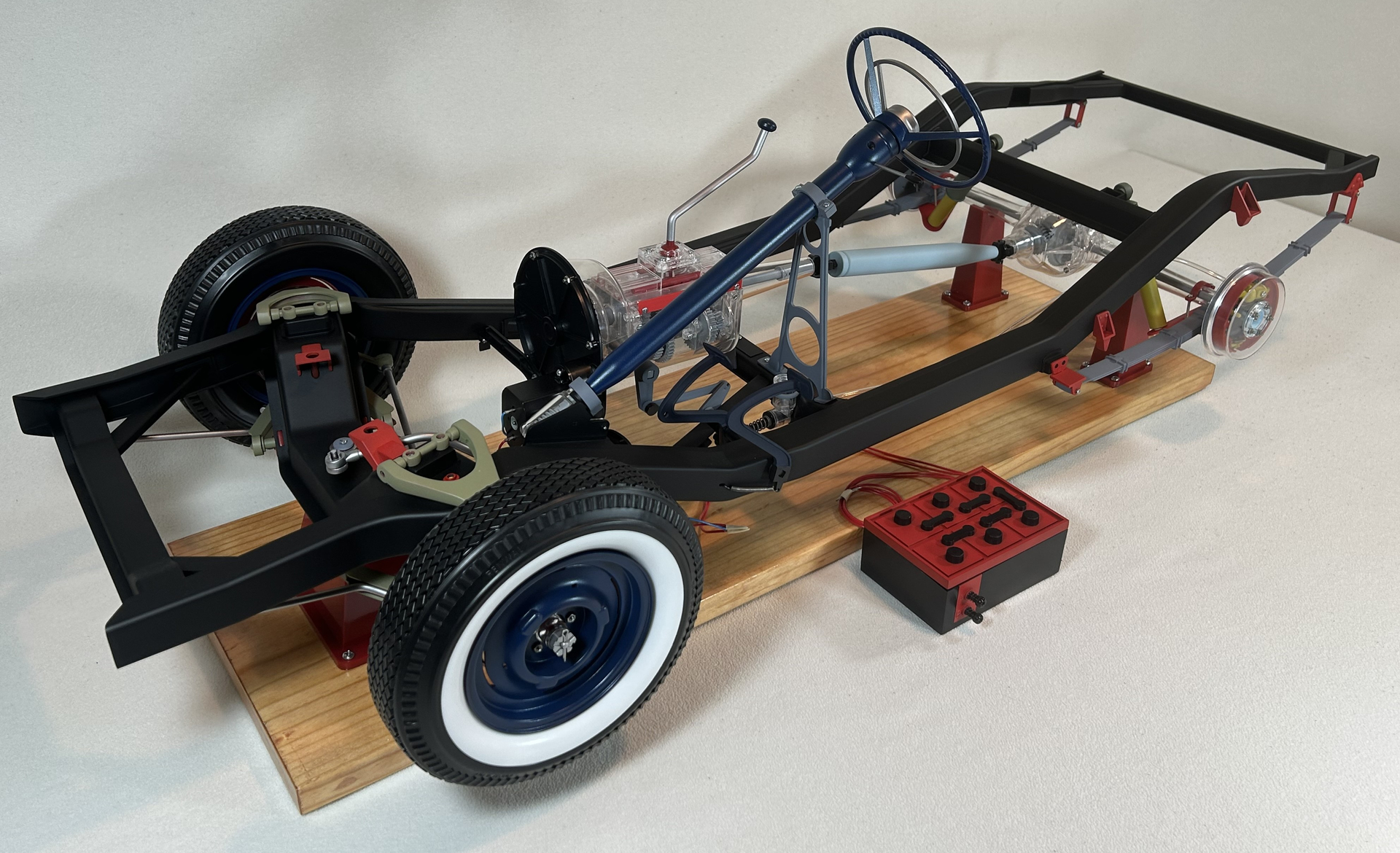
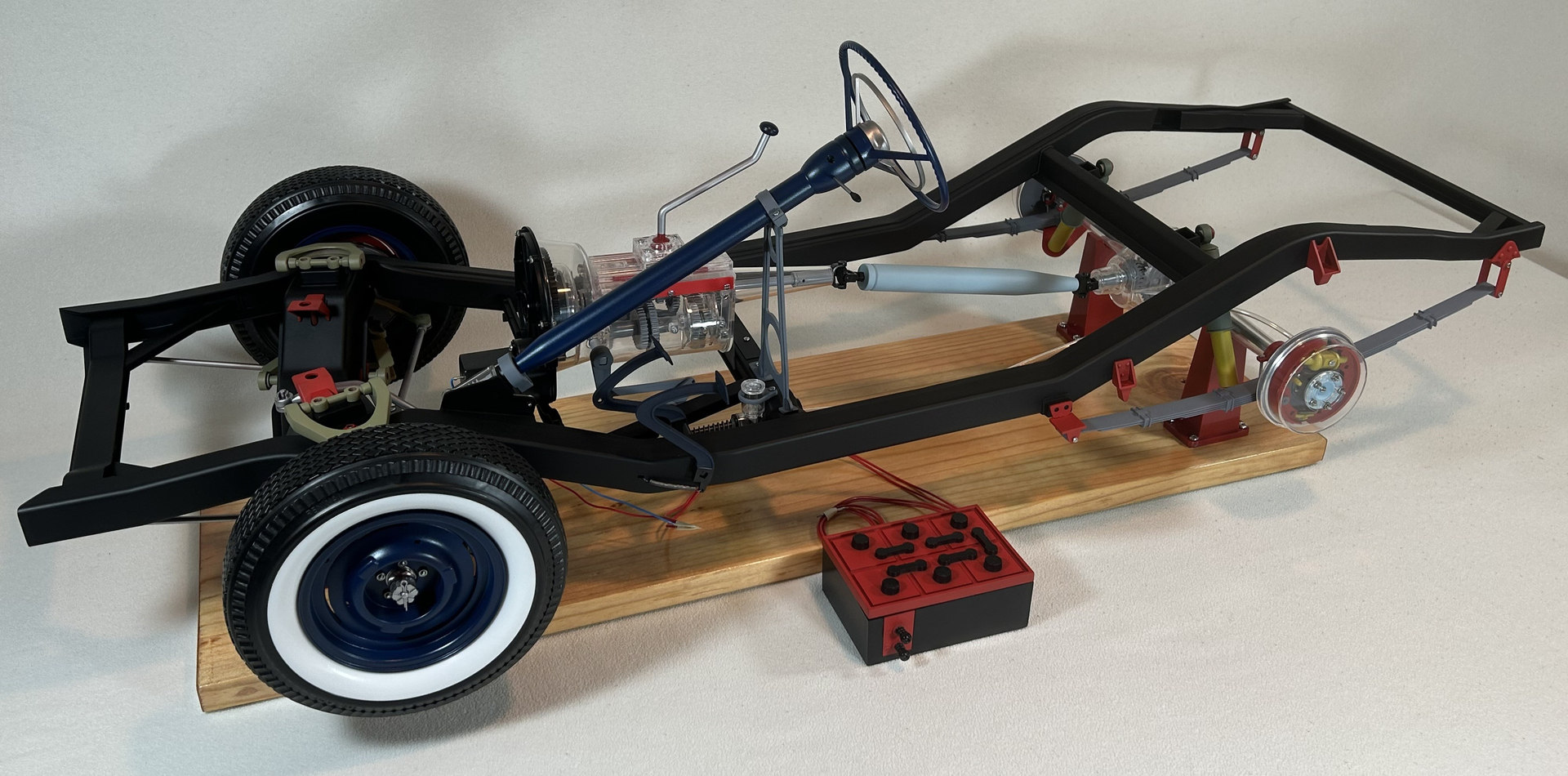
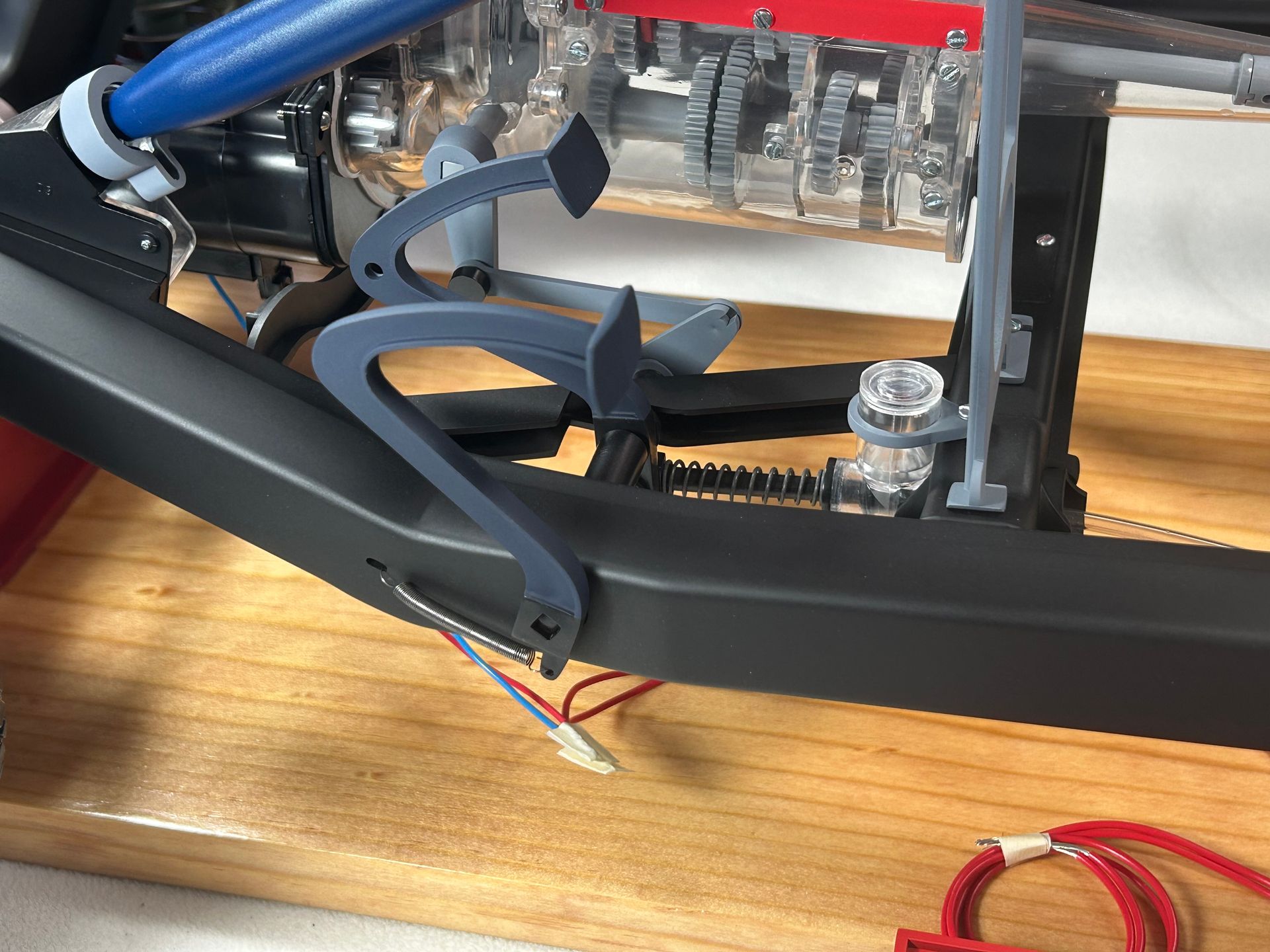
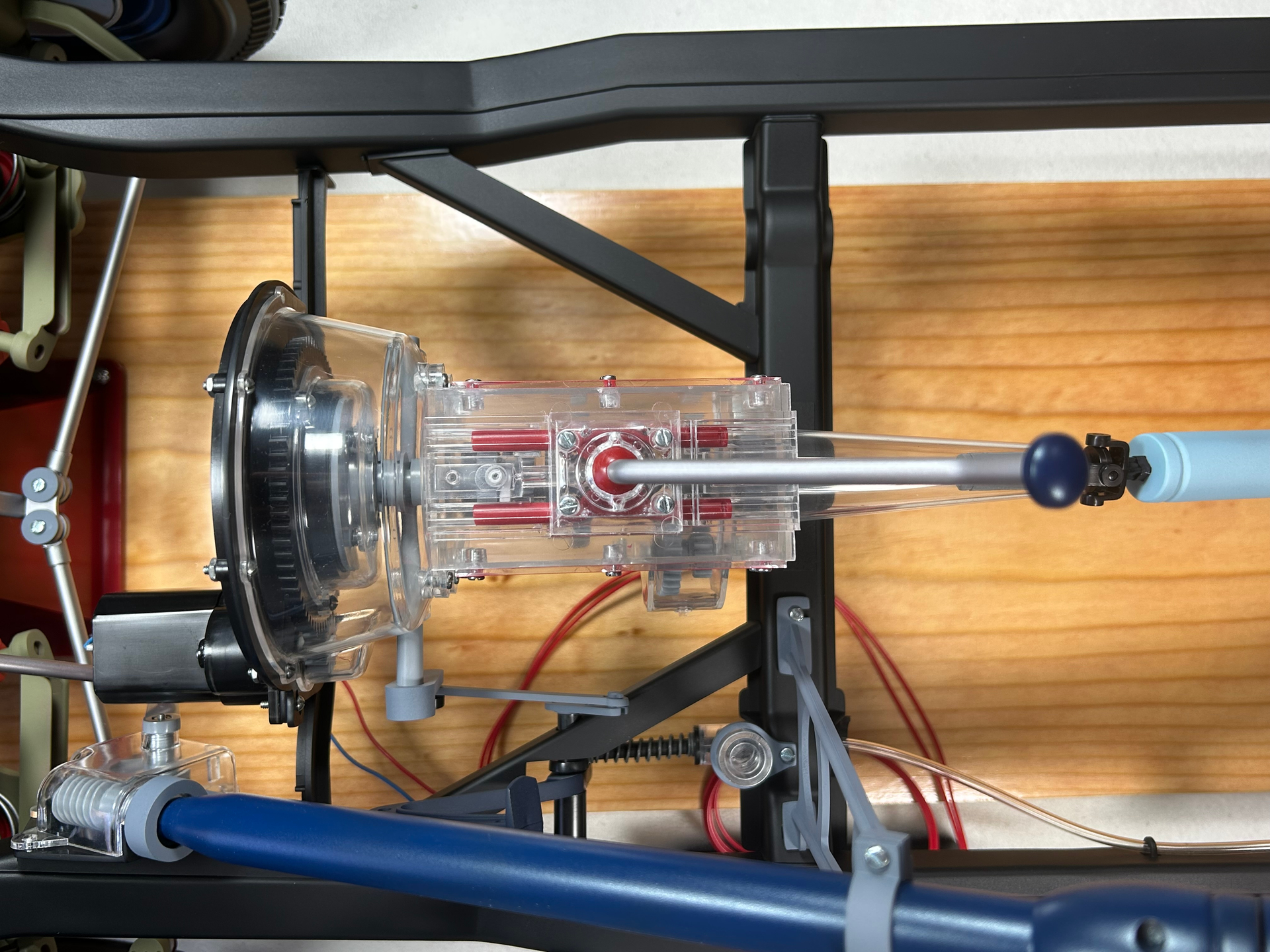
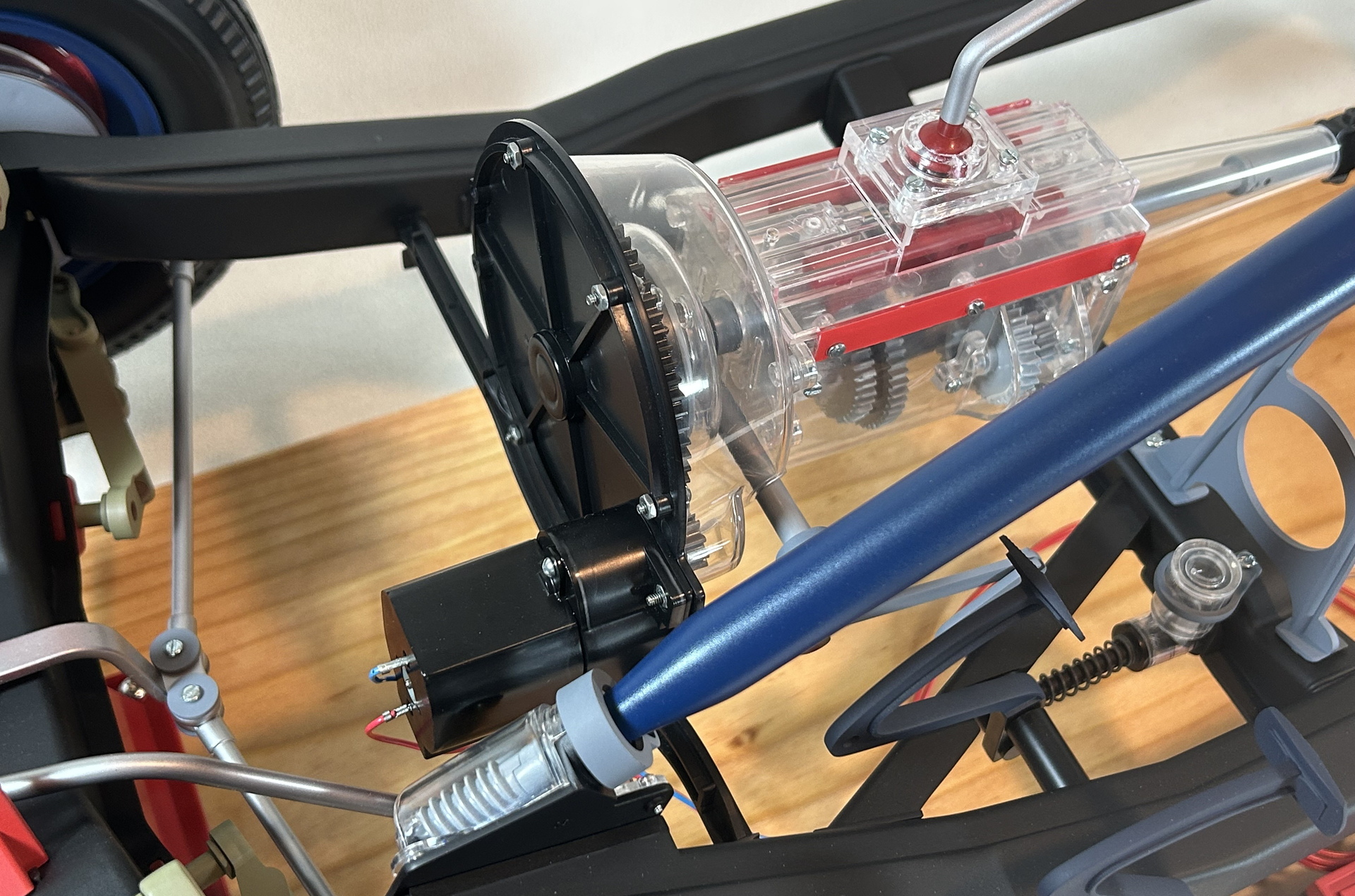
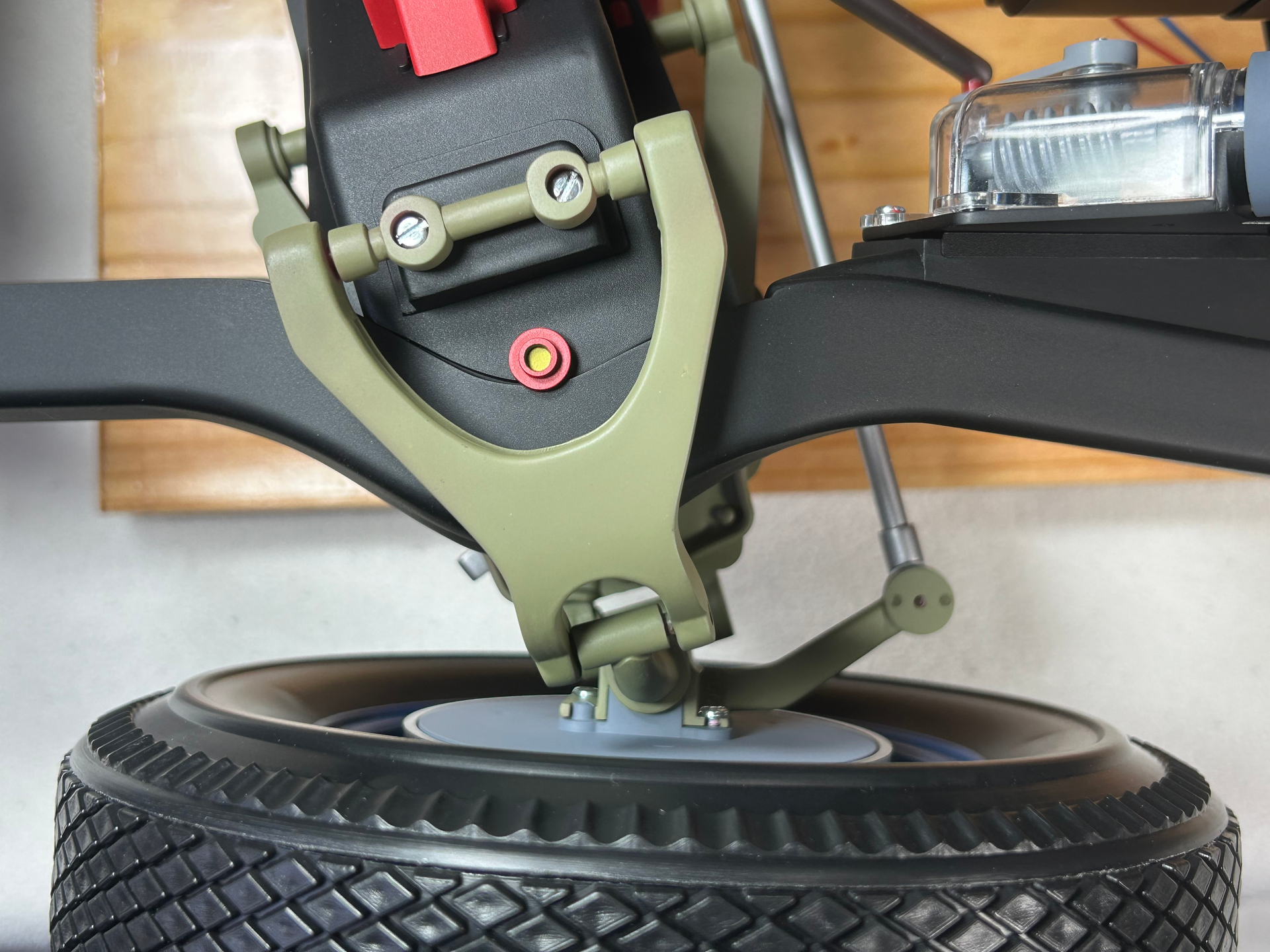
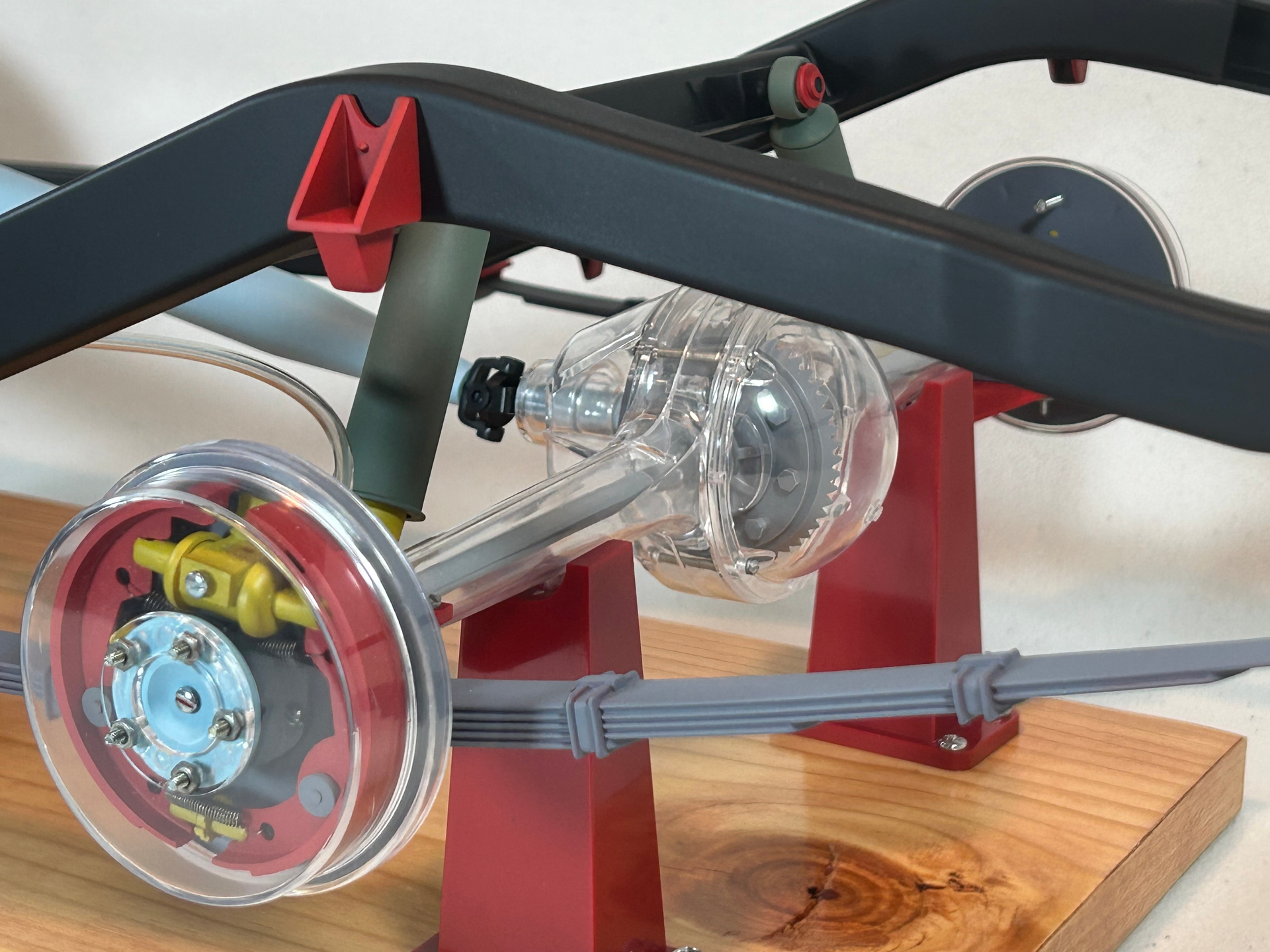
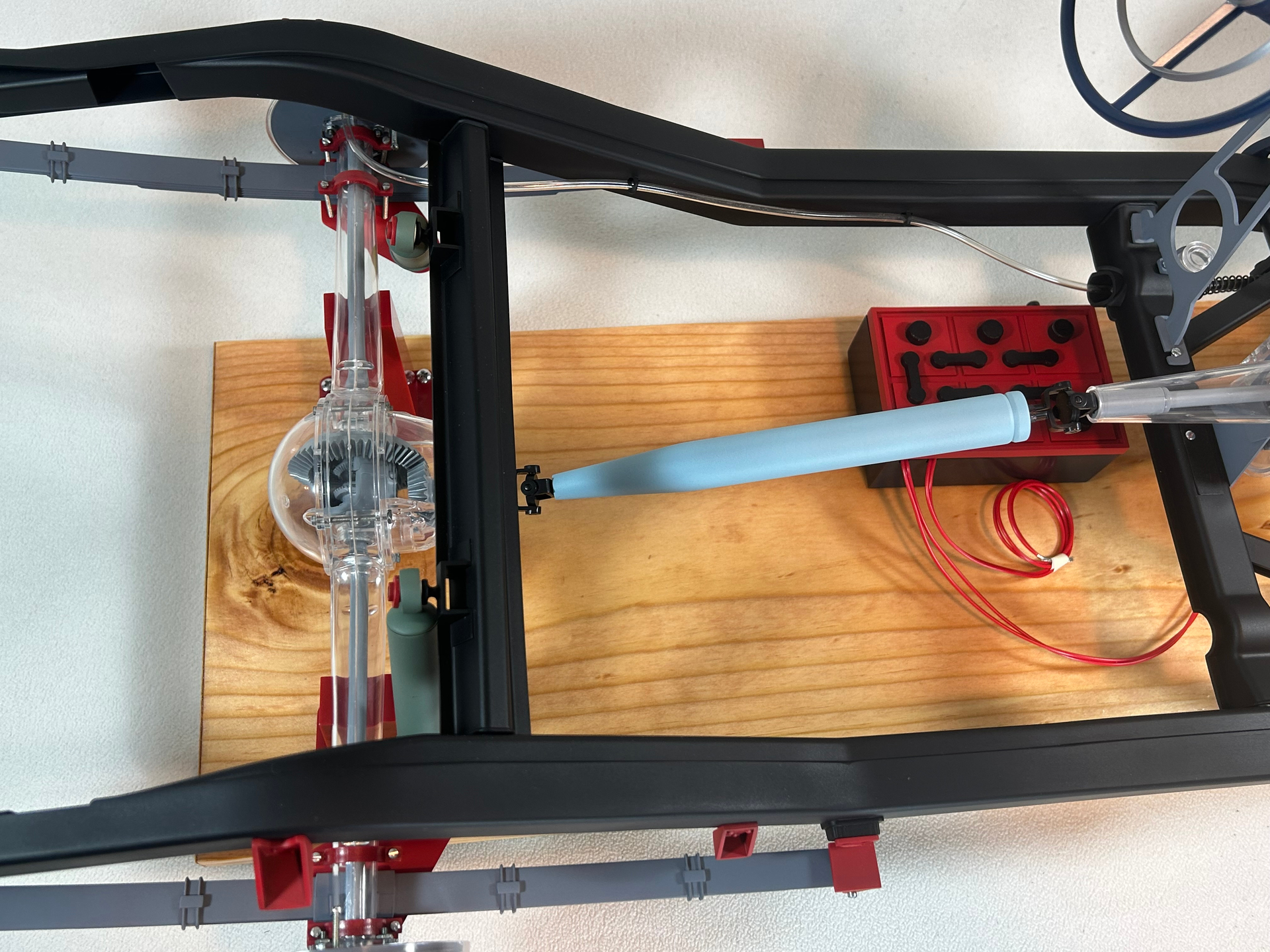
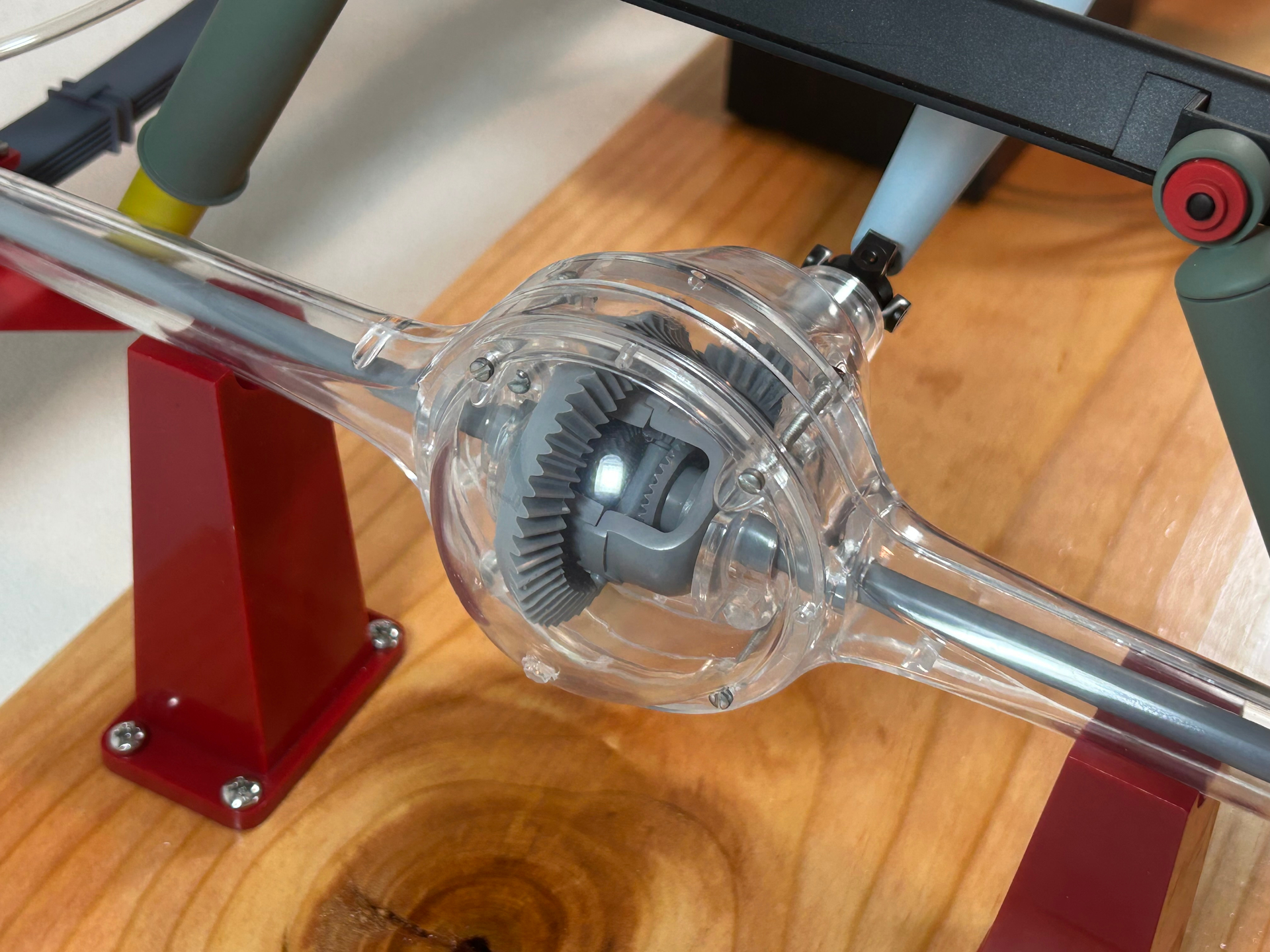
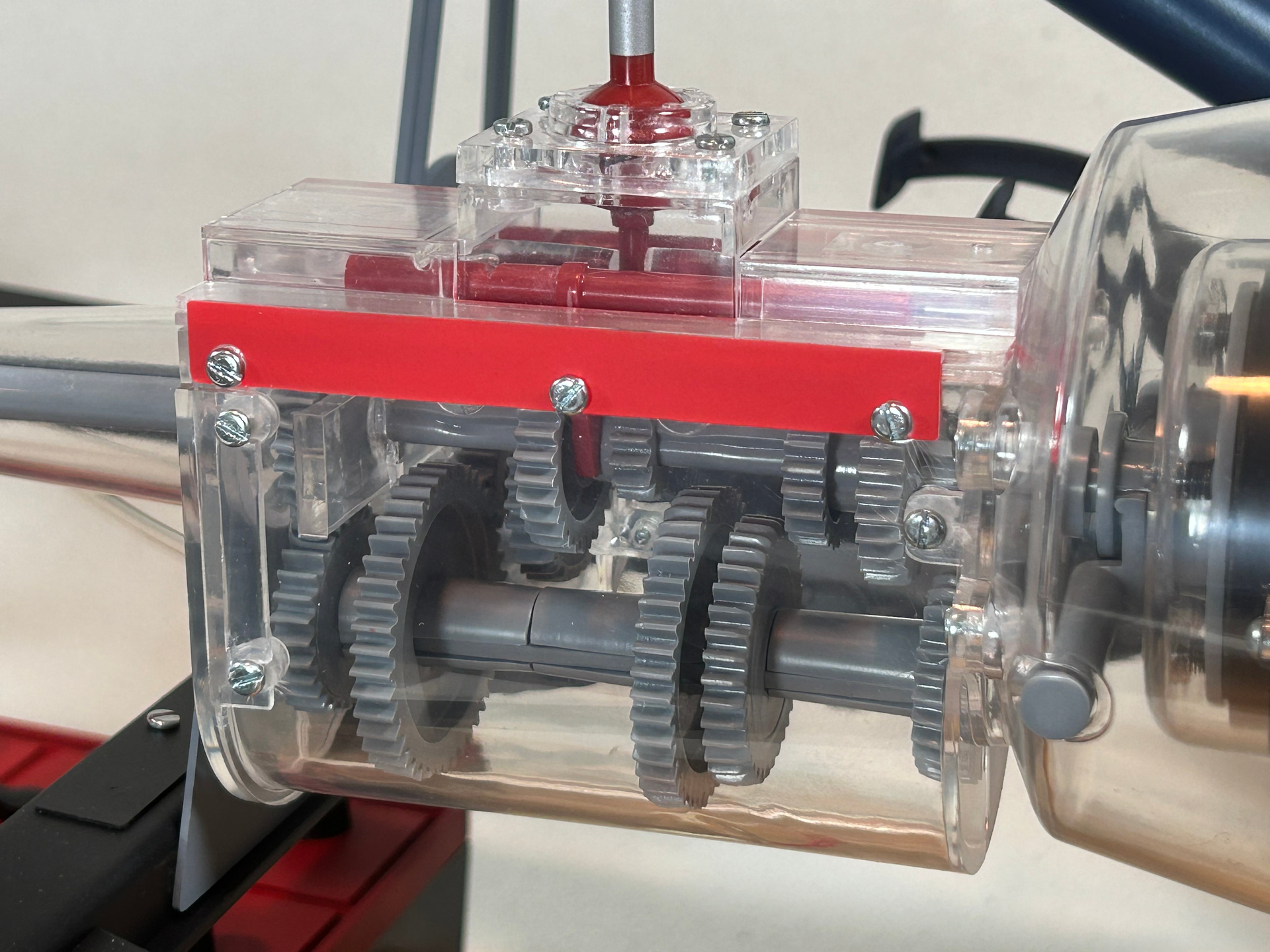
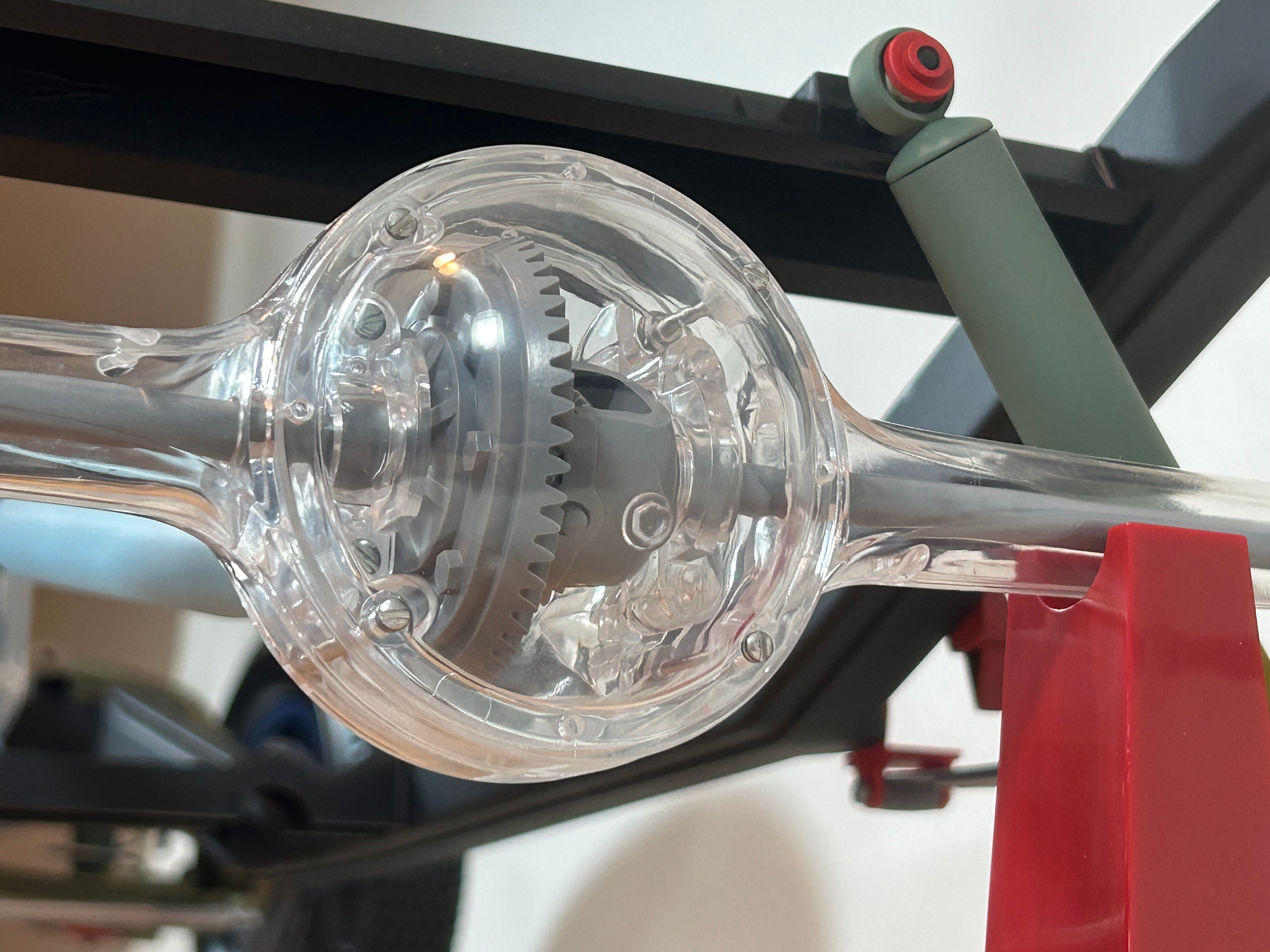
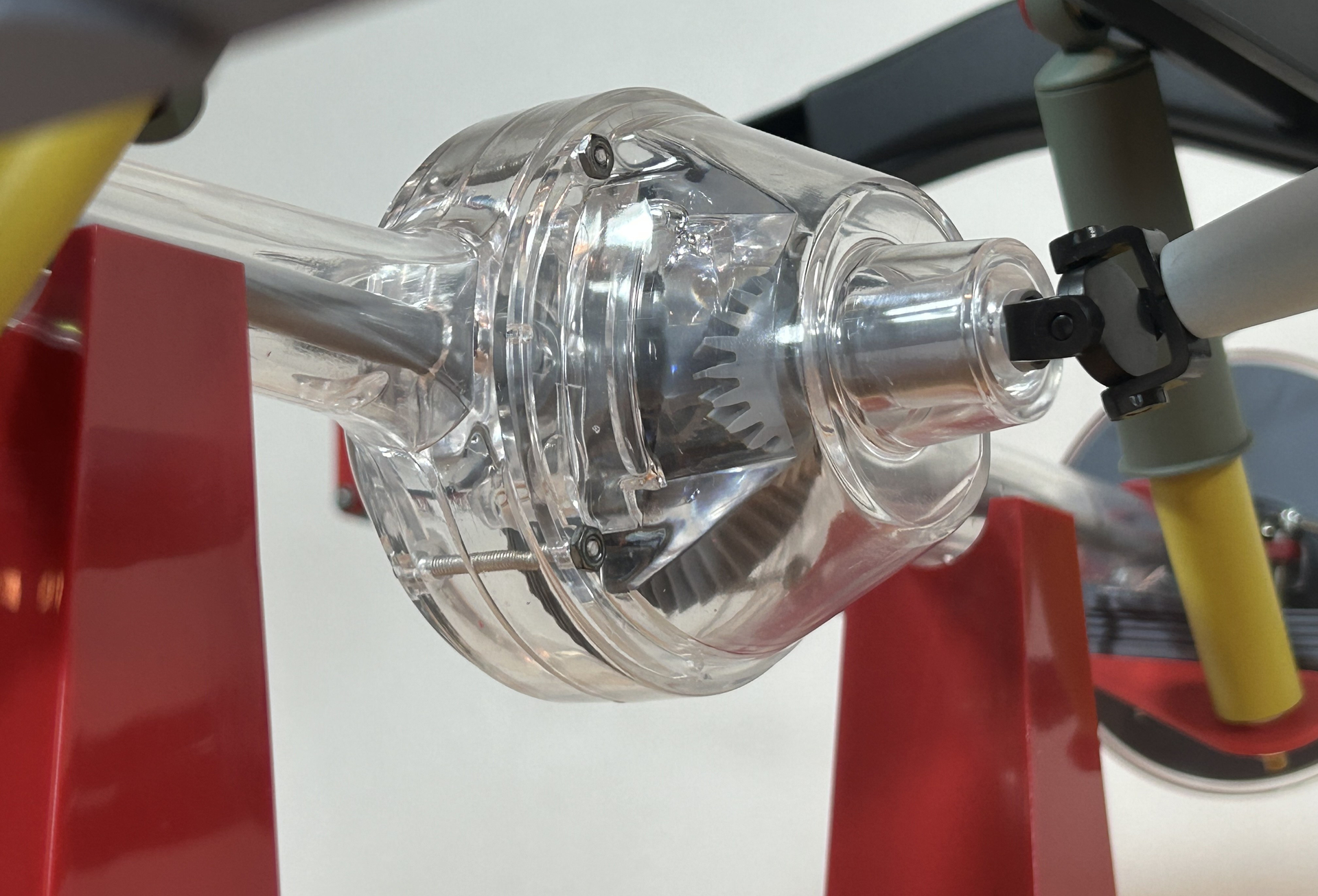
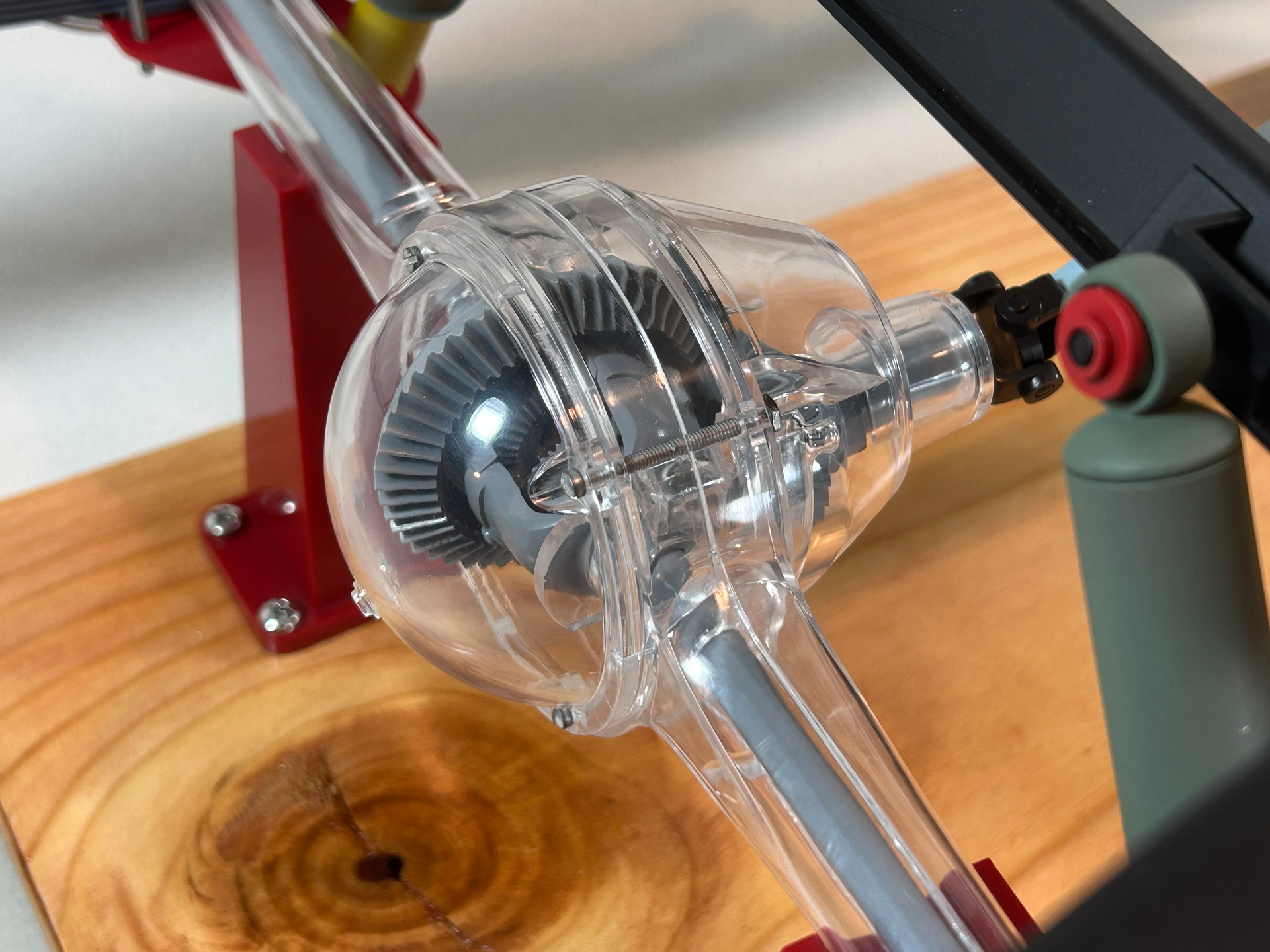
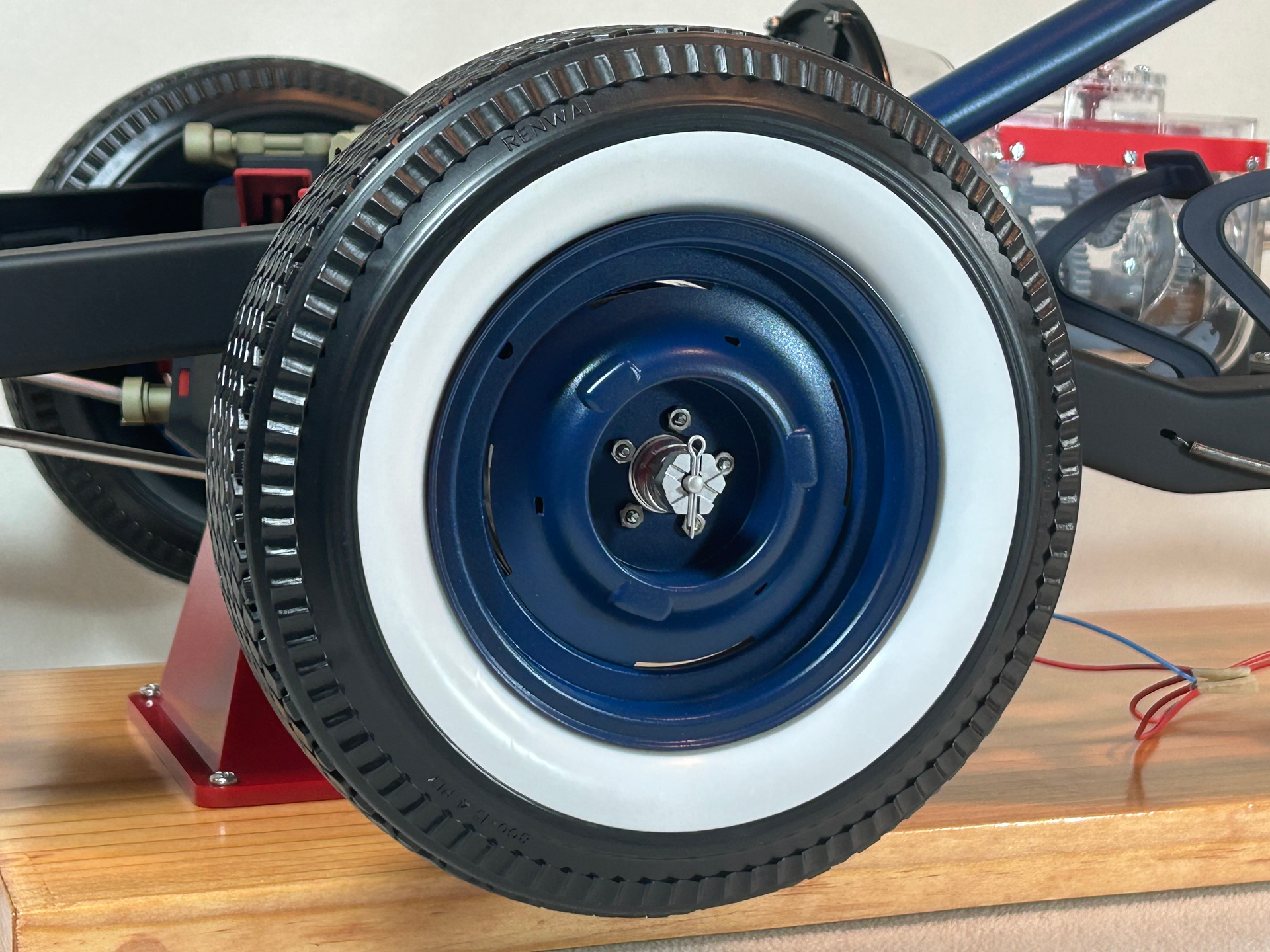
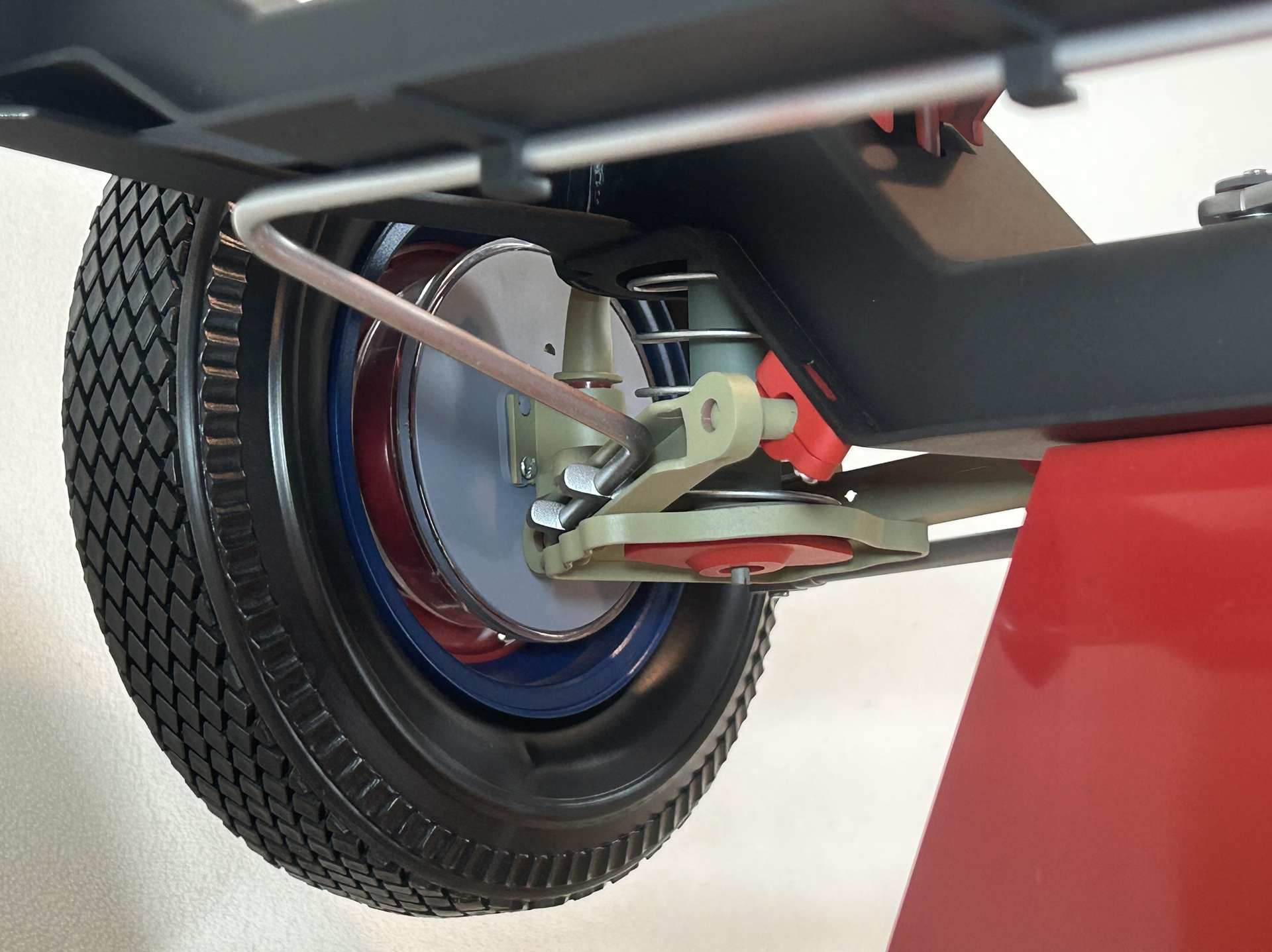
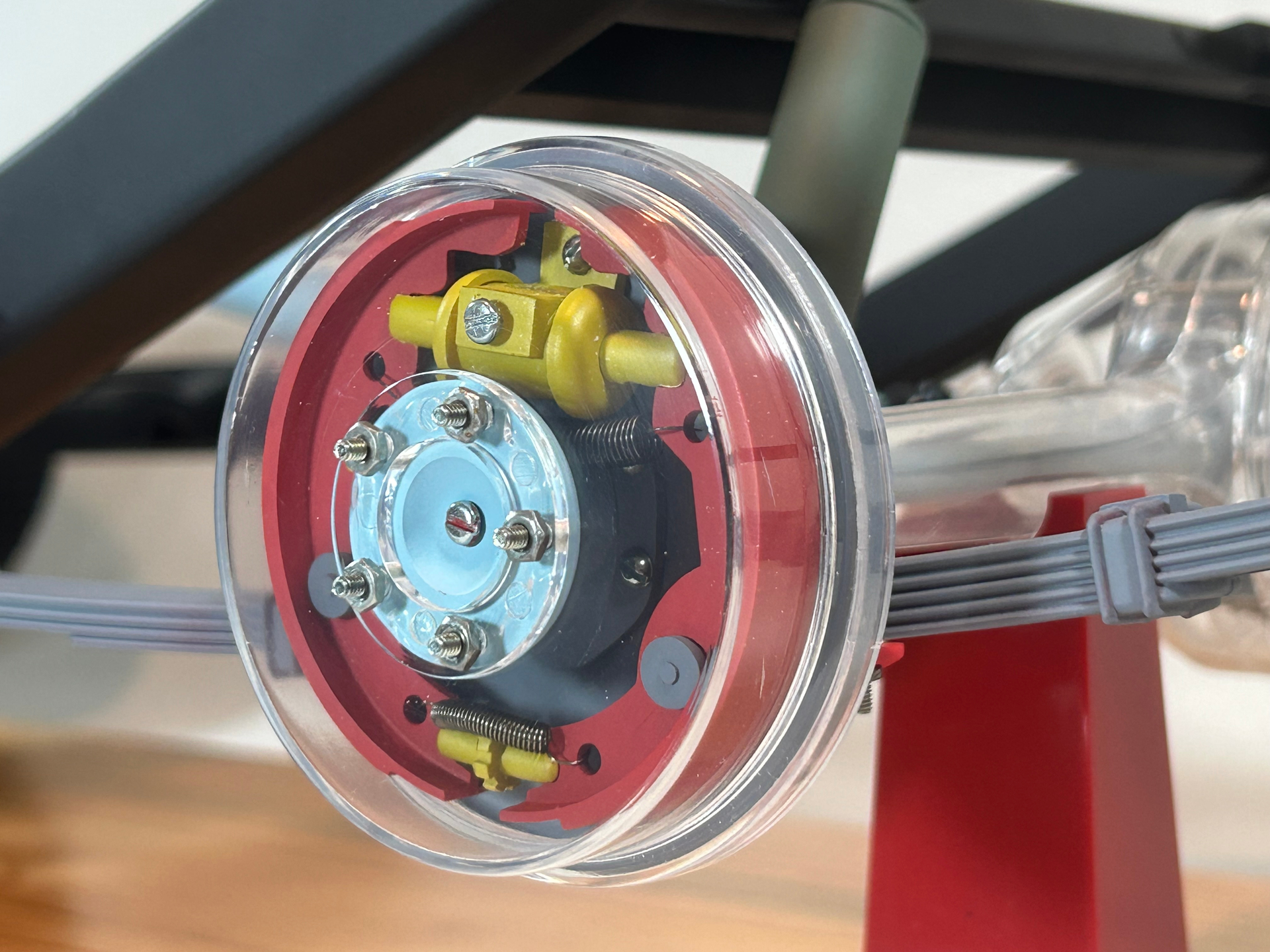
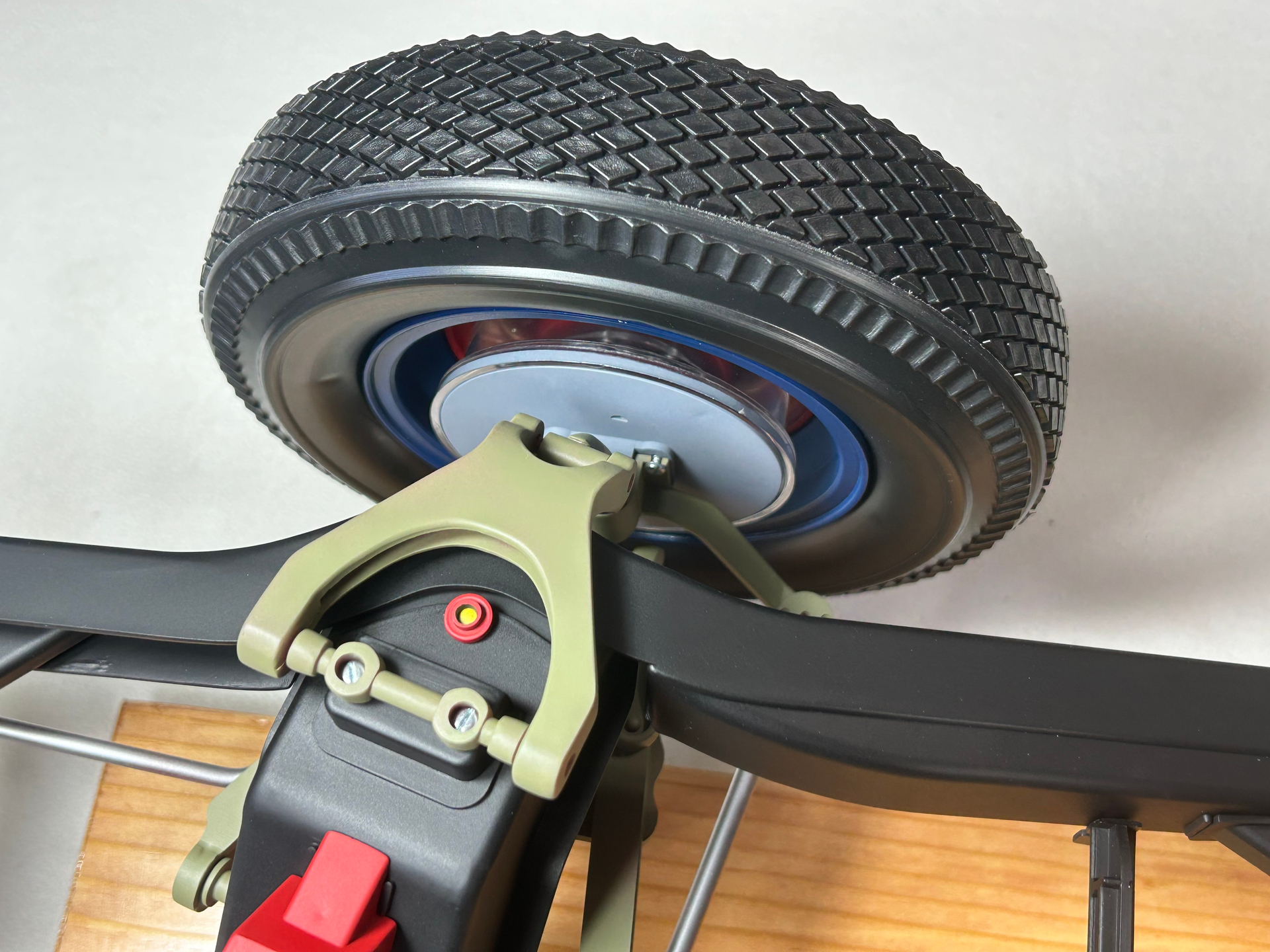
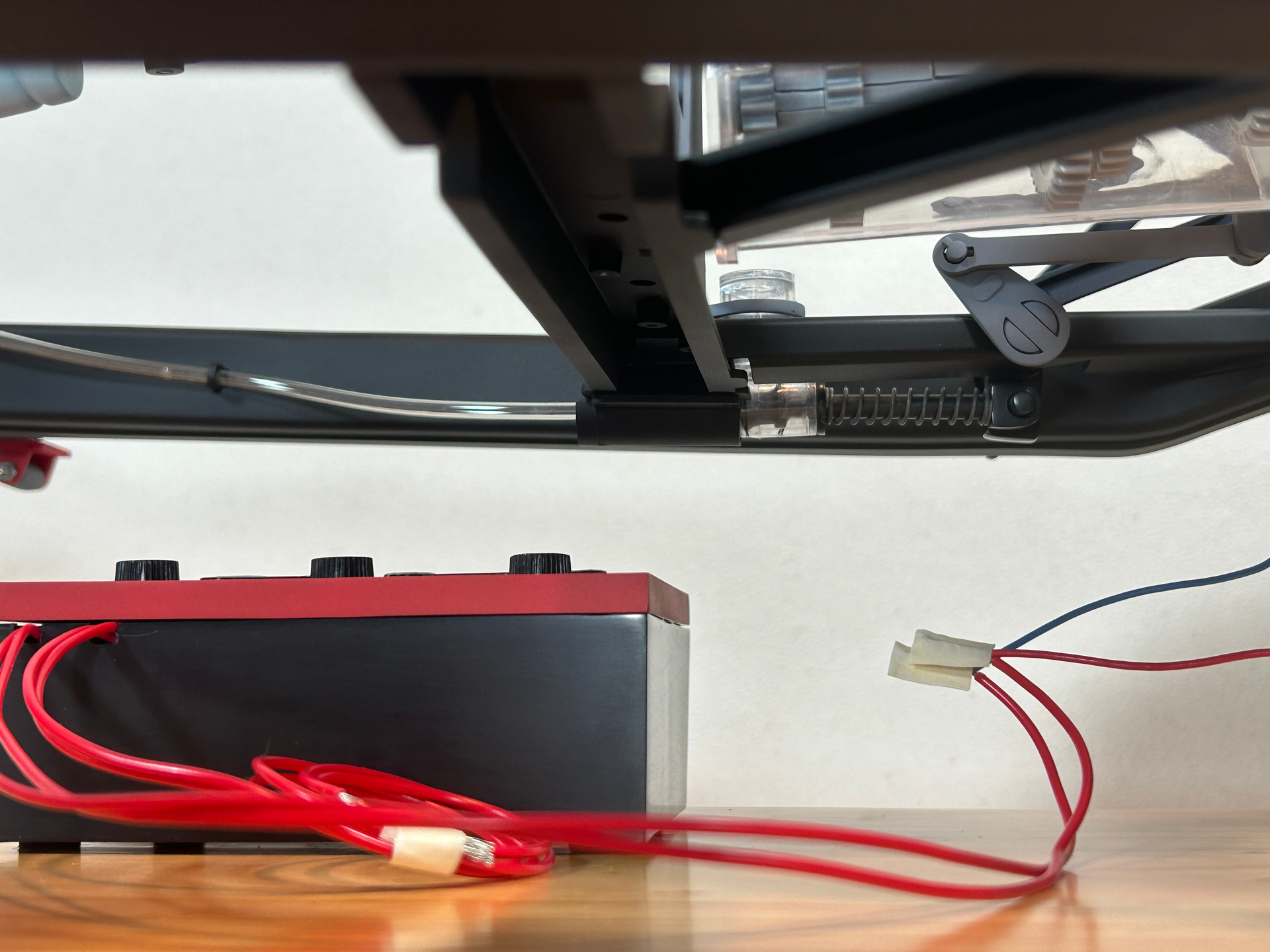
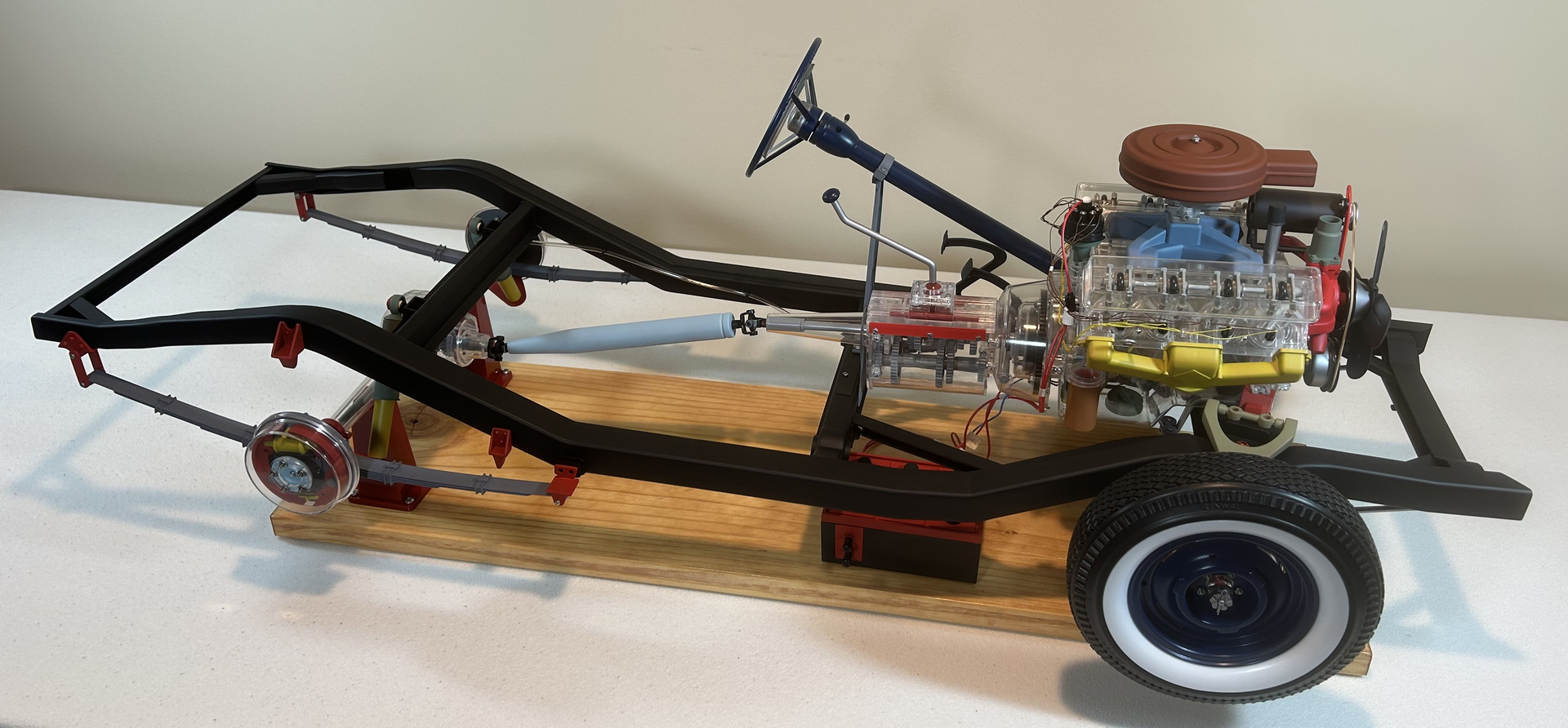
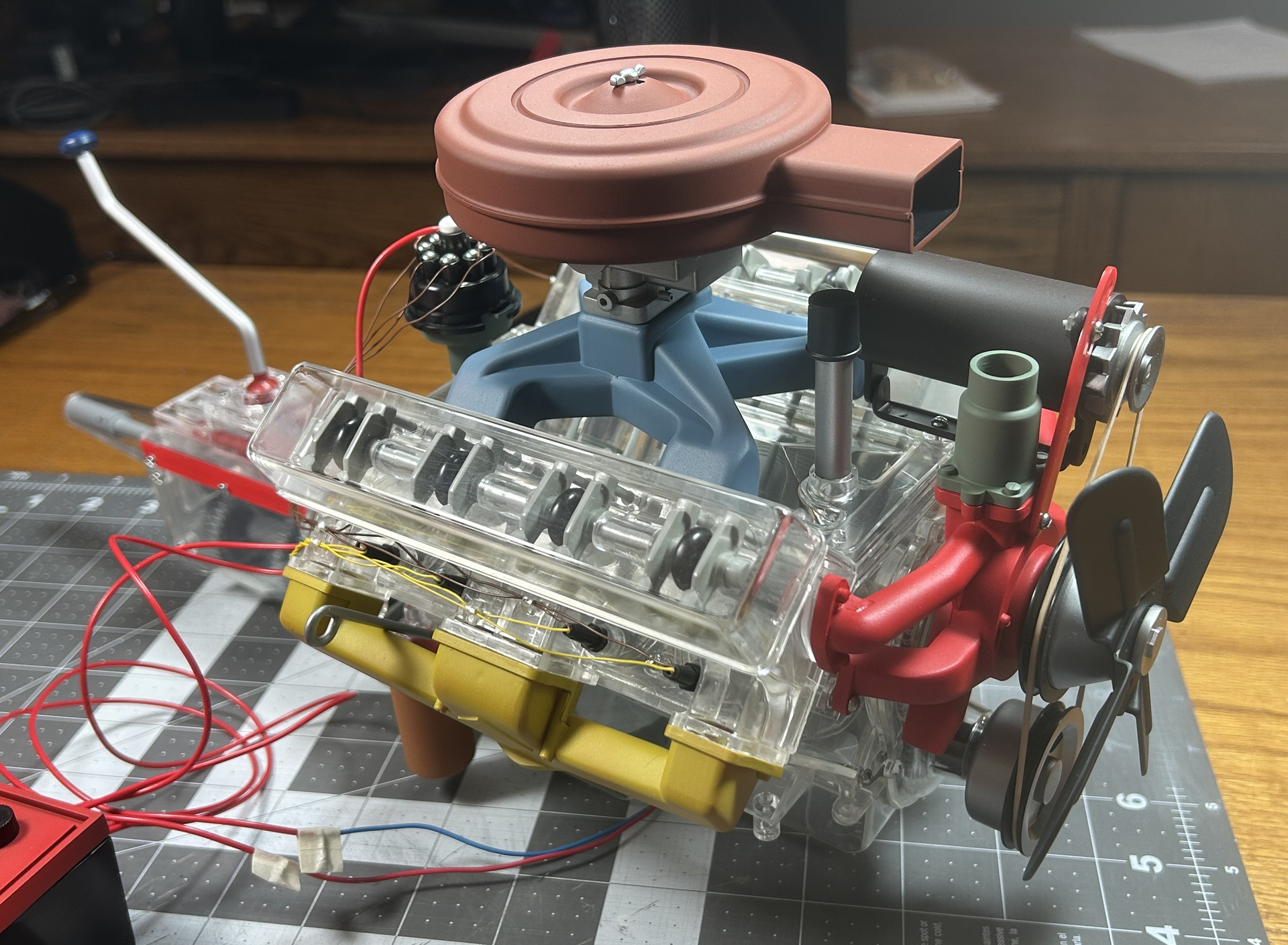
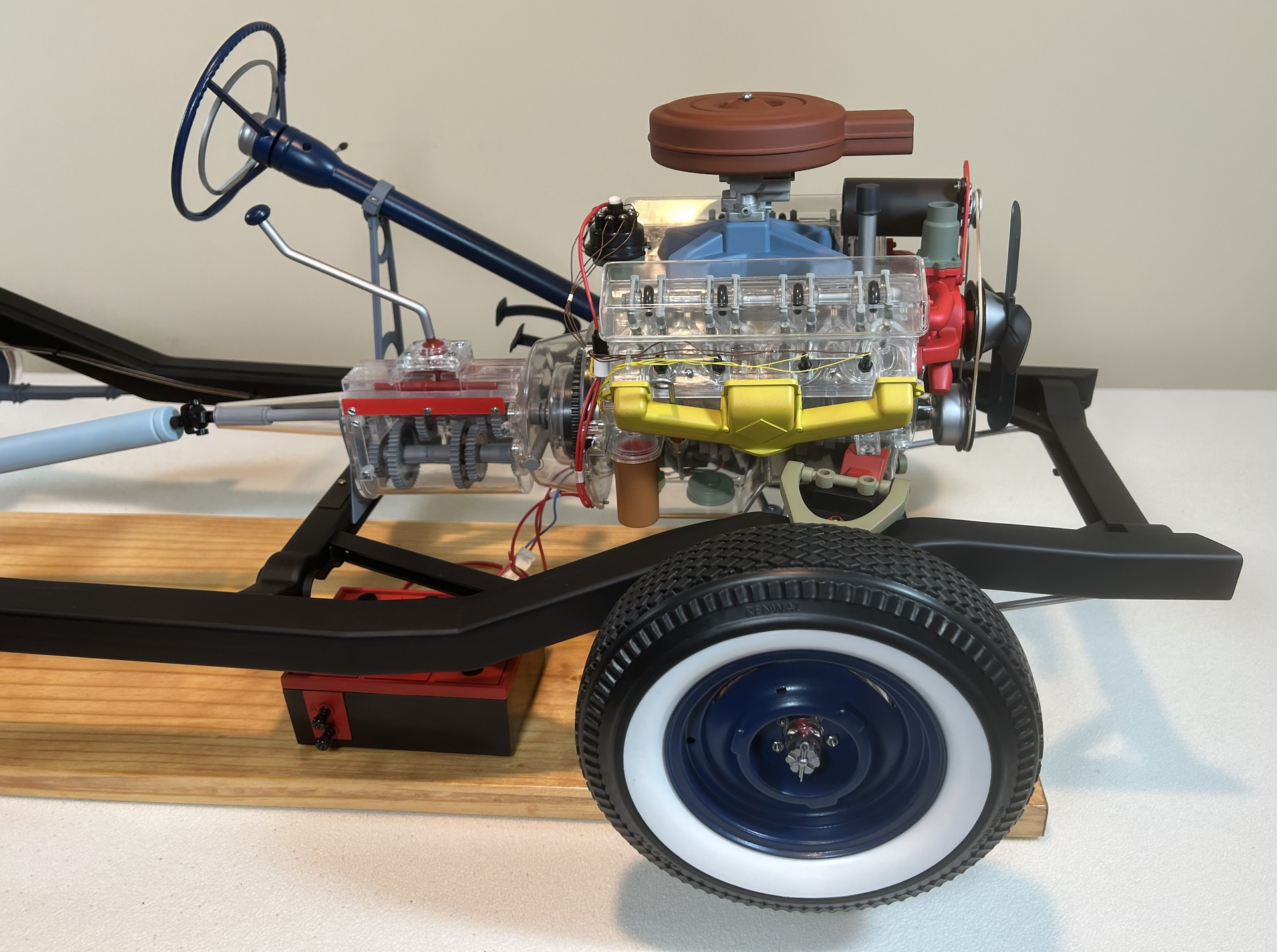
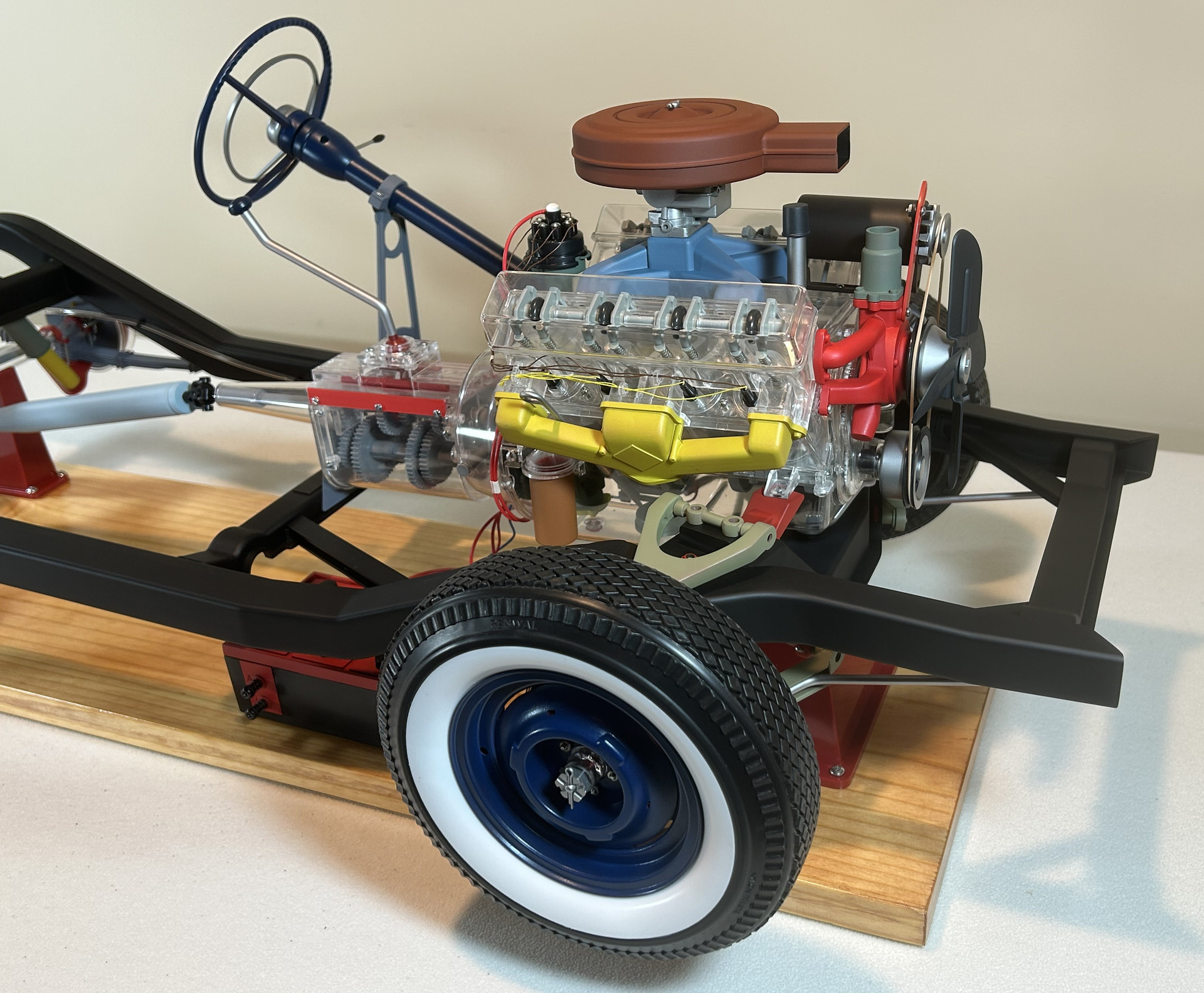
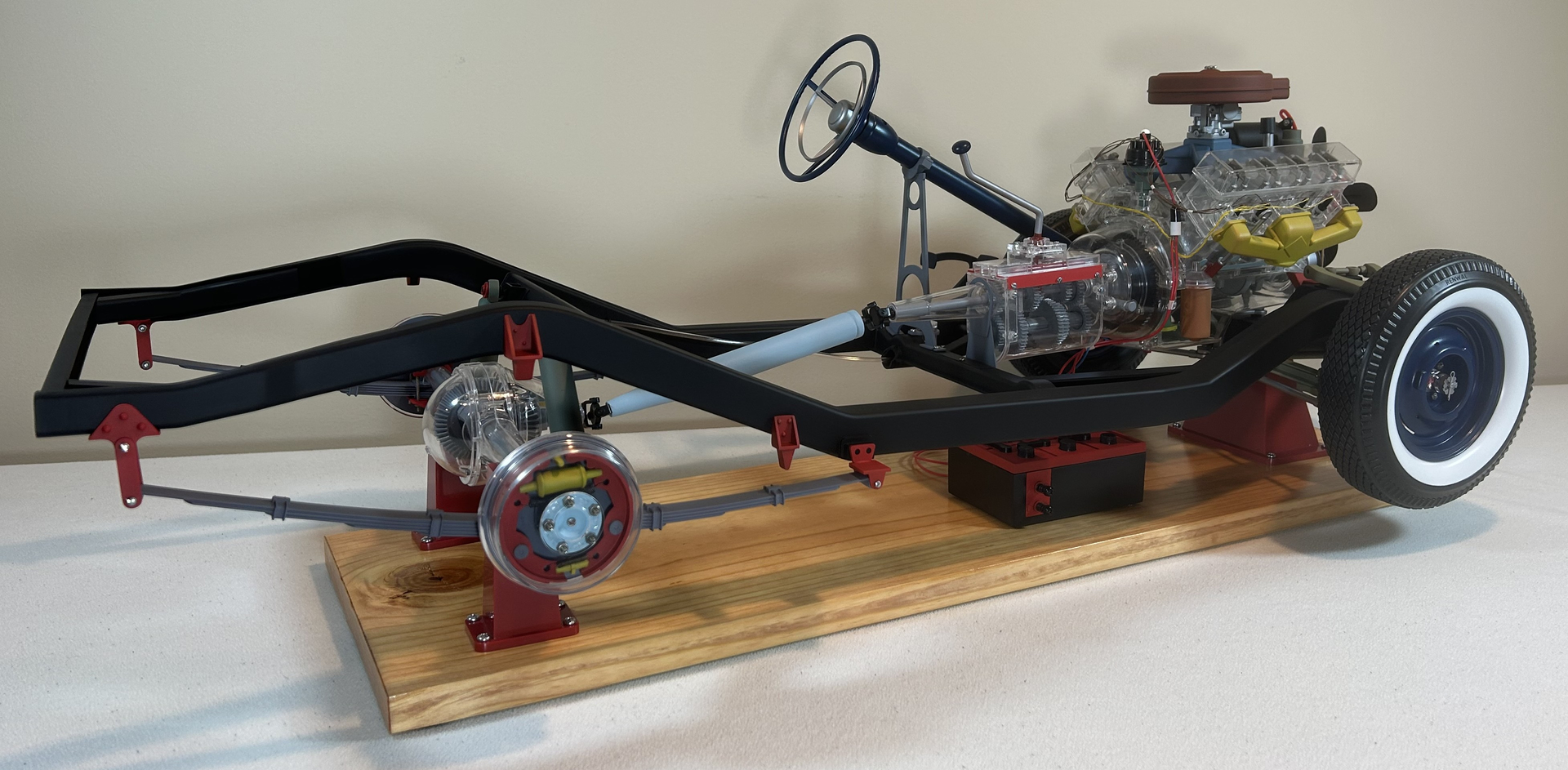
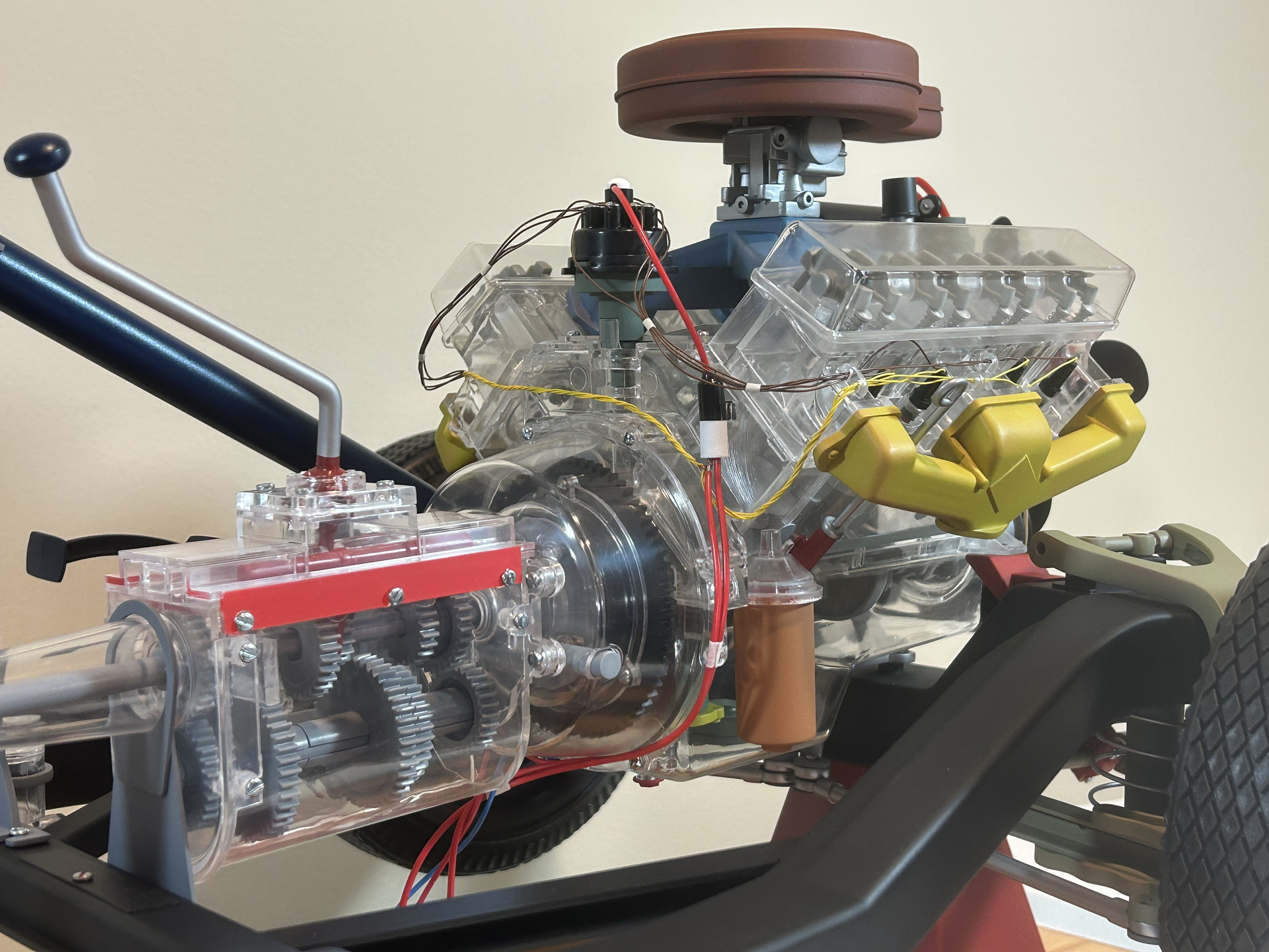
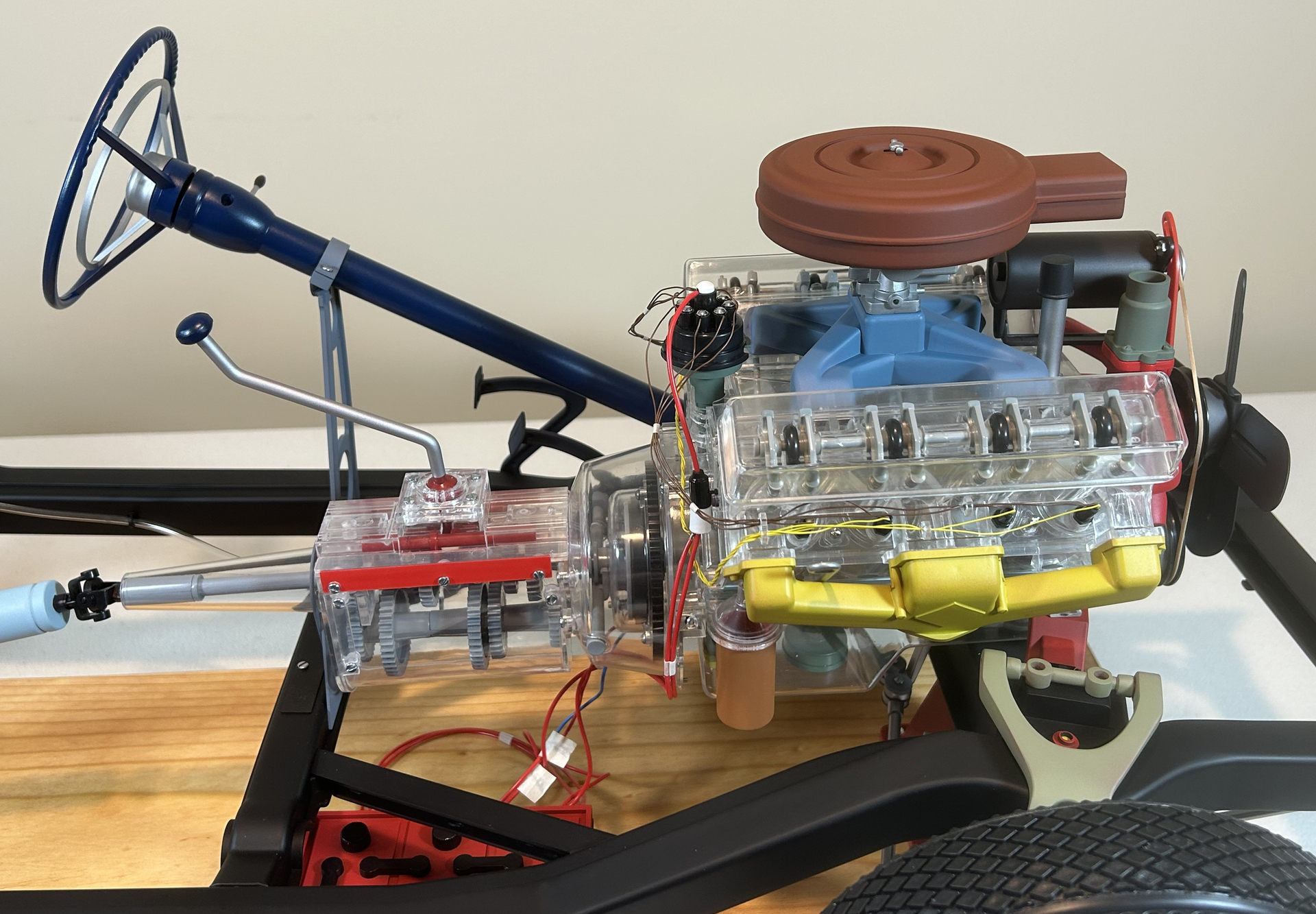
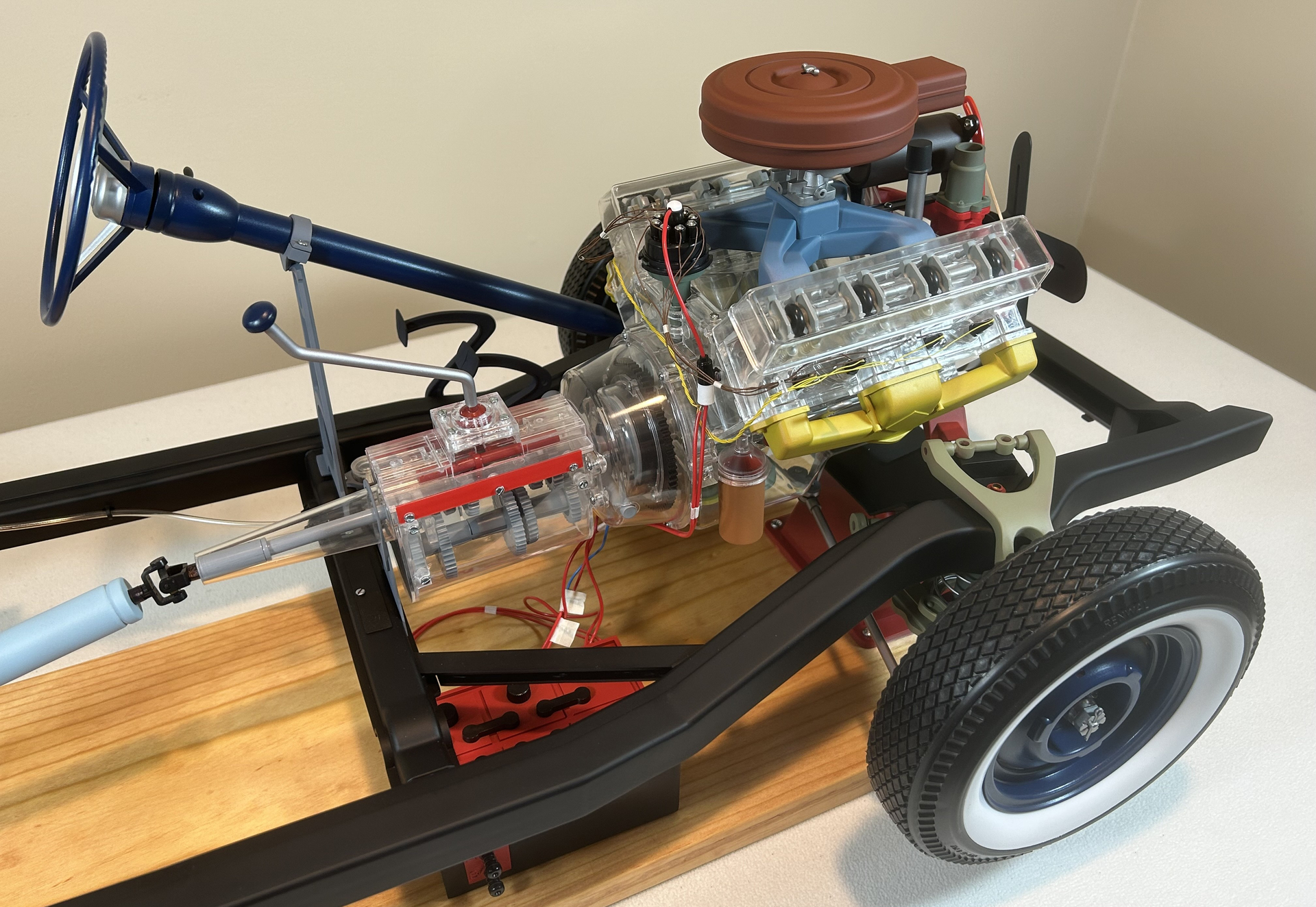
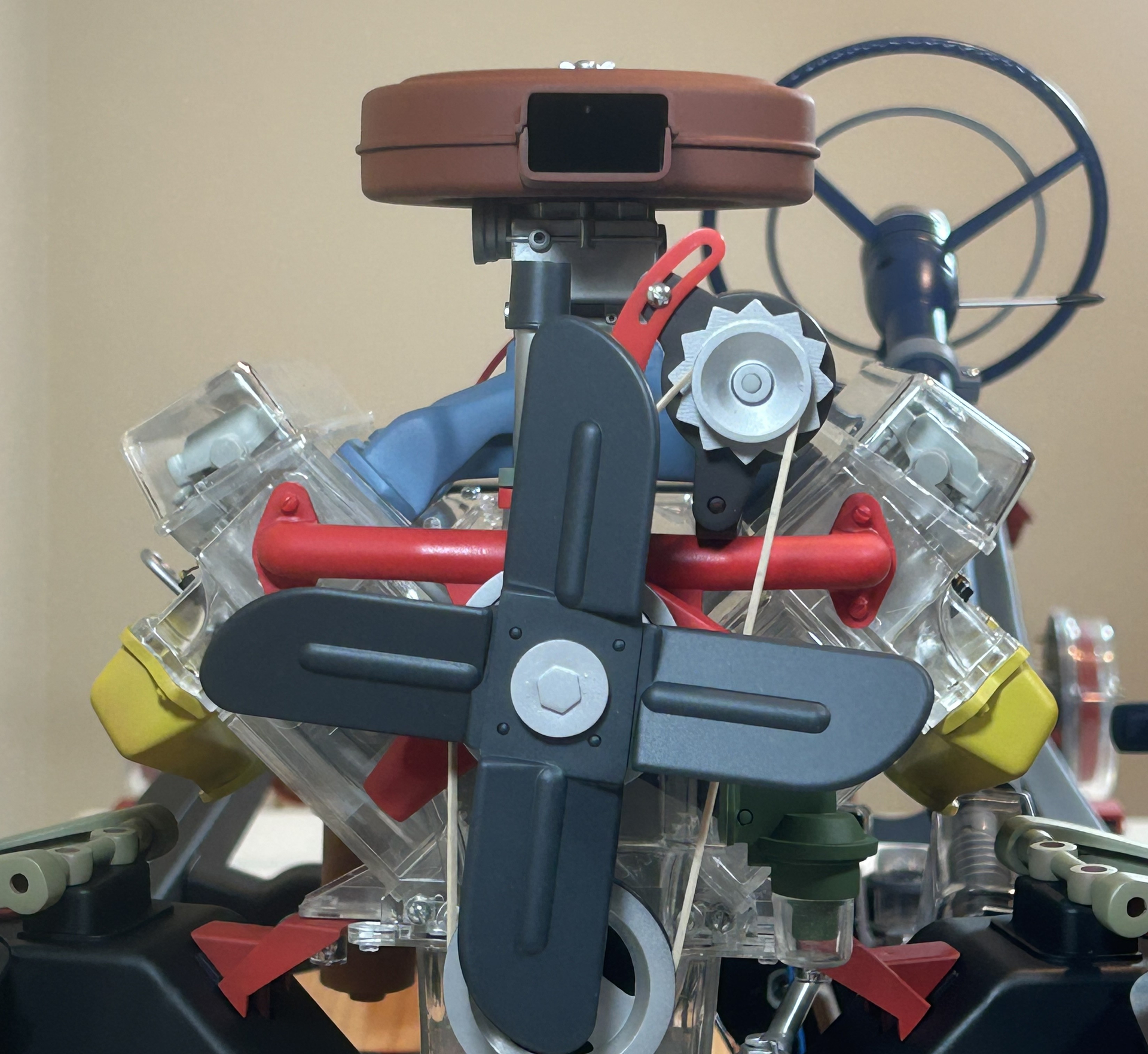
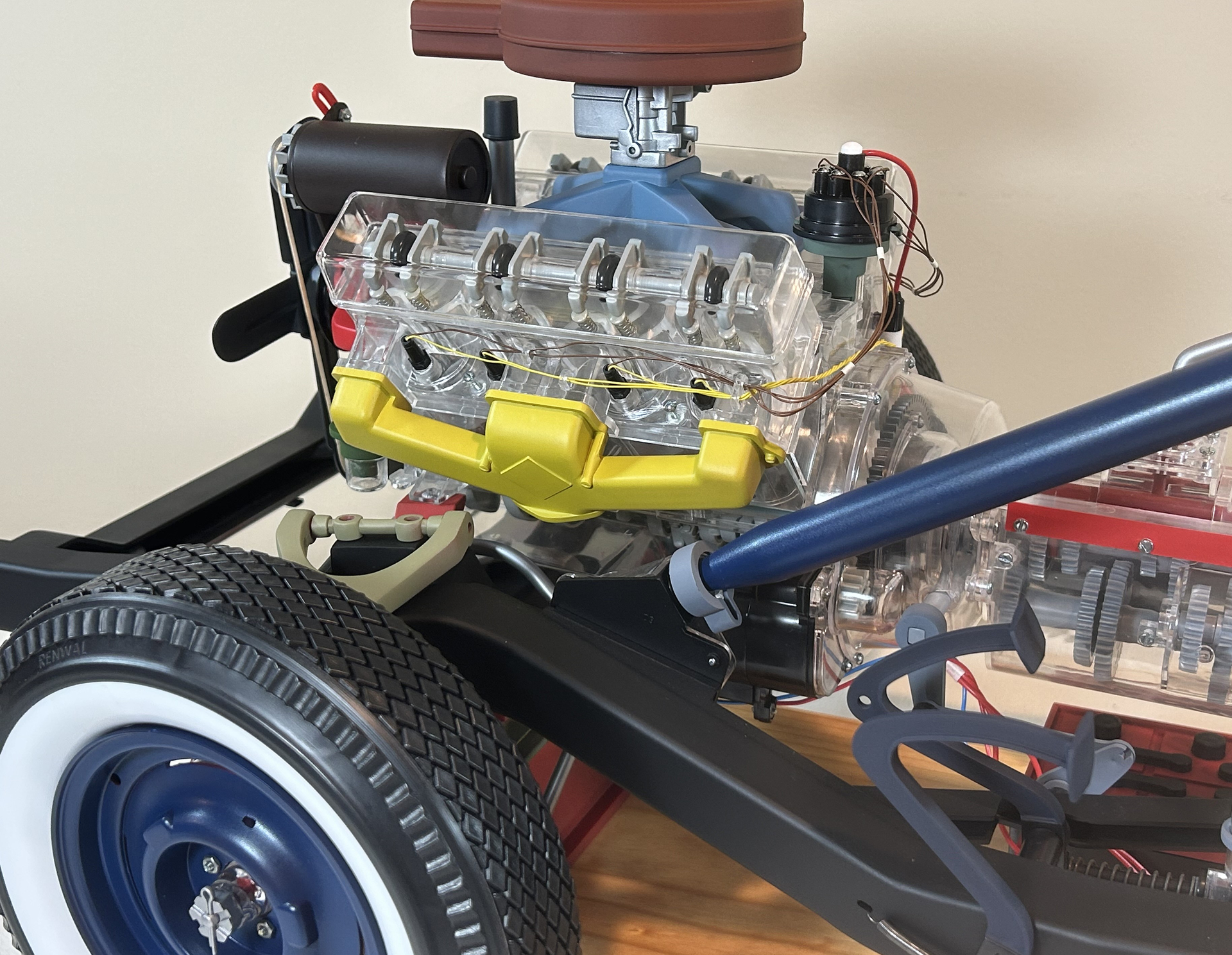
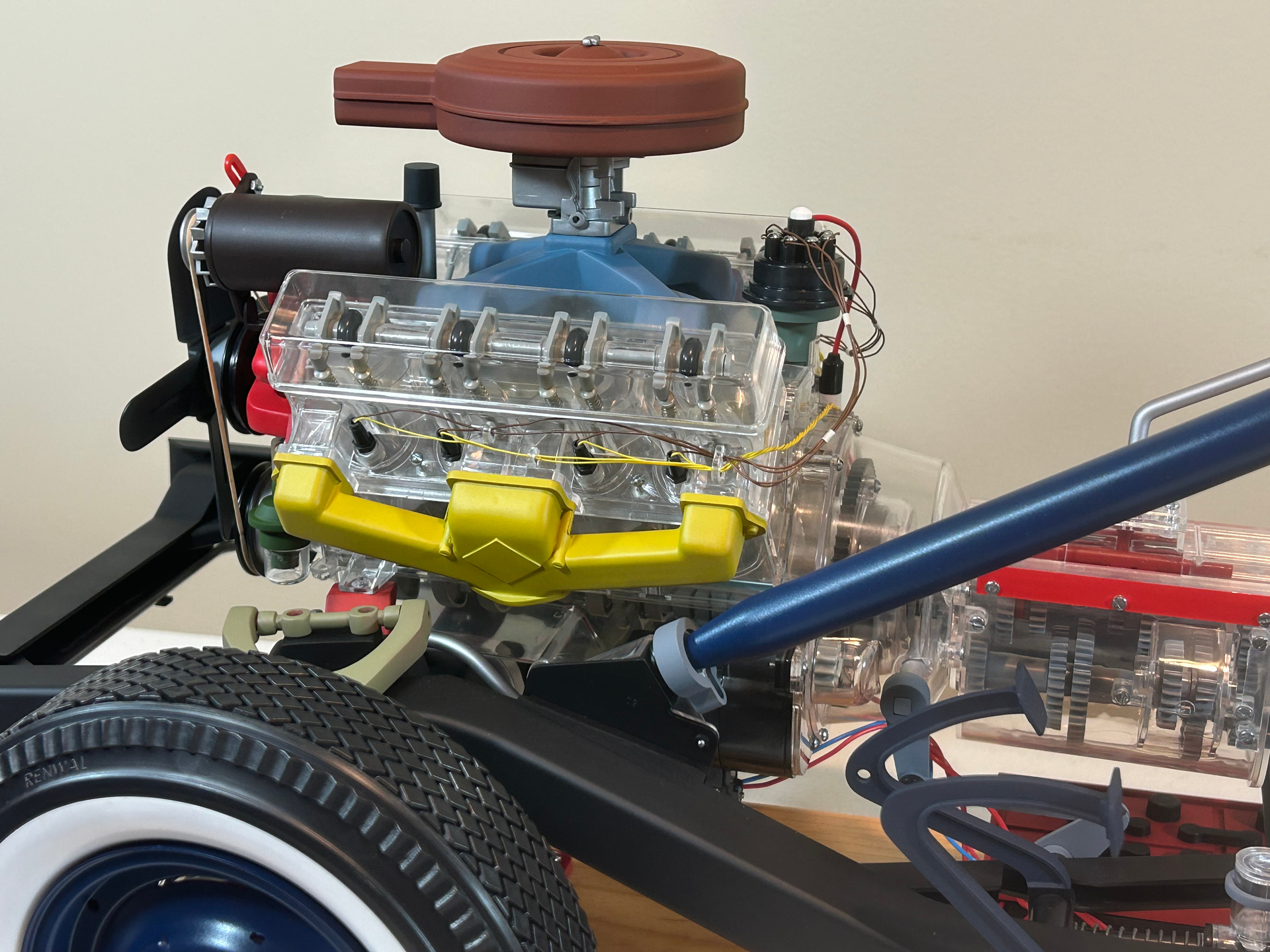
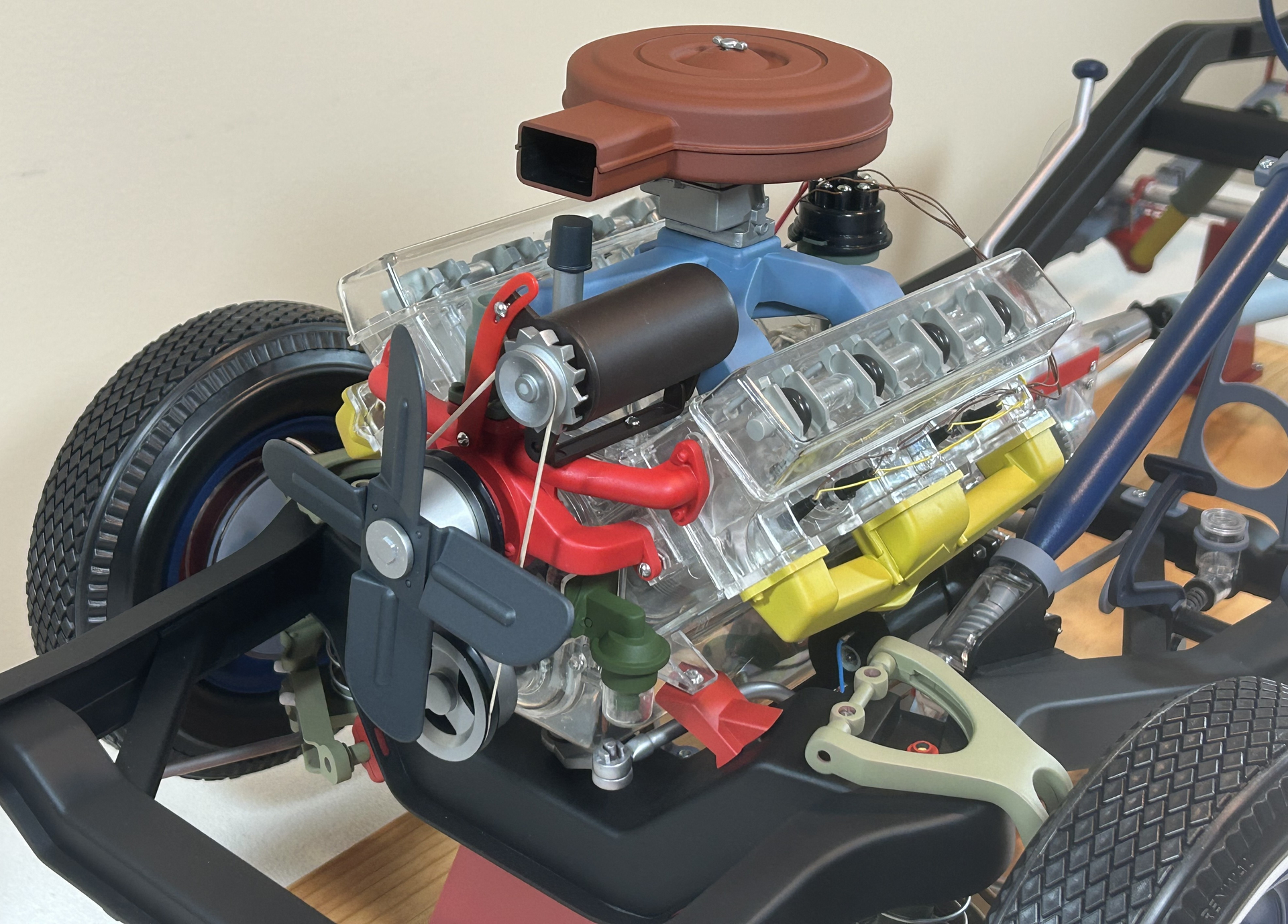
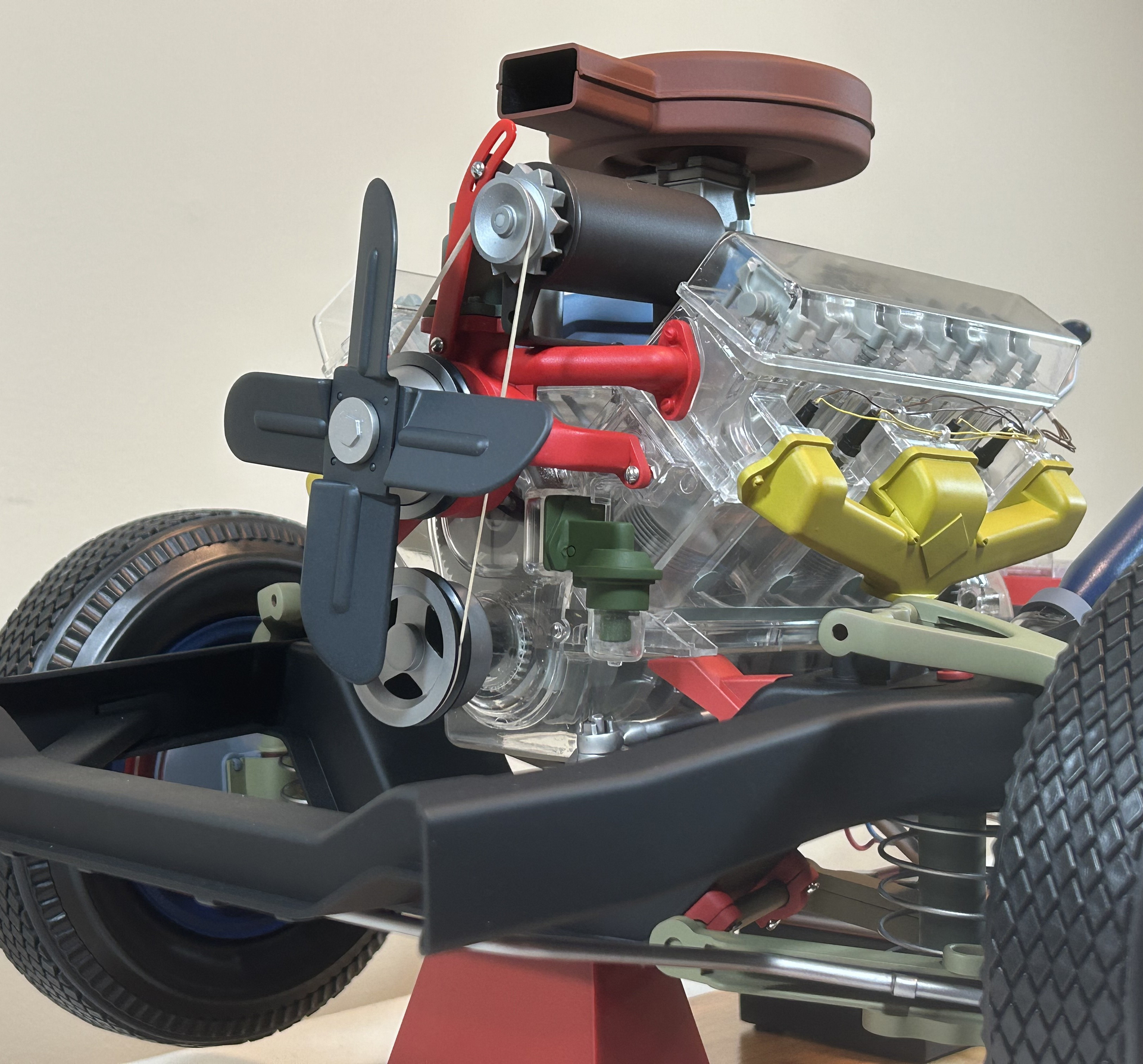
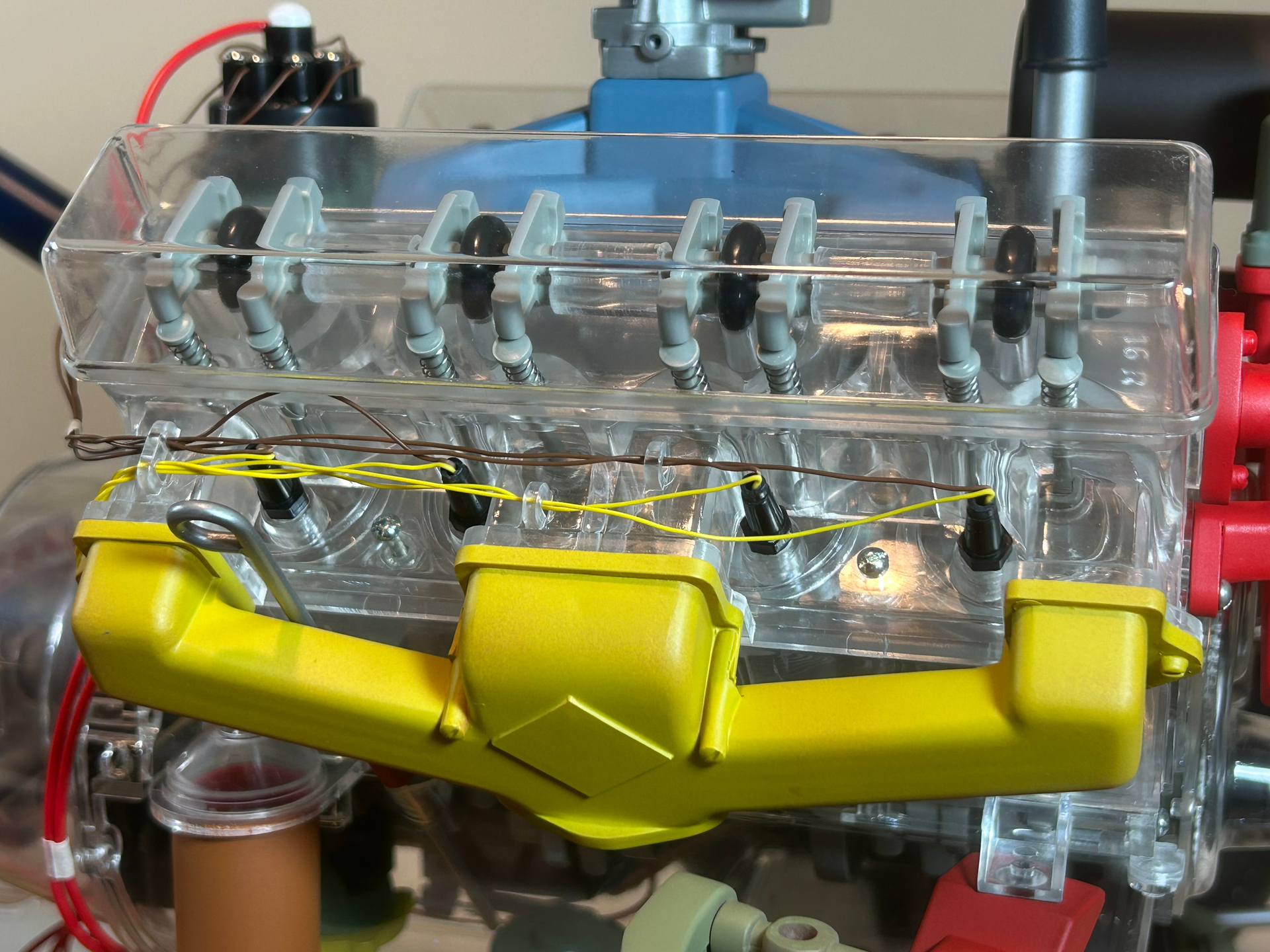
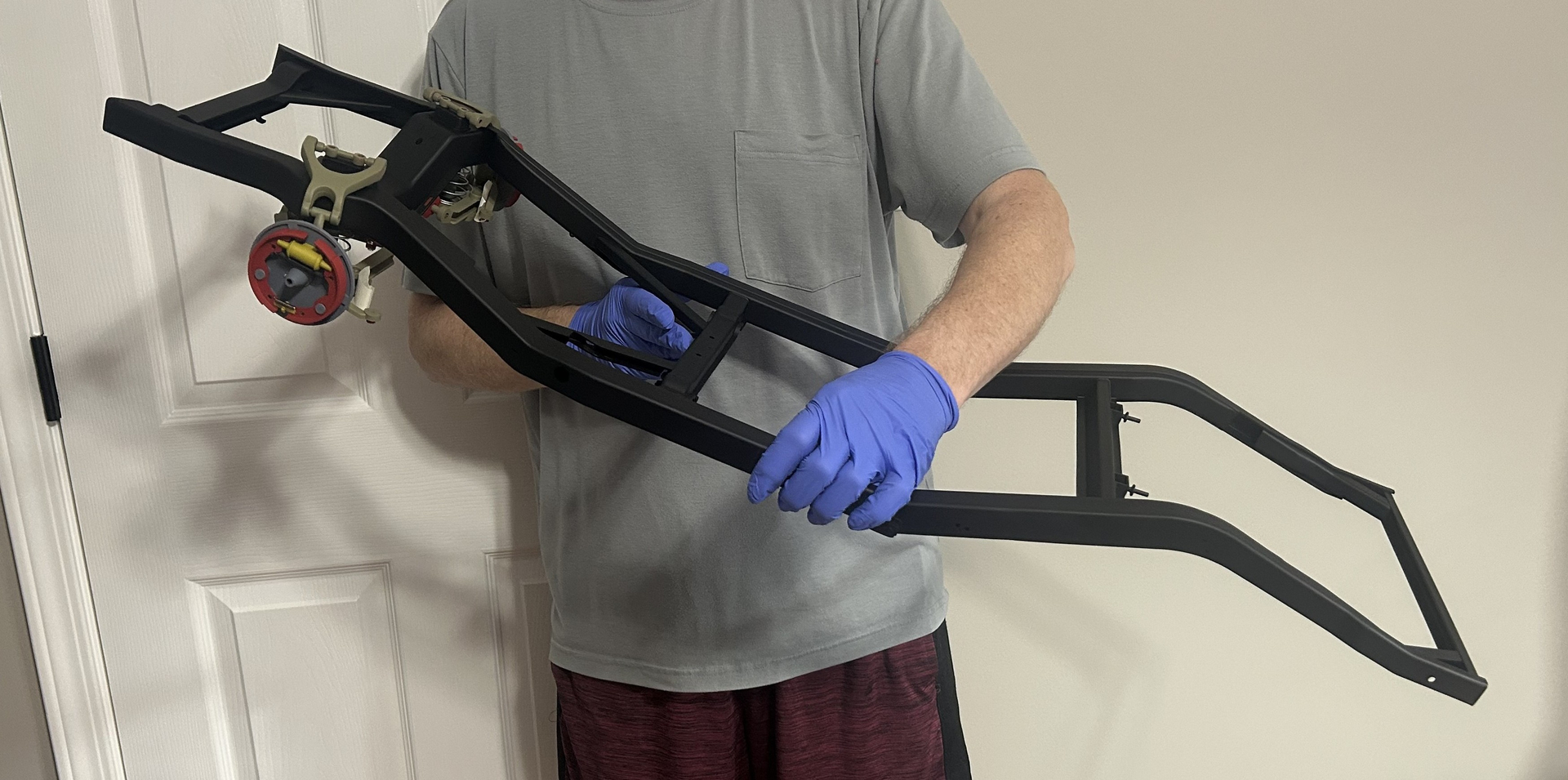
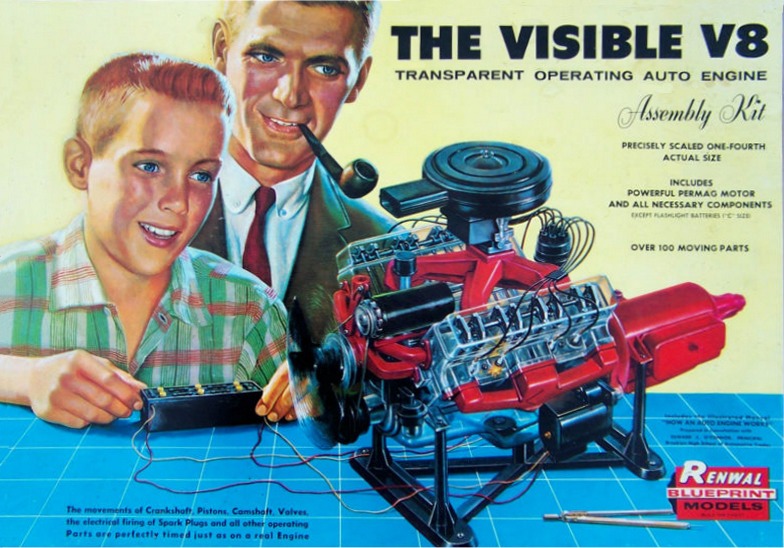
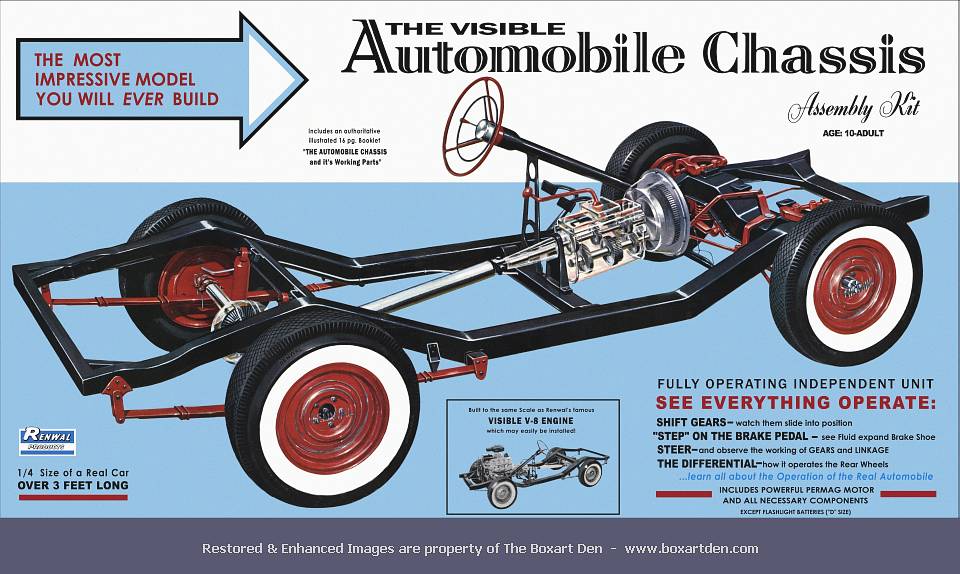
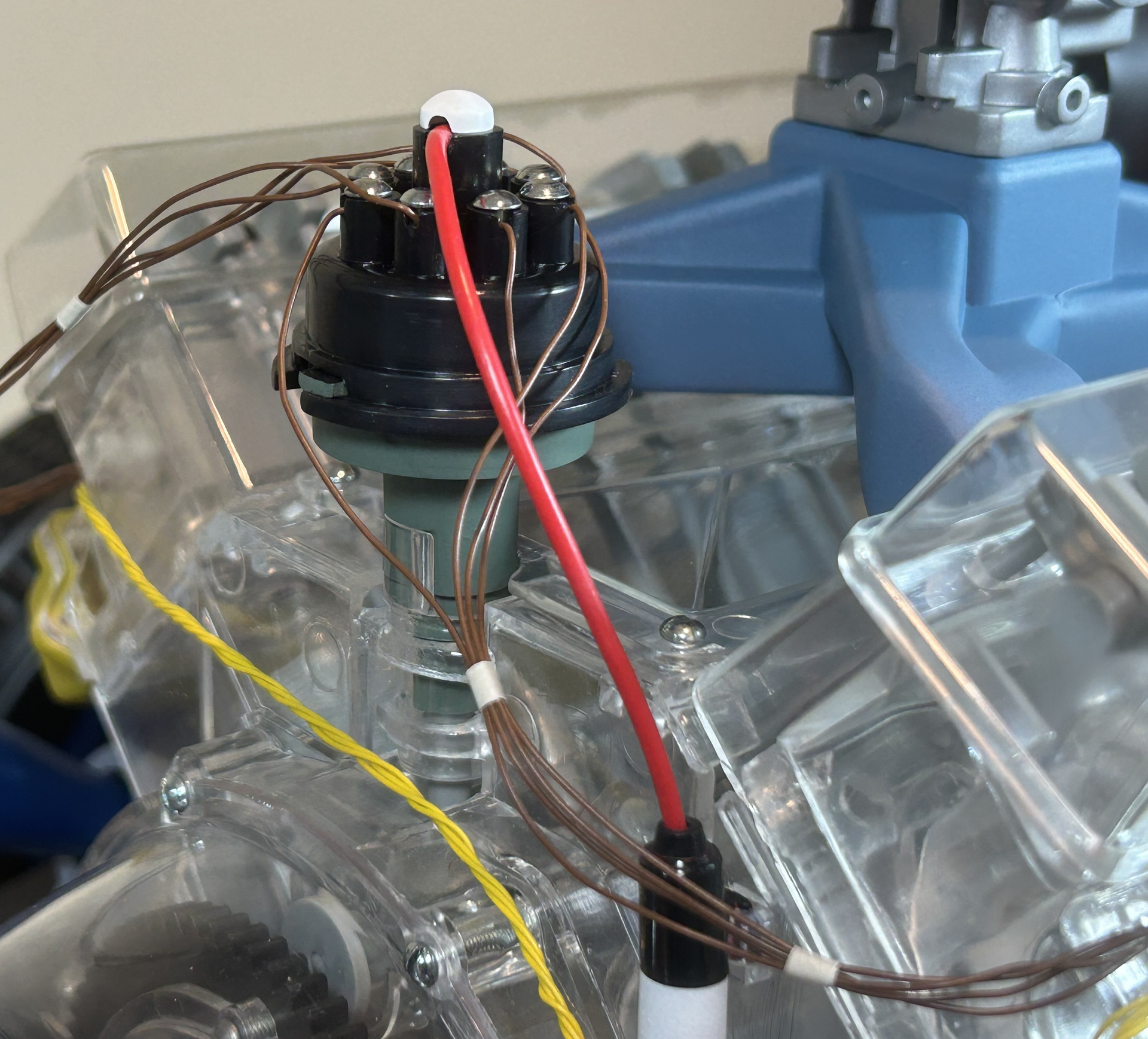
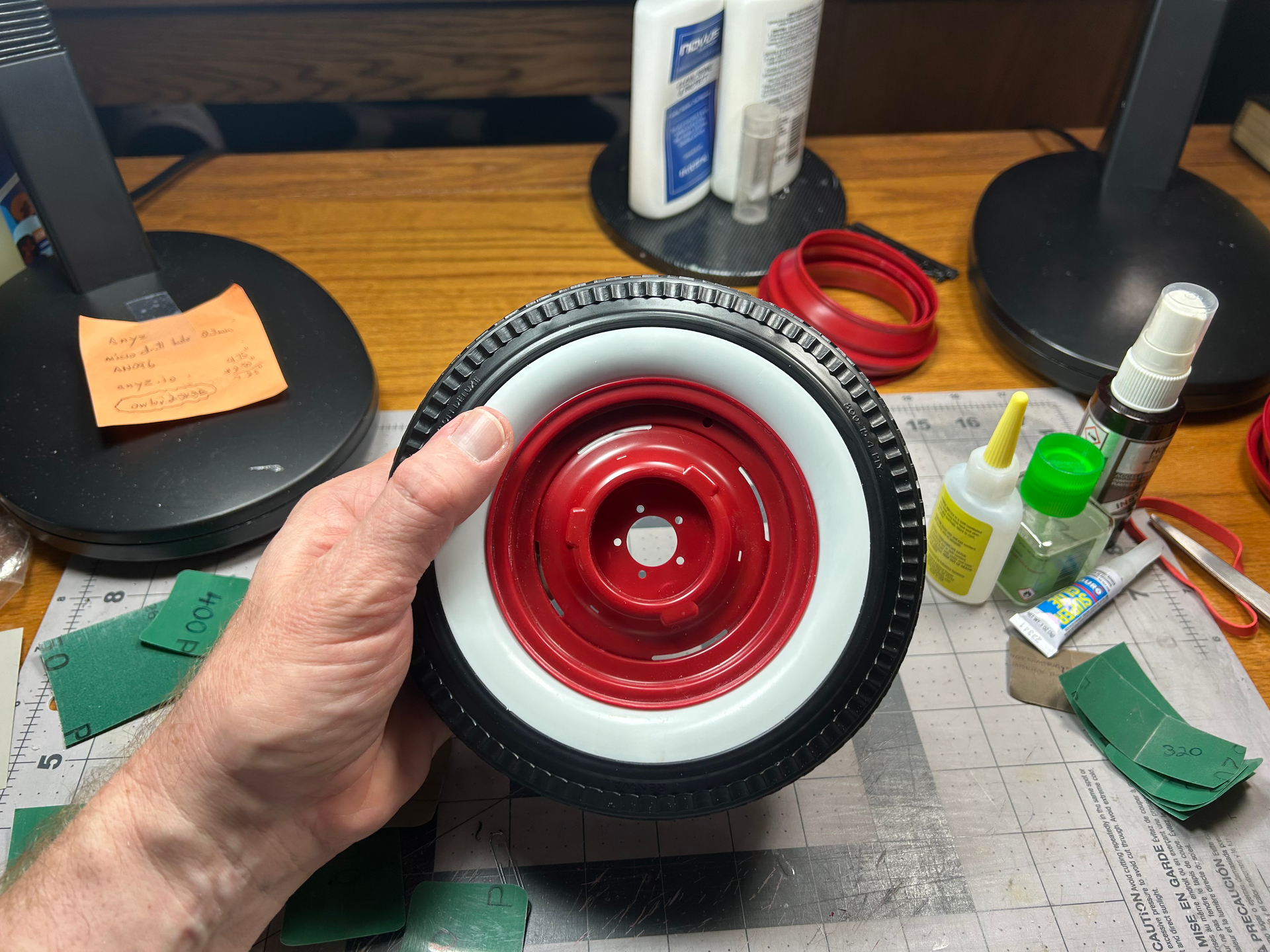
Below are photos of Renwal’s 1/4 scale Visible Automobile Chassis and Visible V8 Engine built in 2026. The first photos are of the finished Chassis by itself. Next, the finished V8 Engine is shown by itself. The final photos show both models after being joined together. Nearly all of the kit parts were painted, with the exception of any moving parts driven by the electric motor (mostly gears and shafts). The paint colors used were varied and striking to make the details stand out and help the models come across like an attractive educational museum exhibit. Also included are a couple of work-in-progress photos and original model box artwork.
Renwal Model Company
Renwal, already an established manufacturer of various plastic products, was one of the earliest American companies to begin producing plastic model kits, starting around 1955. The company name comes from the backward spelling of founder Irving Lawner’s last name. Their philosophy was to make unique, niche products instead more mainstream subjects like other plastic model companies. Renwal’s models were never cutting edge quality or highly detailed, but tended to focus on being educational and in many cases featured working/movable parts. By the mid-1960’s Renwal’s kit offerings were wide-ranging and included visible anatomical models, modern naval warships, early aircraft, classic/showcase cars, and modern armor/military equipment. The company went out of business in 1976 and their model tooling molds were purchased by a larger competitor, Revell, Inc.
Visible Automobile Chassis
One of the most fascinating and impressive models Renwal produced was the 1/4 size Visible Automobile Chassis, released in 1963. In addition to its massive size (37” length X 16” width X 14” height), the finished model had the following features: an electric motor that powered the differential/rear wheels, a working transmission with three gears and reverse, a working steering wheel with gears/linkages to turn the front wheels, a working front wheel spring suspension, a working brake line and a clutch that could be disengaged. Even the box top made the claim it will be “the most impressive model you will ever build”. Meant as a companion to their 1/4 size Visible V8 Engine it was very expensive and did not enjoy the tremendous success of the V8. Due to low sales, it was in and out of Renwals’s product line catalog during its run, last appearing in 1973 and even Revell opted not to re-issue it. This model has a total of 548 pieces (291 styrene plastic/20 nylon/237 hardware) and is molded in four colors (black/gray/red/white) and clear. I was able to get all of the working features to actually work except for the brake line.
Visible V8 Engine
Renwal’s Visible V8 Engine kit was released in 1960 and became one of the most popular and best-selling plastic models ever produced. According car model experts on the Internet, Renwal’s V8 was not based on any single engine, but shared a lot of similarities with Studebaker’s 1951 V8. It remained in Renwal’s product line catalog every year until the company went out of business, and was re-issued by Revell multiple times after they acquired the molds in 1976. The finished model had an electric motor that powered the crankshaft, pistons, camshaft, rocker arms, push rods, lighted firing sparkplugs, cooling fan, generator fan and fuel pump actuator arm (over 100 moving parts!). In 1994, Revell permanently modified the molds by removing all the electrical components and incorporated a hand-crank assembly to operate the moving parts. Although I have never read why this was done my guess is they wanted to simplify the kit and make it a more “kid friendly” build. This model has a total of 353 pieces (241 styrene plastic/112 hardware) and is molded in three colors (black/gray/red) and clear. I was able to get all of the working features to actually work.
This was a fun but very challenging project and it does make an awesome display! Truly I can say there is nothing like it in my collection. I think the design and engineering of both kits were really clever and impressive. The kit’s instructions were very good too. However, the molding quality of many of the plastic parts was not very good. It would have been an easier build if I had not painted anything, but using all the vibrant colors that I did make it much more attractive and appealing (IMHO). I hope you enjoy the photos.
Phillip1