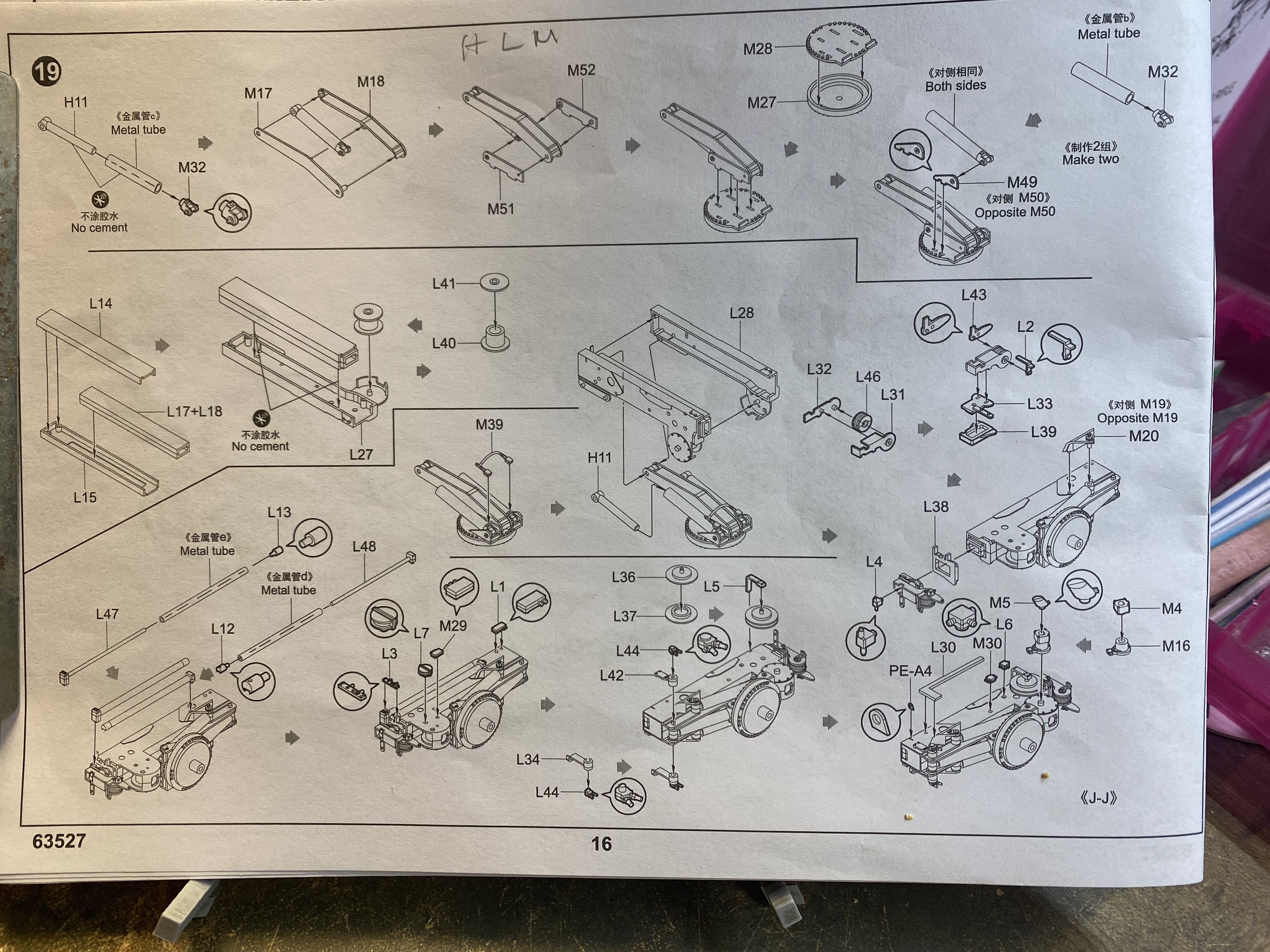
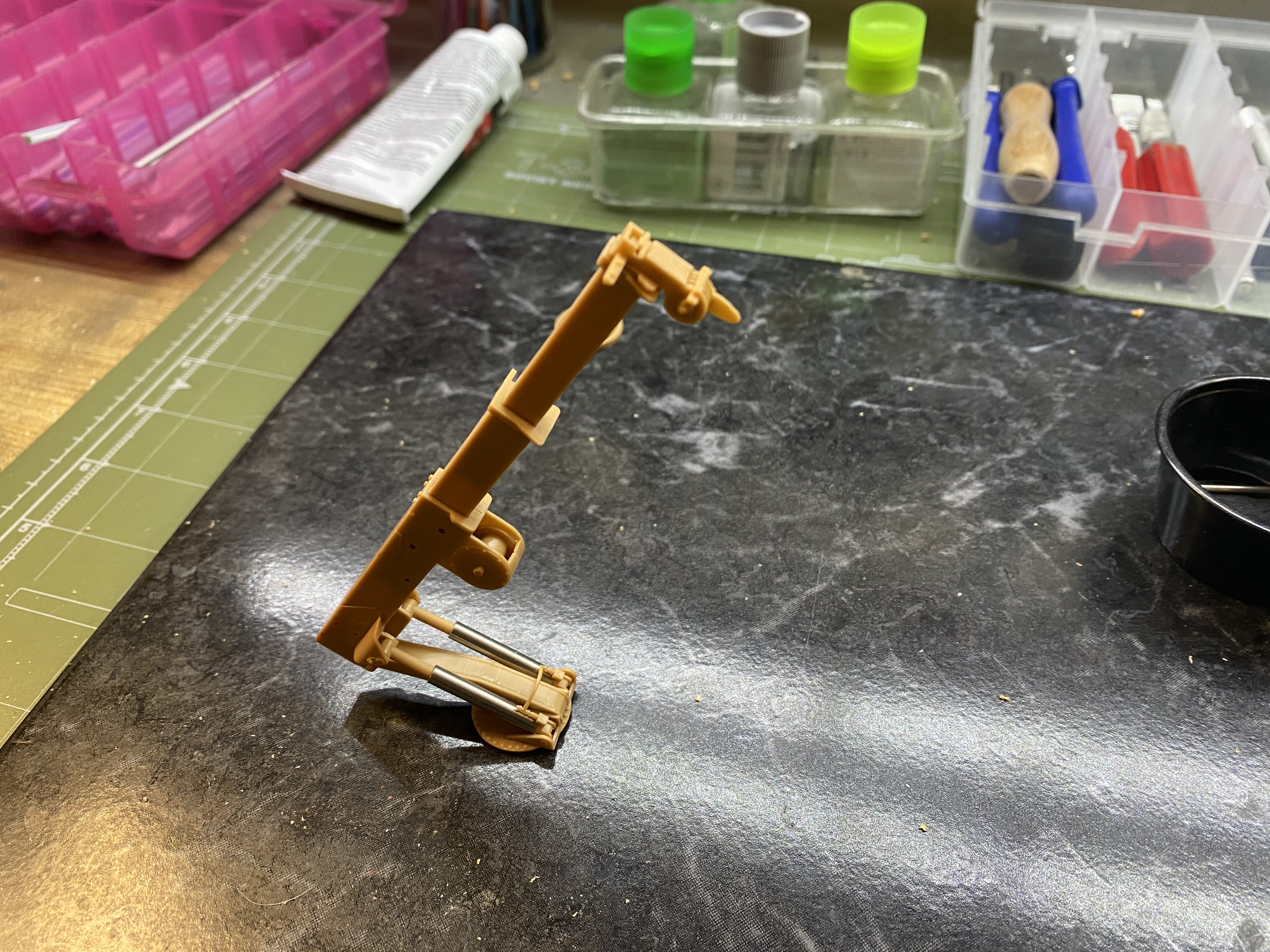
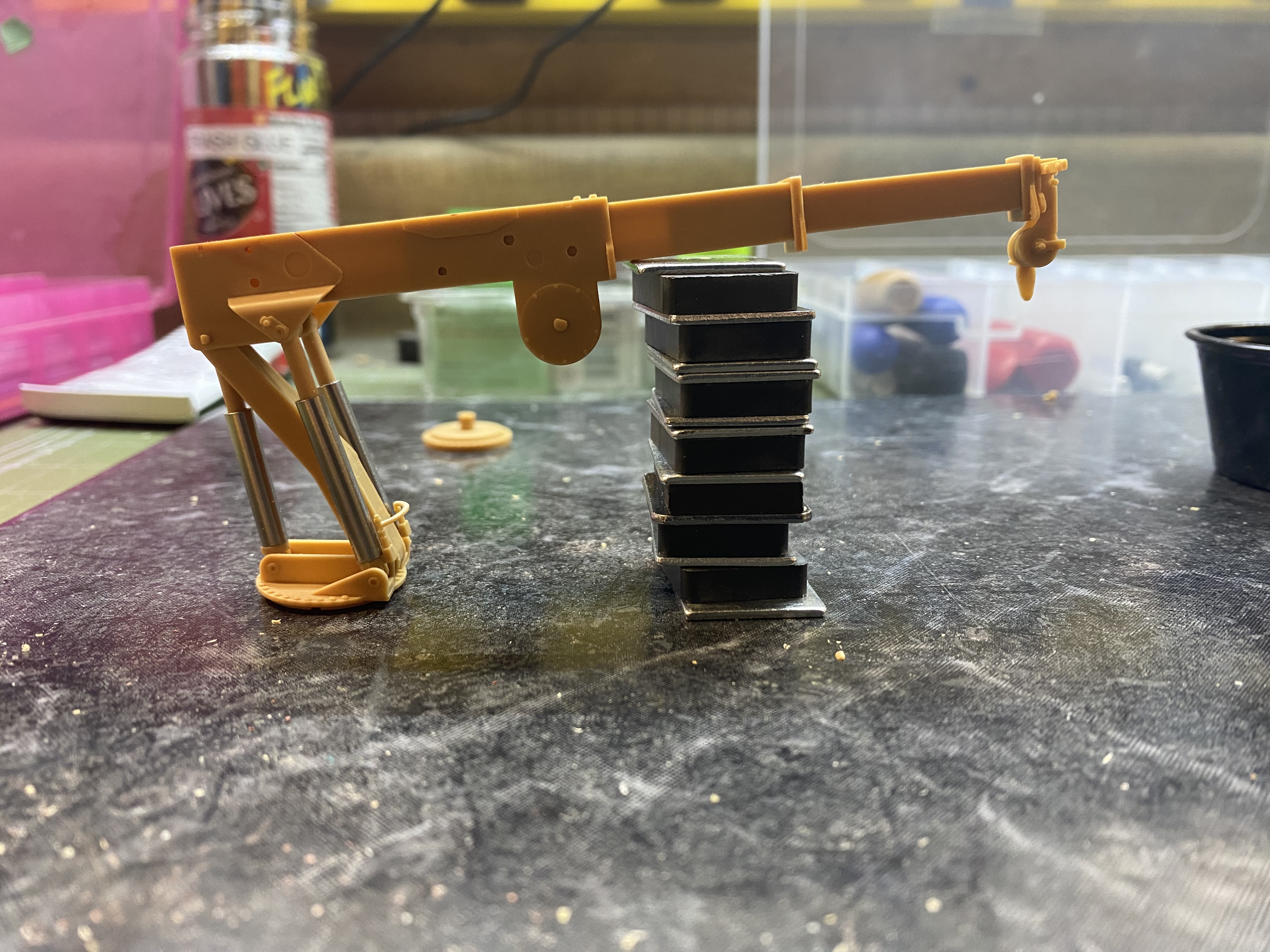
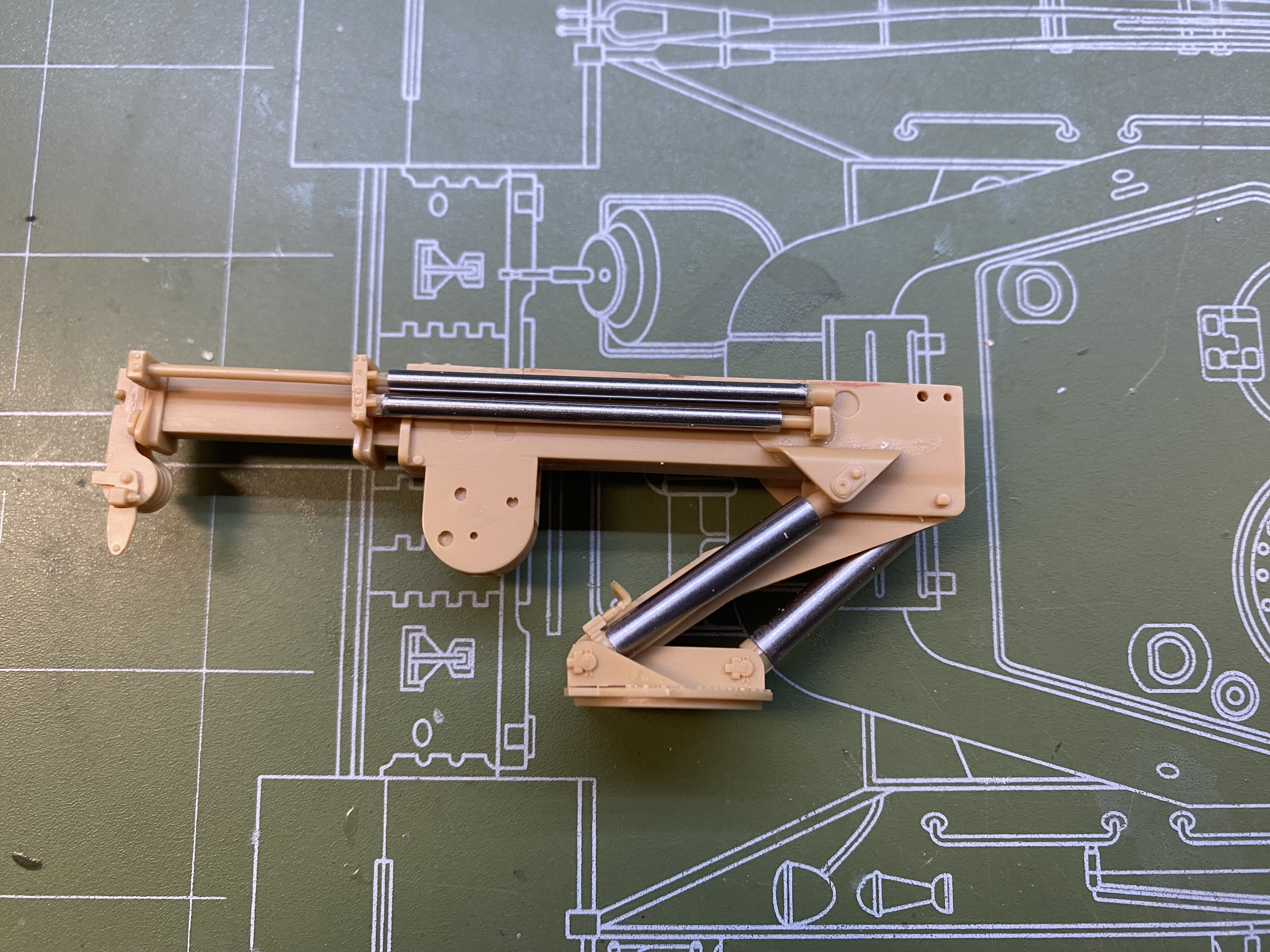
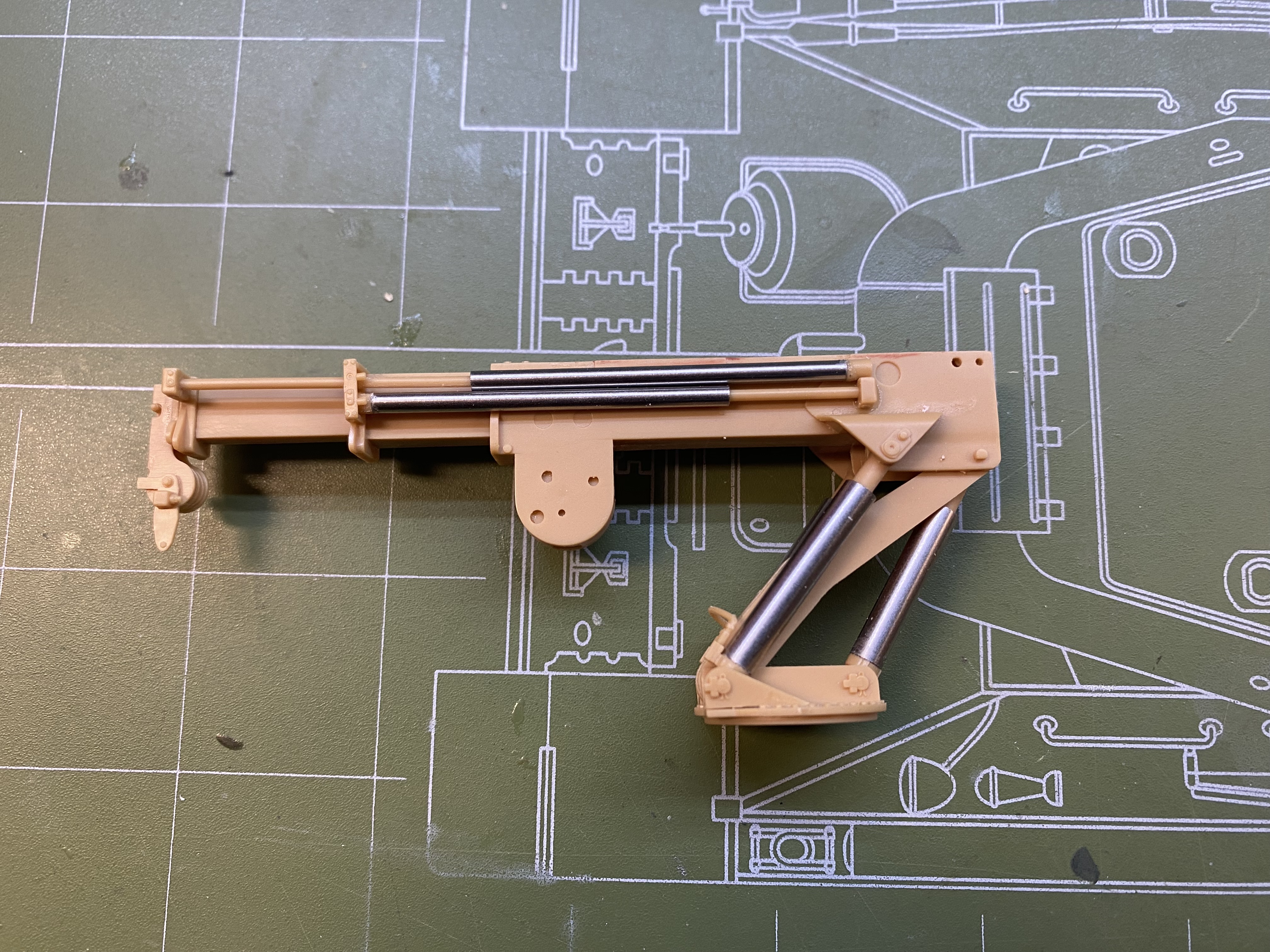
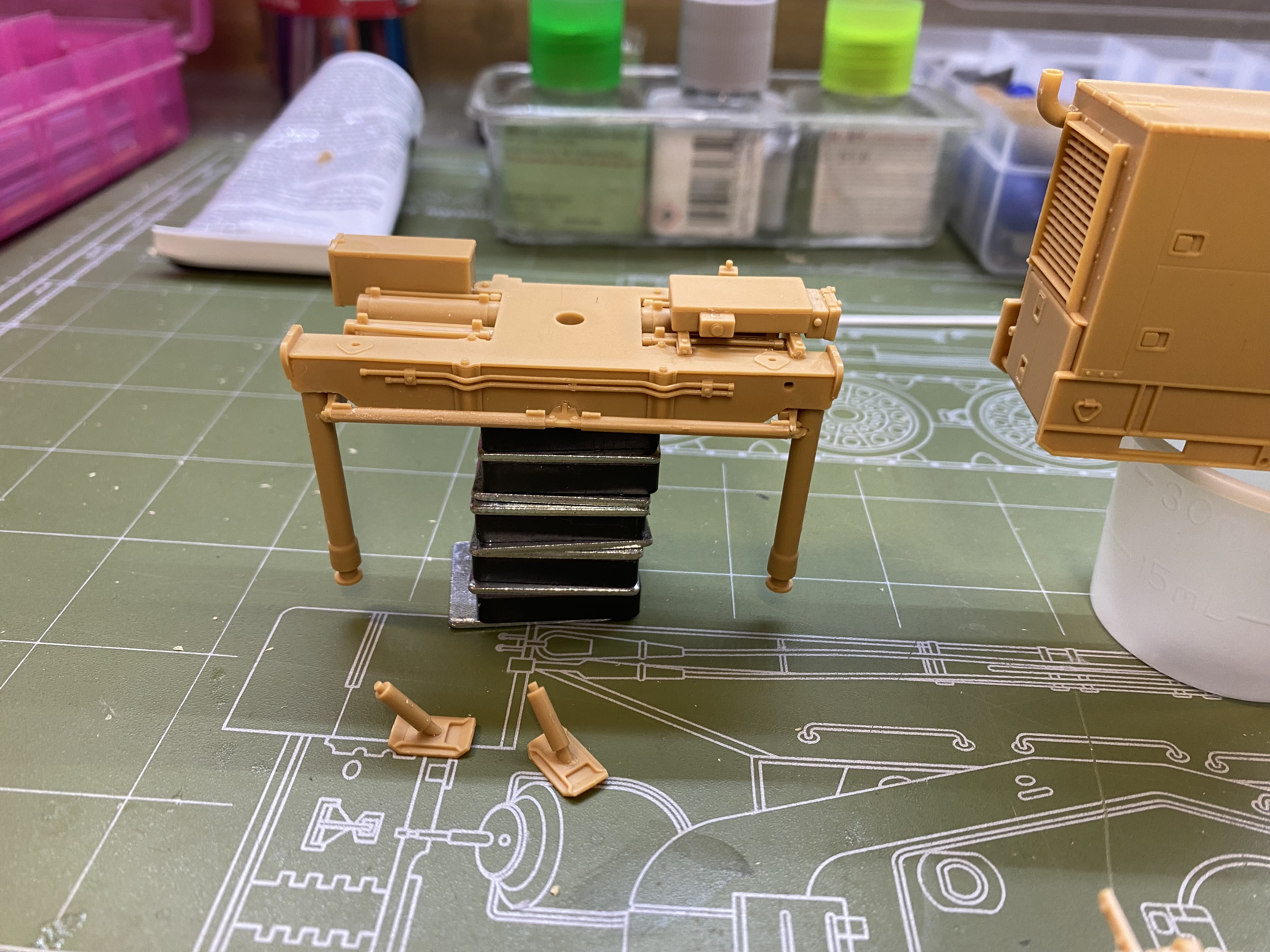
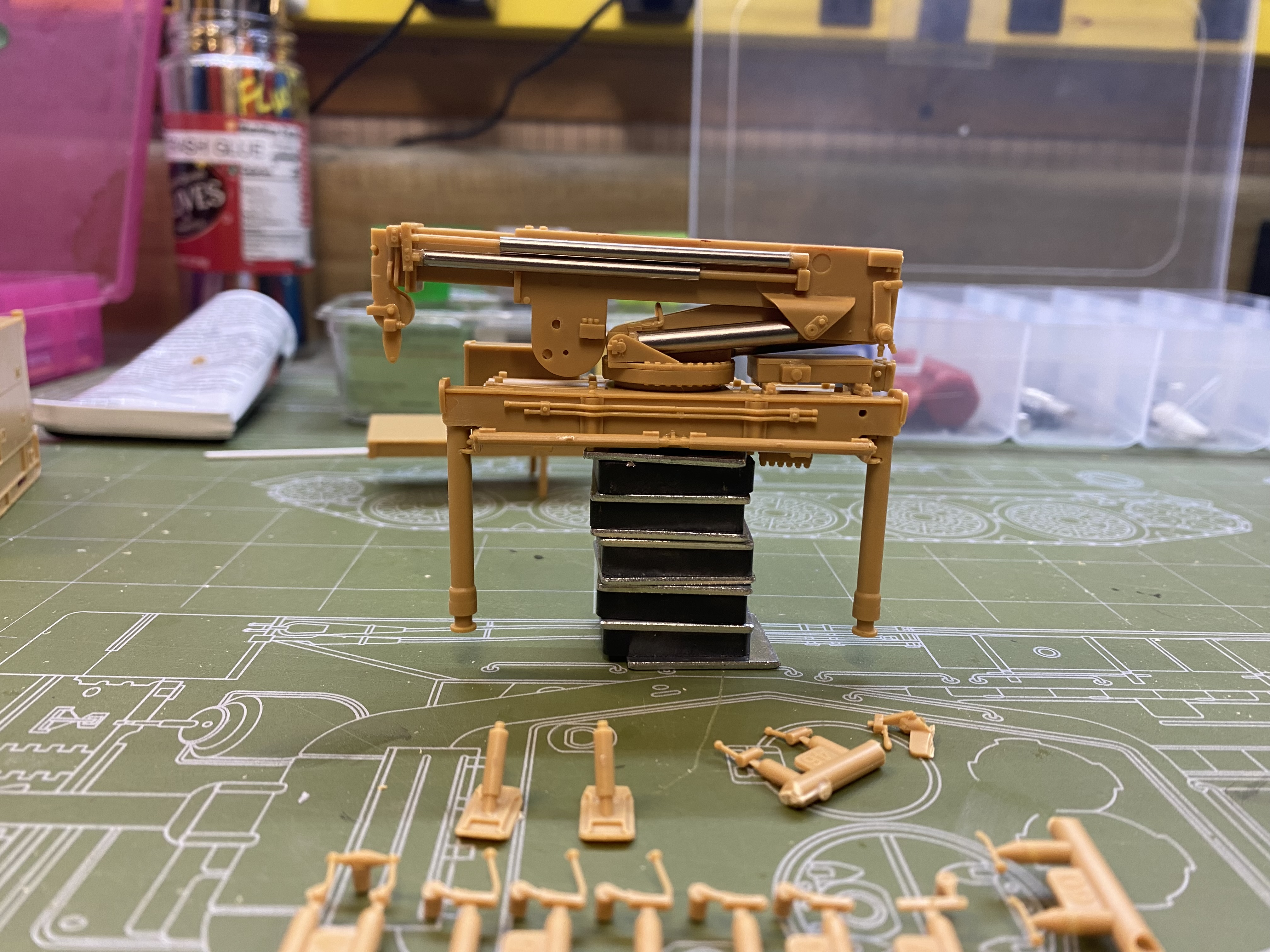
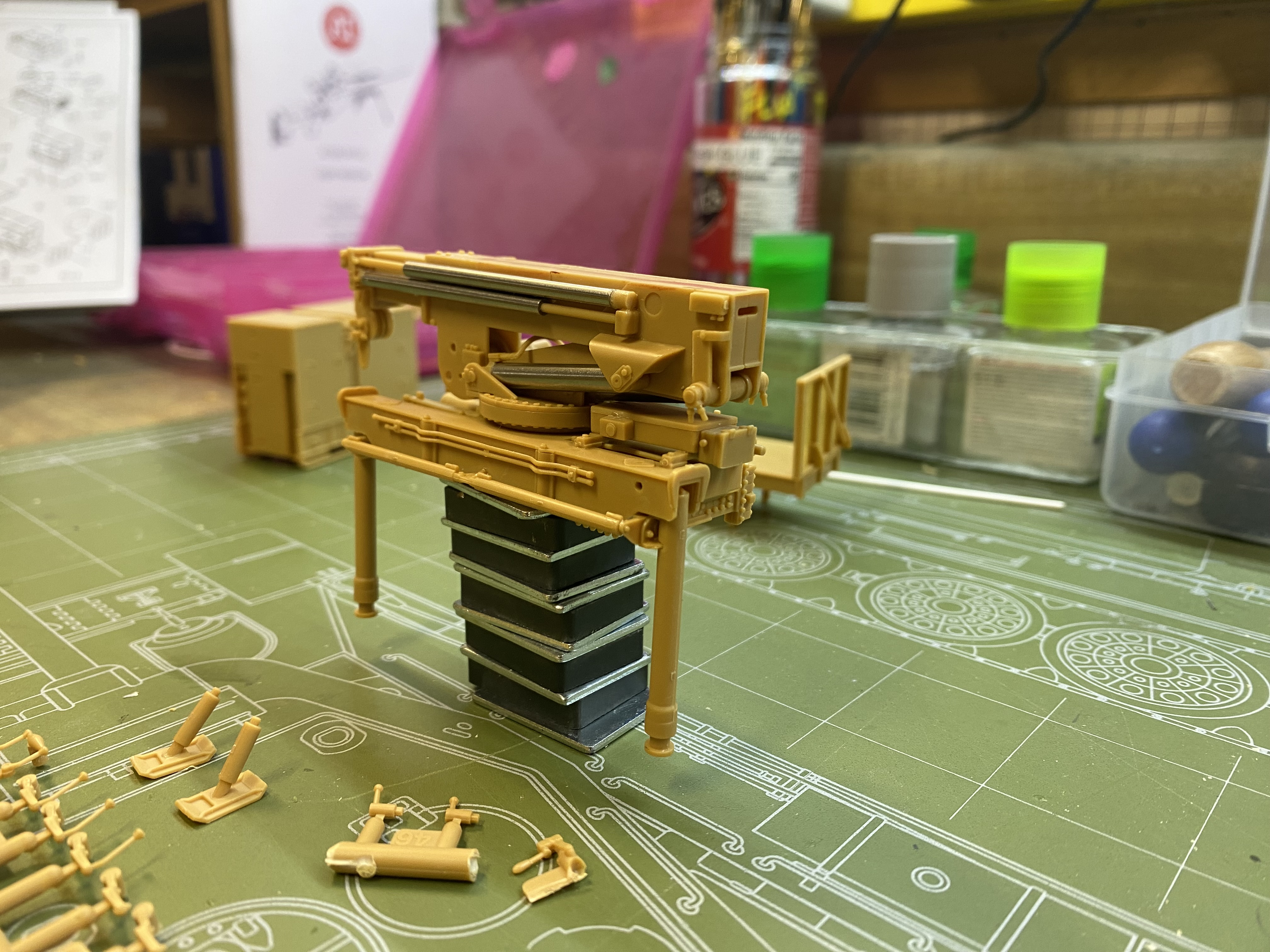
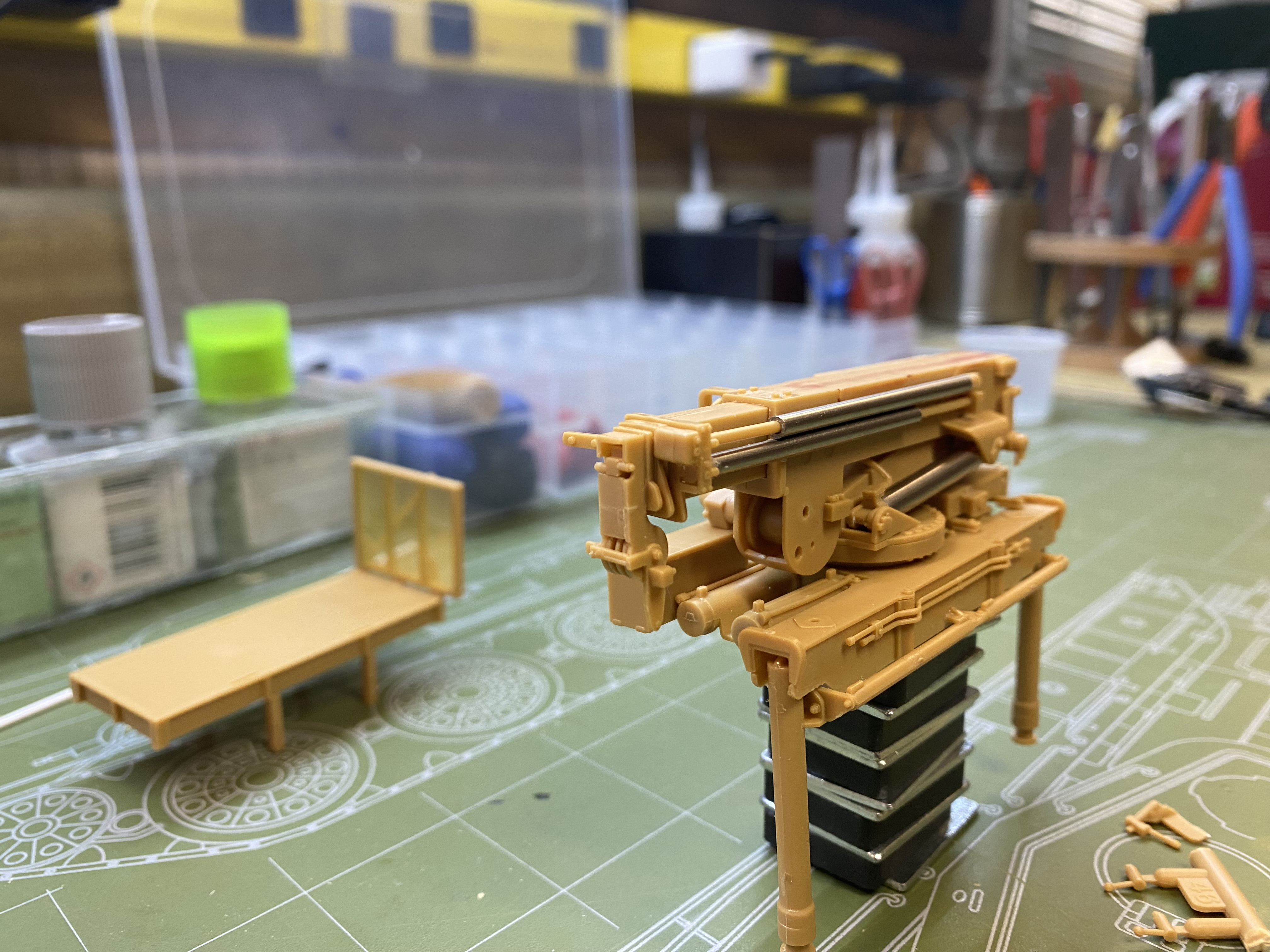
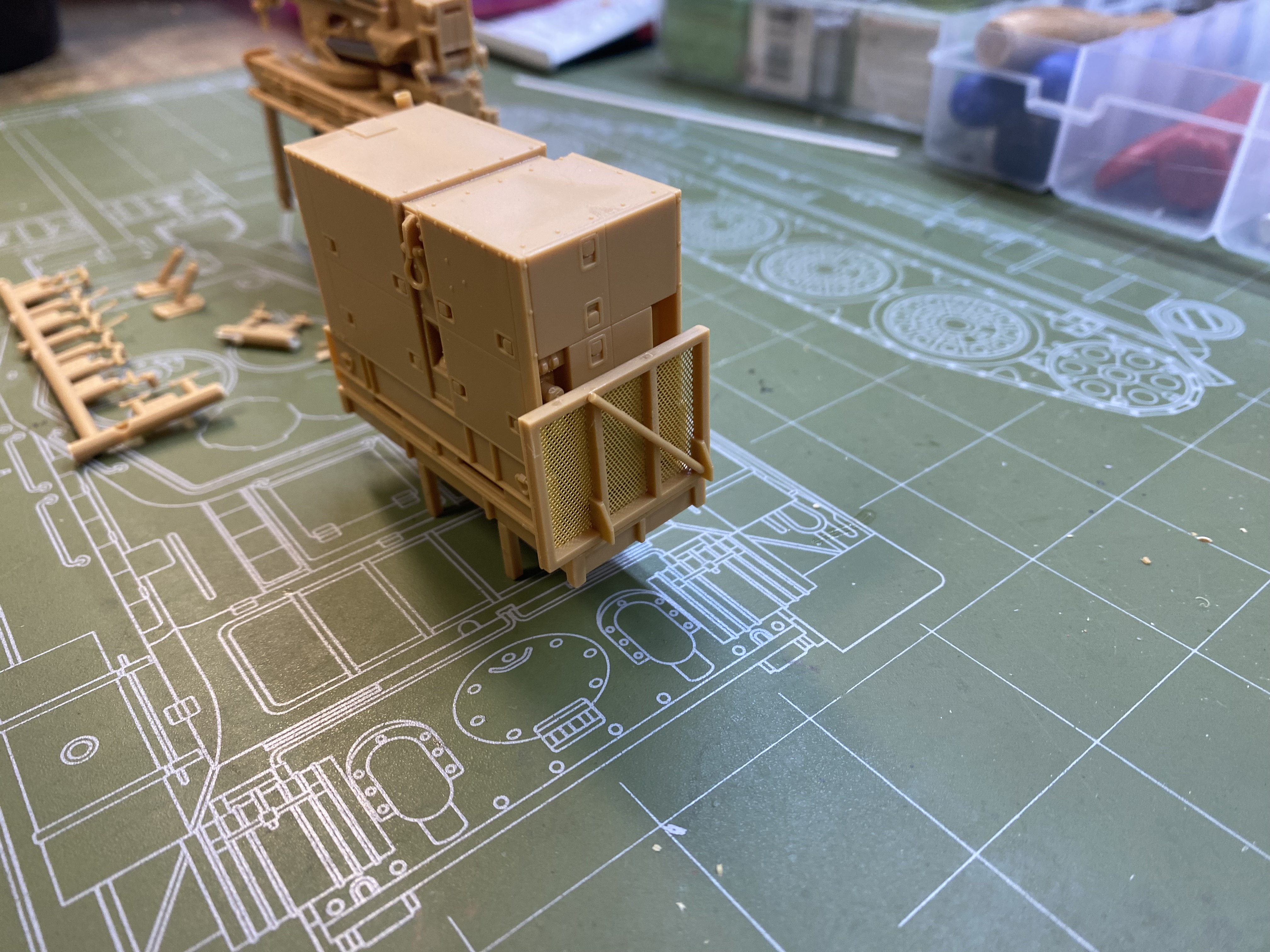
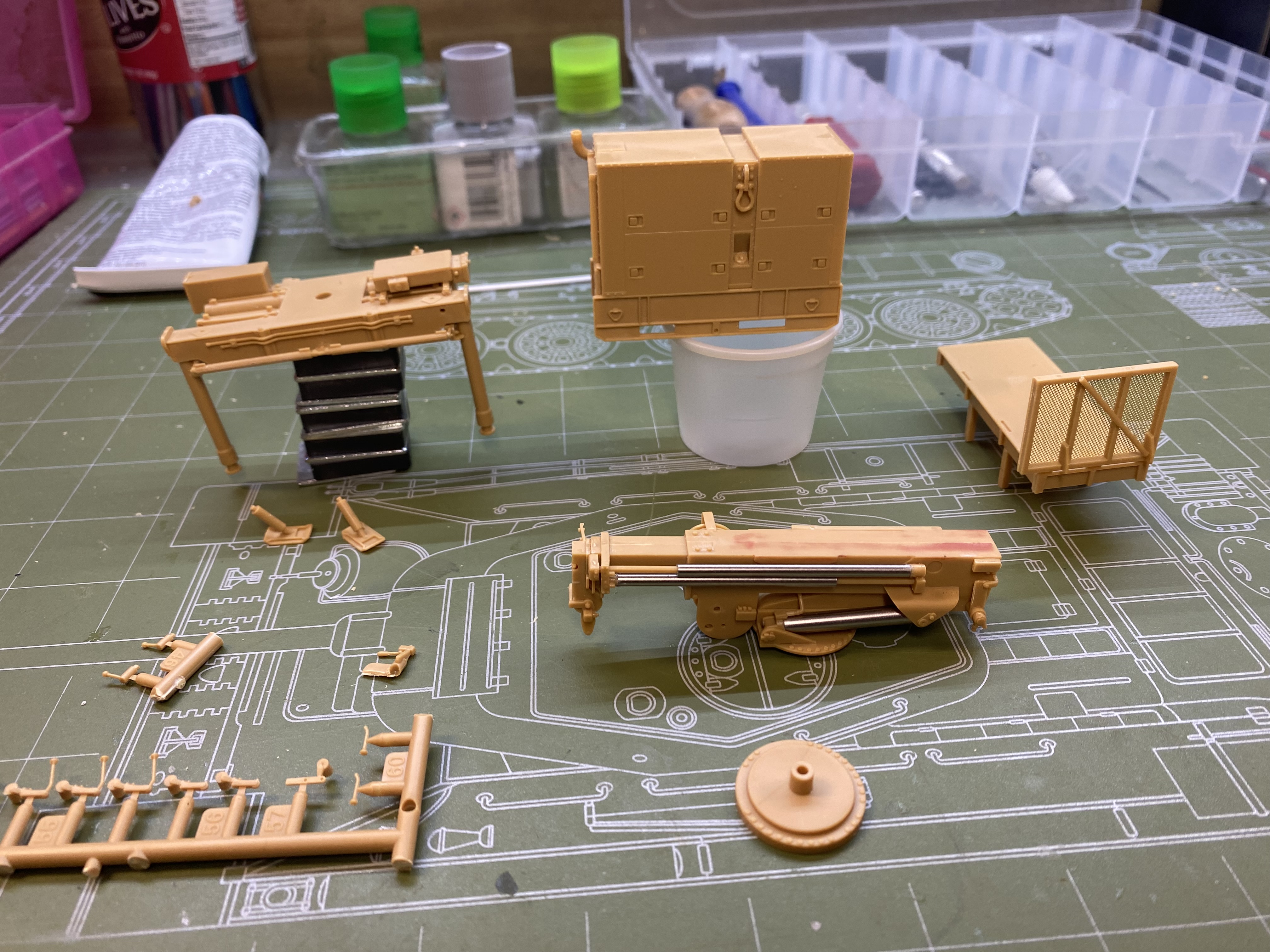
It has all the manifolds for the hydraulic hoses but no hoses or instructions (thank God). Oddly enough no cable either, although it would be easy to figure out.
This will all be collapsed when it’s mounted on the truck anyway.
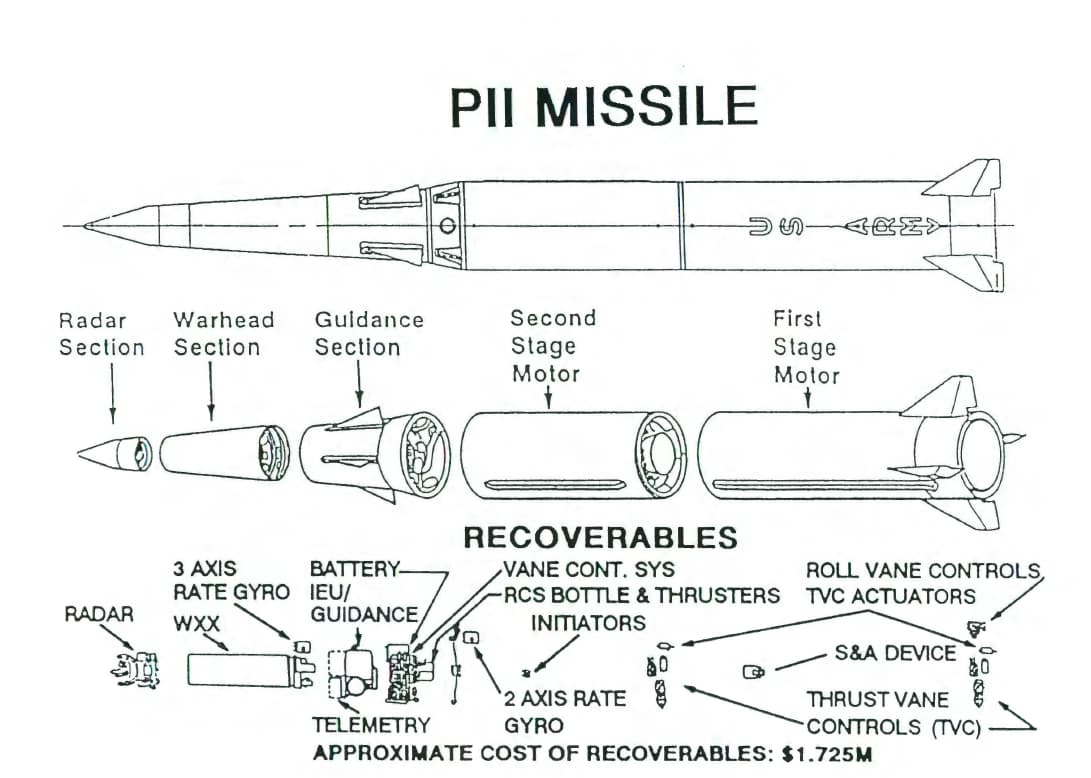
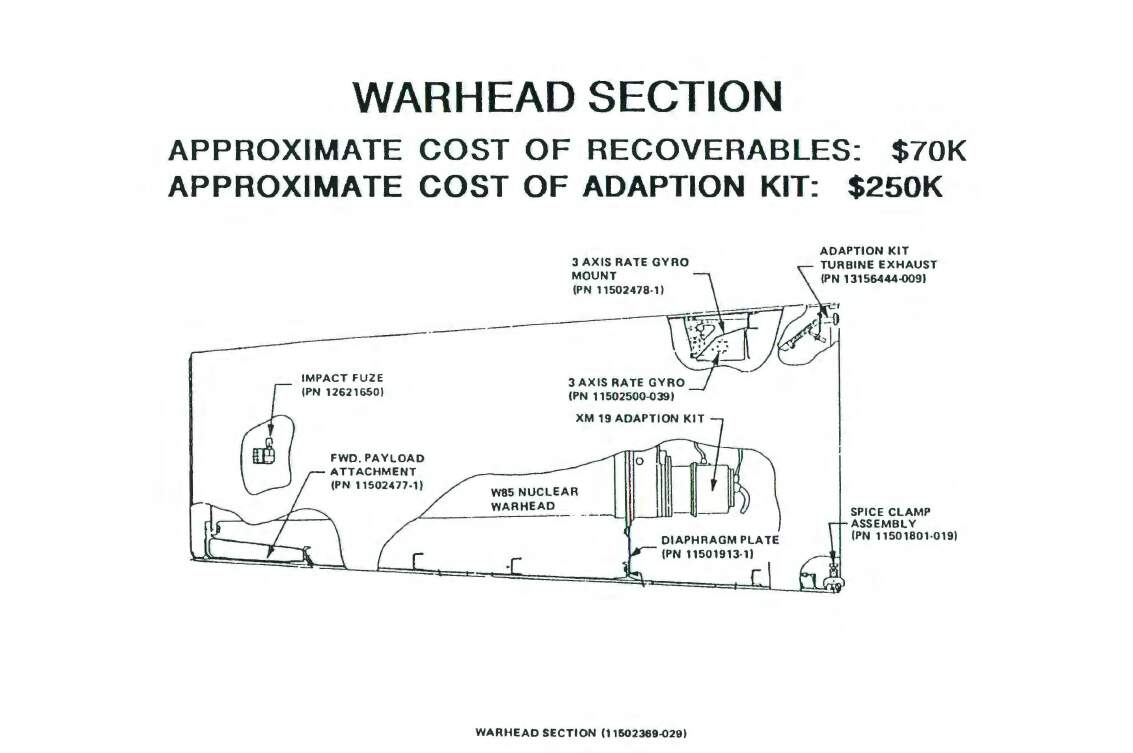
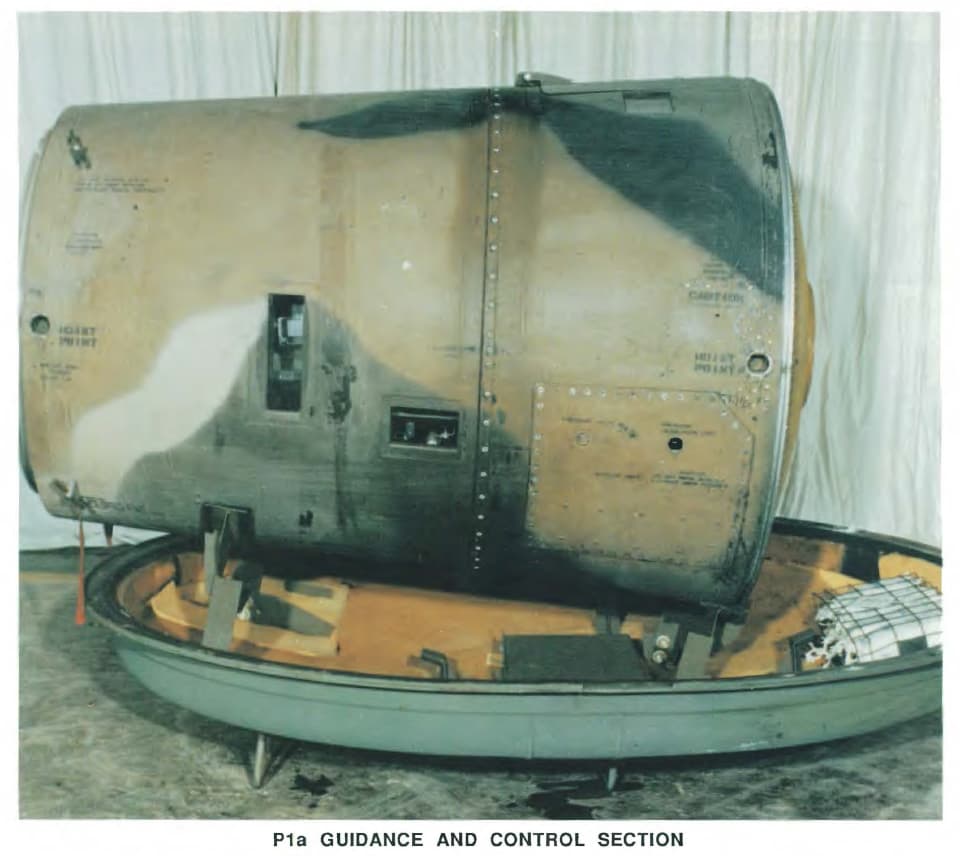
I doubt the cost of the recoverables is anywhere near the value of recovered items, but there’s an argument to be made that we got our money’s worth for this because it didn’t have to be used.
Hey Kurt,
Thanks for the recovery cost slides. It’s ann interesting addendum to the technical history stuff I’ve read. Martin Marietta really cleaned up on that, huh?
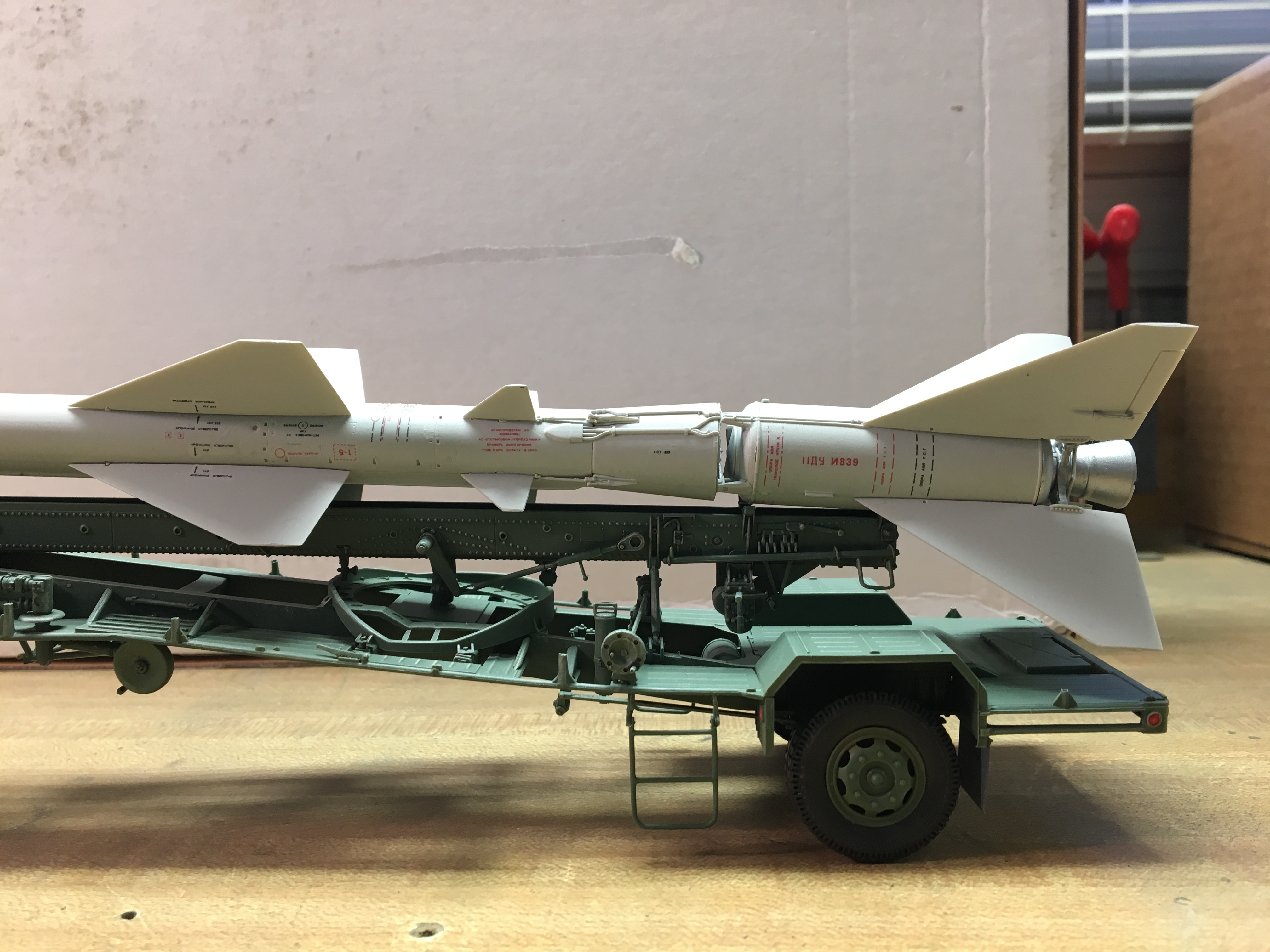
As far as stenciling on the Pershing missle goes, the kit has got some but nowhere near as many as you’d find on the Trumpeter SA2 Guideline missile, if you’ve ever built one of those. It’s completely covered in stencils.
Most development contracts are Cost-Plus-Fixed-Fee, meaning the Government covers allowable costs plus a fee to the contractor. The fee is normally around 1.5% to 2.5% of the contract value at signing (not a percentage of incurred costs - that sort of contract has been illegal since WW I.) Fixed-Price production contracts normally include a 8-12% profit built in. That’s seems nice but most people don’t realize that contracts over $1 million are normally “reconciled” after completion. If a company cuts costs and makes a larger profit, the auditors can come back and get a refund.
One thing I didn’t even know until I’d been in defense contracting for 20 years is that the Government sets the rates you can charge for labor, overhead, etc. The contractor’s costs are audited and specific rules are applied to account for inflation, productivity increases, and future drivers. This is what you have to use in your contract bids, no more, no less. This prevents companies from claiming that they pay their workers $100/hr or from low-balling their rates to win an order then skimping on the work to stay alive.
Still, many people think contractors get a lot of sweet deals compared to their local hardware store, but the fact is, if the Government didn’t keep contracting somewhat attractive they wouldn’t find anyone to do it.
Kurt, do you have any Pershing pictures you’d be willing to share?
I’ve never actually seen the missile, although I do recall seeing an upright missile prominently displayed on a main drag in Ft Sill in the 1968-71 time period. I think it was a Pershing 1A? Near the flag pole and the parade ground?
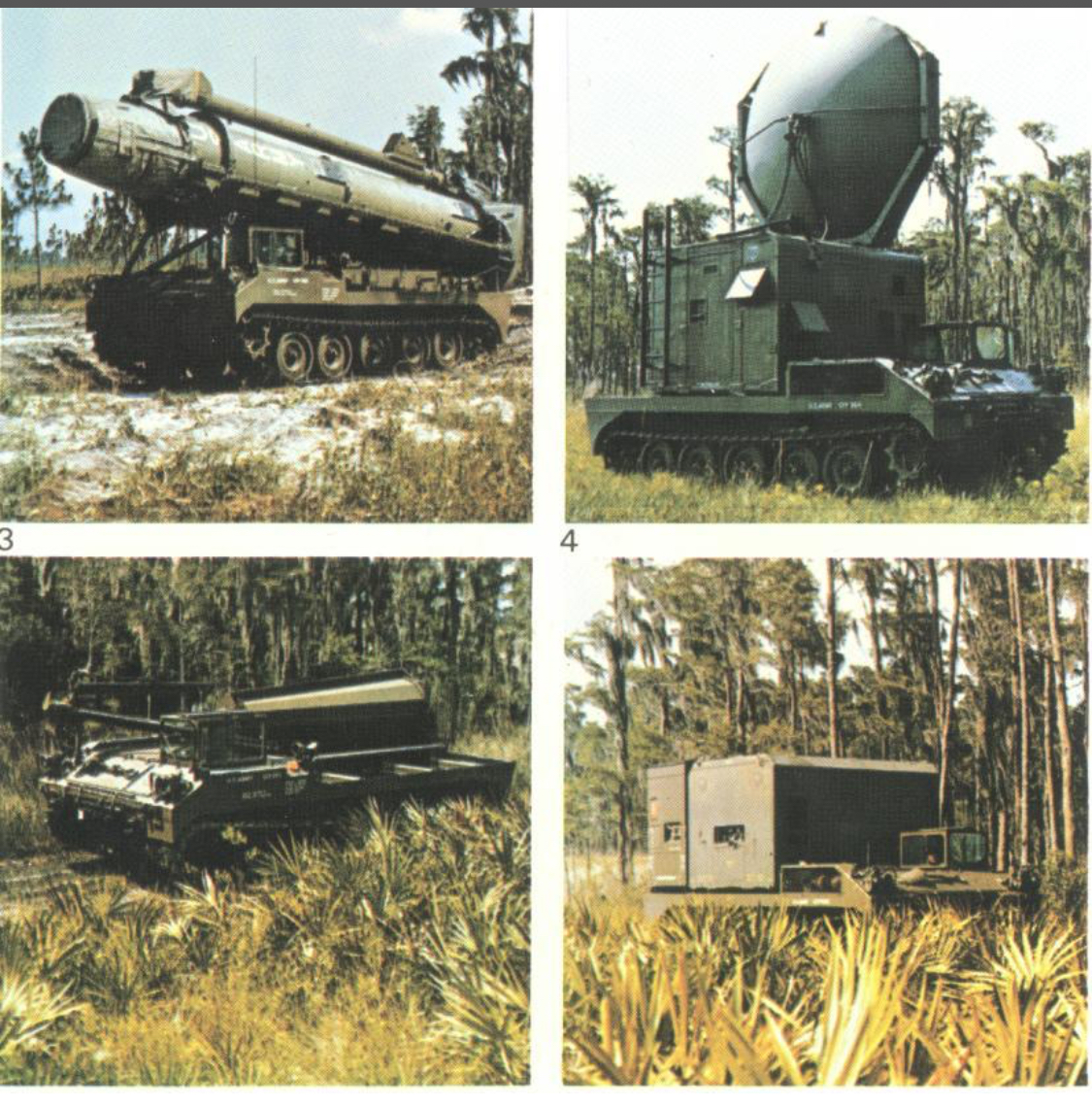
In 1963-66 Germany, I do recall seeing a couple of M474 tracked carriers parked outside a motor pool building in Germany once. They were both emptied of their loads.
As I understand it, the loads were all interchangeable between one M474. They could all carry the warhead, launcher, radar unit or the generator/control shed.
In 1964 or 65 while we were in Germany, my dad took me to the field for an afternoon. I was 9 or 10 yo at the time. I remember there was snow on the ground and we ate a meal after the troops were all served. I also remember asking if I could see one of the missiles.
I thought I had some from Huntsville where there is a XM474 and missile on display but they are in one of about 30 shoe boxes of pictures. I don’t think I took many because a) film and developing cost money, and, b) I knew I was never going to scratchbuild one, so why take a zillion photos?
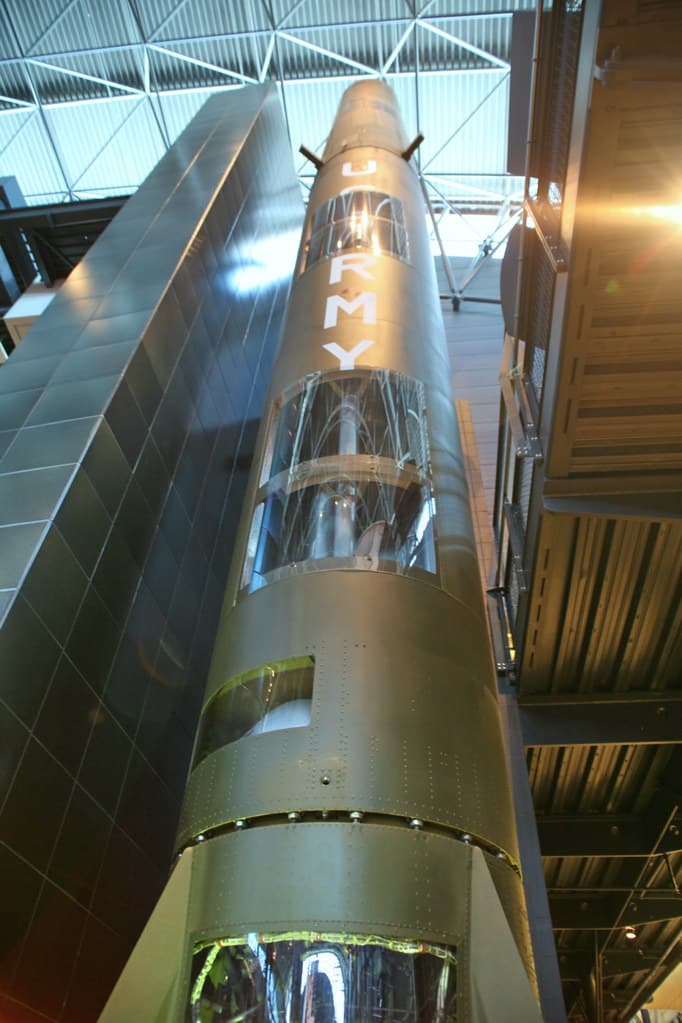
There’s a PII along with an SS-20 at the Air and Space Museum but don’t remember if it is downtown or at Dulles. (Their website says it’s in storage . . .)
The Pershing wasn’t really in my area of modeling interest - too complicated a system, and too hard to find information. I’m waiting for a SERGEANT kit so I can put a biological warhead on it.
In my first job I worked at the plant that made the first and second stage rocket motors of the PII. I went back in '88 or so with my second company as part of a joint venture and the whole plant had a double fence so that the Soviet reps could drive around the perimeter and make sure we weren’t restarting production.
I’m within 45 minutes of A&S in DC and Dulles.
Haven’t been to the downtown locations since the 90s and I’ve been to the Dulles location as recently as 10 years ago. Don’t recall a Pershing at either one but I’ll check back….
The crane base sans al the control levers, lock handles, shut off levers and jack feet that I’m sure would all be bent sideways before it made it on to the truck:
The PII was in the main (downtown) building of the NASM, I don’t know where it is currently, last time I saw it was early 2000s. However, there are photos of it on the web:
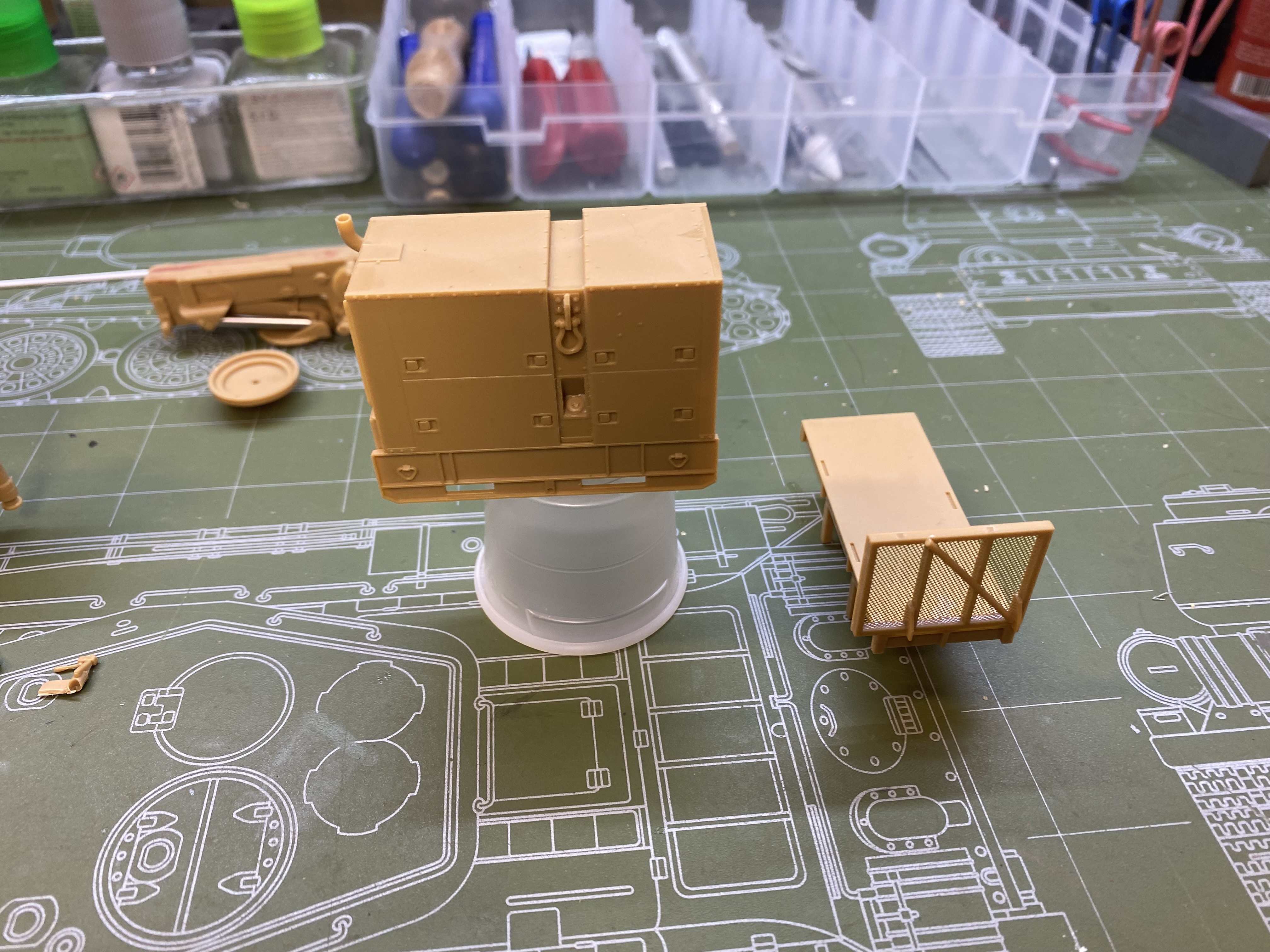
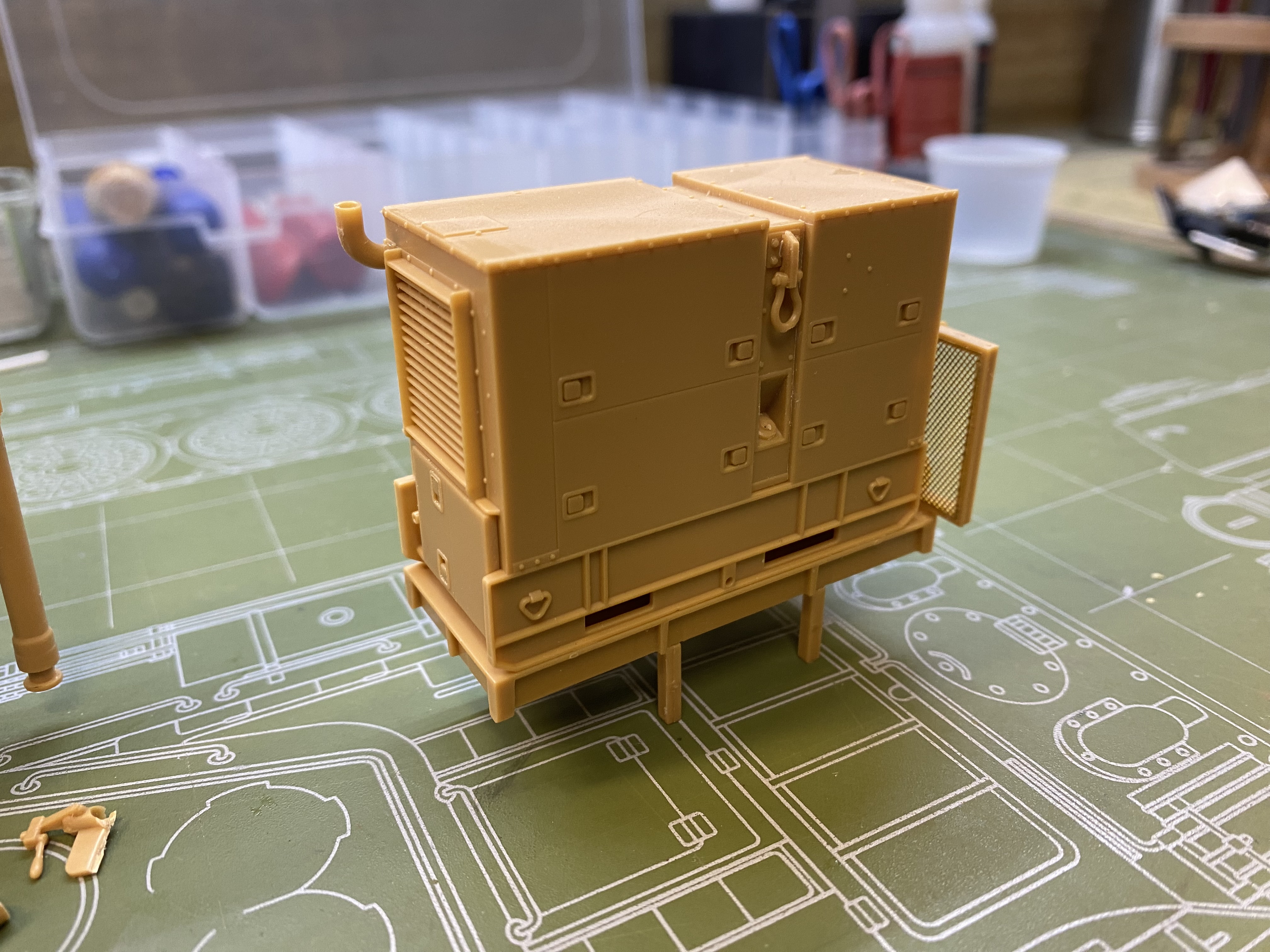
Thanks John. I was surprised it took so much longer to assemble the platform than the crane. Two full sprues worth of parts for both.
No matter how carefully I sand, scrape or pare parts, as soon as I post pictures I see a bunch of stuff that needs attention: seams and nibs that I couldn’t see beforehand.
Thanks Ken for the Pershing pictures from DC.
If time allows, I’m going to start on the basic frame today. I’m running out of parts….
The camera, especially now with the ease of digital cameras, is your best friend and worst enemy when it comes to revealing things.
Start using it as a tool, take pictures and examine them.
The “eyesight” on those cameras are better than ours ever were or will ever be.
We’ll just have to live with it and enjoy the h*eck out of it