Mitsubishi a6m5 zero type 52 - tamiya 1/32

Hi everybody.

After my Tempest has been sheltered inside my display case, sitting next to my Mosquito (who knows if they might have been cheek to cheek on some airfield during WWII), I’d like to move on to the build of this aircraft, another great protagonist of the war. The kit I chose to represent it, in my favourite scale 1/32, is Tamiya’s 60318

This:

993_rd.jpg

First of all, let me share a question that comes to mind every time I open a Tamiya box (Watch guys, you know, this isn’t a new externation of mine, but let me repeat myself one more time): WHY? Why is it that so many other manufacturers don’t even come close to Tamiya when it comes to engineering, precision, and ease of assembly?

That said, let’s talk about the build. My first concern has been to choose the specimen I was most drawn to. This is important because, as you know, the painting will vary depending on the factory where the aircraft was produced. The Zero is obviously a Mitsubishi design, but due to the high demands of the Imperial Japanese Navy, Nakajima also built it under license. And, as mentioned, the paint schemes weren’t exactly the same.

Therefore, the Tamiya kit instructions are not valid for all aircraft in the sense explained above. Speaking of paints, Mr. Paint offers a very complete range of IJN colors, differentiated between Mitsubishi- and Nakajima-produced aircraft. This is the range I will use for my work.

My choice fell on a Mitsubishi-produced aircraft (the kit instructions don’t make this distinction, so the attribution comes from my own research), the 653-111. Unlike Nakajima, Mitsubishi painted all the internal surfaces—except for the cockpit—in the same color as the undersides, which moreover differed from the shade used by Nakajima.

In my case, therefore, the undersides, the inside of the gear doors, and the wheel wells will be in MRP 428,

44499_rs.jpg

with only the control surfaces in MRP 427.

44499_rs.jpg

However, I think that both the lower and upper control surfaces (which were fabric-covered) will more realistically receive a slightly desaturated version of their respective camouflage colors.

The cockpit will be MRP 413

44499_rs.jpg

the fuselage interior NM/Aluminium, and the upper surfaces MRP 424.

44498_rs.jpg

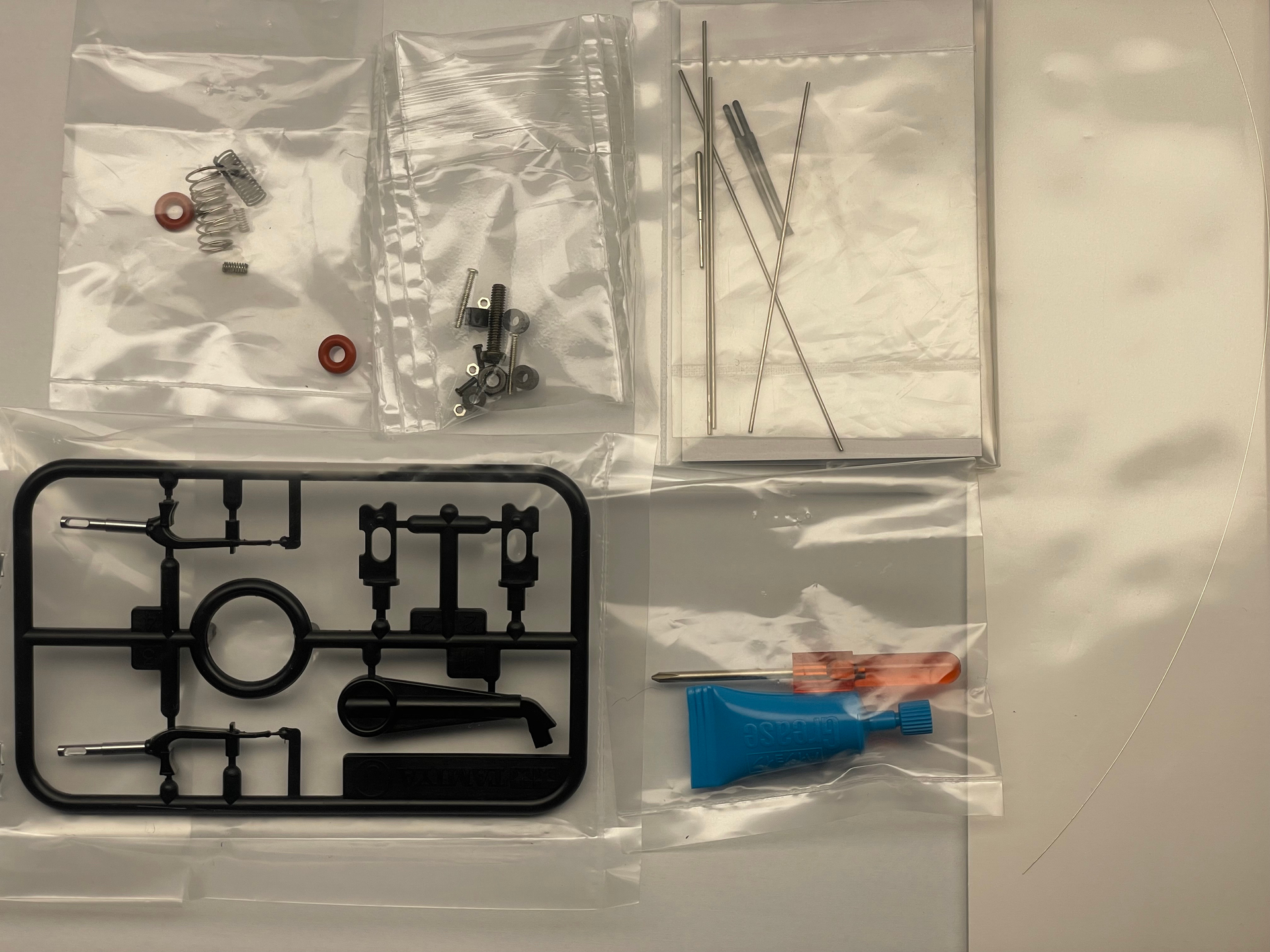
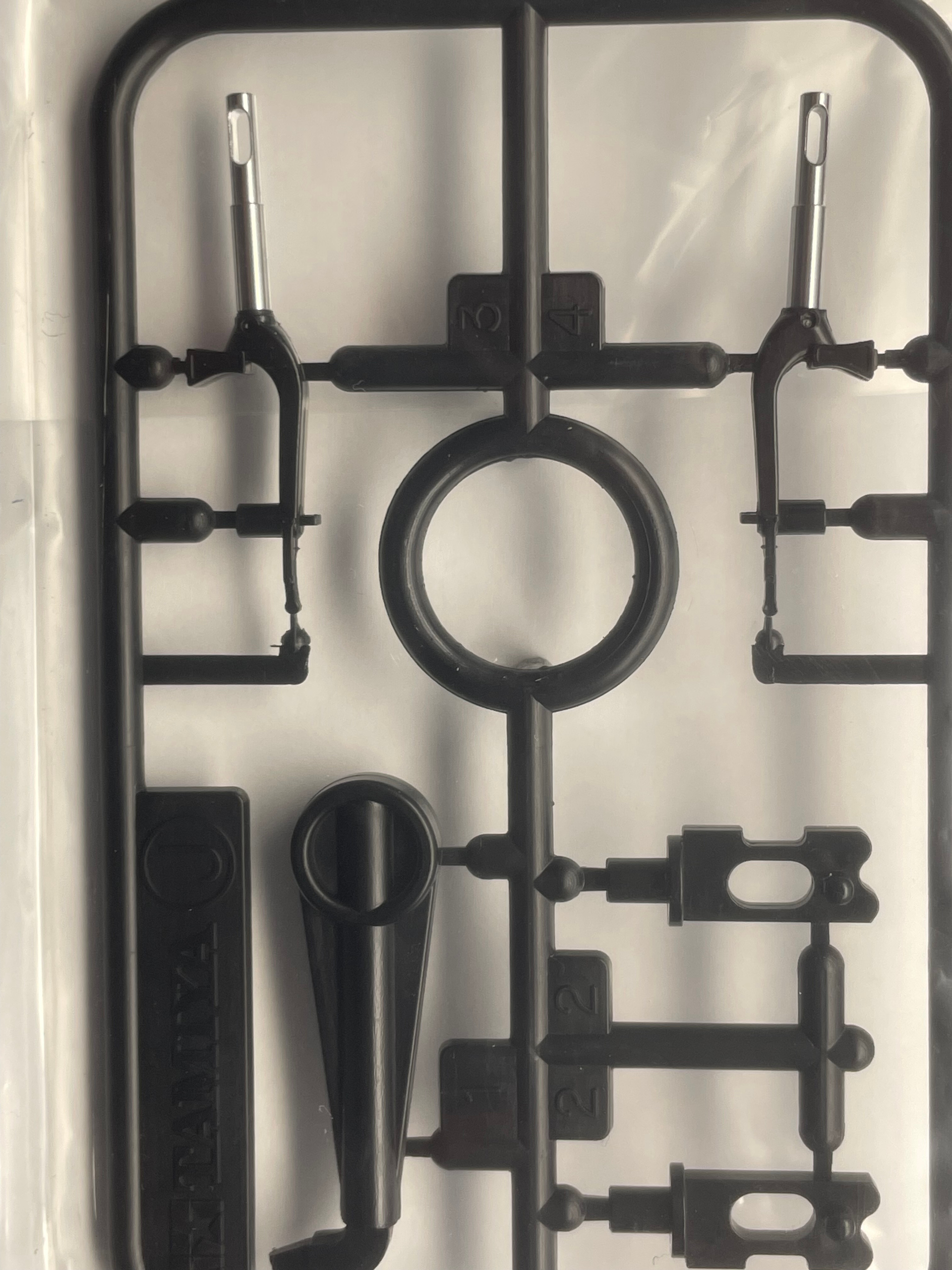
As aftermarket additions, I opted for a Quinta Studio set for the cockpit interiors, Montex masks for the national insignia, identification numbers and the canopy, and a Master set for the armaments and pitot tube — even though these are already included in metal within the box, together with an endless number of tubes, screws, and springs that will serve, among the many features of this wonderful kit, to make both landing gears retractable once the build is completed!!!

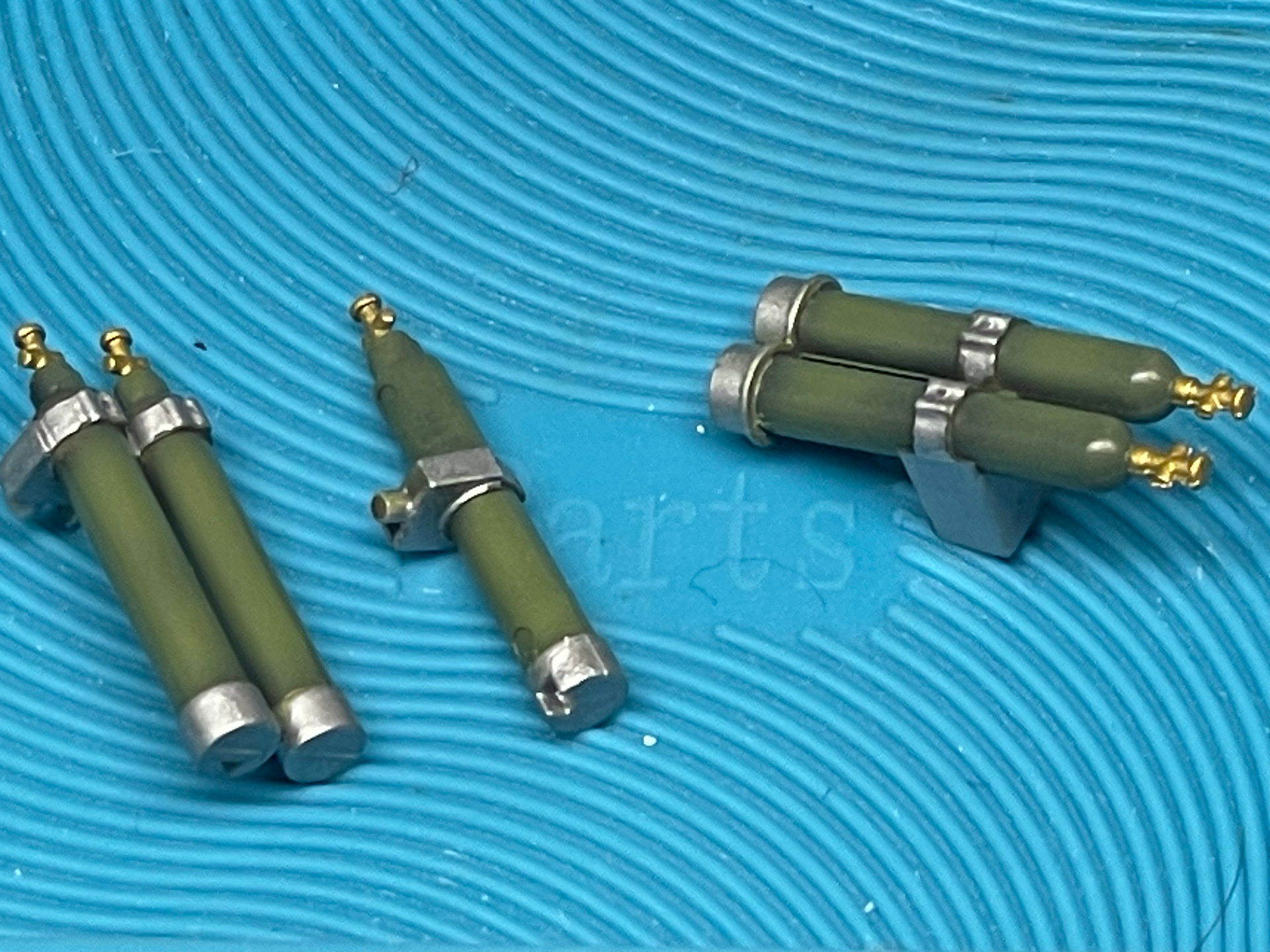
The first step proposed in the instructions is the internal assembly of the two fuselage halves and their closure, before fitting the entire cockpit. Inside are mounted two oxygen bottles (historically considered part of the cockpit and therefore painted in MRP 413, rather than following the Tamiya color mix which should tend toward the Aotake. In this case, however, that color is applied to the hydraulic system bottle. For completeness, as documented in various relics, the Aotake used by Mitsubishi tended to be more bluish

44497_rs.jpg

whereas the one used by Nakajima leaned more toward green.

44497_rs.jpg

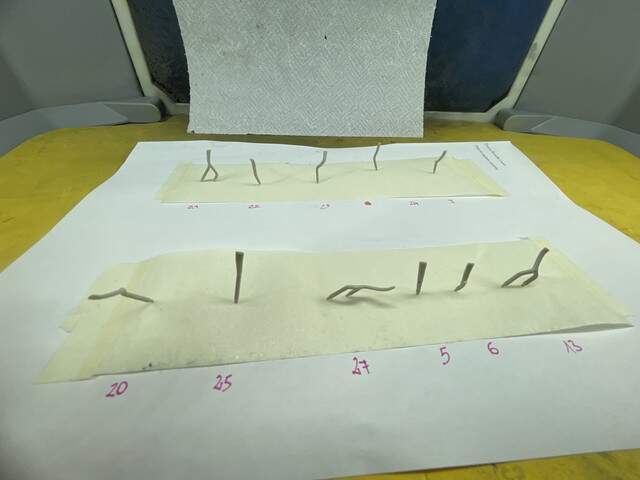
Here are the different oxygen bottles that will be placed inside the aircraft in various areas
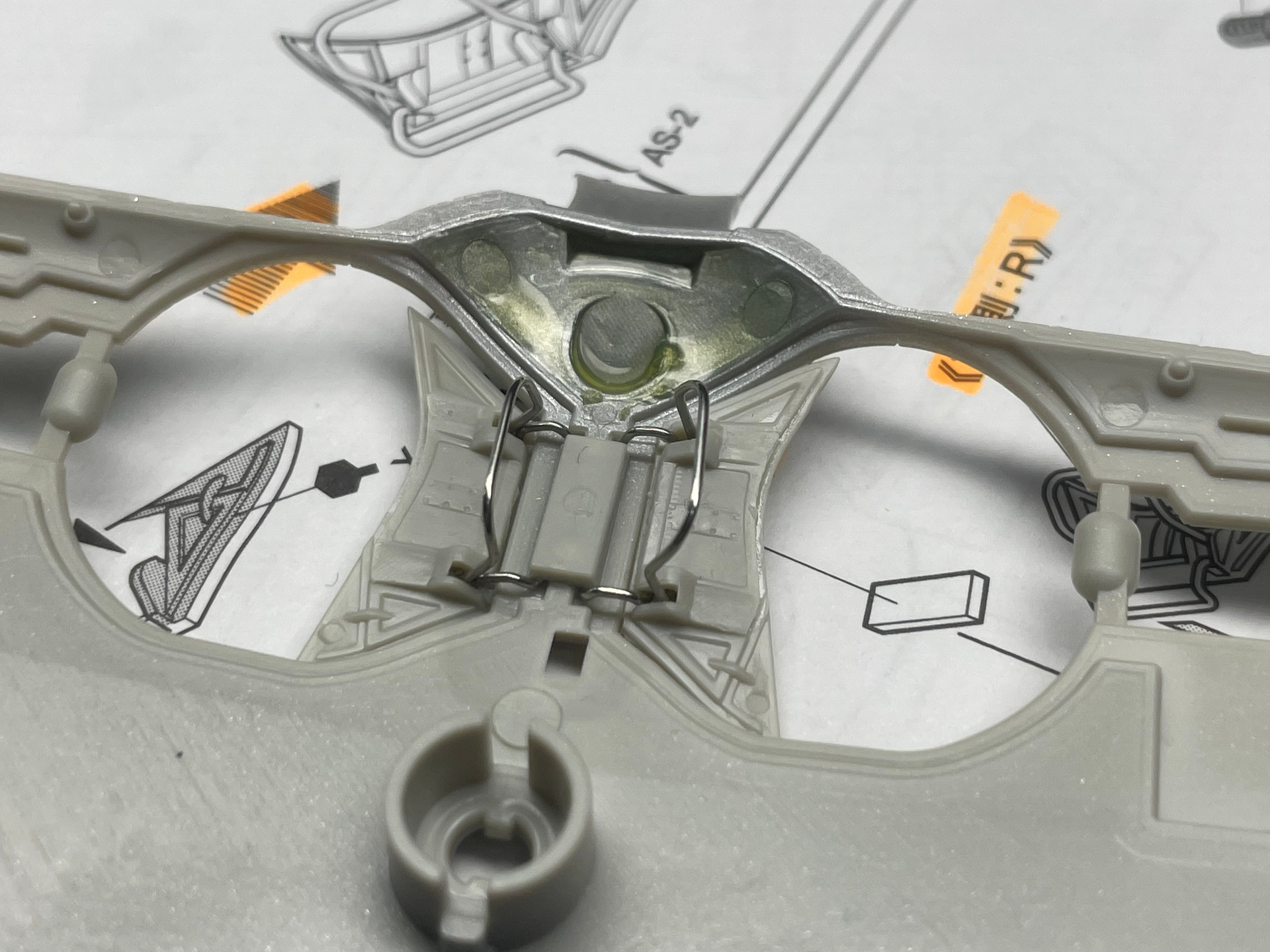
And here are the two fuselage halves, already painted (from front to back) with MRP 413 – NM – MRP 428, and weathered with a black oil wash. The spring mechanism that will make the tail landing gear retractable is already in place. Also present is the hydraulic system bottle in bluish Aotake.
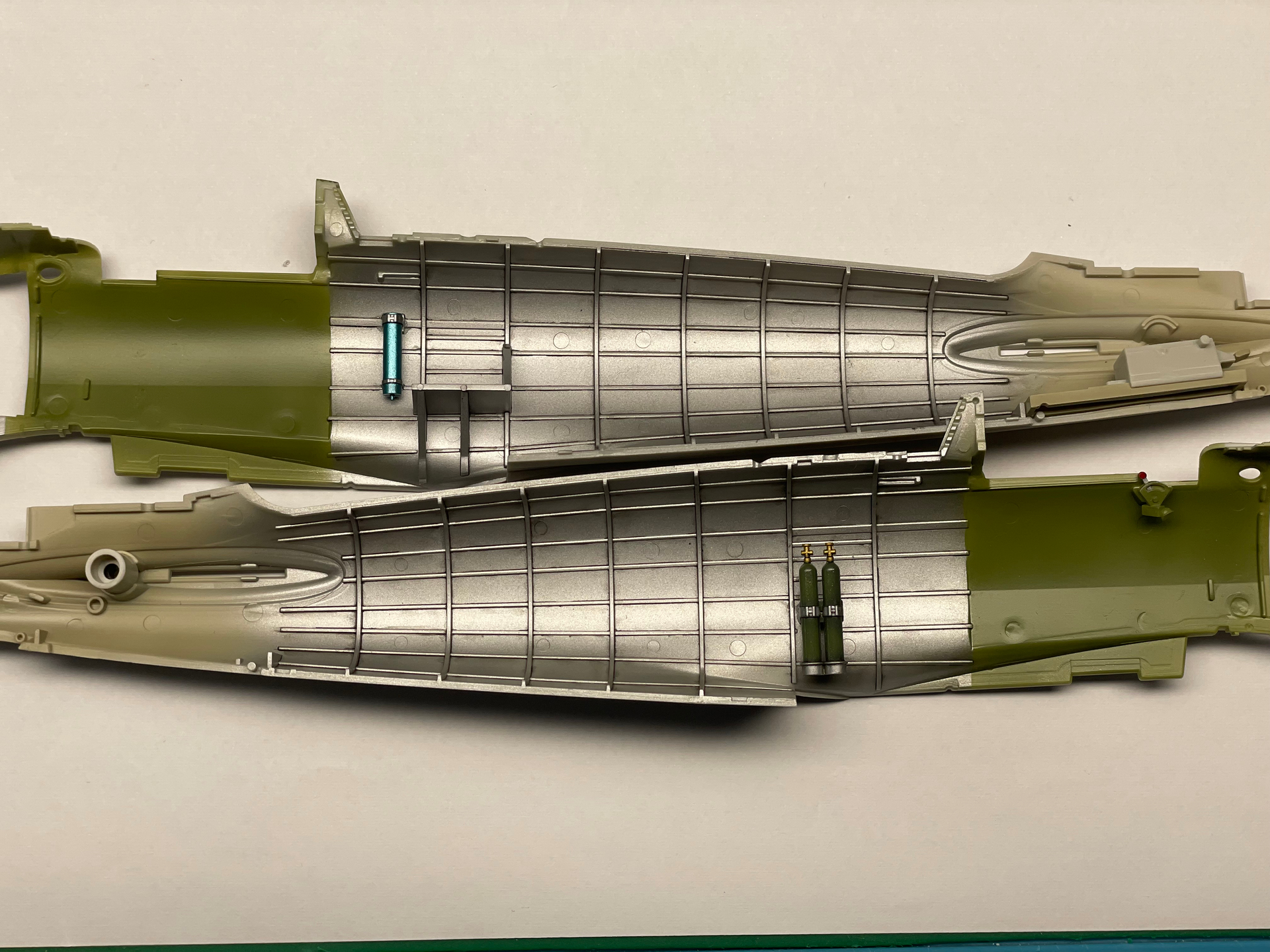
Only a couple of Quinta Studio 3D decals are missing on the instrumentation that is placed along the fuselage walls. And I would also like to understand how this bottle was connected to the hydraulic system in order to eventually reproduce the connecting tube.

For the moment, that’s all. I hope I haven’t gone on too long, and I also hope this build will catch your interest and invite your comments.

Cheers

Dan

14 Likes

Hi Dan

I’m not typically an aircraft enthusiast but I enjoyed your writing and approach to describing the process so I shall follow along with interest

Chris

2 Likes

Hi Chris.
What more could I ask for than attracting the interest of a modeler who openly admits not being an aircraft enthusiast? Thank you so much, I truly hope to keep your interest in the next steps.
If that’s the case, maybe you could also be interested in my other projects here on KitMaker. :wink:
Cheers
Dan

1 Like

This will become another nice little gem from your aviation works, Daniele. Will follow with interest as usual. Do you have a specific pilot in mind? Some years ago I’ve built my 1/48 A6M5 as it was flown by Tetsuzo Iwamoto. But I think my kit is Hasegawa.

1 Like

Hi Torsten, first of all Thanks for trusting my humble modeling abilities. I hope I’ll be up to the task. As for the pilot, I don’t know. At the moment I haven’t found any information about who was flying the aircraft I chose to build. Let’s see how it goes during the build. I hope to find some reference.
Cheers
Dan
1 Like

Things with wings have never been my strong suit but I do have my favorites and a lot of the Japanese aircraft of WWII have always been of interest . I’m going to follow with interest ..

Hi Robert. Thank you for your interest. I hope to keep it alive during the build.
Dan

1 Like

Hi everybody, and a peaceful year to you all.
After my Christmas holidays in Sicily, I’m bringing you this quick update but just to prove that the Sicilian Christmas food hasn’t completely knocked me out! :joy:
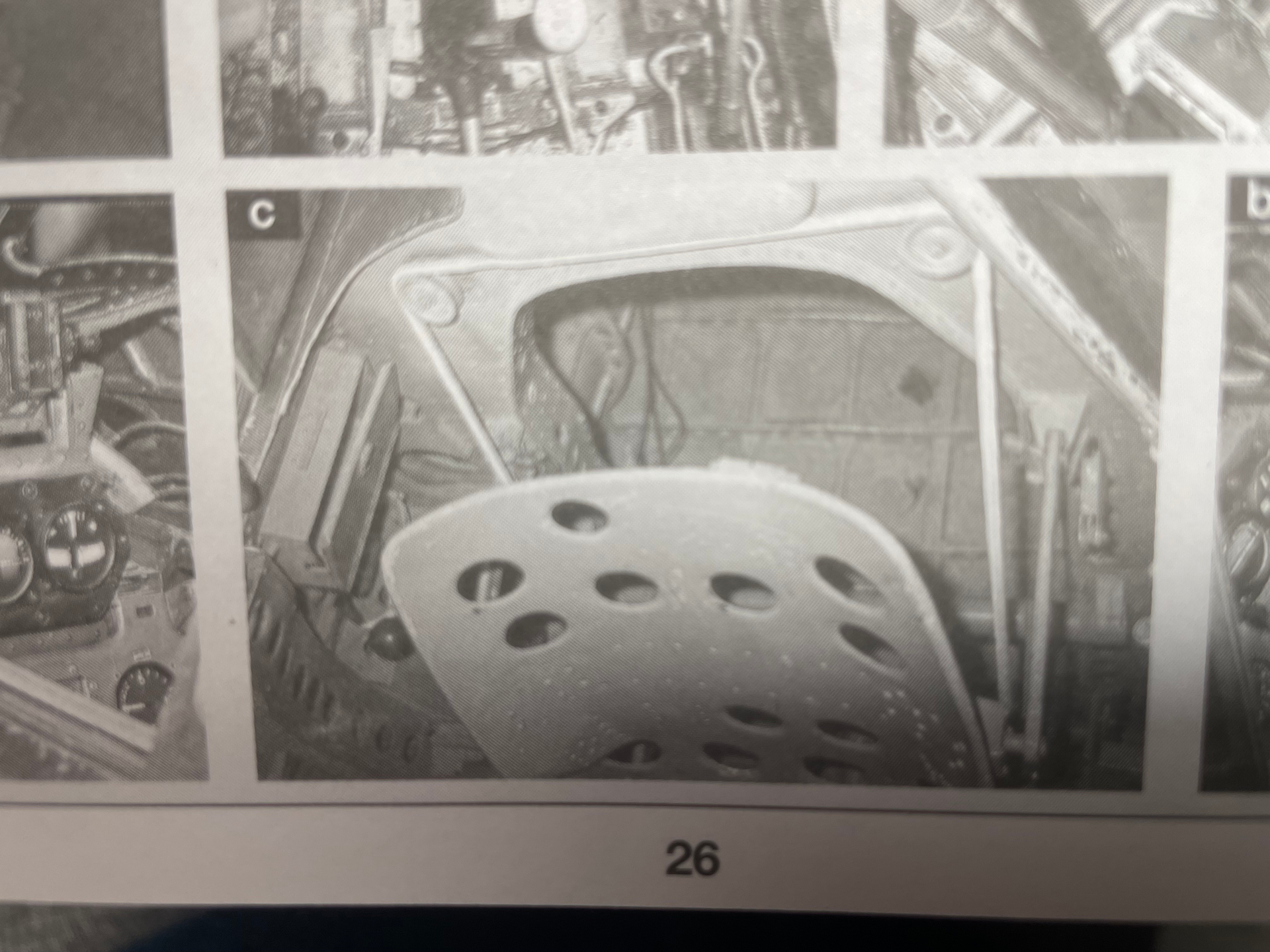
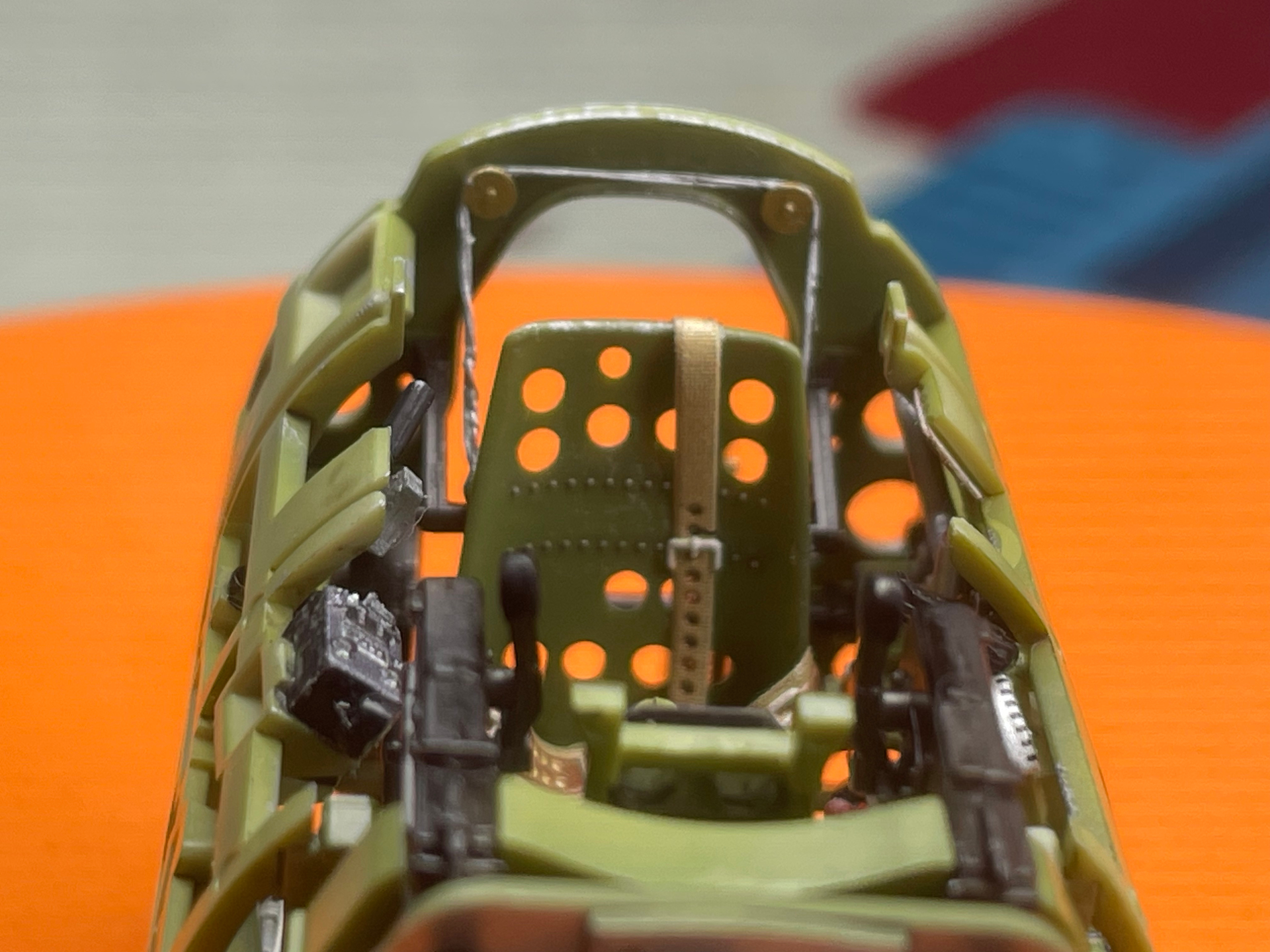
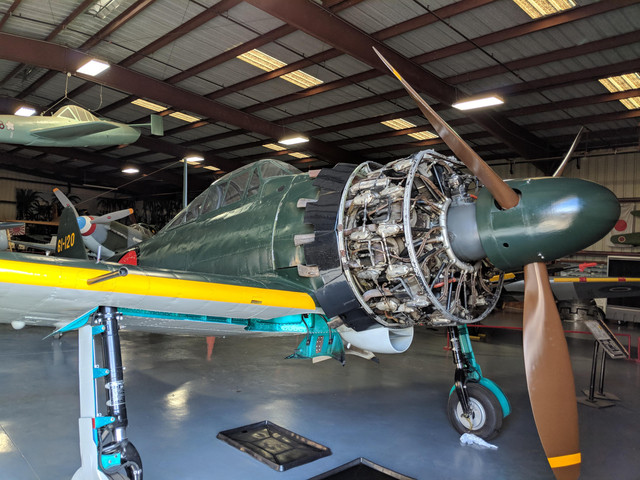
The Zero cockpit has reached its end. I added the seat‑suspension cord on the bulkhead behind the pilot, that you can see it in this museum photo.

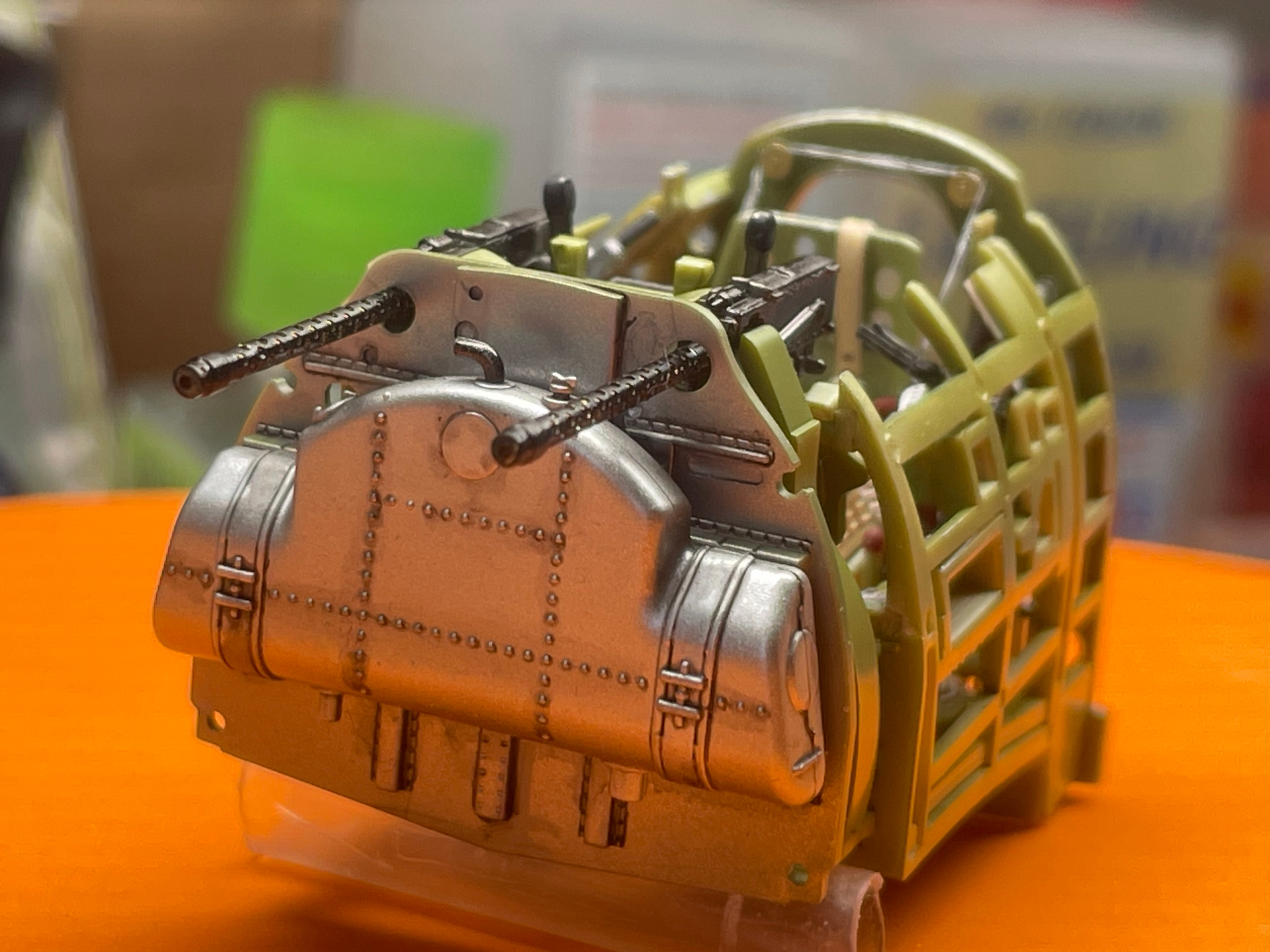
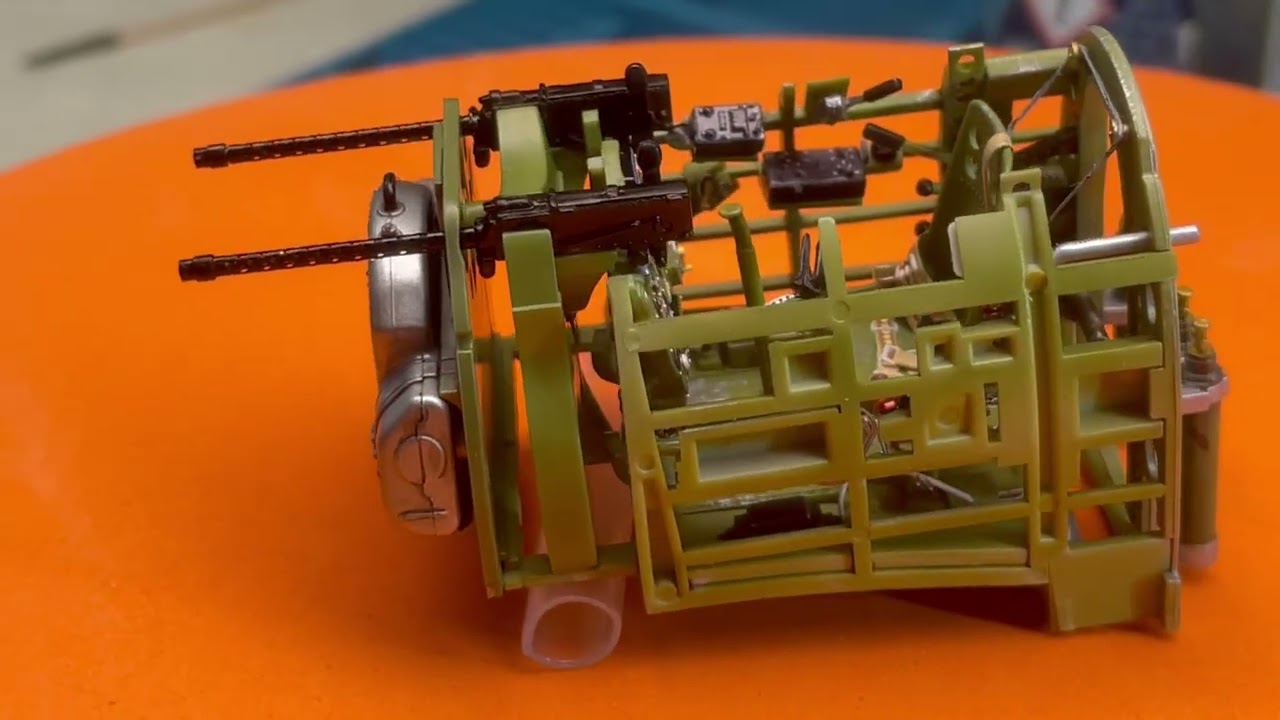
Next, I added the front instrument panel, the two 7.7 mm machine guns, the bulkhead in front of the cockpit, and the oil reservoir, with a few oil stains here and there. The final result can be seen in these few photos.


It’s easier to follow along with this video:

The next step will be fitting this whole assembly inside the already‑closed fuselage, relying—as always—on Tamiya’s excellent engineering. After that, I’ll start working on the wing structure.
See you next time.
Dan

.

7 Likes

Superb work Daniele !!!

It looks amazing, you have survived another Sicilian Christmas !

Hi Nito, yes I survived, but my belt gained two extra holes…
As for your comment — always kind! I really appreciate it, and thank you!
Dan

Following with interest Daniele :slightly_smiling_face:

Daniele, amazing work. I will follow along.

Fred

Thanks Russell. Let’s hope I live up to expectations! :grinning_face_with_smiling_eyes:

1 Like

Hi Fred, thanks for now. Let’s see what comes of it!
Dan

Hello guys! A short update for today.

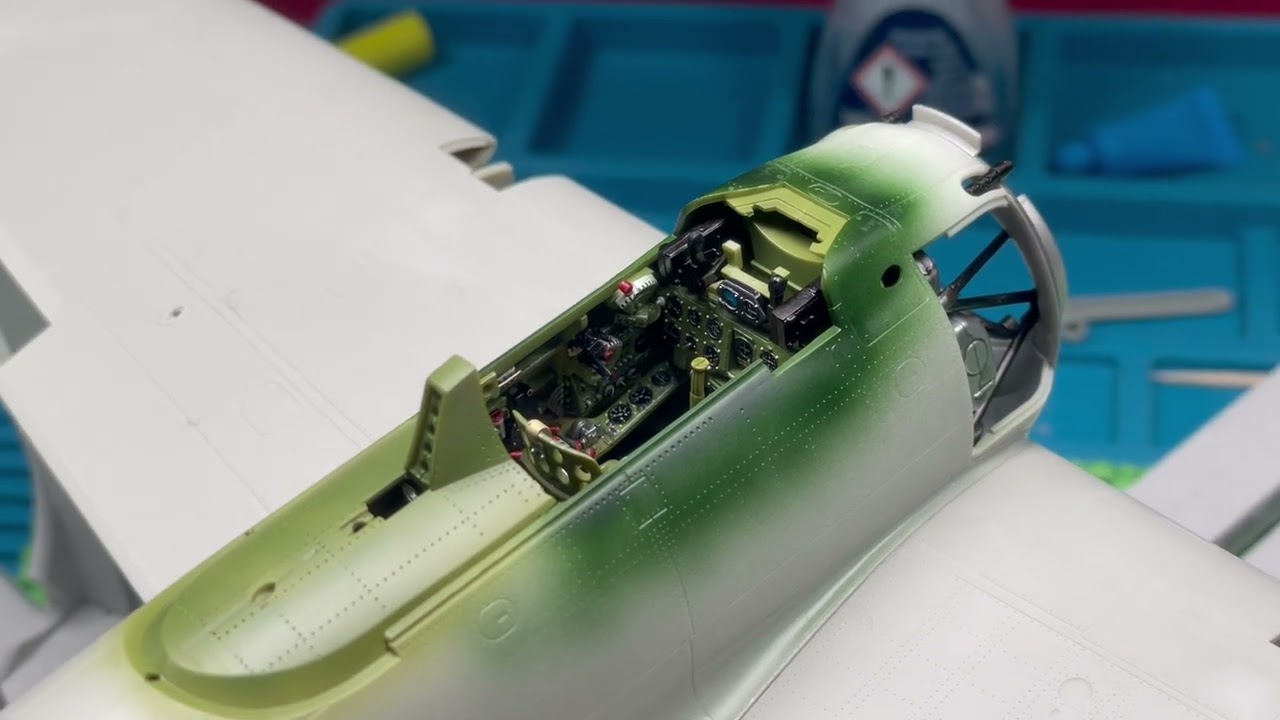
What do you think — is it starting to look like a proper Zero‑san?

Jokes aside, with this stage completed, the instructions suggest applying the entire camouflage scheme to the aircraft, even though quite a few parts are still missing (engine, undercarriage and so on). I’m weighing up whether to follow that recommendation or stick to the usual practice of painting the camouflage towards the end of the build.
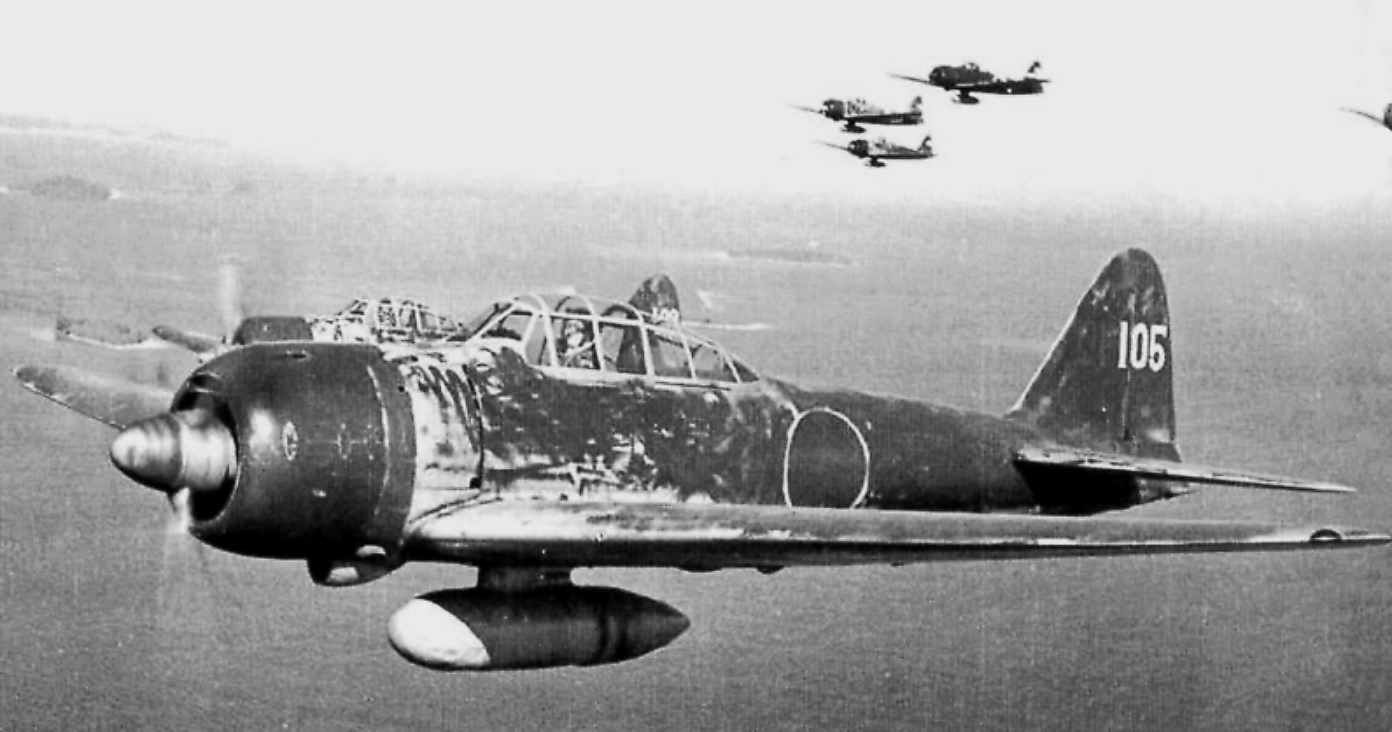
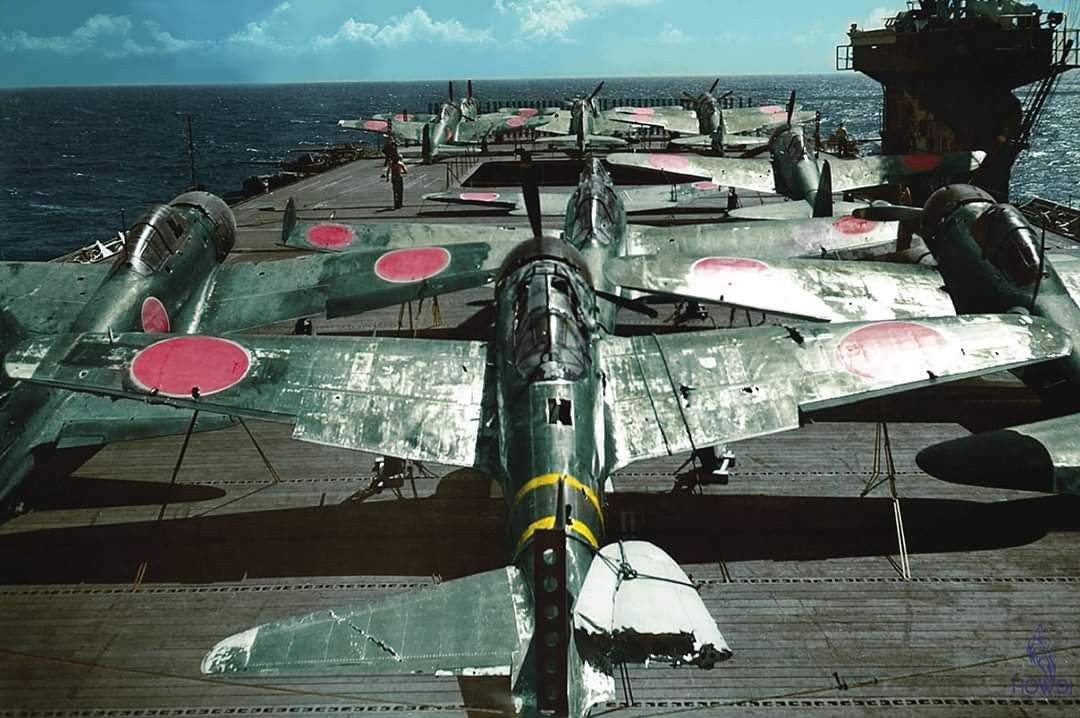
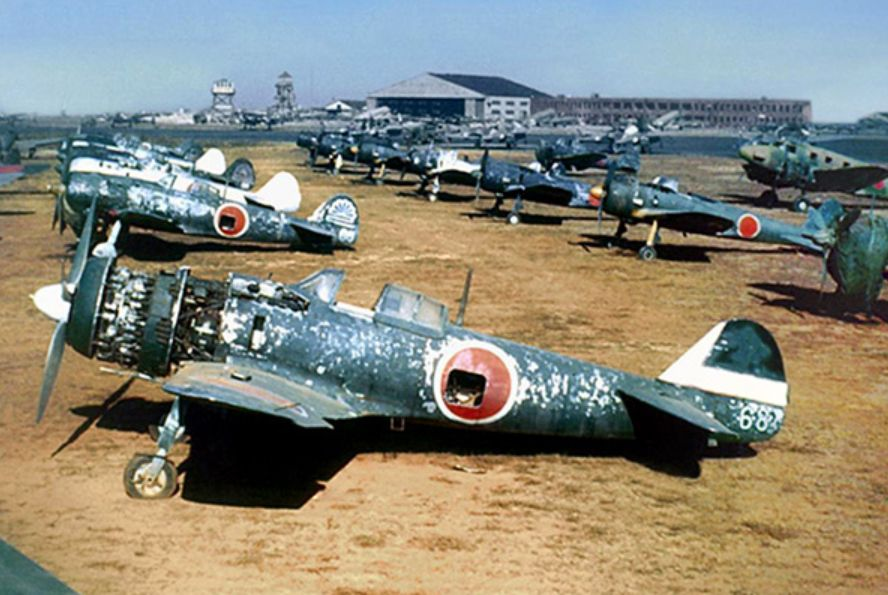
Another “modelling dilemma” occupying my thoughts is this: it’s well documented that the paints used by the Imperial Japanese Navy during WWII were notoriously prone to deterioration. There are plenty of period photographs showing Japanese aircraft in dramatically faded condition.
Loook at this:


or this

or this

I’m rather tempted to head in that direction, fully aware that avoiding exaggeration won’t be the easiest task.
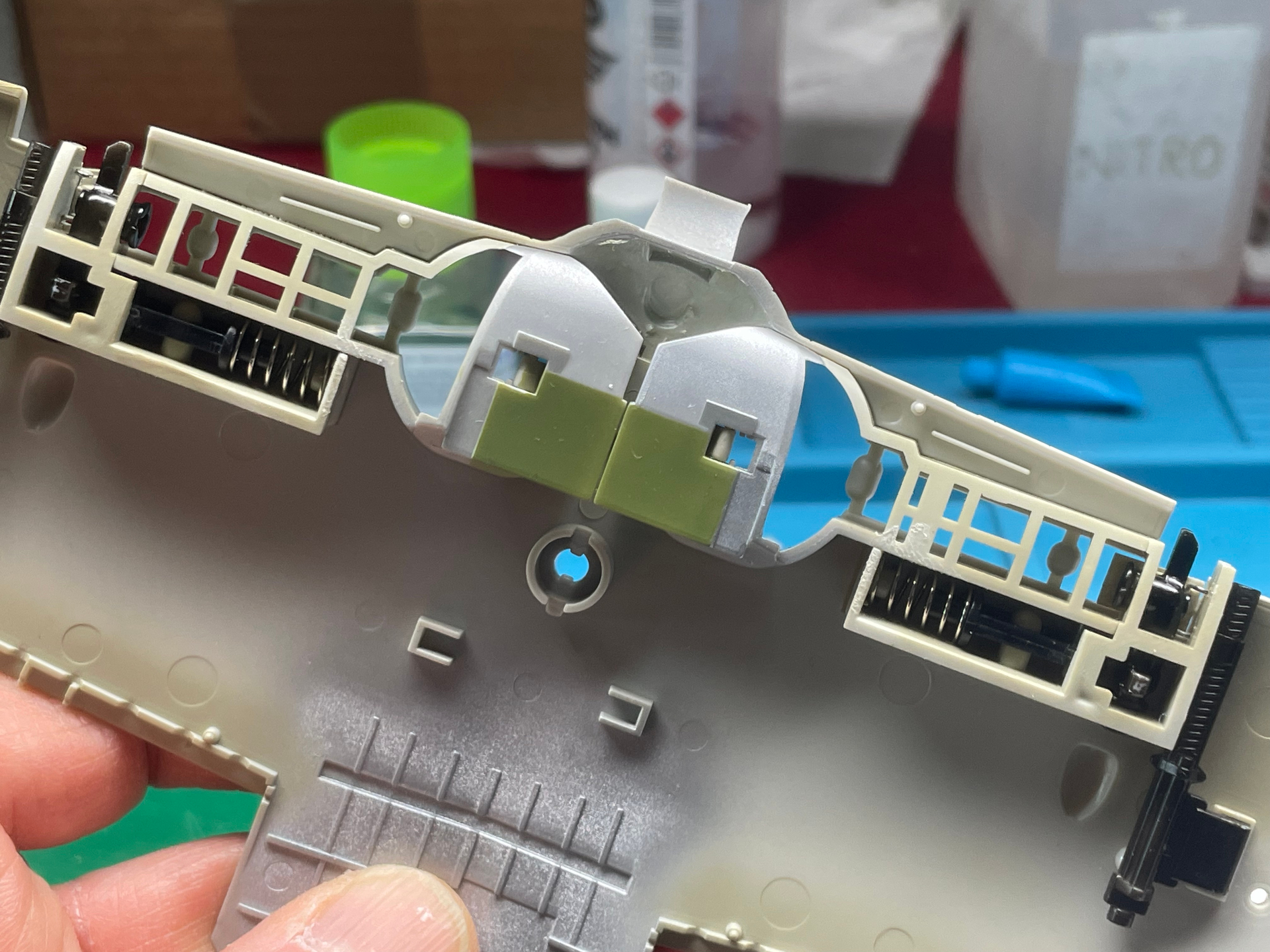
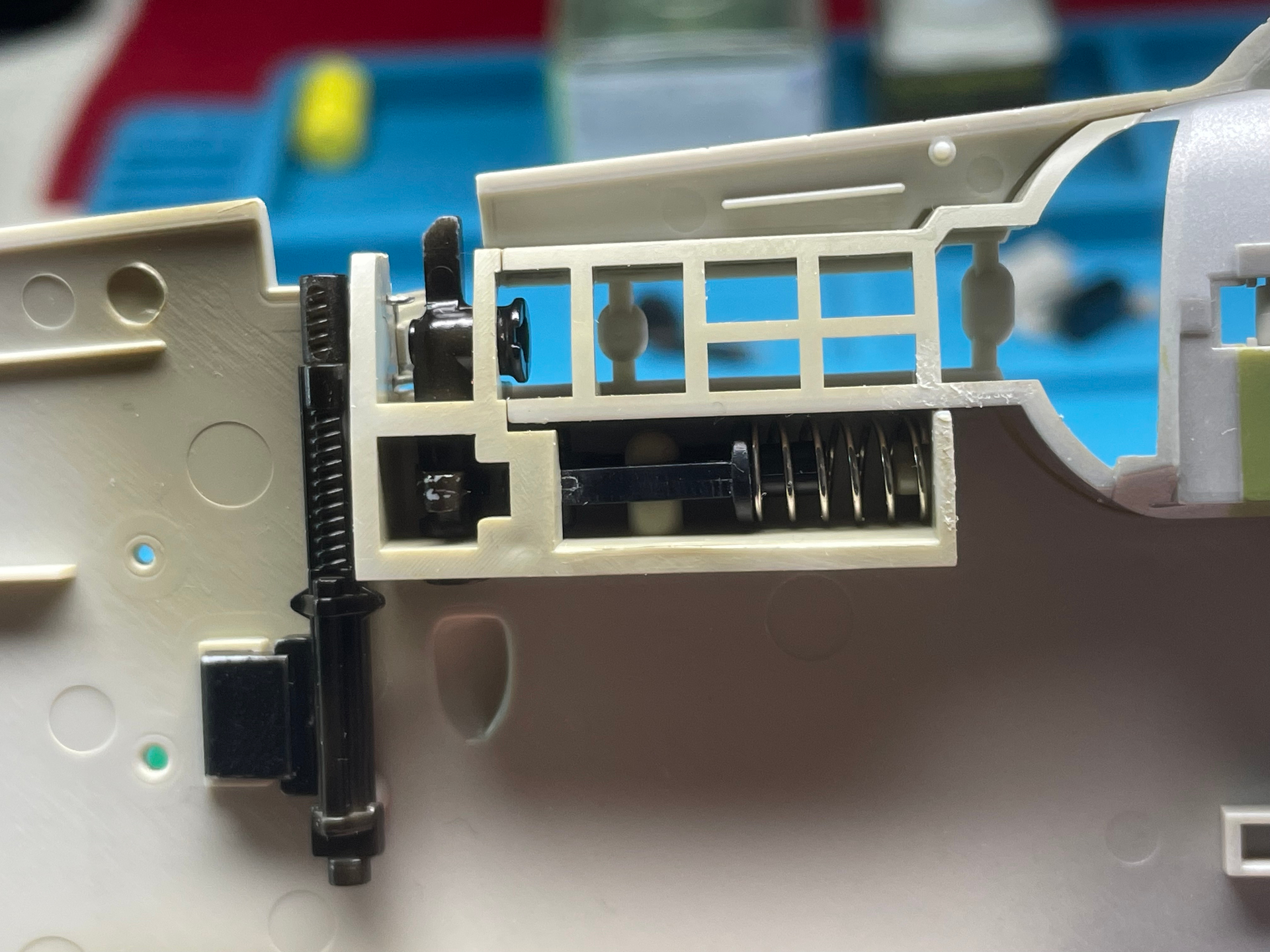
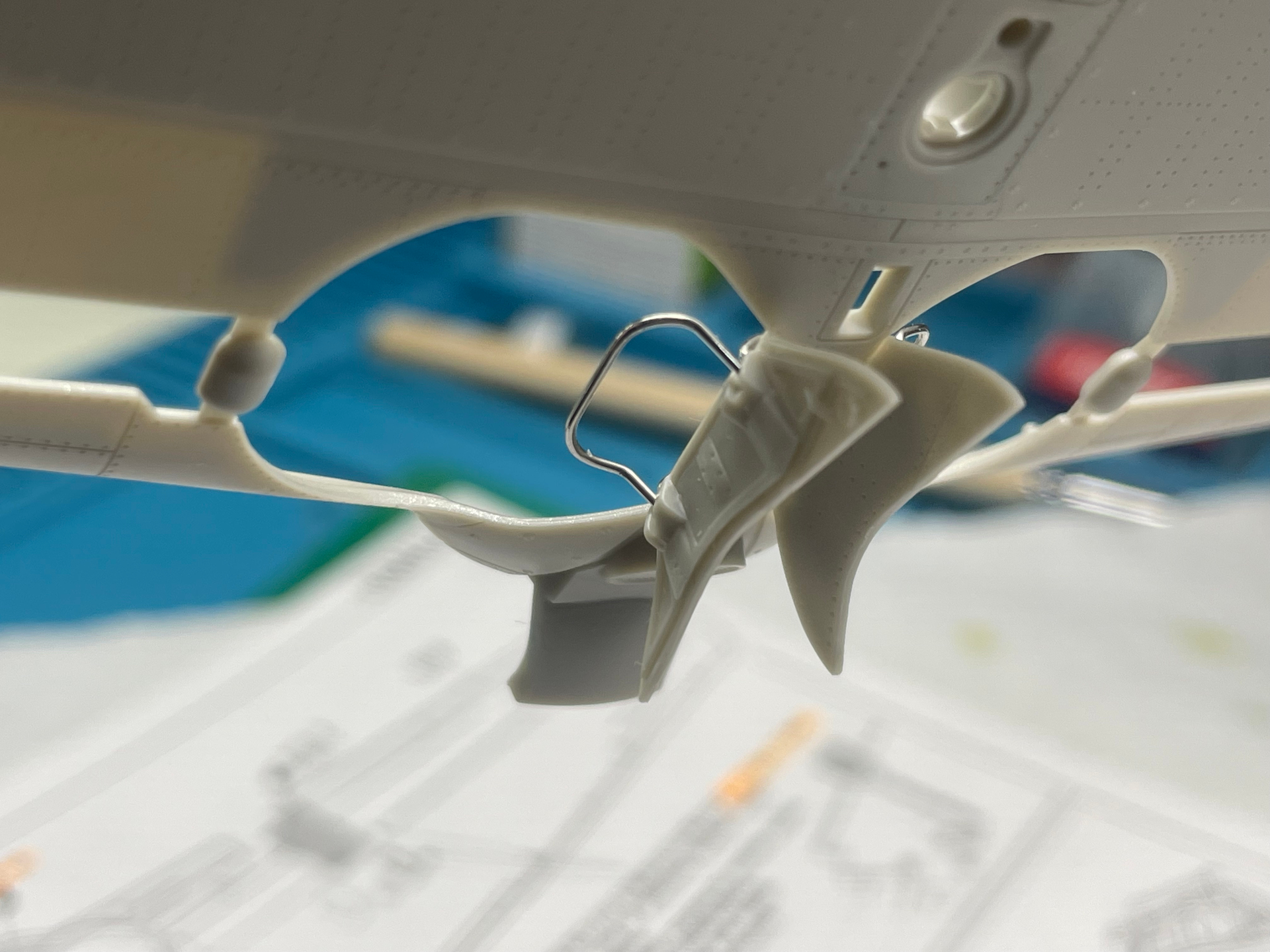
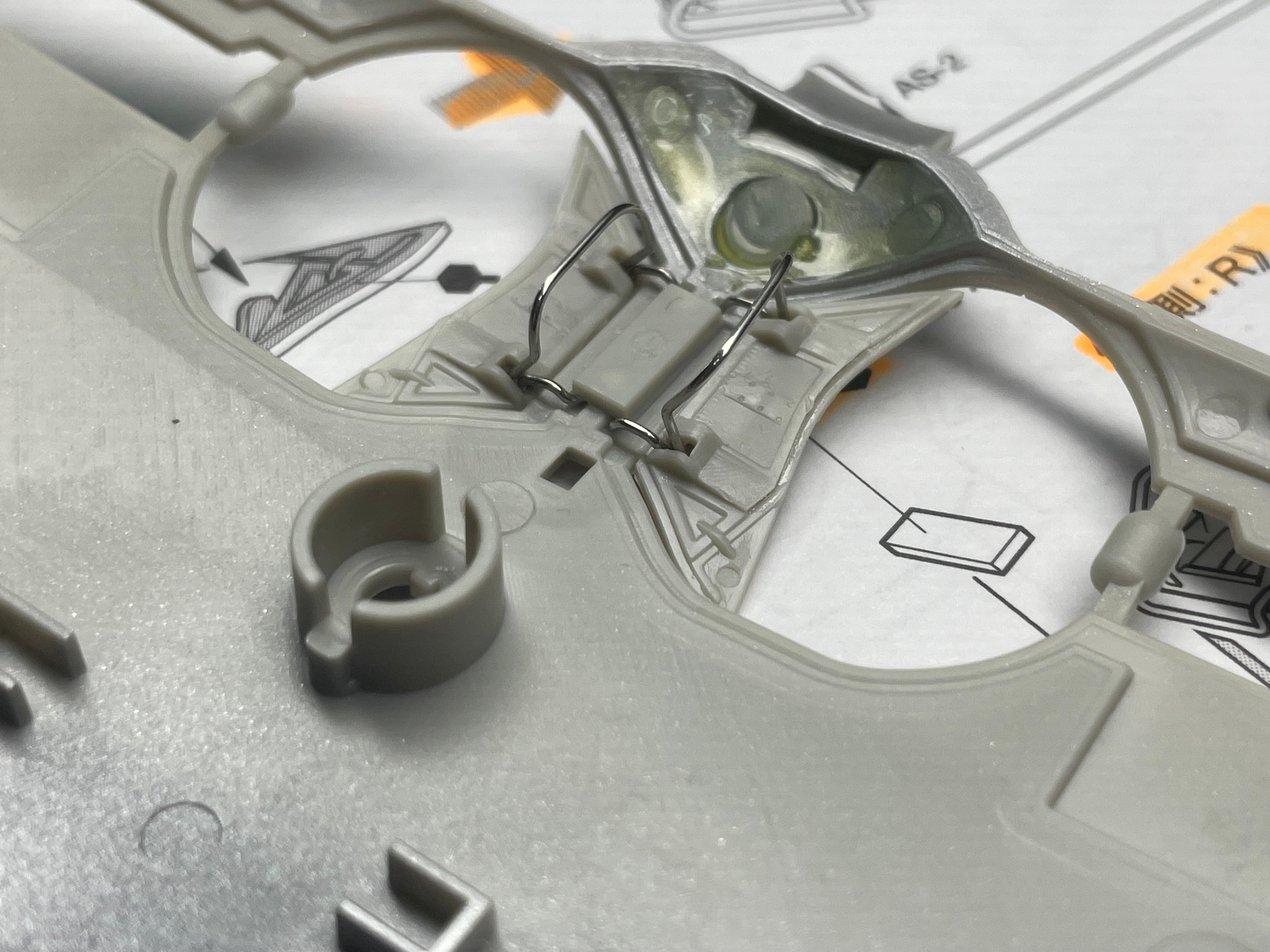
Let’s see, I’ll give it some thought. In the meantime, here are a few shots of the main landing‑gear retraction mechanism and the corresponding doors.


The fuselage–wing joint is done, as you saw in the short video above. As usual with Tamiya kits, everything fits almost perfectly.
By the way, taking advantage of this option provided by the kit, I’ve decided to install everything inside the belly of the Zero so I can display it in flight on the stand. This prevents me from fitting the drop tank, of course, but… by removing the stand and lowering the landing gear, the aircraft can still be shown on the runway with the tank attached. From what I’ve seen in the instructions, the tank can indeed be fitted or removed at will — Tamiya even provides all the necessary hardware inside the belly.
That’s all for now.
Cheers.
Dan

7 Likes

Another Masterpiece in the making… Damn … this is Art in Plastic.. Super work Dan!

1 Like

Thanks John. Let’s see what comes out of it.

1 Like

Very nice work, looks like perfection in progress.

1 Like

WOW Greg! Perfection is quite a word… but thank you, really, for the kind thought.
Dan

1 Like