I remember reading that about Chicom ordnance long ago. Supposedly, when they started producing their stuff, much of it was based off of captured US crew served weapons from their civil war. They changed the bore diameter calibers by fractions so that US made ammunition could be fired thru Chinese made versions, but not the reverse. Hence they had 82mm versions of the then current US 81mm mortar, .51 caliber version of the Ma Deuce, and 107mm recoilless rifles.
What good is it to be an SF Weapons Sergeant if you don’t get to try things like this out?
Although not always with the commander’s direct knowledge.
Then there was that time we horizontally trip fired a 60mm mortar, but that’s another story…
Ukrainian Army technical. Looks like it’s based on a US-made pick-up truck (Ford ?) …
While looking for info about the one above, I came across two articles written in 2018 dealing with Ukrainian (mostly) improvised armored vehicles. Wonder how many still soldiering nowadays…
the 51 cal ammo will not interchange with U.S. 50 caliber ammo. The case is much different, and extracts off a semi rimmed case. Might get one round off at best. The 51 caliber round has a little more range, and is more accurate depending on which set of sights are on it. We had a ChiCom 82mm tube set up, but think they only punched ChiCom ammo thru it. Biggest recoiless rifle from the other side I ever saw was a 90mm, and even it wasn’t very common. Most of the time it was a 75mm or even a 57mm (who’s 57mm?).
gary
" Count Sergei Yulyevich Witte (Russian: Серге́й Ю́льевич Ви́тте, tr.Sergéy Yúl’yevich Vítte , IPA: [sʲɪrˈɡʲej ˈjʉlʲjɪvʲɪtɕ ˈvʲitʲːɪ];[1] 29 June [O.S. 17 June] 1849 – 13 March [O.S. 28 February] 1915),"
"He finished Gymnasium I in Kishinev[12] and began studying Physico-Mathematical Sciences at the Novorossiysk University in Odessa in 1866, graduating top of his class in 1870.[13] After completing his studies he devoted some time to journalism in close relations with the Slavophiles and Mikhail Katkov.[14] "
Construction of the St Petersburg - Moscow (Mordor?) railroad started in 1842, approximately 7 years before Sergej was born
No, it won’t. However, someone back in the day decided to call it .51 caliber when it is indeed .50 caliber - solely to make a distinction for the average Joe. Soviet/Russian/.Chi-Com 12.7mm is indeed .50 inches. And it makes sense. They used imperial measurements back in the day, and still do to a large degree. Hence 7.62 mm ammo (equals .30 inches) and 76.2 mm ammo (equals three inches) Not just the casings, but the bullets themselves differ.
I have Soviet fuel valves from BRDM-2’s I use for bike builds. (I showed pics just last week) They have several fittings on them as they feed several fuel tanks. I thought I might have trouble replacing them, but it was a simple matter of going to Ace Hardware and purchasing 1/4 inch brass fittings. One fitting probably cost more than their whole valve assembly.
I have no idea what Russia uses today for that generic diameter round, but the DSHK and maybe one other were 13mm bullets. That’s why you hear the term .51 caliber as 13mm equals .510". Speaking of 50 caliber rounds, a lot of us do not know that there was actually two different 50 caliber rounds used by the U.S. military. One is the common round used in the Browning machine gun. The other uses a different bullet (seems like it was 670 grains verses 750 grains). The case head is the same diameter, but has more taper in it and is shorter. It was developed to have the same trajectory as the 106mm recoilless rifle, and was known as the 50 caliber spotter round. A few years back there was quite a lot of experimenting with that case design and several different 50 caliber bullets to see just what it would do. Turned out to be a little more accurate (tighter grouping) than the Browning design (actually Elmer Keith design). There was even one design off that same case that was about .38" shorter and even better. The Browning design concept was wrong from the get go. Way over bore for the bullet diameter, and well known for making the barrel makers rich.
7.62mm actually measures .308". Yet there are .307" bullets, and .311" bullets (Russian). Not sure where the British .303 measures out at, but think it’s close to .308" diameter. Seems like there are a couple more like the Japanese 7.7 and the French or Swiss 7.5mm rounds. Without slugging the barrels, one may never know. The now standard .223" diameter bullets can be had anywhere from .222" diameter to .228" diameter (I think that last one is really closer to .226" dia.). 6mm bullets can be called .243" or 6mm bullets, but they all are pretty much the same diameter. The .250" started as a .250" diameter (turn of the last century) and was soon standardized to .257. Always kind of an oddball diameter. Revolver rounds and pistol rounds are even odder. The Colt 45 used in the revolvers for a 150 years are actually .458" diameter, while the bullet used in the 1911a1 is .452". I have an 1885 Hi-Wall chambered in 38-55 (?). It started life as a target round. The bullet diameter is neither 38 caliber or .357 diameter. Mine happens to be .377" diameter, but they did them in .375", 376", and .377" diameters! You use cast lead bullets so you won’t really know the difference. The 55 is for the case holding 55 grains of black powder with out a bullet in it. You’ll usually be in the 30 to 35 grains of powder area. I use smokeless powder so it’s even less.
gary
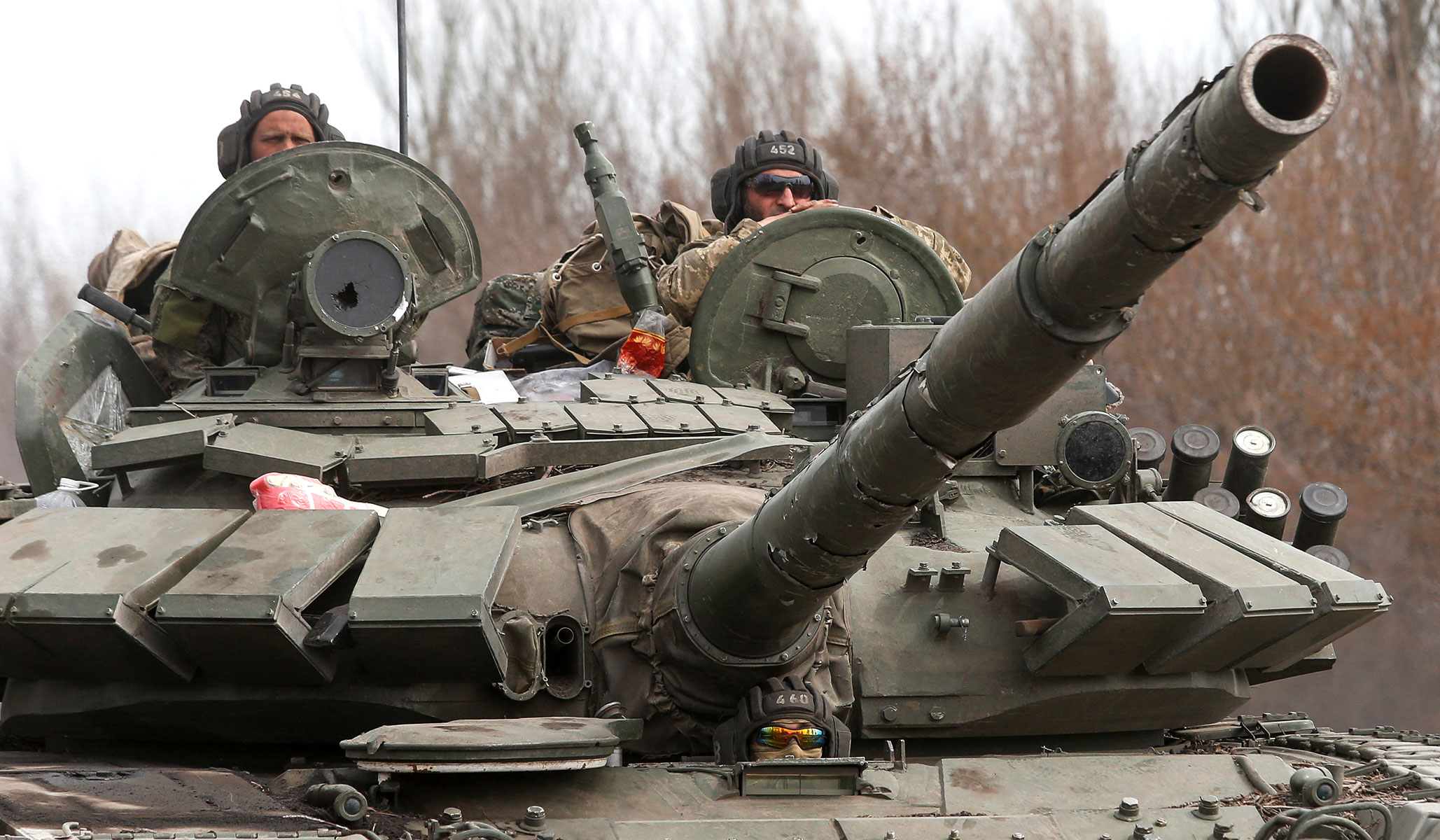
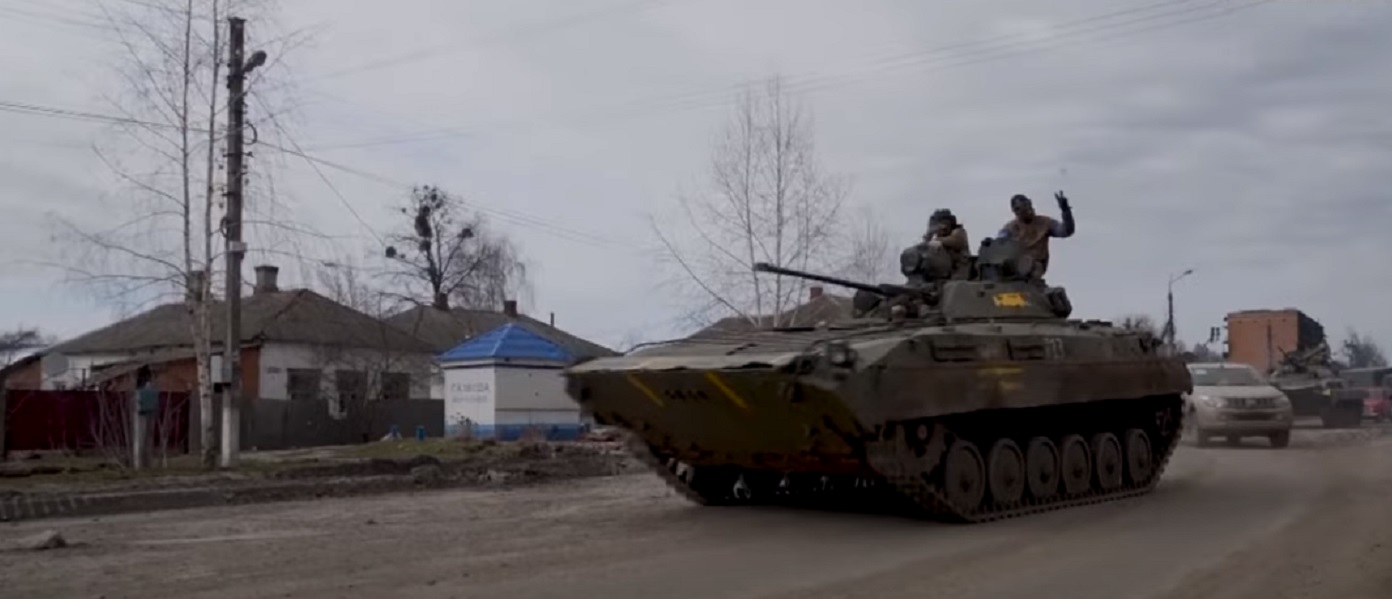

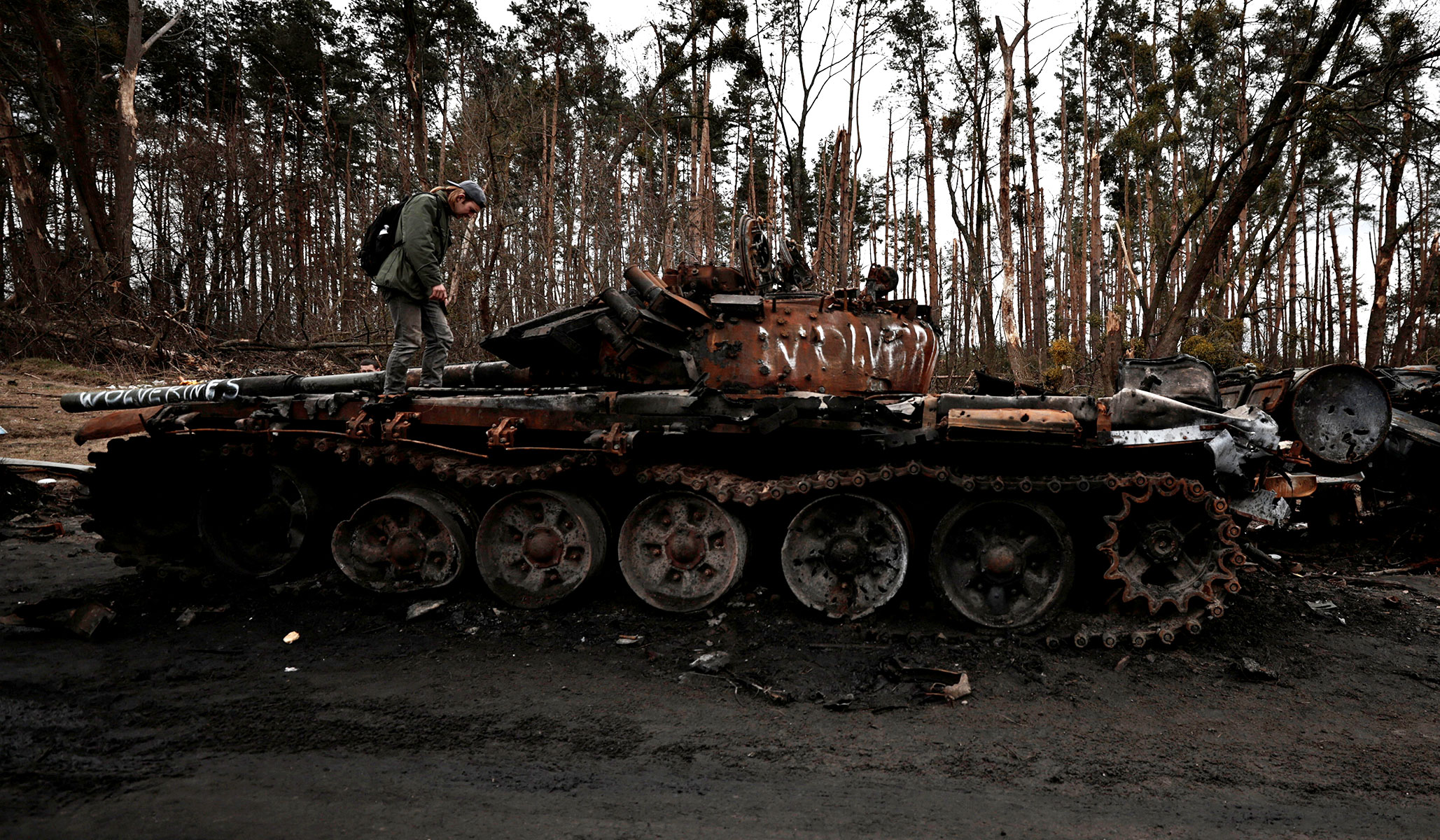

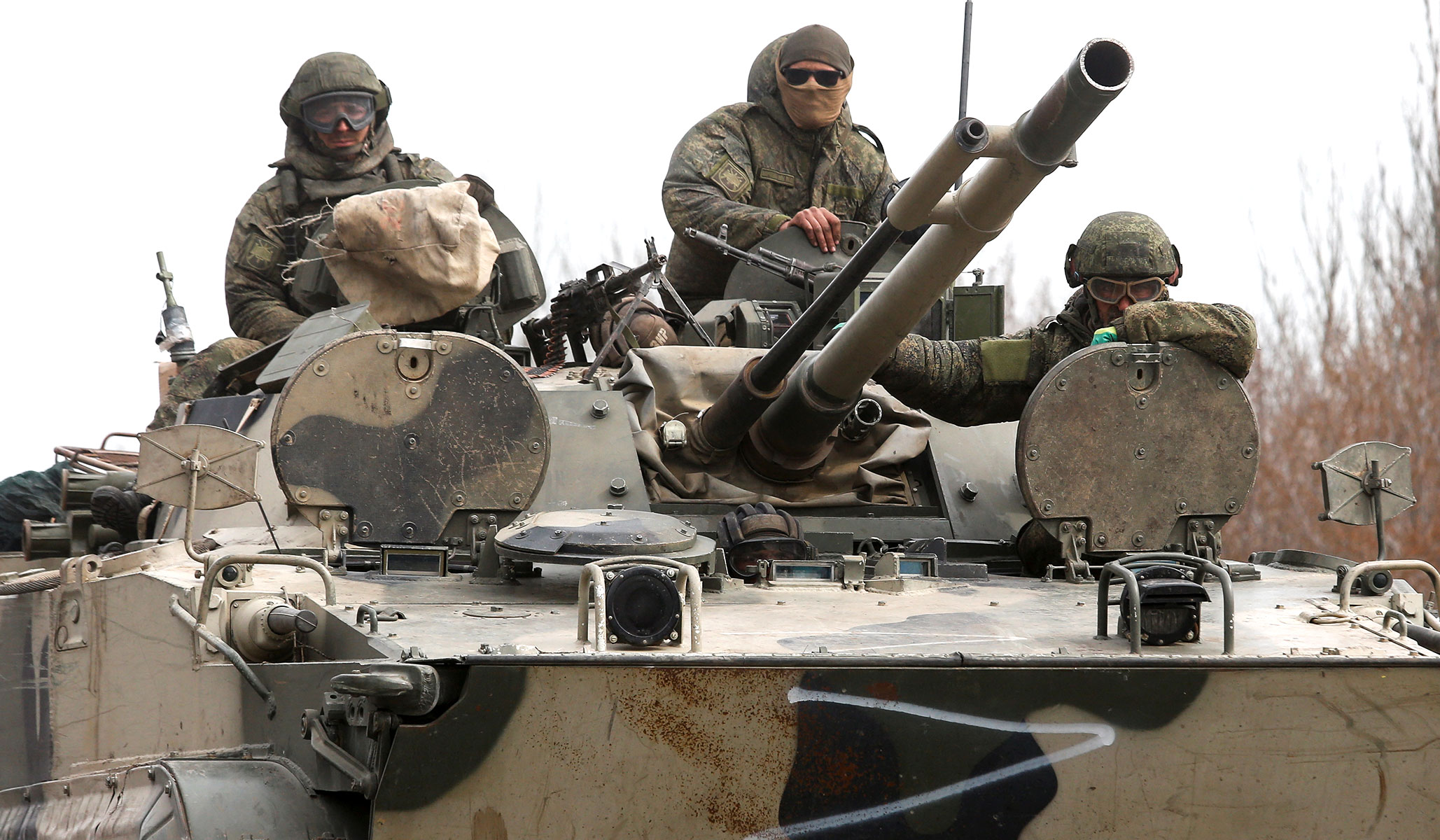


 vs Tractor Army.