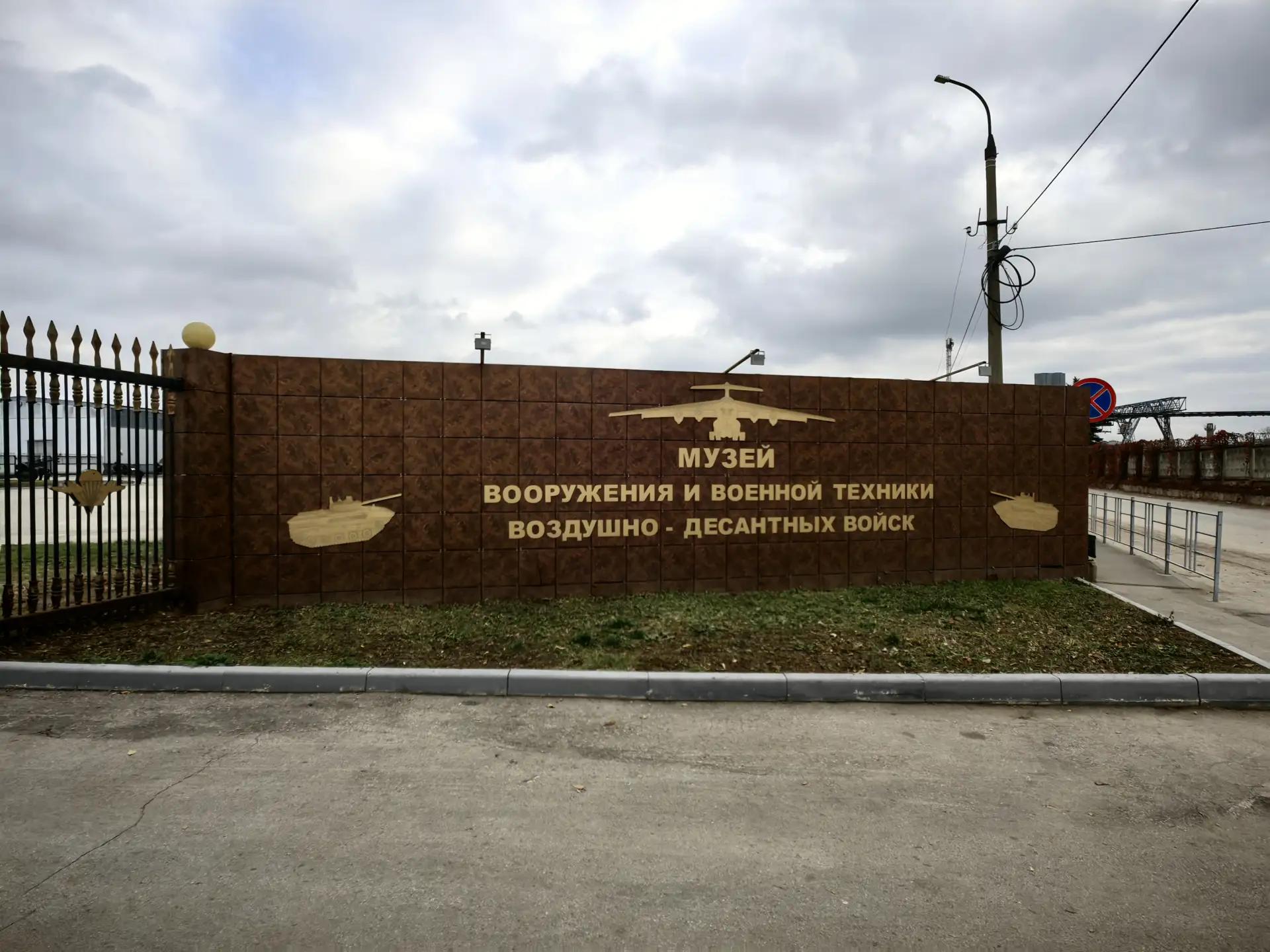
Museum of Armament and Military Equipment of the Airborne Forces

Table of contents

Introductory overview

Airborne Forces Pavilion.

Exhibition of mobile maintenance equipment…

Between the hangars.

Introductory overview

My mind, accustomed to the Asian expanses of my homeland—first the USSR, then Russia—didn’t immediately grasp the constricted nature of the European part of the country. It’s 1.5-2 hours from Moscow to Kubinka, and just an hour longer to Ryazan, the capital of a completely different federal subject. And if you get to the first one on a classic commuter train – with all the consequences, then to the second one – on its modern, luxurious version with the guarantee of an individual seat.
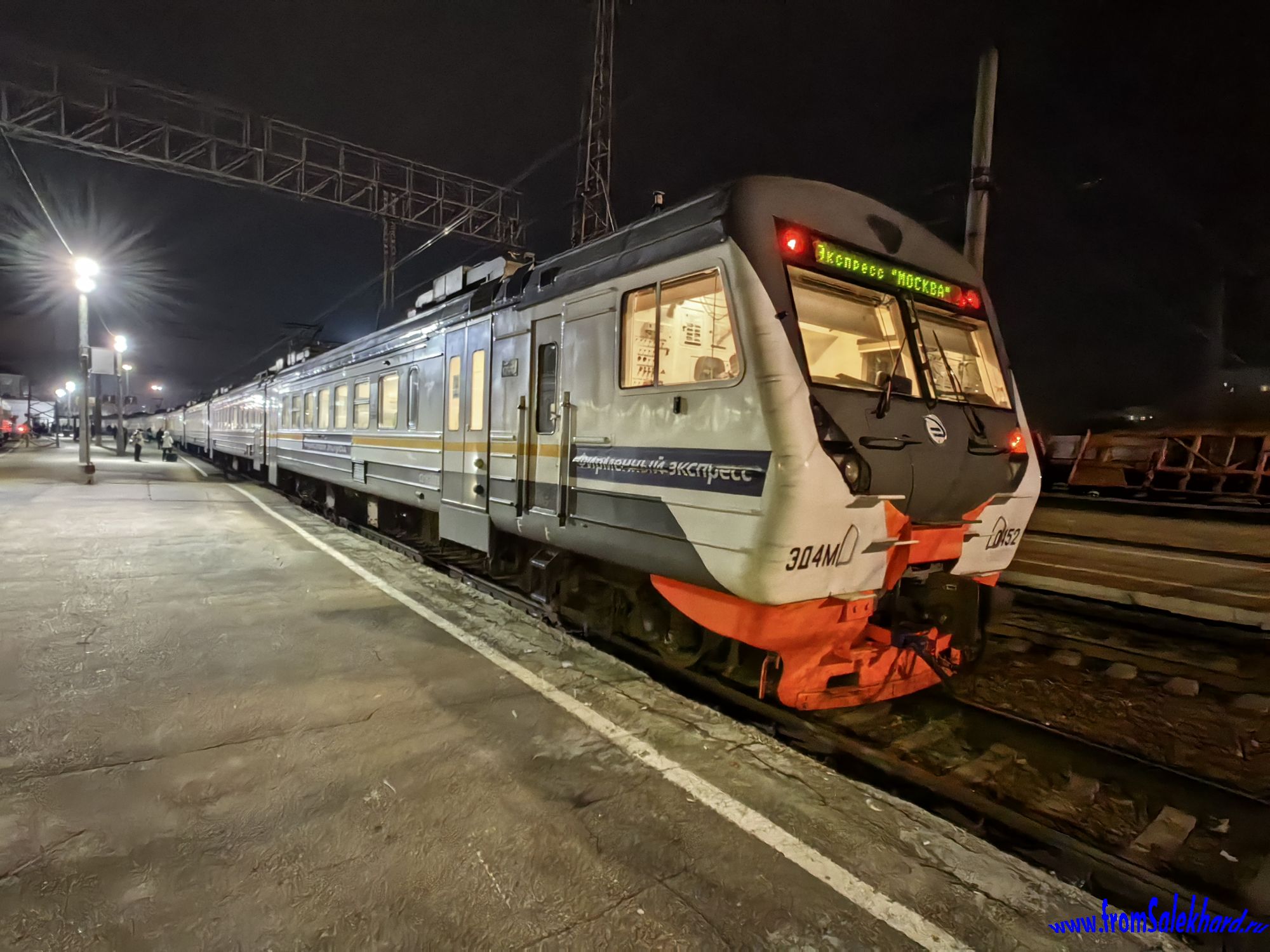
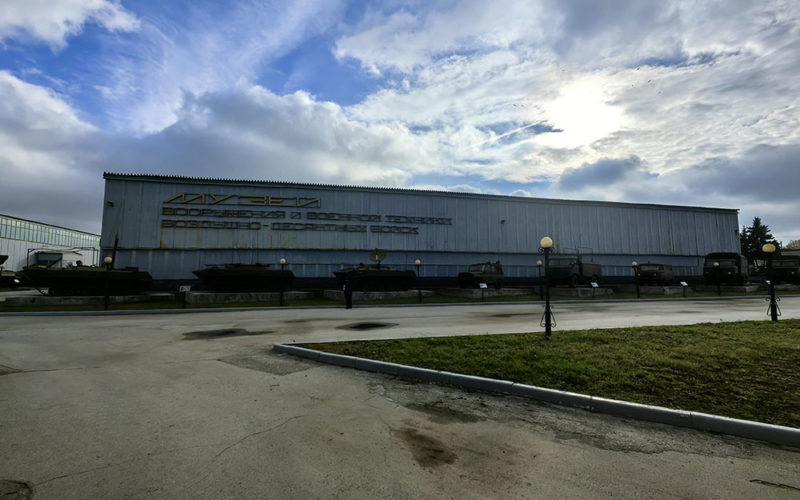
I had a targeted trip to this city to visit the Museum of Armament and Military Equipment of the Airborne Forces.
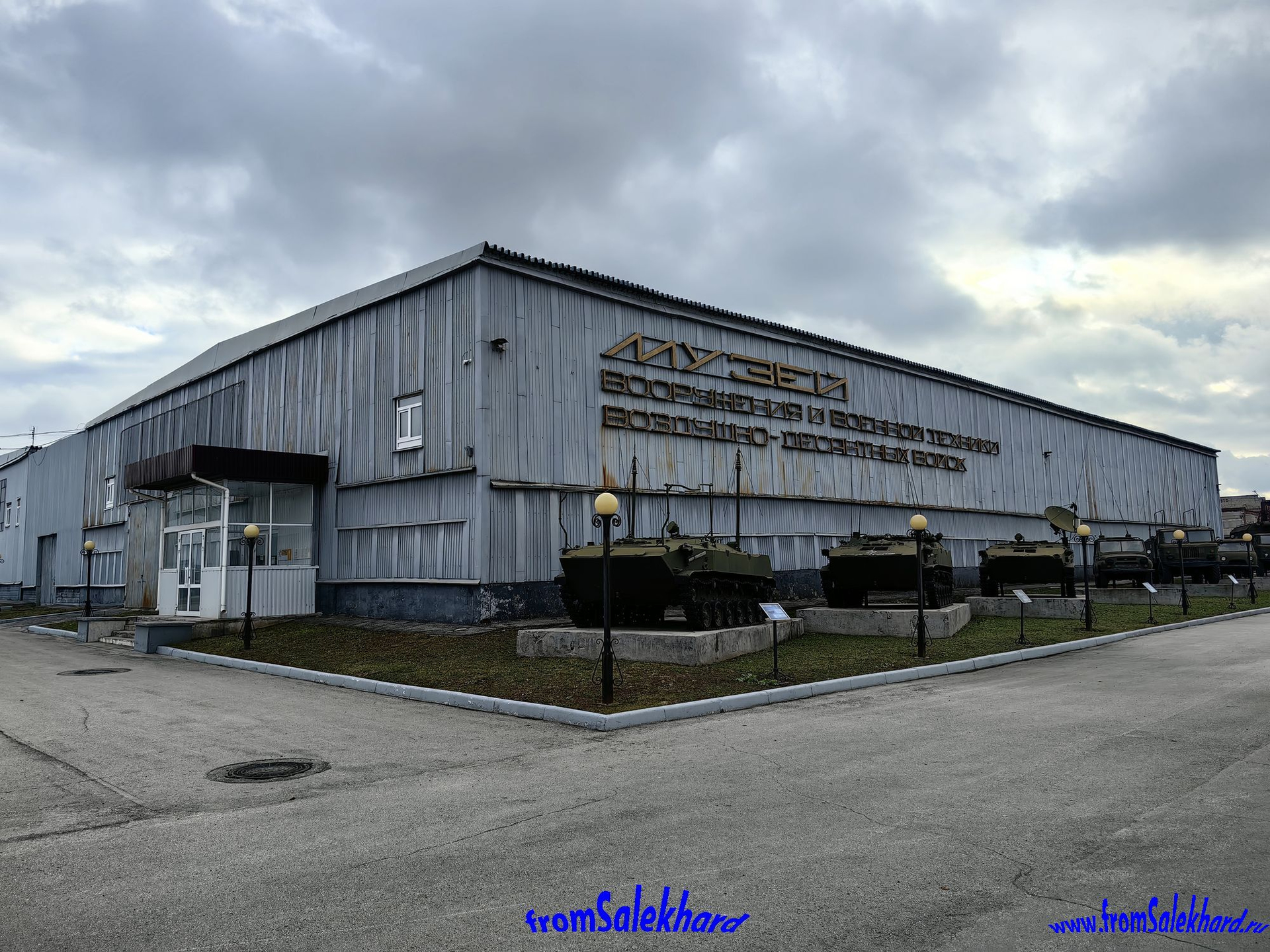
I arrived in the morning by train, spent the whole day in this museum and left in the evening.

As soon as I entered, I knew I had arrived, and I had arrived exactly where I needed to!
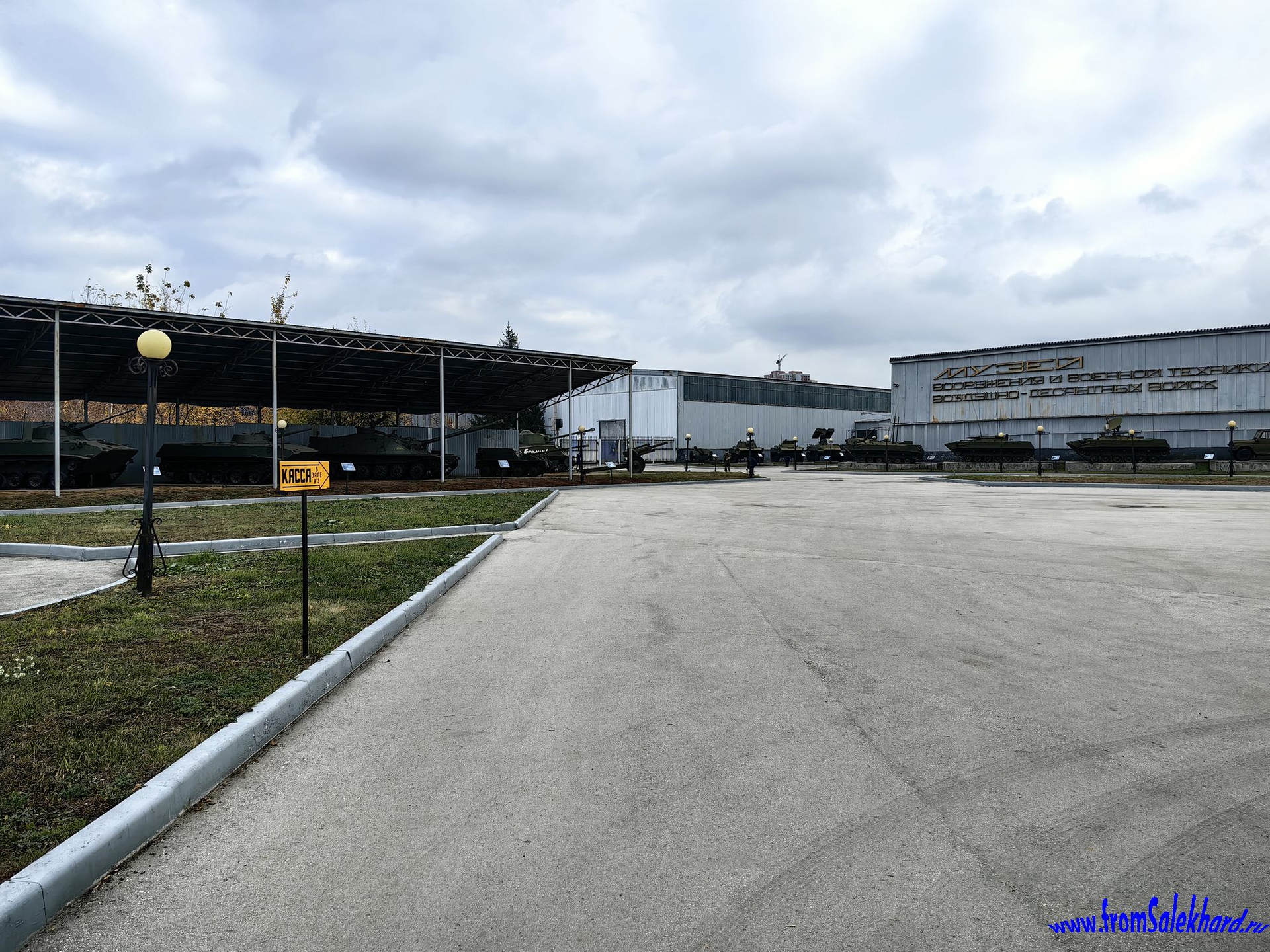
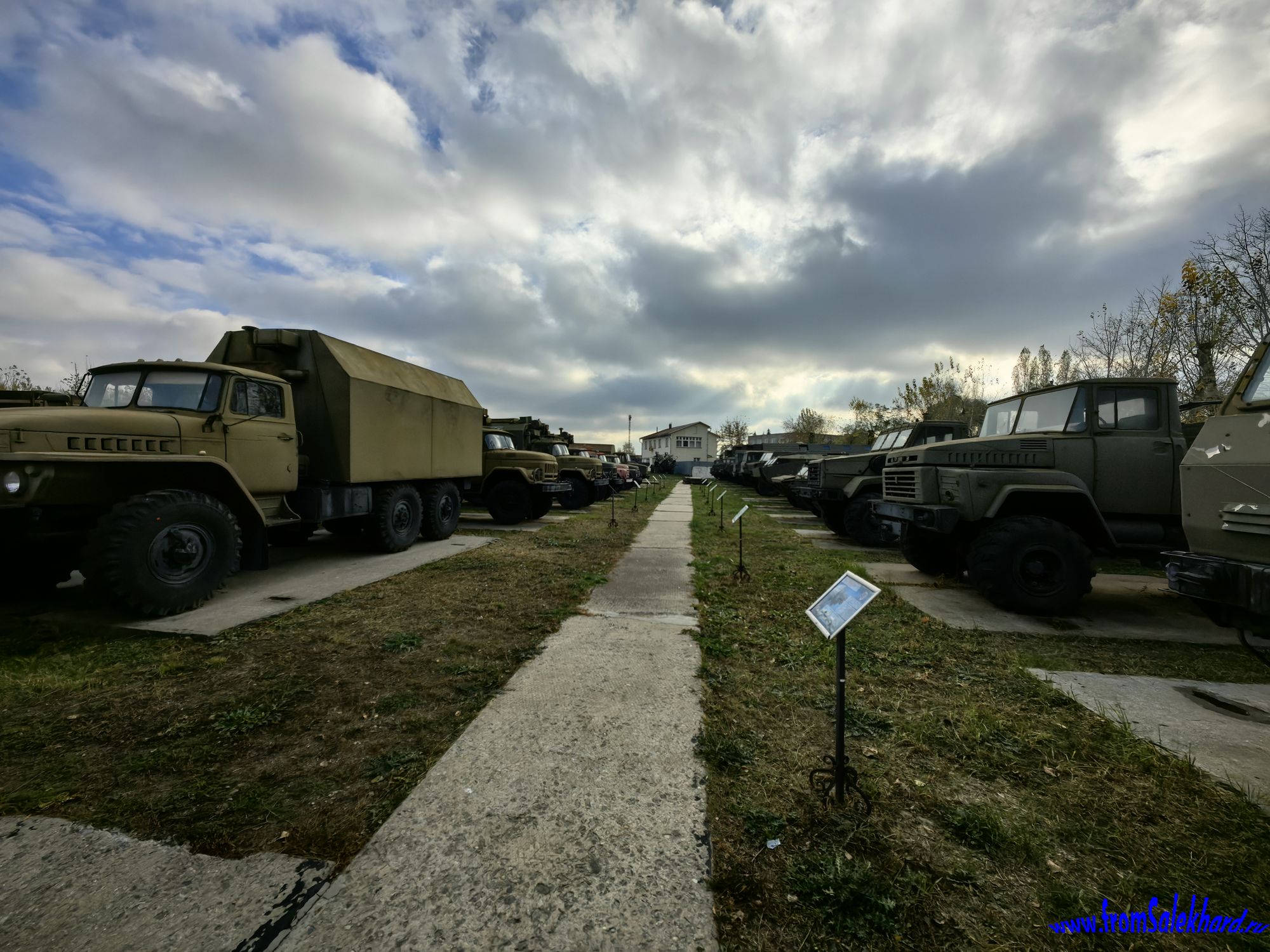
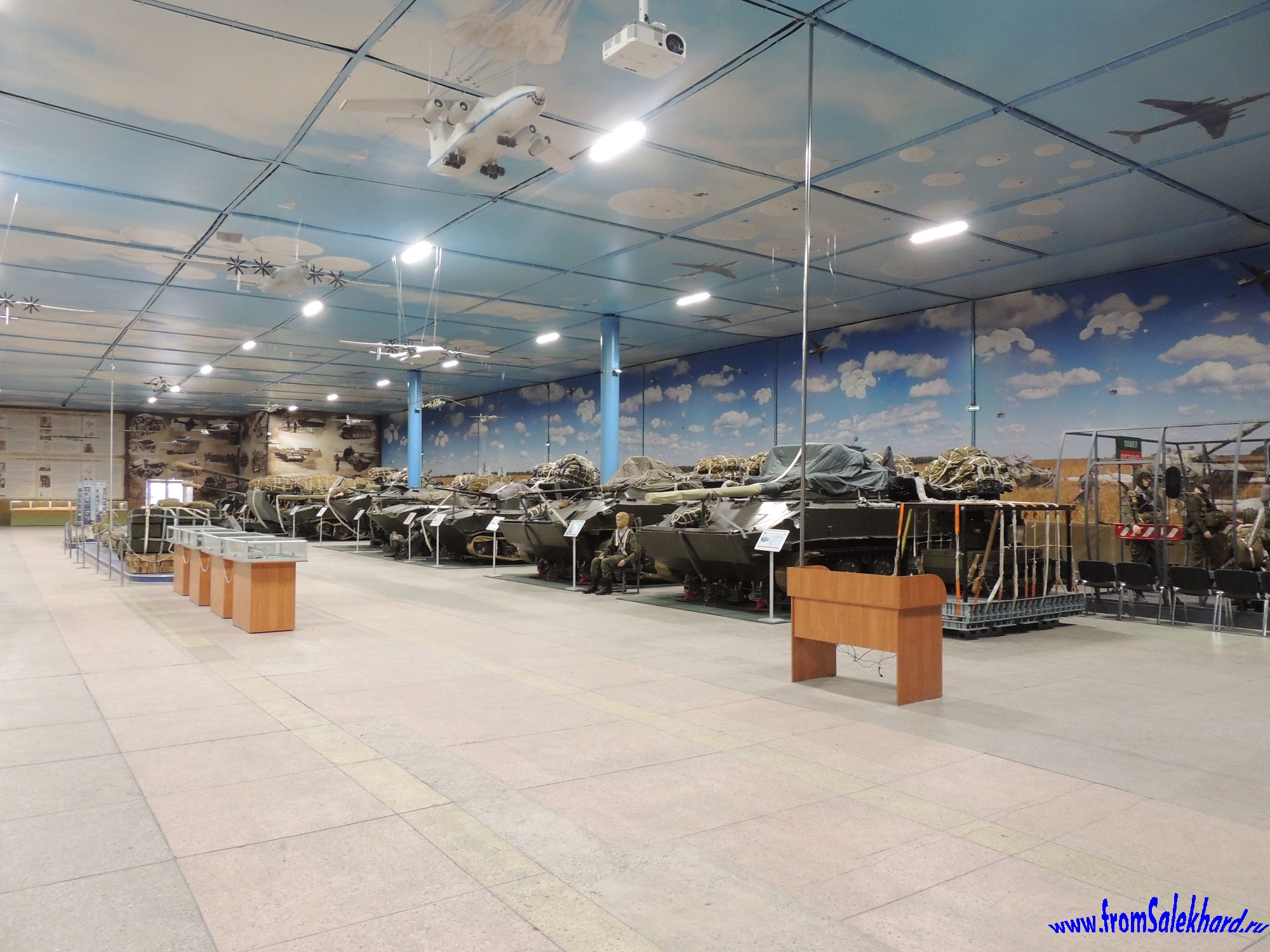
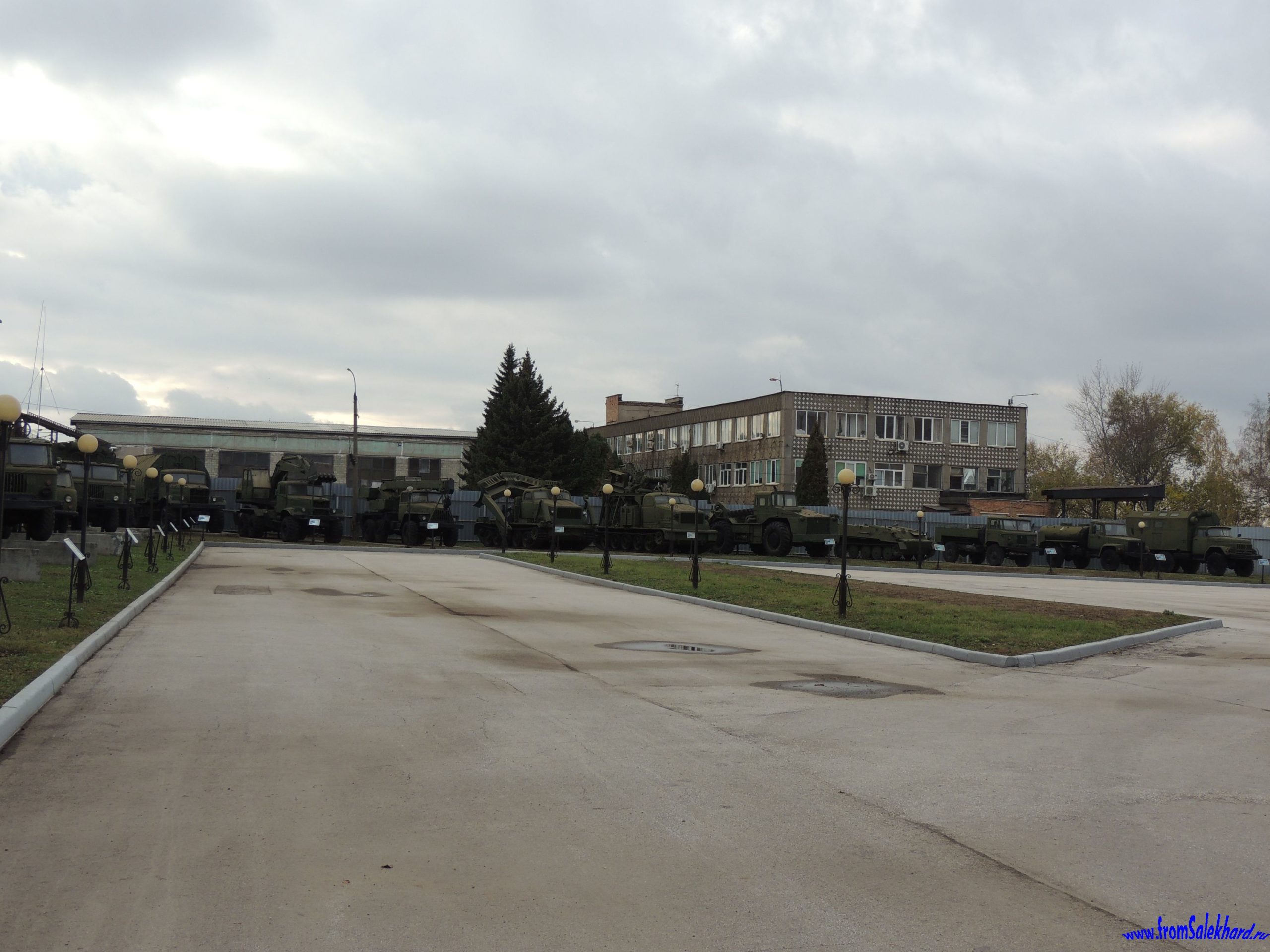
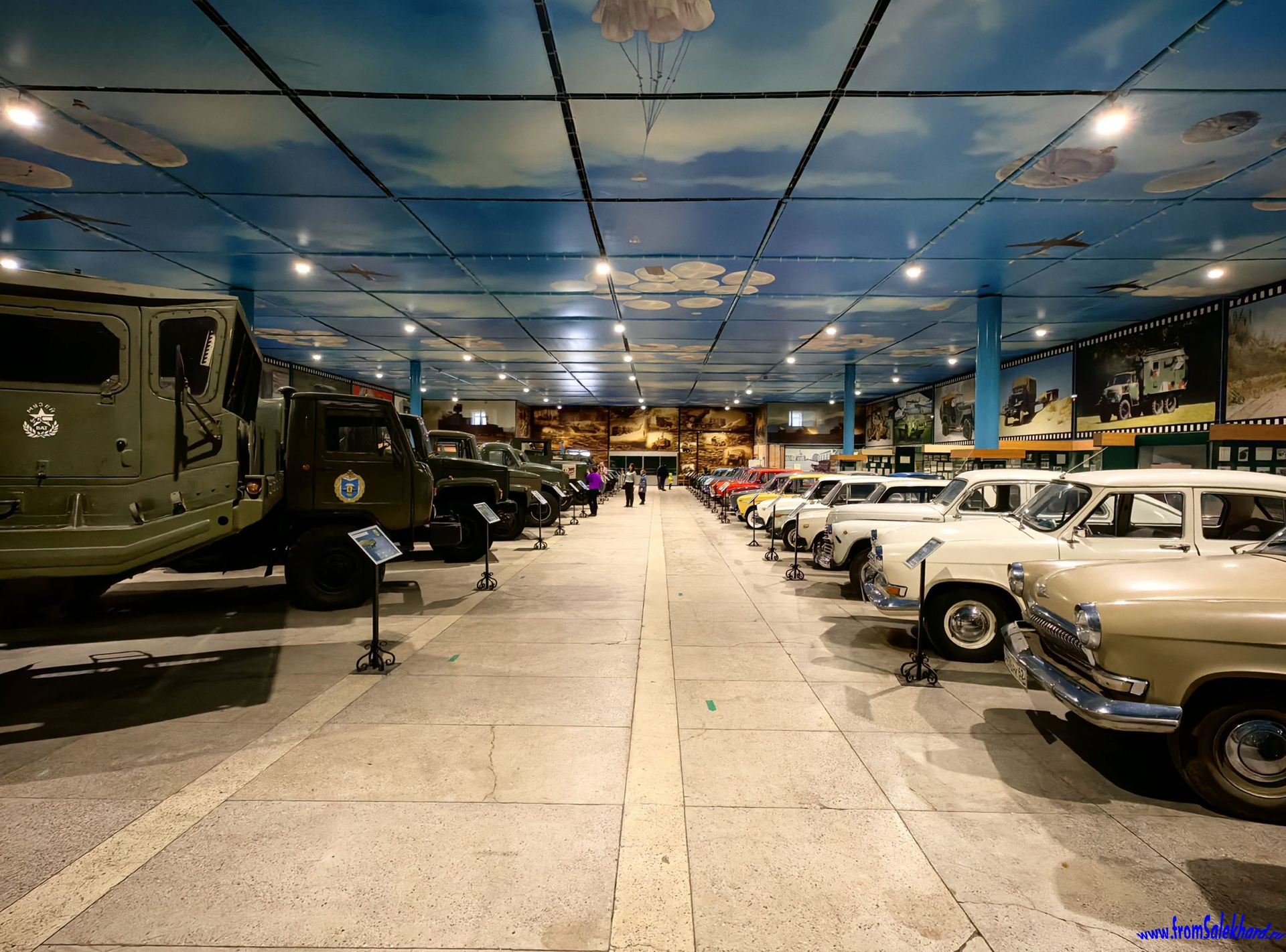
A glance to the right rests on the orderly rows of military equipment.
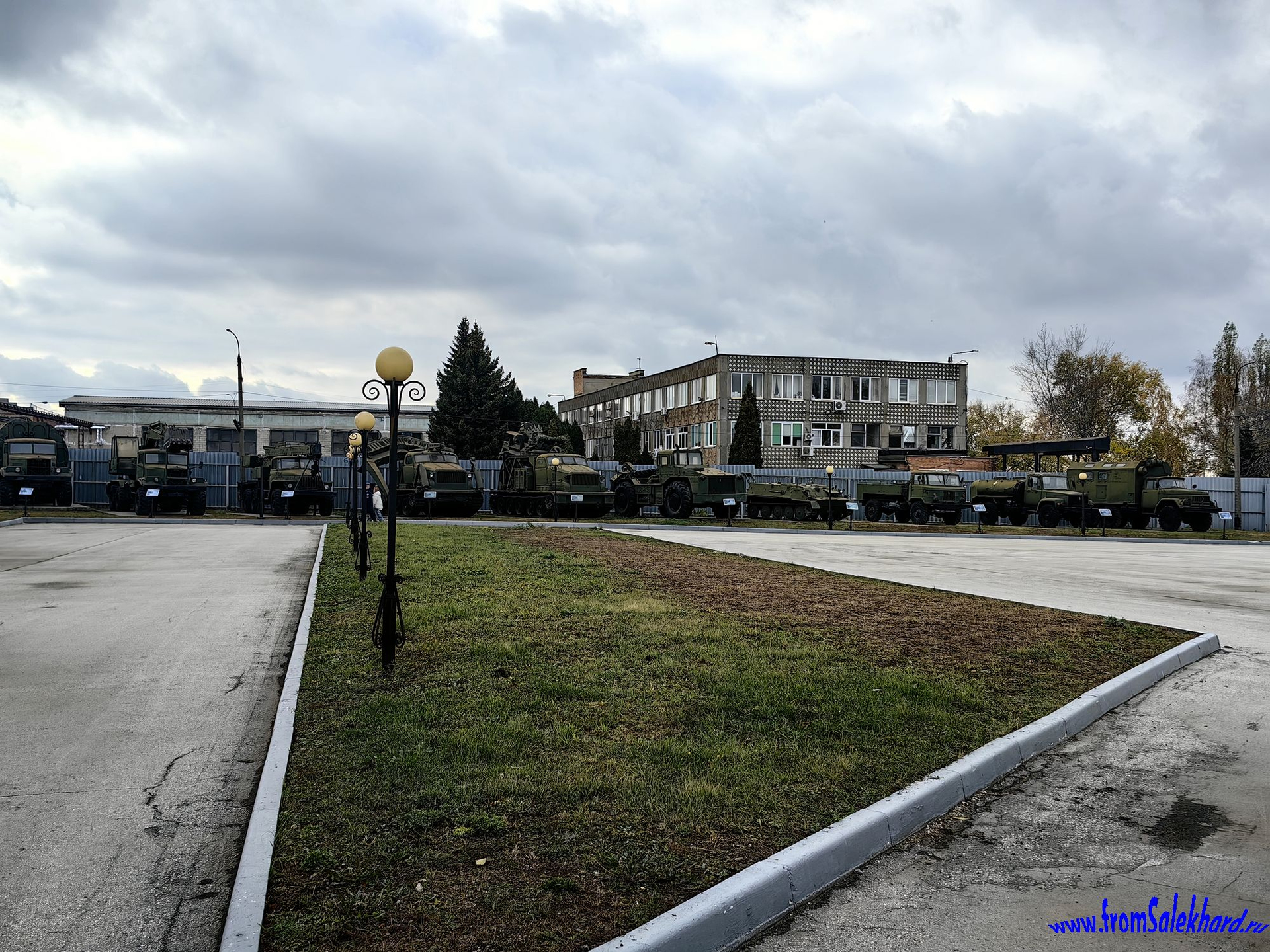
I won’t show you what’s to the left just yet, lest you have a heart attack or choke on your saliva.

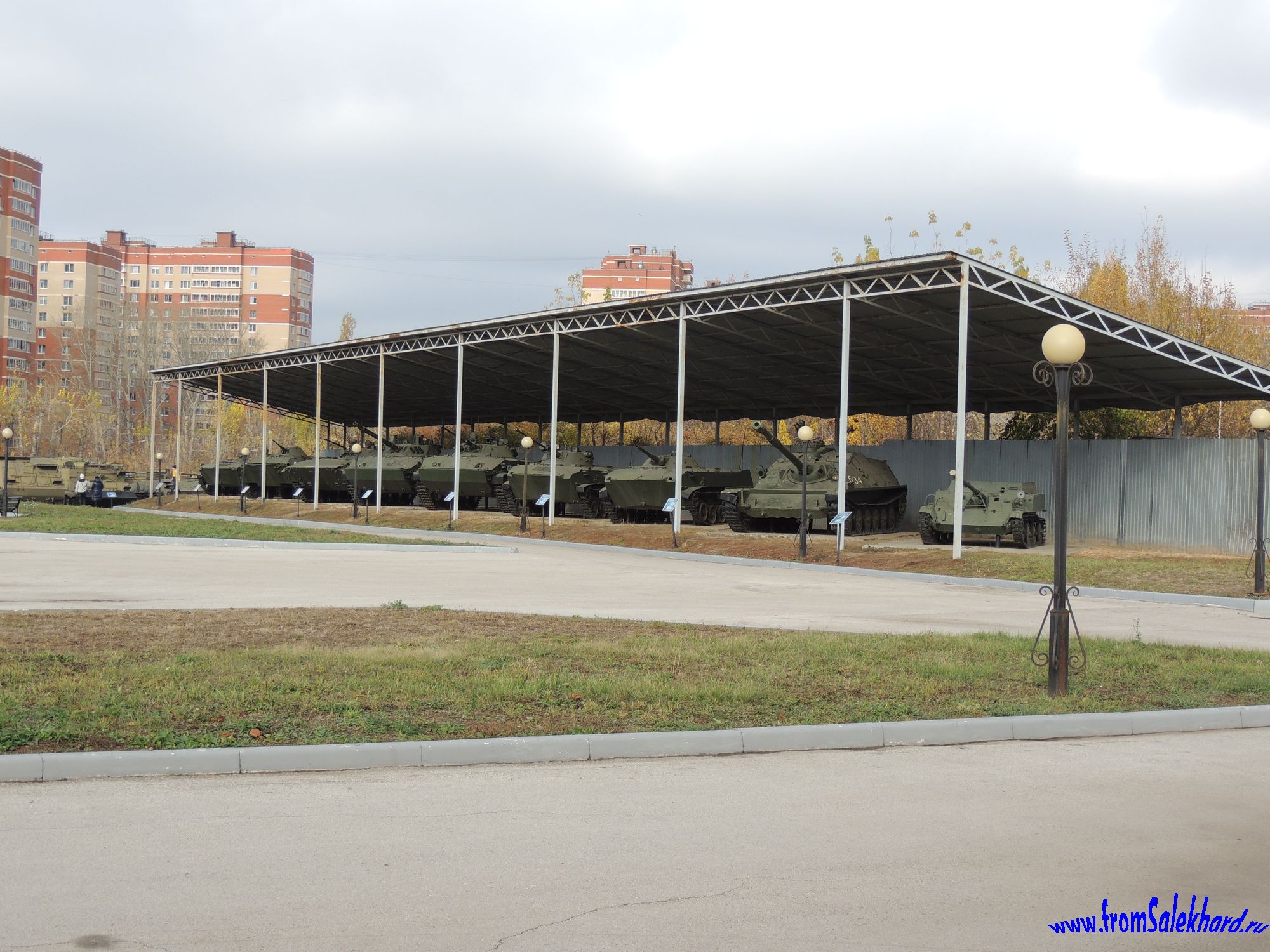
Equipment in the open, equipment under cover,
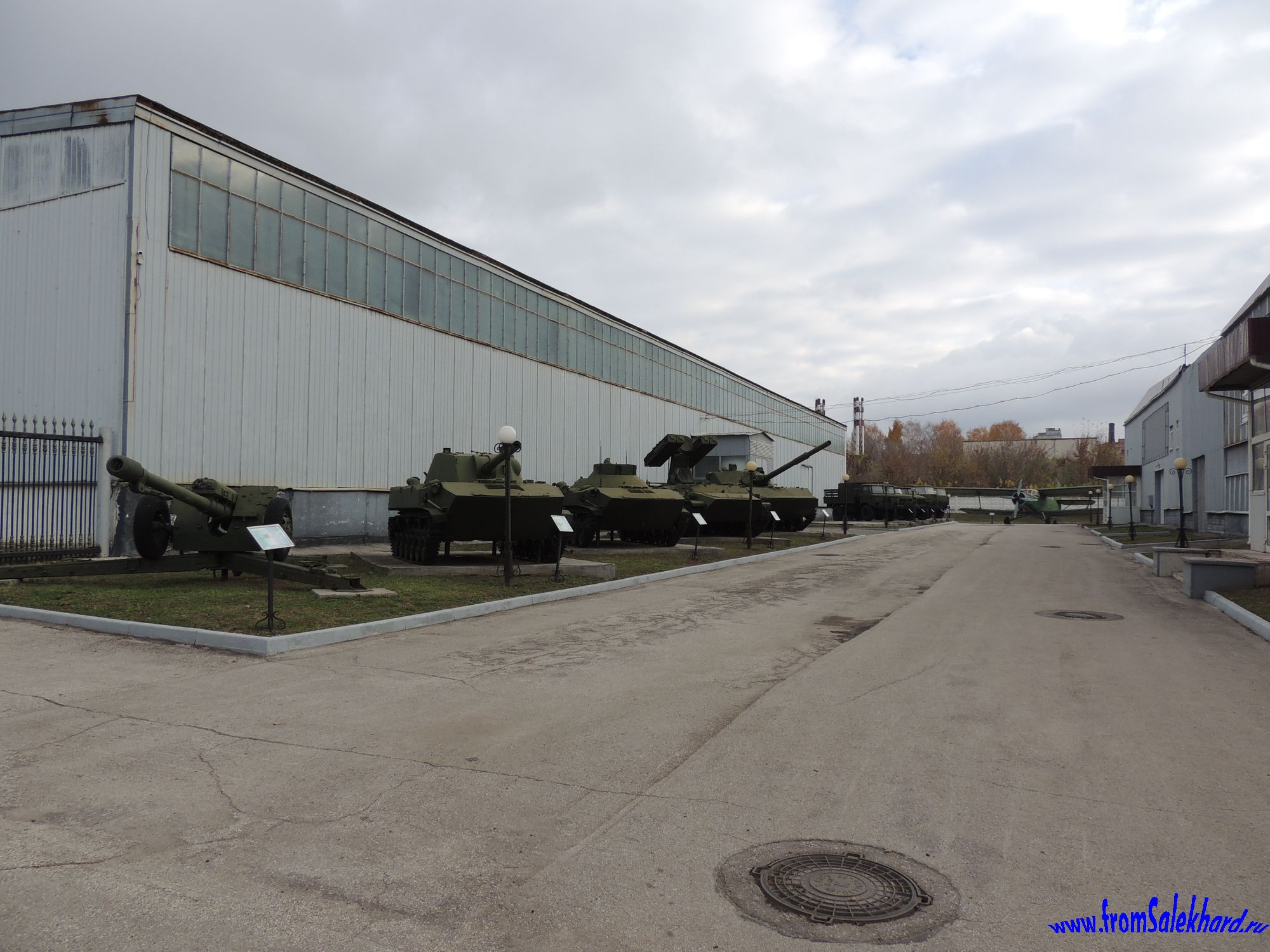
equipment between hangars and
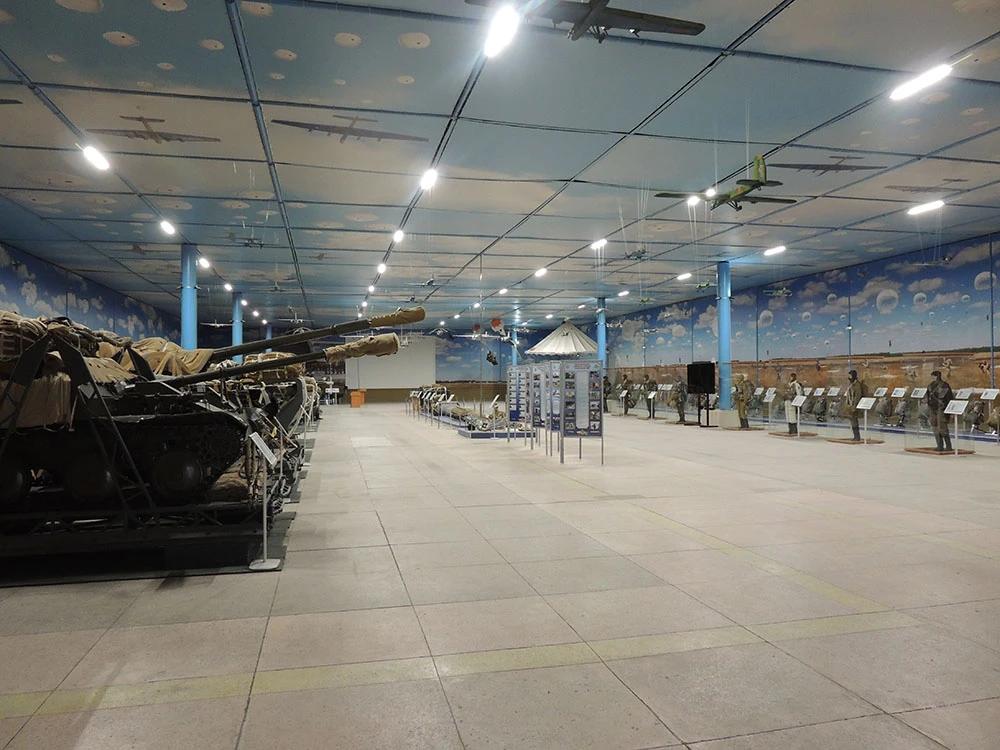
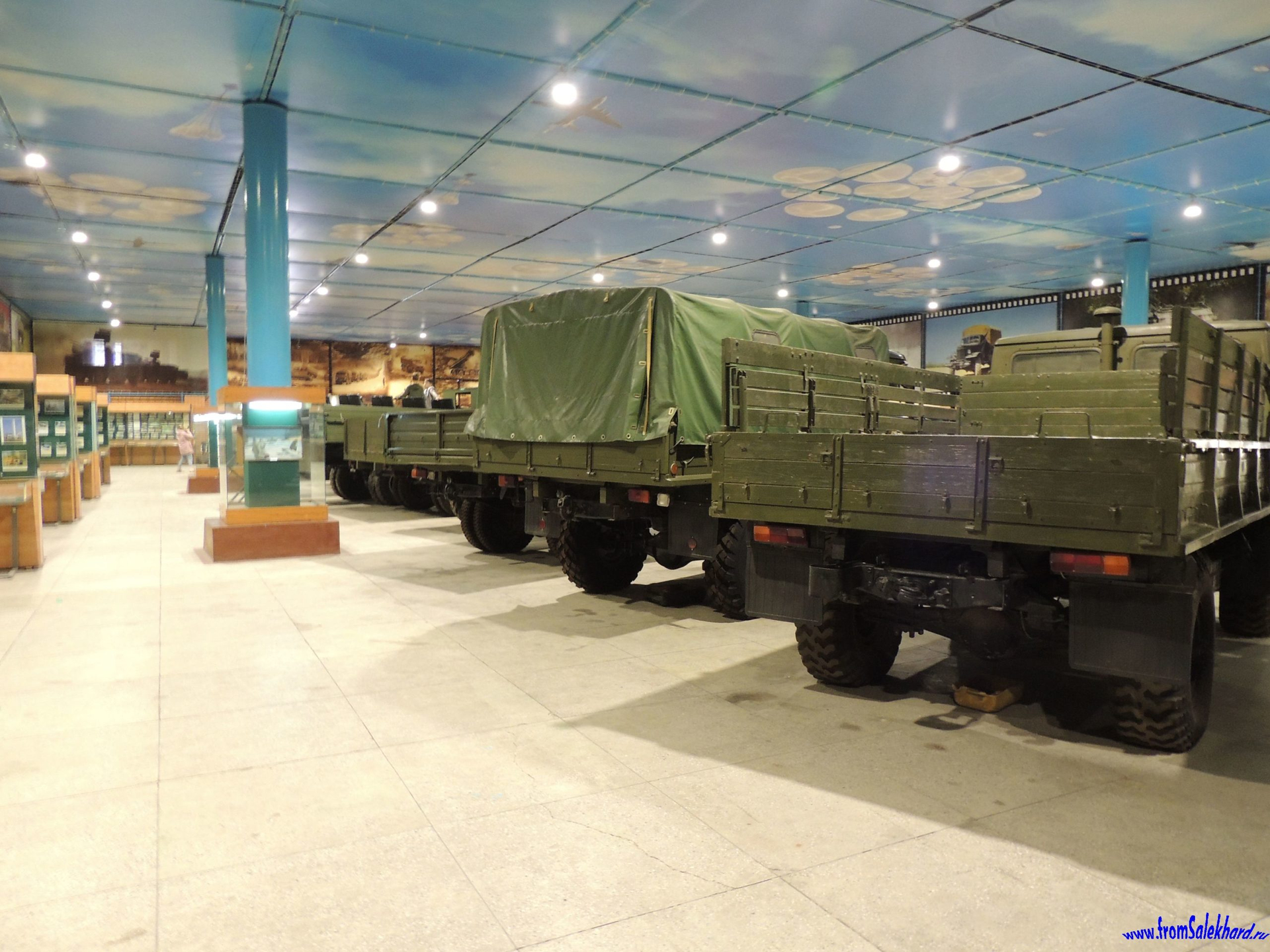
it’s obvious as day, inside the hangars.

Since the topic is Airborne, that’s where we’ll start.

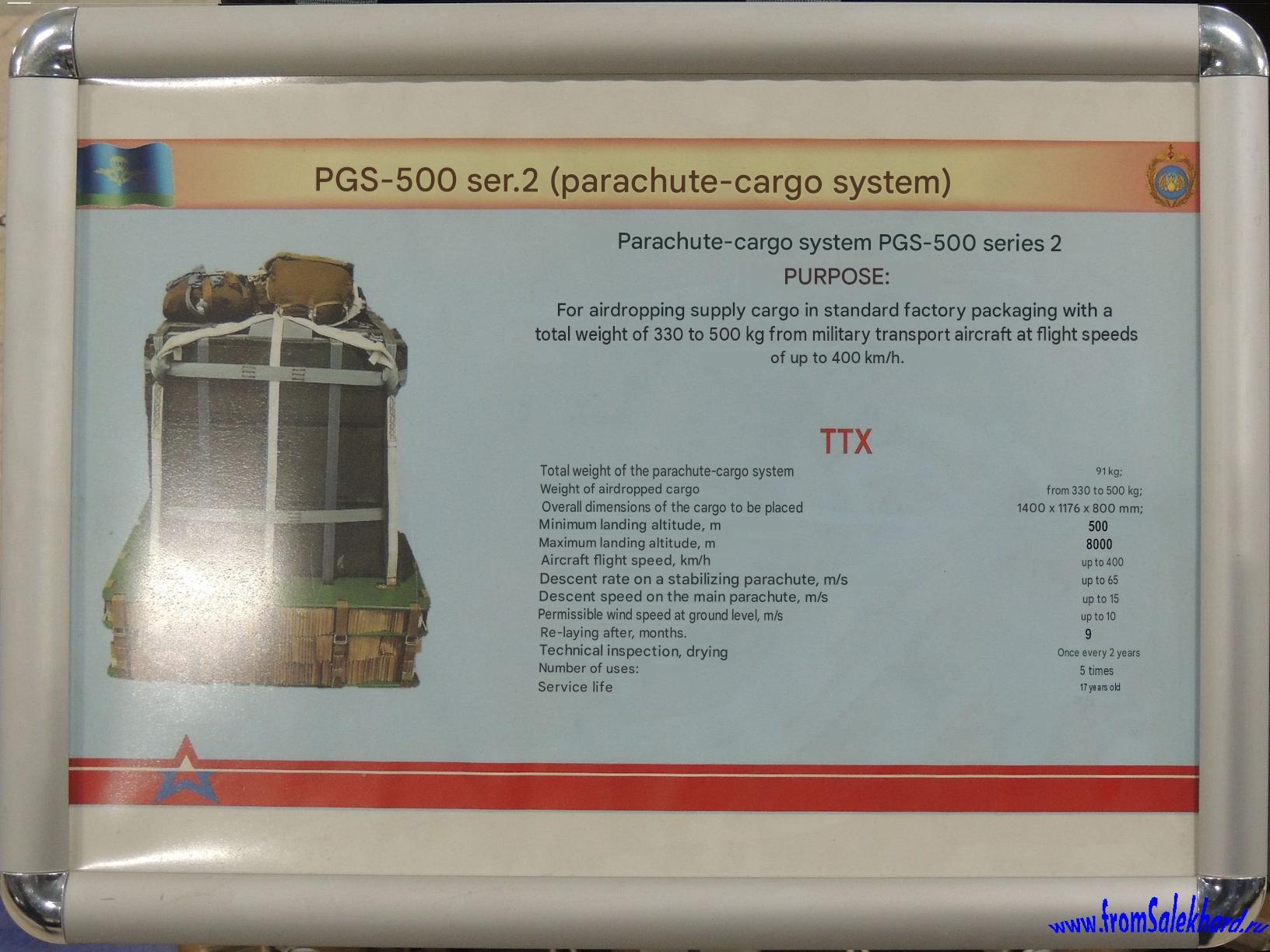
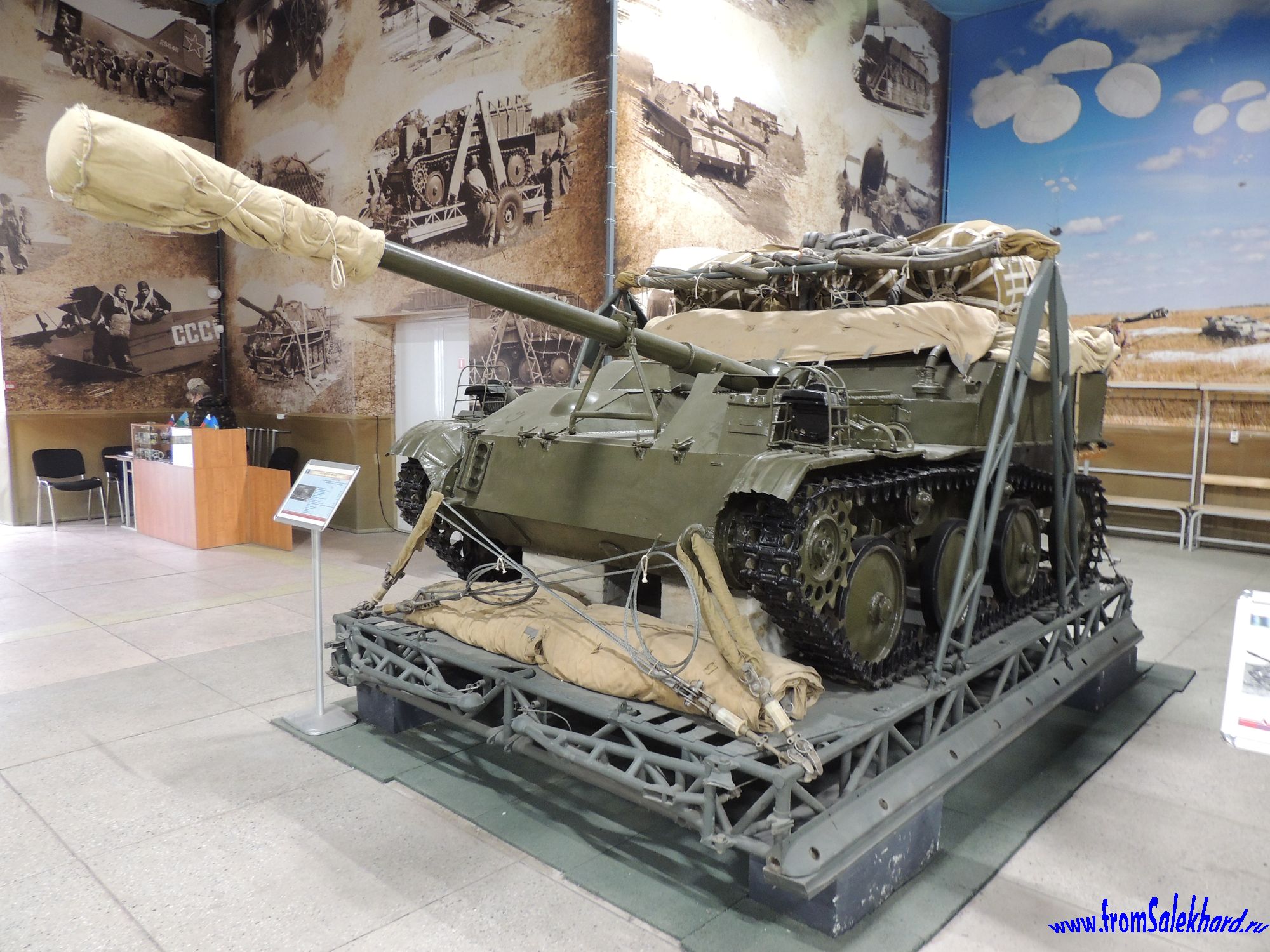
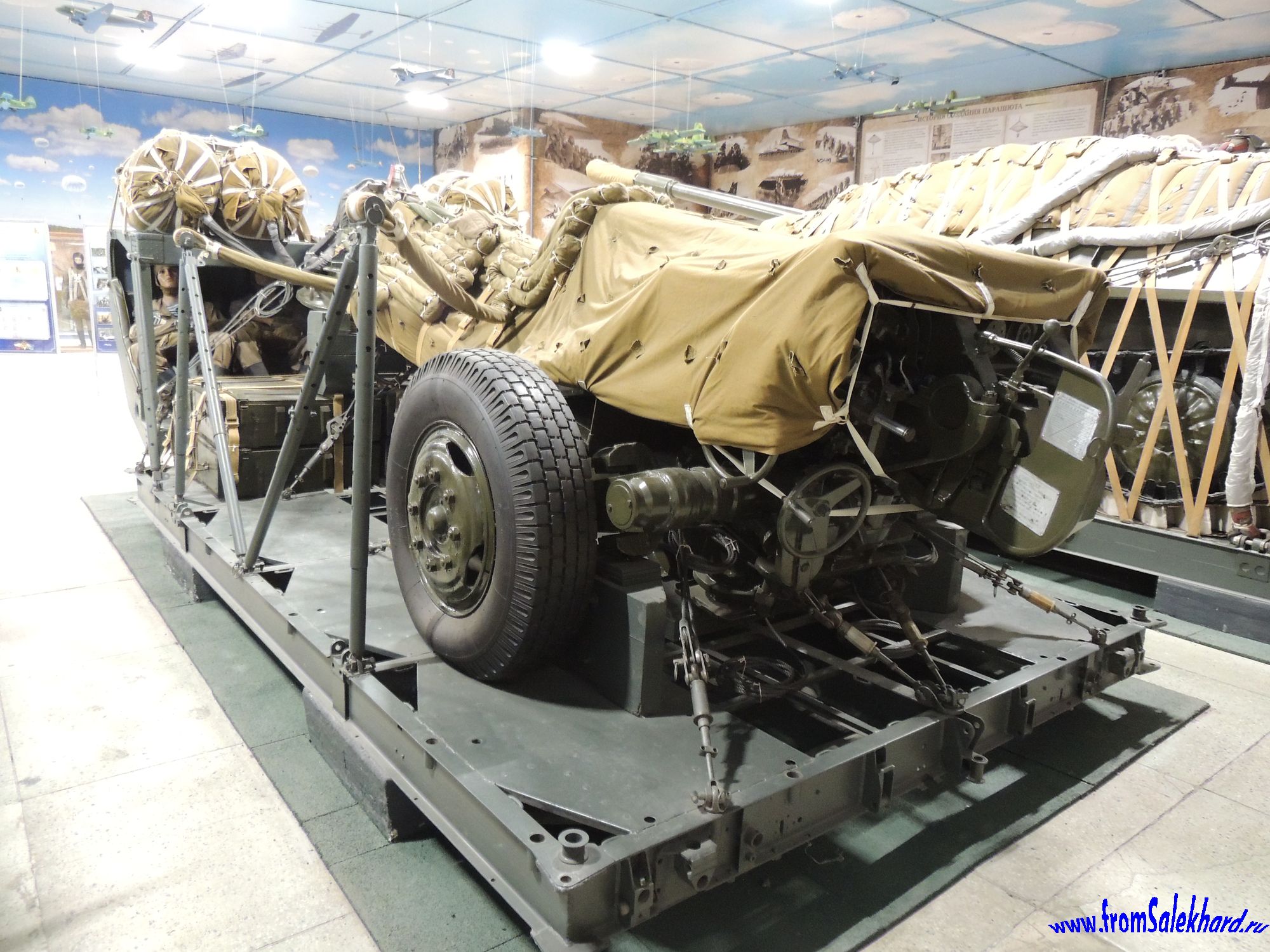
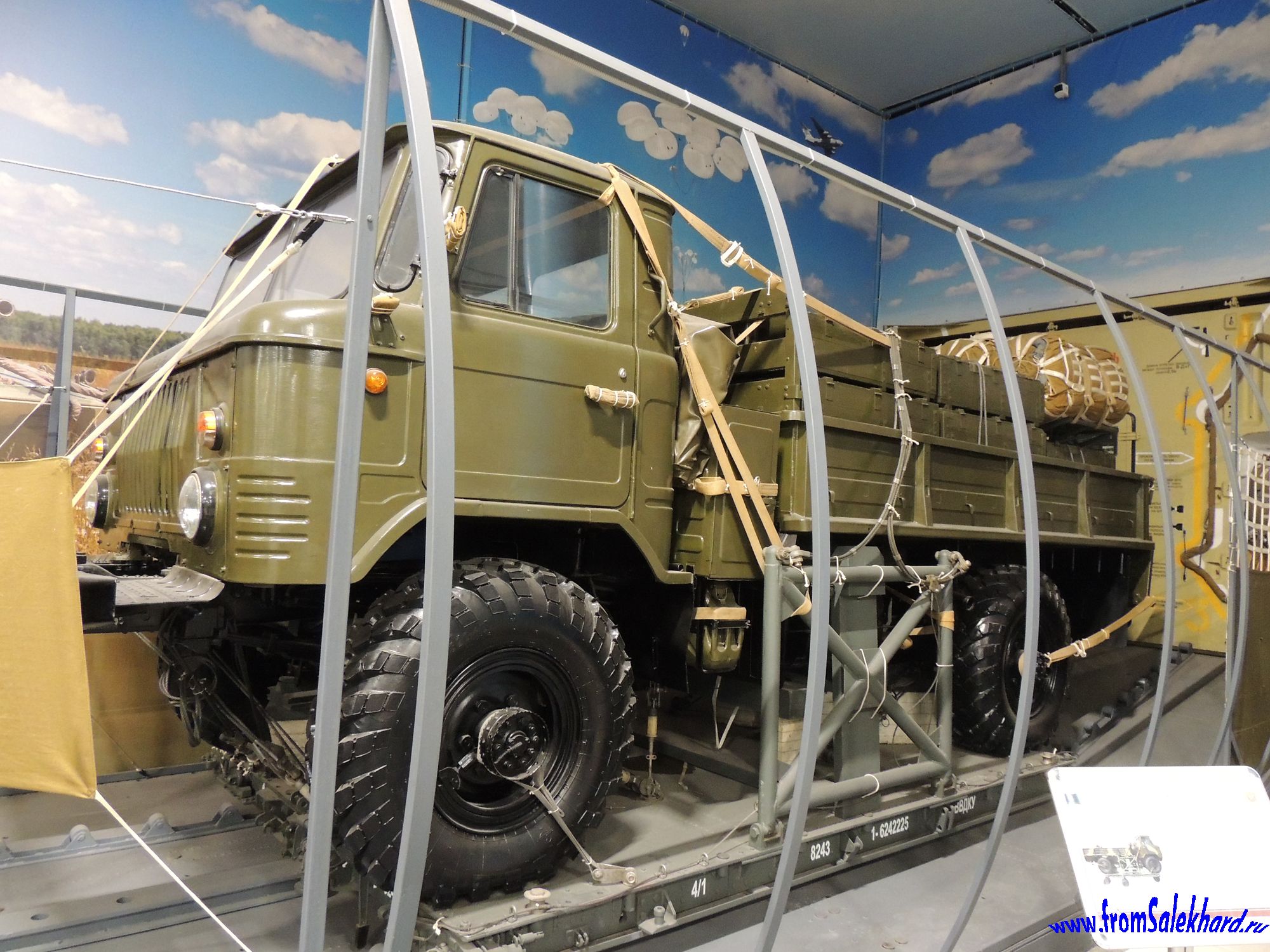
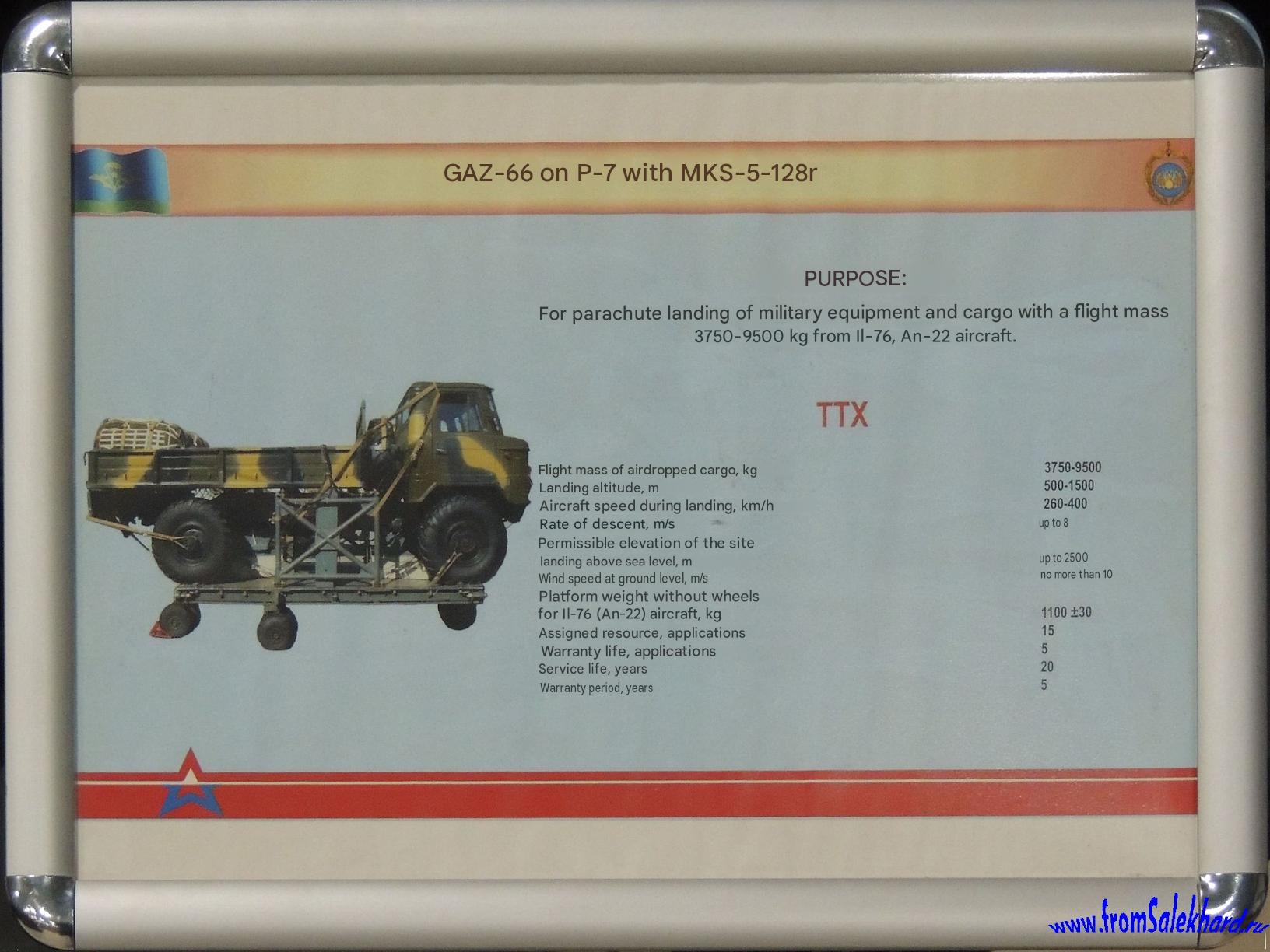
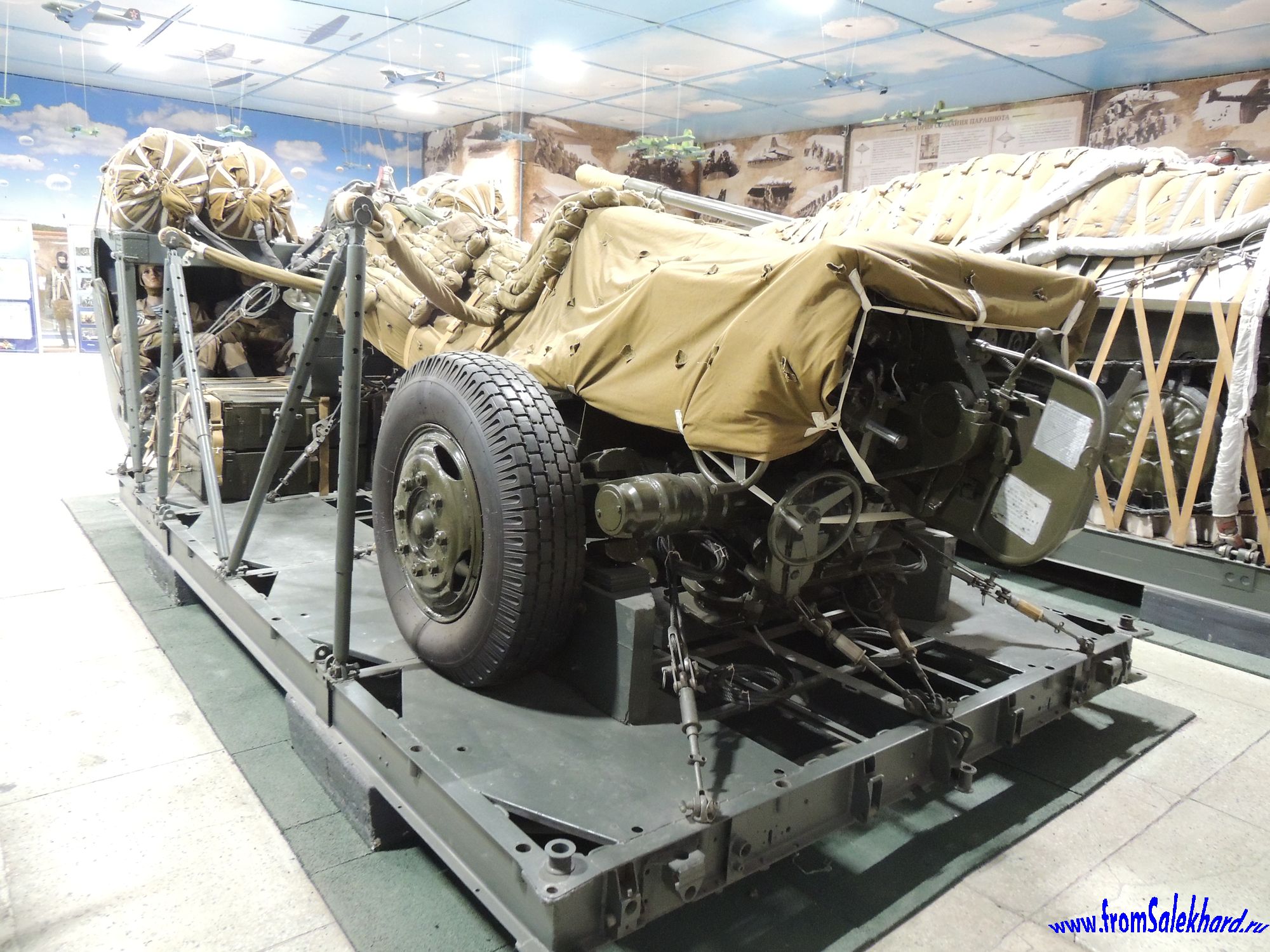
The equipment and weapons samples prepared for airdrop. Some of them with crews on board.
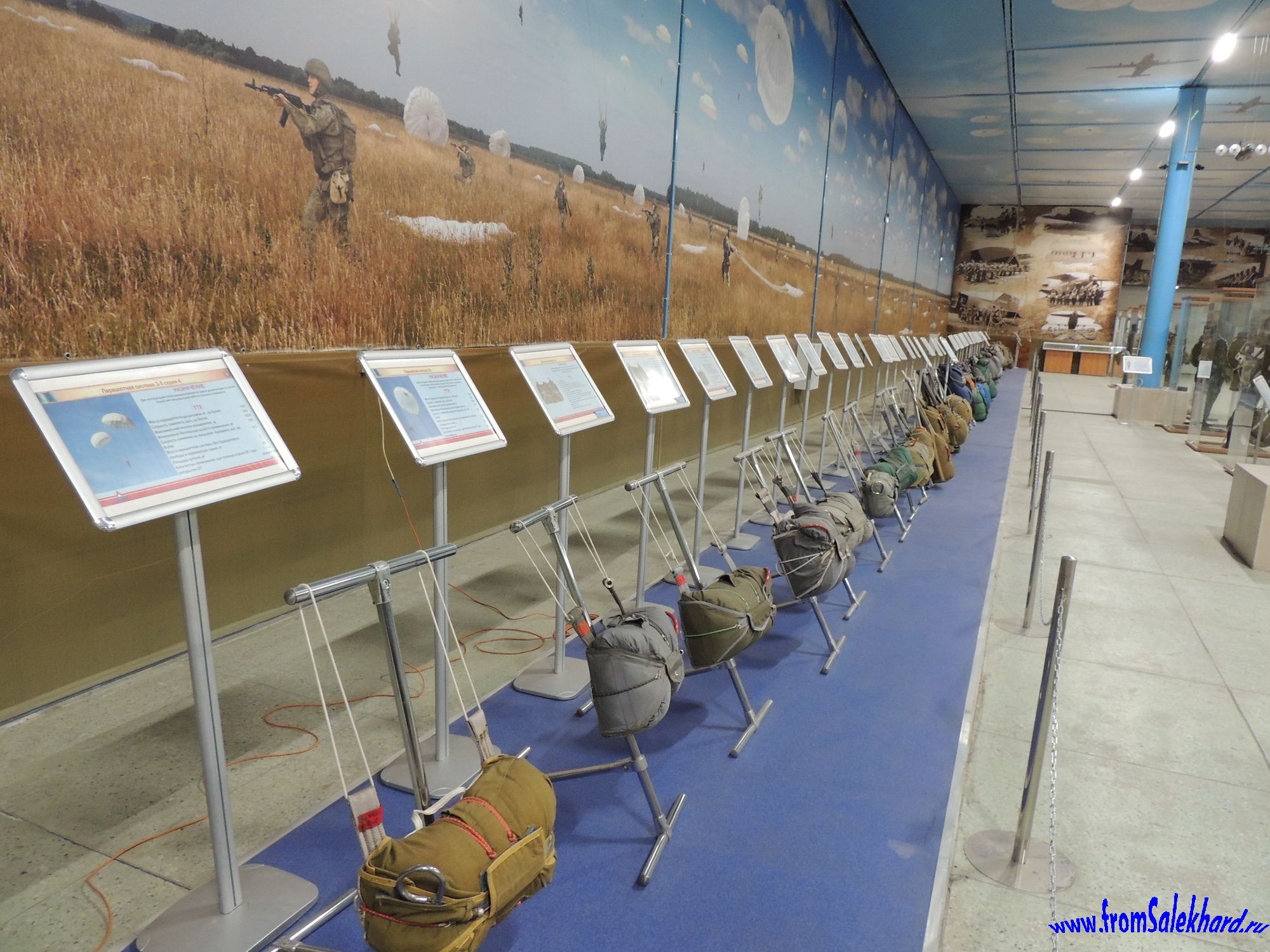
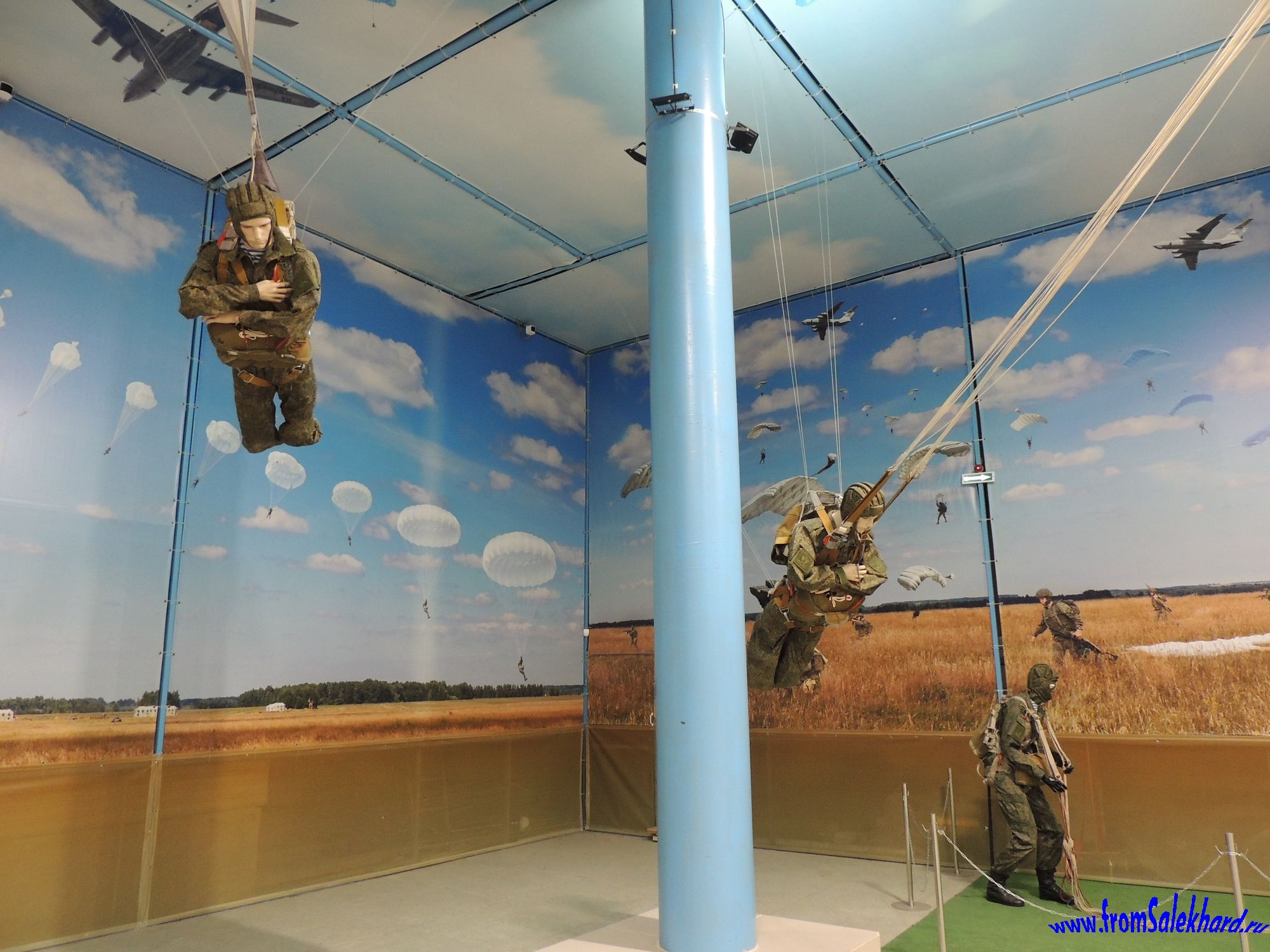
However, there is another zone for people
The next hangar has an equally exotic exhibit.
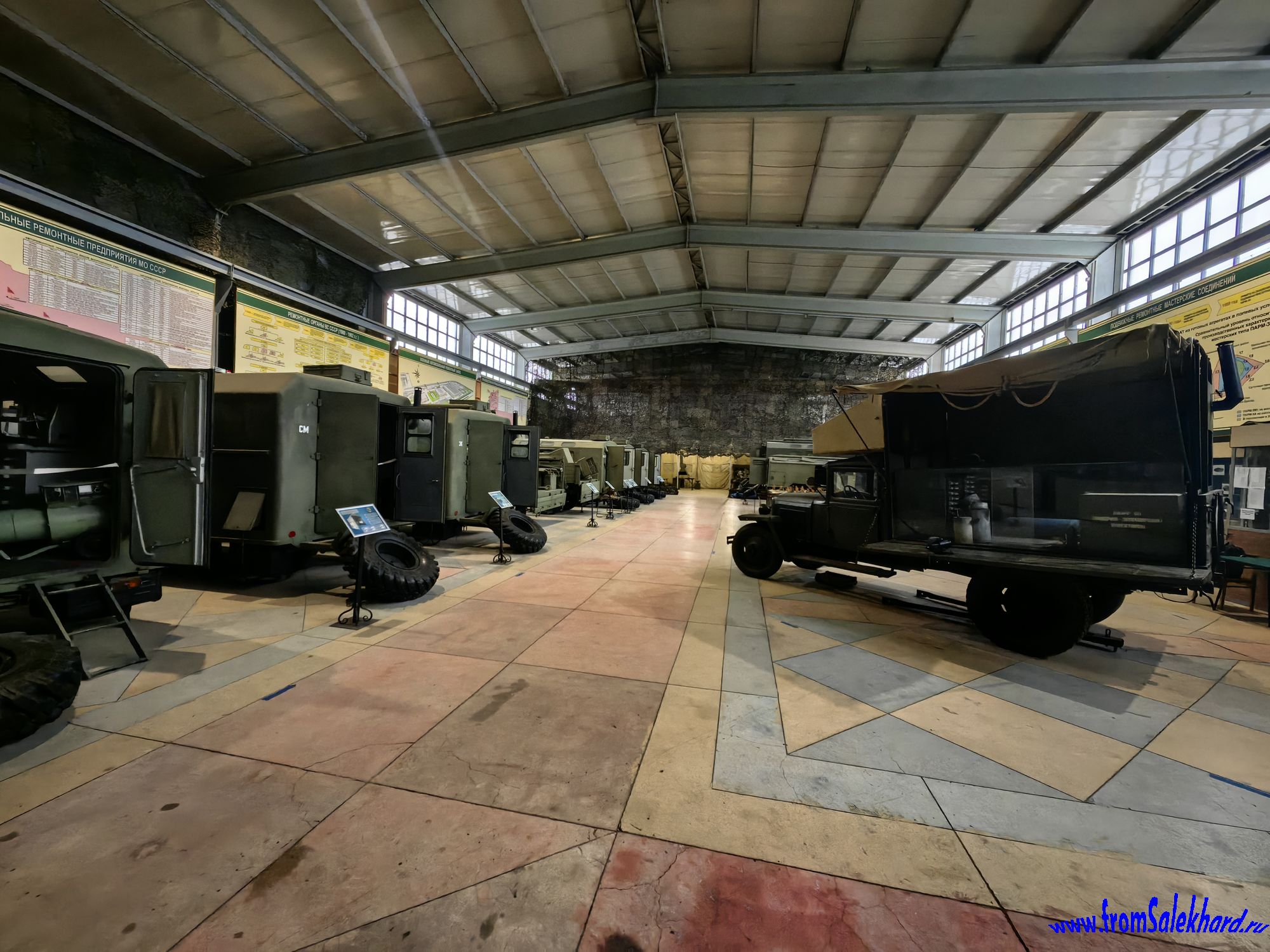
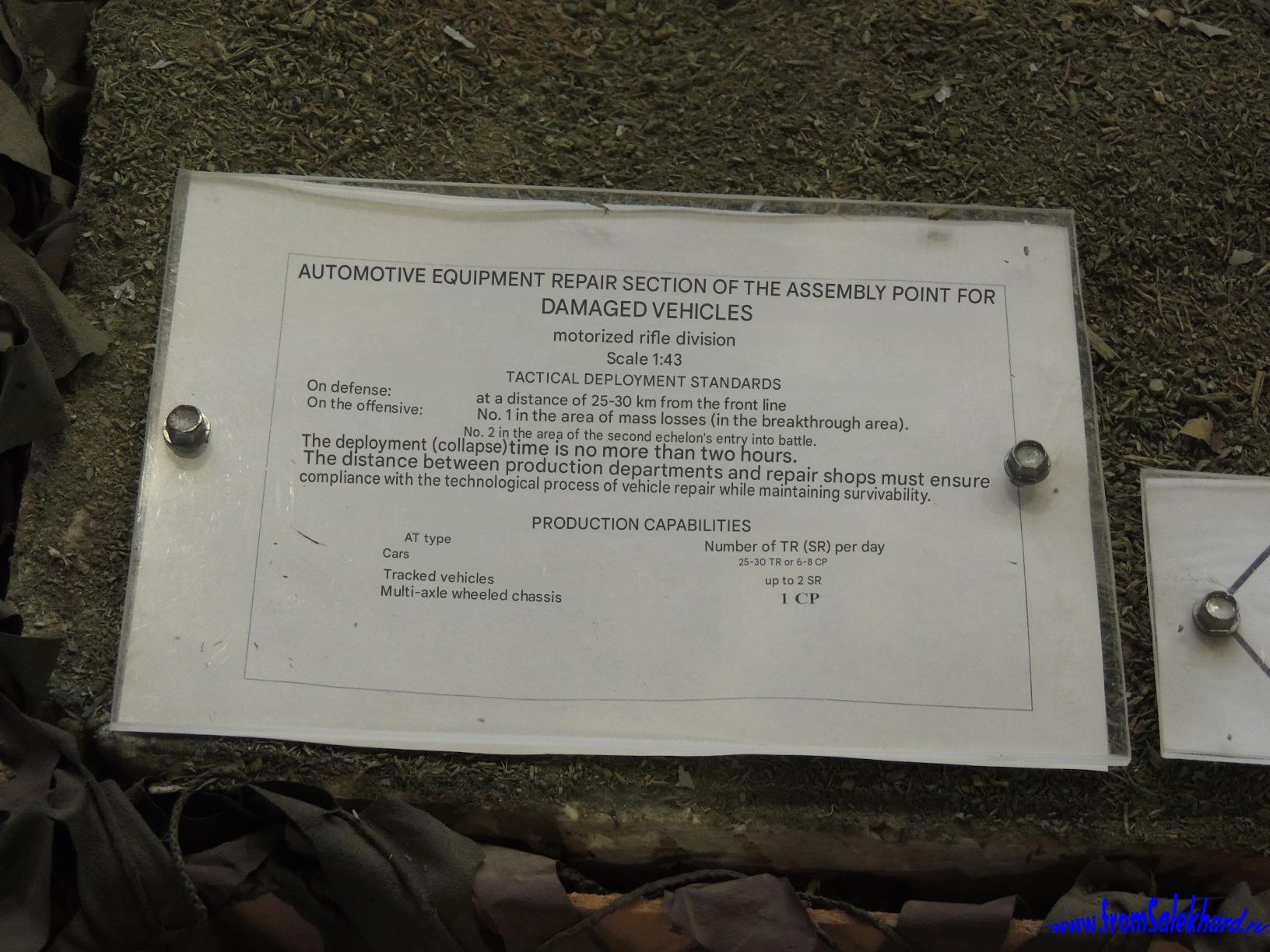
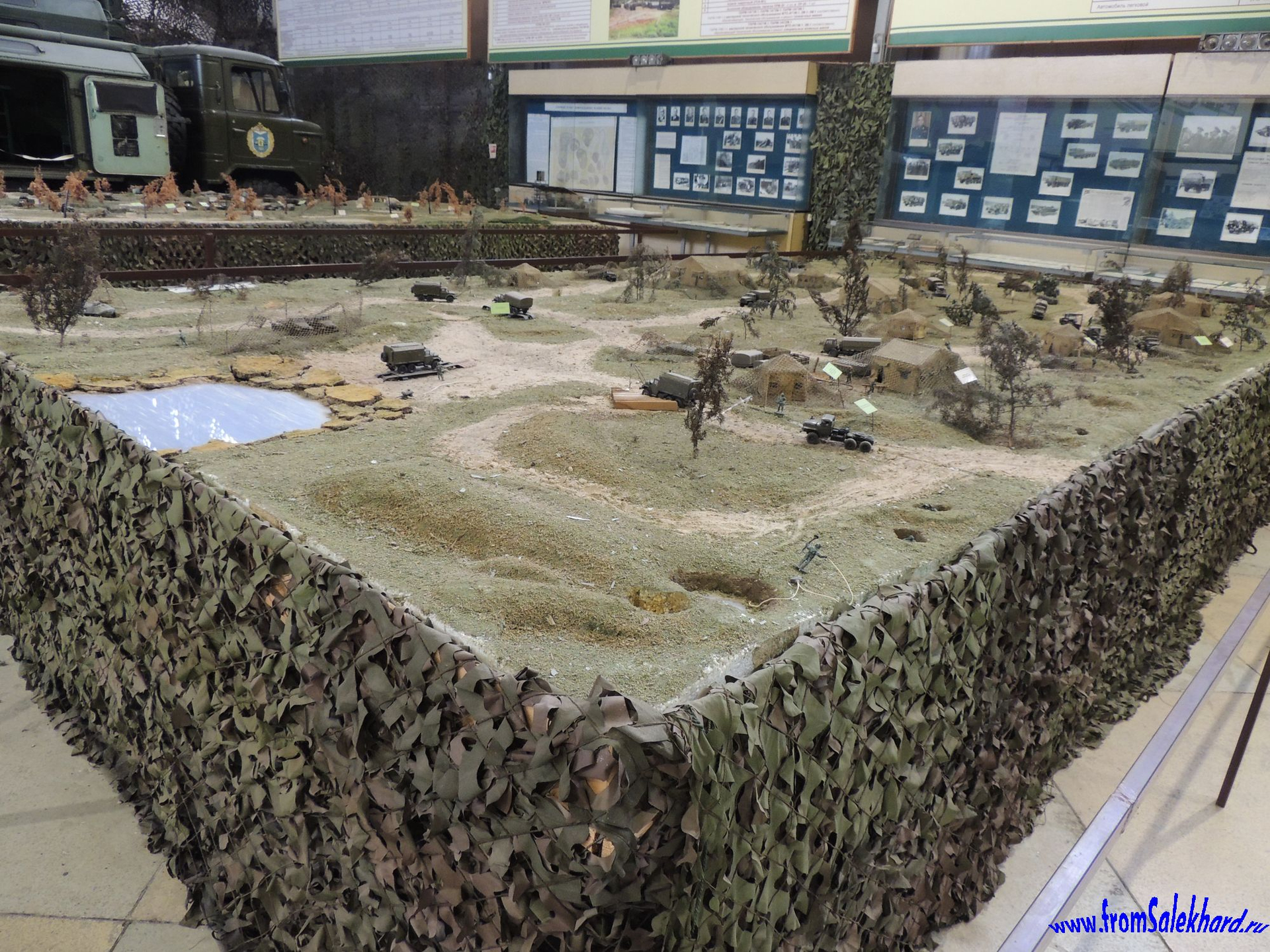
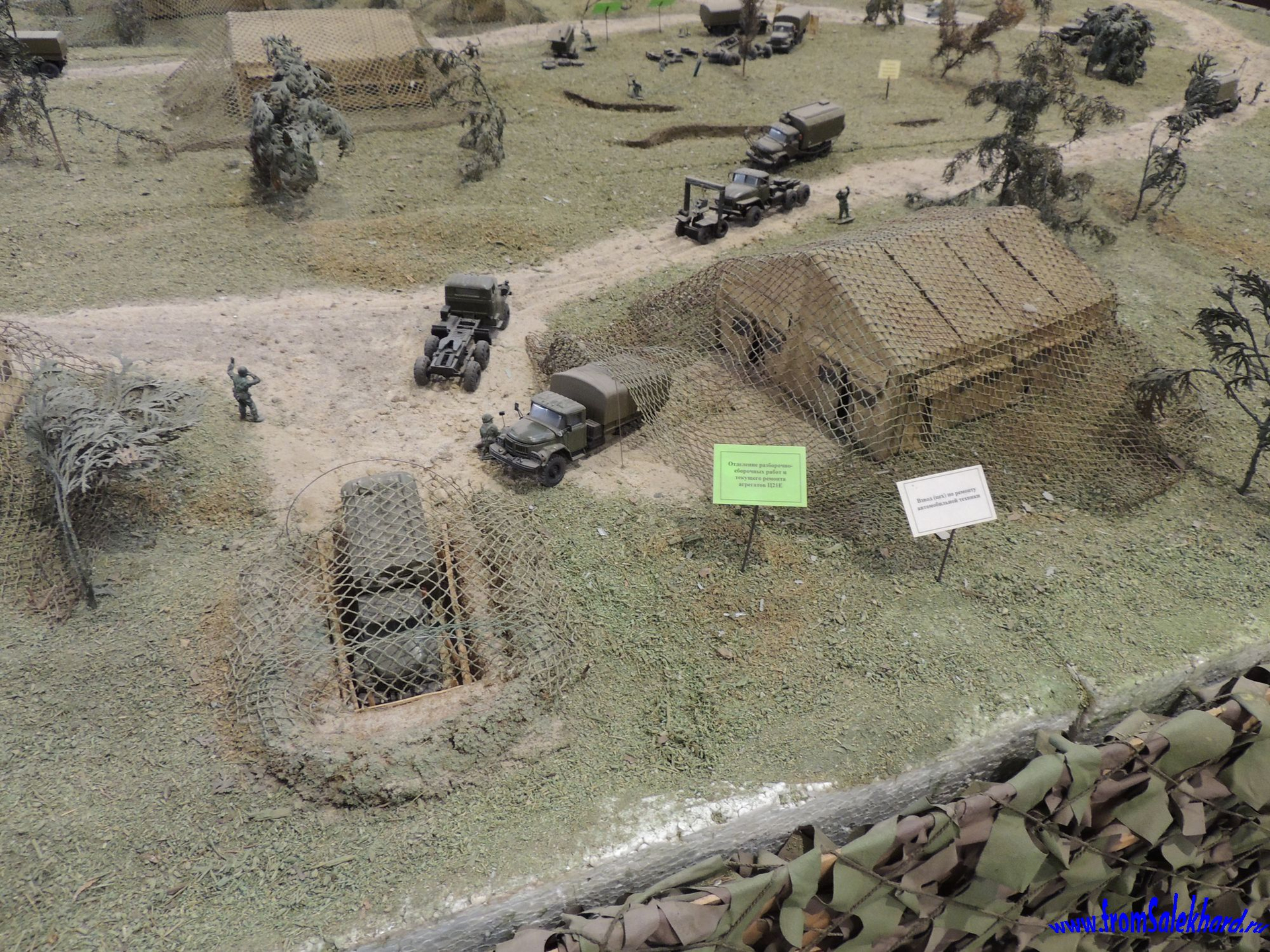
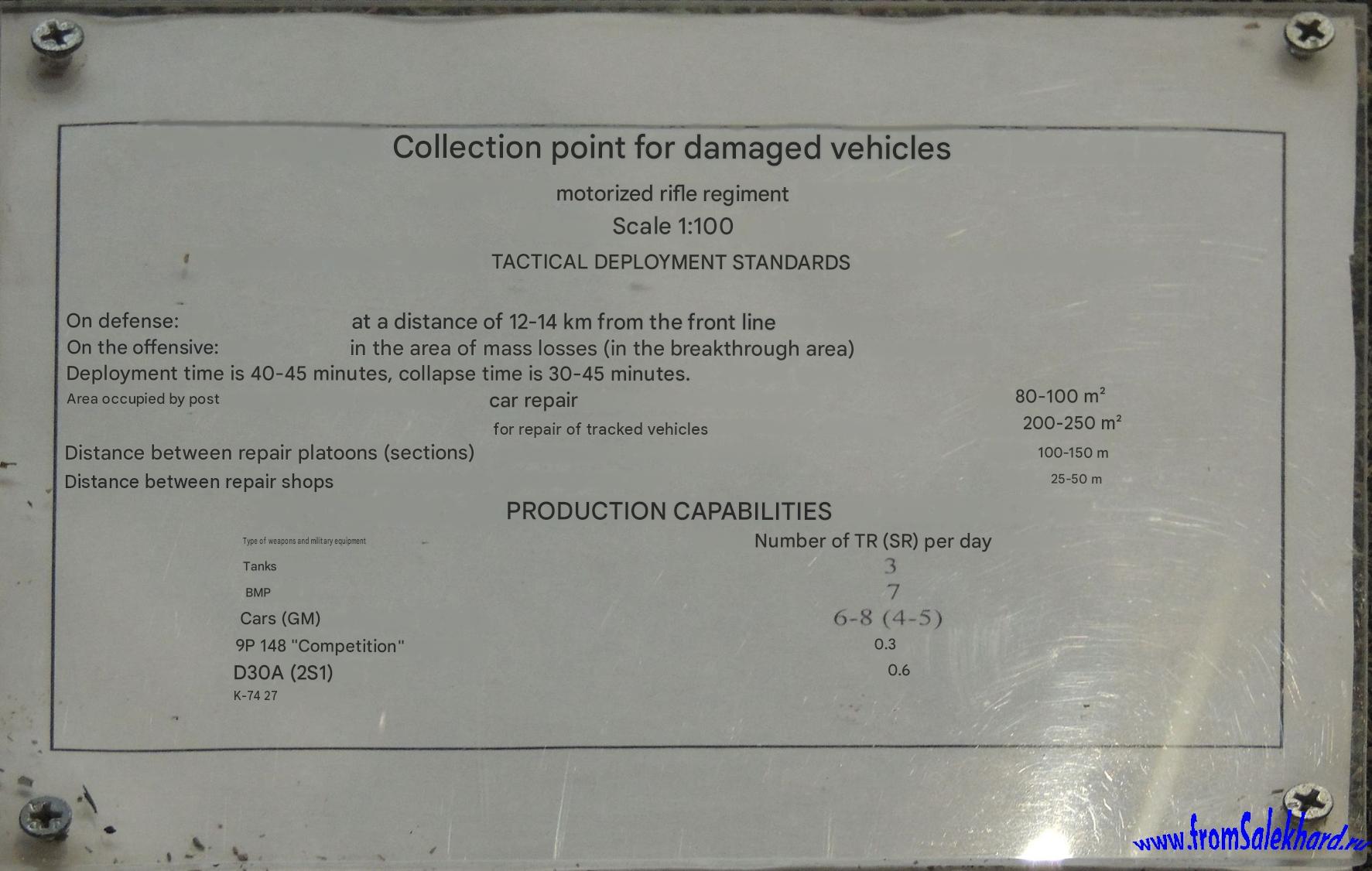
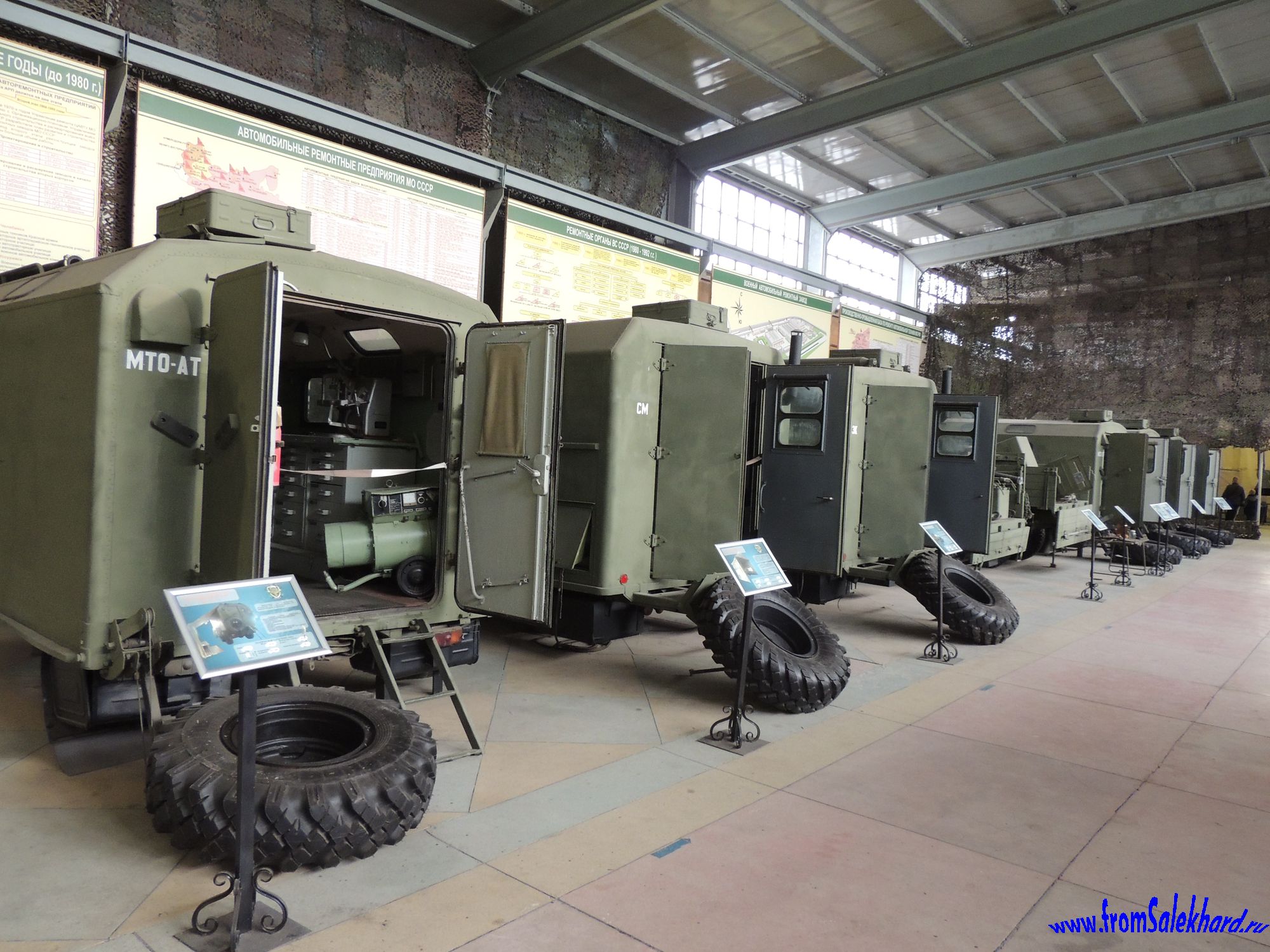
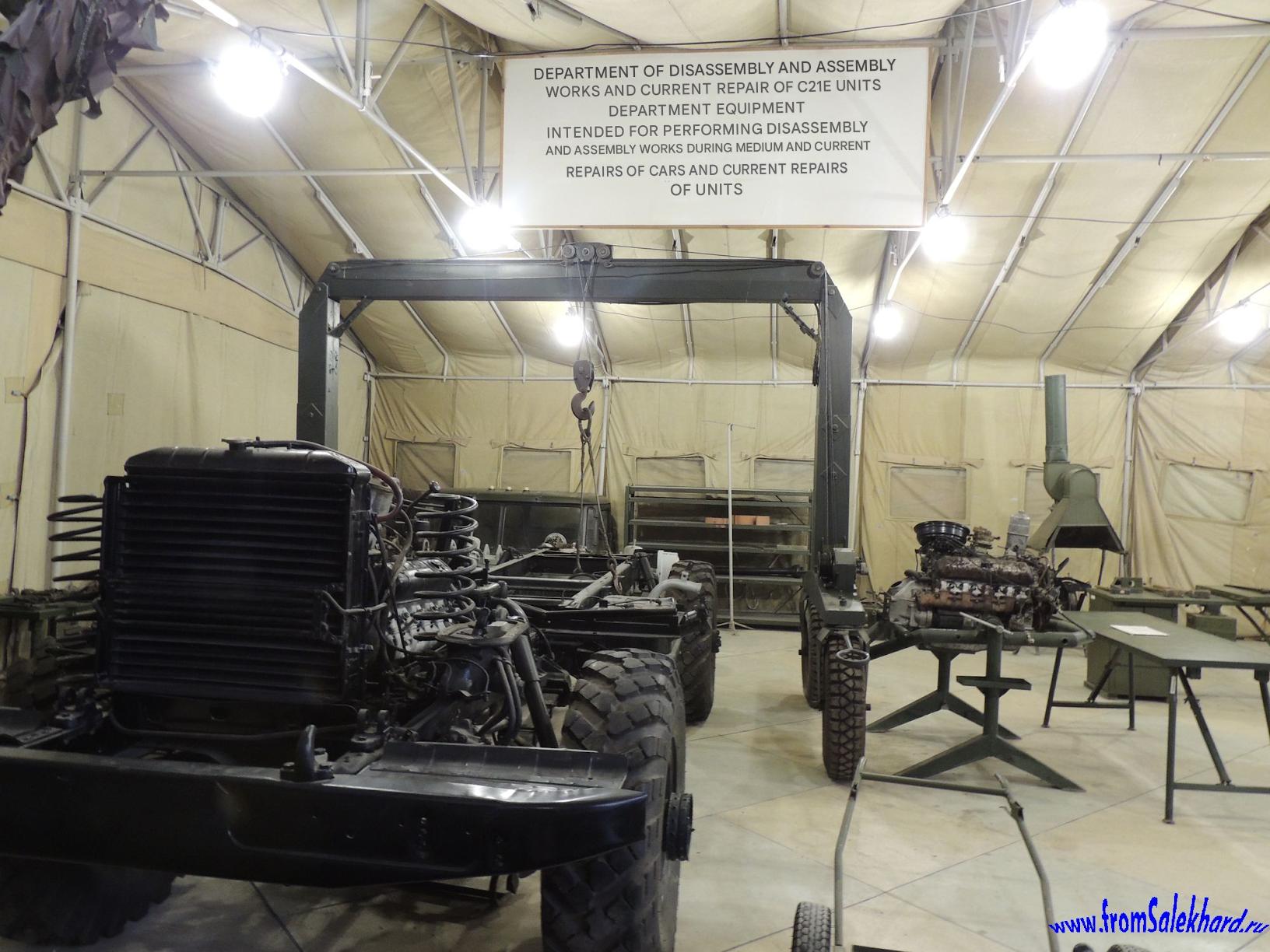
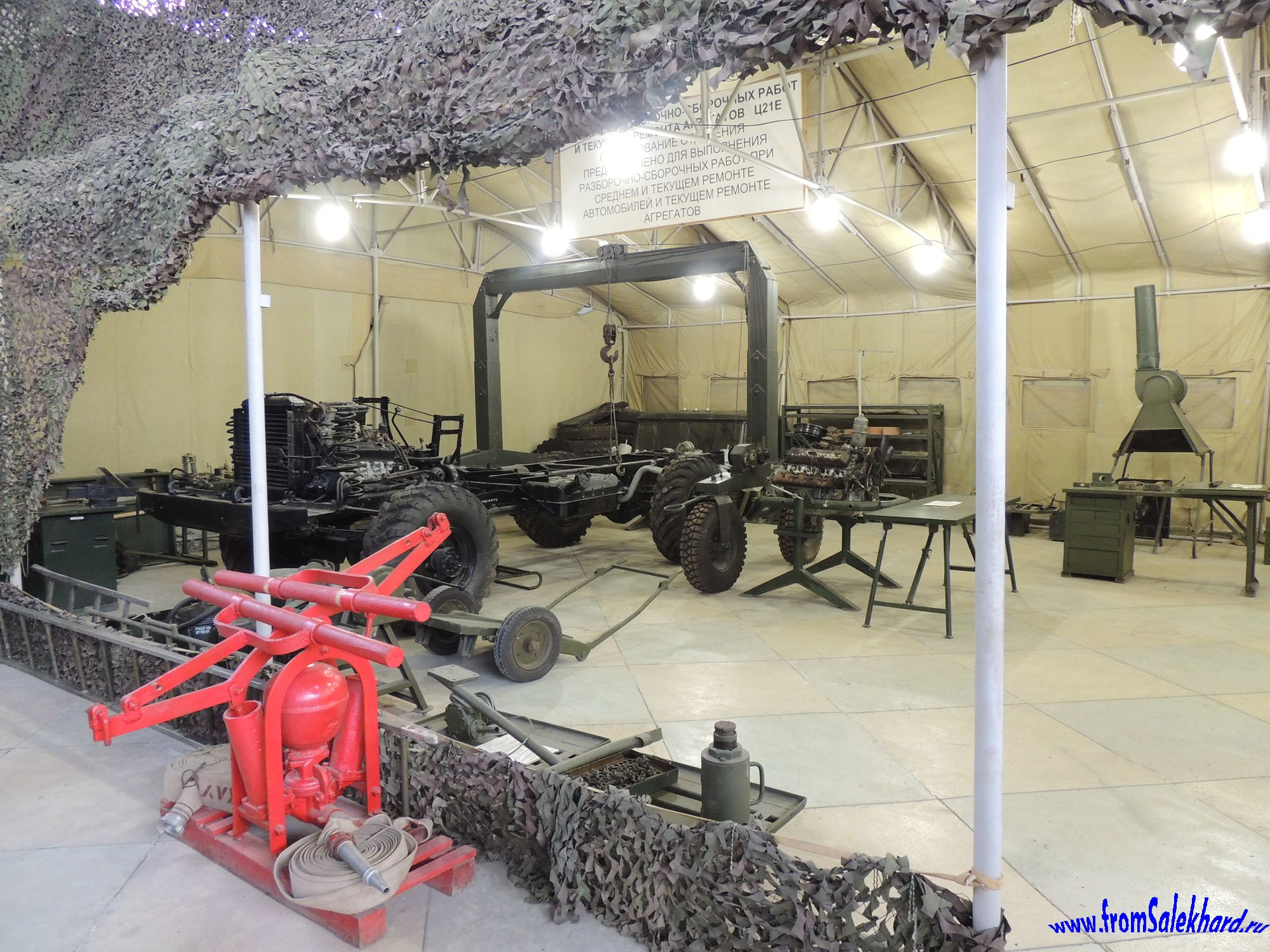
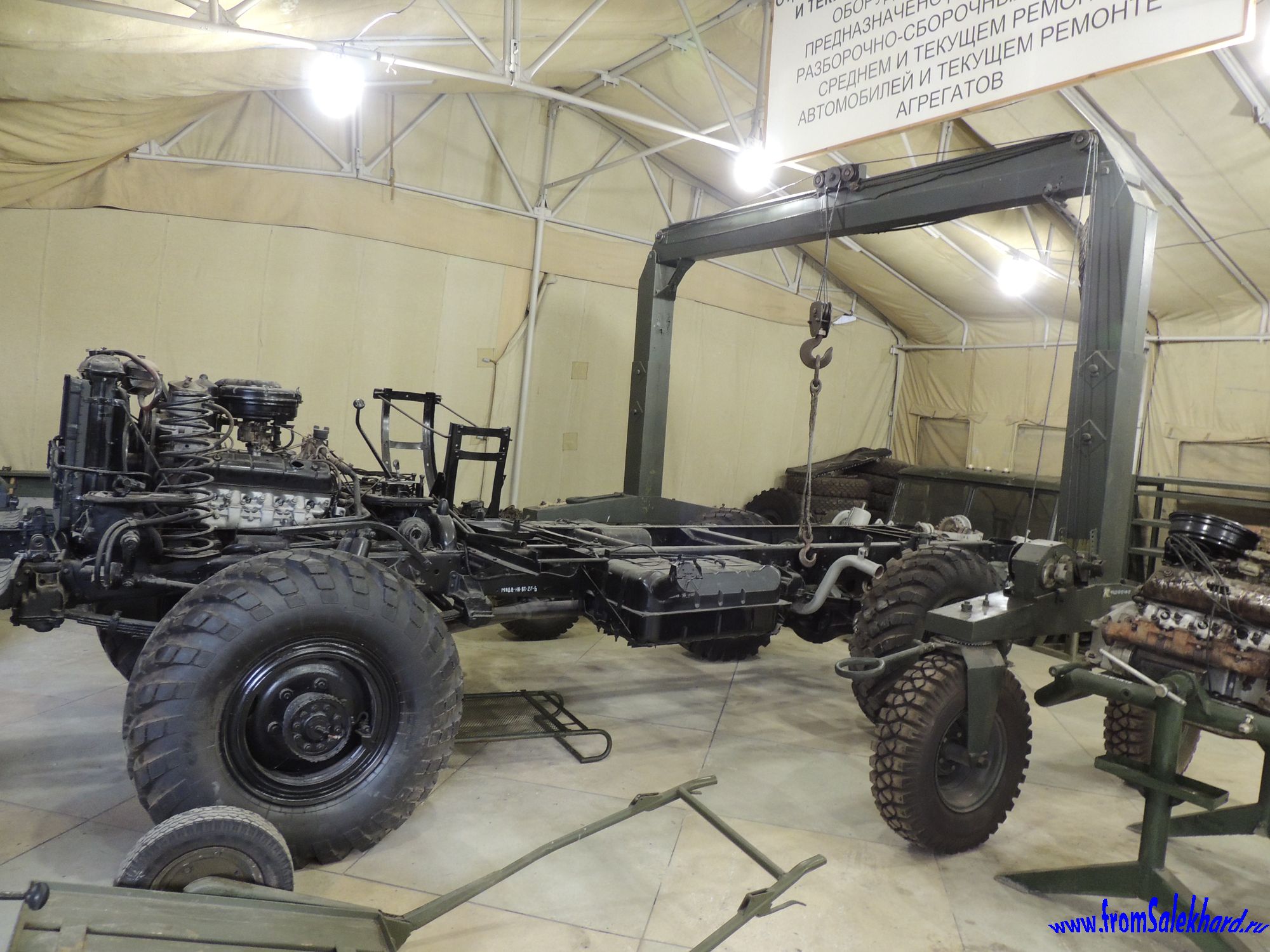
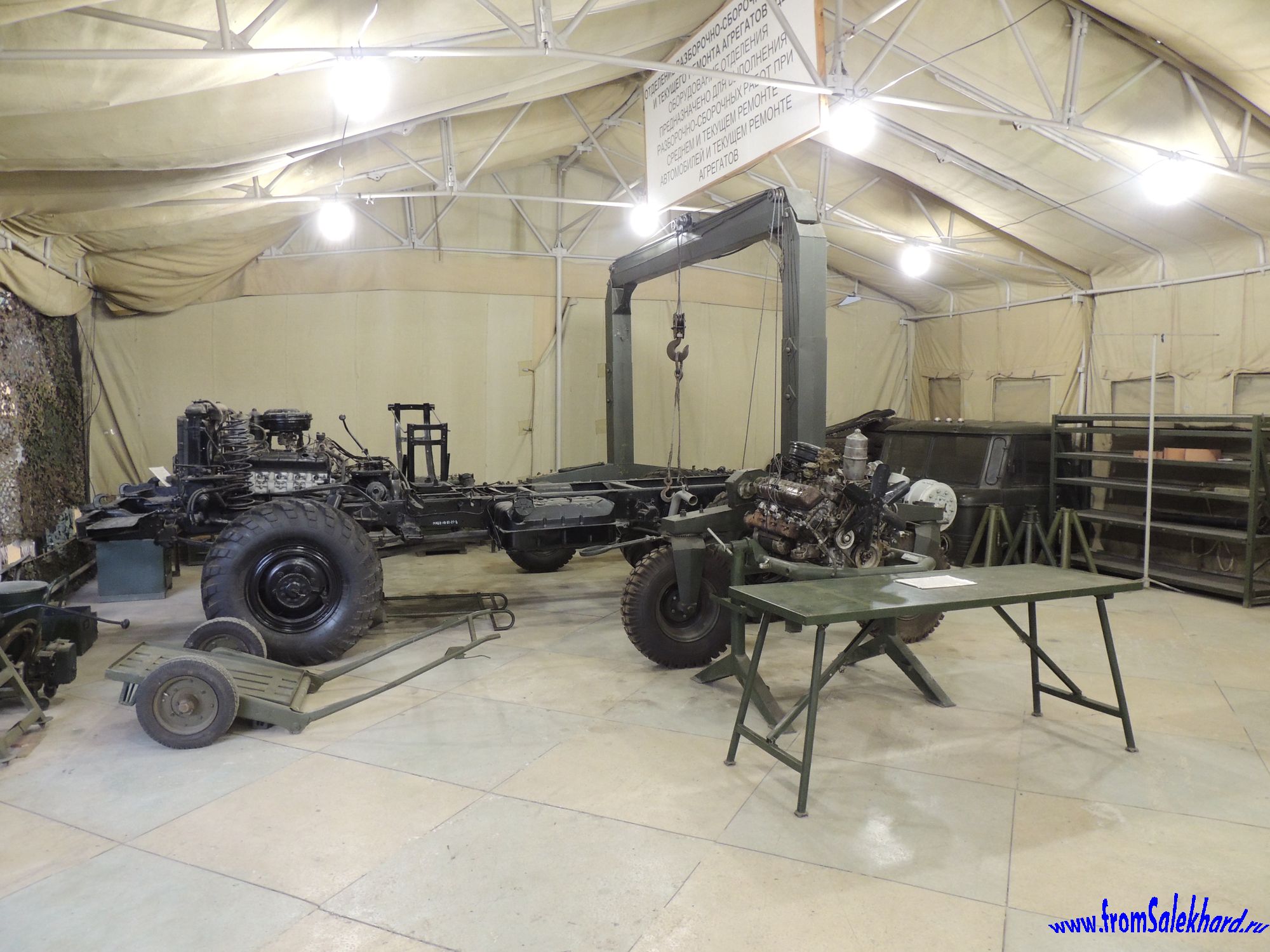
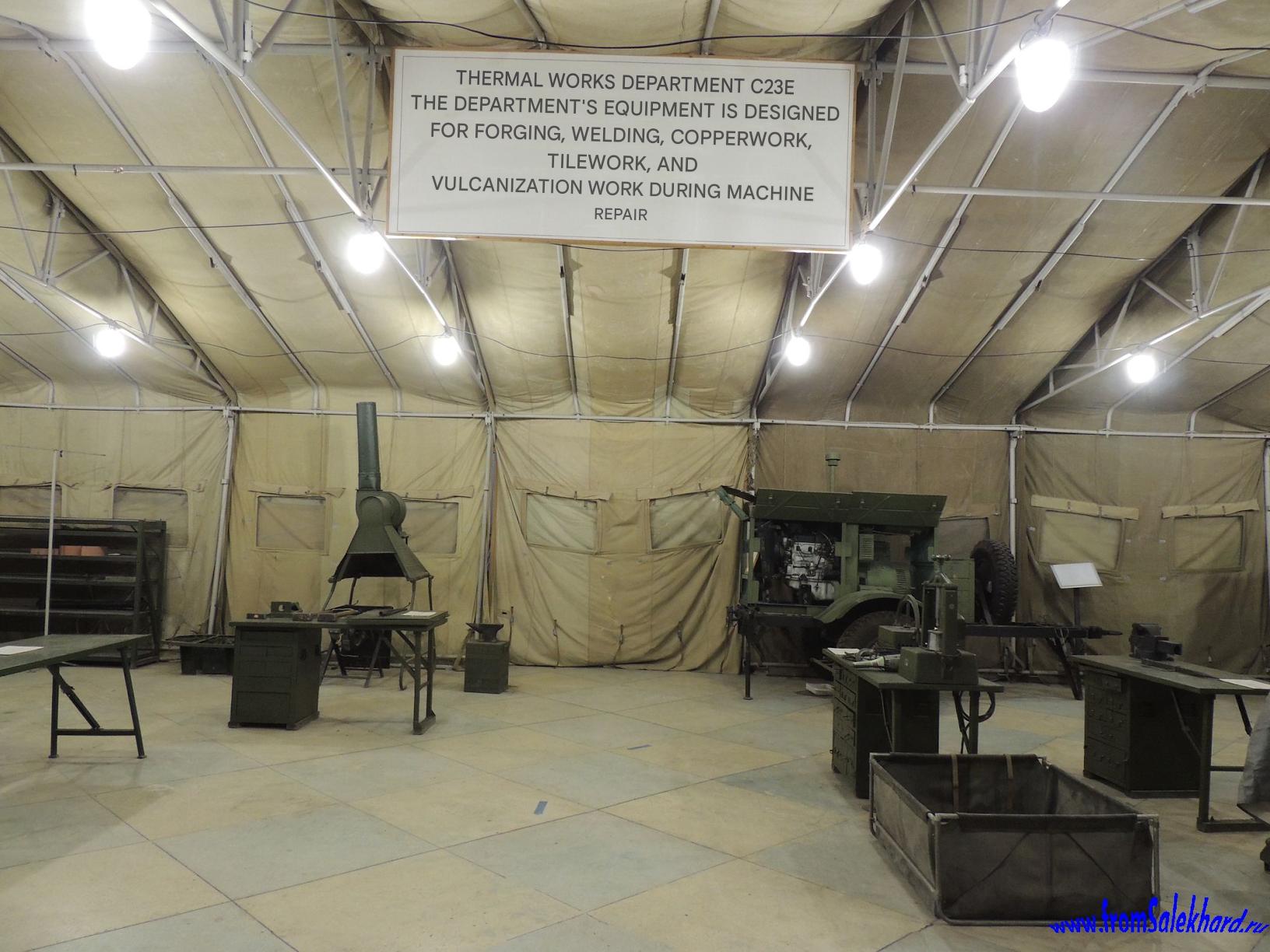
The range is very wide: from a wide variety of implementations of auto repair shops and a model of a collection point for damaged cars to
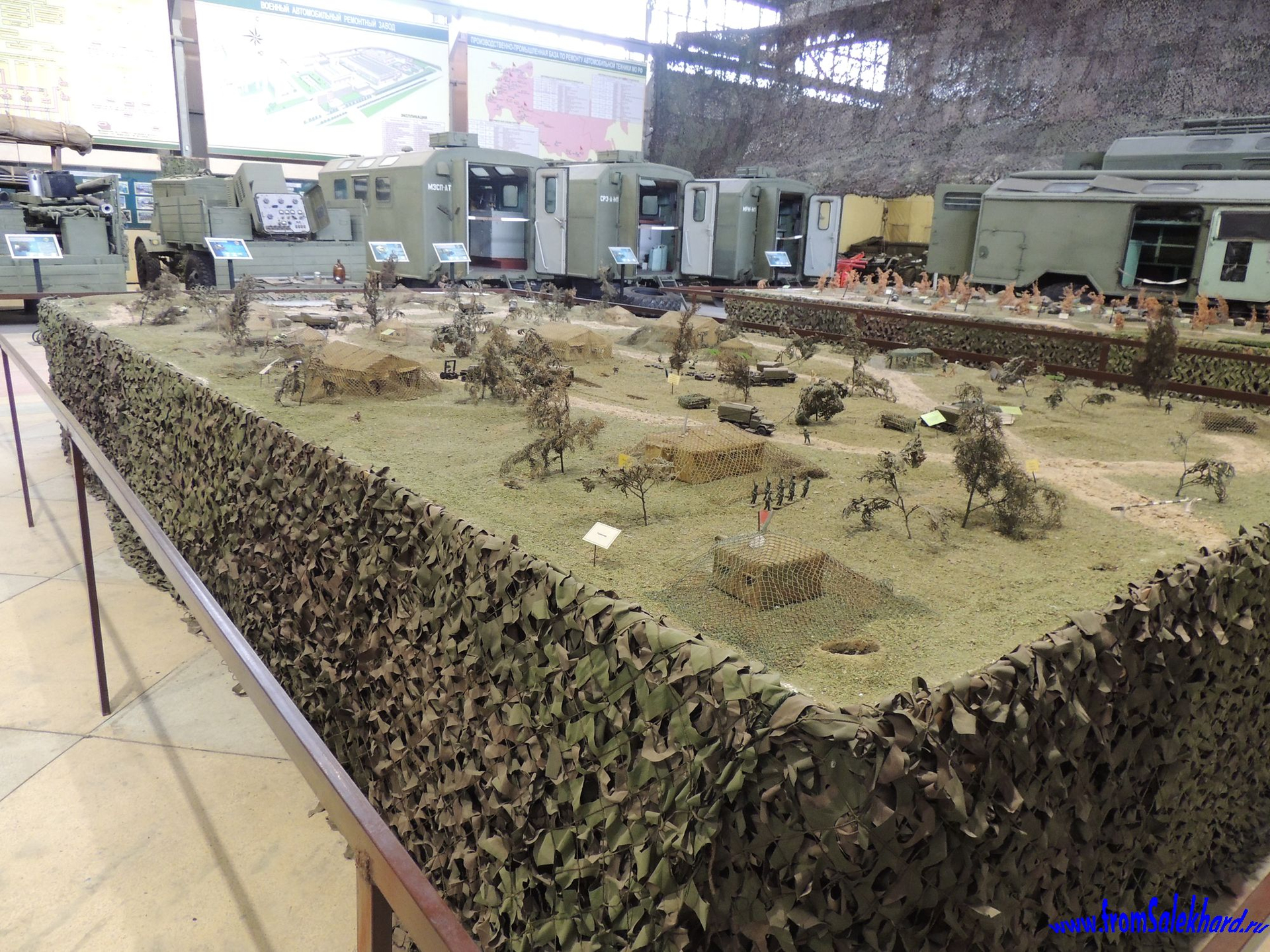
equipped repair area.

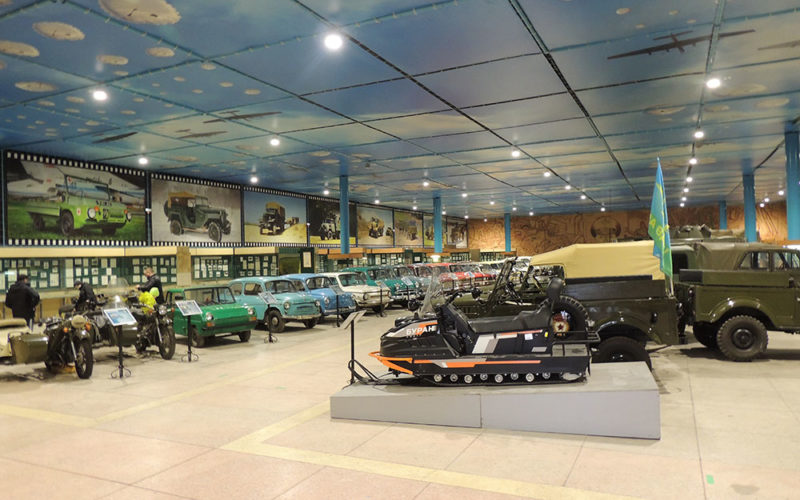
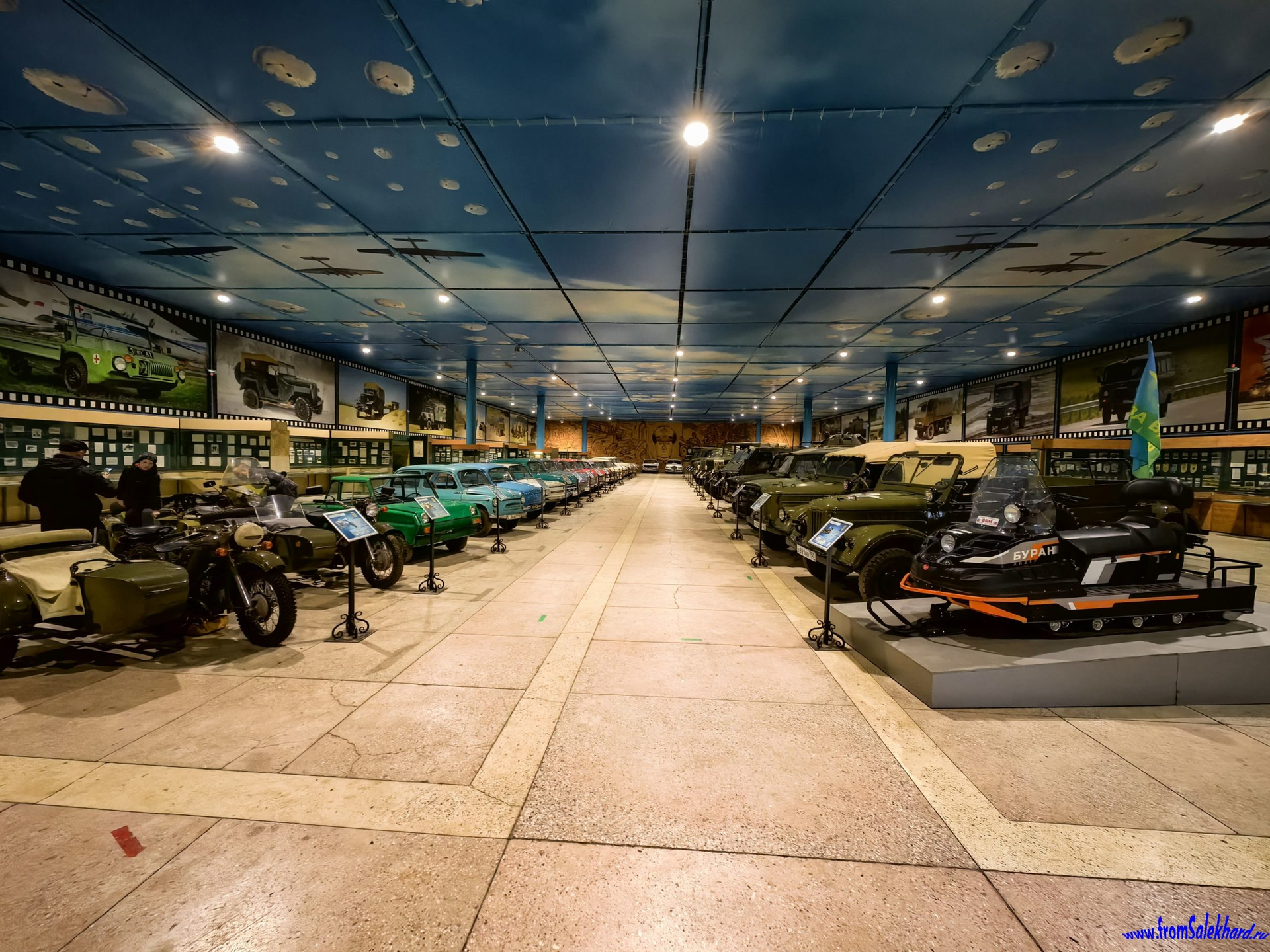
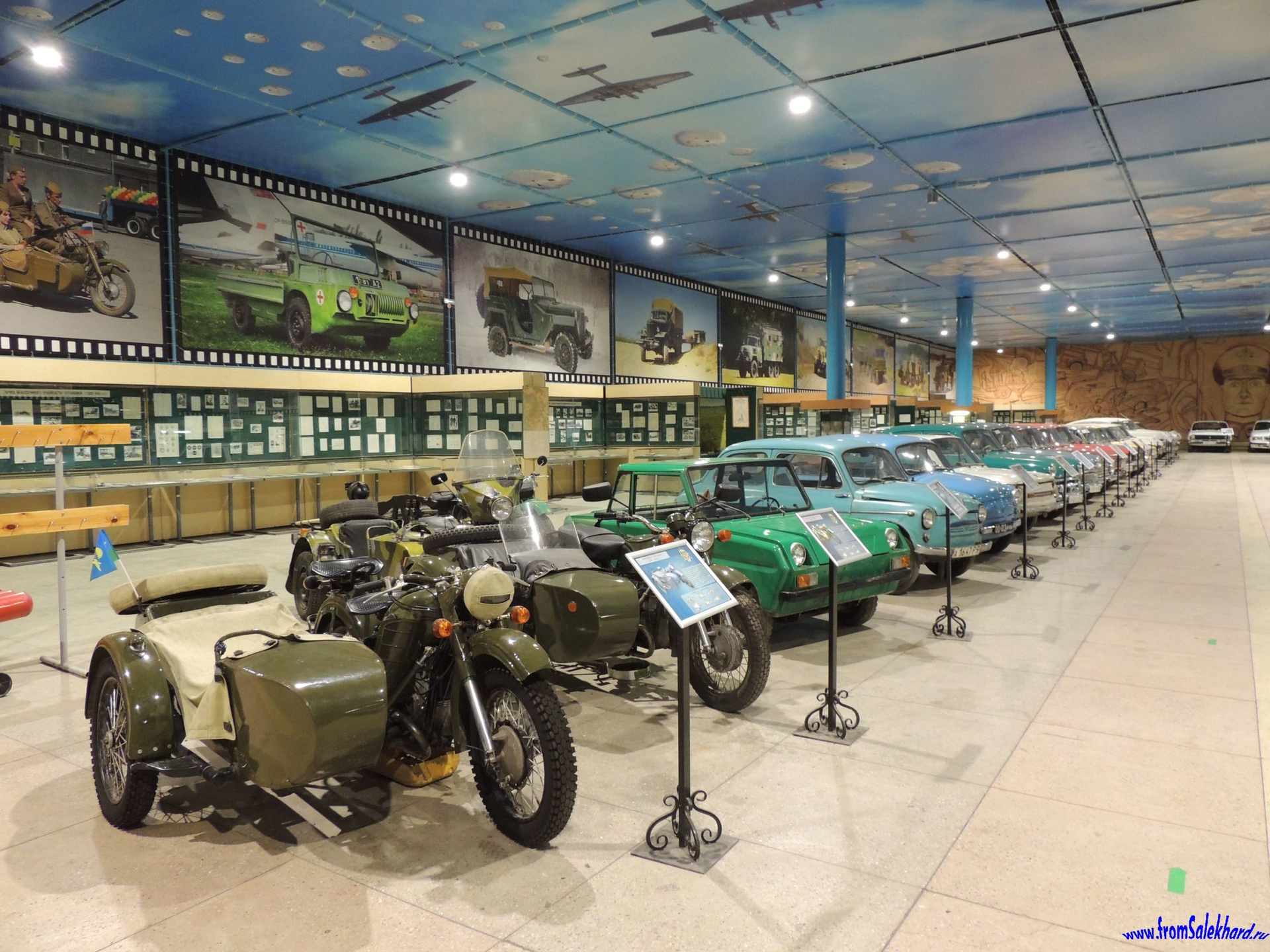
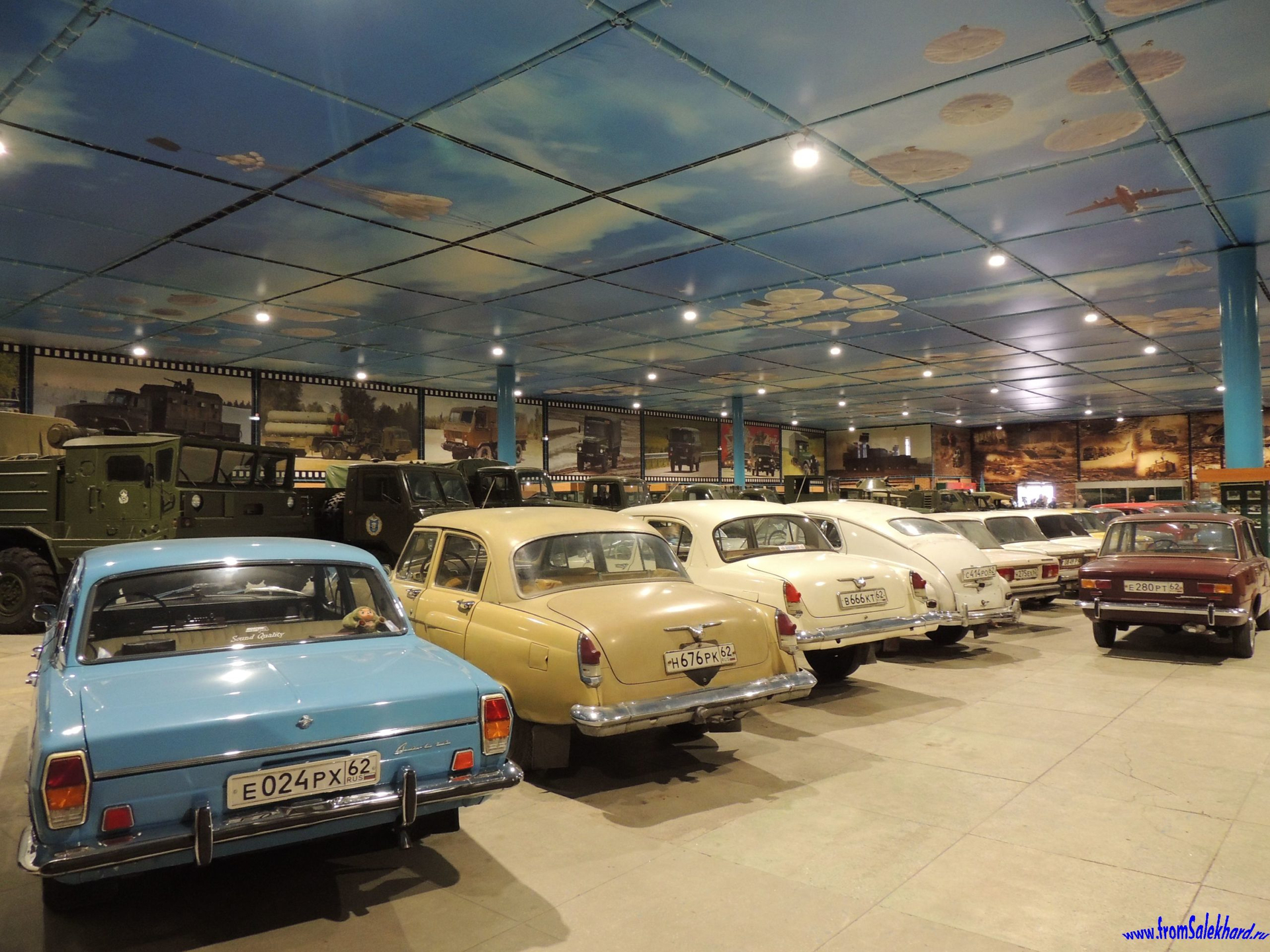
The next pavilion’s contents are a bit odd for this theme.
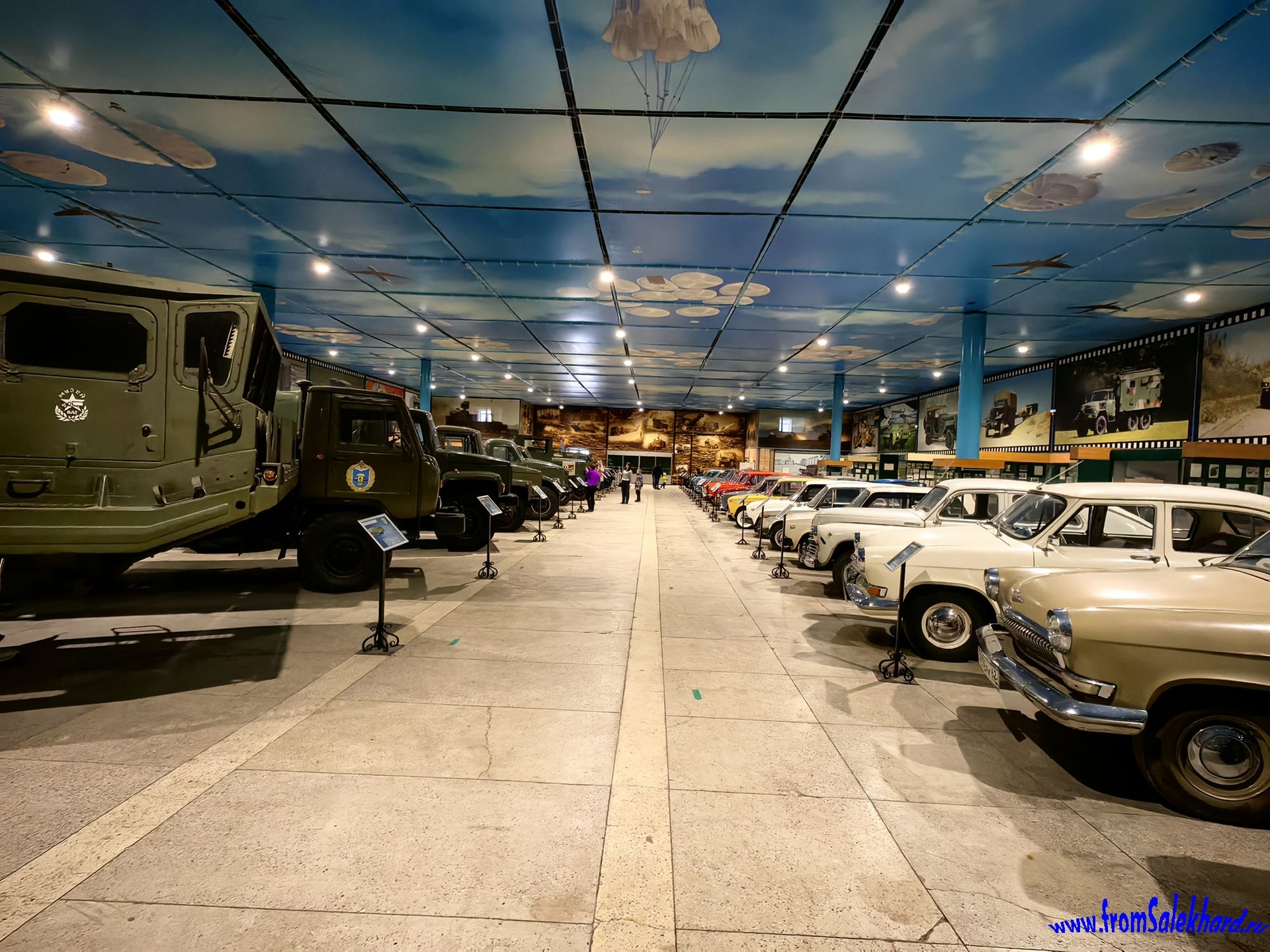
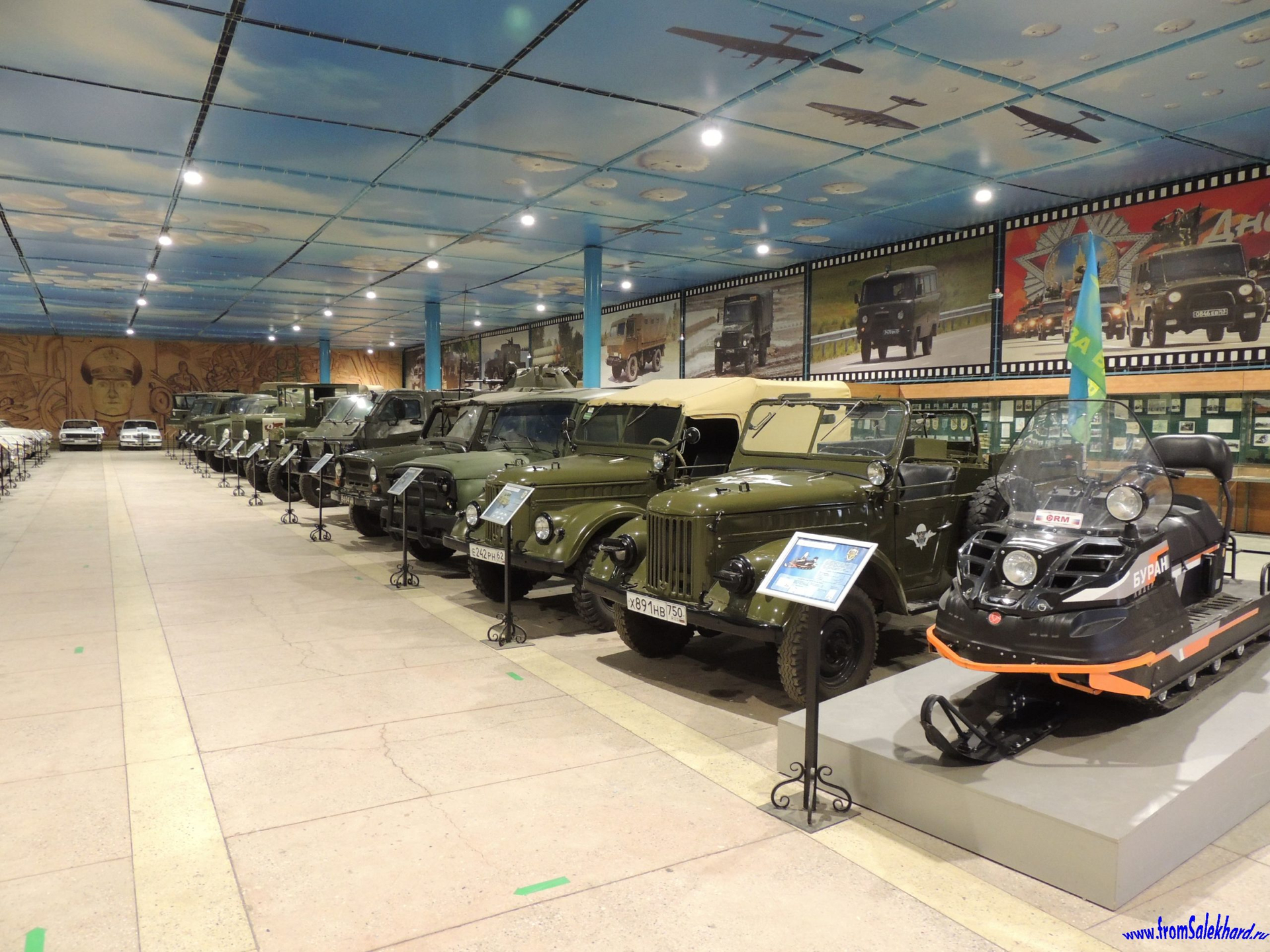
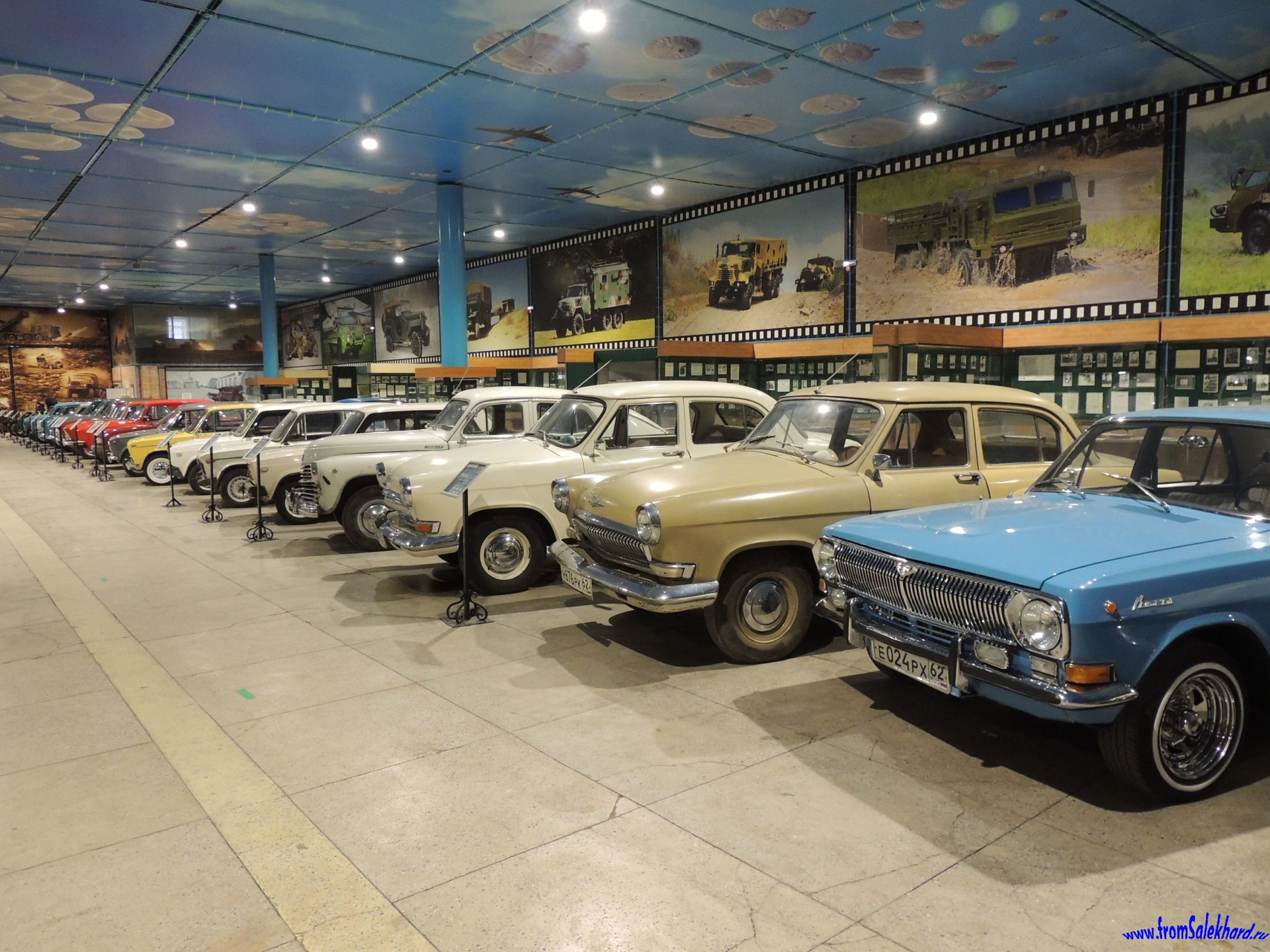
At least halfway to the right: civilian cars?

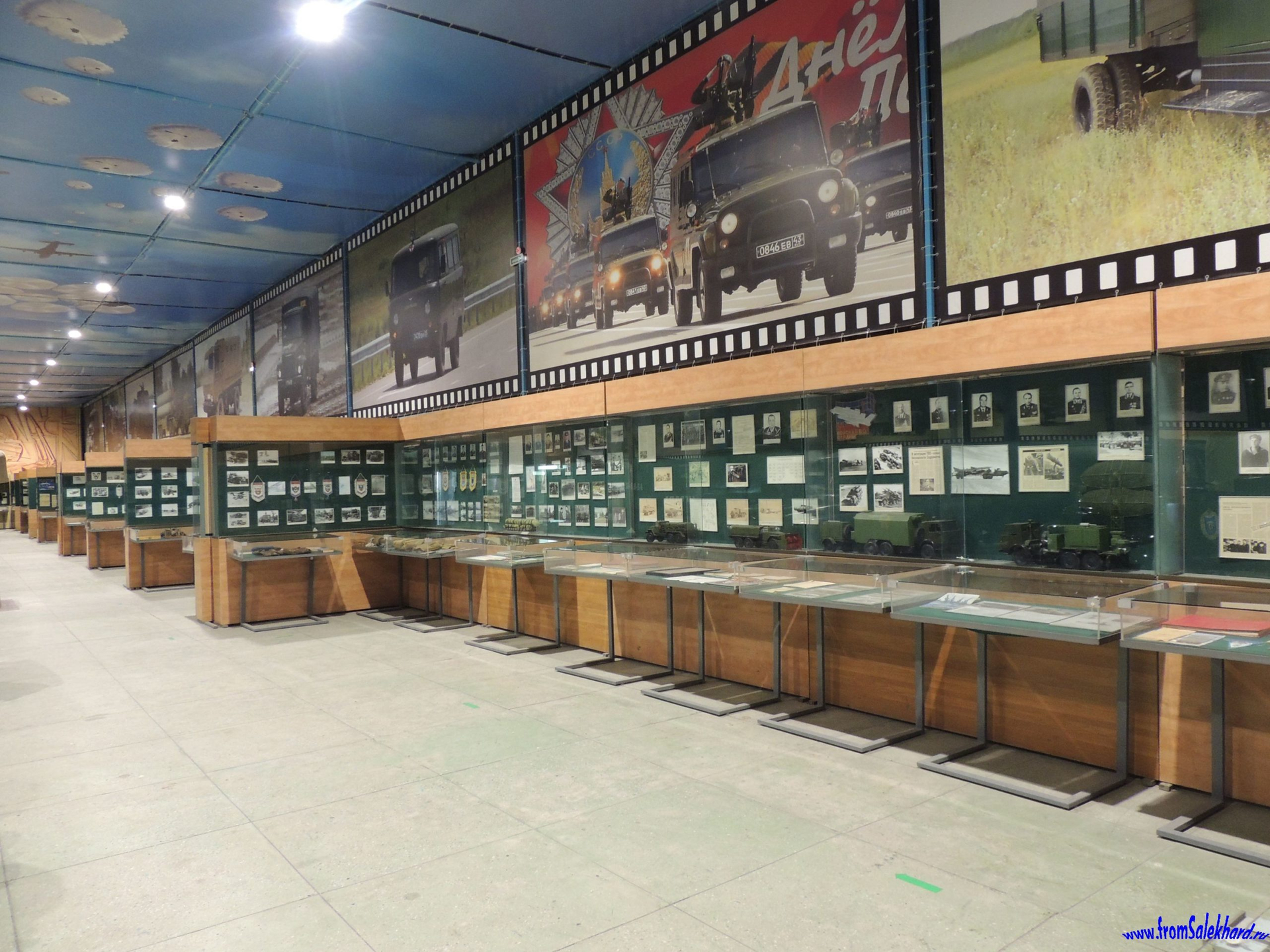
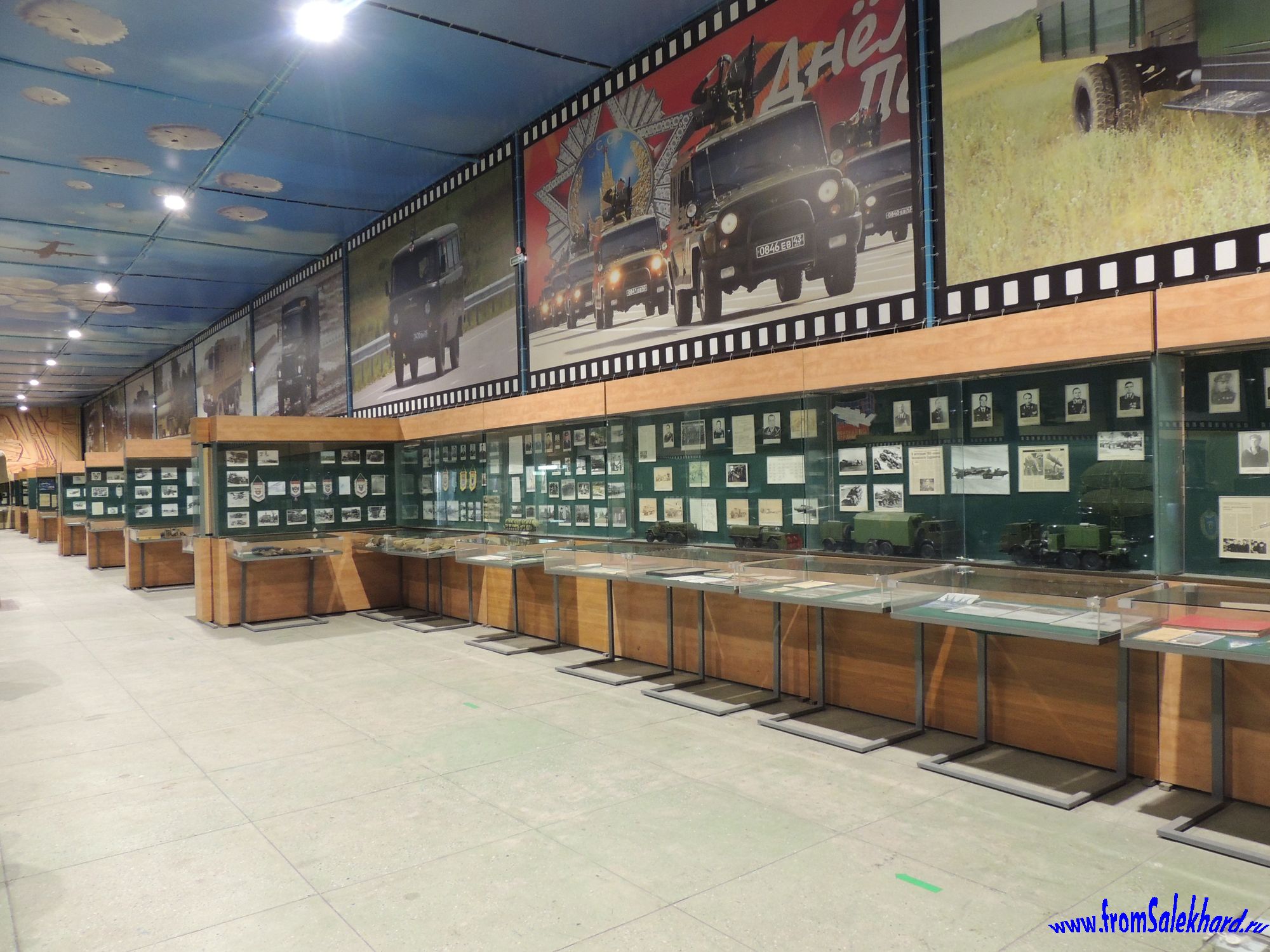
I’m not usually one for photo-documents, but there are a ton of interesting photos here whose authenticity is beyond doubt.
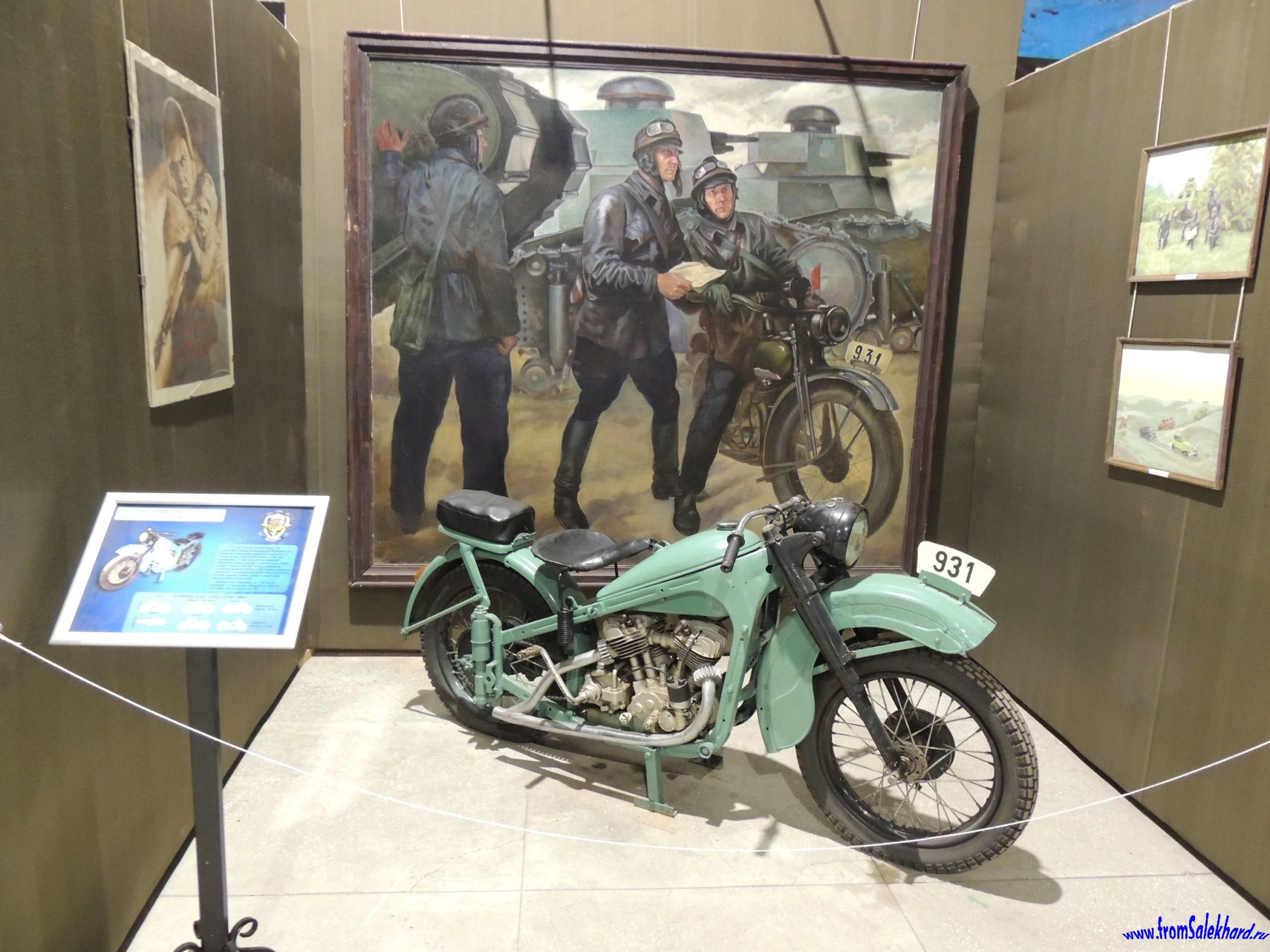
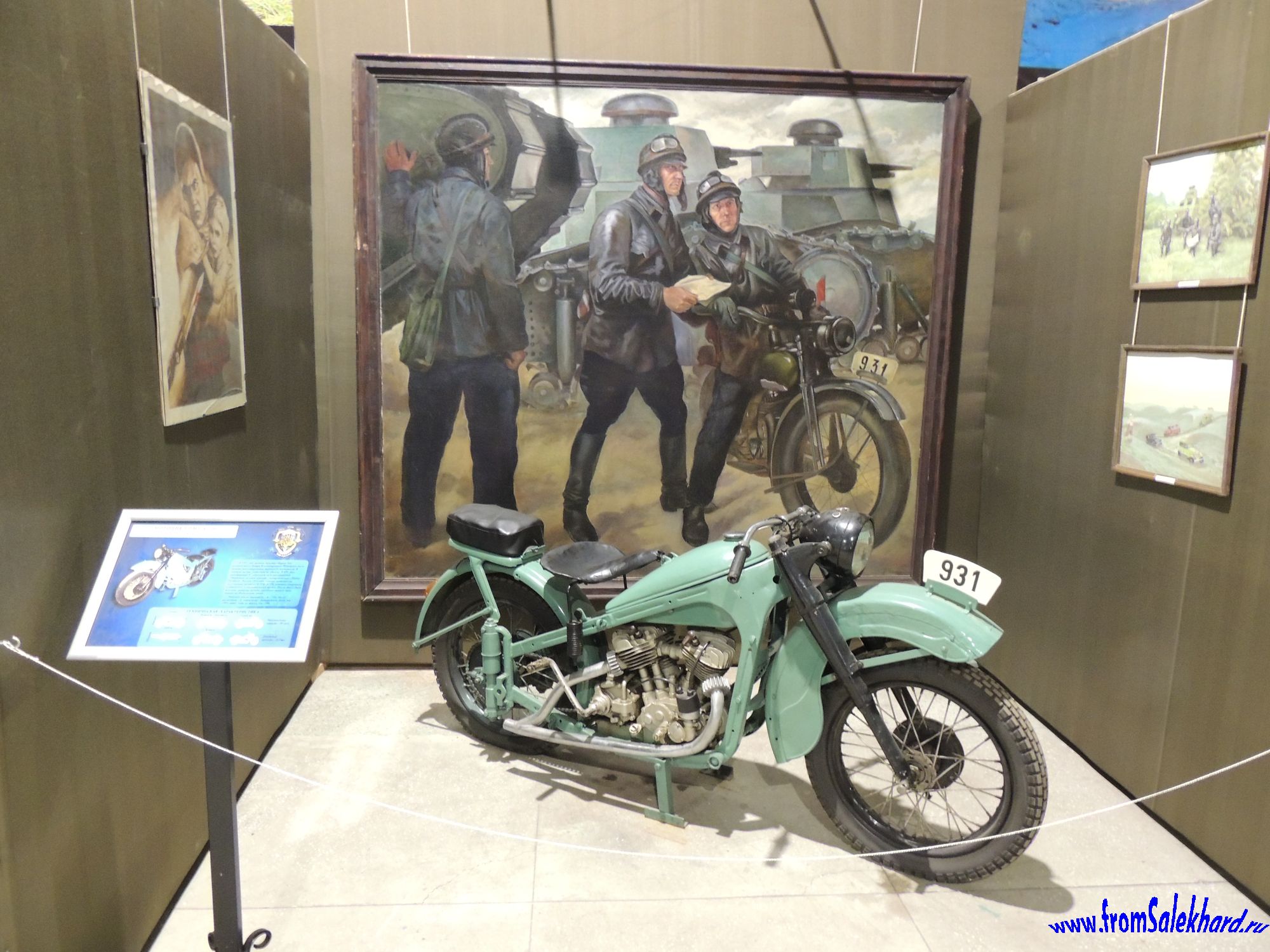
And the paintings here have technically accurate subjects.
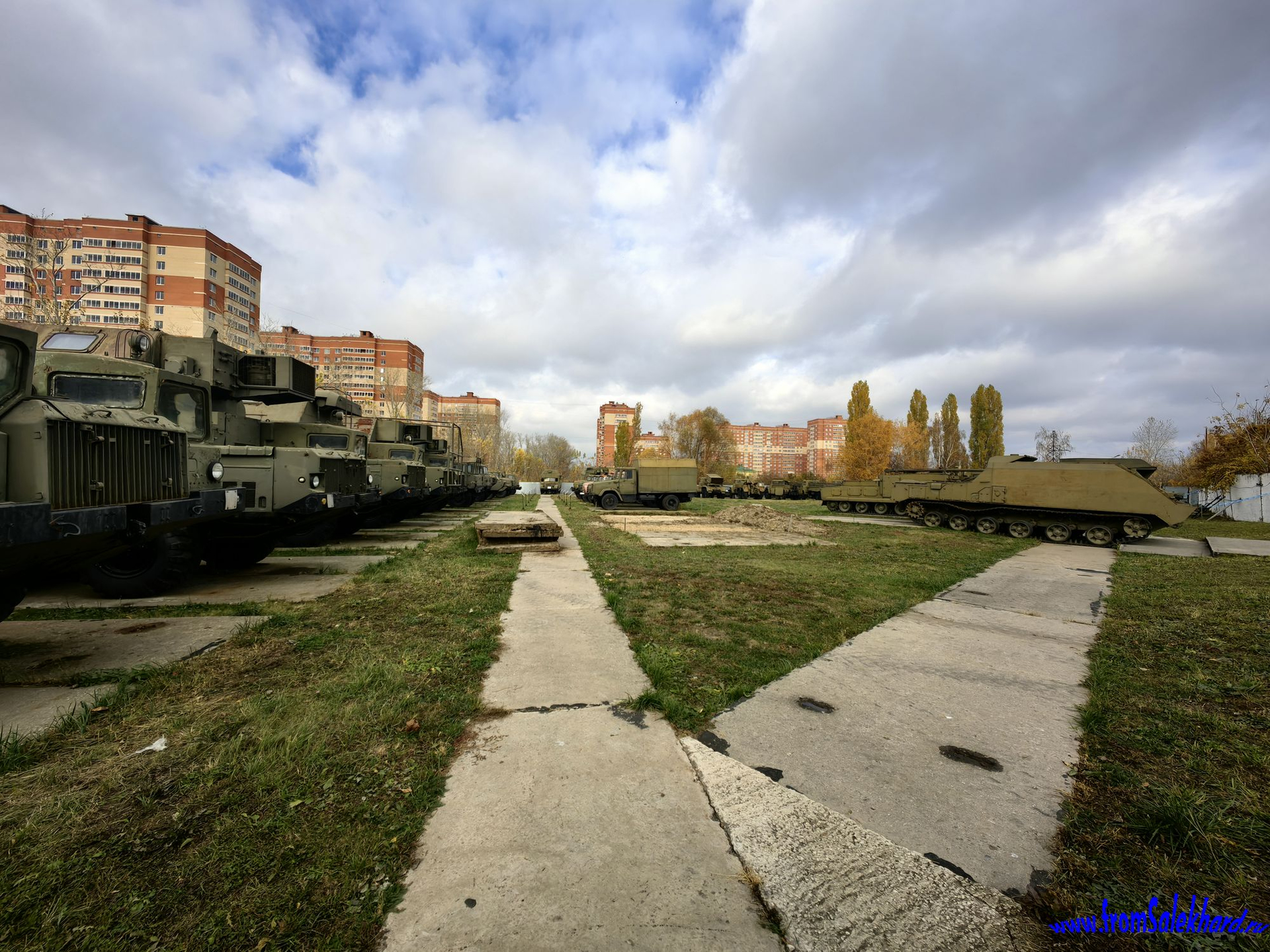
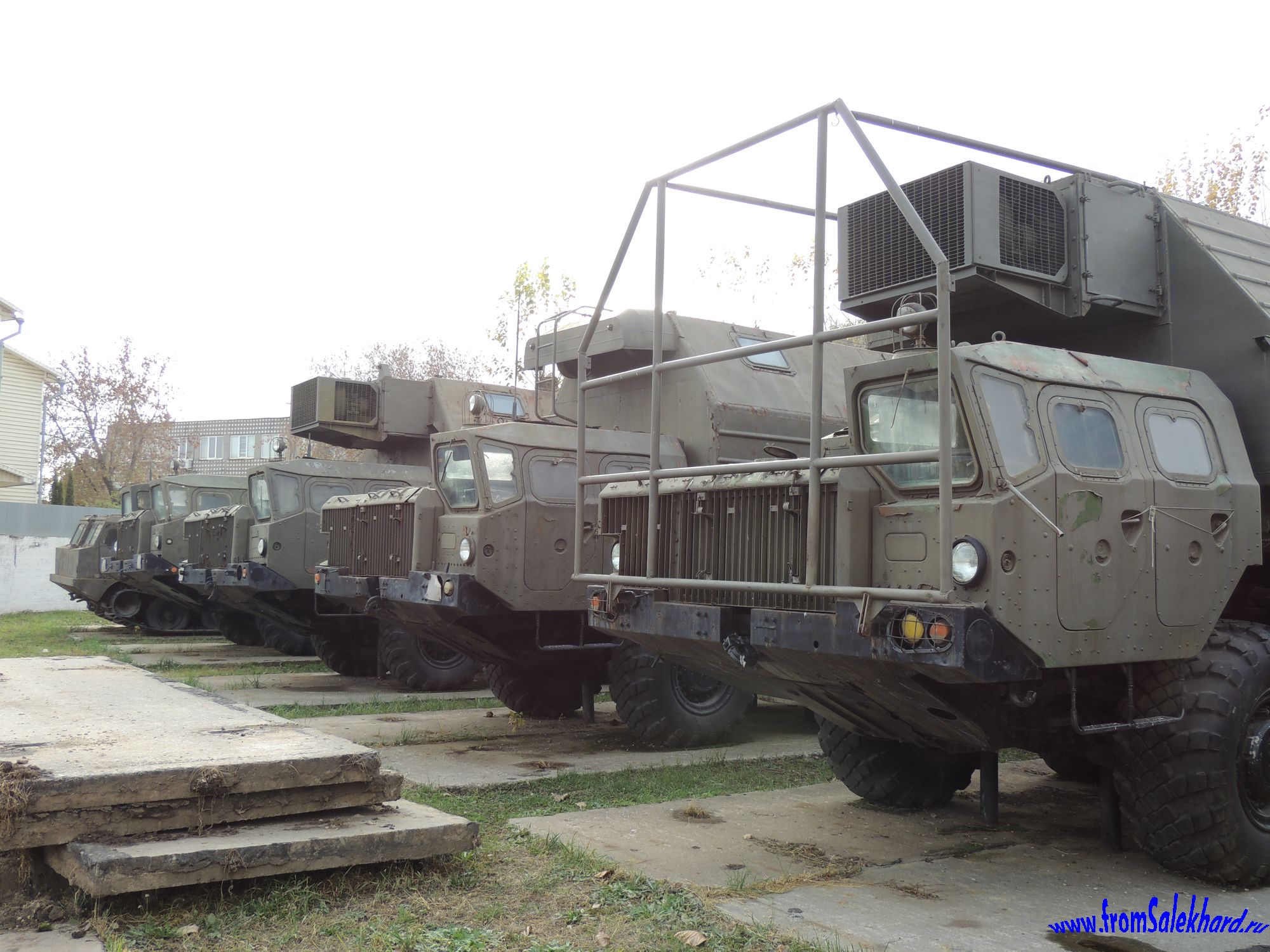
Remember how I didn’t let you look to the left? Now you’ve adapted a bit—look.
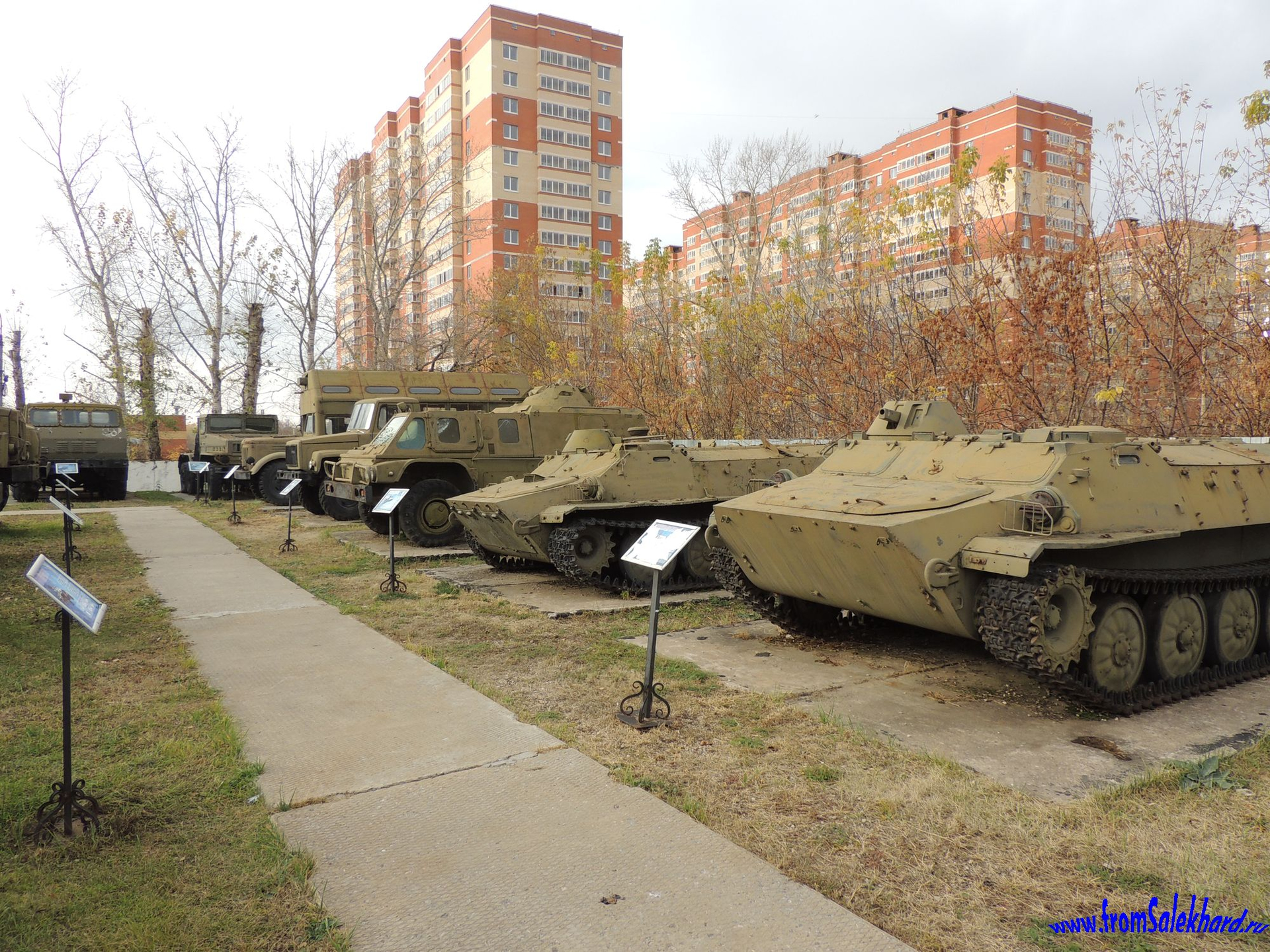
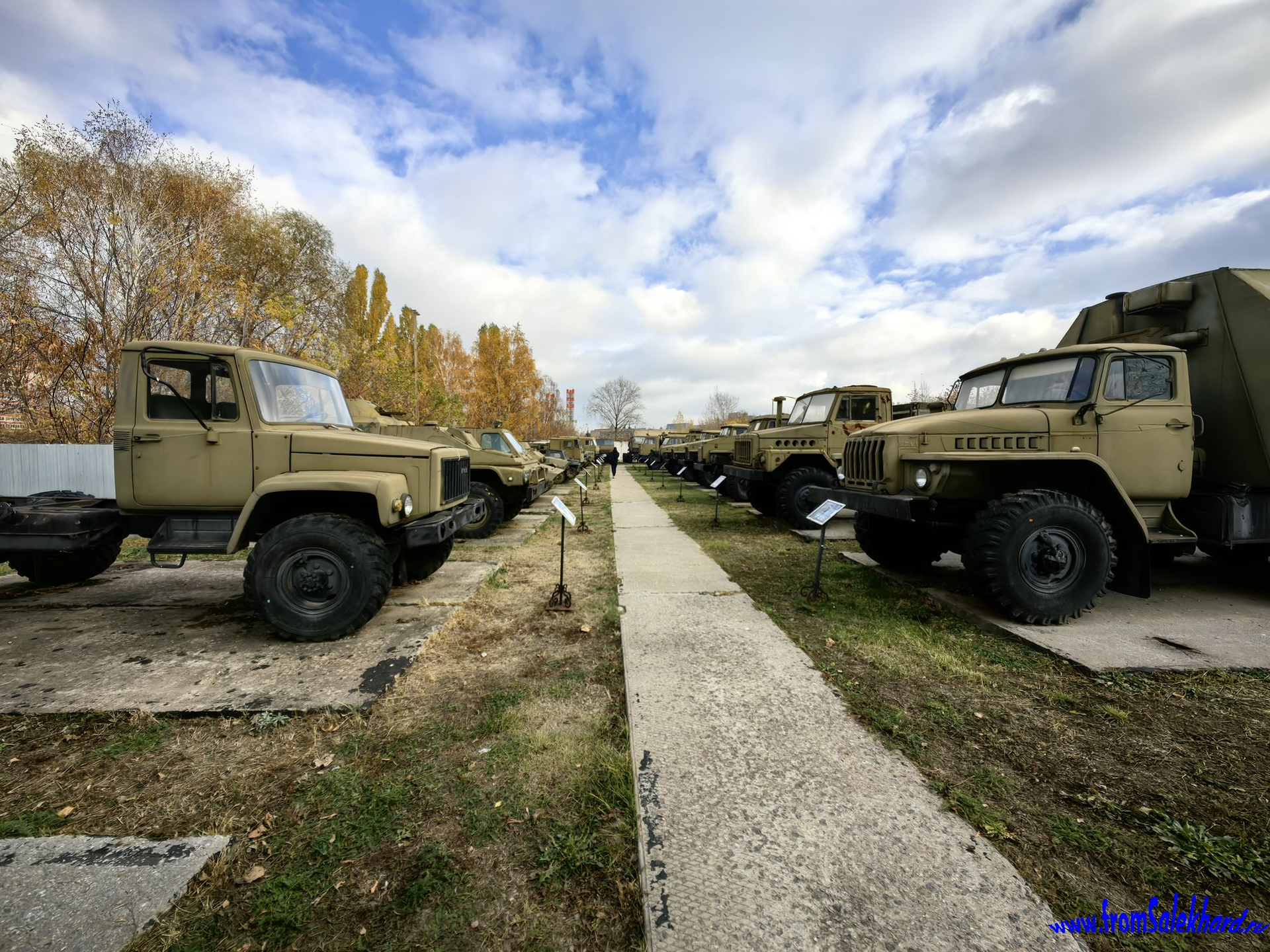
And these “beauties,” as befits ladies, are beautiful from every angle. If only I could enter them!
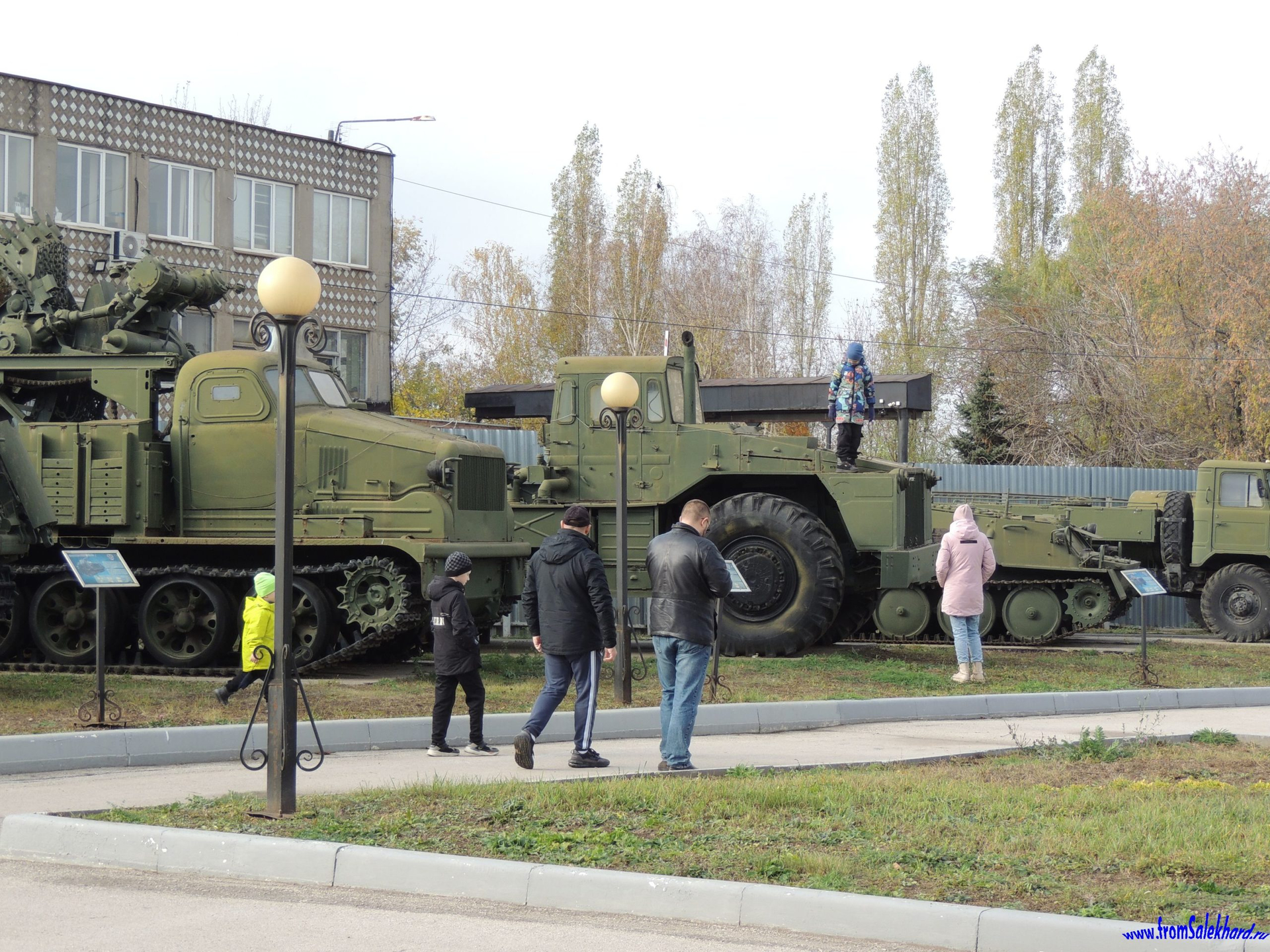
There are few visitors on weekdays and they behave exactly the same as always and everywhere on such sites.

However, even with such visitors, the area is kept in order.
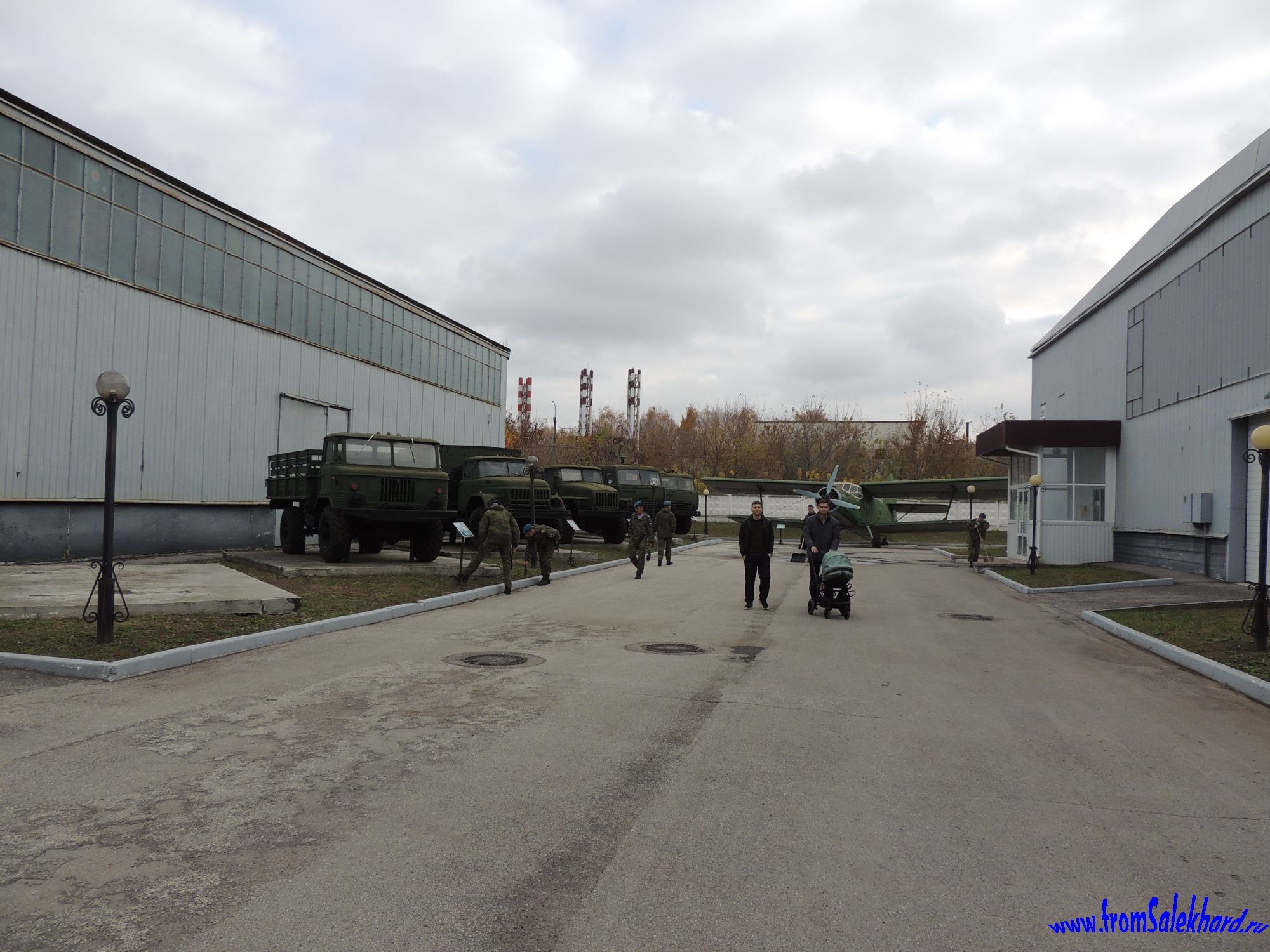
The secret of this is revealed very simply: the museum’s neighbor is the Ryazan Guards Higher Airborne School, which explains its (the museum’s) current name. Its cadets are also involved in maintaining cleanliness and order on the museum grounds.

13 Likes

Nice. Any full sized aircraft?

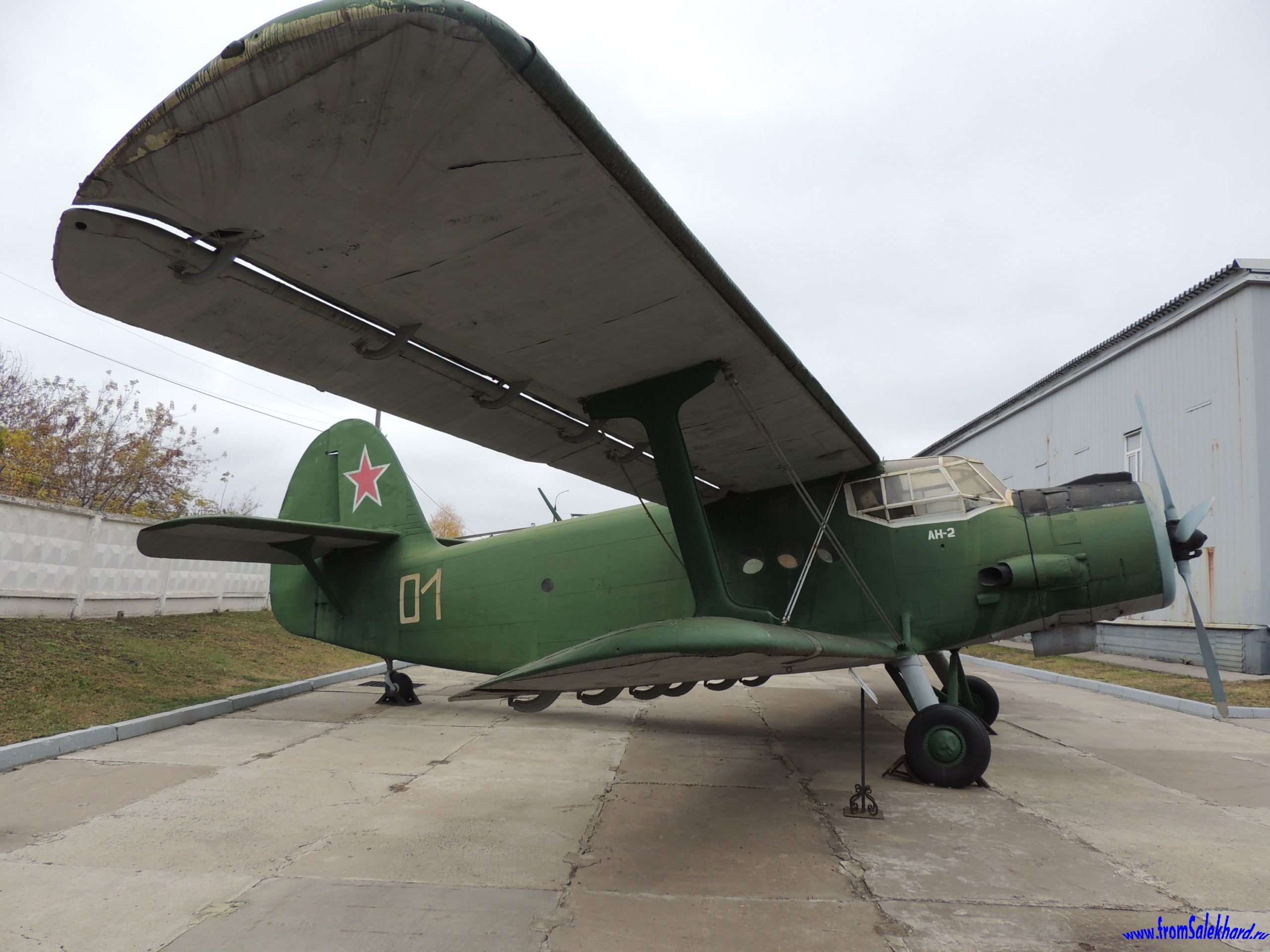
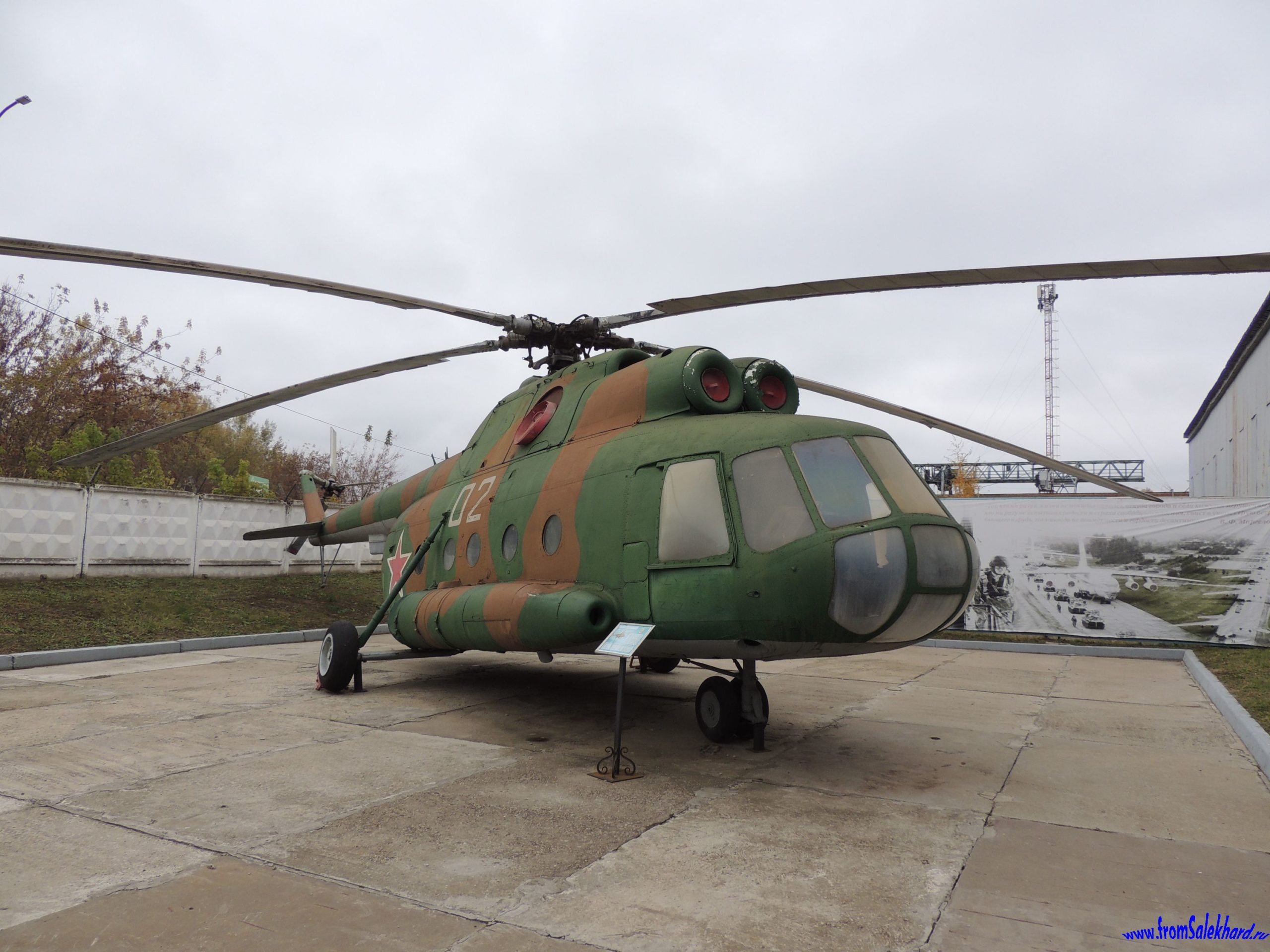
Just a couple: a biplane and a helicopter.

The AN-2?

Yes, of course: a training aircraft for paratroopers.
Is that what they used to open the top left drawer?
:slightly_smiling_face:

I sympathise; I too have yet to find an effective medication…
:cry:
M

1 Like

I apologize: my hand shook and the post was published unfinished. Just a little longer.
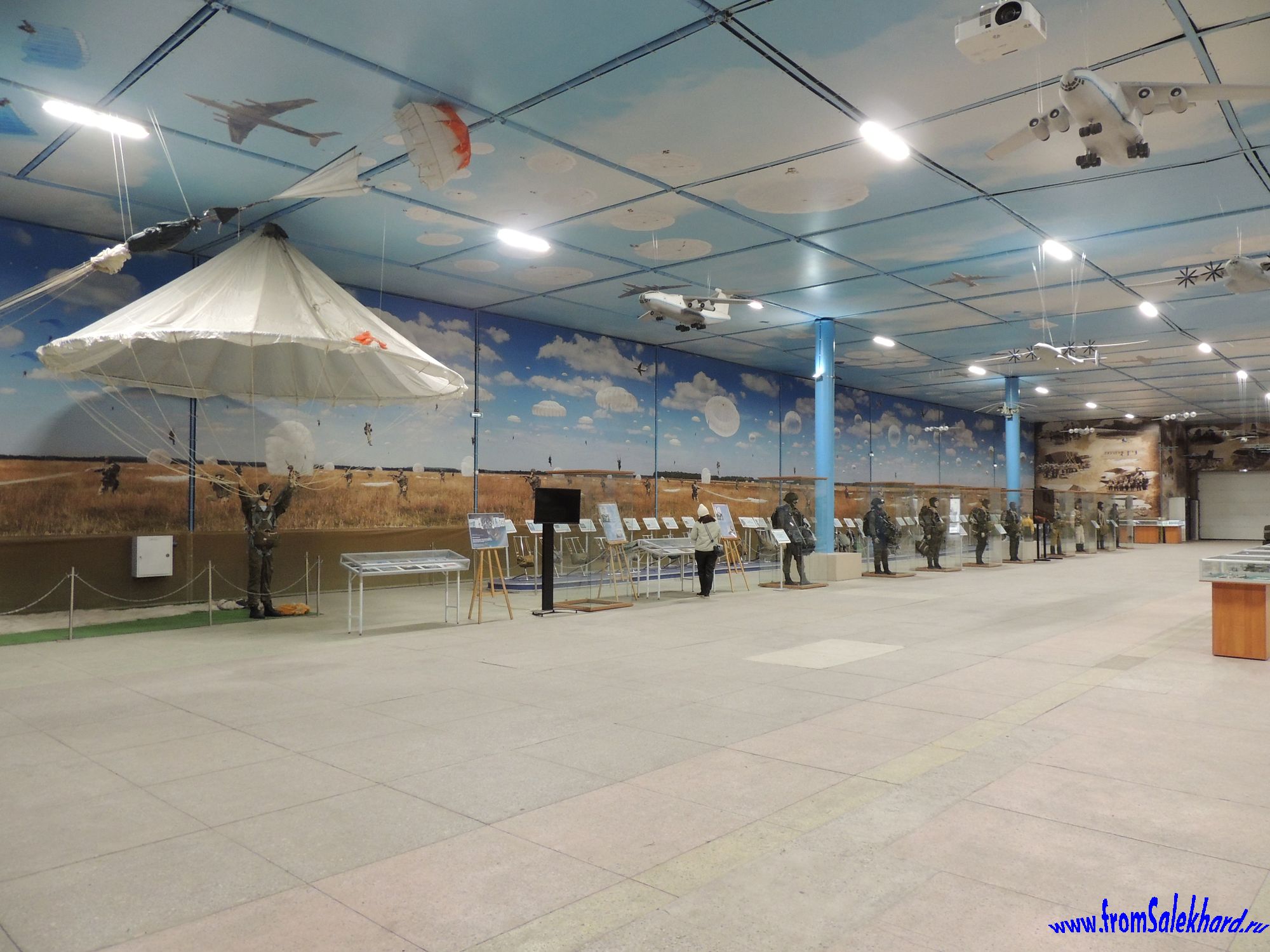
Airborne Forces Pavilion.

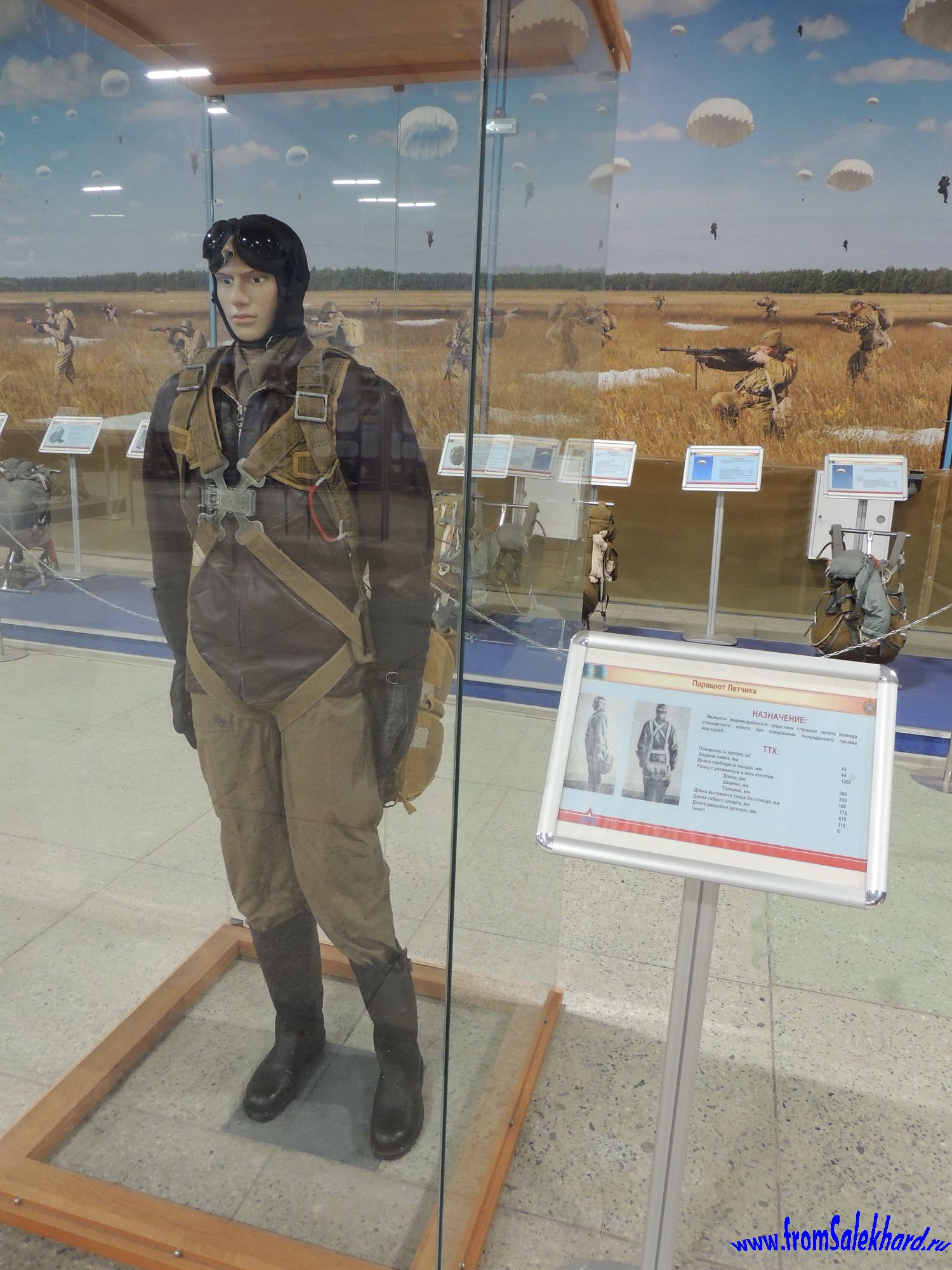
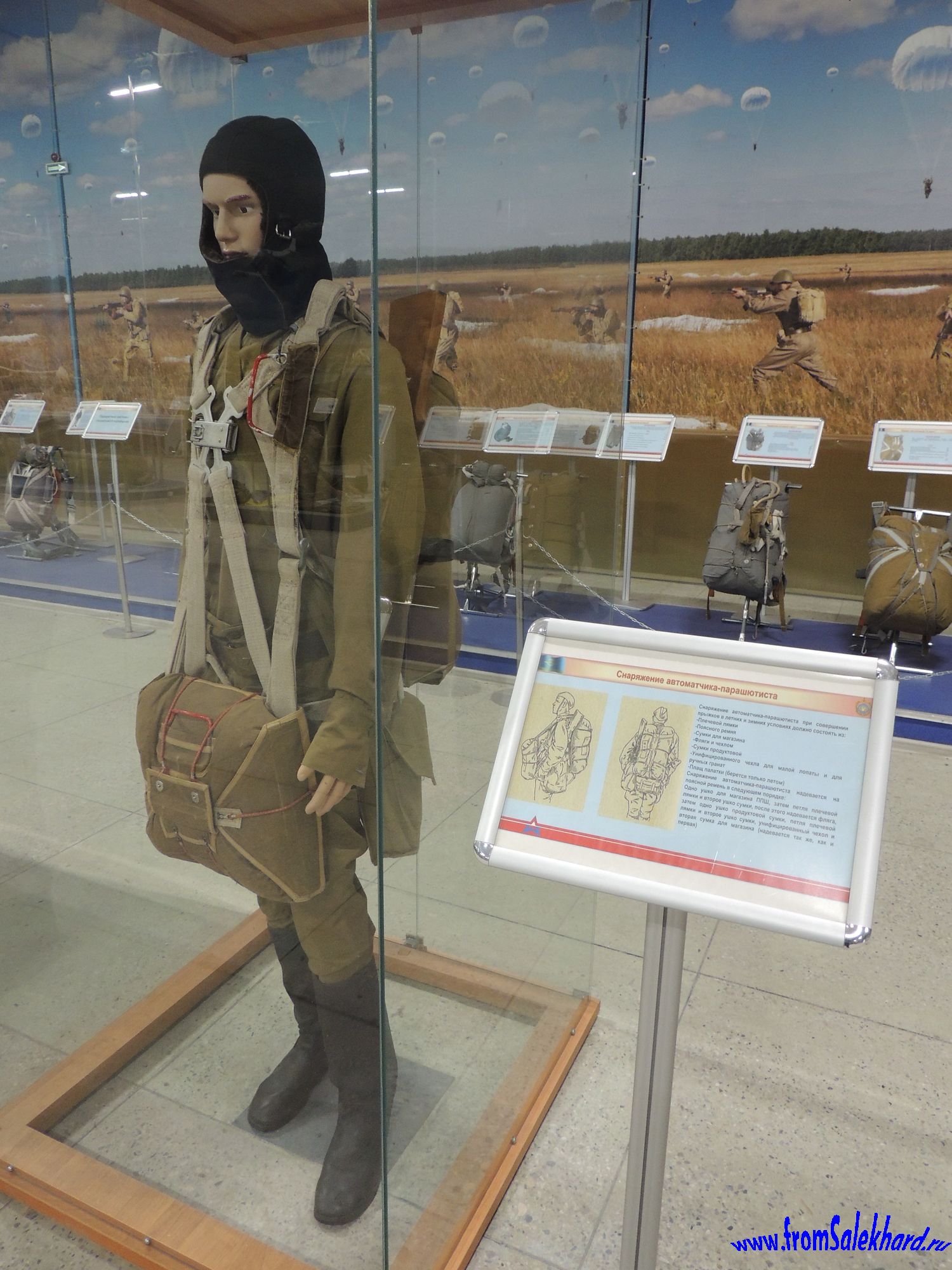
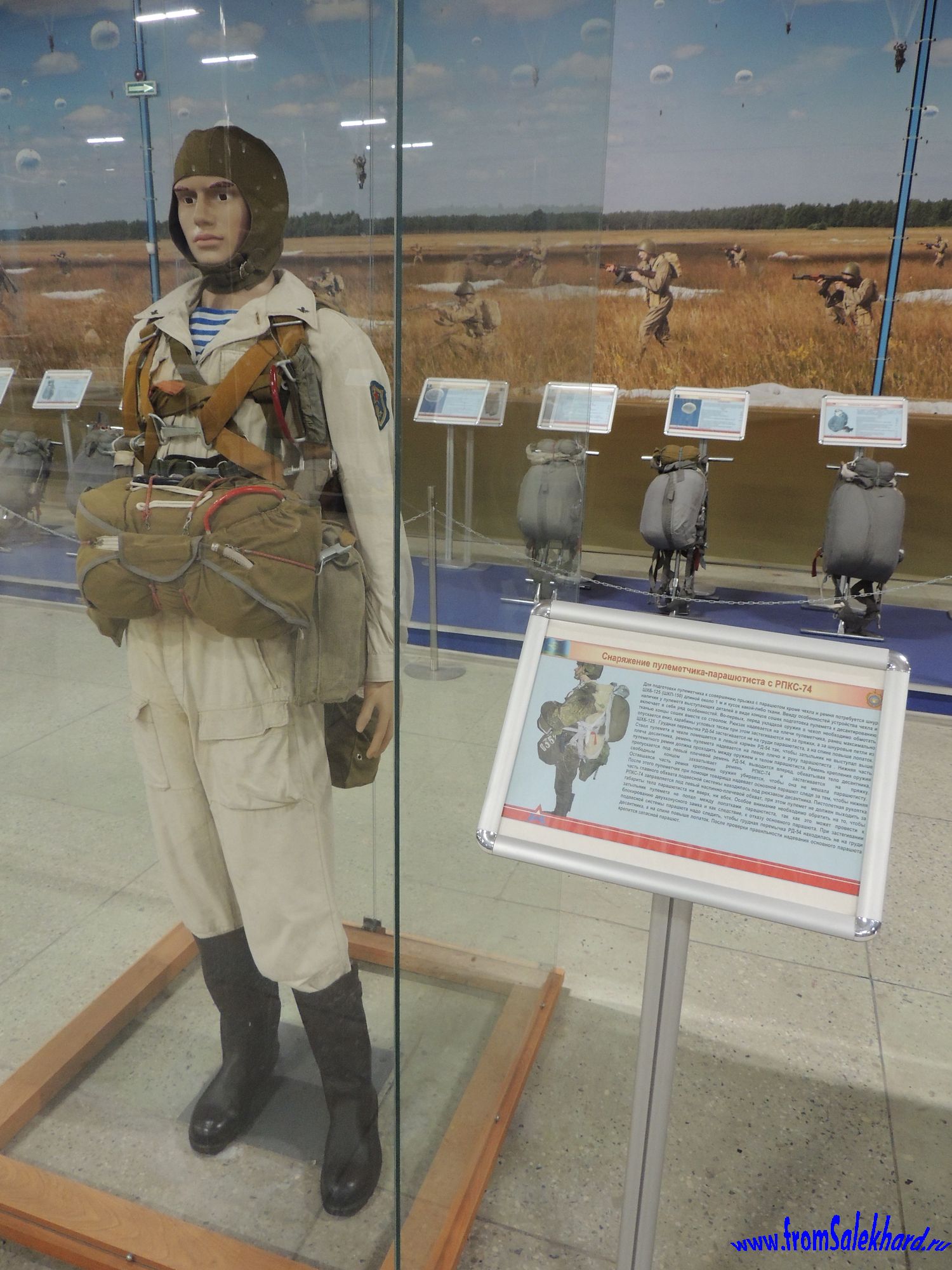
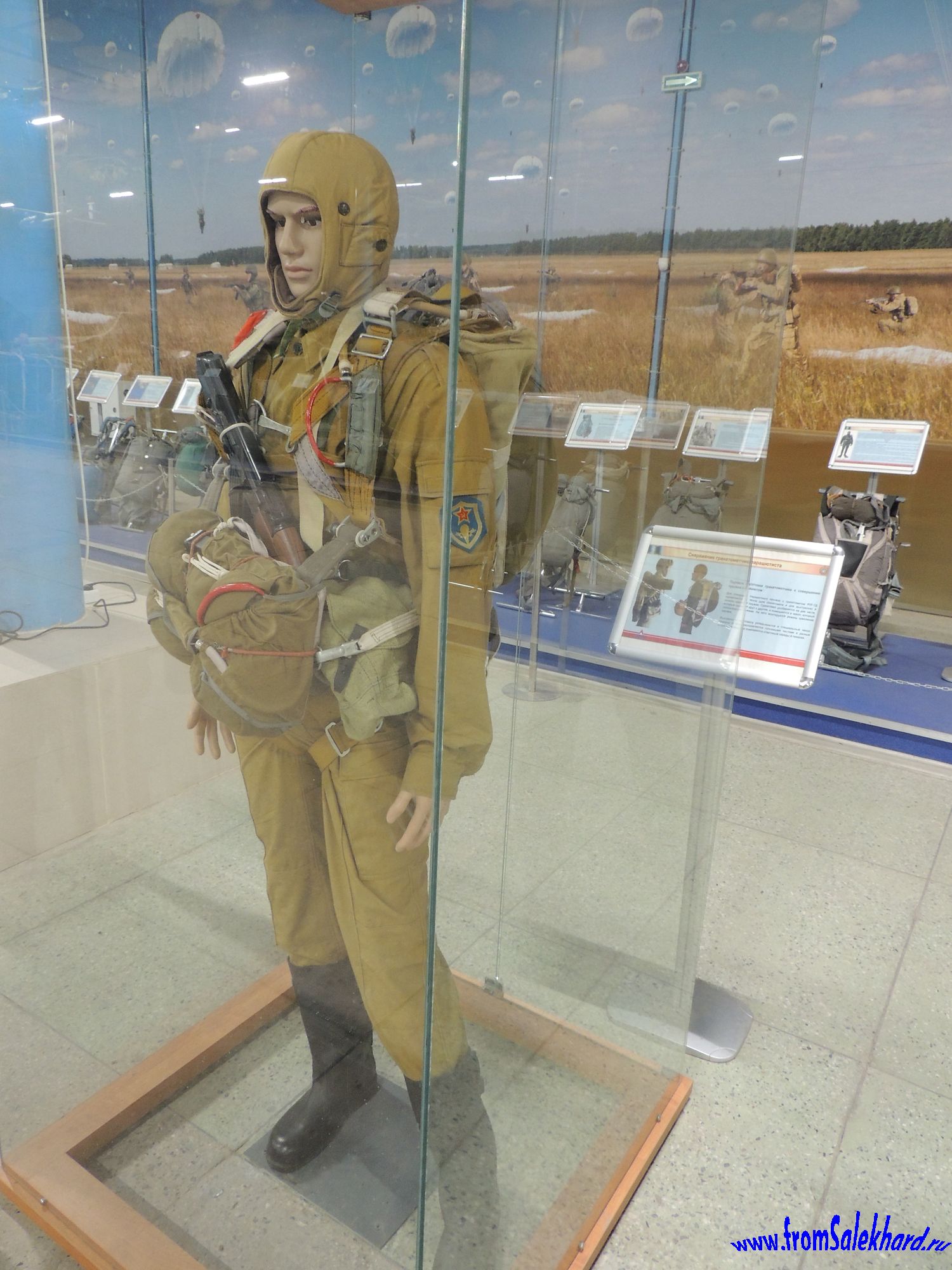
Since the entire museum is dedicated to the Airborne Forces, I will begin my review with this.
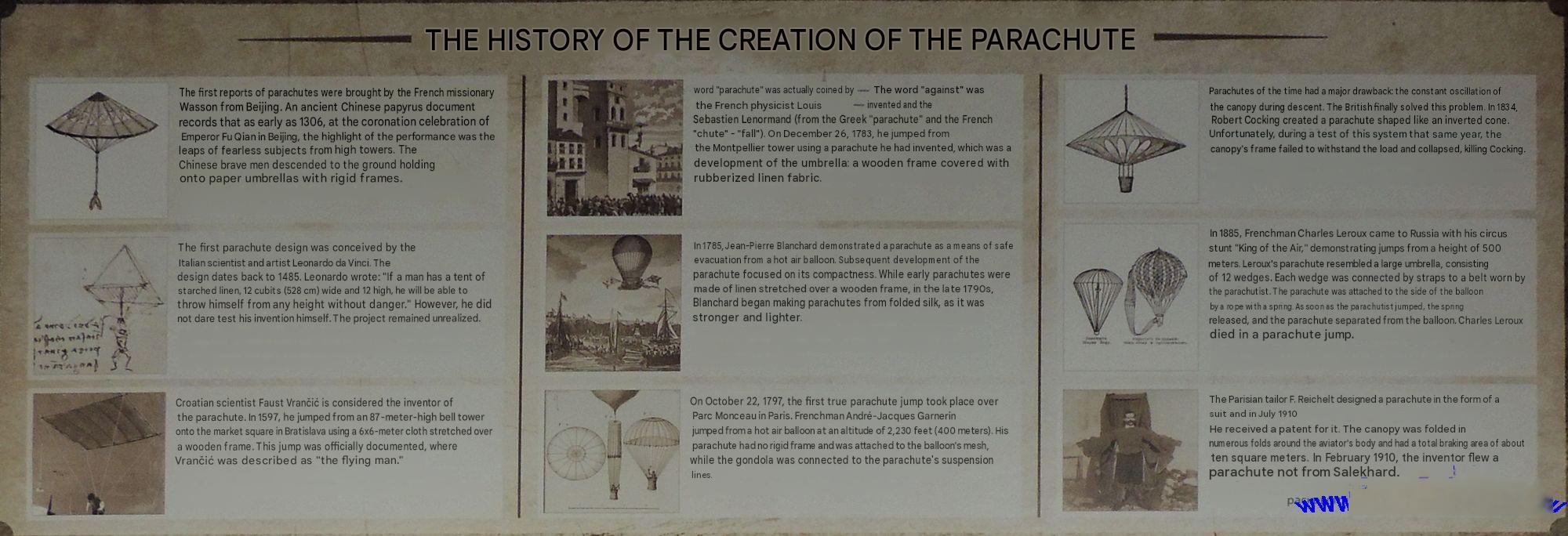
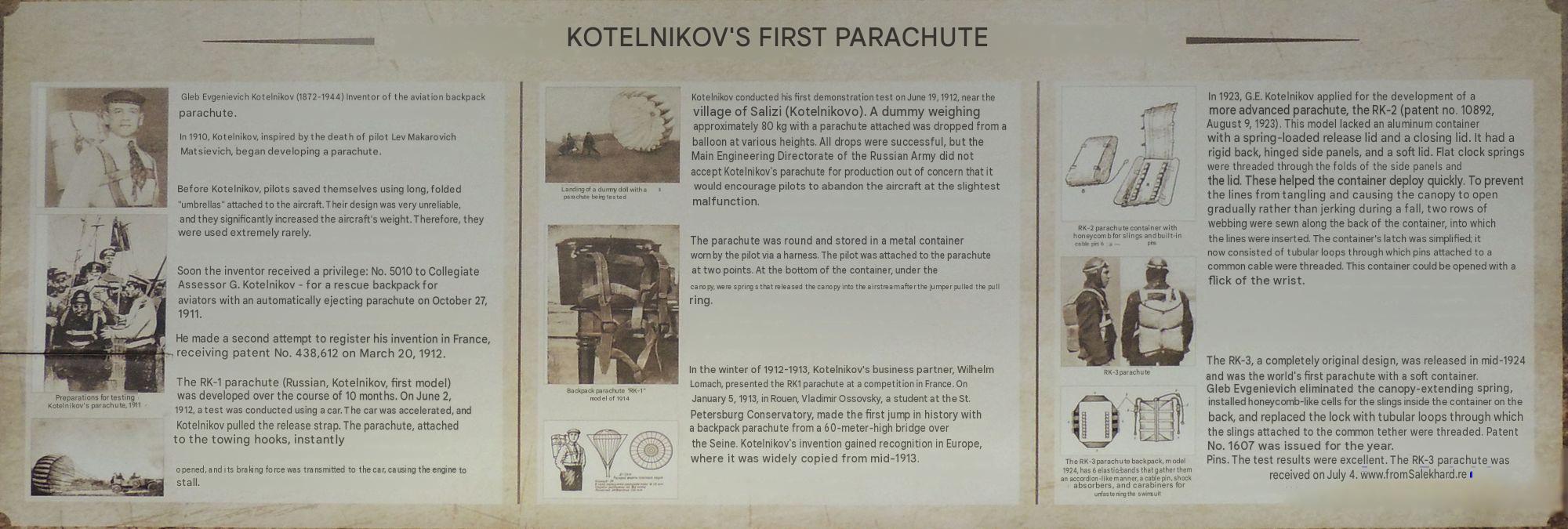
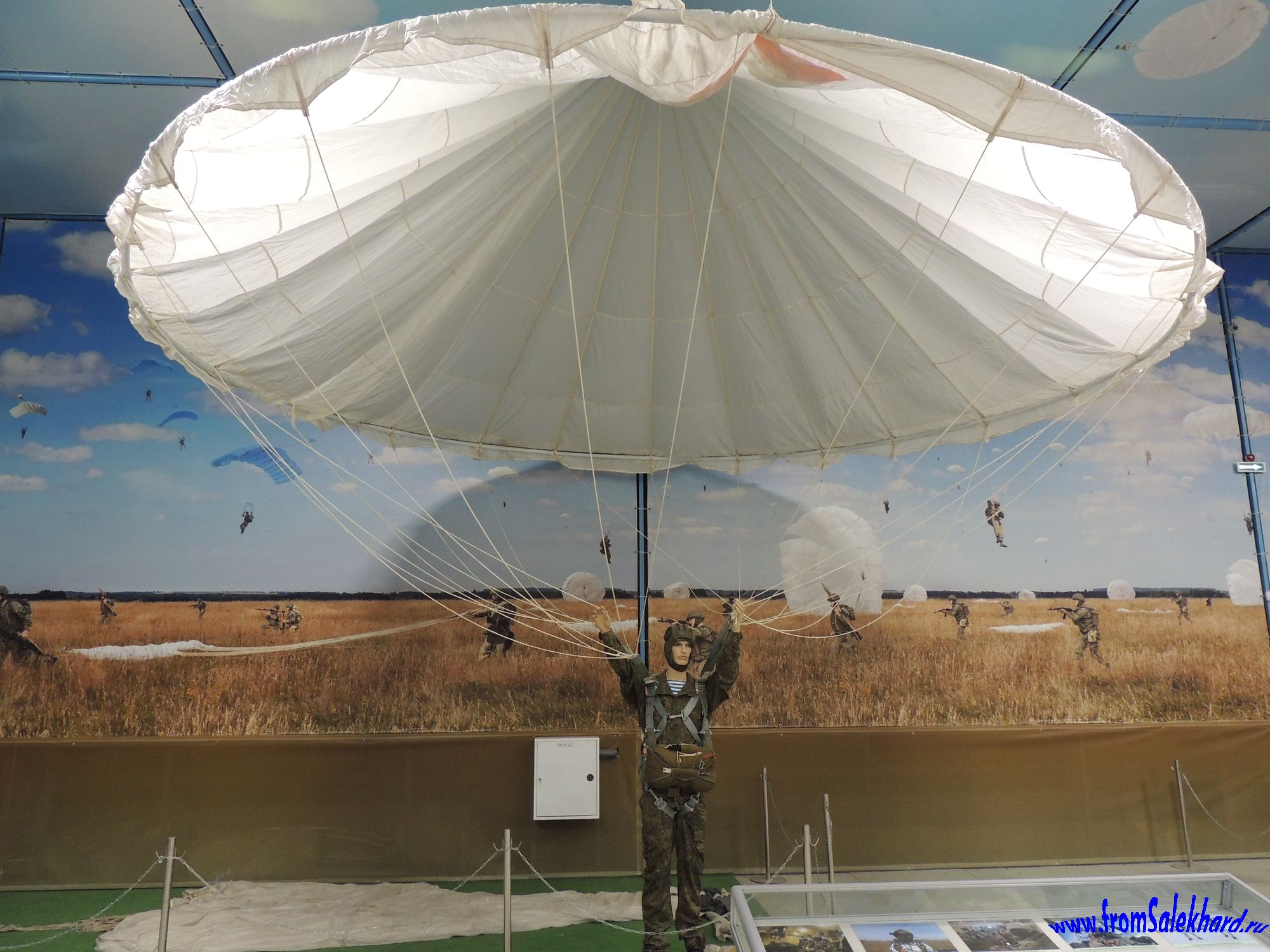
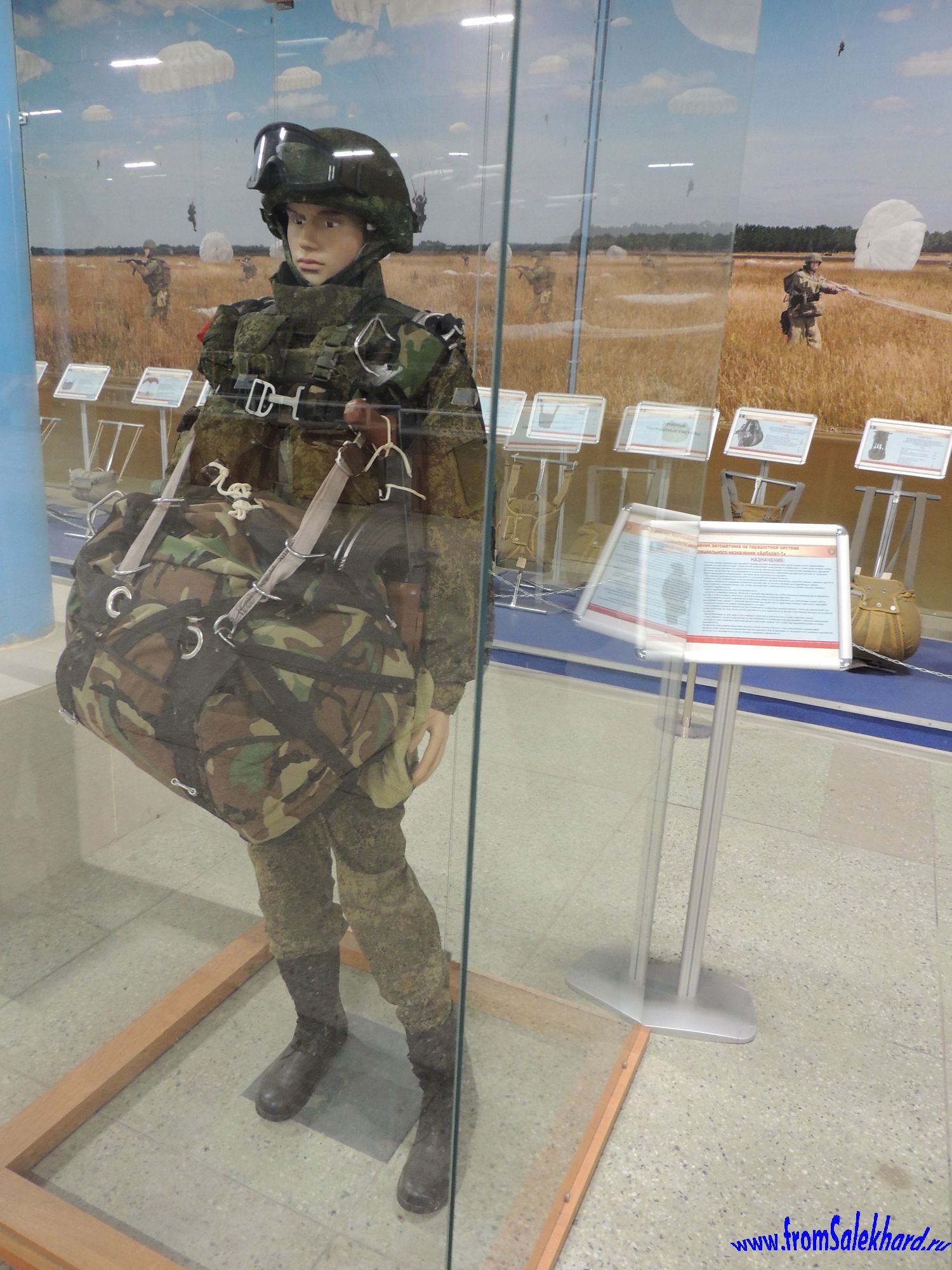
How did it all start? With a parachute, of course,


which in its modern implementation looks something like this.
Why approximately? Because, at the moment, there are countless of them.

They have a certain specialization, just like all the other equipment.

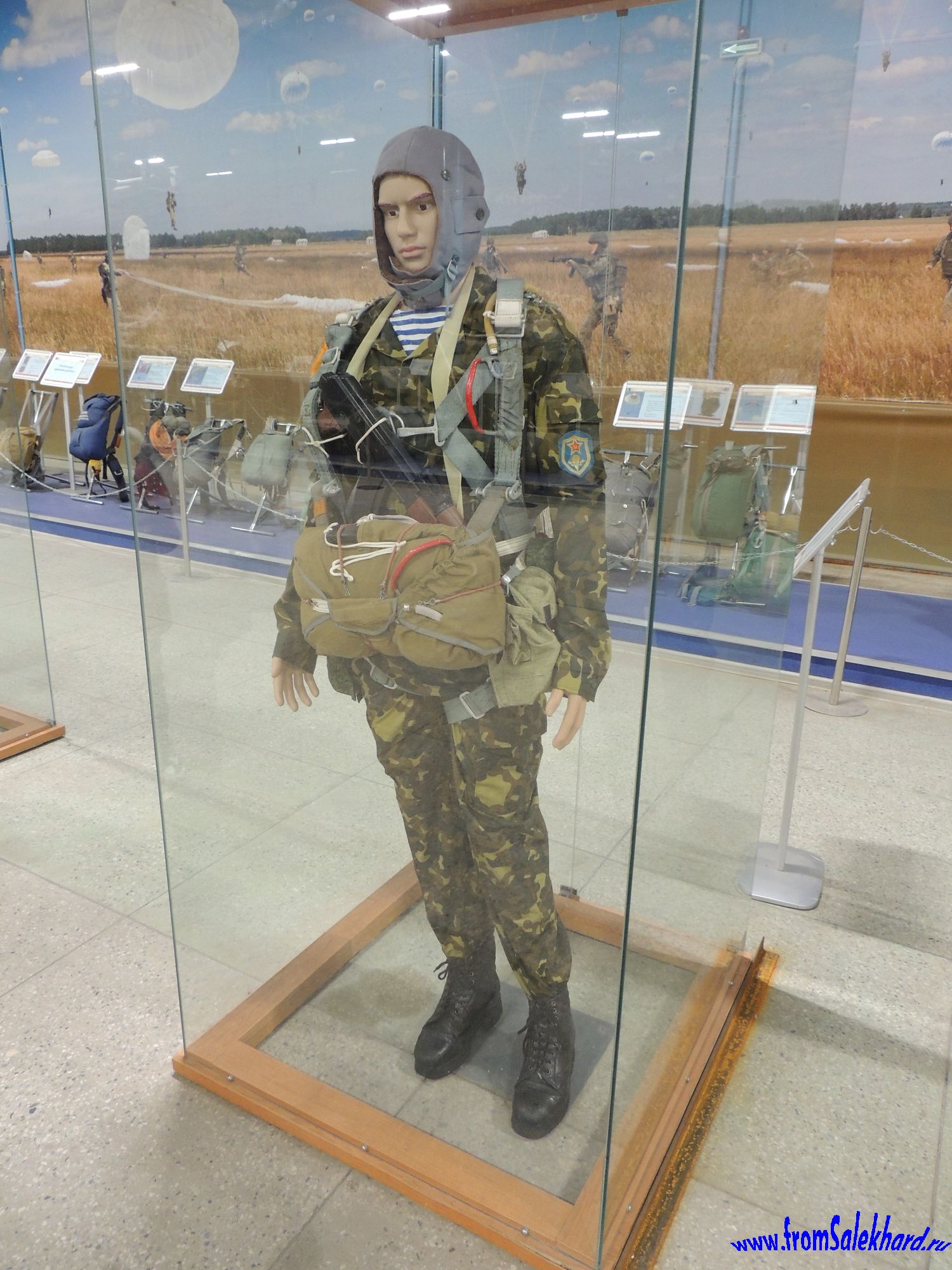
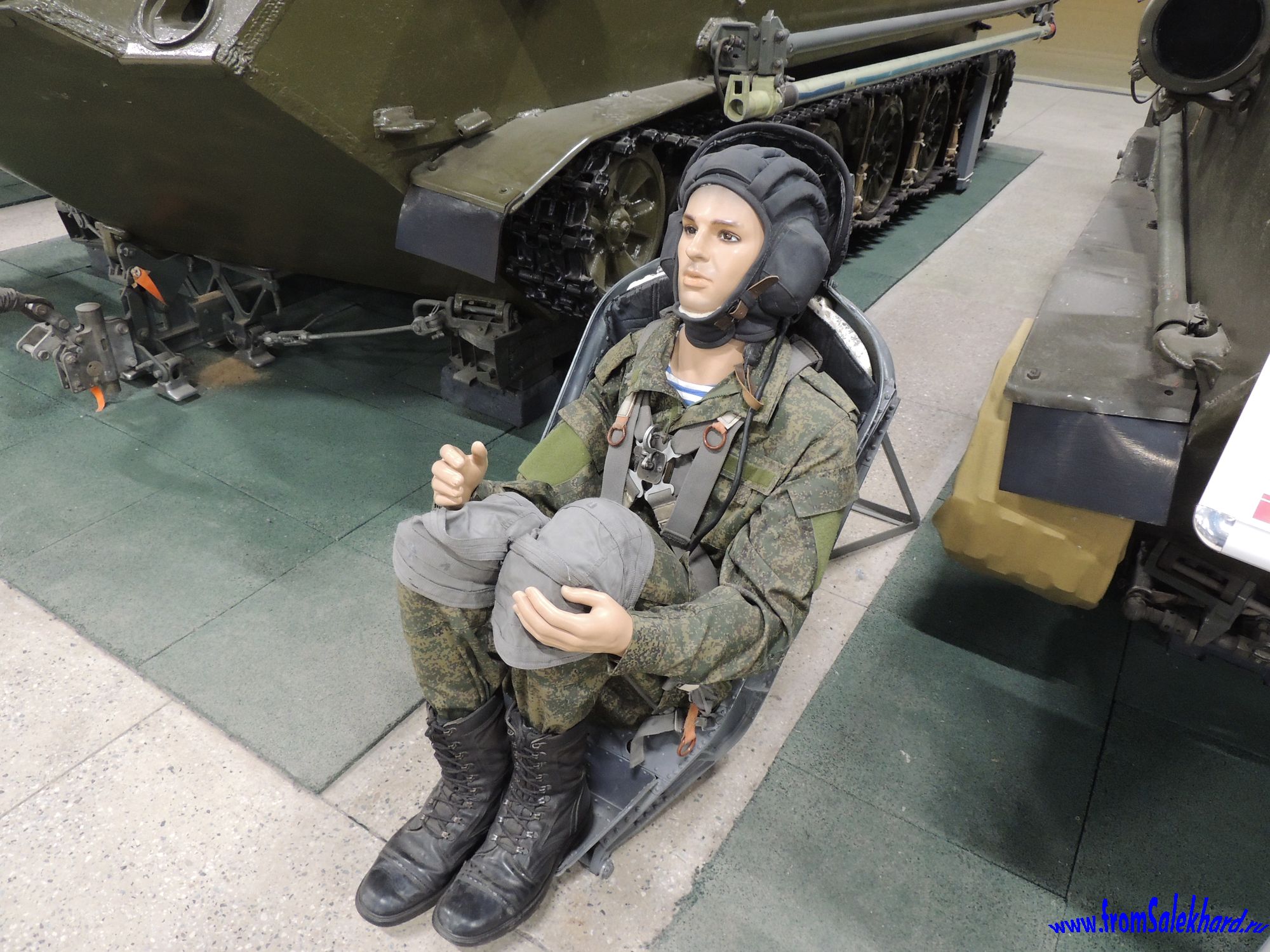
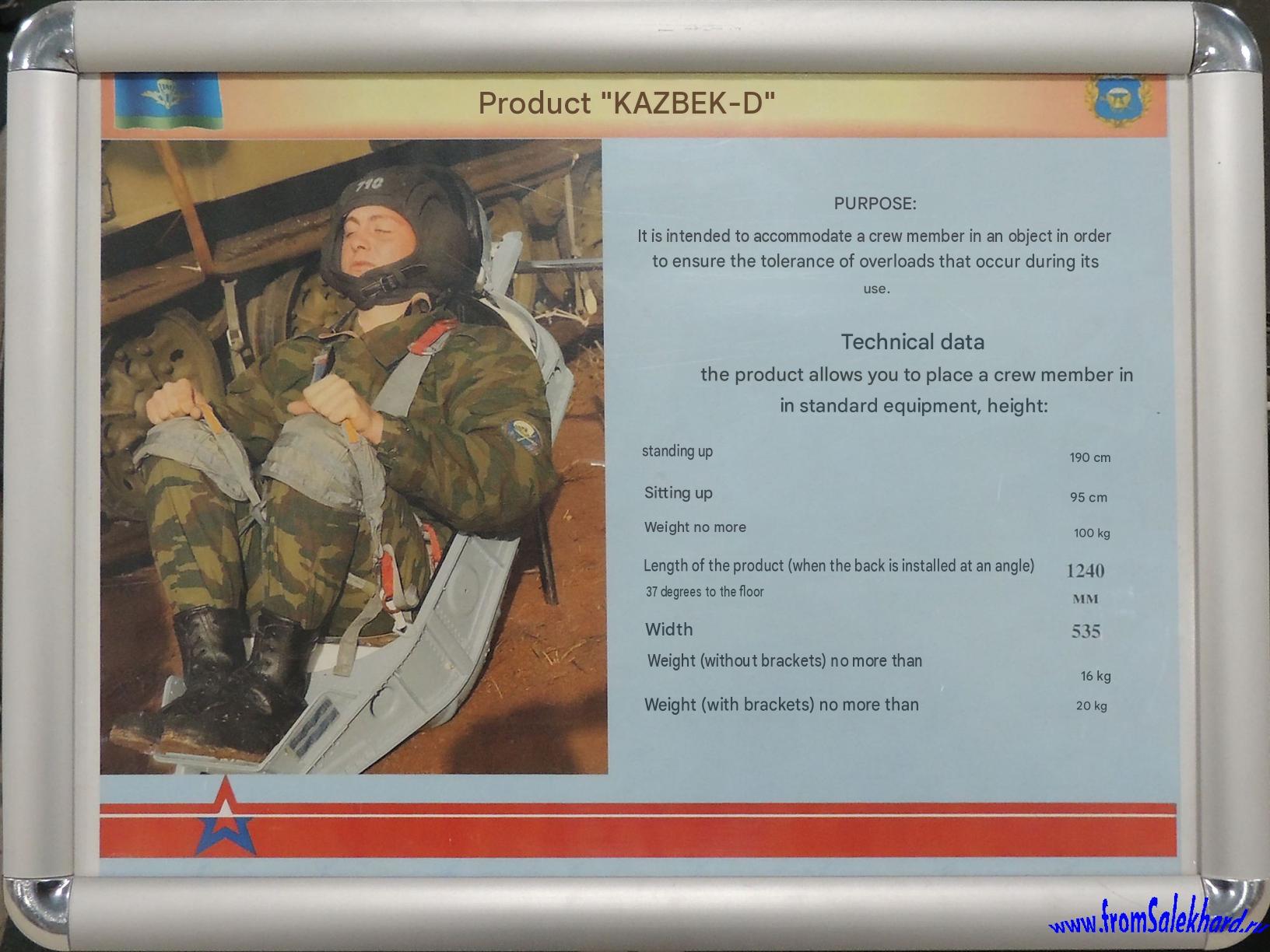
They’ve already gotten the hang of landing while sitting.

Not only the parachute itself is changing, but also the means of air delivery of people and cargo.

And, yes: not only people, but also cargo can be airdropped.

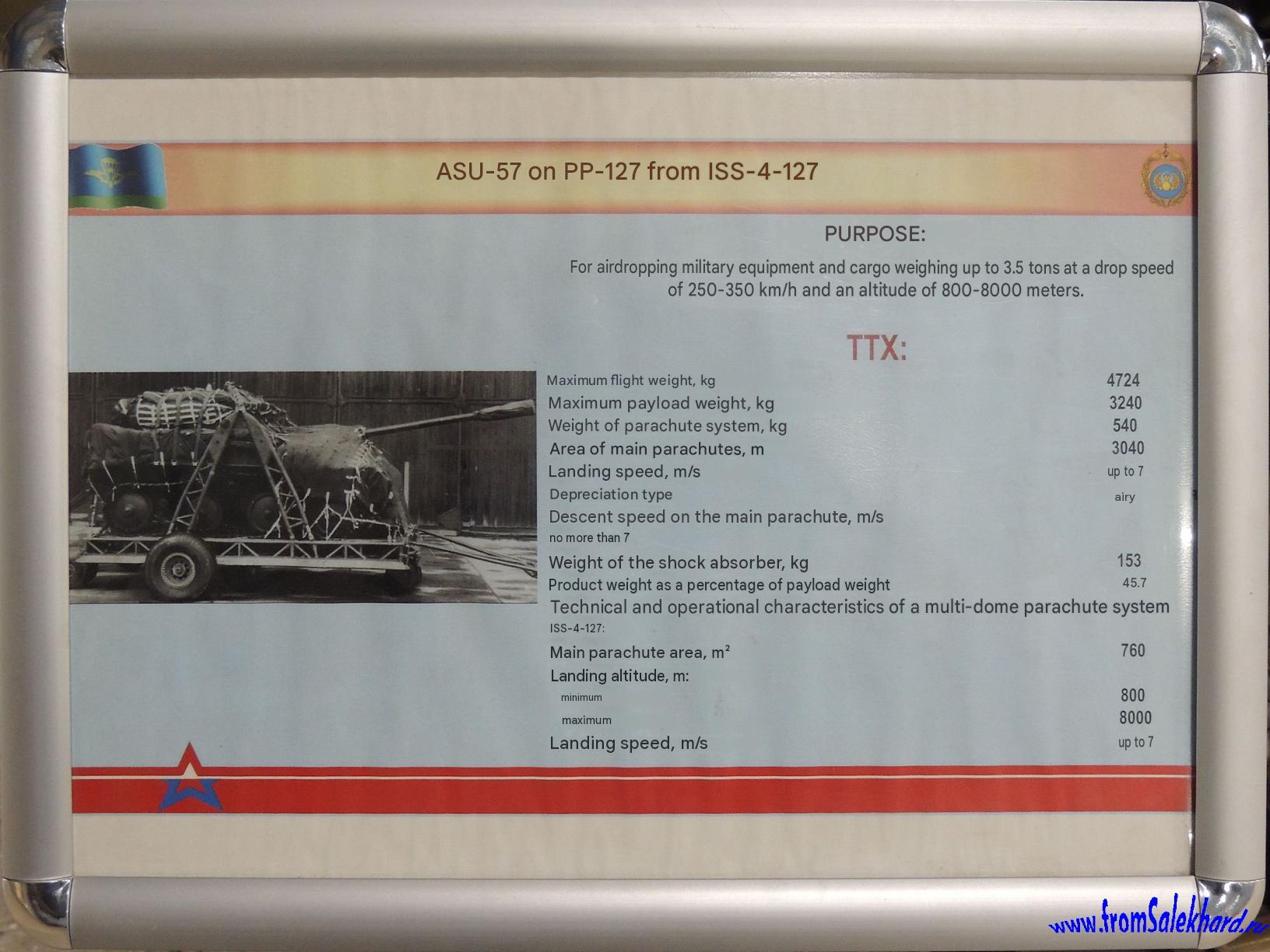
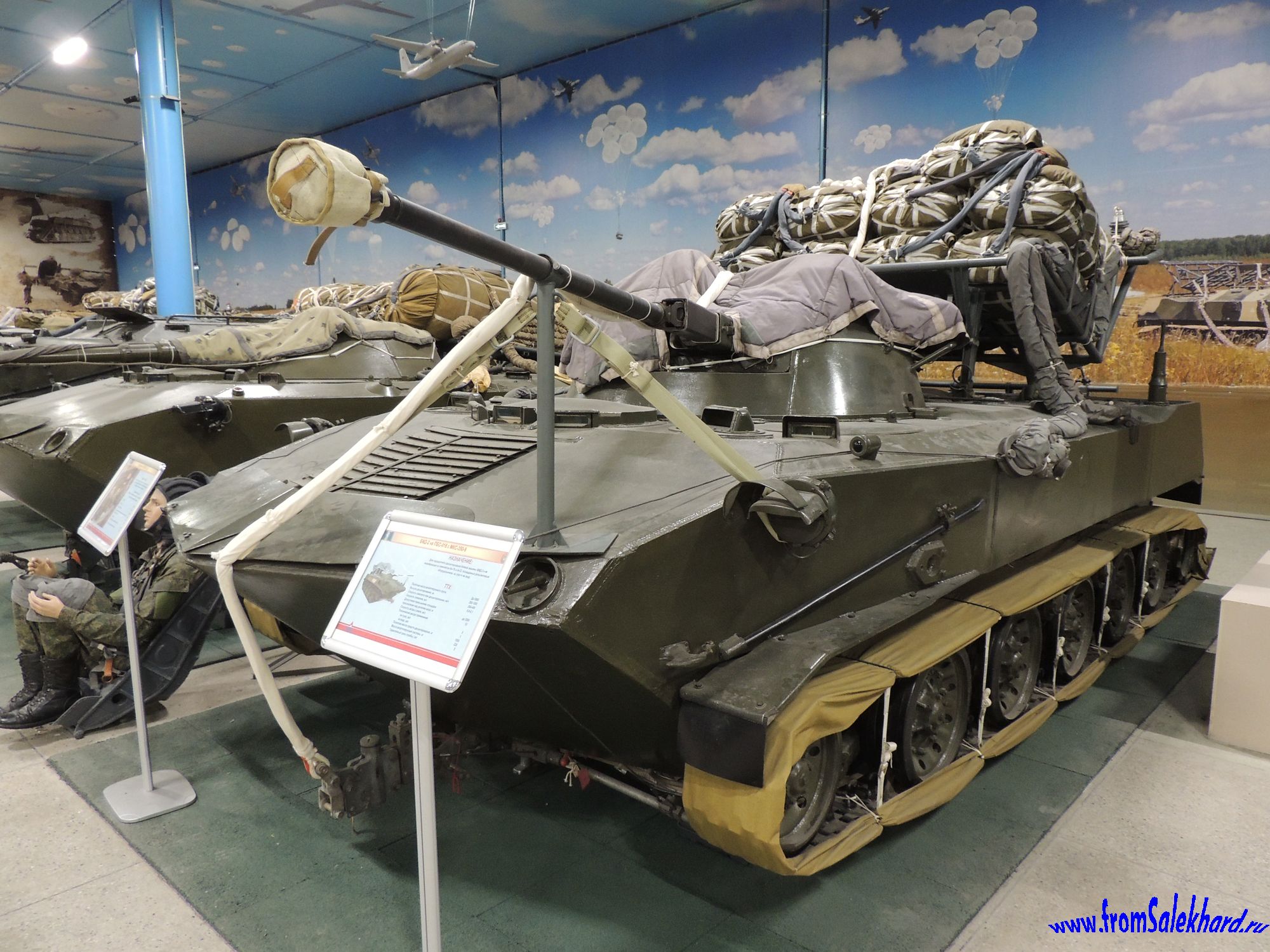
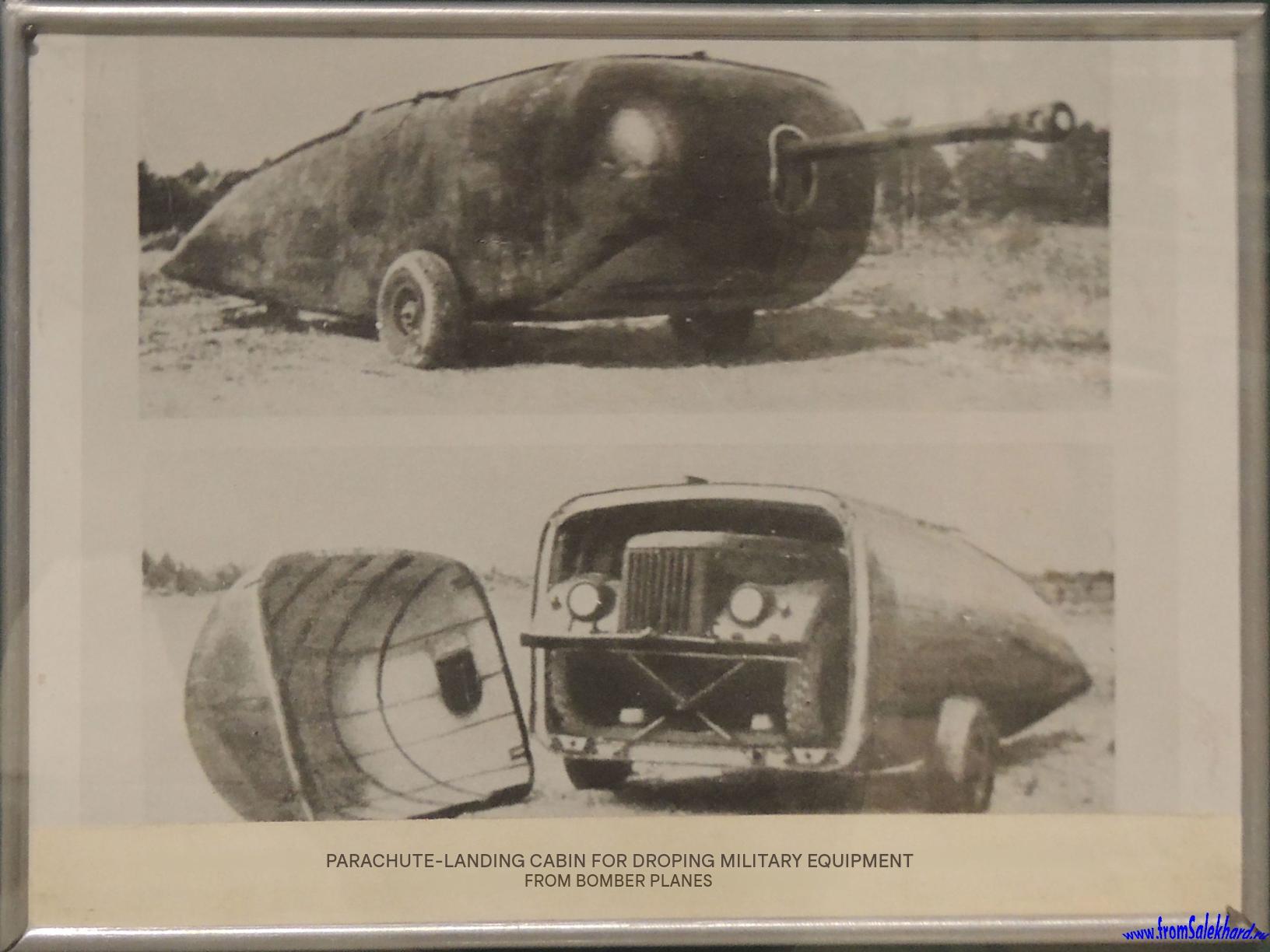
But the most interesting packaging is the military equipment!

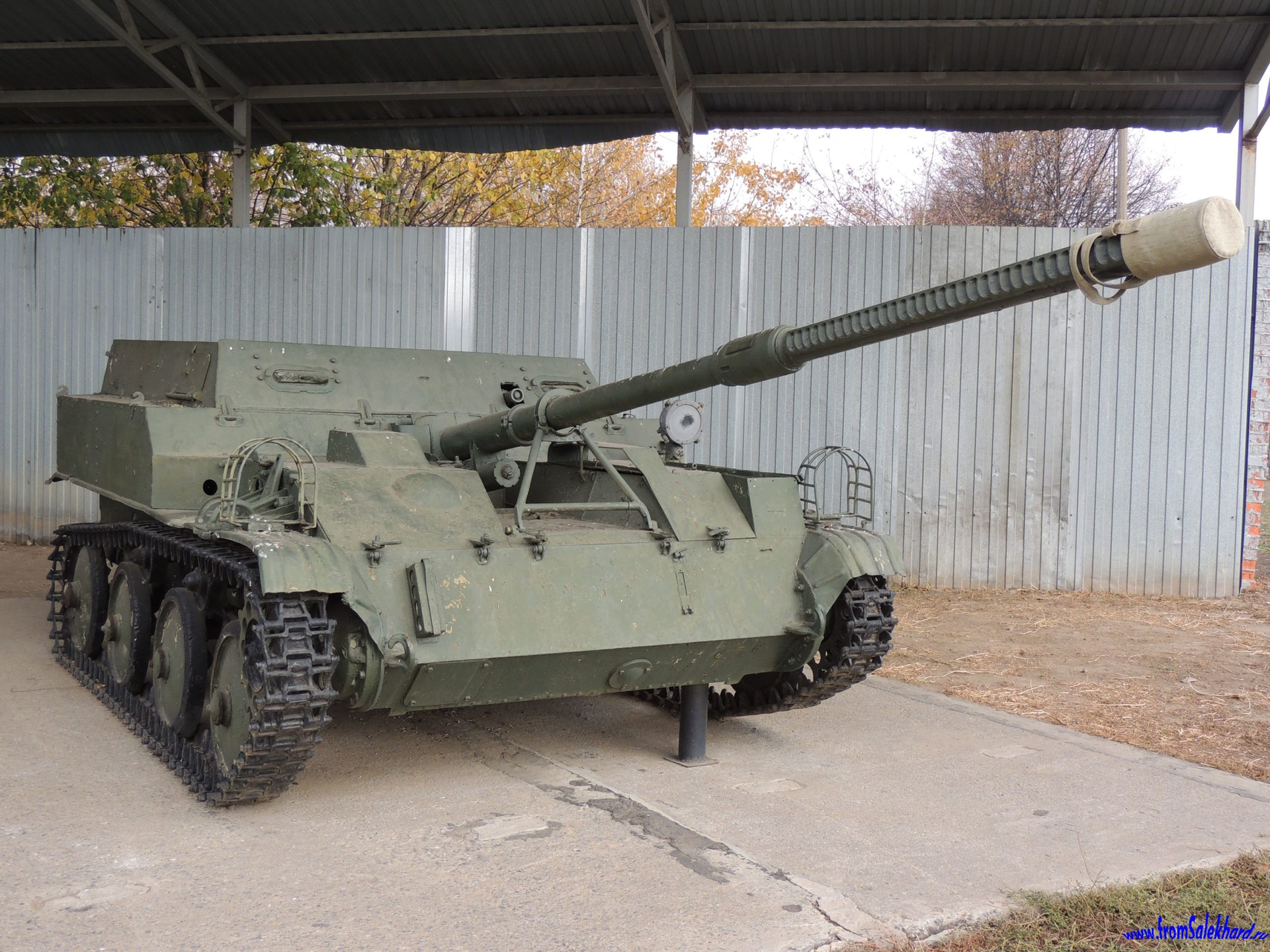
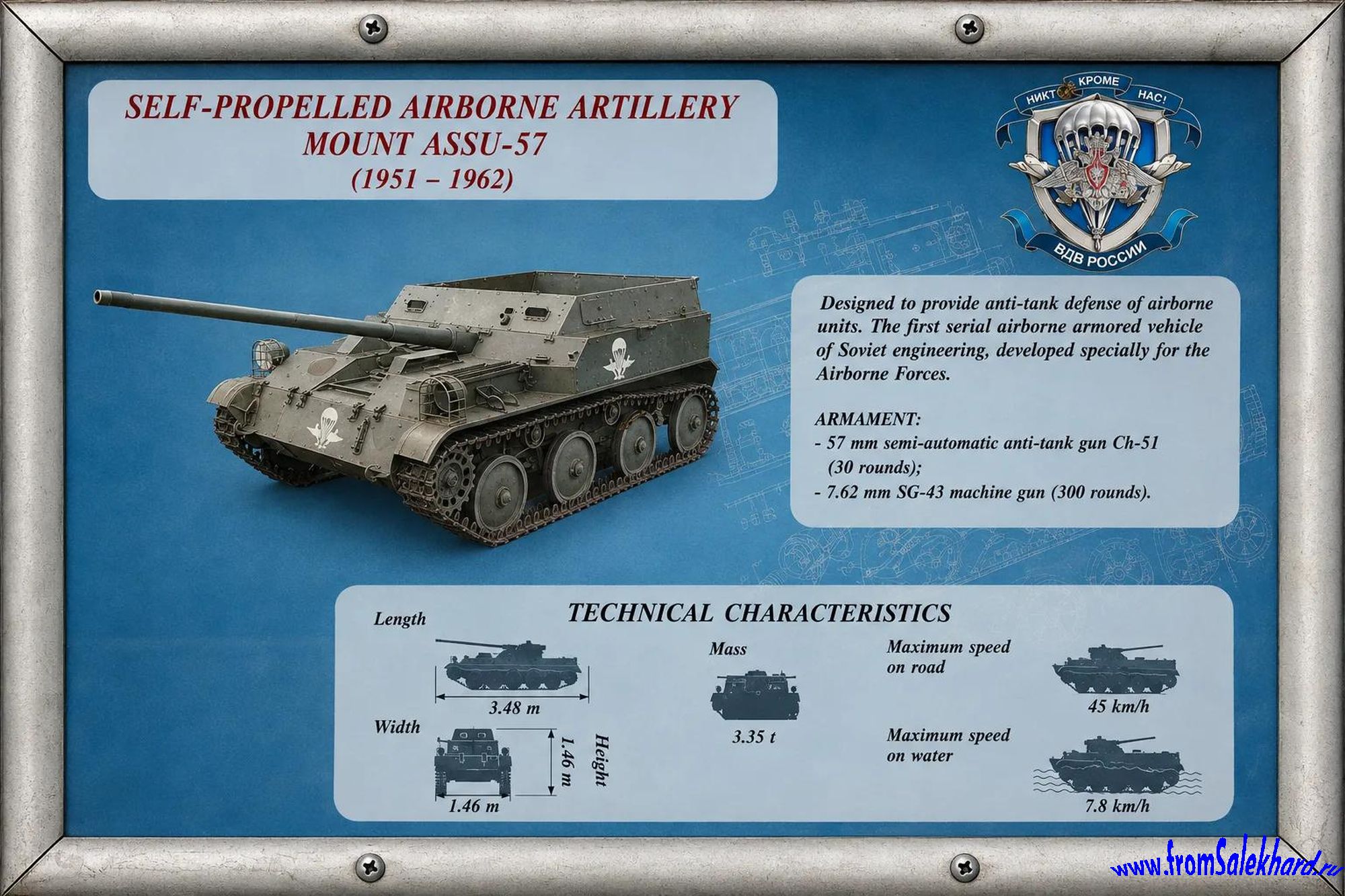
ASU-57 on PP-127 with MKS-4-127 (4 photos) VKontakte Album

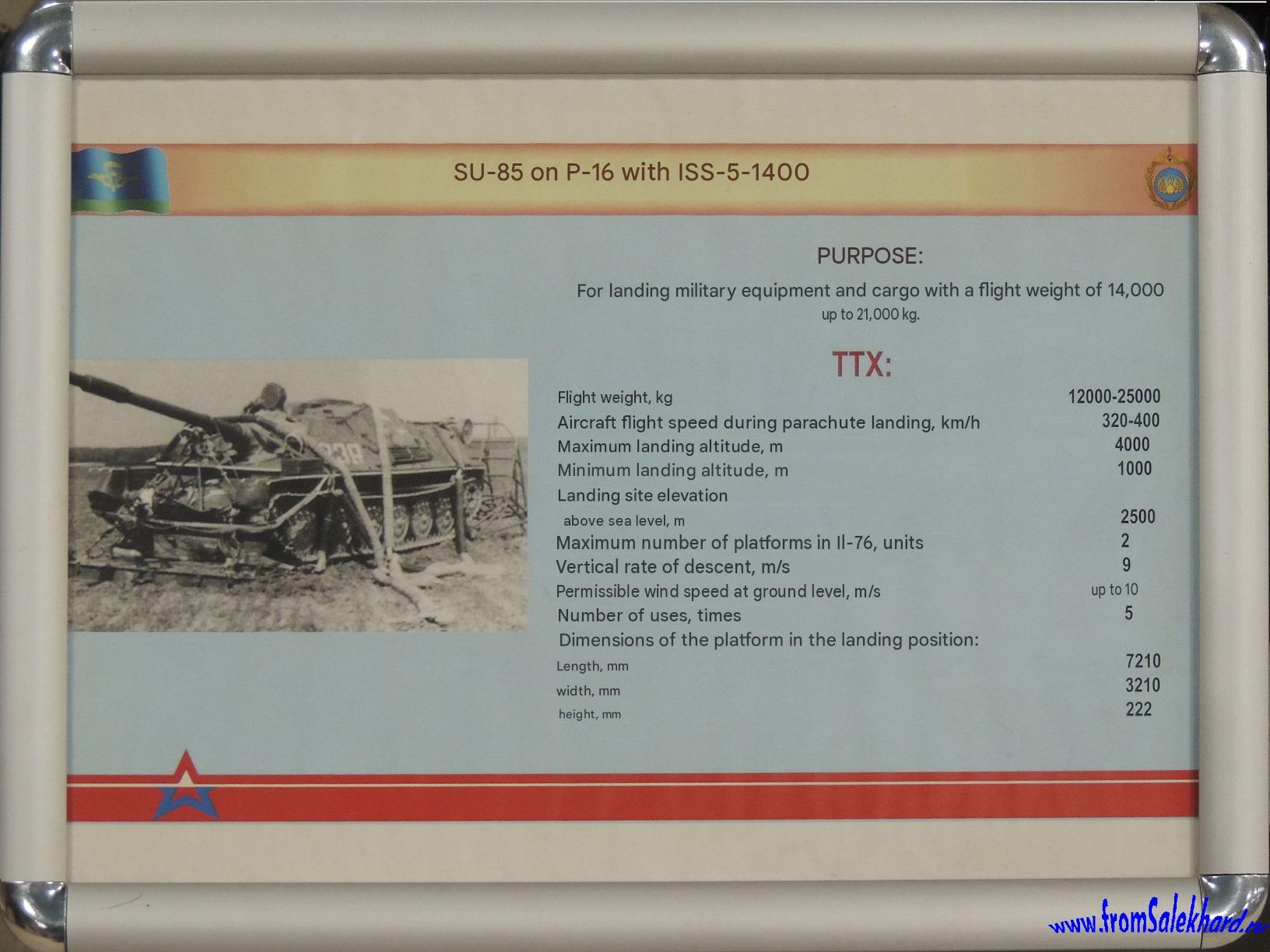
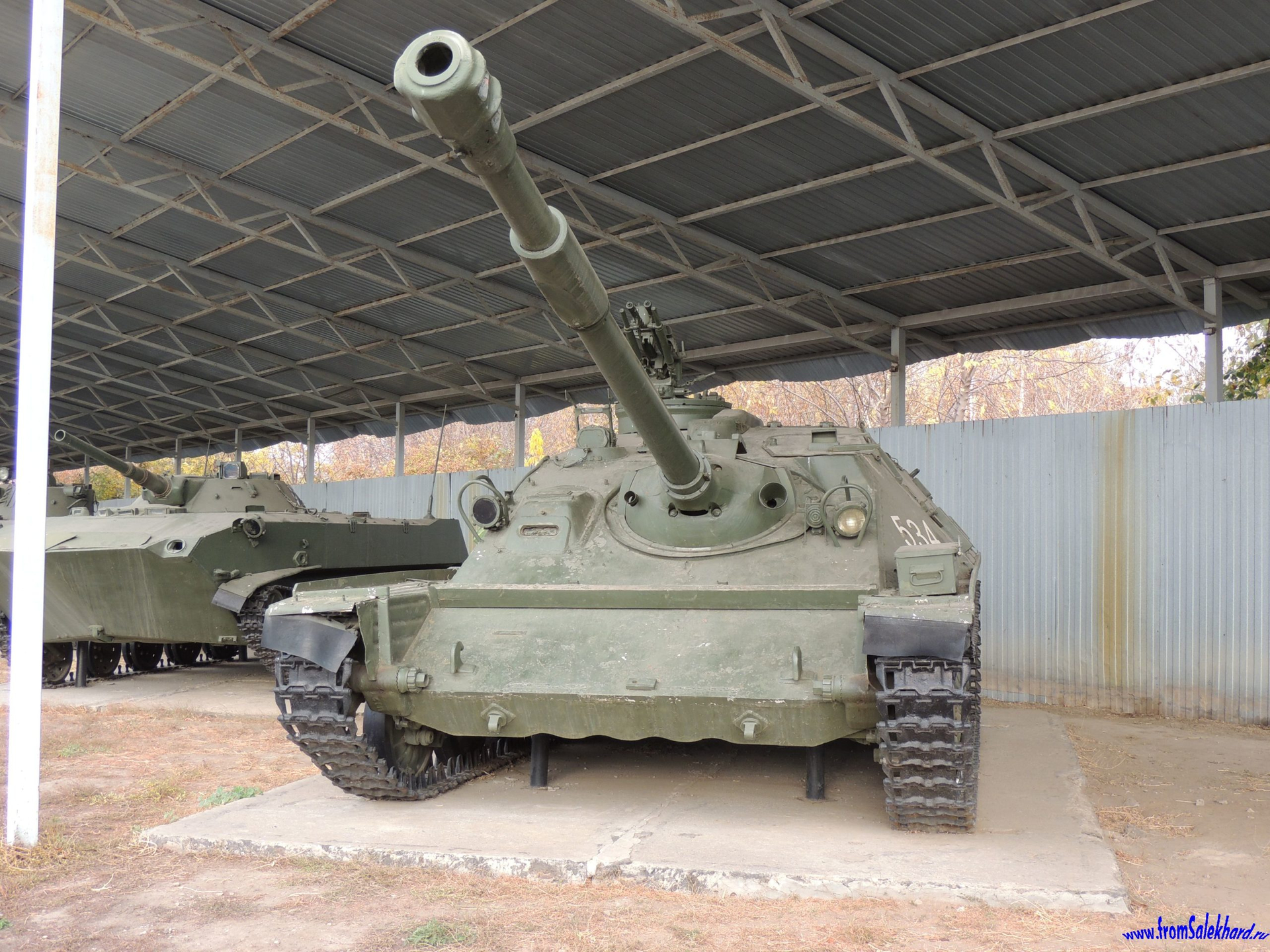
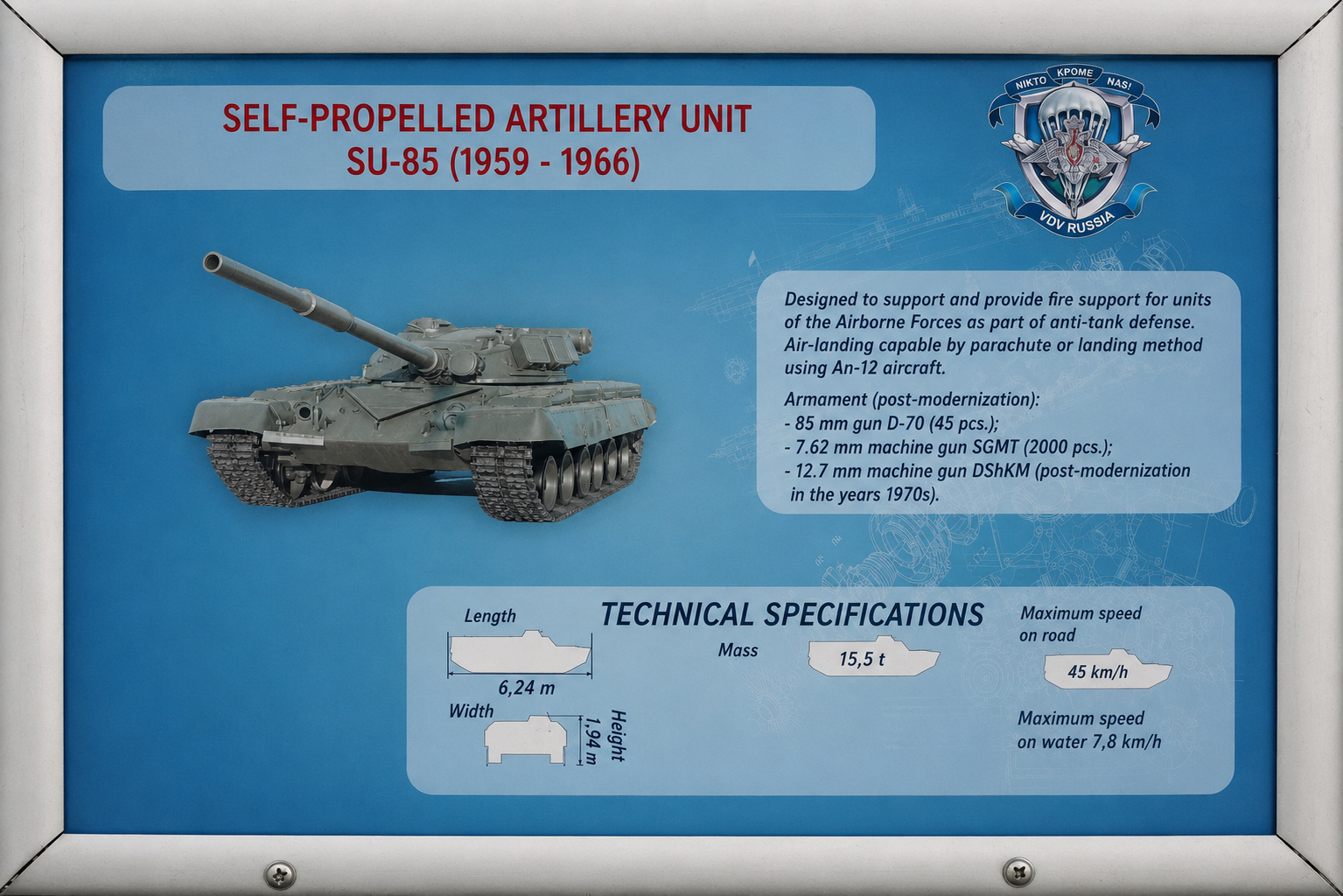
Su-85 on P-16 with MKS-5-1400 (5 photos) VKontakte Album

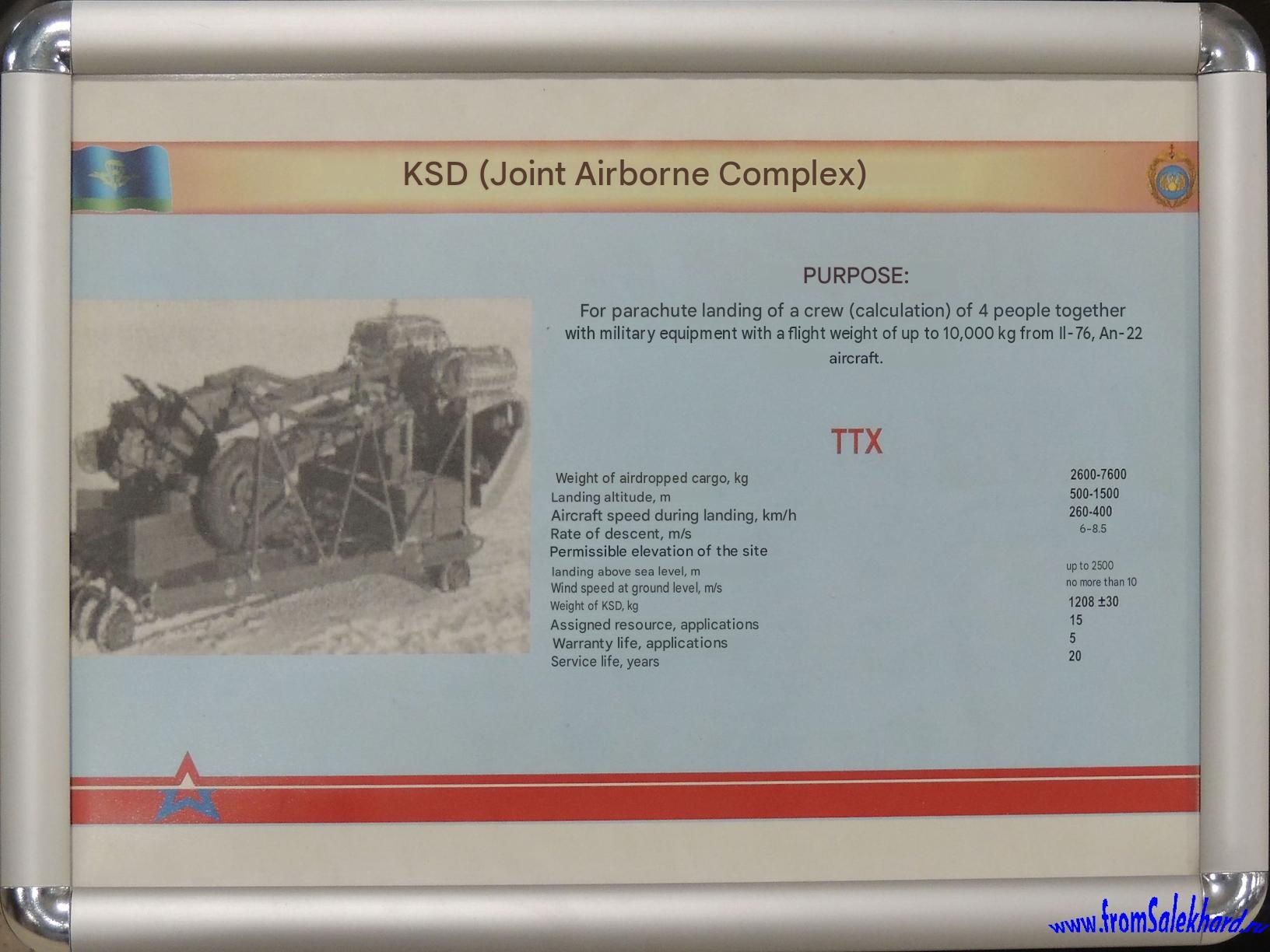
D-30 on KSD (7 photos) VKontakte Album

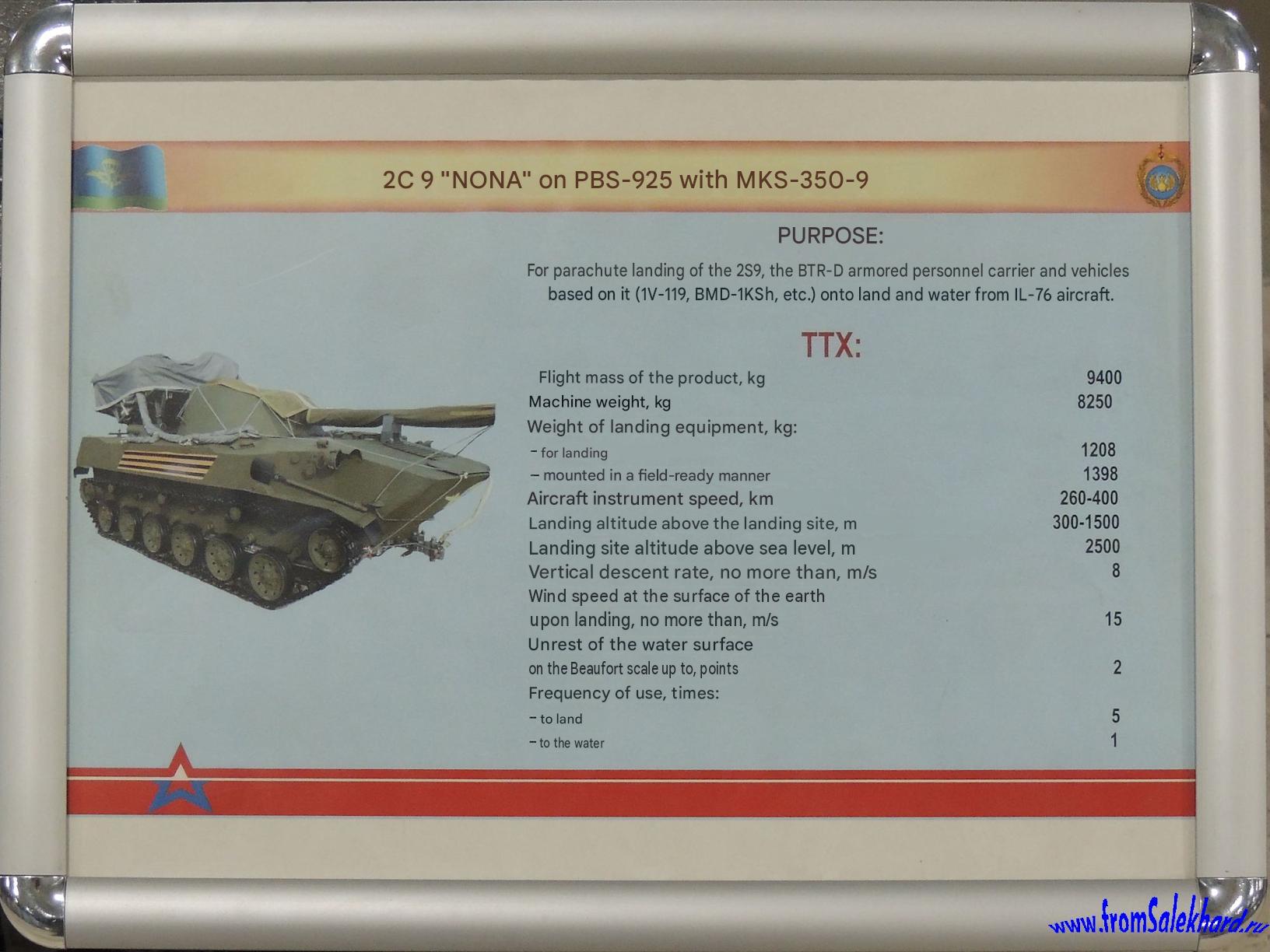
2S9 Nona on PBS-925 from MKS-350-9 (5 photos) VKontakte Album

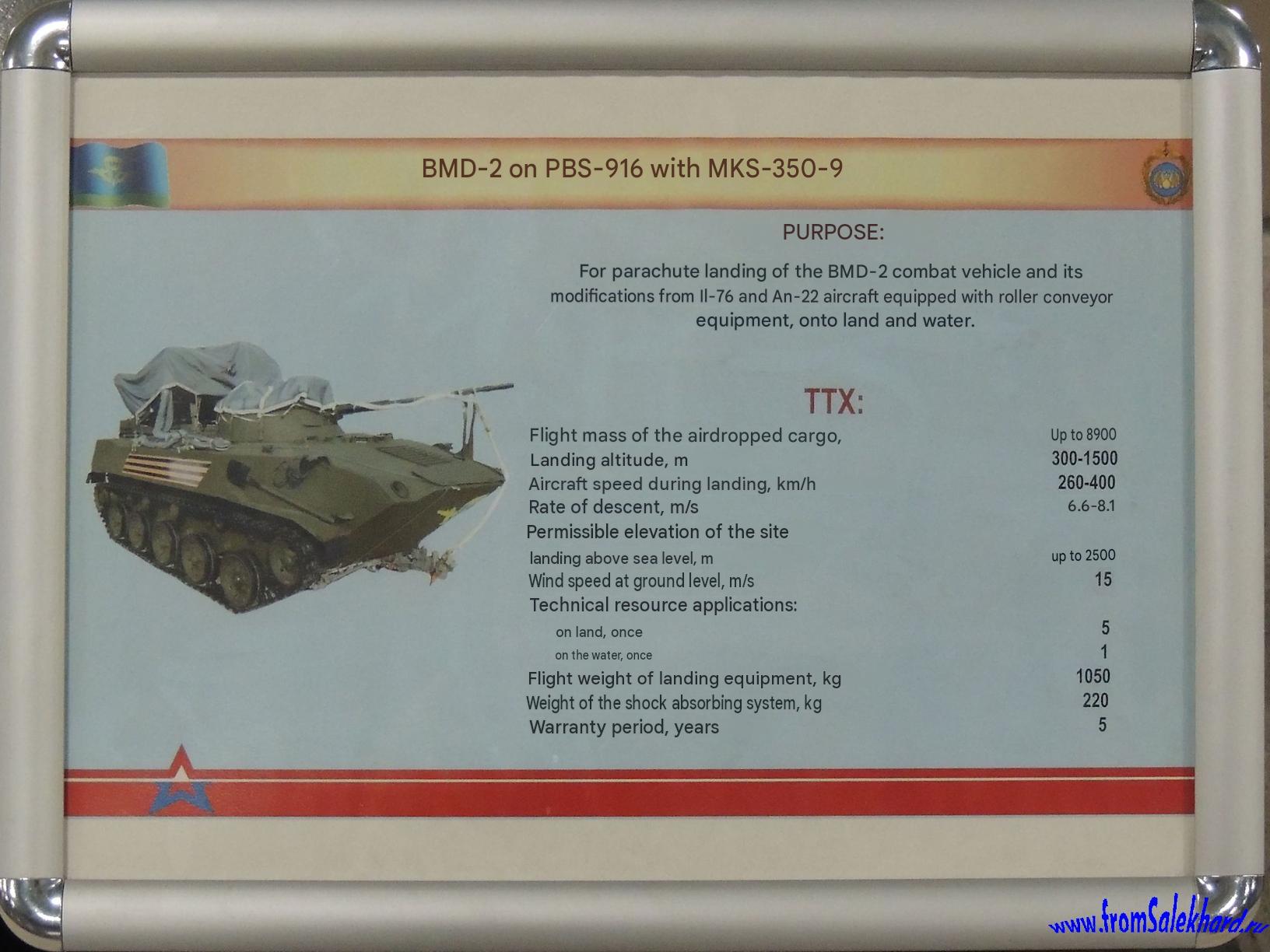
BMD-2 on PBS-916 with MKS-350-9r (3 photos) VKontakte Album

8 Likes

I have a great interest in Airborne forces, especially Soviet from WW2 where there doesn’t seem to be much pictorial information on, and few if any 1/35 scale figures of. And the Cold War period as well mainly the Warsaw Pact Invasion of Czechoslovakia.

Looks like a great museum, thanks for sharing these pictures Yuri.

1 Like

I have Steven Zalogas book on Soviet Airborne forces. It’s a great read.

2 Likes

Ah, the backbone of NorK SF.

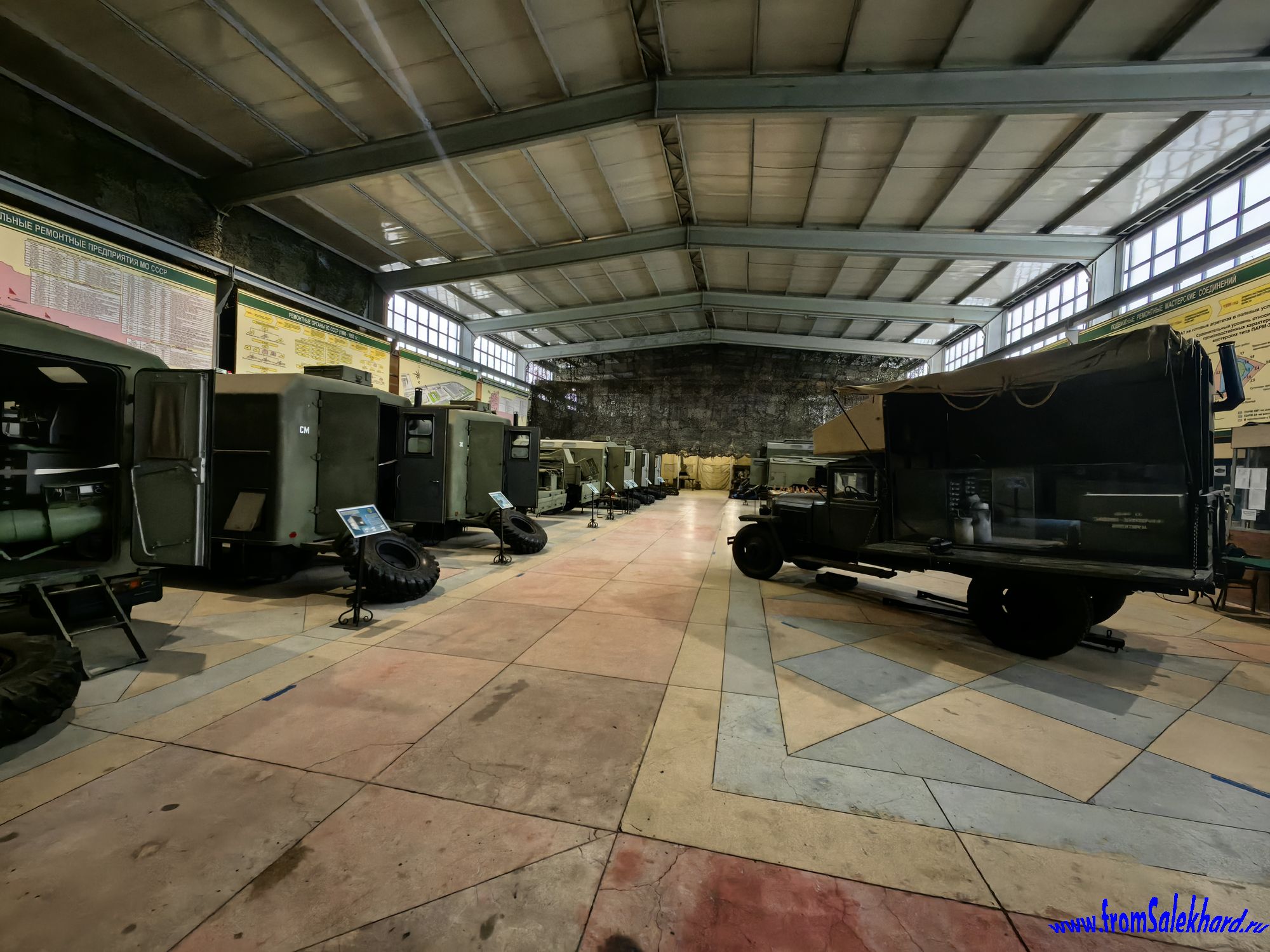
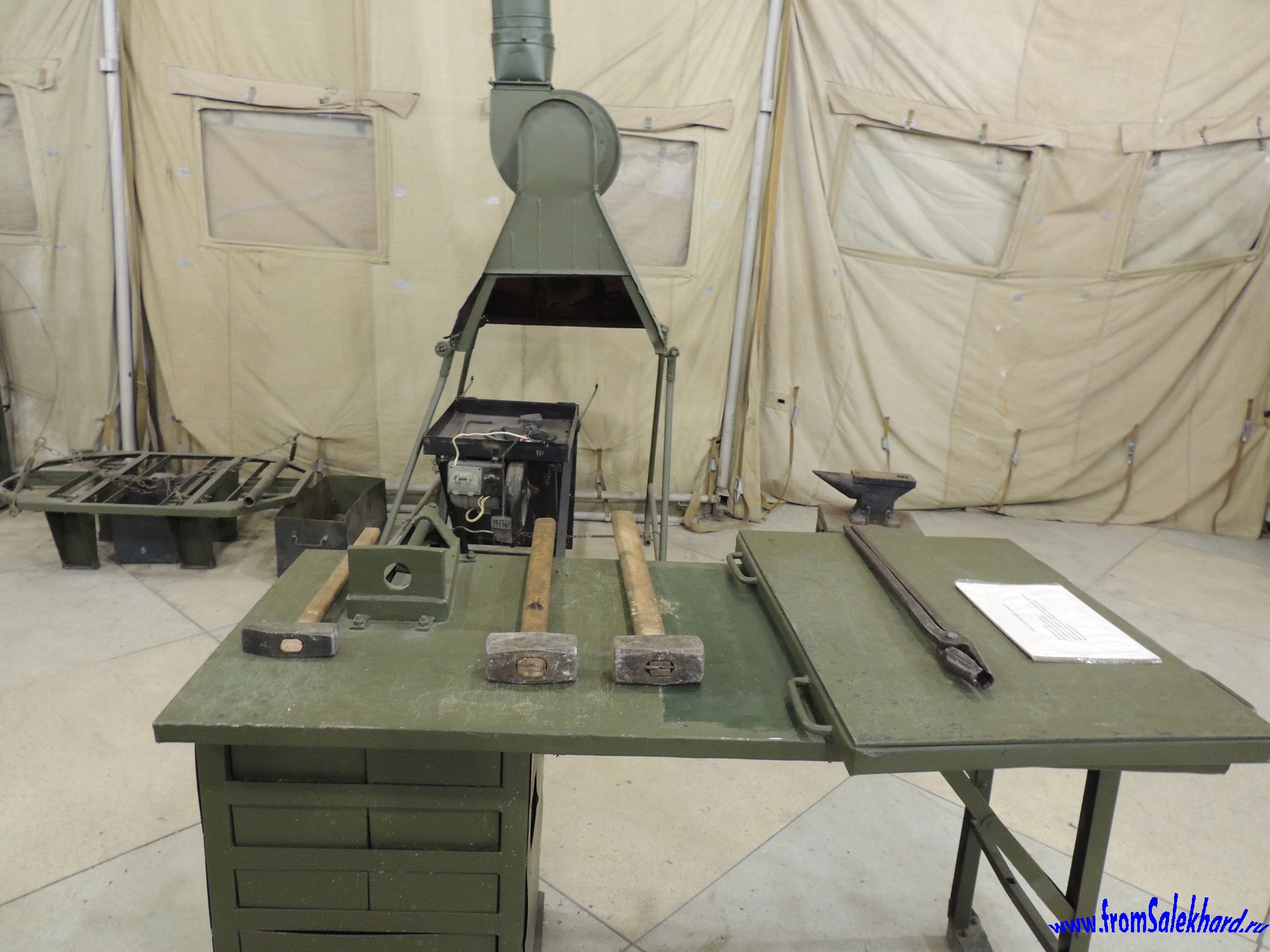
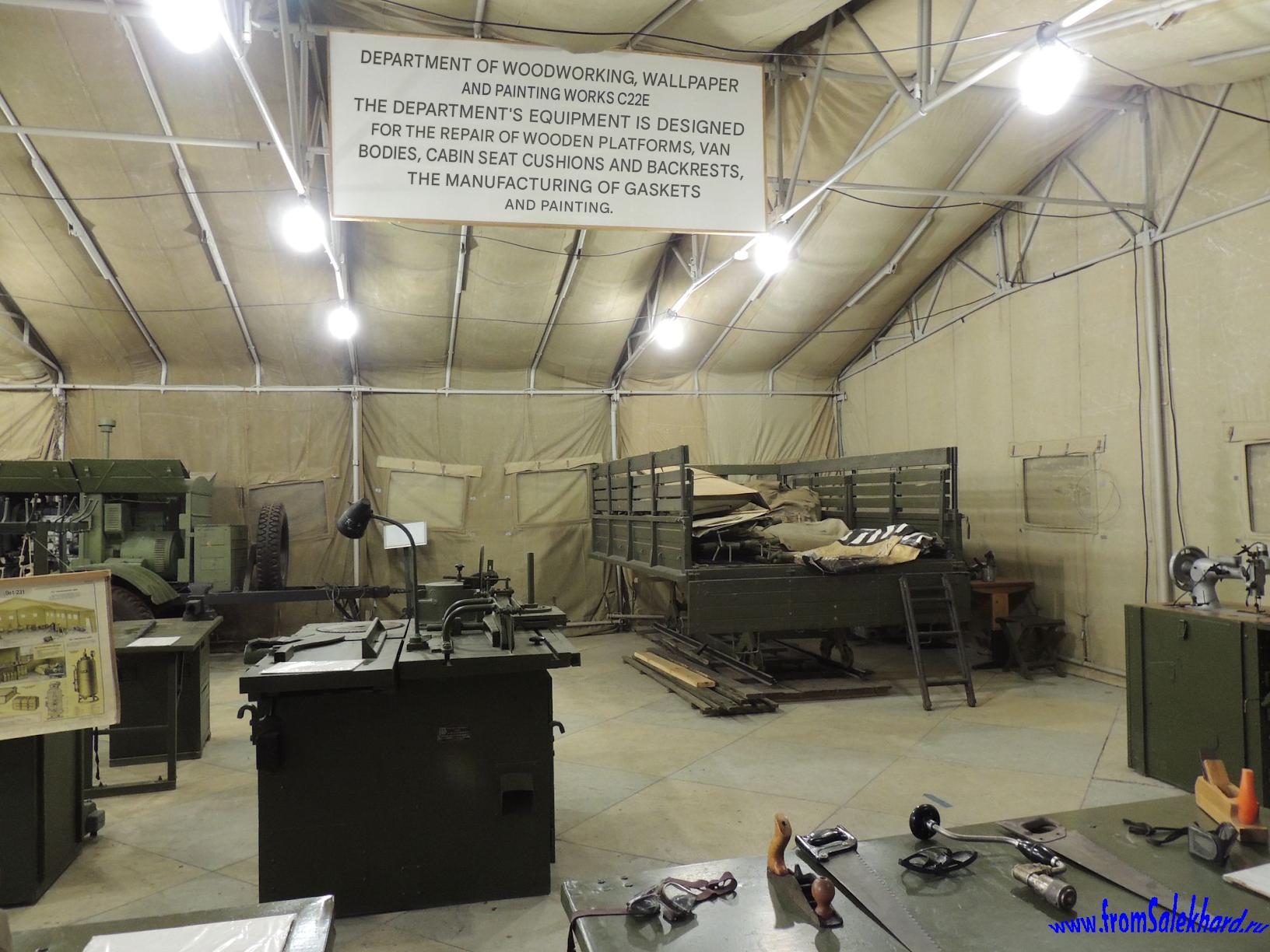
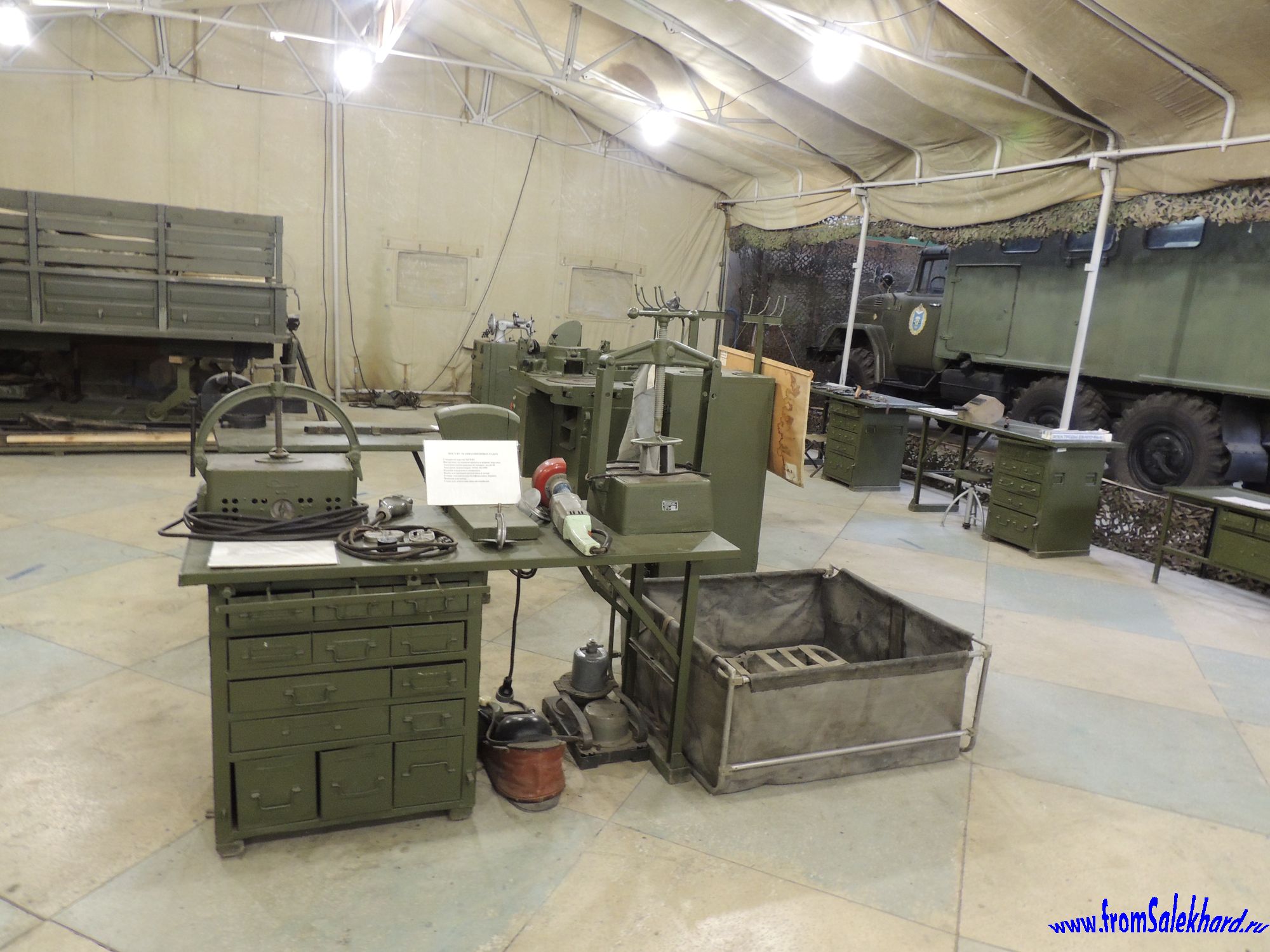
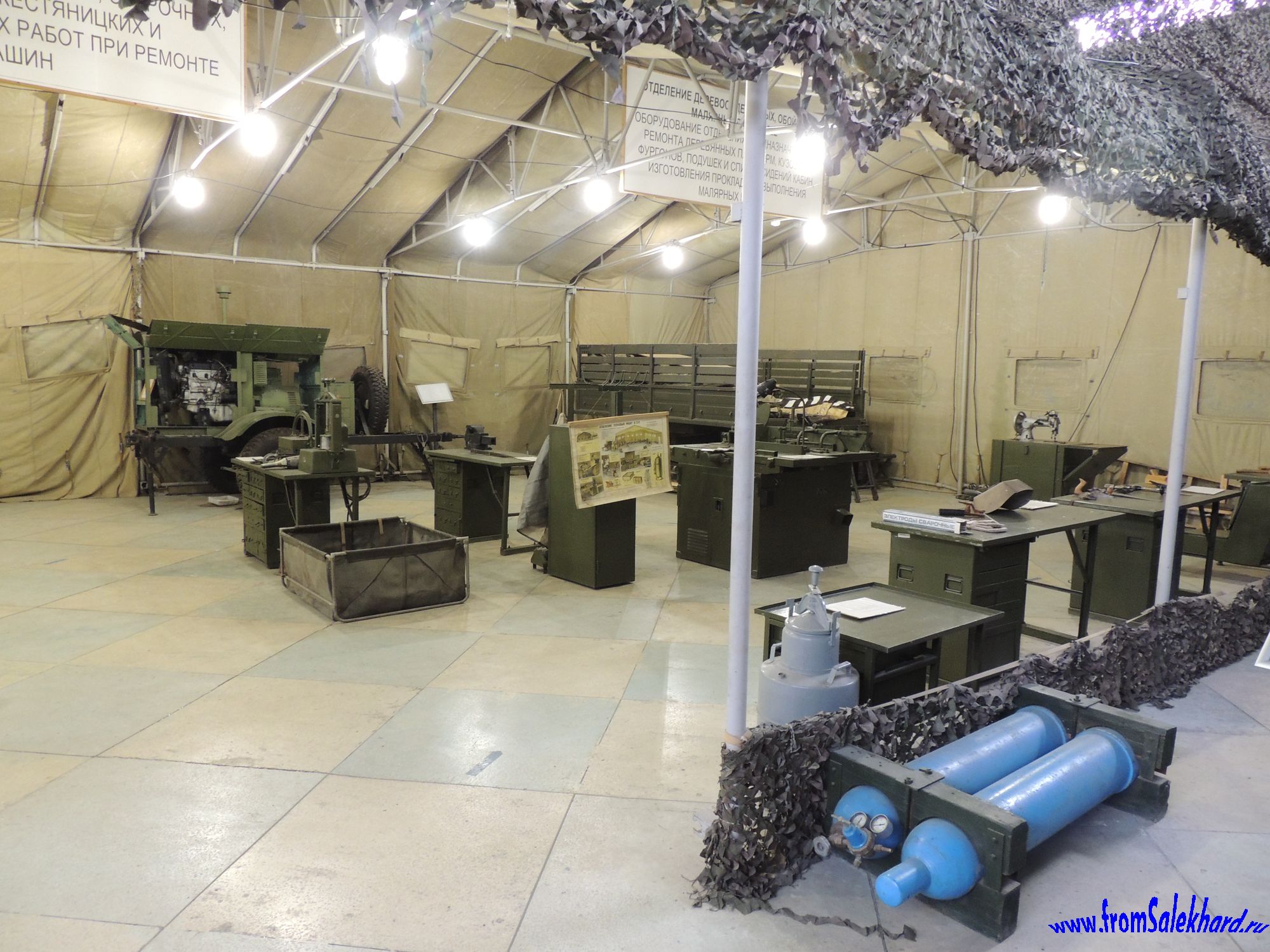
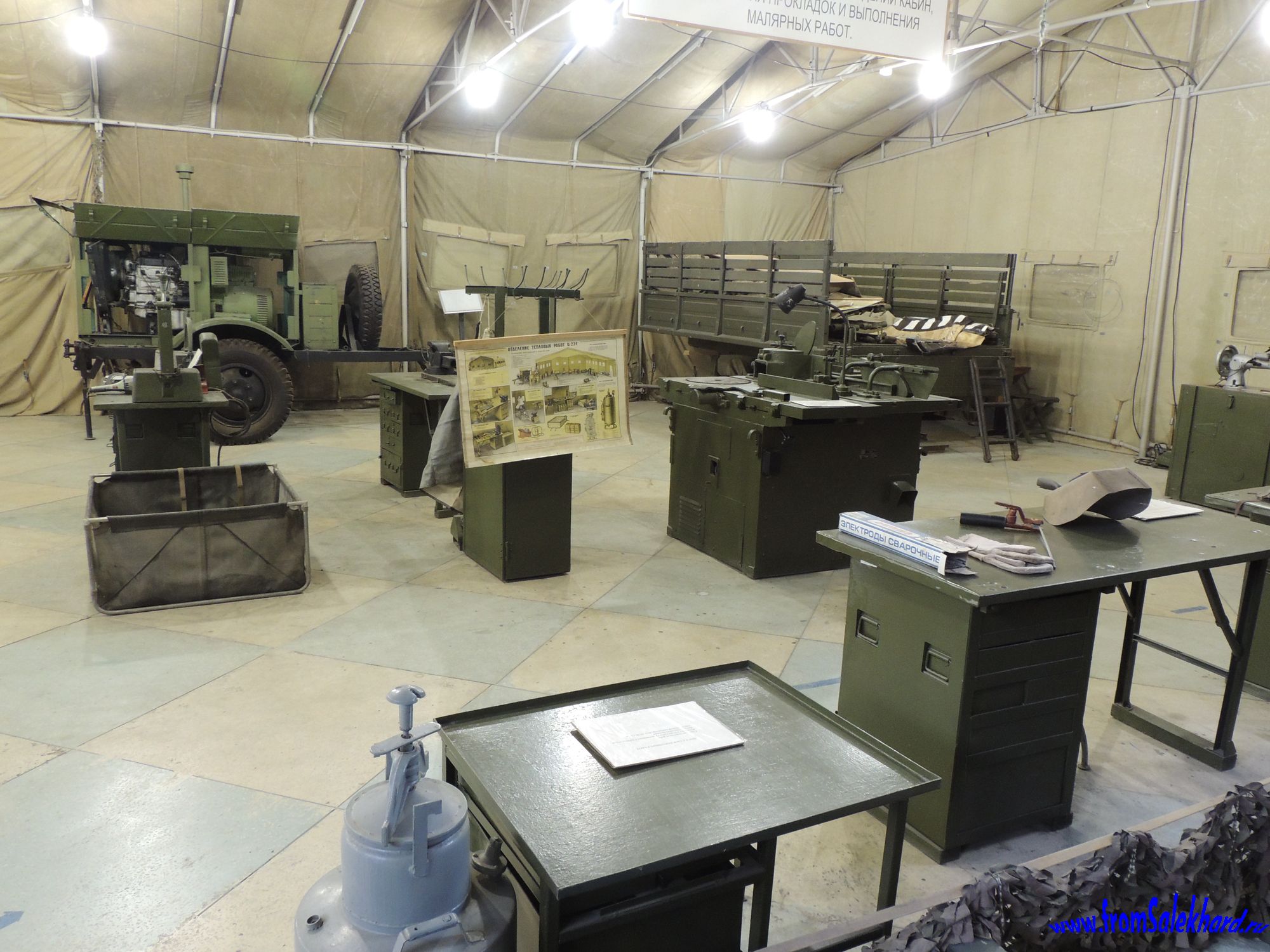
Exhibition of mobile maintenance equipment…

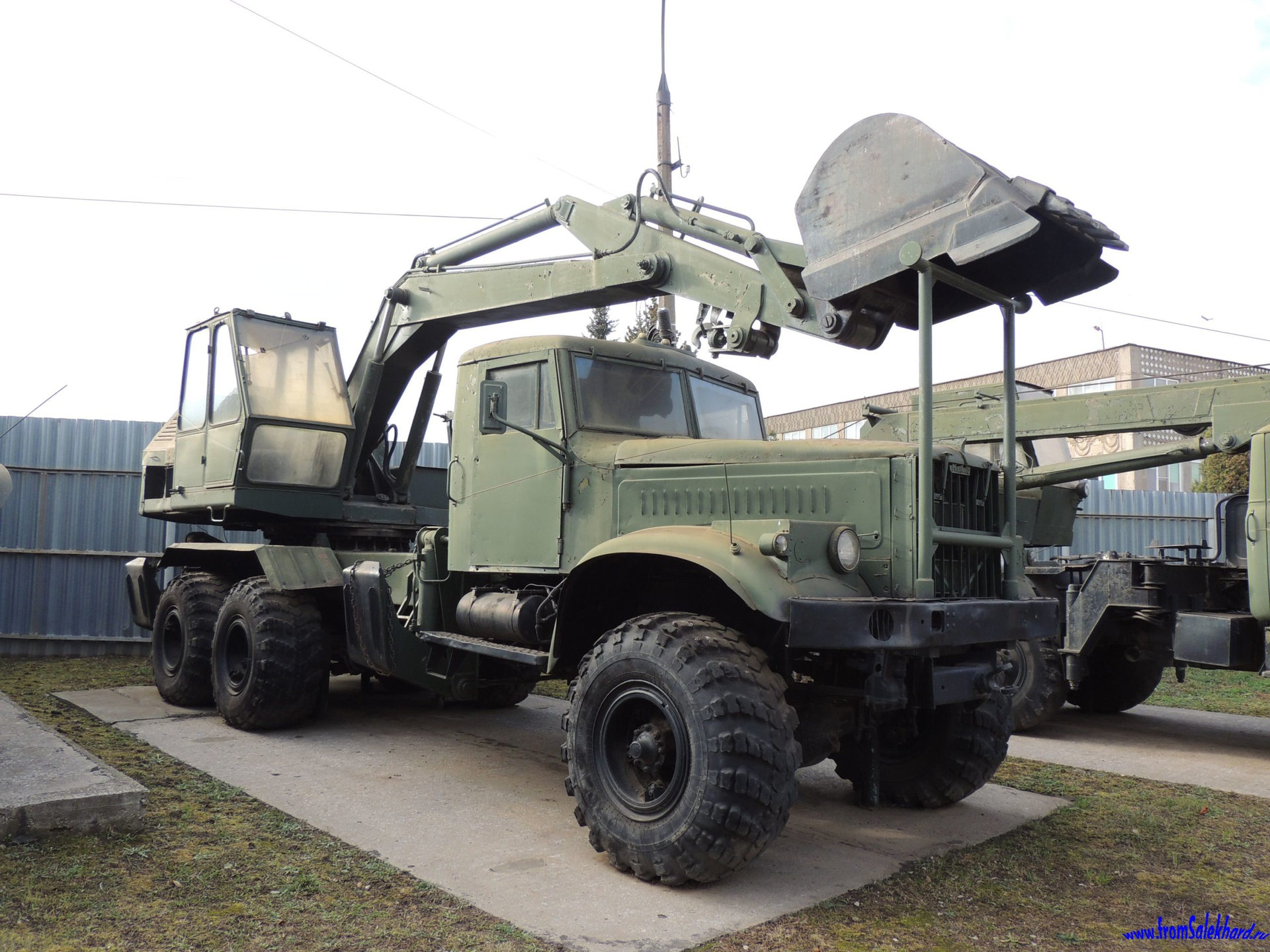
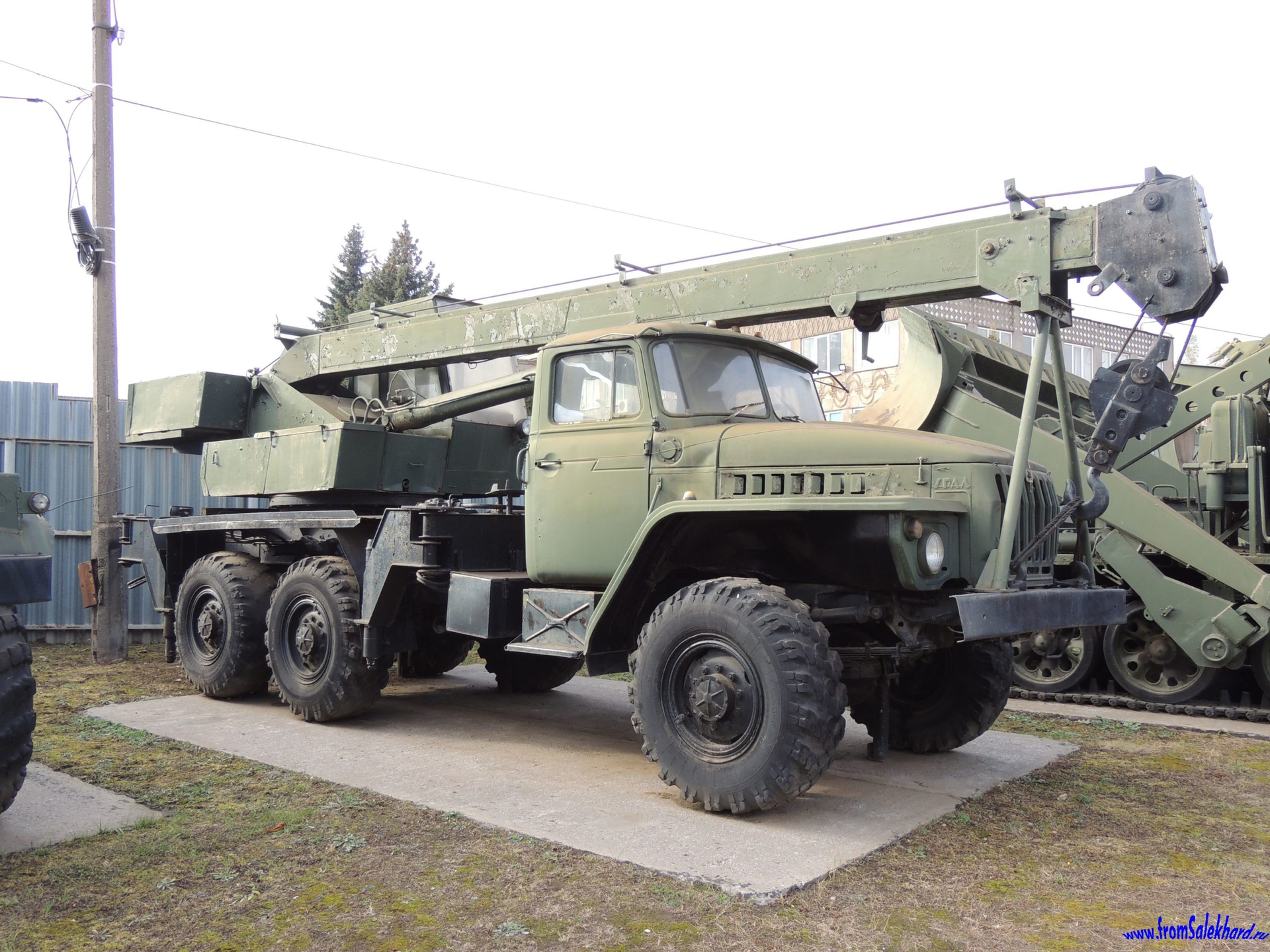
I had never seen an exhibition of mobile means of maintenance, repair and evacuation of military equipment and weapons of the Airborne Forces (what a long name) before.

There’s still something else, we’ll see later. But for now, let’s go.

Emblem: VDV Russia («Никто кроме нас!» — «No one but us!»)

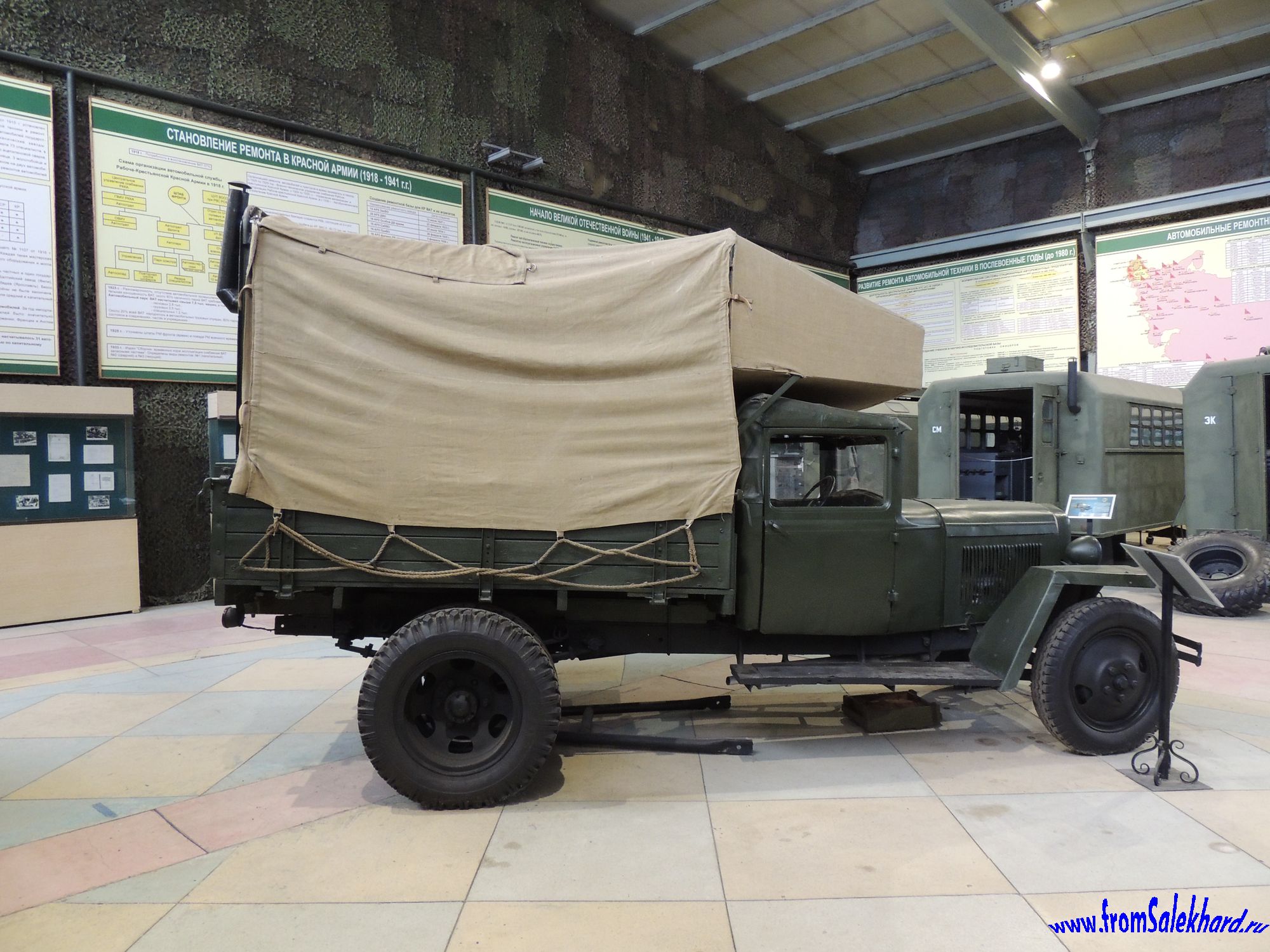
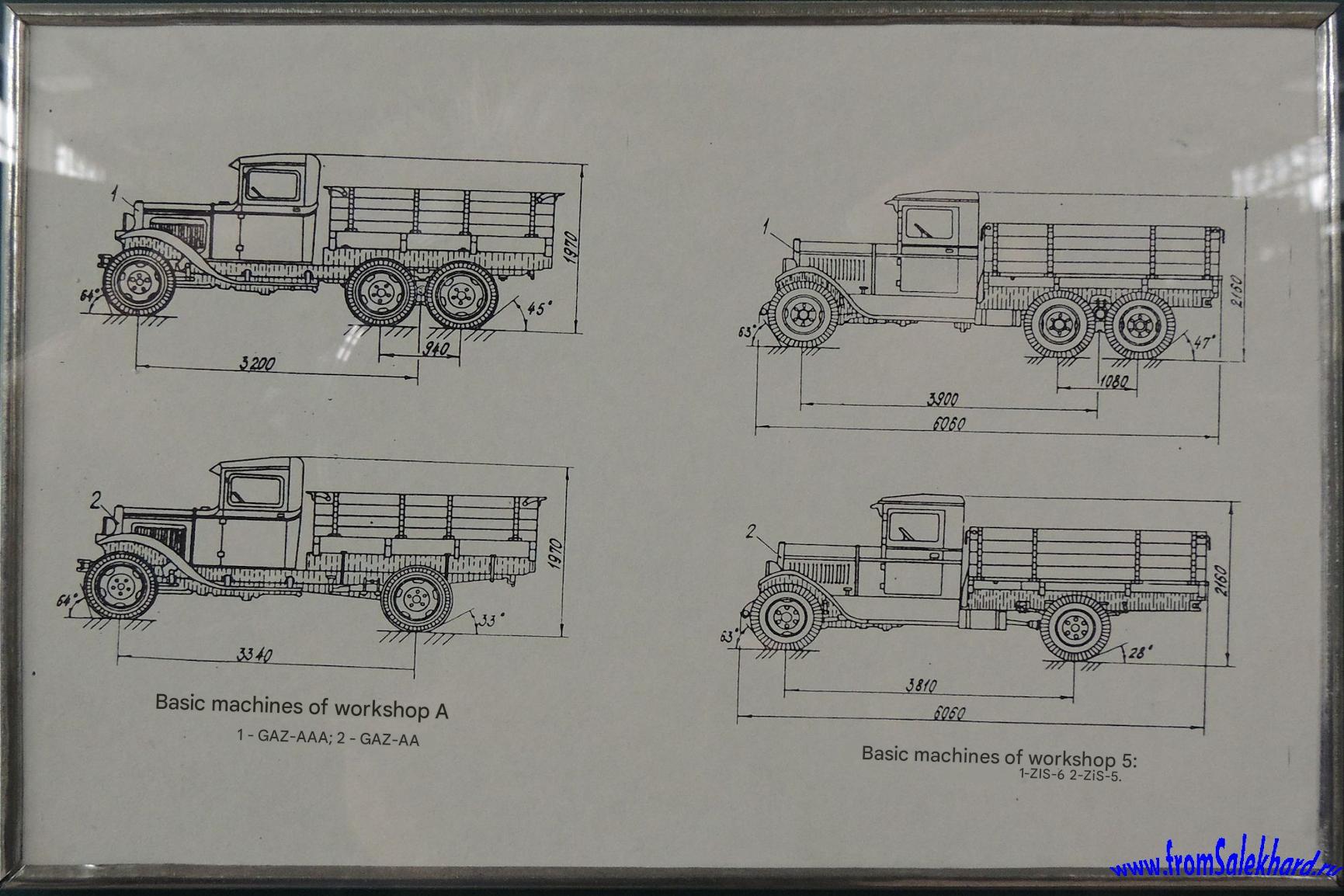
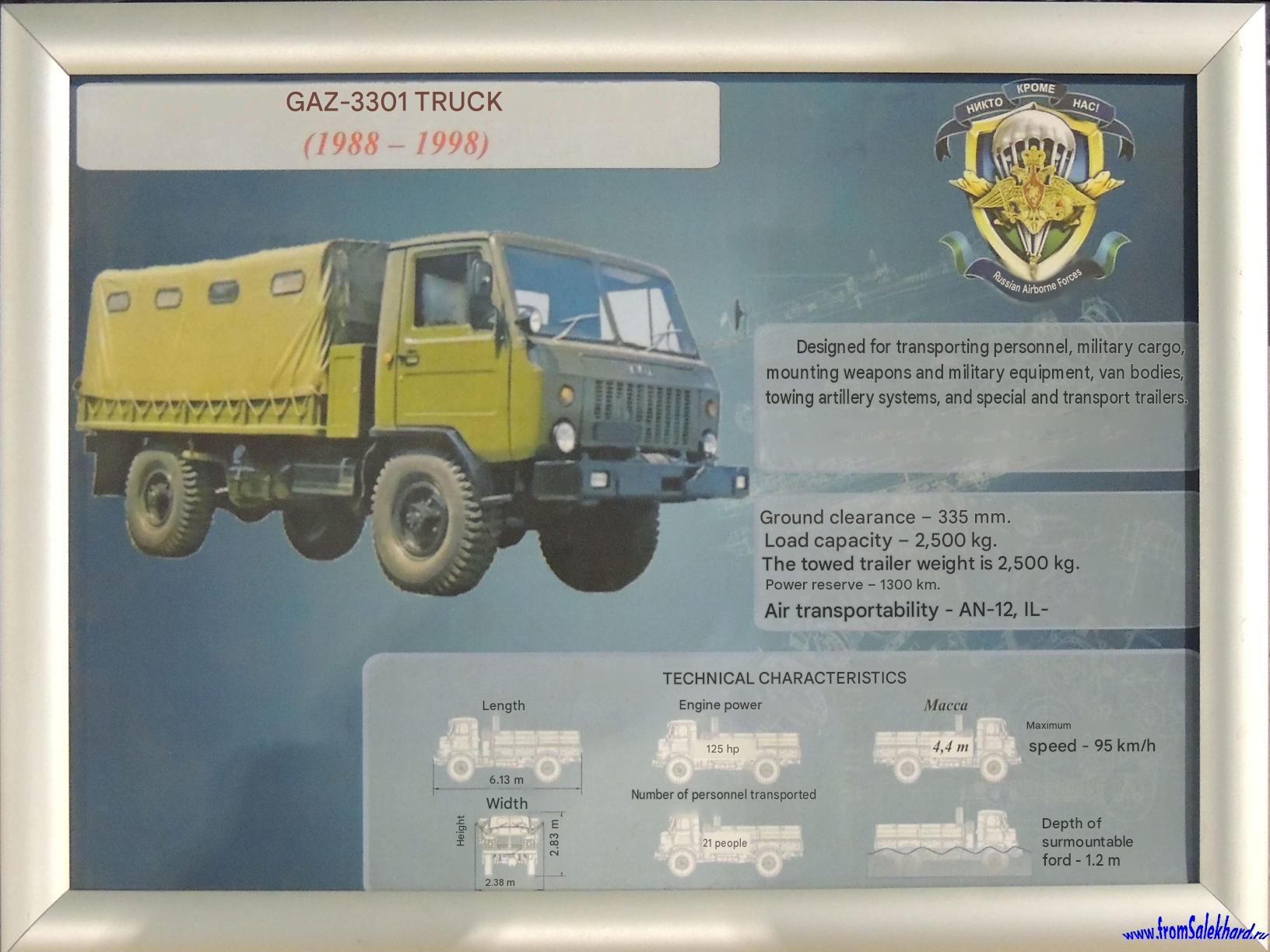
Type “A” mobile repair unit on a GAZ-MM chassis (5 photos) – VKontakte album

The next exhibit made me think a little.

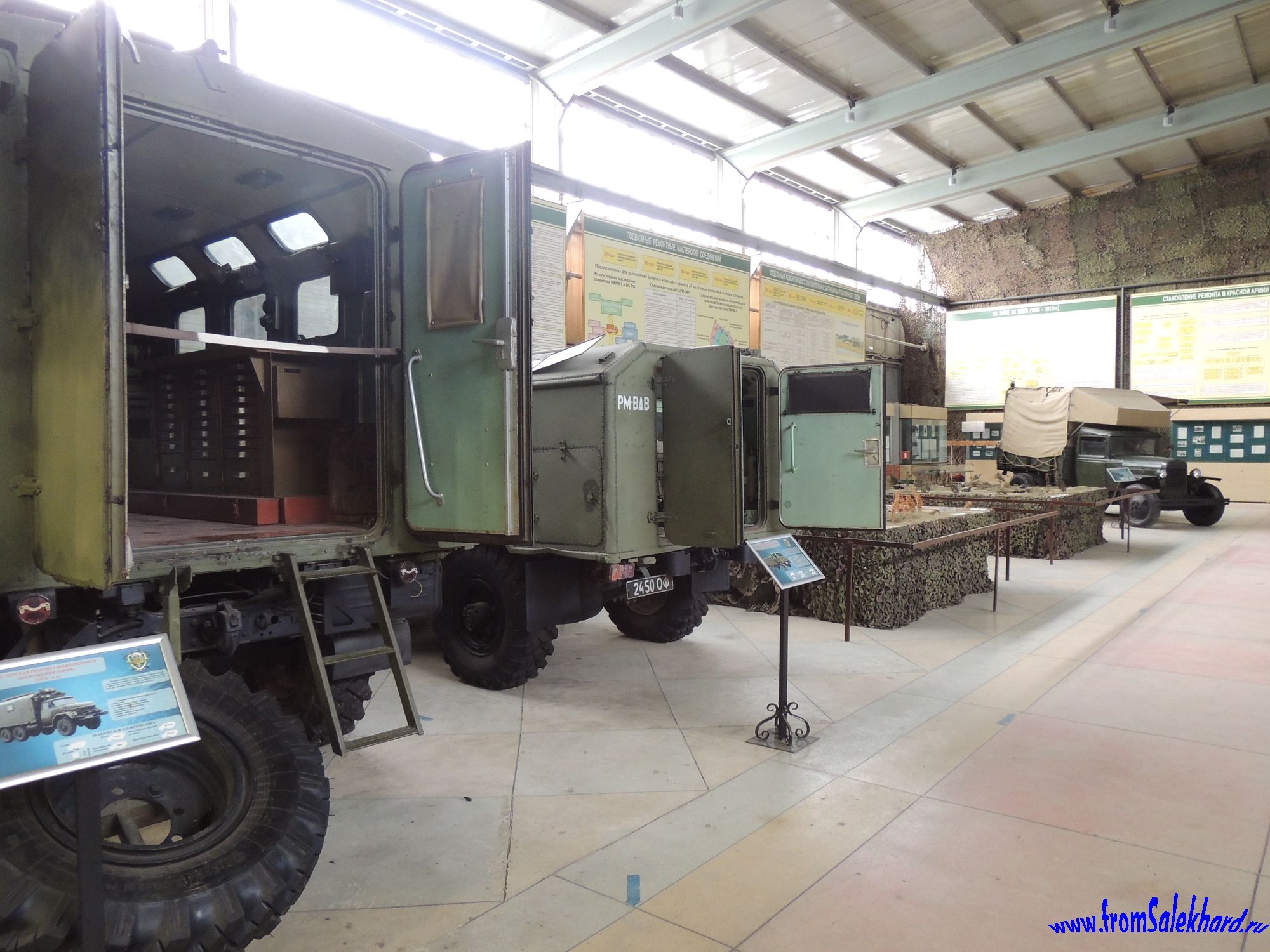
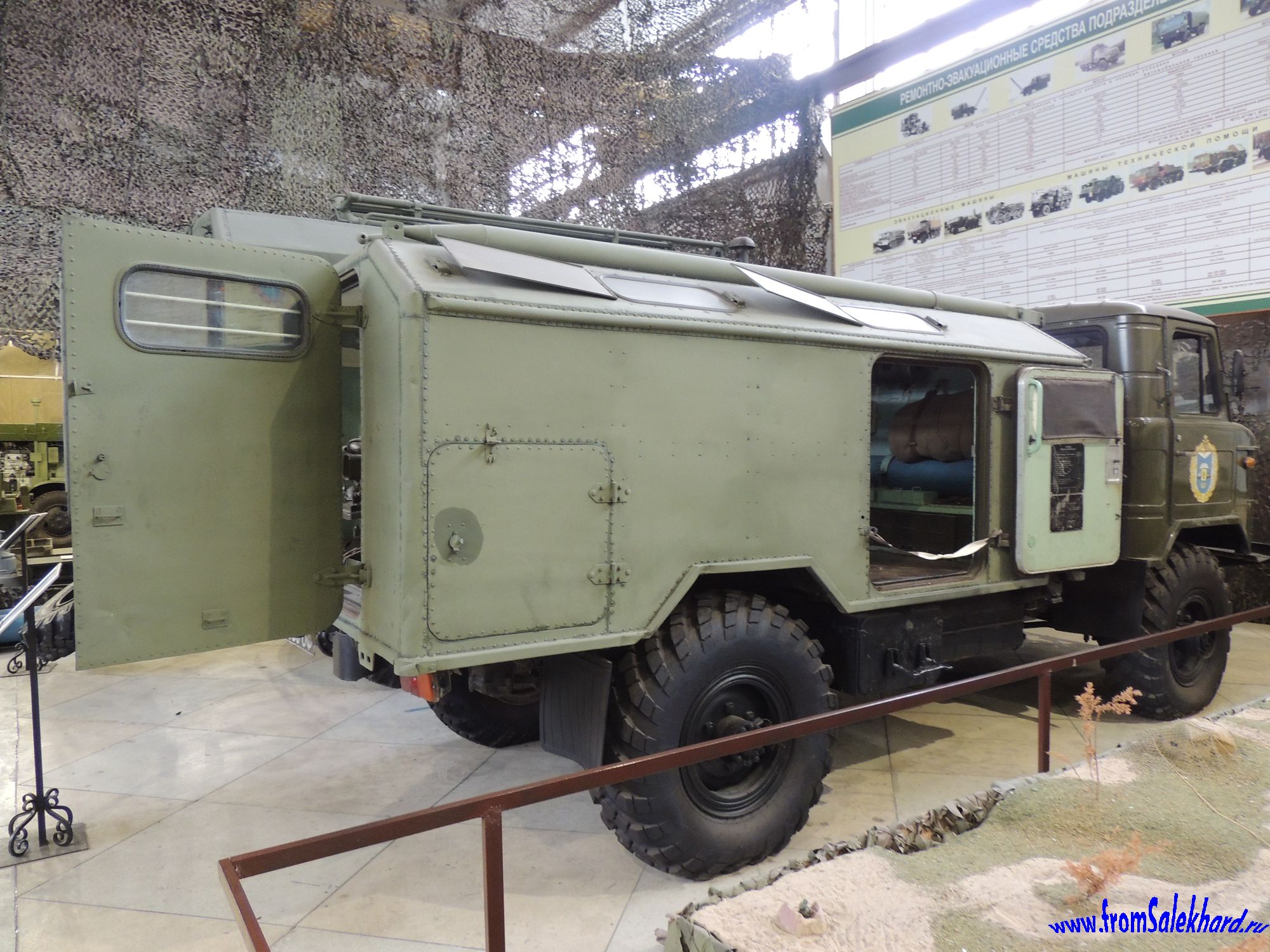
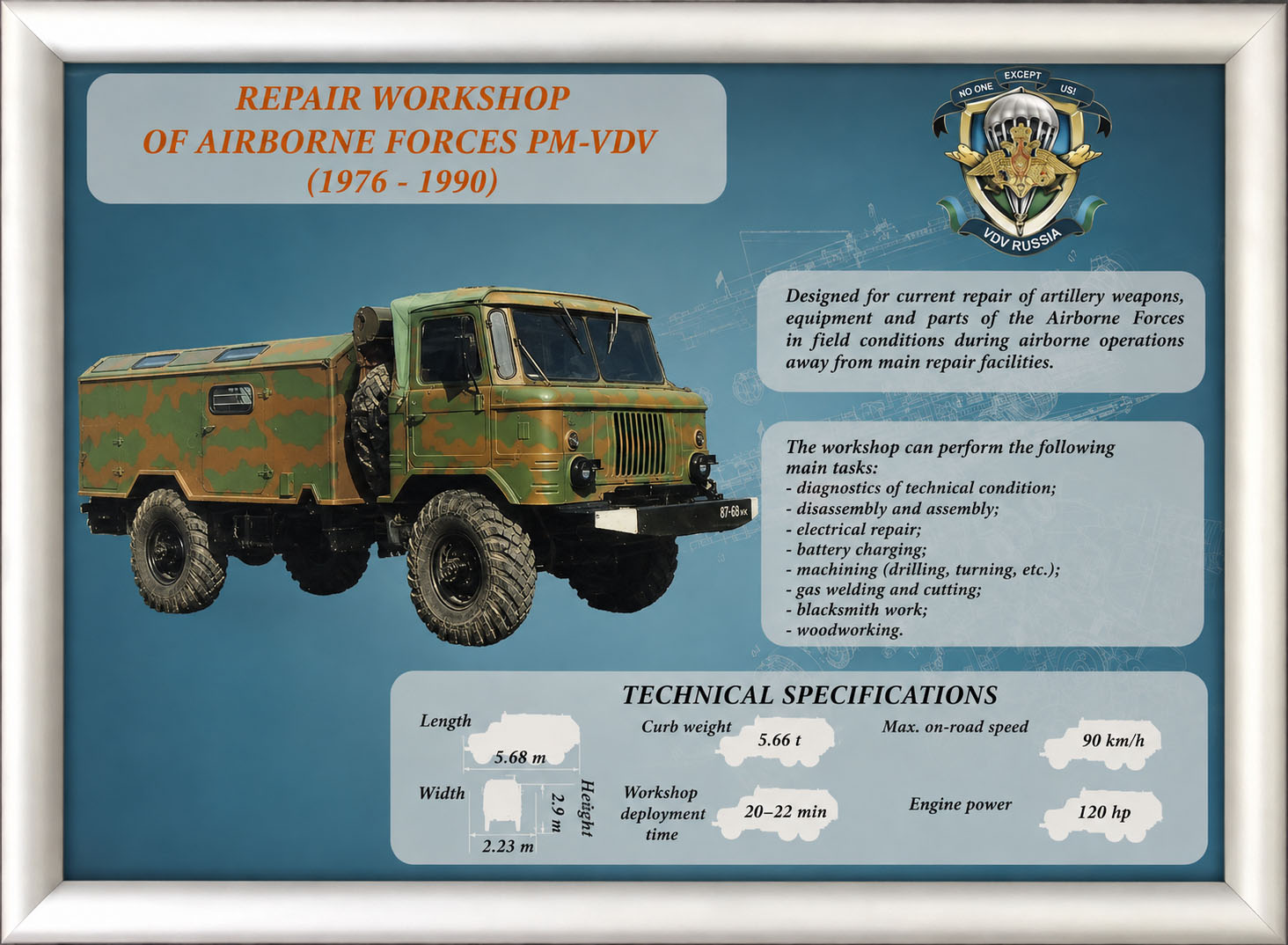
VDV Repair Workshop RM-VDV (5 photos) VKontakte album

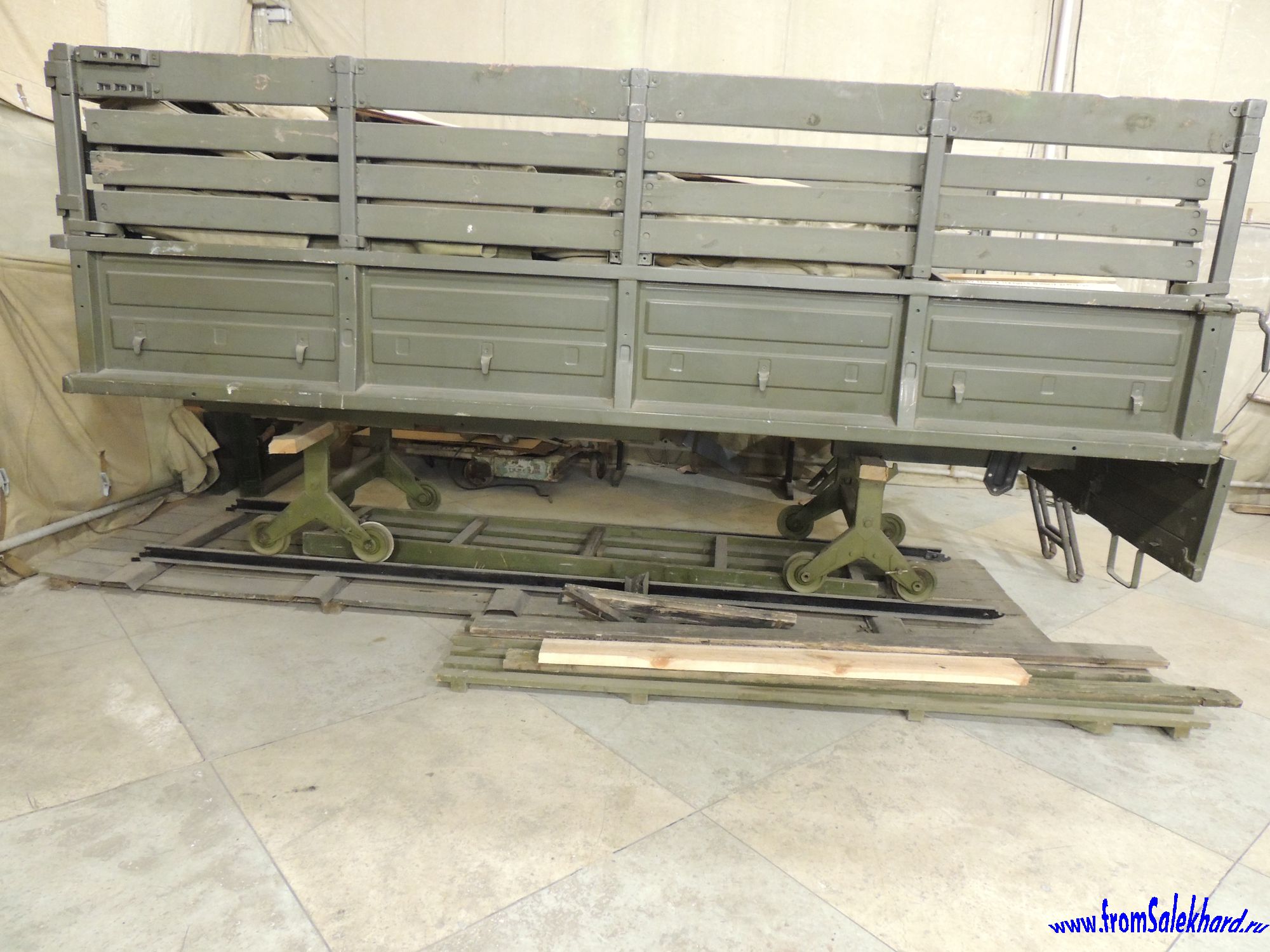
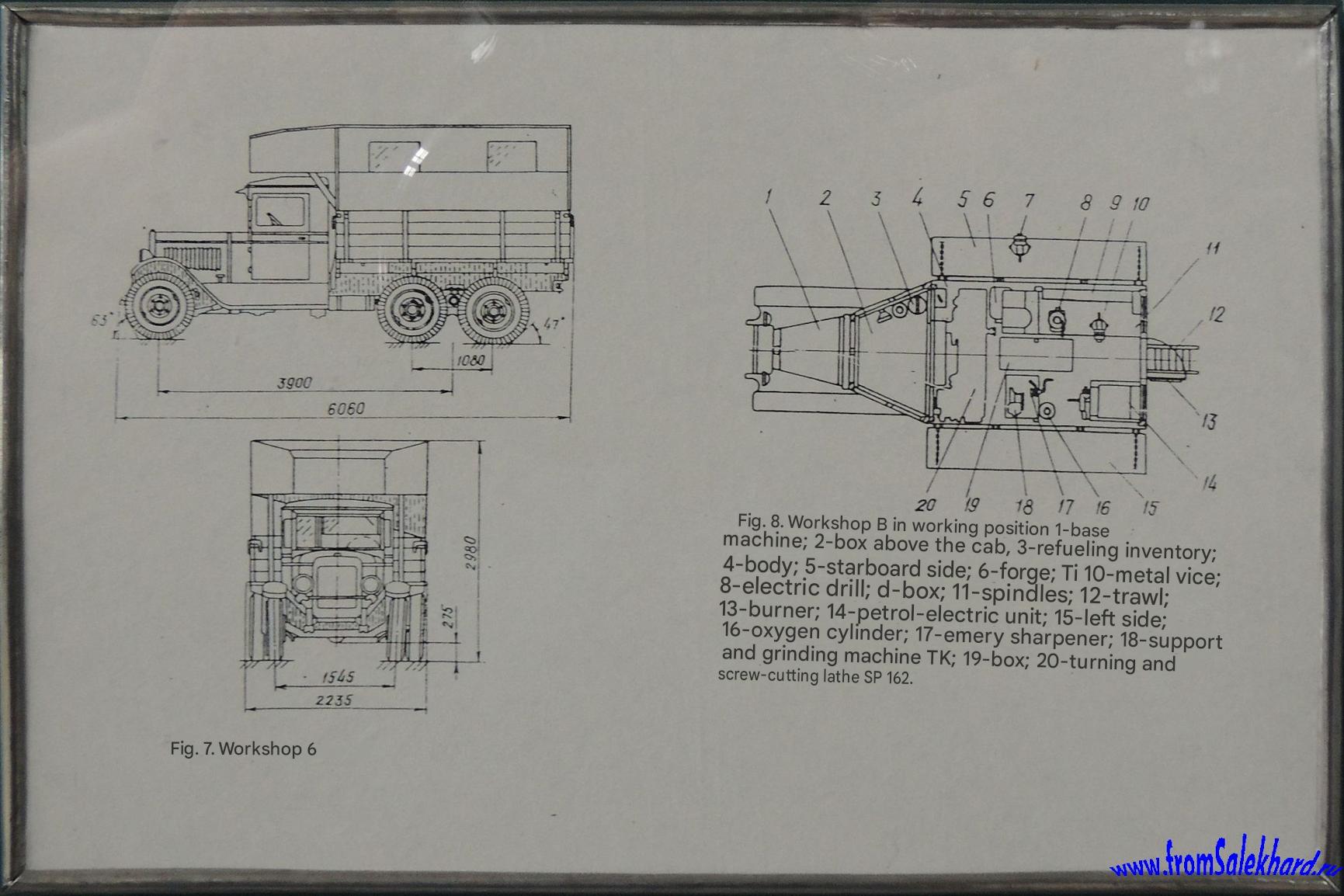
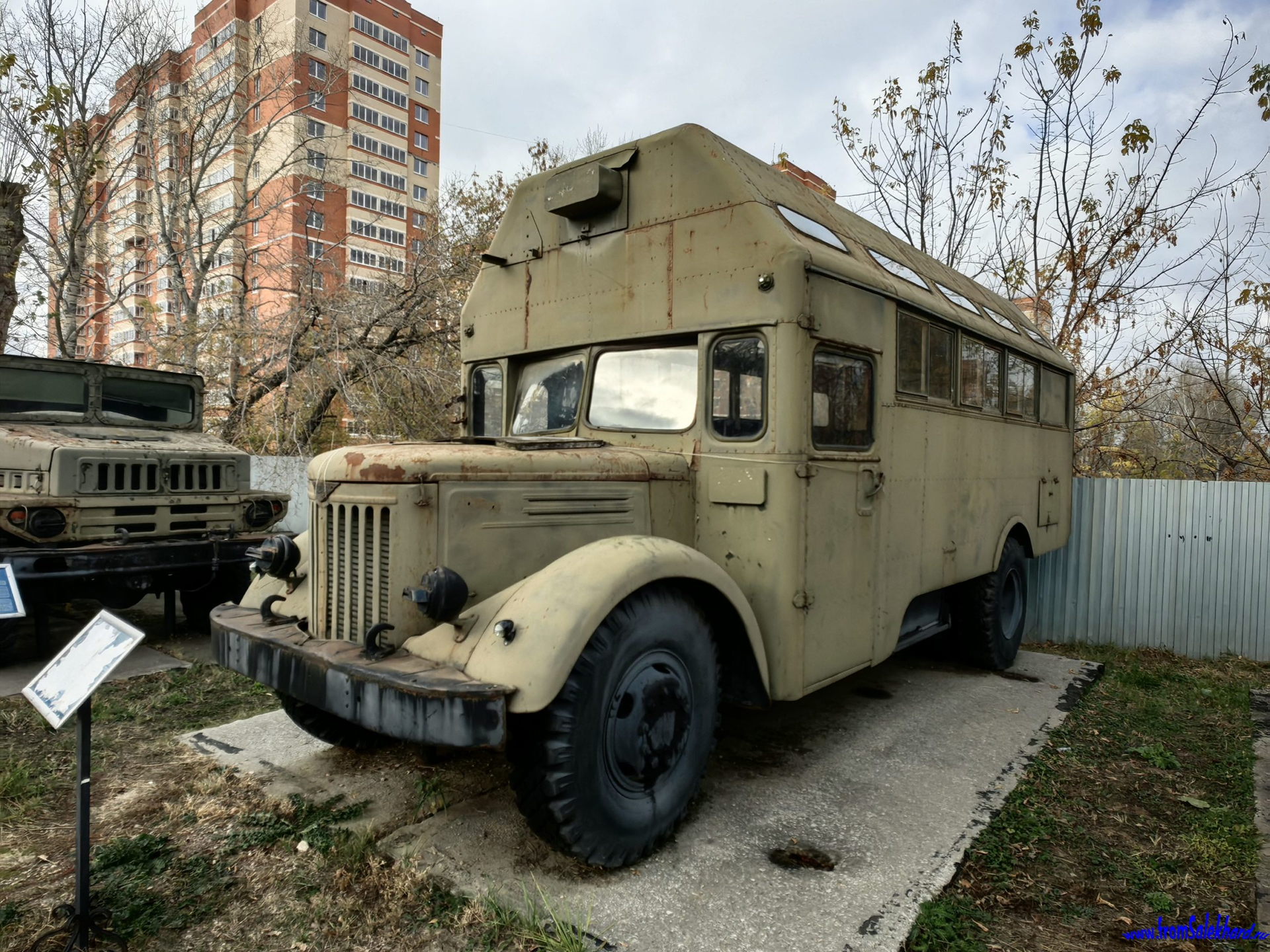
It’s clear that it’s airborne, and there are size restrictions during transportation, but where are the mechanisms for bringing it into working position? It is clearly visible that a person cannot stand at full height in the workshop. I walked around and only then did it dawn on me: windows in the roof! That is, you are standing half outside: your arms and legs are warm, the workpiece is clamped in a vice, and your head is outside, in the rain or snow.

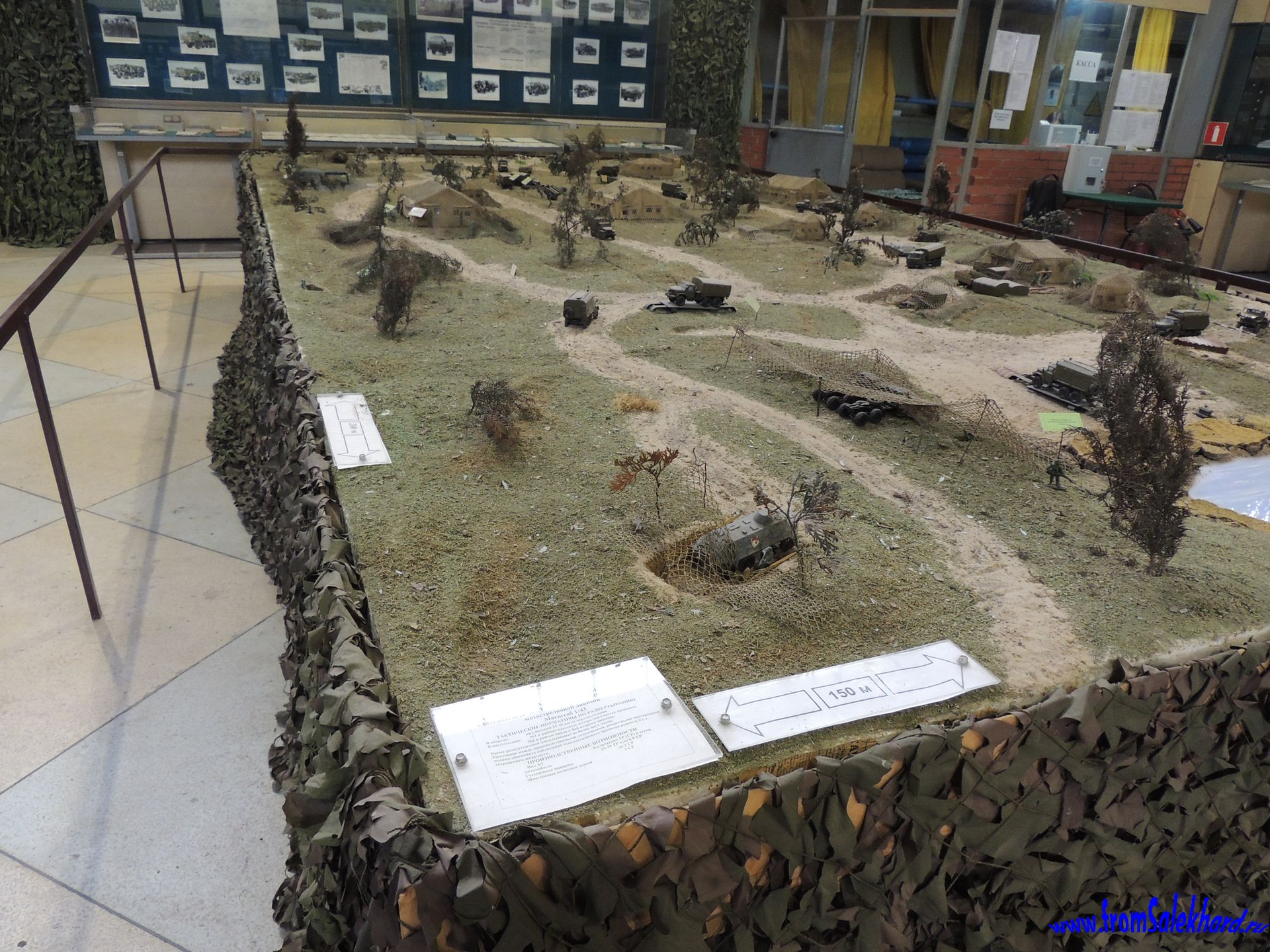
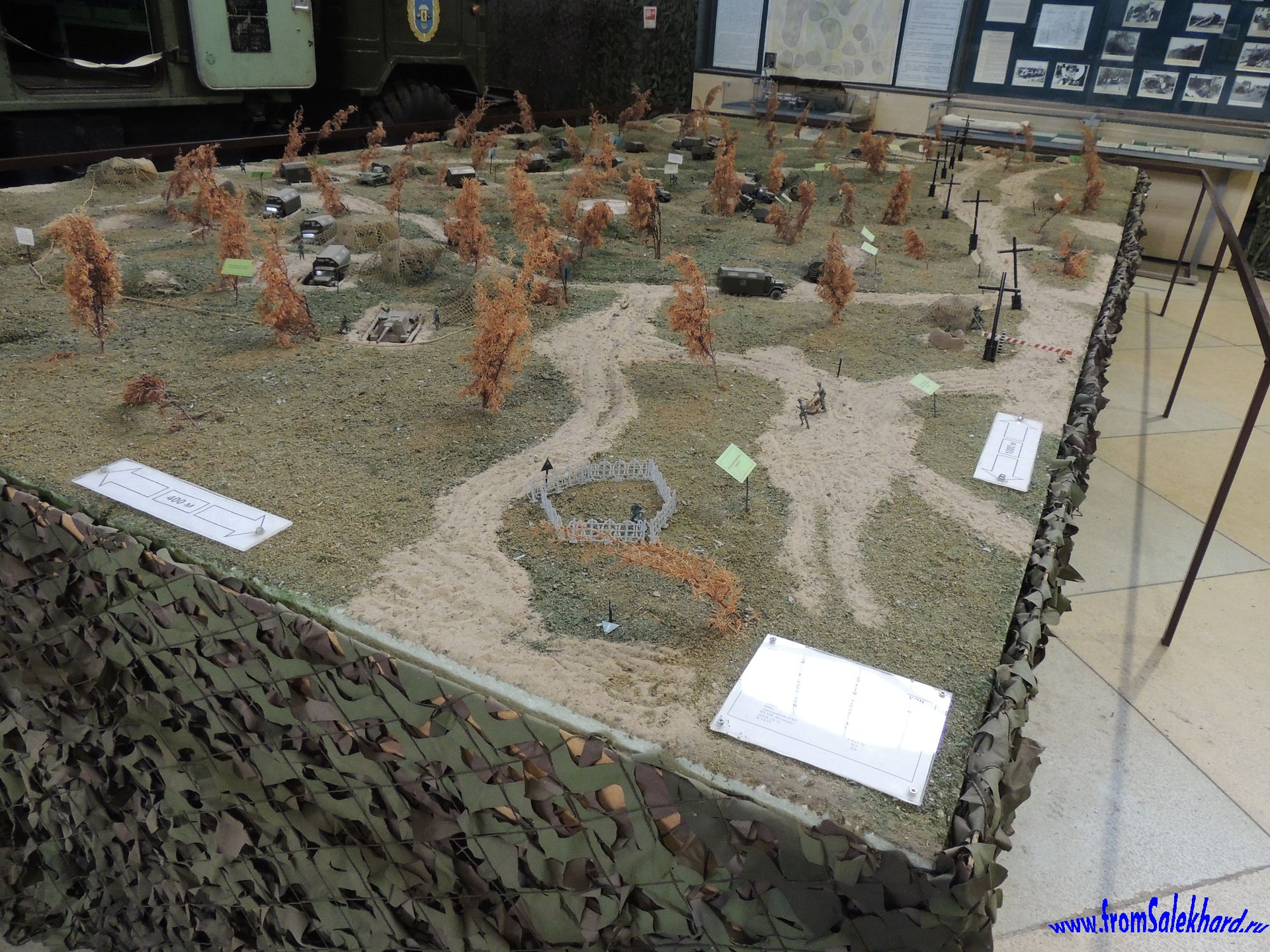
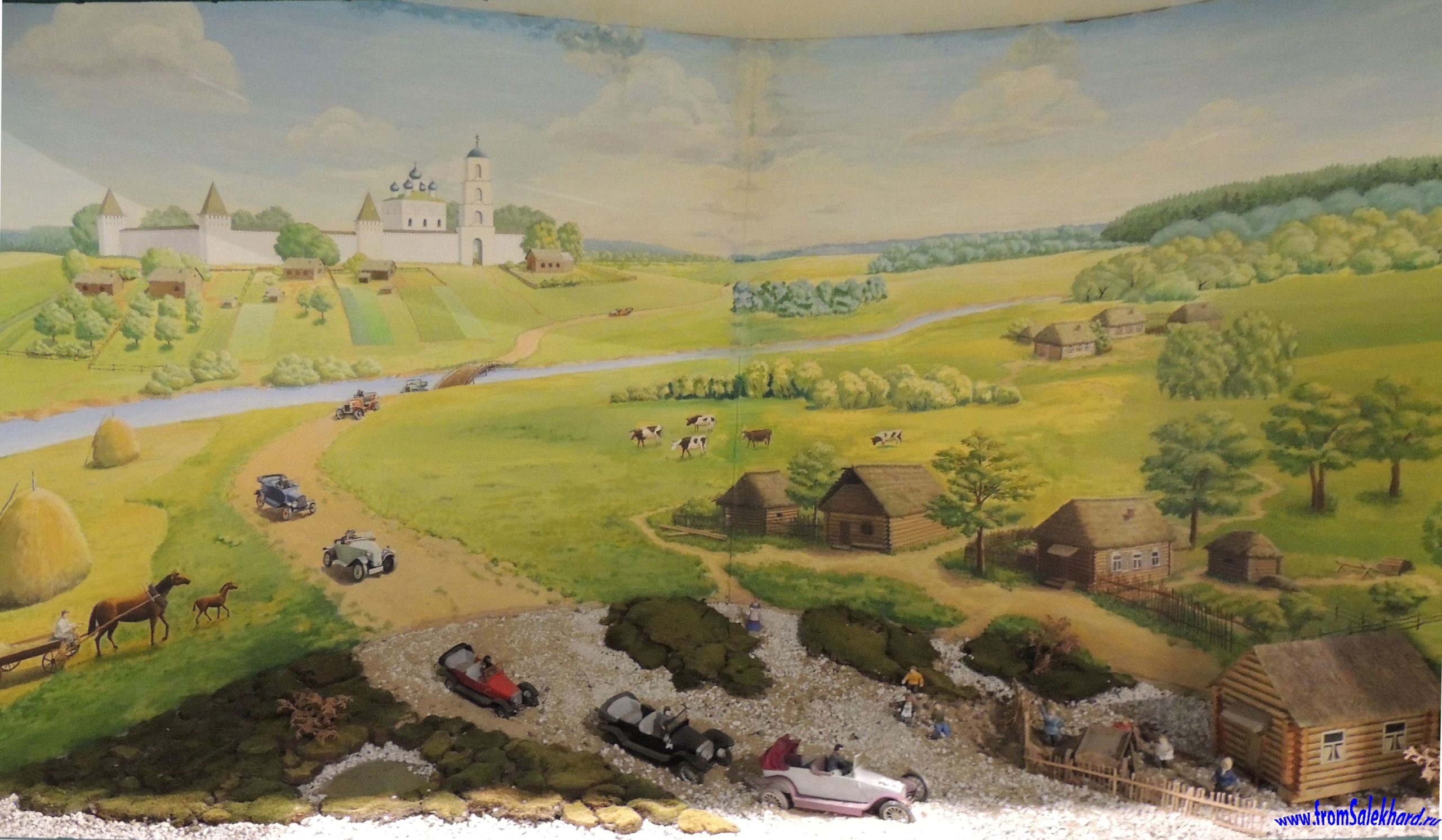
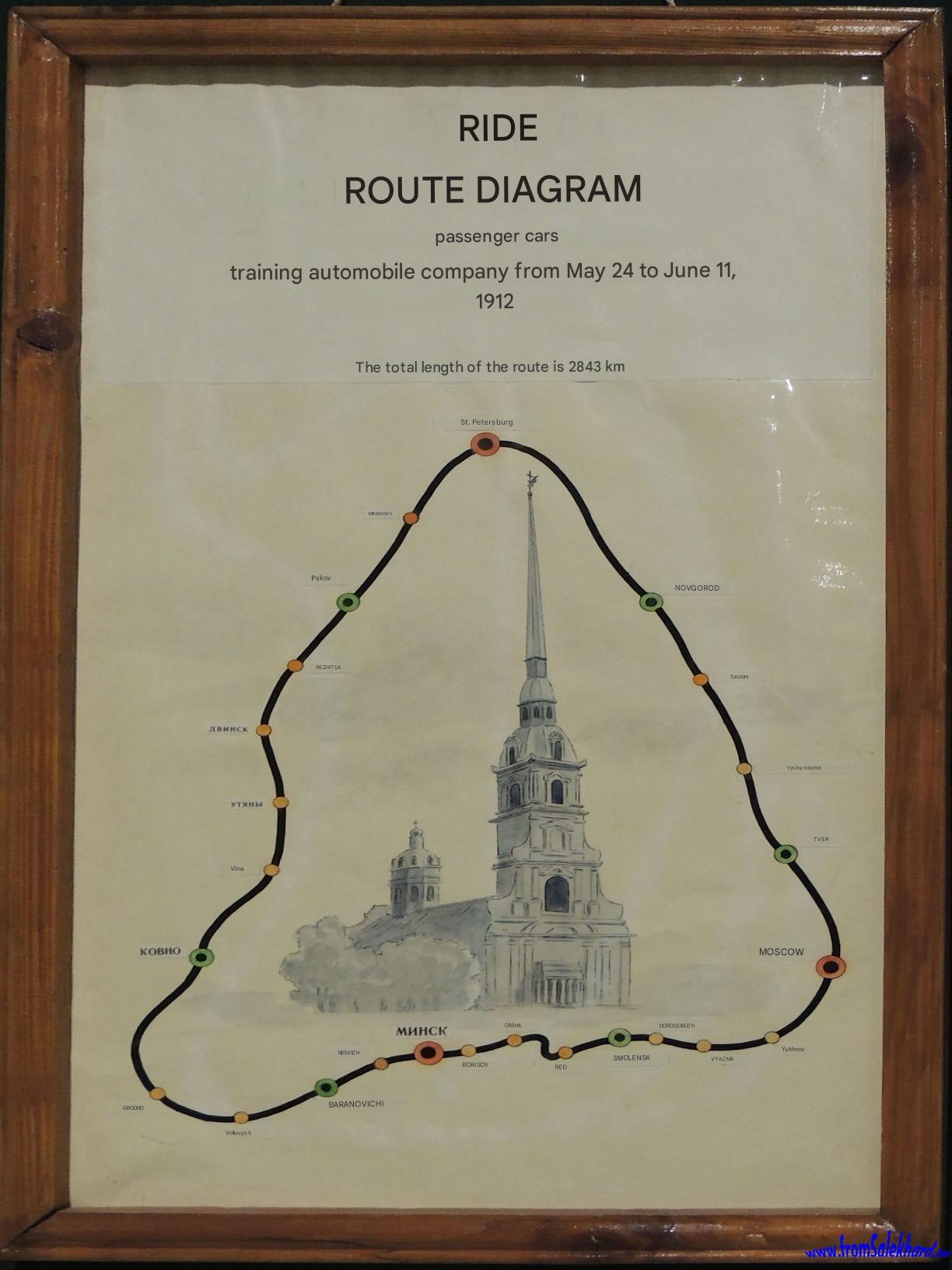
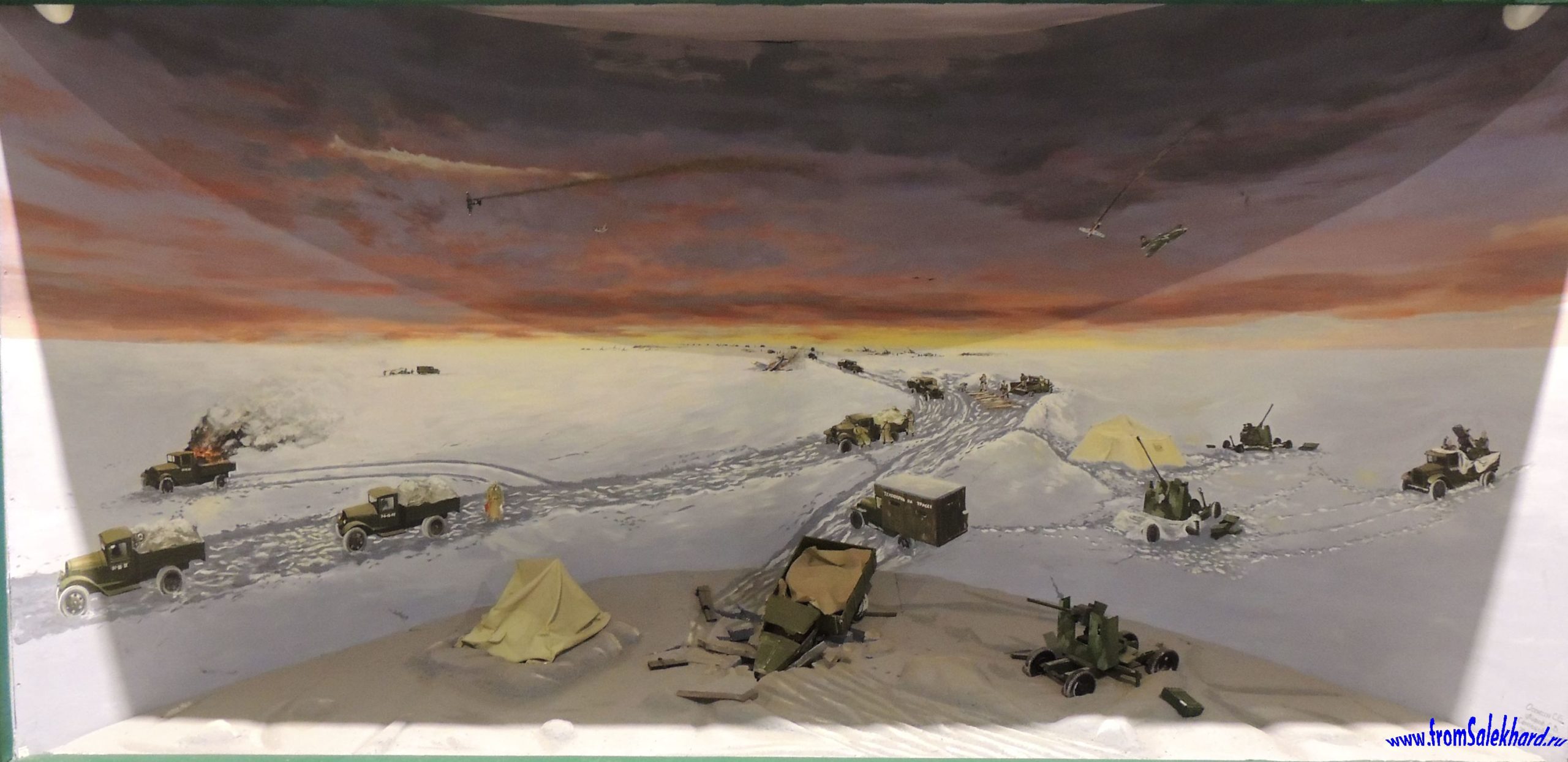
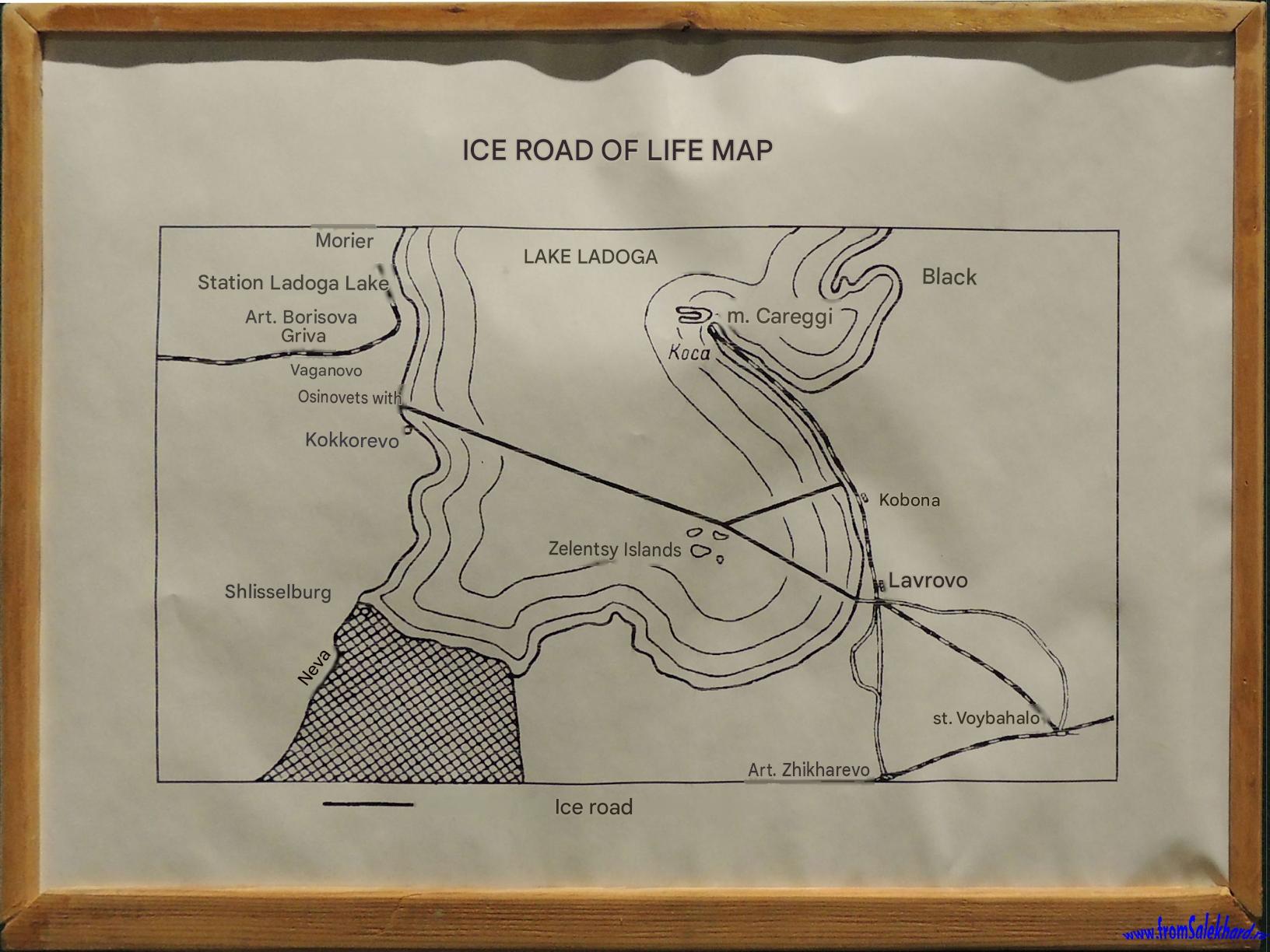
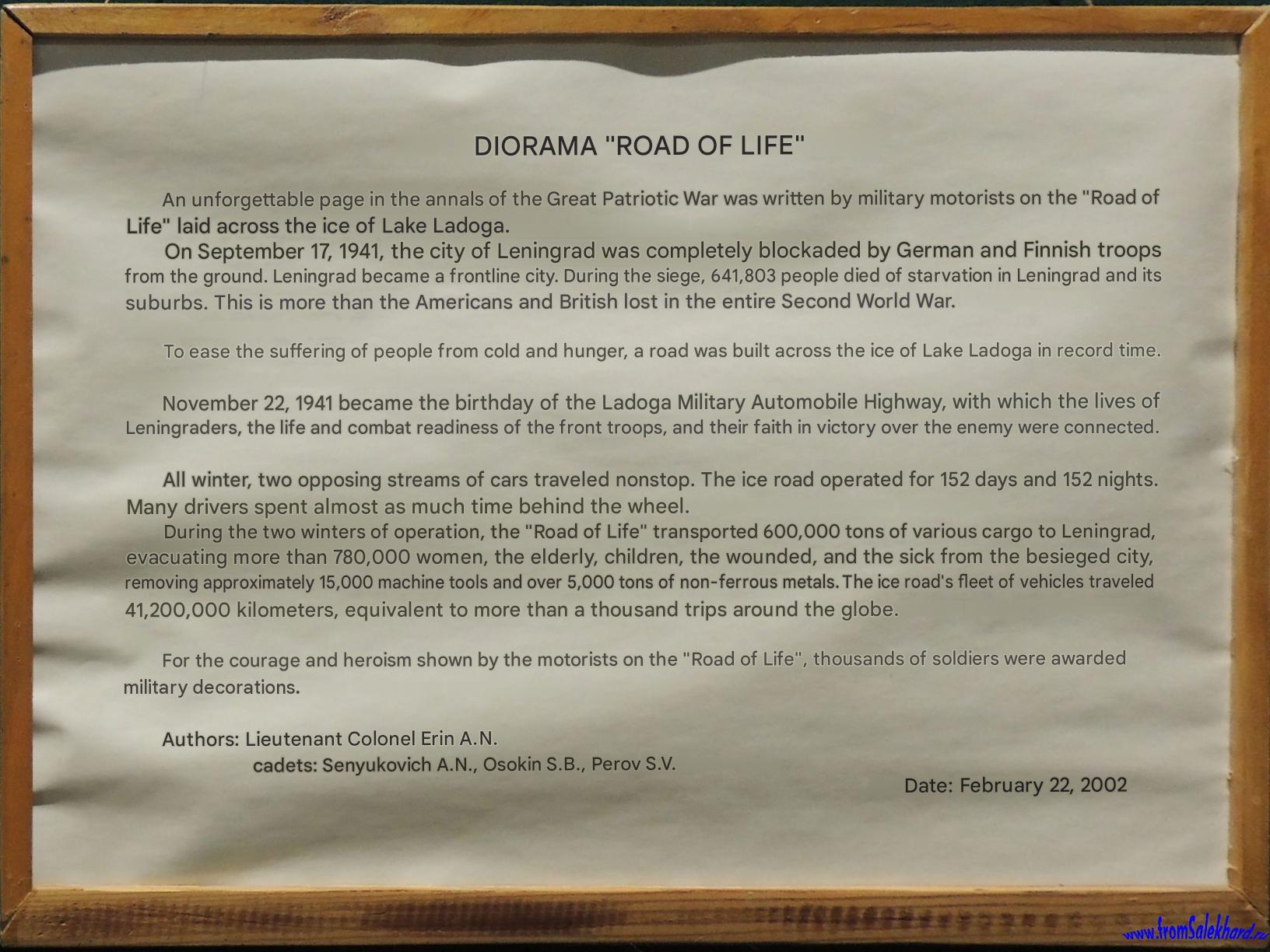
Nestled between the cars are a couple of huge dioramas.

and

It’s precisely the mobile workshops mounted on a vehicle chassis that have come to an end. Only the actual “premises” remain to be reviewed.

It is clear that on the outside everything looks typical. The specifics are hidden in the content.

6 Likes

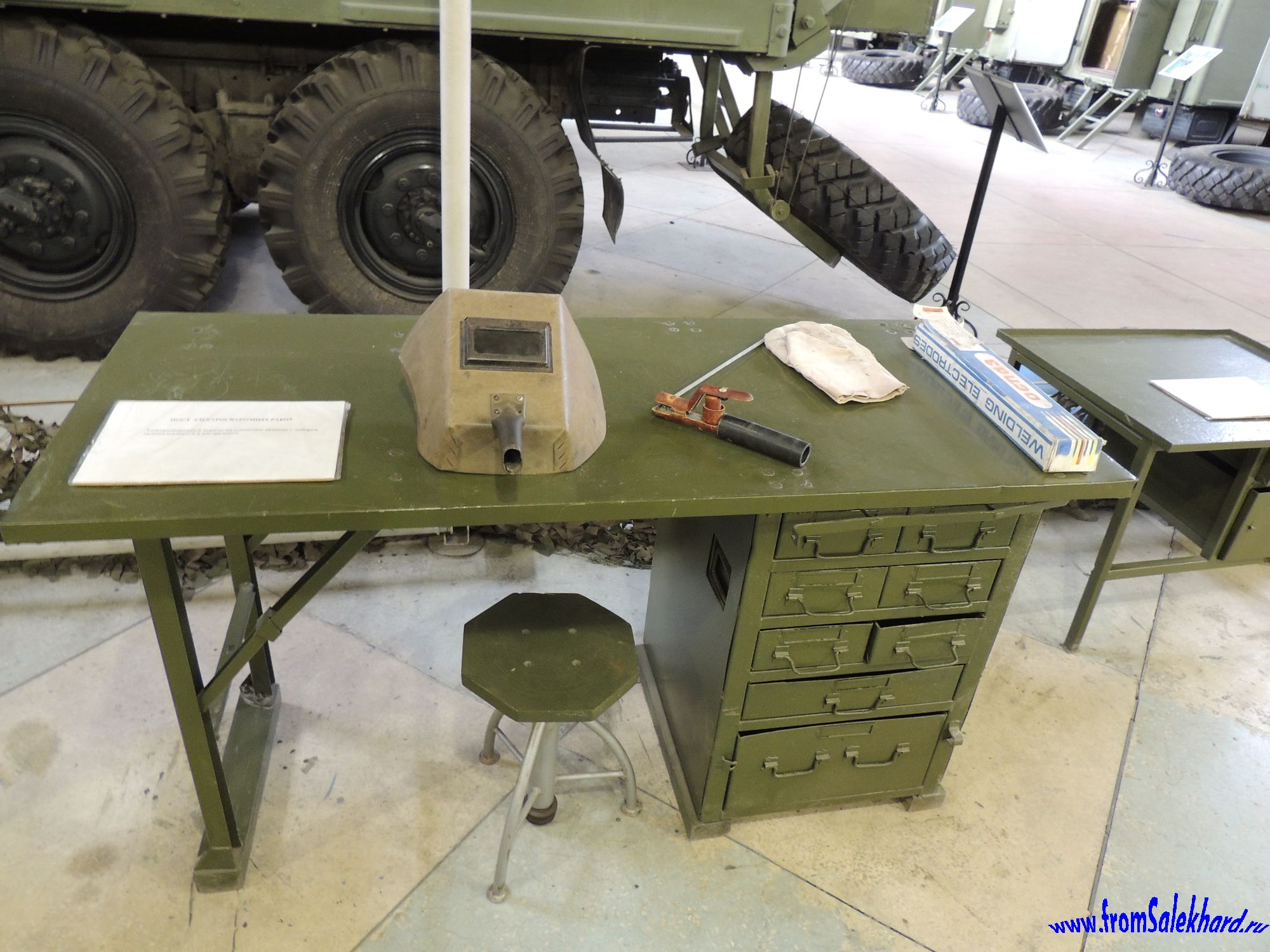
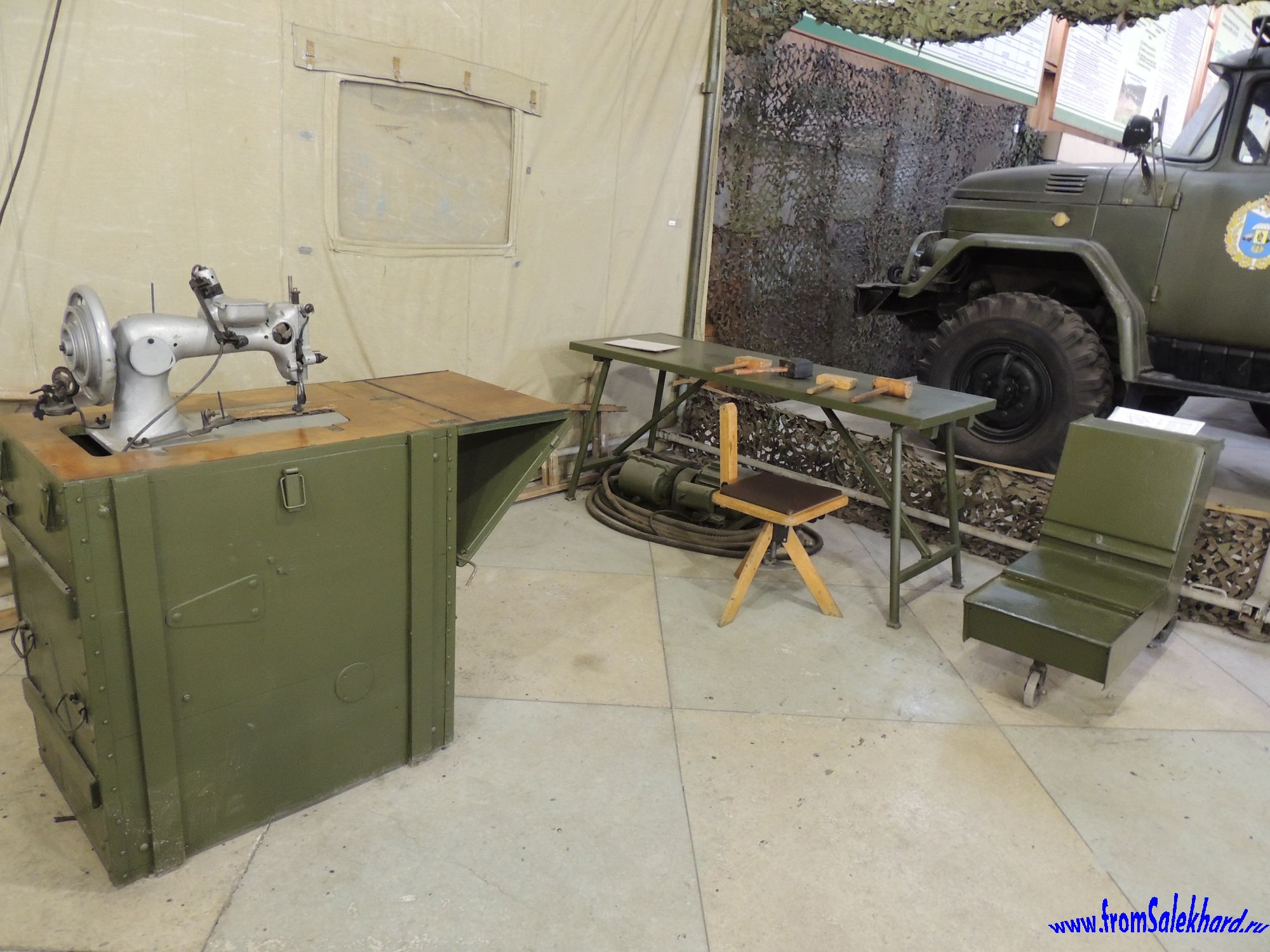
At the end of the “alley” there is a repair area with as many as three “workshops”.

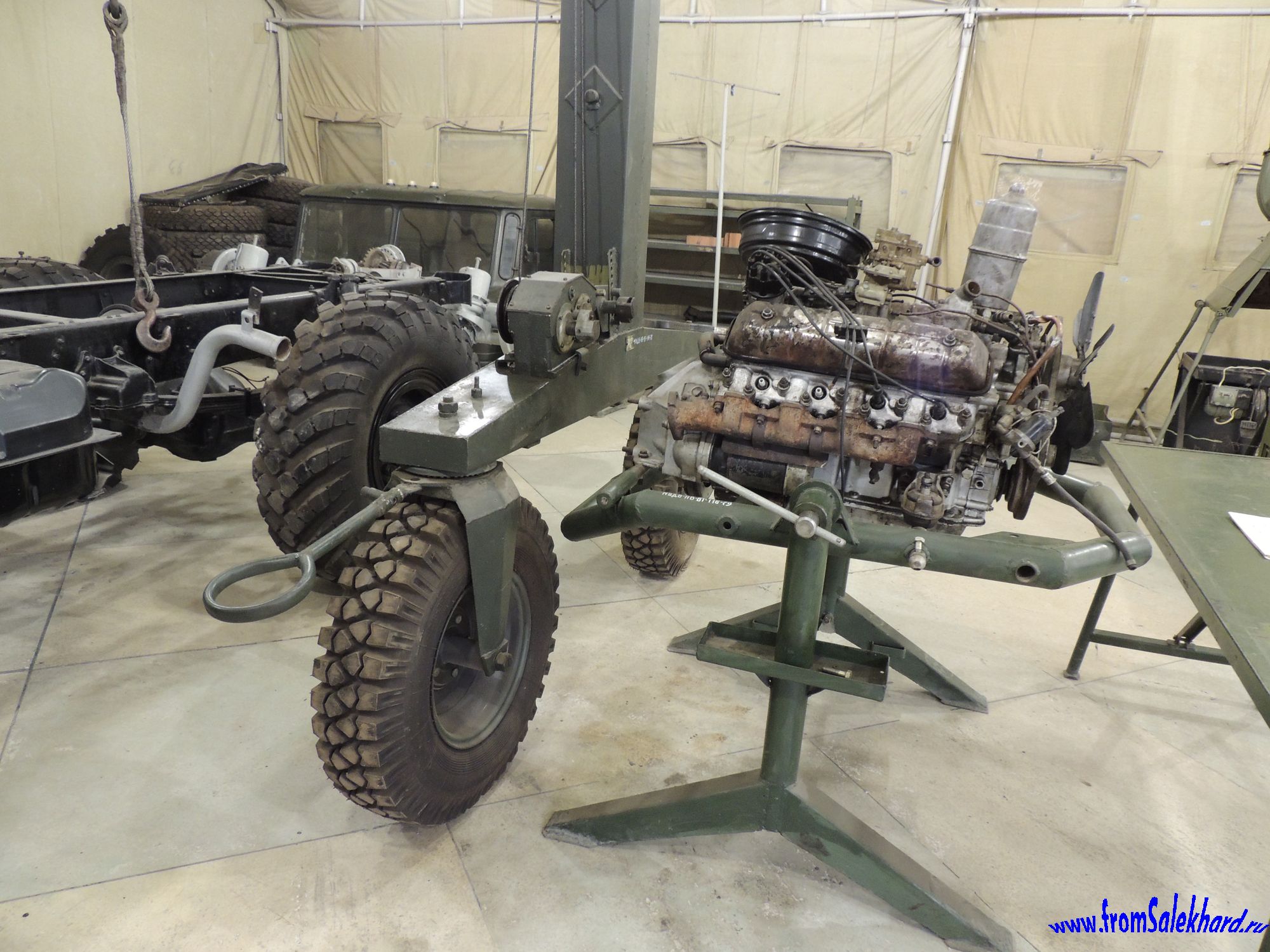
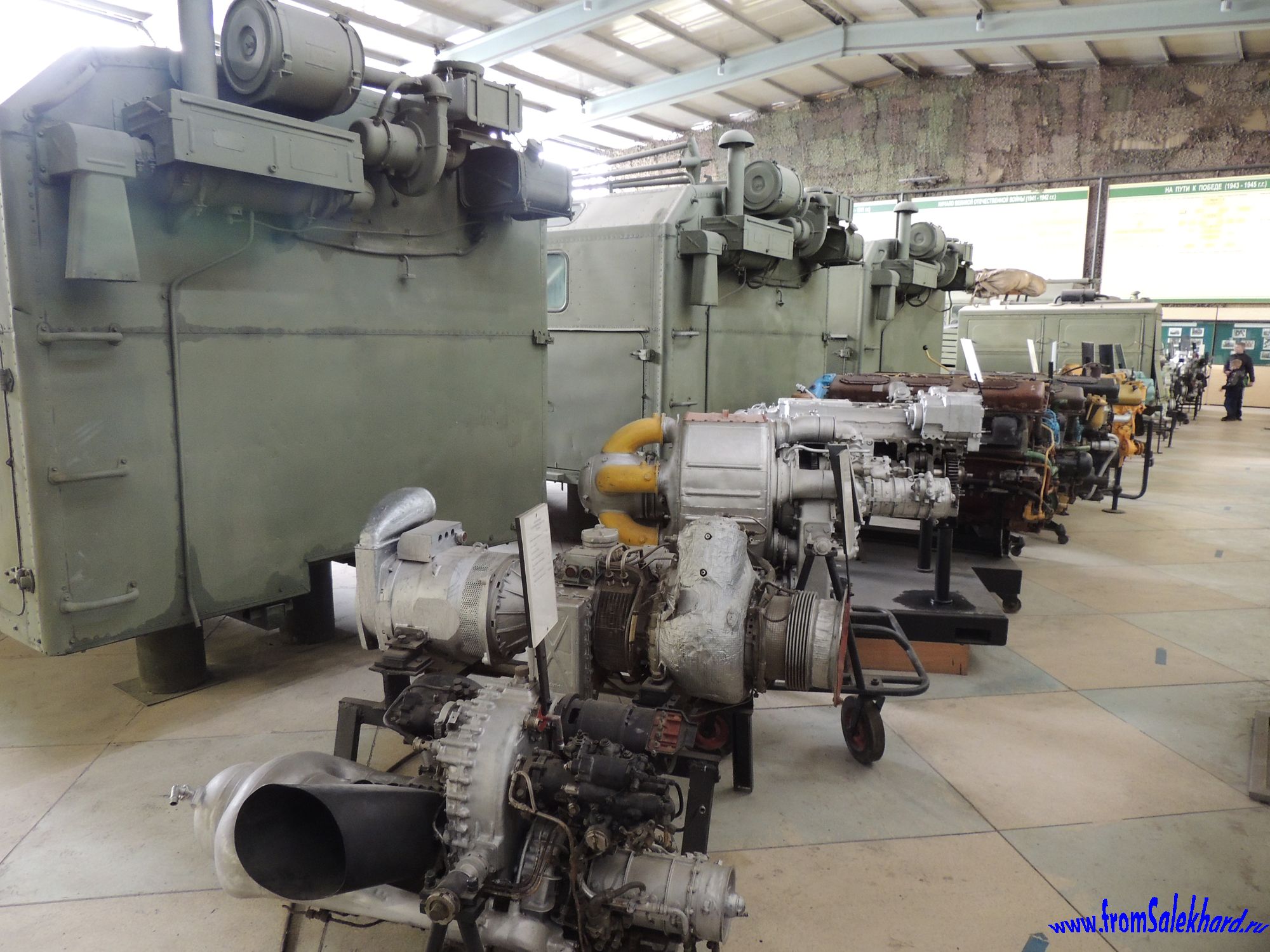
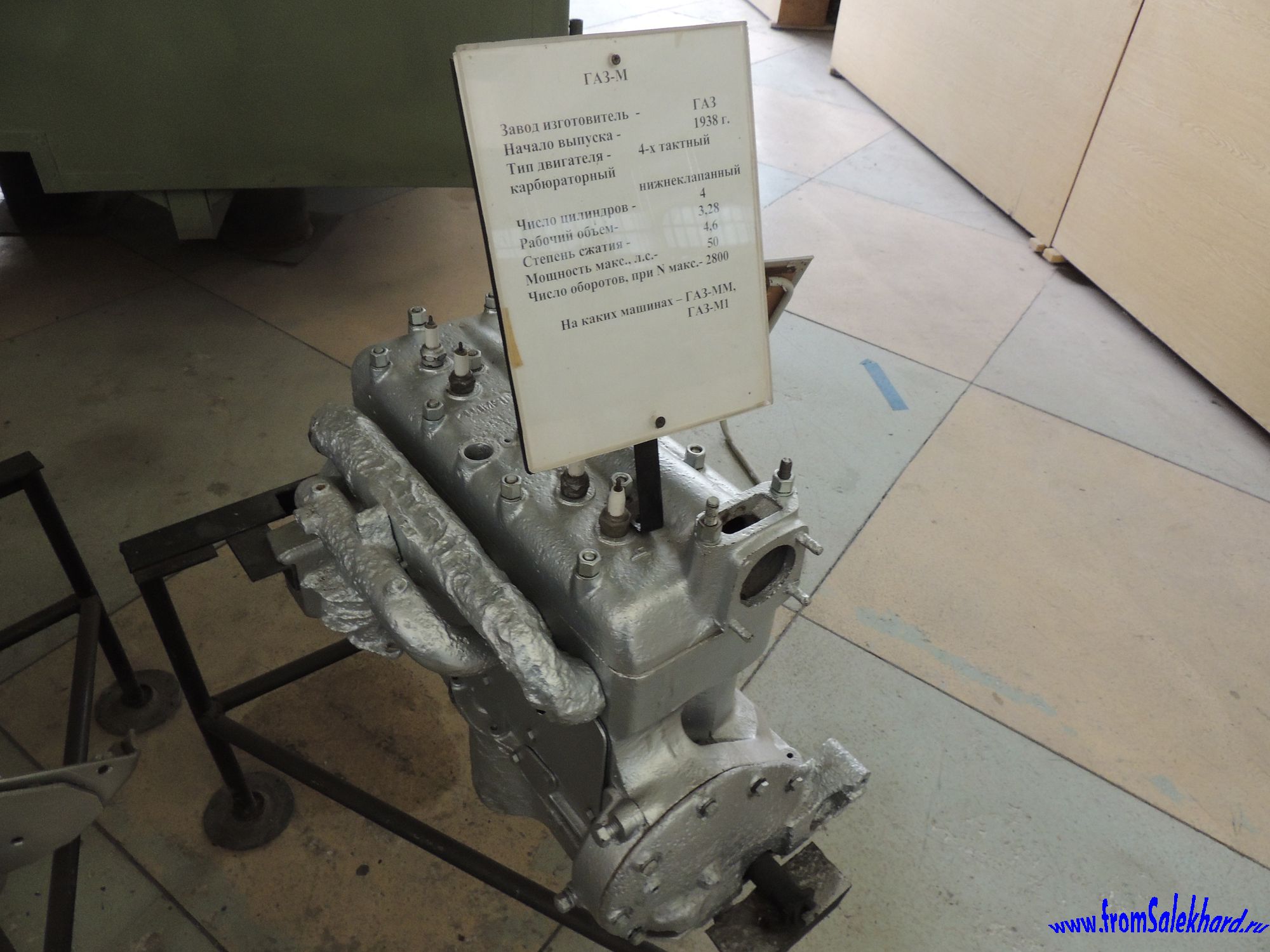
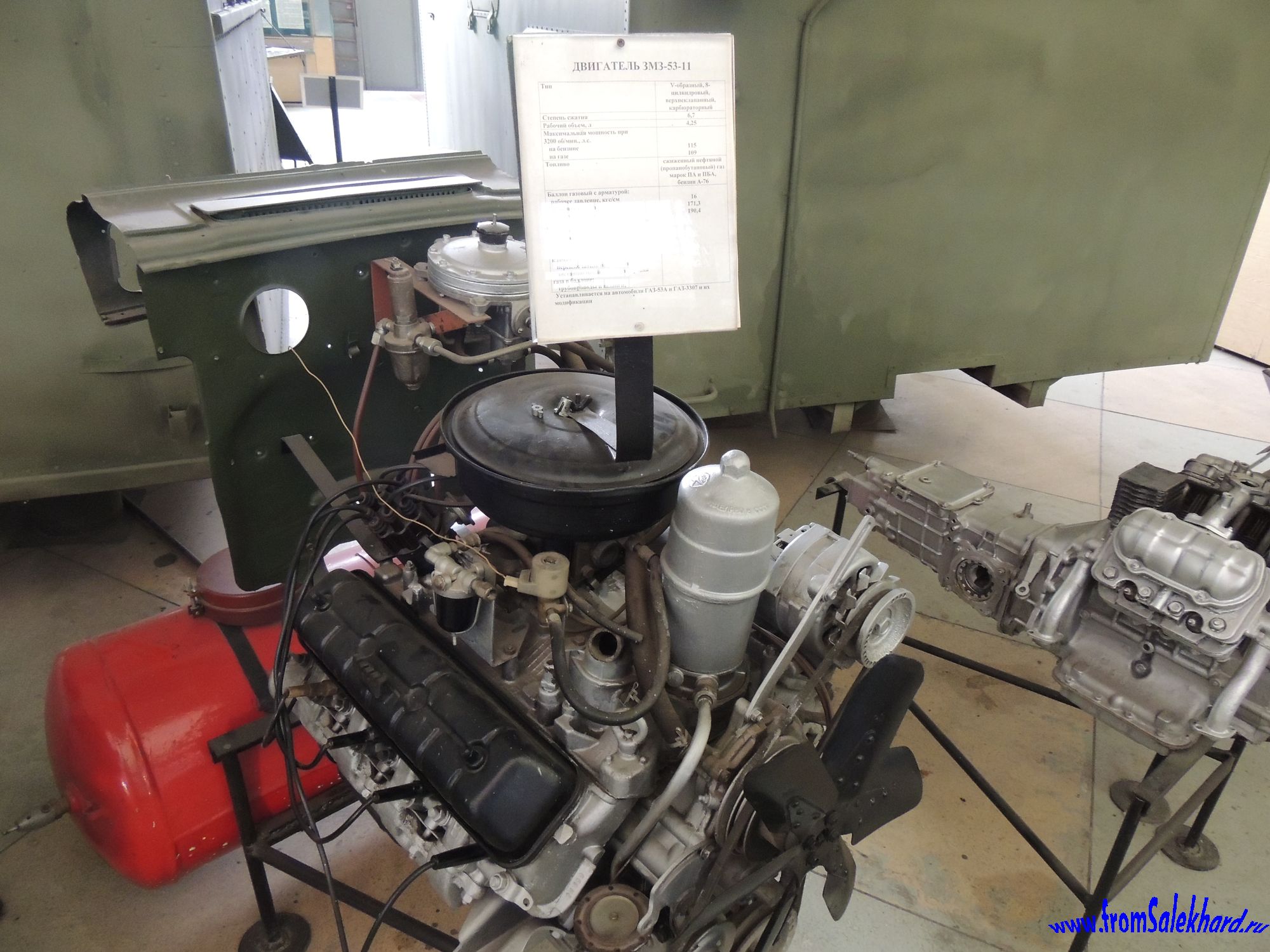
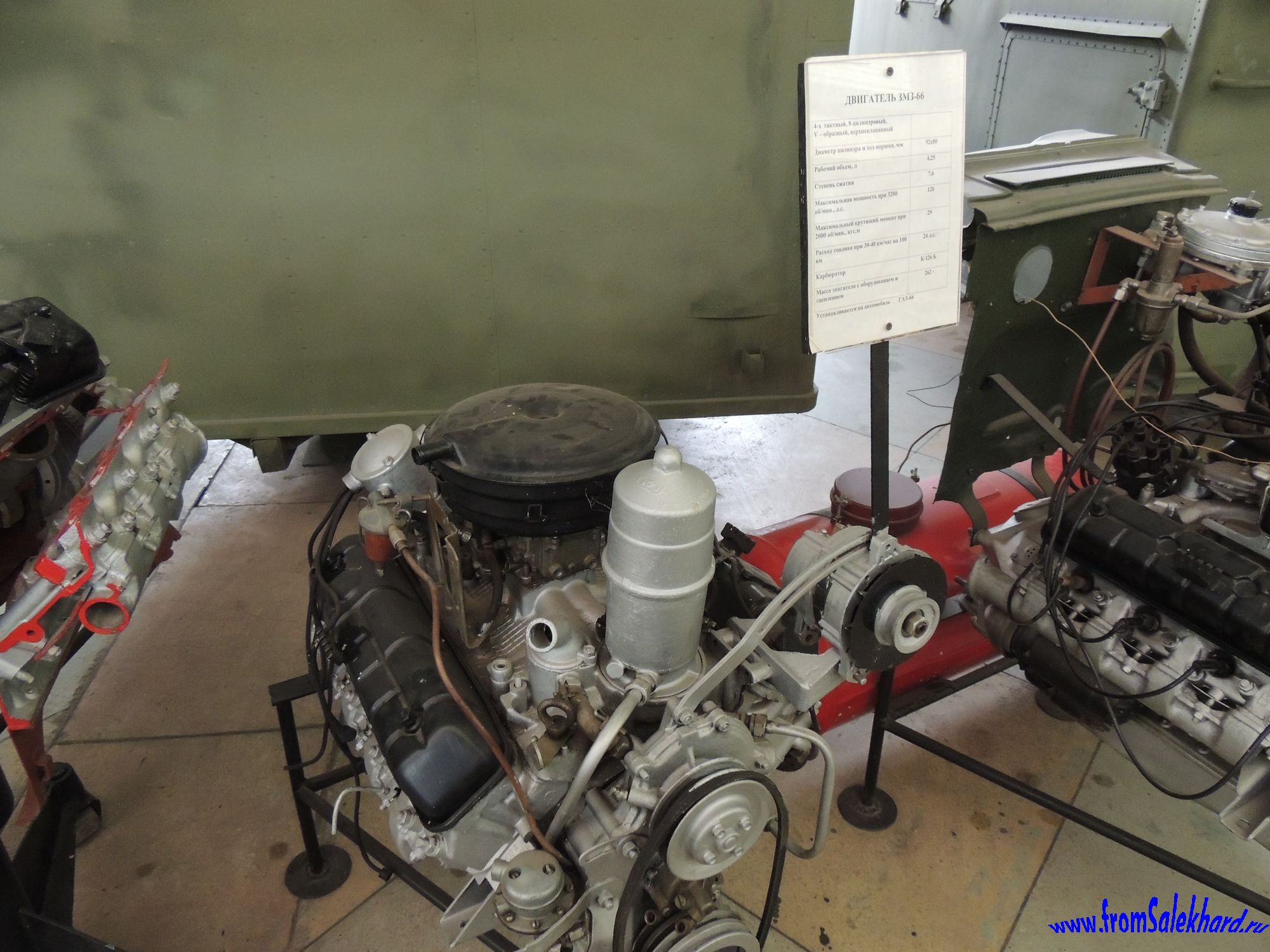
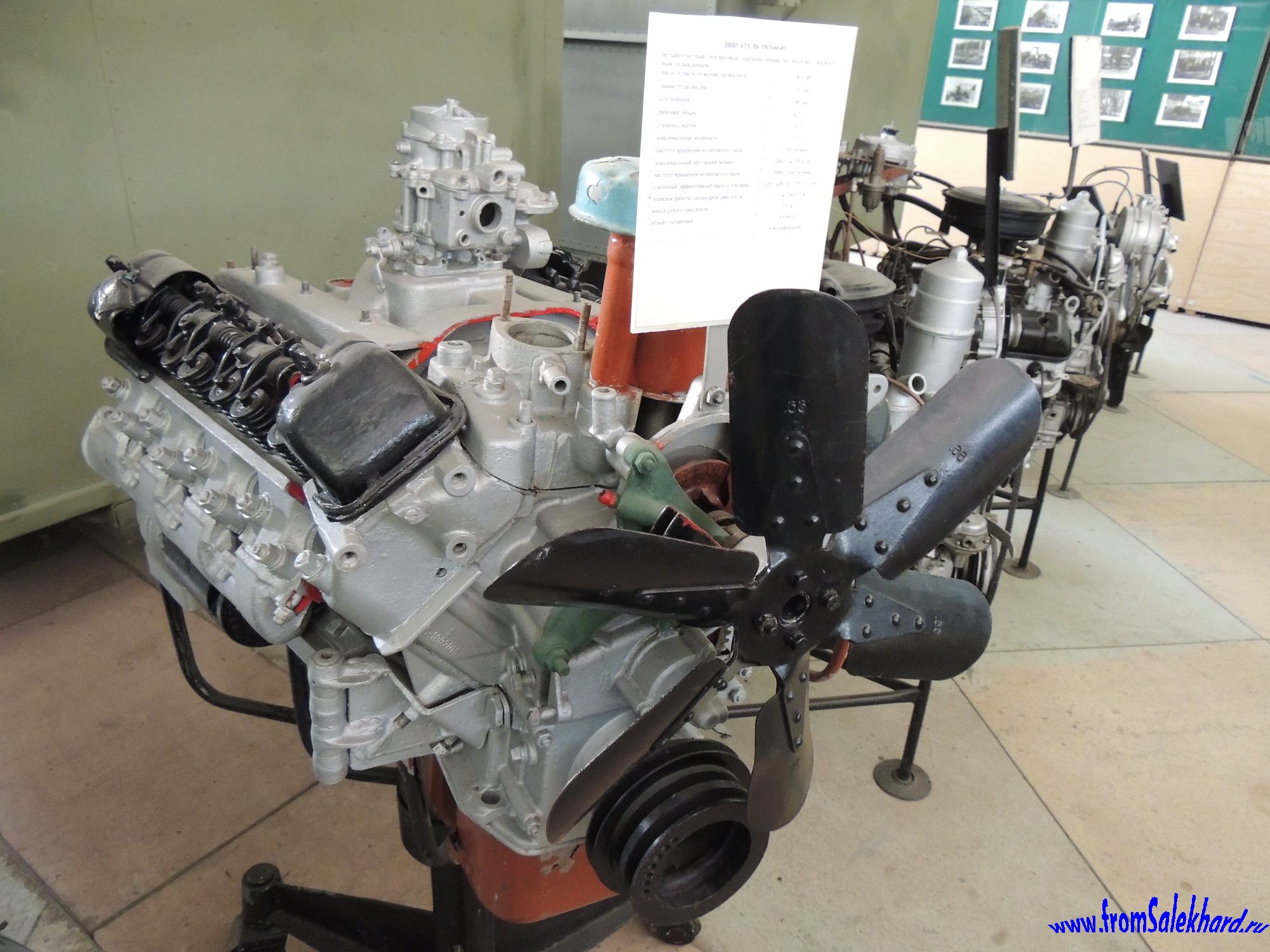
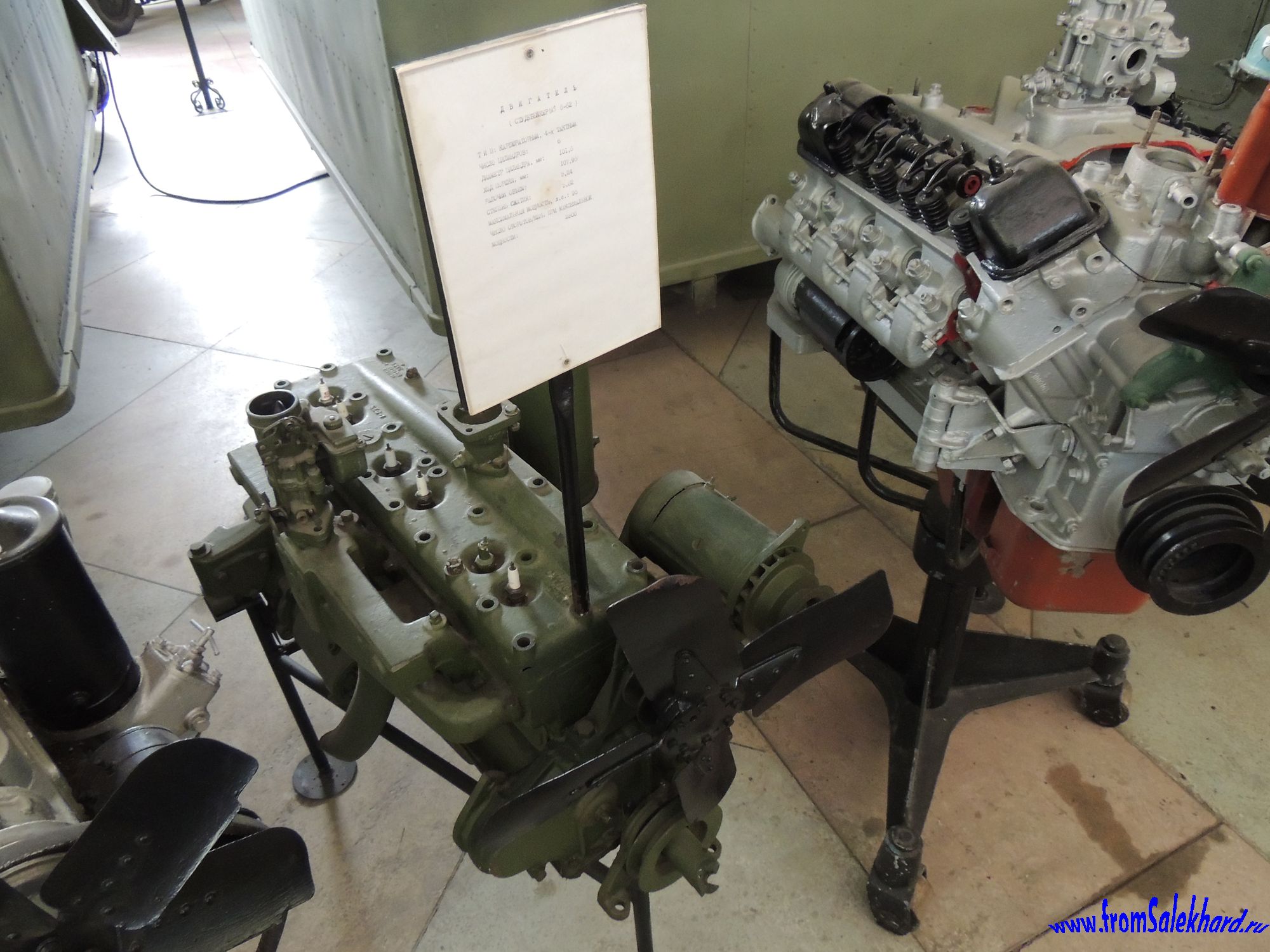
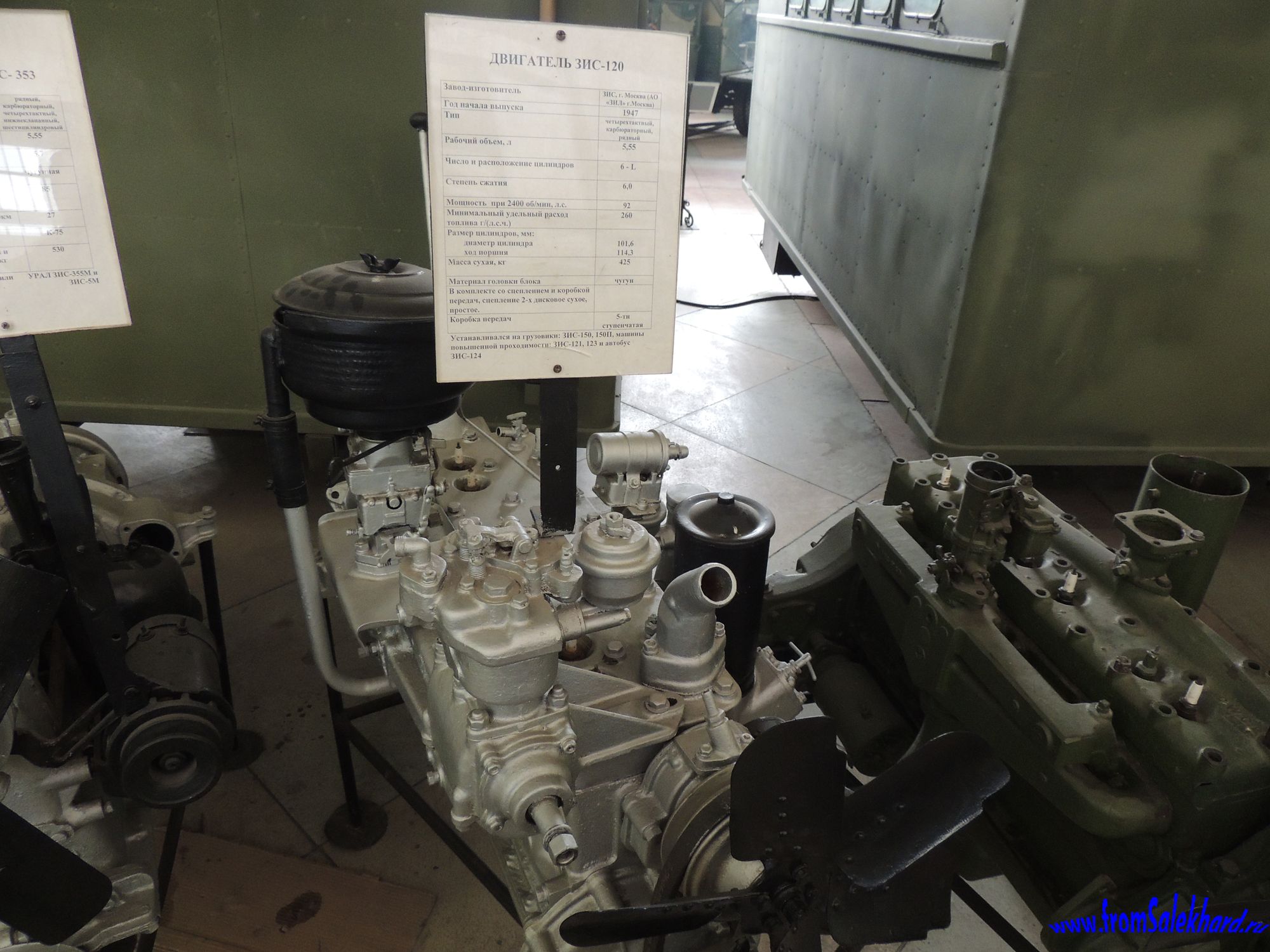
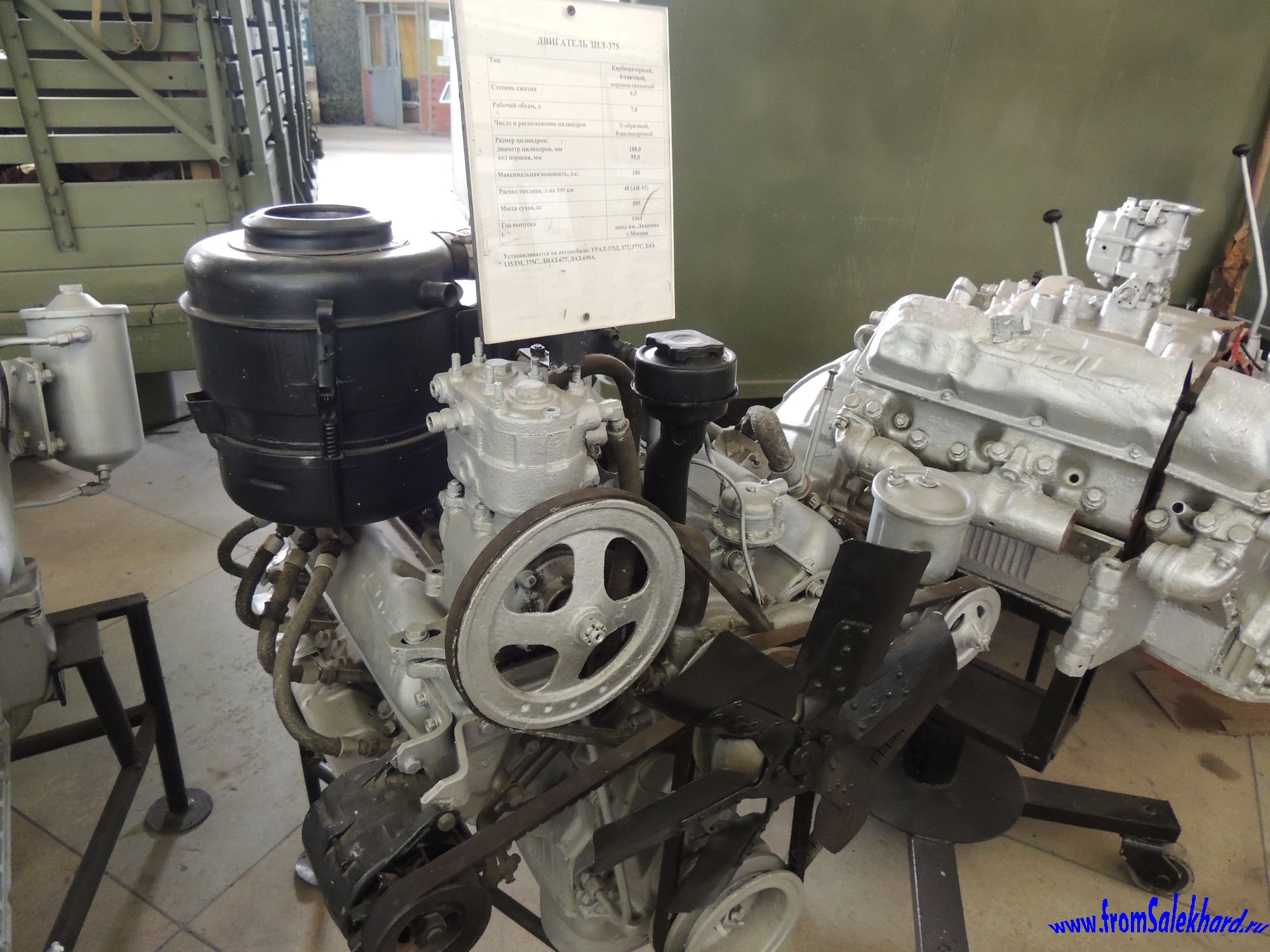
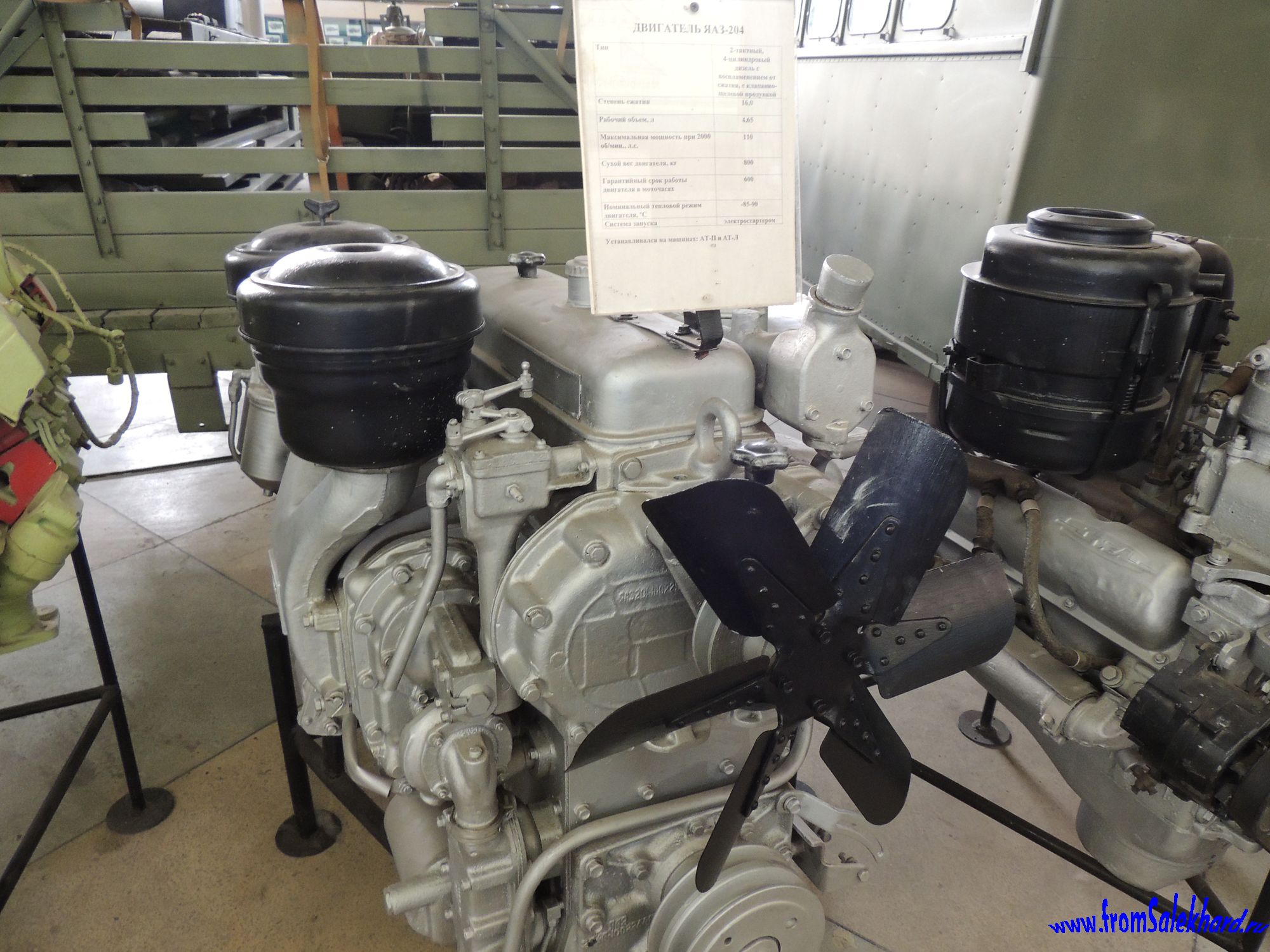
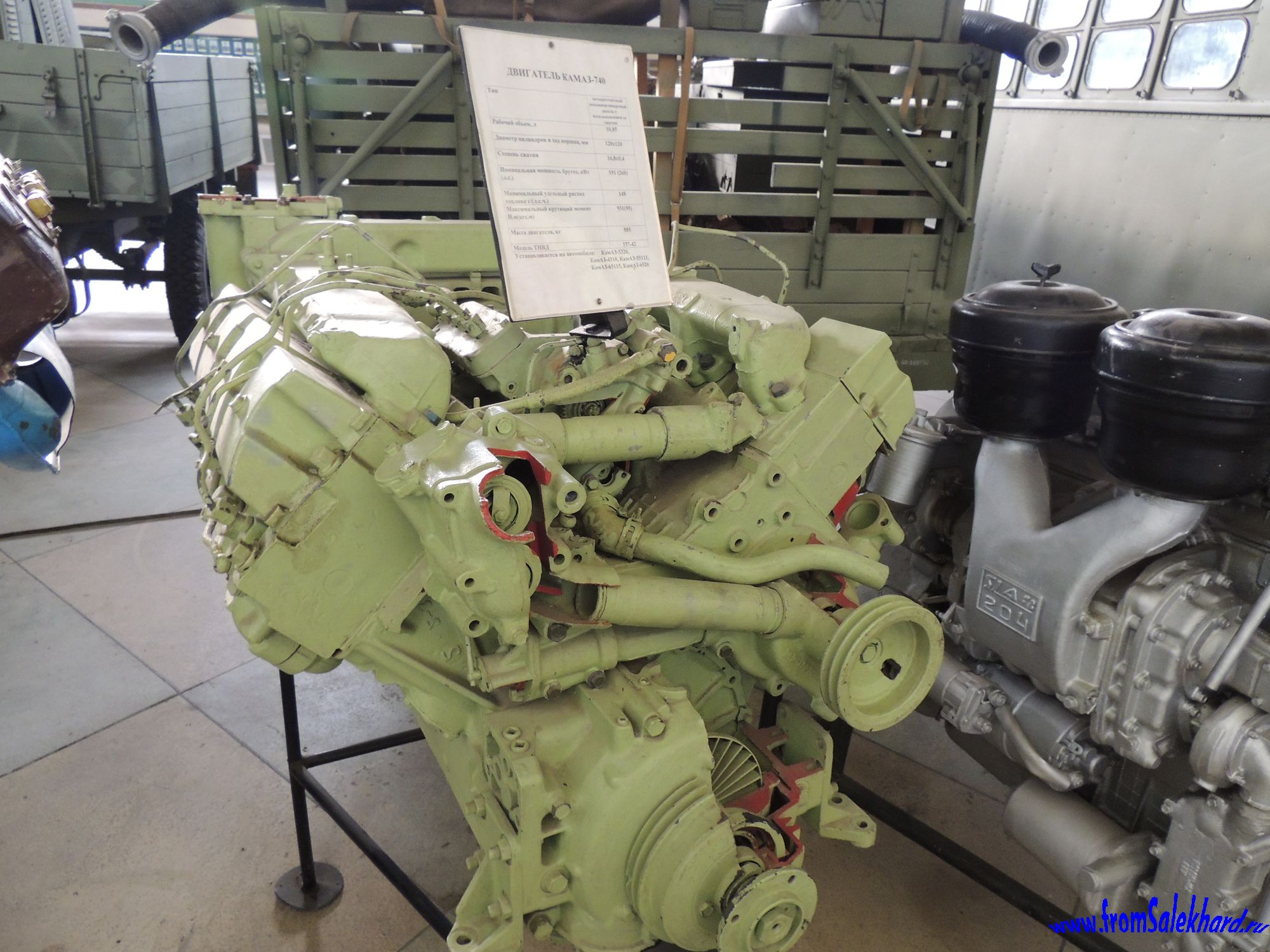
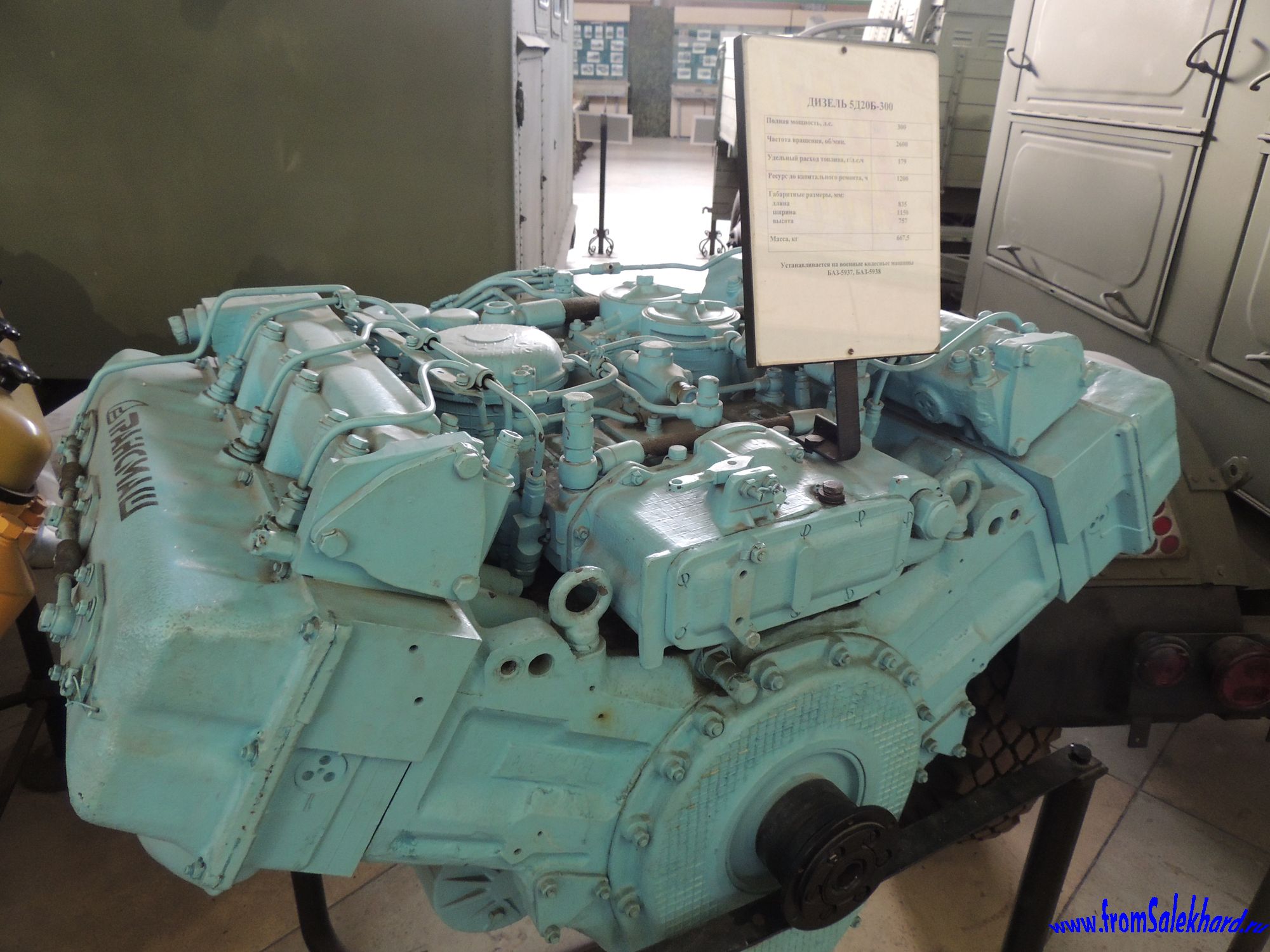
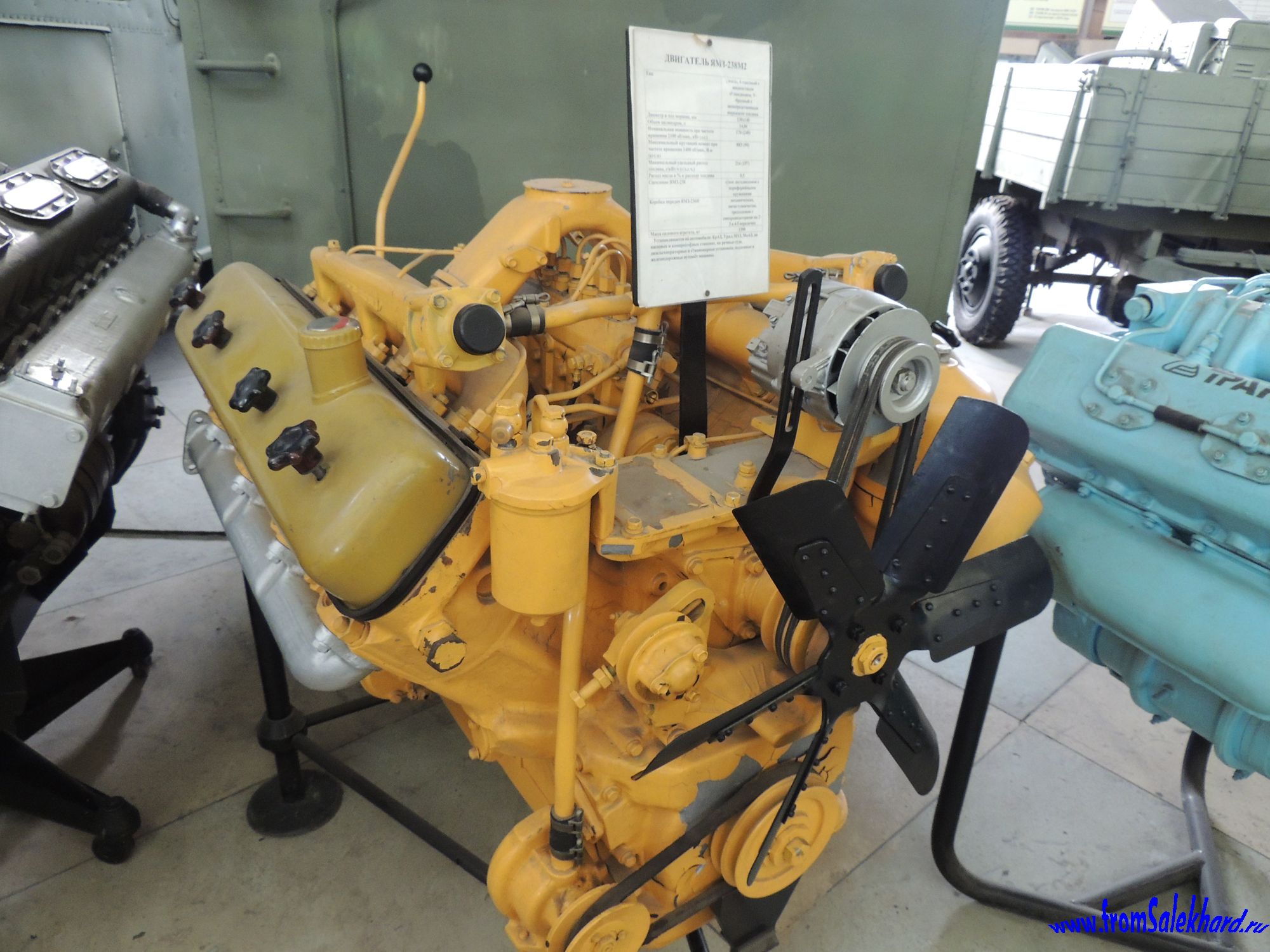
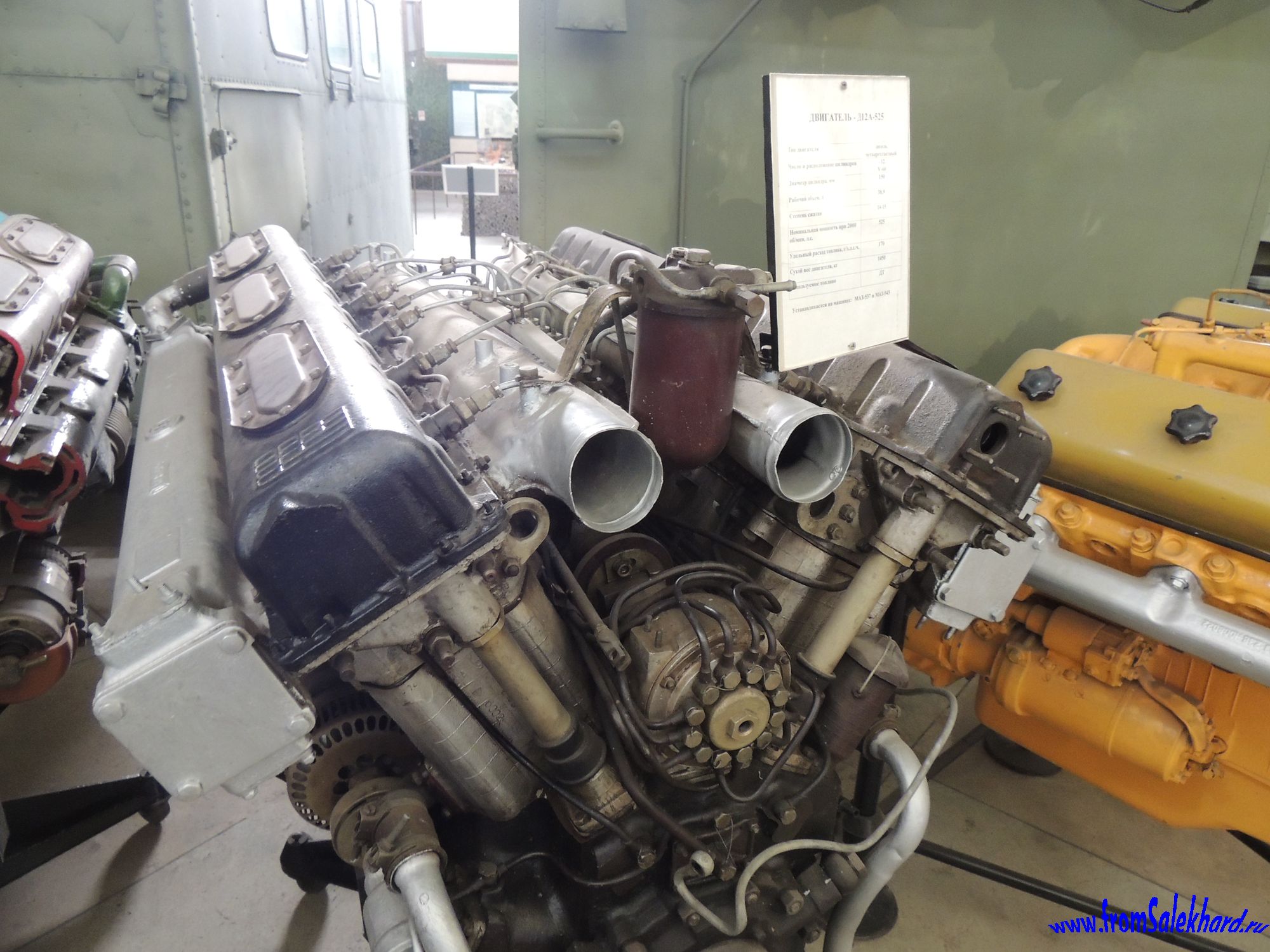
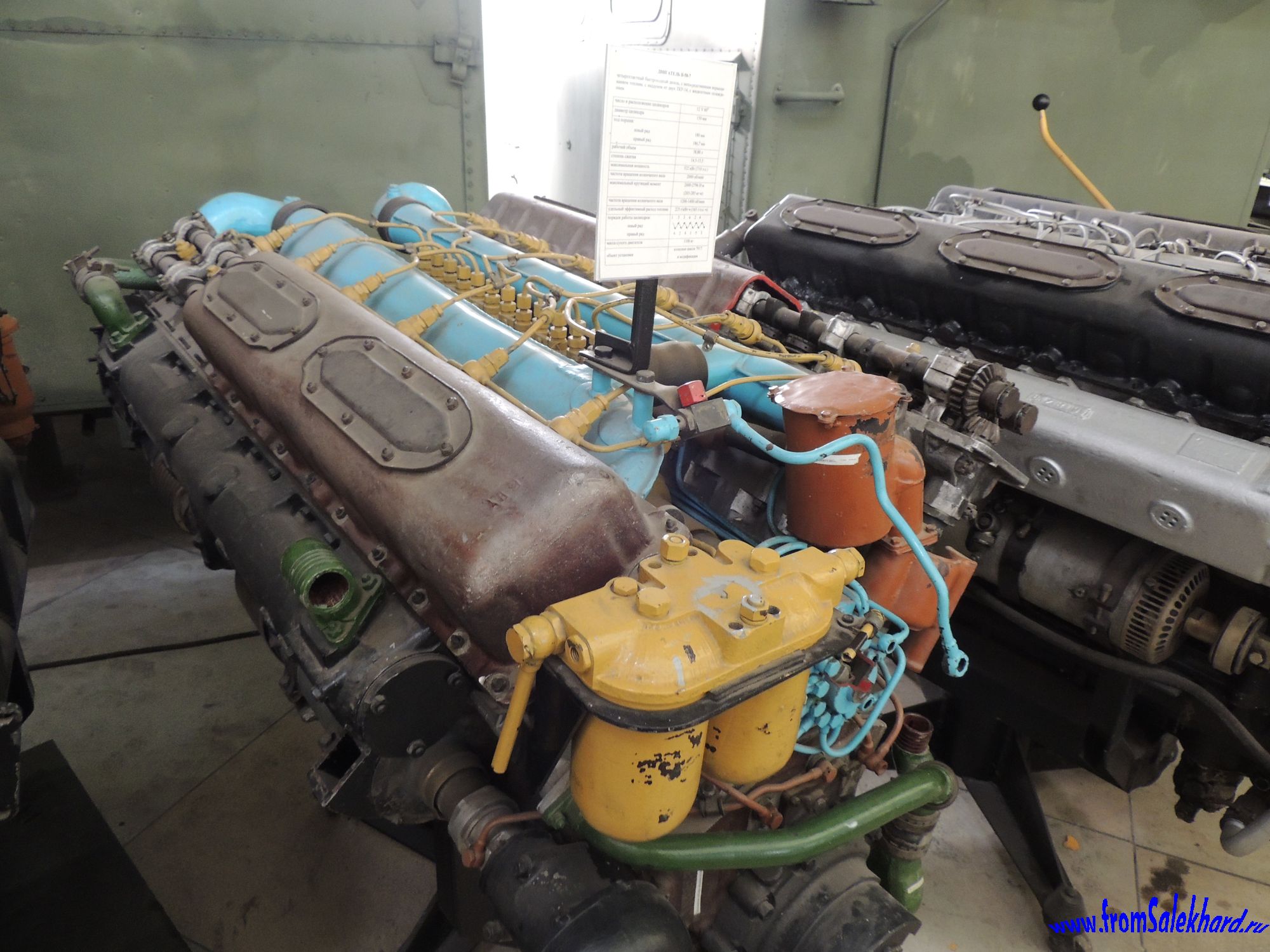
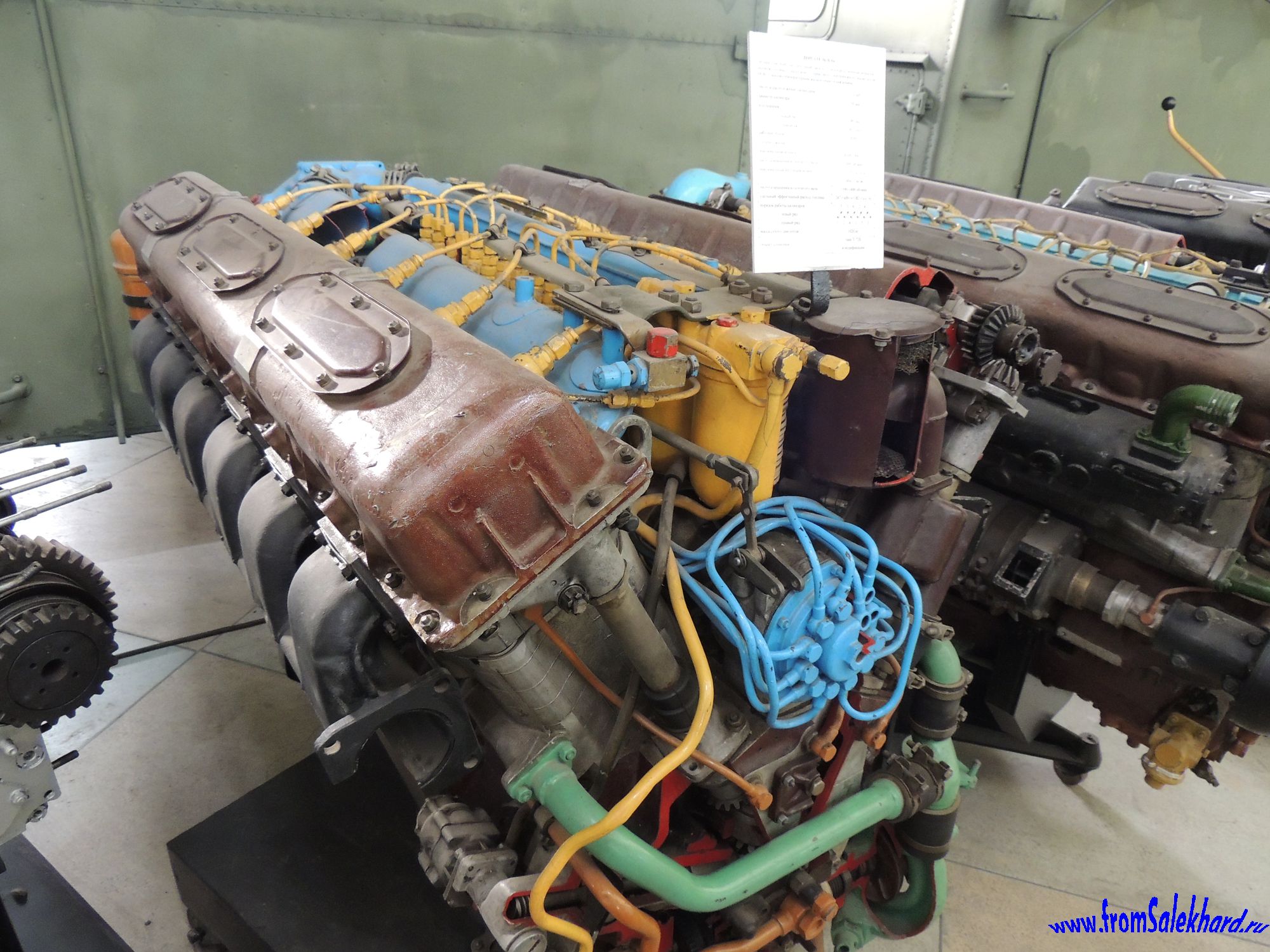
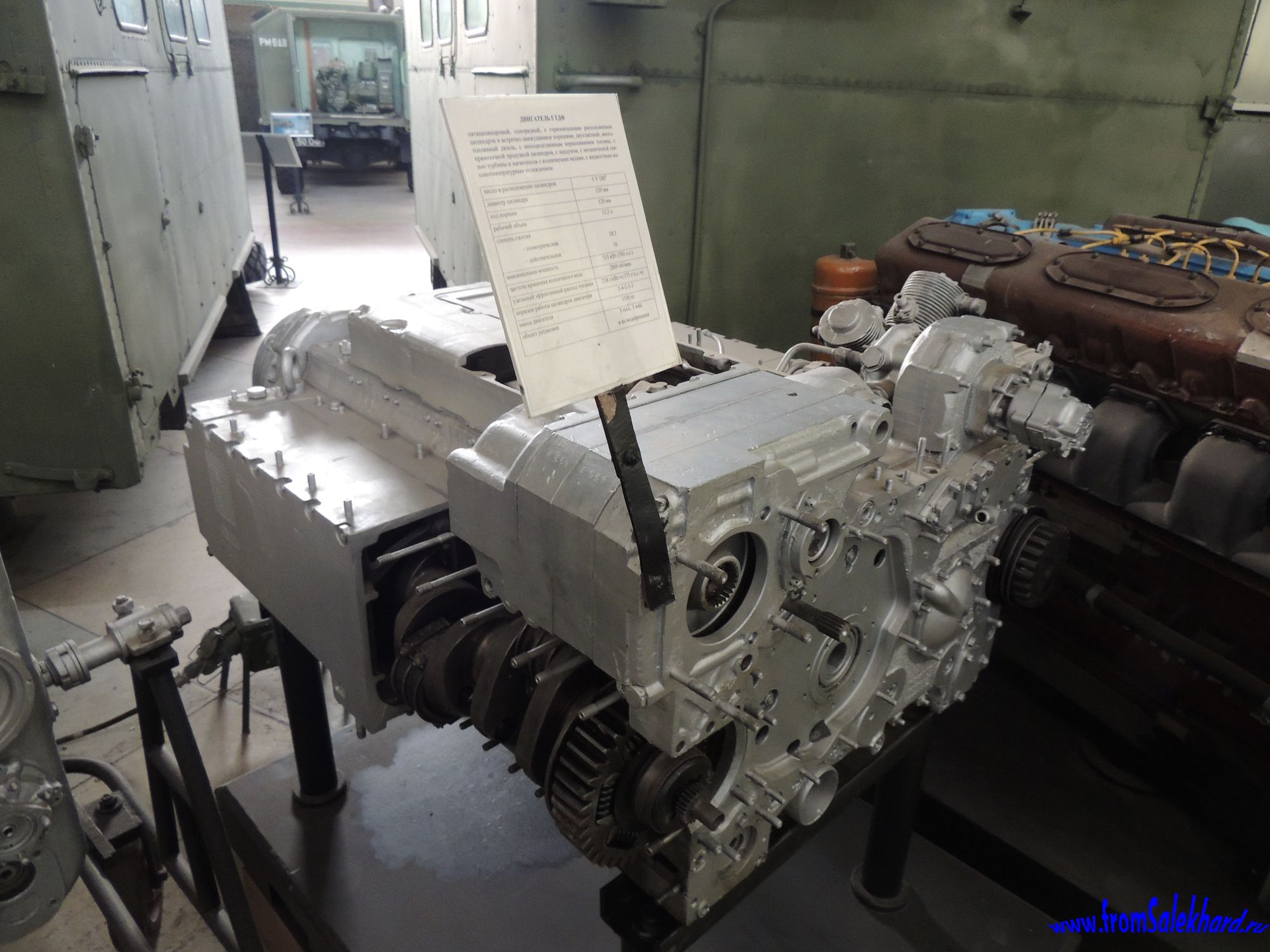
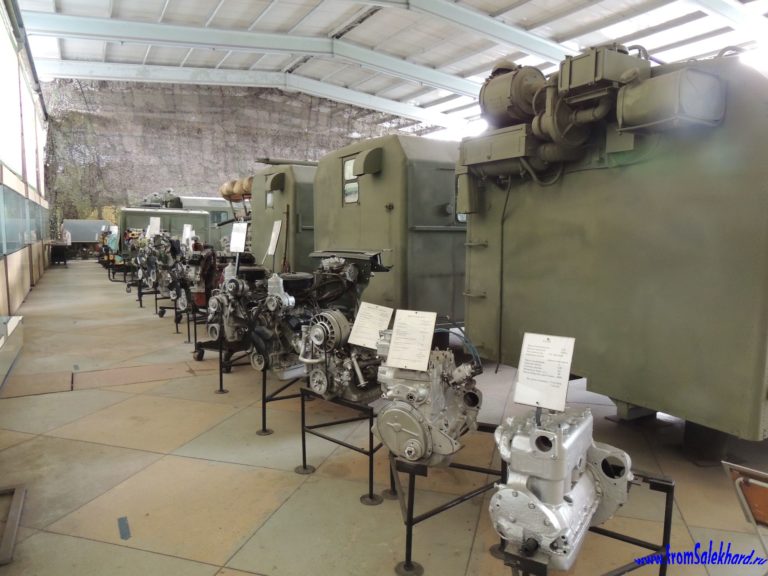
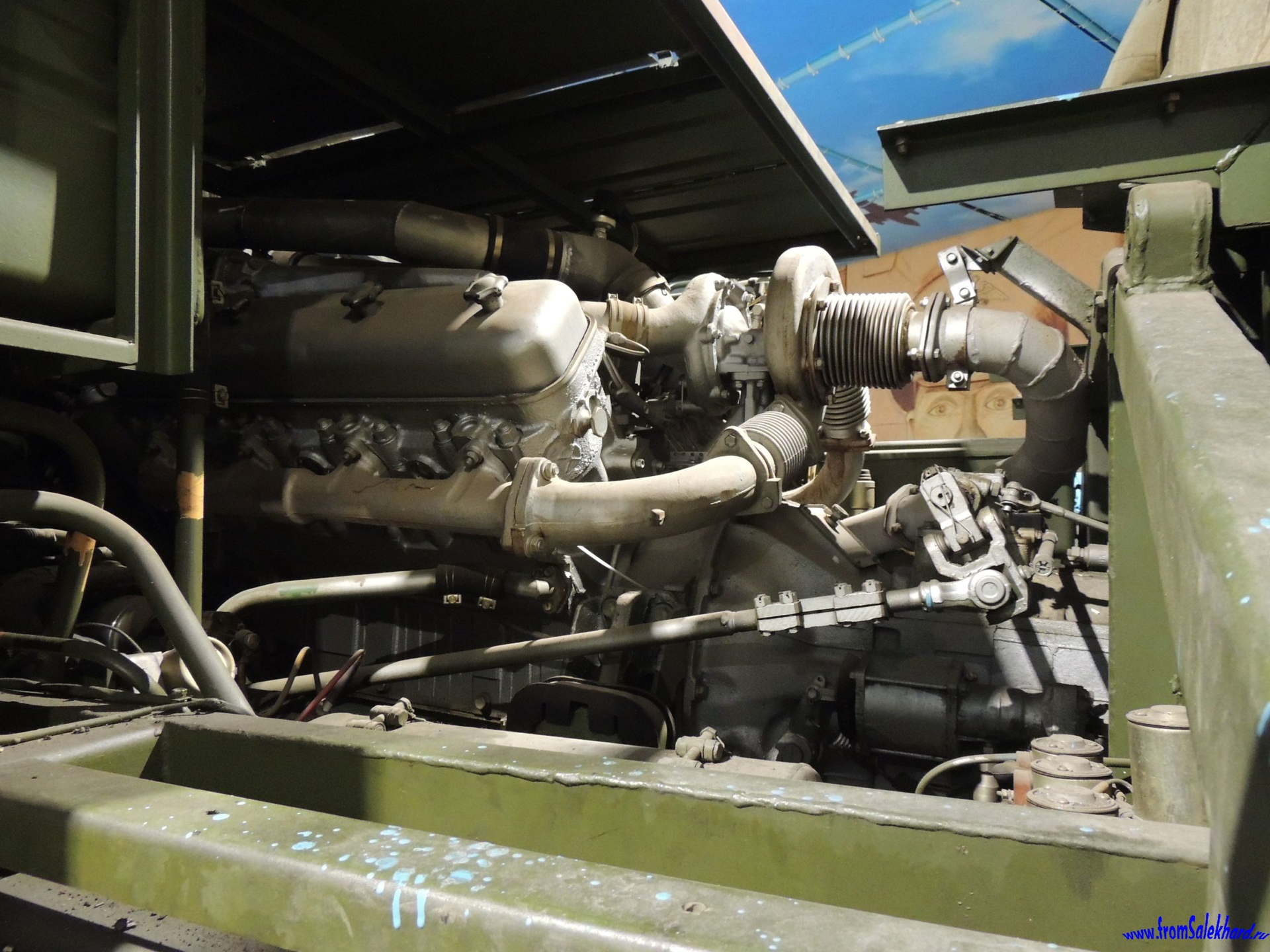
I literally accidentally discovered a very interesting line of engines.

Note:
Quite often—including on this forum—modelers ask how to paint the engines of Soviet vehicles. With the exception of the V-series tank engines (from the T-34 and T-54/55) and a few others, these engines can generally be painted in a silver-and-black color scheme; If they weren’t like this right from the factory, they will become like this after the first repair.

If you look back,

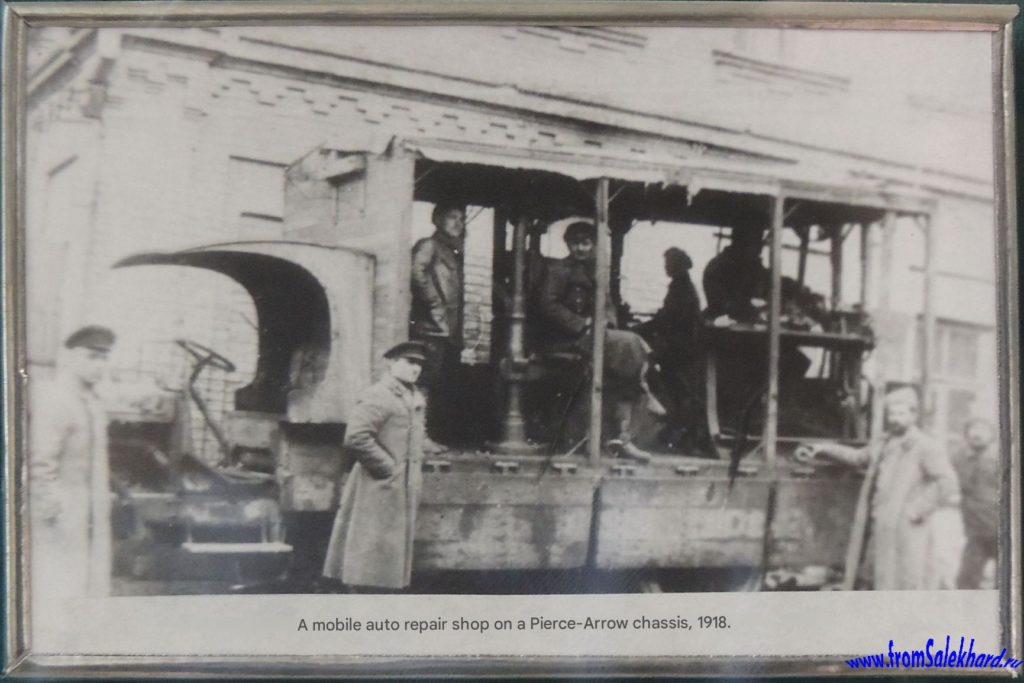
then you involuntarily pay attention to the photographs. I’m usually not very fond of them, preferring real-life exhibits, but here I was drawn to their age and uniqueness.

9 Likes

Great pics! Don’t suppose they have a BM-21V 9P125 (airborne Gaz-66 with BM-21 MLRS) and you took pictures of it?

Unfortunately, they don’t have it. There is one in Verkhnyaya Pyshma, but it is so inconveniently located that it is impossible to take normal photos.

2 Likes

Between the hangars.

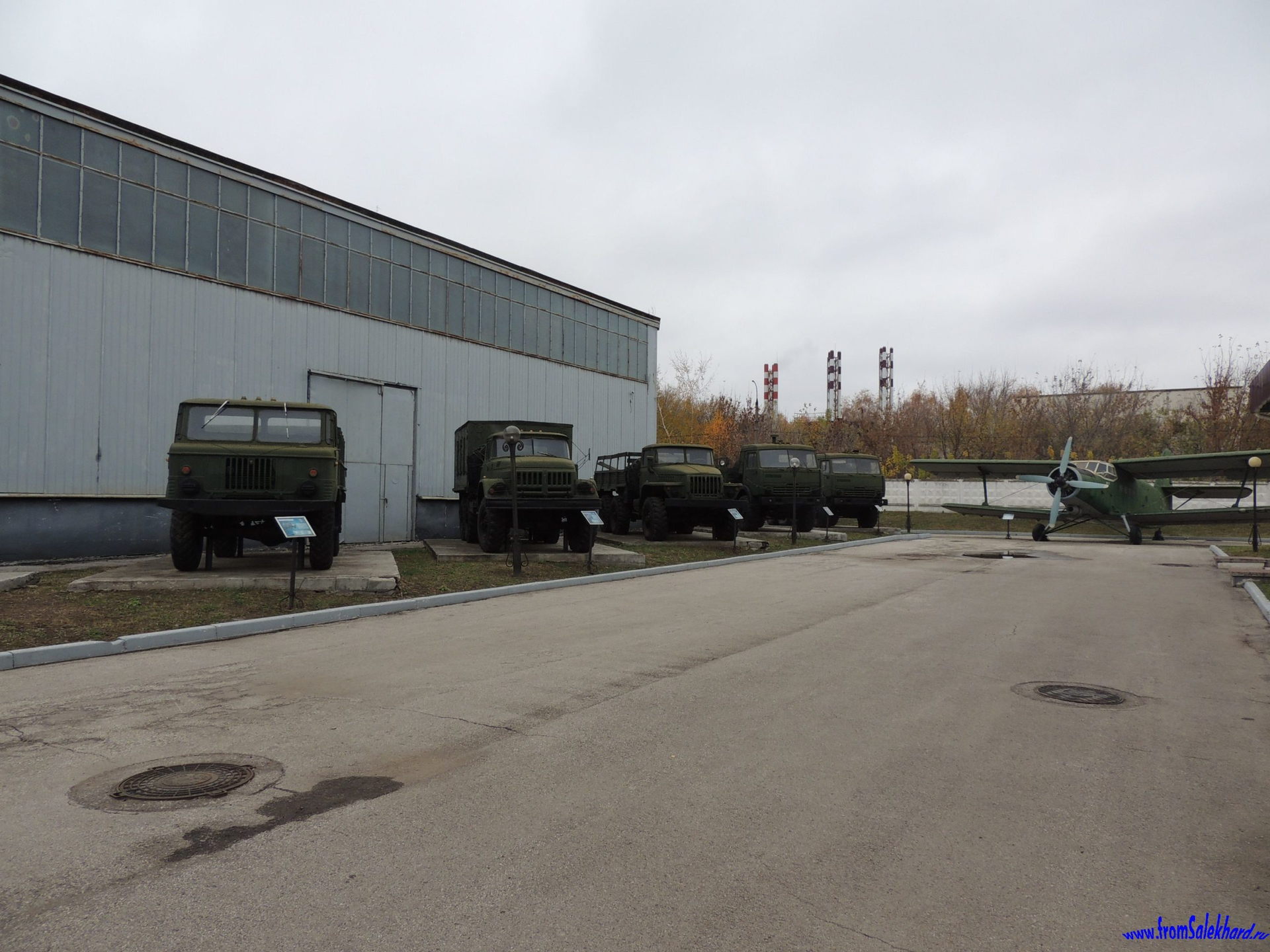
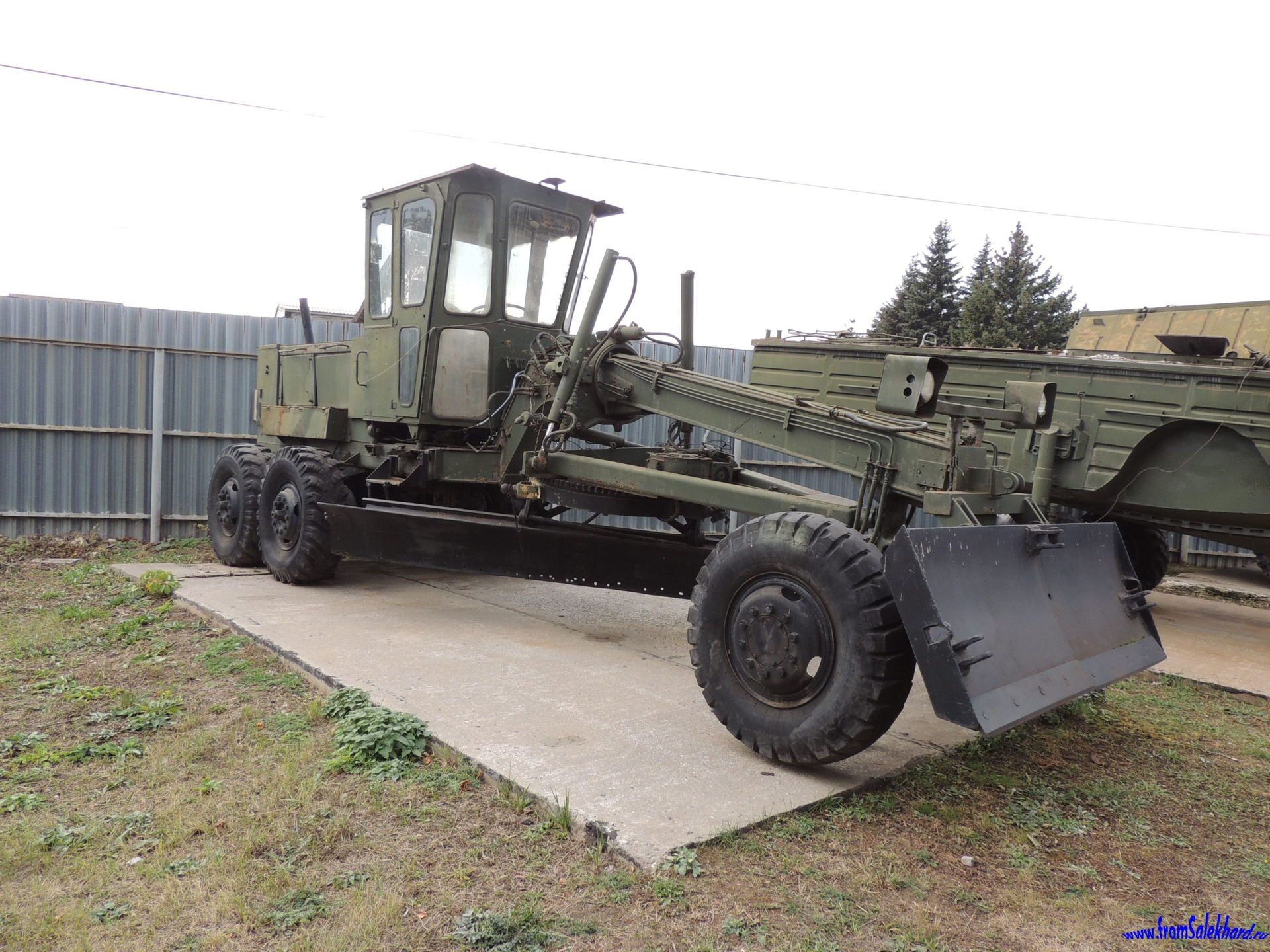
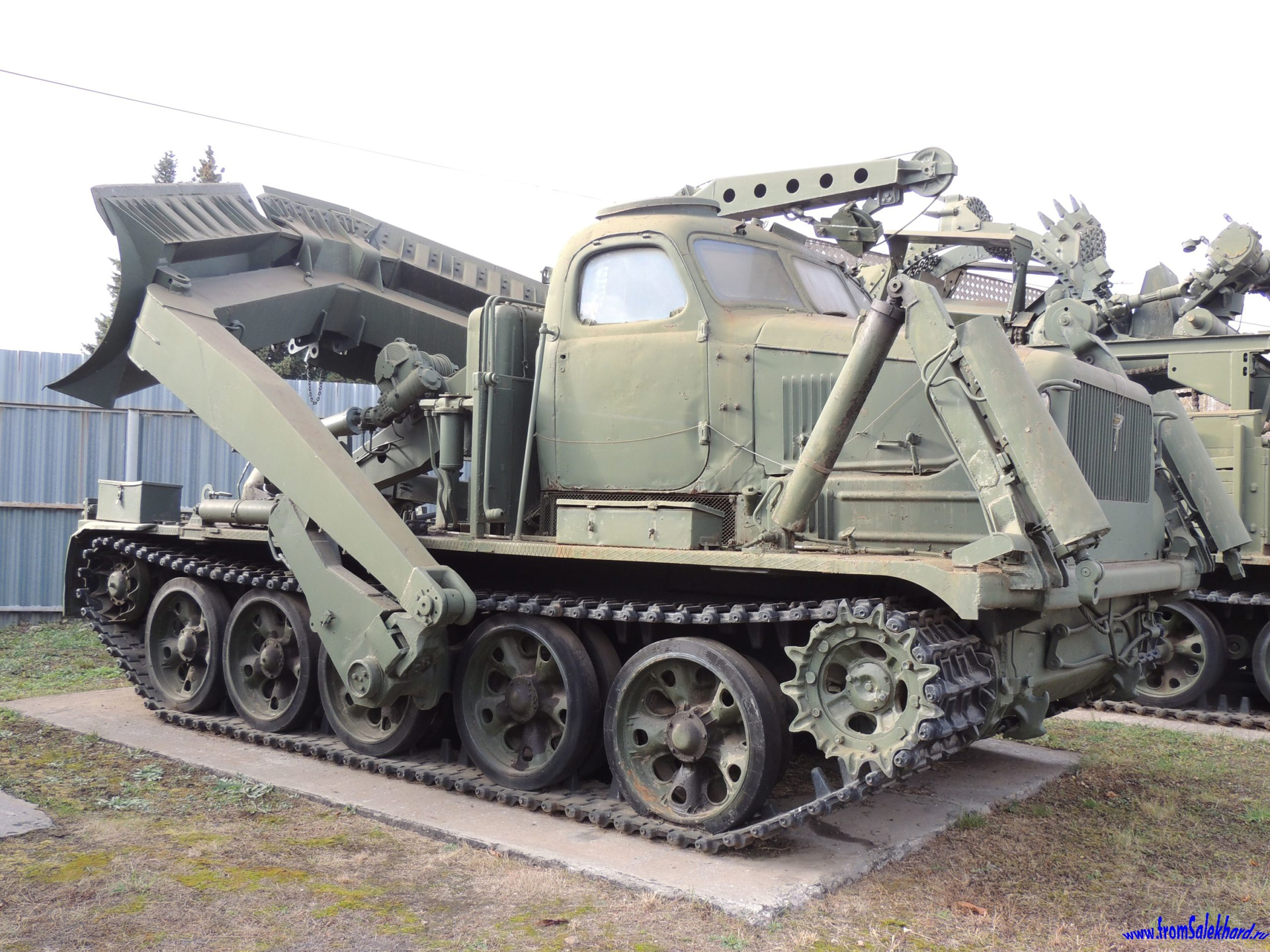
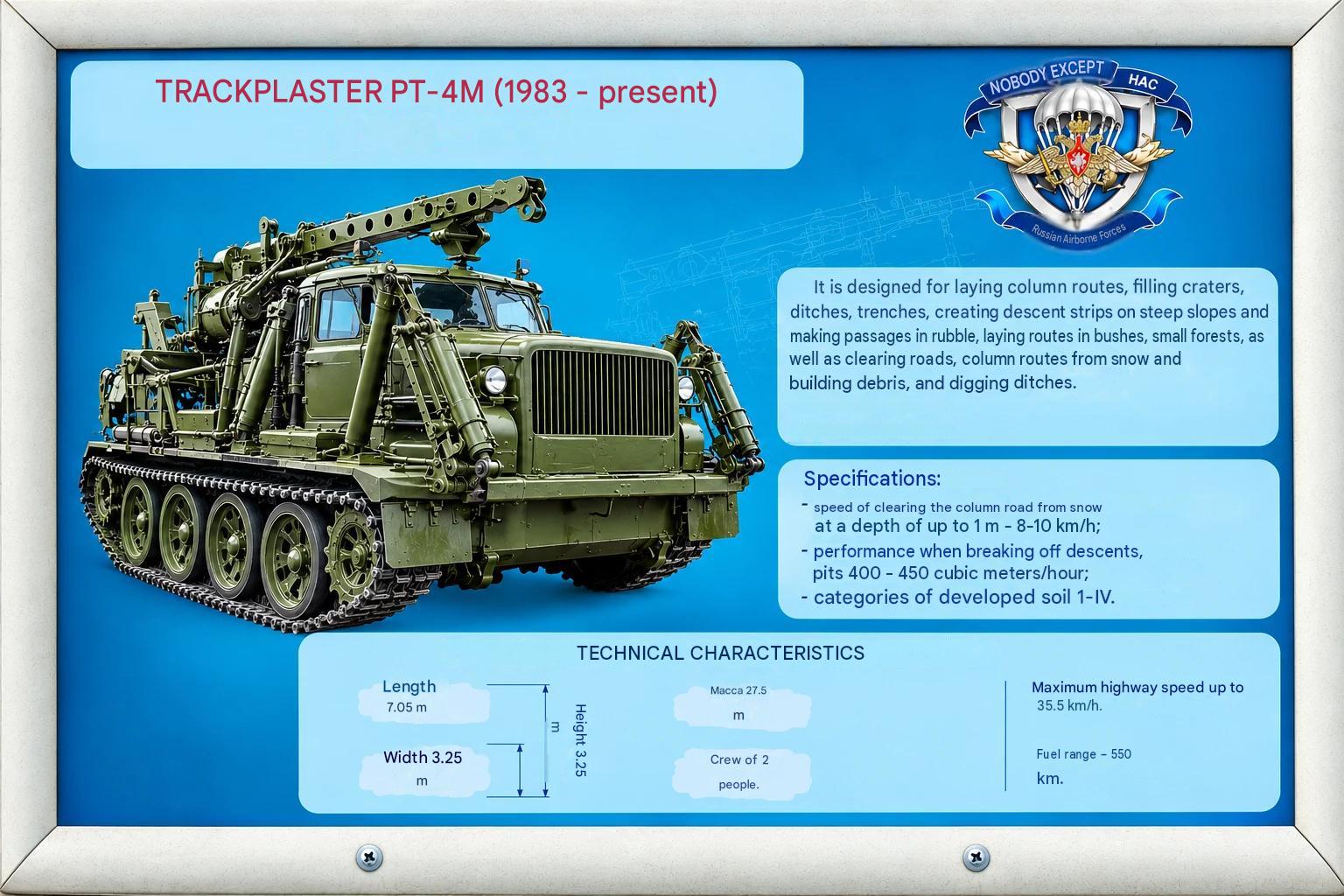
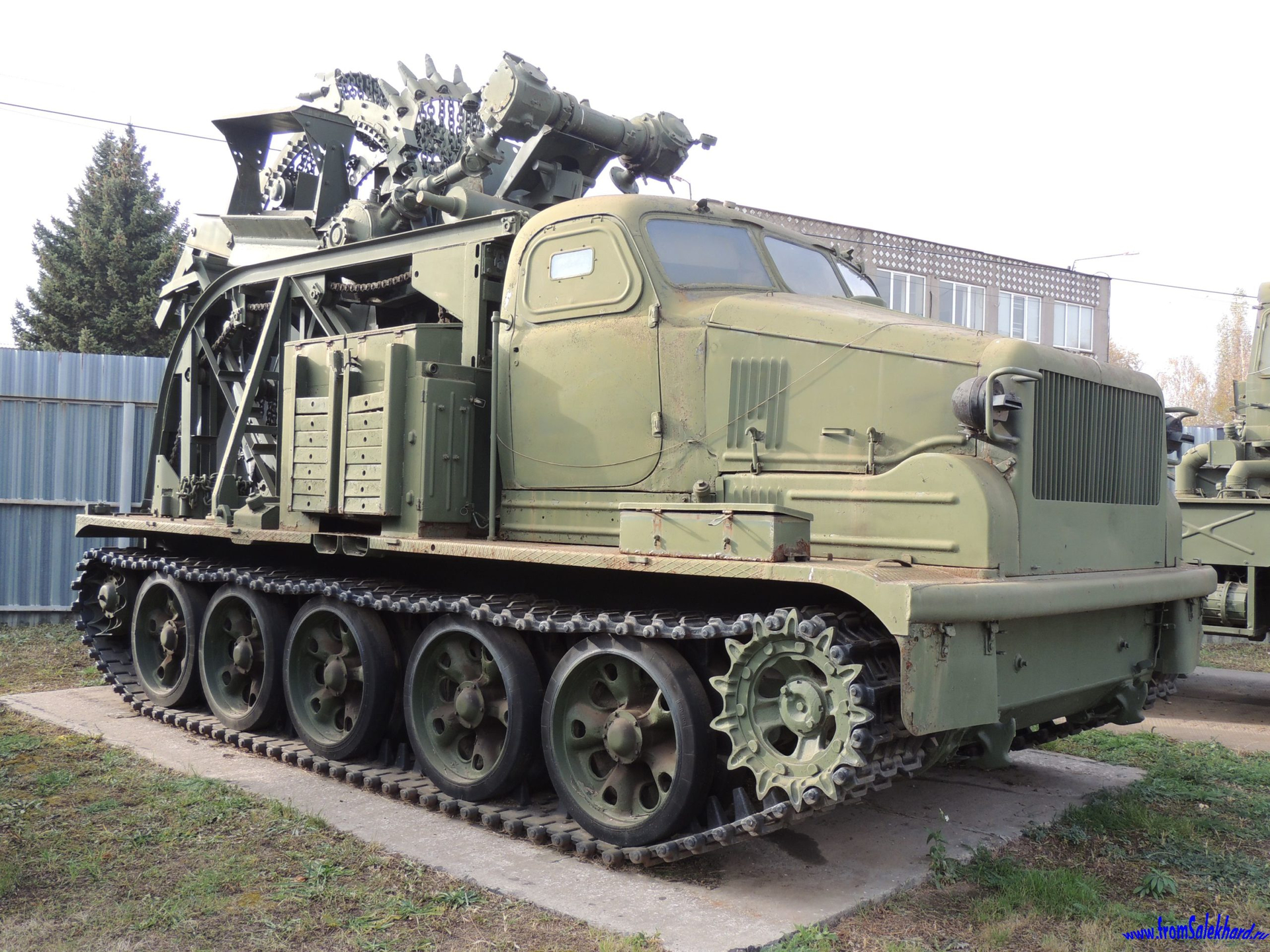
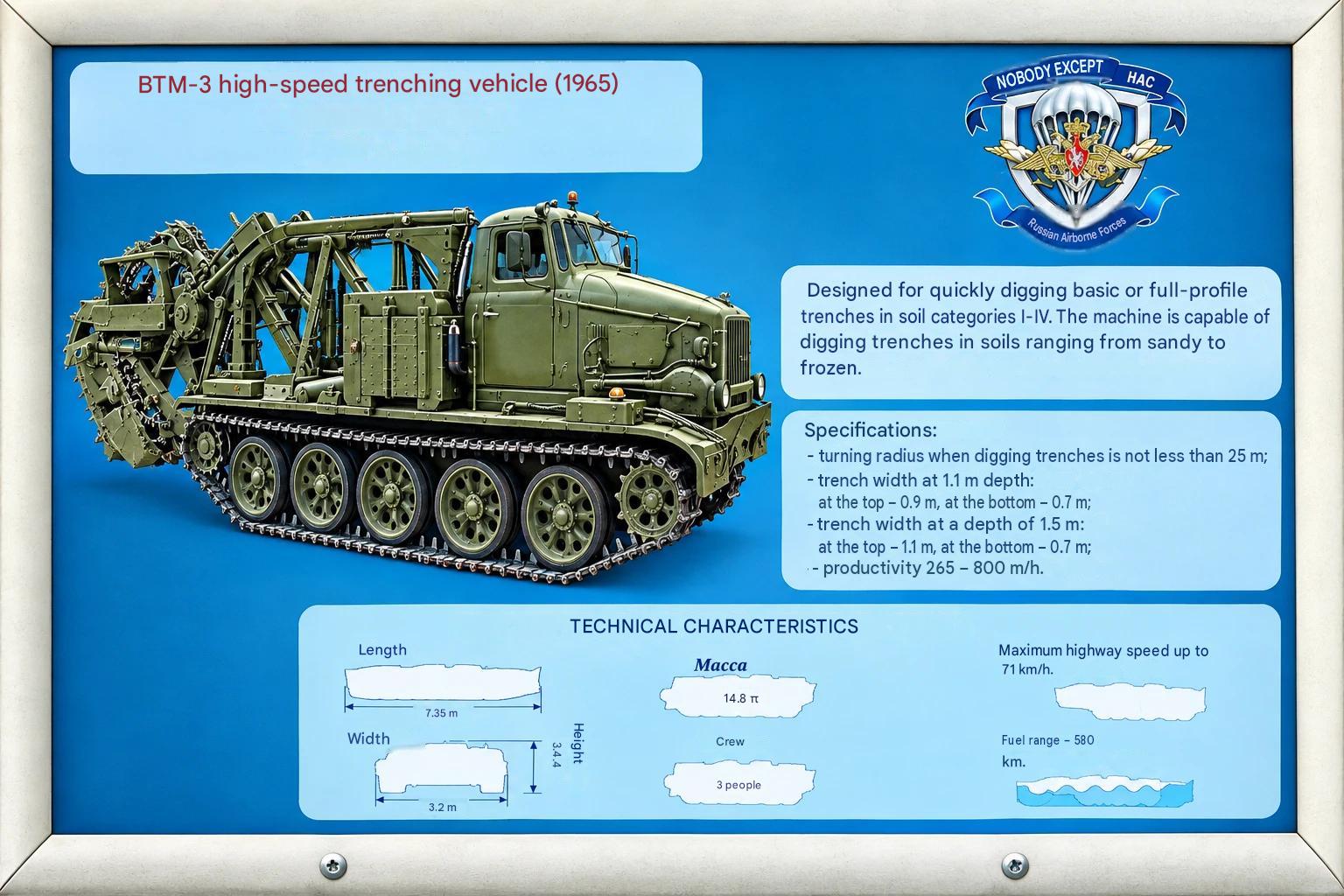
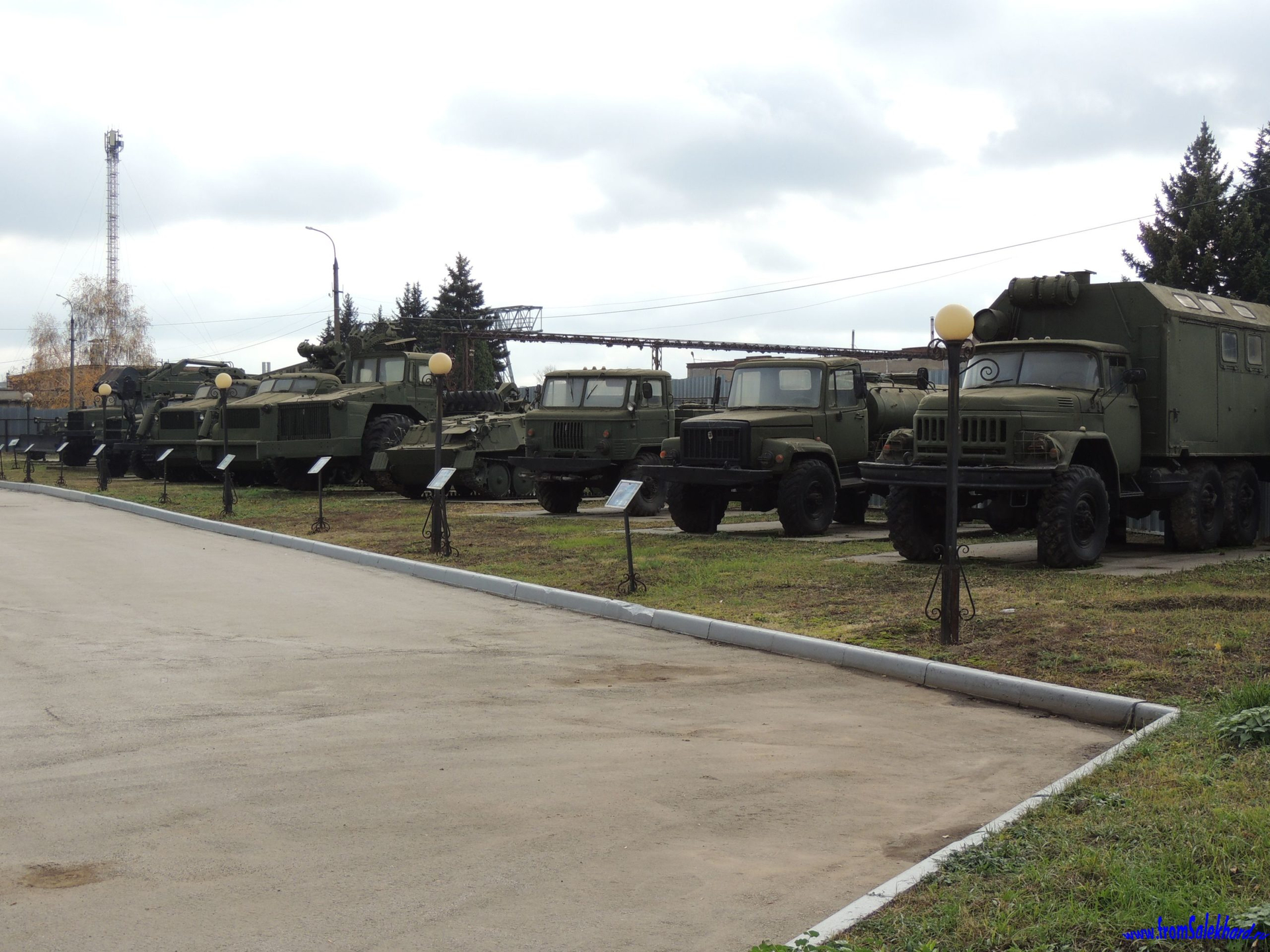
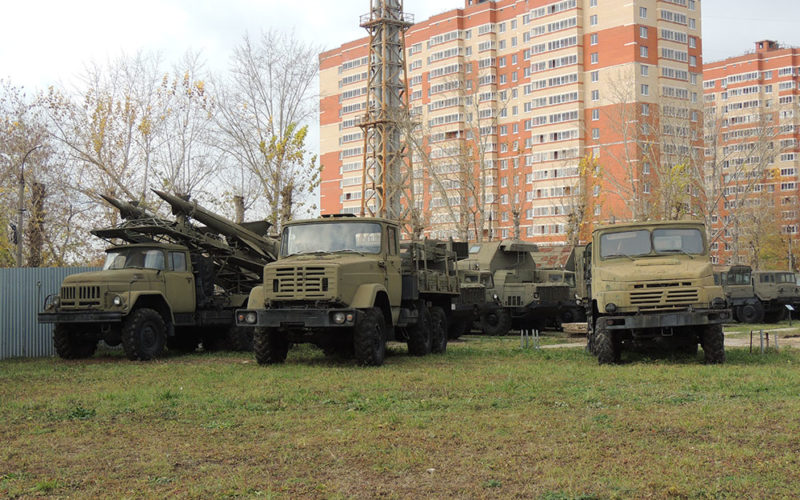
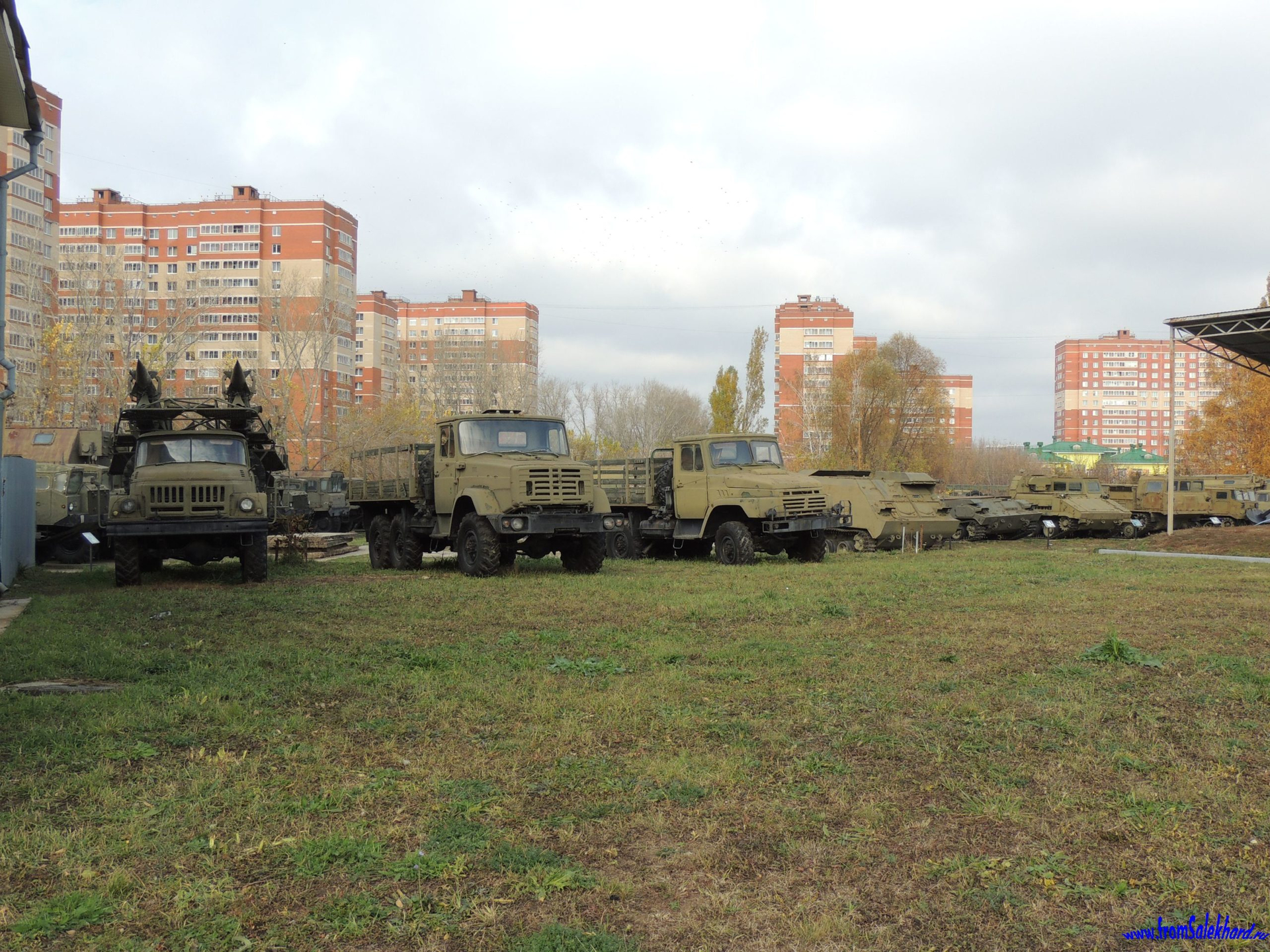
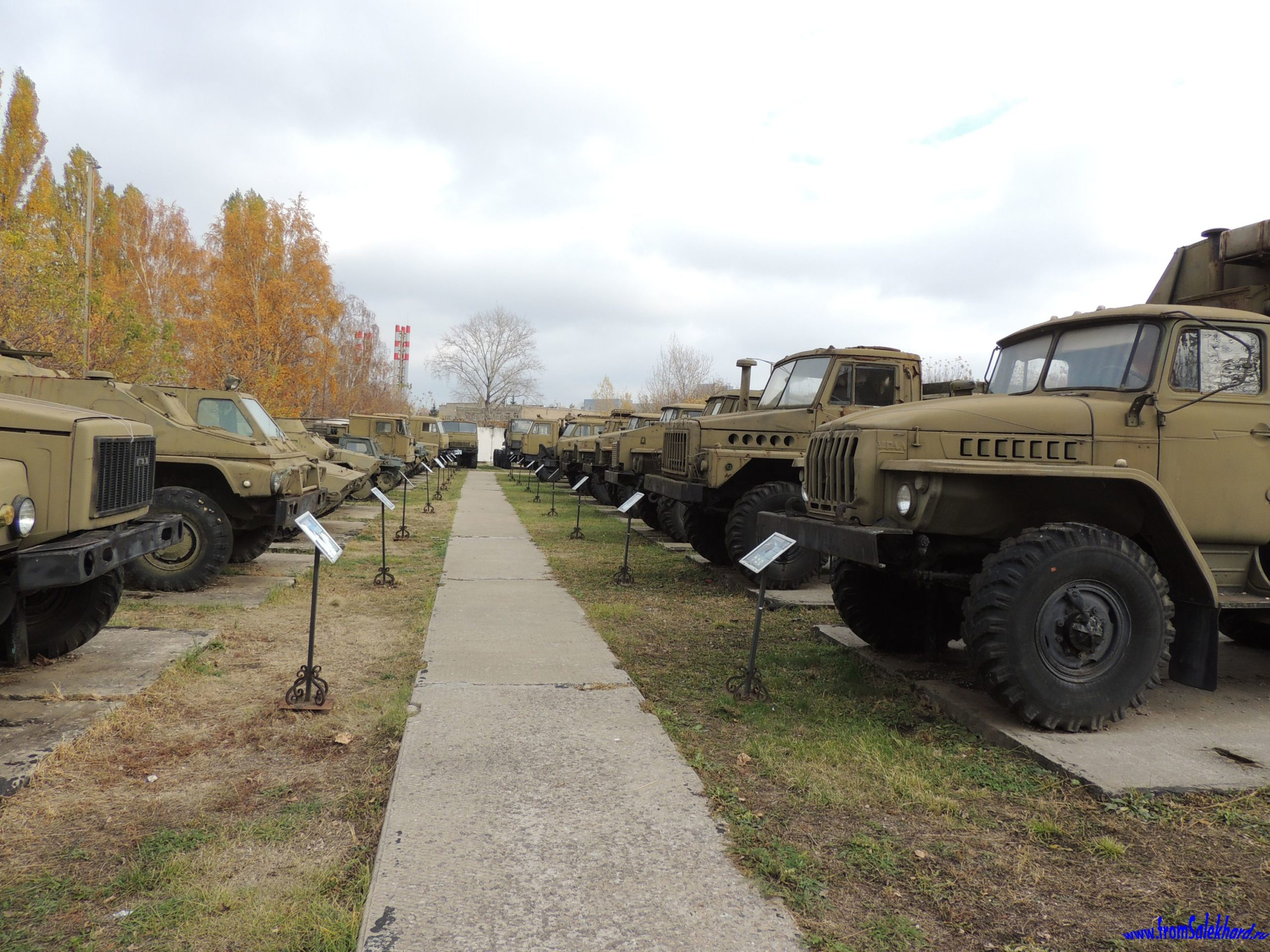
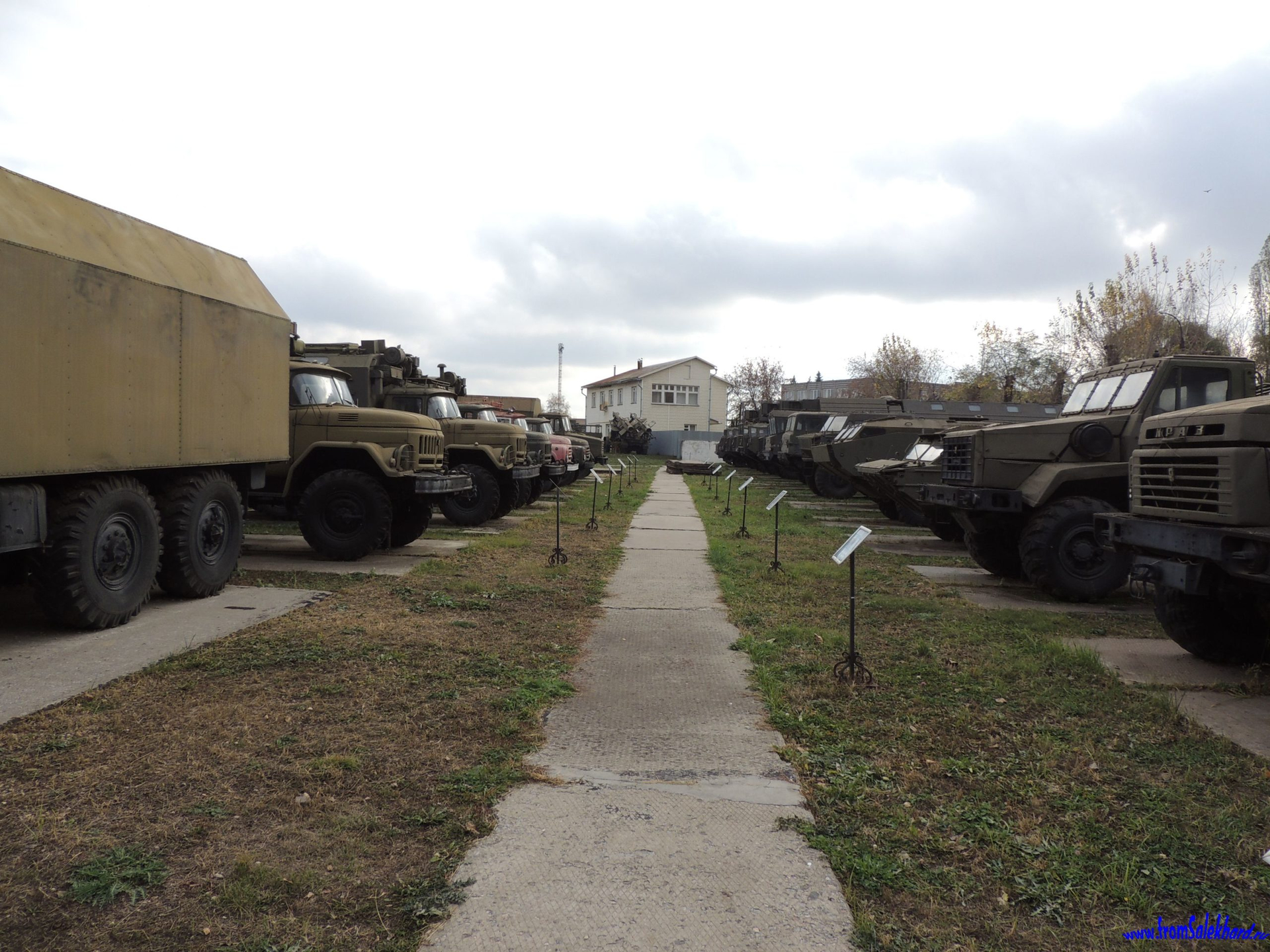
A significant, perhaps even greater, number of pieces of equipment are stored outside, not in hangars, including near and between these very hangars.

At the end of one of the hangars, traditional transport vehicles for the Airborne Forces, or rather for Airborne Forces cadets, are installed.

An-2 Airplane (8 photos) VKontakte Album

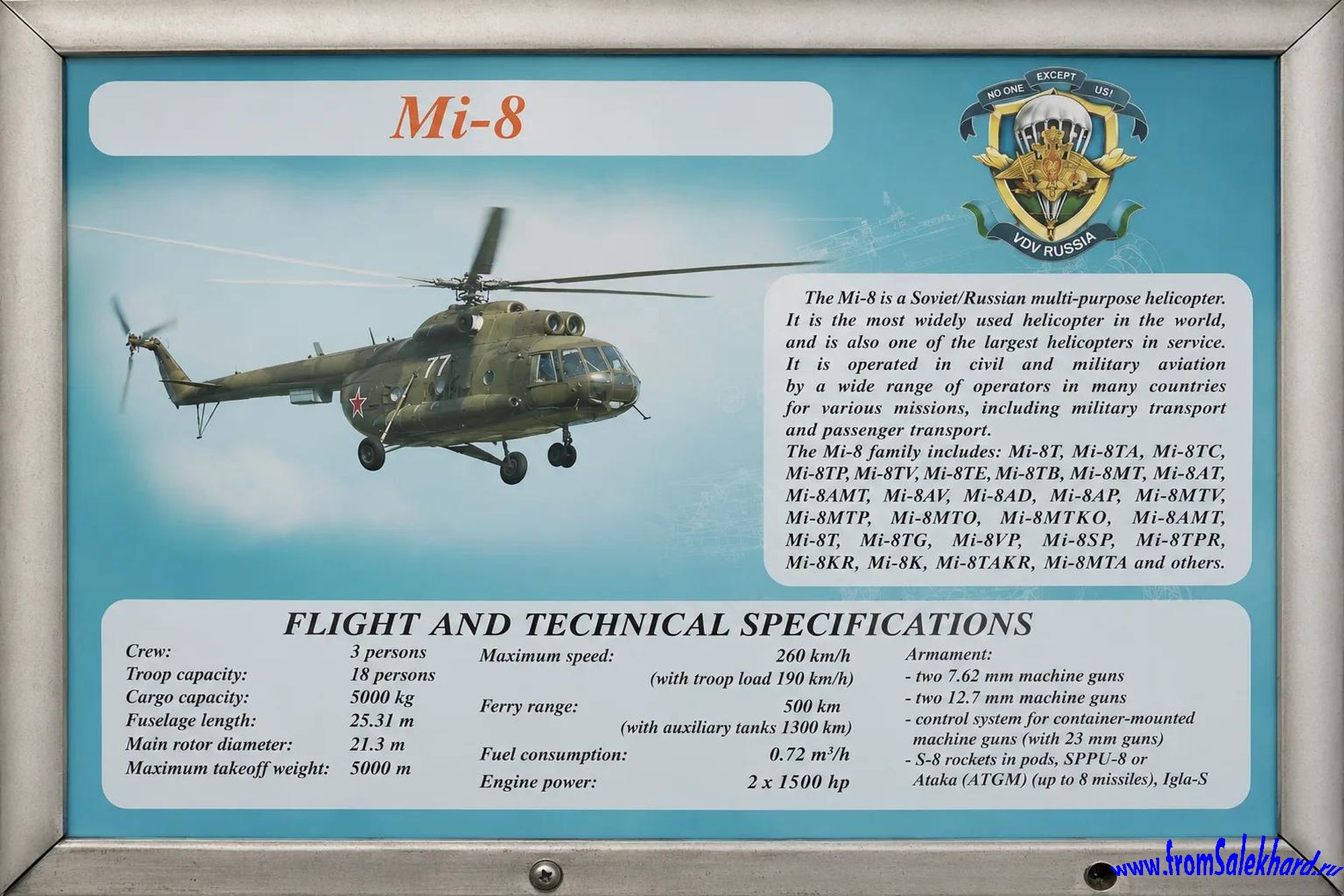
Mi-8 helicopter (6 photos) VKontakte album

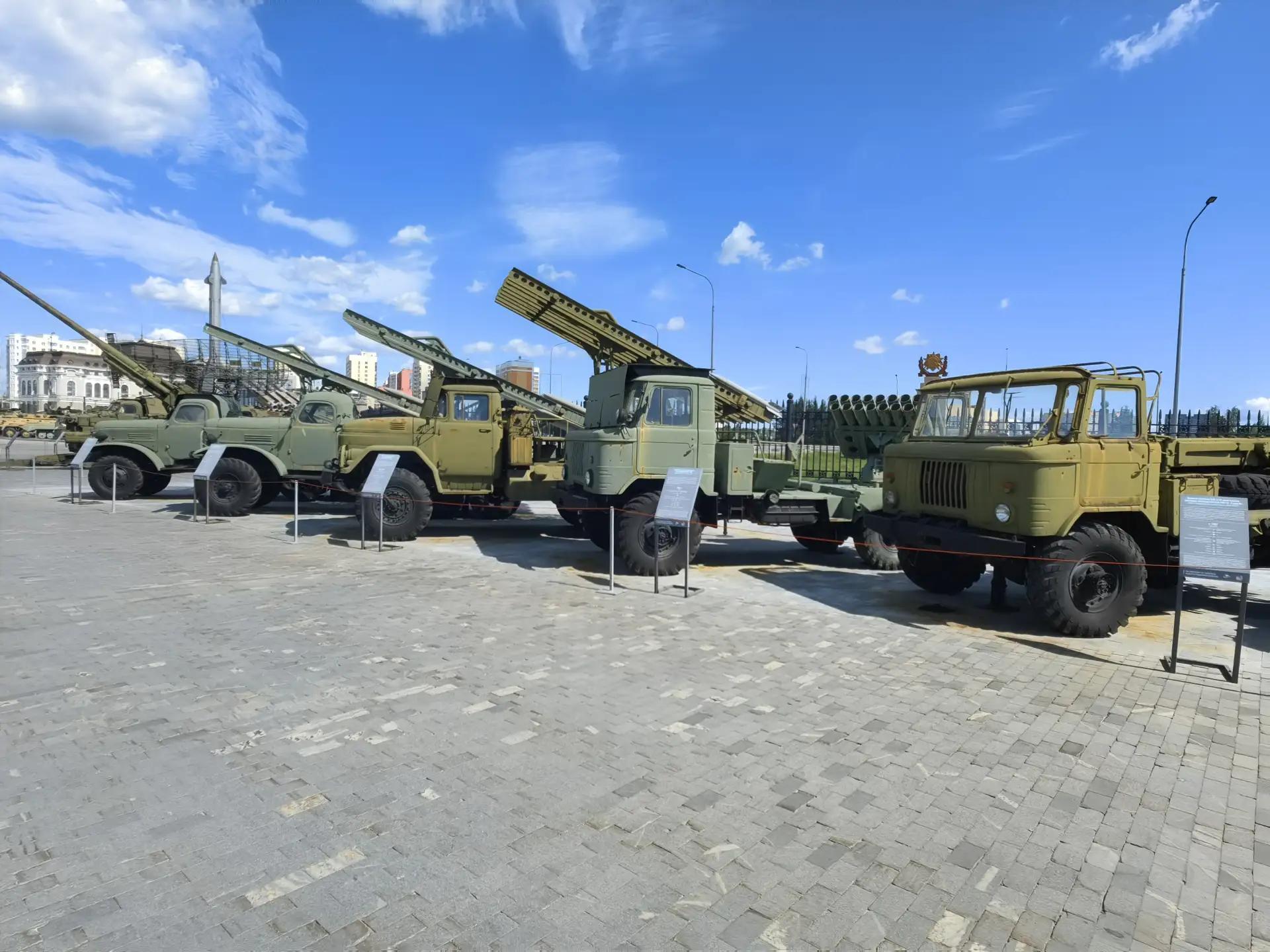
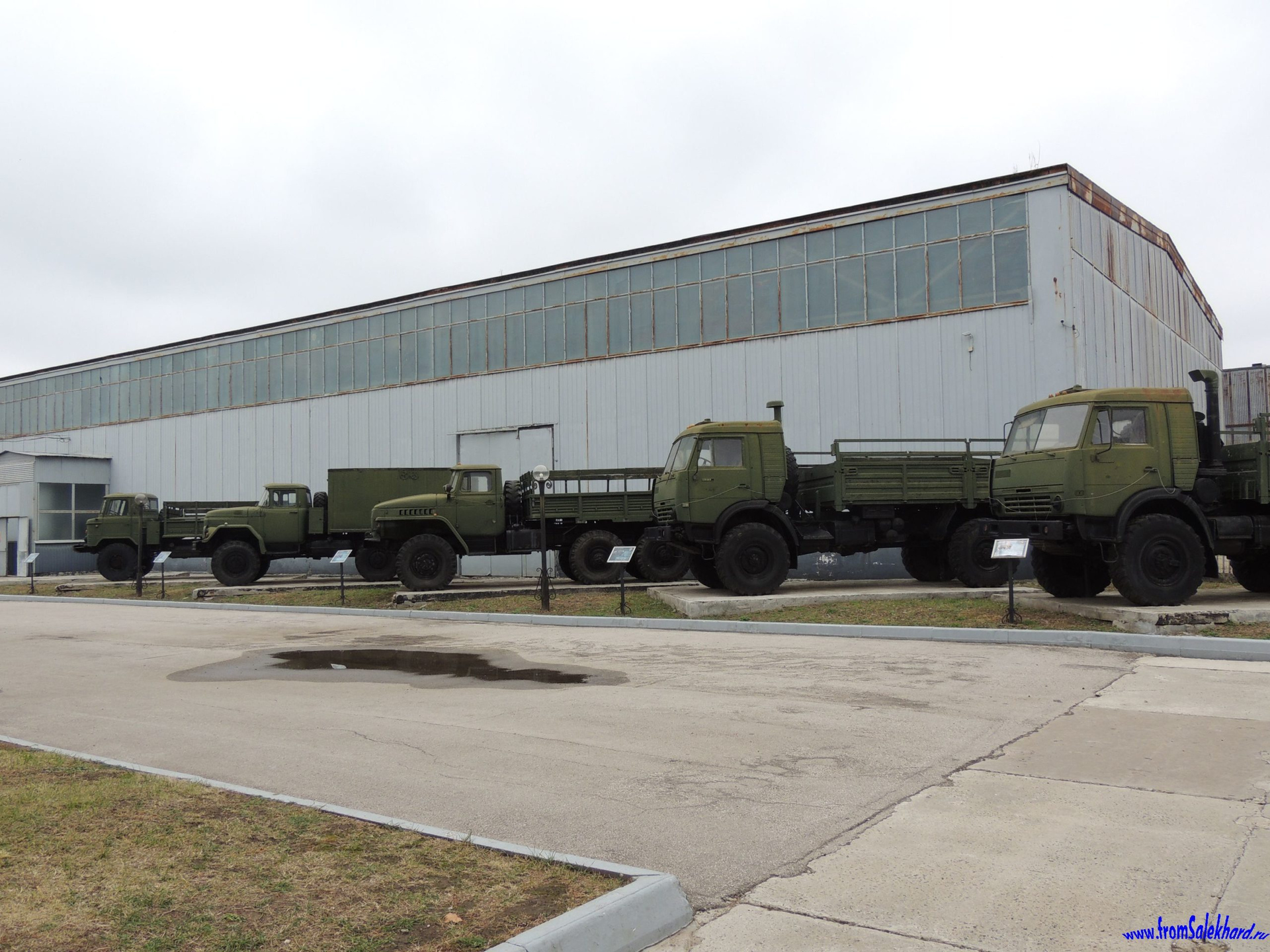
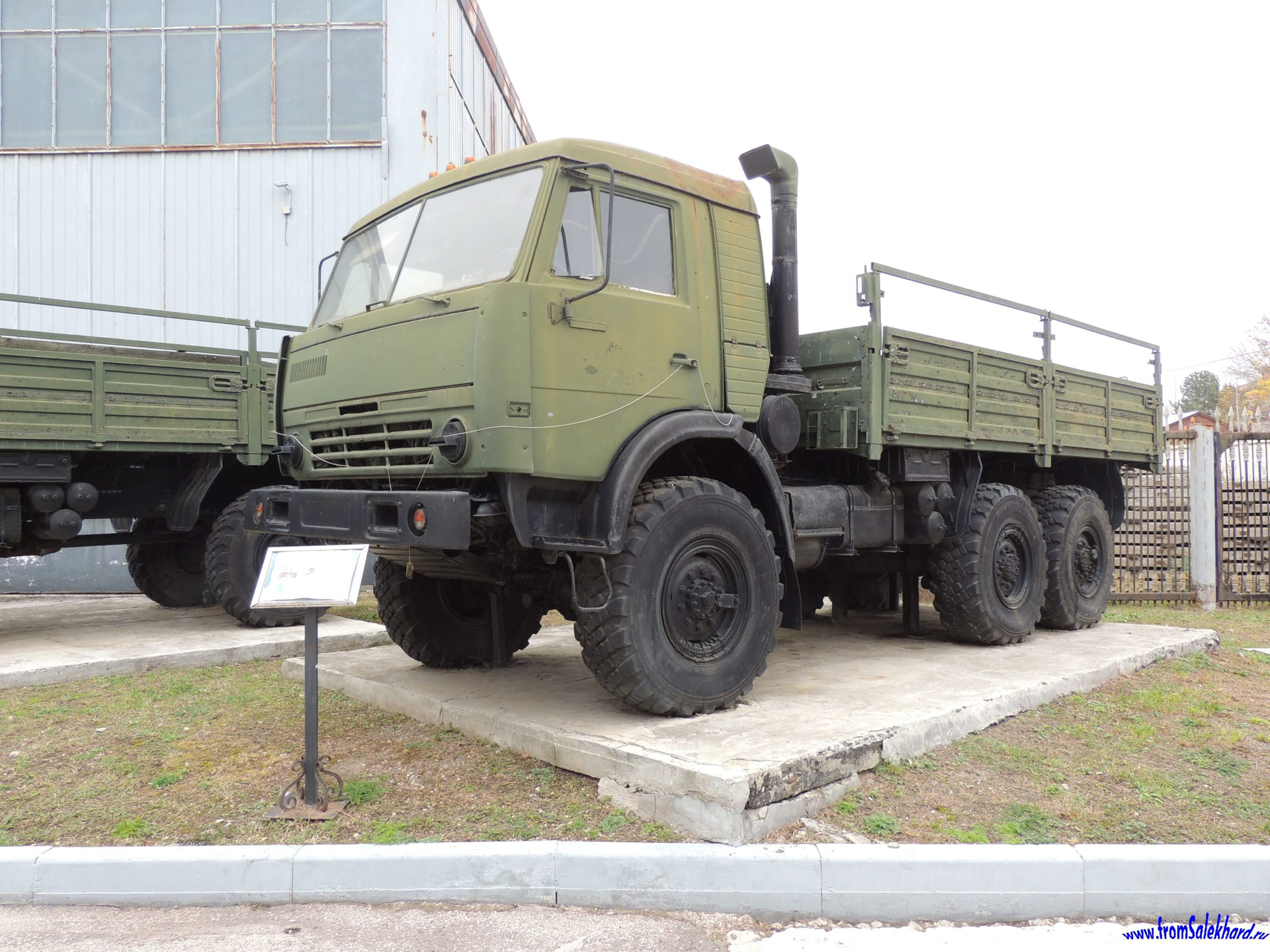
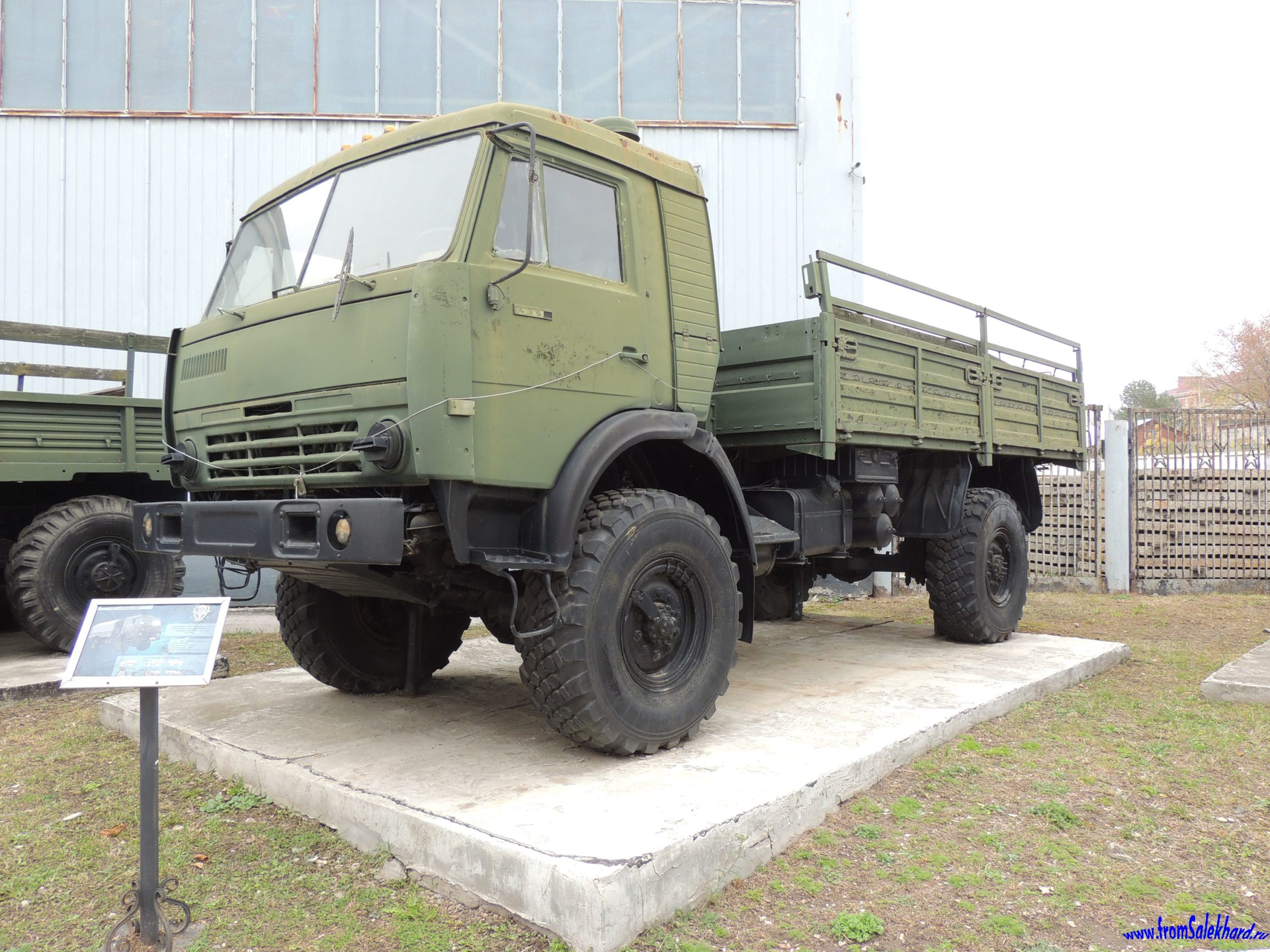
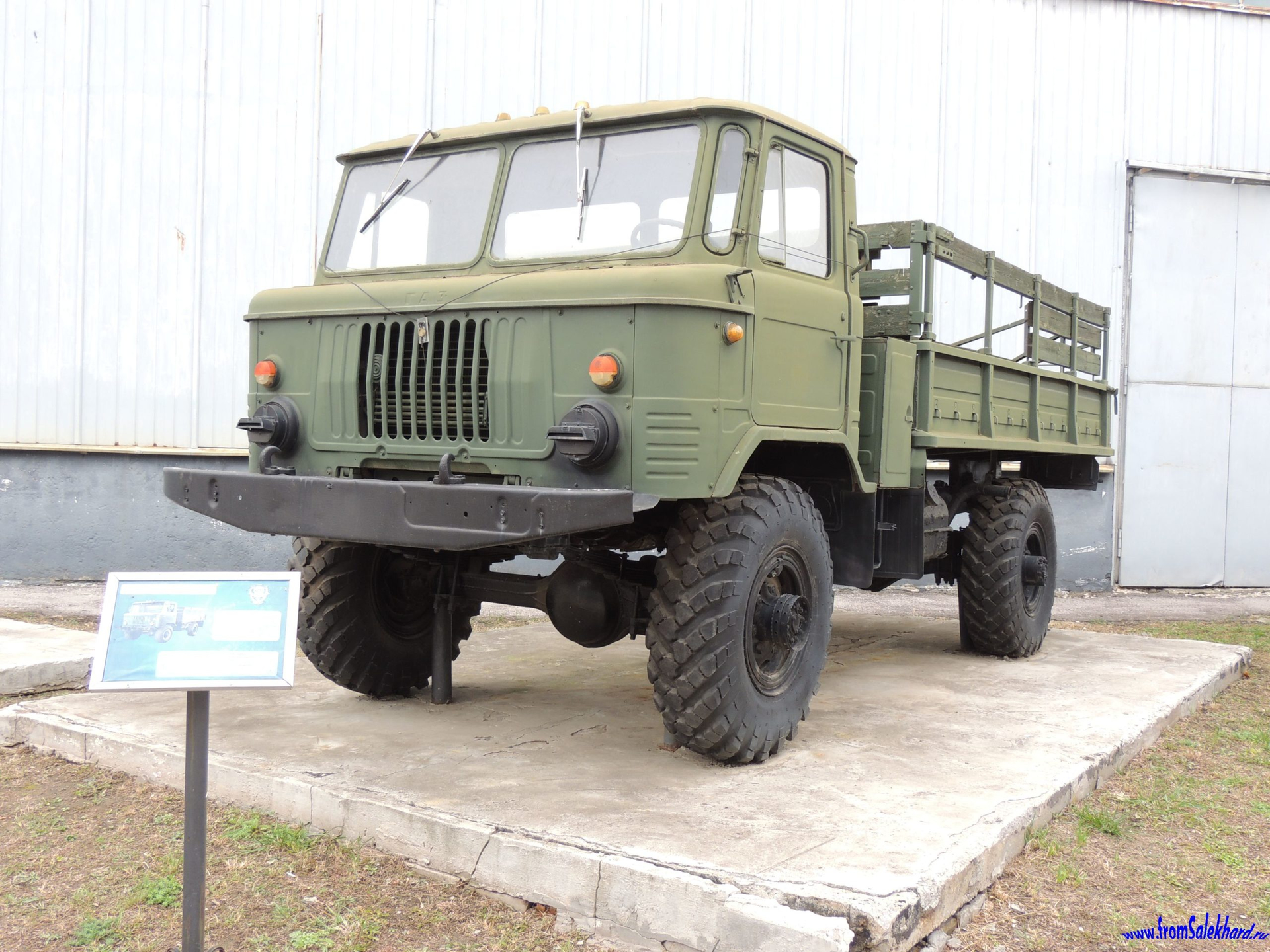
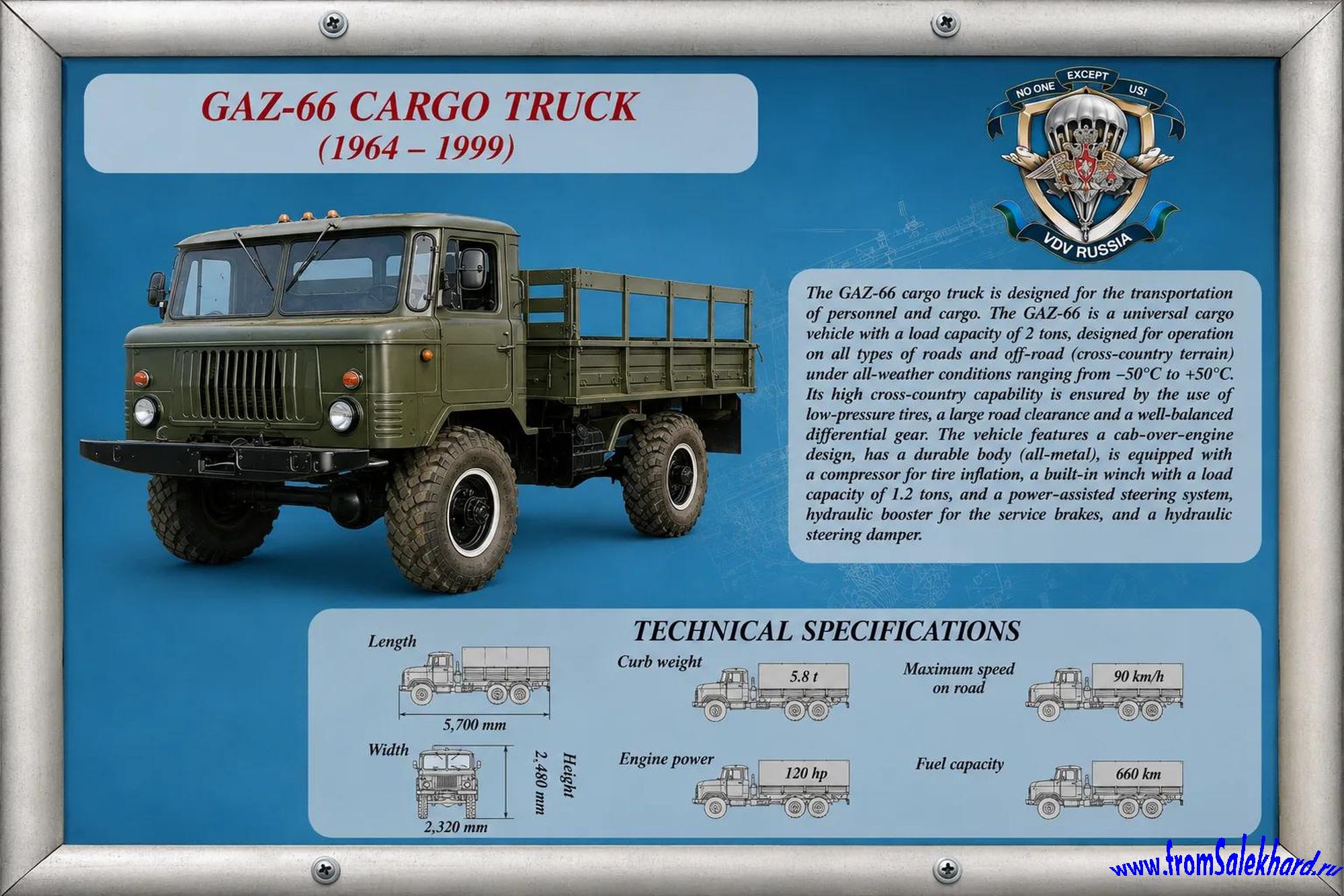
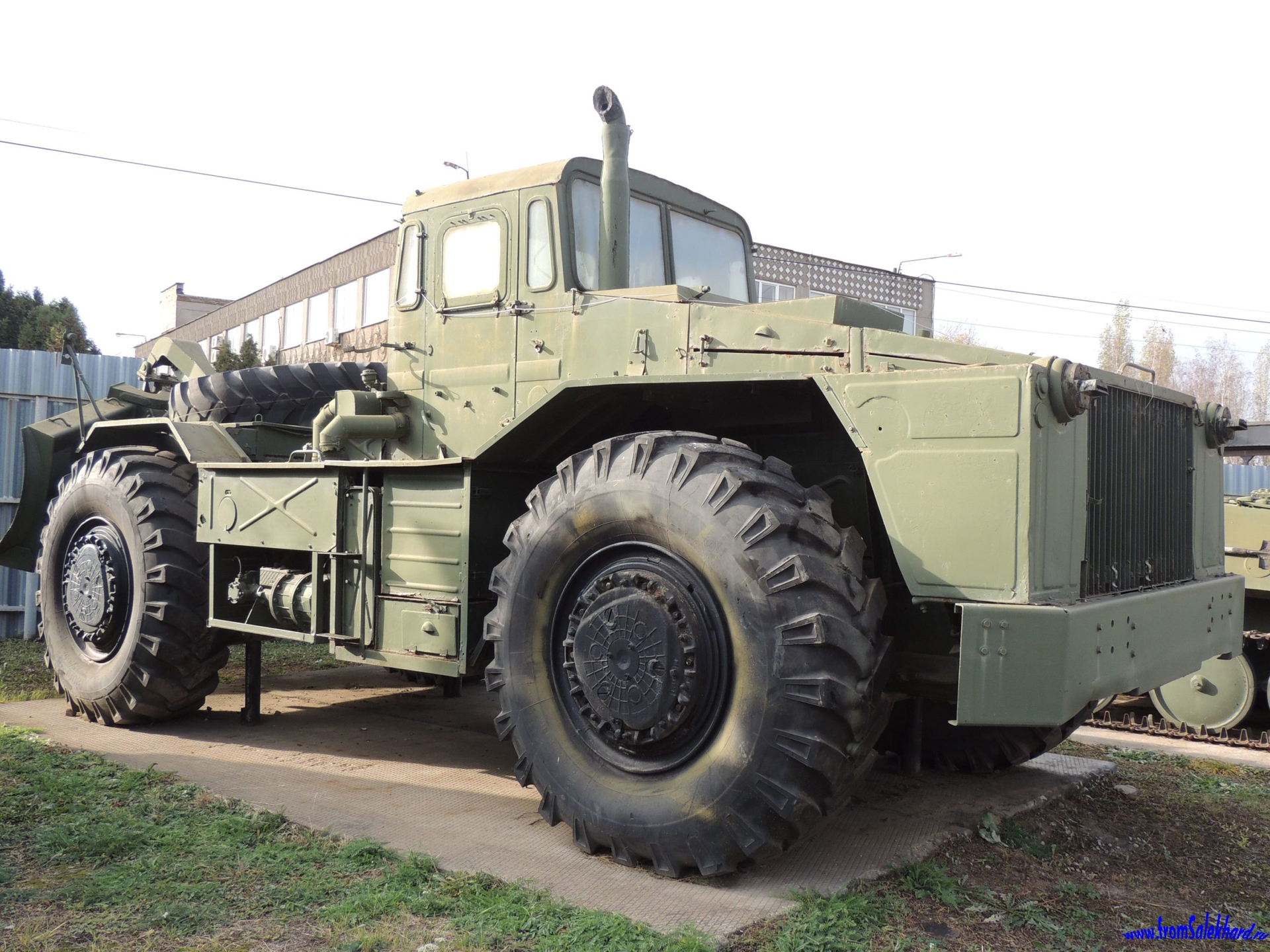
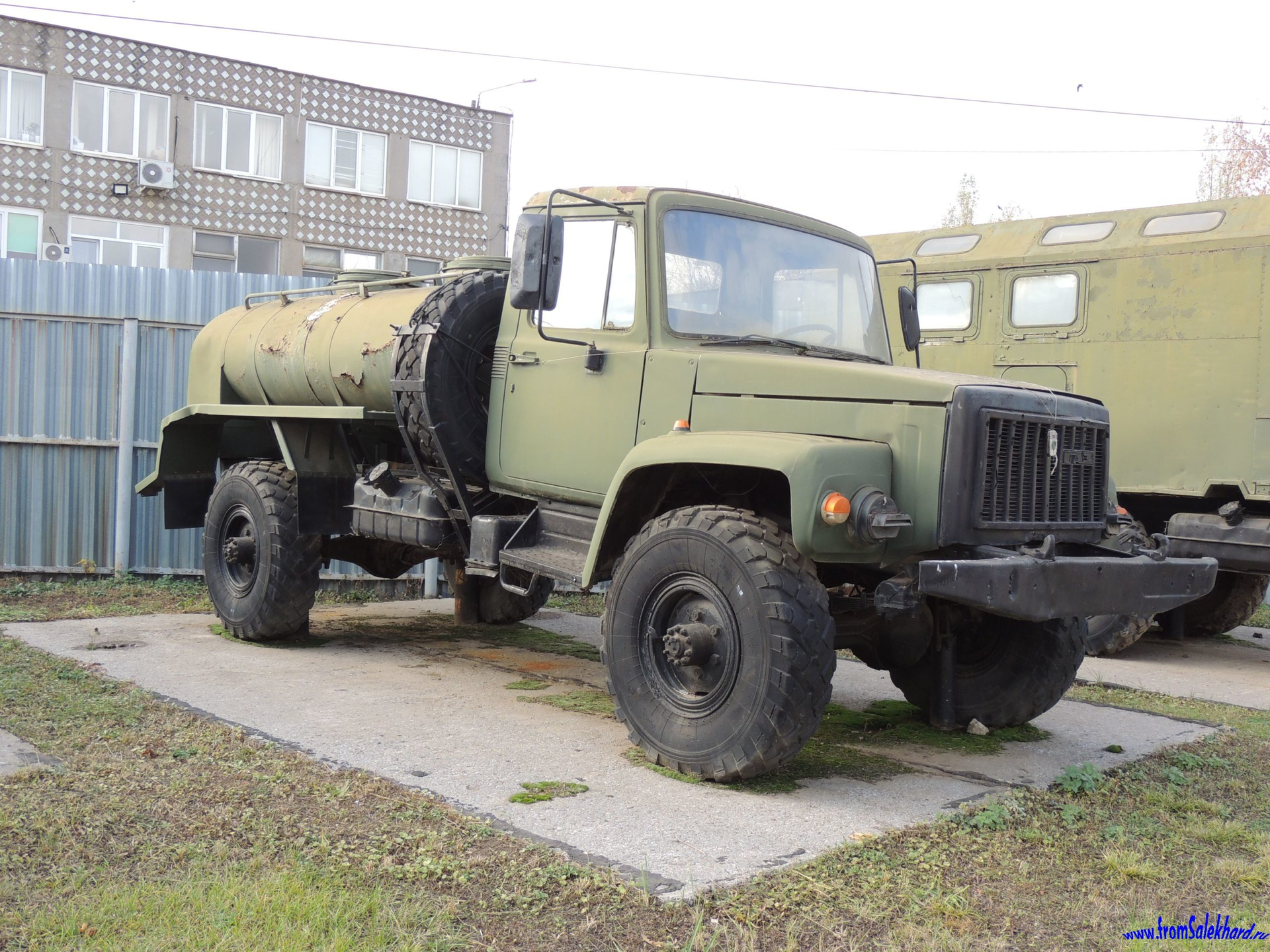
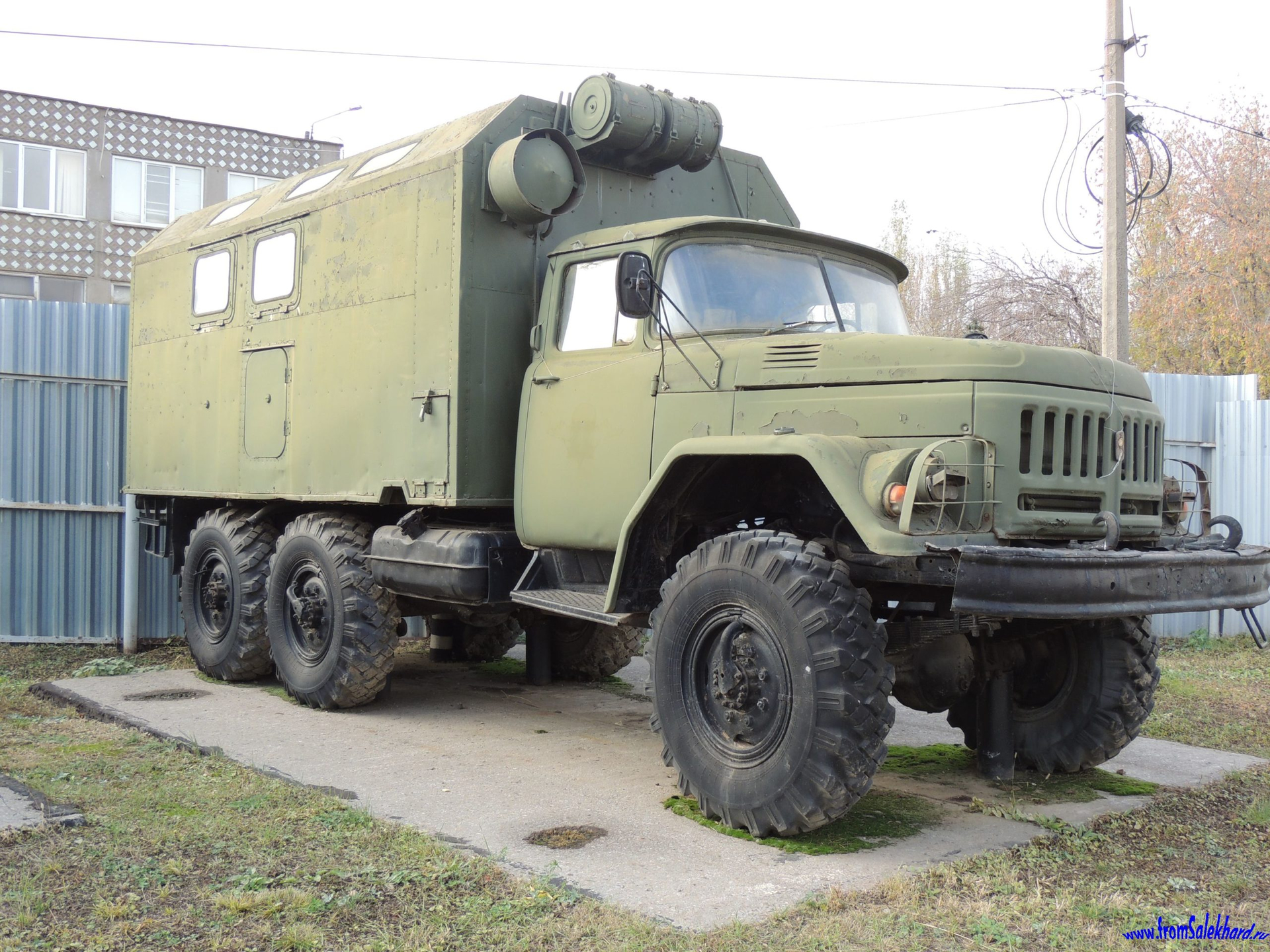
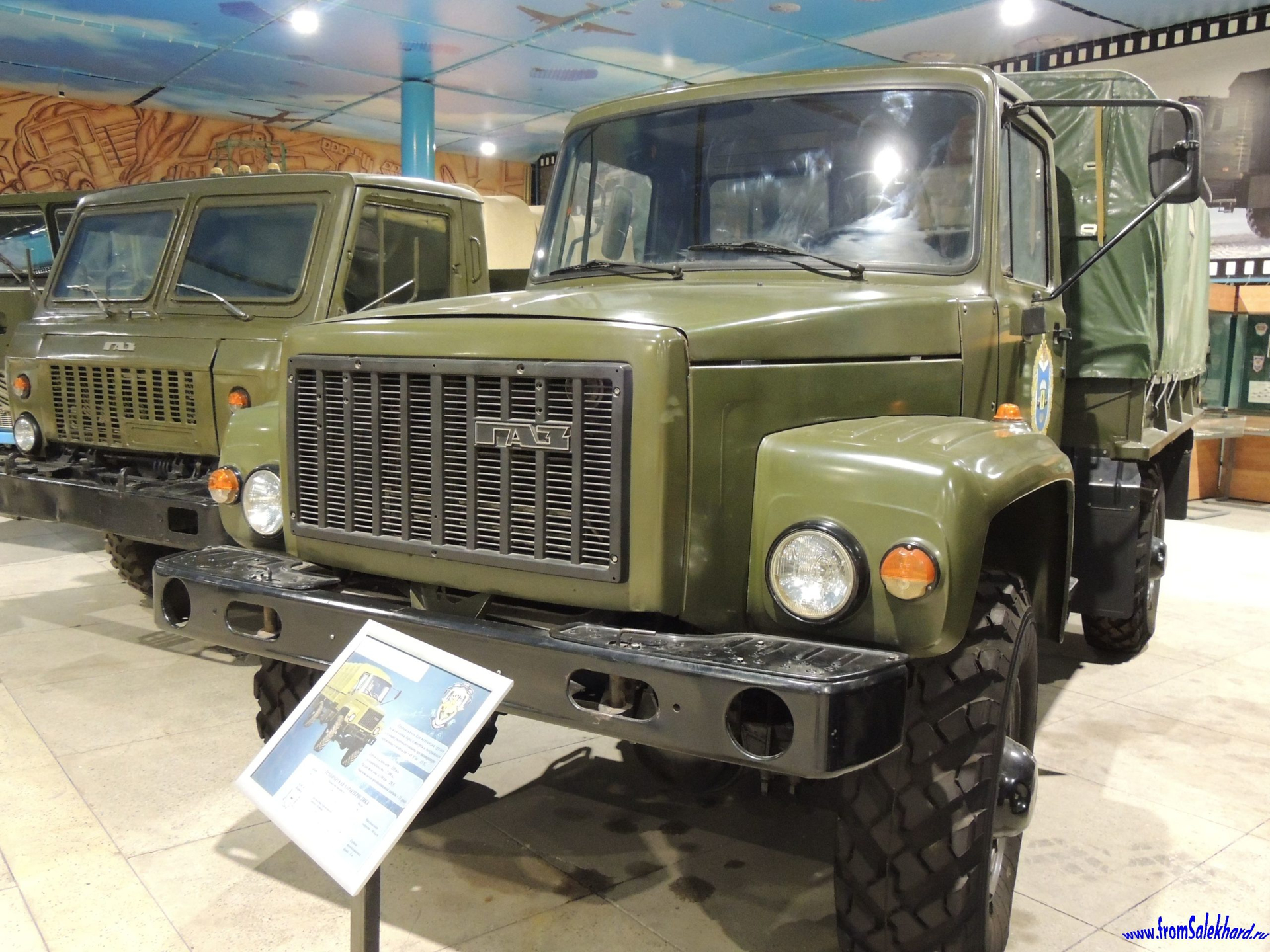
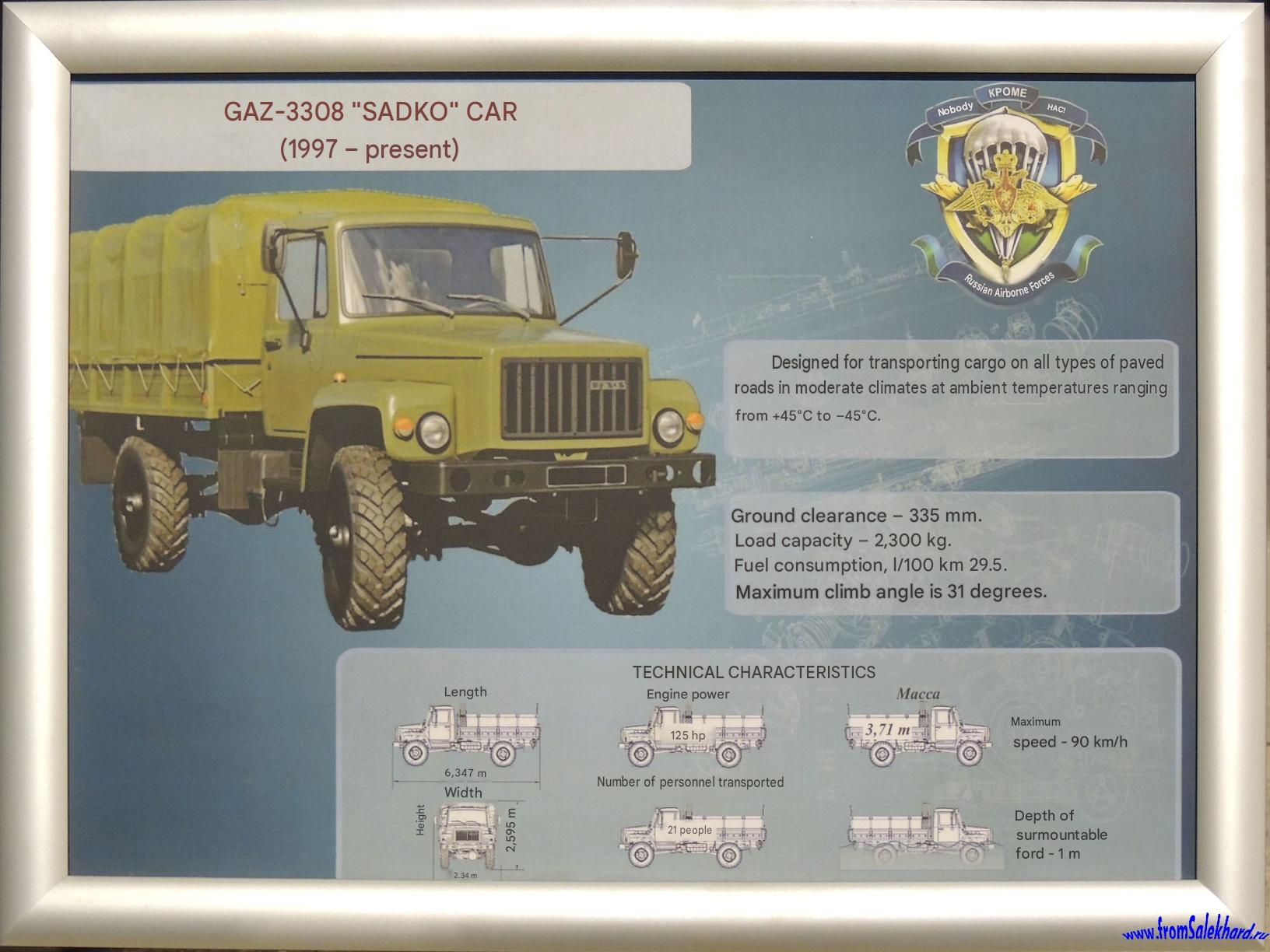
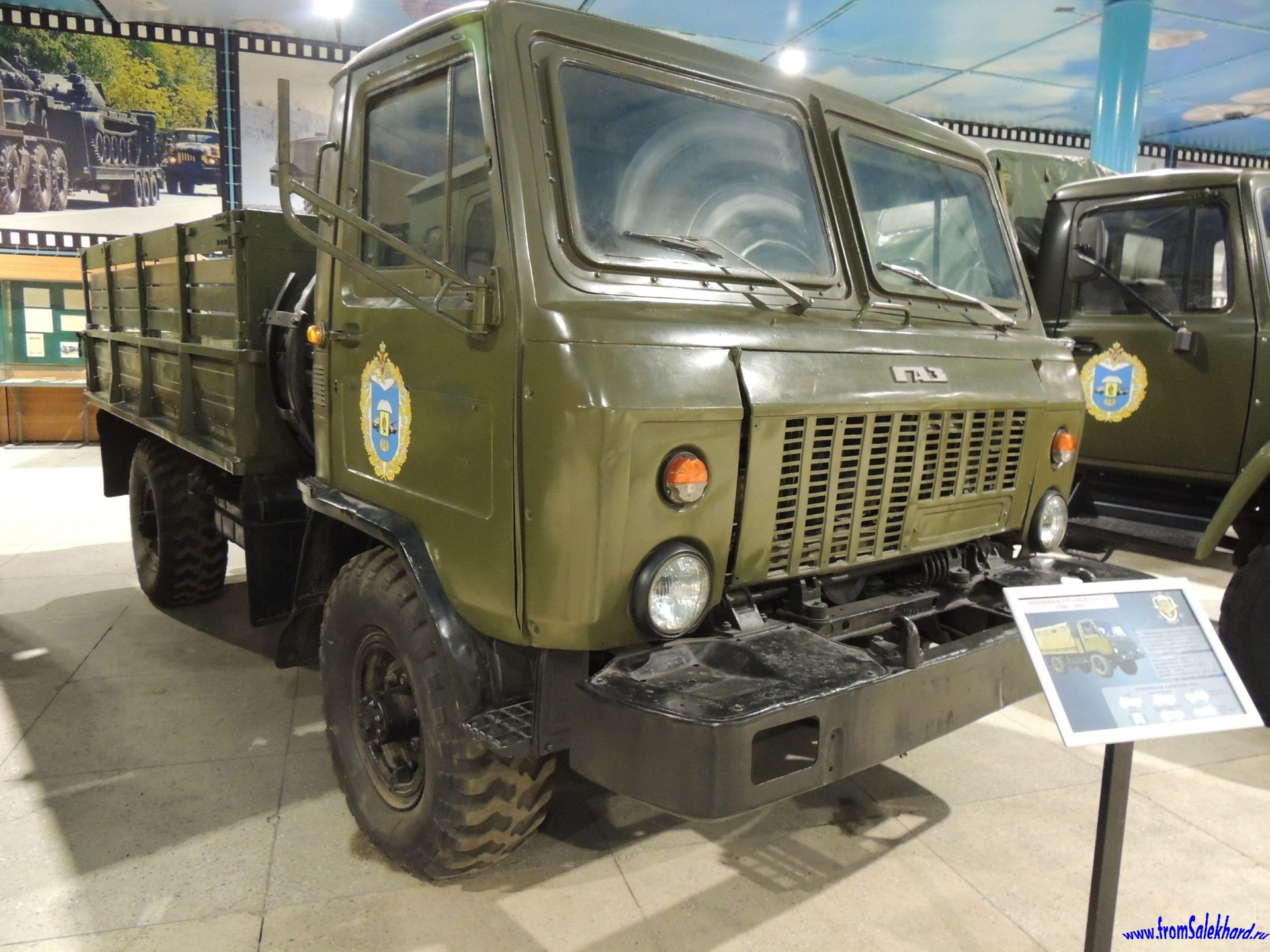
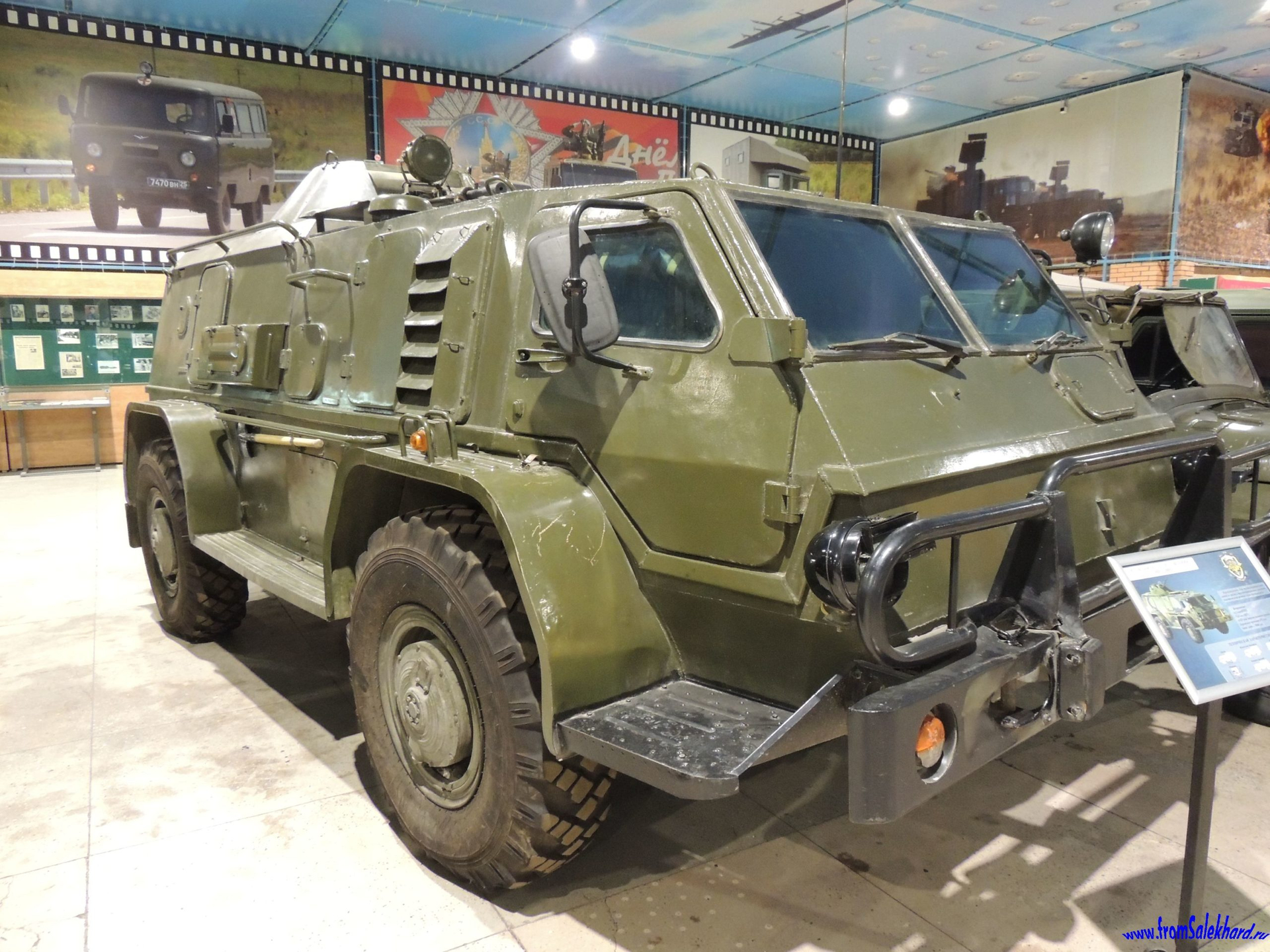
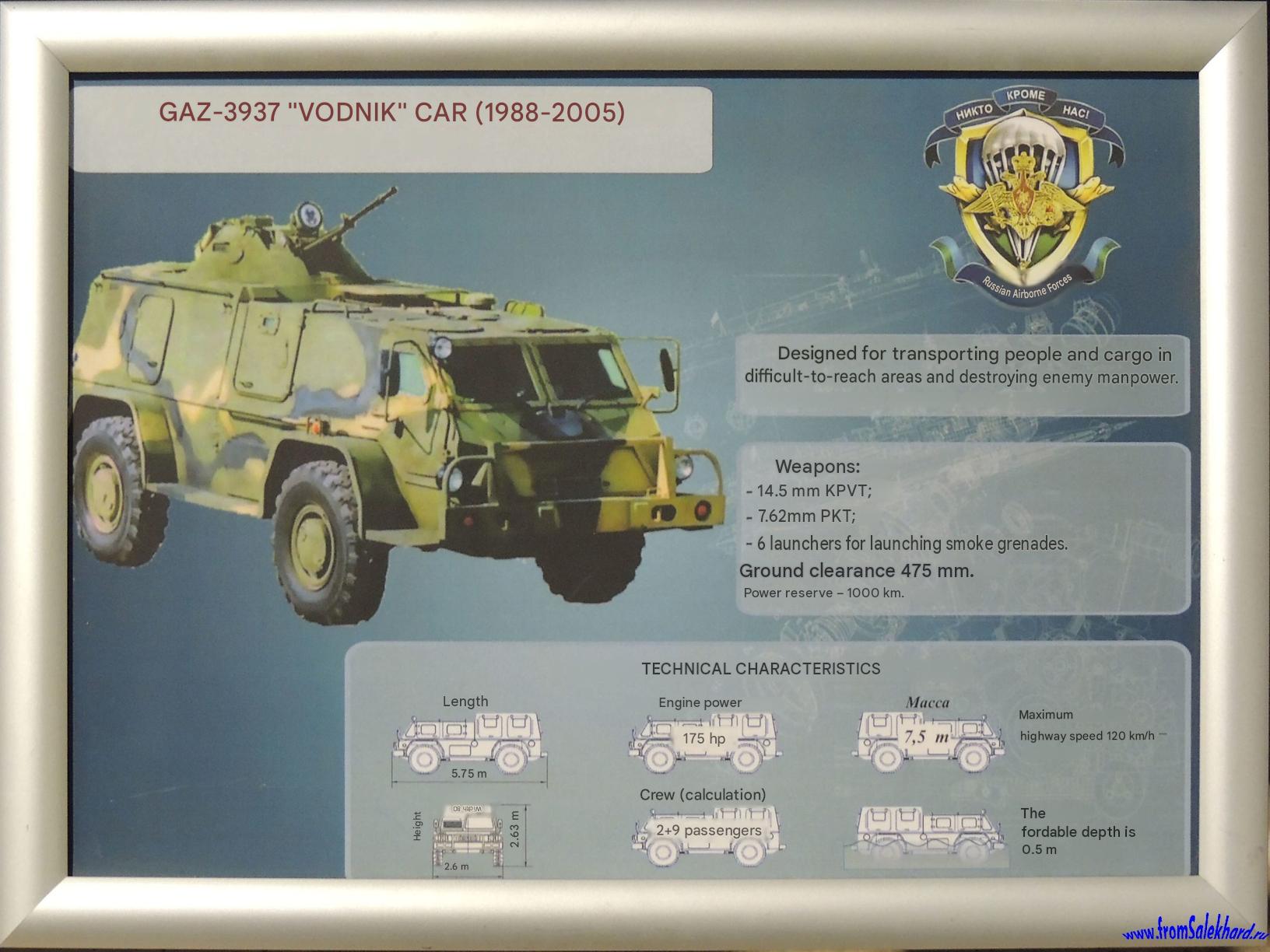
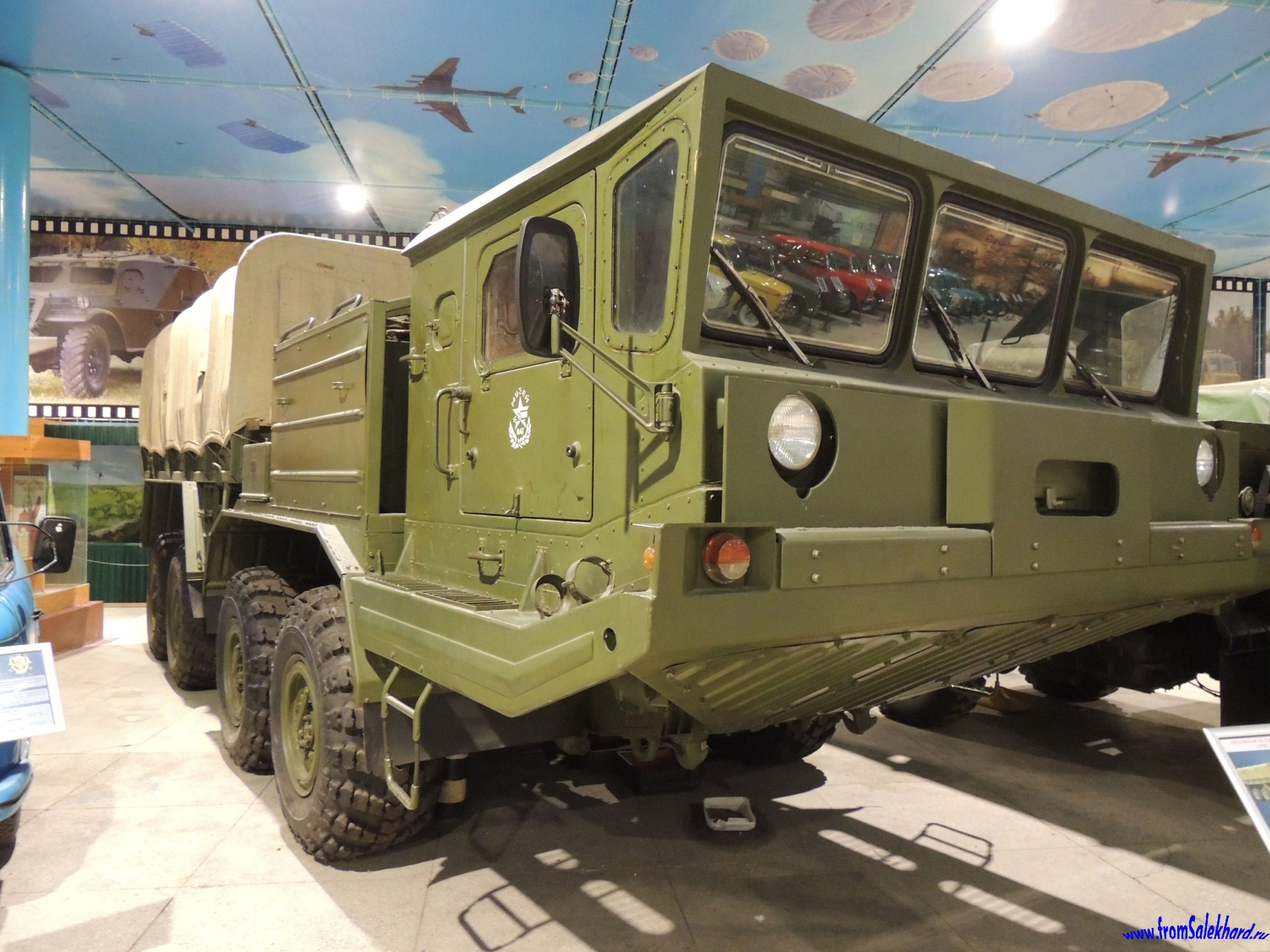
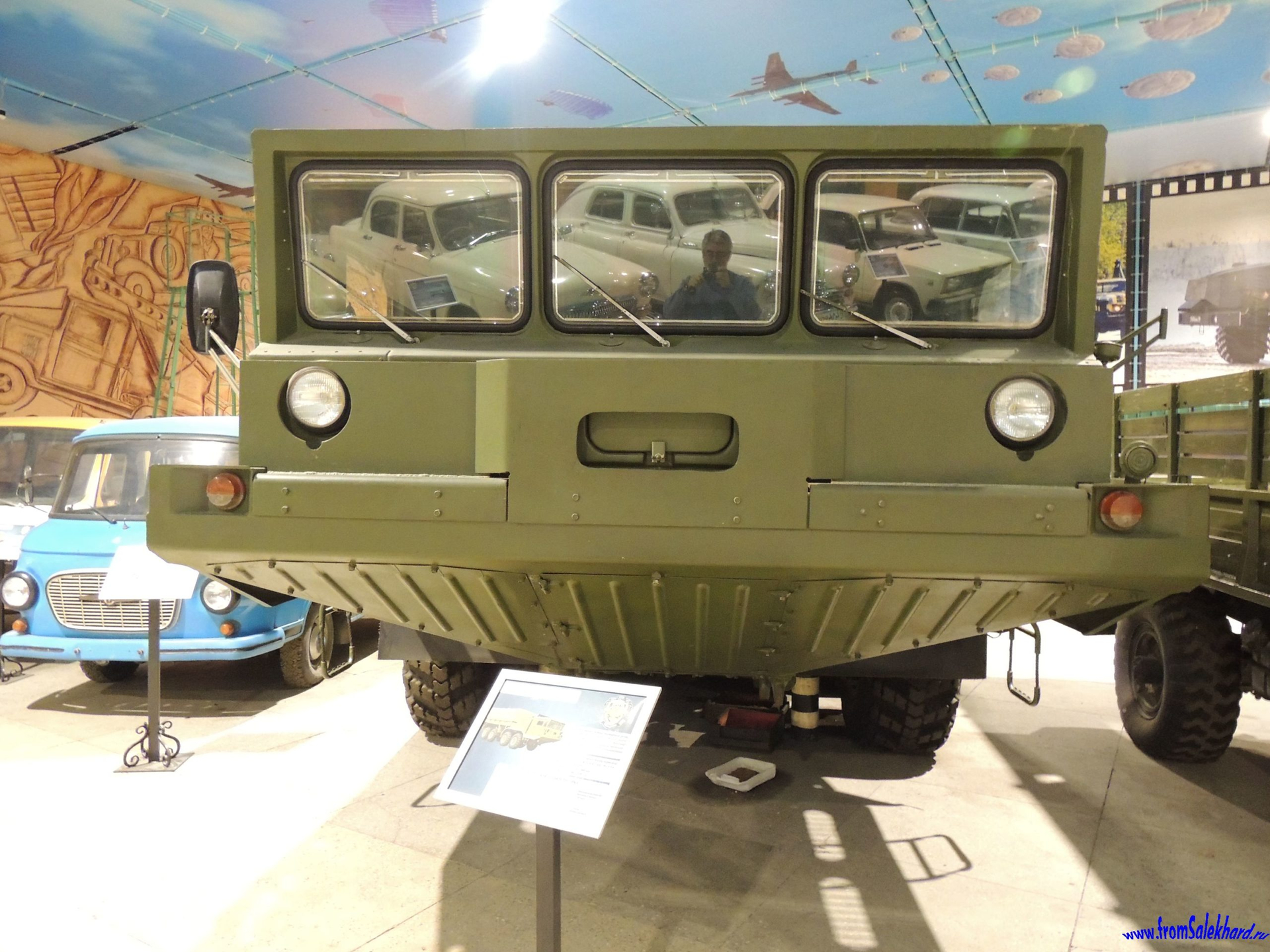
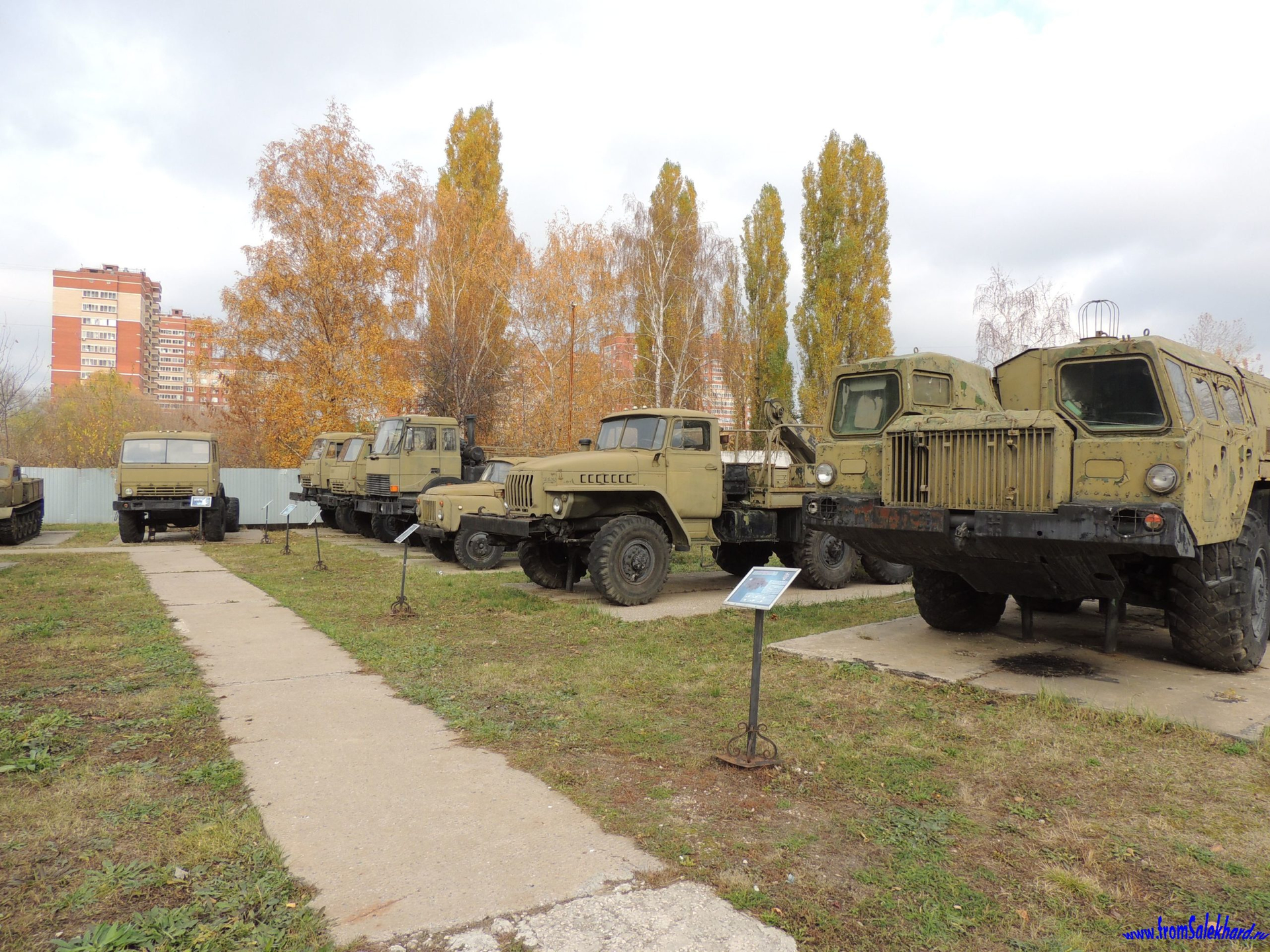
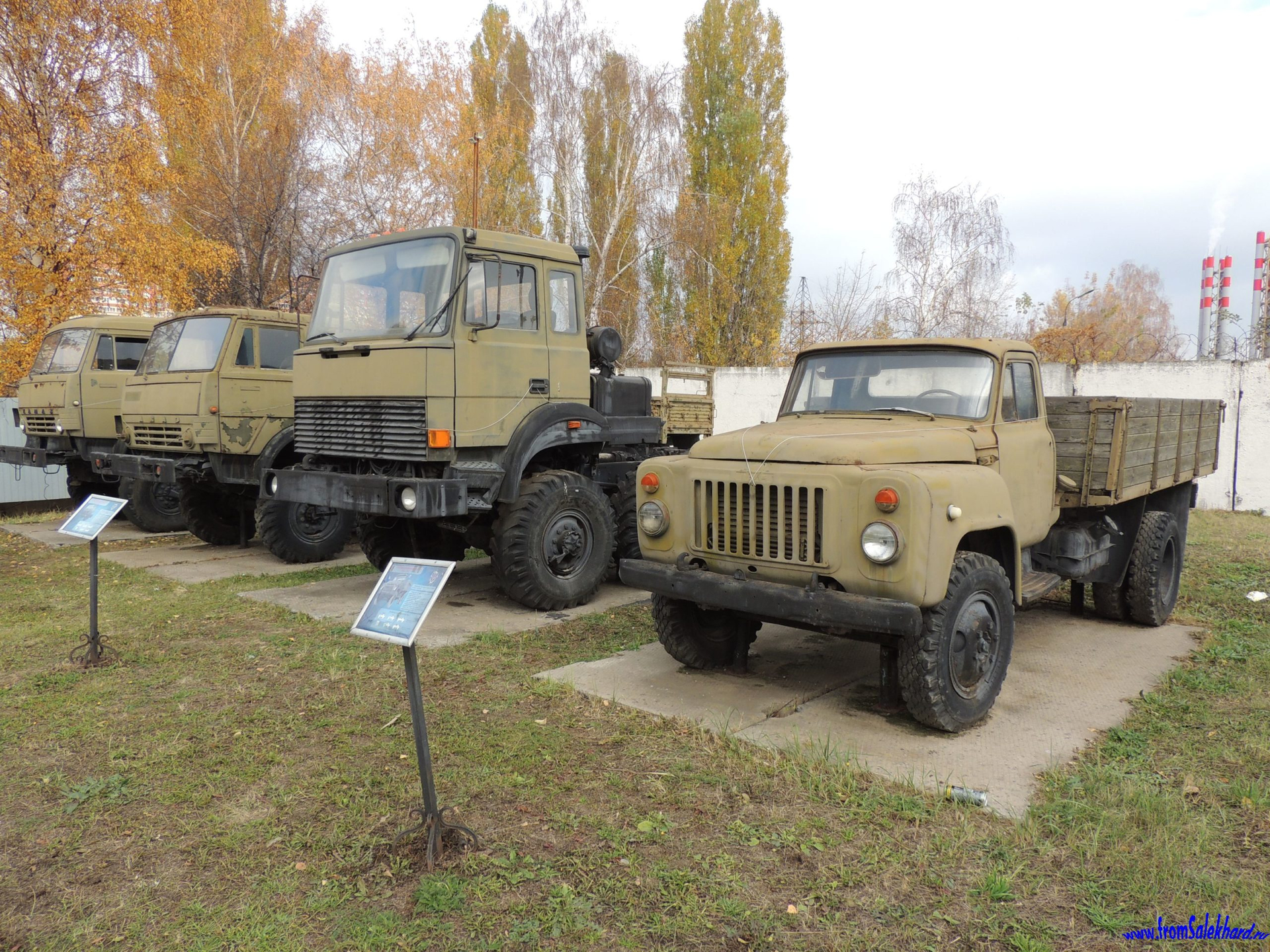
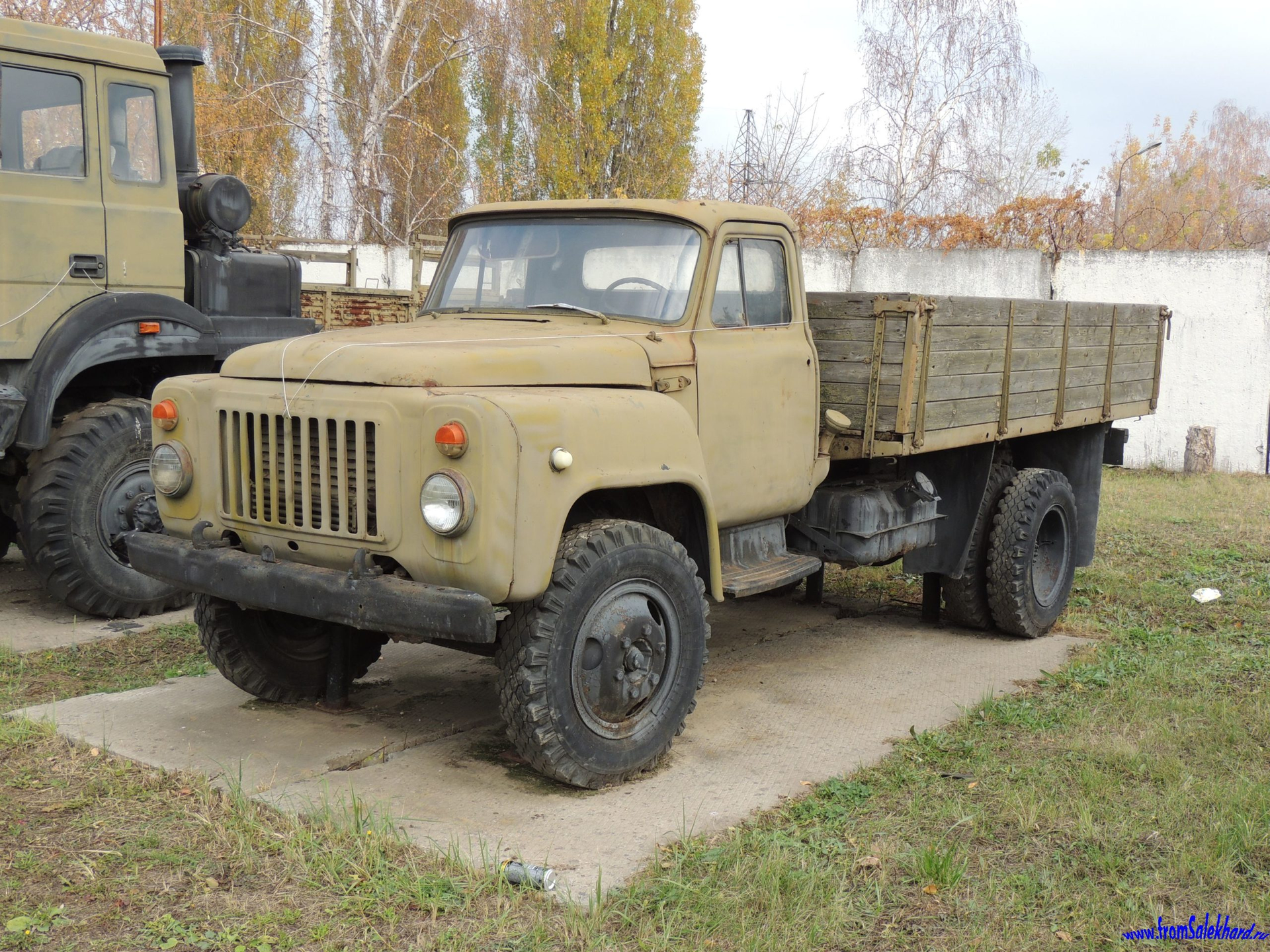
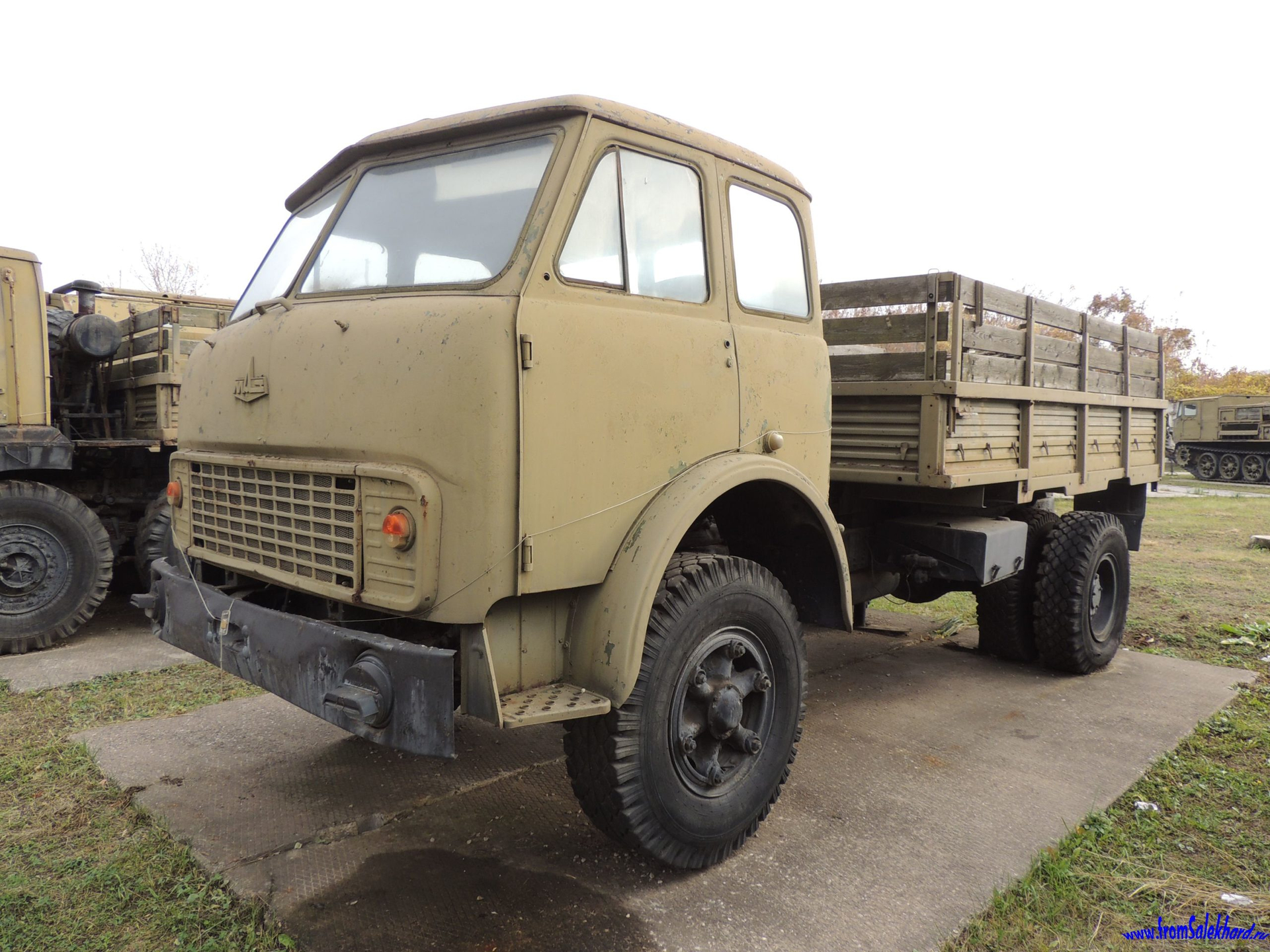
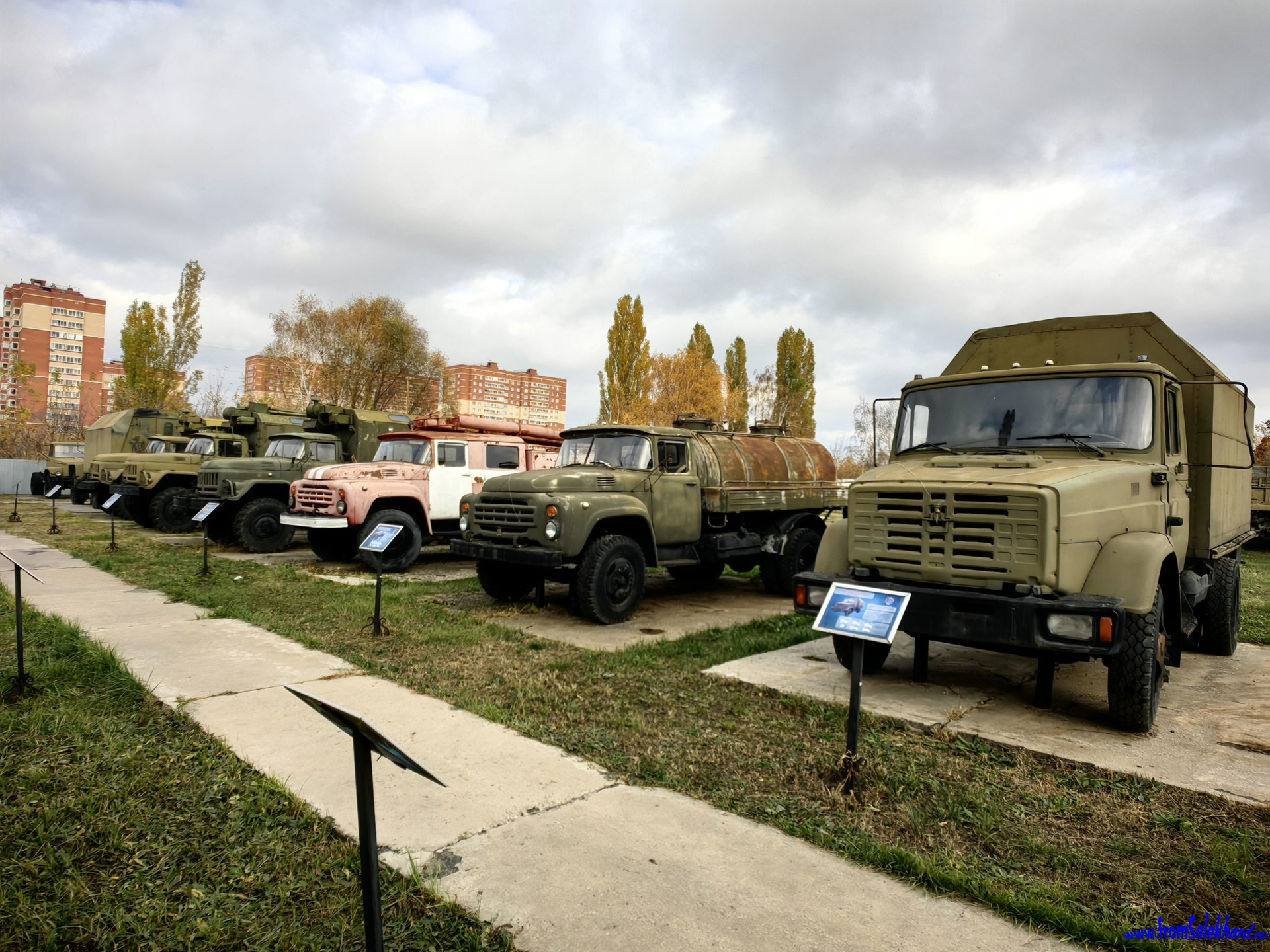
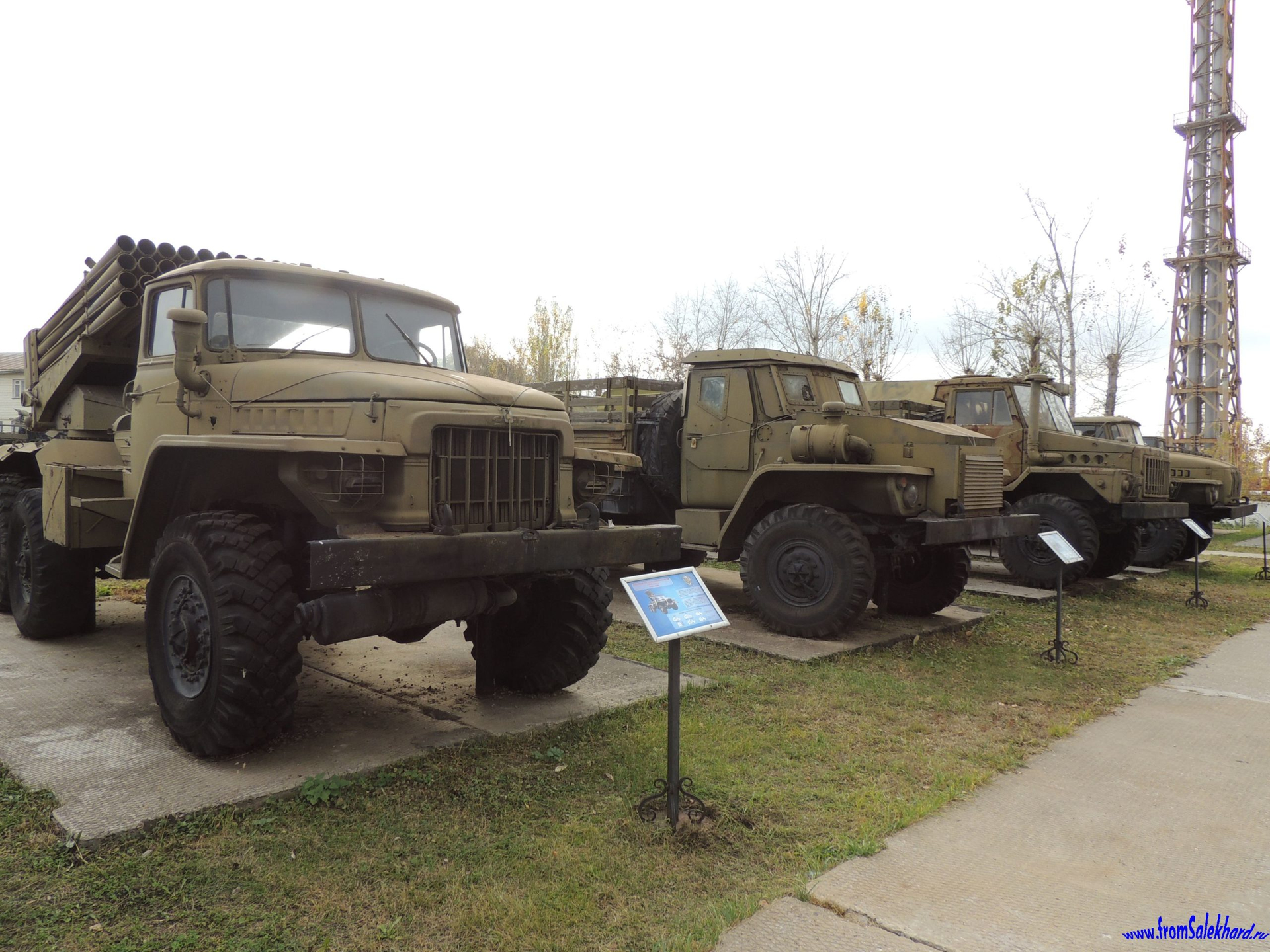
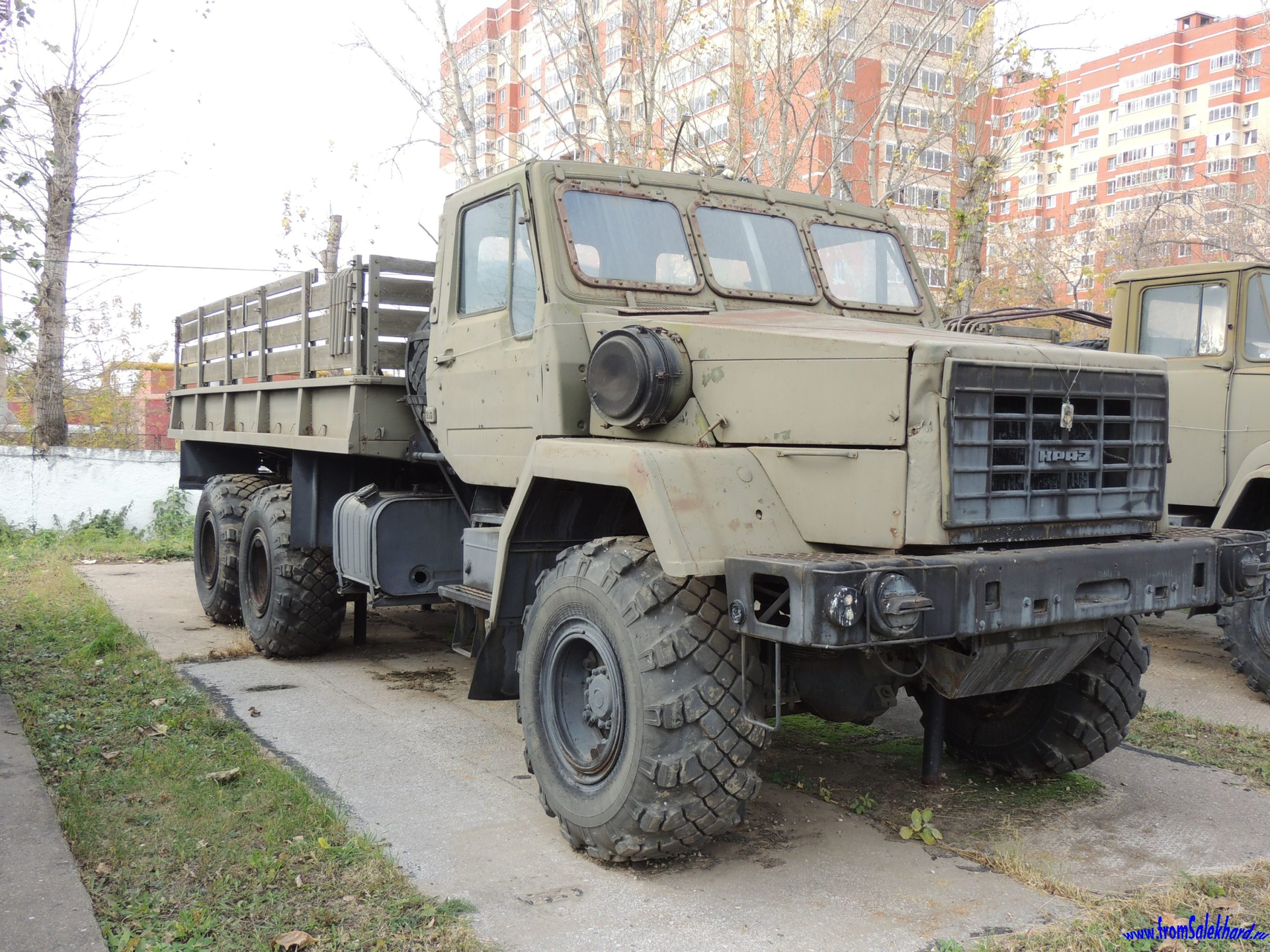
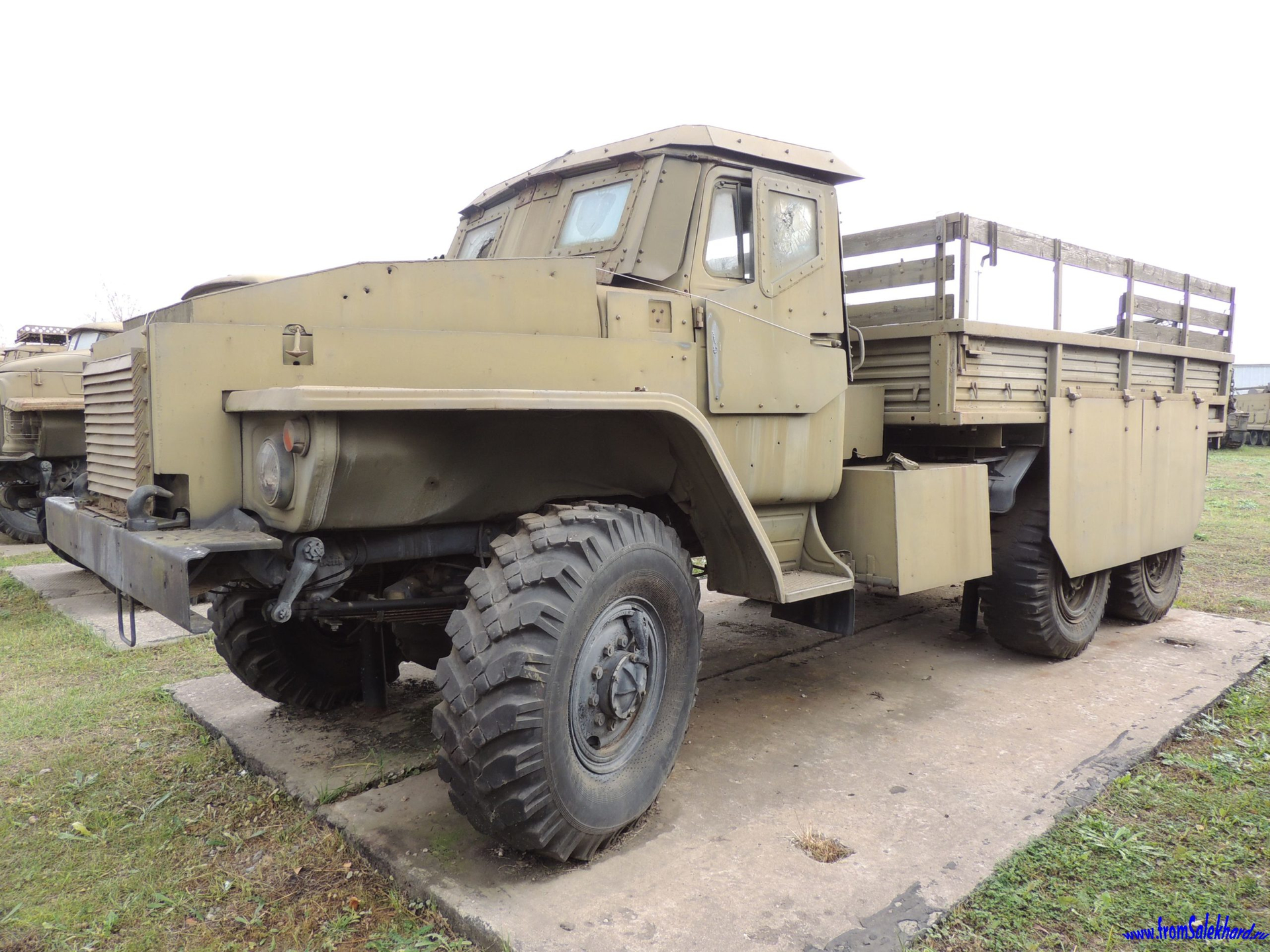
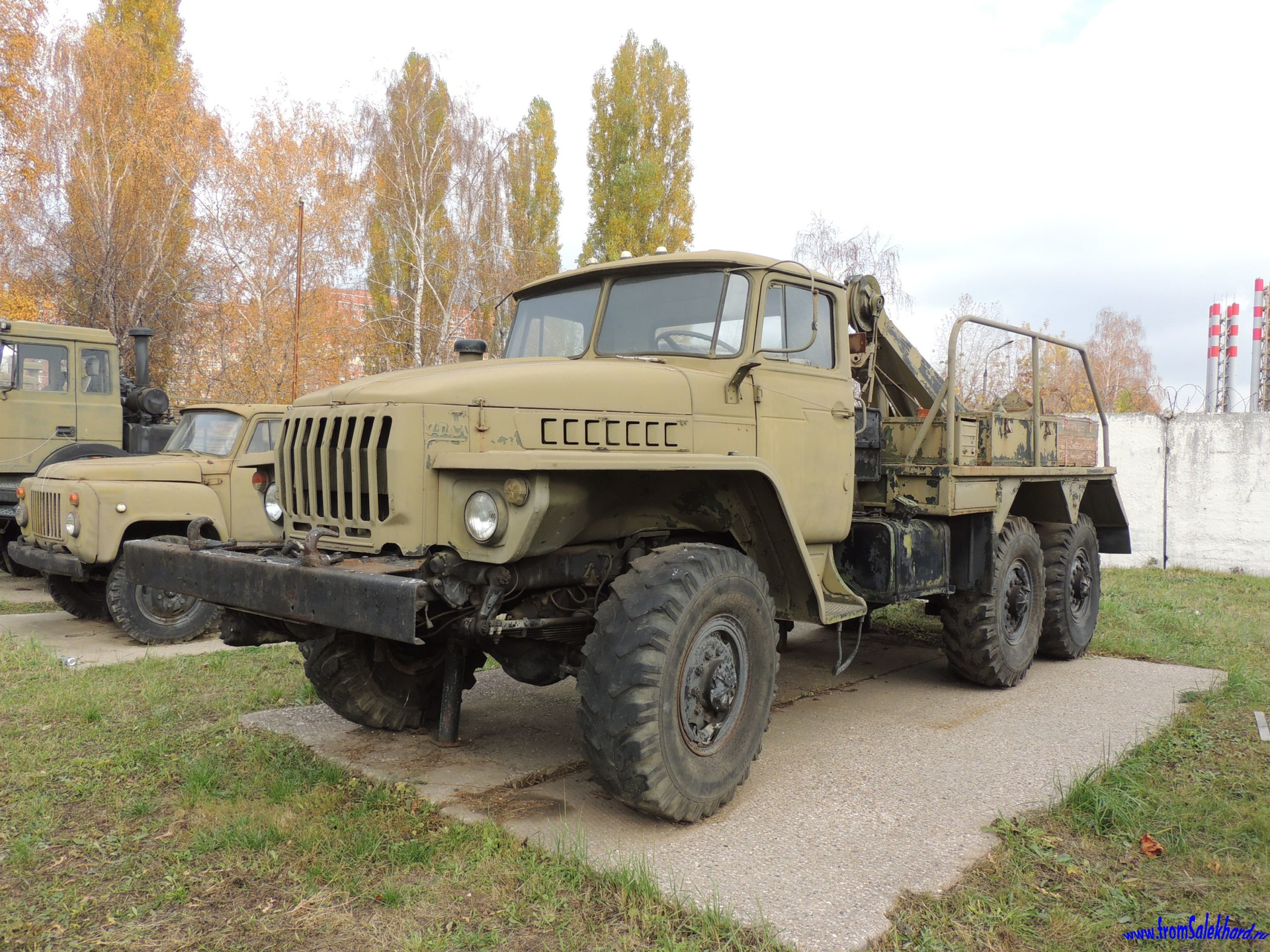
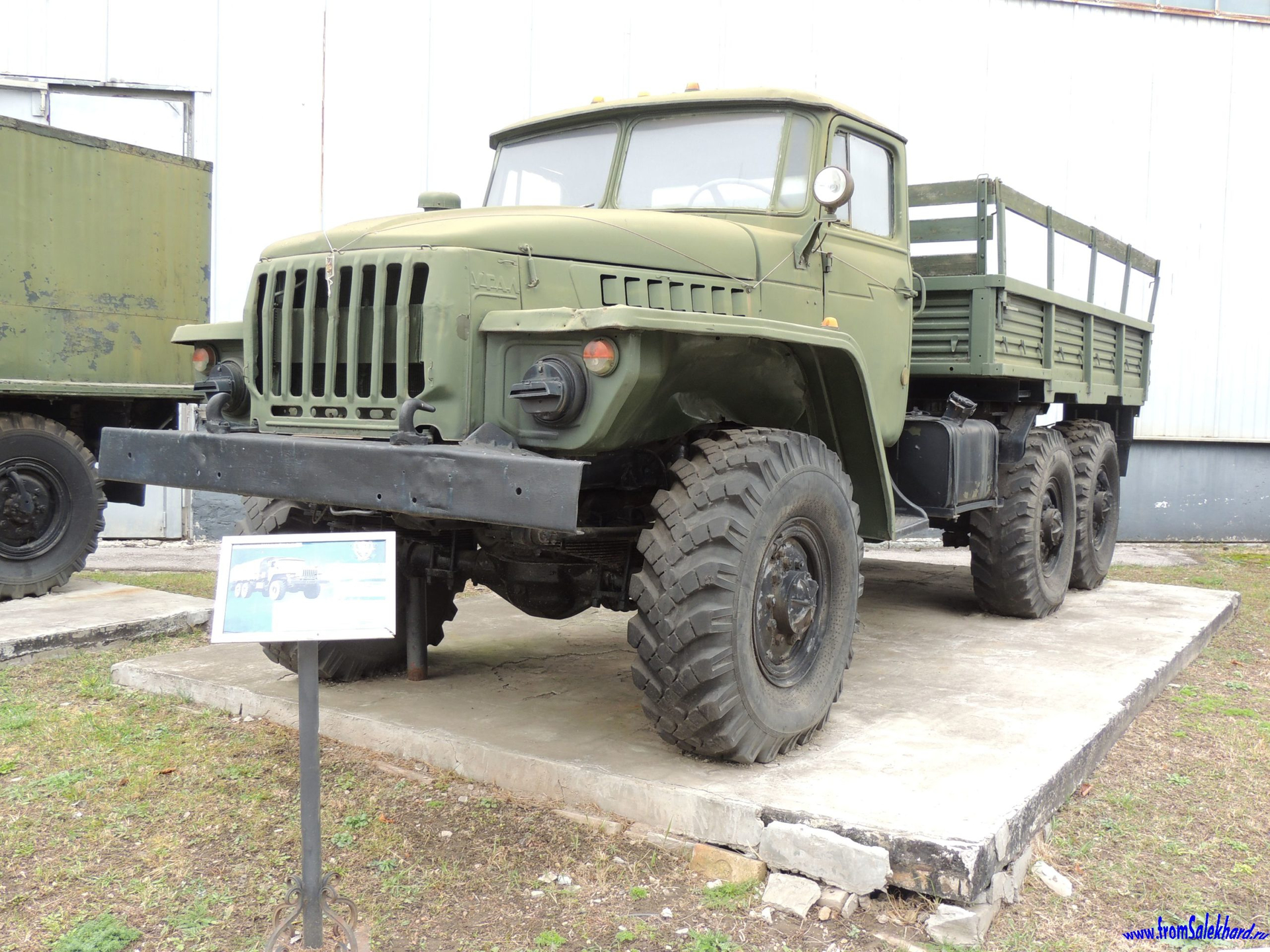
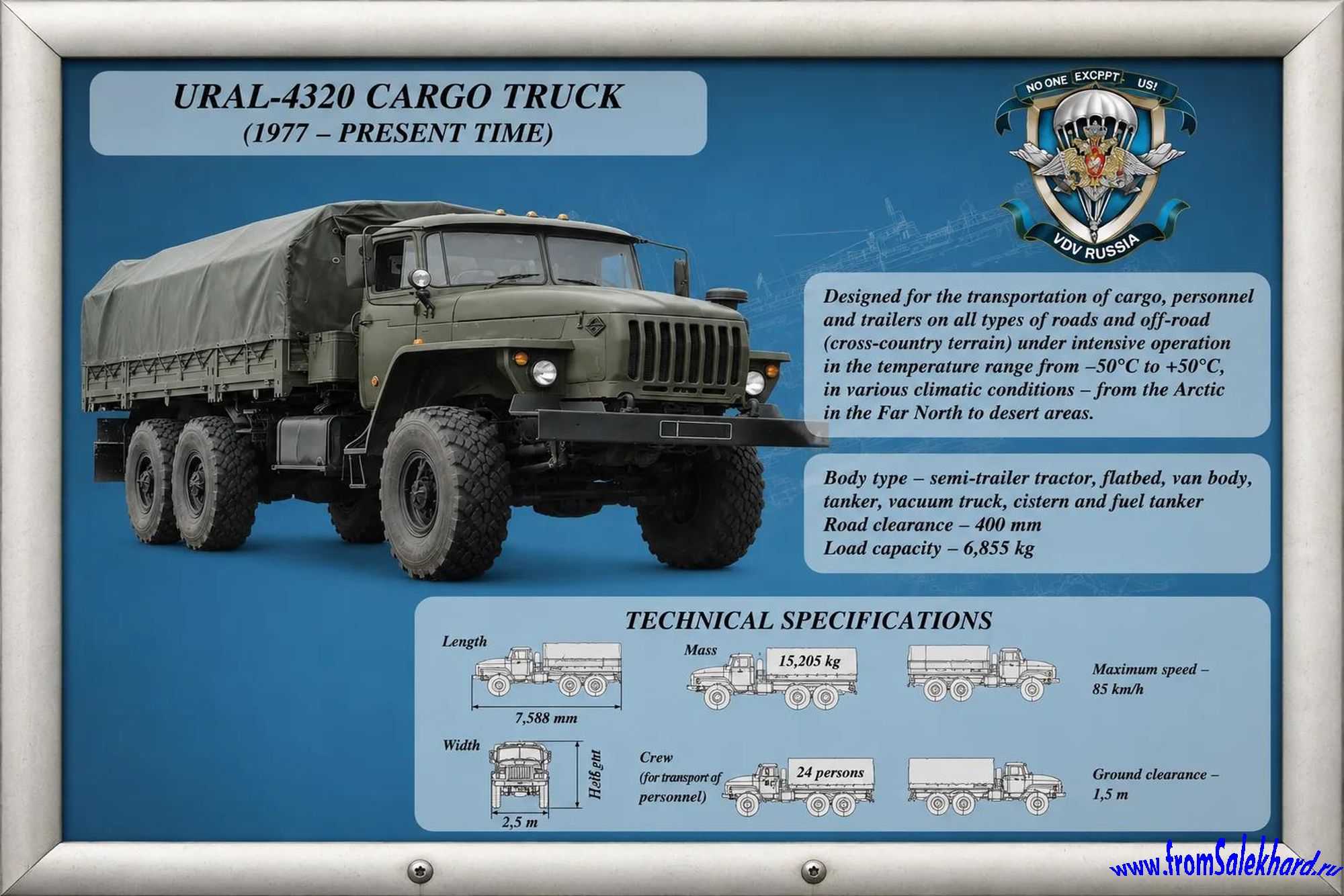
And then comes wheeled vehicles.

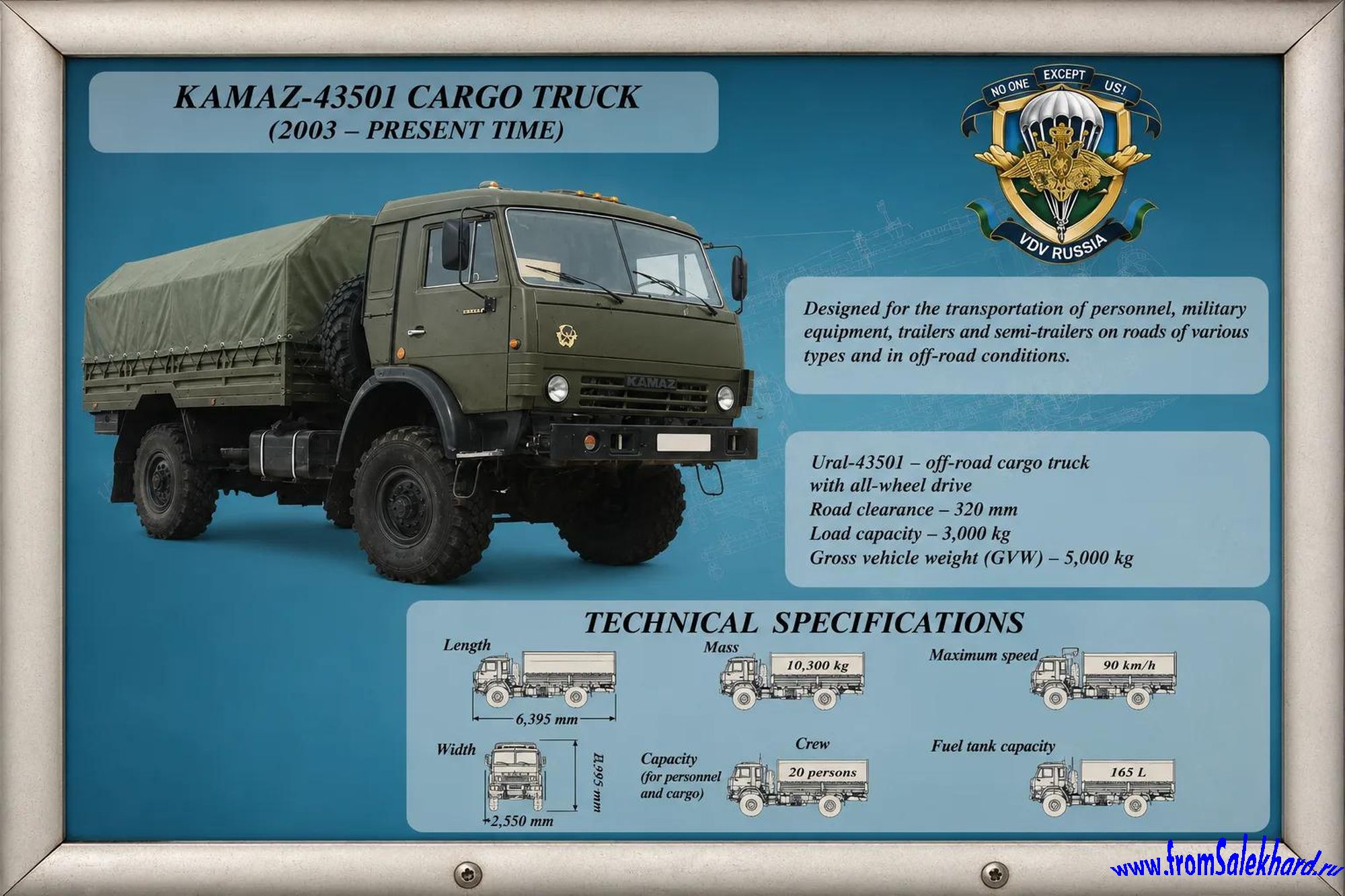
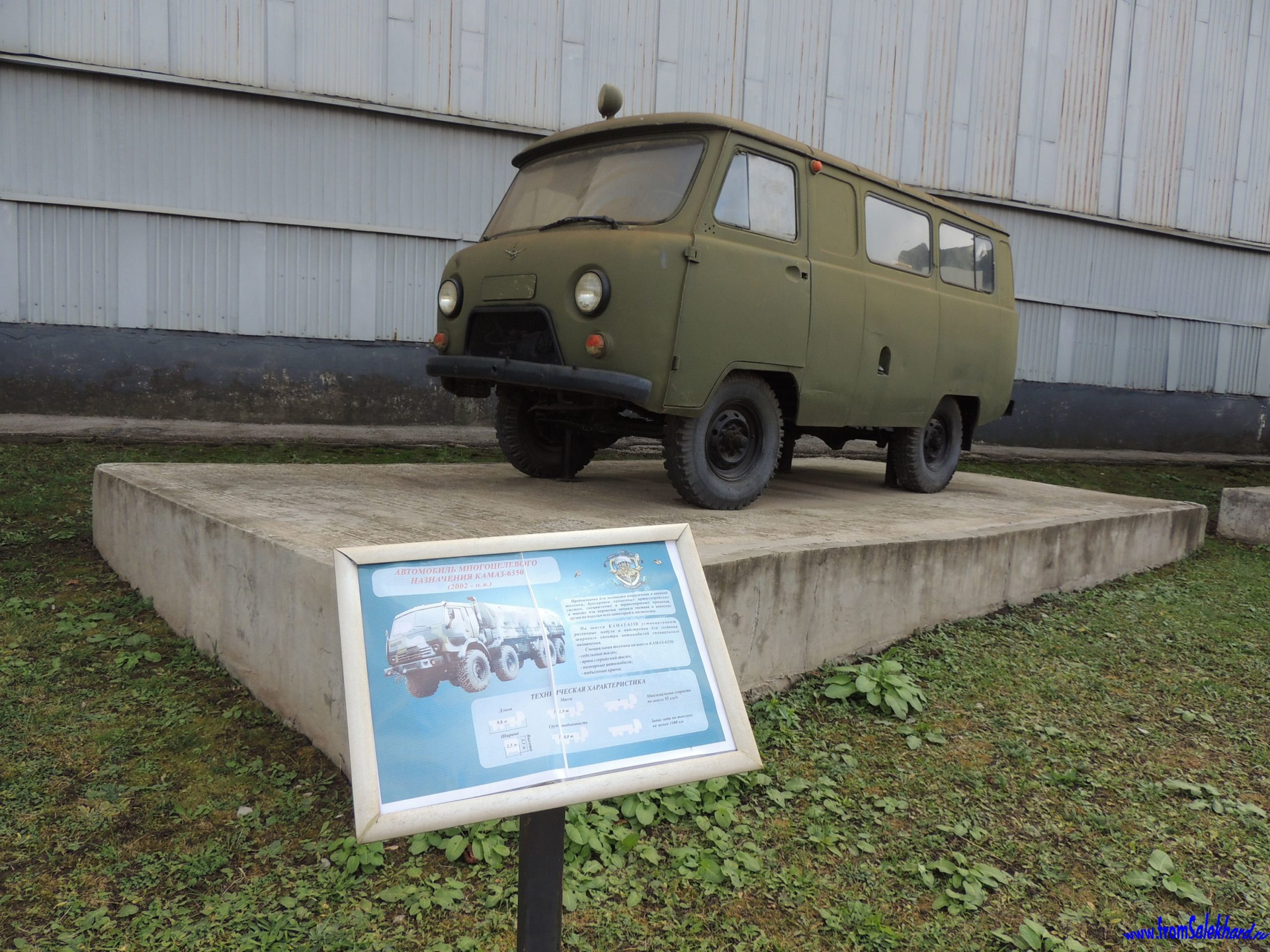
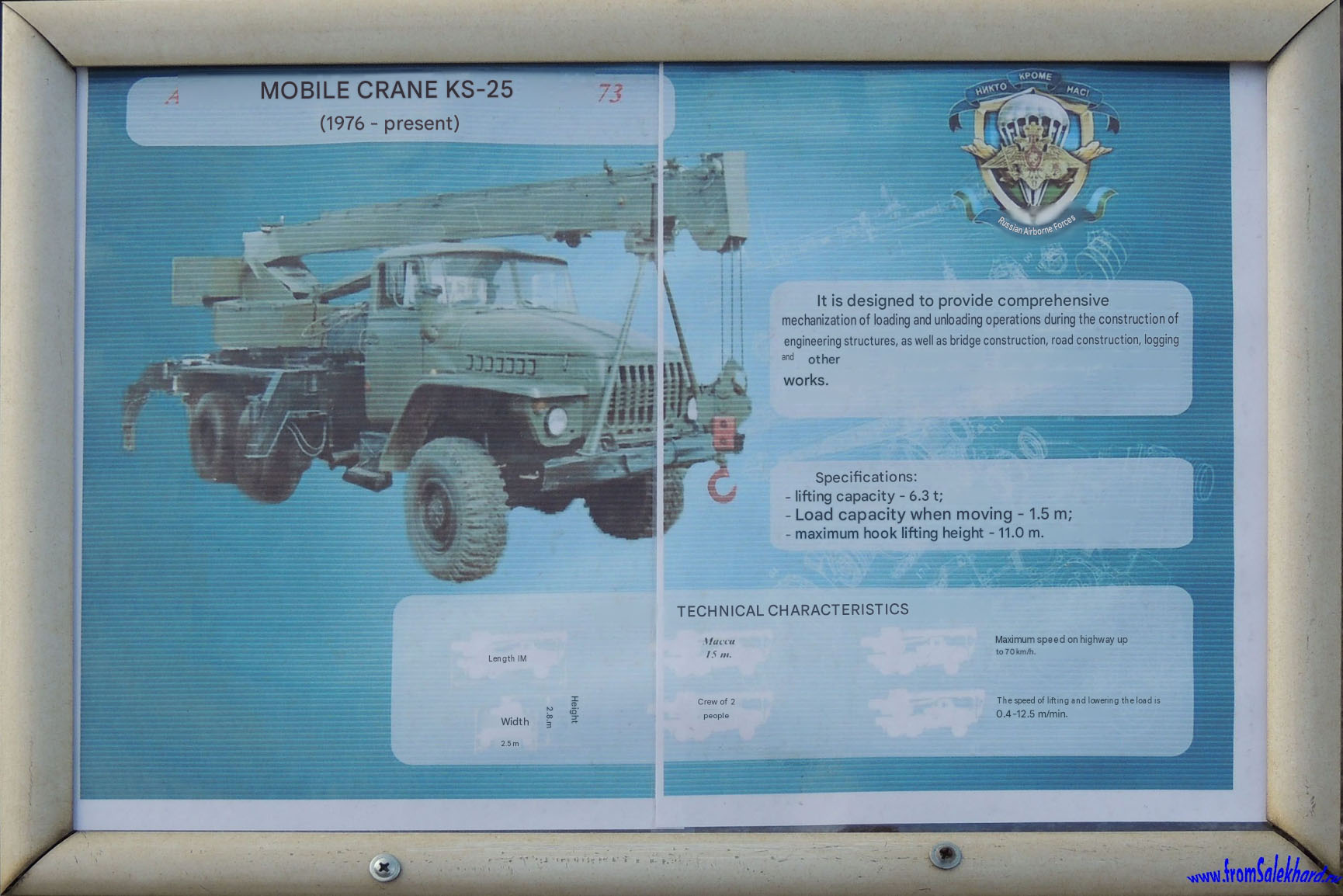
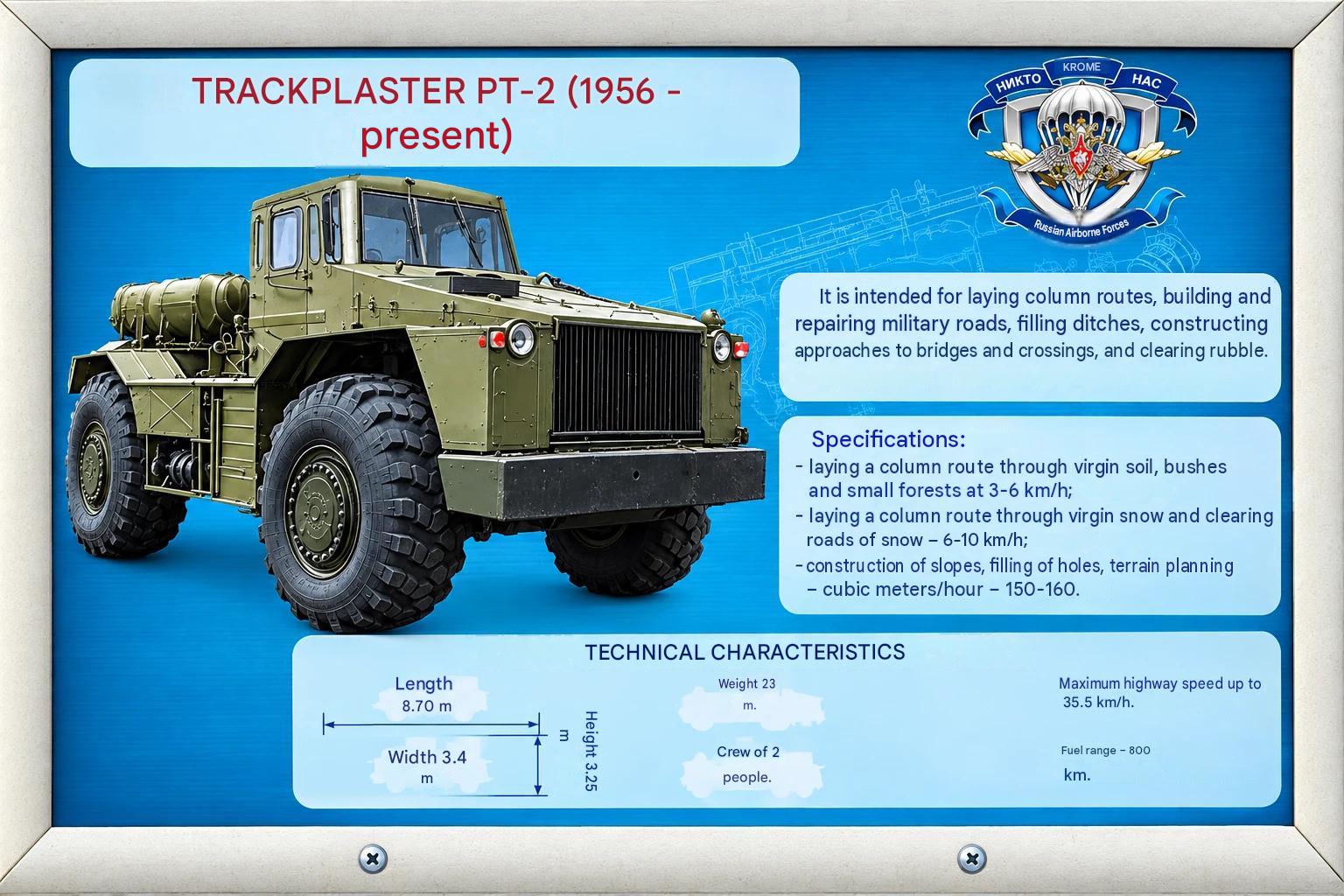
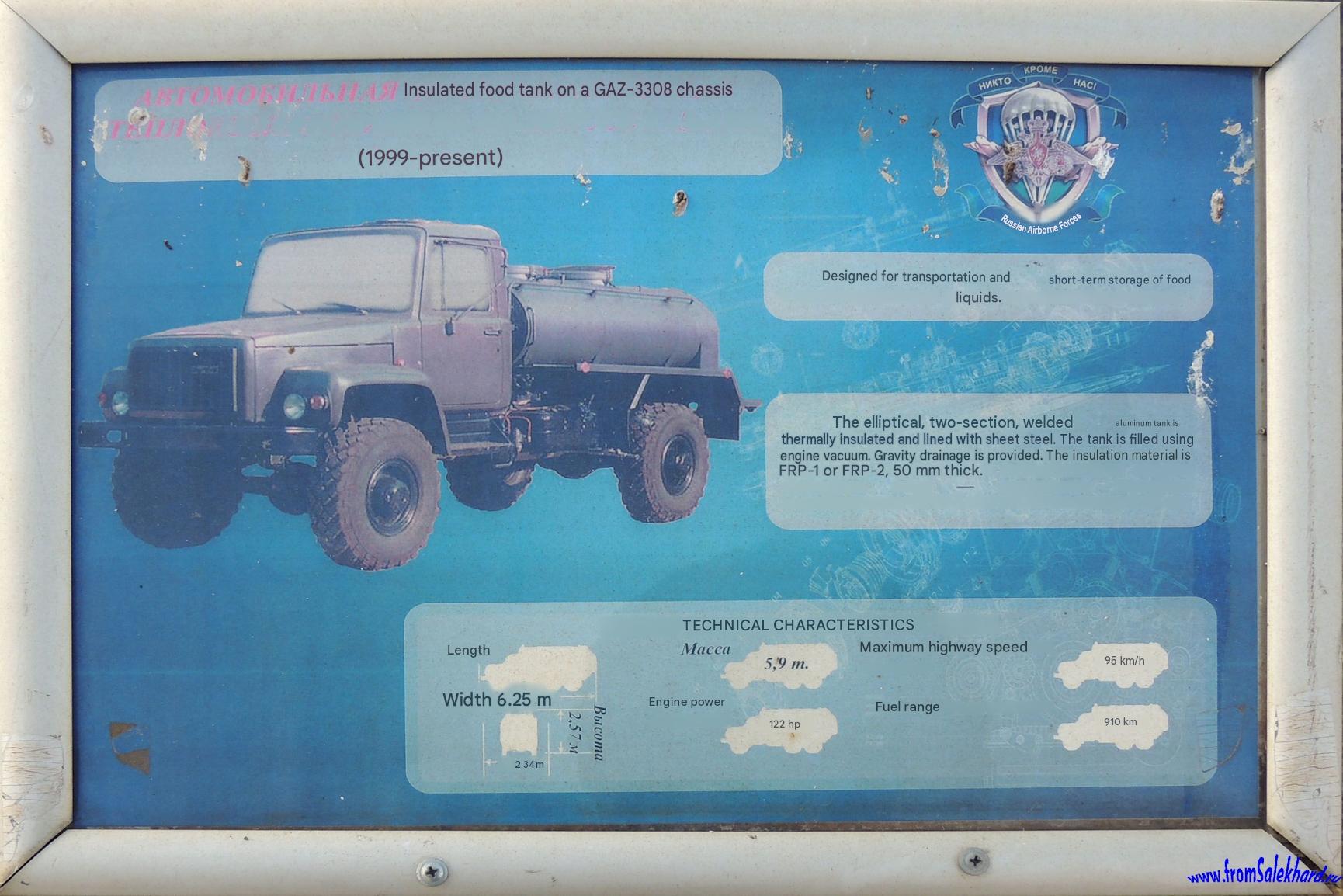
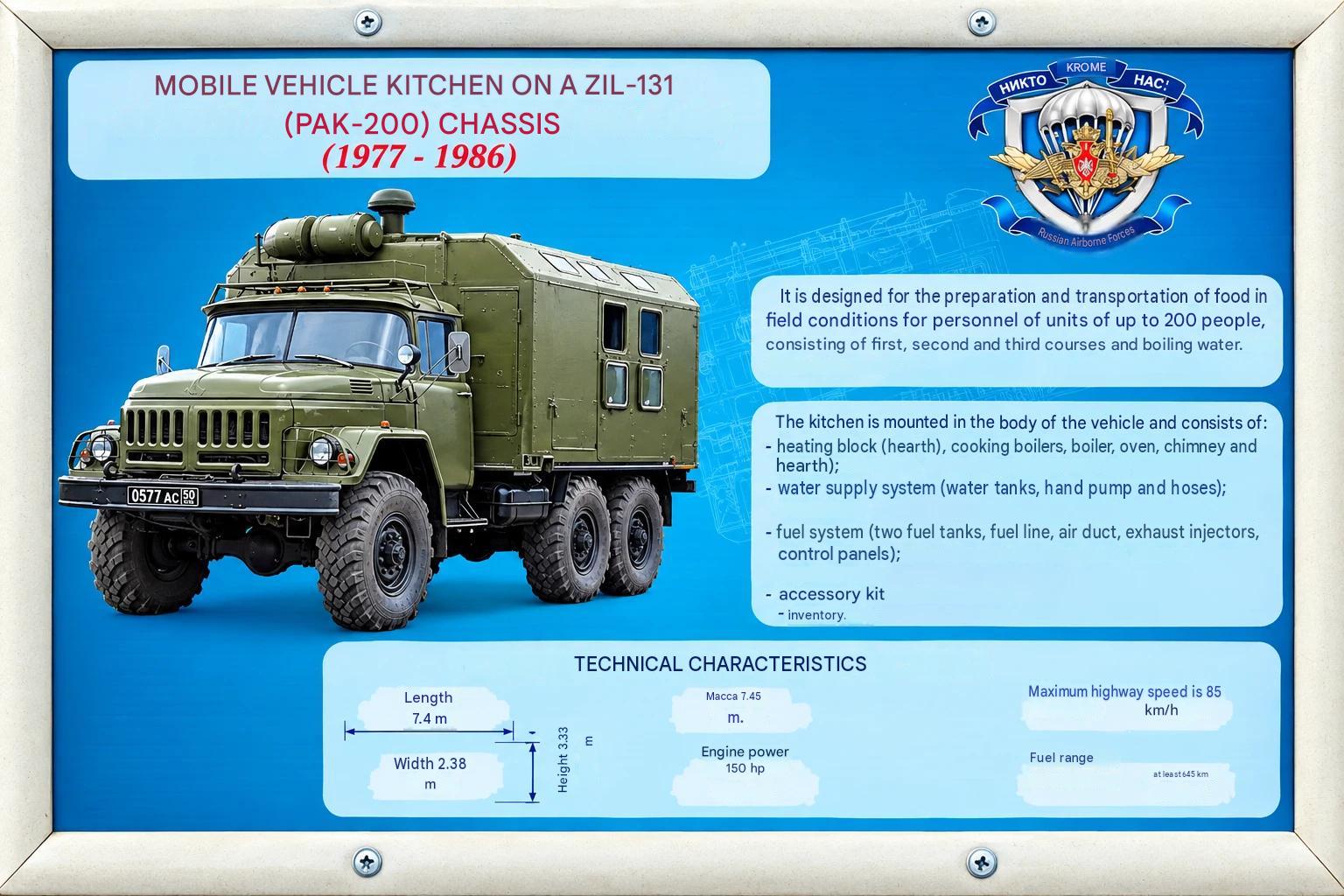
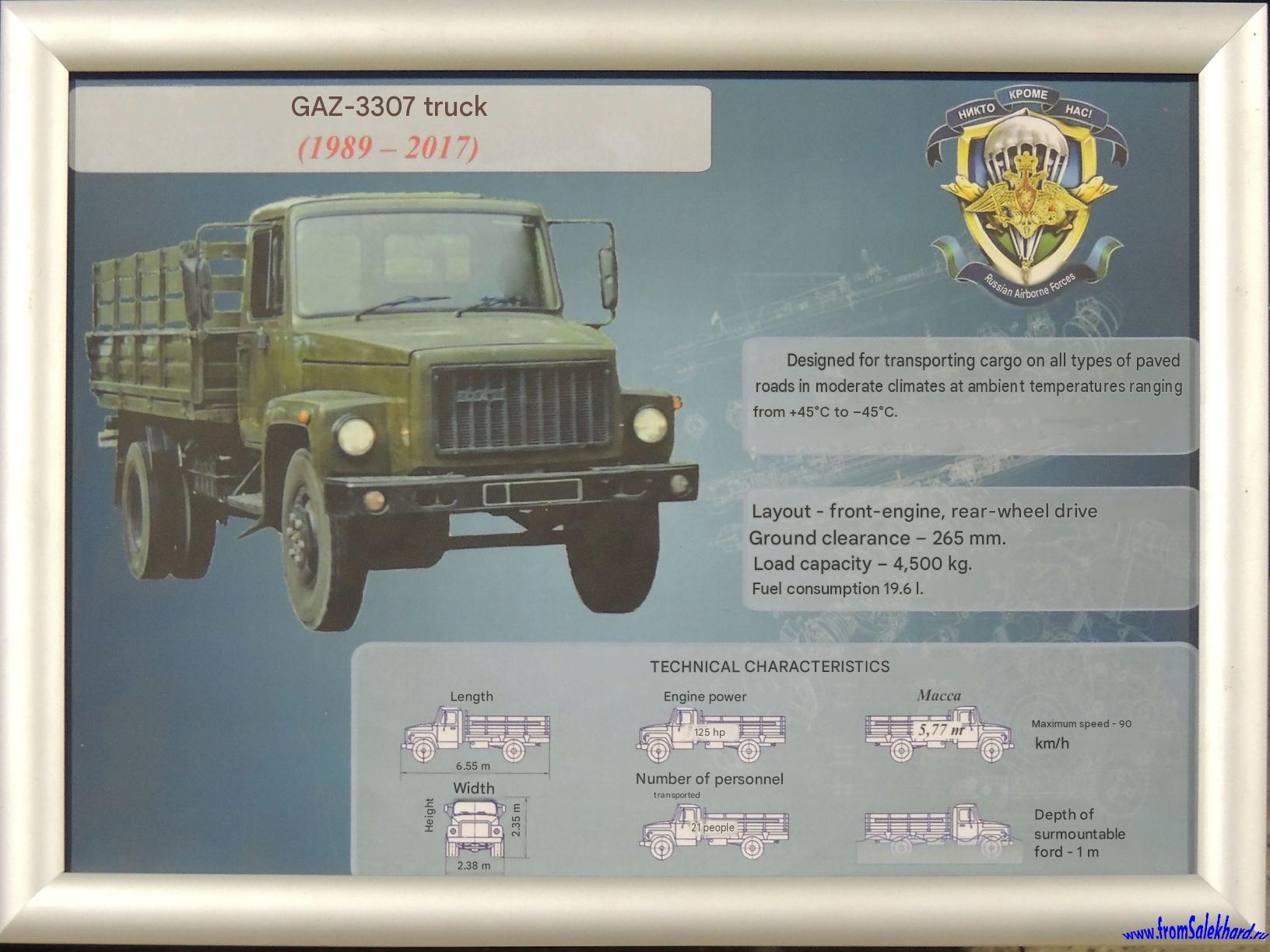
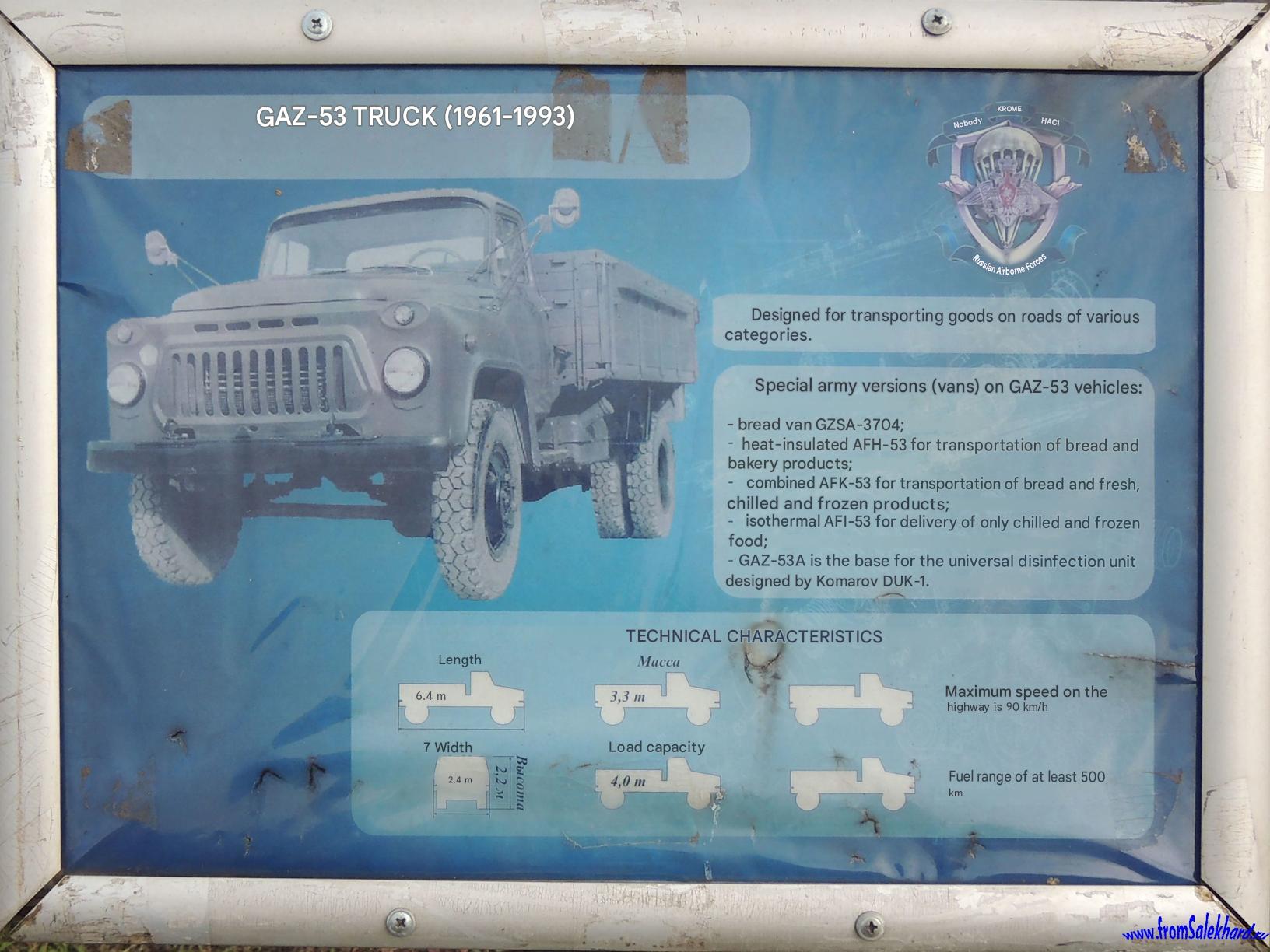
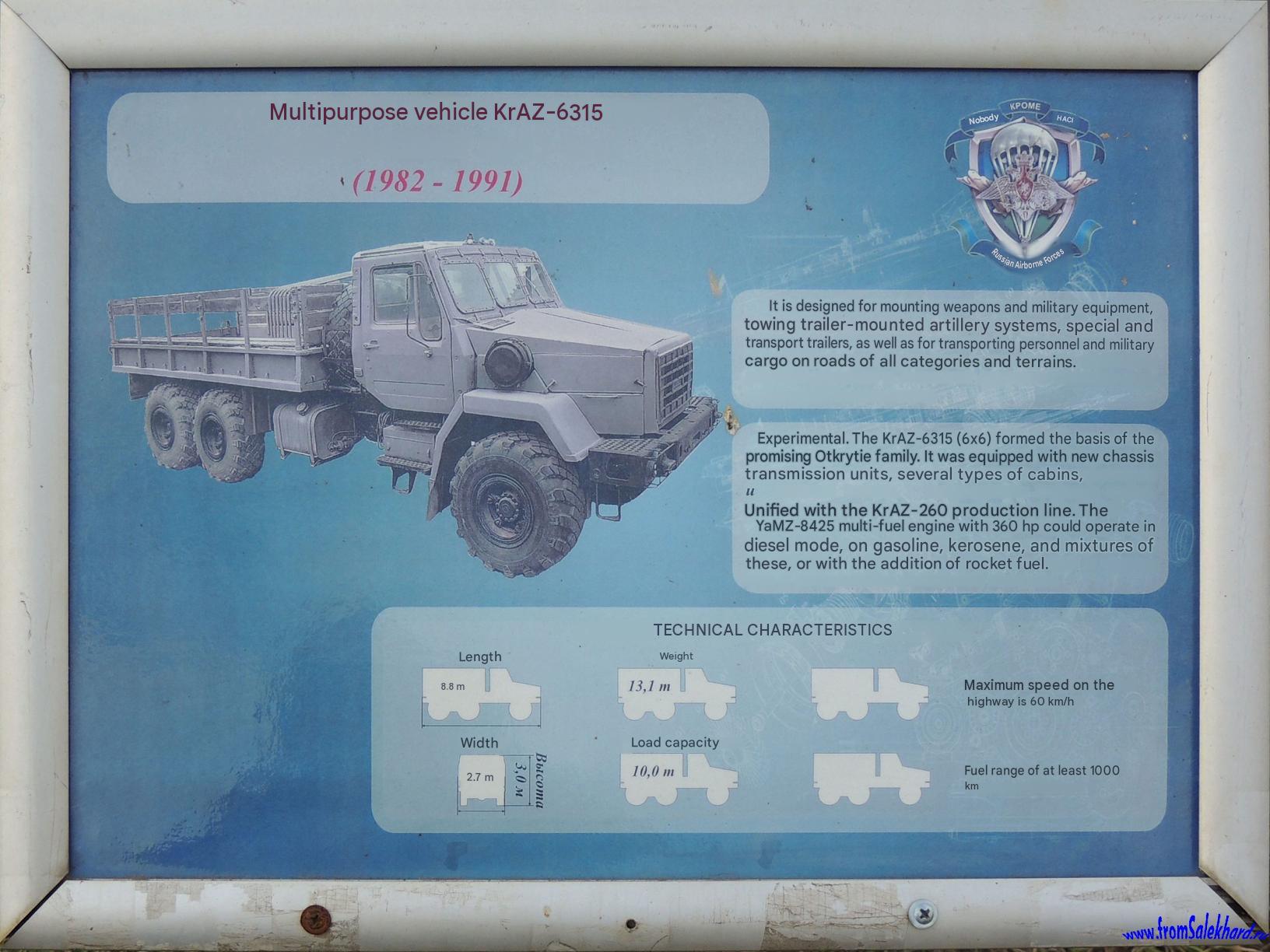
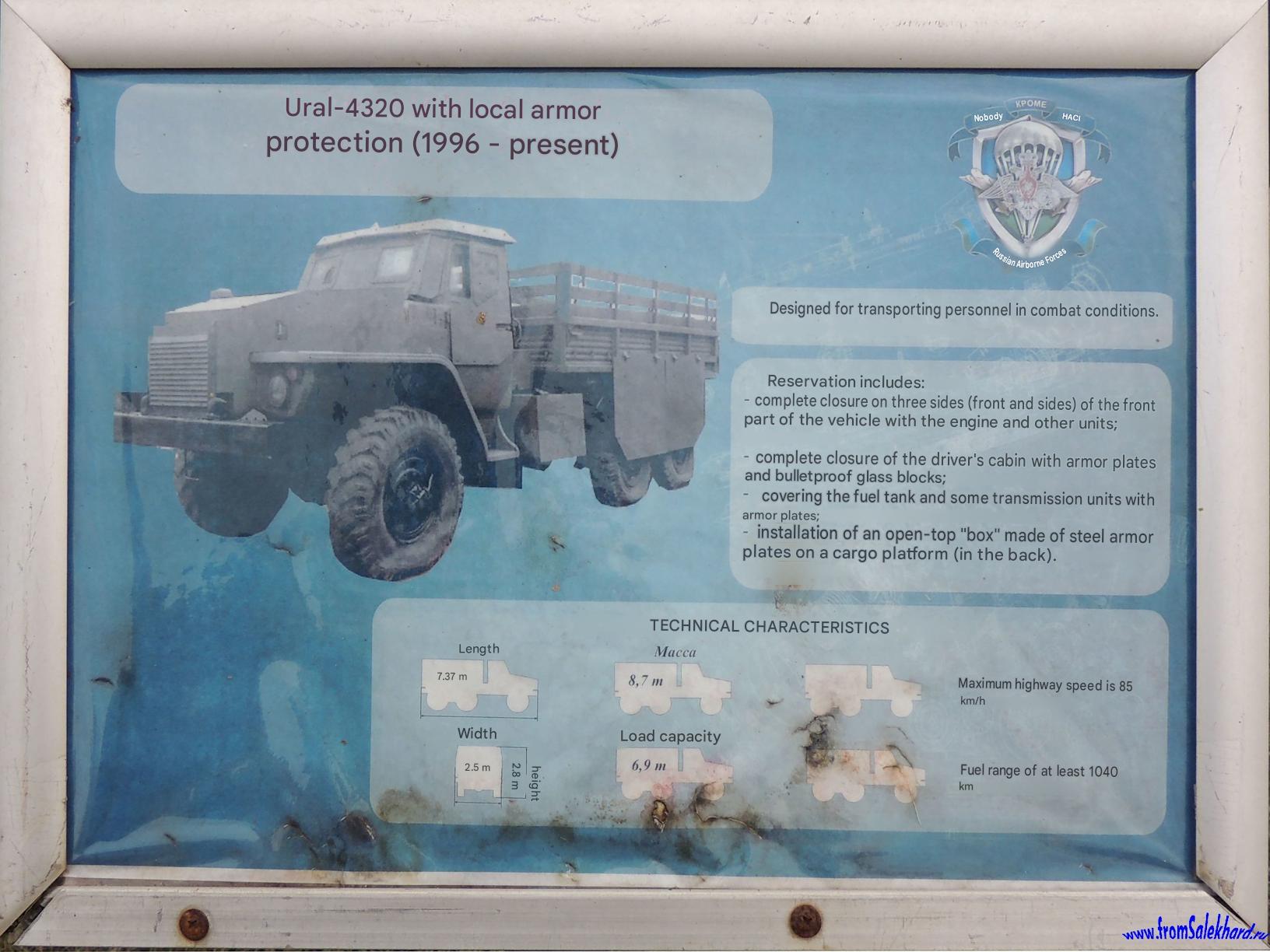
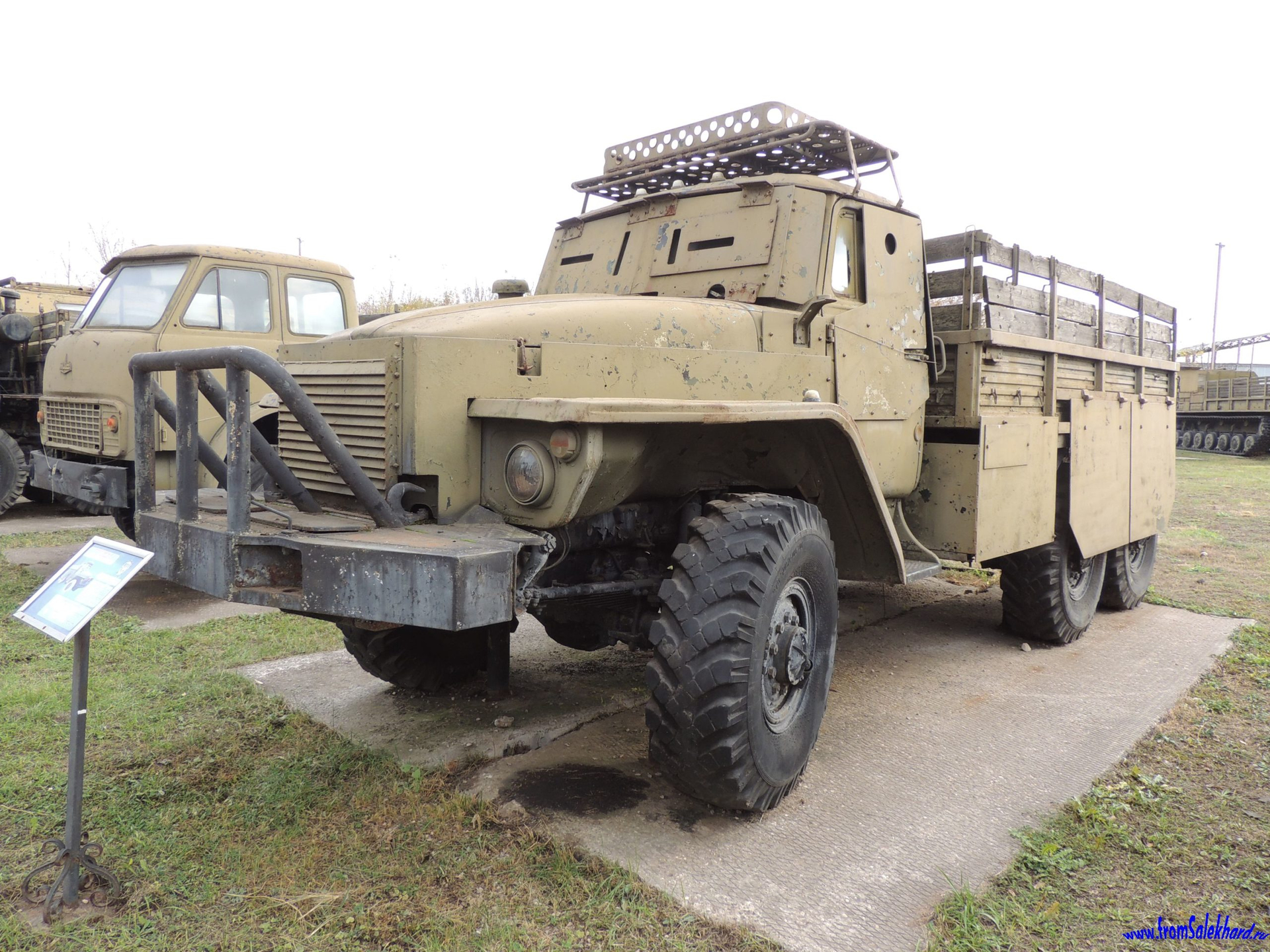
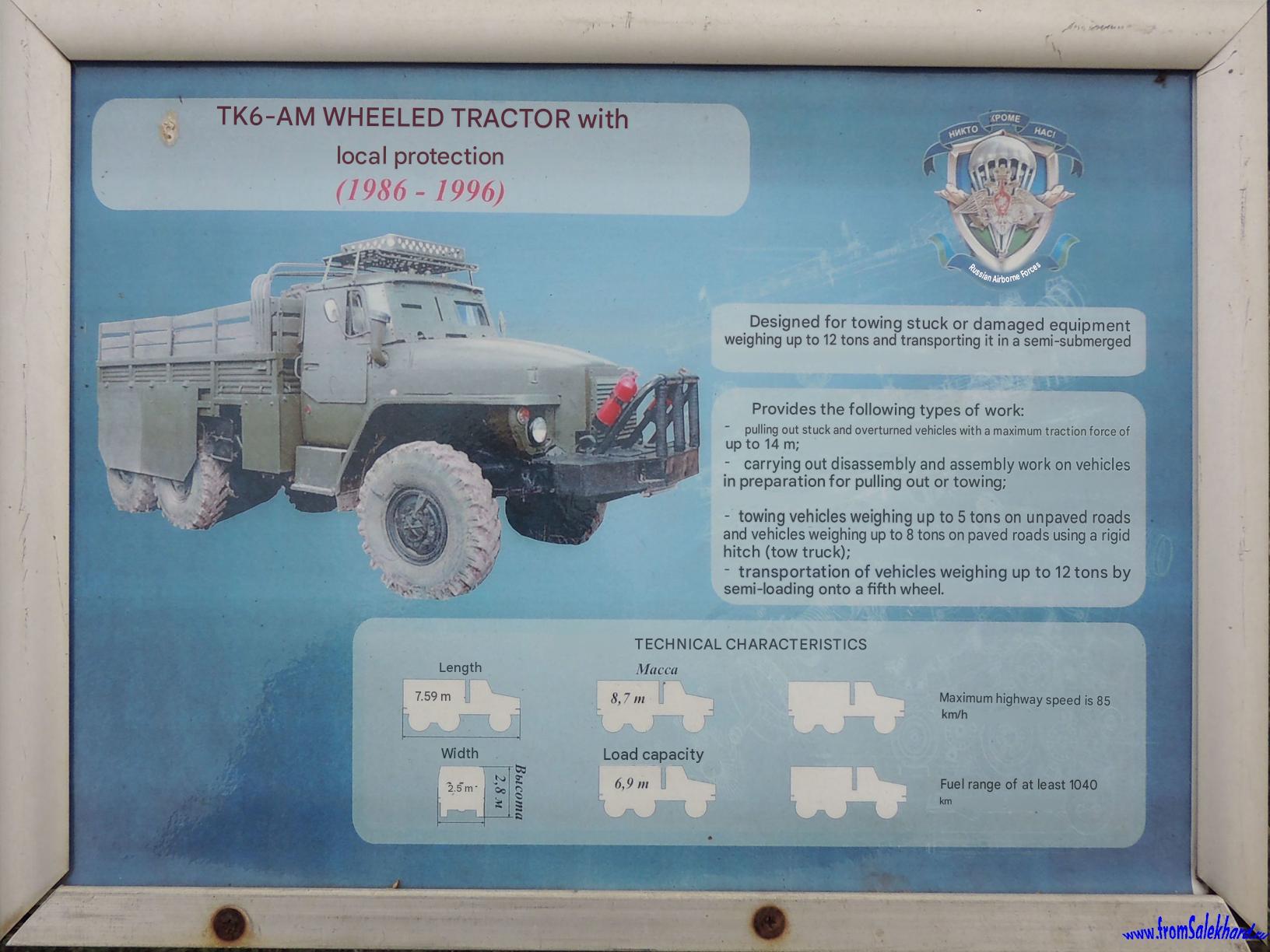
Moreover, I lost the museum plaque from the first KamAZ.

Here we are, past the first group!

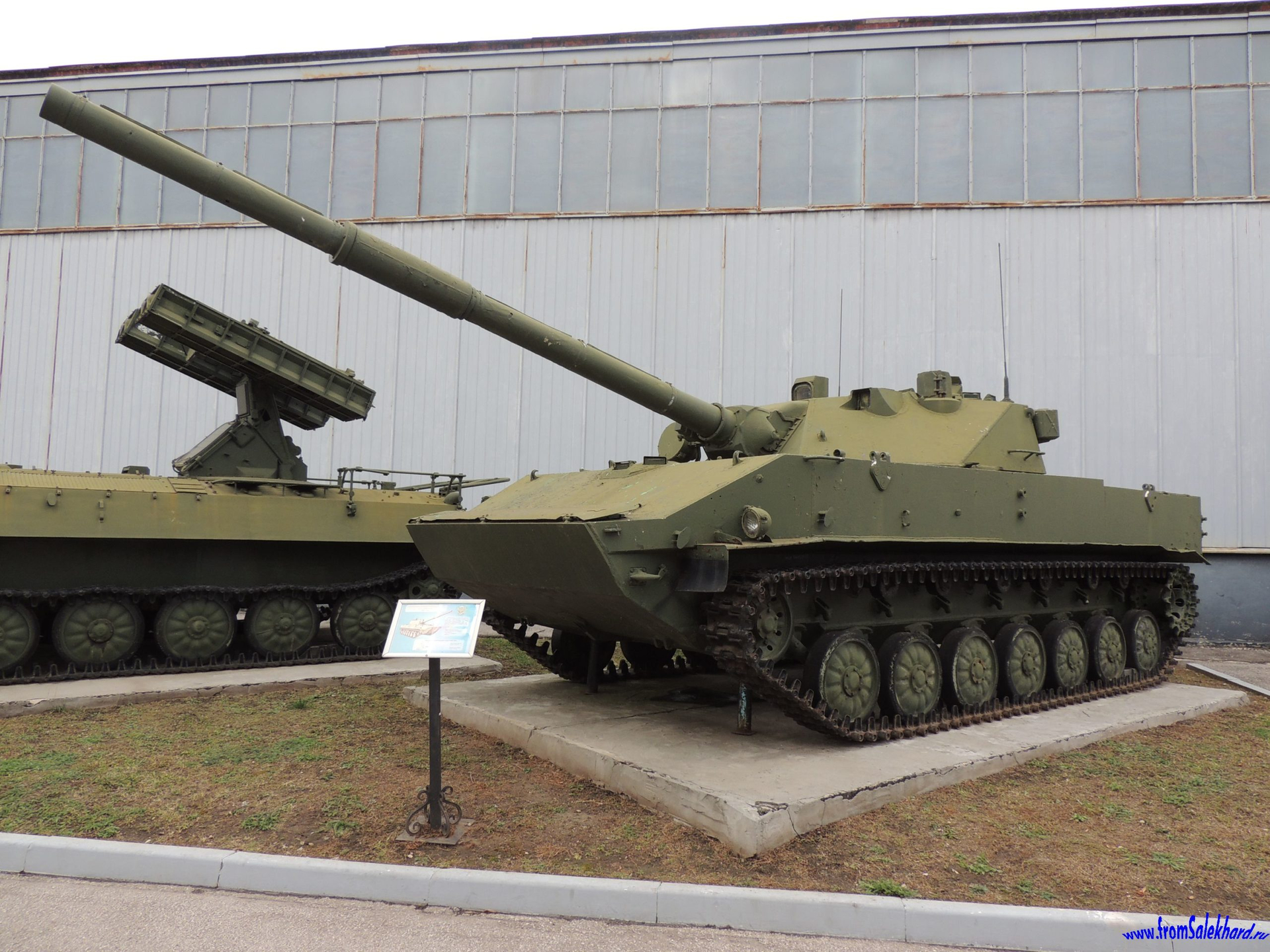
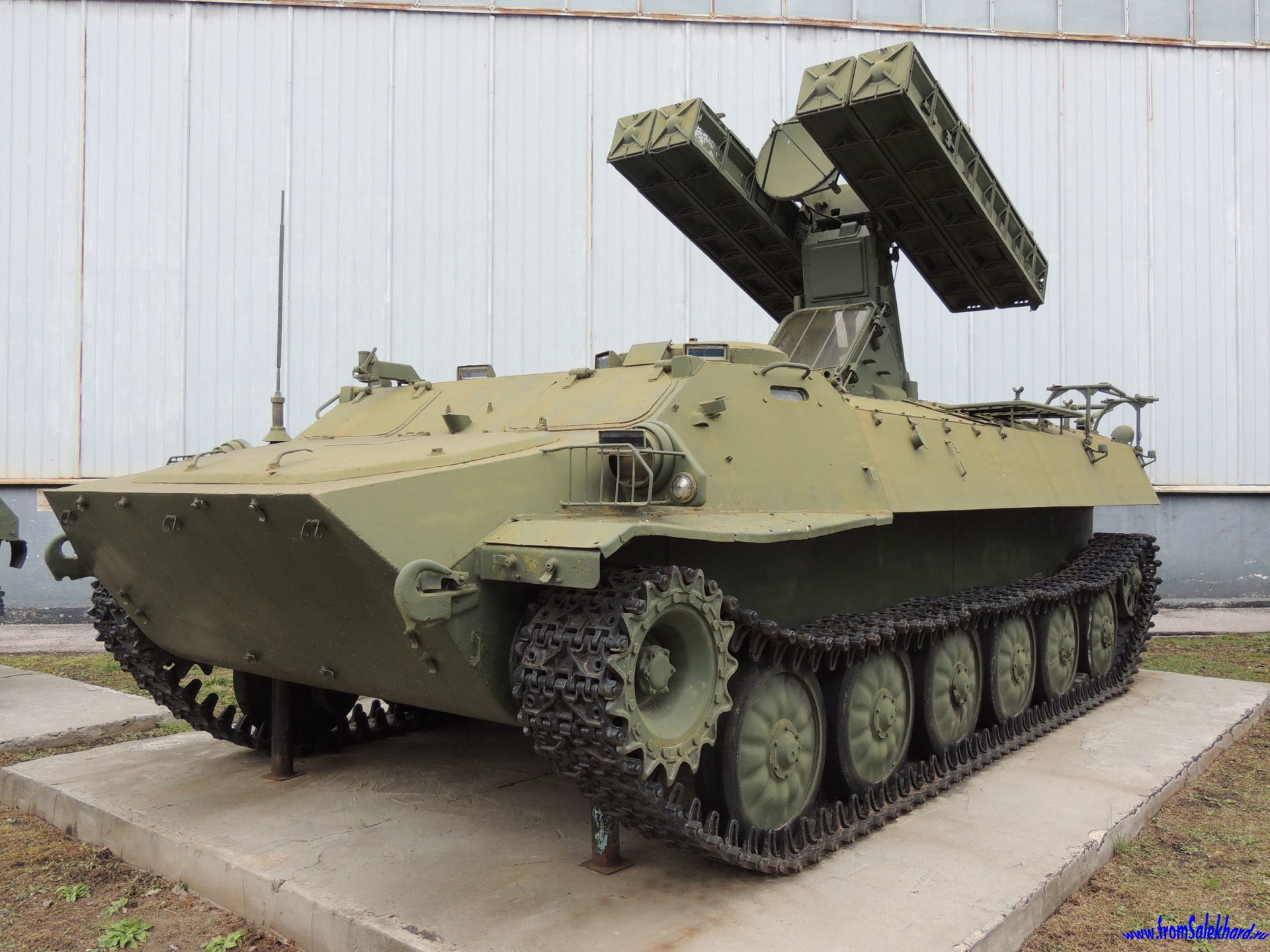
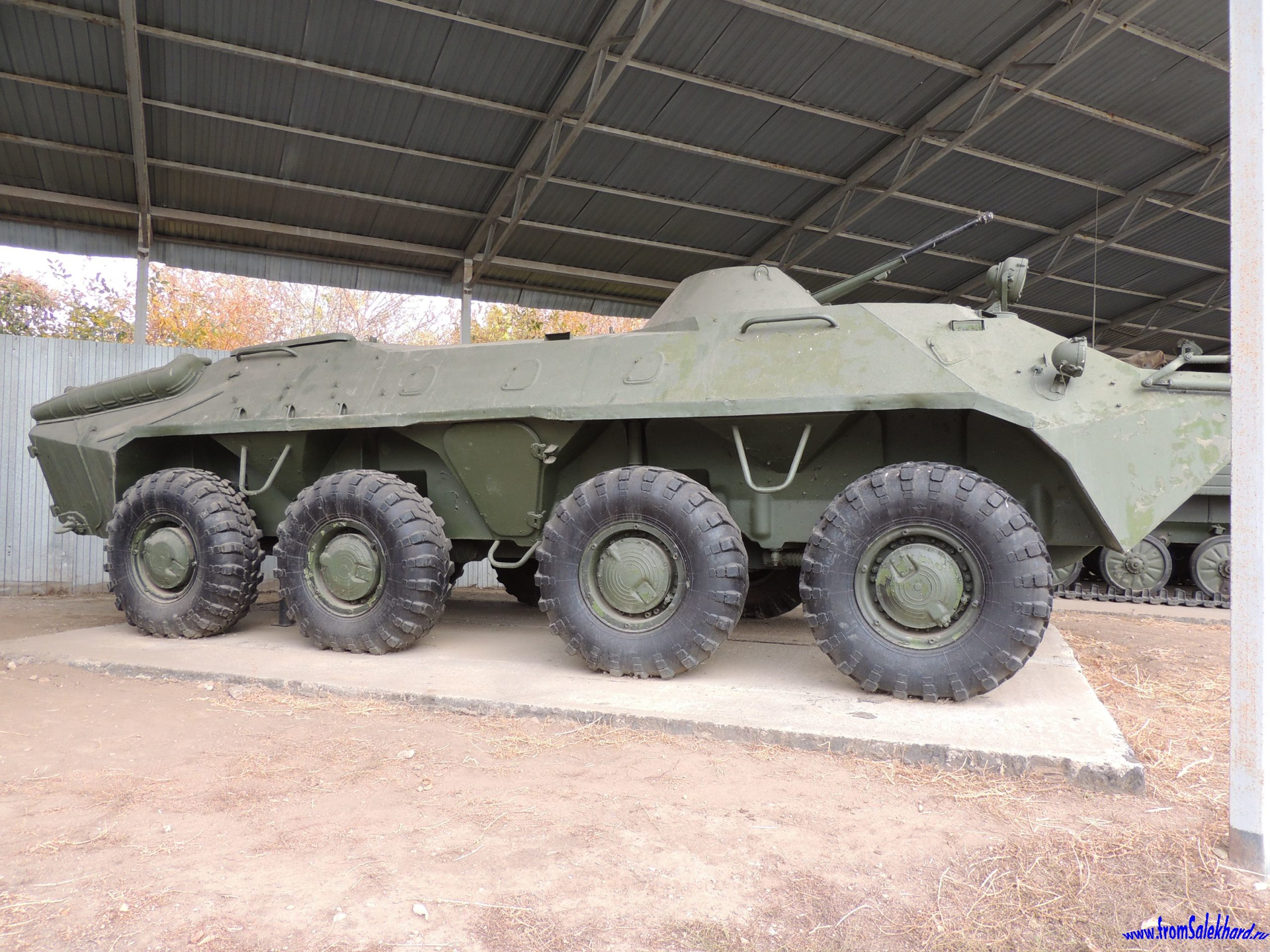
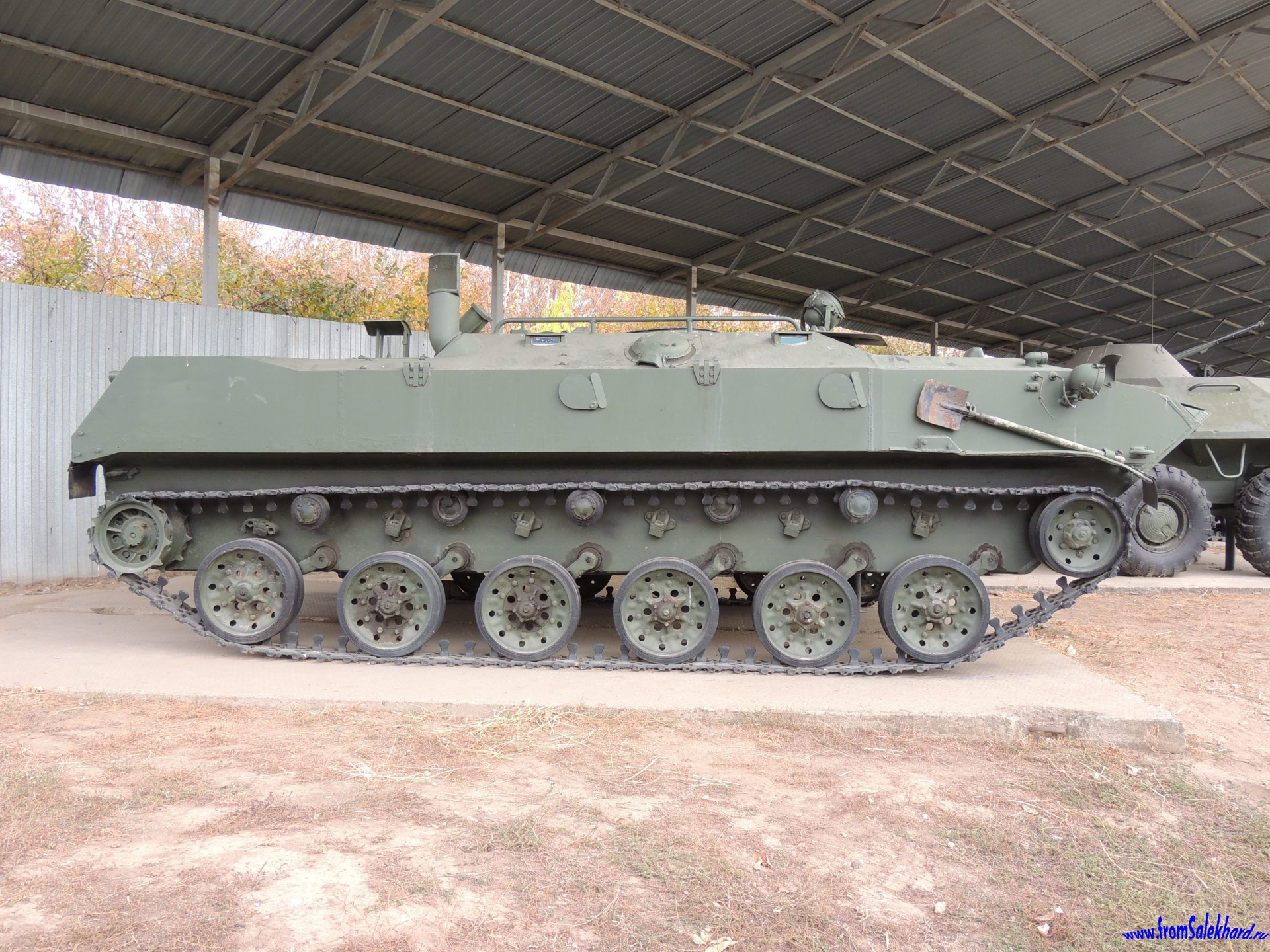
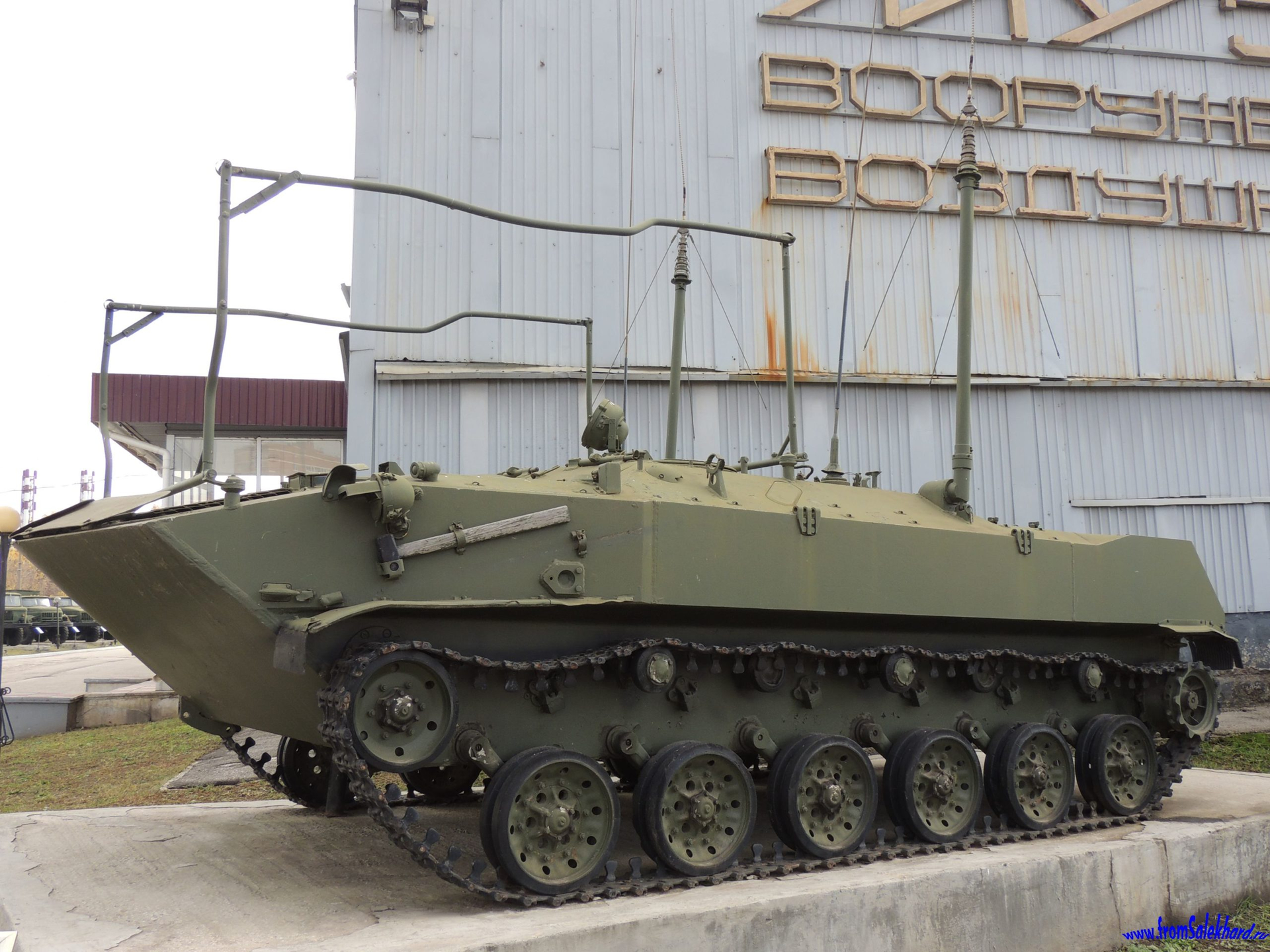
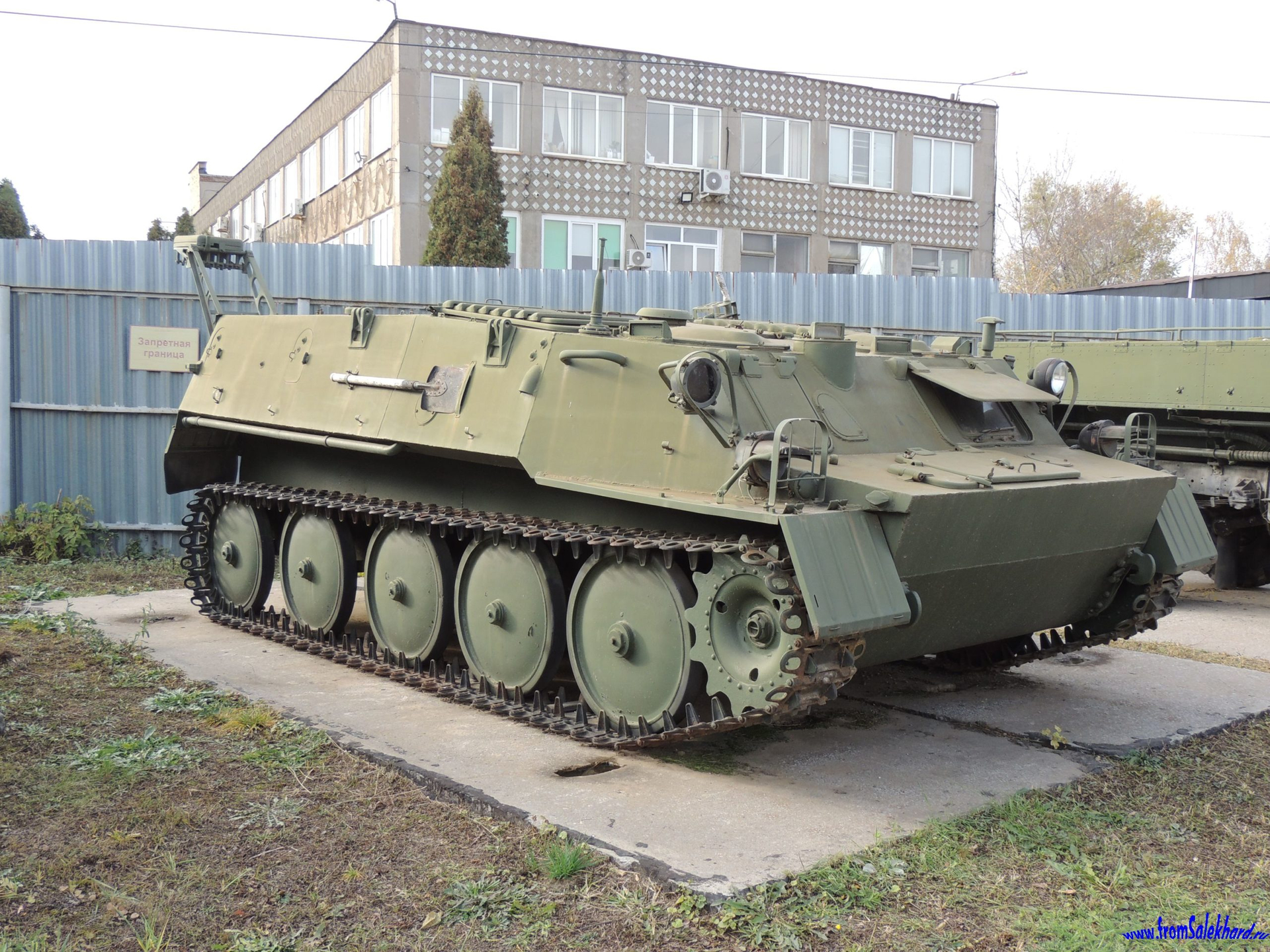
That’s all there is to wheeled vehicles for now; tracked vehicles are next.

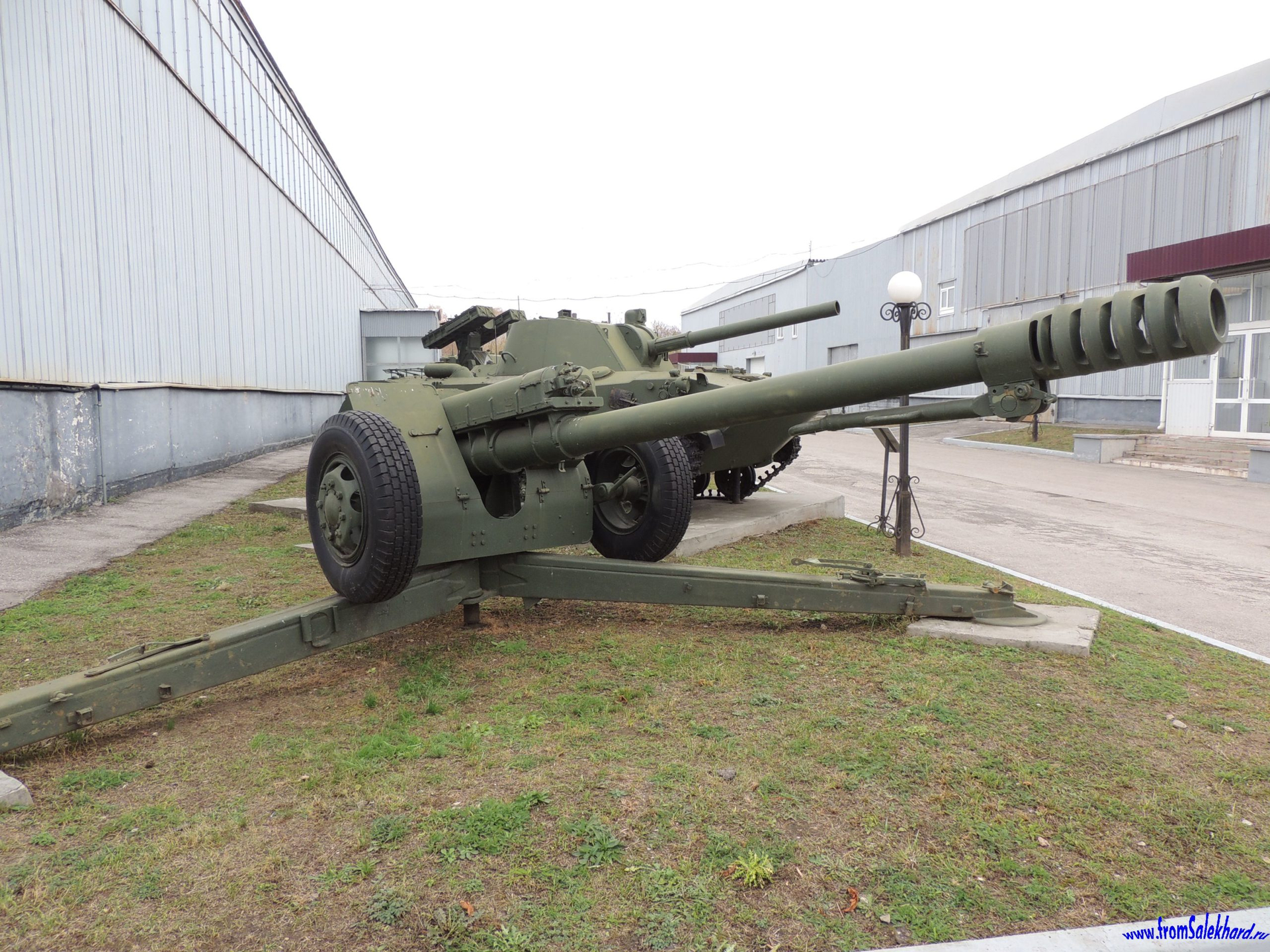
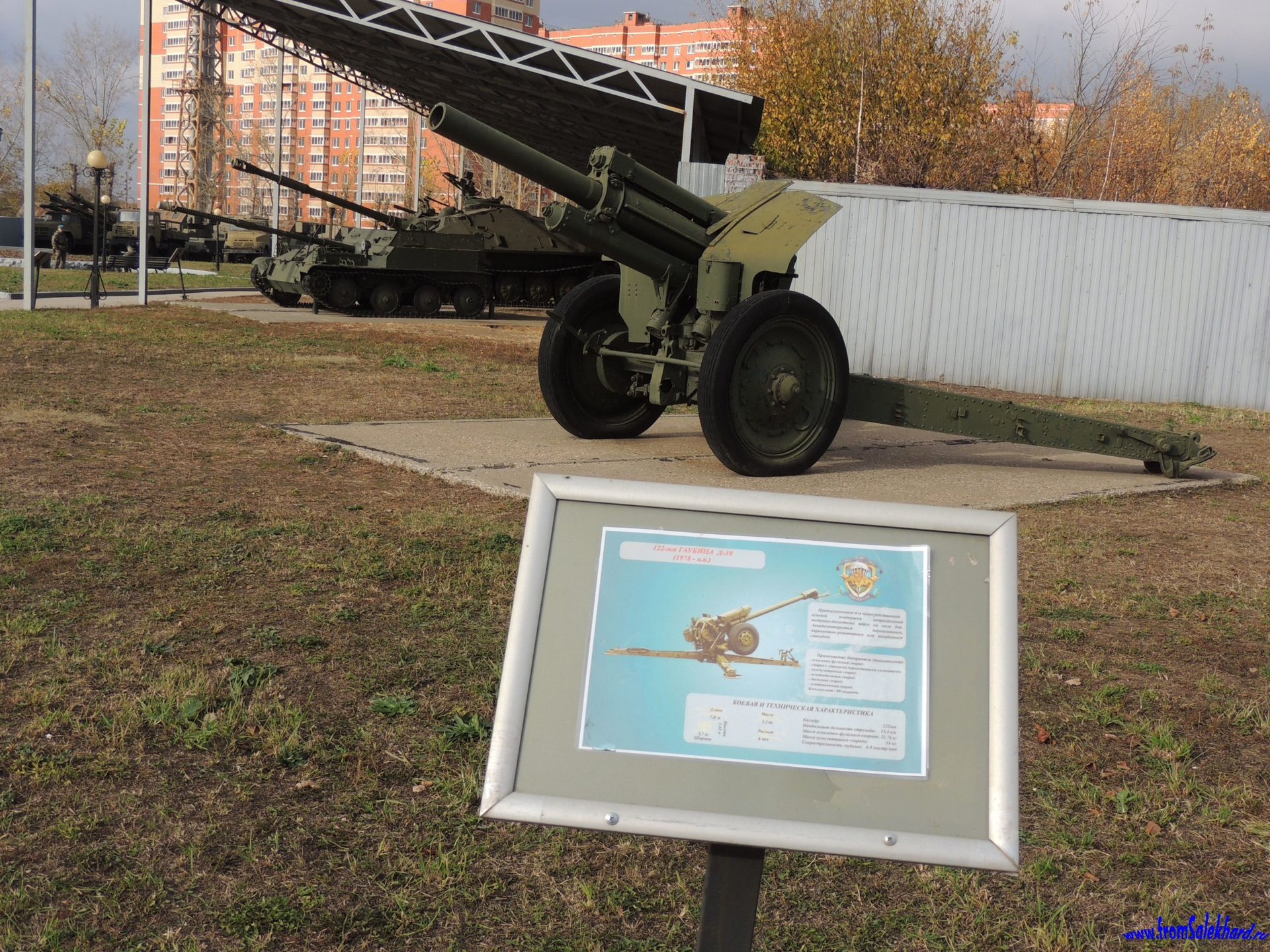
The howitzer is not just nameless,

but simply incognito—another howitzer is pretending to be one. The difference there is only one letter: M-30 and D-30!

Or they took it for a spin and never put it back.

4 Likes

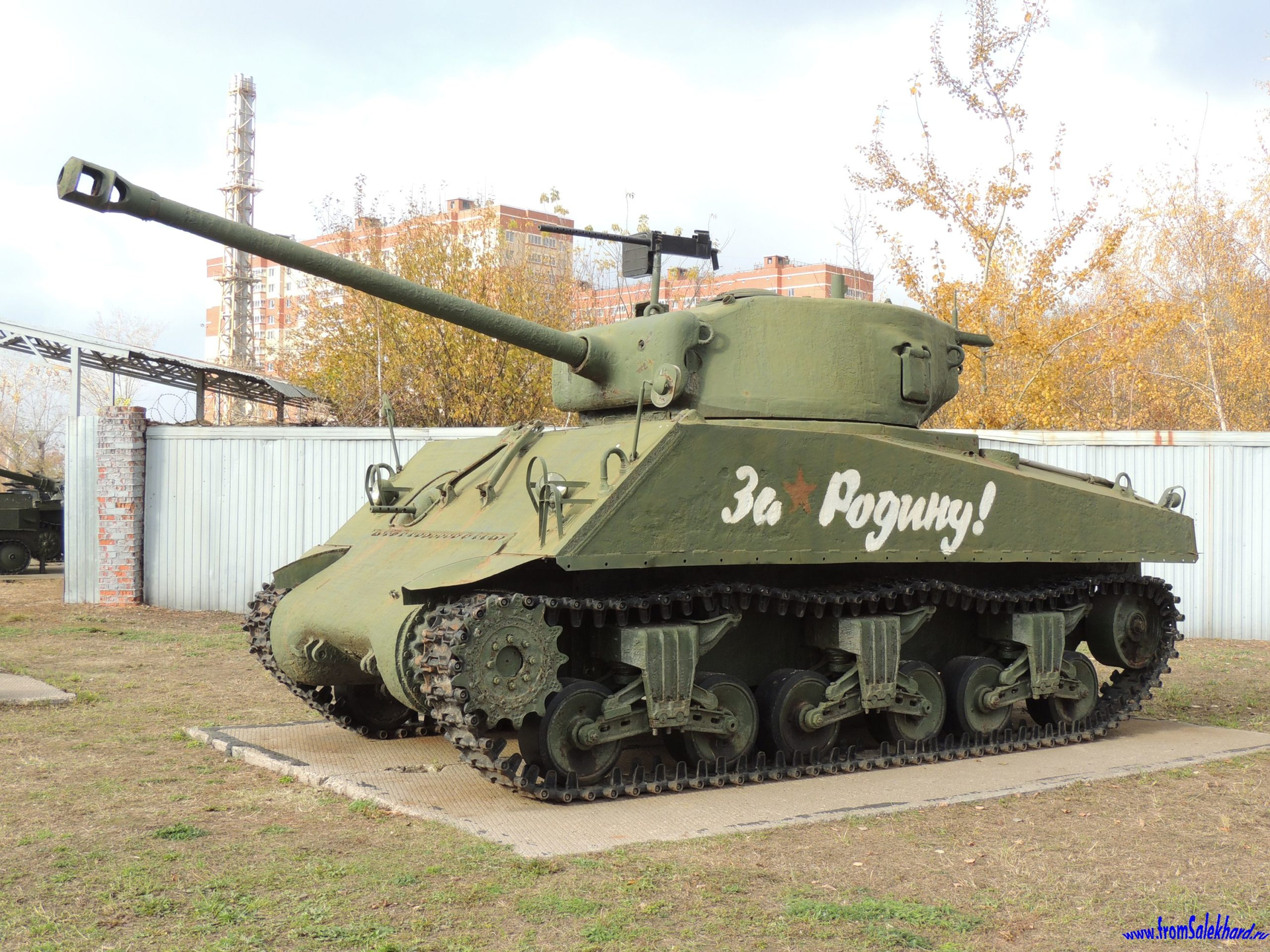
Between them stands the only representative of the foreign military industry here.

Text: “For the Motherland!

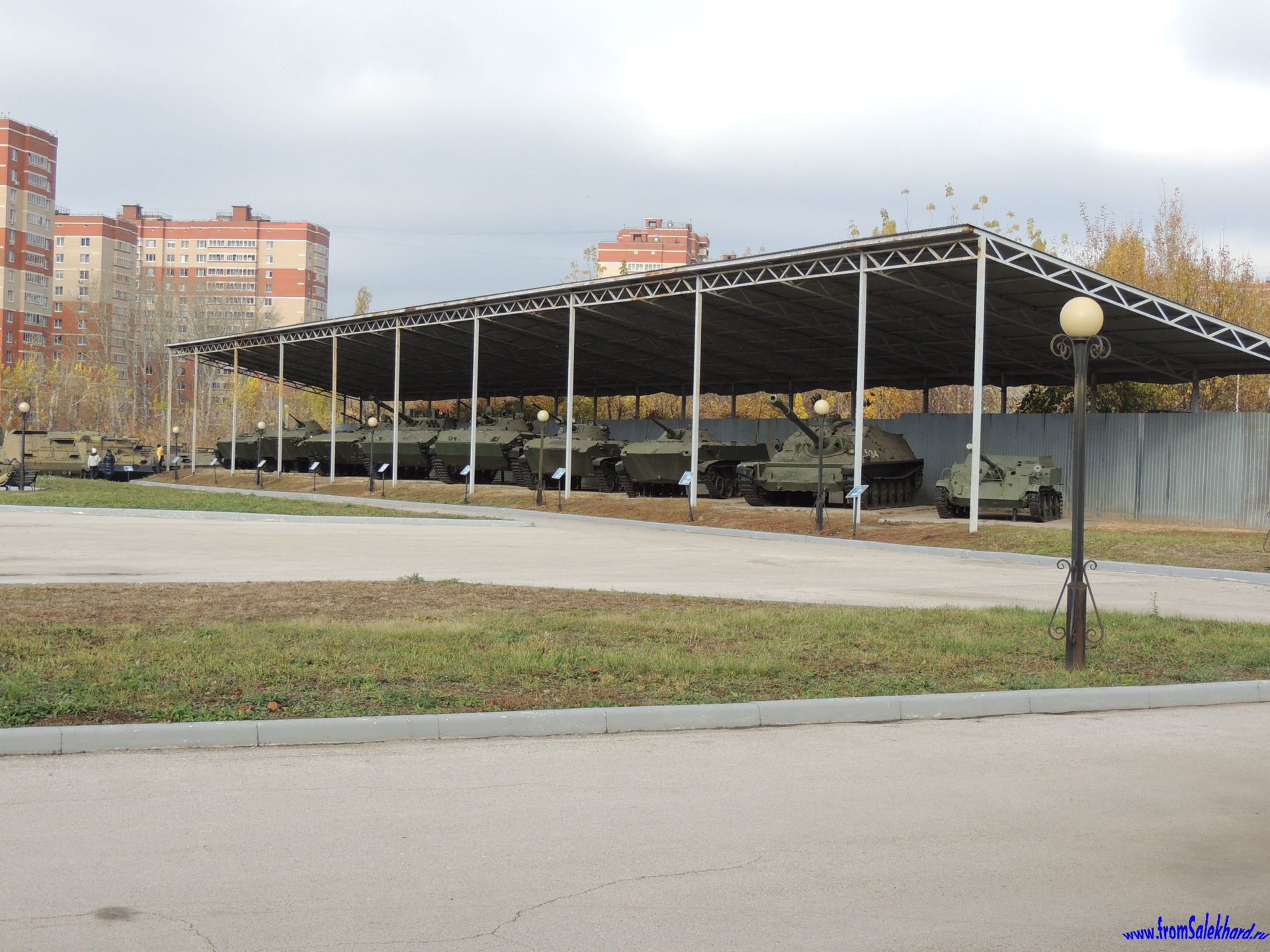
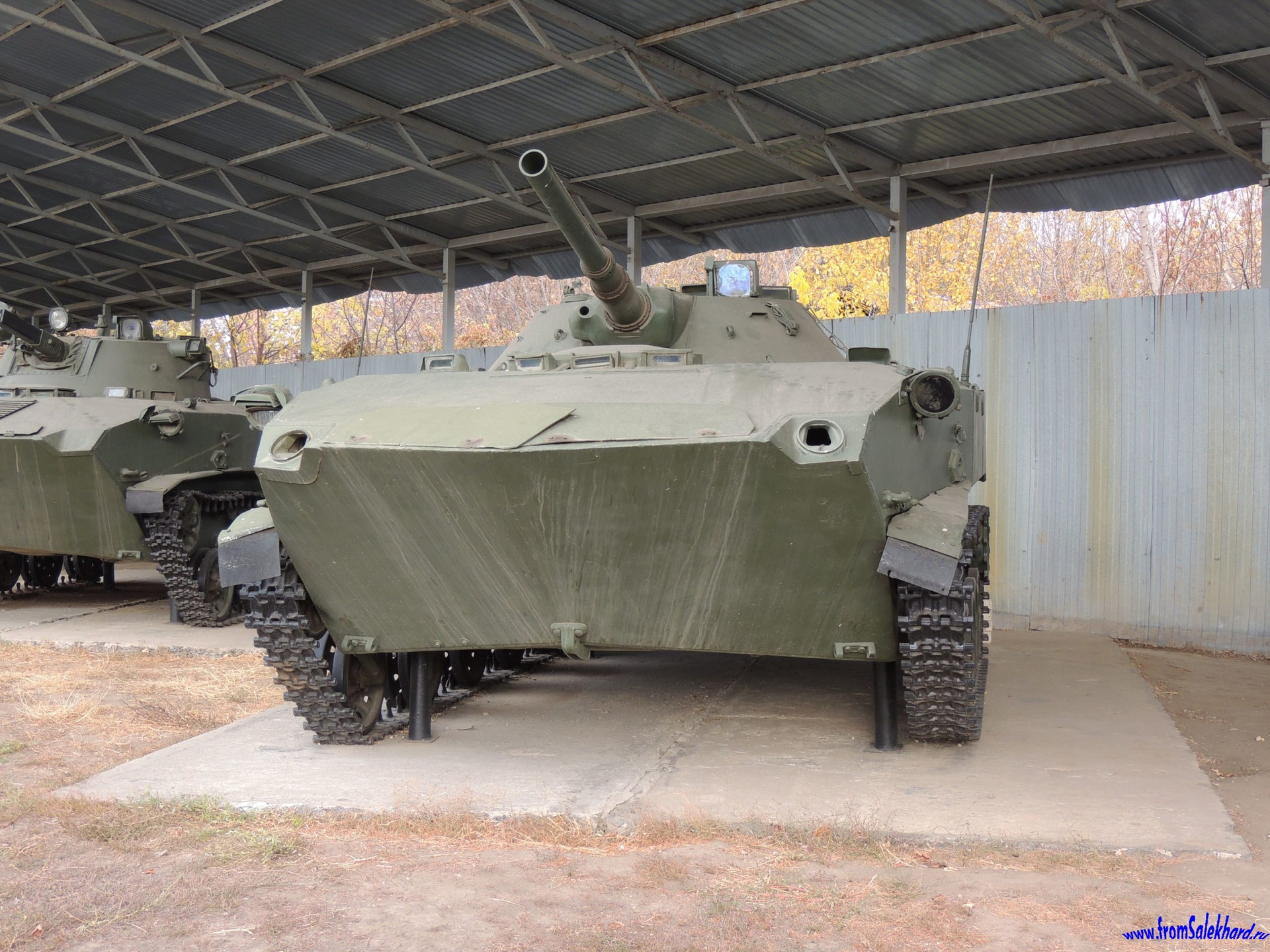
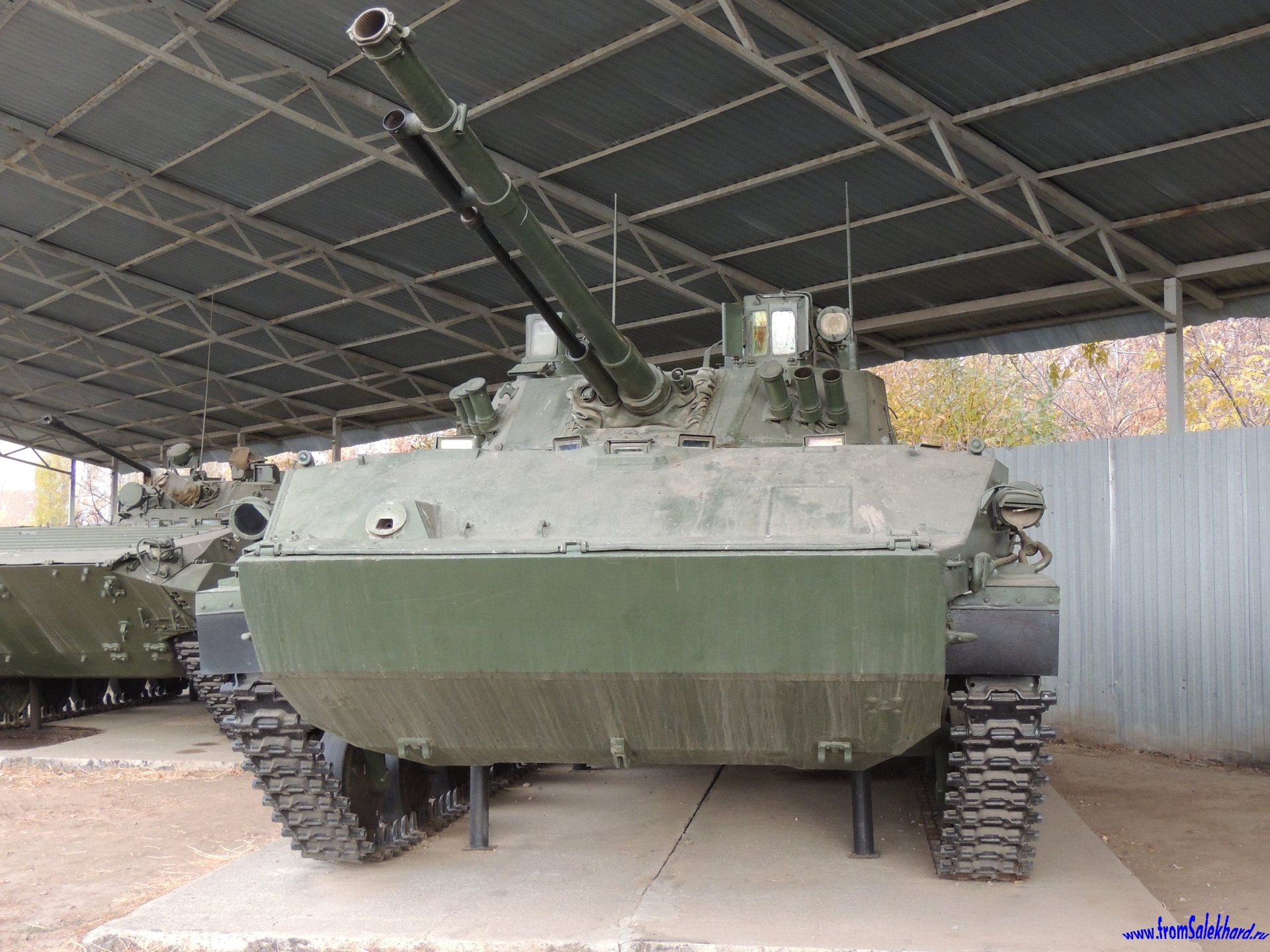
Next we will have to move away from the hangar and go under the canopy.

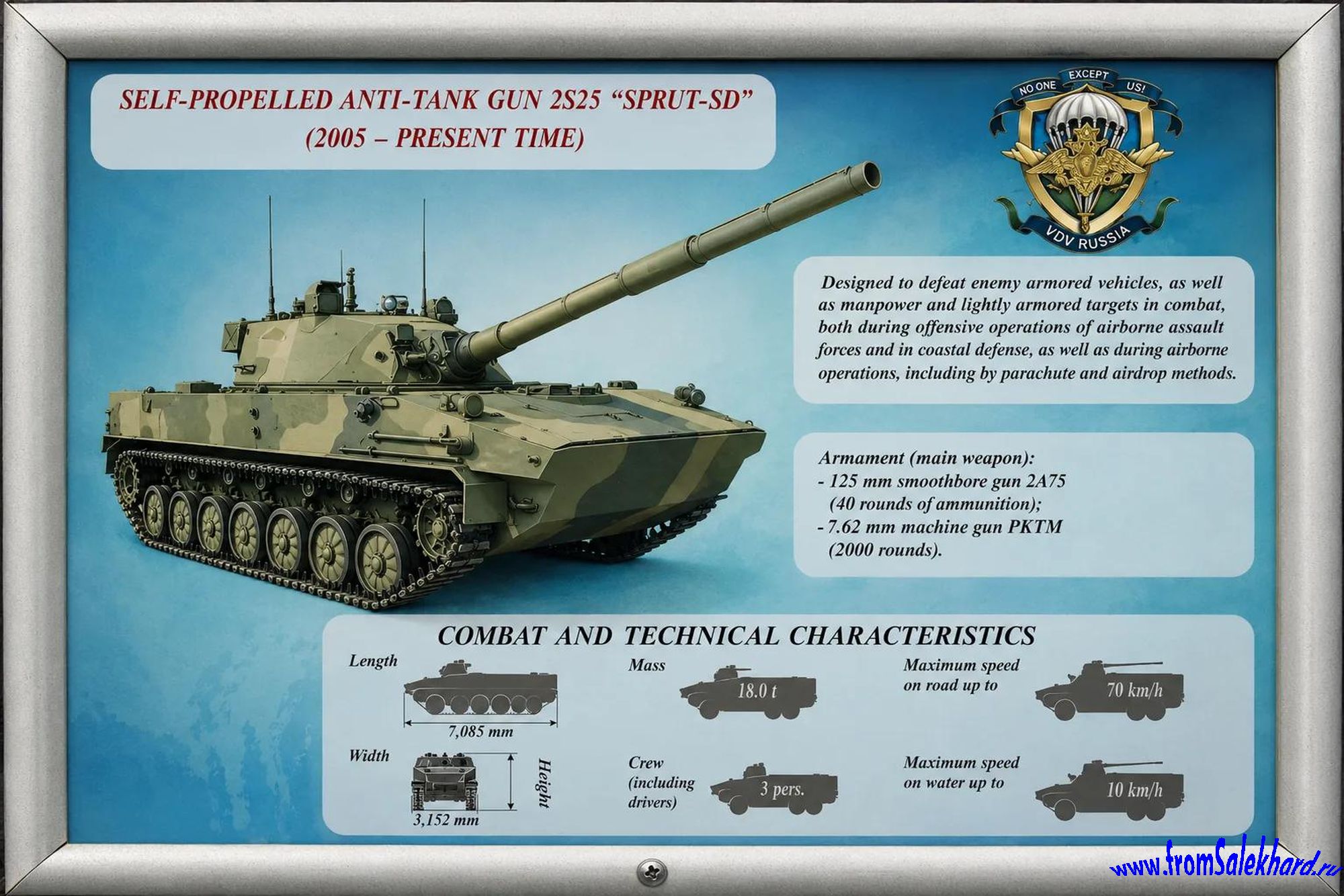
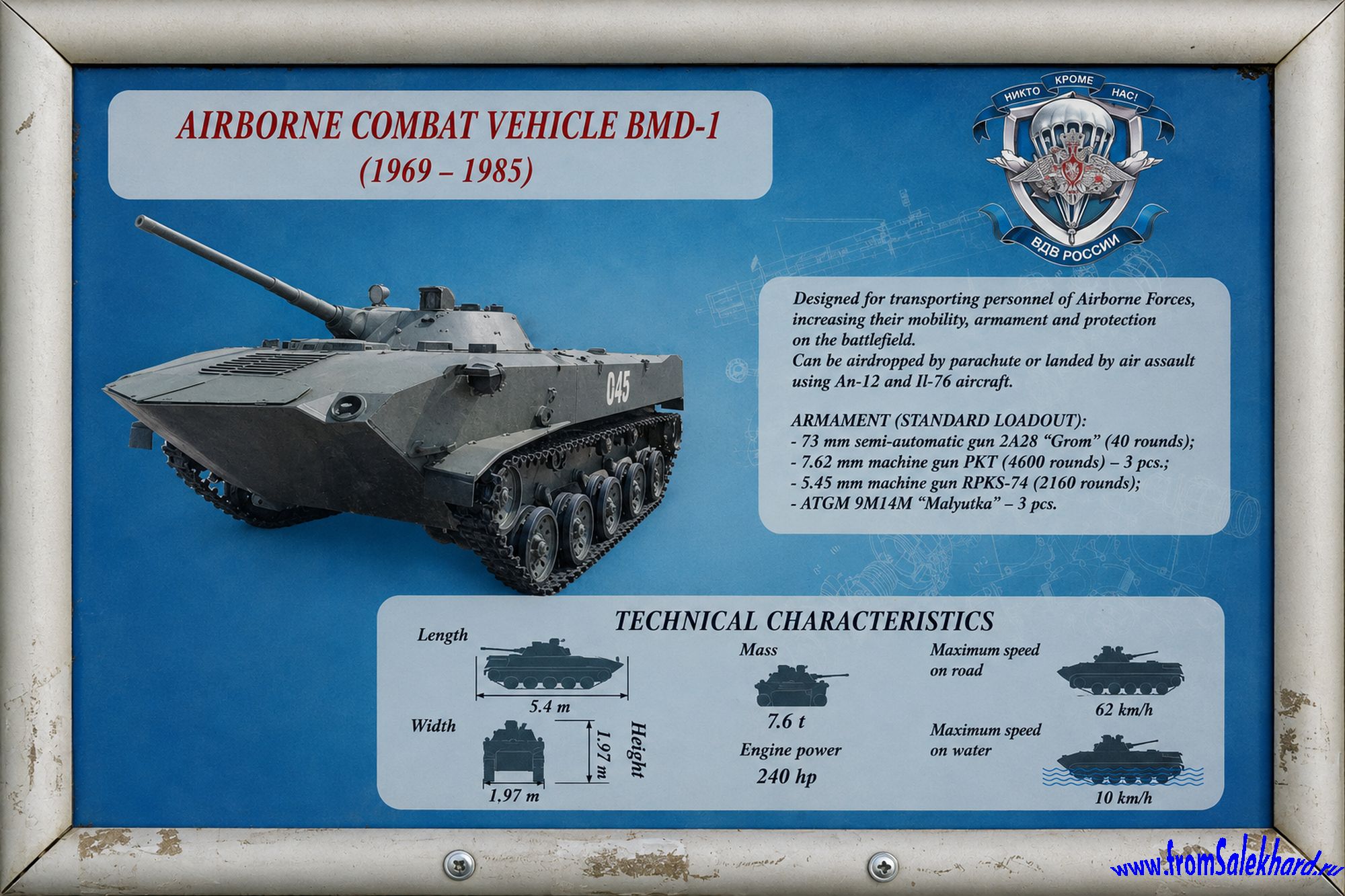
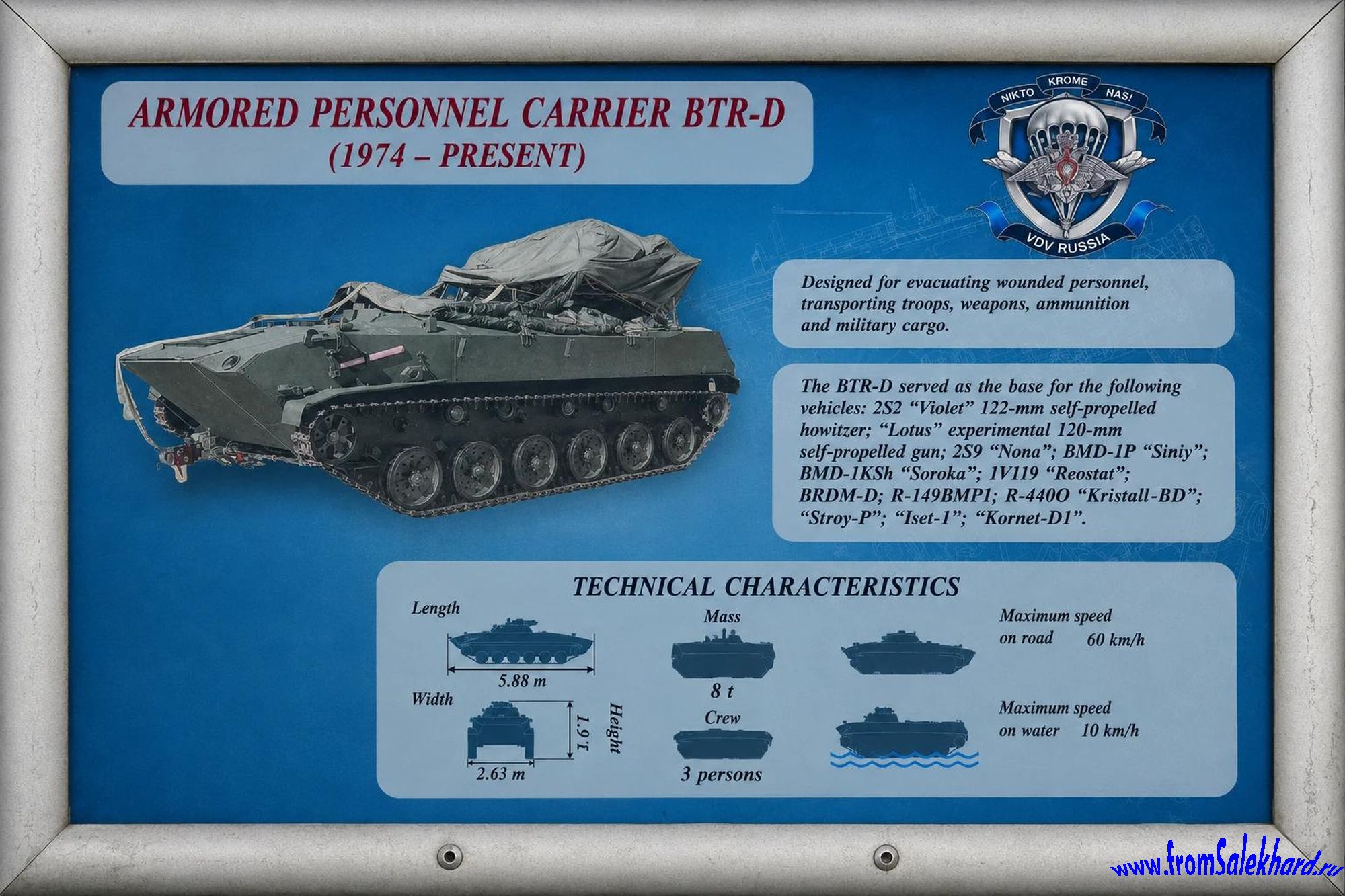
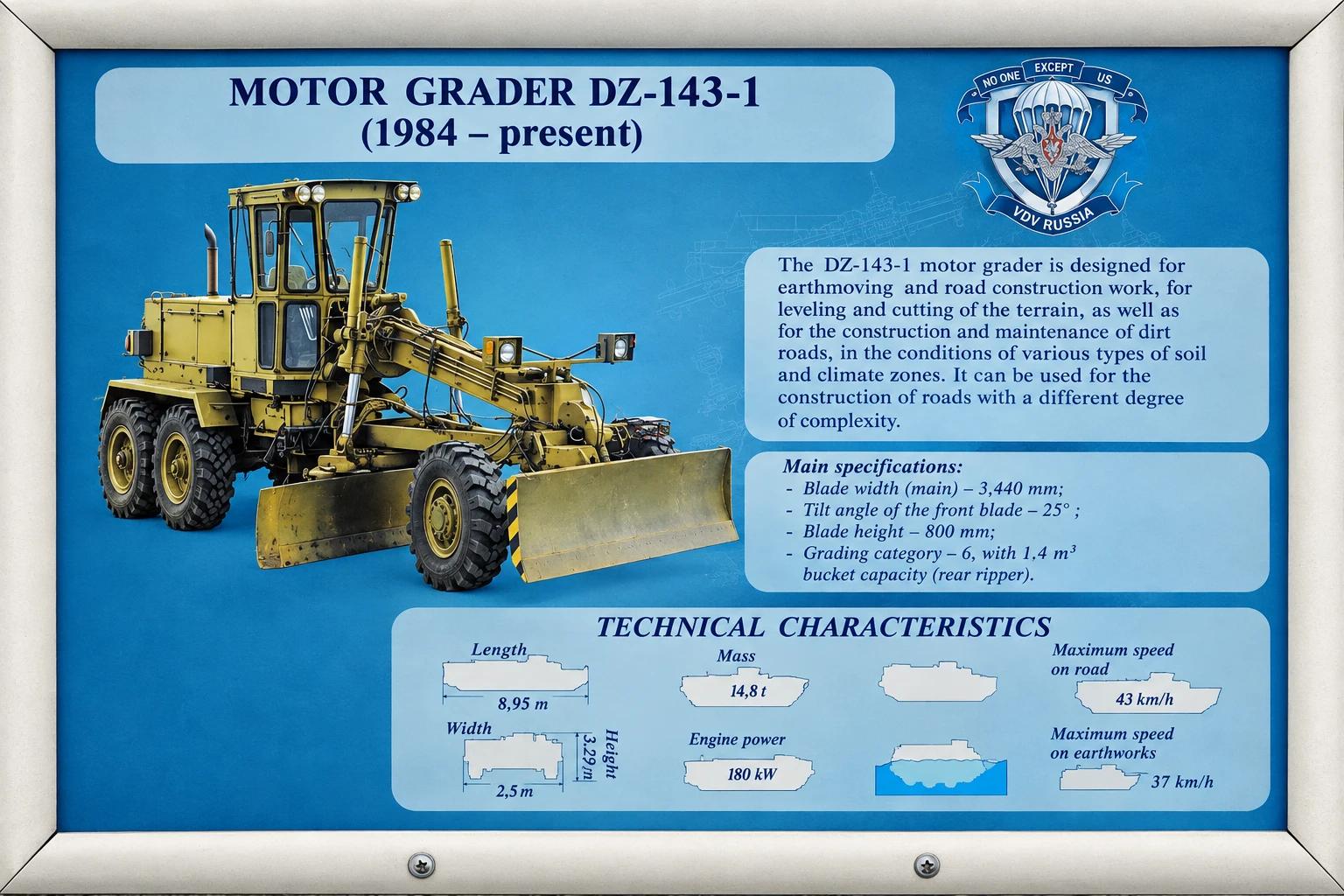
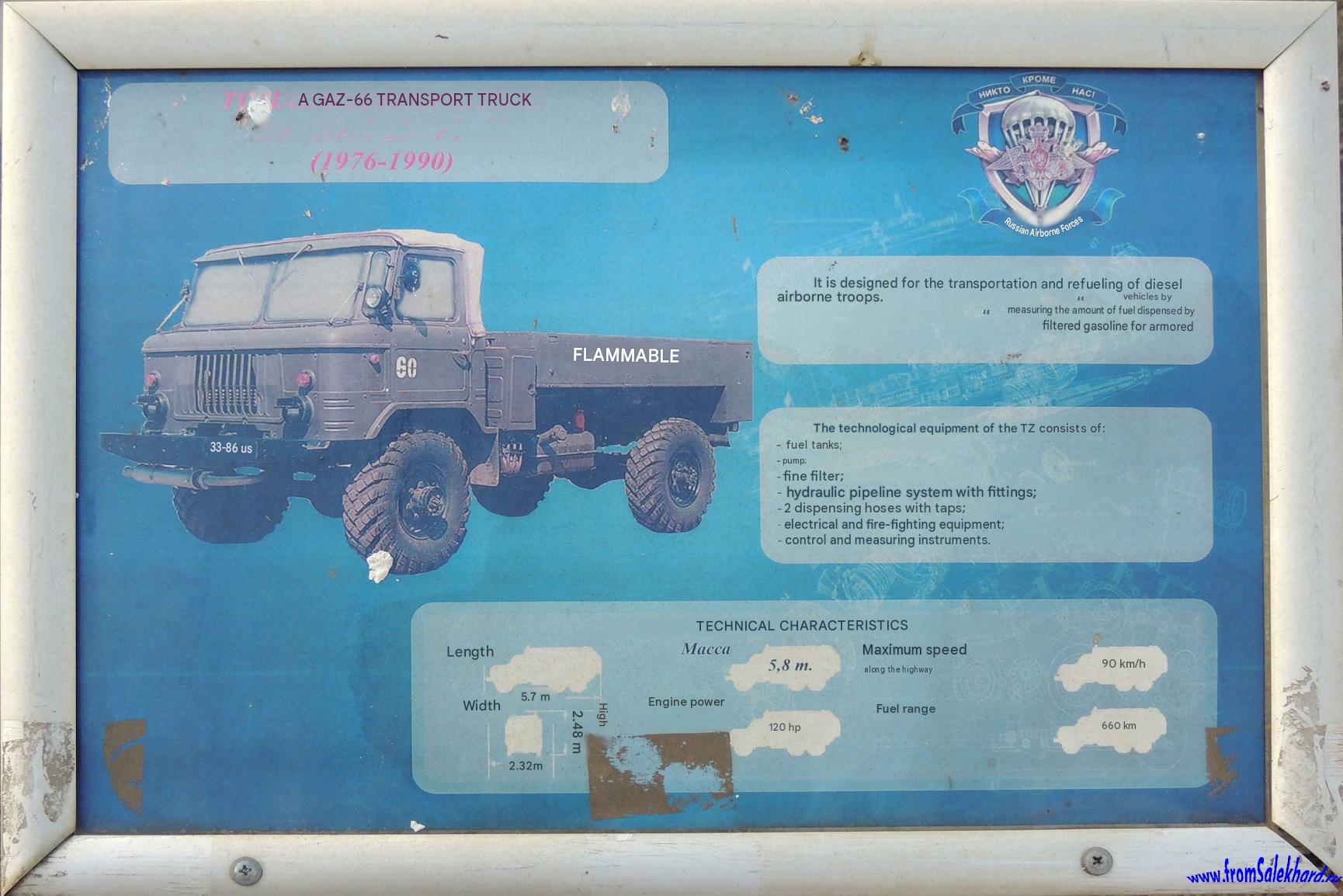
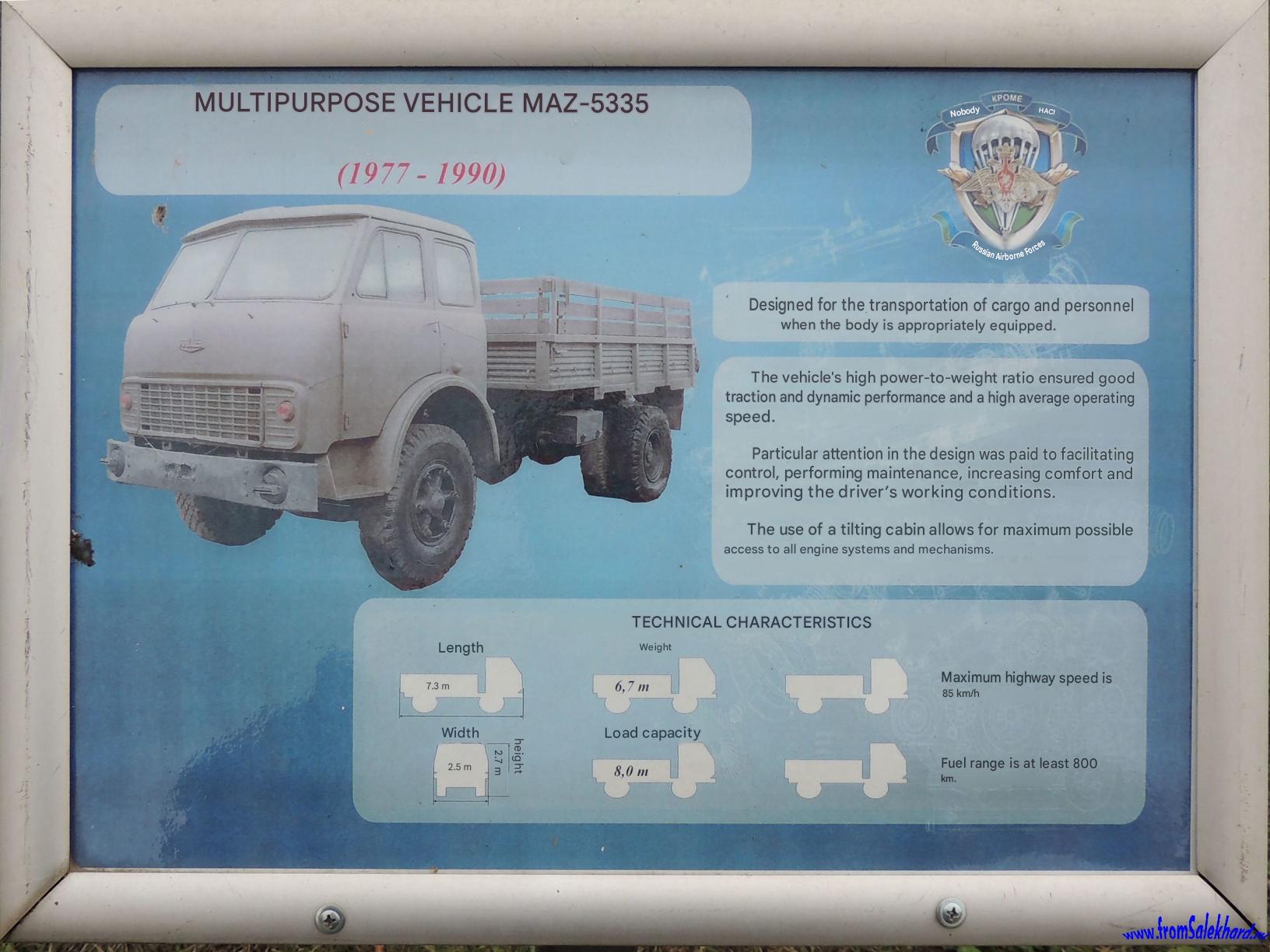
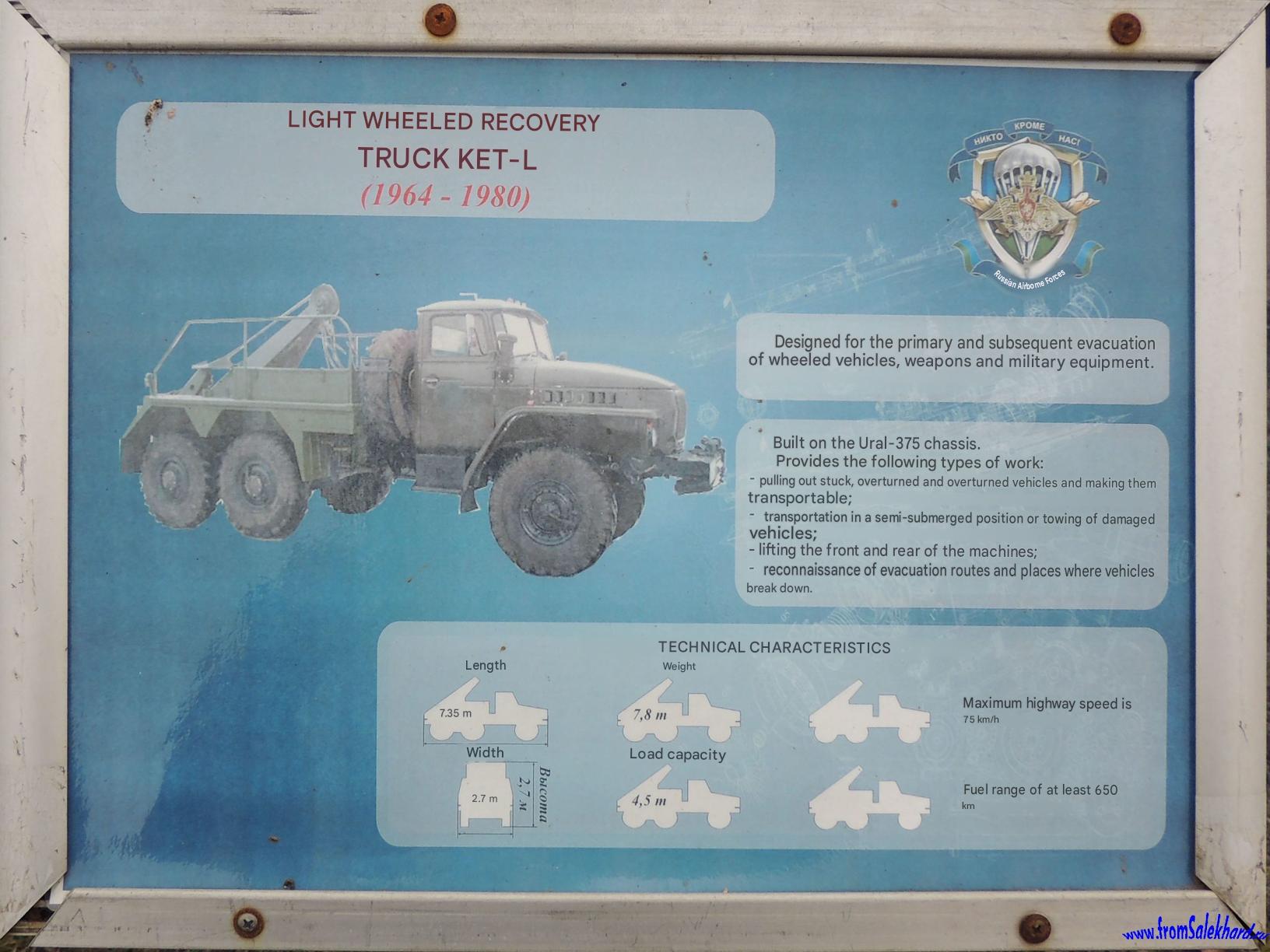
Apparently the picture on the sign was mixed up.

Something like that, if you look back.

4 Likes