3 Likes
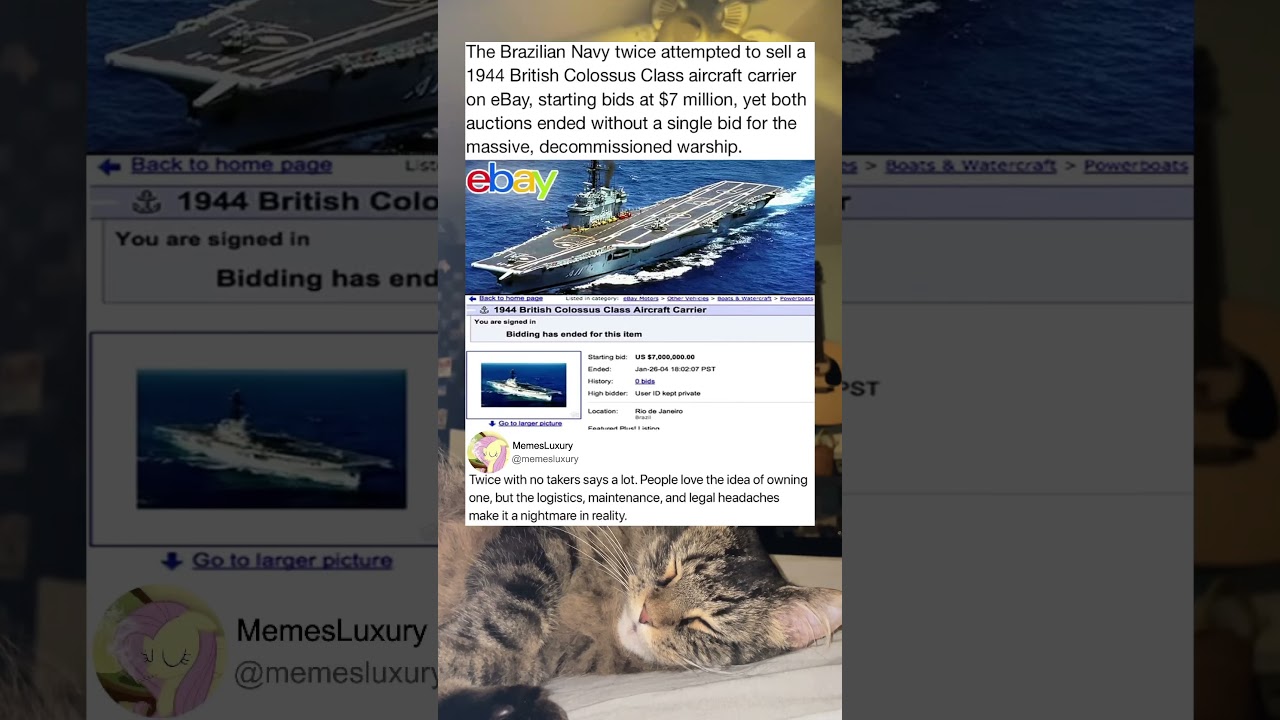
Brazil was trying to sell the former French aircraft carrier Foch back in 2018. Did not read far enough to find out what happened to that one.
Well, I guess you could buy it, tow it to some shallow river, open the shuttlecocks, and use the resulting wreck as your post apocalypse base.
Oh! Hey! Matt would have enough room to expand his model warehouse!
3 Likes
Don’t think I’ve got enough room for that one in the stash.
1 Like
São Paulo (Foch) ended up being scuttled in 2023, Minas Gerais (HMS Vengeance) had been scrapped in 2004, so the article is a bit out of date…
M
2 Likes
Very sad. At those prices, the original nations should buy back such vessels and convert them into museum ships.
2 Likes
It would cost a LOT to tow such a ship across the Atlantic,
add the costs for refurbishment (rust, paint etc),
add yearly costs for maintenance and staffing.
Not a cheap project …
Scrap merchants or scrapping yards buy ships to recycle them,
since none of them submitted any bids I presume that the
purchase price + towing costs to a scrapyard (Turkey, India or
Bangladesh) were already too high.
1 Like
A recent US carrier was sold for scrap for the princely sum of one dollar - the buyer got to pay transport costs etc so there wasn’t much profit left once demolition costs were factored in.
3 Likes
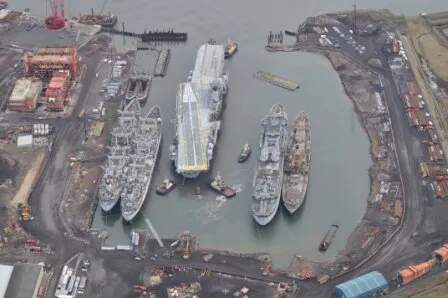
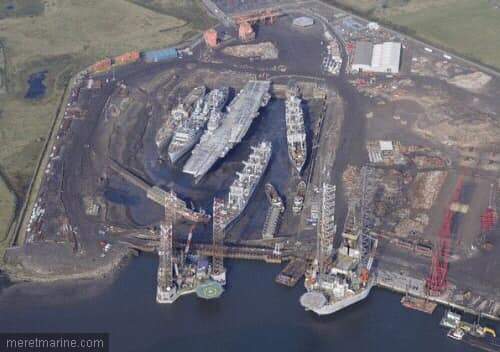
About 10 miles down the road from my house is the Able UK site which planned to scrap 13 ships of the US ghost fleet. Such were the environmental concerns that only 4 ships were scrapped in the end. Around 700 tons of hazardous materials were removed from each ship, think asbestos, PCB’s and lead paint.
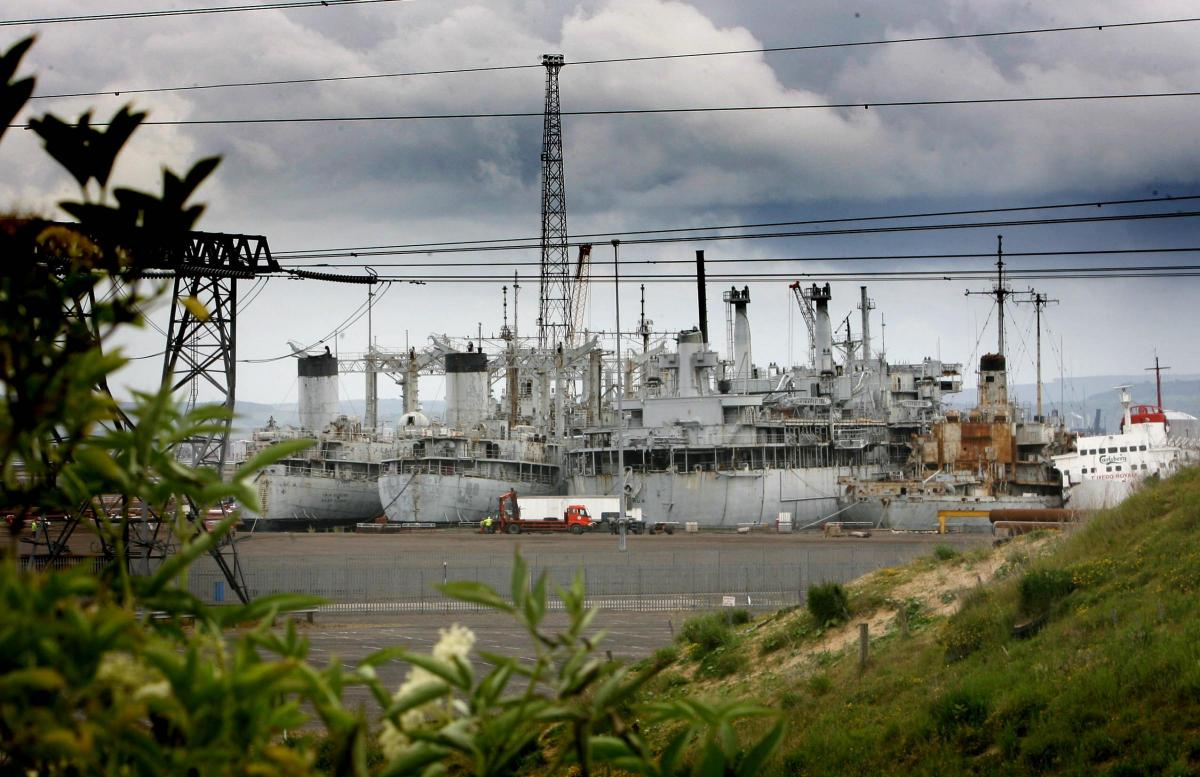
Around the same time Clemenceau was being dismantled and it was such an environmental horror story Egypt and India refused to take it!! So transport costs might be high but may pale into insignificance when they come up against the costs of a full negative pressure environment, specialist PPE and disposal costs. So no wonder Brazil tried to palm their ship off, they learnt their lesson and just sank Foch.
4 Likes
Thats very expensive to maintain.
3 Likes
Recent history is full of failed preservation efforts:
INS Vikrant: decommissioned 1991, museum ship to 2012, scrapped 2014.
INS Viraat: earmarked for a museum ship 2015, decommissioned 2017, scrapped 2021.
Kiev: decommissioned 1993, Chinese theme park 1996, hotel 2011.
Minsk: decommissioned 1993, Chinese theme park 2000-2016, caught fire 2024.
Dédalo (USS Cabot) : decommissioned 1989 and given to a U.S. charity as a museum ship, designated as a National Historic Landmark 1990-2001, scrapped 2002.
That’s just the carriers.
HMS Plymouth: decommissioned 1988, museum ship 1990-2006, scrapped 2014.
HMS Bronington: decommissioned 1988, museum ship 1989-2006, sank at her moorings 2016 and still there.
HMS Onyx: decommissioned 1991, museum ship to 2006, scrapped 2014.
Regards,
M
6 Likes
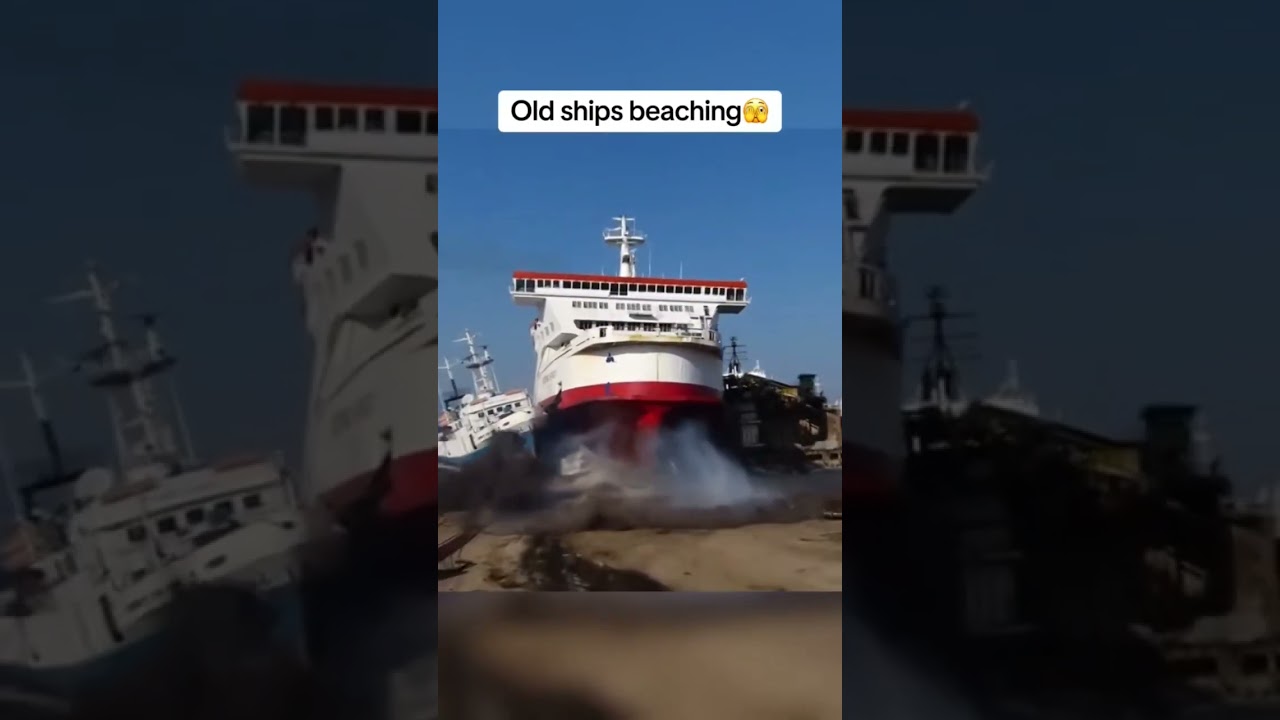
Owning a ship is dang expensive, even if it never moves.
Acres of paint every 2 - 3 years, drydocking to service/repair the bottom.
A ship must earn its own costs otherwise it meets the acetylene cutters …
1 Like
That maintenance issue even works at the smaller scale!
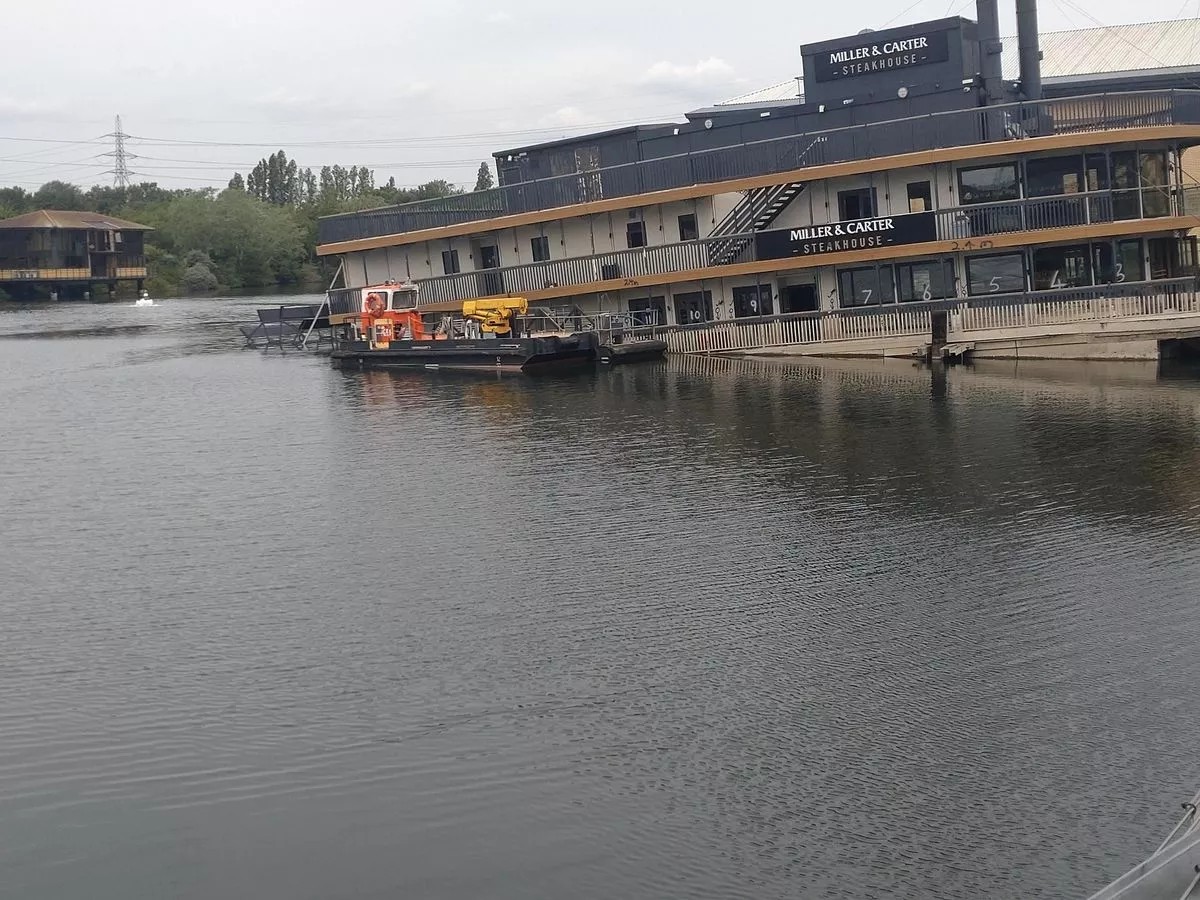
(Google “Lakeside Miller and Carter sinking” for the full story…)
2 Likes
Privately “owned” and (not) maintained fishing boat,
sank for the second time …
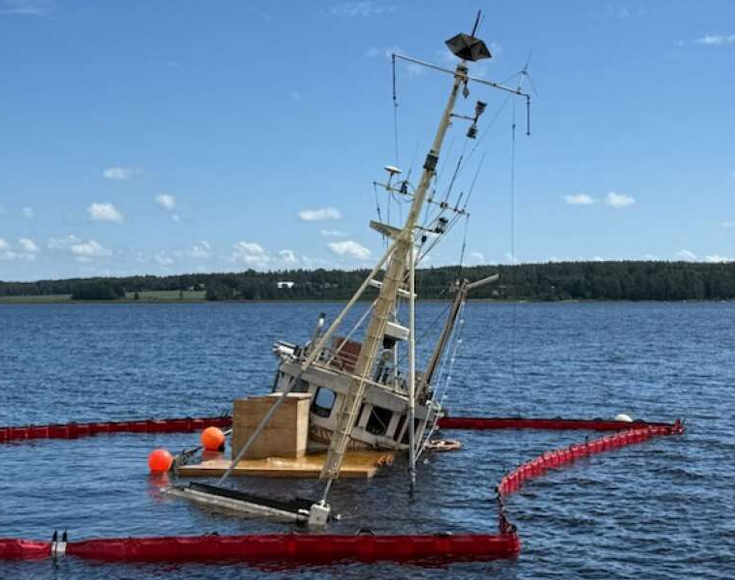
Another amateur “skipper” “maintained” this old boat
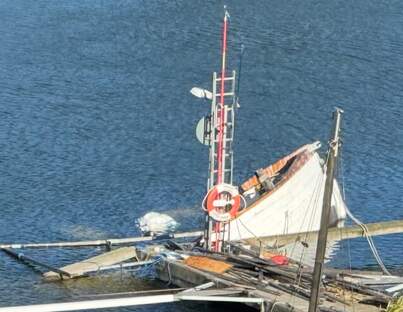
Salvaged:
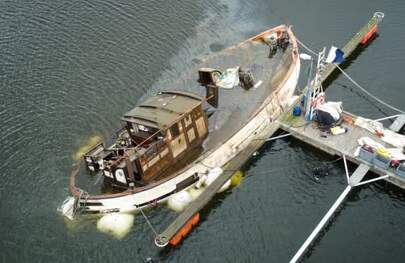
Apparently it was constanly leaking and depended on pumps to keep it floating. Someone broke in, stole some stuff and disconnected the pumps.
Keeping old wrecks alive is a costly business, its better to build models …
1 Like
USS Texas maintenance costs per AI:
AI Overview
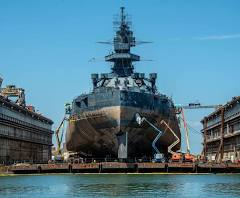
USS Texas maintenance is extremely costly, with a recent major restoration project estimated at over $75 million, involving significant dry dock repairs for hull, deck, and watertight integrity; overall, Texas Parks & Wildlife has spent upwards of $100 million on repairs in the last decade, highlighting the immense, ongoing expense of preserving a historic battleship, with future upkeep requiring substantial funding for its new permanent Galveston home.
3 Likes
This is how the Norwegian Navy gets rid of their old ships …
Submarine is the KNM Uthaug

2 Likes
Modern torpedoes are quite devastating …
1 Like
1 Like
The bits where the ship is shown floating prior to the torpedo strike carry the first impression, from the way the ship is bobbing in the water, of it being a model; it took me a moment to realize that they probably stripped out anything that was readily removable, as well as anything that could leak and contaminate the water afterward, so it was floating high in the water with no ballast, and would be rolling easily.
1 Like
Au contraire.
Ship models are usually too “stiff” with hasty and jerky motion, partially due to scale but mostly due to model builders placing the center of gravity way too low.
I built the HMS Bluebell (Monogram 1/72) over 40 years ago and gave it radio control. It is too “stiff” so when I rebuild it one of the upgrades will be to make it less “stiff”.
The low image quality does add to the model feeling though …
Some beautiful sequences of a frigate bobbing in some serious waves in this video
1 Like