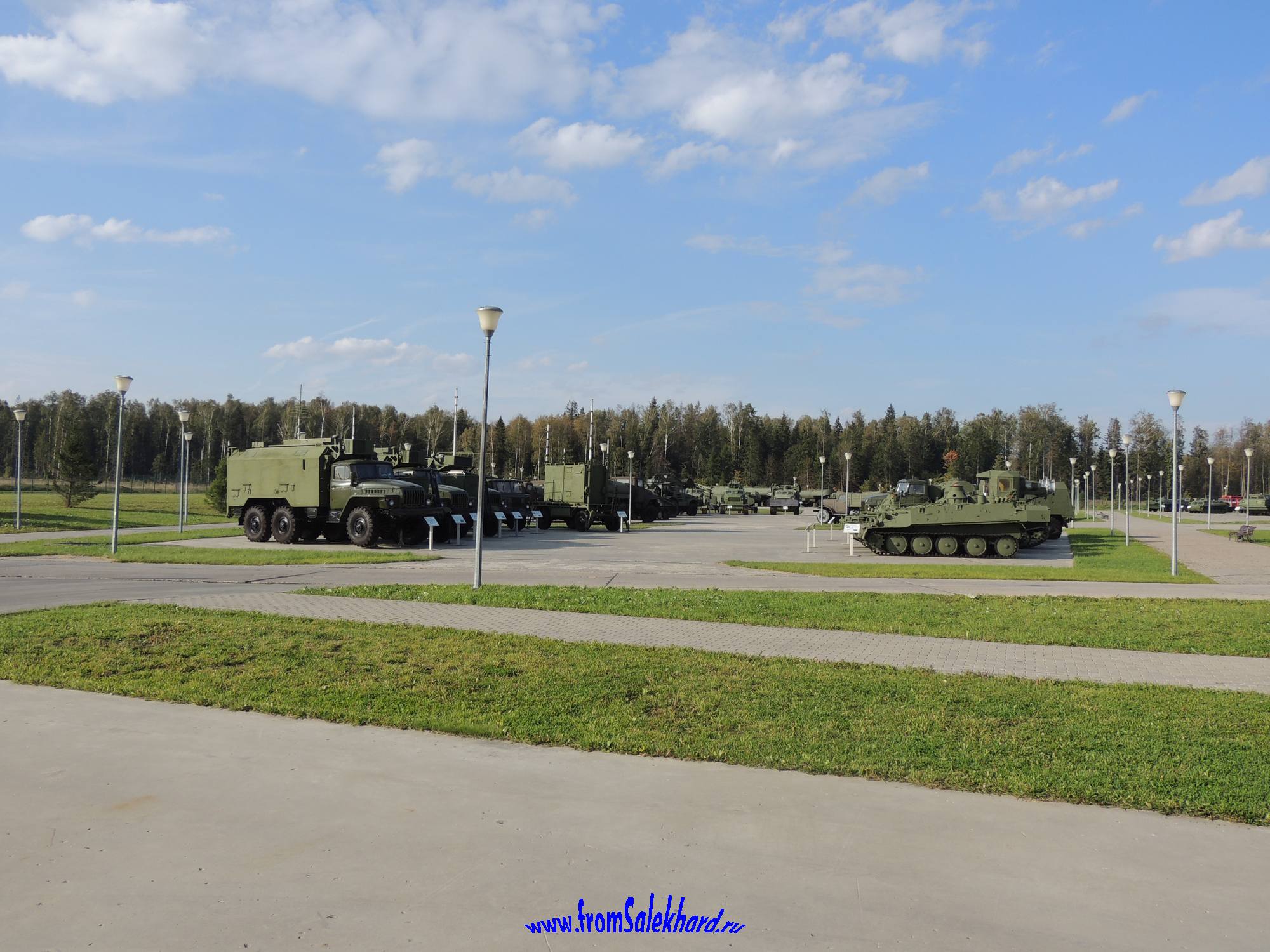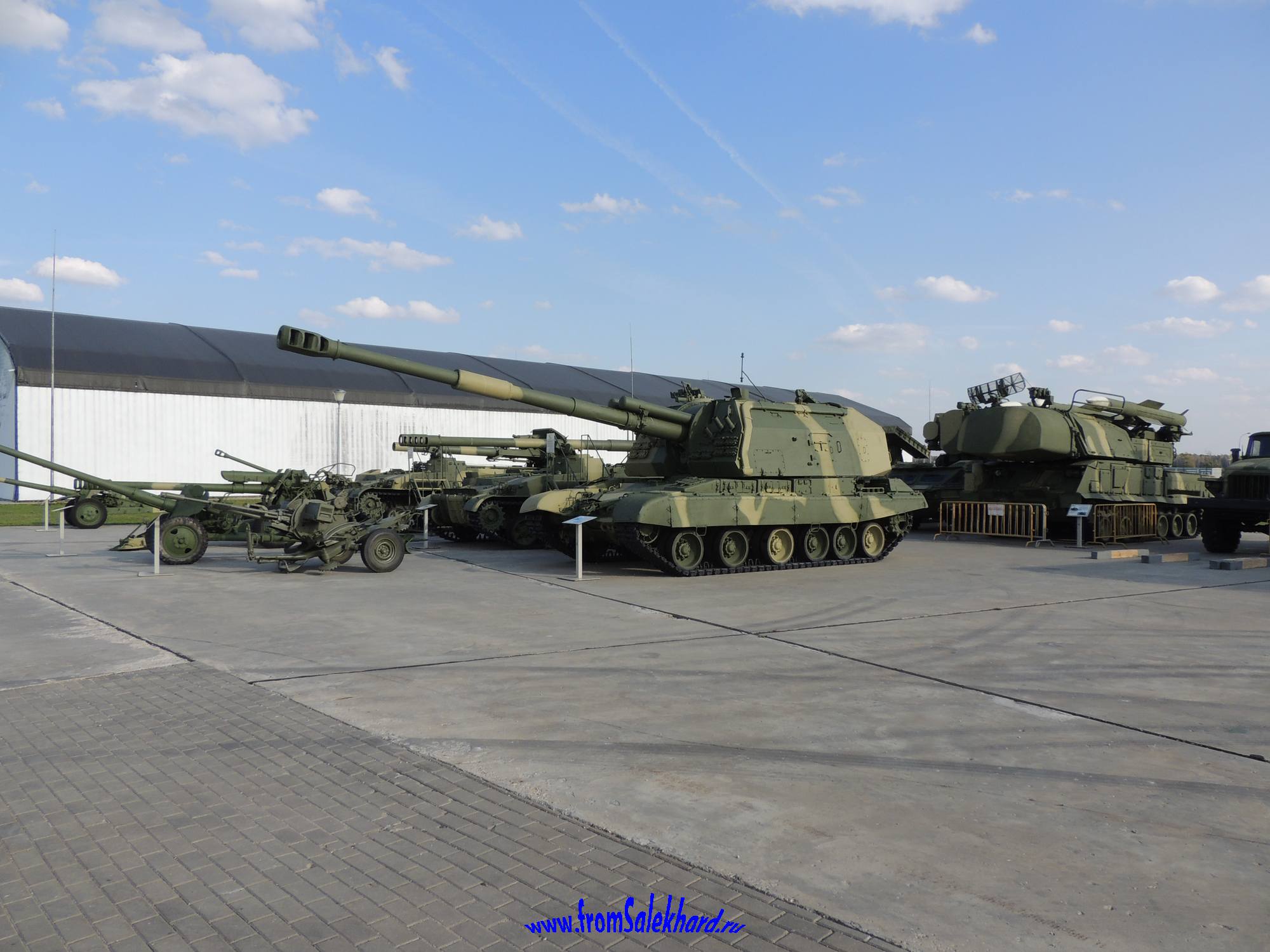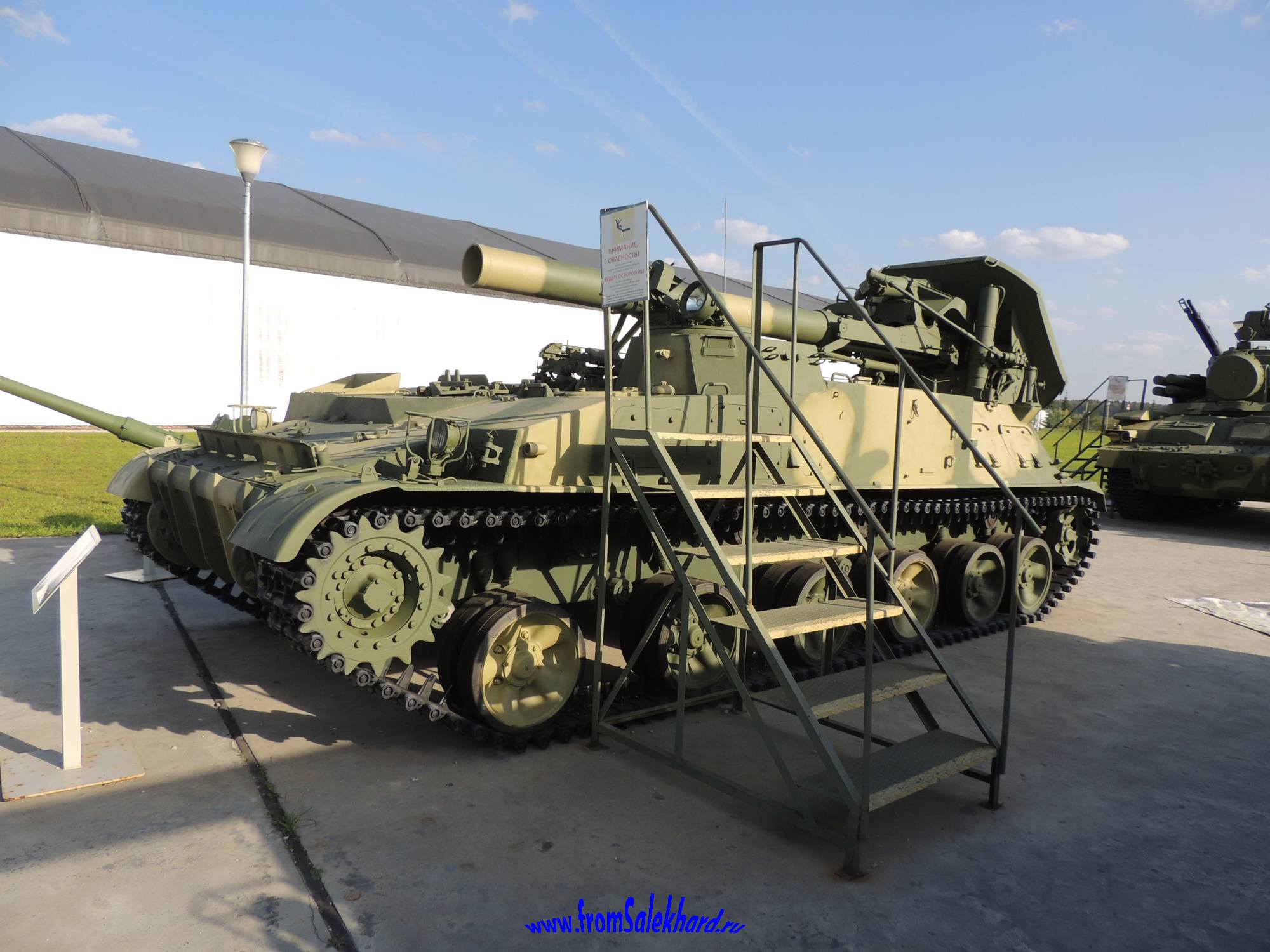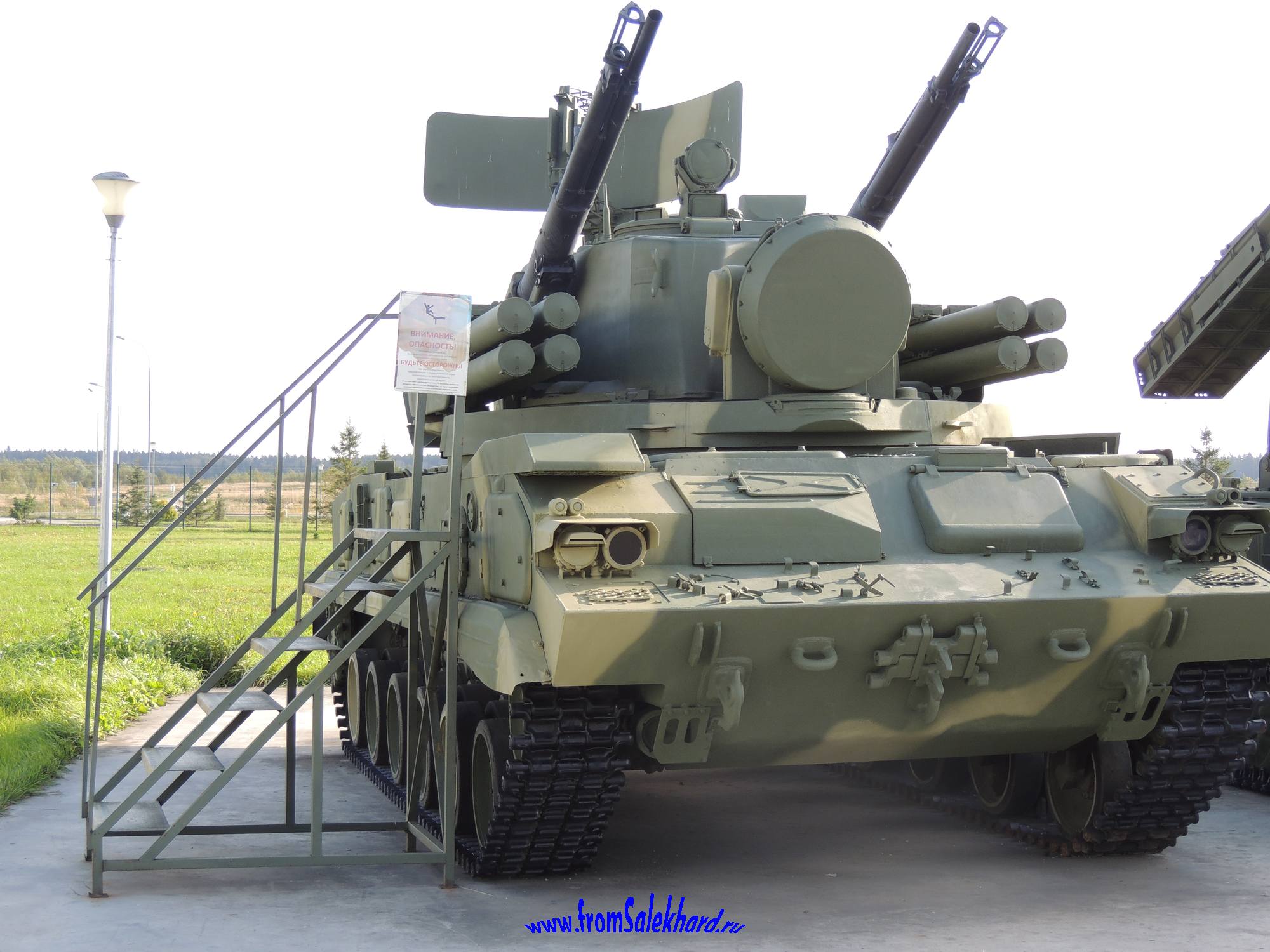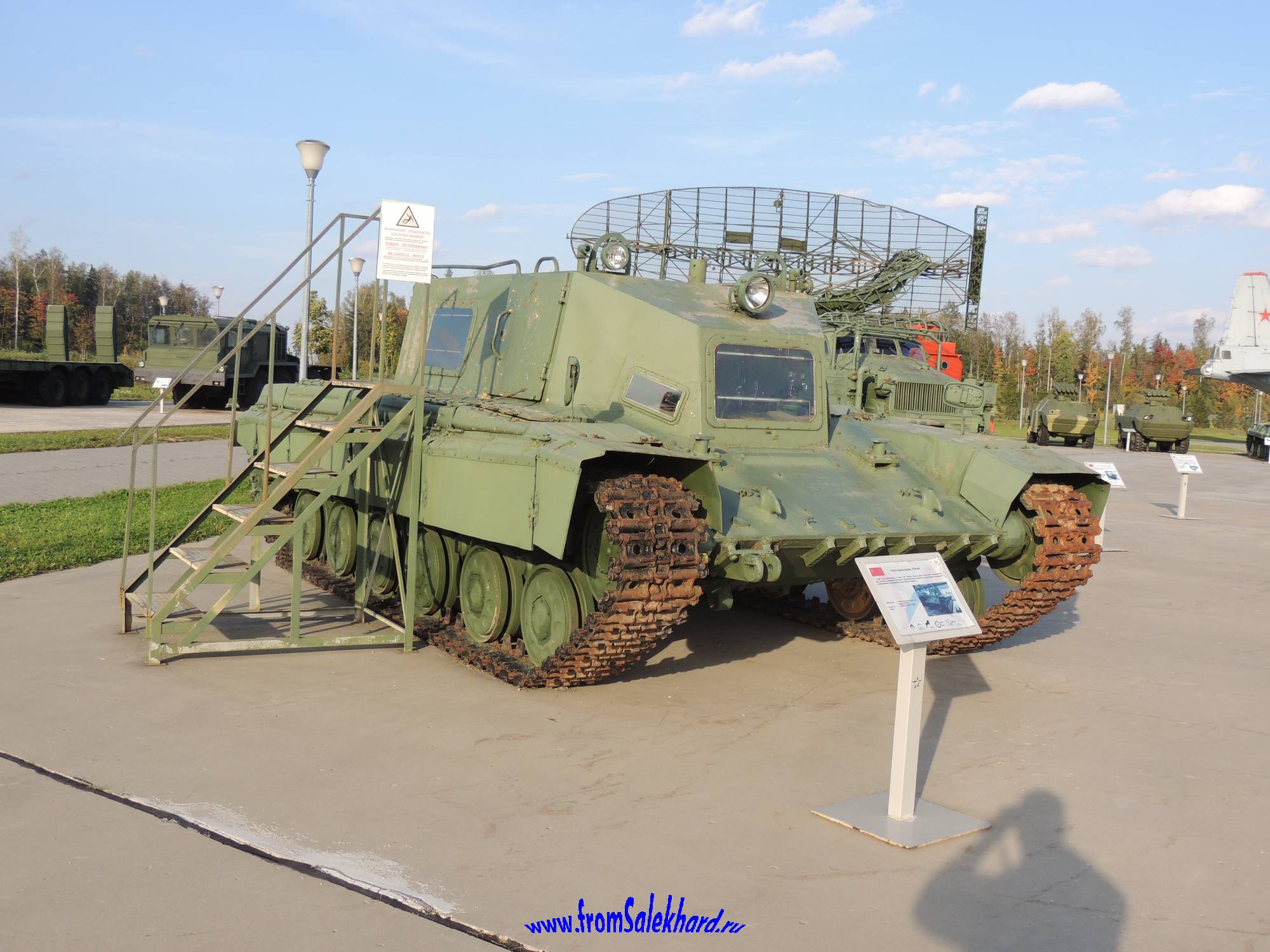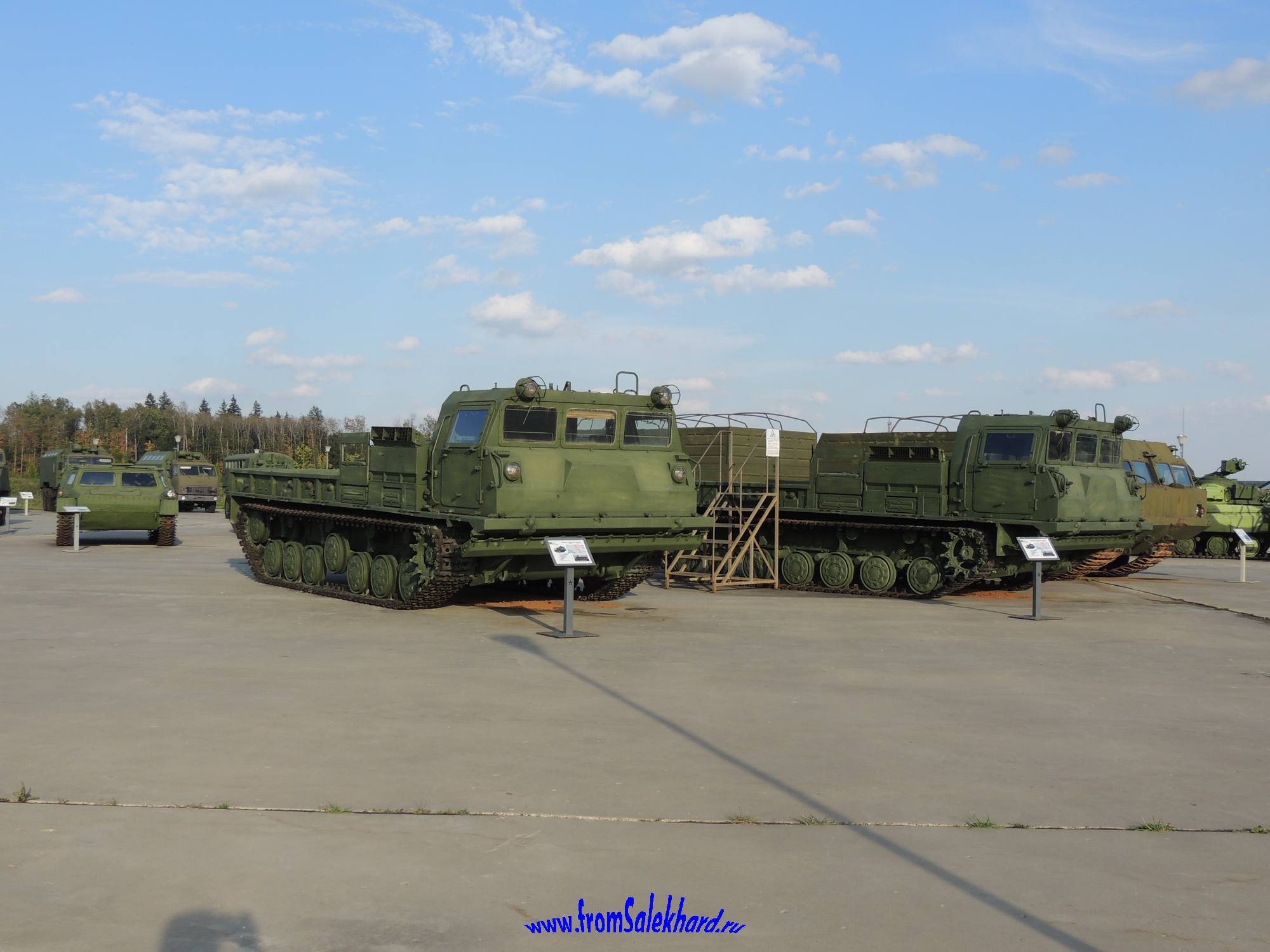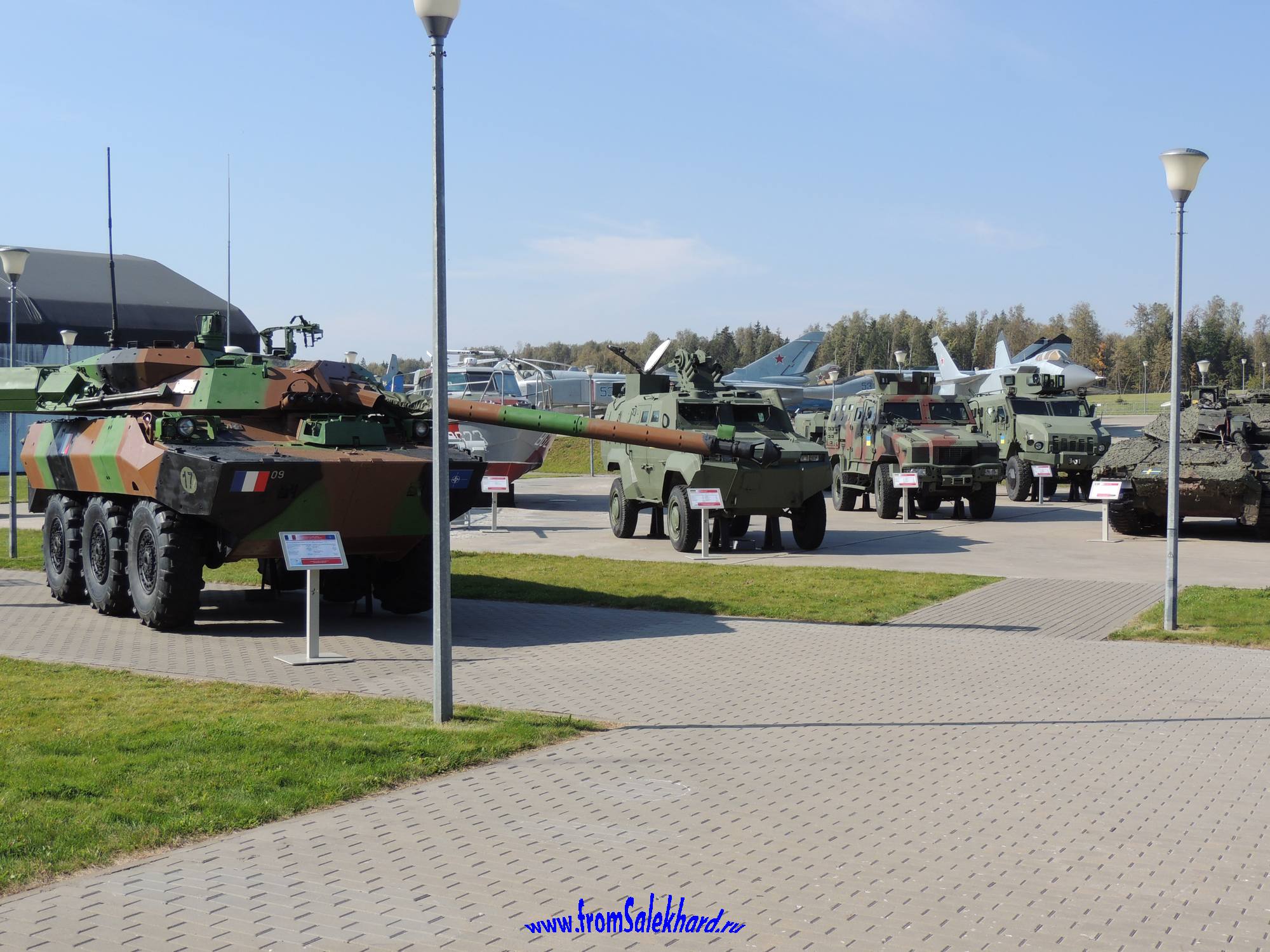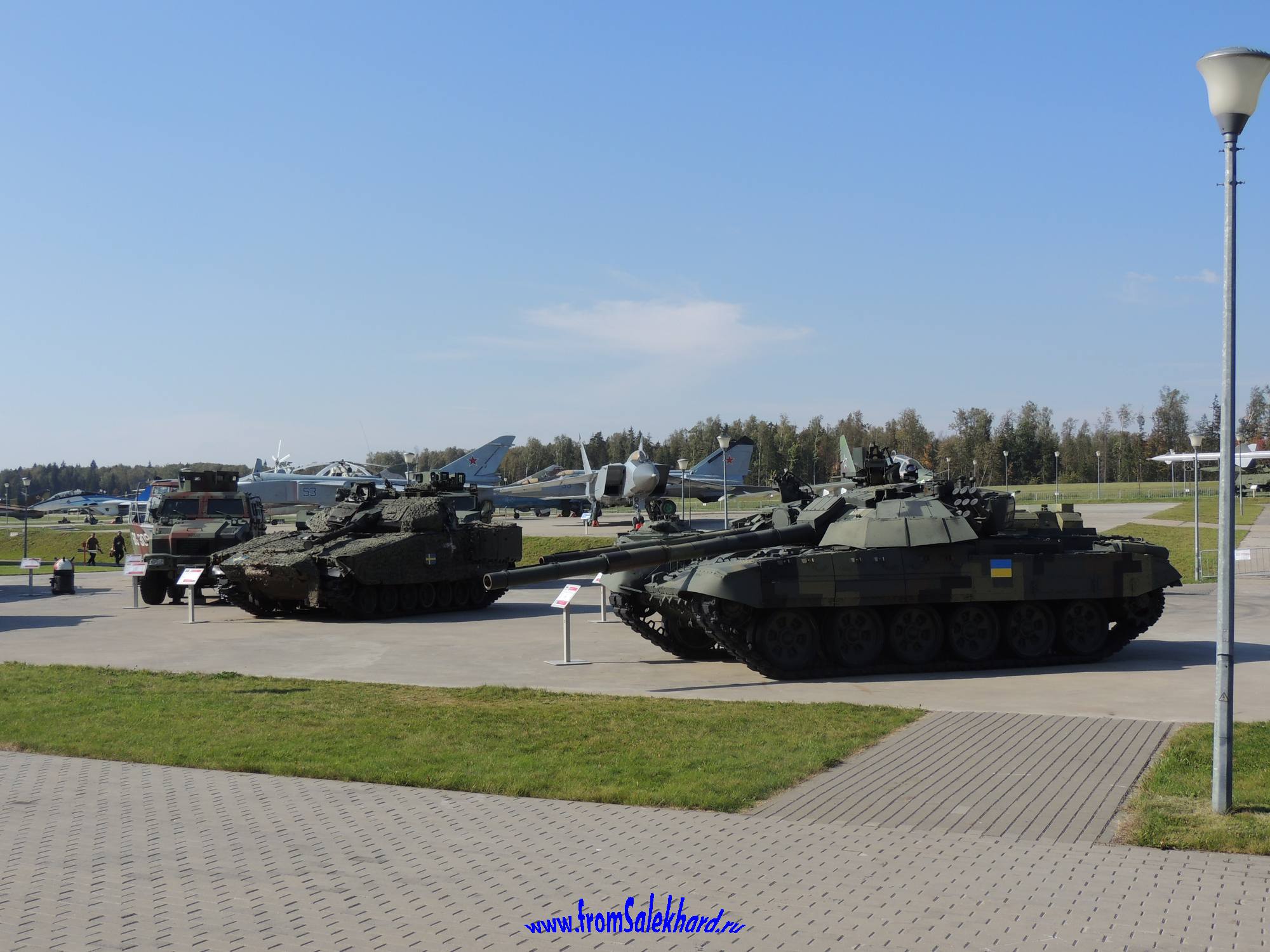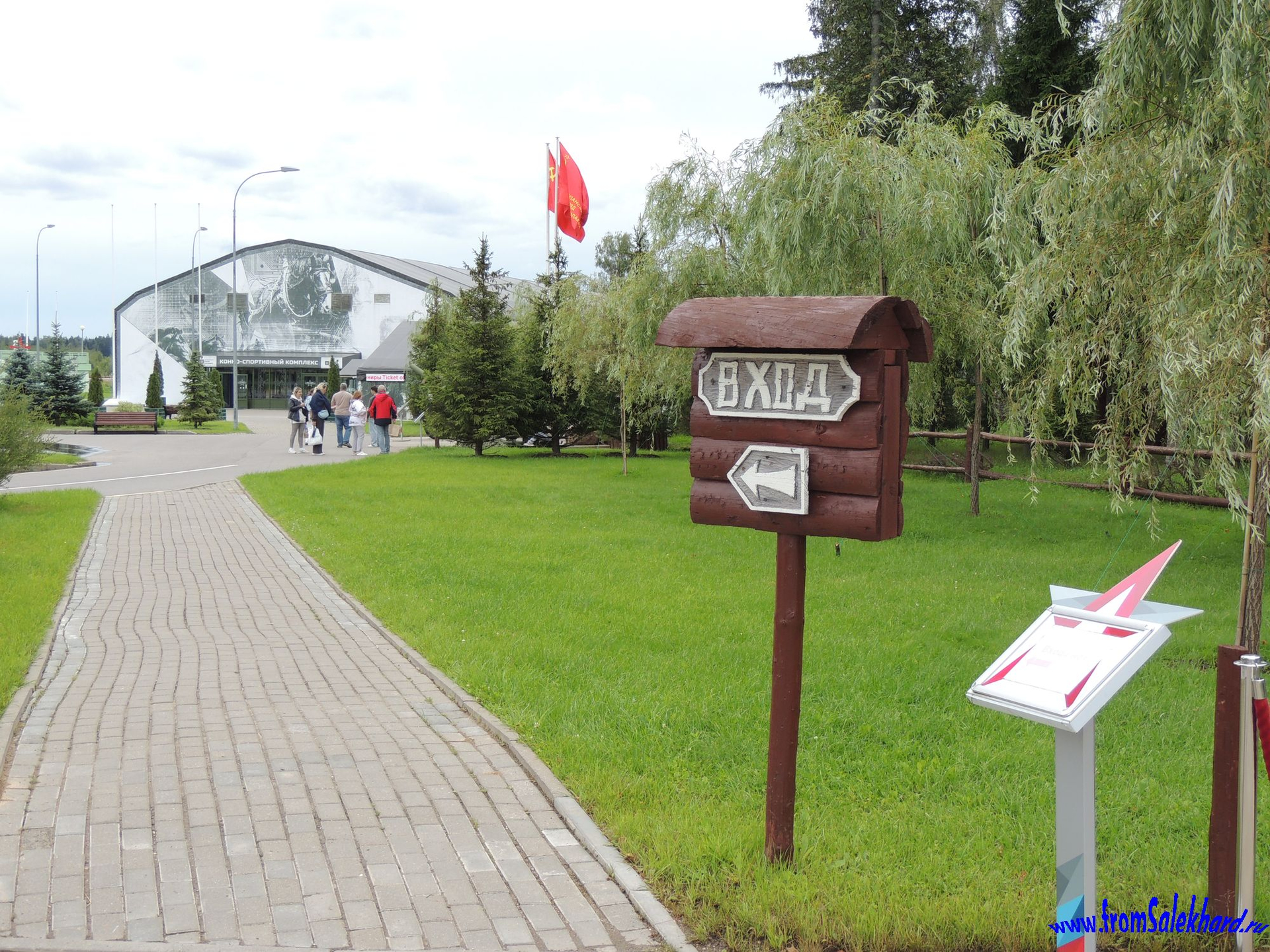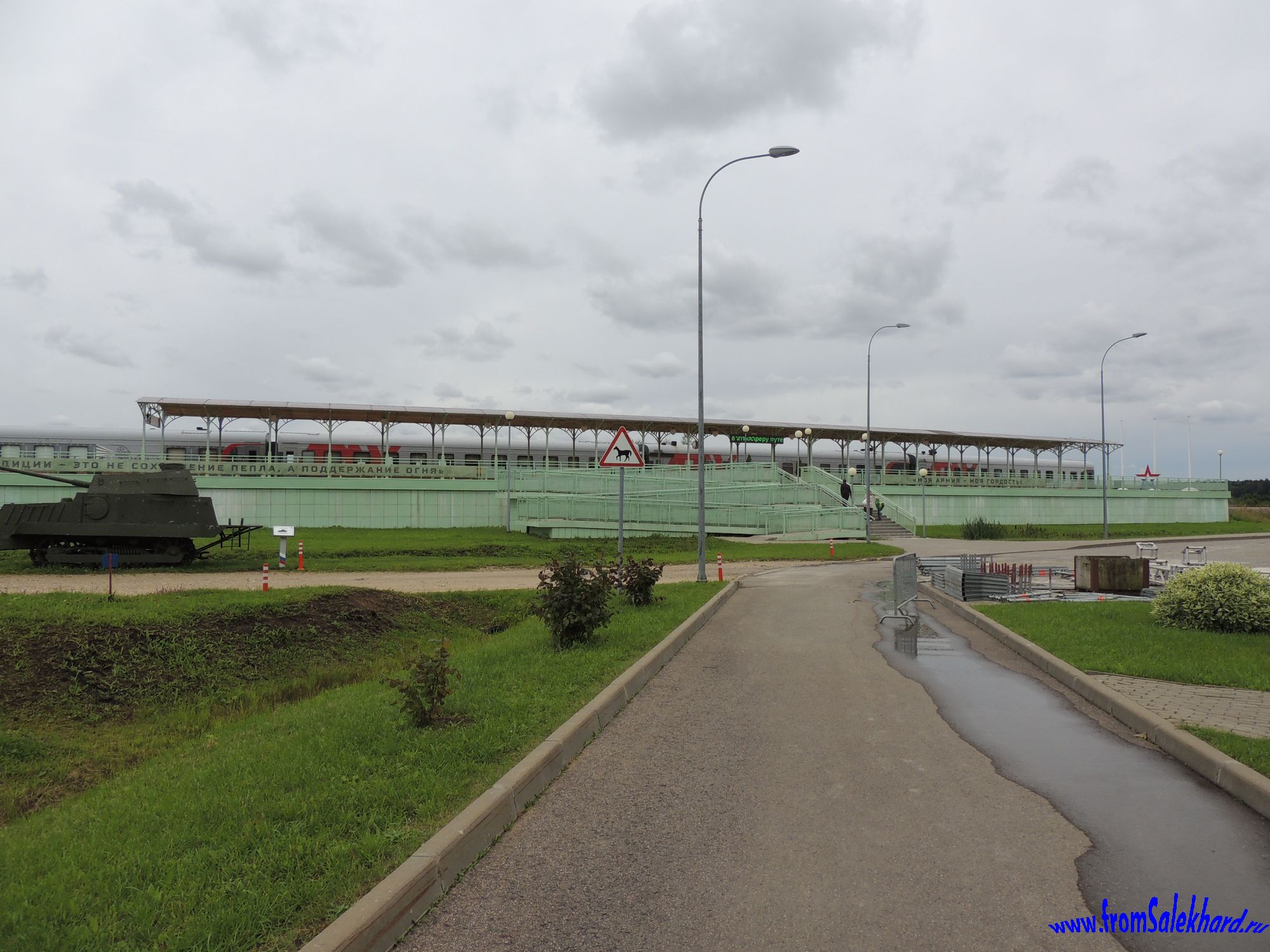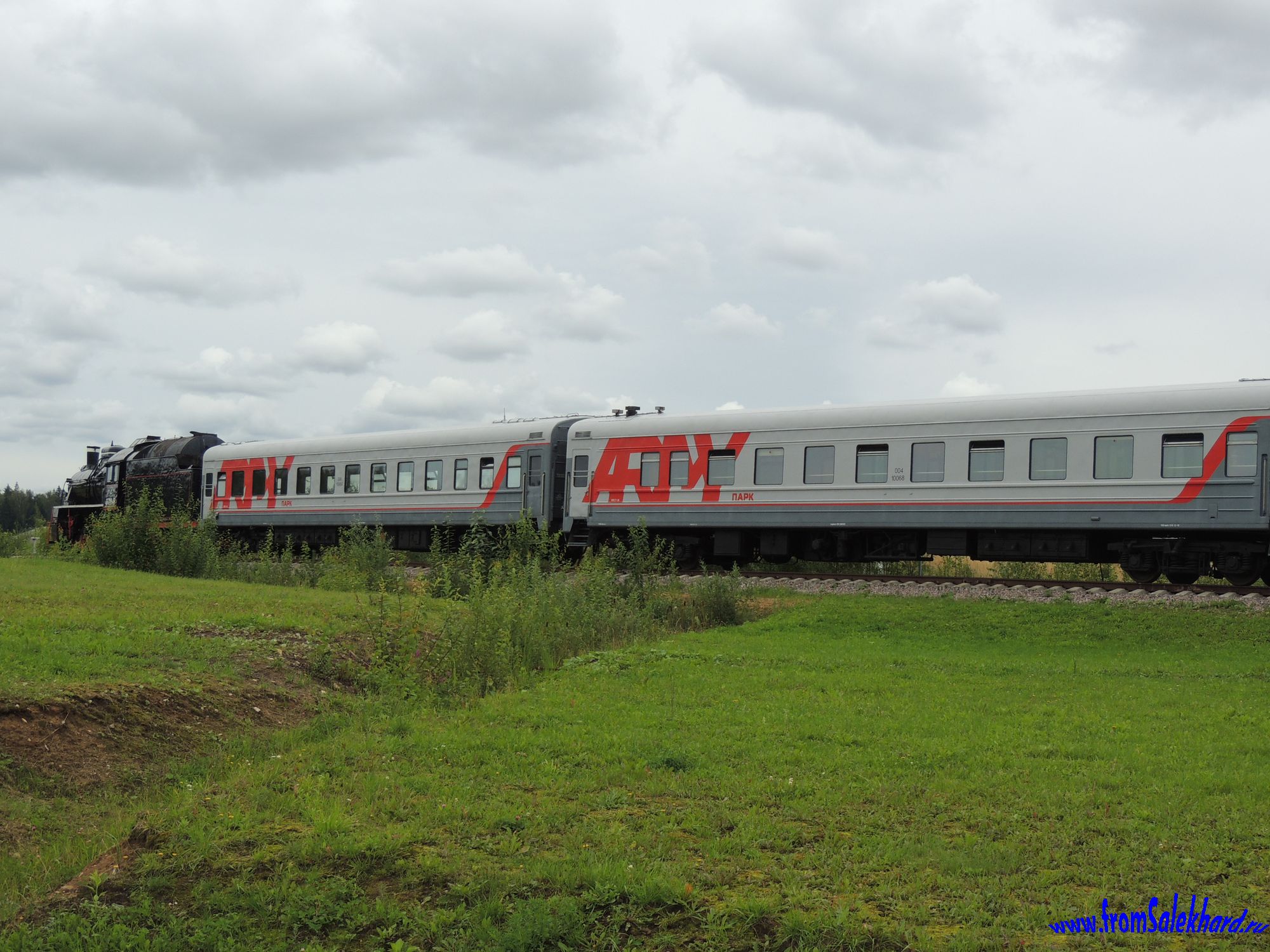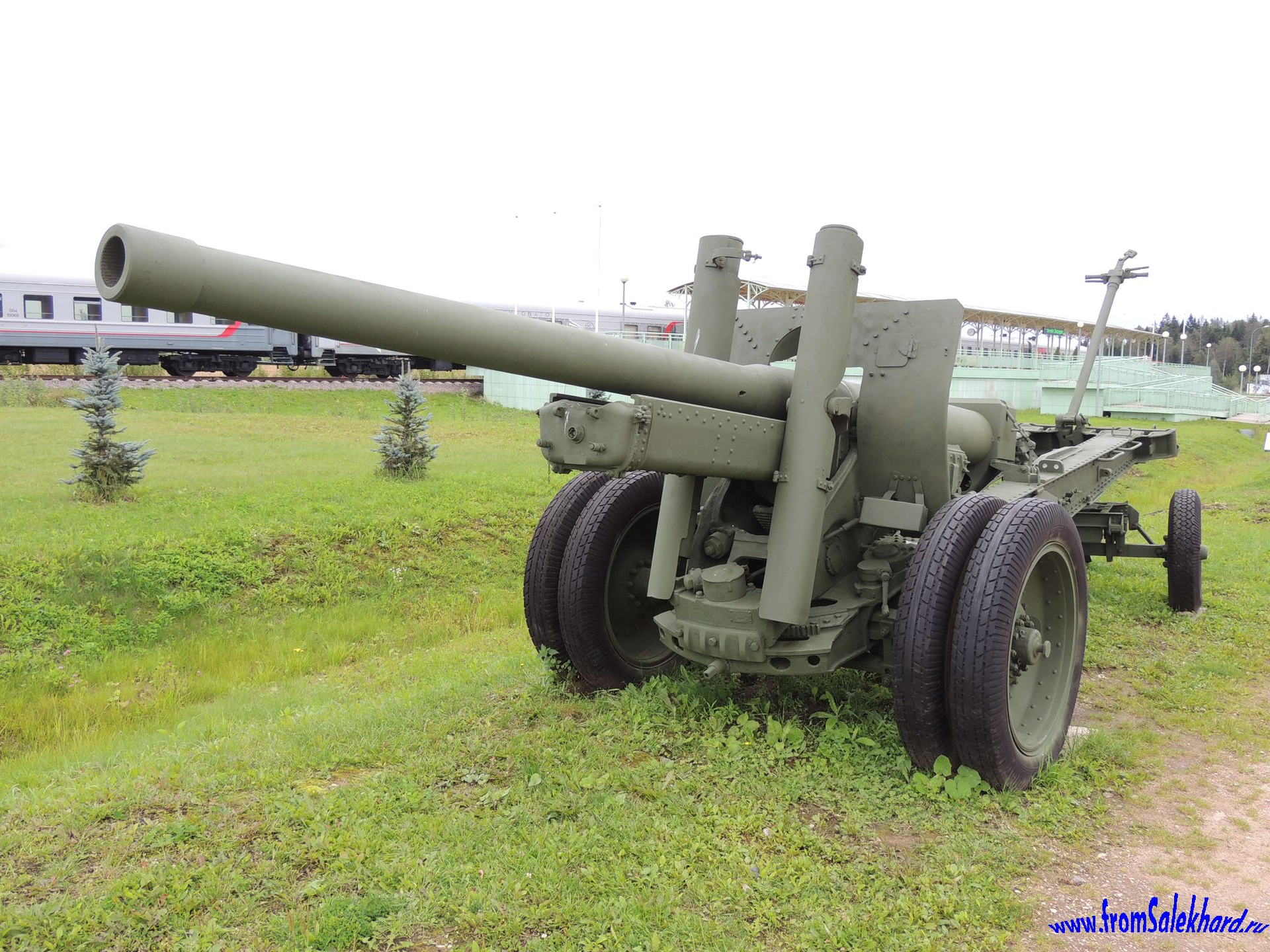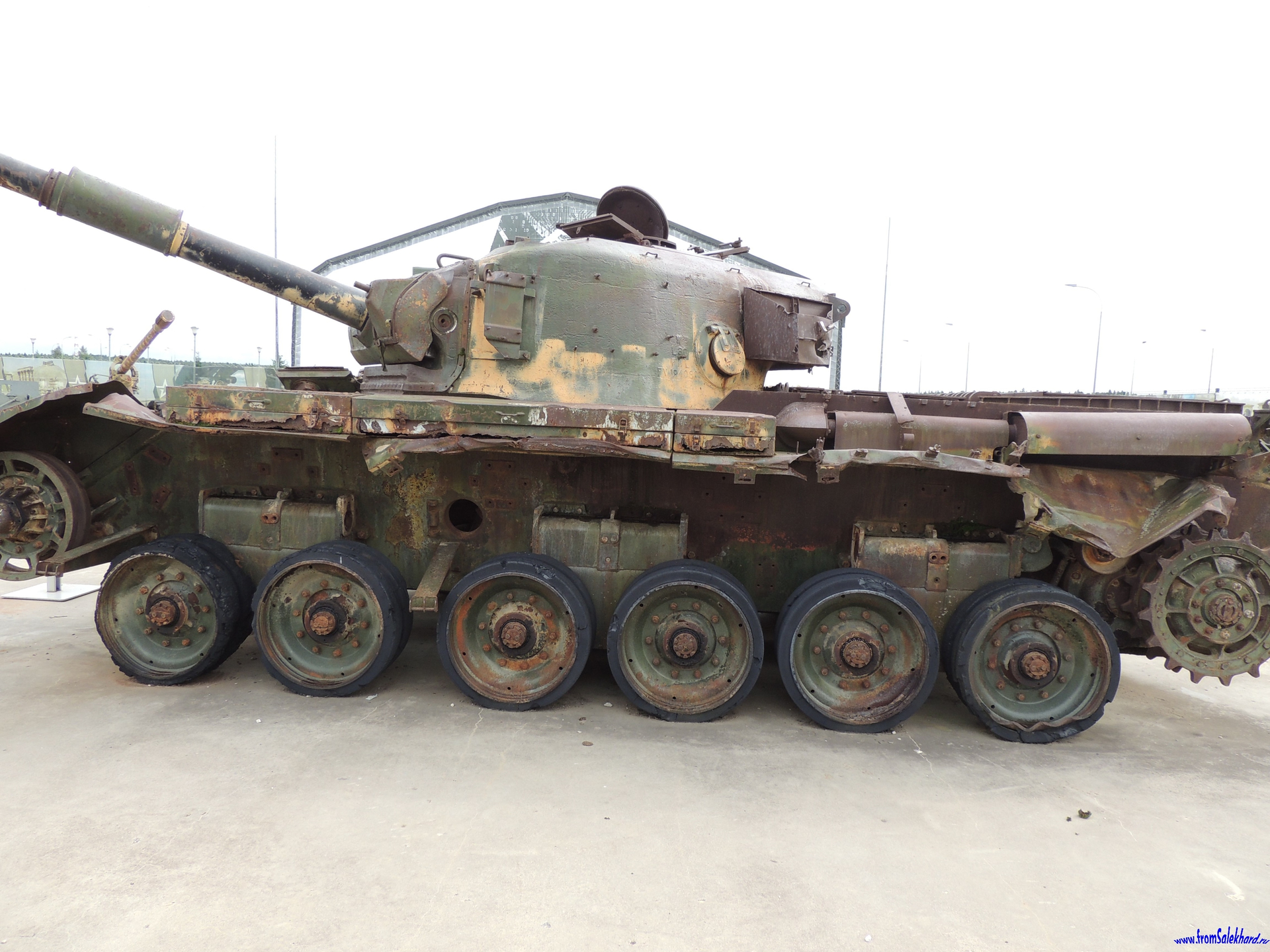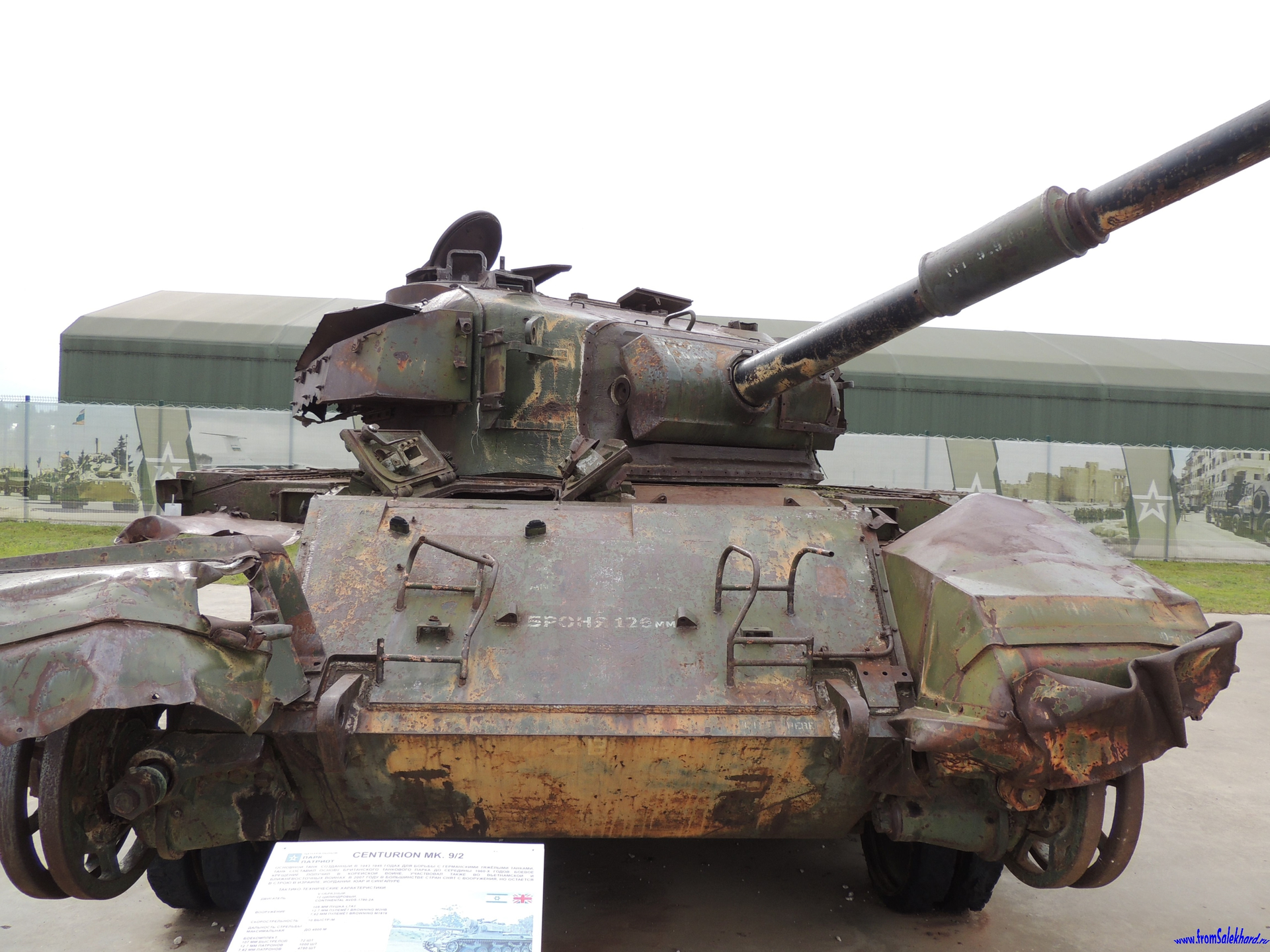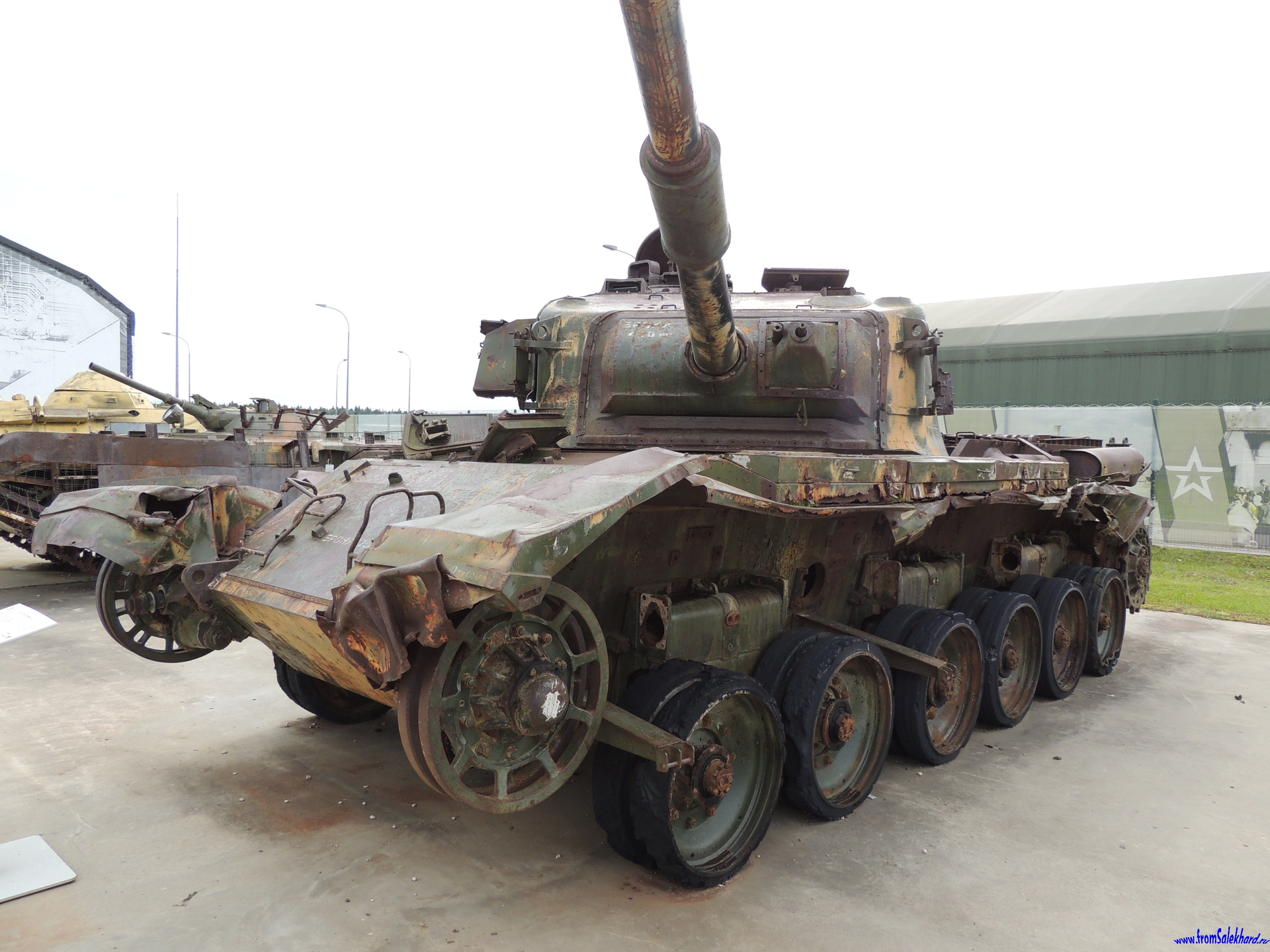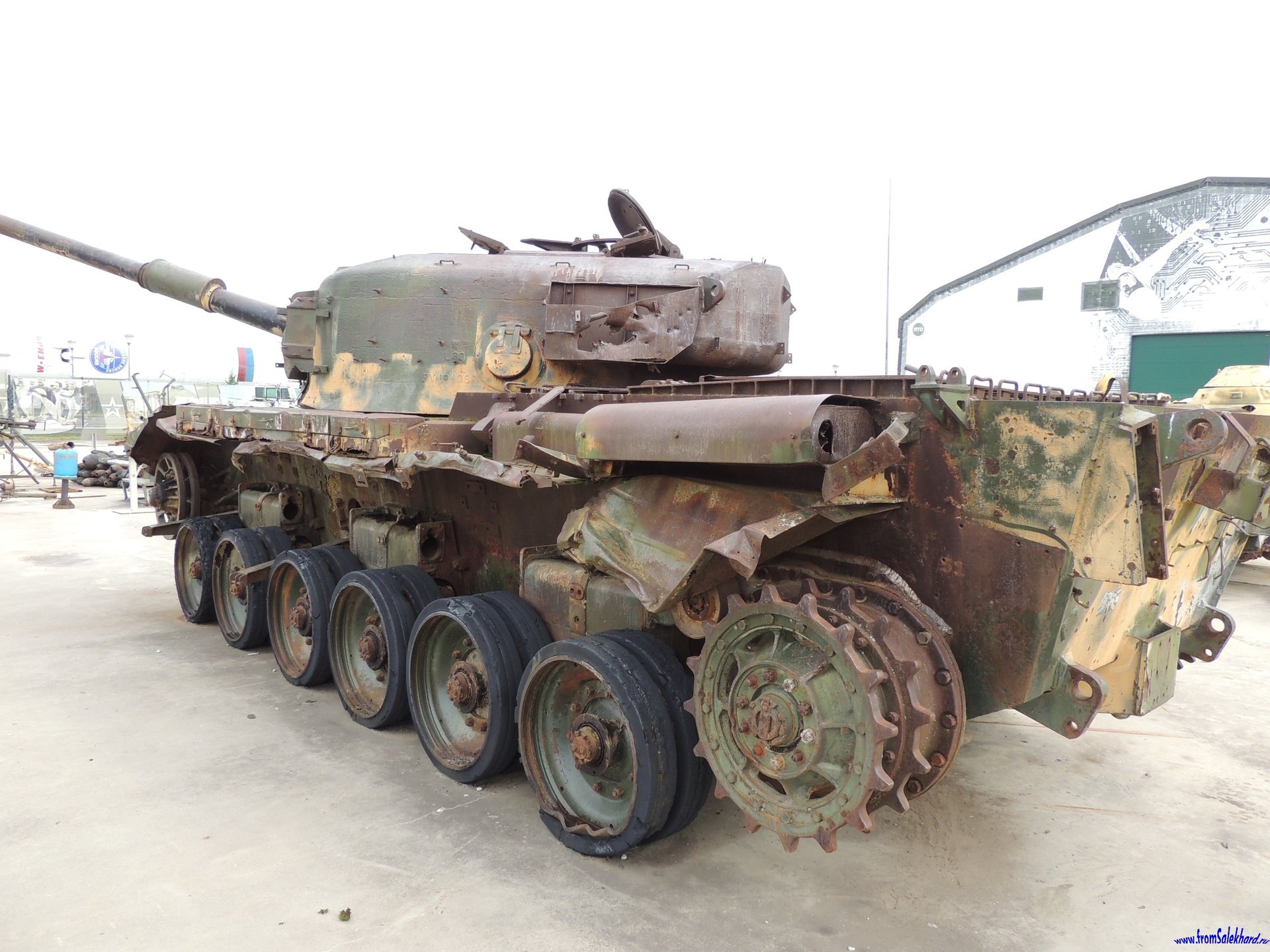
Patriot Park. (Moscow, Russia)


I want to tell you about the largest and most interesting military museum in Russia – Patriot Park near Moscow. I’ll be covering this at length, piece by piece.

Introduction

Previously, I published a series of reports about Kubinka. It’s part of this park, one of its sites.

To help you understand what this entire complex is, I’ll list its main components with a brief description of each.

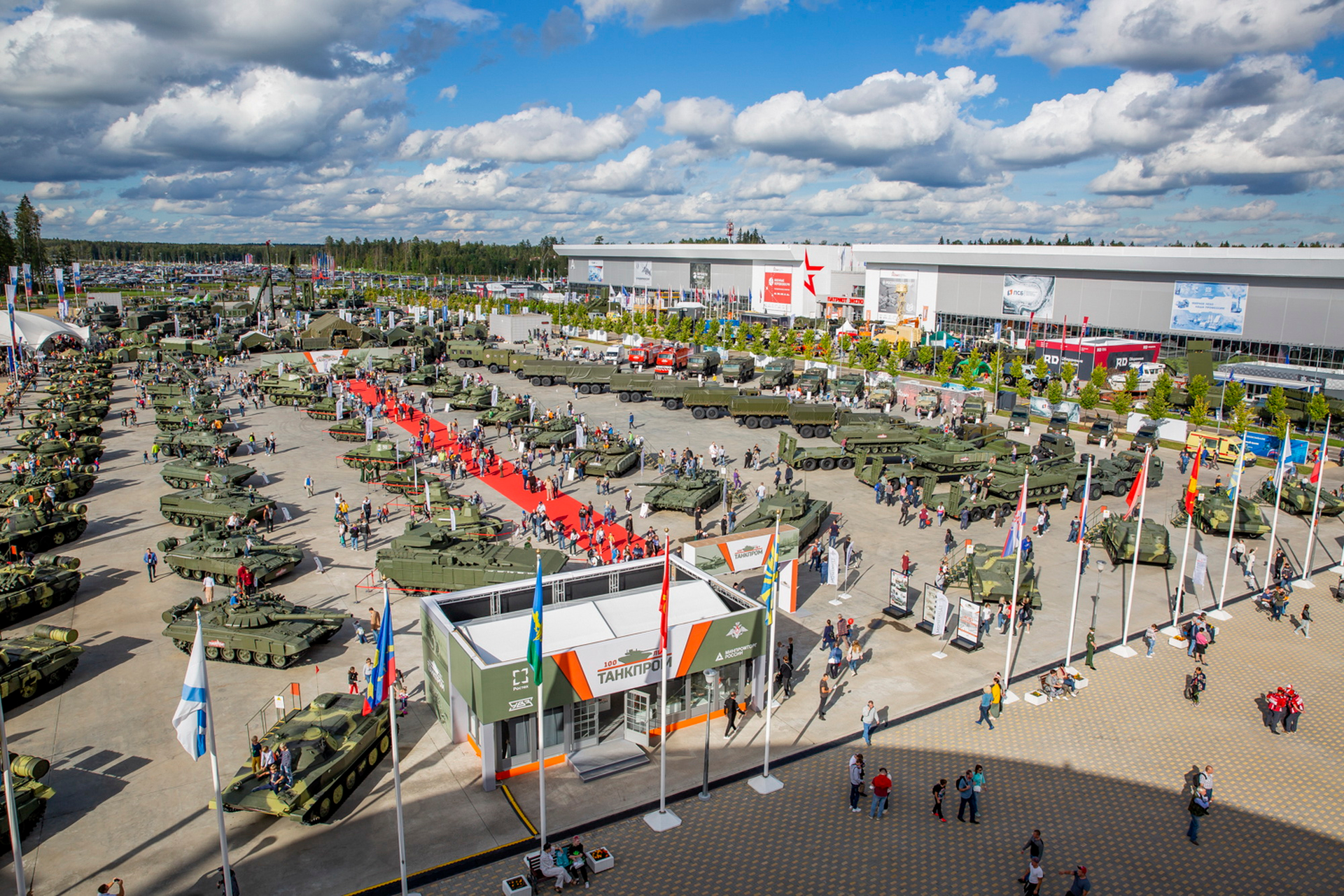
Convention and Exhibition Center – for holding exhibitions
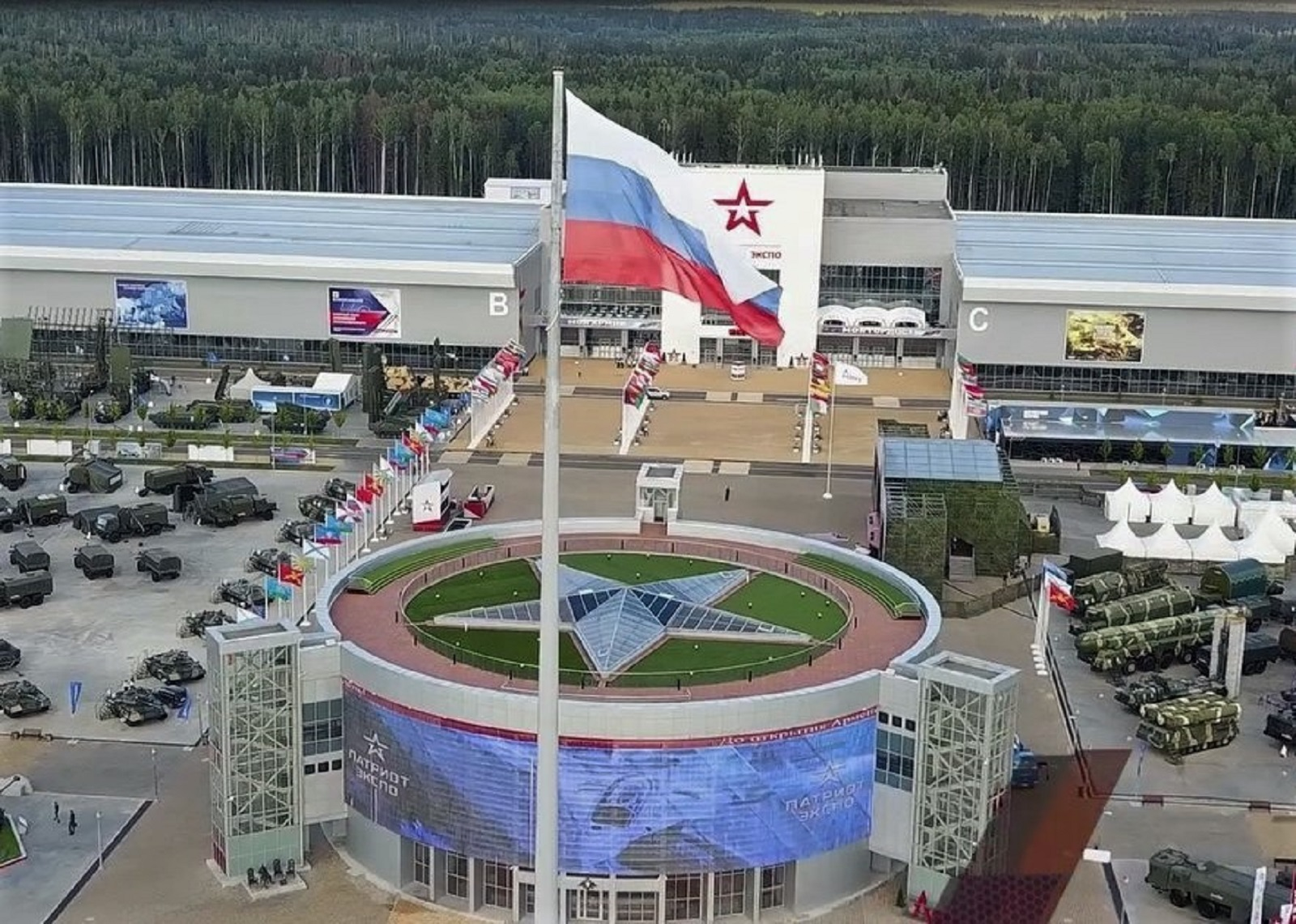
and military-technical events.
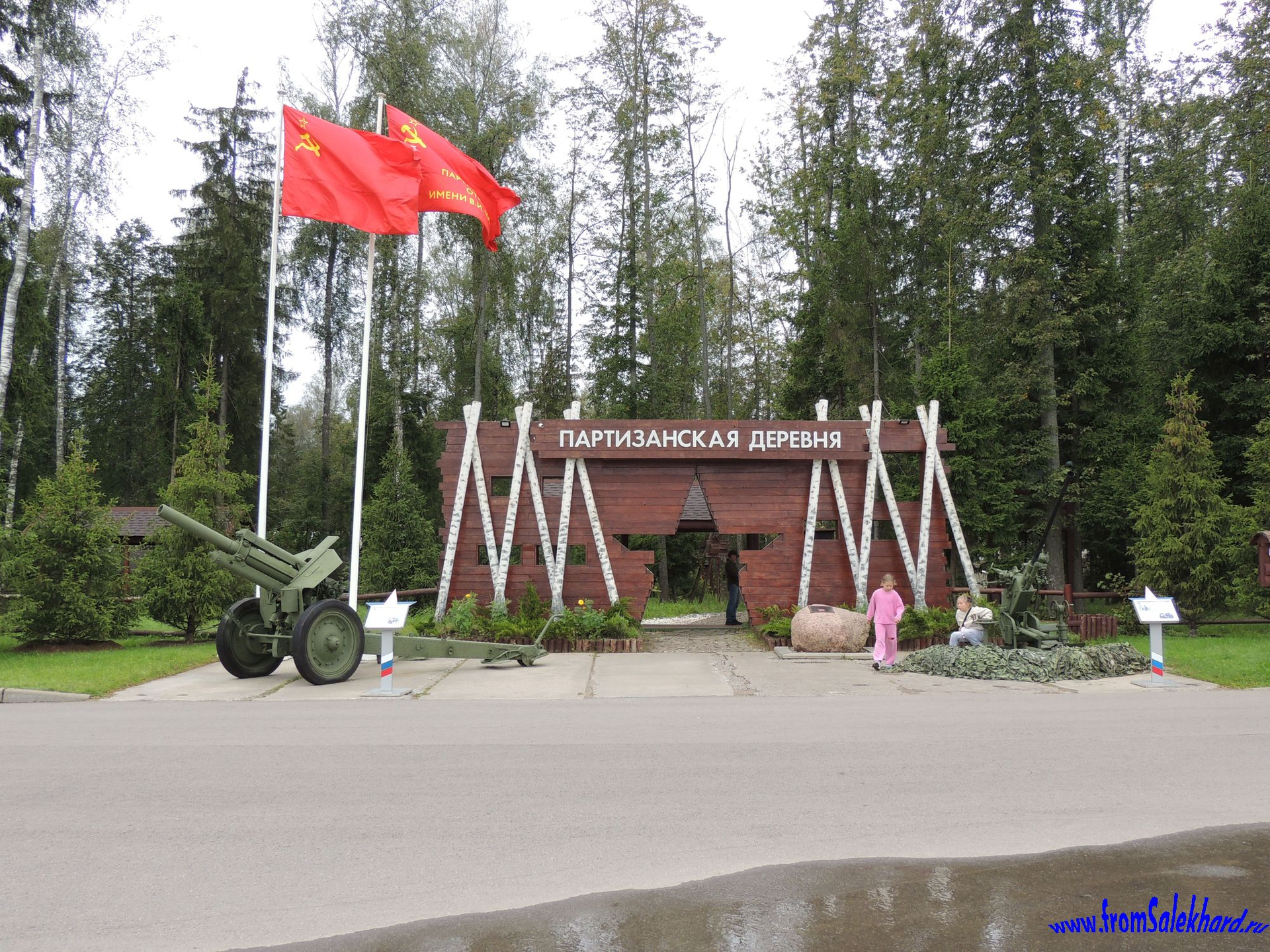
Partisan Village

A collective image of all the partisan detachments that existed during the Great Patriotic War.

x

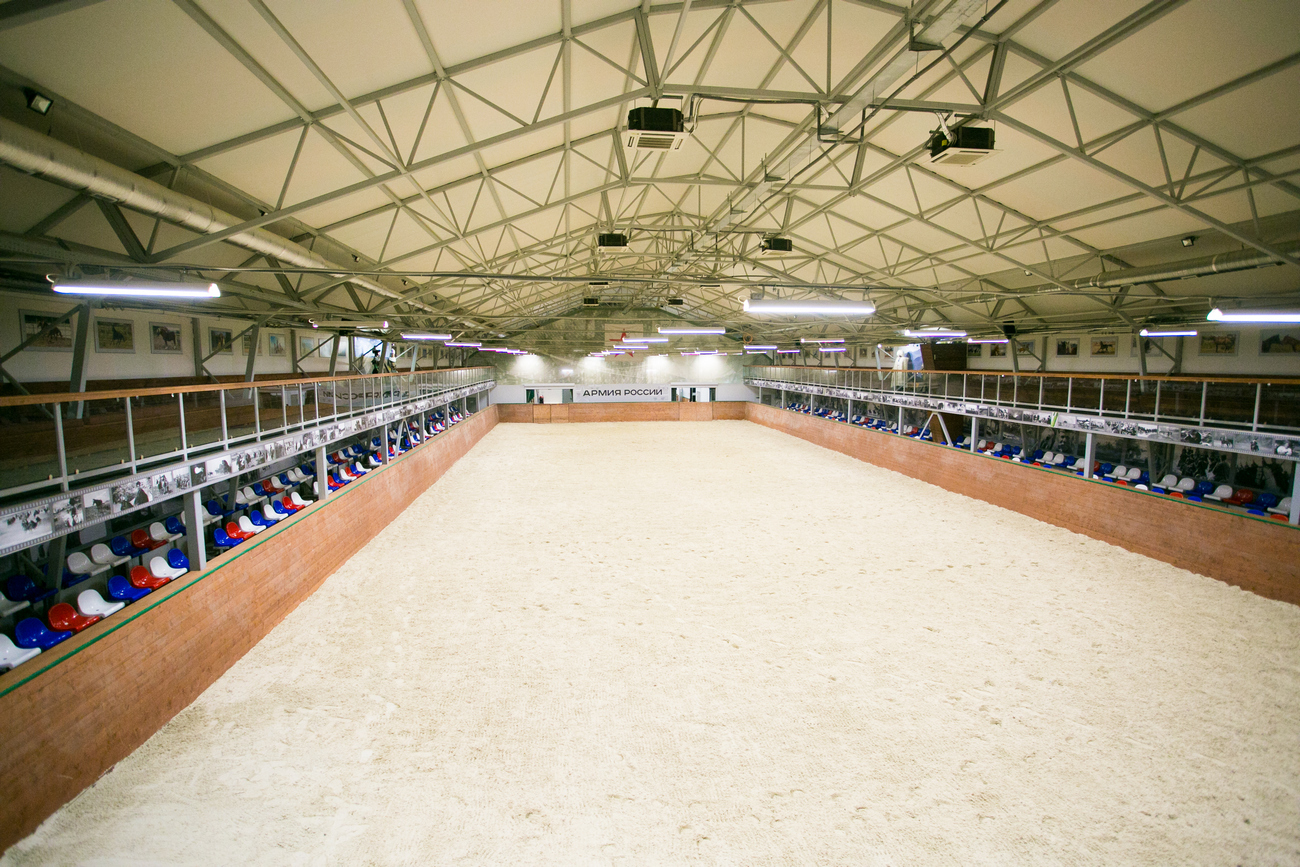
Equestrian Complex

The 1,231-square-meter outdoor arena includes one podium and a 100-seat grandstand. The complex also houses an 850-square-meter indoor two-story arena. The indoor arena can accommodate up to 300 spectators.
Military Tactical Games Center

The center includes three indoor stylized pavilions: “City,” “Industrial Zone,” and “Afghan Road,” a three-level rope course, a “Voroshilov Sharpshooter” shooting range, a soccer field, a tactical field, a military communications and reconnaissance camp, “Uncle Vasya” Square*, and a parachute tower.

*Vasily Margelov is the reorganizer and commander of the Airborne Forces. Affectionately and familiarly called “Uncle Vasya.”
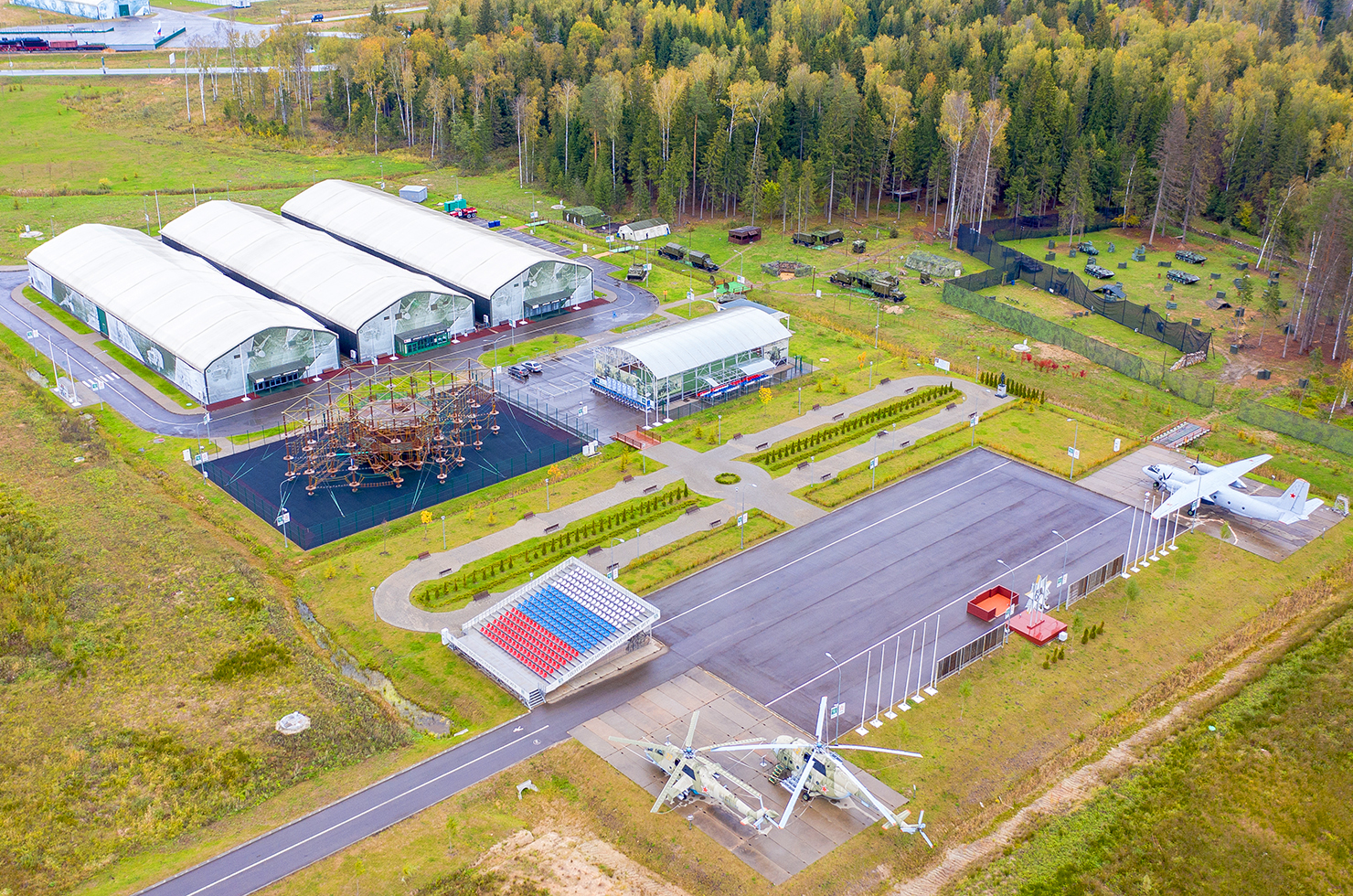
This is a universal training complex covering an area of ​​over 27 hectares for practicing elements of combat training for units of the Armed Forces.
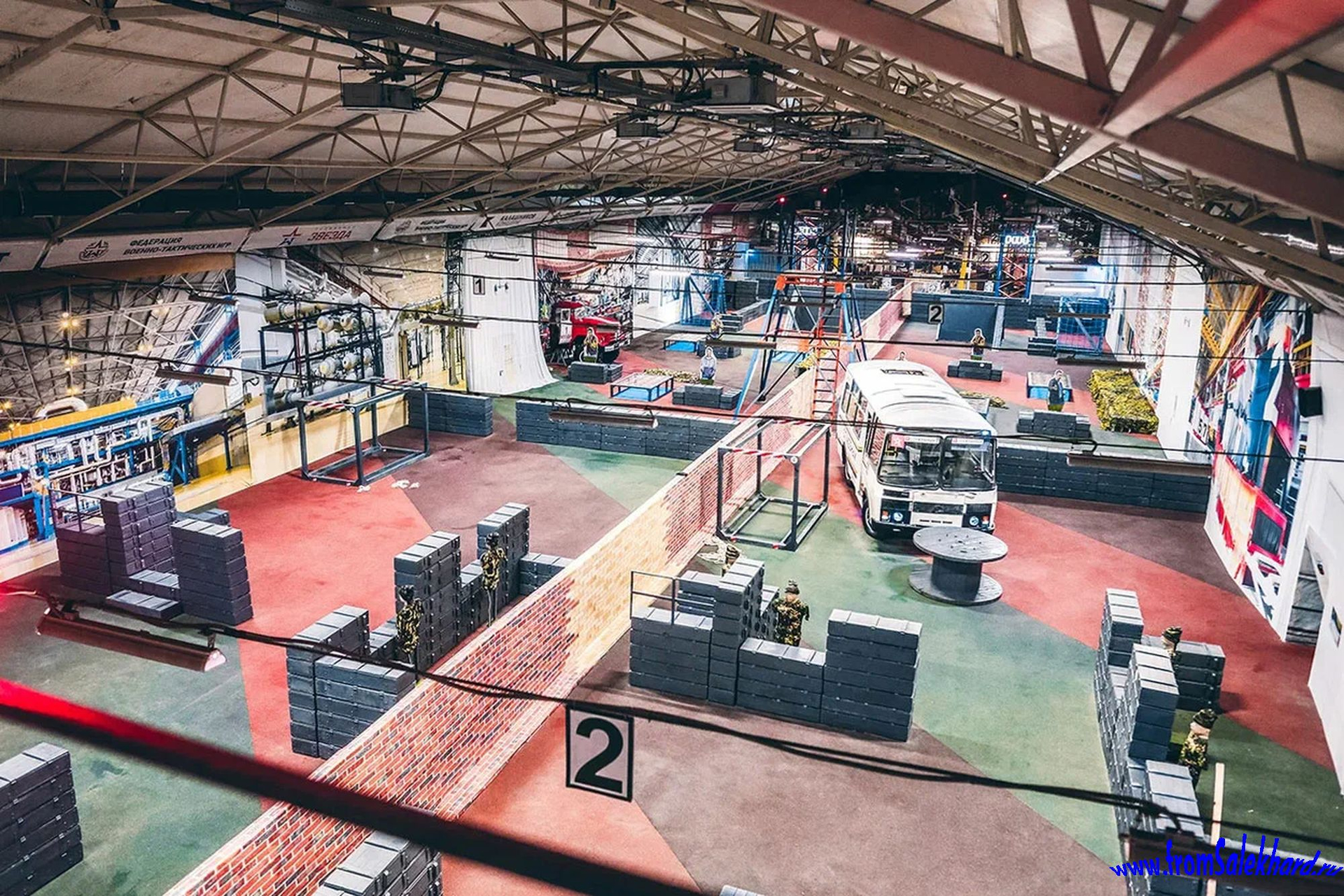
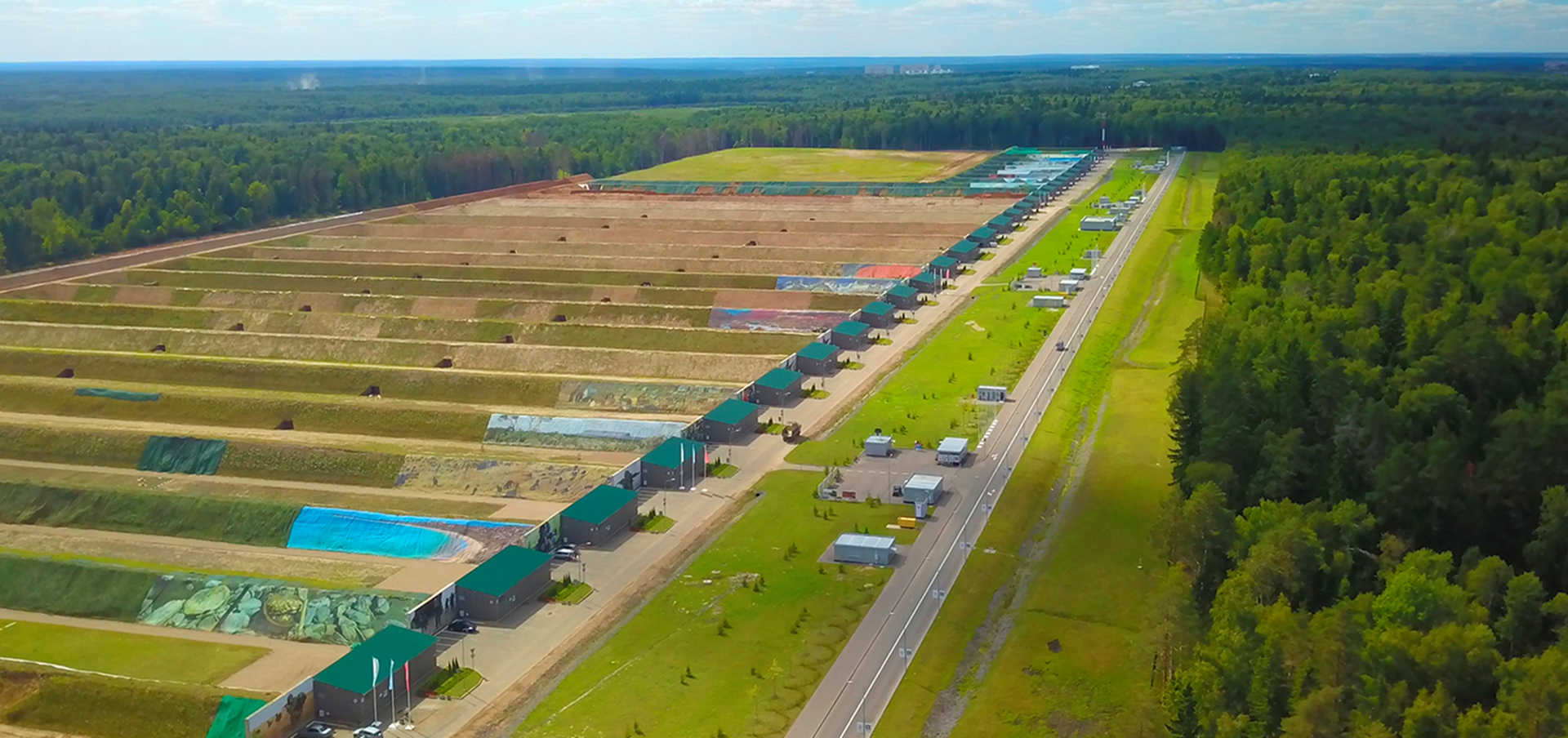
Multifunctional shooting center
The center includes 20 open galleries with a range of 300 meters, 9 open galleries with a range of 50 meters, and 18 high-precision firing lines with a range of 2 kilometers.
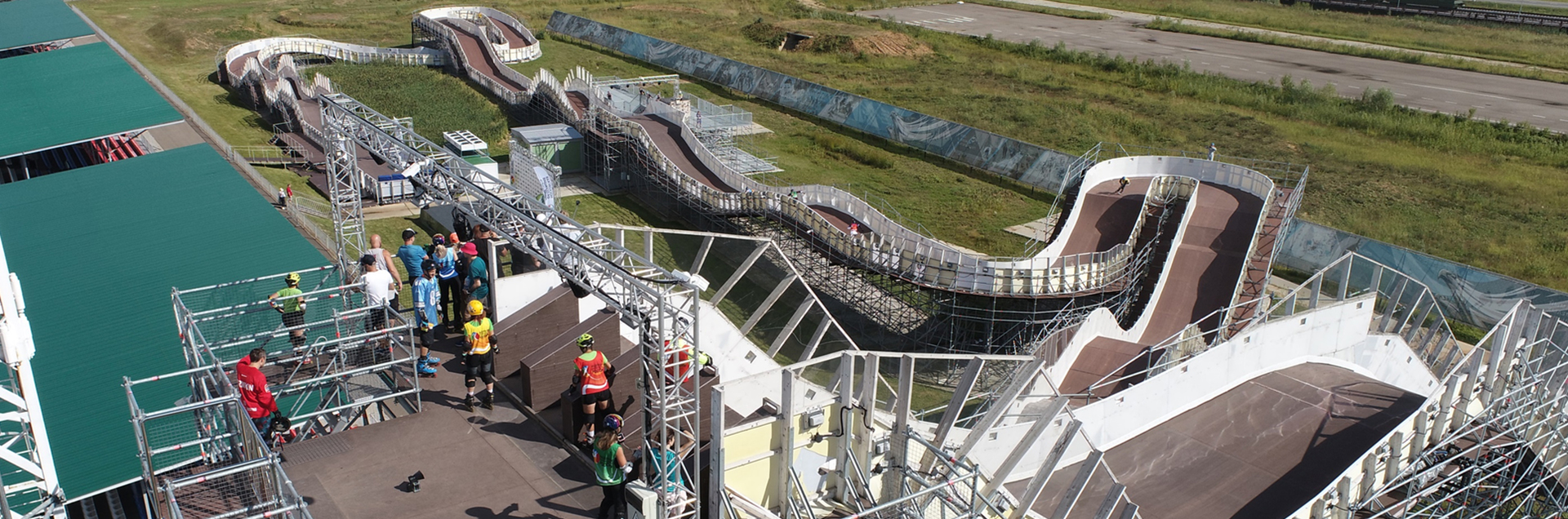
The training downhill is one of the longest tracks in the world, with a length of 500 meters.
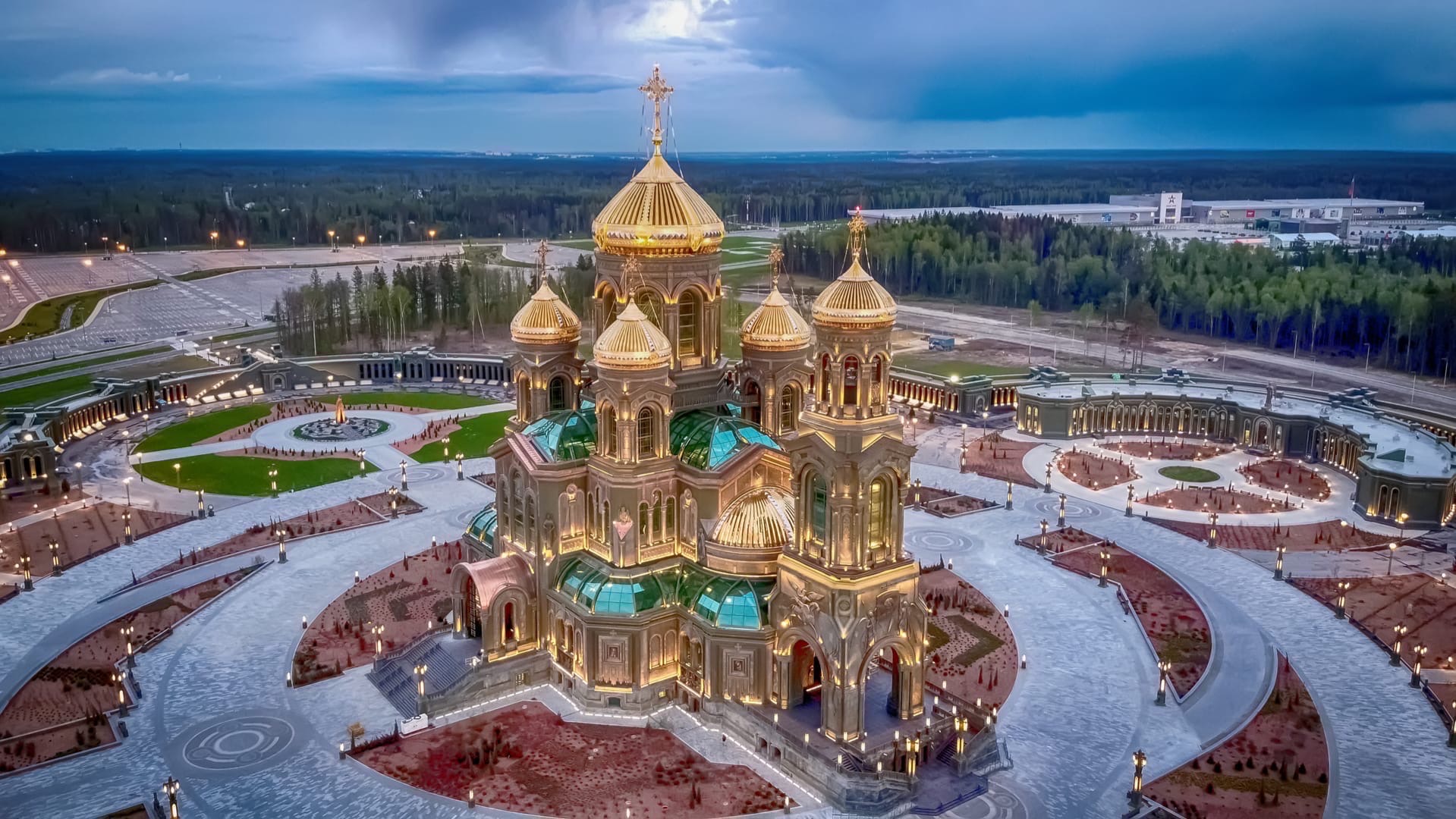
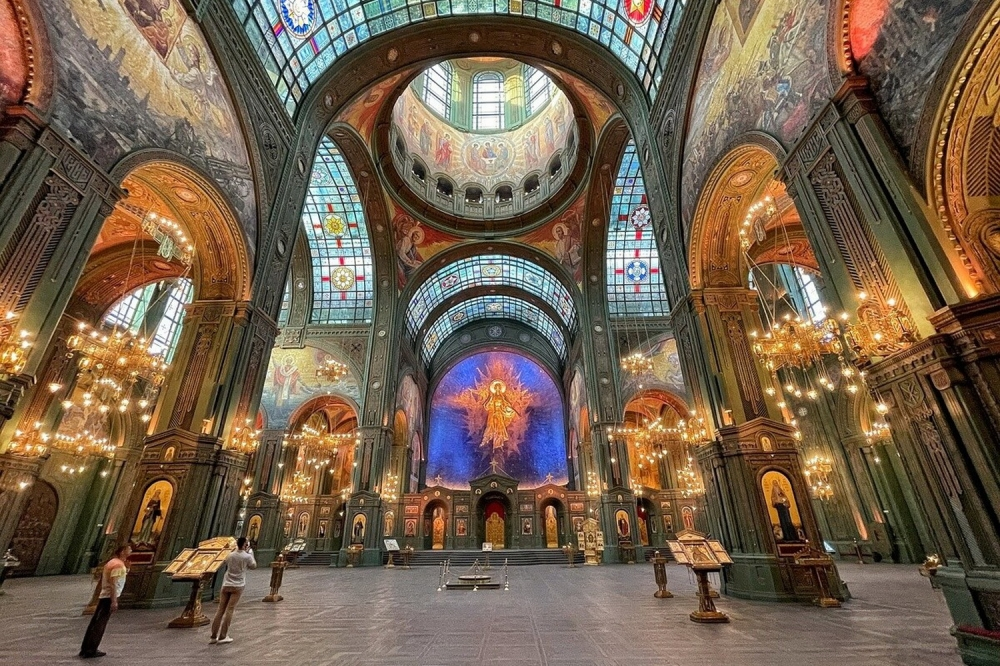
The museum and temple complex is the main temple of the Armed Forces of the Russian Federation. The temple stands 95 meters tall, making it one of the tallest Orthodox churches in Russia and the world. The area of ​​the temple complex is 11,000 square meters. The interior can accommodate up to 6,000 people.

All the dimensions of the temple are symbolic and refer to significant dates associated with the history of the Great Patriotic War, Russia, and the Russian Armed Forces:

  • The diameter of the main dome’s drum is 19.45 meters. 1945 marks the end of the Great Patriotic War. The diameter of the dome is 22 meters 43 centimeters. On May 8, 1945, at 10:43 PM, the act of unconditional surrender of Germany was signed.
  • The height of the bell tower is 75 meters. 2020 marked the 75th anniversary of the end of the Great Patriotic War.
  • The small dome is 14.18 meters high, representing the 1,418 days and nights of fighting in the Great Patriotic War.
  • The interior mosaic area is 2,644 square meters, corresponding to the number of full Cavaliers of the Order of Glory.
  • The mandorla is 11,694 mm high, representing the number of Great Patriotic War veterans who received the title Hero of the Soviet Union.
Besides all this, there are hotels, a train platform, and a bunch of other little things.

I’m most interested in two locations:

The Tank Museum (Technical Center) – what used to be Kubinka, which I’ve already told you about.

And Museum Site No. 1, which I’ll try to tell you about, but it’ll be a long, drawn-out story, with long breaks.

14 Likes

Another glorious museum adventure Yuri, I’m looking forward to it! Thank you!

4 Likes

Booking this tour too!

Cheers,

Angel

2 Likes

A military history museum with a tactical shooting range area?!?!?! Add this place to my bucket list.

Thank you for sharing.

I do look forward to our countries getting their differences settled peacefully and equitably one day.

6 Likes

You can get to the park from Moscow by commuter train from Belorussky Station. The ride takes between an hour and an hour and a half, depending on the frequency of stops.
Even from the train window, you can see that this station is a bit different from all the others: the military equipment exhibition starts right on the platform!

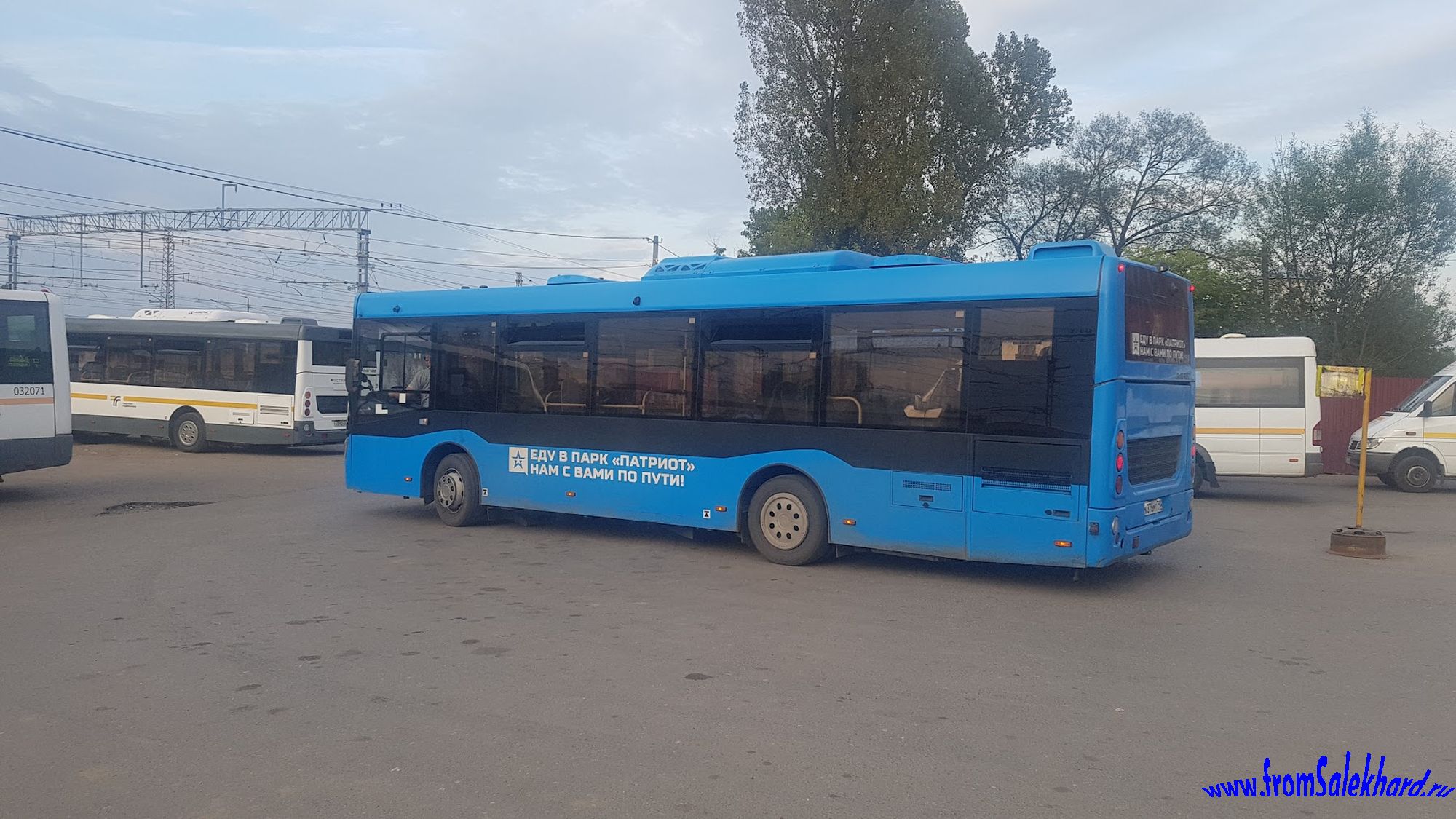
At the local bus station you need to wait for a special bus.
Text on the bus: I’m going to Patriot Park. We’re on the same path!

It runs strictly according to a schedule, which can be found on the website or at each bus stop, every 40-60 minutes.

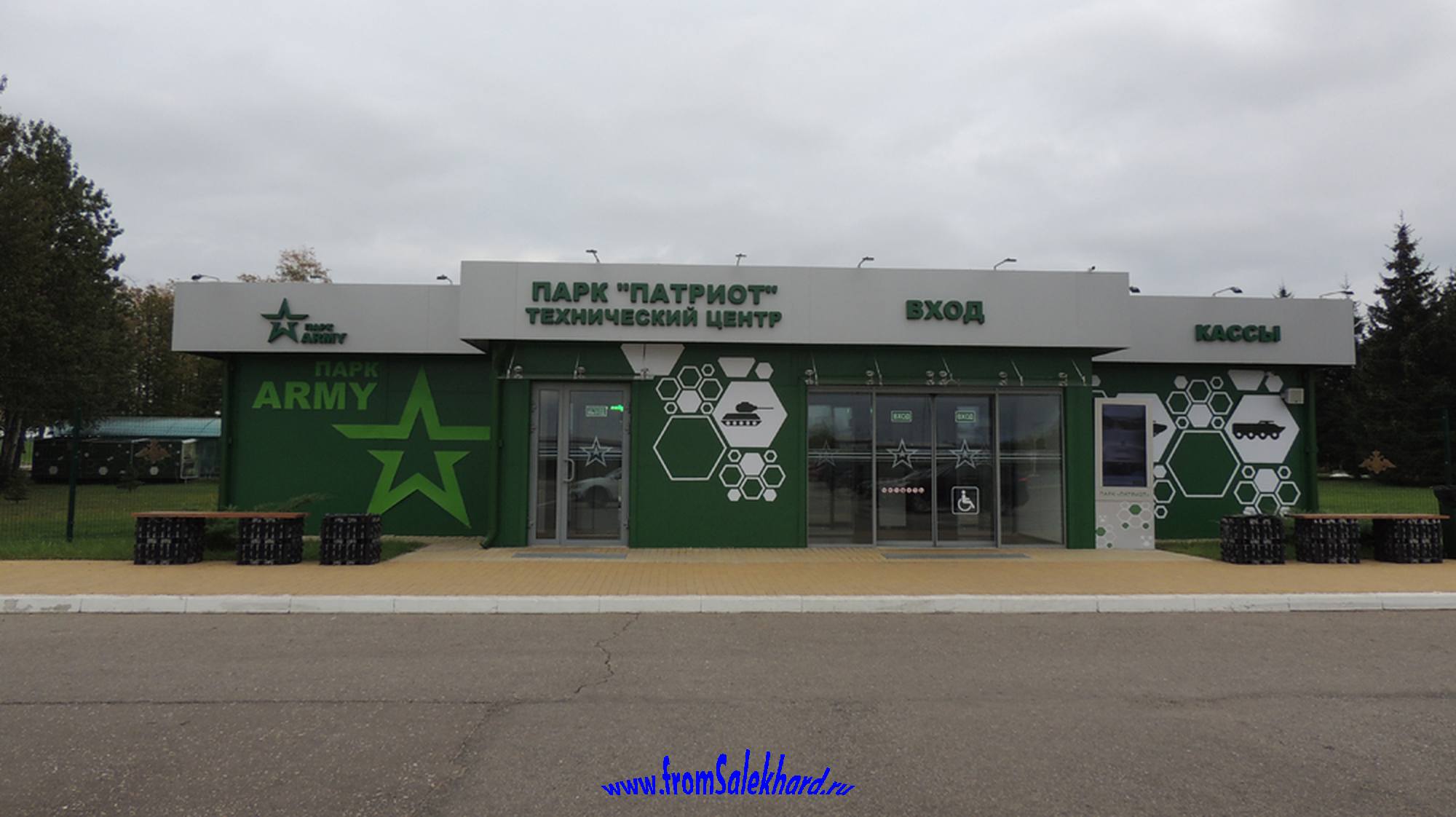
The nearest stop is Kubinka.
Text on the building: Patriot Park. Technical center. Entrance. Ticket office.

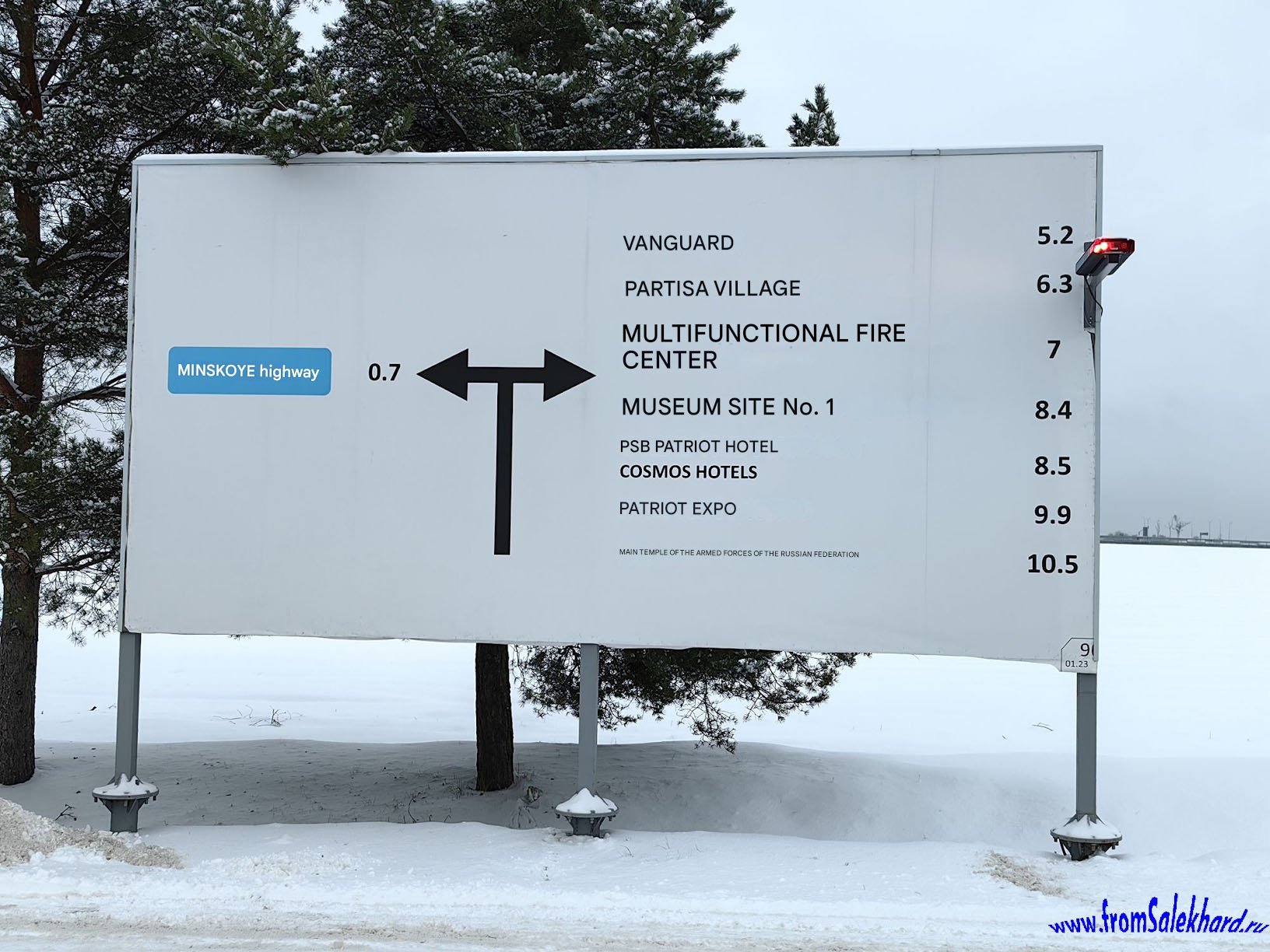
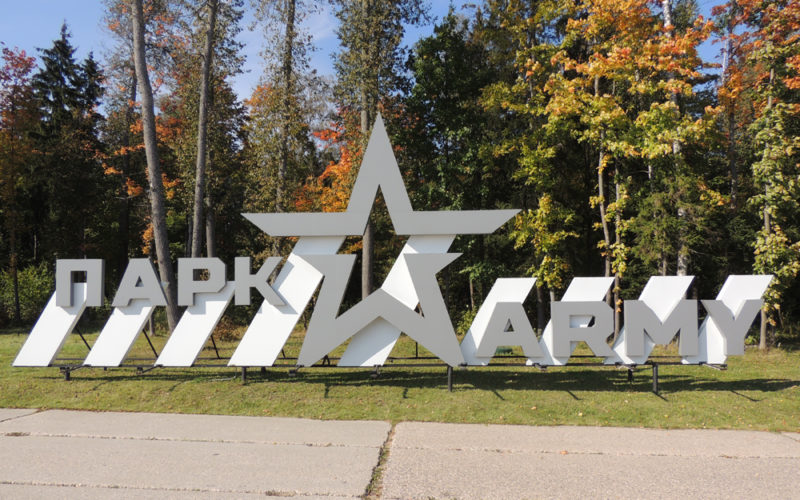
To understand the scale of this patriotic site, just look at the road sign.

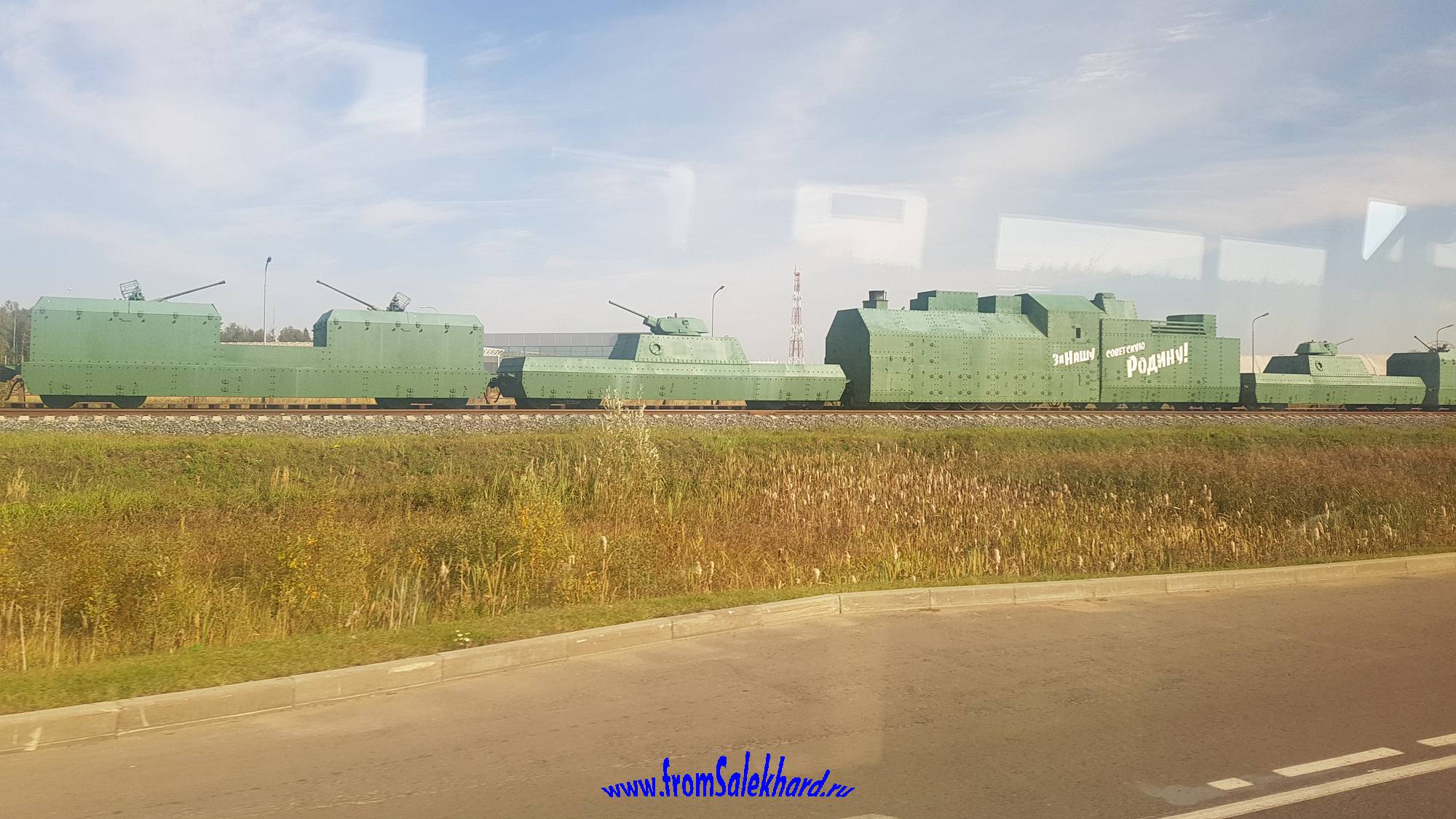
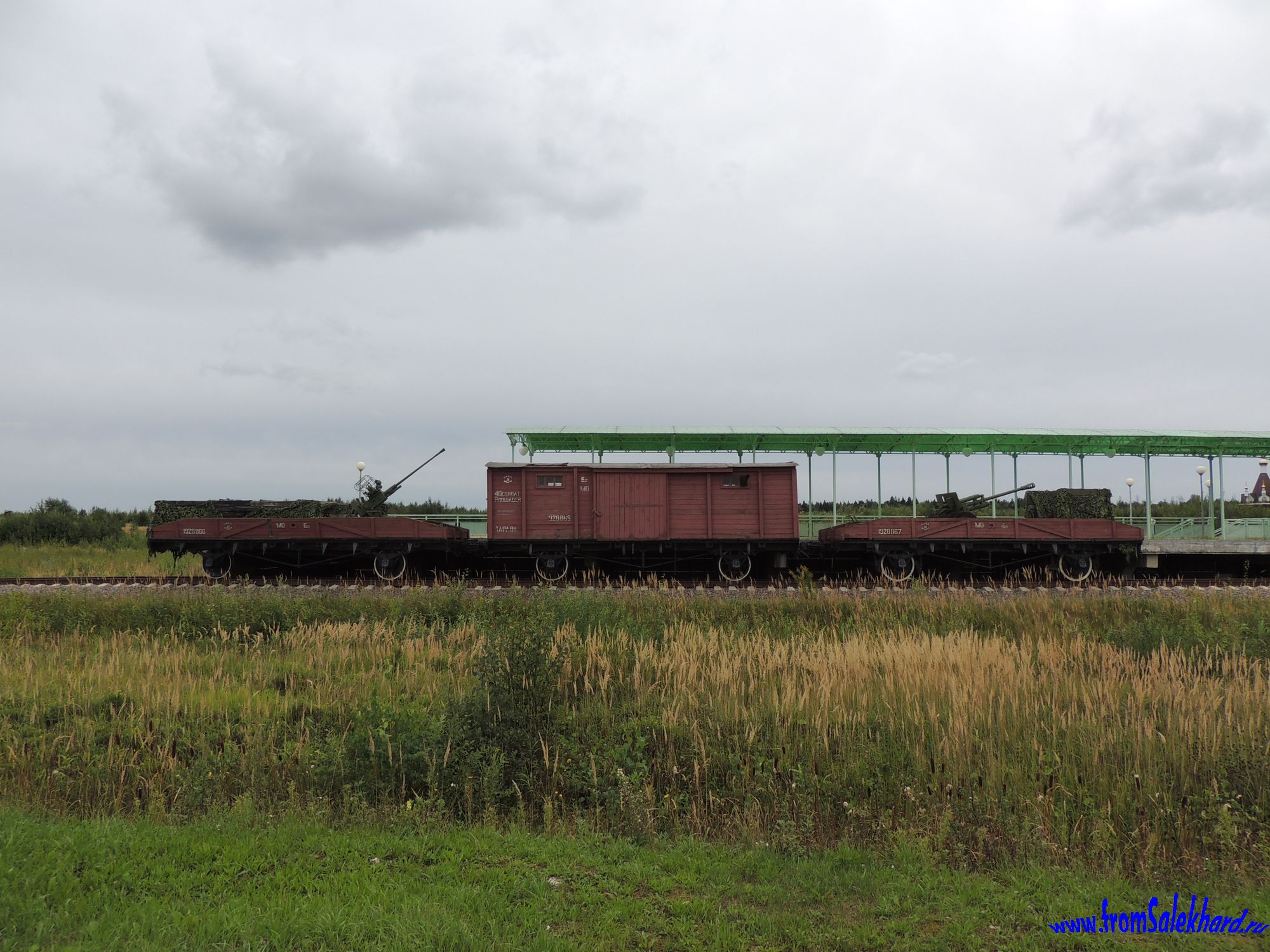
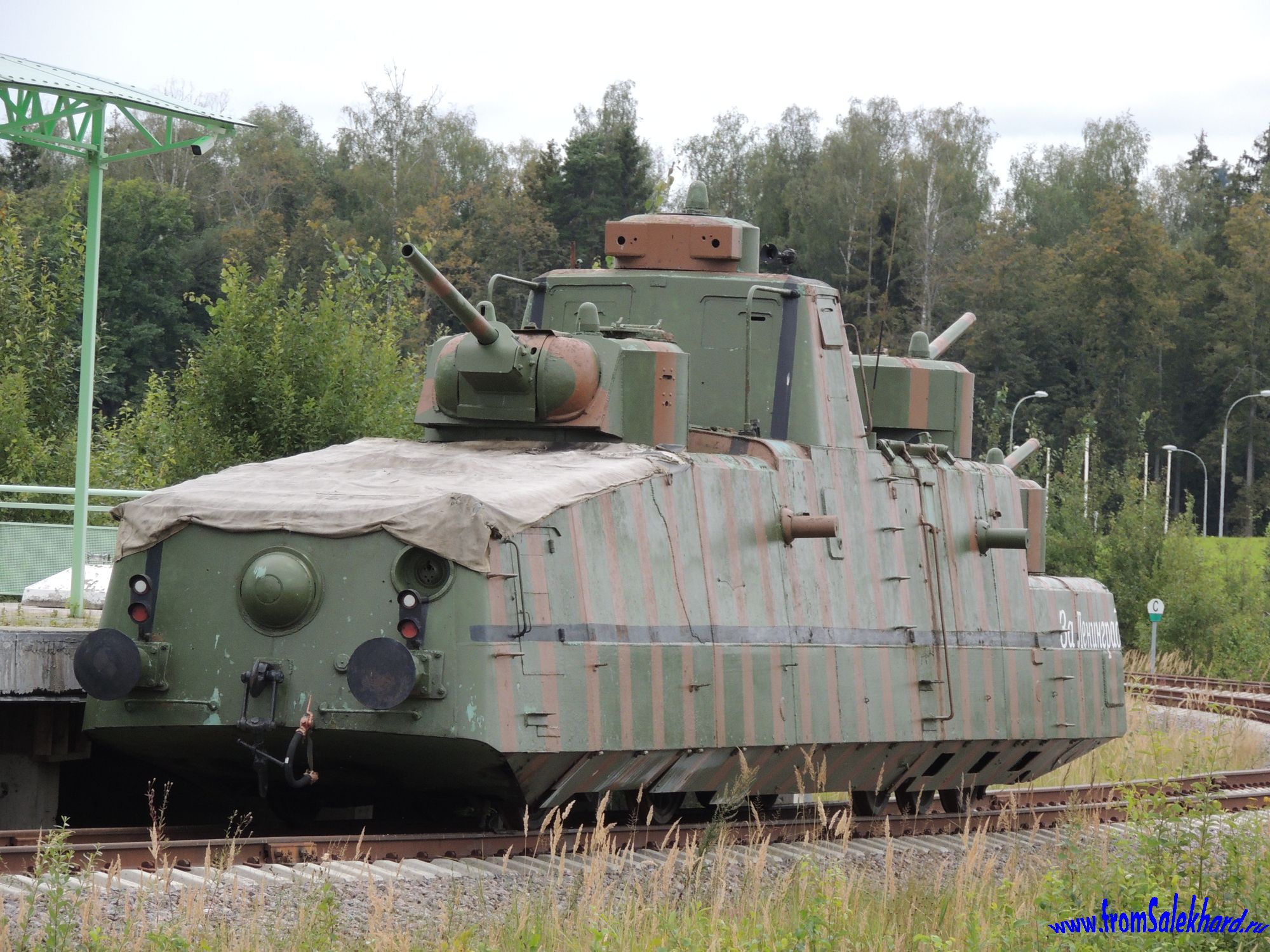
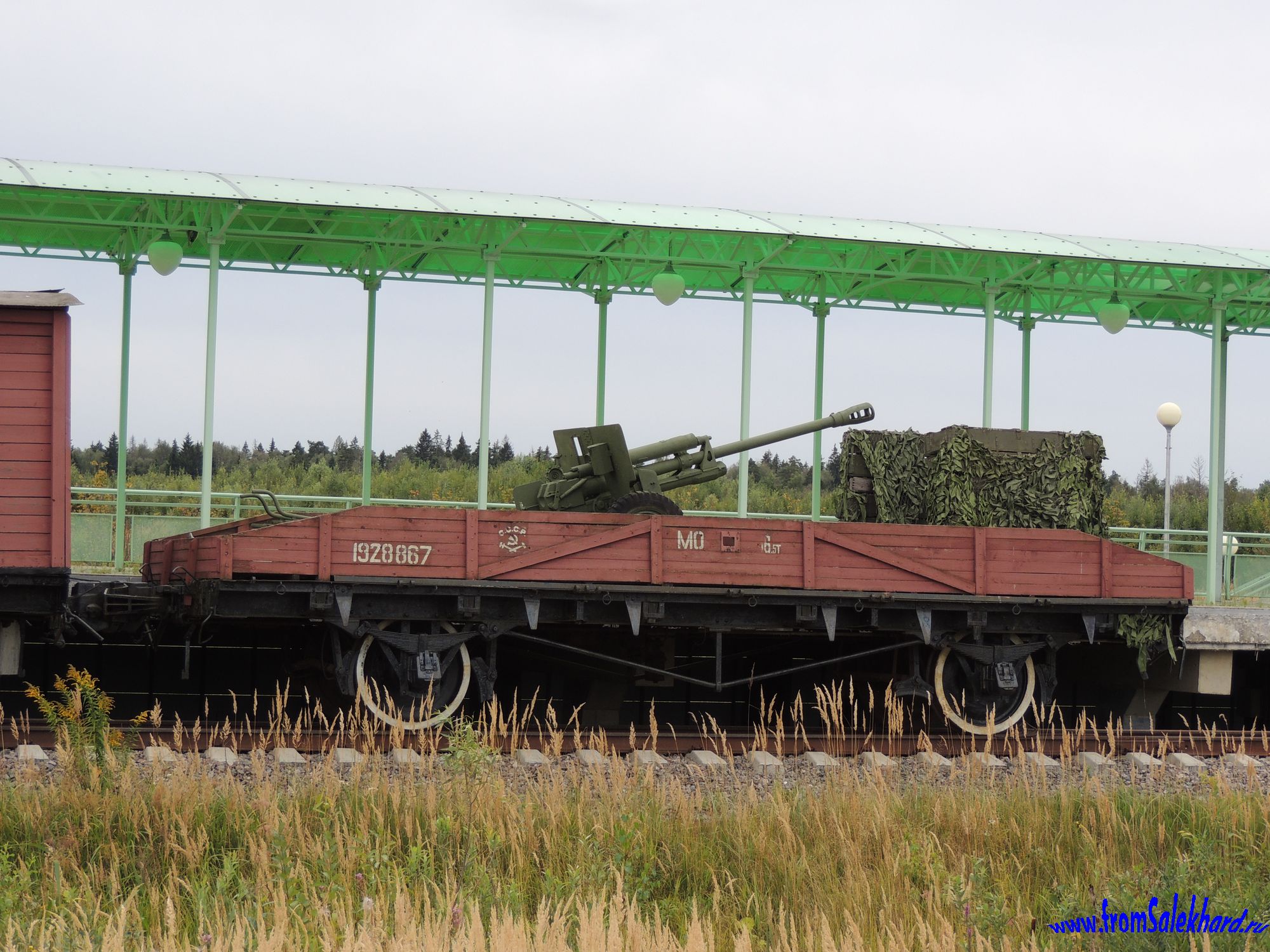
On the way, it is highly recommended to look out the window, because you can see something interesting.

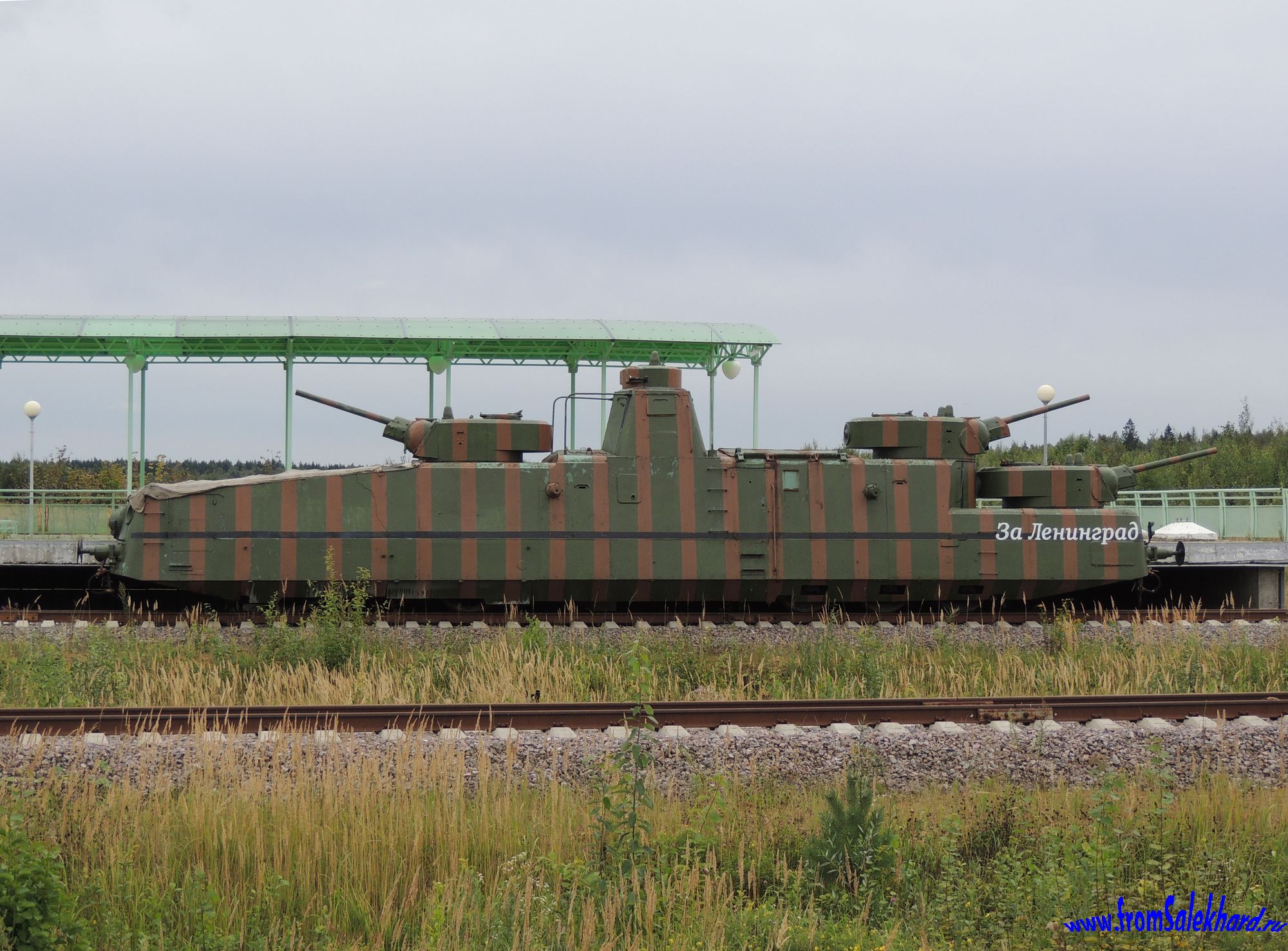
Text on the armored train: For our Soviet Motherland!

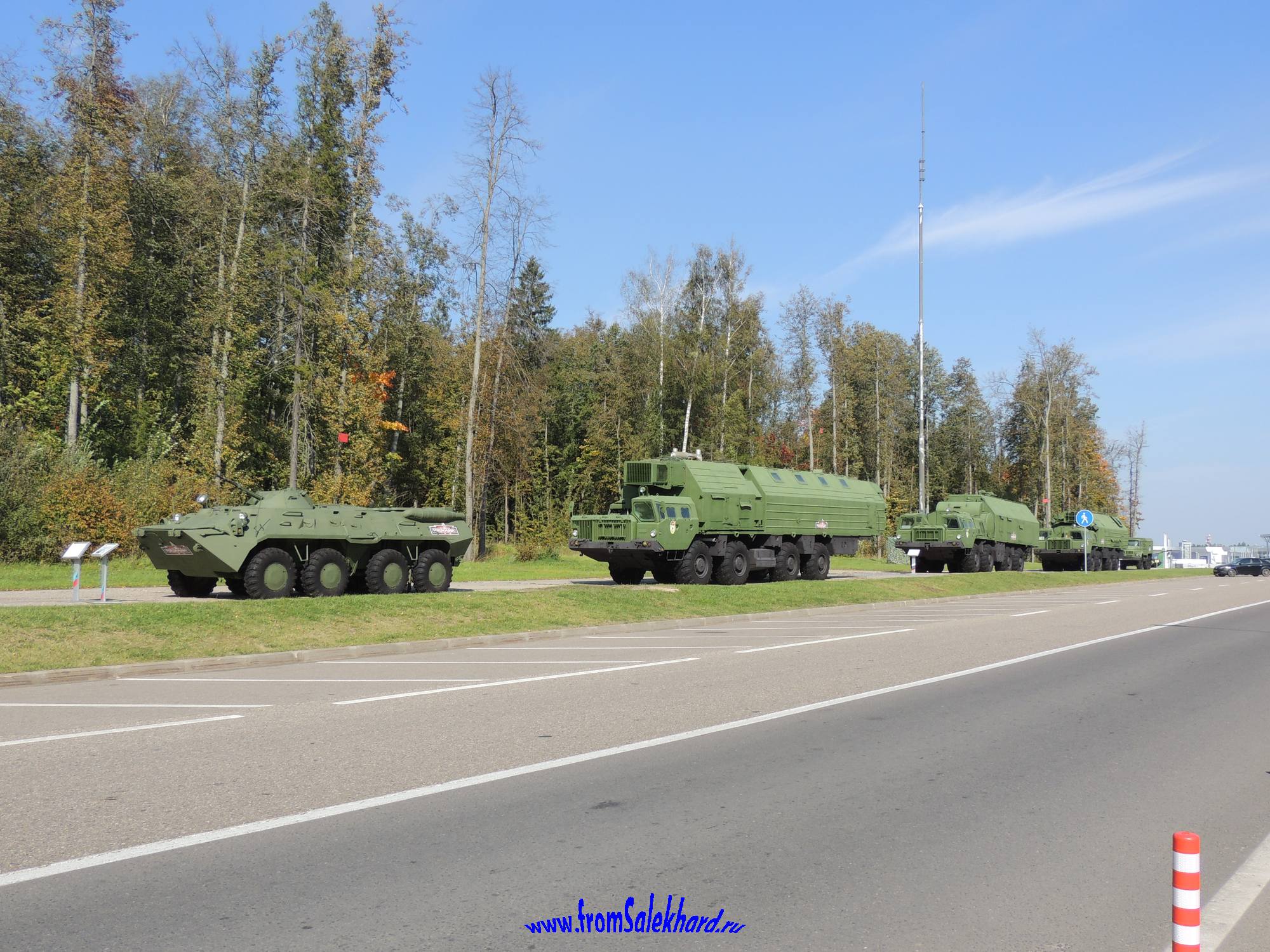
I wonder where that Strategic Missile Forces convoy is headed?

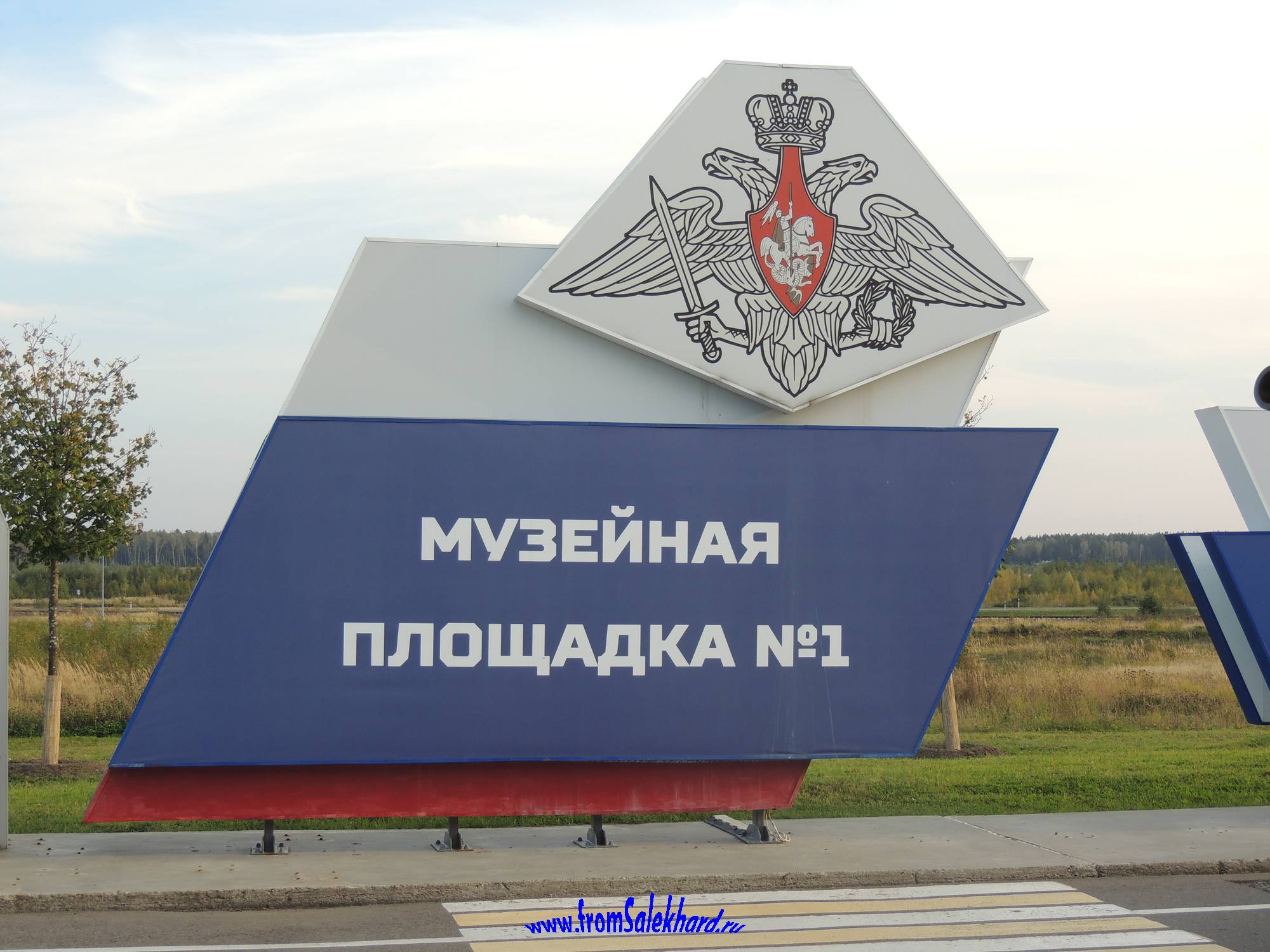
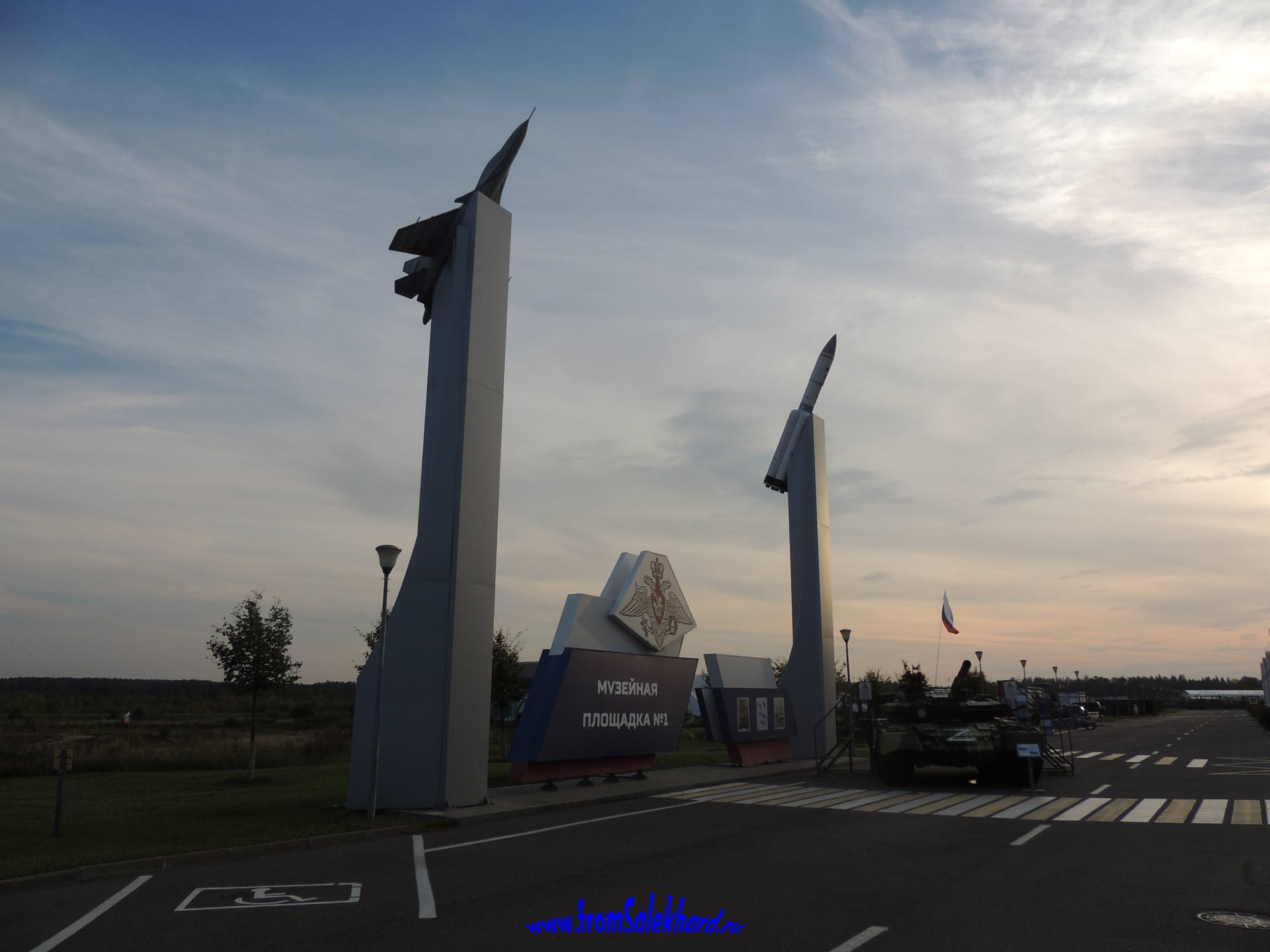
The next stop and final stop for me was “Museum Site No. 1”.

Text: Museum Site No. 1.

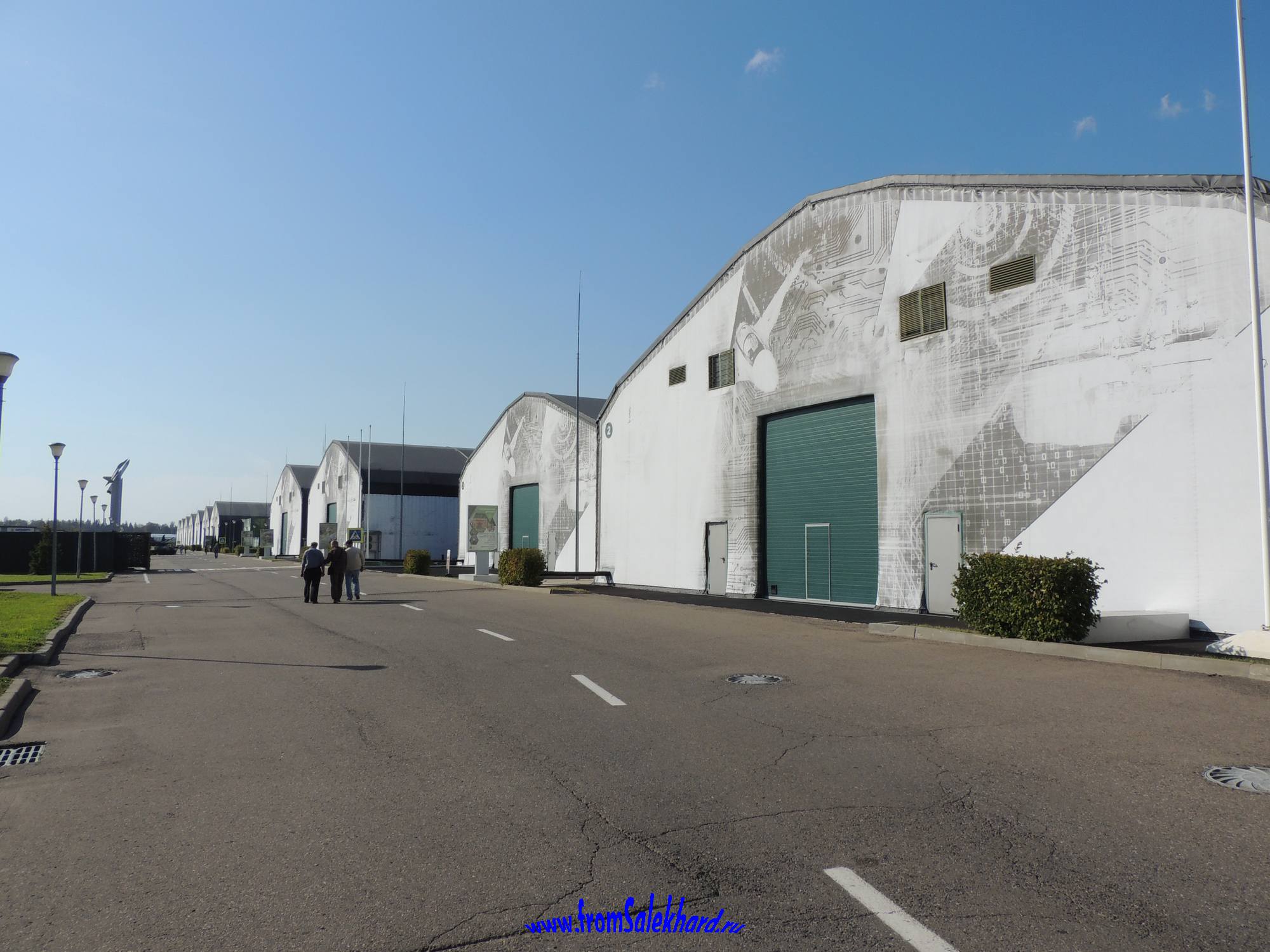
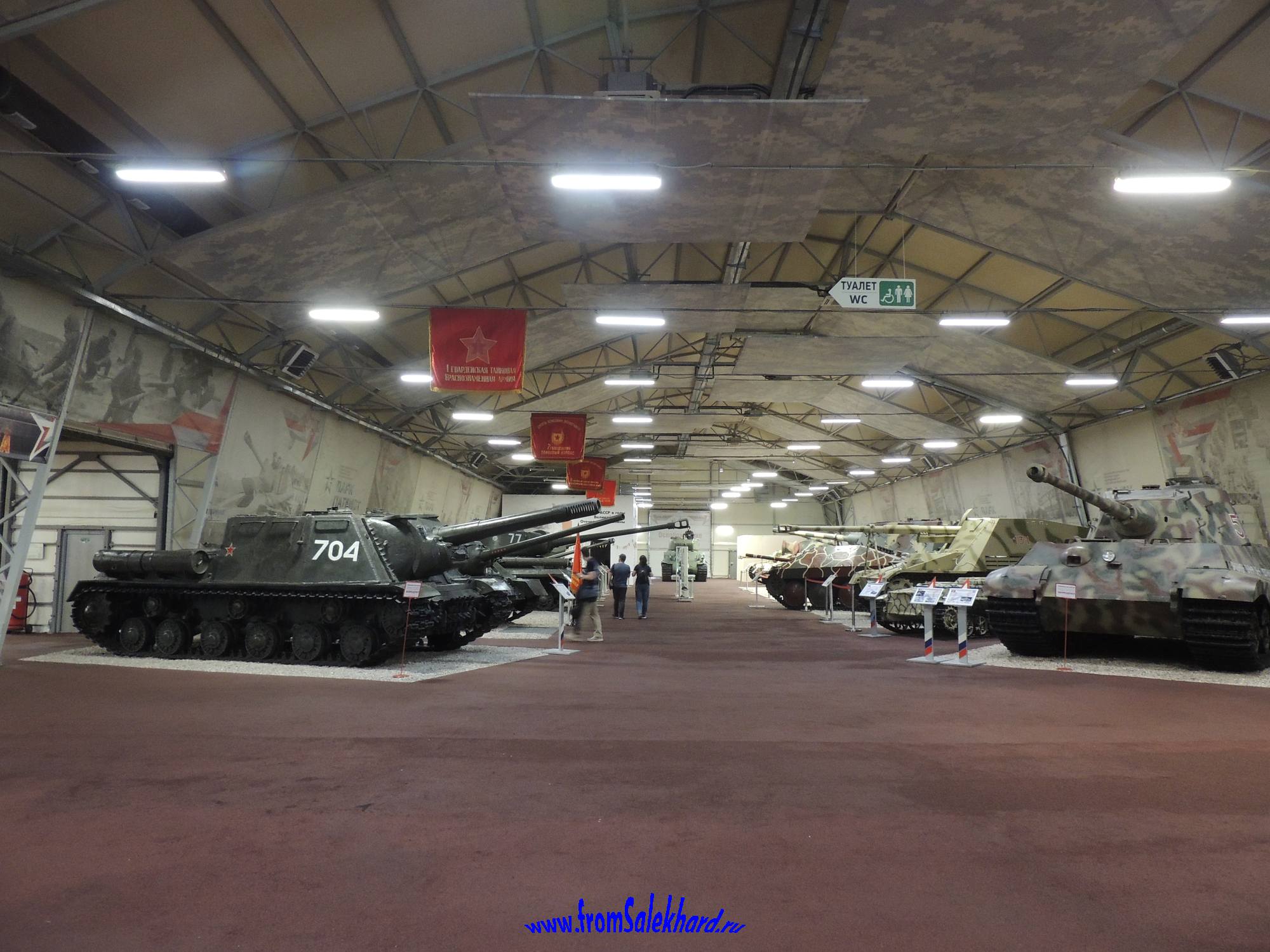
Architecturally, it’s designed like the one in Kubinka: a row of enormous hangars stretching to the horizon, each containing the contents I coveted.
Only the hangars here are located next to each other and connected by passages.

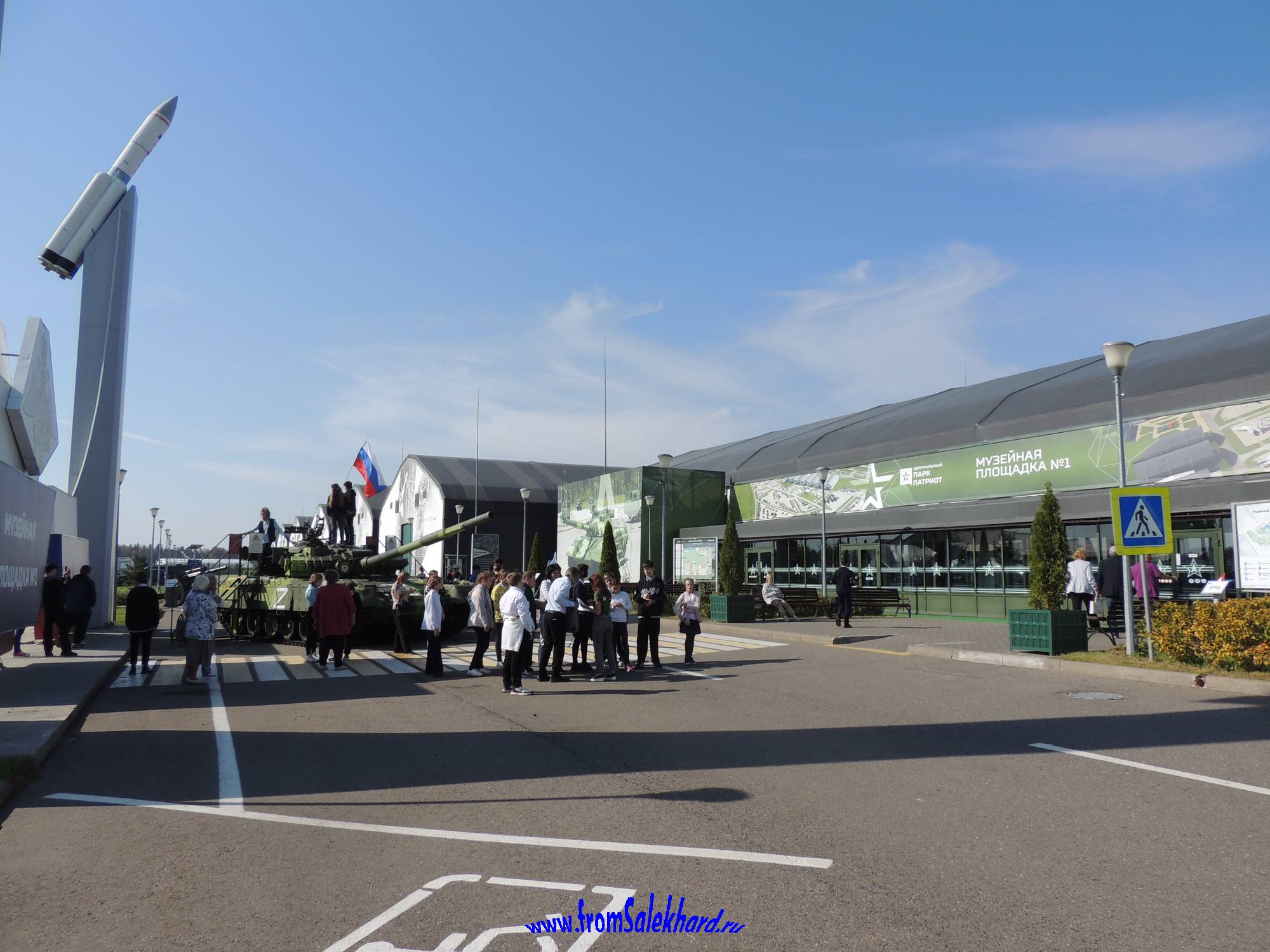
There is one entrance and it is in the center.

10 Likes

The thematic distribution of the pavilions differs from Kubinka’s. To the left of the entrance are the stages of the Great Patriotic War, while to the right is a solyanka exhibition with a contemporary twist.

I’ll show you the contents of almost all the hangars later. A series of photo galleries is planned for that purpose—because what’s there to write about? Here, you just have to look.

And indeed, some of the Patriot funds are former Kubinka funds. This has now become clear.

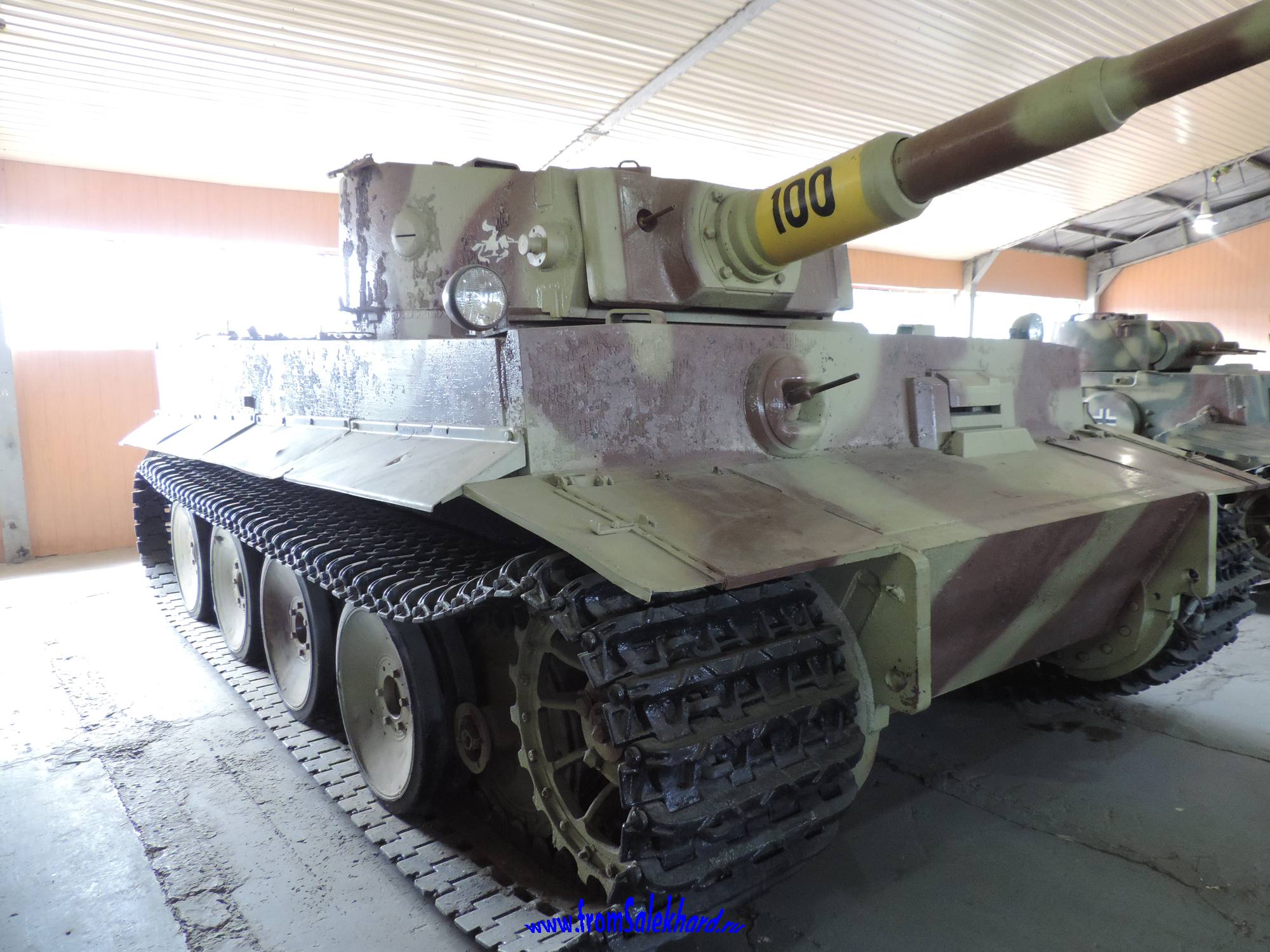
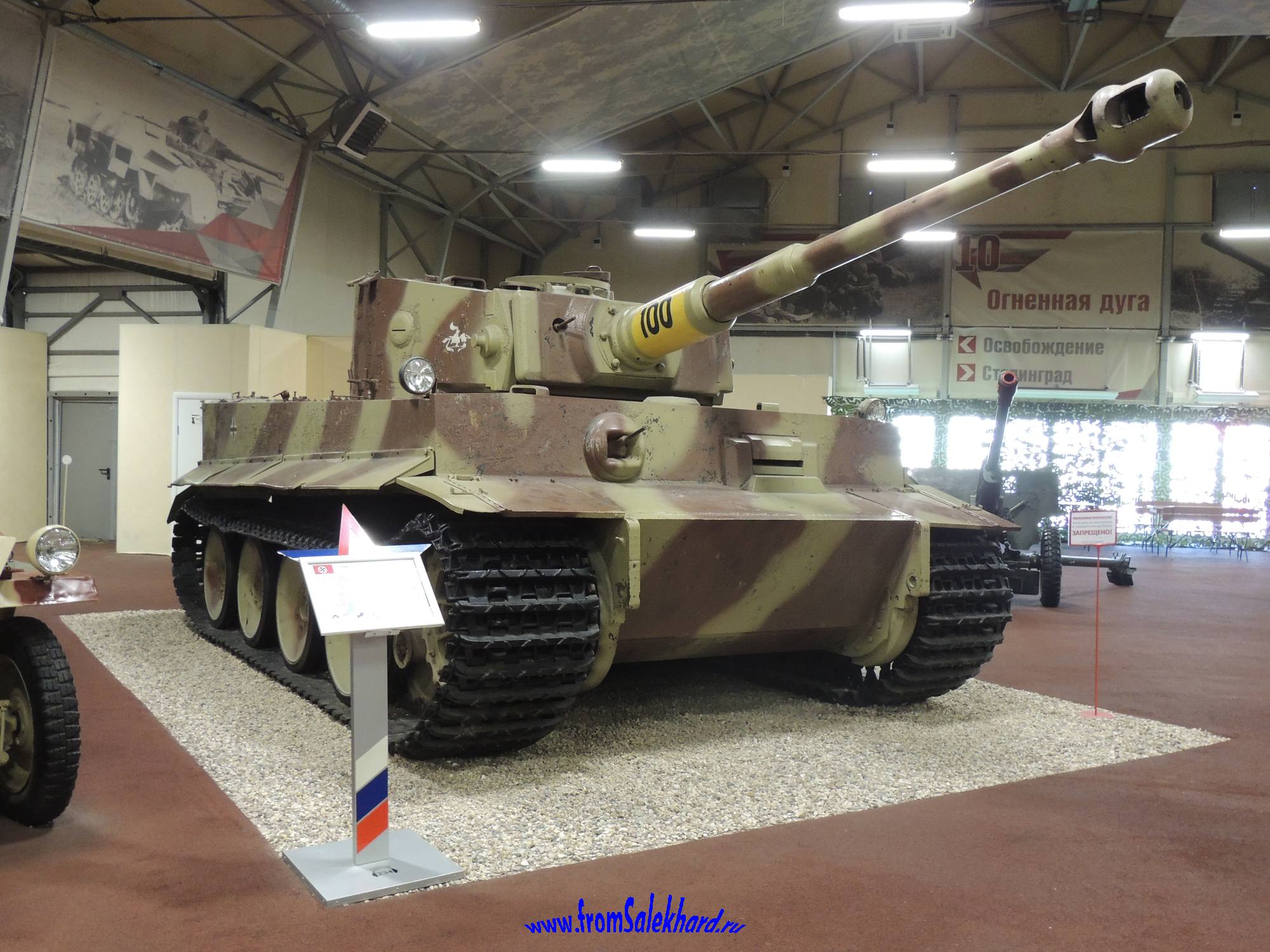
On the left is a 2015 photo from the Kubinka hangar; on the right is a modern photo: the same tank in its new location.

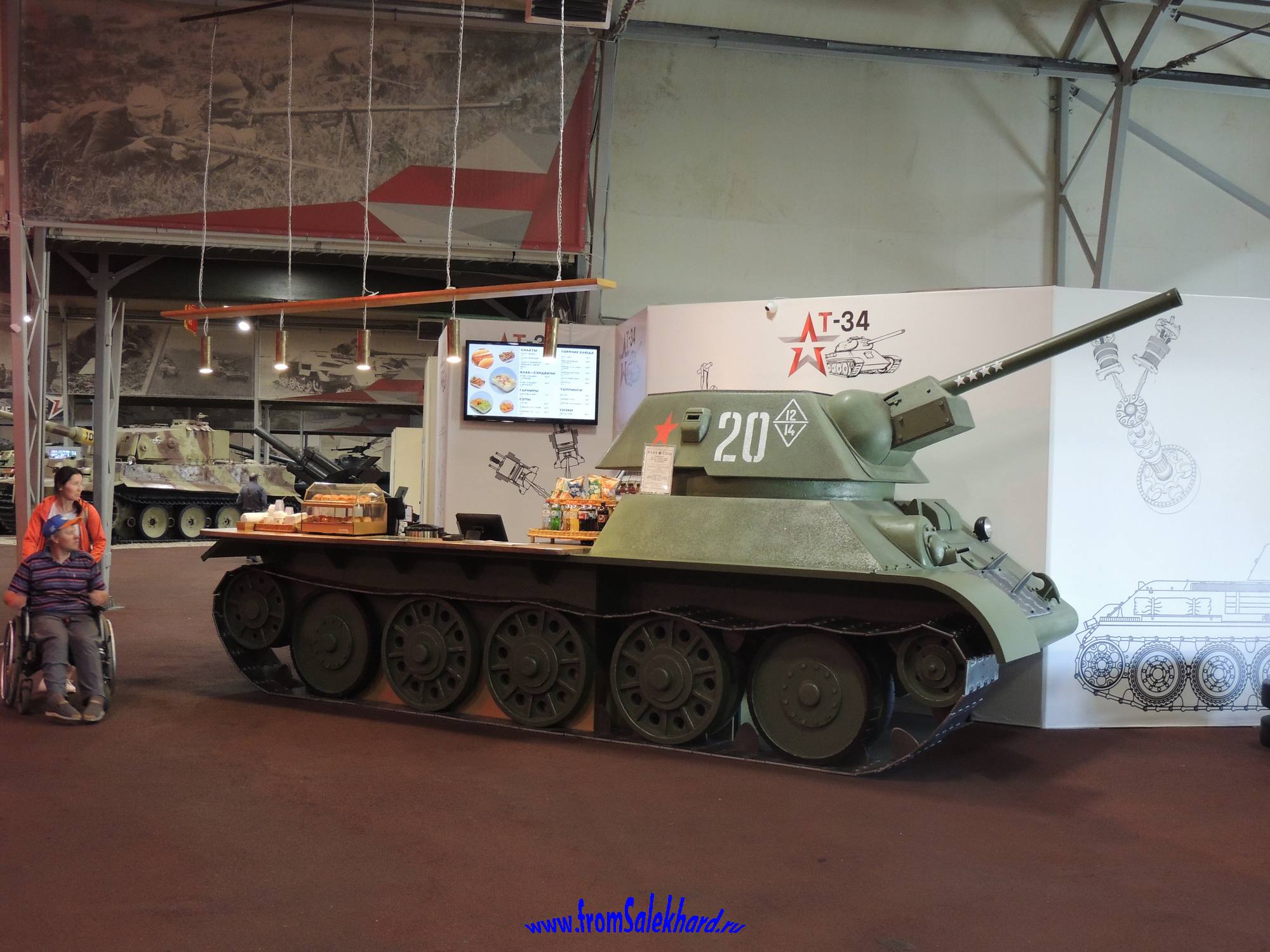
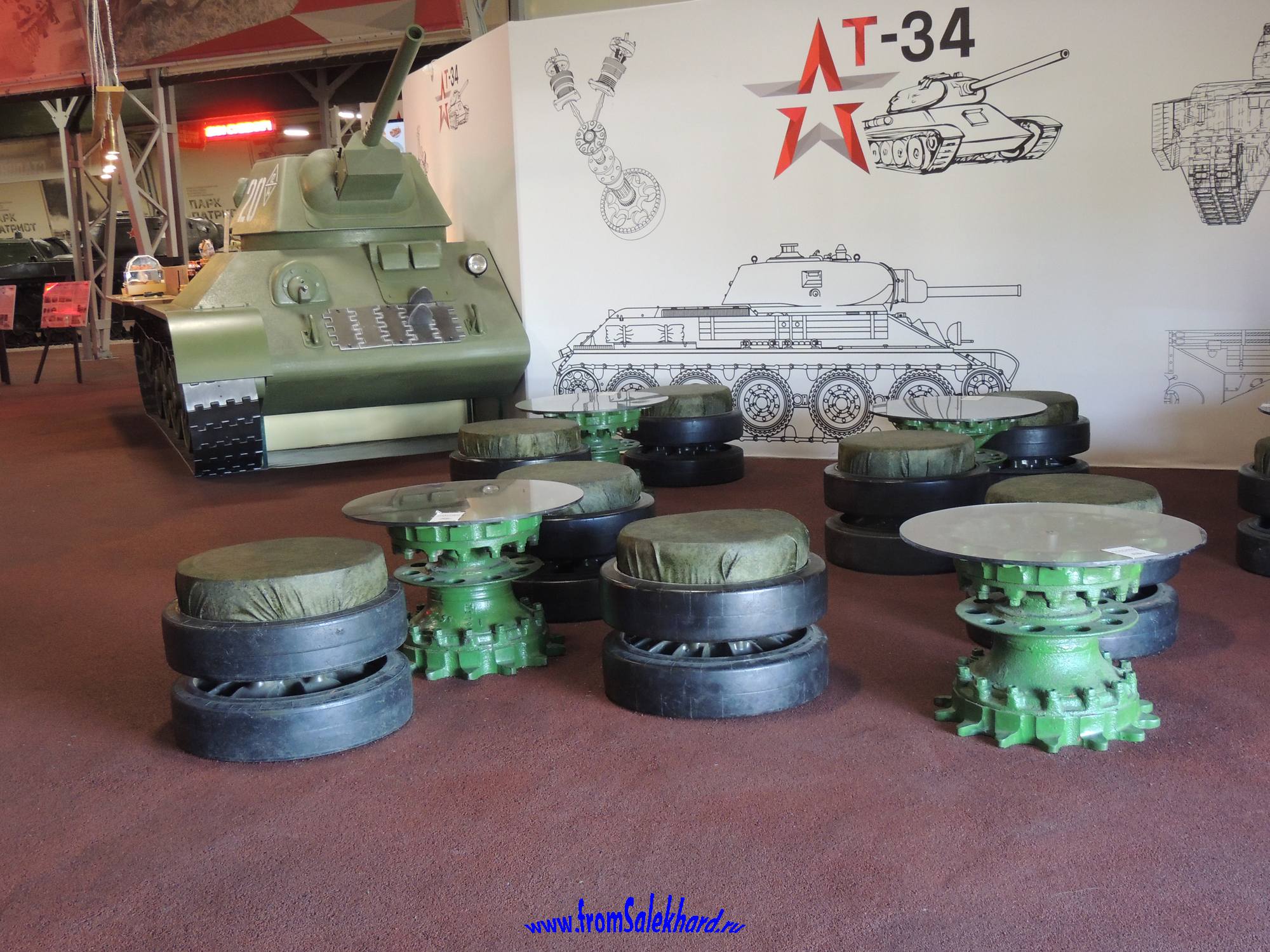
If in Kubinka the bird feeders are militarized, then here the feeders for people are similarly militarized.

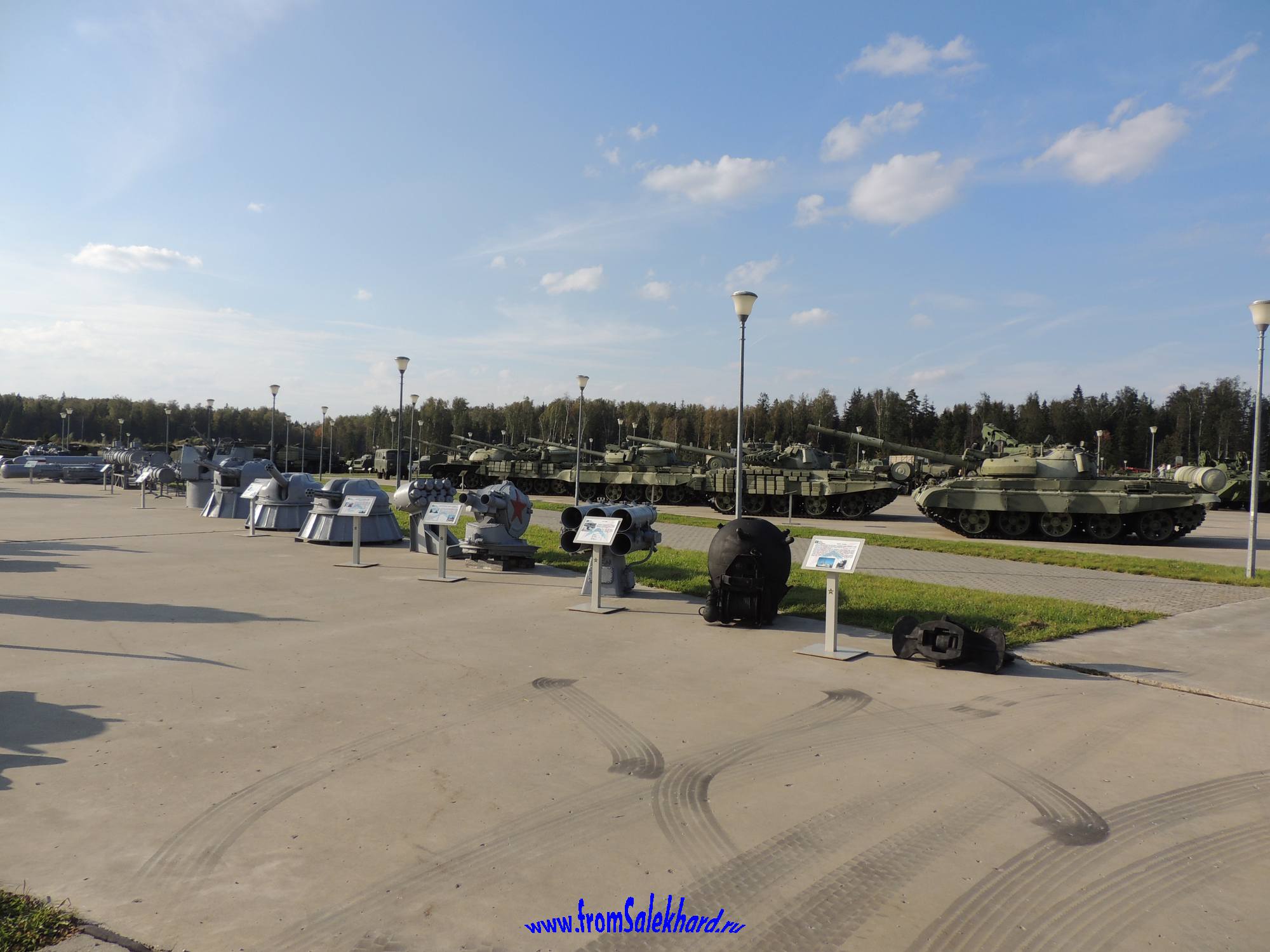
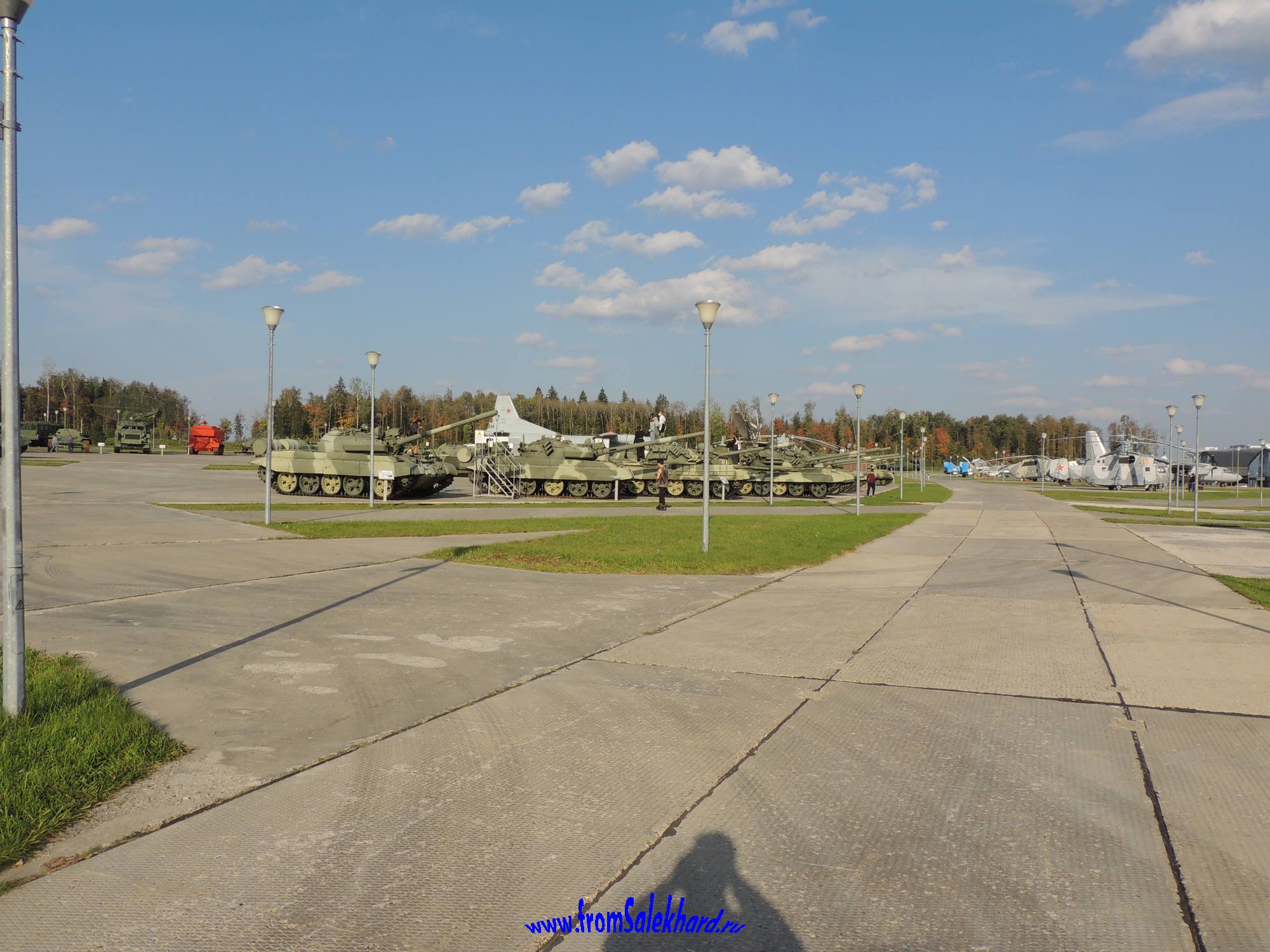
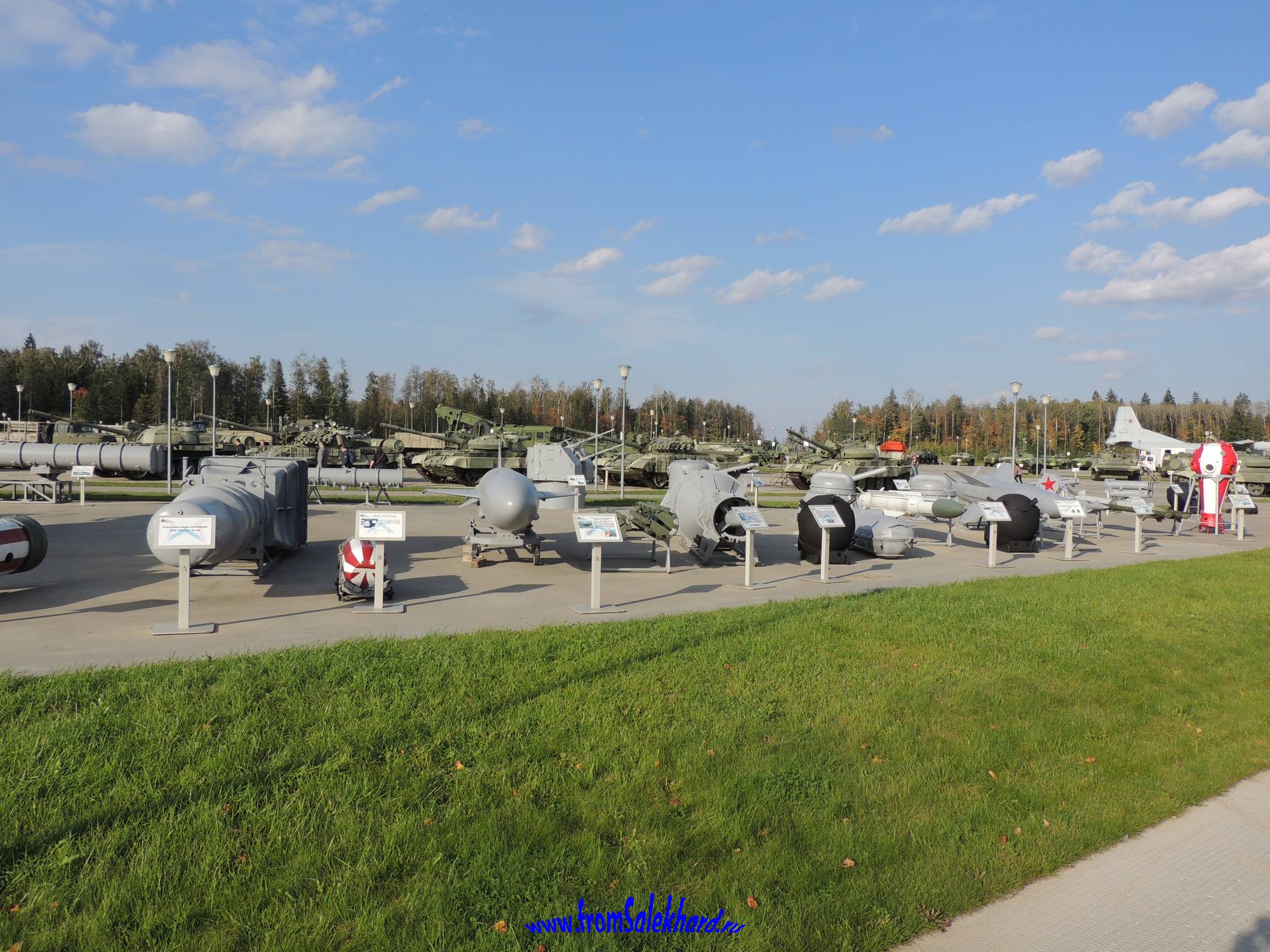
If you go through the hangars, the other side reveals an endless plain filled with a huge variety of equipment: tanks, bathyscaphes, missiles, planes, torpedoes, helicopters—the whole assortment. Oh my God!

While Kubinka itself has signs prohibiting climbing on equipment, here they’ve taken the opposite approach. In keeping with the Russian proverb, “If you can’t stop a mess, then lead it” a significant amount of equipment is equipped with ramps for climbing onto.

Some of the equipment is fenced off, entrance is from the other side and requires a separate ticket.

This exhibits is alien, and the reasons for its presence here are different from the other exhibits.

Every time I spend the whole day here and I leave this establishment in the evening, before closing. And I didn’t have any strength left: I took spare batteries for the camera, but I didn’t have spare legs.

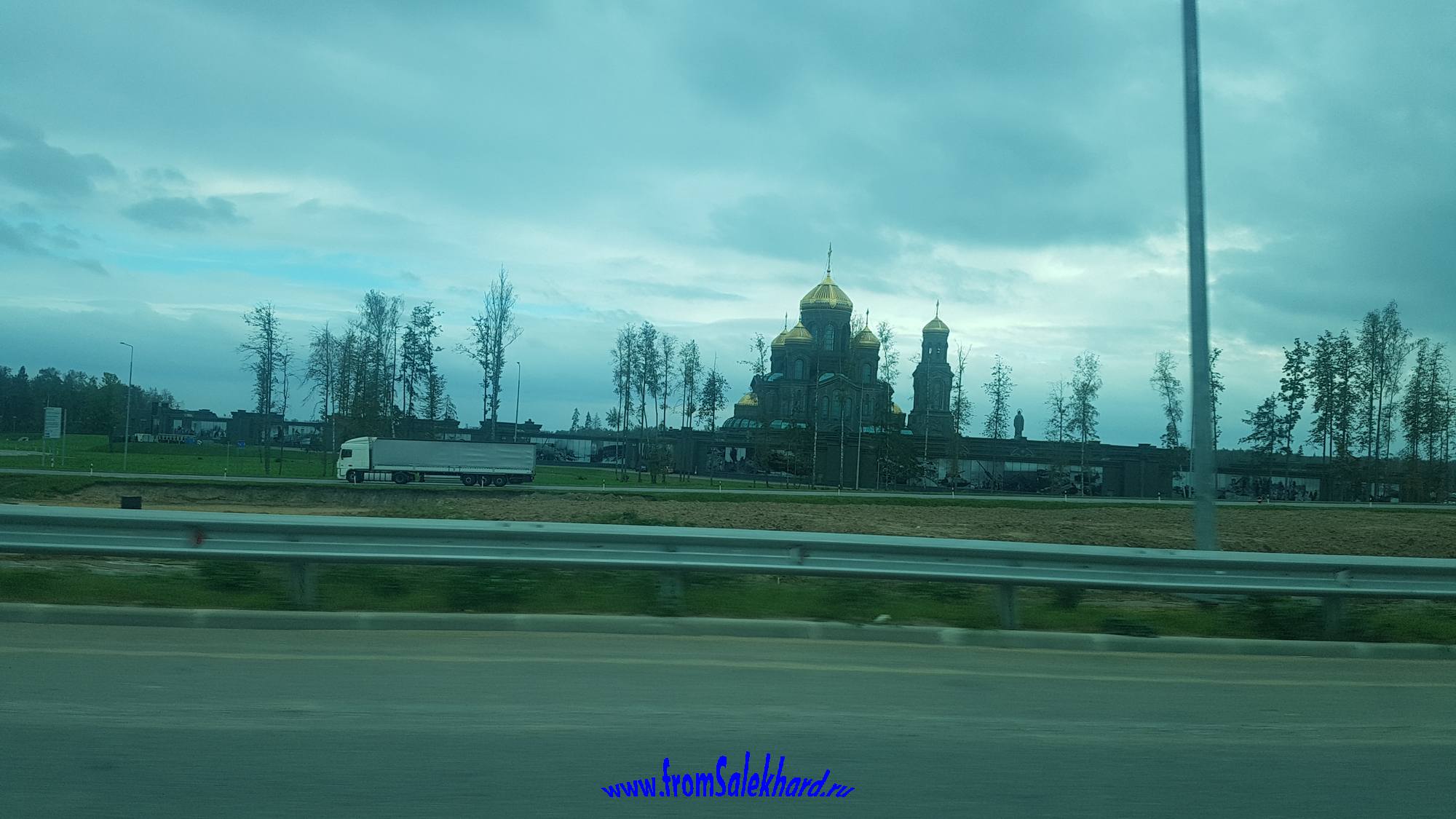
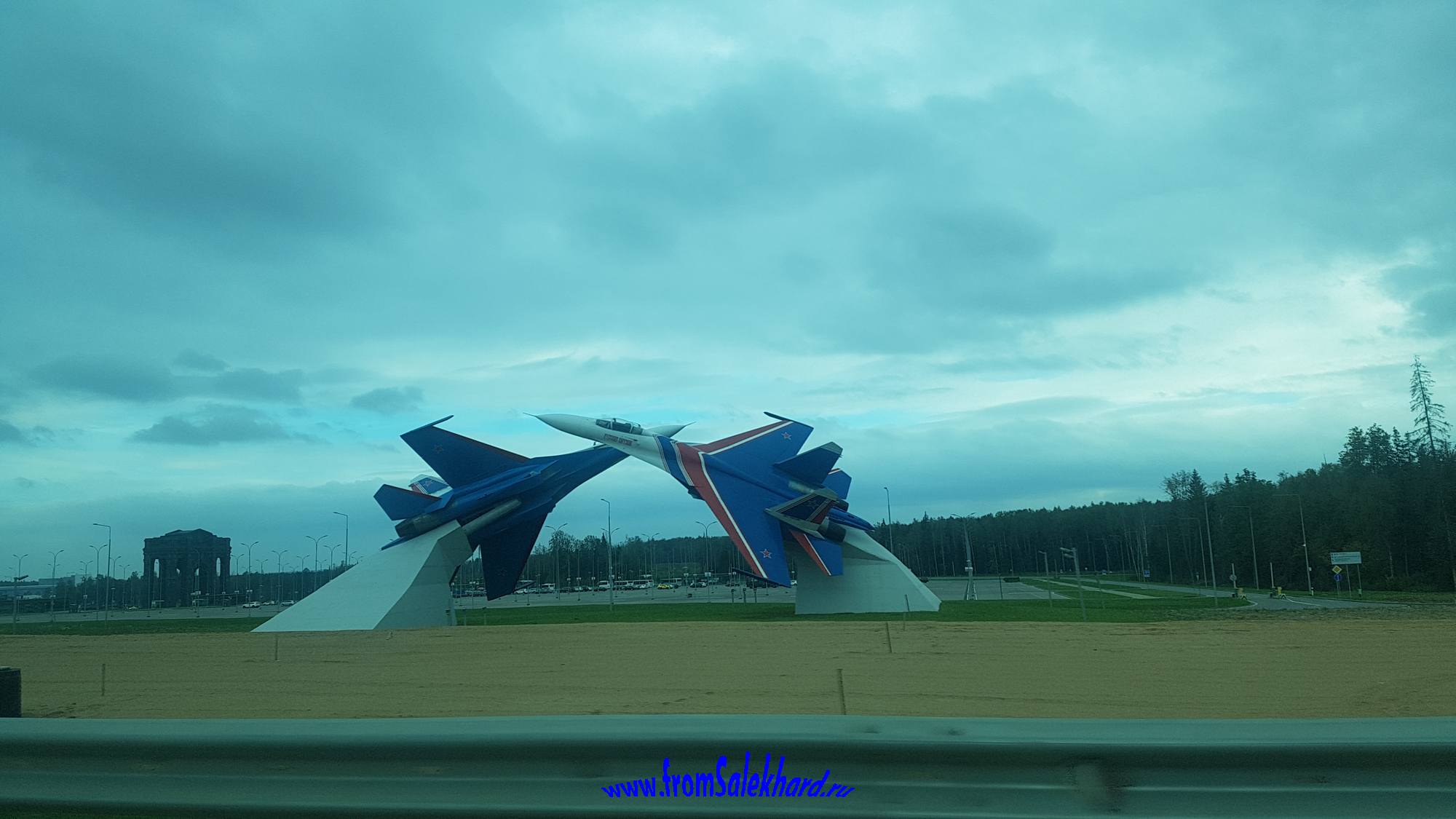
I saw the main military temple and the aerobatic team monument from the taxi window.


12 Likes

Someday I will visit there.

3 Likes

My plans exactly!

Cheers,

Angel

4 Likes

A personal introduction.

I first visited Patriot Park almost immediately after it opened in 2015. Back then, I didn’t even know what it was. And I was short on time—I was in Moscow on business, and I only had half a day to spend at the museum.
I was running around the museum with my tongue hanging out and my eyes wide with excitement!

Then there were more visits, longer and more thoughtful. By the third time, I was beginning to get a little bit of a grasp of what was going on.

Currently, I have over 5,000 photos from five visits. What’s interesting is that I’ve already sorted through some of the photos specifically dedicated to foreign technology. I’ll start with that.

I’ve repeatedly come across mentions online of exhibition areas dedicated to the war in Syria. But I didn’t come across them during my visits. So, I decided to dedicate one of my visits specifically to finding them. I managed to find out in advance that the pavilion I was looking for was located near the Guerrilla Village.

I don’t plan to visit the Partisan Village itself without my grandson, because he’ll be interested, and I’ve seen many similar locations before. So we’ll skip it.

It is with this story that I want to begin my story here.

Syrian Fracture.

This name is not my invention; this is the official name of this exhibition.

Each location in the park has a corresponding bus station with an up-to-date schedule. So, one day, instead of going to my usual stop, I got off at the Partizanskaya Derevnya stop and walked away from the road.

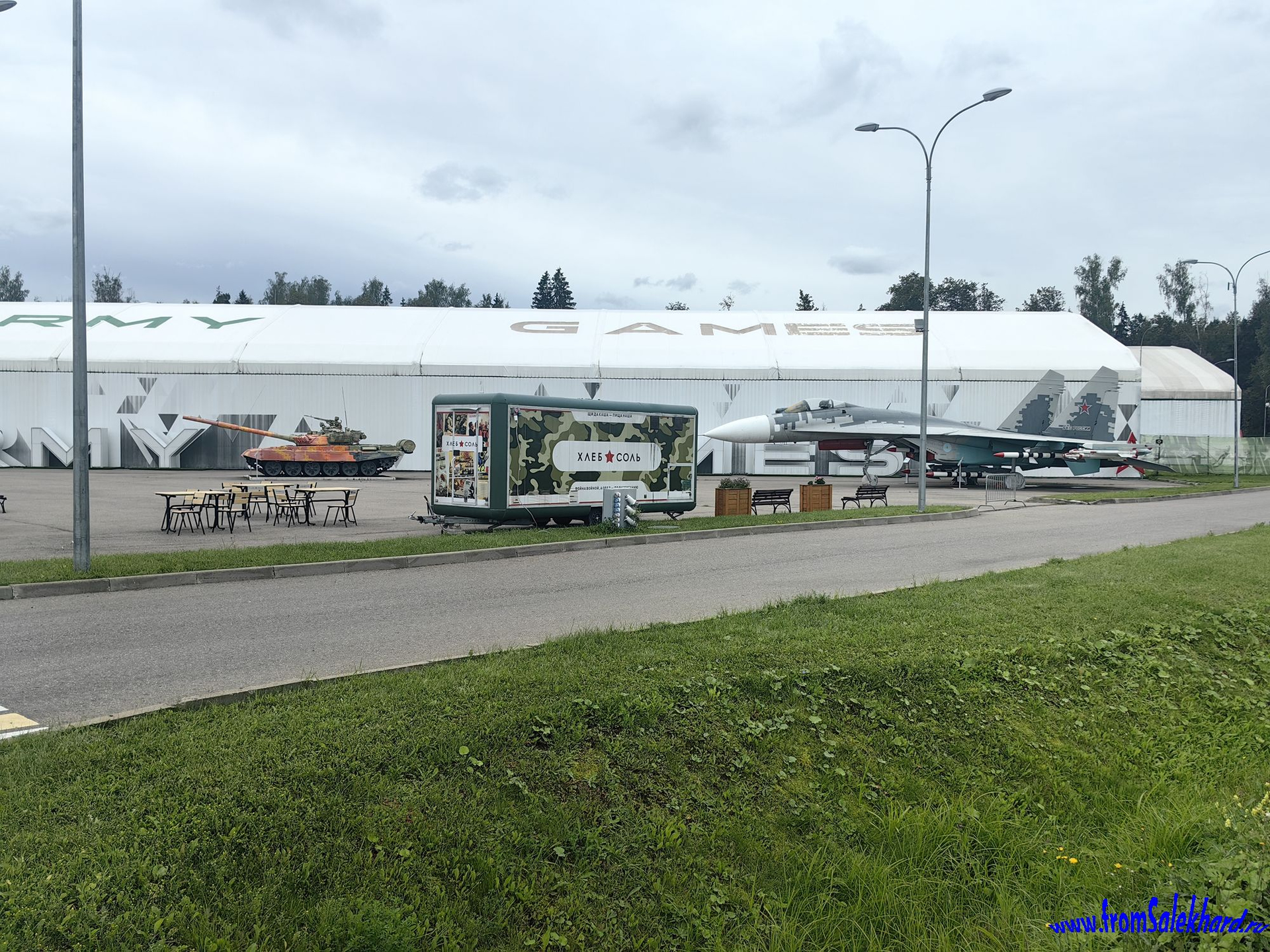
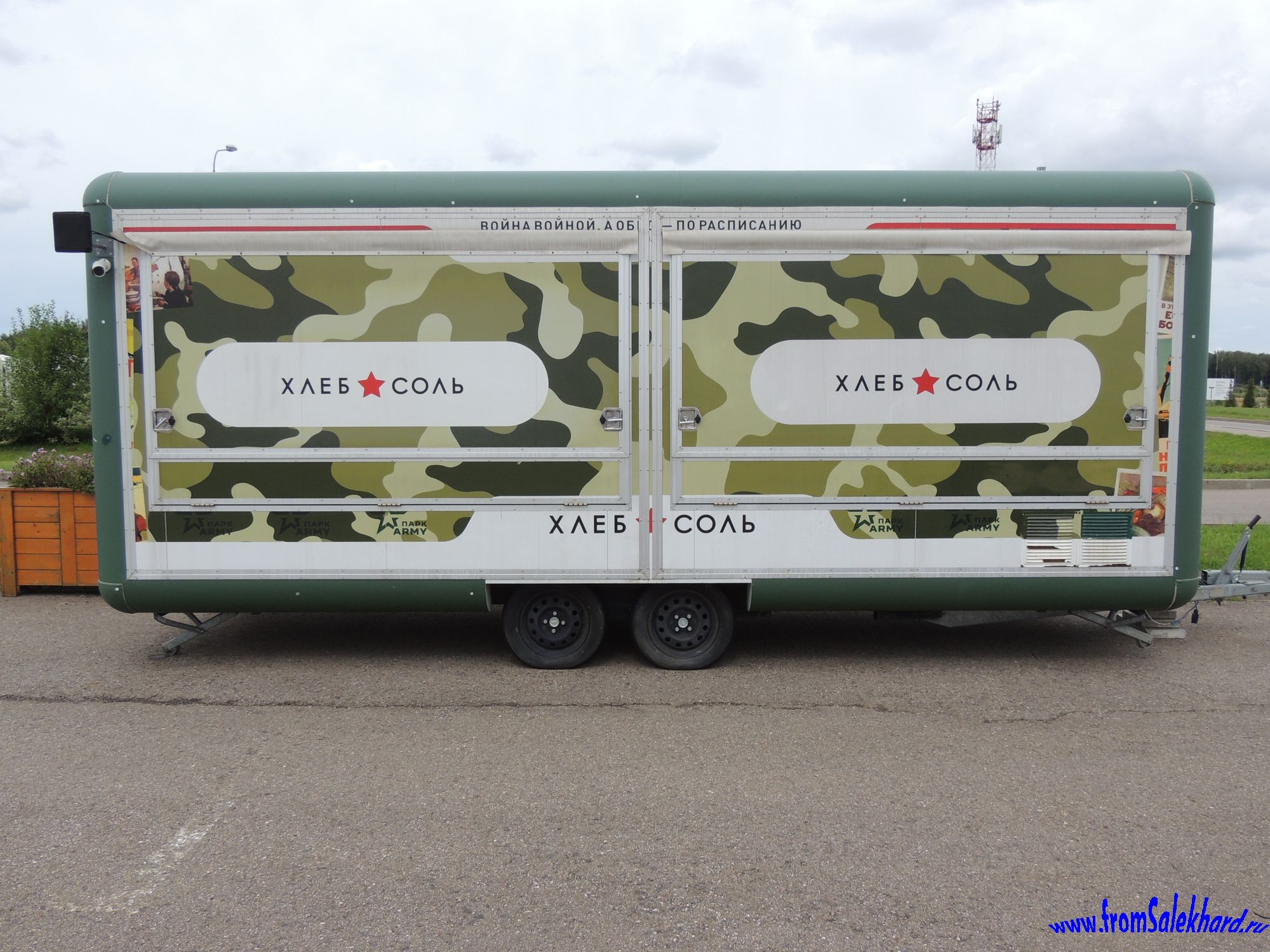
I was there on a weekday morning, and the weather was bad, so the fast food truck wasn’t running.

Text: Bread and salt - symbols of Russian hospitality.
War is war, but lunch is on schedule” - old Russian proverb.

But I wasn’t interested in him, but I was interested in the following exhibits.

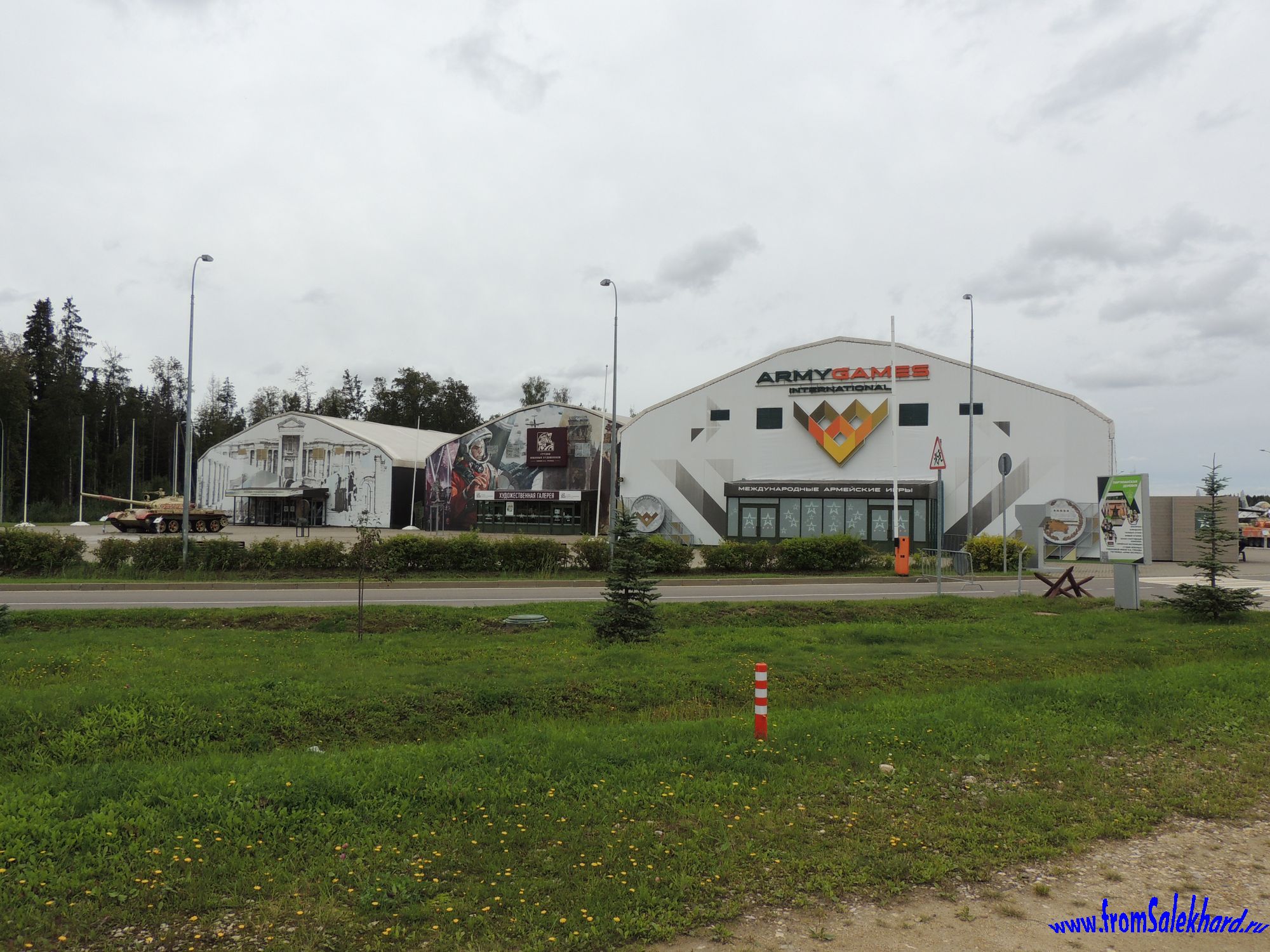
Further behind them there are three hangars,

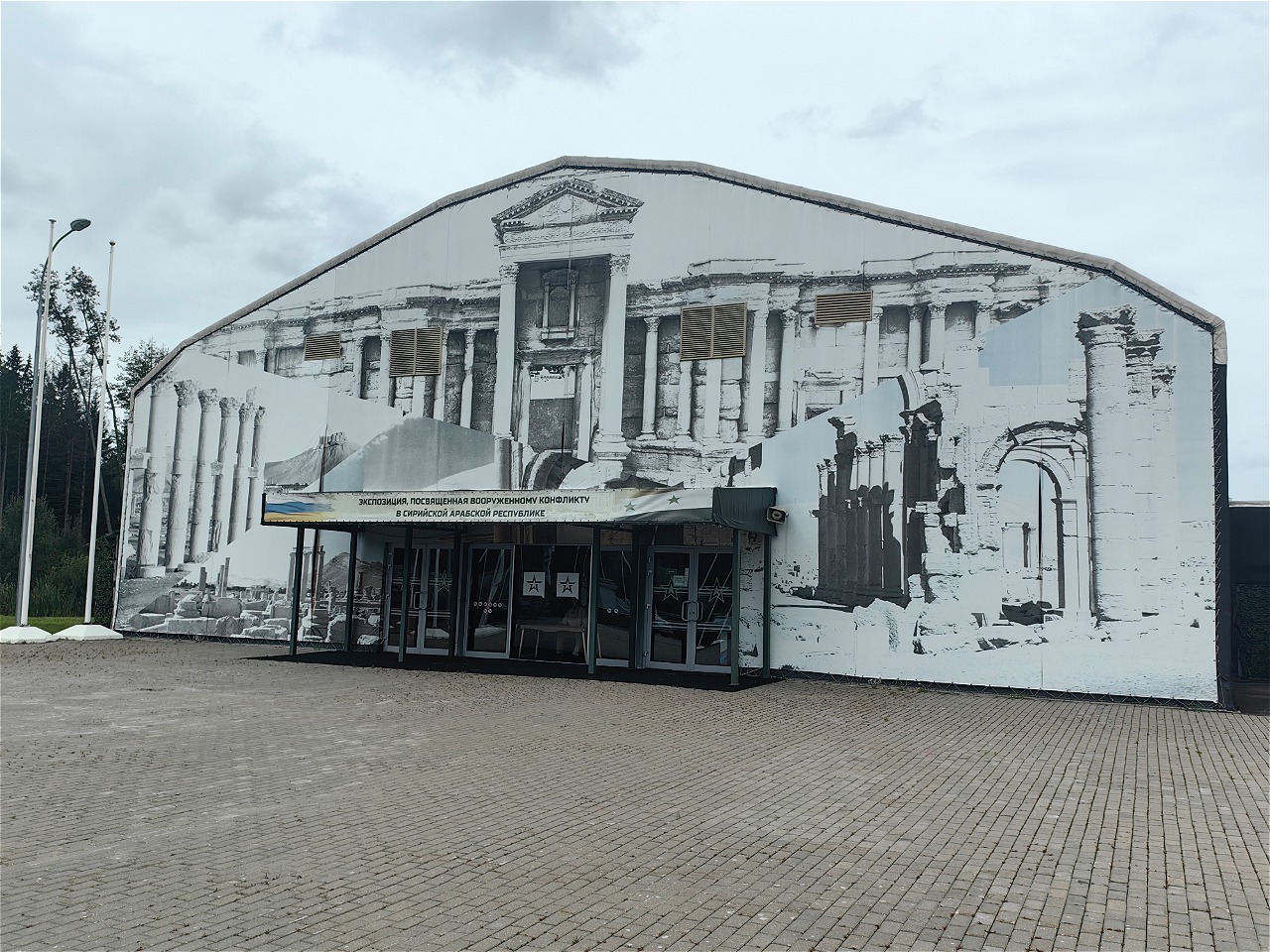
One of which is the one I need!


Text: Exposition on the armed conflict in the Syrian Arab Republic

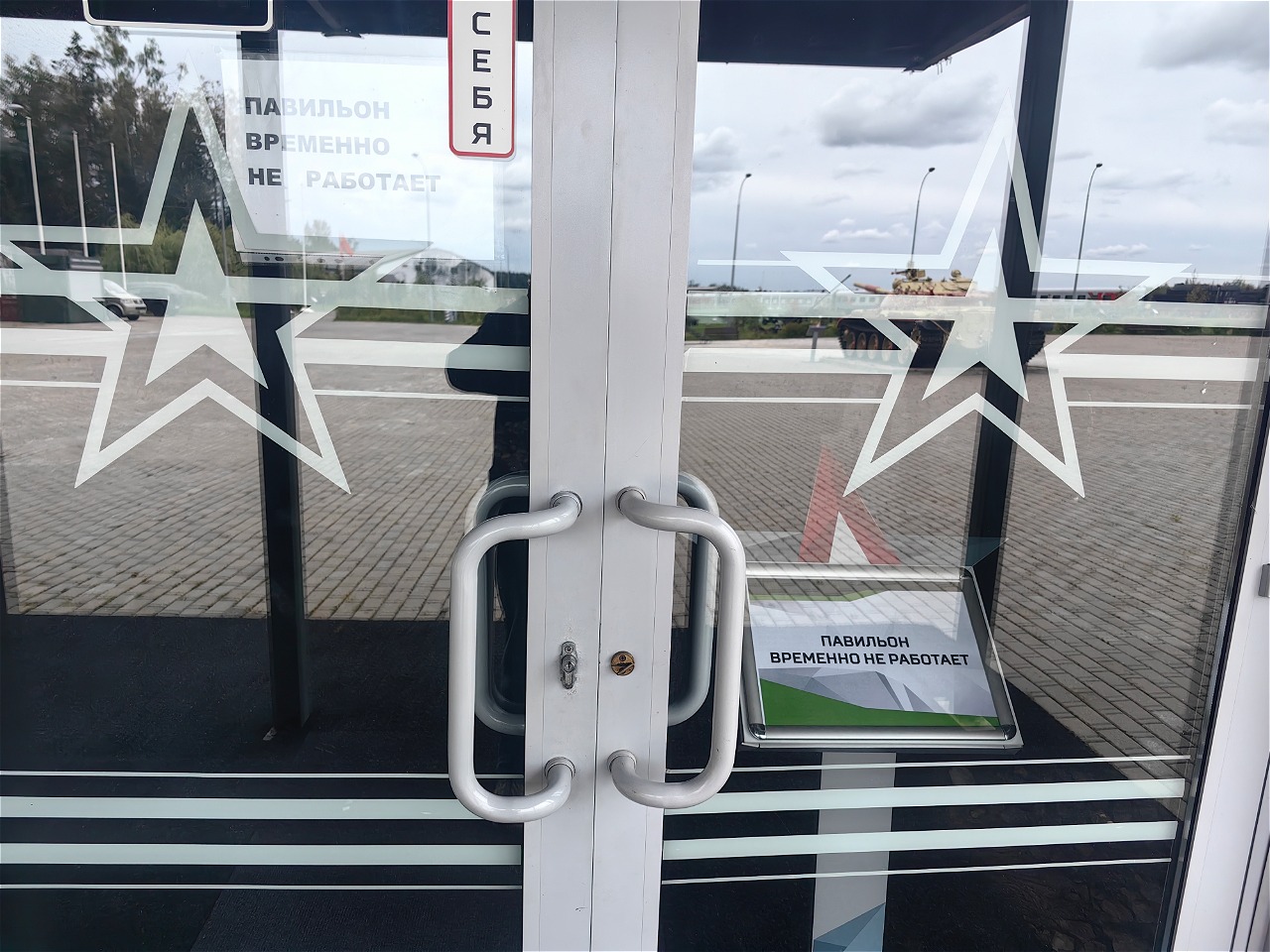
But alas, it’s closed!

Text: The pavilion is temporarily closed!

We have a saying: “Nothing is more permanent than temporary.

So that’s where our walk ended!

Just kidding, of course. According to the show’s rules, the main character isn’t killed off in the first episode. And if someone is killed off, but the show continues, that means they’re not the main character!

And if I continue, then not all is lost.

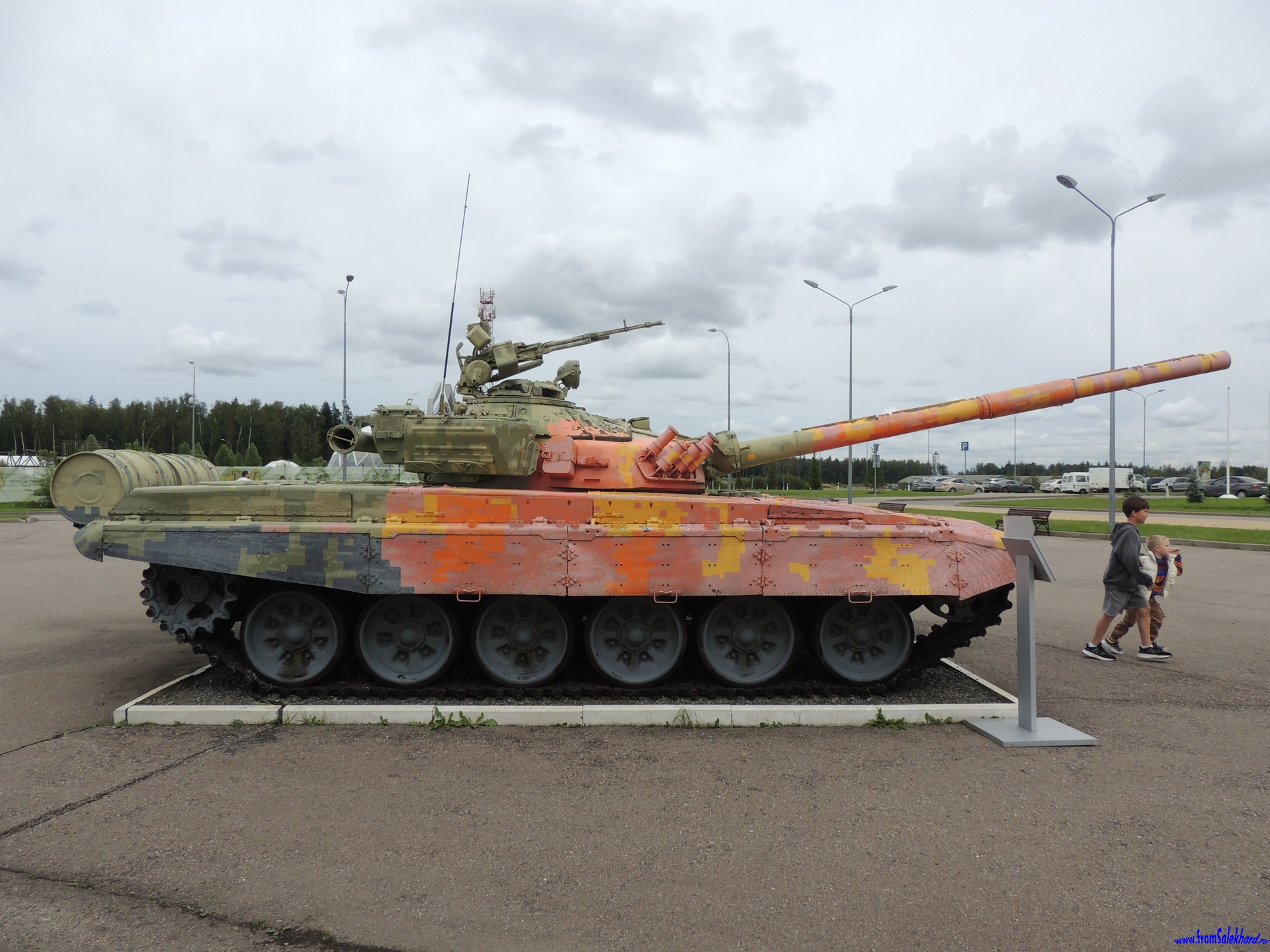
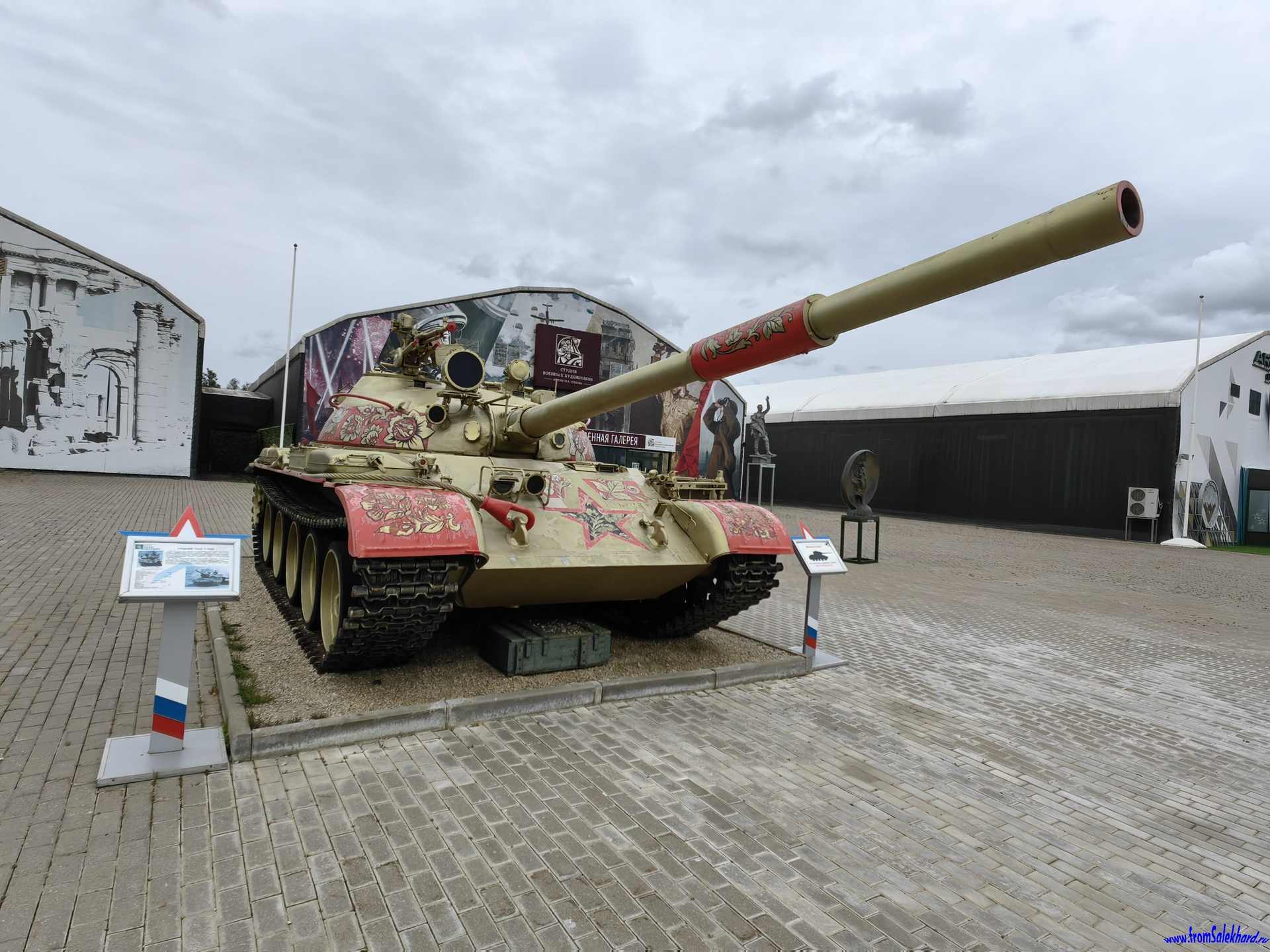
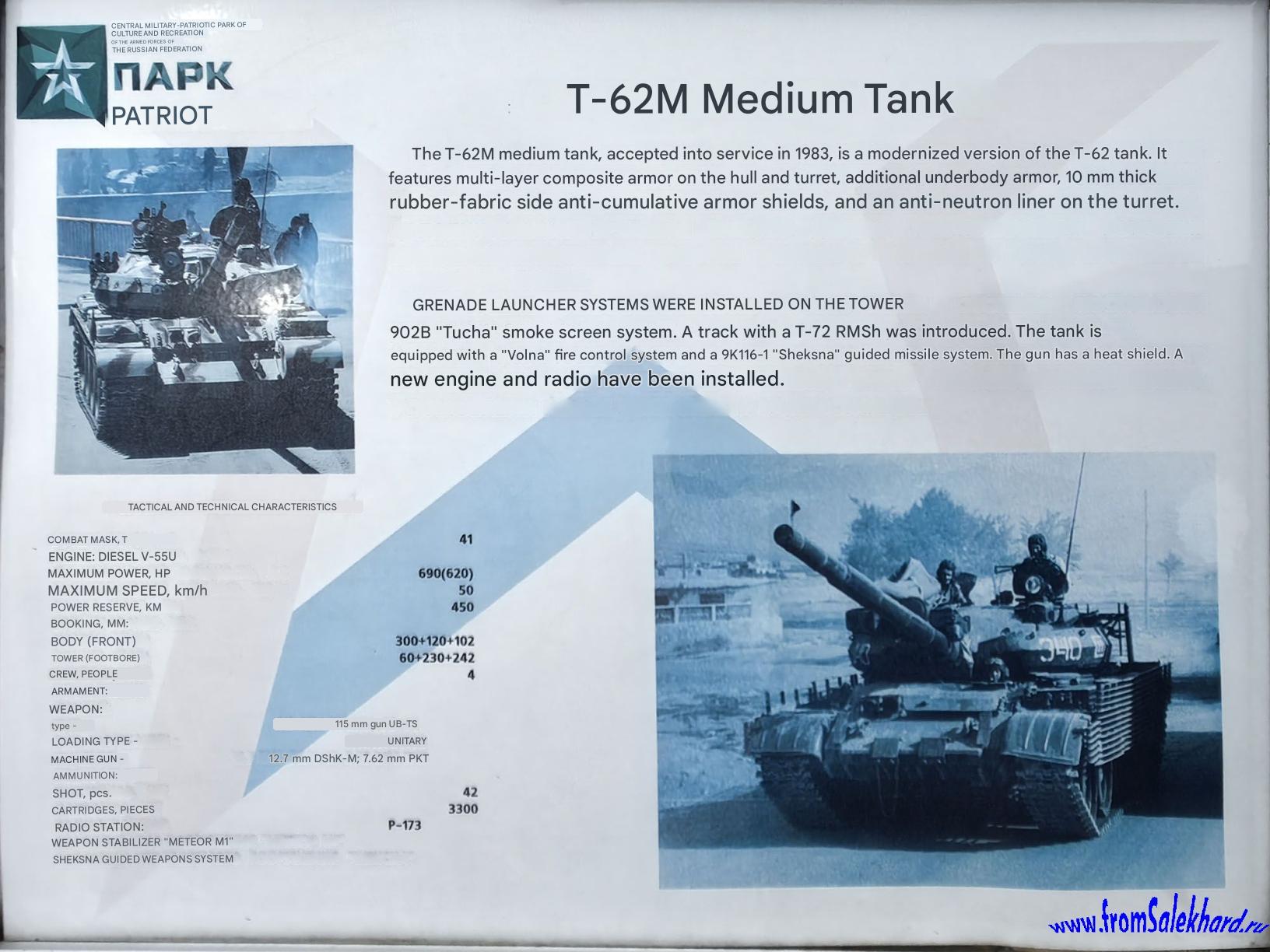
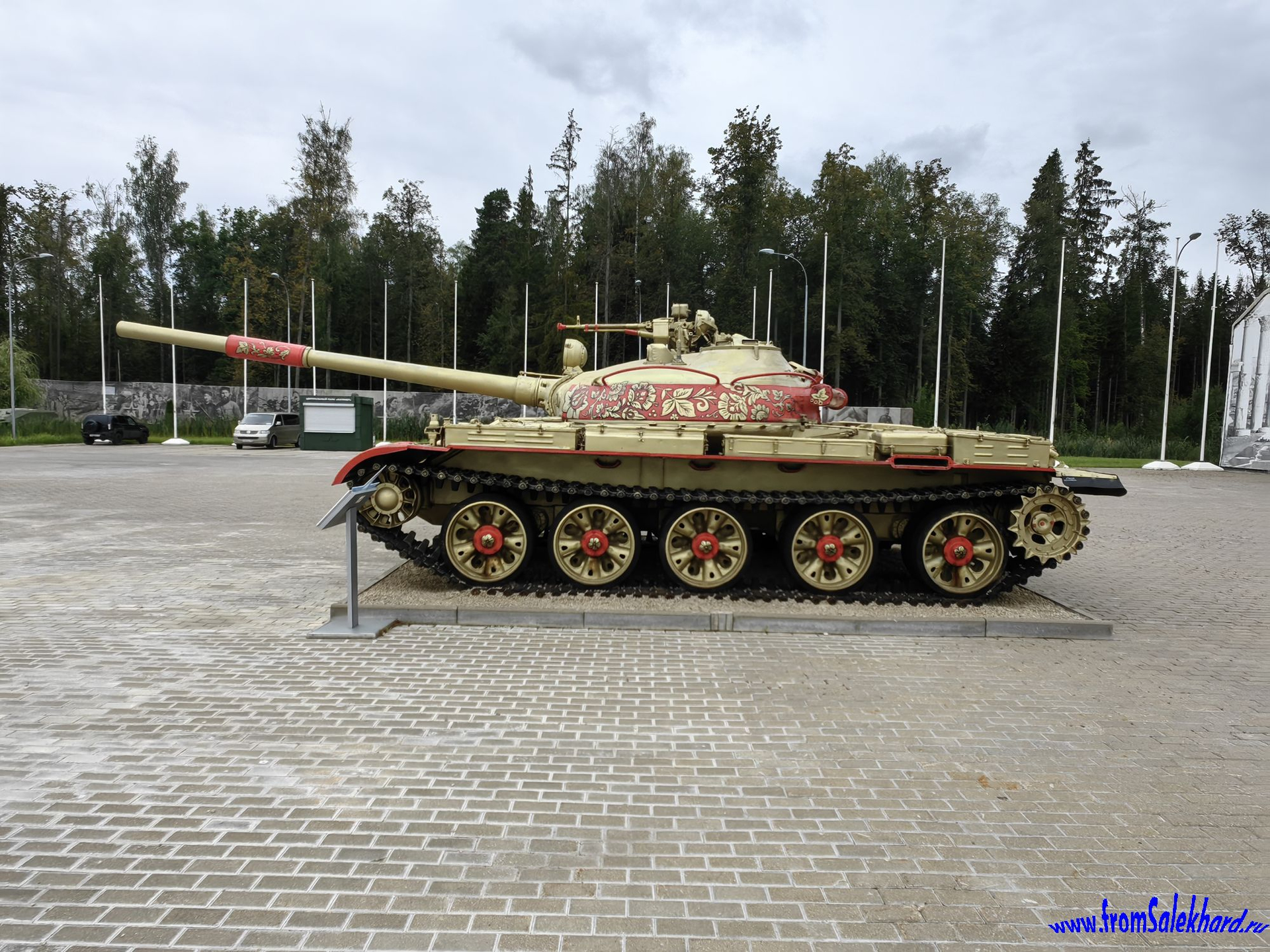
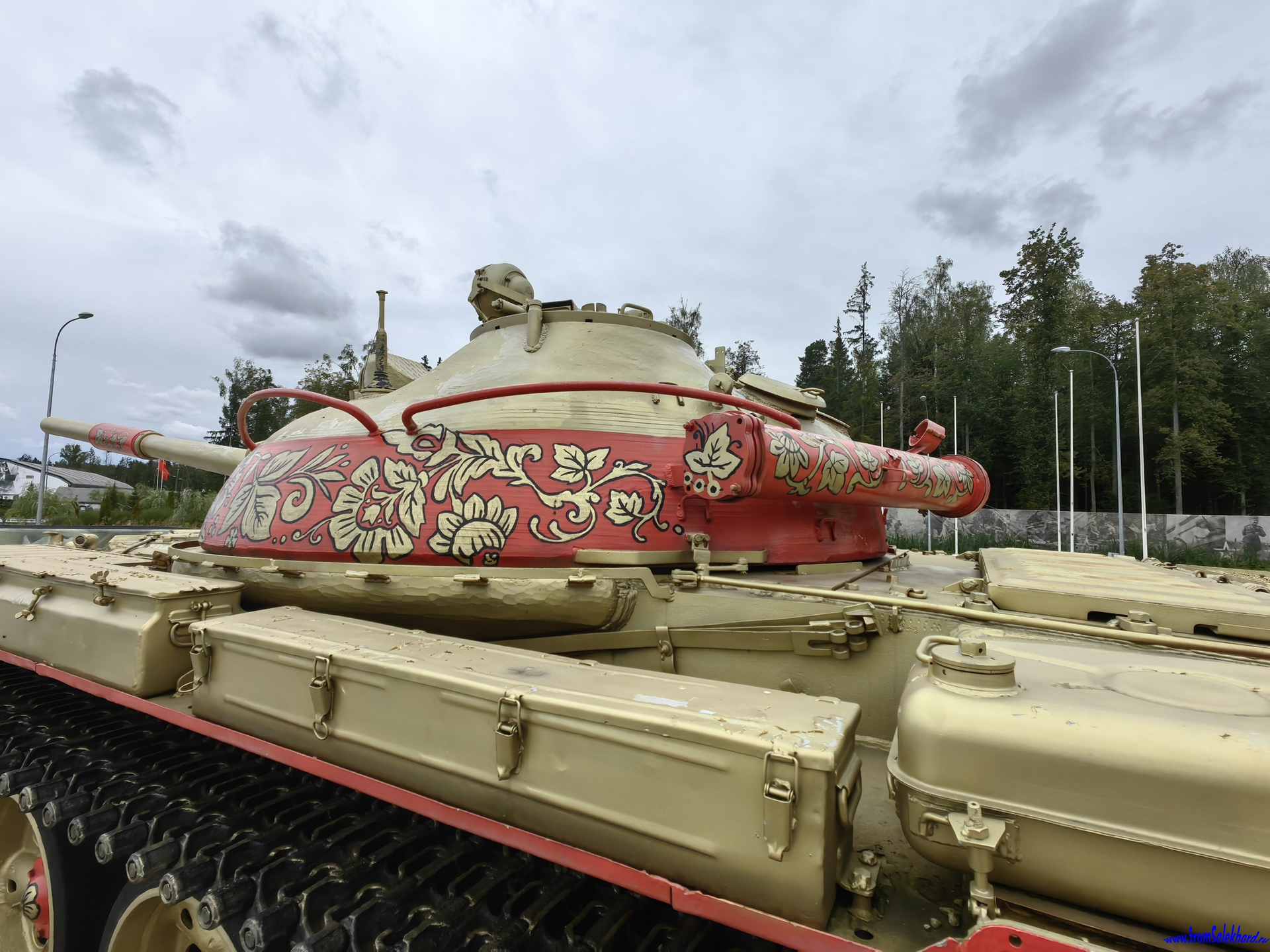
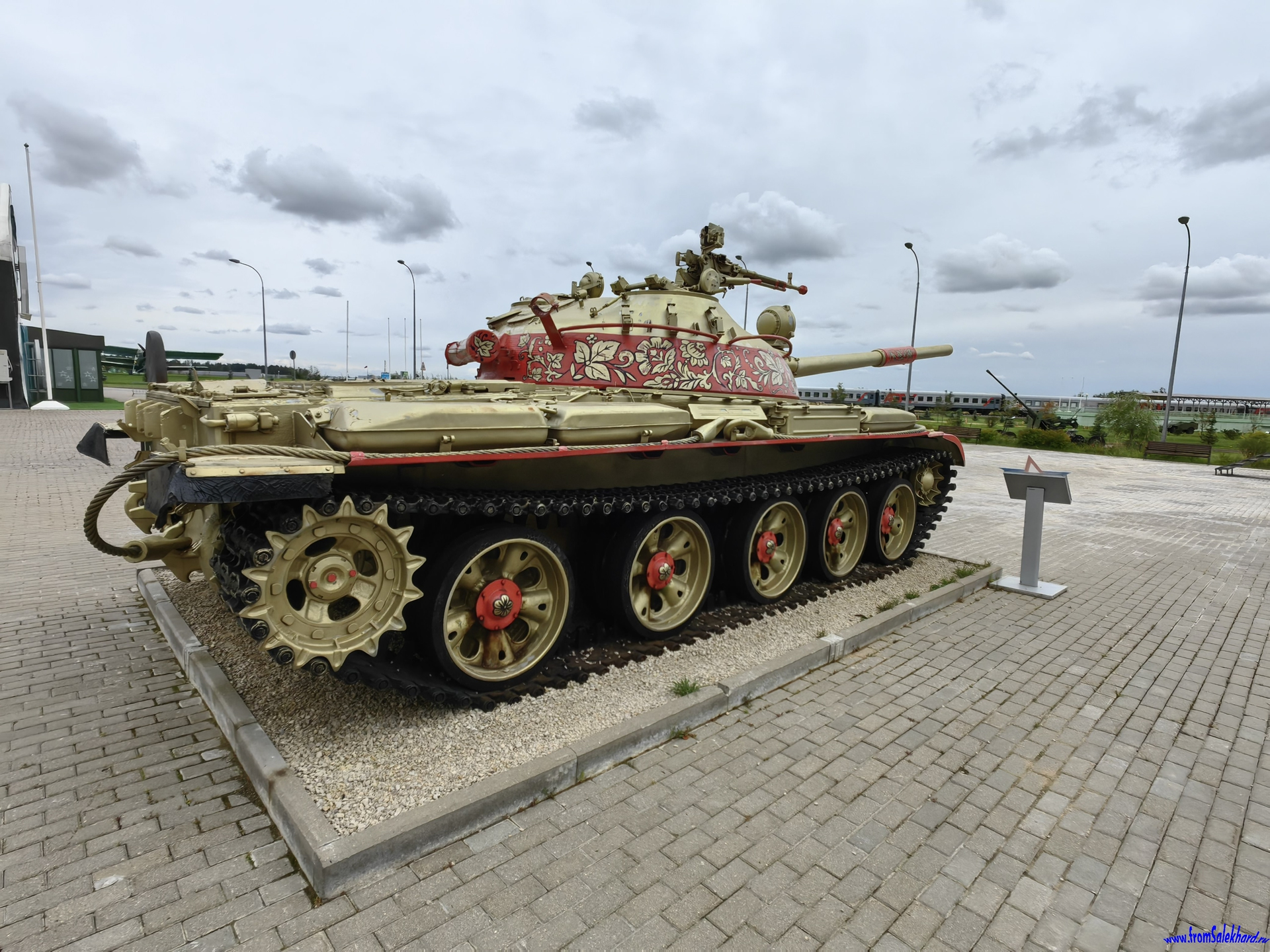
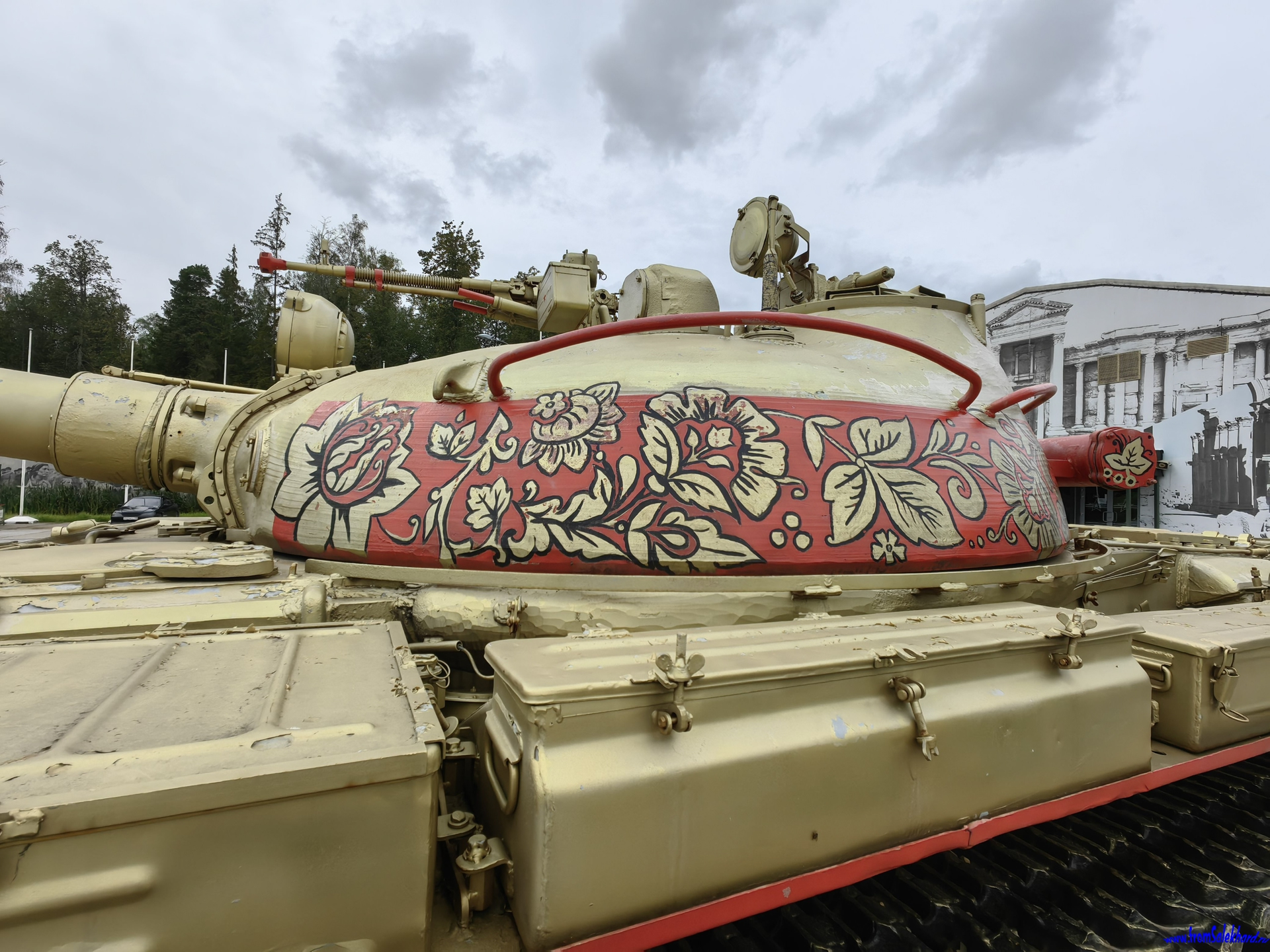
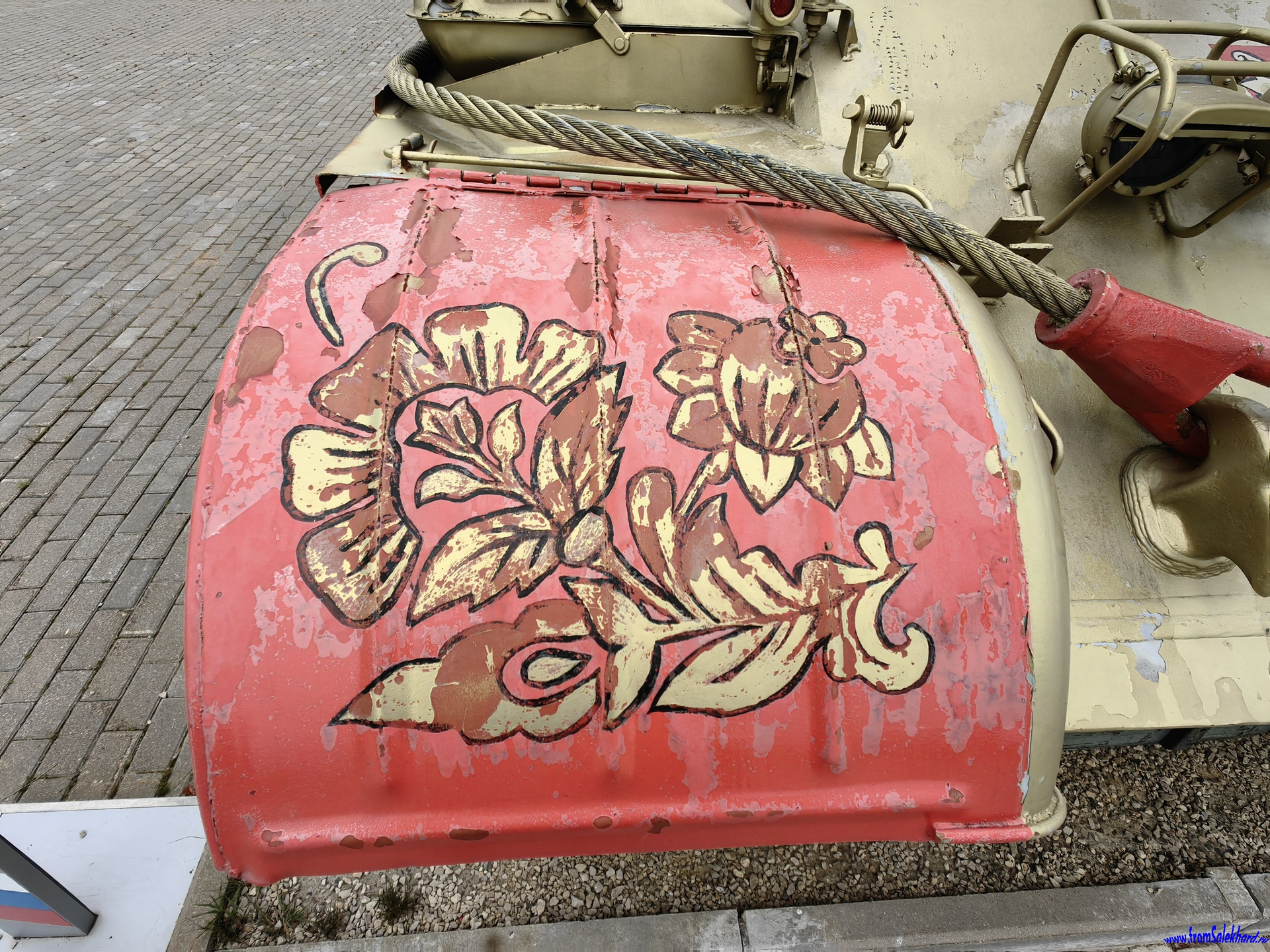
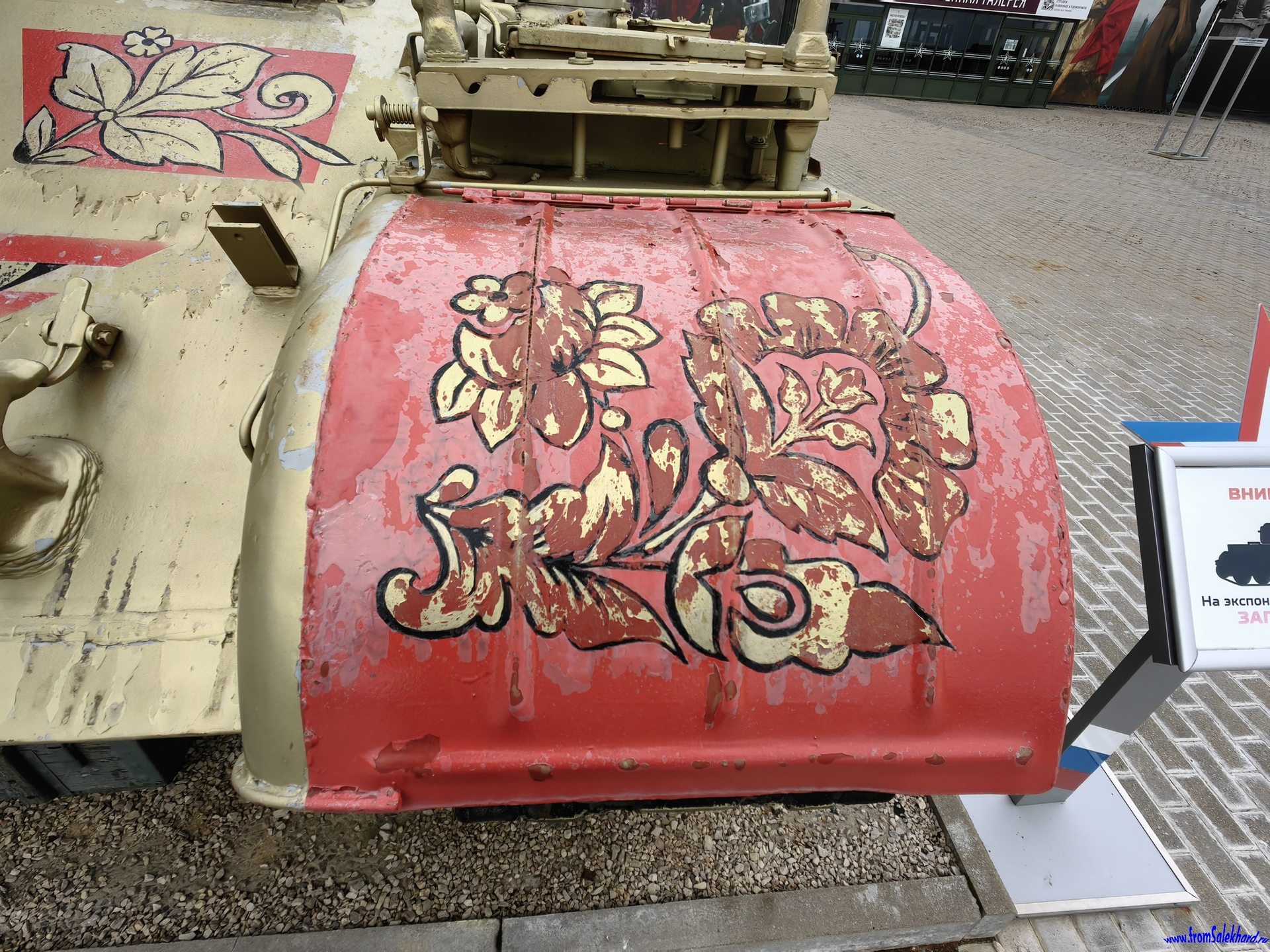
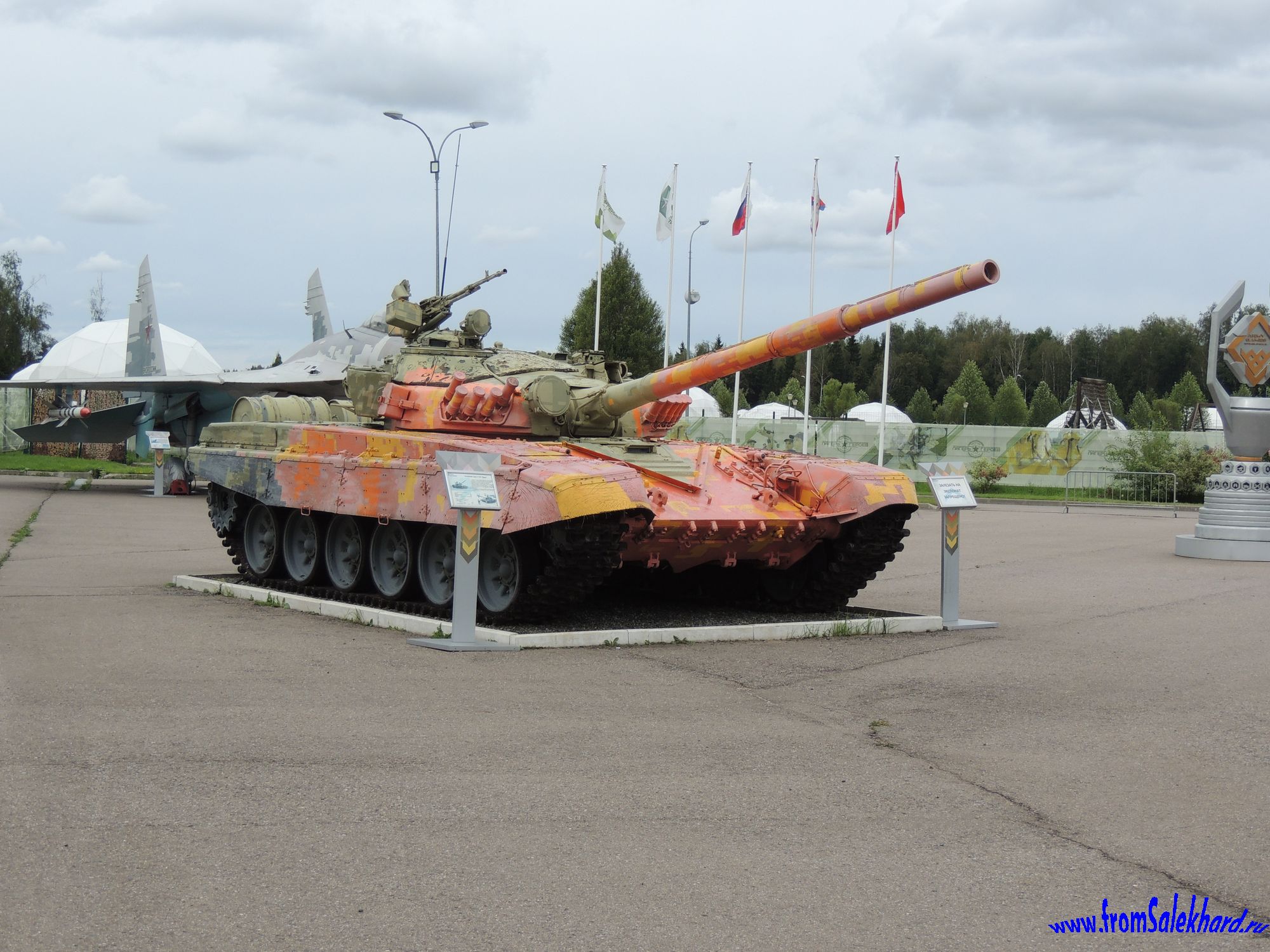
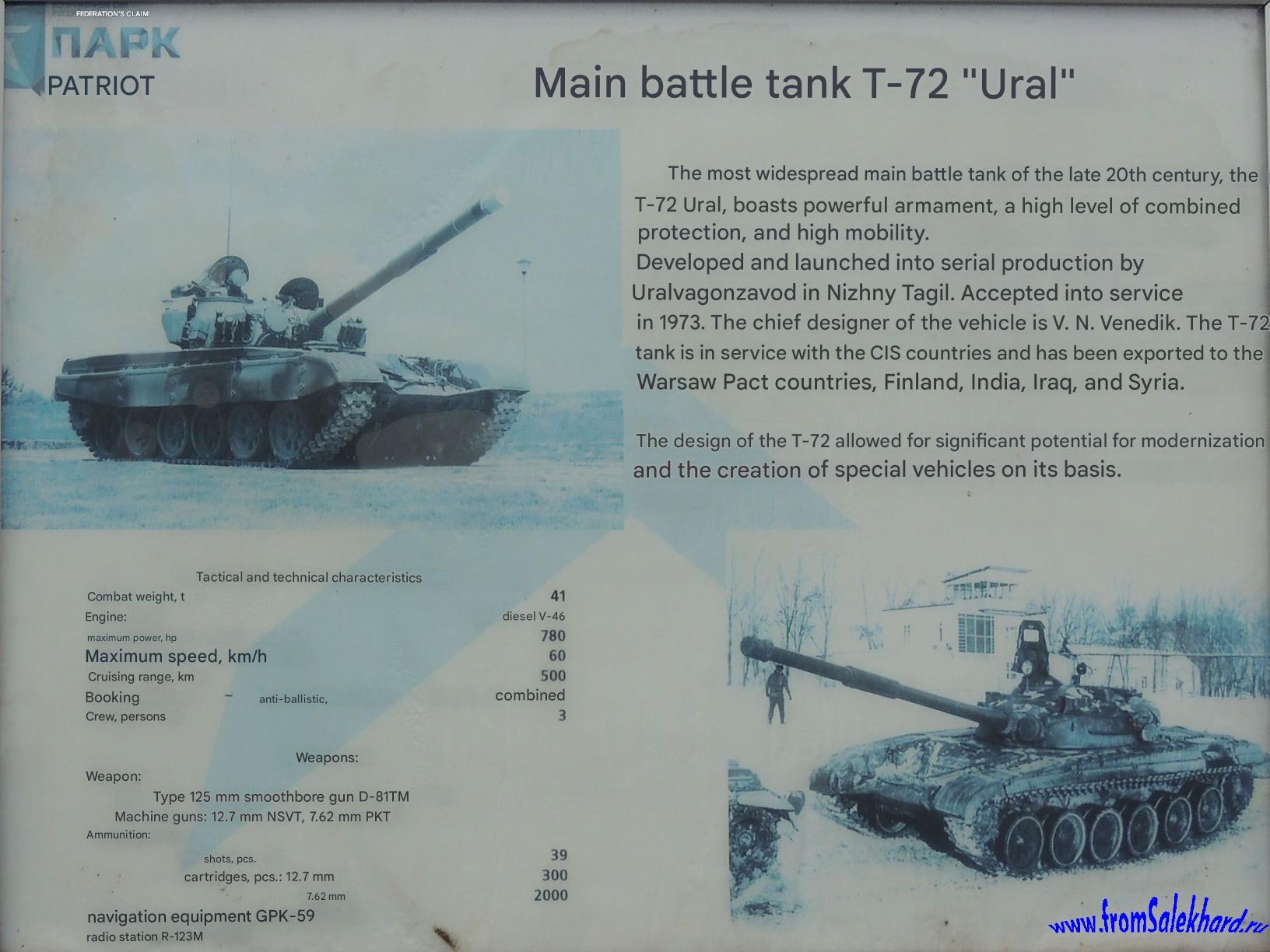
But I was a little disappointed. Part of my mood was restored by the tank standing in front of the pavilions.

It would be great if someone made such decals!

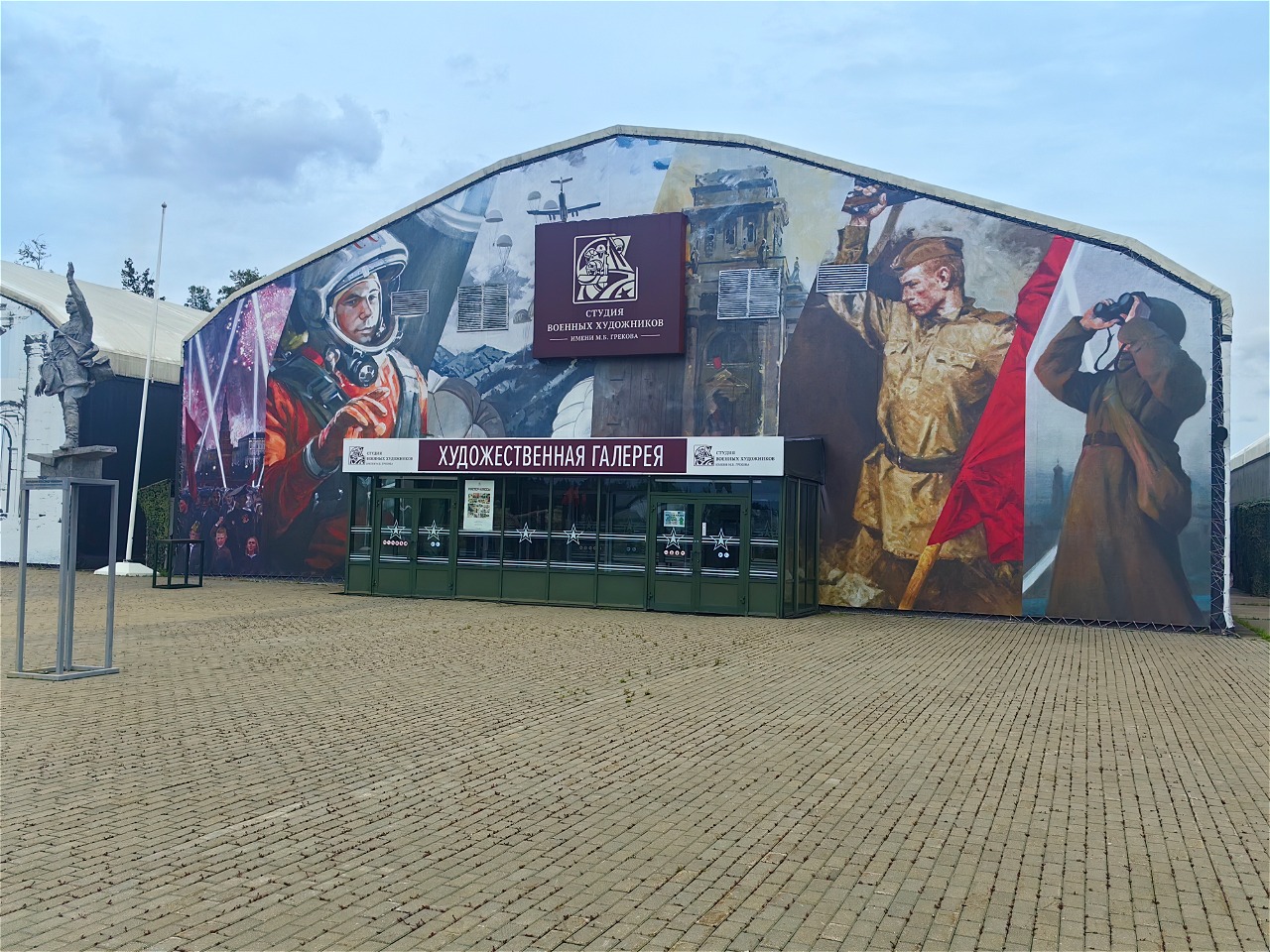
Only after looking at the third hangar did I understand why this tank was painted.


Text: Studio of military artists. Art gallery.

7 Likes

Thanks for sharing. You are lucky that you have so many museums dedicated to military history.

2 Likes

There are quite a few of them, but you have to travel to find them! Last year, I visited 70 museums in 25 cities. In 2024, the achievements were more modest, perhaps a couple of times smaller.
Most of my reports are in Russian, which is understandable. You get reports on the most interesting and largest museums.

4 Likes

And then there was the partisan village itself.

Text “Partisan village”.

The equestrian center didn’t attract me either.


Text “Entrance”.

This railway structure is not a local platform as one would expect,

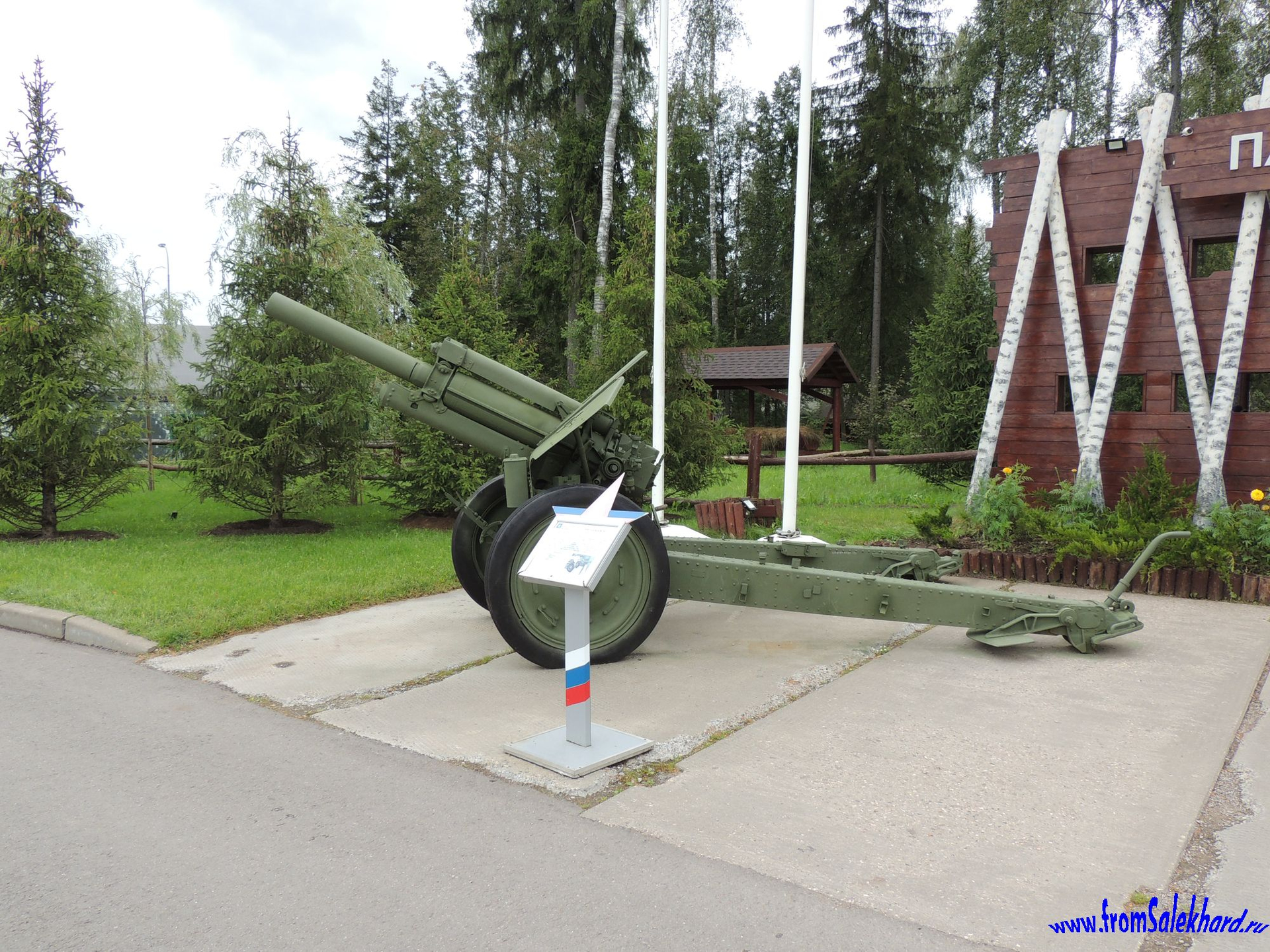
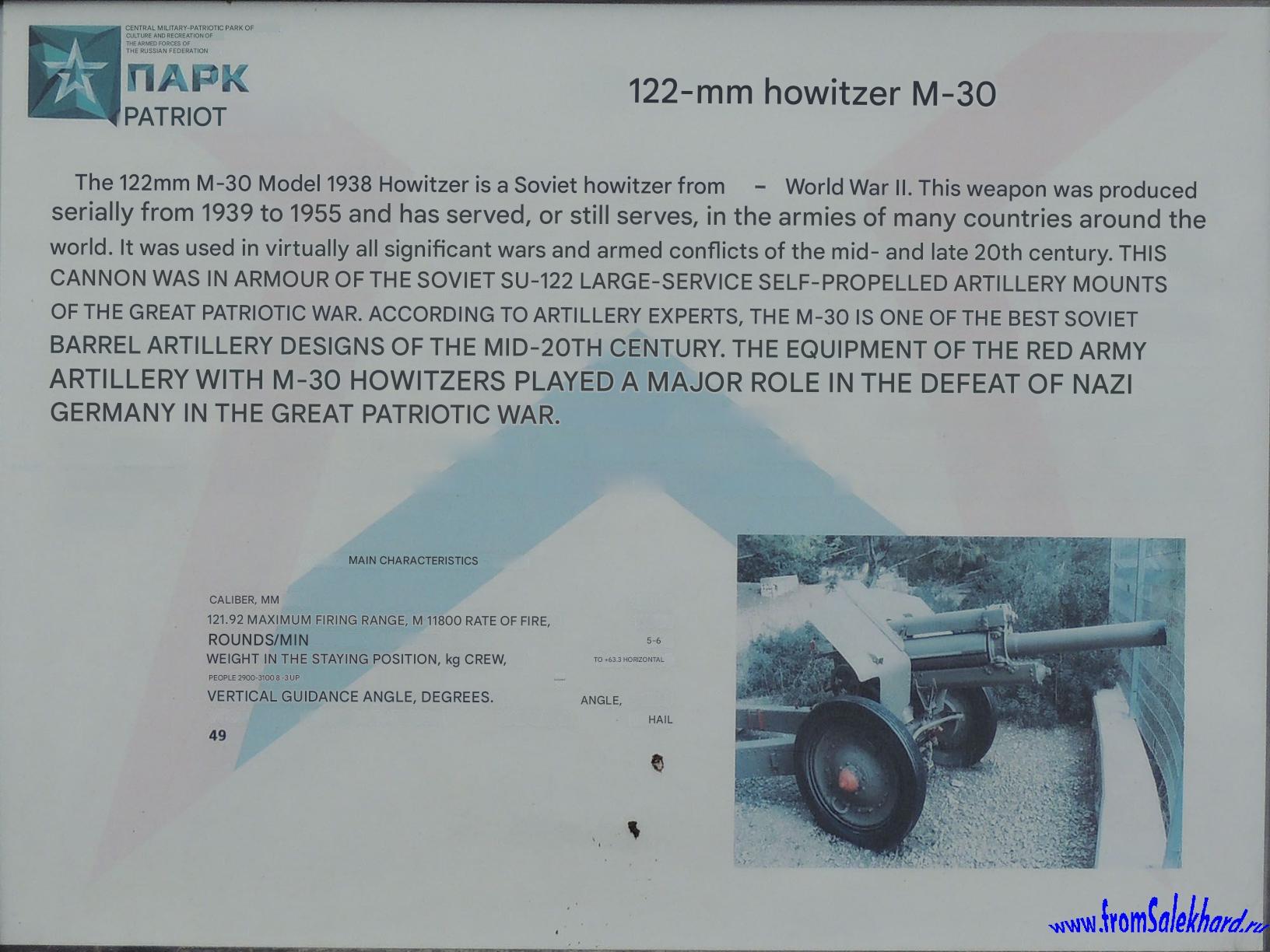
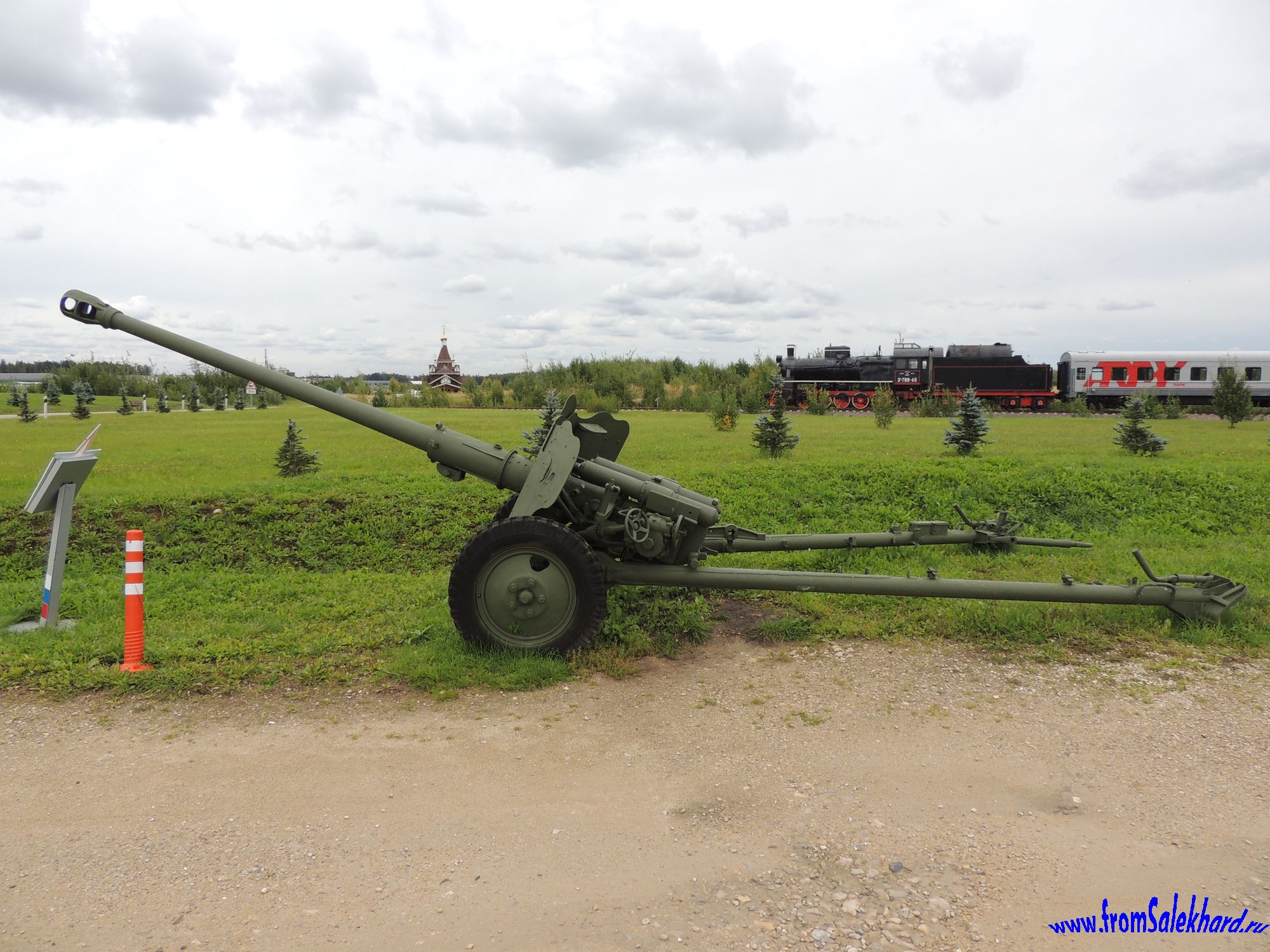
Yes, yes. I didn’t go there either. I was attracted by the row of cannons.

That’s exactly the direction I needed to go.

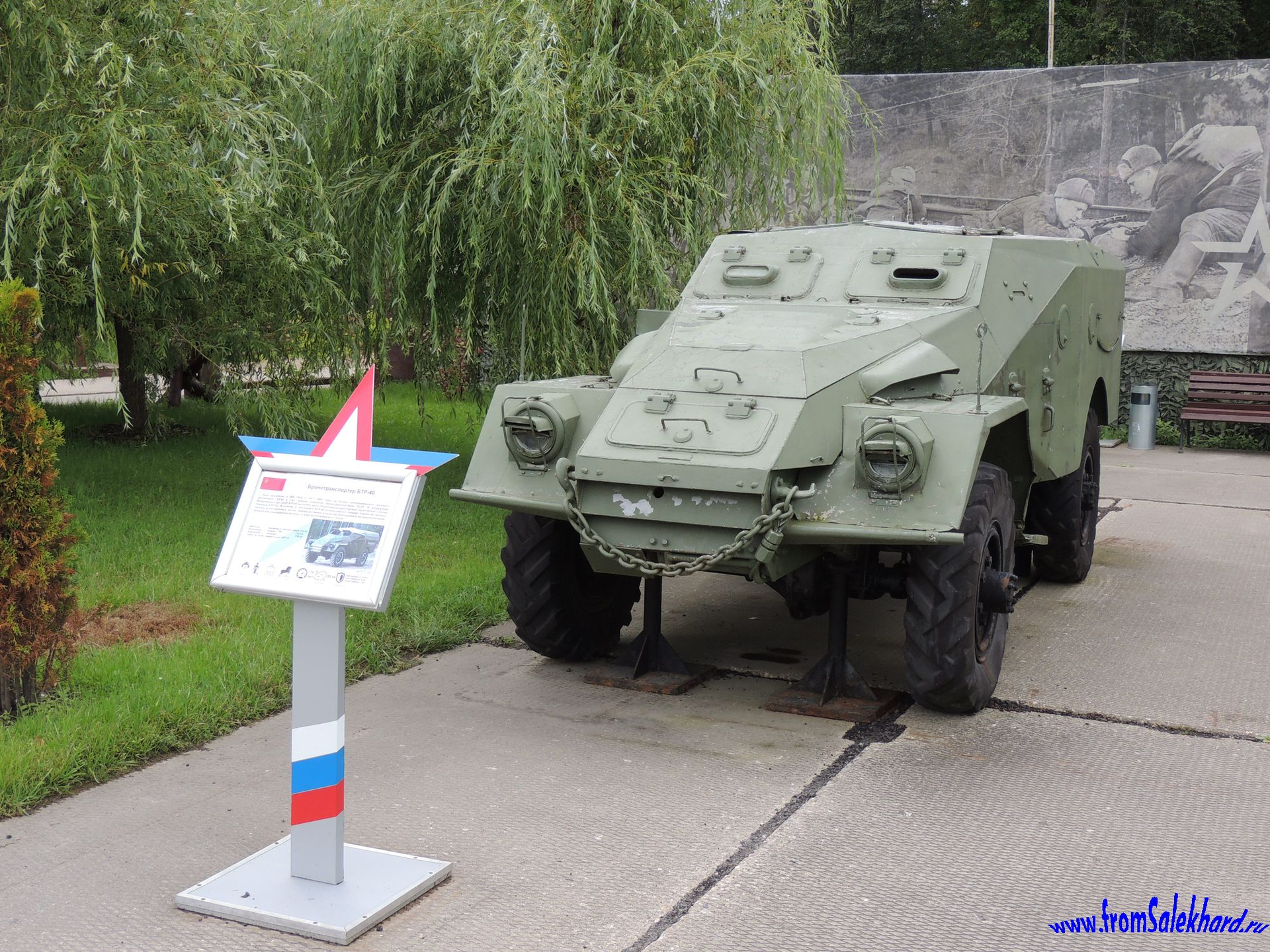
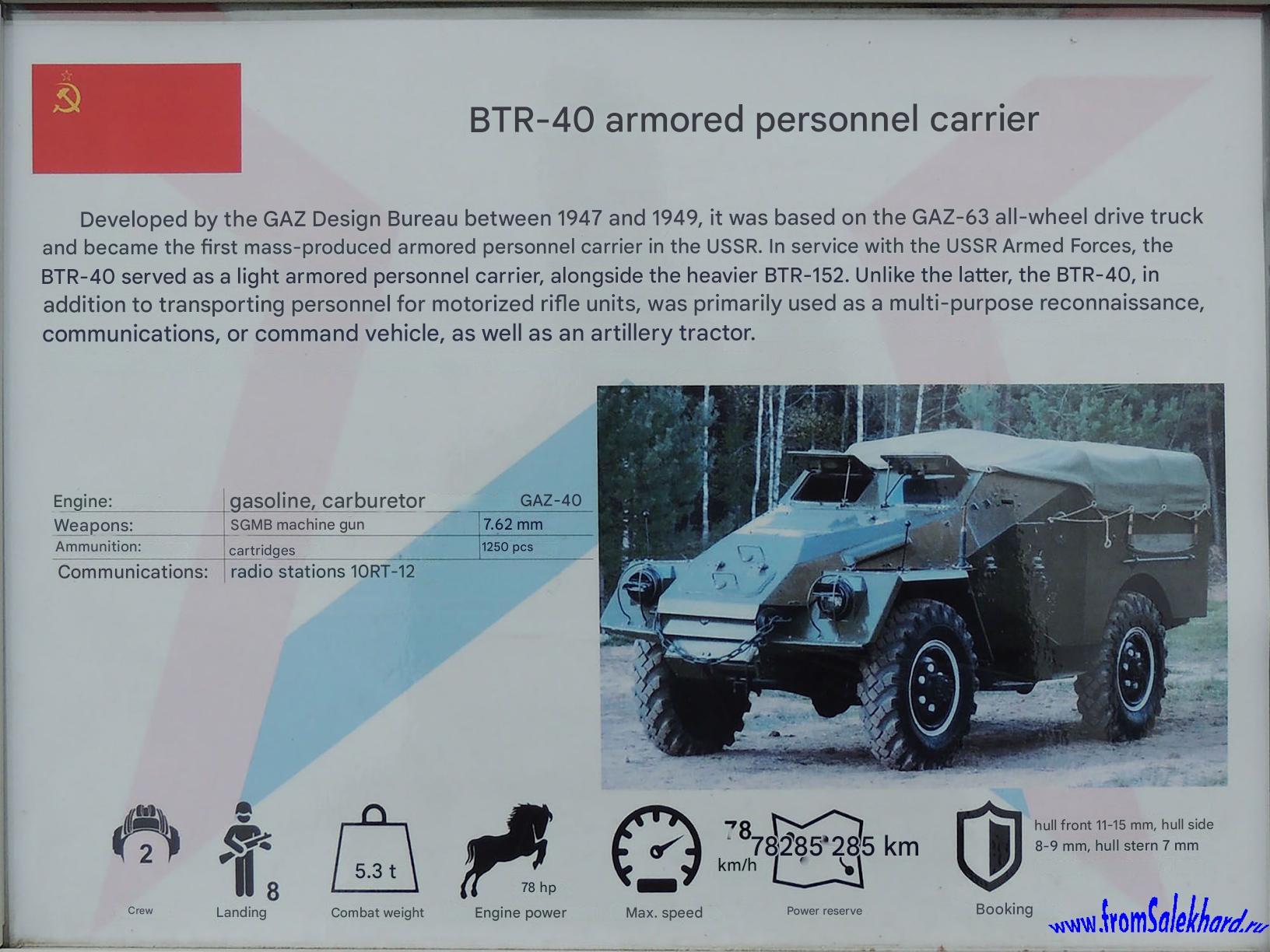
While I was walking towards them, I saw an BTR-40 in the bushes.

There are two of them here.

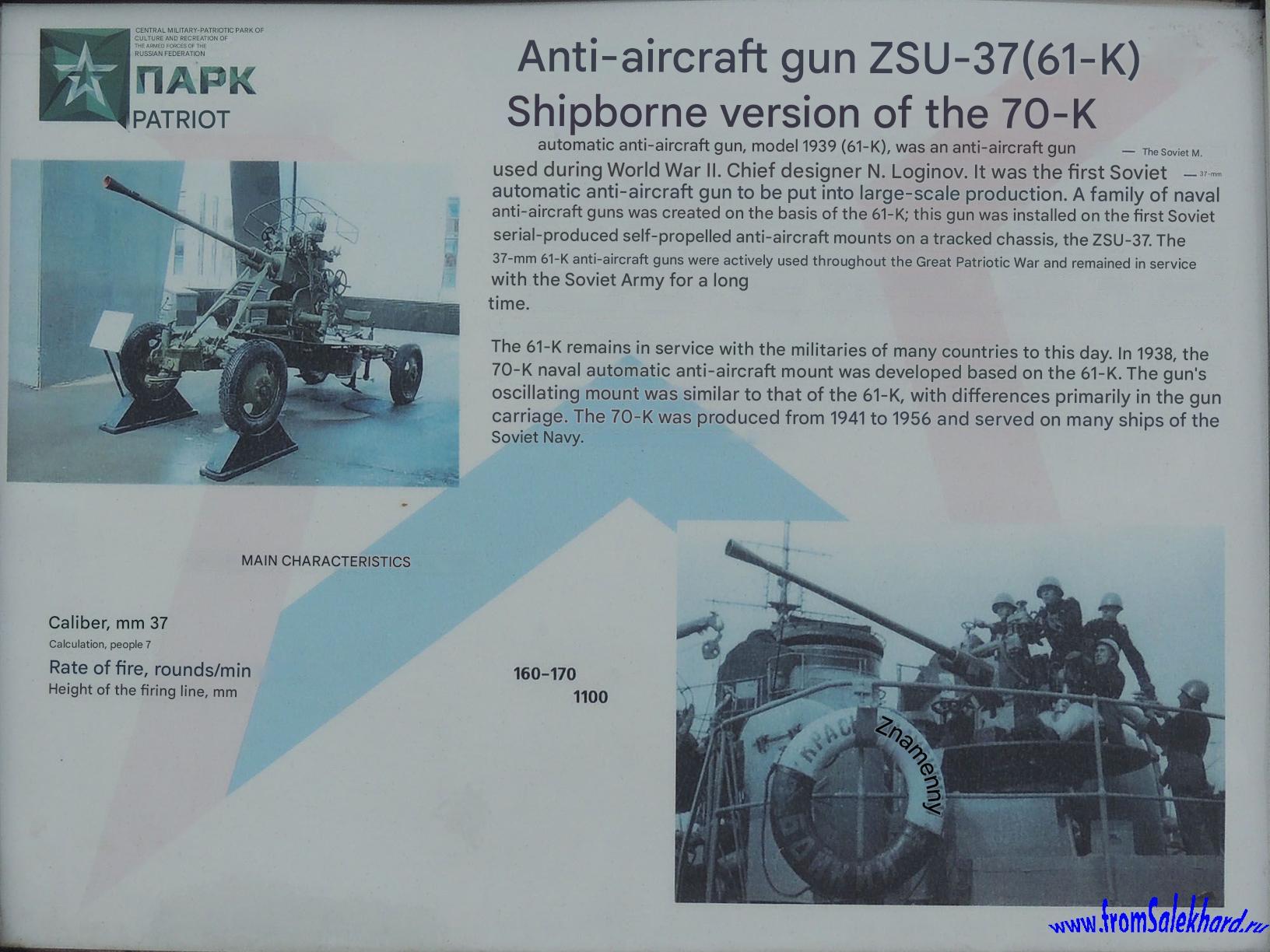
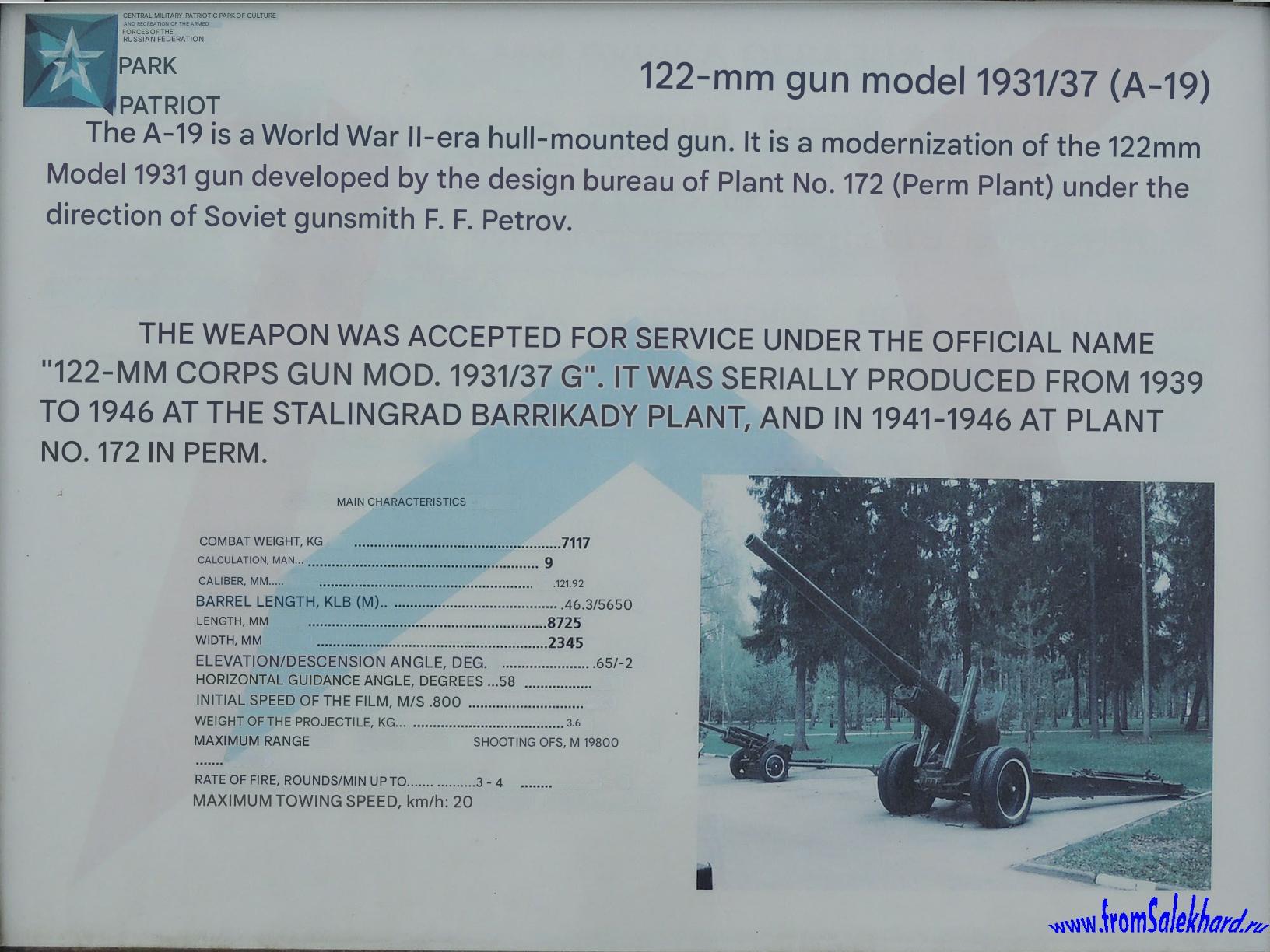
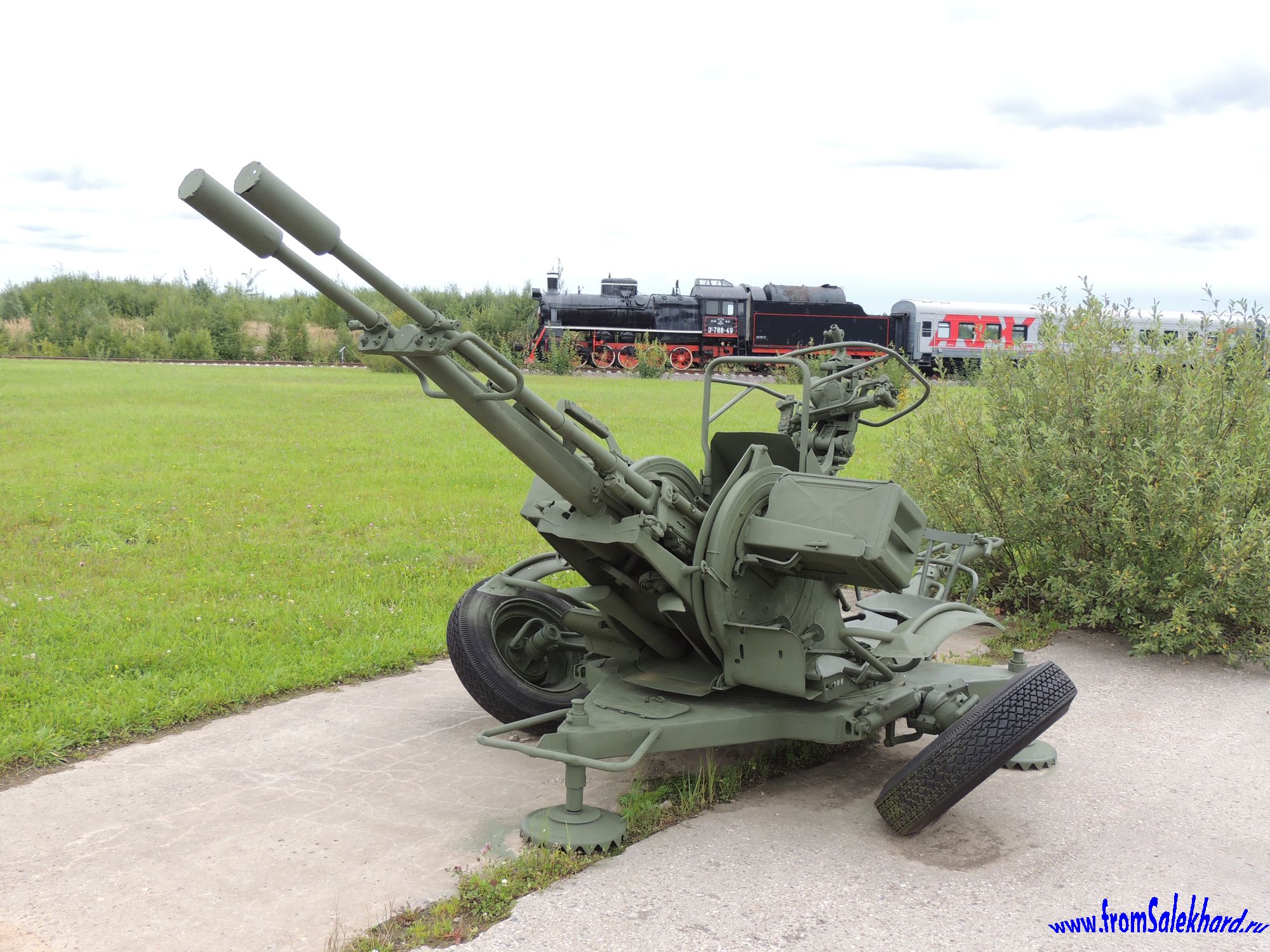
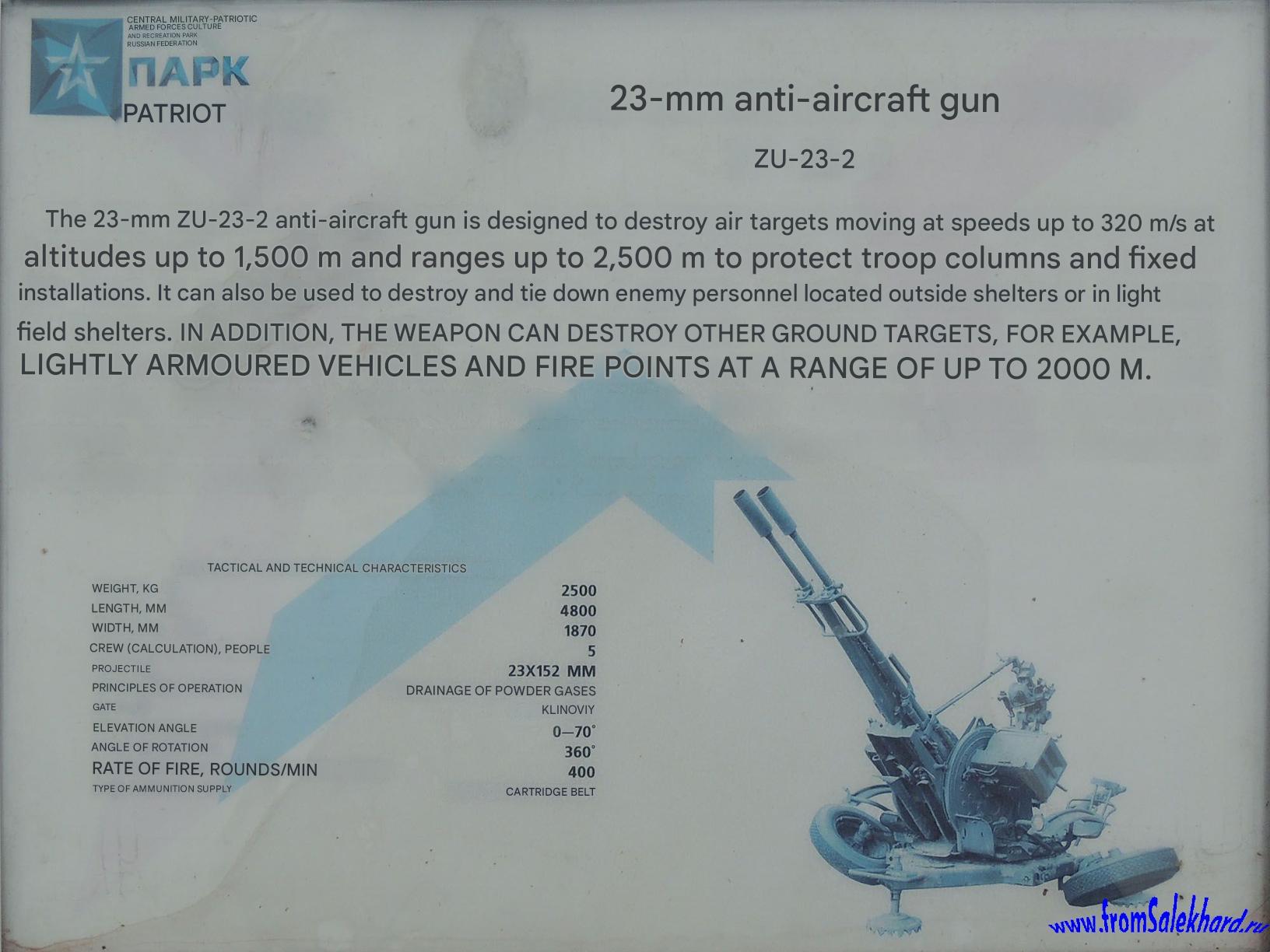
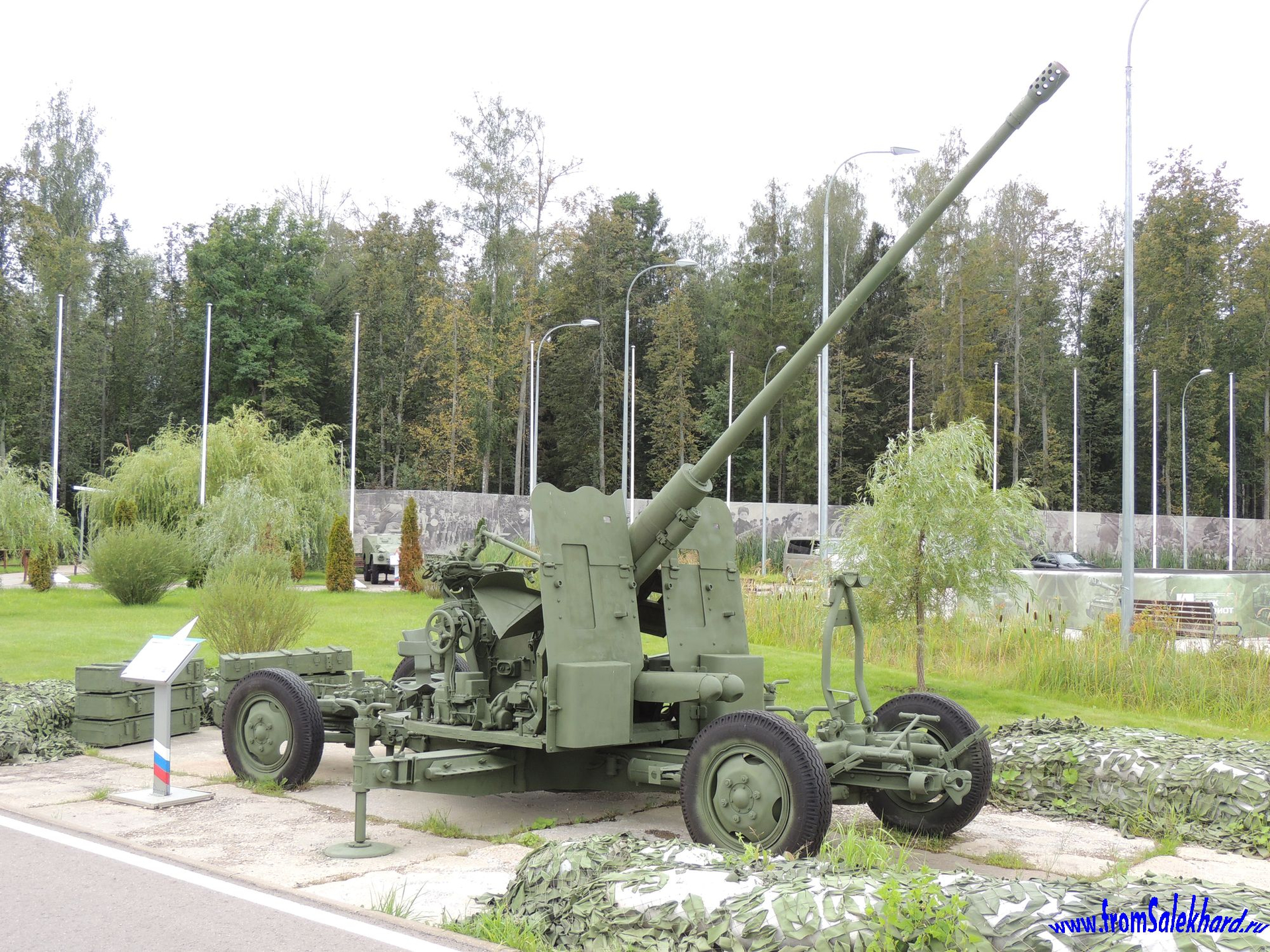
And an anti-aircraft gun.

But the guys didn’t act fairly with this one.

And the issue isn’t even so much that the HTZ-16 doesn’t have a sign, but that they attached a platform with a ladder to it, but you can’t climb on it!

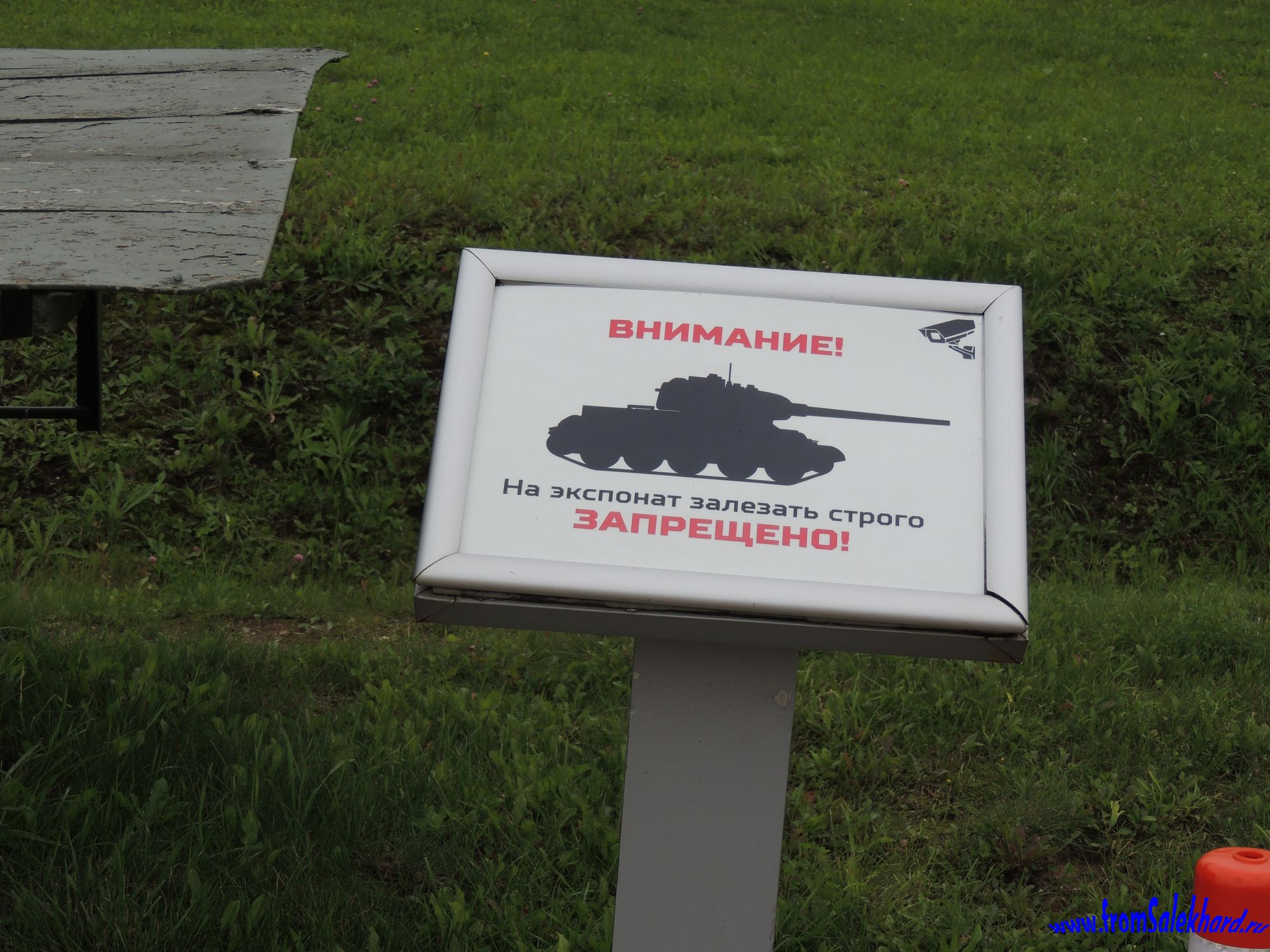
Text: “Attention! Climbing on the exhibit is strictly prohibited!

Where is the logic?

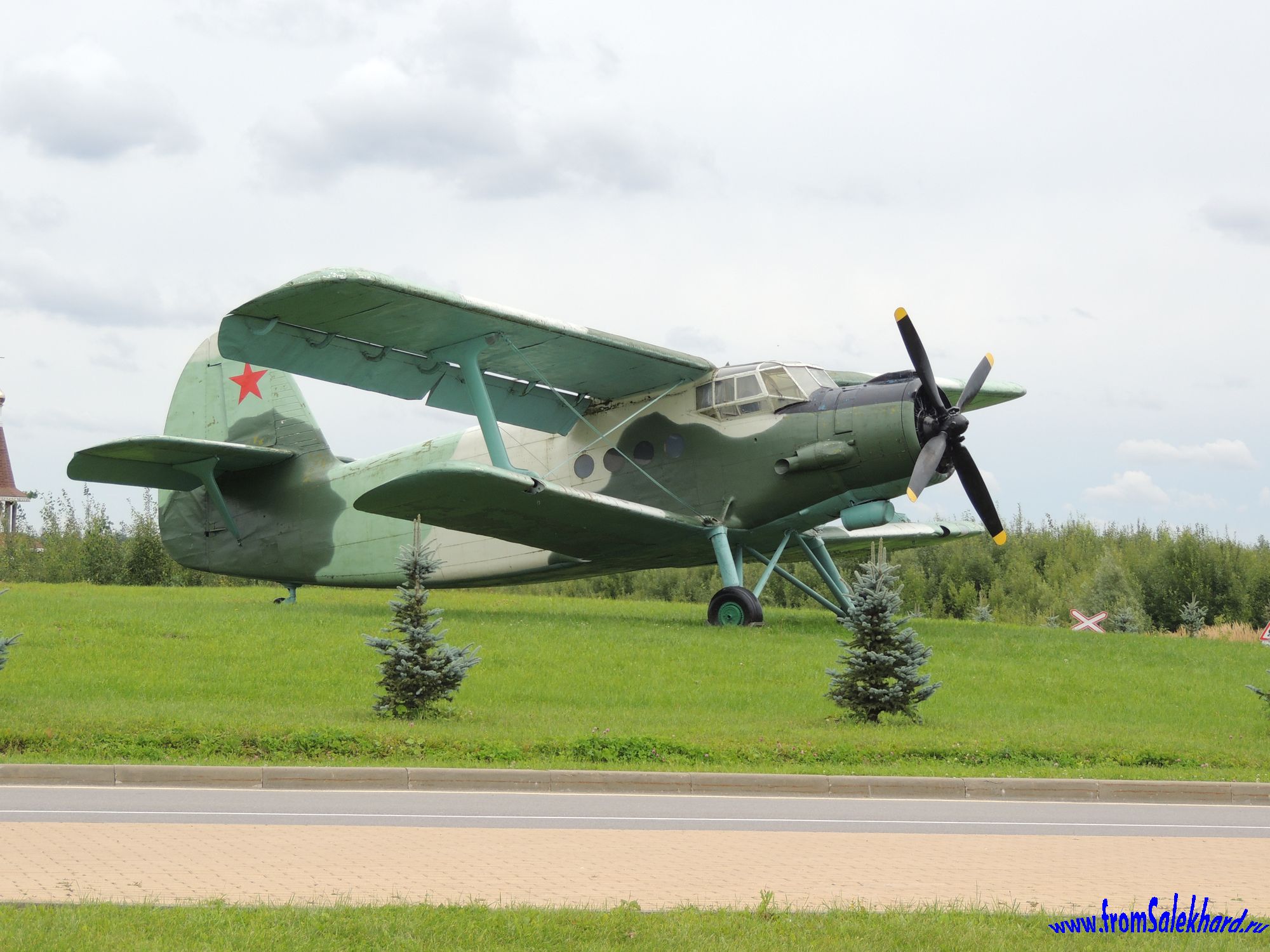
There was a light plane in the distance, but, brought up in the urban paradigm of “Don’t walk on the grass!”, I didn’t go towards it either.

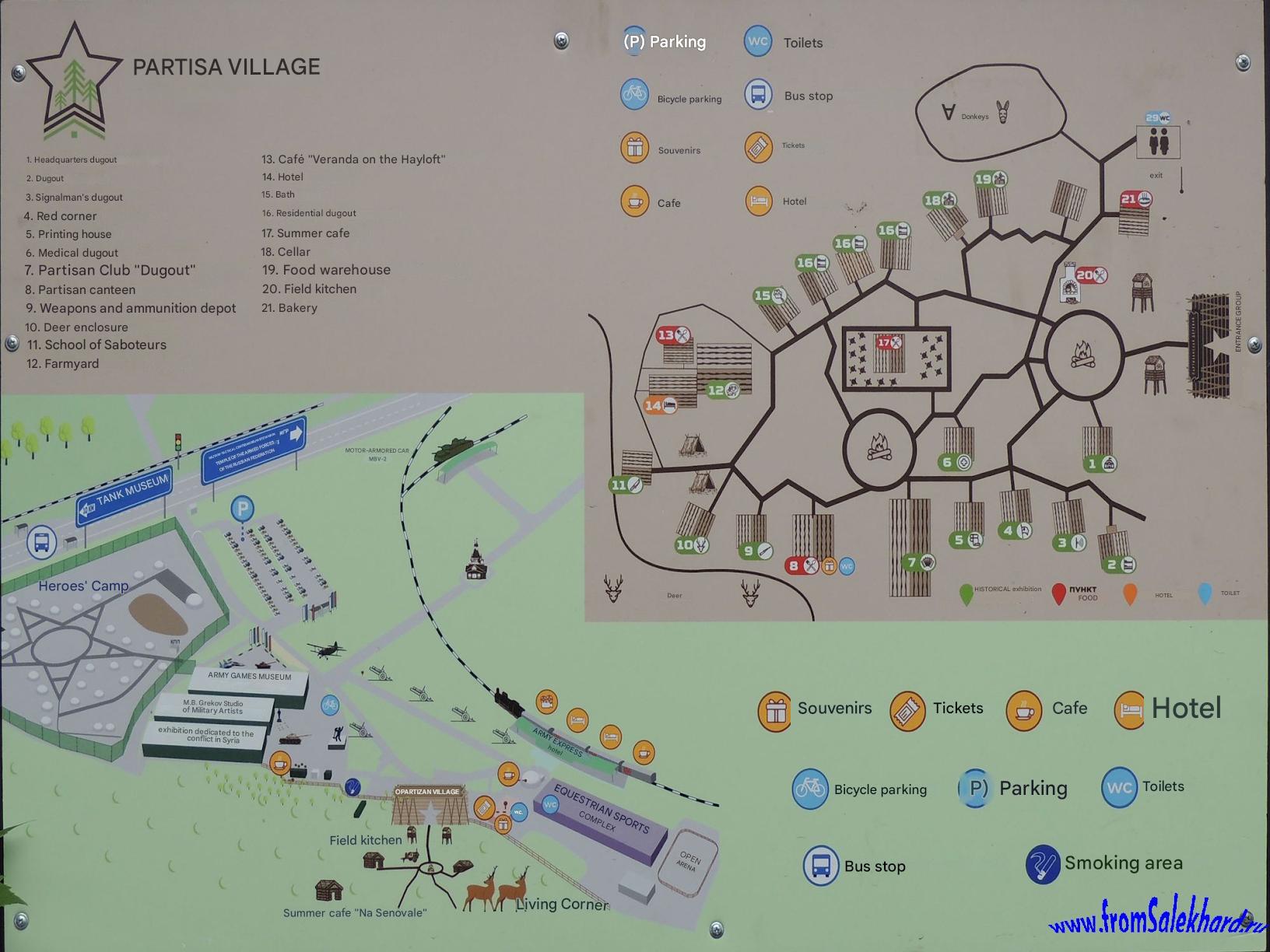
If you look back, you will see the following view,

And on the diagram it looks like this.

9 Likes

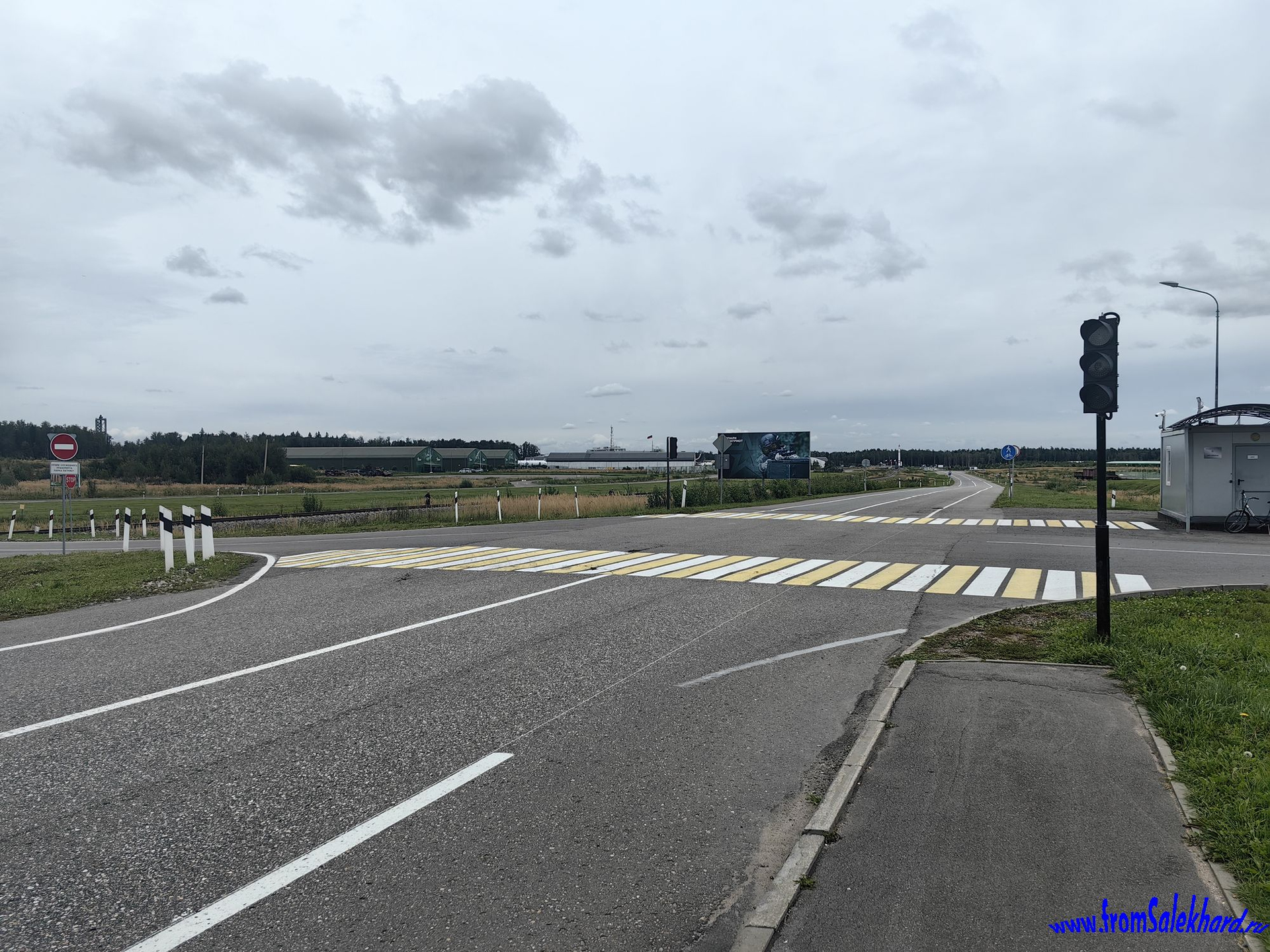
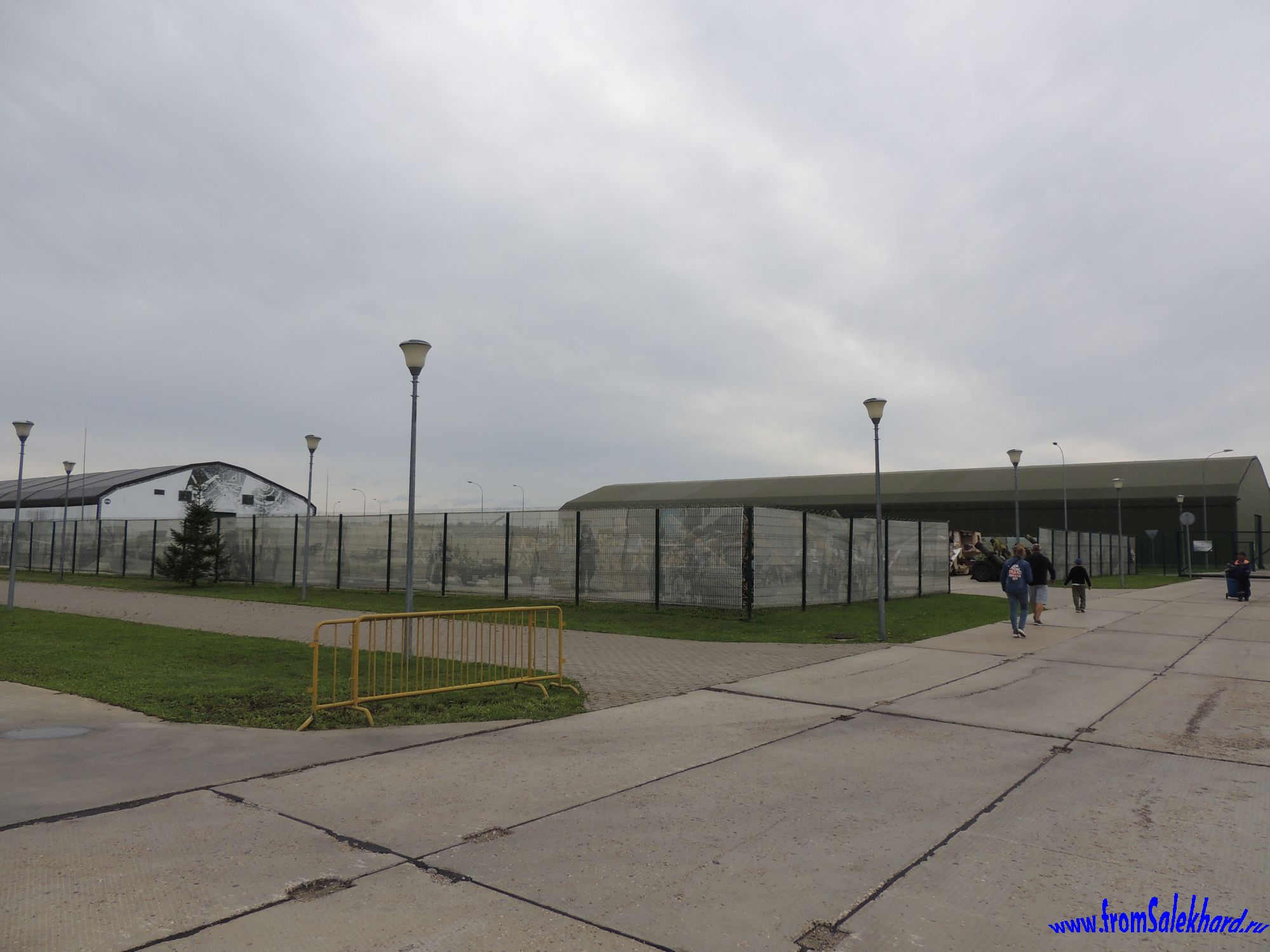
Returning to the bus stop, I made two discoveries: the next bus was at least half an hour away, and the purpose of my visit was nearby and clearly visible: those bright hangars over there.

And I went, and I didn’t regret it. On the way, I admired the armored train from afar.

I would have gotten closer, but the ditches on both sides of the tracks were full of water due to the recent rains, making it impossible to jump over.

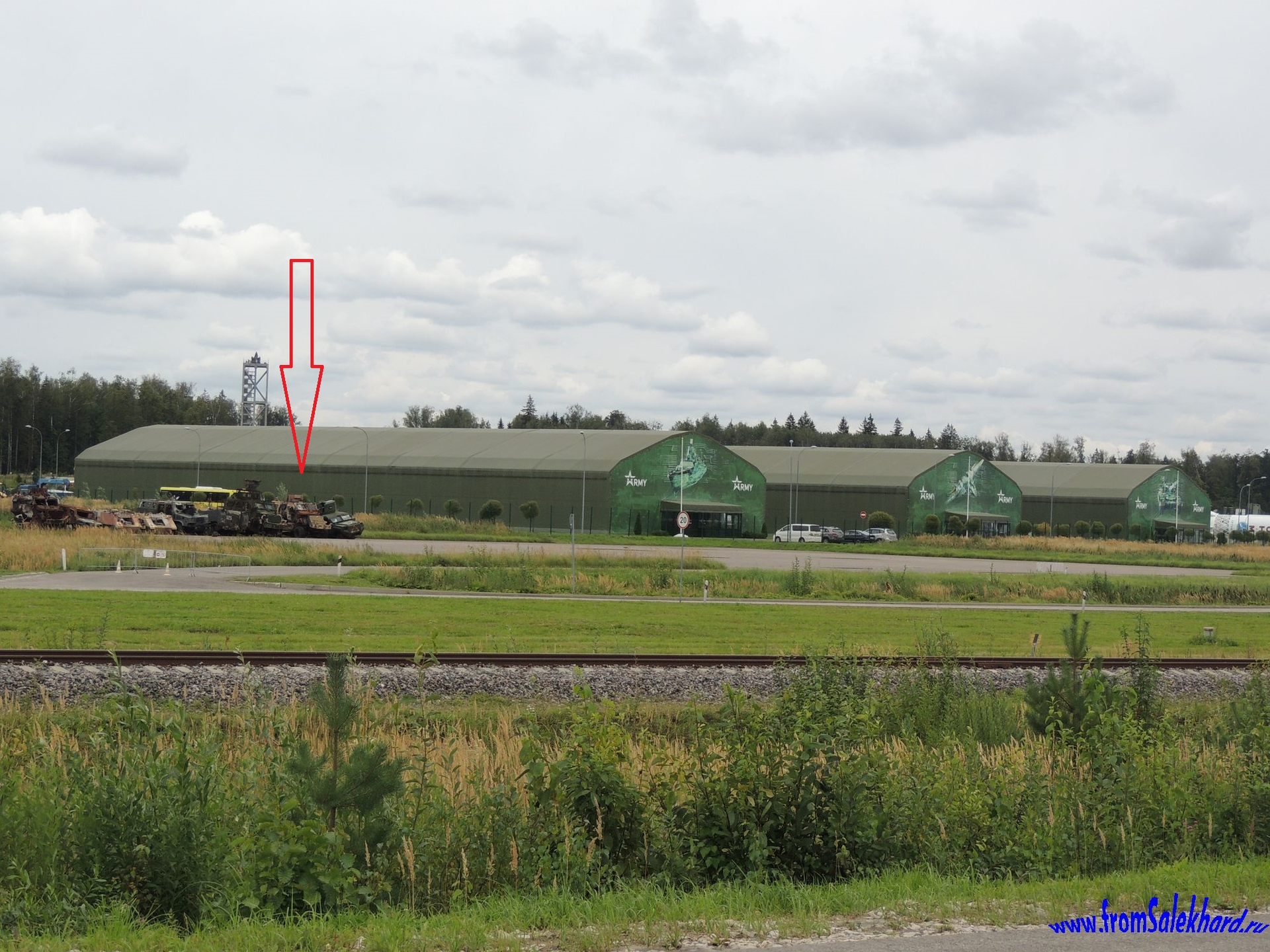
Thanks to my camera’s powerful zoom, I was able to make out a pile of scrap metal in the distance.

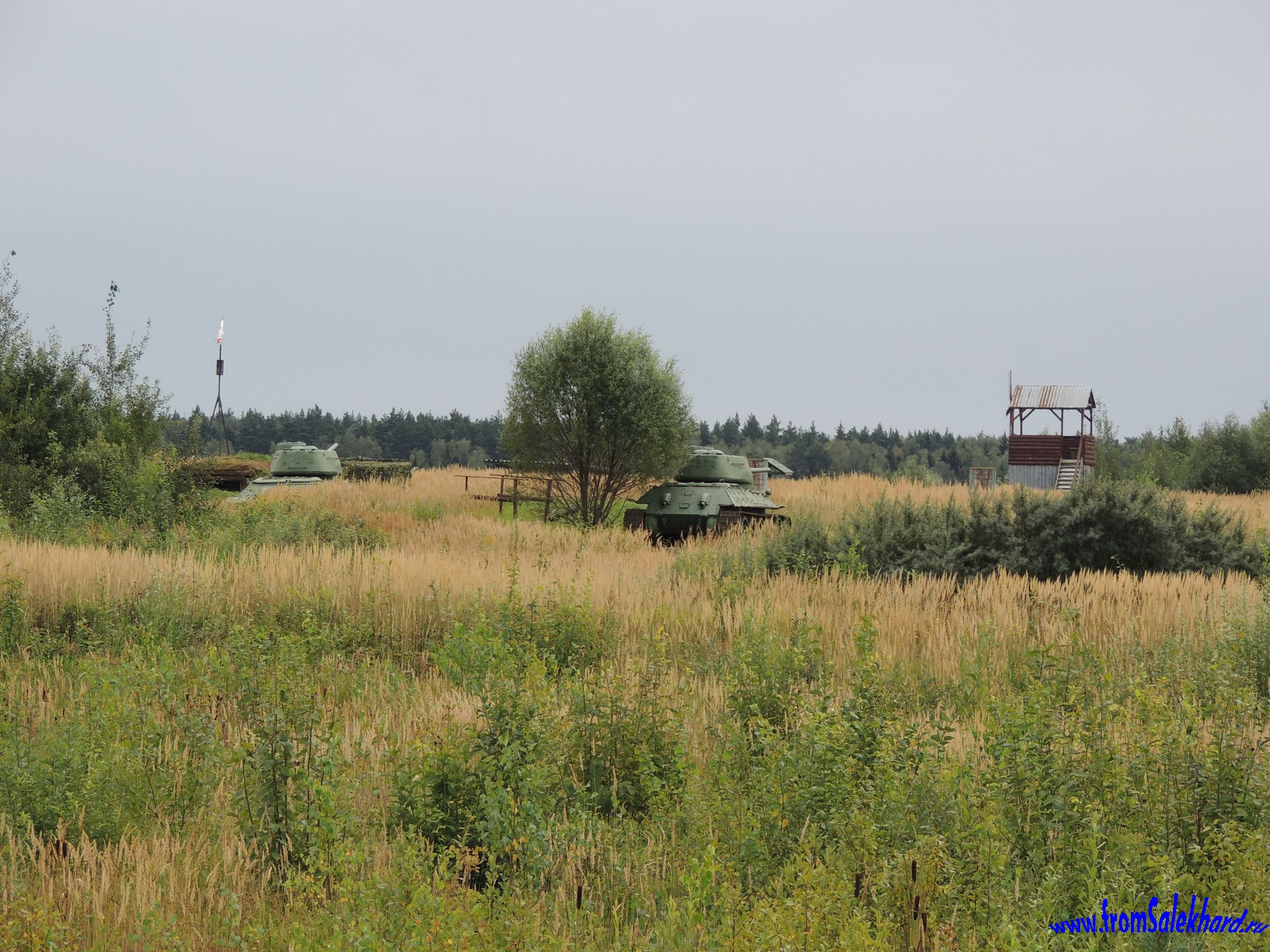
On the other side of the road and also in the distance, two T-34s were stationed in their starting positions, and in their line of fire (it seemed like) stood a battered five-story building.

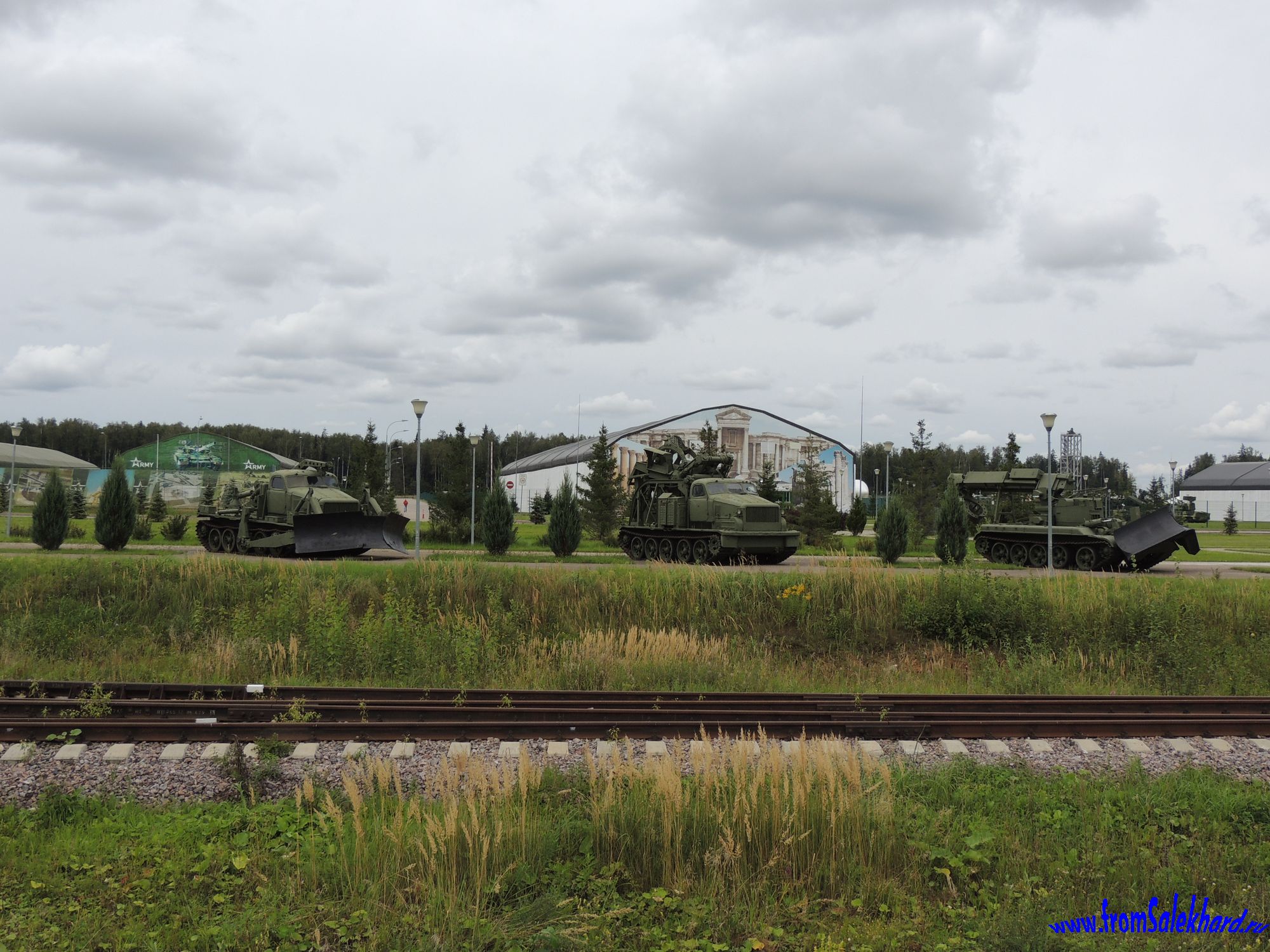
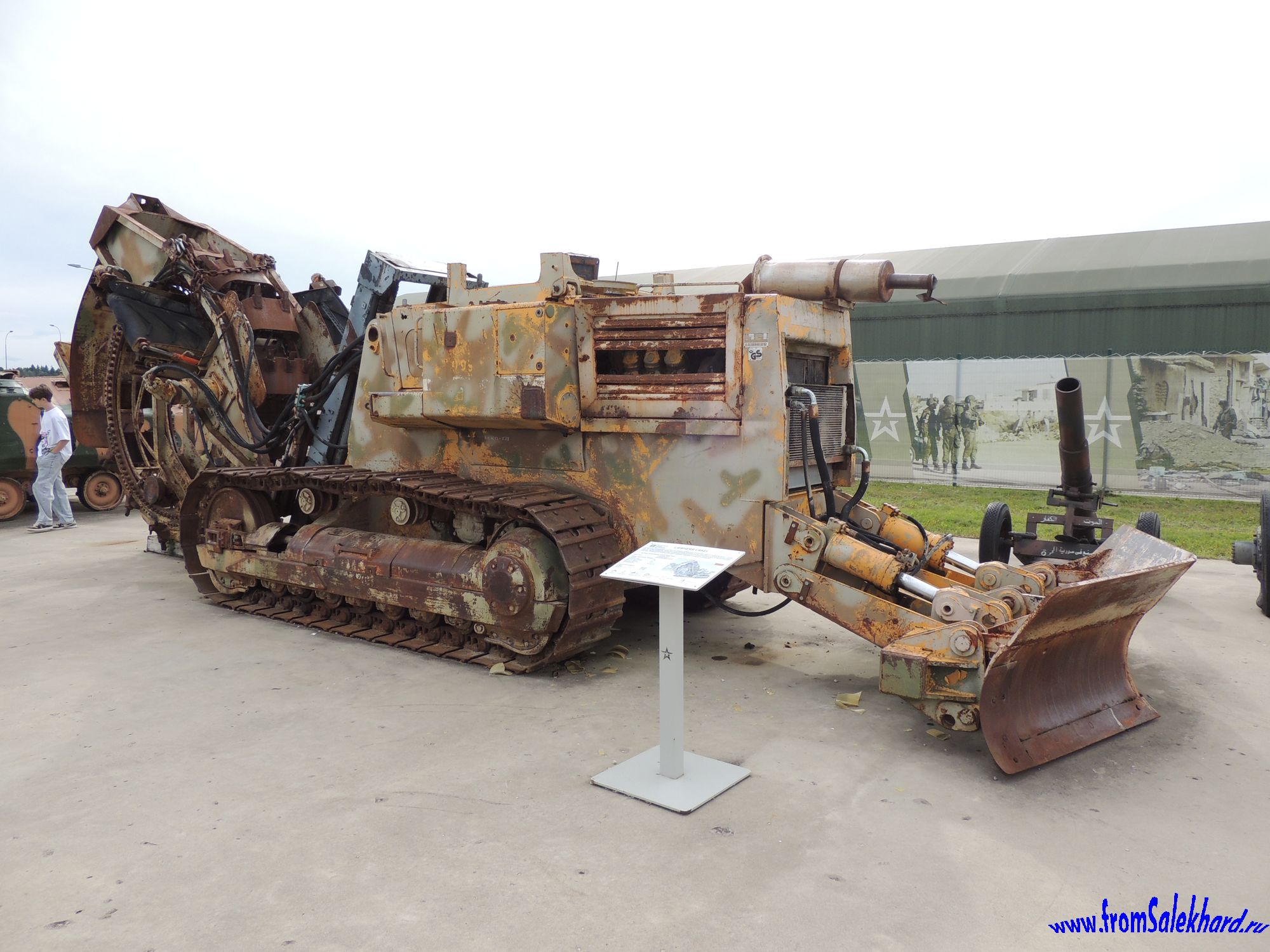
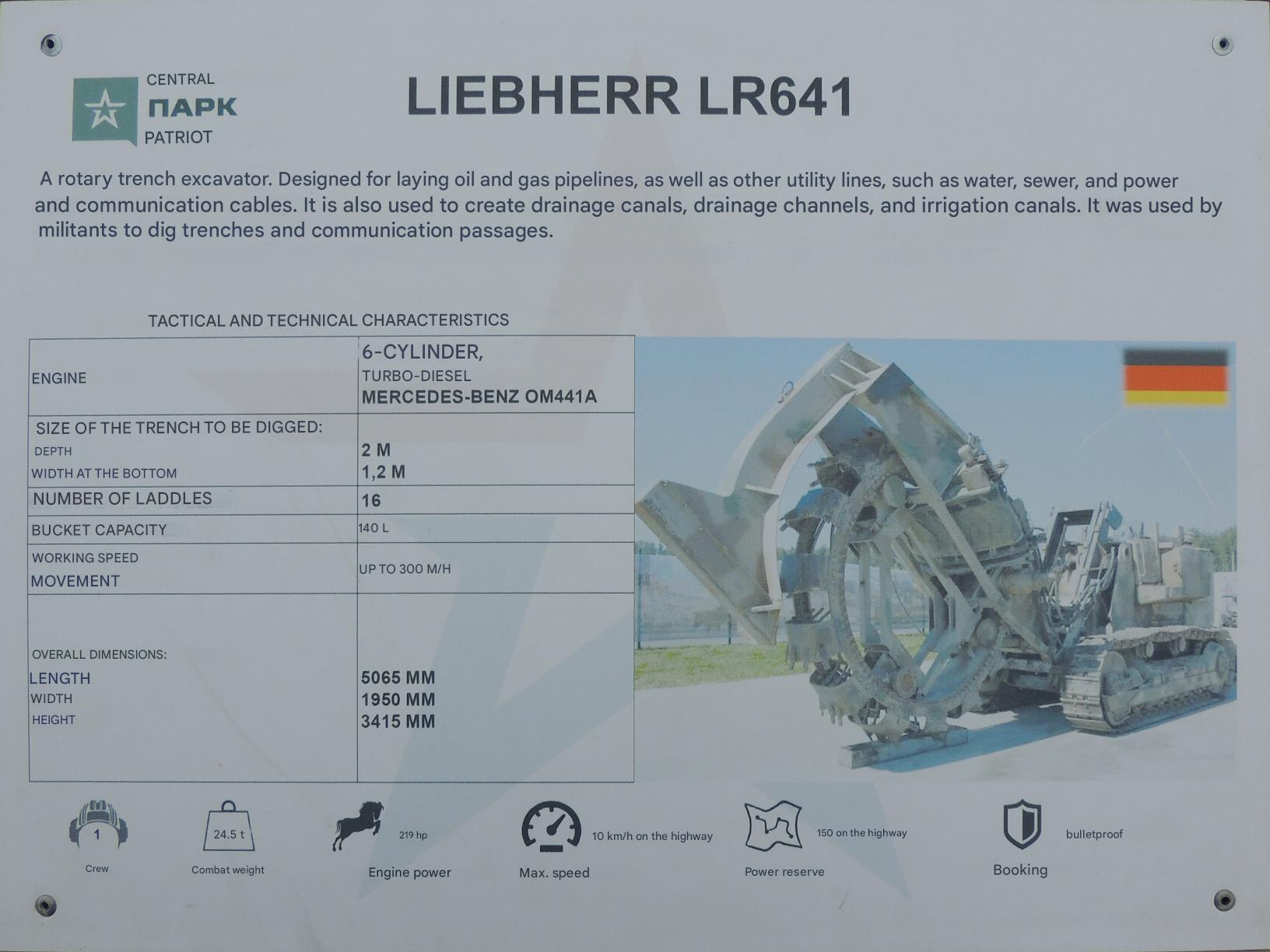
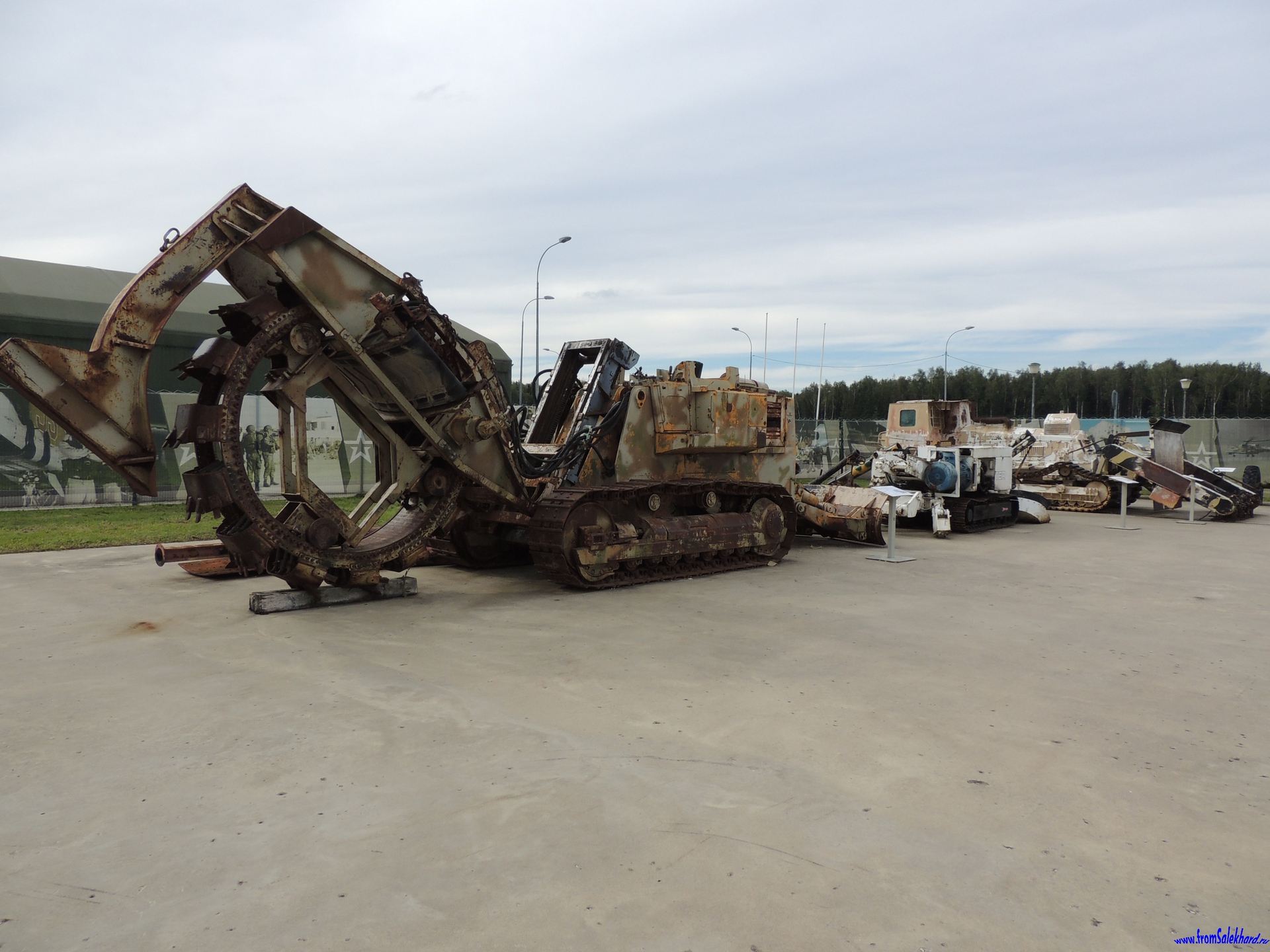
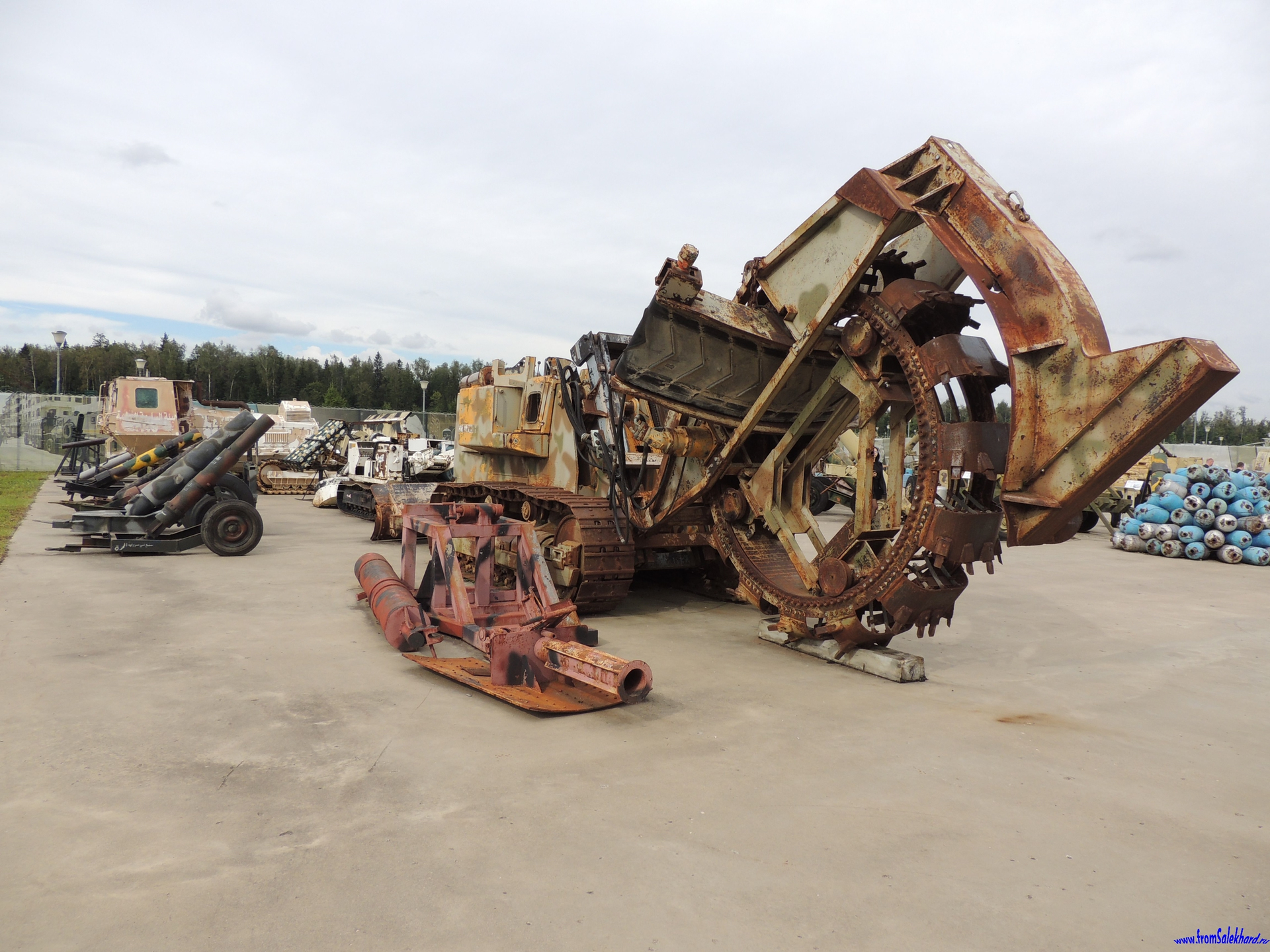
Against the backdrop of the pavilions, excavation equipment was discovered, placed outside the boundaries of the main exhibition.

Why and for what reason remains a mystery.

On the bright pavilion behind them was the sign I’d been looking for: “Syrian Fracture Exhibition,” and my spirits perked up! Walking, after all, is good for more than just your health.

Unfortunately, this pavilion was also closed! This is the second time in this series that a main character has been killed!
Almost desperate to find and visit what I wanted, I asked the cashier directly when I bought my ticket. She responded rather oddly, “Look behind the fence.”

I’ve come across a fence before. So what? If the average Russian paid attention to all the fences he encountered along the way, he… he would know much more. The gates are wide open there!

The series continues!

I was recently reminded that the fundamental characteristic of the Universe is increasing entropy. Who are we to go against the laws of the universe? That’s why I will show you exhibits in increasing order of disorder.

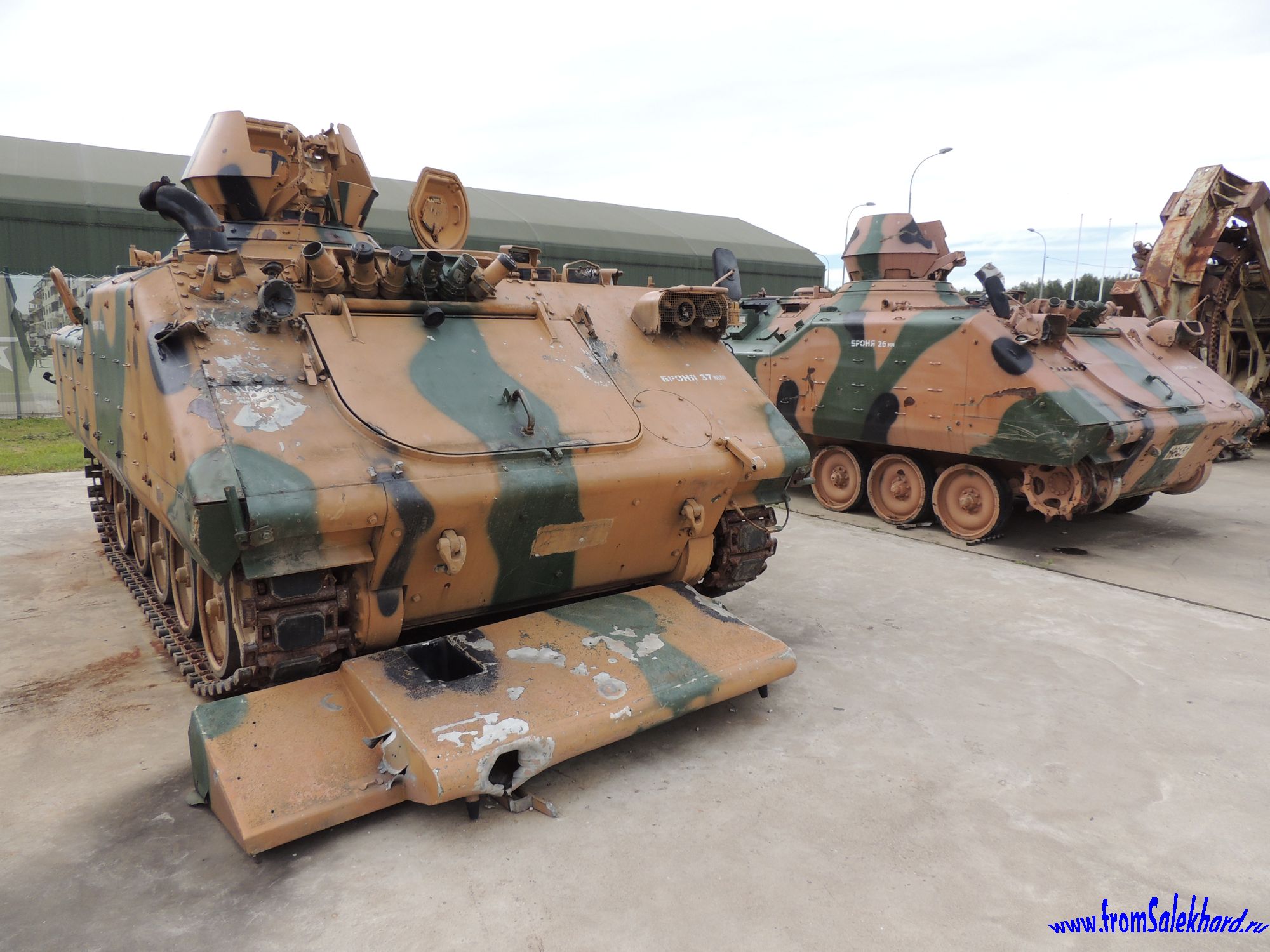
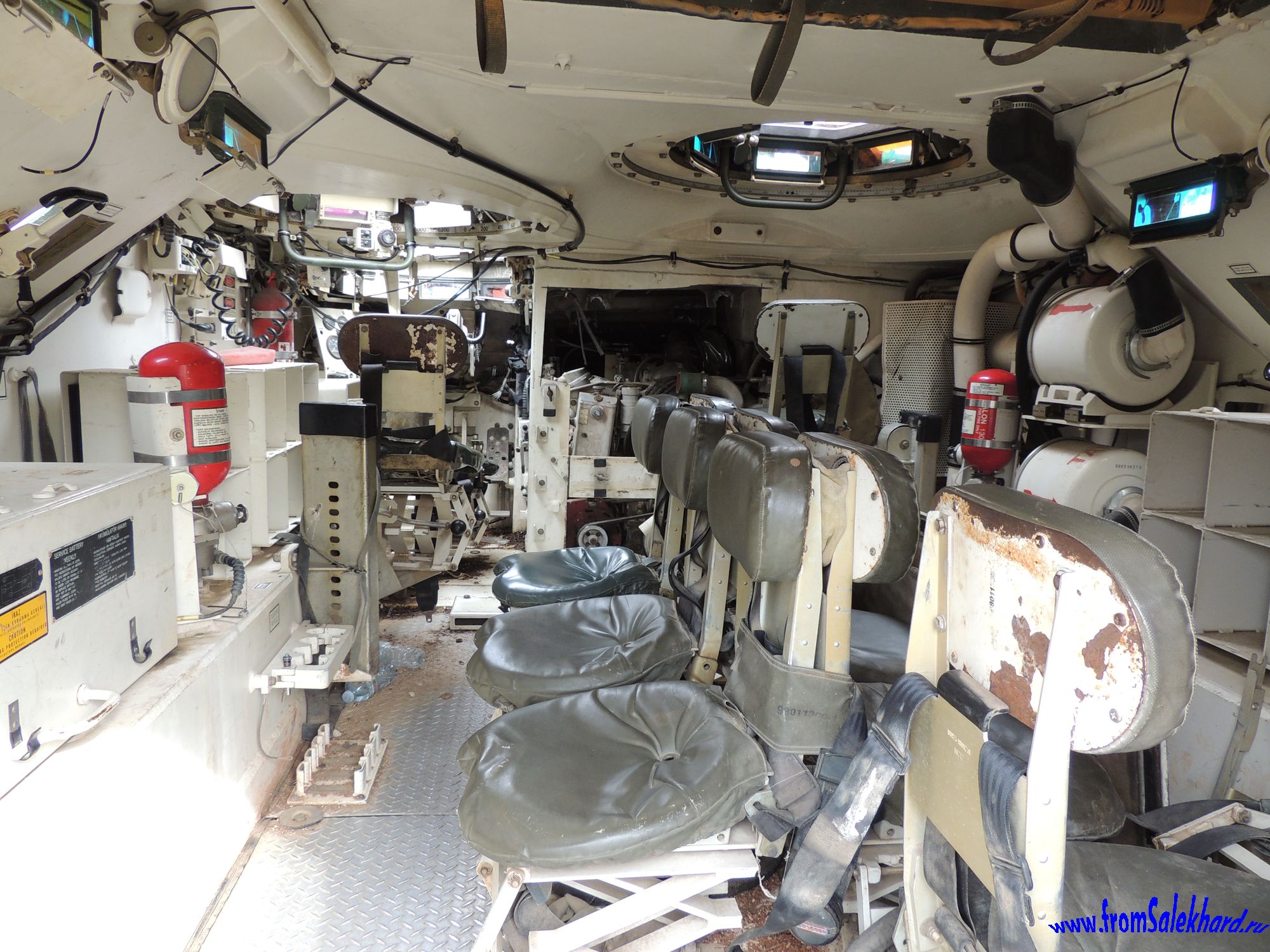
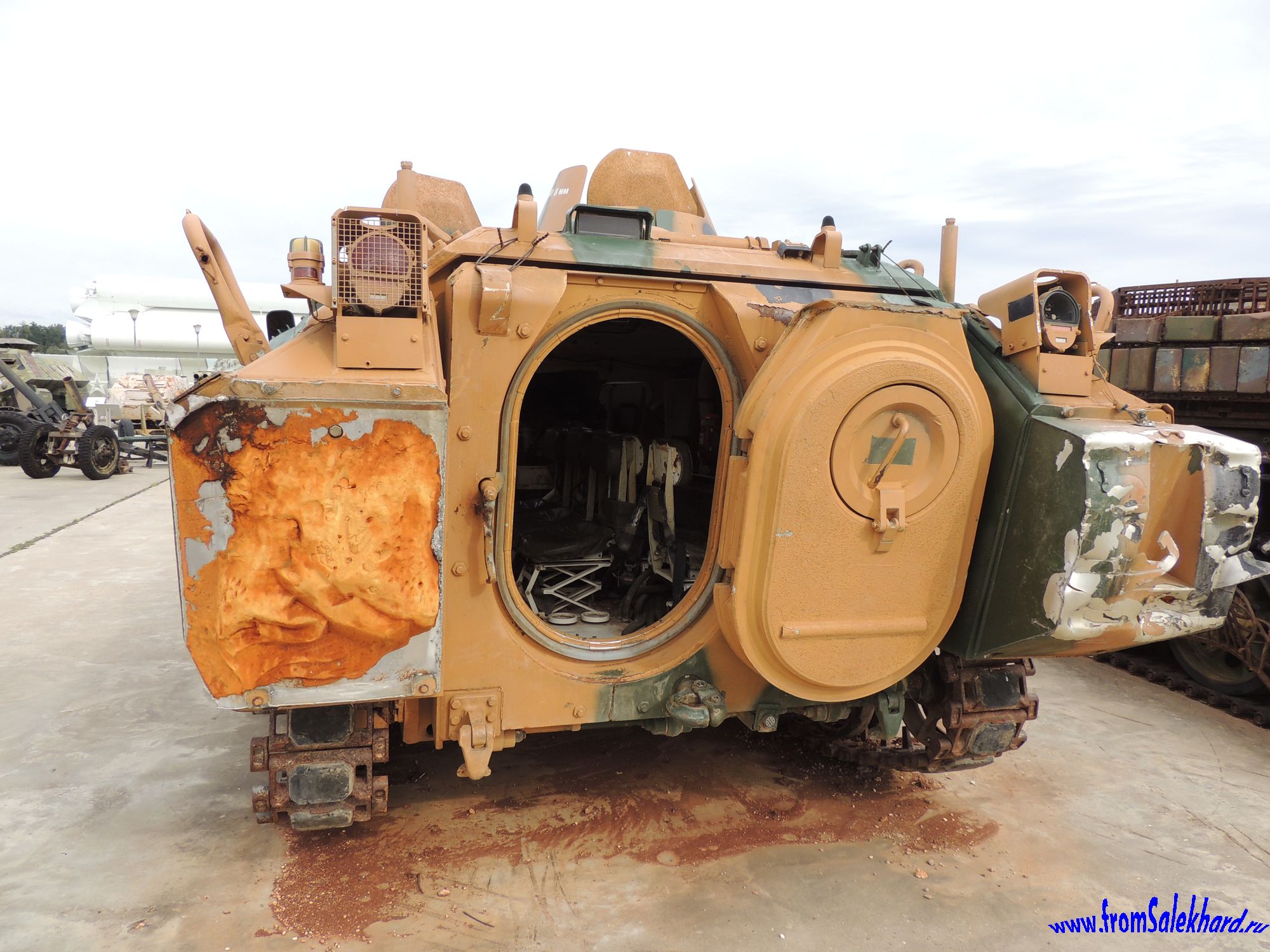
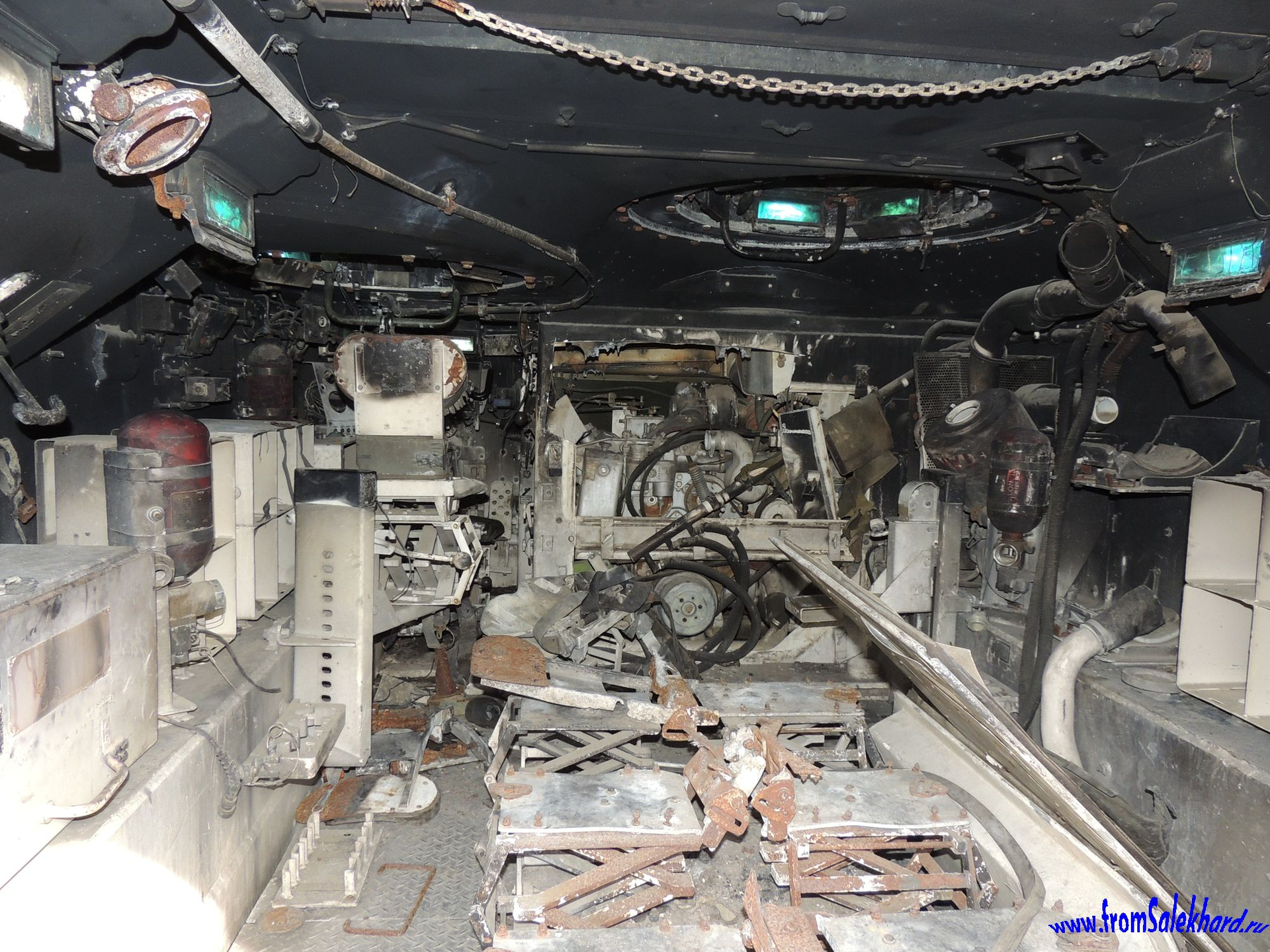
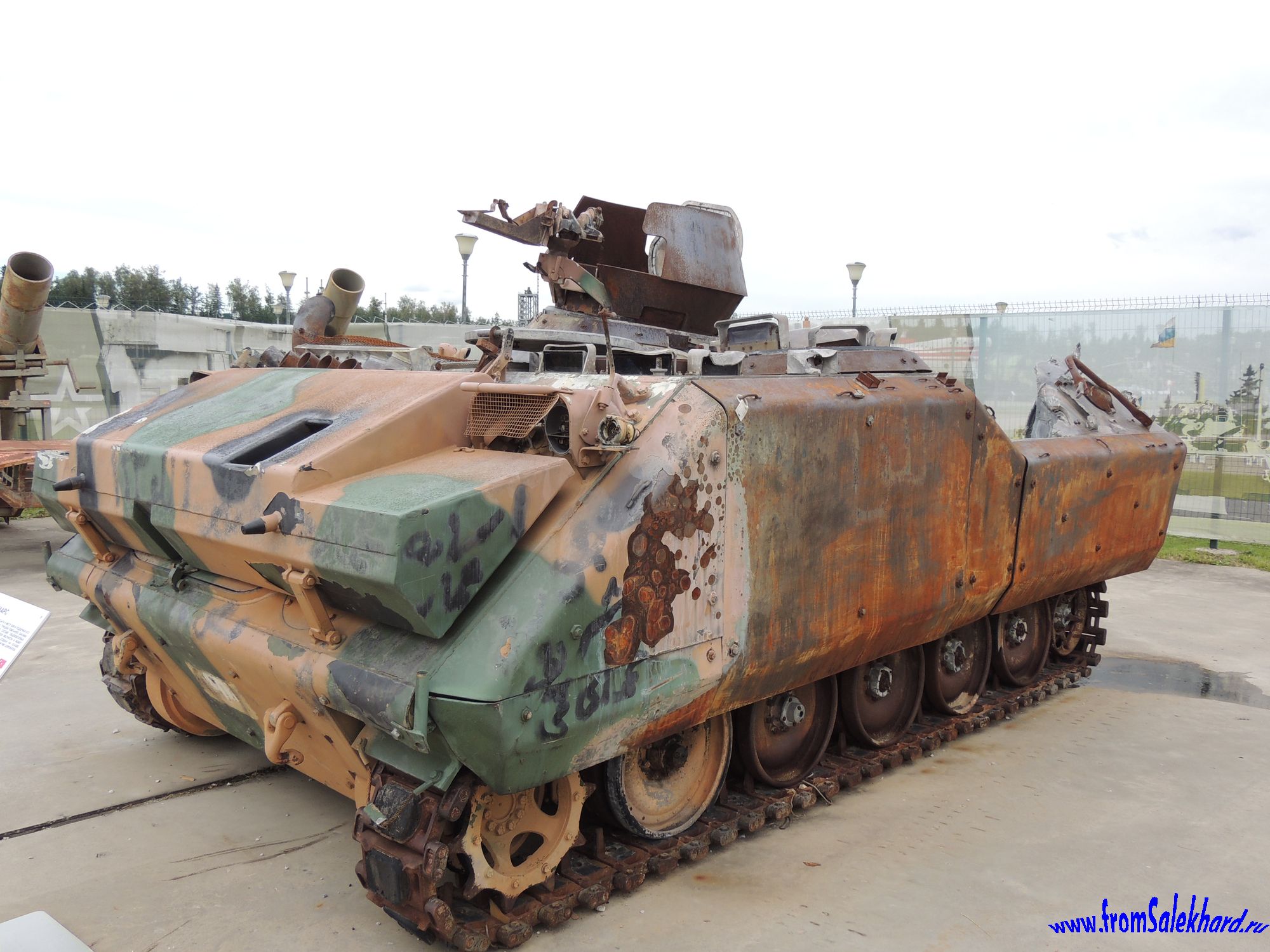
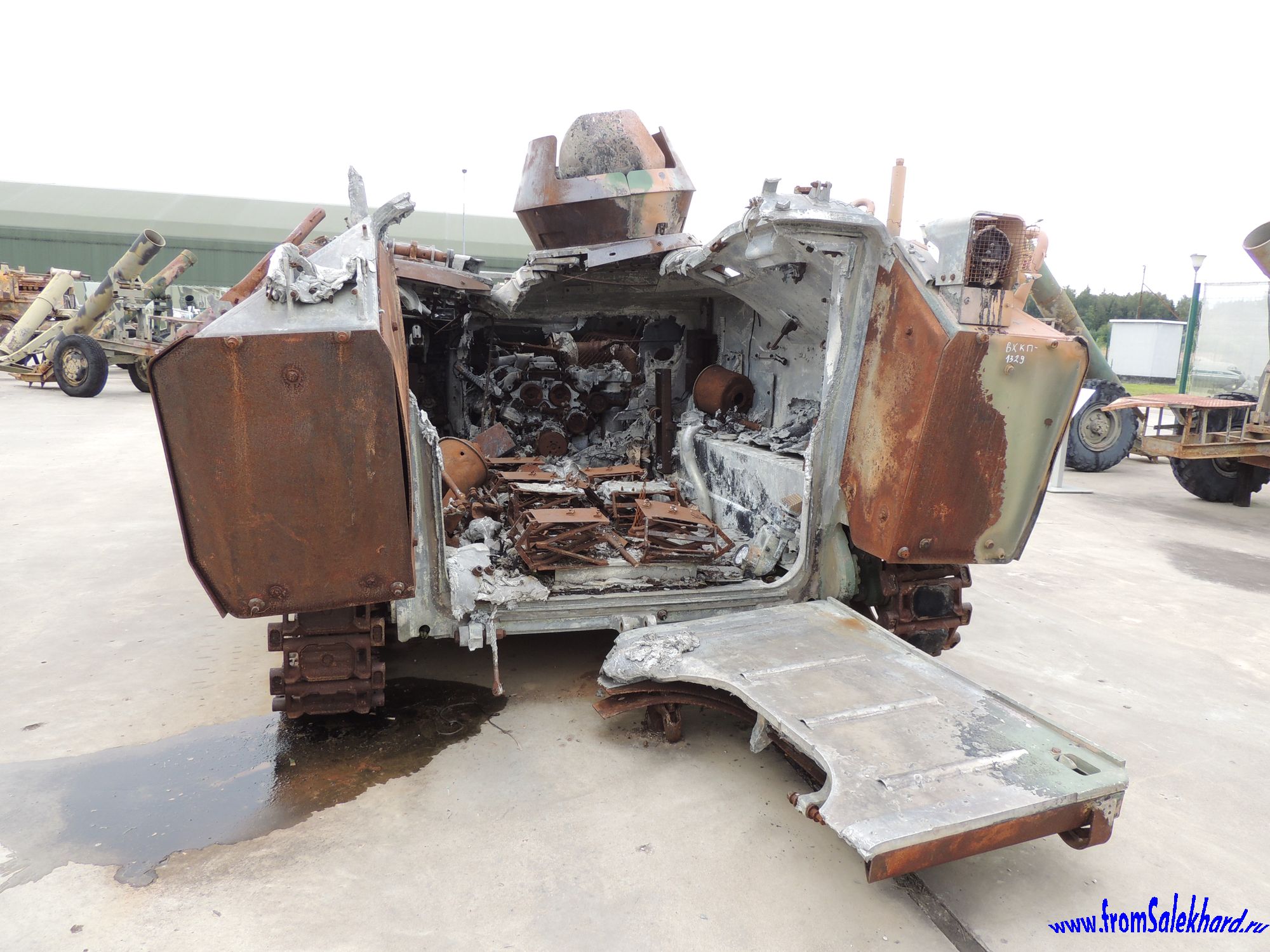
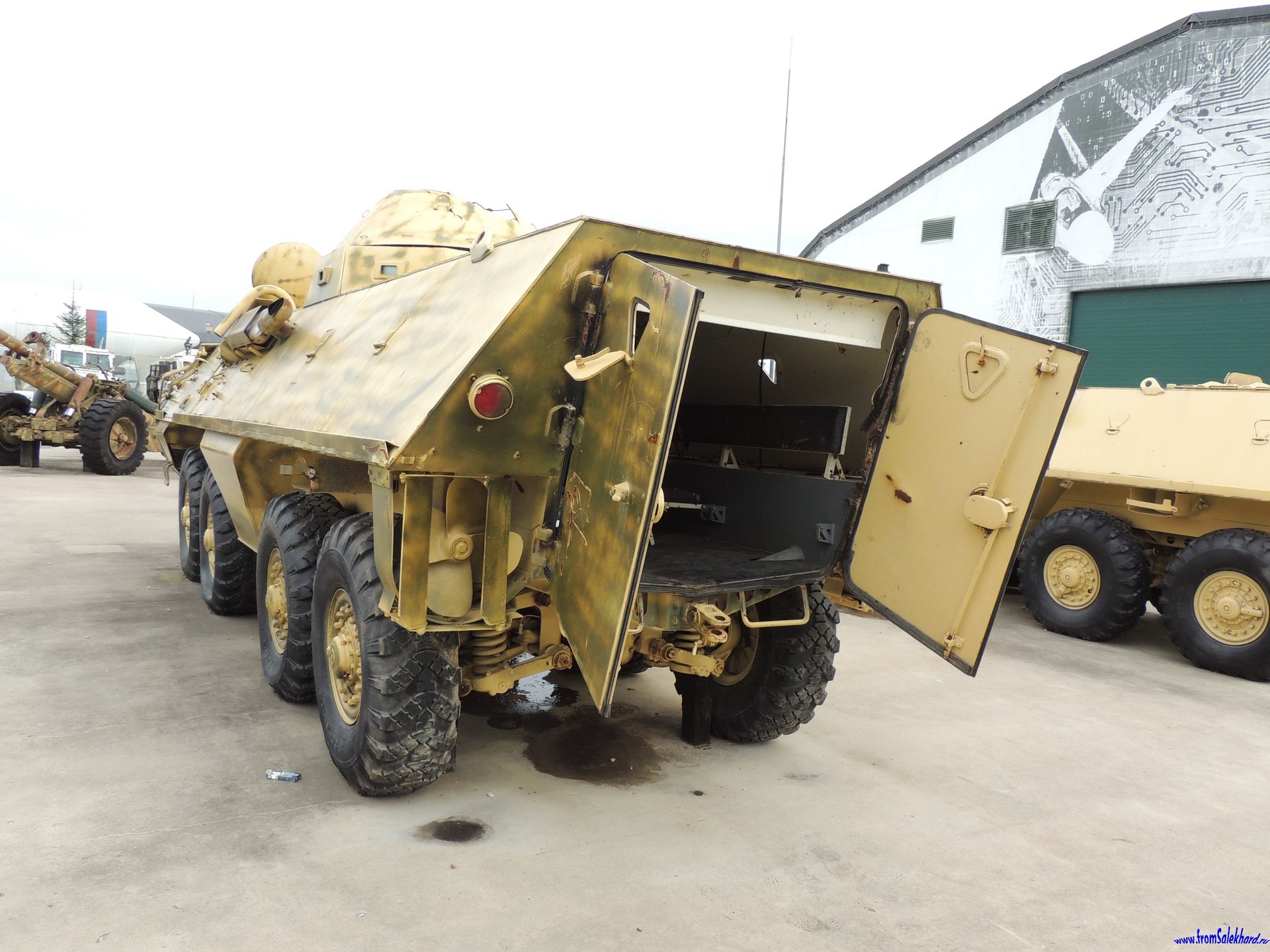
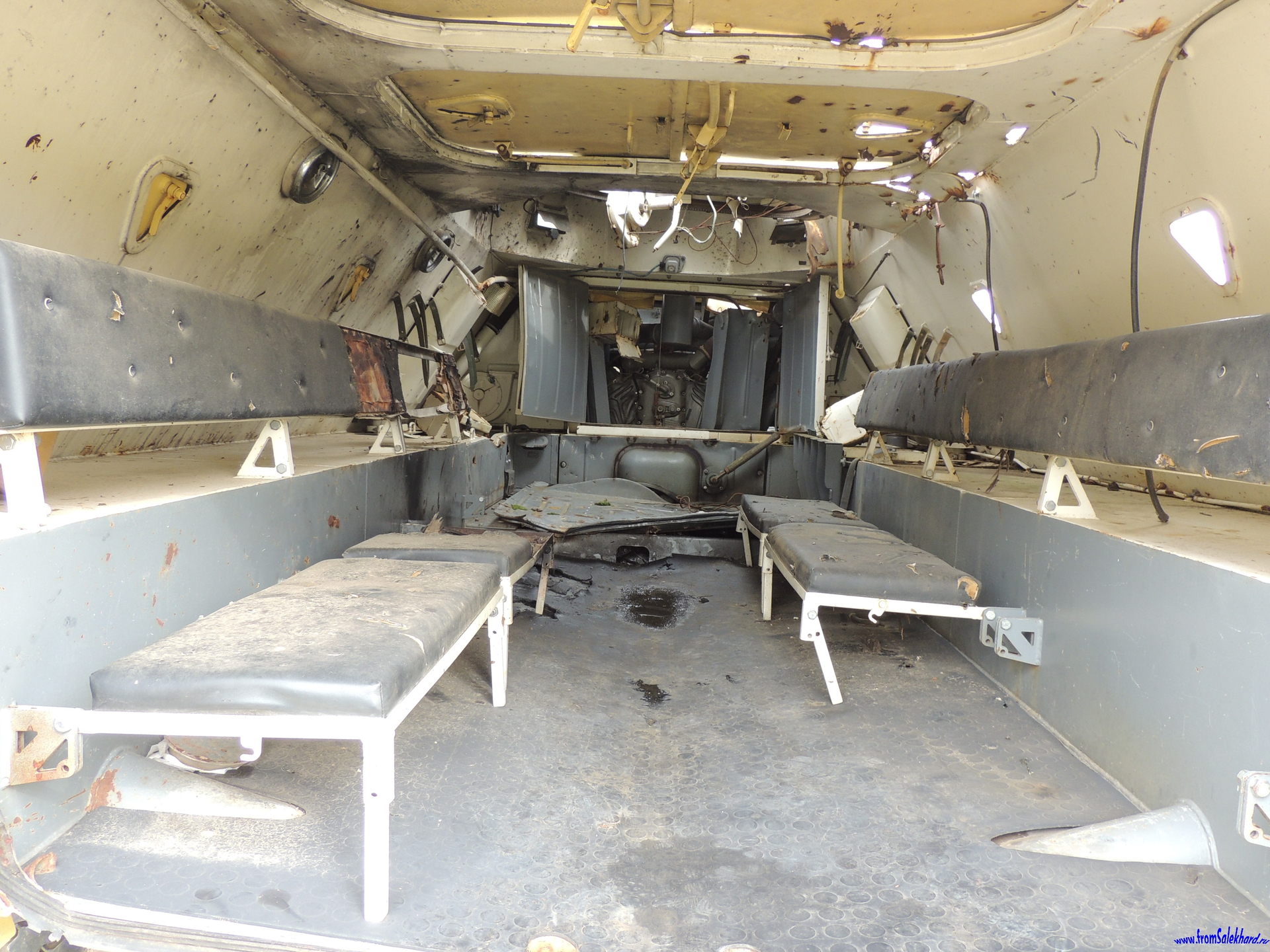
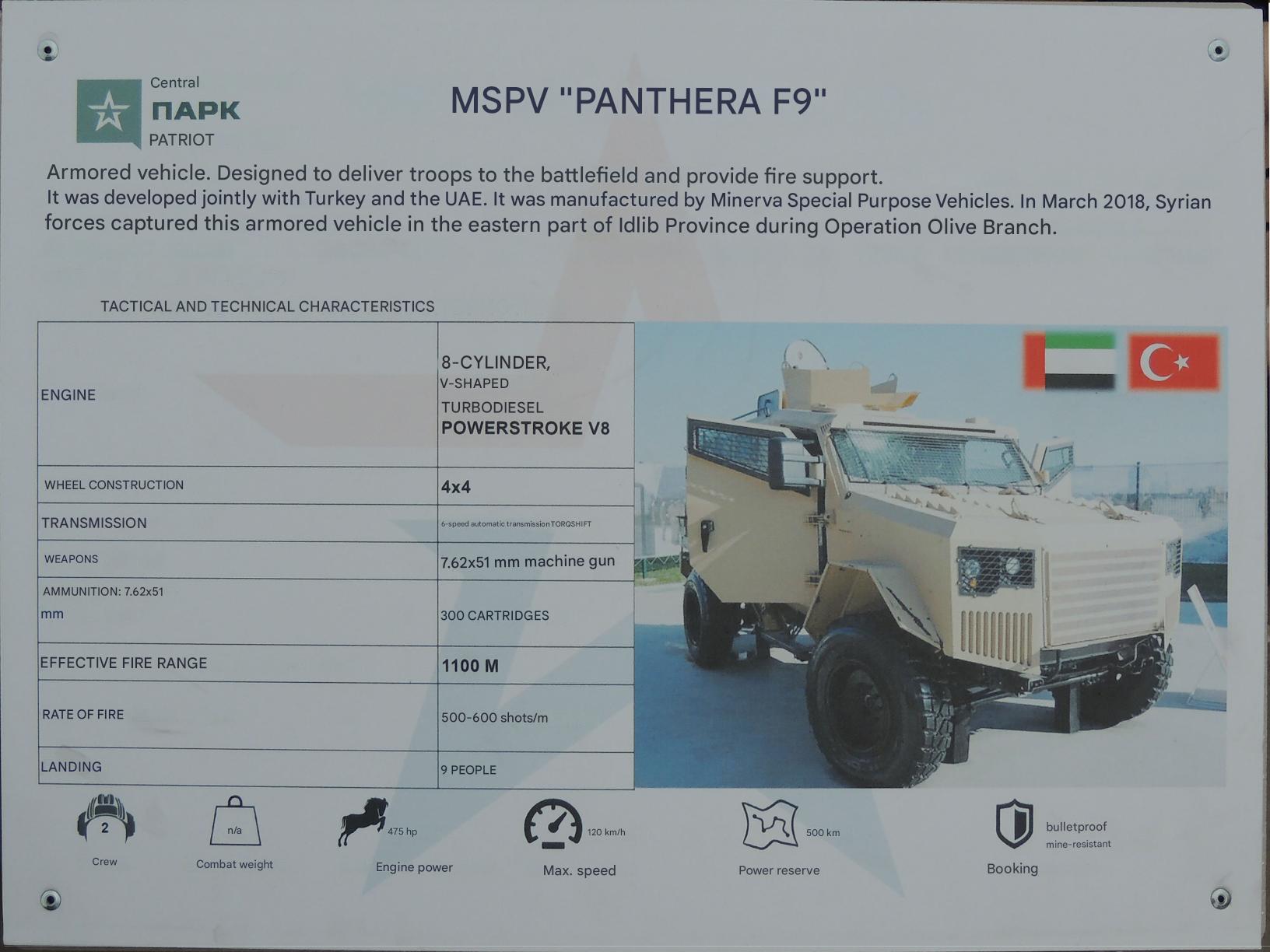
We’ll examine the principle of sequence formation using the example of a Turkish infantry fighting vehicle. There are three of them here: a couple and one separate one.

From the front, they’re all practically identical, but from the back, they’re all different, precisely in terms of their degree of internal entropy.

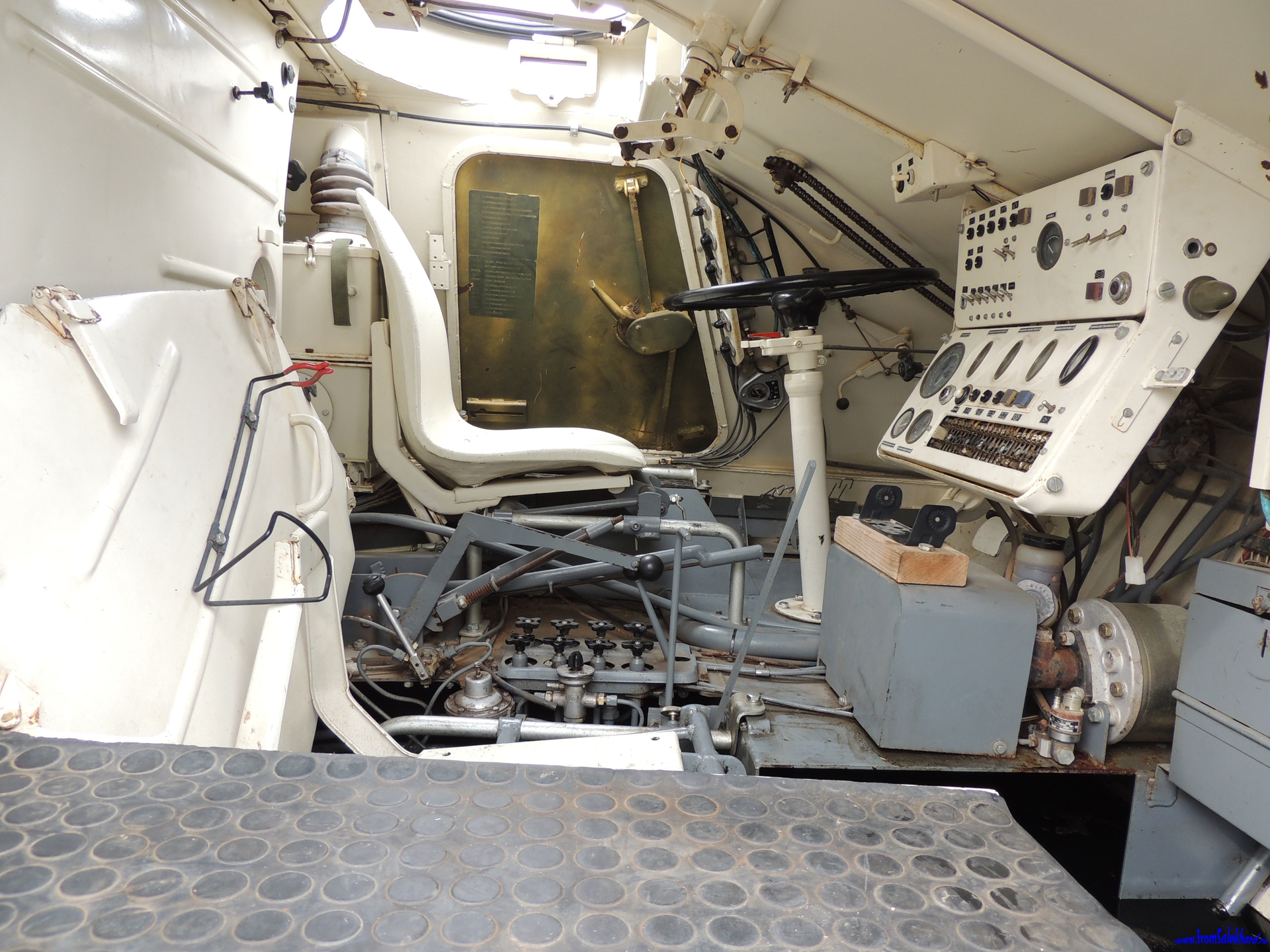
The first is a complete interior in a state of initial disrepair.

The second one is already a little burnt.

The third one is a little unburnt.

I think everyone has already understood the principle.

7 Likes

Interesting… but the ACV-15AAPC in the sign shows having 6 road wheels, like on a Bradley chassis, while those captured examples all look to have 5 road wheels from a M113 chassis, and look to be YPR-765 type vehicles… or the KIFV 2000, similar types but different in certain features.

2 Likes

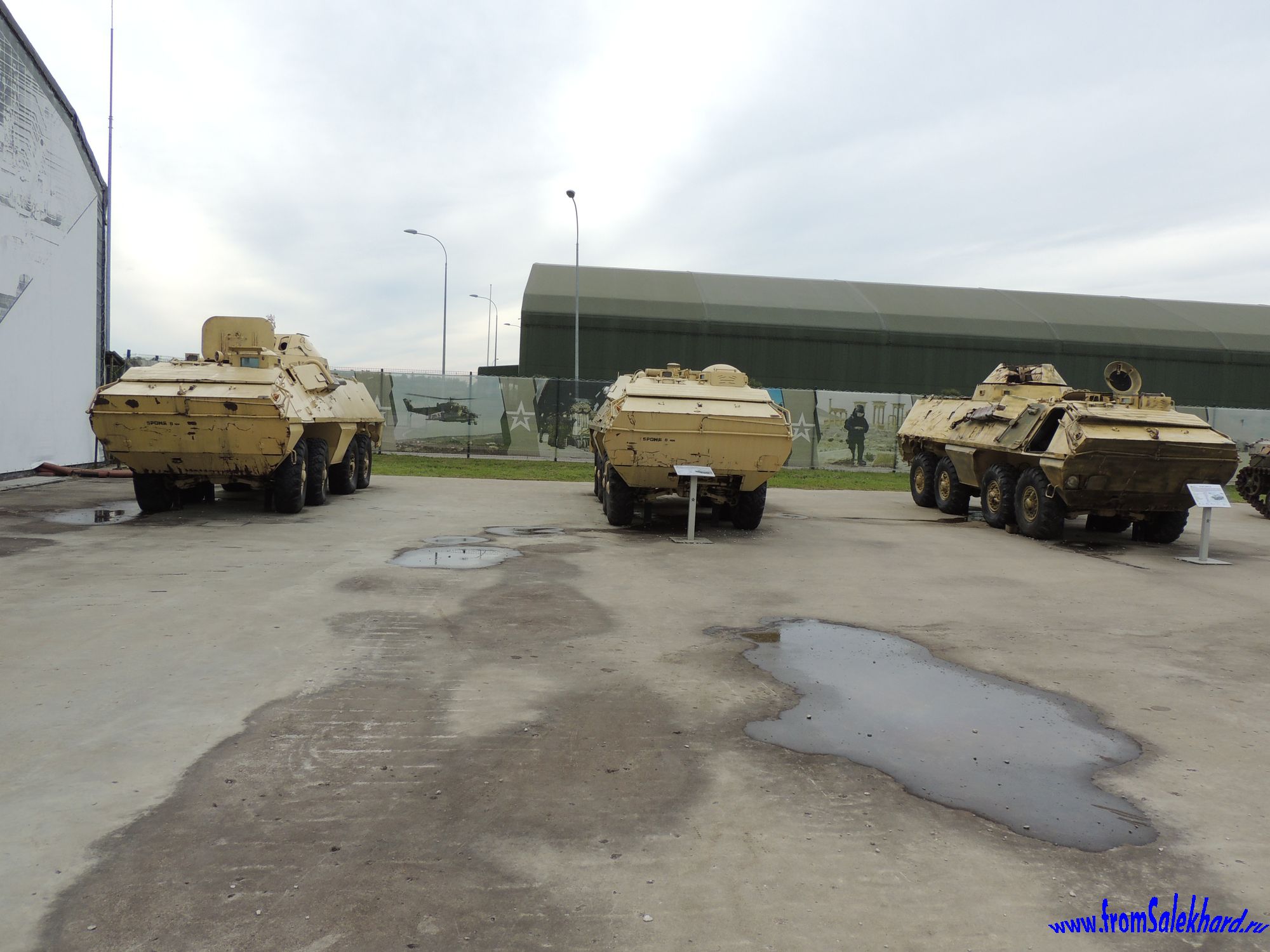
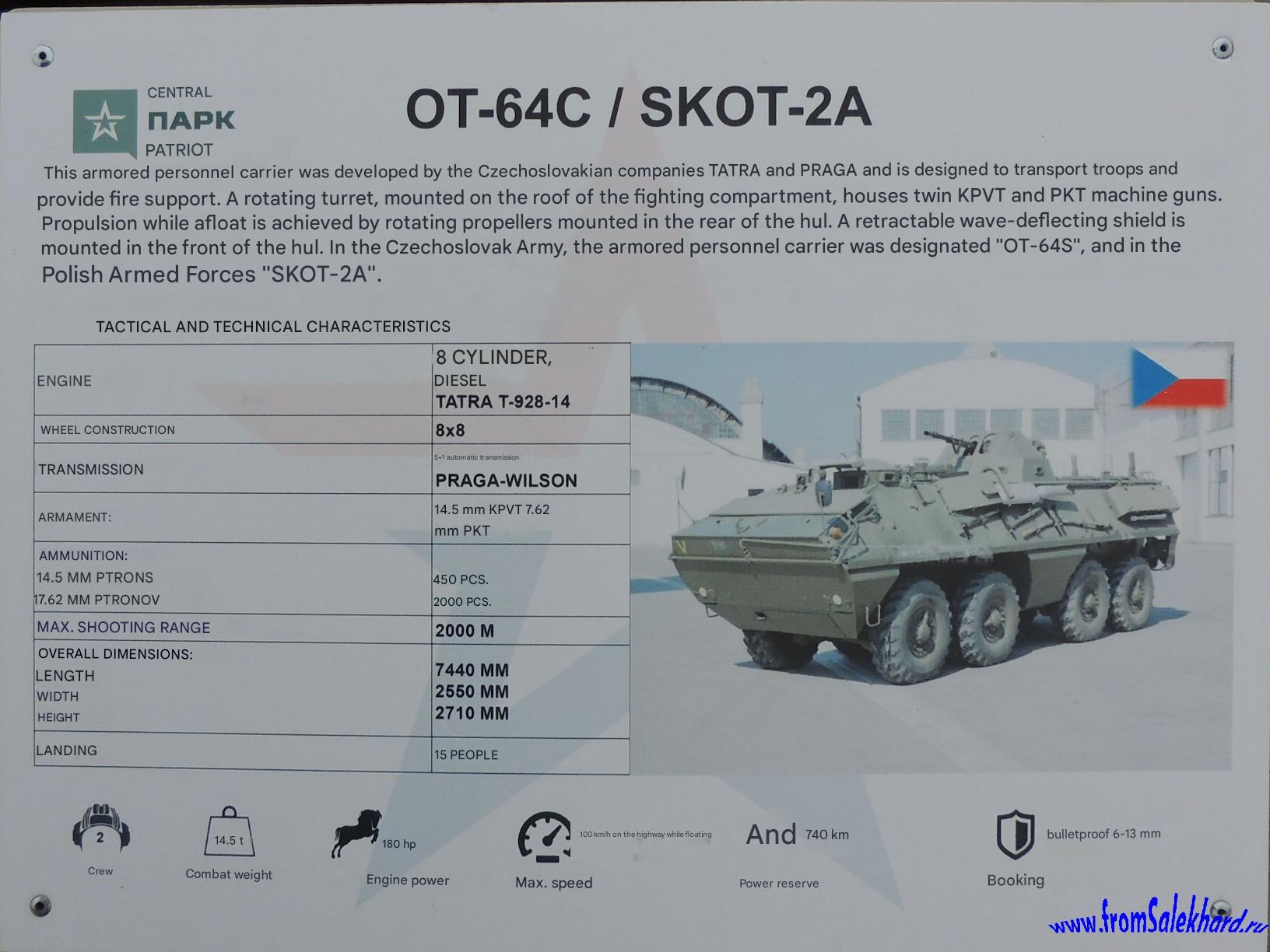
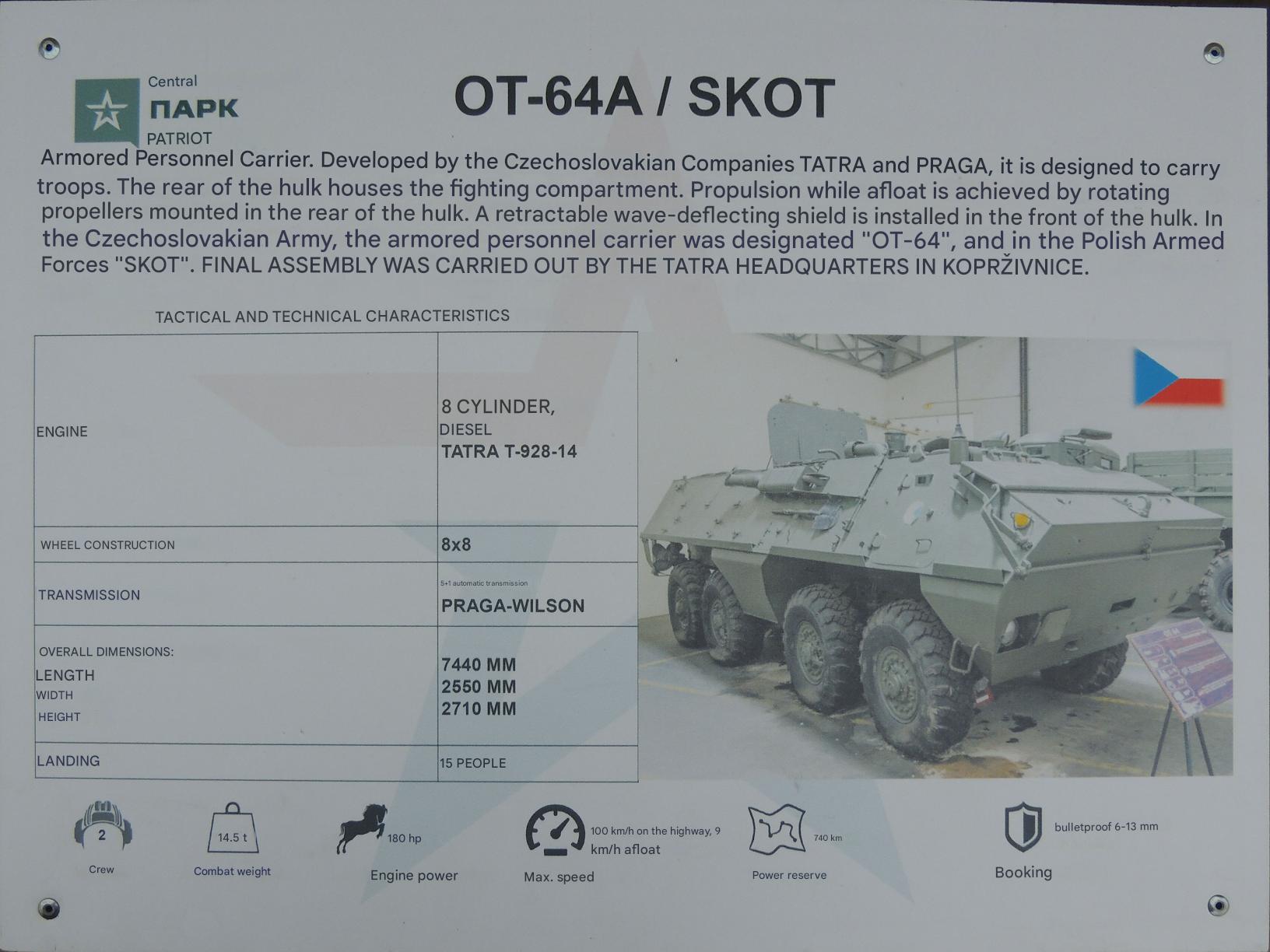
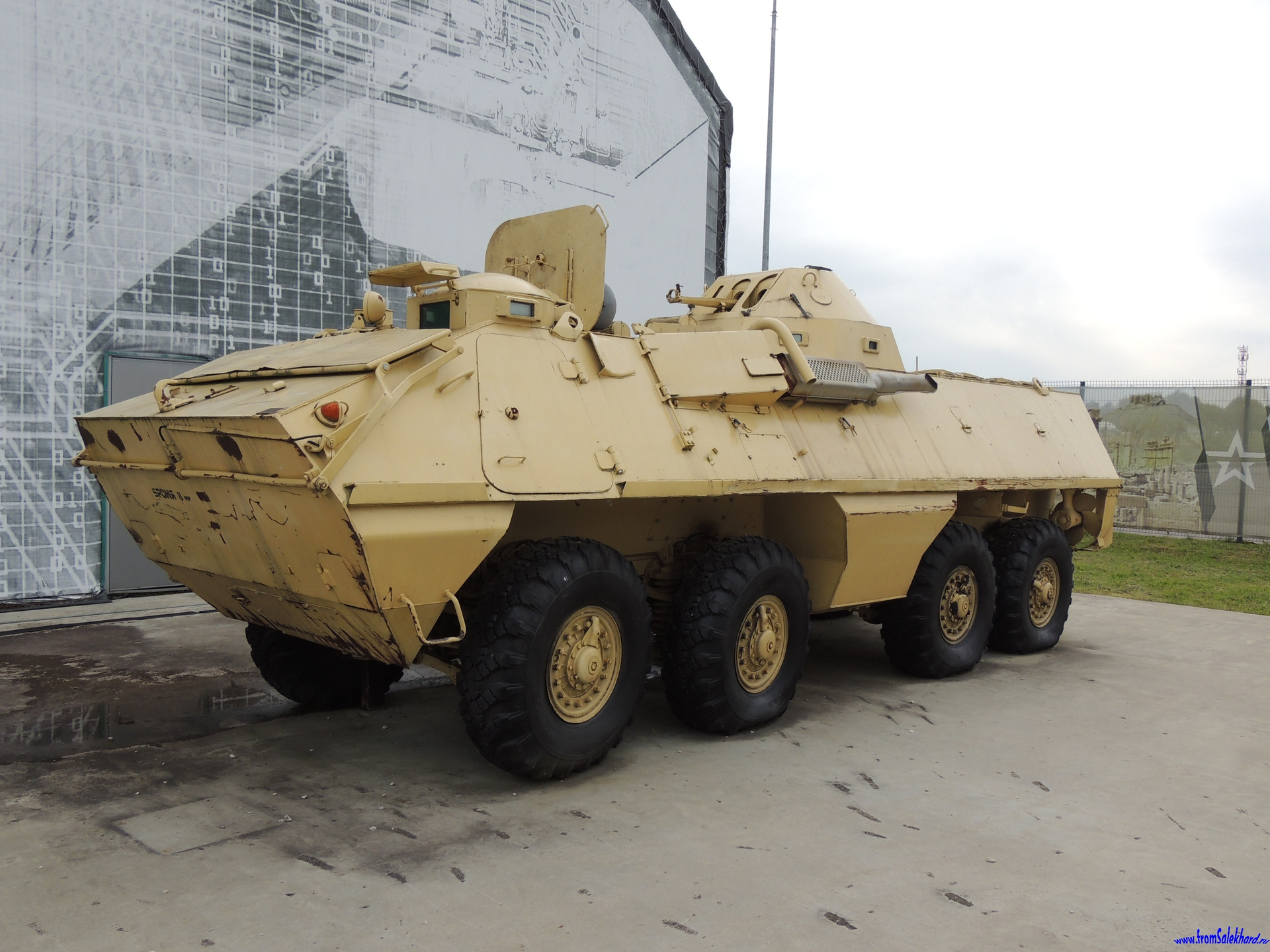
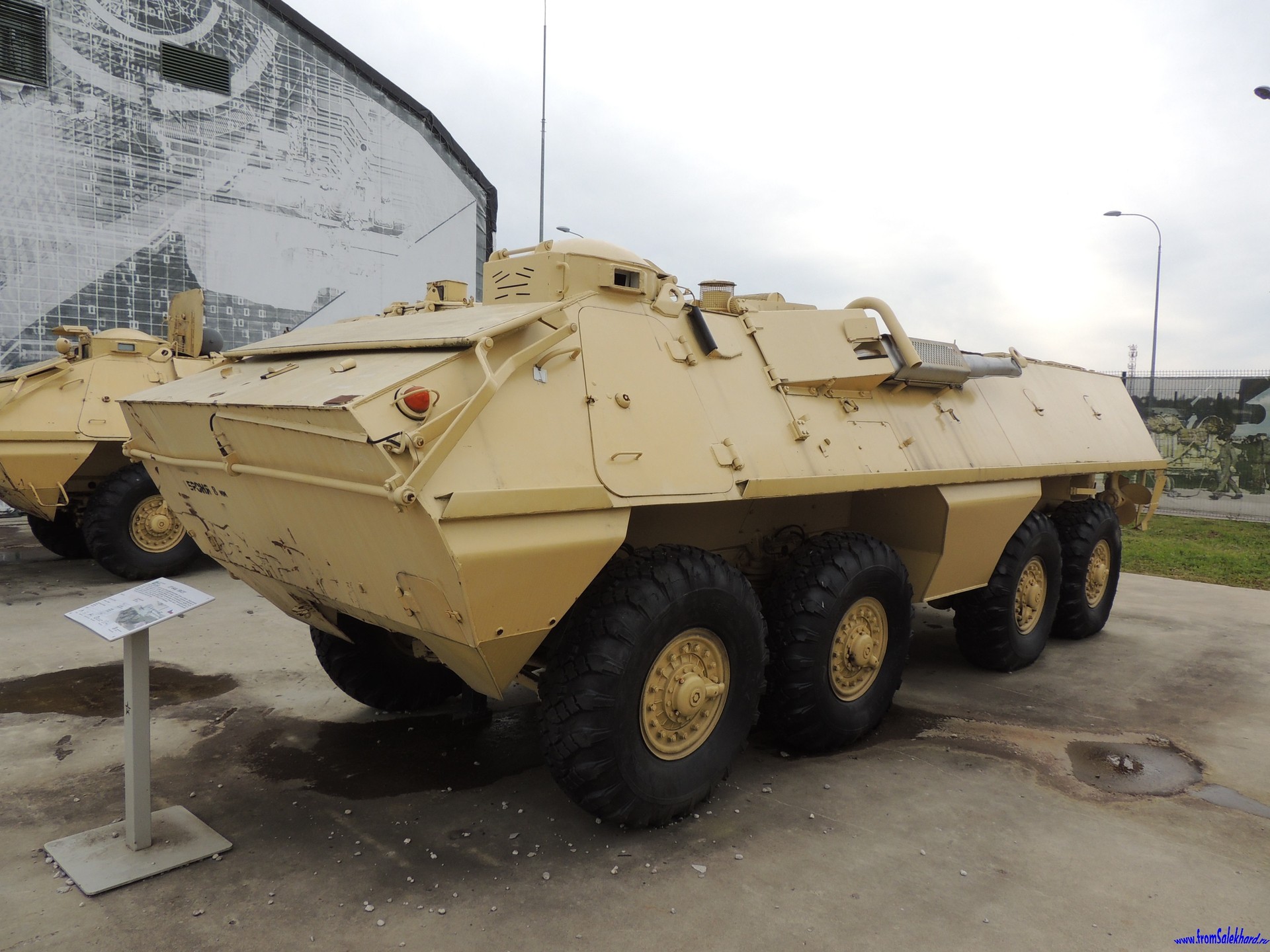
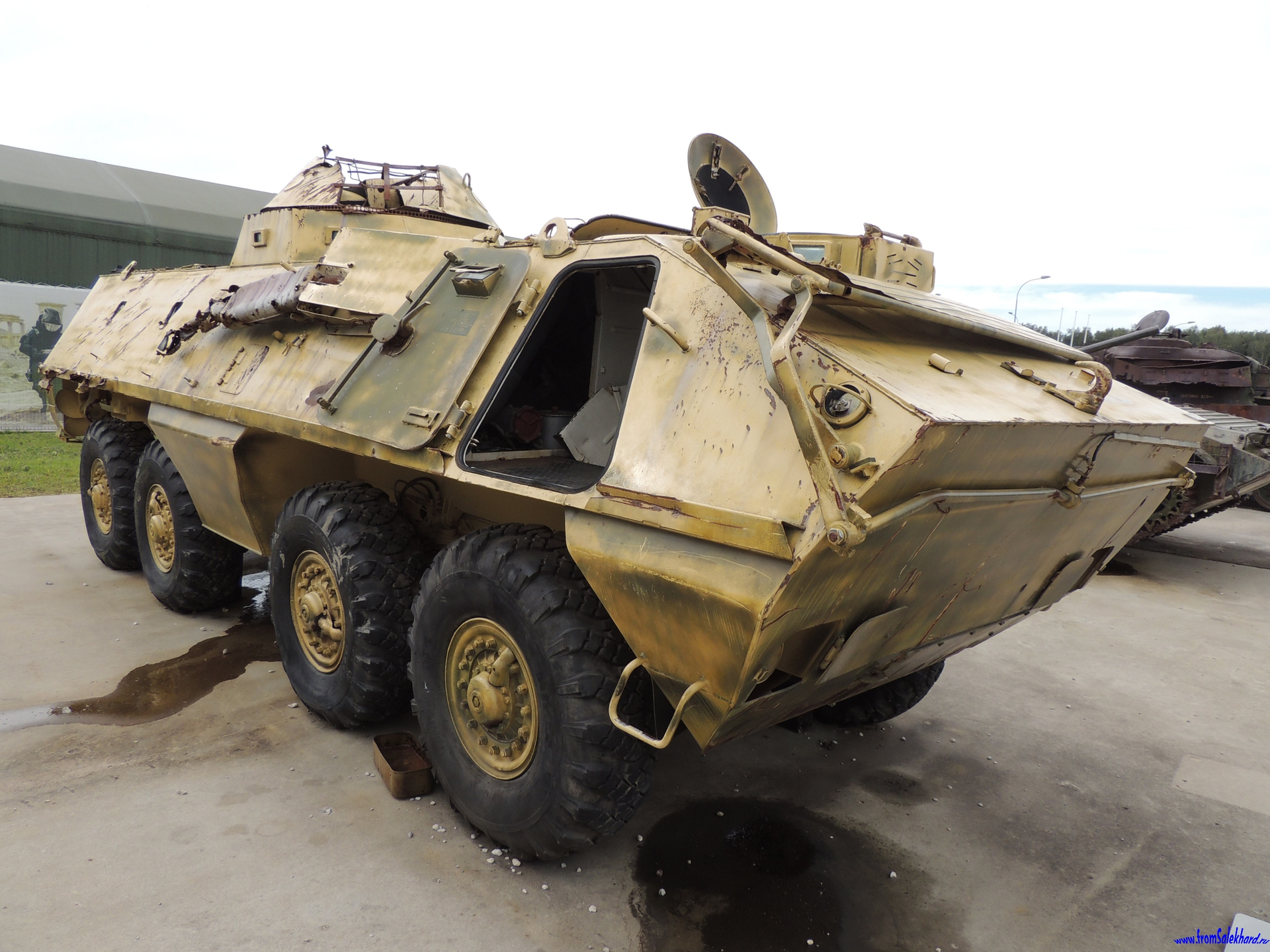
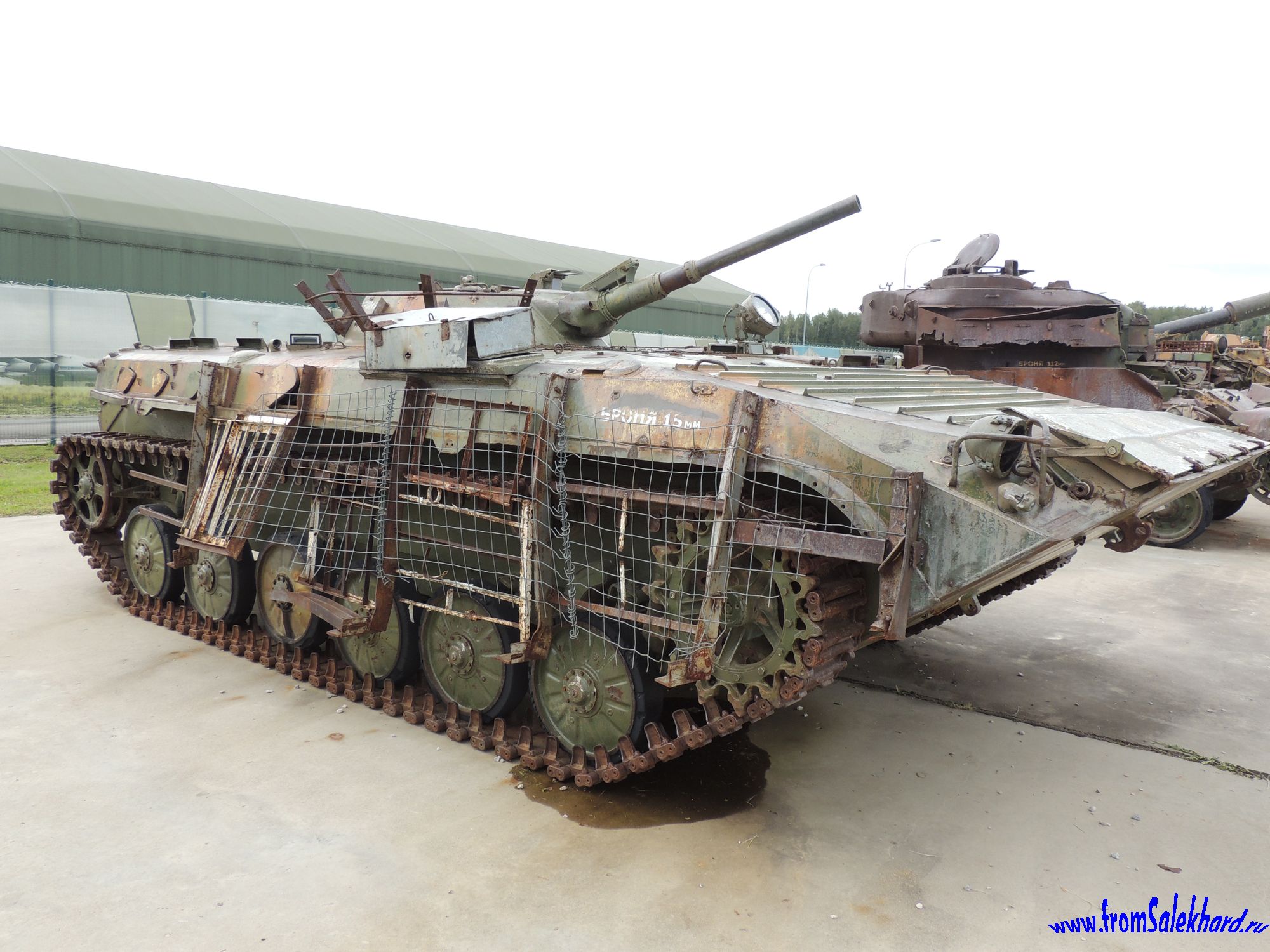
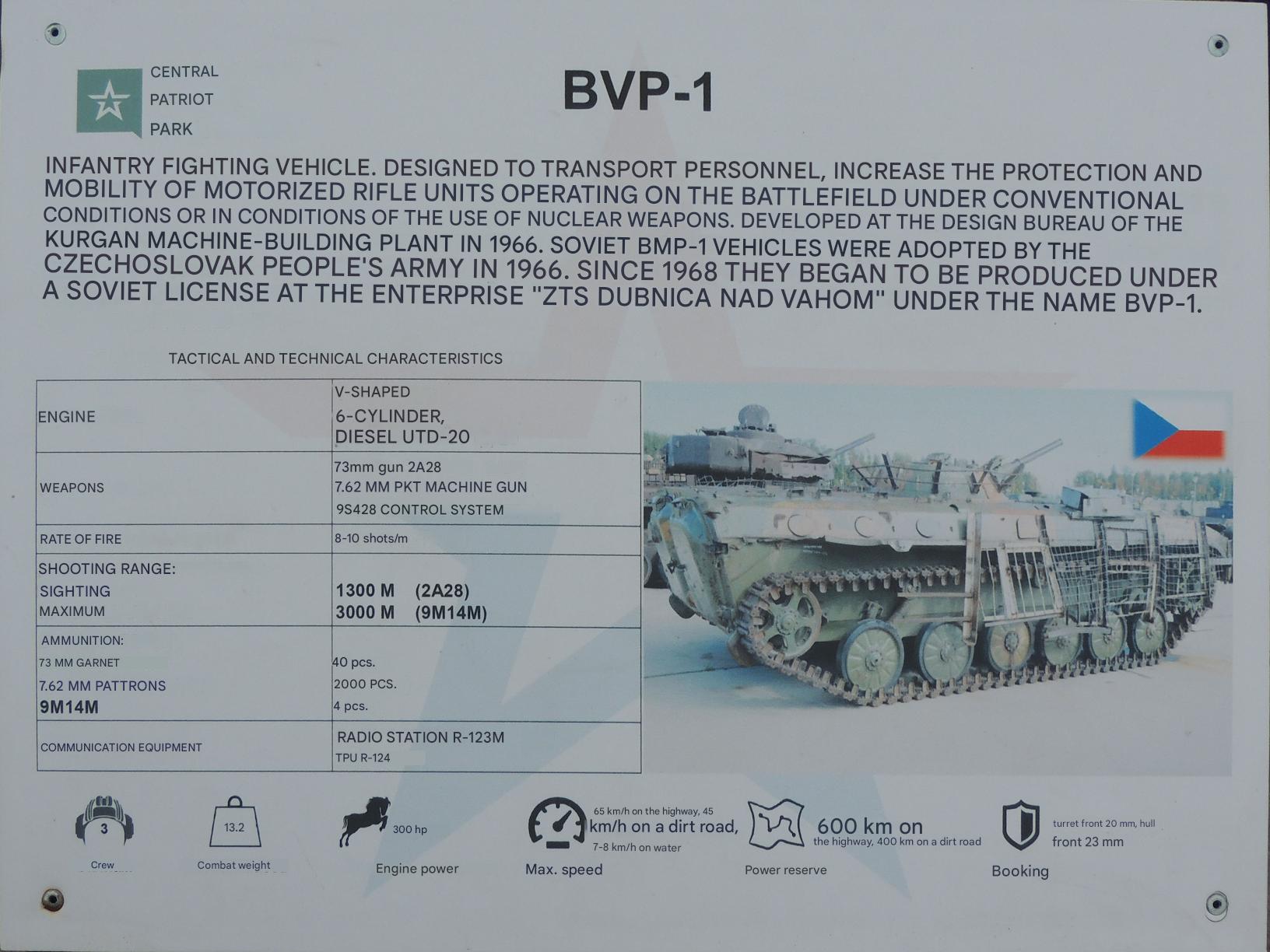
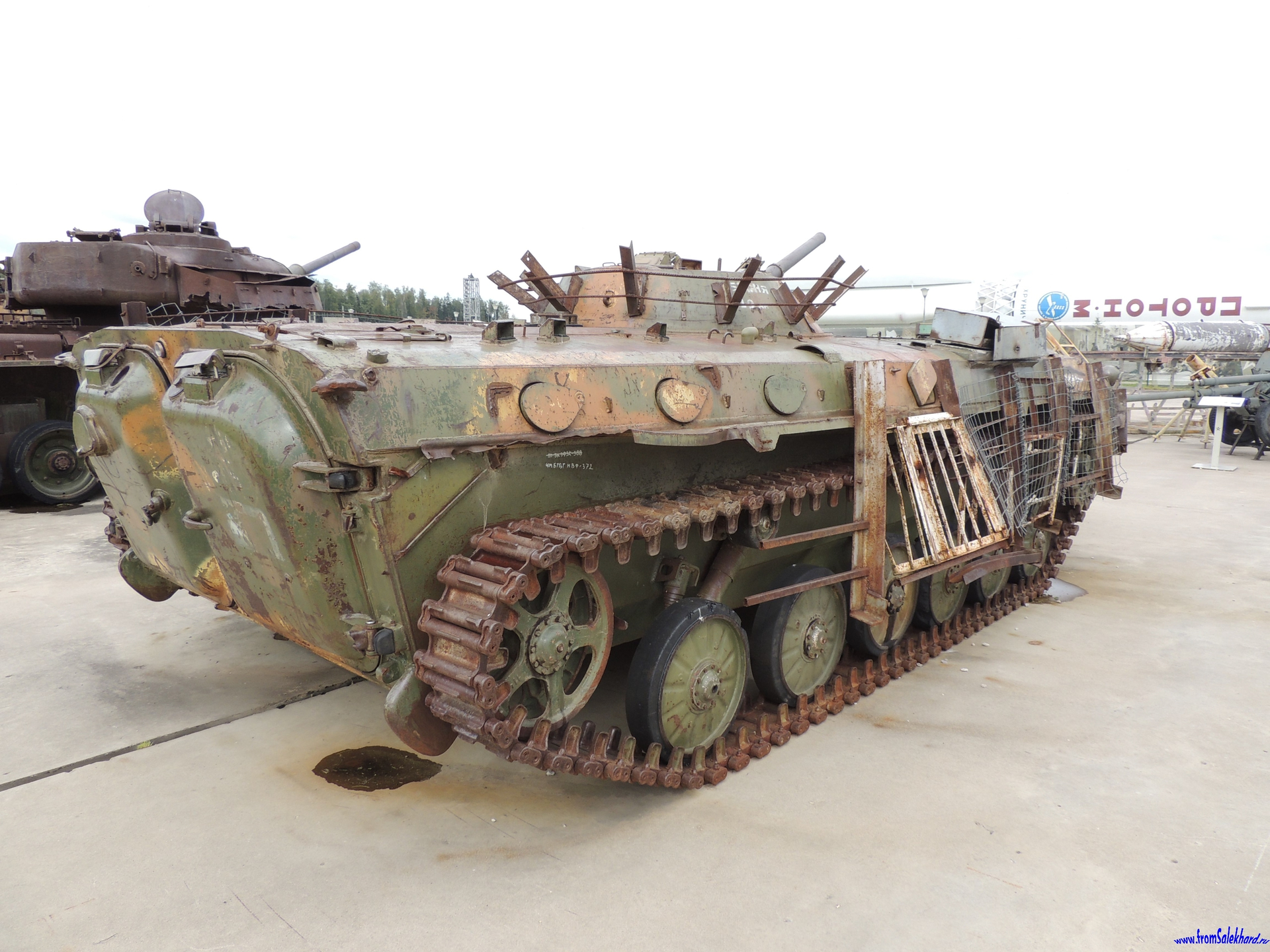
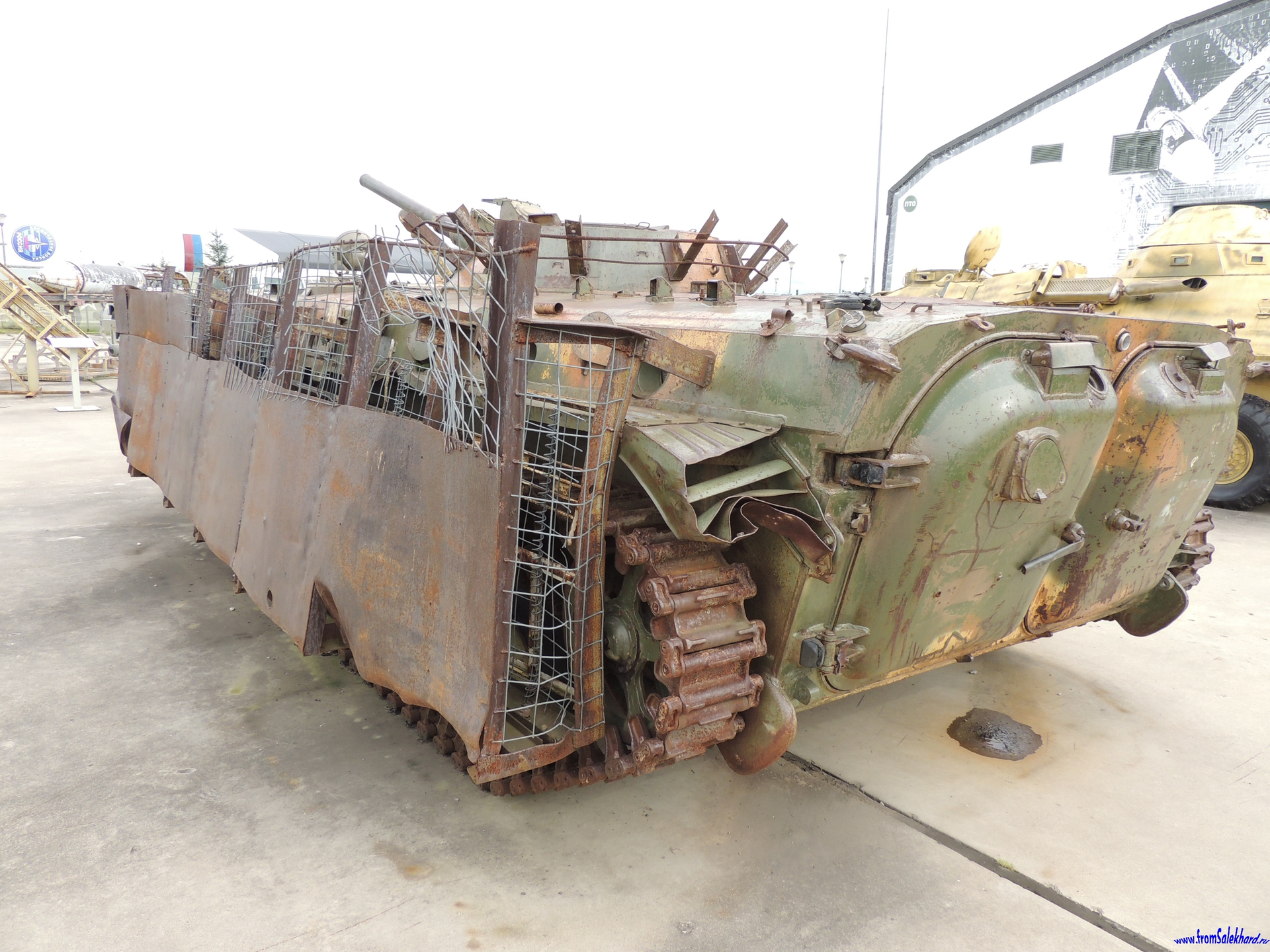
The next trio of Czech armored personnel carriers are approximately equally damaged.

They are actually a little different: some are armed, some are not.

If this couple looks like they’re ready to pump up their tires and go,

then these ones don’t make that impression anymore.

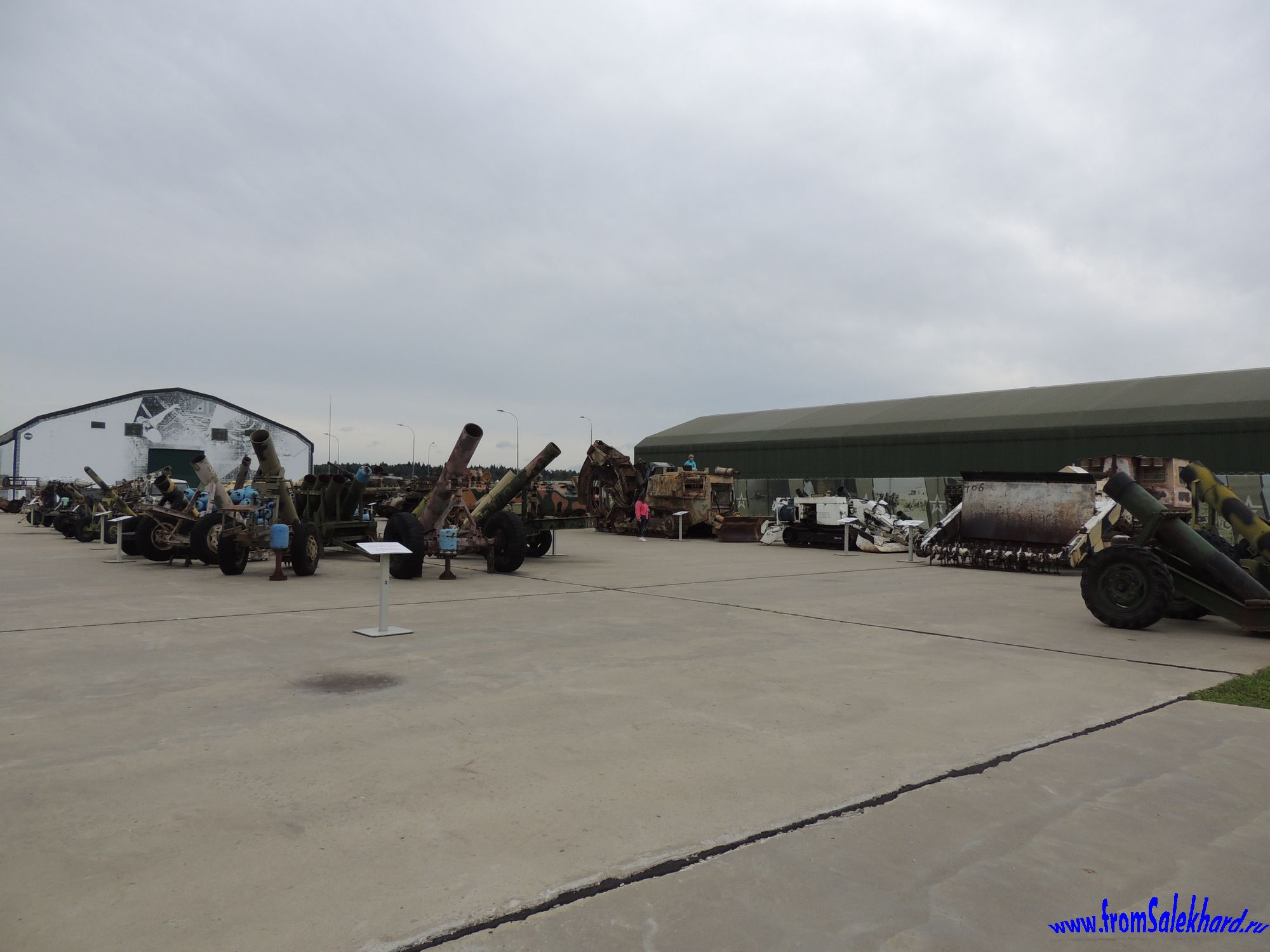
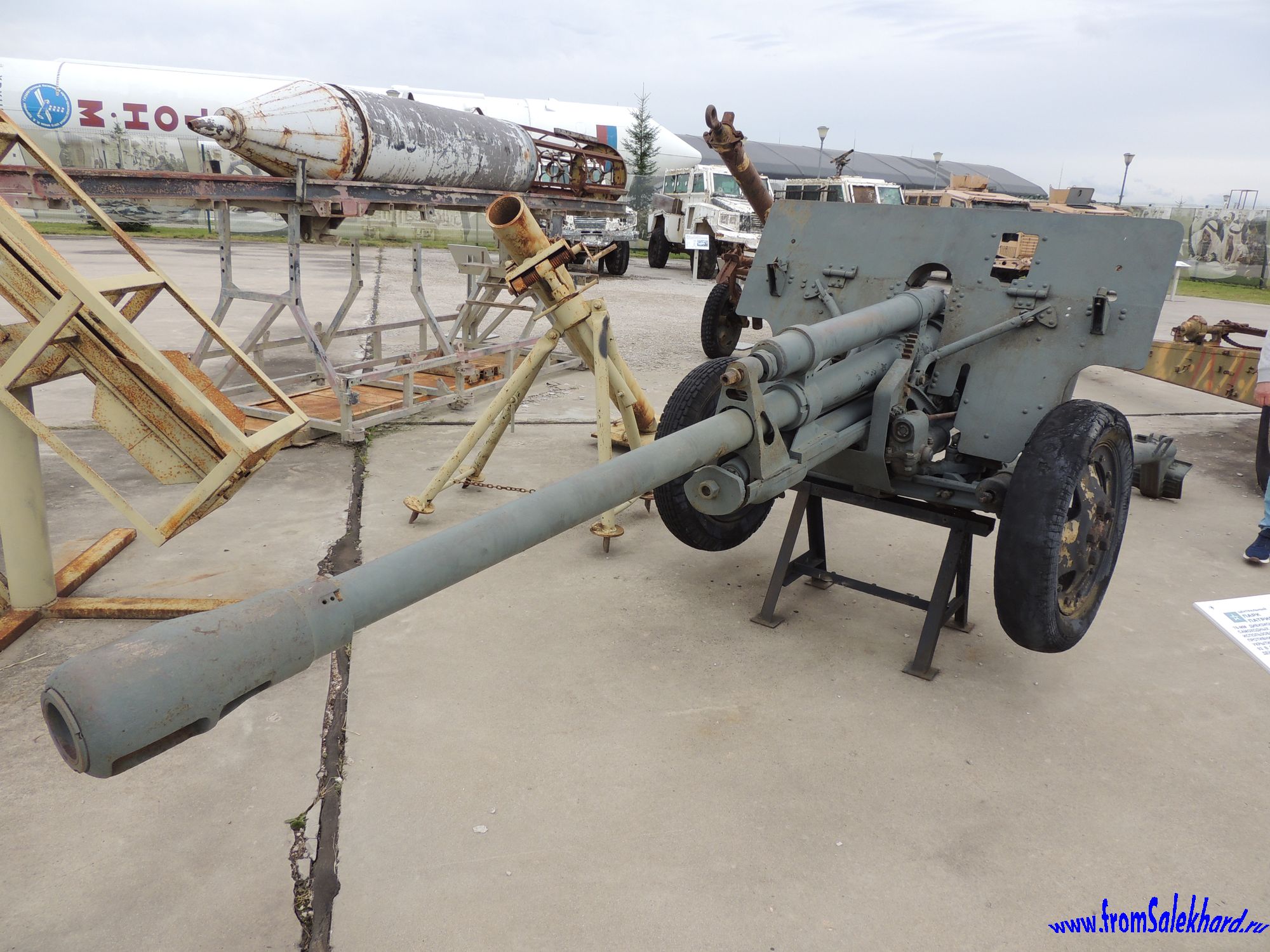
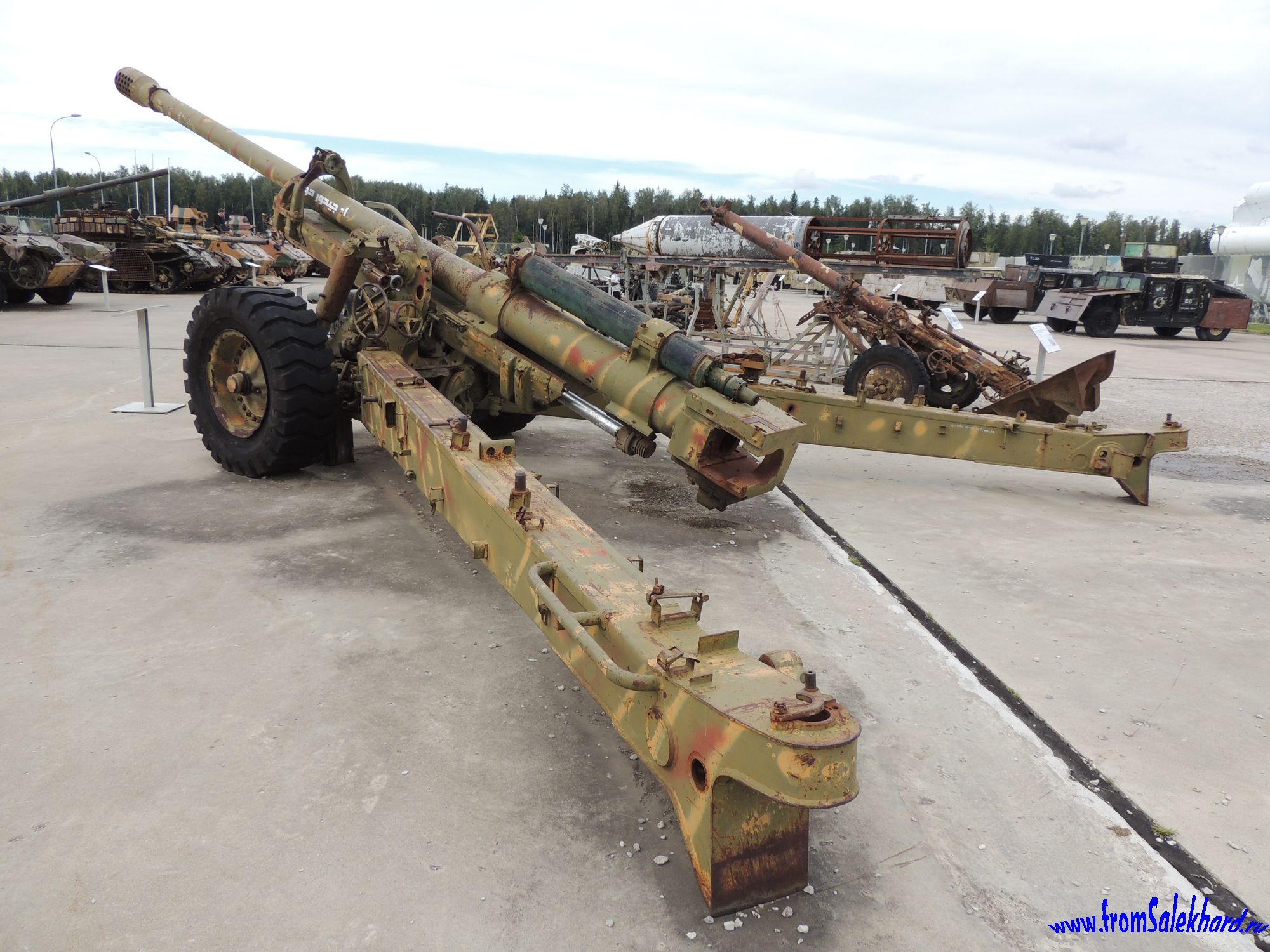
Soviet post-war guns look minimally dented for their age,

however, not all.

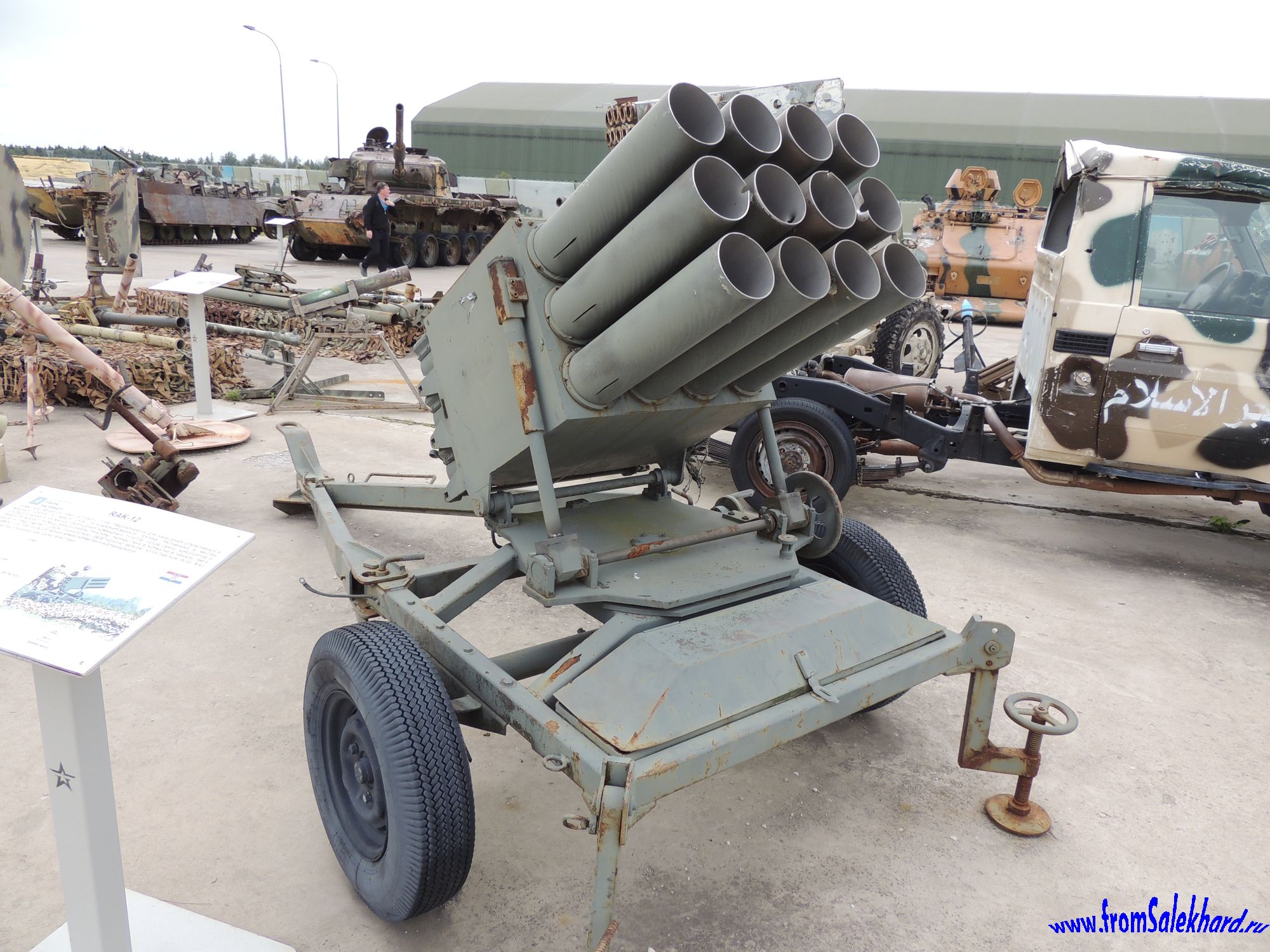
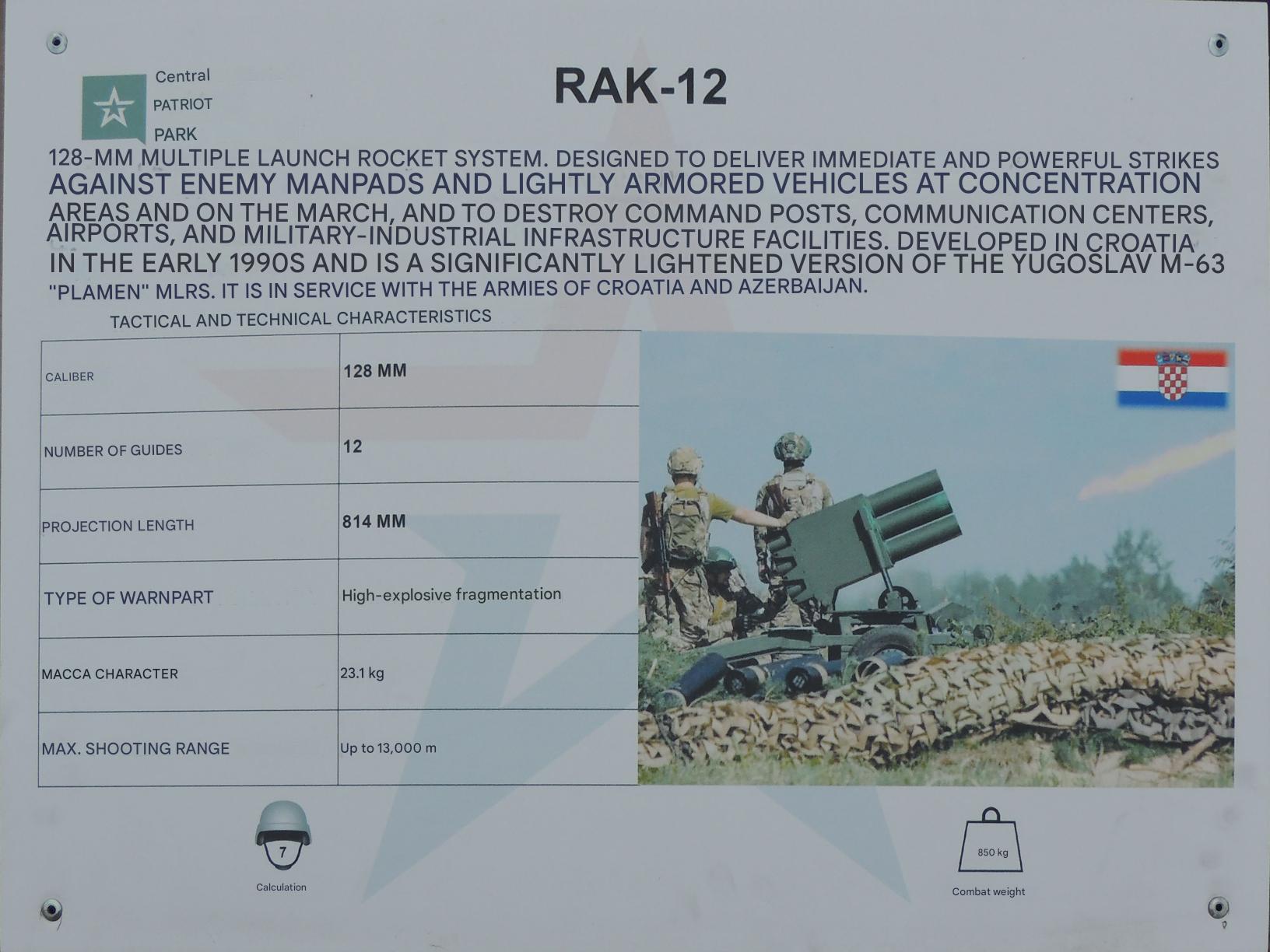
Against this background, the Croatian MLRS looks decent,

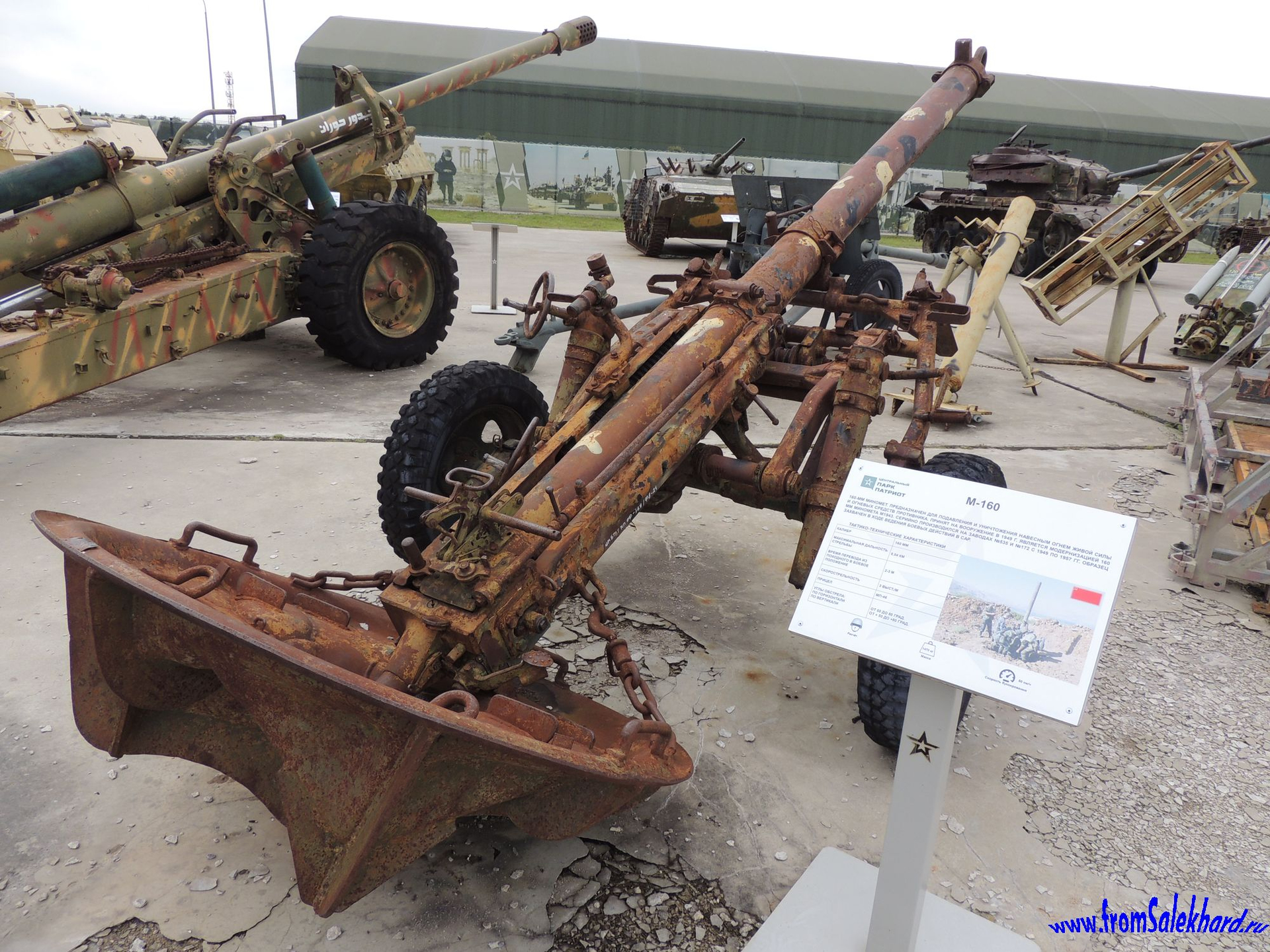
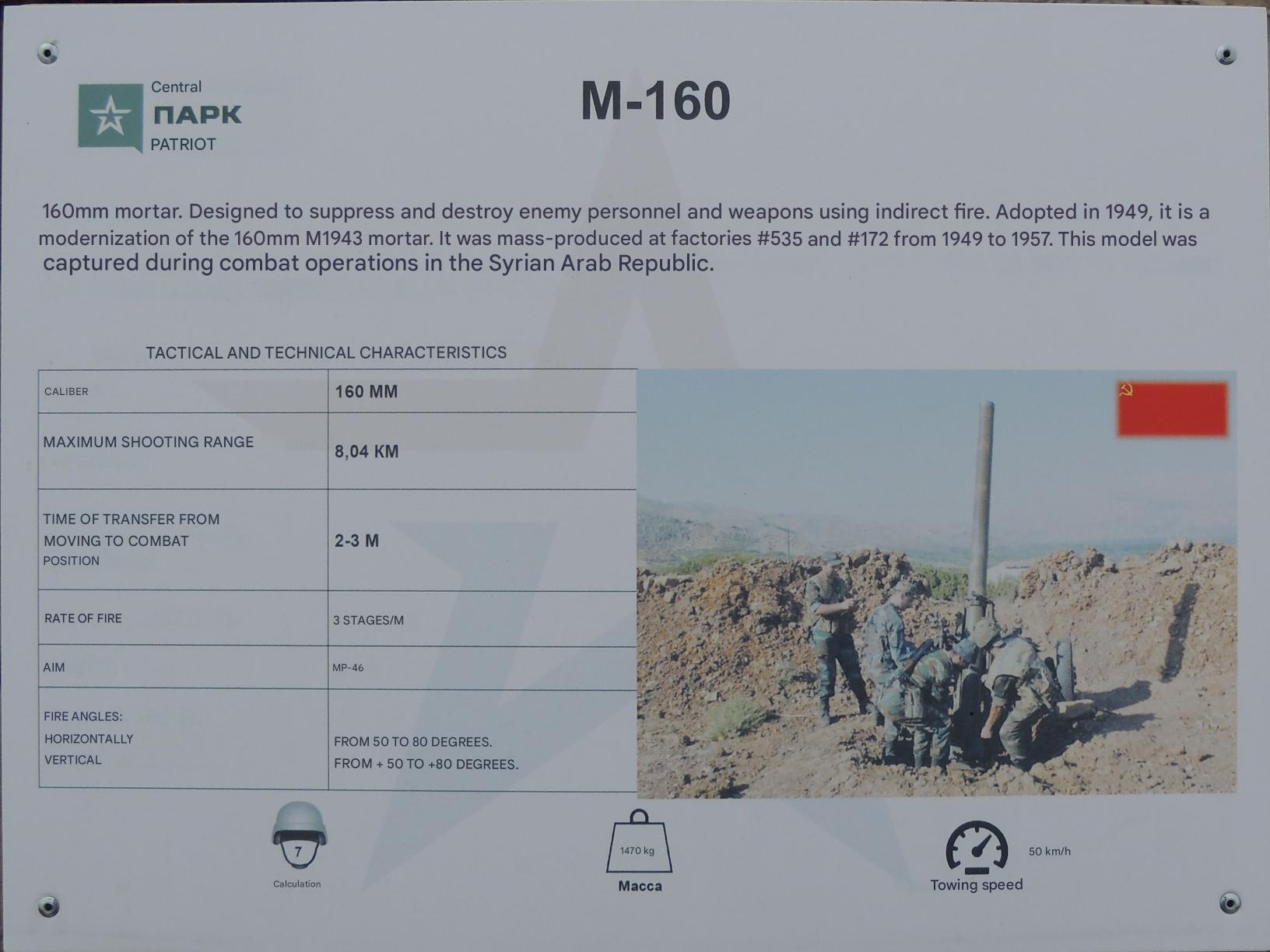
and in comparison with the domestic mortar, it’s completely new.

However, all this is still normal, compared to the subsequent exhibits.

Who needed inspiration for aggressively damaging a model?

Here’s a WWII tank!

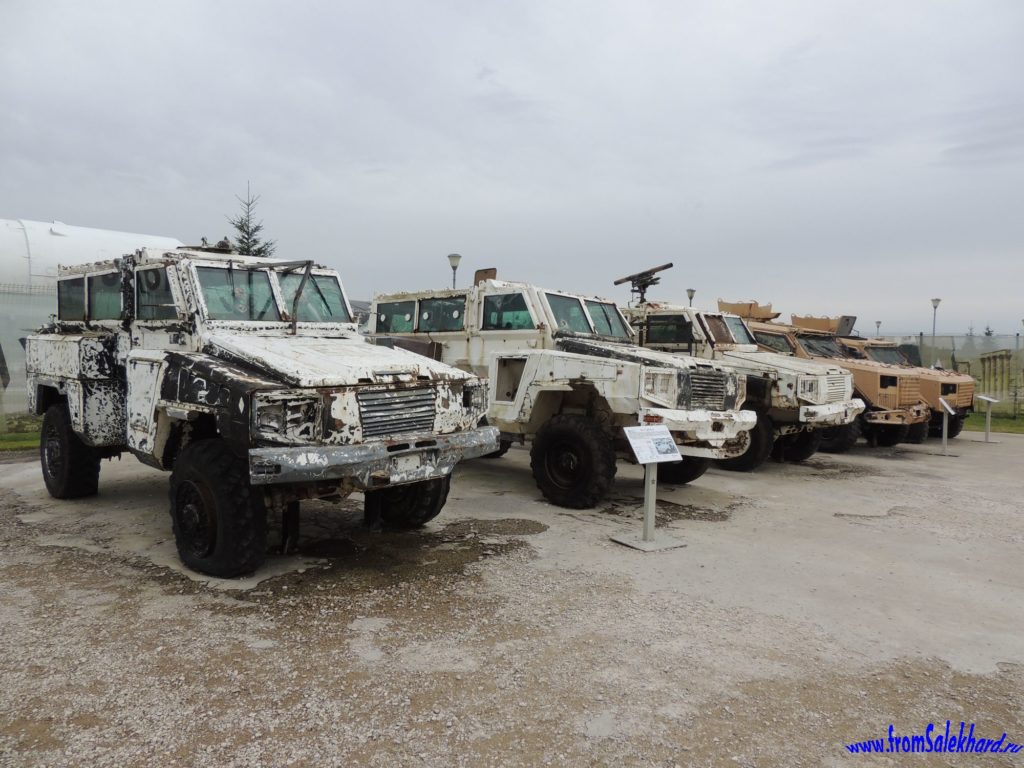
Here they are, the beauties, all standing in a row.

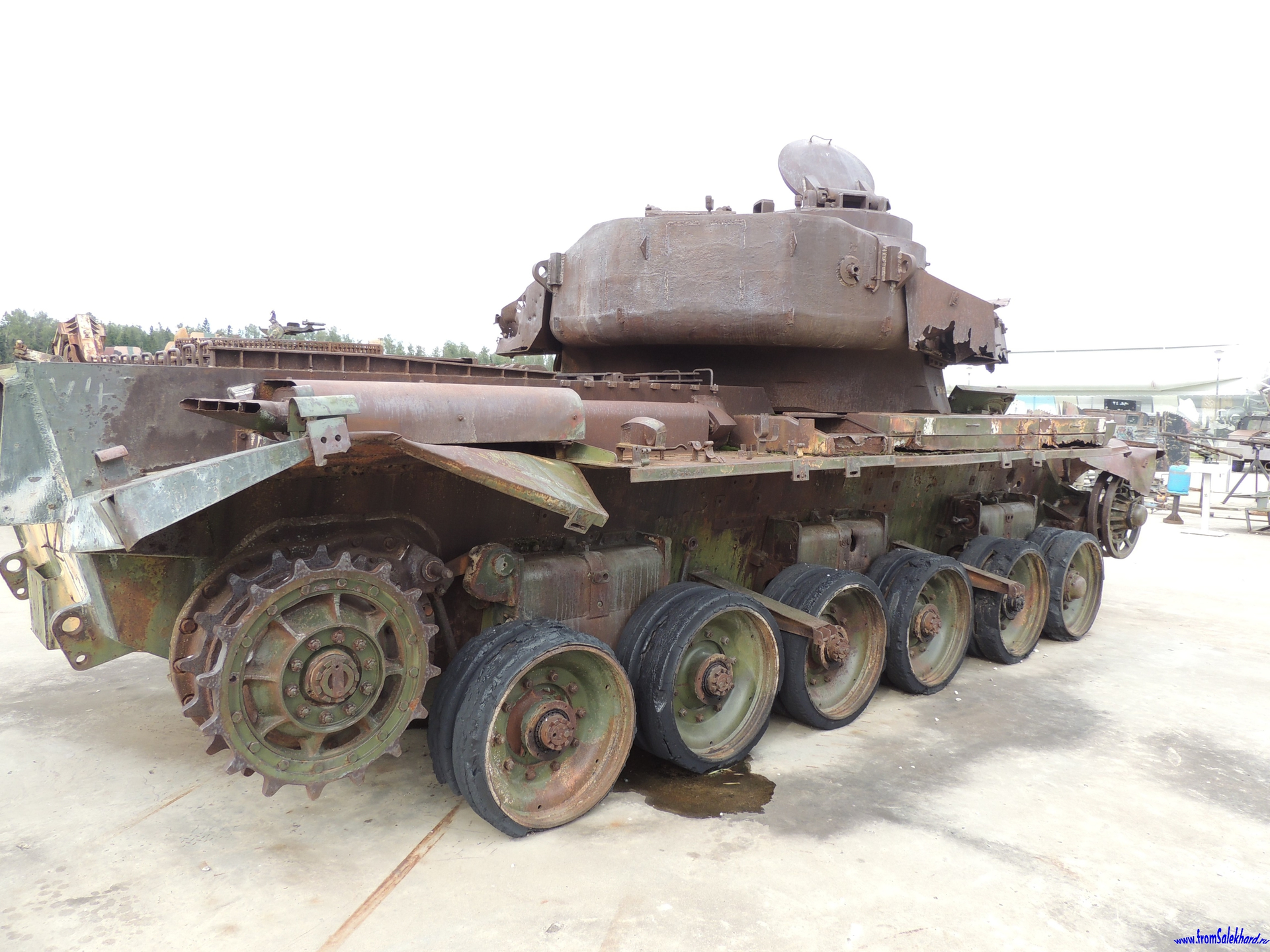
These ones were disfigured, but these were freaks from the start.

9 Likes

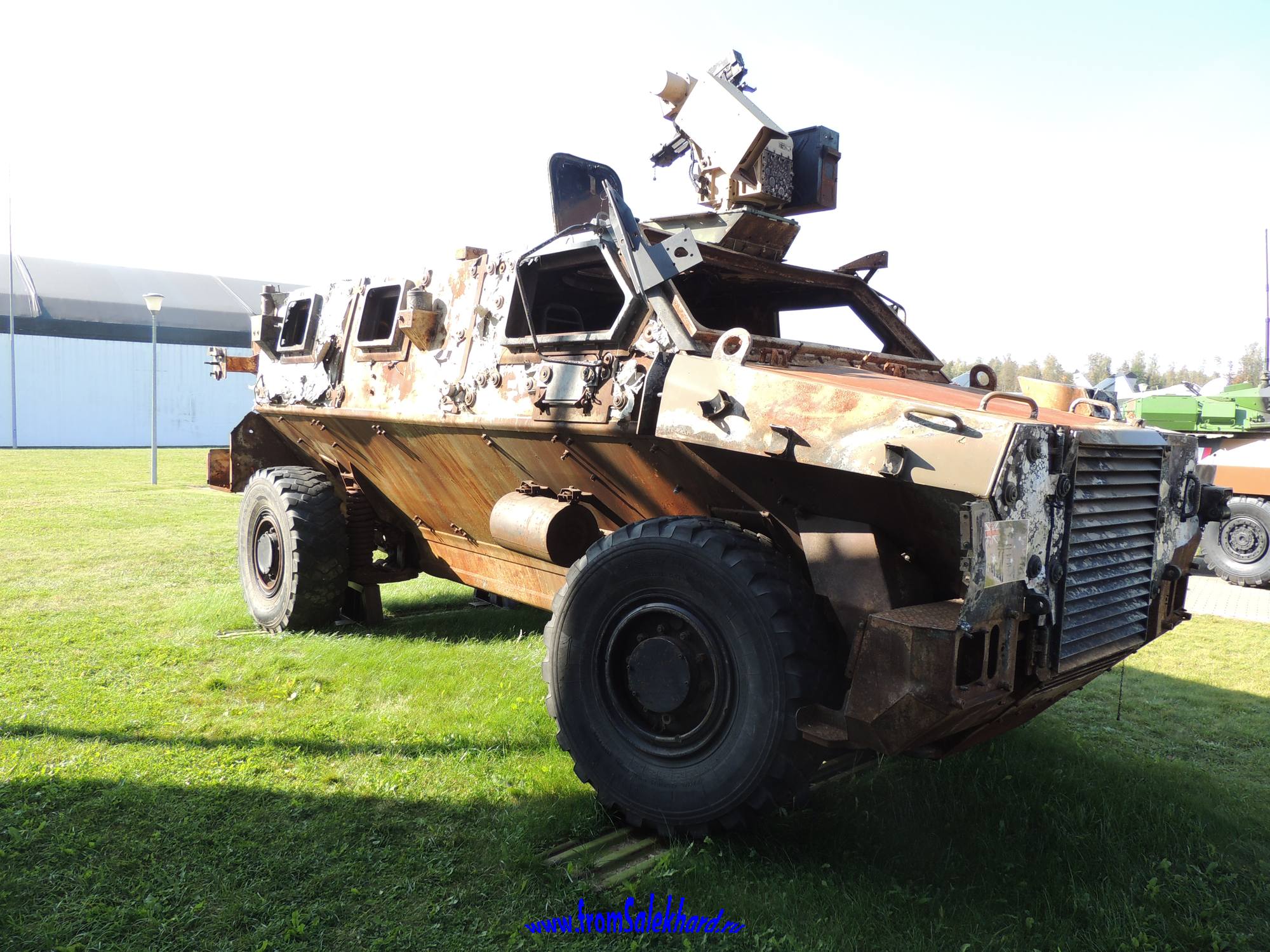
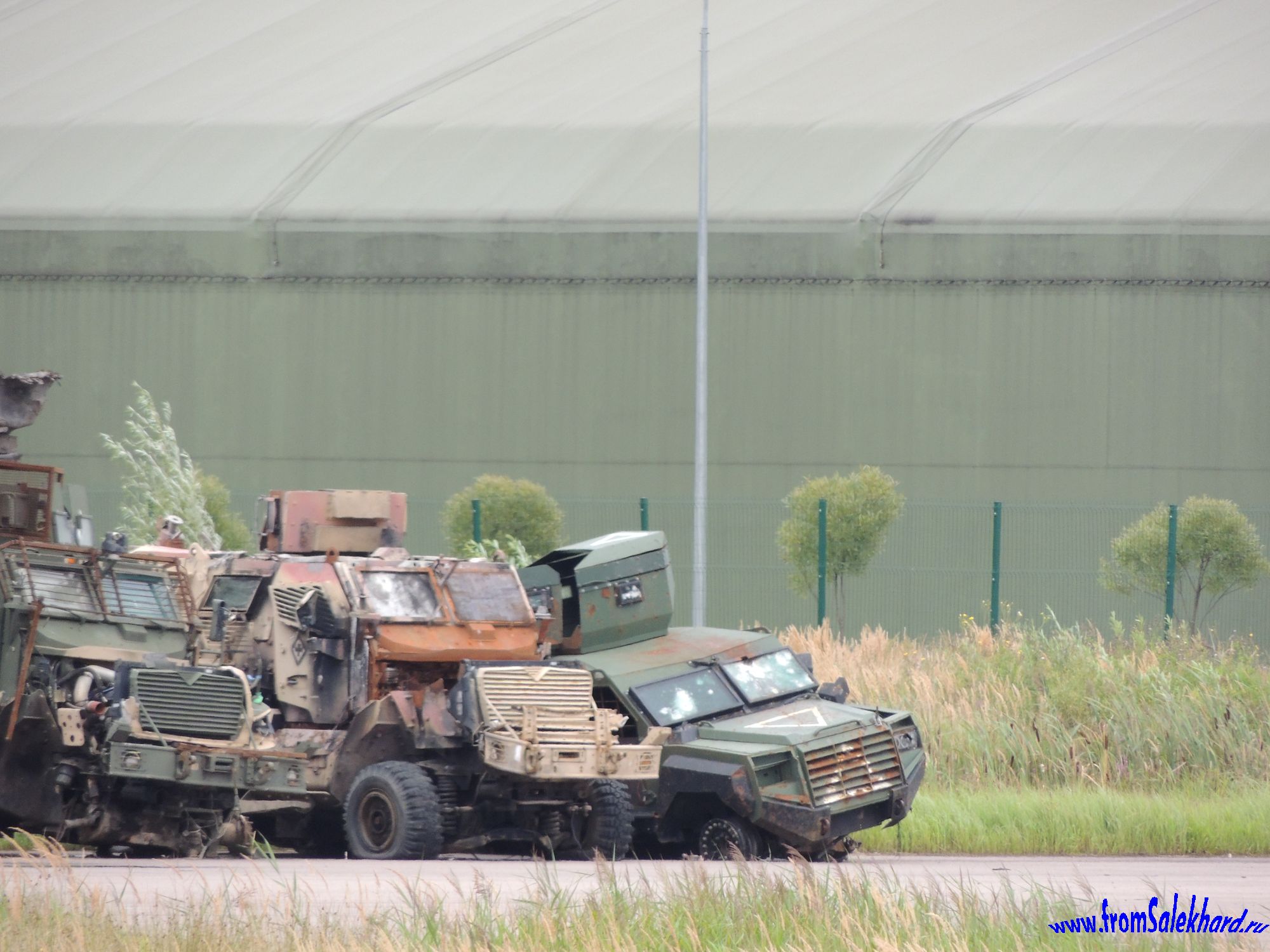
The RG-31’s look like they are still painted in UN white!

2 Likes

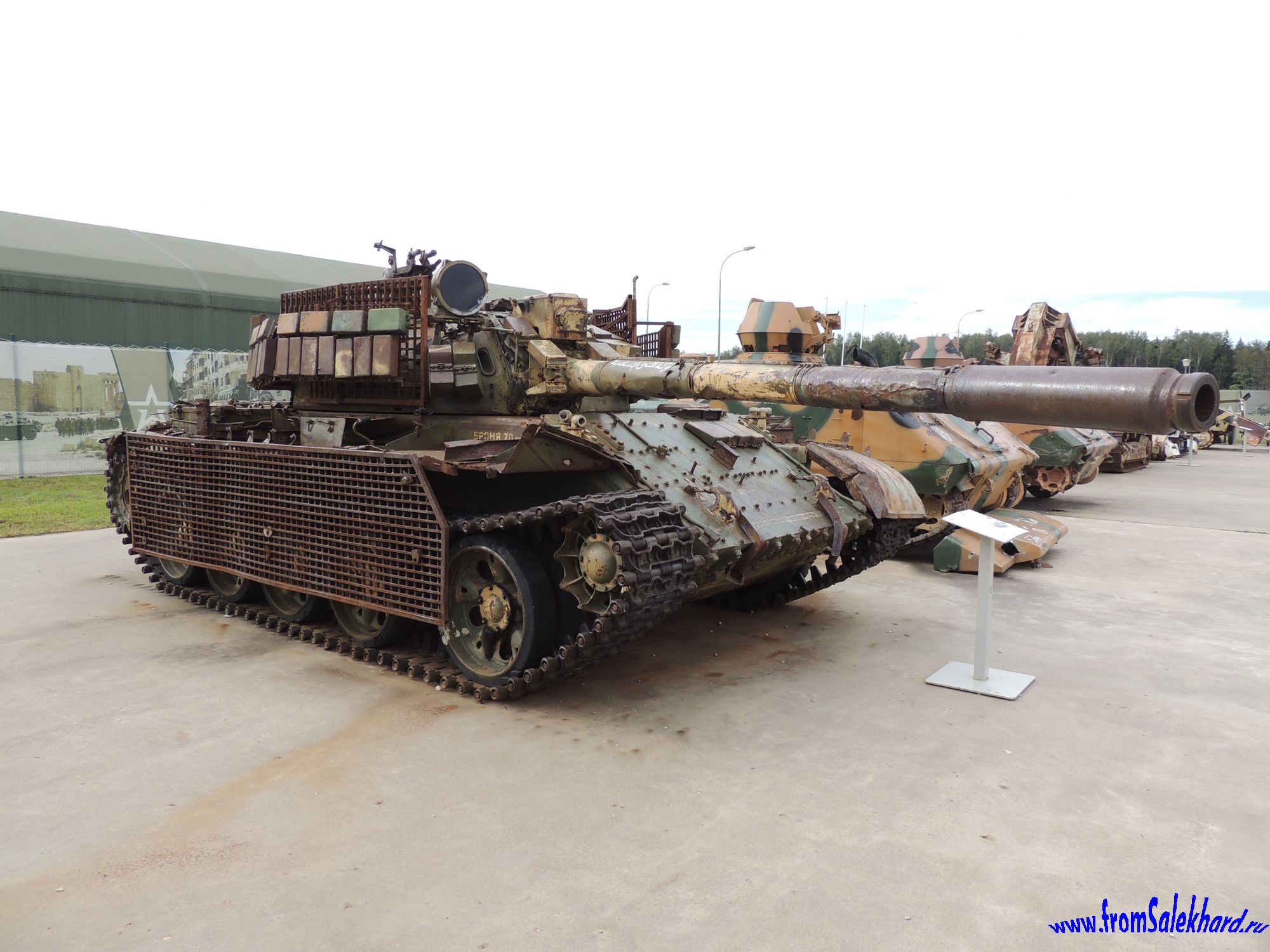
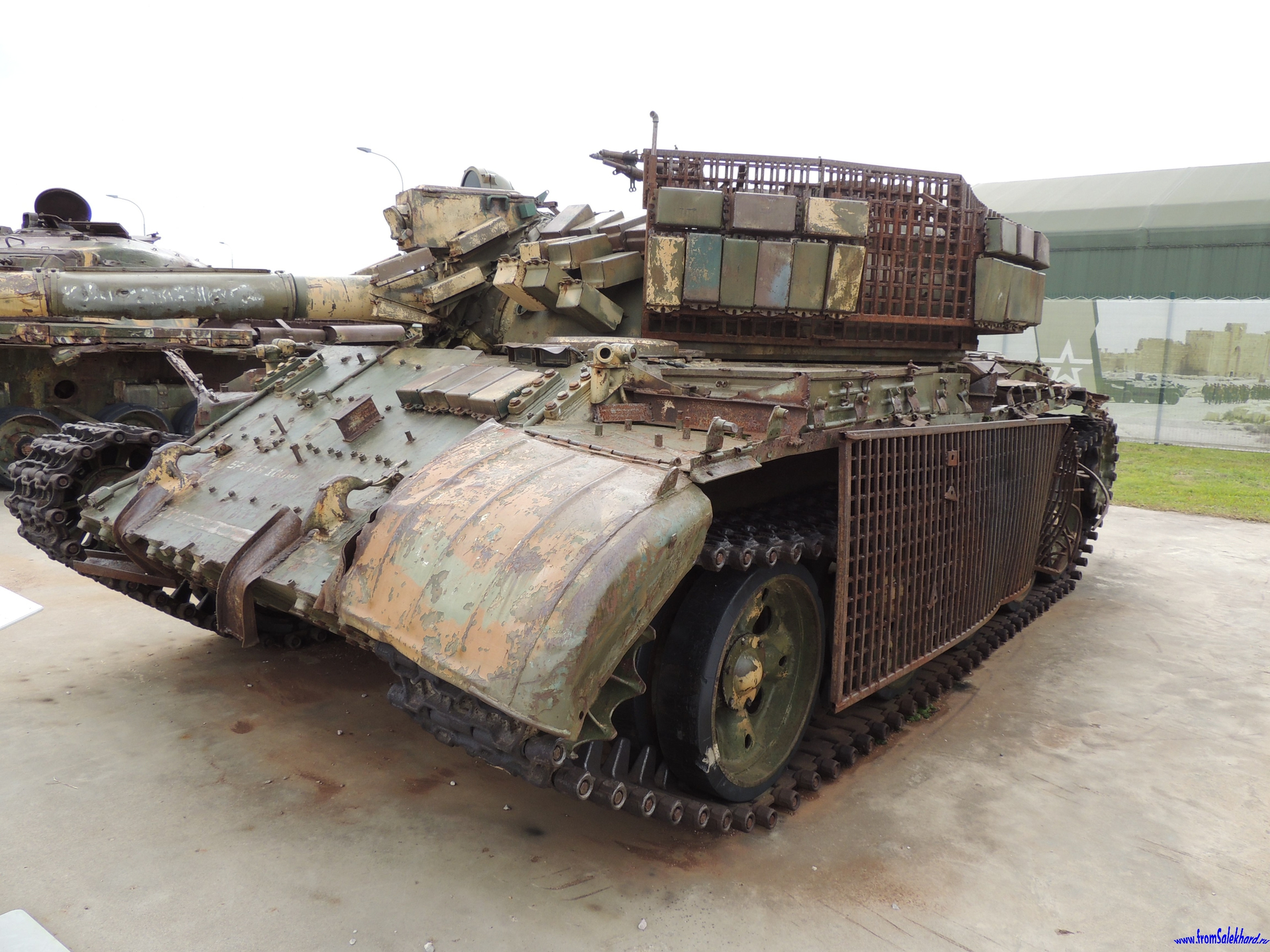
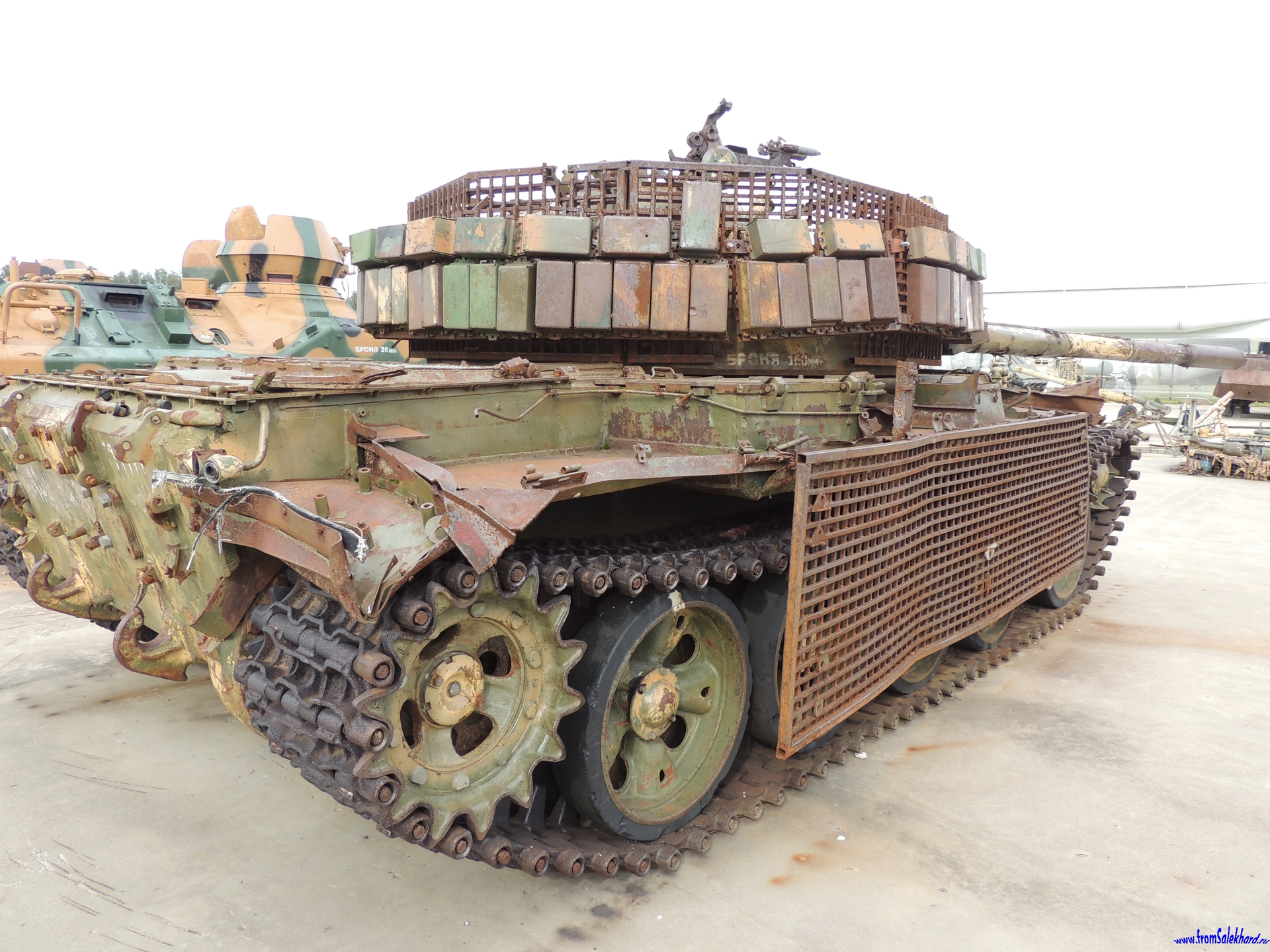
And we will continue our movement along the path of increasing entropy, or in common parlance – chaos.

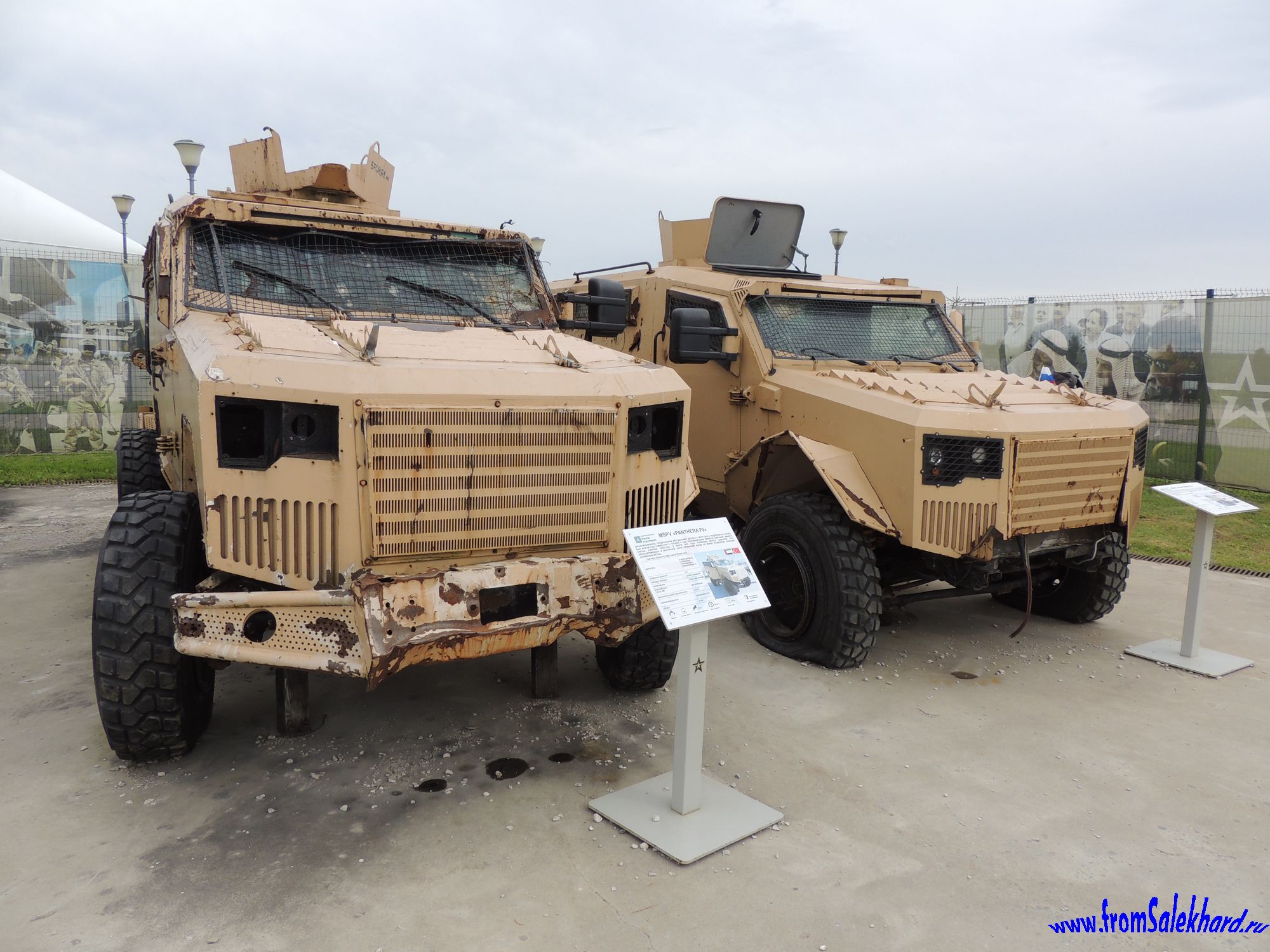
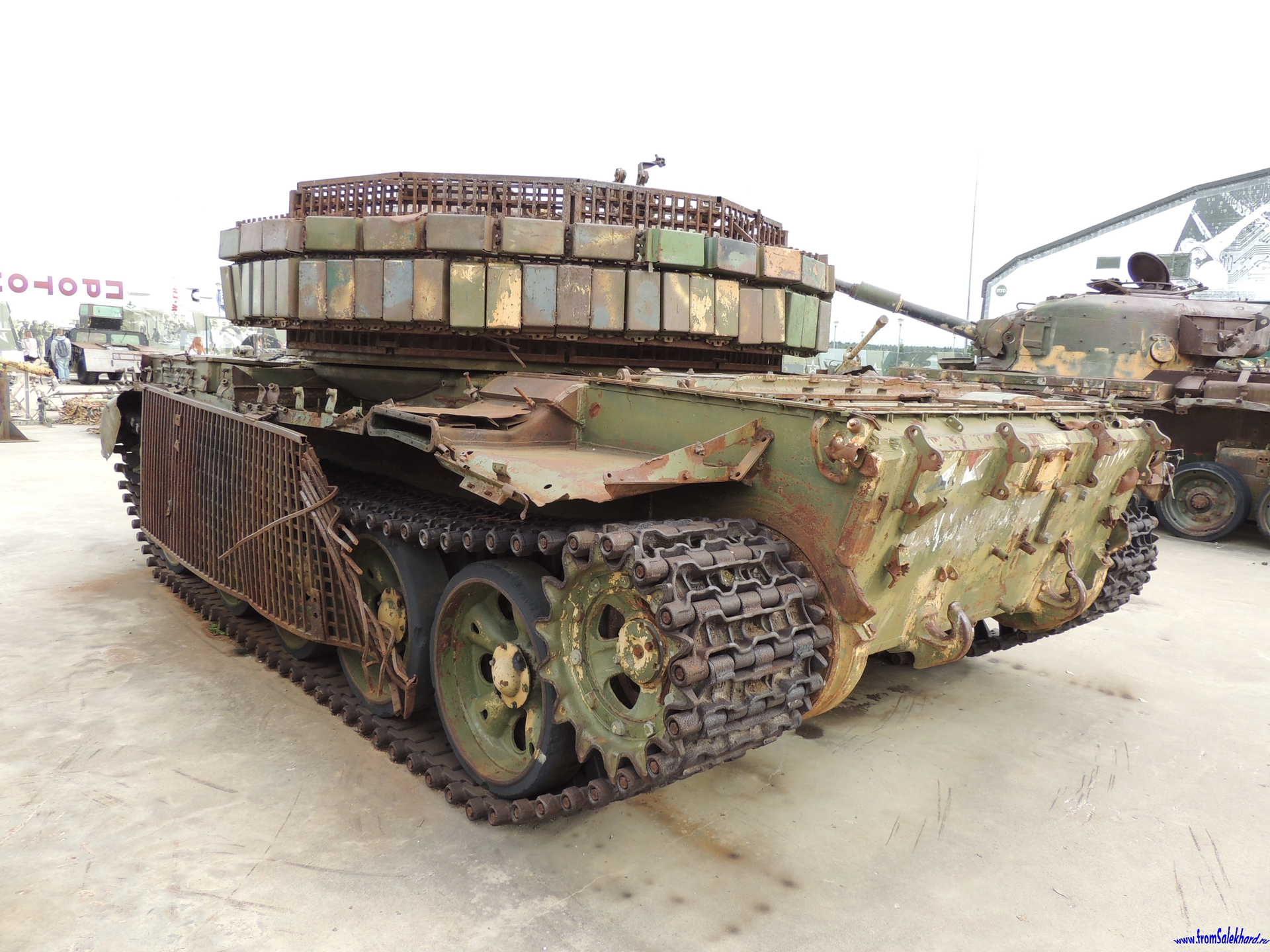
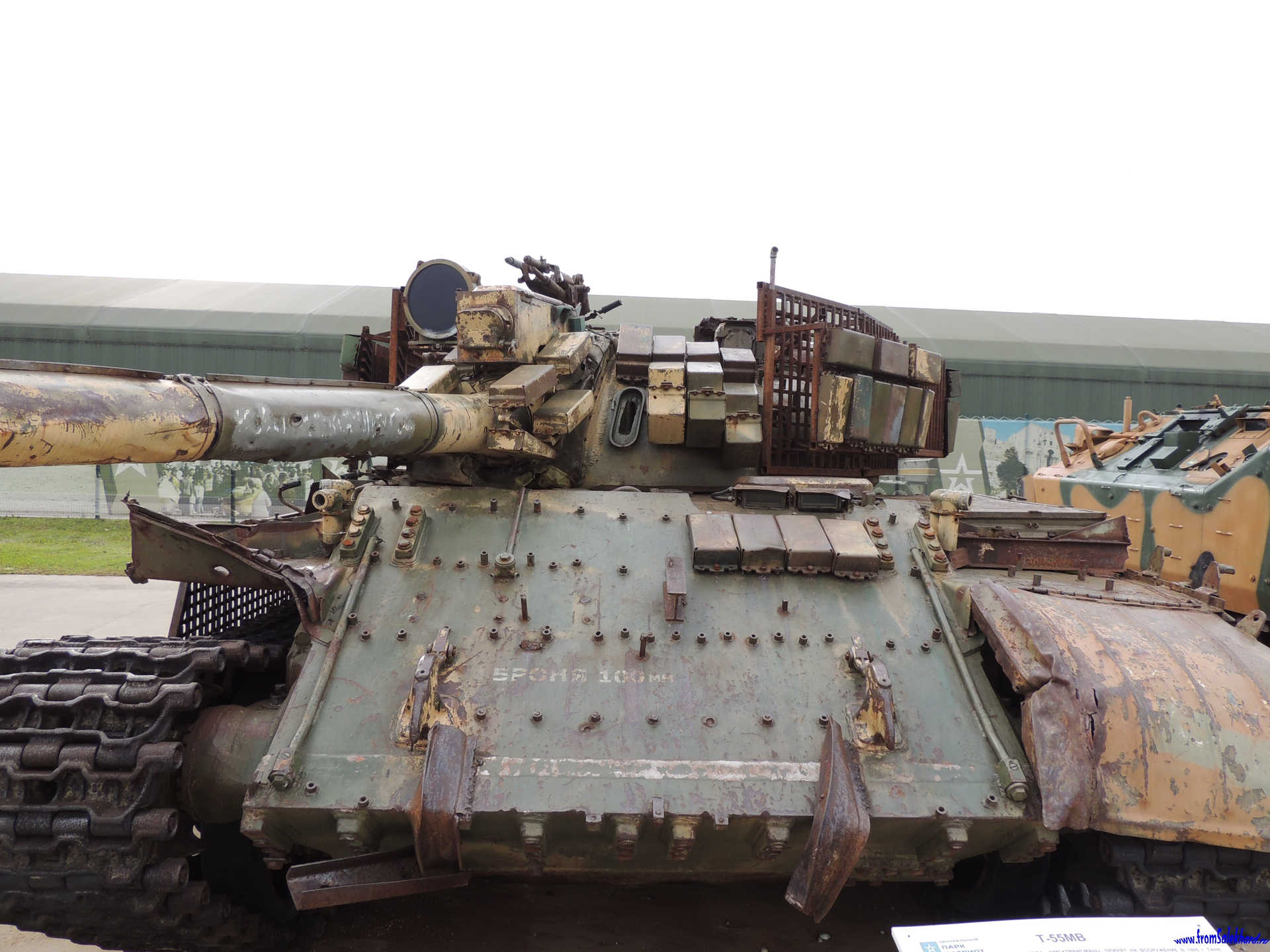
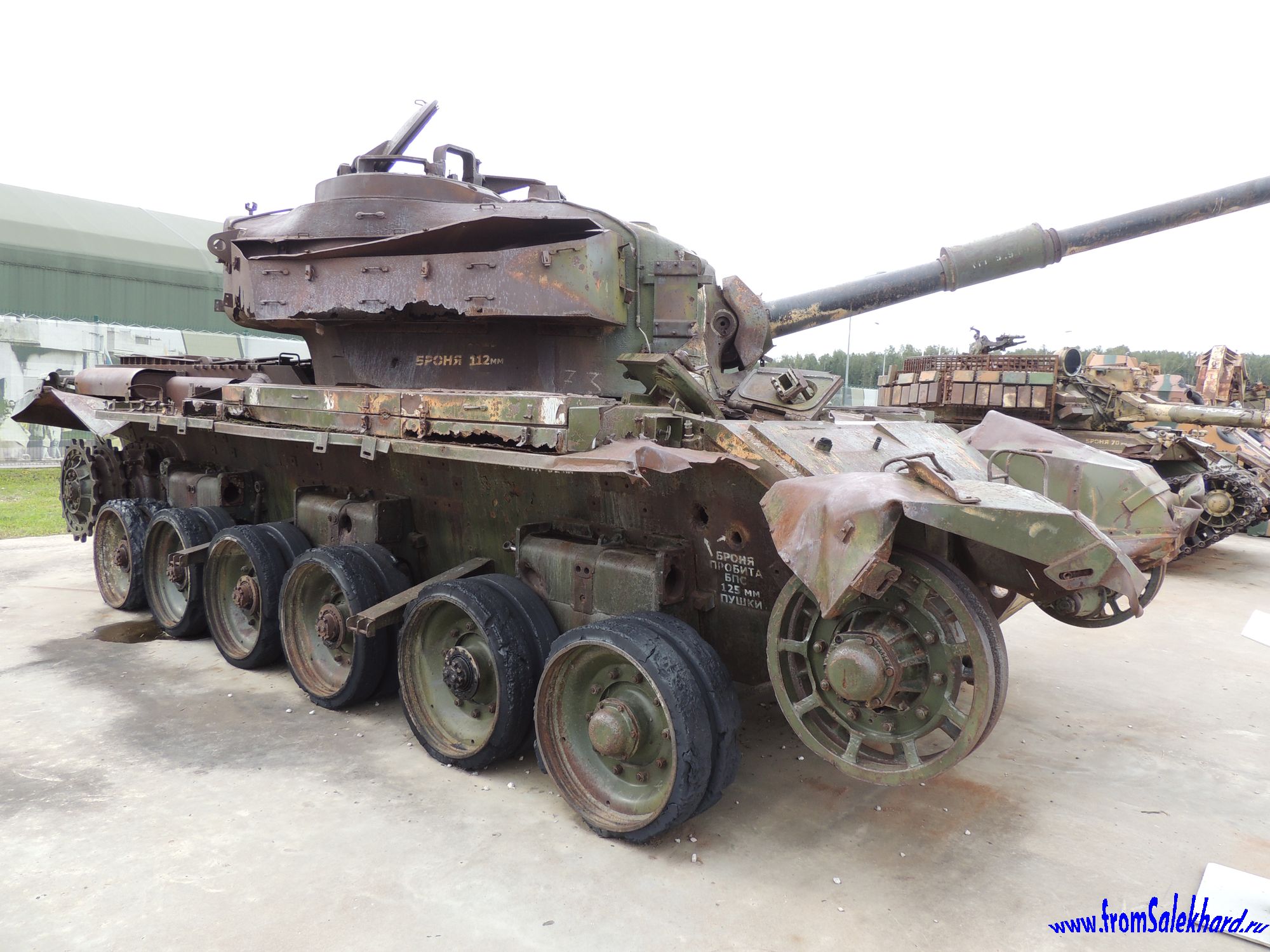
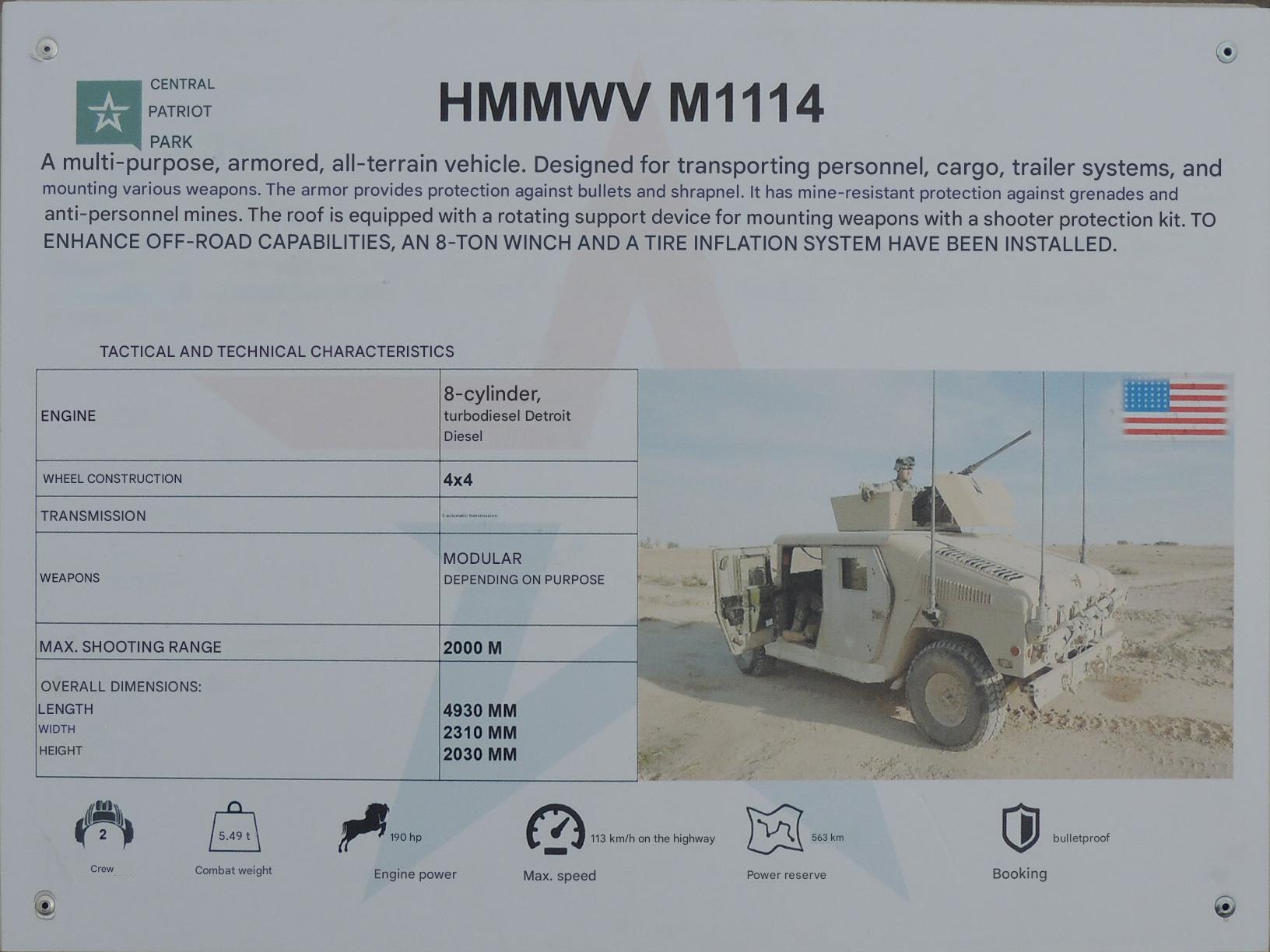
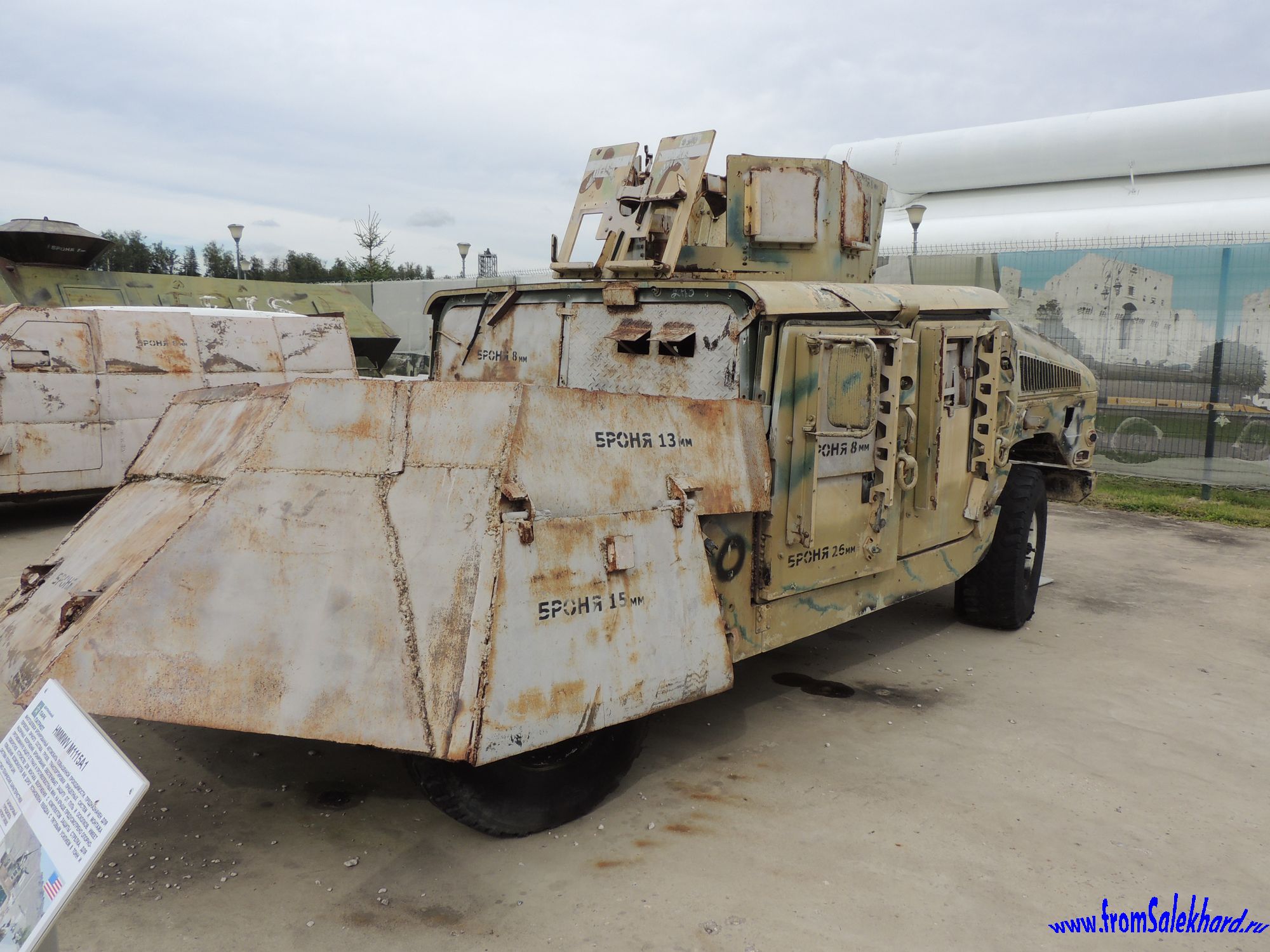
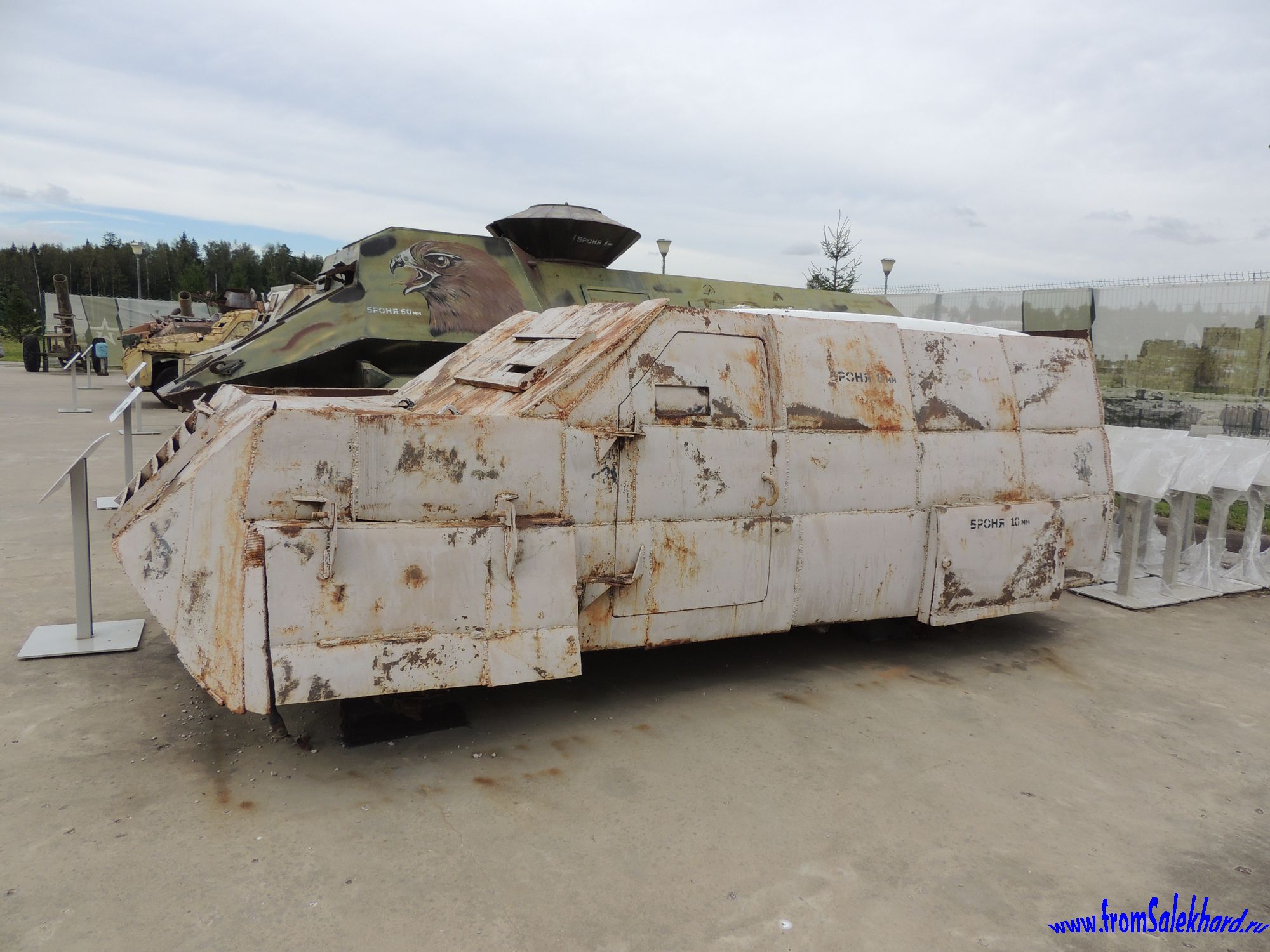
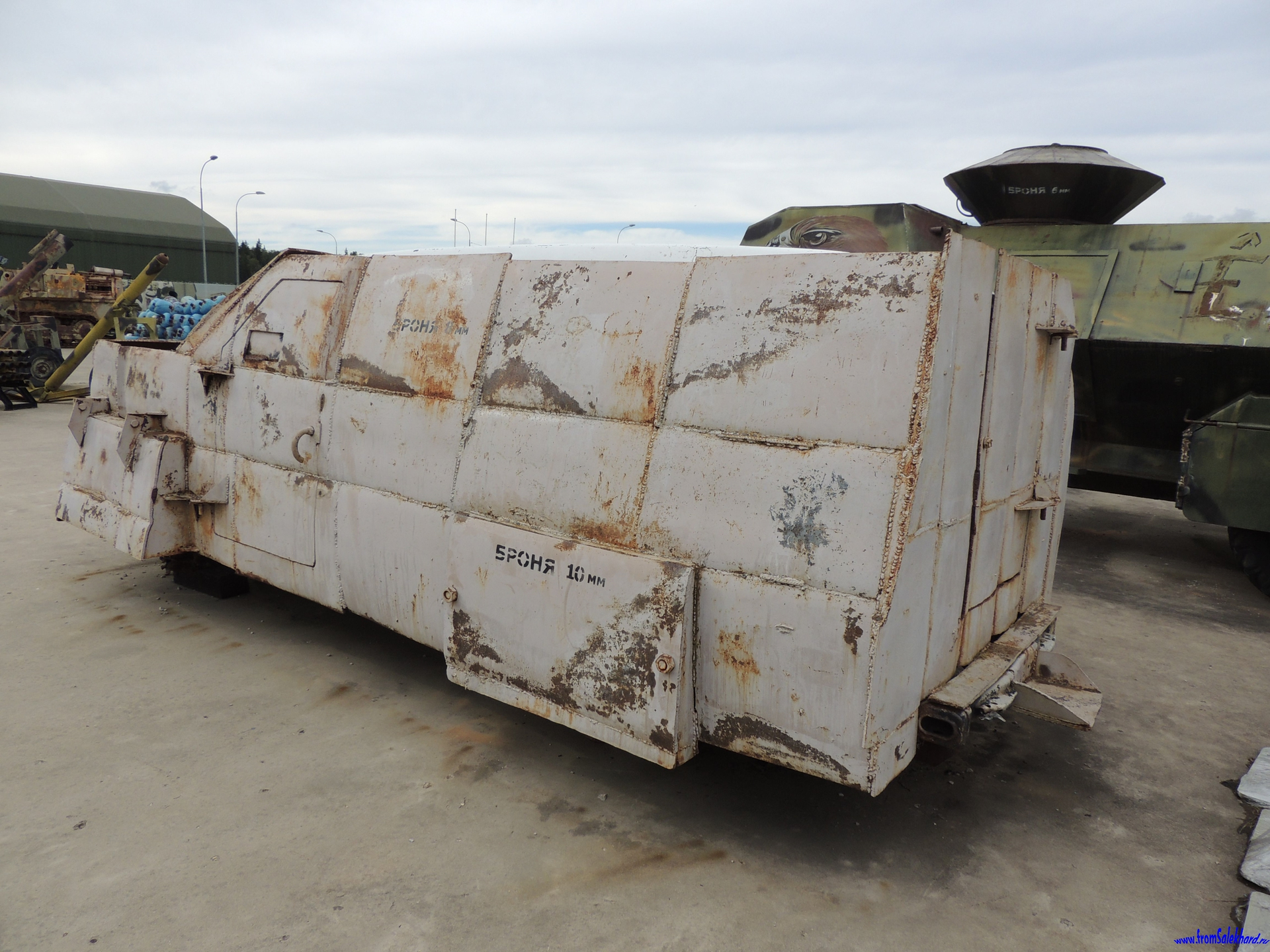
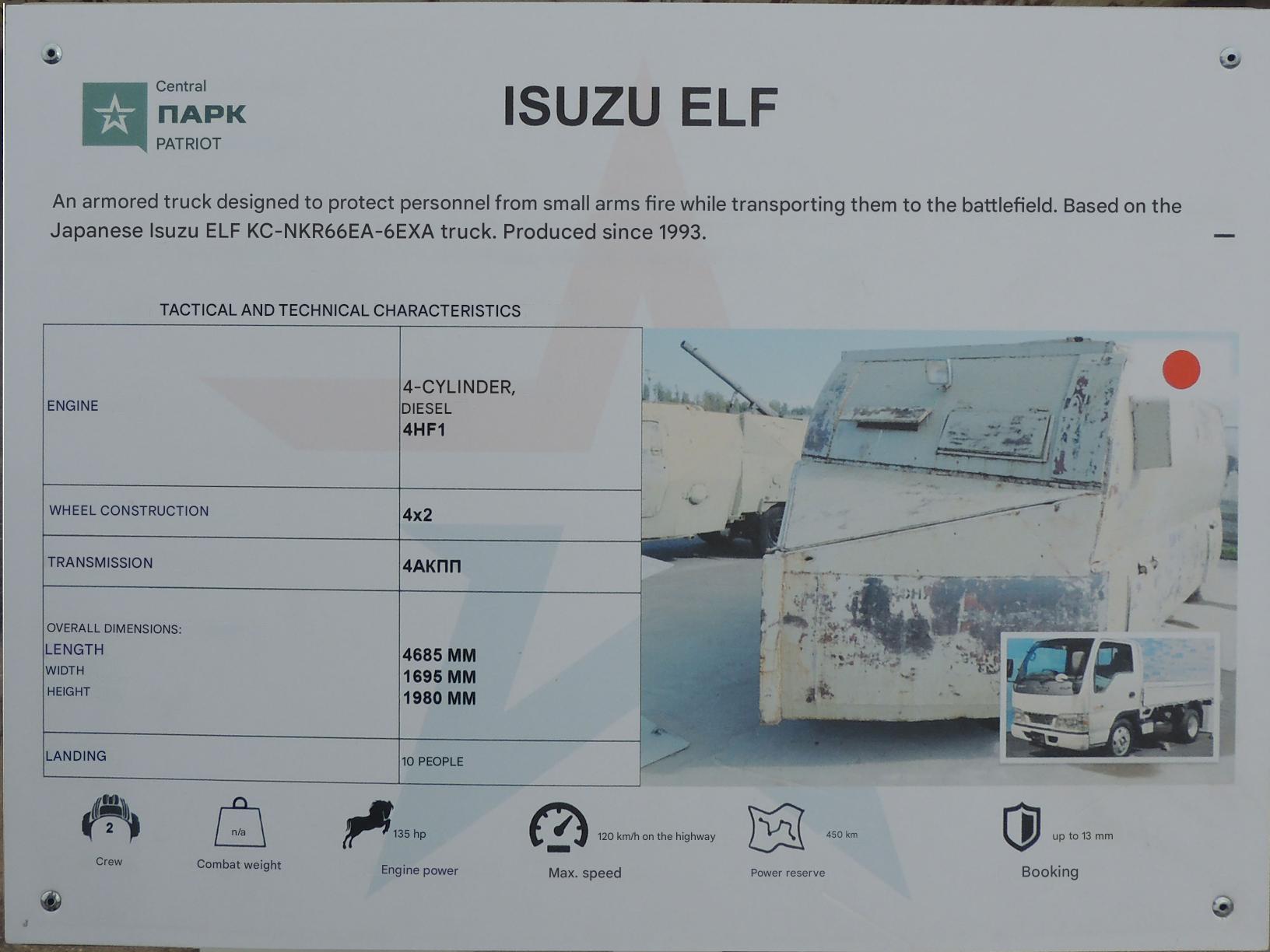
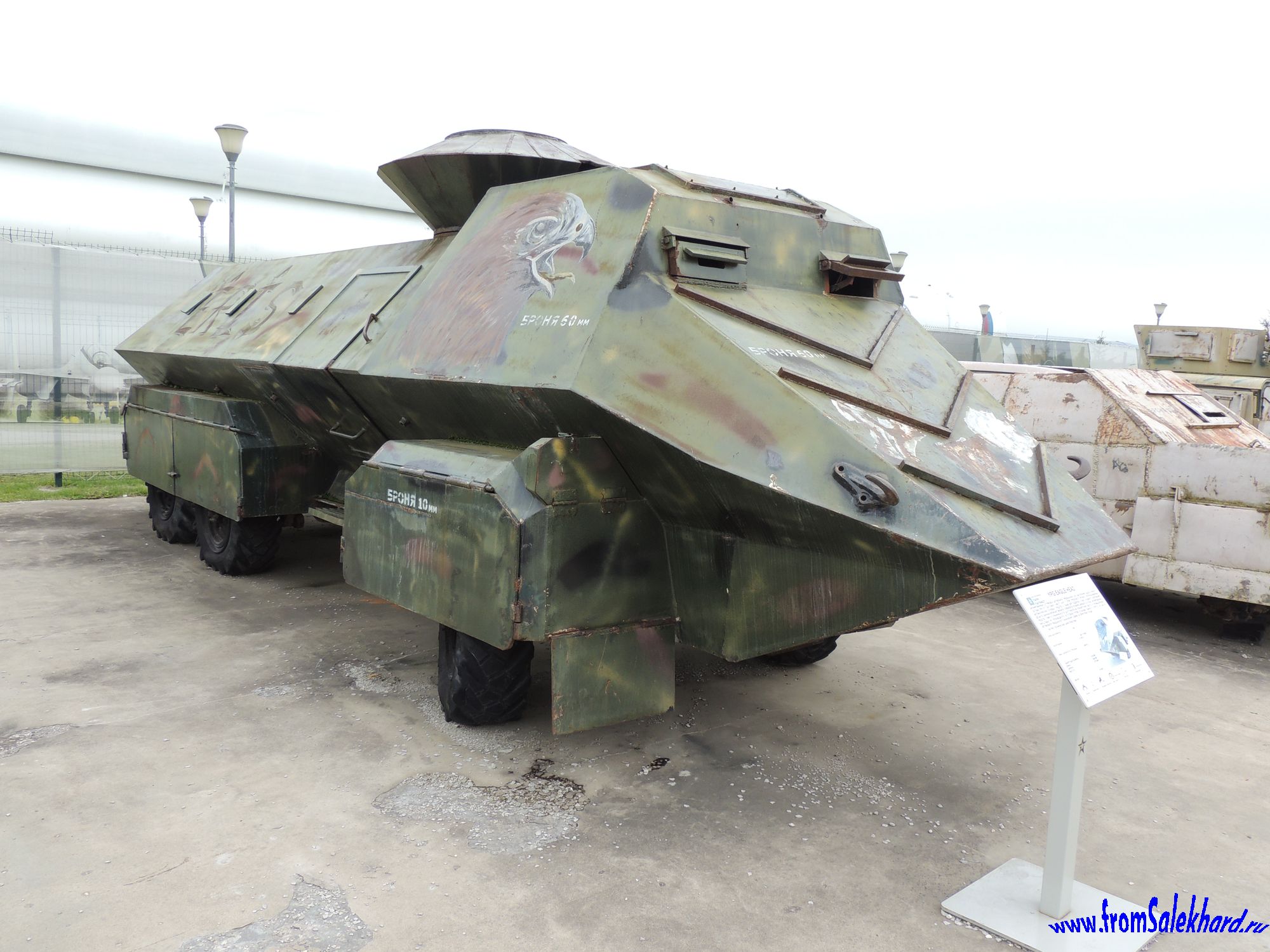
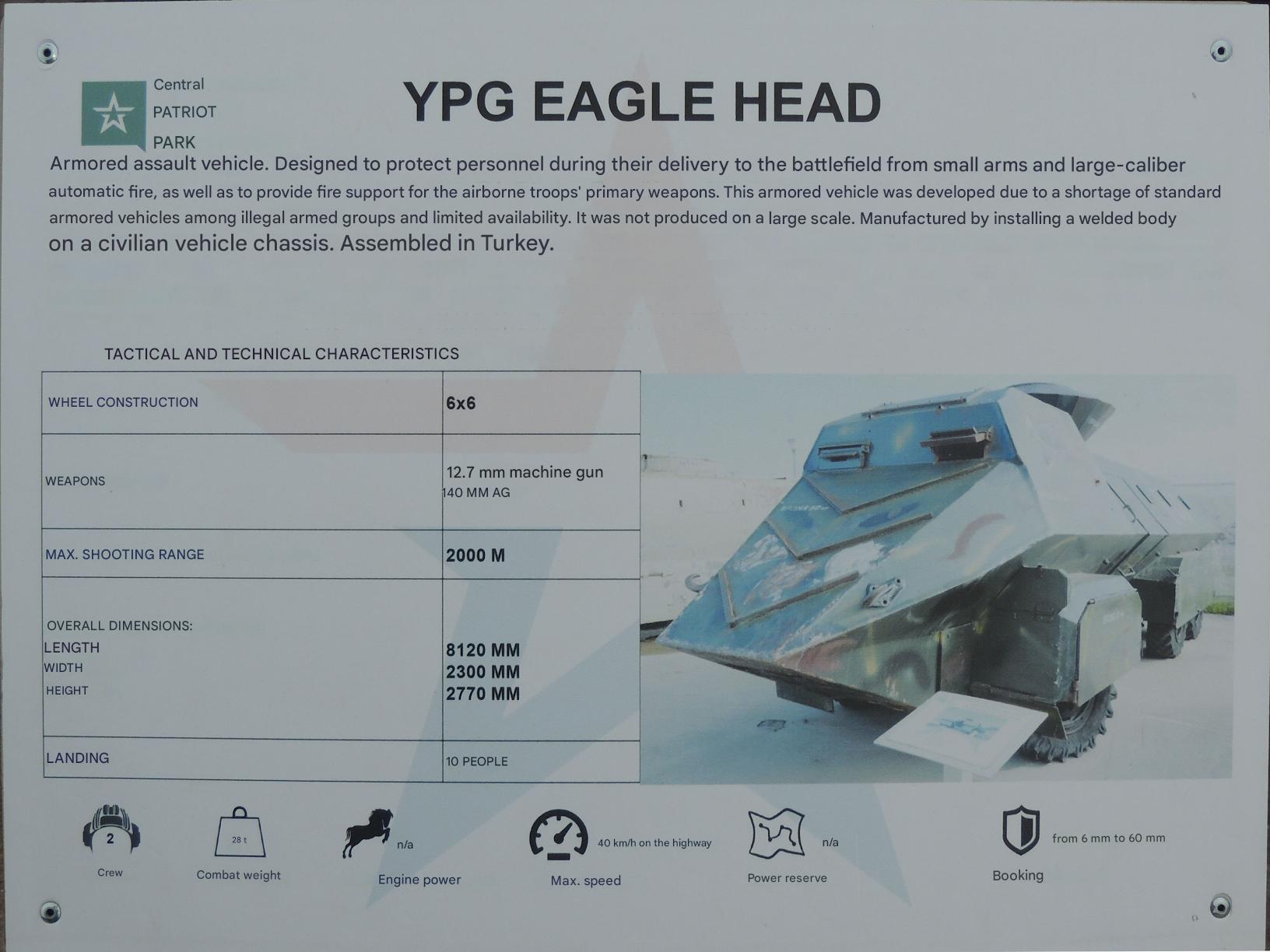
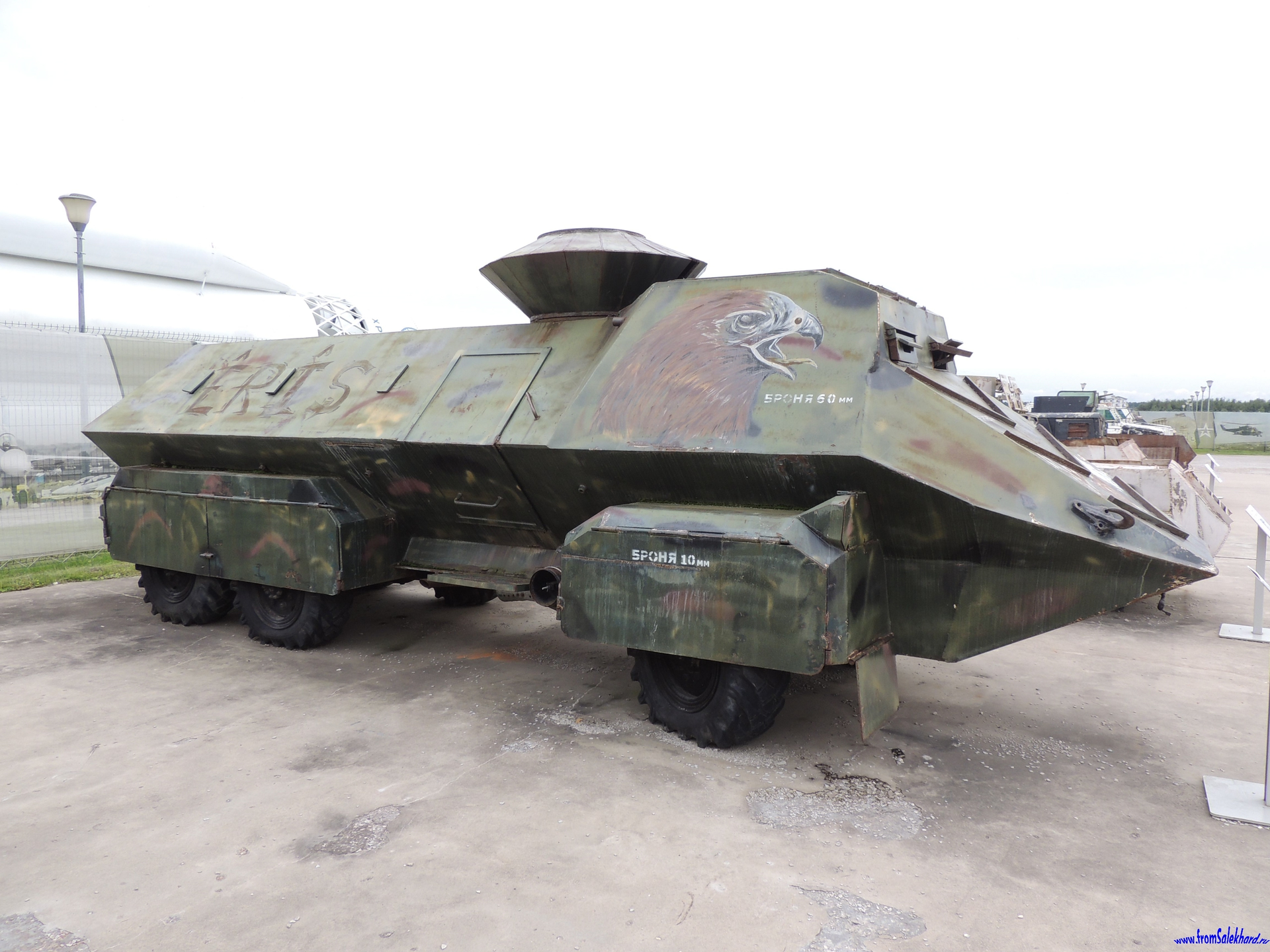
Service inscriptions on all vehicles: the word “armor” and the thickness in millimeters.

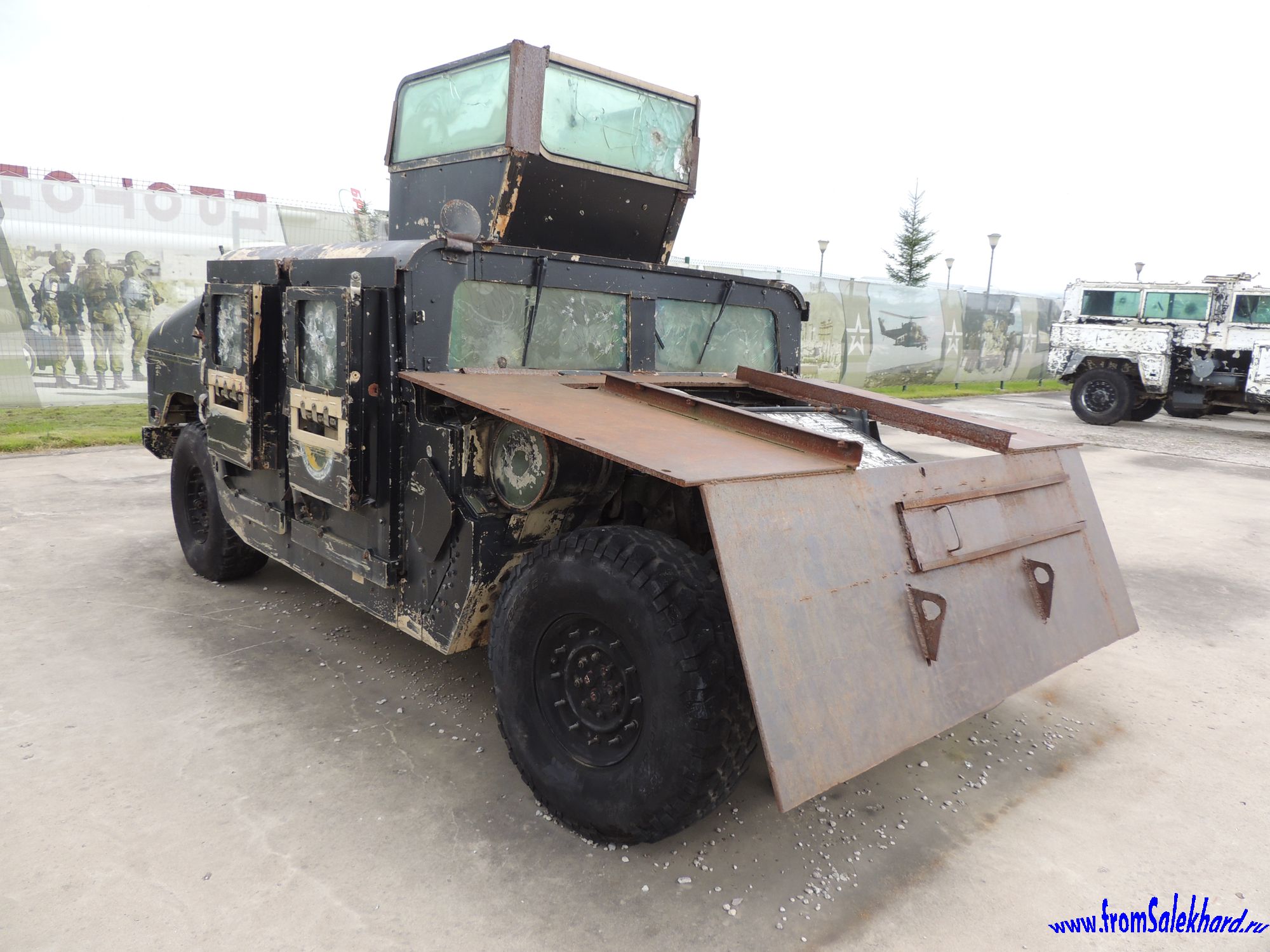
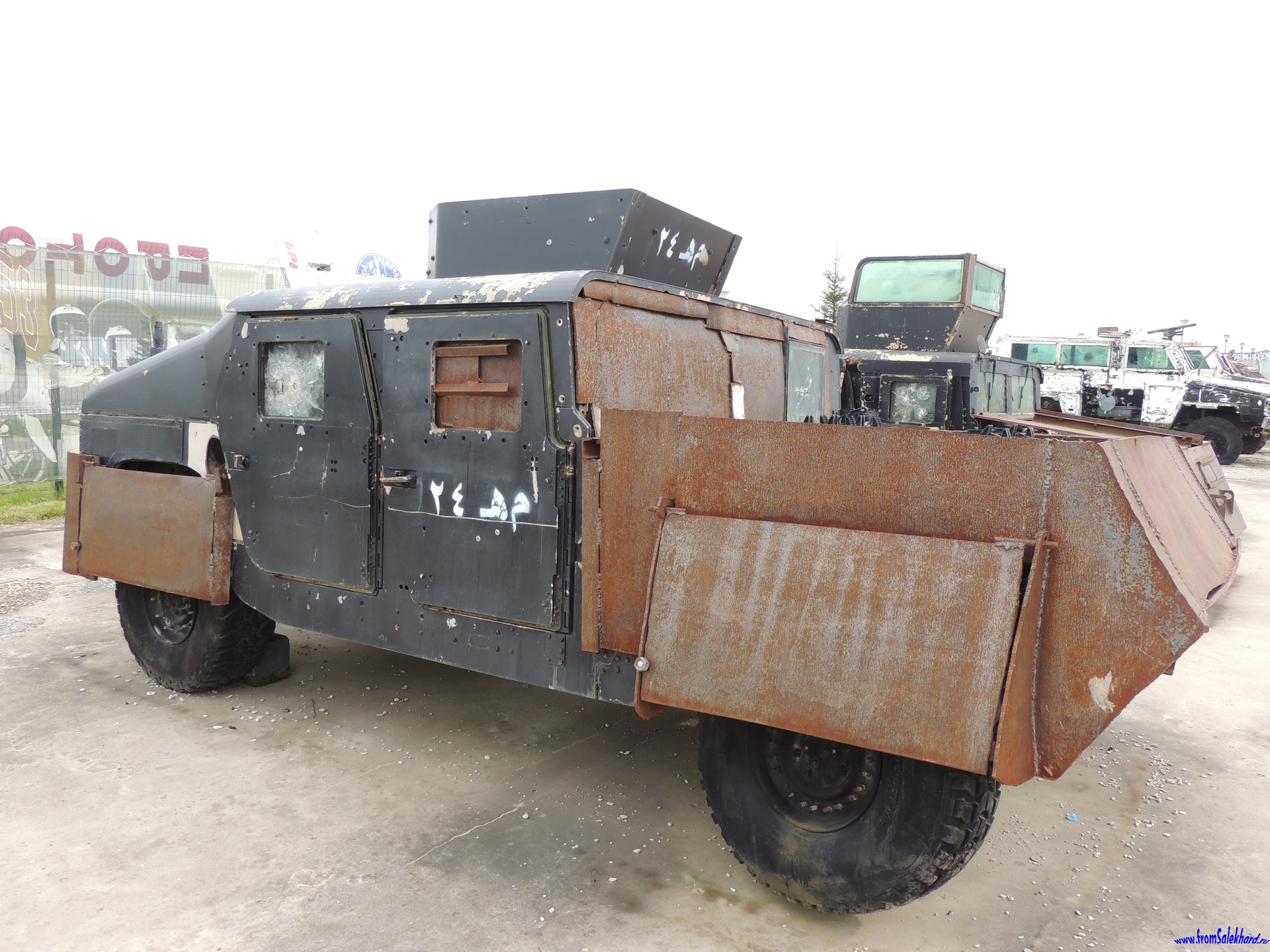
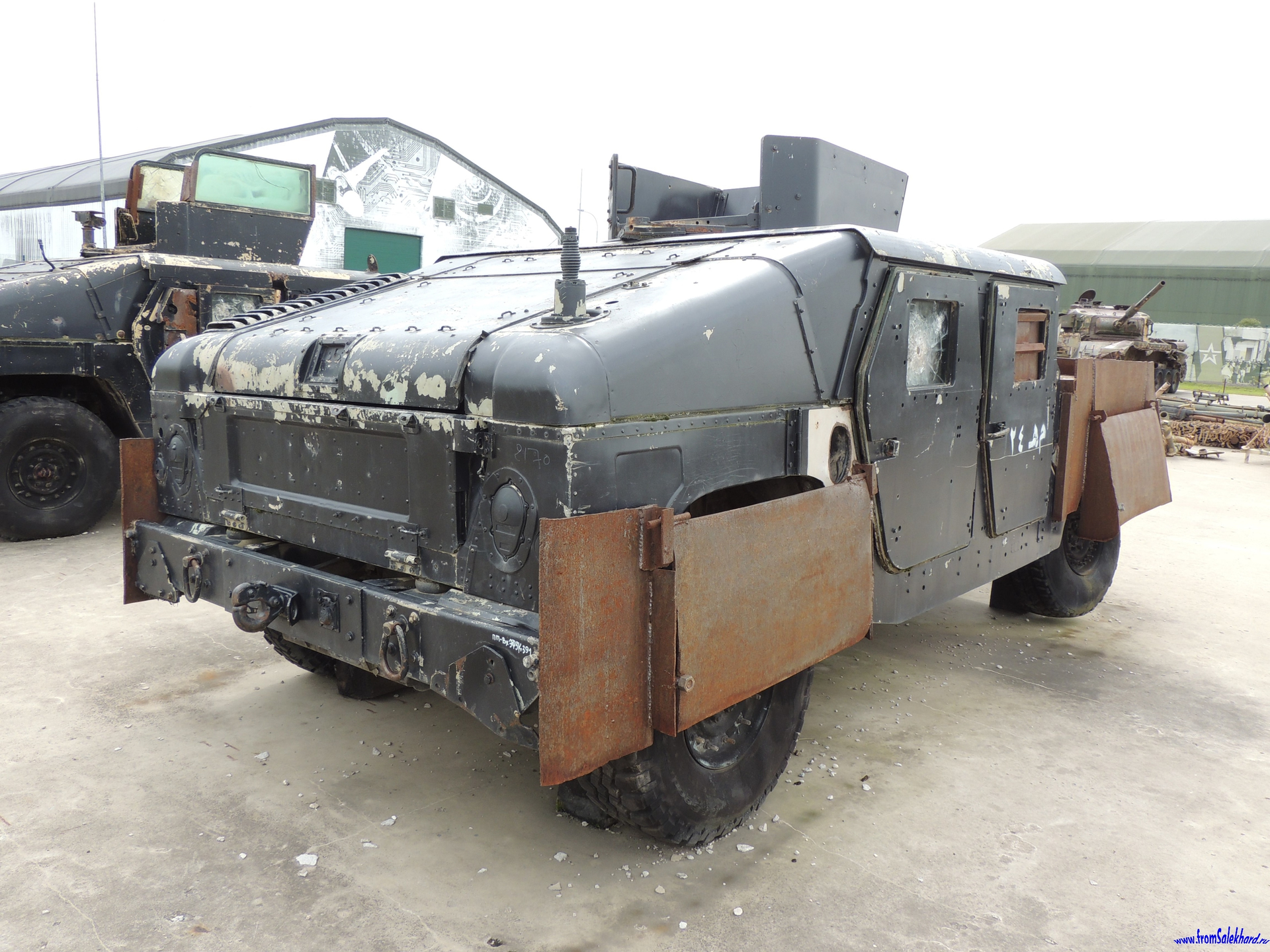
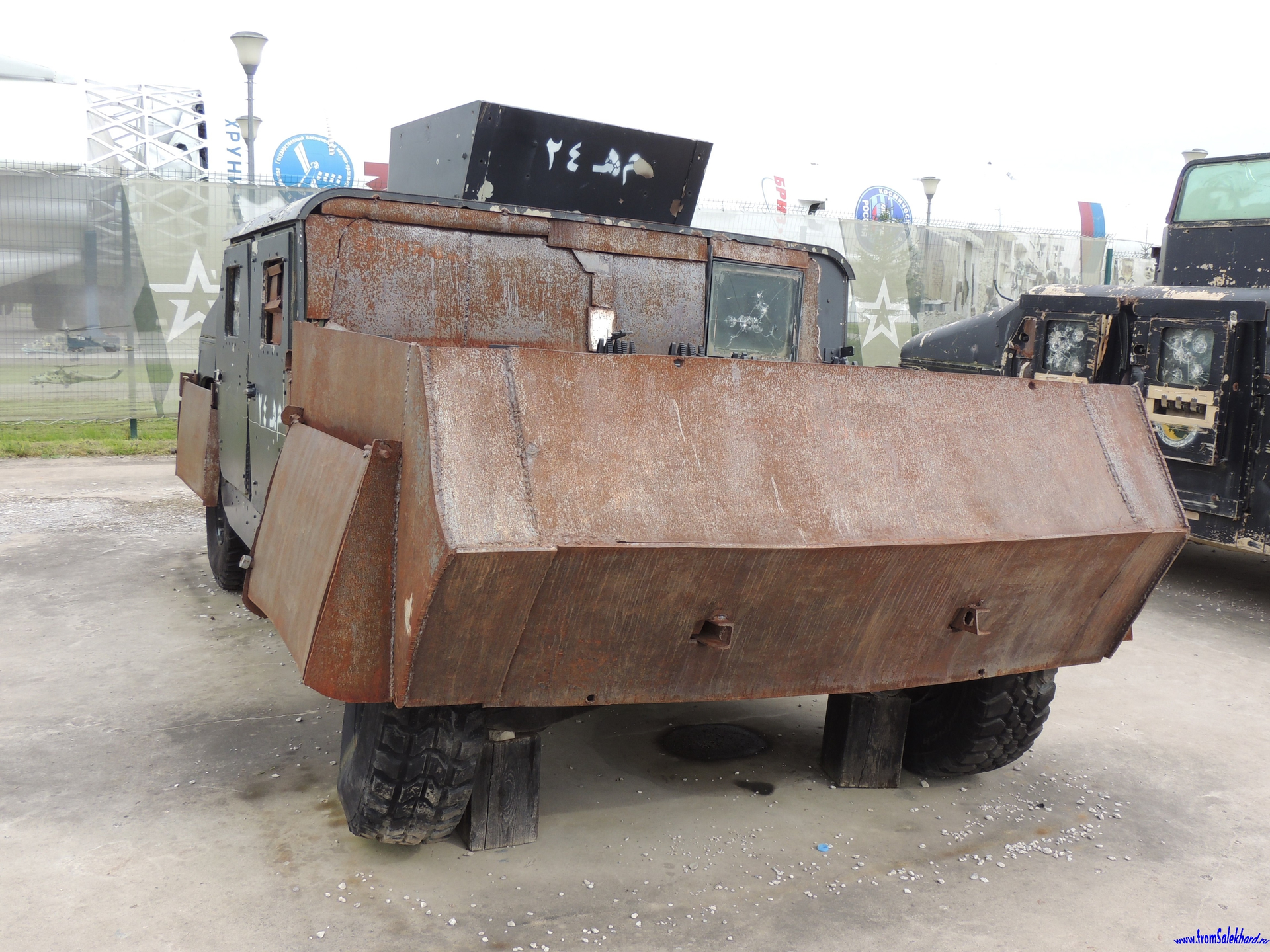
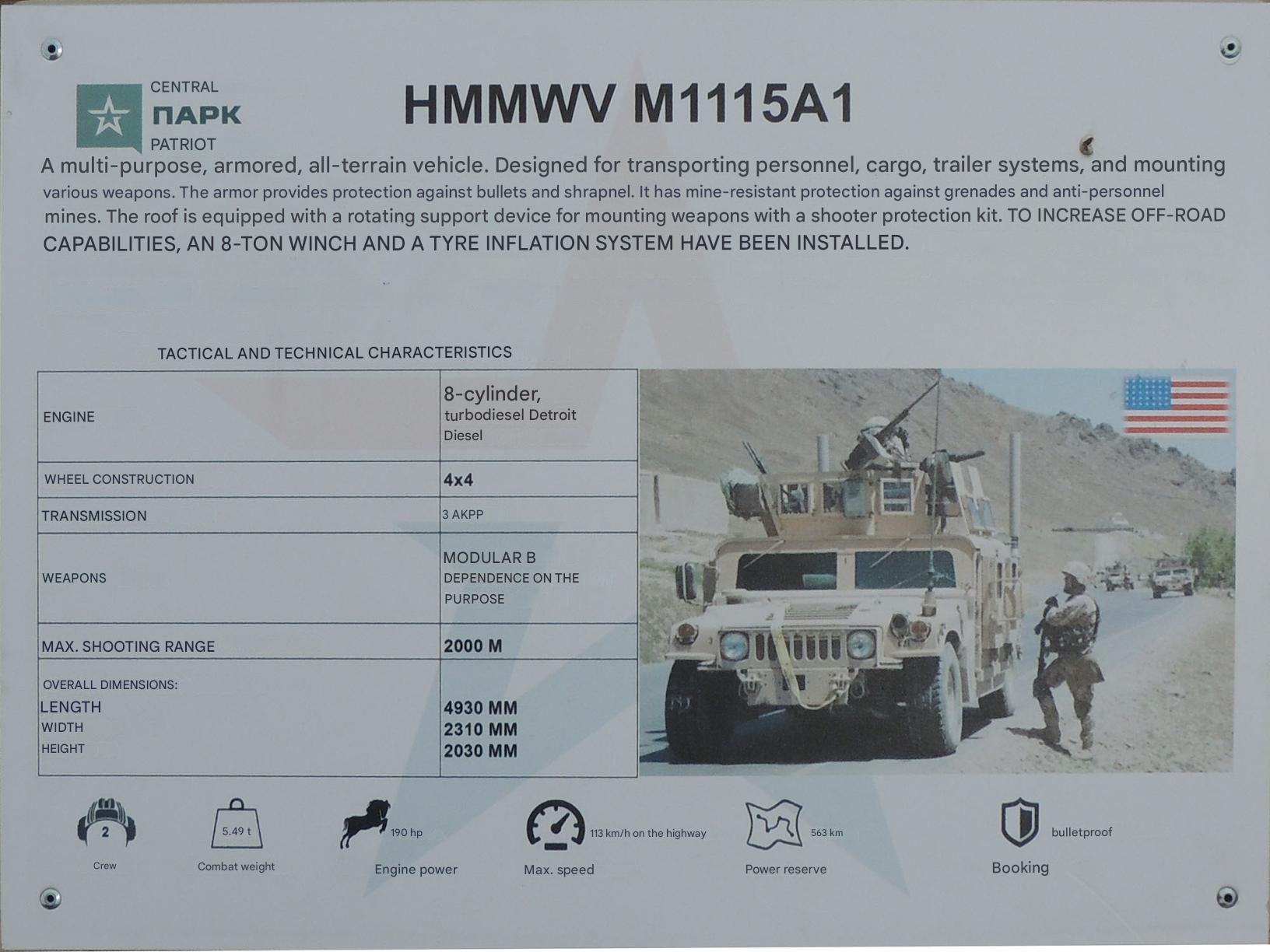
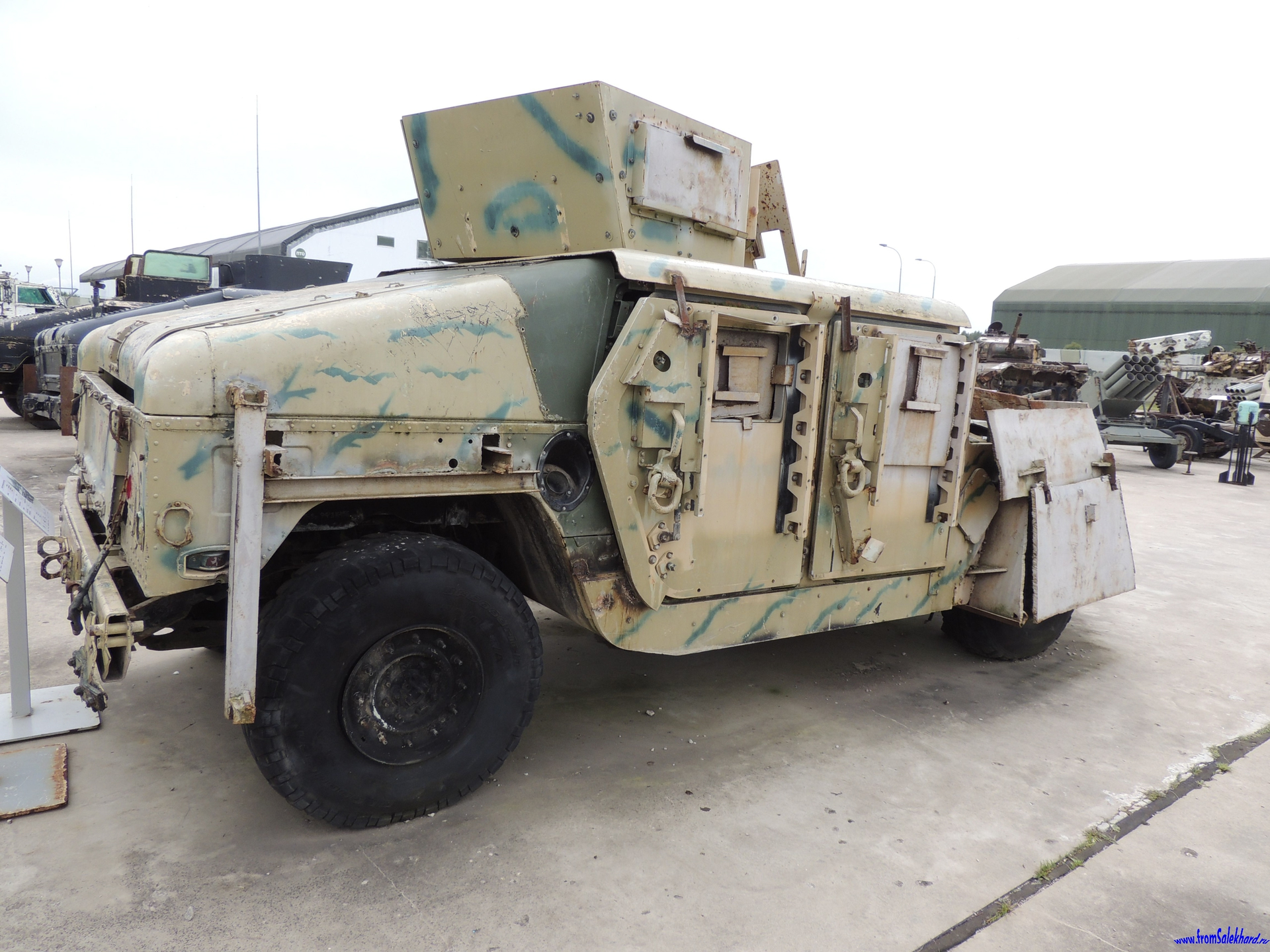
And if a Humvee with a hood made of a one-and-a-half-centimeter sheet of iron doesn’t look particularly sophisticated.

Its more armored relatives initially cause some confusion,

and then surprise.

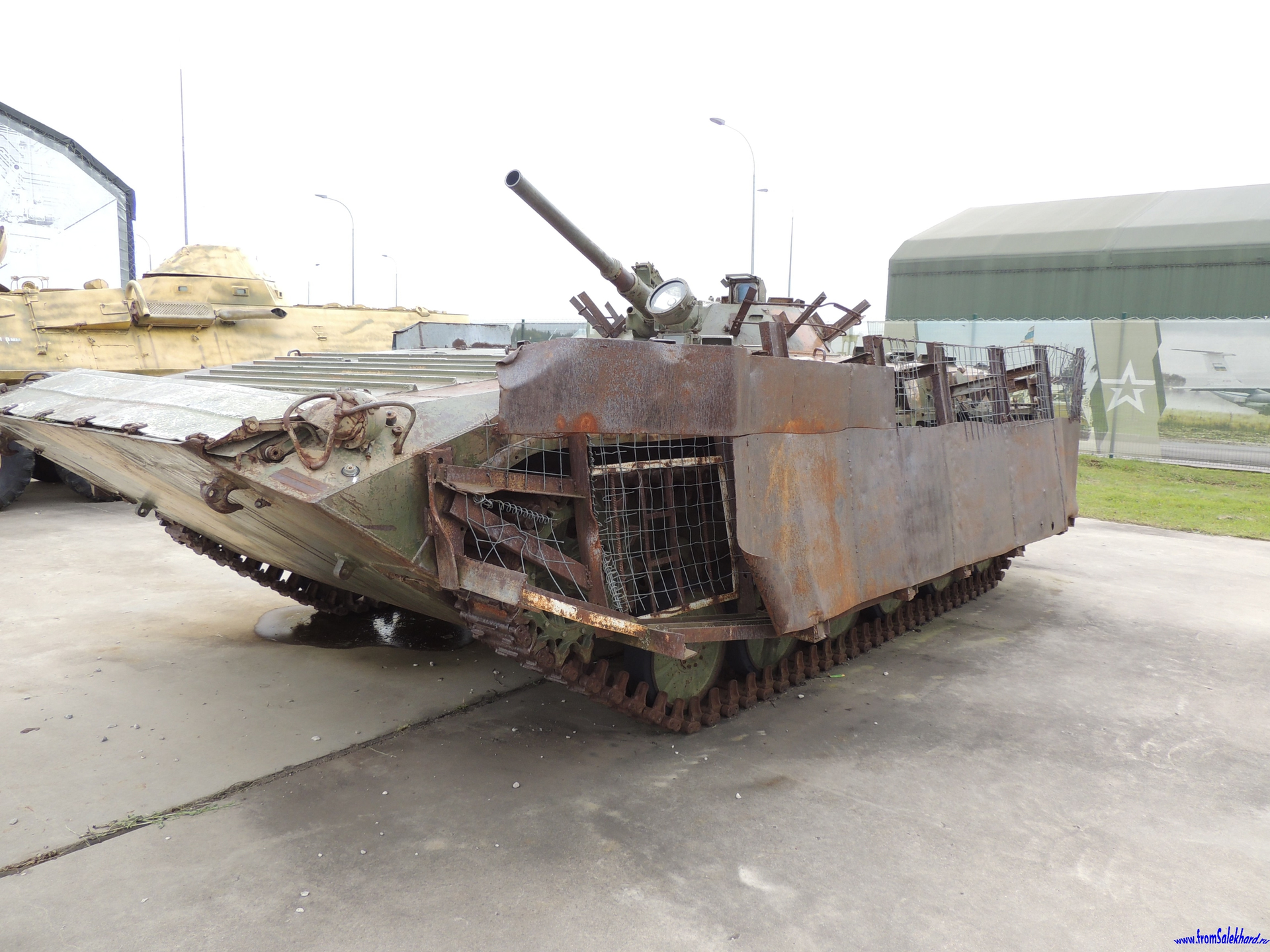
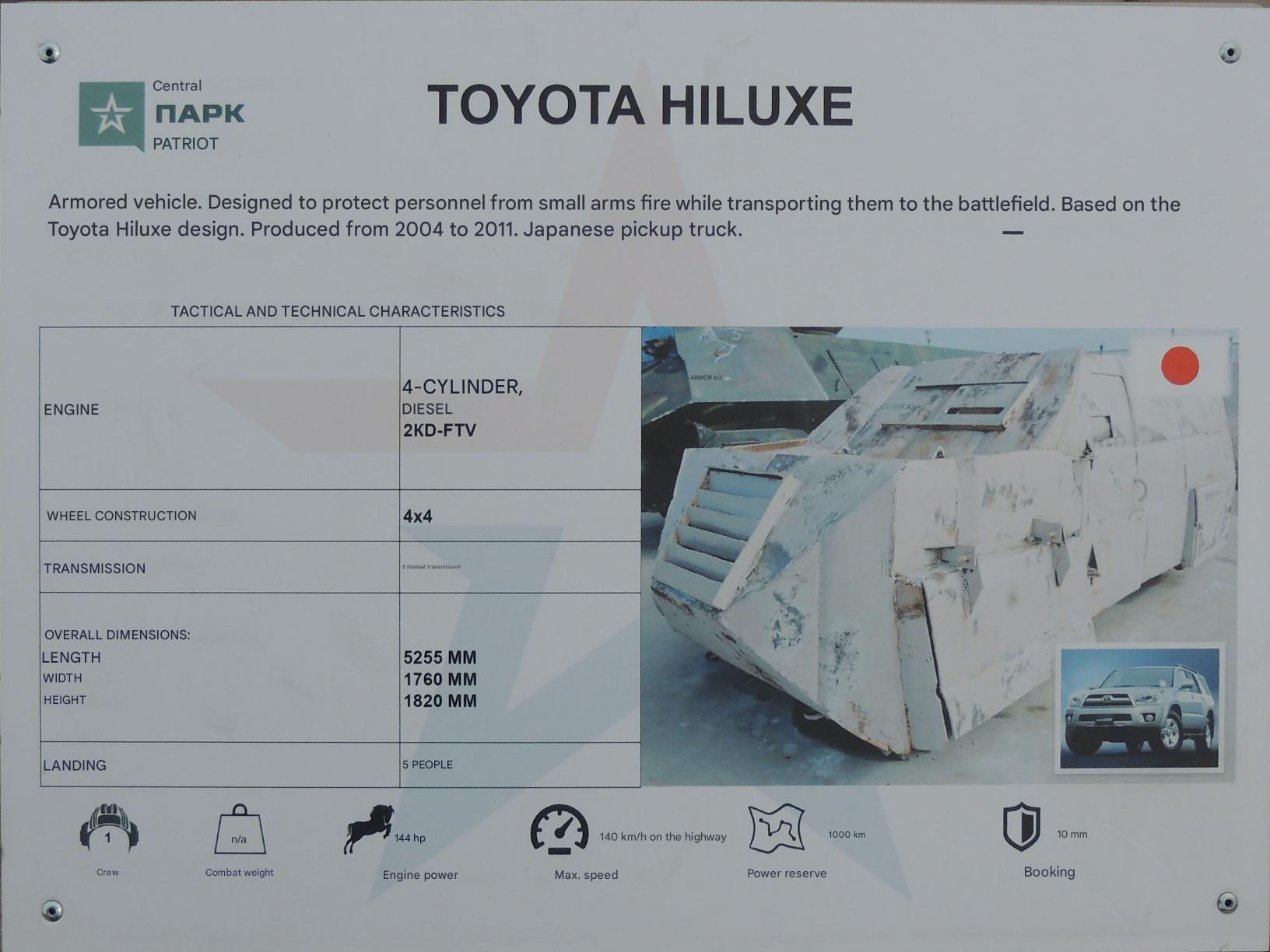
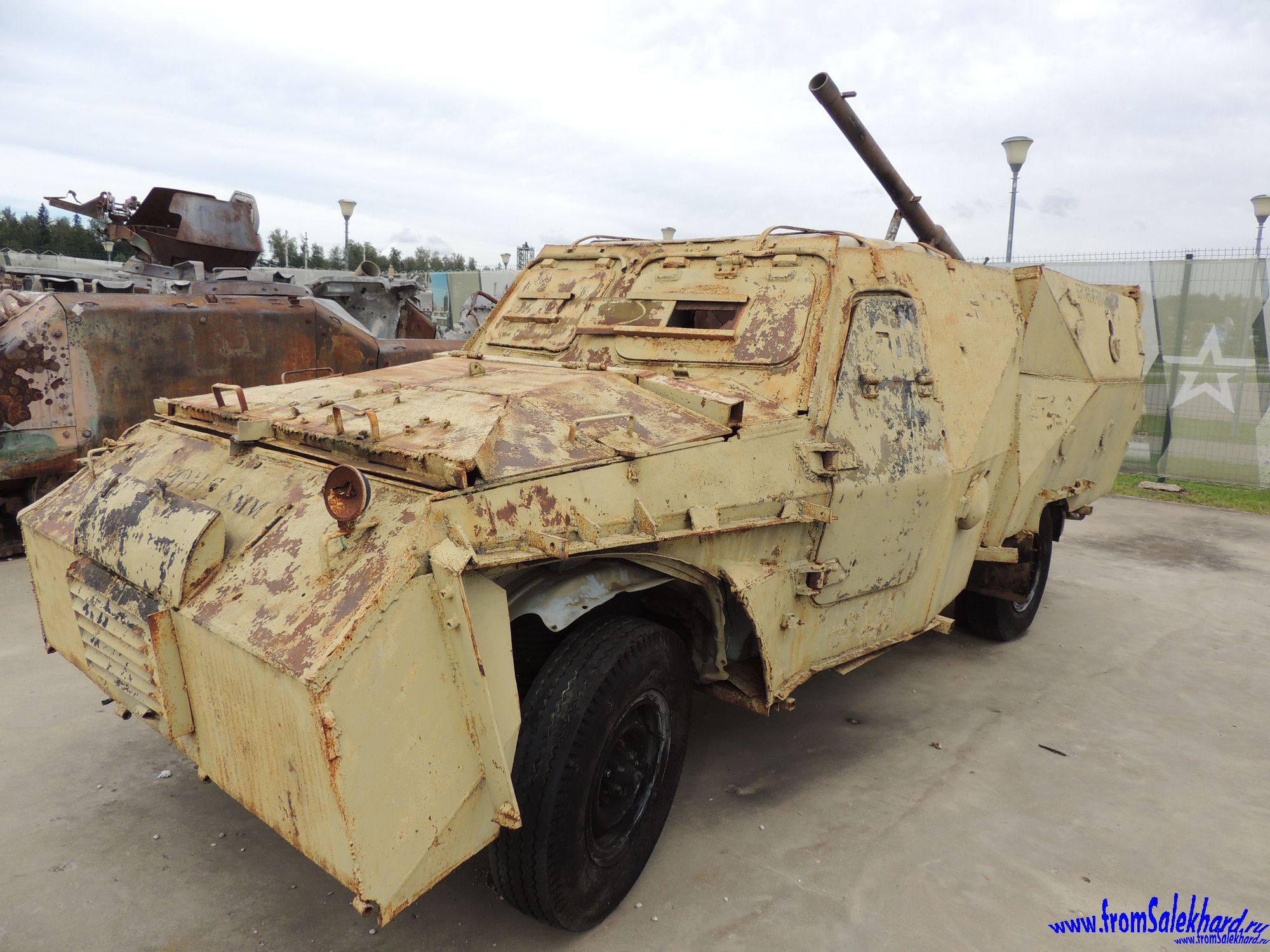
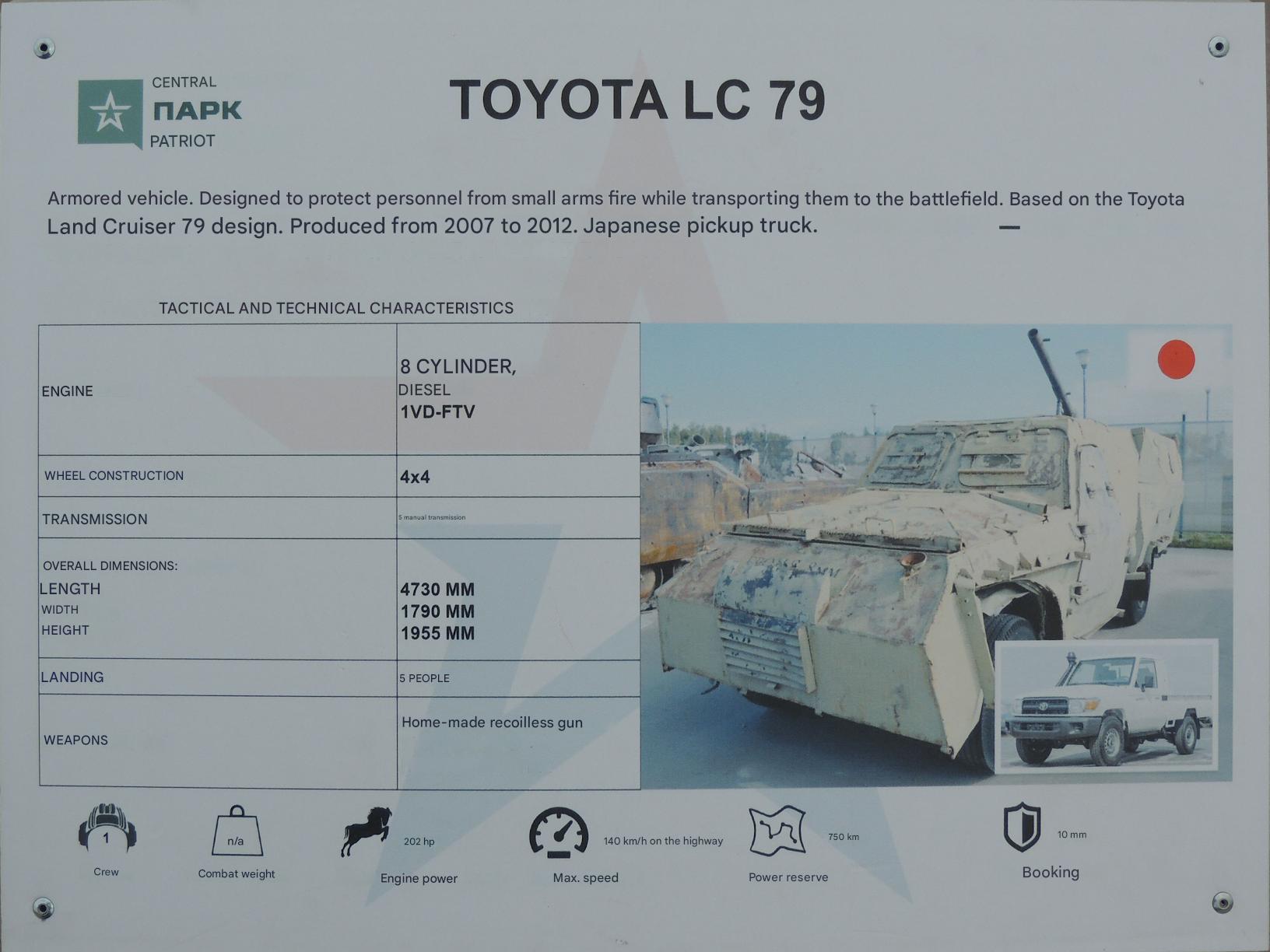
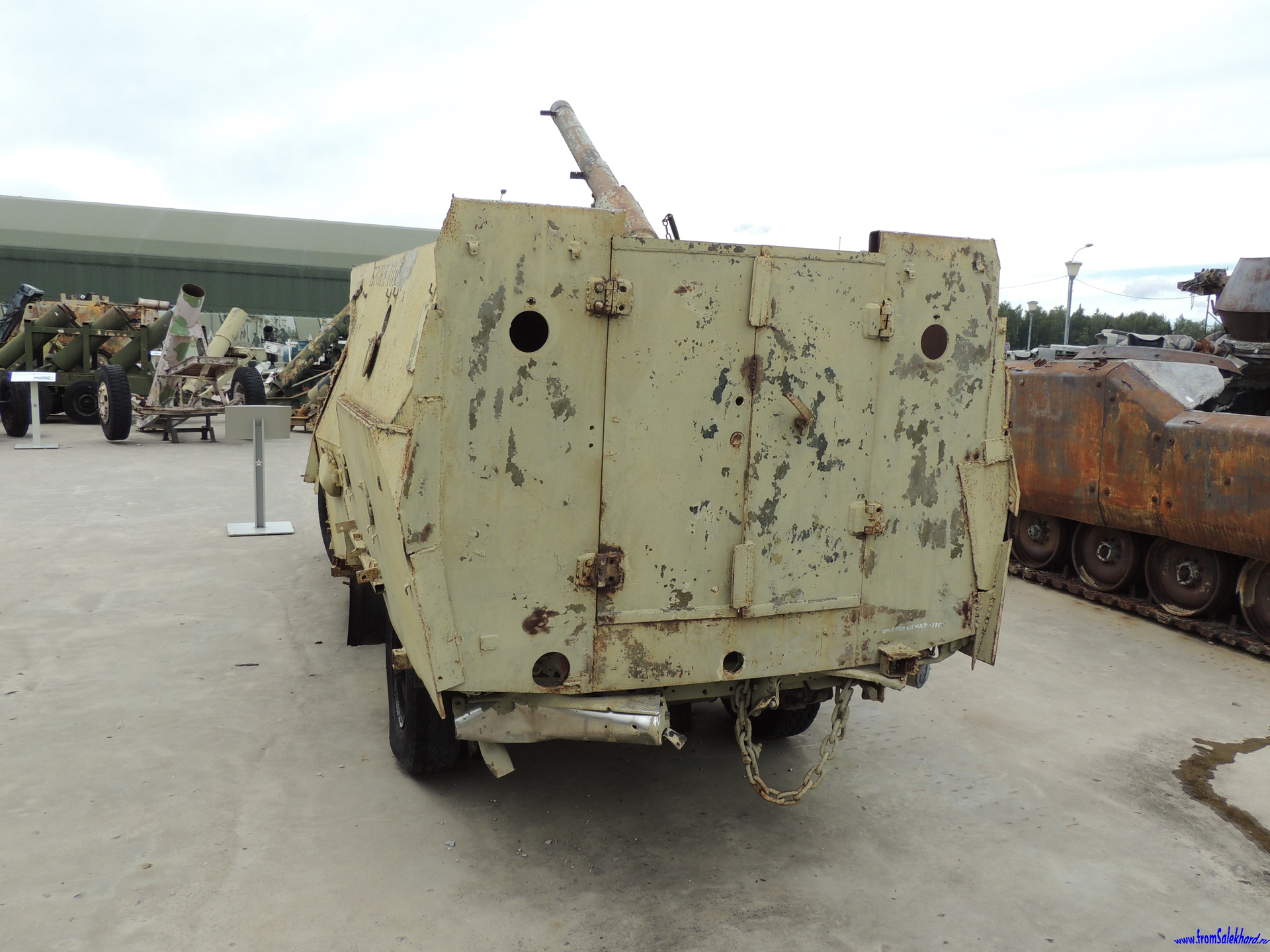
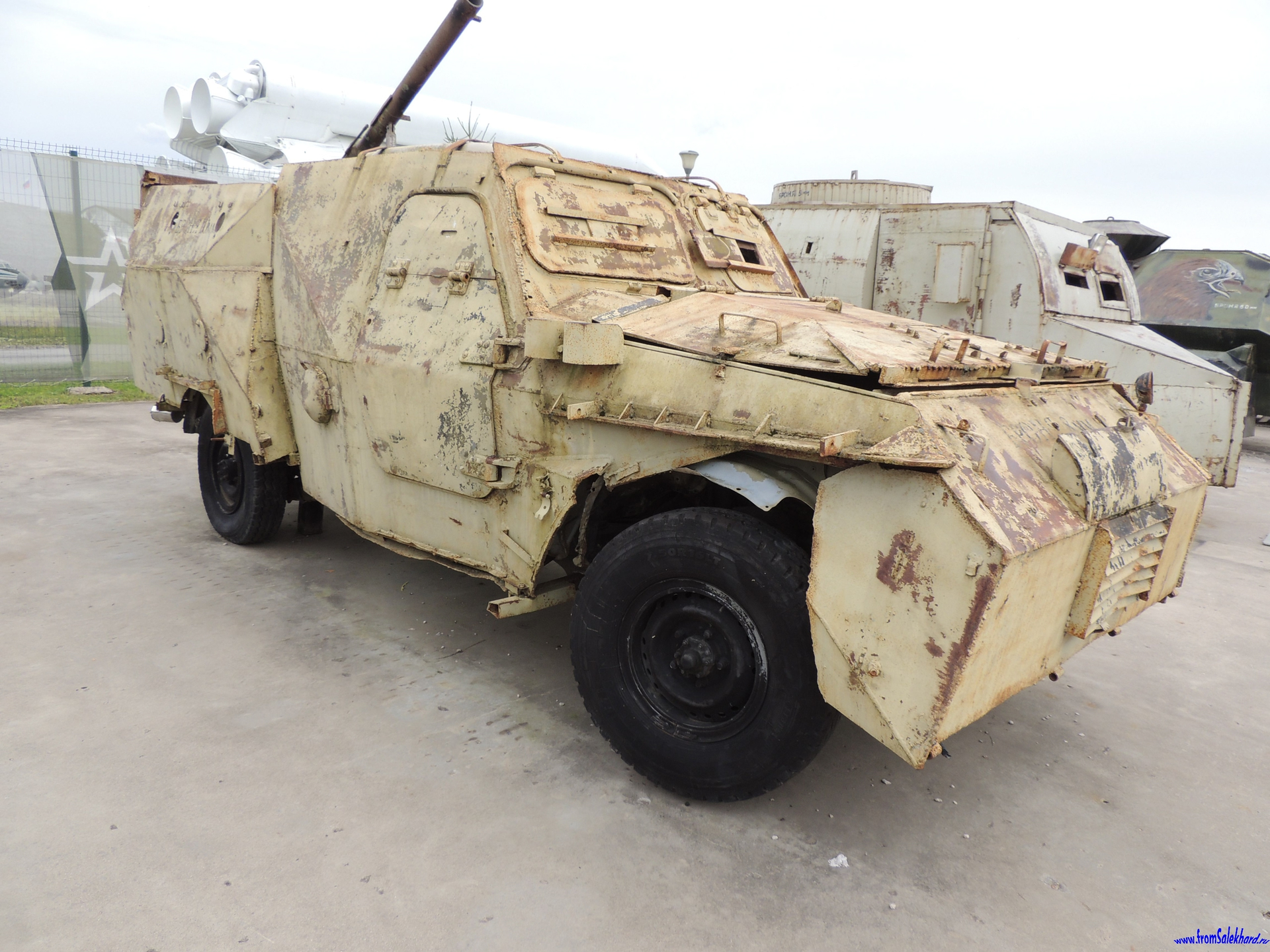
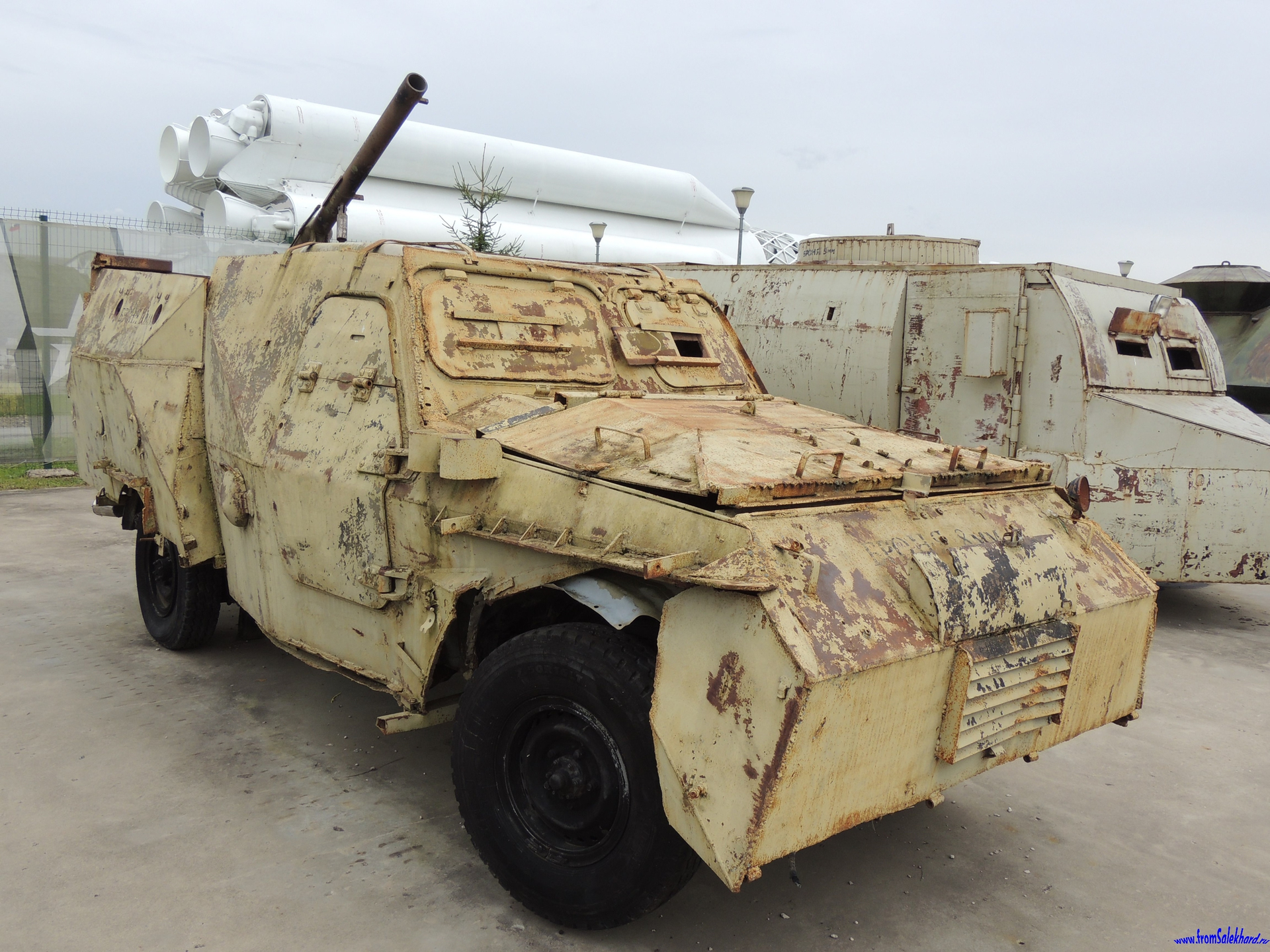
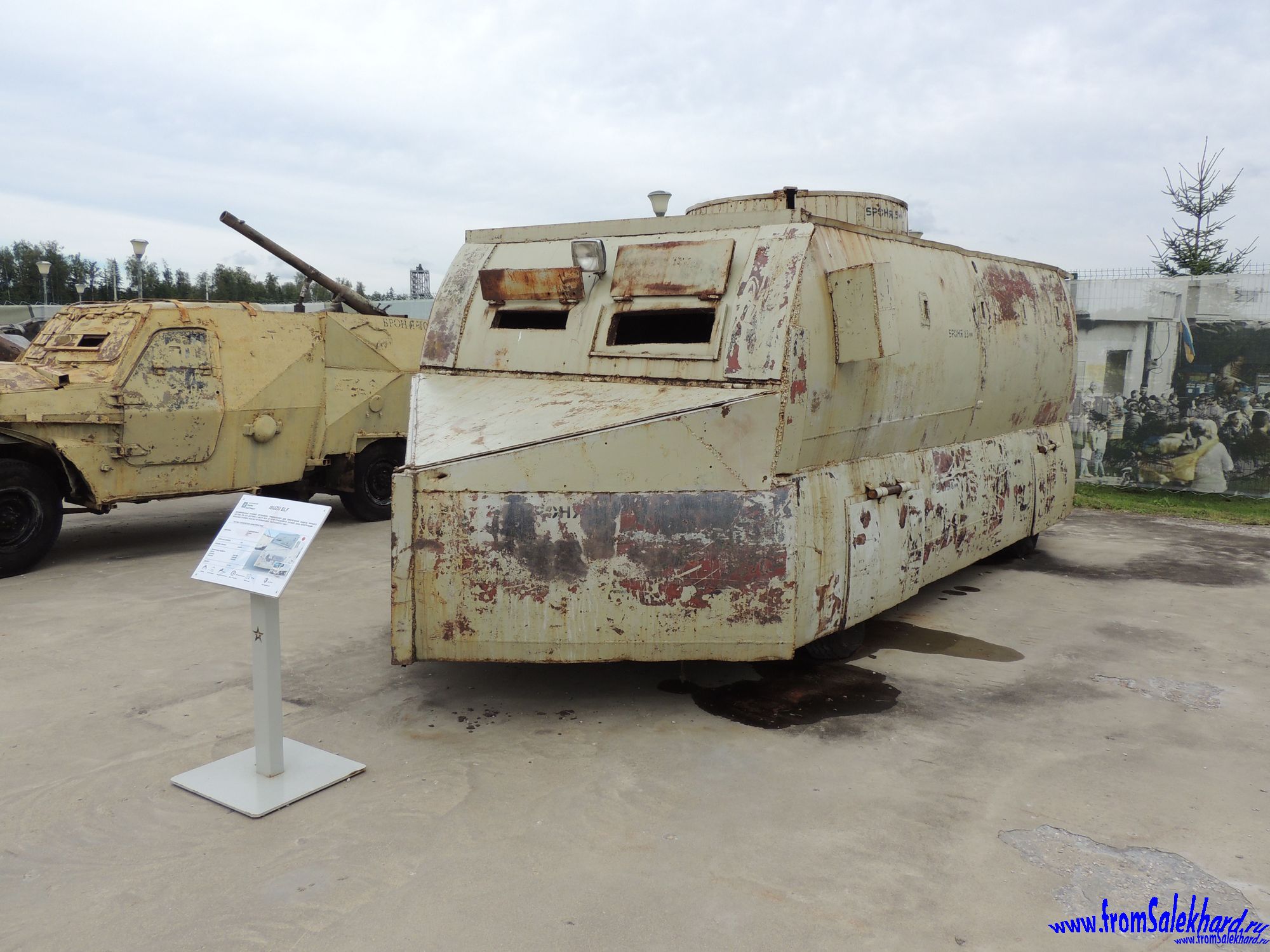
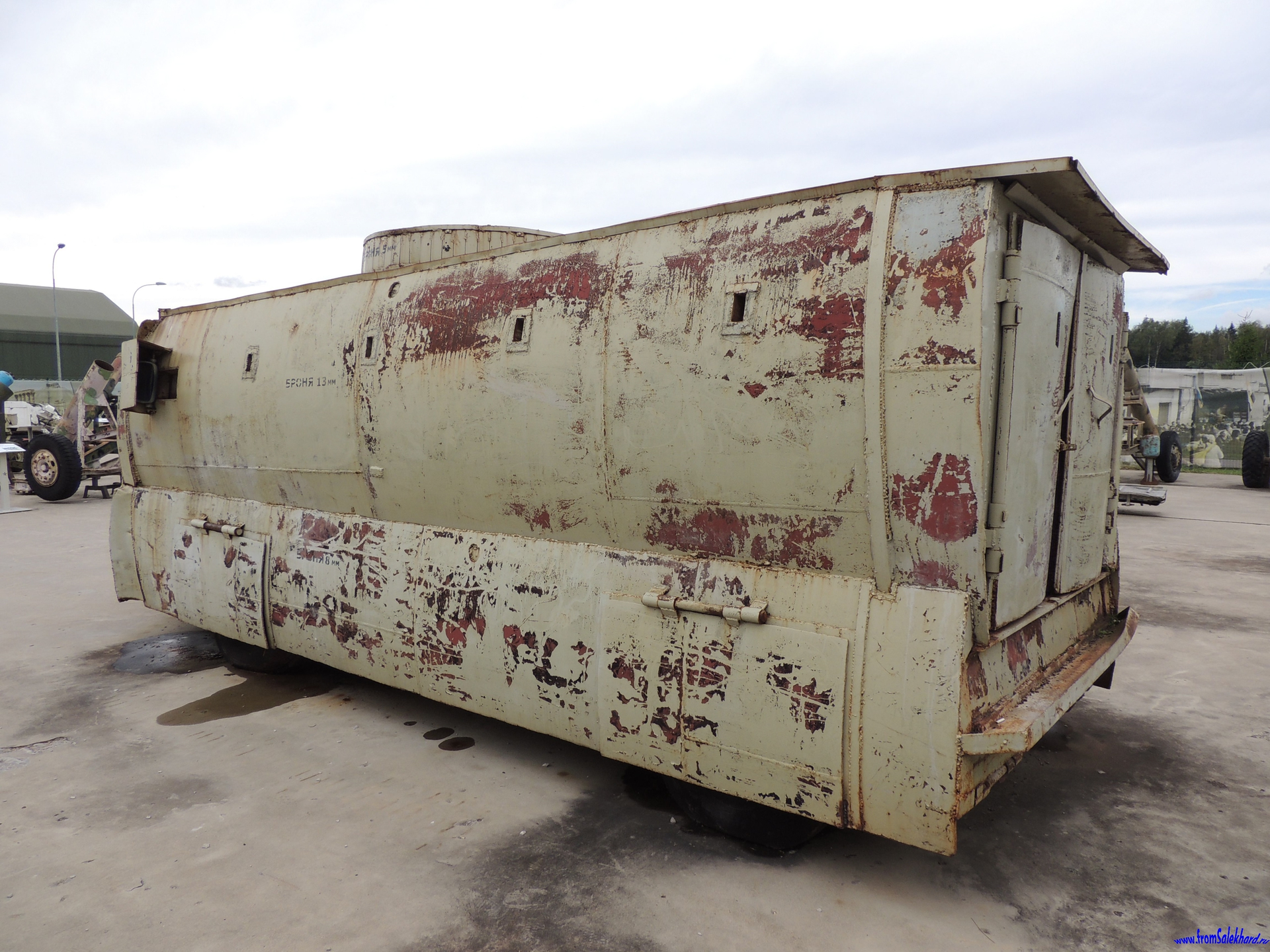
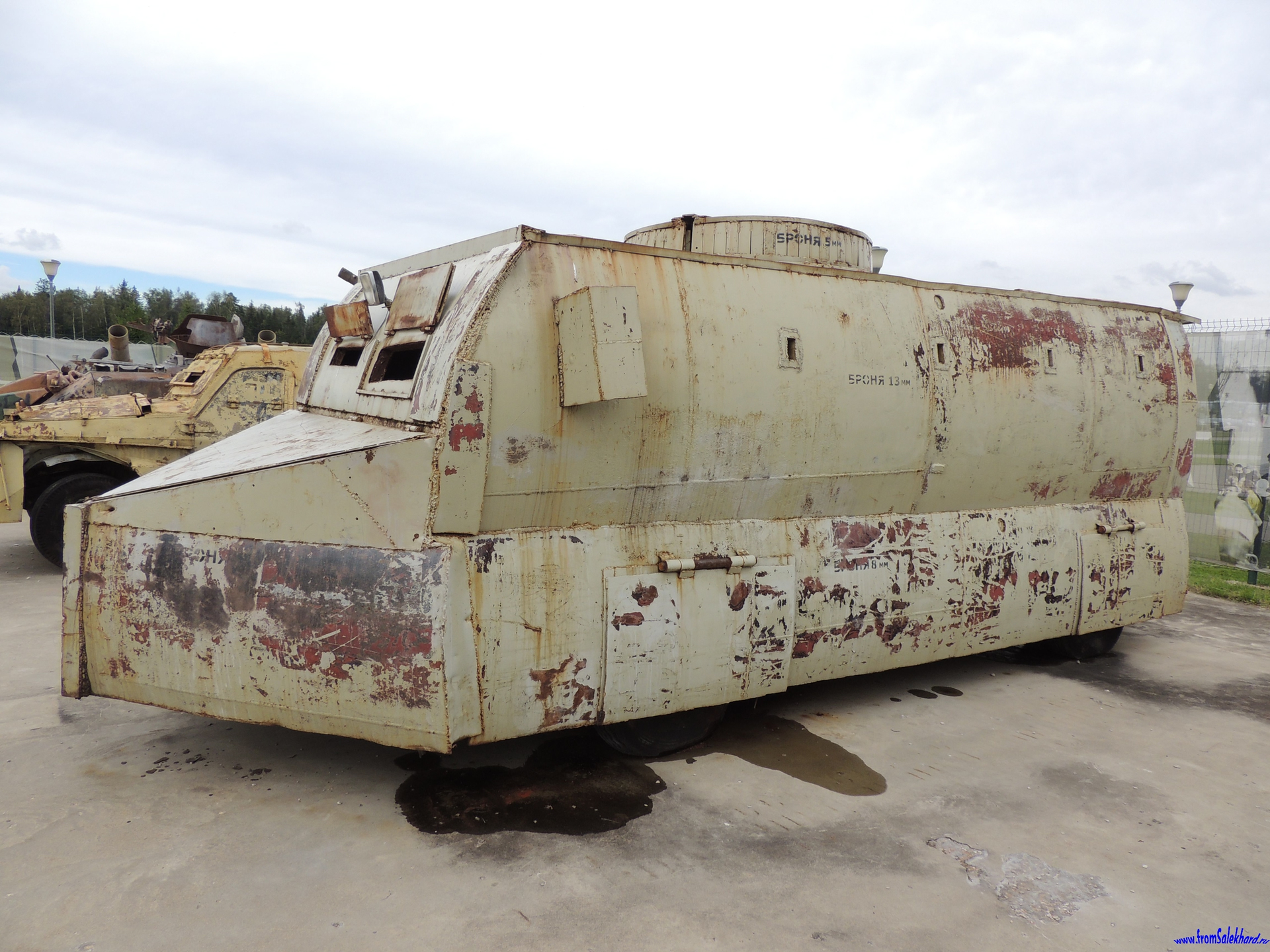
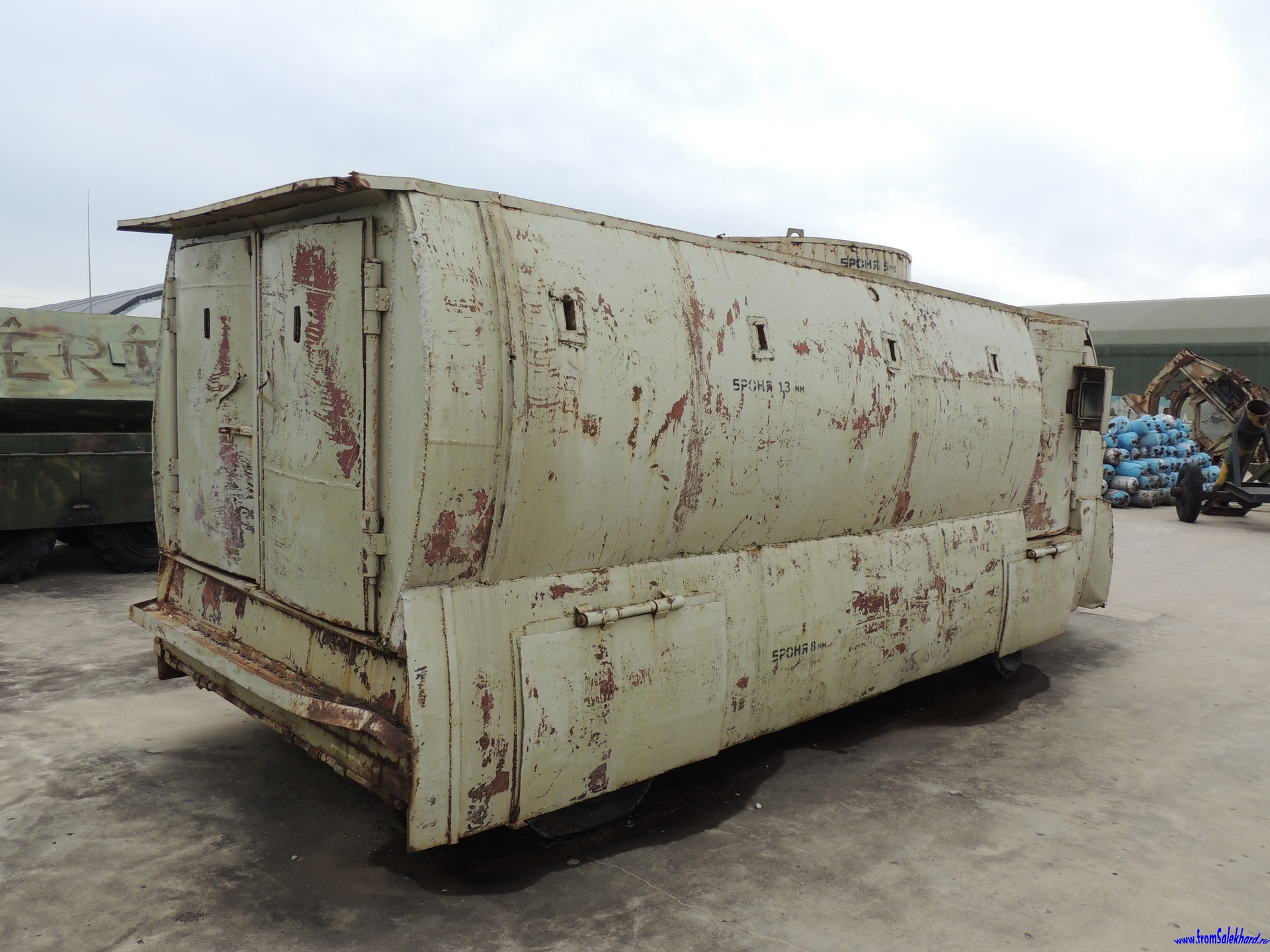
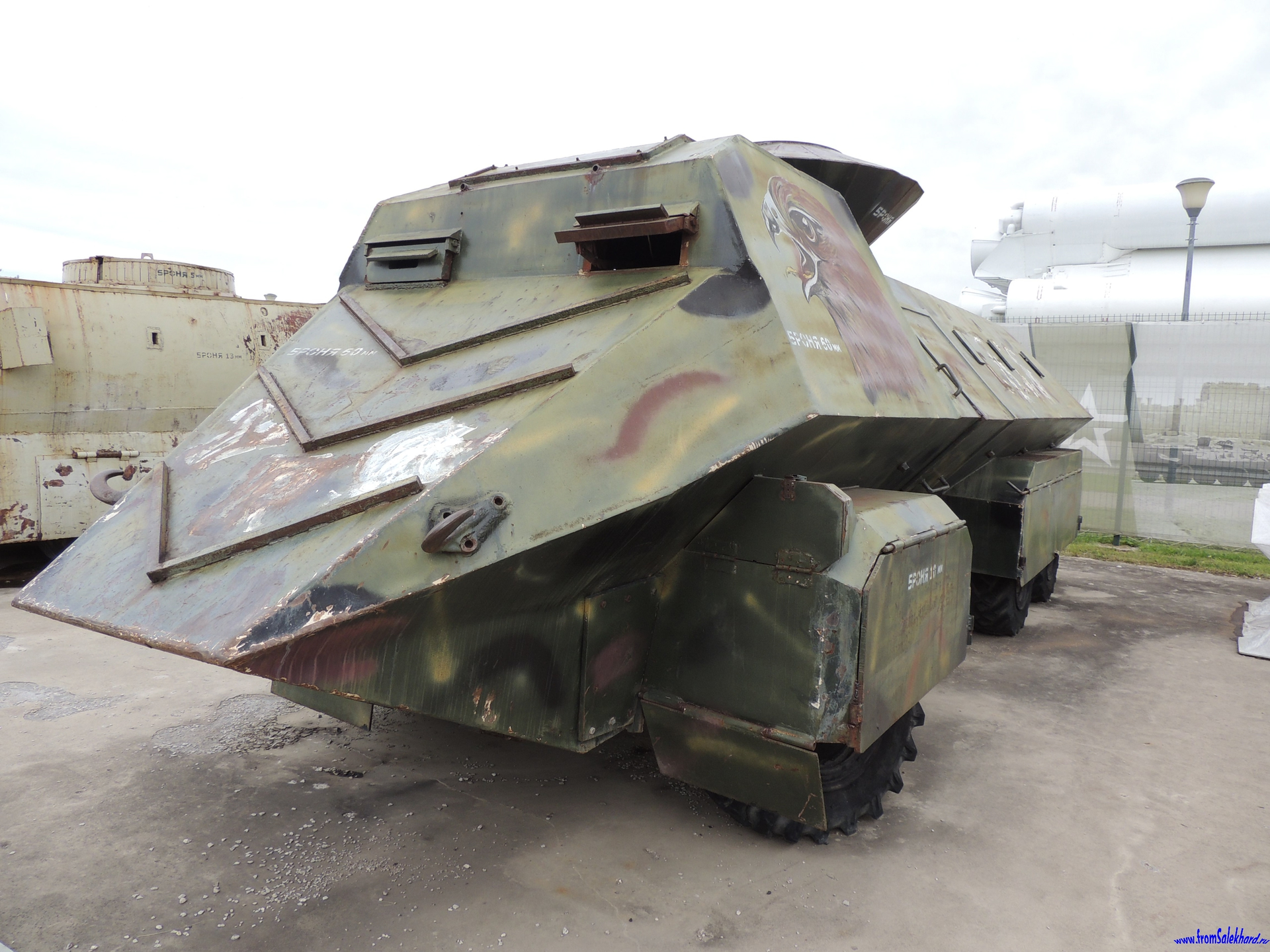
But these were examples of additional armoring of initially armored vehicles. But the armoring of initially unarmored, purely civilian vehicles is downright astonishing.


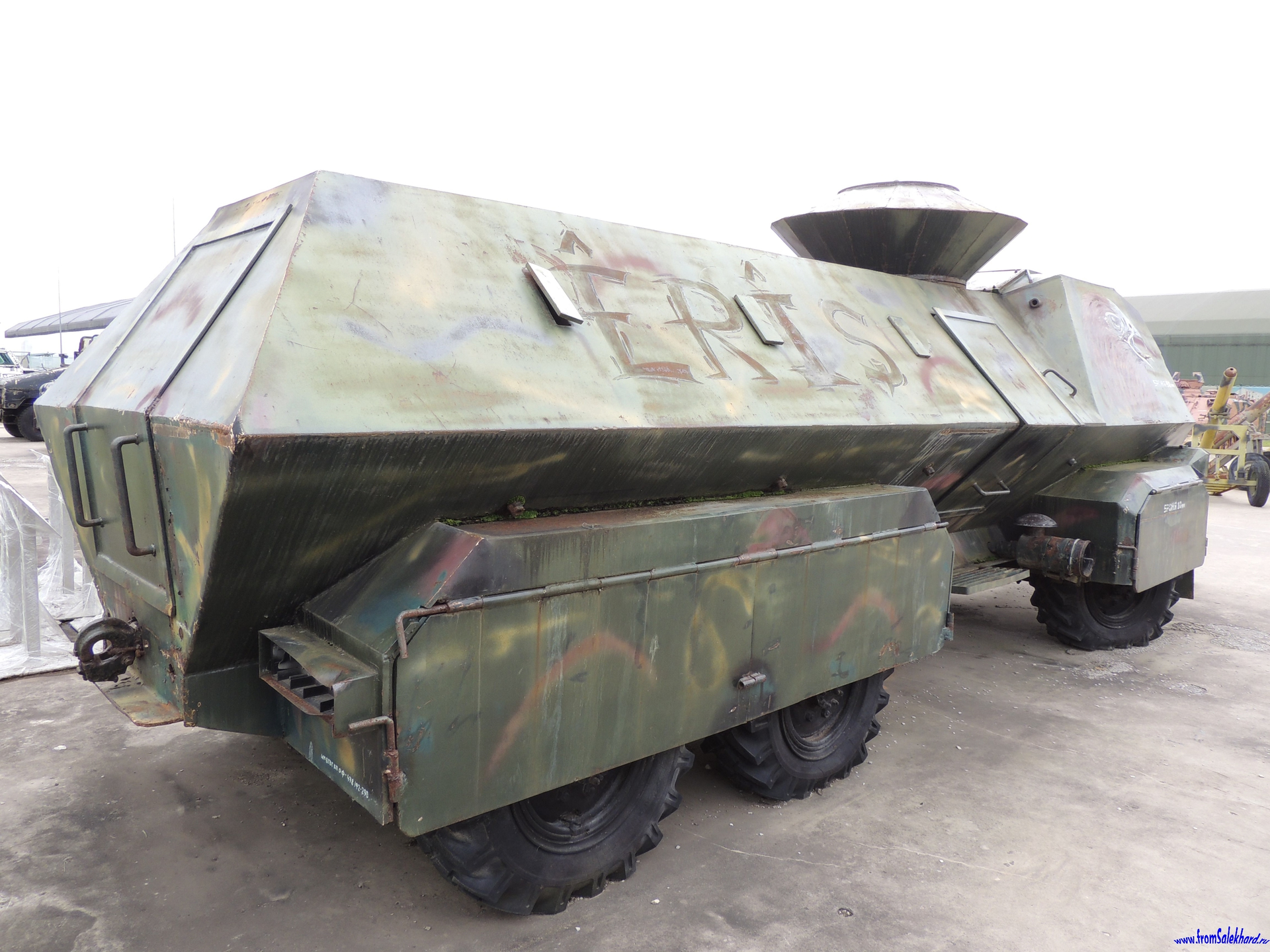
And while the original vehicle of the previous ones could be identified, the vehicle base of this “armored train” remained unidentified.

but with its own name! Rumor has it that it could ram brick and, apparently, even concrete walls. However, judging by the bow configuration, it’s likely the previous one was also designed for this.

Actually, the more or less civilized part of this review has ended. If the previous ones were factory-made devices “refined” to the required state with all sorts of junk, then what follows will be almost the same, but with practically no factory-made quality.

8 Likes

Straight out of Mad Max.

4 Likes

Where the hell do those come from and who built them? Syria? The Kurds?

M

1 Like

Again, we are treated to a fantastic display and insight courtesy of Yuri, simply because he bothered to do so. We’re very lucky on this site!

9 Likes