Thanks Gino - the tubes are Evergreen 3/16” tube. The end pieces are kit parts drilled/reamed out. The detail on the tubes is all Evergreen stock. The tubes themselves were thinned down from the inside to give a better appearance.
2 Likes
Thanks Rob - yes, I’d spotted the error on the seat frames after I fitted them. I think I have a fairly straightforward solution - won’t be entirely accurate, but better than the current format. I’d also spotted the retaining plate on the rear frame so that needs to be added too. I think I’ll draw the line at adding the seat slide adjustment mechanism though!
2 Likes
I used to use a small length of thin Evergreen back in the day. But now Legend includes it in their sets. But at least you noticed that detail as well. Very few others have. Once again, never mentioned in reviews. It’s about time we got a new kit!
2 Likes
I always enjoy that people’s projects encourage others to build different things. I have been looking to do the VN version, possibly with a support jeep as well. Wayne
1 Like
It’s also nice when people learn from your posts, even when they are loathe to do so. Not you, John.
1 Like
Nice job, great workmanship and attention to detail. I built one of these many years ago when Tamiya first introduced the kit. Was still in the Military at the time so if I needed reference material, I’d just walk down to the Motor Pool and look at one of our TOW jeeps. Was kind of a 2 edged sword, spent hours correcting details in the kit to match the real thing. A definite challenge to my (very average) modeling skills. After an inordinate amount of time on such a small kit, it came out pretty well and I moved on to a Panther or M-36 that took half the time. Sadly, a few years later, an ammo can (honest) fell on the model and reduced it to a pile of little plastic bits. You can imagine the language! Anyway, nice model, keep up the good work.
2 Likes
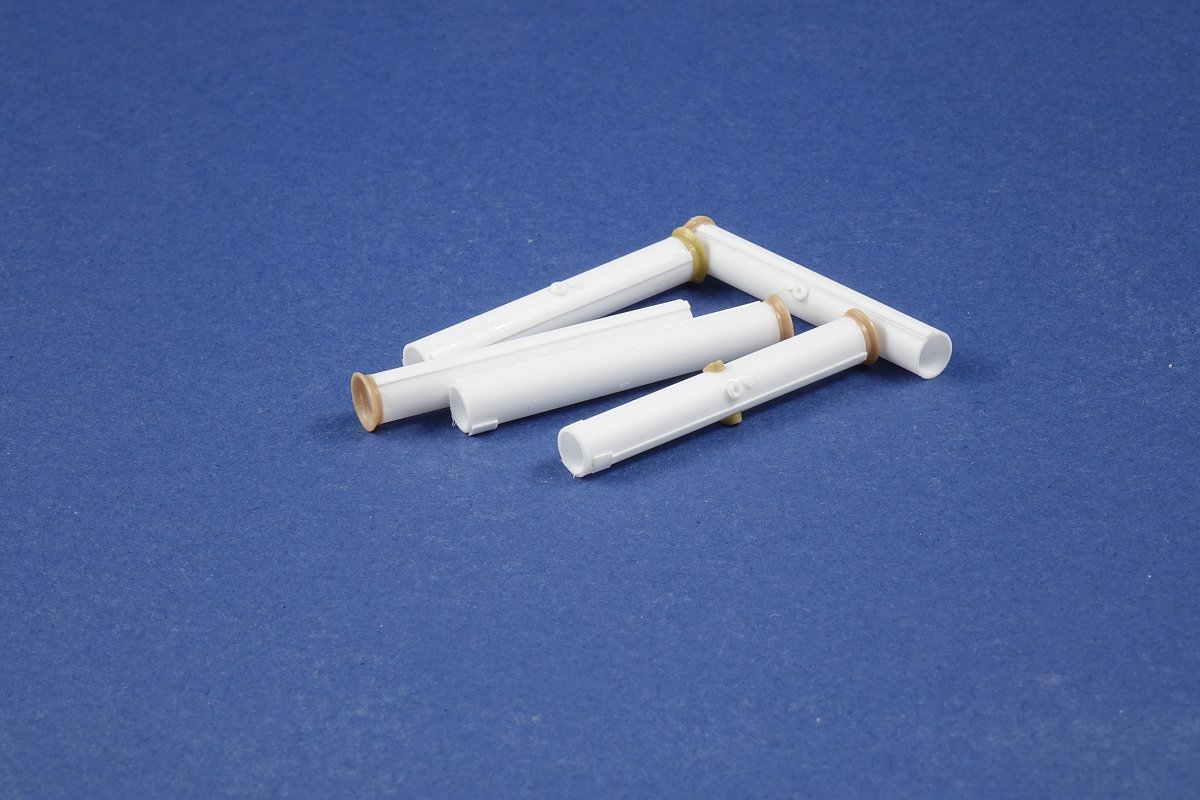
Your TOW rounds look great, but any going in the missile rack or elsewhere as stowage need that front end cover. Once those are removed, which is only done before loading, all that protects the missile is a diaphragm of plastic across the opening. That is to keep out humidity and dust. If the round is removed from the launch tube, the cover is supposed to be replaced ASAP.
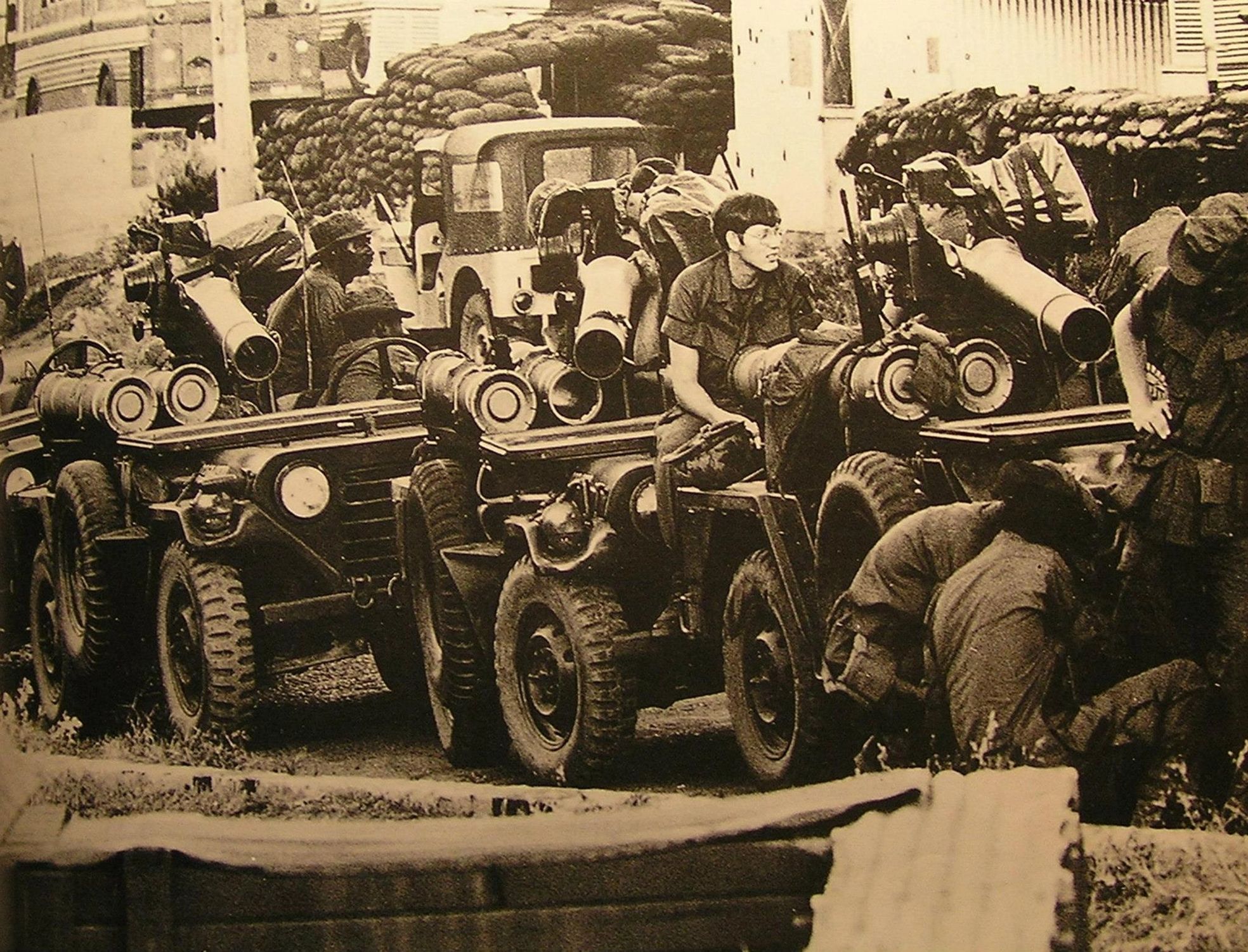
On the second jeep back, you can see the remains of the white plastic diaphragm.
3 Likes
Nice looking rounds.
This was exactly my experience as well. I think I built my first one as a wall patrol gun truck. (85-86?) And as I mentioned in another thread recently, I was taking a class on PMCS for the very same vehicle, so I had the perfect reference. I made note of those things underneath that bothered me enough to fix, but mainly devoted my efforts to the shortcomings topside. I wish I still had all of those kits I built in Berlin bit they’d never have survived the trip home. Hopefully they’re all still being displayed somewhere.
3 Likes
That’s fair comment and I can see why you’d do that with ‘yellow band’ live rounds and even ‘blue band’ drill rounds,
What I also see in images of vehicles on field exercises like Reforger, Team Spirit etc, where no firing took place, is the occasional use of one or more old tubes strapped into the racks as representative loads. That’s the look I will trying to replicate for the A2 version.
2 Likes
Now you’ve done it Rob…
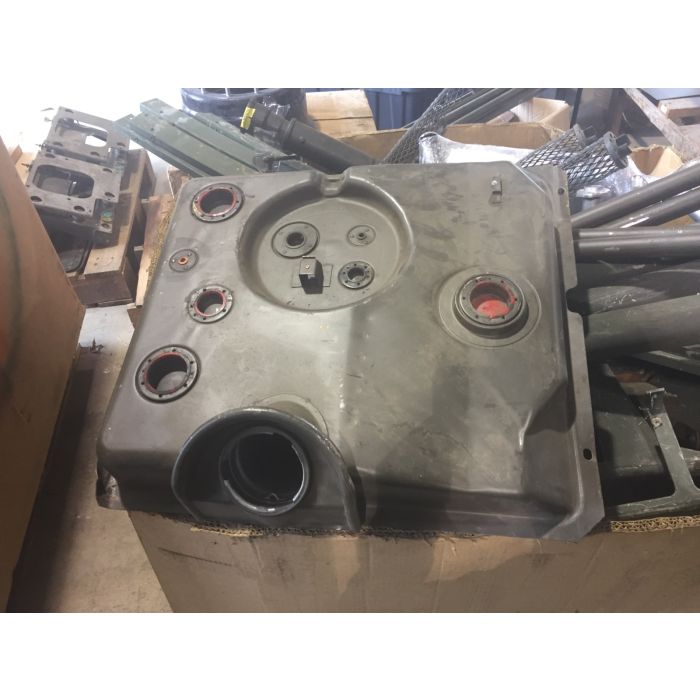
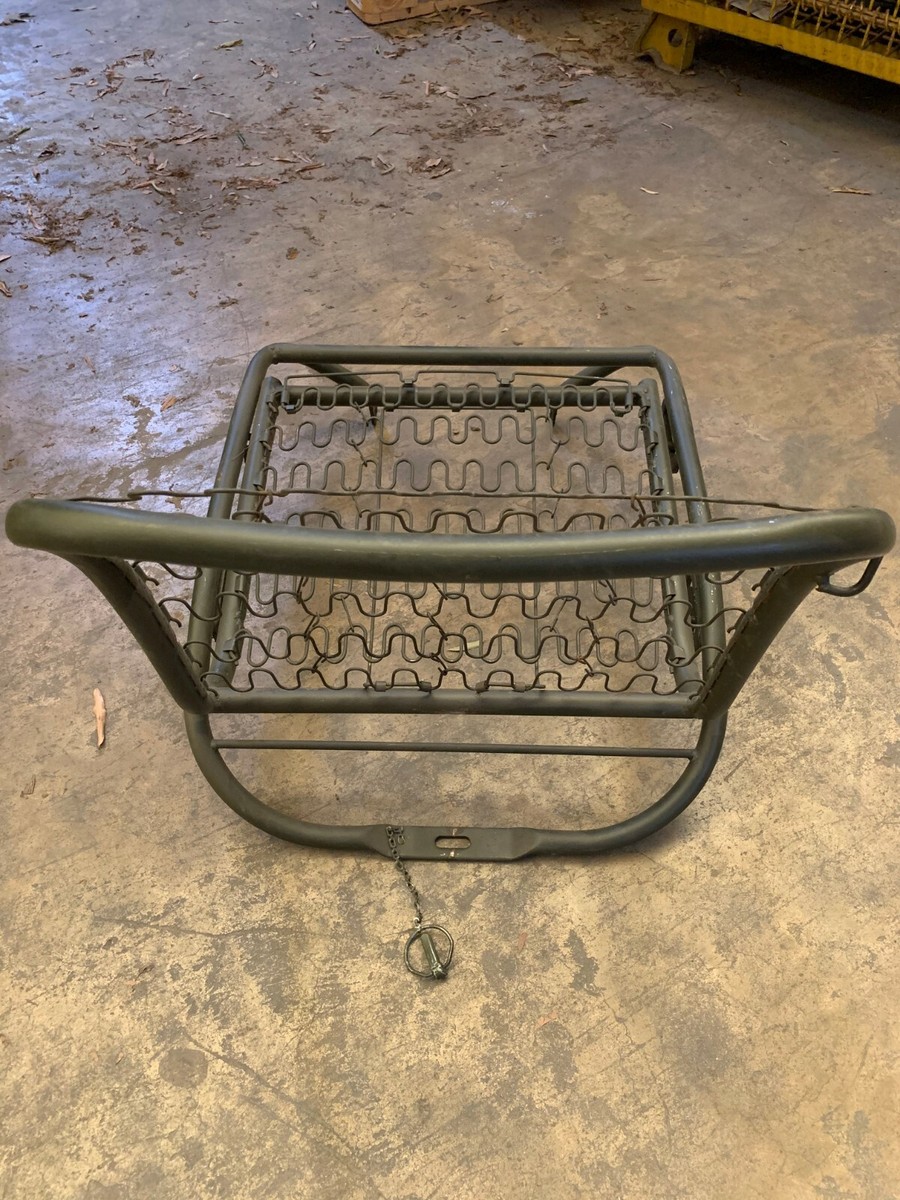
As well as modifying the front of the seat frame, you made me go back and look at the seat frame more carefully and I spotted a rail I’d never noticed previously - plus I realised there is more that can be added to the top of the fuel tank too.
Still got the accelerator pedal to add and that rear seat frame clip, but I love this type of small detailing so it isn’t too much of a chore.
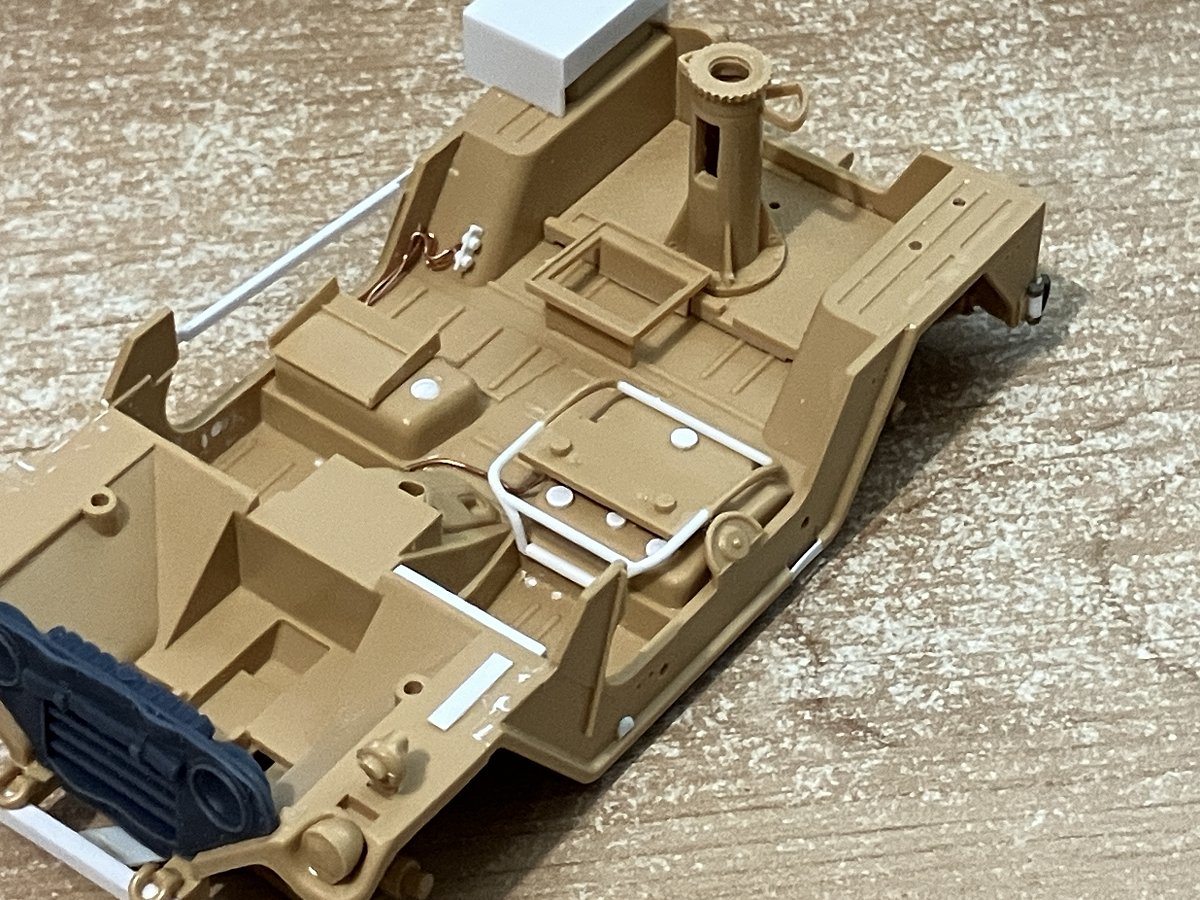
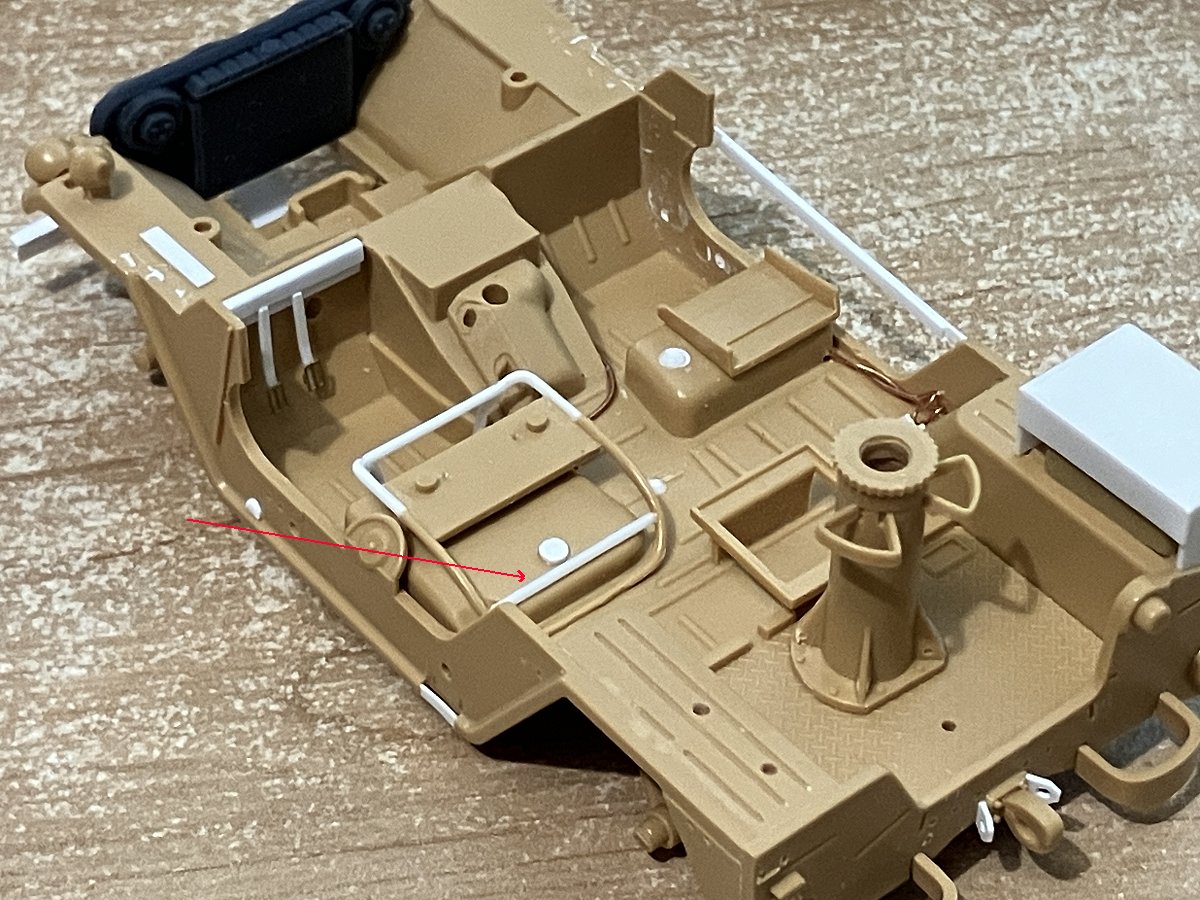
5 Likes
I do what I can. 
I’m not going crazy on the fuel tanks on my current Berlin vehicles because the seats will be manned. But otherwise…
2 Likes
OK, I get ya there. We used to do that too. (so the OCs in exercises would not gig you for using the missile racks to stow personal gear and pogey bait) There were four different set ups for that. The ones that were modified for ATWESS cartridges for use with MILES gear, another type that had different pyro set up that used an older device similar to a Hoffman device to replicate backblast, the good old basic empty fired missile cases, and the Missile Simulation Round, which had a nice heavy bit of metal to bring the empty case up to the full weight of a live missile for use in reloading drills. No cheating by lifting an empty round…
1 Like
Since I was never around these, were they normally fired forward and did the driver stay in his seat? It looks like it would be a bad spot, especially with the short barrel version! Wayne
1 Like
Apparently, the flight motor only fires about seven metres away from the launcher, so if the driver is a metre further forward than the gunner, it still doesn’t put him overly close to the missile.
1 Like
If I remember right it was maybe at 20 meters where the flight motor kicks in. 7 meters sounds a bit close… but in any case the flight motors vent to the sides rather than direct rear. The rear of the missile is where the tracking beacon for the missile is located.

4 Likes
Dang! That’s pretty badass
2 Likes
I got the seven metres from Wikipedia. Could be someone mistook metres for feet and unnecessarily converted to metres?
1 Like
Here are a few from the Bradley, which once again dispel that long held belief that the Bradley was somehow equipped with anti-foul poles for the control wires:
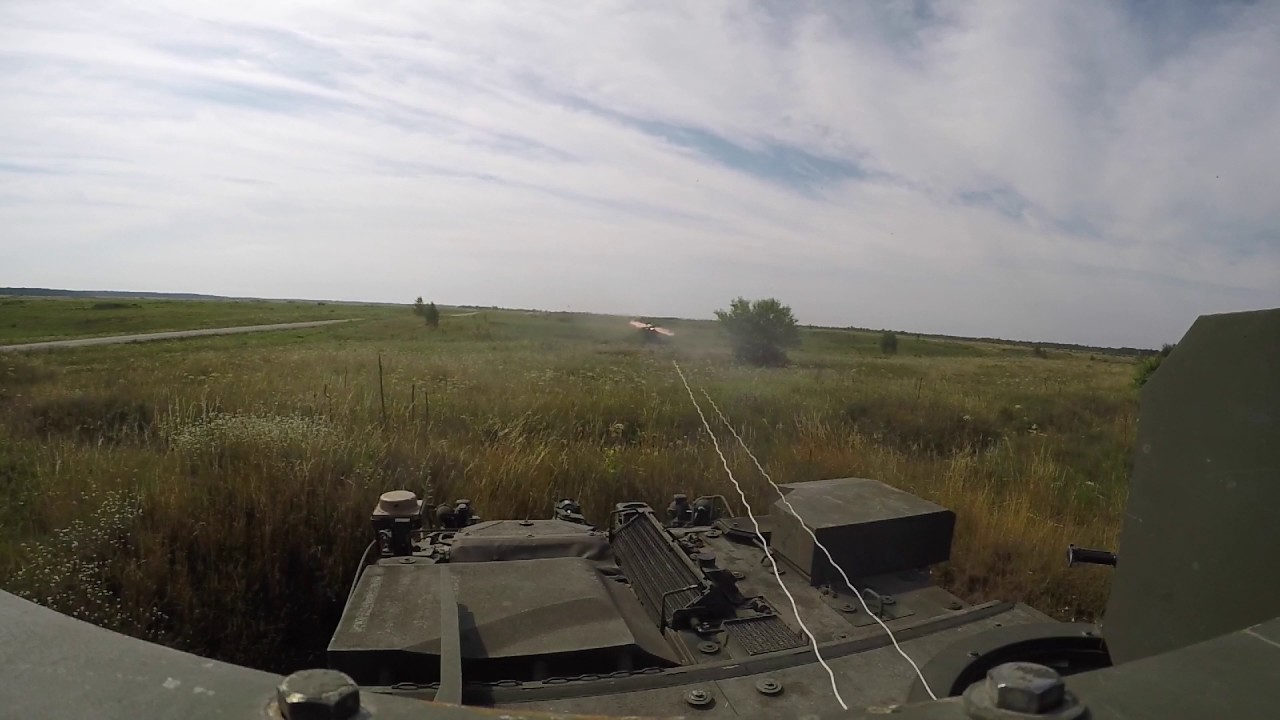
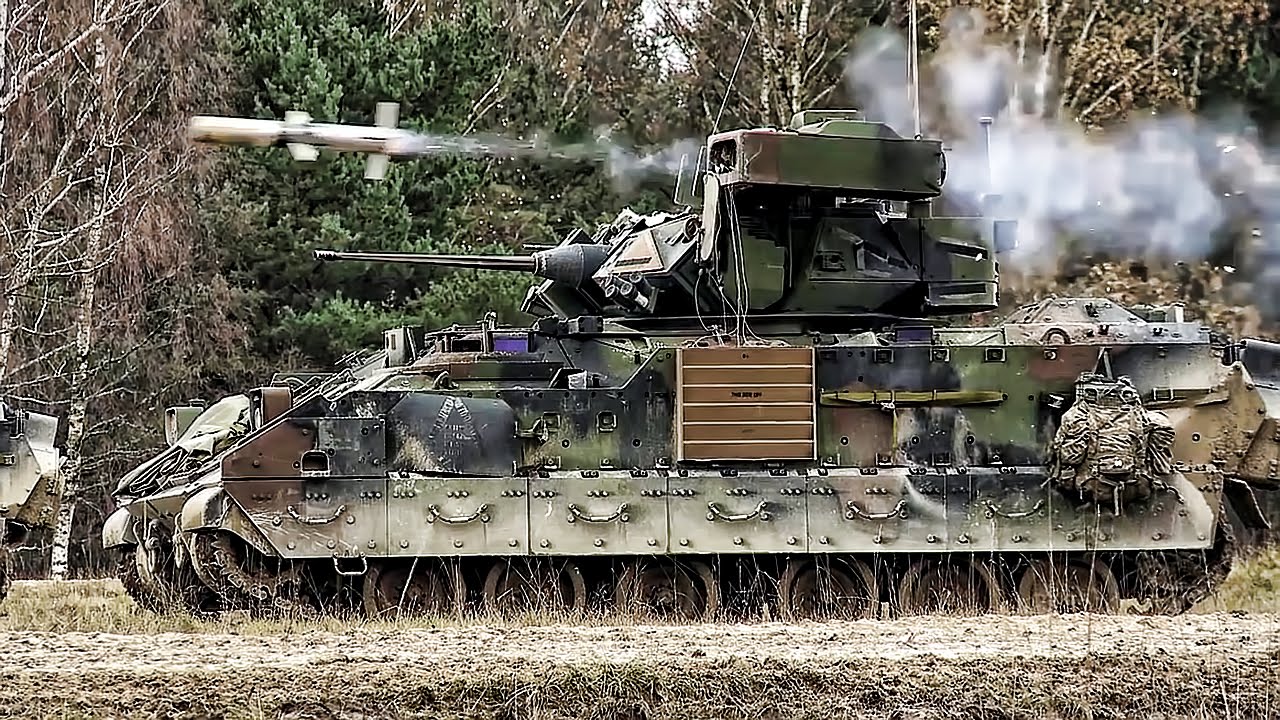
2 Likes
Could be. Wiki is not always the most accurate source of information.
1 Like
I remember seeing something about the stance of the kits and wondered how much of a squat the vehicles might have had with the TOW or 106 in the back? Wayne
1 Like