Hello fellow modelers,
It’s been a VERY long time since I’ve gotten to the point where I am now, which is washing the detailed stuff for my 1/72nd scale diorama.
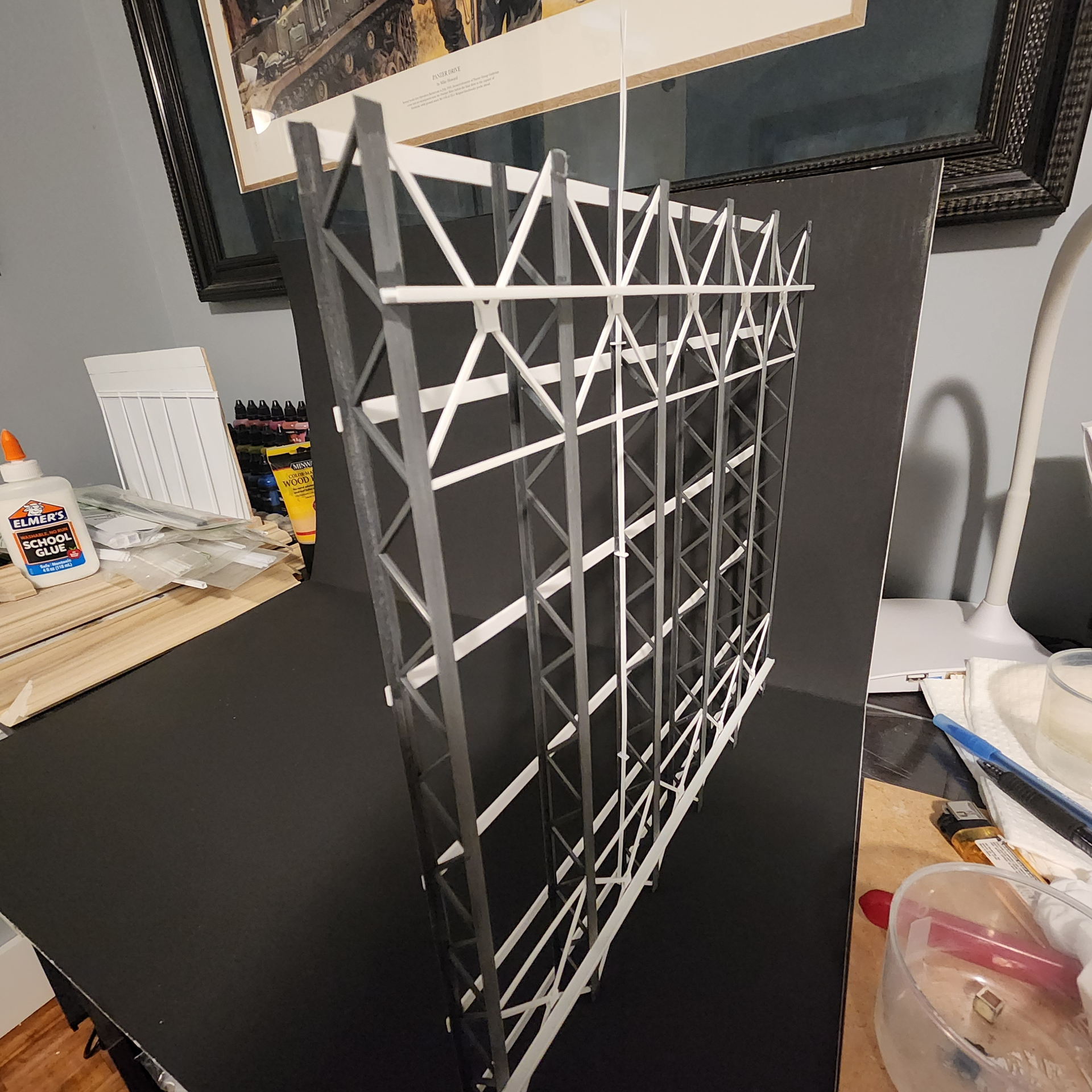
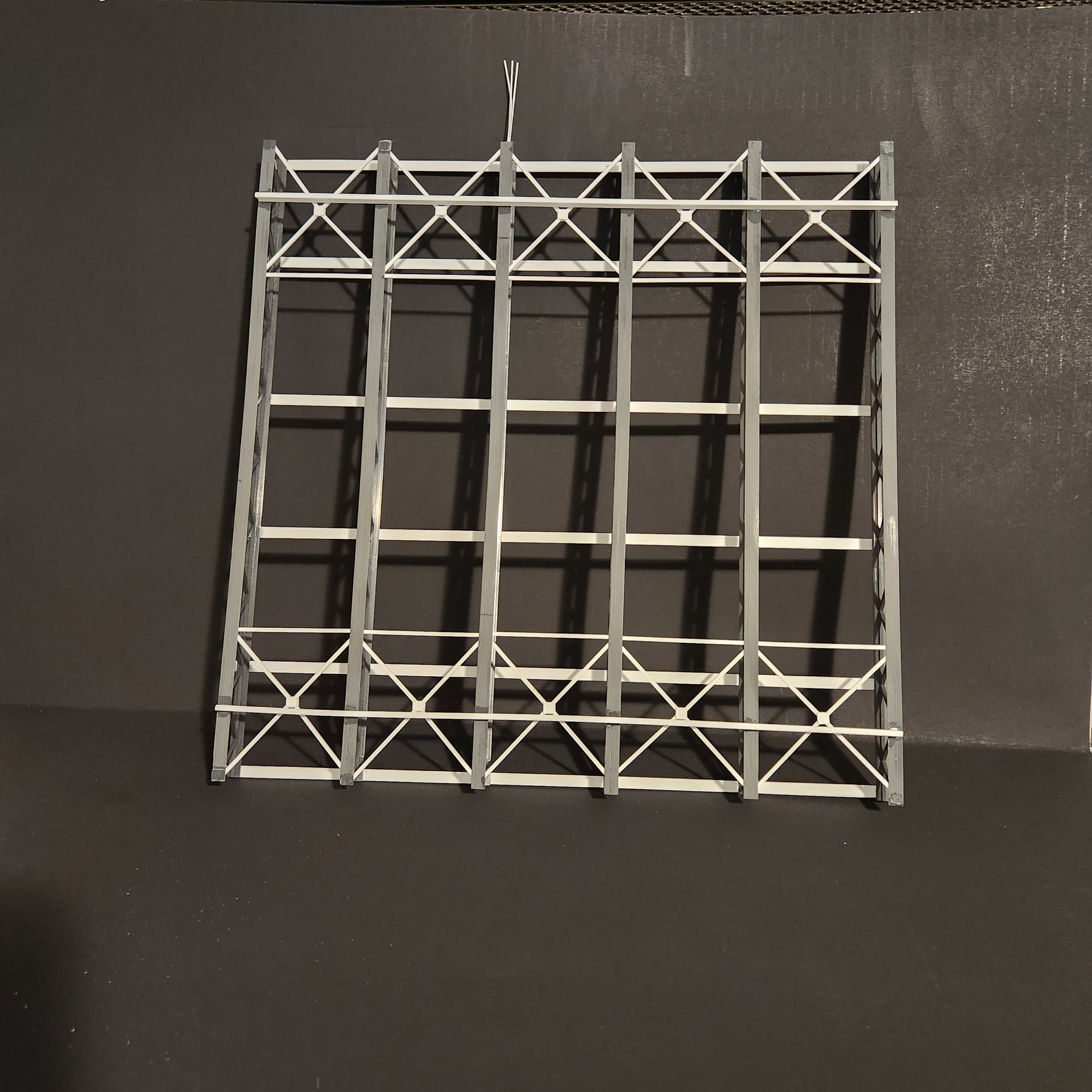
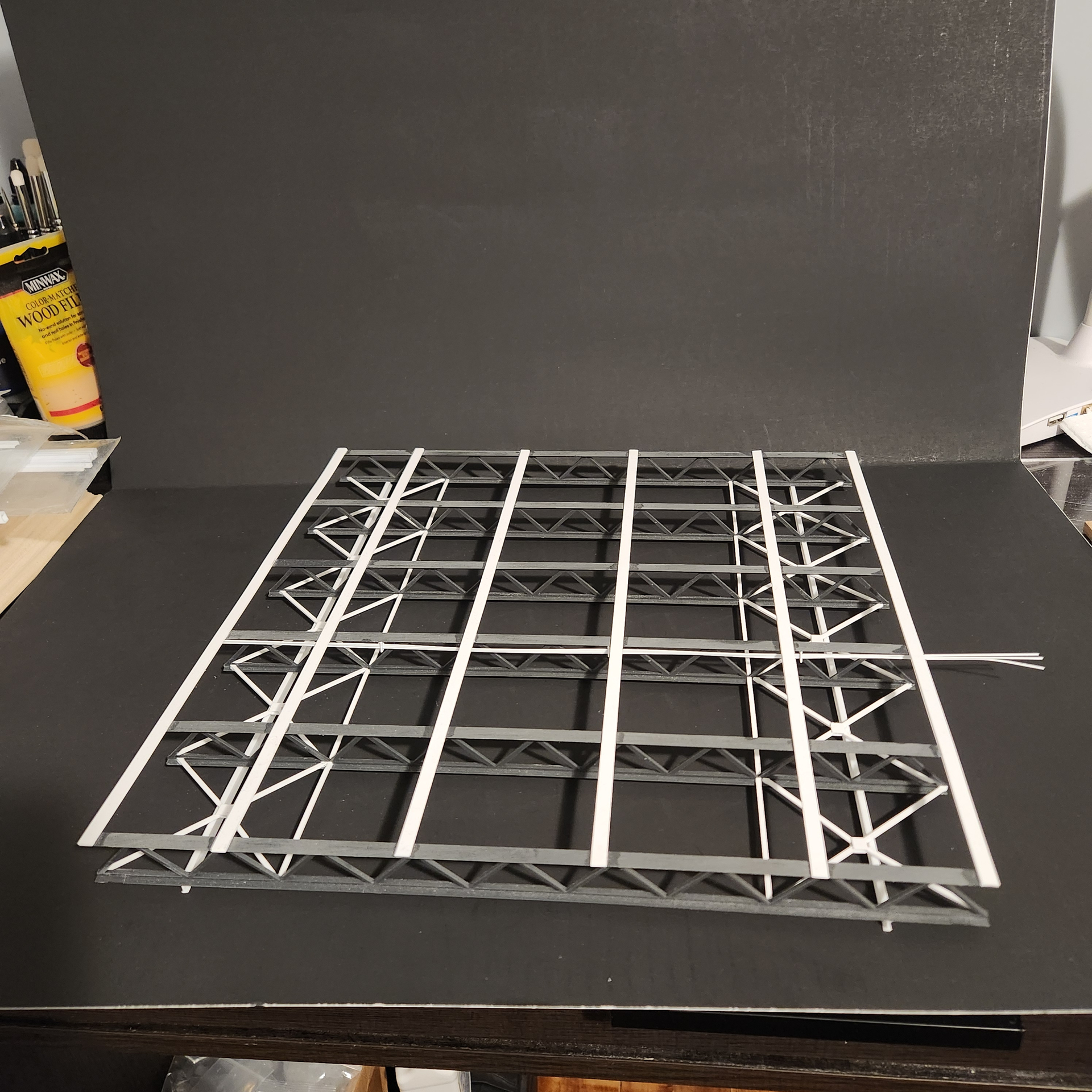
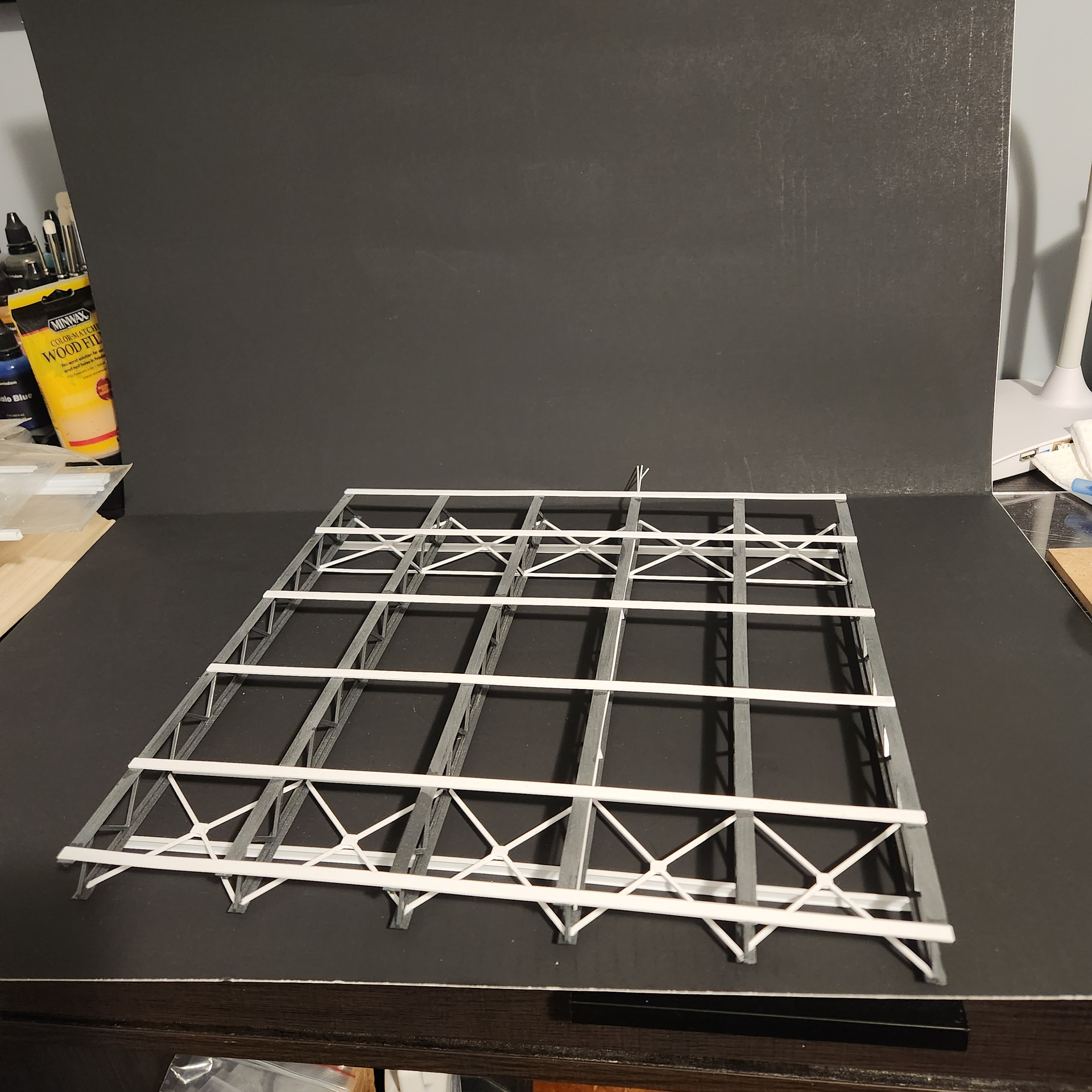
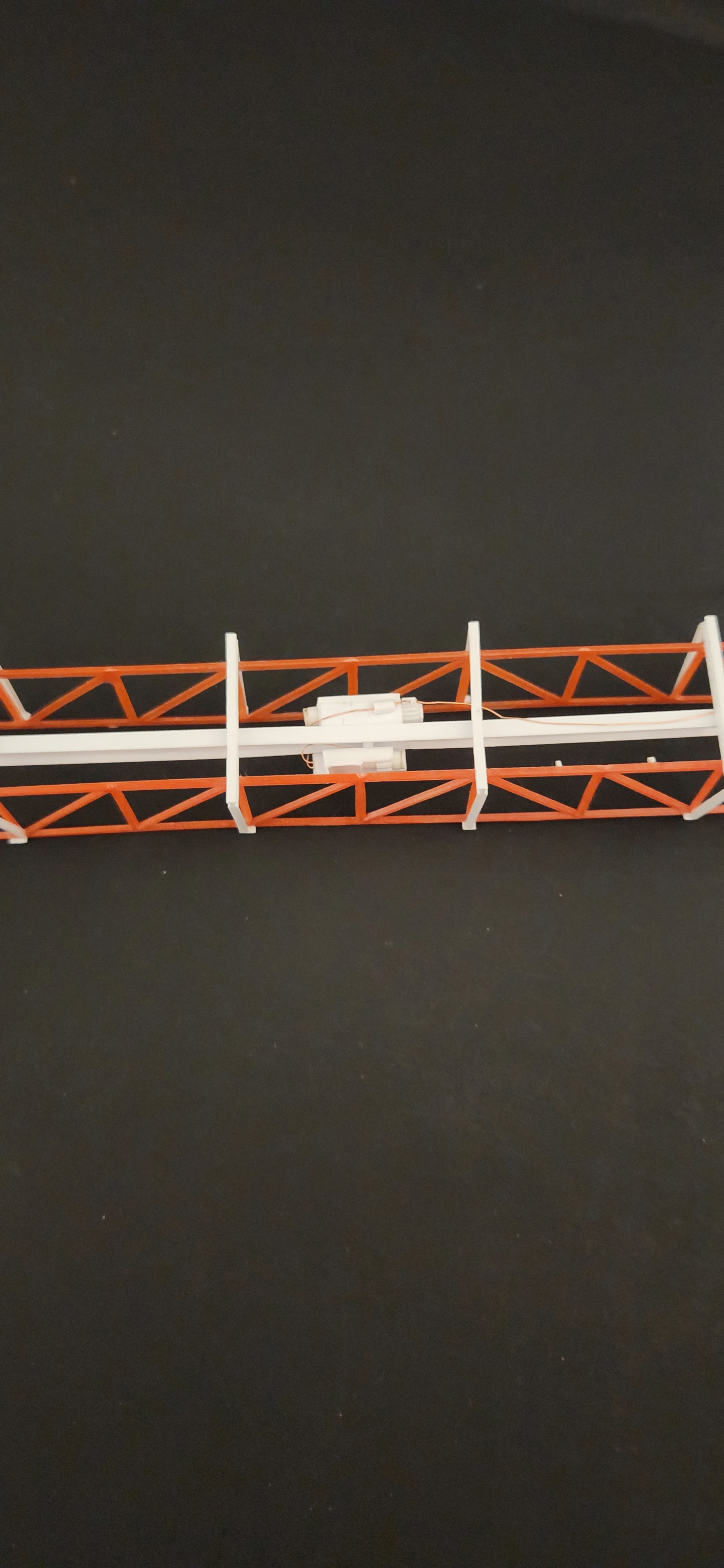
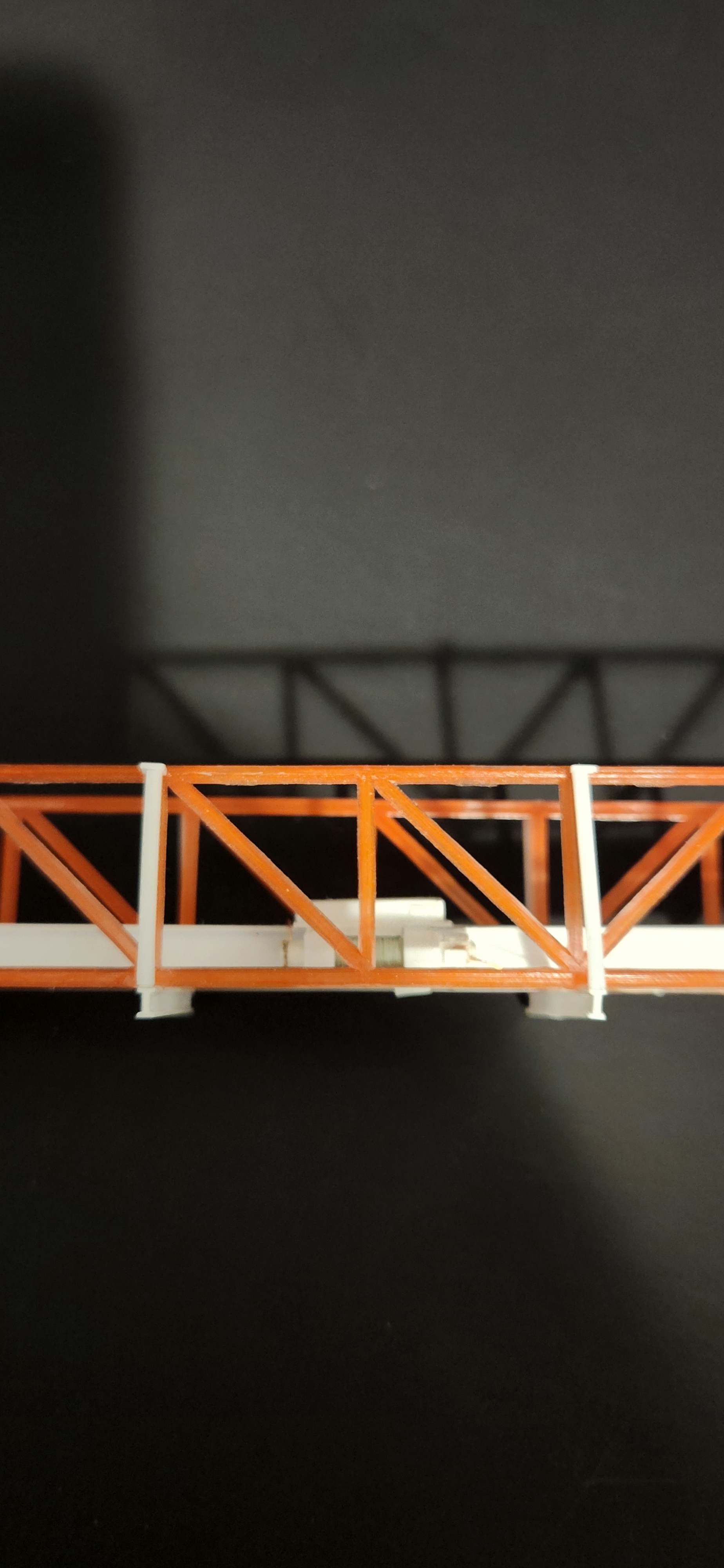
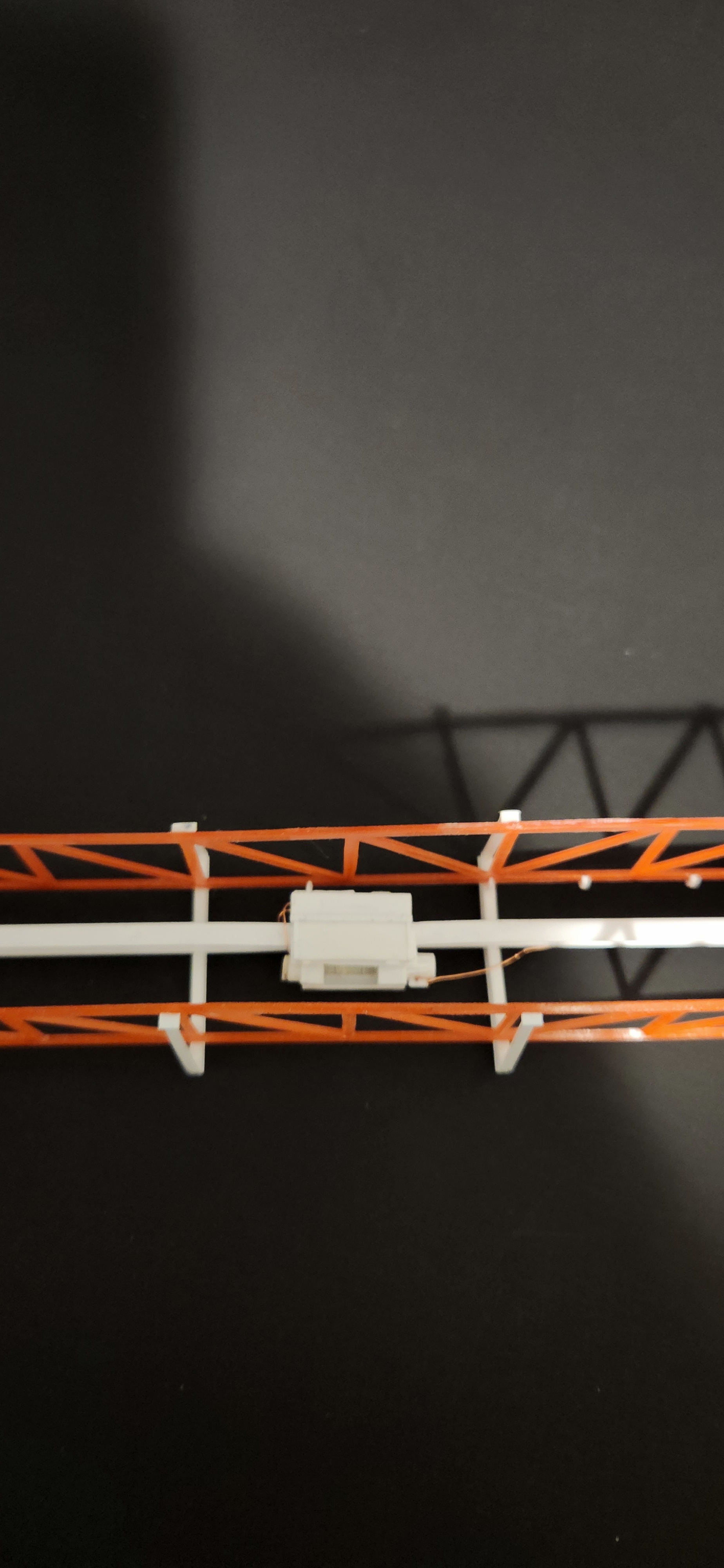
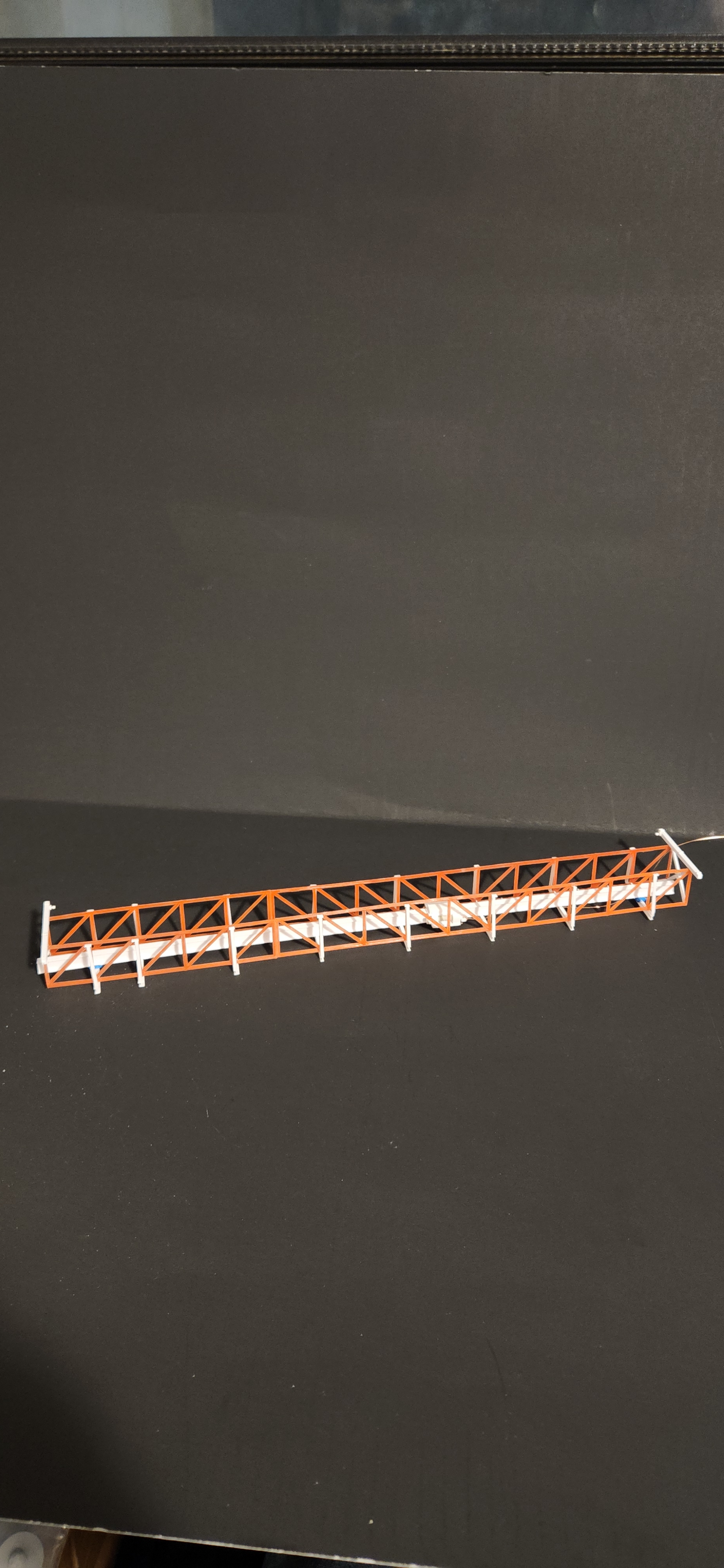
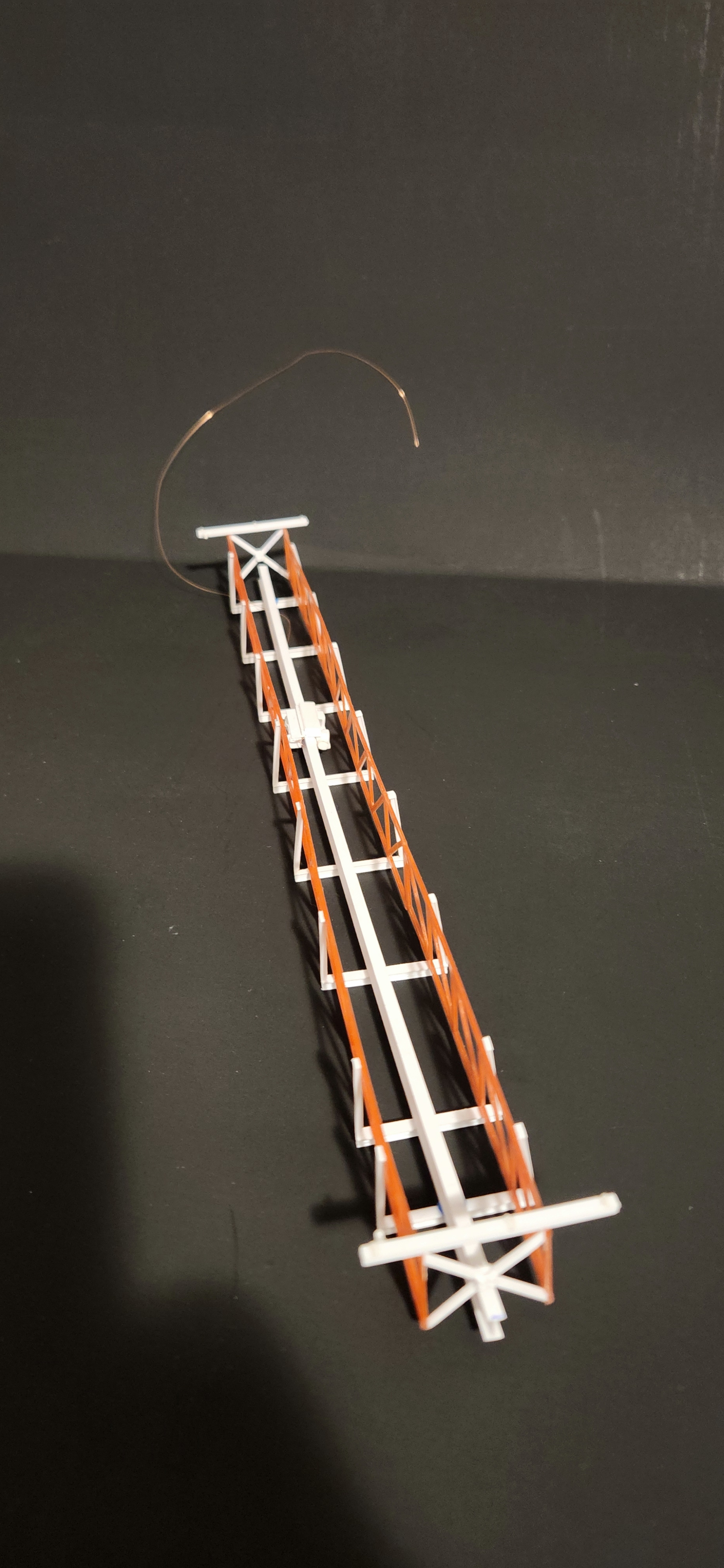
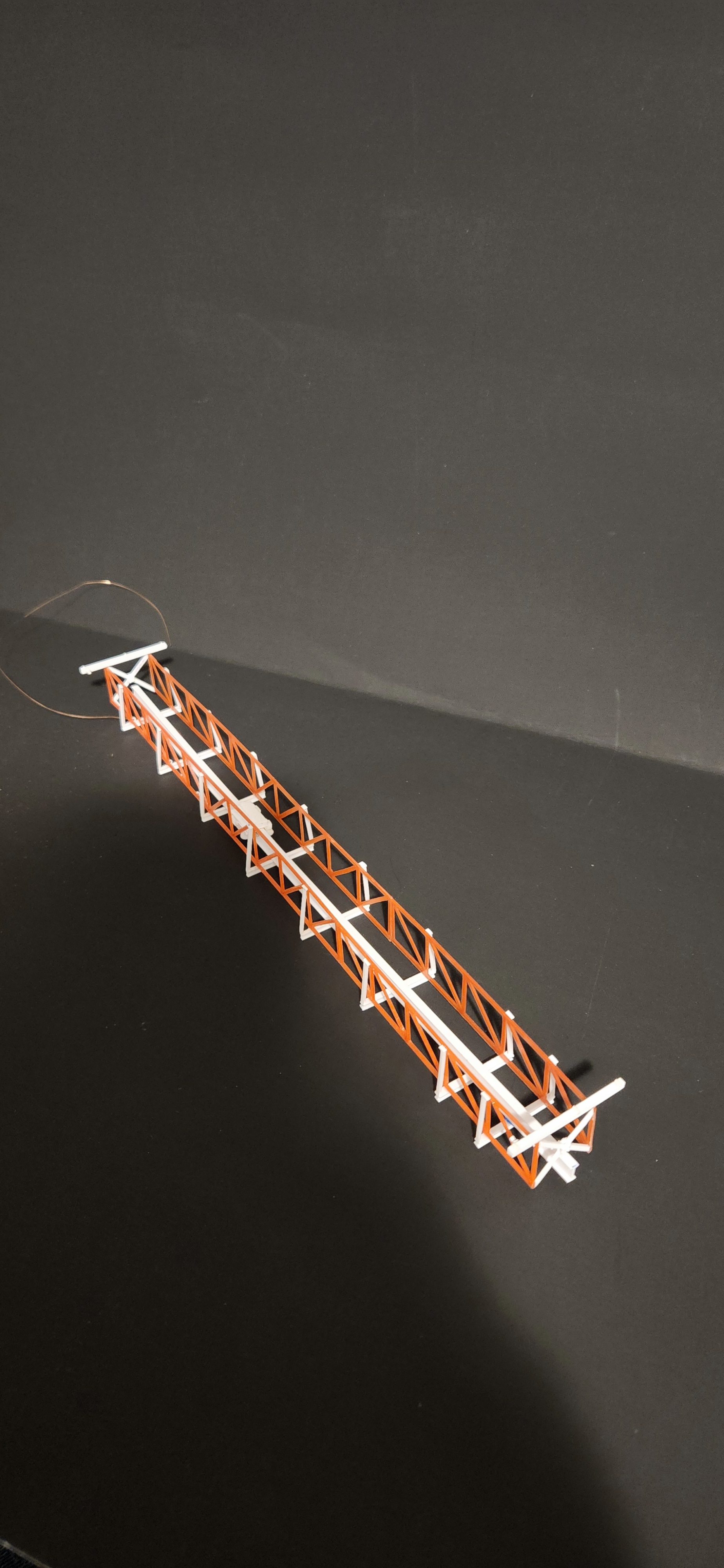
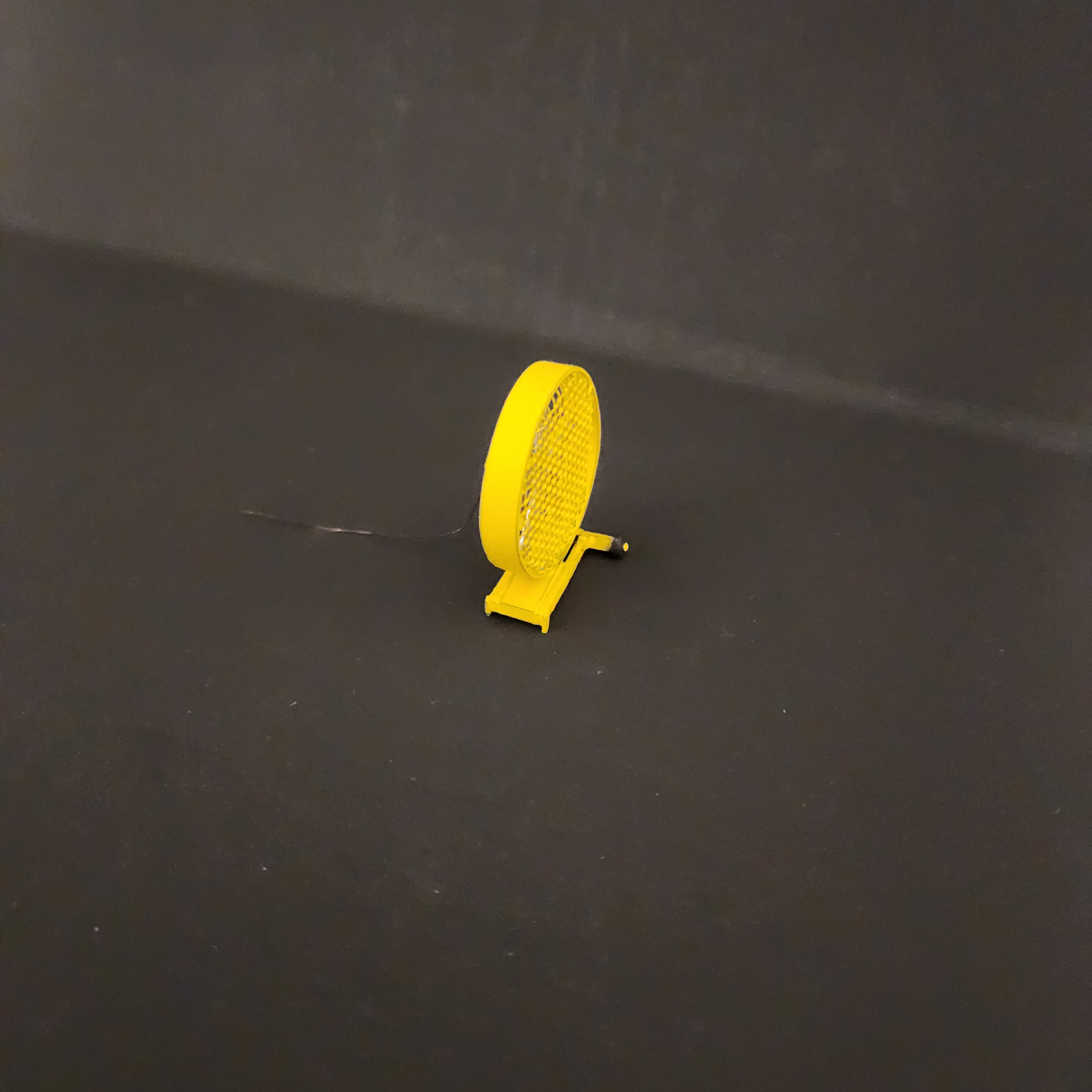
I’m building a detailed diorama of a A10 warthog in its hanger. I’ve scratchbuilt all of the trusses, brackets for the hanger roof and all the plumbing. The trusses and all of it’s assembly is 12in x 12in square!
So my question to all of you is, how do I wash all this so it can be ready for paint?
Thank you.
7 Likes
An impressive job, congratulations.
I would submerge the whole set in warm soapy water and carefully use a soft brush. Then leave it dry as long as needed.
6 Likes
I may just leave it in dawn dish soap overnight and just rinse it off. If you use a good primer, all will be well.
1 Like
I’ll probably be shouted down for heresy, but I’ve just sprayed primer on everything without any soapy baths & then painted. The only exception (for me) has been if I wanted a super-perfect finish on (say) cars - I’d wash all body panels, just in case. But for any kind of industrial/military subjects, imperfections in the paint finish are more welcome than undesirable.
4 Likes
finally I have been saying this for years and get side eyed from a lot of people every time that I do
1 Like
I’ll probably be shouted down for heresy, but I’ve just sprayed primer on everything without any soapy baths & then painted.
I’ll take it even further. I never use primer either. I just paint with the final color coat and it comes out fine every time.
3 Likes
I have never washed or primed either
BUT
I use enamels.
Some paints may be more sensitive and require a clean surface to prevent them from peeling off.
Some paints even require a primer to get a good grip.
2 Likes
If we are talking the likes of Evergreen plastic shapes i have never seen the need to wash anything before either applying paint or primer.
I find that when converting figures I do need to wash them prior to a coat of primer. Often, plastic dust and God knows what else seem to congregate around belts, webbing and crevices, so a quick wash and a gentle scrub with a toothbrush helps with that.
I prime my AFVs/Soft skins as in addition to seeming to provide a “key” to the final colour, it helps me identify the details or lack thereof; in fact, i often think my models look better in primer than they do finished(!), but the monochrome seems to help pinpoint omissions or even just plain bad modelling, which is always helpful.
4 Likes
 Clenliness is overrated. Challange your preconceptions.
I did win “best Swedish armor” during an international contest in Sweden some years ago.
I did not wash it, I did not use primer and I use Tamiya acrylics.

It is the visible top surface that counts. As long as you refrain from play with it recklessly it will hold up just fine.
2 Likes
Very nice build! looking forward to see it built, with A10 and all
1 Like
I don’t wash either,a good coat of primer and I have never had adhesion problems.i have never had a kit greasy with mold release agent
2 Likes
A lot depends on the paint you plan to use - acrylics can be fussy about finger-grease. I don’t often wash my builds, but I do prime them with good-quality primer. (Used to be Halfords grey auto primer, but they changed supplier recently so now I use Hycote grey - which was the old supplier to Halfords!) It grips like iron, so the paint I use on top has no problems gripping.
3 Likes
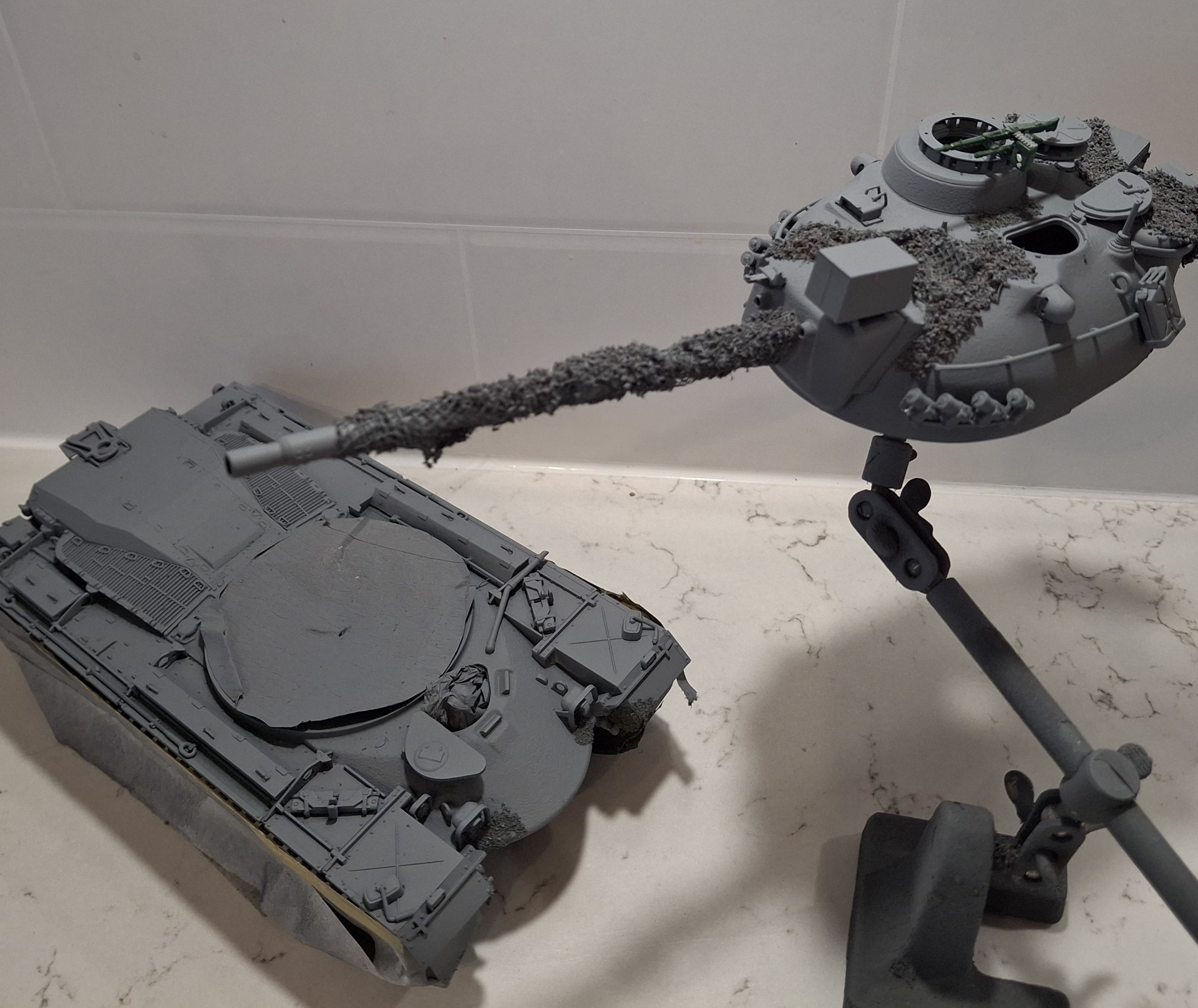
Especially if you are using acrylics, you need to wash your model before painting. All models have mold release agent, skin oils, and sanding dust on them that will interfere with paint. Personally I do not use primer, that is just one more layer of paint to obscure all of my careful detail. I paint directly on the clean plastic surface.
To clean a model without using a scrub brush, which will knock off details and PE, get a spray bottle of Windex with Ammonia D. Go to your kitchen sink. Hold the model over the sink and spray it very liberally with the Windex, soaking it thoroughly. This will dissolve and release all the crud on the model without having to handle it.
Use the sprayer on your sink to gently rinse the model with clear water. Handle with rubber gloves and place it under a Tupperware to dry. Your model is now ready for a perfect paint layer.
I got this useful tip from Steve Zaloga and it’s how I clean my models every time. Never fails.
1 Like
Thank you everyone for your support and taking the time out to help a fellow modeler.
2 Likes