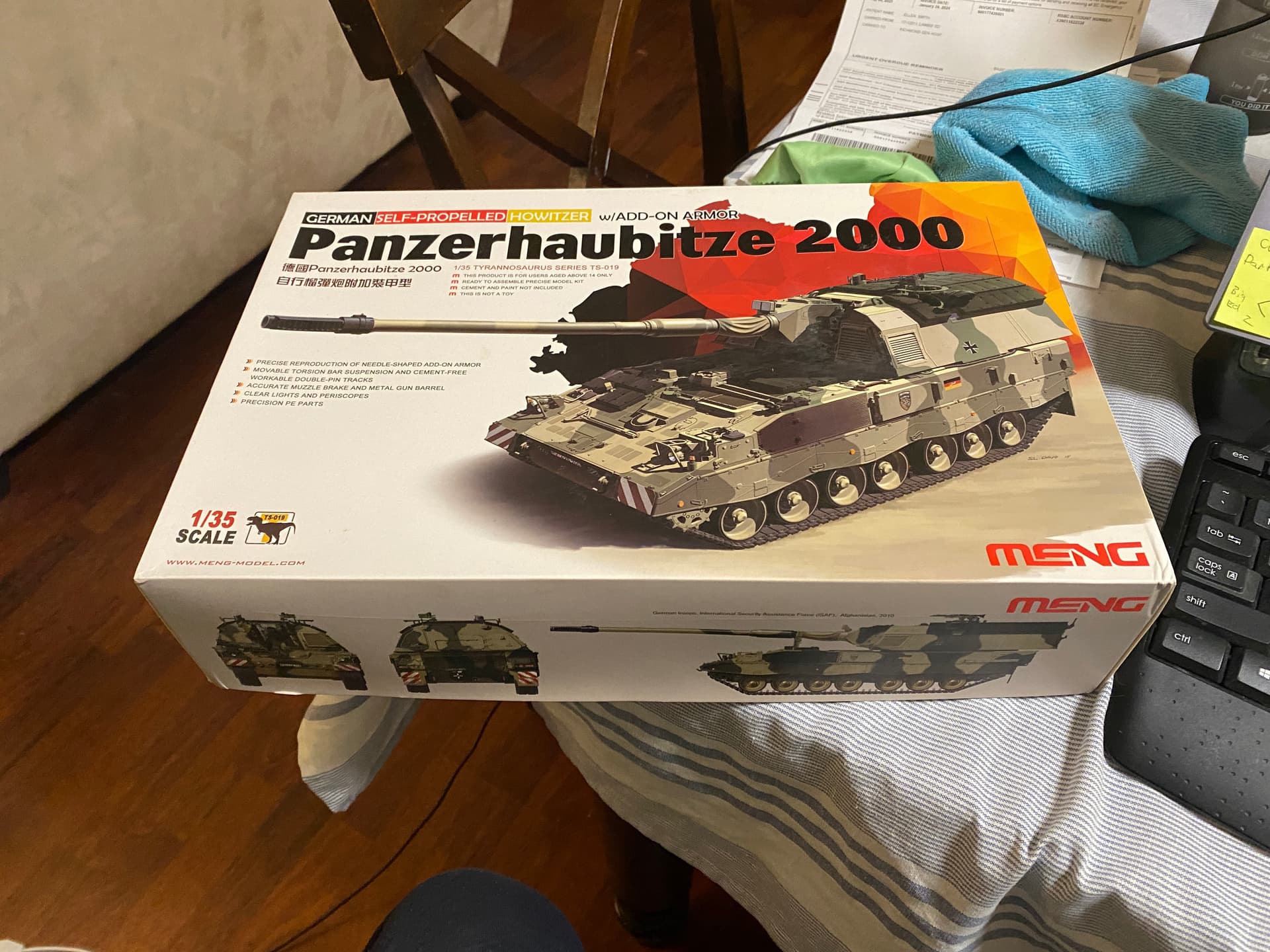
@SSGToms My want list includes the earlier version of the Rye Field Volkswagen. I did not know about this version. If these are easy builds, I may purchase both.
@Littorio The AFV Club Stryker Mobile Gun System is another vehicle on my want list. I am wary of the complexity but they look awesome.
@HermannB The Airfix Ferret is yet another model on my want list! If they are cheap, easy, fast, and fun builds, I can see myself making a few.
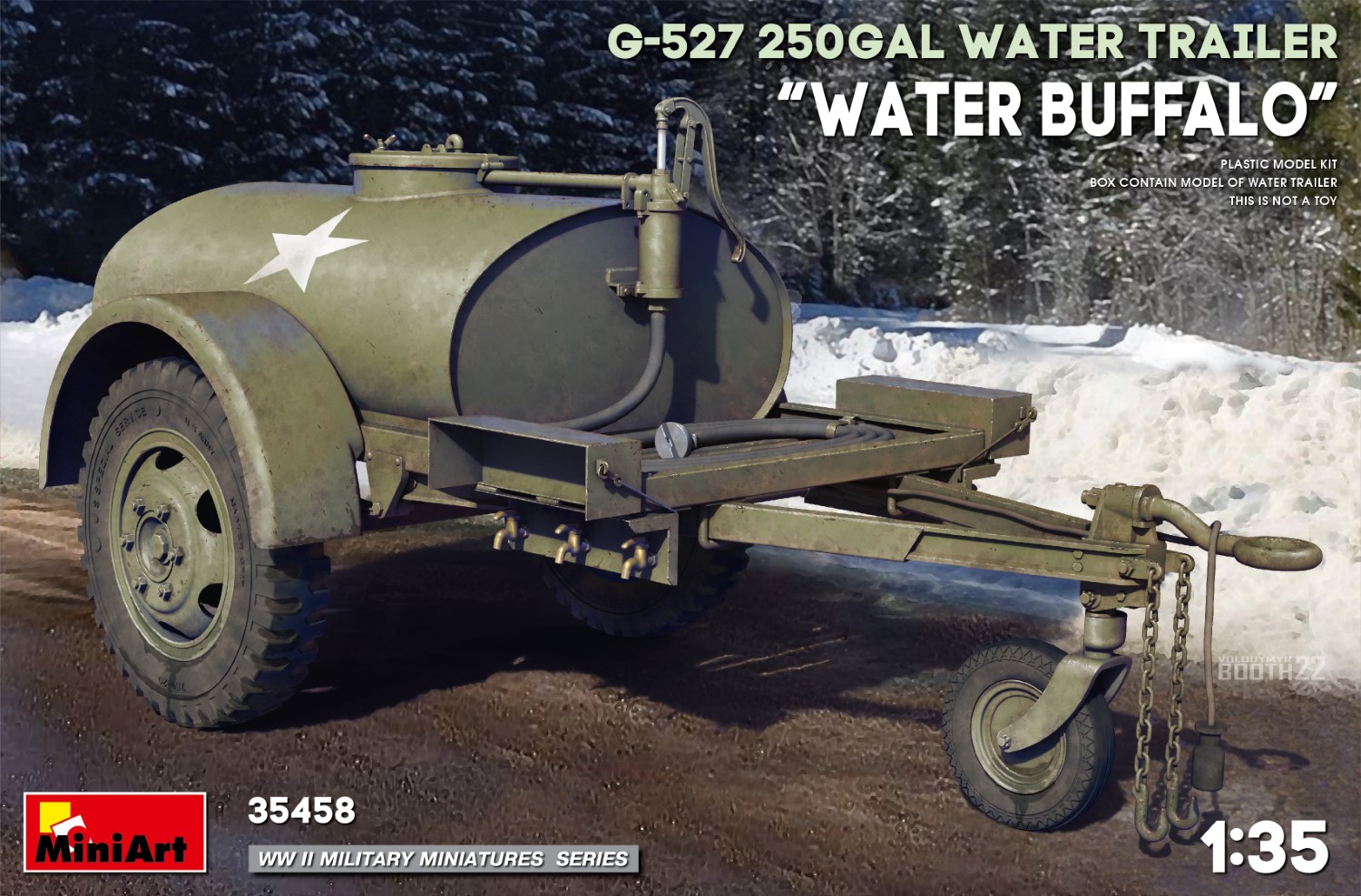
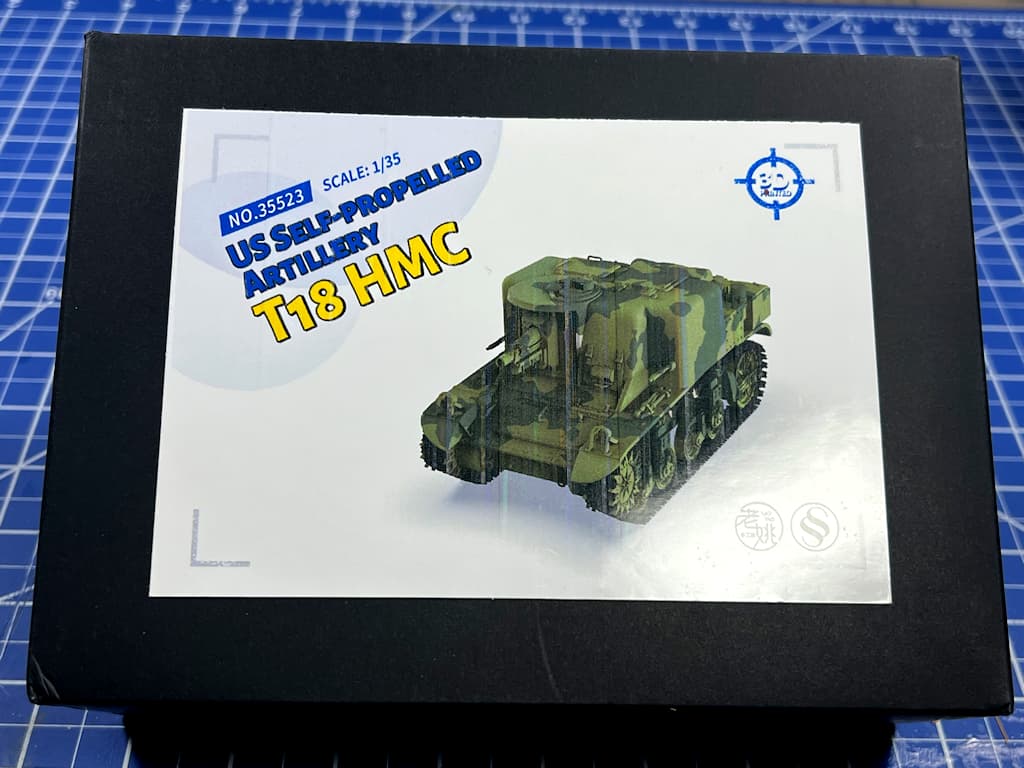
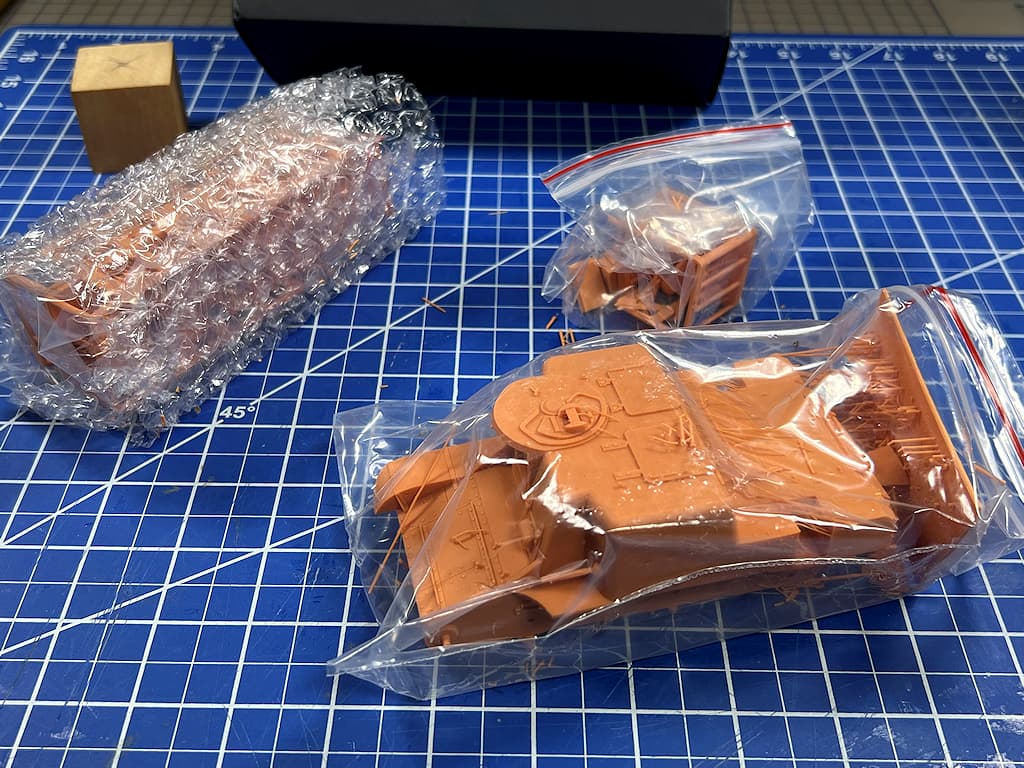
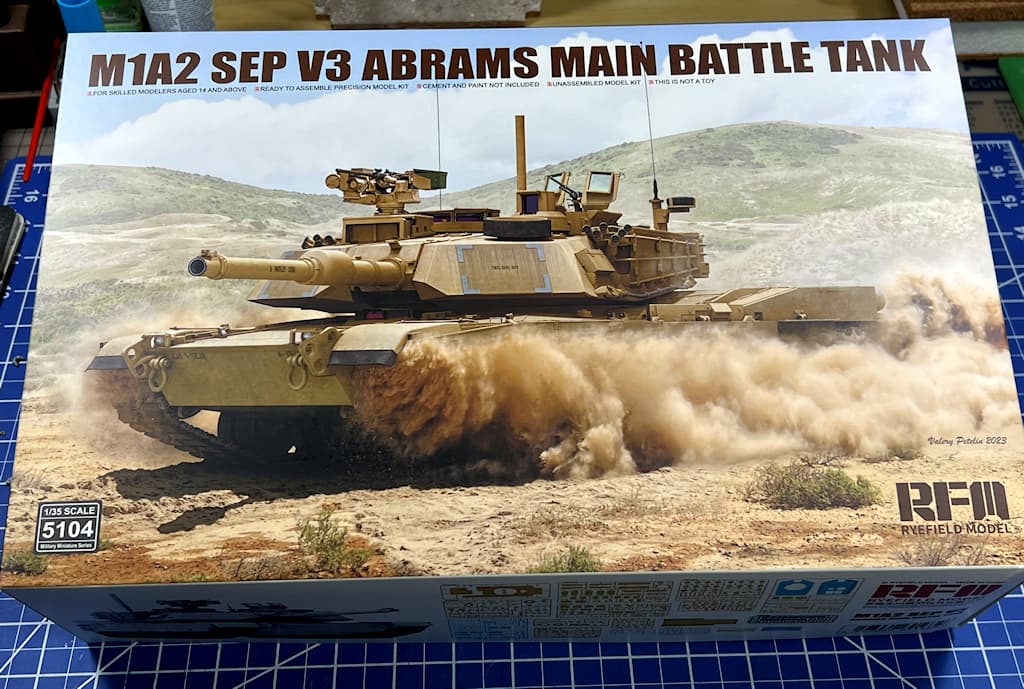
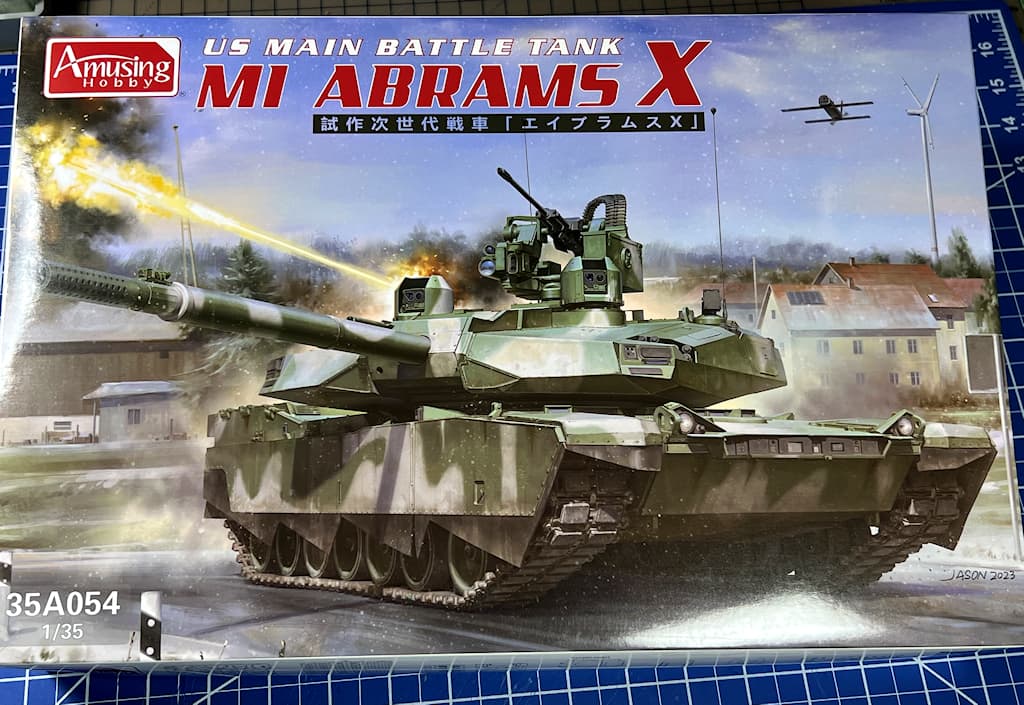
I have to laugh. Even with 7 models on the way, I keep browsing stores for more models. Procurement is getting way far ahead of manufacturing.
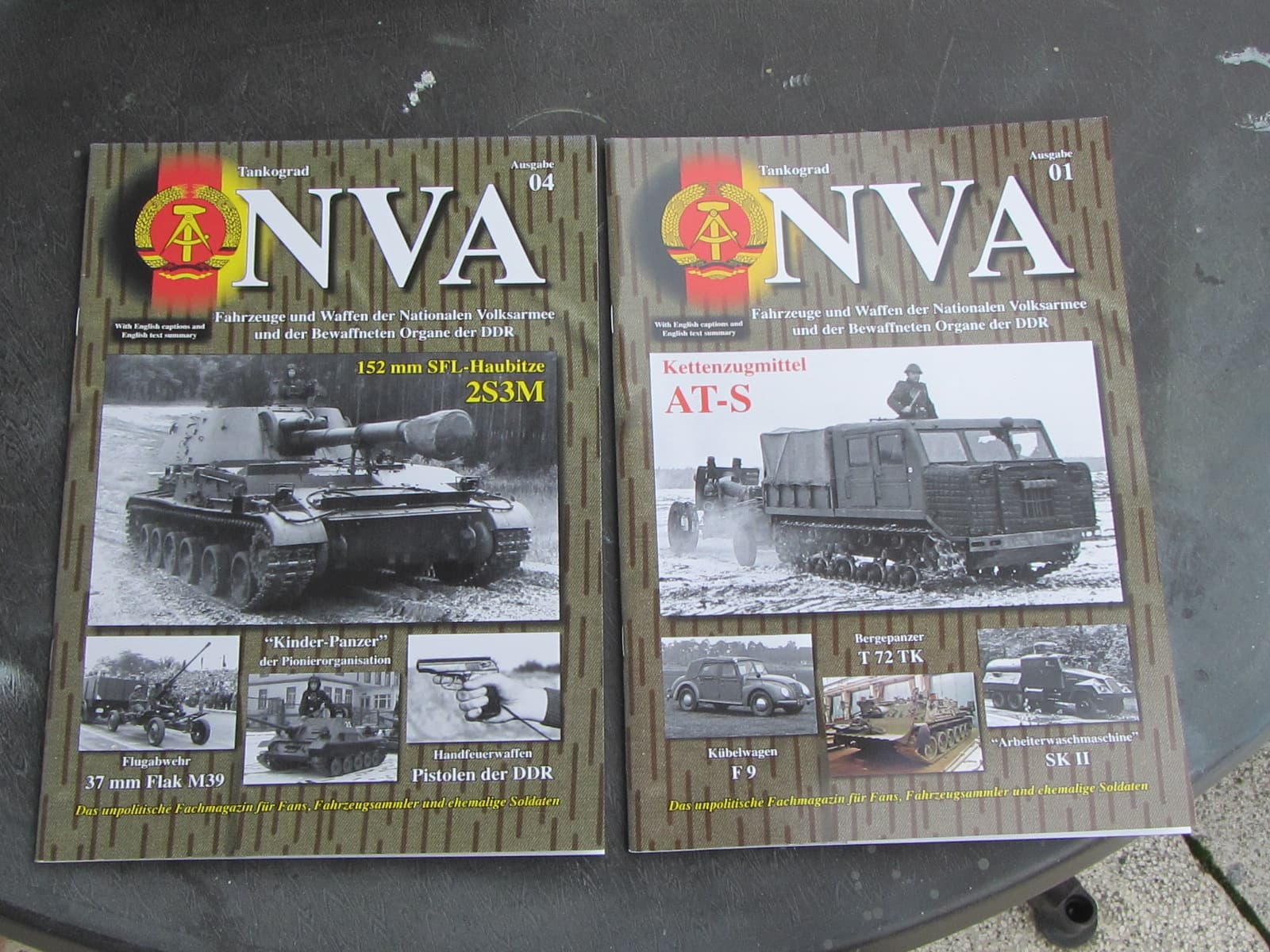
I recently got the M1A2 SEP v2 and the M2A3 Bradley Tankograd books. Have a few more lined up; the books for the M60/M60A1/A2/A3, the M1/IPM1 and M1A1/M1A2 SEP TUSK books, along with the TM books for the M4A3 and the M4A3E8.
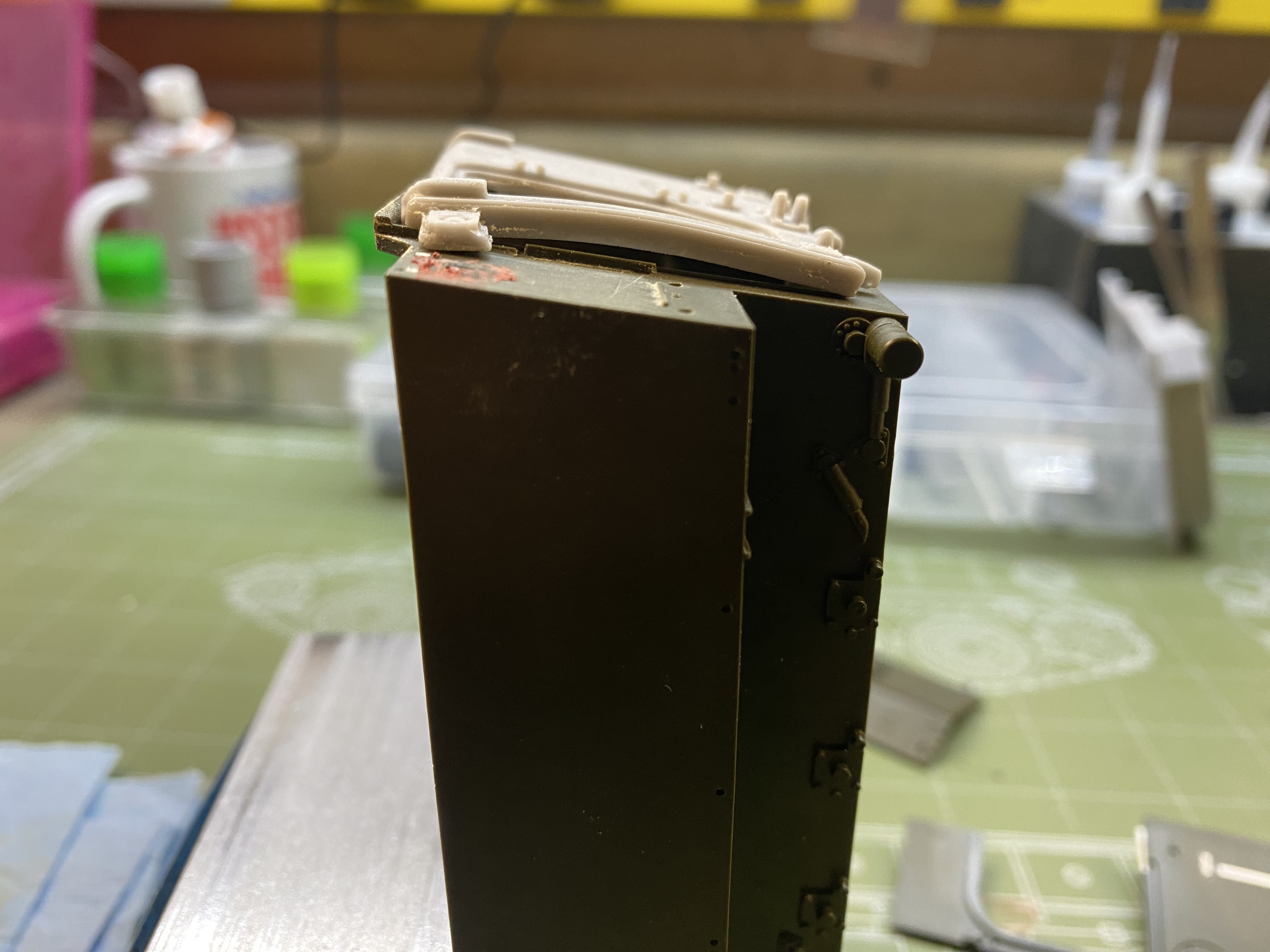
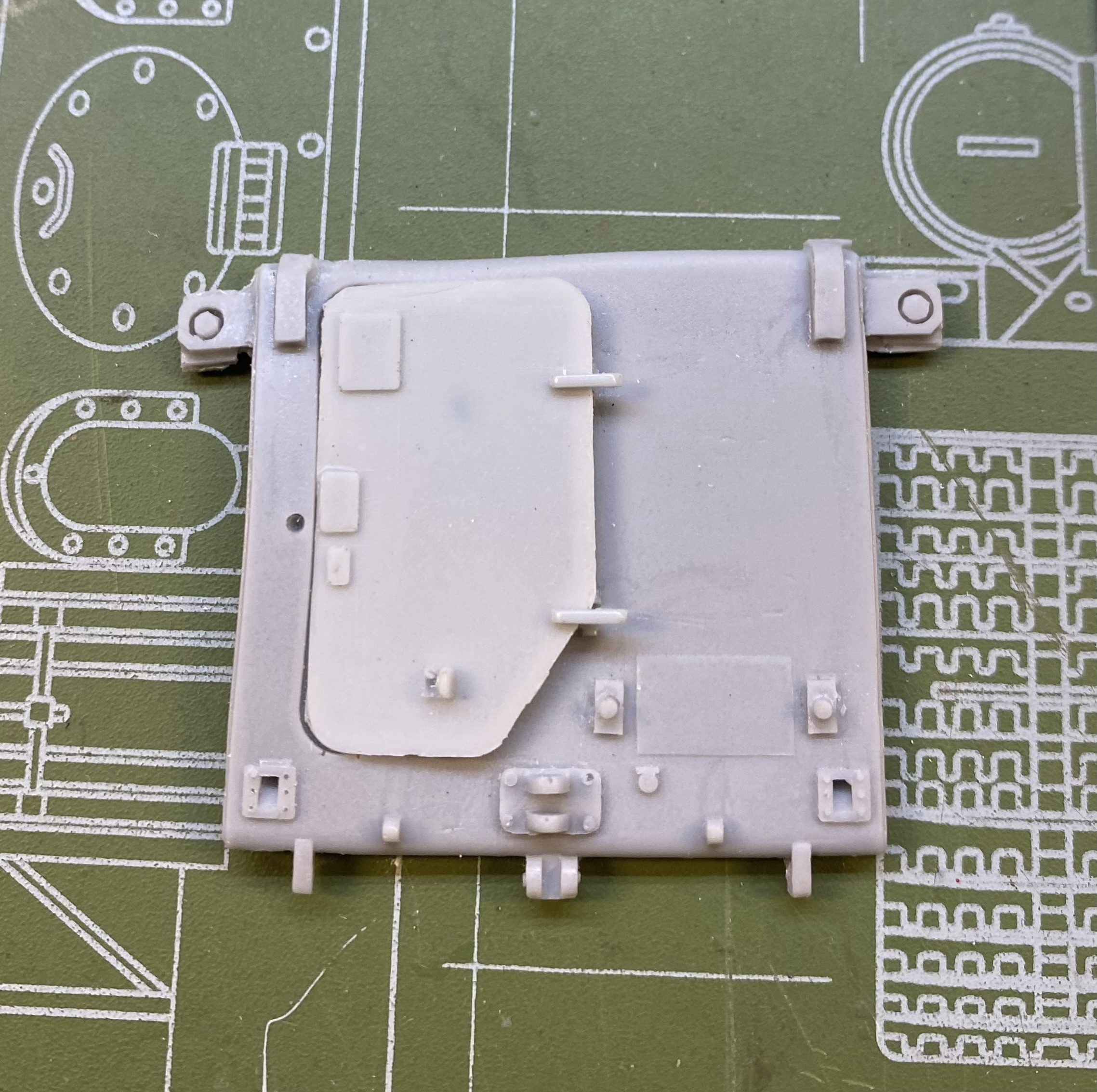
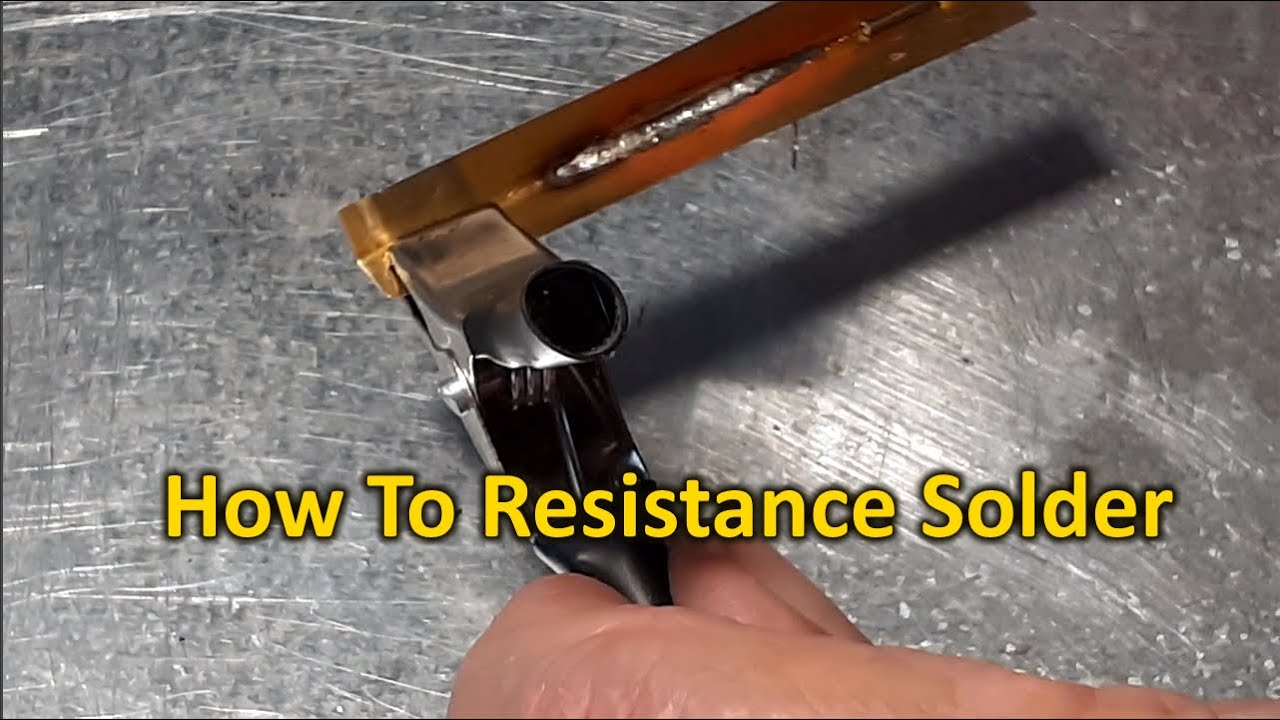
You’re gonna need a lot of heat sinks to keep it together and to maintain your sanity check your local model railroad shop or electronics supply house they’re mostly aluminum alligator clips without teeth and very thin at the tip you need one on every joint during the whole process so every panel is going to need like one in every corner that’s already been soldered. Sounds like a lot but it’ll keep you from going insane.
From this wikipedia article:
"Resistance soldering is soldering in which the heat required to melt the solder is created by passing an electric current through the parts to be soldered. When electric current is conducted through any metal, heat is generated; when that current is confined to a smaller cross-sectional area, the heat produced in the entire circuit is concentrated in the portion with the reduced cross-sectional area. The current doing the heating is applied by electrodes or tips energized from a low (open-circuit) voltage source, typically 2-7 volts. They can be tweezer-like for general connections or specially-shaped to make contact with parts located closely together.
Resistance soldering is unlike using a conduction iron, where heat is produced within an element and then passed through a thermally conductive tip into the joint area. A cold soldering iron requires time to reach working temperature and must be kept hot between solder joints. Thermal transfer may be inhibited if the tip is not kept properly wetted during use. With resistance soldering an intense heat can be rapidly developed directly within the joint area and in a tightly controlled manner. This allows a faster ramp up to the required solder melt temperature and minimizes thermal travel away from the solder joint, which helps to minimize the potential for thermal damage to materials or components in the surrounding area. Heat is only produced while each joint is being made, making resistance soldering more energy efficient. Because of these advantages, resistance soldering is common in industries which solder in small spaces such as connectors and wire terminals, and where high power is required, such as desoldering automotive parts.[27]
Resistance soldering equipment, unlike conduction irons, can be used for difficult soldering and brazing applications where significantly higher temperatures may be required. This makes resistance comparable to flame soldering in some situations, but the resistance heat is more localized because of direct contact, whereas the flame might heat a larger area."
Spot welding is more or less the same technology except that spot welding doesn’t add any material, it simply melts and fuzes the metal already in the parts.
@Robert_Goldman Robert, thank you for the alligator clip heat sink tip! Much appreciated.
@Uncle-Heavy Robin, I’d very much like to go resistance soldering but due to it’s cost will probably try conventional first. I appreciate the information.
You’re very welcome. Go with a fine tip on the iron hopefully you’ll get one that has interchangeable tips. You’ll also find that the old exacto extra hands is a God send when it comes to holding this kind of work.
Good luck and keep me in the loop and if there’s a question just ask
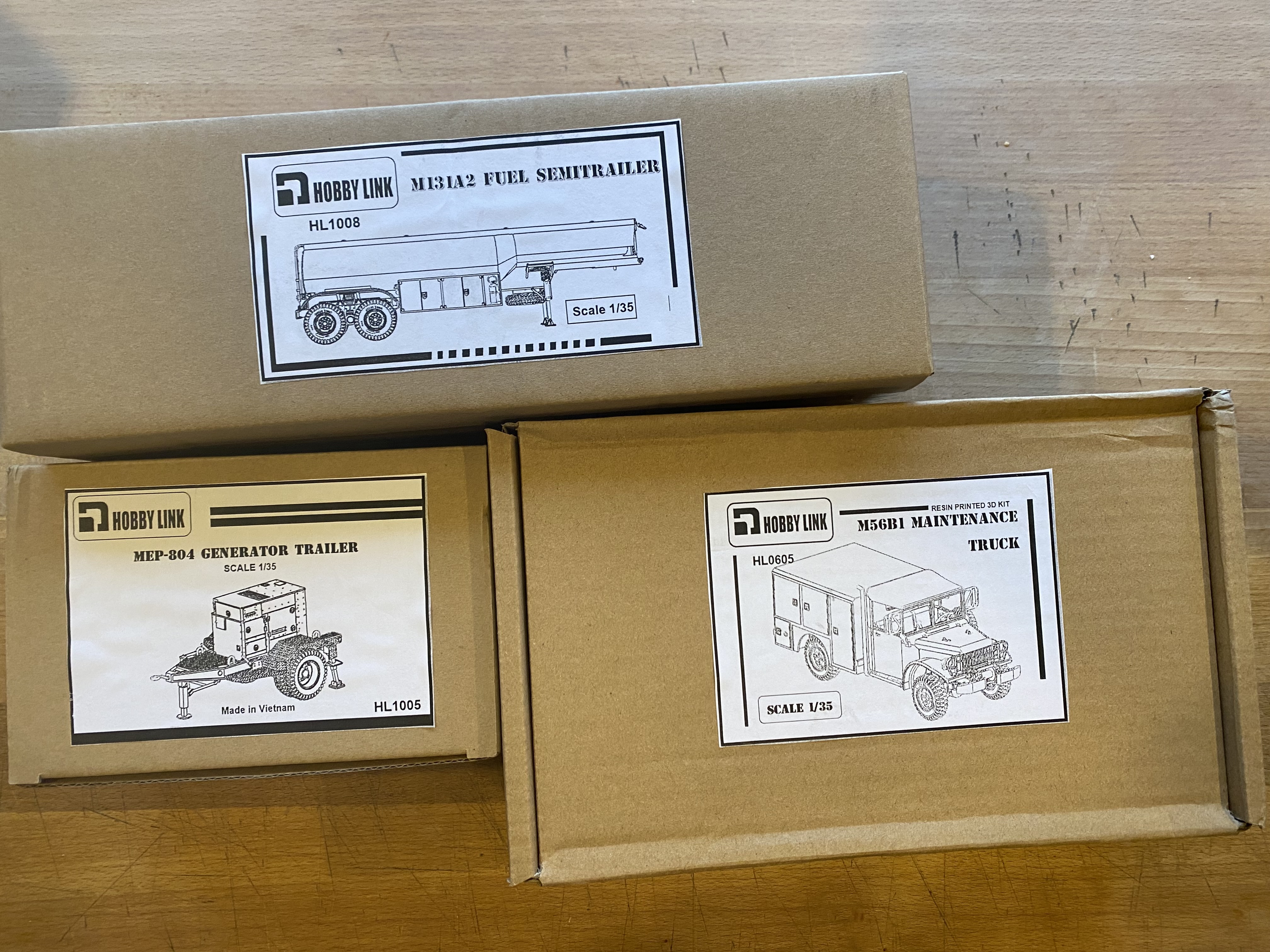
Nice haul Al, I opted out of that new fuel trailer, as my M52/M1062 rig takes up quite a chunk of shelf space. Hope you post on the builds though as I’d be really interested to see how the two trailers turn out. I read a slightly disturbing blog about serious warping on the M125 frame, having to saw v’s into it to get it straight. (I have one to build, hence the concern).

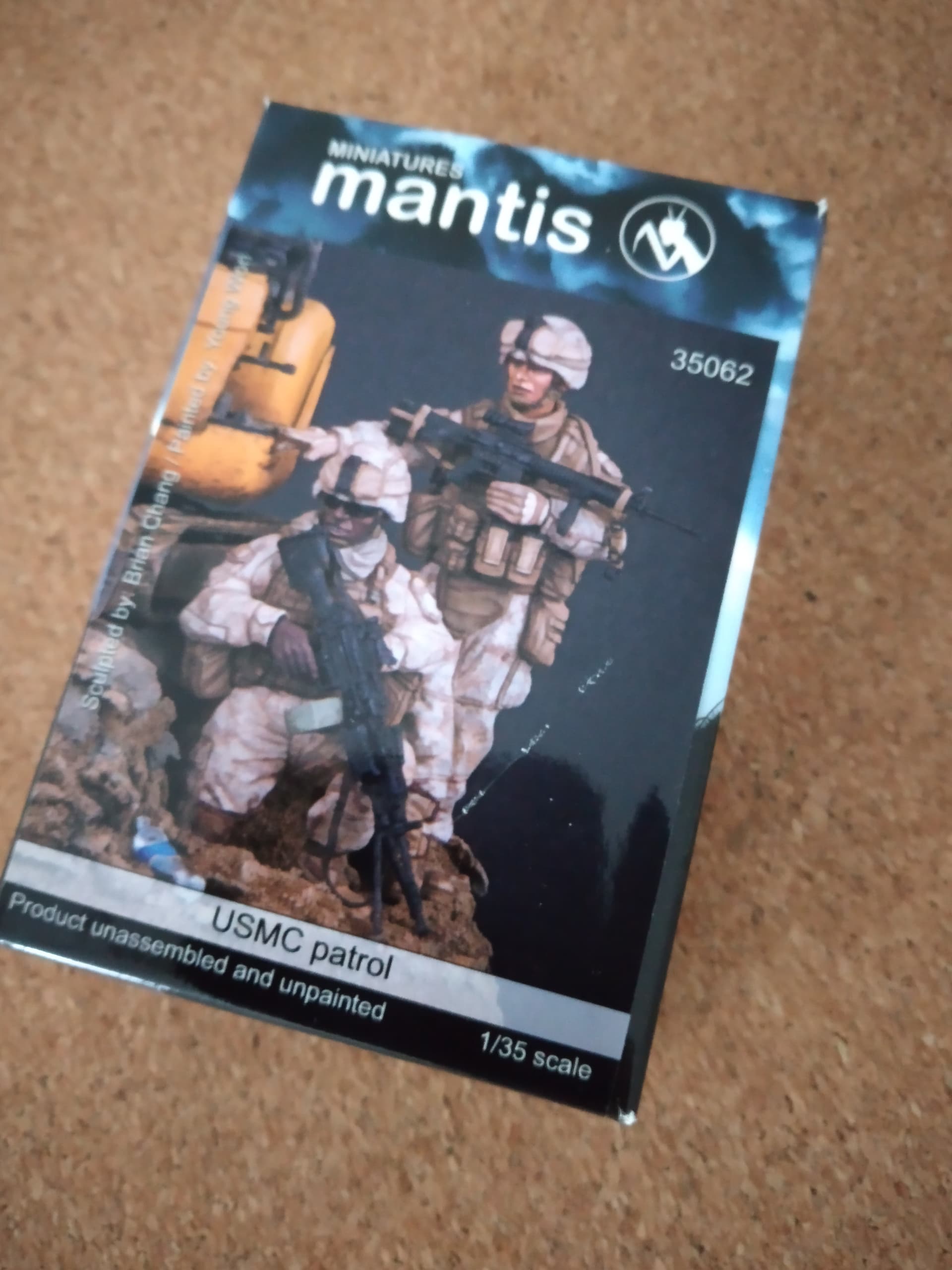
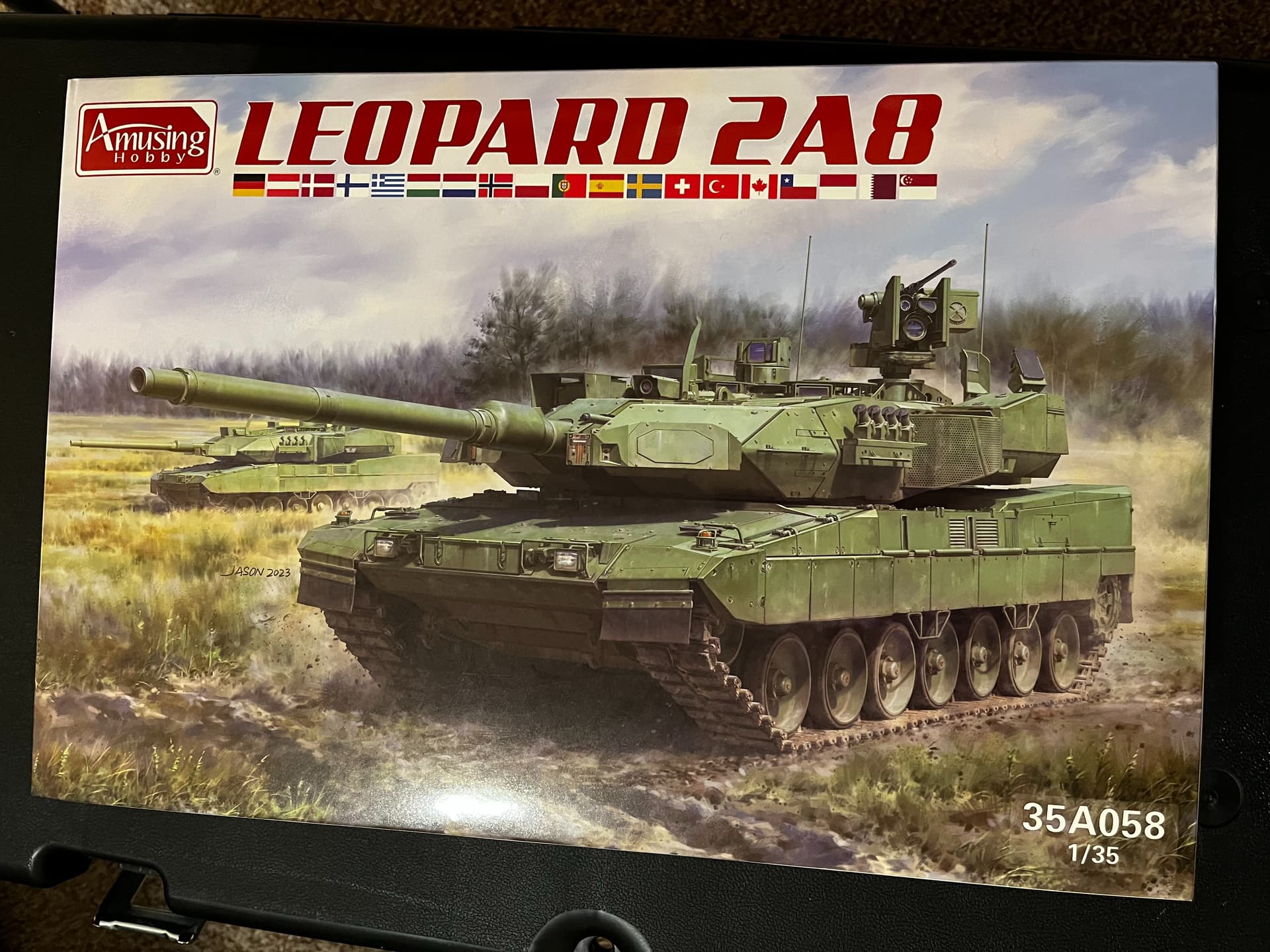
 Thank you Mr. Postman!