Wonderful work!
1 Like
Fantastic looking Sherman!
2 Likes
Outstanding work.
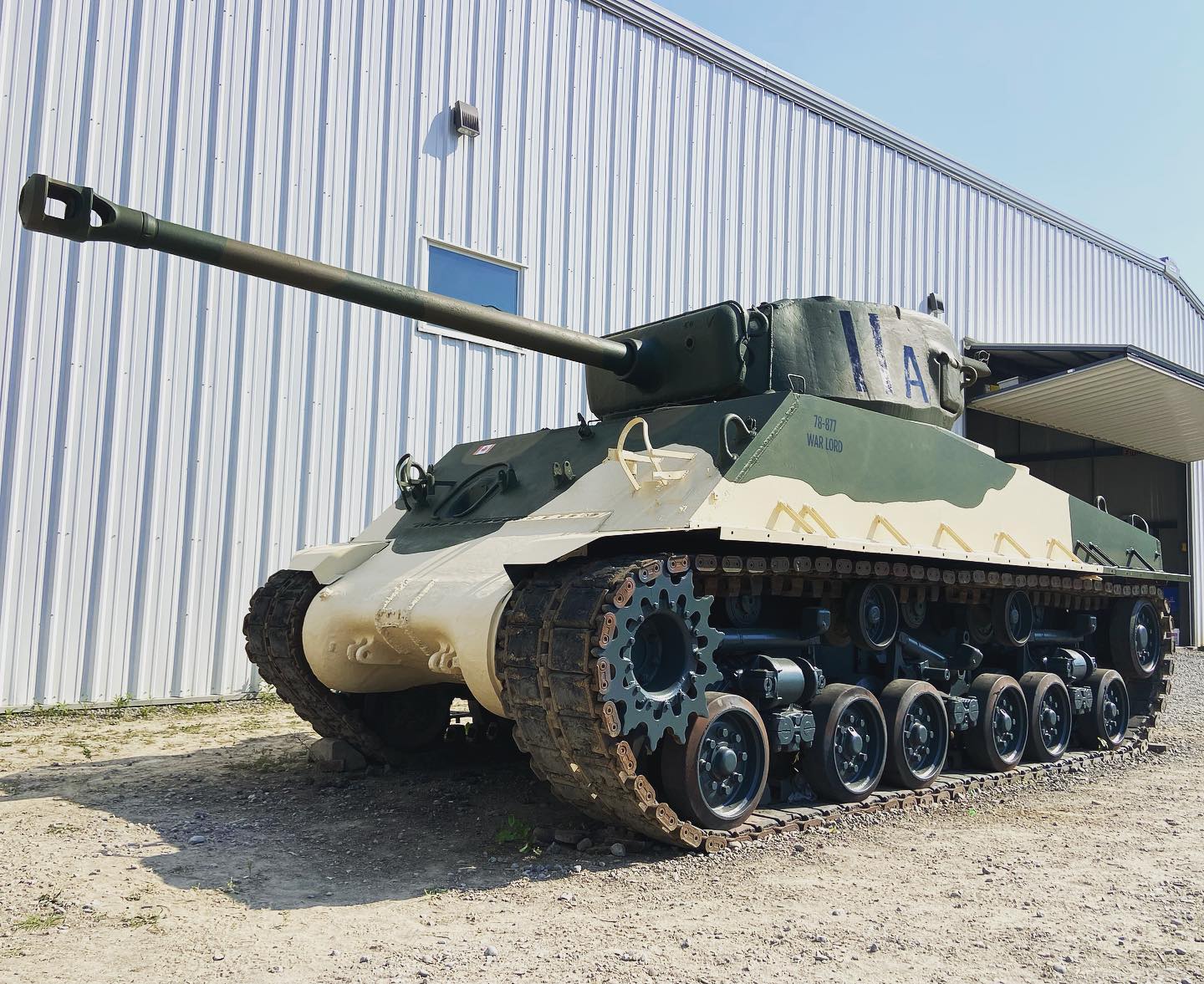
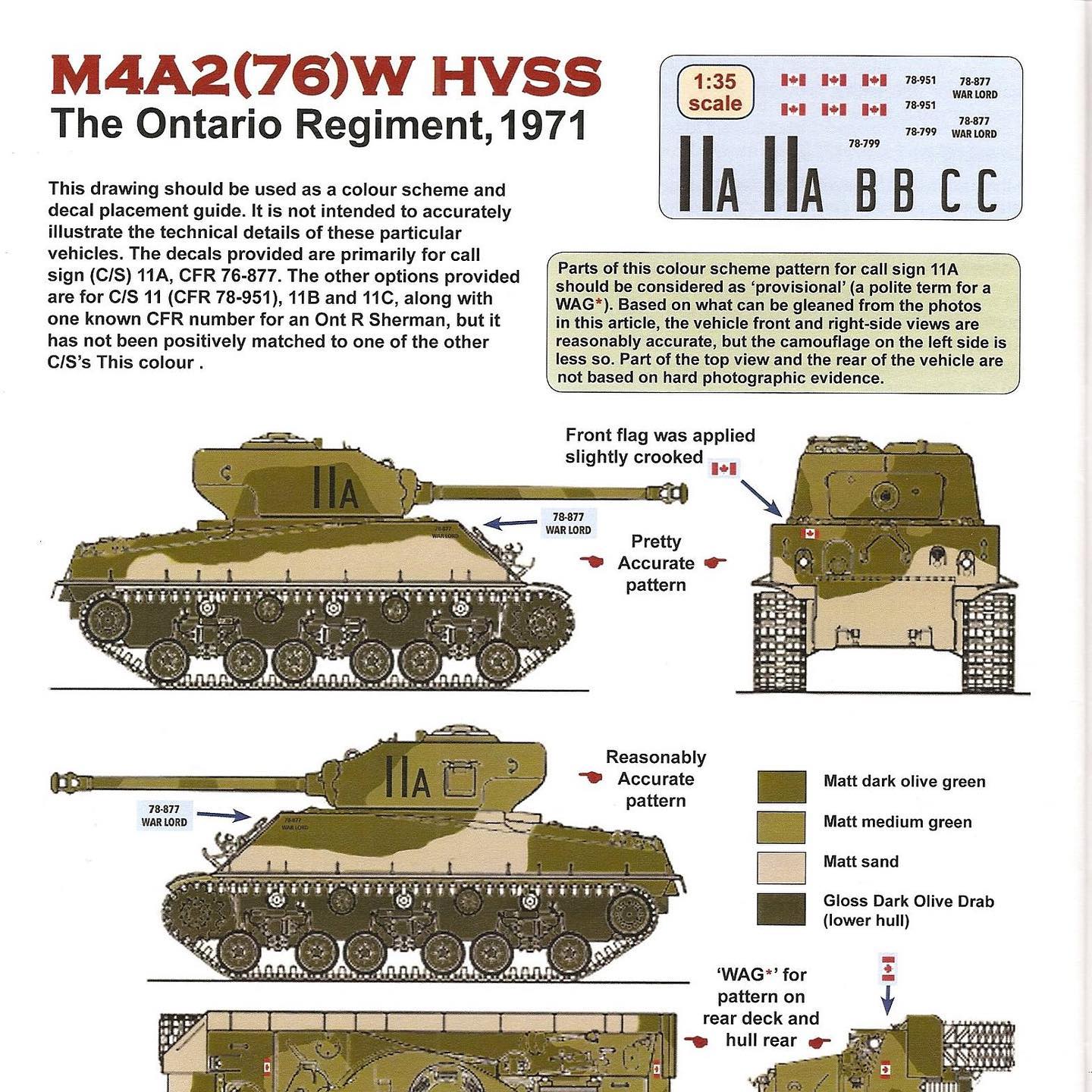
Great work so far, here is a repainted gate guardian at the Ontario Regiments Museum for reference, using the IPMS CANADA painting guide.
6 Likes
Soooooo great!!! That’s what I need!!
Thank so much!
1 Like
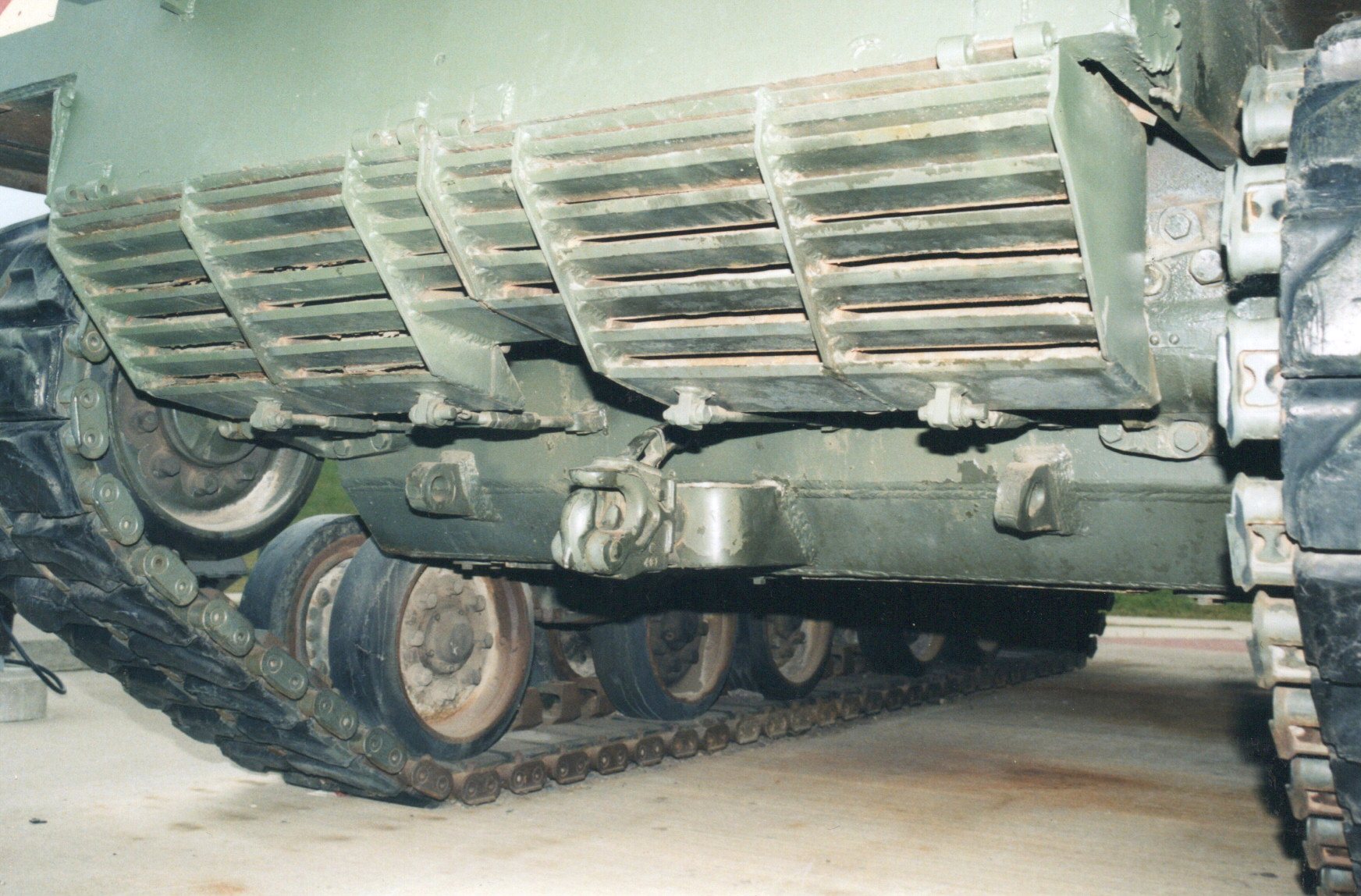
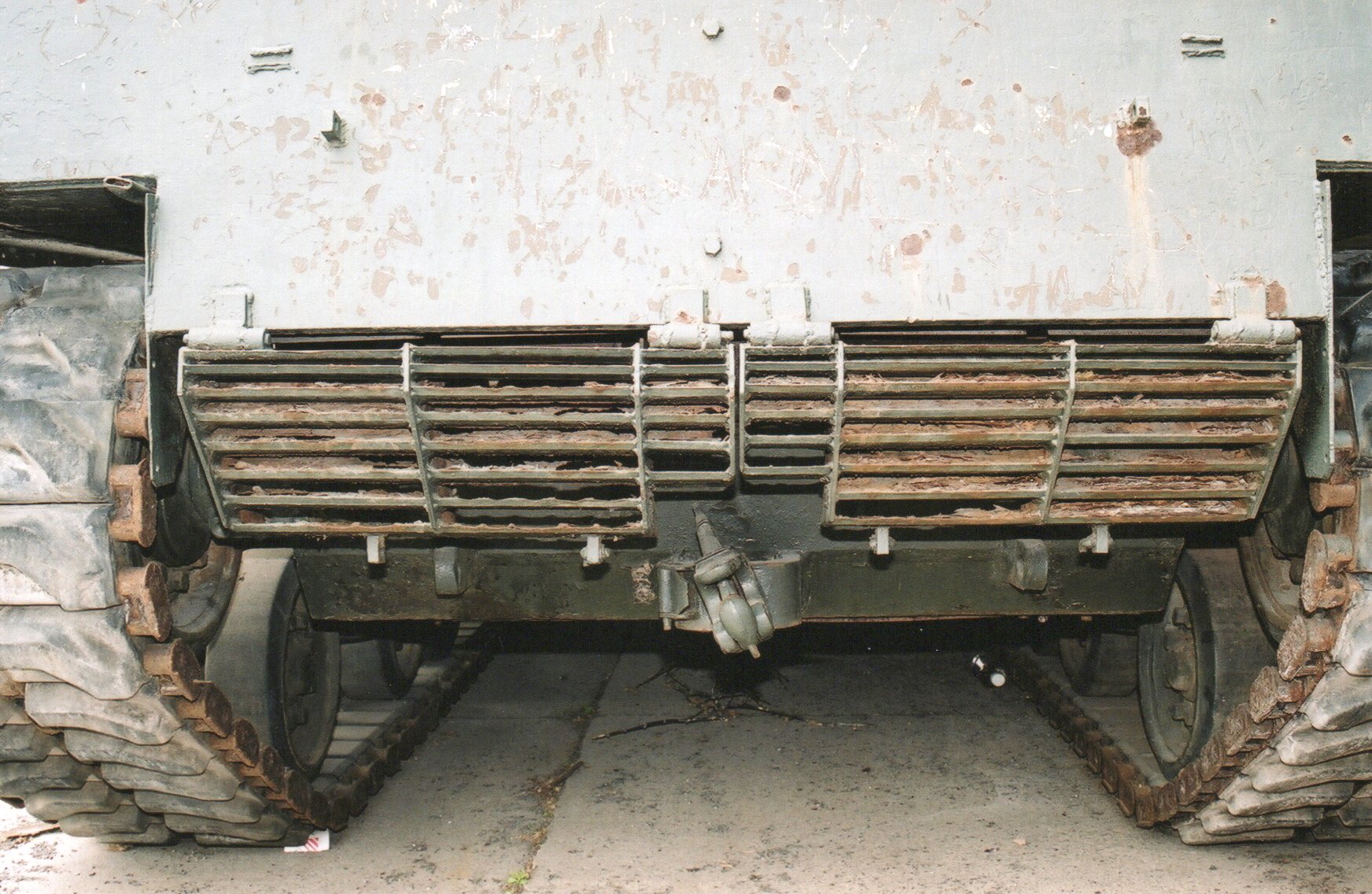
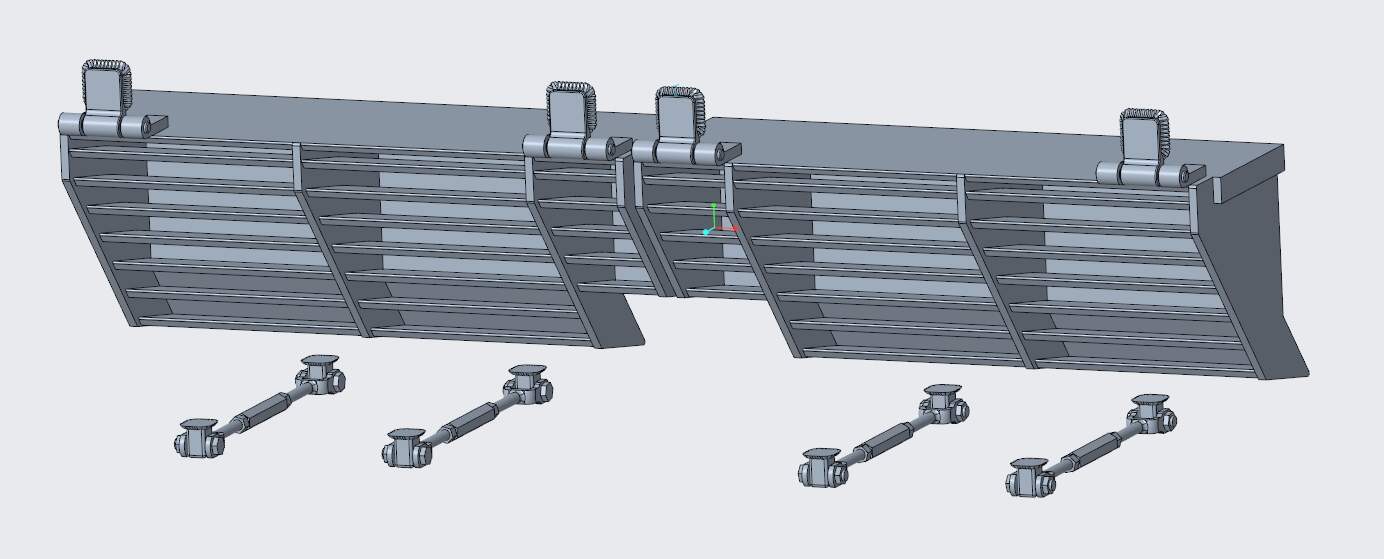
Here is the exhaust grill, which has only been available commercially from TMD (Tiger Model Designs).
3 Likes
Thank you so much, Jim! I am just missing the data for this part. However, this TMD is not sold in China, and it is very difficult to obtain. If a purchase is sought, there is a huge delay impact on the state in which the model project is nearing completion. Fortunately, the shape and structure of this exhaust grill is relatively simple, and I can quickly make a 3D model and send it to an external manufacturer to make a rapid prototype to meet my needs. But because China is currently in the National holiday, I can only wait until a few days after the holiday to start making the part.
Thank you again for your help and information!
1 Like
Hello Anthony! When I was researching this camouflage painting solution, I found two questions that I couldn’t get answers. If you and any experts can help me answer it, thanks so much!
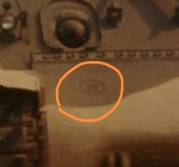
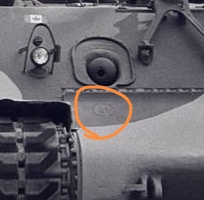
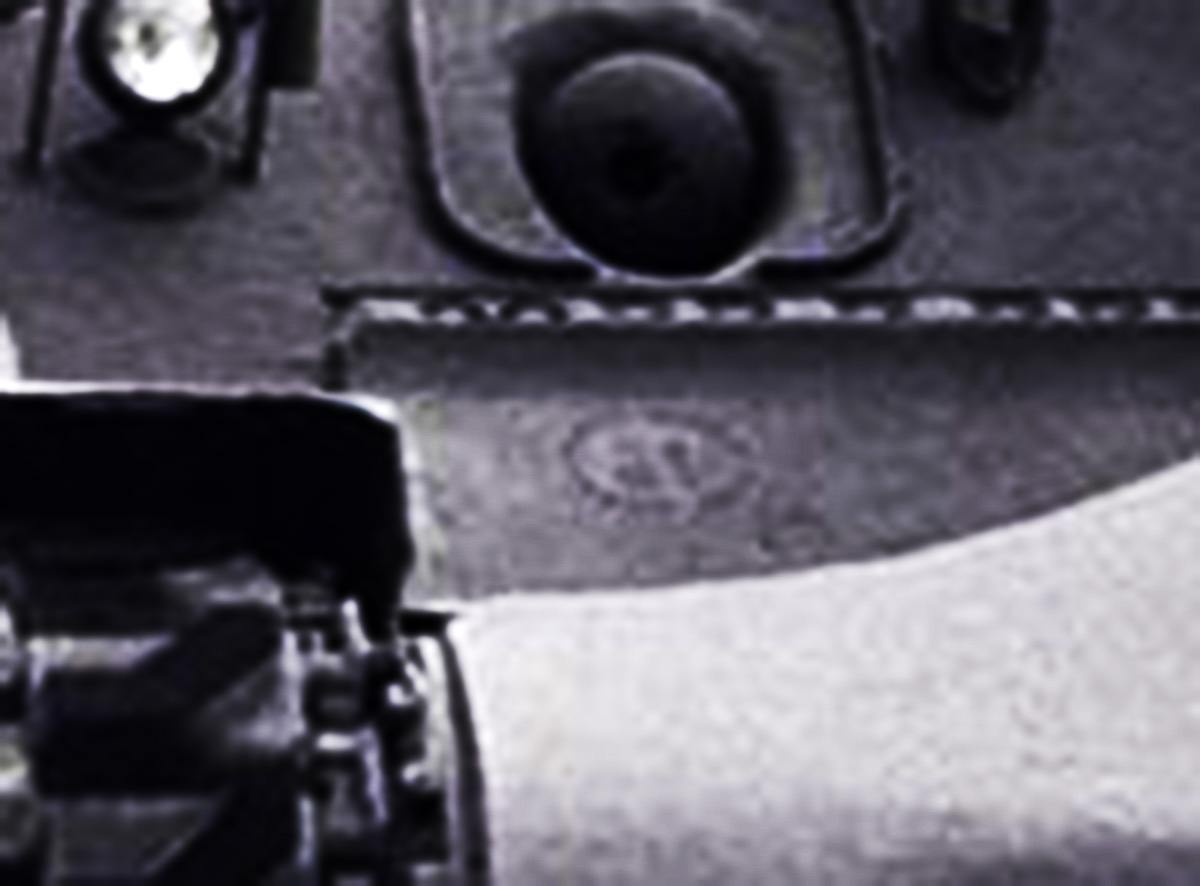
The first is a circular mark on the underside of the front armor, as shown in the picture. Neither color nor black and white photos can clearly see the mark. This painting instructions does not contain this part yet. All I could see was a very vague circle with a letter or a number inside. I hope someone can help me to provide more reasonable speculation and evidence to complete this marking.
2 Likes
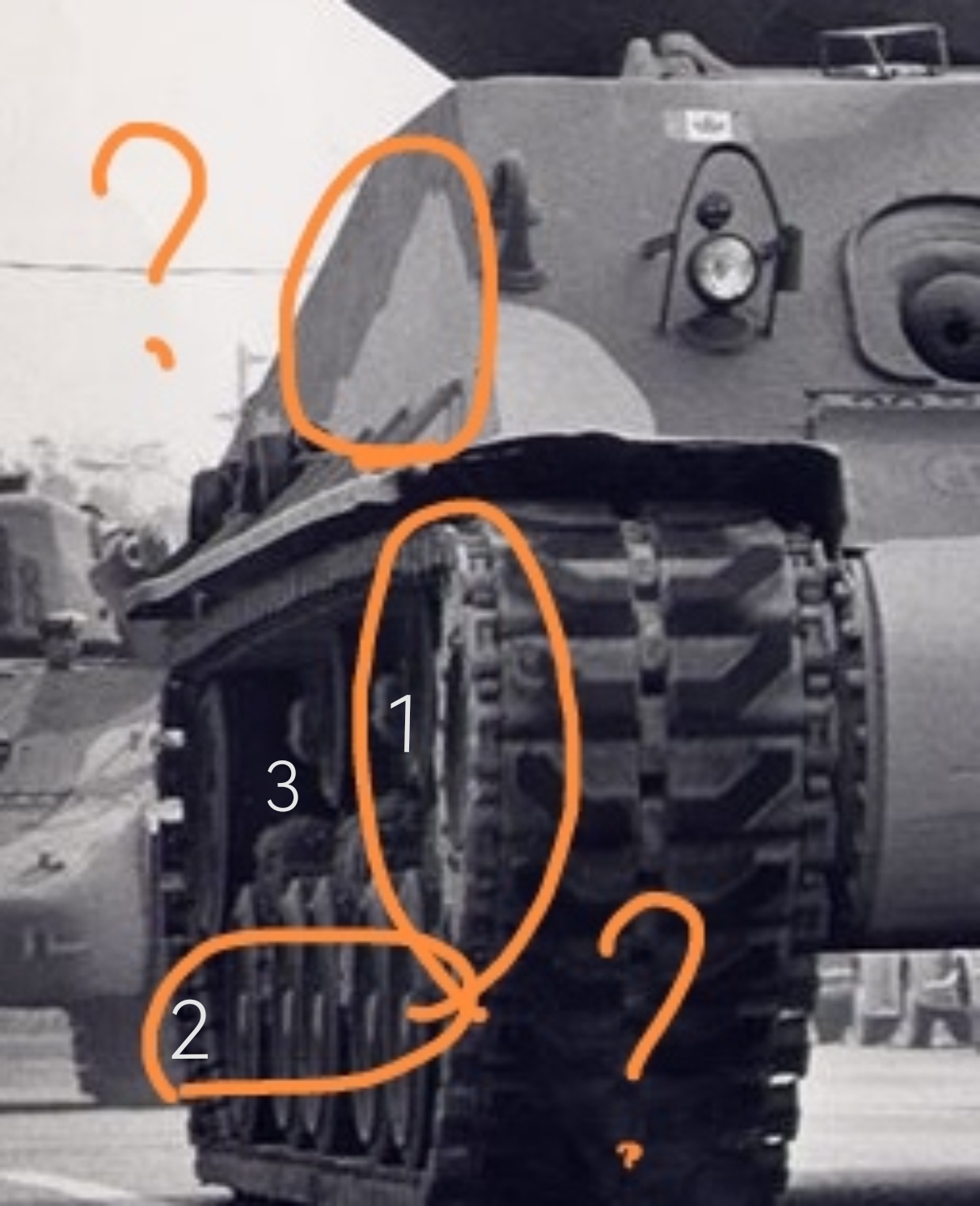
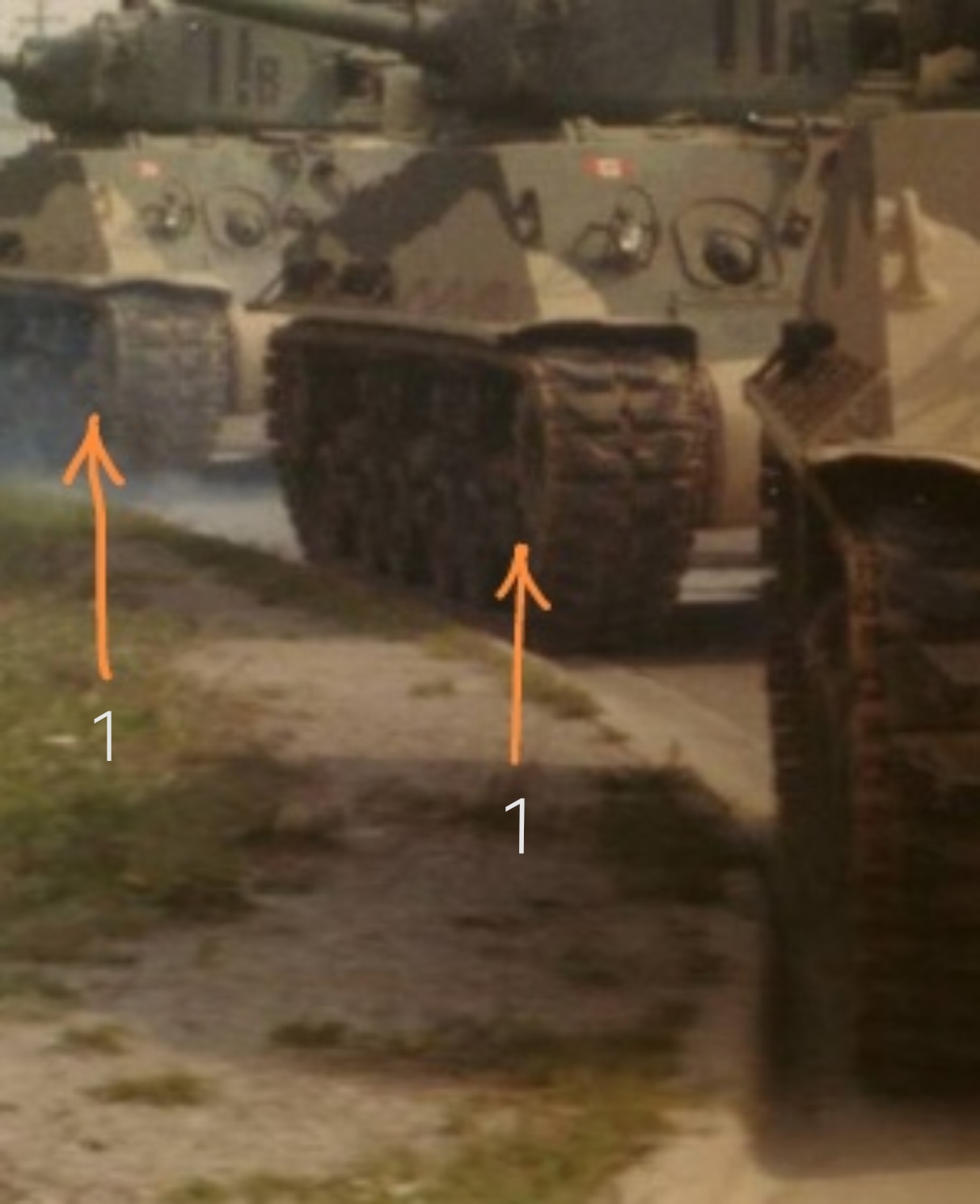
The second is the paint color of the wheels. Since I didn’t find enough photos to prove the color of the wheels, I could only speculate on the available photos. (1) The drive wheel is still relatively easy to judge, because whether from the color photo or black and white photo, it can be clearly seen that the drive wheel is a very light color, and it can be seen from the color photo that it is relatively close to the sand color at the bottom of the hull. So the drive wheel should be the same light sand color. (3) From the color exposed by the suspension, it is almost certain that the HVSS suspension is dark color, that is, the traditional conventional olive brown. However, (2) the road wheel is difficult to judge because there is too little exposed. Only a little of the axle cover is exposed, and although it seems to be a light color, it is impossible to tell if it is a highlight effect or whether the axle cover and the wheel are the same color. The same problem exists in the idler wheel cannot be judged. But the road wheels and the idler wheel are really difficult to judge, I hope any friends who know can help me answer the color of these wheels, thank you.
1 Like
I believe that is a bridging code. Originally a black number on a yellow circle, this became an outline circle (the standard being a 6" diameter circle), and indicated the approximate load weight of the vehicle in tons; the purpose was to allow bridge guards to stop traffic that was overweight for the capacity of a bridge. It could either be a metal plate attached to the vehicle, or painted directly on the vehicle. With armored vehicles, it was usually the weight of the vehicle, but for transport vehicles, it took into consideration axle loading, distance between axles, and impact factor. Vehicles towing trailers would have two numbers arranged vertically, one for the vehicle itself, and one when towing – the Morris tractor, when towing the 17pdr AT gun, would display “5” over “7” as its bridge code, for example.
There were a number of variations on the appearance of the bridge code over time; the most common ones were:
Format A (solid color background, black number): The standard and most widely used, and still in use.
Format B (yellow ring, black number): Subdued for the purpose of vehicle camouflage, used by many front-line units; in some cases the yellow outline was omitted.
Format C (8-segment dashed black line, black number): Used in the Western Desert, was always painted directly on the vehicle.
There was a 3-page article on Bridge Classification Plates in Military Modelling magazine, May 1976, but that may be hard to find now.
3 Likes
That’s the weight placard that most vehicles have.
2 Likes
Thank you Sean! I got this new knoledge. And for my case, this Sherman maybe should be fill in what number? Thanks!
1 Like
Thank you Reynier!
2 Likes
I don’t have all of the numbers, but a representative list is below:
| Variant | weight (lbs) | (tons) | (tonnes) |
| M4 (mid Production) | 66900 | 33 | 30 |
| M4 (105mm) | 69400 | 35 | 32 |
| M4A1 (75mm) | 66800 | 33 | 30 |
| M4A1 (76mm) | 70600 | 35 | 32 |
| M4A2 (Late Prod) | 70200 | 35 | 32 |
| M4A2(76mm) | 73400 | 37 | 33 |
| M4A3 (mid prod) | 66700 | 33 | 30 |
| M4A3 75mm (W) | 69600 | 35 | 32 |
| M4A3 (76mm) HVSS | 74200 | 37 | 34 |
| M4A3 (105mm) HVSS | 72900 | 36 | 33 |
| M4A3E2 | 84000 | 42 | 38 |
| M4A4 | 69700 | 35 | 32 |
| Sherman Vc | 72100 | 36 | 33 |
| M4A | 670000 | 35 | 32 |
British Empire, so you would be using the long tons column on the extreme right. The M4A2E8 would have a ‘32’ or ‘33’ bridging code, based on the table data.
2 Likes
Thank you Sean! It’s very helpful!
I zoomed and adjusted the image in PS, It can be seen as a number like
‘’?1". It’s may be 21 or 31.
1 Like
In this moment I finished the 3D modelling of the rear exhaust deflectors. It’s looks good. And I’ll send it to make RP. It maybe needs some days to be finished.
3 Likes
Asuka’s mouldings have been known as a joke compared to Tasca’s work for years.
1 Like
??? They are the same company. Tasca was renamed to Asuka.
3 Likes
I like how much attention you are putting in all the details of the tank.
Nice Job.
Cheers,
Ralph
1 Like
The blur looks like a German towing hook; I’d bet on it being a ‘3’.
1 Like