Museum of Military and Labor Glory (Saratov)

It so happens that I translate reports into English about large museums, located primarily in Moscow and its suburbs. This is understandable: Moscow is not only the largest city in Russia, but also in all of Europe. Its location and population can ensure the required flow of visitors.
However, our country also has large museums outside the capital region. I’ve previously introduced you to one of these, the museum in Verkhnyaya Pyshma, and I continue to share news about its exhibitions. Today, I’d like to introduce you to another provincial museum of considerable size: the Museum of Military and Labor Valor in Victory Park in Saratov.
This isn’t the most well-known museum in our country. Personally, I only learned about it while preparing for my trip. What struck me most was the size of this park. I told you about Moscow’s G.O.R.A. Park. Well, these two parks are practically the same size.

Moscow Park — 95,553 square meters:
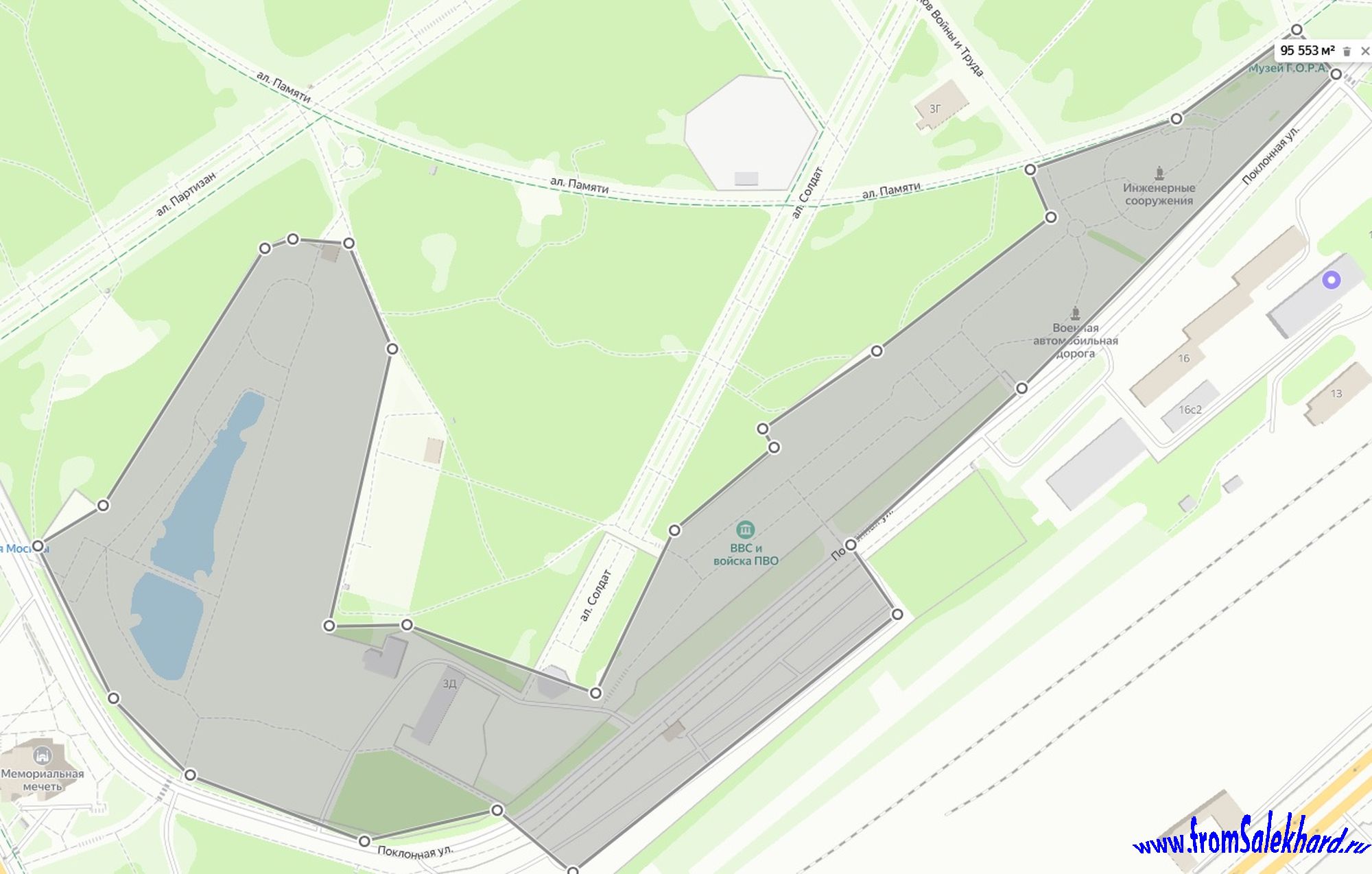
Saratov Park — 95,498 square meters
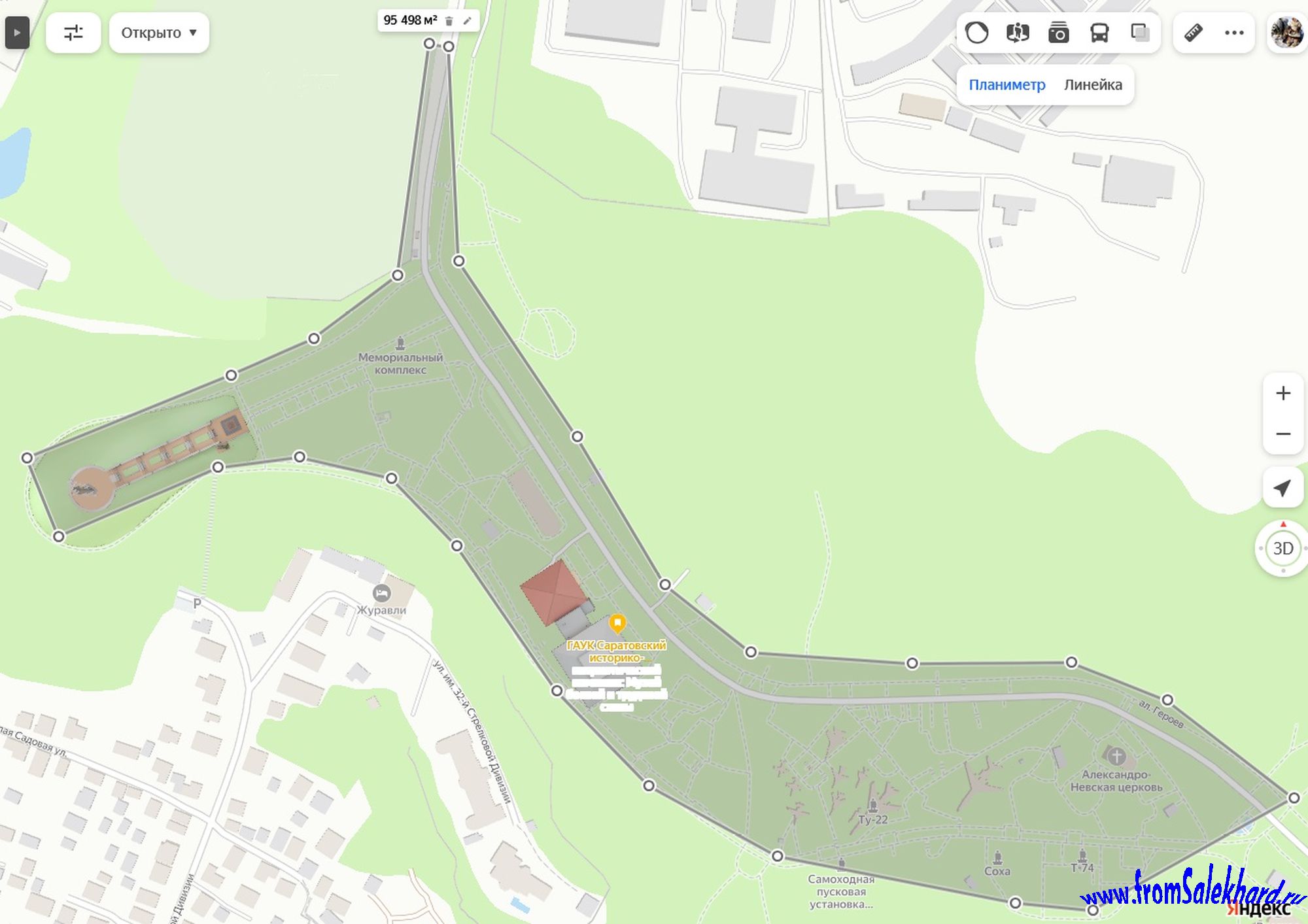
The maps are presented at the same scale.

Trying to understand how this was possible, I was surprised to discover that Saratov is the second-largest city in Russia by area, after Moscow. In terms of population, it’s only 17th, with a population of about 886,000.
A distinctive feature of this report is that it is not a translation of the Russian version, but rather a separate and specially created one. That is precisely why it will be published here over a longer period and at a slower pace.
And this was done because I want to try to take you for a walk through the park, and not present it as a list of exhibits and their signs. Firstly, there’s quite a lot of equipment here. Secondly, they’re quite common. I’ll provide descriptions of rare or unique exhibits. Thirdly, there are no bilingual plaques here, and I’m too lazy to translate them all.
I think this list of arguments is sufficient. At least for me.

Well, let’s begin!
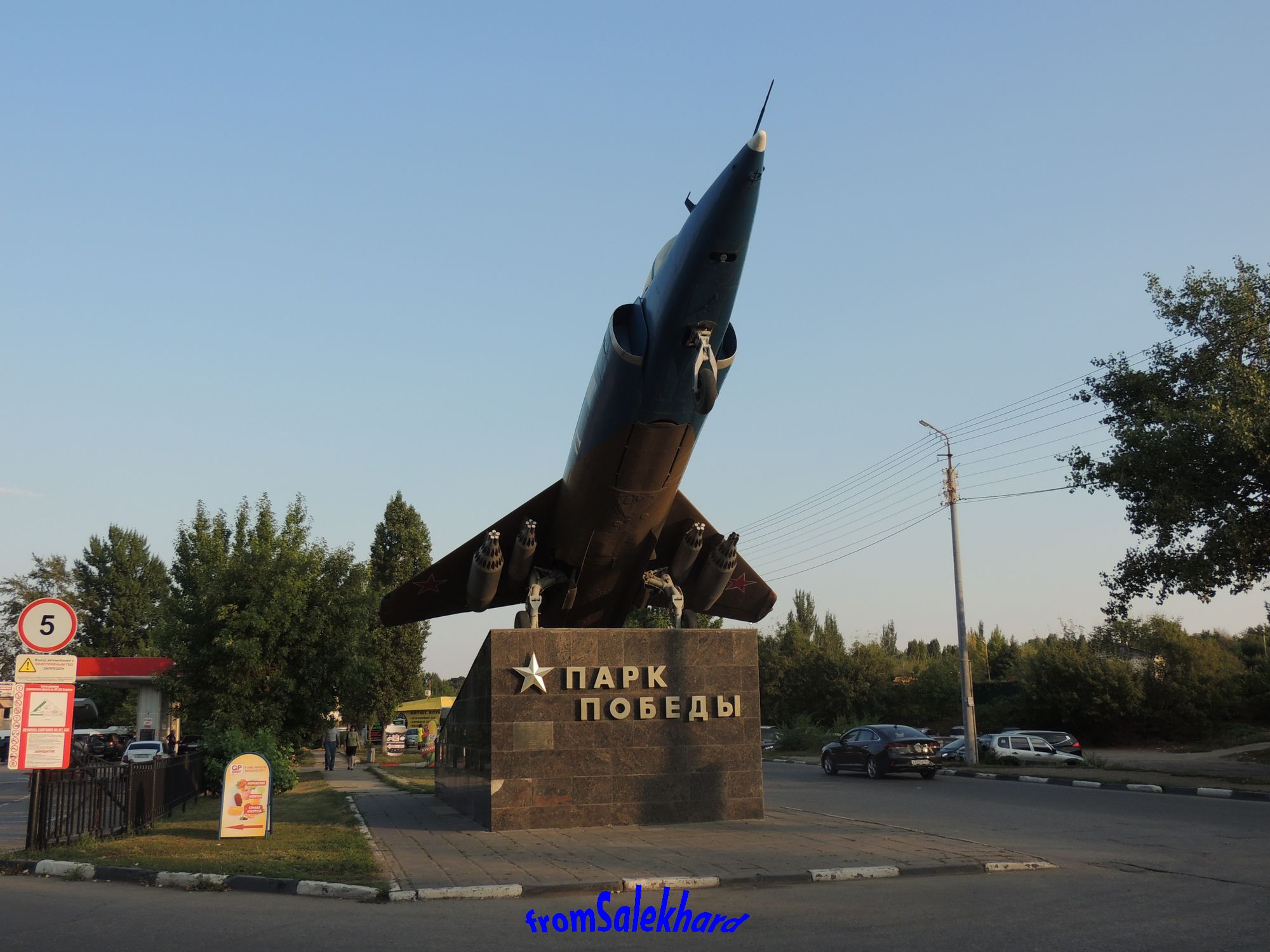
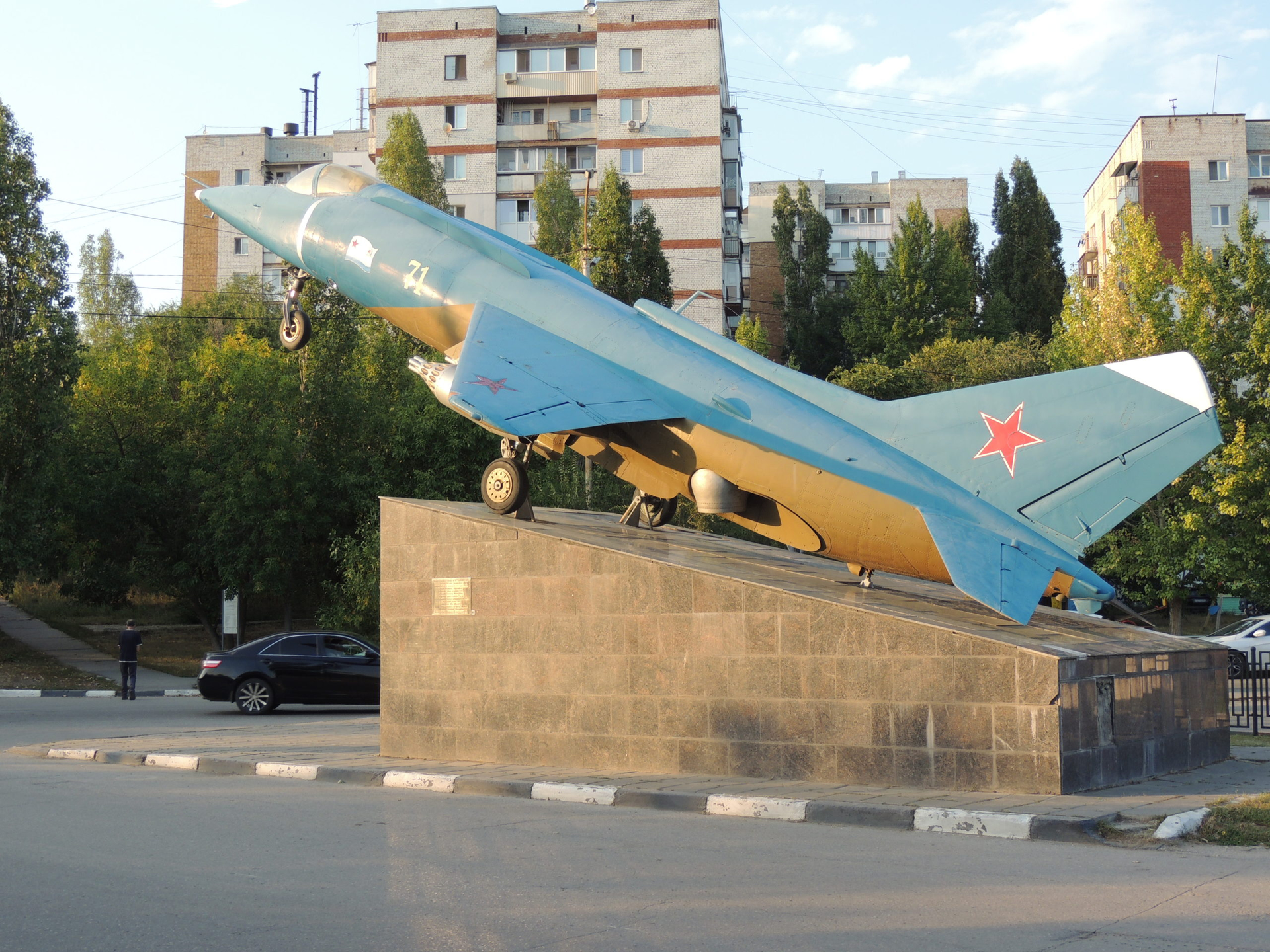
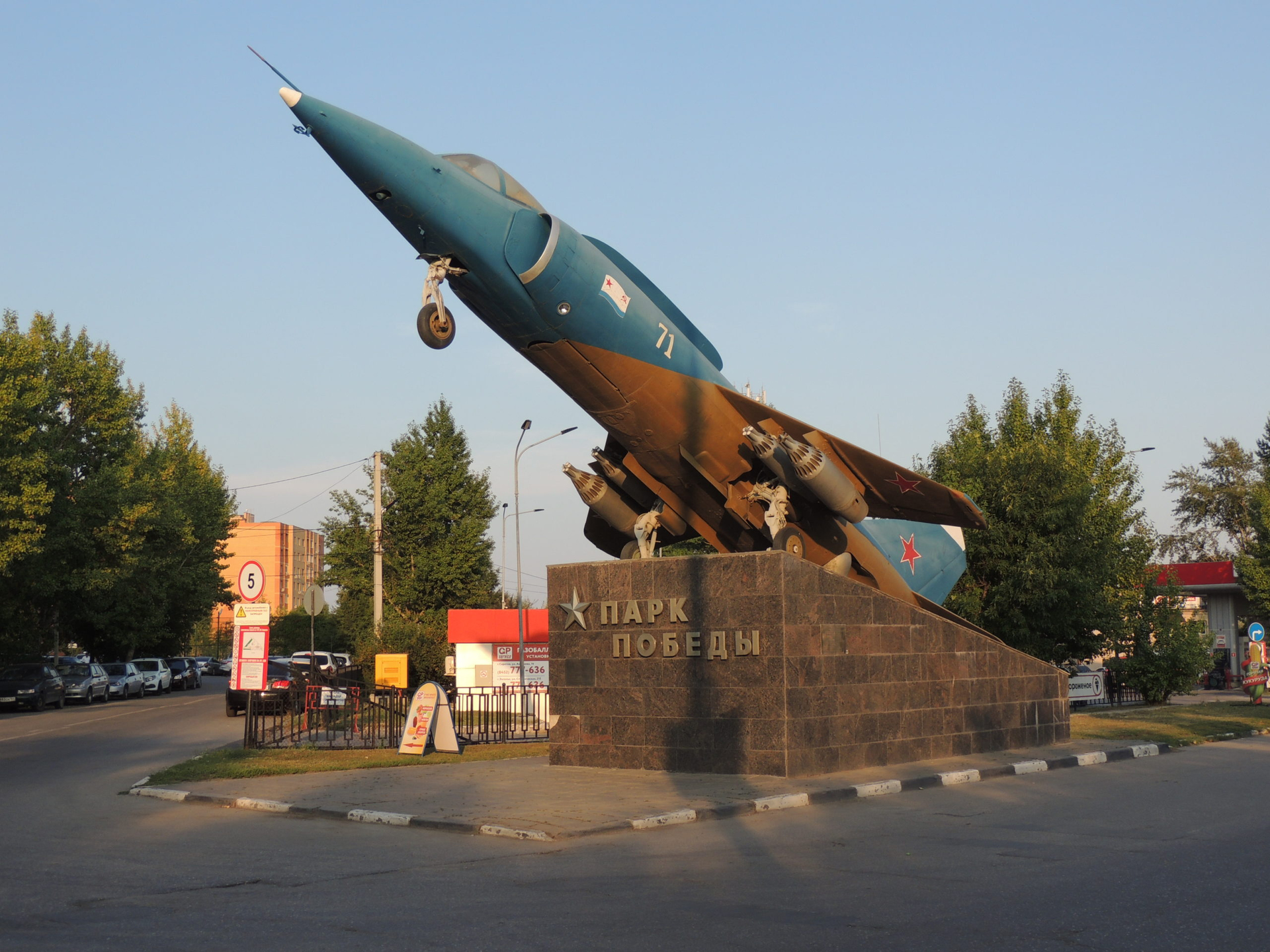
It’s practically impossible to miss the turnoff to Victory Park—it’s marked by a Yak-38 airplane perched on a pedestal. Everything is explained very simply — these planes were made in this very city.

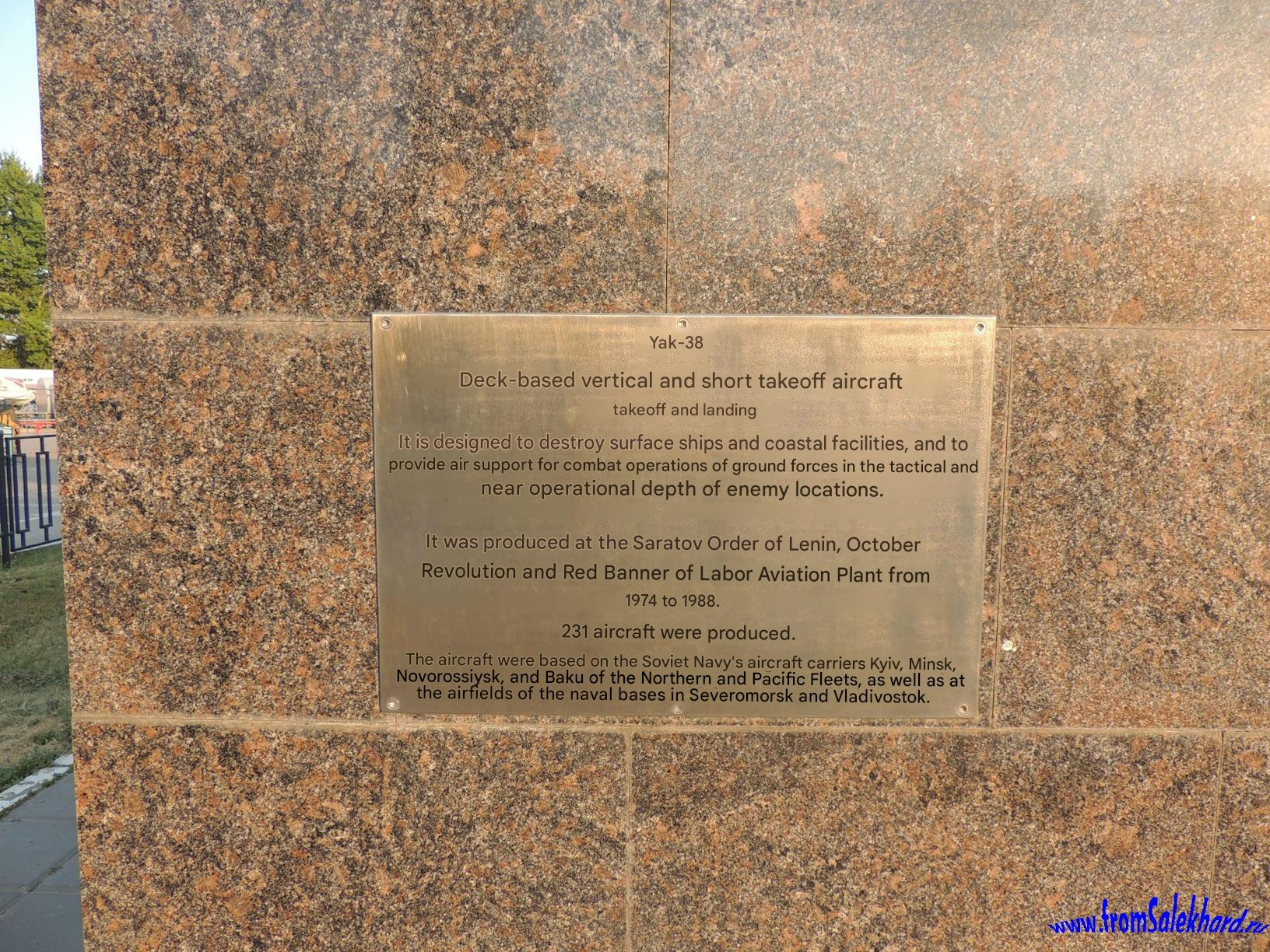
This is what the plaque on the pedestal informs us about.
Further on, a fairly long alley leads into the park.
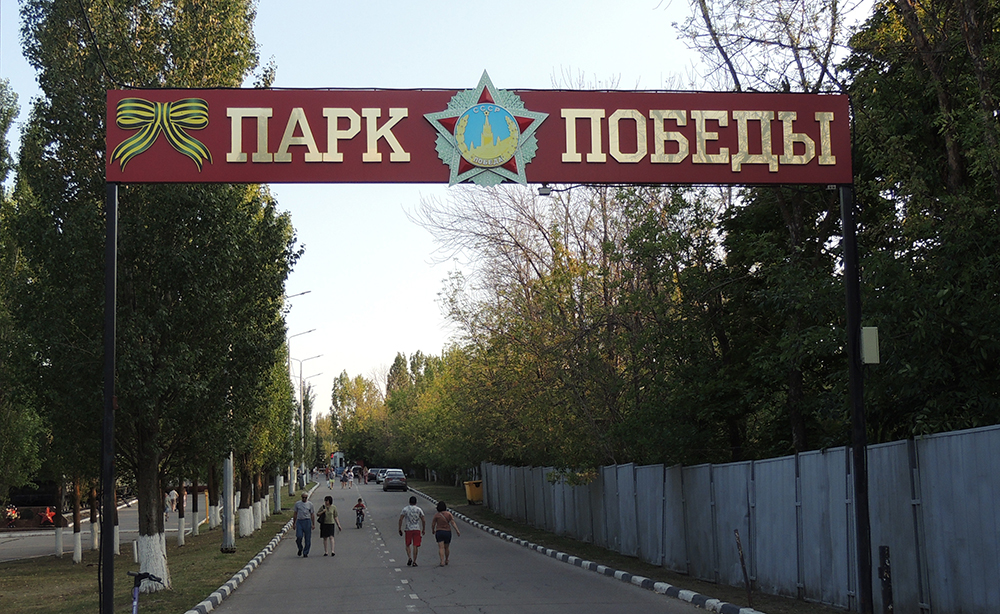
Text on the banner: “Victory Park”.
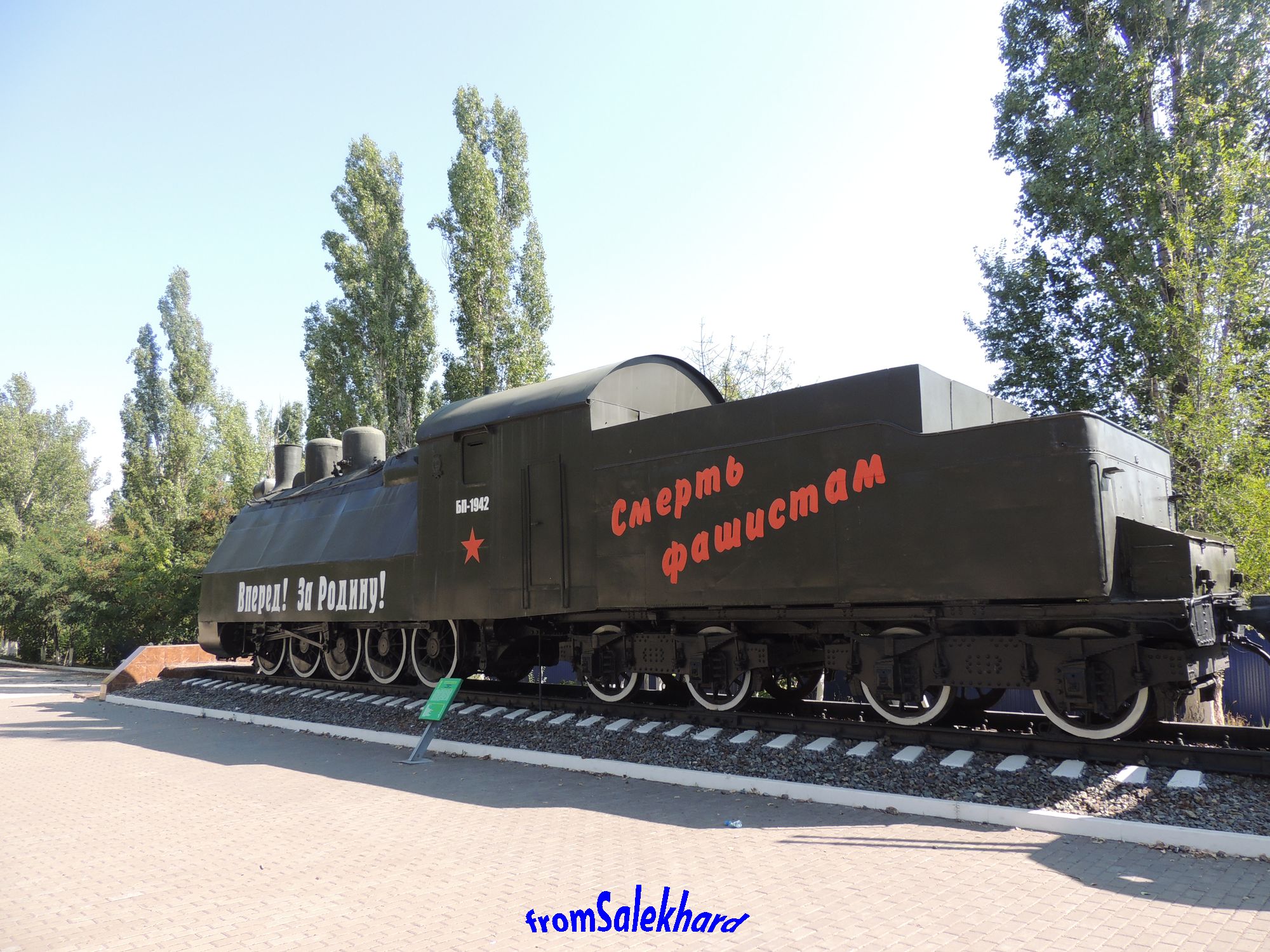
The first thing that greets us is an armored train.
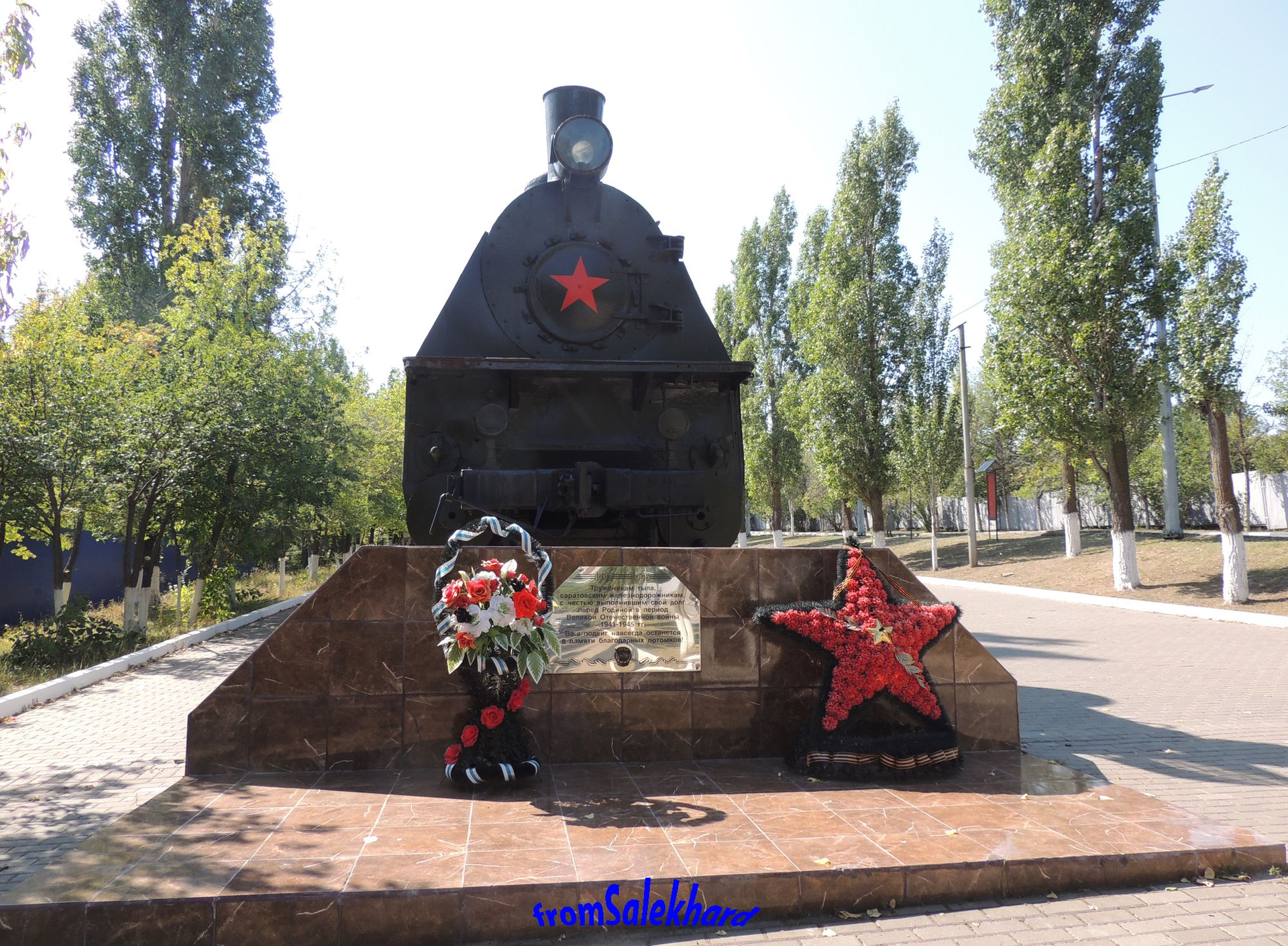
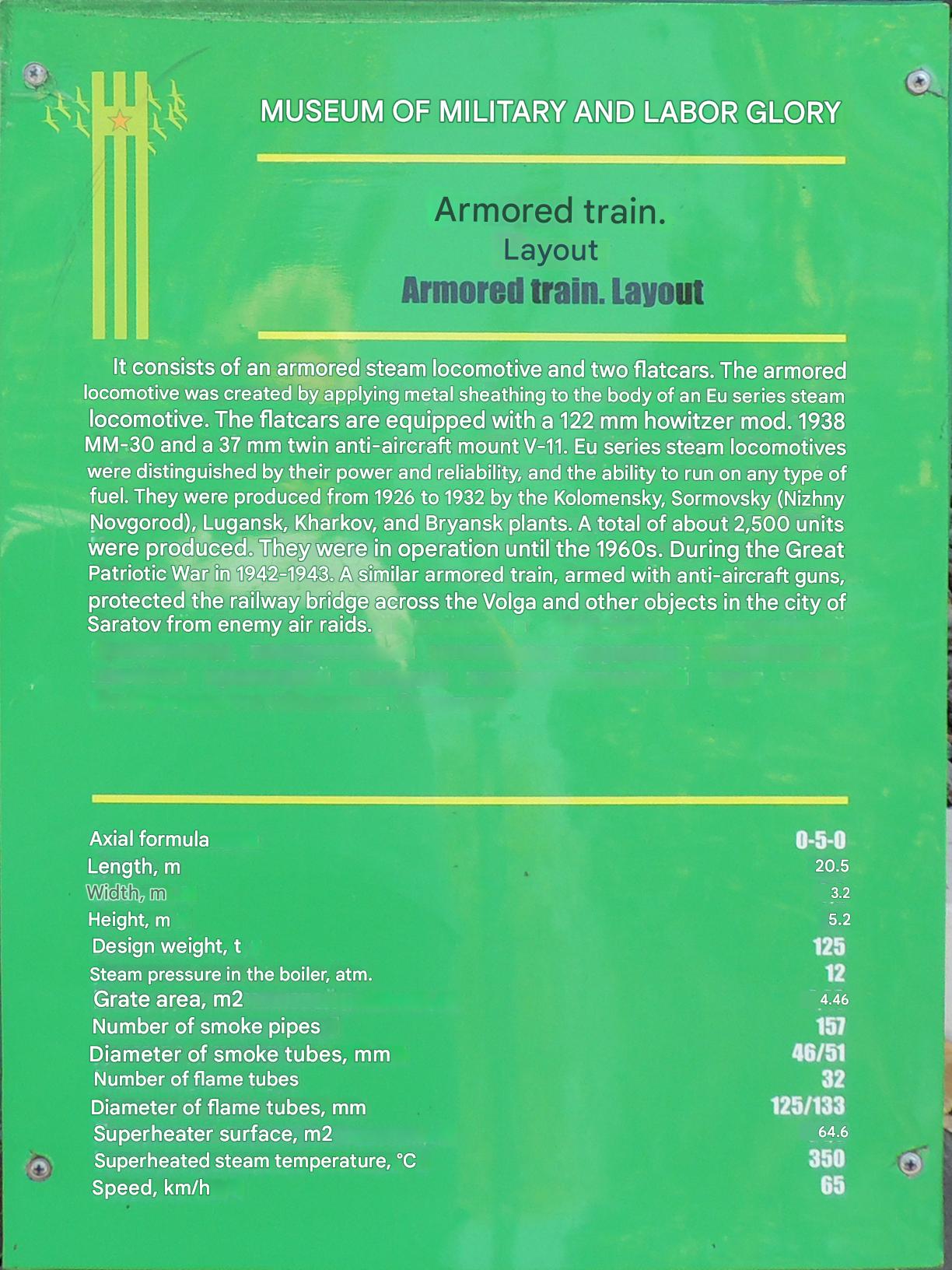
Text in white: “Forward! For the Motherland!
Text in red: “Death to the fascists!

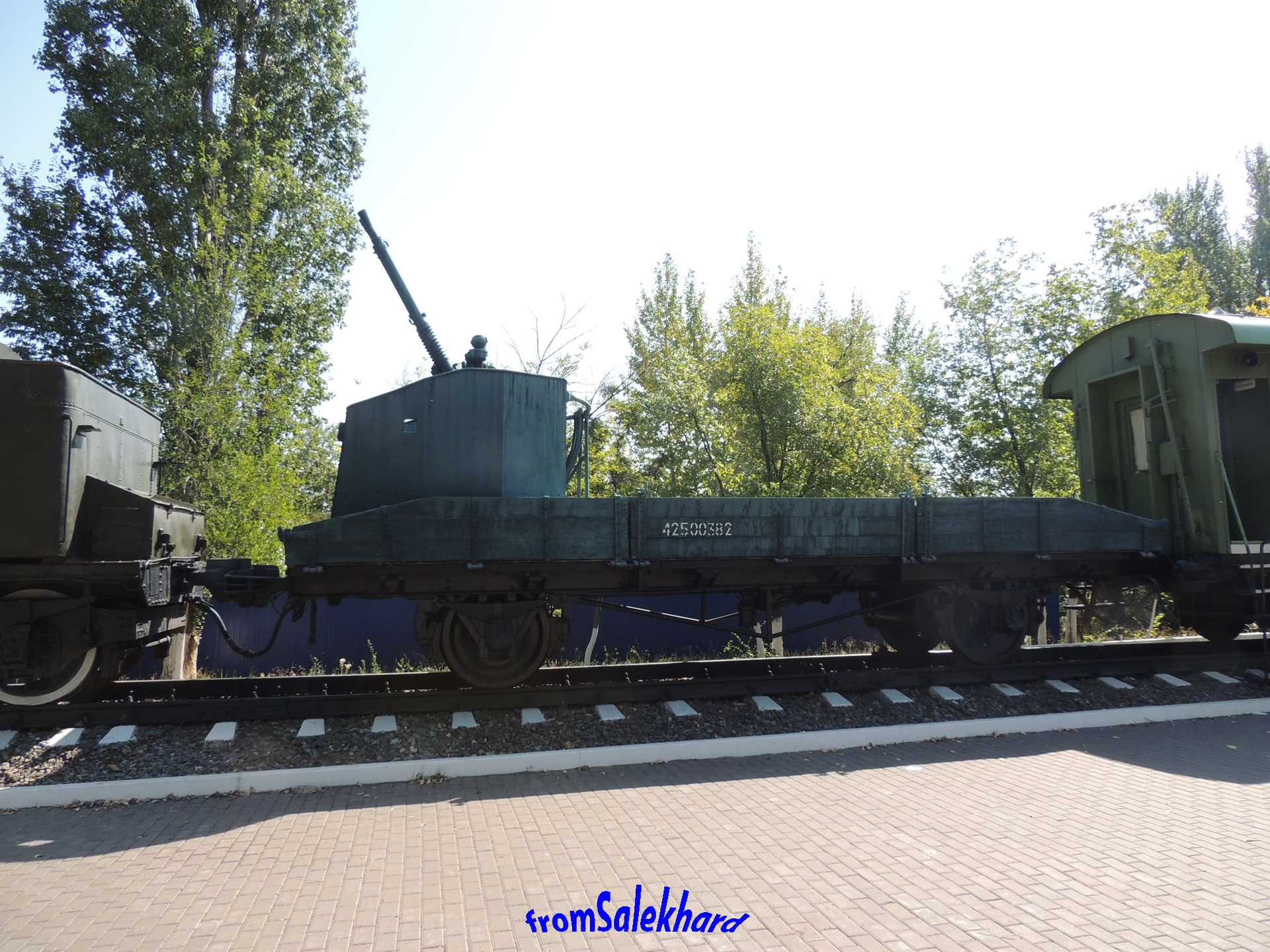
It has a very simple combination of railway cars: the first car has an anti-aircraft gun, the last one has a howitzer. And they protect the ambulance car,
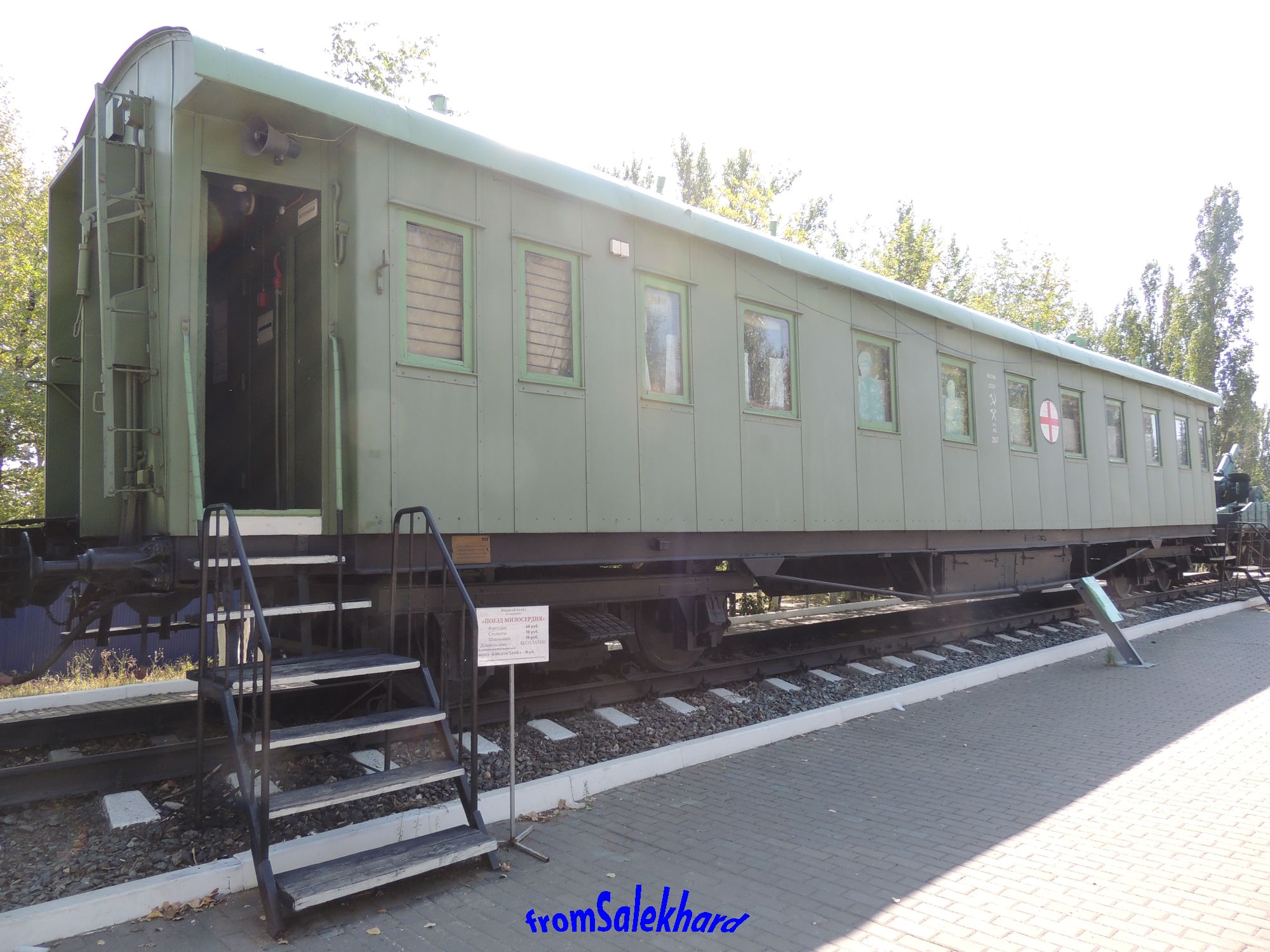
which can be visited for a small additional fee (adults — 60 rubles, students — 30 rubles, schoolchildren — 20 rubles).

Next comes the expected armed boat. The city is situated on the Volga, and we will see the river later.
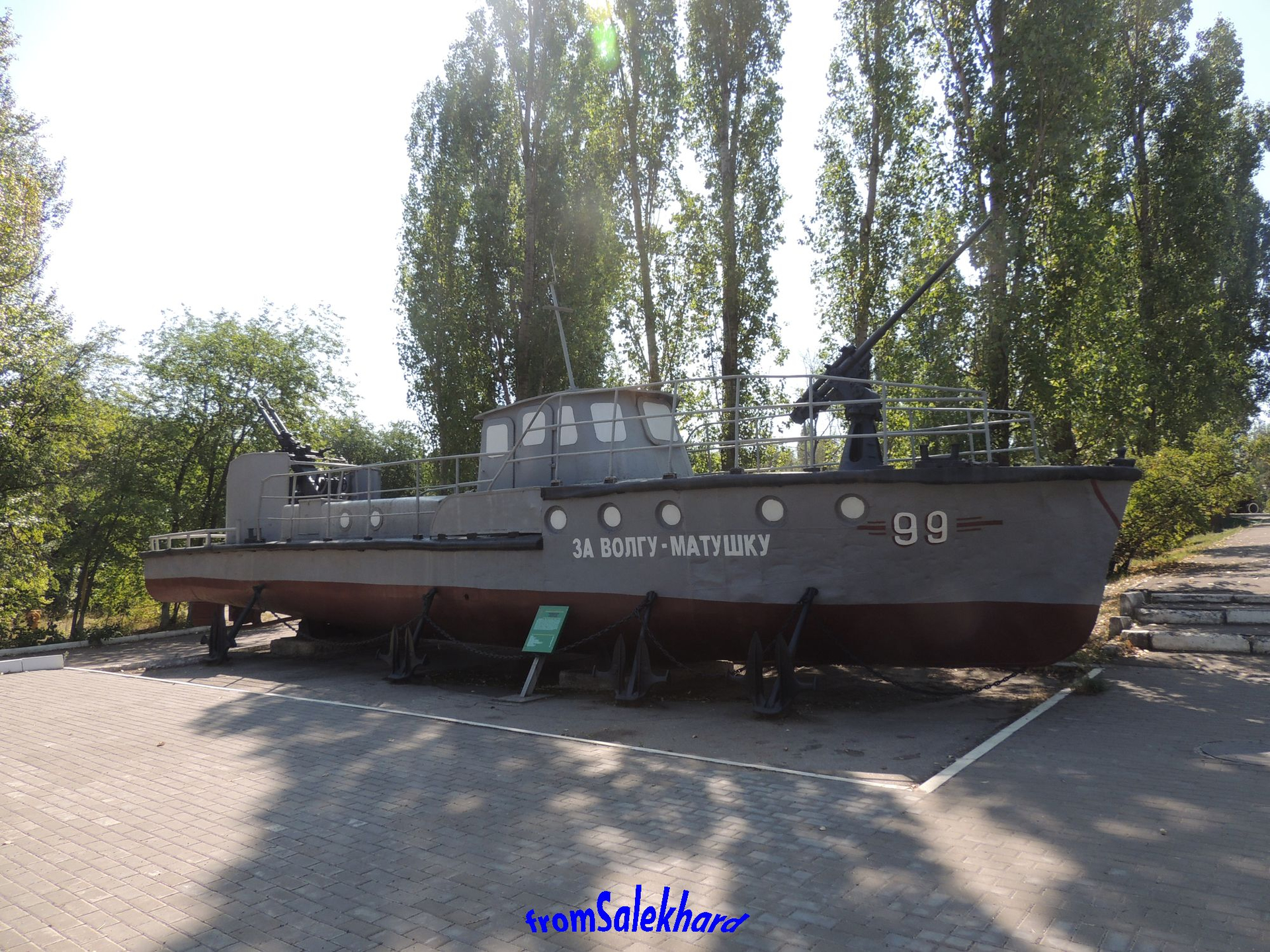
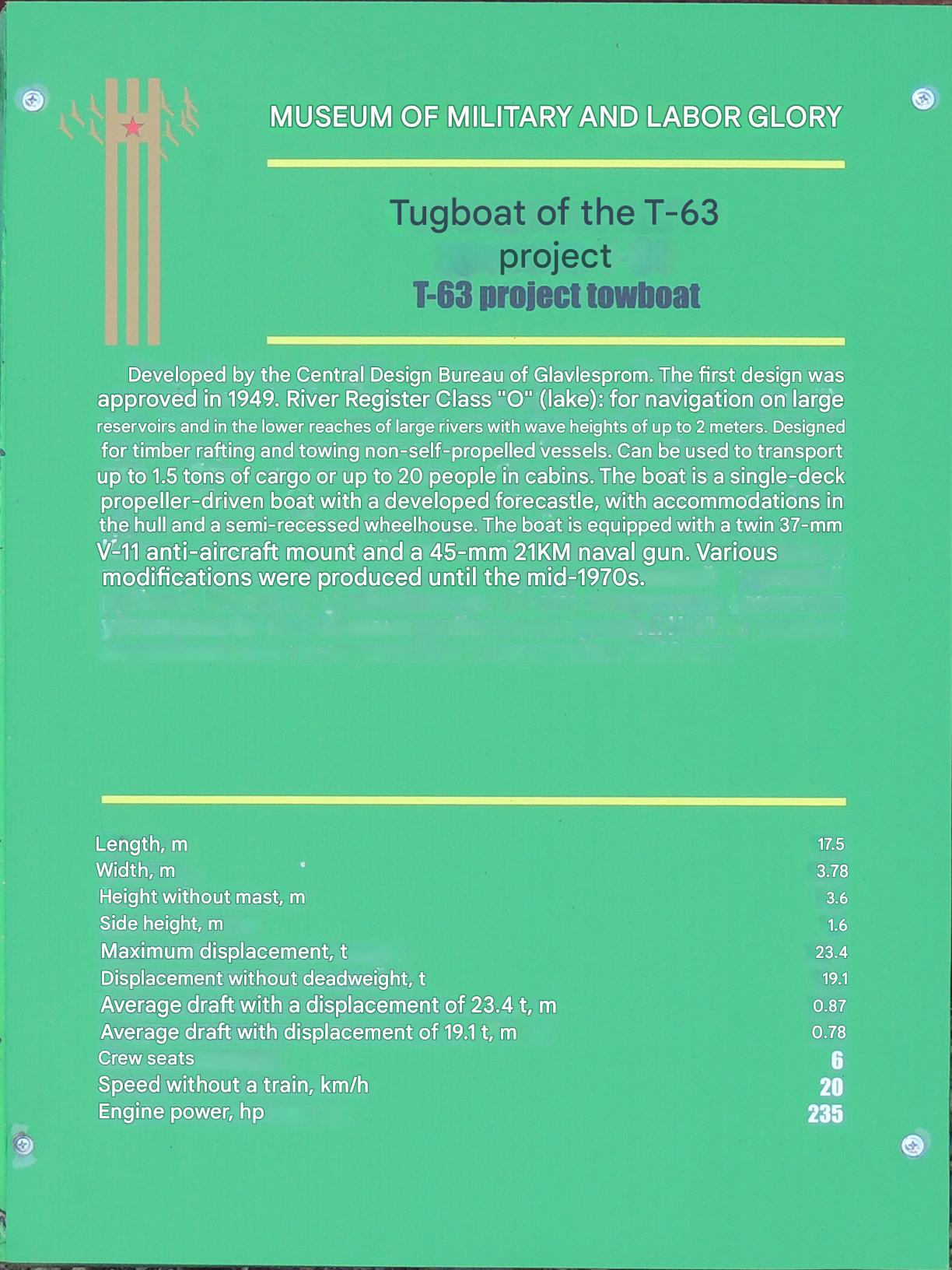
Text on the ship: “For Mother Volga!”.

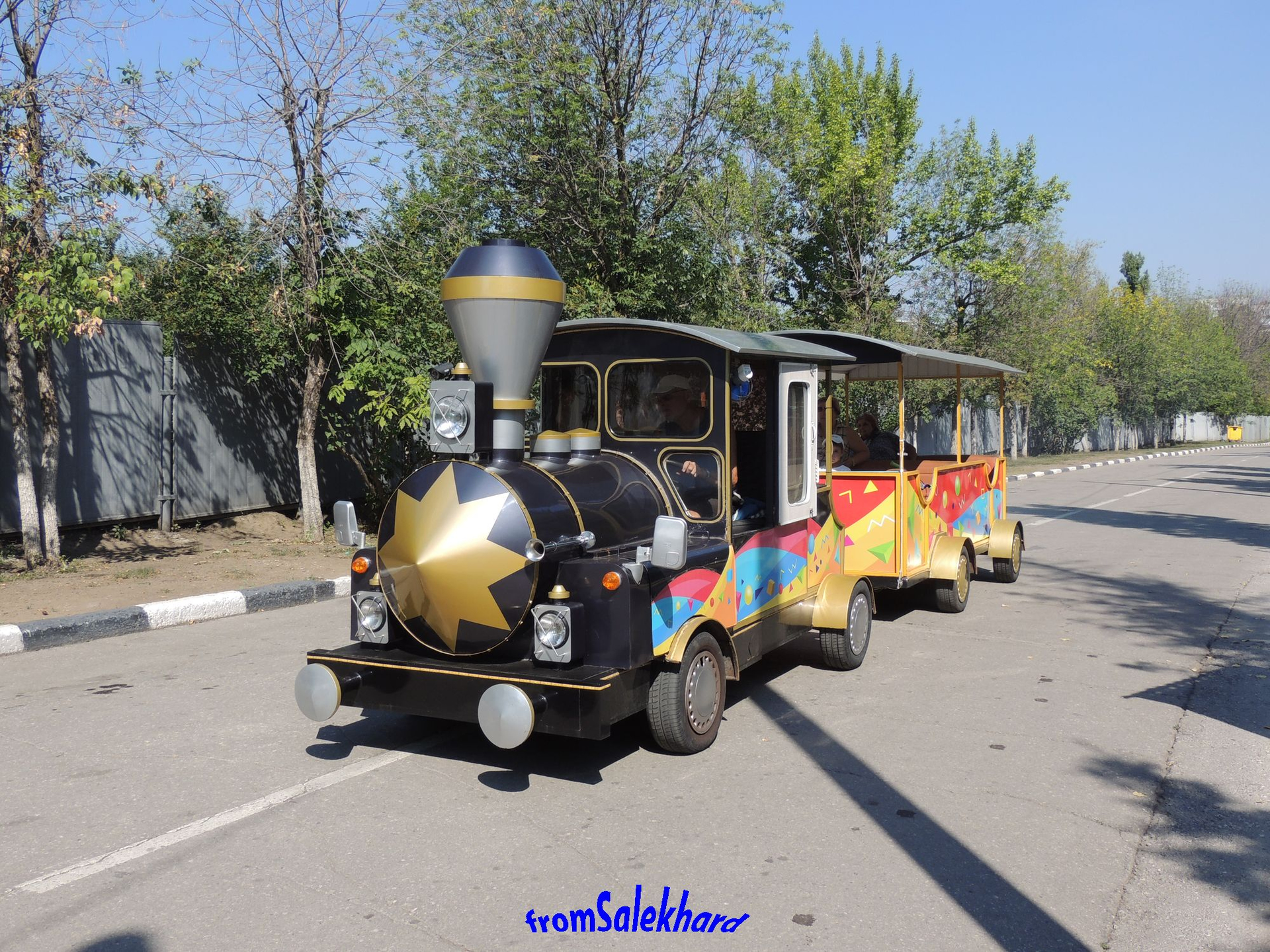
The park’s territory is large, so, as in other establishments of this size, a shuttle disguised as a steam locomotive runs for children and seniors.
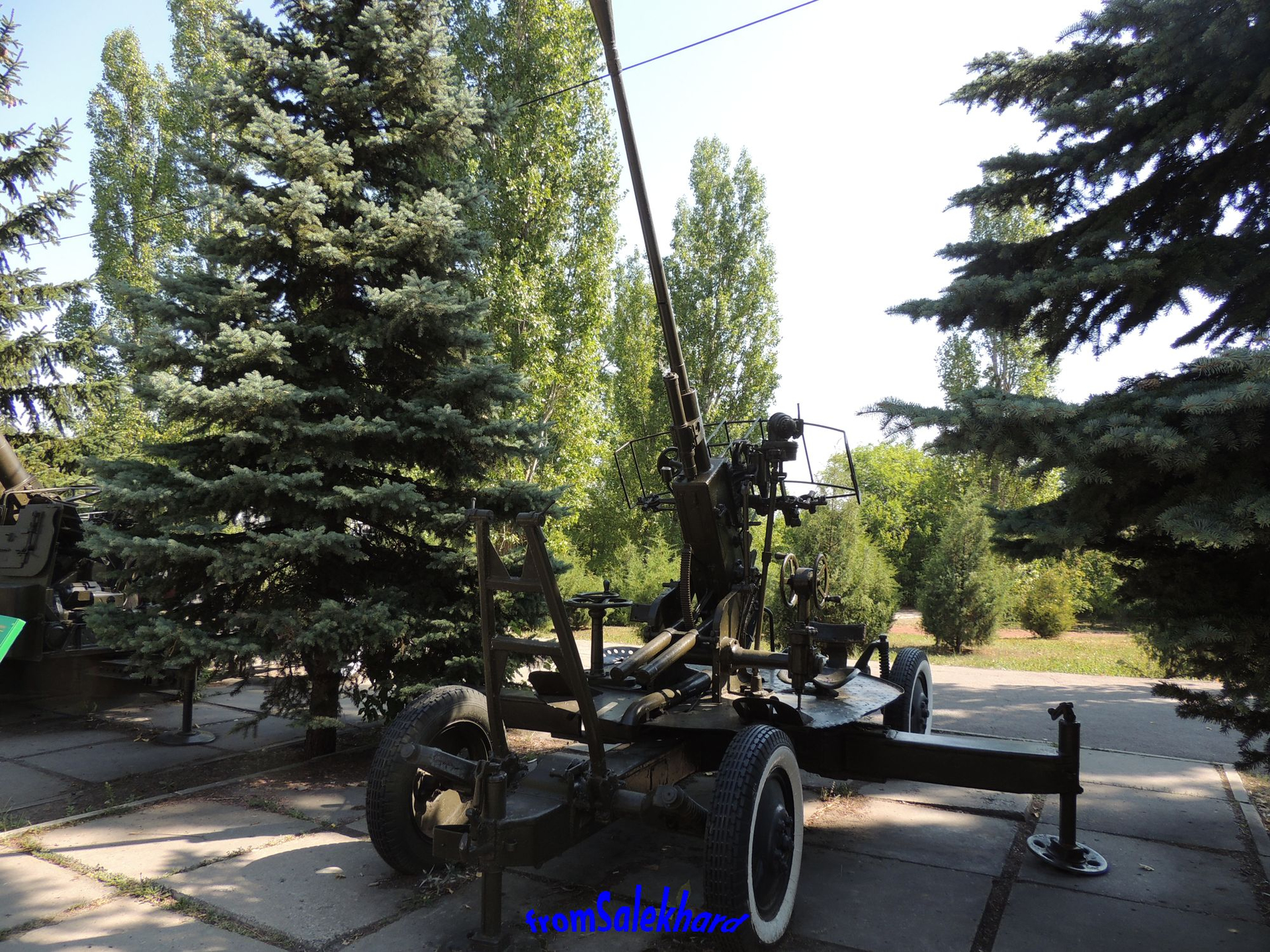
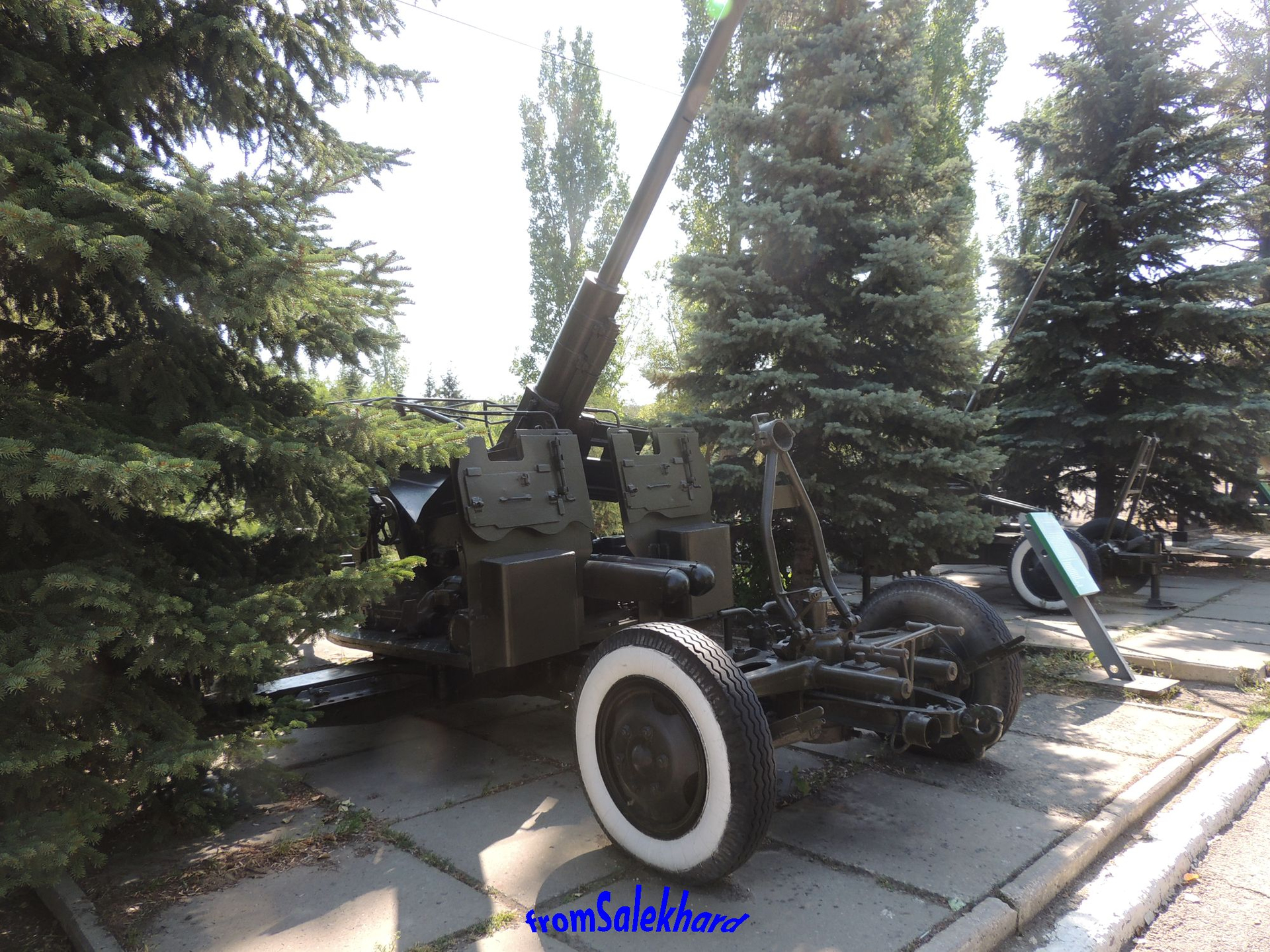
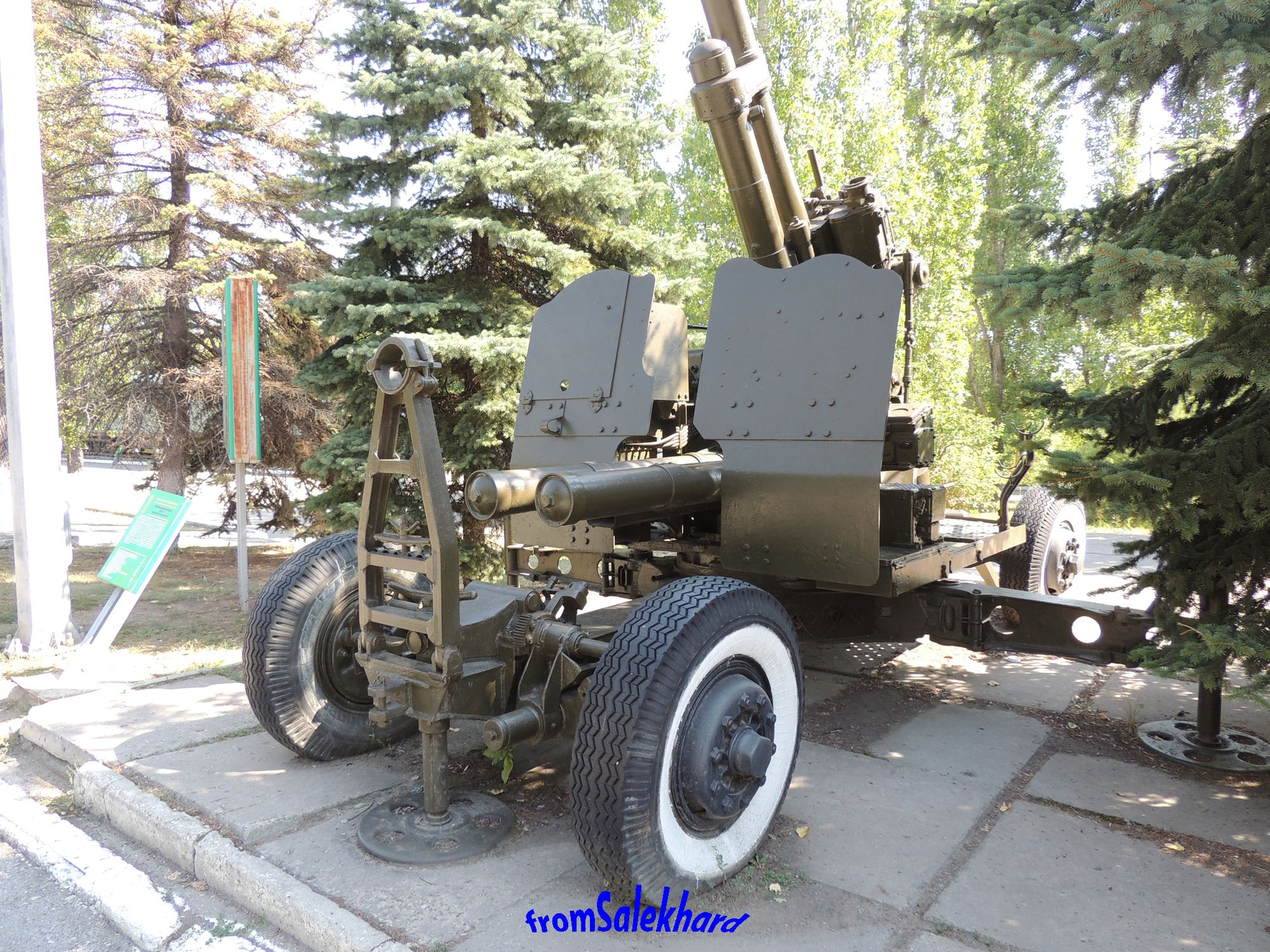
And further on, a small anti-aircraft battery awaits us, camouflaged, as it should be, among trees.
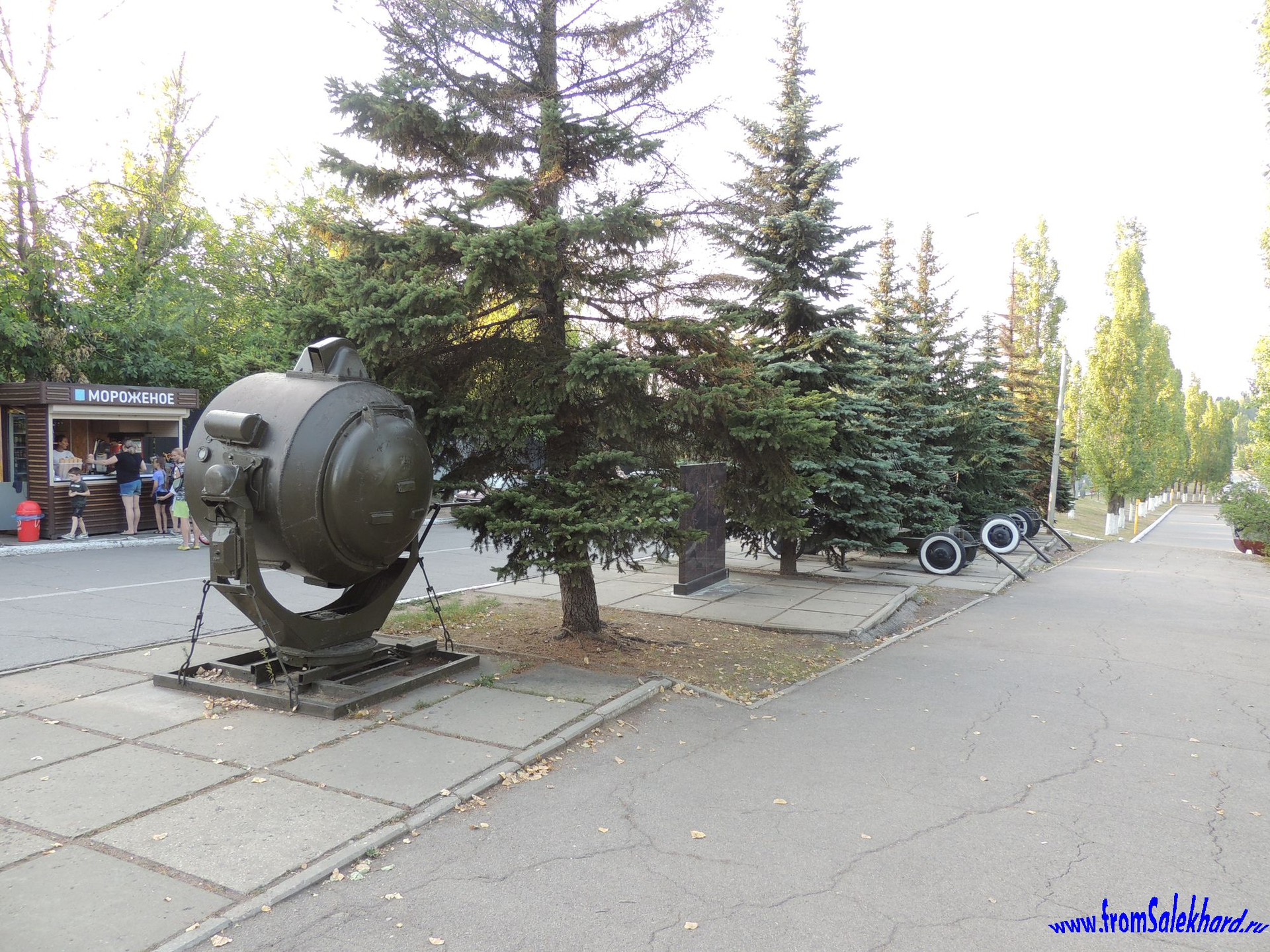

(57mm anti-aircraft gun S-60, 100mm anti-aircraft gun KS-19, 37mm anti-aircraft gun 61-K mod1939, Anti-aircraft searchlight station 3-15-4)
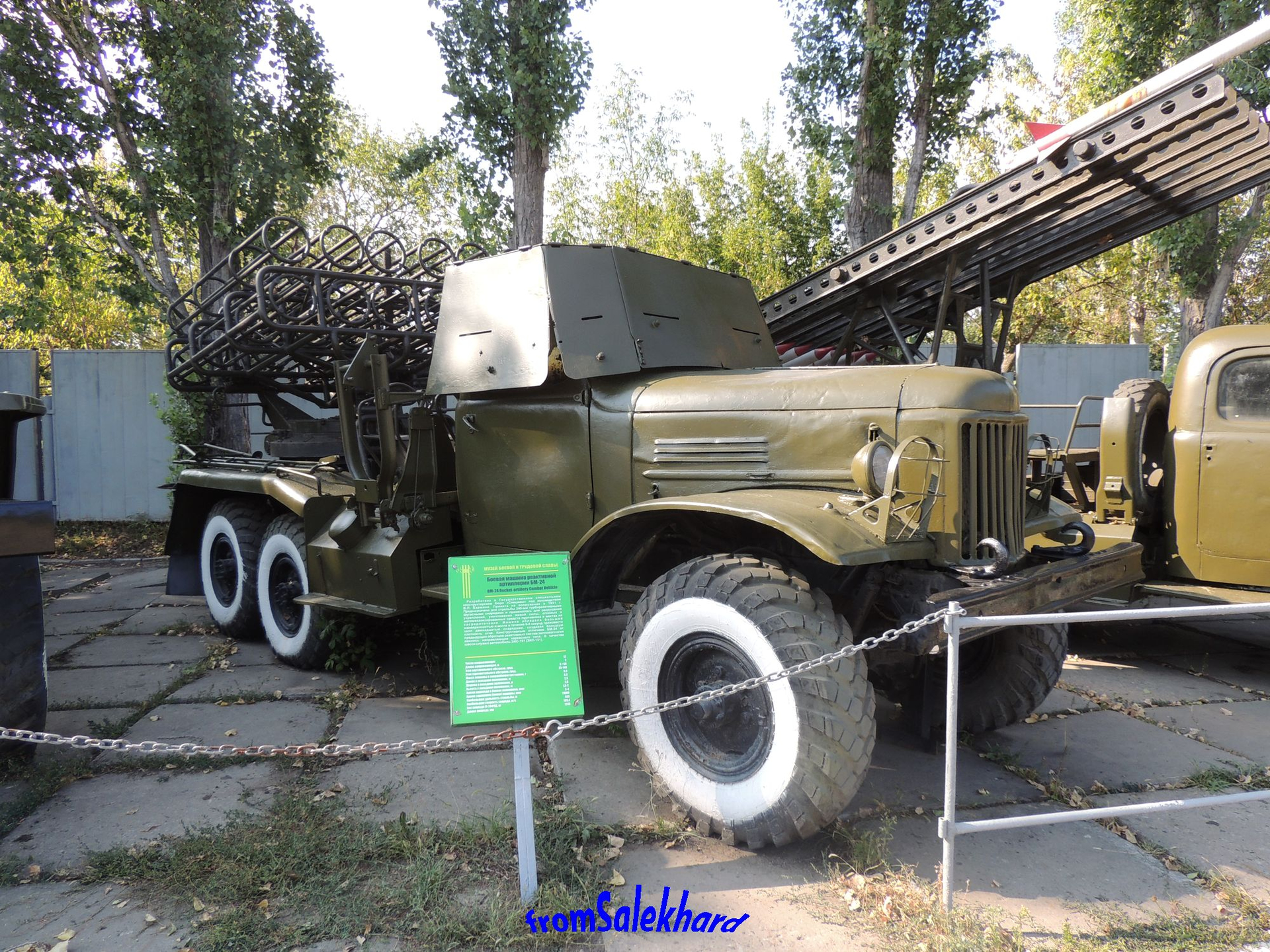
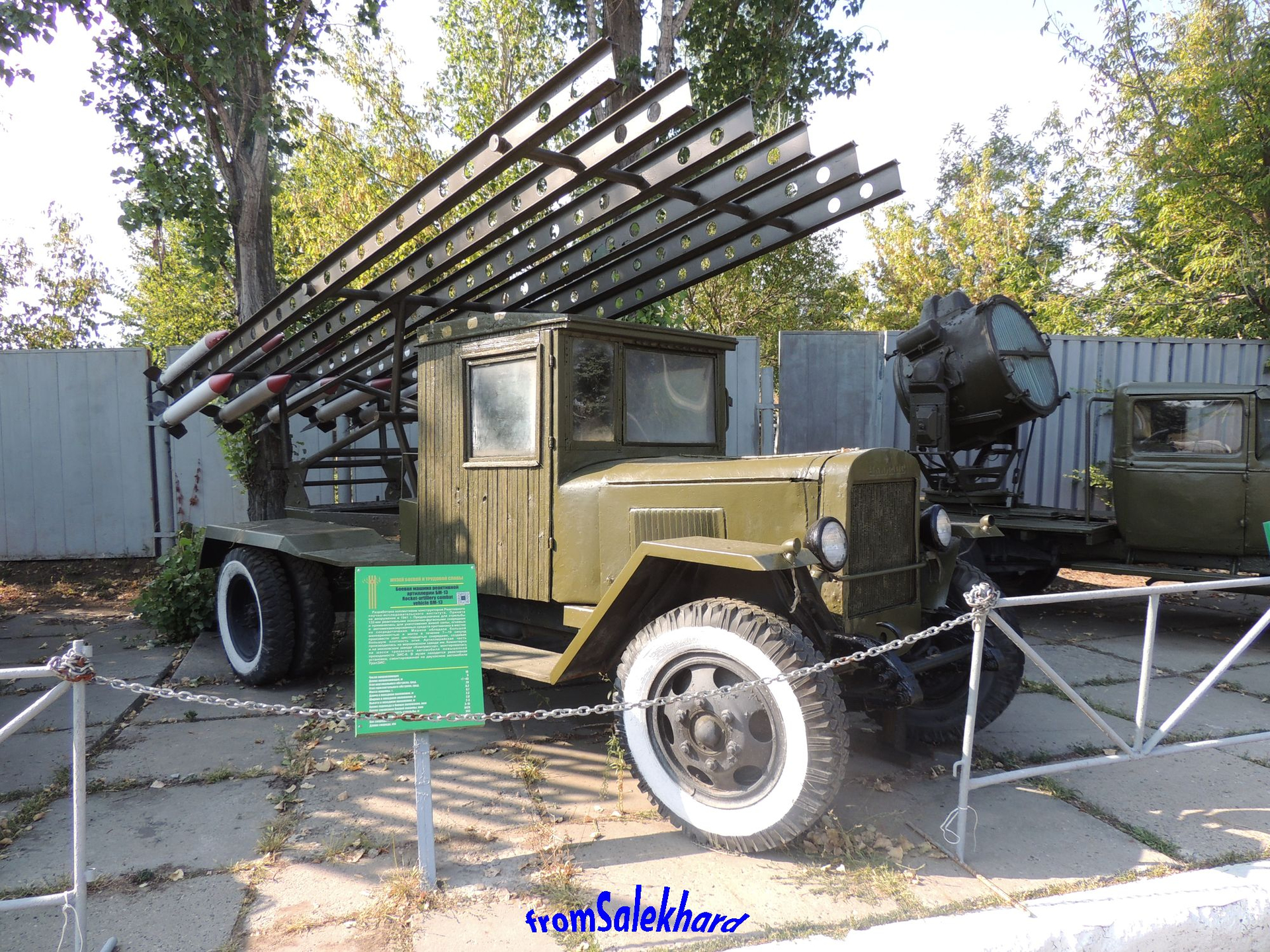
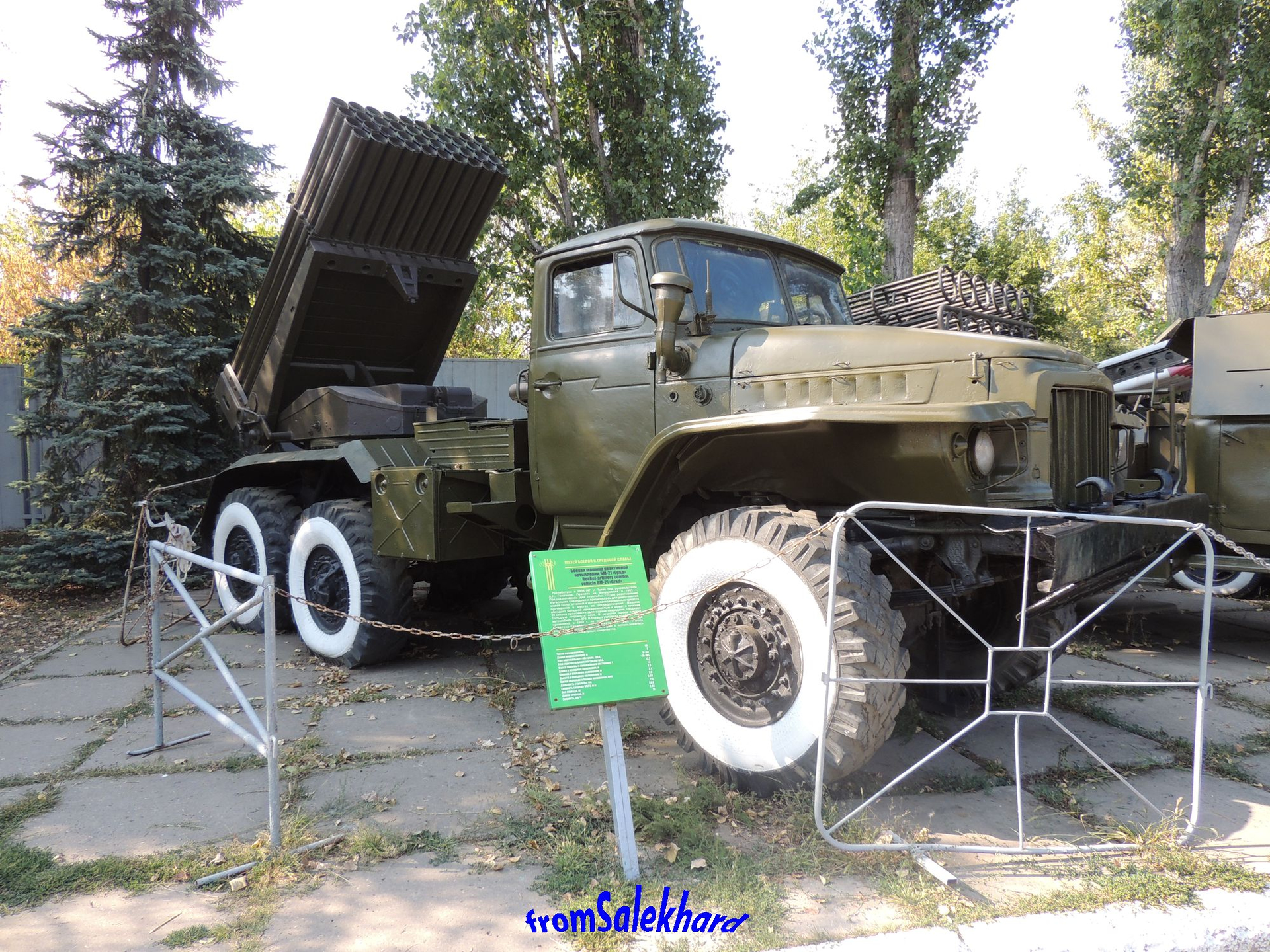
On the other side is a small island of rocket artillery,
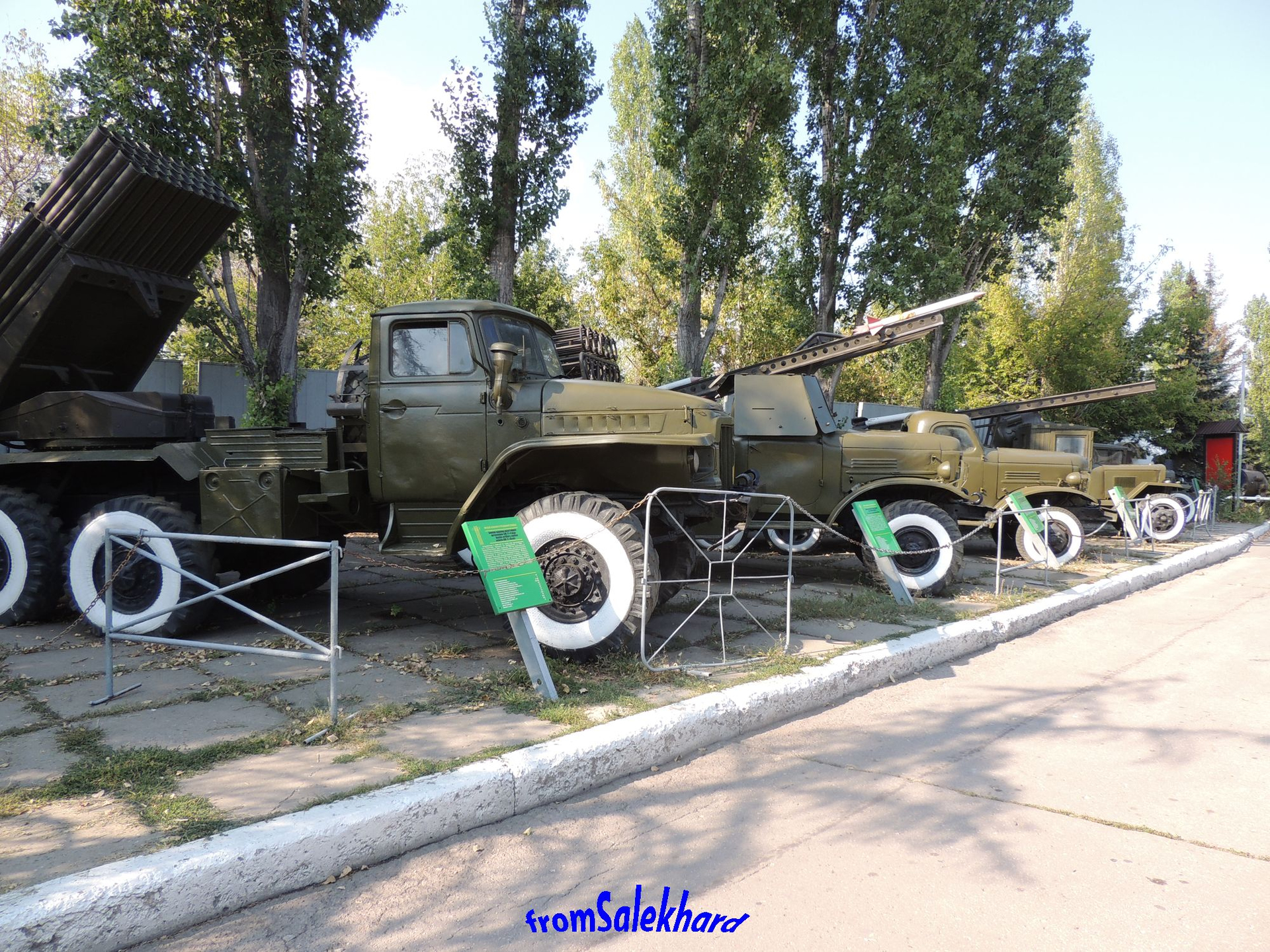

(BM-21 “Grad”, BM-24, BM-13N, BM-13)
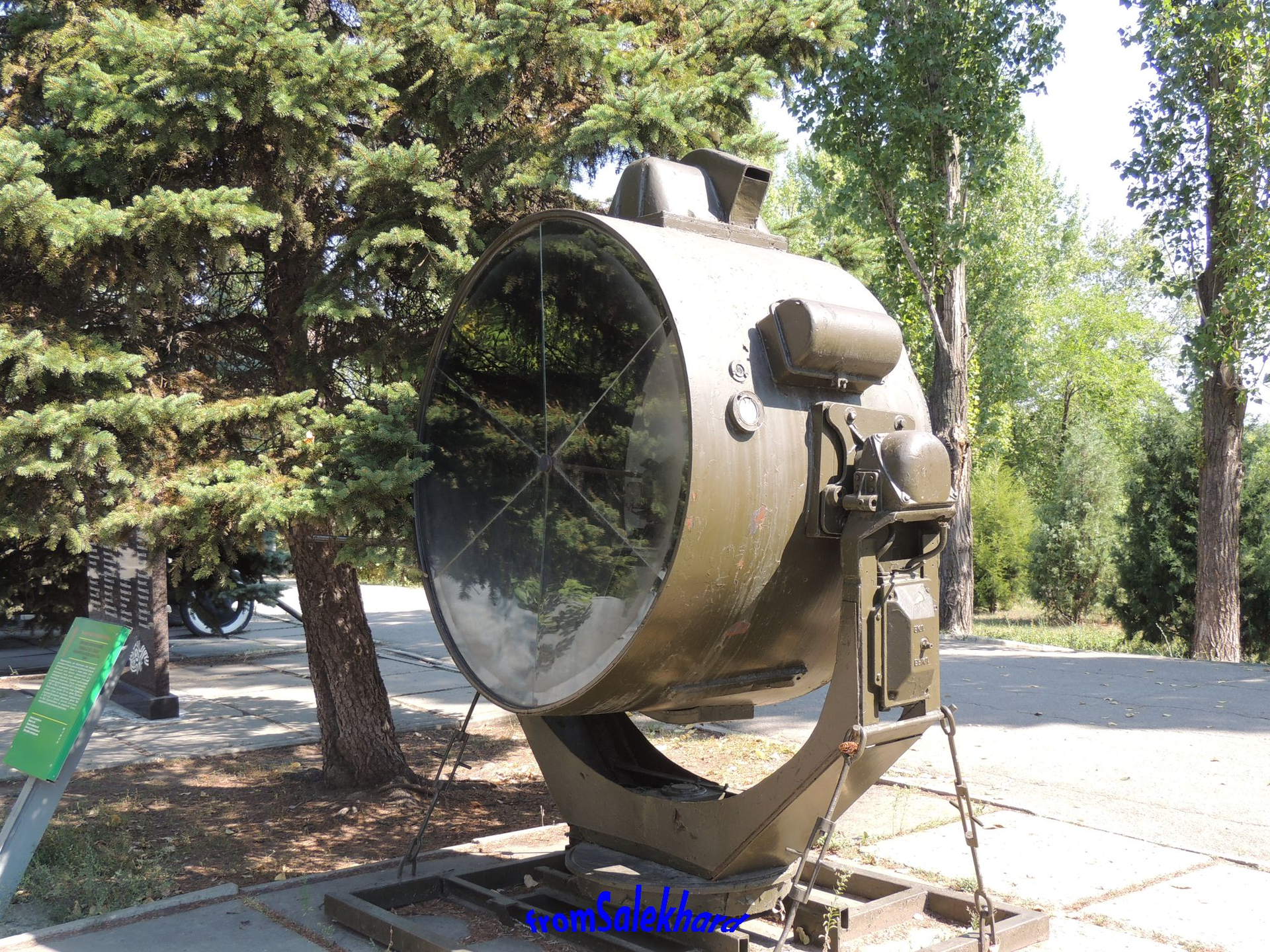
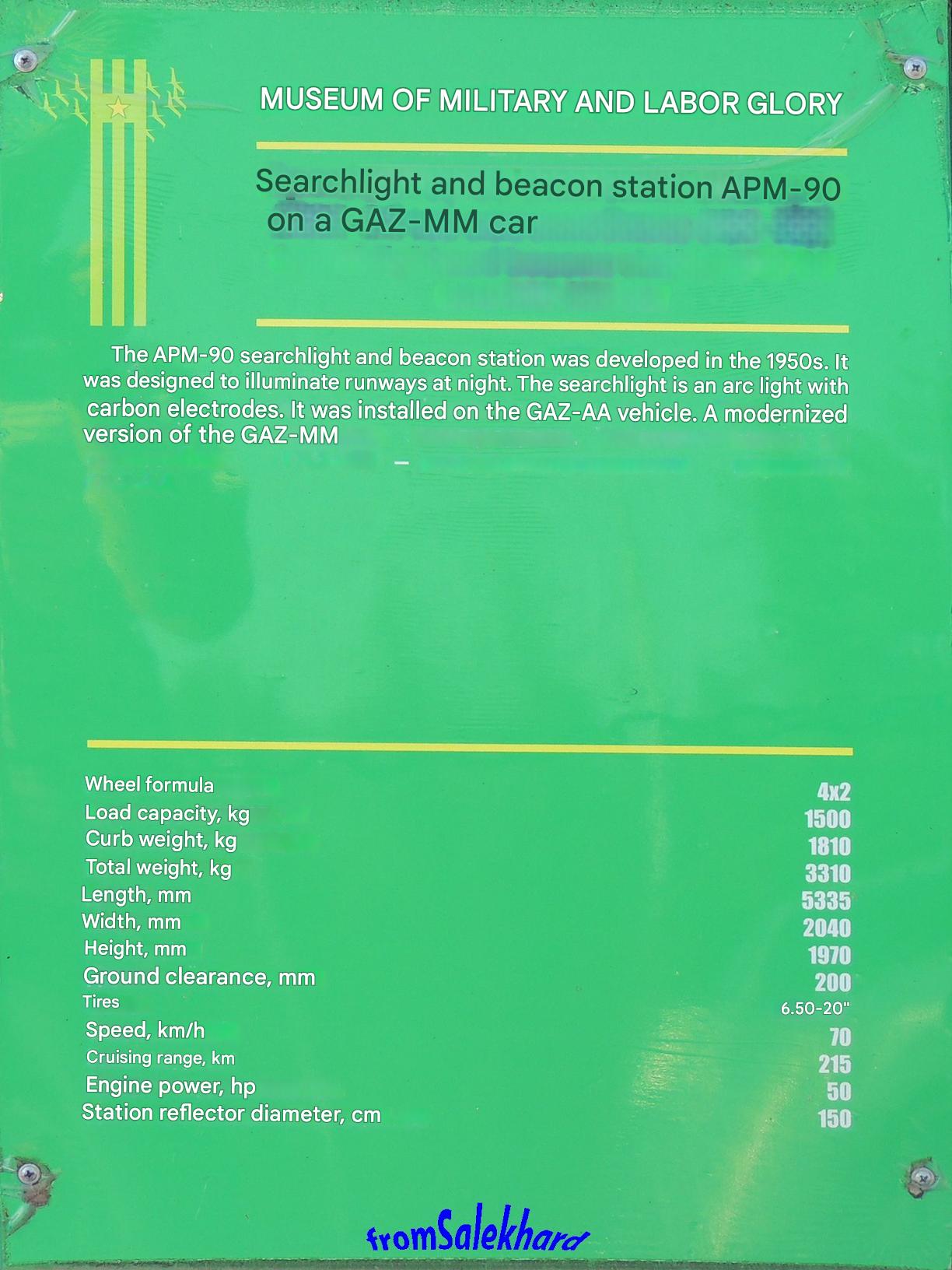
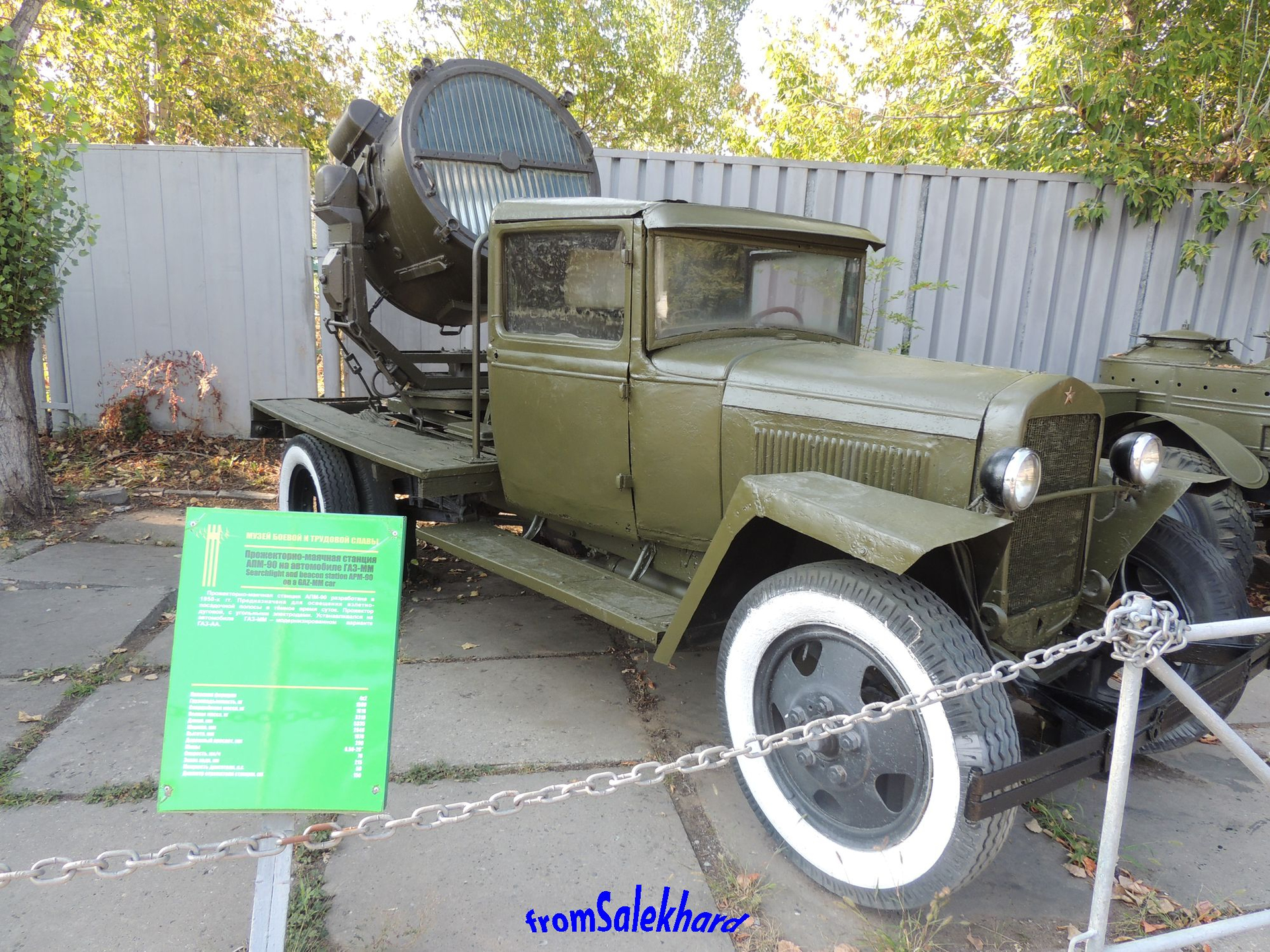
complemented by a searchlight
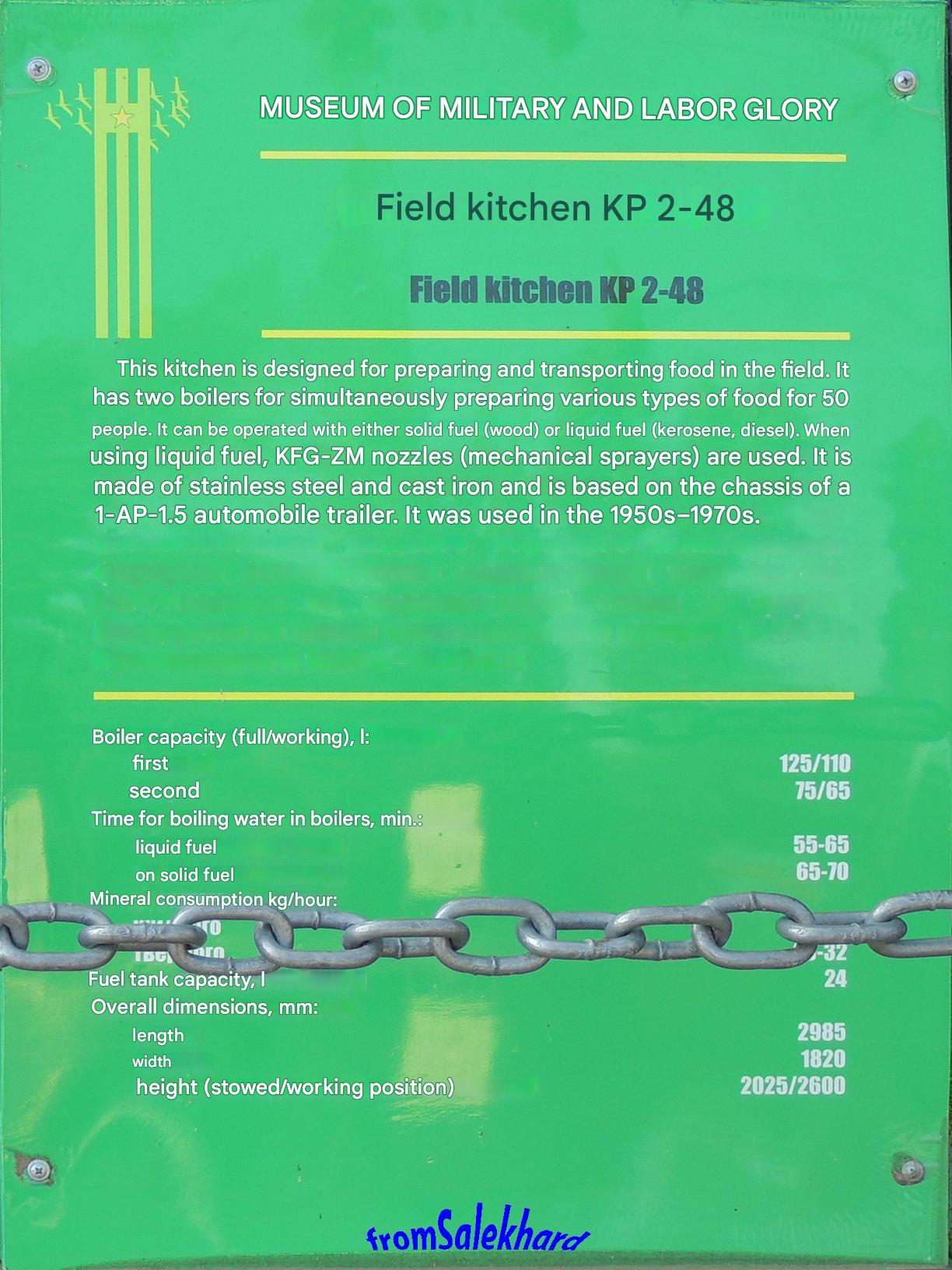
and a trailer kitchen.
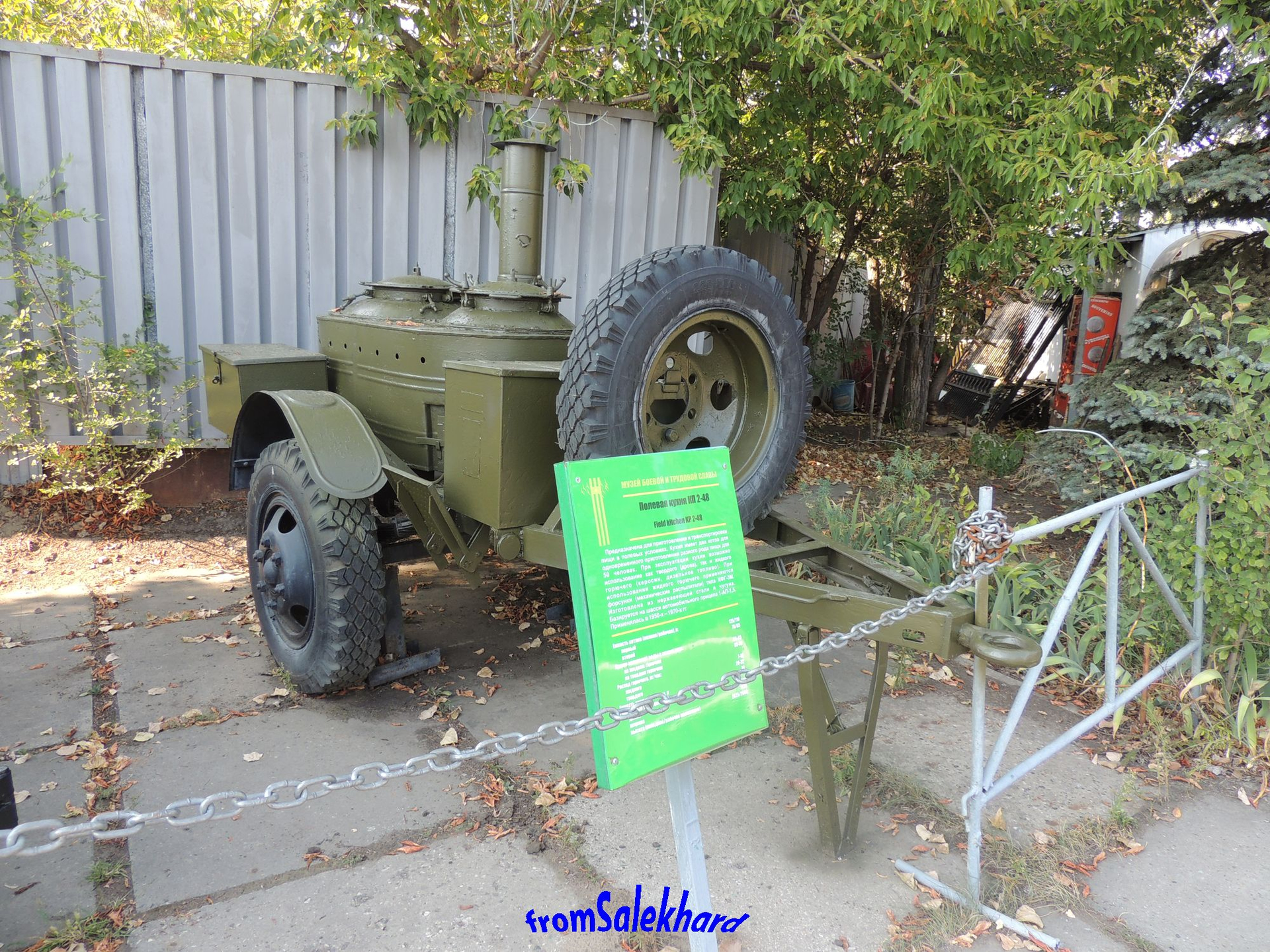
It’s worth noting that most of the exhibits here are distributed among similarly compact thematic locations, with rare exceptions.

19 Likes

Thanks Yuri for yet another fascinating museum tour. I’m not sure how/why you tagged me in this post but I don’t mind at all. As you say Saratov is not a city that I’m familiar with, mainly because it doesn’t seem to occur very much in standard (western) histories of WW2/Barbarossa (?) Looking at my Atlas I see it’s up-Volga from Volgograd by (only!) around 400kms, have you ever been there? I’d be particularly interested in the museums there too, 10 years ago I planned to visit that city and also the Kursk region but alas it never happened. I’d just like to compliment you again on your command of the English language, it’s exceptional.

2 Likes

I also wanted to visit Volgograd for a long time and last year I managed to do it. Someday, I will tell you about its museums as well.
A visit to Kursk is in the plans.

13 Likes

Thanks for another great tour Yuri- very cool to see a Yak-38 on display like that!

3 Likes

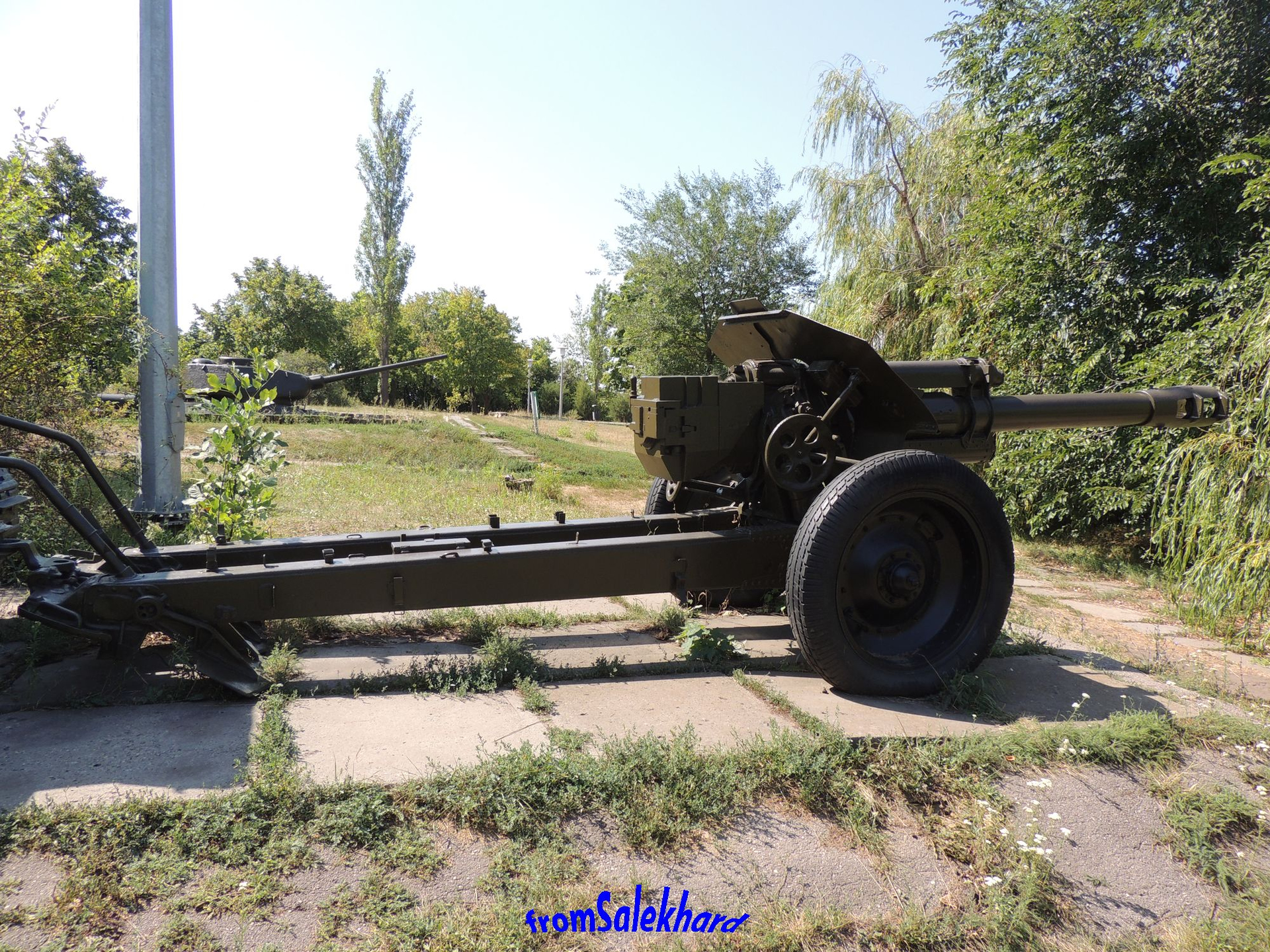
I agree with you. Here are a few more angles.
By the way, if anyone needs photos of the vehicles I post on this site—specifically from different angles—feel free to reach out and ask. Usually (though not always), I take multiple photos of each exhibit.
7 Likes

Thank you again Yuri for your generosity and brotherhood, sharing another magnificent museum with we who will never get to visit in person. Your beautiful cities and museums are wonderful to look at, and you convey so much knowledge and information. I know this must be a huge task, and your sharing is greatly appreciated. I look forward to the next installment.

4 Likes

Always nice to see those walkarounds Yuri, thanks!

4 Likes

Thank you for those extra pictures Yuri- they have made a great display of that and it looks awesome in the sunshine!

3 Likes

Another of Yuri’s topics I’m watching!

Спасибо, Юрий- так держать!

Ангел

3 Likes

Thanks Yuri for posting these excellent pictures.

2 Likes

Well, I was thinking of emigrating anyway; I think the sheer quantity of museums may swing it! (Farewell wife, it was nice knowing you).

3 Likes

Thank you all very much for your words of support and encouragement. There is a Russian proverb: “A kind word pleases even a cat.” This is all the more true for people in general—and for me in particular.
We still have many excursions ahead of us - at least no fewer than we have already had.

6 Likes

Spoken like a true Russian philosopher! I think you’d agree that when ordinary human beings communicate, and find such abundant common ground, nothing else matters. If only our respective leaders thought the same way – this may stretch your knowledge of English slang, but as Churchill once said, “Jaw-jaw is better than War-war”

I see you got a good reaction to your offer to post Volgograd material, please do so. And on a personal note, if you ever do get to the Kursk region I’d be particularly interested in the Ponyri/northern salient, although others here will probably be more interested in Prokhorovka/southern salient.

And there’s something else I’d like you to know. It may have become accepted wisdom in Russia that western allies have continued to claim that they won WW2. I don’t think any of us on this website, and hopefully in the wider public, believe that any more. There’s certainly no doubt in my mind that if Russia hadn’t fought back and suffered immeasurable losses, all of Europe (including the UK and western Russia) would have become a slave-Nazi mega-state.

8 Likes

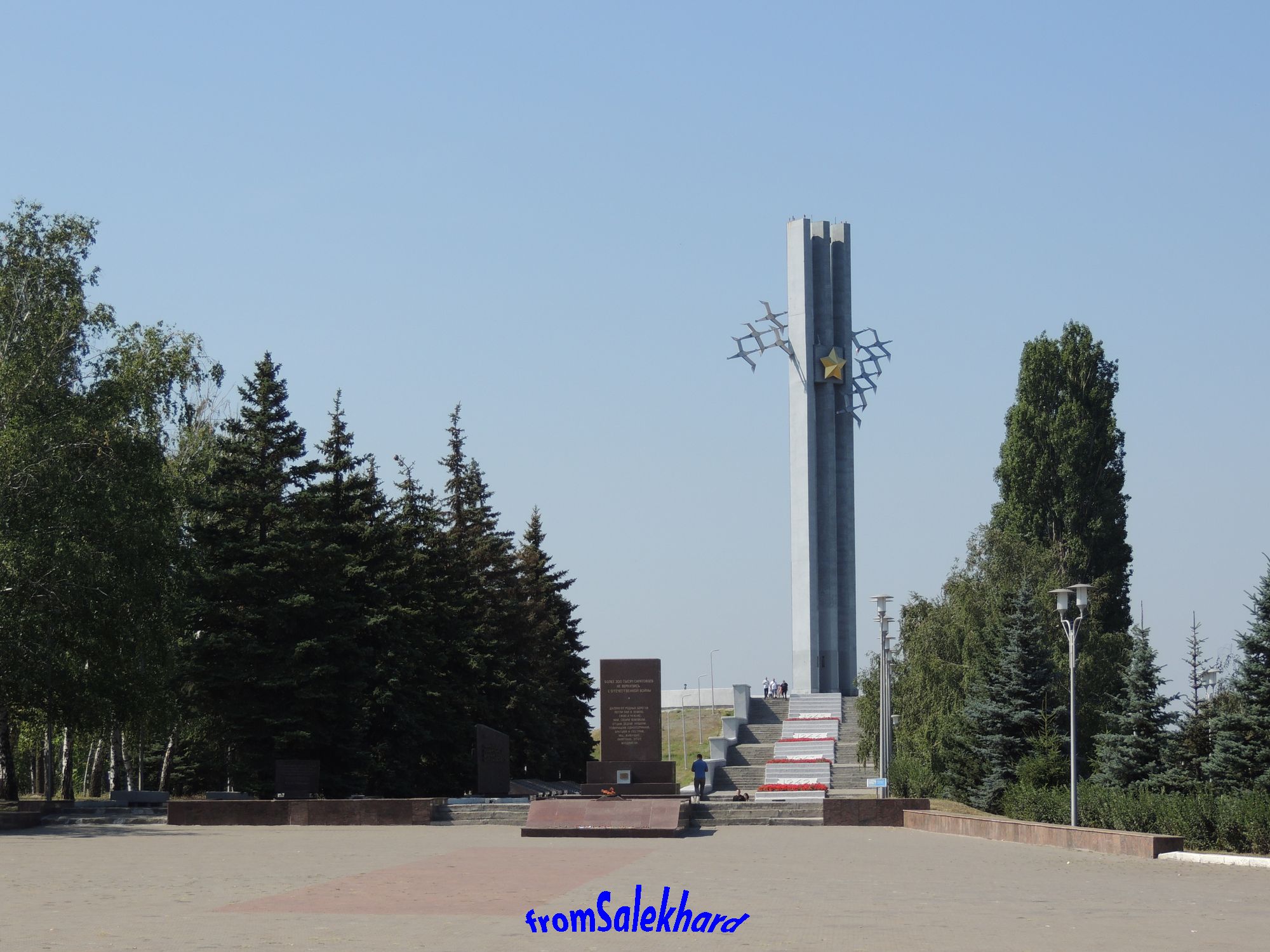
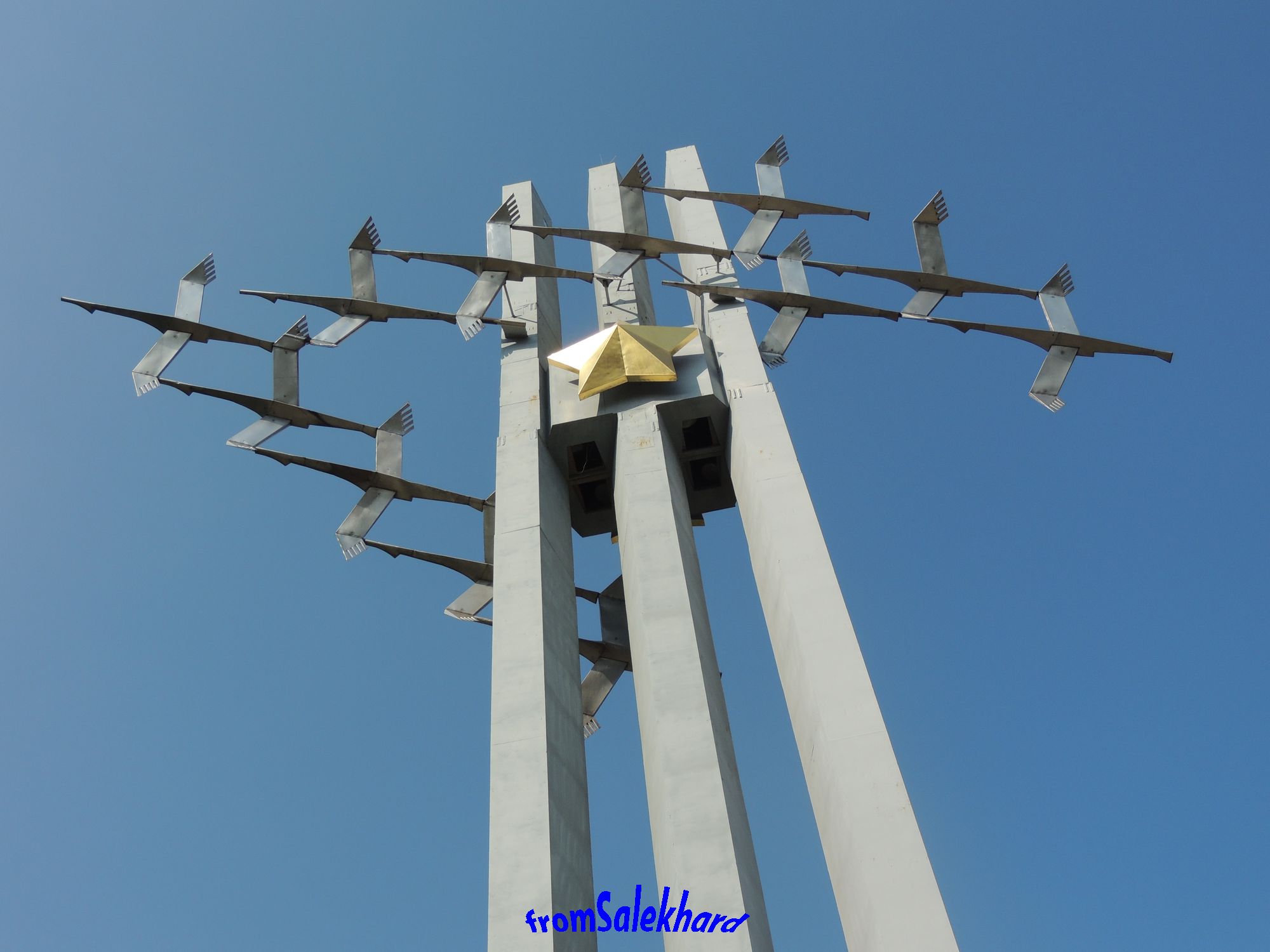
This location is directly adjacent to the central square, on the other side of which is the Eternal Flame and the Cranes memorial stele,

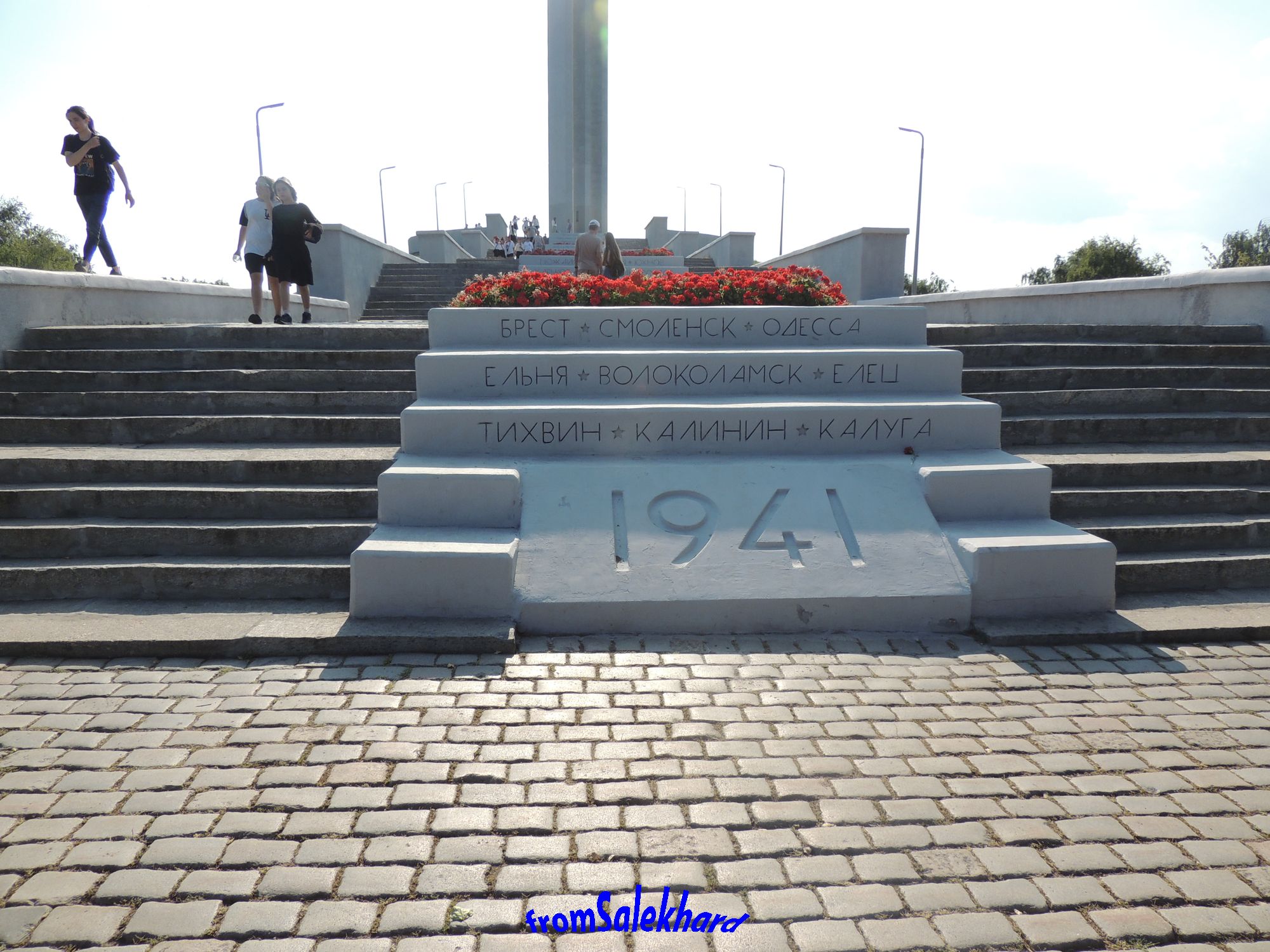
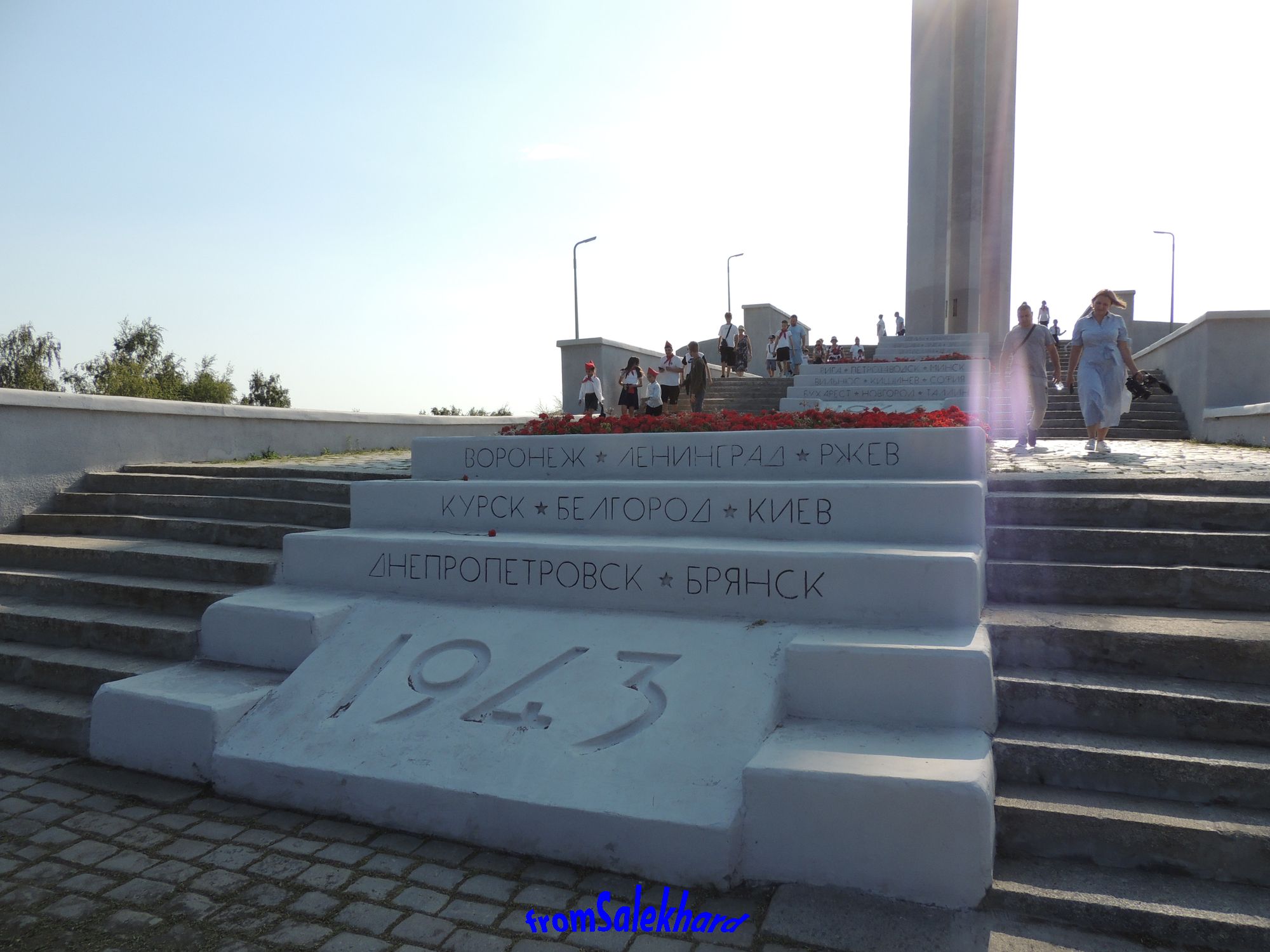
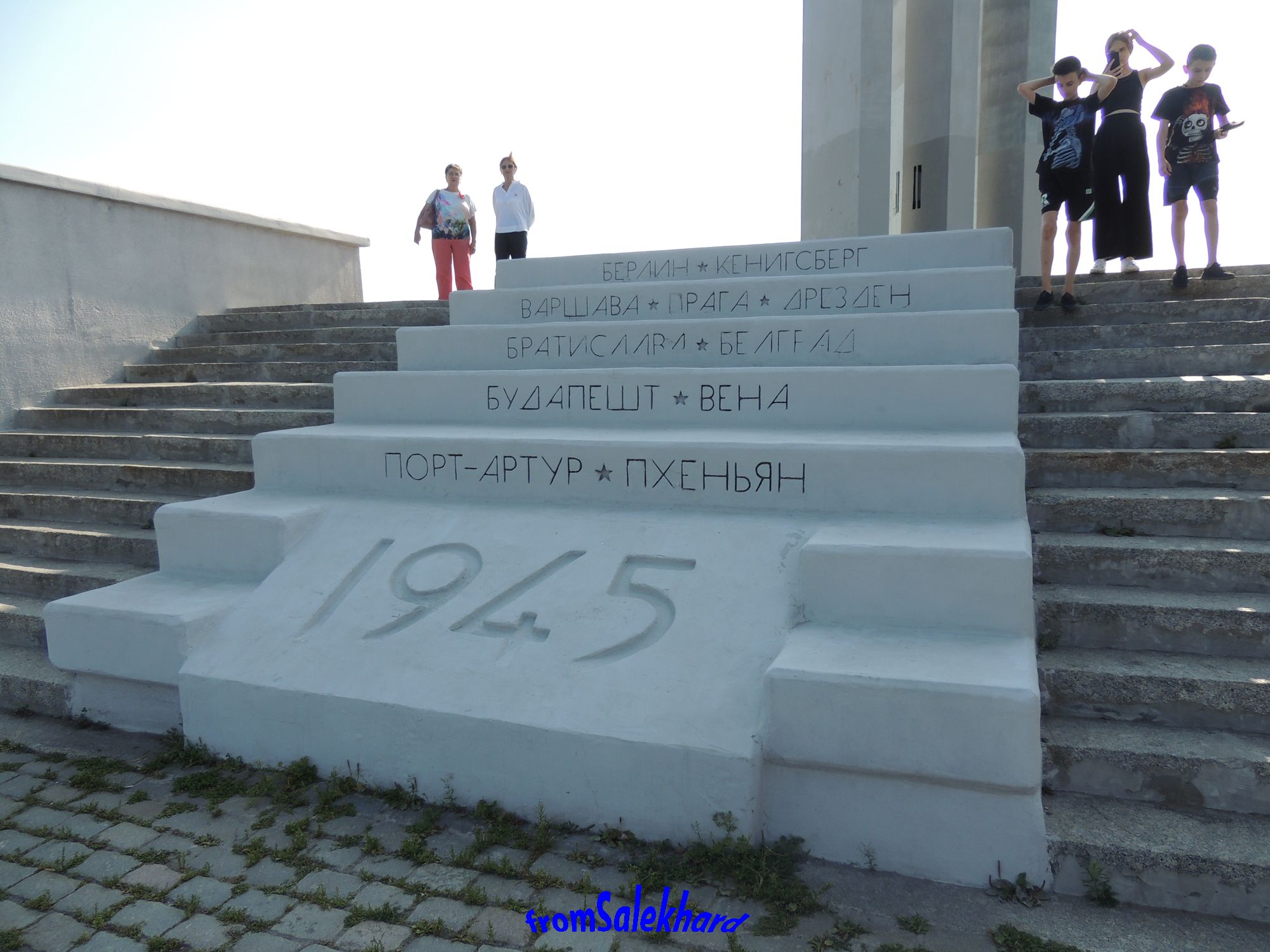
which, as one of the main dominant features of the city, is reflected in all city commemorative products: from magnets to postcards. Similar to Poklonnaya Hill, the monument is accessed via a five-tiered ascent, corresponding to the number of war years. The steps are inscribed with the names of the cities first defended and then liberated.

Text on the terrace steps:

1941 Brest * Smolensk * Odessa * Yelnya * Volokolamsk * Yelets * Tikhvin * Kalinin * Kaluga

1942 Mozhaisk * Moscow * Yukhnov * Kharkov * Stavropol * Rostov * Novorossiysk * Stalingrad

1943 Voronezh * Leningrad * Rzhev * Kursk * Belgorod * Kyiv * Dnepropetrovsk * Bryansk

1944 Riga * Petrozavodsk * Minsk * Vilnius * Chisinau * Sofia * Bucharest * Novgorod * Tallinn

1945 Berlin * Konigsberg * Warsaw * Prague * Dresden * Bratislava * Belgrade * Budapest * Vienna * Port Arthur * Pyongyang

Cranes are frequent guests at memorial sites.

This is thanks to the lyrics of the famous Soviet song by Rasul Gamzatov, “White Cranes.” Originally written in Avar—the poet’s native tongue—it was subsequently translated into Russian; here, I offer you an English translation (one quatrain).

Sometimes it seems to me, each fallen soldier,
Who never came back home from fields of gore,
In fact, did never perish, as they told you,
But turned into a crane as white as snow.

You can find and listen to a performance of this translation on YouTube.

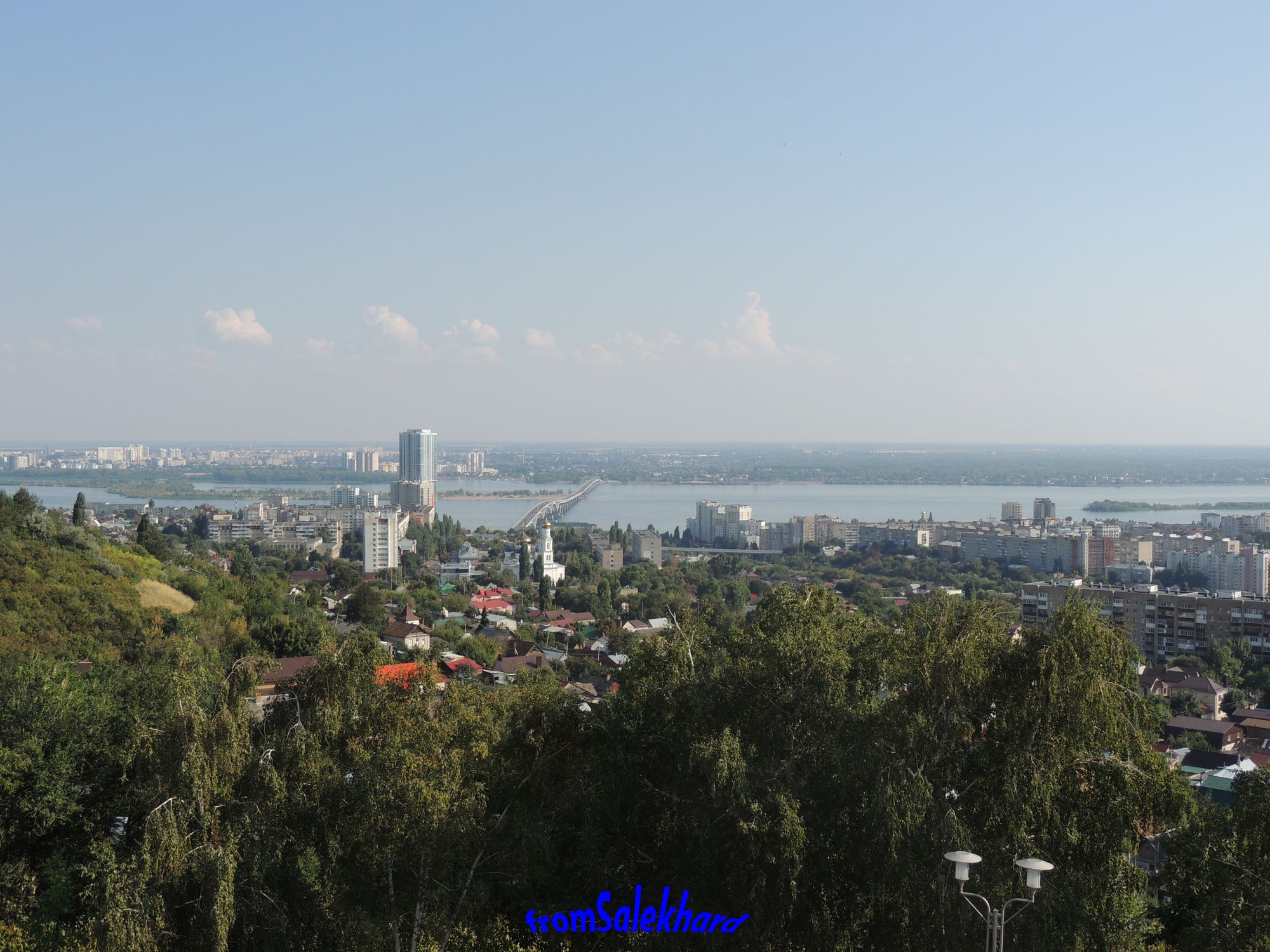
The area around the stele also serves as a city viewpoint, offering a panoramic view that is, while not spectacular, certainly wide.

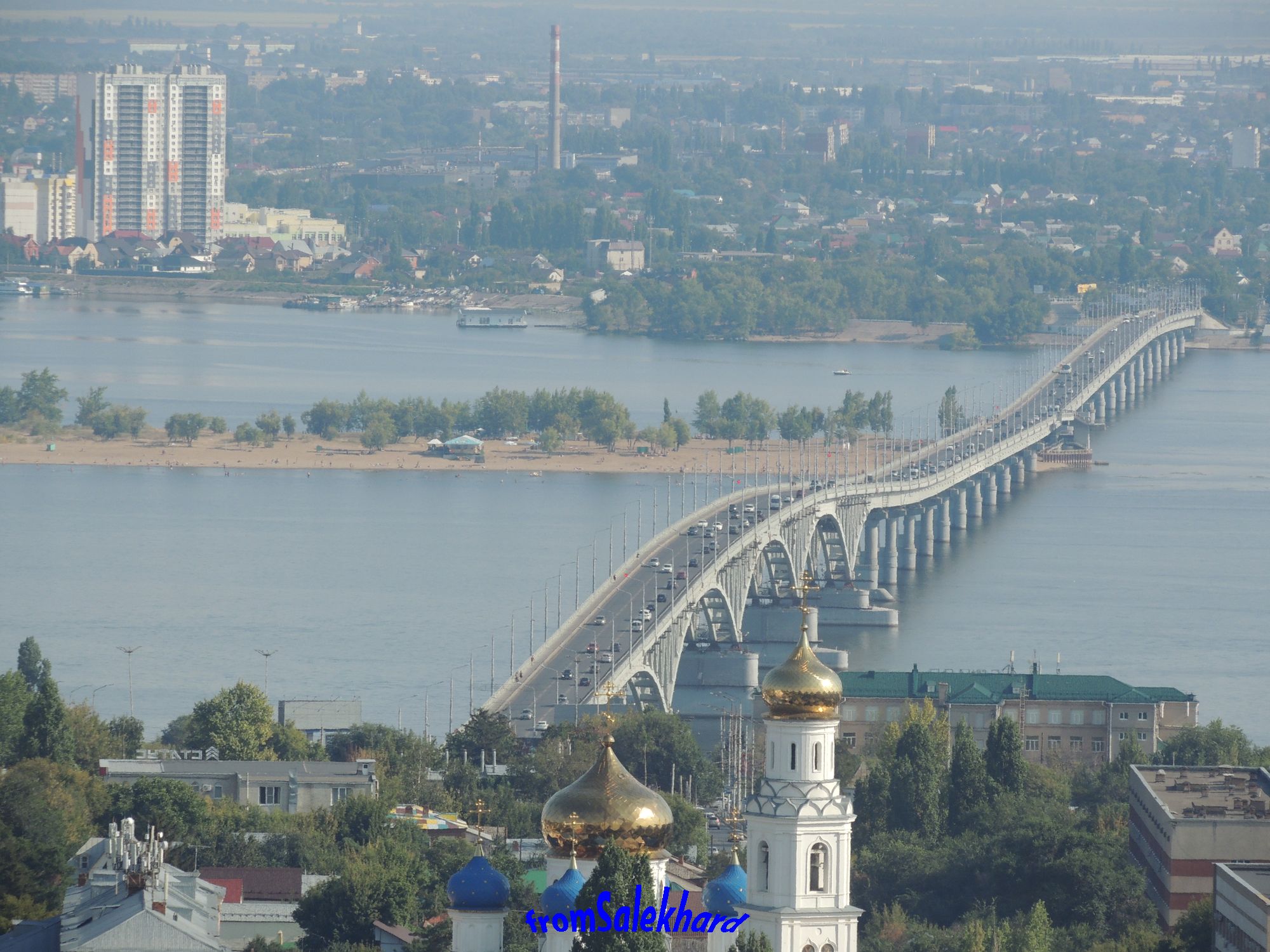
This is why I need a camera with a long zoom. Photo from the same point as the previous one.

Incidentally, on the other bank is not a continuation of Saratov, as one might expect, but a completely different city—Engels. There’s a wonderful strategic aviation museum there, but it’s not worth even thinking about visiting these days.

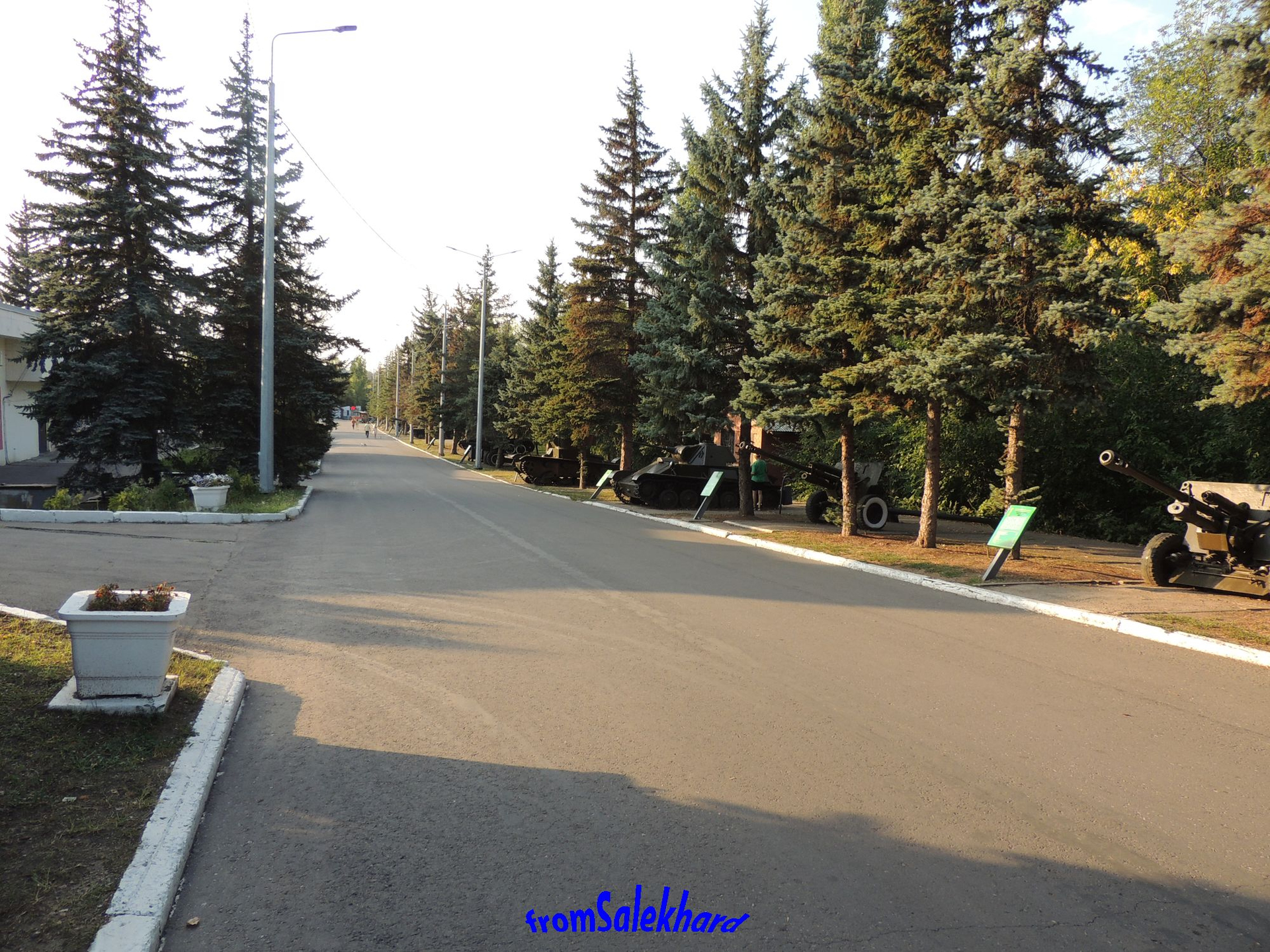
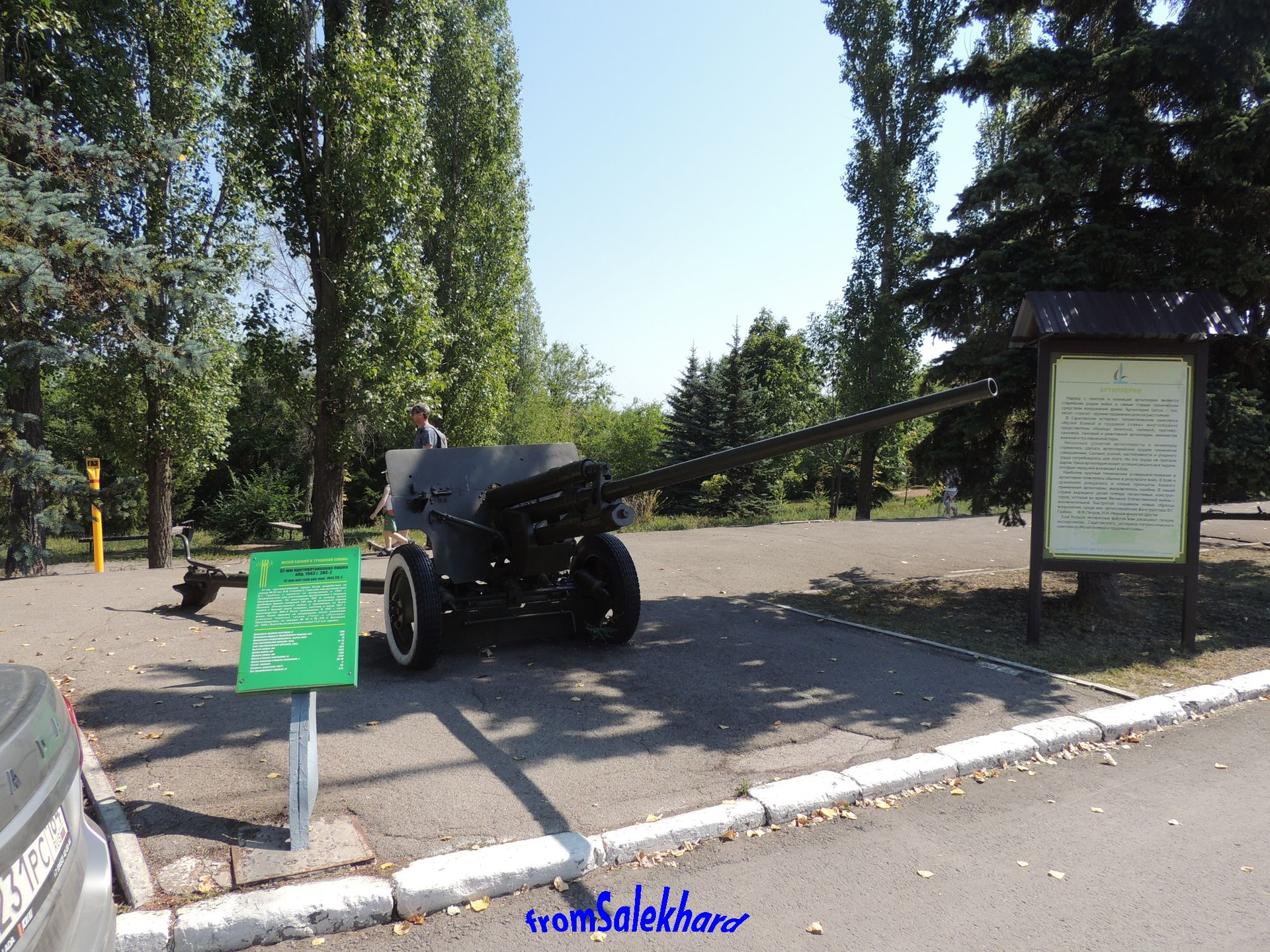
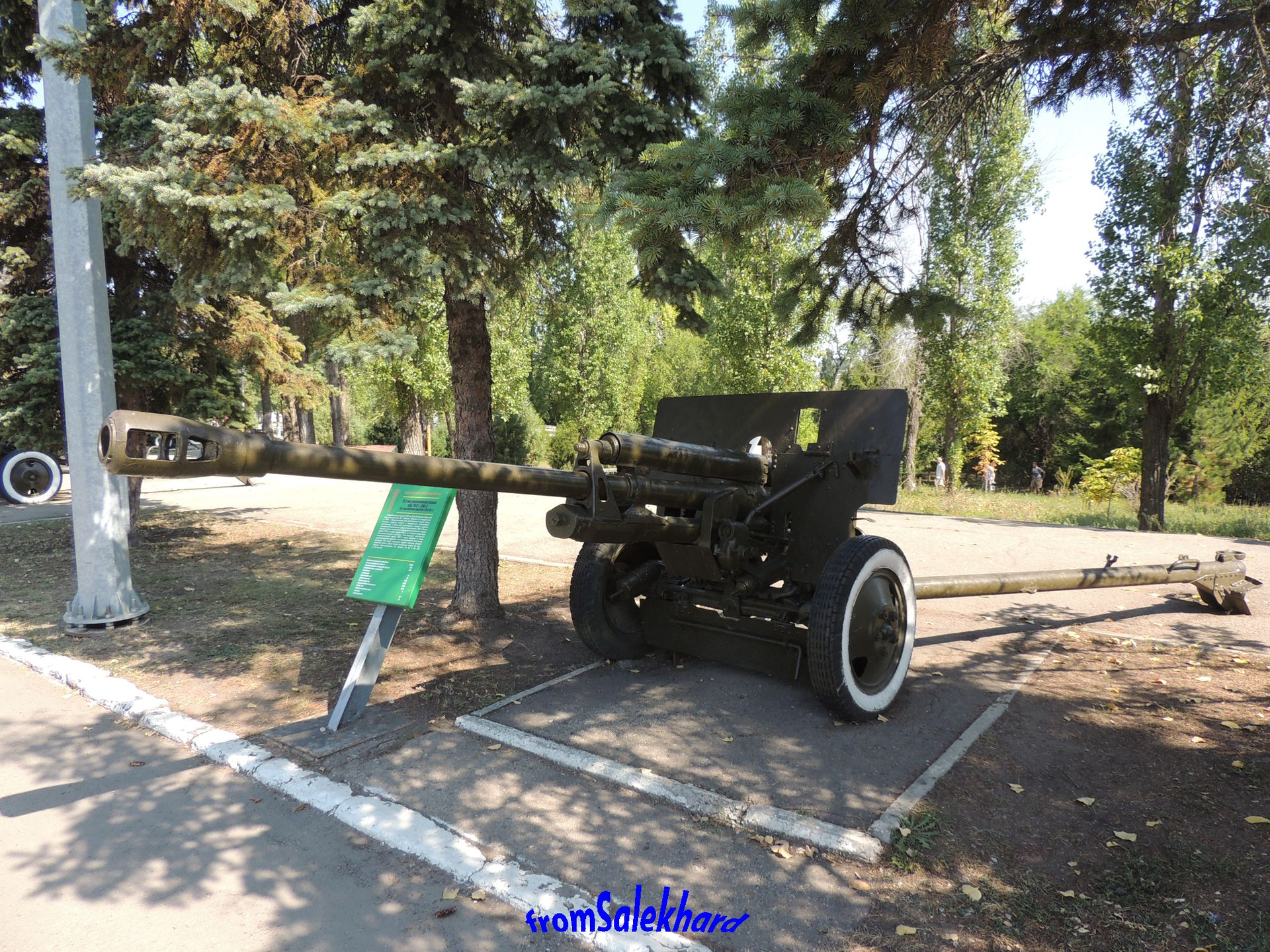
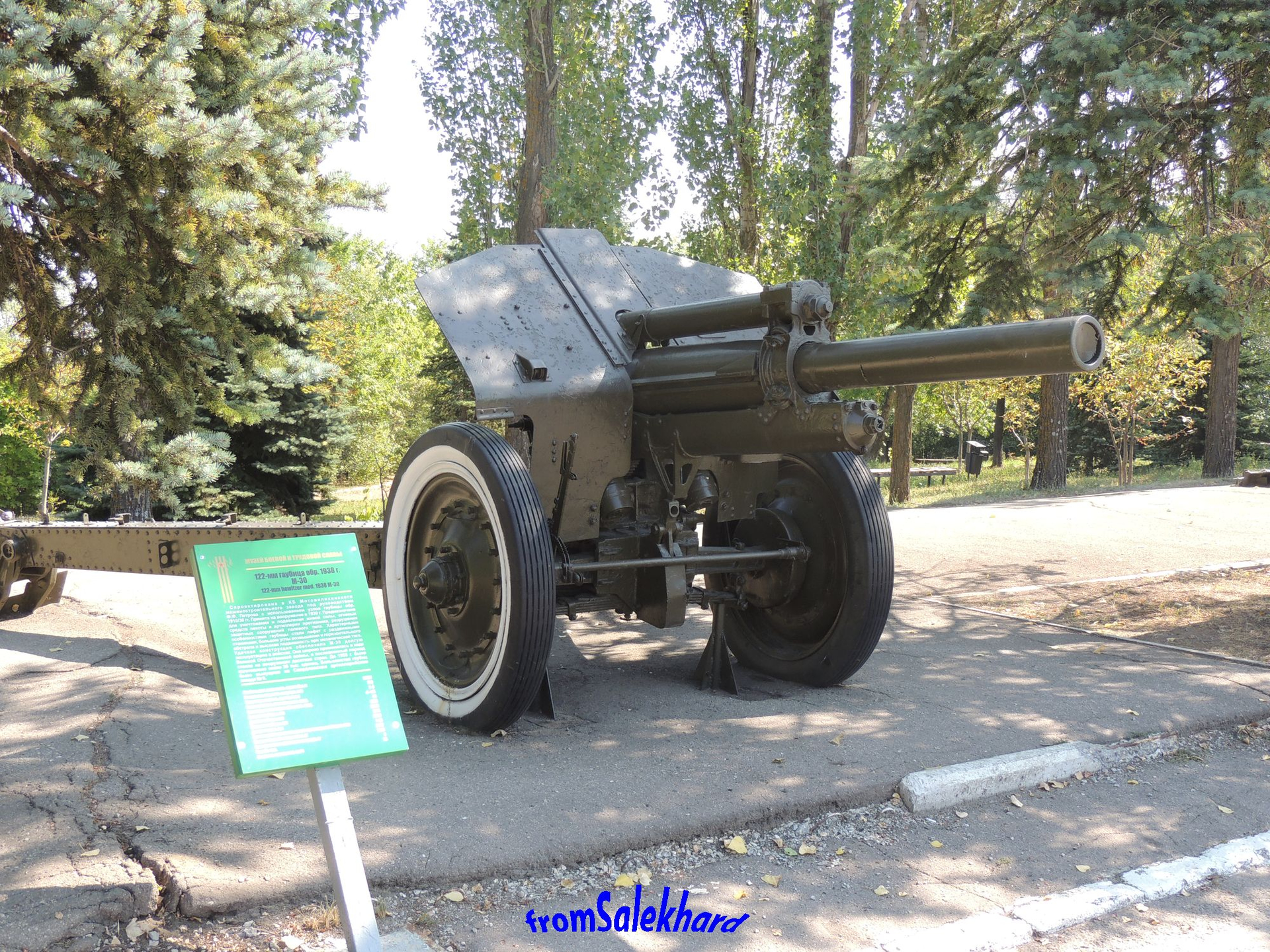
We will continue along the central alley (it is clearly visible on the map), along which a variety of military equipment is displayed, but it all starts with artillery.

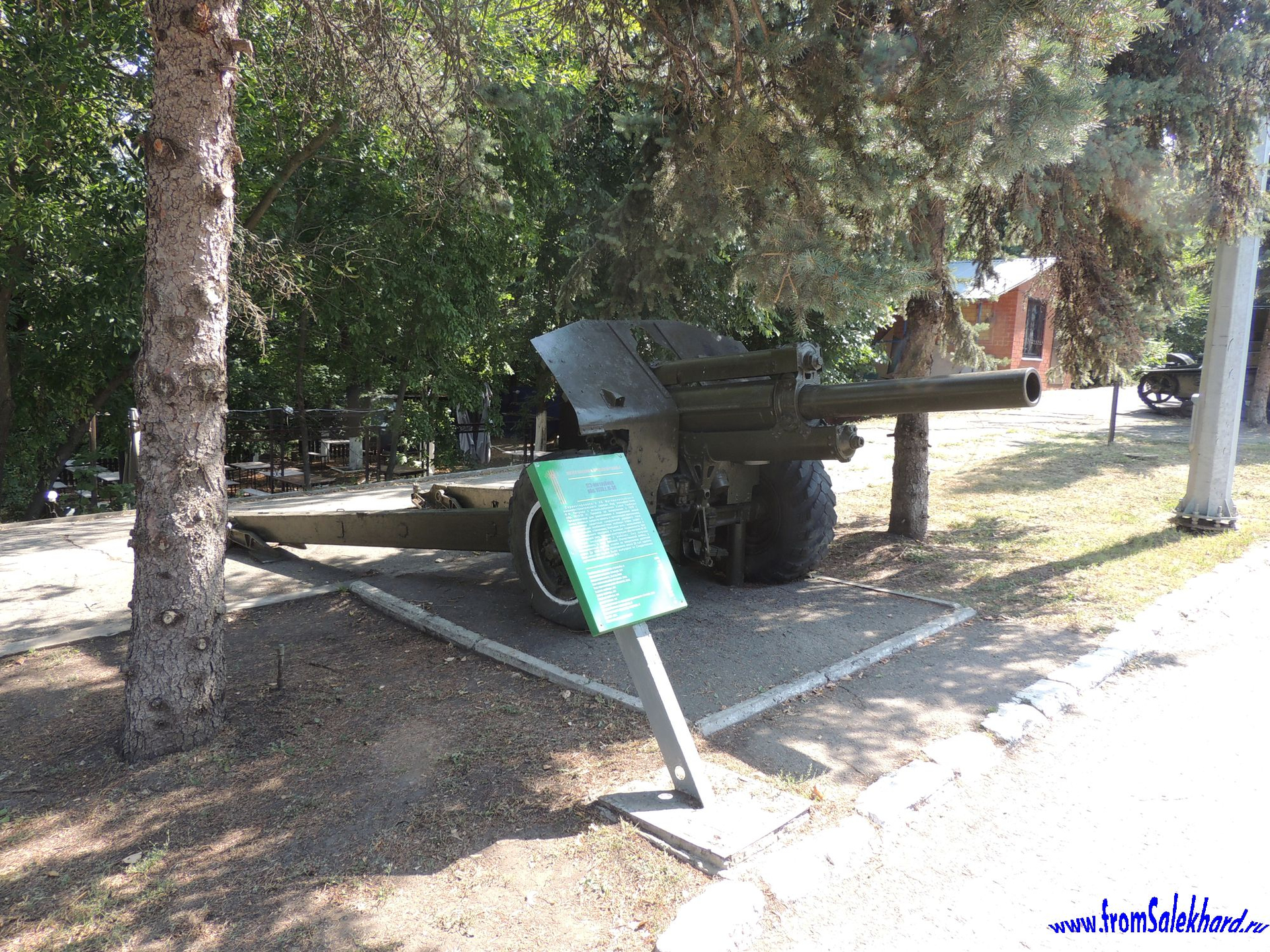
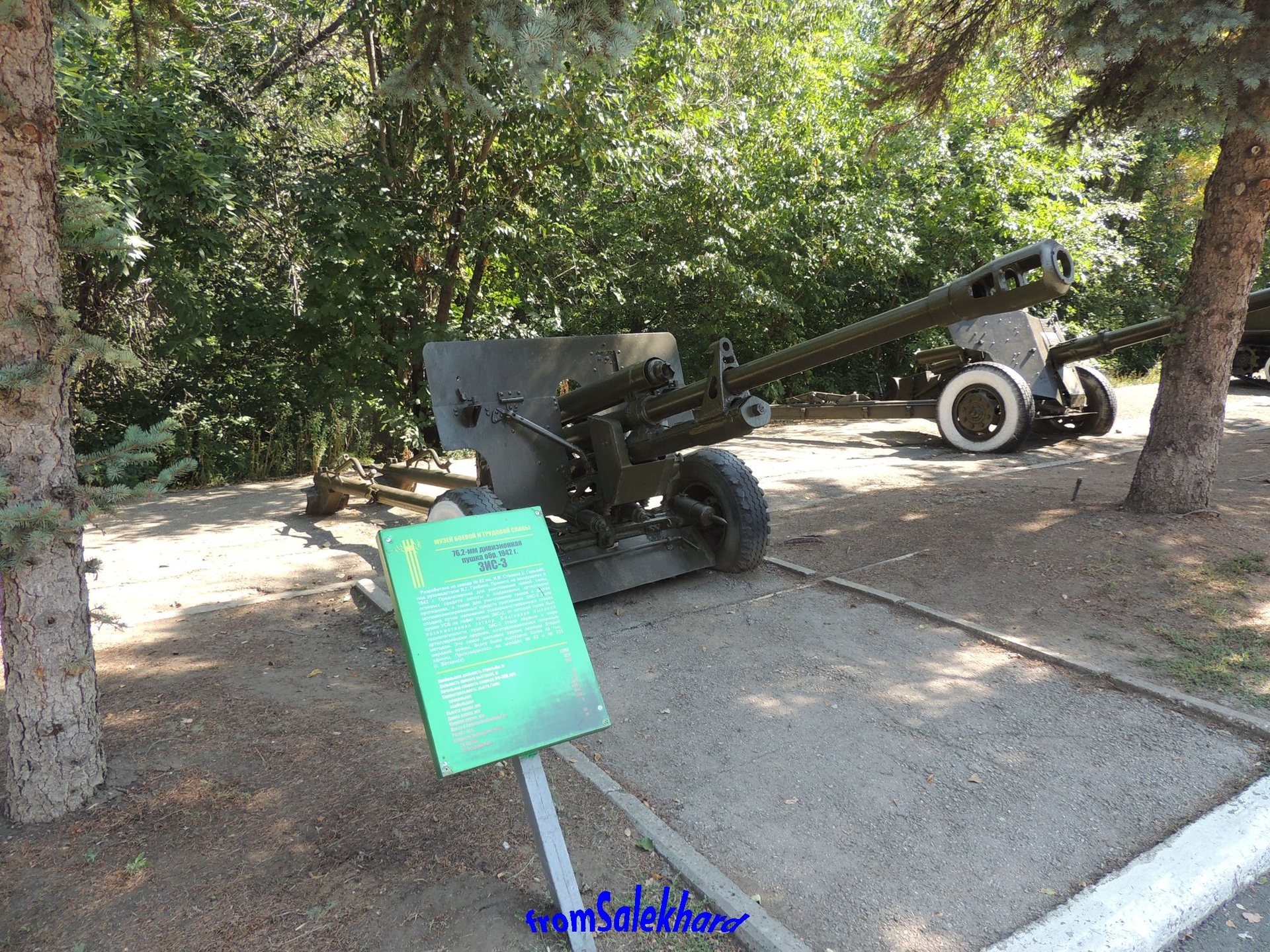
*57mm gun ZiS-2 mod1943, 76,2mm gun ZiS-3 mod1942, *
122mm howitzer M-30 model 1938, 122mm gun A-10 mod. 1931/37

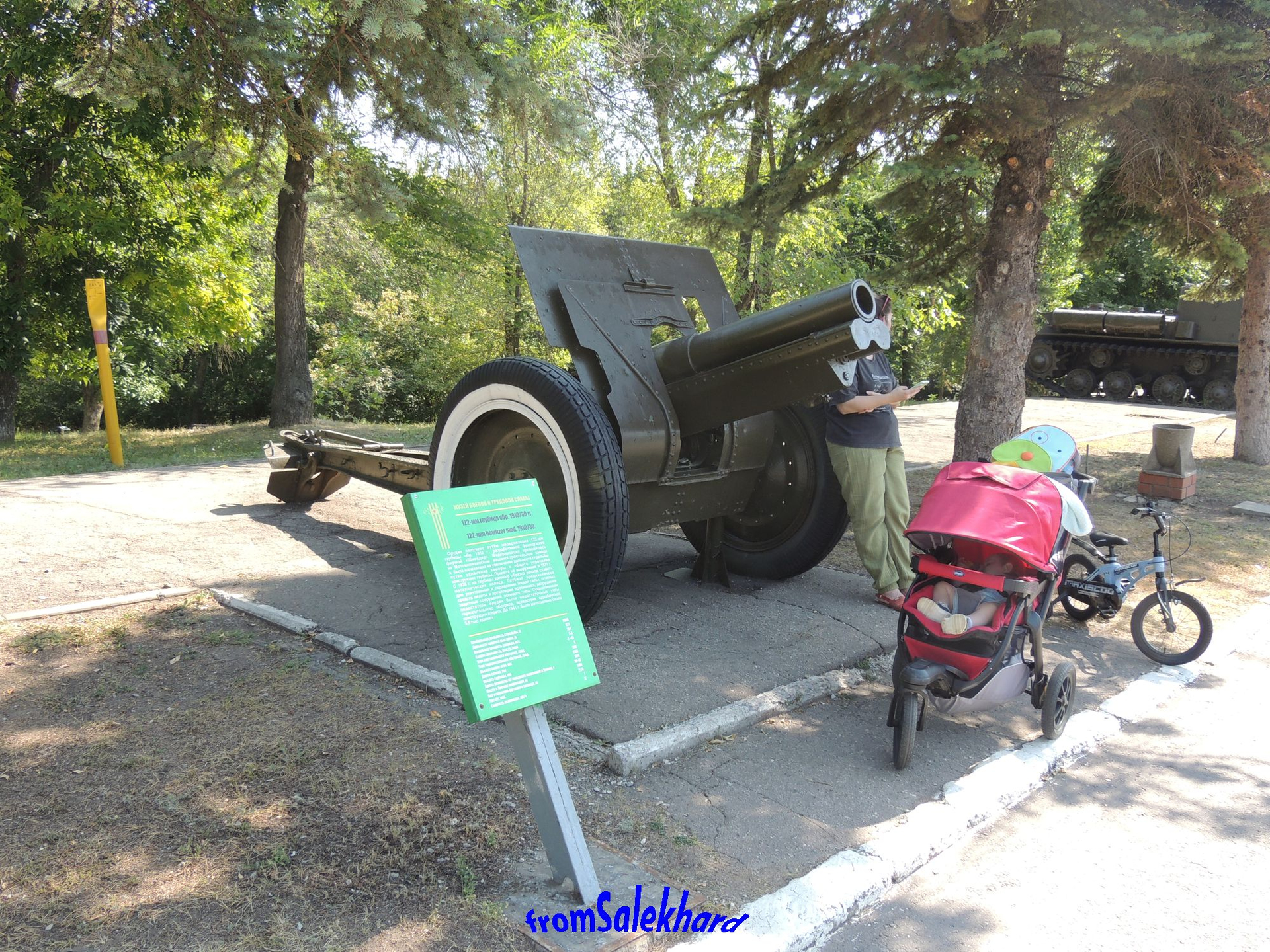
I couldn’t wait for the moment when this woman left here, so I had to take pictures like this. Sorry. But for her, it’s just a park, and she’s in no hurry.

122mm howitzer mod. 1910/30

9 Likes

I think the lady is getting some peace and quiet from the young one!

3 Likes

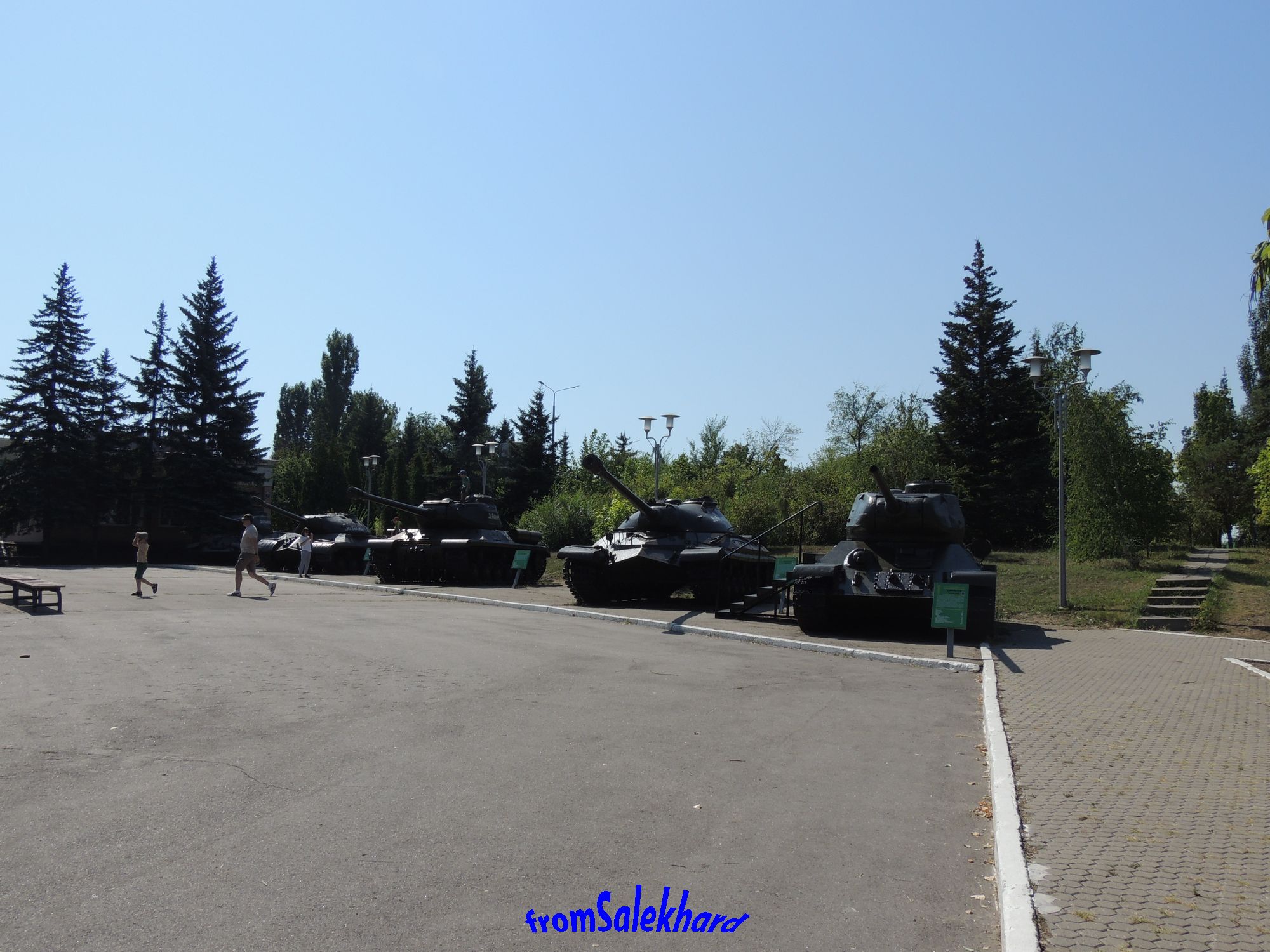
However, we won’t be able to walk straight along this alley for long. Slightly to the side, on a separate platform, a small cluster of tanks is visible—and we need to take a closer look at them.


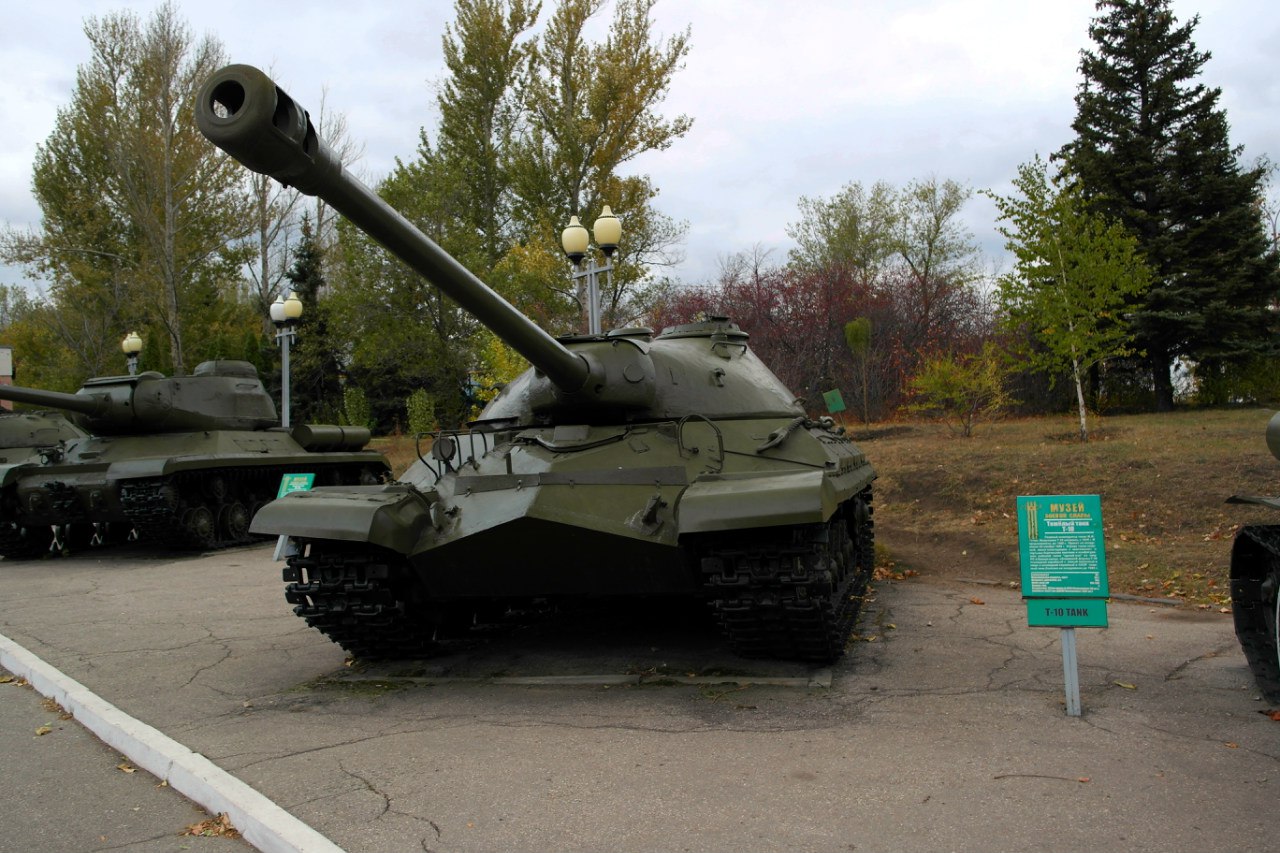
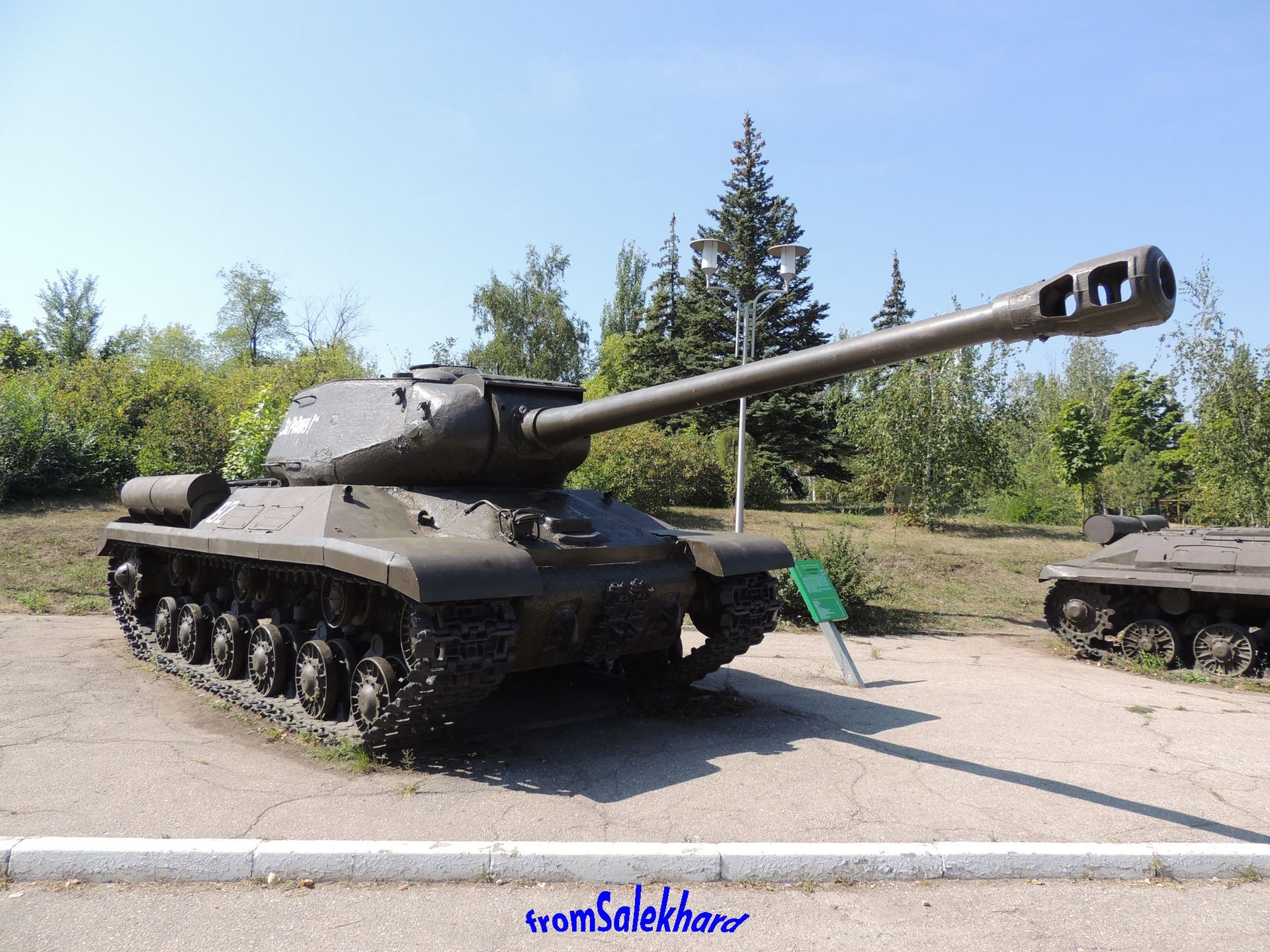
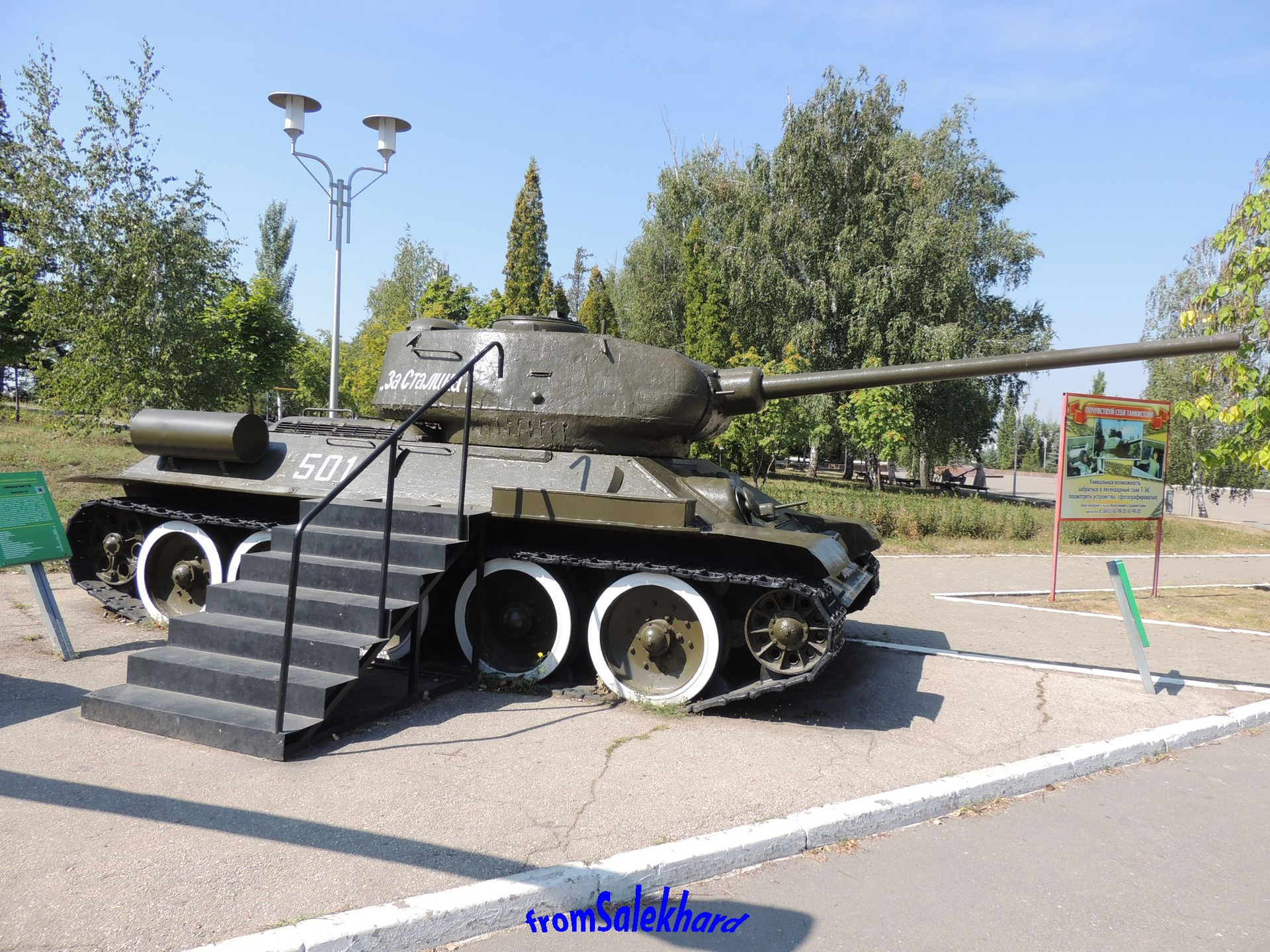
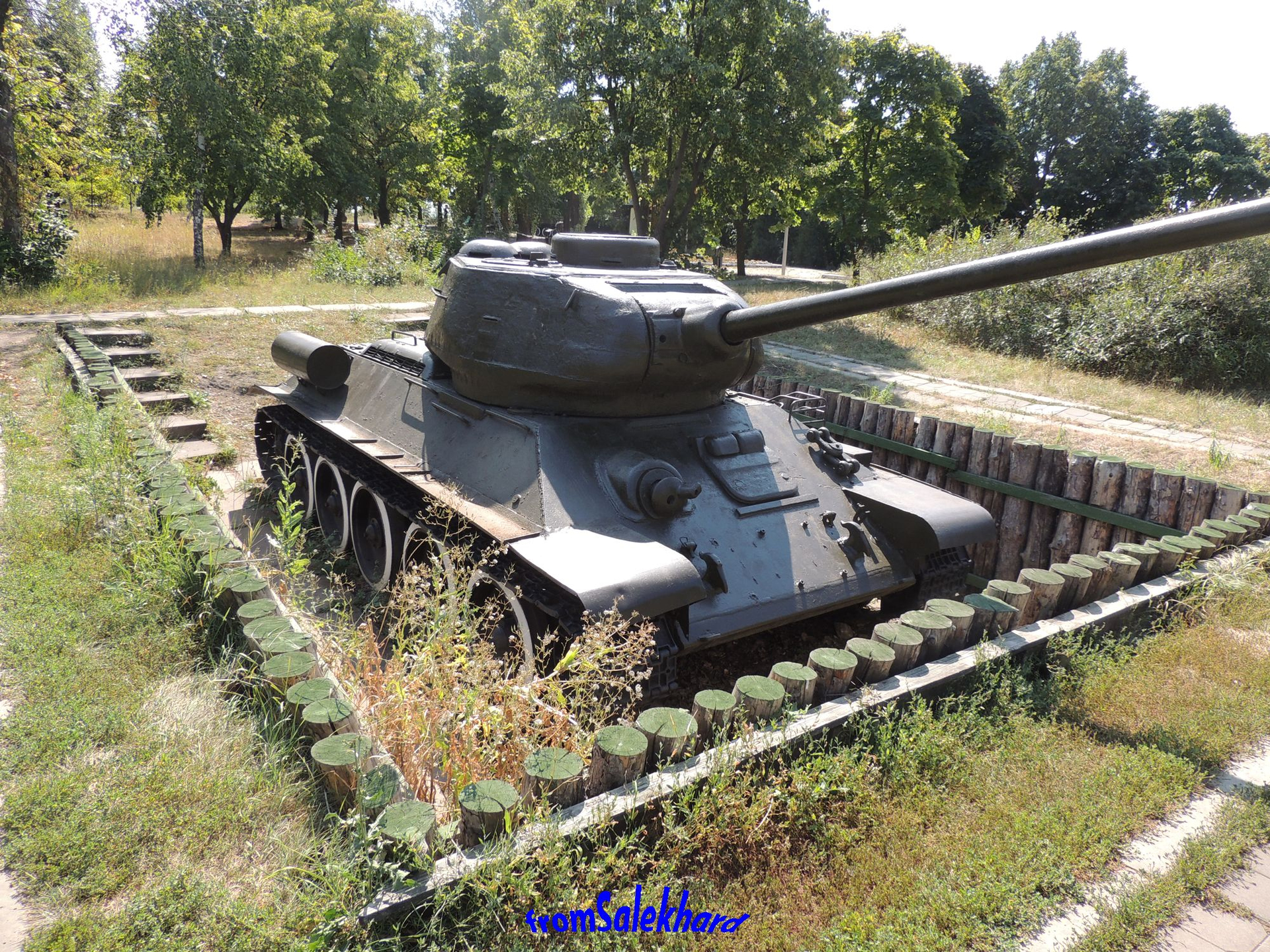
T-34, JS-2, JS-3, T-10
Note: I began listing the names of the exhibits not because they might be unfamiliar to you (though that is certainly one reason), but rather to facilitate future searches.

Note: I didn’t get photos of two tanks, so to complete the story for you, I borrowed photos (they are without the logo) from my compatriots (I’m sure they won’t be offended).

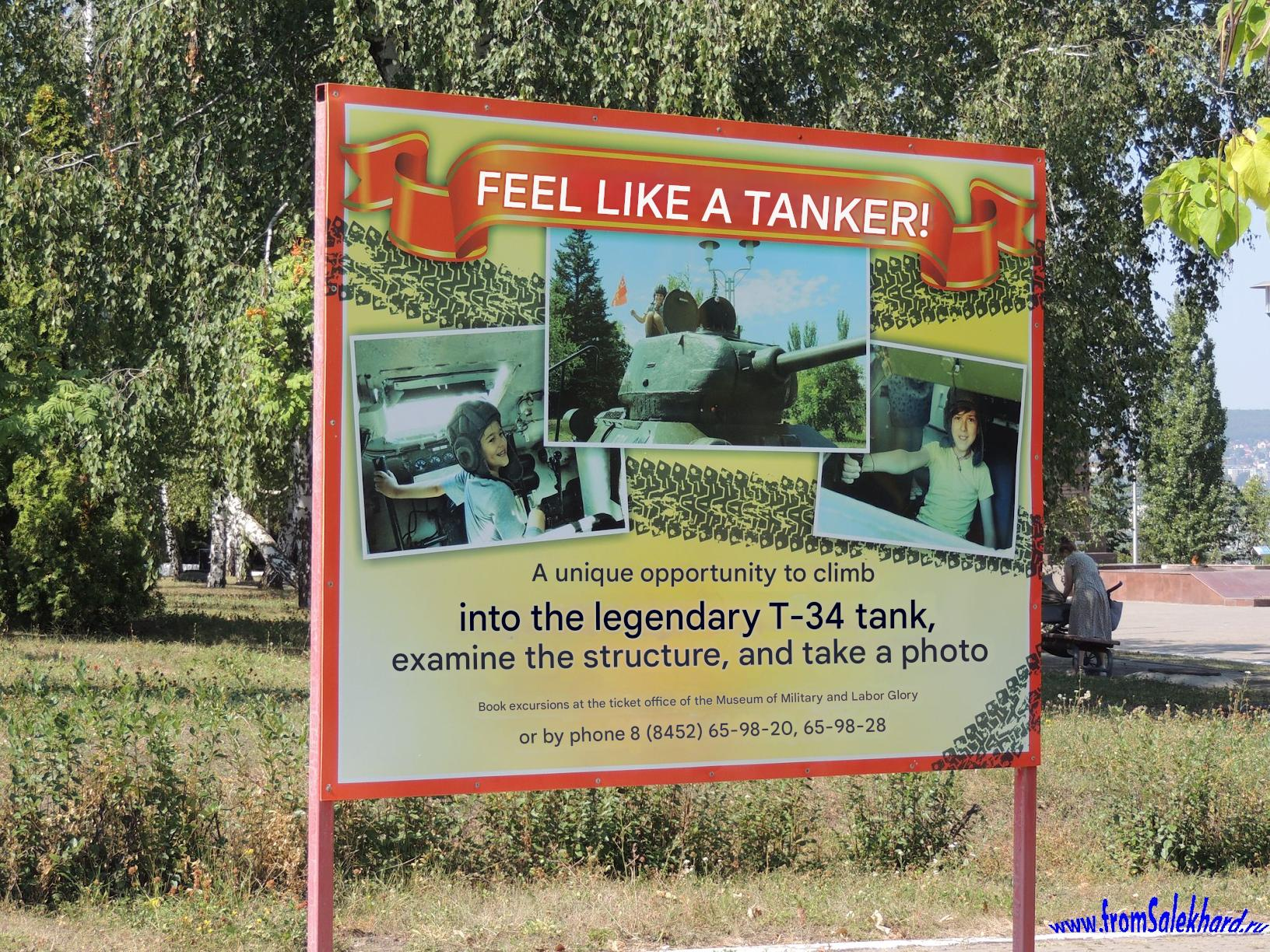
Another T‑34 is nearby — though not as an exhibit, but as an attraction.

However, Russians have no need for additional aids: they climb onto the exhibits even without them.

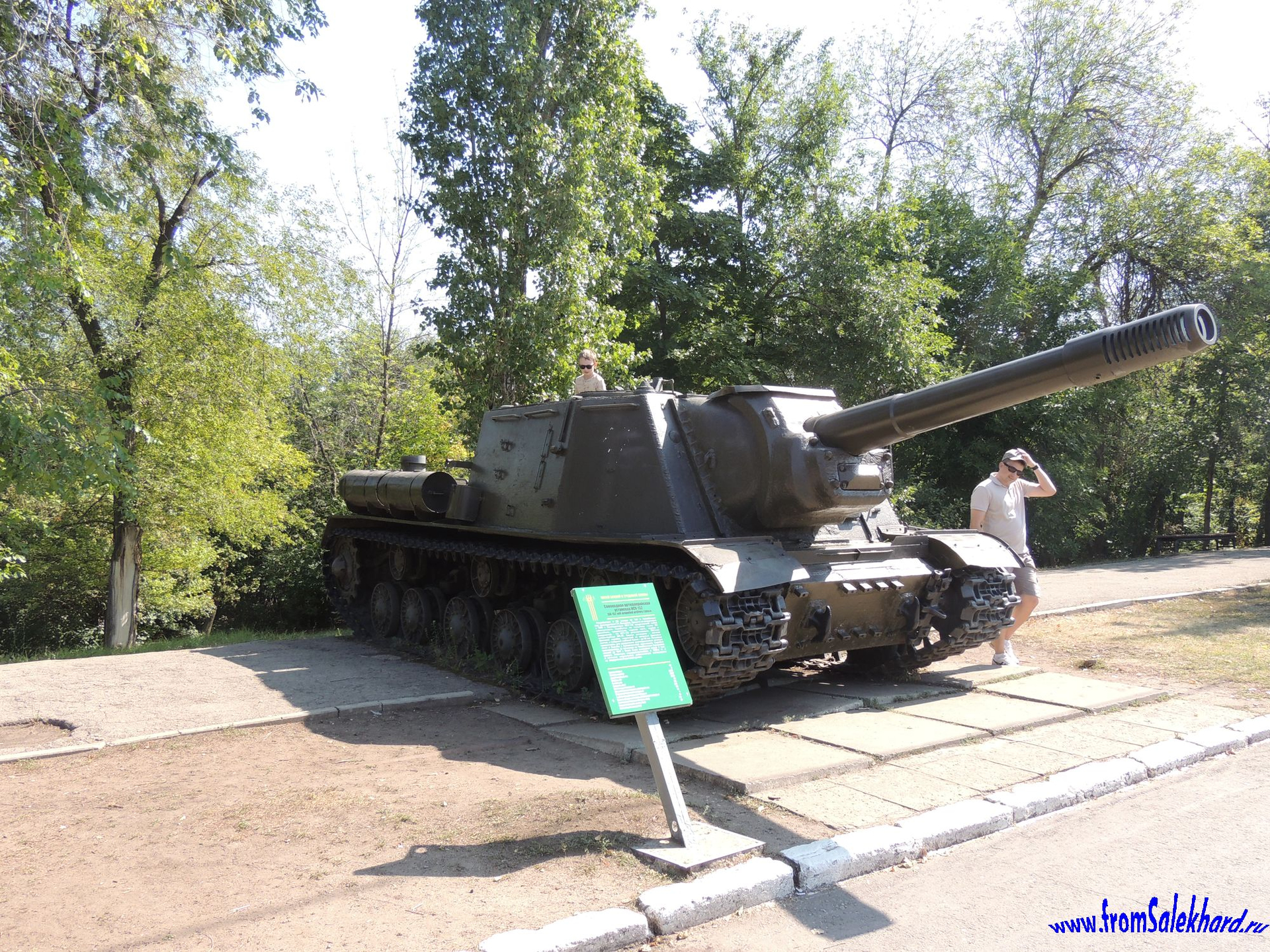
JSU-152

Personally, I don’t like it—though I, too, am sometimes guilty of it—but who cares? Especially since, in this particular spot, there isn’t a single prohibitory sign to be found.

But it’s time to leave this site, because there are still many others, no less interesting, ahead.

We find ourselves back on the alley and can continue our leisurely tour of the exhibits.

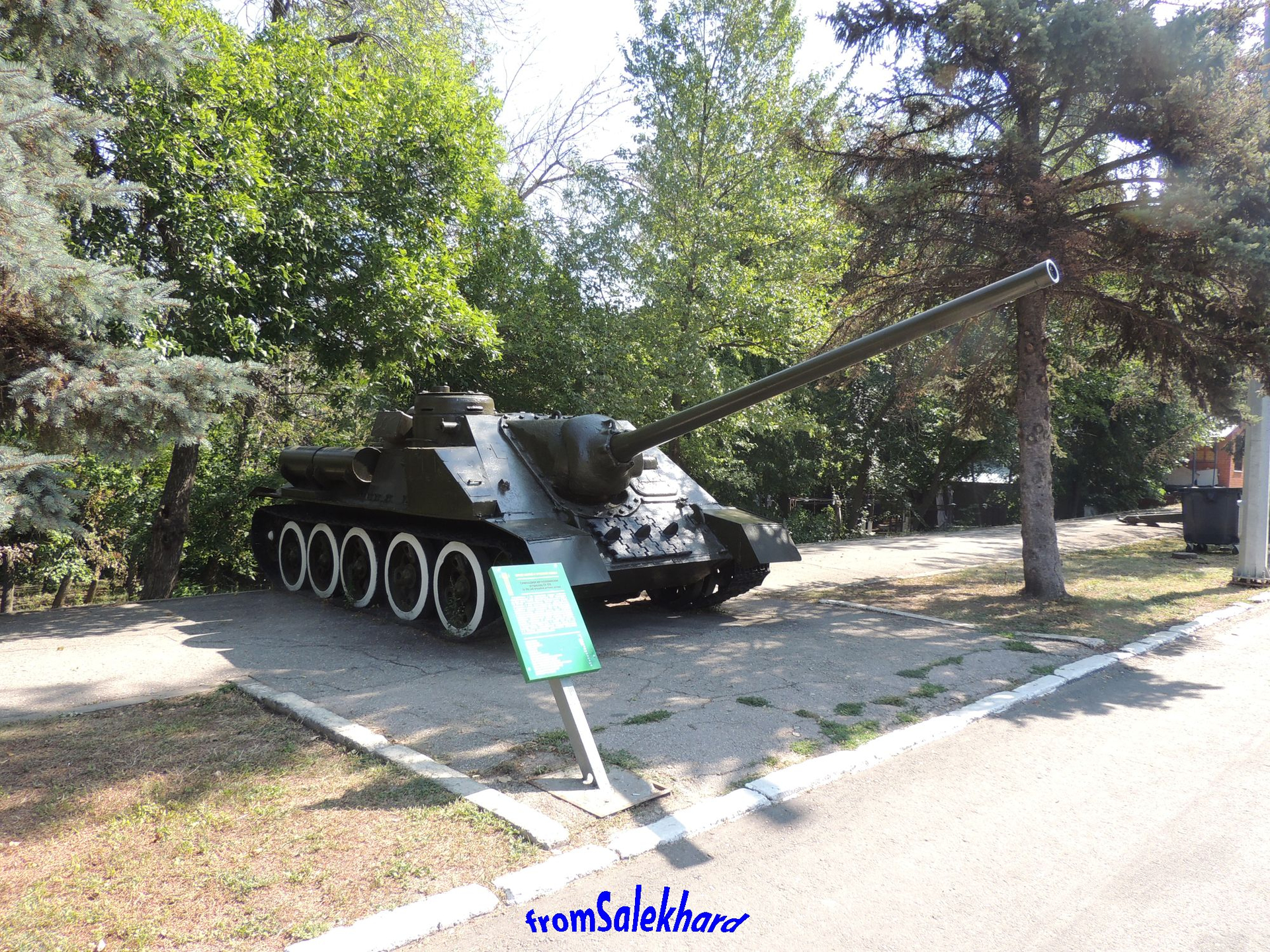
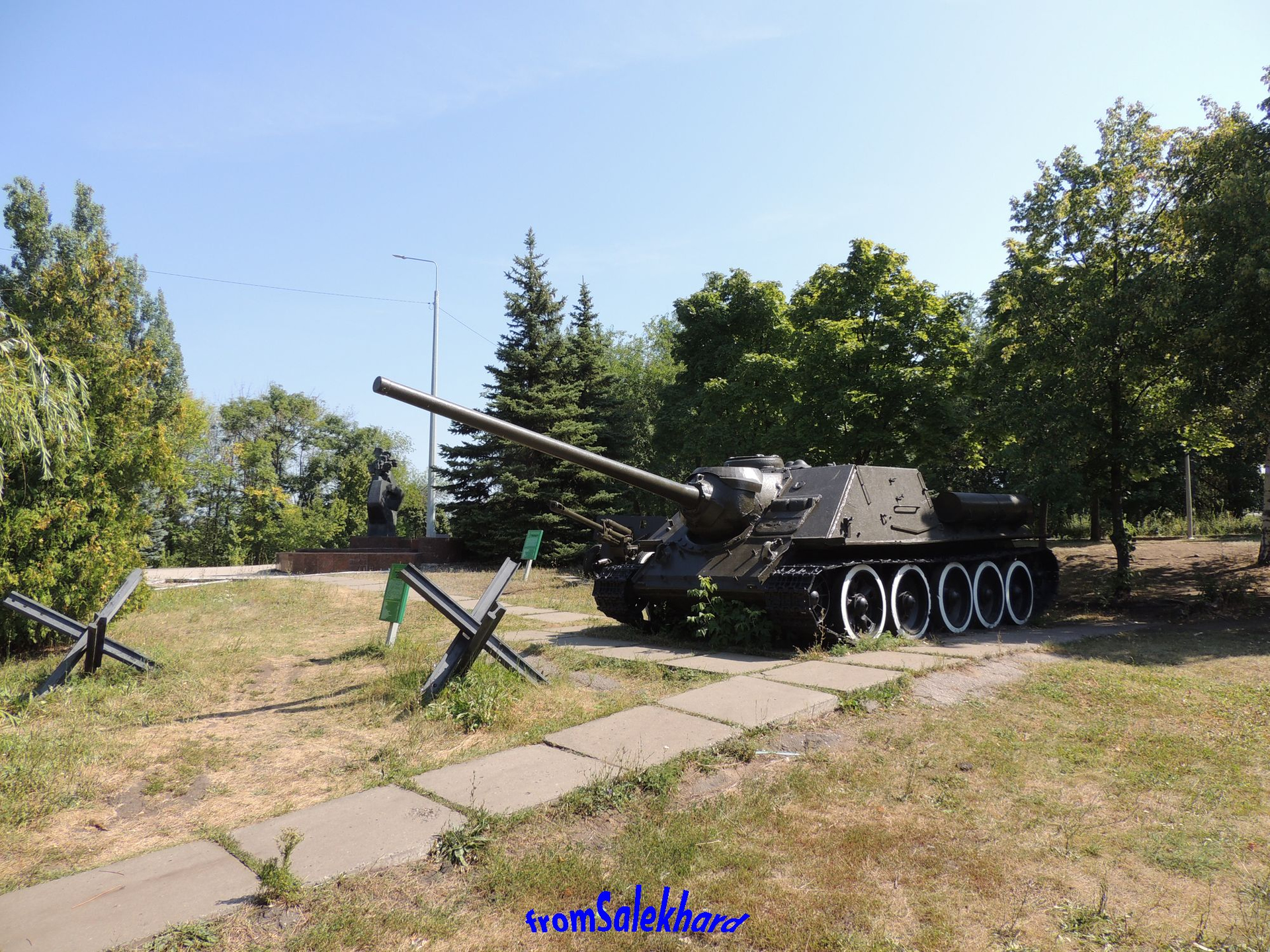
SU-100, 122mm Howitzer M-30 mod.1938

Next came the light tanks of the Great Patriotic War era.

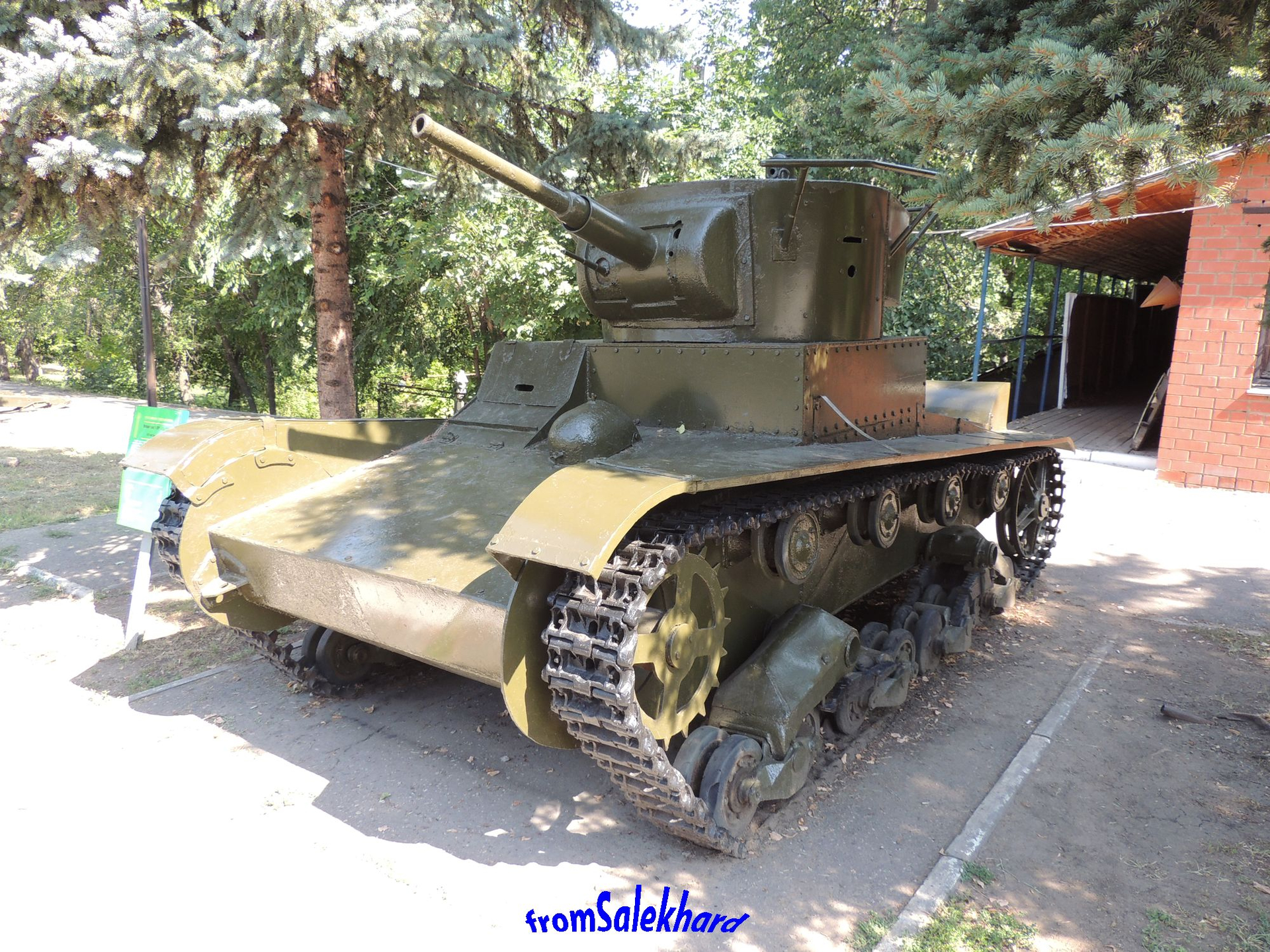
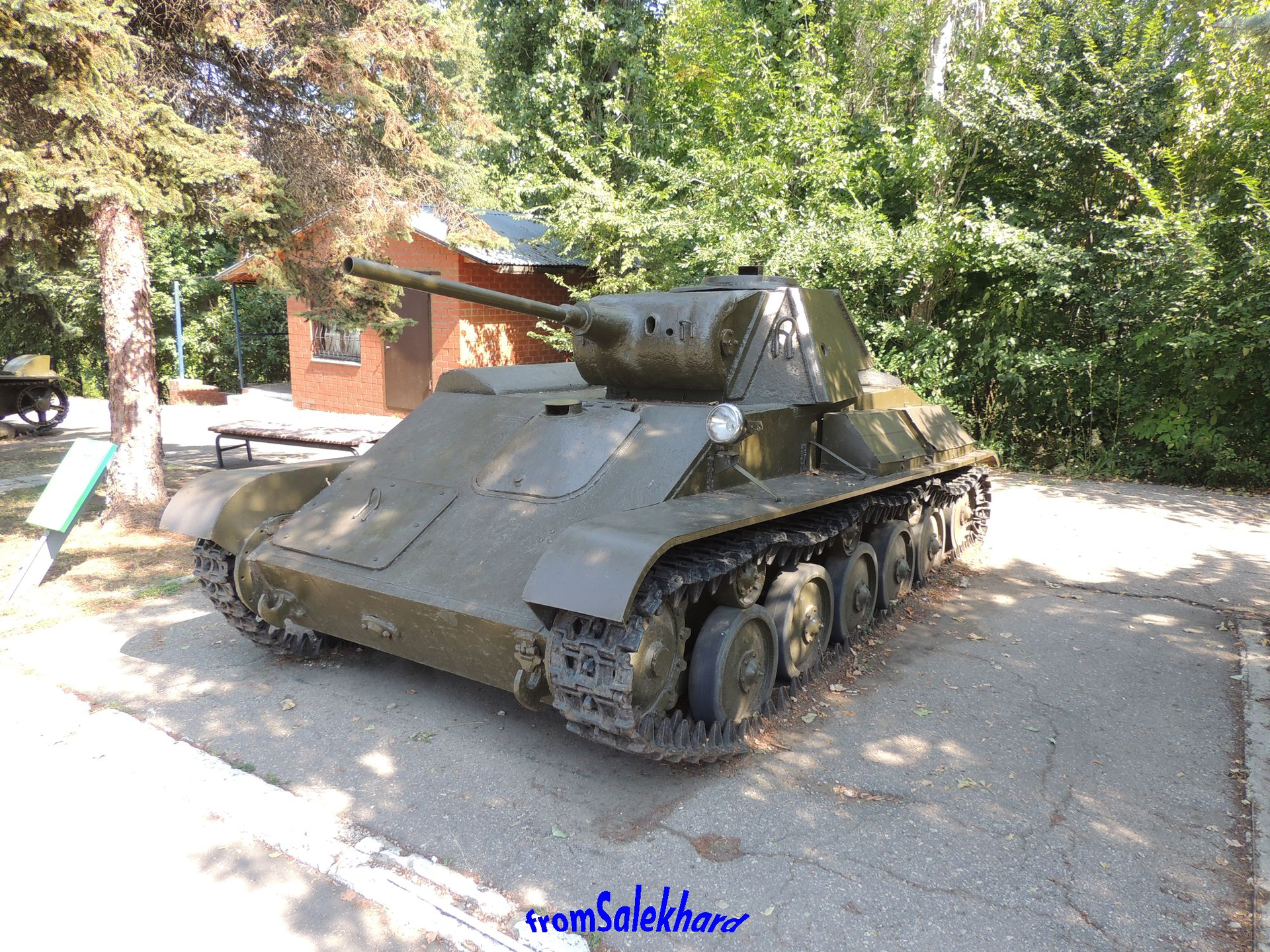
T-26RT Model 1933, T-70

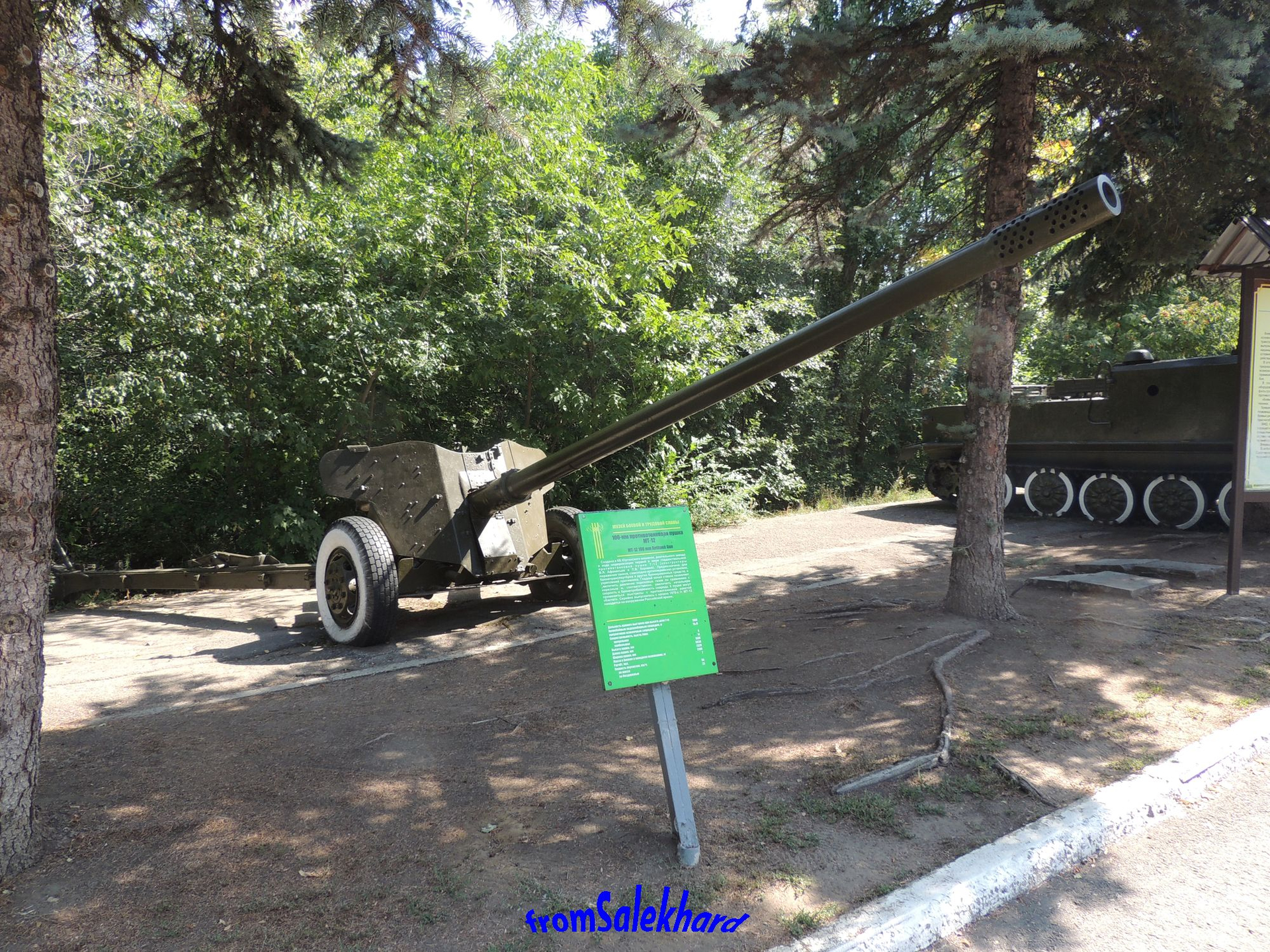
An elegant chronological transition from history to the present day is effected by two anti-tank guns: the 76.2mm ZiS-3 (Model 1942) and the 100mm MT-12.

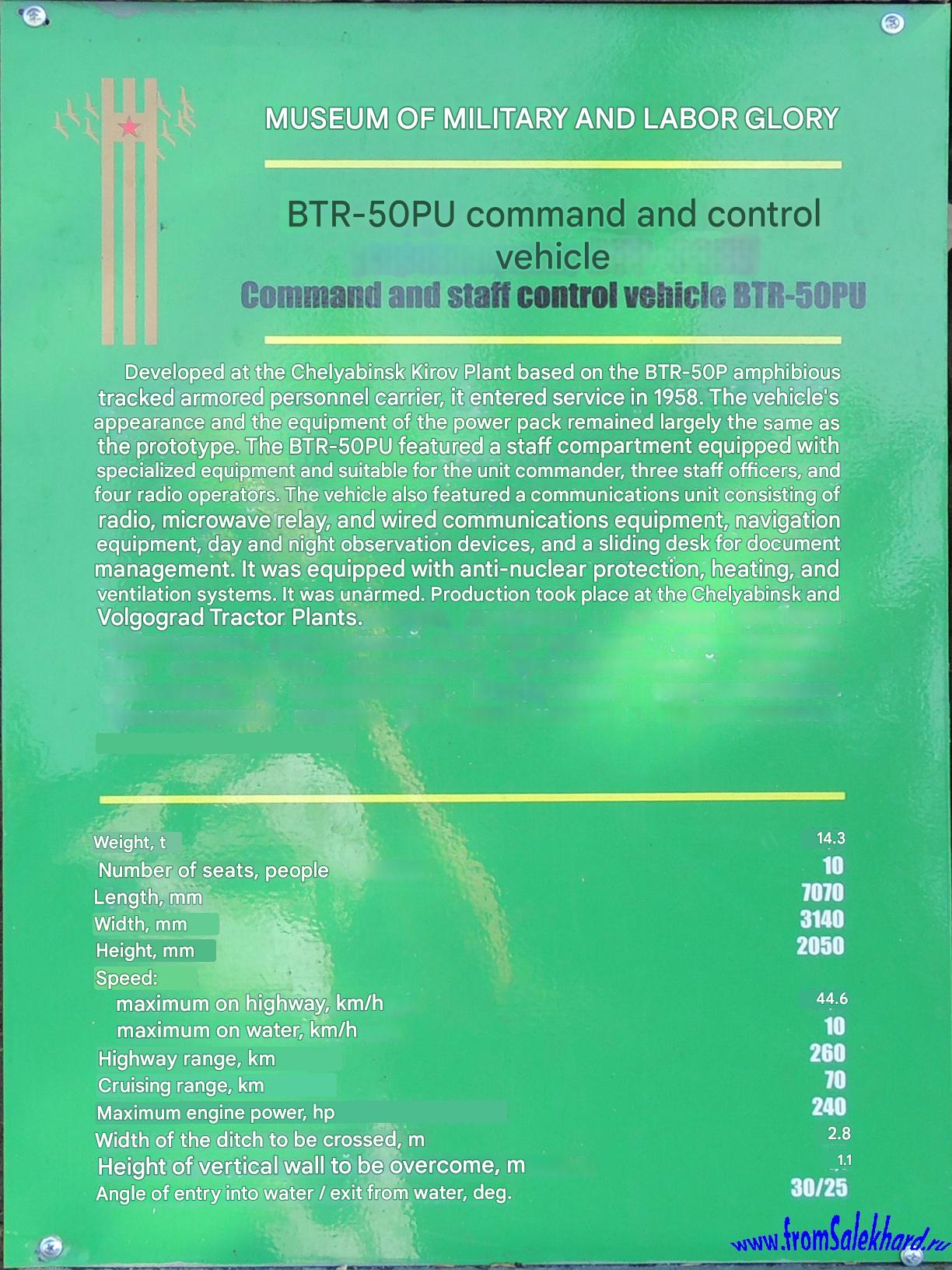
The modern era opens with a command-and-staff vehicle based on the BTR-50.

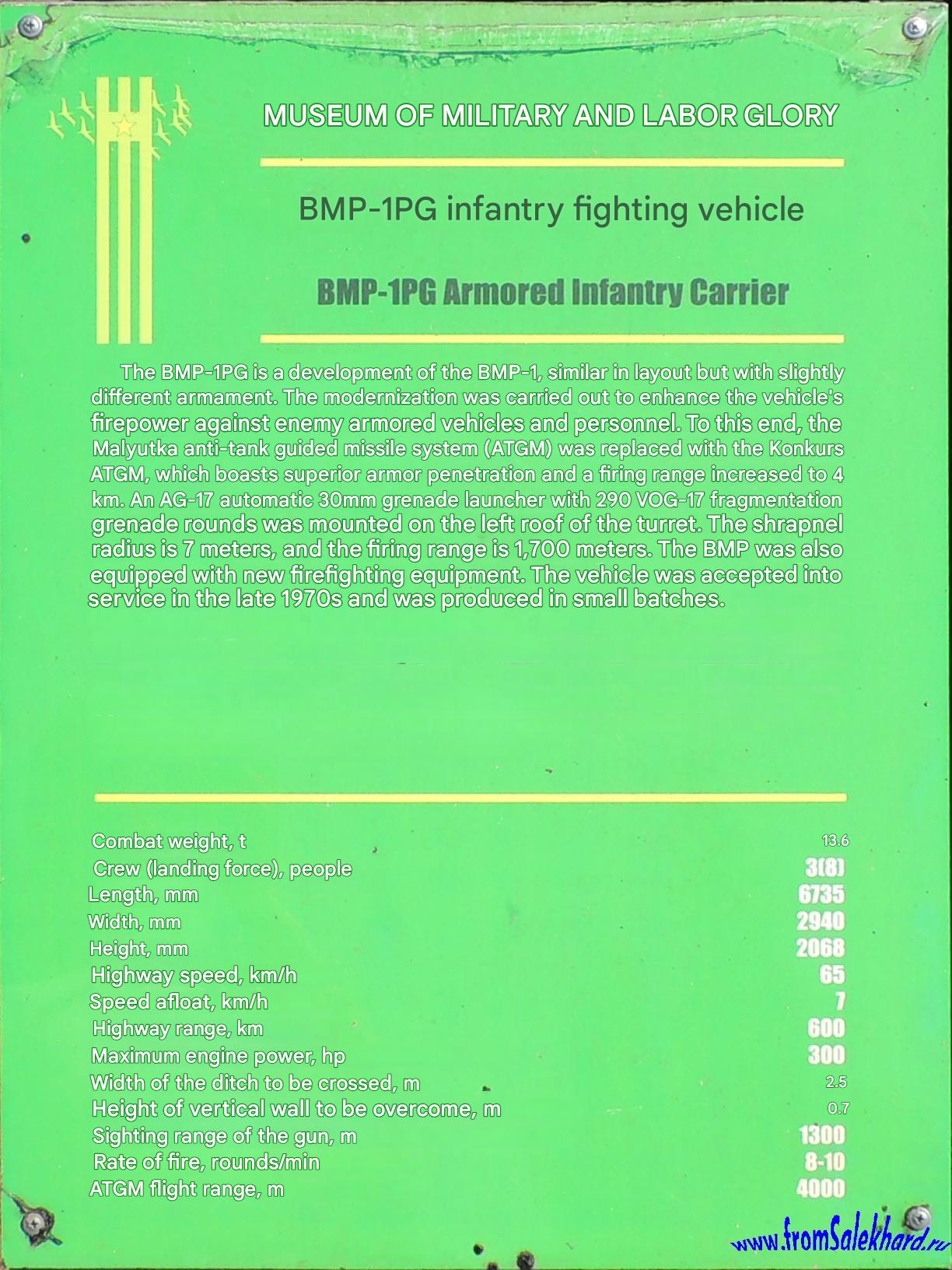
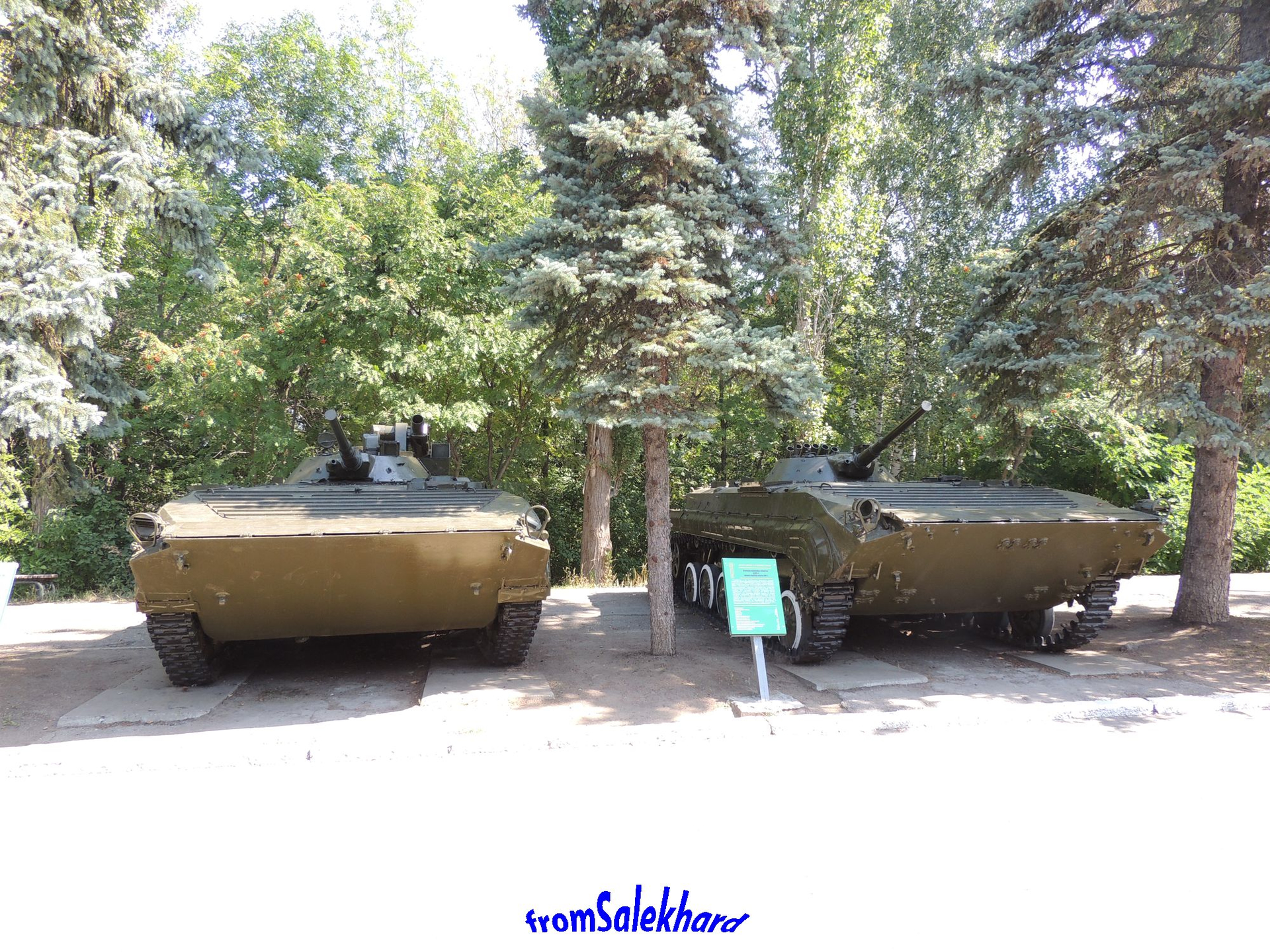
and continues with two variants of the BMP-1,

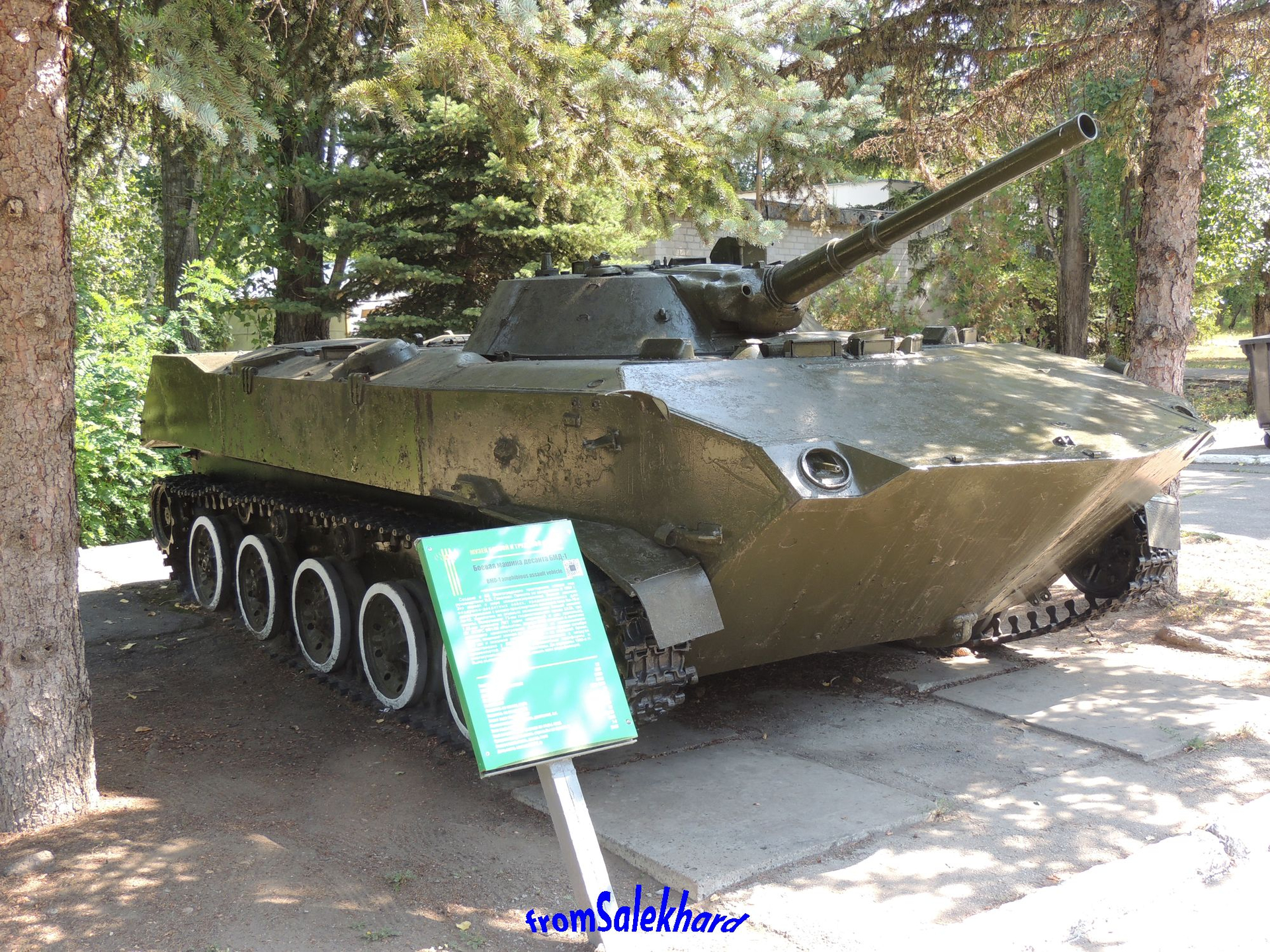
as well as their airborne counterpart.

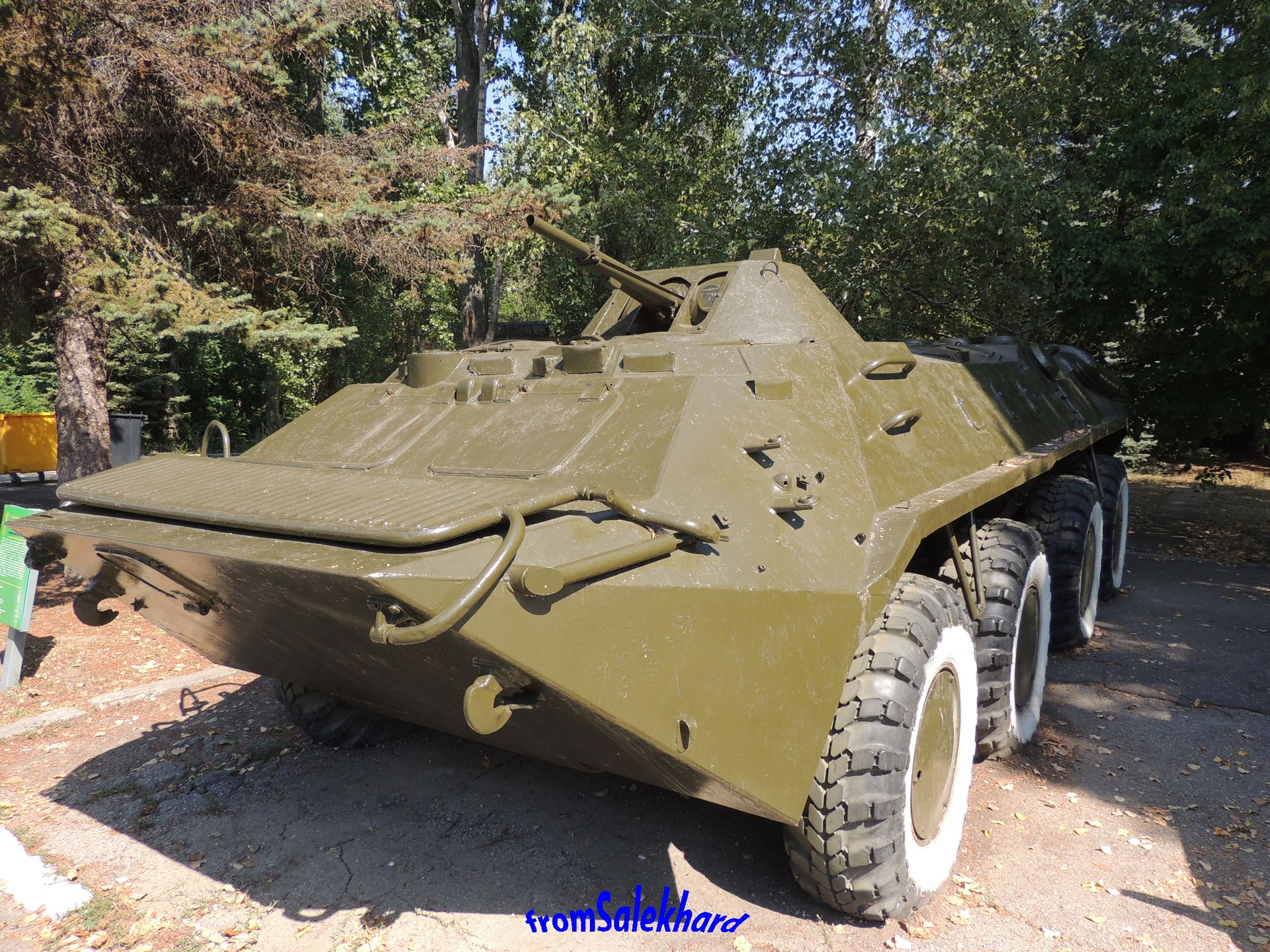
Undoubtedly, it is impossible to do without an armored personnel carrier (BTR-70)in this lineup.

10 Likes

In my country today is a public holiday - May 1st, International Workers’ Day (as it was called in the USSR), a day off, so I have a little time for an unscheduled continuation of our excursion.

Happy Holiday!
If you’ve started thinking that you can see the whole exhibition just by strolling along this wide paved road, you’re mistaken. From our asphalt, you can’t even see all of Russia!

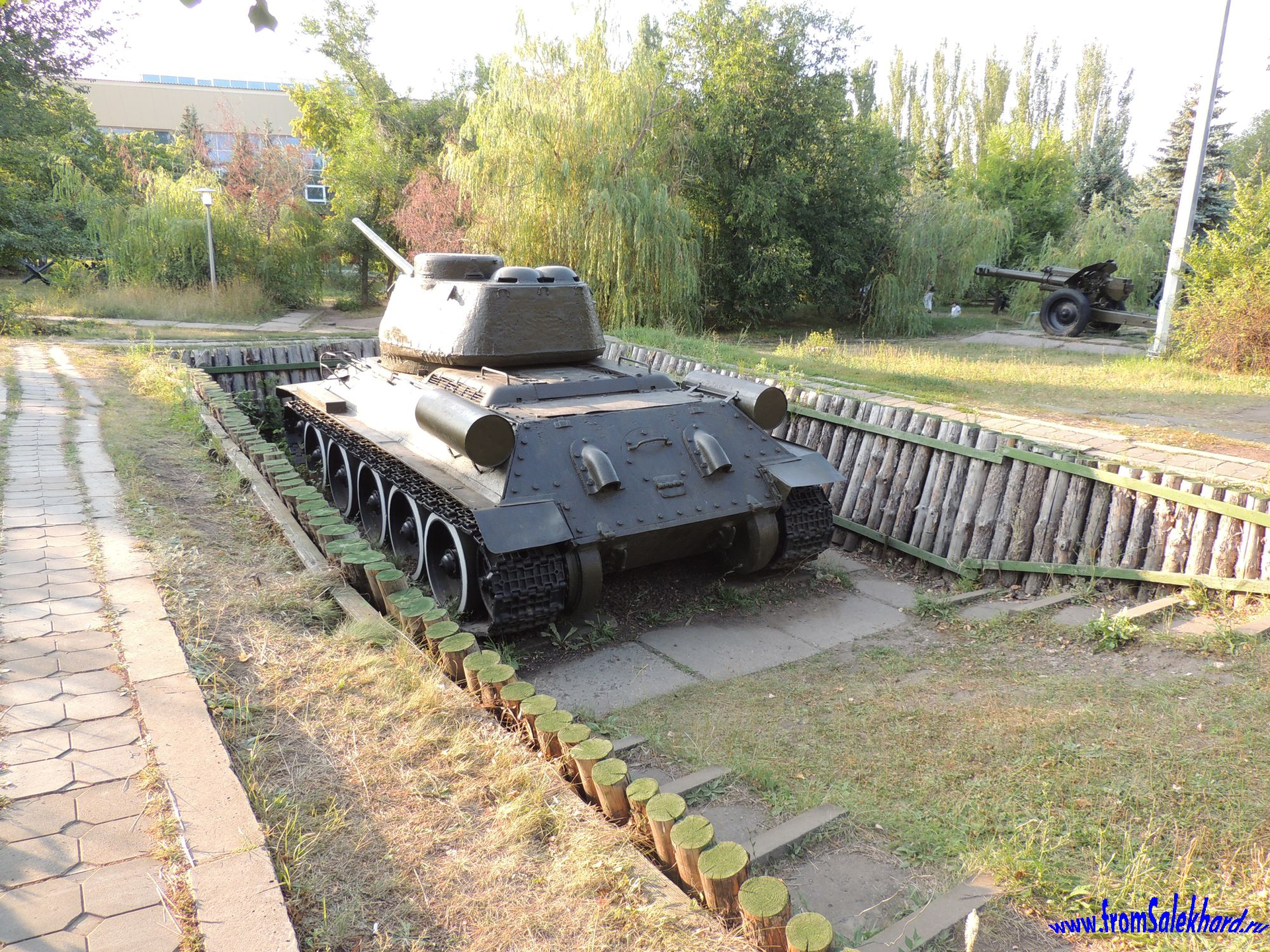
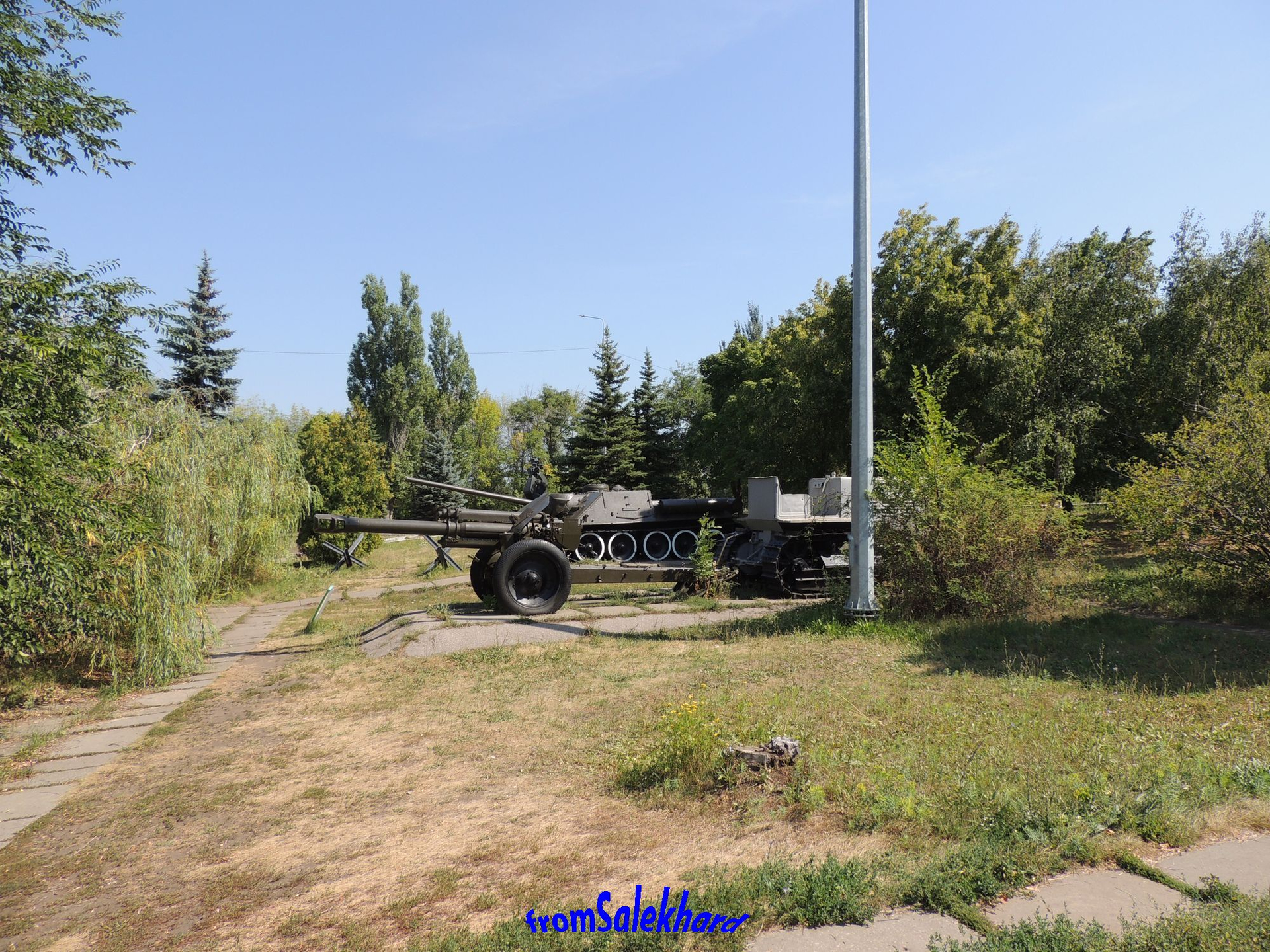
If you turn off the beaten path, you can, albeit with difficulty, see a T-34 tank in combat readiness.

In defense, the tank is not alone, but together with self-propelled SU-100 and towed artillery.

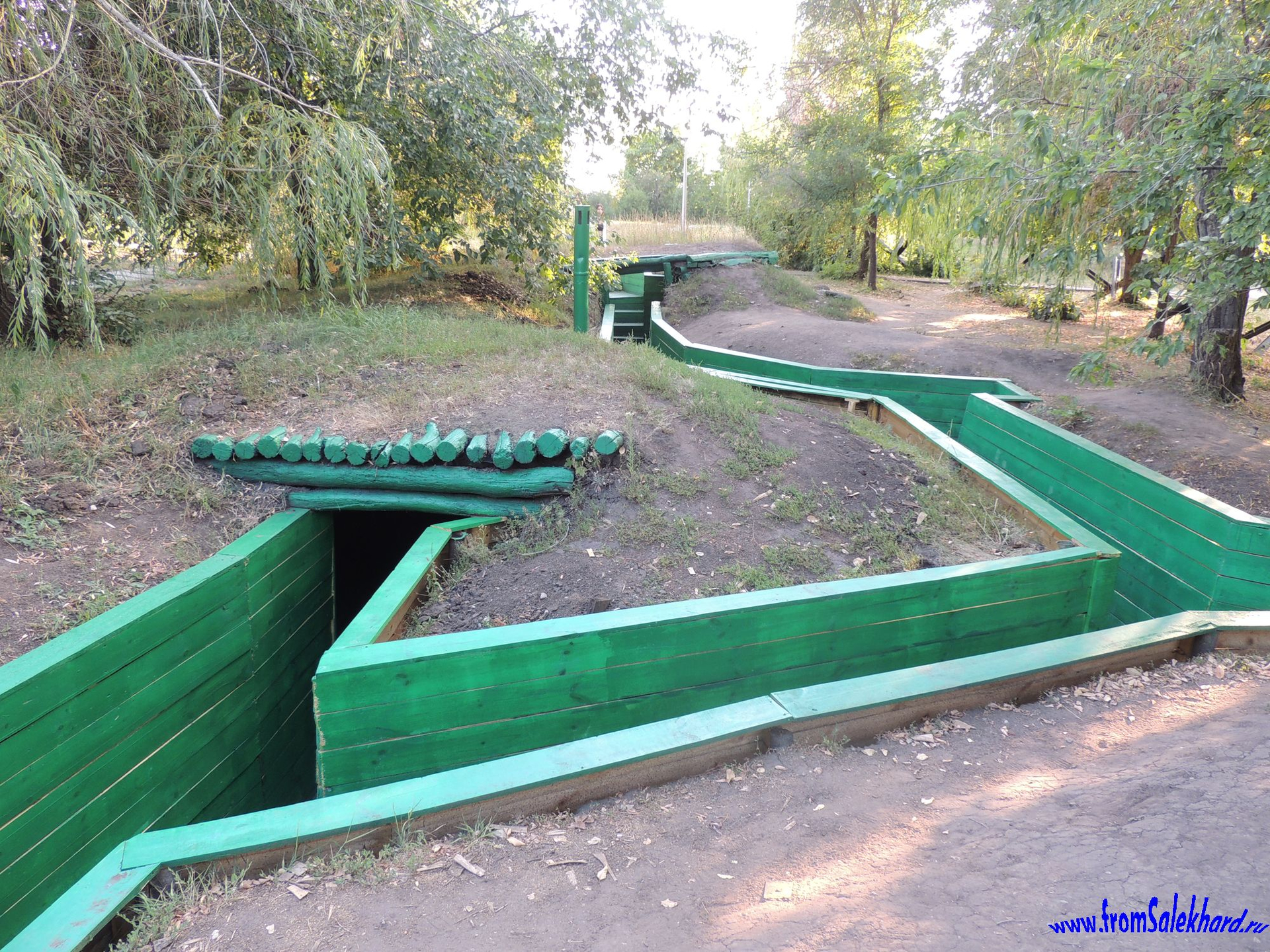
Plus, there are equipped trenches

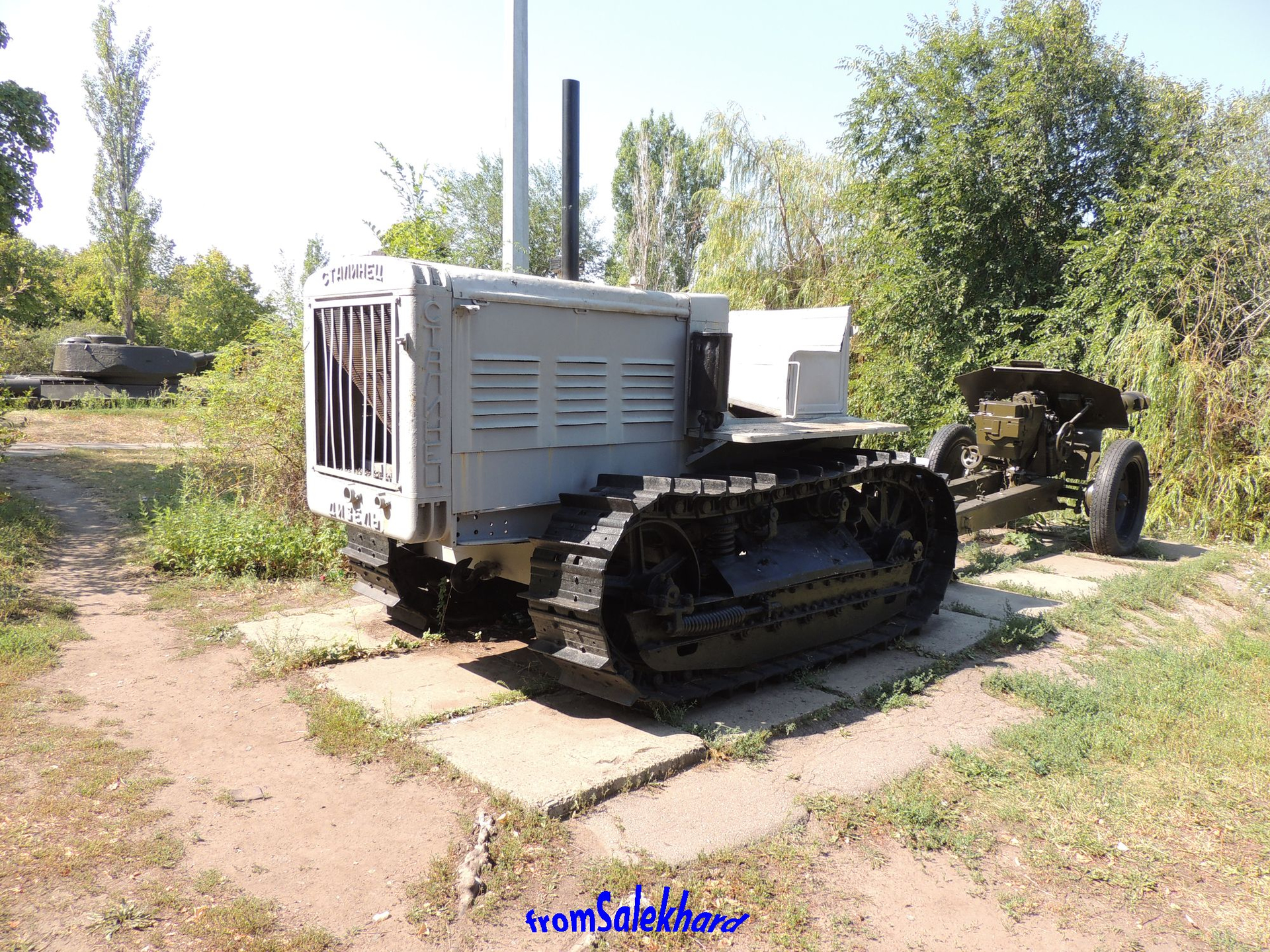
аnd heavier guns are already being brought up (a Stalinets tractor and a 122mm D-1 howitzer, Model 1943).

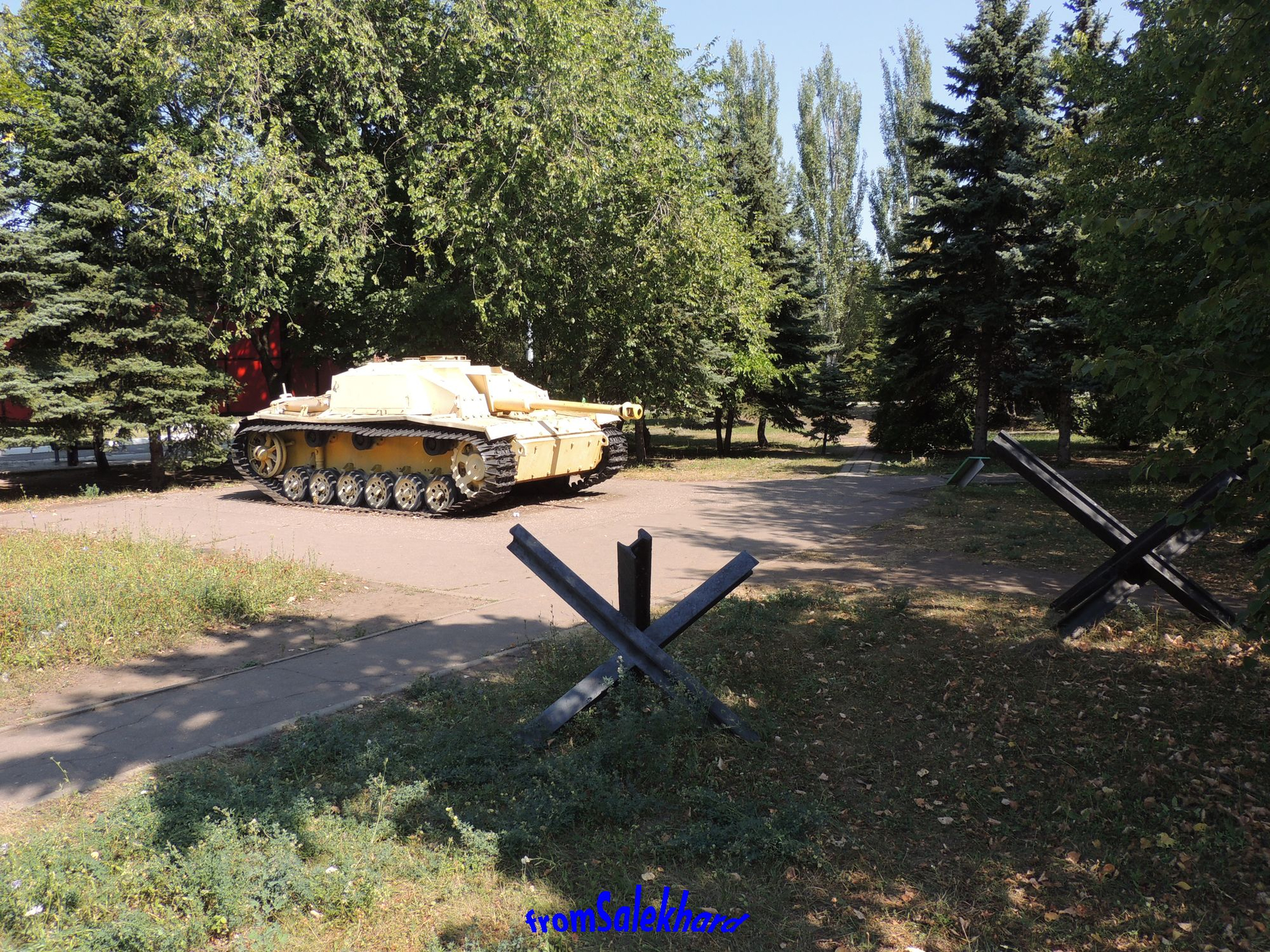
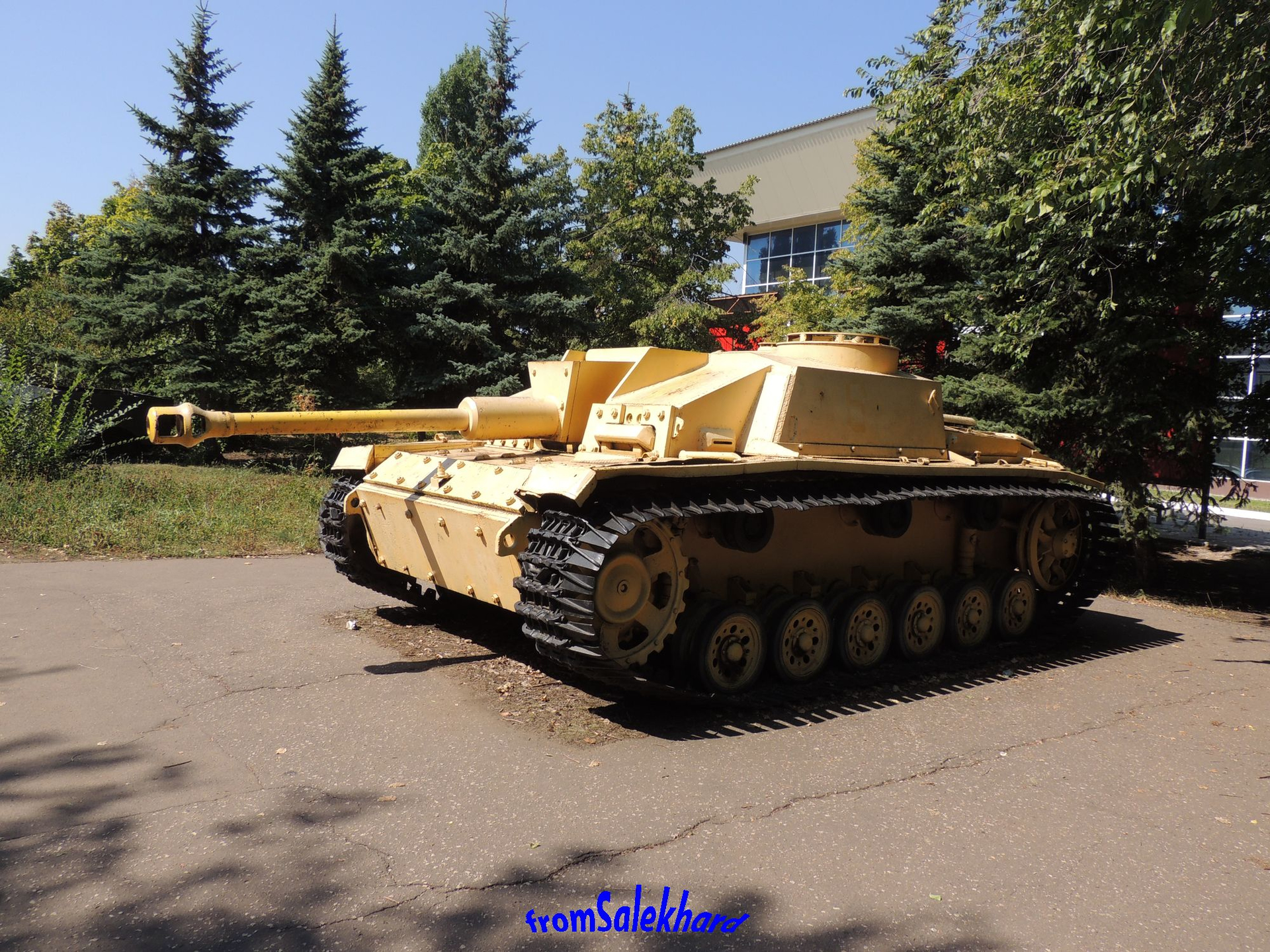
There is ample reason for a defensive stance—for lurking in the bushes is an enemy self-propelled gun: a StuG 40 Ausf. G.

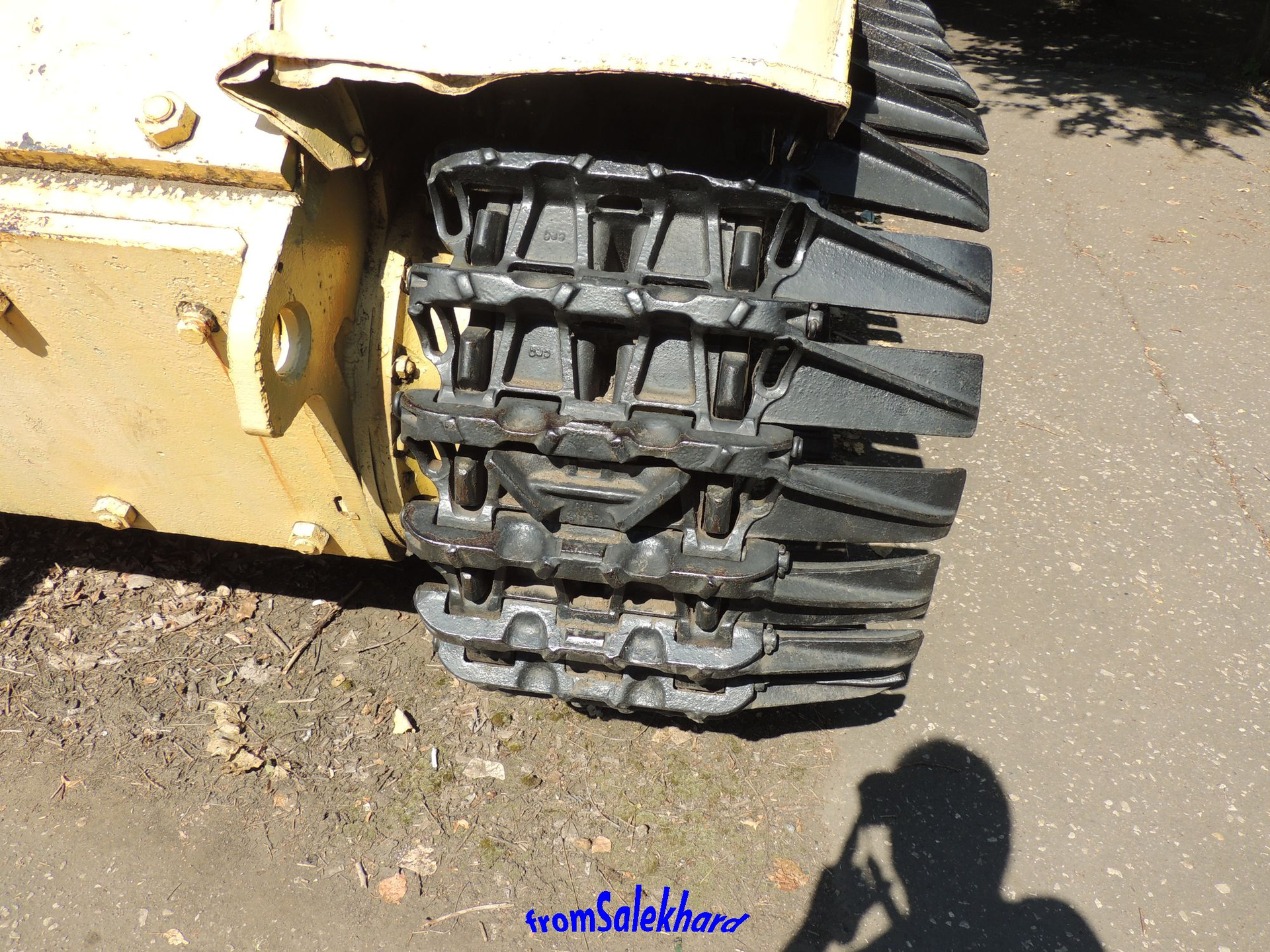
it is equipped with local road conditions in mind.

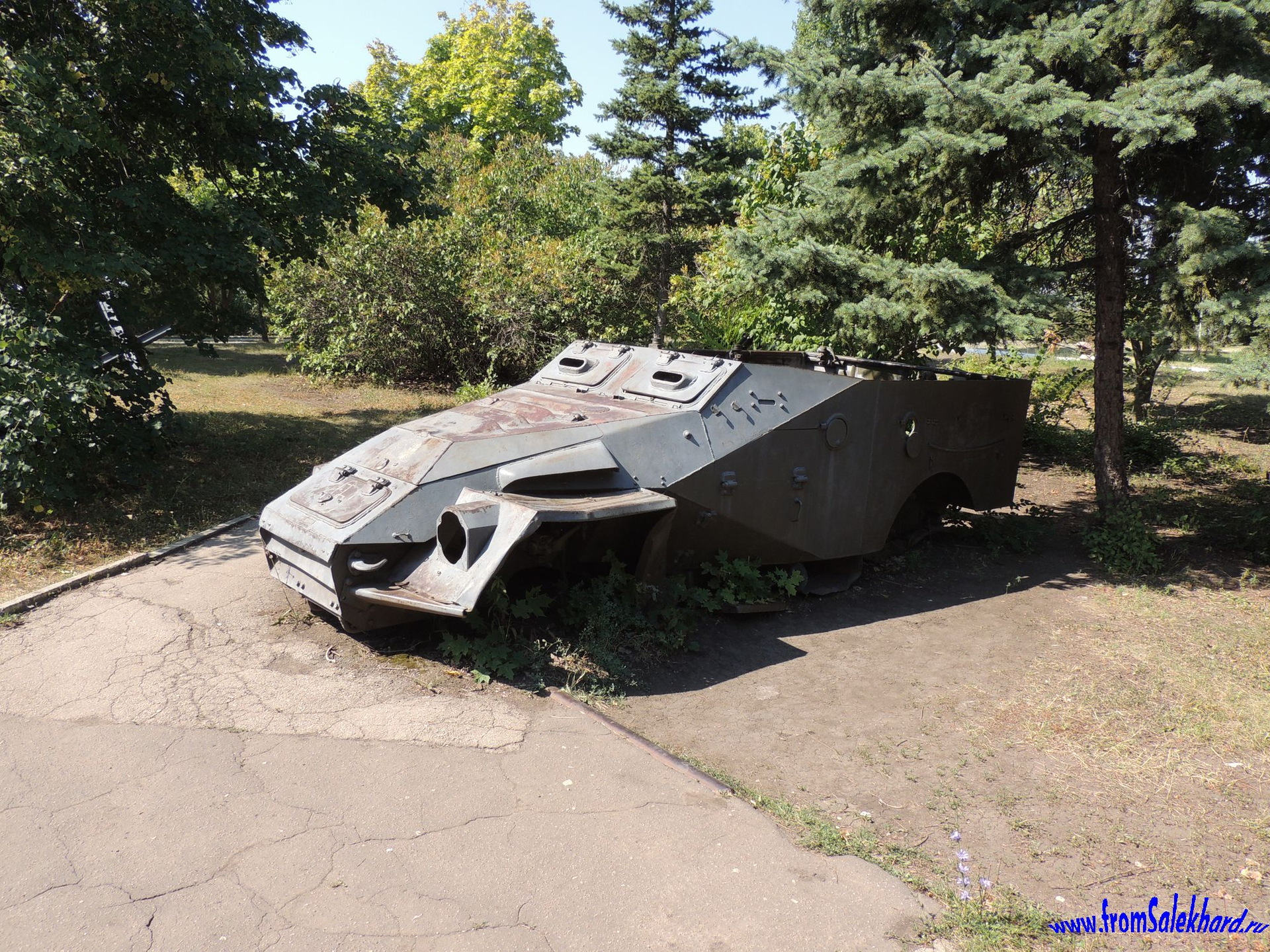
Incidentally, this is the only example of enemy hardware in the park. The role of the defeated German armored personnel carrier, judging by its color, is assigned to the wheelless hull of the BTR-40.

The fact that it is actually Soviet and post-war doesn’t bother anyone. And I must admit, he fits the role.

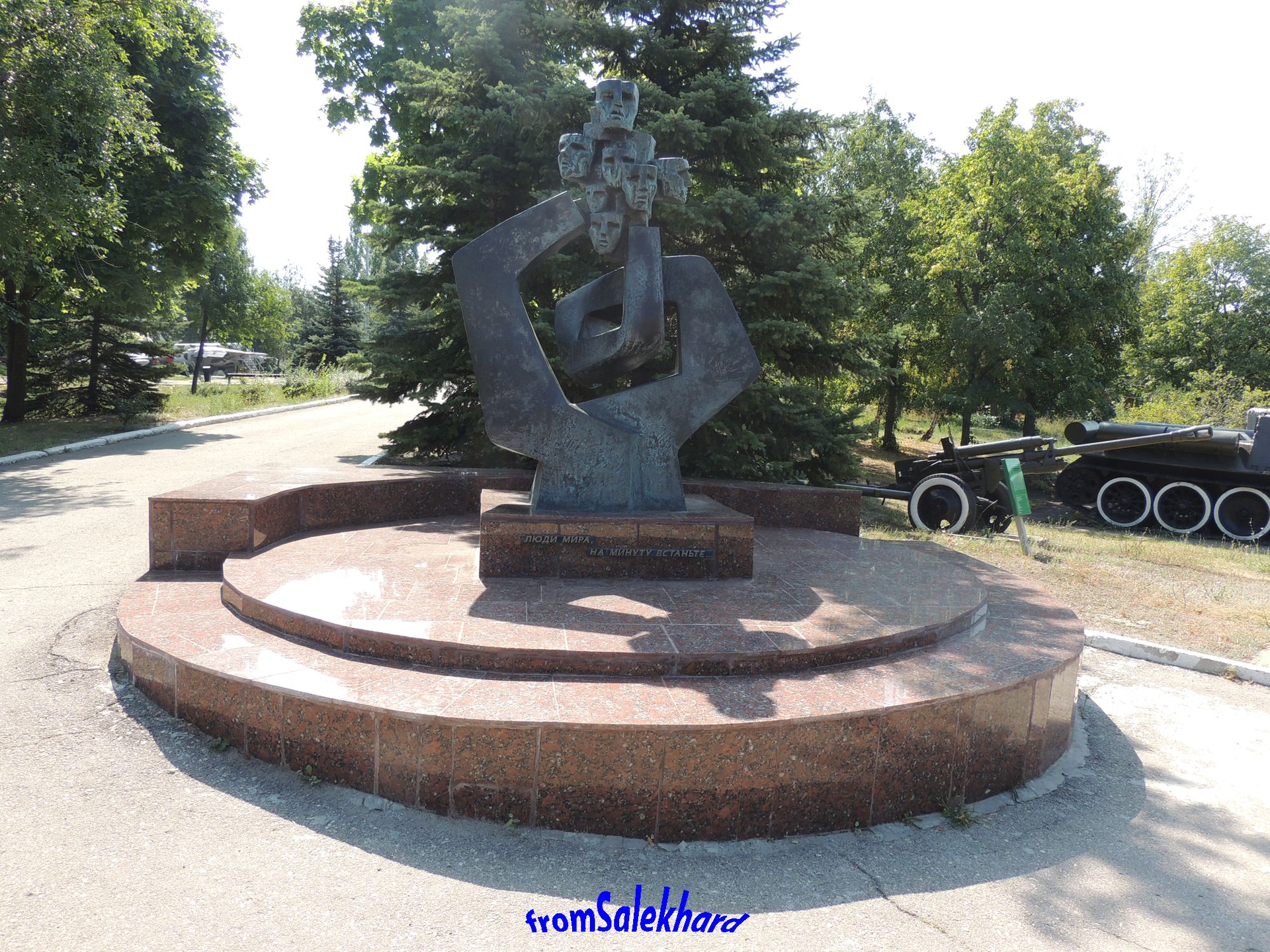
We “emerge” from the bushes near the monument to child victims of fascism.

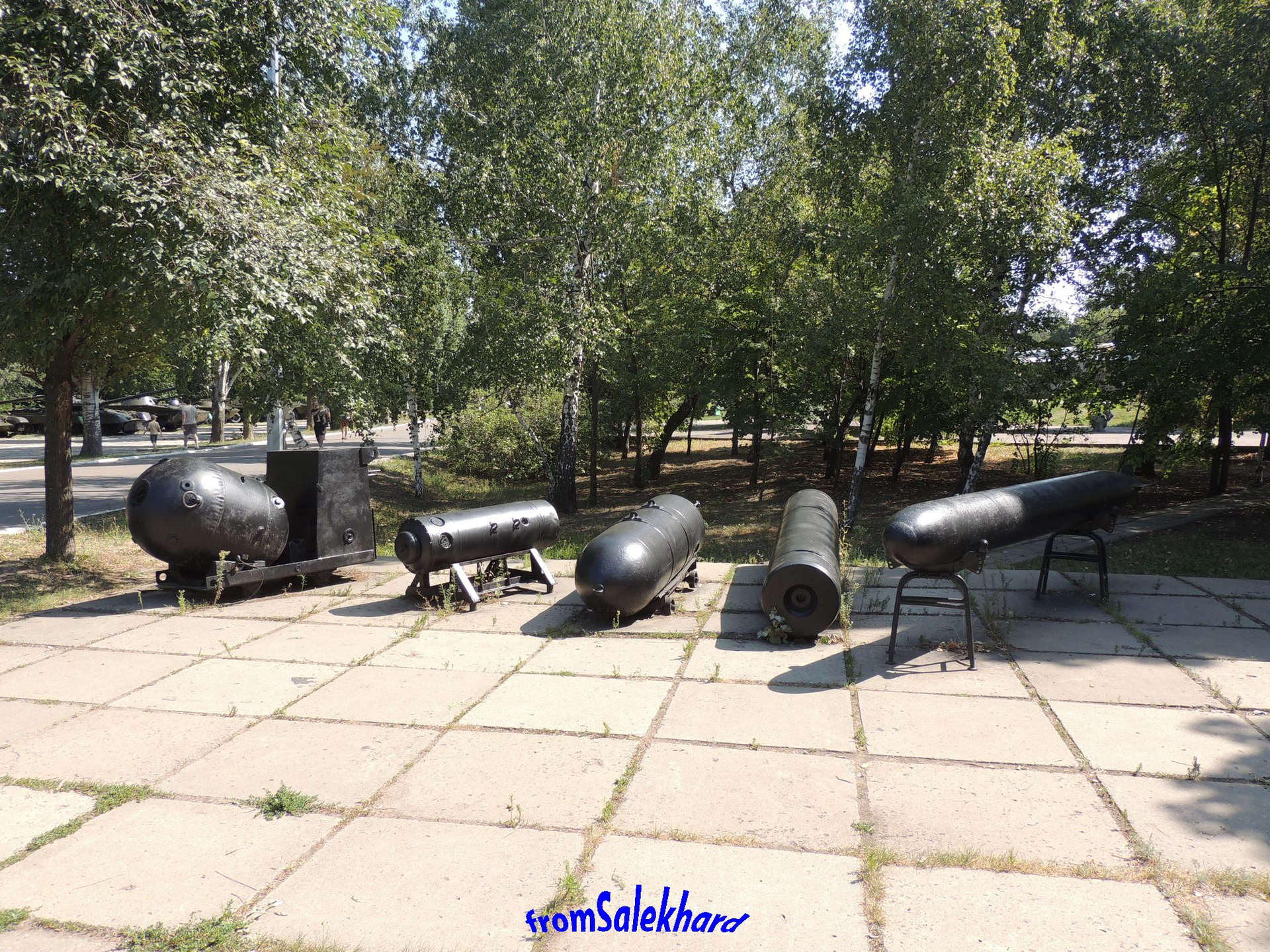
and an unexpected naval-themed location featuring dummy naval mines and torpedoes

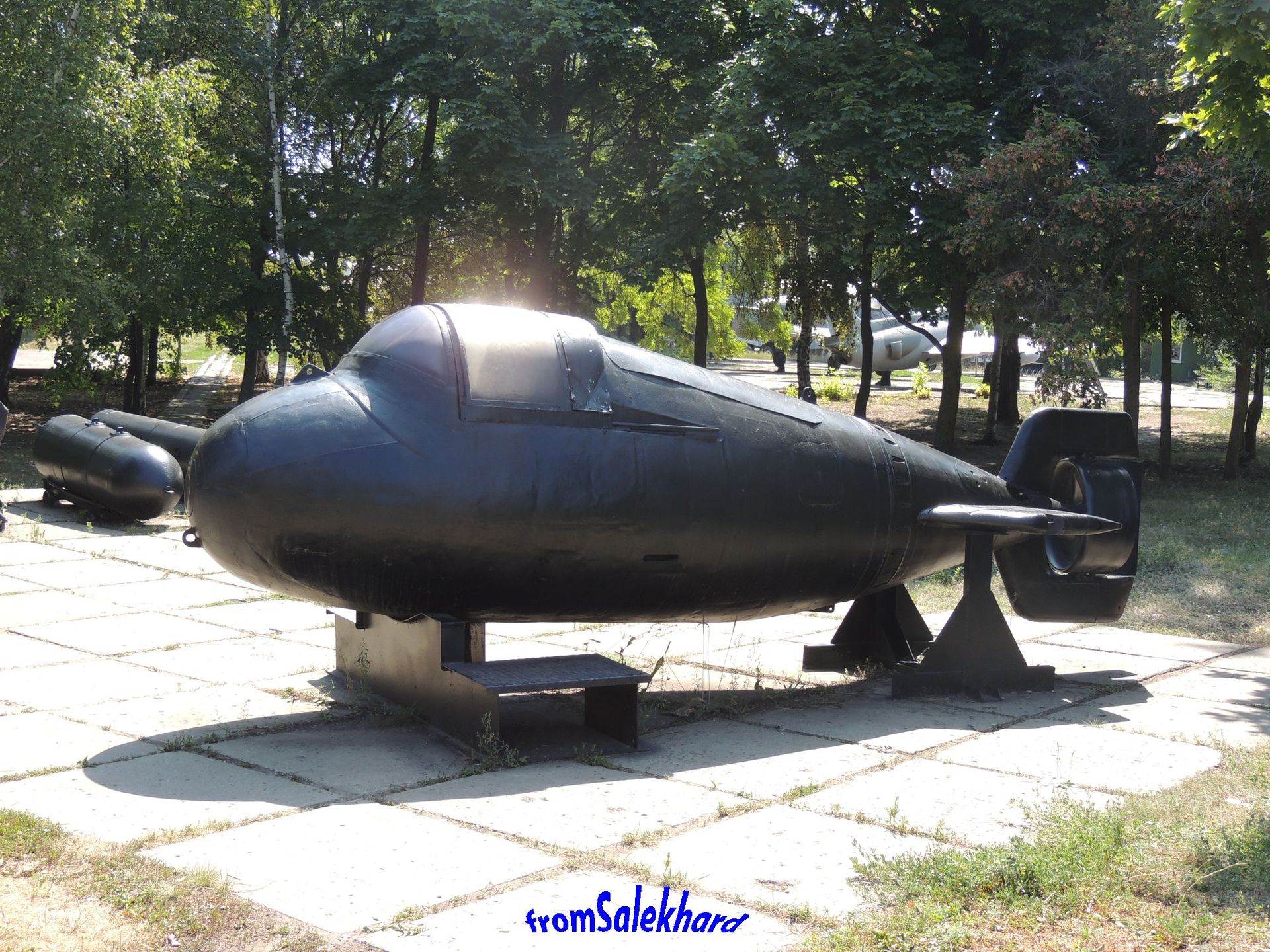
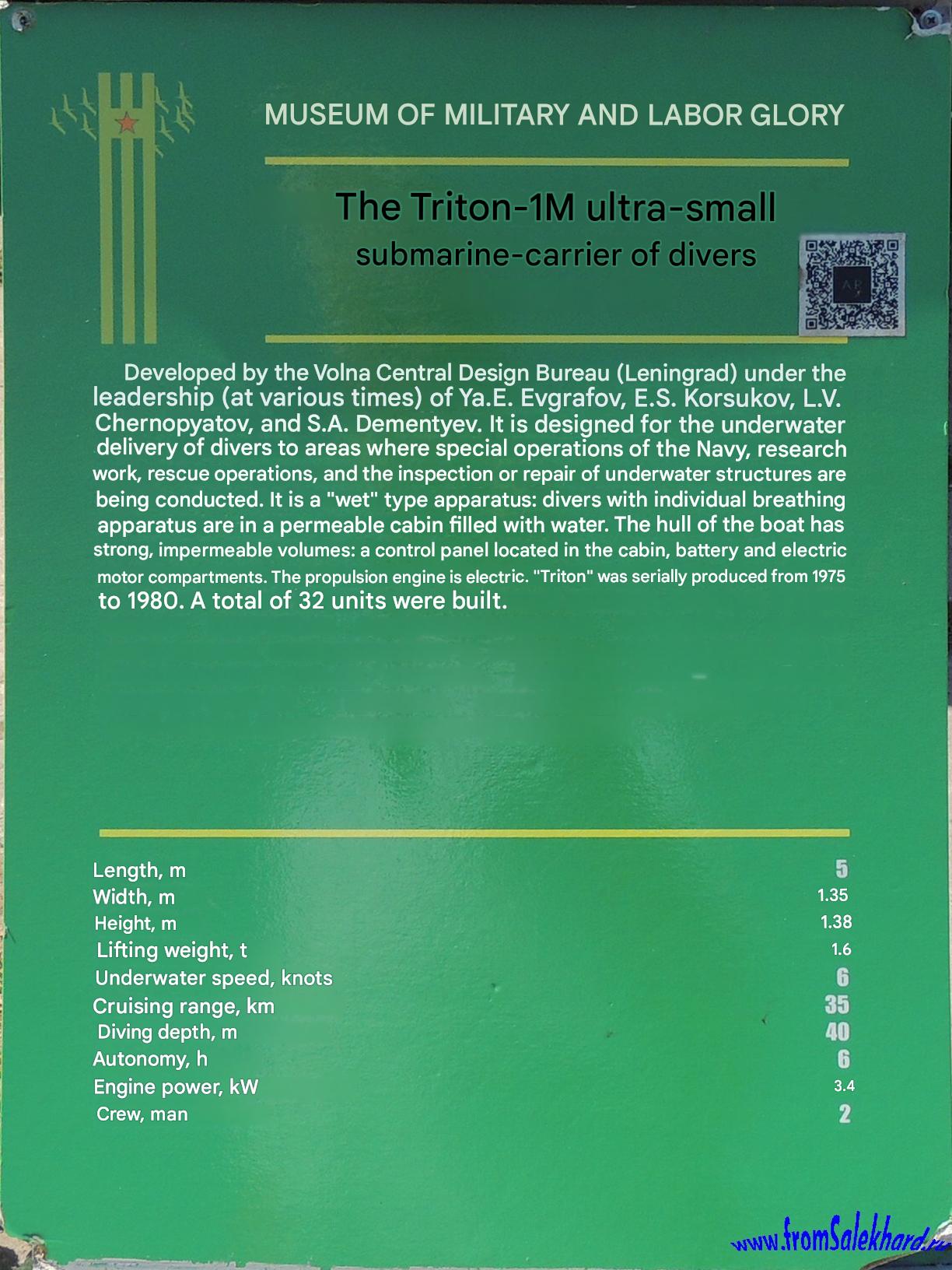
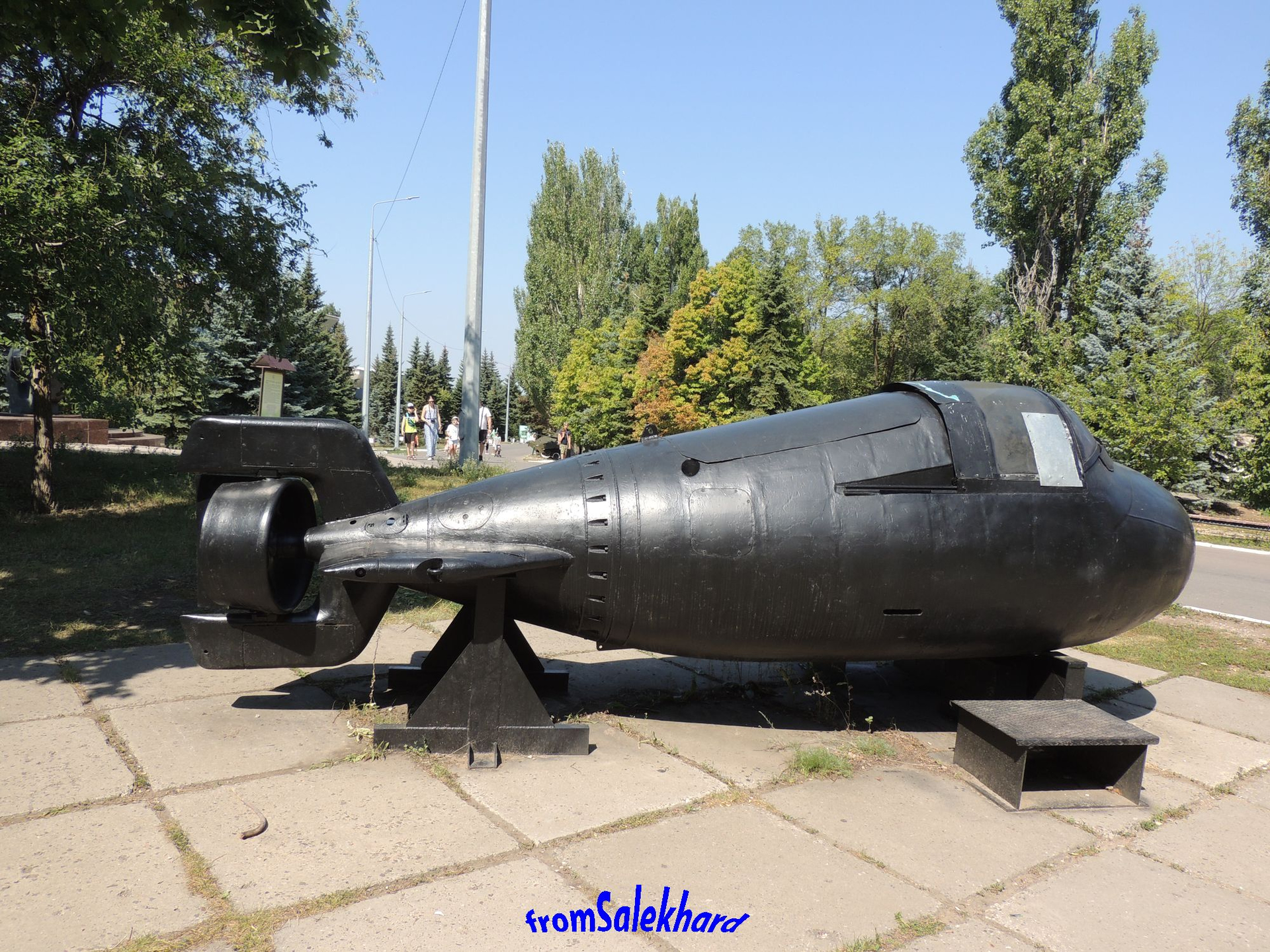
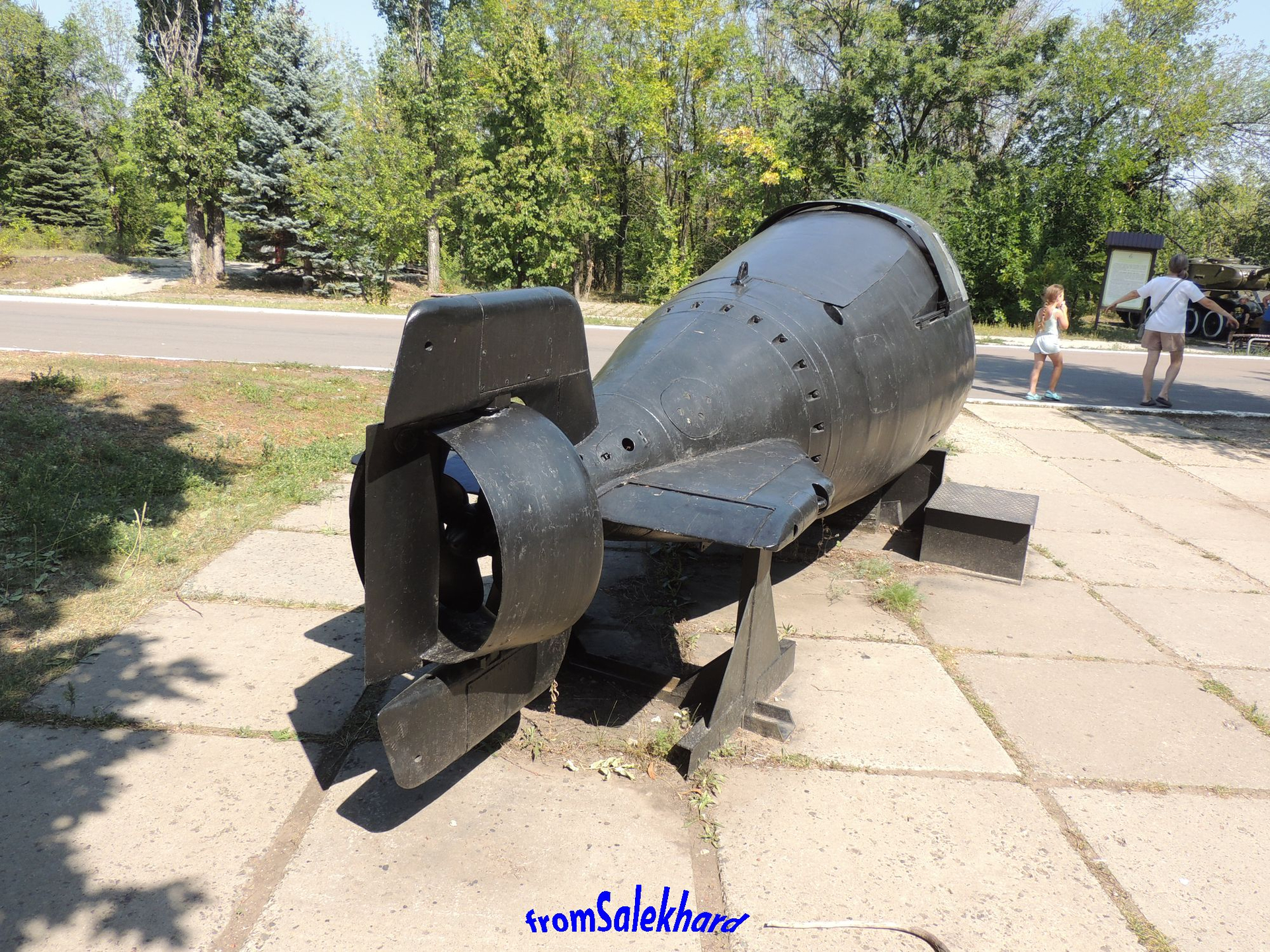
and the small submarine Triton.

10 Likes

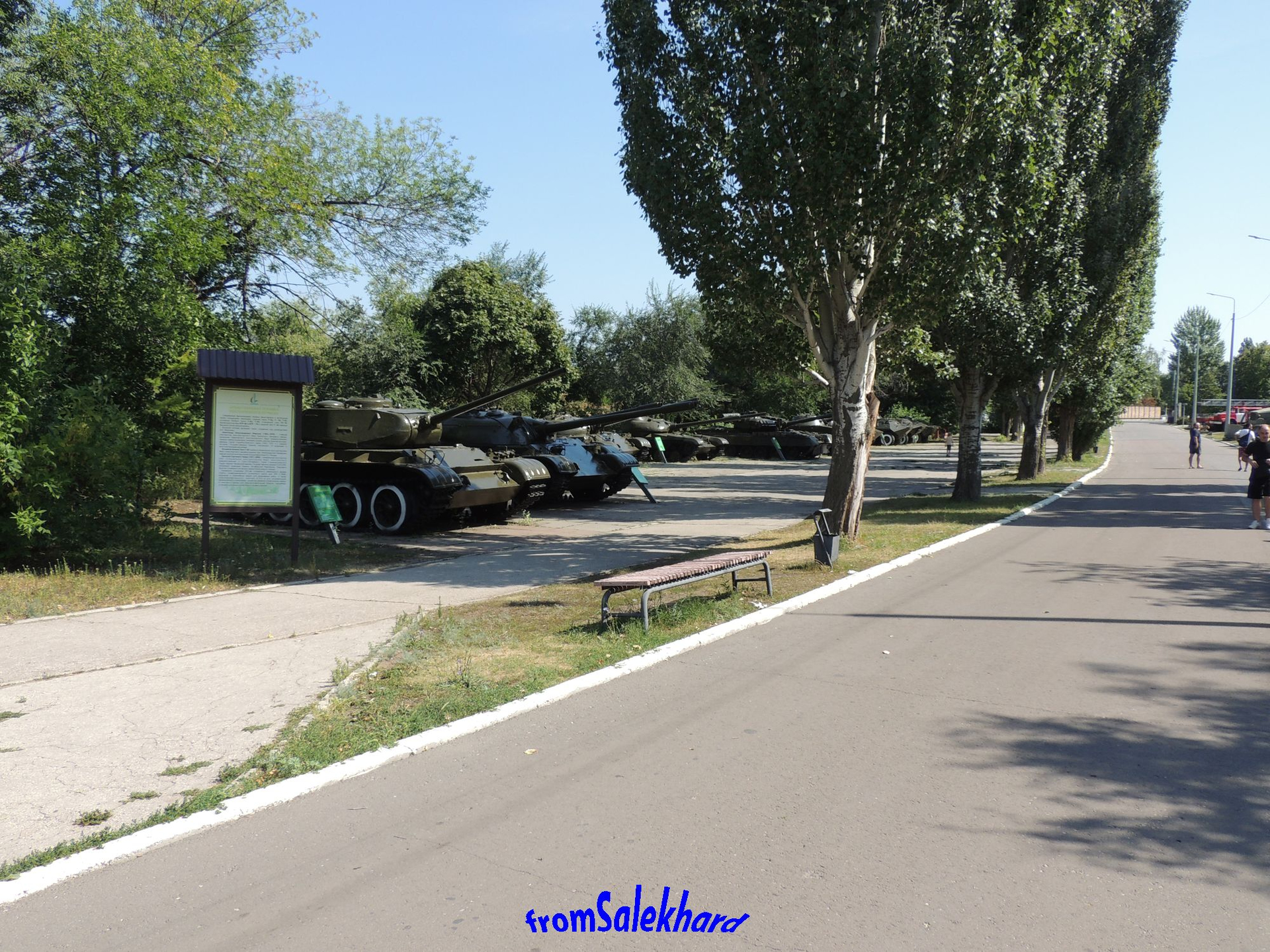
Returning to the original road and walking a little further on the other side, we discover another green oasis: green trees above, green equipment below.

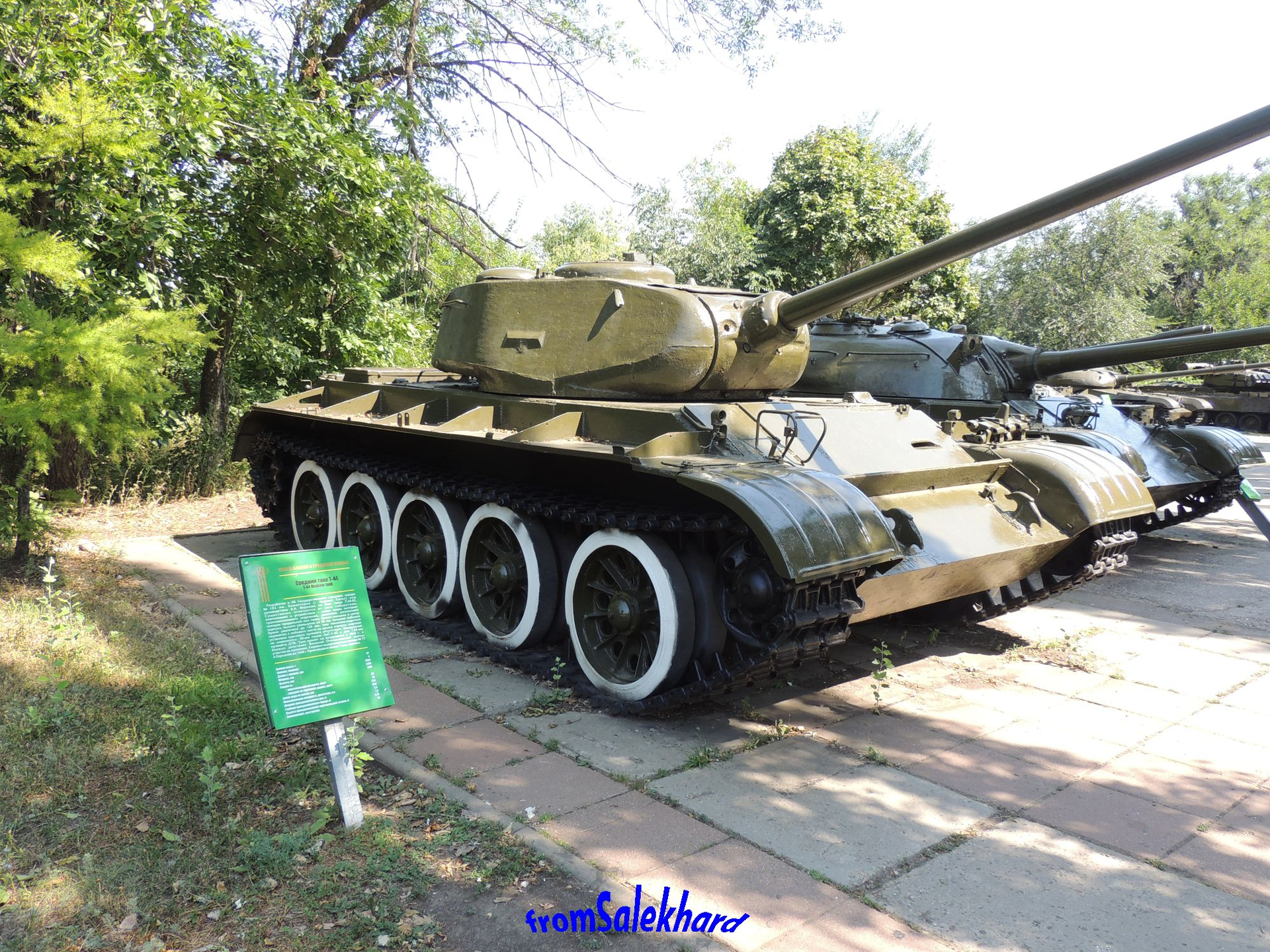
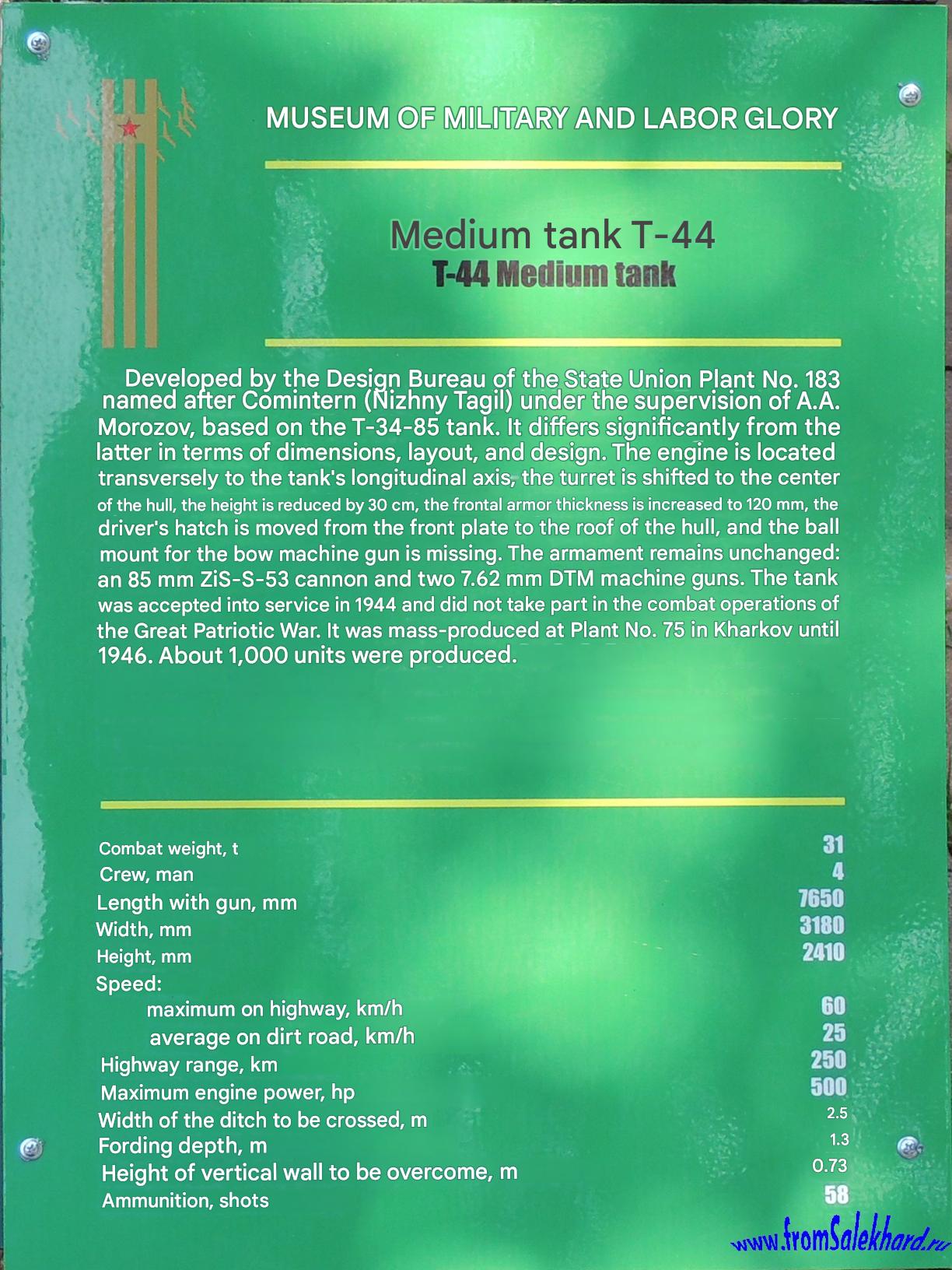
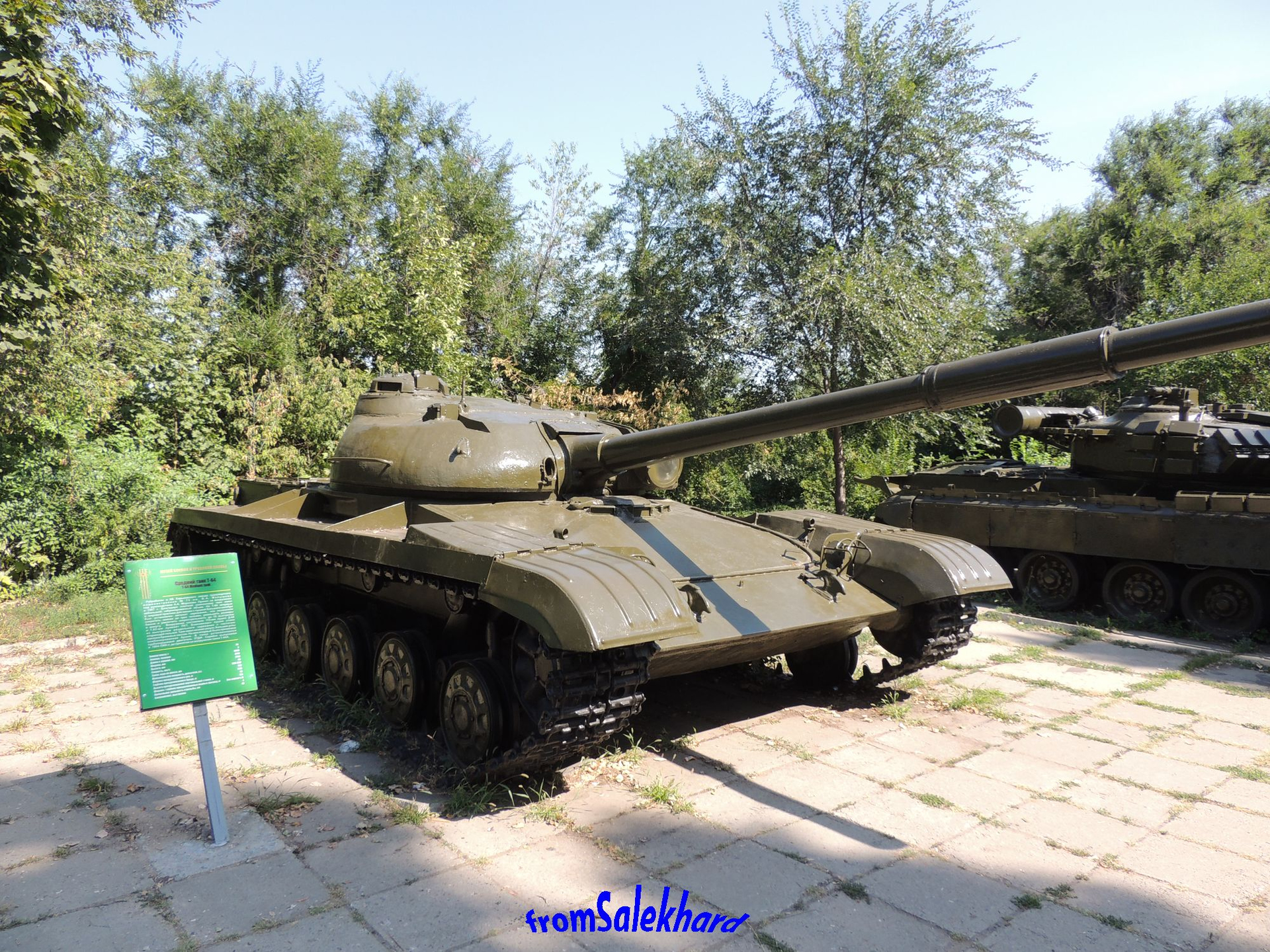
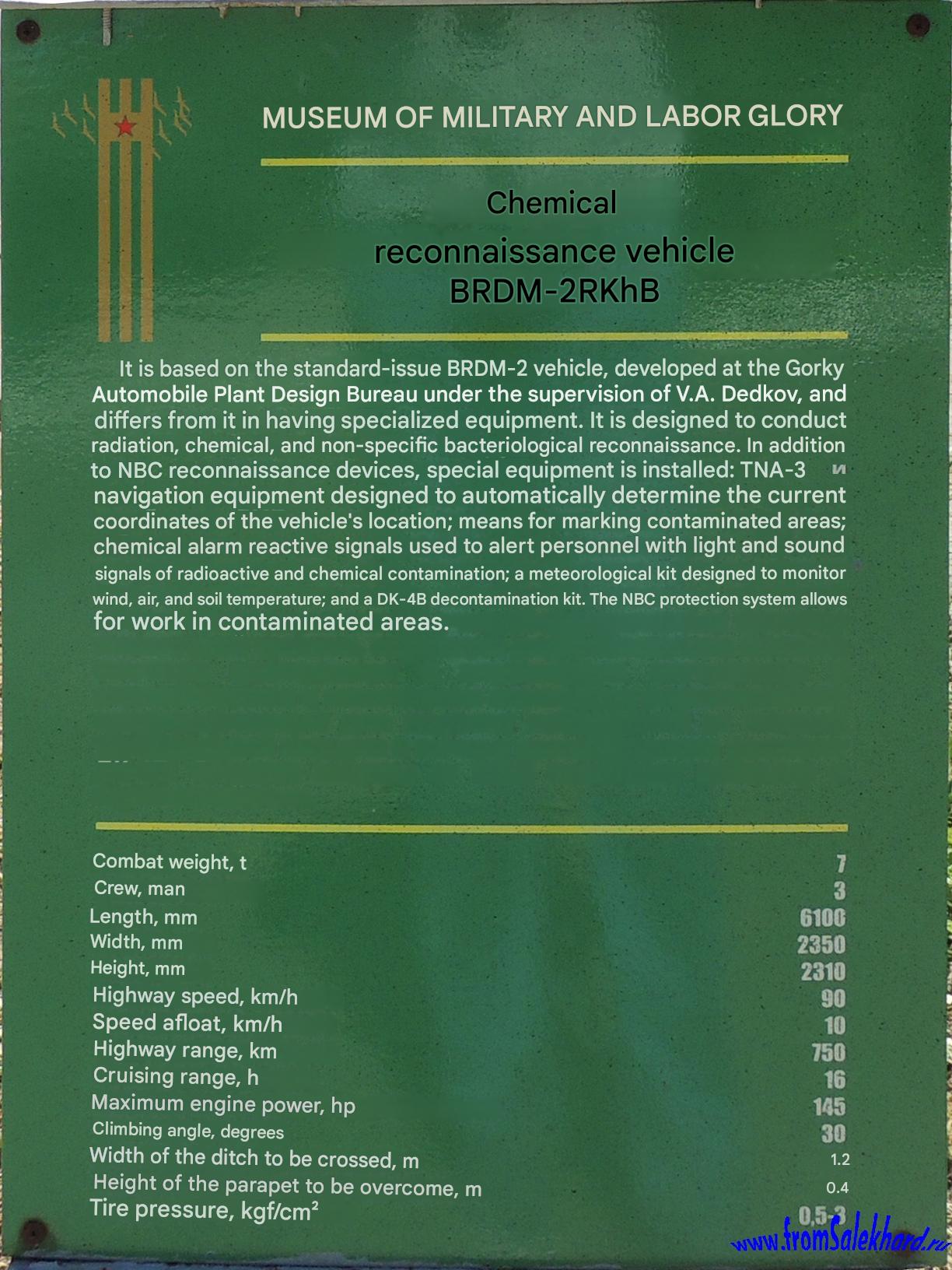
The T-44 tank is a rare visitor to such sites, so I’ll show you its museum plaque.

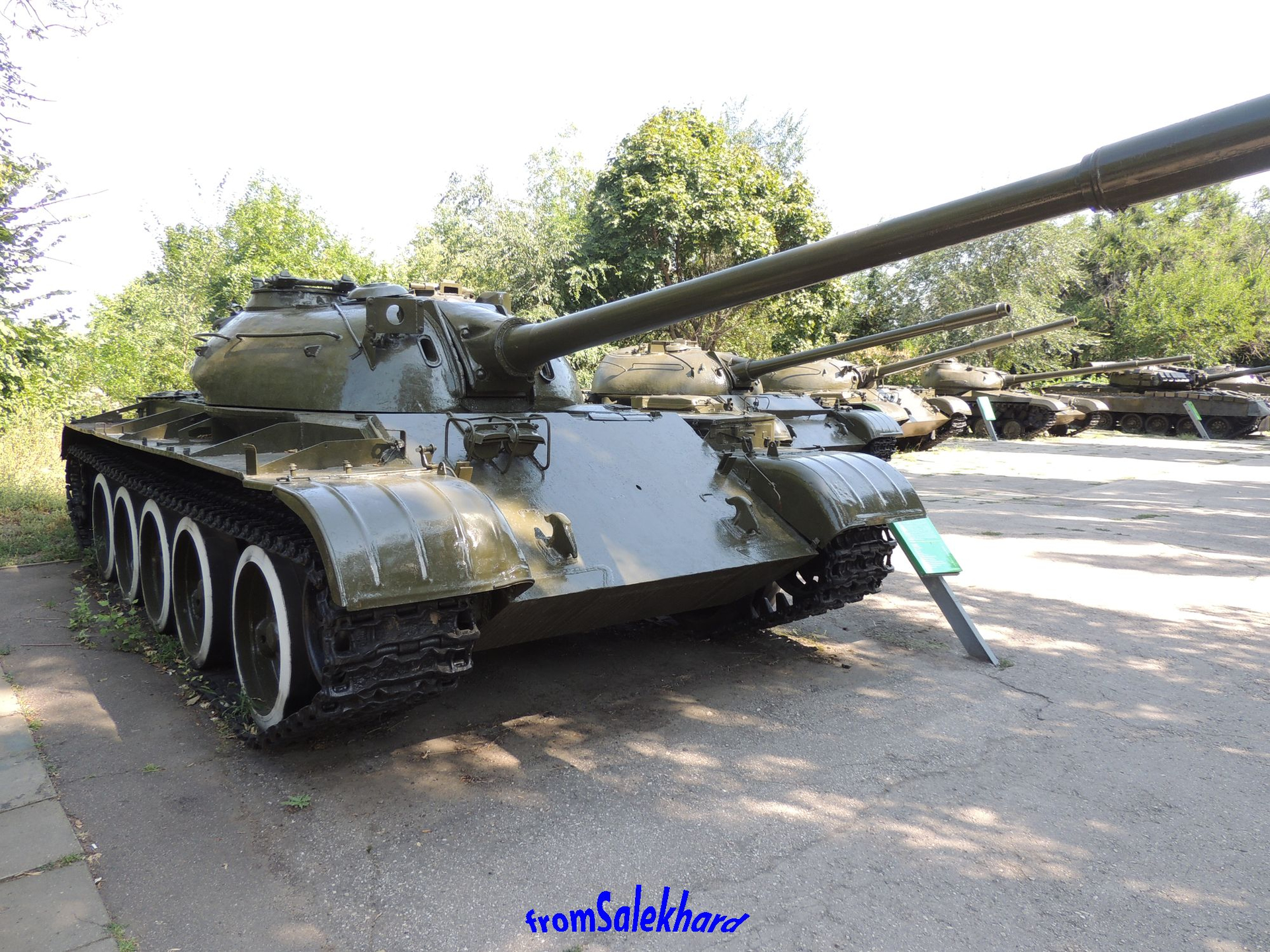
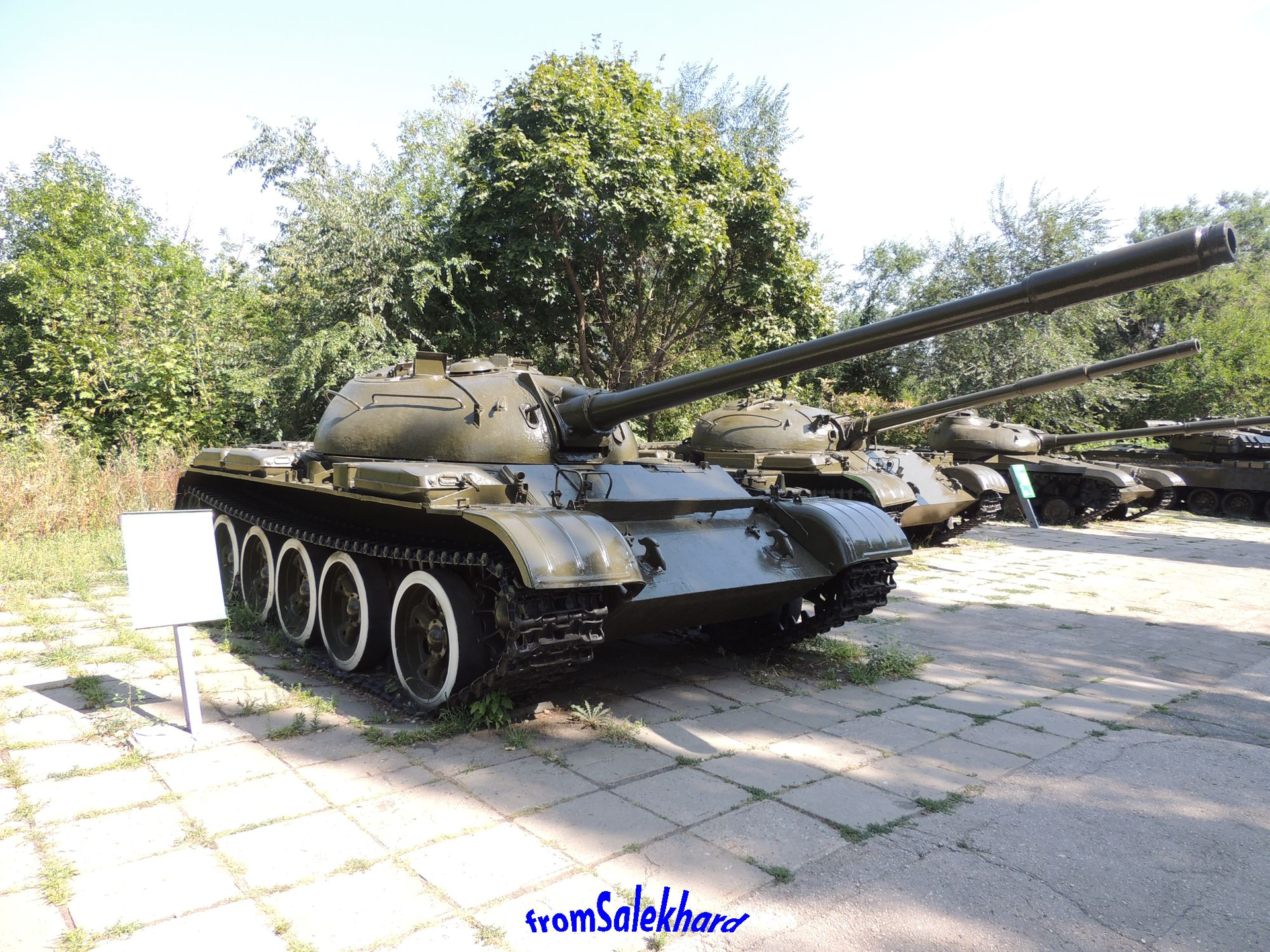
The following tanks, the T-54 and T-55, are well known, but they need to be looked at side by side to understand how they differ.

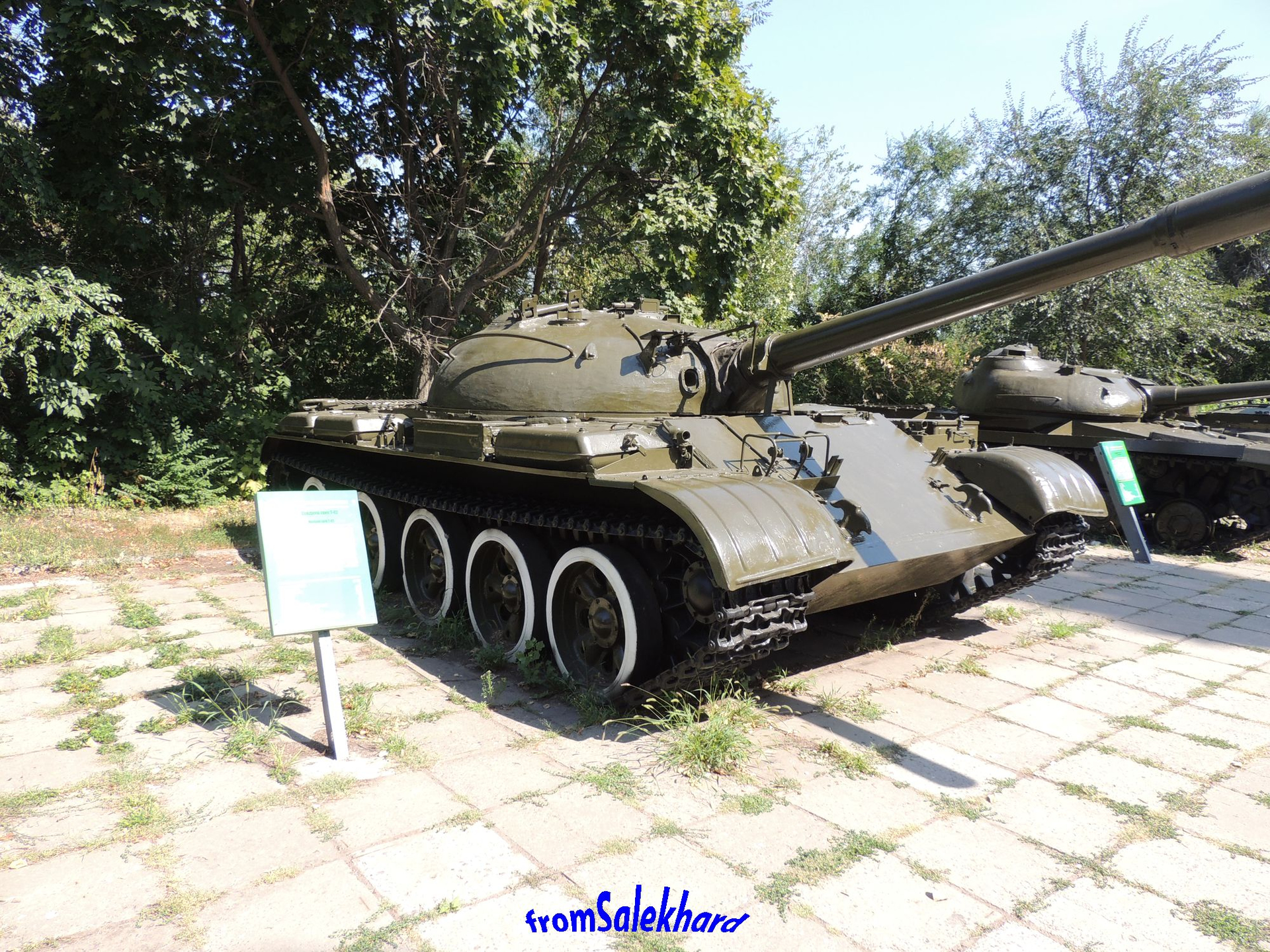
But the T-62 and T-64 are much more different! That’s right: there the difference in the numbers was one, and here it’s two.

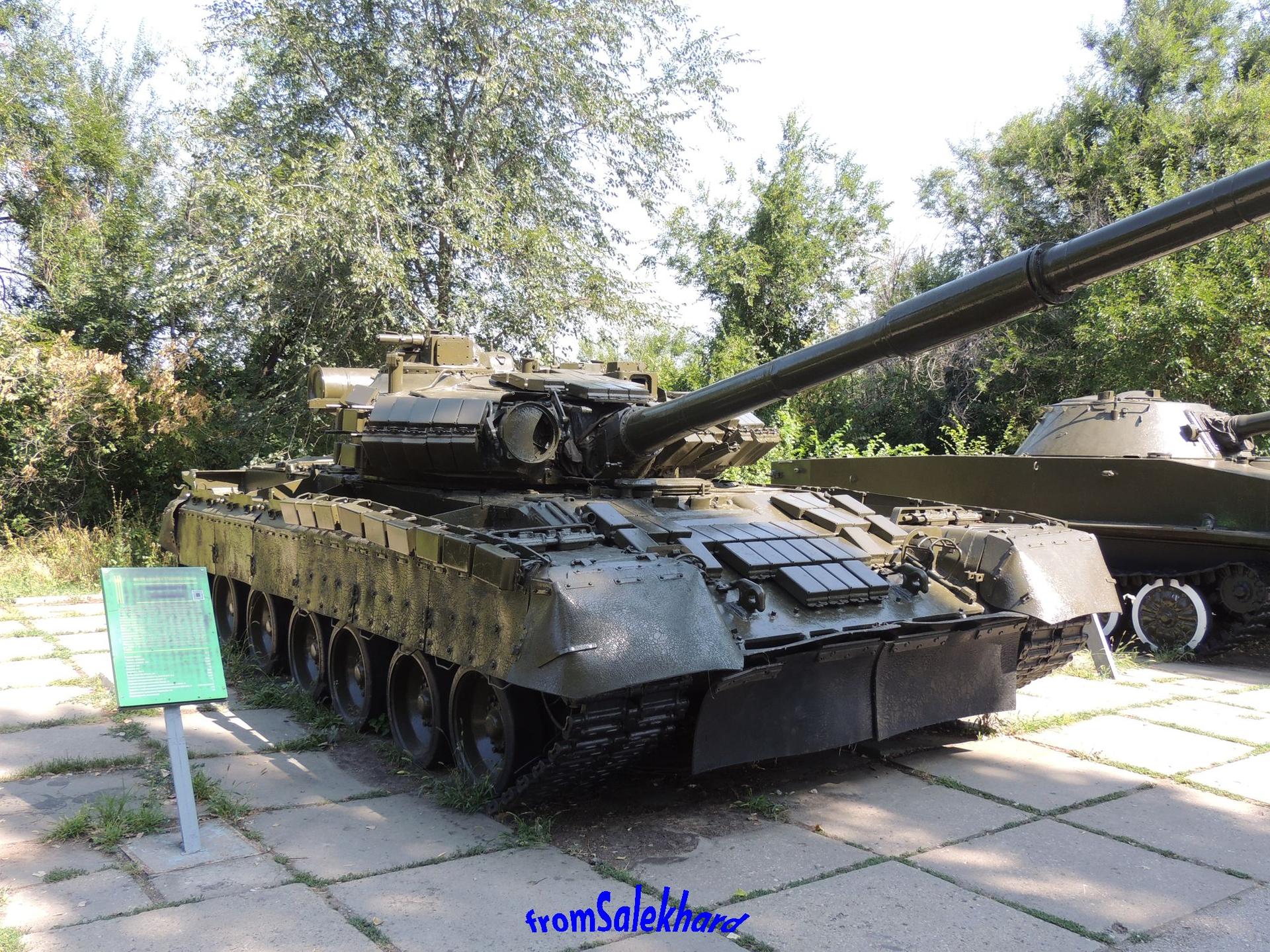
But the T-80 tank is unlike any other.

In the series Friends , Joey discovers his “hand twin” — a look‑alike with exactly the same hands.

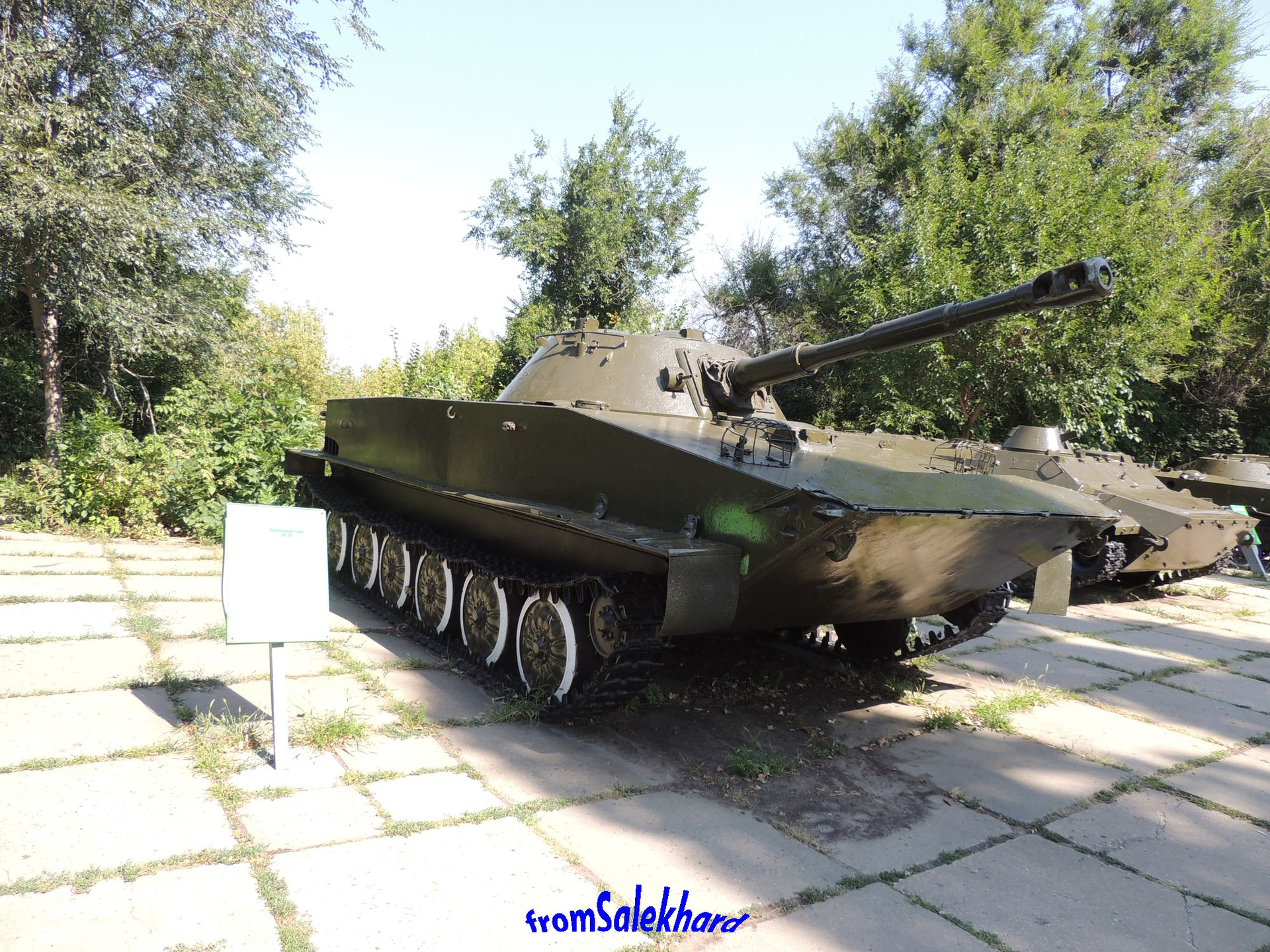
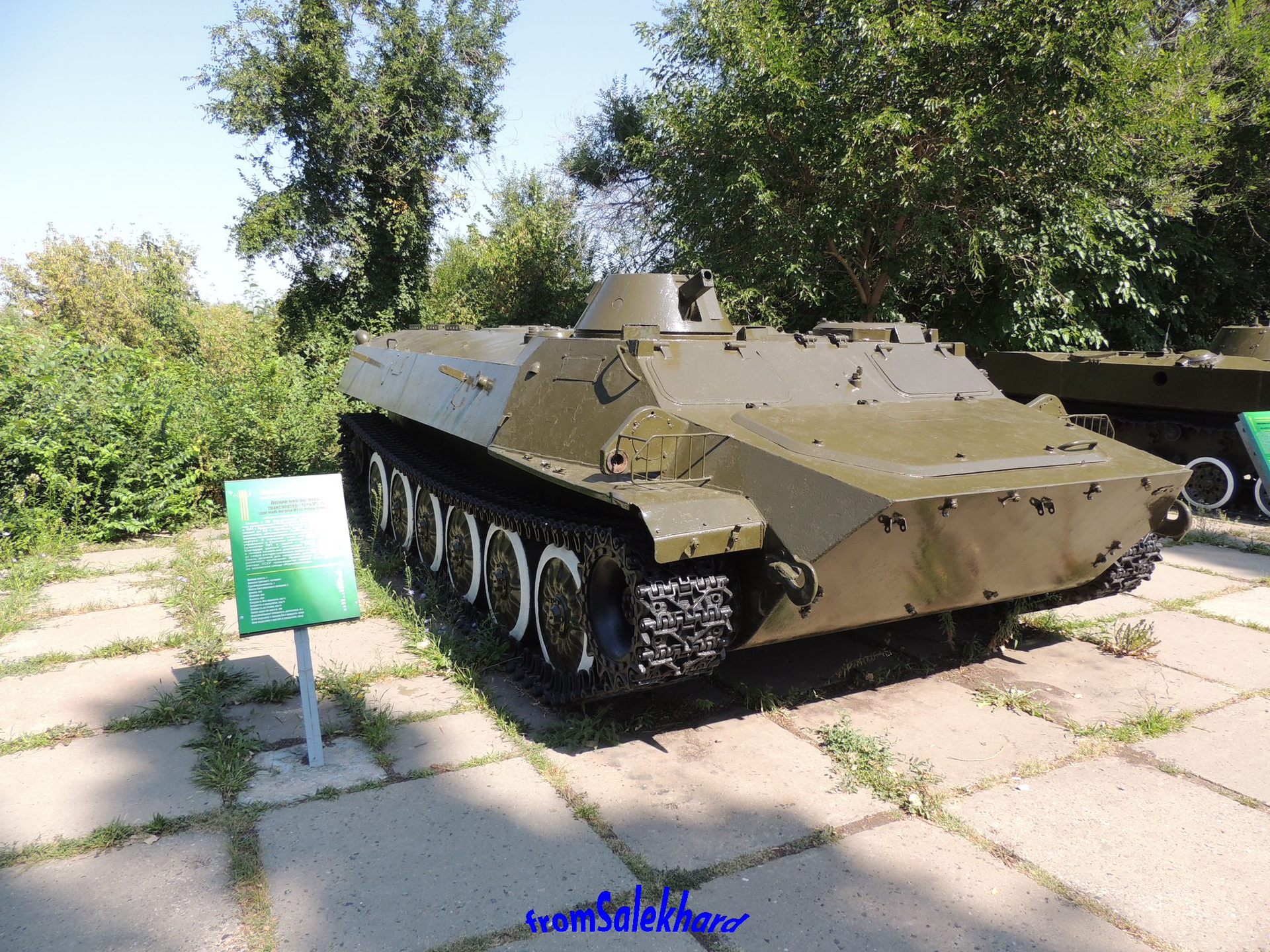
and here we’ve got two “chassis twins”: the MT‑LB and the PT‑7.

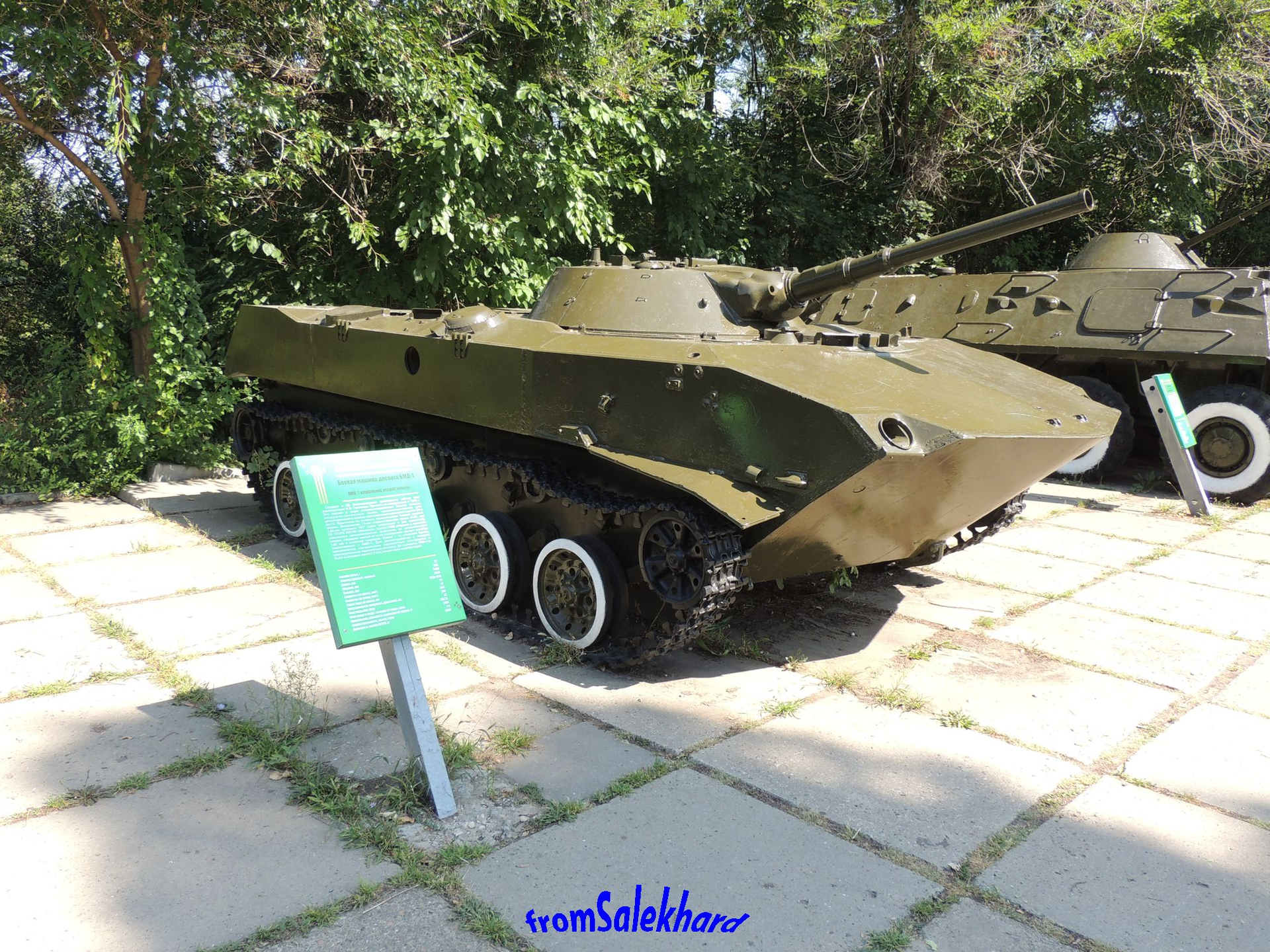
There was no pair for the BMD-1,

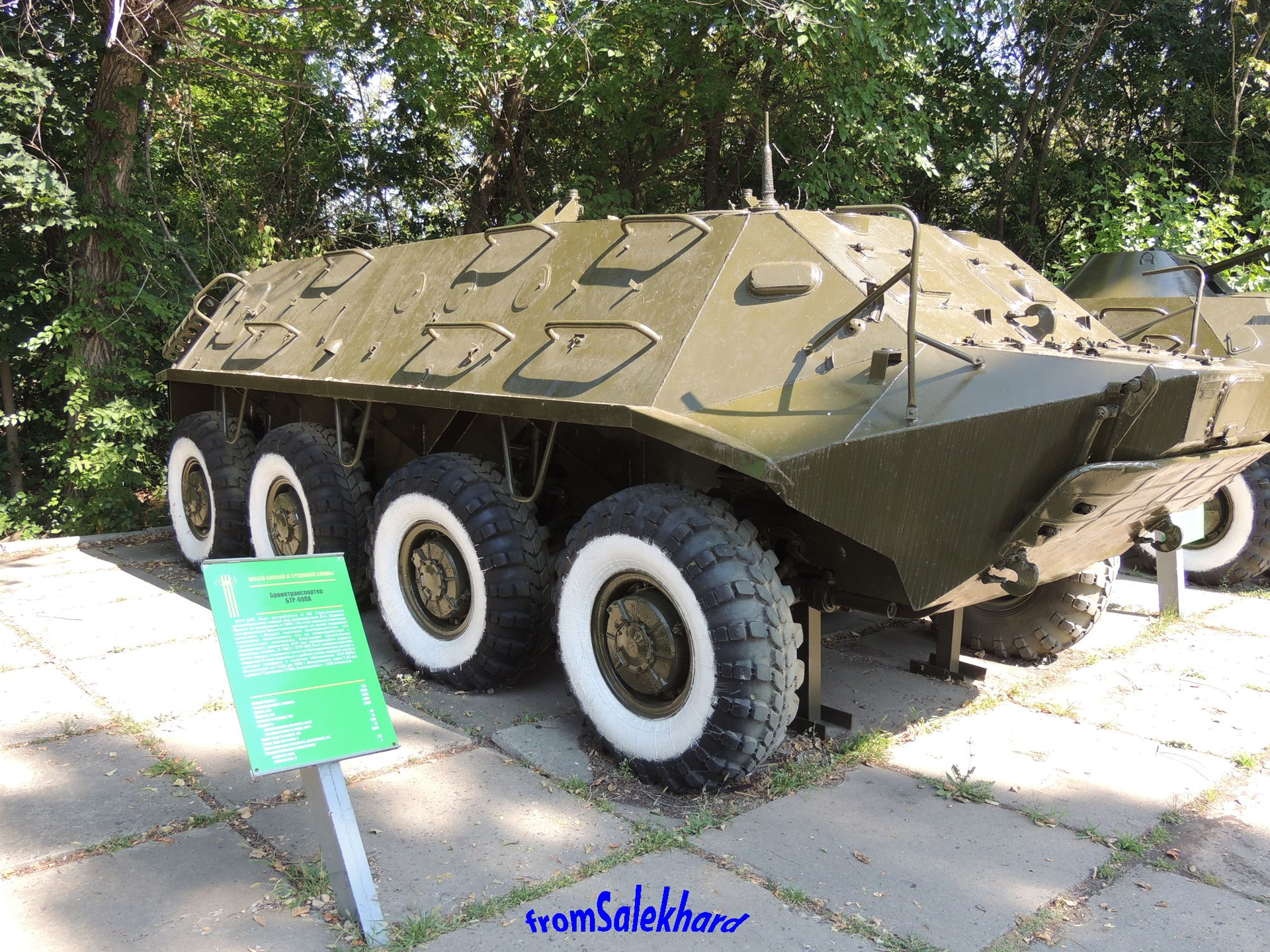
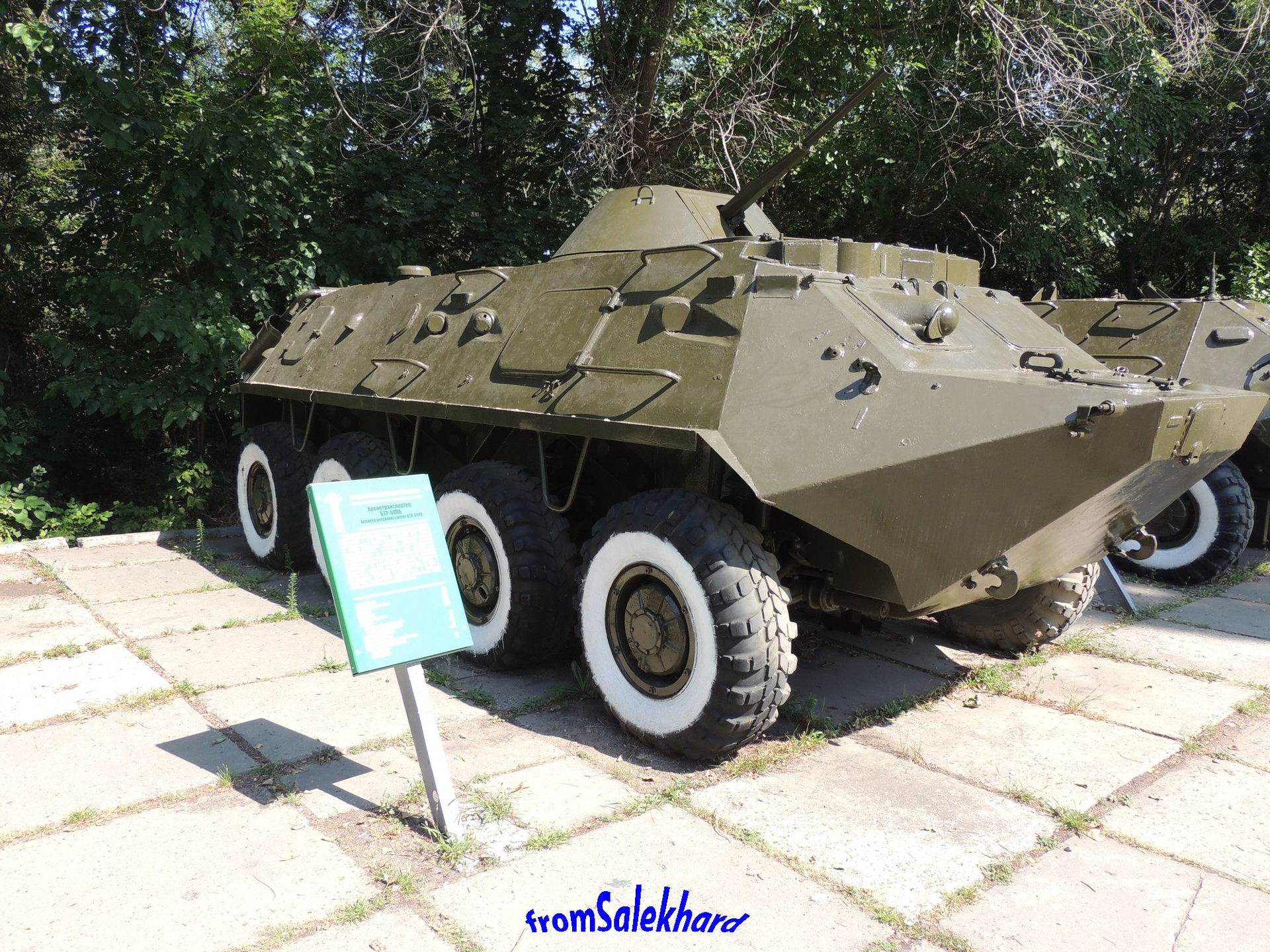
but there are again two armored personnel carriers: BTR-60PA and BTR-60PB.

Well, we’ve hooked everyone up in pairs here — but time to move on!

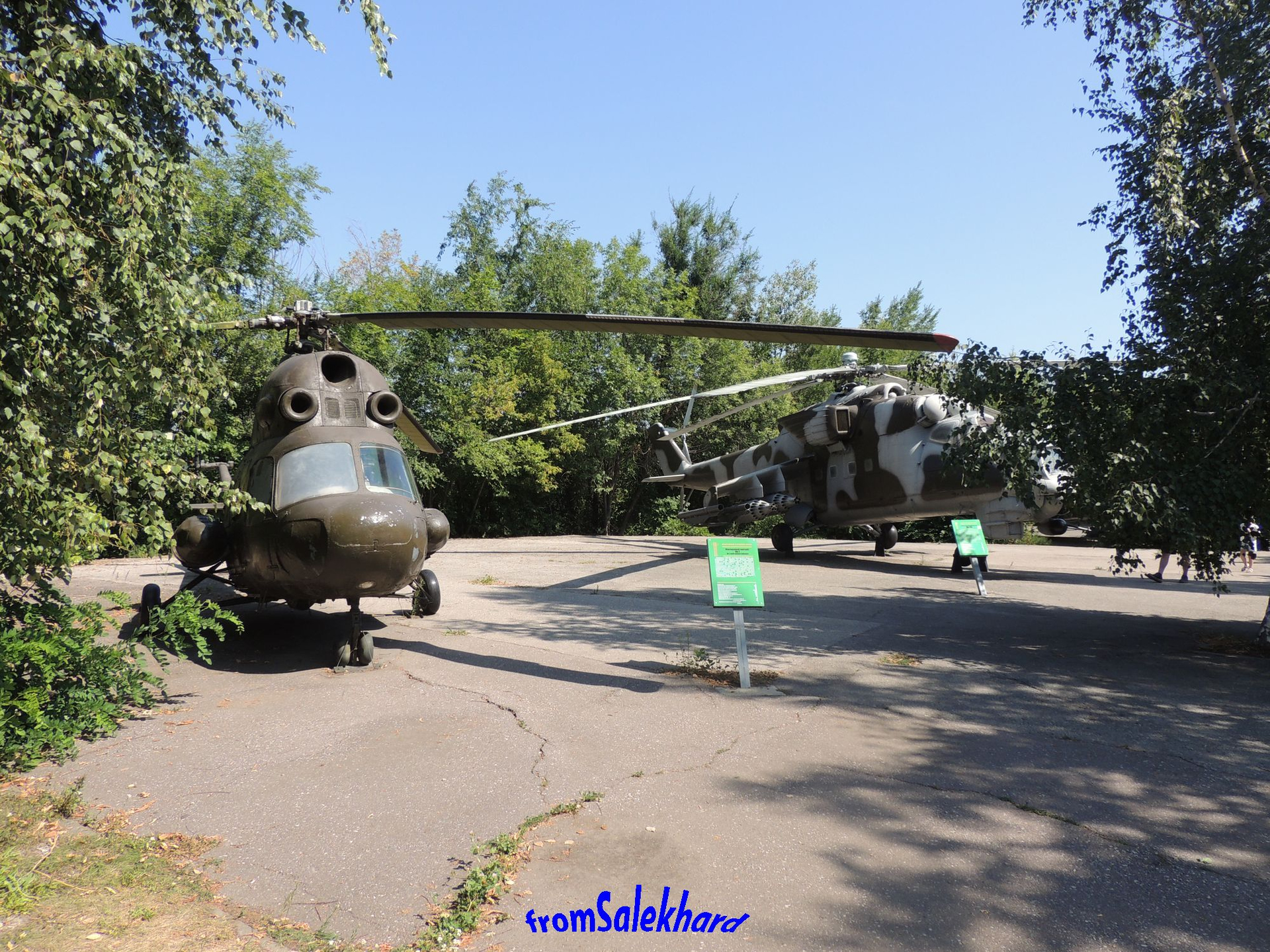
There is a helipad nearby.

And that makes sense. There’s a belief that helicopters are the souls of fallen tanks.

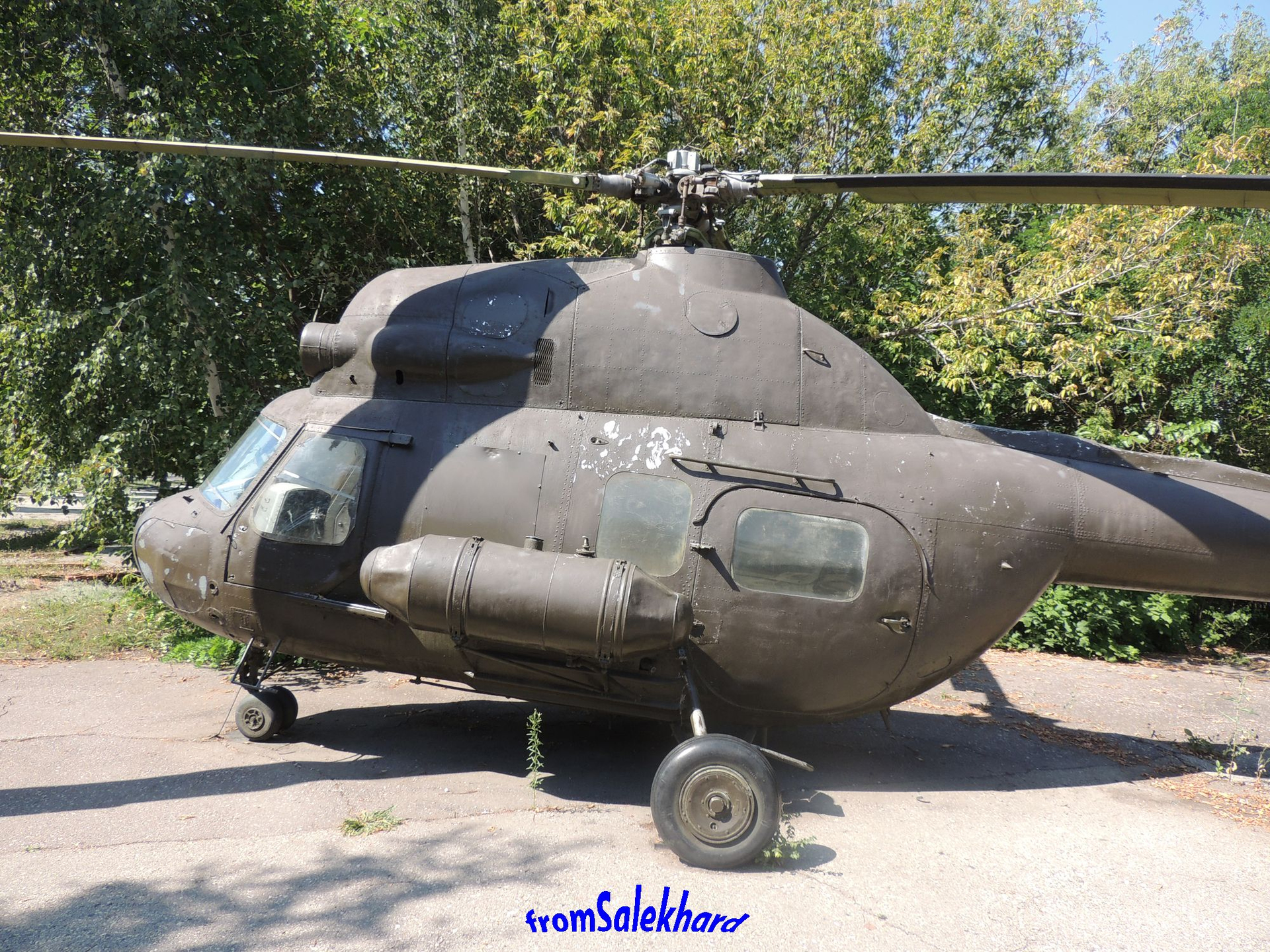
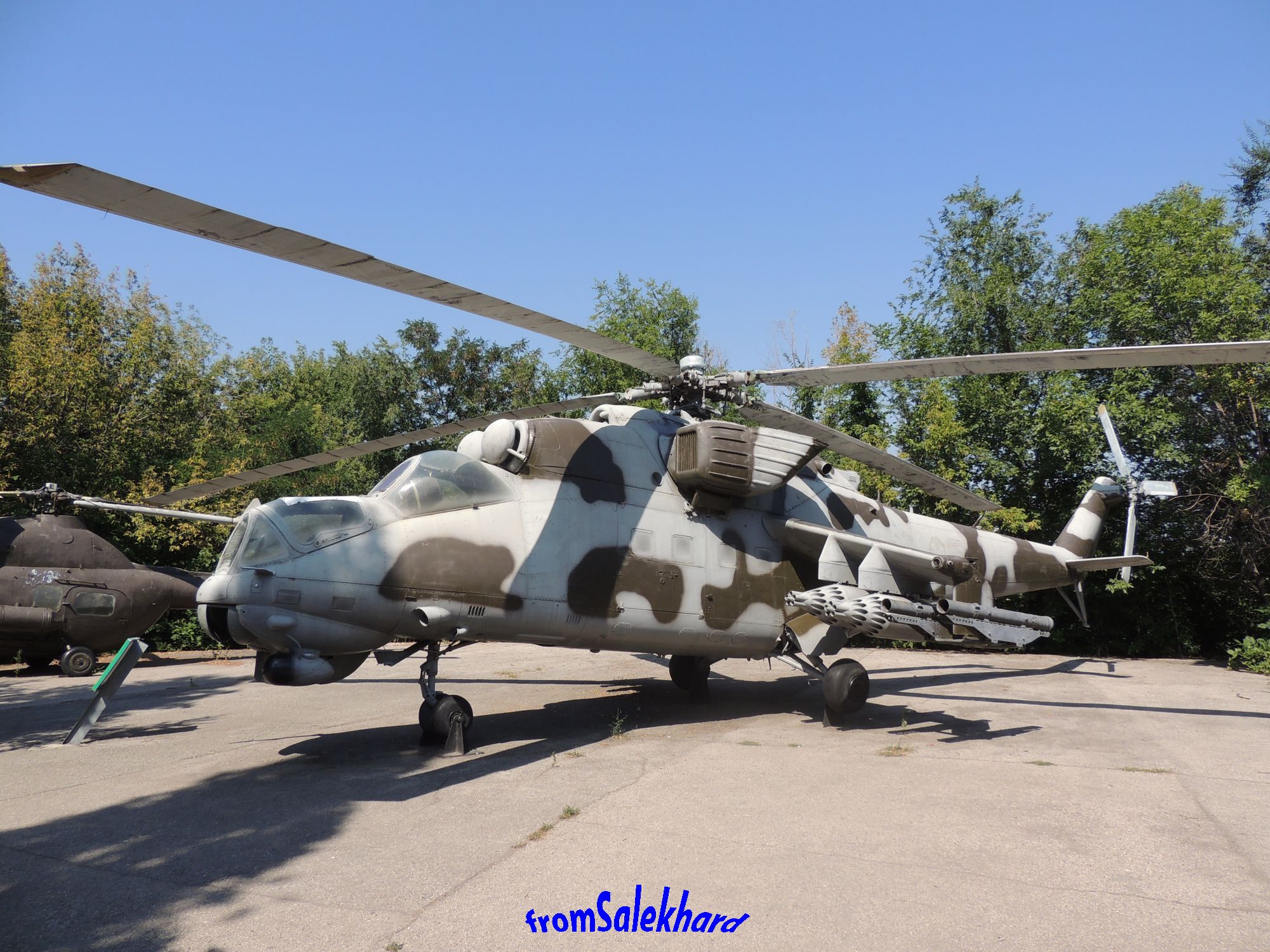
The helicopters here are the well-known Mi-2, Mi-8T, and Mi-24V, so we’ll dispense with the signs.
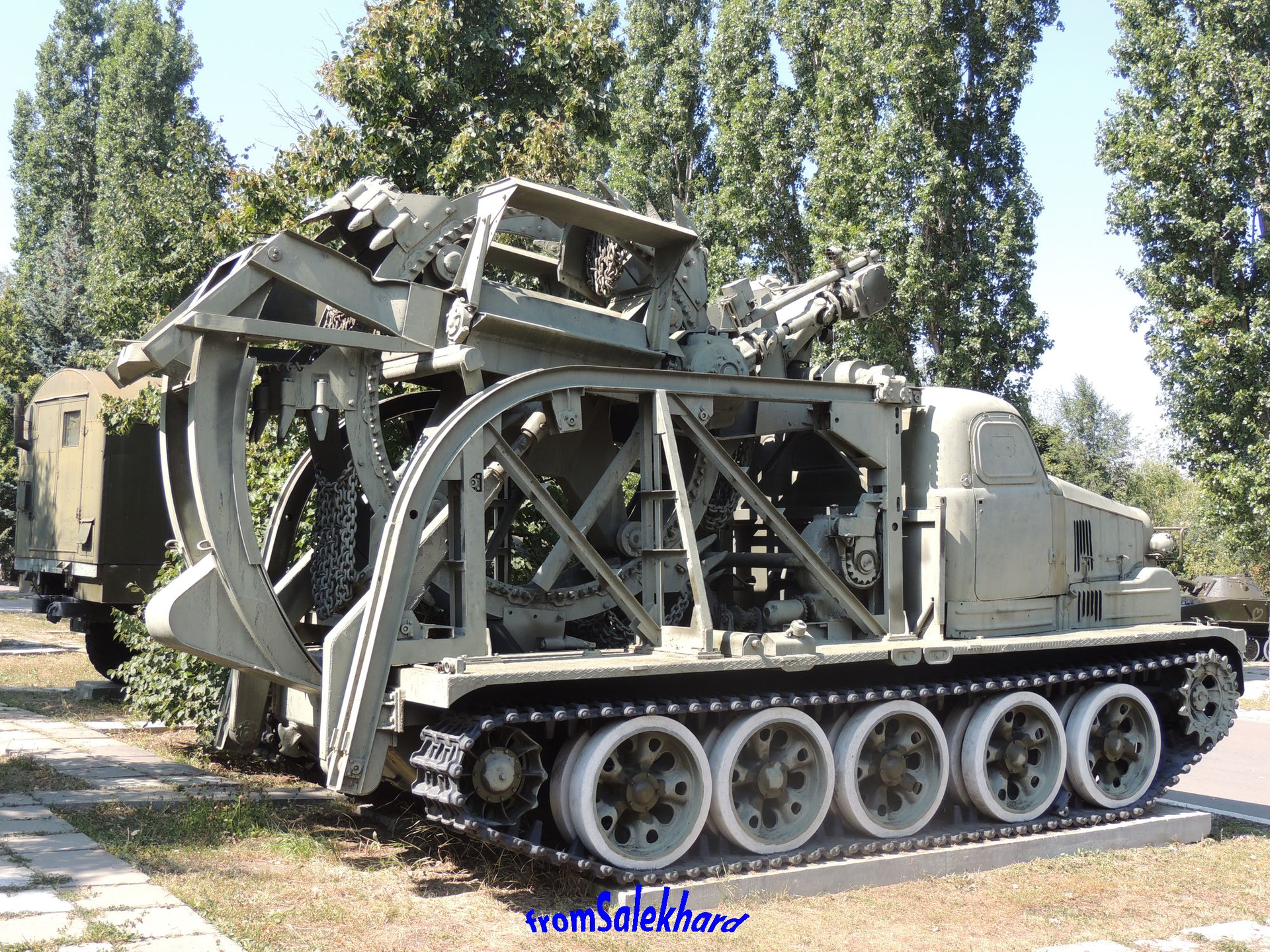
10 Likes

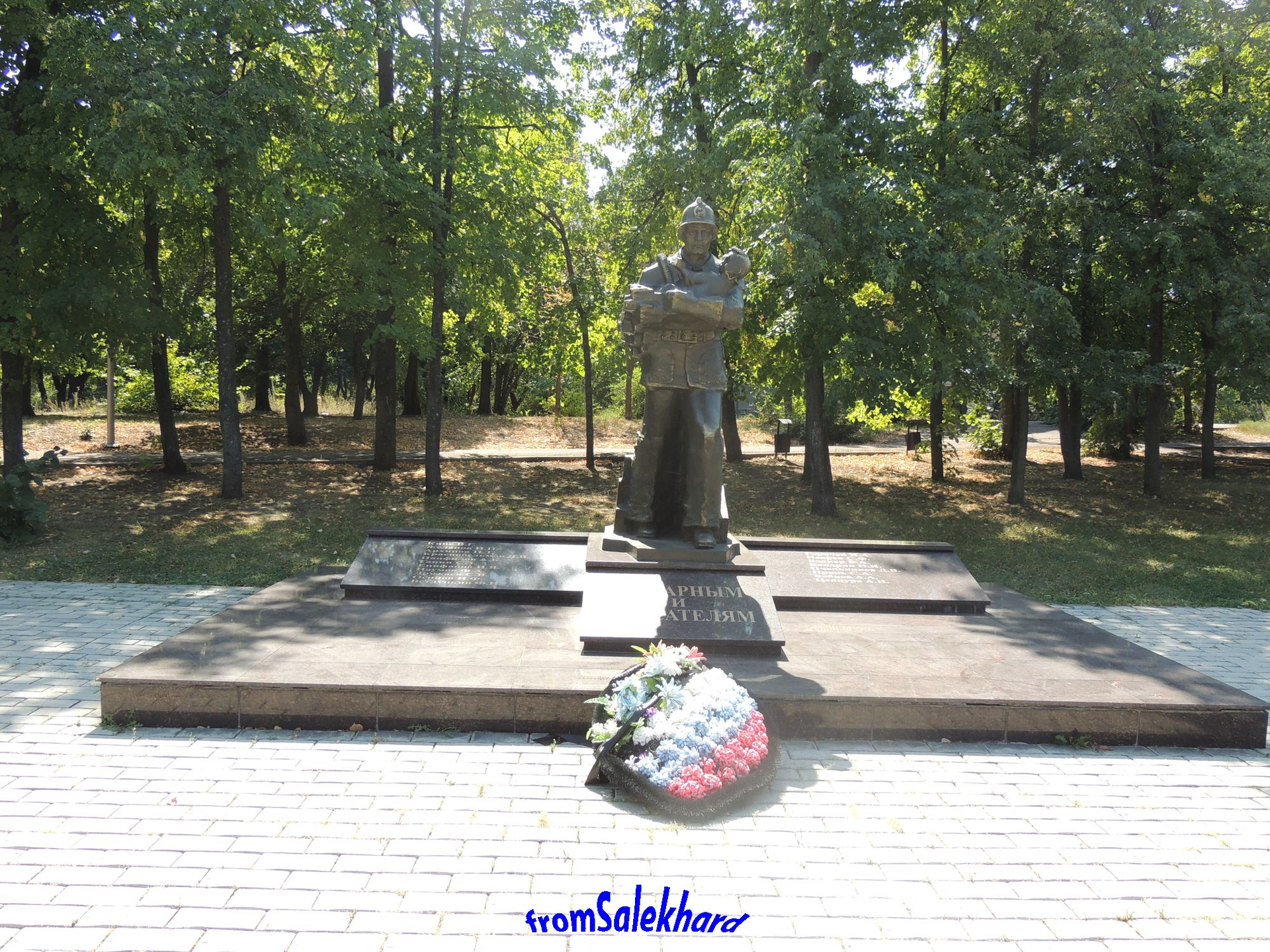
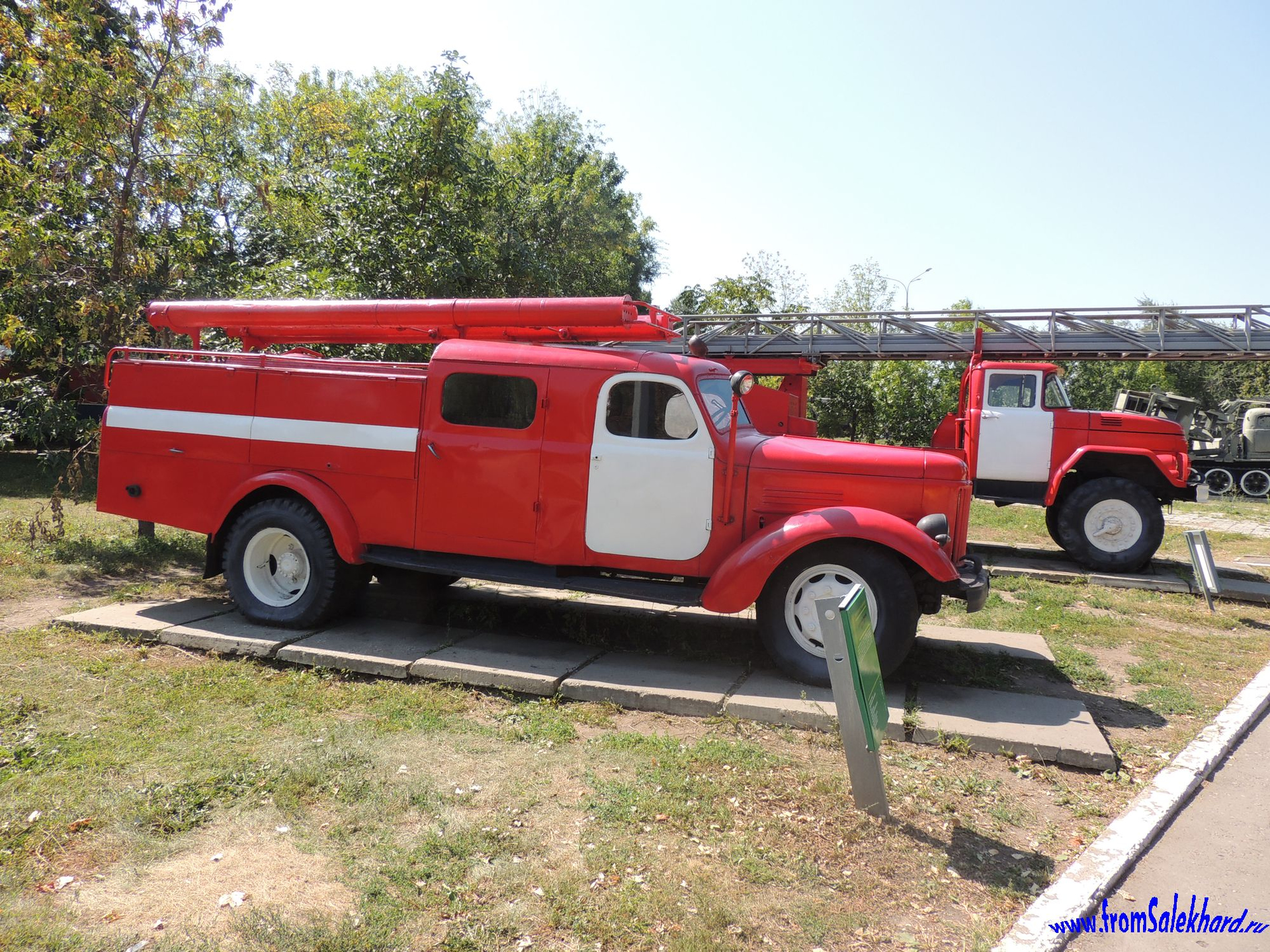
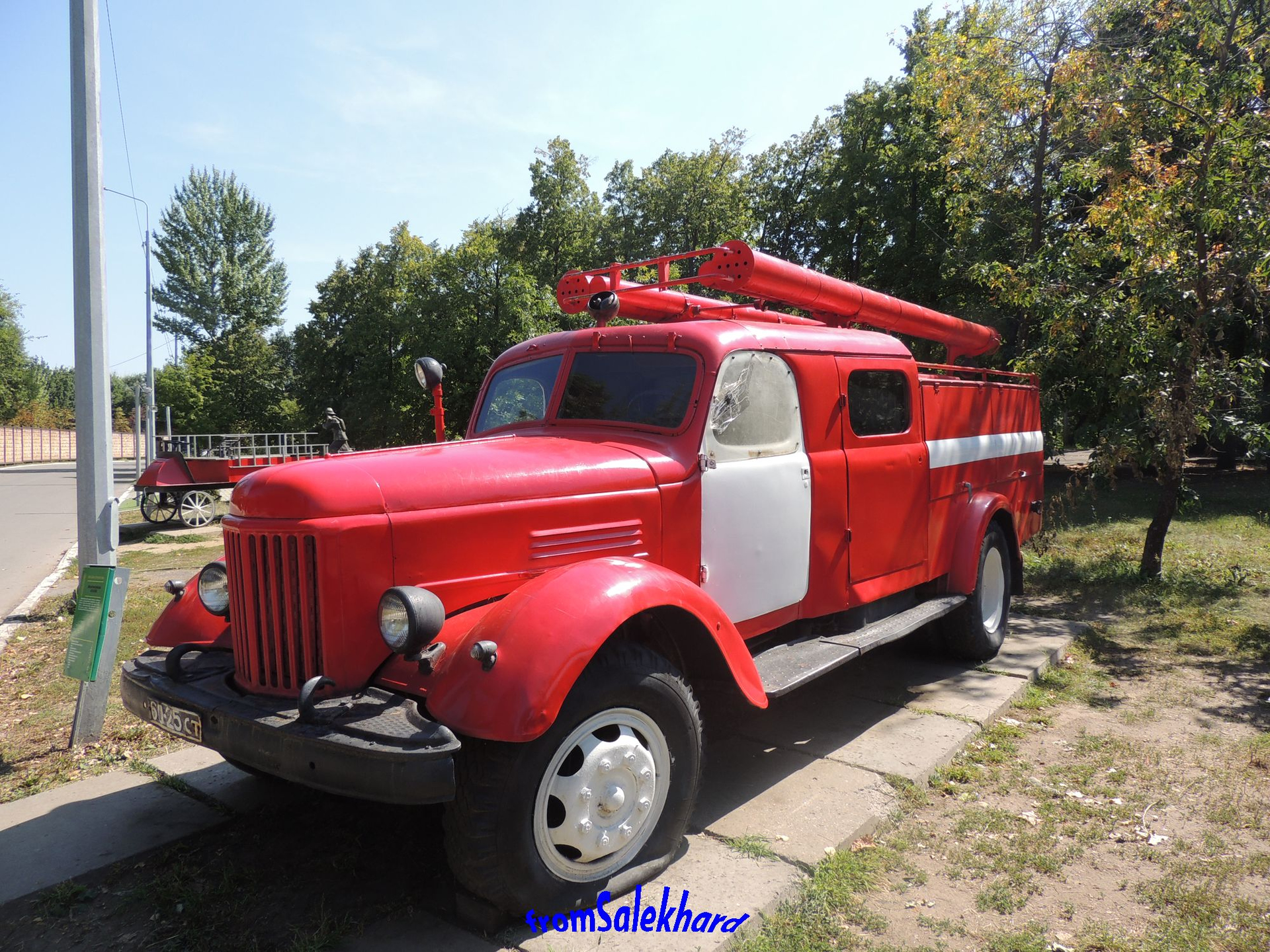
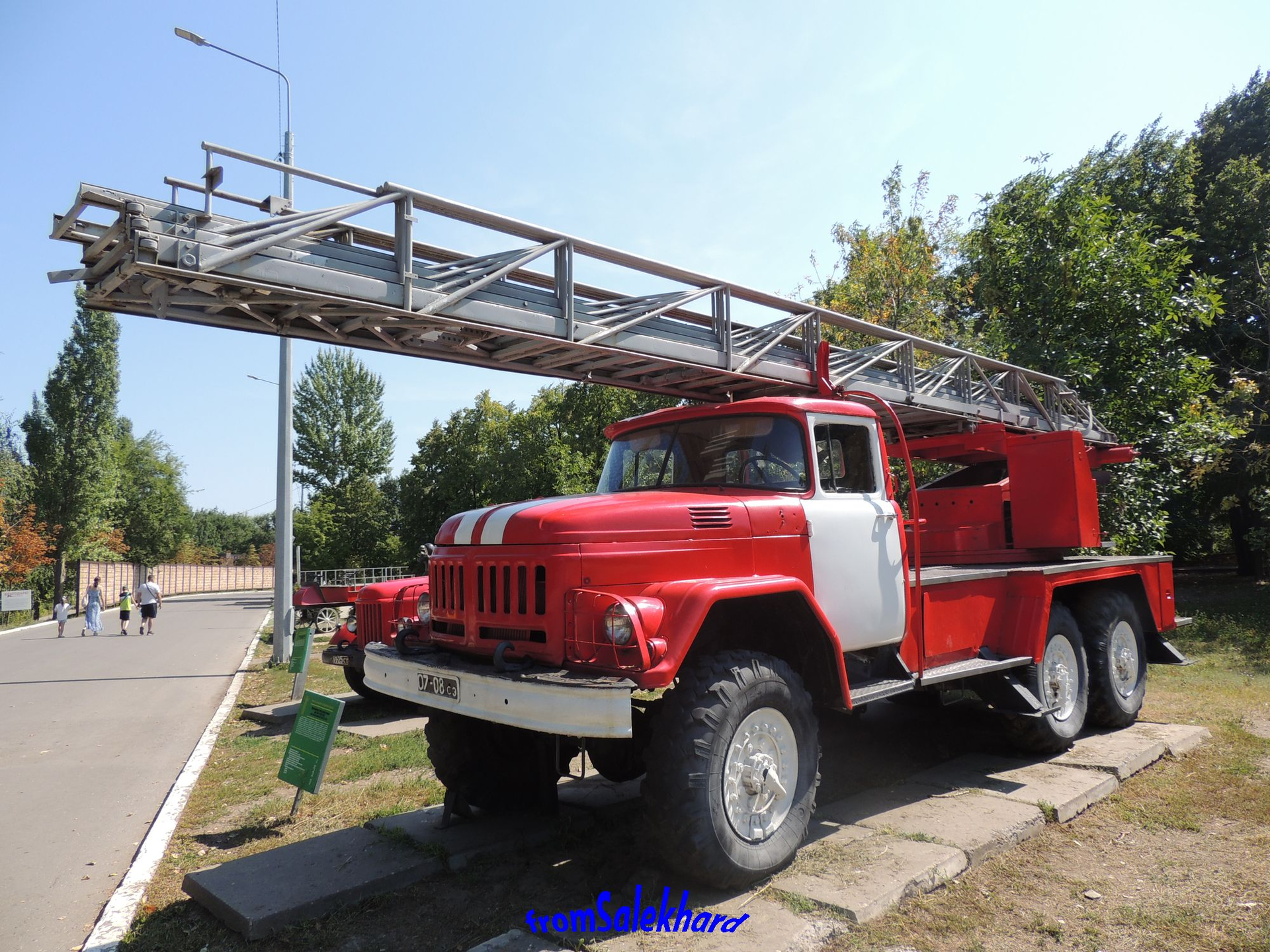
The next thematic area begins with a monument to firefighters and rescuers who died in the line of duty.

That this is no military equipment is clearly visible by its color.

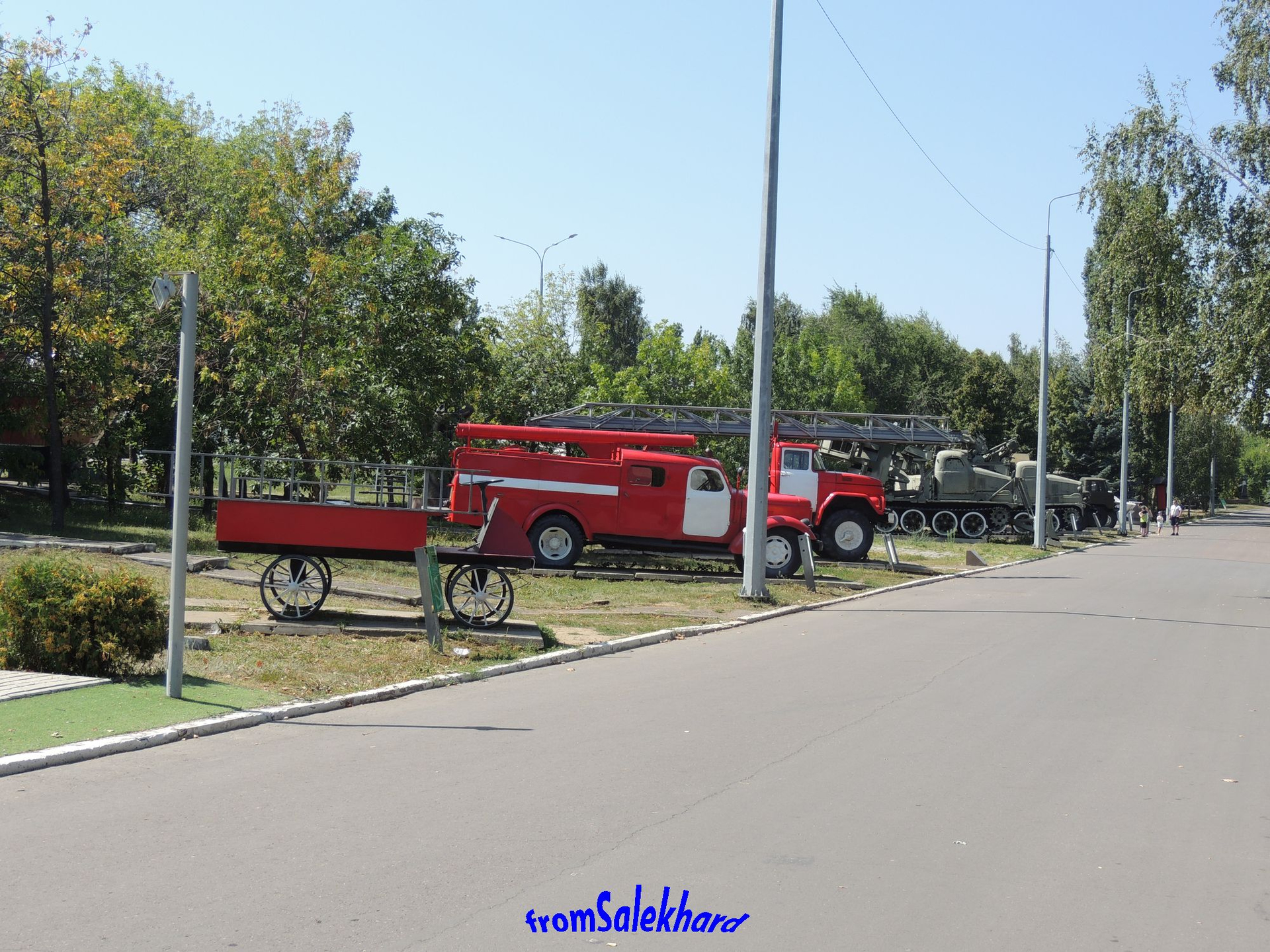
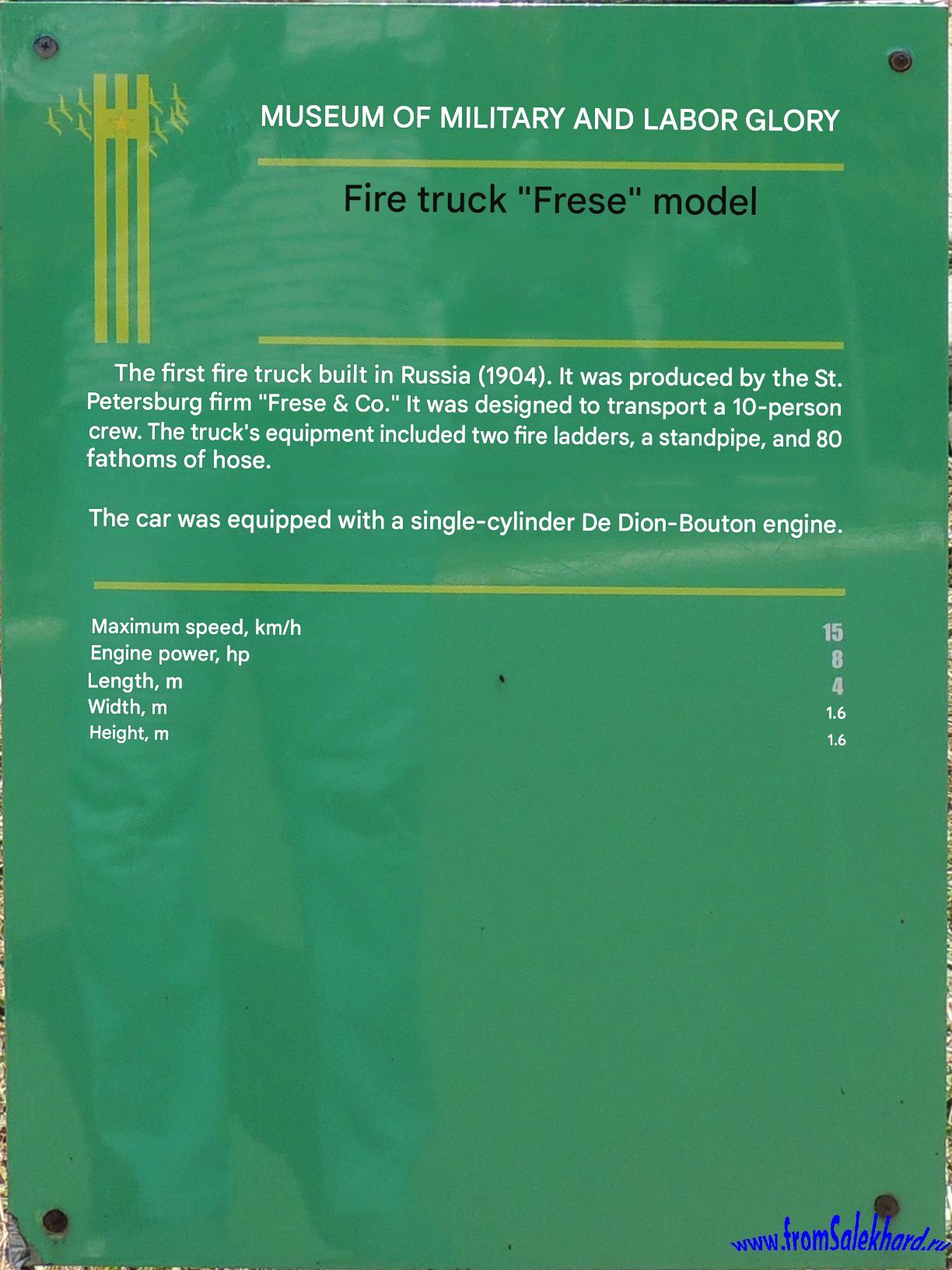
The series begins with a very simplified model of the first fire truck built in Russia.

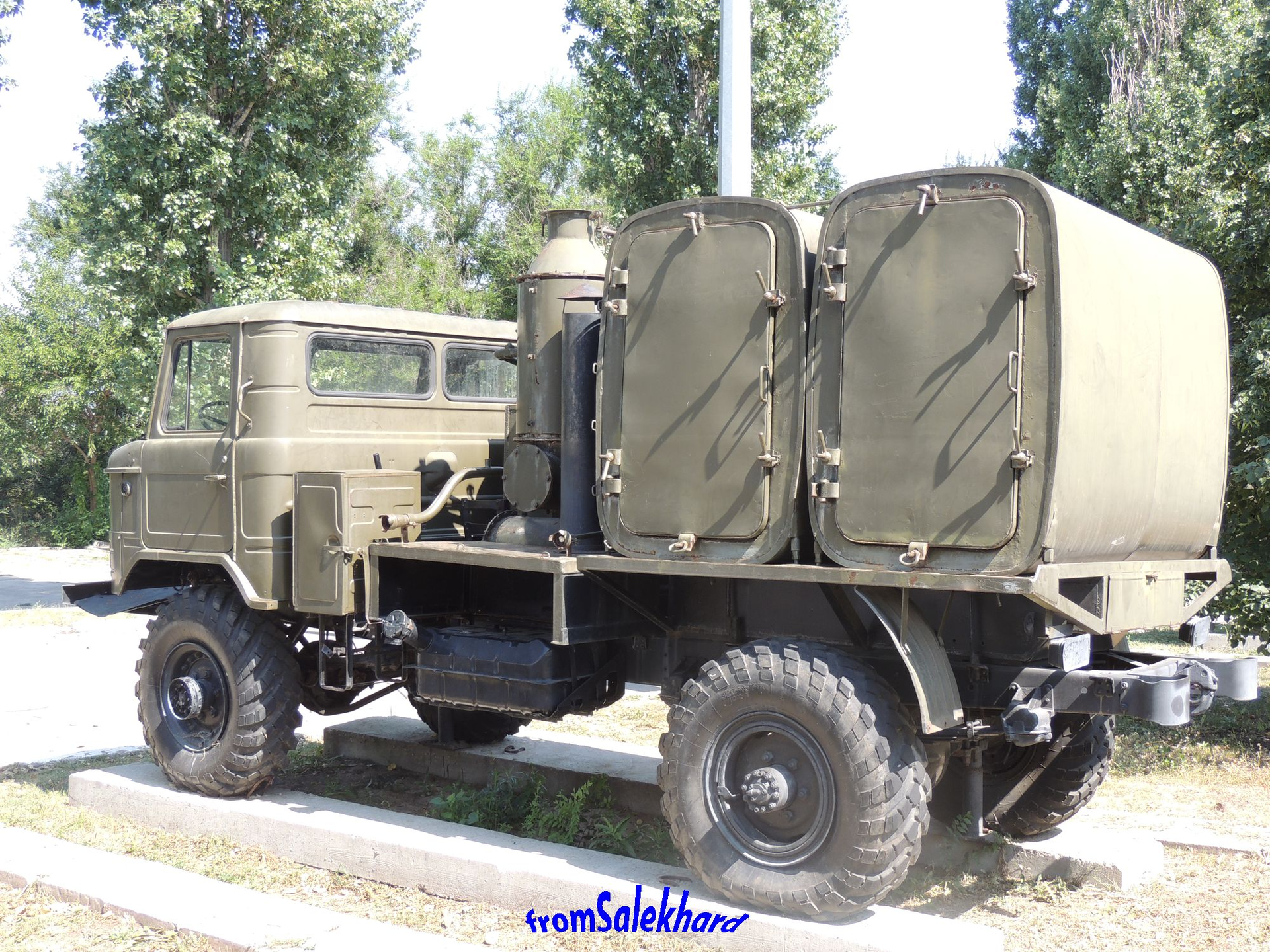
The next two exhibits are based on common Soviet-era cars. I’ll just show them: those who know will need no further explanation, and those who don’t won’t care anyway.
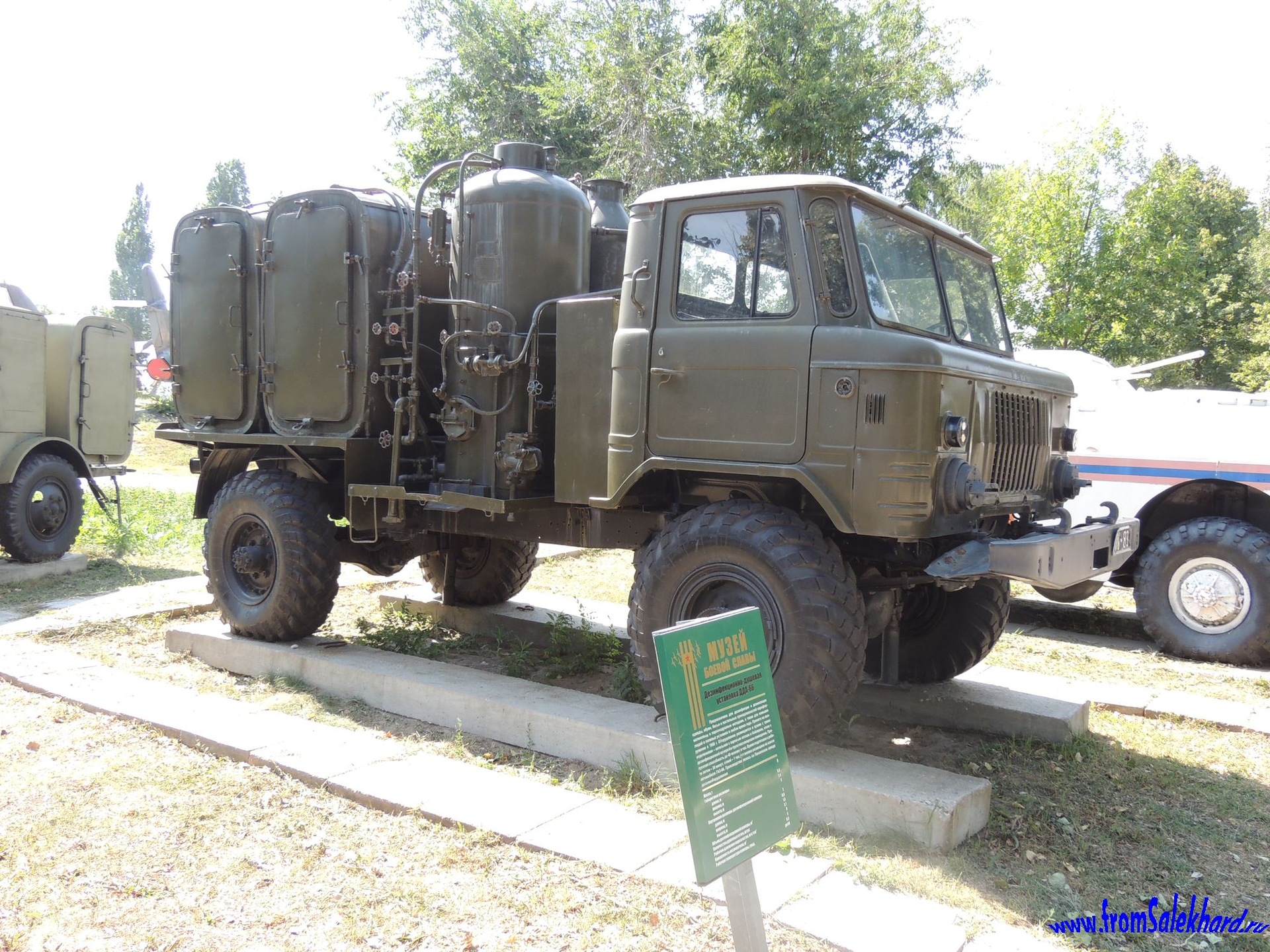
Once again, the following items were in the typical green color.

This is the first time I’ve seen such a technique.

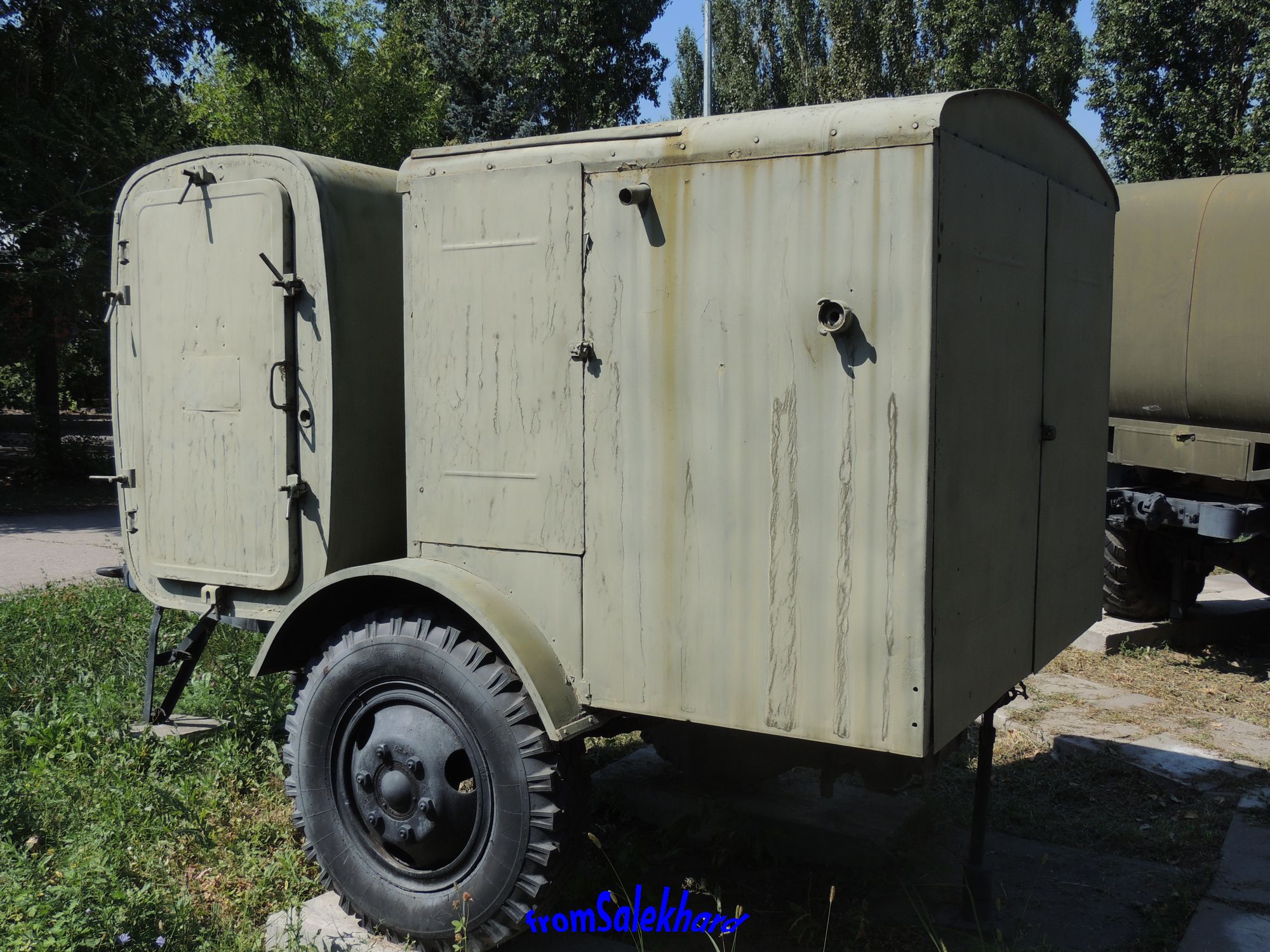
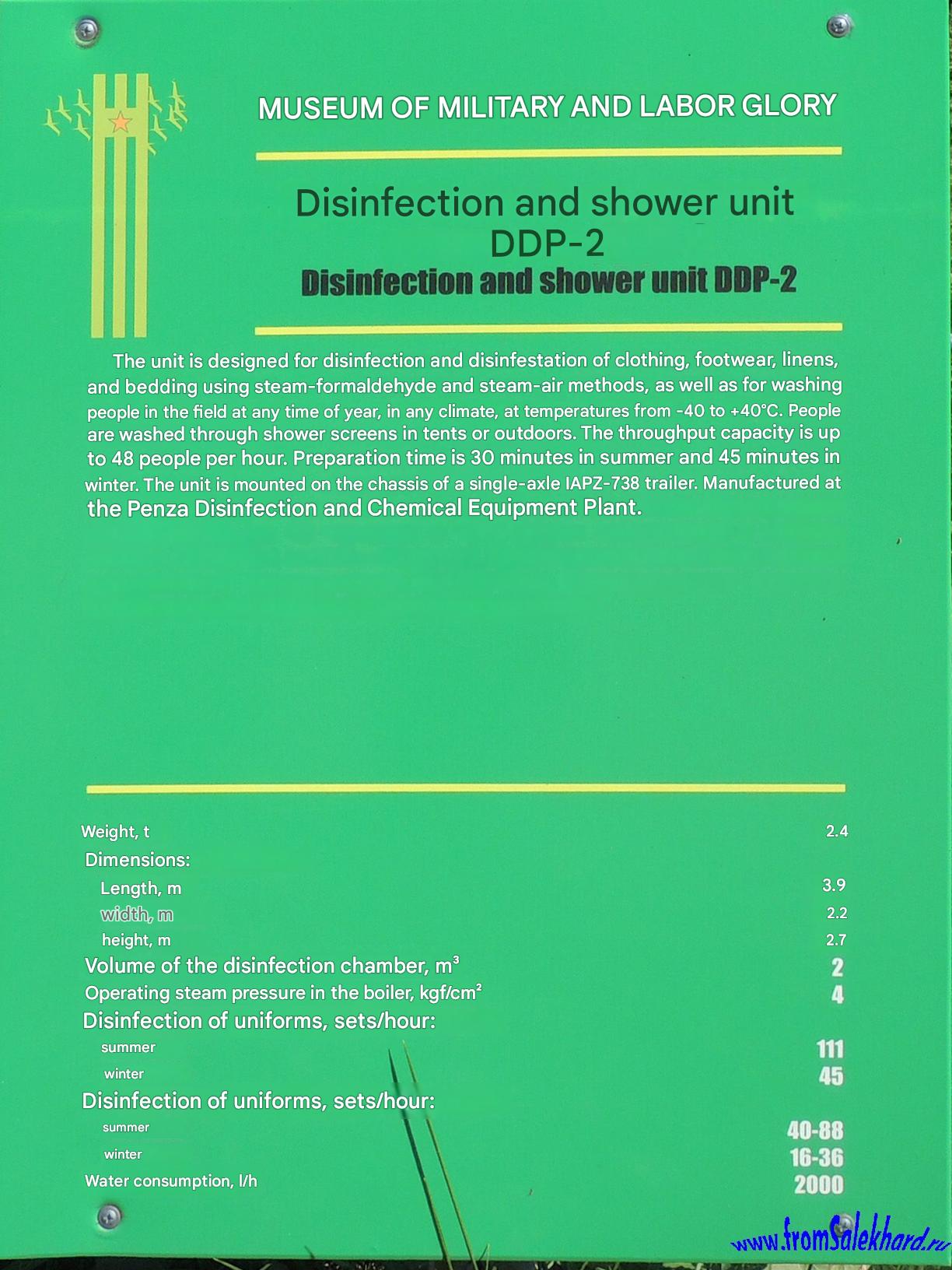
And there is something similar, but in the form of a car trailer.

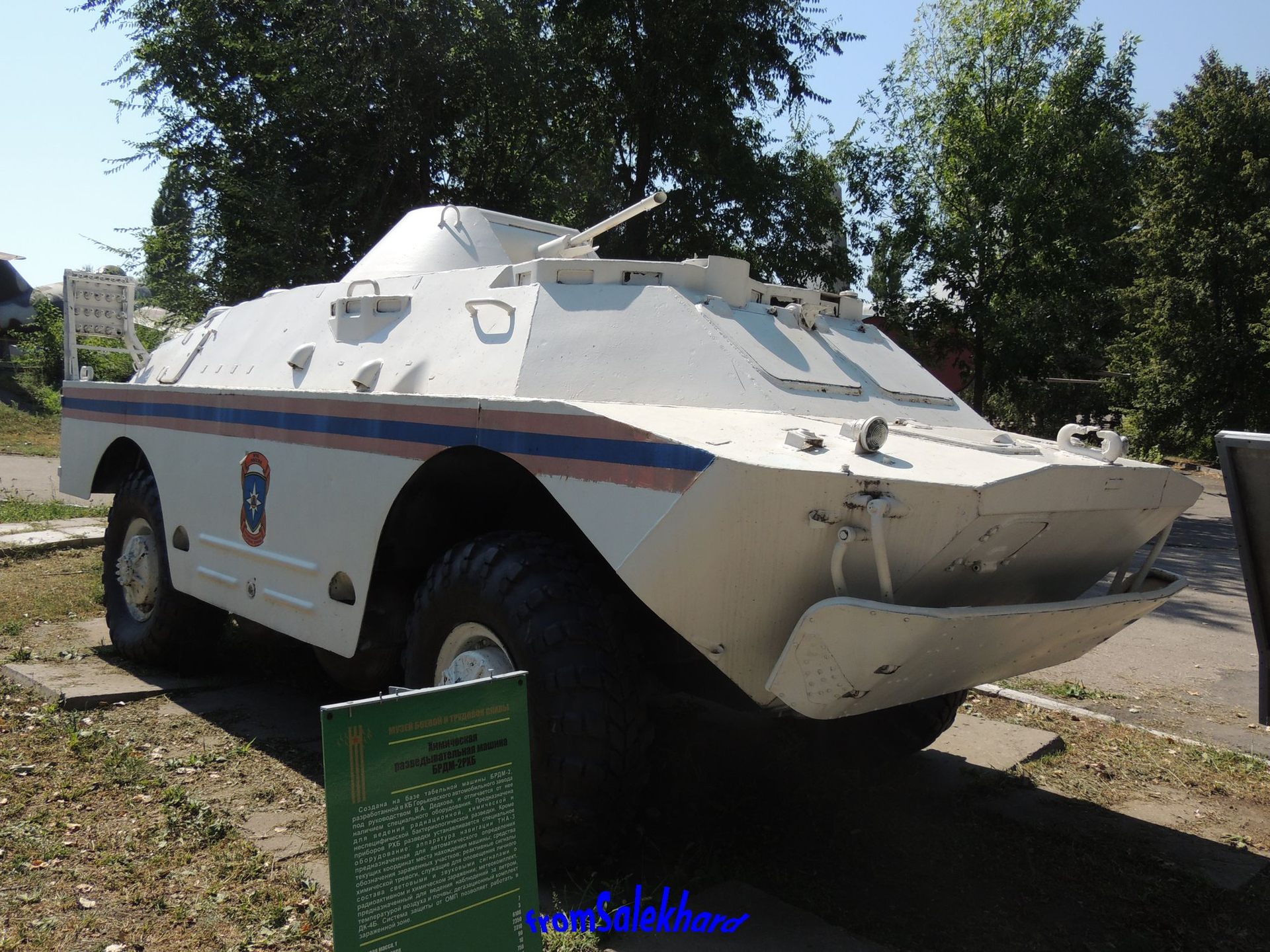
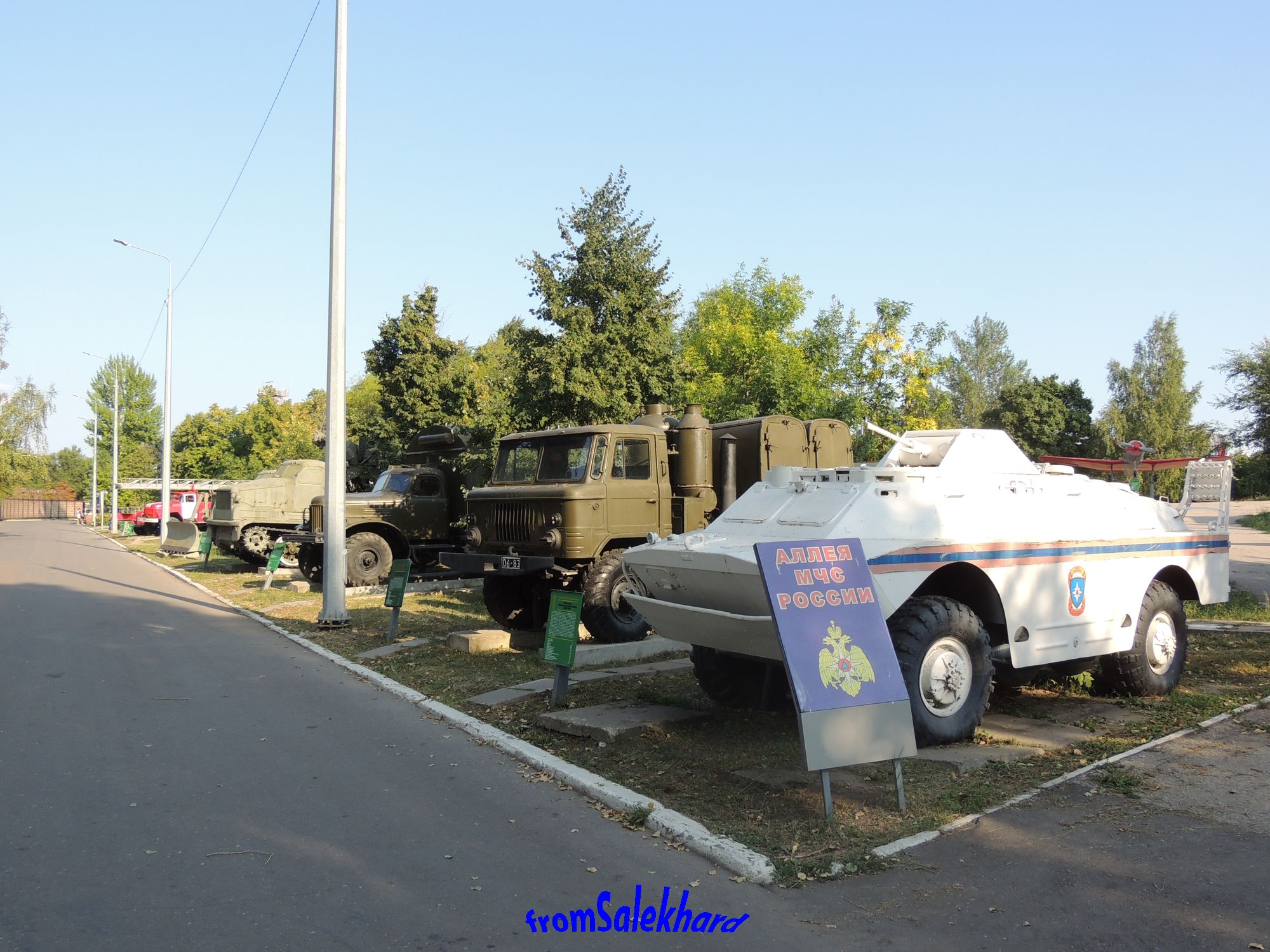
There is another non-green car in this row.

It turns out we (okay, I) came from the other side and we should have started from here.

The text on the poster reads: “Alley of the Ministry of Emergency Situations of Russia.

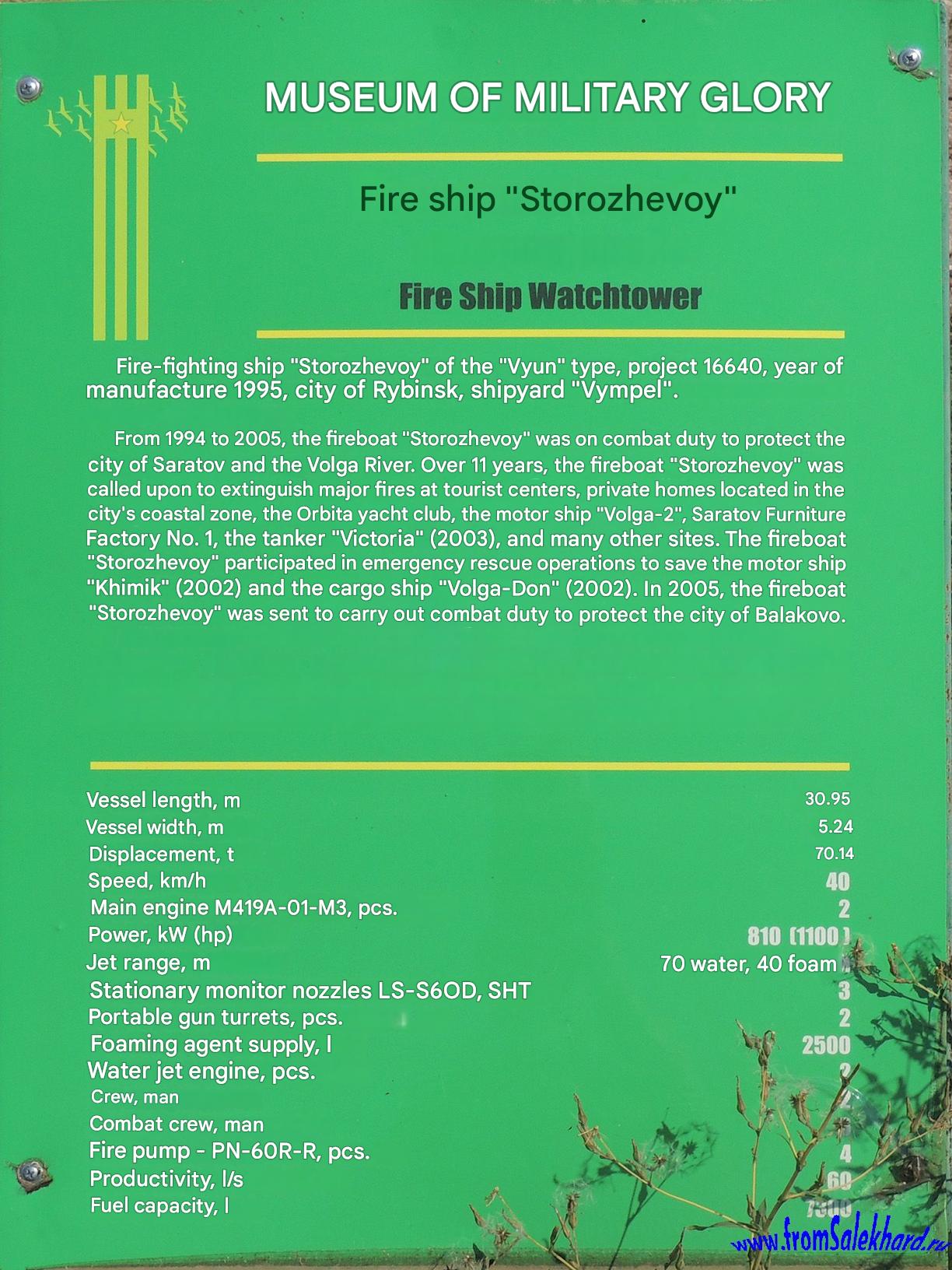
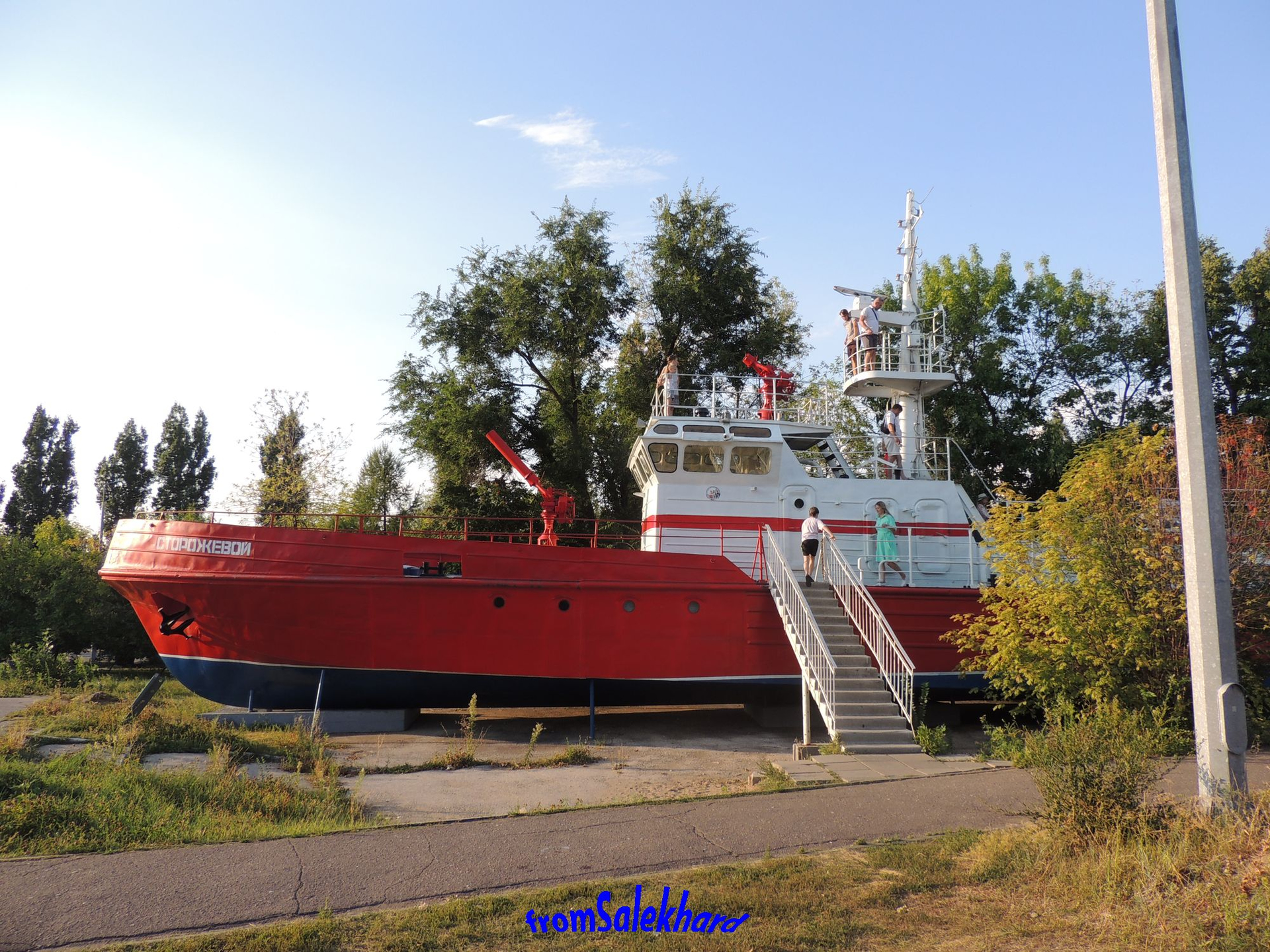
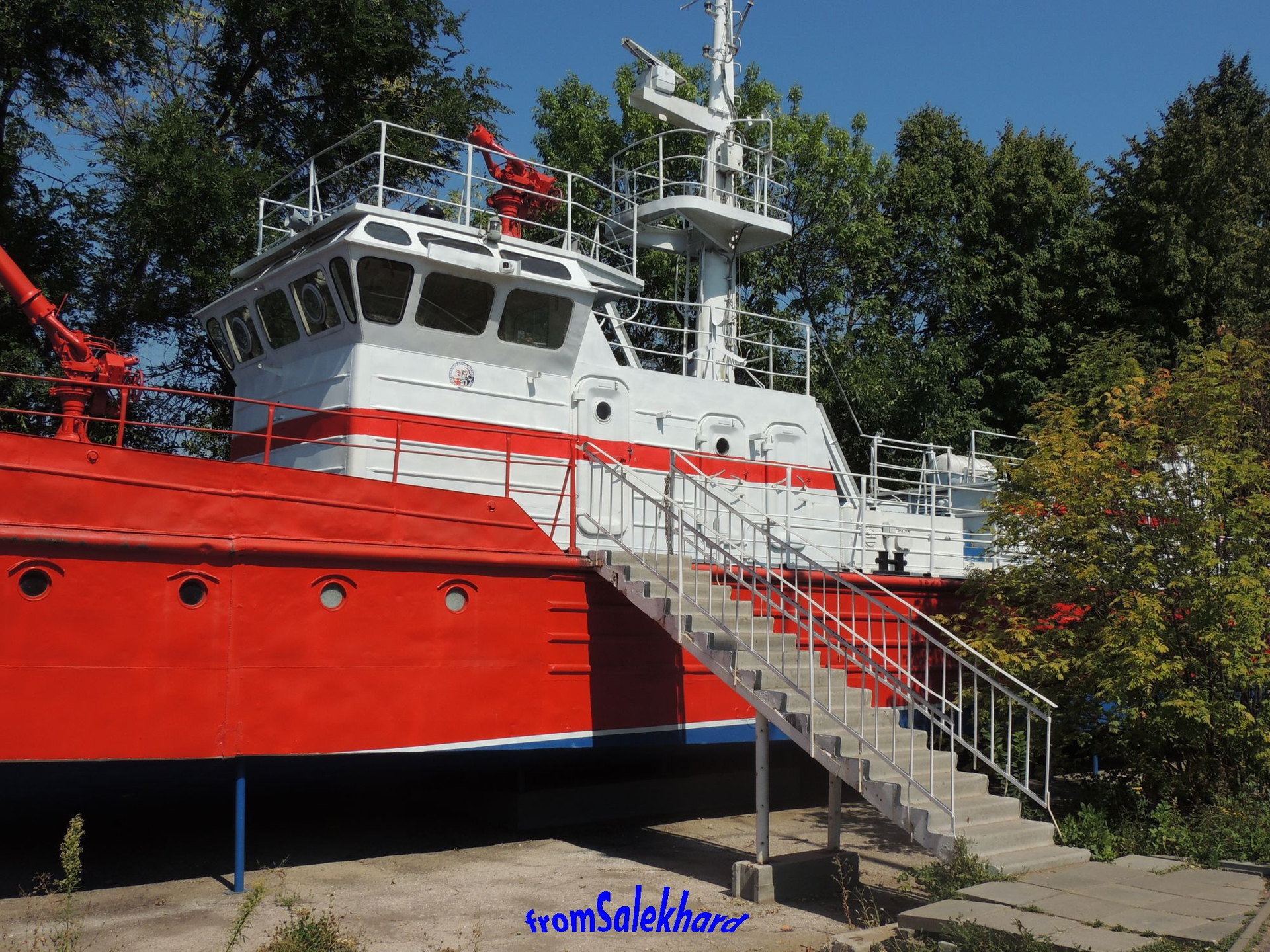
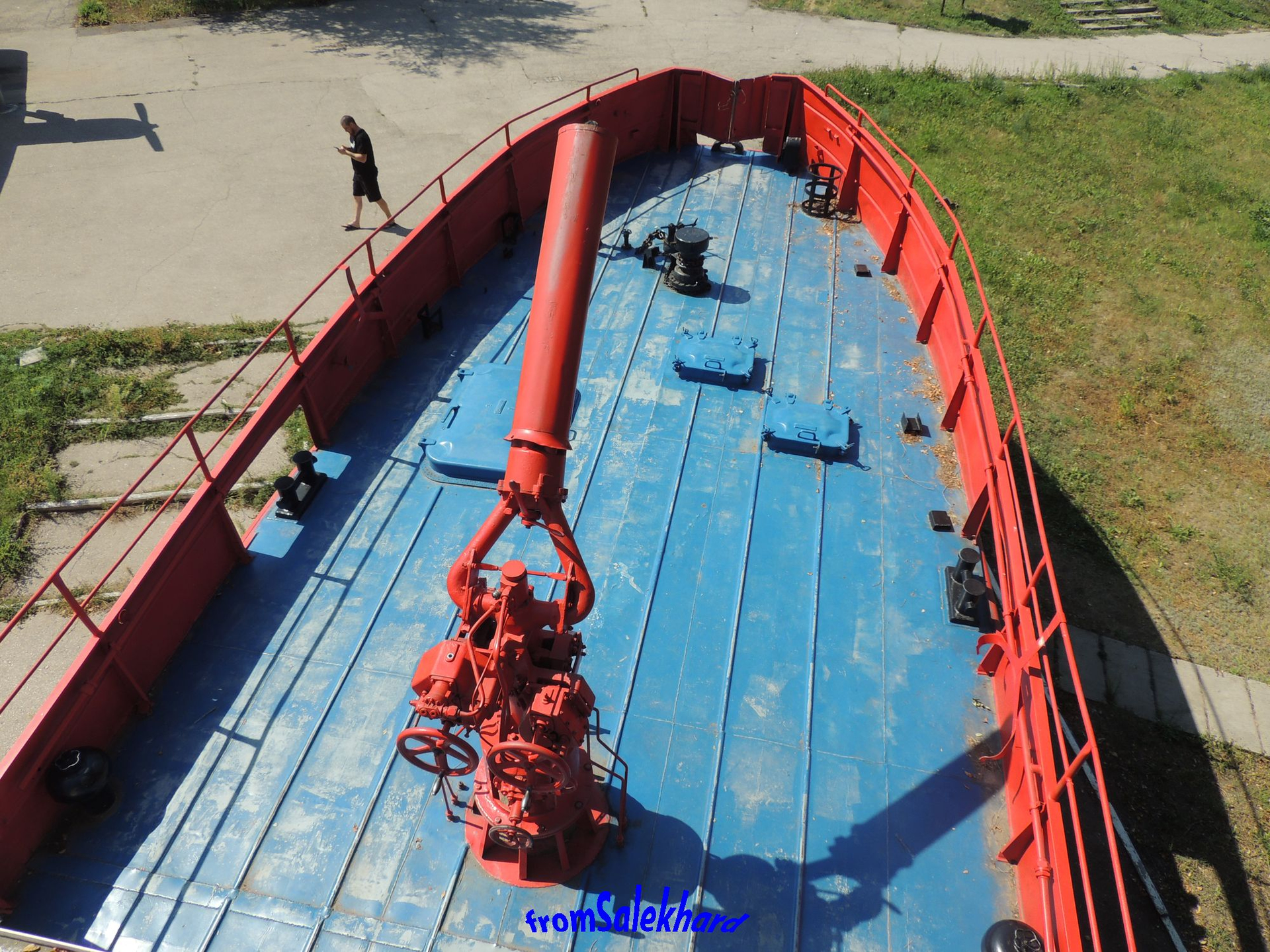
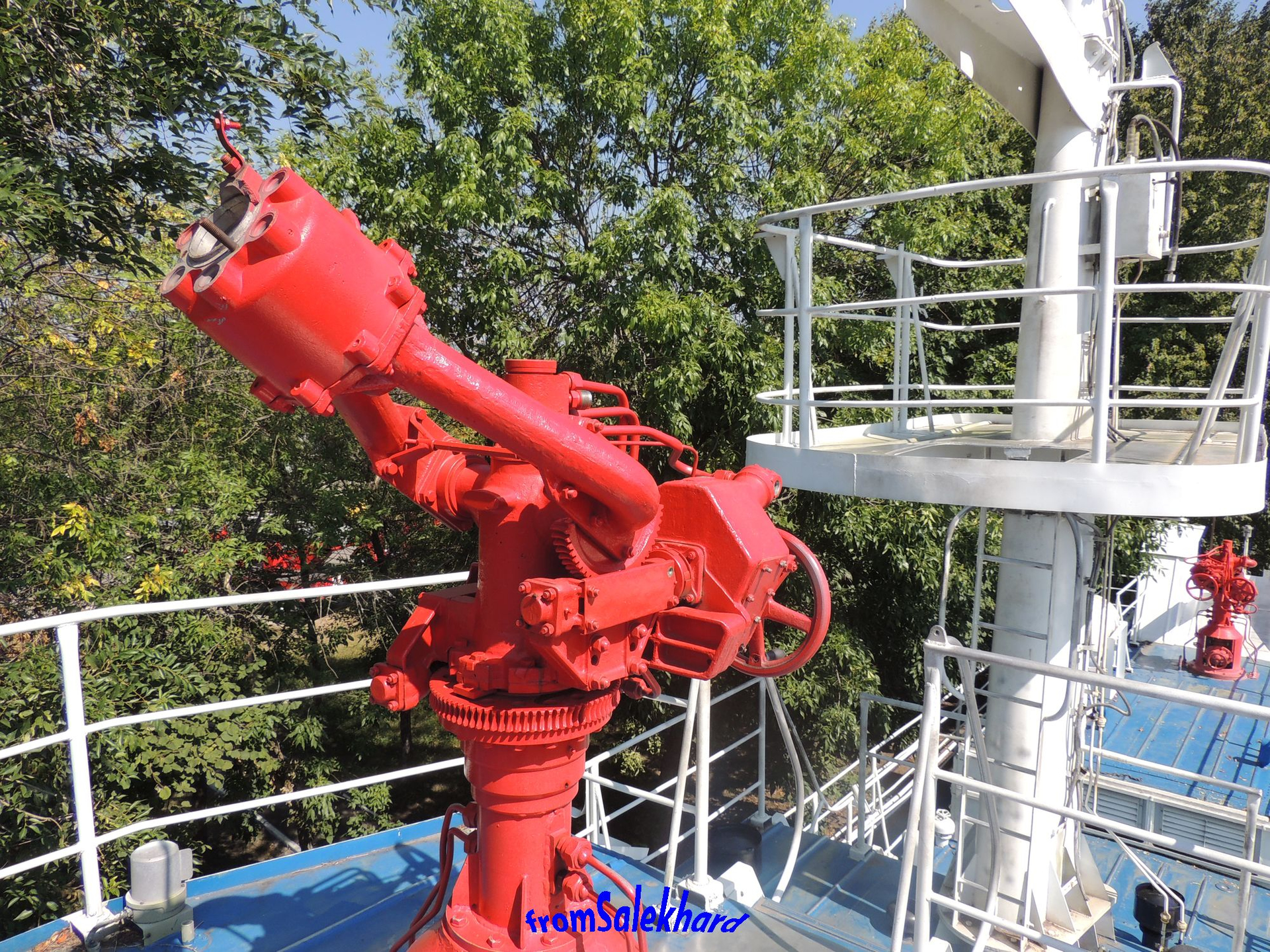
A little to the side there is another fire device.

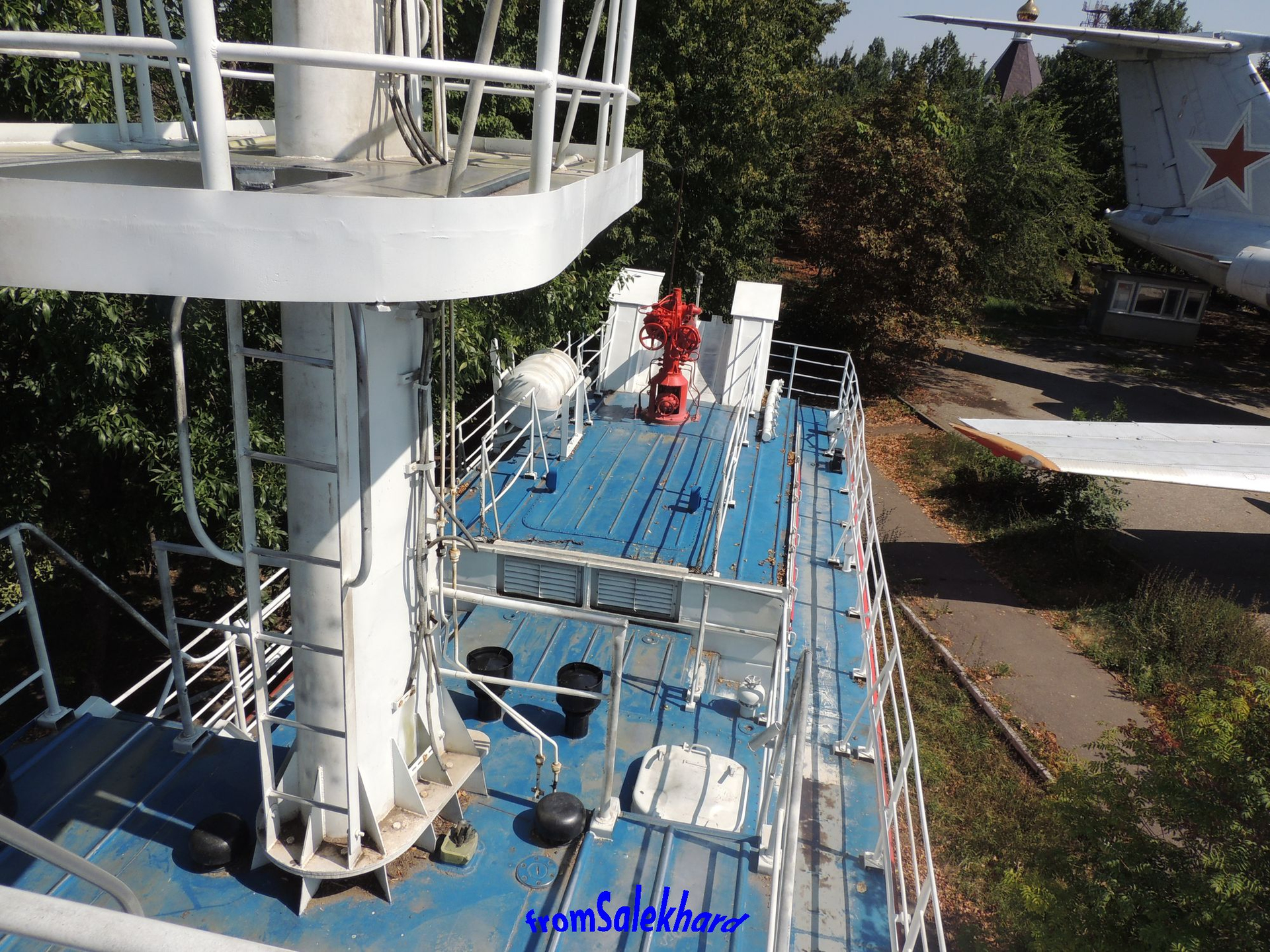
The gangway clearly invites you on board. I didn’t refuse.

Moreover, the strange and unusual plane is clearly visible from it.

But that’s another story.

13 Likes

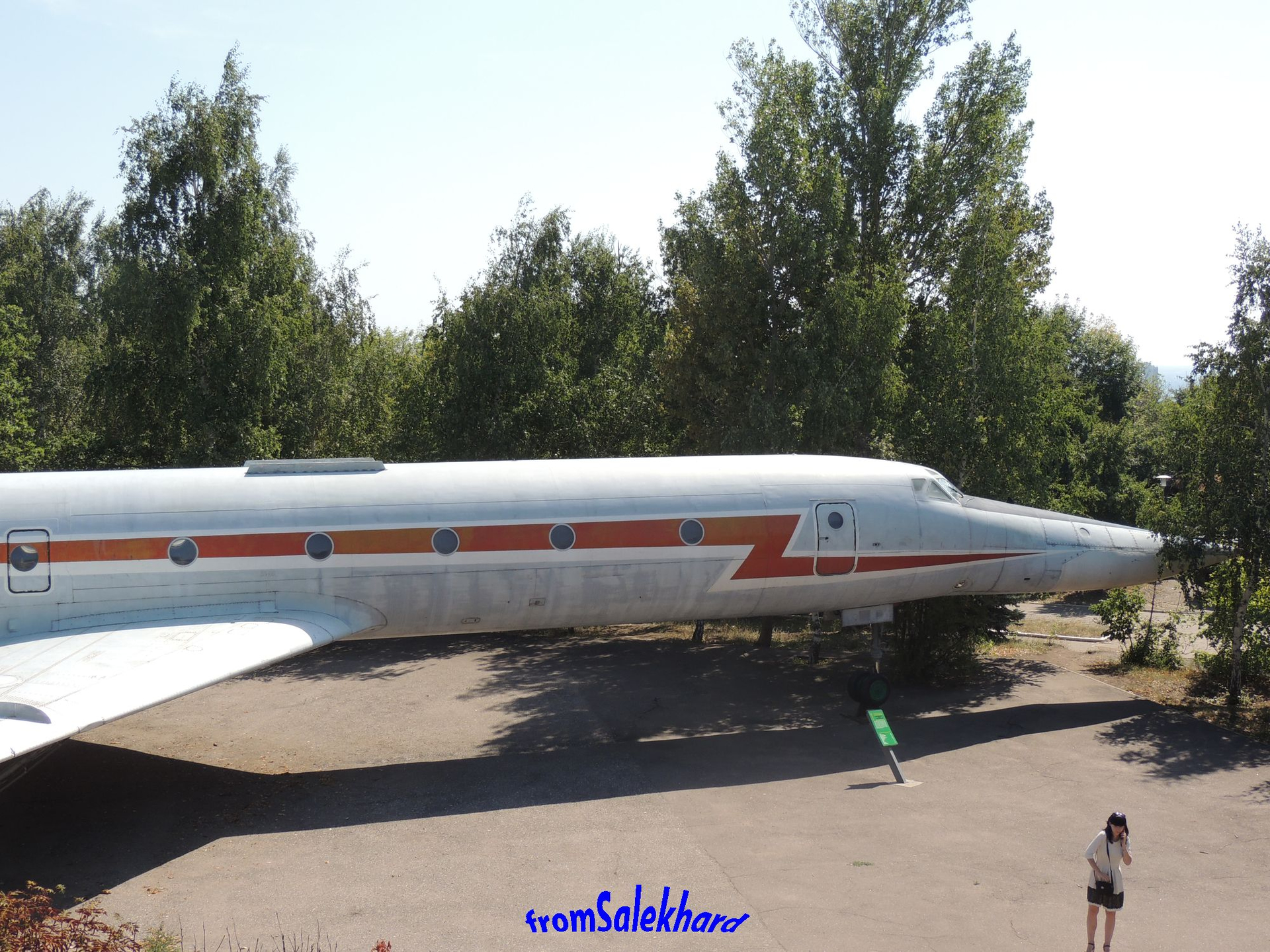
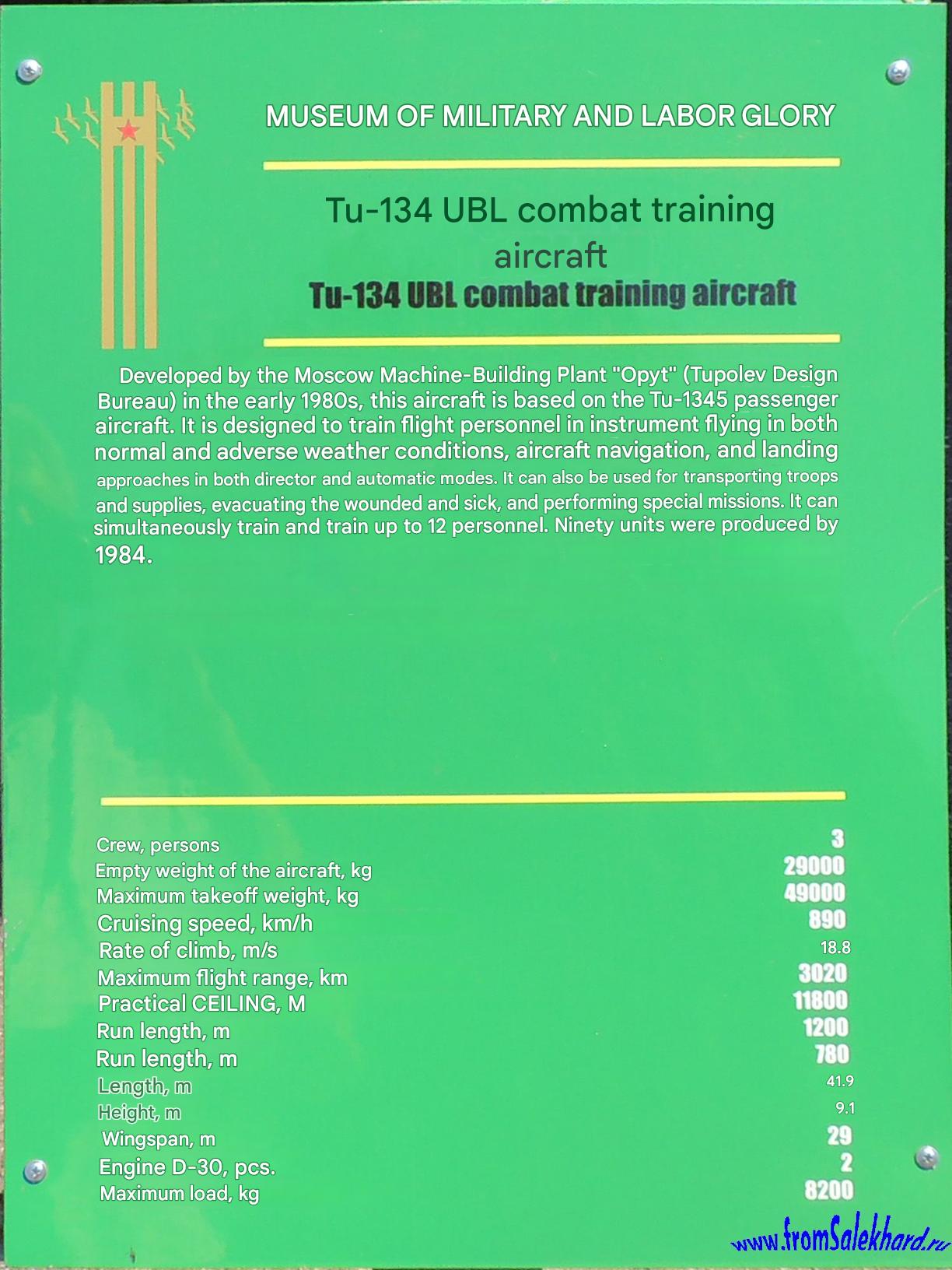
In any case, it will not be possible to get a good look at the Tu-134 UBL aircraft due to its size and the limited distance to which one can move away.

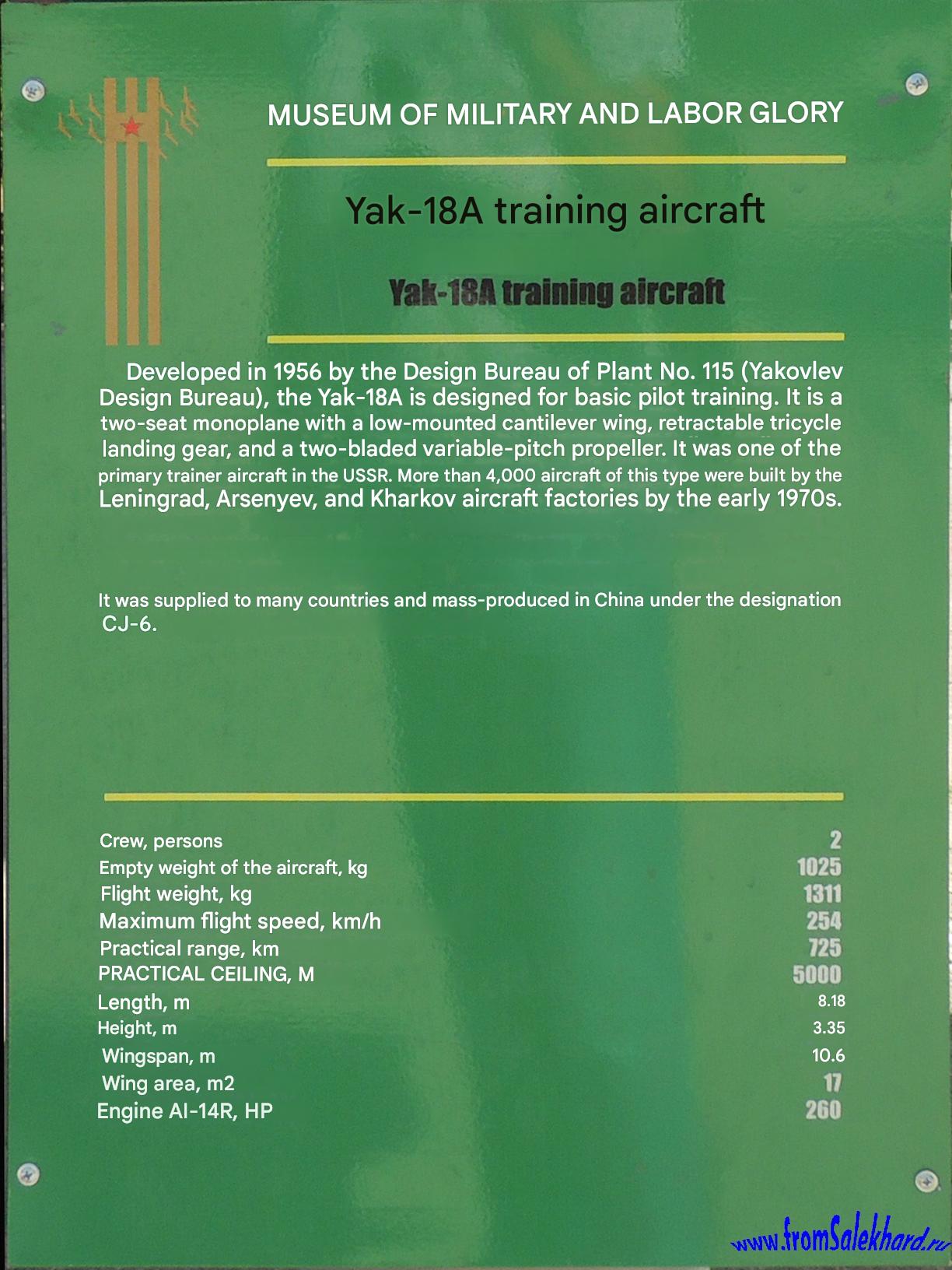
These are small planes, like the Yak-18A, you can walk around from all sides and take normal photographs.

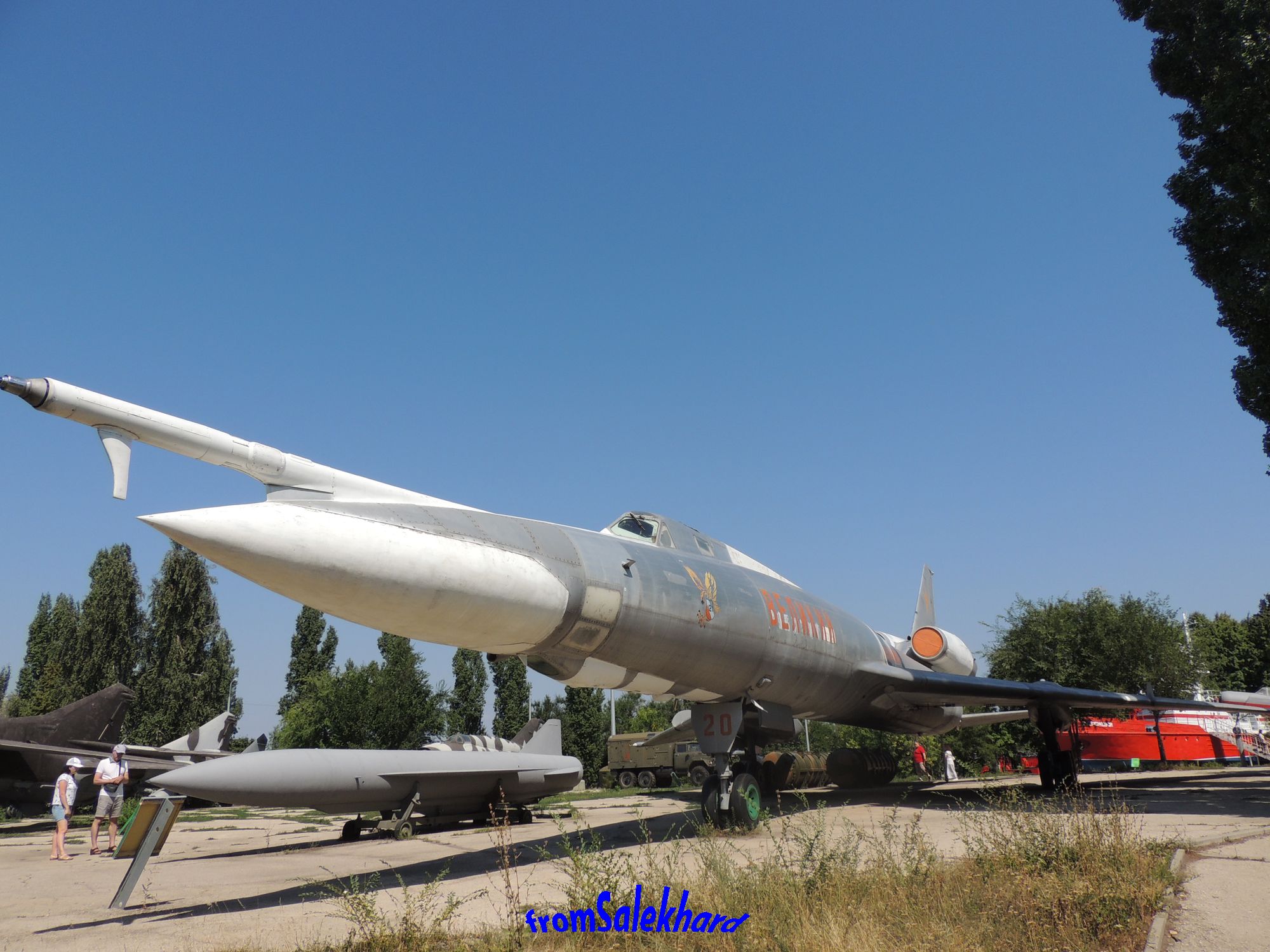
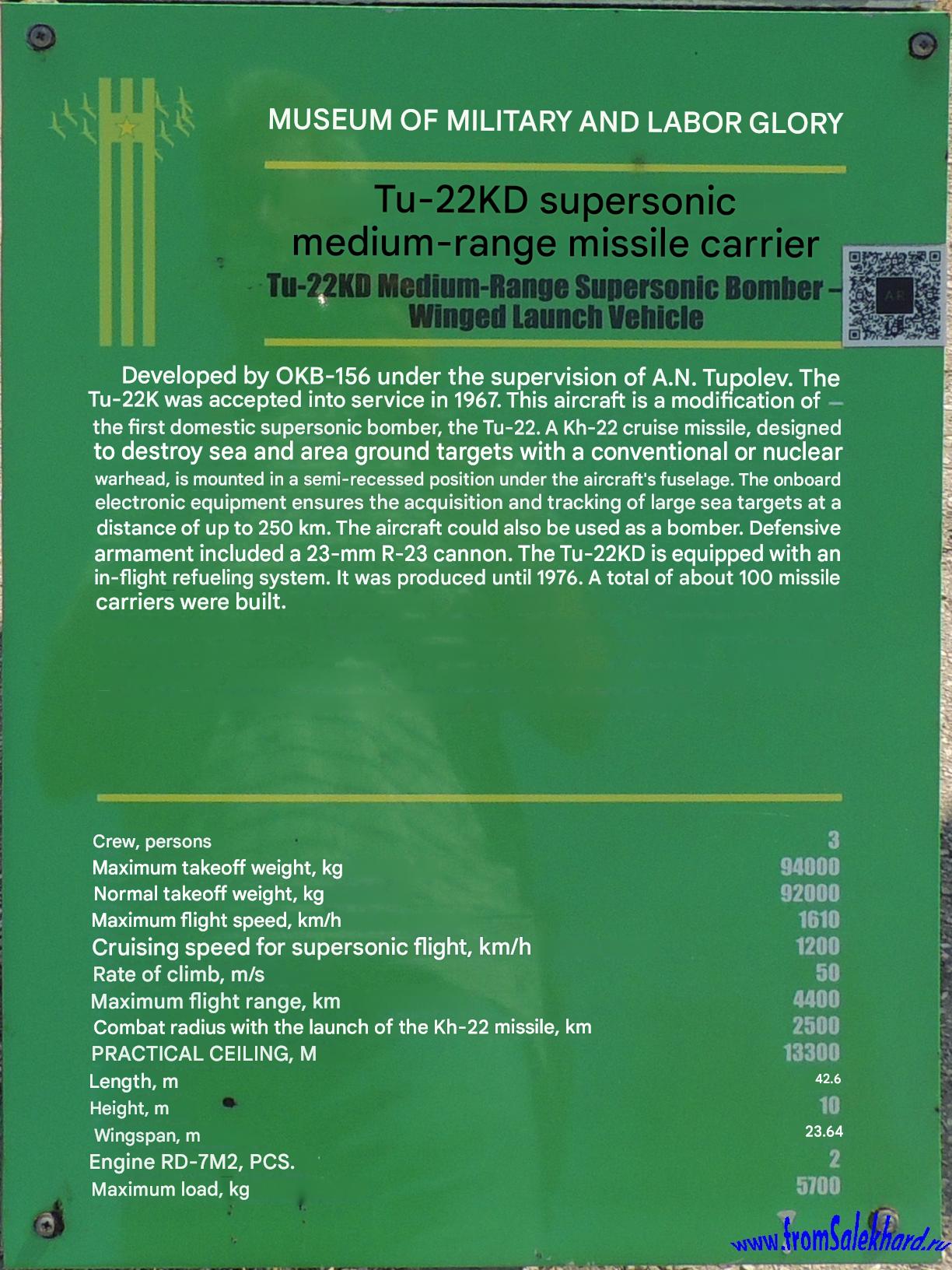
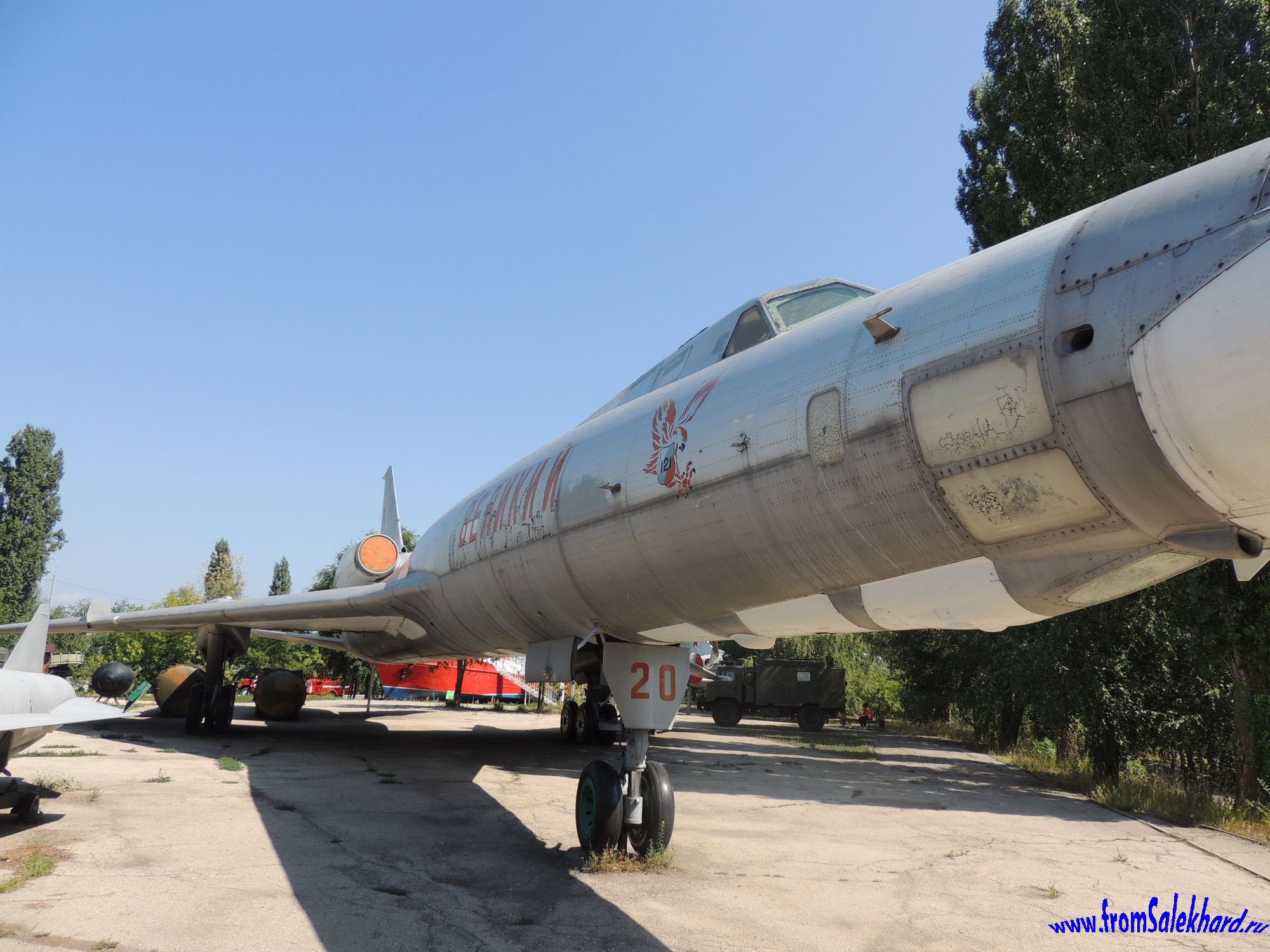
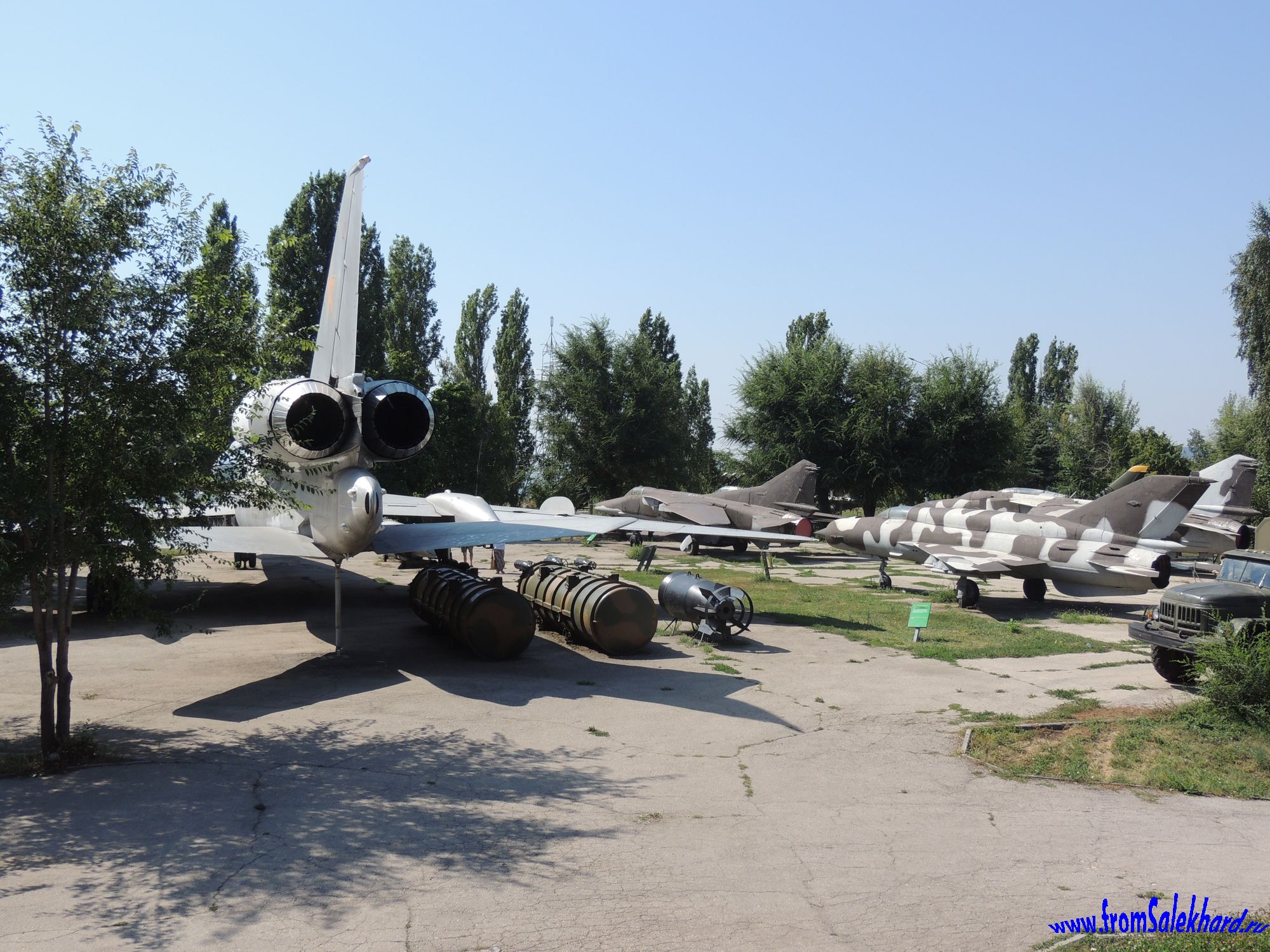
There is another giant Tu-22KD here, which doesn’t fit into the photo frame properly.

A very impressive and attractive device! I spent a long time circling around and under it.

Impressive!

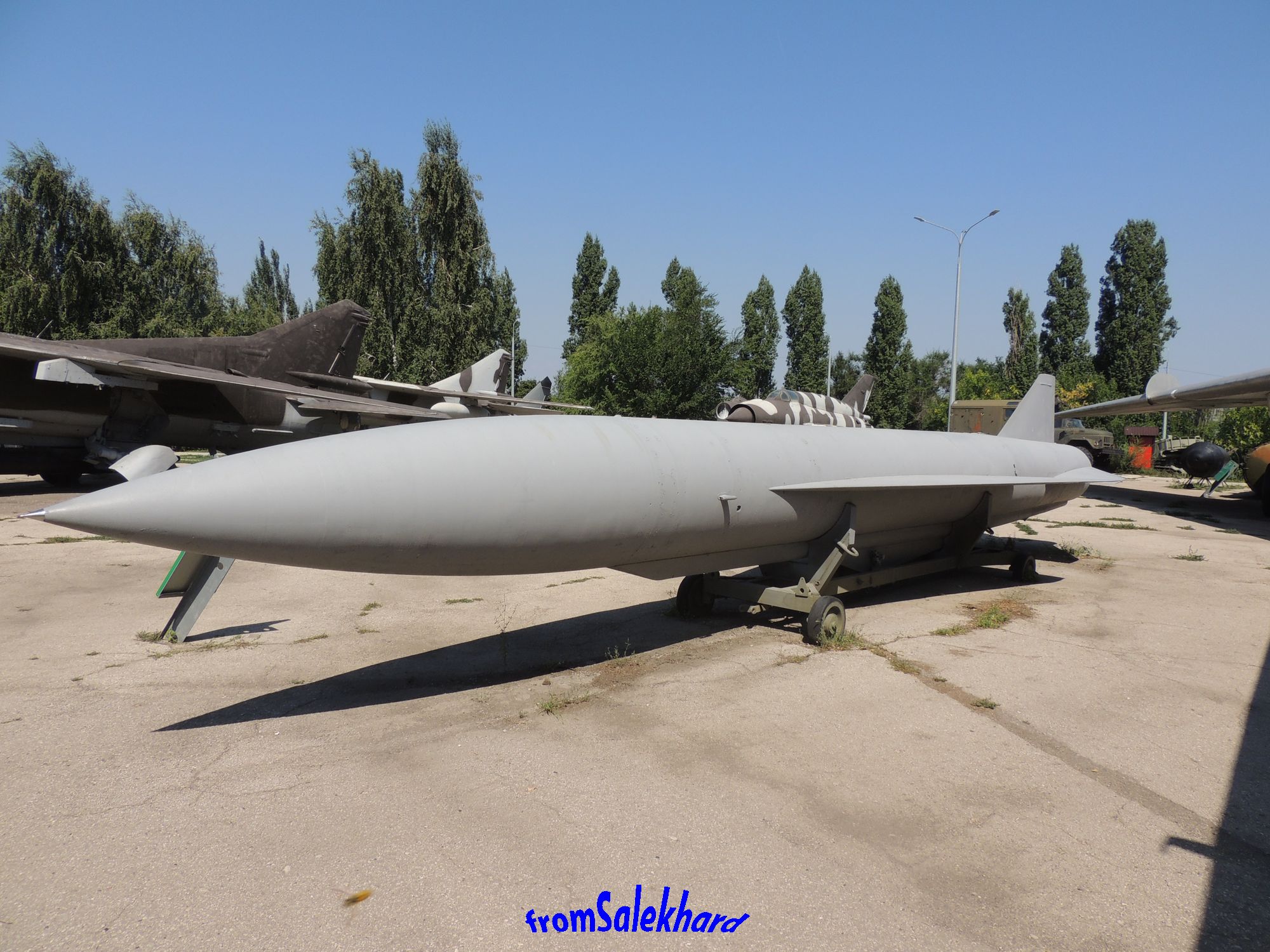
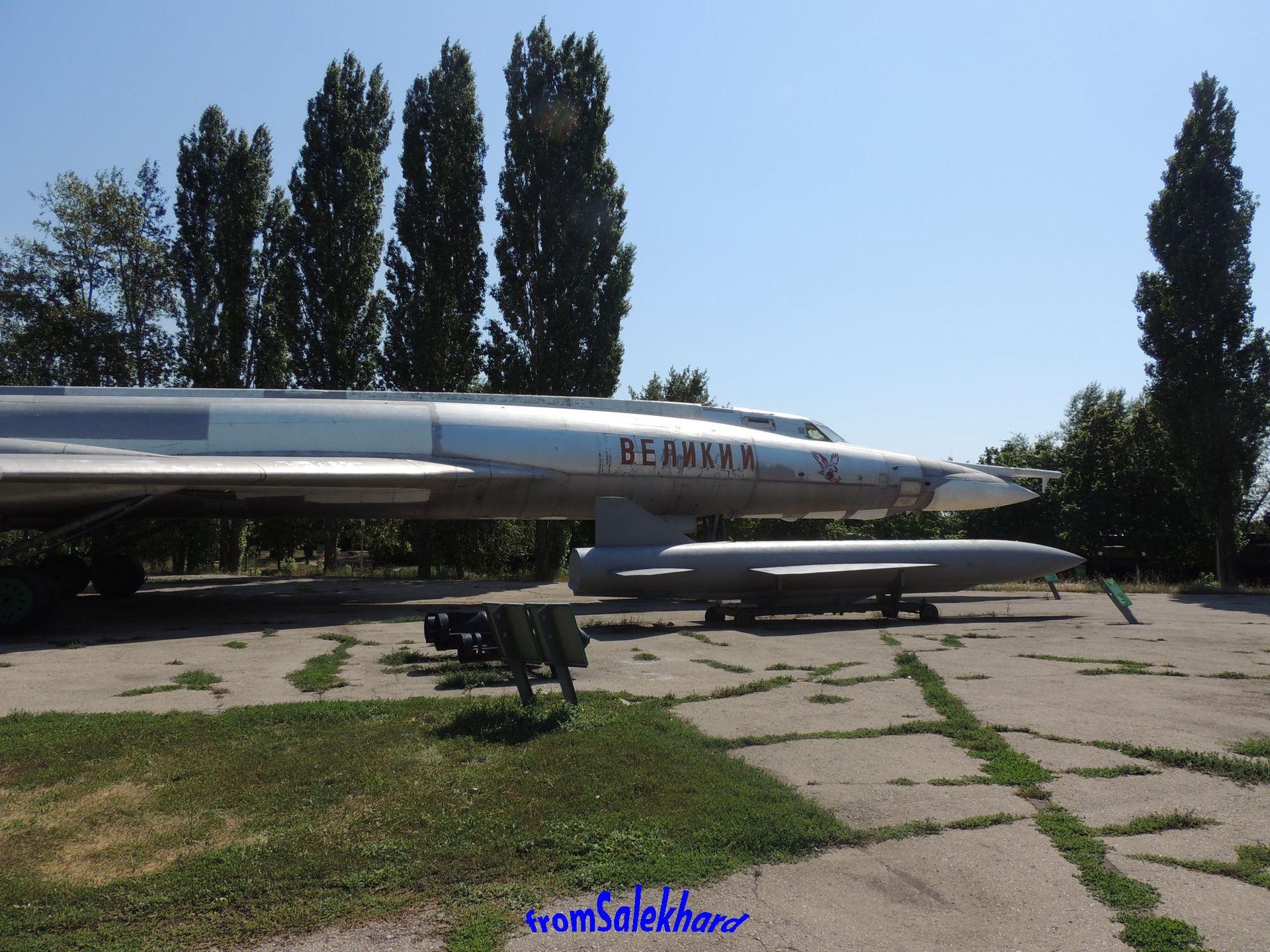
Right next to it is the equipment for it: the Kh-22 cruise missile.

They look like family: father and daughter.

The rest of the “kids” are nearby.

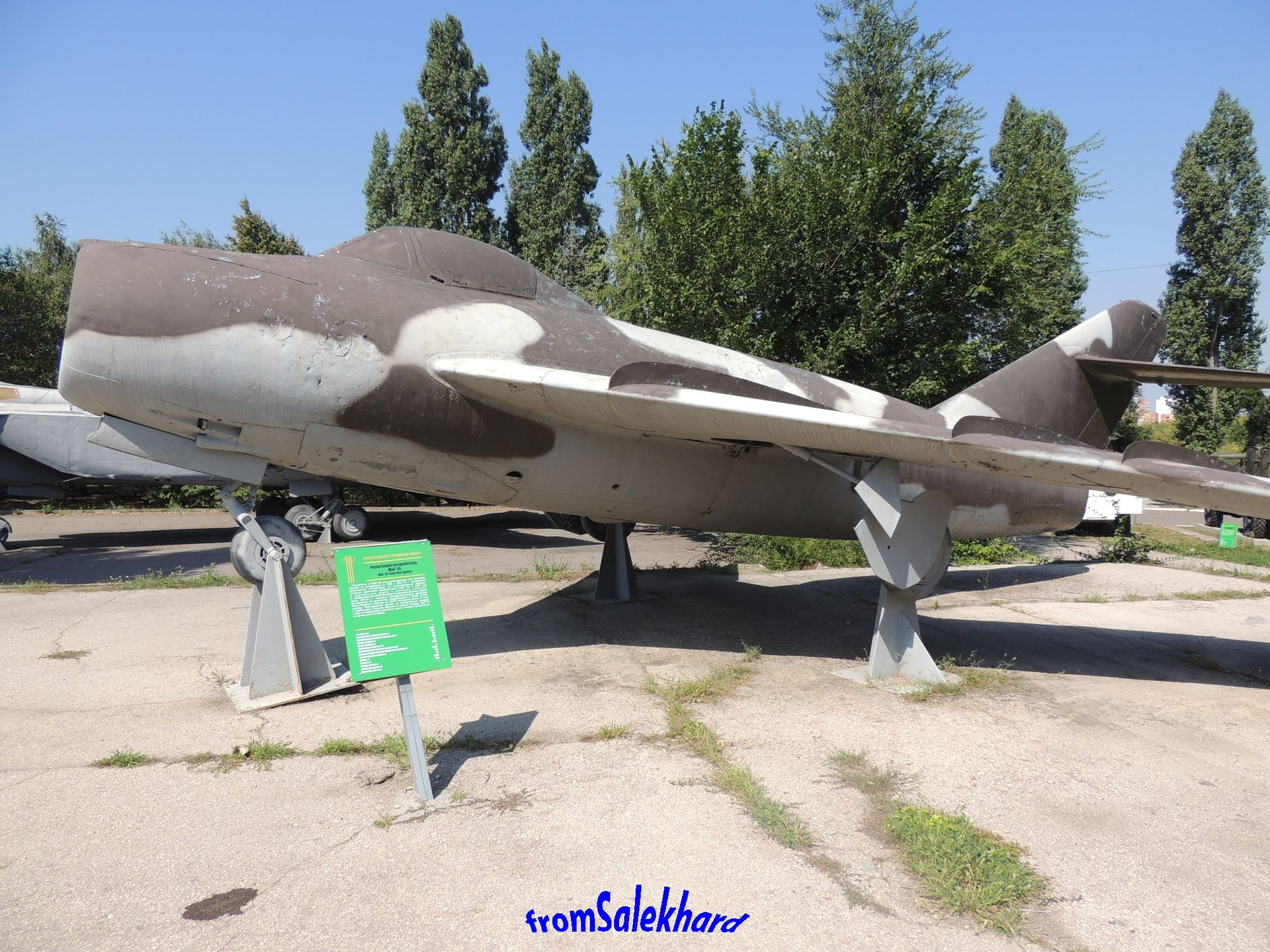
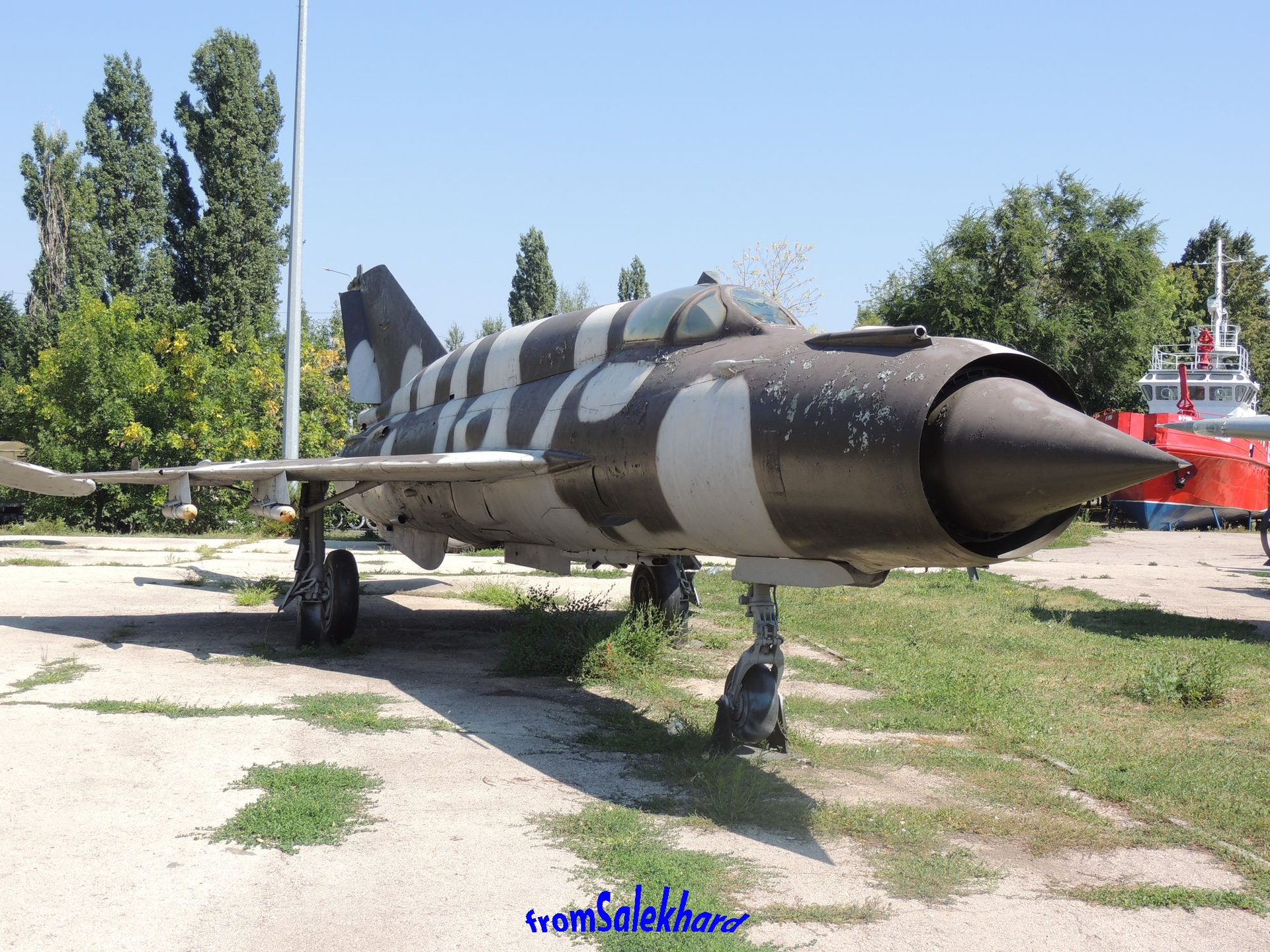
The MiG-15 and MiG-21 aircraft are well known and do not need a separate introduction,

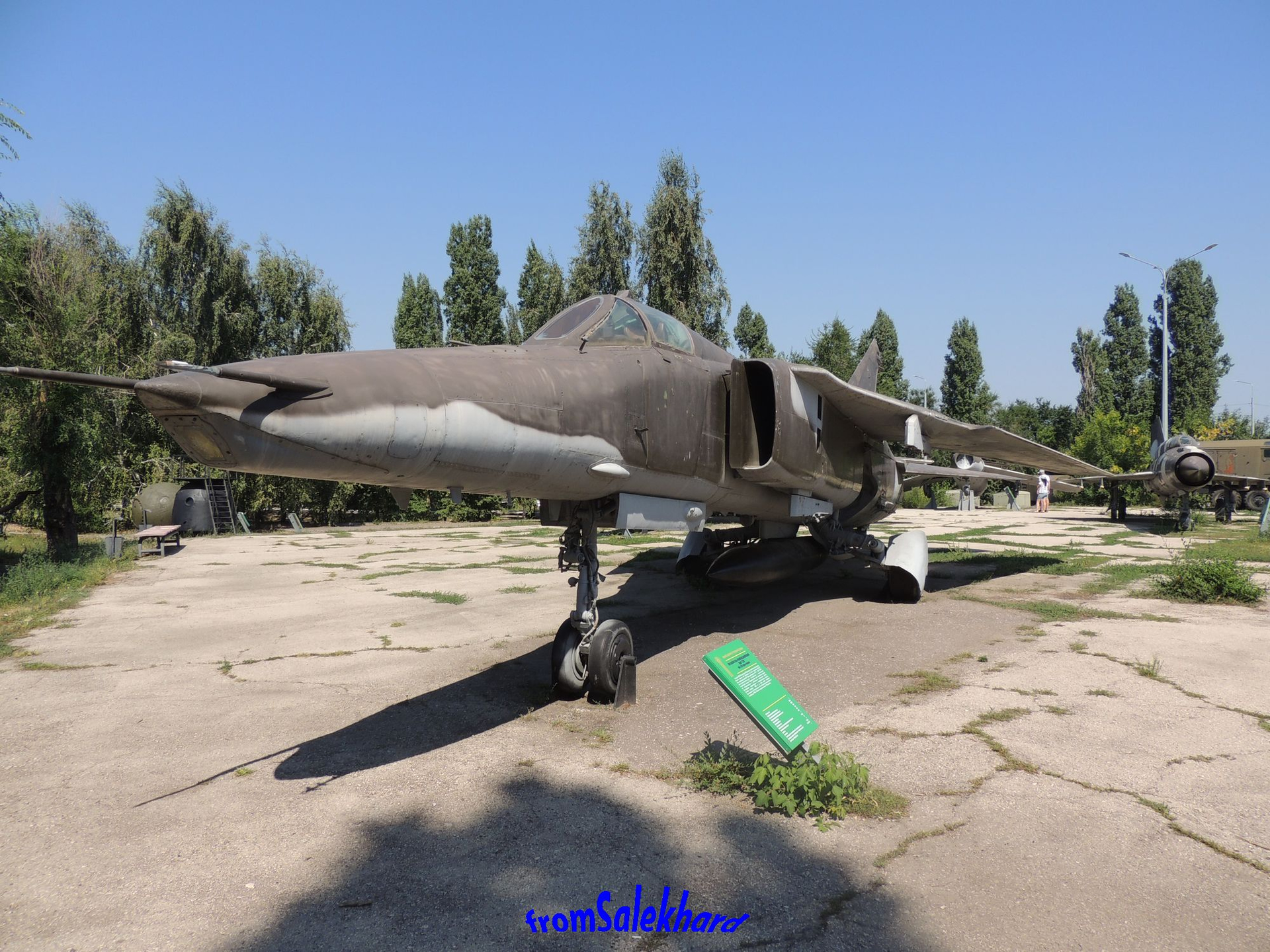
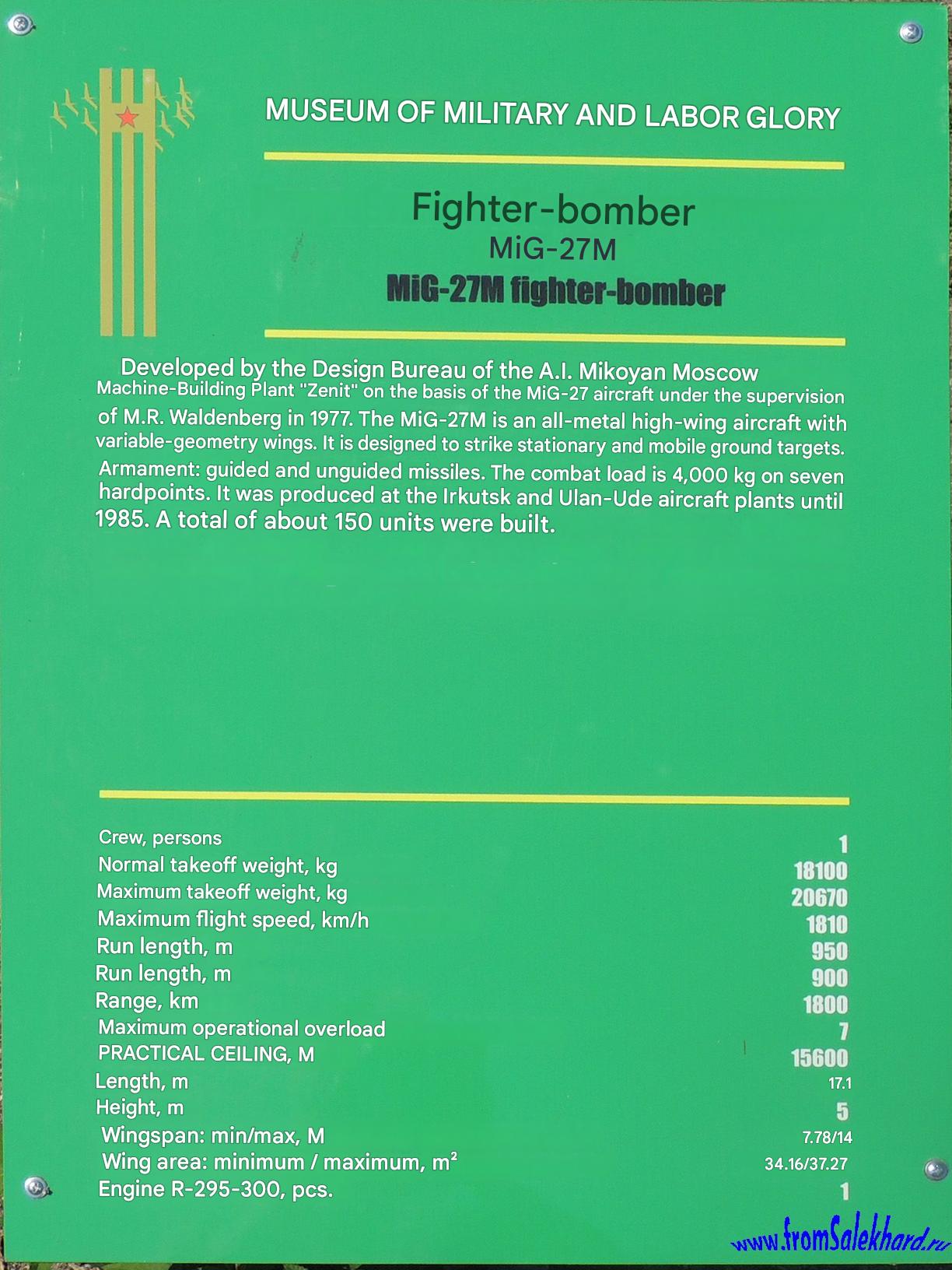
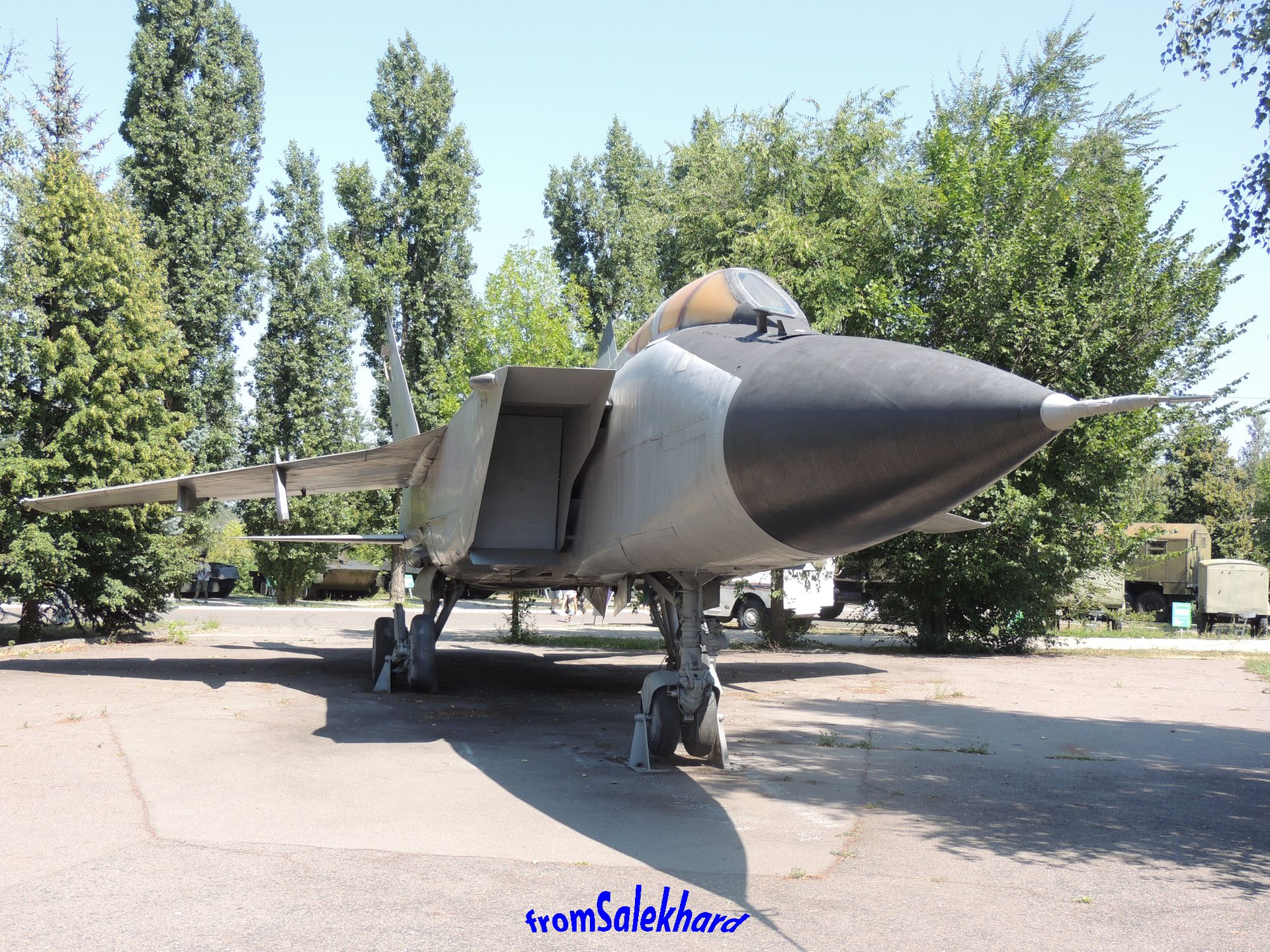
and the rest: MiG-23, MiG-27 and MiG-31 – I will present individually.

I’m certainly not an aviation expert, but this type of camouflage makes me doubt its accuracy.
The aircraft are located on two adjacent sites

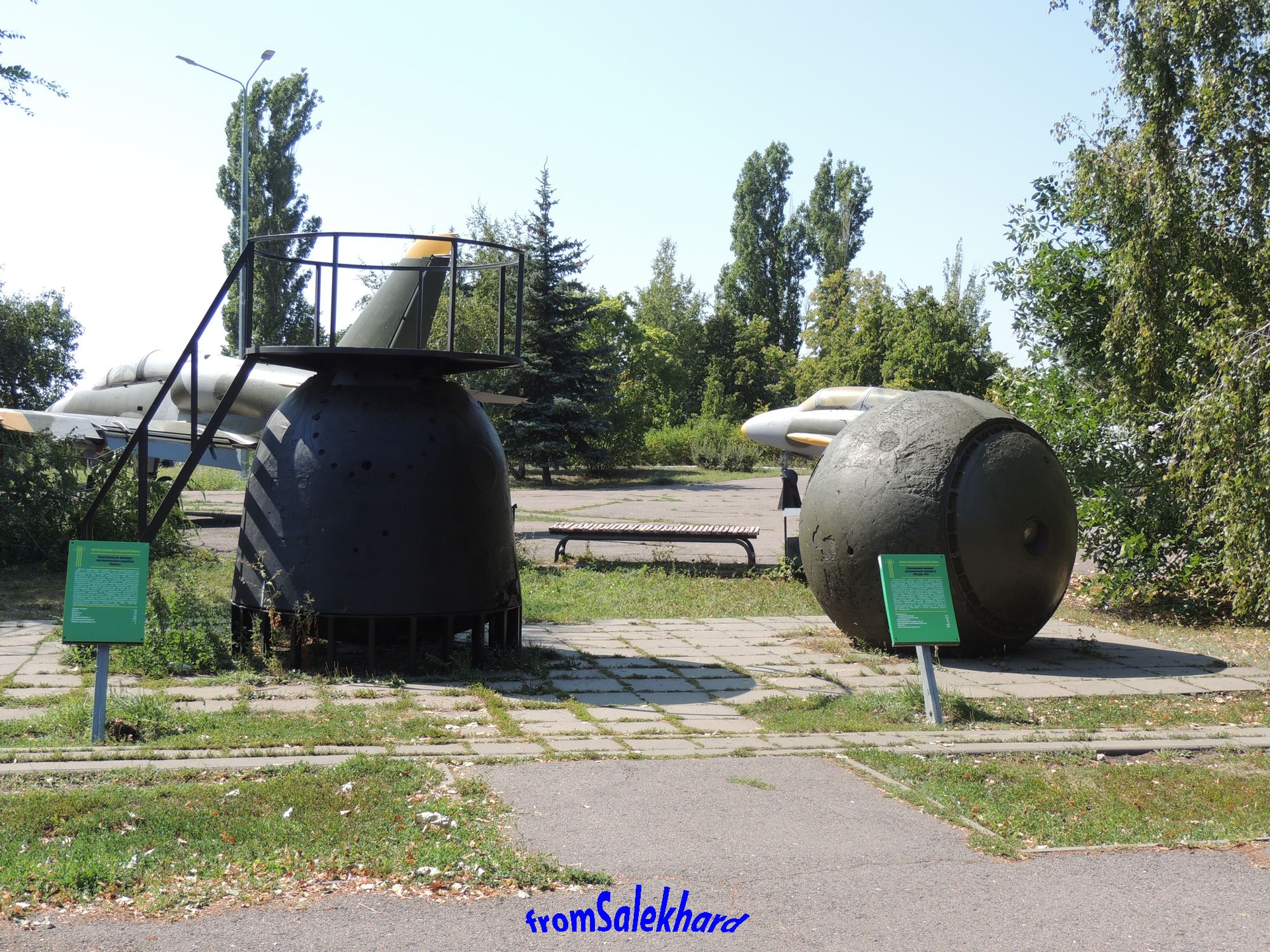
separated by small a cosmic layer.

10 Likes