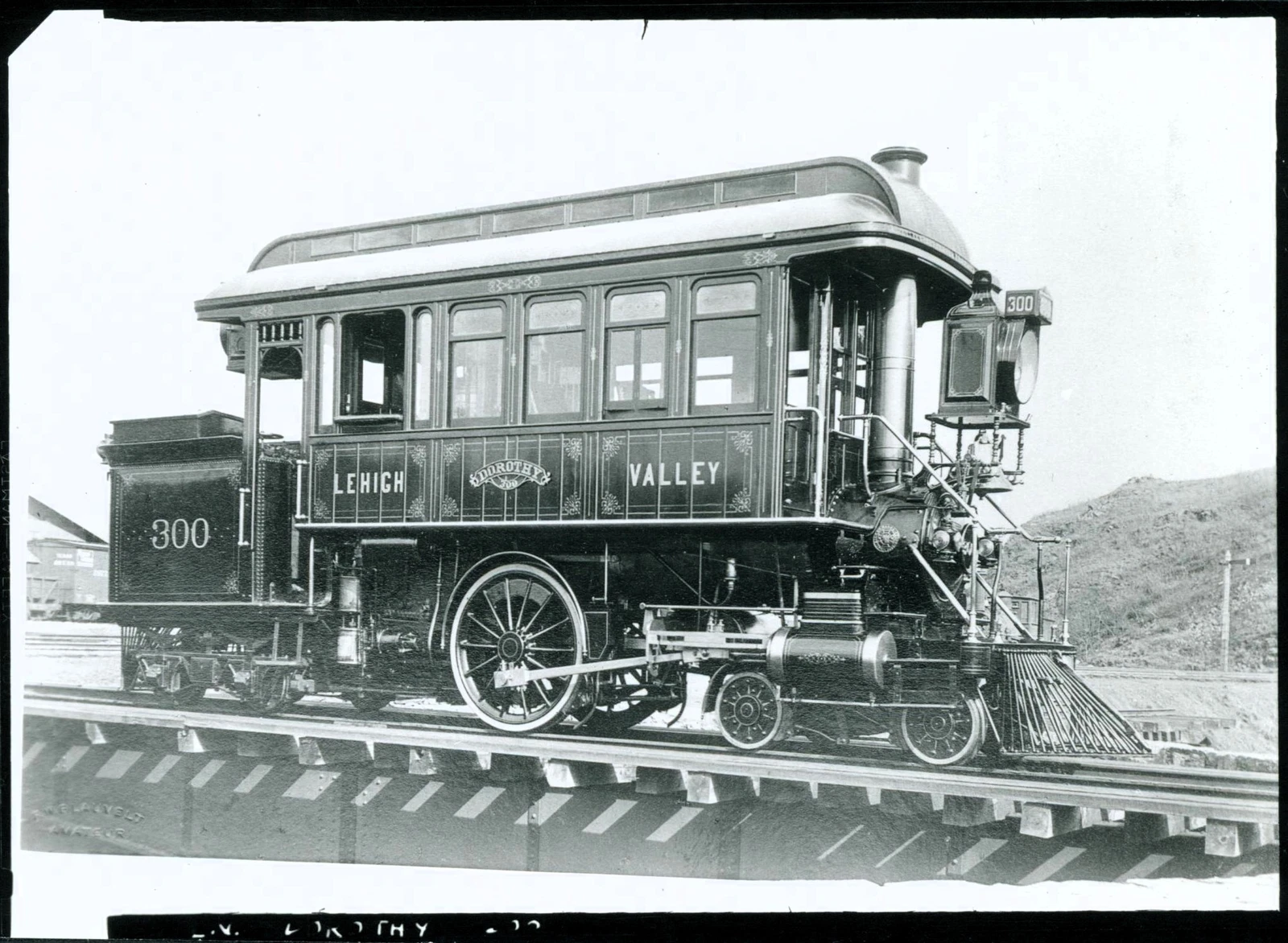
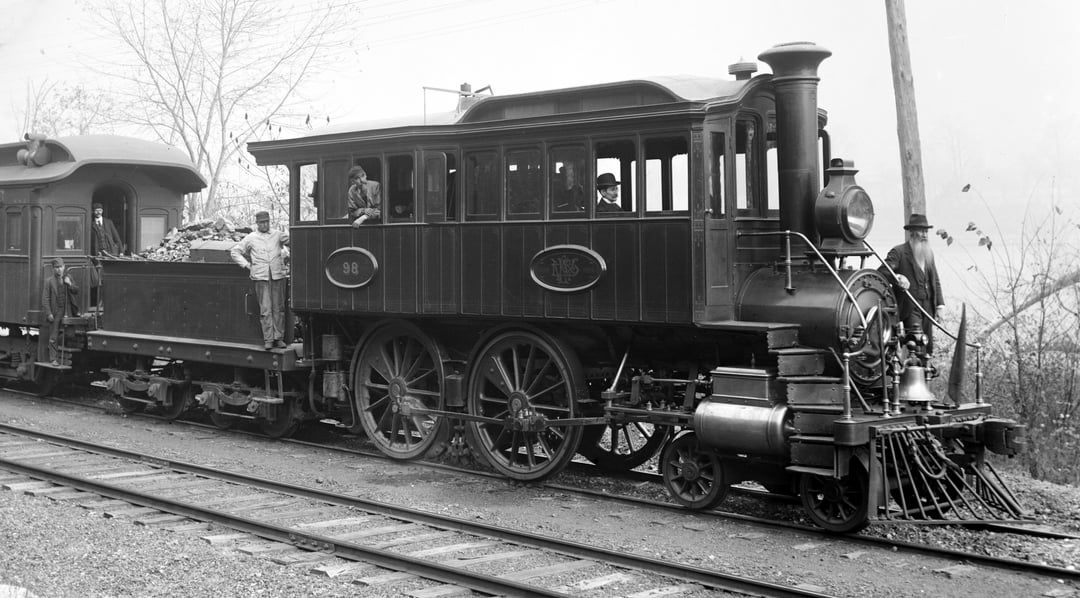
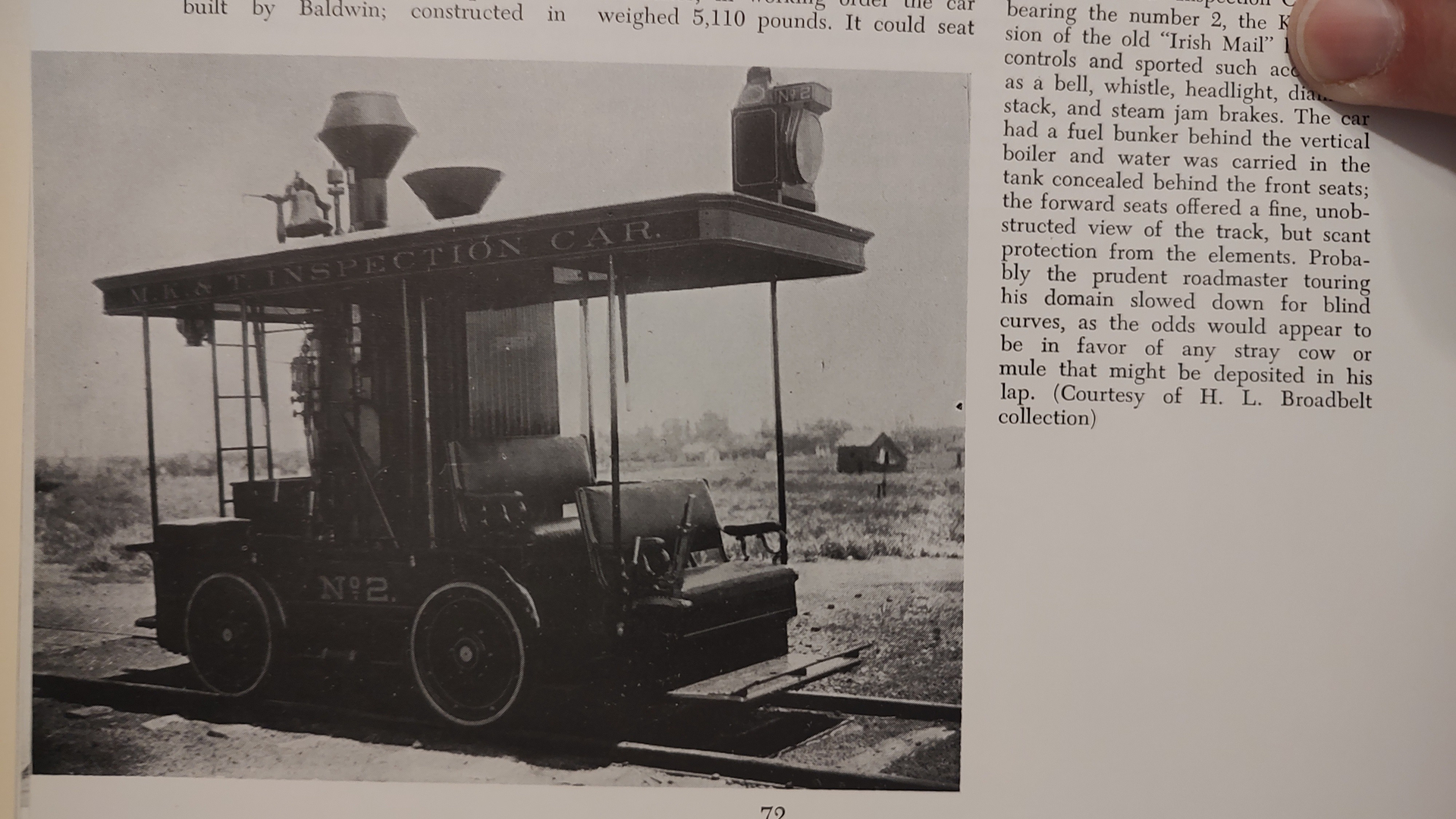
My original intent was to have a campaign specifically aimed at just railroad inspection vehicles, something that would look as if it was made locally by some folks to use to travel and inspect the railways and make repairs where needed.
If members would like to have a campaign where the subject is vehicles that have been converted to operate on railroad tracks, that would need to be a separate campaign for that. I prefer to have this one just for inspection vehicles.
Maybe in case he had been sweating and lost weight or had lunch in between and gained weight?
Maybe to prevent all and any objections/questions/disputes about an unfair comparison because of an underweight driver in the second run?
Is this campaign up and running? Despite the 1 January start date it is still listed as “Staging Area”.
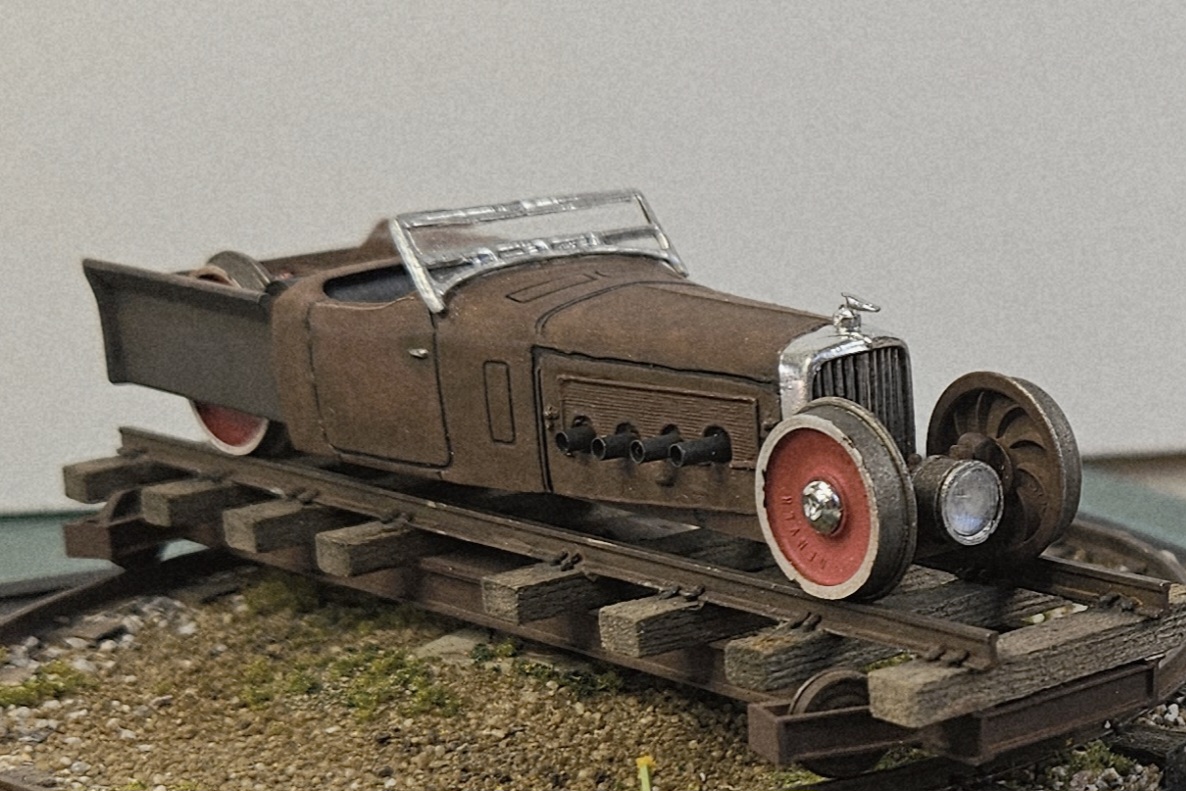
If it is going, I have an old Airfix WC-57 Weapons Carrier (1/2-ton truck) kit and some railway wheels from Masters Productions that can come together to make an inspection car in 1:35. Not sure if it’d be a wartime/postwar beast in olive drab, or an imagined post-war army surplus rig in my beloved Long Island Rail Road livery circa 1950s. (They did have a VW bus with those tiny wheels at each bumper in the 1960s!)
It is Tom. I will have to see what I need to do to make it active. But until then, please feel free to get started on your project, it sounds cool.
Sorry everyone, I haven’t been much of a Group Build Leader for the campaign. I’m still not sure what I am going to build myself. I have an idea or two, but that is all I have done, think about something to build.
Hopefully everyone can get started with their ideas and have fun.
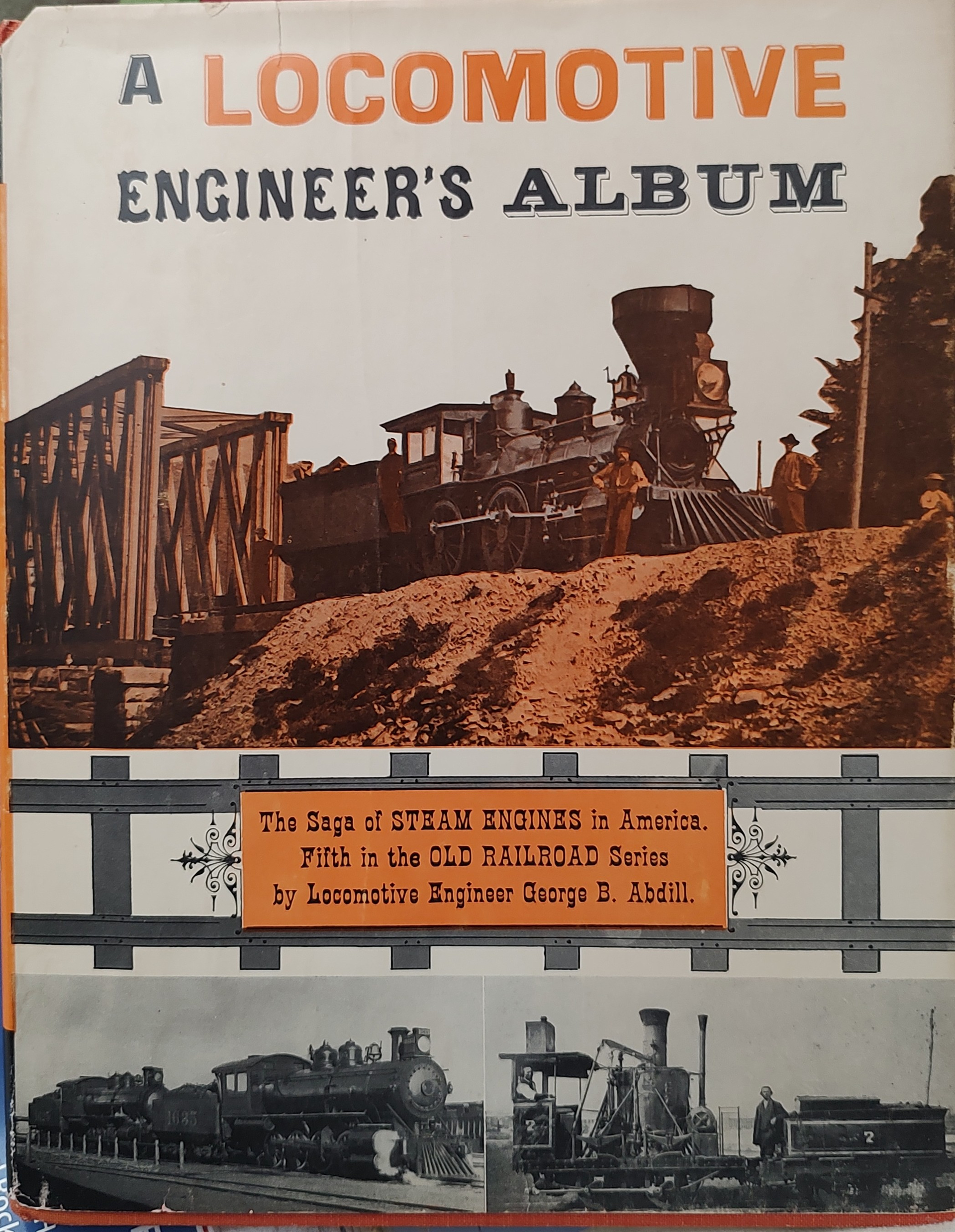
I think that’s definitely doable. I found the picture in one of my favorite books. I’ve had this book since I was like 7 or 8 years old. If still one of my favorite railroad books. And a real cool thing is that it says it’s one of five books in the series! I did not know that. I’ve never noticed that before. I got to look up the other ones.
They skid.
Railroads have a minimum curve radius to allow for some skidding.
If the curve is too tight there will be loud squeaky noises.
Longer cars usually have some flex in the axle mountings,
even longer cars have bogies that can turn, usually “steered”
by the coupler being pulled sideways by the car in front/behind.
Older locomotives with many axles had a steering bogie or axle that would
move sideways under the front of the engine. This was connected via
linkages and pivots to the driving axles to shift those axles slightly sideways
to essentially “bend” the engine to fit the curve.
The minimum curve radius depends on the track gauge (distance between the
rails), railroads that needed really tight curves (in mountainous areas) were
often narrow gauge with short waggons. Special locomotive designs were used to build large locomotives that could travel on curving railroads, driving axles mounted in bogies that could move, Mallet engines for instance, there were also Garratts.
The high pitched squeaking of trams are due to skidding and/or the flanges rubbing agains the rails.




 Definitely worth doing as a model…