I thought I would start a thread and see what other ideas everyone has regarding creating useful hobby items out of things people would normally recycle or throw away.
I like to save things such as the plastic lids from various sizes of jars as well as bottle caps and the small containers that dipping sauces and things come in.
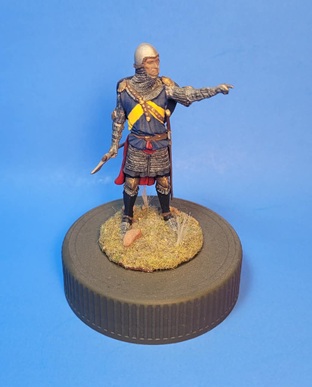
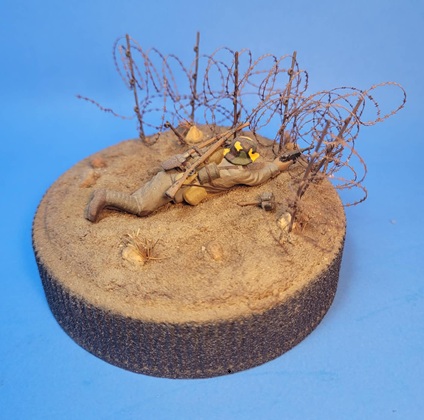
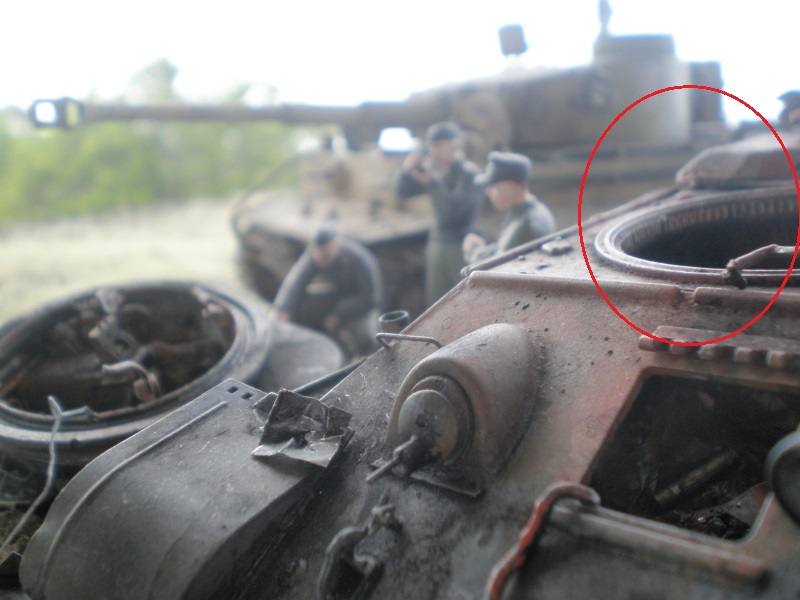
Where to begin, the possibilities are only limited by imagination. Foil seals from things like big Nescafe Espresso tins, heavier grade than tin foil & ideal for representing damaged steel plating & panels. Various gauges of brass picture-hanging wire for tow cables/hawsers. And talking of bottle tops, I sliced off a narrow circumference of milled plastic bottle-top & kept it bent the reverse way for a week – then installed it in a wrecked T34…
Thank god I’m not the only one, everything I look at I think to myself, how can I use this?
We had electricians outside our old condo a few years ago and they left a bunch of snippets of copper electrical wire, into the tote it went.
Yogurt lids, into the tote.
I still have models, and model parts from the 70’s, it’s called the “cool tank stuff” tote, literally labeled that way.
If the toothpaste you use comes in metal tubes (or for that matter, anything sold in a metal tube) cut off both ends and along one side, clean out whatever was in the tube, and flatten. This works best if you don’t roll up the tube as you use the contents. You can find tube pinchers on line that aid in this, or make your own from metal or plastic scrap and small rubber bands. This gives you a sheet of heavy, coated foil. At least with mine, the inner coating is impervious and already primed.
I use most of the above and lots of CVS medicine bottle tops for organizing parts.
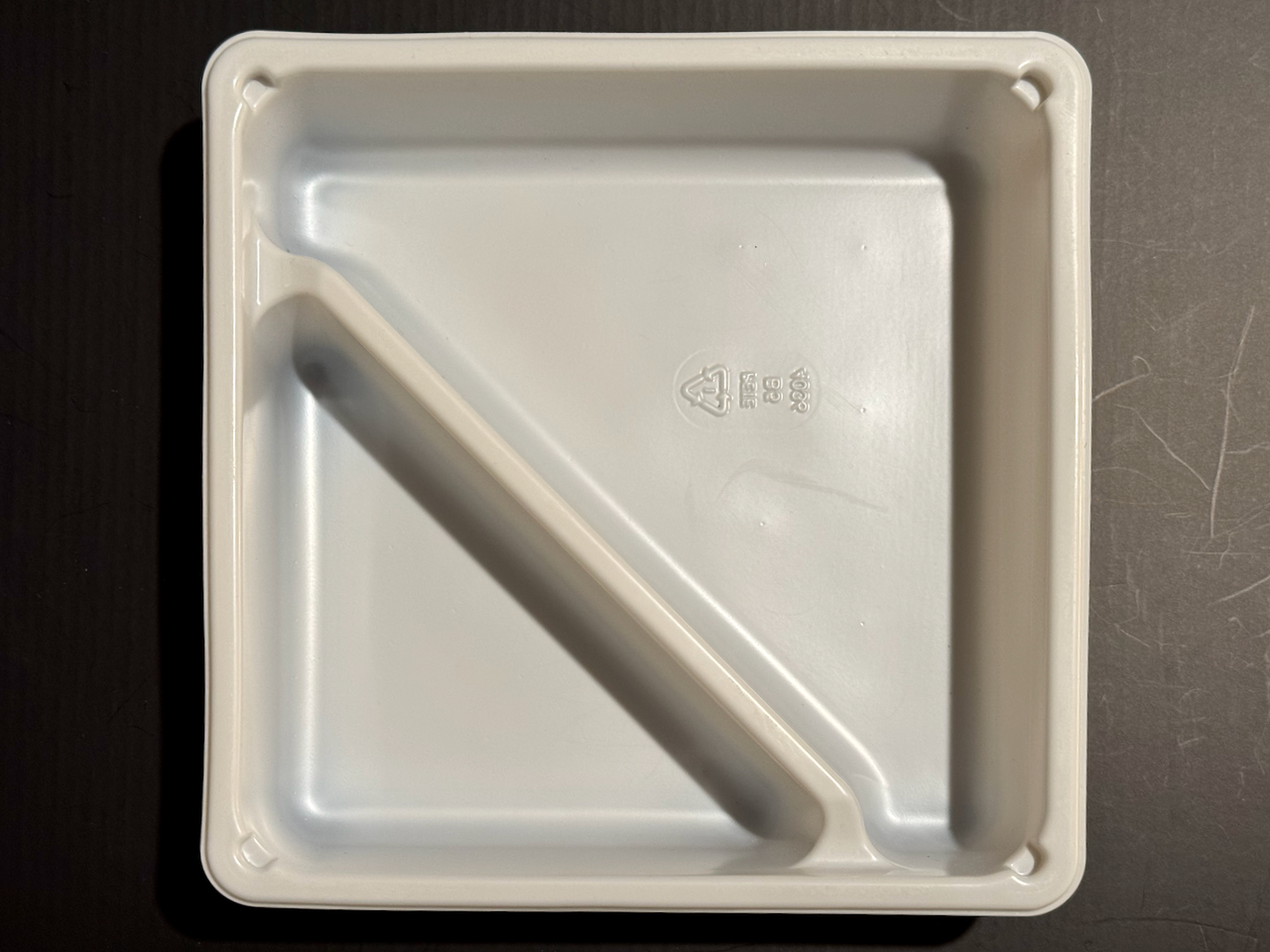
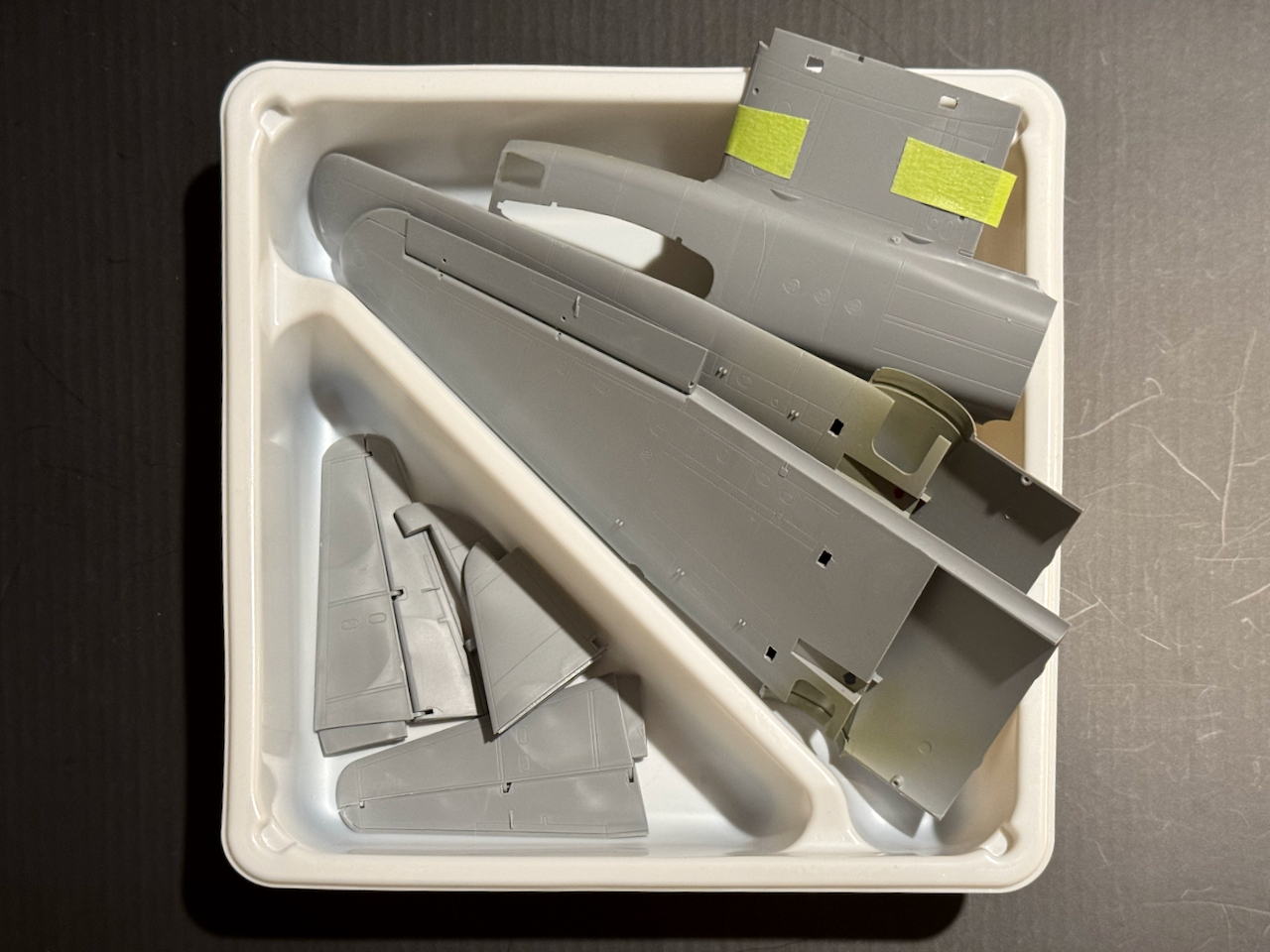
The following is by far one of my most triumphant dumpster dives which magically appeared as I was starting this build! It was some kind of horrible frozen chicken fried meal. But something positive emerged from my poor eating habits.
I use protein shake container lids as small part holders. They are much heavier construction than most food containers, stay put, have relatively high side walls, and resist tipping.
In my experience, most plastic shapes are no good for scratch model projects because they resist model cement.
It is styrene if there is a recycling symbol, triangle, with ‘PS’ or ‘6’ inside.
If there isn’t a recycling symbol just test it with model cement.
After a while one learns to identify styrene just by touch, ABS can feel very similar but the “cement test” will show if it can be used for building.
Old fashioned hard CD-cases are usually made of thicker styrene, big flat sections and some angles and corners.
samples for LVP and for solid wood flooring are also free and can be used as figure bases or even vignette bases. Which glue works to fix figures to quartzite or Corian?
As you know, there are many different blends of polystyrene. I have tested a fair number of objects and have yet to find a single piece of junk plastic that works with Testor’s Liquid Cement. Something like Pastruct Cement may work on a wider variety of plastics. Dunno.
Maybe this community would benefit from a Spare Parts Trade Depot, sort of like Buy/Sell/Trade, but specifically for spare parts from polystyrene models. Most of us have great gobs of the stuff. On the other hand, trying to organize any such effort by part would be truly horrific.
I should probably just ask for spare parts in Buy/Sell/Trade. That would definitely be opening Pandora’s Box.
Well, it all depends on which glue/cement/solvent is our favourite.
I use ethyl acetate (pure solvent), it softens all variants of polystyrene I have
come across so far. ABS is not impressed by it, the surface softens slightly
but not enough to make a bond.
I can’t apply it to a surface before joining them because it will evaporate before I get the parts together. Hold parts together and apply liquid to edge of joint. Capillary action. A brief flash of liquid along the joint and most of it have evaporated. The joint holds together if it isn’t under tension. If the joint resists I need to hold it for a a minute or so.
Warped parts are glued by fixing one end, letting it set for a few minutes and then gradually working along to the other end.
The capillary action allows me as much time as I need to get the parts into position and the joints tight before adding solvent.
The flip side is that it is extremely easy to make fingerprints in the plastic, half a second of finger or thumb across the joint and the fingerprint is “etched” into the plastic.
I use whatever bottle that is vapour tight, I think Tamiya Extra Thin bottles would work.
I bought a gallon can and decanted it into smaller bottles. Wide and low bottles are preferable, spills on the workbench will soften any parts it comes into contact with, similar to the scene in ‘Who framed Roger Rabbit’ when Judge Doom is dissolved.
I use a small (0 or 00) paint brush to apply the liquid to the joints.
Most of the re-usable plastics from food/drink packaging is what we used to call heavy grade polythene – i.e. the bendy stuff. The milled bottle-top turret ring I showed above was an example. It shrugs off all polystyrene glues so I used superglue which isn’t ideal either. So the trick is to come up with a way of holding the poly item in place even if the glue fails. My turret ring was easy because it was locked in circular tension if that makes sense.


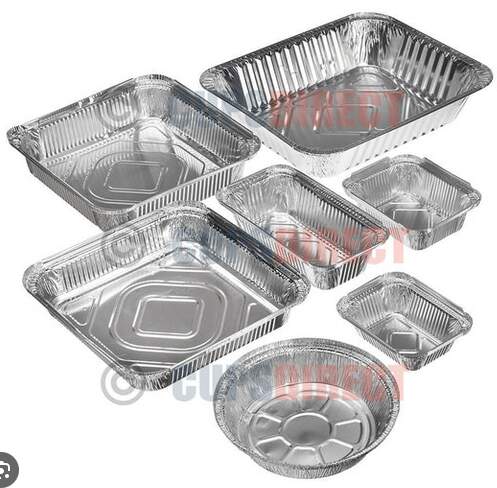

 But something positive emerged from my poor eating habits.