Not sure the desk lamp would be a broad enough light source but shoud work for small stuff. Try anything just to experiment.
1 Like
You will notice my automotive photos almost always have a lot of afternoon light.
Apologies for turning this into a car show - I admit it, my ego got the better of me.
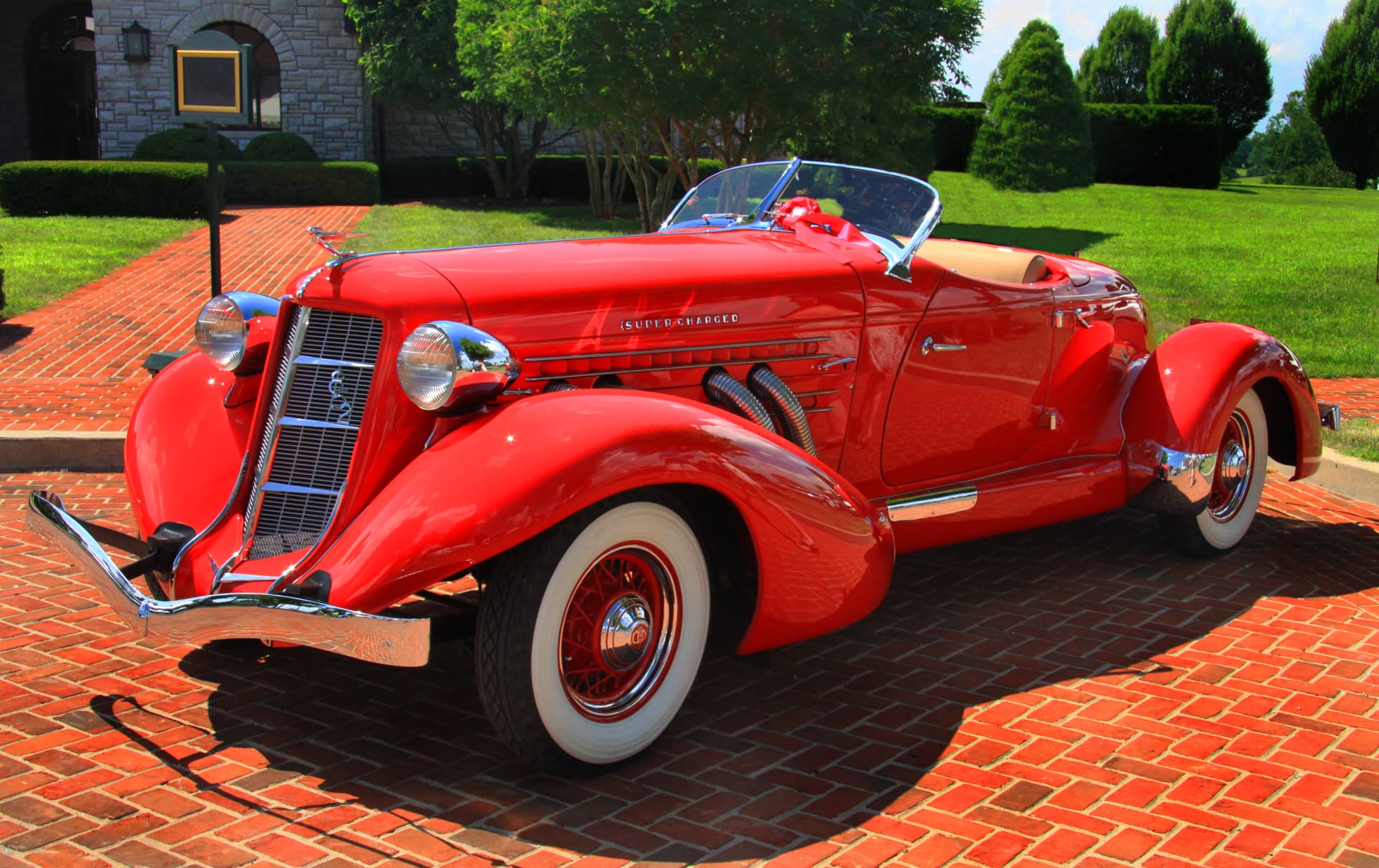
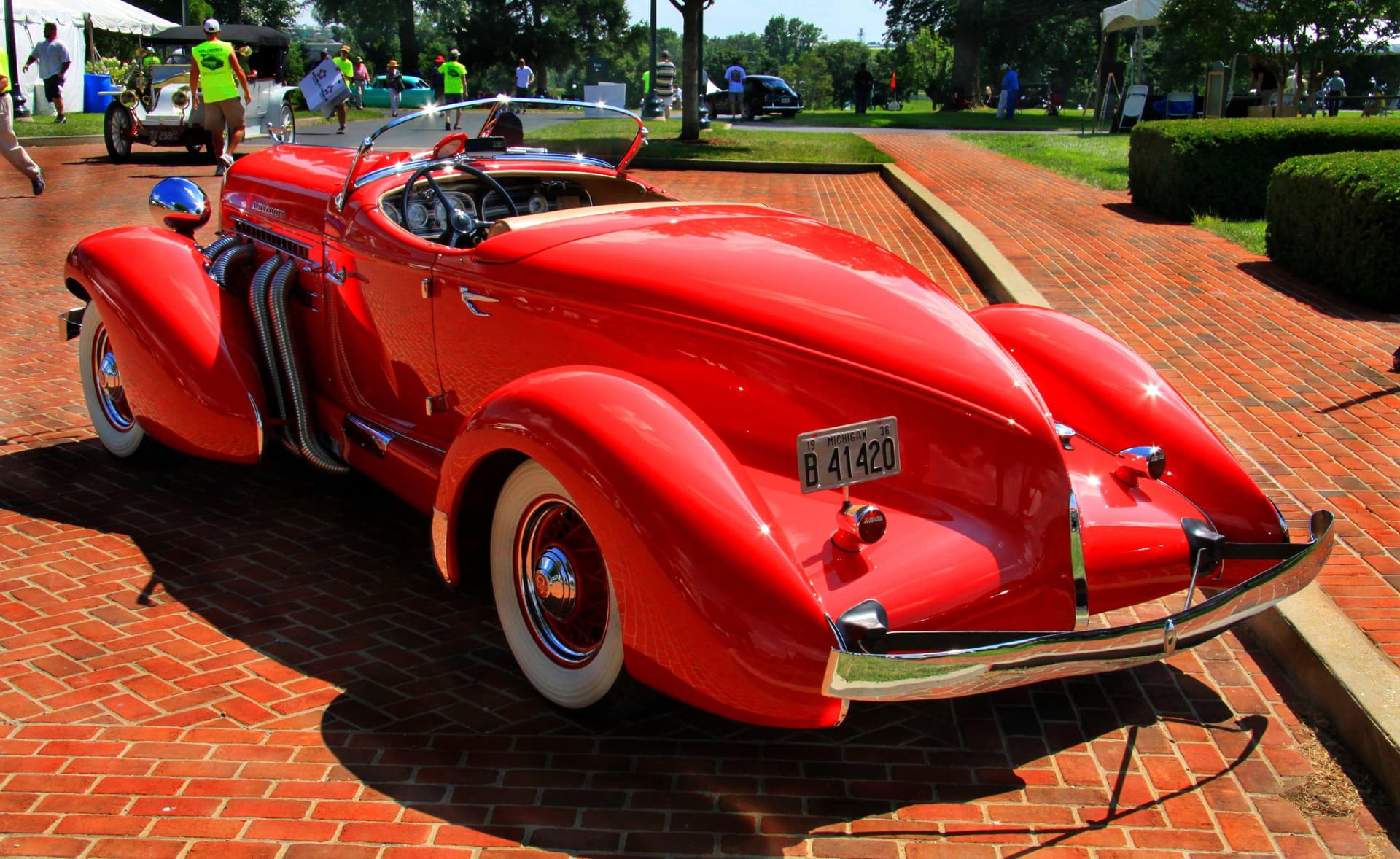
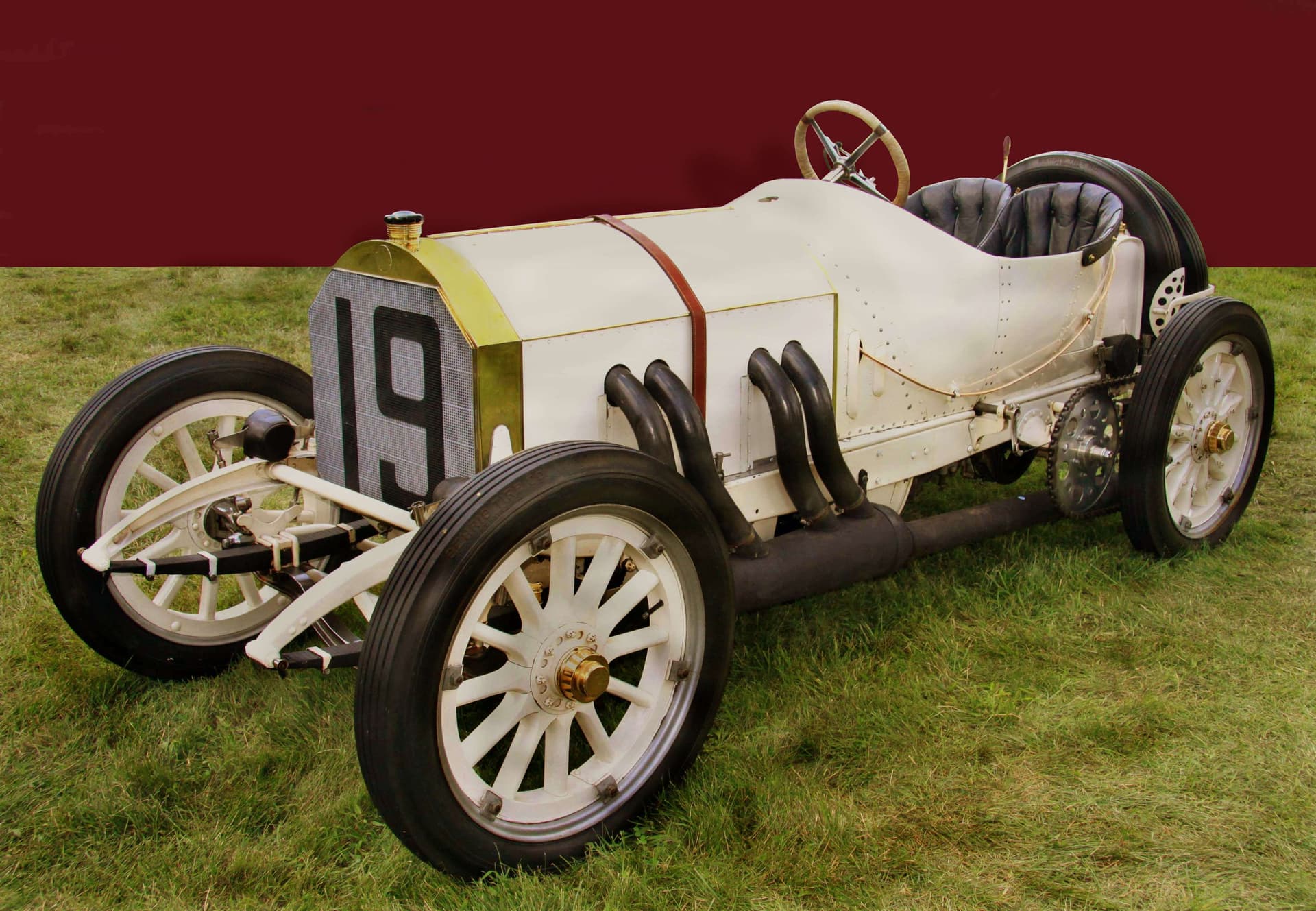
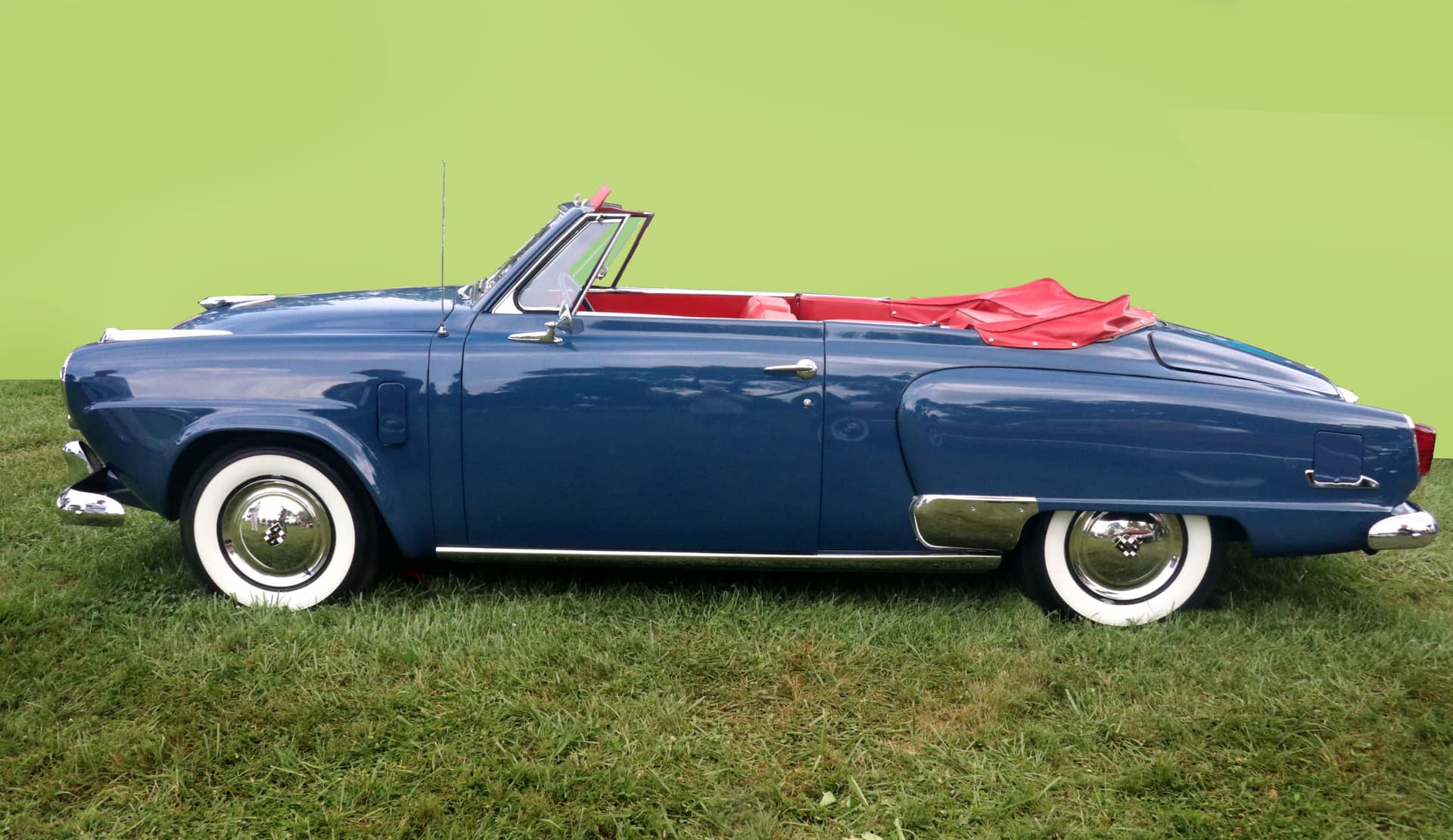
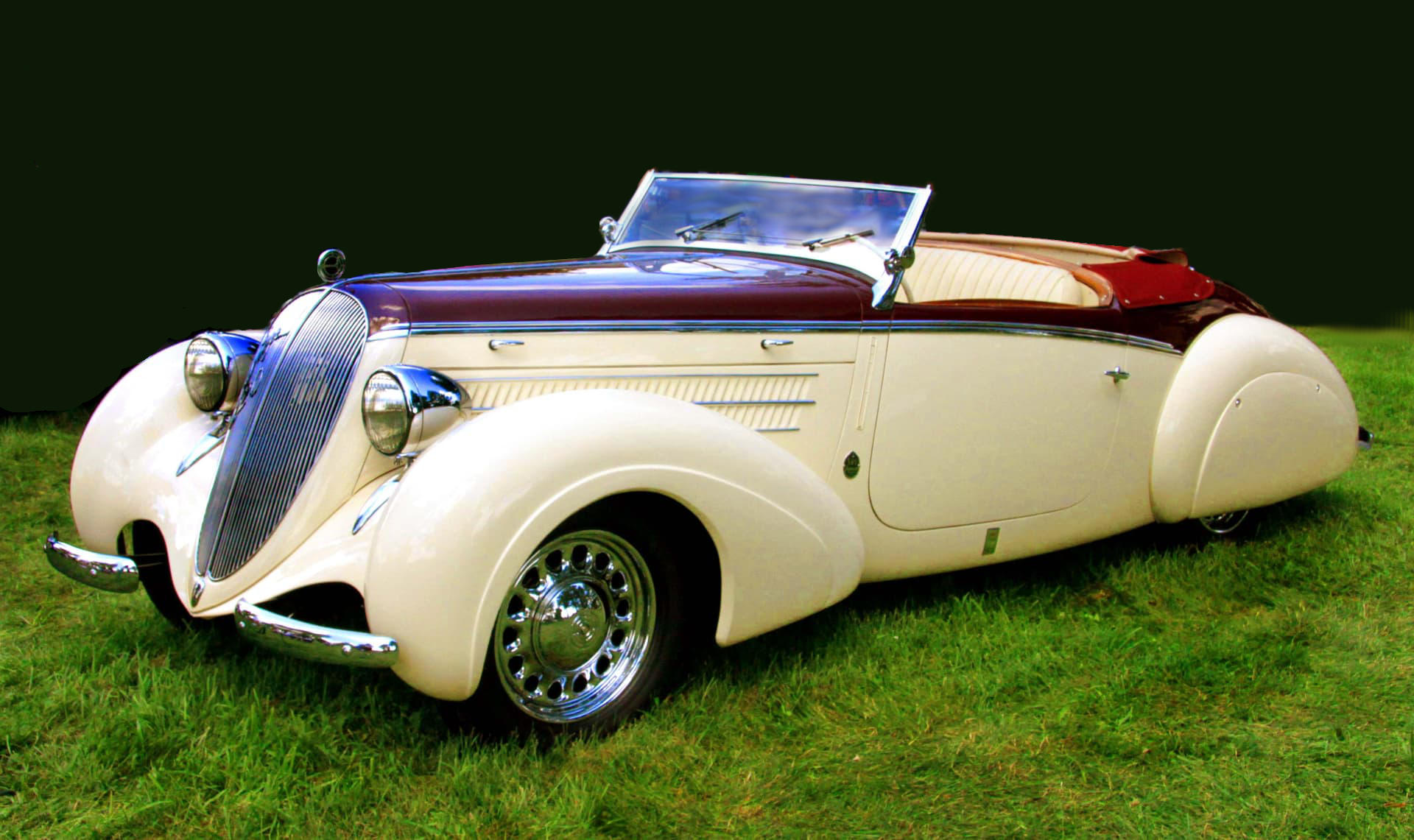
1938 Steyr 220
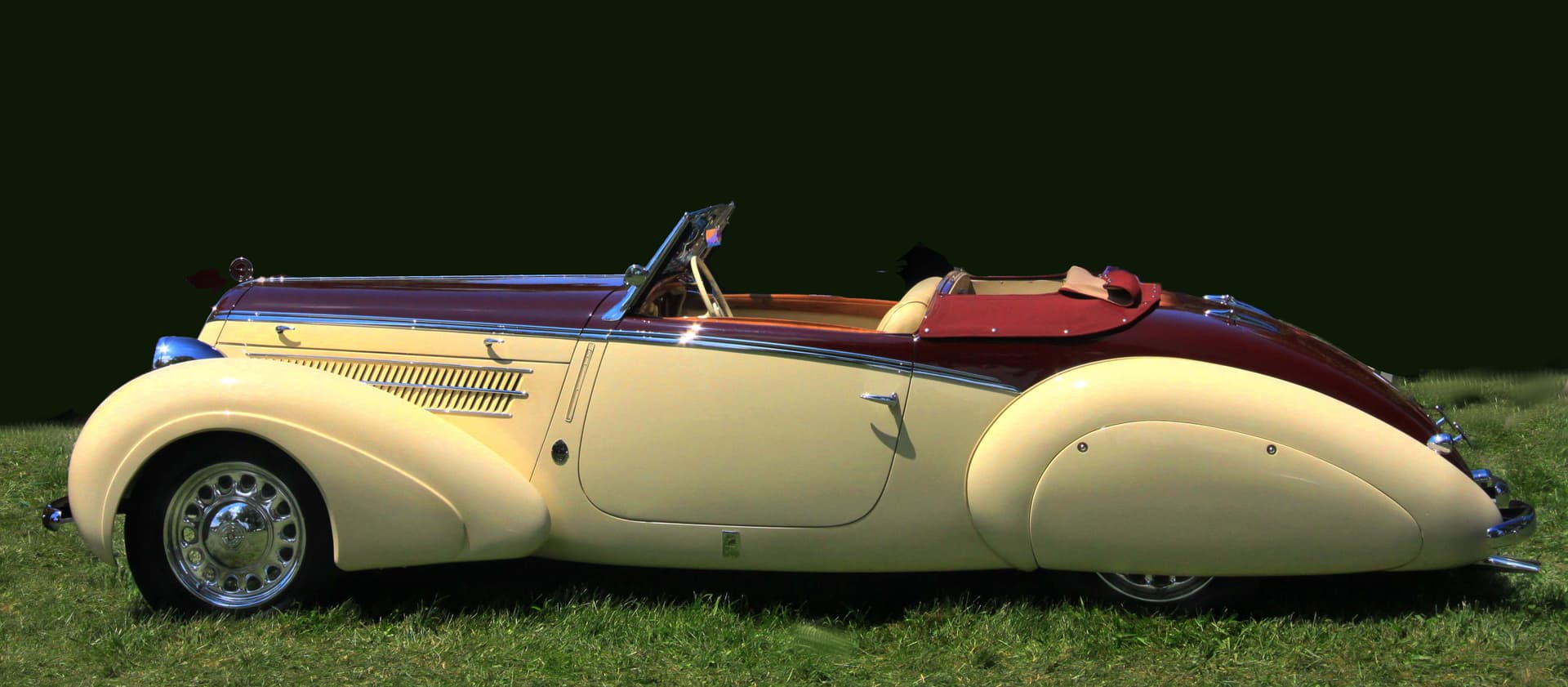
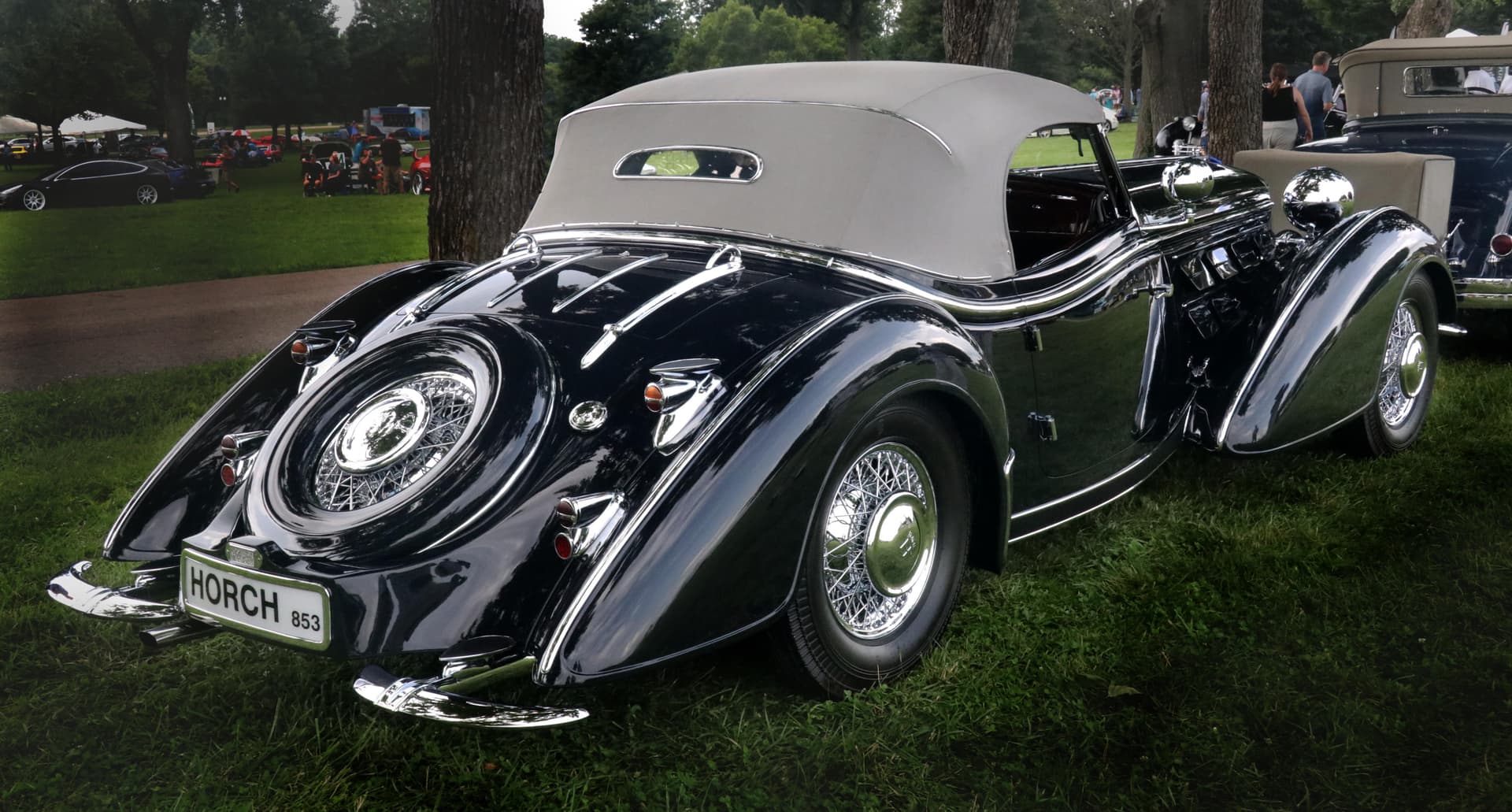
1940 Horch
Works for tanks too.
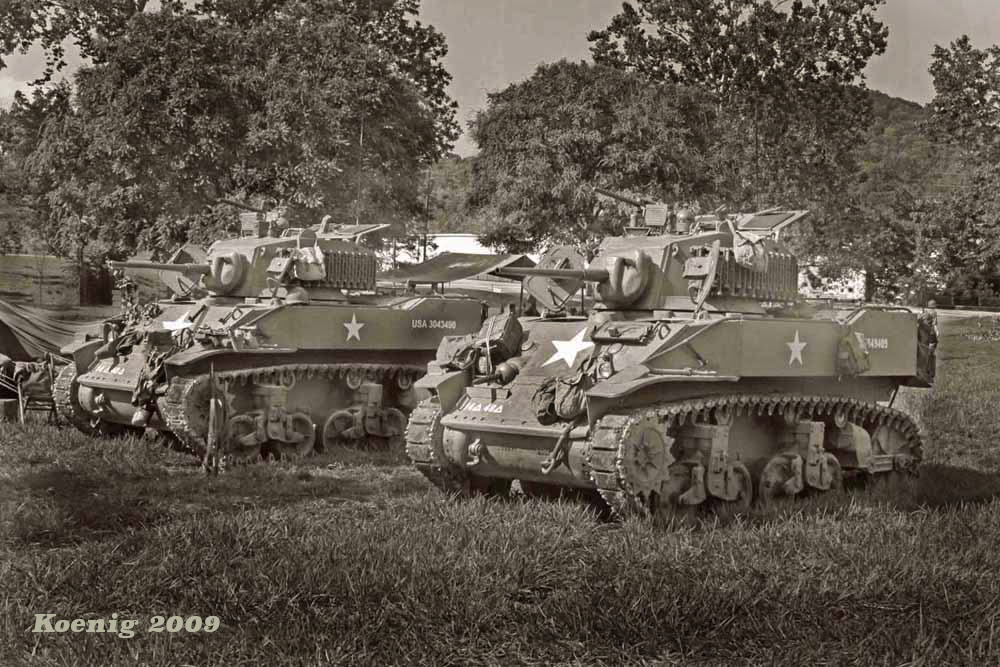
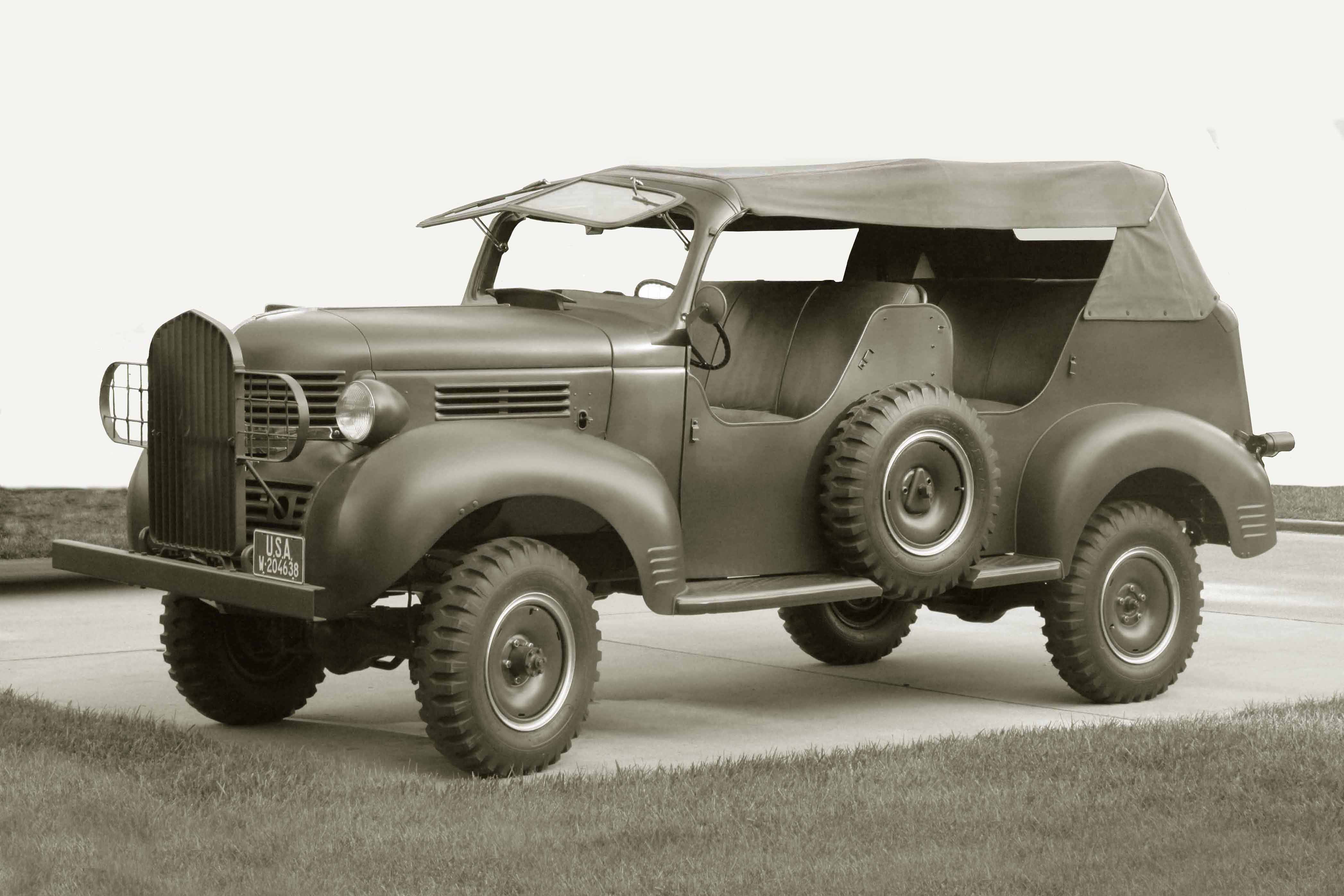
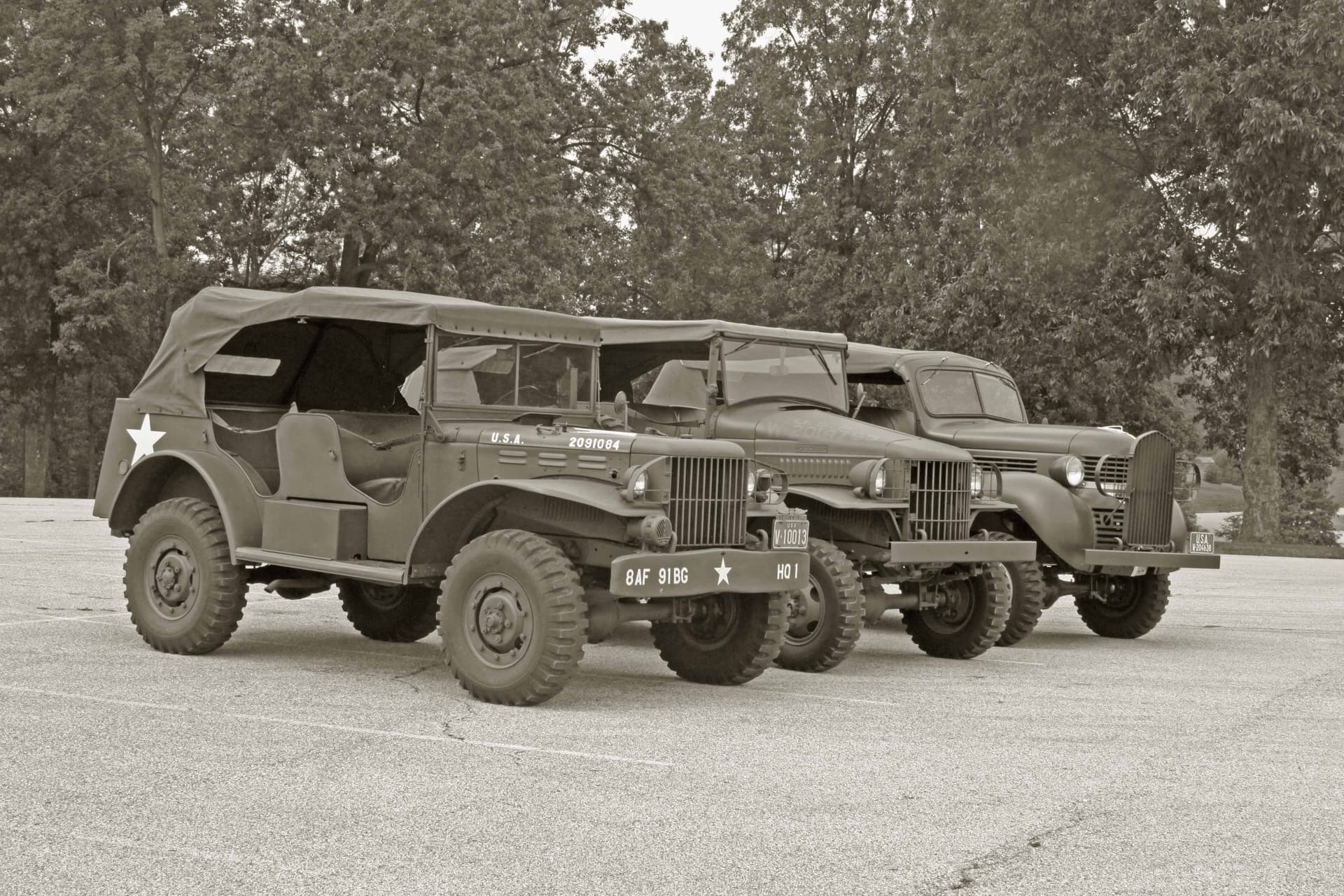
This trio below on a sadly overcast day.
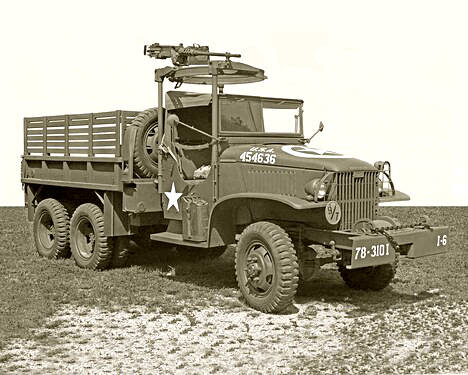
LWB CCKW in the noon day sun.
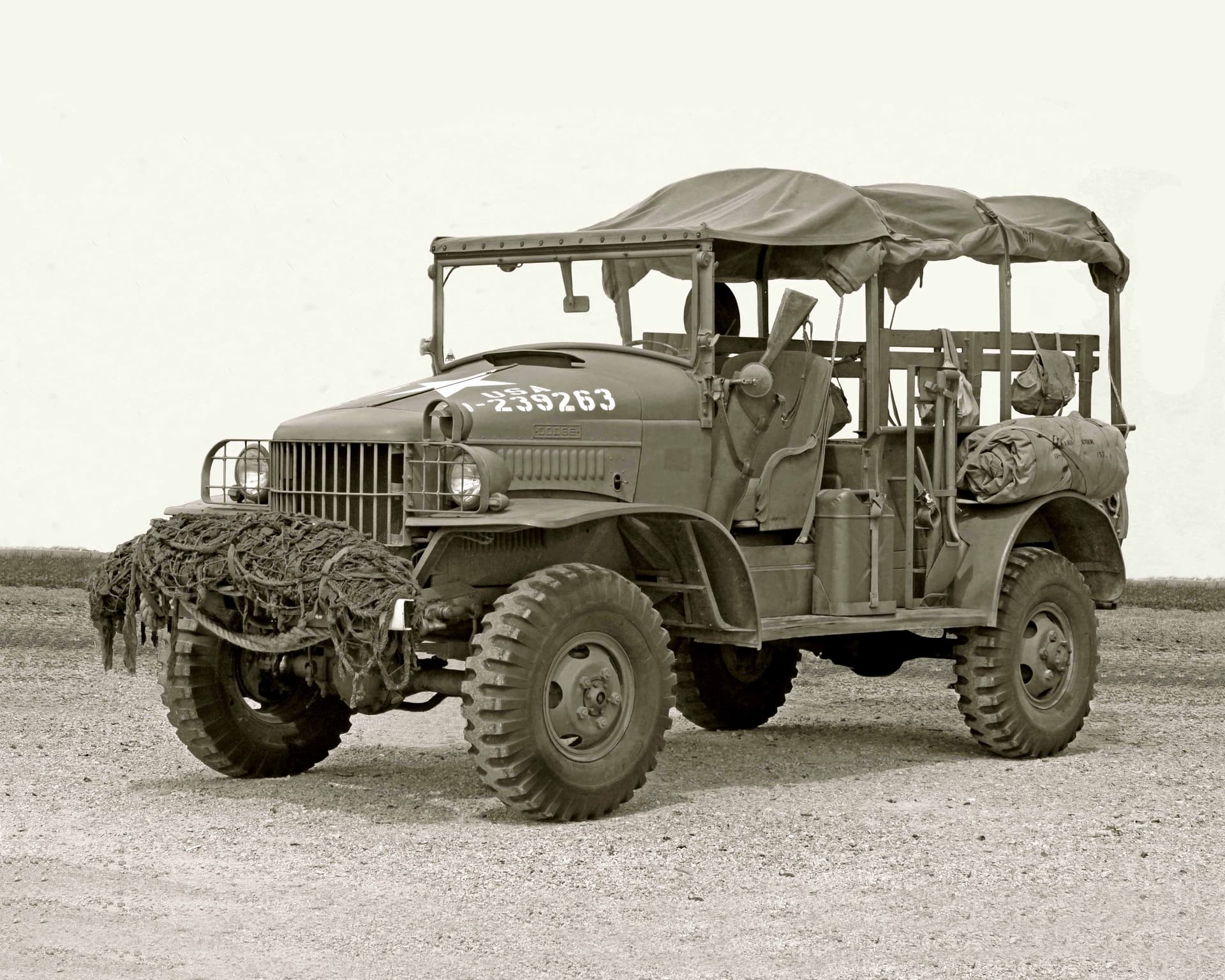
2 Likes
Michael! Photos are simply gorgeous!! 
1 Like
Thank you - I just do this in support of my hobbies after doing it professionally for so many years. (But back then I did not get to choose my subjects!)
2 Likes
there are some interesting subjects there. I dont wanna bomb your thread. everyone has a style just as in how they approach model painting.
1 Like
Someone say cars? I photographed for an online site at the Goodguys shows. (i was a semi pro for a number of years).
However I find photographing cars way easier than models. Models need the right techniques to get it right.
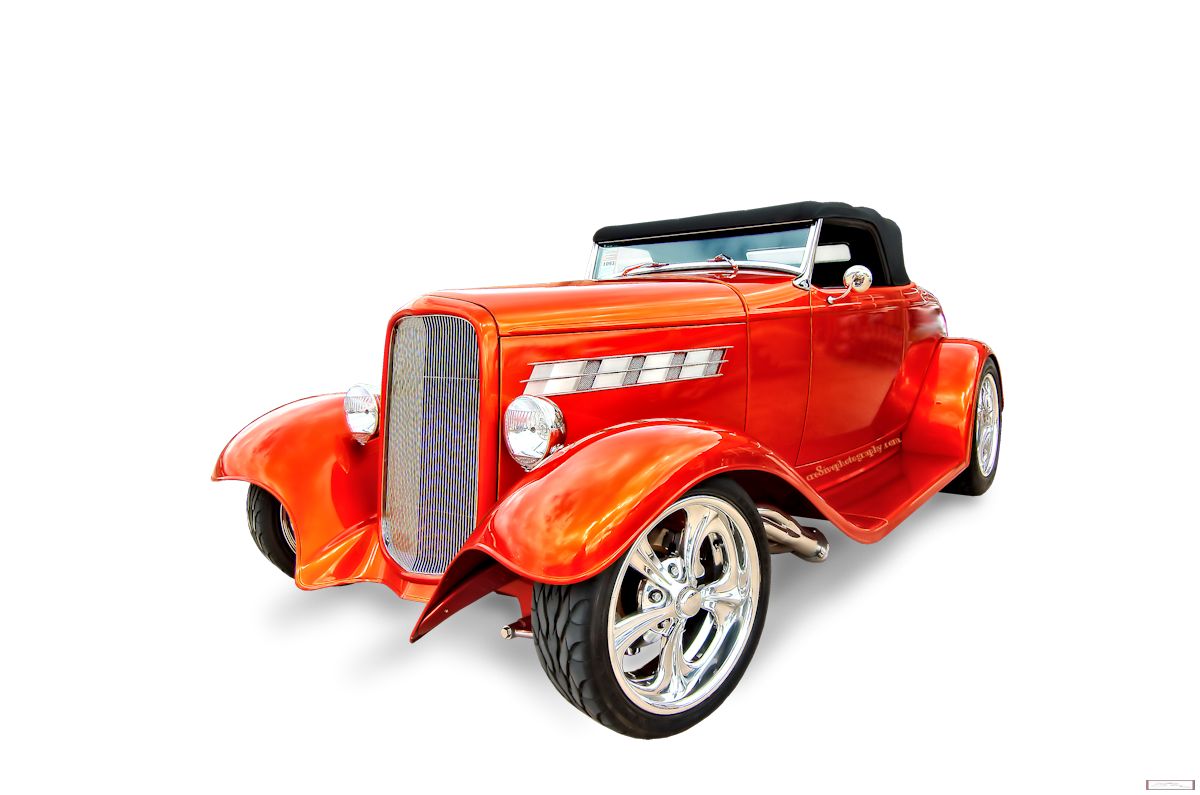
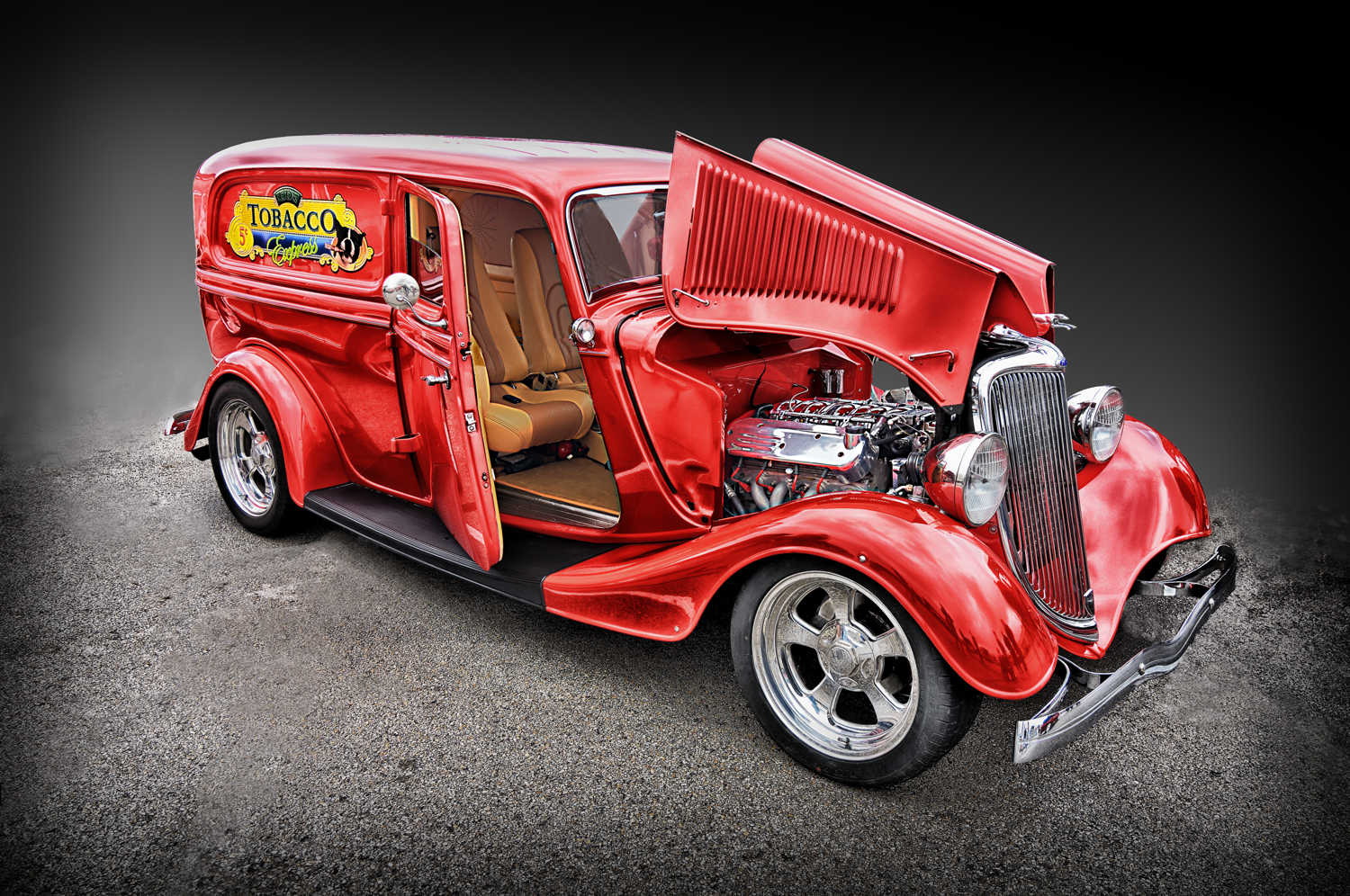
1 Like
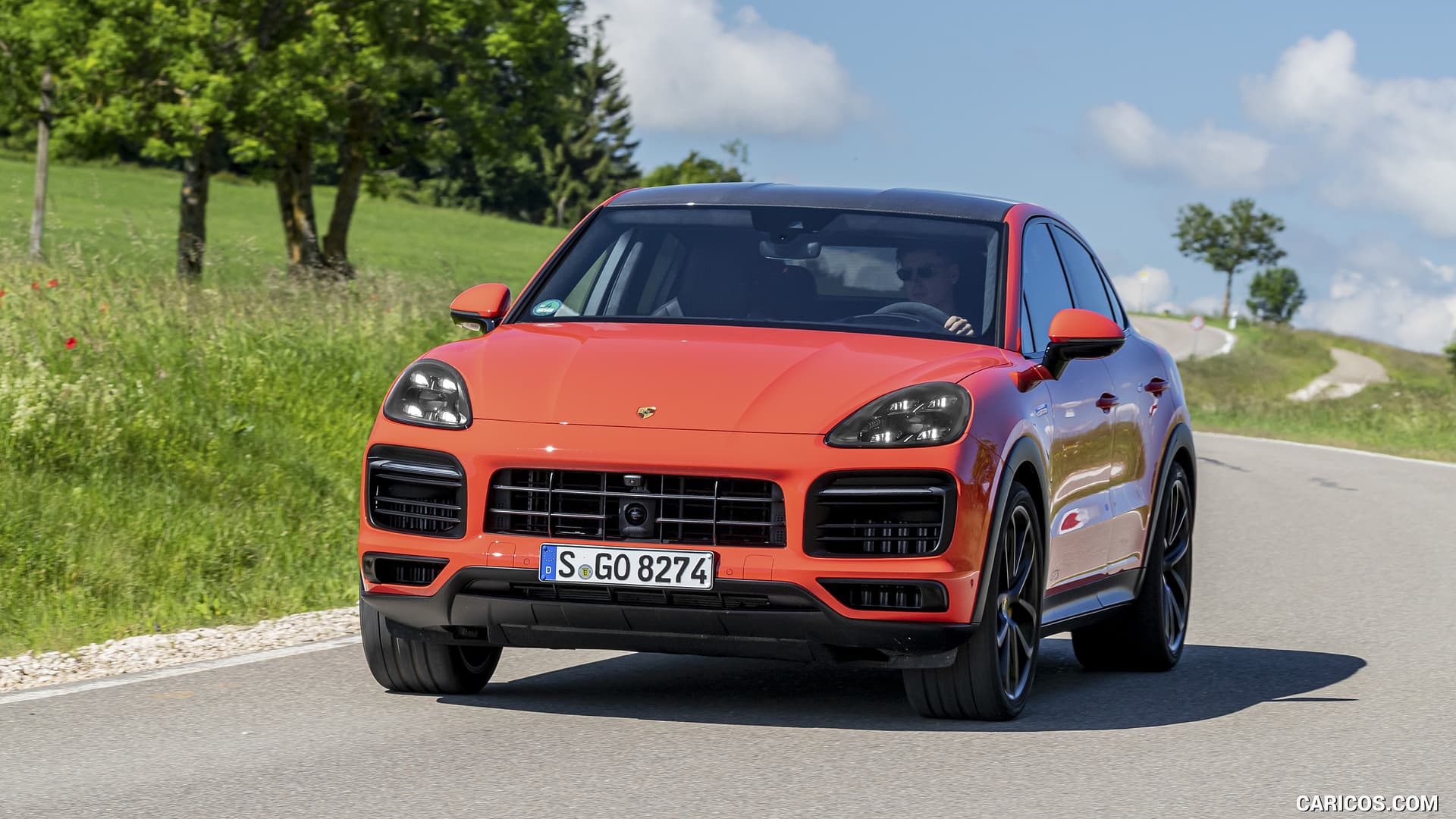
Early evening/ late afternoon lighting / cloudy

I suspect there was additional lighting and photo touch up.

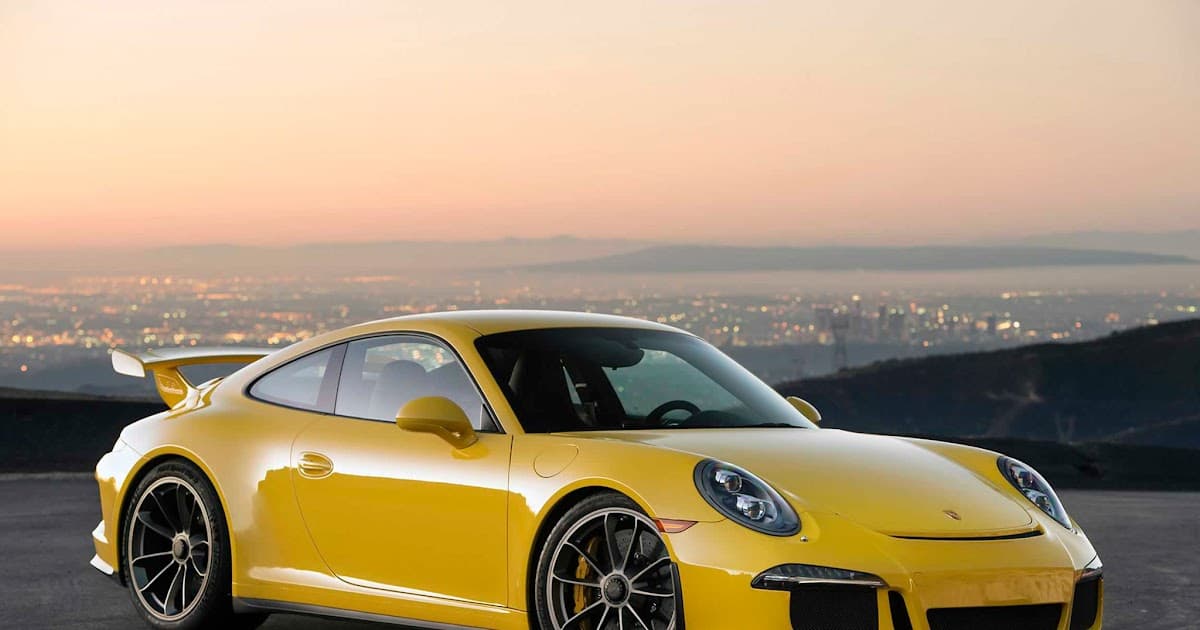
Noon is overpowering
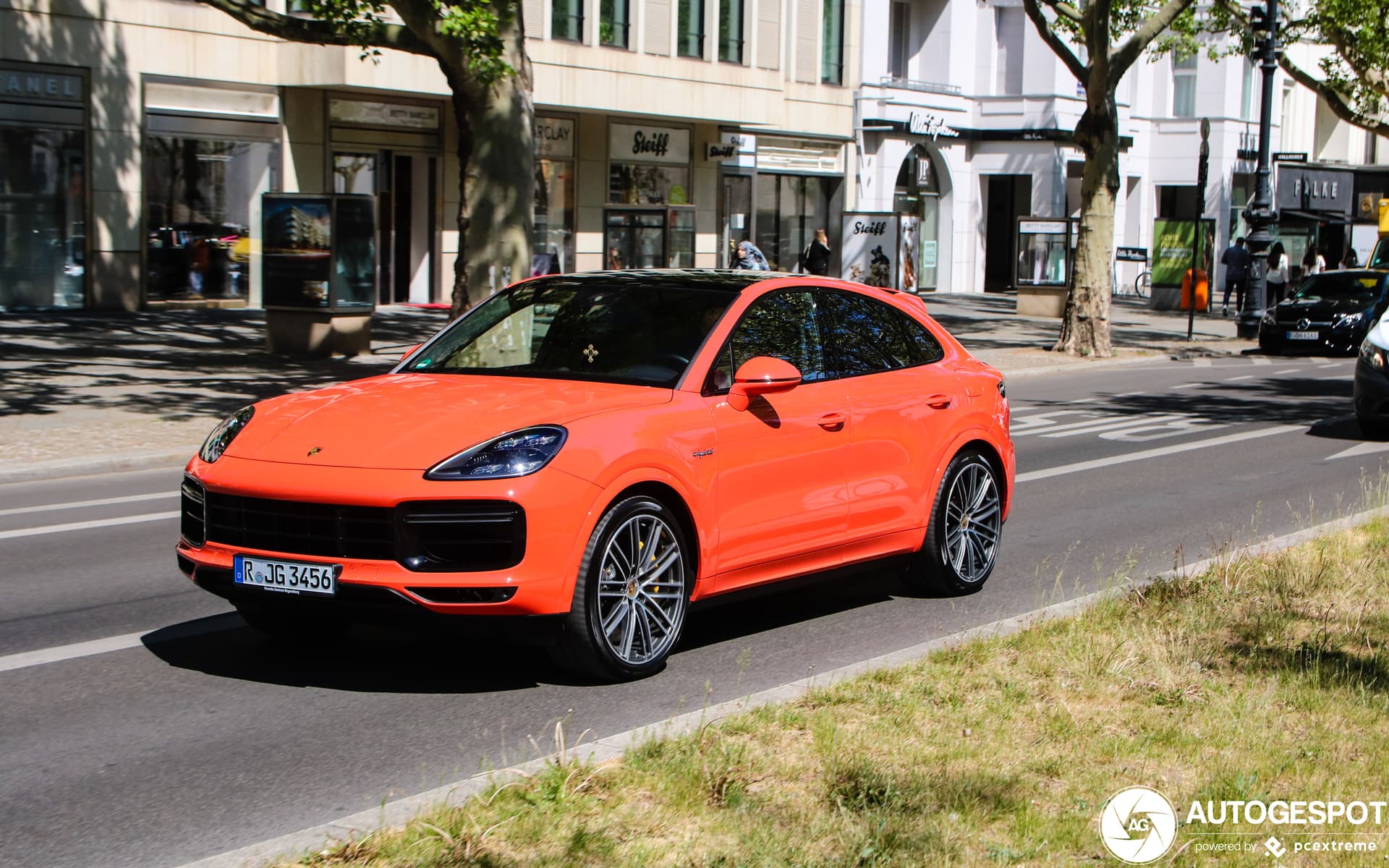
2 Likes
And what color light should I use, more towards white or yellow?
As long as it applies somewhat to photographing models and how techniques translate into real life, and vice-versa, it’s fine.
I doubt that the real thing and models relate other than the use of some form of camera.
Model photography often trips over, for most folks, because of two issues. Depth of field and lighting.
I would suggest Googling the likes of https://www.youtube.com/watch?v=-SMSqItRX0s
Now be wary of those promoting high number f stops. In theory f22 to f30+ sounds fine. But there is what is known as lens diffraction that many lens have. https://photographylife.com/what-is-diffraction-in-photography
Then there is photo stacking. Again Google will help you because I know just enough to get myself into trouble. 
Too many things to test out: I want to see the differences between my phone camera, a point and shoot I have, and a larger camera I have, background color, and extra lighting! I’ll figure it out.
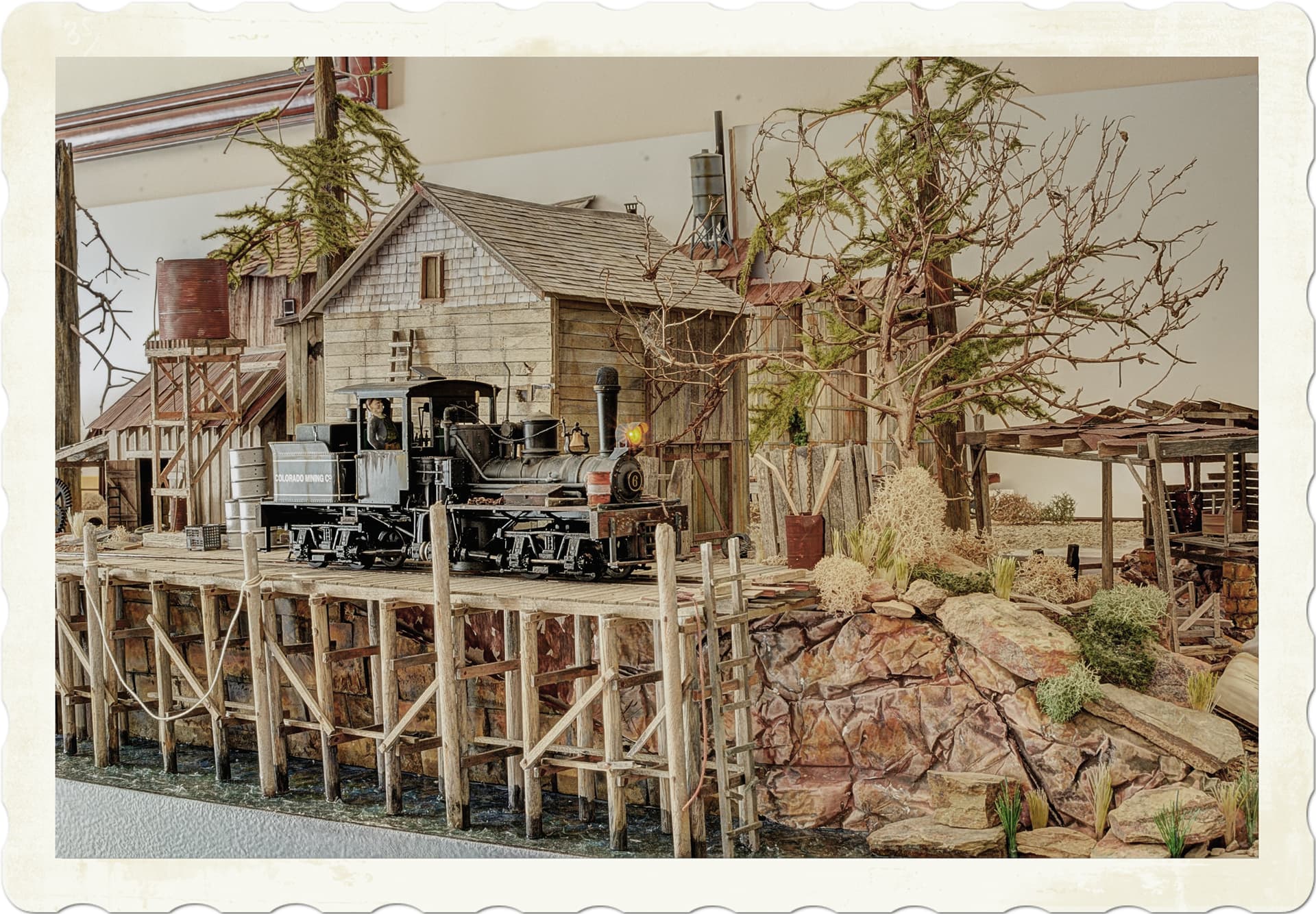
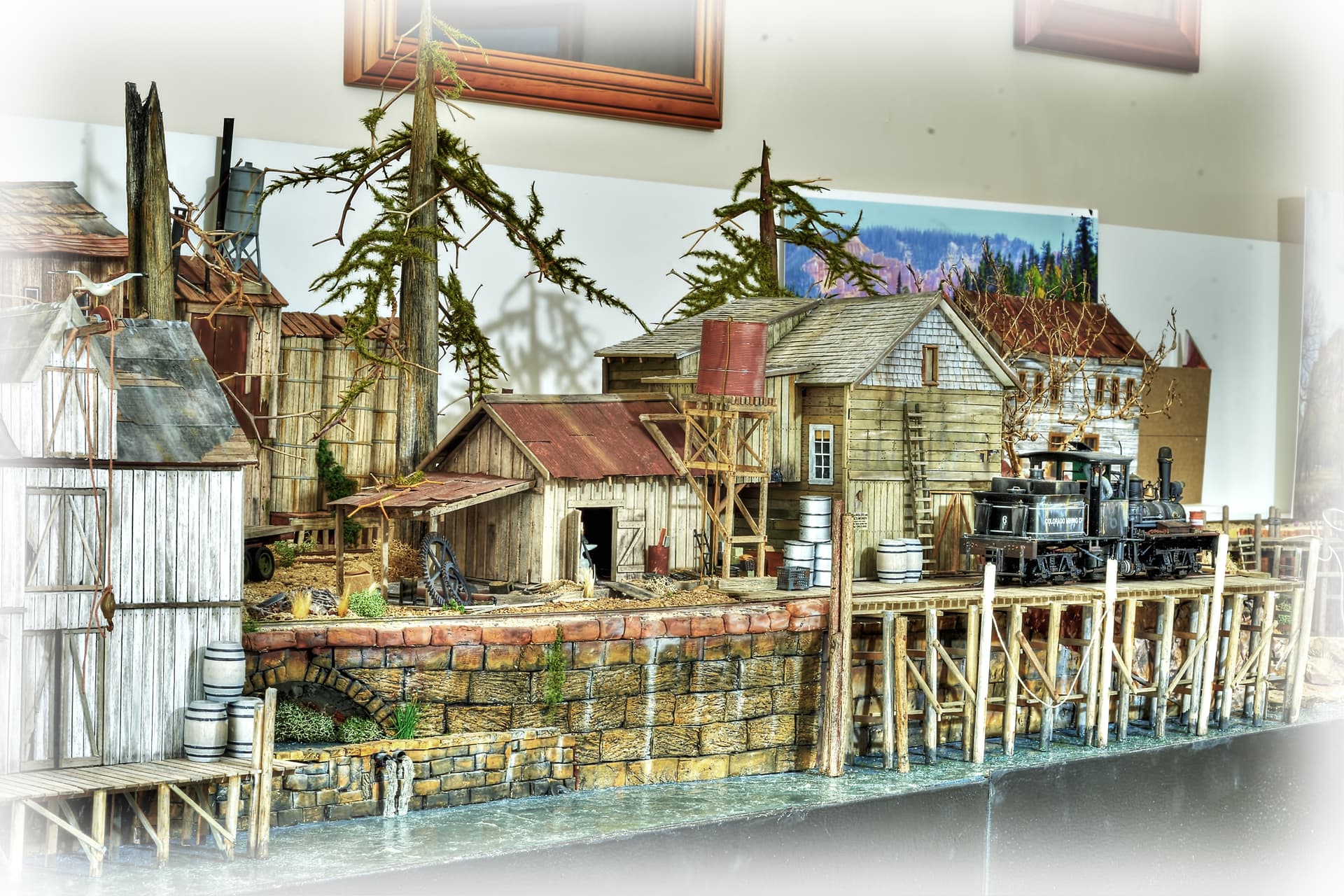
Often in a scene helps a lot.
Dont be afraid to stand back and take a larger view. You may find cropping the images works better.
3 Likes
@TopSmith its funny you mentioned xtreme experience. I did some shooting with them and they used my moving Lambo shot on there page for a few years. I’ll dig it up at post on my thread.
1 Like
I just do the cars as a hobby. (Every year when the Concours is in town.) Also I attend the MVPA National whenever it is in one day driving distance. Also love trains as well.
Rouge as to what color light to use??? Previously I used nothing but warm white but everything was coming out too warm. How I use a 50/50 mix of warm white and cold white in my “studio” lights so the color for this new light is based on whatever is pleasing to you. Myself, I would go with the warm white a see what happens.
1 Like
BGT - Being a photographer by trade I think there might be more connections between photographing real vehicles and model ones. Yes, depth-of-field is a much greater problem when photographing models but still lots to be learned trying to replicate lighting affects, angles, etc. (Not saying I have as yet exactly learned those lessons.)
2 Likes
Someone earlier mentioned using maximum f numbers to increase depth-of-field and associated some negative aspects about flare and distortion caused by the small size of the lens iris.
I just wanted to say that with today’s multi-coated lens optics such flare is rarely a problem. Also in doing model photography there is rarely a strong light source pointing directly into the lens so flare is not usually an issue here.
When using a slow shutter speed with the camera on a tripod there should be no problem shooting at f 11 or even f 16, or more, in order to get maximum depth-of-field for your models.
Rouge - an additional thought on what color bulb to use for that added “reflection light.” Since we are obviously trying to create white highlights on the subject I suppose a cold white bulb would be the better choice. Also that will better match the color temperature of your strobes.
1 Like
Returning to your very first post:
Phone based and “full automatic cameras” are always going to pick an average shutter speed and an average f stop for any photograph you take.
What you are wanting/needing here is to select a slower shutter and a higher (smaller diameter) f stop to give you greater depth-of-field (depth of focus).
A couple of ways you can affect DoF when using an automatic camera:
#1. Throw more light on your subject. This will force the camera to select both a faster shutter speed AND a higher f number.
#2. Get a little further away from you subject and then crop in later using GIMP. DoF decreases the closer you focus on your subject.
#3. If your camera shows you a focus spot then focus on a point halfway into you subject rather than on the very front edge. (Take into account the front tip of the barrel when determining this “halfway in” focus point.)
1 Like
Thank you very much, sir. I’ll be able to put these into practice soon, hopefully.